Skip to content

Cape Plumbago

Plumbago Auriculata

Design with this plant

Overview

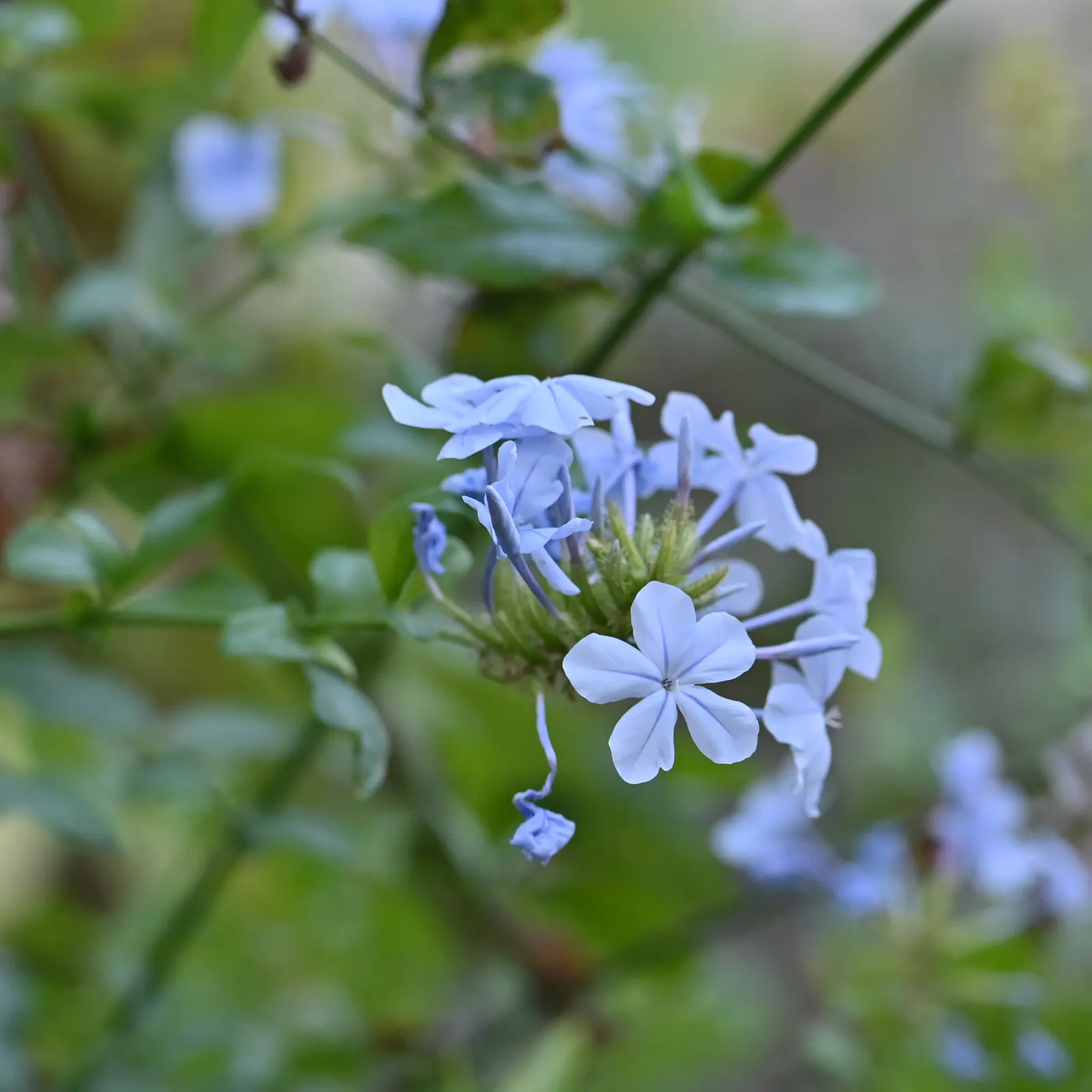
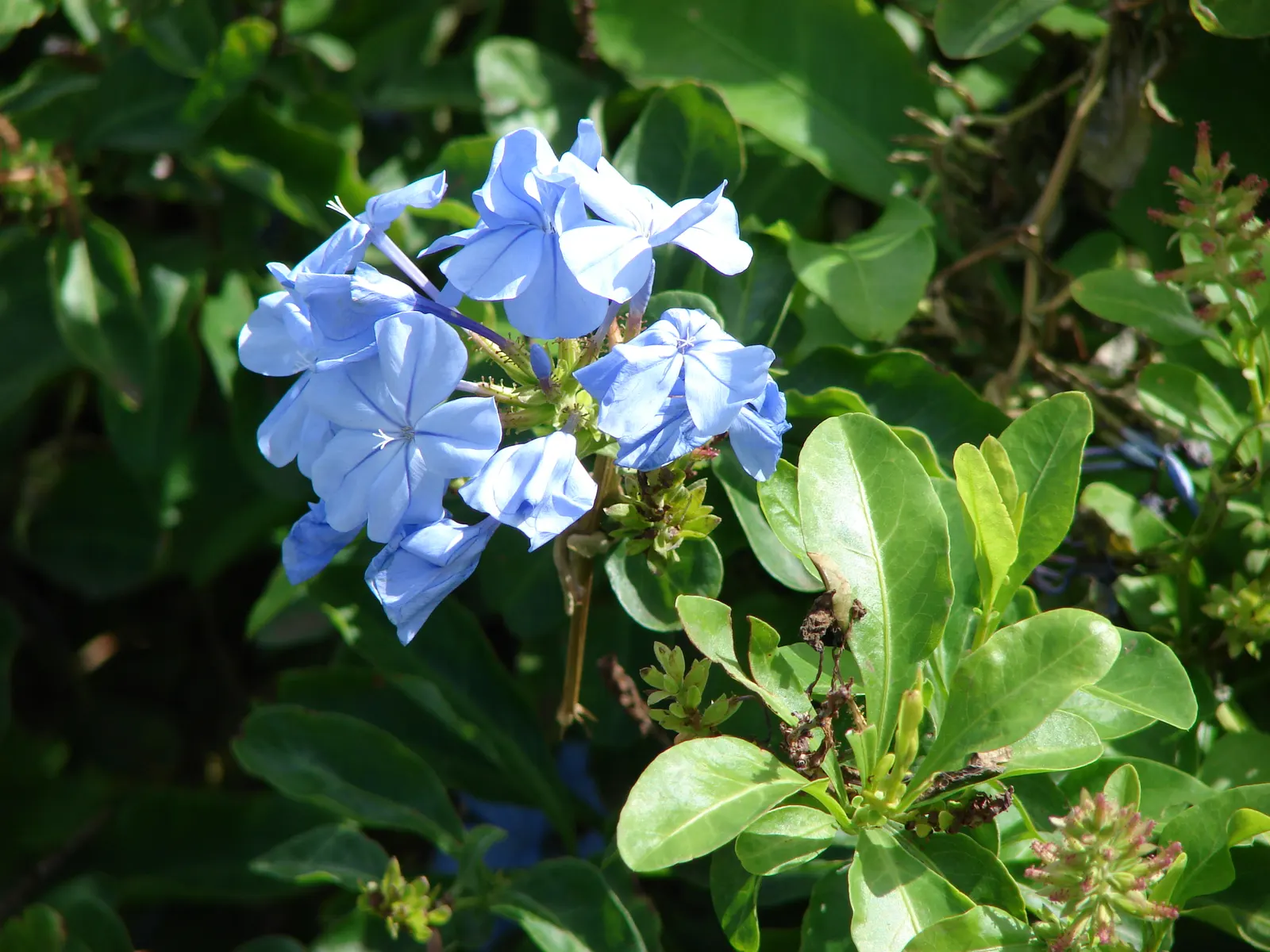
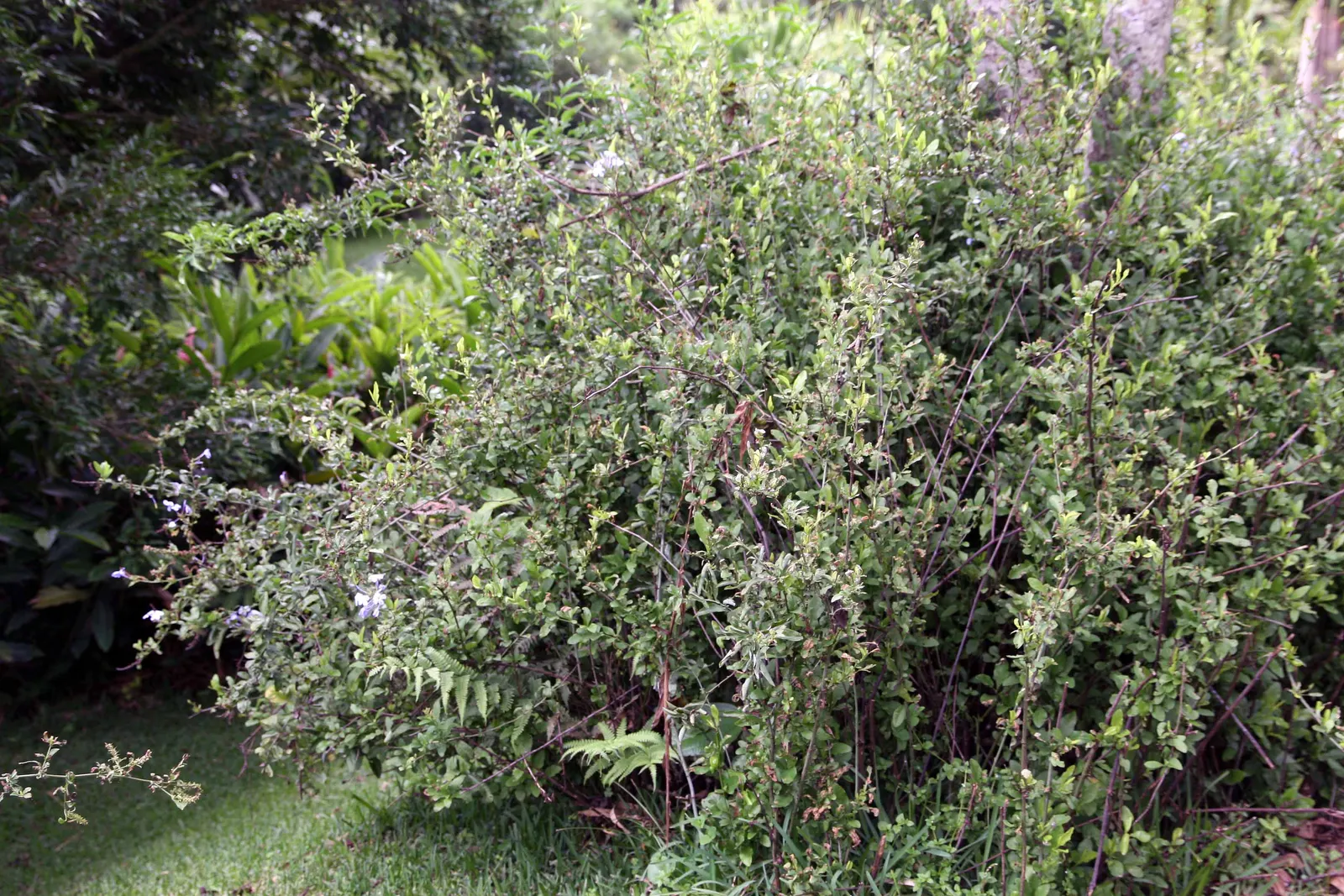
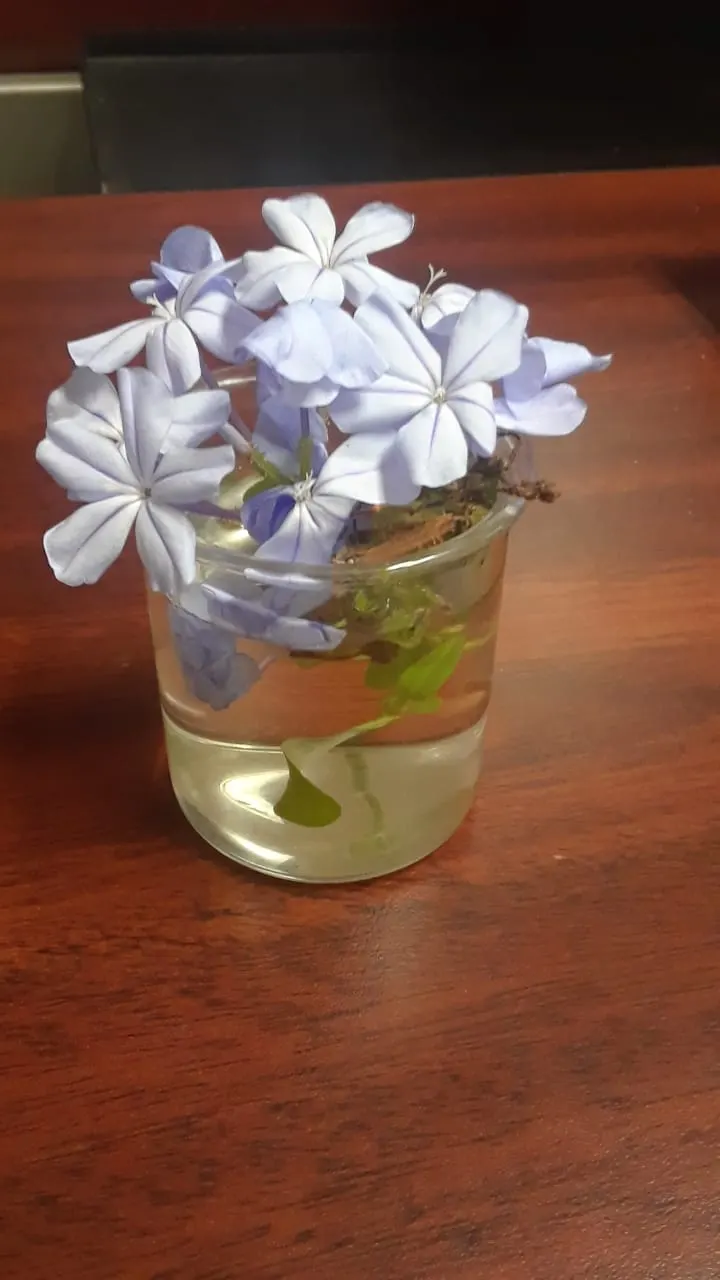
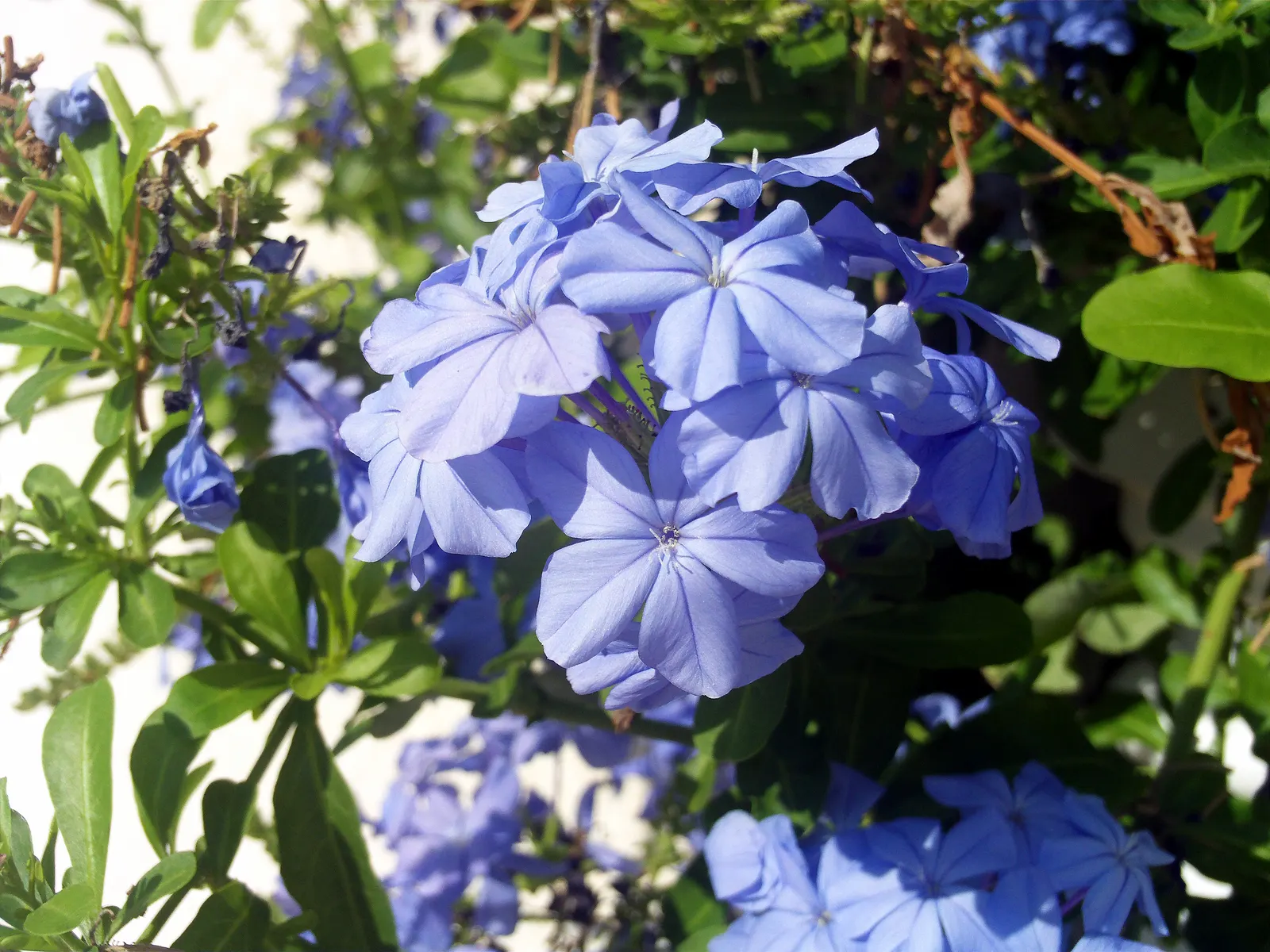
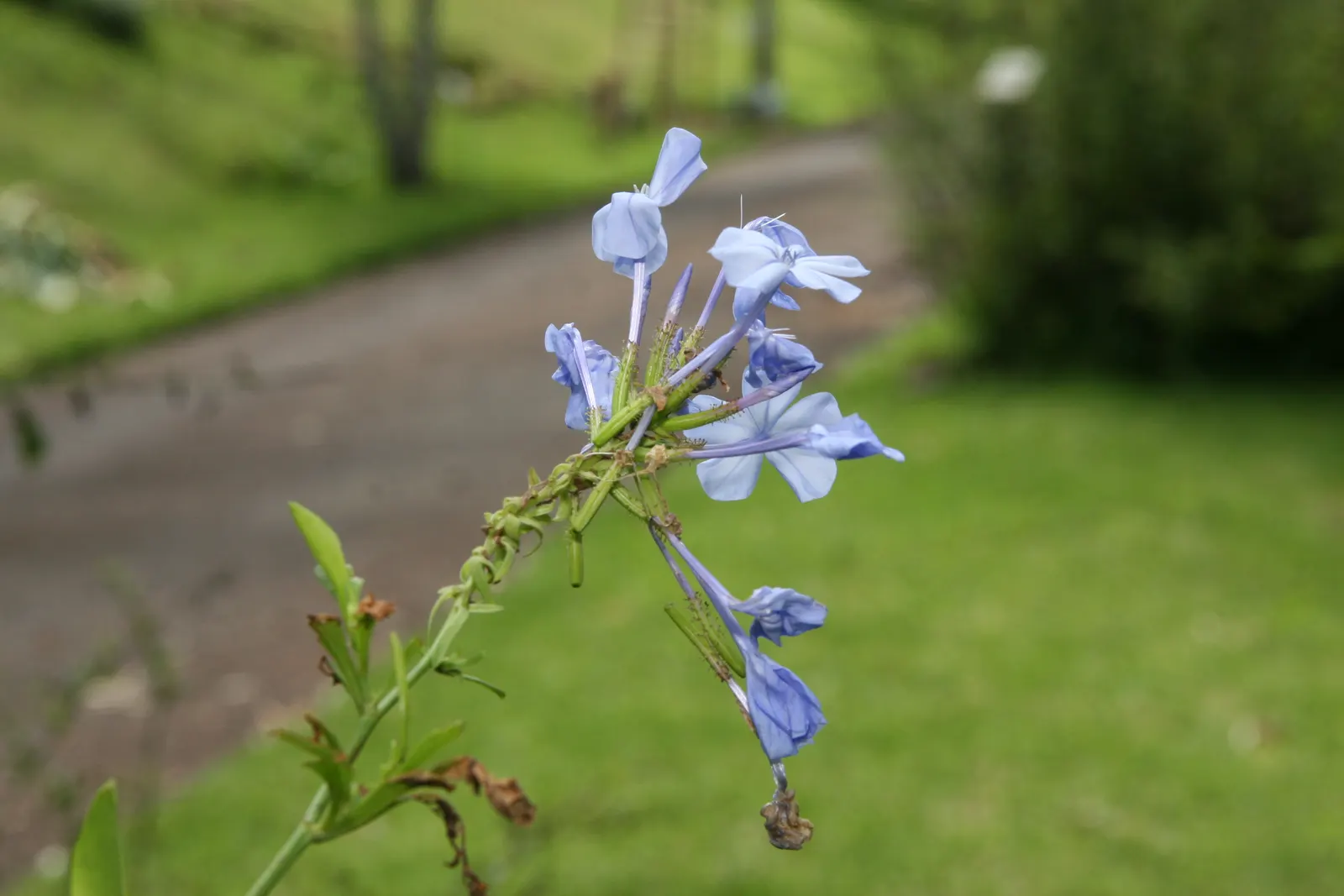
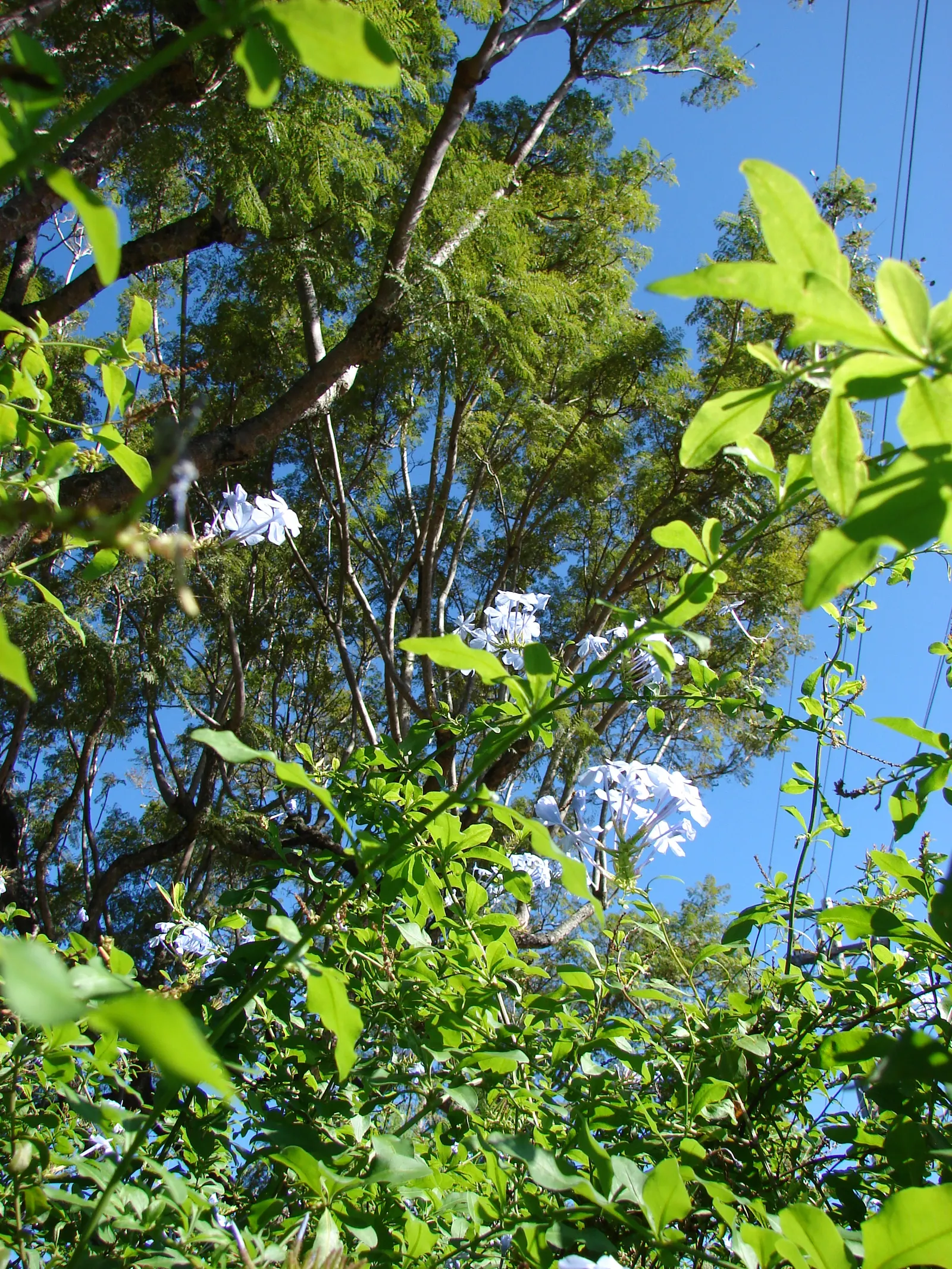
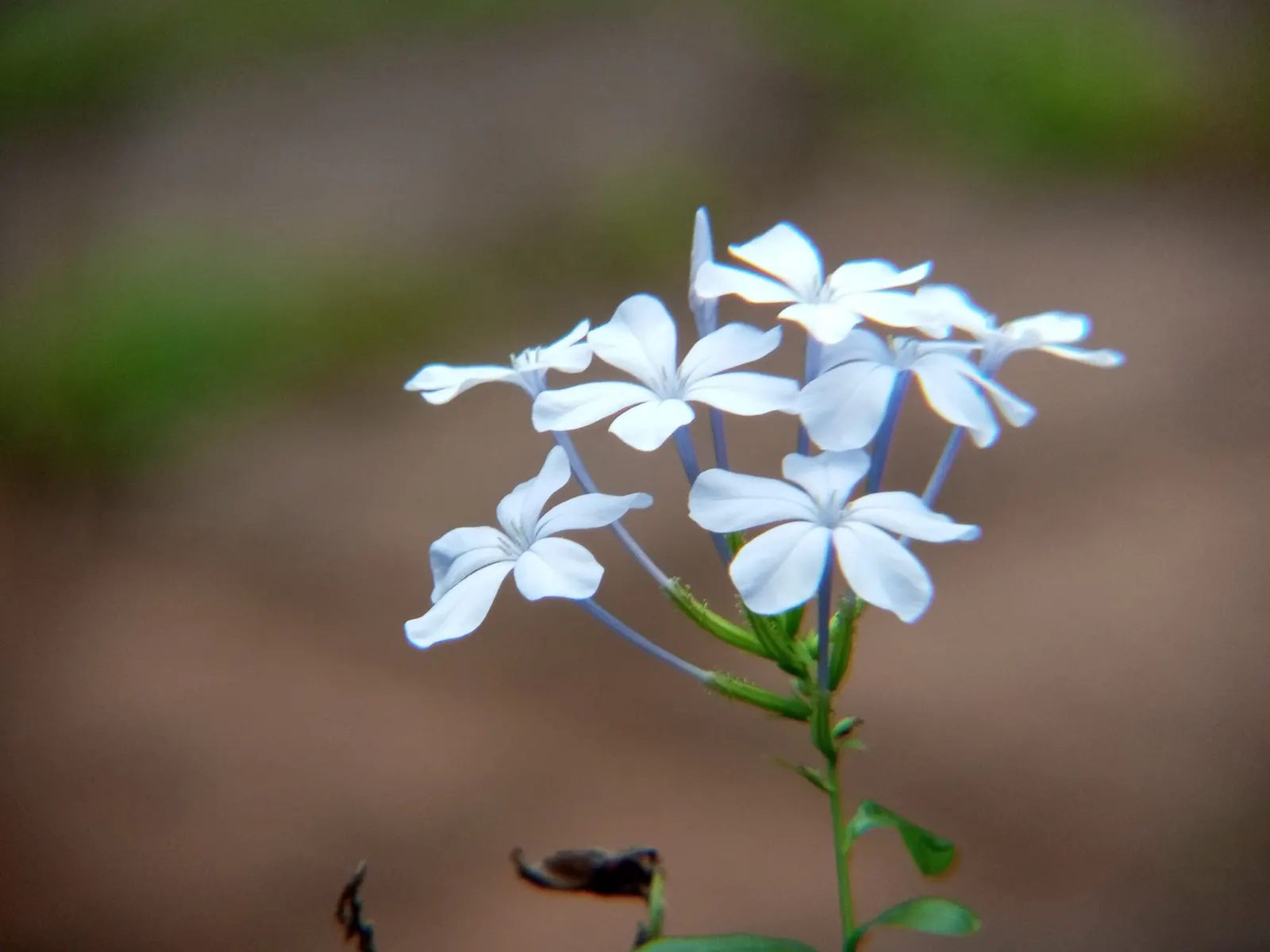
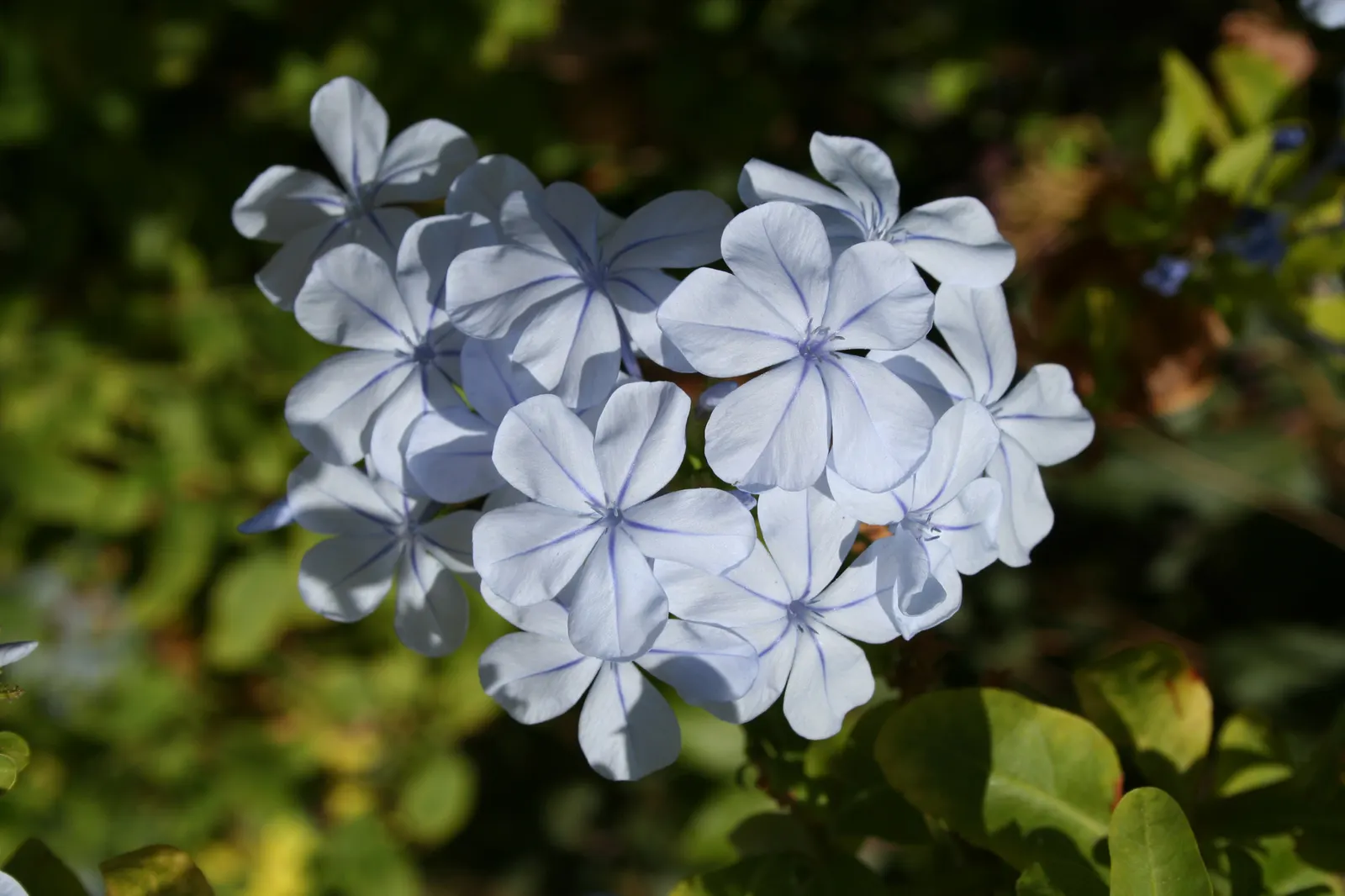
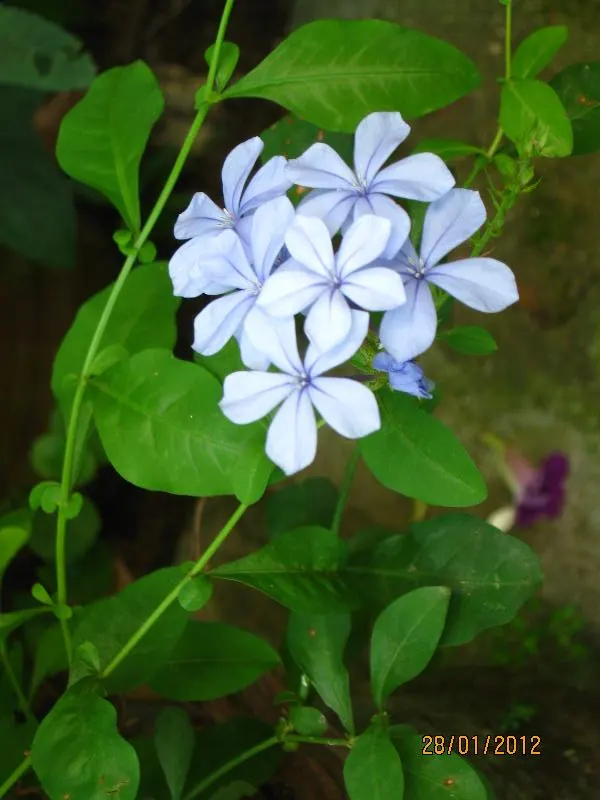
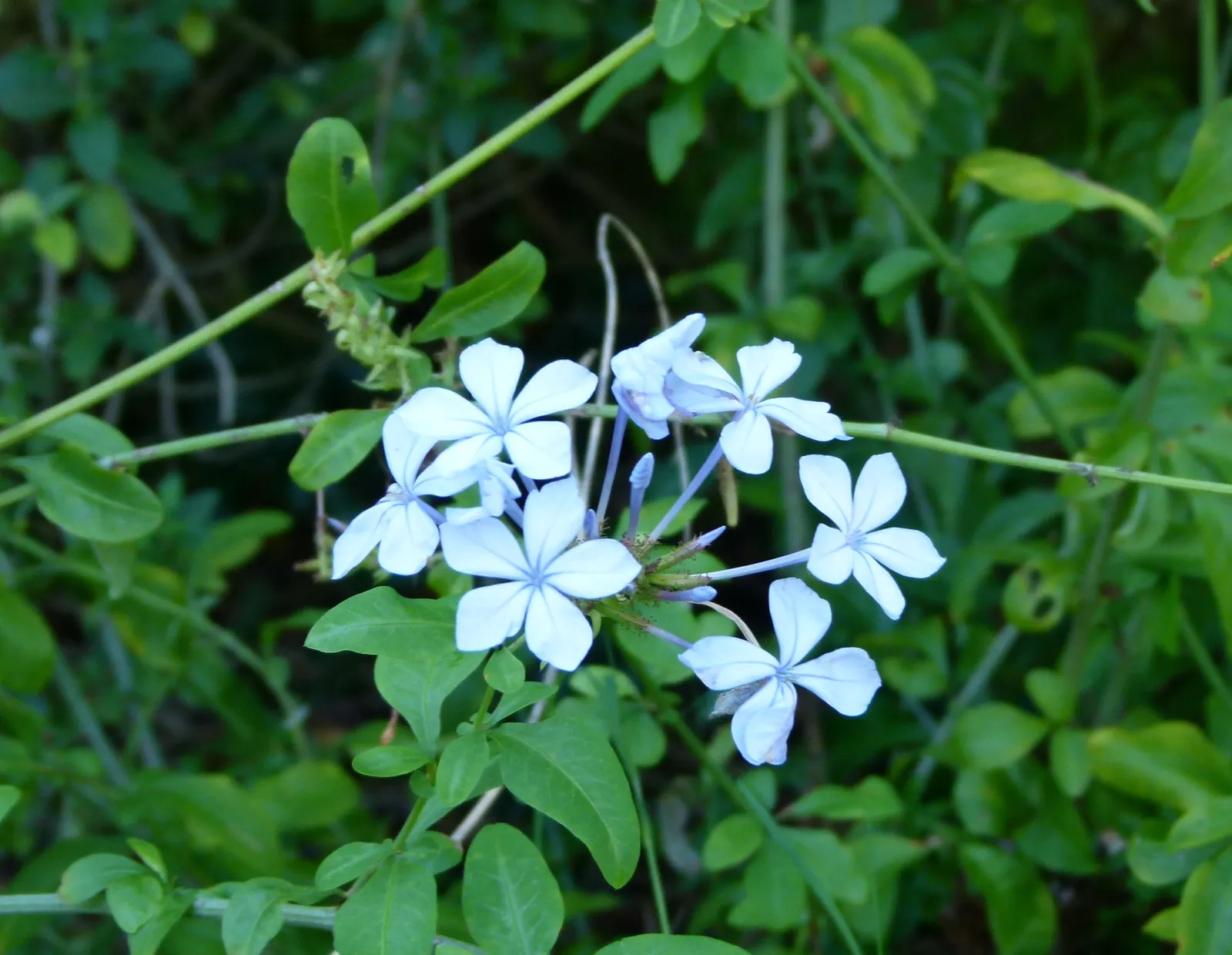
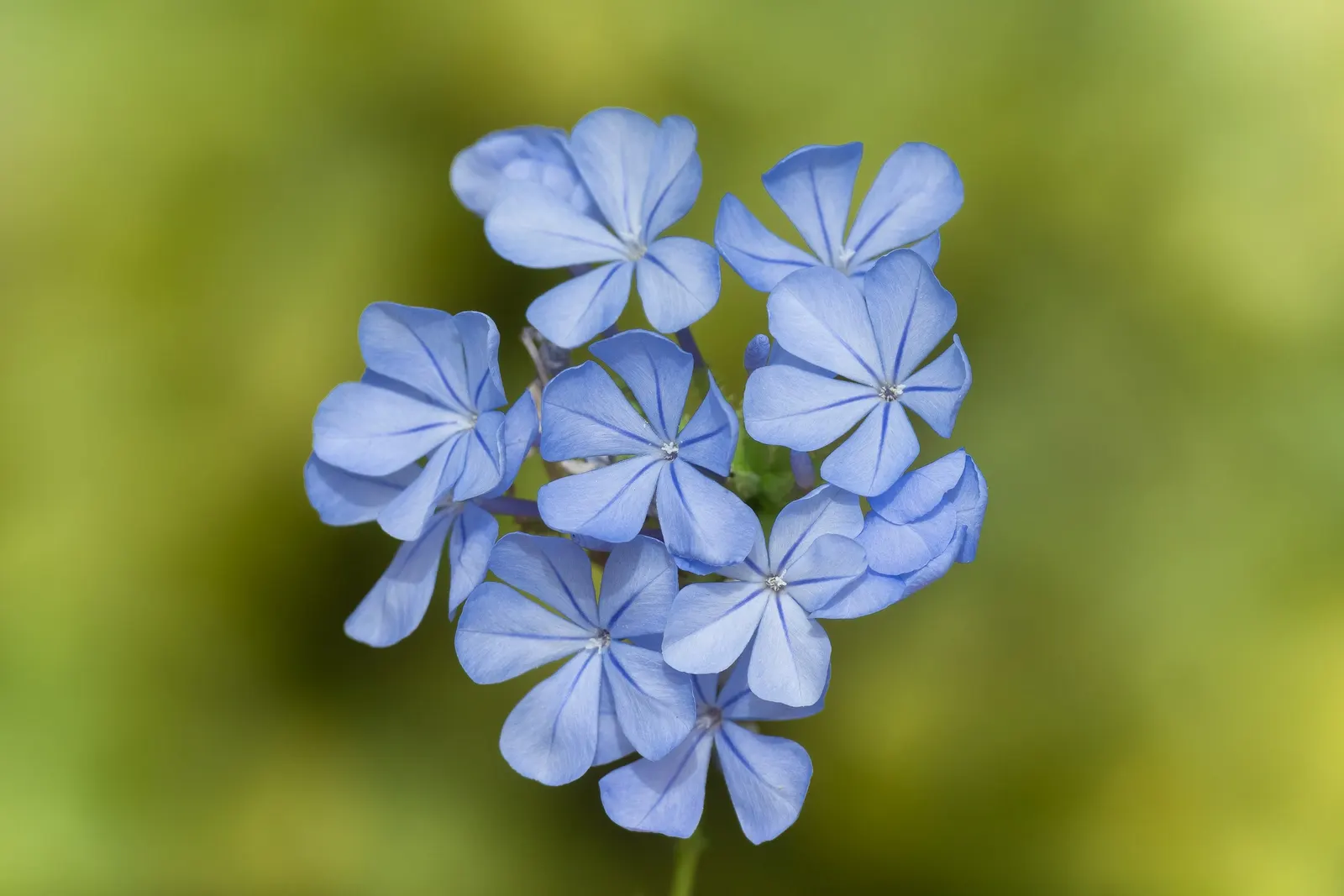
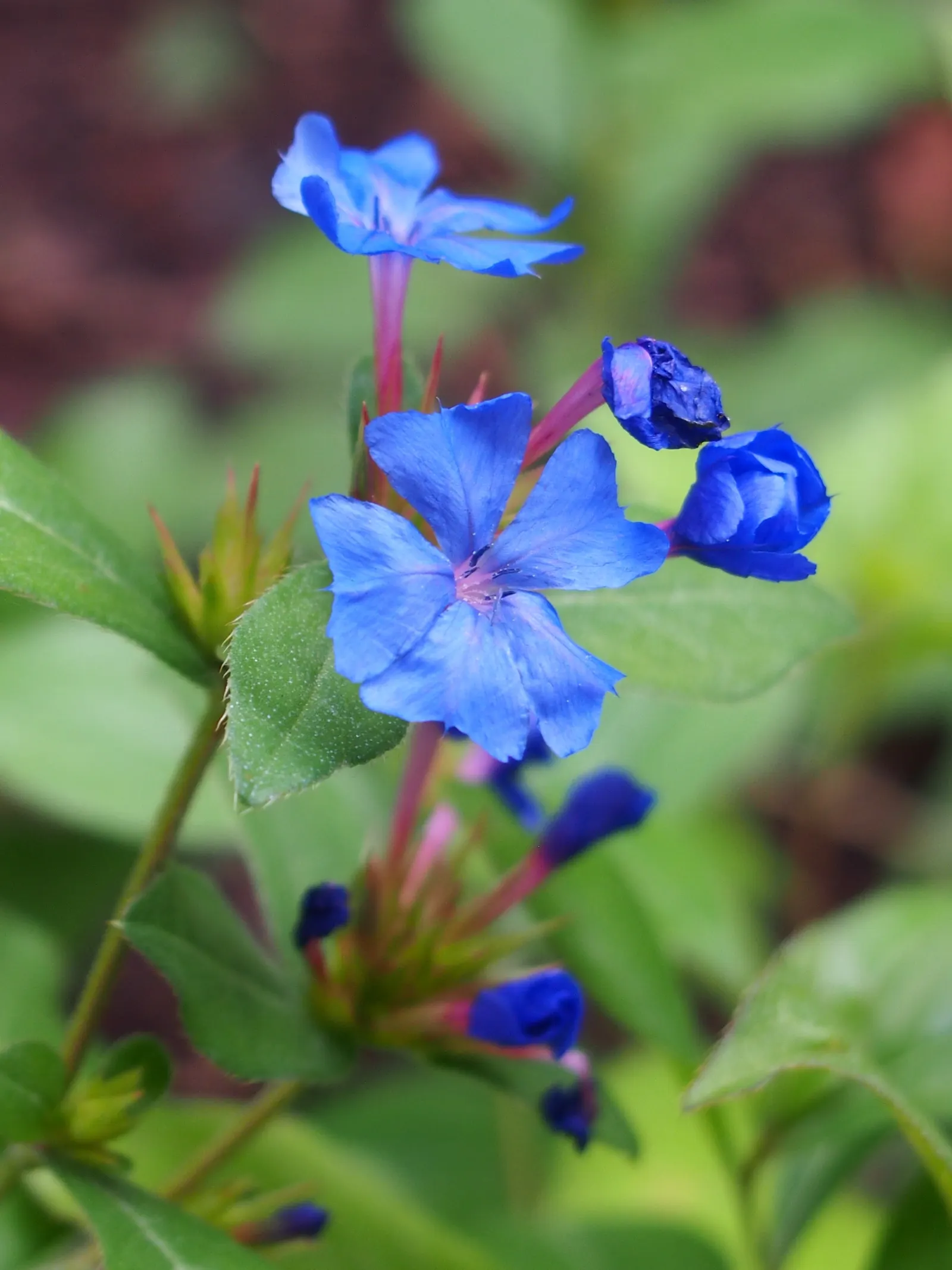
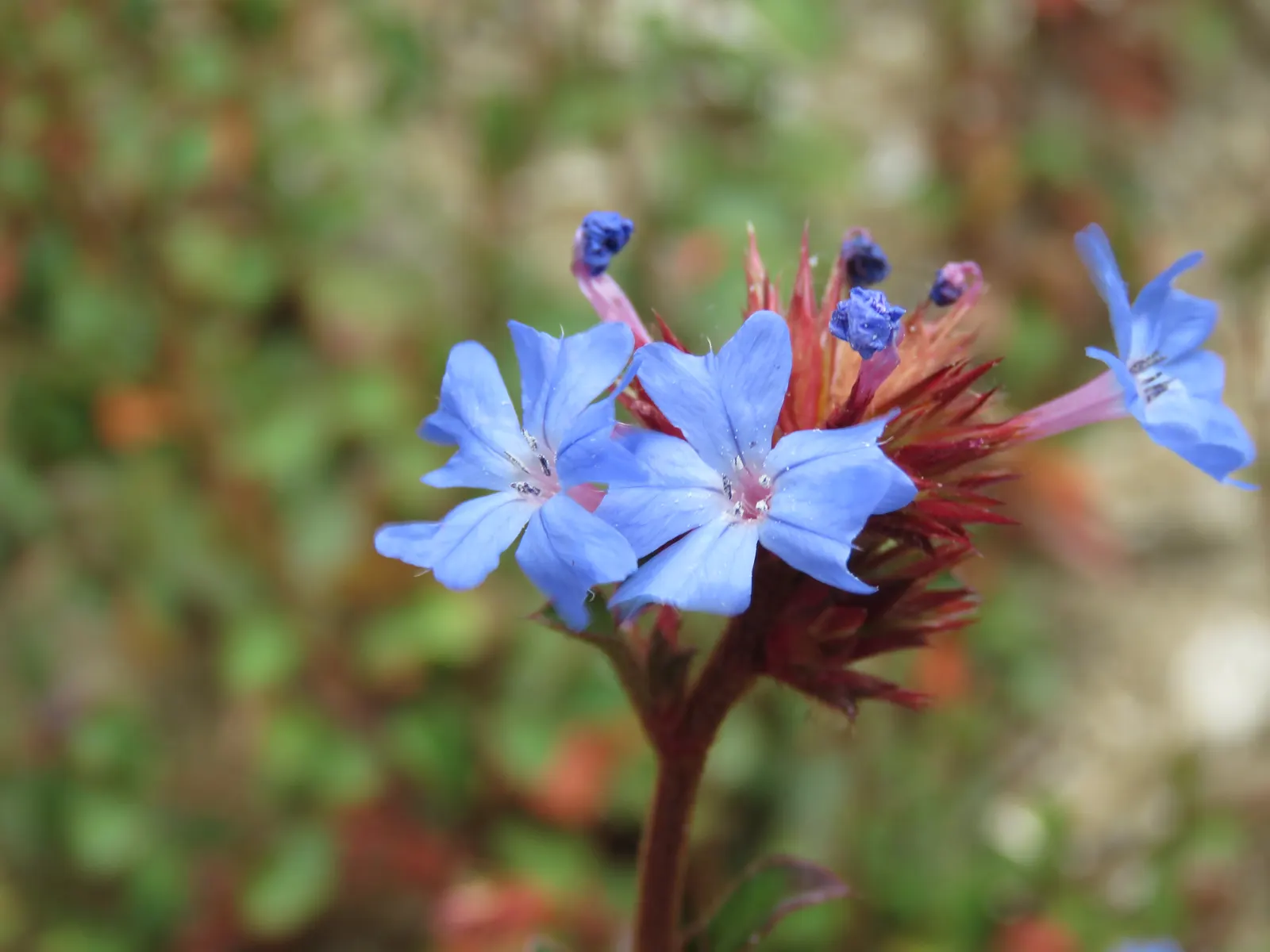
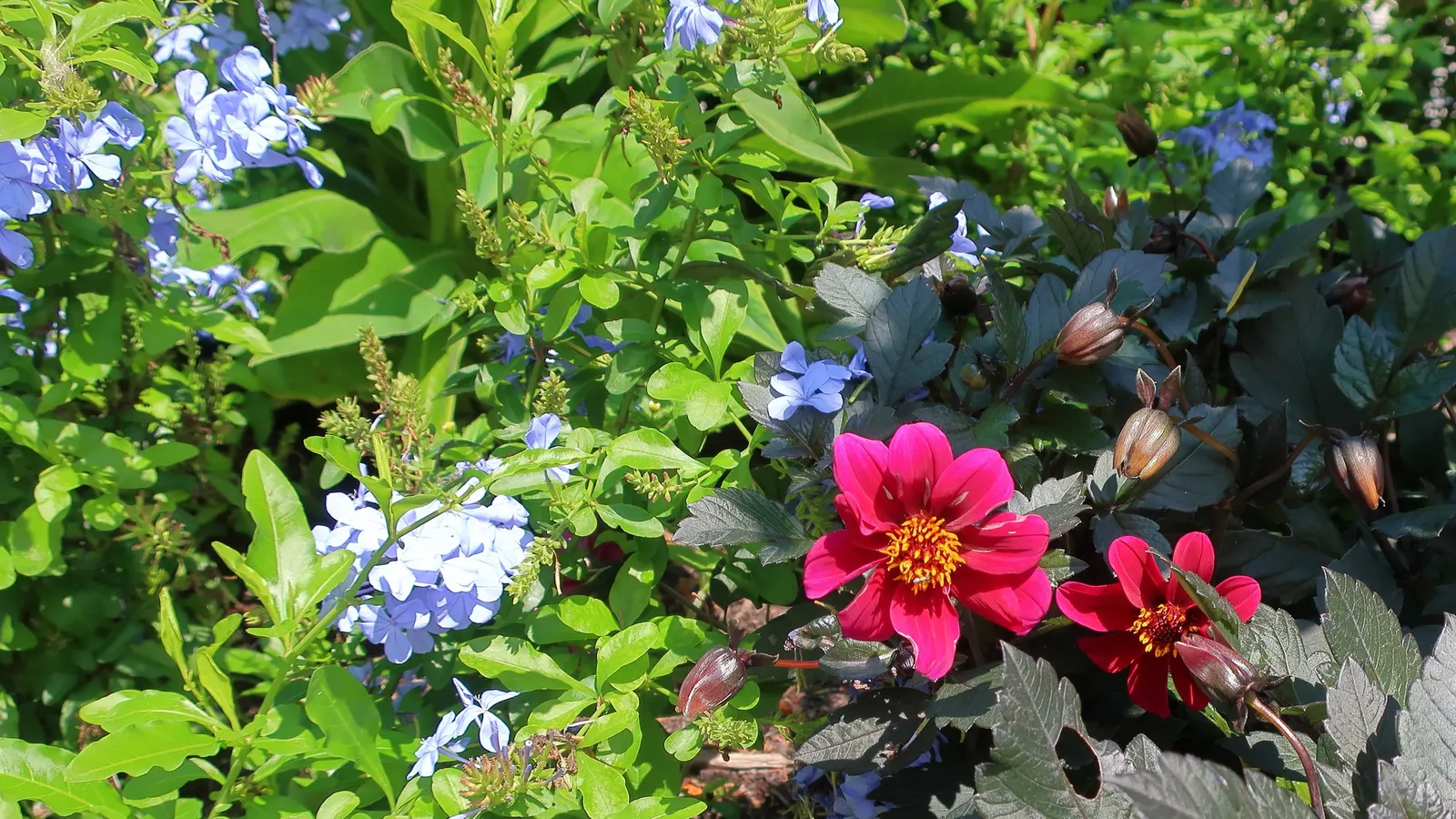
Plumbago auriculata, or Cape Plumbago, is a versatile shrub reaching 5-6 feet in height and equally wide. It showcases sky-blue flowers nearly year-round in warm regions. Hardy in USDA zones 9-11, it enjoys full sun to partial shade, and requires moderate watering. This robust, fast grower offers a rambling structure, perfect for hedges or as a climber on trellises, and is known for attracting butterflies and other pollinators.

Sun Full, HalfWater LowZones 9–10Type ShrubClimate Mediterranean

Culture

Sun
Full, Half
Water
Low
USDA zones
9–10

Shape & size

Classification

Type
Shrub
Family
Plumbaginaceae
Climate
Mediterranean

See full data, regional cultivation notes, and design tools. Build a client presentation around this plant.

Start your 14-day trial

Photos (147)

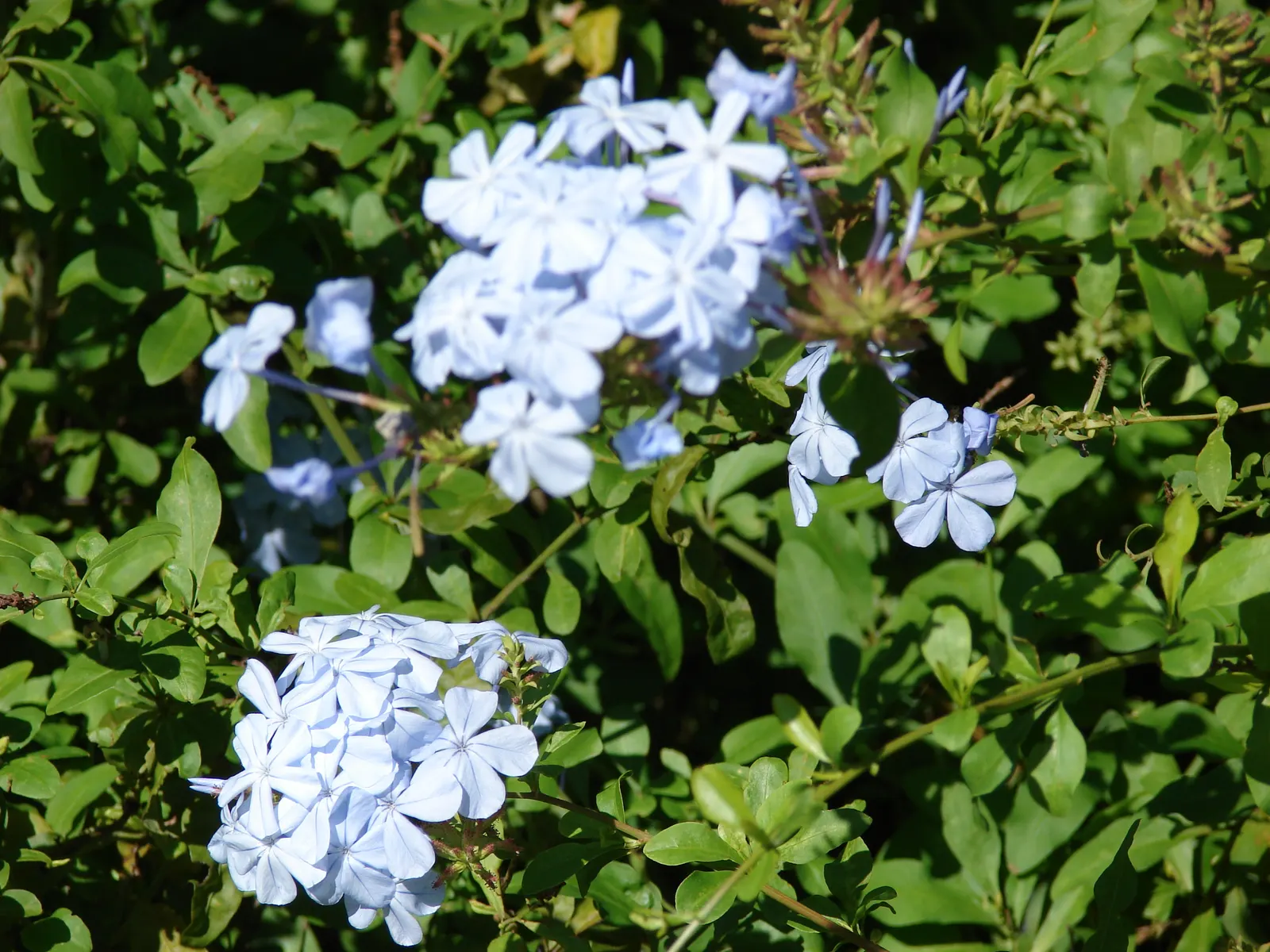
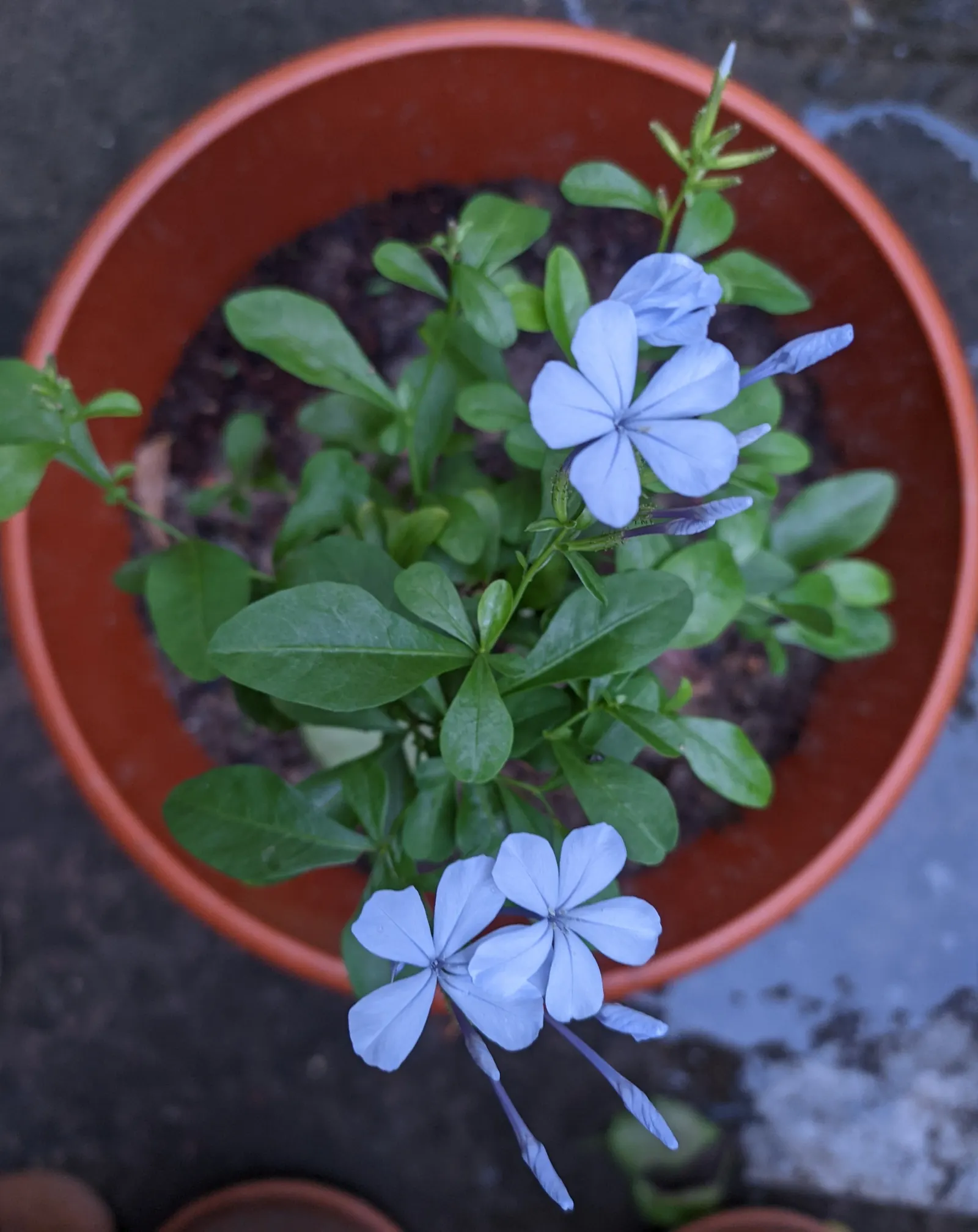
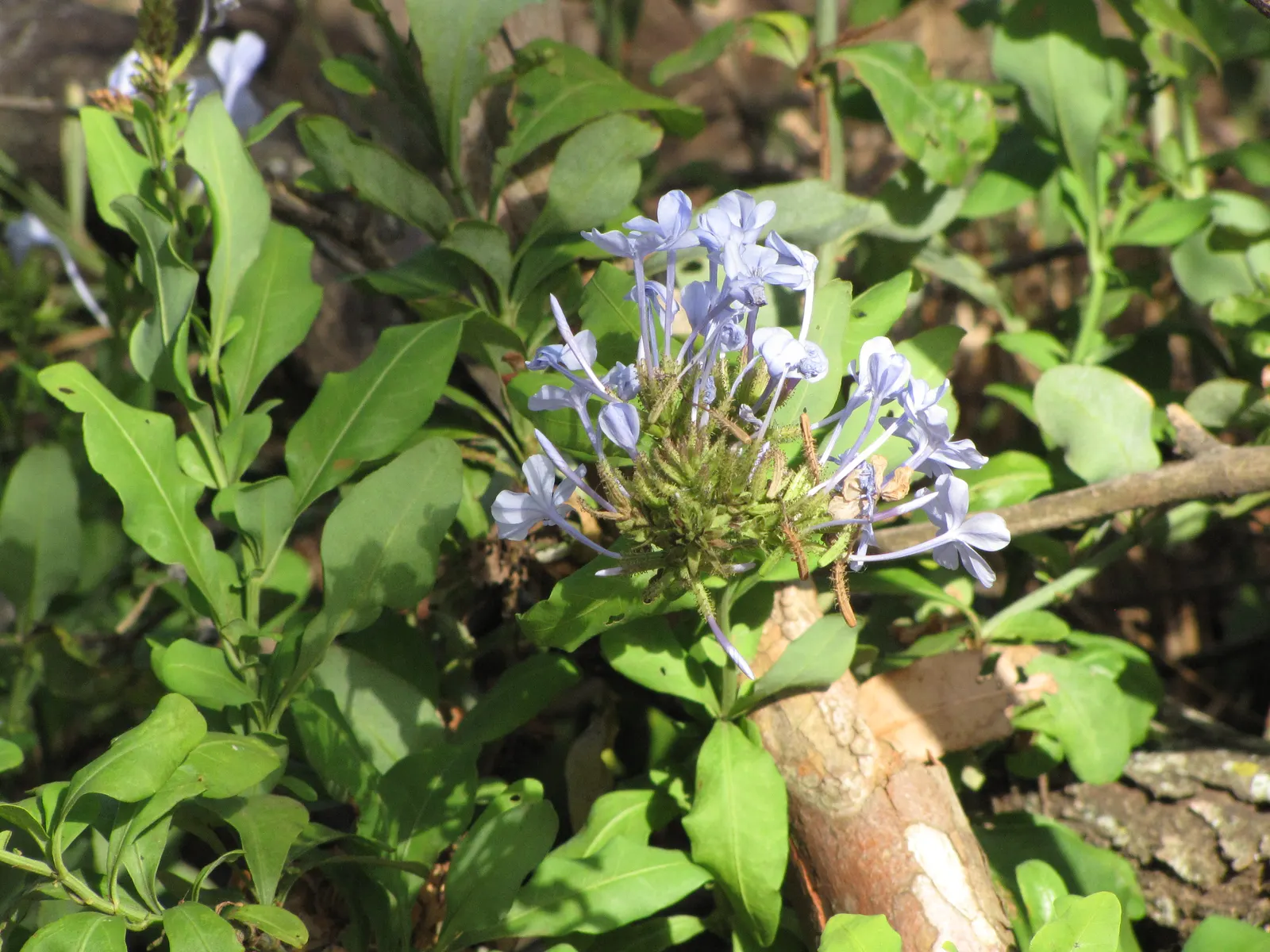
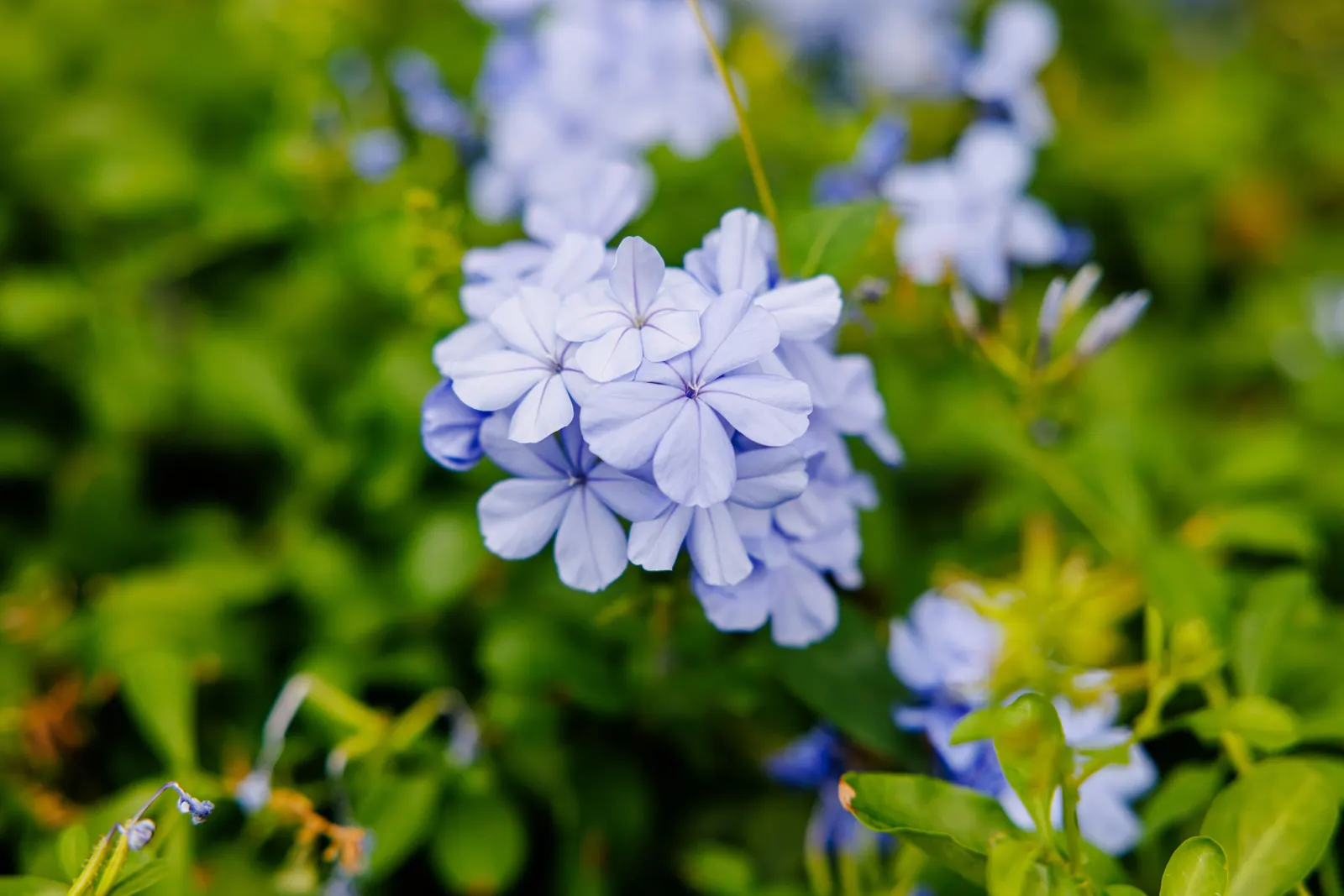
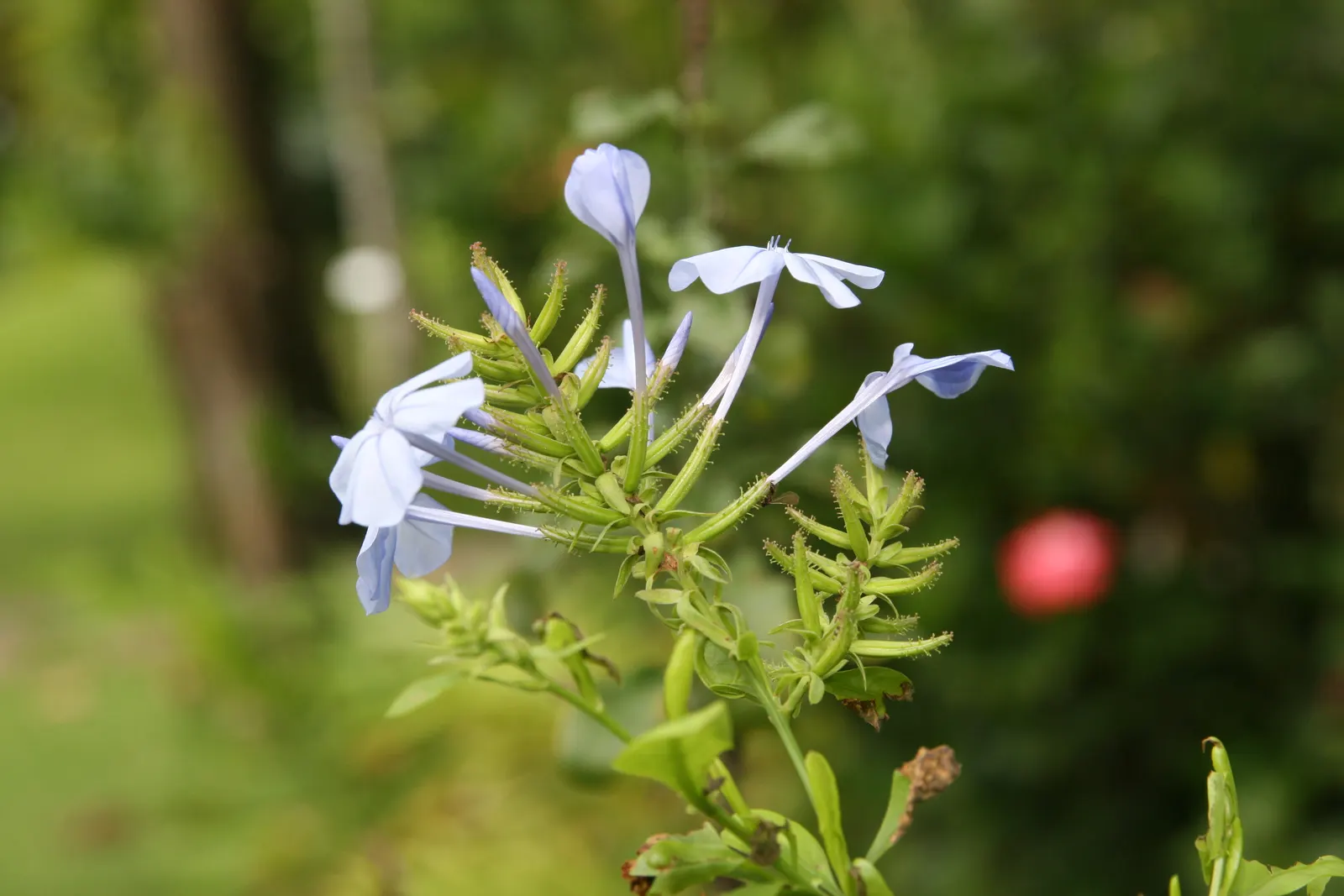
Cape Plumbago (Plumbago Auriculata) — Though it tolerates a variety of soil conditions; it showcases sky-blue flowers nearly year-round in warm, image 59
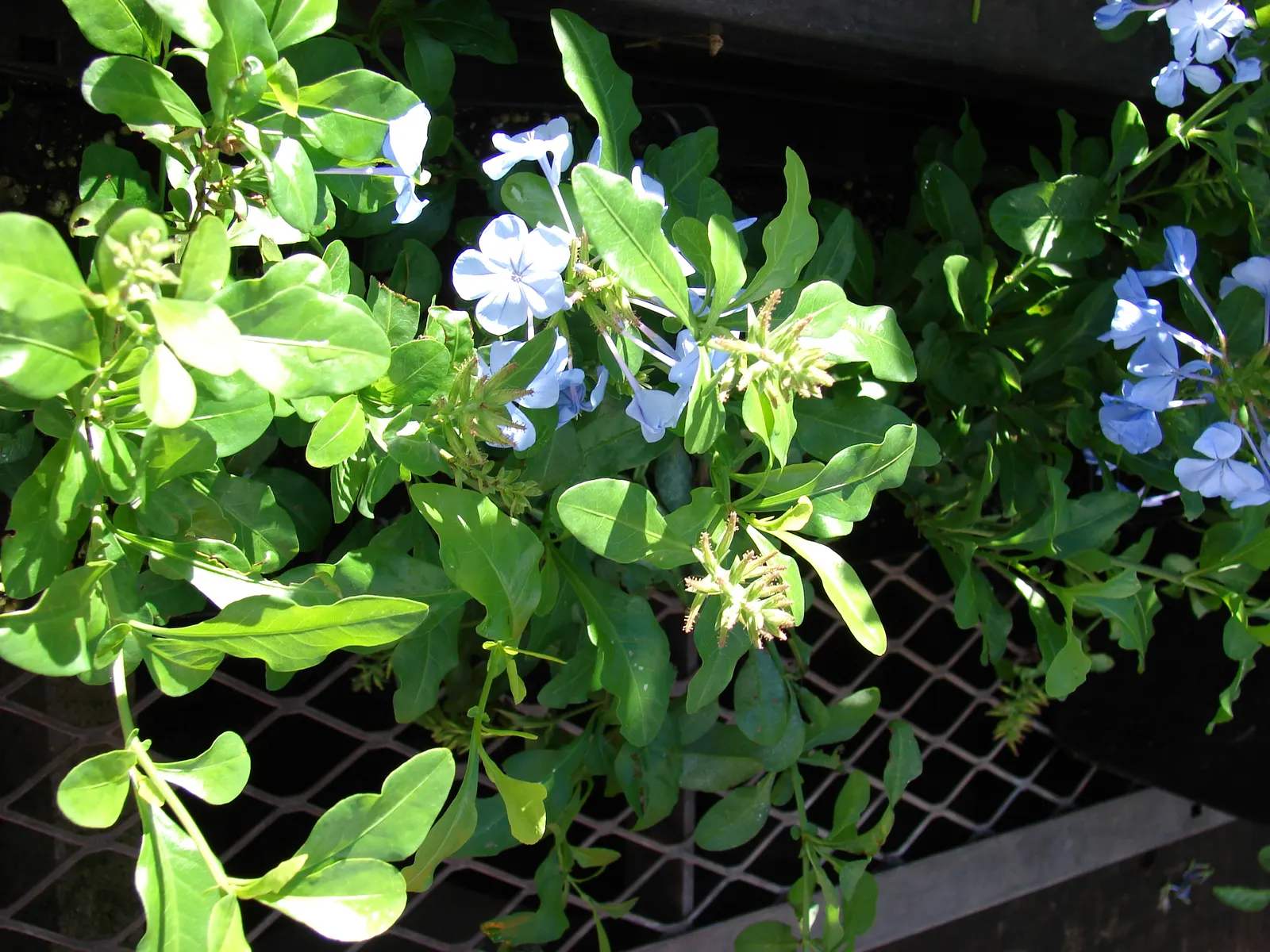
Cape Plumbago (Plumbago Auriculata) — also recognized as the sky flower; perfect for hedges or as a climber on trellises, image 56
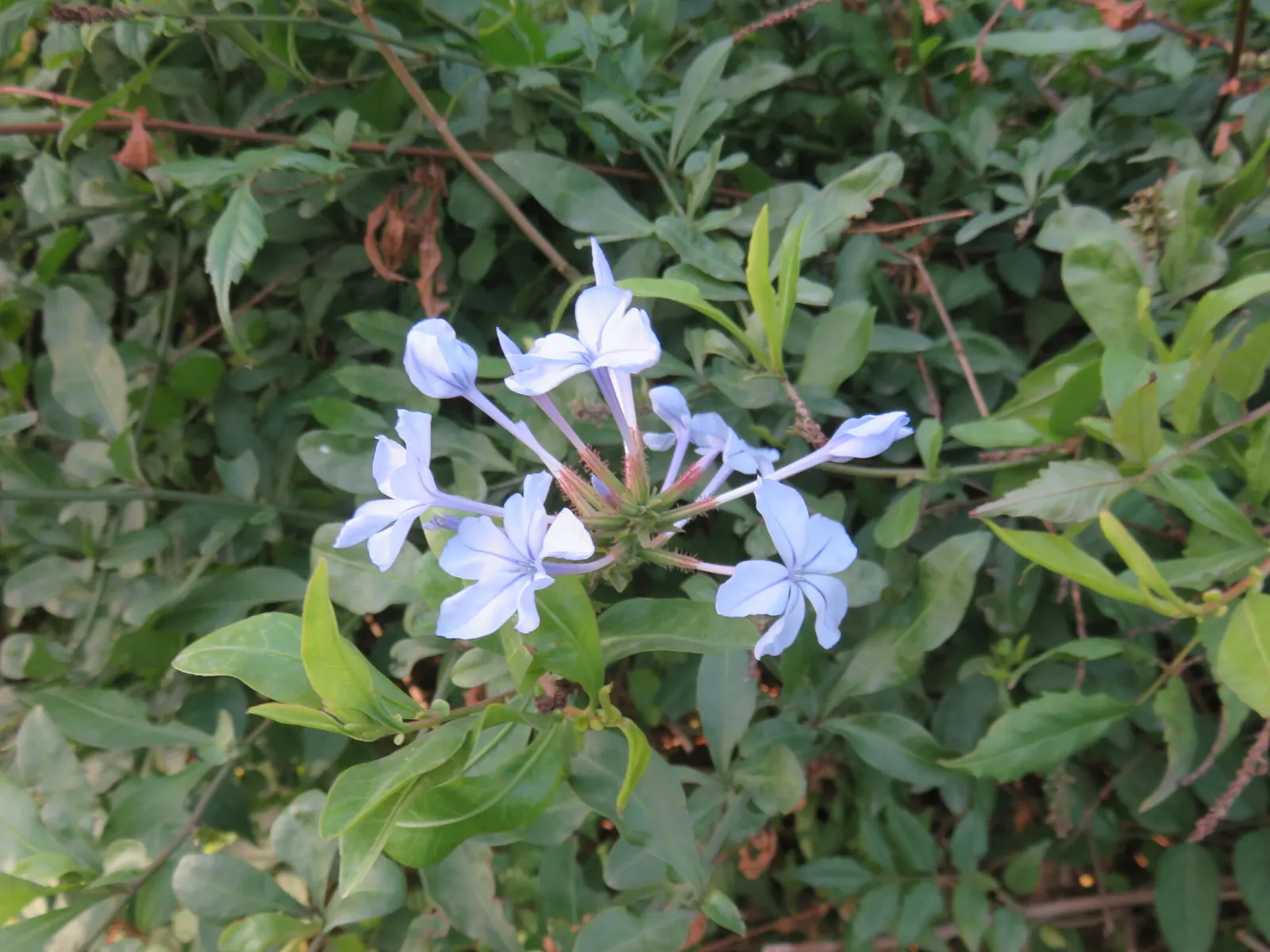
Cape Plumbago (Plumbago Auriculata) — perfect for hedges or as a climber on trellises; also recognized as the sky flower
Cape Plumbago (Plumbago Auriculata) — It showcases sky-blue flowers nearly year-round in warm regions; though it tolerates a variety of soil, image 50
Cape Plumbago (Plumbago Auriculata) — will maintain its shape and encourage denser growth.<br><br>Its phlox-like flowers; it requires regular, image 88
Cape Plumbago (Plumbago Auriculata) — It showcases sky-blue flowers nearly year-round in warm regions; though it tolerates a variety of soil conditions
Cape Plumbago (Plumbago Auriculata) — they add not only visual interest but also aid in the ecological health of the garden; which bloom profusely from spring
Cape Plumbago (Plumbago Auriculata) — shrub with blue blooms; particularly during prolonged dry spells, image 119
Cape Plumbago (Plumbago Auriculata) — ideally in the late winter or early spring; and is known for attracting butterflies and other pollinators, image 87
Cape Plumbago (Plumbago Auriculata) — particularly during prolonged dry spells; shrub with blue blooms, image 62
Cape Plumbago (Plumbago Auriculata) — blue flowers in the garden; cape Plumbago (Plumbago auriculata), image 118
Cape Plumbago (Plumbago Auriculata) — ideally in the late winter or early spring
Cape Plumbago (Plumbago Auriculata) — allowing for a flexible use as either a foundation plant; attracting butterflies and other pollinators, image 106
Cape Plumbago (Plumbago Auriculata) — Though it tolerates a variety of soil conditions; it showcases sky-blue flowers nearly year-round in warm regions
Cape Plumbago (Plumbago Auriculata) — It showcases sky-blue flowers nearly year-round in warm regions; though it tolerates a variety of soil, image 74
Cape Plumbago (Plumbago Auriculata) — and is known for attracting butterflies and other pollinators; ideally in the late winter or early spring, image 102
Cape Plumbago (Plumbago Auriculata) — particularly during prolonged dry spells
Cape Plumbago (Plumbago Auriculata) — Cape Plumbago (Plumbago auriculata); blue flowers in the garden, image 79
Cape Plumbago (Plumbago Auriculata) — allowing for a flexible use as either a foundation plant; attracting butterflies and other pollinators, image 58
Cape Plumbago (Plumbago Auriculata) — Cape Plumbago (Plumbago auriculata); blue flowers in the garden, image 103
Cape Plumbago (Plumbago Auriculata) — will maintain its shape and encourage denser growth.<br><br>Its phlox-like flowers; it requires regular, image 112
Cape Plumbago (Plumbago Auriculata) — Plumbago auriculata, or Cape Plumbago, is a versatile shrub reaching 5-6 feet in height and equally wide; fast grower
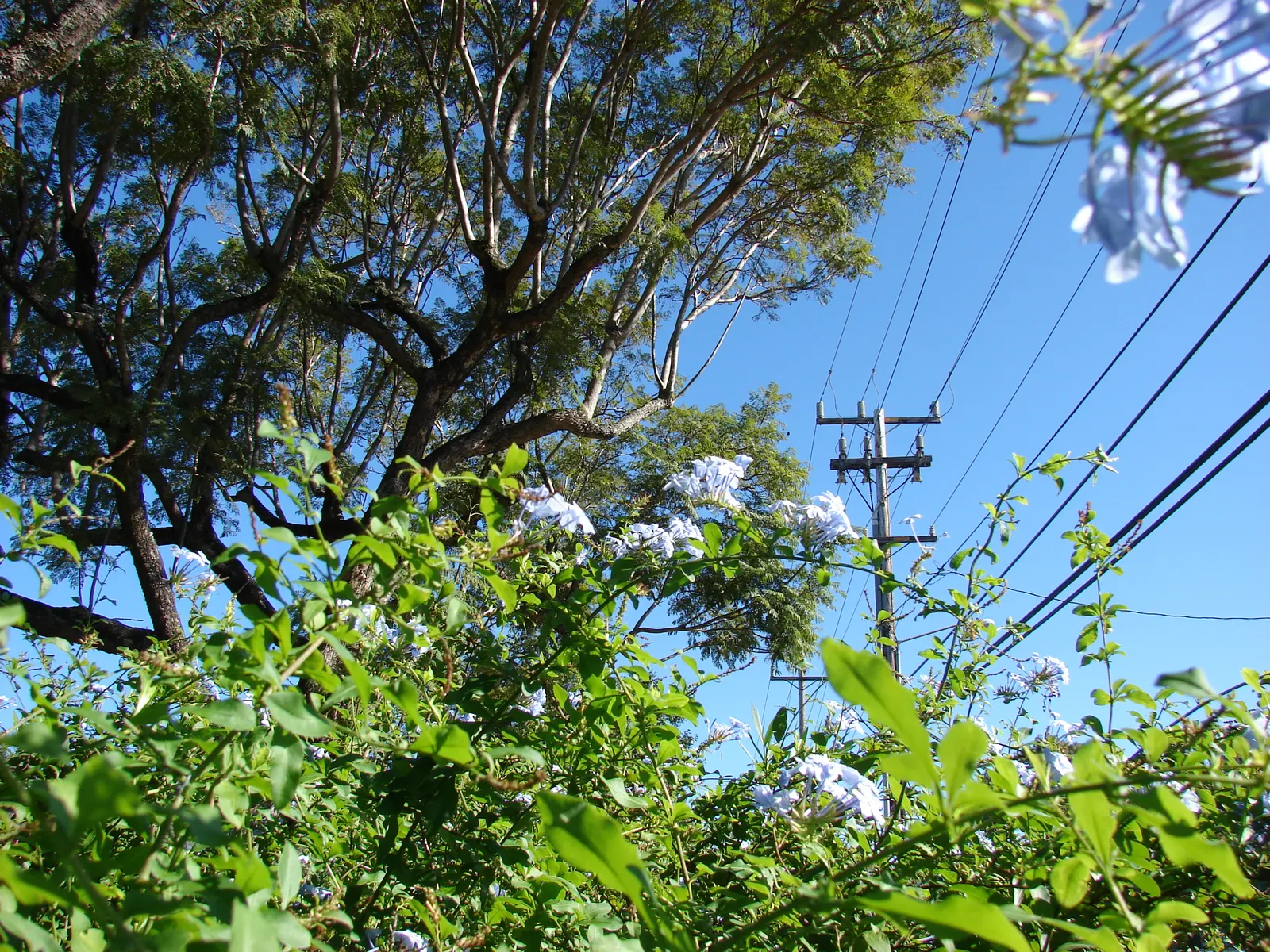
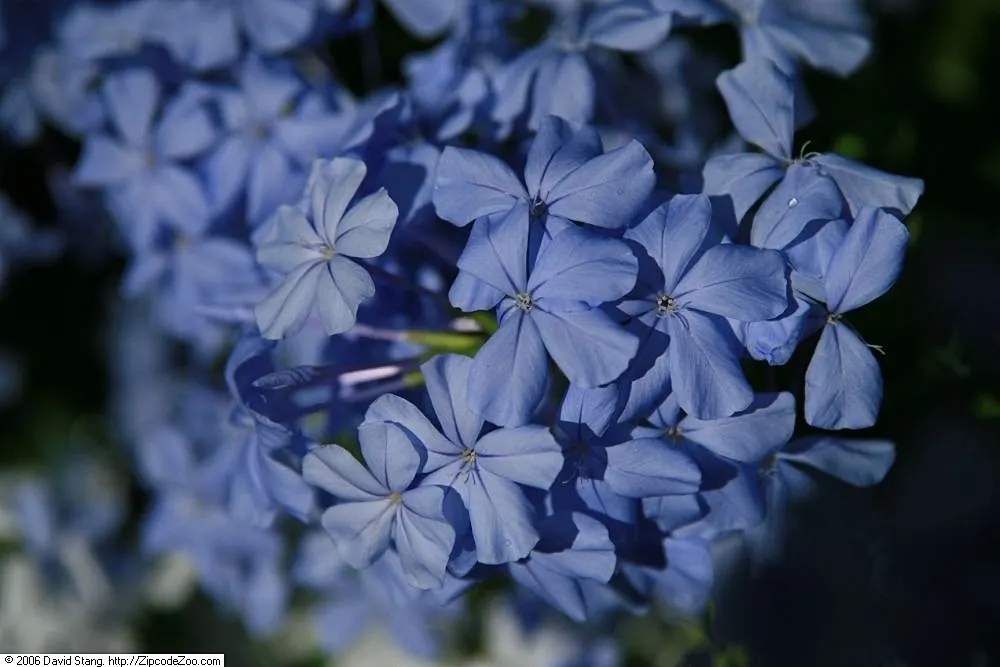
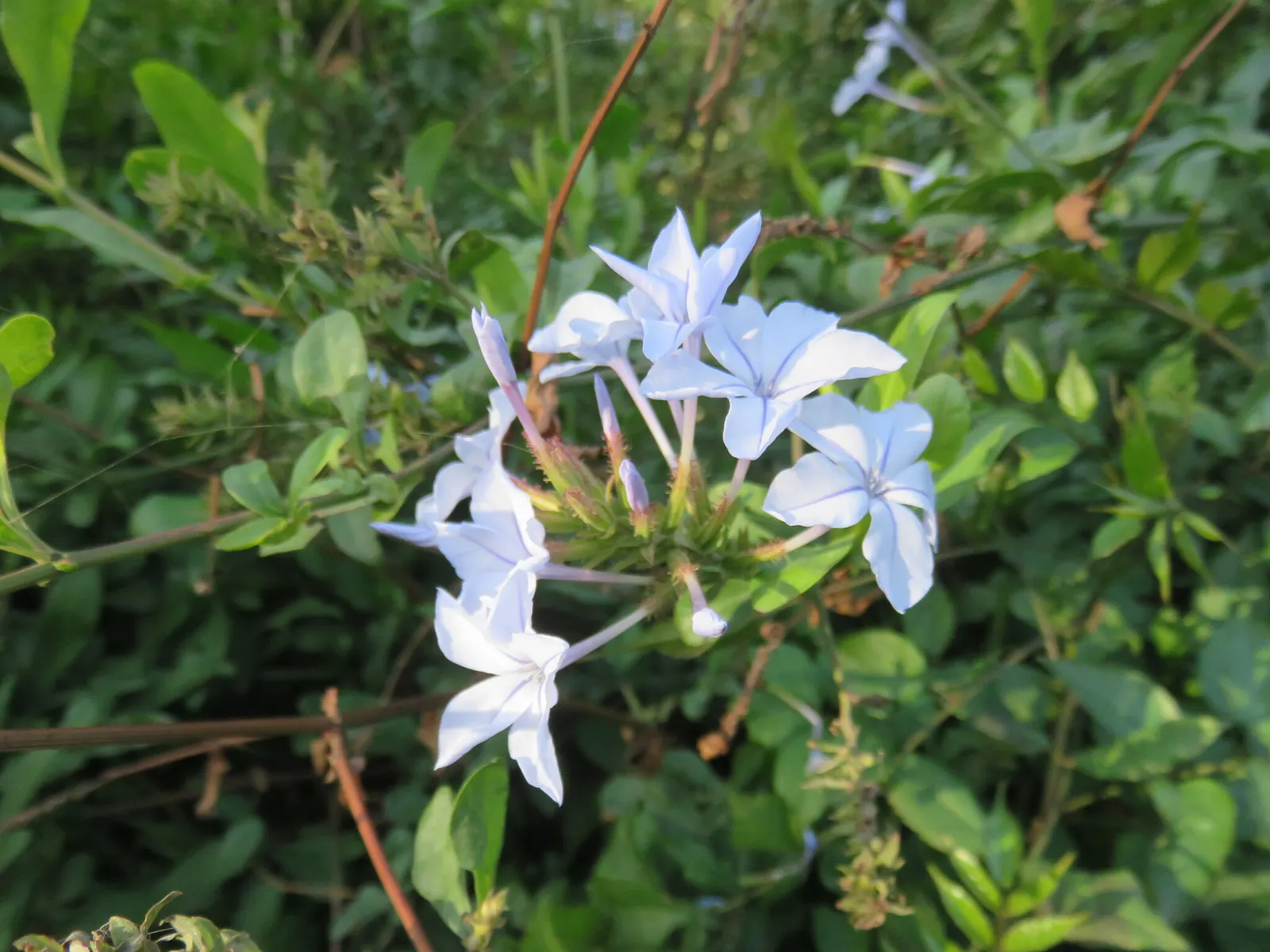
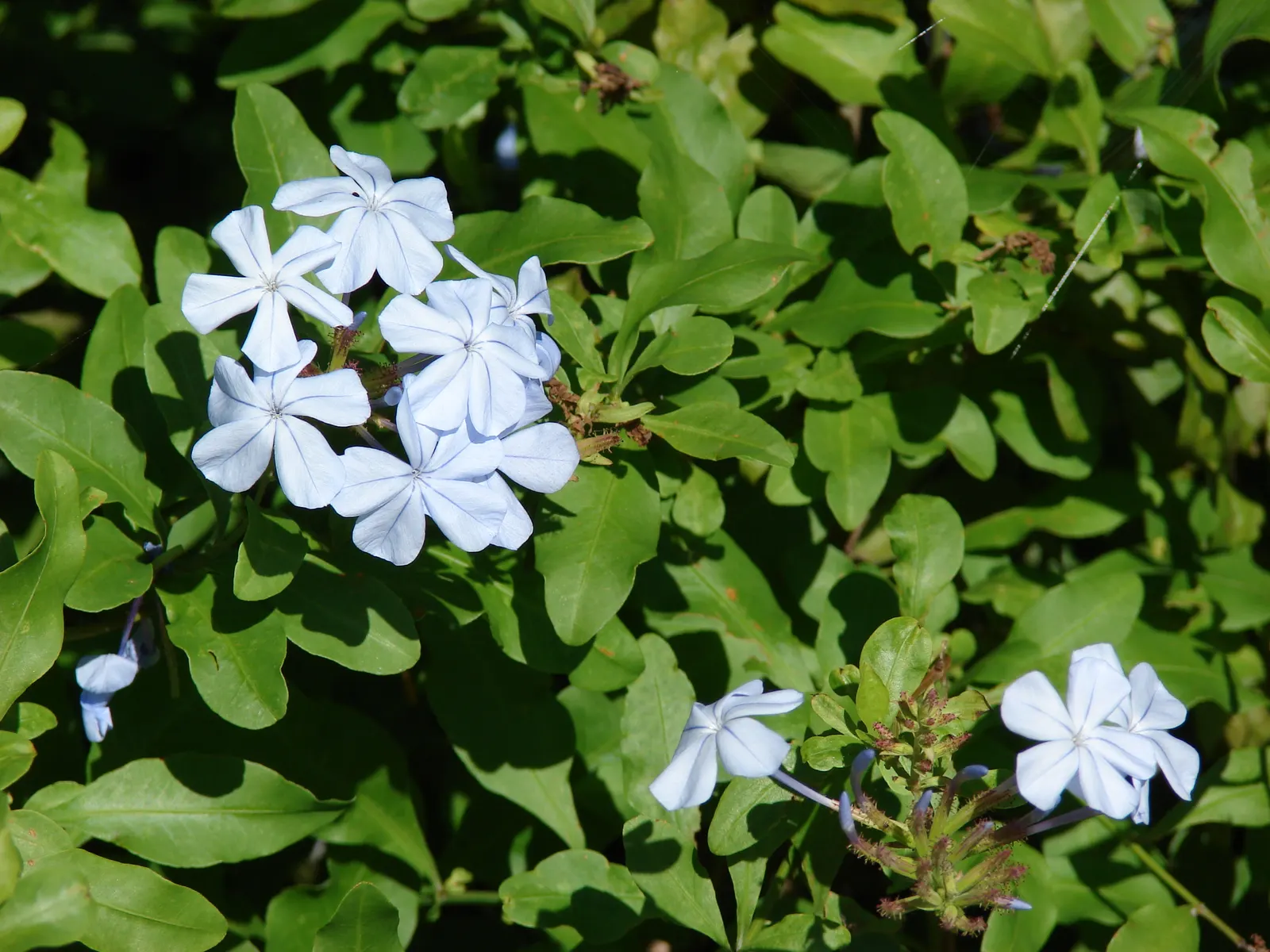
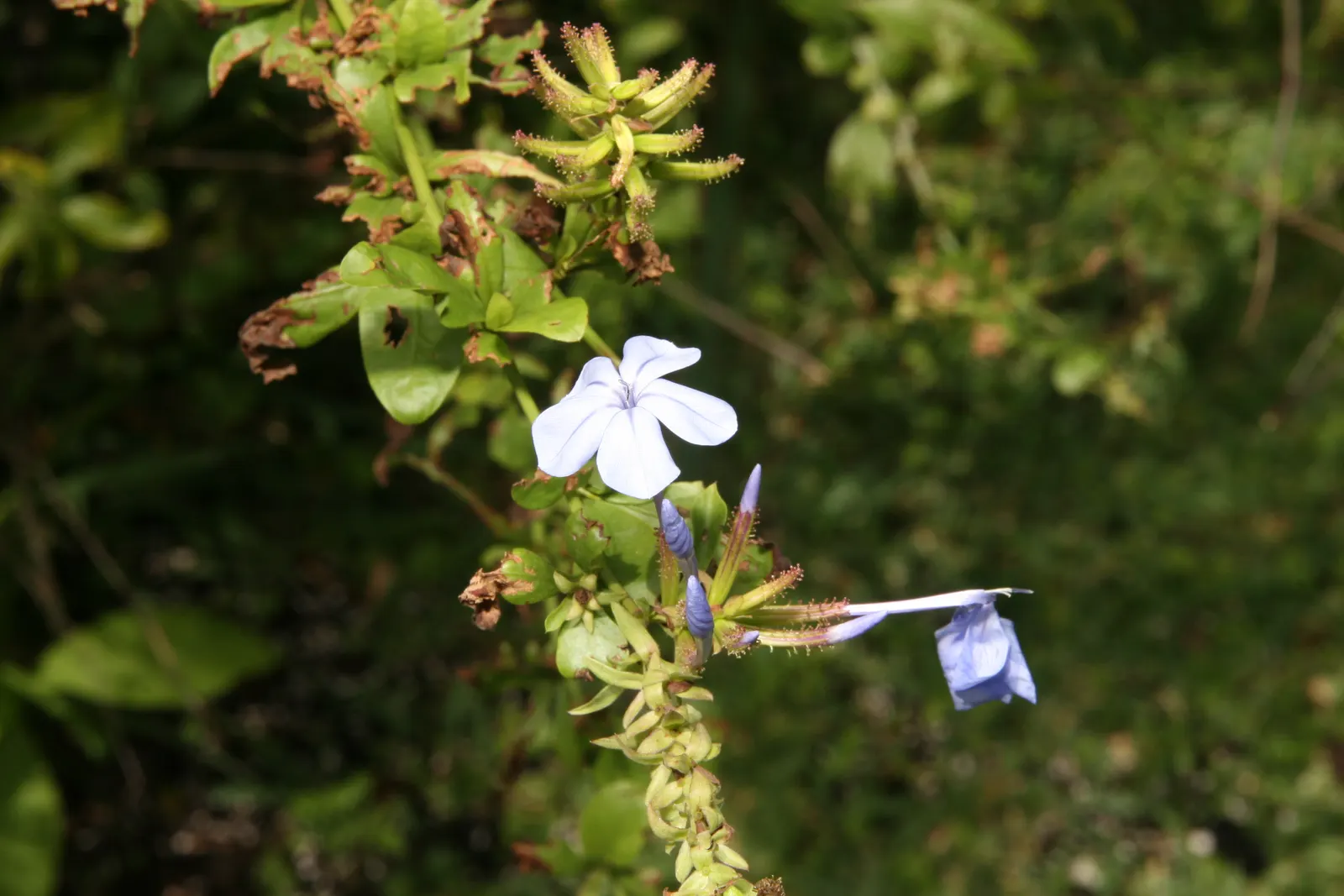
Cape Plumbago (Plumbago Auriculata) — blue flowers in the garden
Cape Plumbago (Plumbago Auriculata) — ideally in the late winter or early spring; and is known for attracting butterflies and other pollinators, image 63
Photographs by 10 contributors

Related plants