Skip to content

Key Thatch Palm

Leucothrinax Morrisii

Design with this plant

Overview

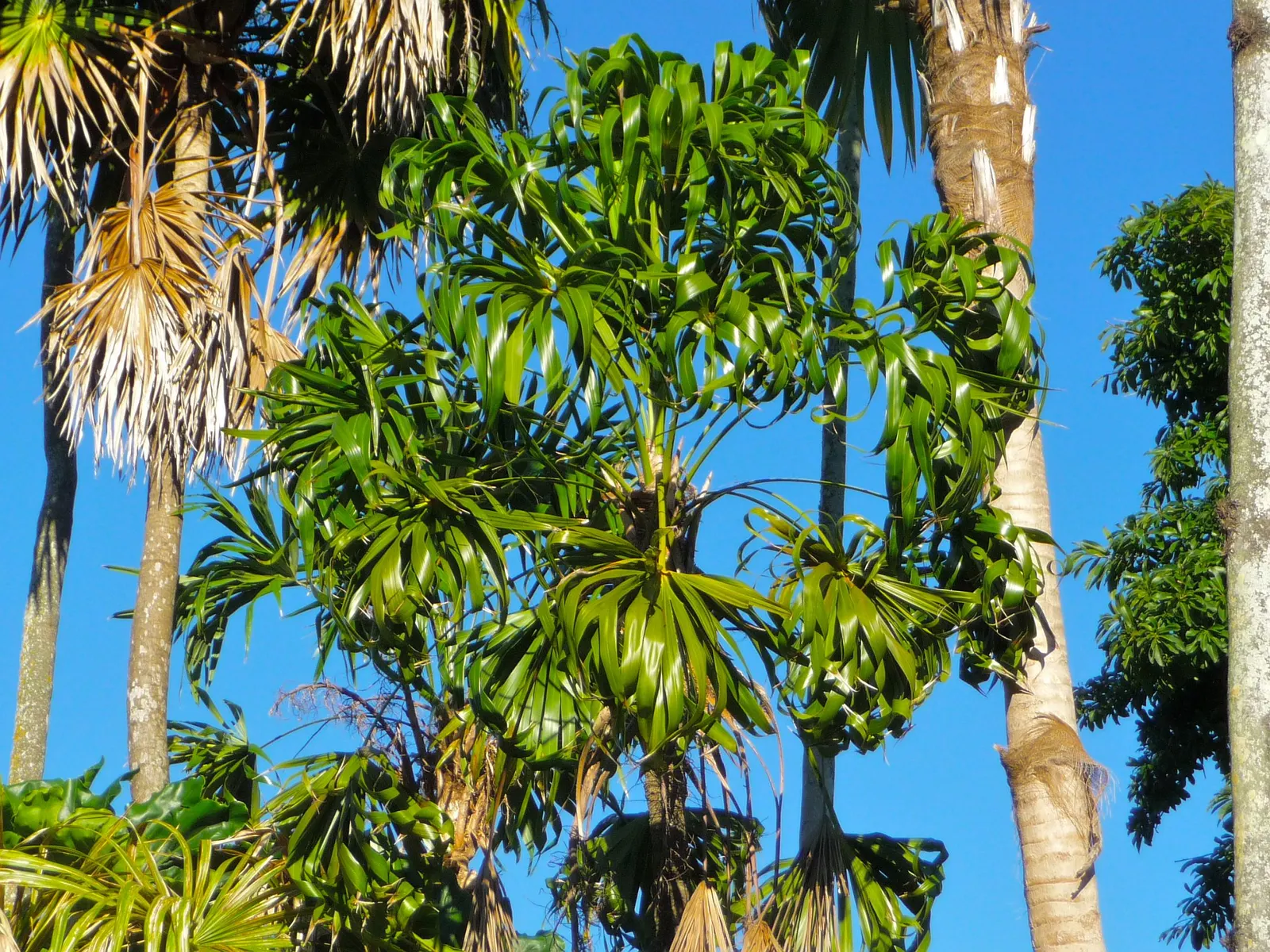
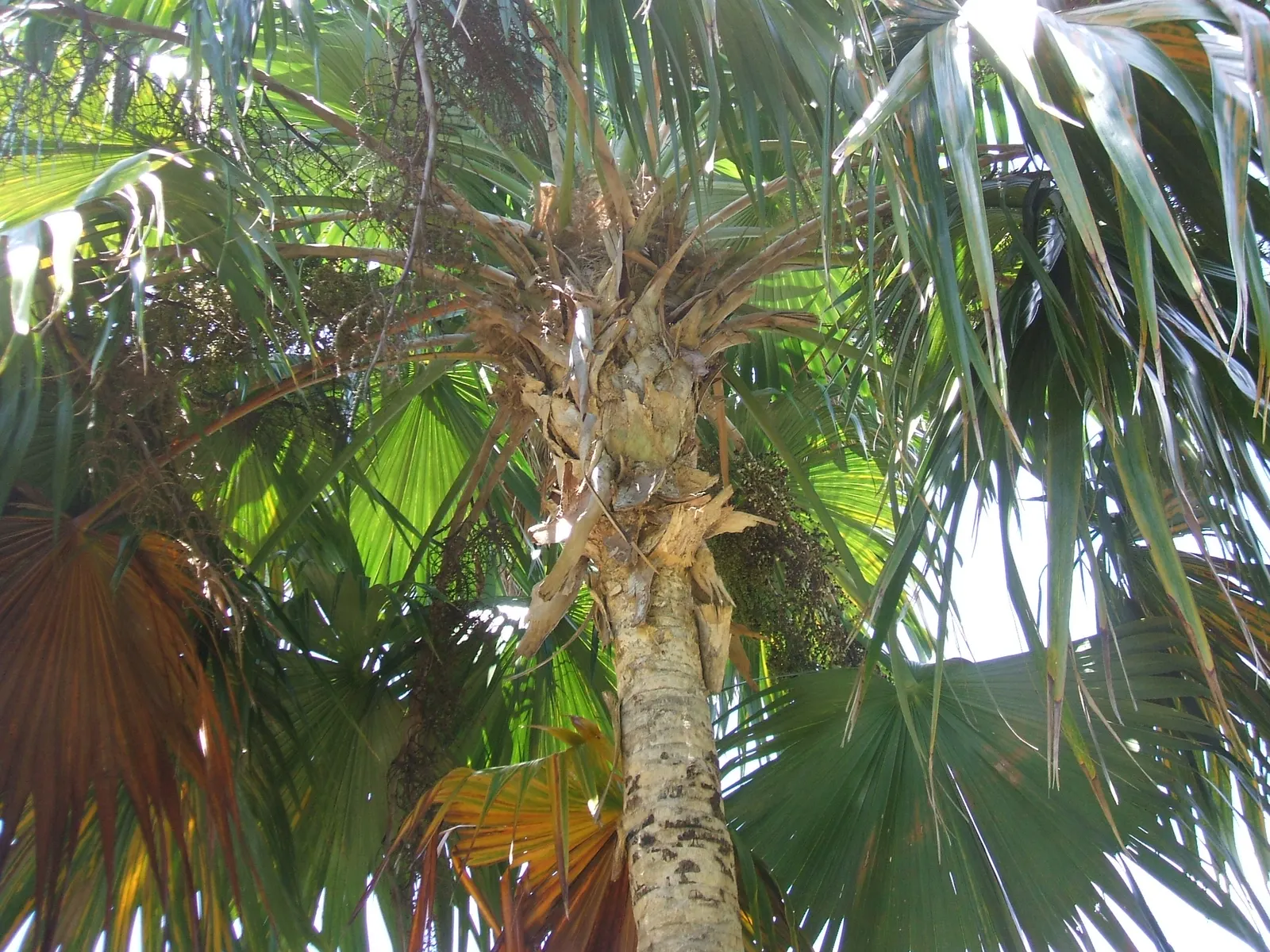
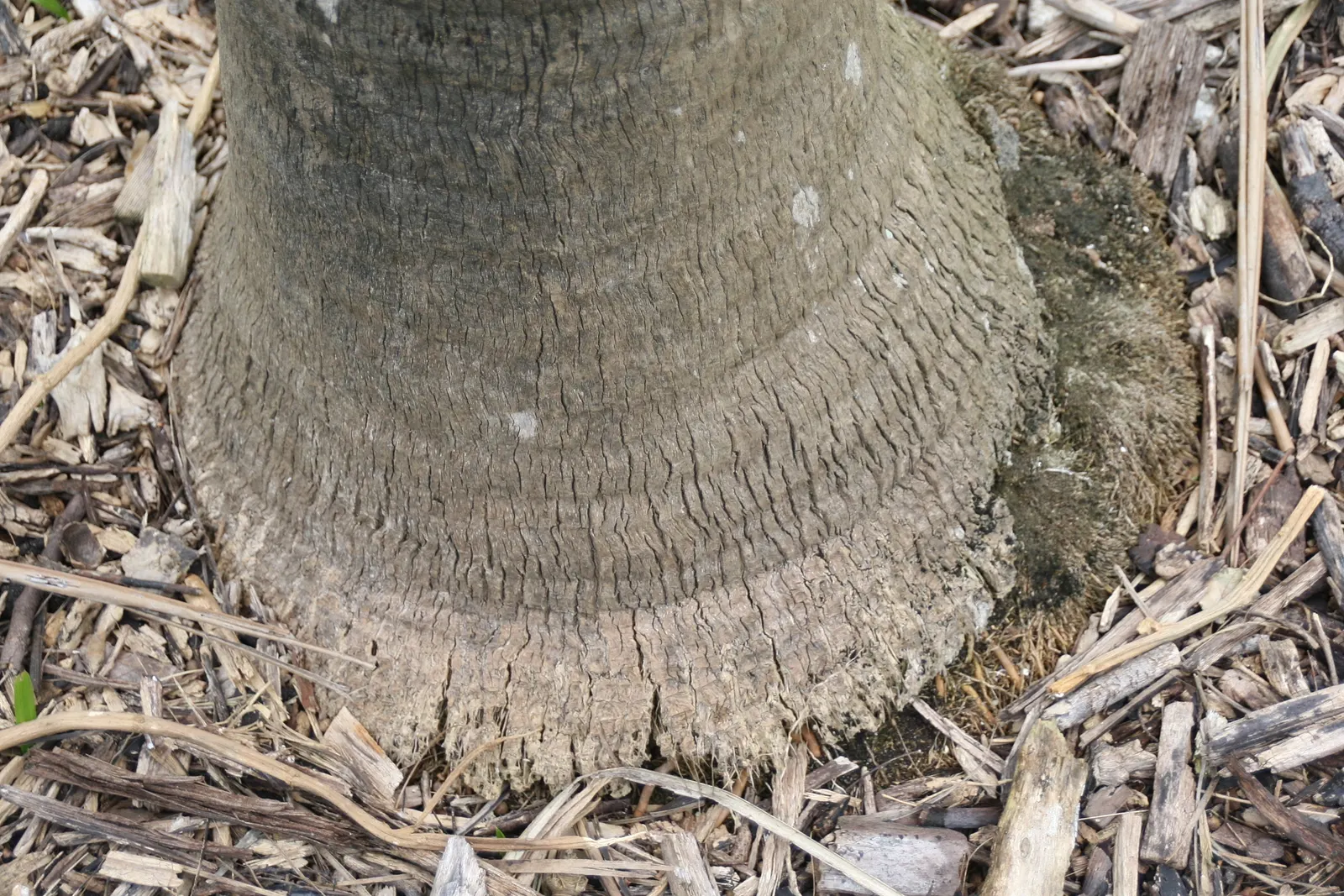
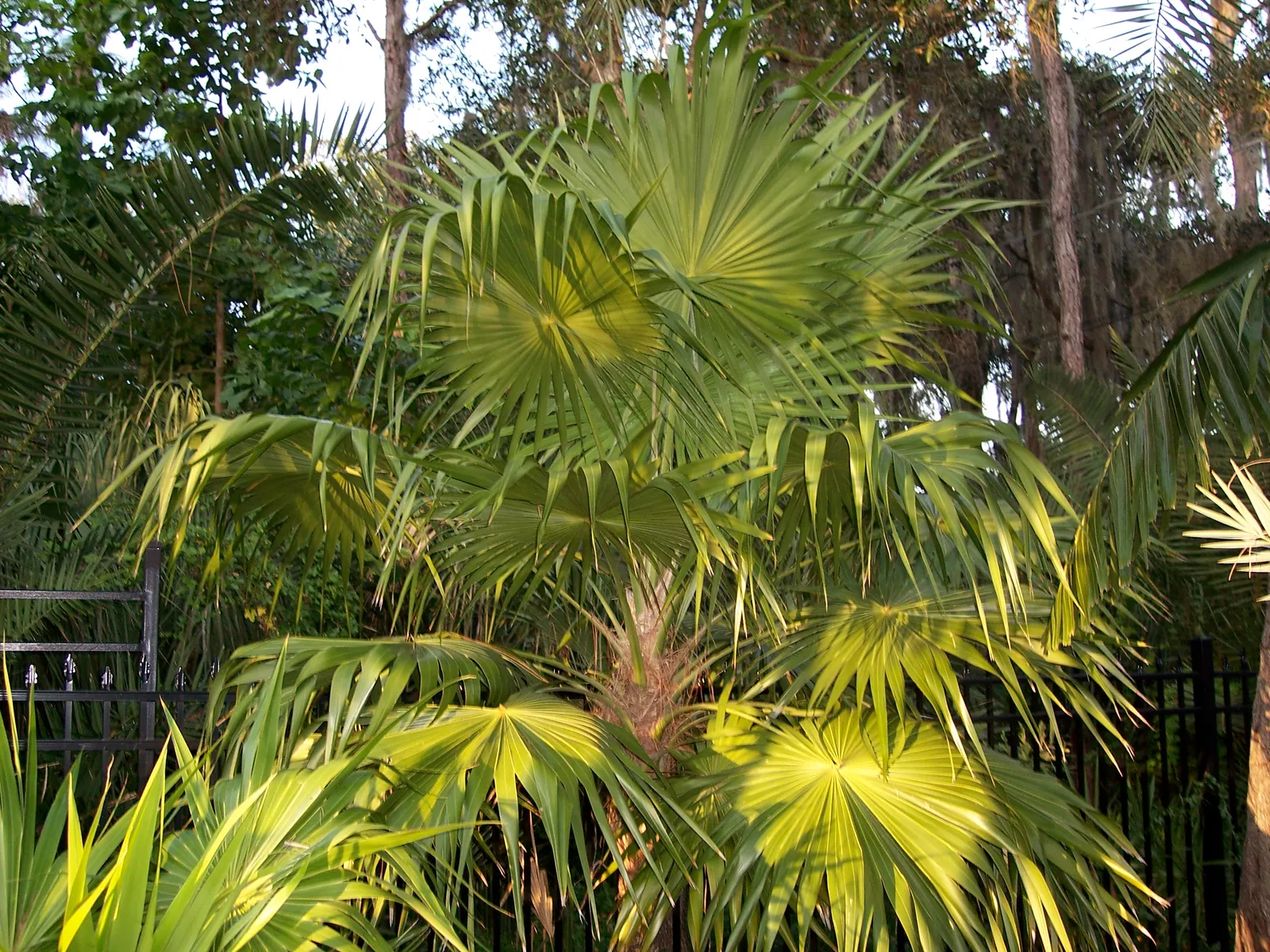
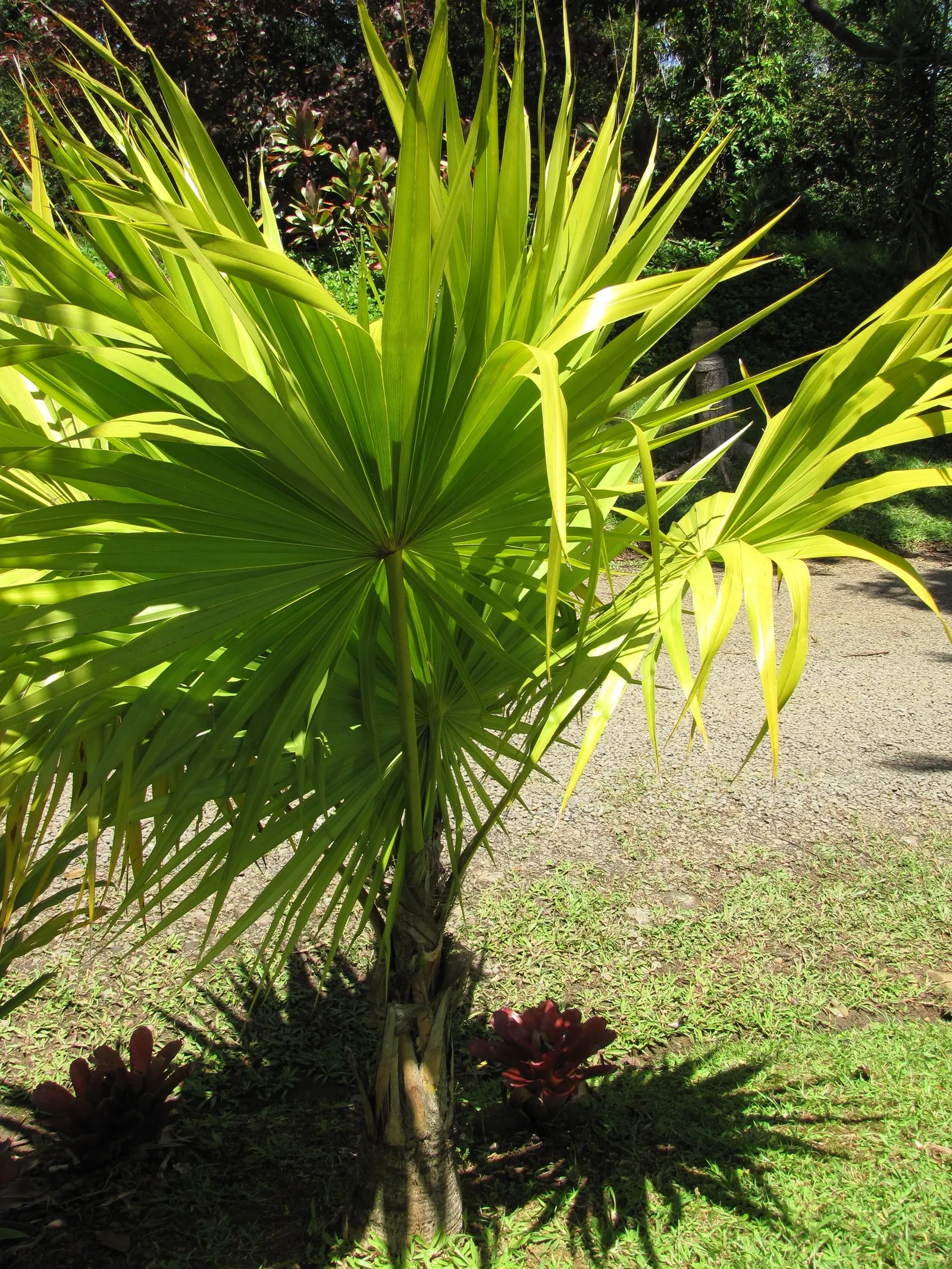
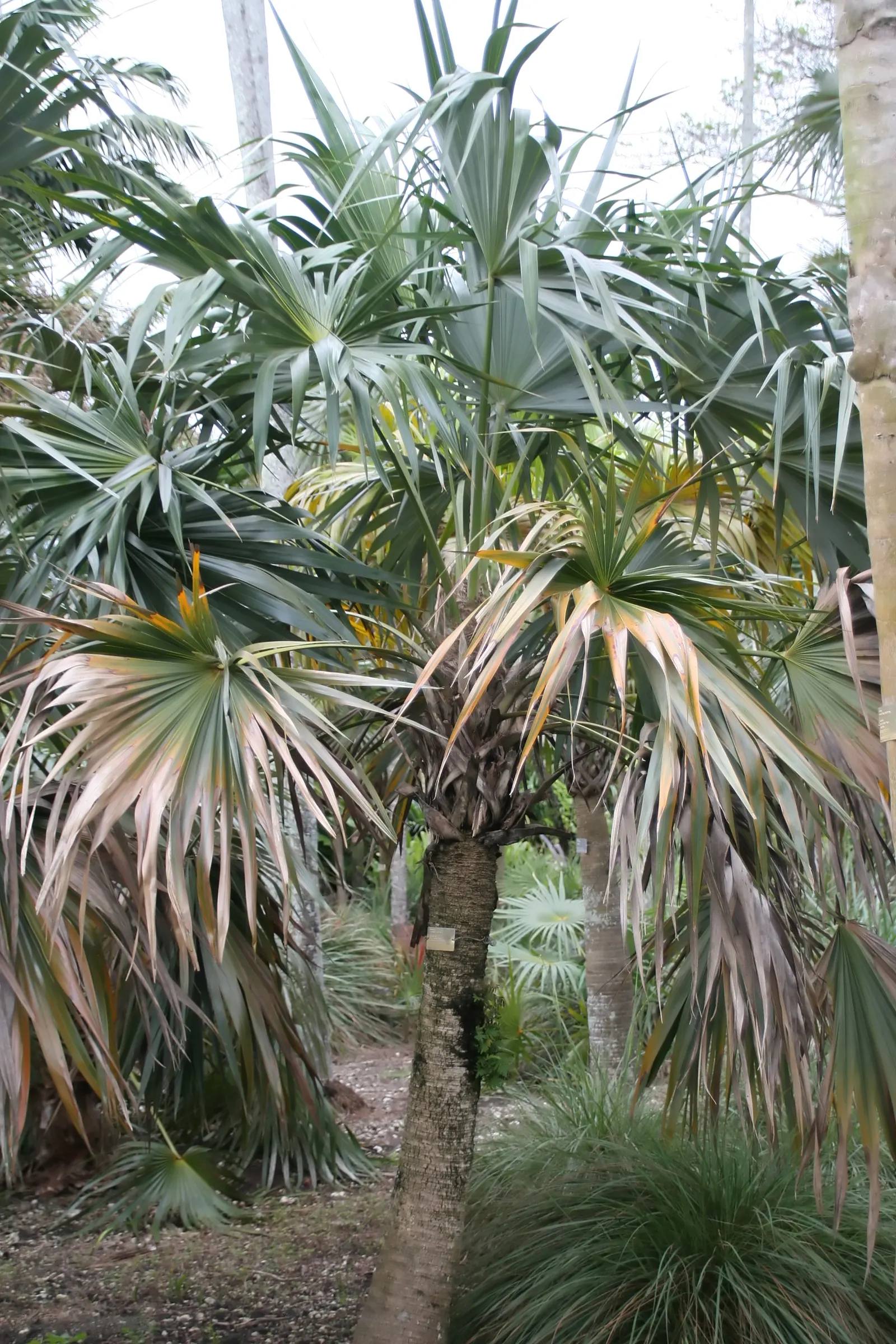
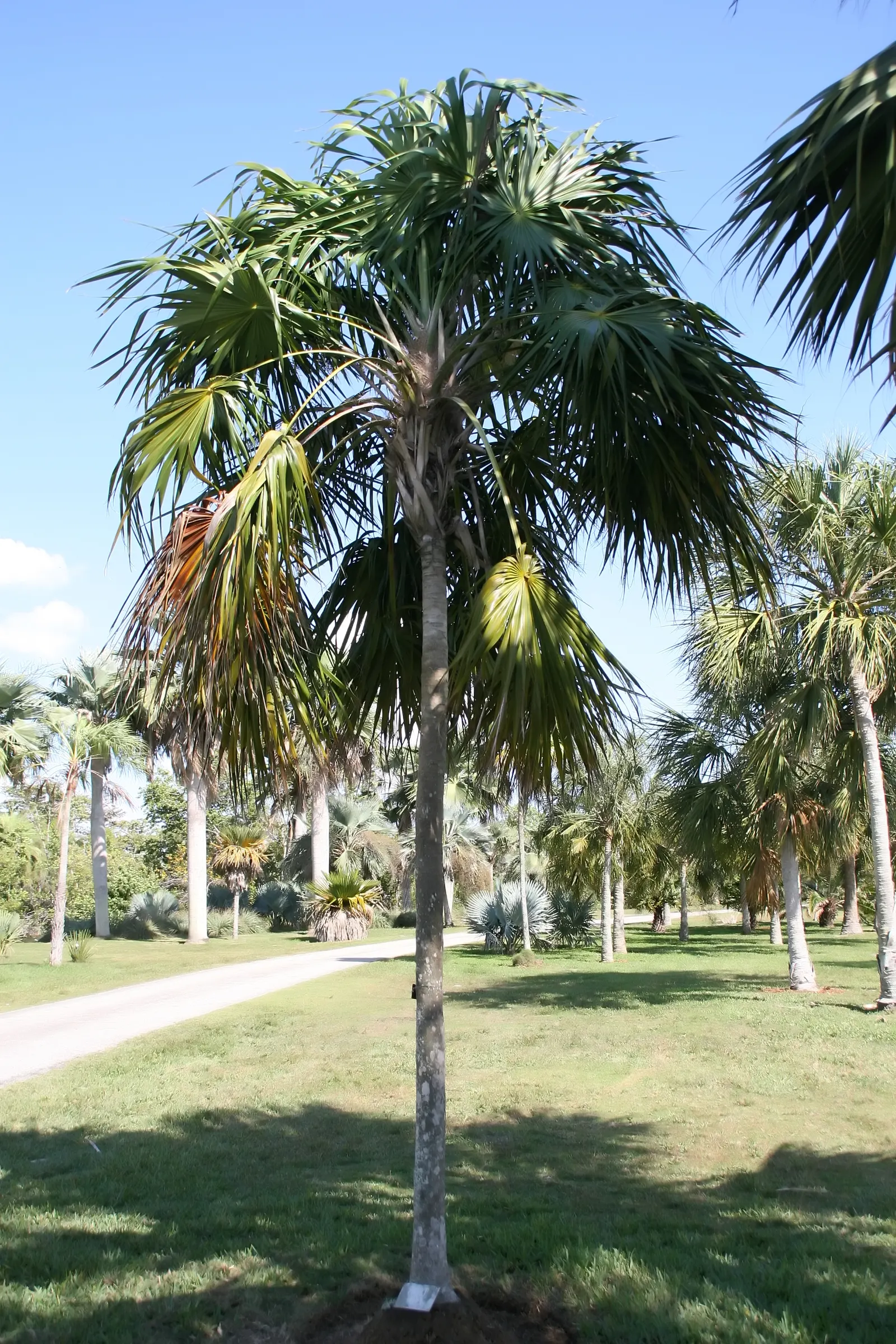
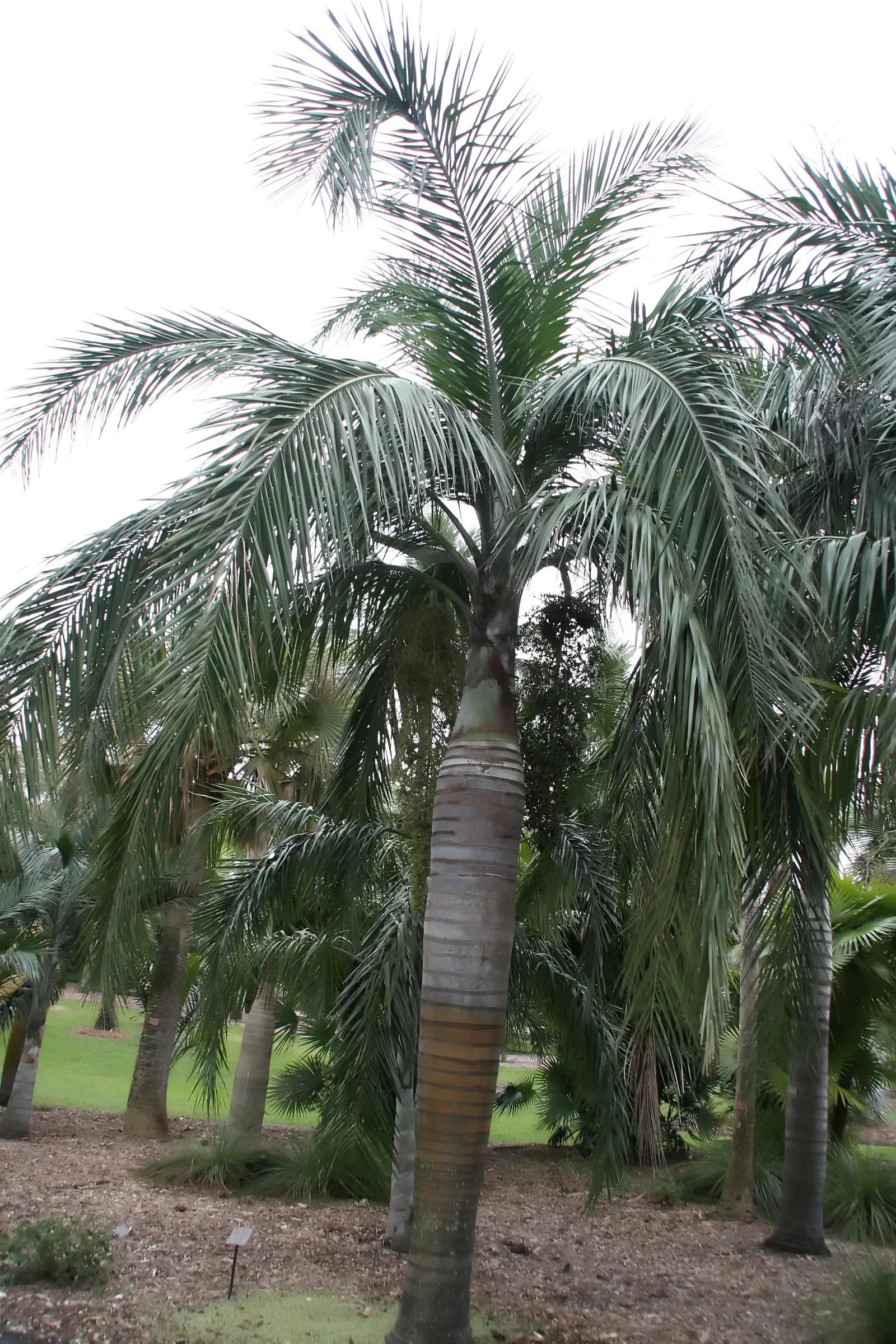
The Key Thatch Palm (Leucothrinax morrisii) is a tropical, slow-growing palm. Hardy in zones 10-11, it thrives in full sun to partial shade. With a maximum height of 15-20 feet and a spread of 6-10 feet, this palm showcases a rounded silhouette with fan-shaped fronds. Ideal for warm coastal landscapes, it enjoys well-draining soil, tolerates drought, and adds a touch of the Caribbean to any garden setting.

Sun Full, HalfWater LowZones 10–11Type Palm, TreeClimate Subtropical
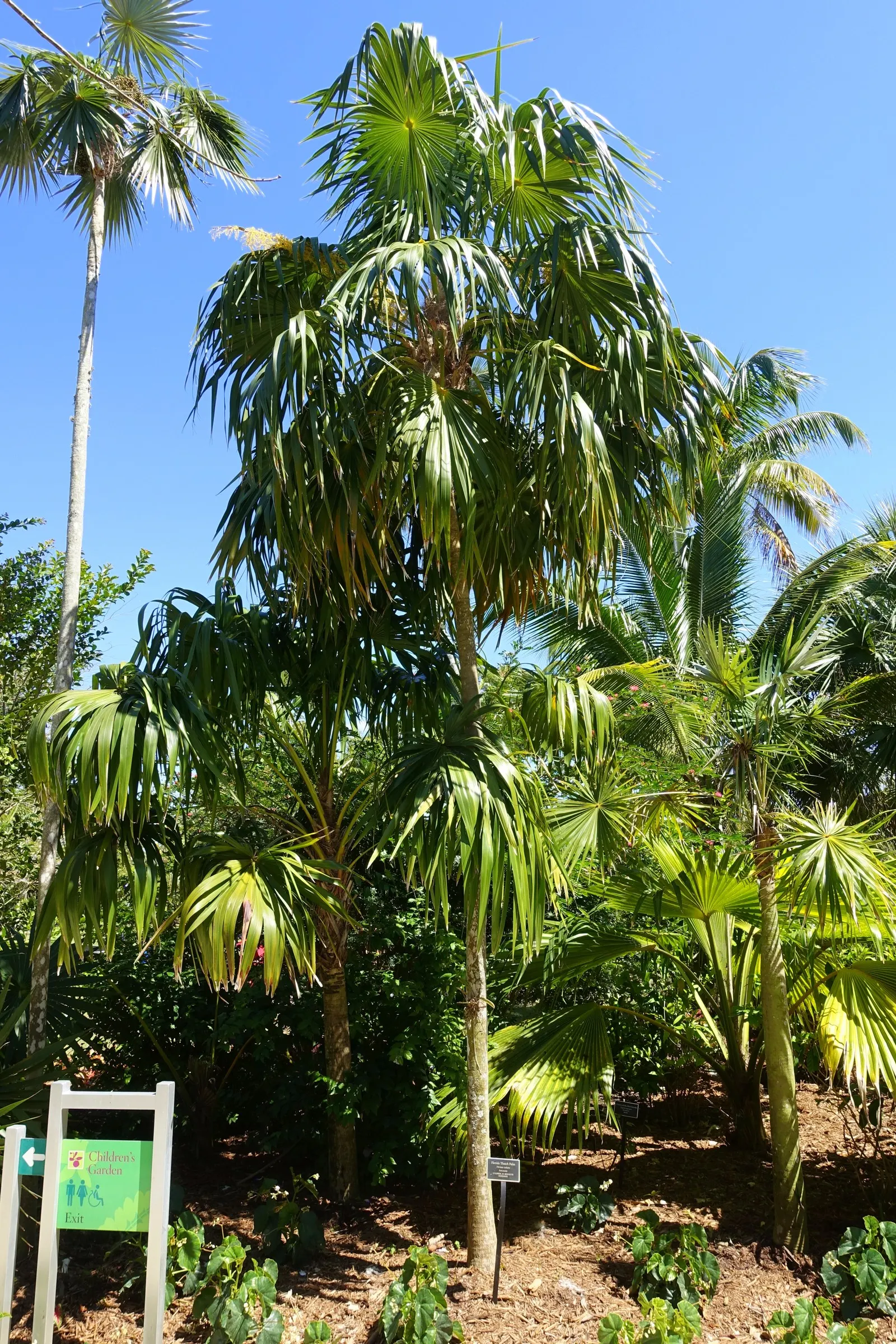
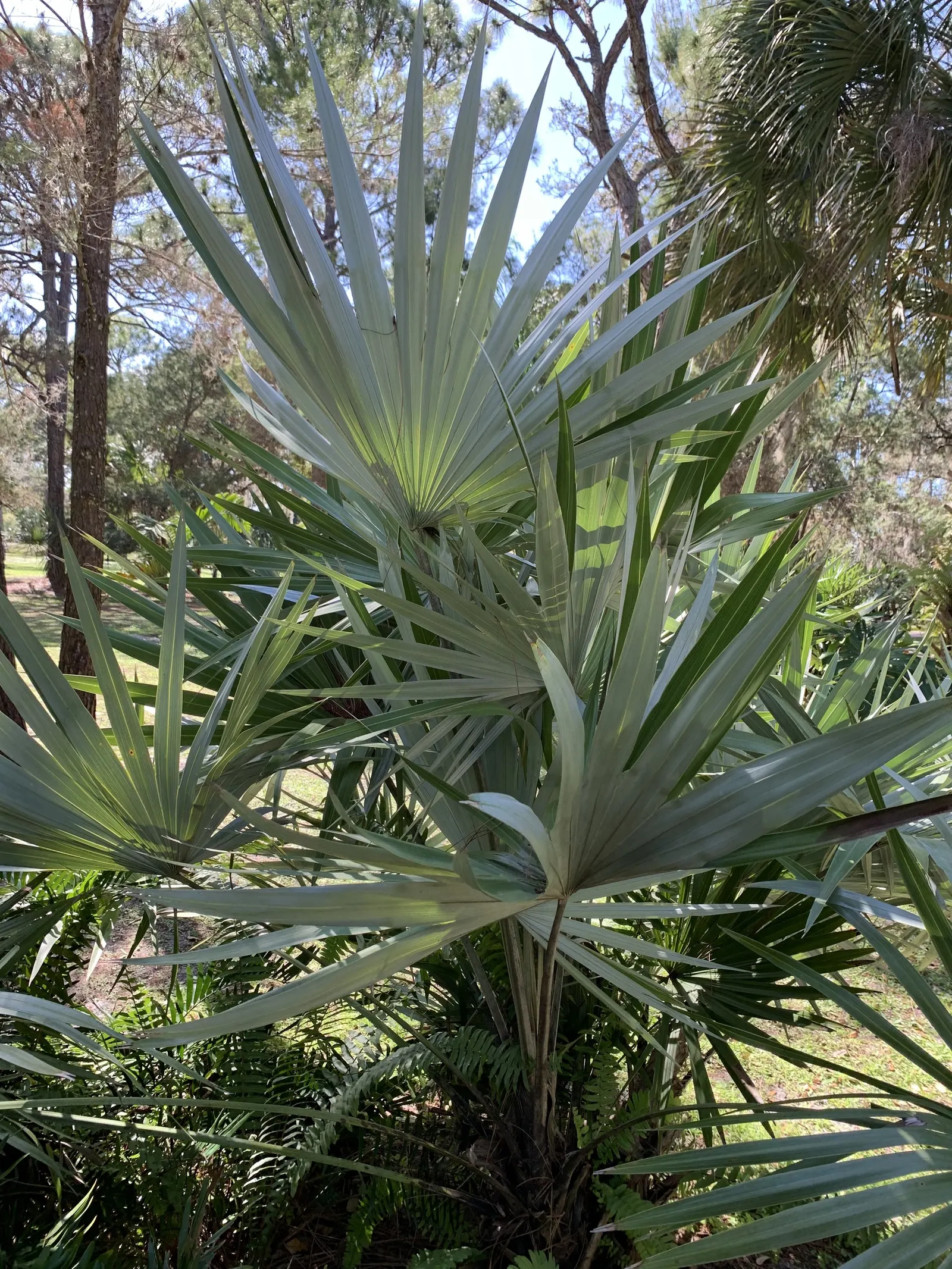
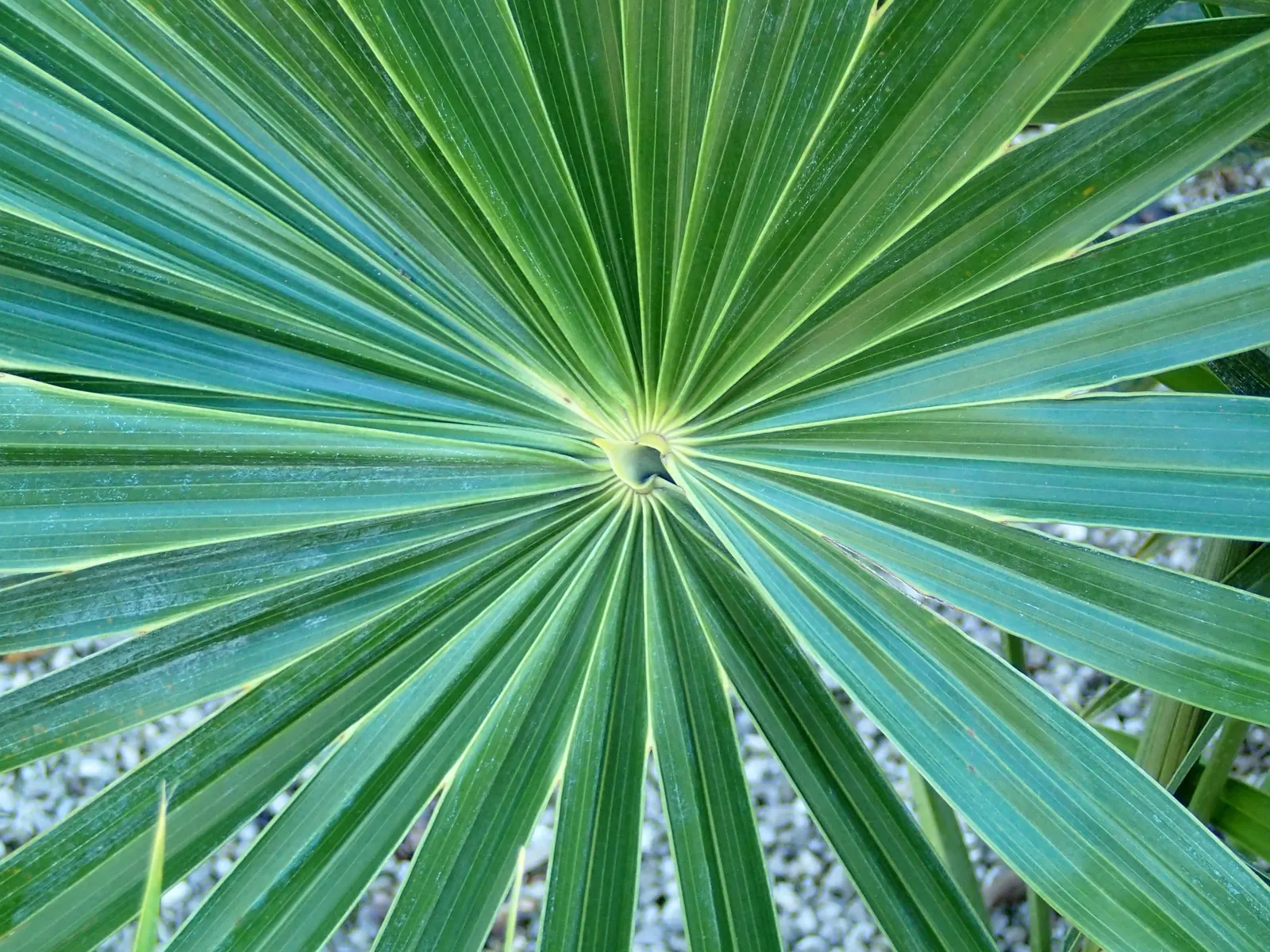
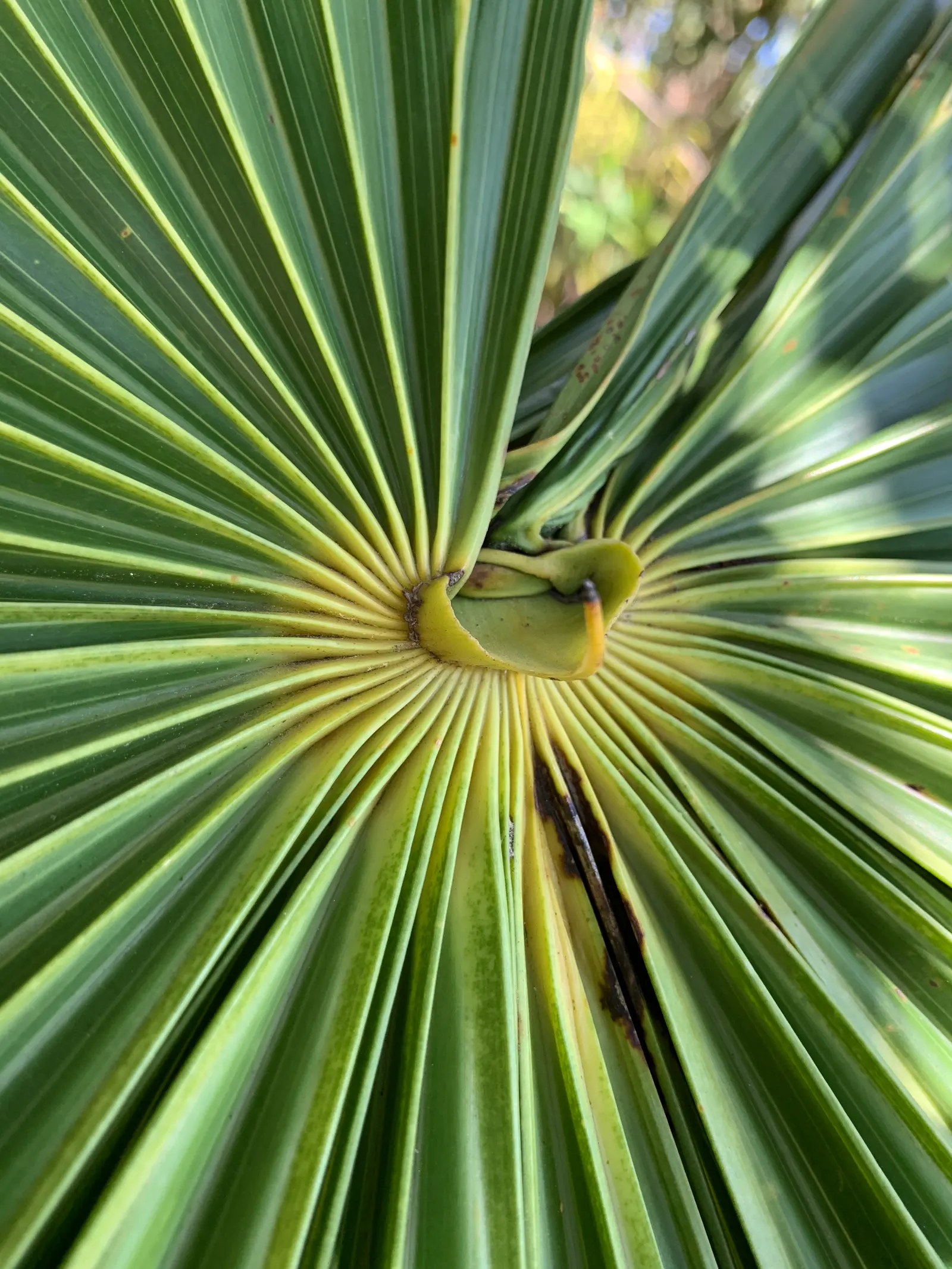
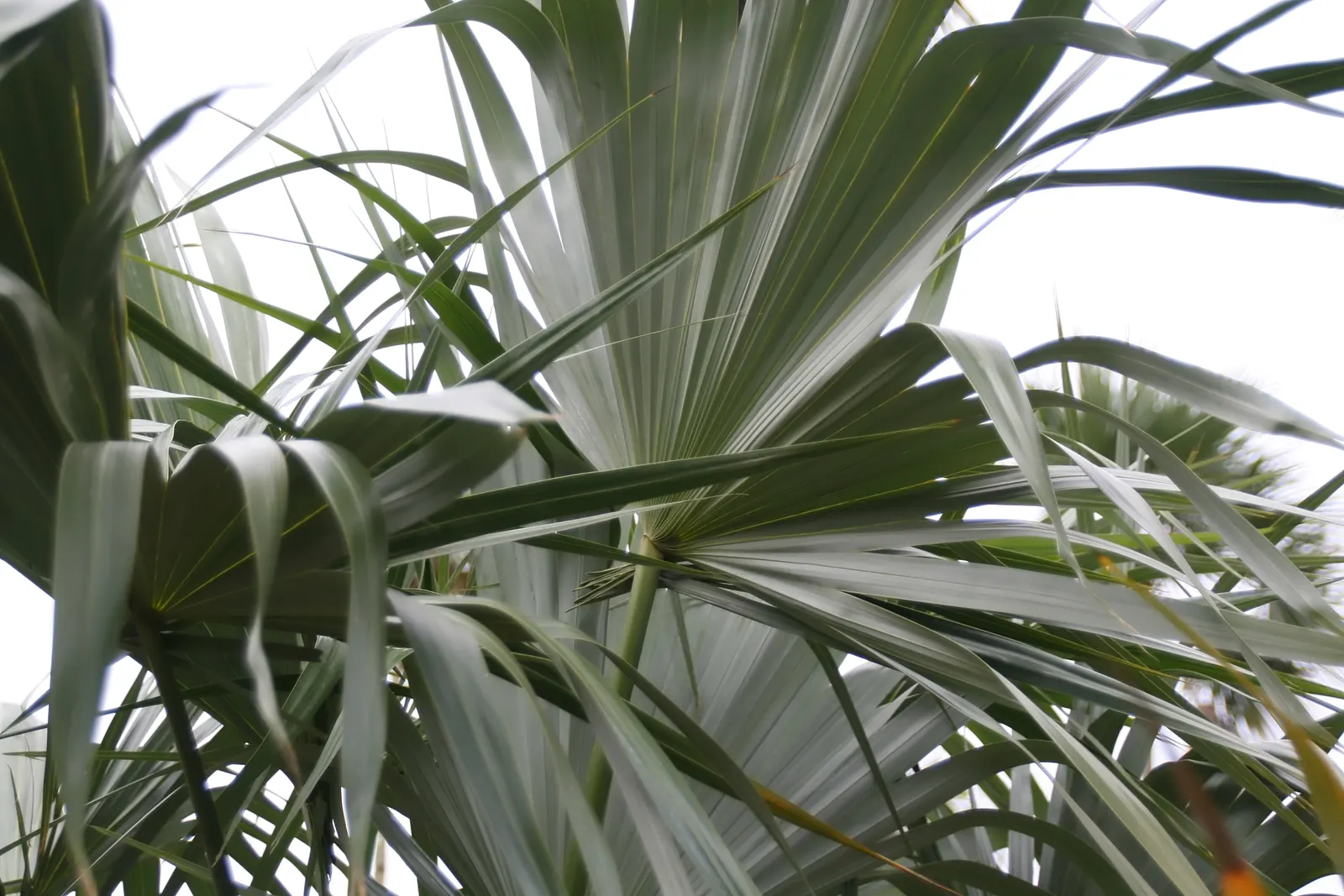
Key Thatch Palm (Leucothrinax Morrisii) — lush appearance and feature a light green to silver-green color.<br><br>As a landscape architect

Culture

Sun
Full, Half
Water
Low
USDA zones
10–11

Shape & size

Mature height
3–36 Ft.
Mature width
3–15 Ft.

Classification

Type
Palm, Tree
Family
Arecaceae
Climate
Subtropical

See full data, regional cultivation notes, and design tools. Build a client presentation around this plant.

Start your 14-day trial

Photos (121)

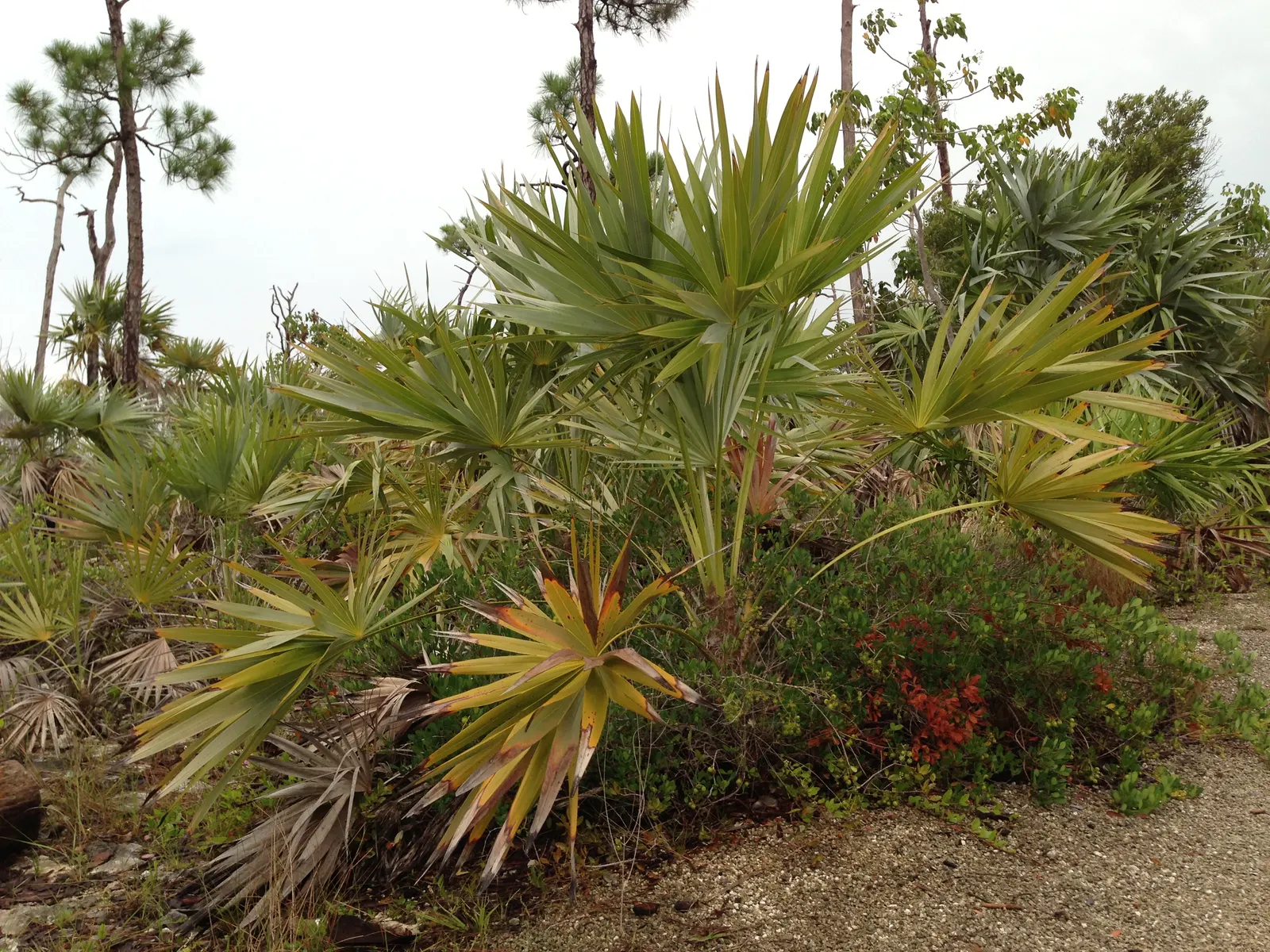
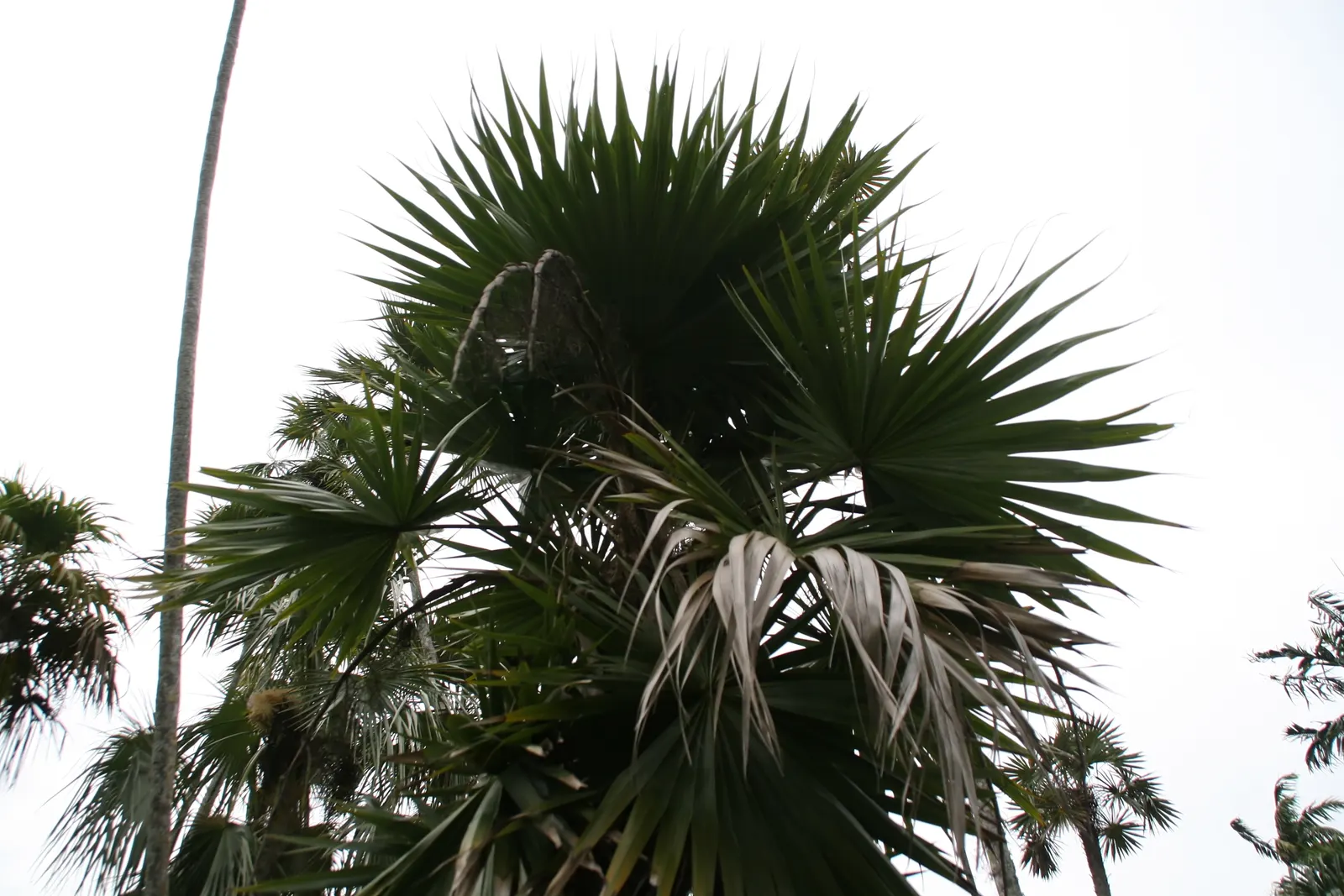
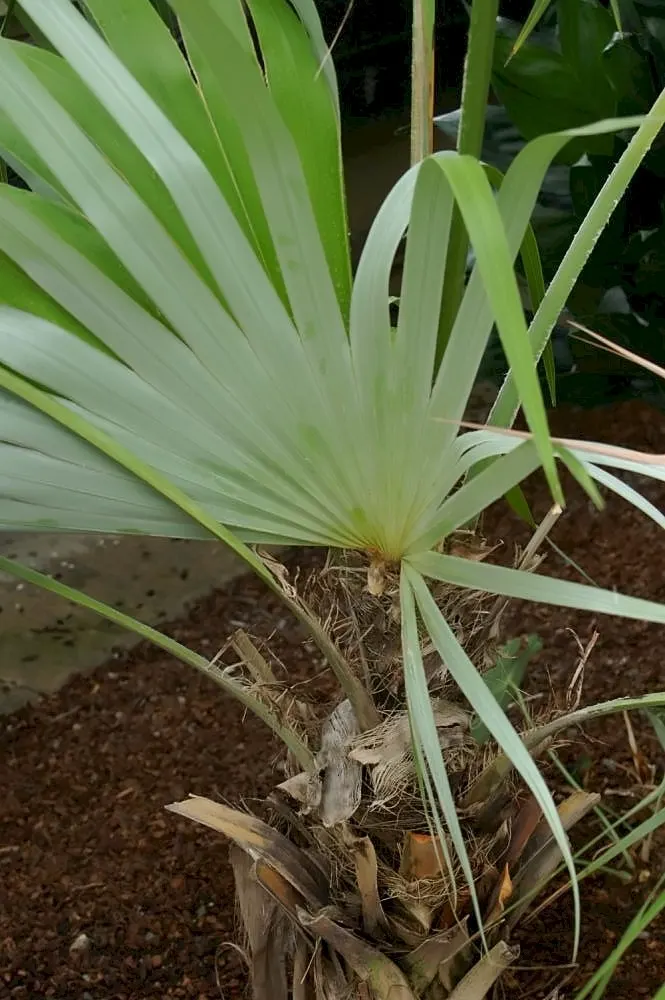
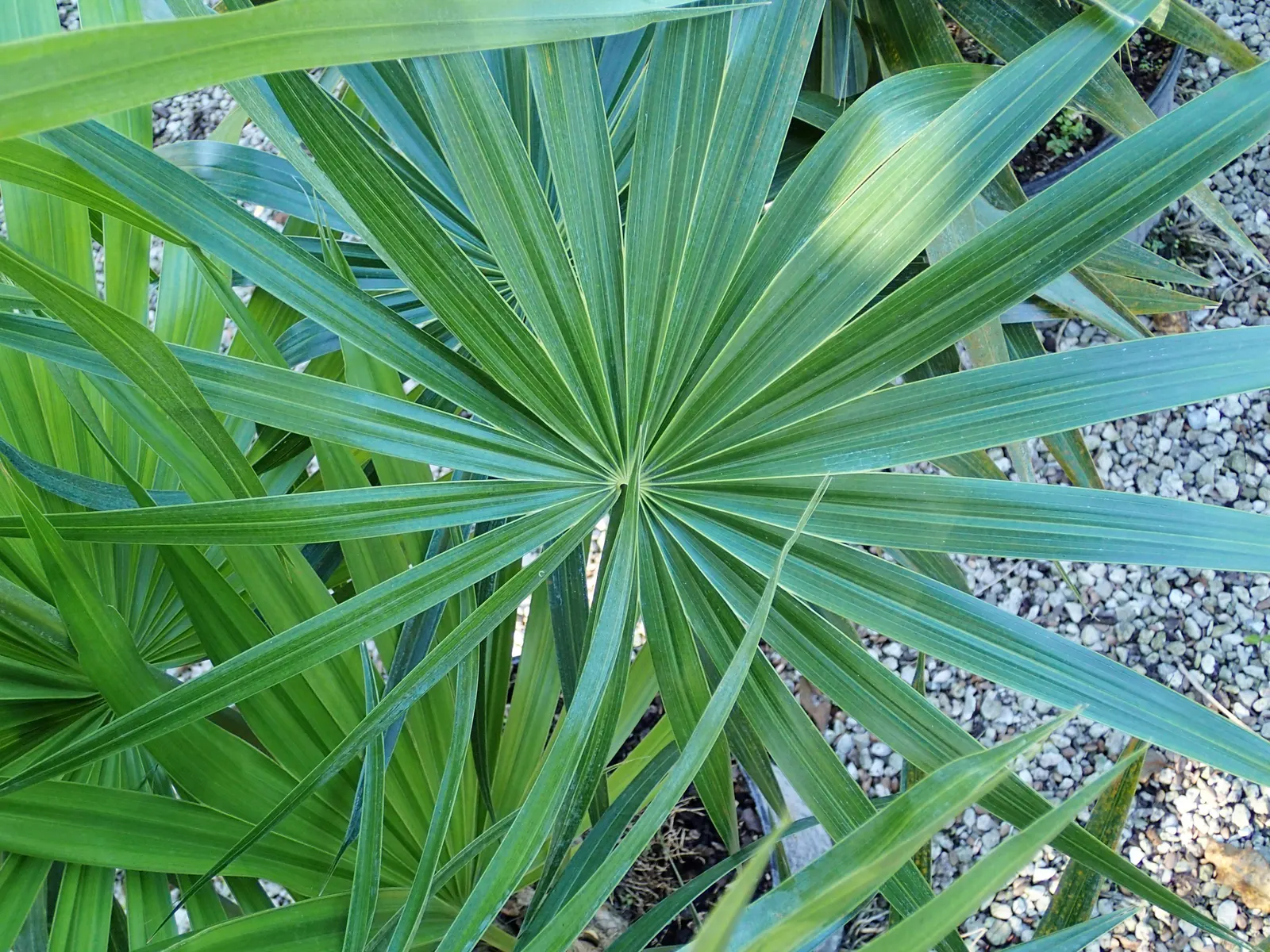
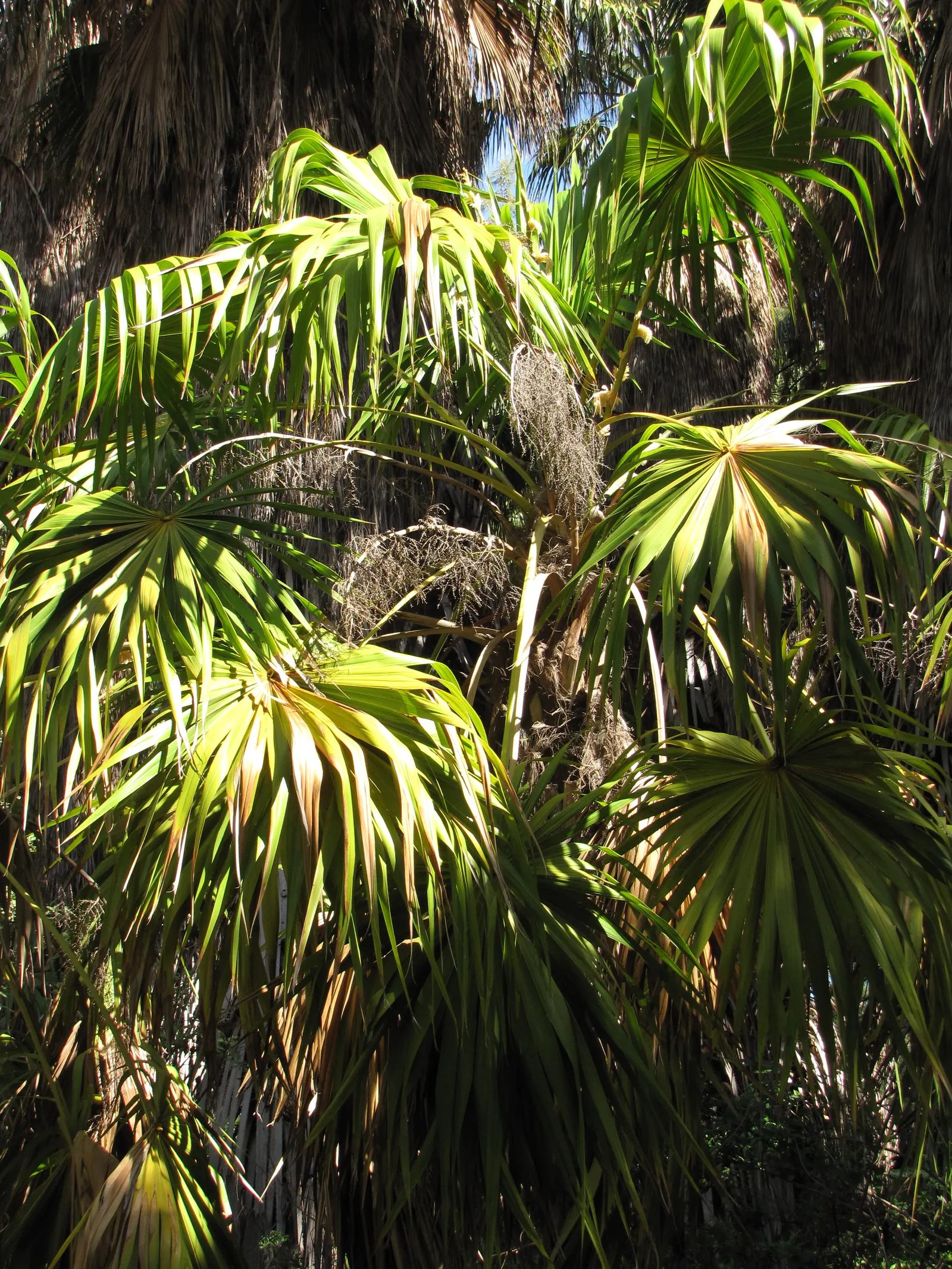
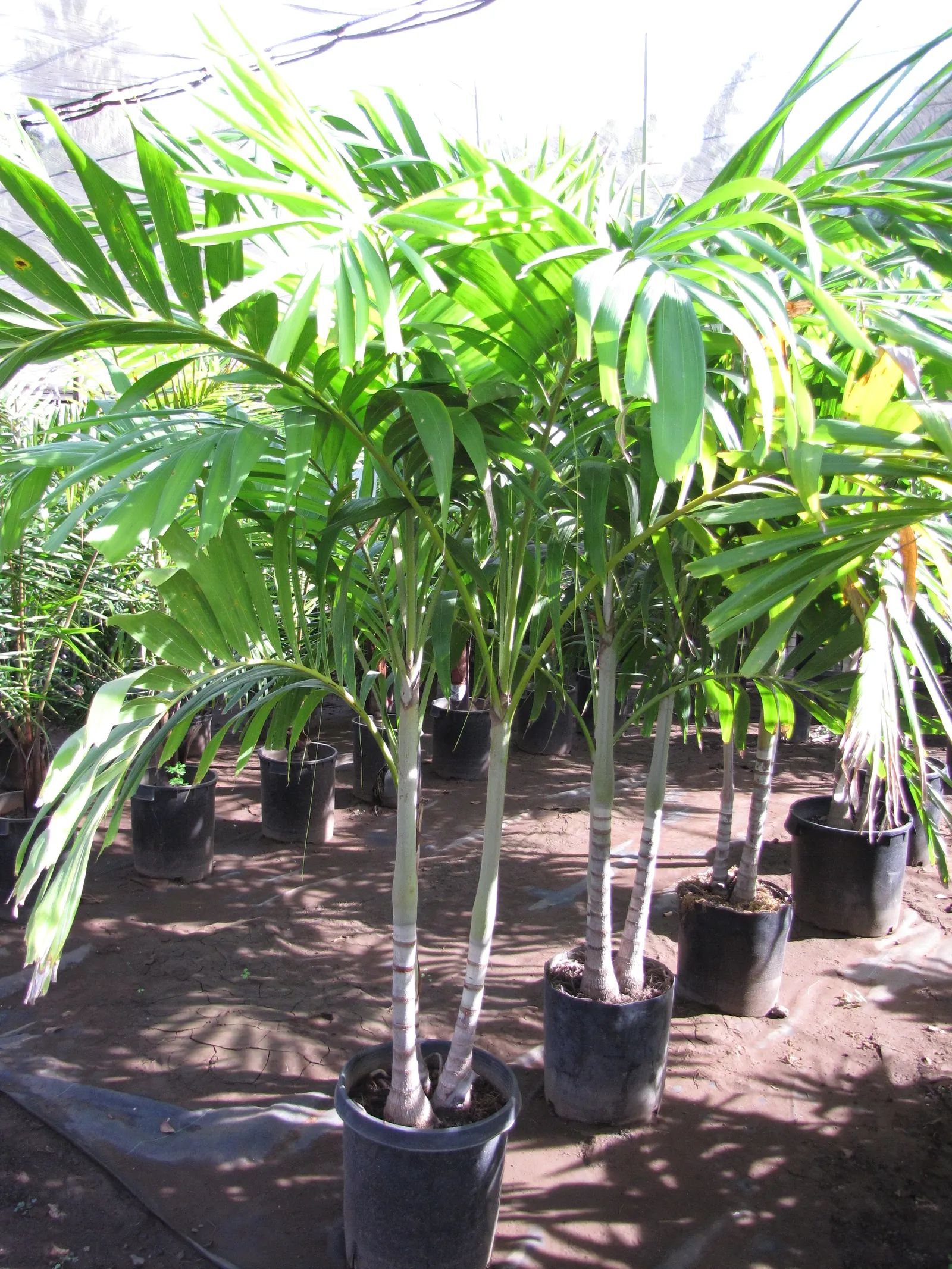
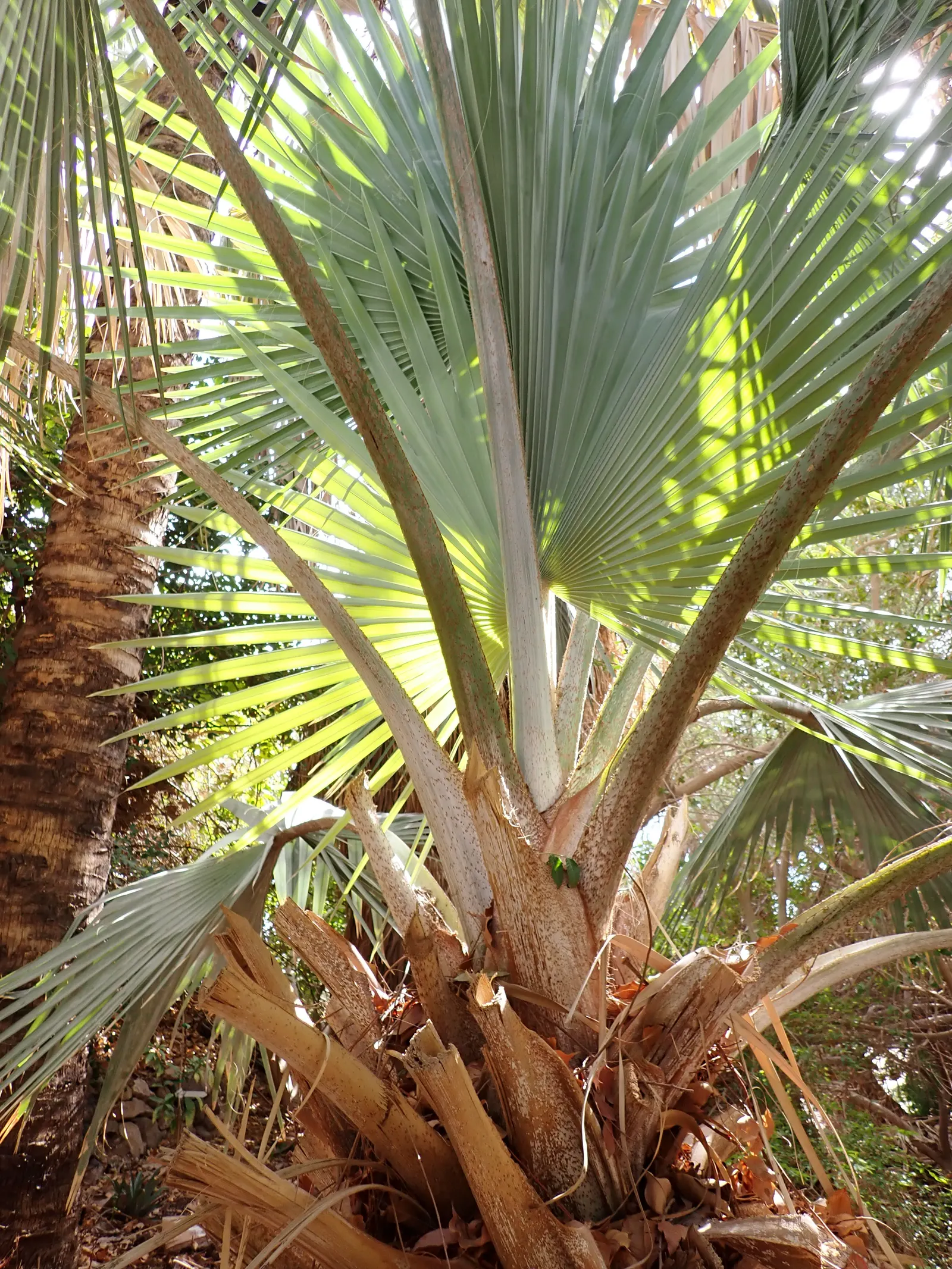
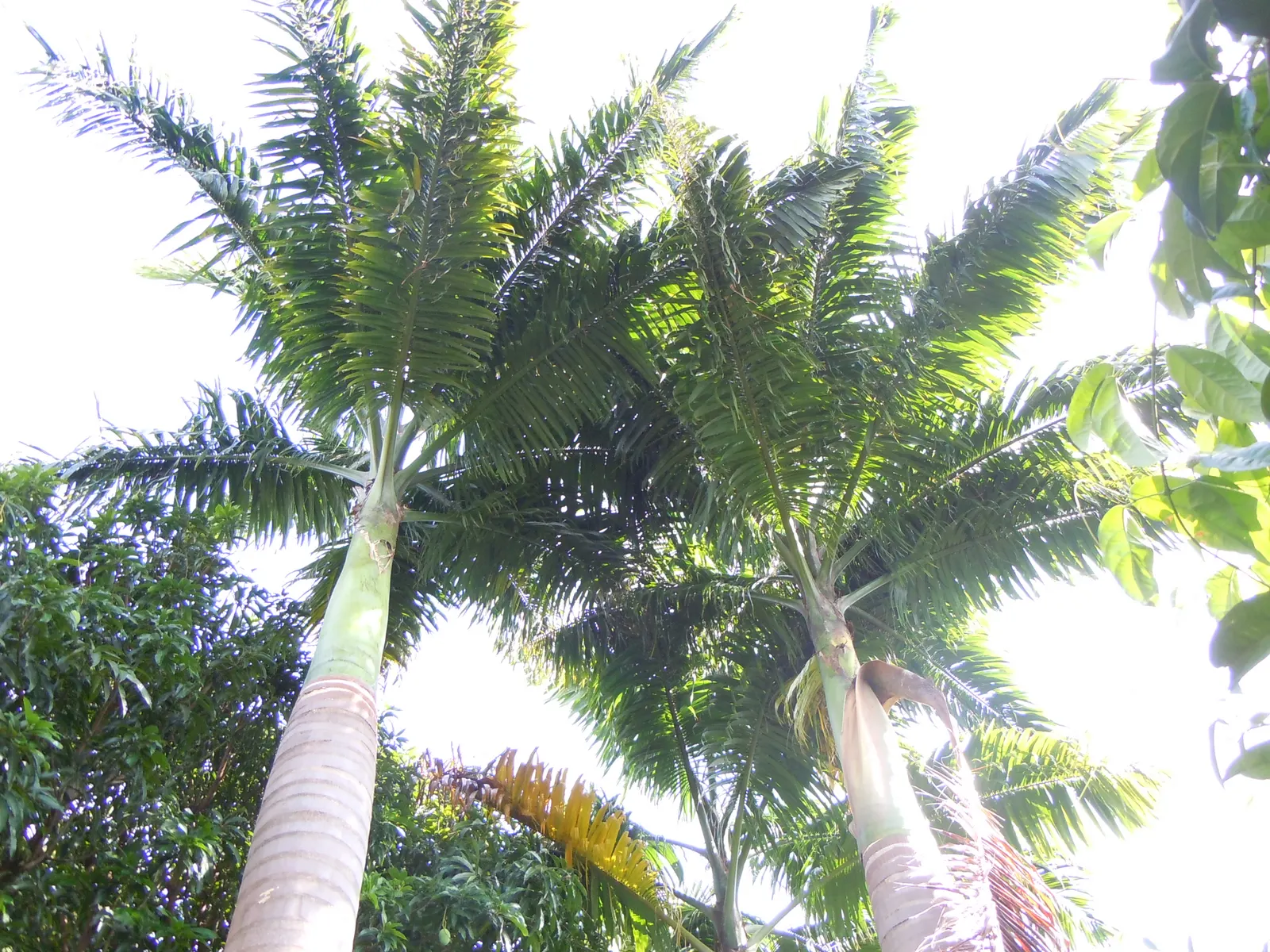
Key Thatch Palm (Leucothrinax Morrisii) — this palm showcases a rounded silhouette with fan-shaped fronds; white and yellow flowers in the garden
Key Thatch Palm (Leucothrinax Morrisii) — integrate the Key Thatch Palm for its tropical appeal and its ability to cast dappled shade; inform your, image 100
Key Thatch Palm (Leucothrinax Morrisii) — scientifically named Leucothrinax morrisii
Key Thatch Palm (Leucothrinax Morrisii) — making it perfect for understory plantings or as a standalone specimen
Key Thatch Palm (Leucothrinax Morrisii) — and parts of Central America
Key Thatch Palm (Leucothrinax Morrisii) — With a maximum height of 15-20 feet and a spread of 6-10 feet; it's slow-growing and low-maintenance
Key Thatch Palm (Leucothrinax Morrisii) — small to medium-sized palm endemic to the Florida Keys
Key Thatch Palm (Leucothrinax Morrisii) — palm / tree for full or half
Key Thatch Palm (Leucothrinax Morrisii) — Full sun to partial shade exposure will secure optimal growth for this elegant palm; small to, image 75
Key Thatch Palm (Leucothrinax Morrisii) — lush appearance and feature a light green to silver-green color.<br><br>As a landscape architect; the Key, image 97
Key Thatch Palm (Leucothrinax Morrisii) — the Key Thatch Palm is highlighted by its rounded
Key Thatch Palm (Leucothrinax Morrisii) — this palm showcases a rounded silhouette with fan-shaped fronds; white and yellow flowers in the garden, image 58
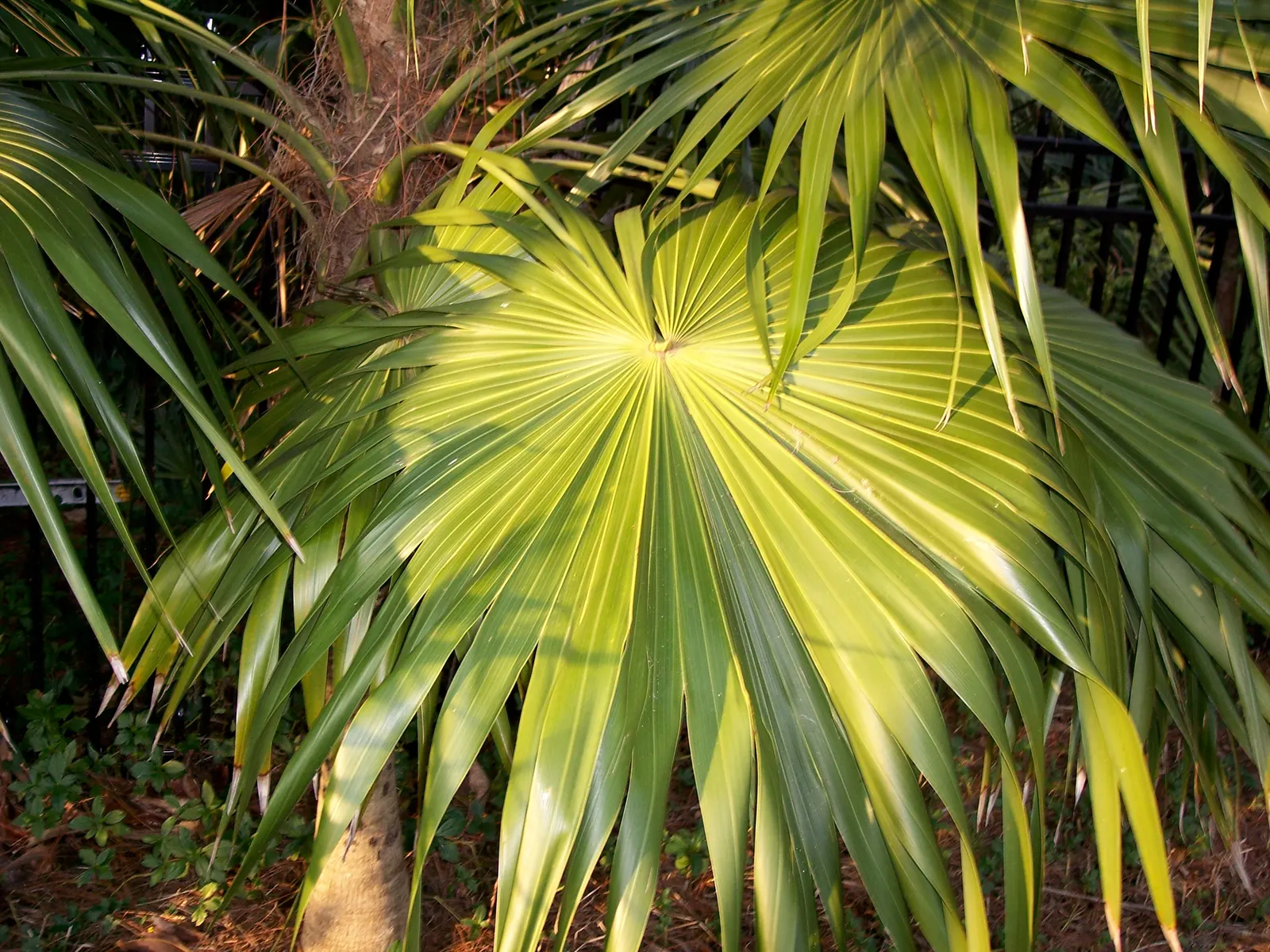
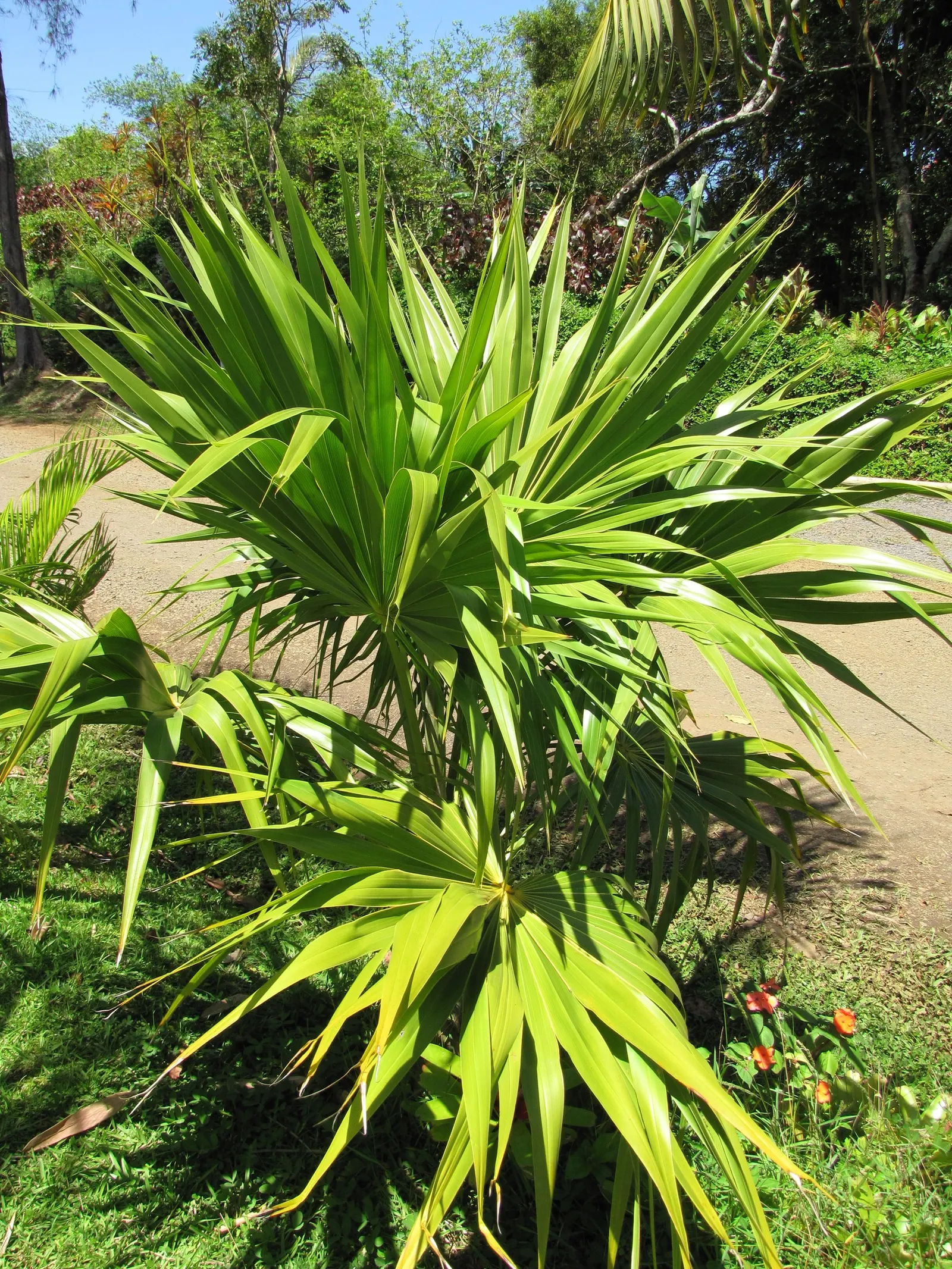
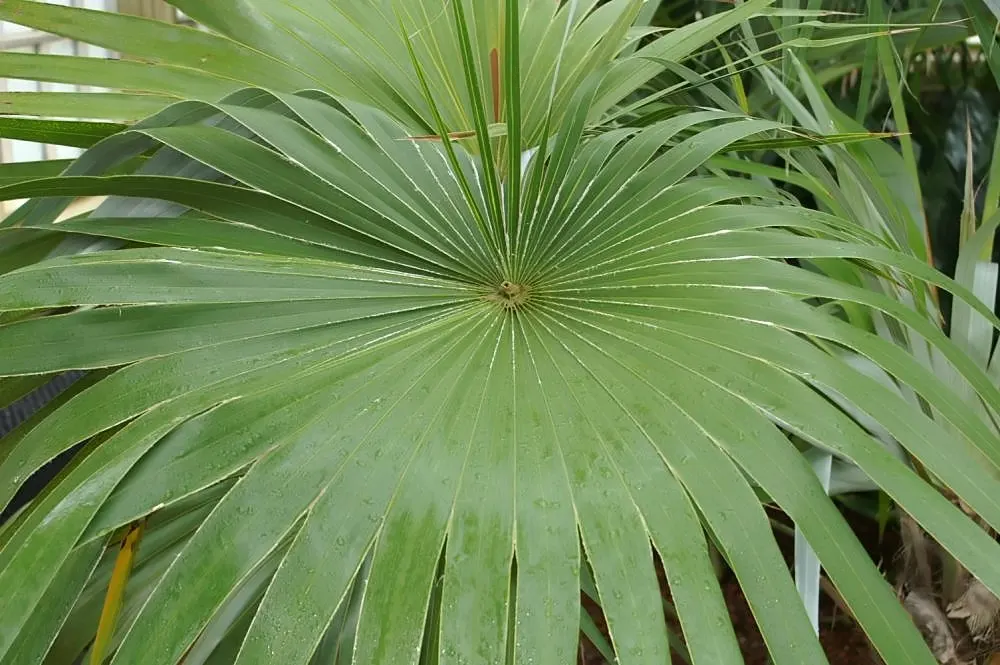
Key Thatch Palm (Leucothrinax Morrisii) — this palm showcases a rounded silhouette with fan-shaped fronds
Key Thatch Palm (Leucothrinax Morrisii) — it enjoys well-draining soil; making it well-suited for warm, image 60
Key Thatch Palm (Leucothrinax Morrisii) — palm / tree for full or half; as it serves as a habitat and food source for certain bird and insect, image 81
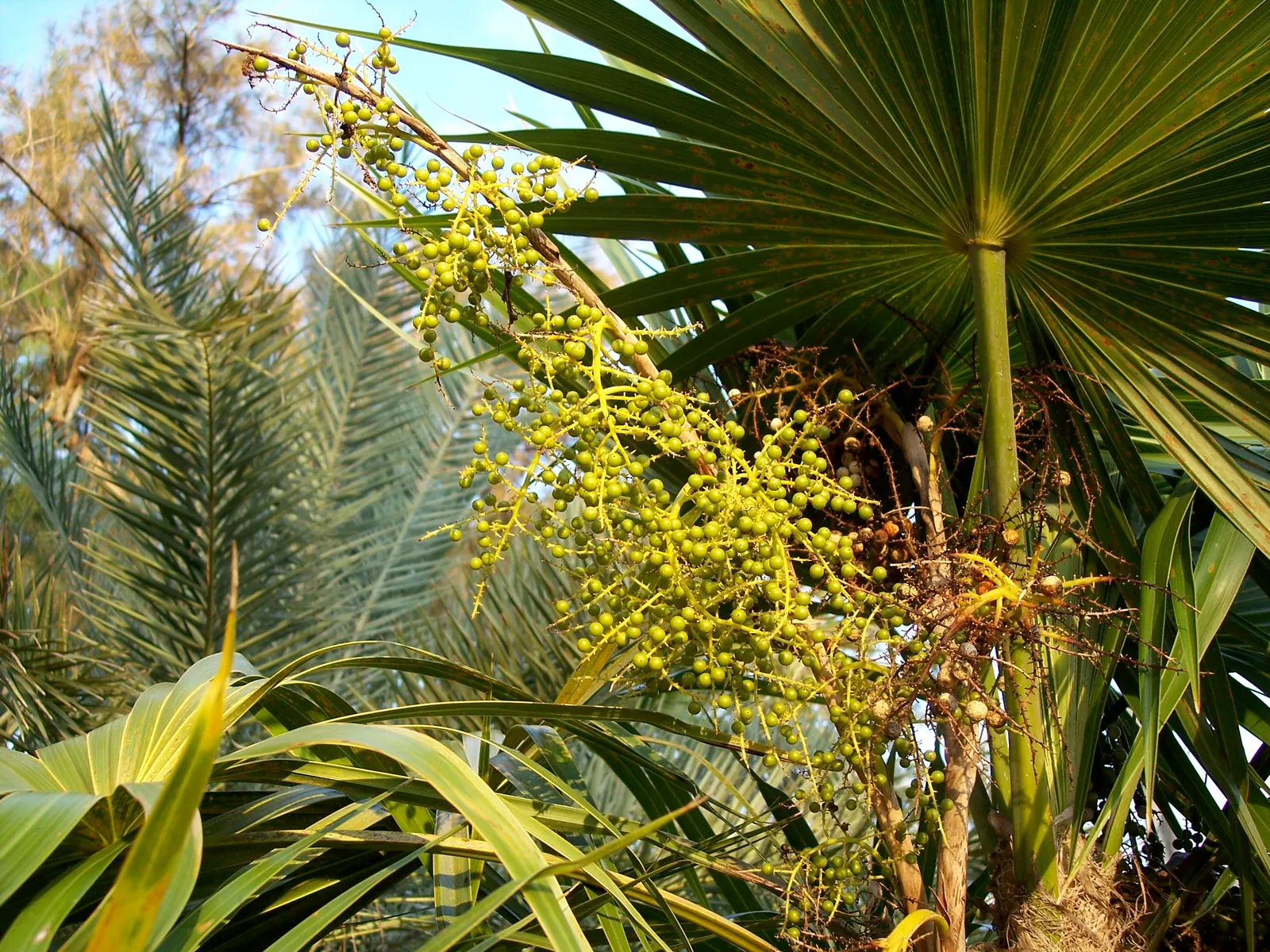
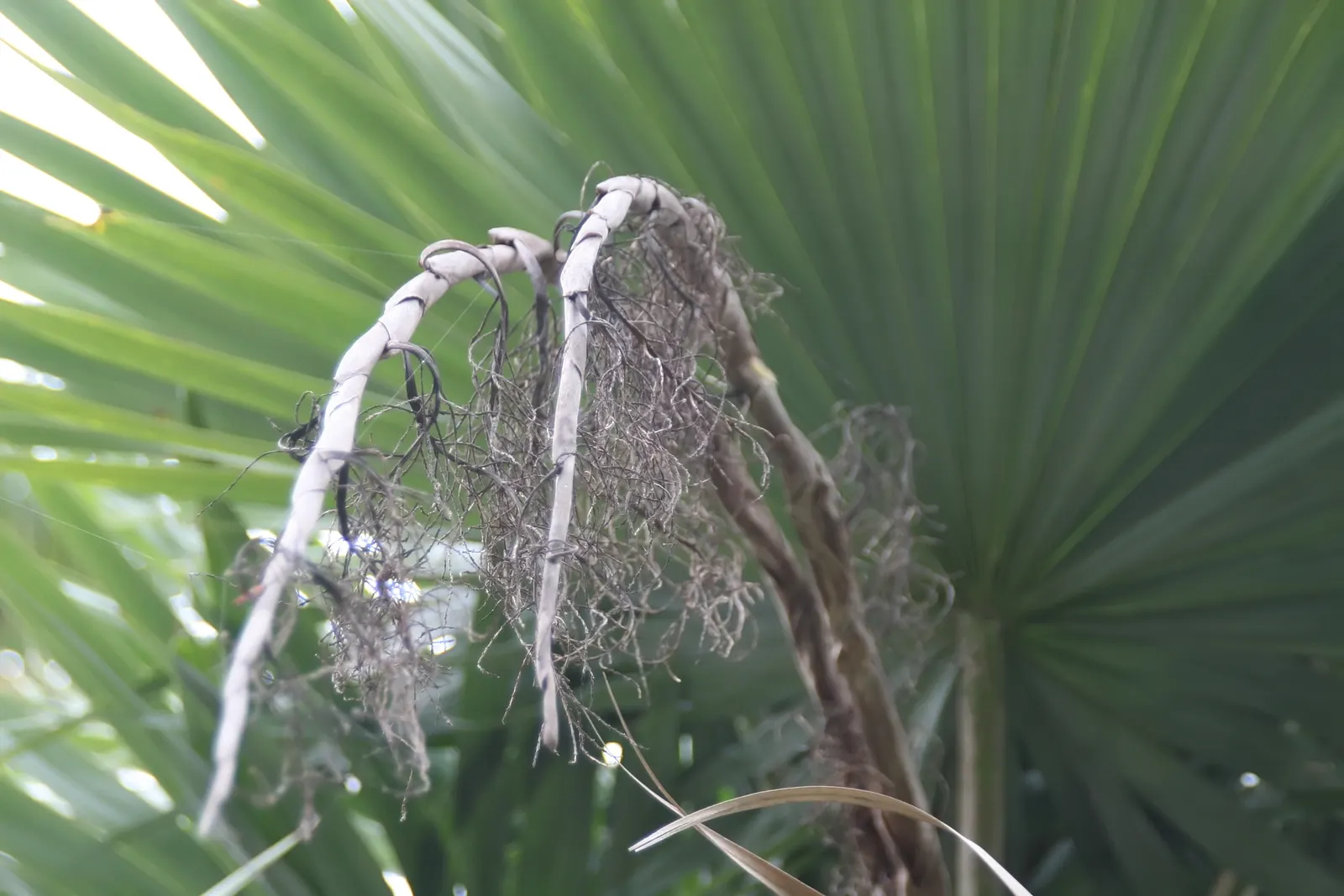
Key Thatch Palm (Leucothrinax Morrisii) — white and yellow flowers in the garden
Key Thatch Palm (Leucothrinax Morrisii) — making it perfect for understory plantings or as a standalone specimen; hardy in zones 10-11, it thrives in full sun
Key Thatch Palm (Leucothrinax Morrisii) — it enjoys well-draining soil; making it well-suited for warm, image 87
Key Thatch Palm (Leucothrinax Morrisii) — making it perfect for understory plantings or as a standalone specimen; hardy in zones 10-11, it thrives, image 101
Key Thatch Palm (Leucothrinax Morrisii) — integrate the Key Thatch Palm for its tropical appeal and its ability to cast dappled shade; inform your clients that
Key Thatch Palm (Leucothrinax Morrisii) — Inform your clients that not only will they have an architecturally interesting plant; lush appearance and feature a
Key Thatch Palm (Leucothrinax Morrisii) — which can span approximately 3 to 5 feet in diameter; full sun to partial shade exposure will secure optimal growth
Key Thatch Palm (Leucothrinax Morrisii) — lush appearance and feature a light green to silver-green color.<br><br>As a landscape architect; the Key Thatch Palm
Key Thatch Palm (Leucothrinax Morrisii) — With a maximum height of 15-20 feet and a spread of 6-10 feet
Photographs by 7 contributors

Related plants