Skip to content

Nodding Pincushion

Leucospermum Cordifolium

Design with this plant

Overview

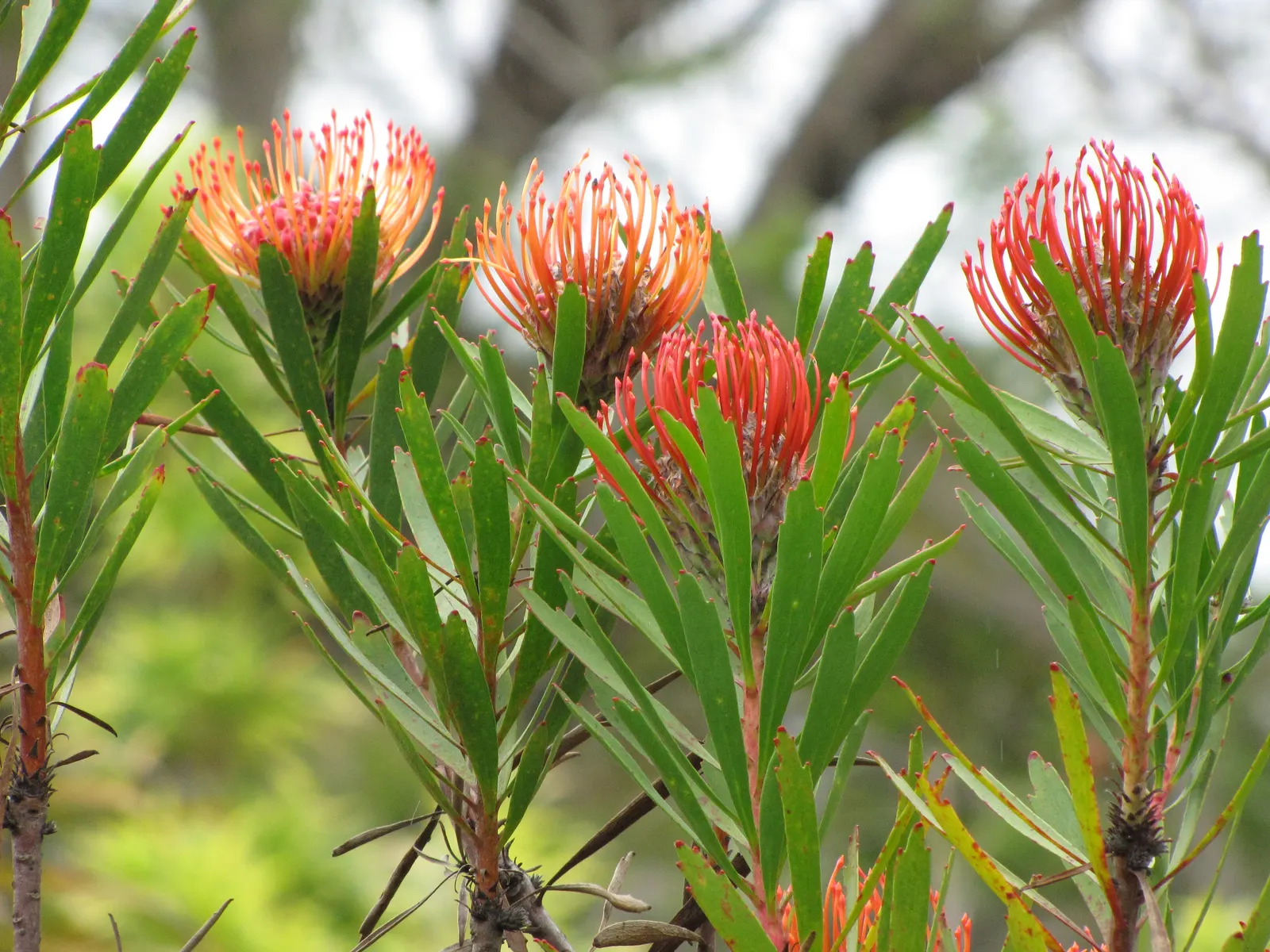
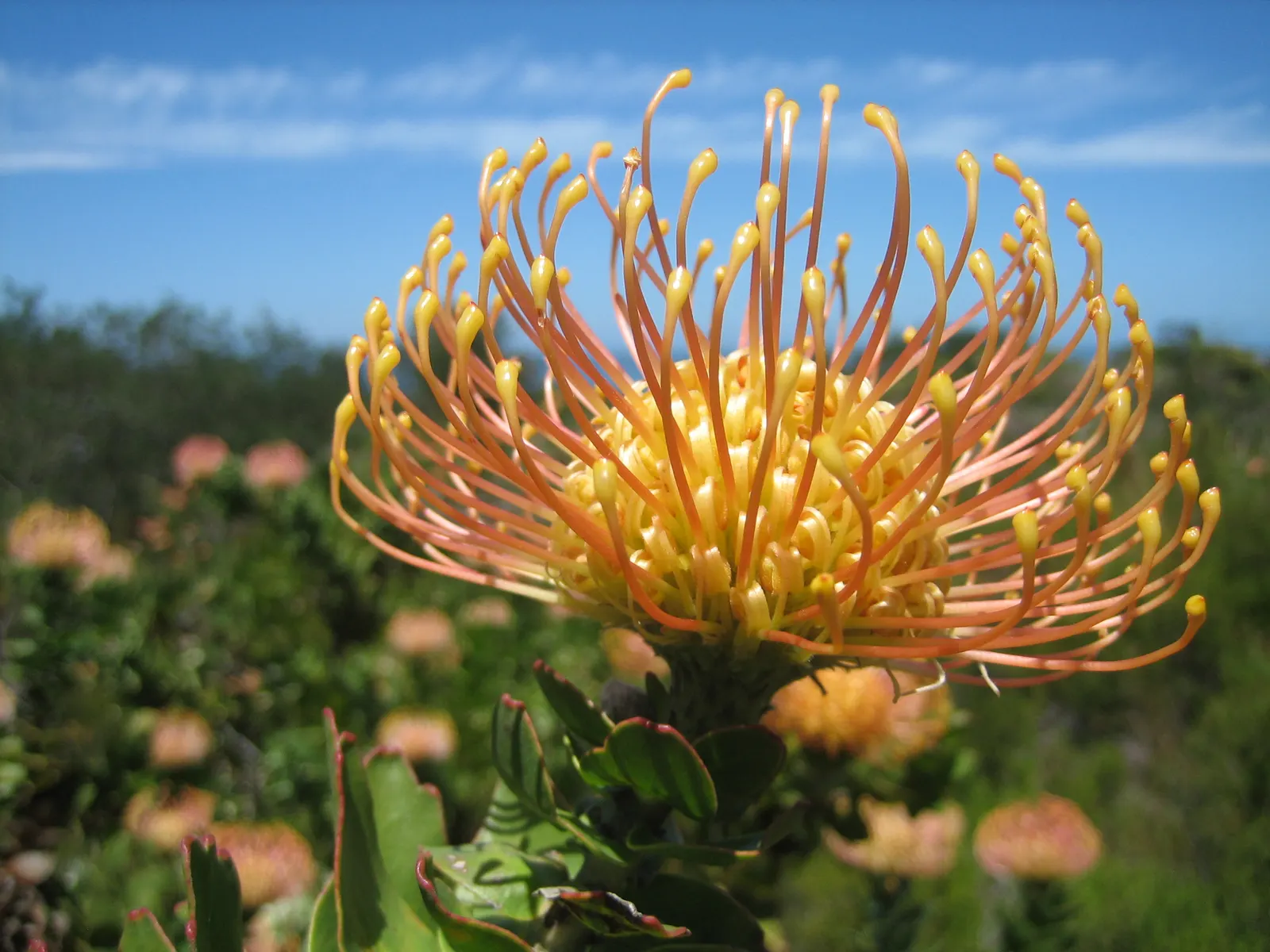
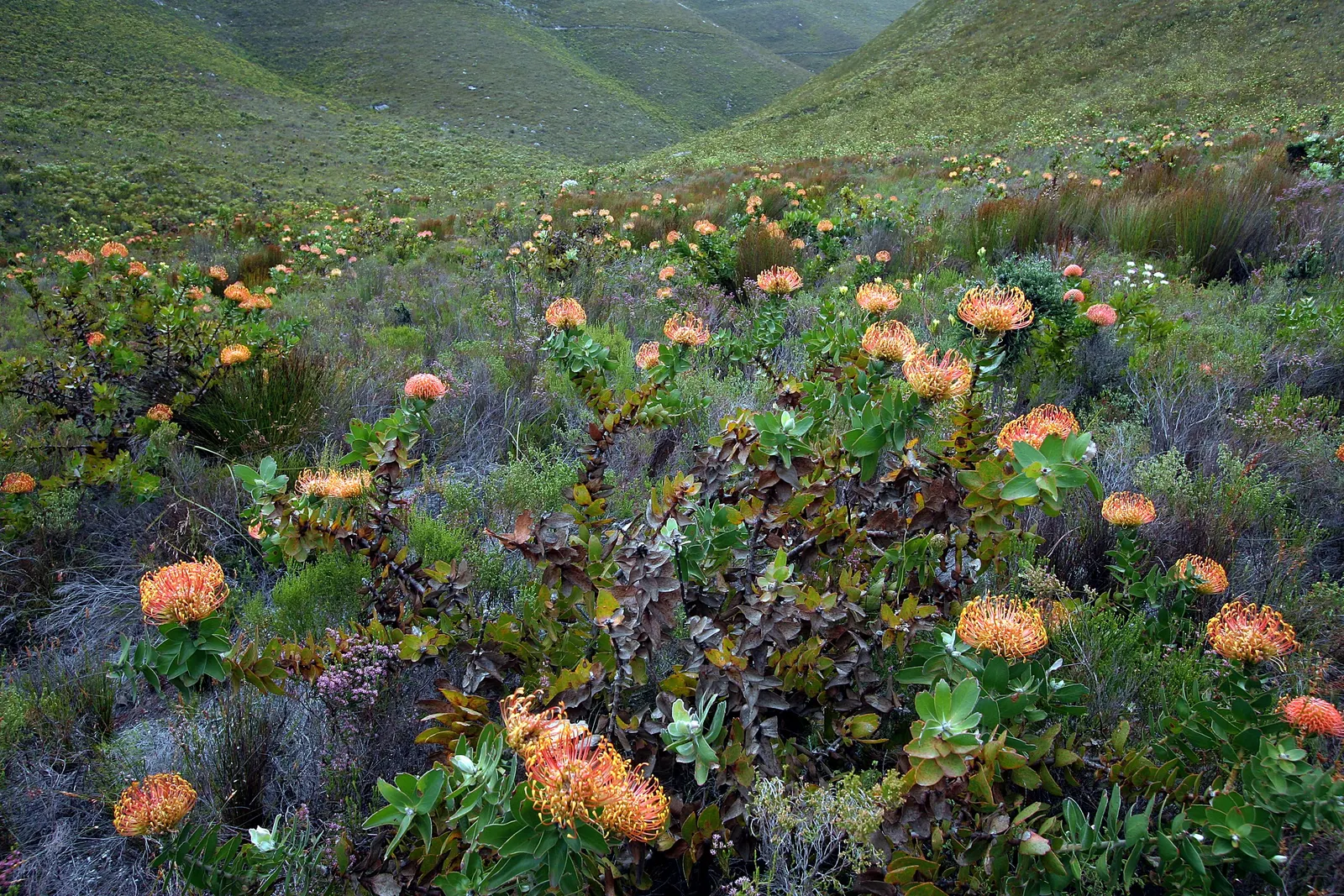
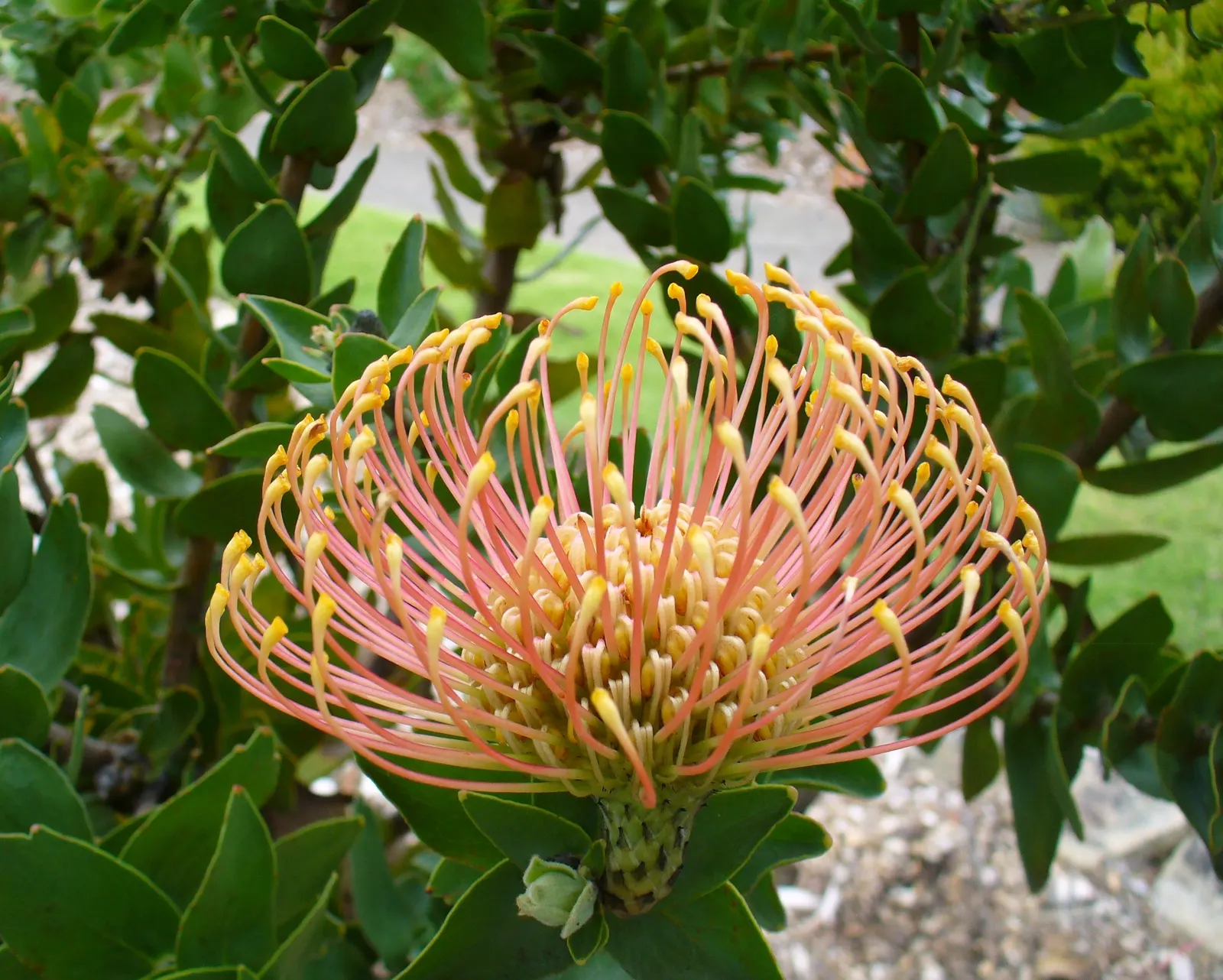
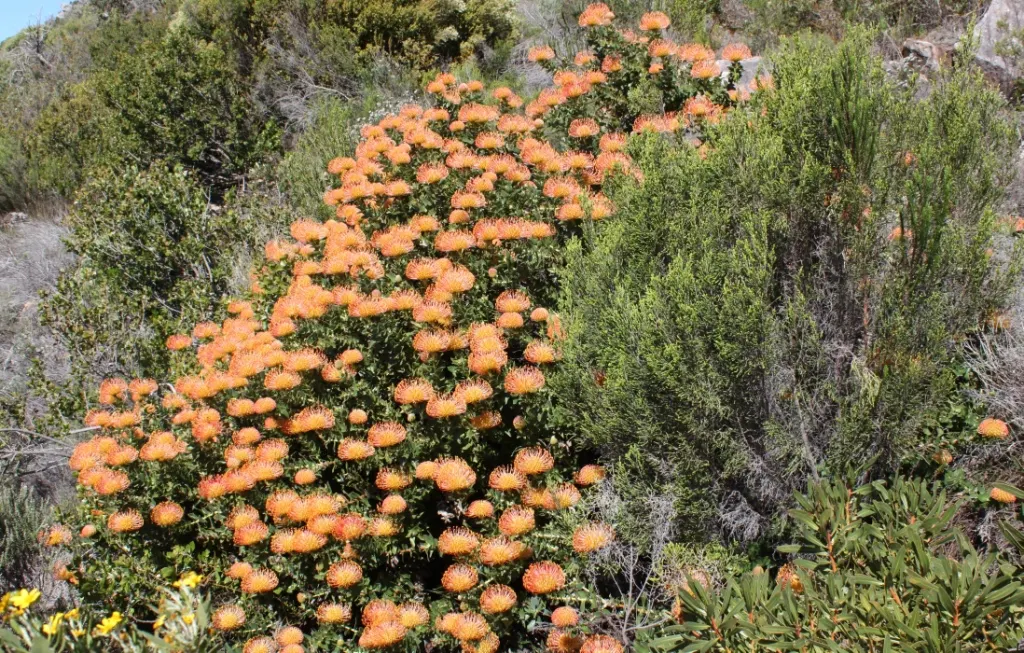
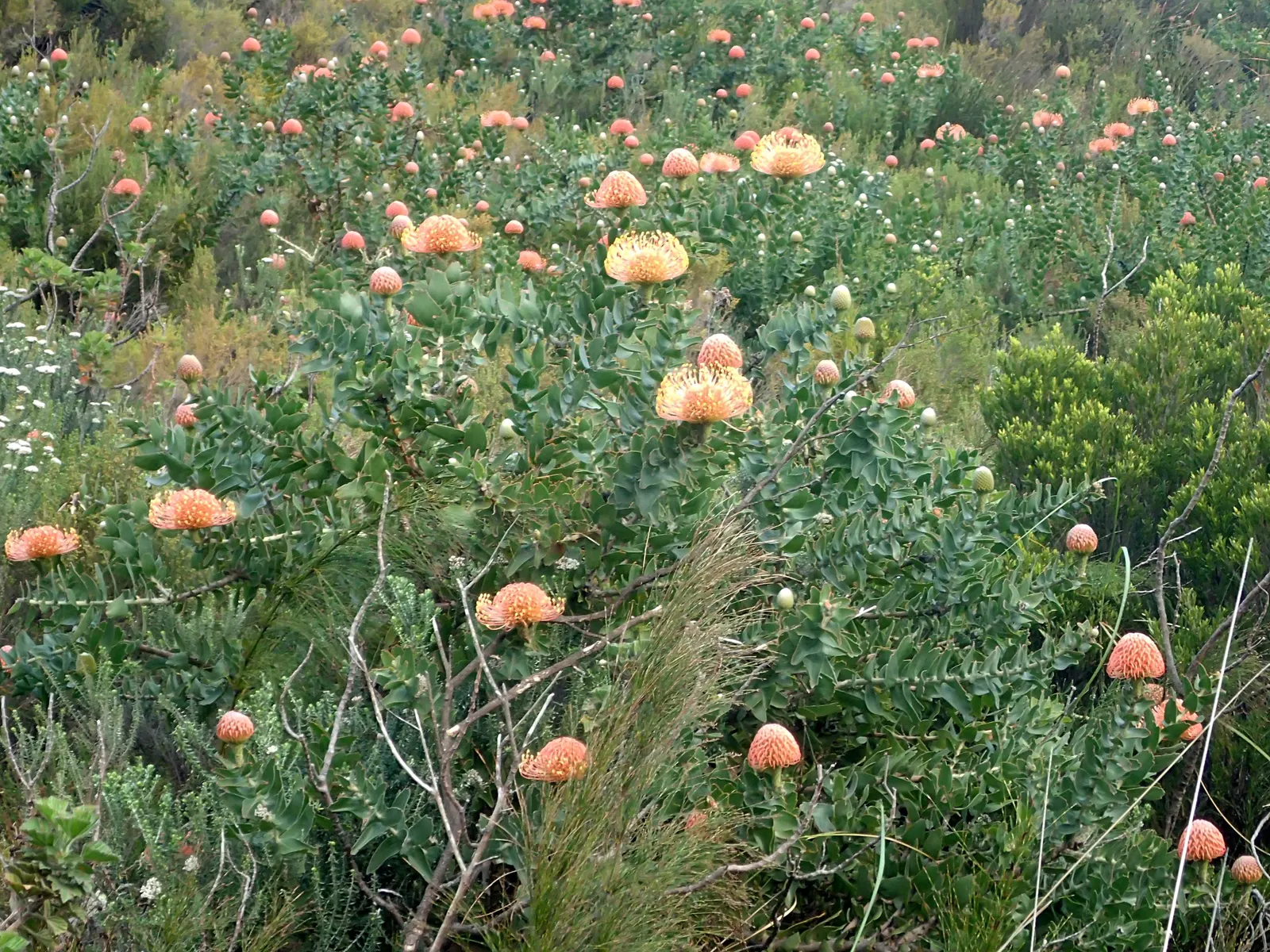
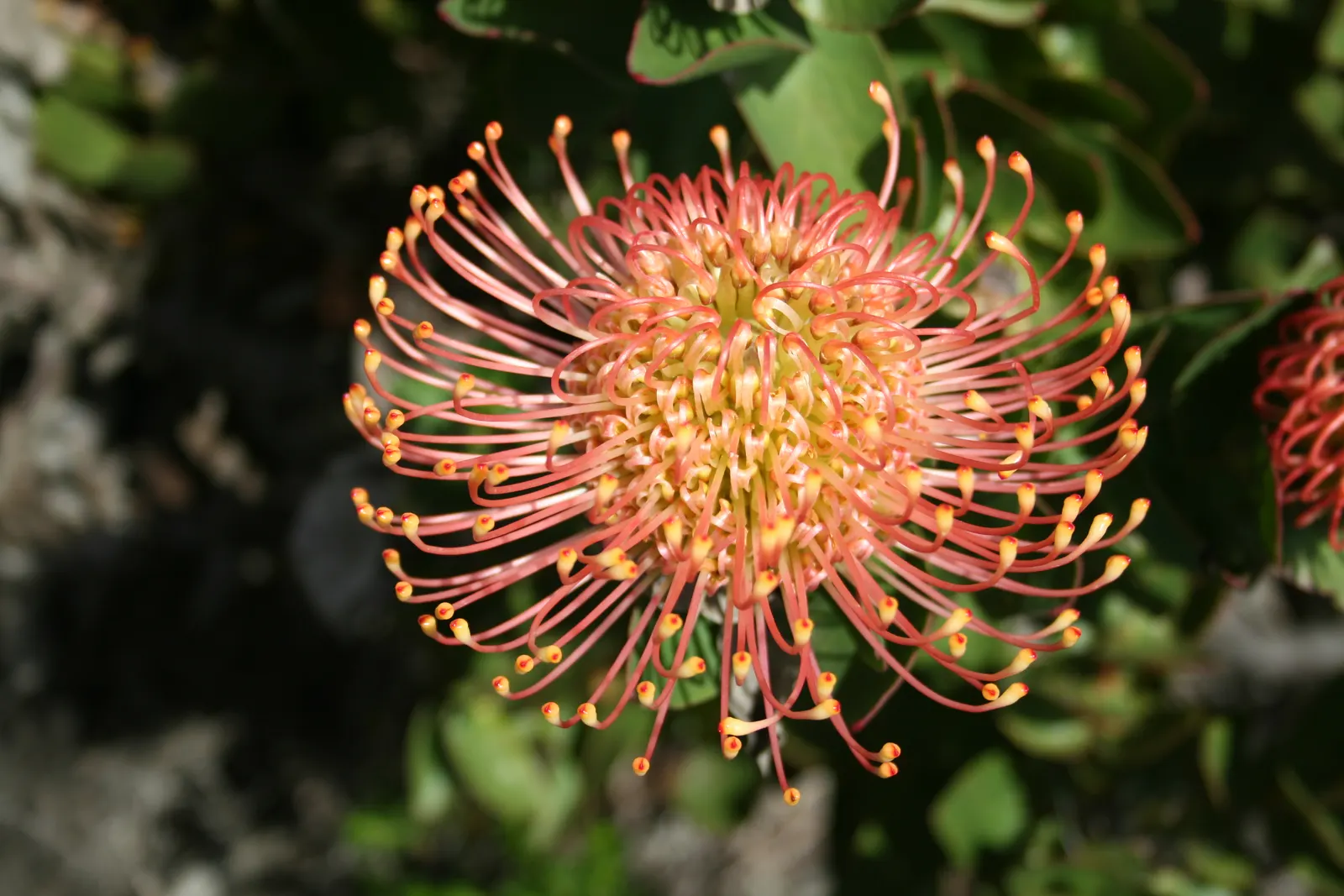
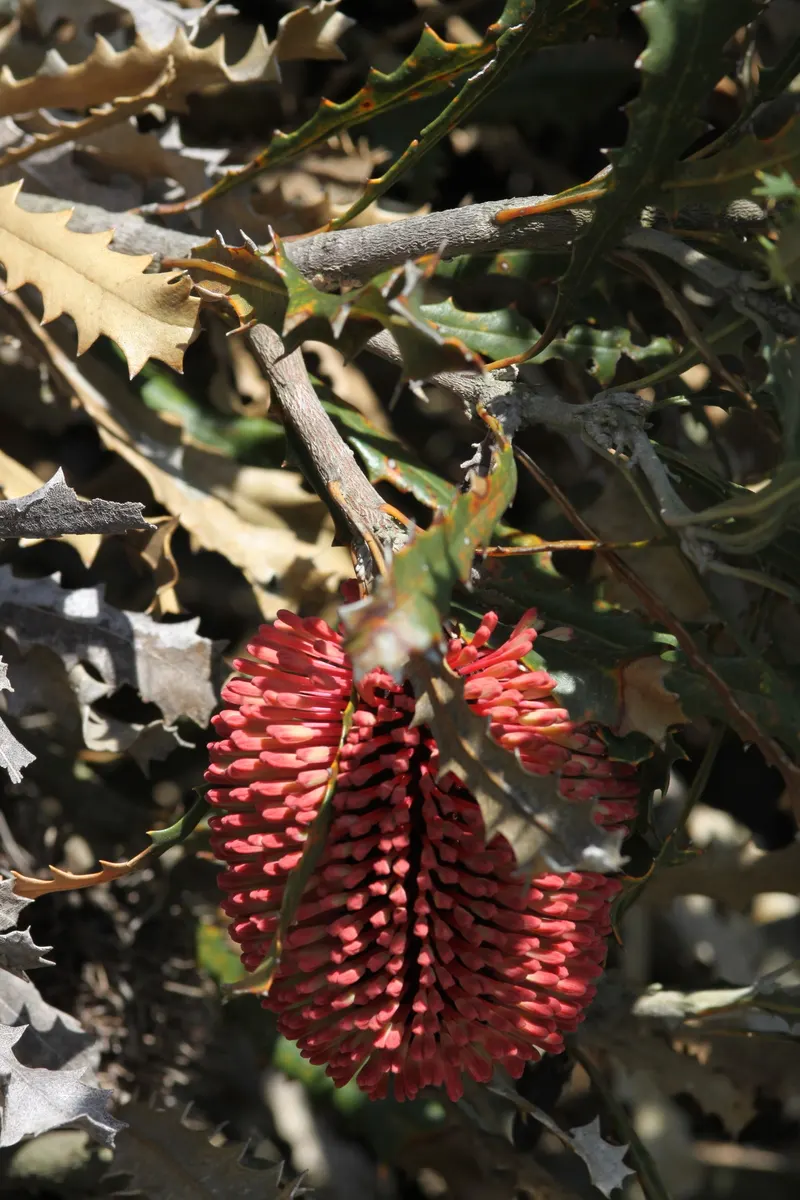
Leucospermum cordifolium, or Nodding Pincushion, is a captivating evergreen shrub native to South Africa. Known for its striking orange-red inflorescences resembling pincushions, it blooms in spring. Reaching up to 5 feet in height and spread, it thrives in full sun with well-drained soil. Drought-tolerant and low-maintenance, this plant adds vibrant texture and color to Mediterranean or xeriscape gardens. Hardiness zones 9-11.

Sun FullWater Extra in Summer, MediumZones 9–10Type Shrub

Culture

Sun
Full
Water
Extra in Summer, Medium
USDA zones
9–10

Shape & size

Classification

Type
Shrub
Family
Proteaceae

See full data, regional cultivation notes, and design tools. Build a client presentation around this plant.

Start your 14-day trial

Photos (88)

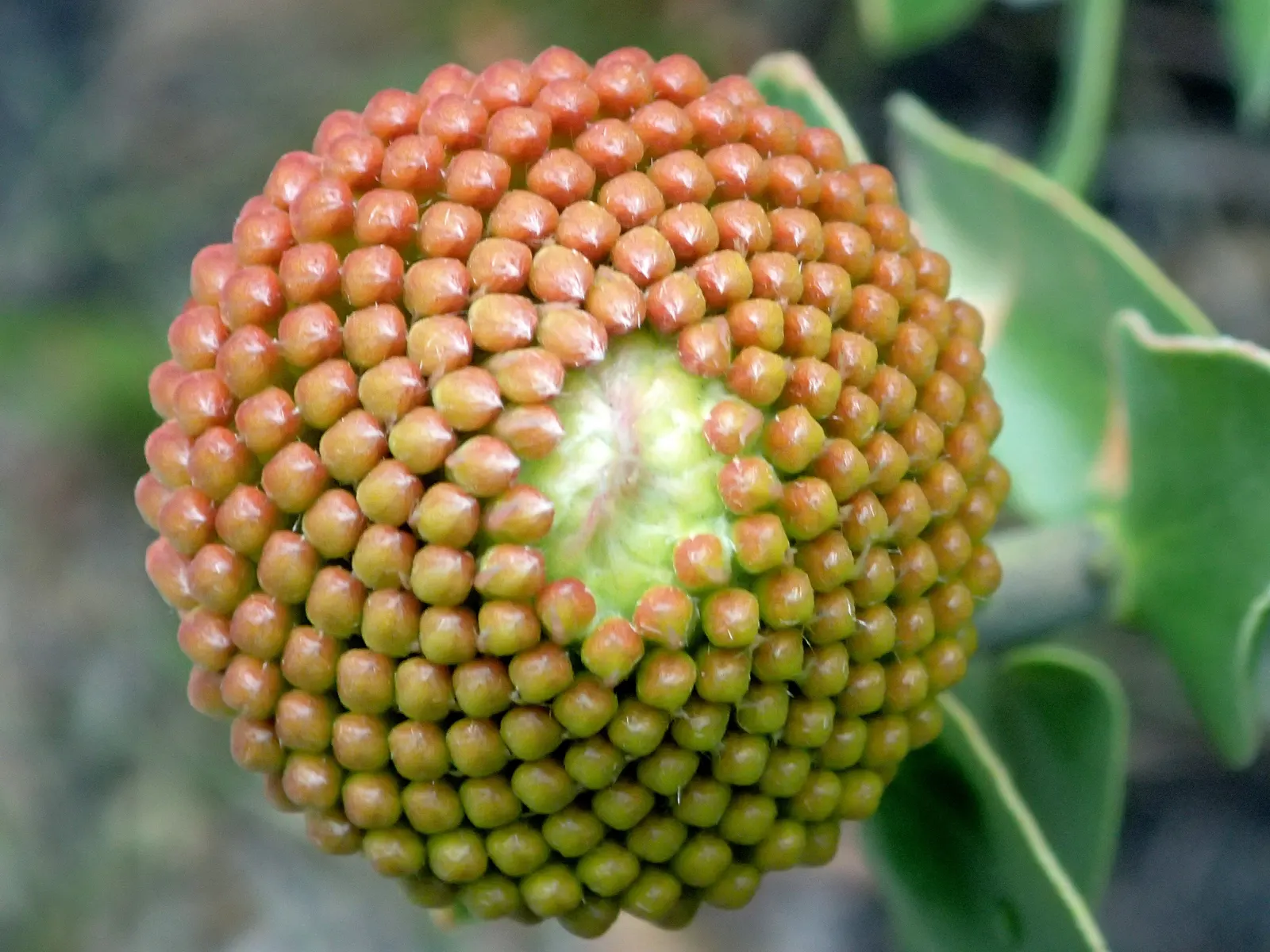
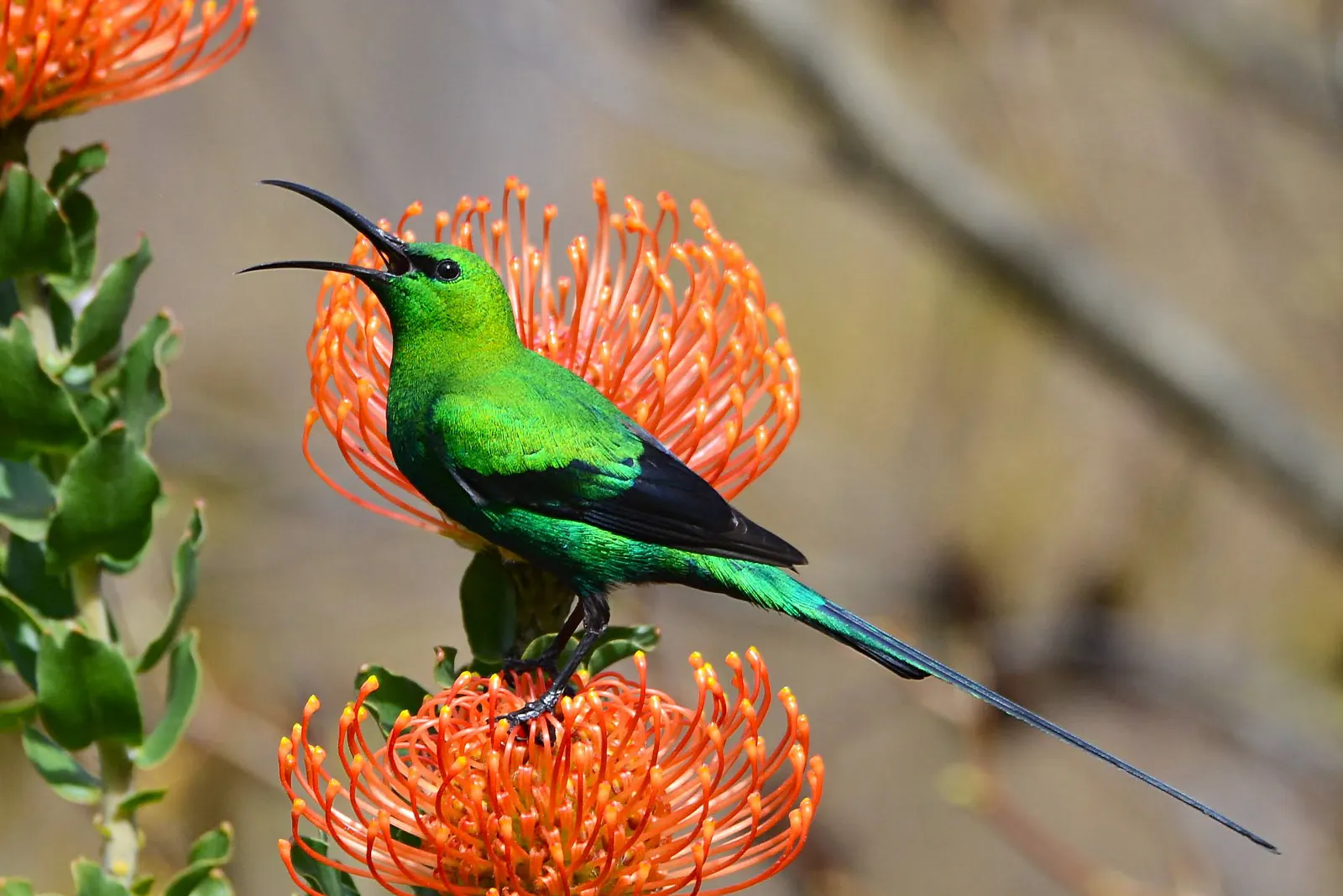
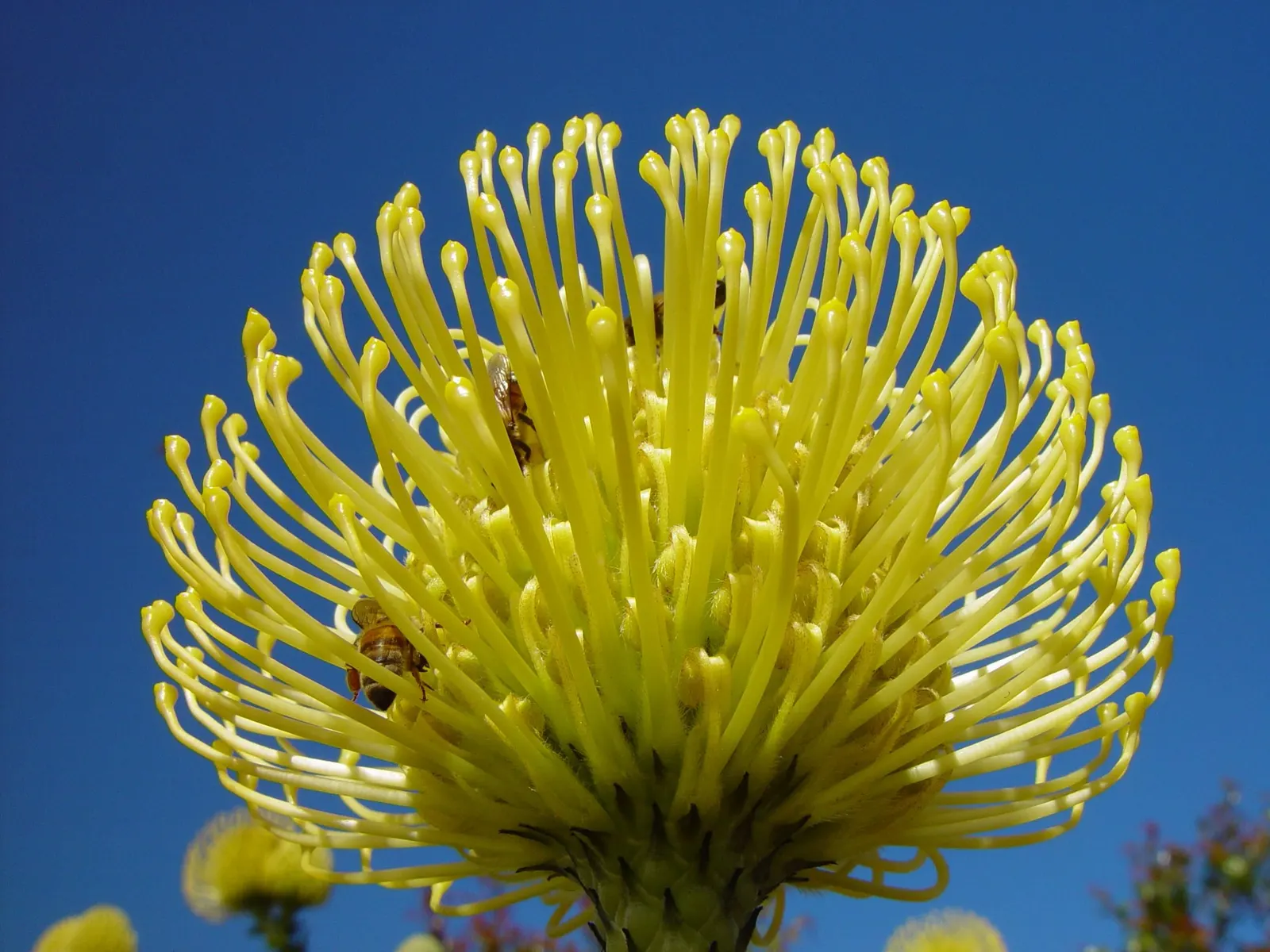
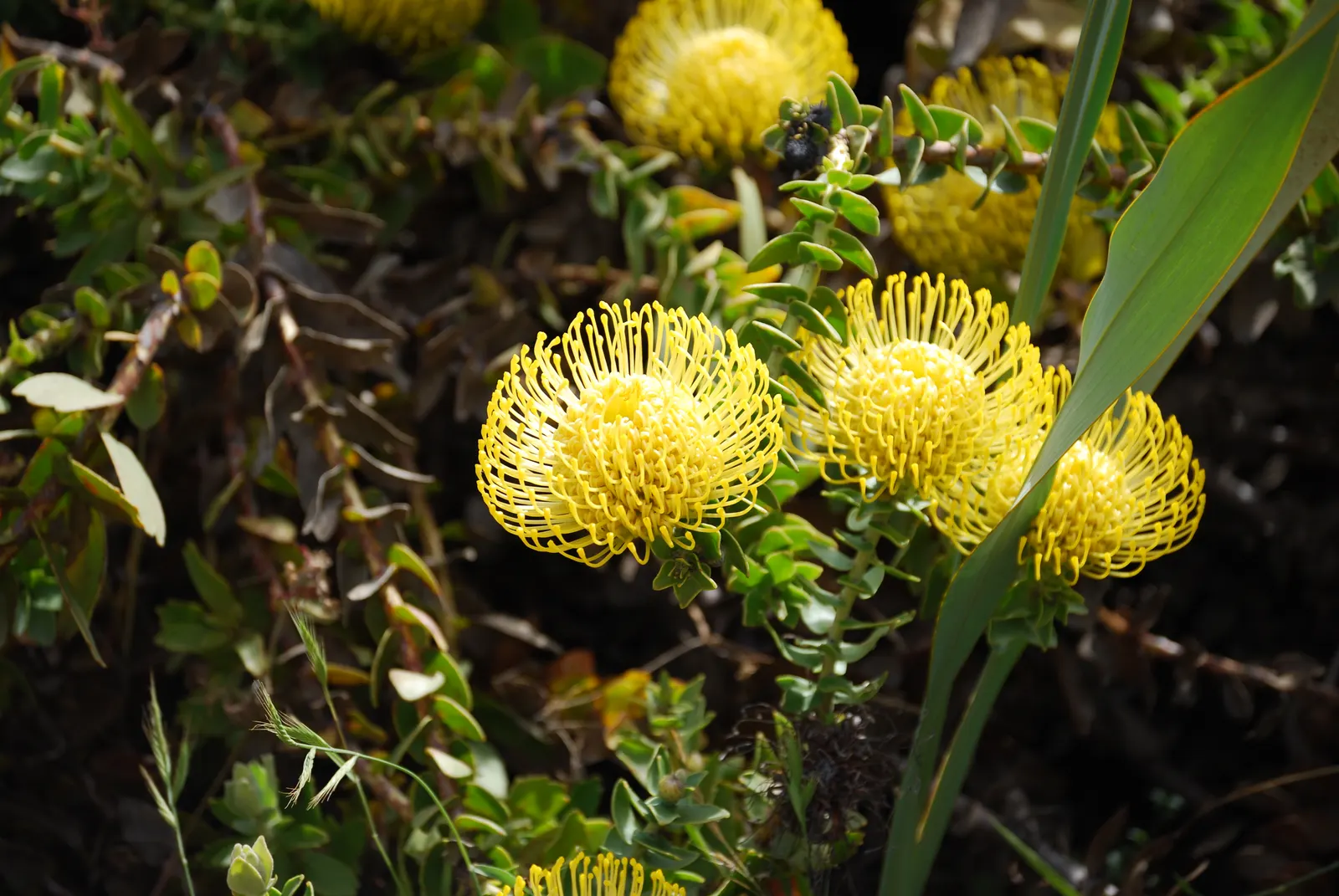
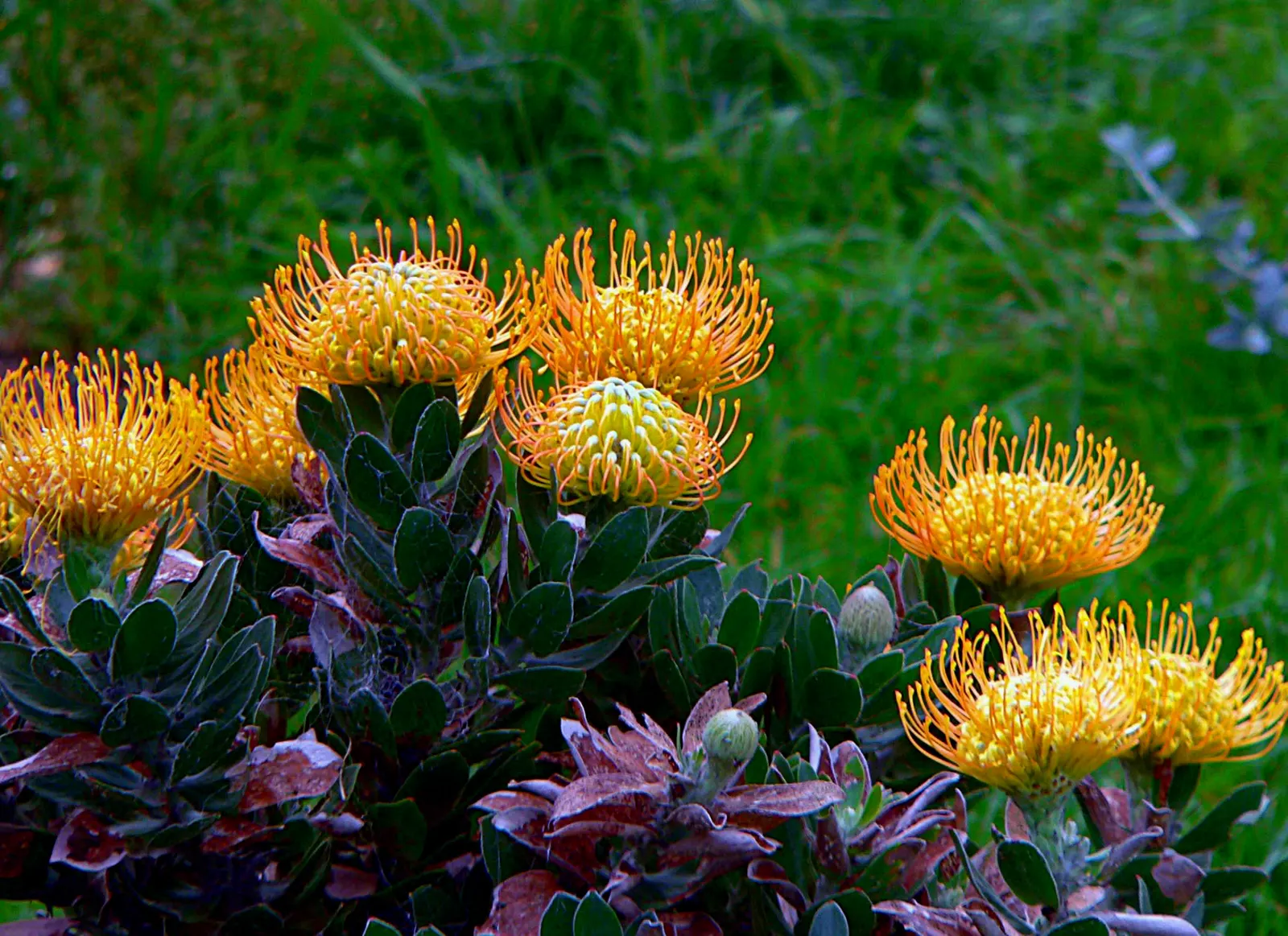
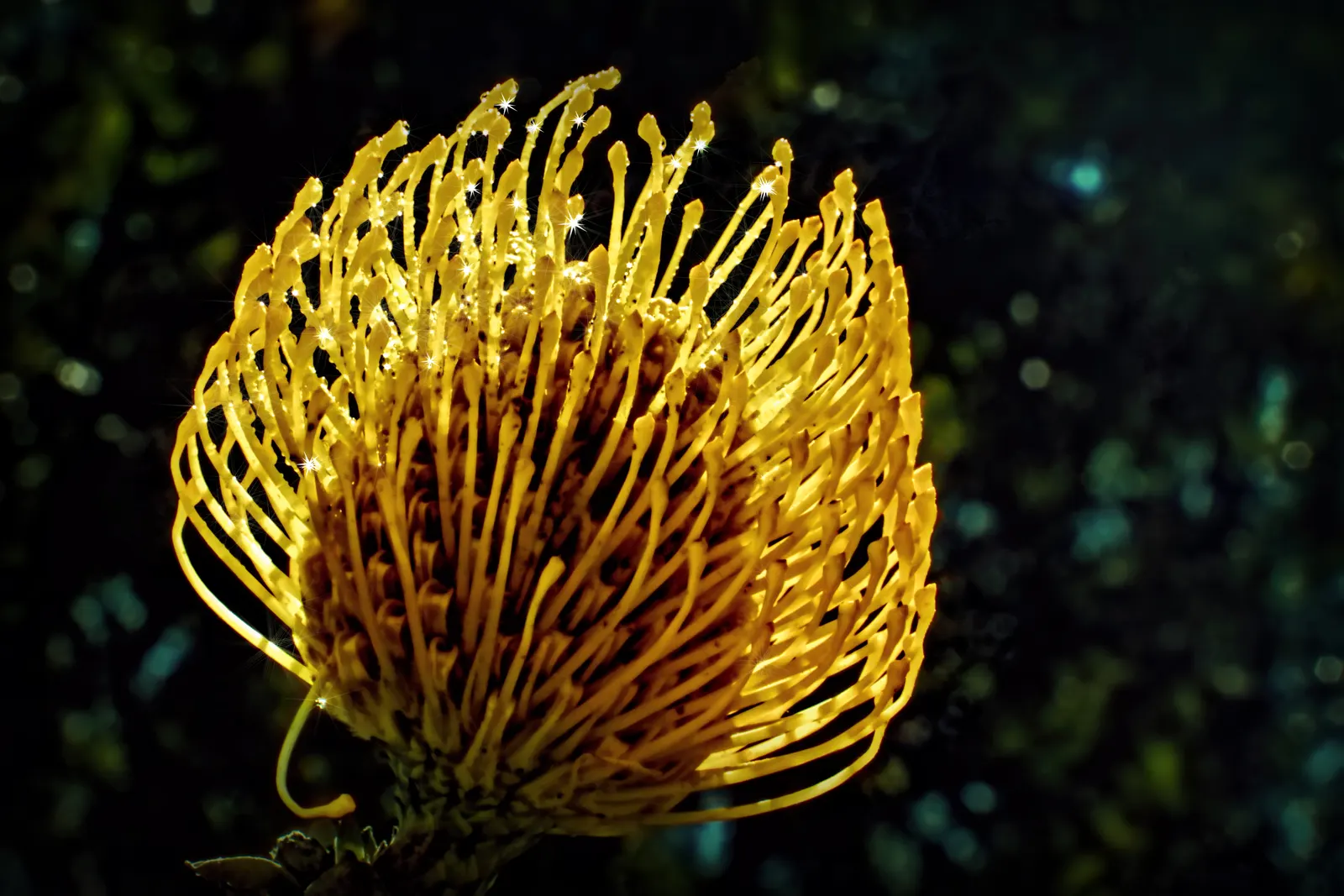
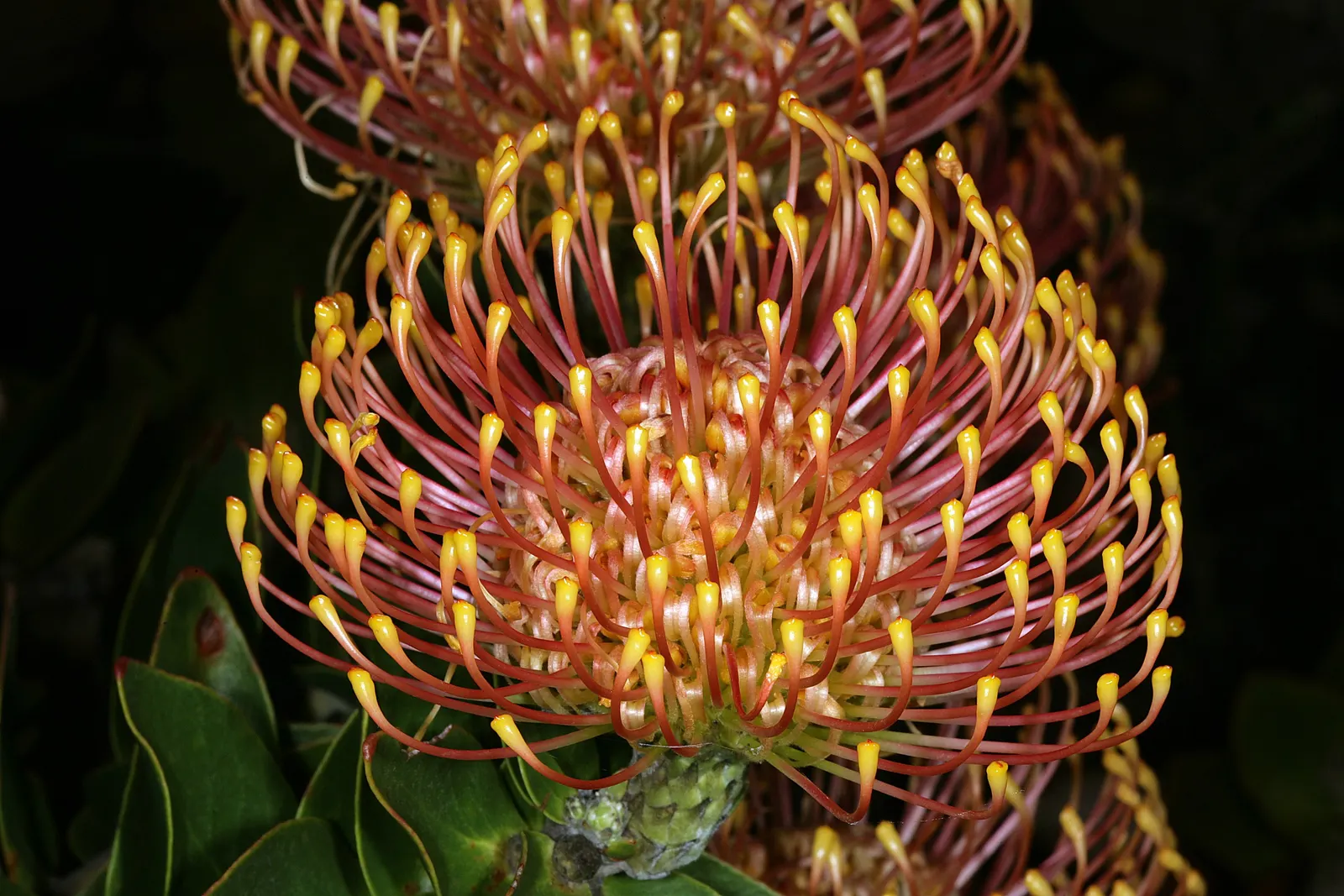
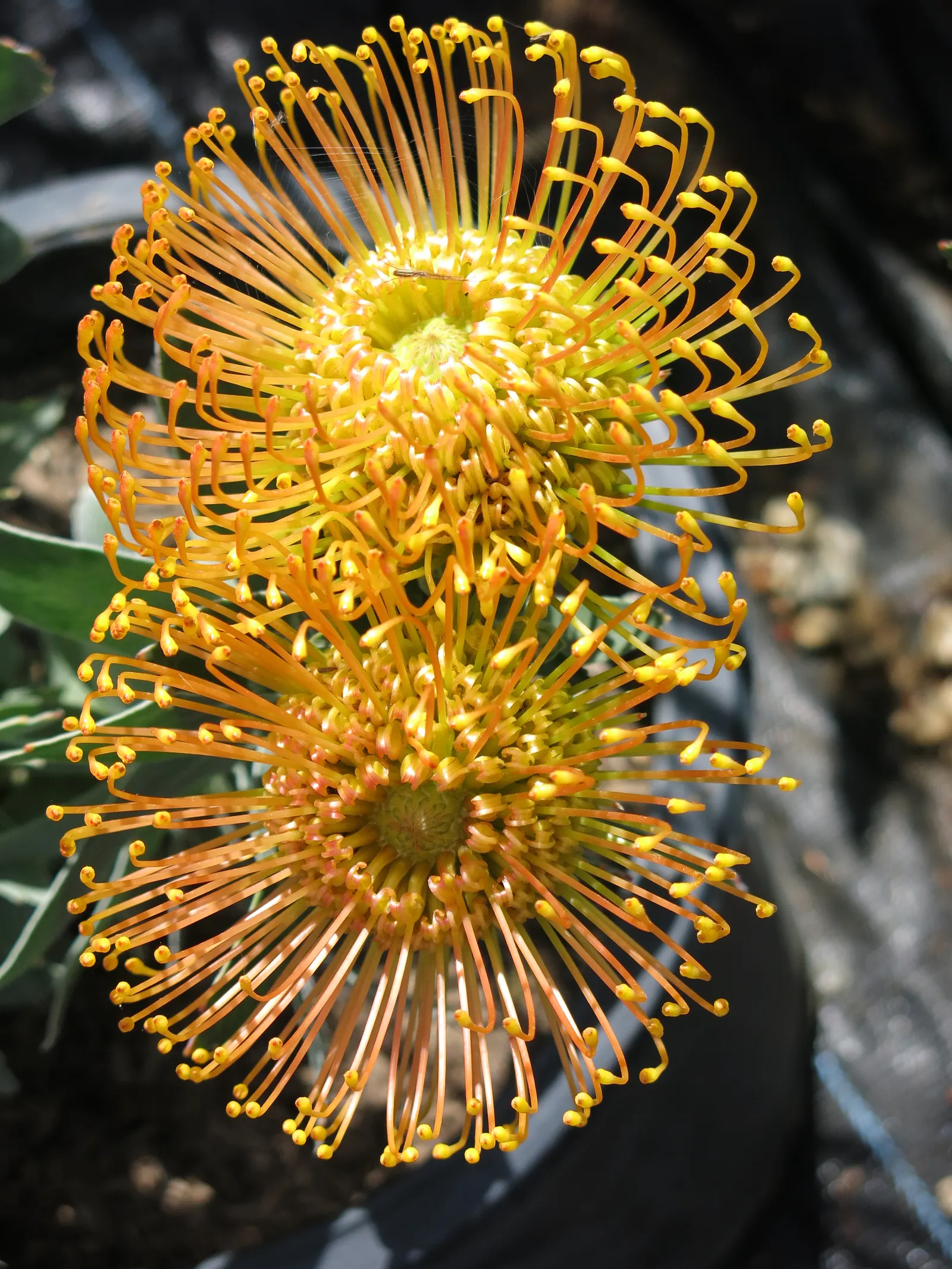
Nodding Pincushion (Leucospermum Cordifolium) — Drought-tolerant and low-maintenance
Nodding Pincushion (Leucospermum Cordifolium) — low-phosphorus fertilizer sparingly to encourage healthy growth without damaging the sensitive root, image 49
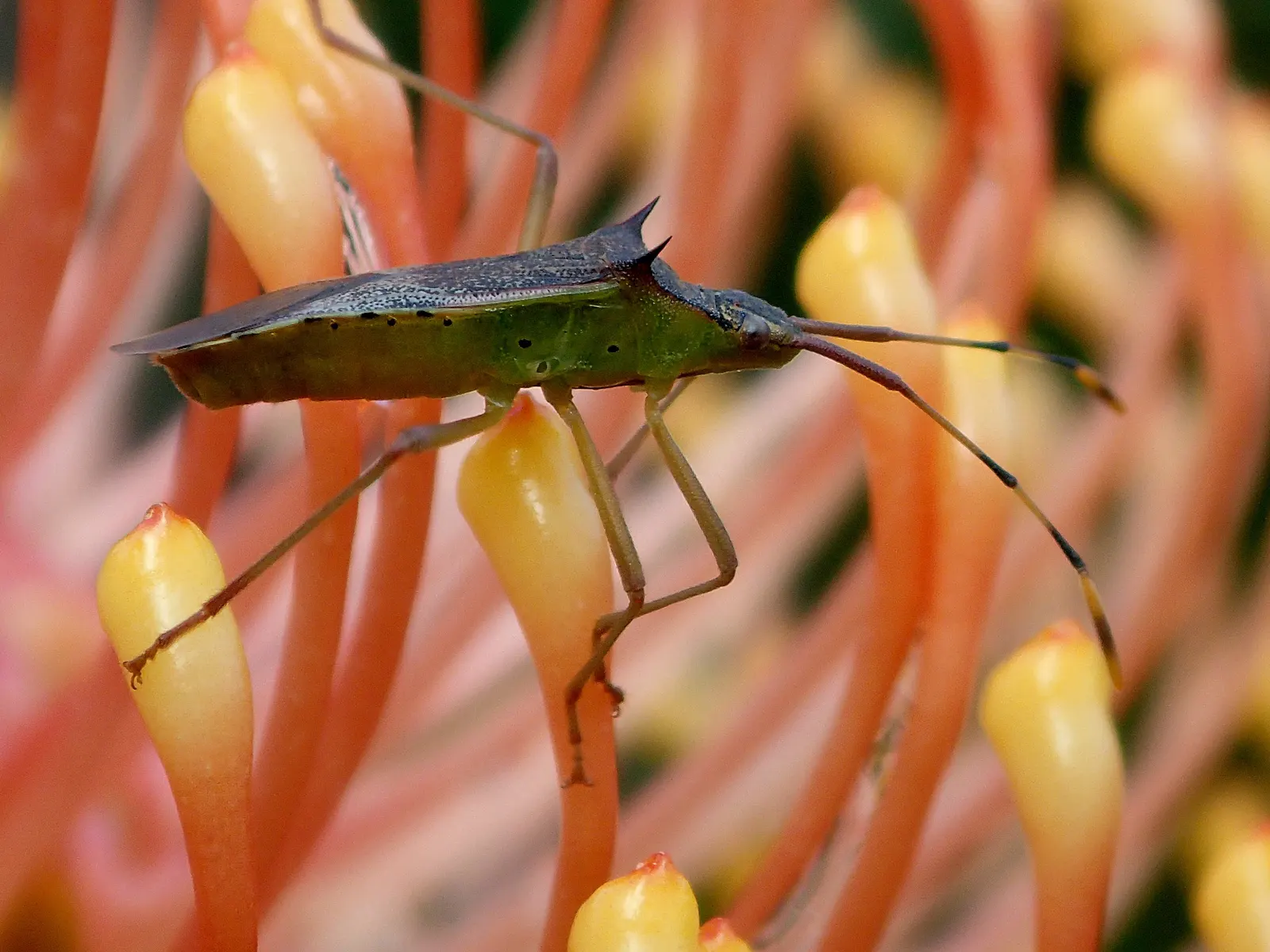
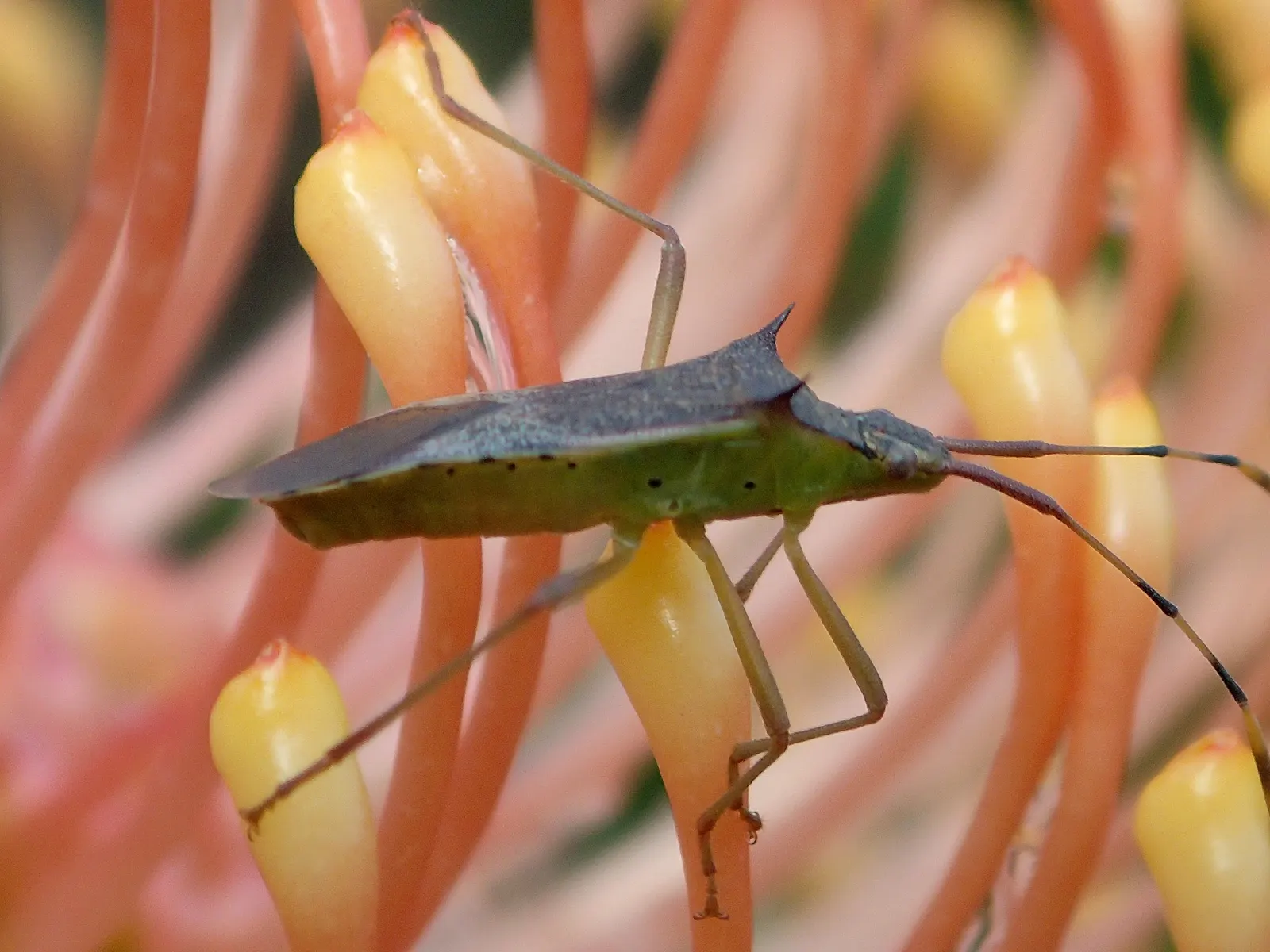
Nodding Pincushion (Leucospermum Cordifolium) — The vibrant oranges and yellows of the flowers attract a host of beneficial pollinators
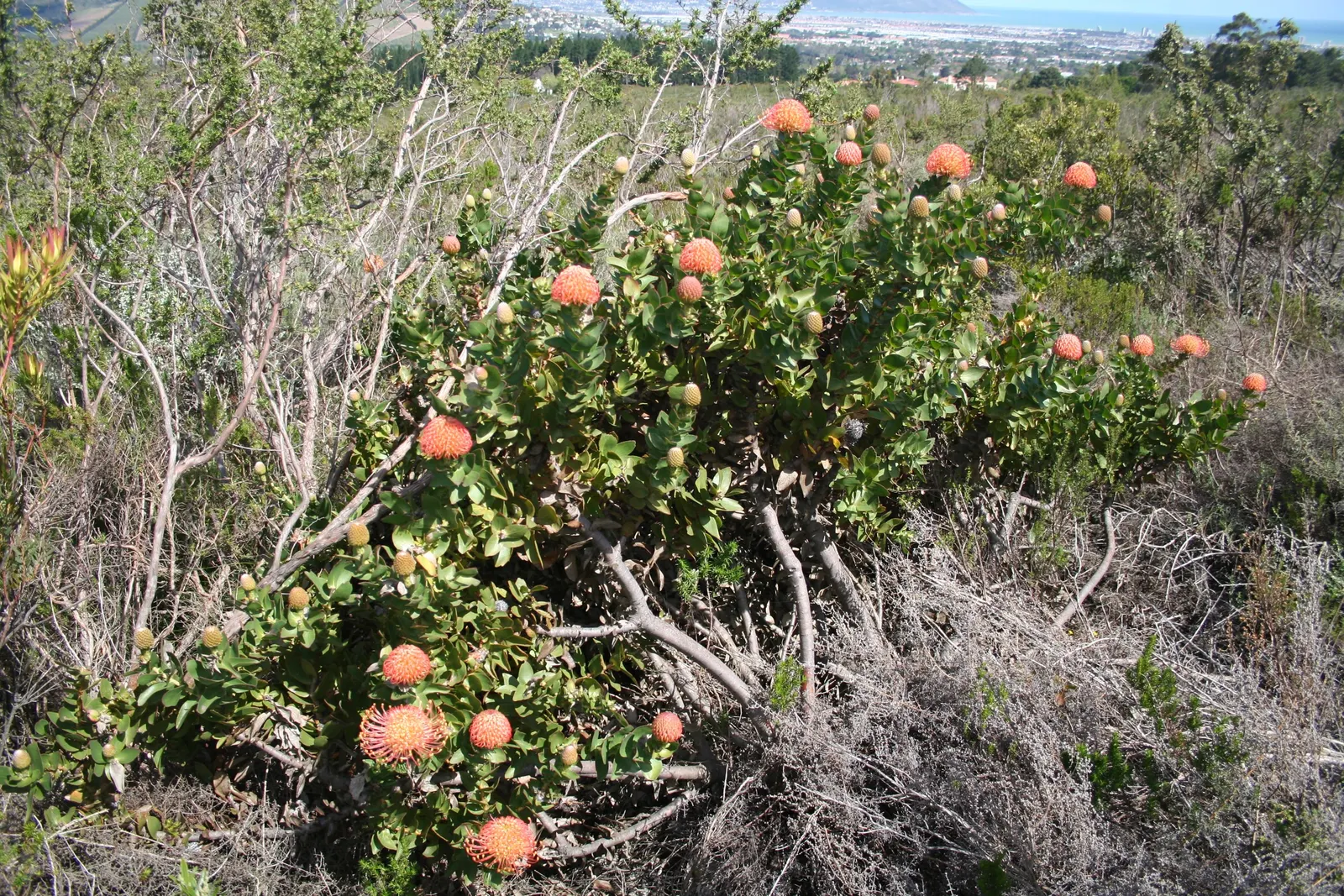
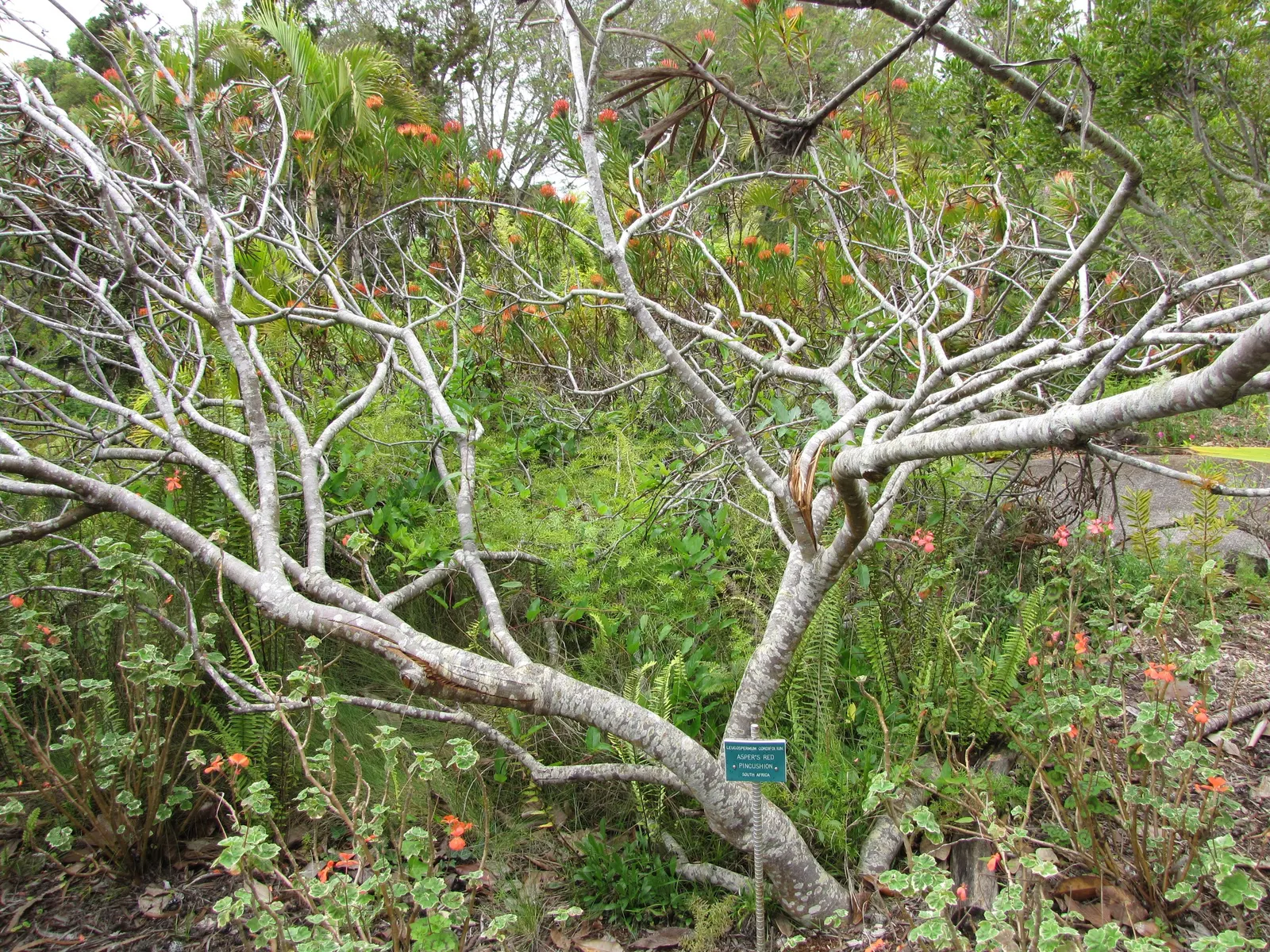
Nodding Pincushion (Leucospermum Cordifolium) — Leucospermum cordifolium can grow to a height of 3 to 5 feet; it's crucial to limit watering once, image 65
Nodding Pincushion (Leucospermum Cordifolium) — this member of the Proteaceae family thrives in USDA hardiness zones 9 to 11; commonly referred to, image 63
Nodding Pincushion (Leucospermum Cordifolium) — as the plant is drought-tolerant and sensitive to overwatering; this member of the Proteaceae family thrives in
Nodding Pincushion (Leucospermum Cordifolium) — which emerge primarily in the spring and continue blooming sporadically until summer, image 68
Nodding Pincushion (Leucospermum Cordifolium) — this plant adds vibrant texture and color to Mediterranean or xeriscape gardens, image 59
Nodding Pincushion (Leucospermum Cordifolium) — is a striking evergreen shrub cherished for its unique and vibrant inflorescences; leucospermum, image 61
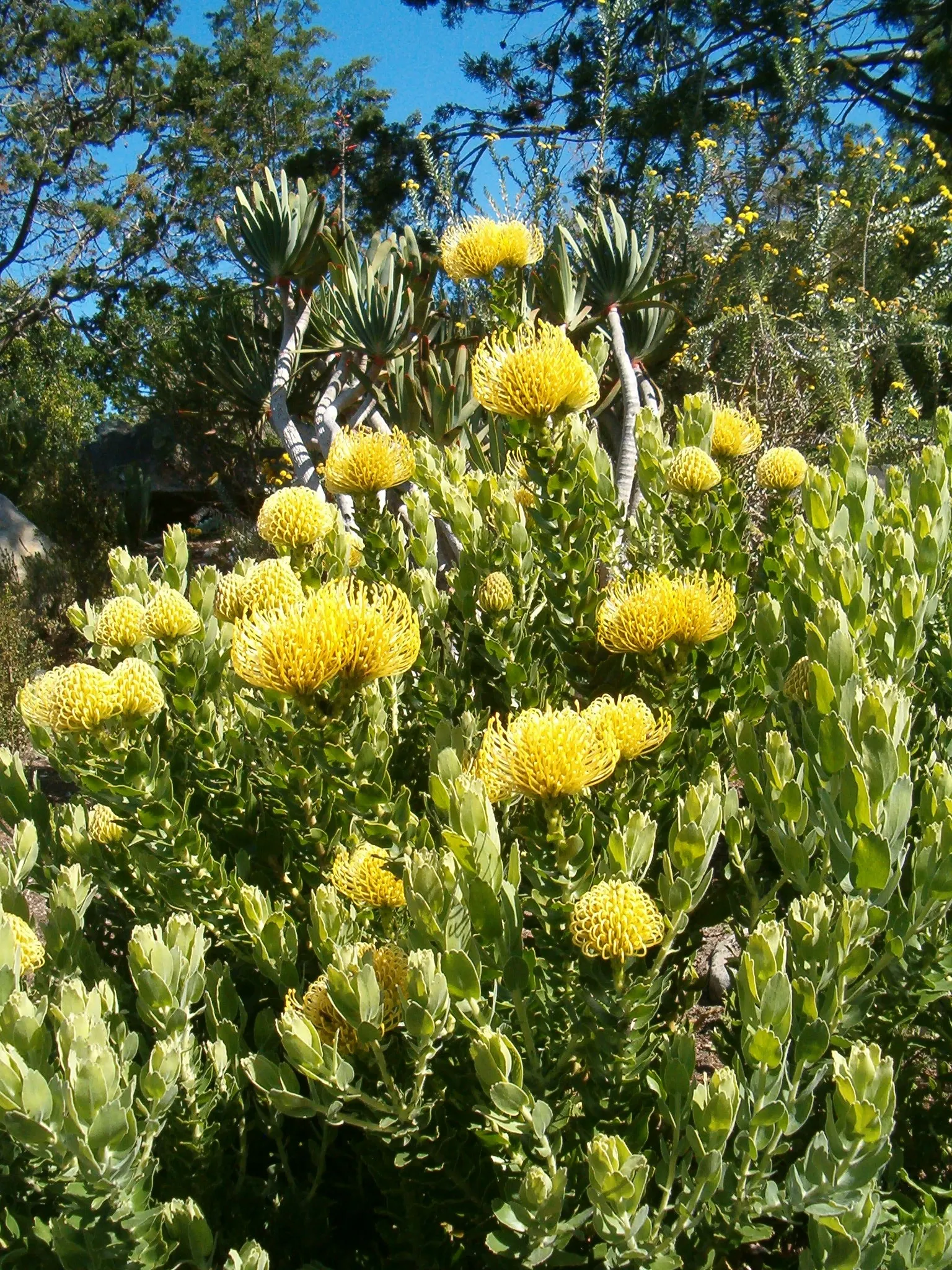
Nodding Pincushion (Leucospermum Cordifolium) — this plant adds vibrant texture and color to Mediterranean or xeriscape gardens
Nodding Pincushion (Leucospermum Cordifolium) — A layer of mulch can be beneficial to conserve moisture and regulate soil temperature
Nodding Pincushion (Leucospermum Cordifolium) — measuring about 2 to 4 inches long; is a striking evergreen shrub cherished for its unique and vibrant
Nodding Pincushion (Leucospermum Cordifolium) — pink flowers in the garden; preferring full sun exposure to flourish.<br><br>Characterized by an upright
Nodding Pincushion (Leucospermum Cordifolium) — shrub with pink blooms
Nodding Pincushion (Leucospermum Cordifolium) — creating a visual resemblance to pincushions; leucospermum cordifolium, or Nodding Pincushion, is a captivating
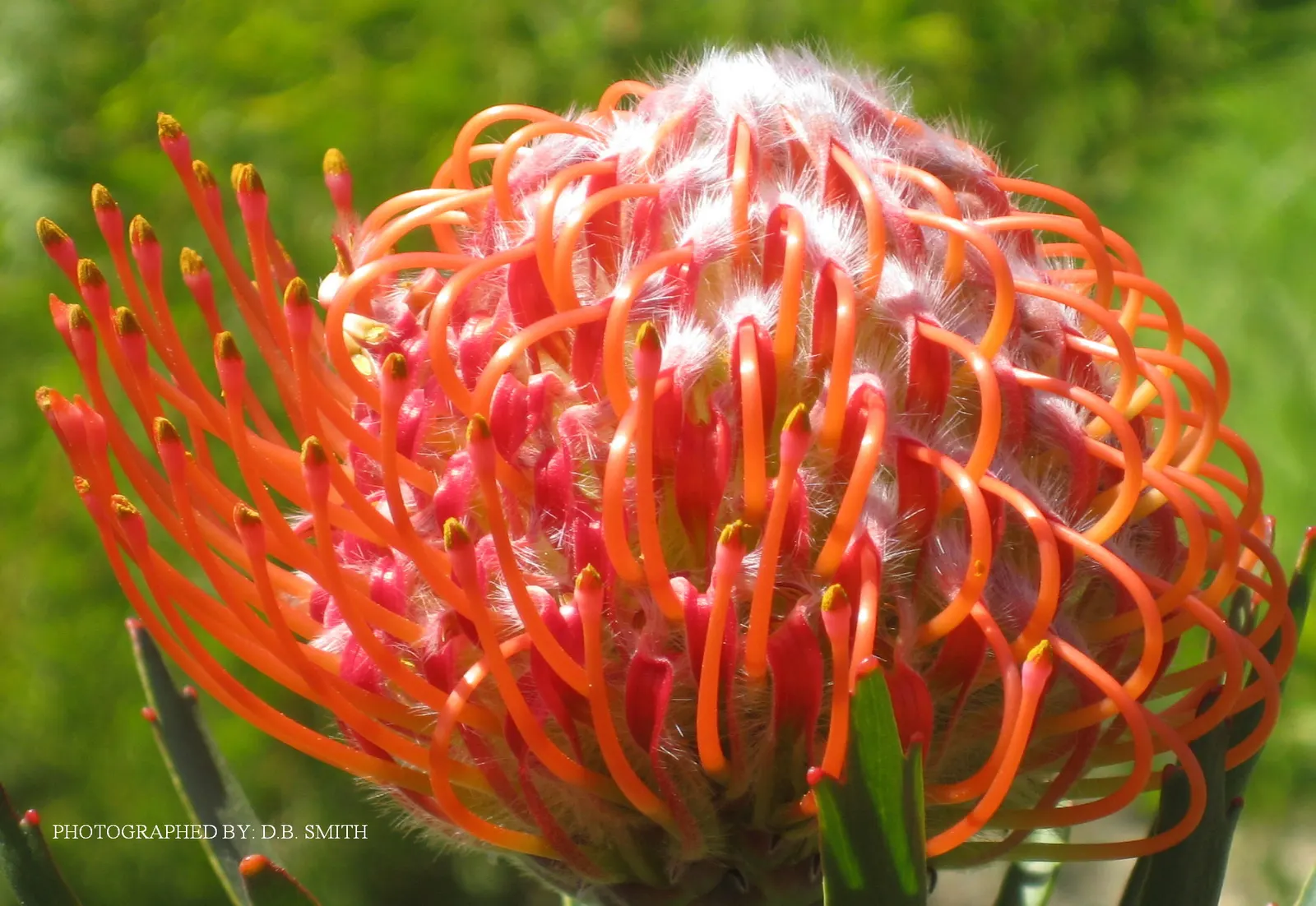
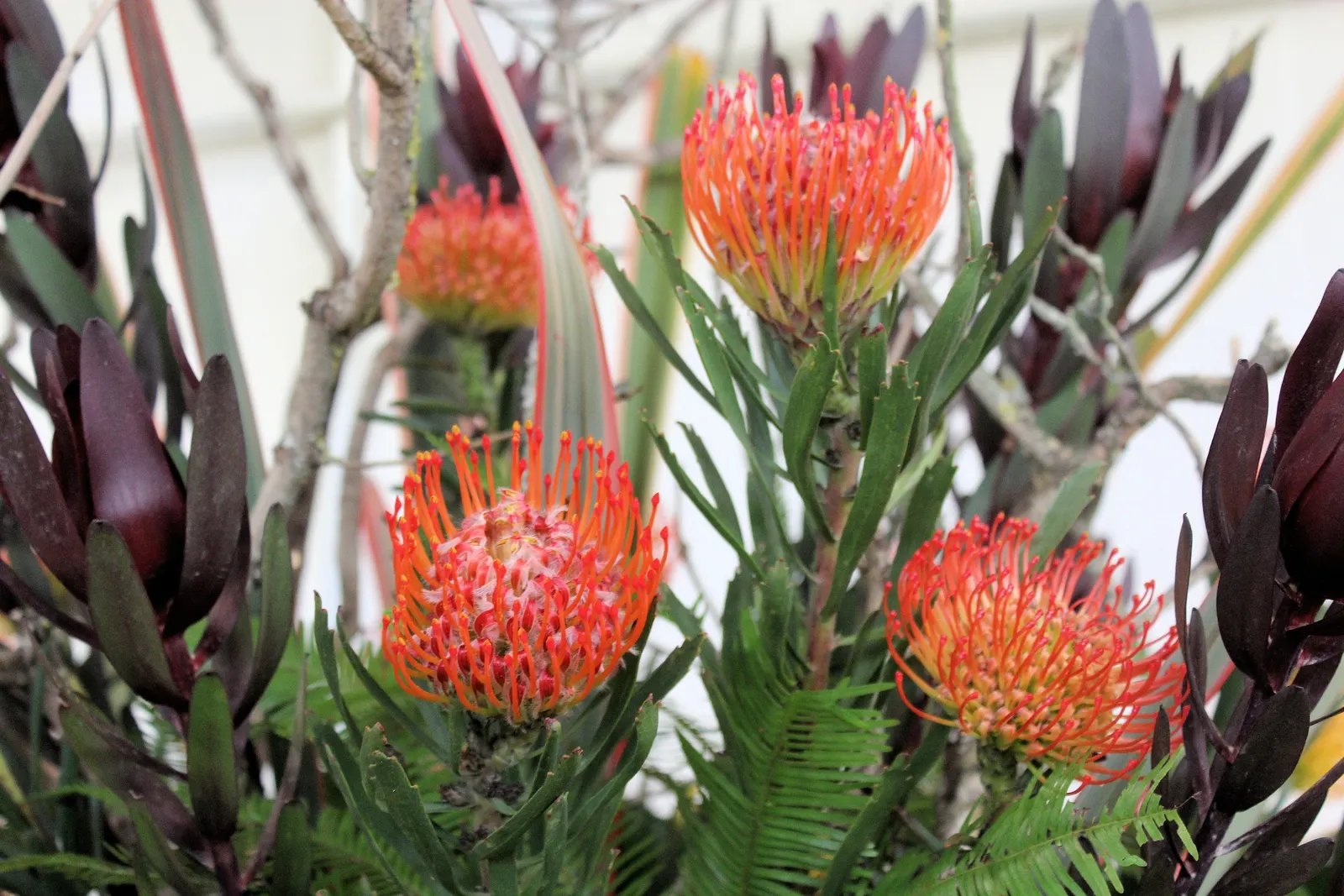
Nodding Pincushion (Leucospermum Cordifolium) — Known for its striking orange-red inflorescences resembling pincushions, it blooms in spring; leucospermum
Nodding Pincushion (Leucospermum Cordifolium) — ideal for water-wise gardens or coastal landscapes; reaching up to 5 feet in height and spread, it thrives in
Nodding Pincushion (Leucospermum Cordifolium) — Reaching up to 5 feet in height and spread, it thrives in full sun with well-drained soil; adding ecological
Nodding Pincushion (Leucospermum Cordifolium) — Originating from South Africa
Nodding Pincushion (Leucospermum Cordifolium) — preferring full sun exposure to flourish.<br><br>Characterized by an upright; measuring about 2 to 4 inches long
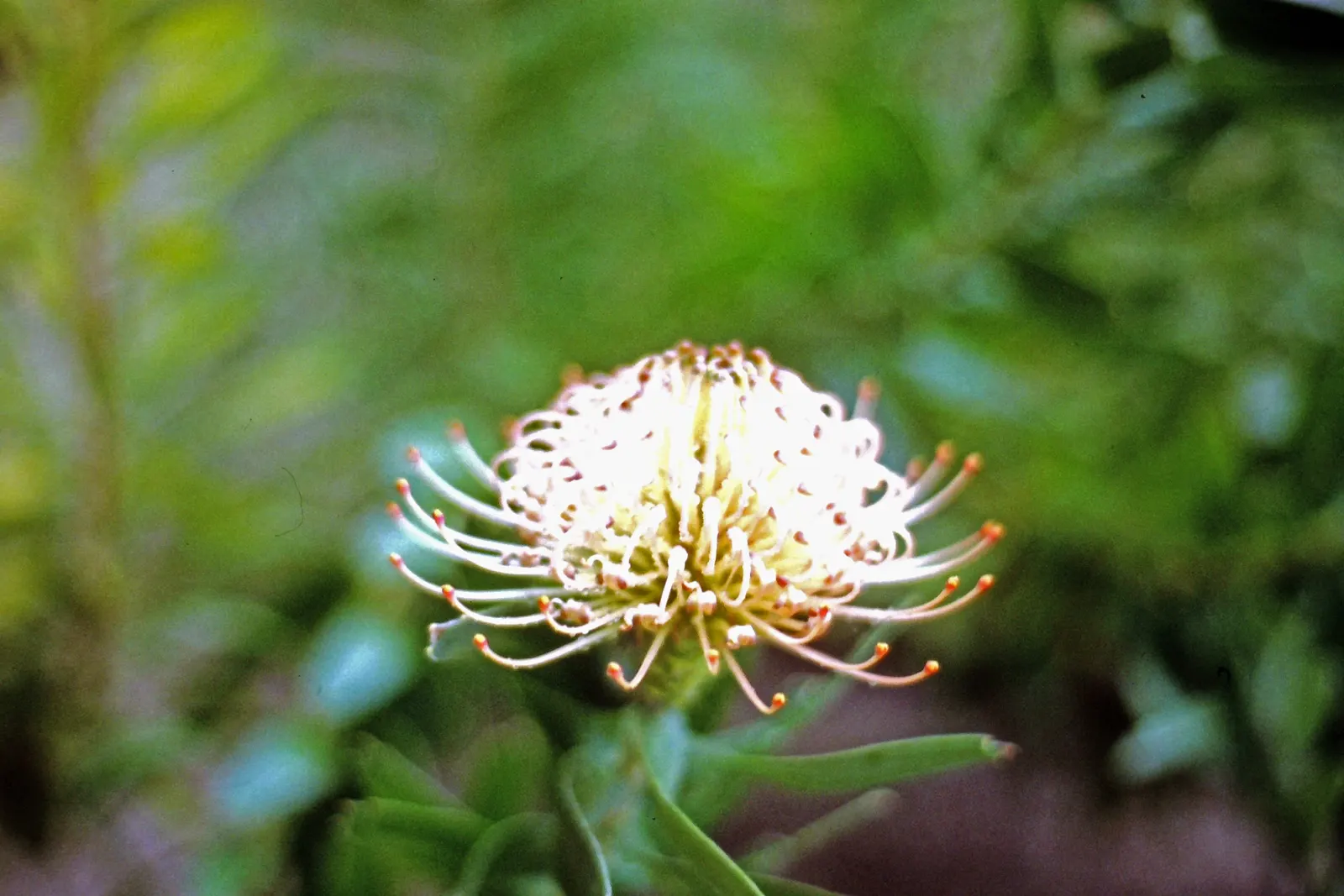
Nodding Pincushion (Leucospermum Cordifolium) — Known for its striking orange-red inflorescences resembling pincushions, it blooms in spring
Nodding Pincushion (Leucospermum Cordifolium) — adding ecological value to the garden landscape.<br><br>For optimal growth
Nodding Pincushion (Leucospermum Cordifolium) — dark green leaves are elliptical; shrub for full, image 66
Nodding Pincushion (Leucospermum Cordifolium) — Leucospermum cordifolium requires well-draining
Photographs by 13 contributors

Related plants