Skip to content

Australian Tea Tree

Leptospermum Laevigatum

Design with this plant

Overview

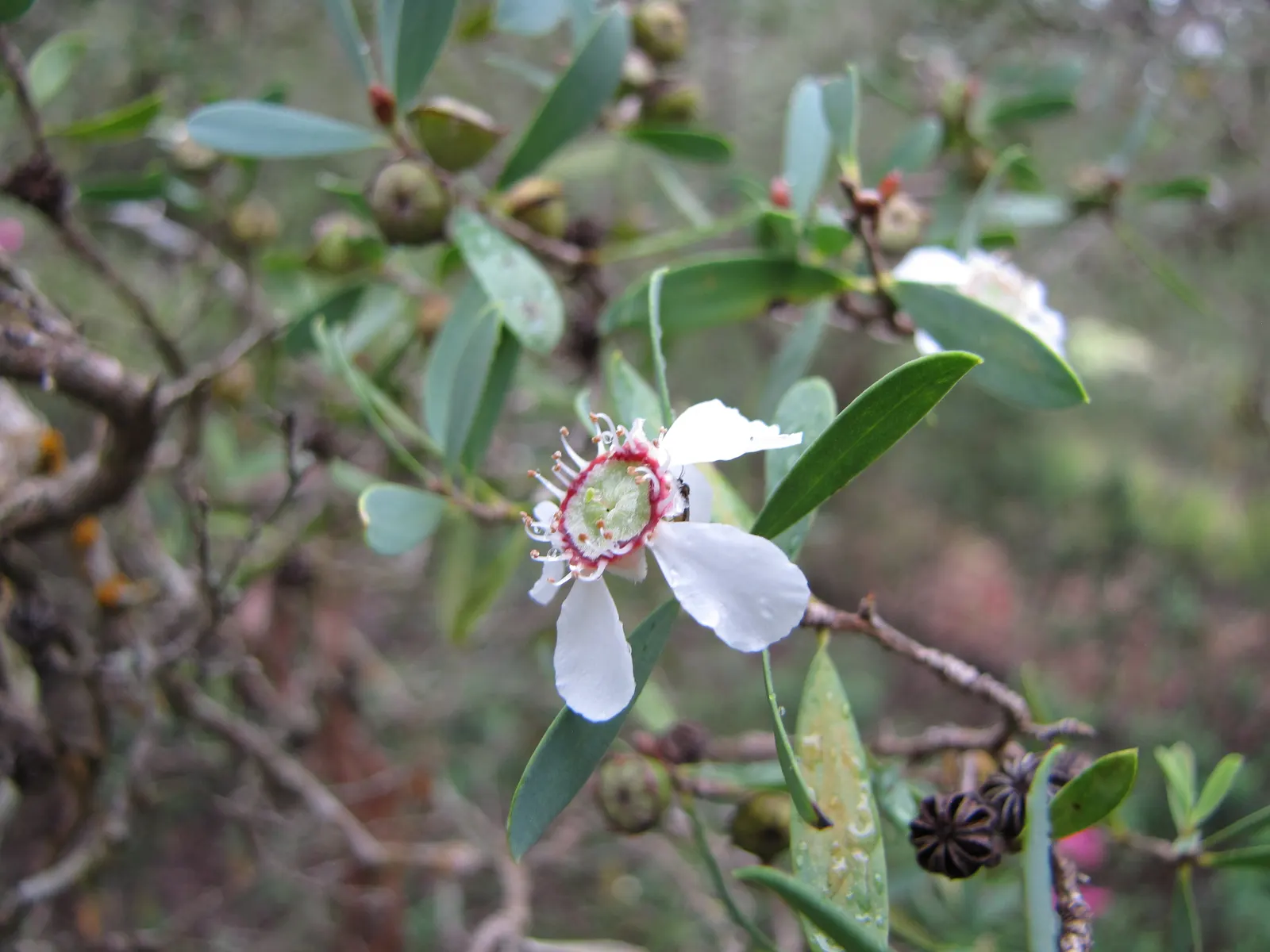
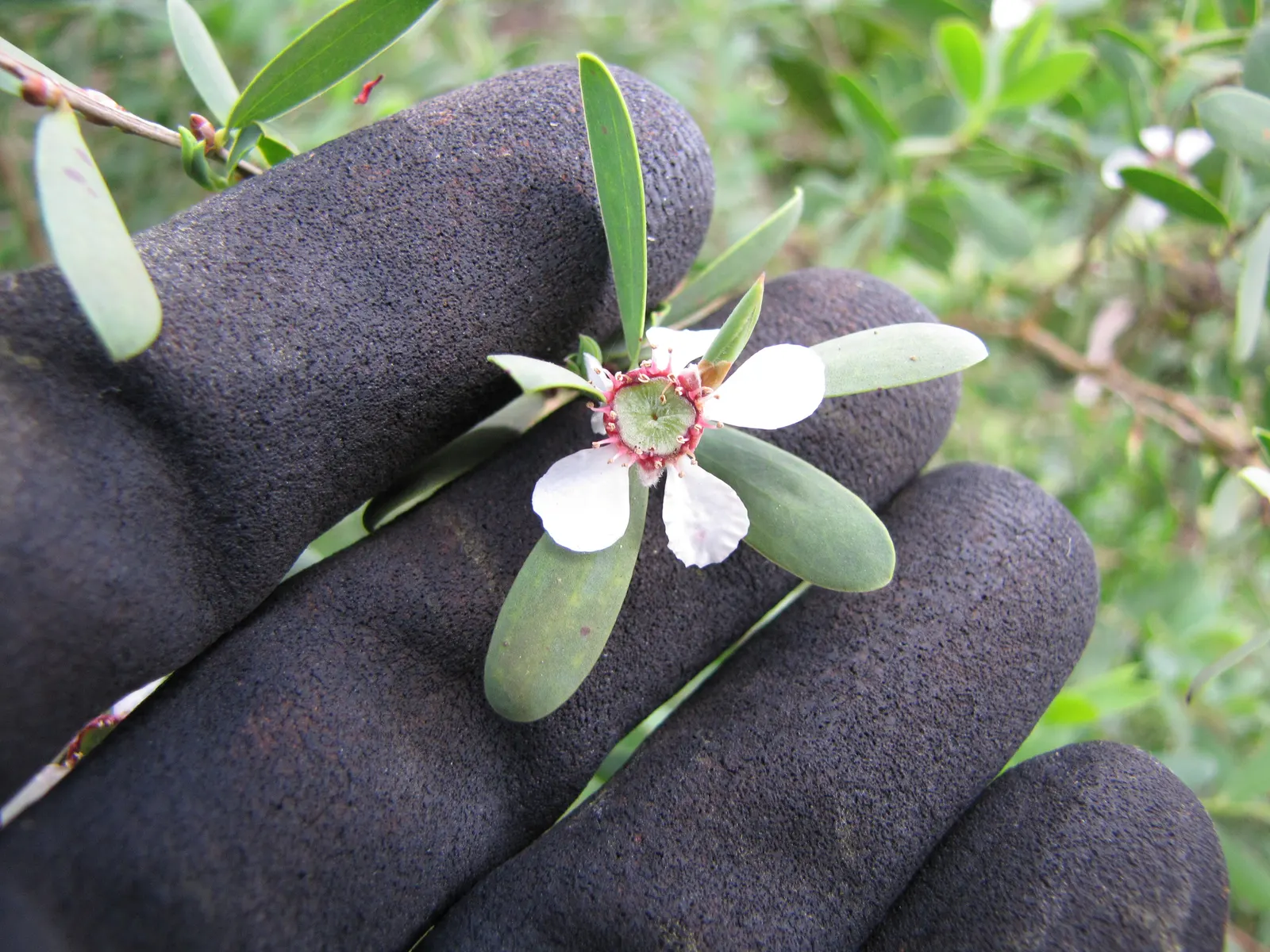
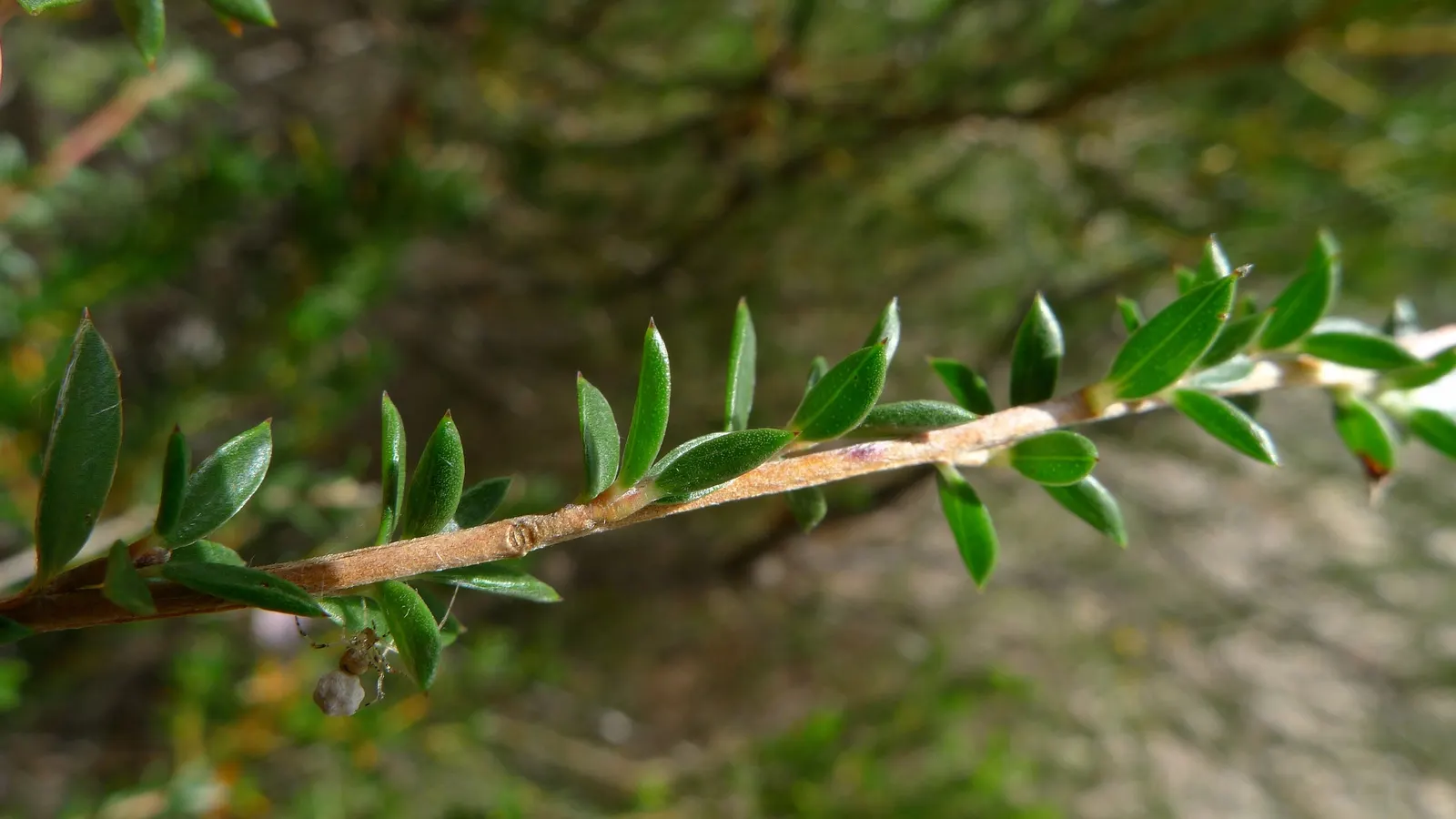
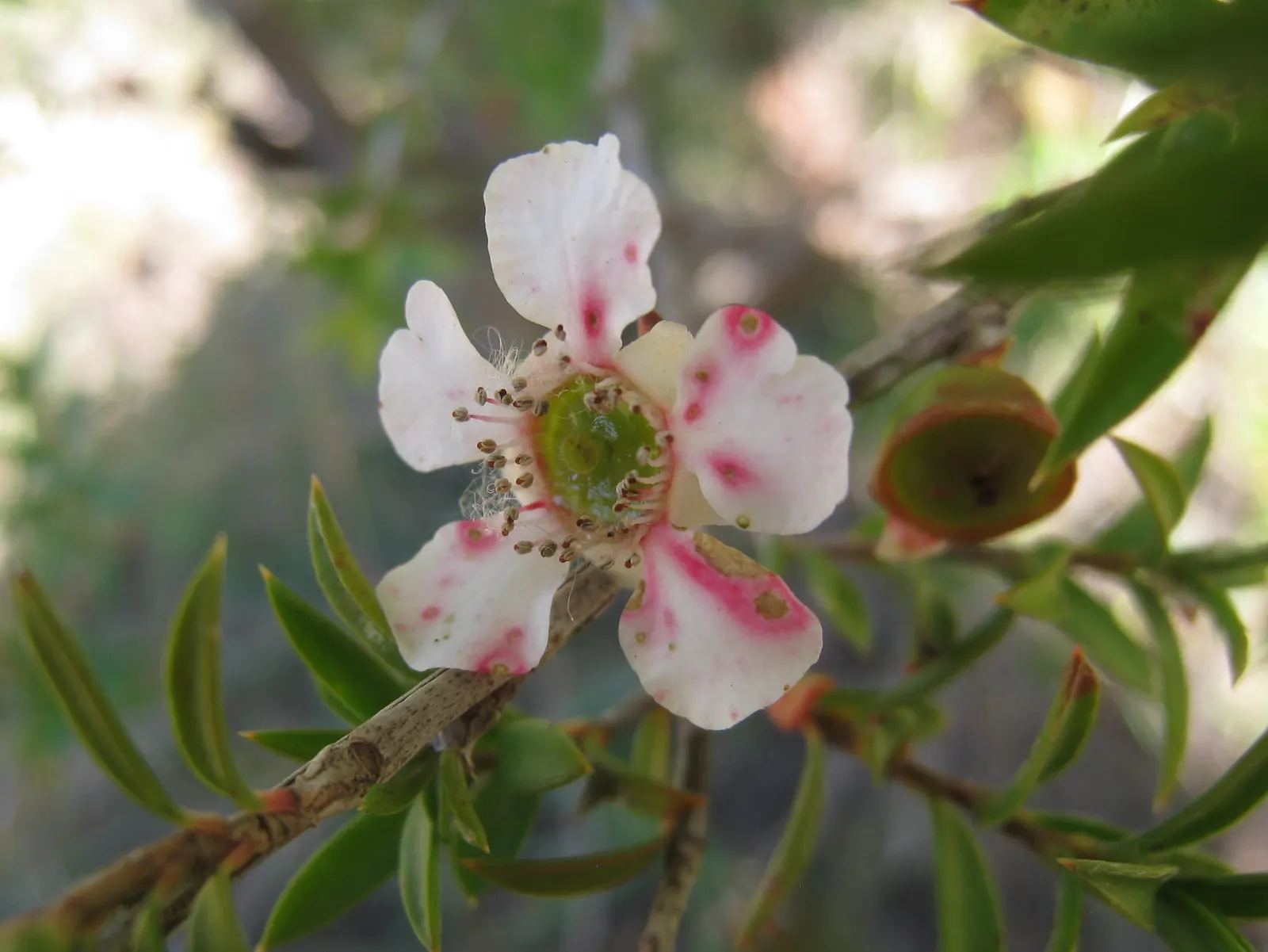
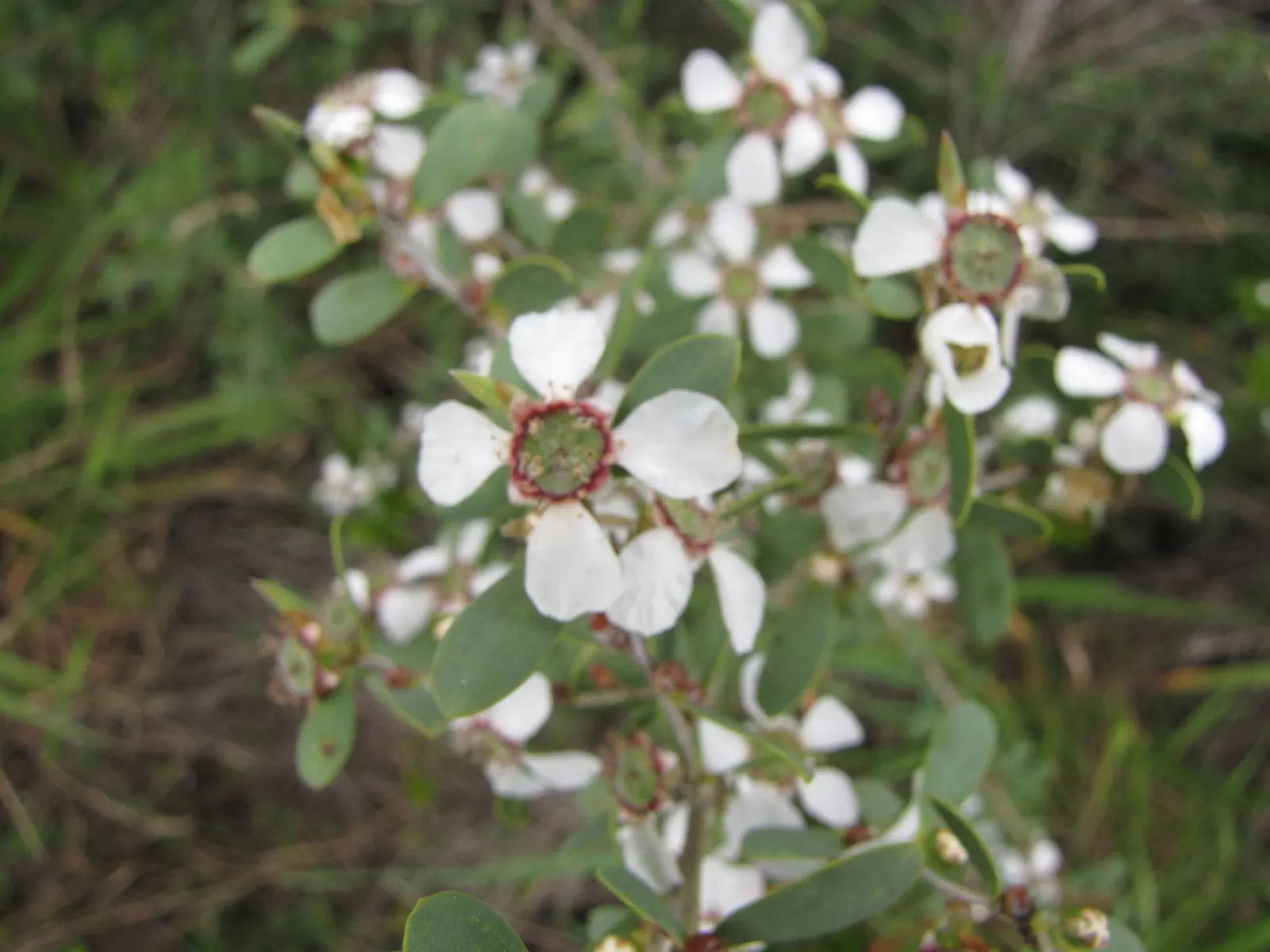
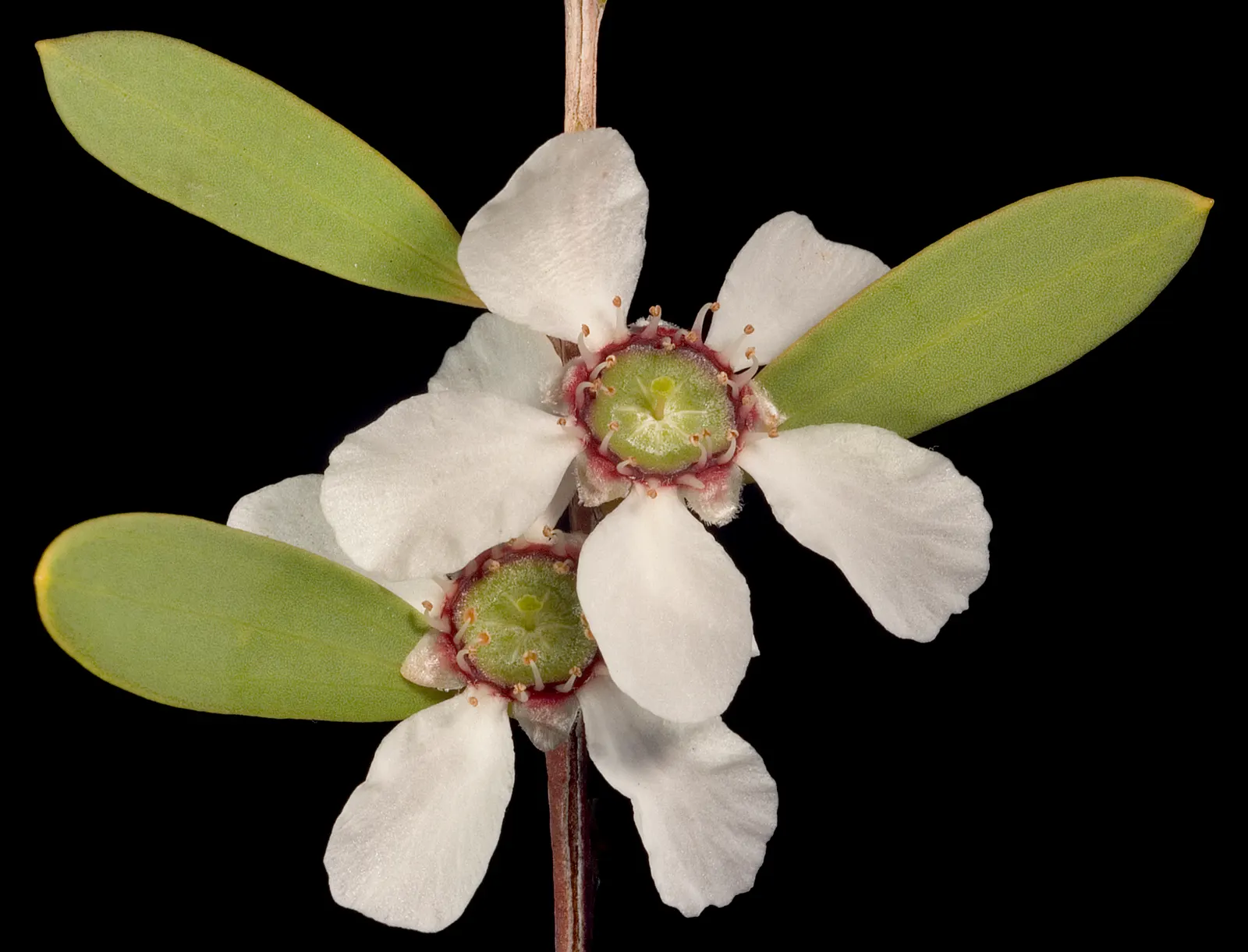
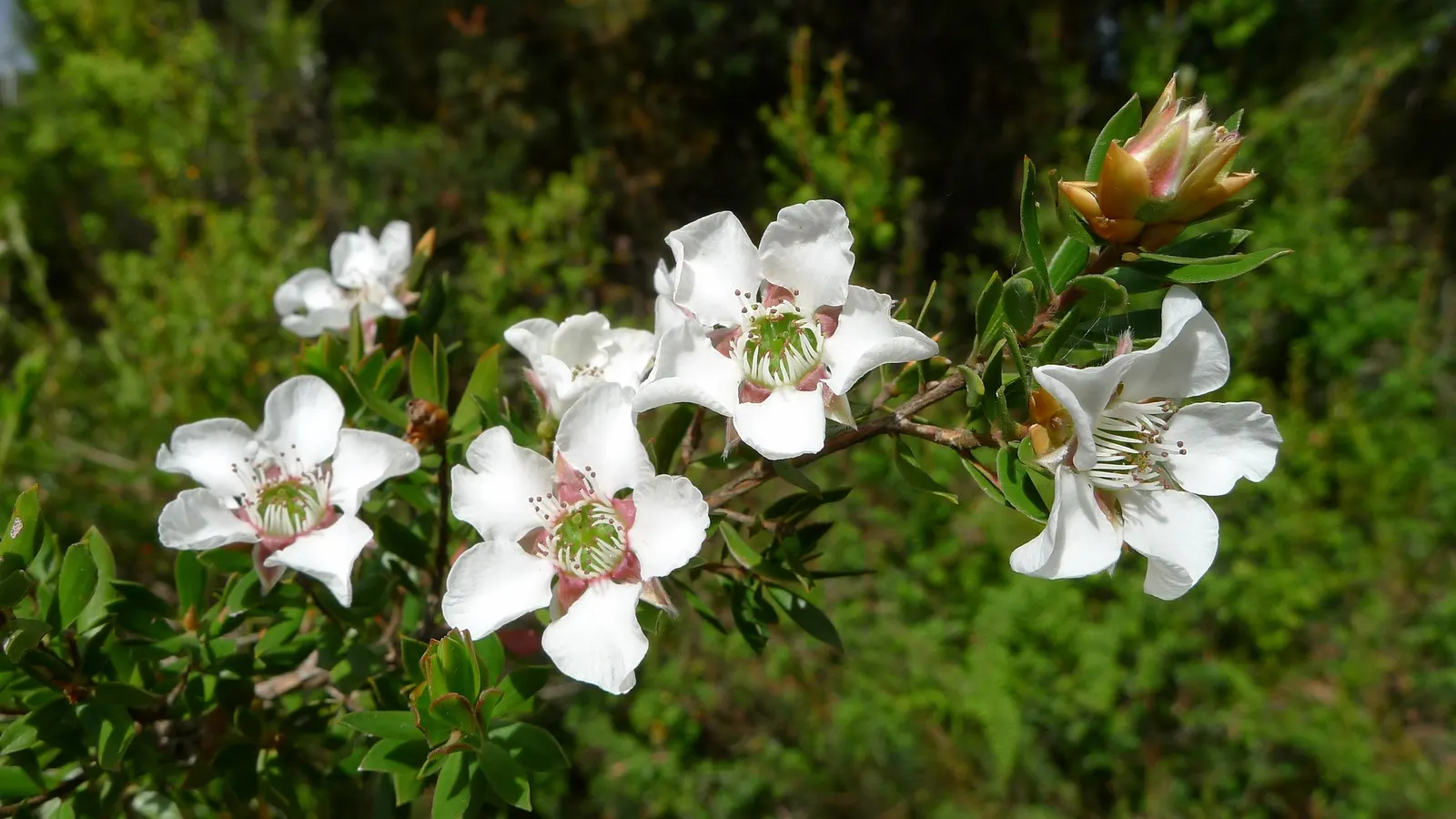
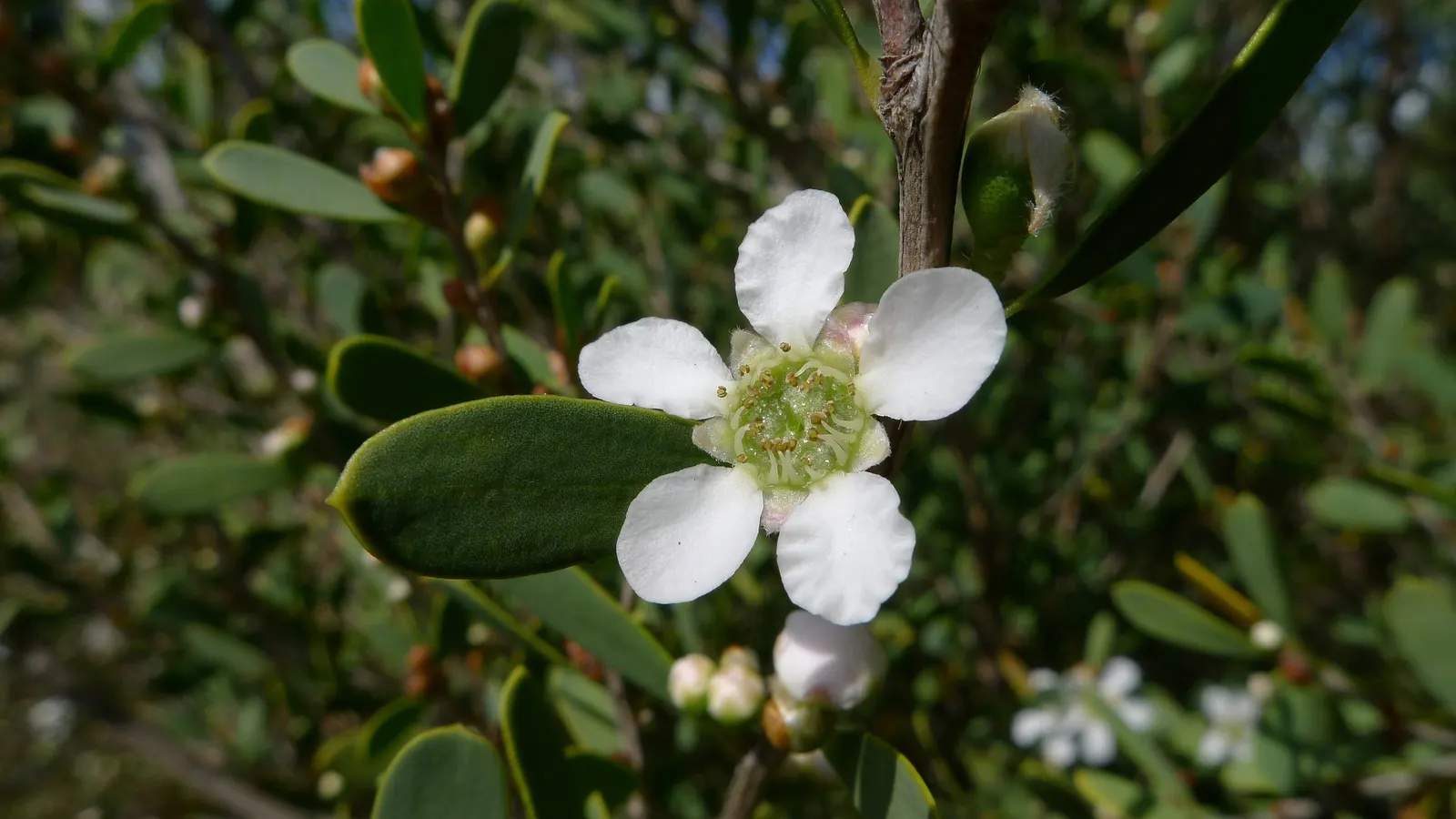
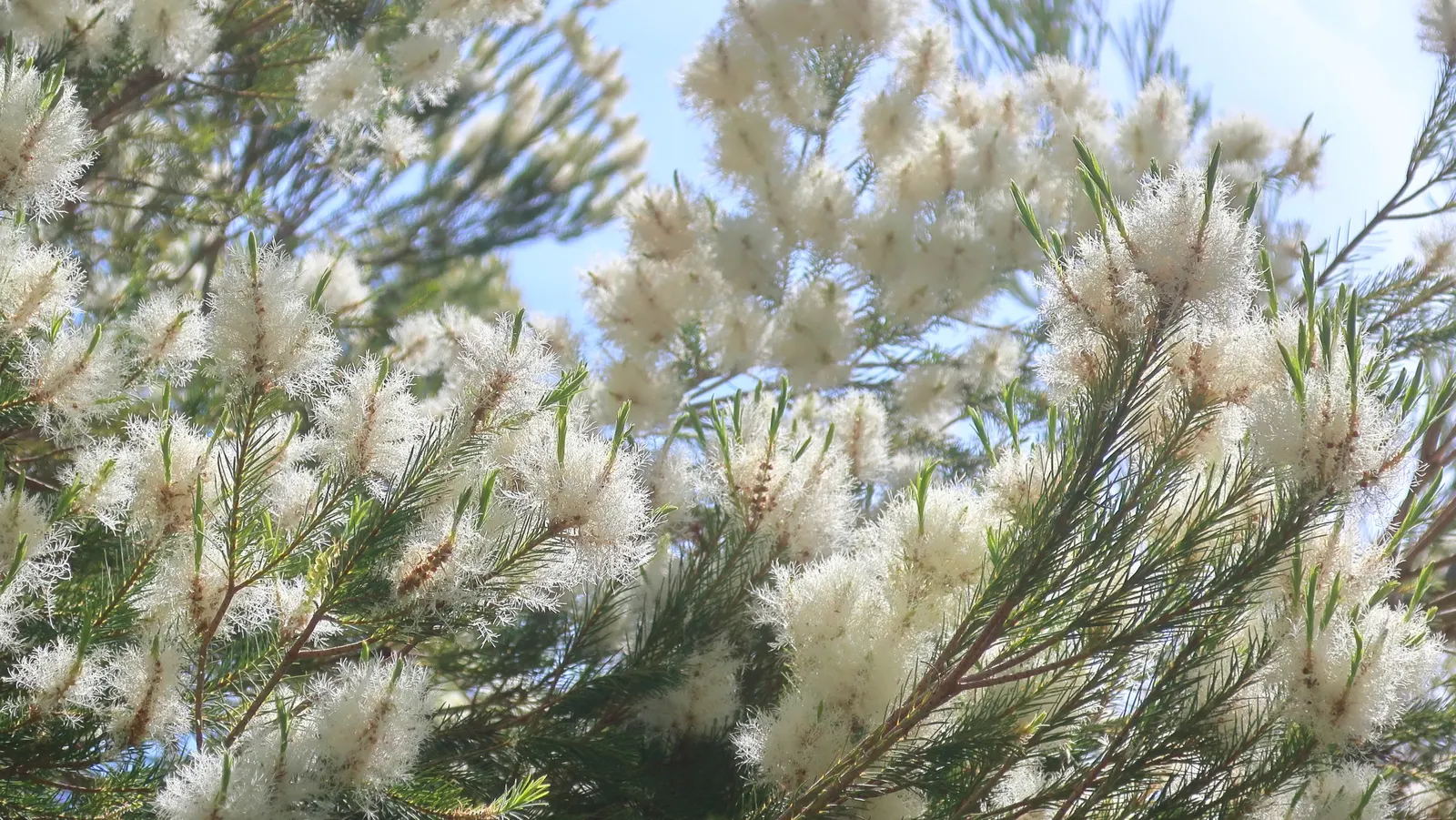
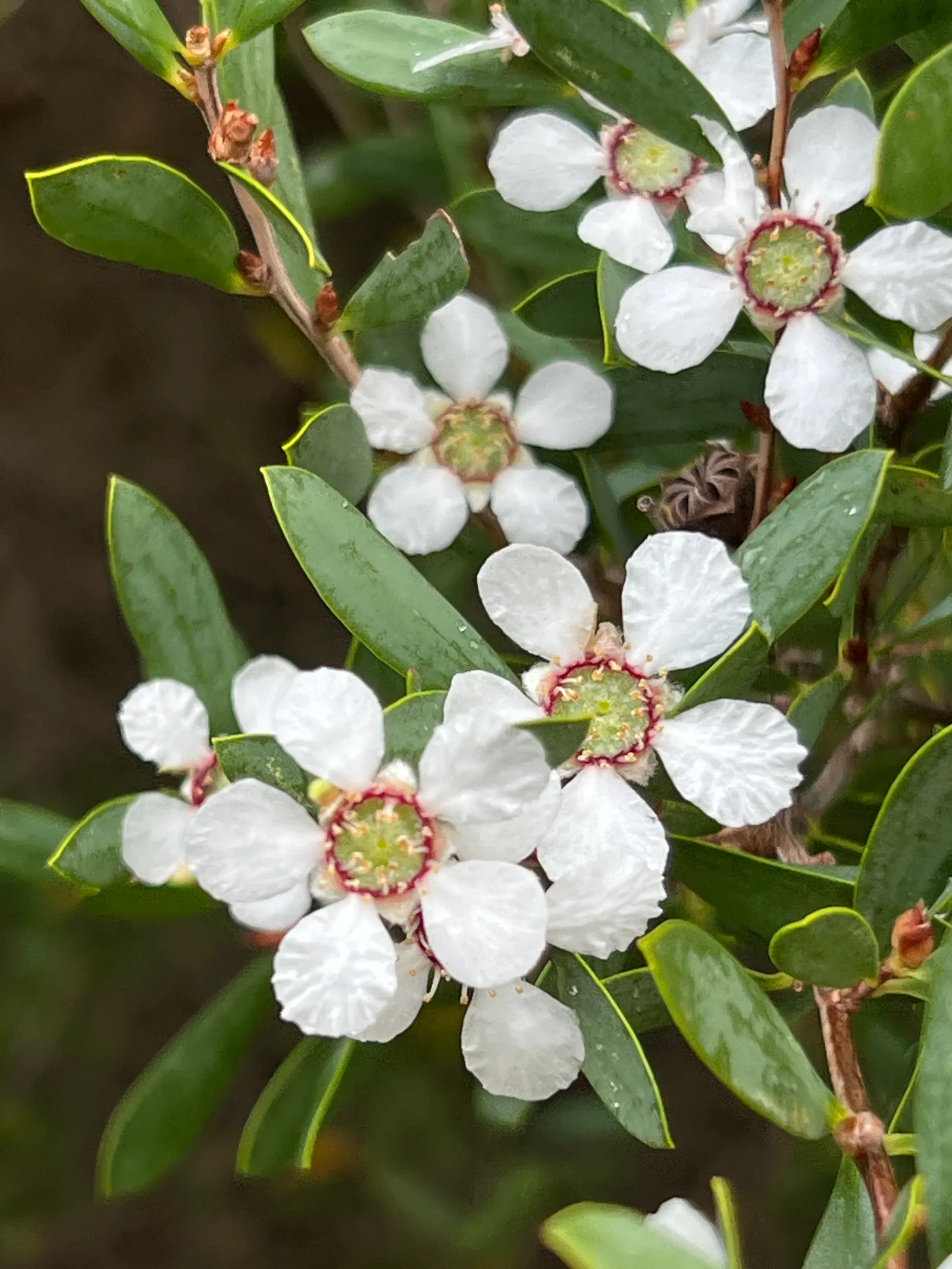
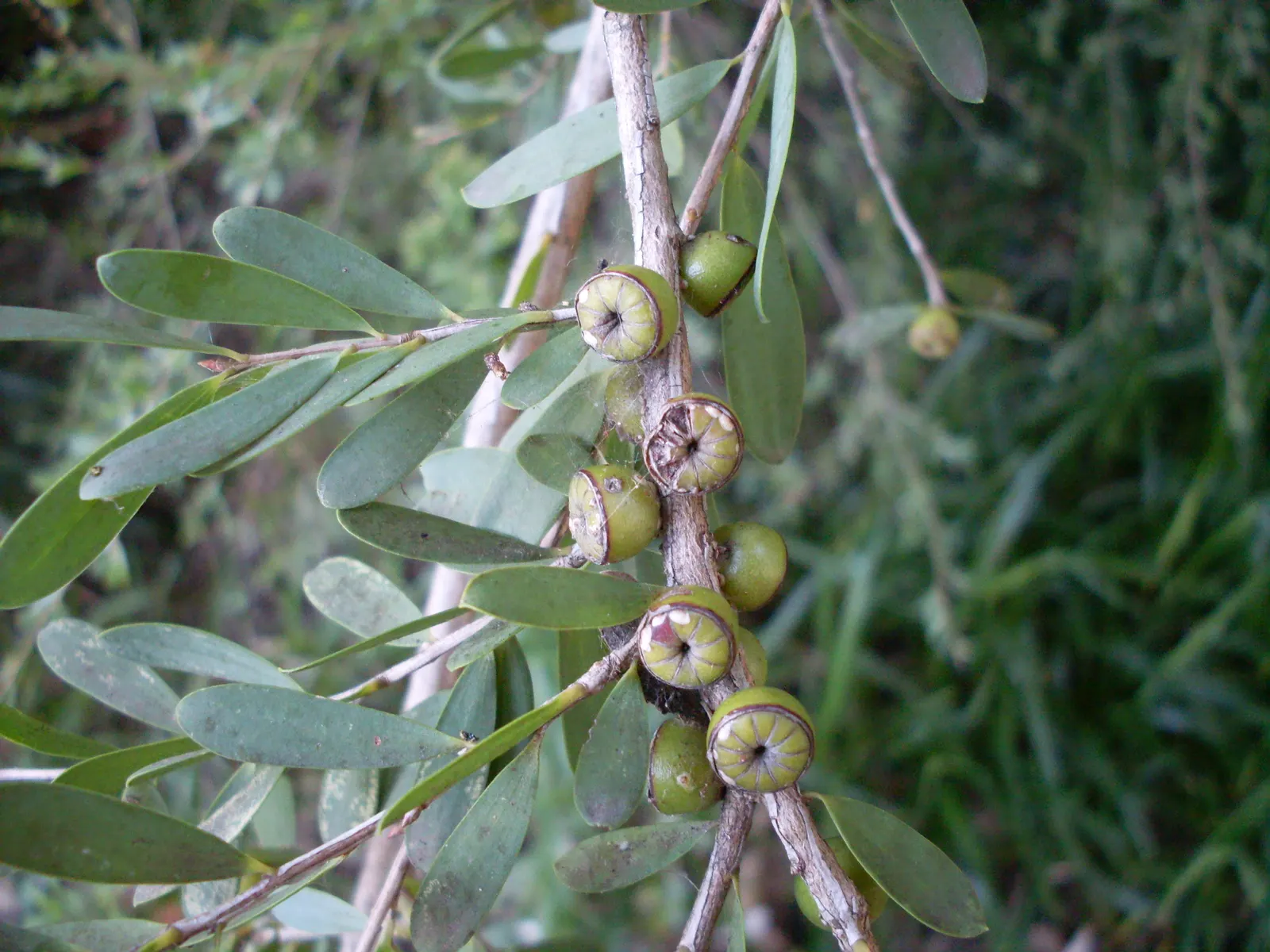
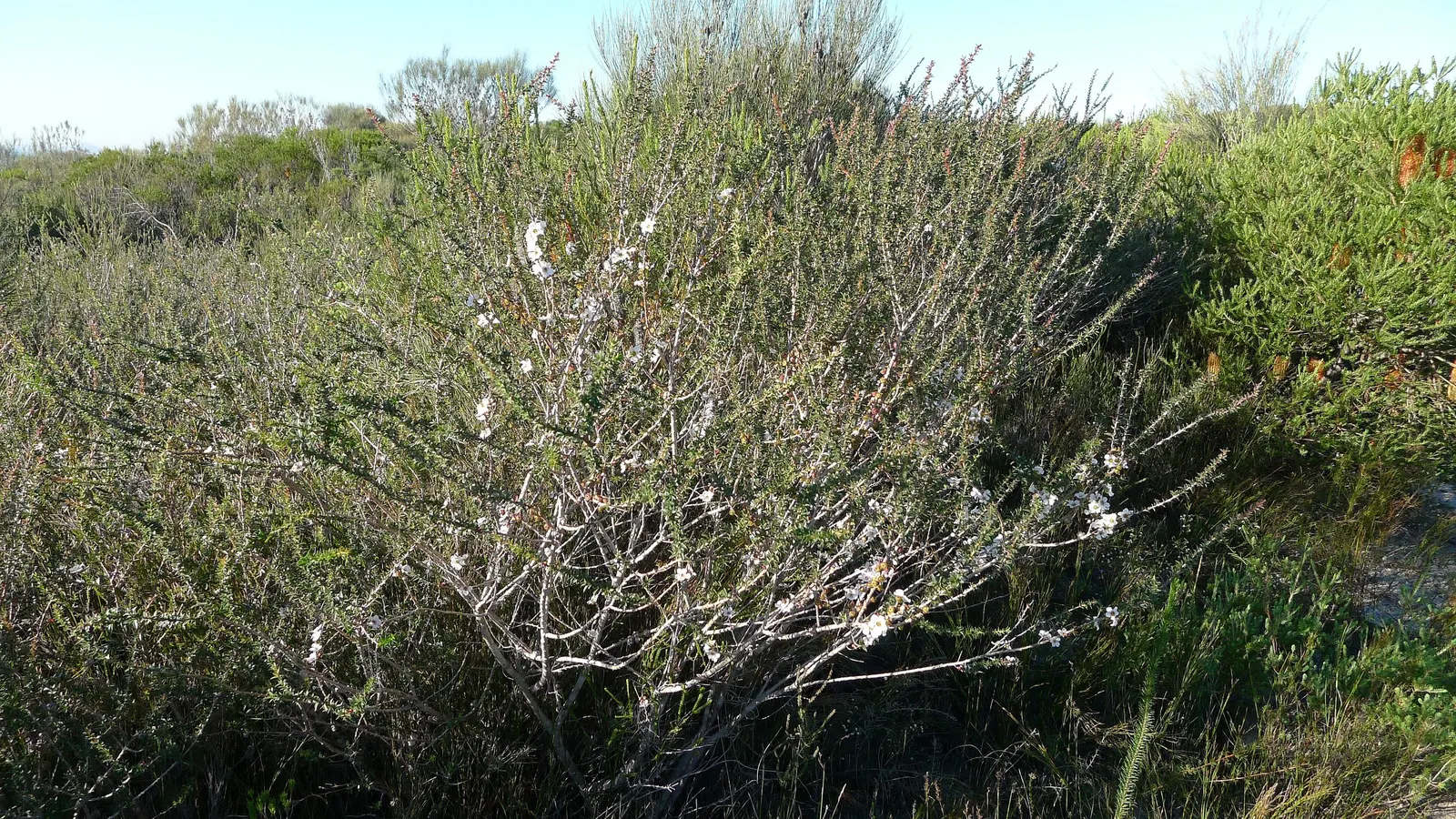
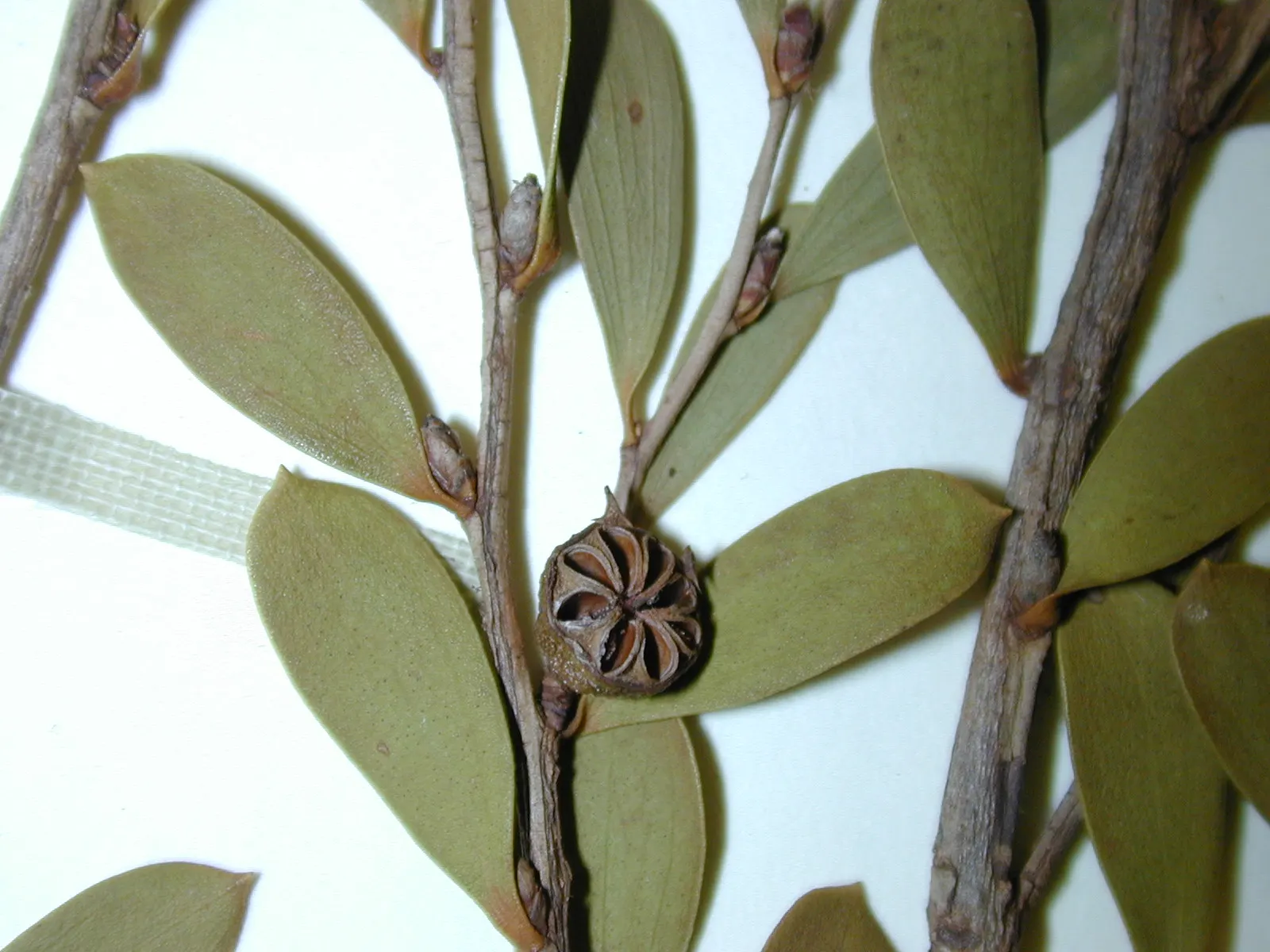
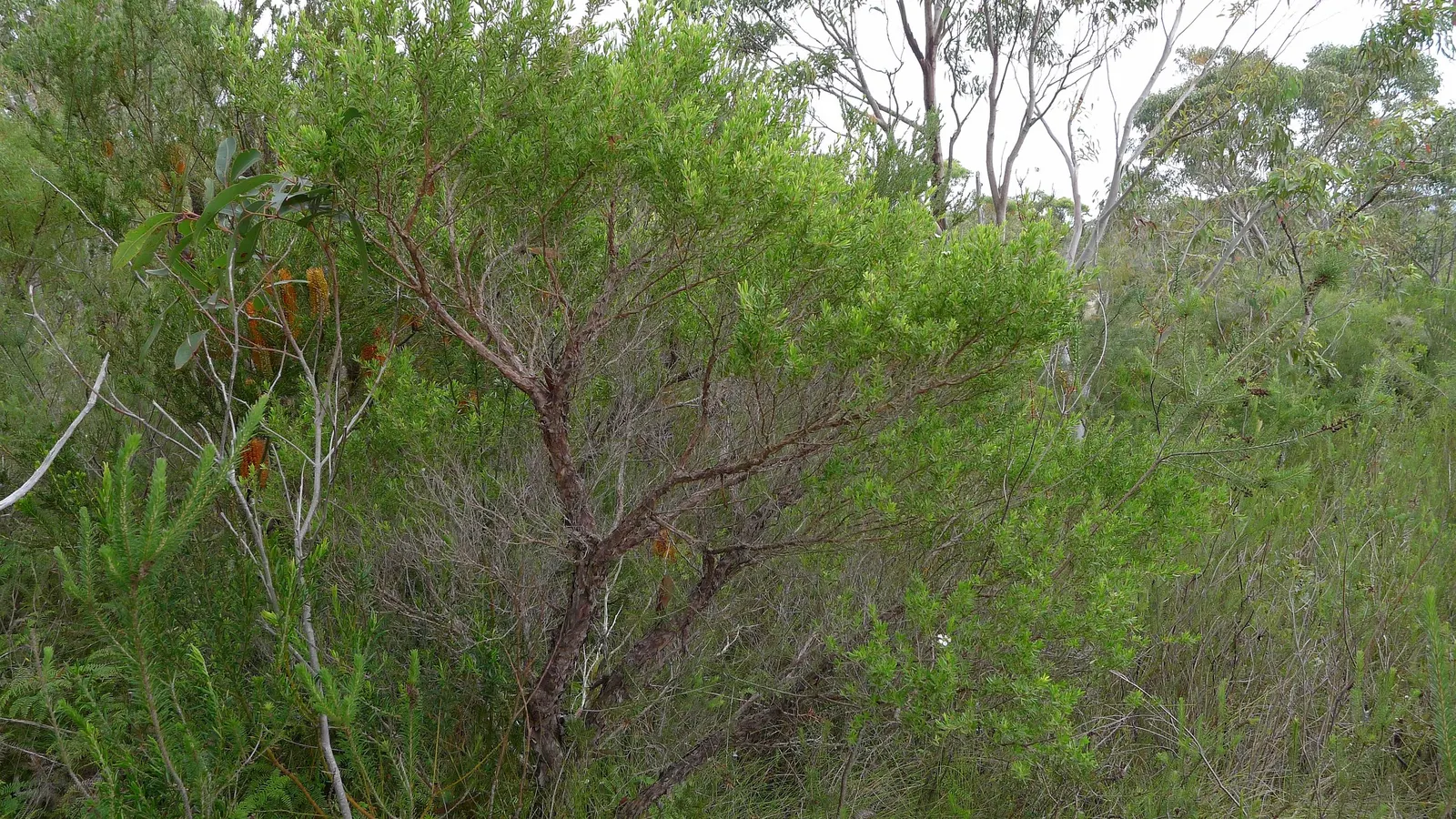
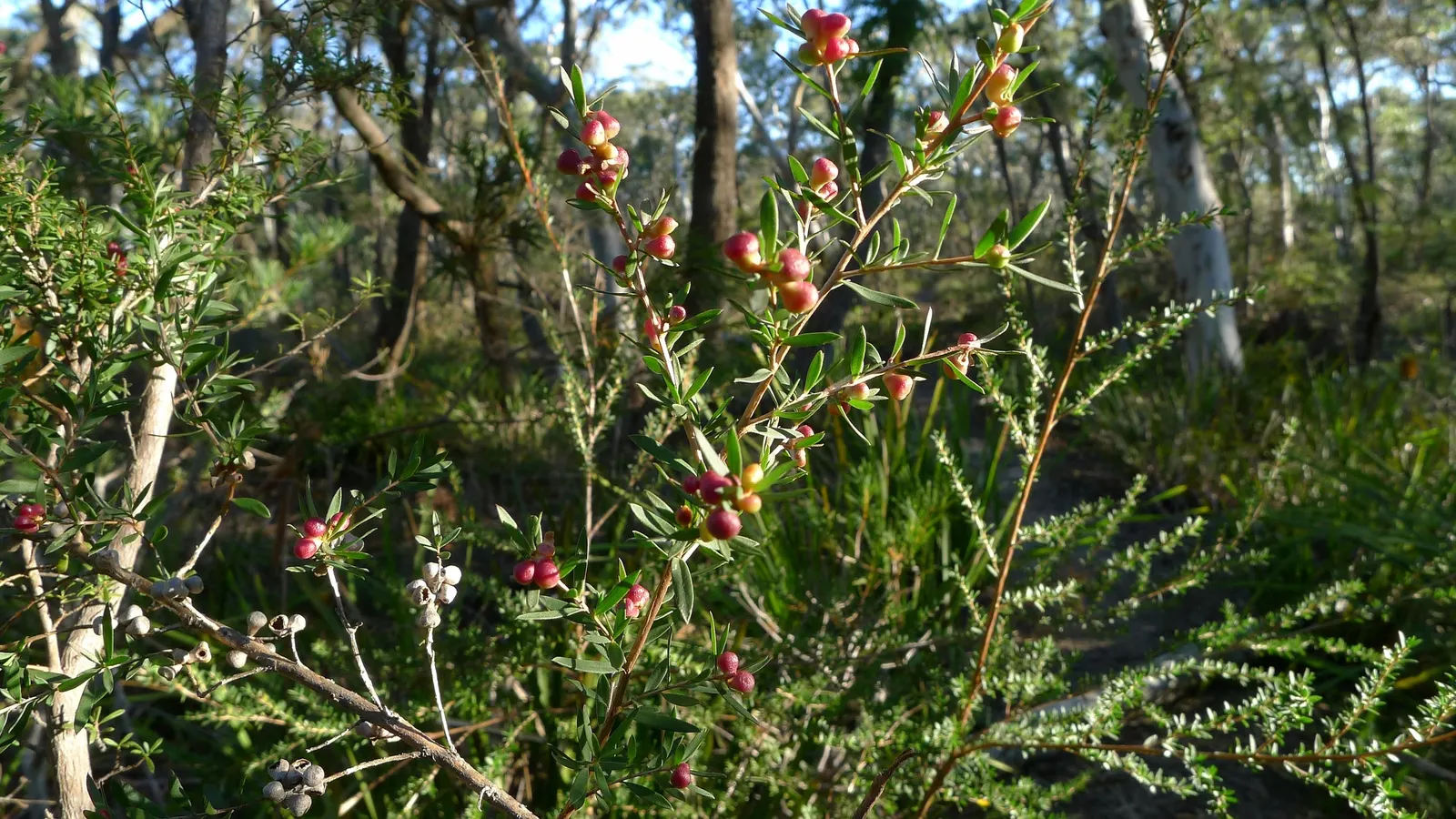
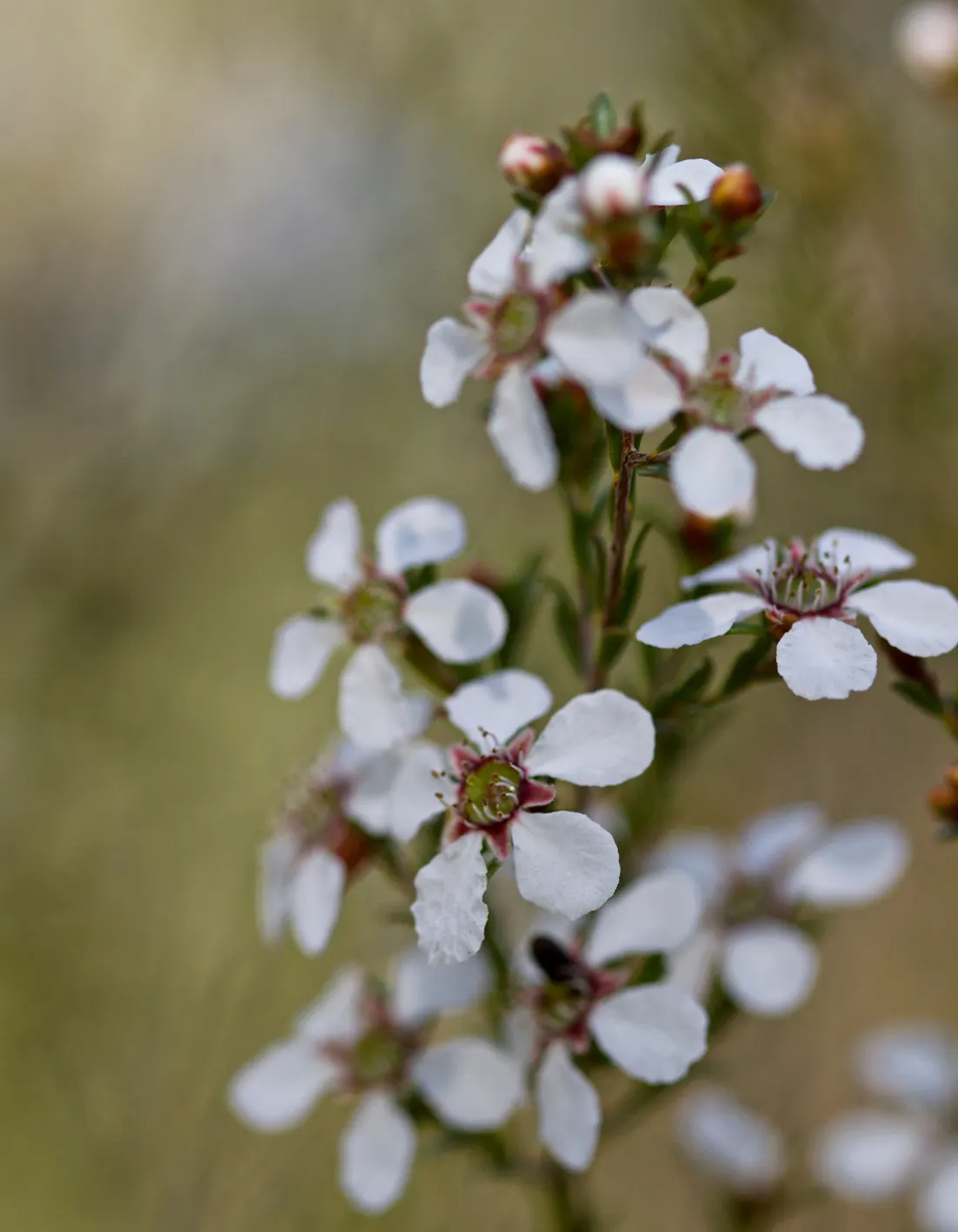
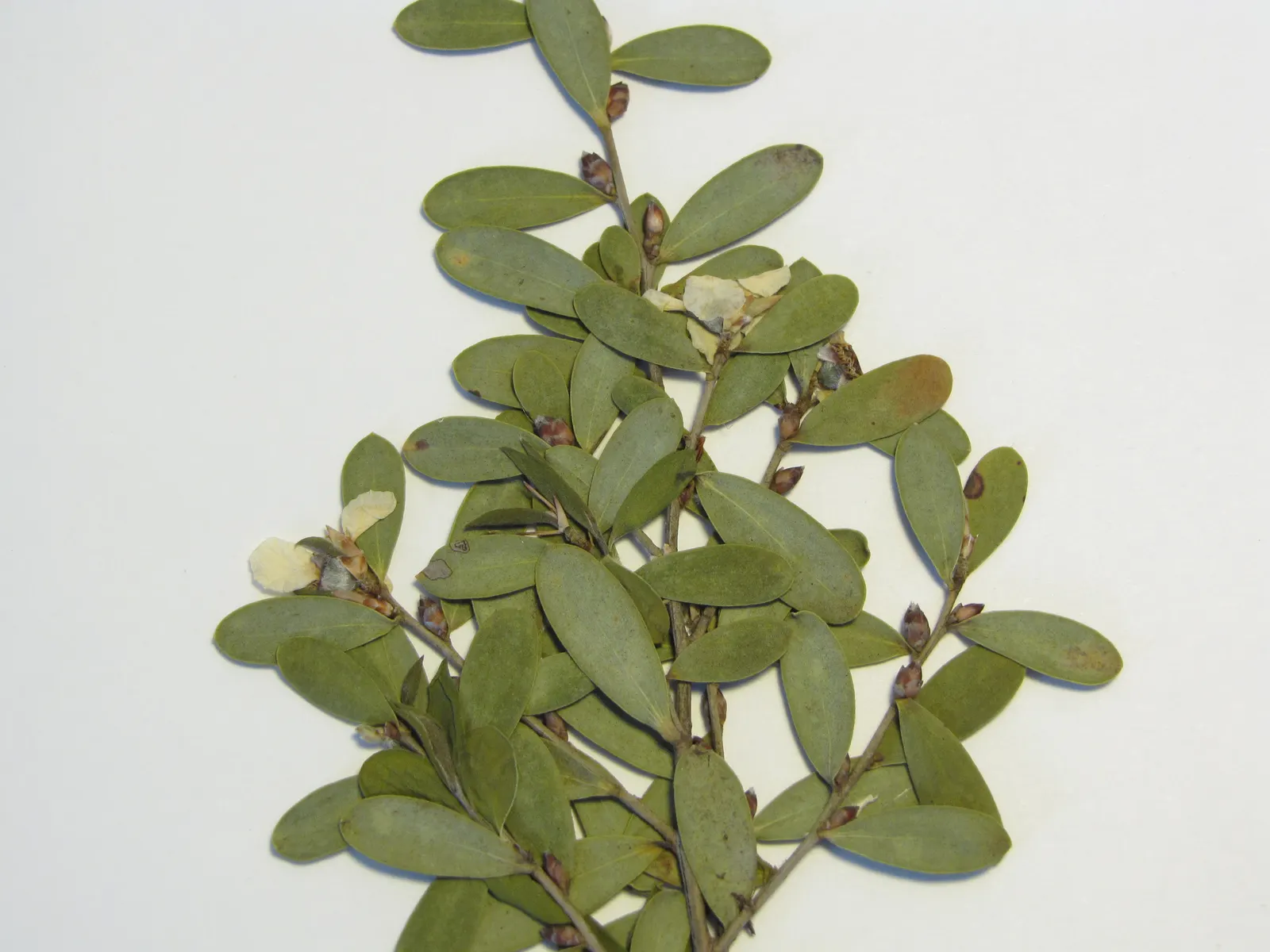
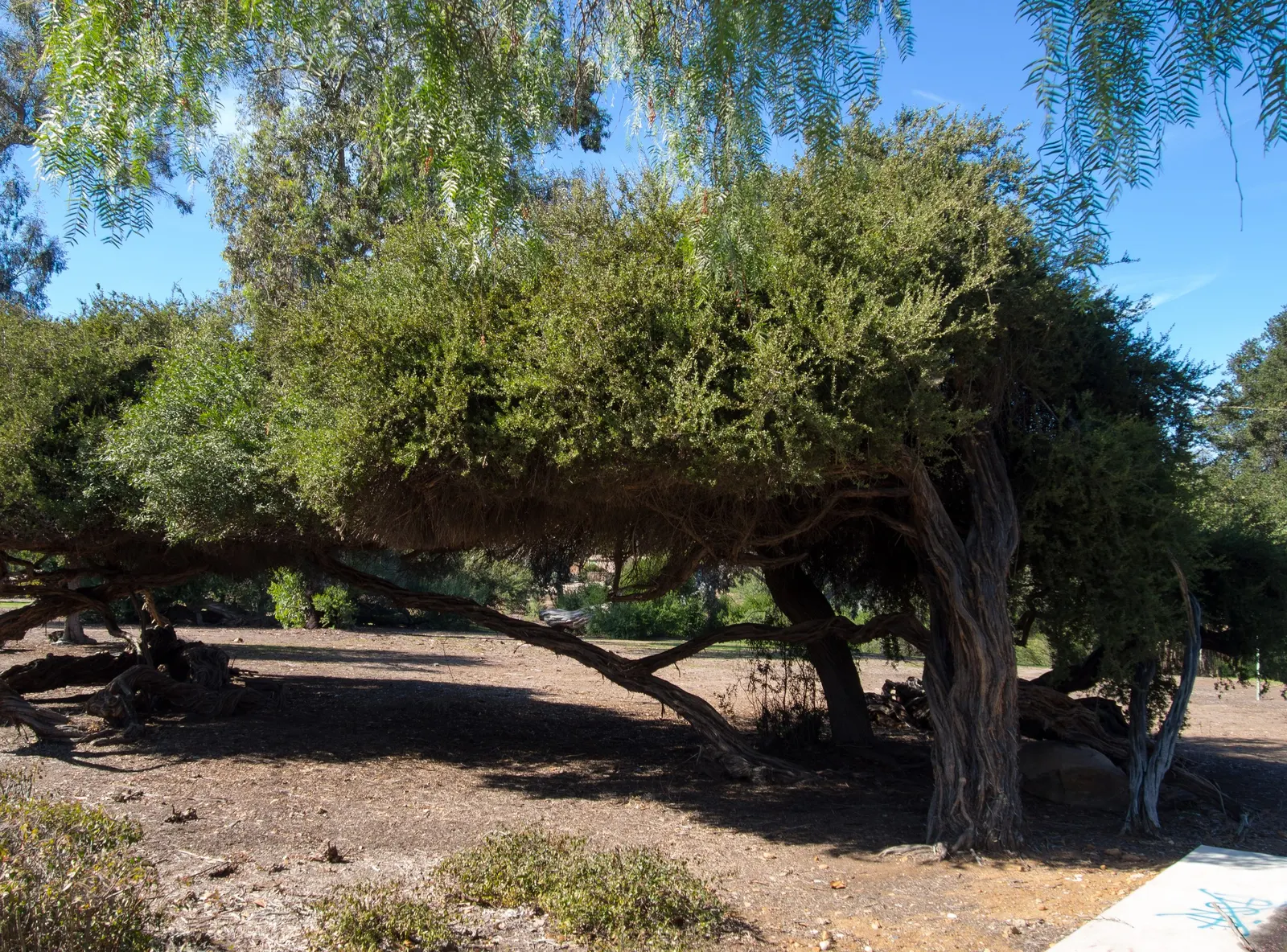
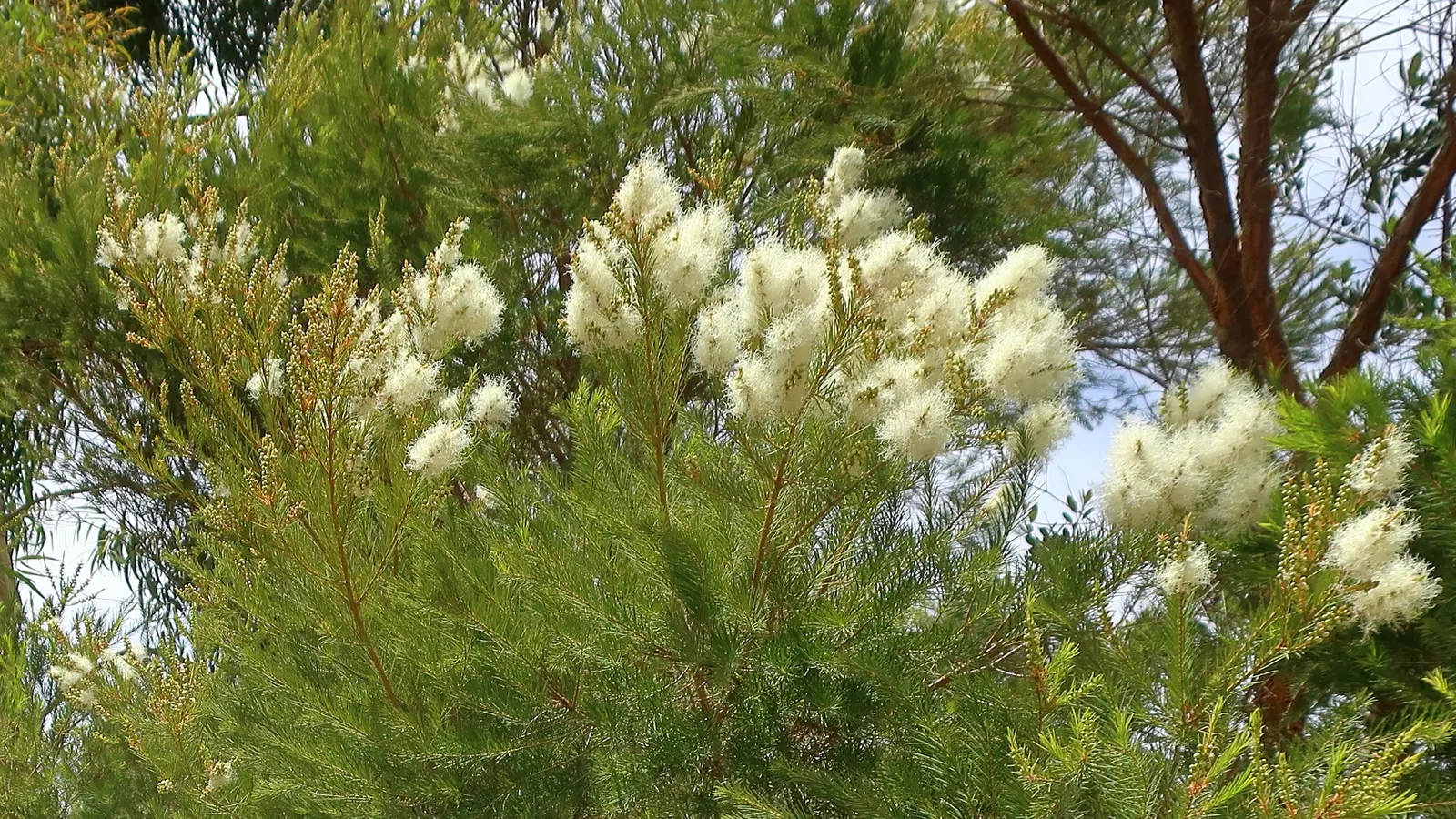
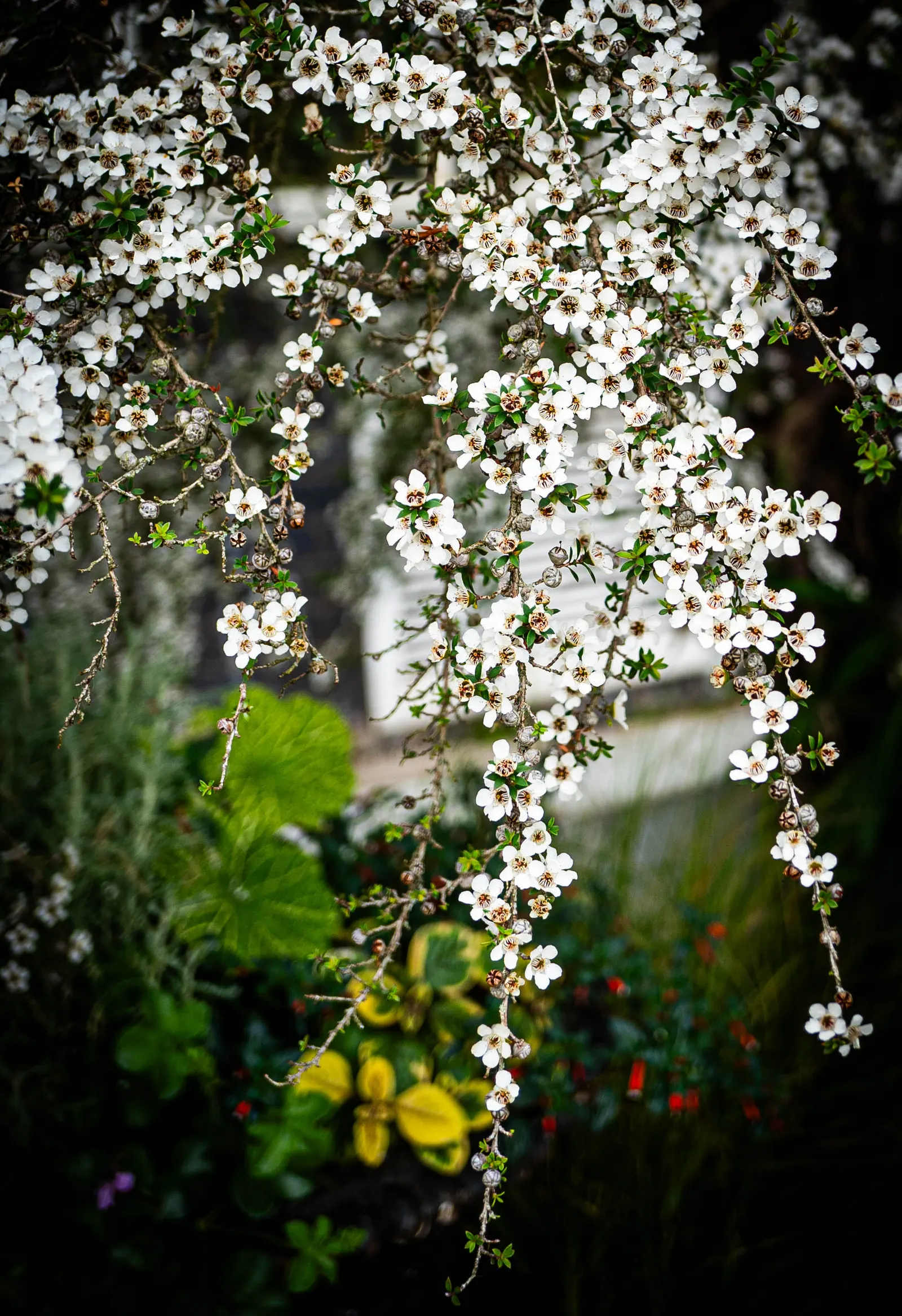
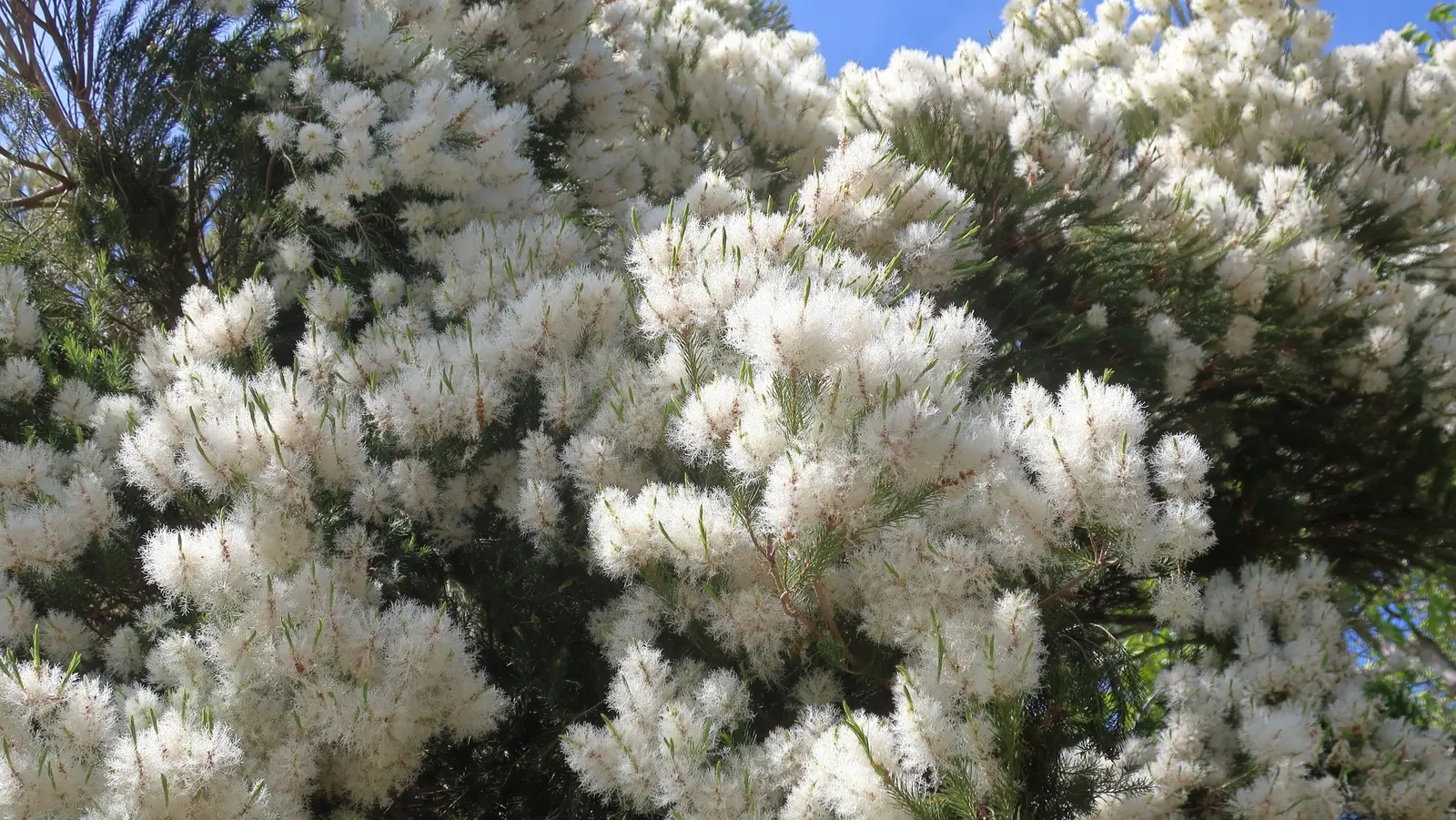
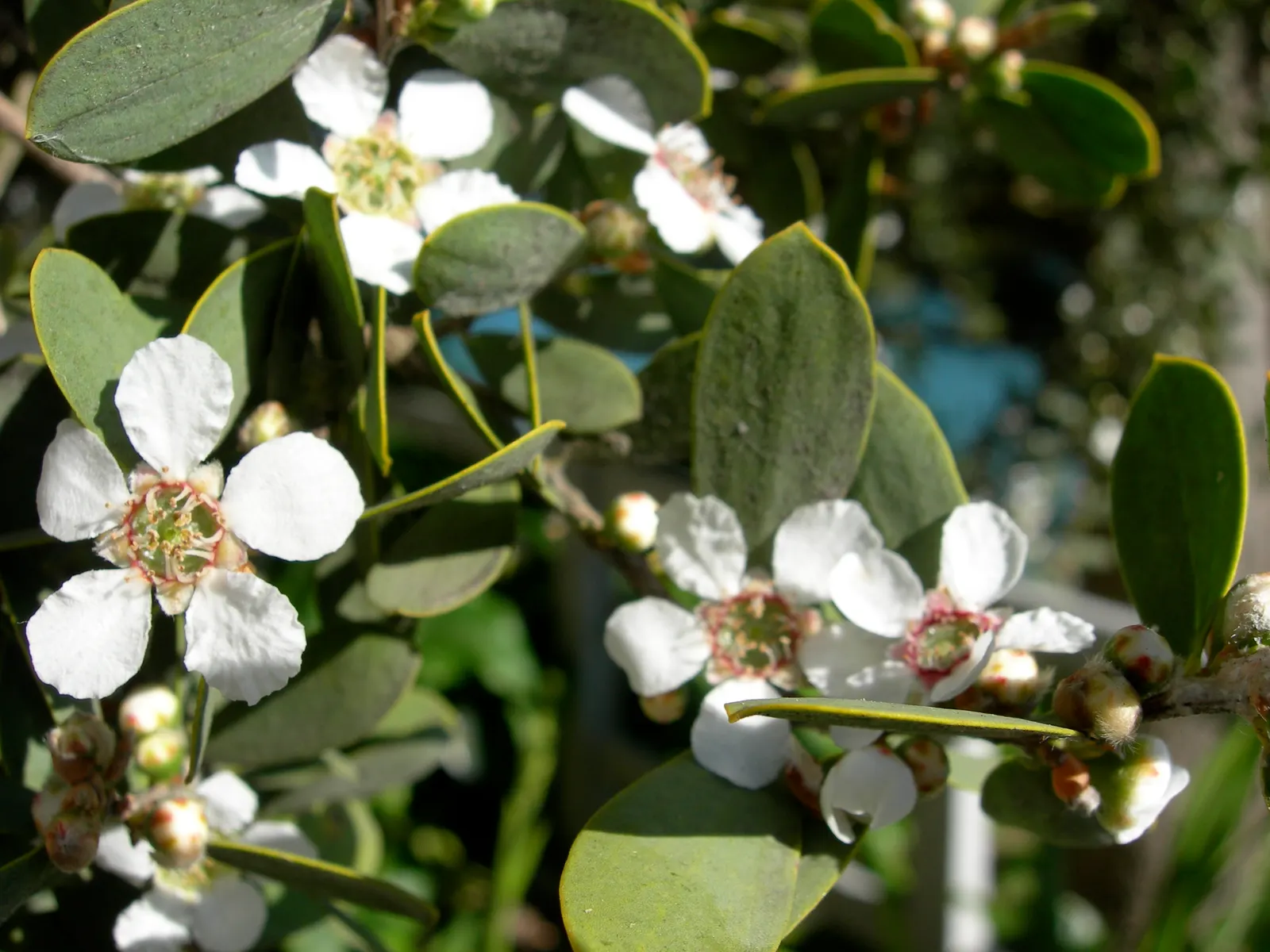
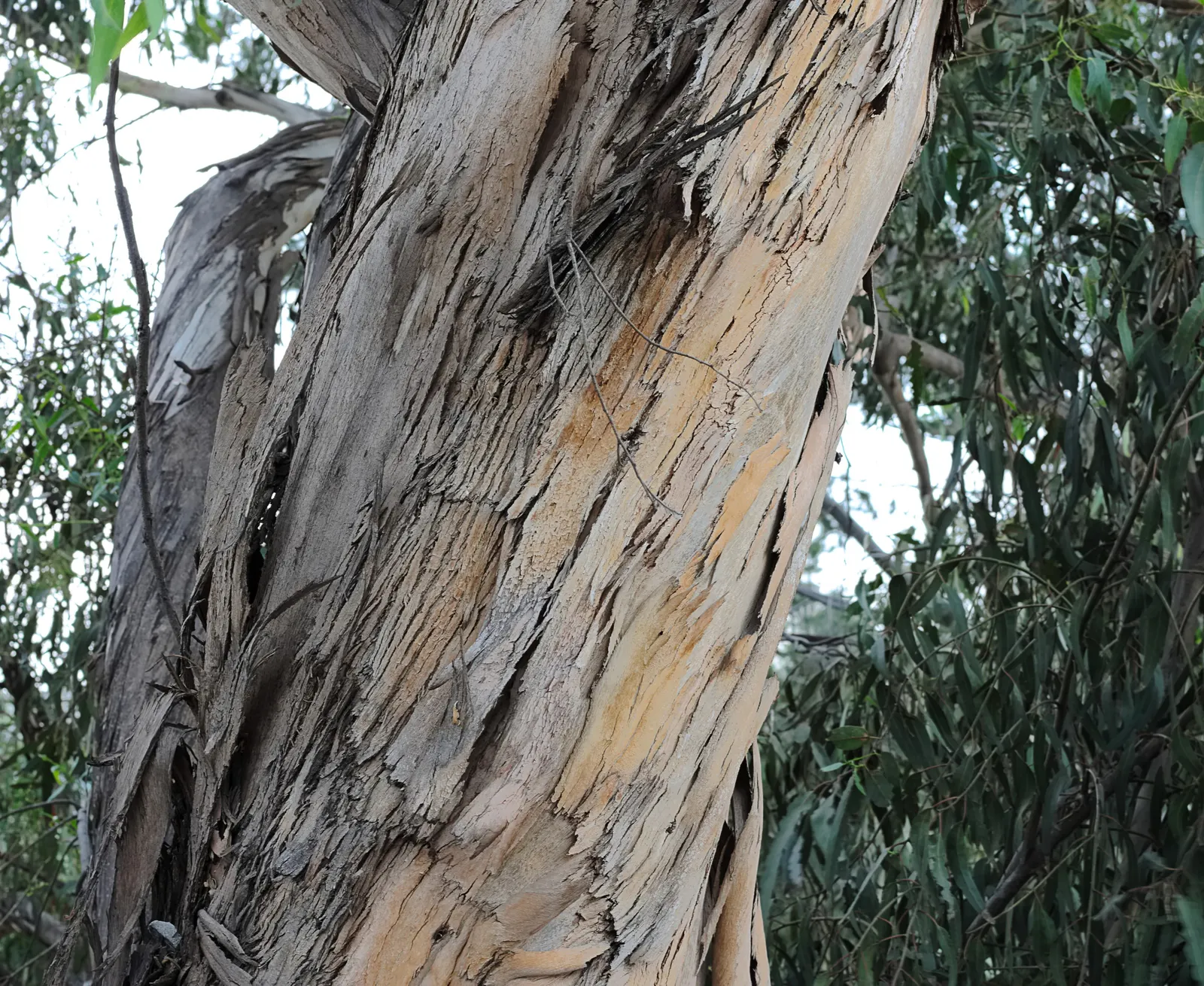
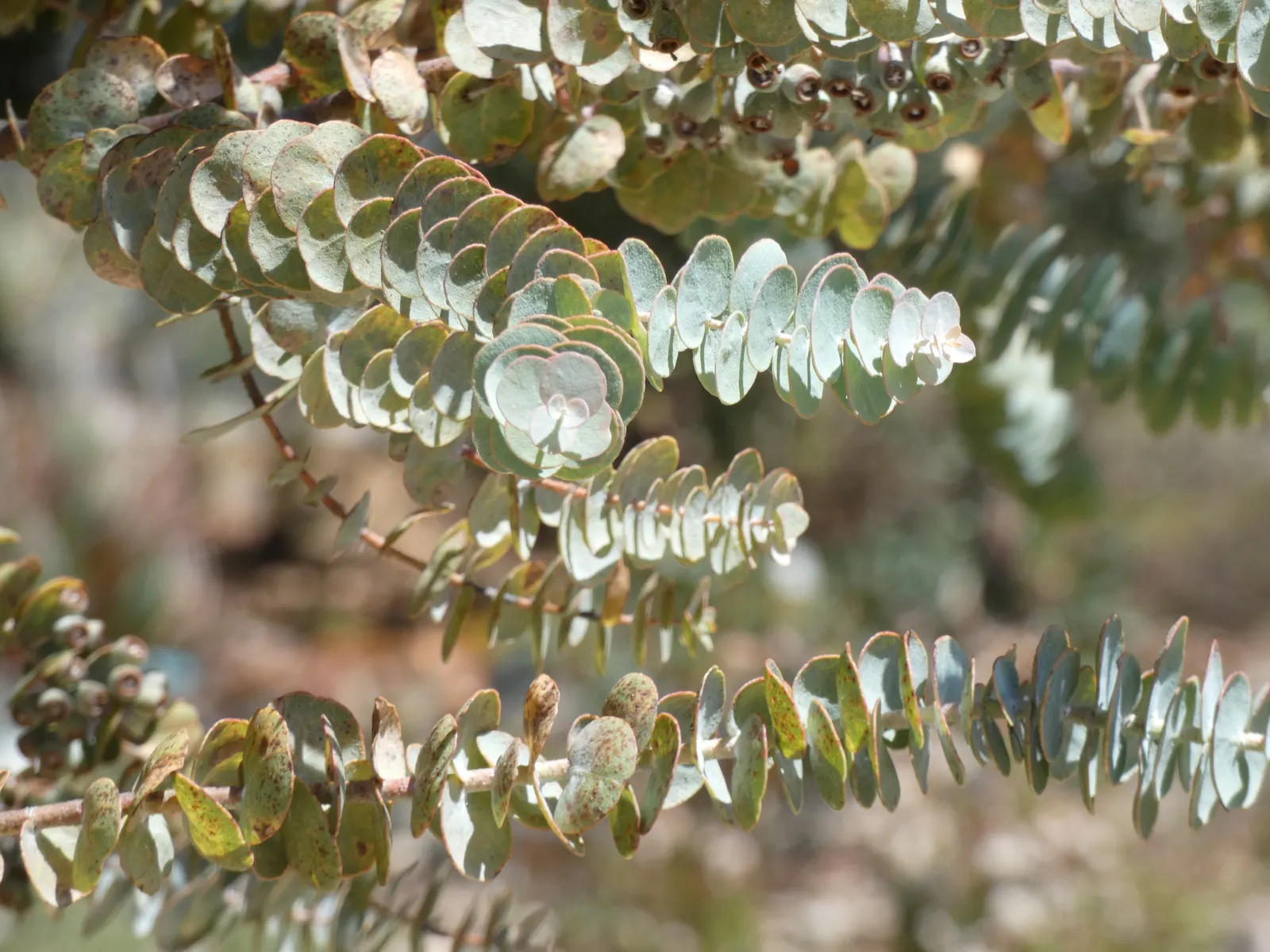
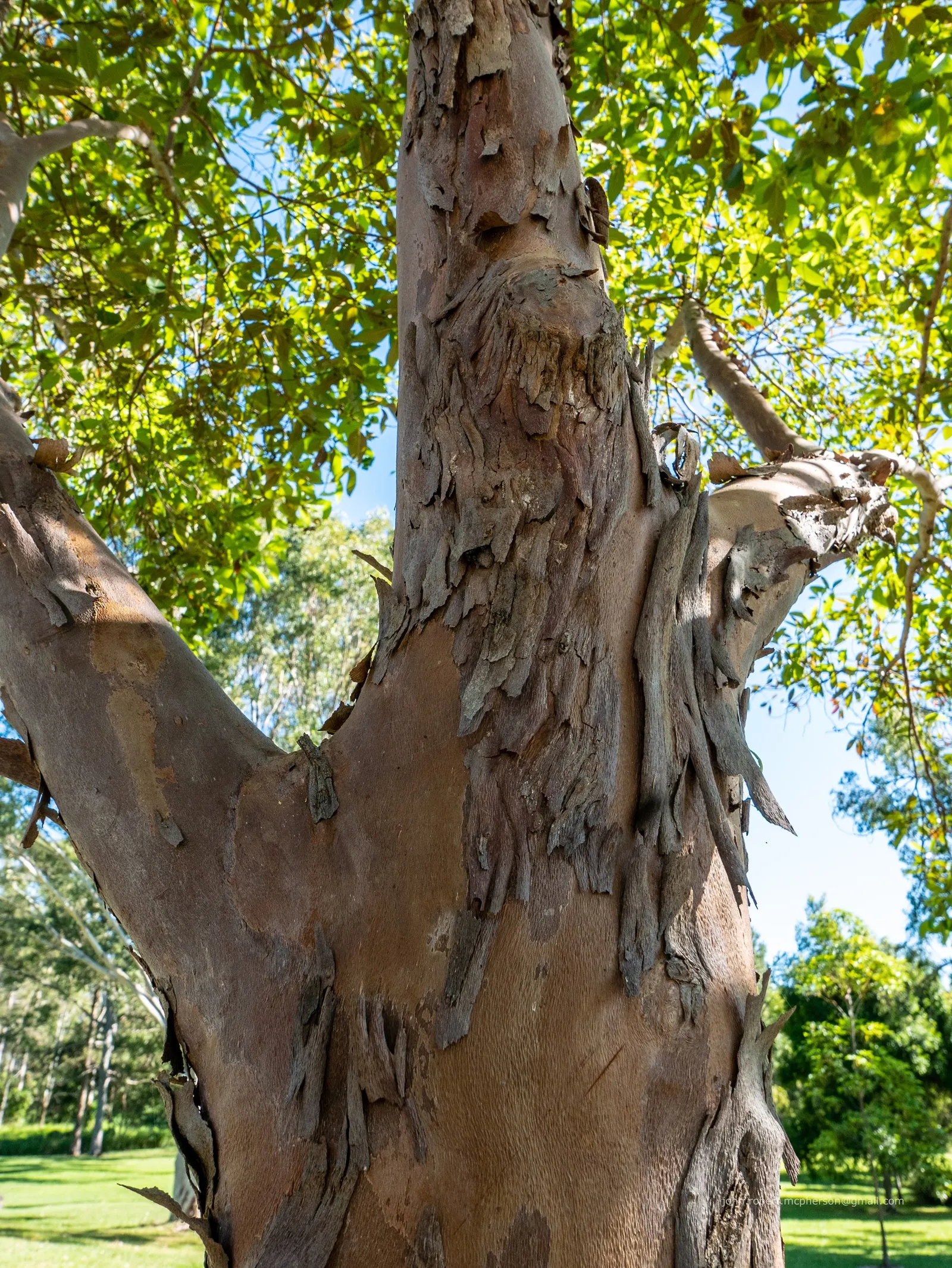
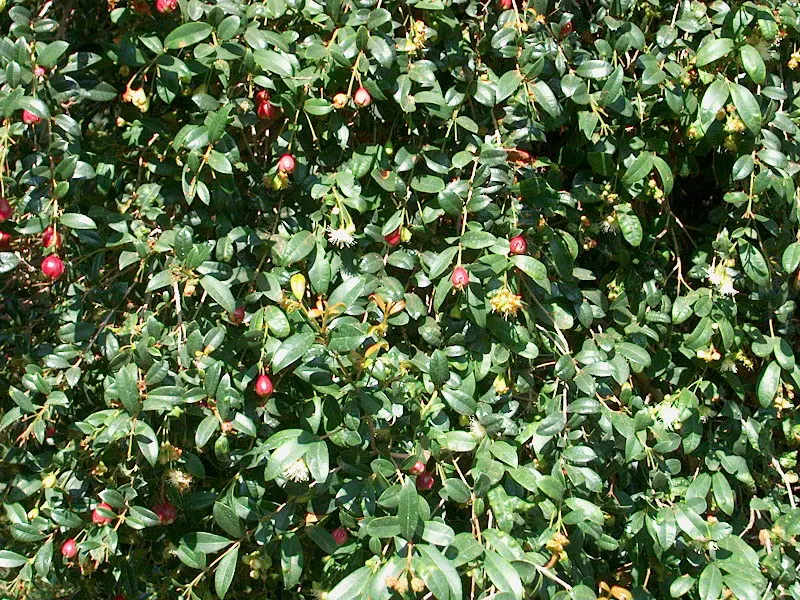
Leptospermum laevigatum, commonly called Australian Tea Tree, is an evergreen shrub reaching 10-20 ft tall and 15-30 ft wide. Its gnarled trunk and dense, small, gray-green foliage are hallmarks. This hardy plant thrives in USDA zones 9-11, enjoys full sun, and tolerates drought, salt, and poor soils. Pristine white flowers blossom in spring, attracting pollinators. It serves as an excellent hedge or windbreak in coastal conditions.

Sun FullWater Low, Very LowZones 9–10Type Shrub, TreeClimate Mediterranean
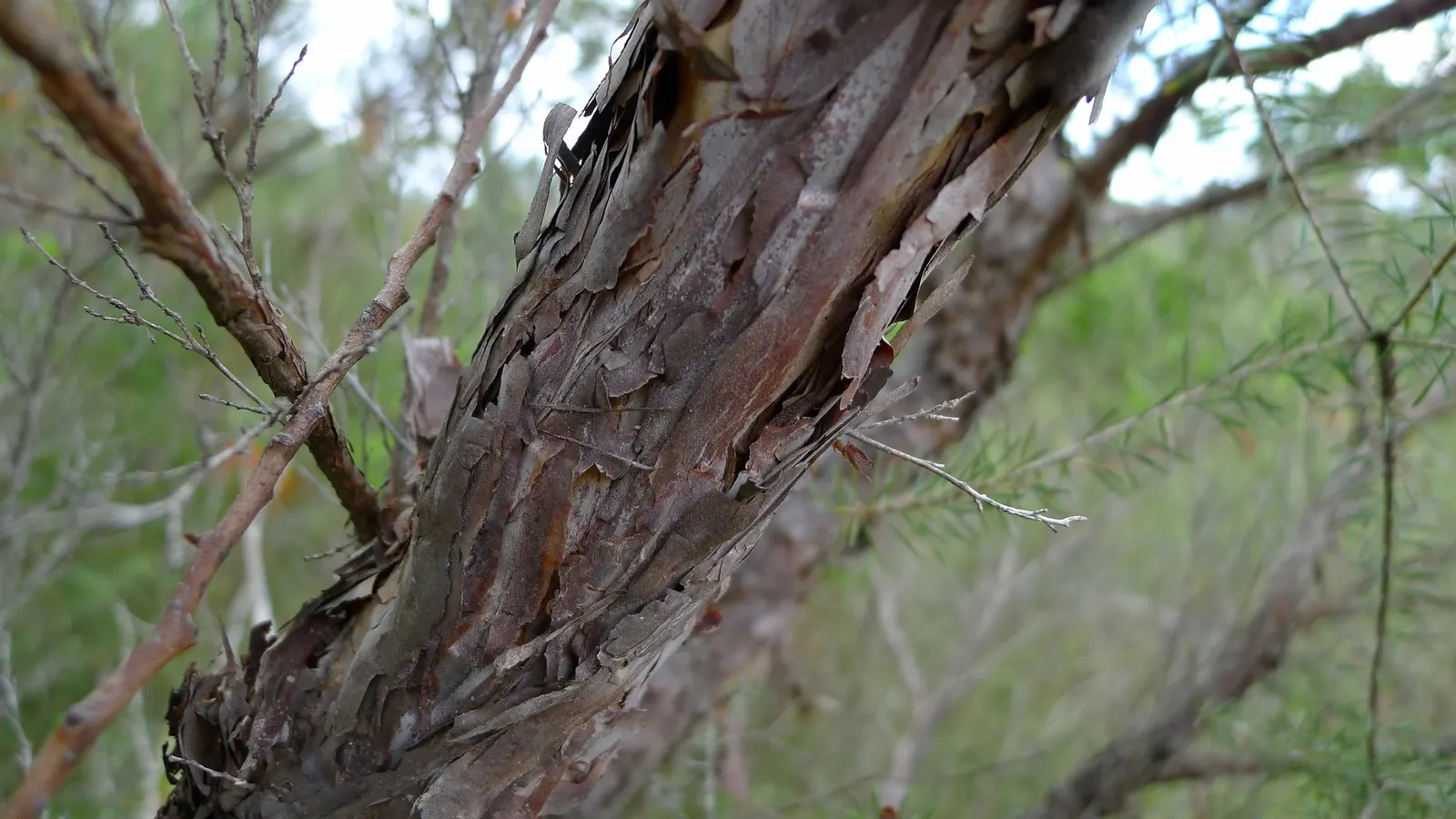
Australian Tea Tree (Leptospermum Laevigatum) — Leptospermum laevigatum prefers full sun exposure and well-drained soil; when integrating into garden designs

Culture

Sun
Full
Water
Low, Very Low
USDA zones
9–10

Shape & size

Classification

Type
Shrub, Tree
Family
Myrtaceae
Climate
Mediterranean

See full data, regional cultivation notes, and design tools. Build a client presentation around this plant.

Start your 14-day trial

Photos (85)

Australian Tea Tree (Leptospermum Laevigatum) — Originating from Australia; shrub / tree with white blooms, image 62
Australian Tea Tree (Leptospermum Laevigatum) — such as salt spray and strong winds
Australian Tea Tree (Leptospermum Laevigatum) — leathery foliage emits a delightful
Australian Tea Tree (Leptospermum Laevigatum) — It serves as an excellent hedge or windbreak in coastal conditions; aromatic fragrance when crushed, image 60
Australian Tea Tree (Leptospermum Laevigatum) — It tolerates a range of soil types, including sandy and poor soils, reflecting its adaptability; commonly
Australian Tea Tree (Leptospermum Laevigatum) — the Australian Tea Tree is highly drought-tolerant; originating from Australia
Australian Tea Tree (Leptospermum Laevigatum) — white to light pink flowers blossom in spring; is a versatile and resilient plant well-suited for coastal and
Australian Tea Tree (Leptospermum Laevigatum) — Furthermore, its resistance to pests and diseases contributes to its robustness
Australian Tea Tree (Leptospermum Laevigatum) — Mature specimens typically reach heights of 10 to 30 feet with a spread of 6 to 10 feet; white to, image 64
Australian Tea Tree (Leptospermum Laevigatum) — consider using it as a specimen plant
Australian Tea Tree (Leptospermum Laevigatum) — shrub / tree with white blooms; the Australian Tea Tree is highly drought-tolerant
Australian Tea Tree (Leptospermum Laevigatum) — Its gnarled trunk and dense, small, gray-green foliage are hallmarks; such as salt spray and strong, image 57
Australian Tea Tree (Leptospermum Laevigatum) — is a versatile and resilient plant well-suited for coastal and drought-prone landscapes
Australian Tea Tree (Leptospermum Laevigatum) — is an evergreen shrub reaching 10-20 ft tall and 15-30 ft wide; leathery foliage emits a delightful
Australian Tea Tree (Leptospermum Laevigatum) — is a versatile and resilient plant well-suited for coastal and drought-prone landscapes; making it an ideal
Australian Tea Tree (Leptospermum Laevigatum) — is a versatile and resilient plant well-suited for coastal and drought-prone landscapes; making it, image 61
Australian Tea Tree (Leptospermum Laevigatum) — Mature specimens typically reach heights of 10 to 30 feet with a spread of 6 to 10 feet; white to light pink
Australian Tea Tree (Leptospermum Laevigatum) — shrub / tree with white blooms
Australian Tea Tree (Leptospermum Laevigatum) — It tolerates a range of soil types, including sandy and poor soils, reflecting its adaptability
Australian Tea Tree (Leptospermum Laevigatum) — aromatic fragrance when crushed
Australian Tea Tree (Leptospermum Laevigatum) — this evergreen shrub or small tree is renowned for its endurance and aesthetic appeal; it serves as an
Australian Tea Tree (Leptospermum Laevigatum) — When integrating into garden designs
Australian Tea Tree (Leptospermum Laevigatum) — This hardy plant thrives in USDA zones 9-11, enjoys full sun, and tolerates drought, salt, and poor, image 58
Australian Tea Tree (Leptospermum Laevigatum) — Leptospermum laevigatum prefers full sun exposure and well-drained soil
Photographs by 10 contributors

Related plants