Skip to content

Motherwort

Leonurus Cardiaca

Design with this plant

Overview

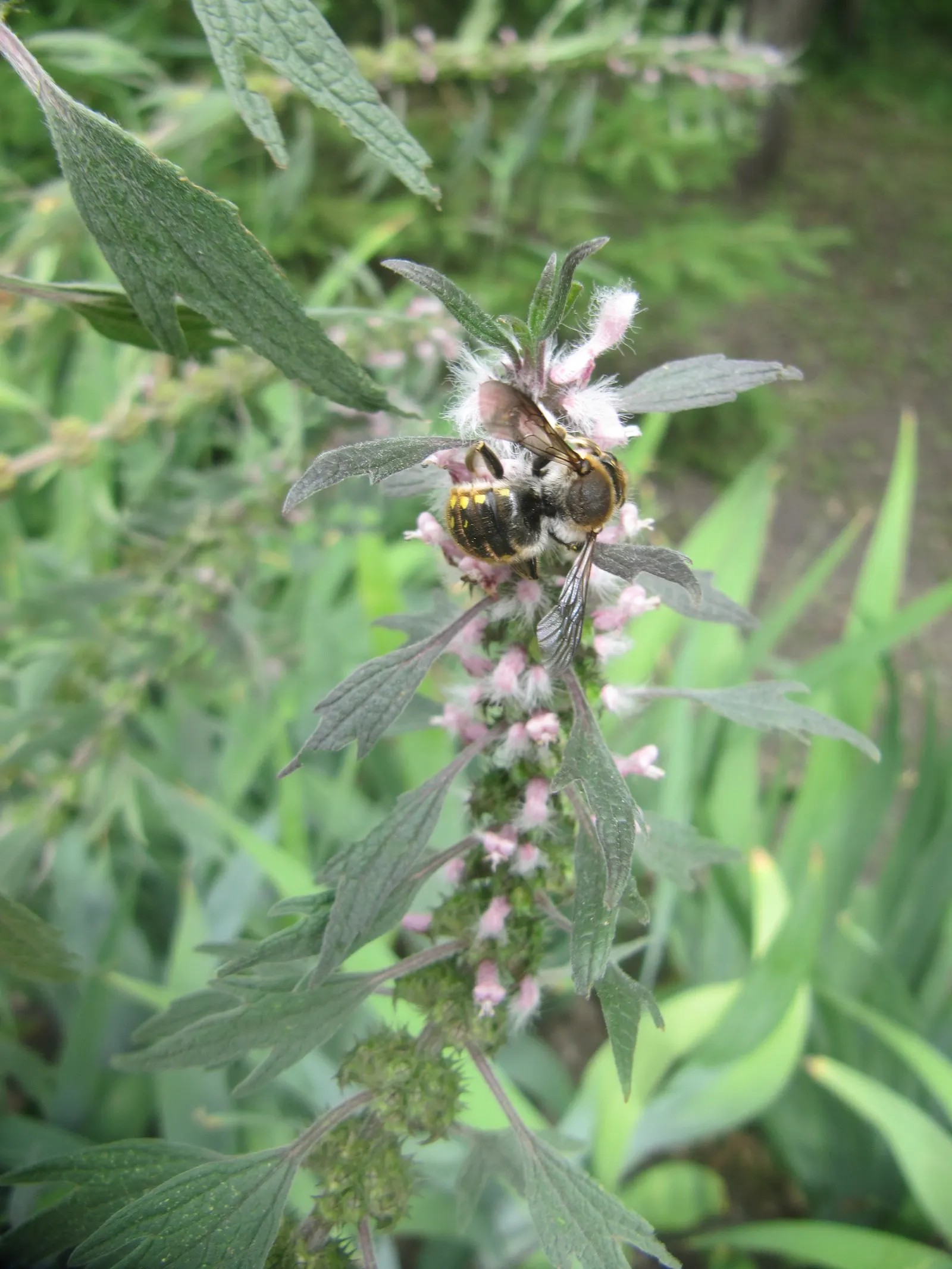
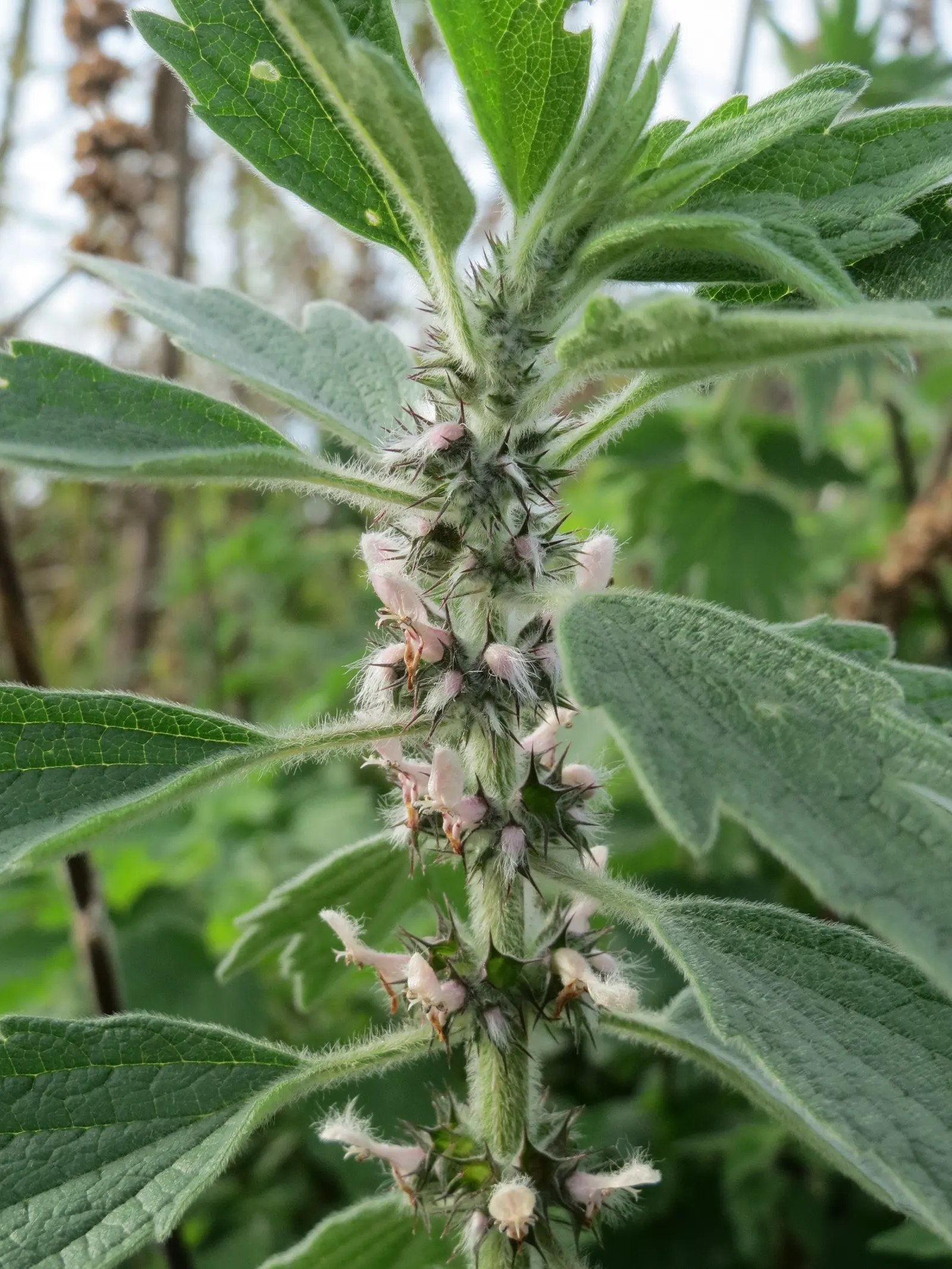
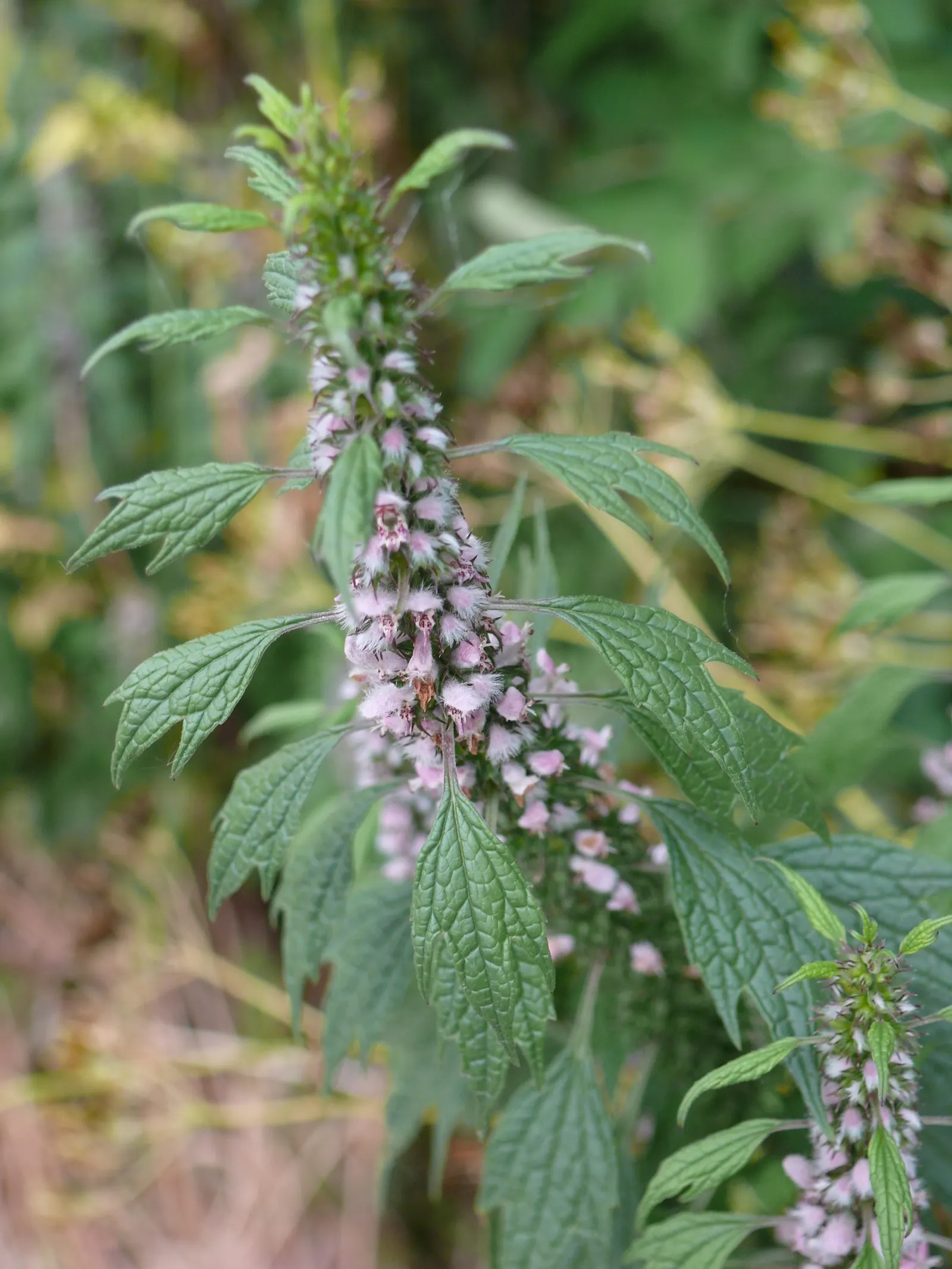
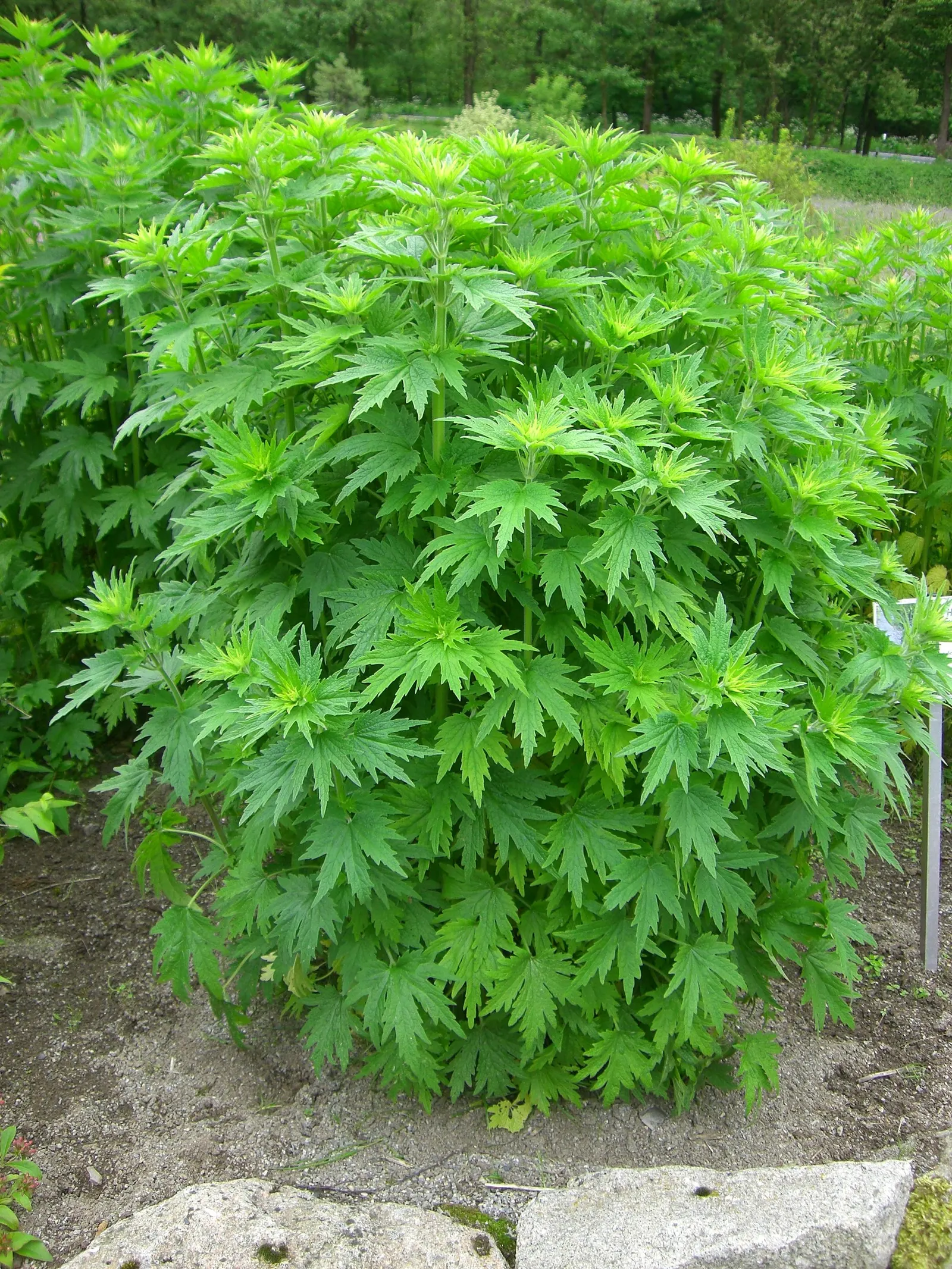
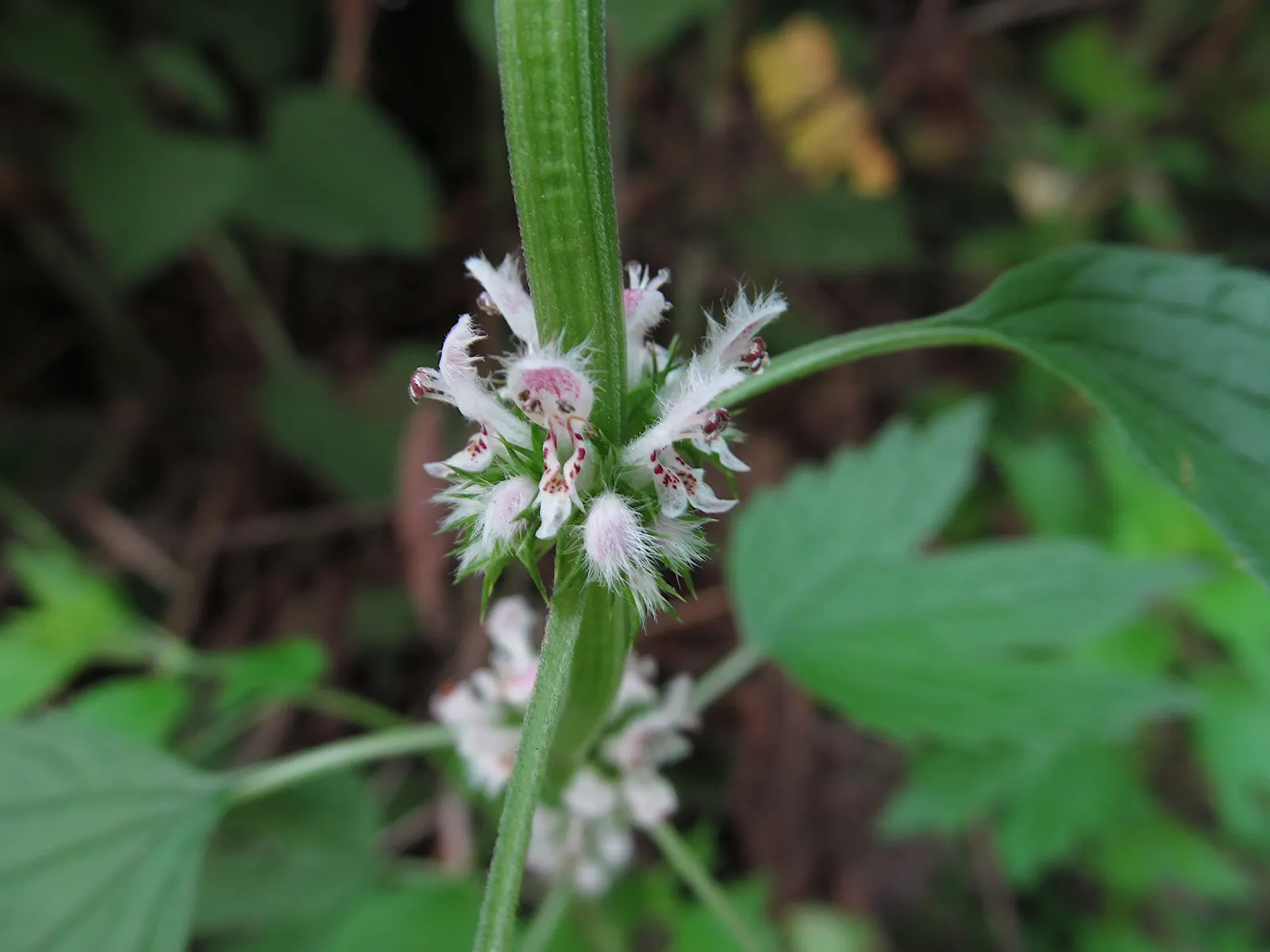
Motherwort (Leonurus cardiaca) is a herbaceous perennial valued for its medicinal properties. This hardy plant features lobed leaves and pink to lilac flowers on tall stalks, reaching up to 5 feet at maturity. It thrives in USDA zones 4-8, preferring full sun to partial shade and well-drained soil. Ideal for naturalistic or wildlife gardens, it offers nectar for bees and beneficial insects from mid-summer to early fall.

Sun FullWater MediumZones 3–8Type Herb, Perennial
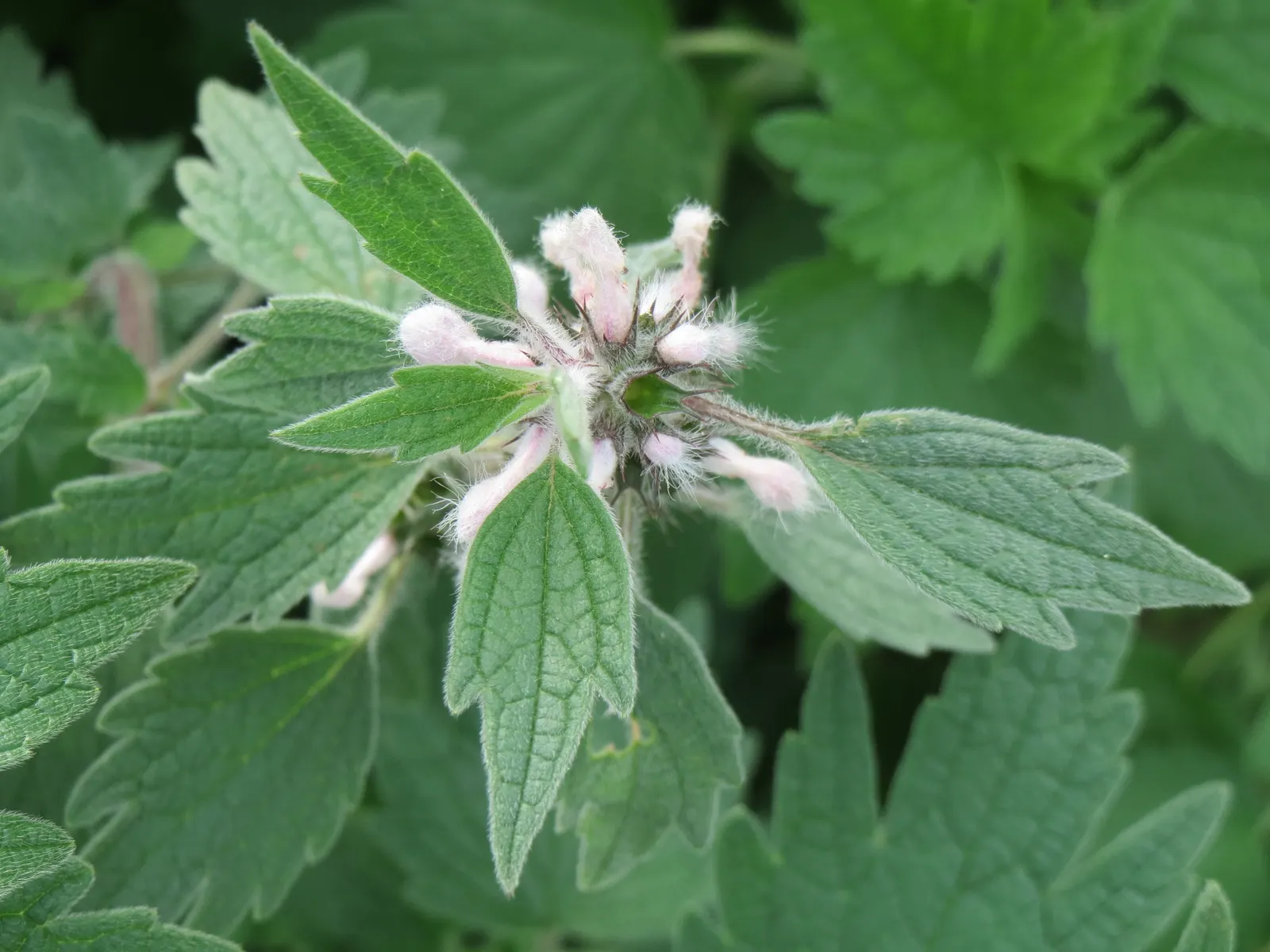
Motherwort (Leonurus Cardiaca) — This plant prefers a sunny to partly shaded location with well-drained soil; motherwort has a tendency to self-seed

Culture

Sun
Full
Water
Medium
USDA zones
3–8

Shape & size

Classification

Type
Herb, Perennial
Family
Lamiaceae

See full data, regional cultivation notes, and design tools. Build a client presentation around this plant.

Start your 14-day trial

Photos (108)

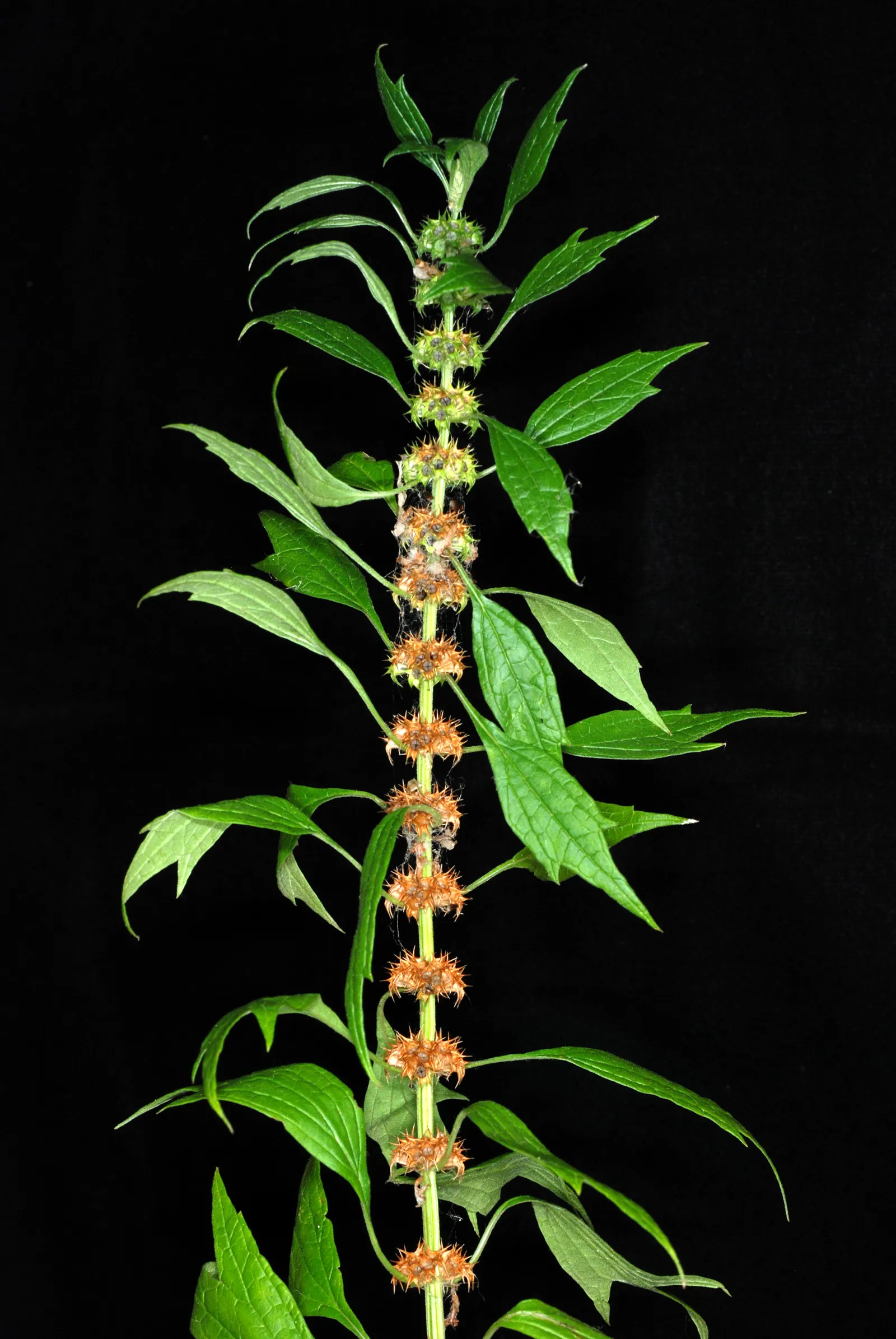
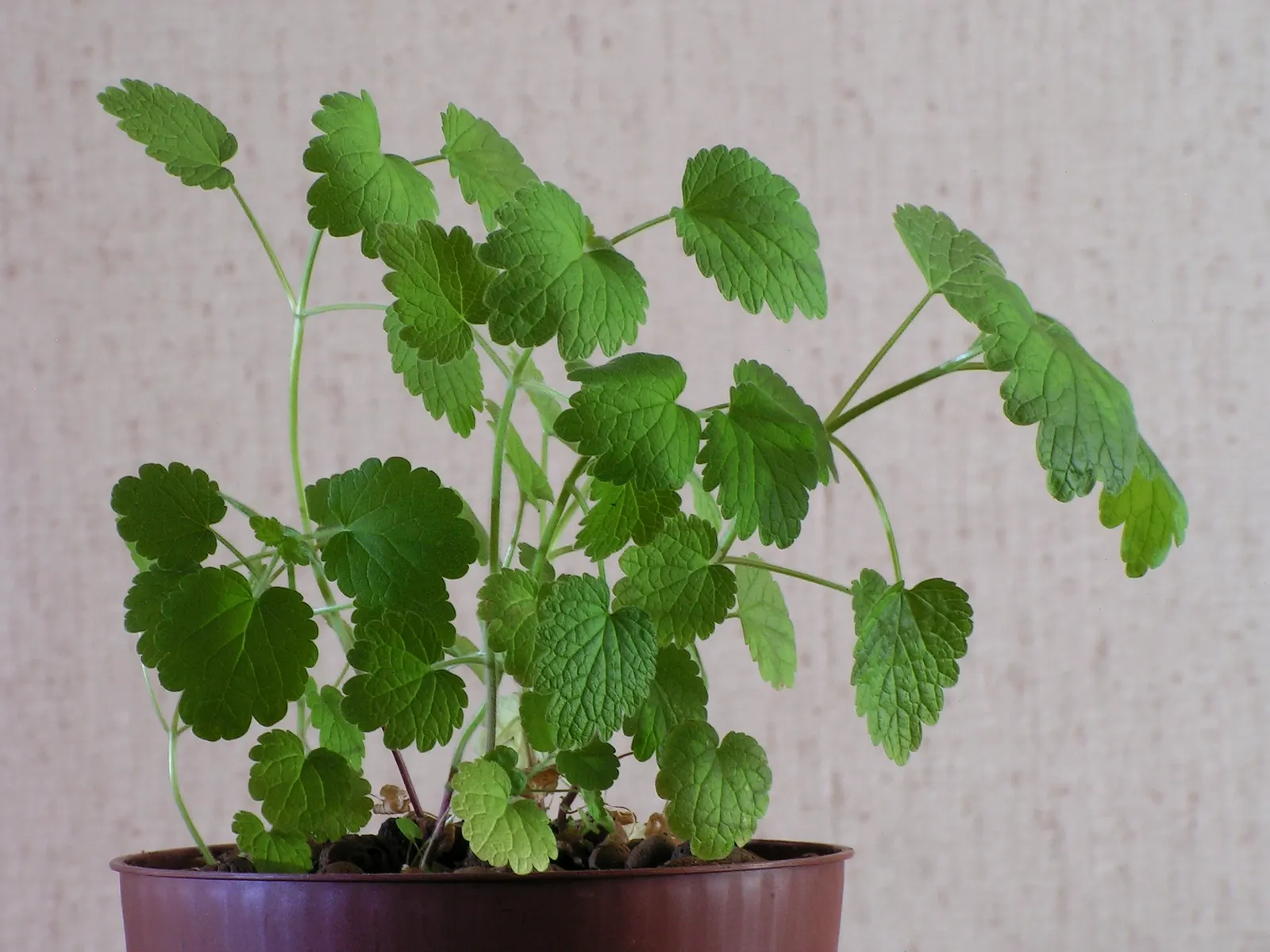
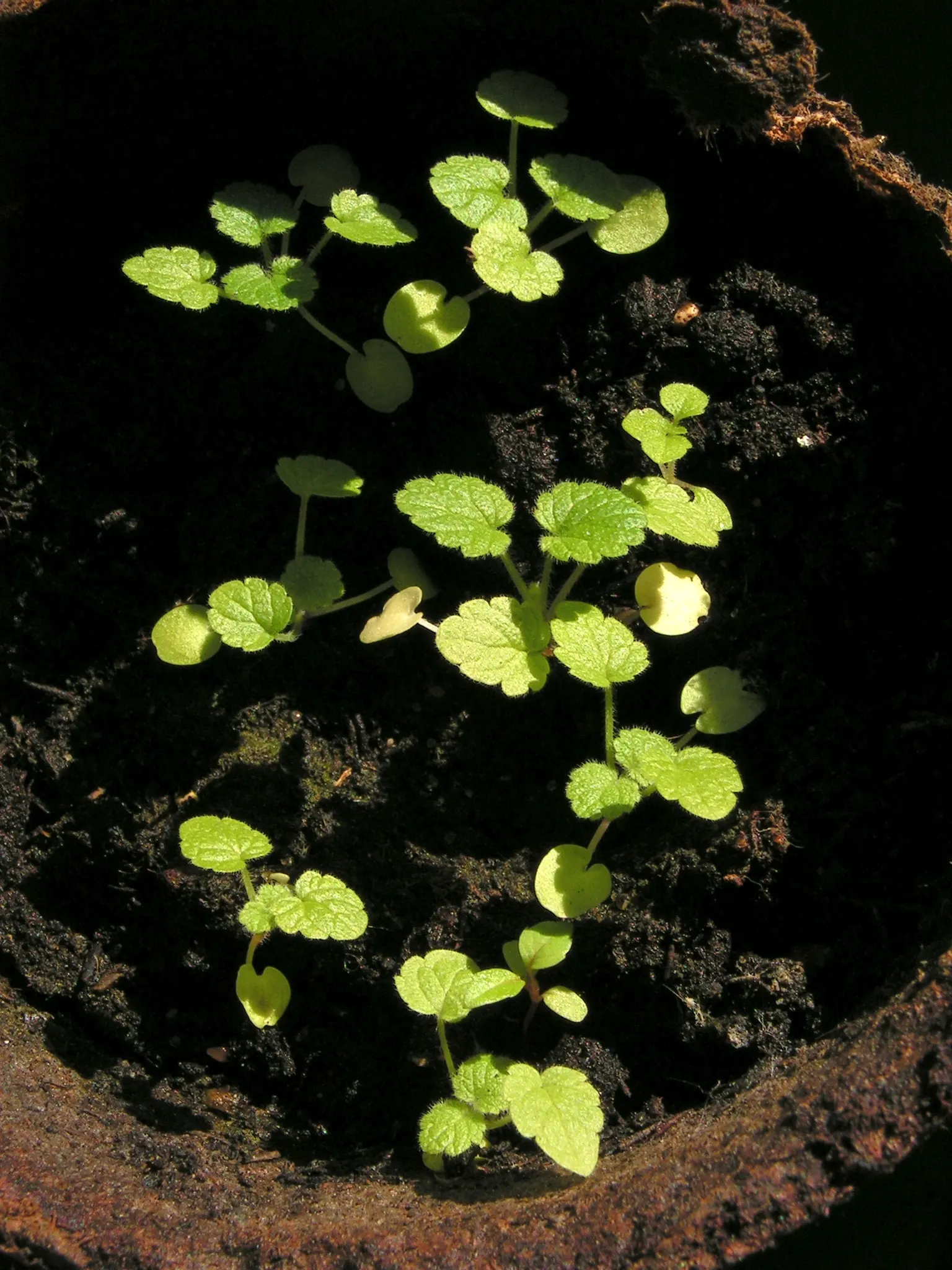
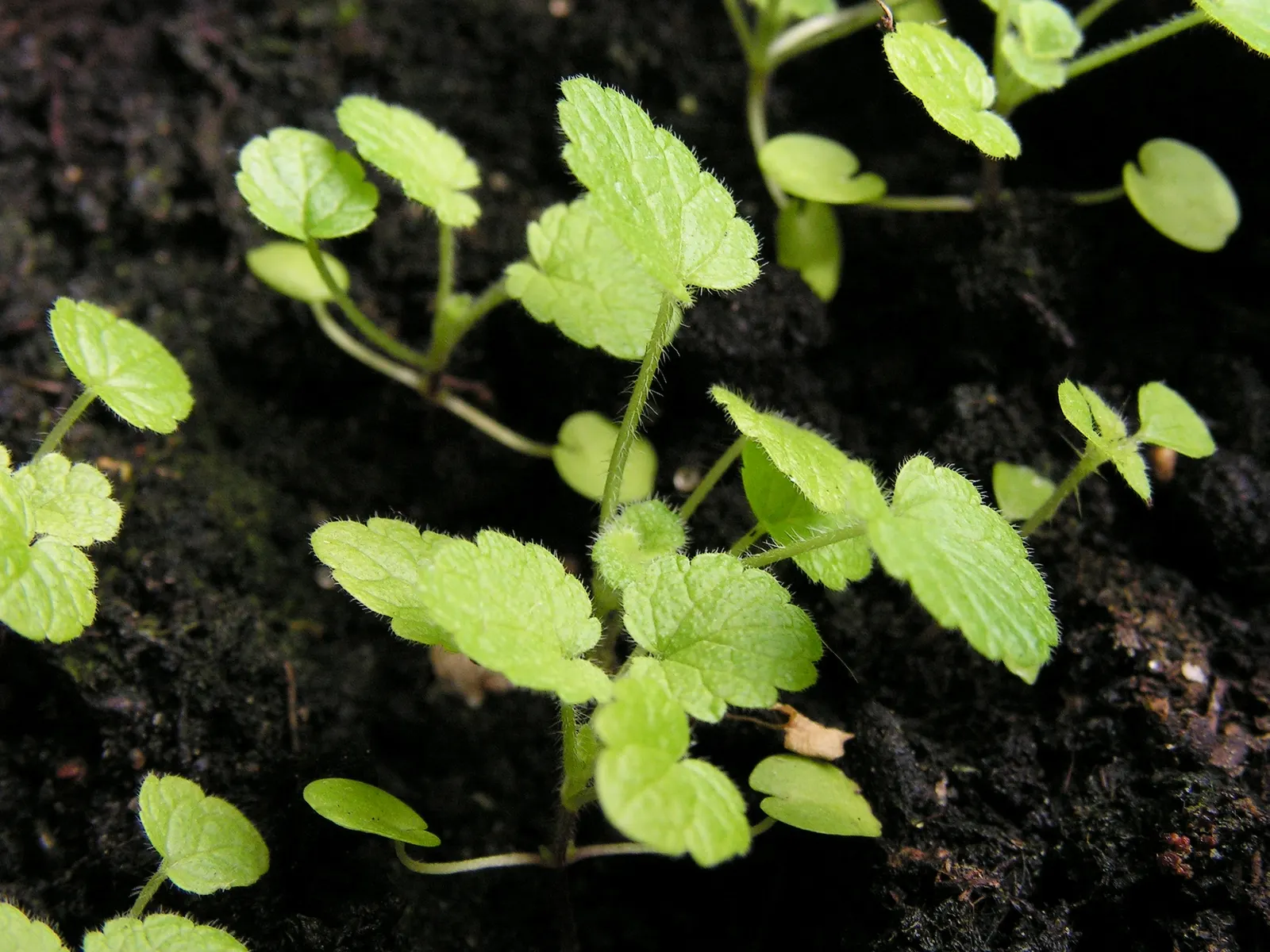
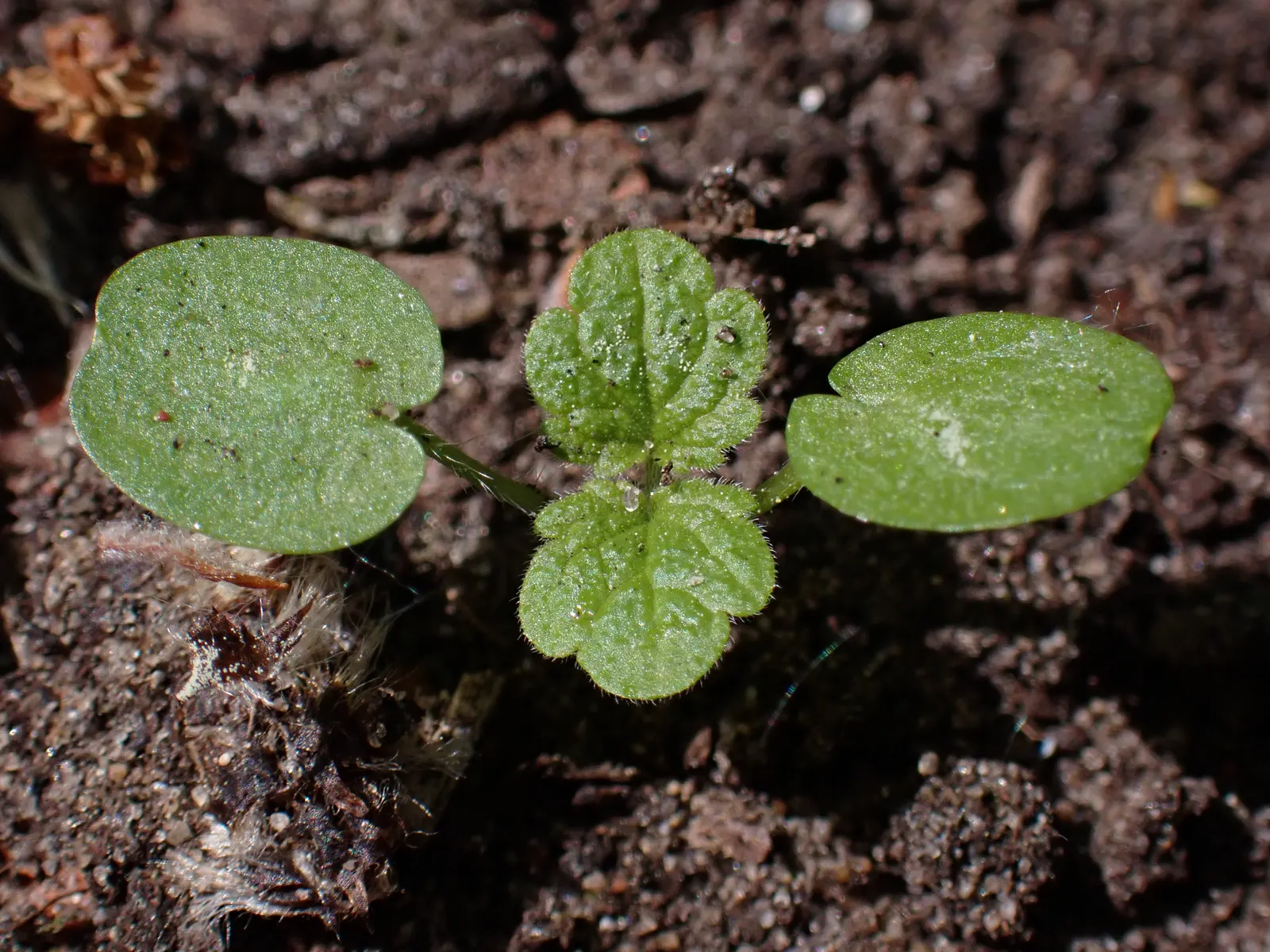
Motherwort (Leonurus Cardiaca) — hence its Latin name 'cardiaca'; requiring little care once established beyond occasional watering during extreme drought
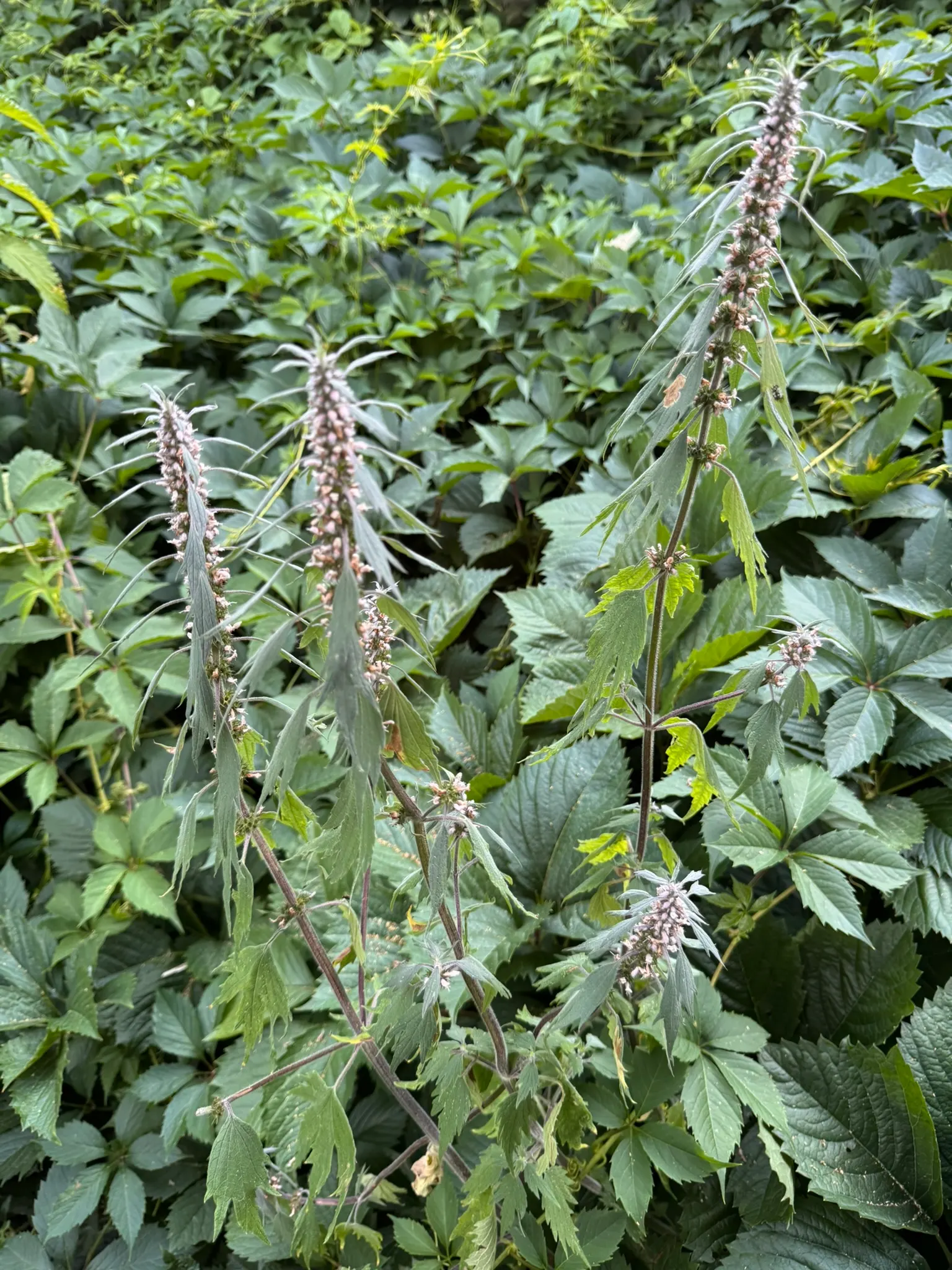
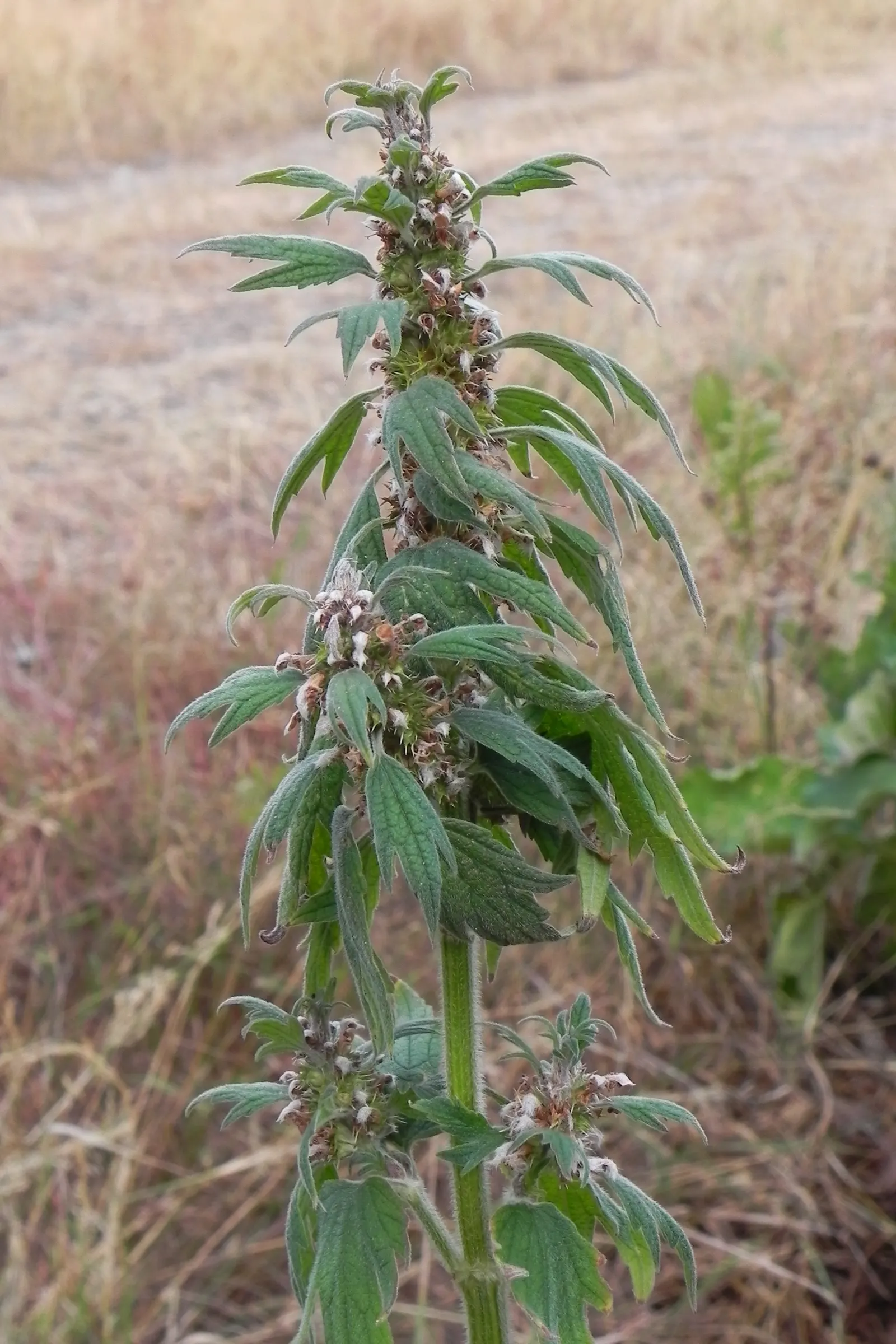
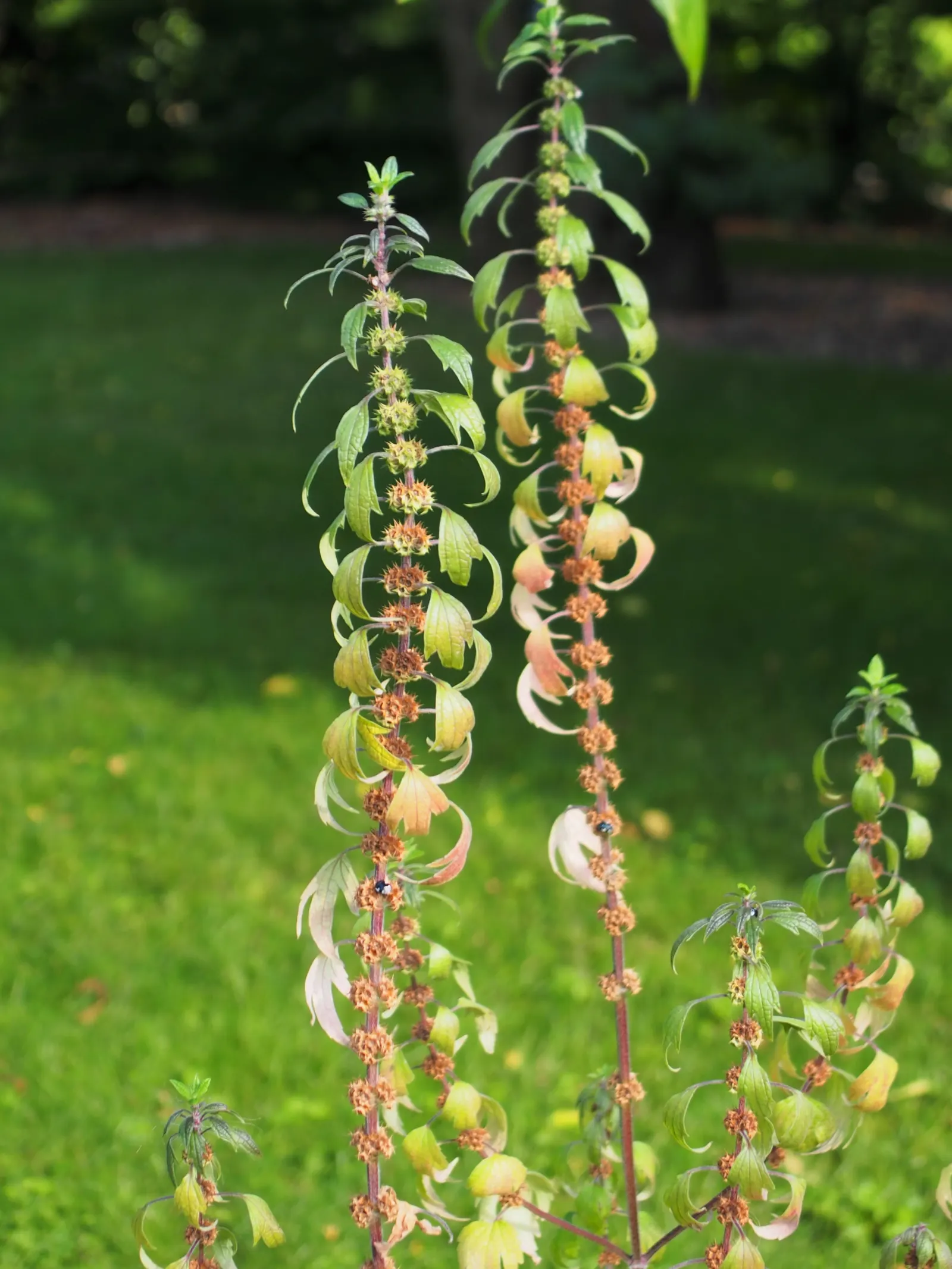
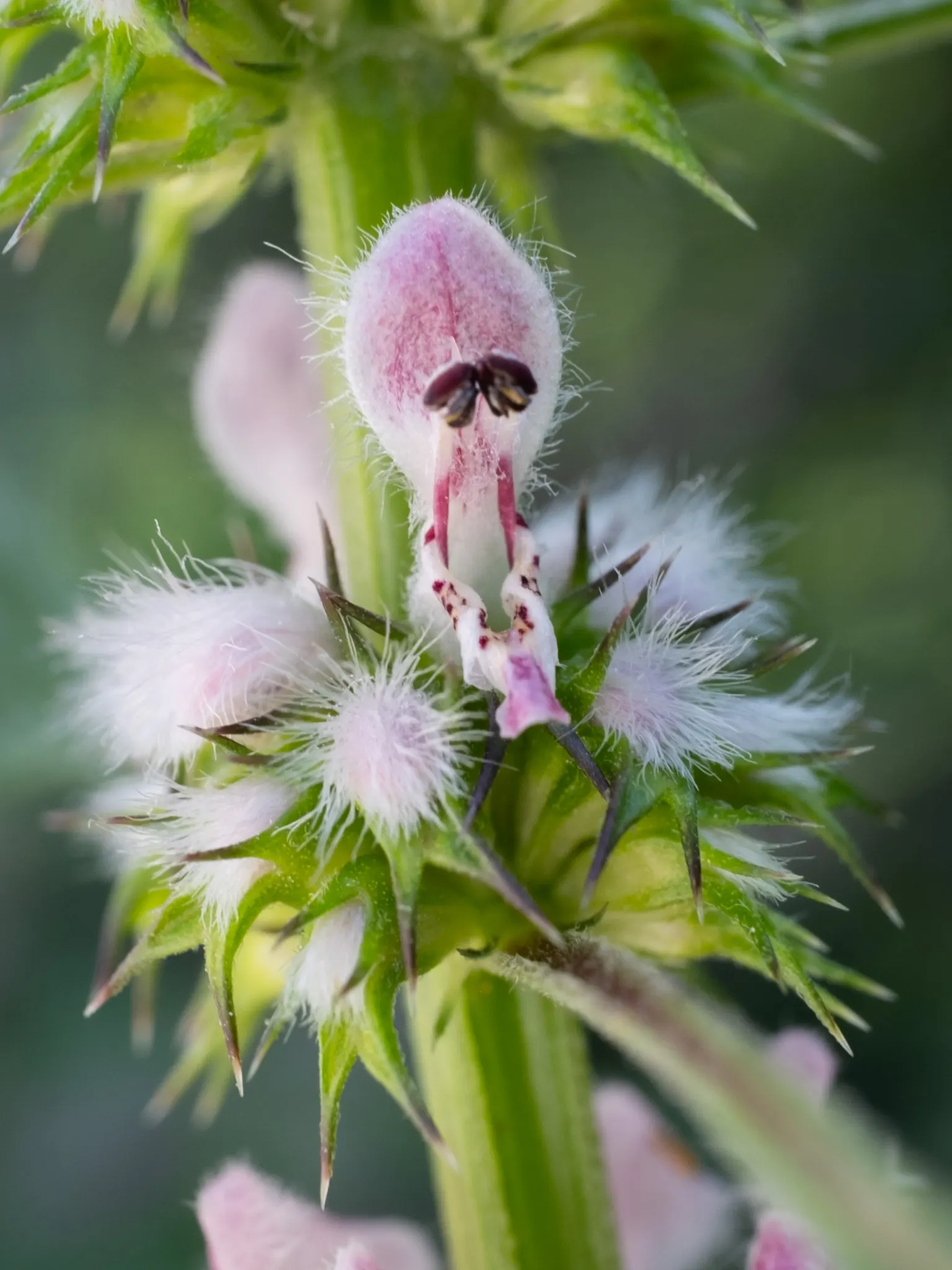
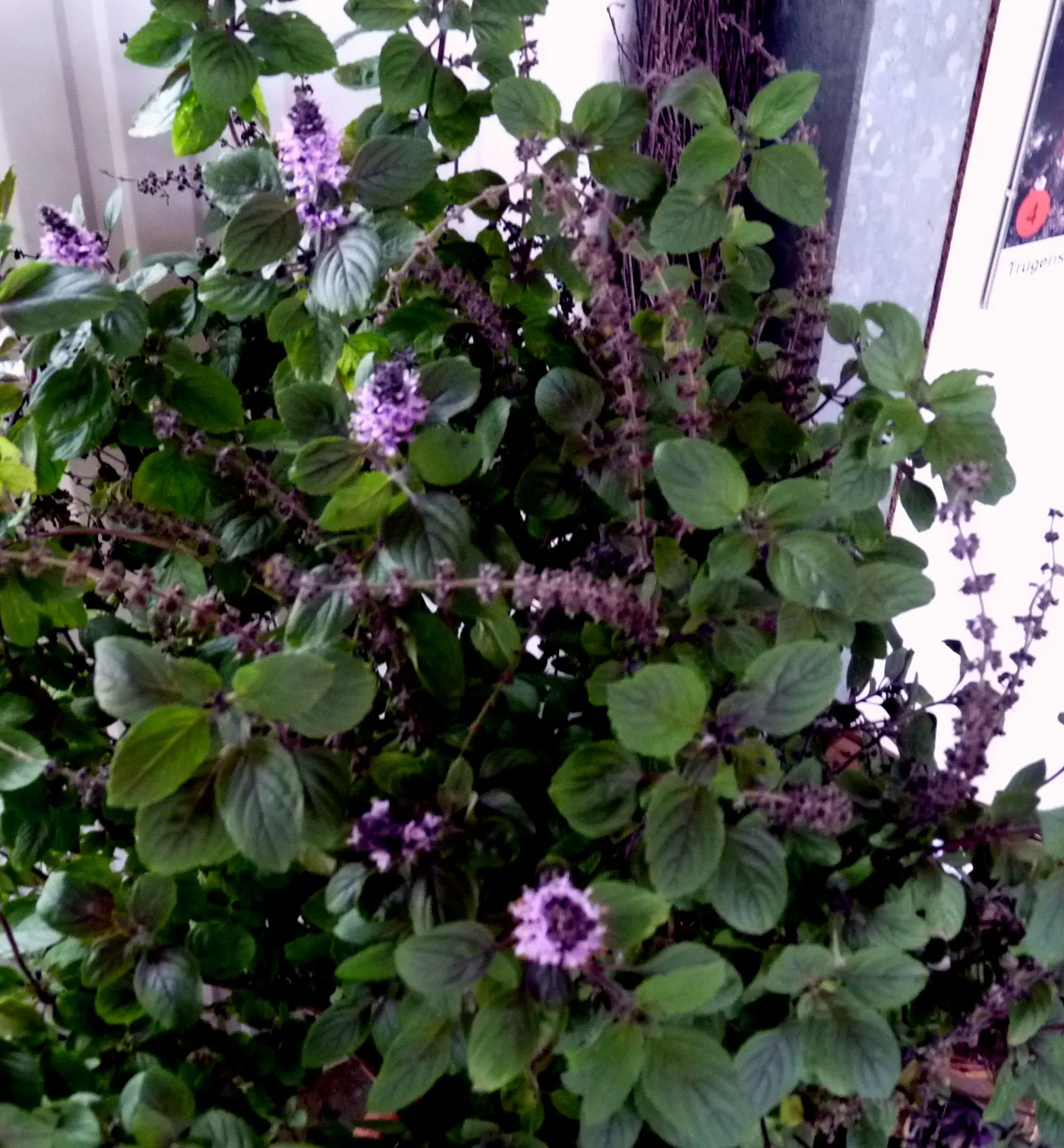
Motherwort (Leonurus Cardiaca) — This hardy plant features lobed leaves and pink to lilac flowers on tall stalks; this plant prefers a sunny to partly shaded
Motherwort (Leonurus Cardiaca) — herb / perennial with multi-colored and purple blooms; this hardy plant is also remarkably low-maintenance, image 86
Motherwort (Leonurus Cardiaca) — Motherwort (Leonurus cardiaca) is a herbaceous perennial valued for its medicinal properties; it thrives in USDA, image 59
Motherwort (Leonurus Cardiaca) — particularly for heart-related conditions
Motherwort (Leonurus Cardiaca) — Thriving in USDA hardiness zones 4 through 8; this hardy plant features lobed leaves and pink to lilac flowers on, image 67
Motherwort (Leonurus Cardiaca) — Thriving in USDA hardiness zones 4 through 8; this hardy plant features lobed leaves and pink to lilac flowers on tall stalks
Motherwort (Leonurus Cardiaca) — requiring little care once established beyond occasional watering during extreme drought
Motherwort (Leonurus Cardiaca) — Whether used for its aesthetic appeal or traditional uses; multi-colored and purple flowers in the garden, image 83
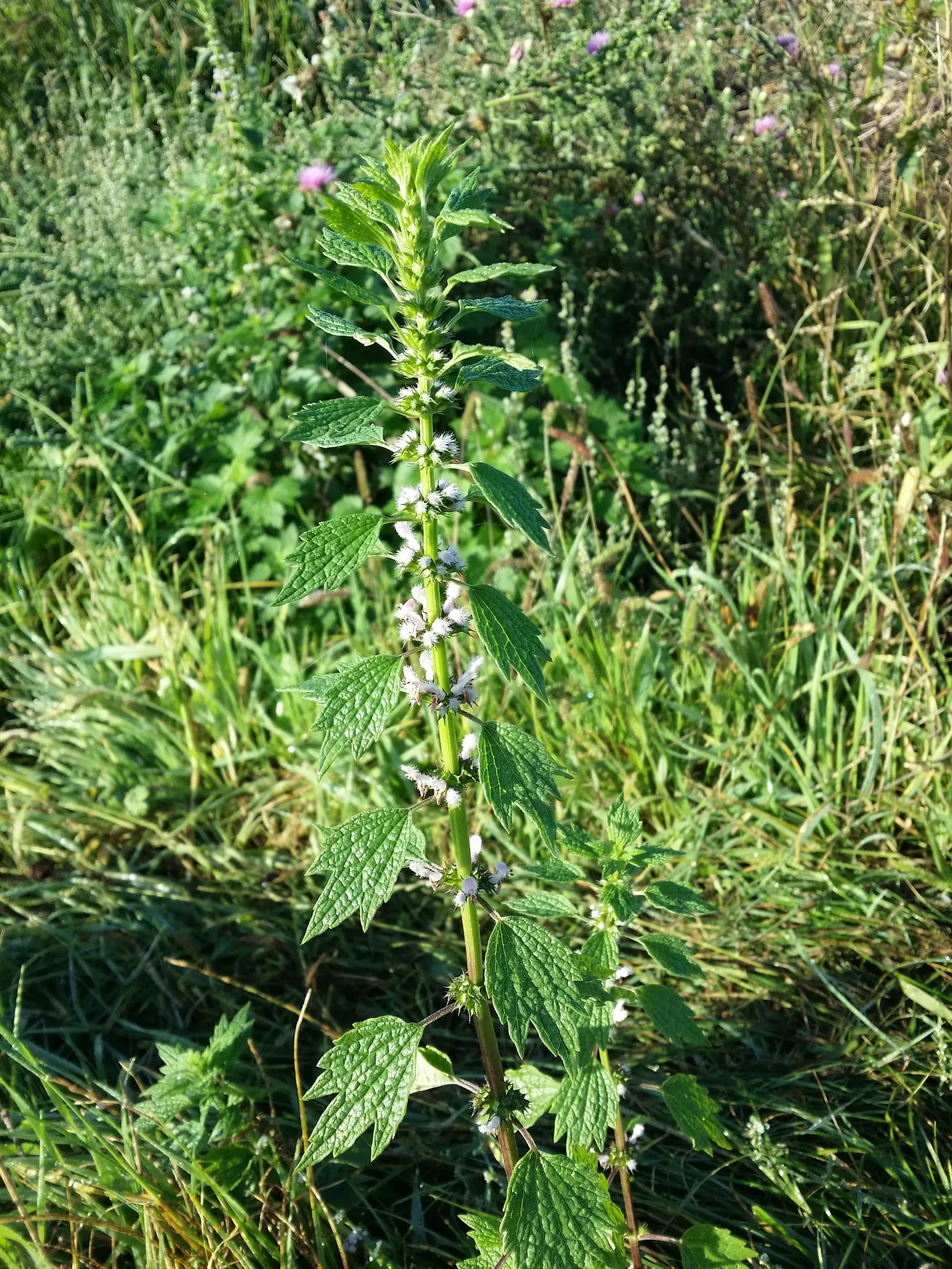
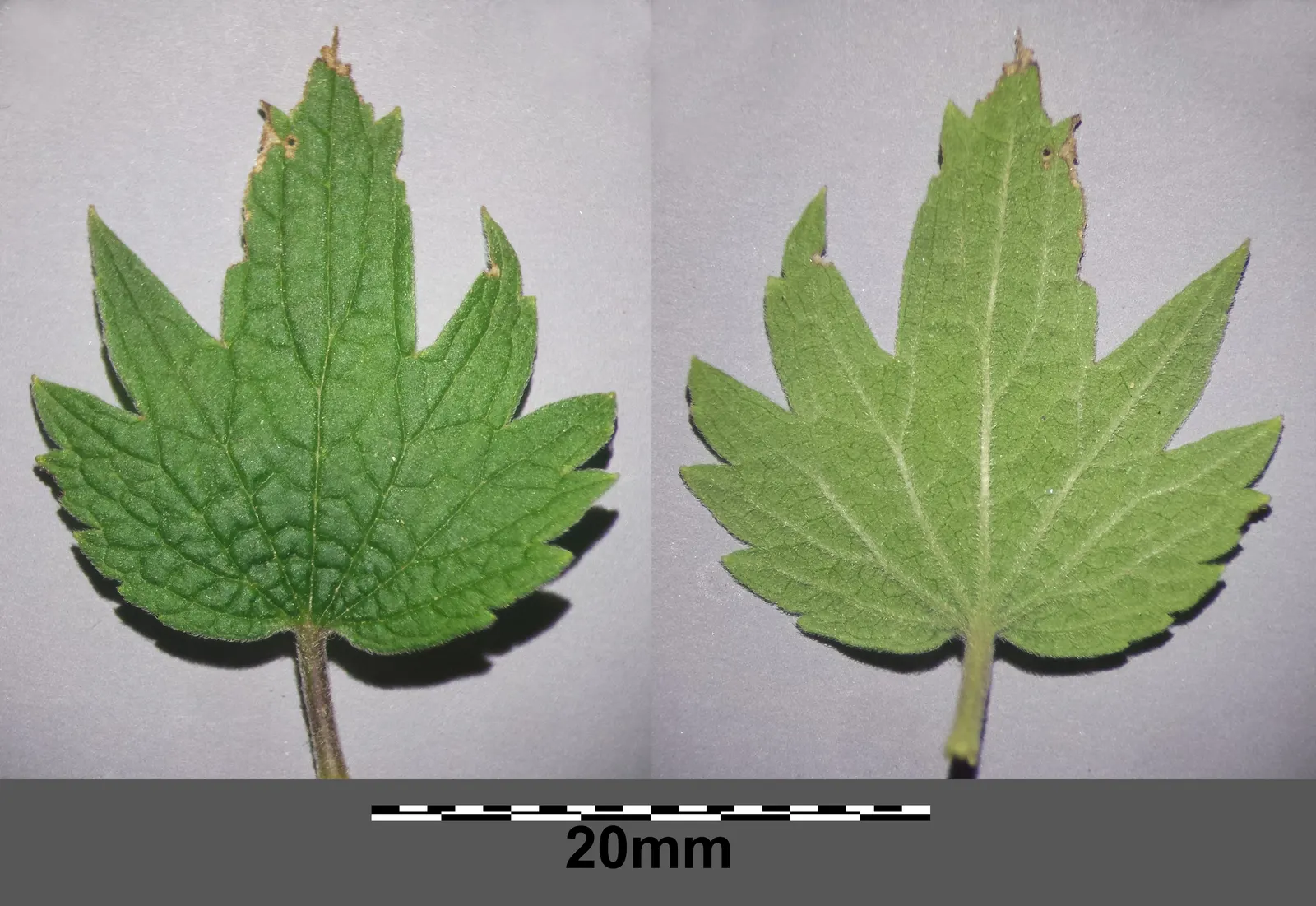
Motherwort (Leonurus Cardiaca) — Its serrated leaves are 2 to 3 inches long, adding texture to the garden; motherwort (Leonurus cardiaca) is a perennial
Motherwort (Leonurus Cardiaca) — Be mindful that Motherwort can be invasive in some areas, so check local guidelines before planting; herb / perennial with
Motherwort (Leonurus Cardiaca) — Whether used for its aesthetic appeal or traditional uses; multi-colored and purple flowers in the garden
Motherwort (Leonurus Cardiaca) — terminal flower clusters are highly attractive to pollinators such as bees and butterflies; treasured for its heart-shaped
Motherwort (Leonurus Cardiaca) — It thrives in USDA zones 4-8, preferring full sun to partial shade and well-drained soil
Motherwort (Leonurus Cardiaca) — Ideal for naturalistic or wildlife gardens
Motherwort (Leonurus Cardiaca) — requiring little care once established beyond occasional watering during extreme drought; be mindful that, image 78
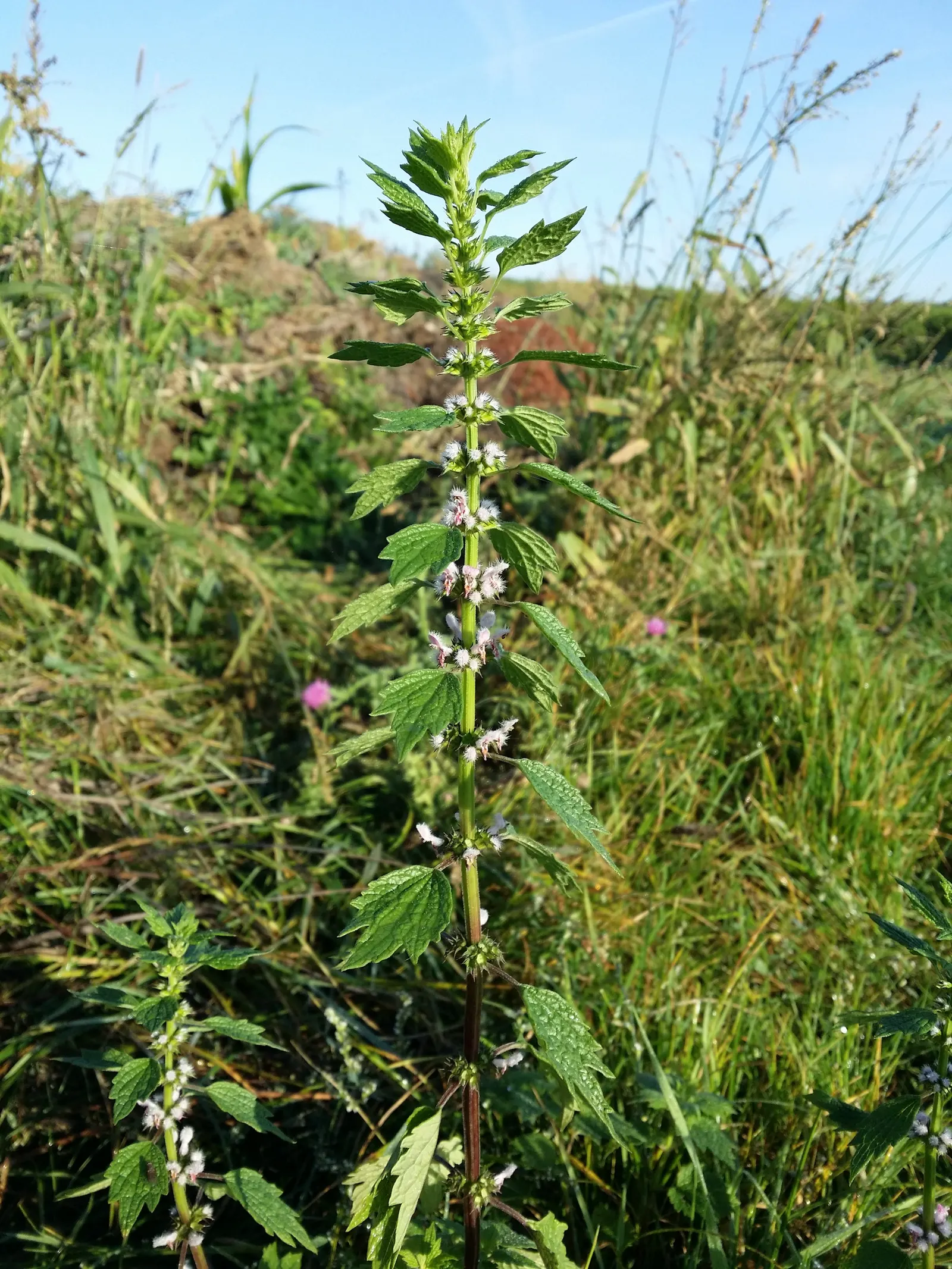
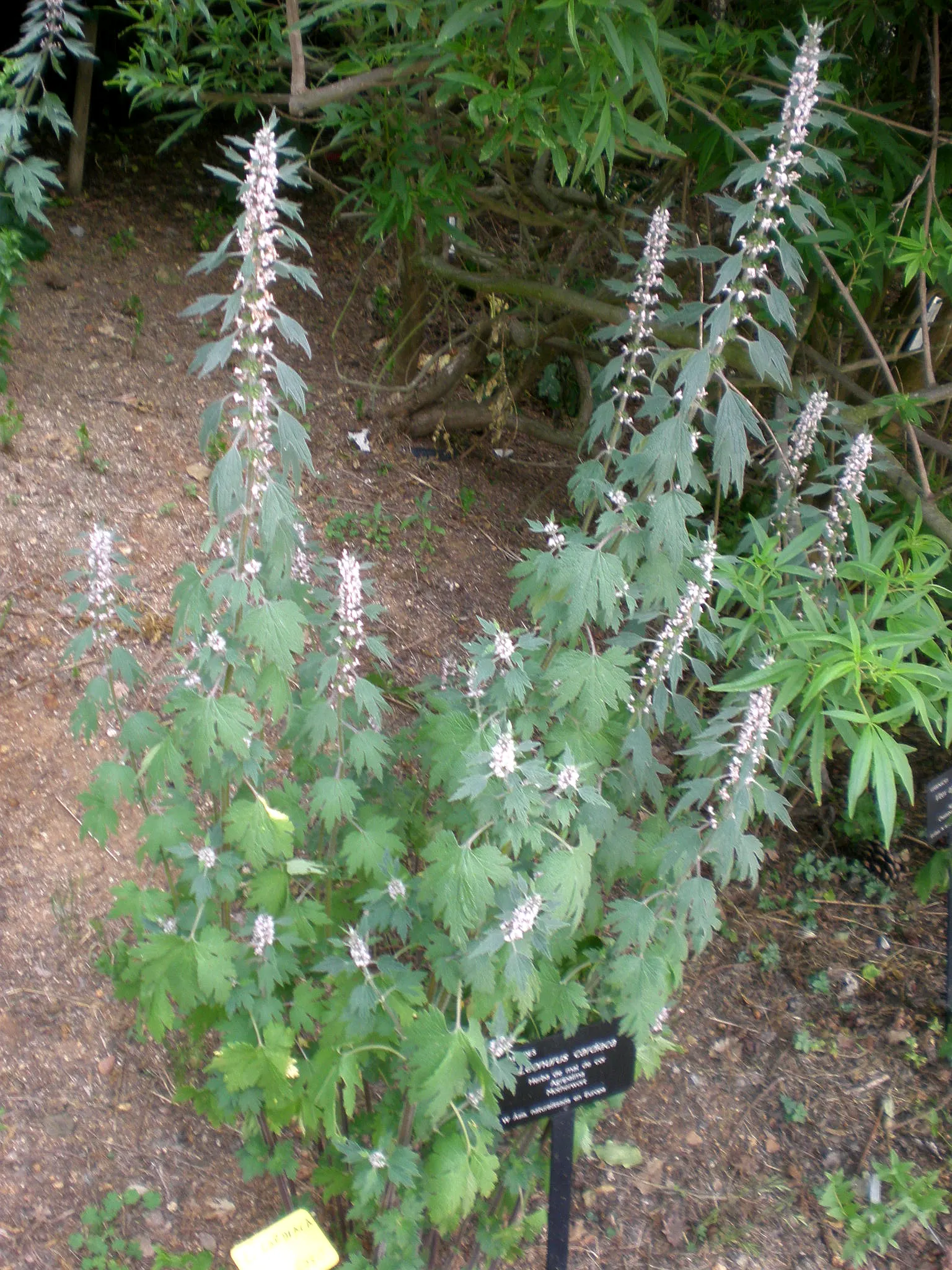
Motherwort (Leonurus Cardiaca) — it can reach a mature height of 2 to 5 feet with a similar spread
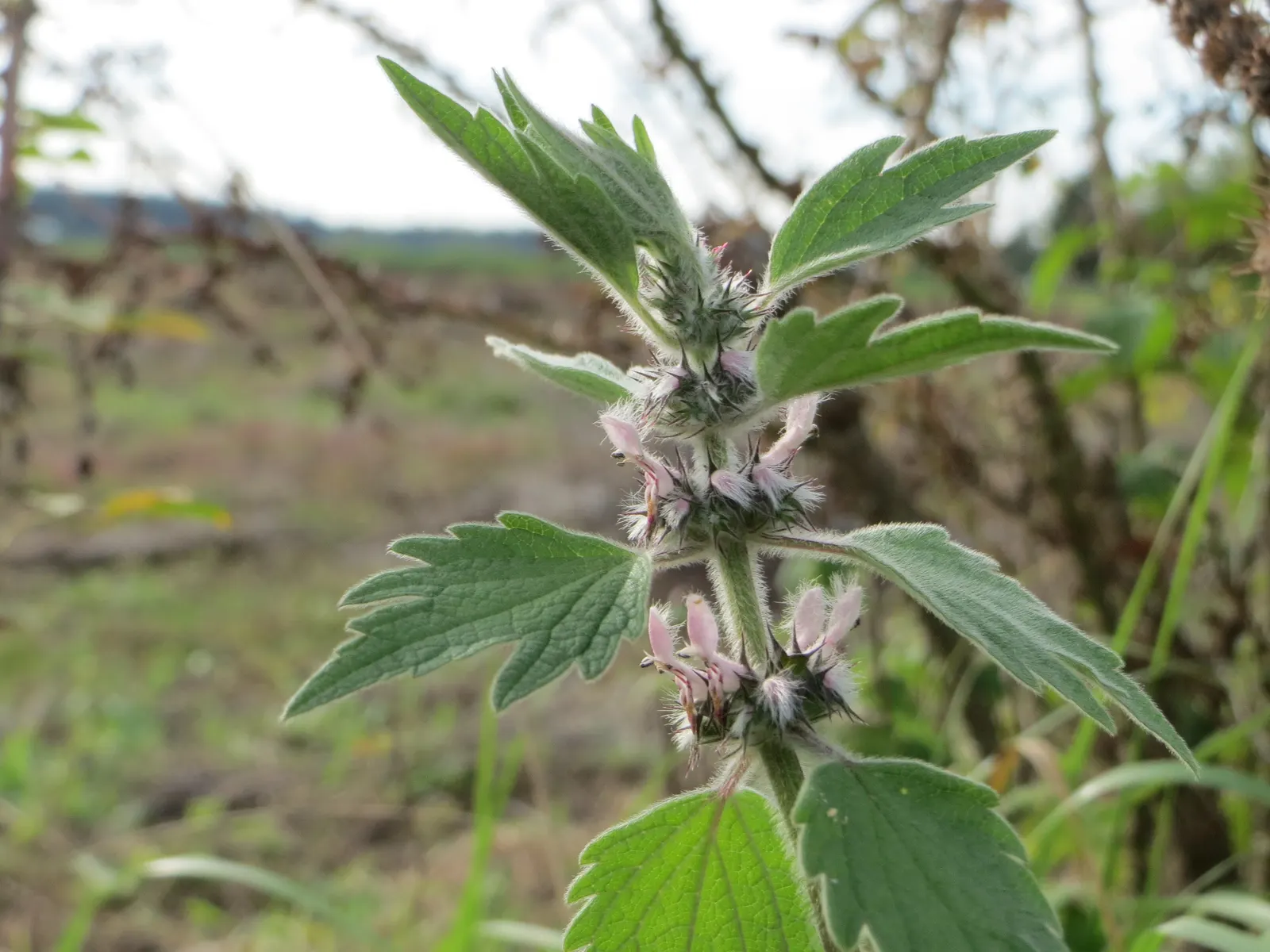
Motherwort (Leonurus Cardiaca) — treasured for its heart-shaped leaves and whorls of pink to lilac flowers
Motherwort (Leonurus Cardiaca) — herb / perennial for full
Motherwort (Leonurus Cardiaca) — Its serrated leaves are 2 to 3 inches long, adding texture to the garden
Motherwort (Leonurus Cardiaca) — reaching up to 5 feet at maturity
Motherwort (Leonurus Cardiaca) — This hardy plant features lobed leaves and pink to lilac flowers on tall stalks
Motherwort (Leonurus Cardiaca) — It thrives in USDA zones 4-8, preferring full sun to partial shade and well-drained soil; whether used for its aesthetic
Motherwort (Leonurus Cardiaca) — Motherwort has been used historically in herbal medicine; it offers nectar for bees and beneficial insects from mid-summer to
Photographs by 12 contributors

Related plants