Skip to content

Lion's Tail

Leonotis Leonurus

Design with this plant

Overview

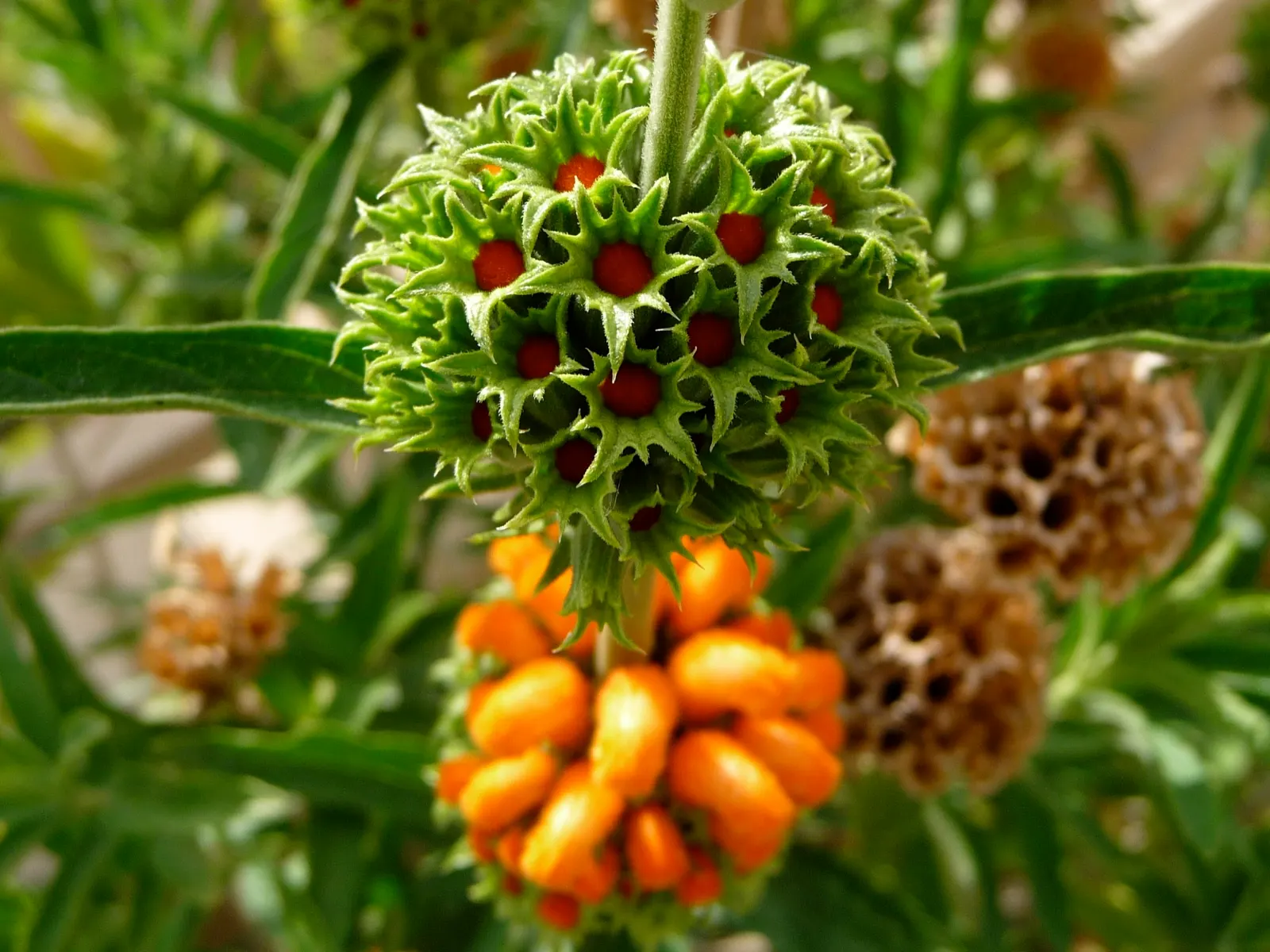
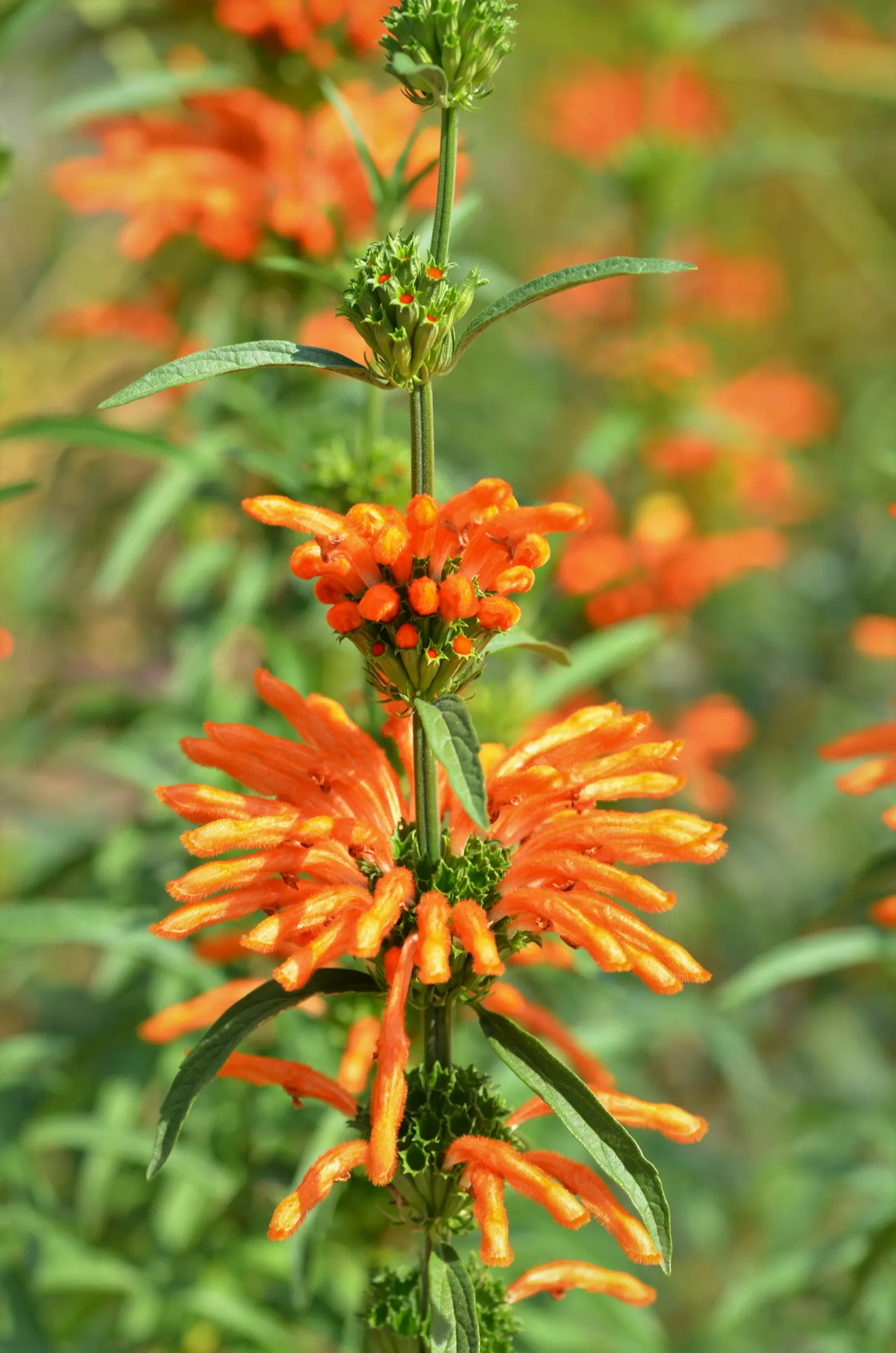
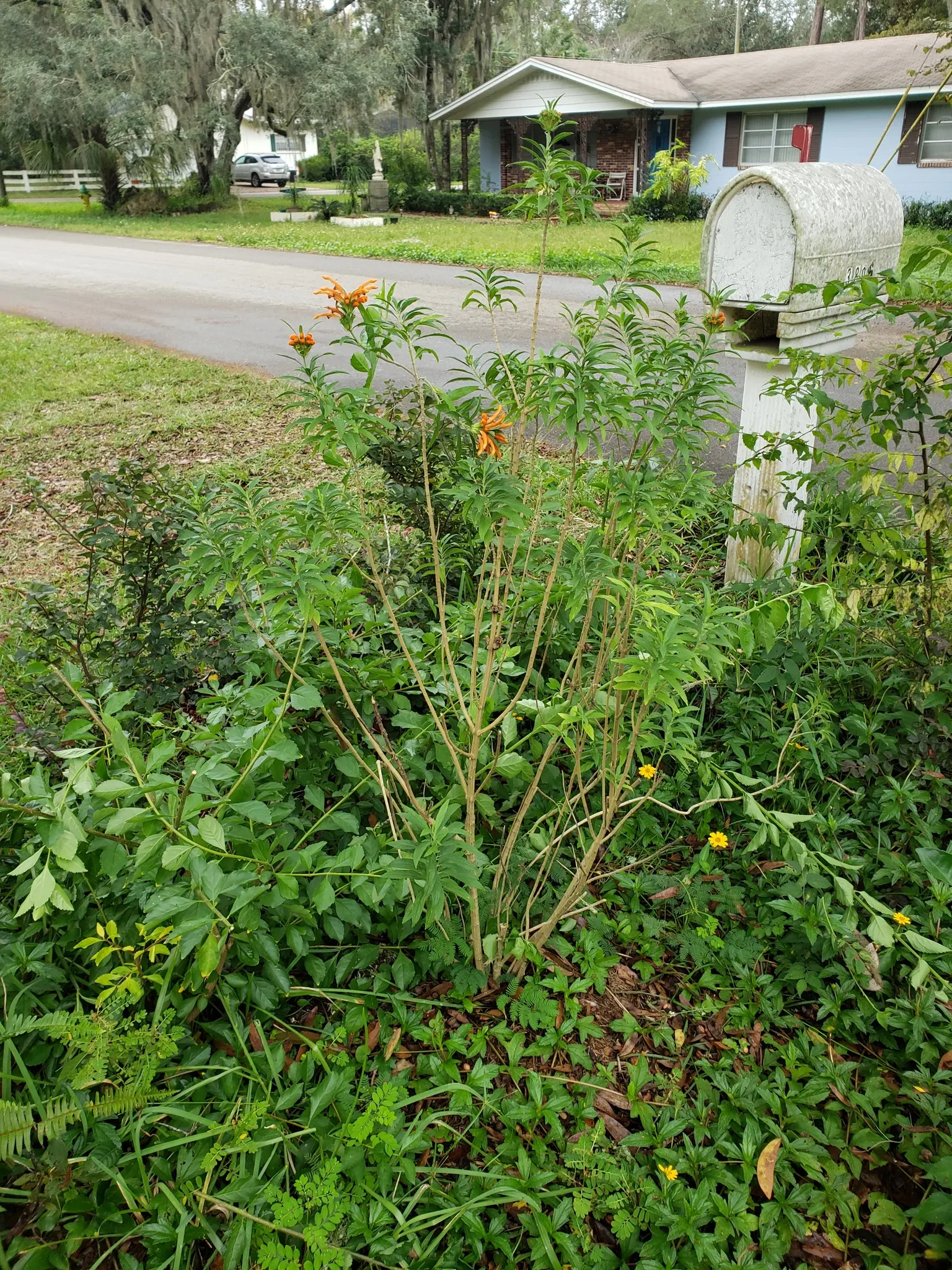
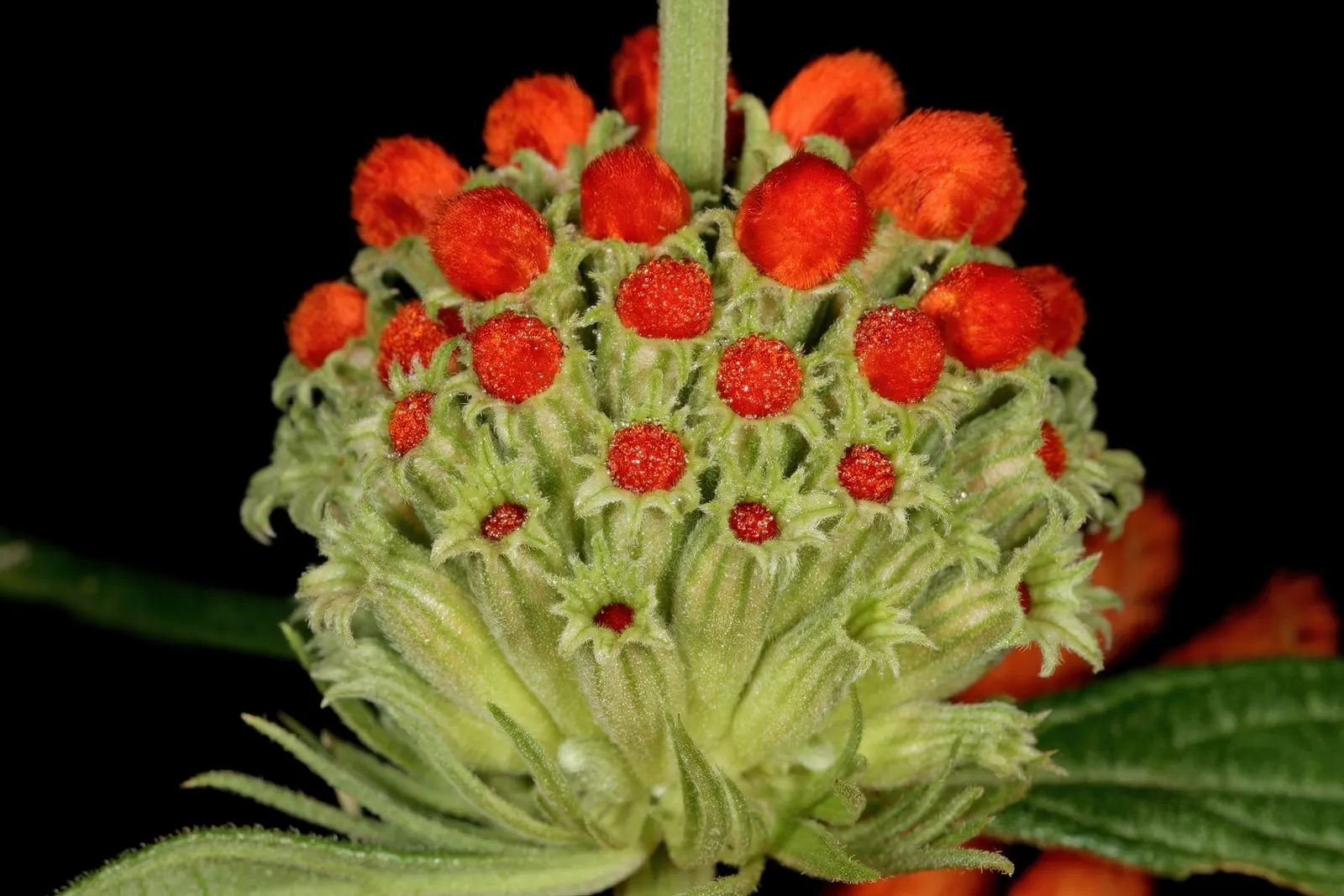
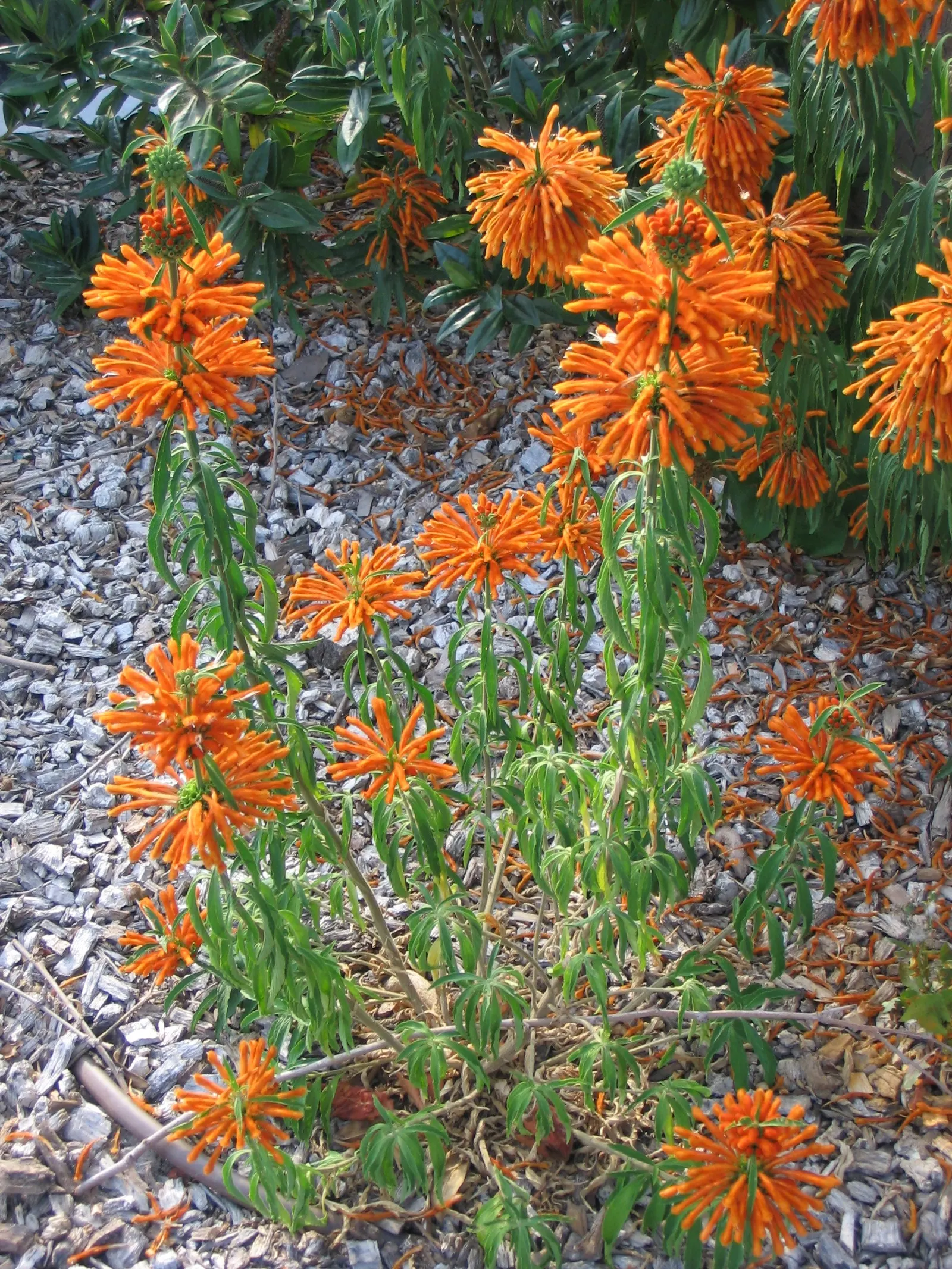
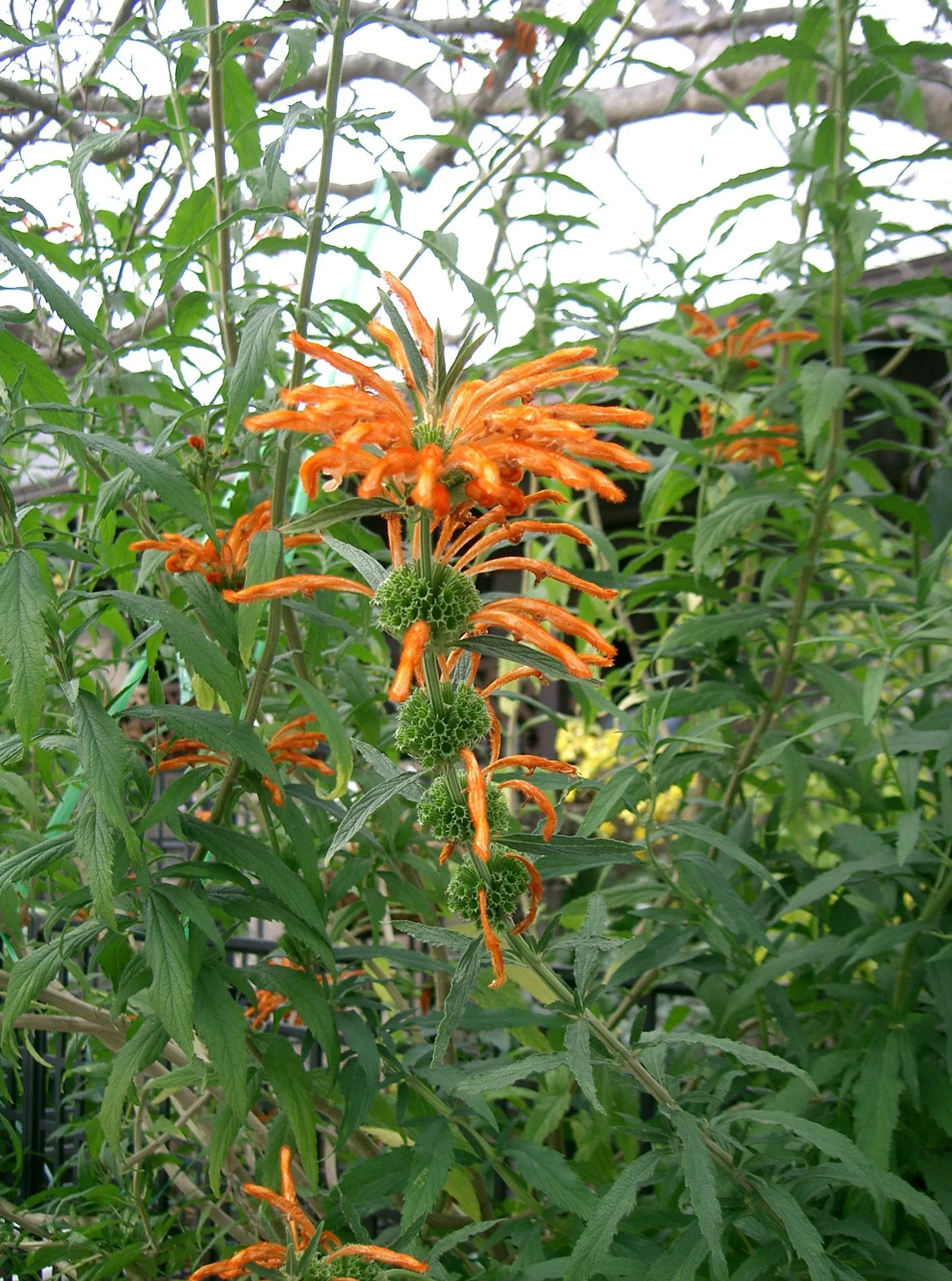
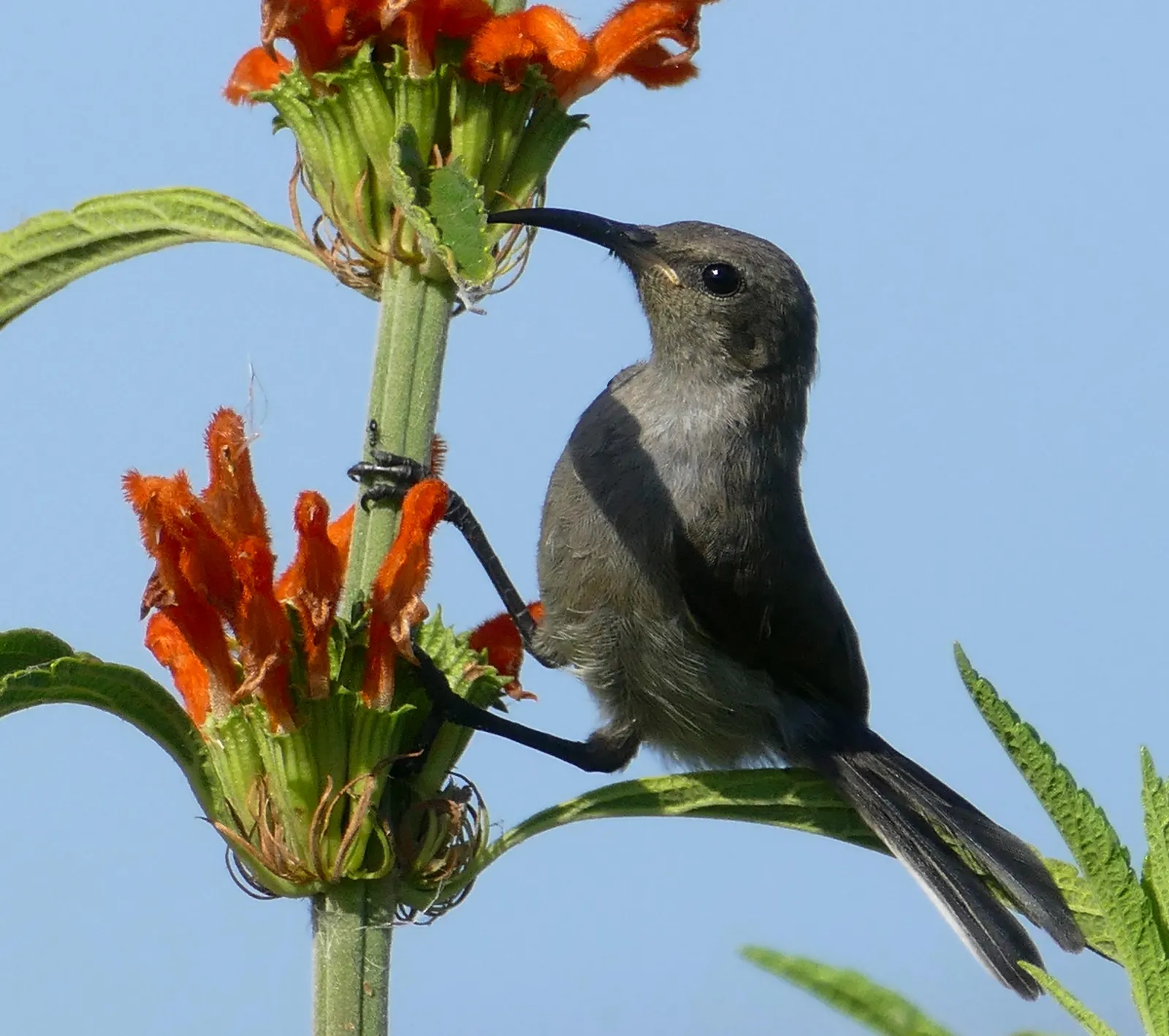
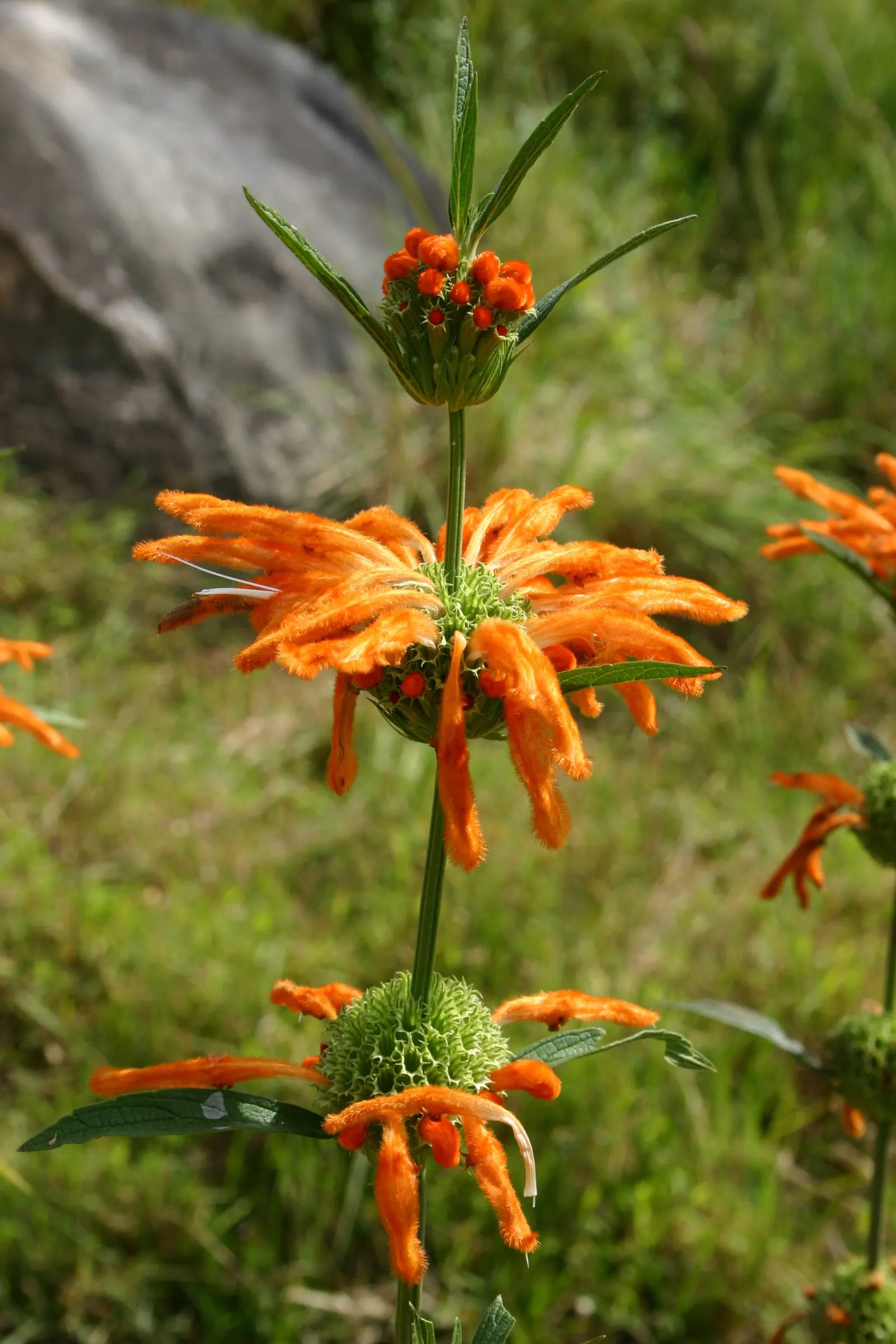
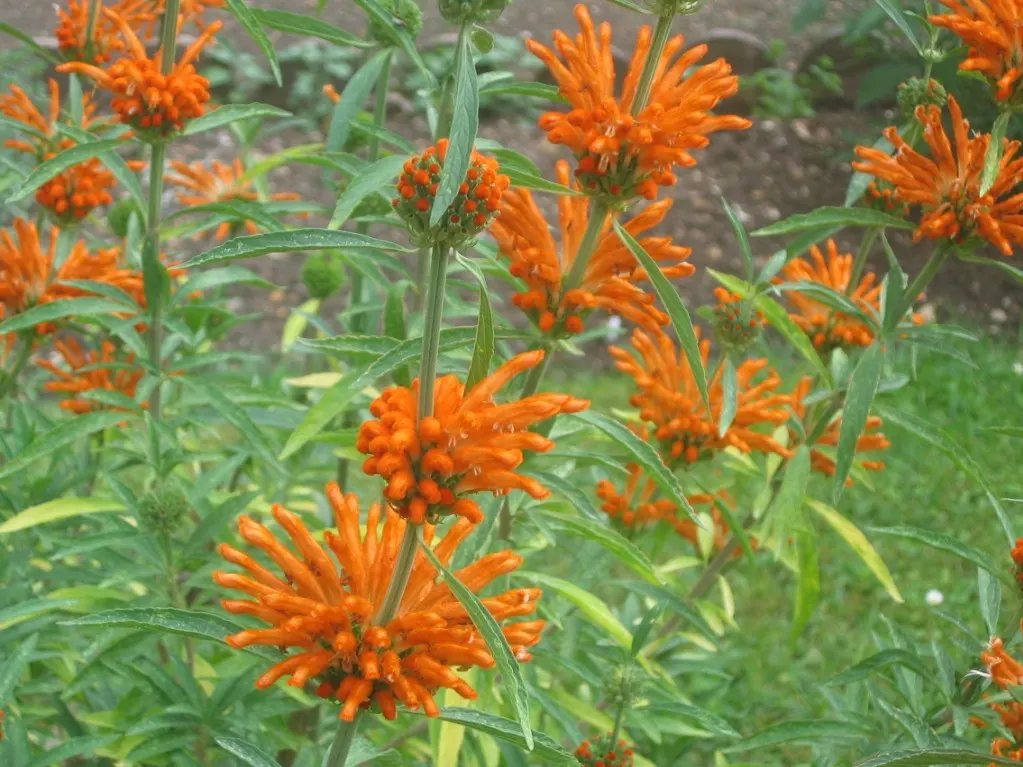
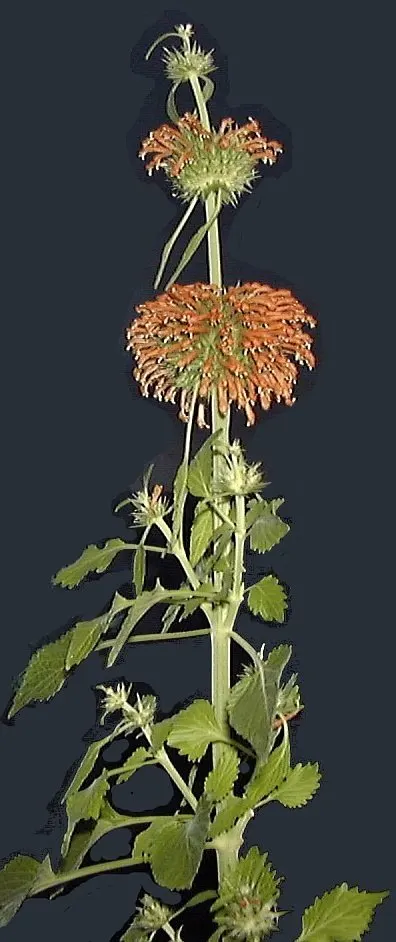
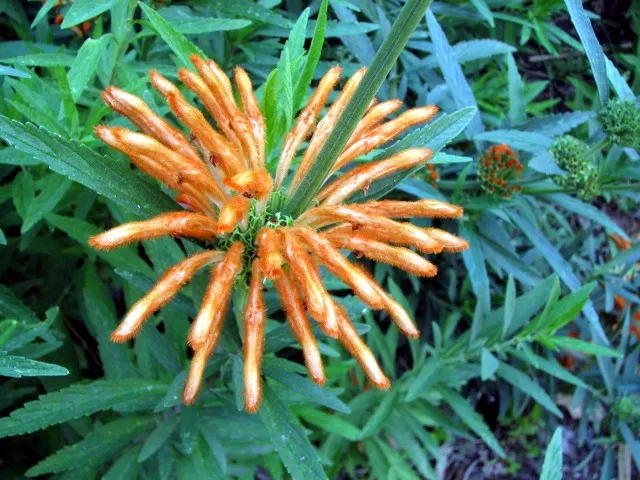
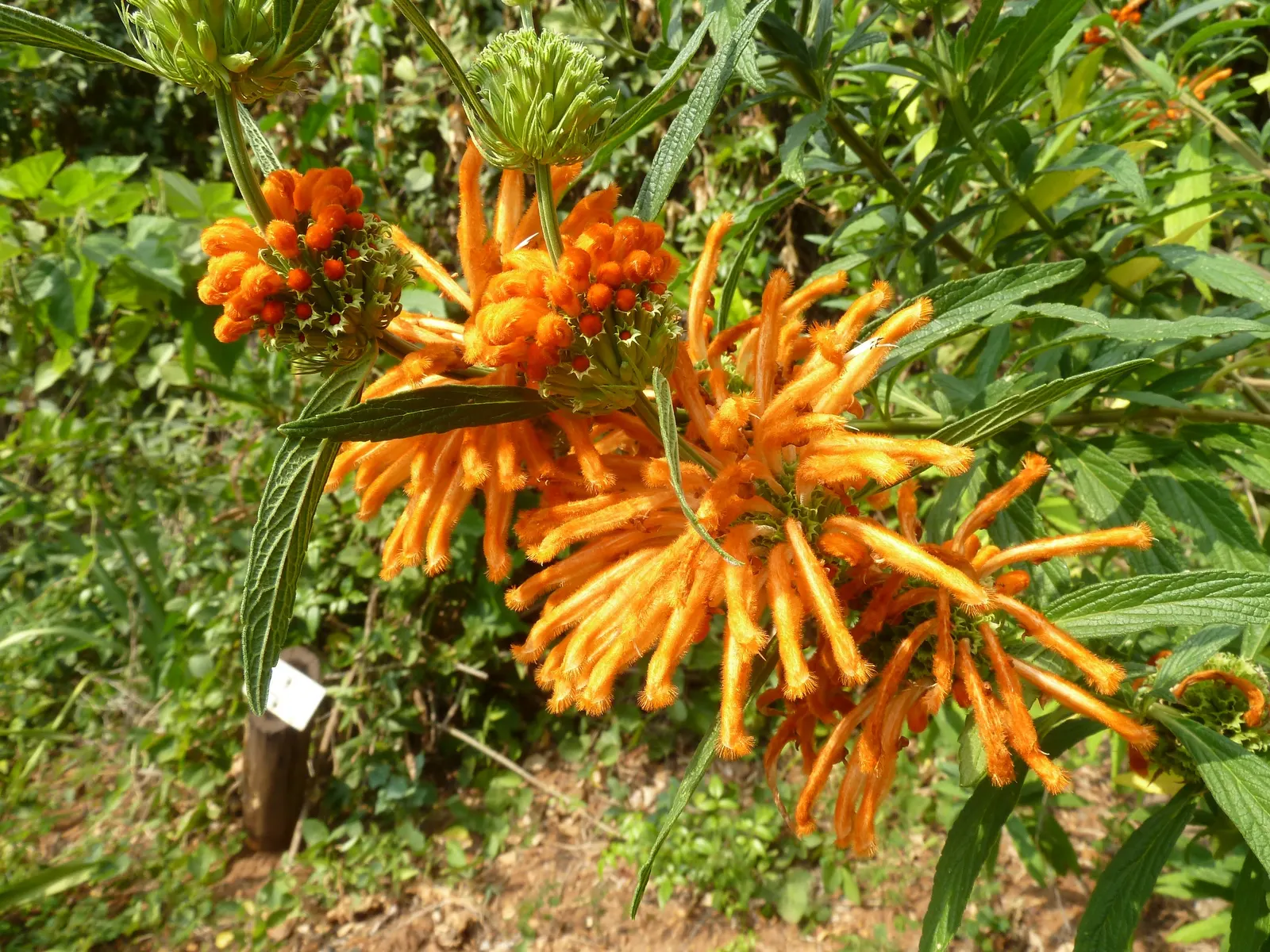
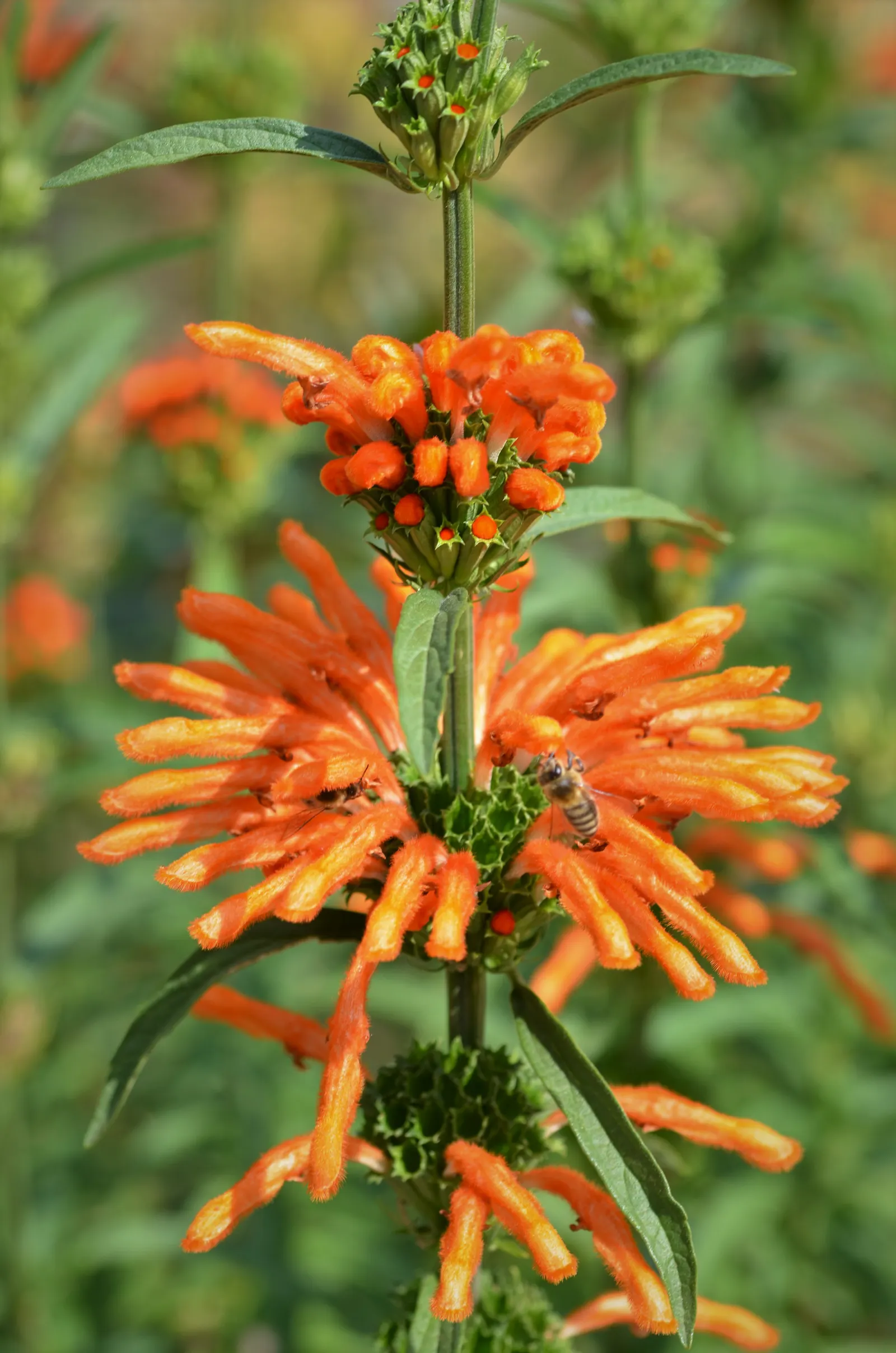
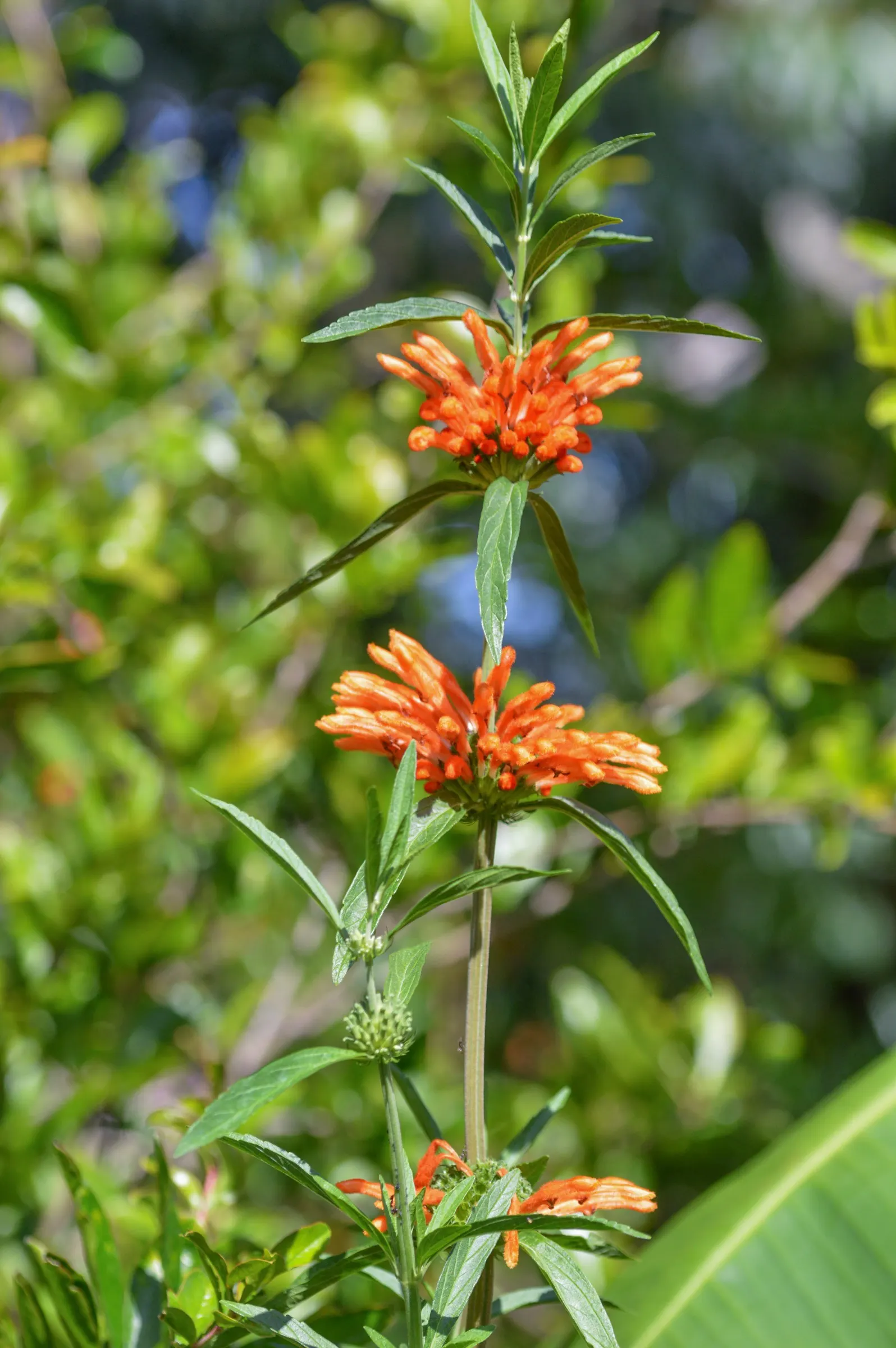
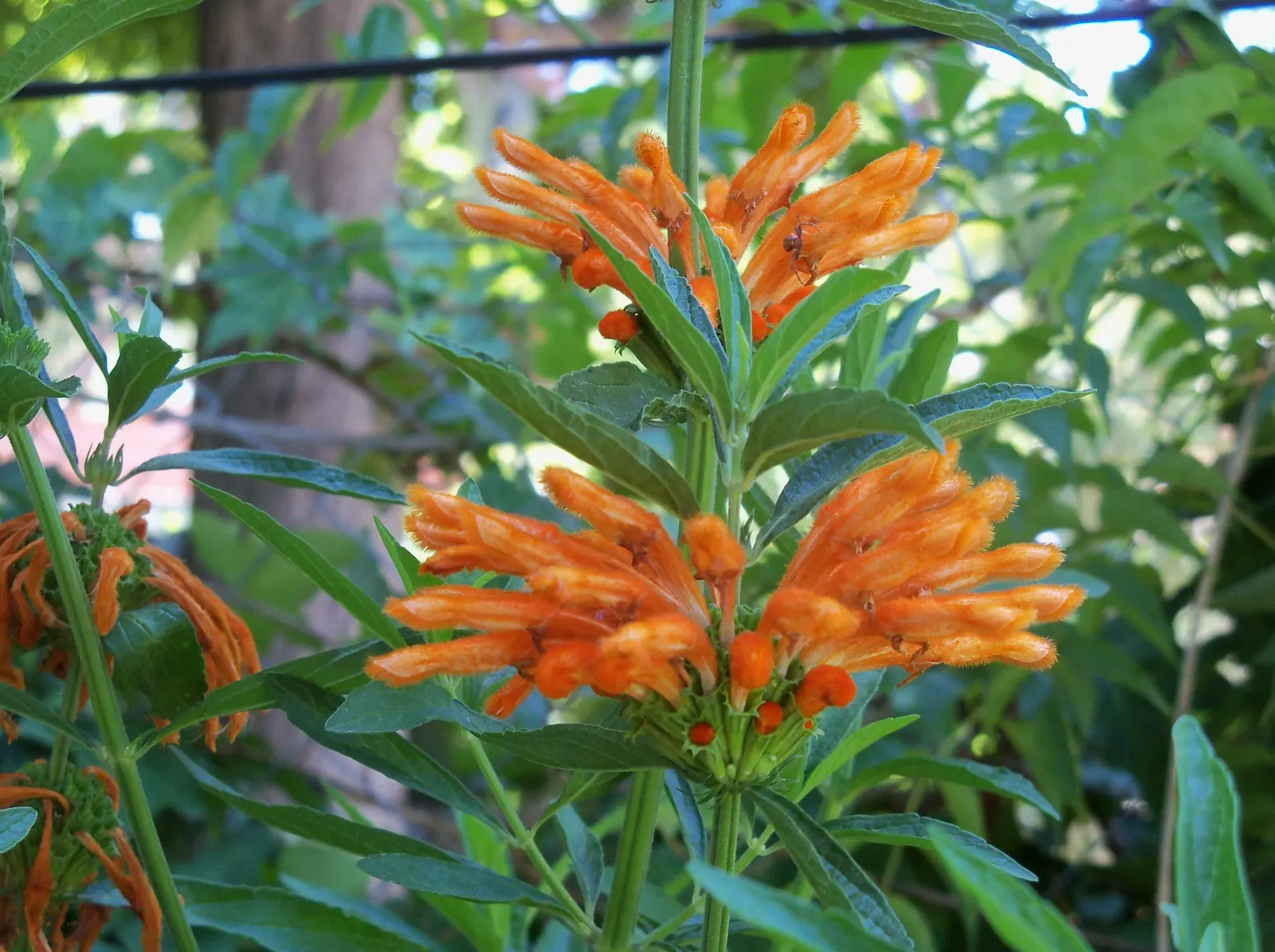
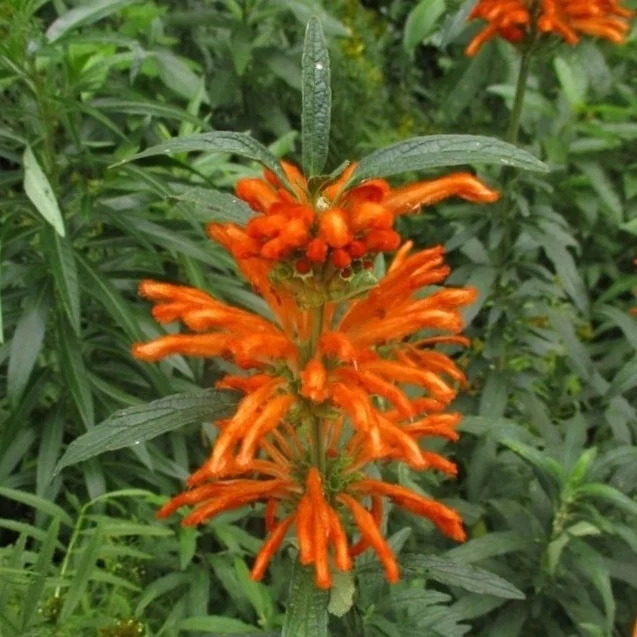
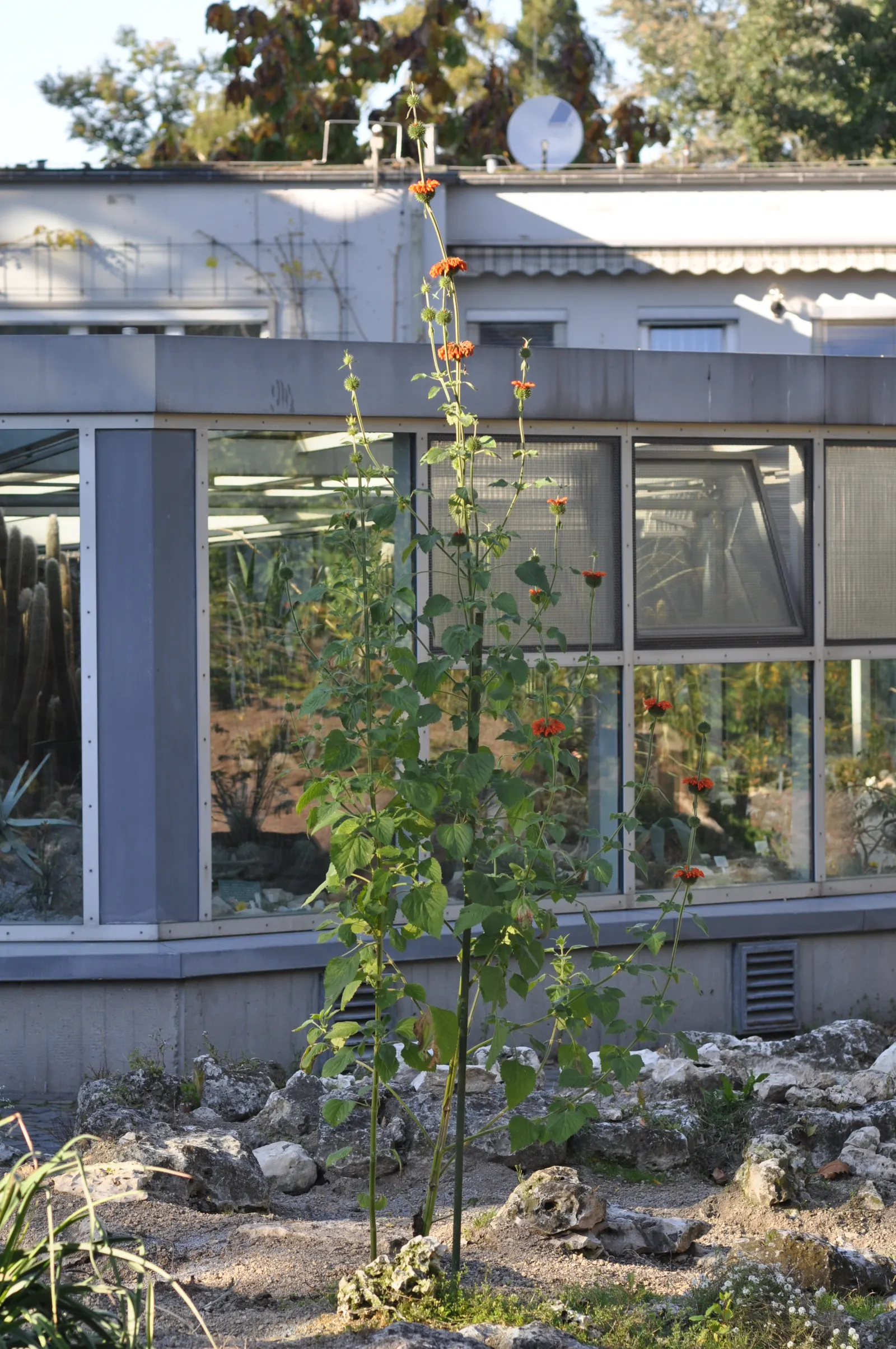
Lion's Tail (Leonotis leonurus), also known as Wild Dagga, captivates with bright orange, tufted, globe-shaped blossoms atop tall, 4-6 foot stalks. Indigenous to South Africa, this sun-loving perennial thrives in USDA zones 8-11 and enjoys well-drained soils. Its eye-catching flowers bloom in summer to fall, while its whorled leaf arrangement adds lush texture. Drought-tolerant once established, it's a magnet for hummingbirds and pollinators, enhancing any water-wise garden design.

Sun FullWater Extra in Summer, Low, Very LowZones 9–11Climate Arid, Mediterranean
Lion's Tail (Leonotis Leonurus) — it's a magnet for hummingbirds and pollinators

Culture

Sun
Full
Water
Extra in Summer, Low, Very Low
USDA zones
9–11

Shape & size

Classification

Family
Lamiaceae
Climate
Arid, Mediterranean

See full data, regional cultivation notes, full-resolution photos, and design tools. Build a client presentation around this plant.

Start your 14-day trial

Photos (68)

Lion's Tail (Leonotis Leonurus) — globe-shaped blossoms atop tall; this plant has an erect and branching habit, image 48
Lion's Tail (Leonotis Leonurus) — enhancing any water-wise garden design; shrub for full, image 53
Lion's Tail (Leonotis Leonurus) — Drought-tolerant once established; often heralded for its bold and unique floral display, image 51
Lion's Tail (Leonotis Leonurus) — Its eye-catching flowers bloom in summer to fall, while its whorled leaf arrangement adds lush texture, image 50
Lion's Tail (Leonotis Leonurus) — it's a magnet for hummingbirds and pollinators; as it is drought-tolerant once established and enjoys, image 52
Lion's Tail (Leonotis Leonurus) — The Lion's Tail, scientifically named Leonotis leonurus, is a striking perennial shrub native to South Africa, image 54
Lion's Tail (Leonotis Leonurus) — Often heralded for its bold and unique floral display; each about 2 inches across, image 55
Lion's Tail (Leonotis Leonurus) — This plant has an erect and branching habit; drought-tolerant once established, image 57
Lion's Tail (Leonotis Leonurus) — it's a favorite among gardeners looking to add a dash of exotic flair to their landscapes; orange flowers in the, image 56
Lion's Tail (Leonotis Leonurus) — typically reaching heights of 3 to 6 feet, image 58
Lion's Tail (Leonotis Leonurus) — which bloom profusely in late summer to fall; this plant provides a textural backdrop for other garden flora, image 59
Lion's Tail (Leonotis Leonurus) — though occasional deadheading can promote further flowering.<br><br>With its lush; captivates with bright orange, image 63
Lion's Tail (Leonotis Leonurus) — each about 2 inches across; indigenous to South Africa, this sun-loving perennial thrives in USDA zones 8-11 and, image 60
Lion's Tail (Leonotis Leonurus) — as it is drought-tolerant once established and enjoys well-drained soil conditions; though occasional deadheading, image 62
Lion's Tail (Leonotis Leonurus) — It is well-suited to xeriscaping; it's a favorite among gardeners looking to add a dash of exotic flair to their, image 61
Lion's Tail (Leonotis Leonurus) — this plant provides a textural backdrop for other garden flora; it is well-suited to xeriscaping, image 65
Lion's Tail (Leonotis Leonurus) — that can grow up to 6 inches long; the Lion's Tail, scientifically named Leonotis leonurus, is a striking, image 64
Lion's Tail (Leonotis Leonurus) — orange flowers in the garden; it's a magnet for hummingbirds and pollinators, image 67
Lion's Tail (Leonotis Leonurus) — enhancing the natural charm of the design; shrub with orange blooms, image 66
Lion's Tail (Leonotis Leonurus) — shrub with orange blooms; which bloom profusely in late summer to fall, image 68

Related plants