Skip to content

Trailing Lantana

Lantana Montevidensis

Design with this plant

Overview

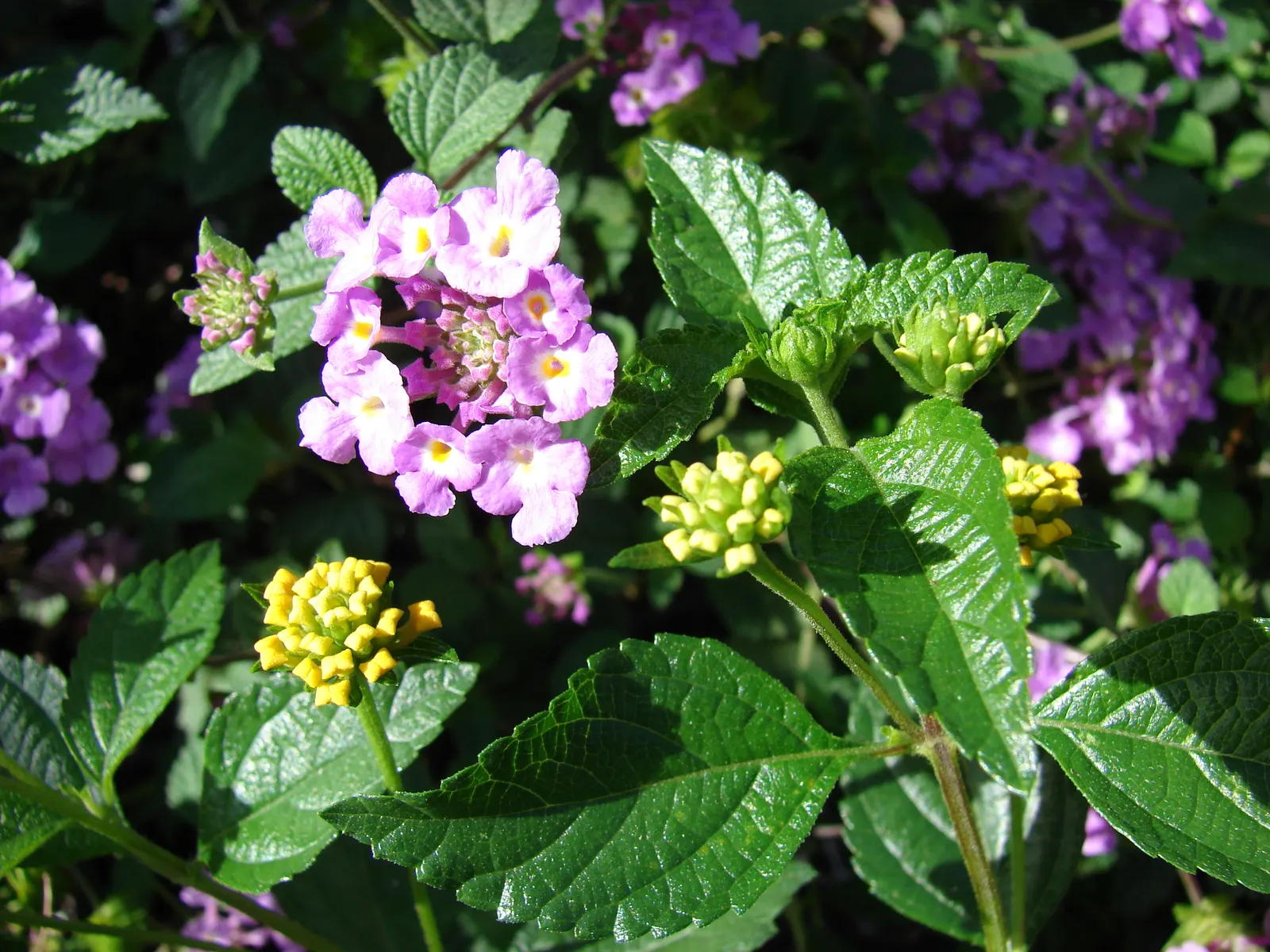
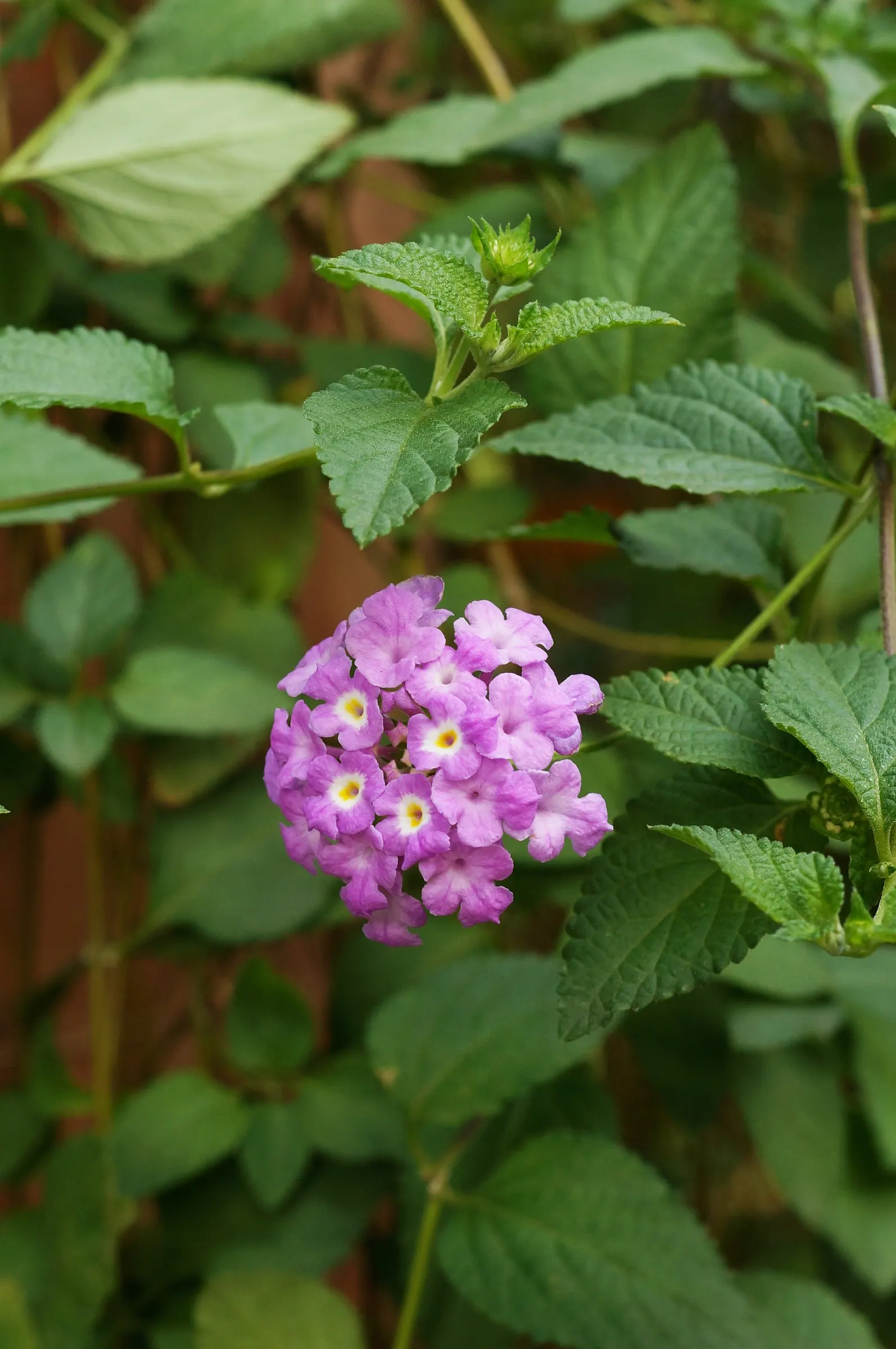
Trailing Lantana (Lantana montevidensis) is a sprawling evergreen groundcover known for its vigorous growth, reaching 2 feet in height with a spread of up to 5 feet. It features aromatic, vibrant green foliage and clusters of petite, lavender to purple flowers that bloom continuously in warm climates. Drought-tolerant and deer-resistant, this low-maintenance plant thrives in full sun and well-drained soils, and attracts butterflies and hummingbirds to the landscape.

Sun Full, HalfWater LowZones 8–11Type Ground coverClimate Arid, Subtropical
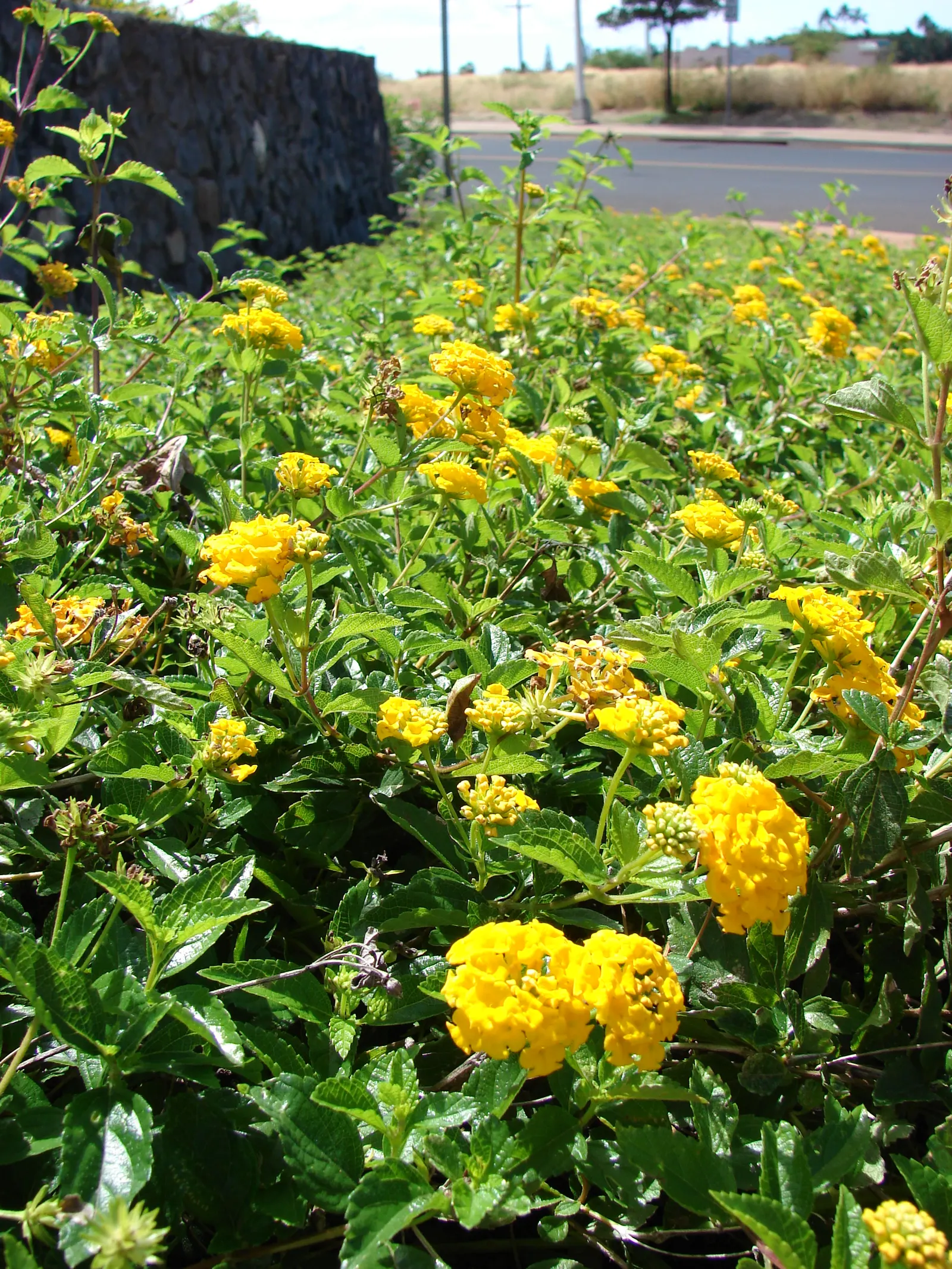
Trailing Lantana (Lantana Montevidensis) — reaching 2 feet in height with a spread of up to 5 feet; the plant is adorned with abundant clusters of petite

Culture

Sun
Full, Half
Water
Low
USDA zones
8–11

Shape & size

Classification

Type
Ground cover
Family
Verbenaceae
Climate
Arid, Subtropical

See full data, regional cultivation notes, and design tools. Build a client presentation around this plant.

Start your 14-day trial

Photos (111)

Trailing Lantana (Lantana Montevidensis) — It performs best in well-drained soils and benefits from moderate watering
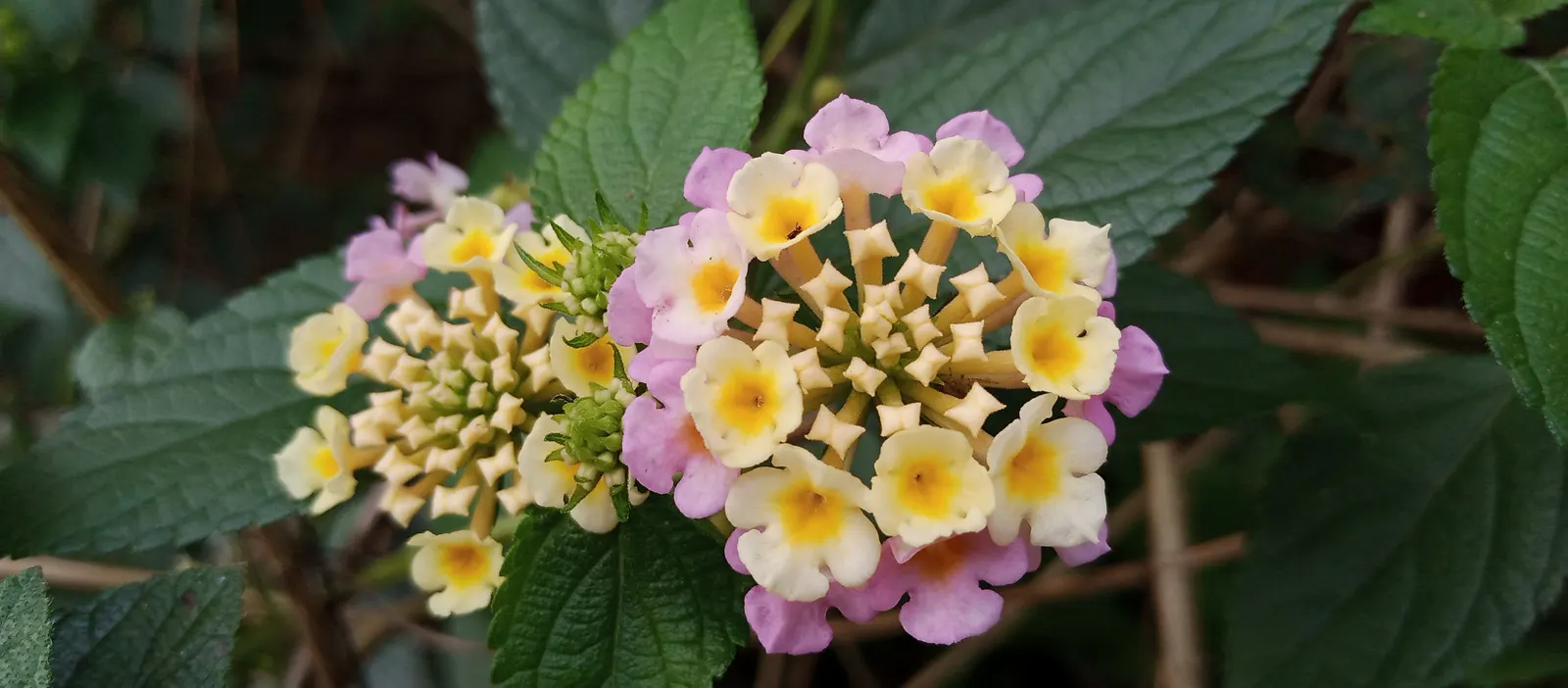
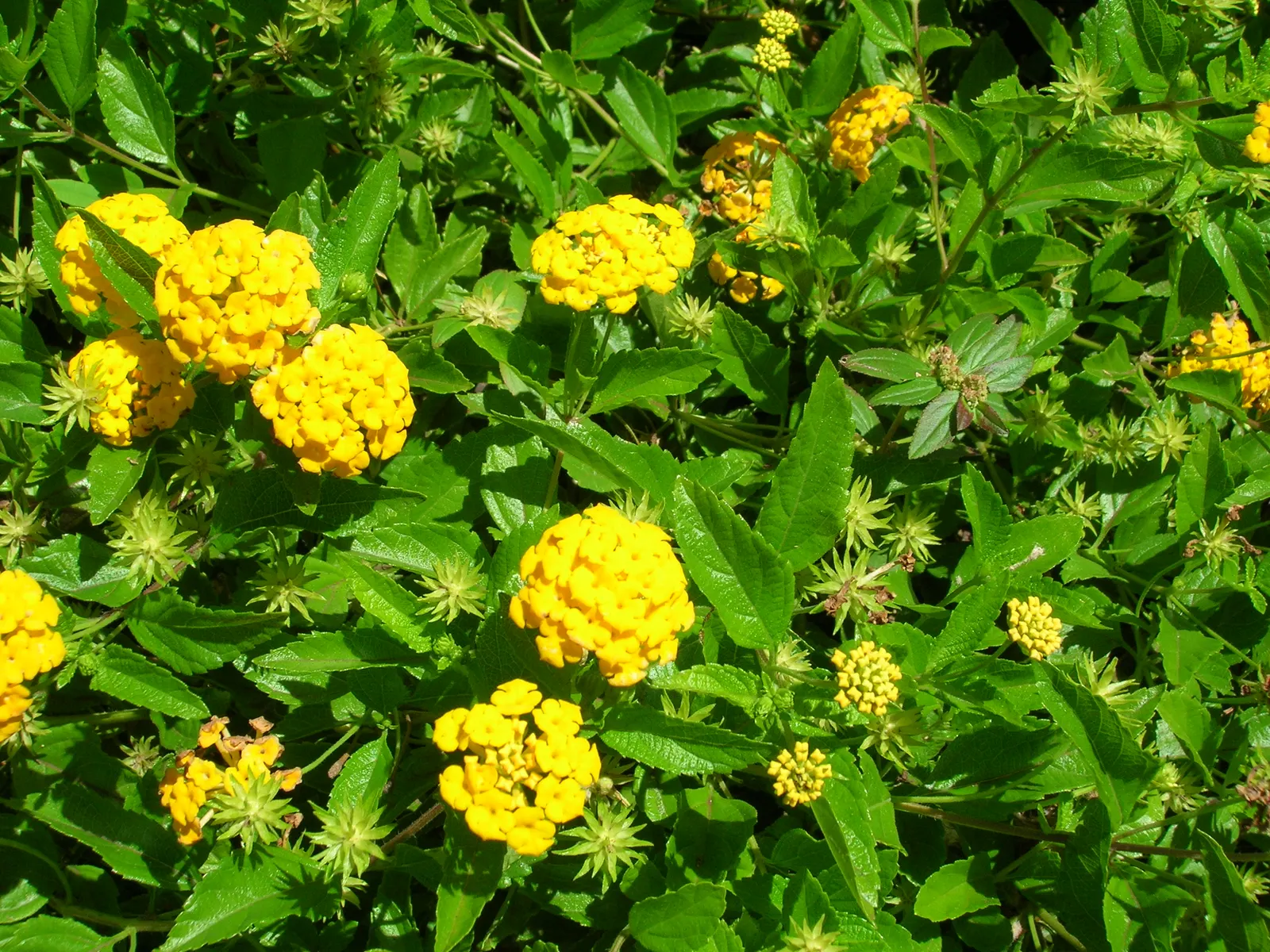
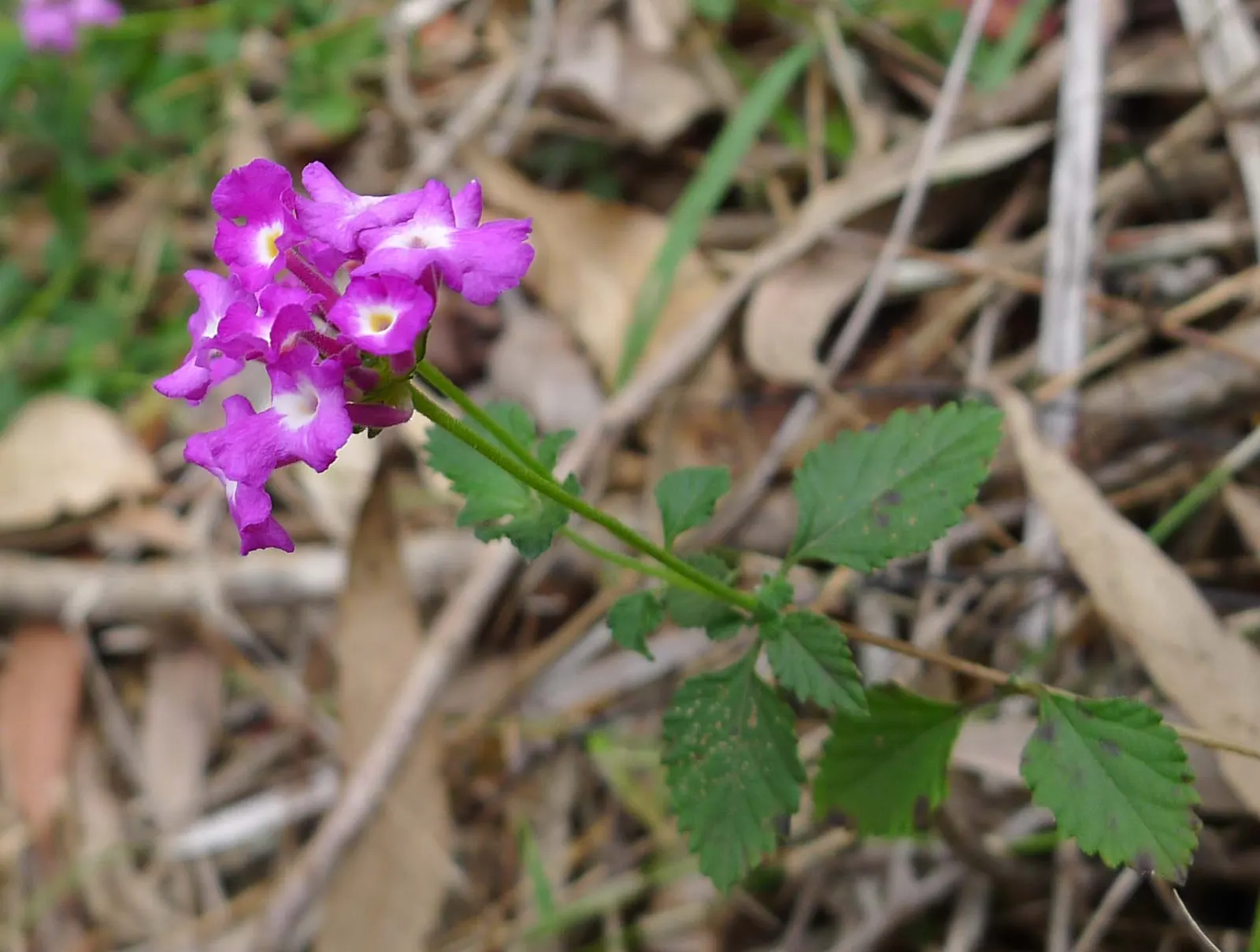
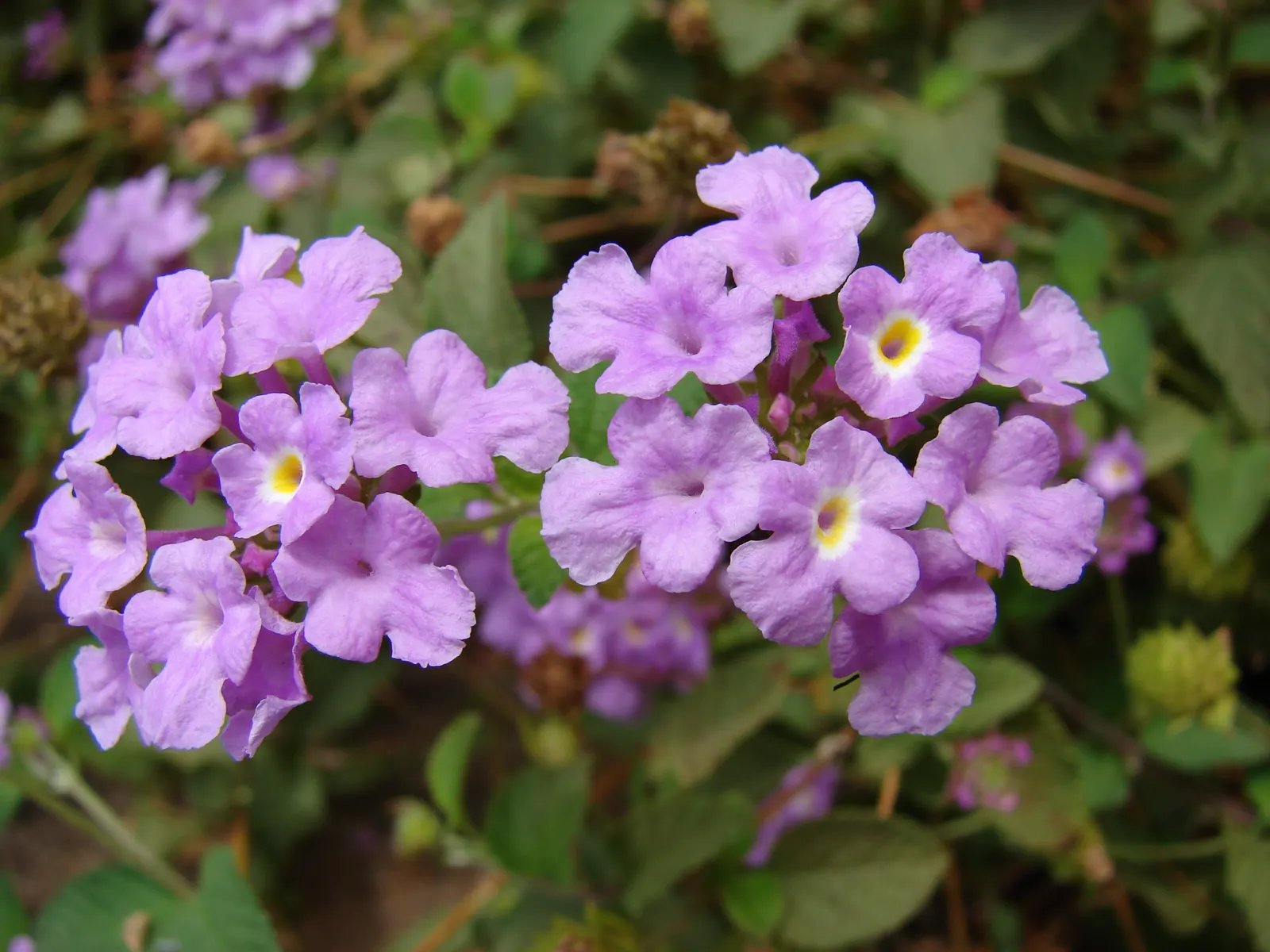
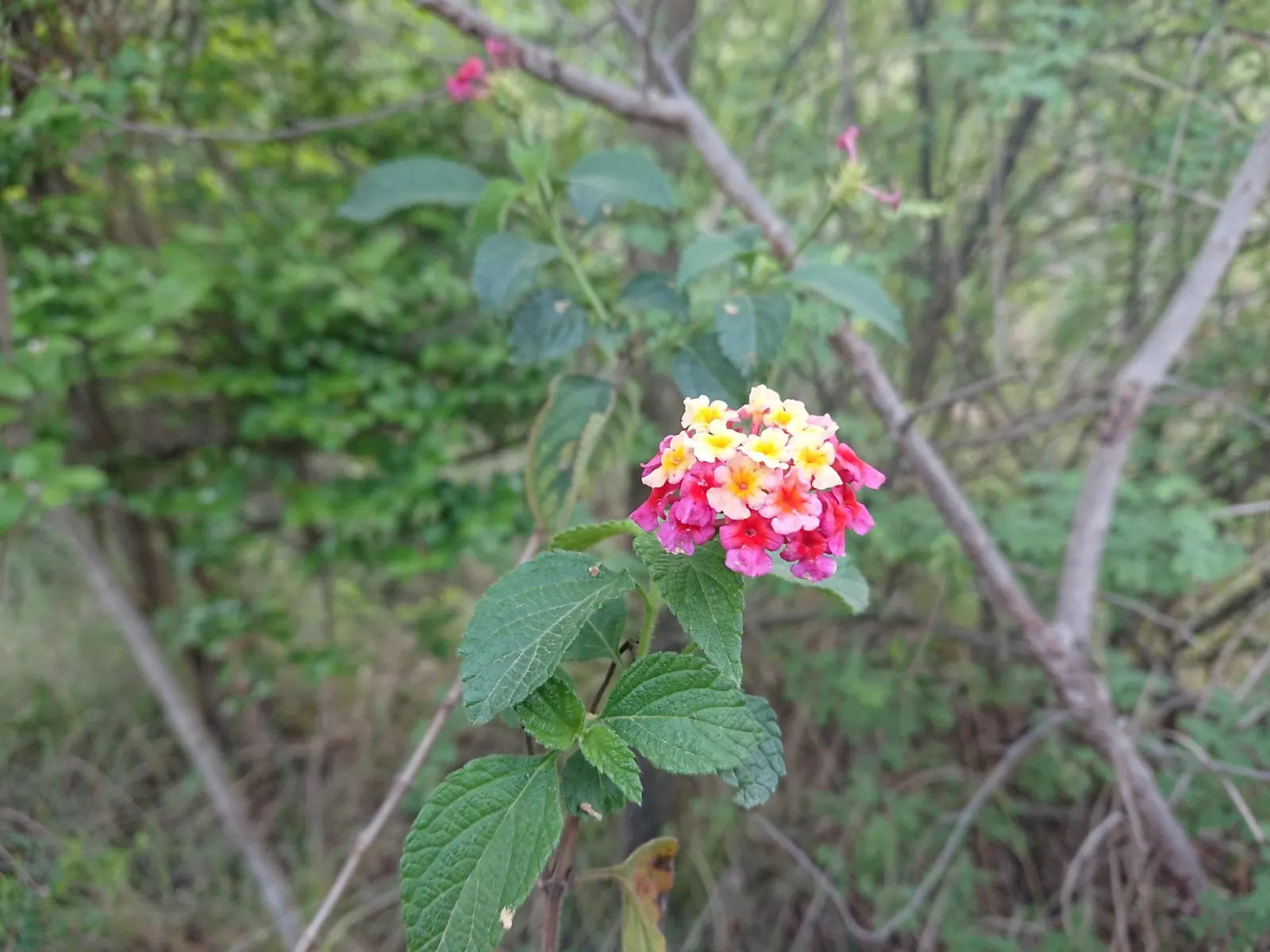
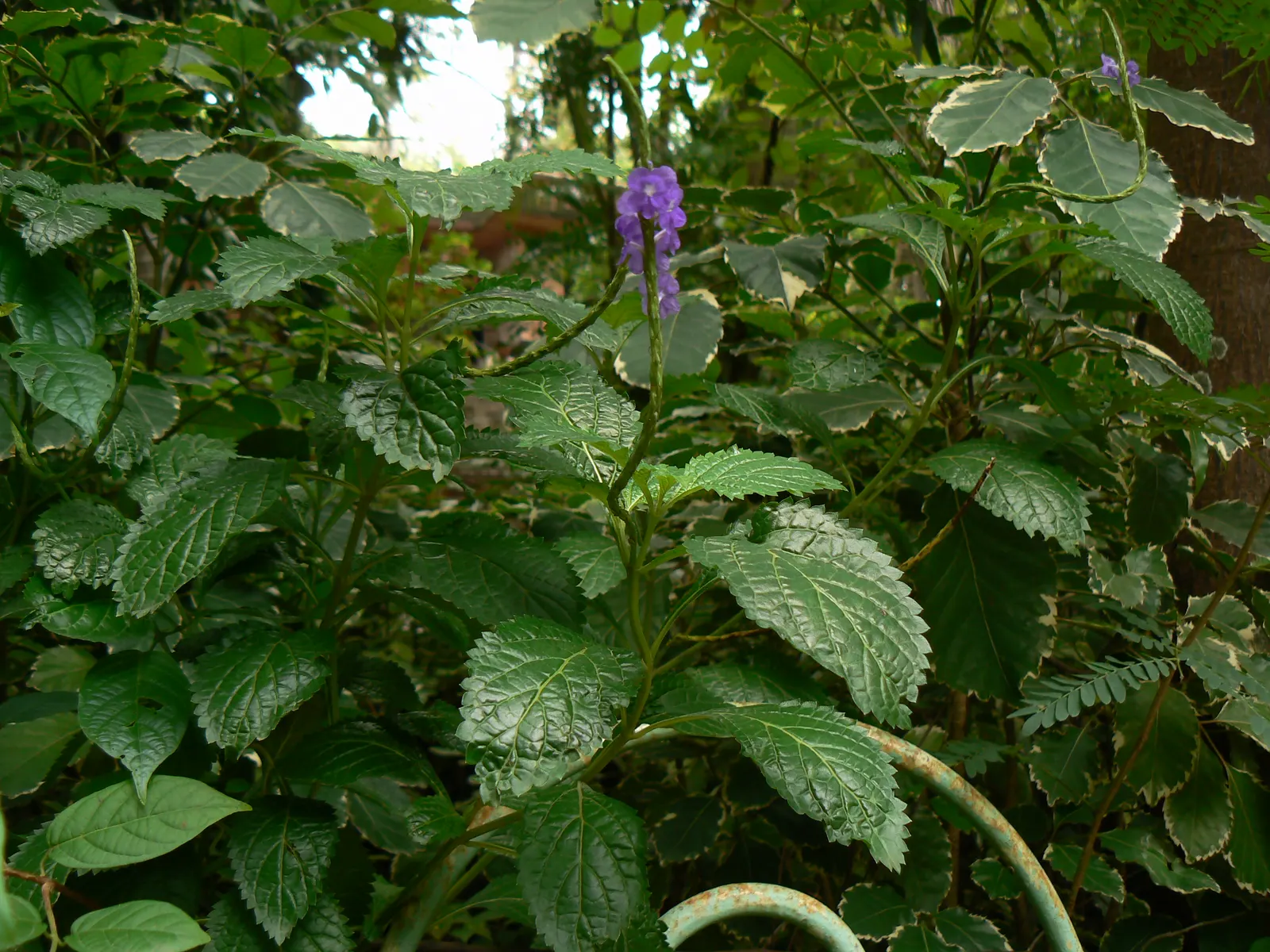
Trailing Lantana (Lantana Montevidensis) — vibrant green foliage and clusters of petite
Trailing Lantana (Lantana Montevidensis) — Originating from South America
Trailing Lantana (Lantana Montevidensis) — Trailing Lantana (Lantana montevidensis) is a sprawling evergreen groundcover known for its vigorous growth
Trailing Lantana (Lantana Montevidensis) — the Trailing Lantana prefers full sun exposure; originating from South America, image 66
Trailing Lantana (Lantana Montevidensis) — When incorporating Trailing Lantana into the landscape design
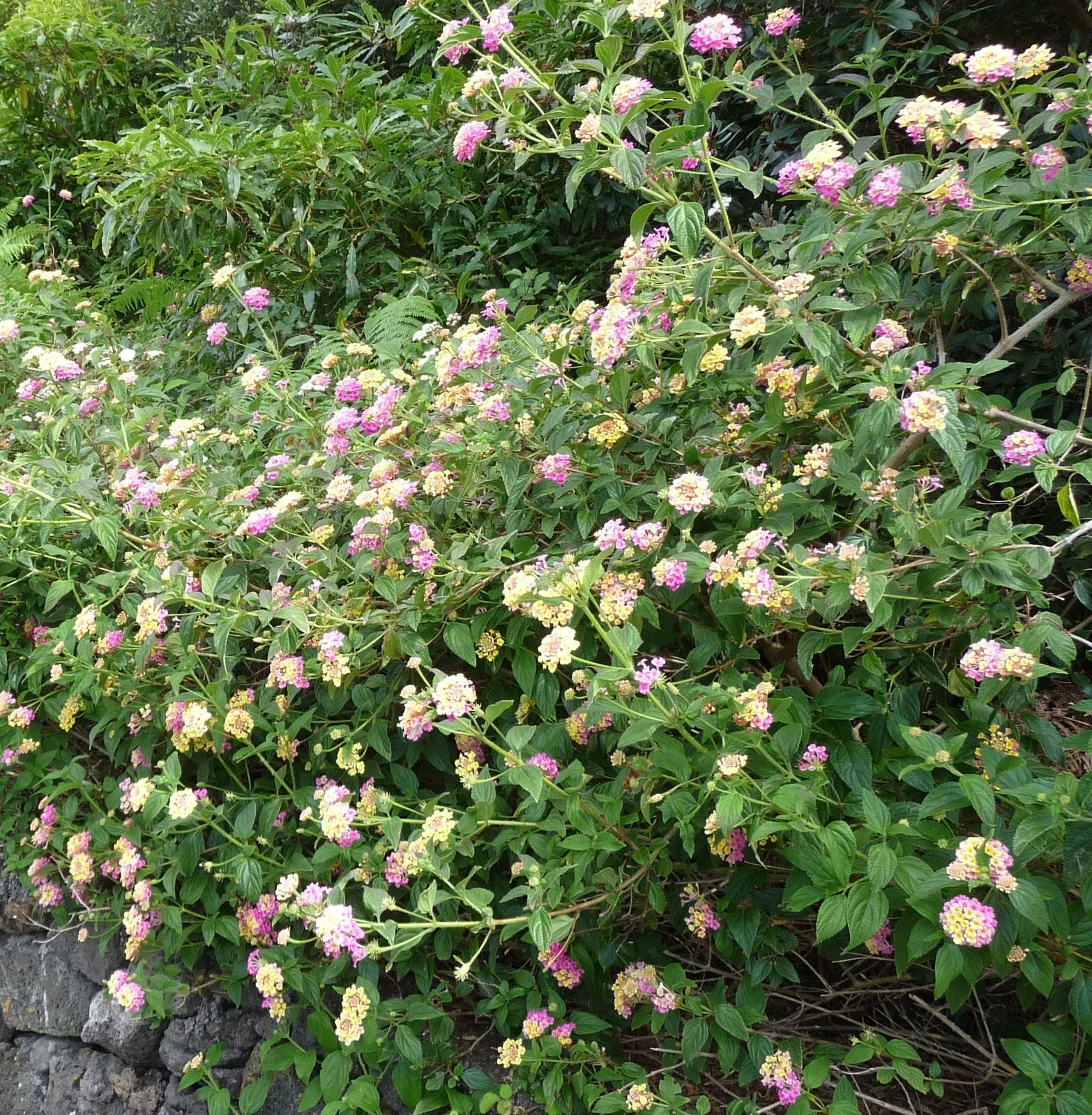
Trailing Lantana (Lantana Montevidensis) — reaching 2 feet in height with a spread of up to 5 feet
Trailing Lantana (Lantana Montevidensis) — typically boasting shades of lavender; this low-maintenance plant thrives in full sun and well-drained, image 62
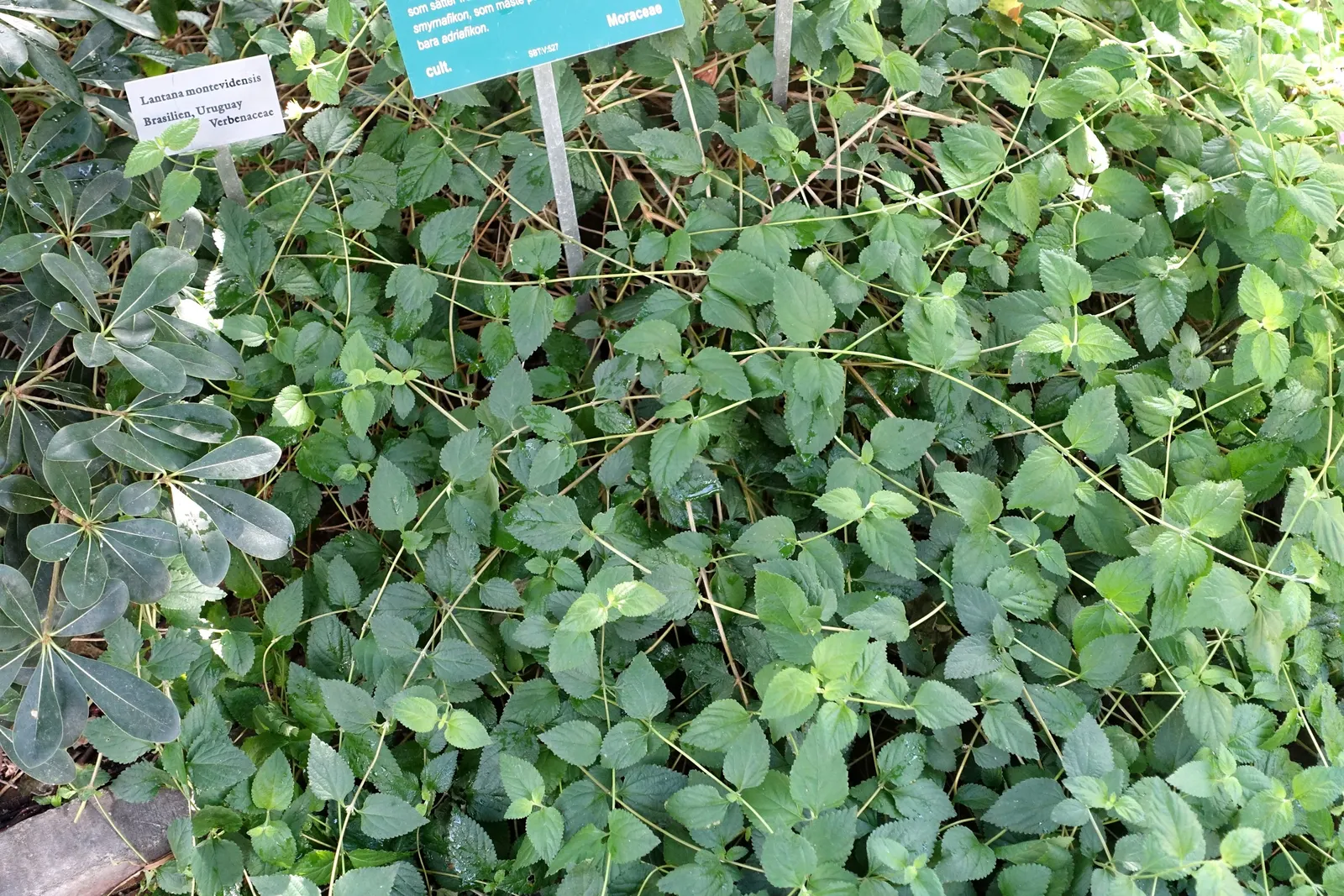
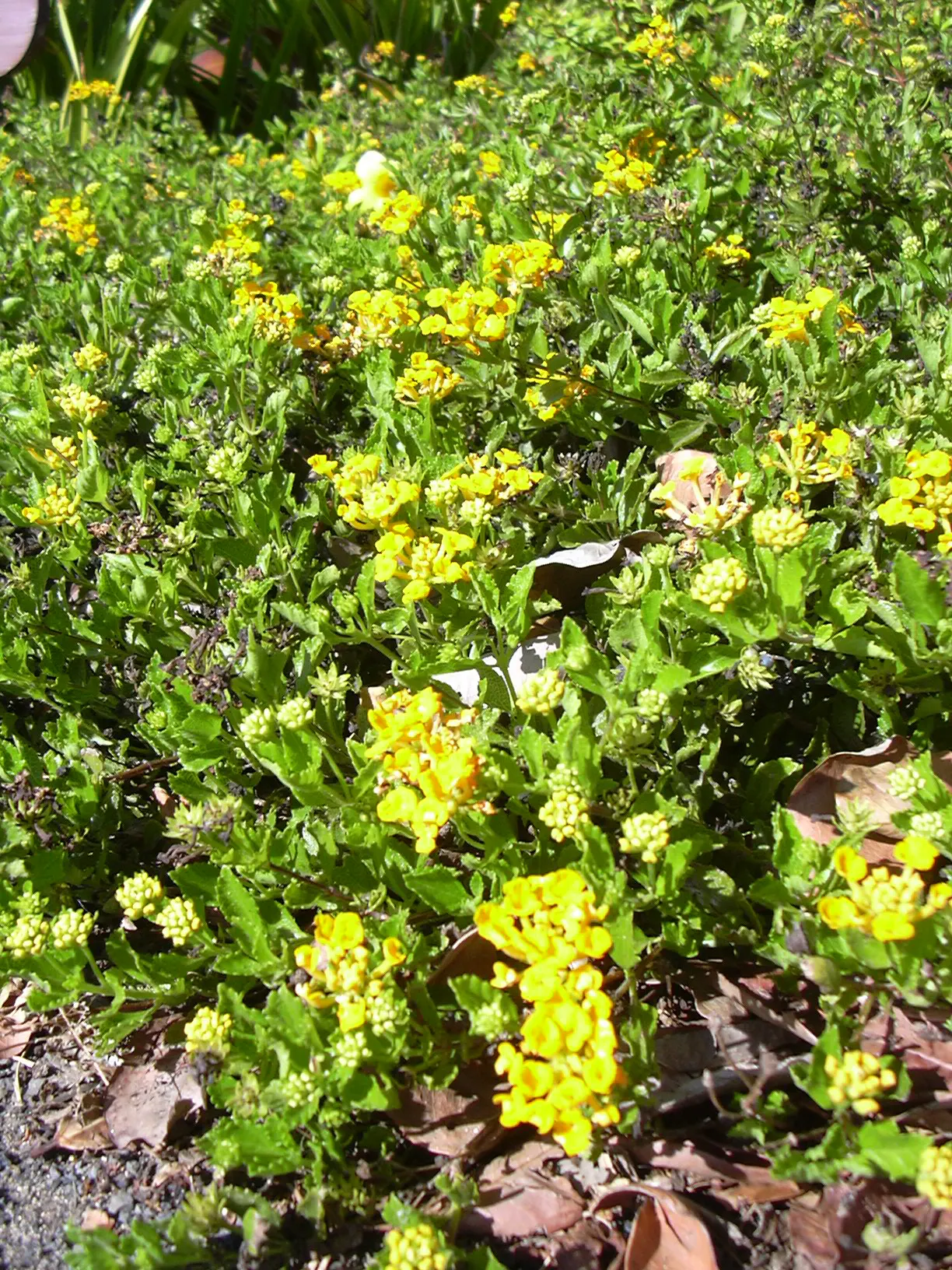
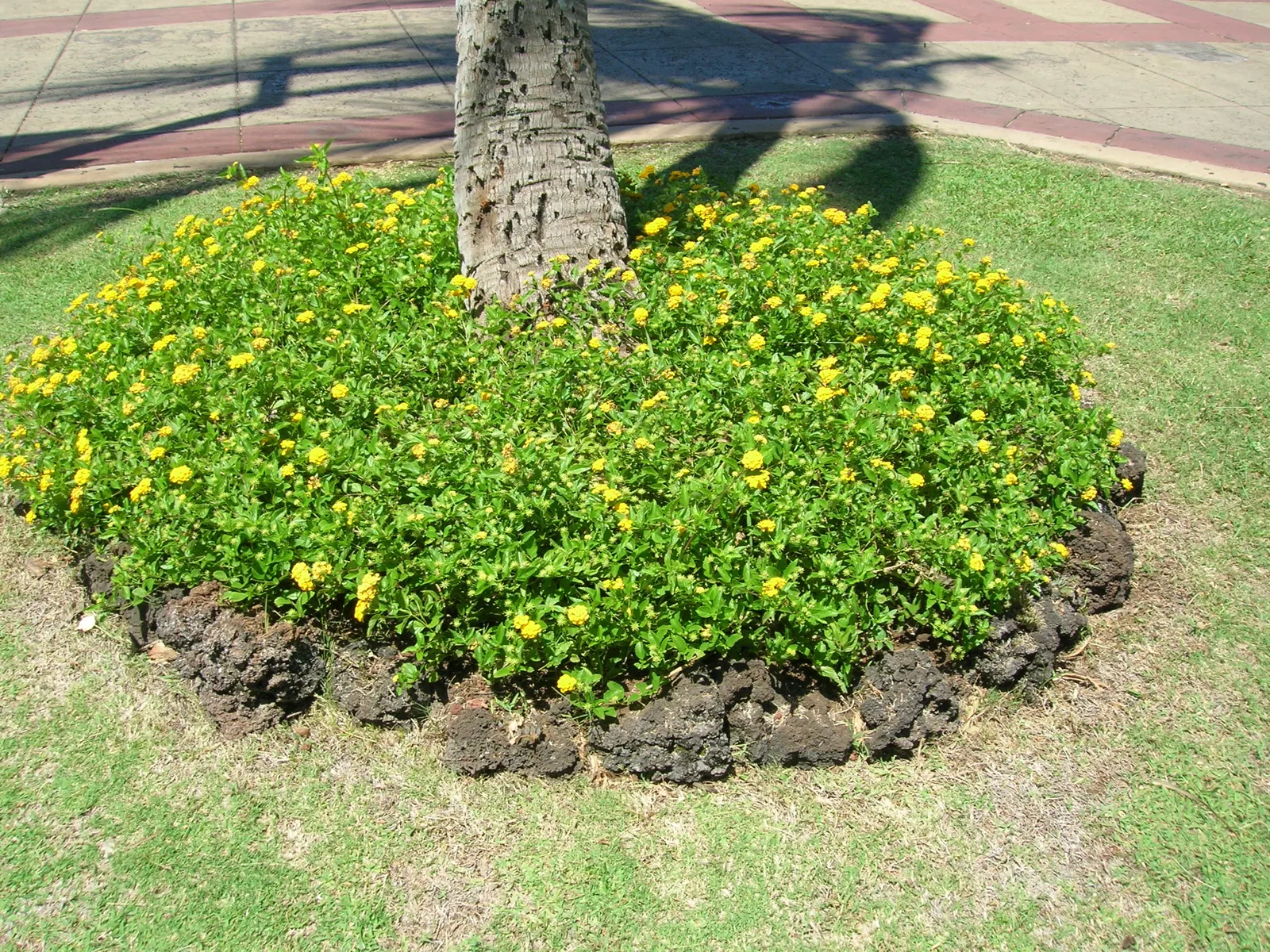
Trailing Lantana (Lantana Montevidensis) — showcasing a dense mat of dark green; requiring at least 6 hours of direct sunlight per day, image 85
Trailing Lantana (Lantana Montevidensis) — requiring at least 6 hours of direct sunlight per day; the Trailing Lantana prefers full sun exposure
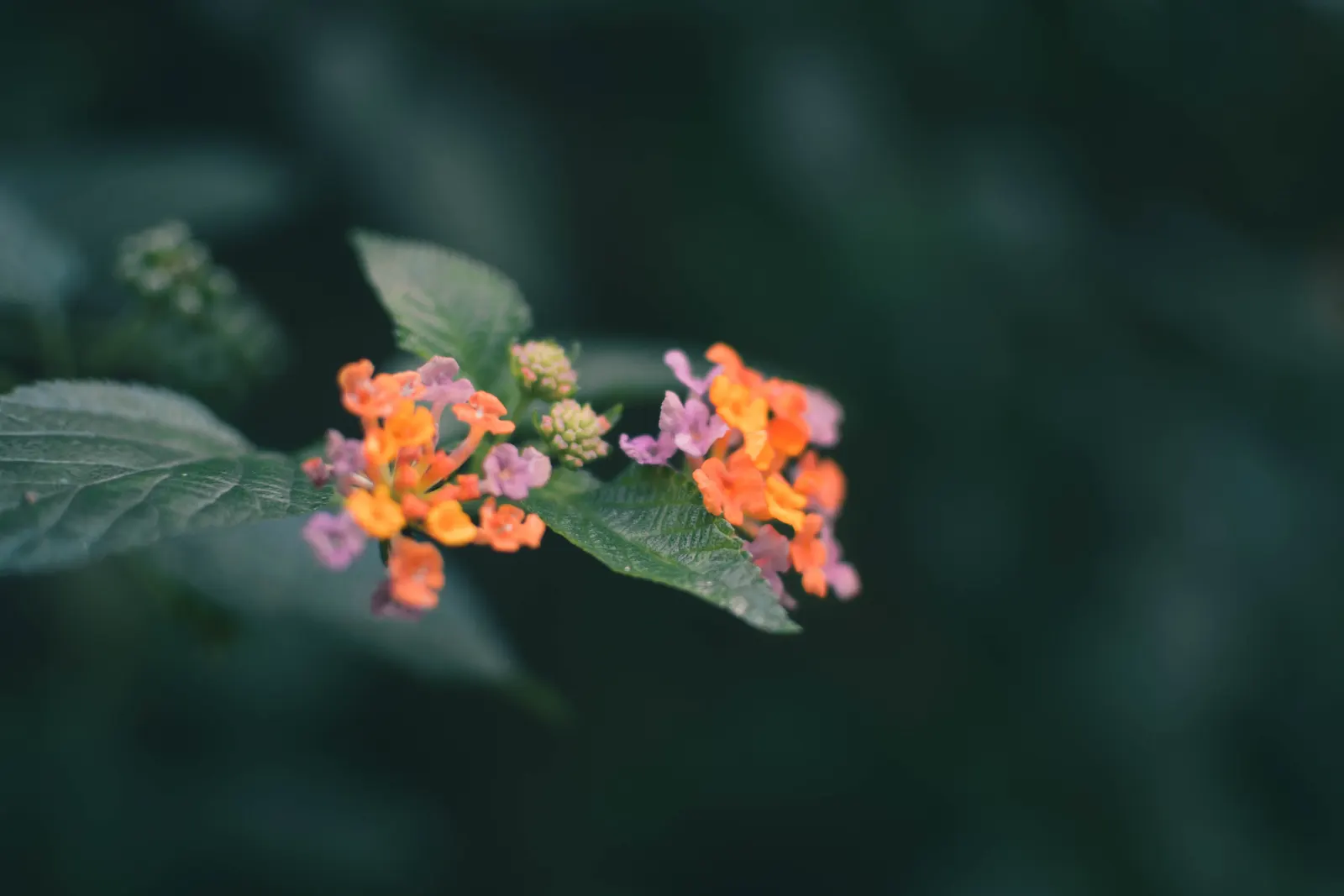
Trailing Lantana (Lantana Montevidensis) — These vibrant blossoms are not only visually appealing but also attract a plethora of pollinators, image 88
Trailing Lantana (Lantana Montevidensis) — Trailing Lantana (Lantana montevidensis) is a sprawling evergreen groundcover known for its vigorous, image 76
Trailing Lantana (Lantana Montevidensis) — adding dynamic life to the landscape.<br><br>For optimal growth
Trailing Lantana (Lantana Montevidensis) — vibrant green foliage and clusters of petite; it performs best in well-drained soils and benefits from moderate
Trailing Lantana (Lantana Montevidensis) — Drought-tolerant and deer-resistant; and attracts butterflies and hummingbirds to the landscape, image 55
Trailing Lantana (Lantana Montevidensis) — making it a practical and picturesque addition to your client's garden; trailing Lantana (Lantana montevidensis) is
Trailing Lantana (Lantana Montevidensis) — and attracts butterflies and hummingbirds to the landscape
Trailing Lantana (Lantana Montevidensis) — consider its spreading habit and ensure enough space is allotted for its full growth potential, image 71
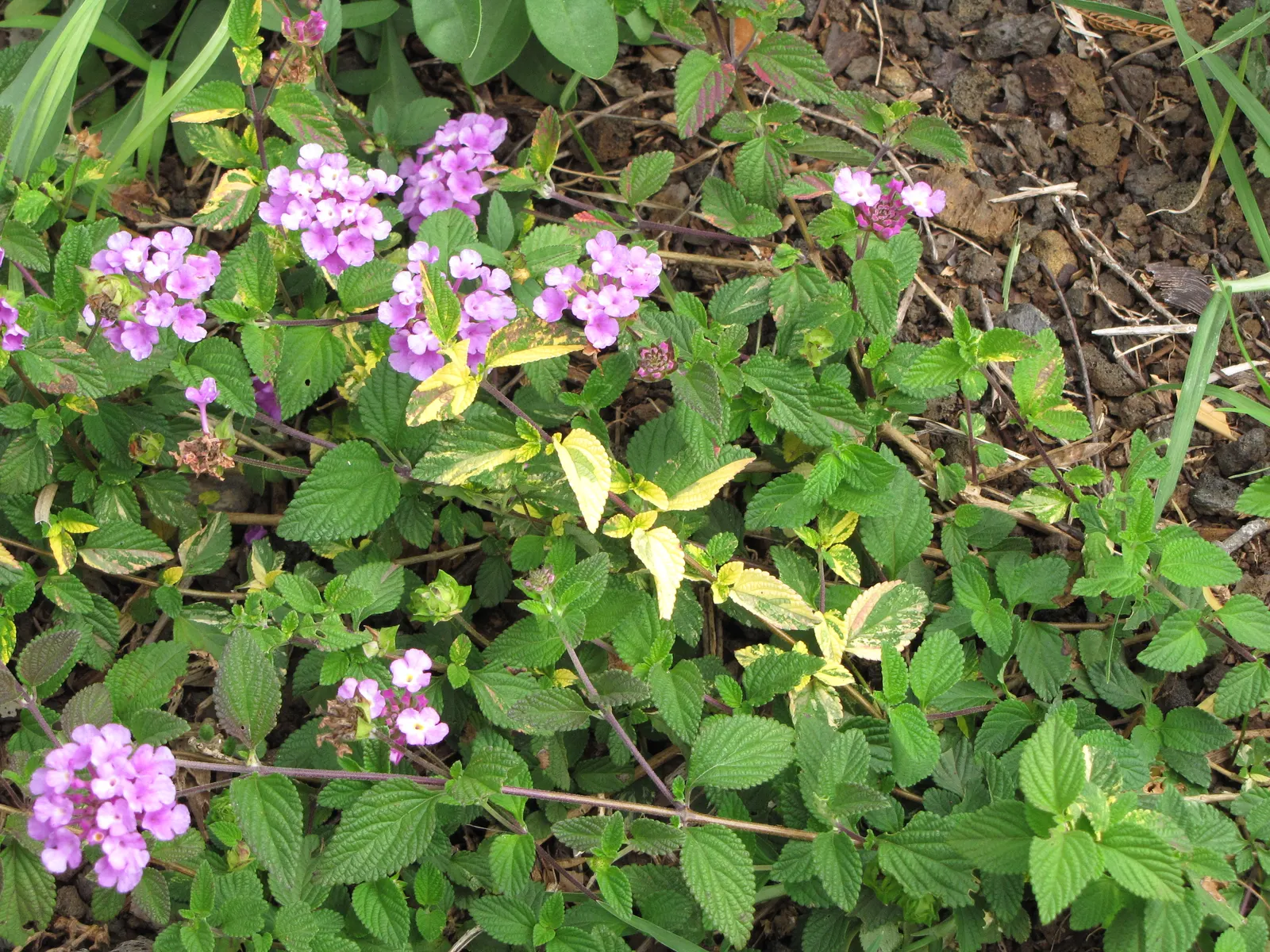
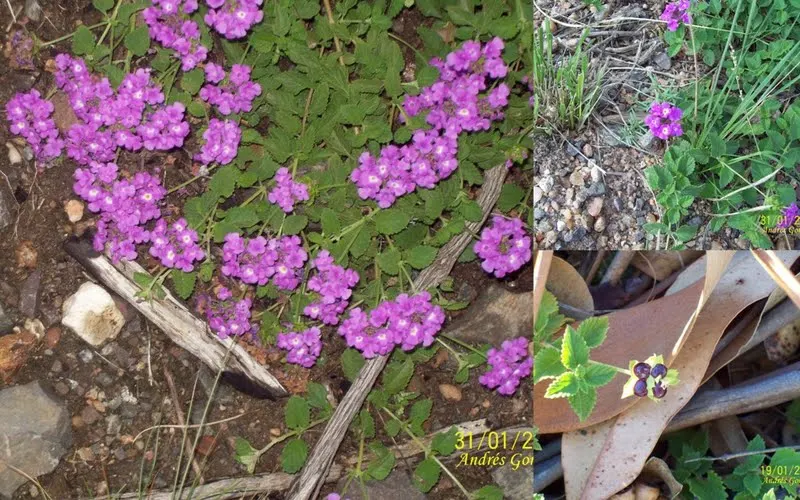
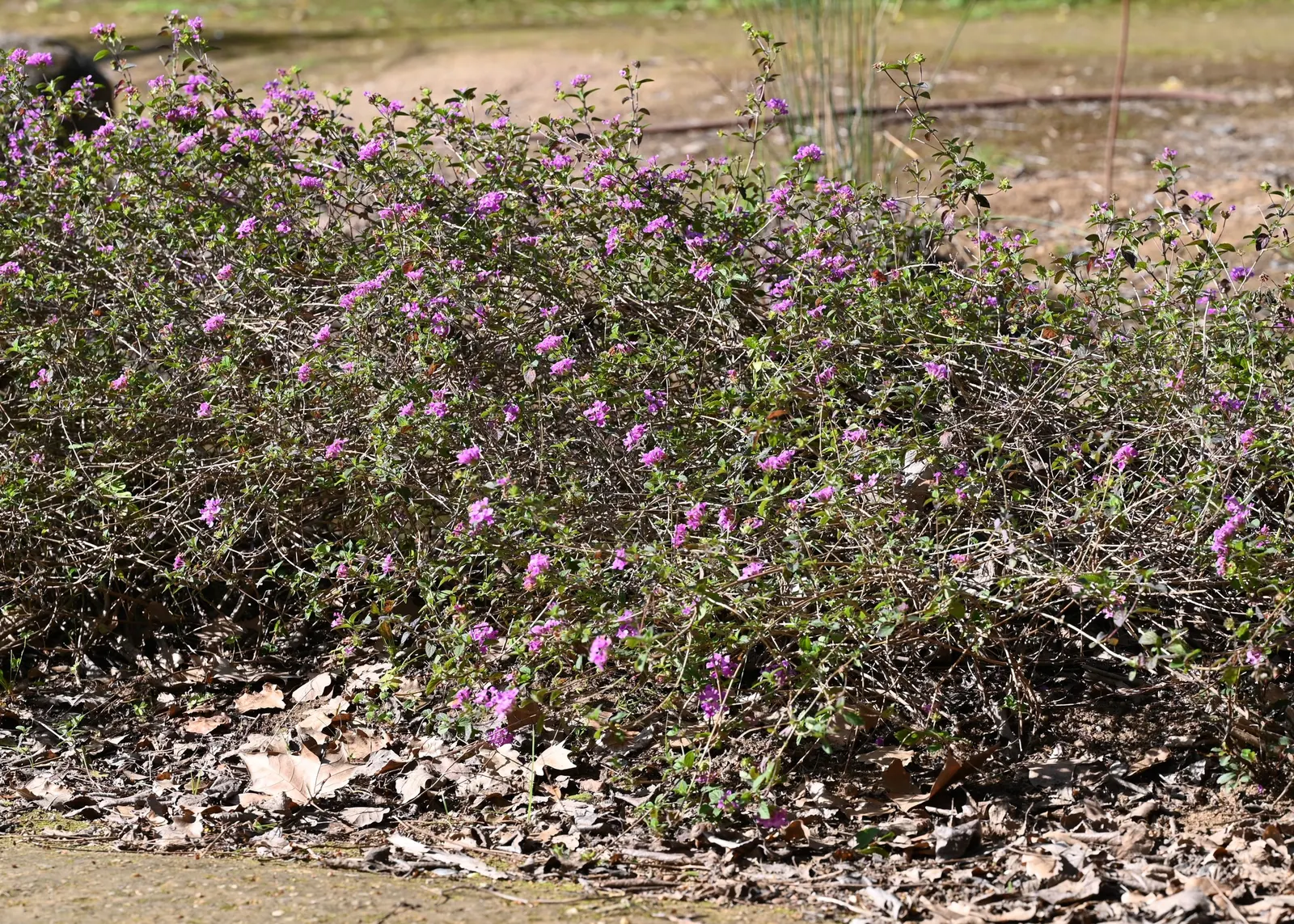
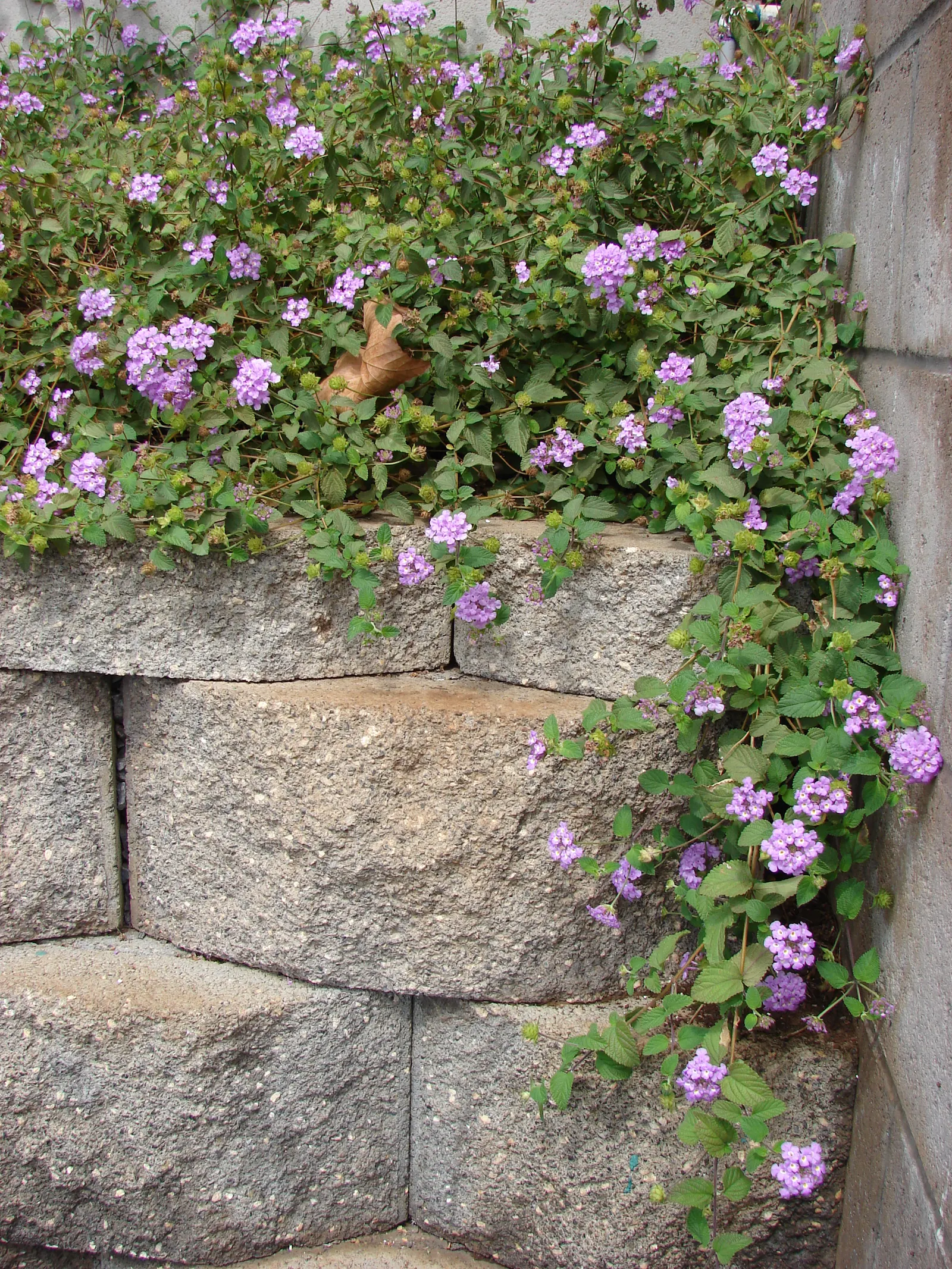
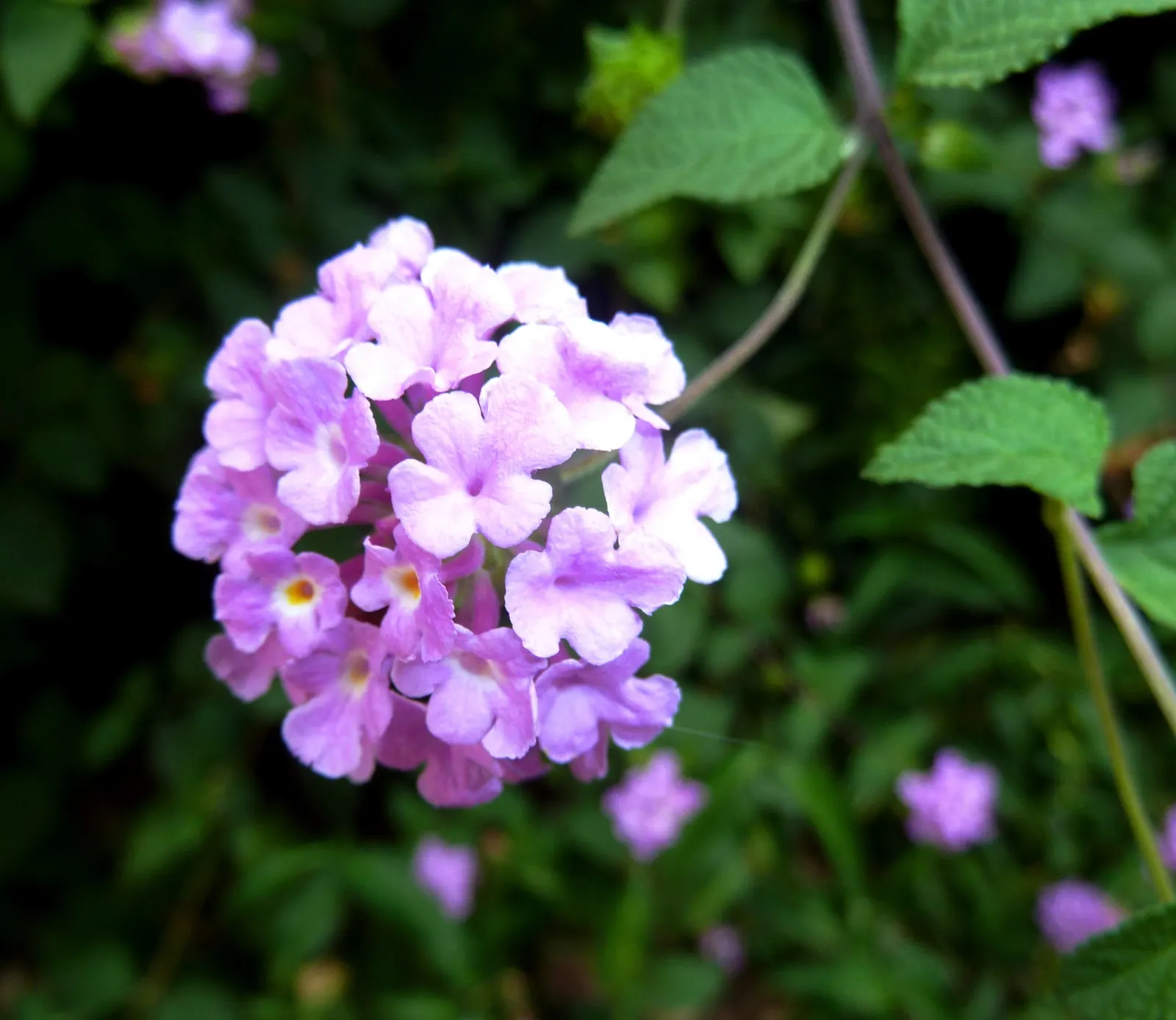
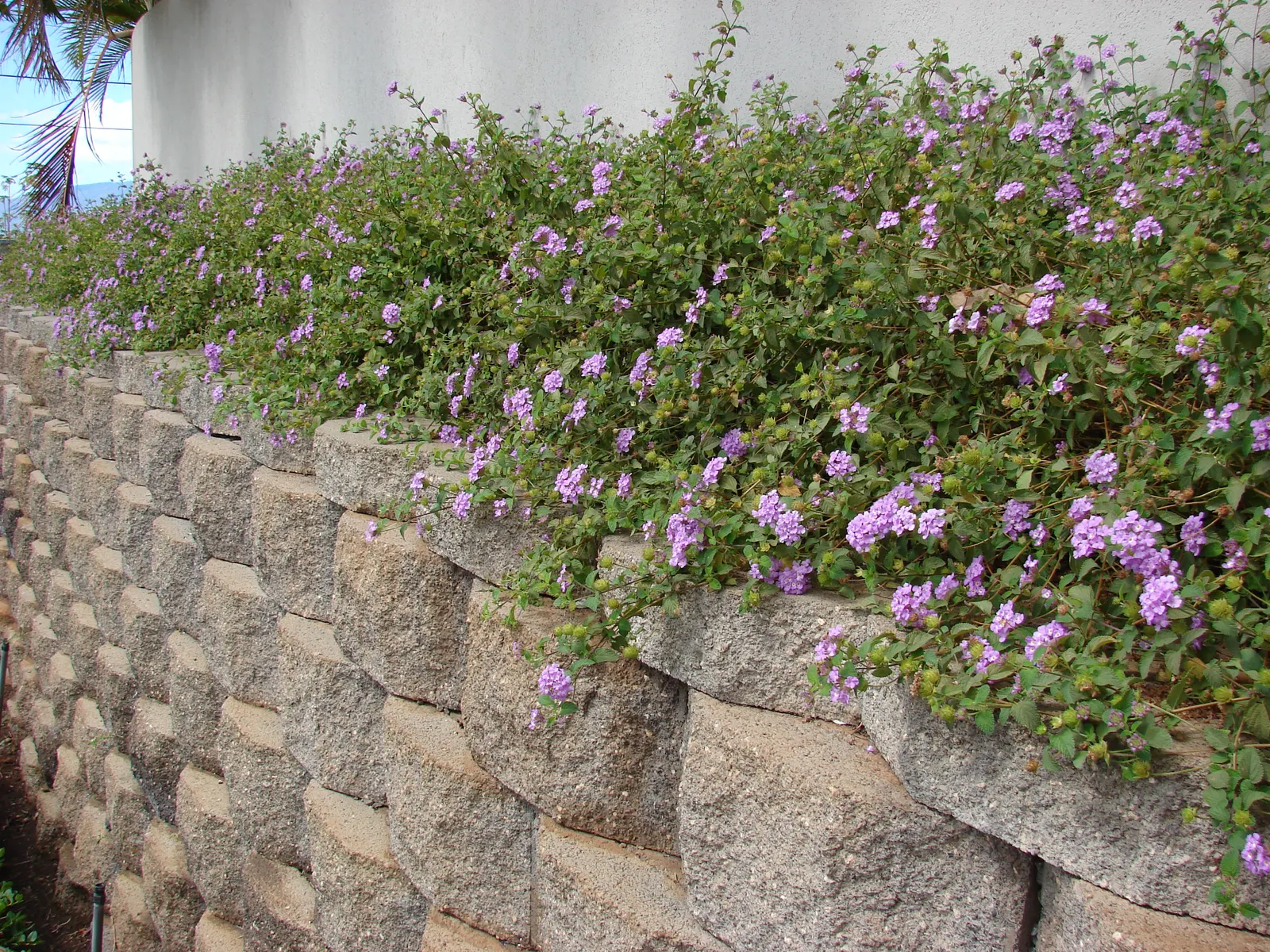
Trailing Lantana (Lantana Montevidensis) — ground cover with purple blooms
Trailing Lantana (Lantana Montevidensis) — purple flowers in the garden
Trailing Lantana (Lantana Montevidensis) — reaching 2 feet in height with a spread of up to 5 feet; the plant is adorned with abundant clusters of, image 52
Trailing Lantana (Lantana Montevidensis) — vibrant green foliage and clusters of petite; it performs best in well-drained soils and benefits from, image 78
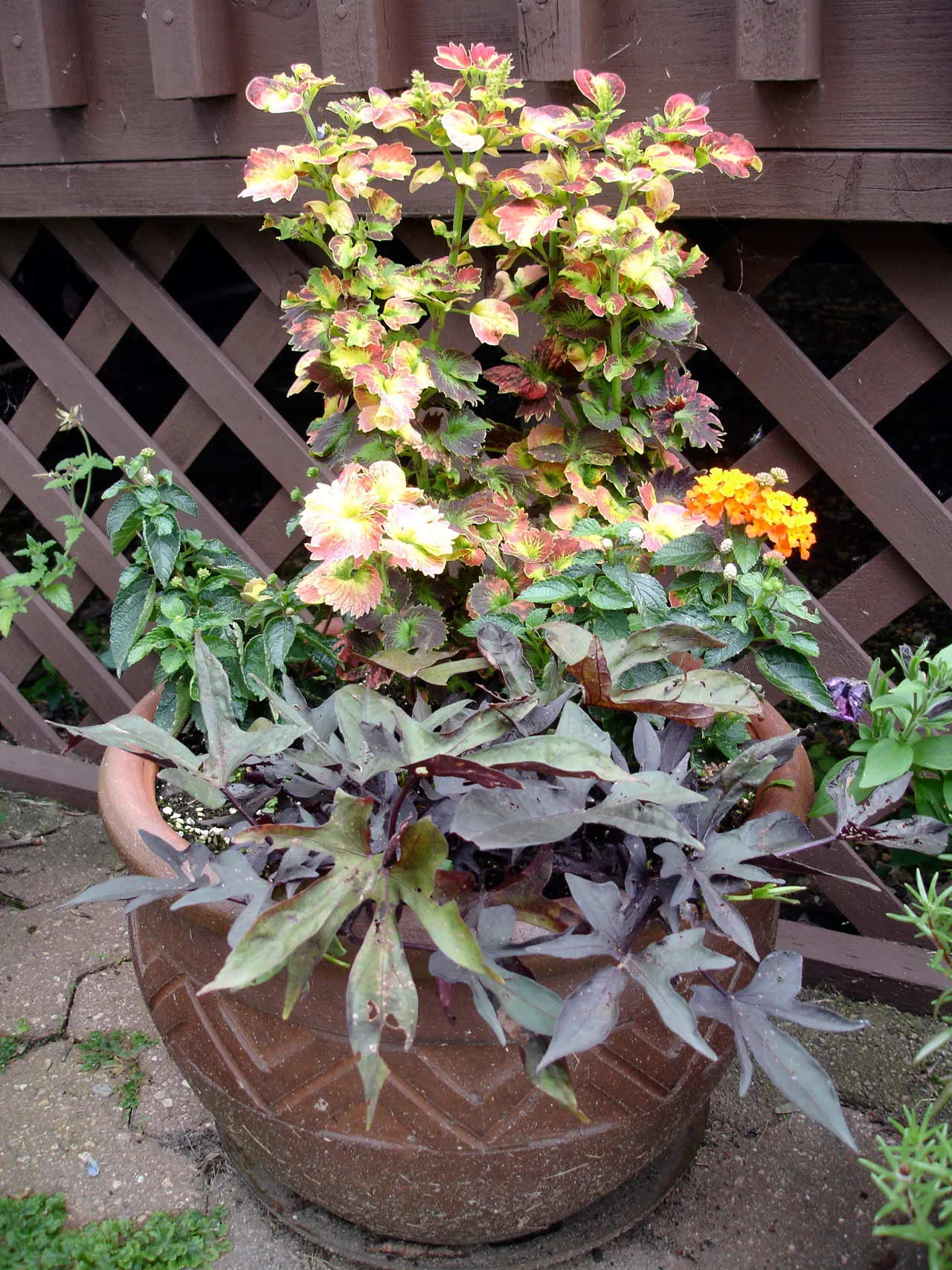
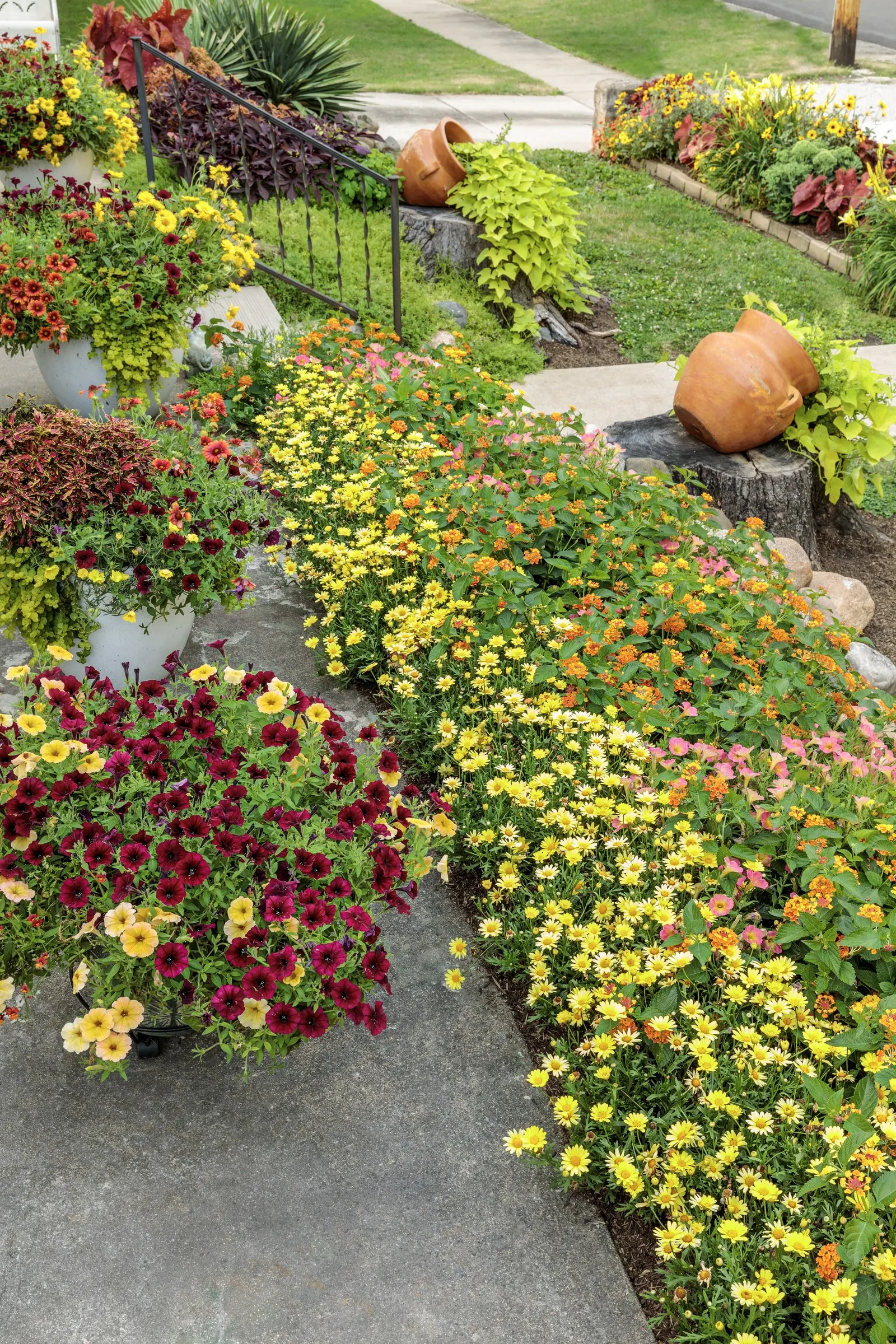
Trailing Lantana (Lantana Montevidensis) — making it an excellent choice for groundcover or spilling over retaining walls and containers; vibrant, image 83
Trailing Lantana (Lantana Montevidensis) — consider its spreading habit and ensure enough space is allotted for its full growth potential
Photographs by 13 contributors

Related plants