Skip to content

Bunny Tails

Lagurus Ovatus

Design with this plant

Overview

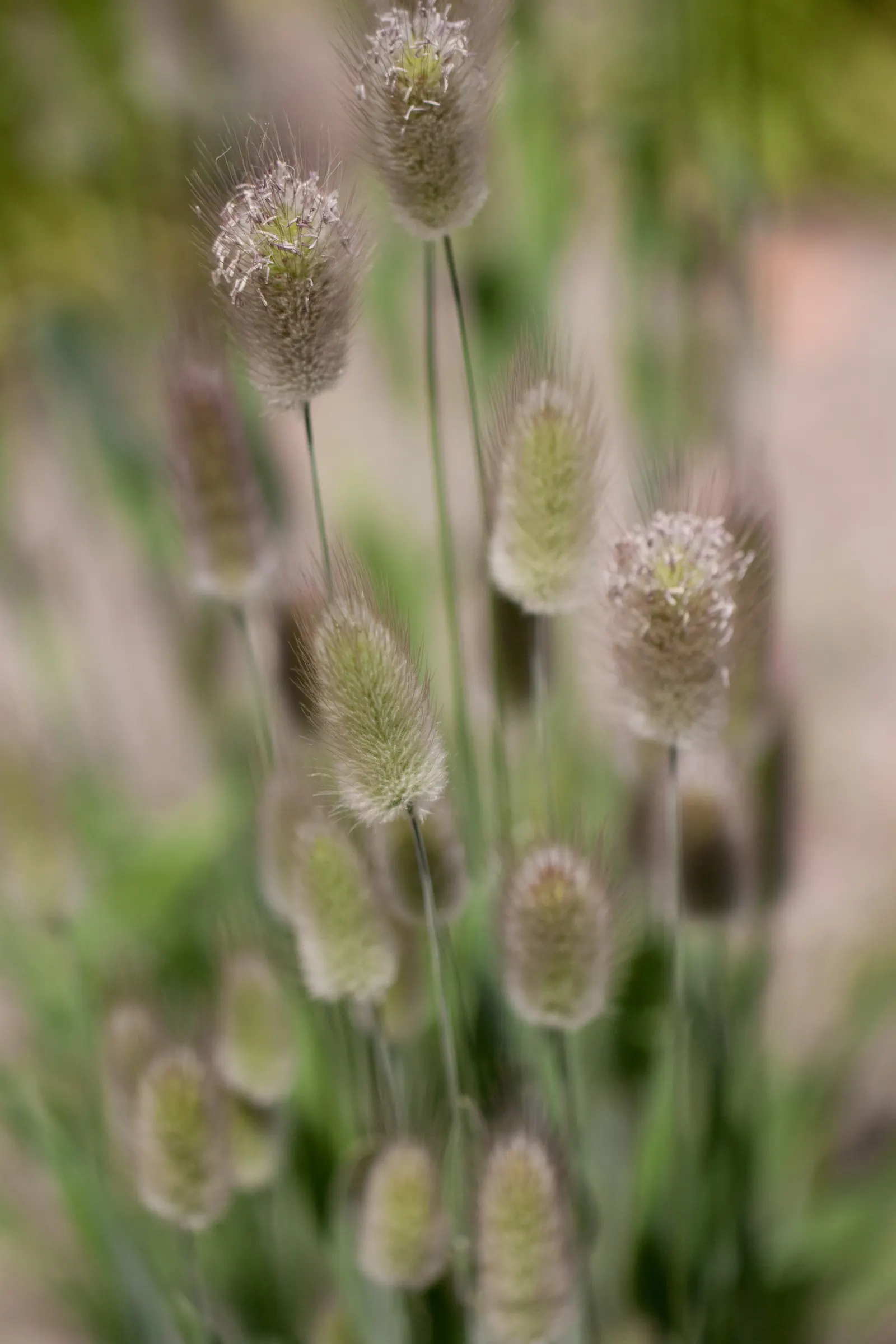
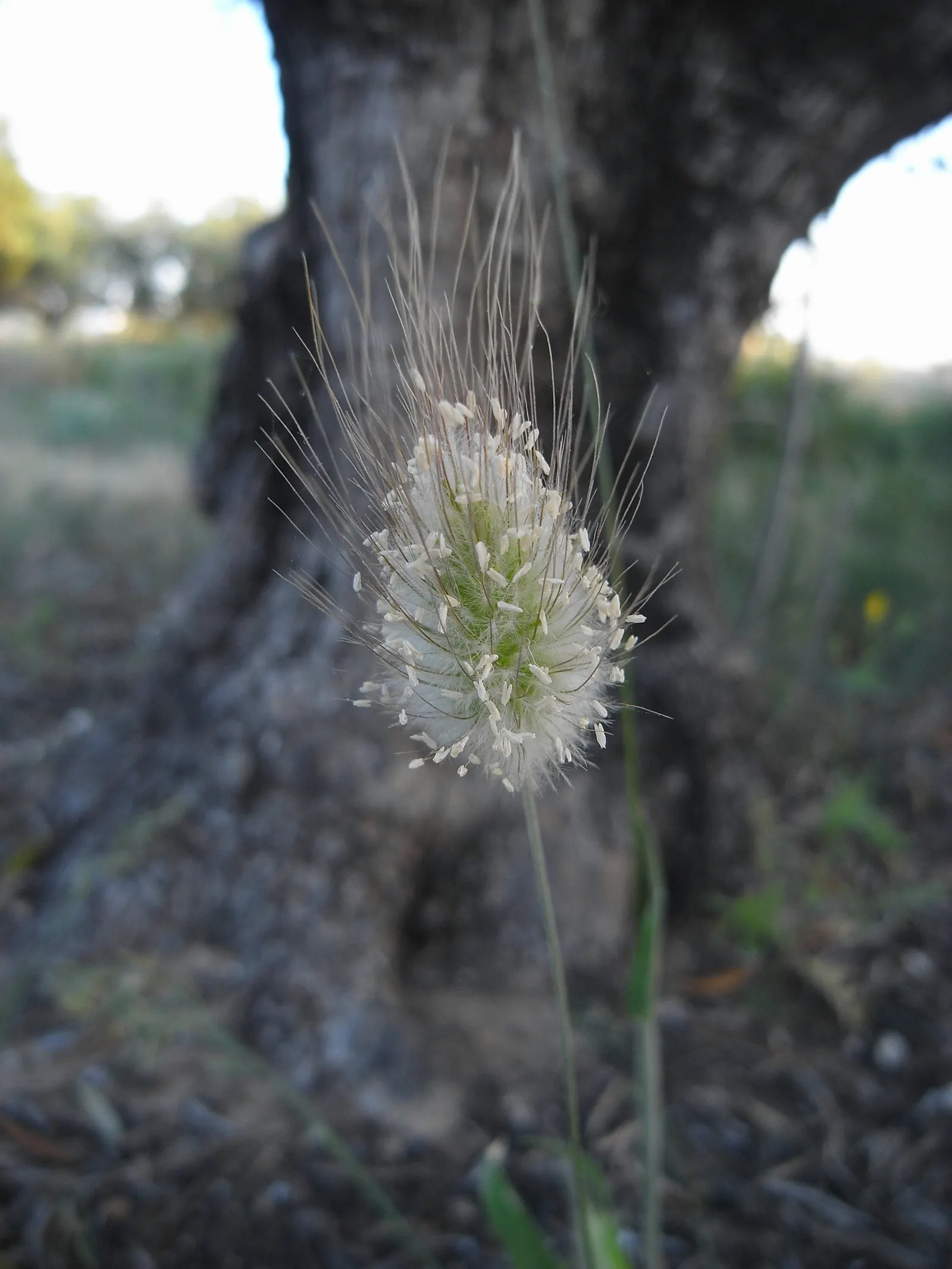
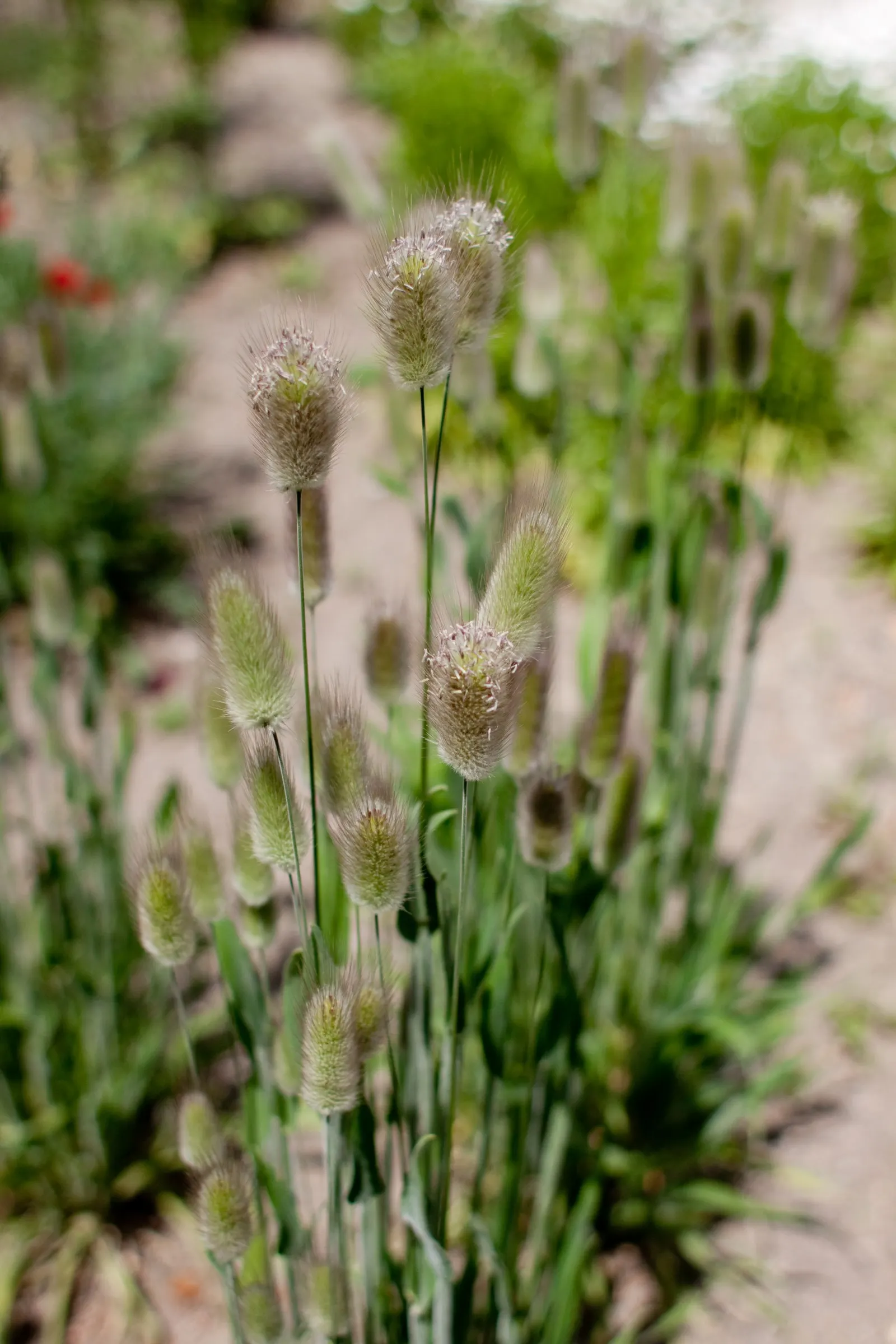
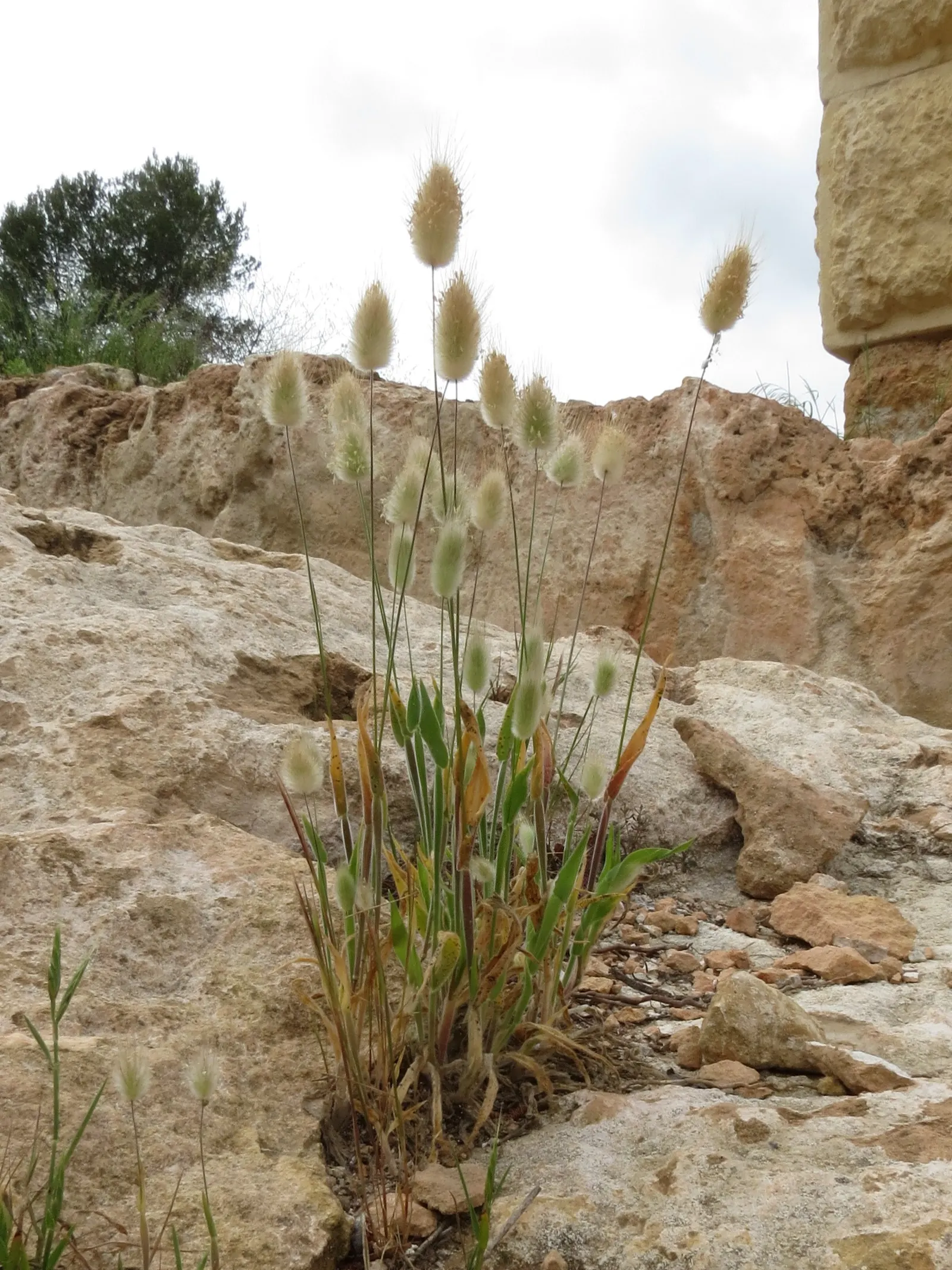
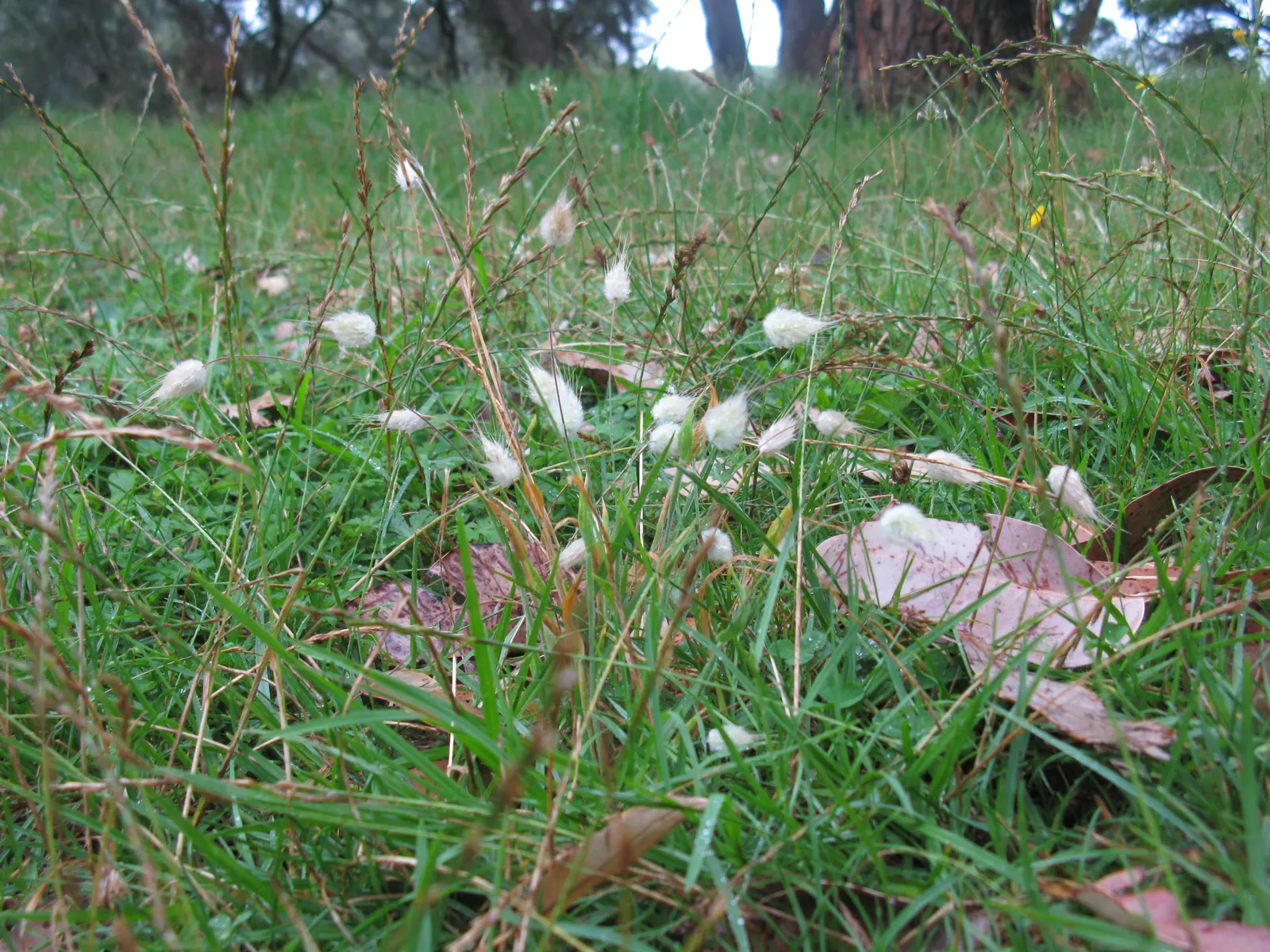
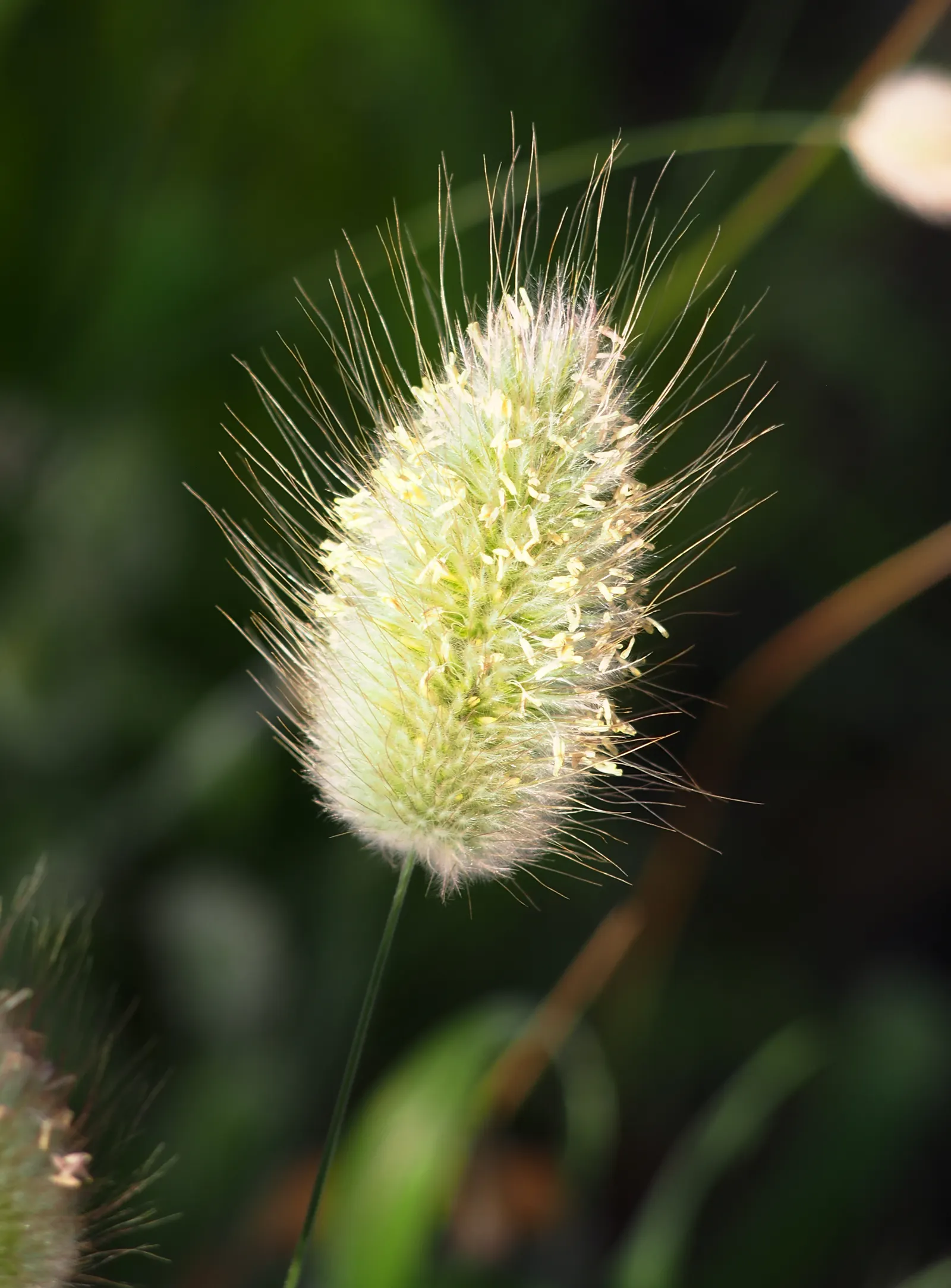
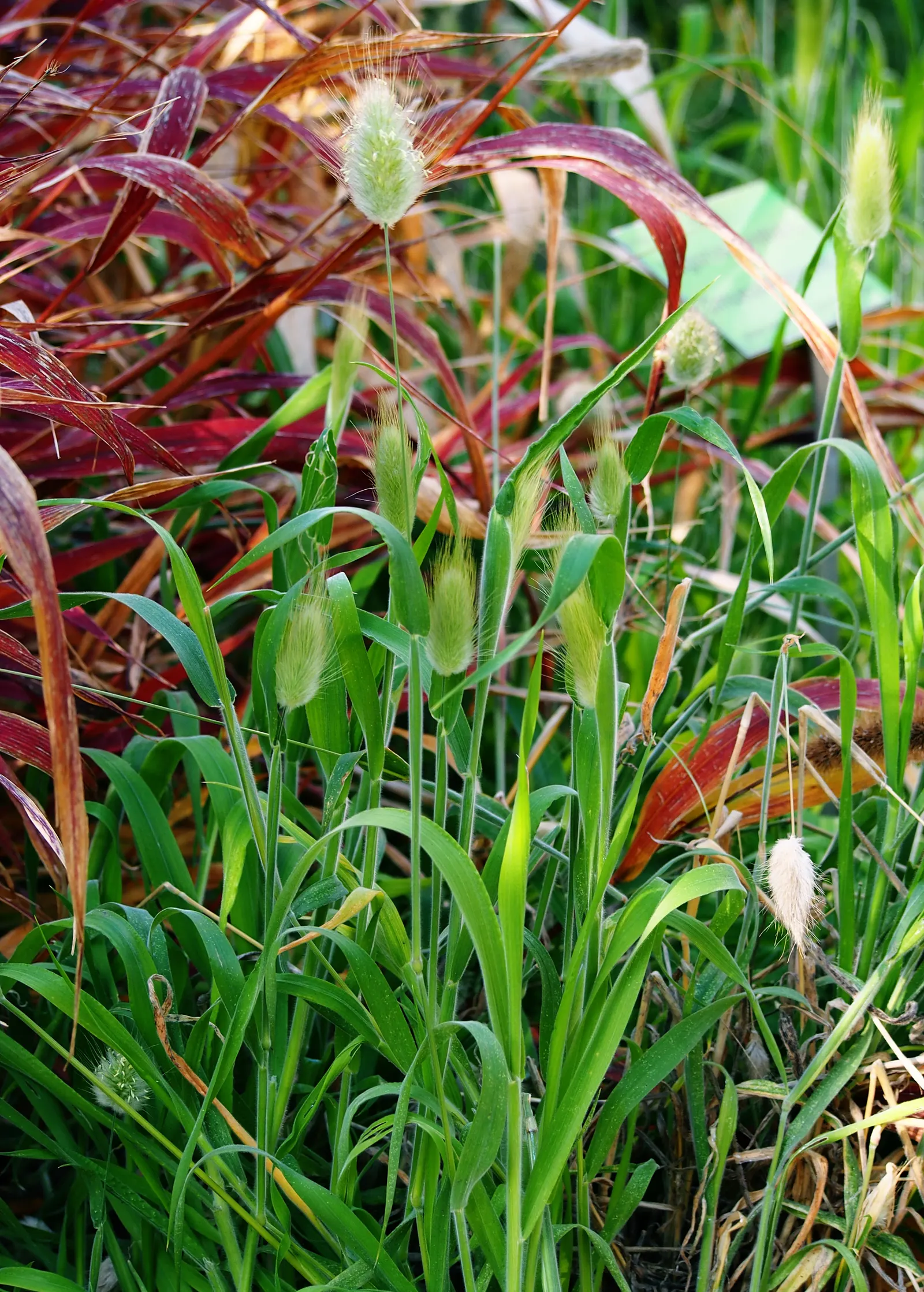
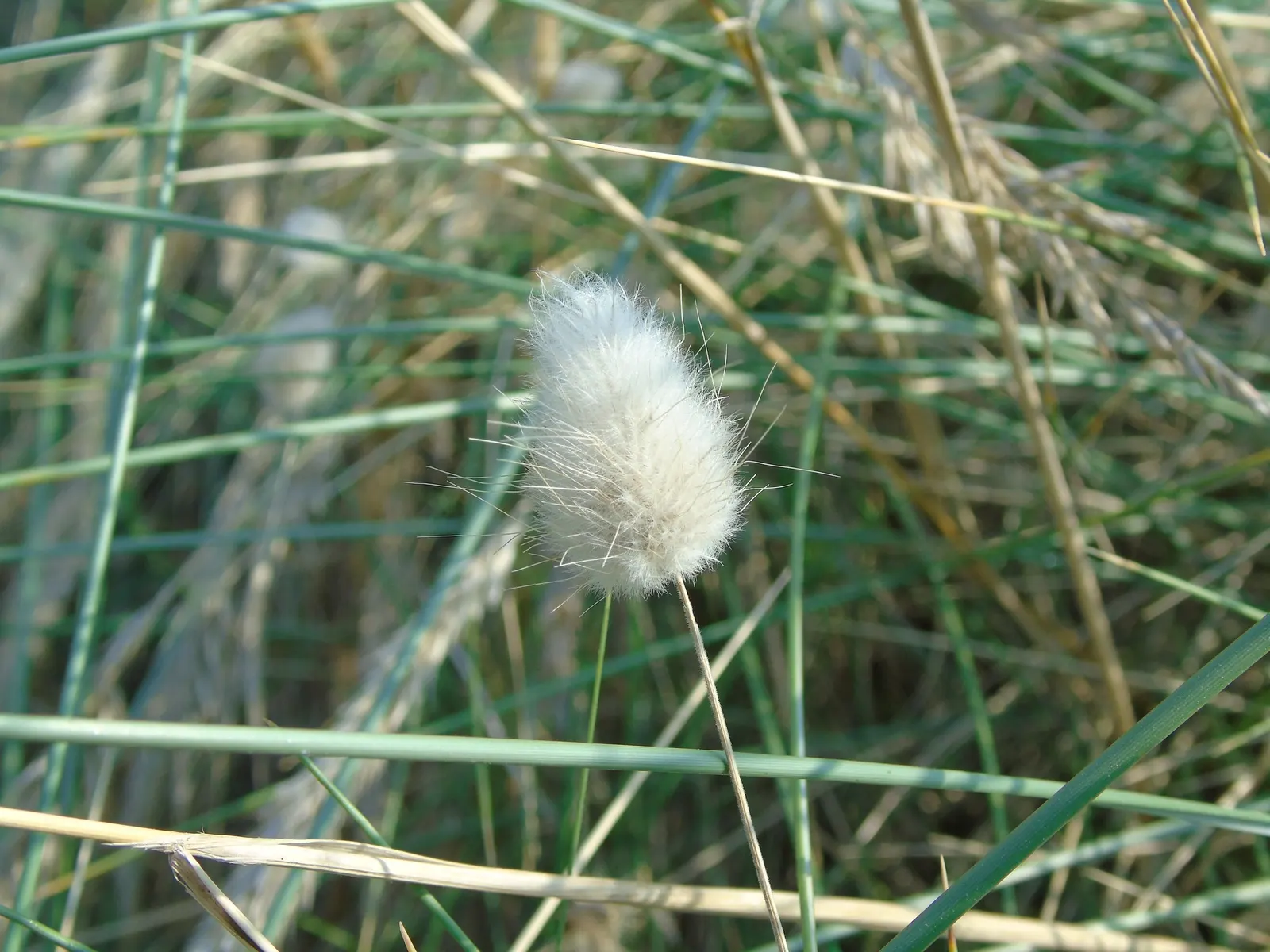
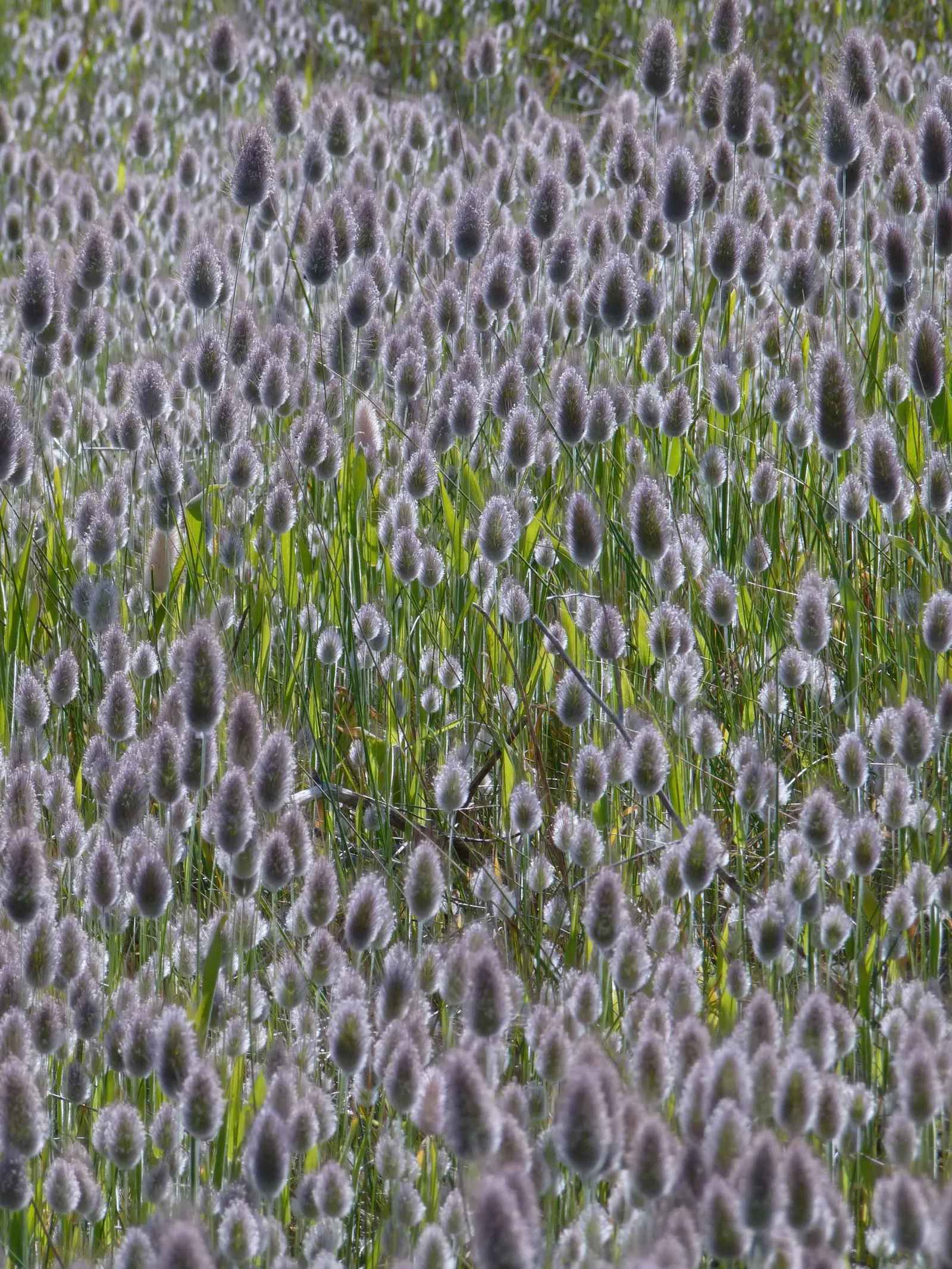
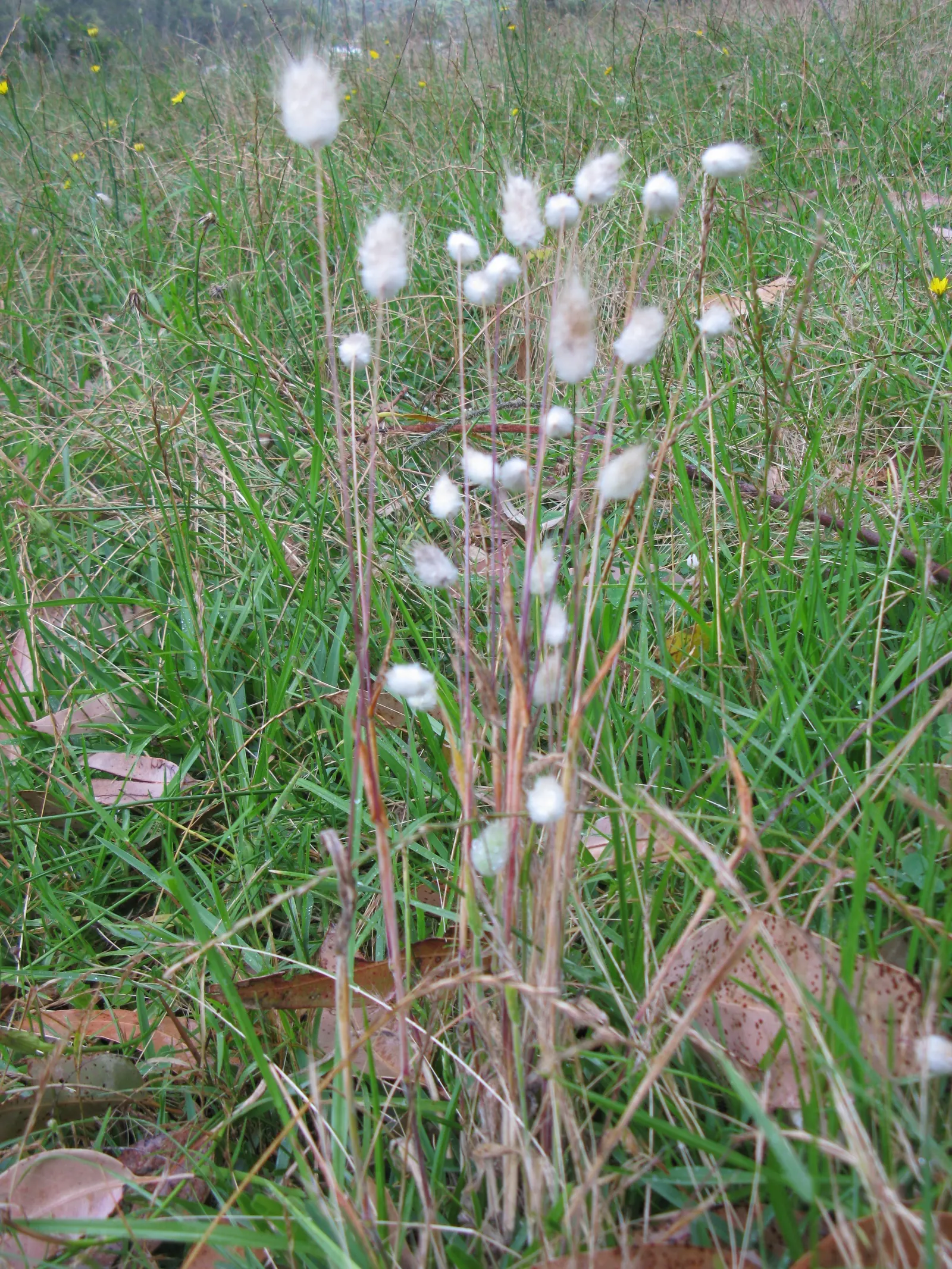
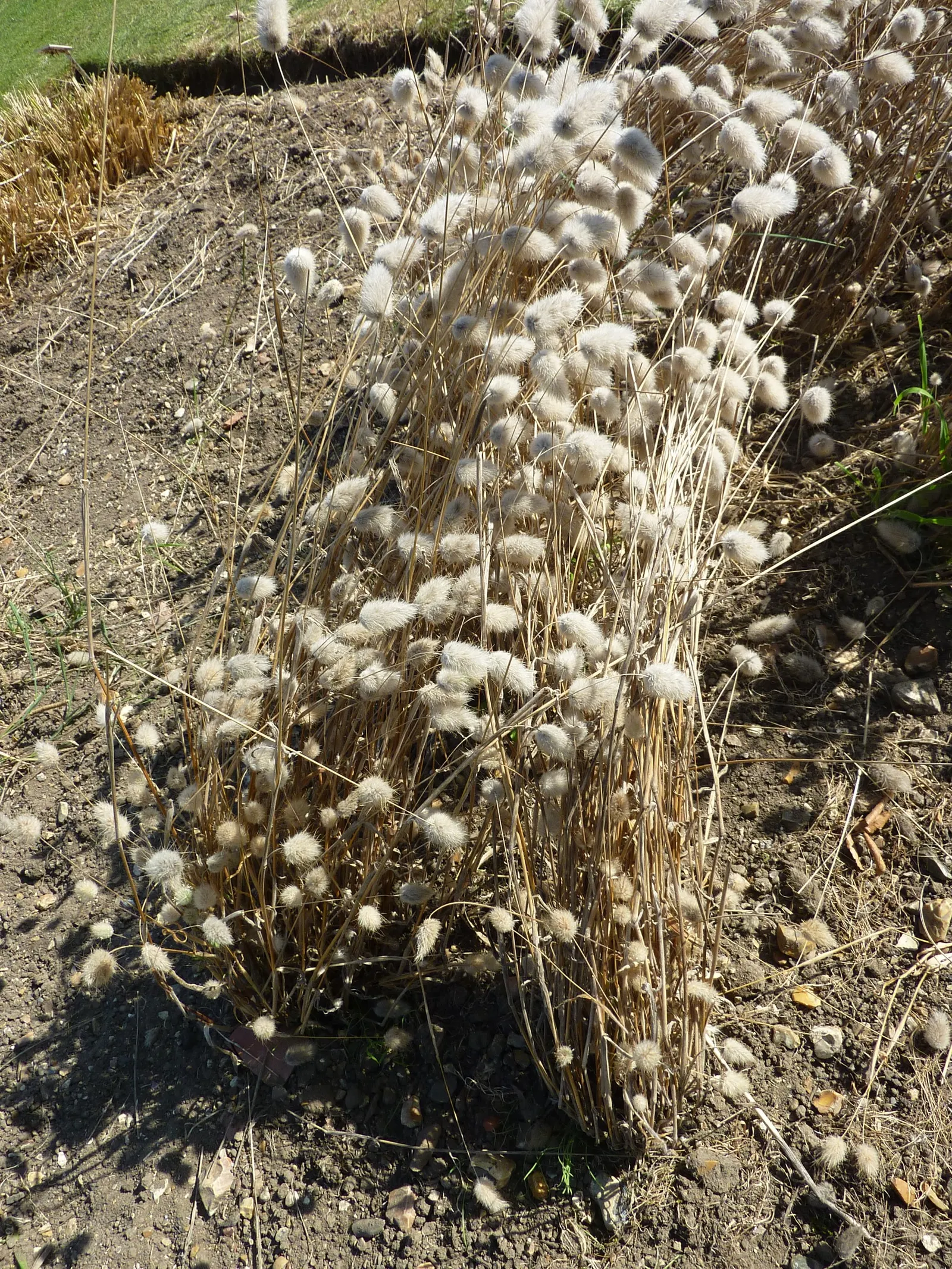
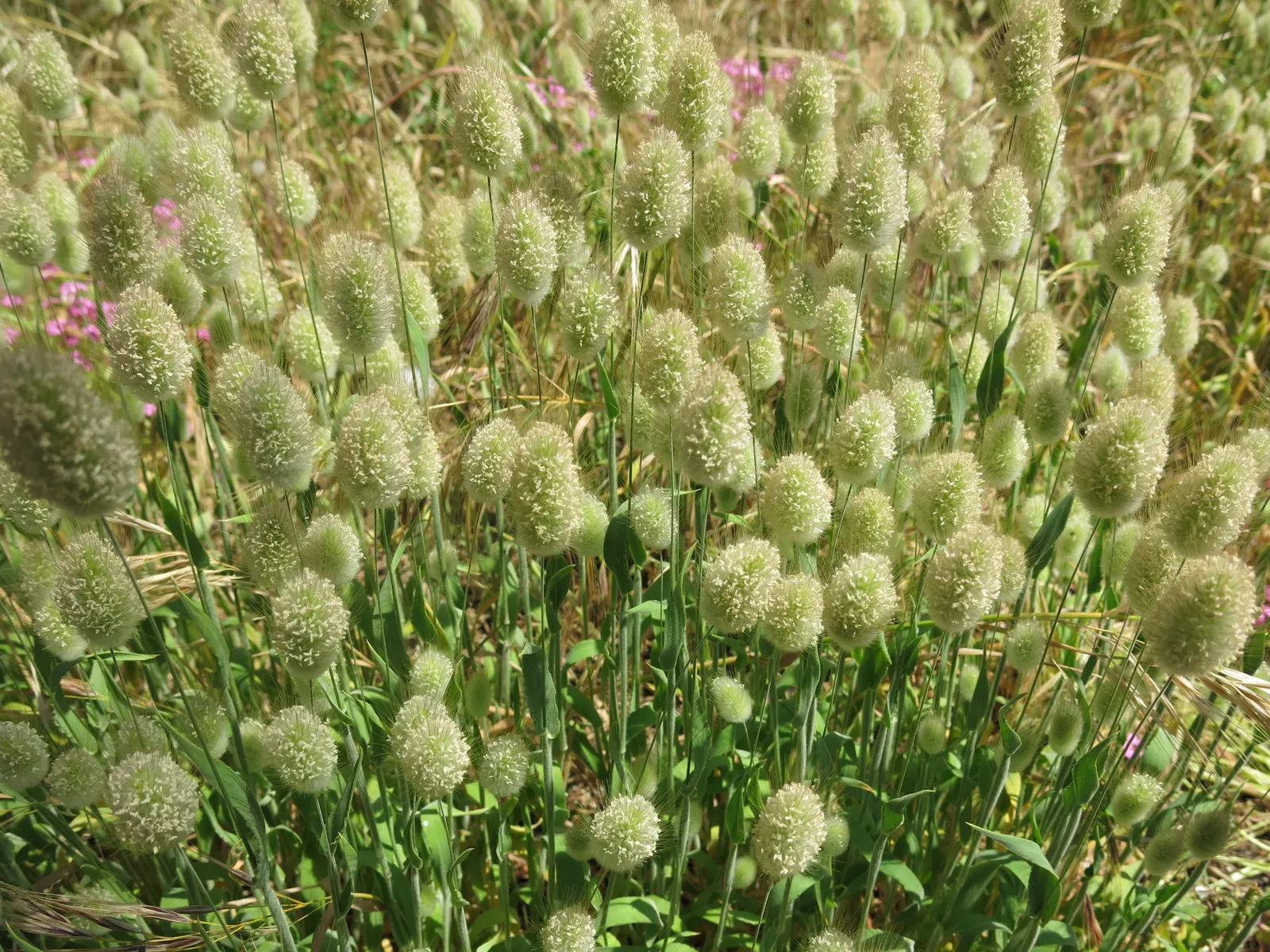
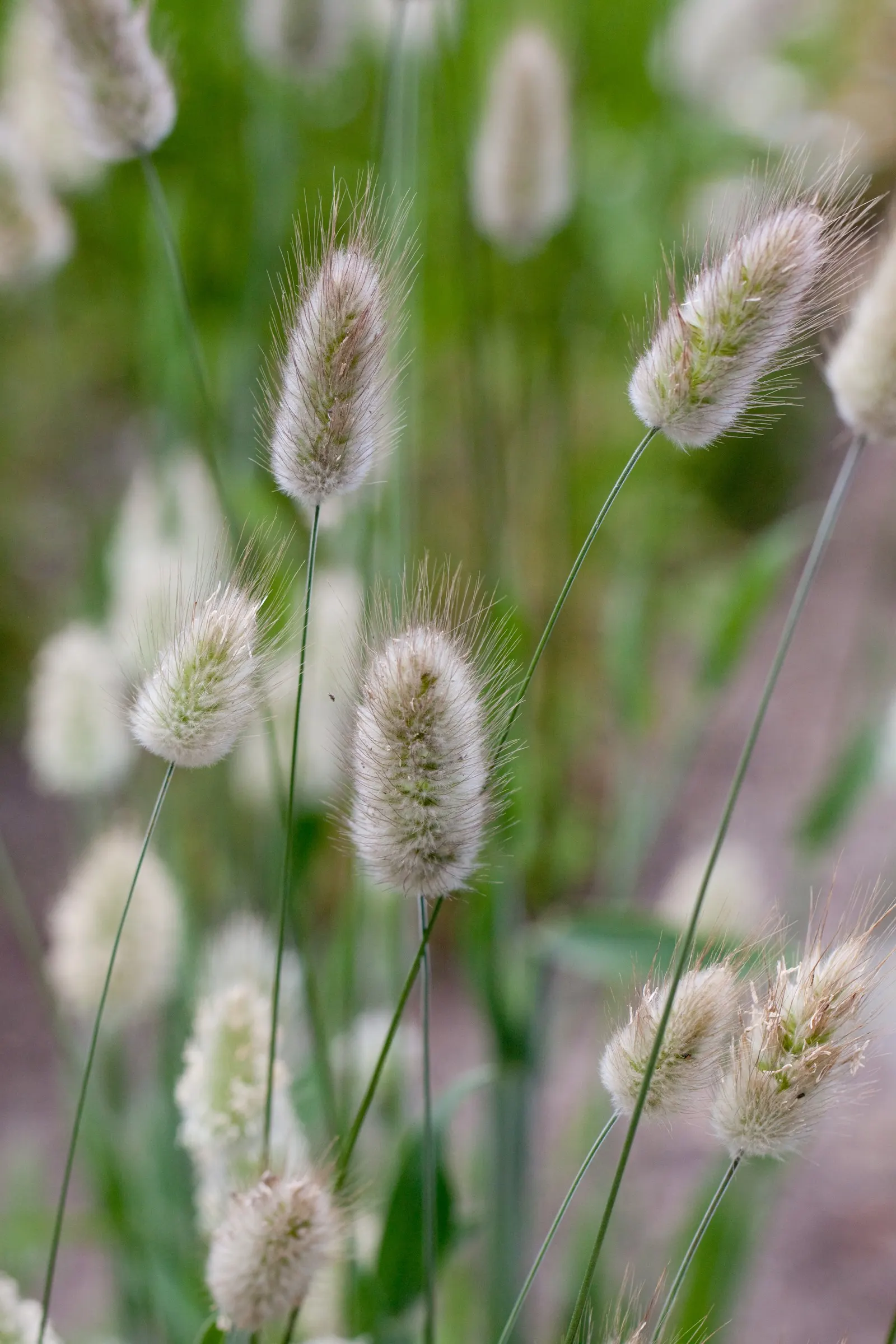
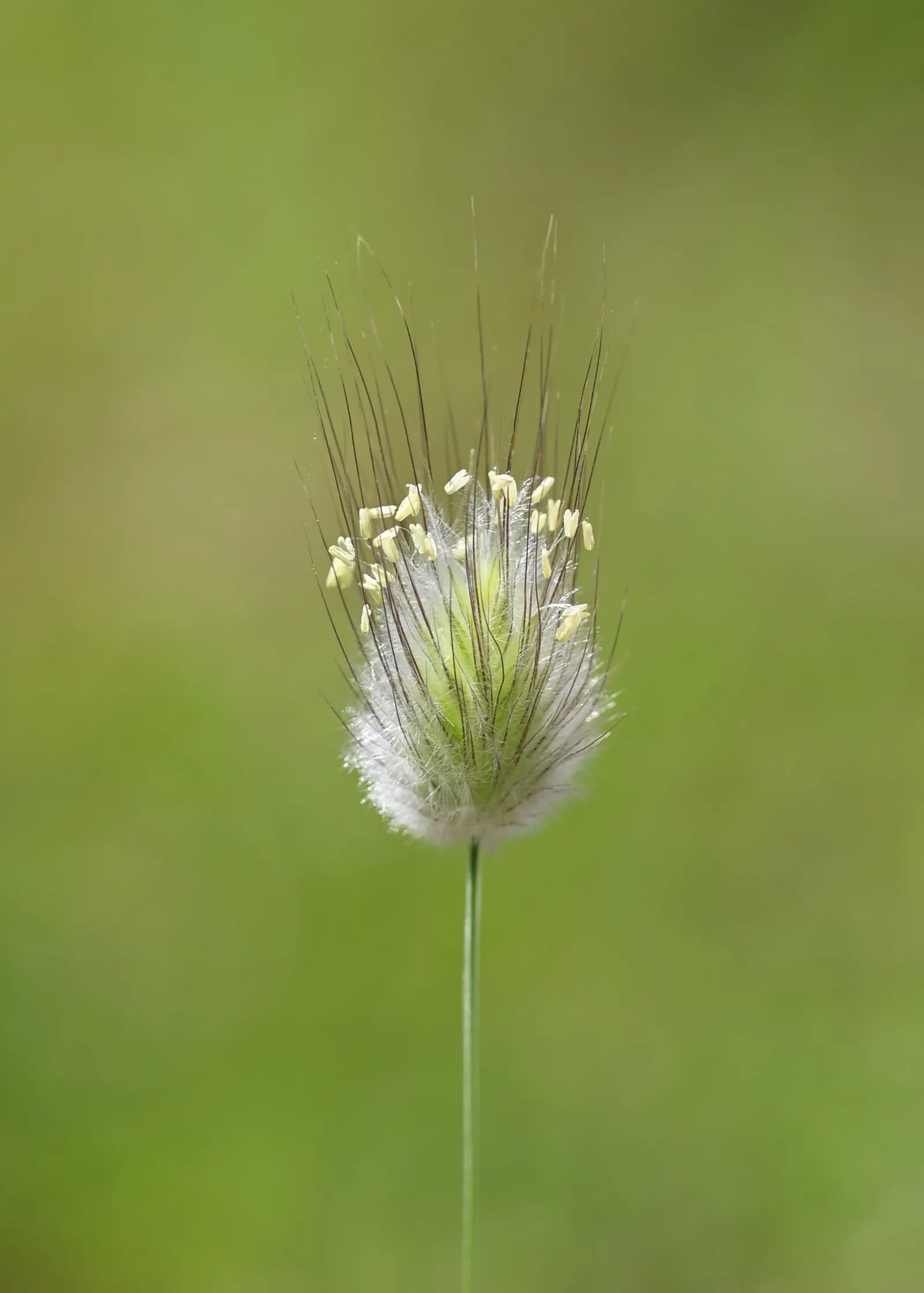
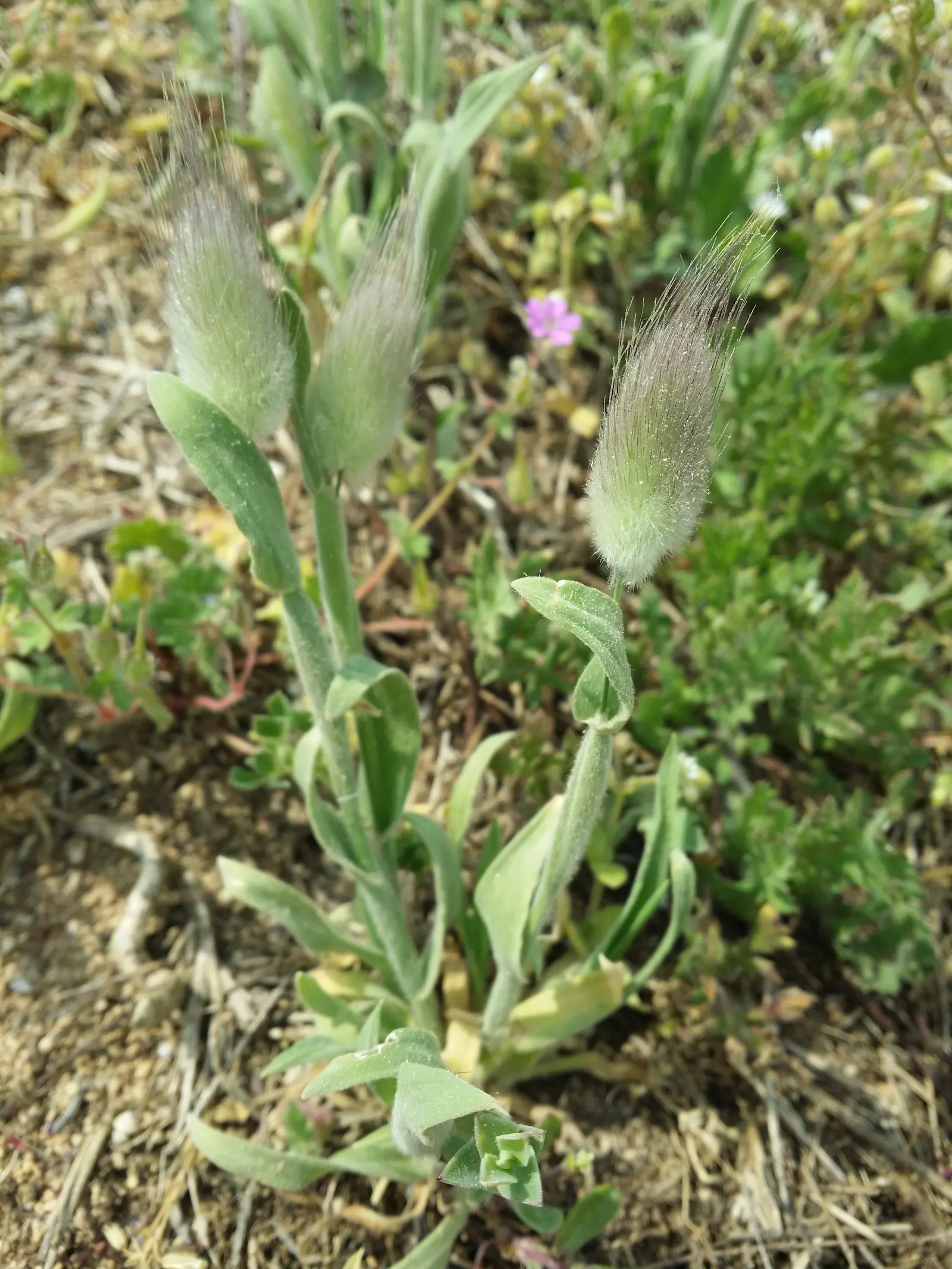
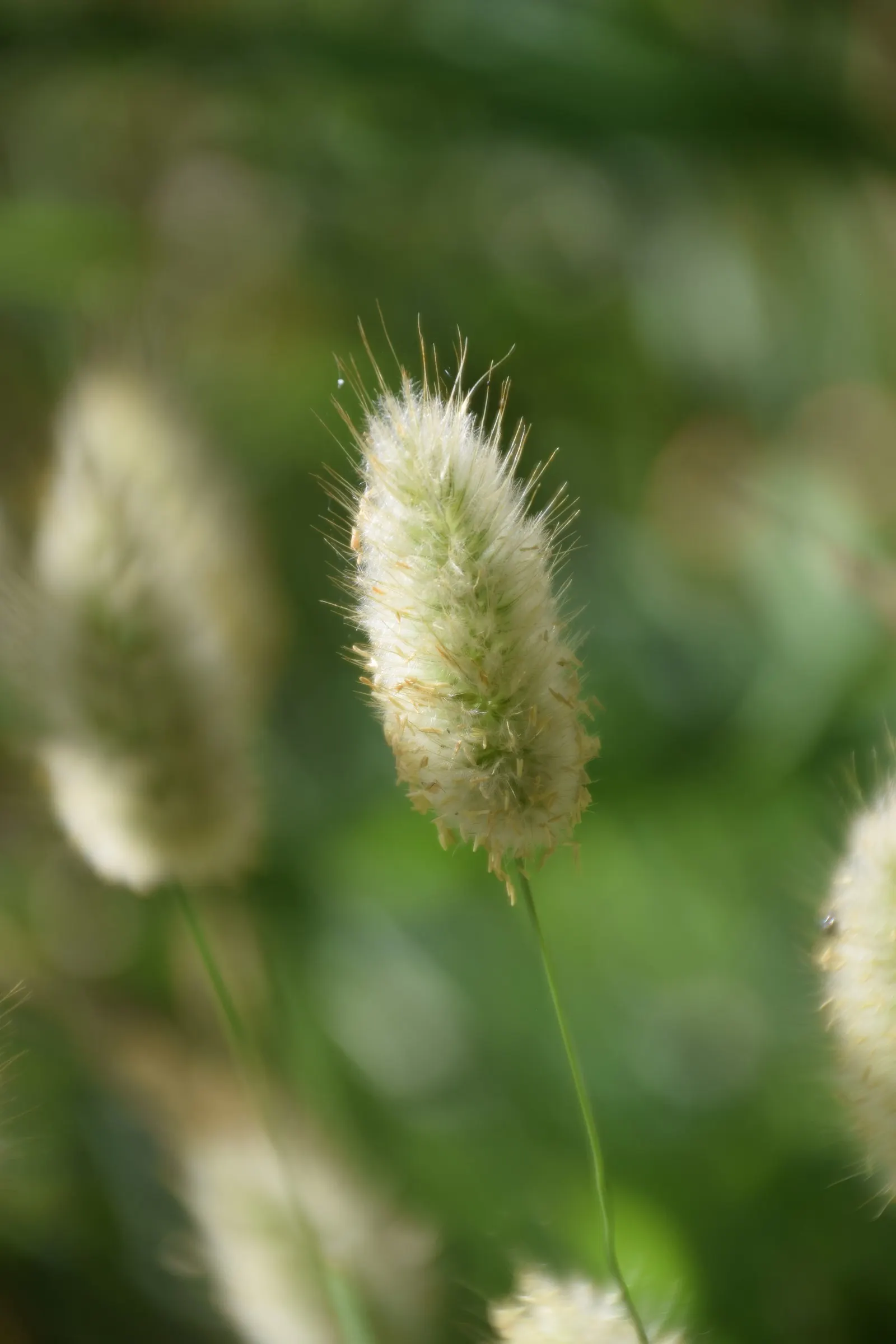
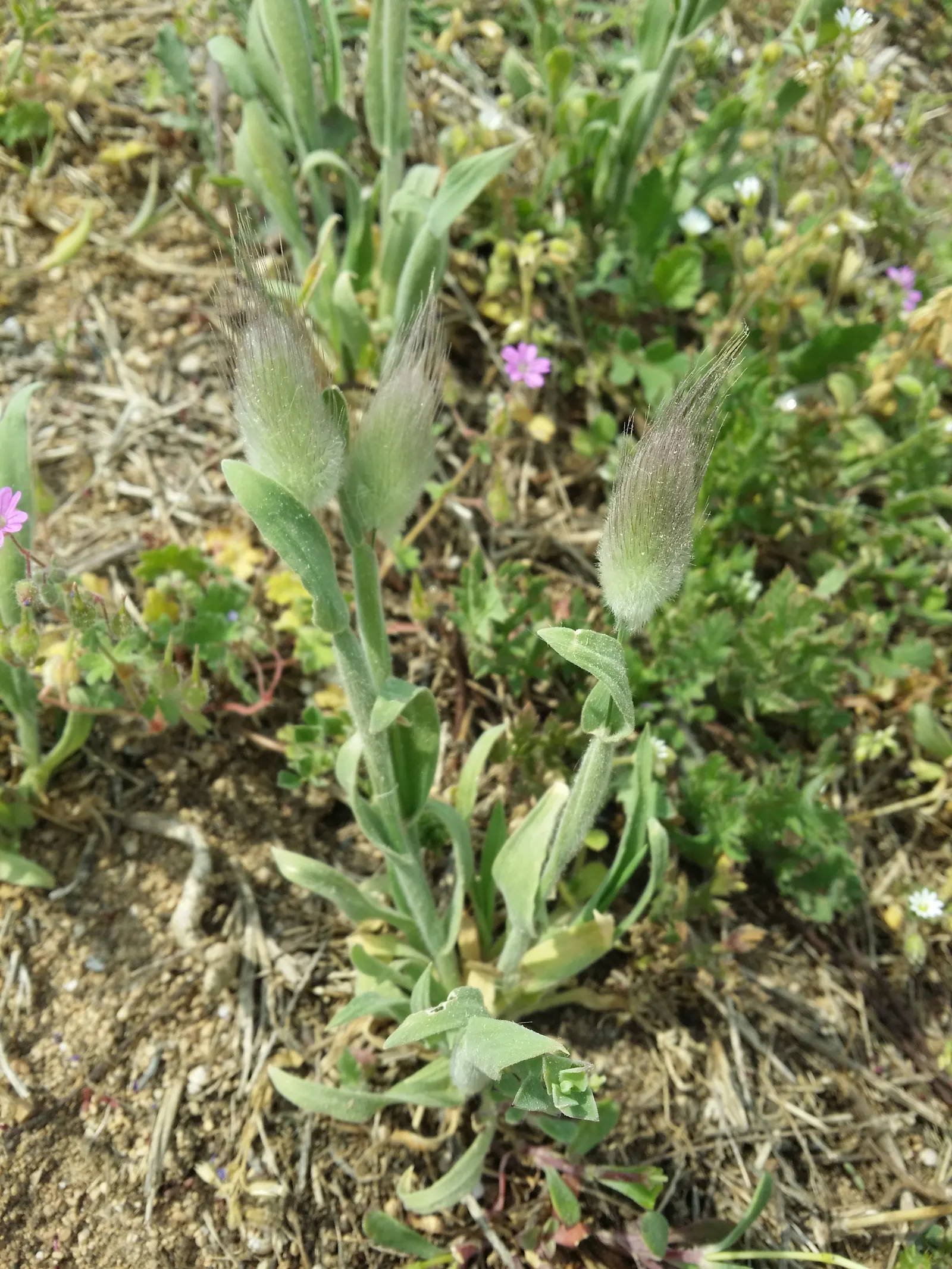
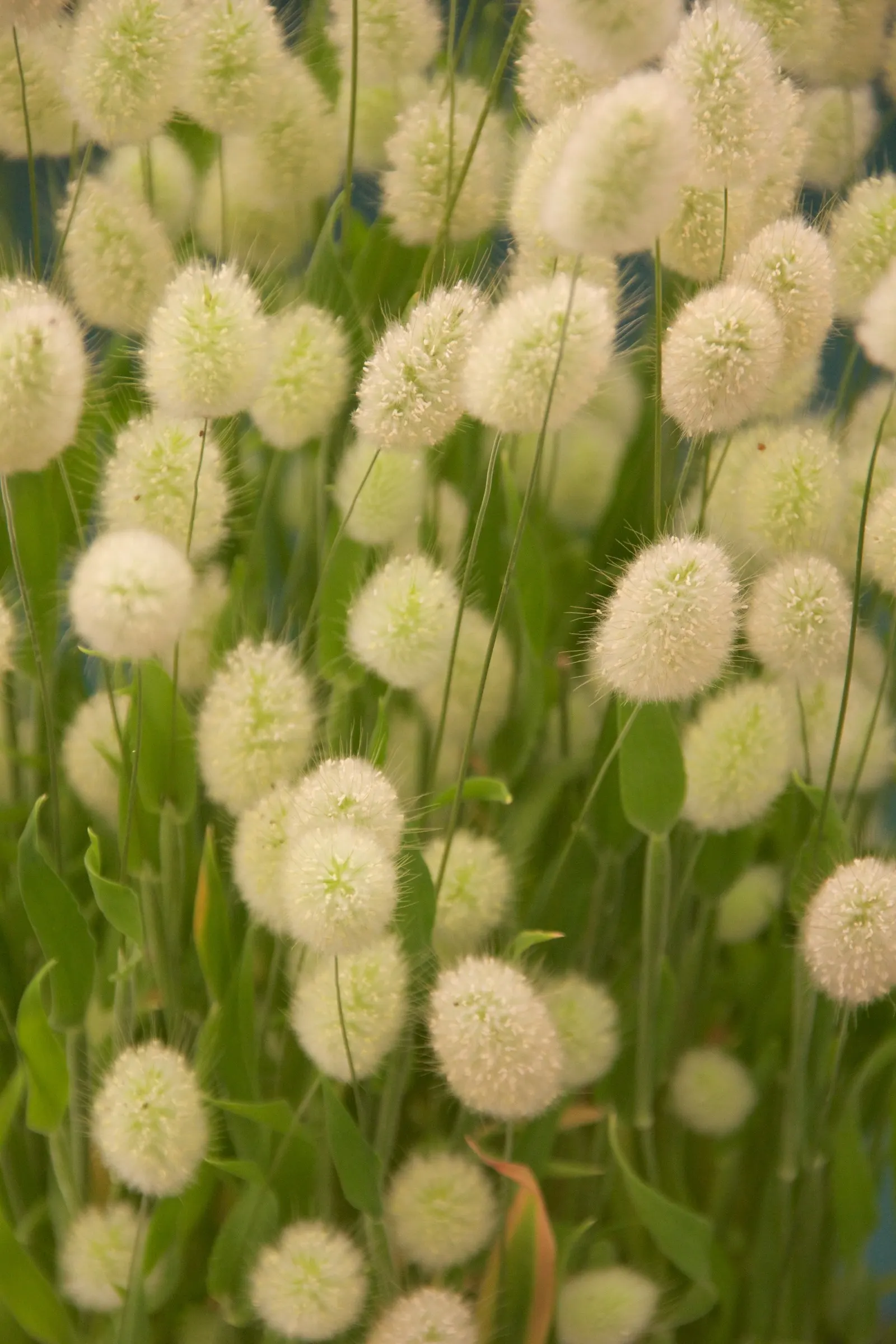
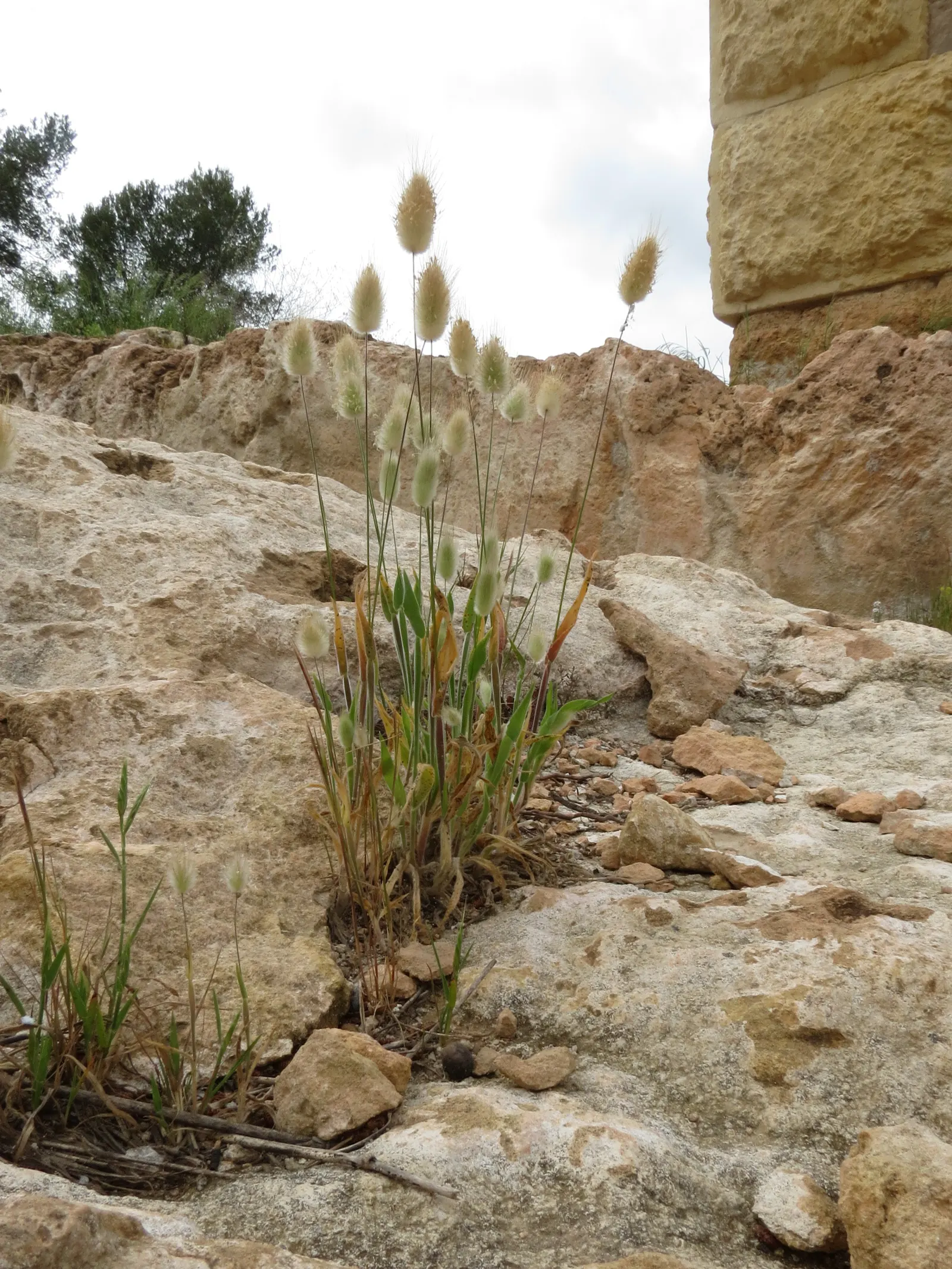
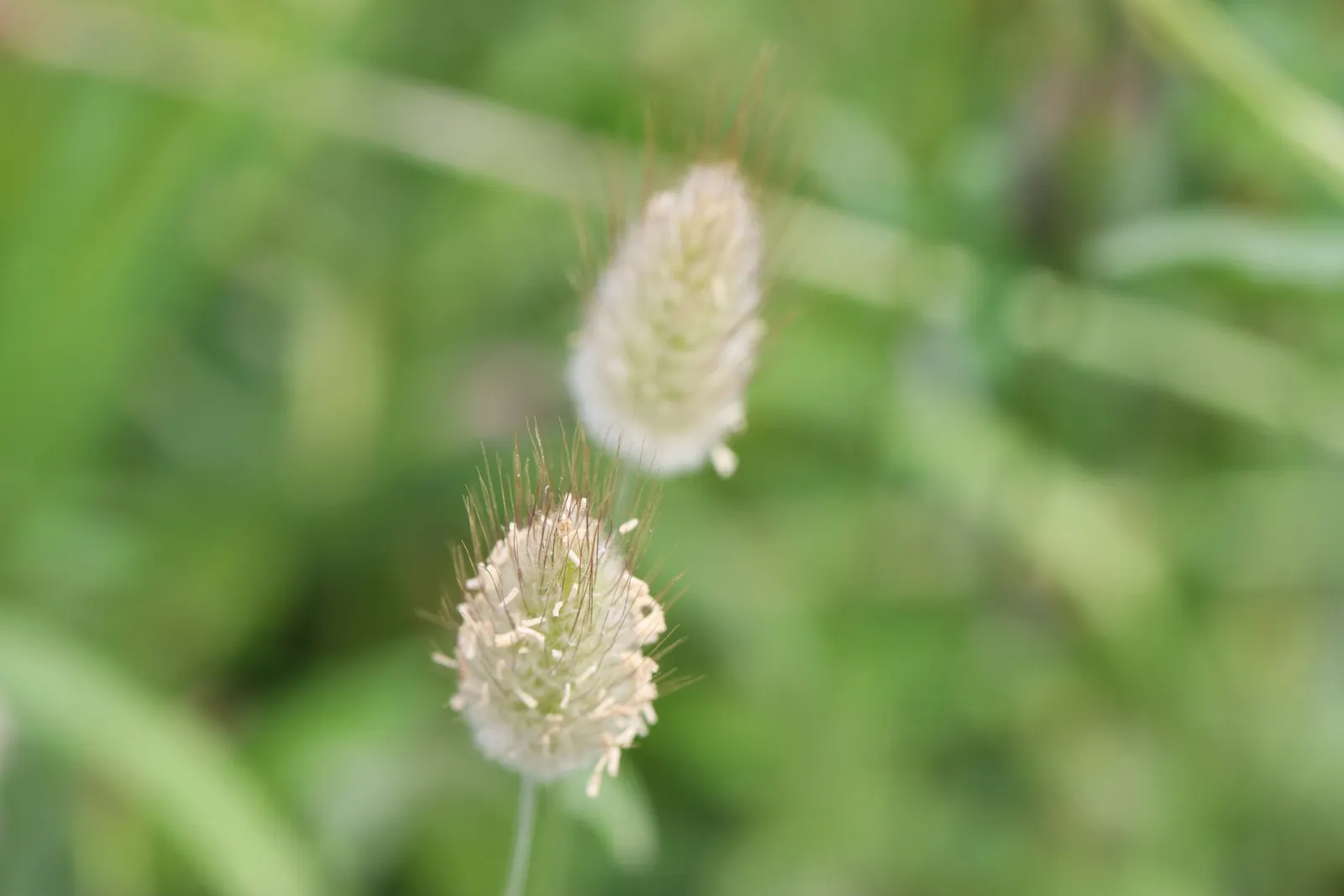
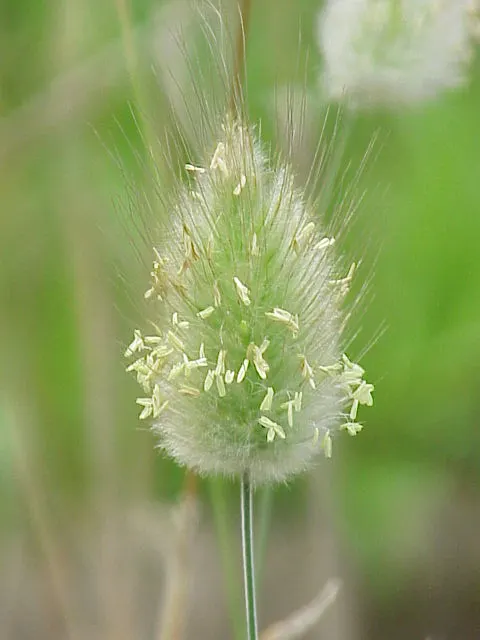
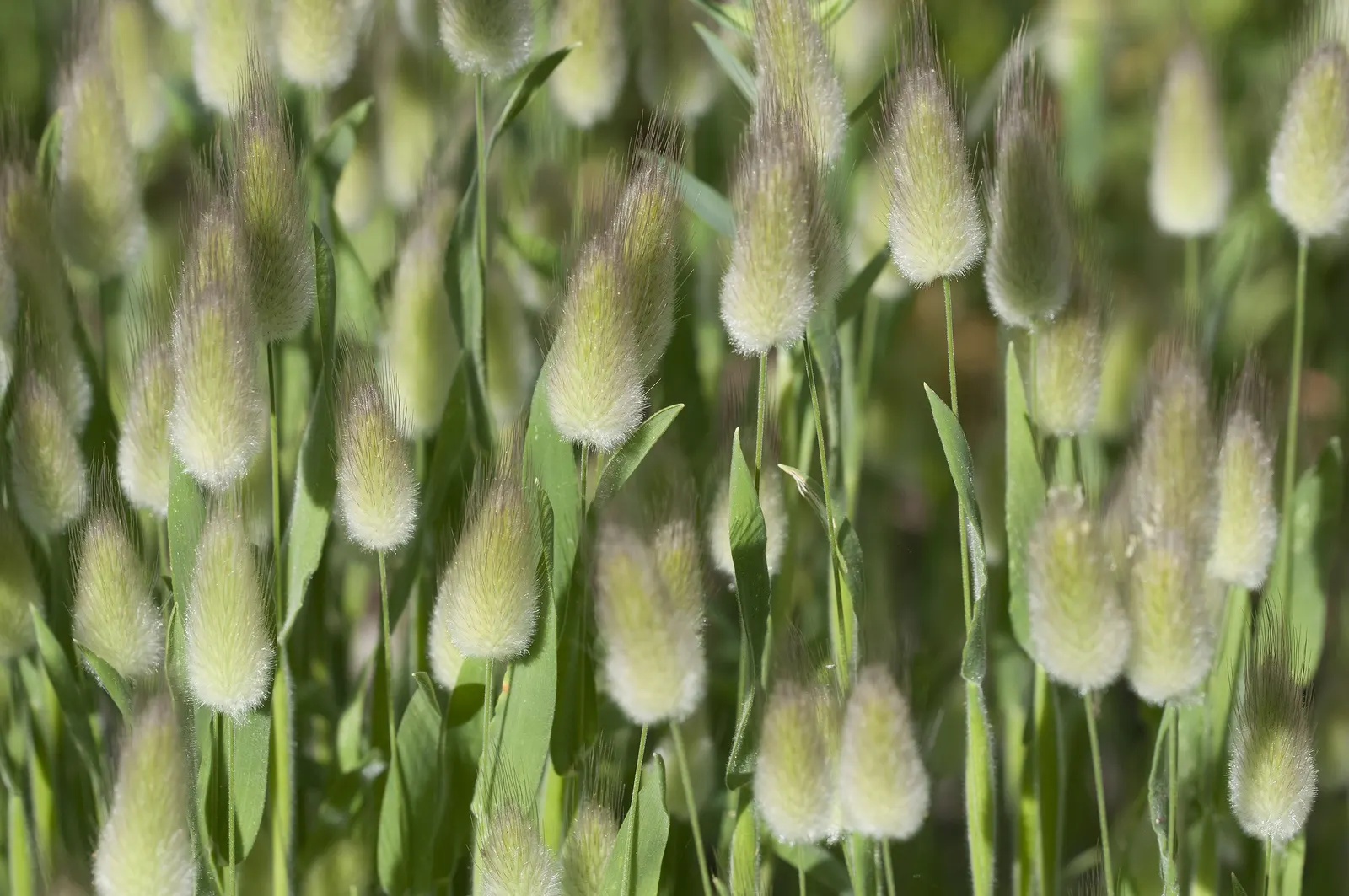
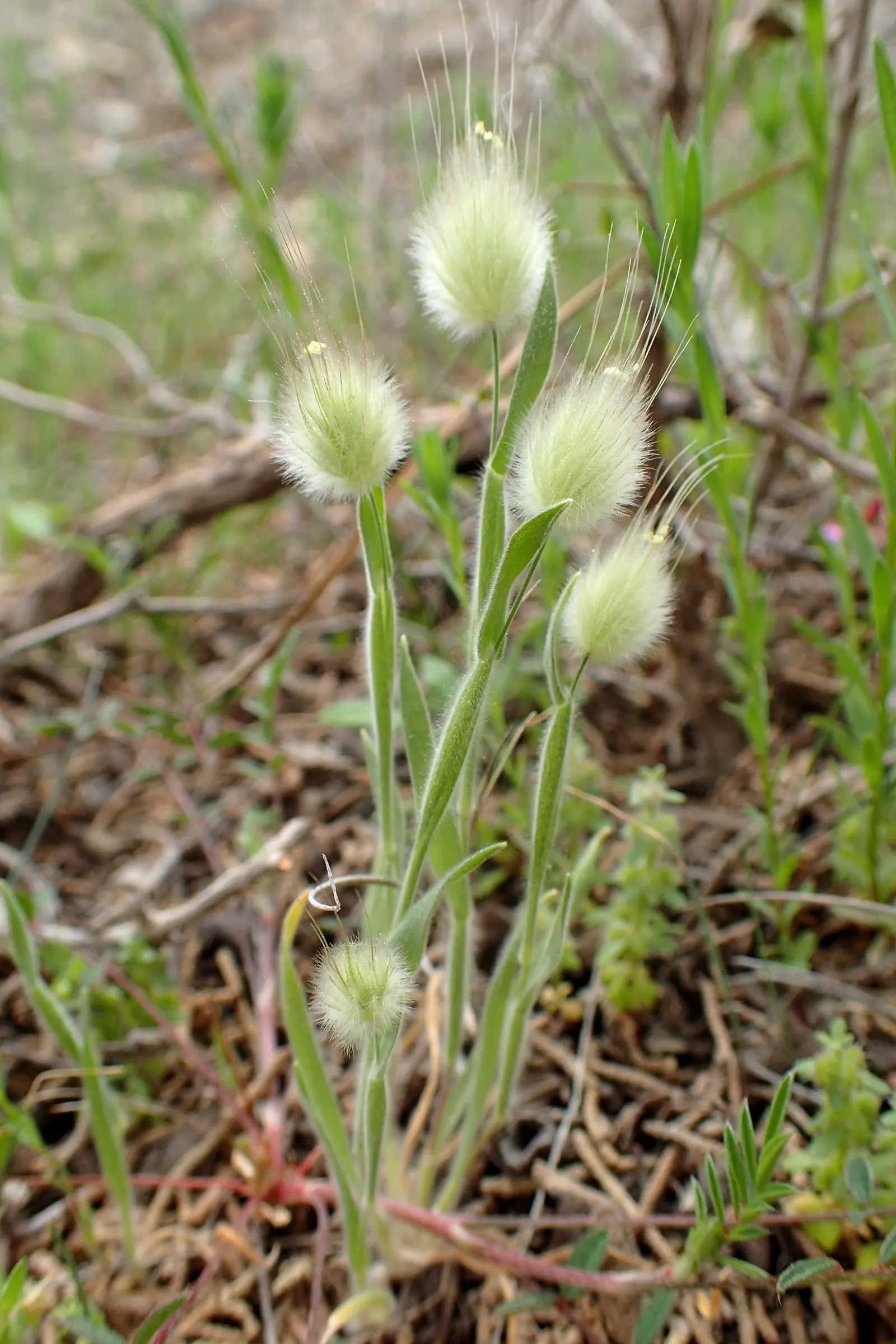
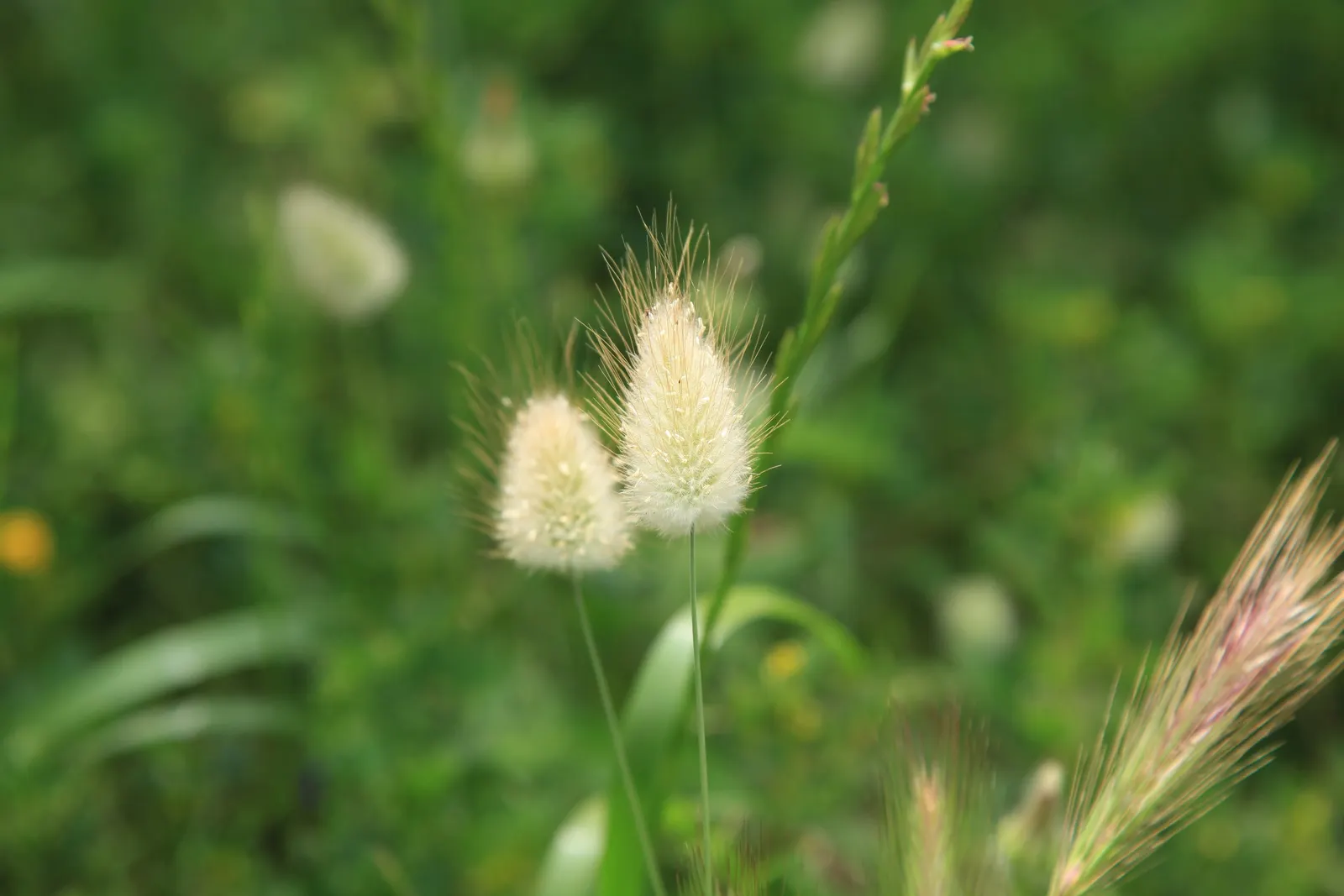
Lagurus ovatus, commonly known as Bunny Tails, is a charming ornamental grass known for its fluffy, cream to pale pink, tail-like seed heads, resembling a bunny's tail. This annual grows to a petite height of 12-24 inches with a similar spread. It thrives in USDA zones 4-10, preferring full sun to partial shade and well-drained soil. Its low maintenance and drought tolerance make it perfect for borders, pots, or as a textural accent in bouquets.

Sun Full, HalfWater Extra in Summer, LowZones 4–10Type Annual
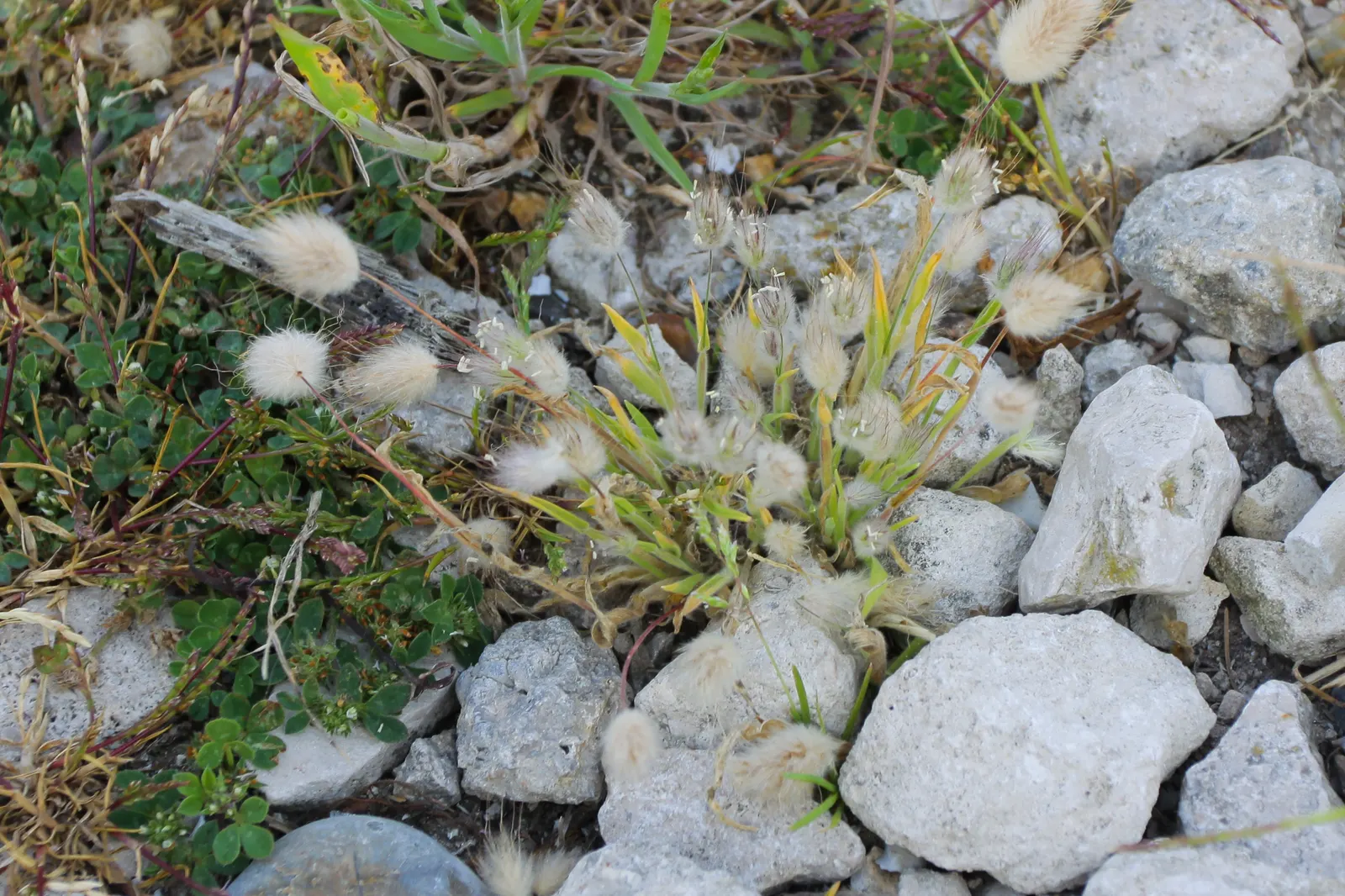
Bunny Tails (Lagurus Ovatus) — Its modest size and adaptability make it a versatile and endearing option for a diverse array of garden styles; it thrives in

Culture

Sun
Full, Half
Water
Extra in Summer, Low
USDA zones
4–10

Shape & size

Mature height
12–24 Inches
Mature width
10–12 Inches

Classification

Type
Annual
Family
Poaceae

See full data, regional cultivation notes, and design tools. Build a client presentation around this plant.

Start your 14-day trial

Photos (99)

Bunny Tails (Lagurus Ovatus) — Its low maintenance and drought tolerance make it perfect for borders; rabbit tail-like inflorescences, image 64
Bunny Tails (Lagurus Ovatus) — annual for full or half; its modest size and adaptability make it a versatile and endearing option for a diverse array of garden
Bunny Tails (Lagurus Ovatus) — is a charming ornamental grass known for its fluffy; native to the Mediterranean, image 60
Bunny Tails (Lagurus Ovatus) — resembling a bunny's tail; often bringing a playful character to the garden setting
Bunny Tails (Lagurus Ovatus) — often bringing a playful character to the garden setting
Bunny Tails (Lagurus Ovatus) — commonly referred to as Bunny Tails or Hare's Tail grass; situating this plant in USDA zones 4 through 10 allows it to perform
Bunny Tails (Lagurus Ovatus) — This annual grows to a petite height of 12-24 inches with a similar spread; watering should be moderate but can be reduced once
Bunny Tails (Lagurus Ovatus) — white flowers in the garden; this annual grass cultivar typically reaches a modest height of 1 to 2 feet
Bunny Tails (Lagurus Ovatus) — is a whimsical ornamental grass that is highly cherished for its fluffy; is a charming ornamental grass known for its fluffy
Bunny Tails (Lagurus Ovatus) — tufted seed heads emerge in late spring to early summer and persist well into the fall; commonly referred to as, image 72
Bunny Tails (Lagurus Ovatus) — It is best planted in well-drained soil and once established
Bunny Tails (Lagurus Ovatus) — These seed heads are borne atop slender; it displays good drought tolerance
Bunny Tails (Lagurus Ovatus) — Native to the Mediterranean
Bunny Tails (Lagurus Ovatus) — is a whimsical ornamental grass that is highly cherished for its fluffy; is a charming ornamental grass known for, image 67
Bunny Tails (Lagurus Ovatus) — This annual grows to a petite height of 12-24 inches with a similar spread; watering should be moderate but can be, image 62
Bunny Tails (Lagurus Ovatus) — tufted seed heads emerge in late spring to early summer and persist well into the fall; commonly referred to as Bunny Tails or
Bunny Tails (Lagurus Ovatus) — These seed heads are borne atop slender; it displays good drought tolerance, image 74
Bunny Tails (Lagurus Ovatus) — Bunny Tails thrives in full sun but can tolerate some light shade; it is best planted in well-drained soil and once, image 78
Bunny Tails (Lagurus Ovatus) — annual with white blooms
Bunny Tails (Lagurus Ovatus) — This annual grows to a petite height of 12-24 inches with a similar spread
Bunny Tails (Lagurus Ovatus) — and their unique texture and form capture the interest of onlookers; annual for full or half
Bunny Tails (Lagurus Ovatus) — Bunny Tails is also a favorite for dried floral arrangements.<br><br>For optimal growth; tufted seed heads emerge in late spring
Bunny Tails (Lagurus Ovatus) — often bringing a playful character to the garden setting; or as a textural accent in bouquets
Bunny Tails (Lagurus Ovatus) — Bunny Tails thrives in full sun but can tolerate some light shade
Photographs by 14 contributors

Related plants