
Bunny Tails
Lagurus Ovatus
Overview
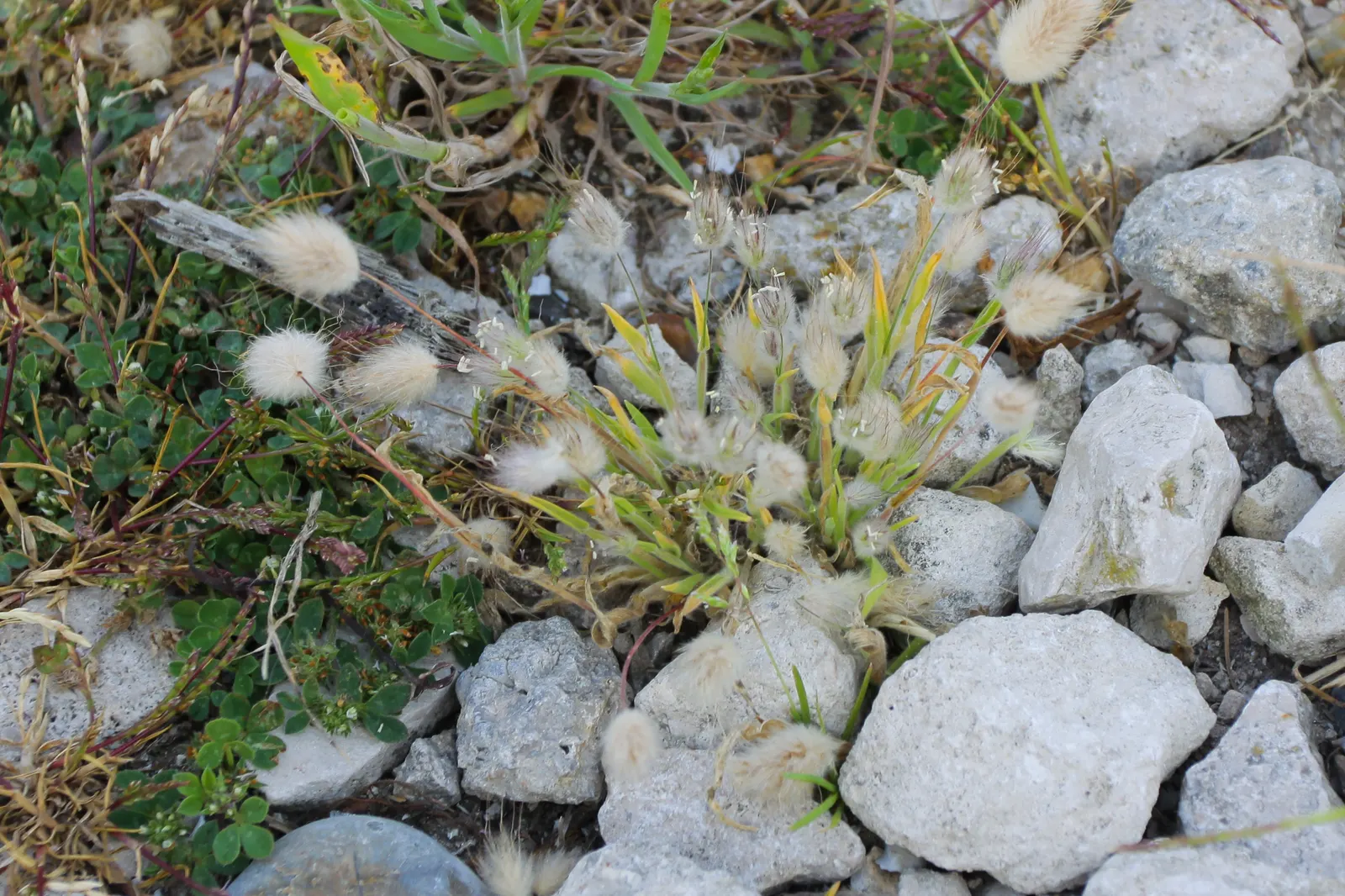
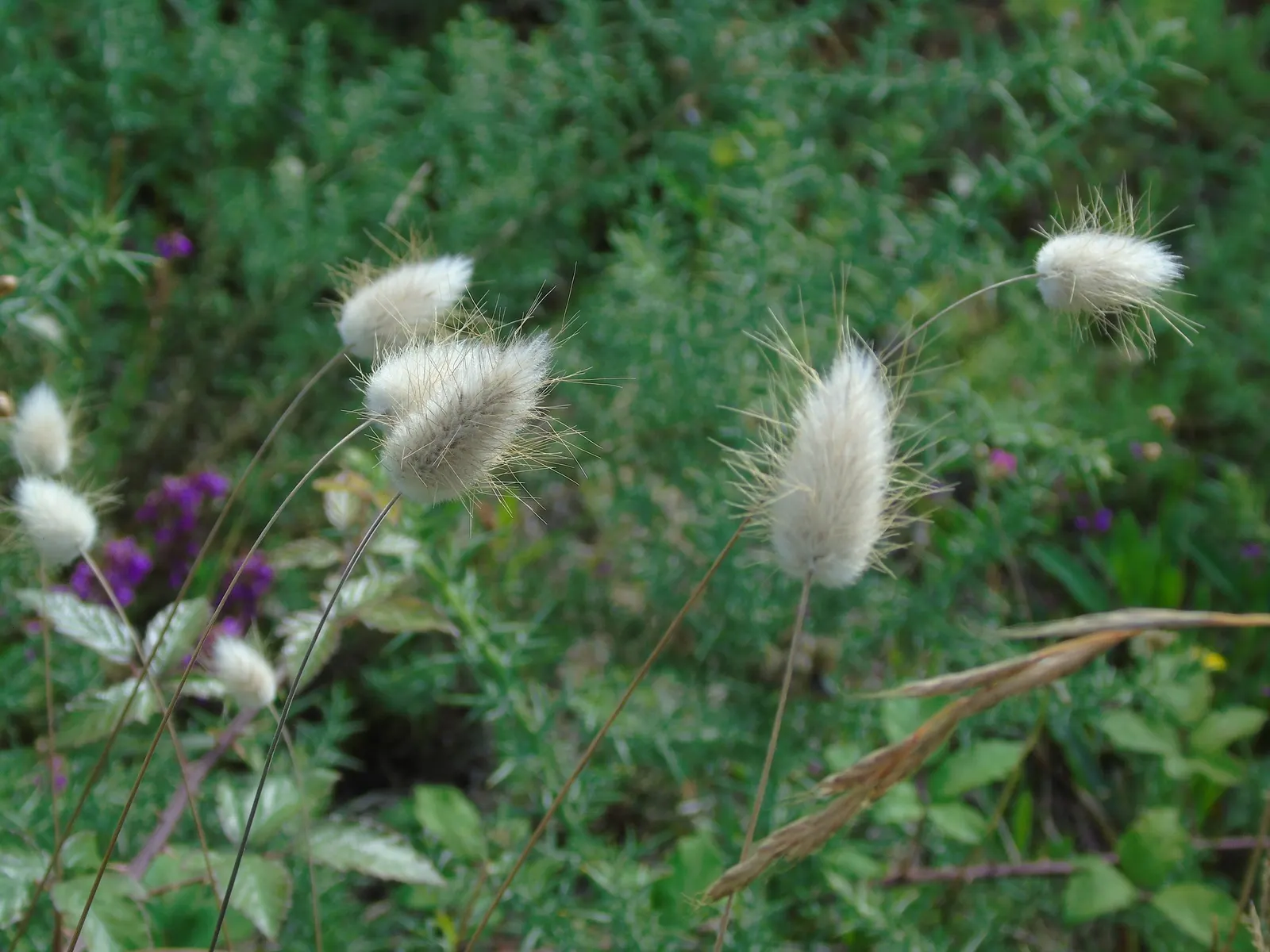
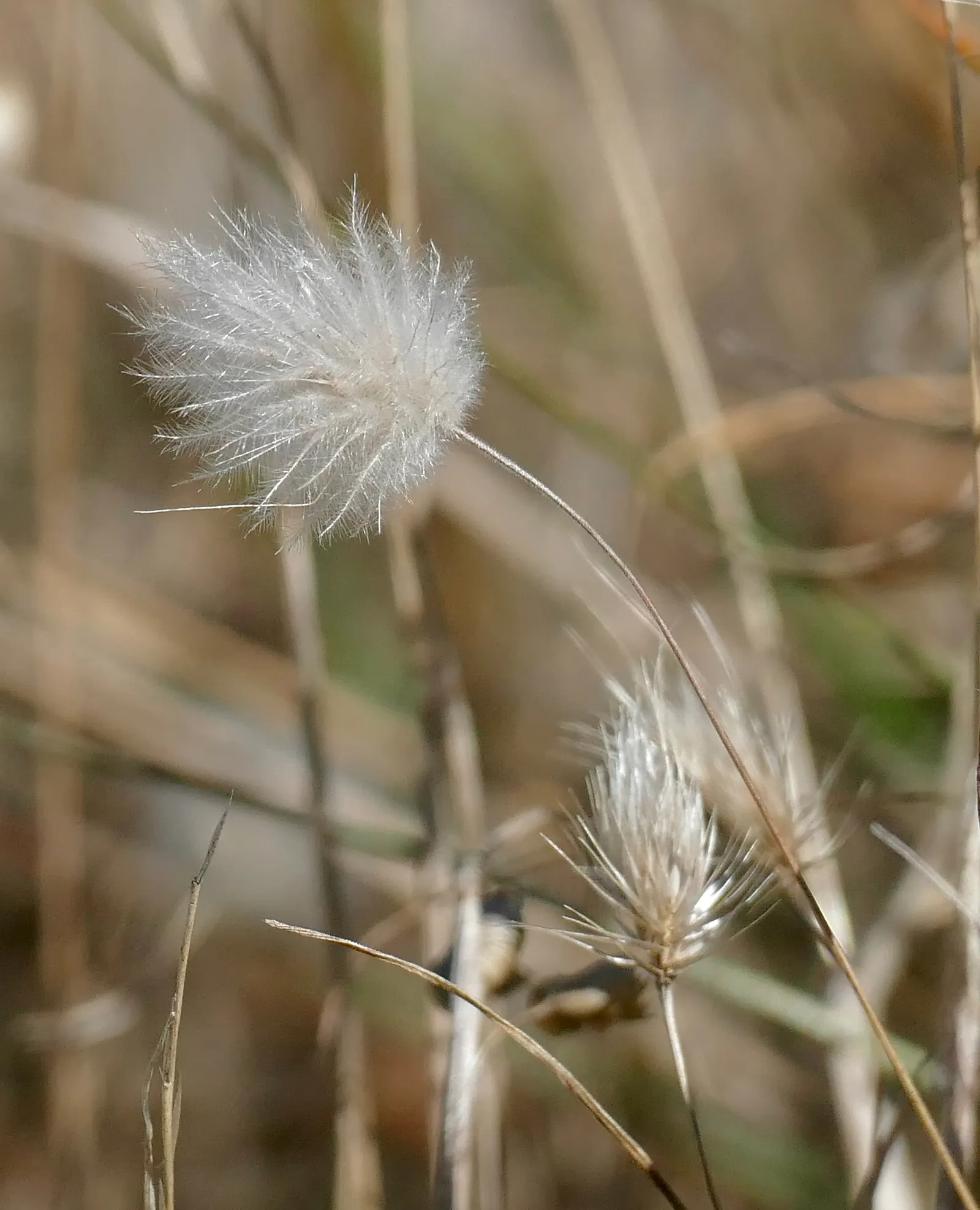
Lagurus ovatus, commonly known as Bunny Tails, is a charming ornamental grass known for its fluffy, cream to pale pink, tail-like seed heads, resembling a bunny's tail. This annual grows to a petite height of 12-24 inches with a similar spread. It thrives in USDA zones 4-10, preferring full sun to partial shade and well-drained soil. Its low maintenance and drought tolerance make it perfect for borders, pots, or as a textural accent in bouquets.
Sun Full, HalfWater Extra in Summer, LowZones 4–10Type Annual
Culture
- Sun
- Full, Half
- Water
- Extra in Summer, Low
- USDA zones
- 4–10
Shape & size
- Mature height
- 12–24 Inches
- Mature width
- 10–12 Inches
Classification
- Type
- Annual
- Family
- Poaceae
See full data, regional cultivation notes, and design tools. Build a client presentation around this plant.
Start your 14-day trialPhotos (99)
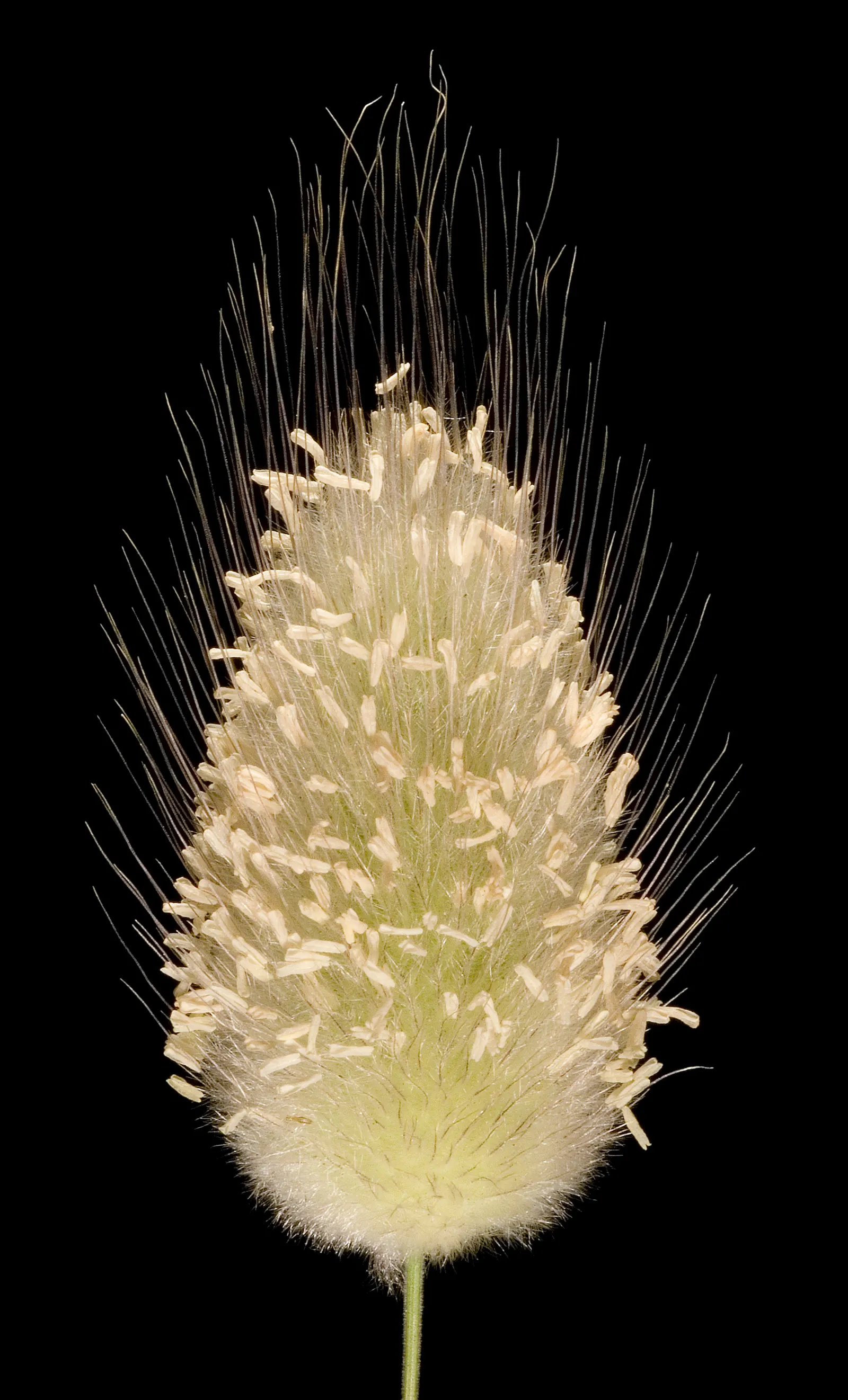
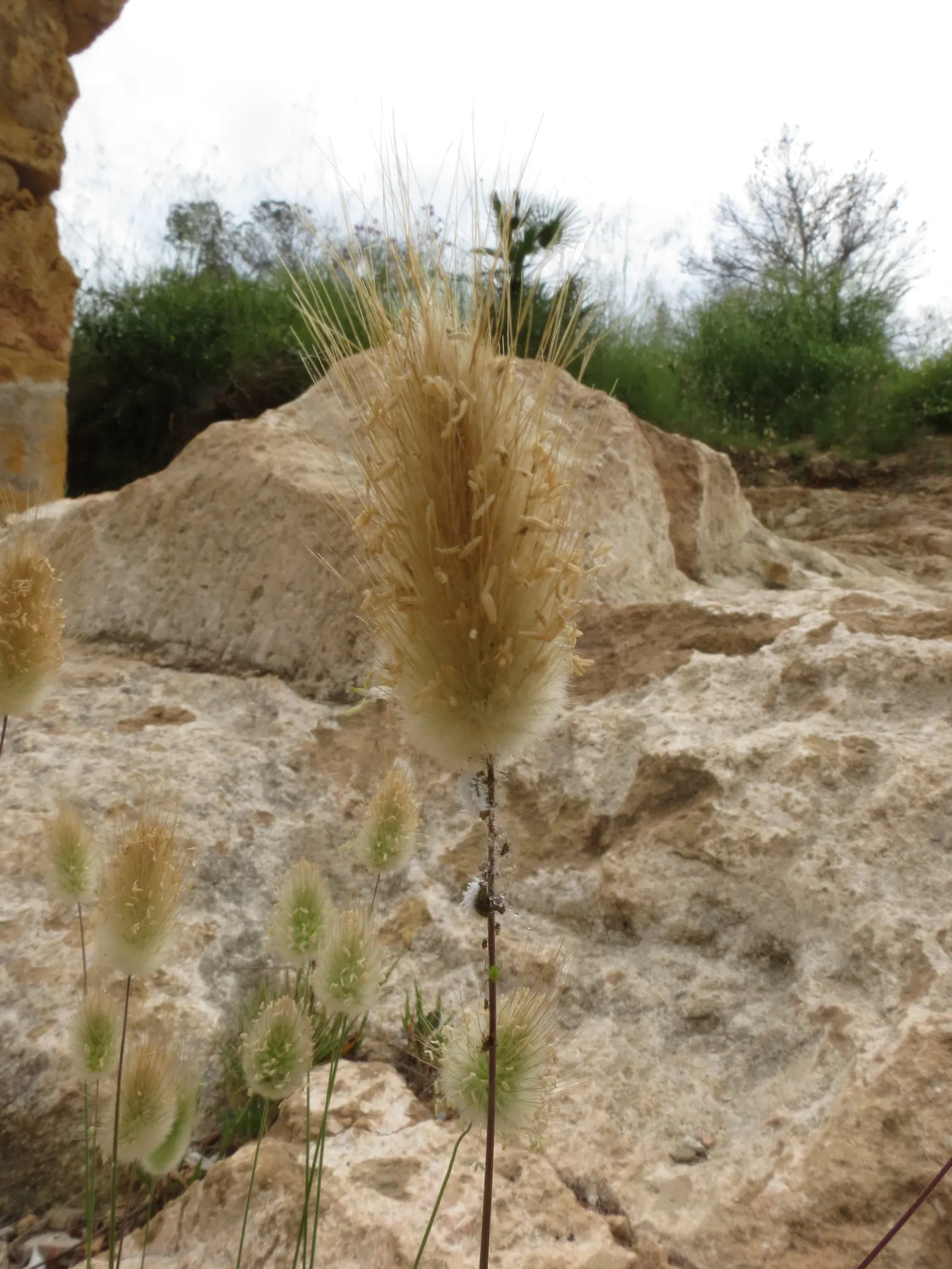
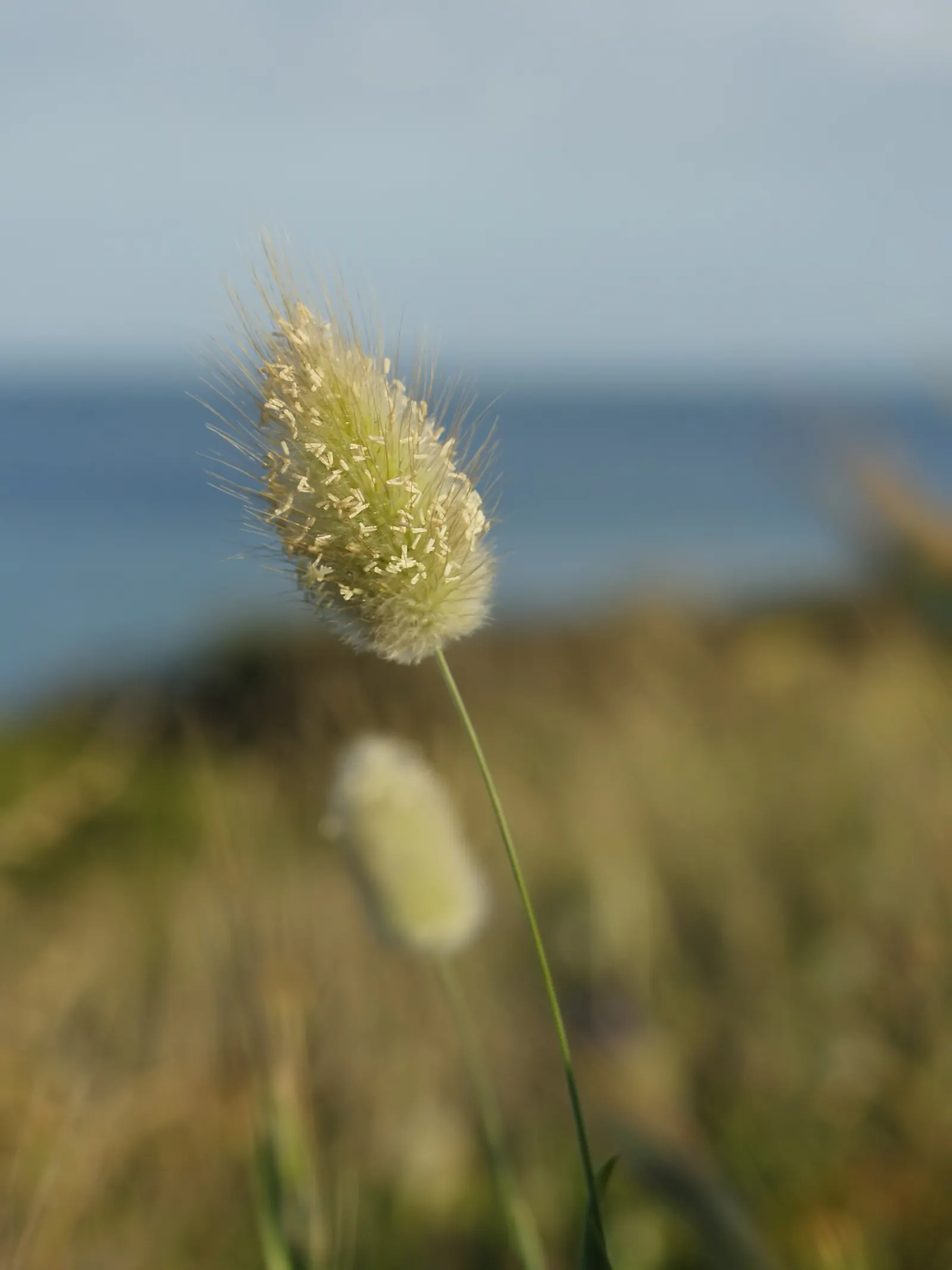
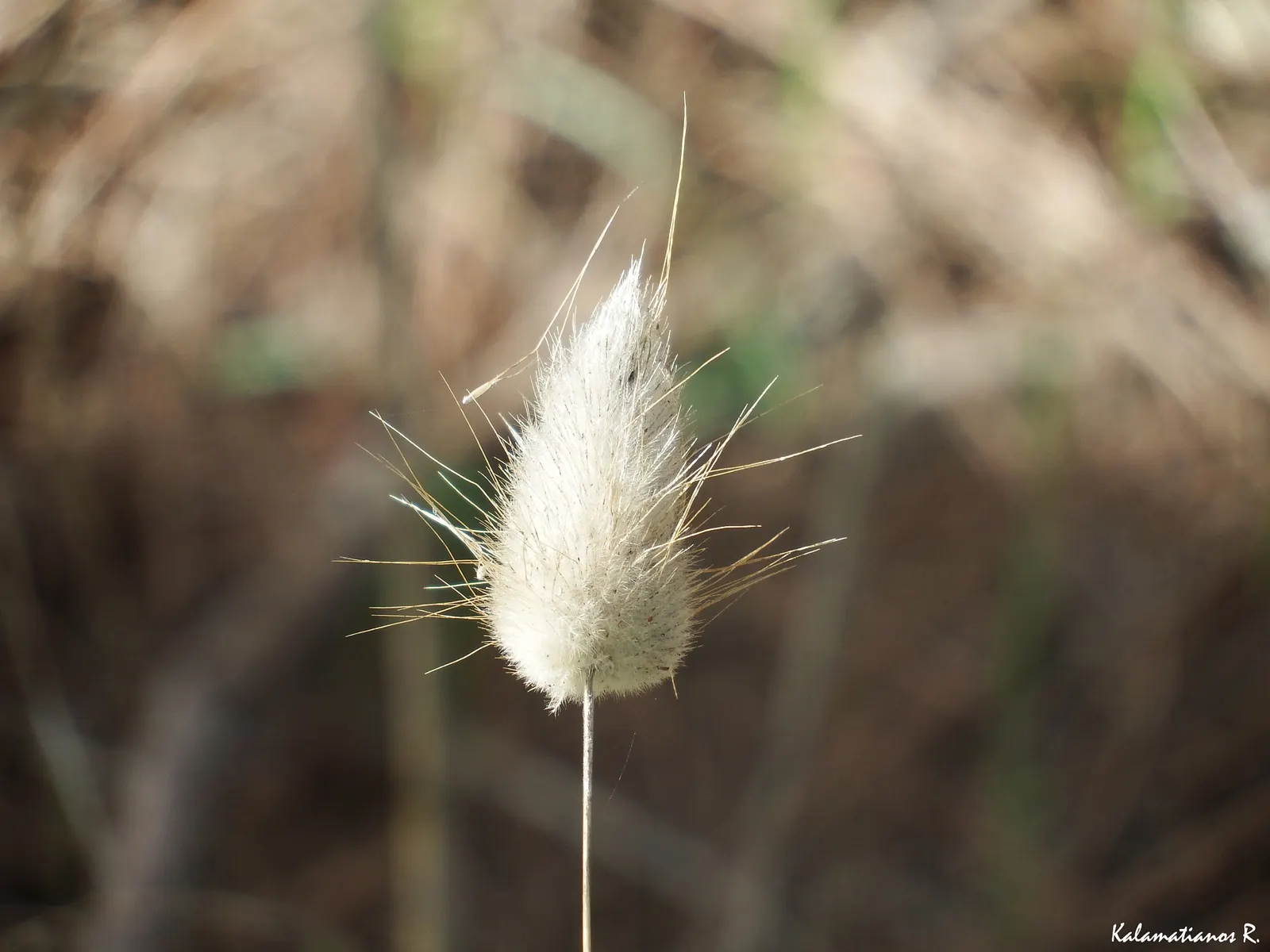
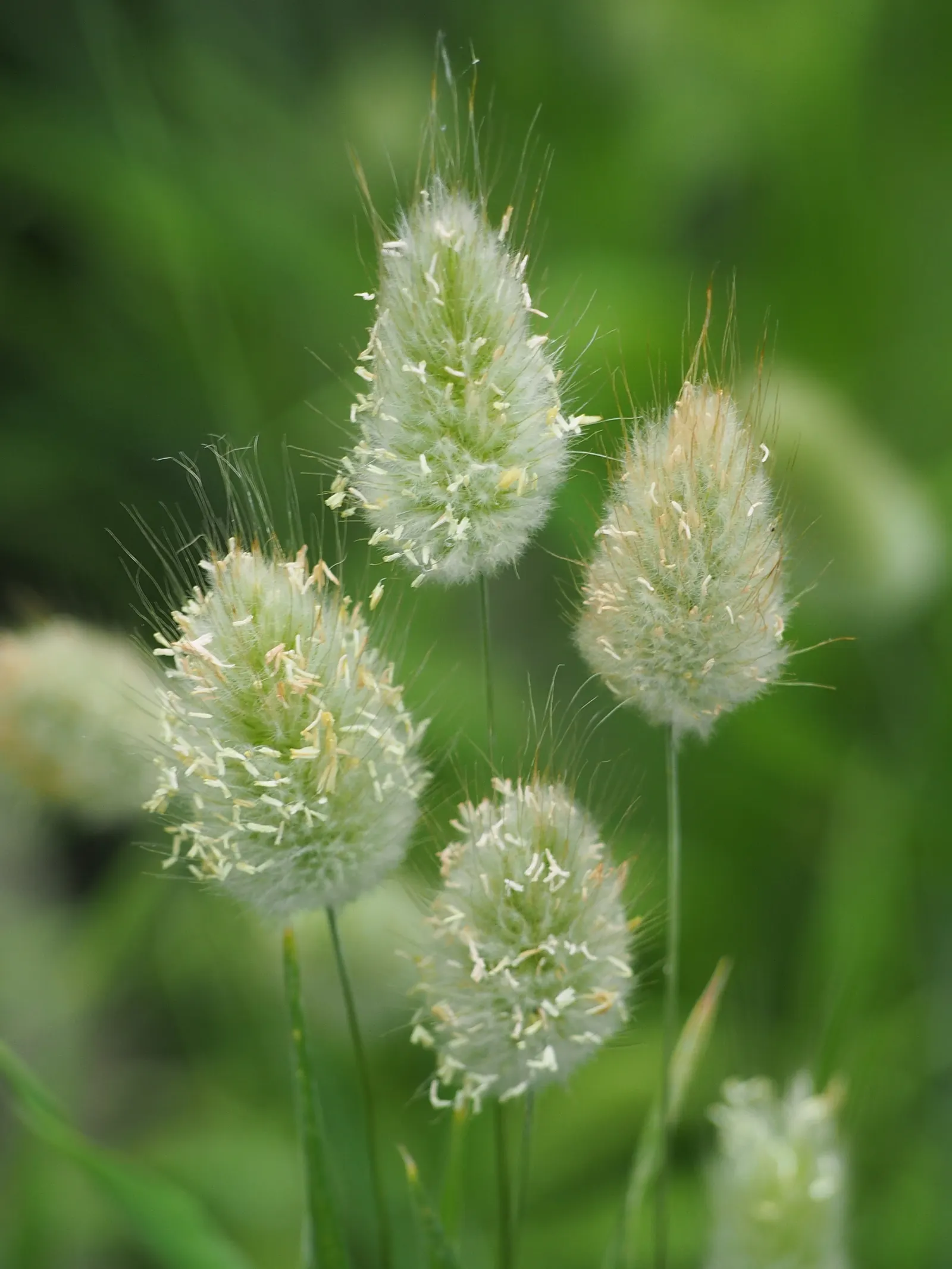
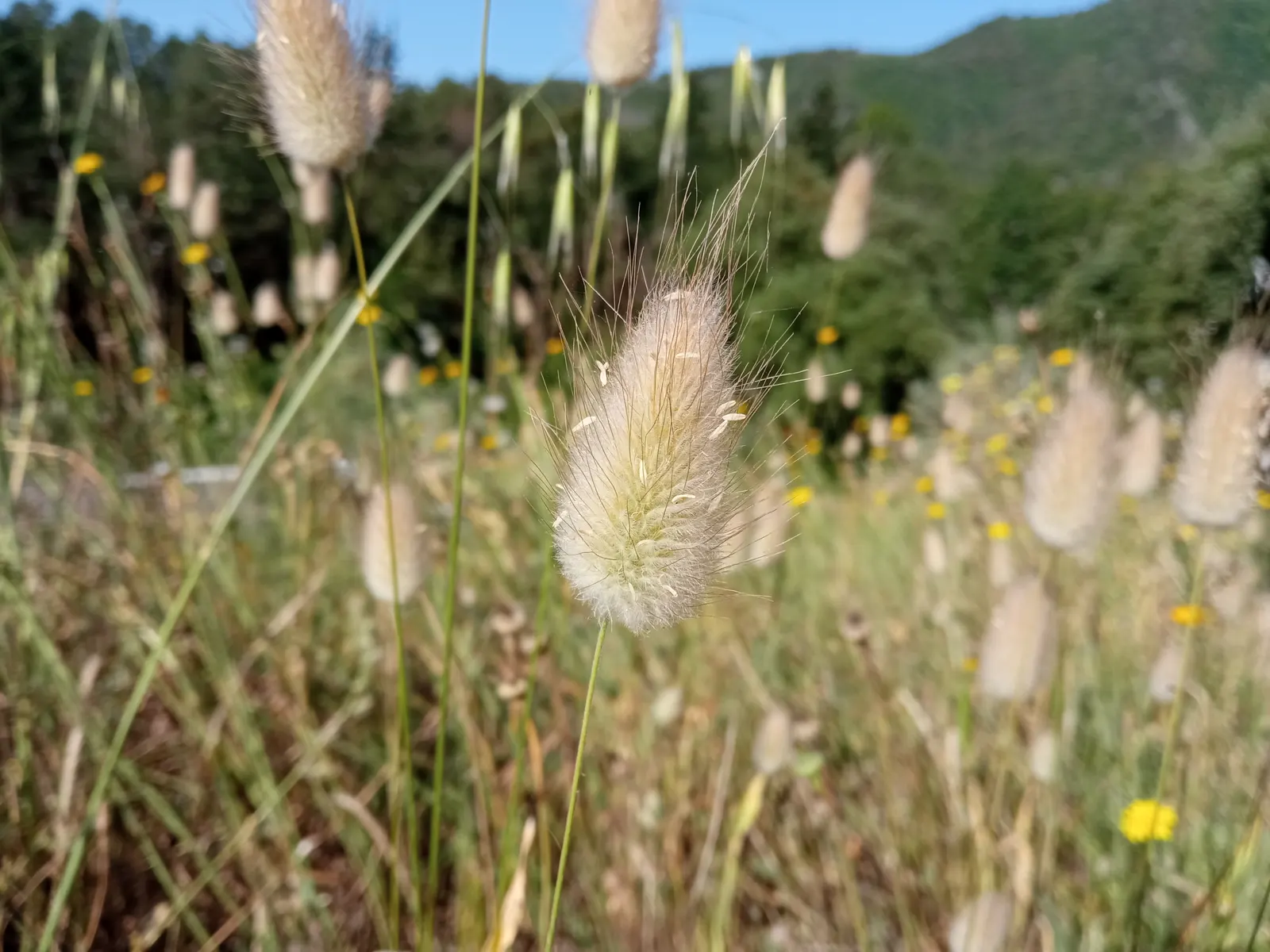
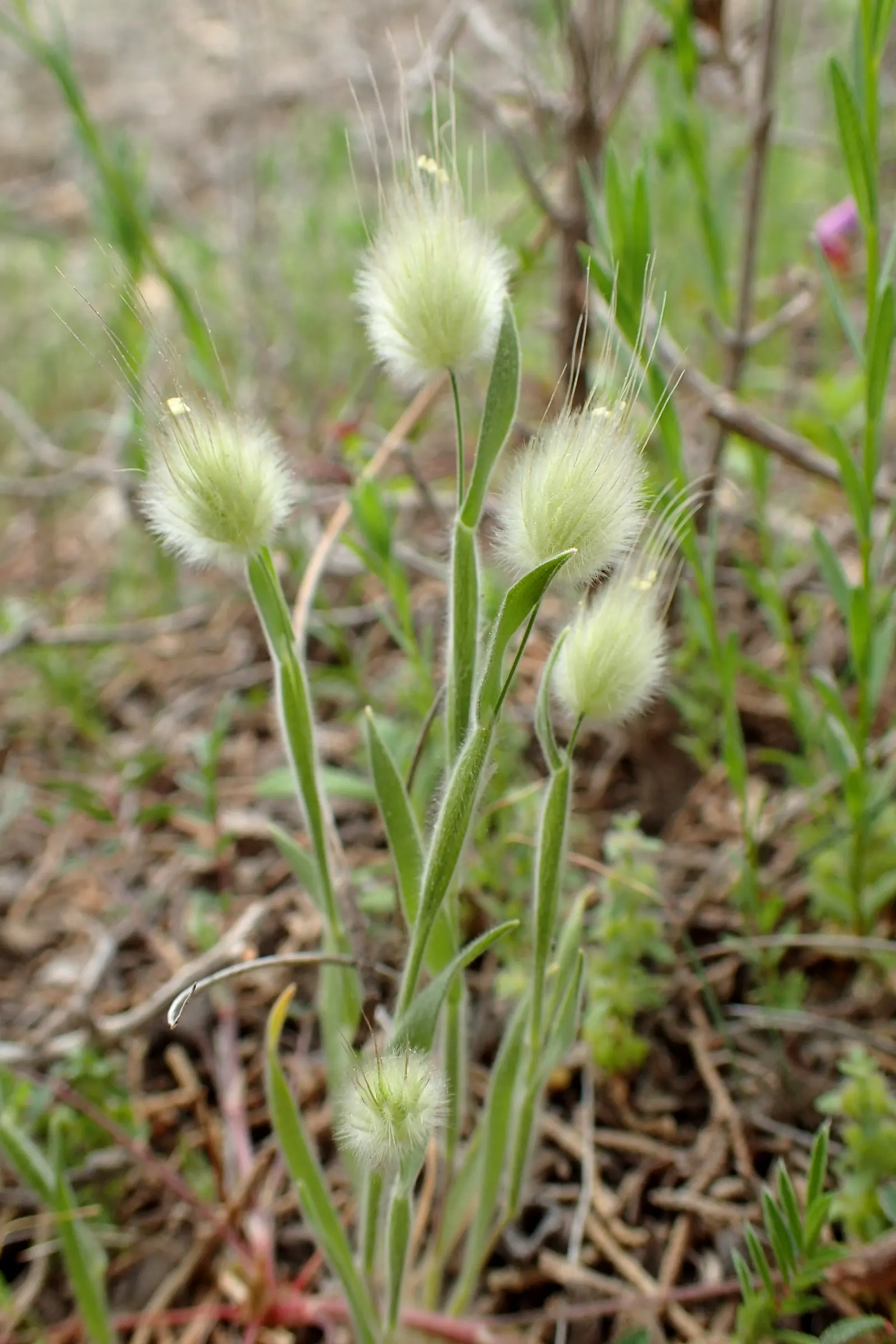
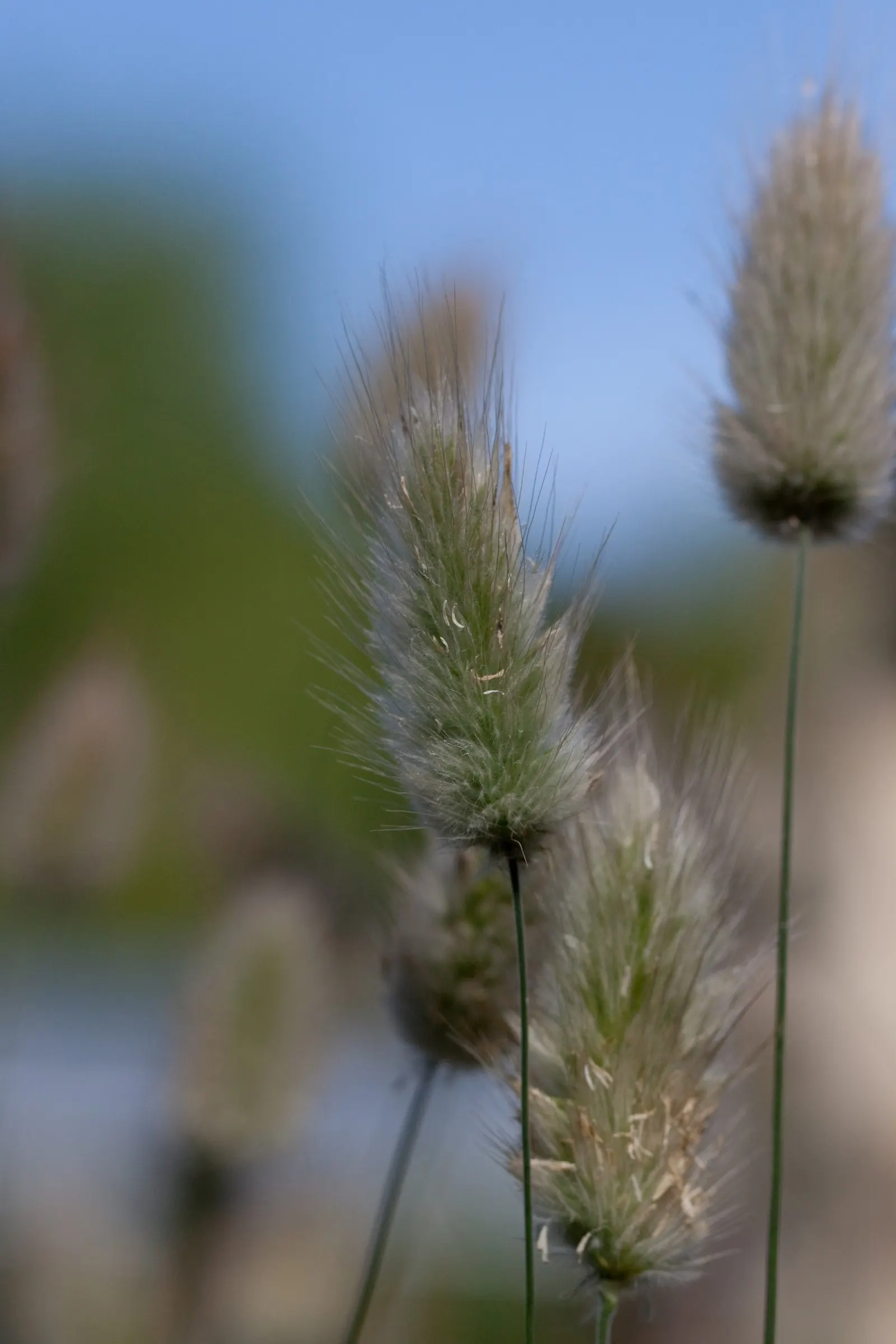
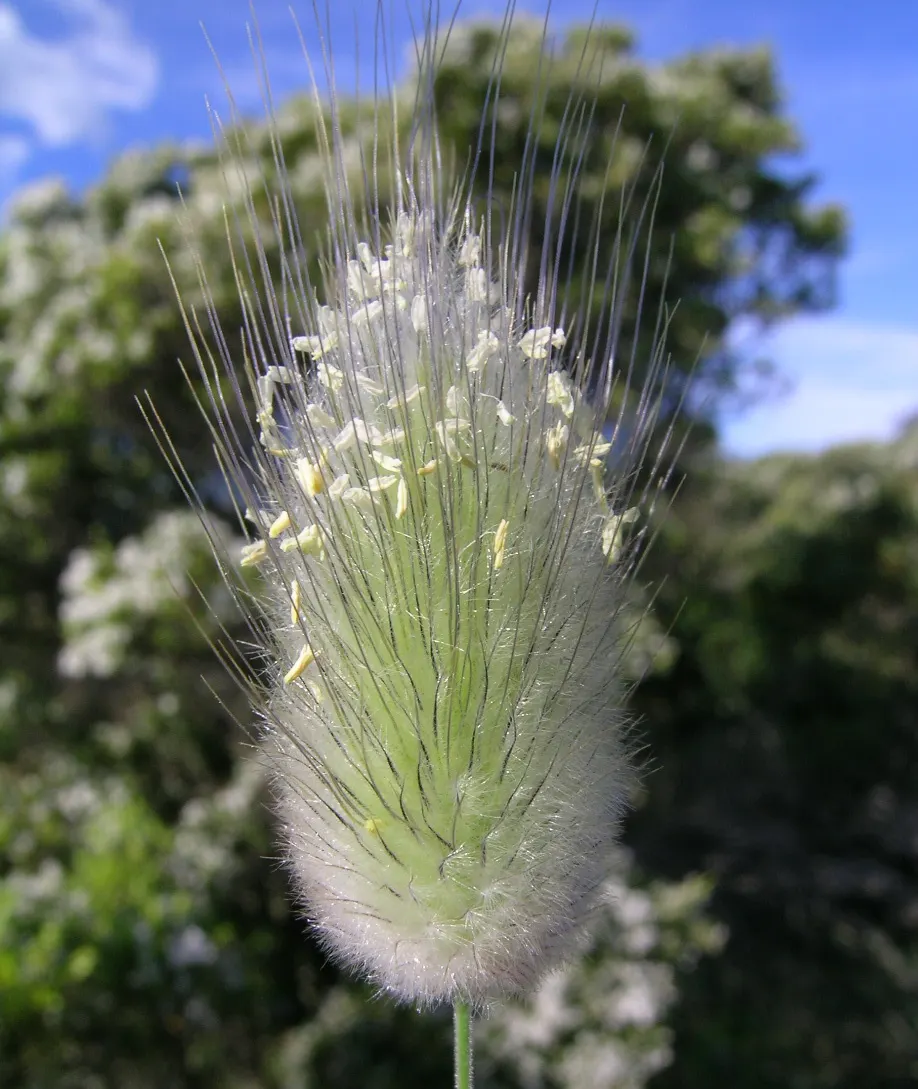
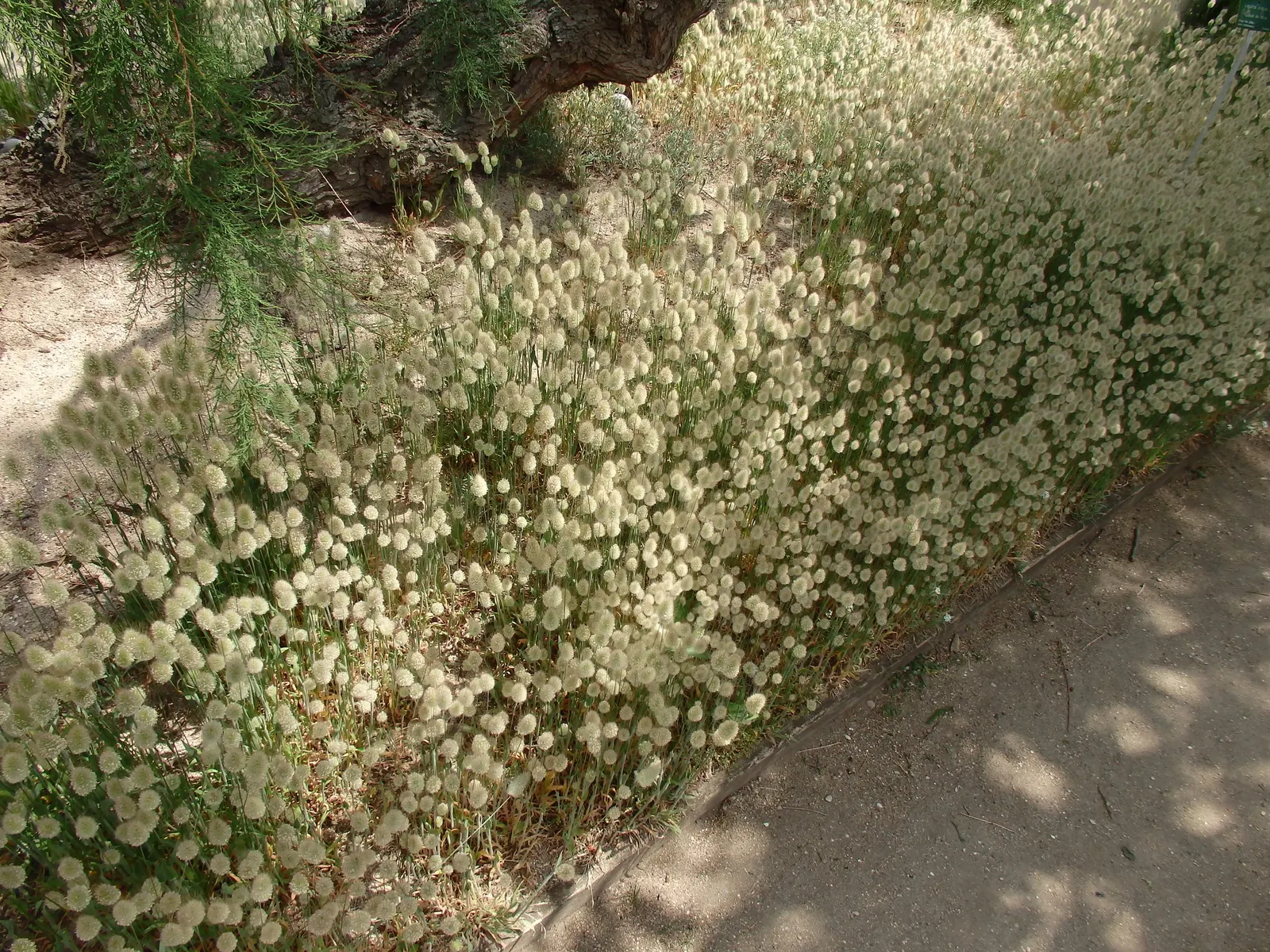
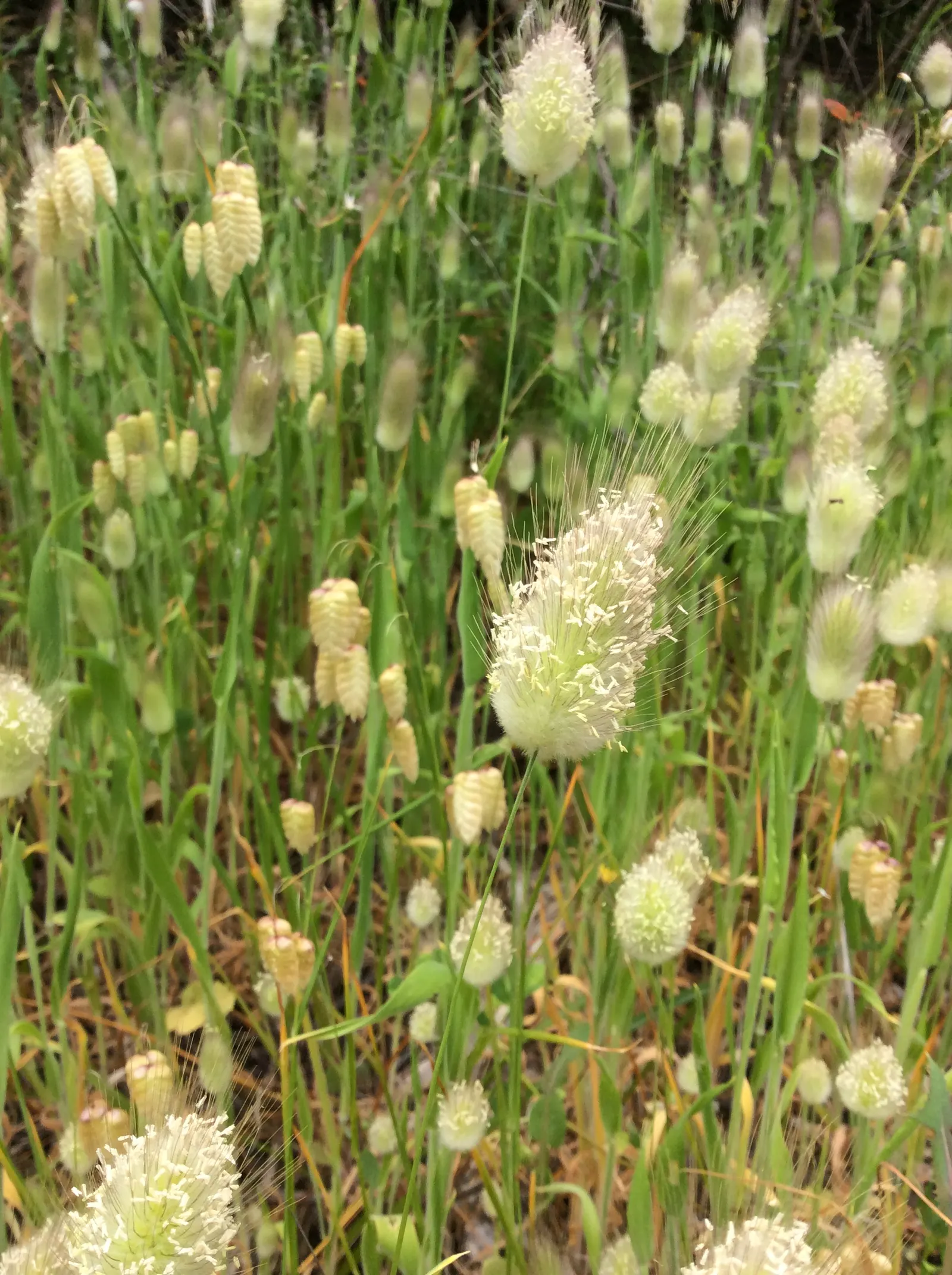
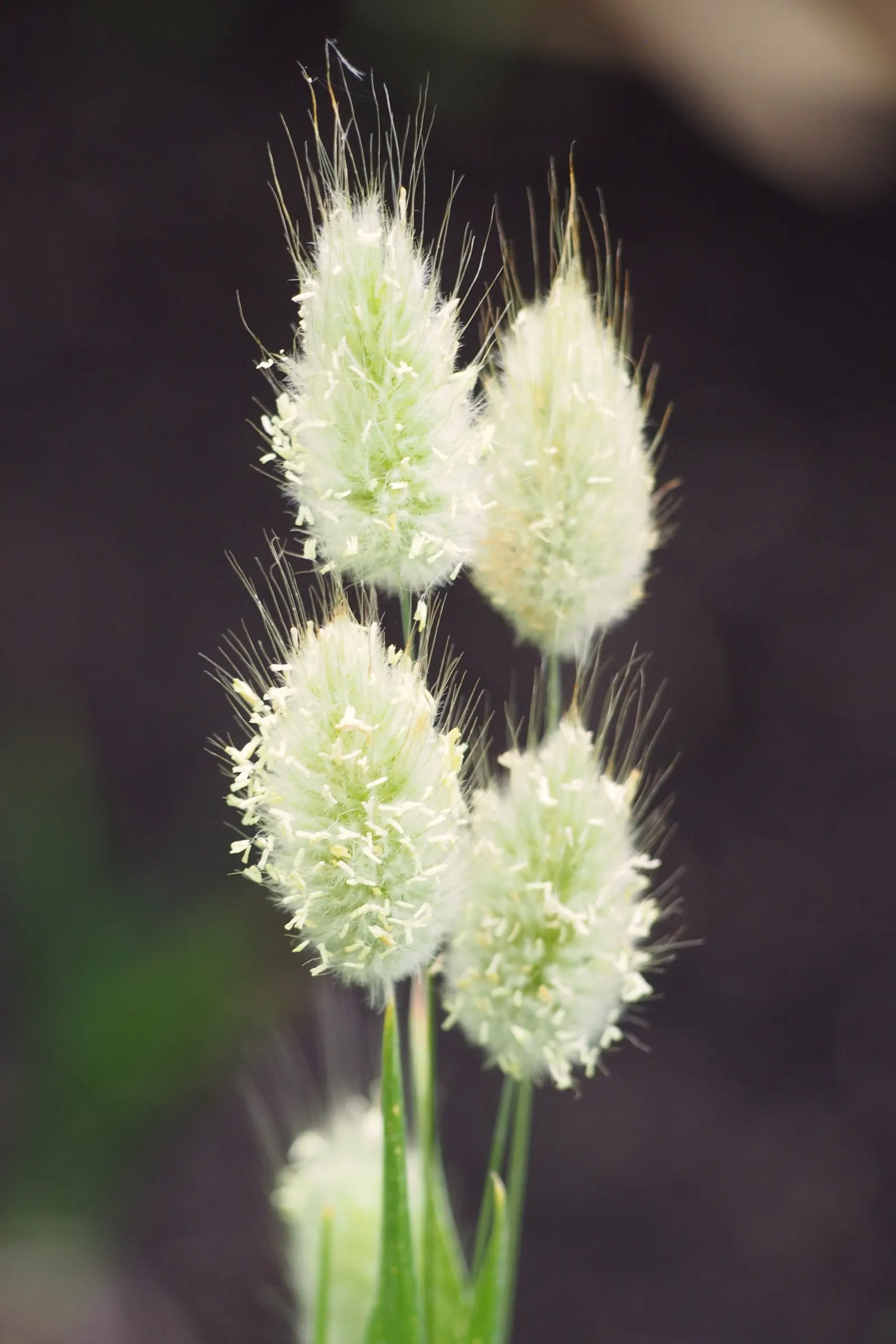
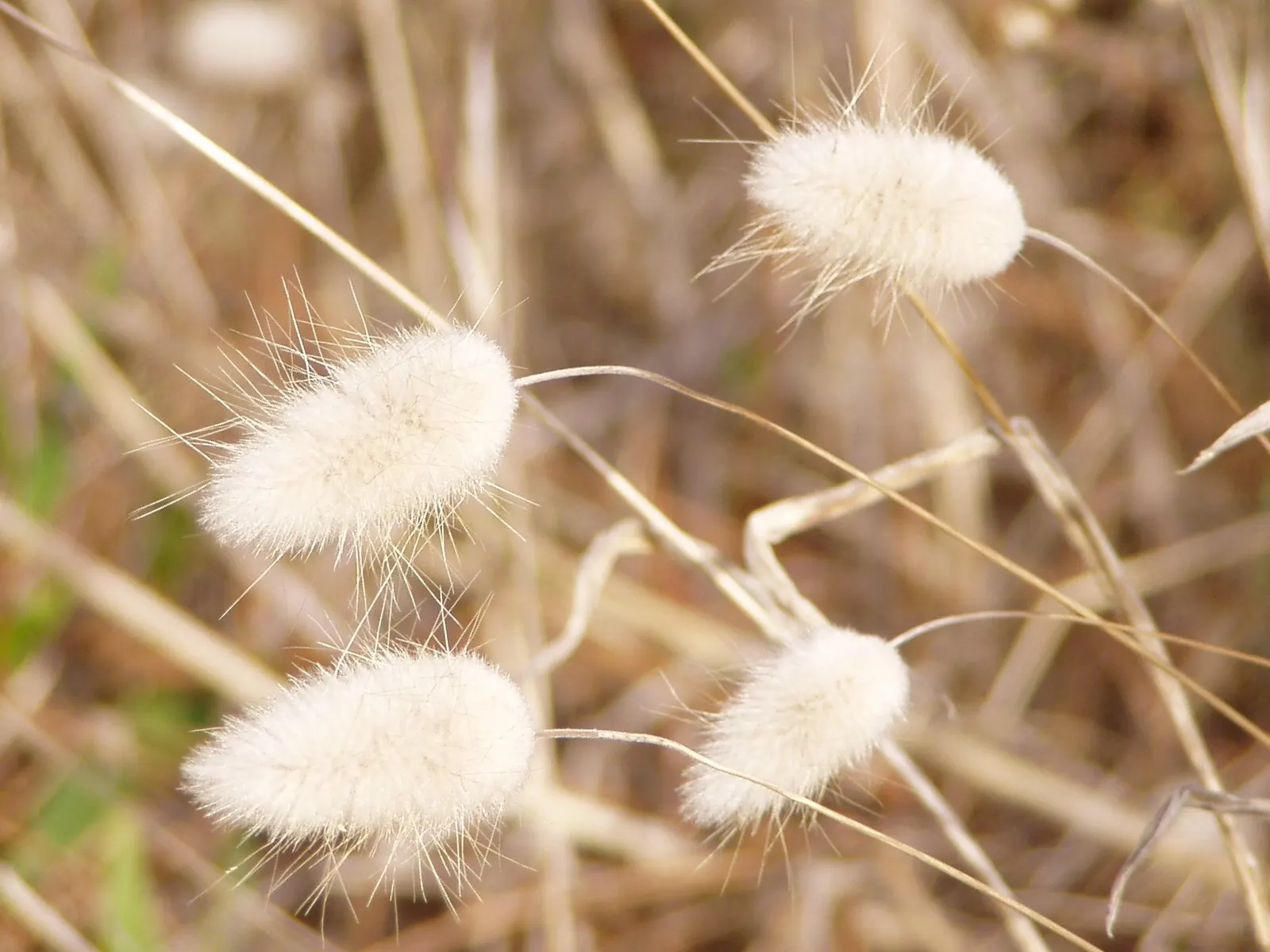
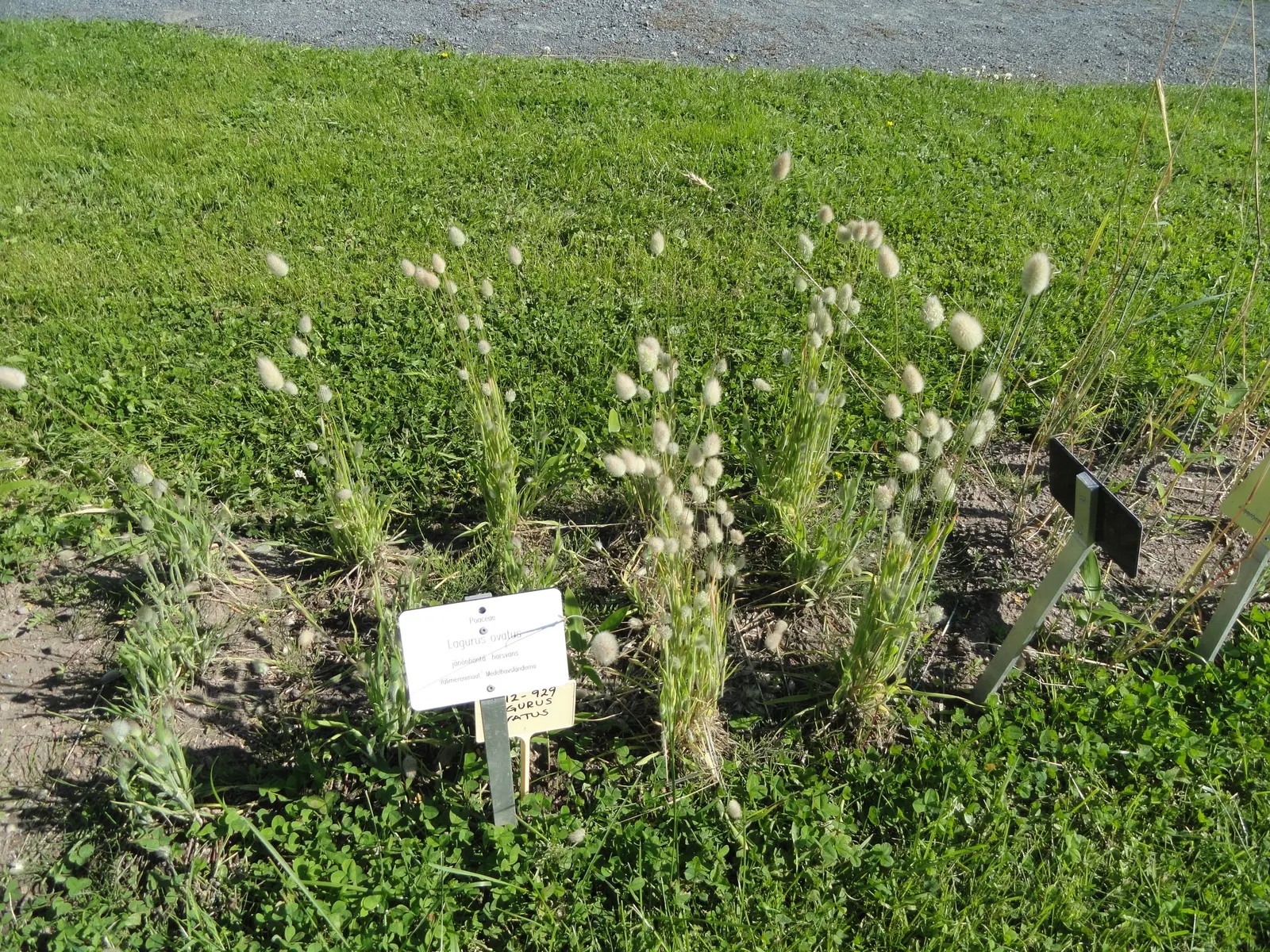
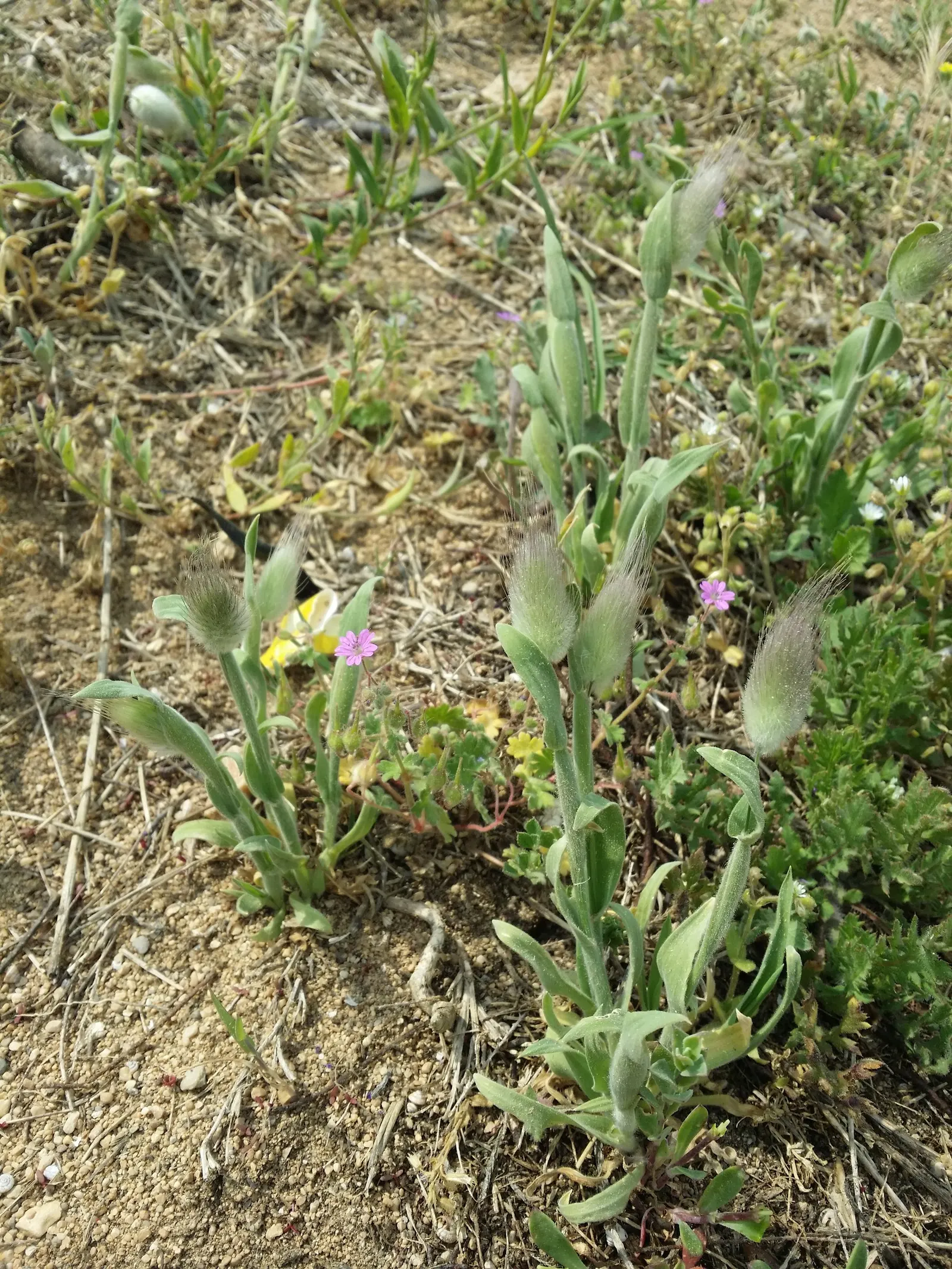
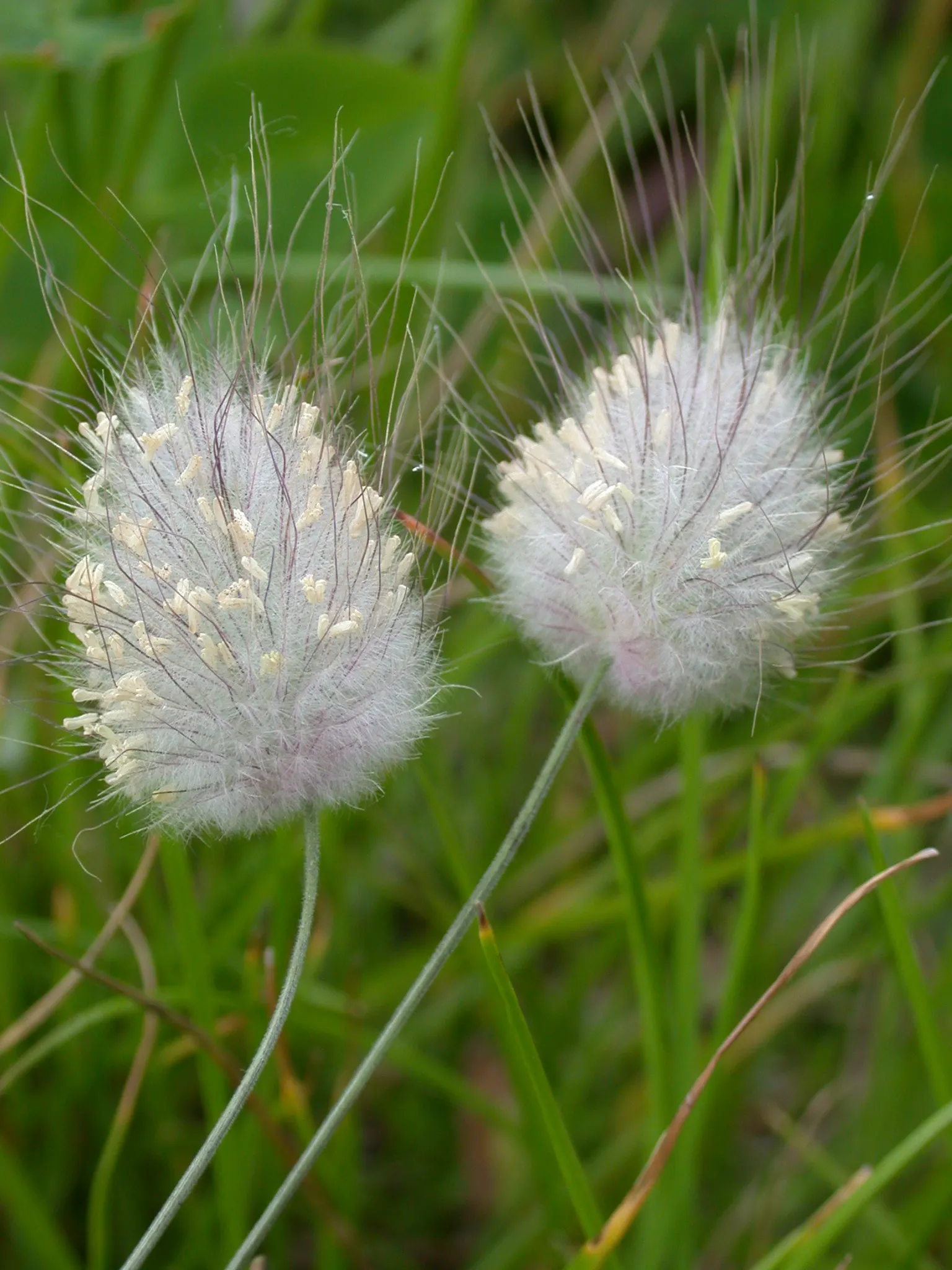
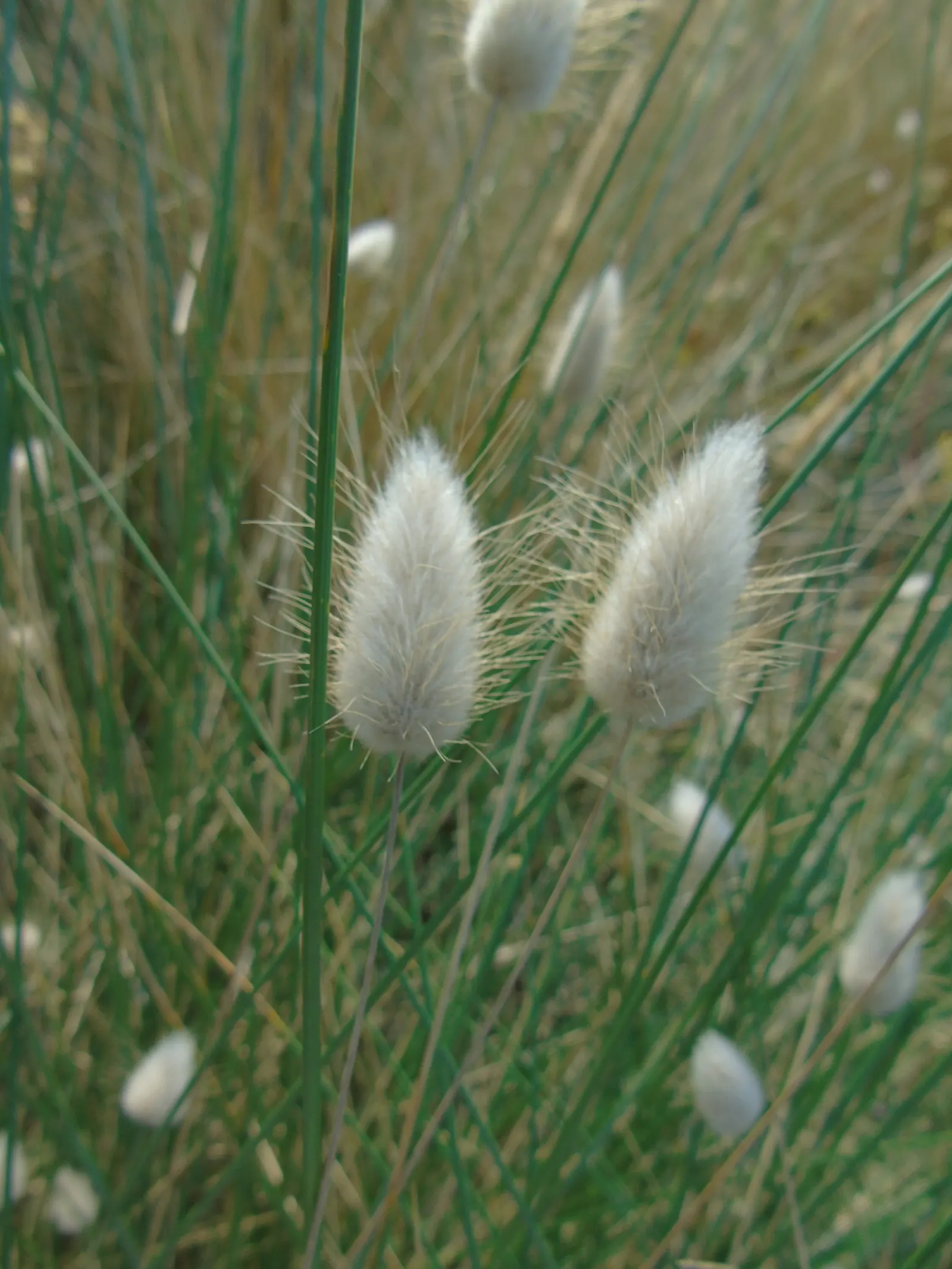
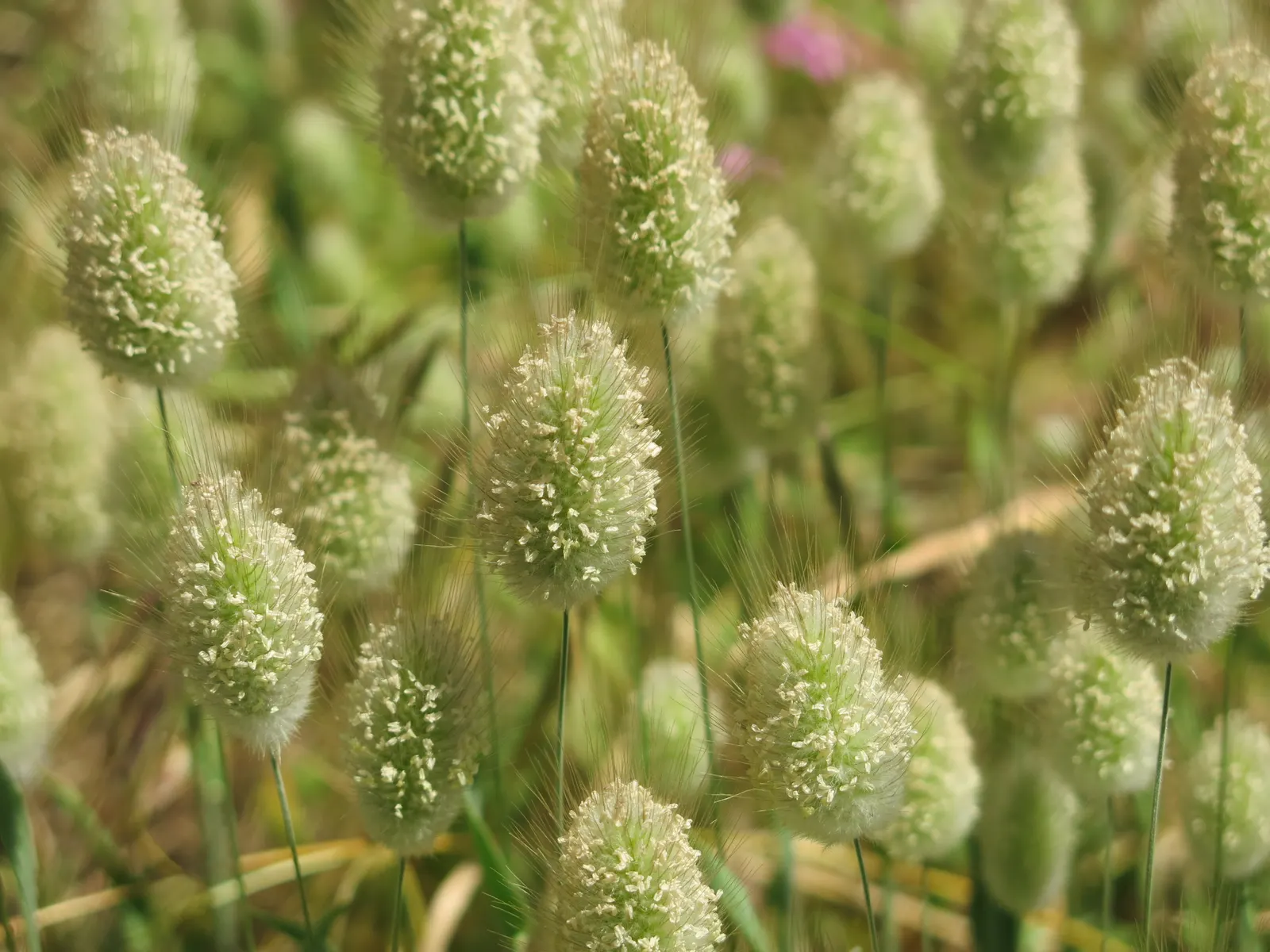
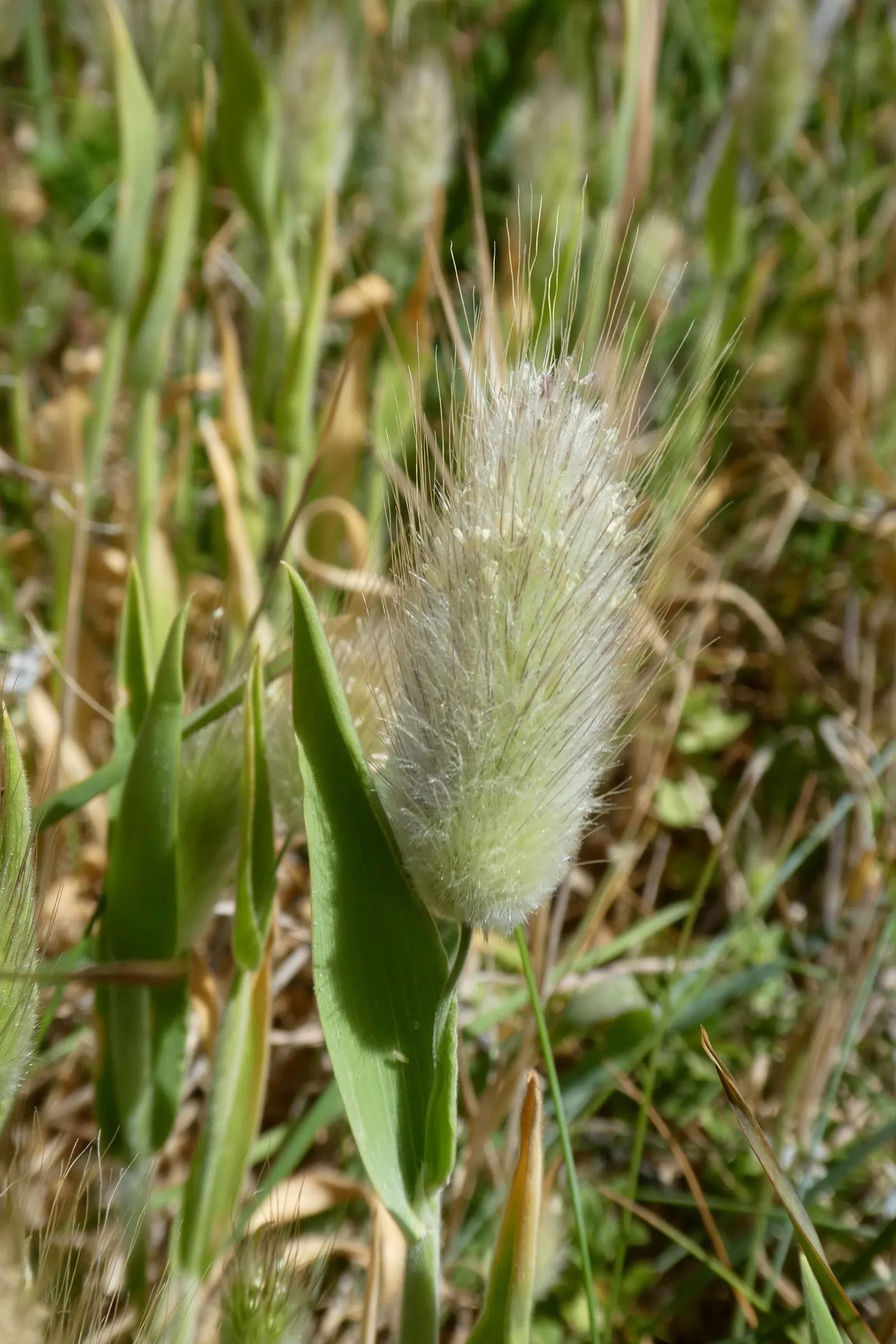
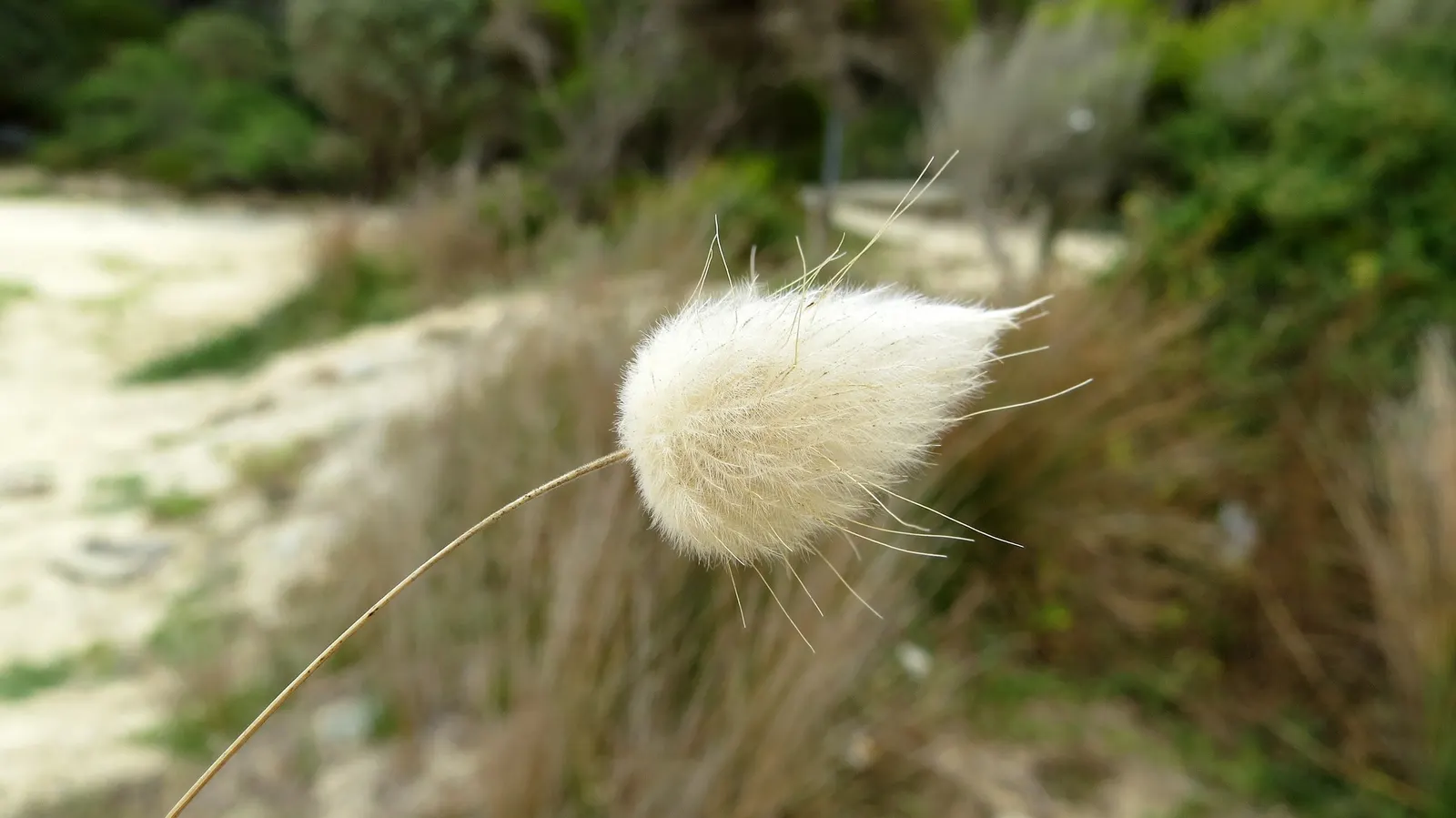
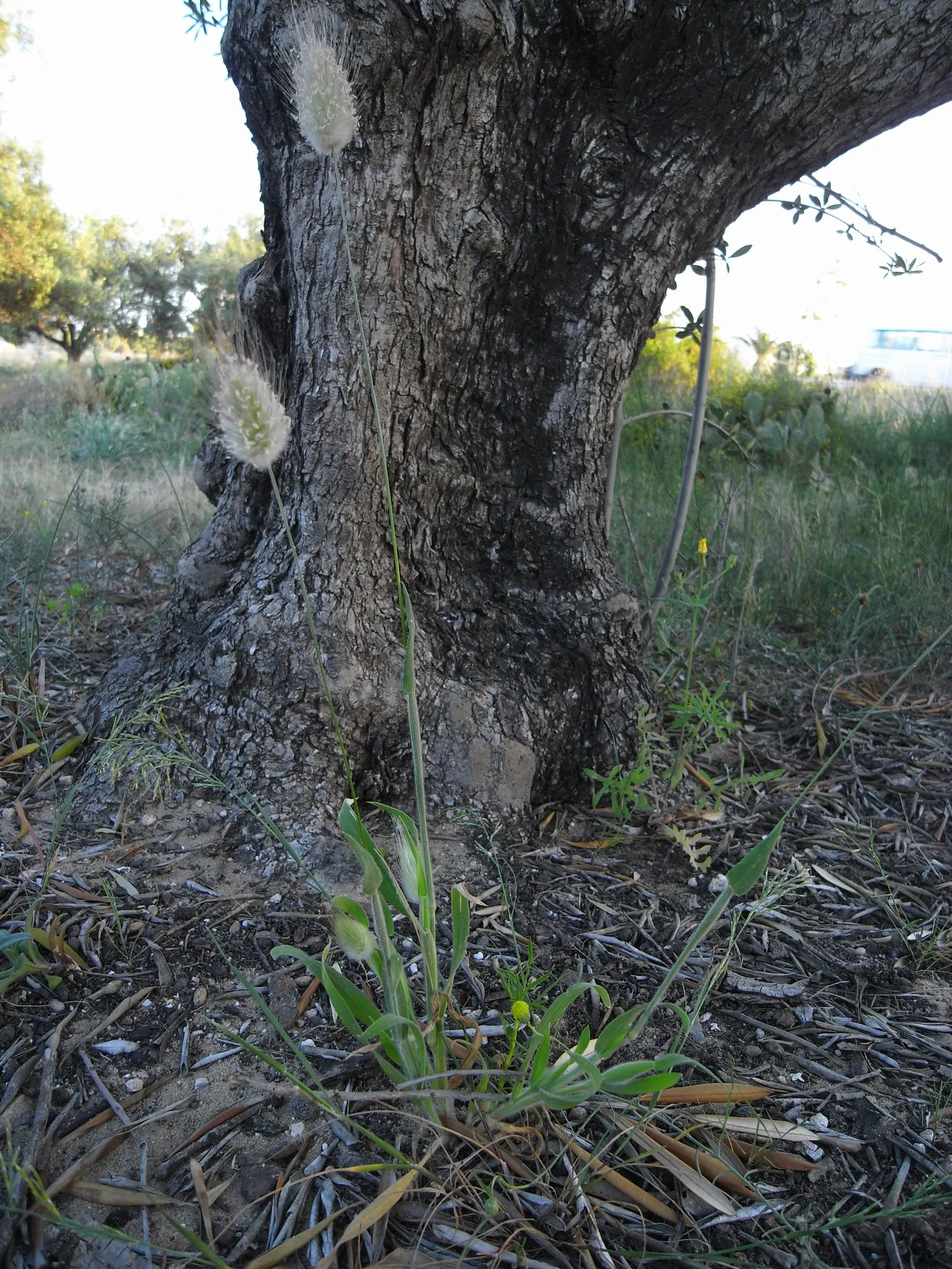
Photographs by 20 contributors
- Fernando Losada Rodríguez, CC BY-SA 4.0 · source
- Bernard DUPONT from FRANCE, CC BY-SA 2.0 · source
- David J. Stang, CC BY-SA 4.0 · source
- Kevin Thiele from Perth, Australia, CC BY 2.0 · source
- Donald Hobern from Copenhagen, Denmark, CC BY 2.0 · source
- Hans Hillewaert, CC BY-SA 3.0 · source
- Romanos Kalamatianos, CC BY 3.0 · source
- Agnieszka Kwiecień, Nova, CC BY-SA 4.0 · source
- Josep Gesti, CC BY-SA 4.0 · source
- Krzysztof Ziarnek, Kenraiz, CC BY-SA 4.0 · source
- Yoko Nekonomania, CC BY 2.0 · source
- Harry Rose from South West Rocks,…, CC BY 2.0 · source
- Nemo bis, CC BY-SA 3.0 · source
- MurielBendel, CC BY-SA 4.0 · source
- Júlio Reis, CC BY-SA 3.0 · source
- Stefan.lefnaer, CC BY-SA 4.0 · source
- Len Worthington, CC BY-SA 2.0 · source
- Pmau, CC BY-SA 4.0 · source
- John Tann from Sydney, Australia, CC BY 2.0 · source
- Denis Barthel, CC BY-SA 3.0 · source
Related plants
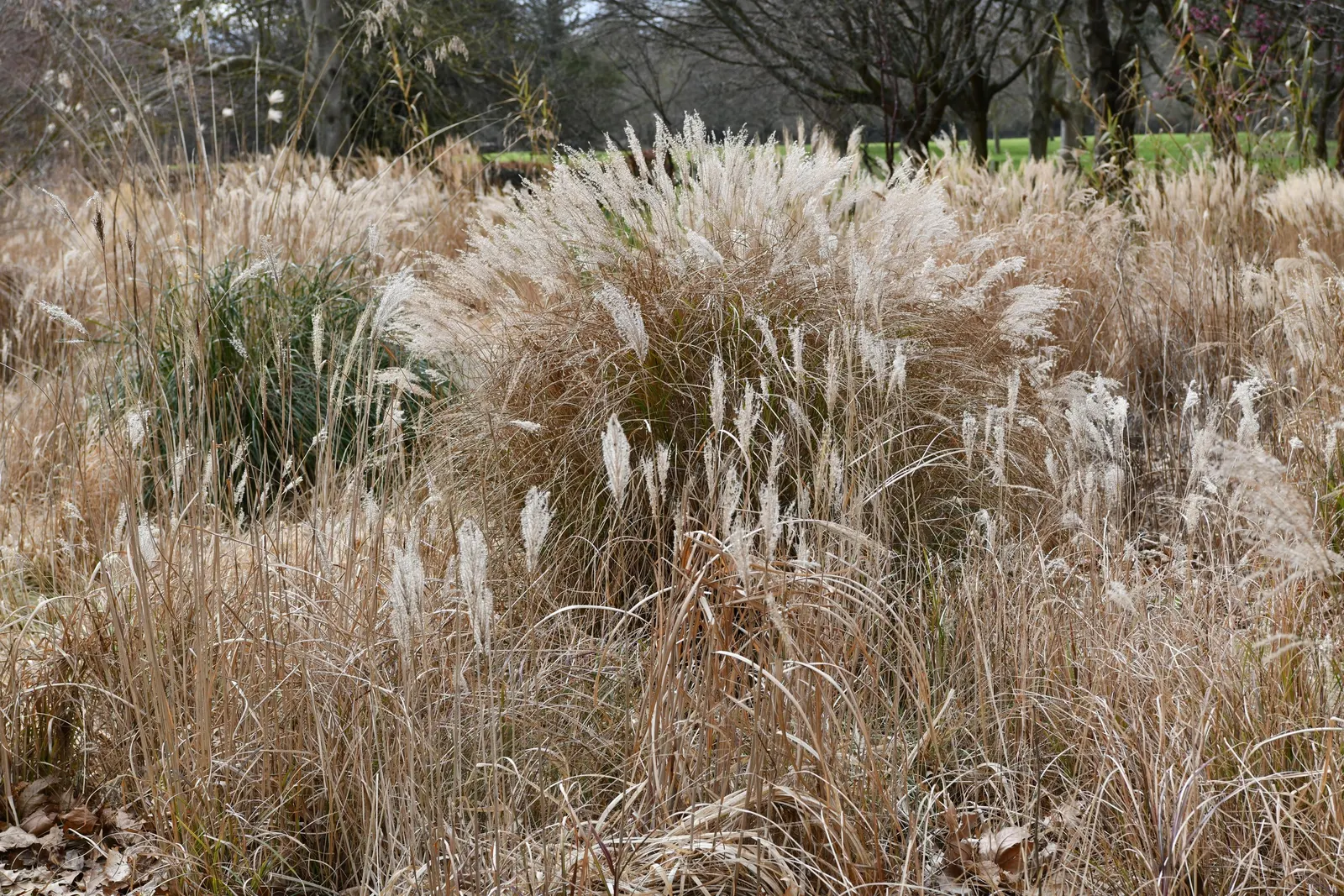
Grass
Adagio Eulalia Grass
Miscanthus Sinensis 'Adagio'
FullUSDA 4–9
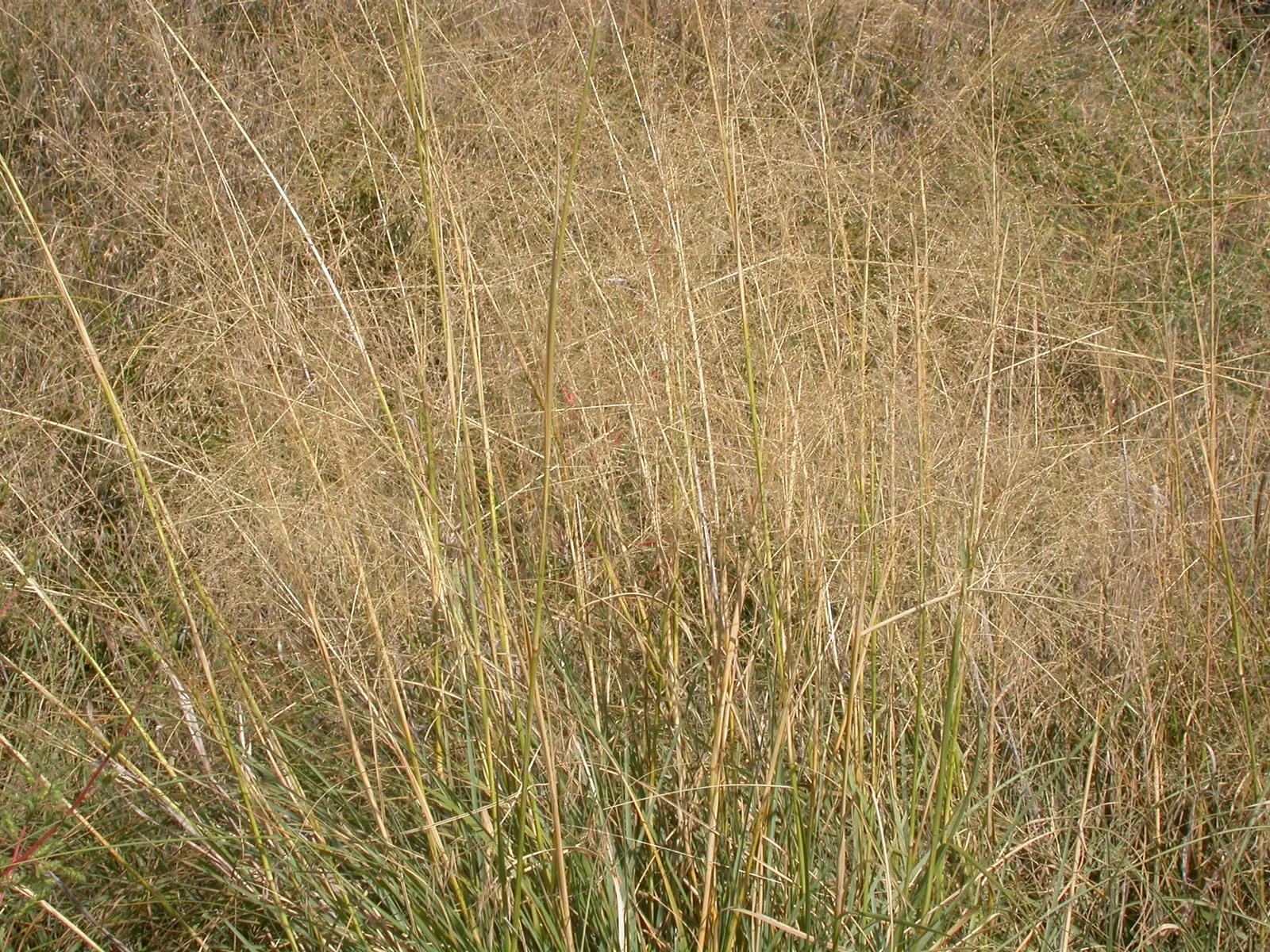
Grass
Alkali Sacaton
Sporobolus Airoides
FullUSDA 6–10
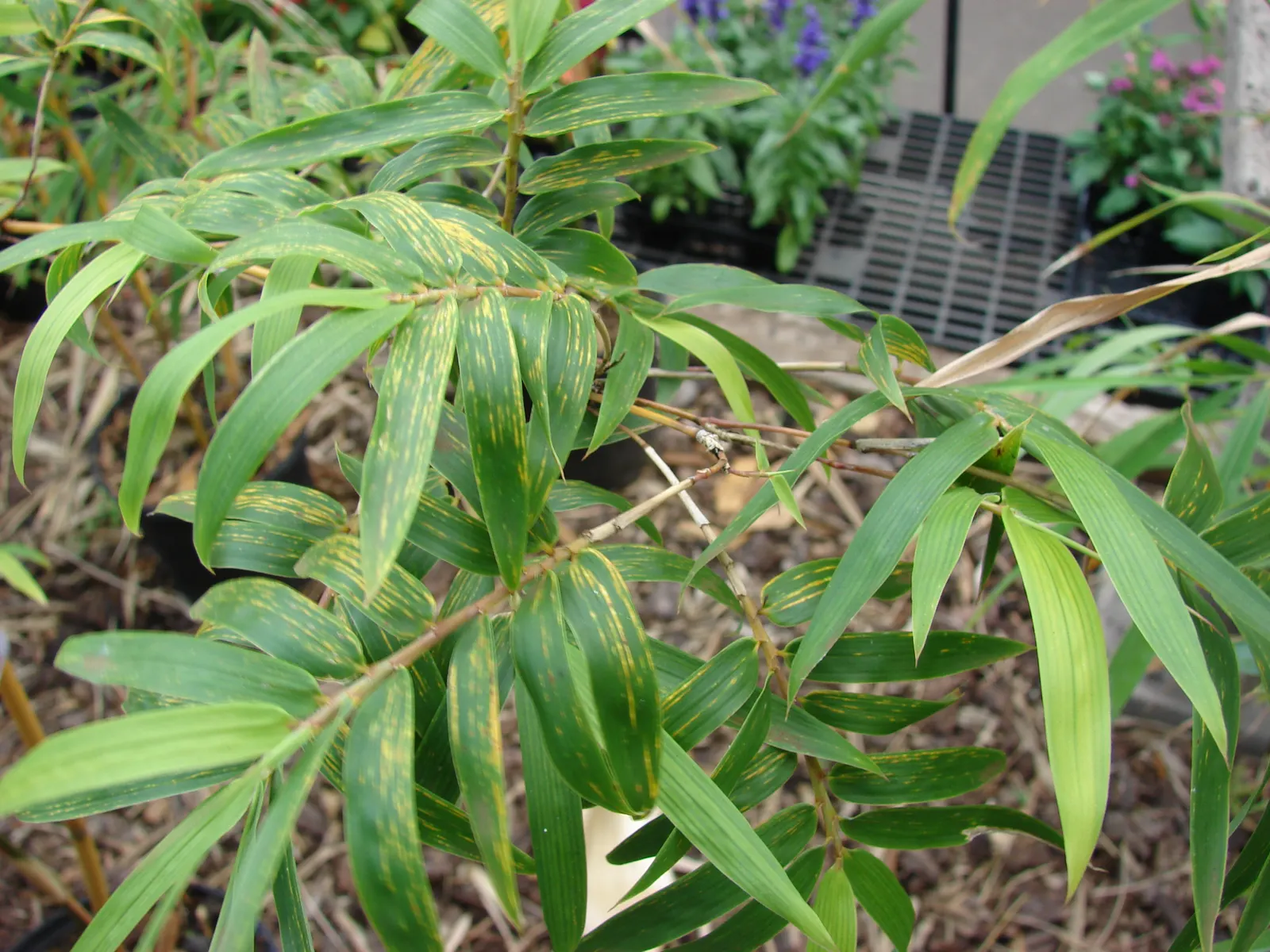
Bamboo
Alphonse Karr Bamboo
Bambusa Multiplex 'Alphonse Karr'
FullUSDA 9–10
Grass
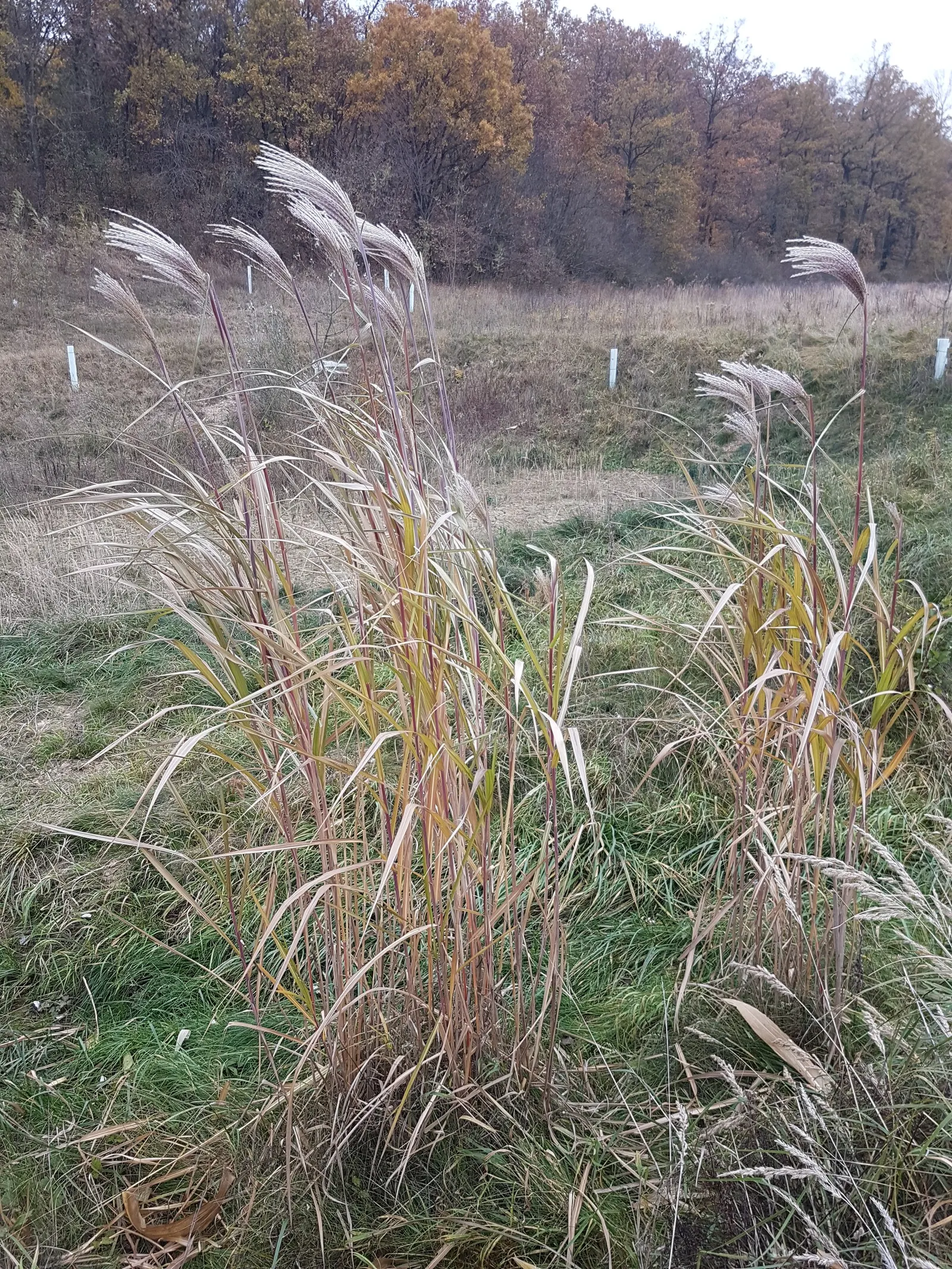
Amur Or Silver Banner Grass
Miscanthus Sacchariflorus
FullUSDA 5–9
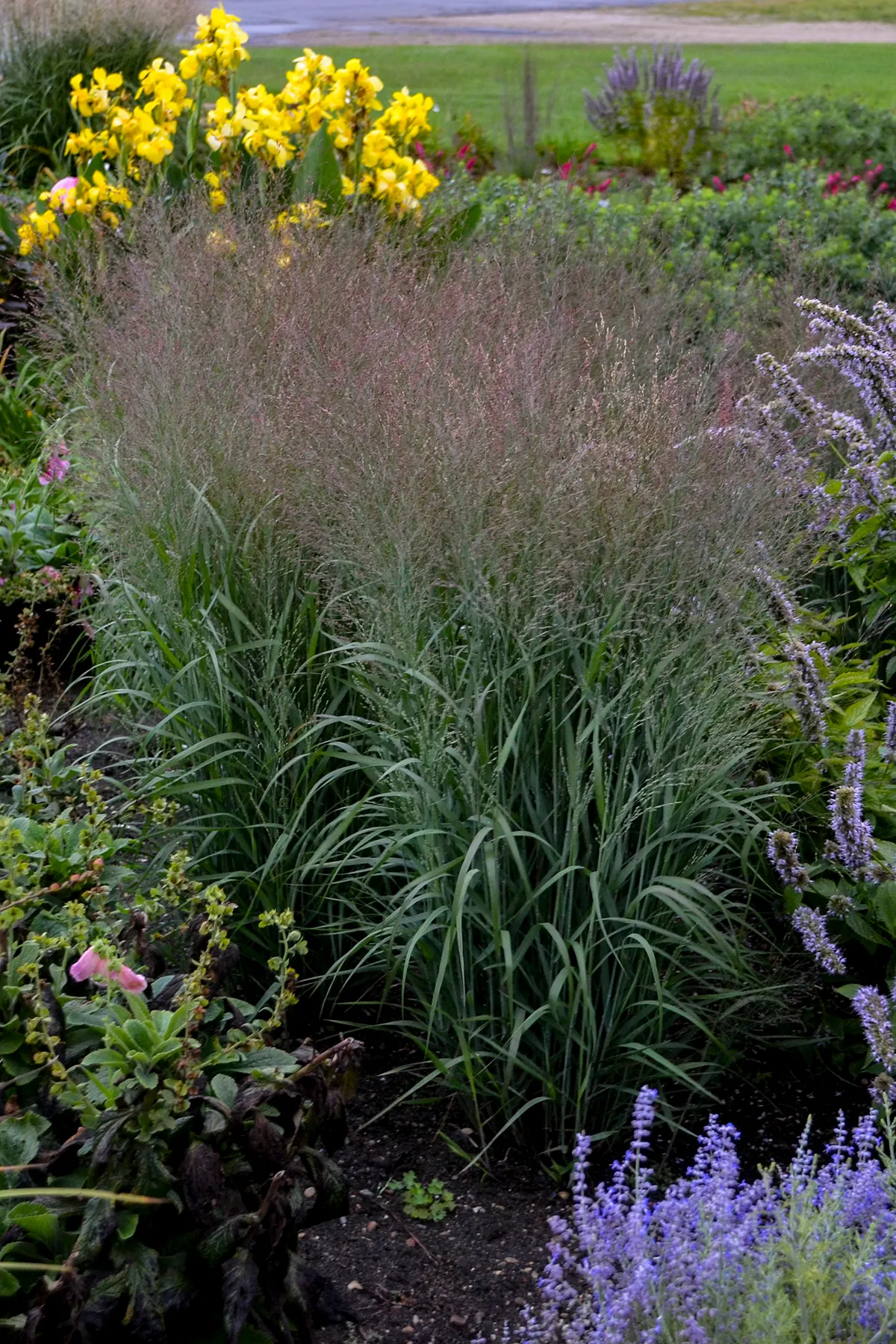
'Apache Rose' Switch Grass
Panicum virgatum
Full
Grass
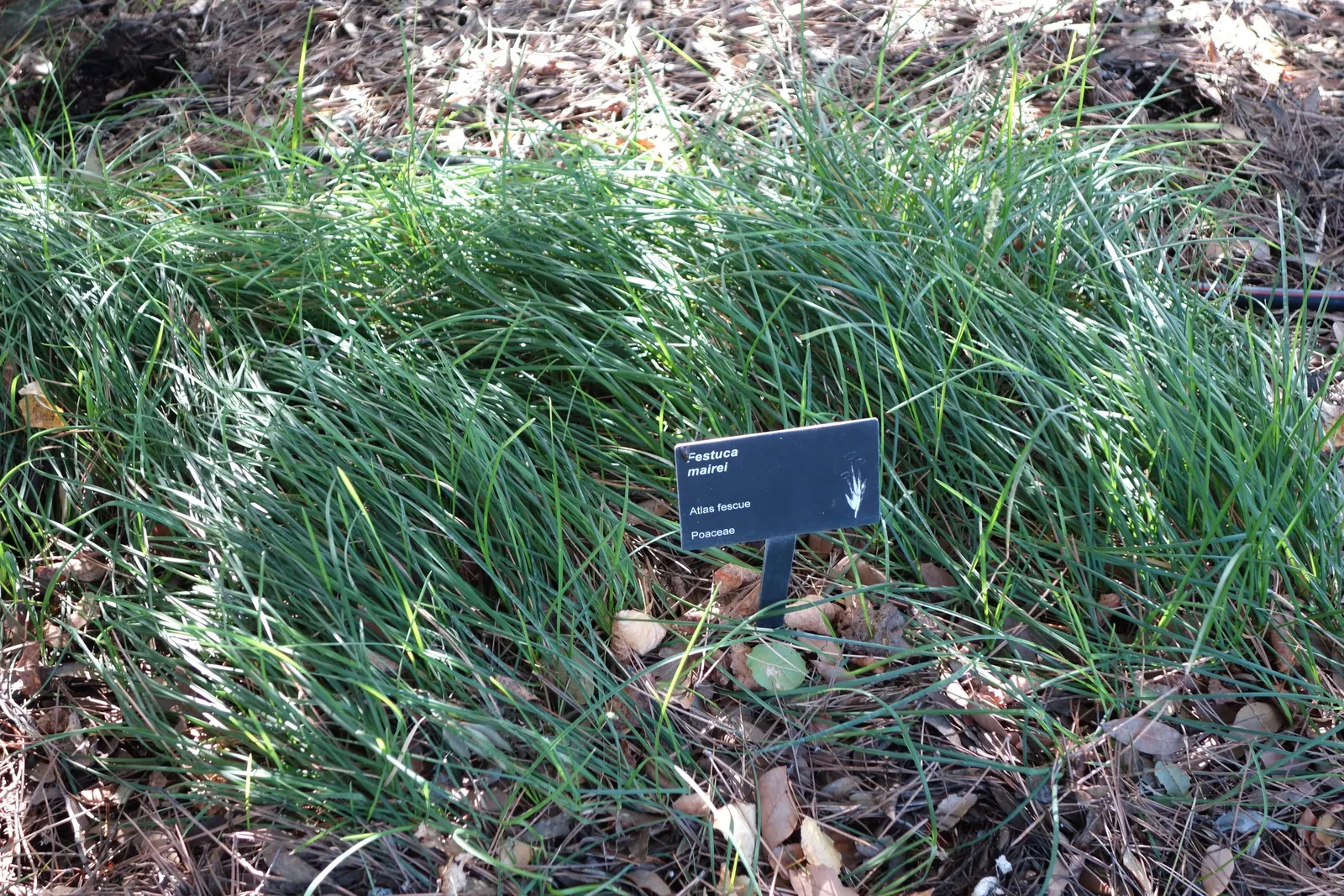
Atlas Fescue
Festuca mairei
FullUSDA 4–9