Skip to content

English Walnut

Juglans Regia

Design with this plant

Overview

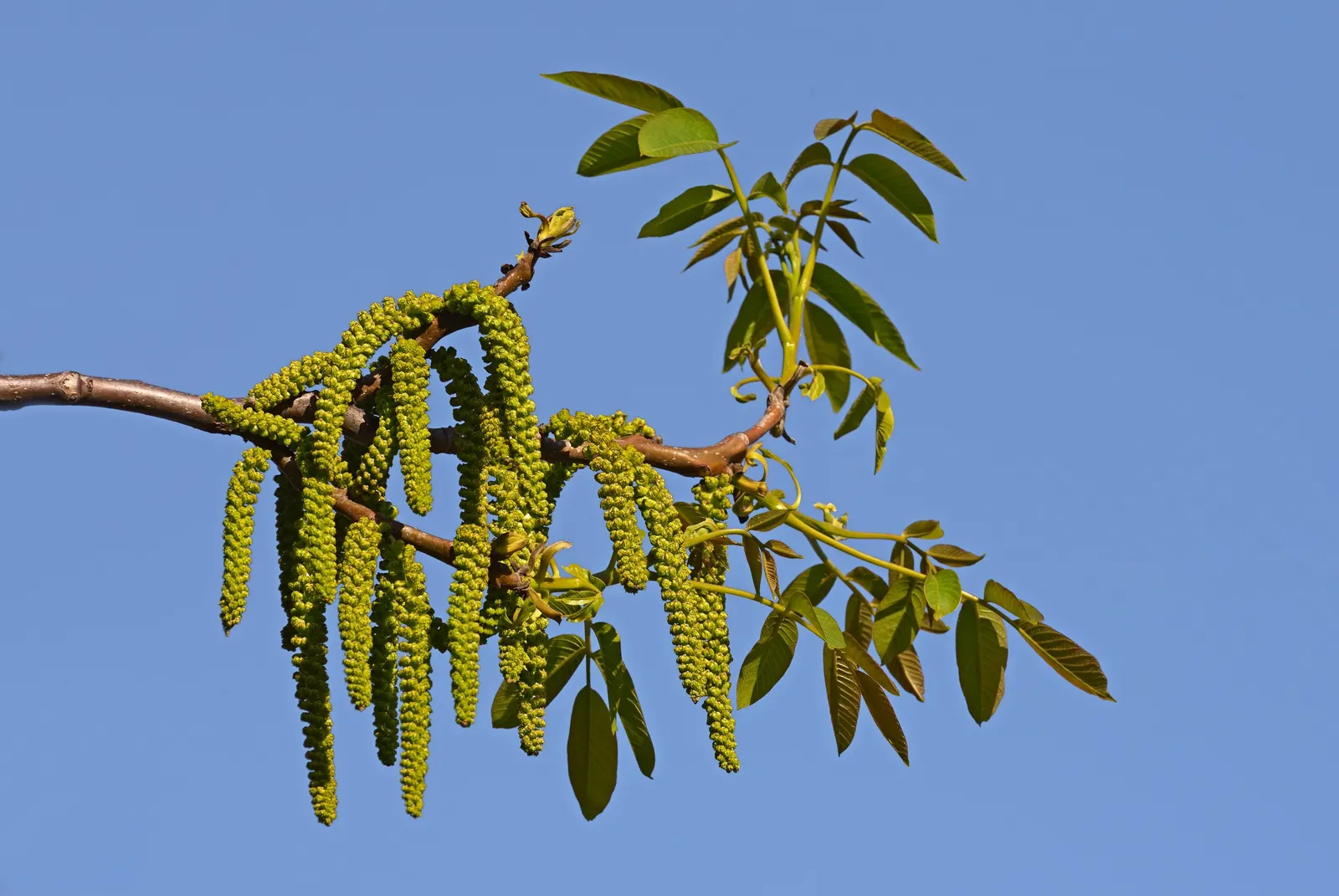
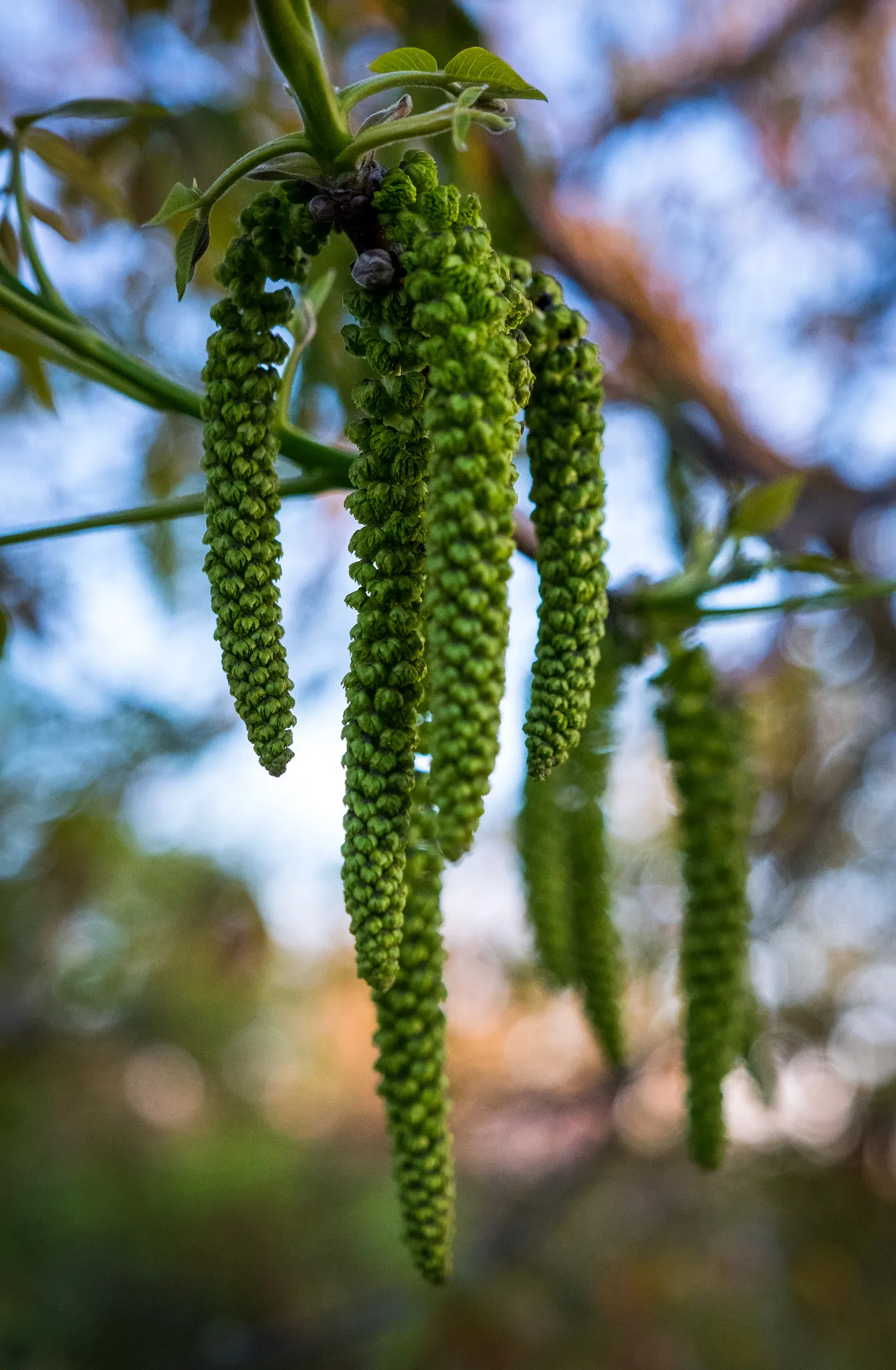
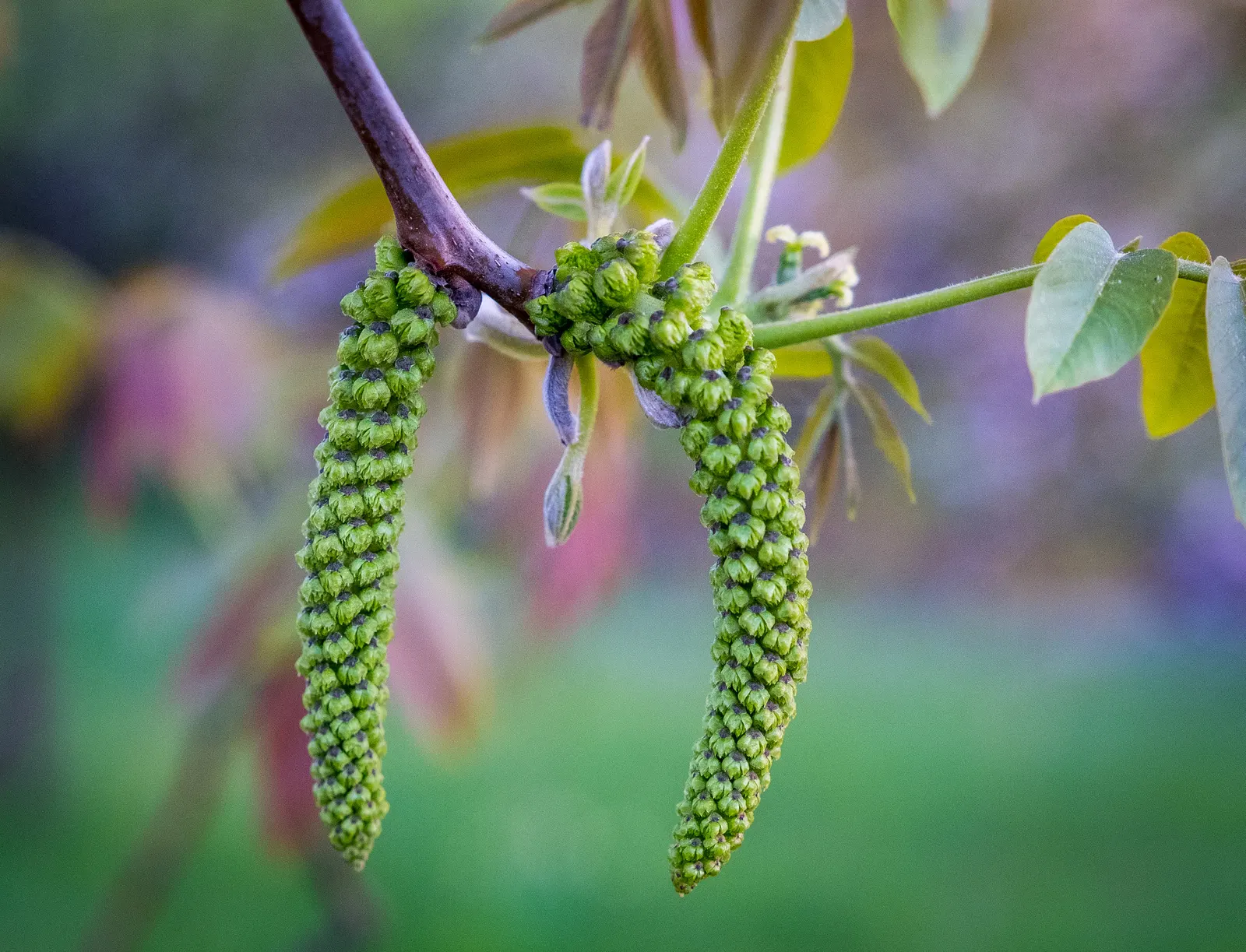
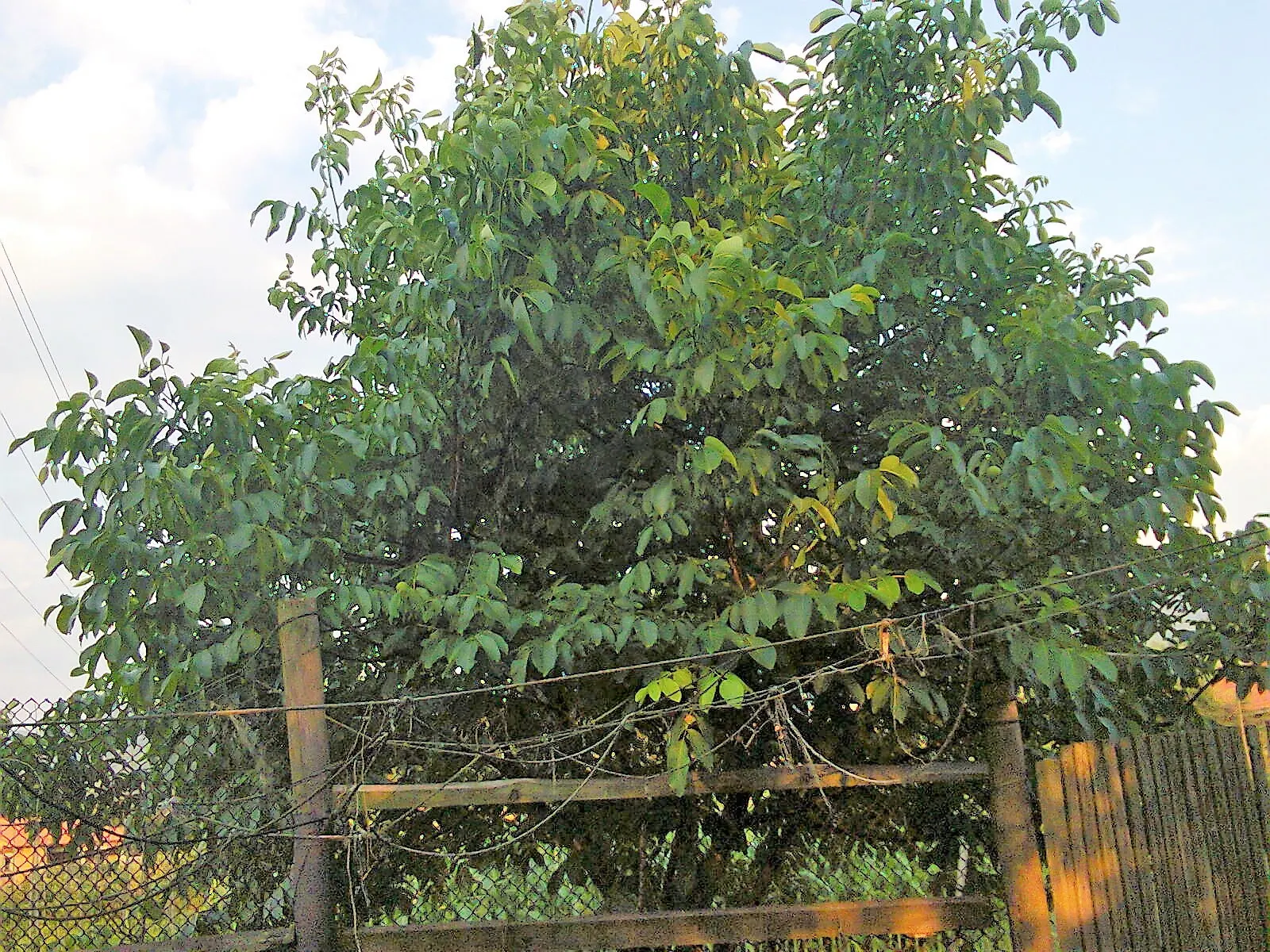
The English Walnut, Juglans regia, is a deciduous tree, esteemed for its fine-quality nuts and attractive timber. It grows to an impressive 40-60 feet with a 30-40 feet spread. Preferable in zones 4-9, it requires full sun and well-drained soil. Notable for its pinnate foliage and rounded canopy, this stately tree also offers yellow-green catkins in spring. Ample space is a must to accommodate its extensive root system.

Sun FullWater MediumZones 4–10Climate Temperate
English Walnut (Juglans Regia) — scientifically referred to as Juglans regia

Culture

Sun
Full
Water
Medium
USDA zones
4–10

Shape & size

Classification

Family
Juglandaceae
Climate
Temperate

See full data, regional cultivation notes, full-resolution photos, and design tools. Build a client presentation around this plant.

Start your 14-day trial

Photos (83)

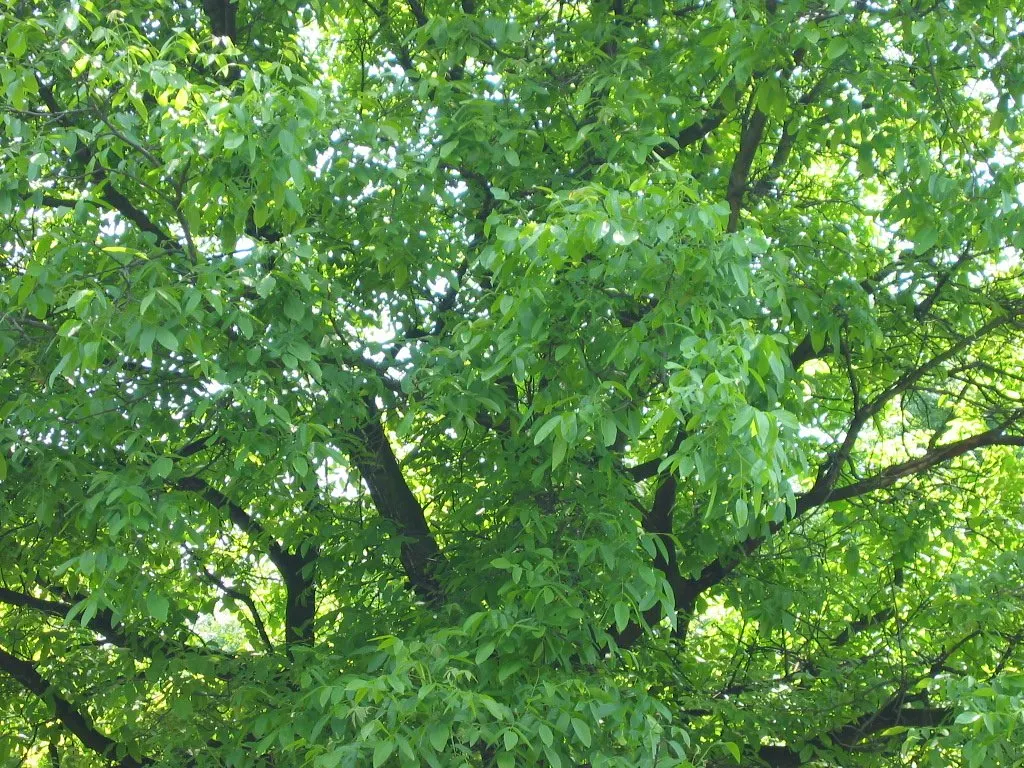
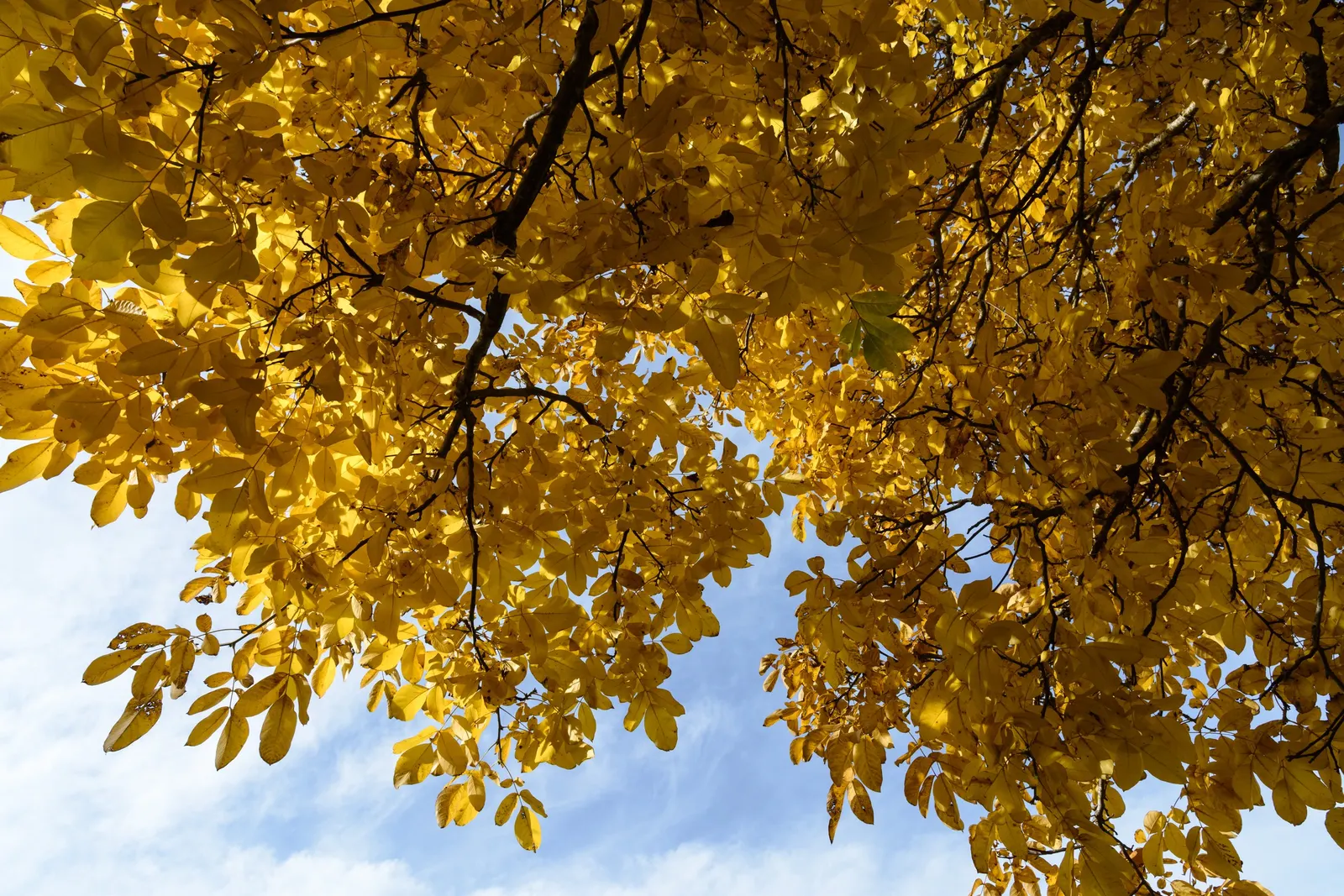
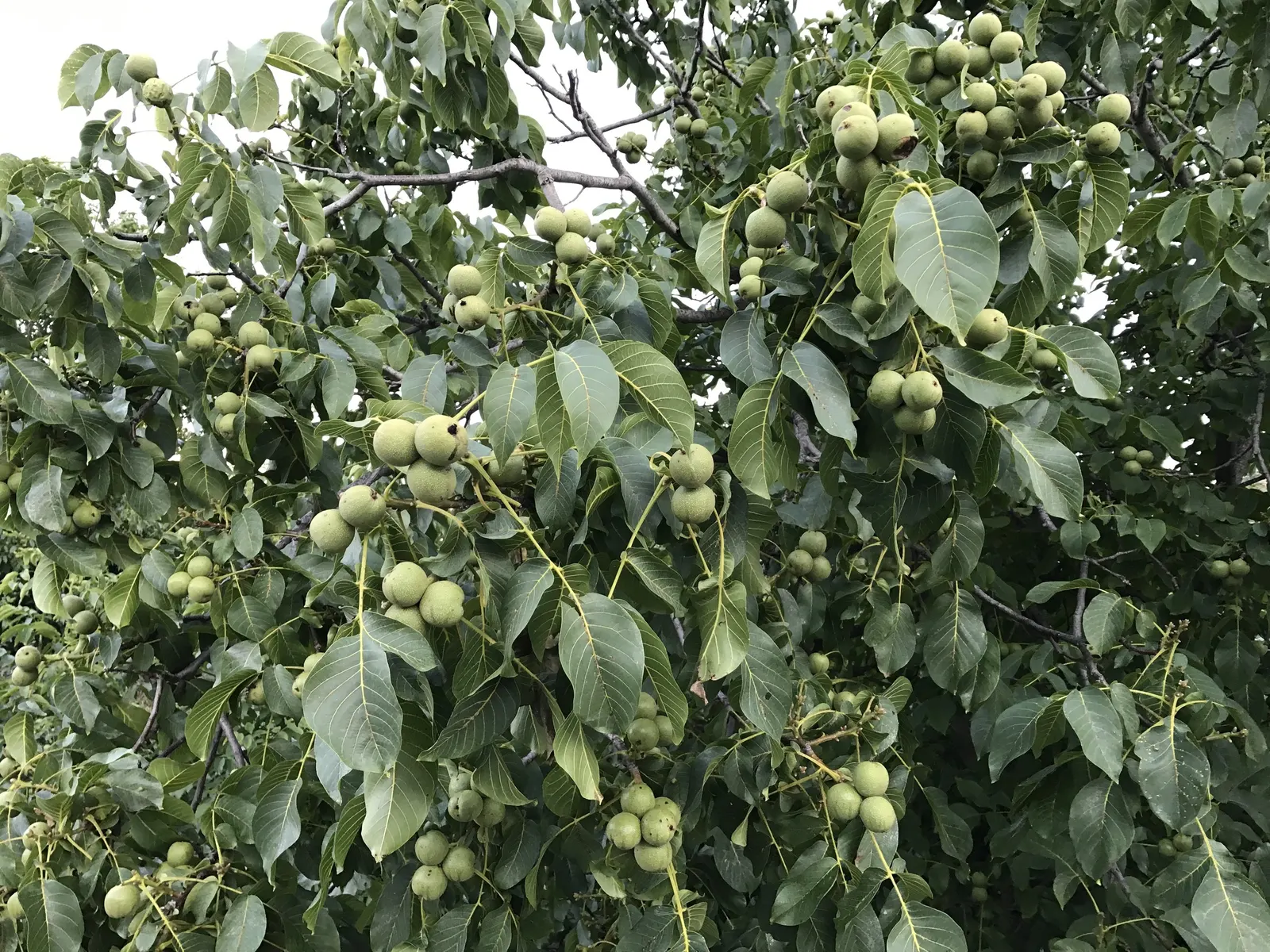
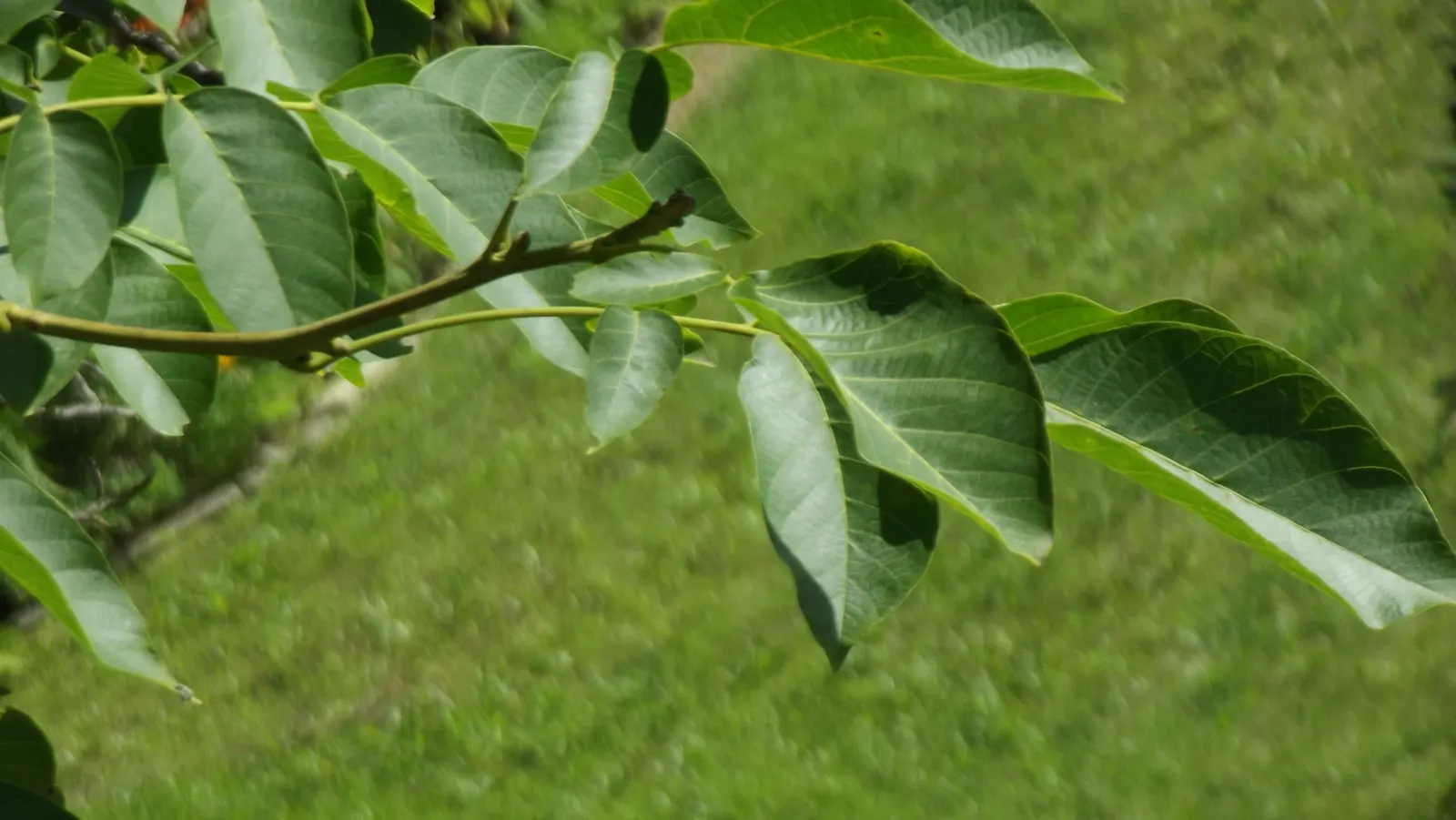
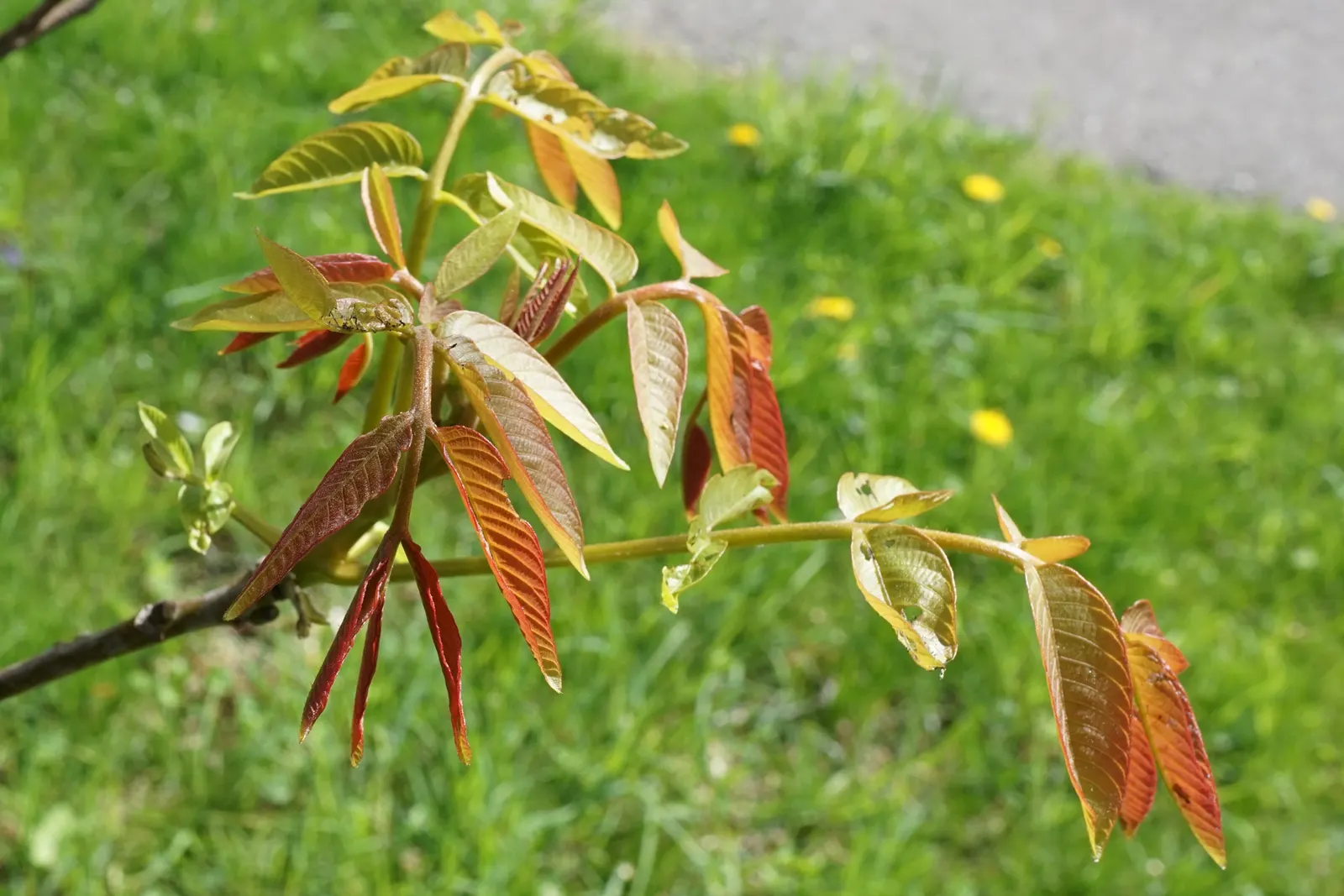
English Walnut (Juglans Regia) — Notable for its pinnate foliage and rounded canopy
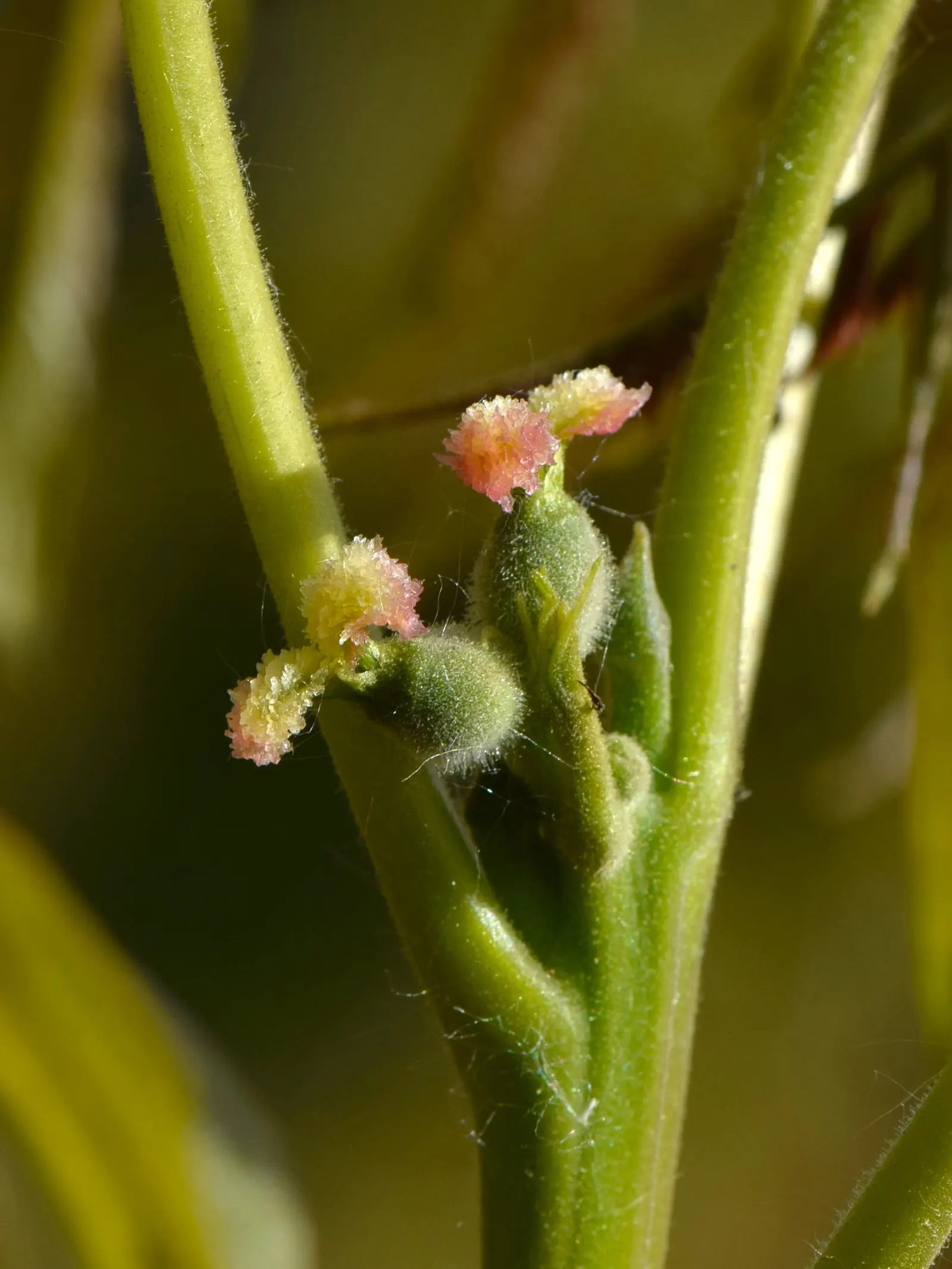
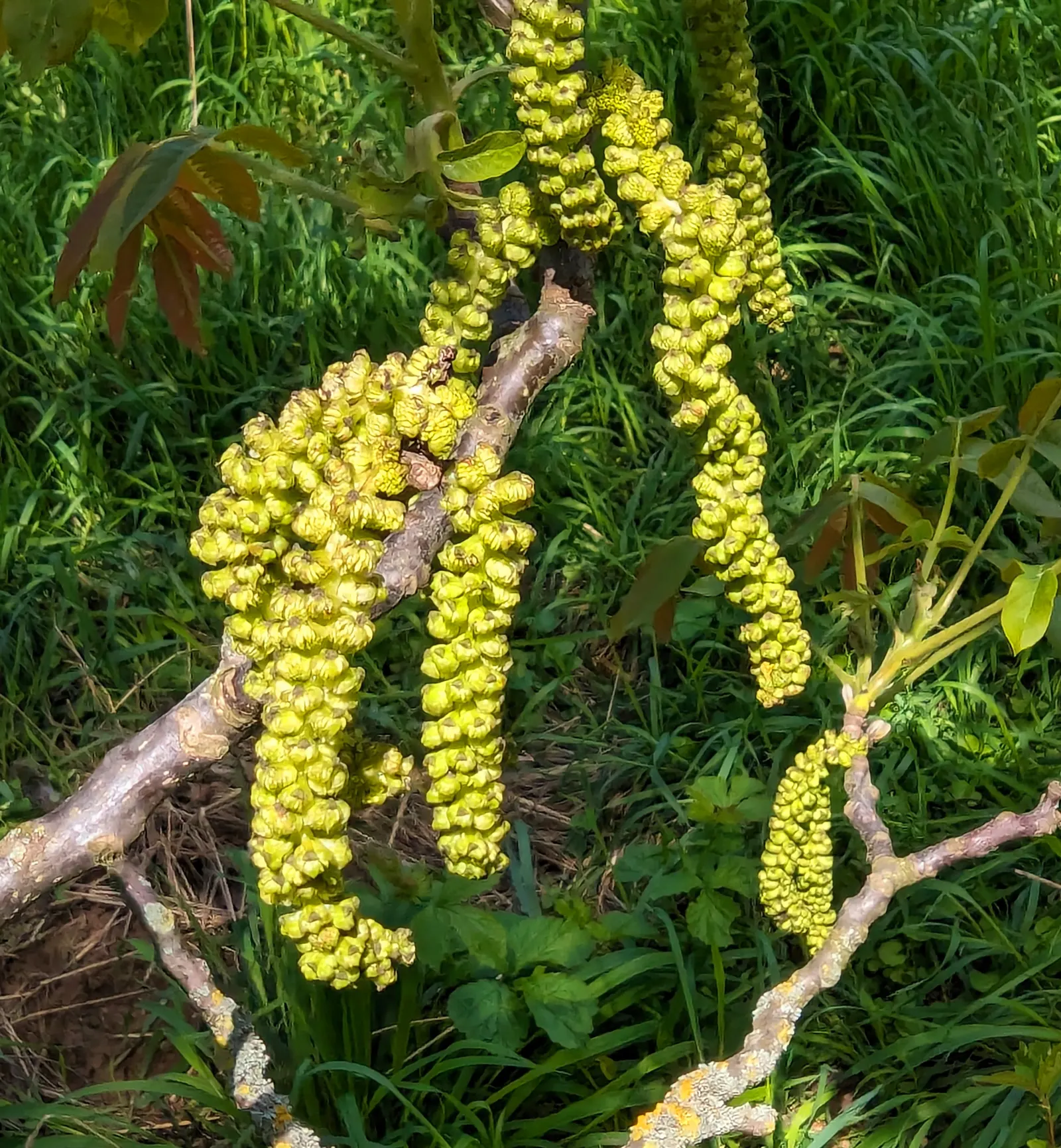
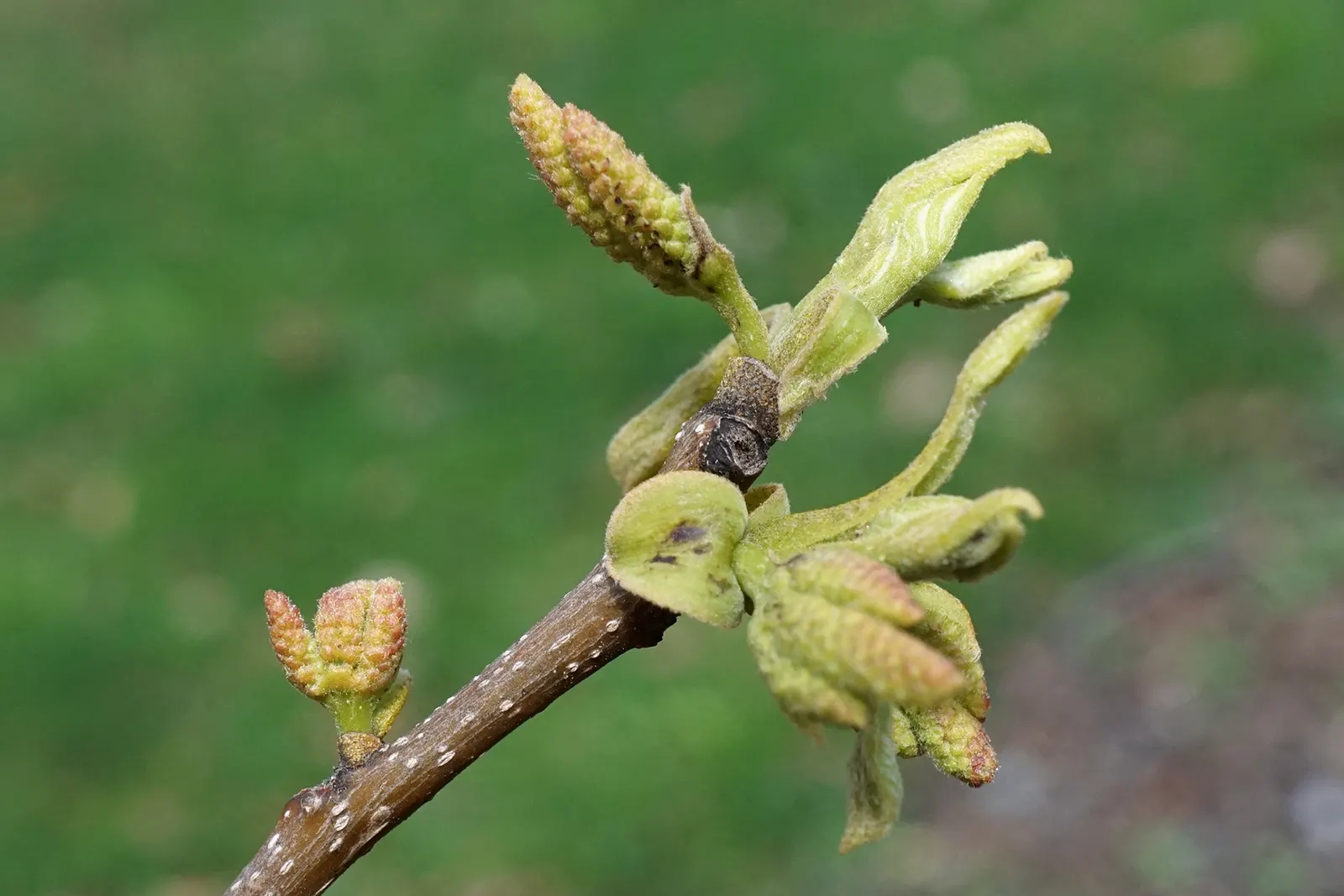
English Walnut (Juglans Regia) — this stately tree also offers yellow-green catkins in spring
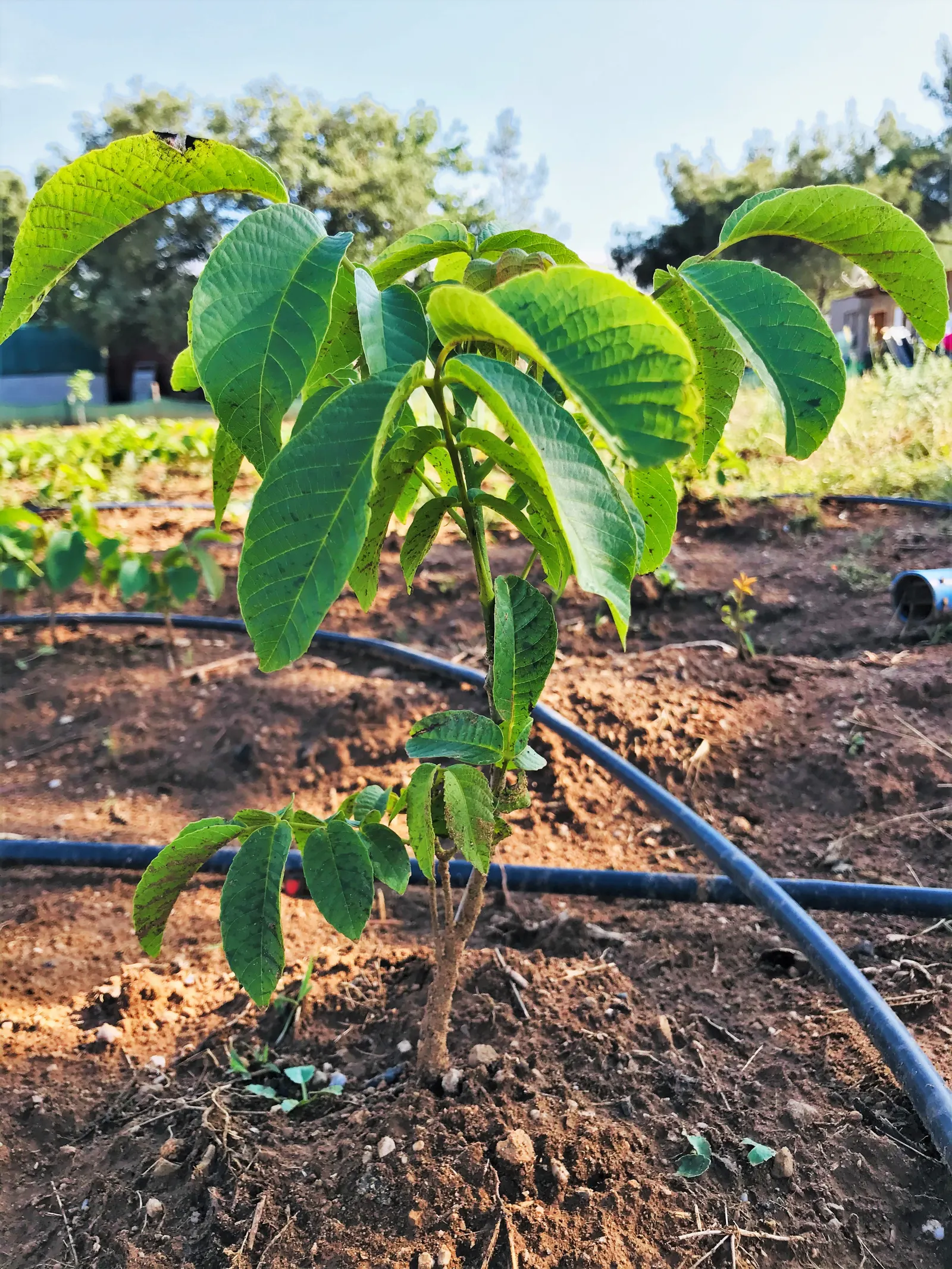
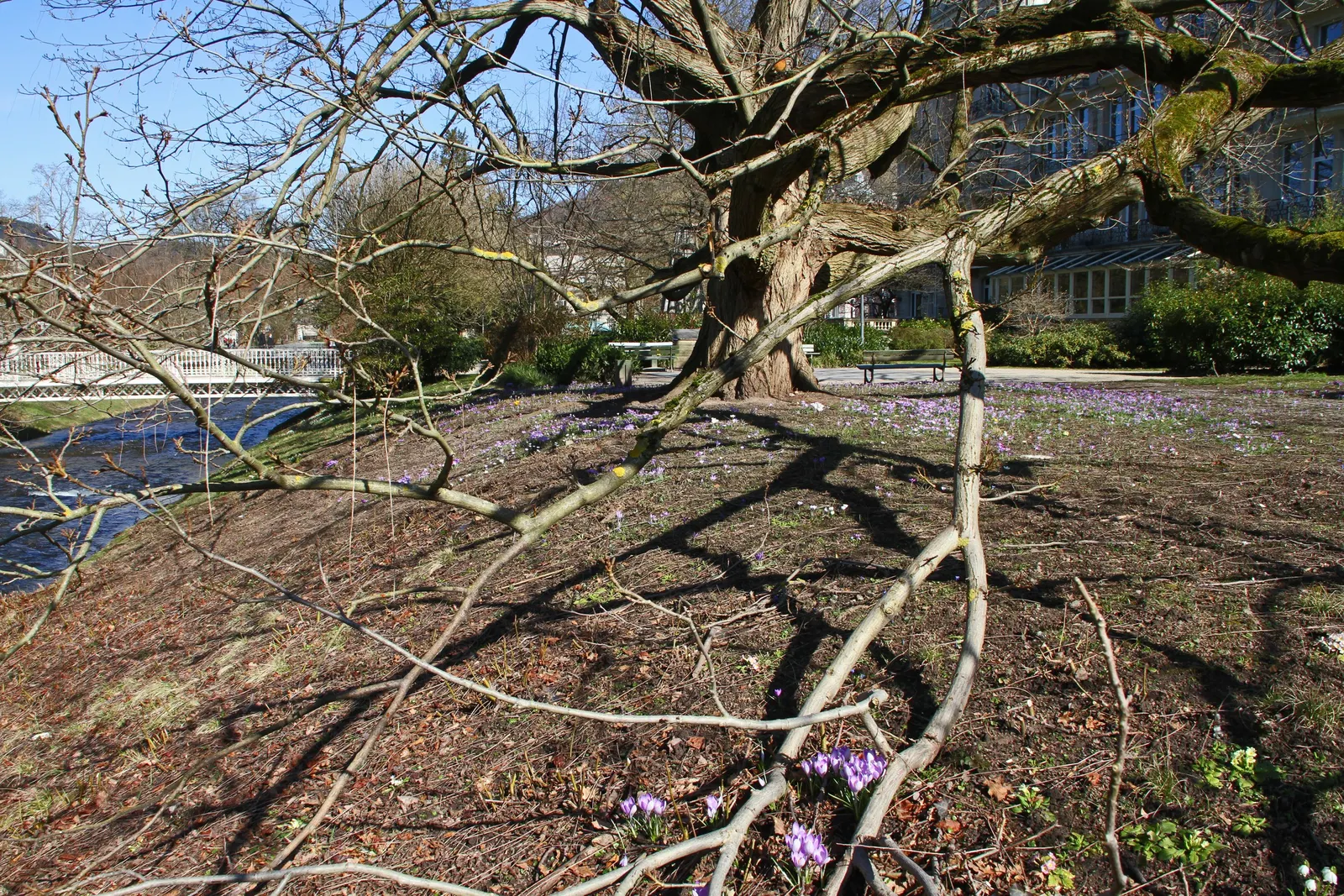
English Walnut (Juglans Regia) — Ample space is a must to accommodate its extensive root system
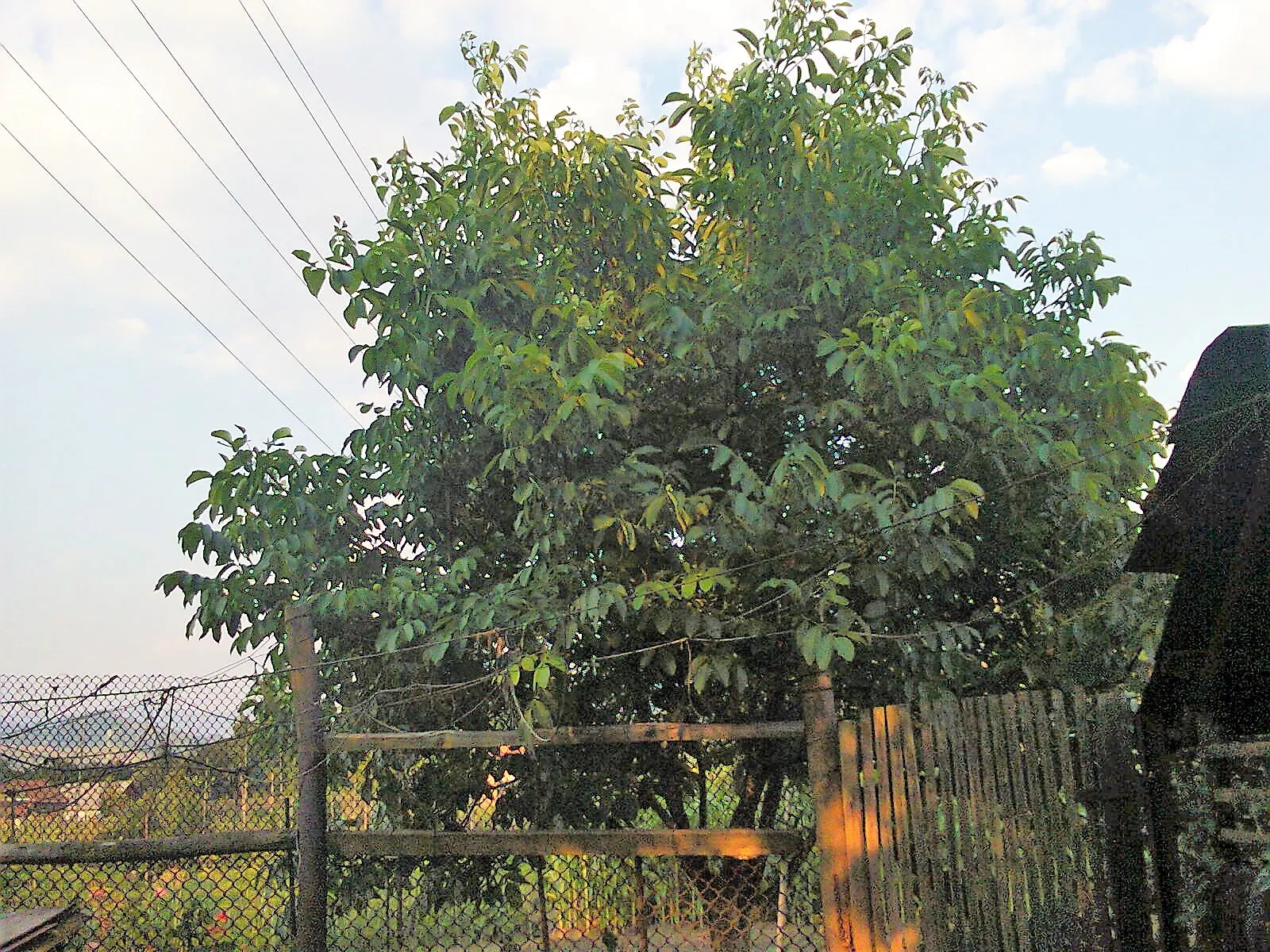
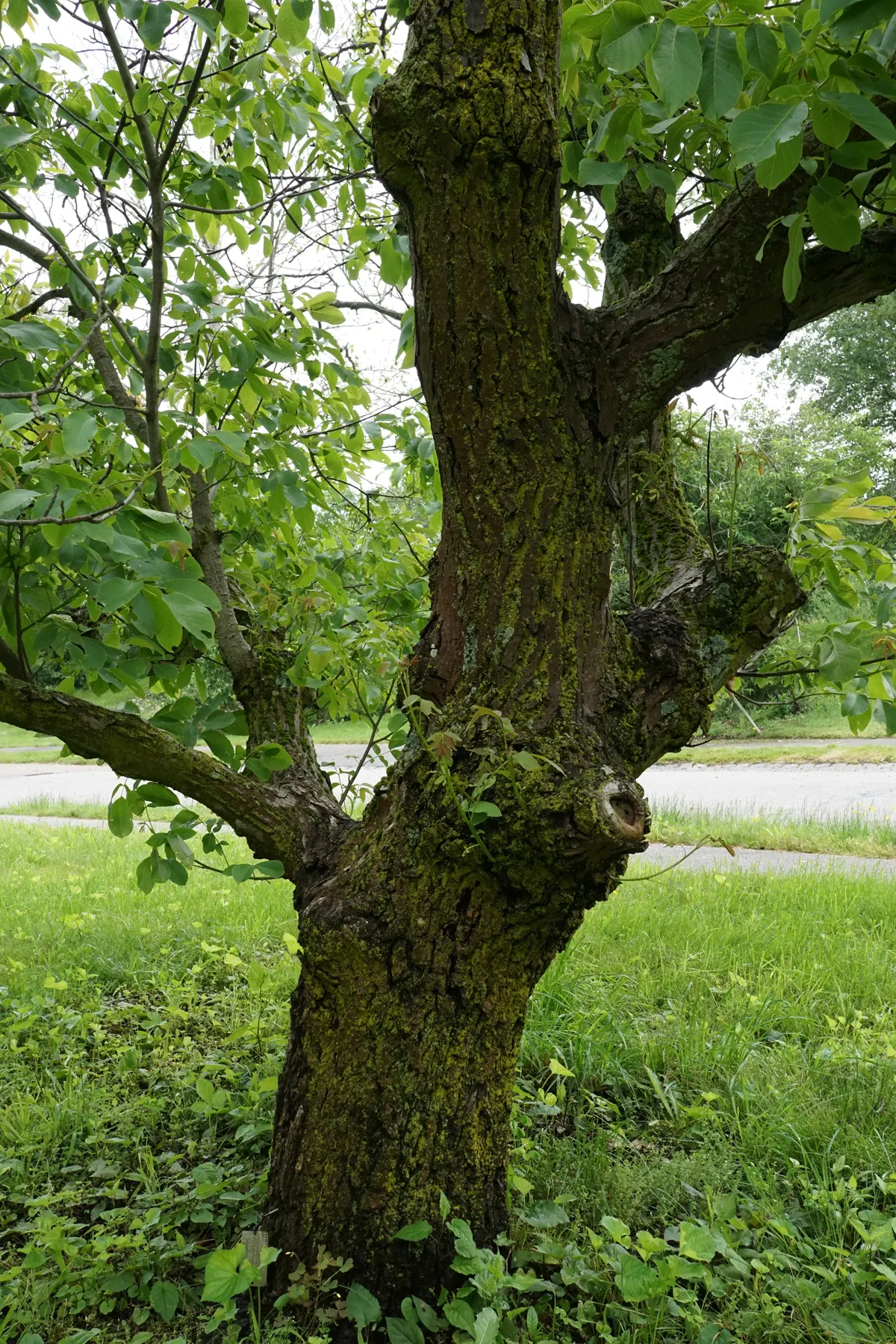
English Walnut (Juglans Regia) — Mature specimens can reach heights ranging from 40 to 60 feet with a canopy spread of equal proportion
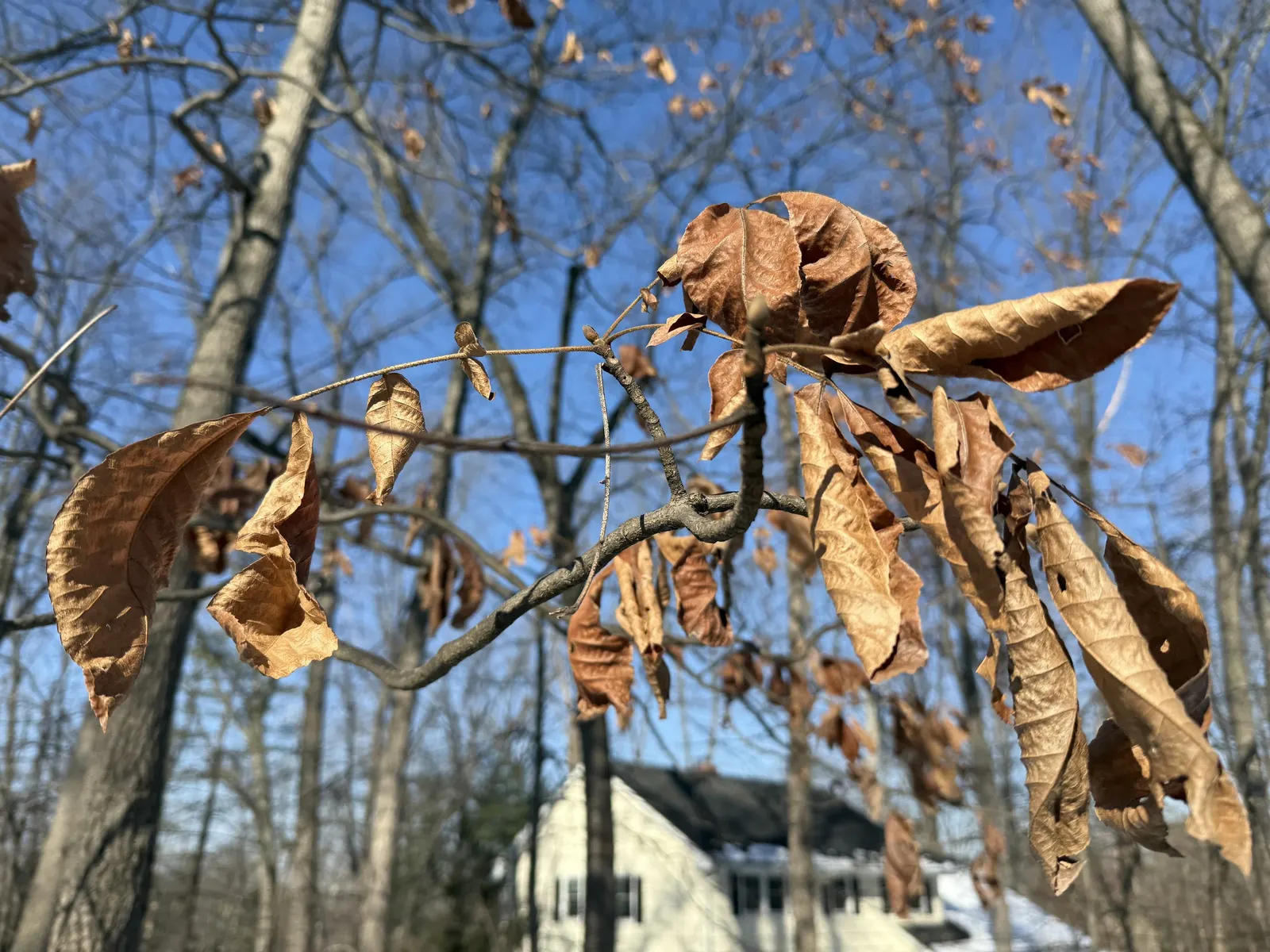
English Walnut (Juglans Regia) — typically measuring 5 to 9 inches in length
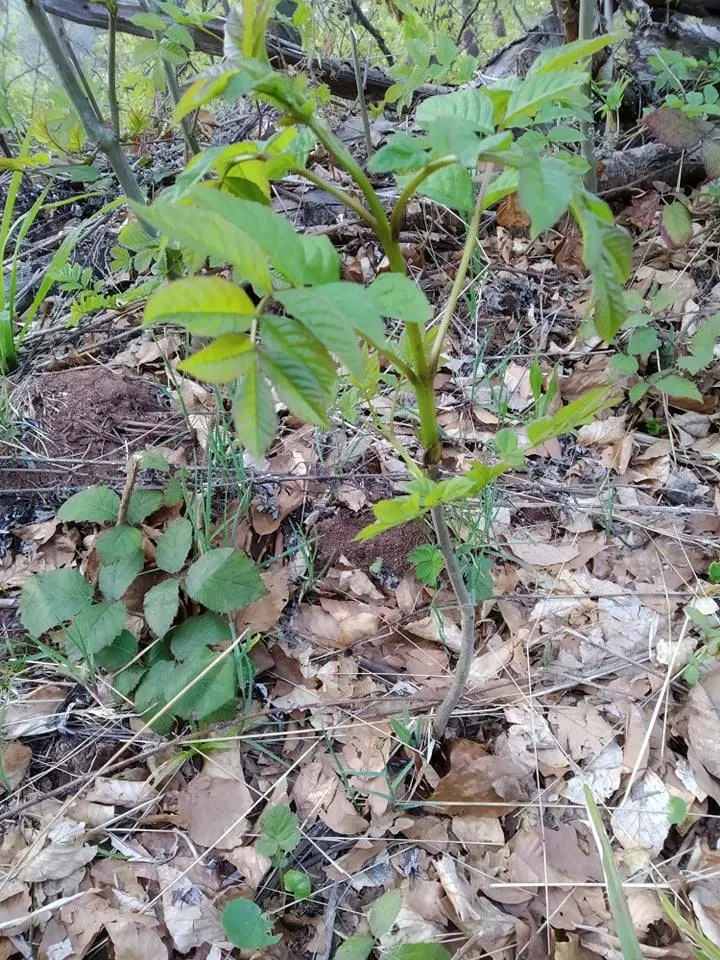
English Walnut (Juglans Regia) — with an arrangement of 5 to 9 leaflets per leaf
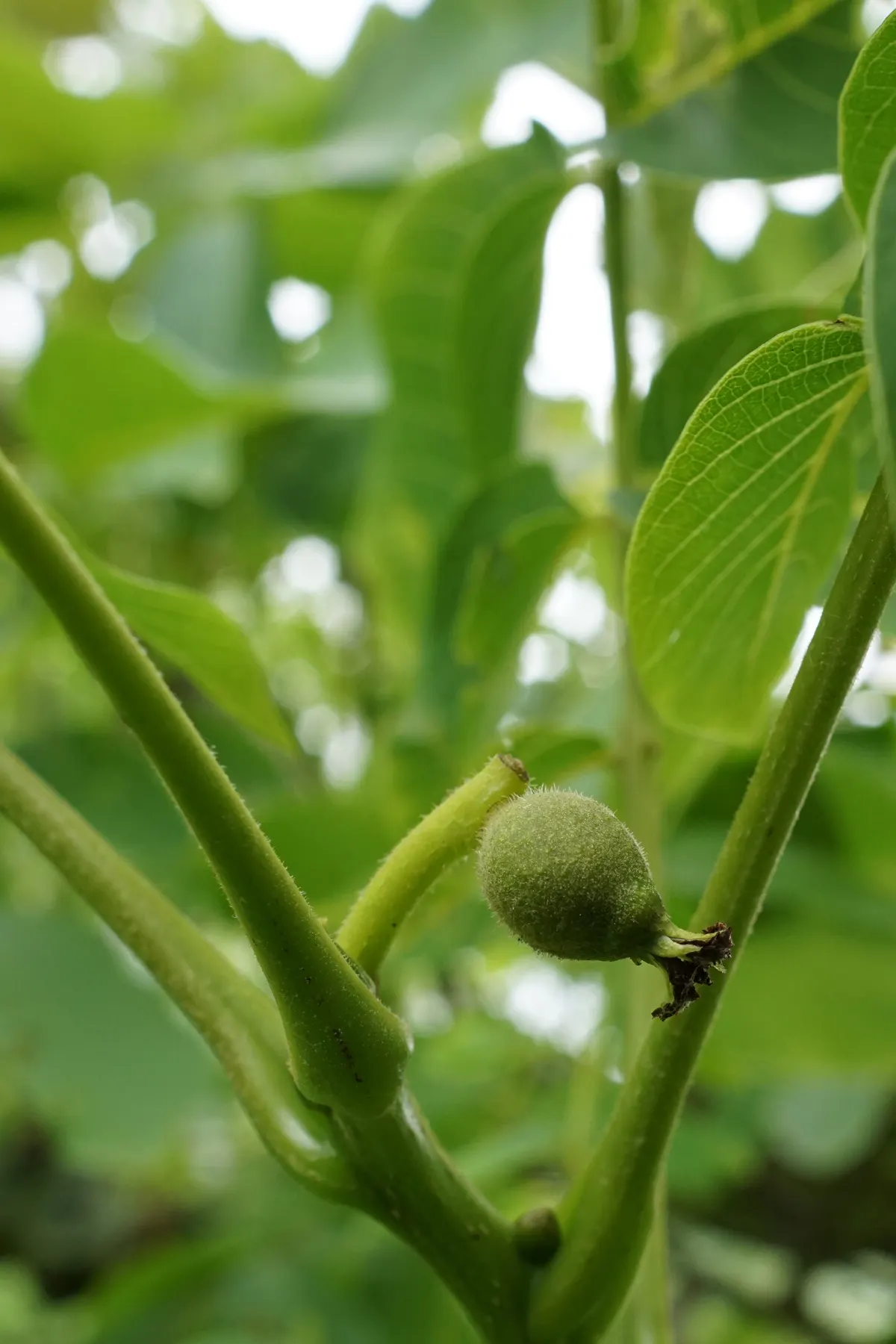
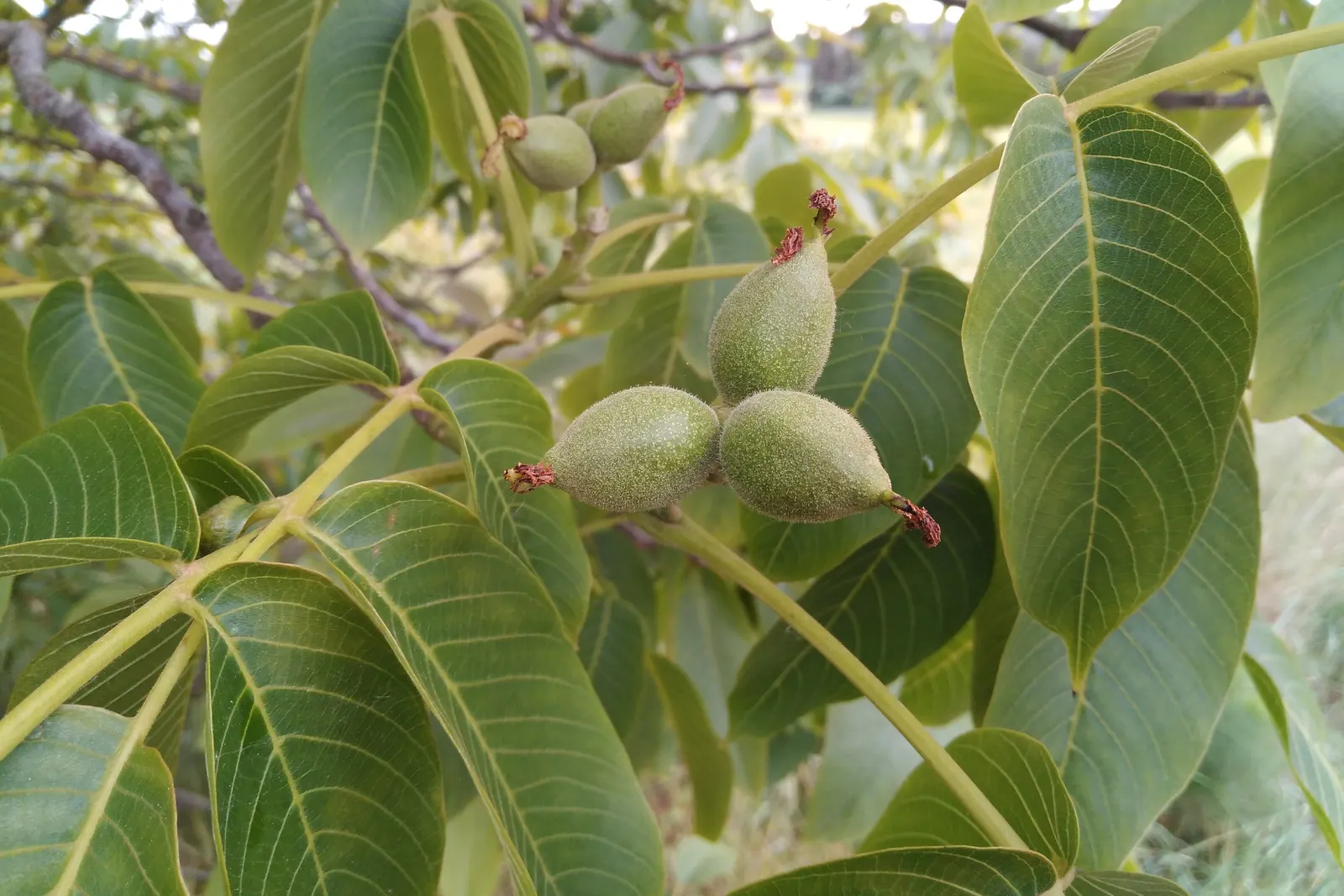
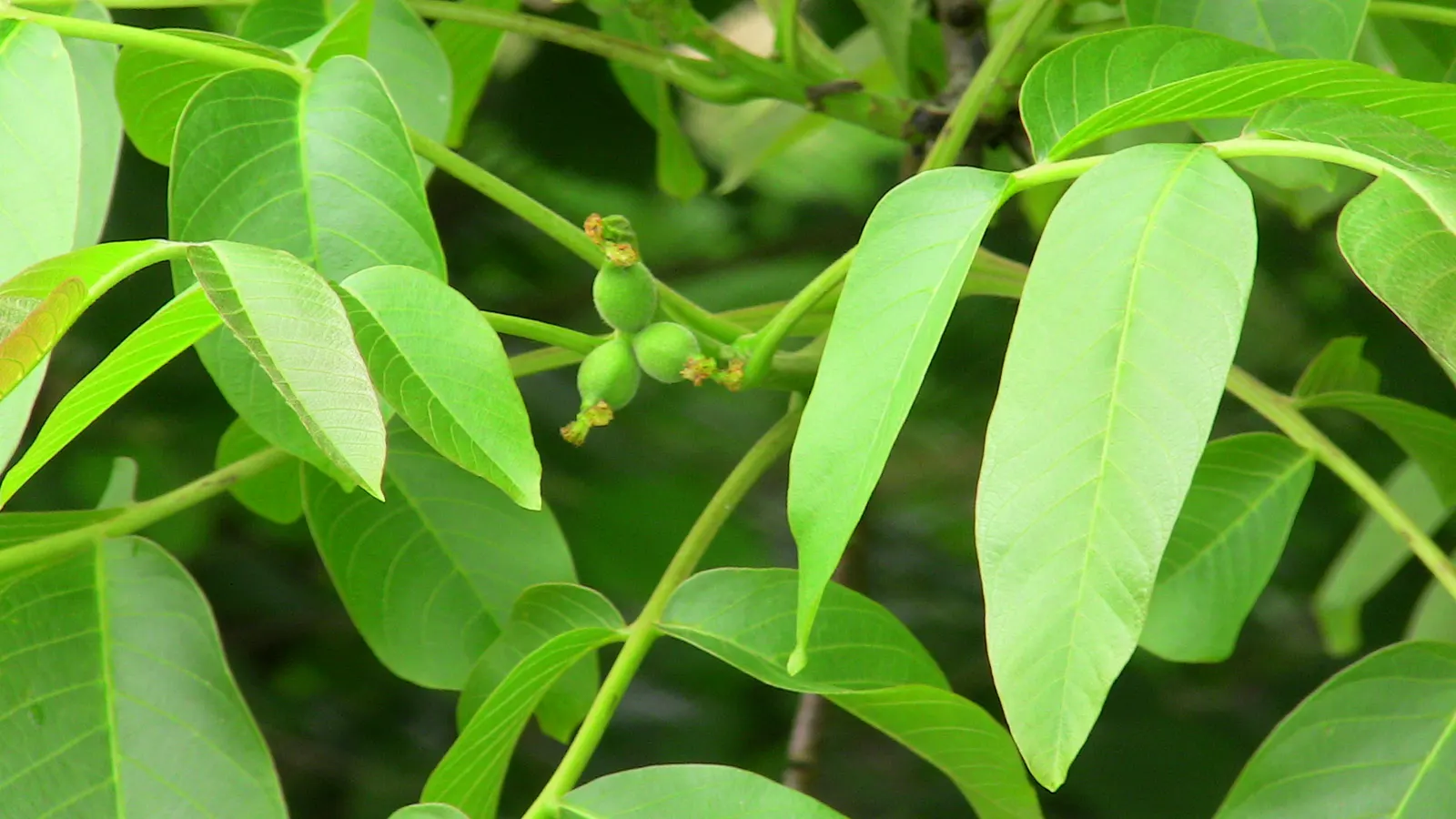
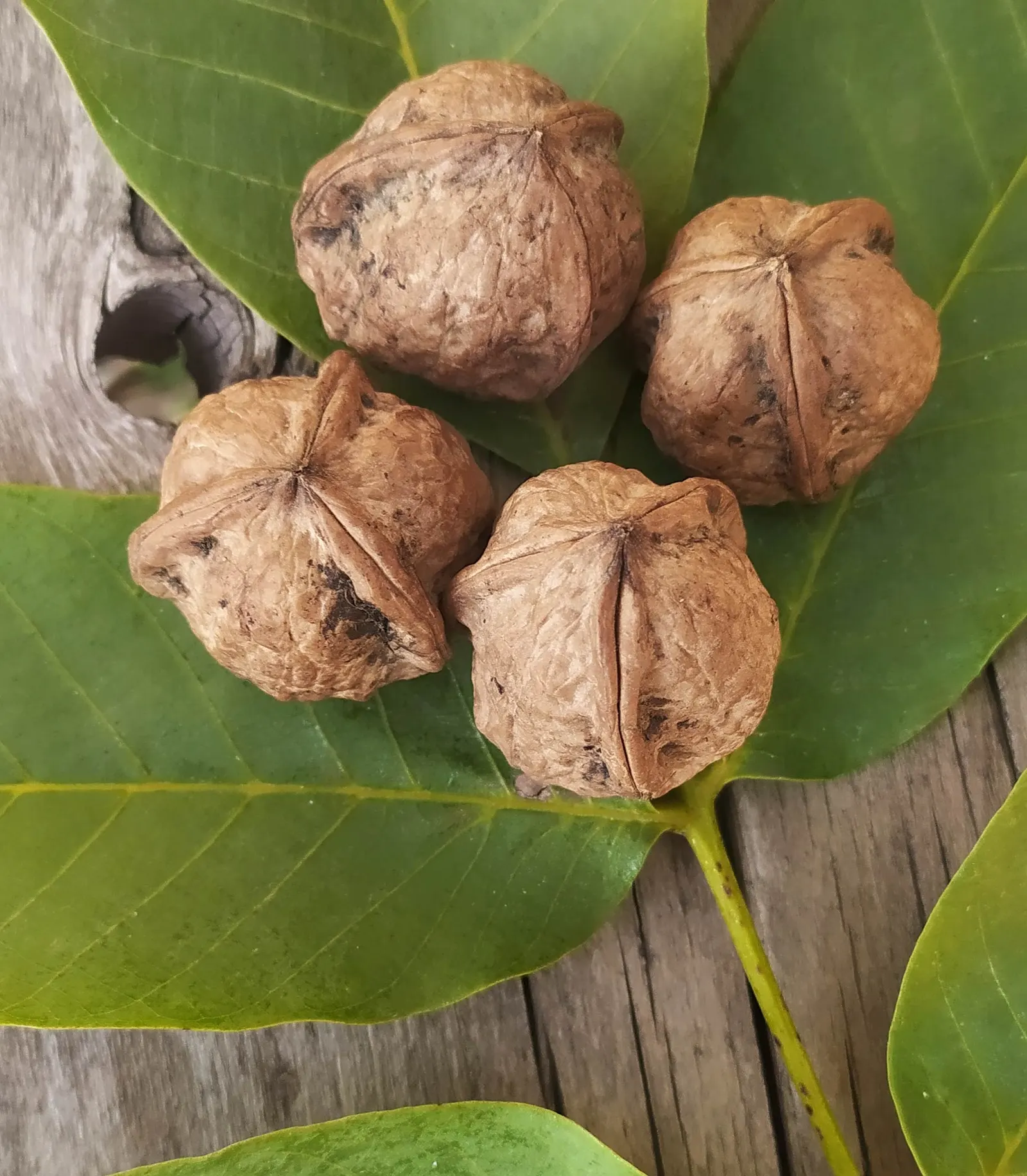
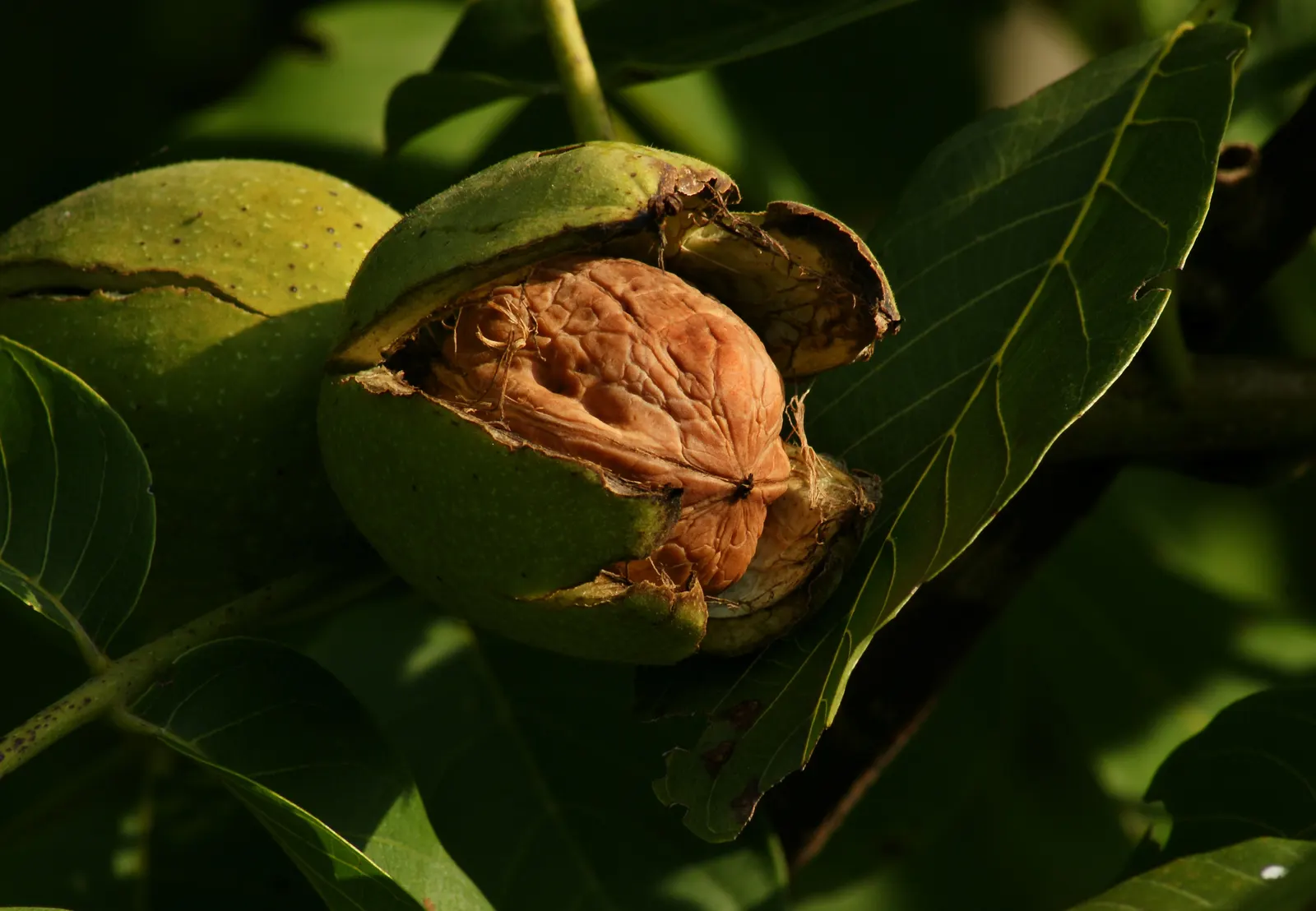
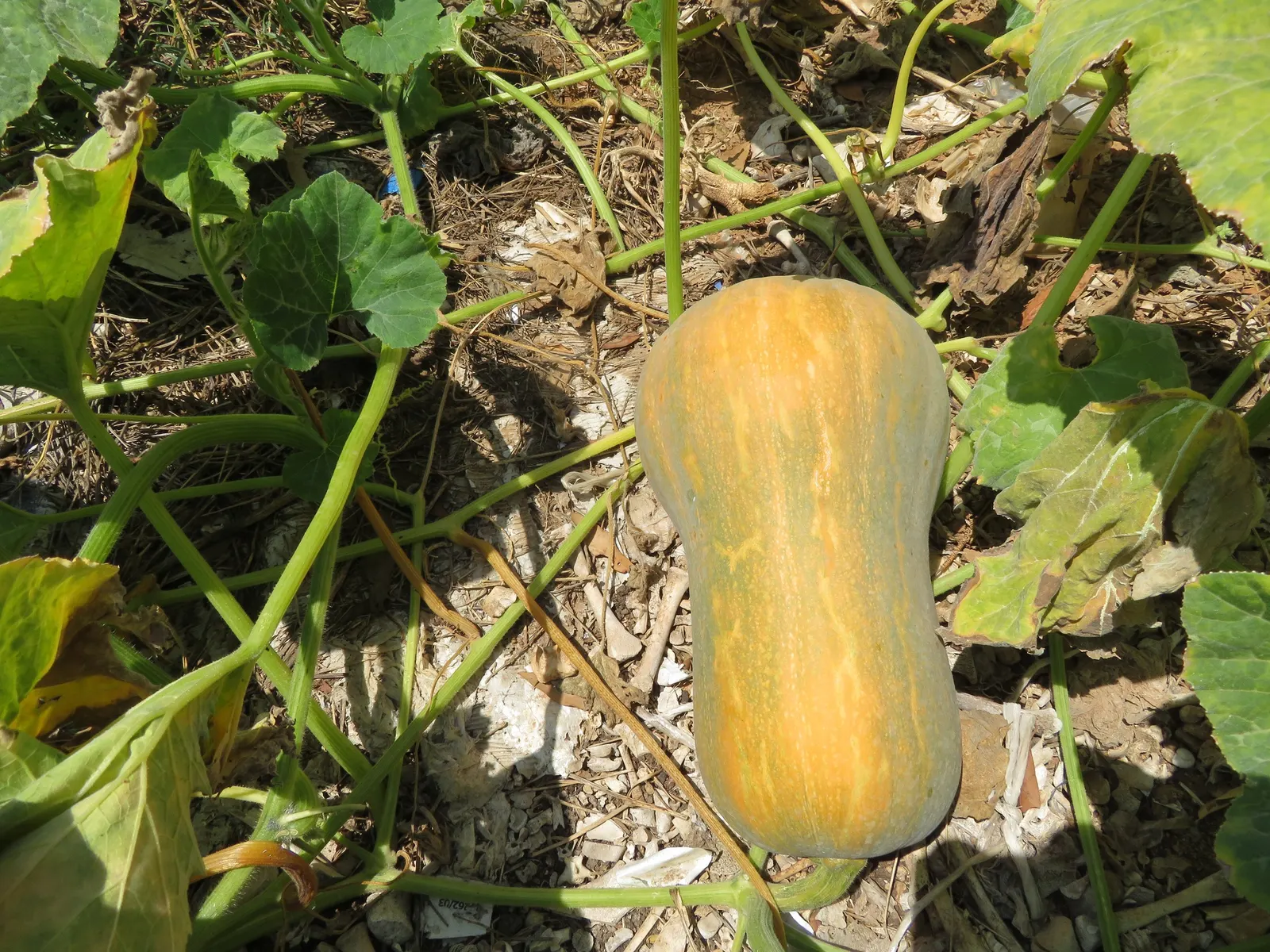
English Walnut (Juglans Regia) — By late summer to fall, the tree yields its hallmark walnuts encased in a round, green husk
English Walnut (Juglans Regia) — hard-shelled nut inside.<br><br>For optimal growth
English Walnut (Juglans Regia) — the English Walnut prefers well-drained
English Walnut (Juglans Regia) — fertile soil and a location that receives full sun exposure
English Walnut (Juglans Regia) — While the tree is relatively tolerant of various soil types, it thrives in soil with a pH range of 6 to 7.5
English Walnut (Juglans Regia) — Note that Juglans regia produces a chemical called juglone
English Walnut (Juglans Regia) — which may inhibit growth of certain plants nearby
English Walnut (Juglans Regia) — thus care should be taken when selecting companion flora.<br><br>Furthermore
English Walnut (Juglans Regia) — Clients will enjoy the dual benefits of its stately appearance and fruitful bounty in their garden
English Walnut (Juglans Regia) — tree for full
English Walnut (Juglans Regia) — esteemed for its fine-quality nuts and attractive timber; notable for its pinnate foliage and rounded canopy
English Walnut (Juglans Regia) — It grows to an impressive 40-60 feet with a 30-40 feet spread; by late summer to fall, the tree yields its hallmark walnuts
English Walnut (Juglans Regia) — Preferable in zones 4-9, it requires full sun and well-drained soil; thus care should be taken when selecting companion
English Walnut (Juglans Regia) — Notable for its pinnate foliage and rounded canopy; this stately tree also offers yellow-green catkins in spring
English Walnut (Juglans Regia) — this stately tree also offers yellow-green catkins in spring; hard-shelled nut inside.<br><br>For optimal growth
English Walnut (Juglans Regia) — Ample space is a must to accommodate its extensive root system; clients will enjoy the dual benefits of its stately appearance
English Walnut (Juglans Regia) — scientifically referred to as Juglans regia; ample space is a must to accommodate its extensive root system
English Walnut (Juglans Regia) — Mature specimens can reach heights ranging from 40 to 60 feet with a canopy spread of equal proportion; the English Walnut

Related plants