Skip to content

Pecan

Carya illinoinensis

Design with this plant

Overview

Carya illinoinensis, commonly known as the Pecan tree, is a robust deciduous species reaching heights of 70-100 feet. Known for its spreading canopy and deep furrowed bark, this tree thrives in Zones 6-9 and requires full sun. It produces edible nuts cherished for culinary use, with a harvest time in the fall. Consider ample space for root development and nut drop when planning. Ideal for large landscapes seeking a stately shade provider.

Sun Full, HalfWater Extra in Summer, MediumZones 5–10Climate Temperate

Culture

Sun
Full, Half
Water
Extra in Summer, Medium
USDA zones
5–10

Shape & size

Classification

Family
Juglandaceae
Climate
Temperate

See full data, regional cultivation notes, full-resolution photos, and design tools. Build a client presentation around this plant.

Start your 14-day trial

Photos (63)

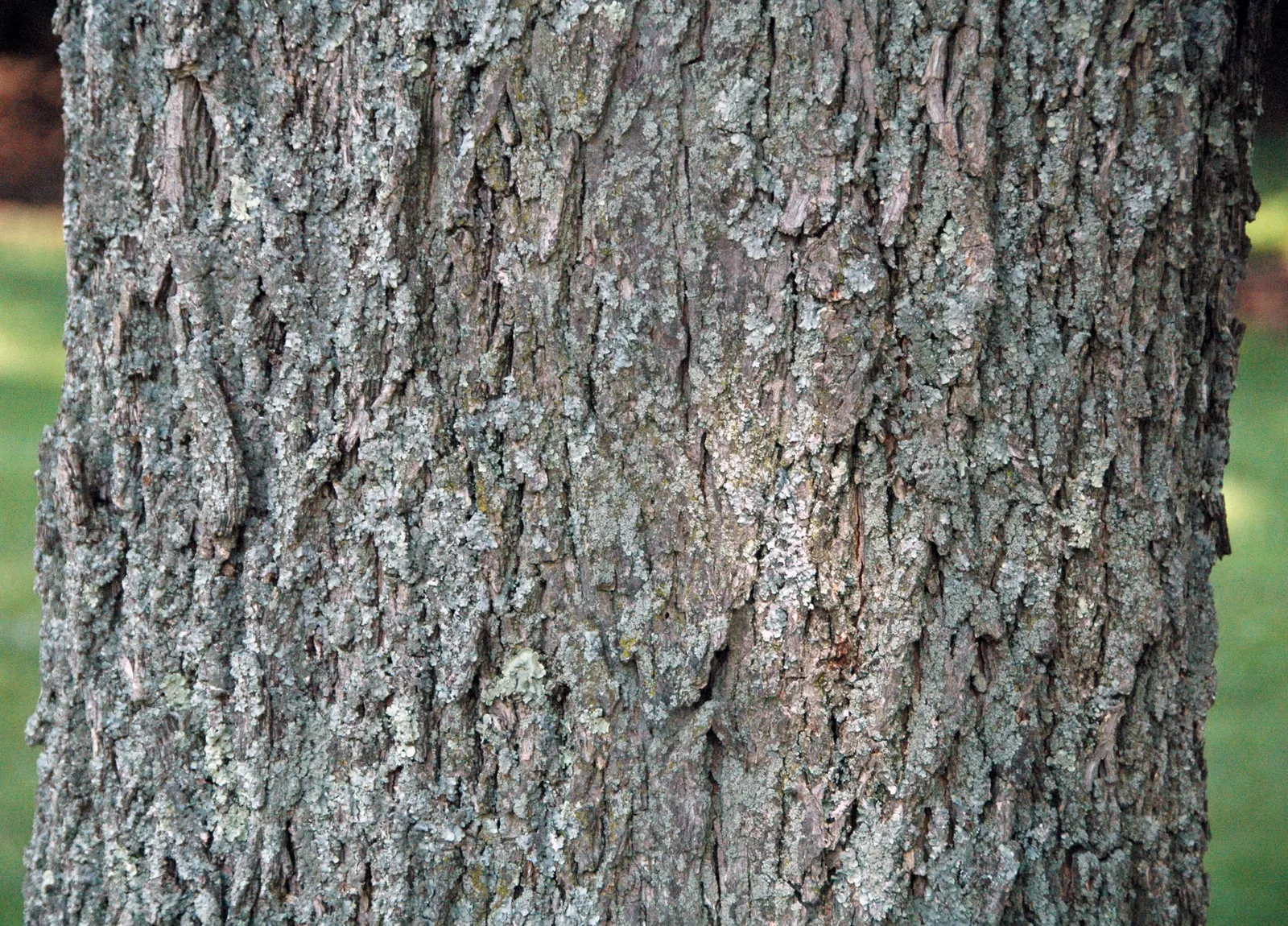
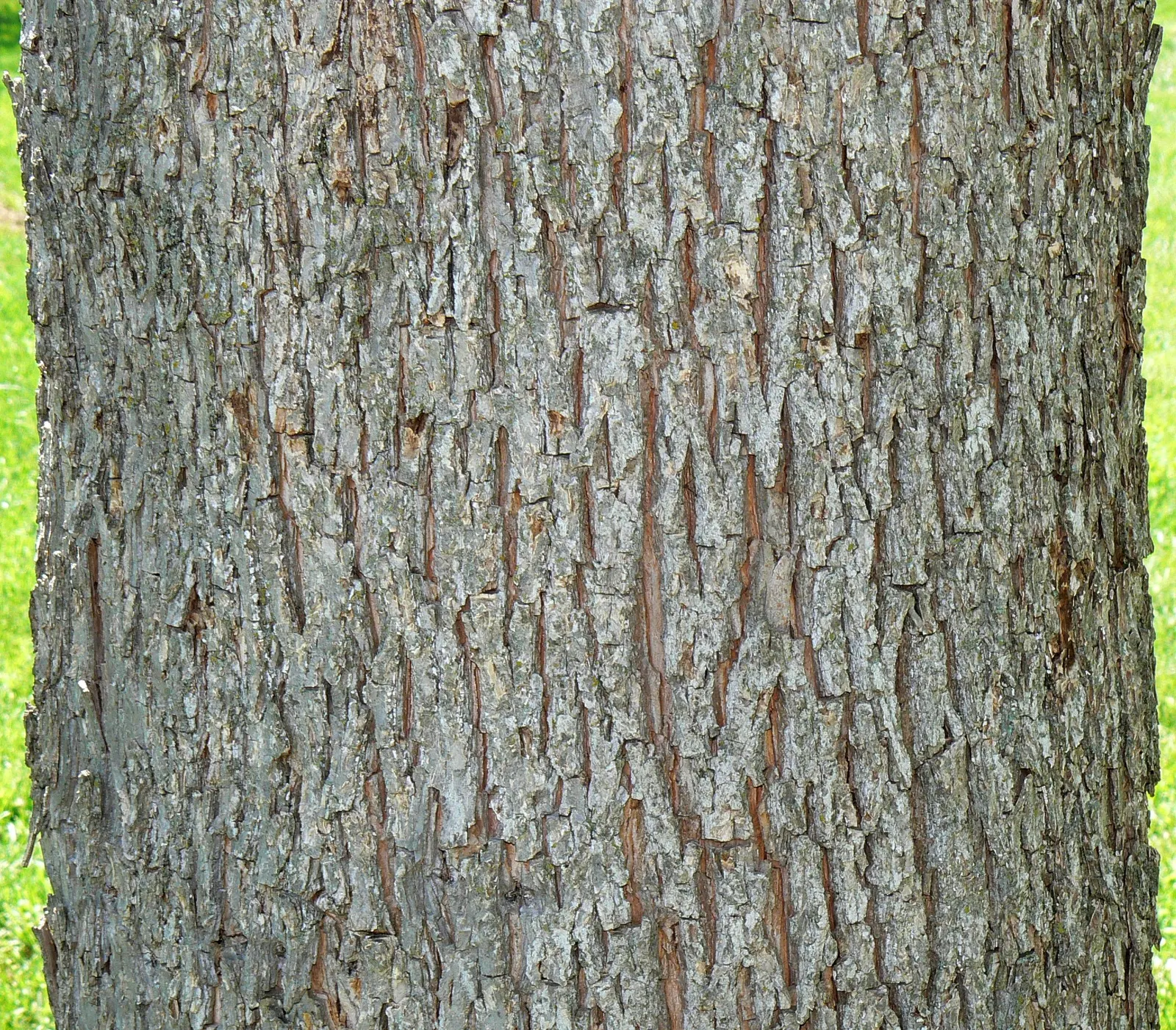
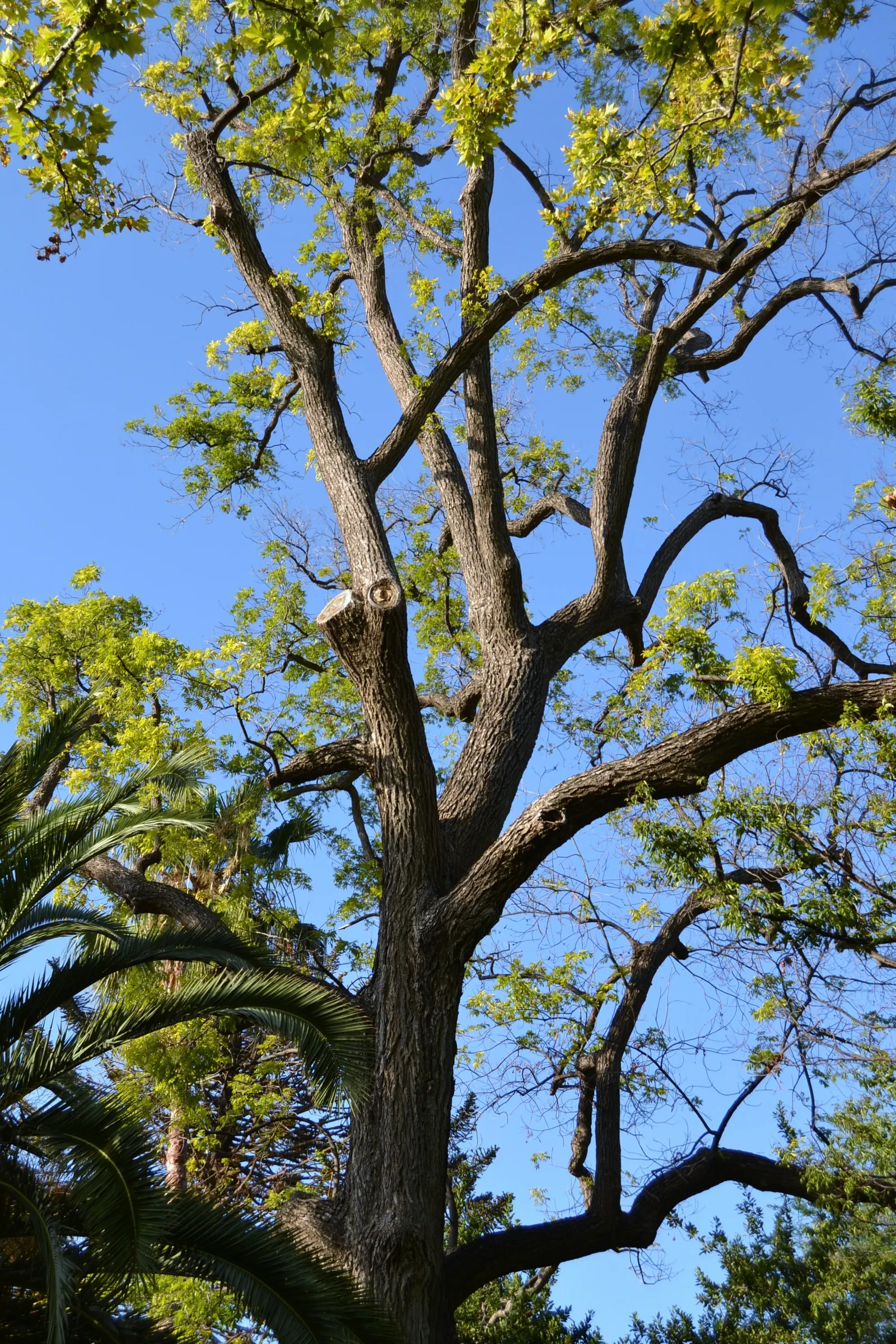
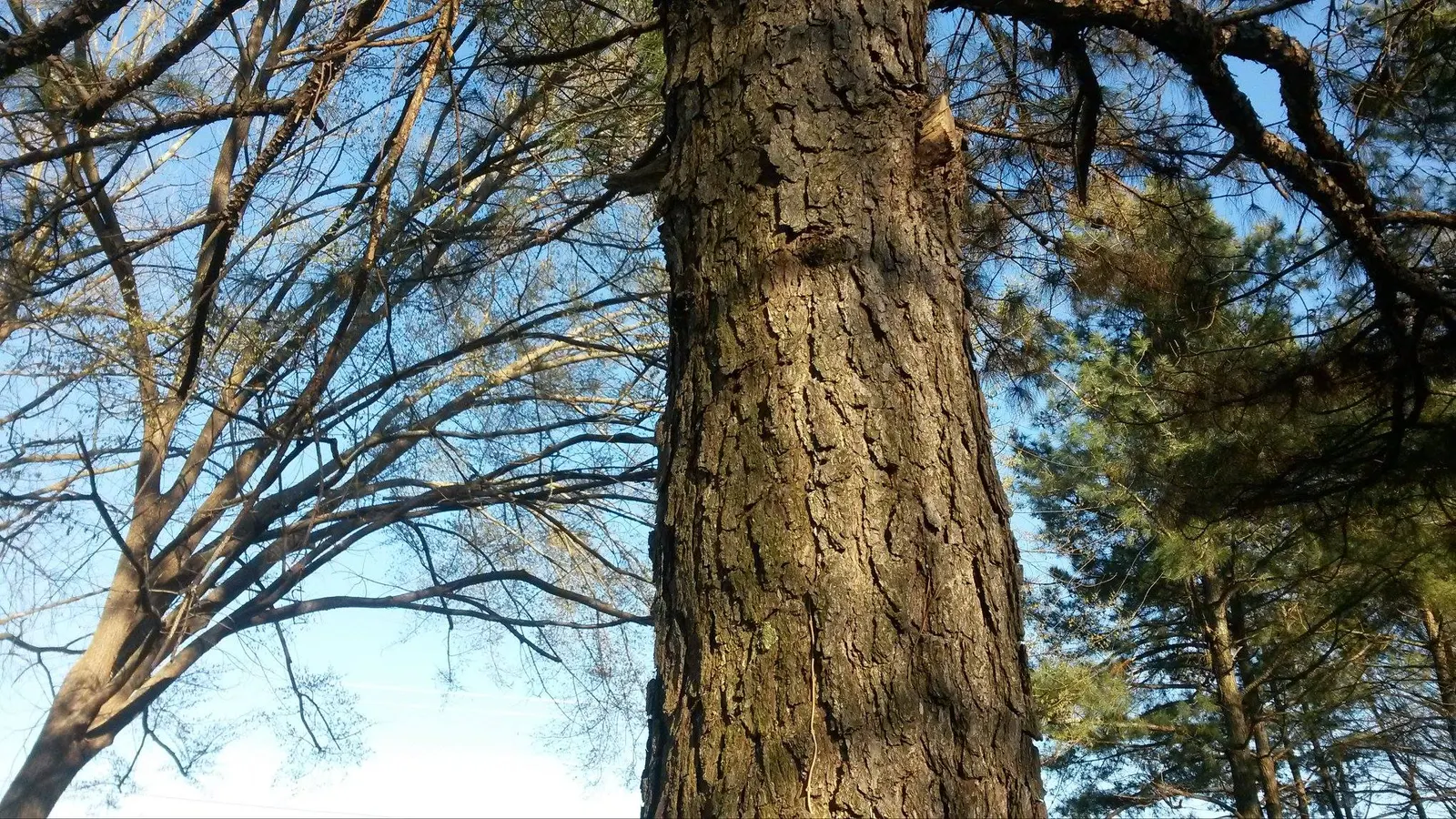
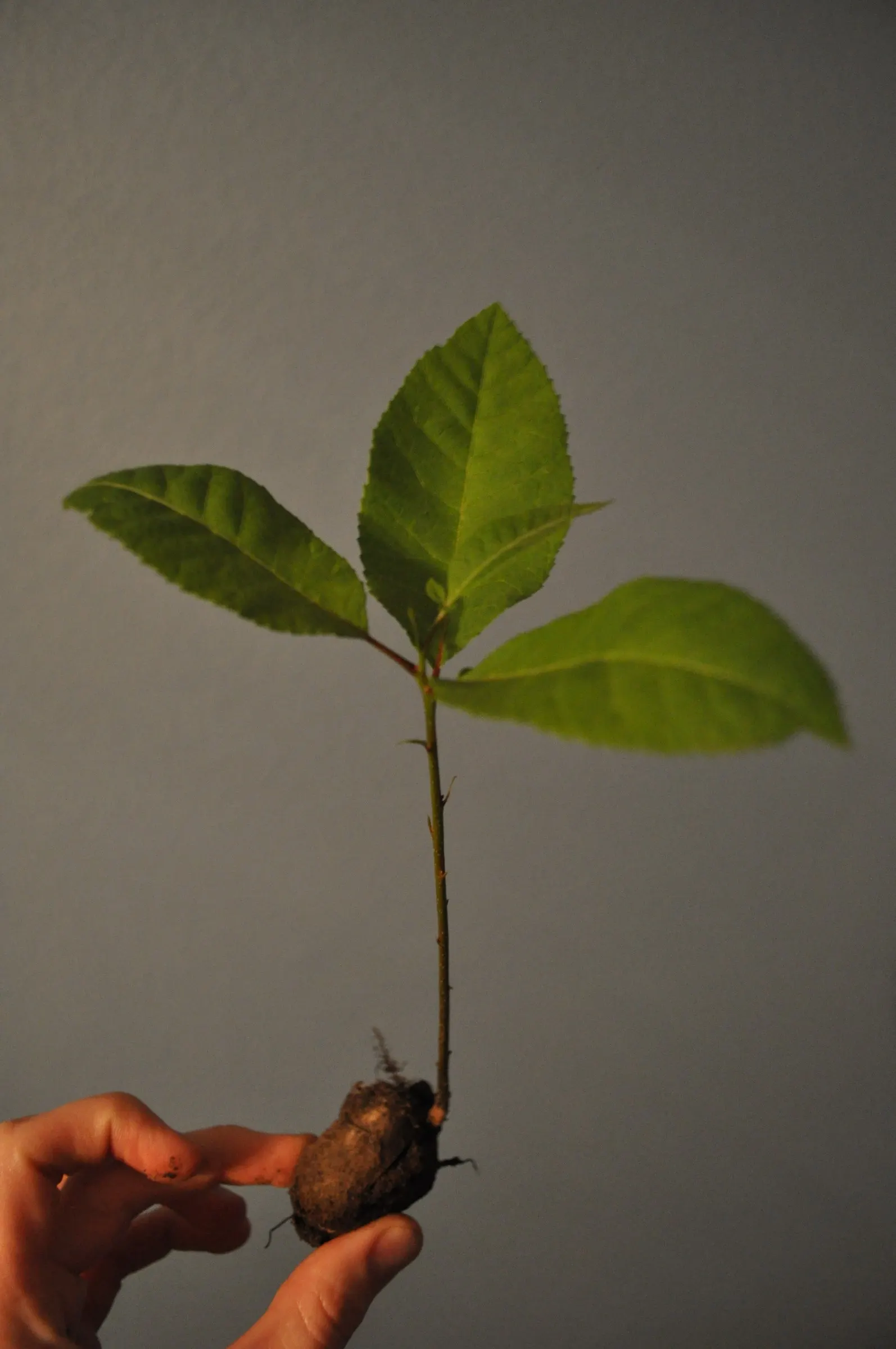
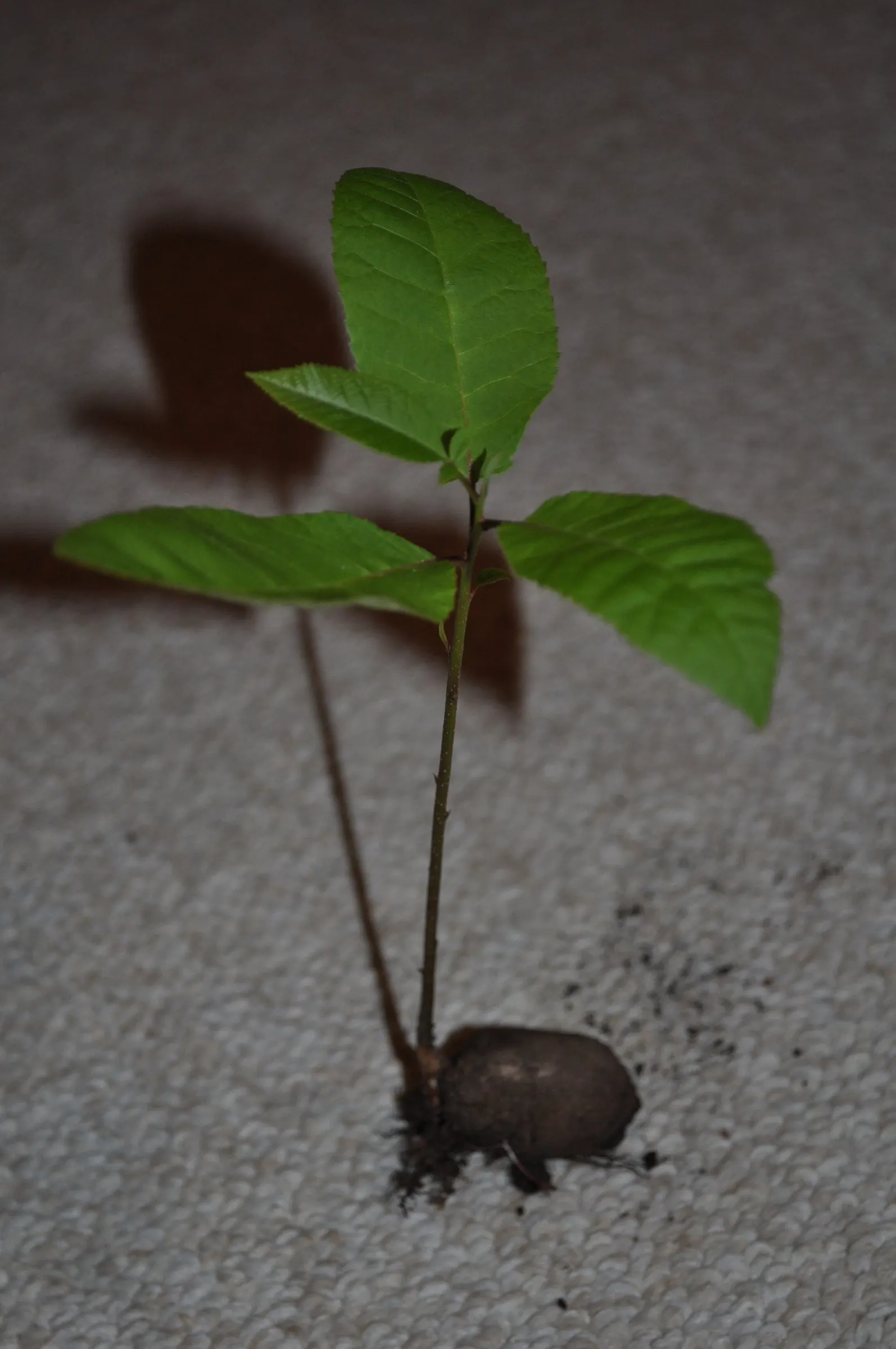
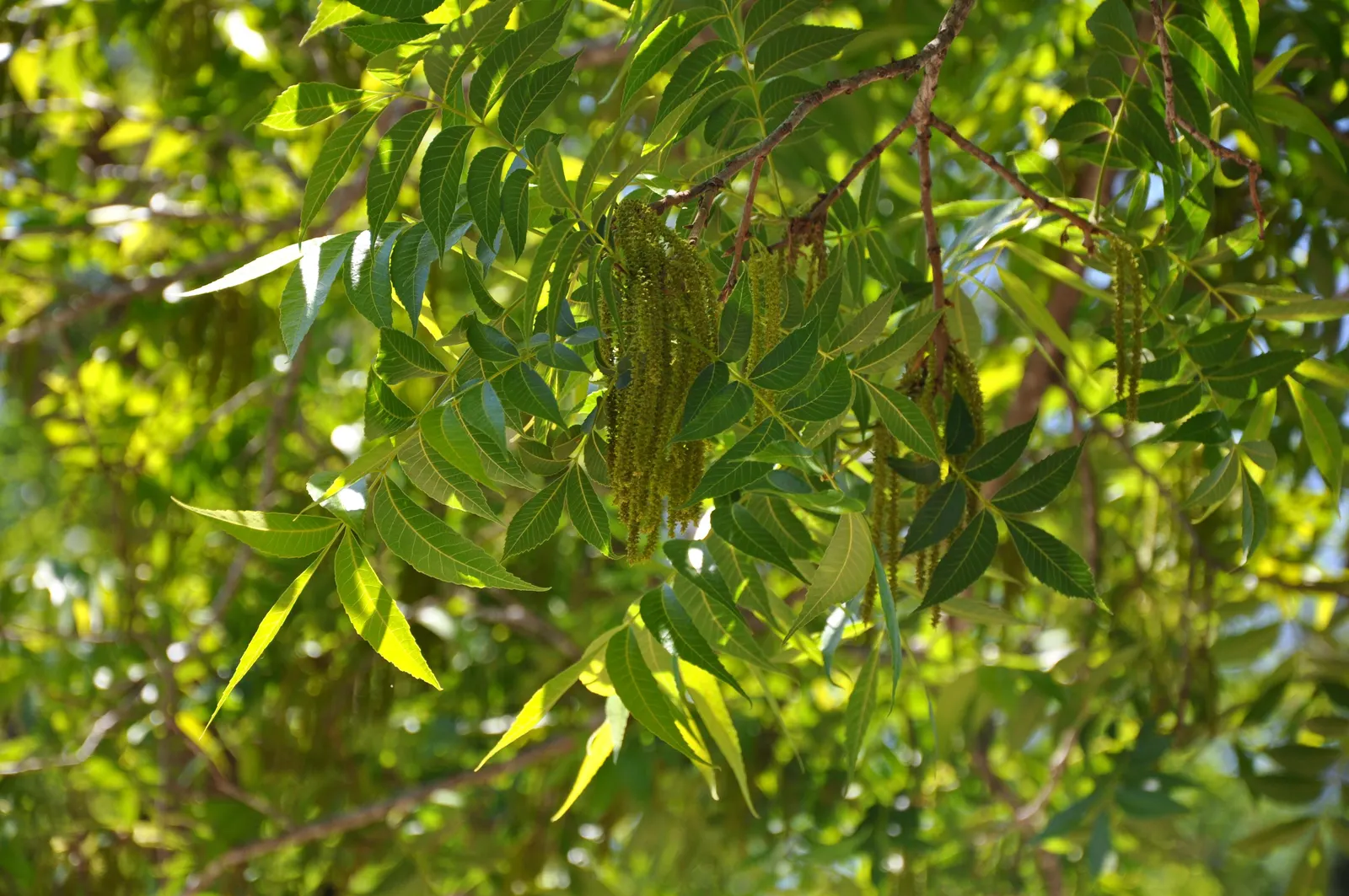
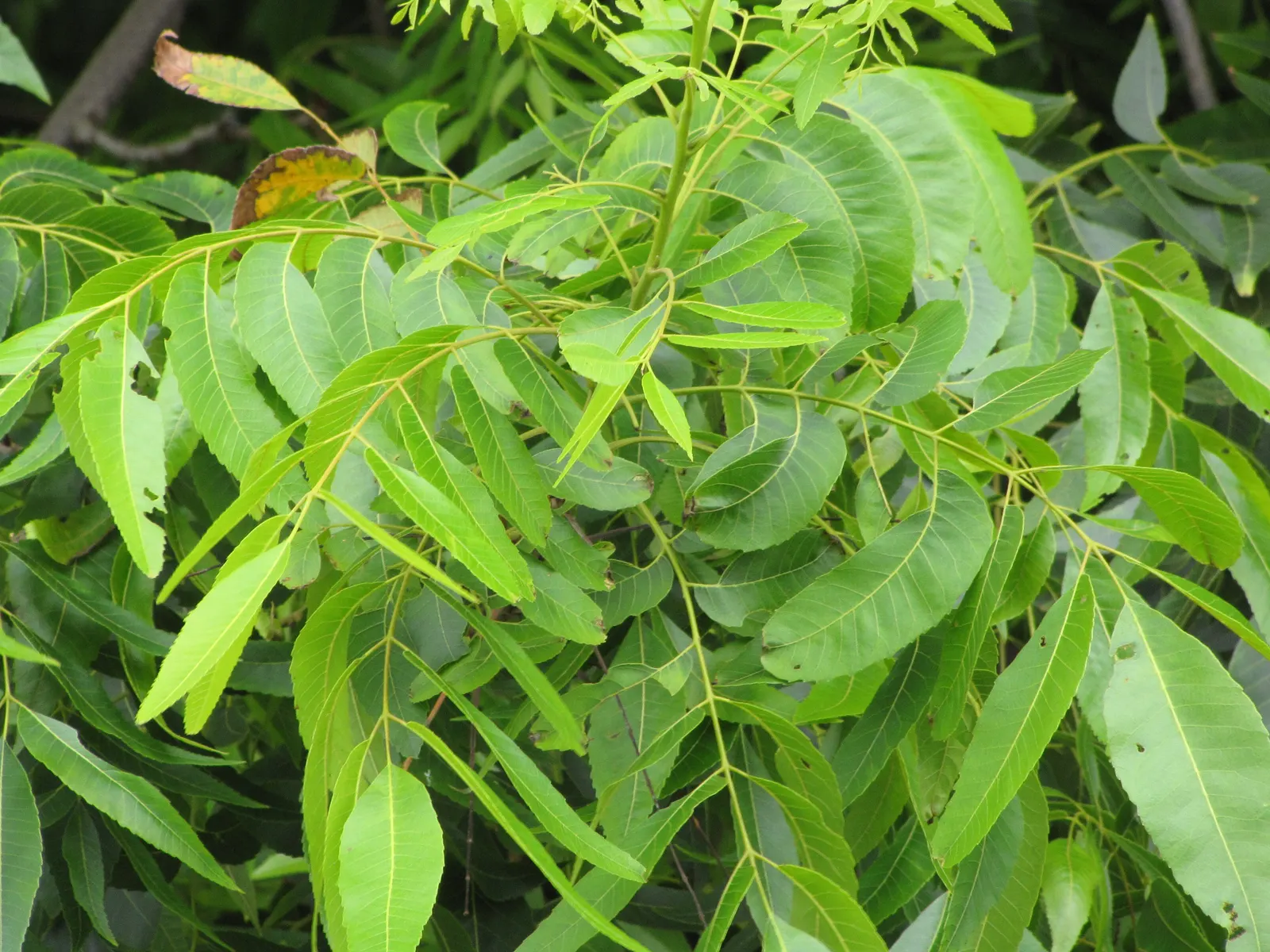
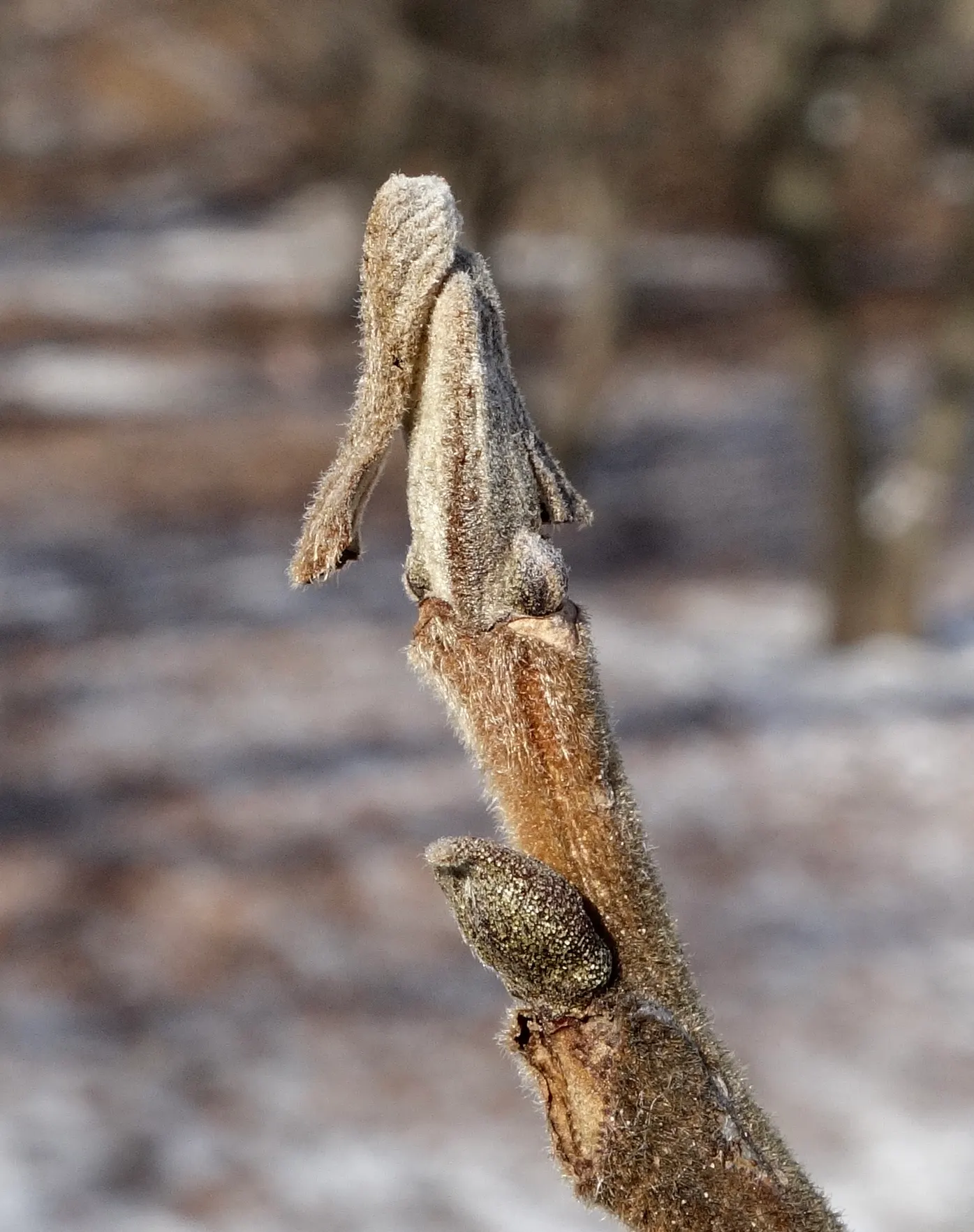
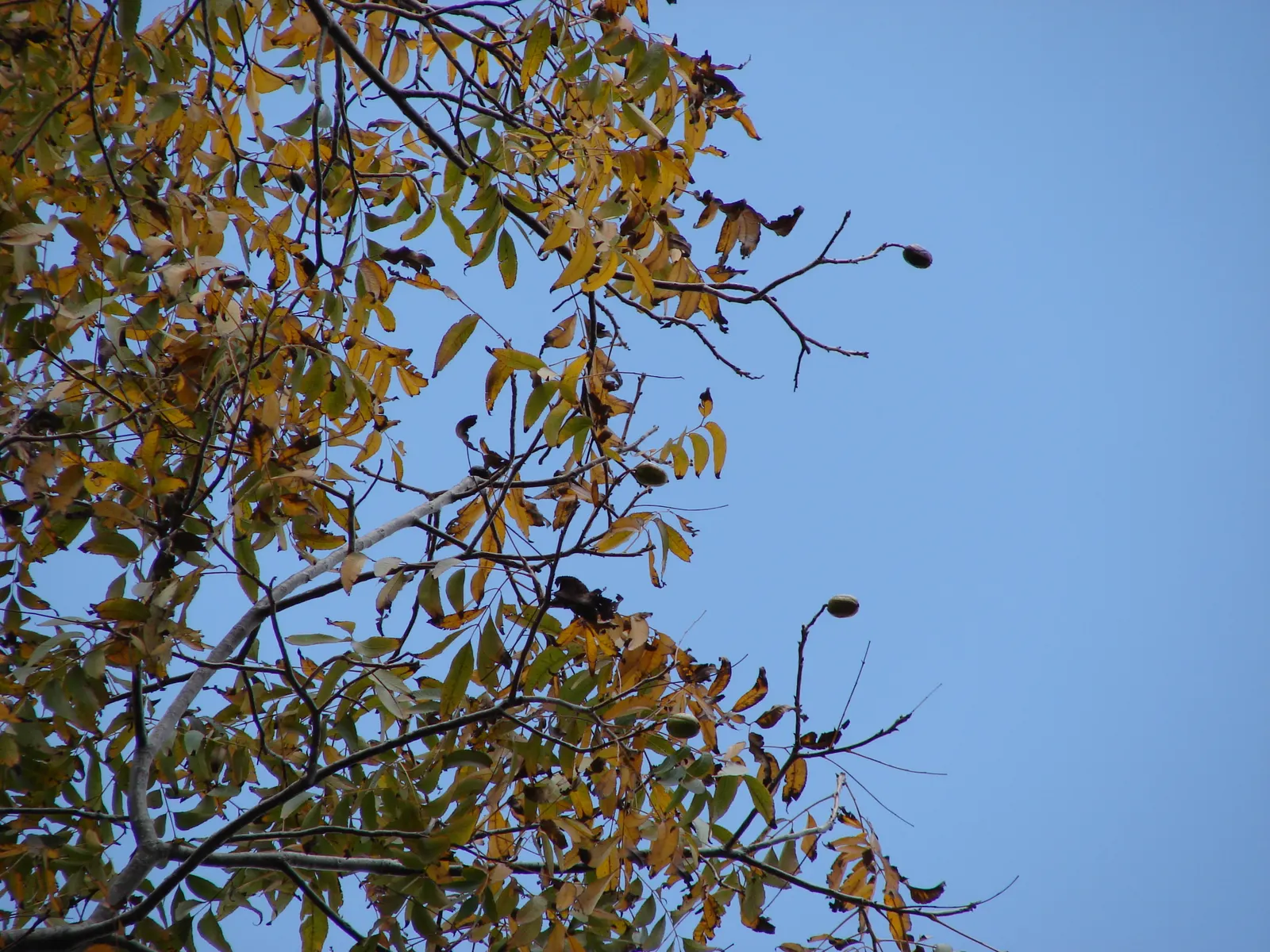
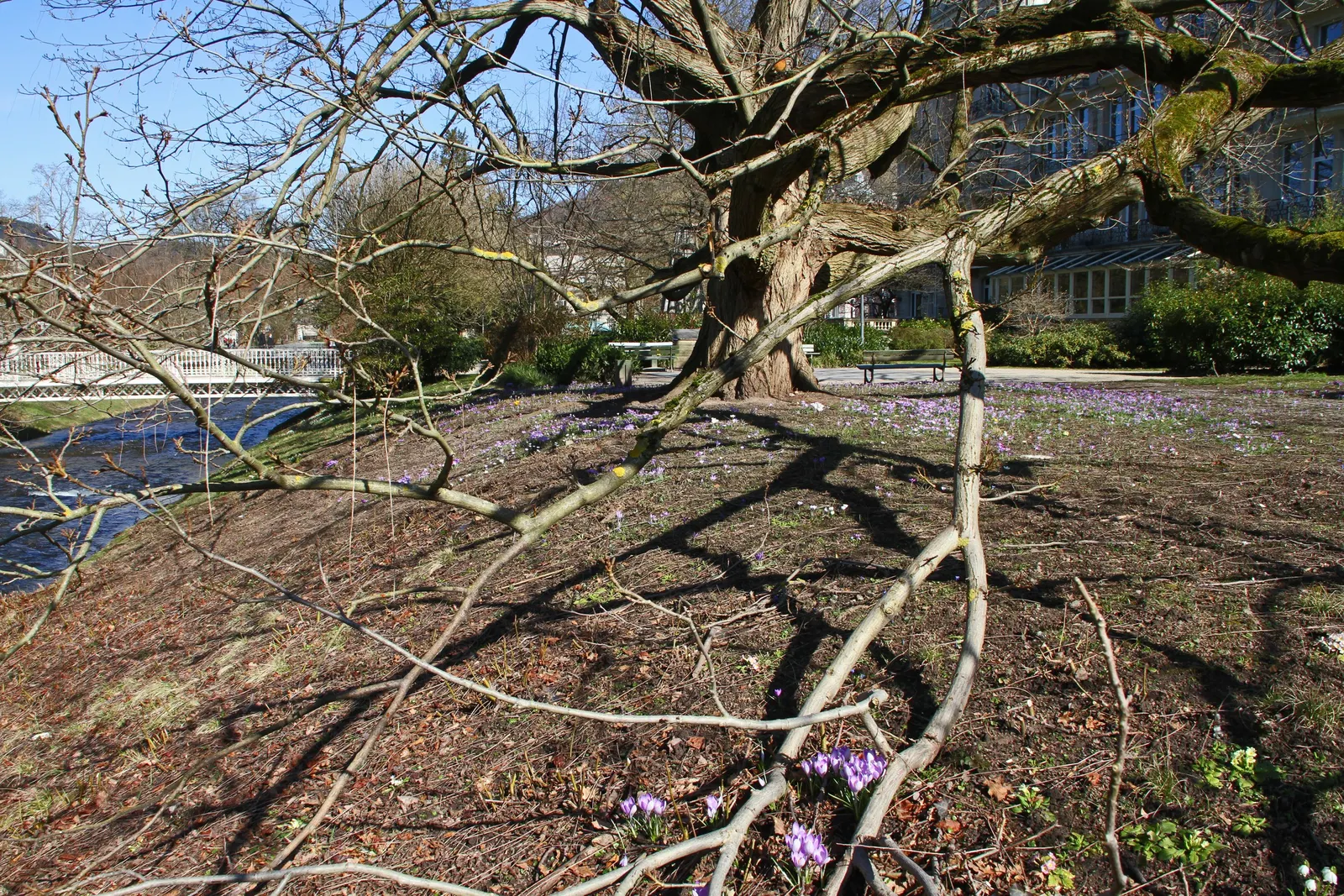
Pecan (Carya illinoinensis) — Known for its spreading canopy and deep furrowed bark, this tree thrives in Zones 6-9 and requires full sun
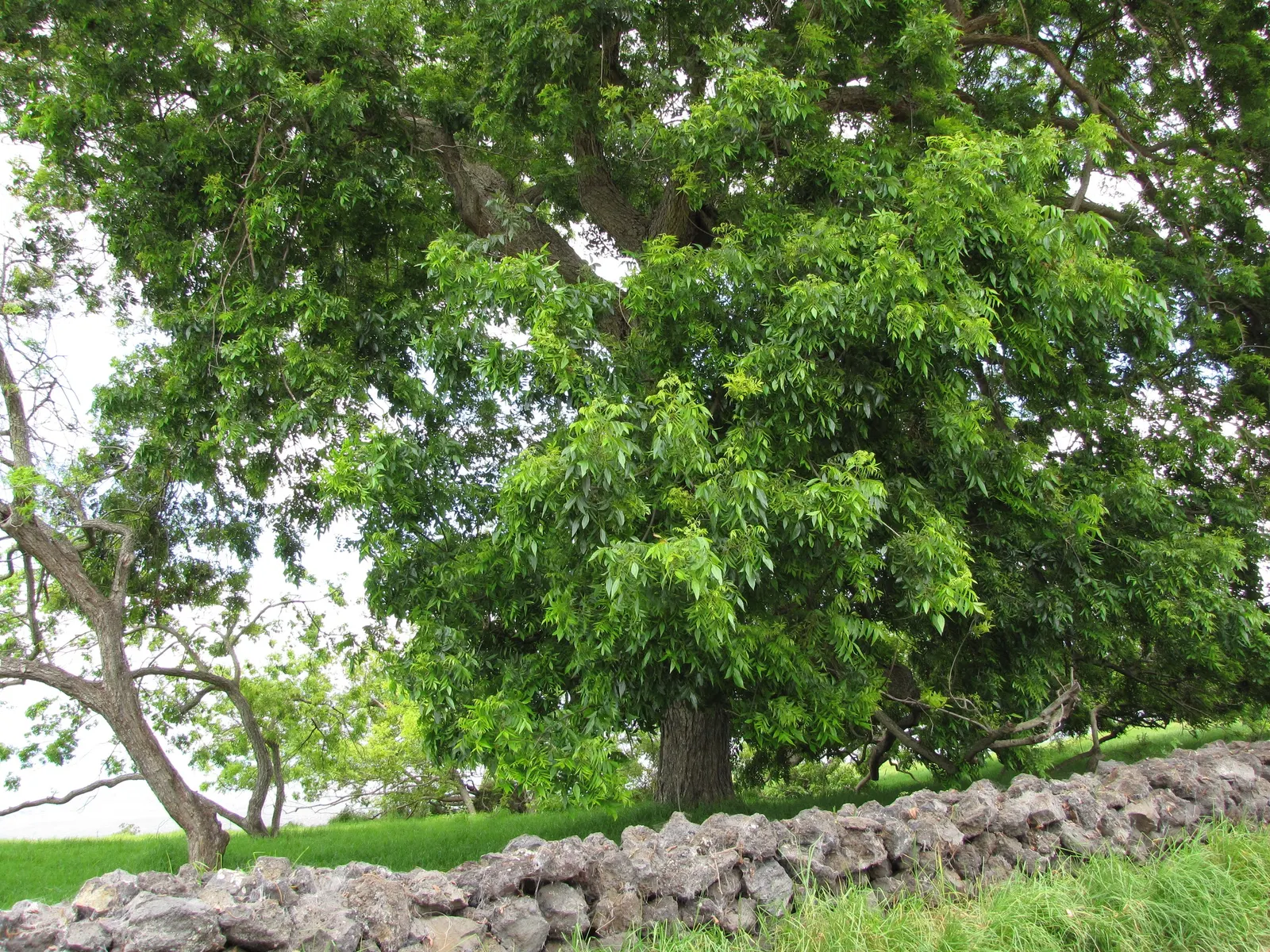
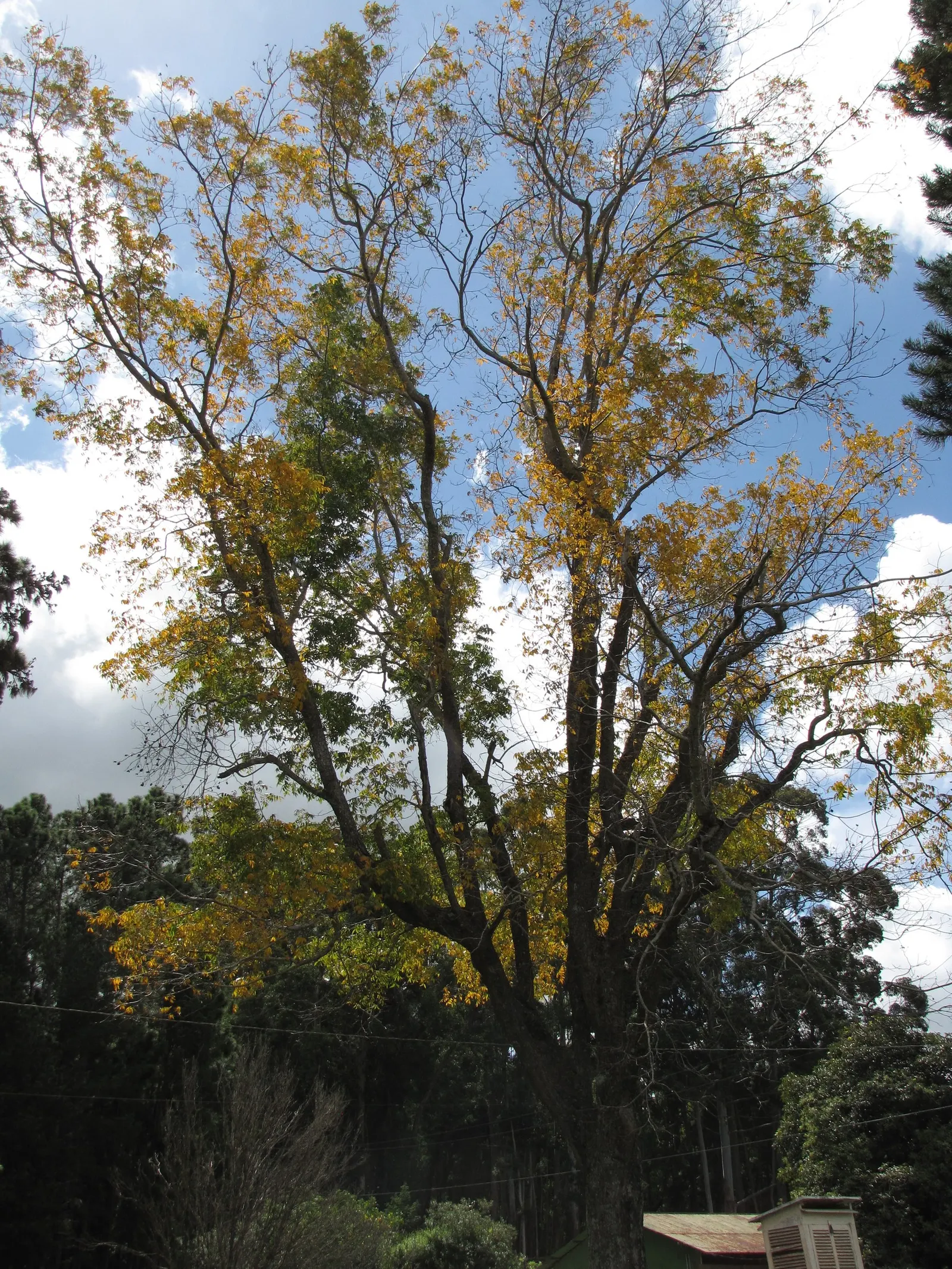
Pecan (Carya illinoinensis) — is a robust deciduous species reaching heights of 70-100 feet
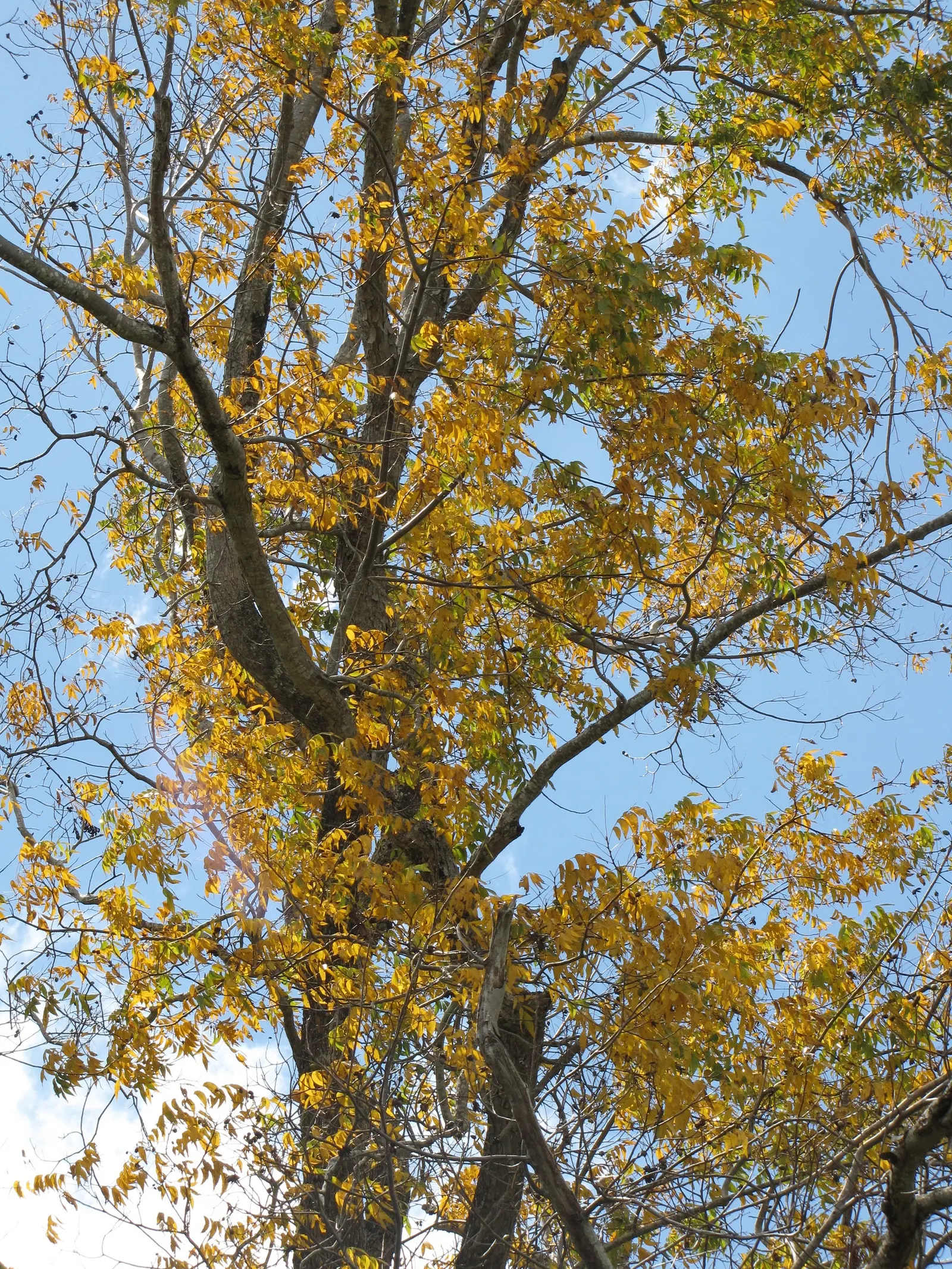
Pecan (Carya illinoinensis) — commonly known as the Pecan tree
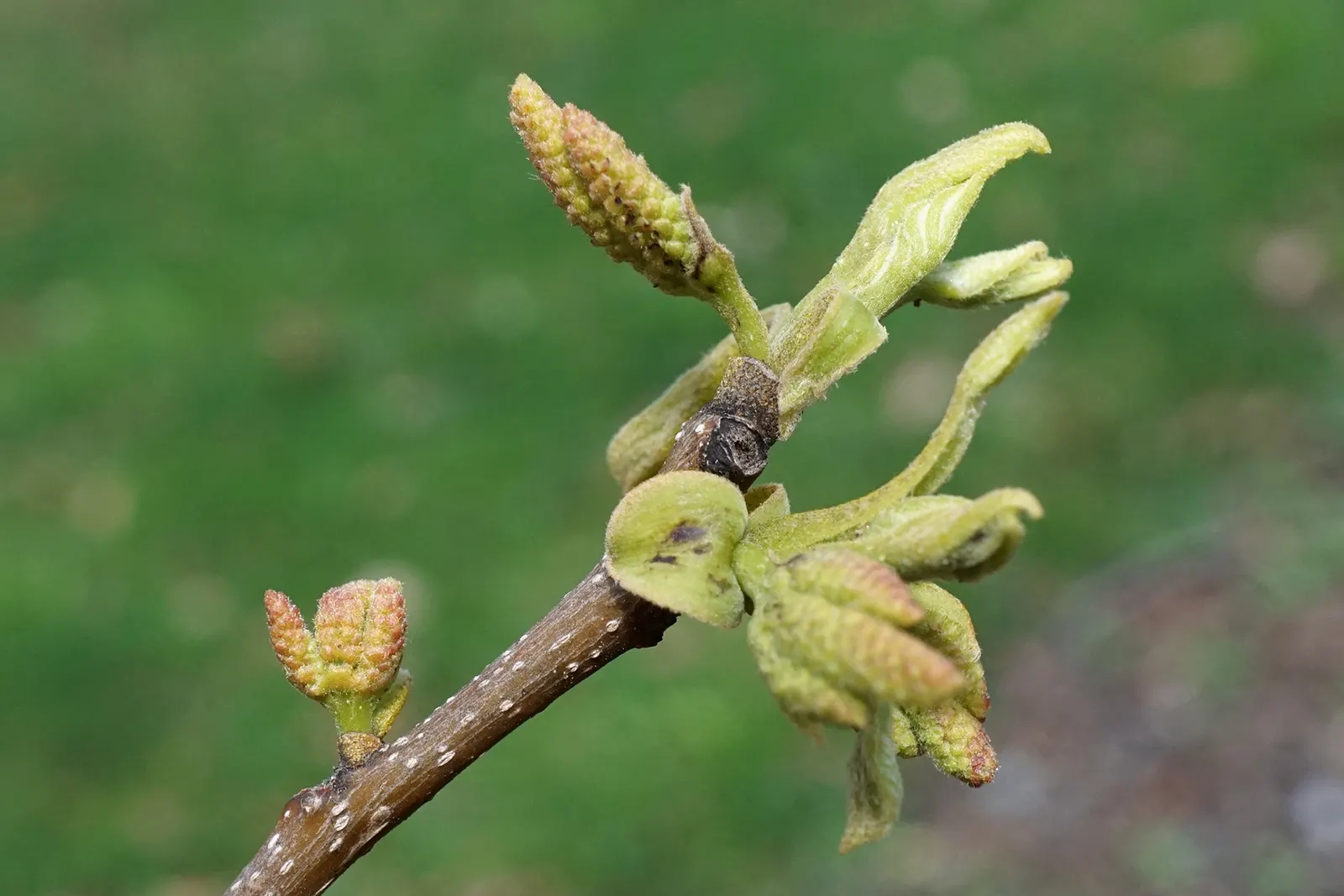
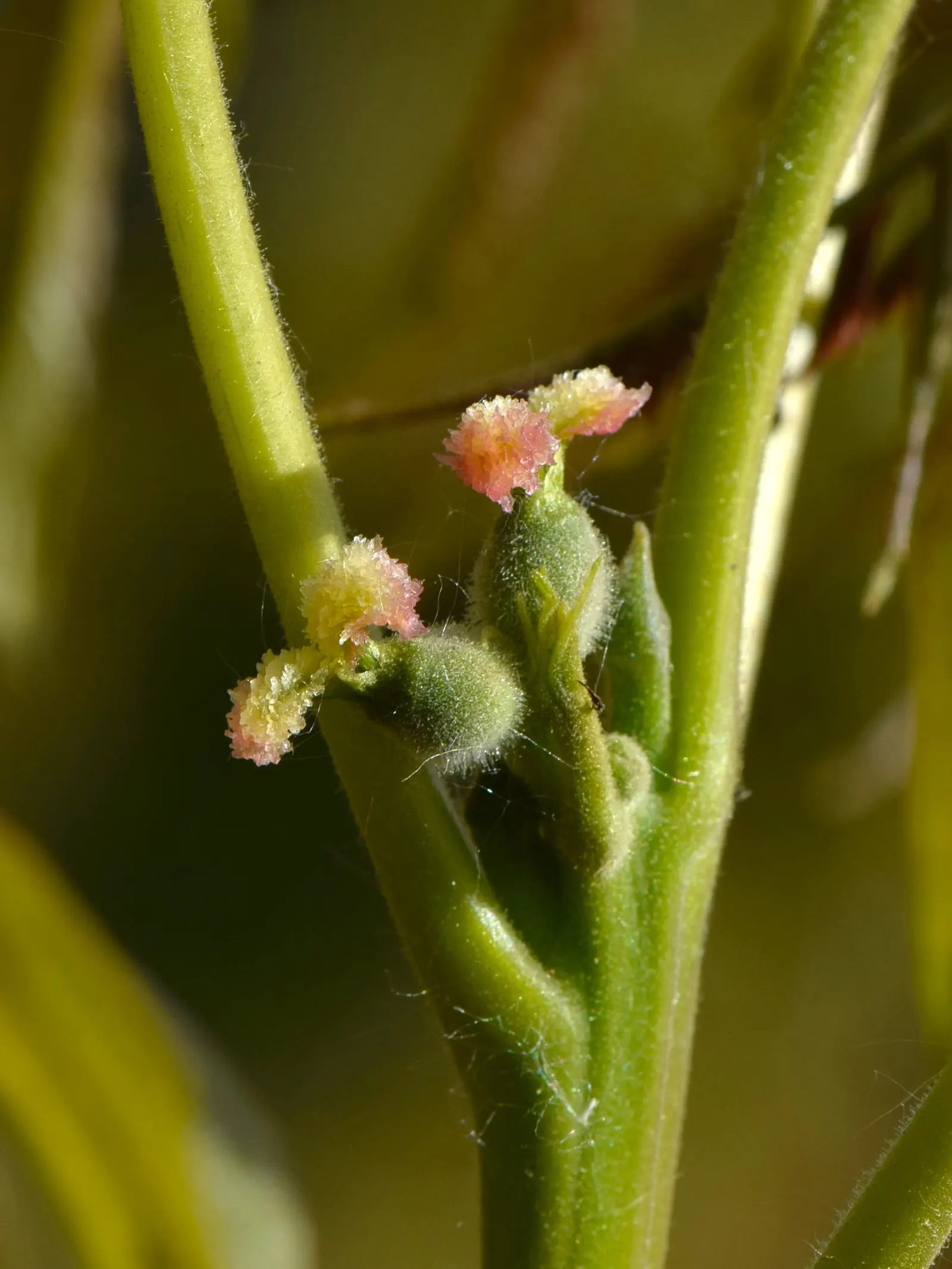
Pecan (Carya illinoinensis) — scientifically known as Carya illinoinensis
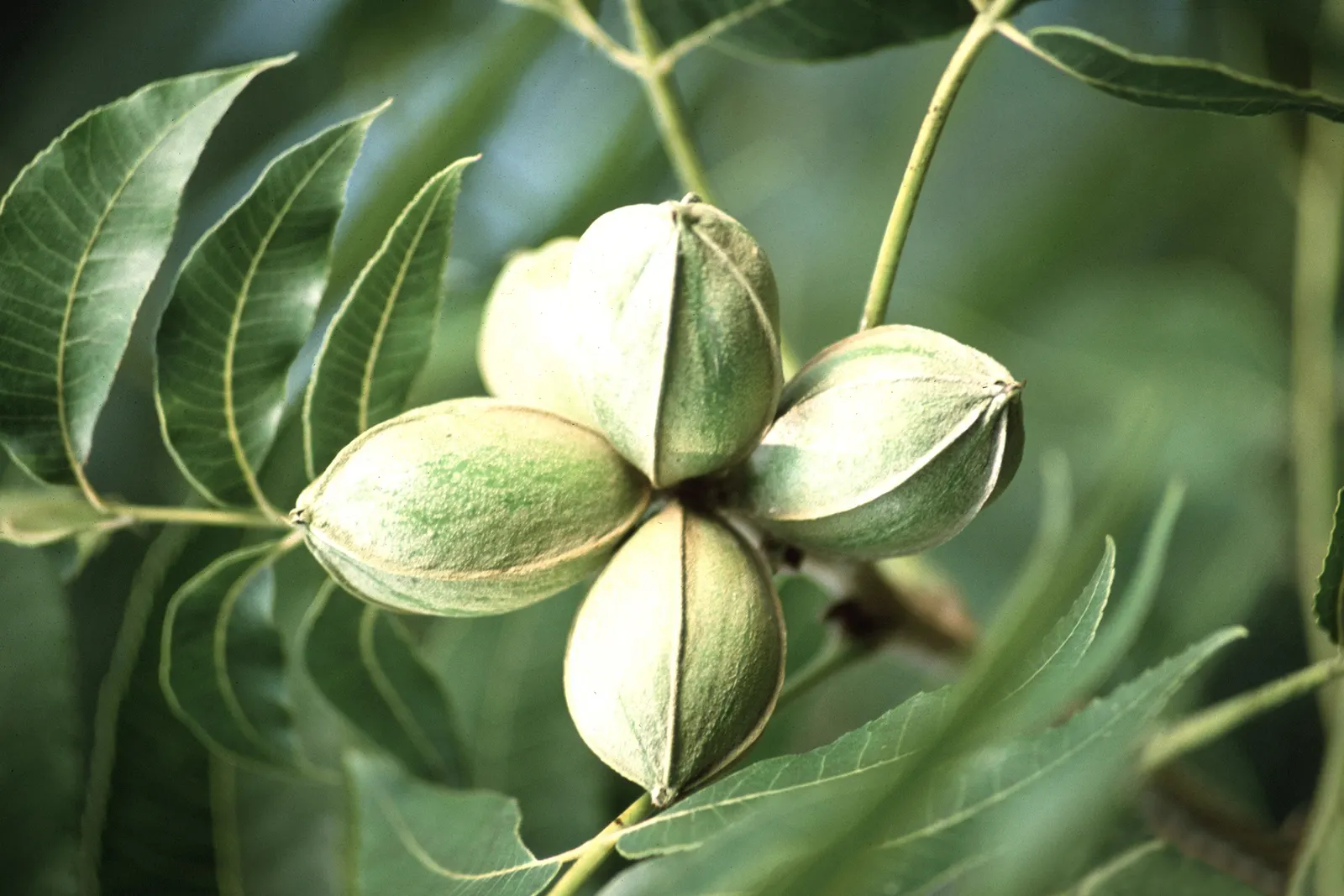
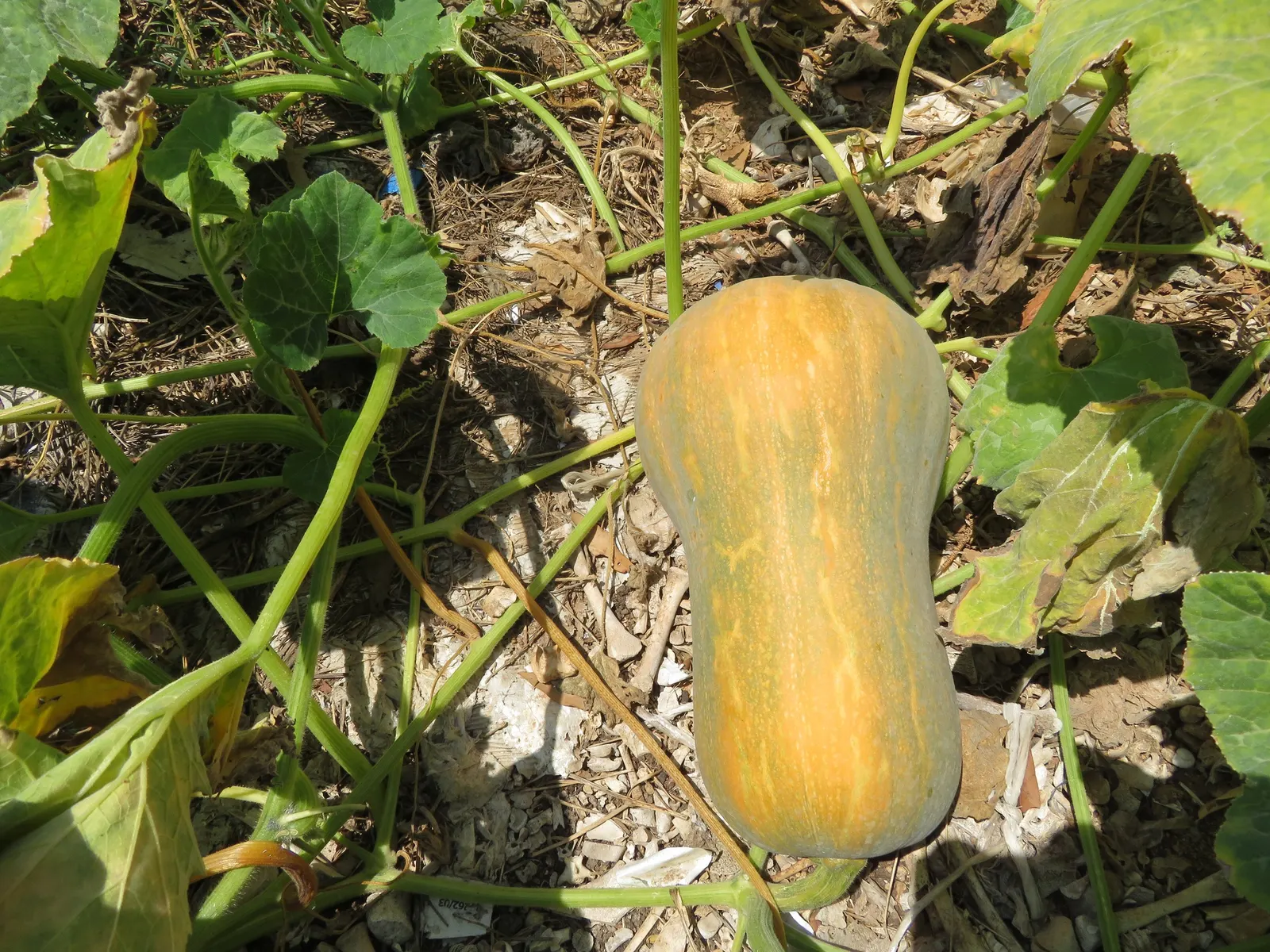
Pecan (Carya illinoinensis) — It produces edible nuts cherished for culinary use, with a harvest time in the fall
Pecan (Carya illinoinensis) — Consider ample space for root development and nut drop when planning
Pecan (Carya illinoinensis) — Ideal for large landscapes seeking a stately shade provider
Pecan (Carya illinoinensis) — the Pecan tree can reach impressive heights ranging from 70 to 100 feet
Pecan (Carya illinoinensis) — with some specimens stretching upwards to 130 feet
Pecan (Carya illinoinensis) — which provides ample shade
Pecan (Carya illinoinensis) — Originating from the central and southern regions of the United States
Pecan (Carya illinoinensis) — is a majestic deciduous tree noted for its valuable harvest of edible nuts and its expansive canopy
Pecan (Carya illinoinensis) — It is characterized by a sturdy trunk that can span 2 to 4 feet in diameter
Pecan (Carya illinoinensis) — Pecans thrive in Hardiness Zones 5 through 9, preferring deep, well-drained soil with a pH range of 6.0 to 6.5
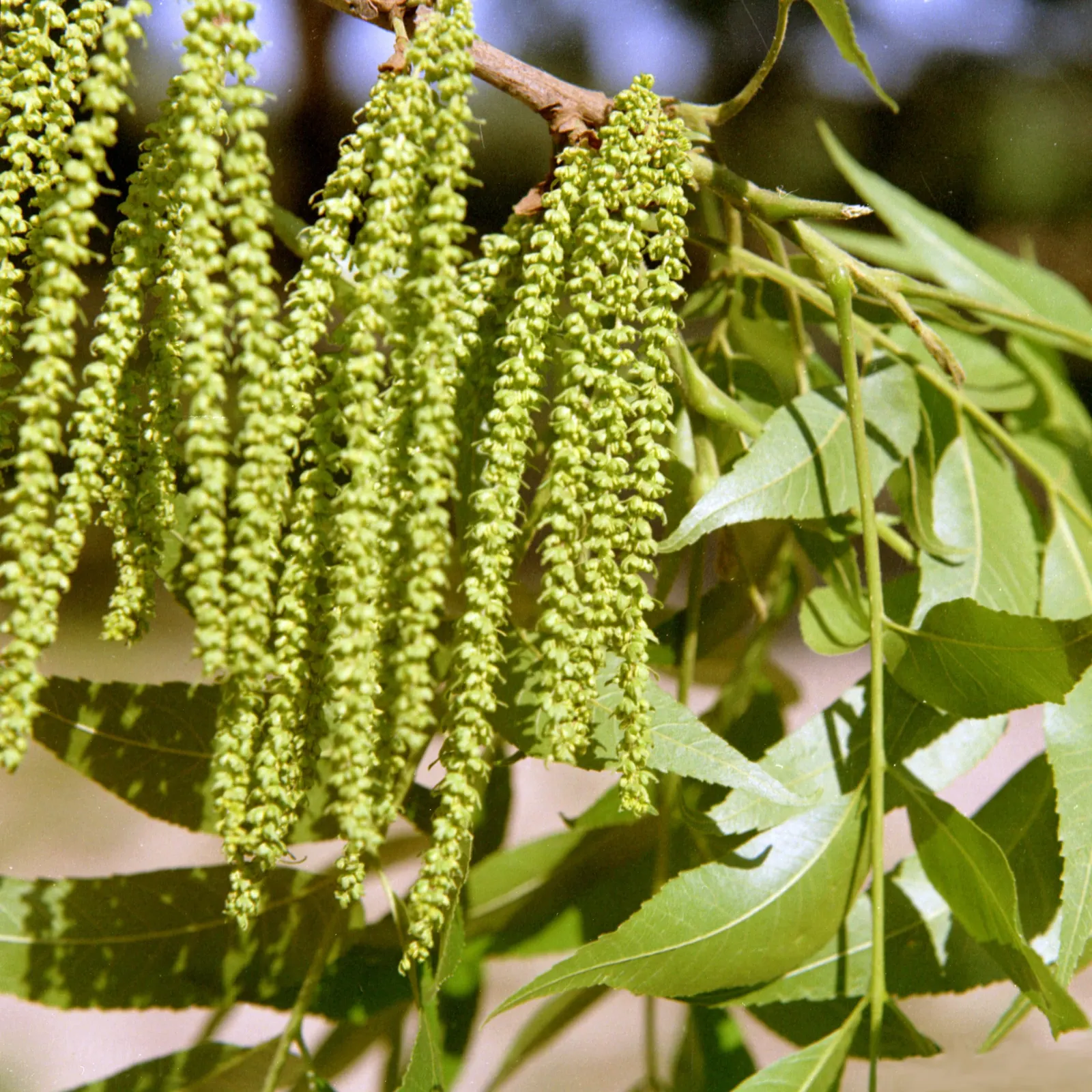
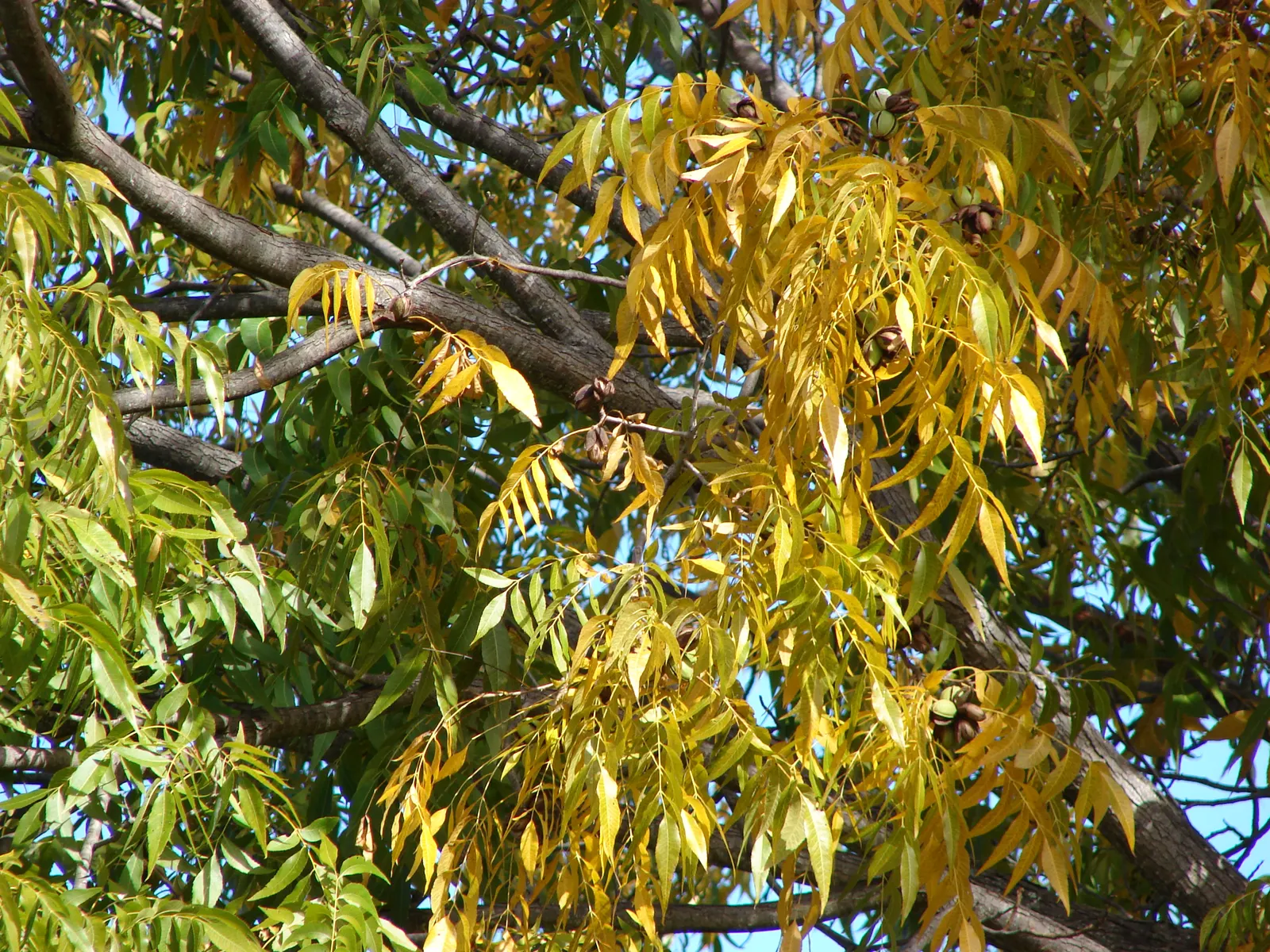
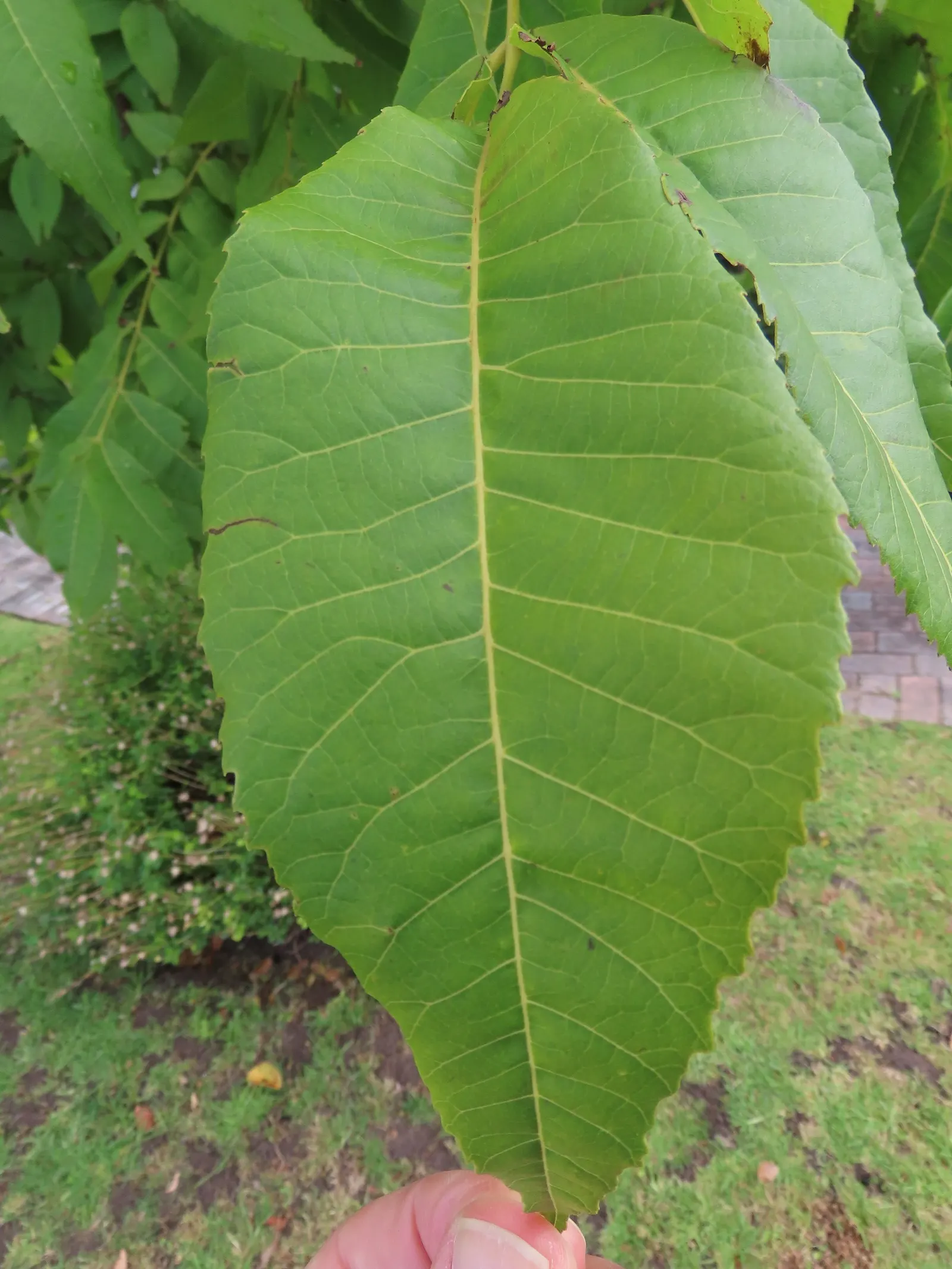
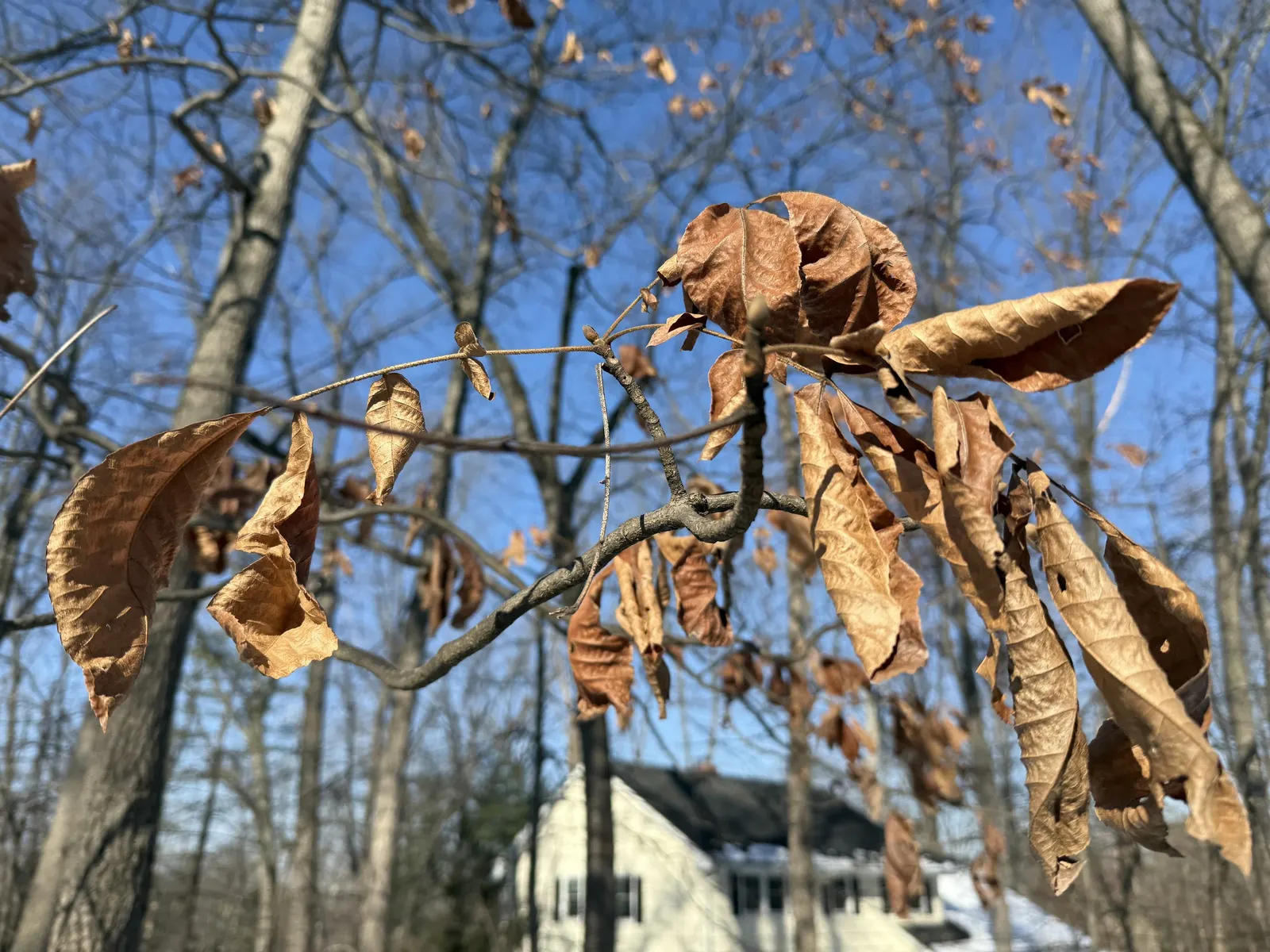
Pecan (Carya illinoinensis) — Each leaflet measures about 4 to 8 inches long.<br><br>This stately tree demands ample space to flourish
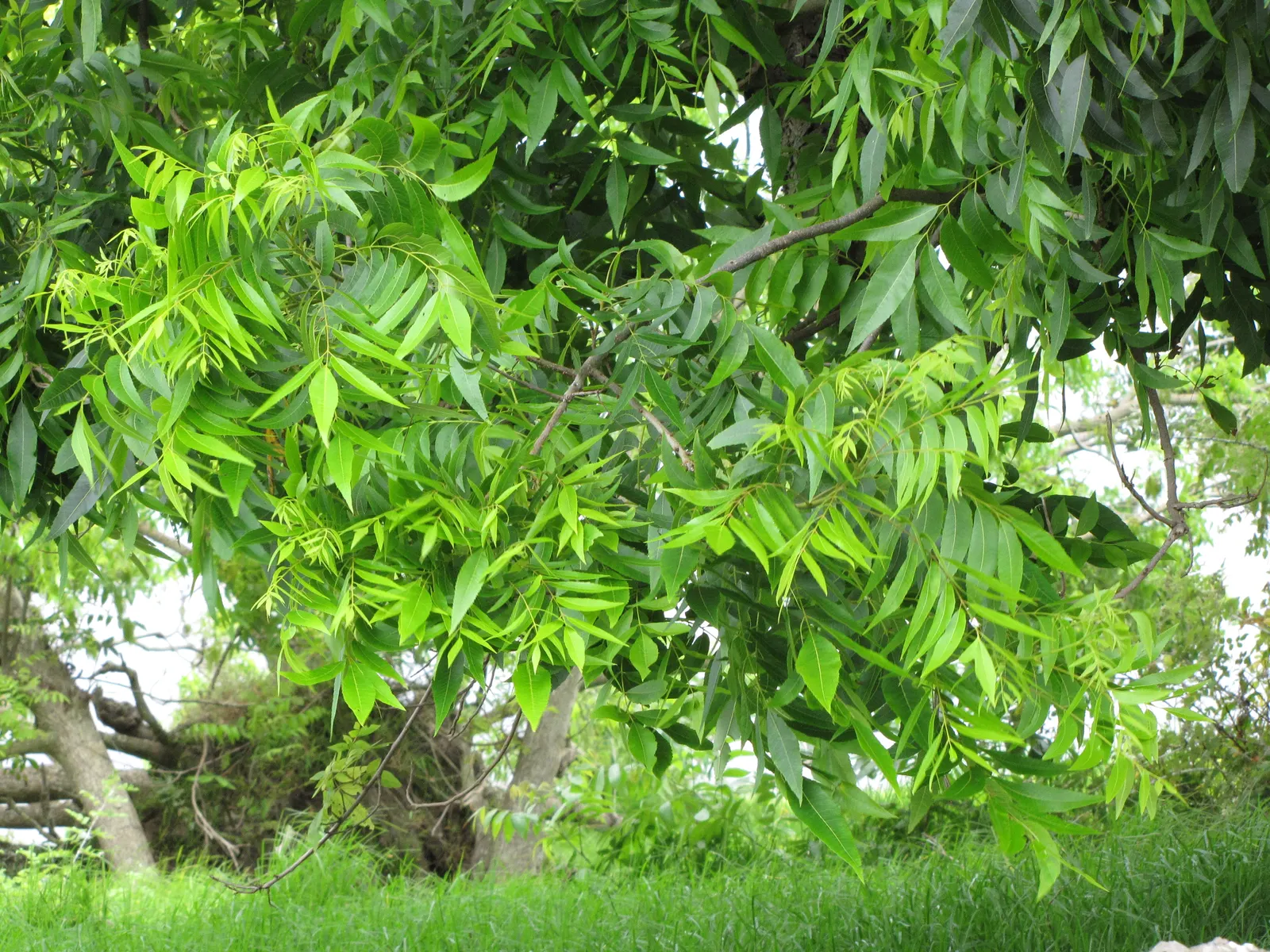
Pecan (Carya illinoinensis) — supporting a widespread crown of dark green
Pecan (Carya illinoinensis) — They require full sunlight for optimal growth and nut production.<br><br>In the landscape
Pecan (Carya illinoinensis) — protein-rich nuts but also as an impressive feature for large open spaces
Pecan (Carya illinoinensis) — the Pecan serves not only as a source of delicious
Pecan (Carya illinoinensis) — Patience is rewarded in late autumn when the tree yields its bountiful crop
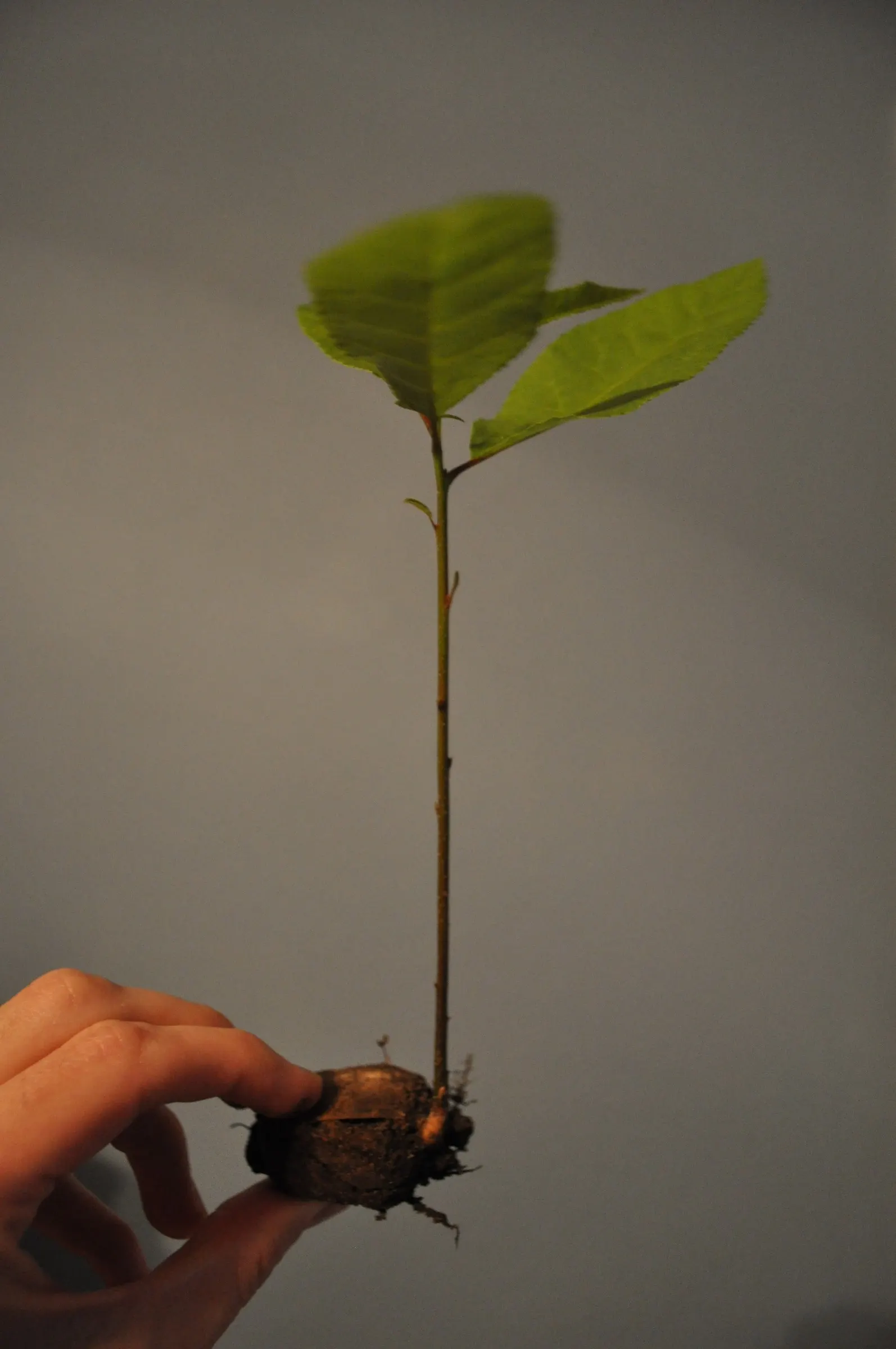
Pecan (Carya illinoinensis) — It is relatively slow-growing but well worth the wait, requiring several years before it begins producing nuts
Pecan (Carya illinoinensis) — As a culturally significant and economically valuable species
Pecan (Carya illinoinensis) — much to the delight of both homeowners and wildlife
Pecan (Carya illinoinensis) — the Pecan tree stands as a proud emblem of the natural richness of the landscapes it graces

Related plants