Skip to content

Black Walnut

Juglans Nigra

Design with this plant

Overview

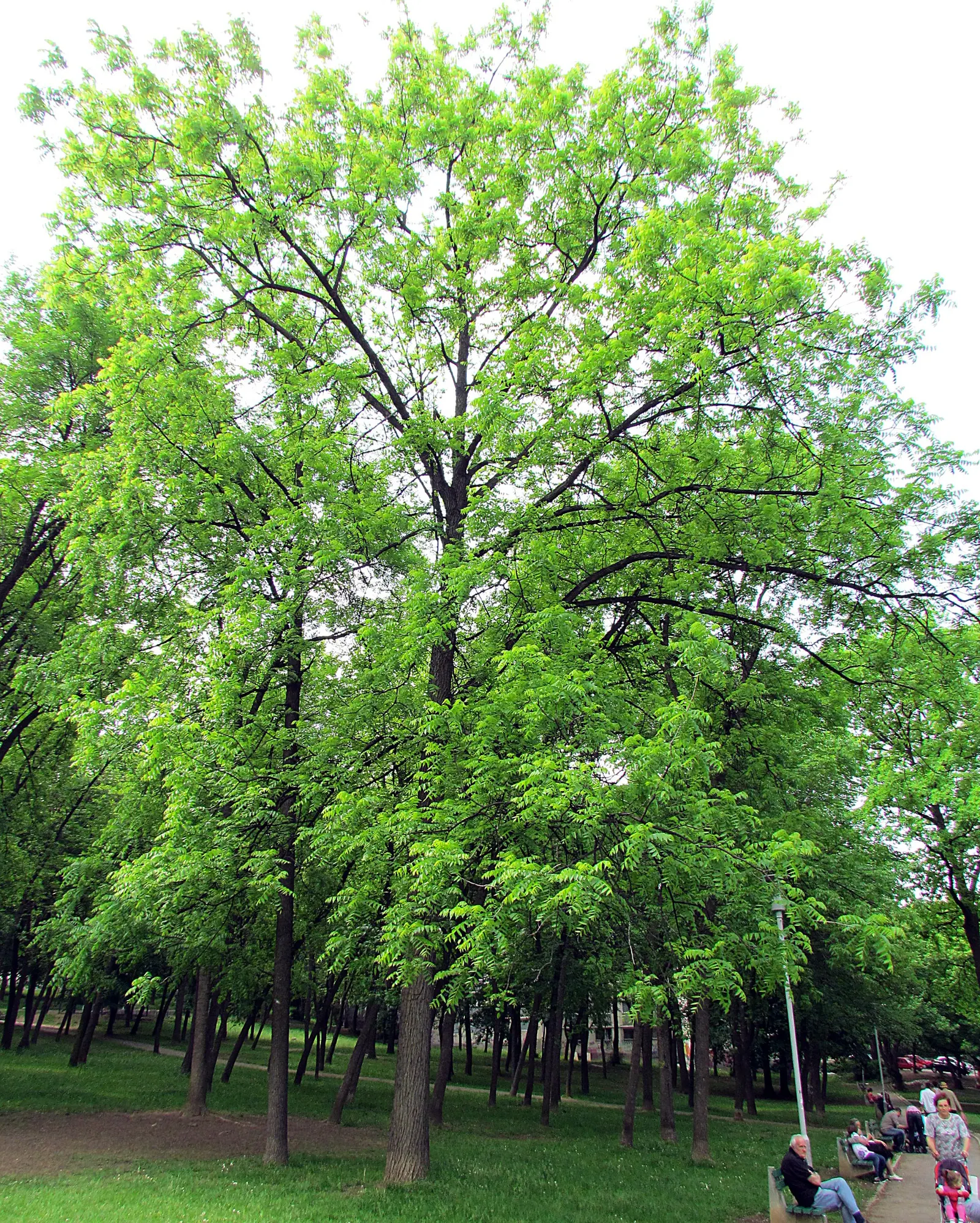
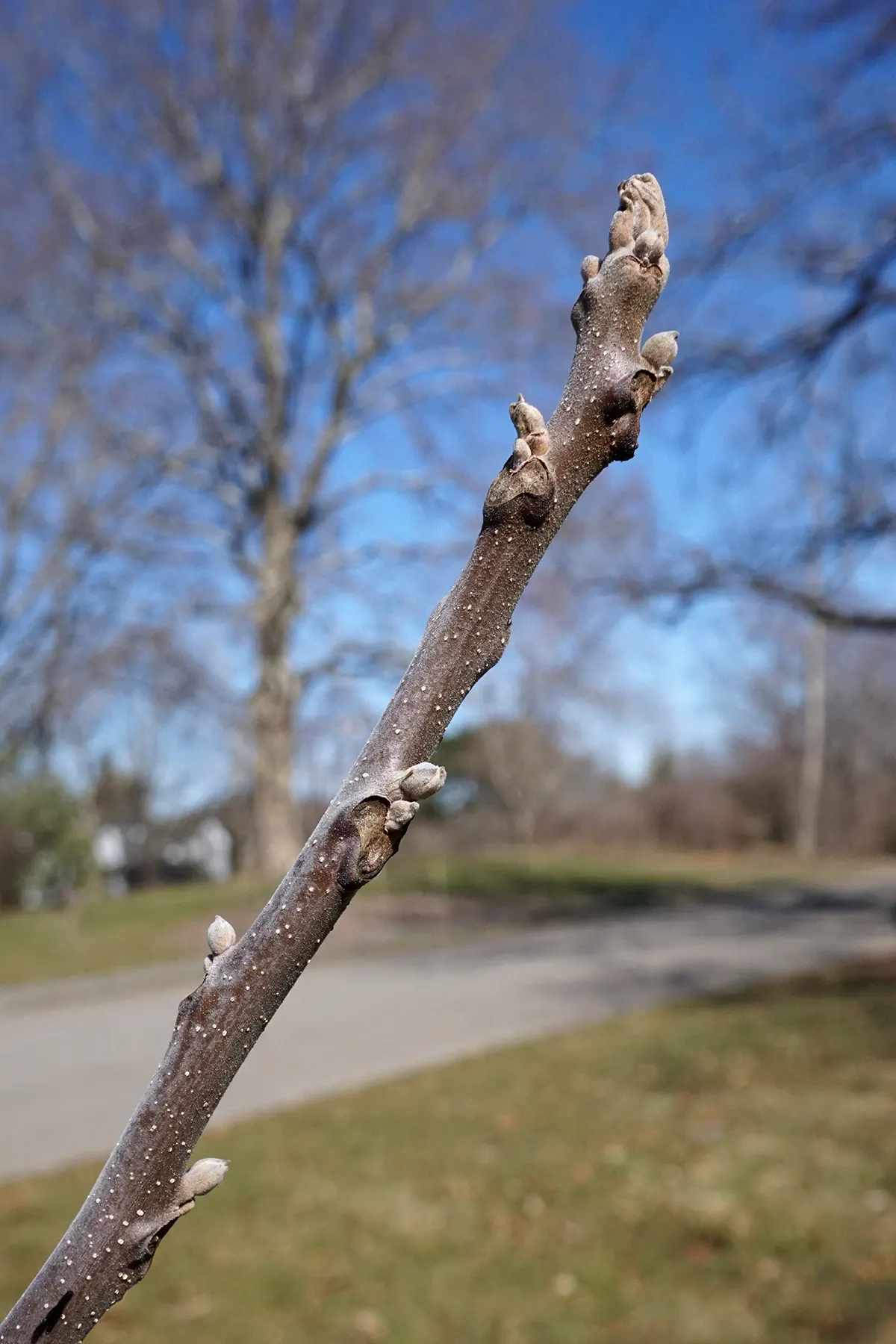
Juglans nigra, or Black Walnut, is a valuable deciduous hardwood tree, soaring to 50-70 ft, with a spread of 50-75 ft. Distinguished by dark, ridged bark and compound foliage, it grows a deep taproot, preferring well-drained soil and full sun. Its allelopathic nature may inhibit nearby plant growth. Produces edible nuts encased in thick husks, maturing in autumn. Ideal for spacious landscapes due to its grand stature and shading canopy.

Sun FullWater MediumZones 4–10Climate Temperate
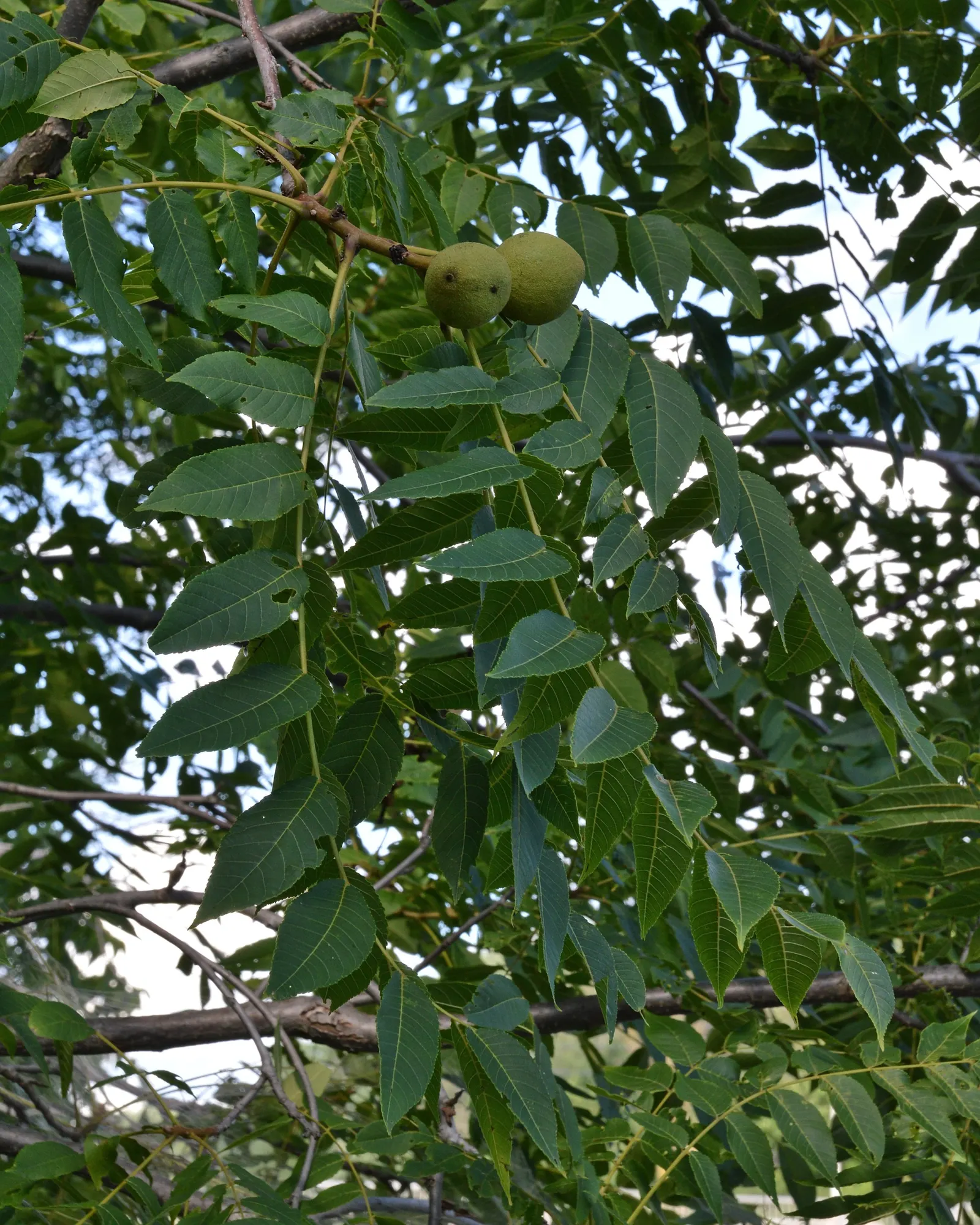
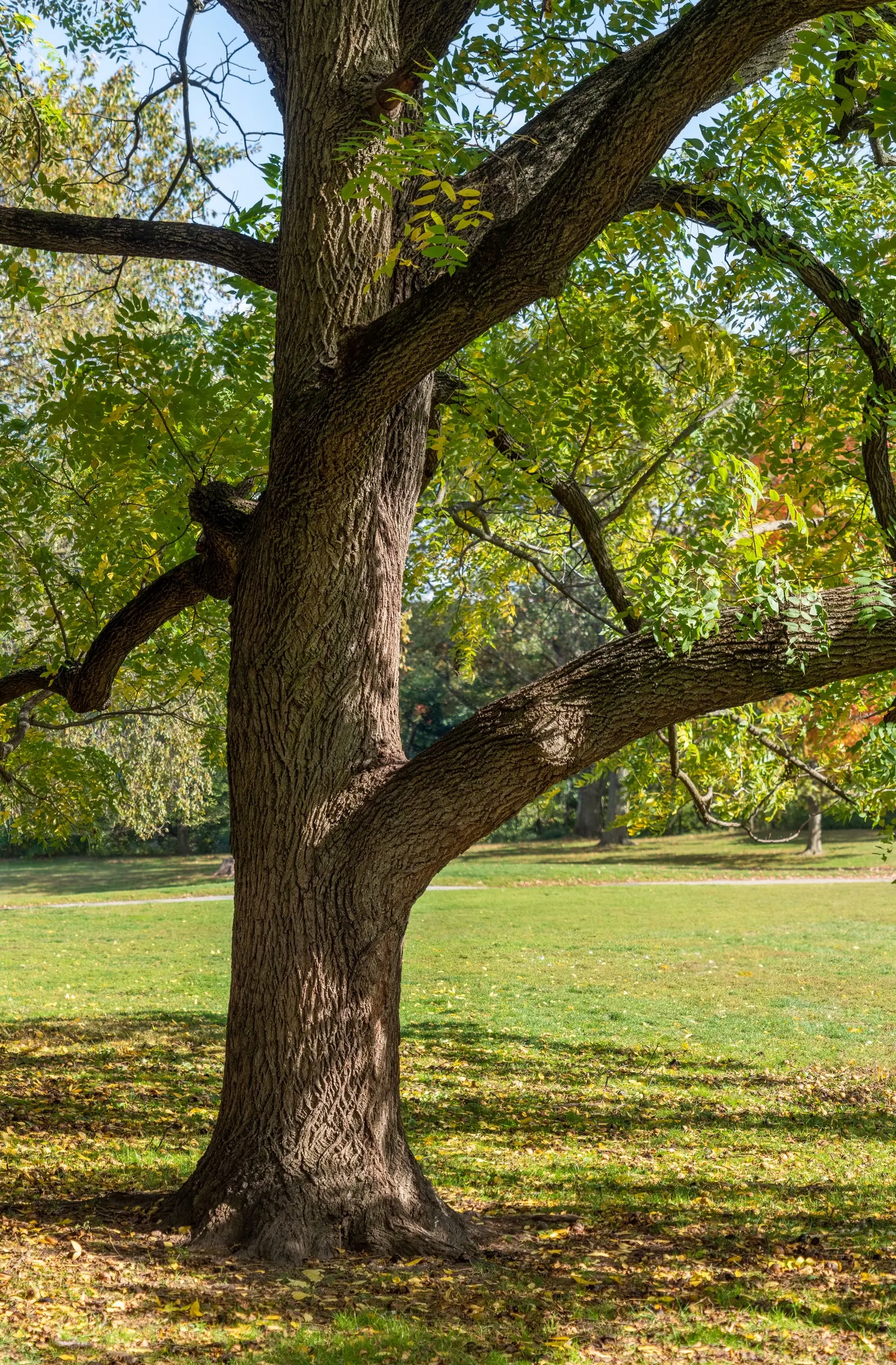
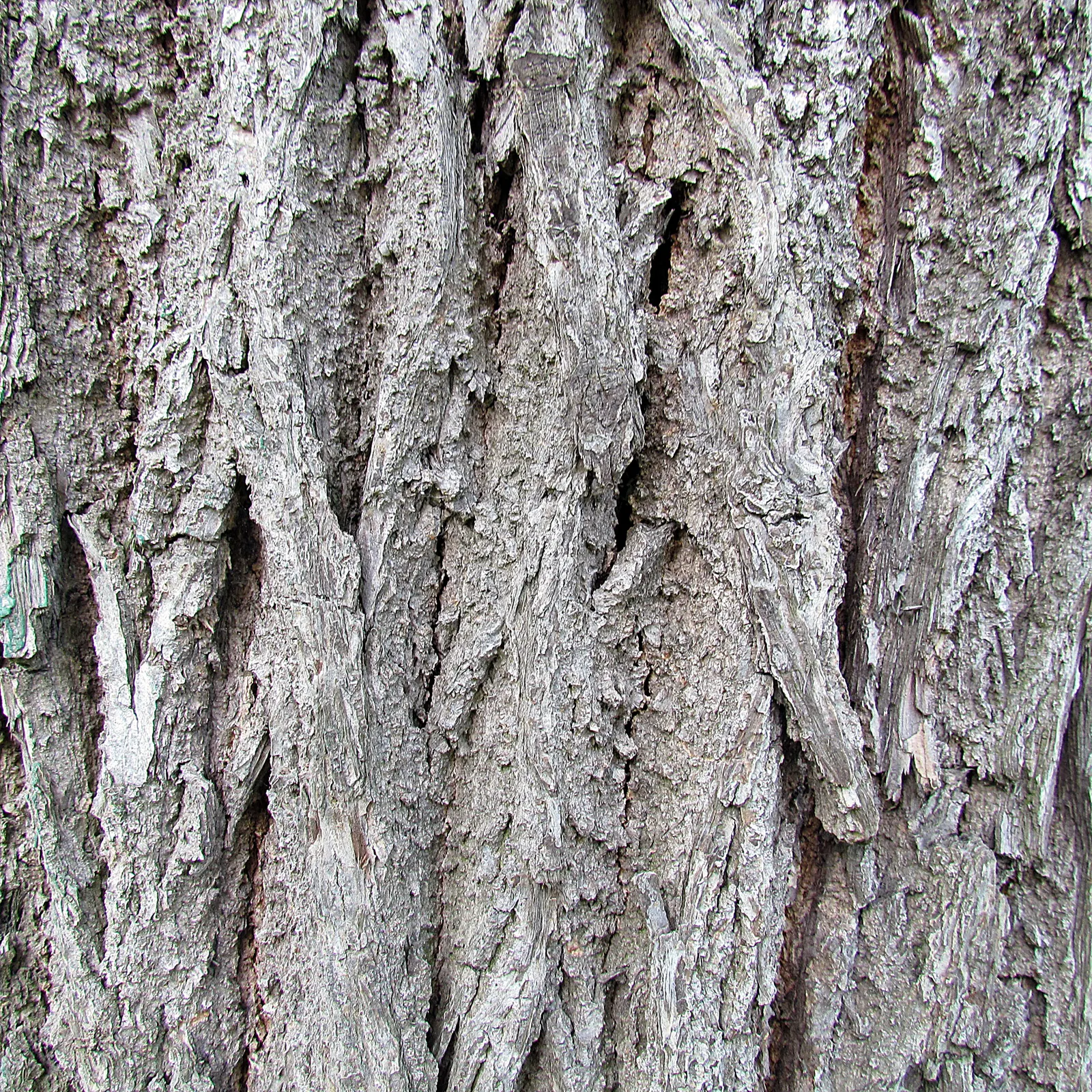
Black Walnut (Juglans Nigra) — ridged bark and compound foliage; providing autumnal interest.<br><br>The tree's fruit

Culture

Sun
Full
Water
Medium
USDA zones
4–10

Shape & size

Classification

Family
Juglandaceae
Climate
Temperate

See full data, regional cultivation notes, full-resolution photos, and design tools. Build a client presentation around this plant.

Start your 14-day trial

Photos (70)

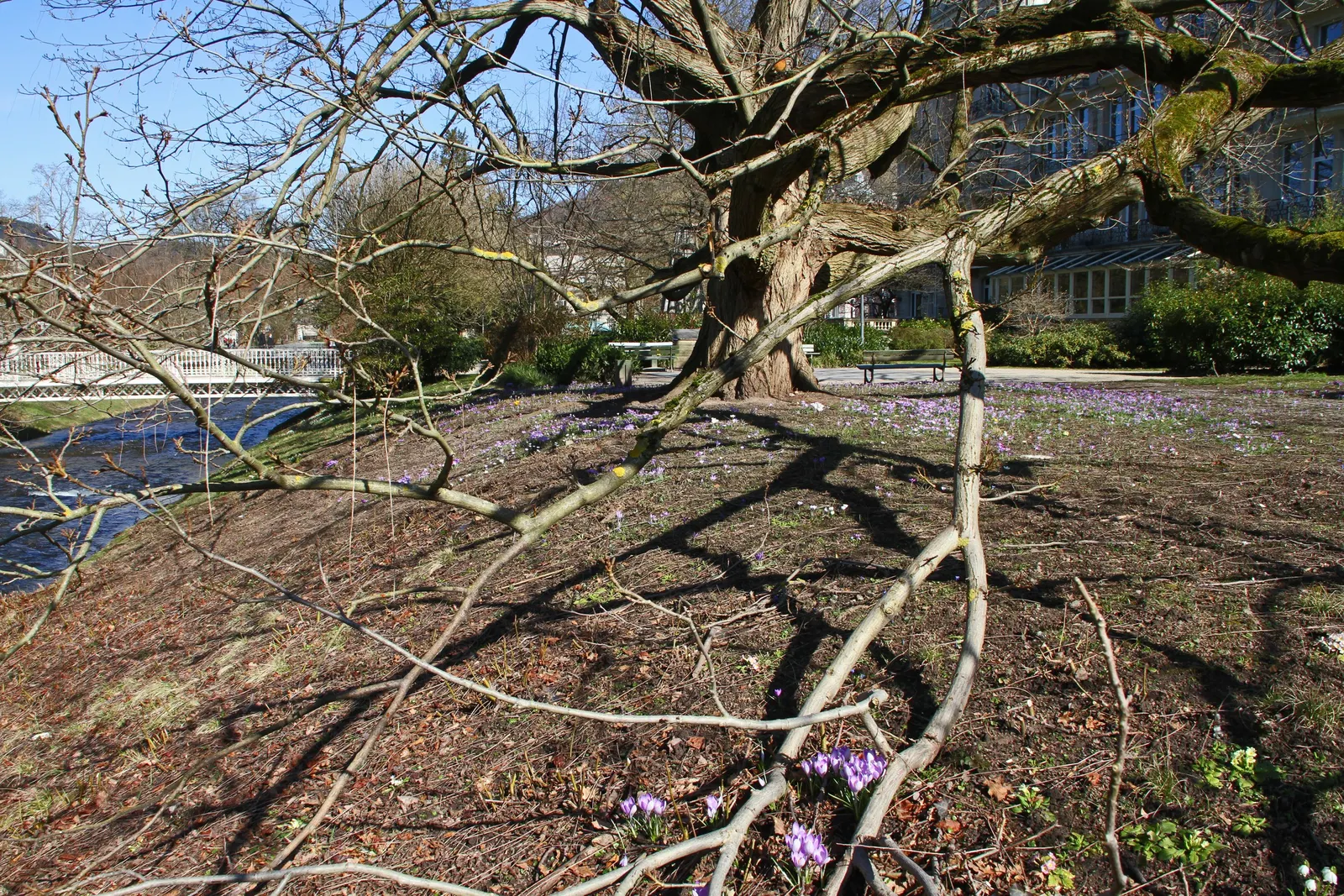
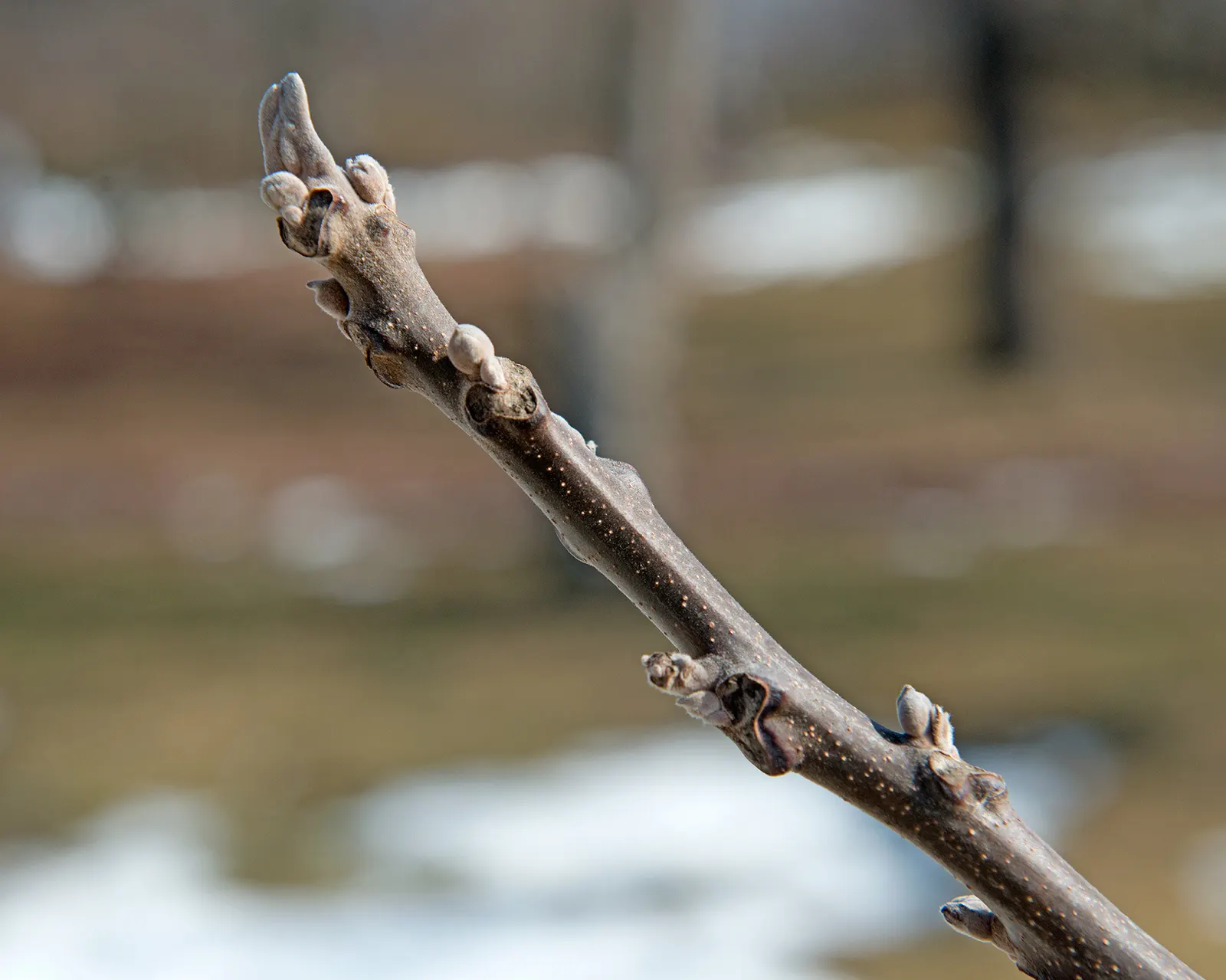
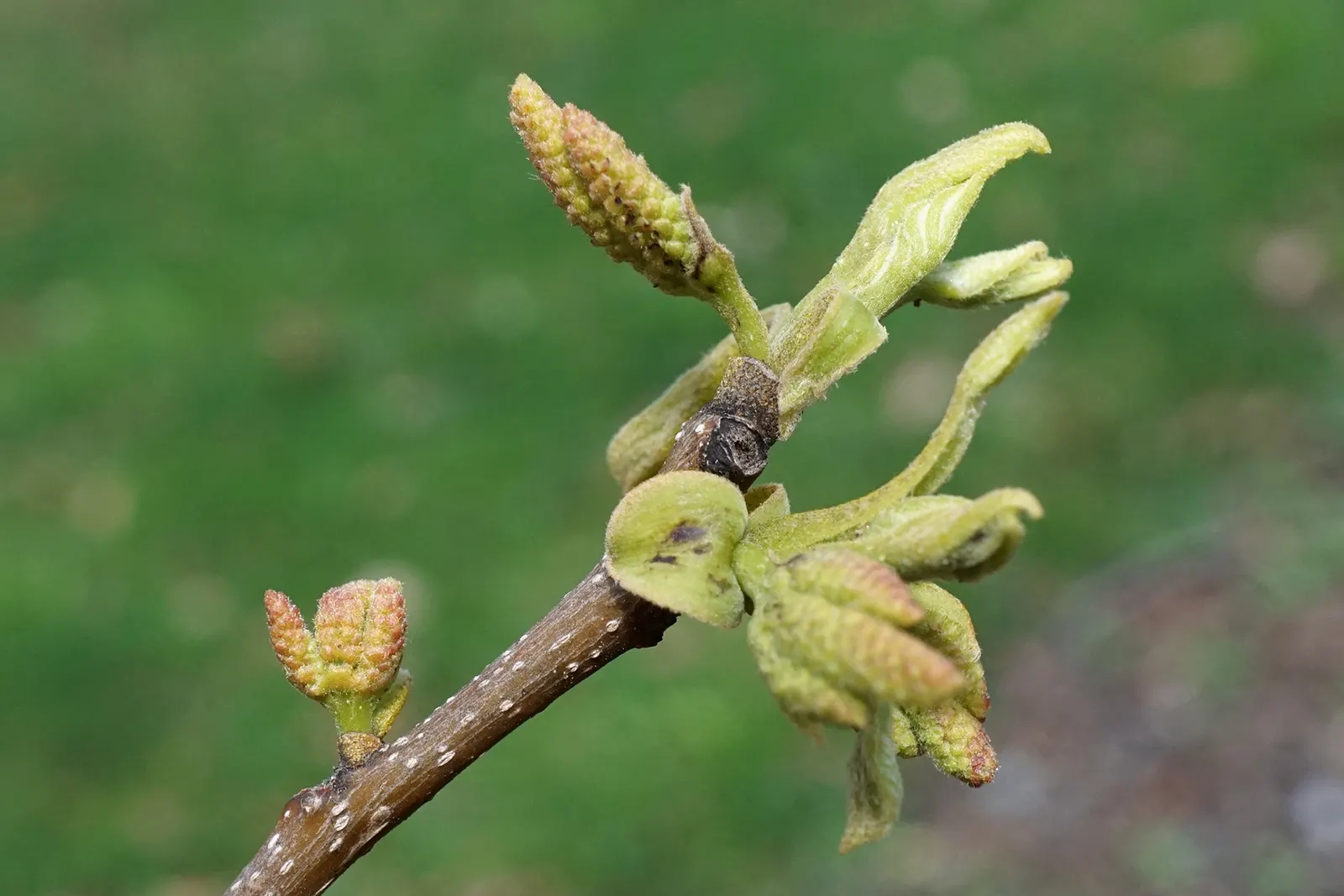
Black Walnut (Juglans Nigra) — preferring well-drained soil and full sun
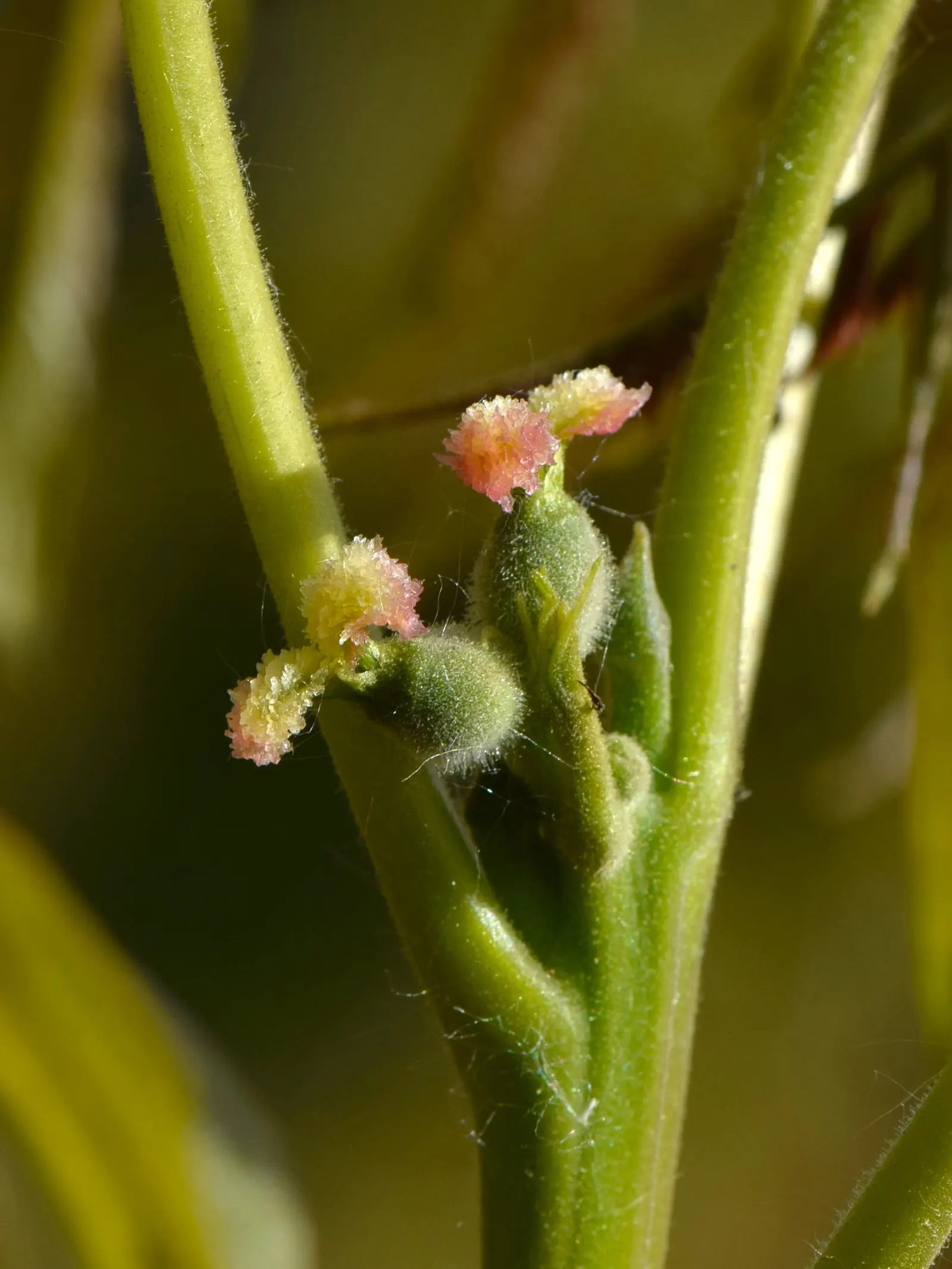
Black Walnut (Juglans Nigra) — Its allelopathic nature may inhibit nearby plant growth
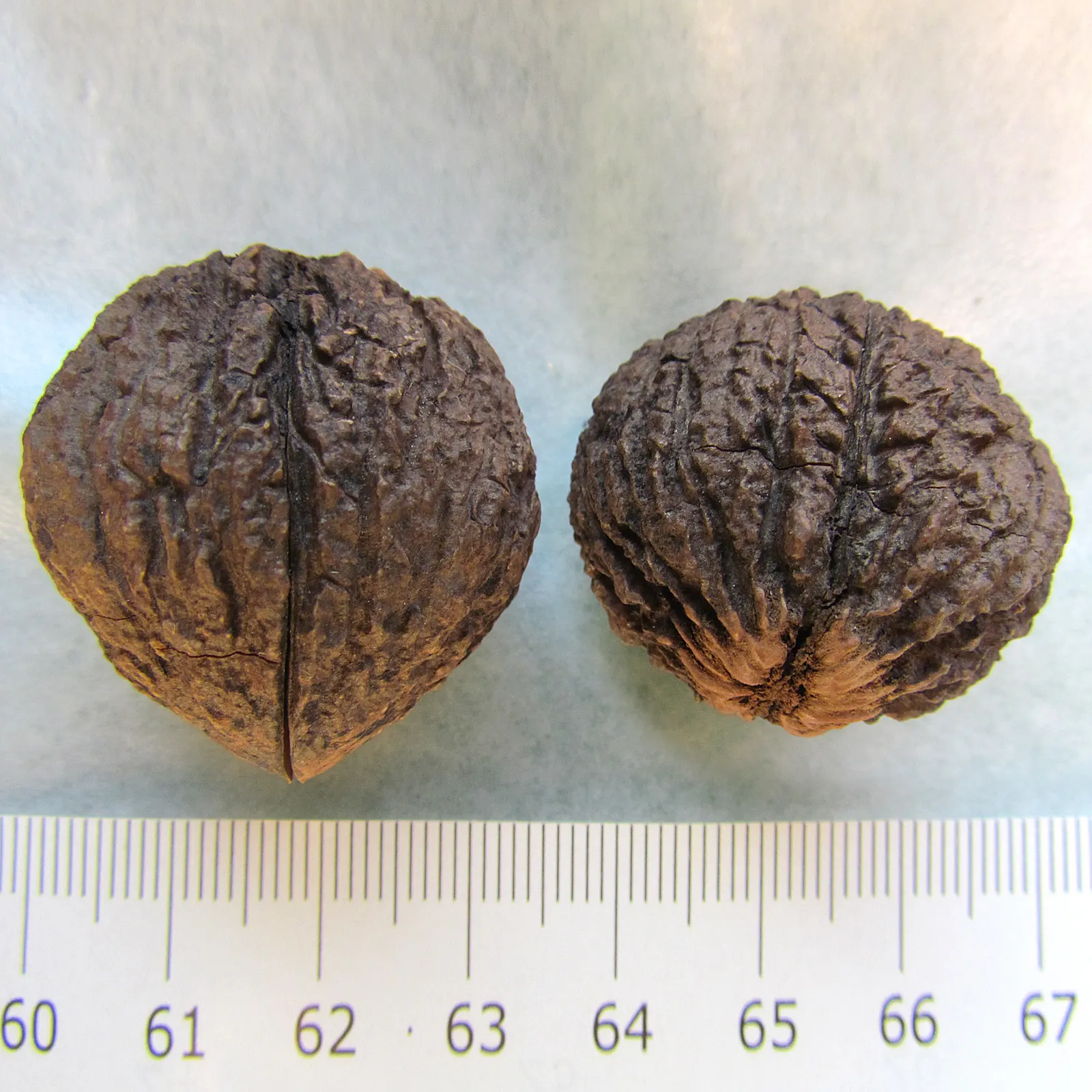
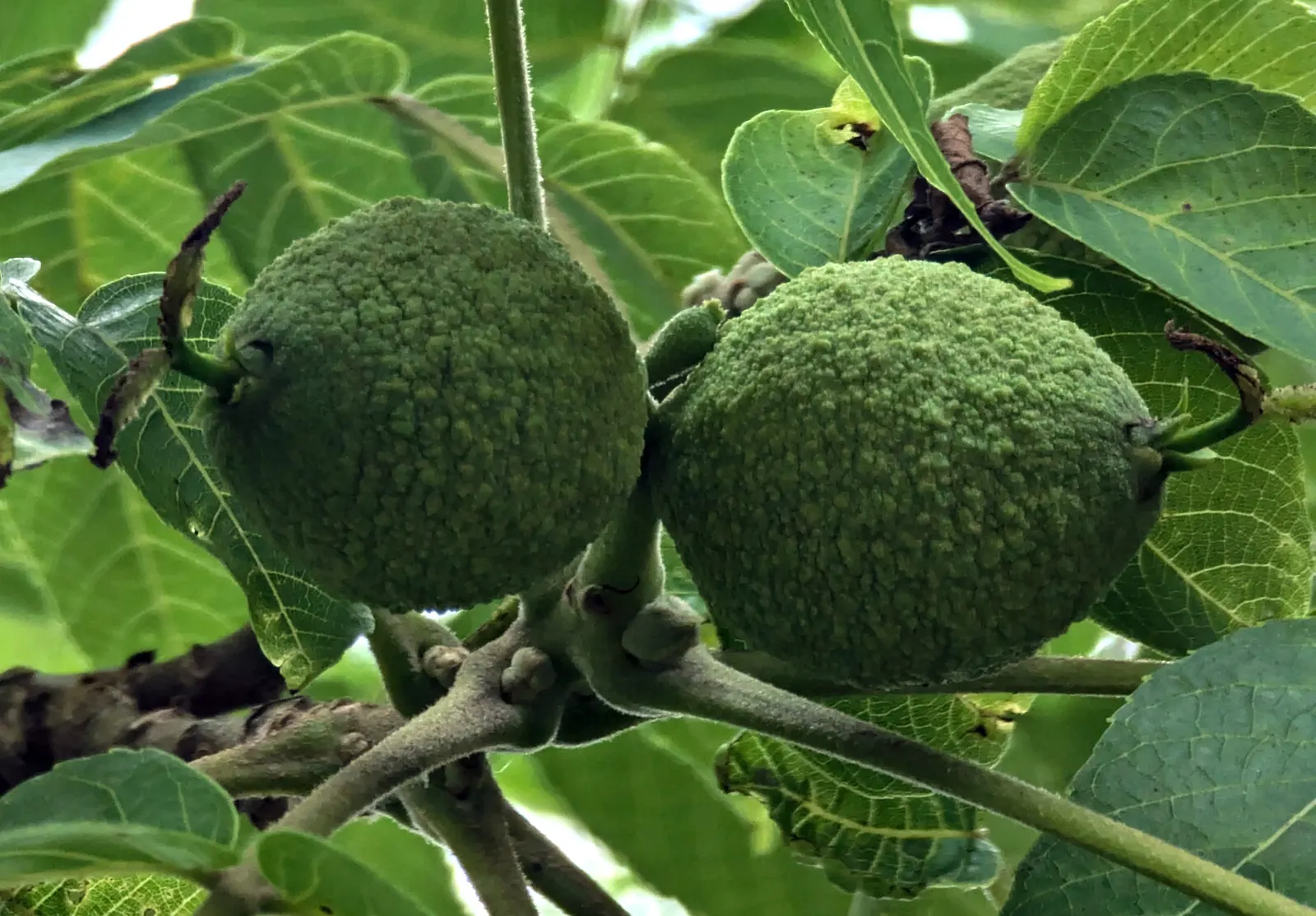
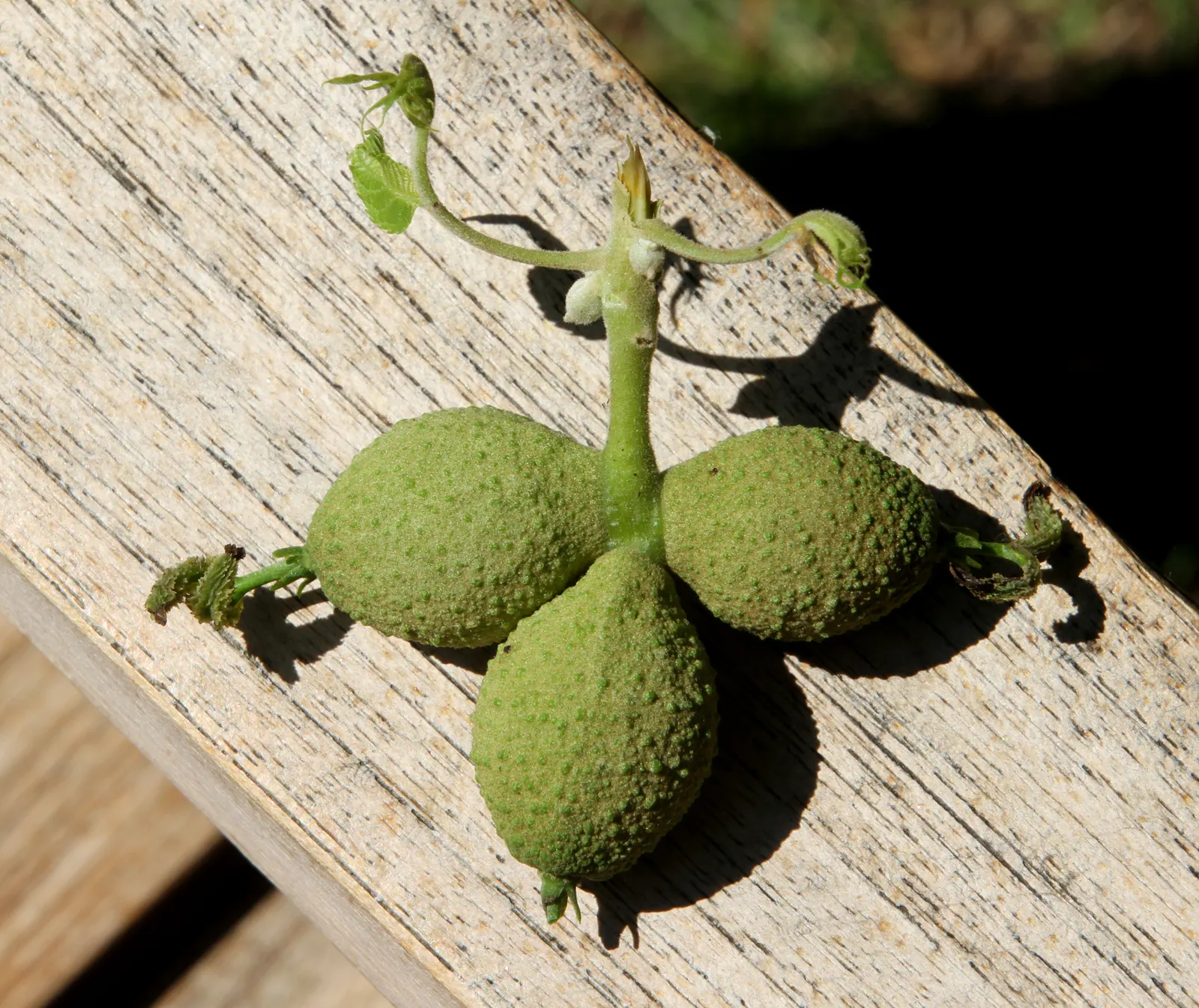
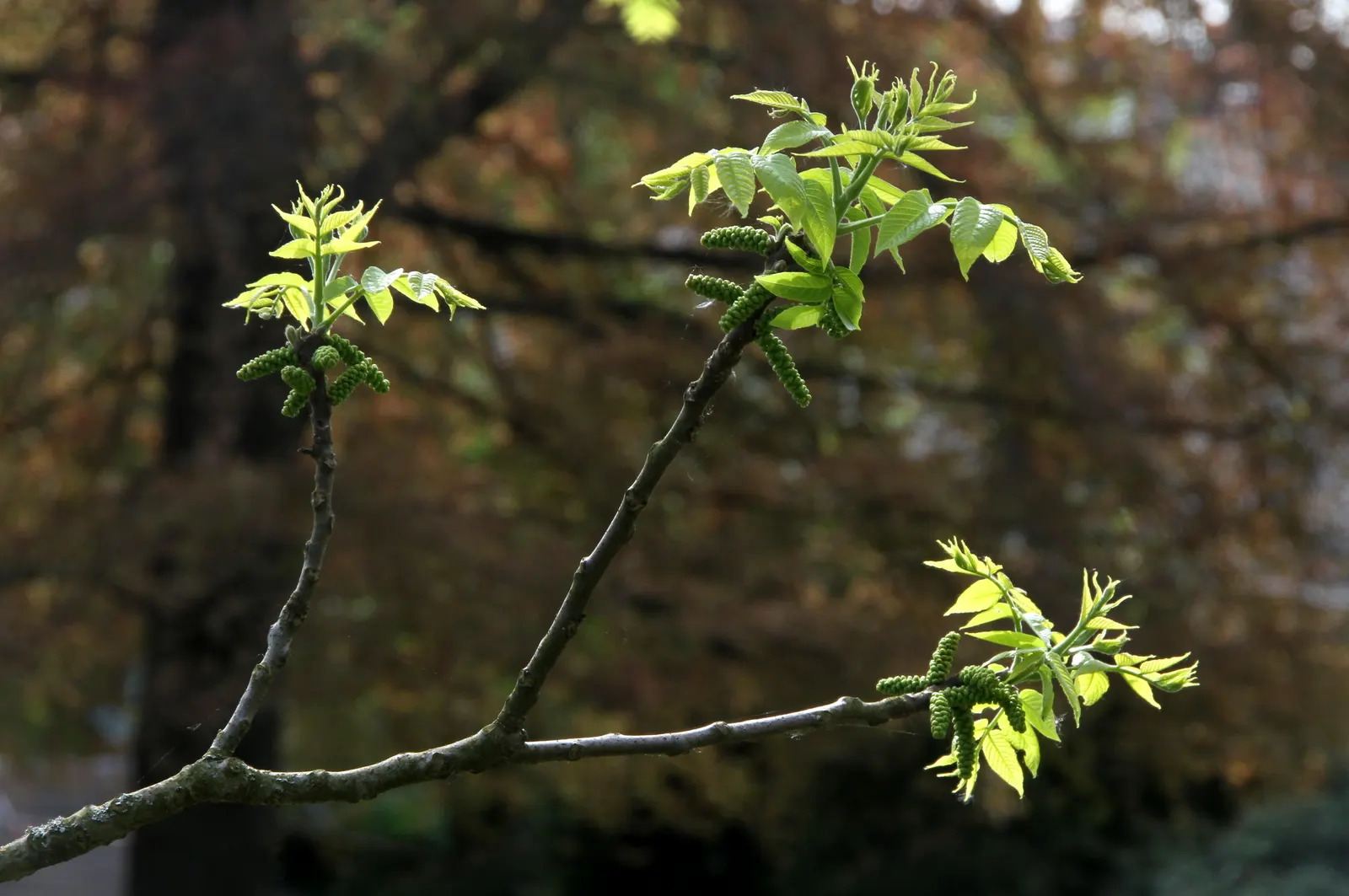
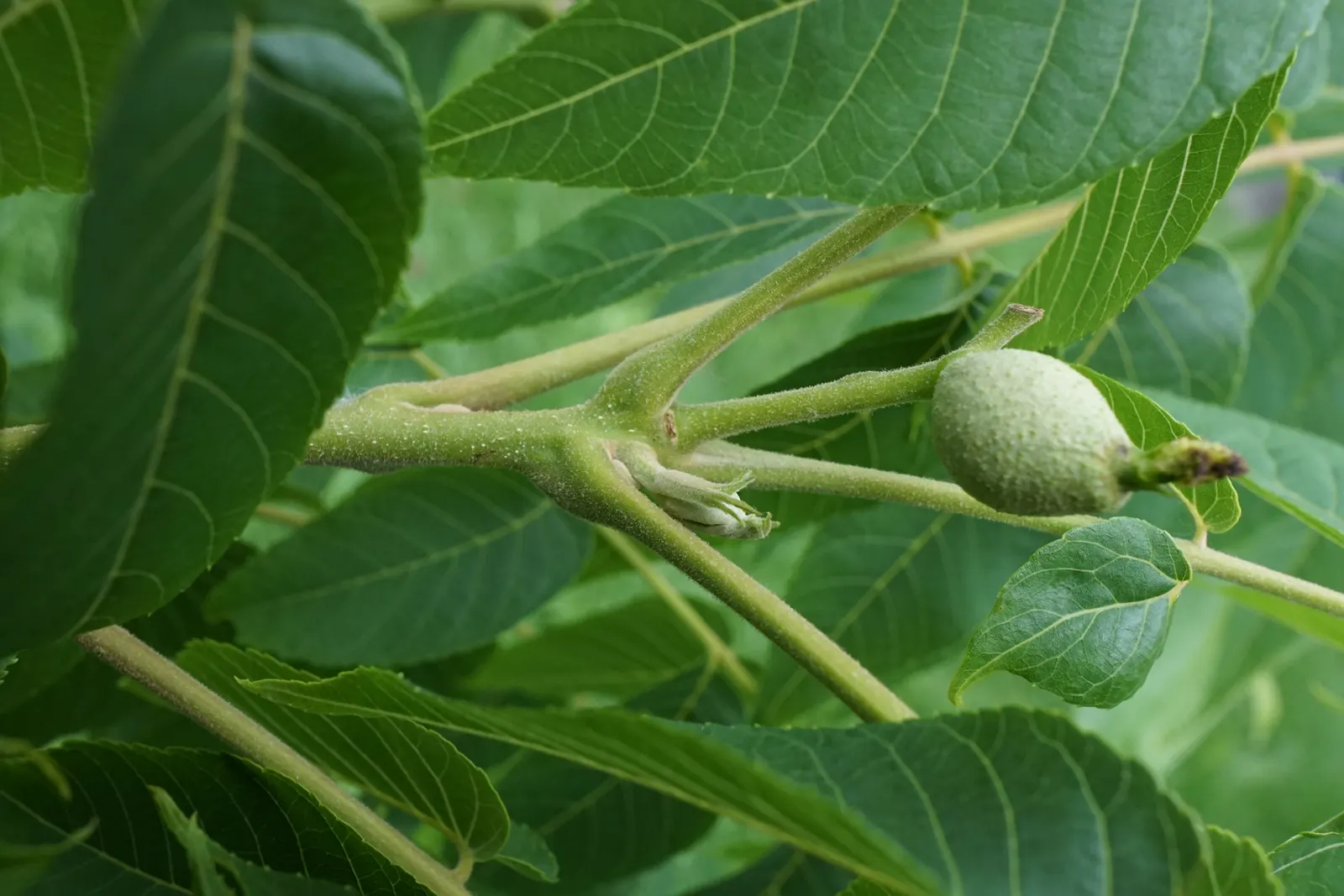
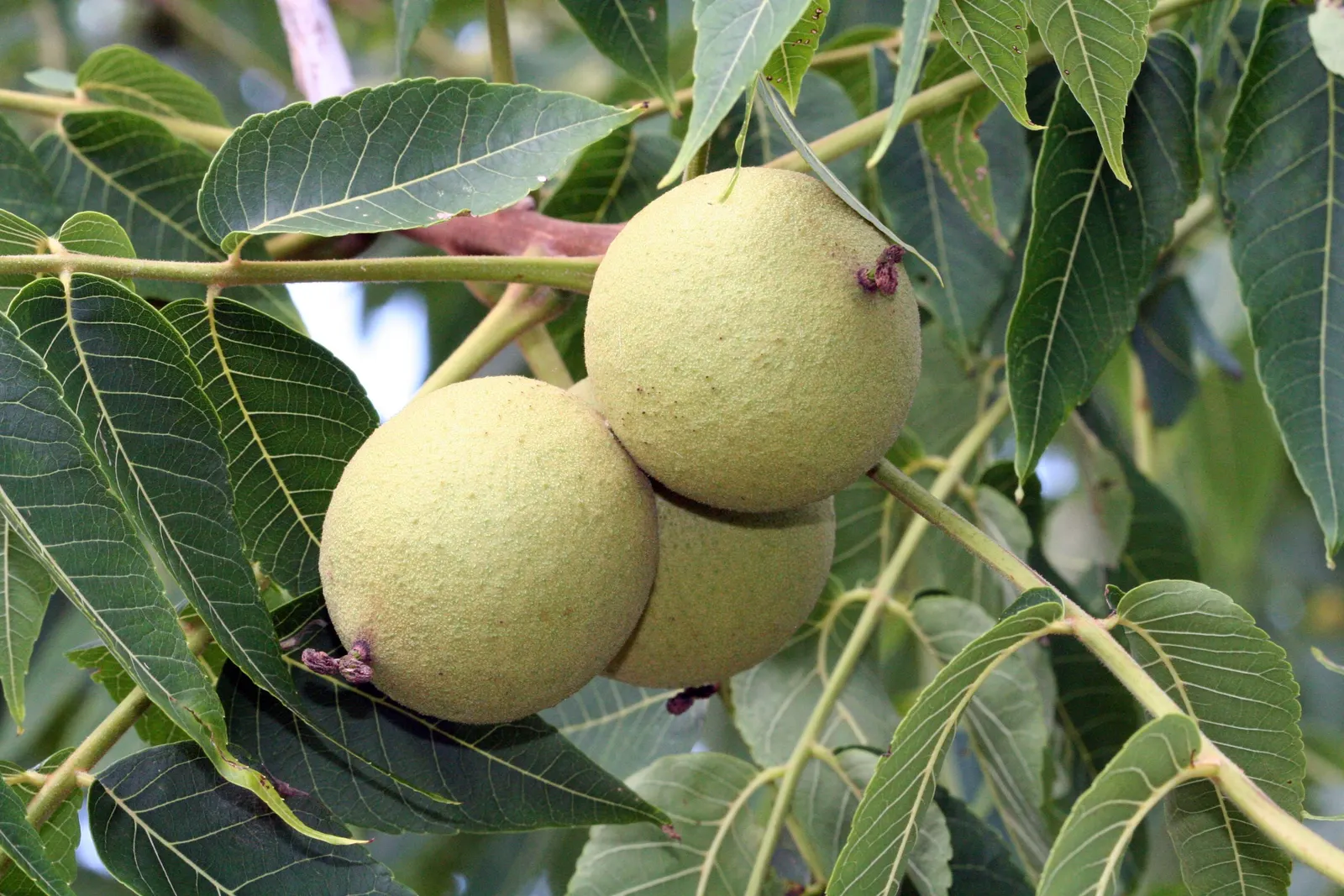
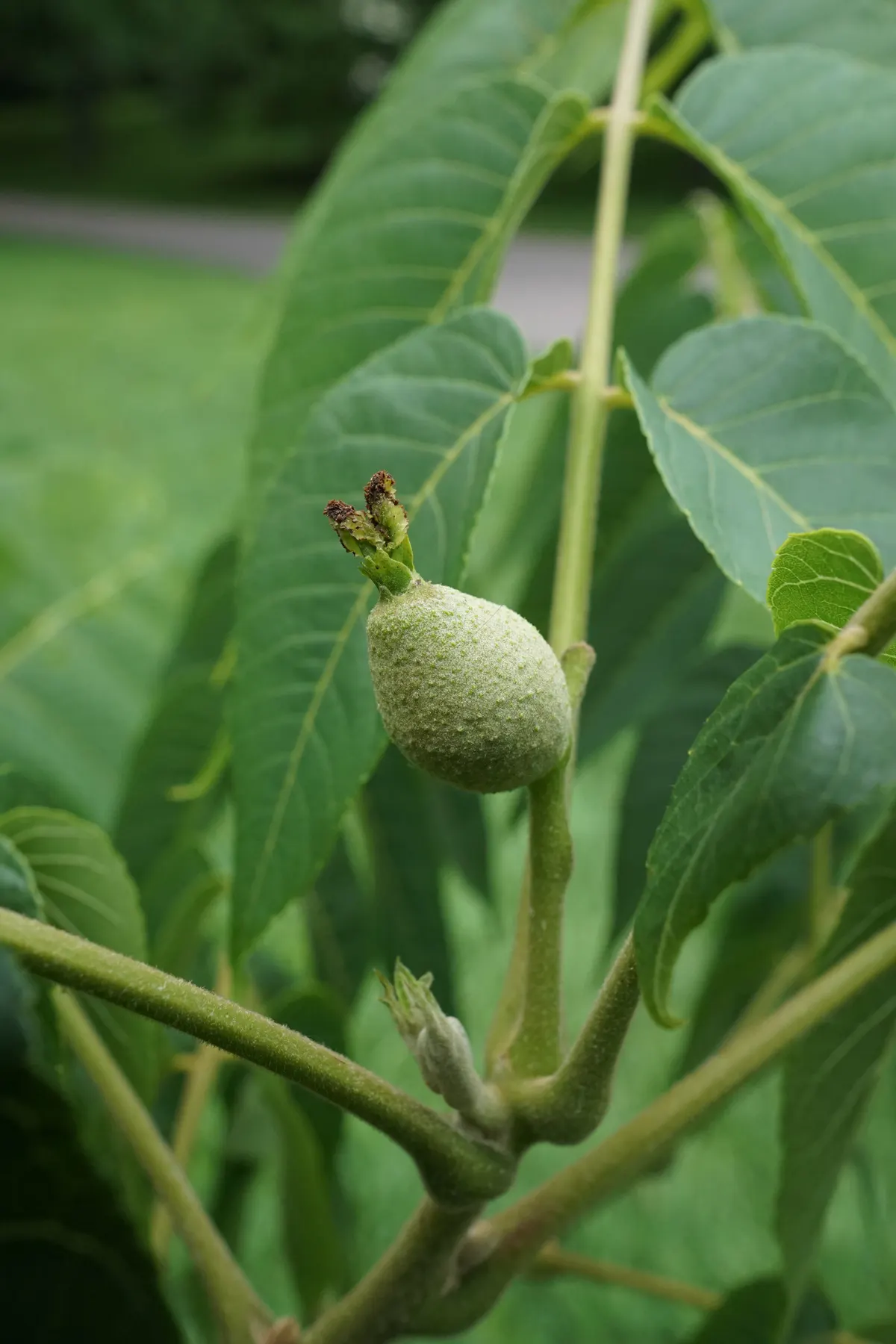
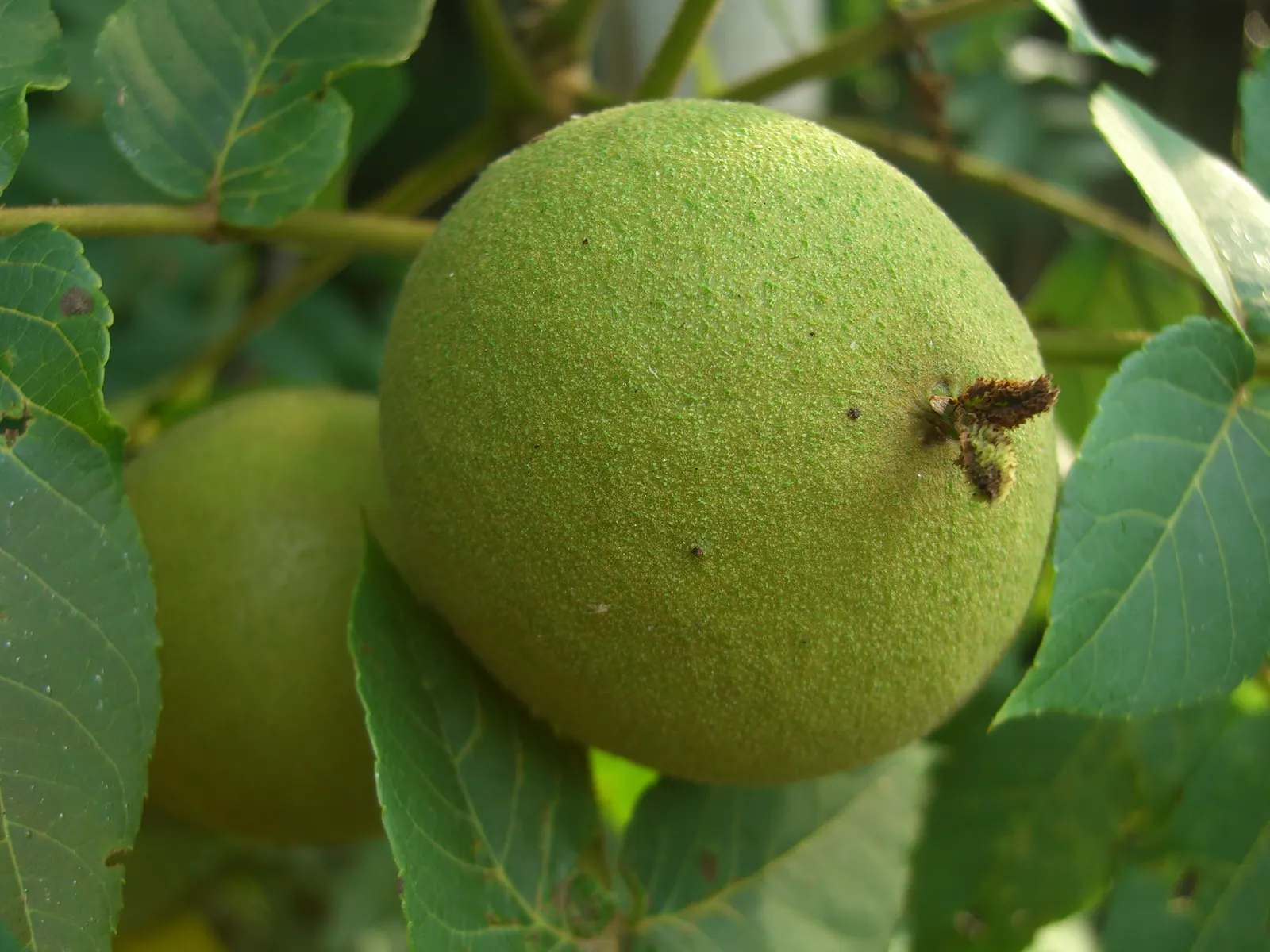
Black Walnut (Juglans Nigra) — Produces edible nuts encased in thick husks, maturing in autumn
Black Walnut (Juglans Nigra) — Ideal for spacious landscapes due to its grand stature and shading canopy
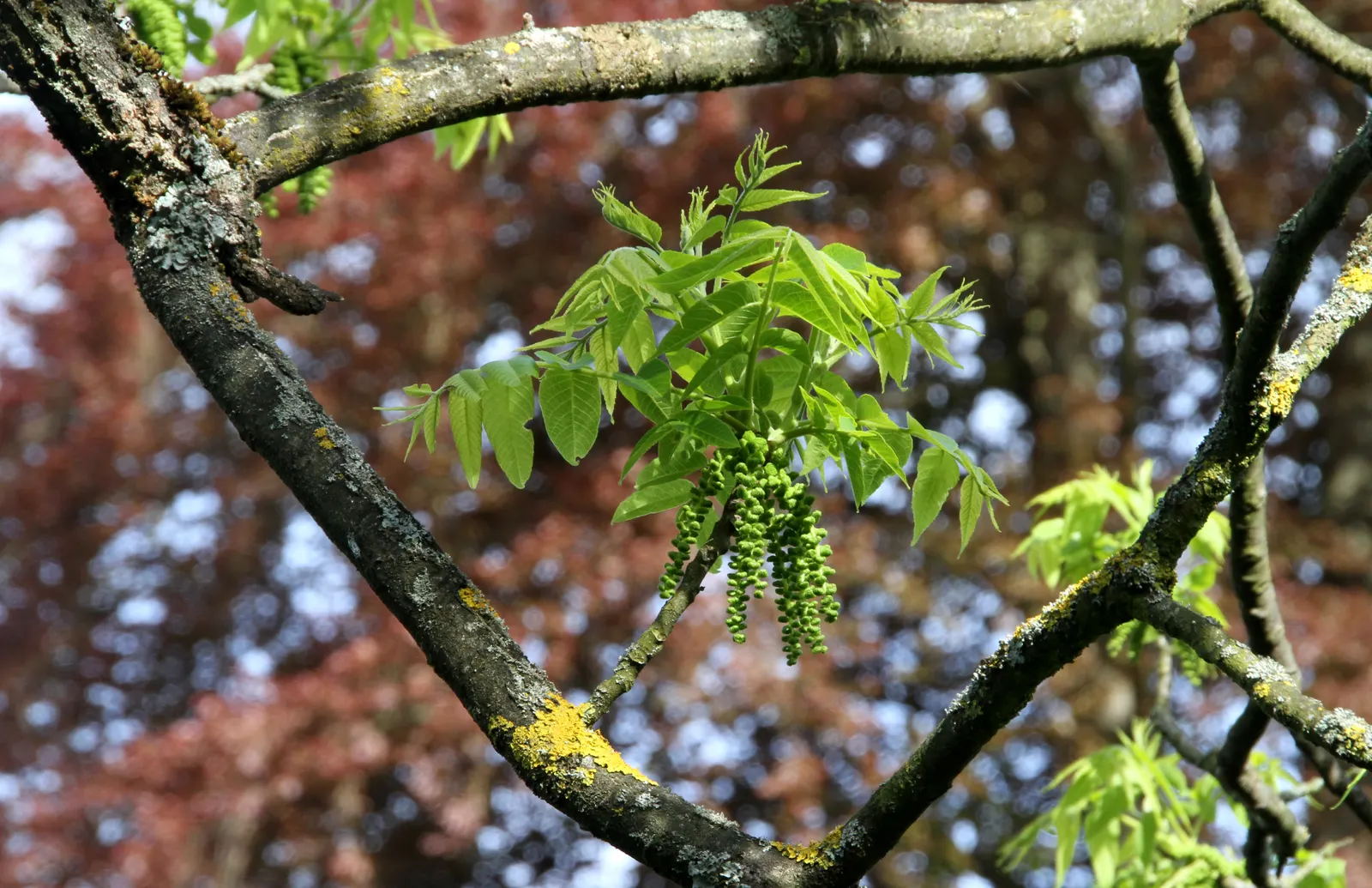
Black Walnut (Juglans Nigra) — preferring well-drained soil and full sun; with a spread of 50-75 ft
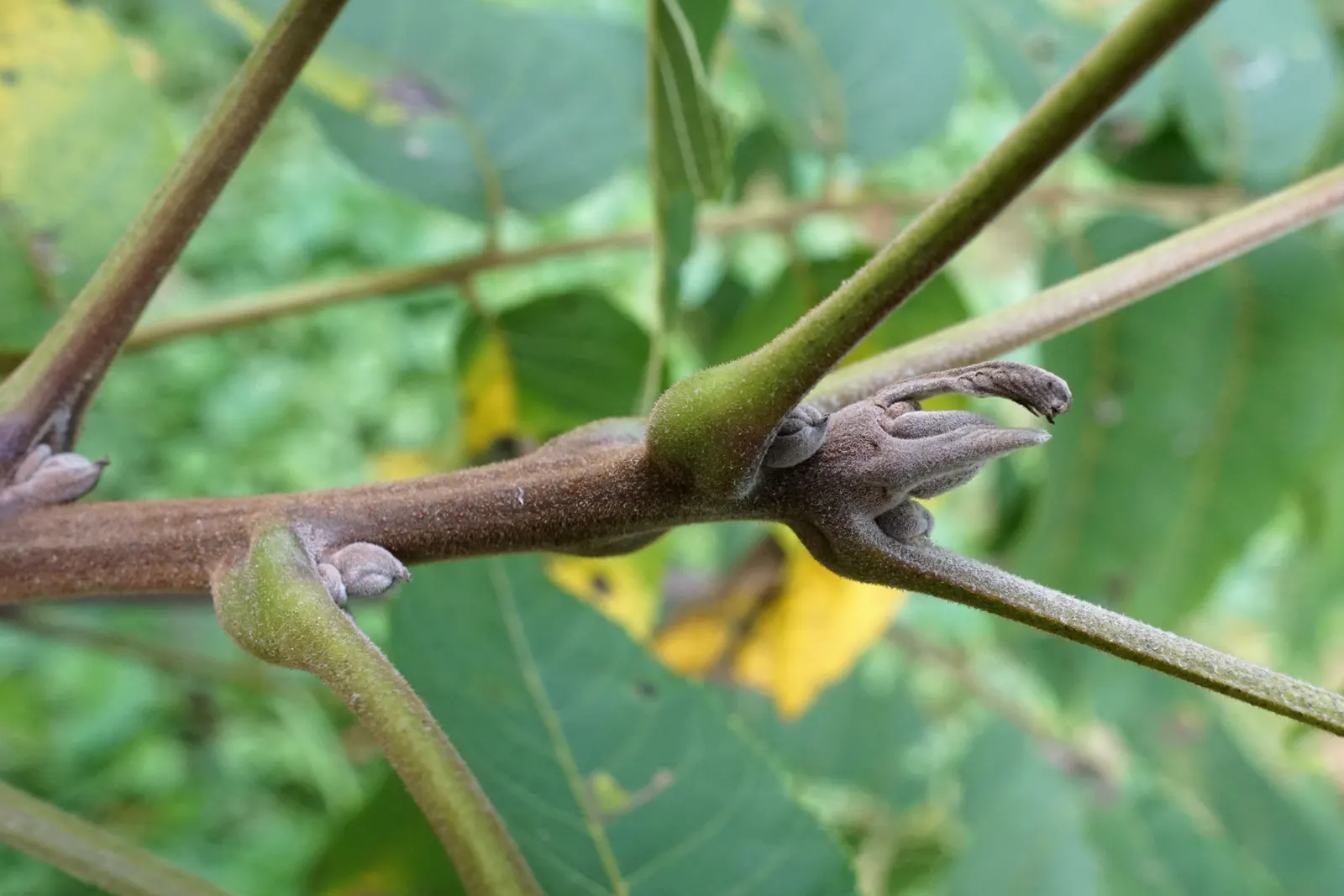
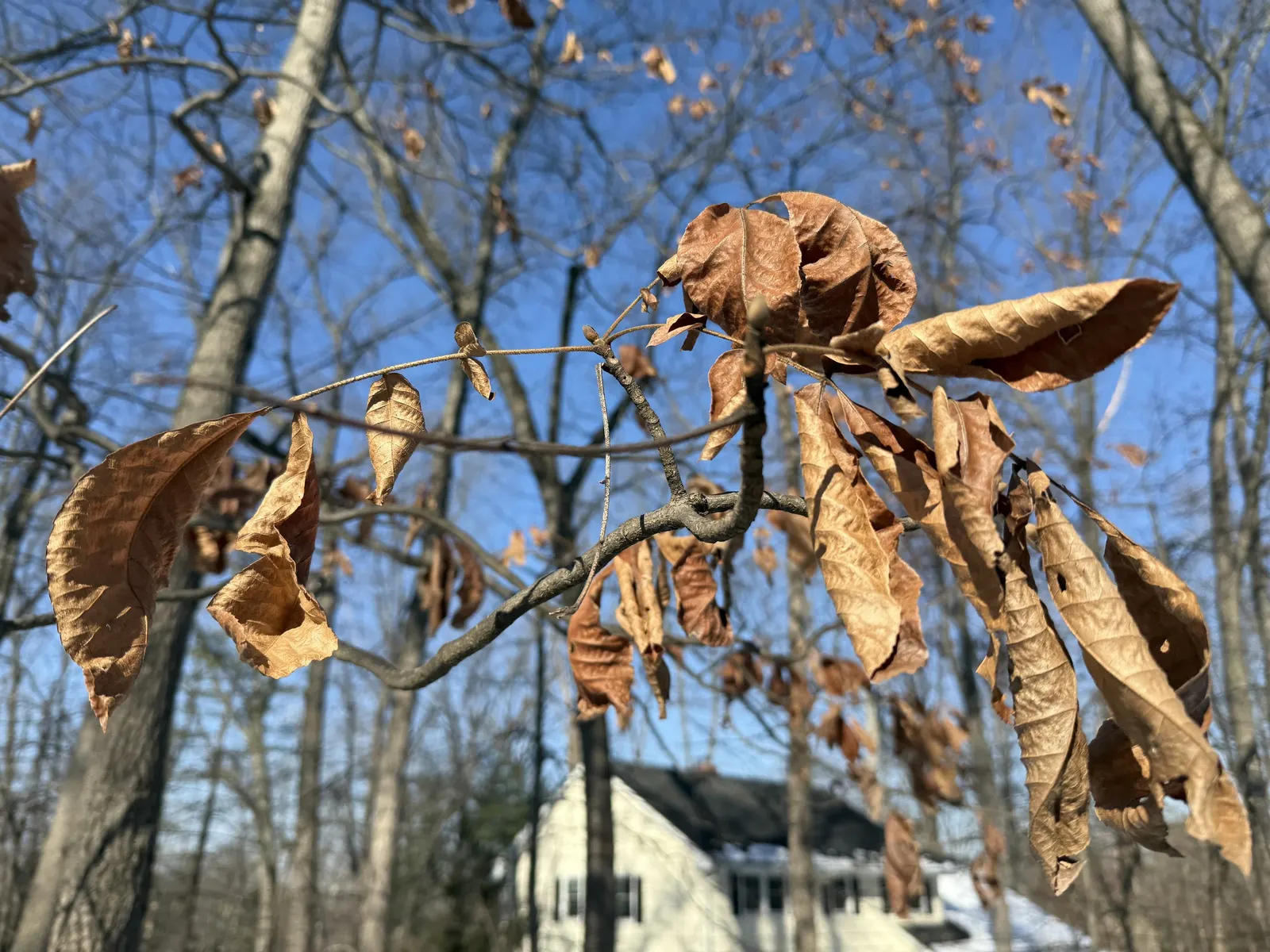
Black Walnut (Juglans Nigra) — ridged bark and compound foliage; providing autumnal interest.<br><br>The tree's fruit
Black Walnut (Juglans Nigra) — is a stately deciduous tree that is highly prized for both its handsome appearance and valuable hardwood; ideal for spacious
Black Walnut (Juglans Nigra) — Often growing to heights of 70 to 100 feet with a canopy spread of 50 to 70 feet upon maturity; it flourishes in deep, fertile
Black Walnut (Juglans Nigra) — it serves as a grand specimen in any landscape; the Black Walnut can be challenging to transplant
Black Walnut (Juglans Nigra) — When designing with the Black Walnut; its allelopathic nature may inhibit nearby plant growth
Black Walnut (Juglans Nigra) — it is crucial to consider the allelopathic nature of the tree; it secretes juglone from its roots, image 35
Black Walnut (Juglans Nigra) — a substance that is toxic to some plants; fleshy husk and falls to the ground in autumn
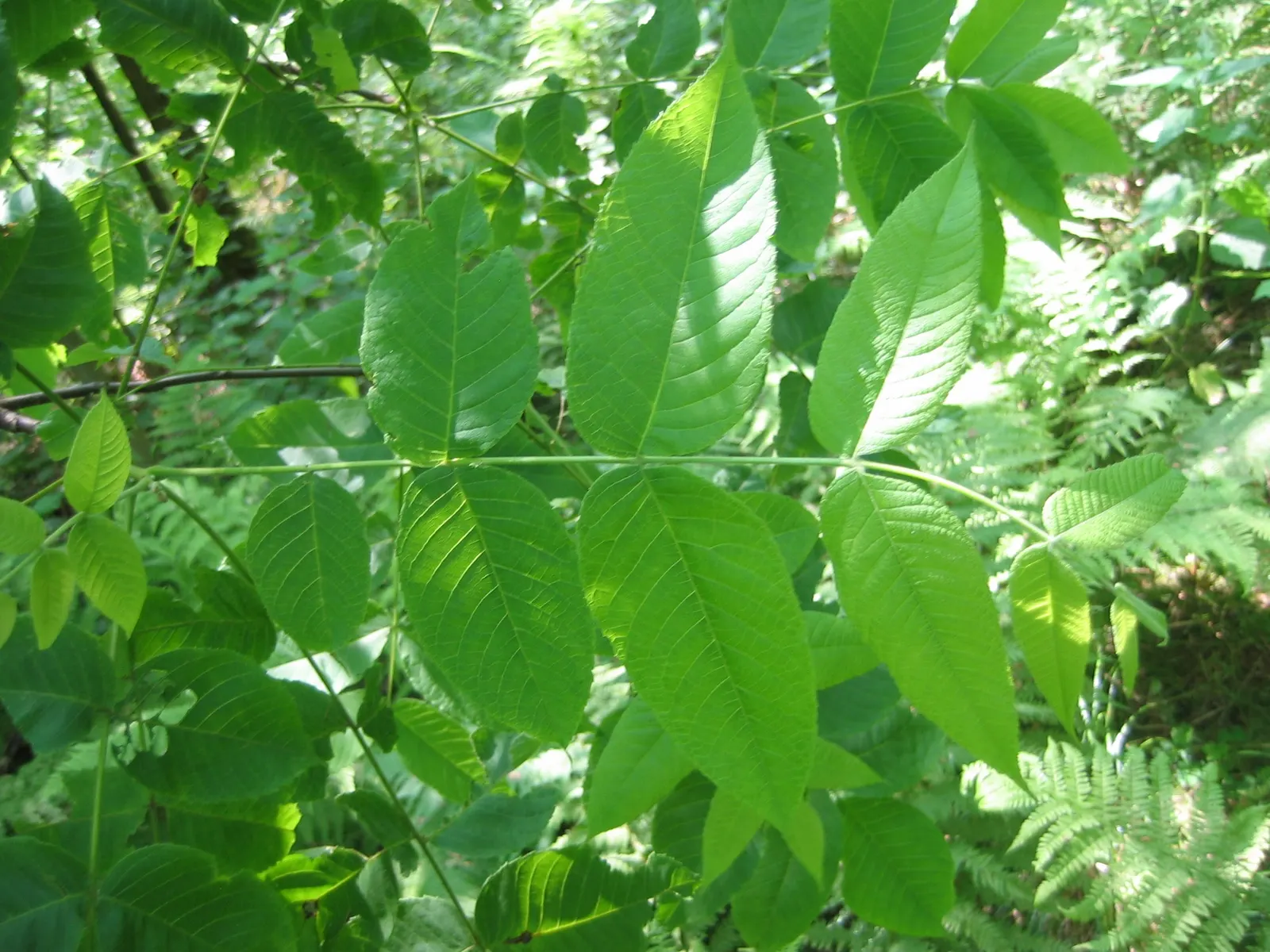
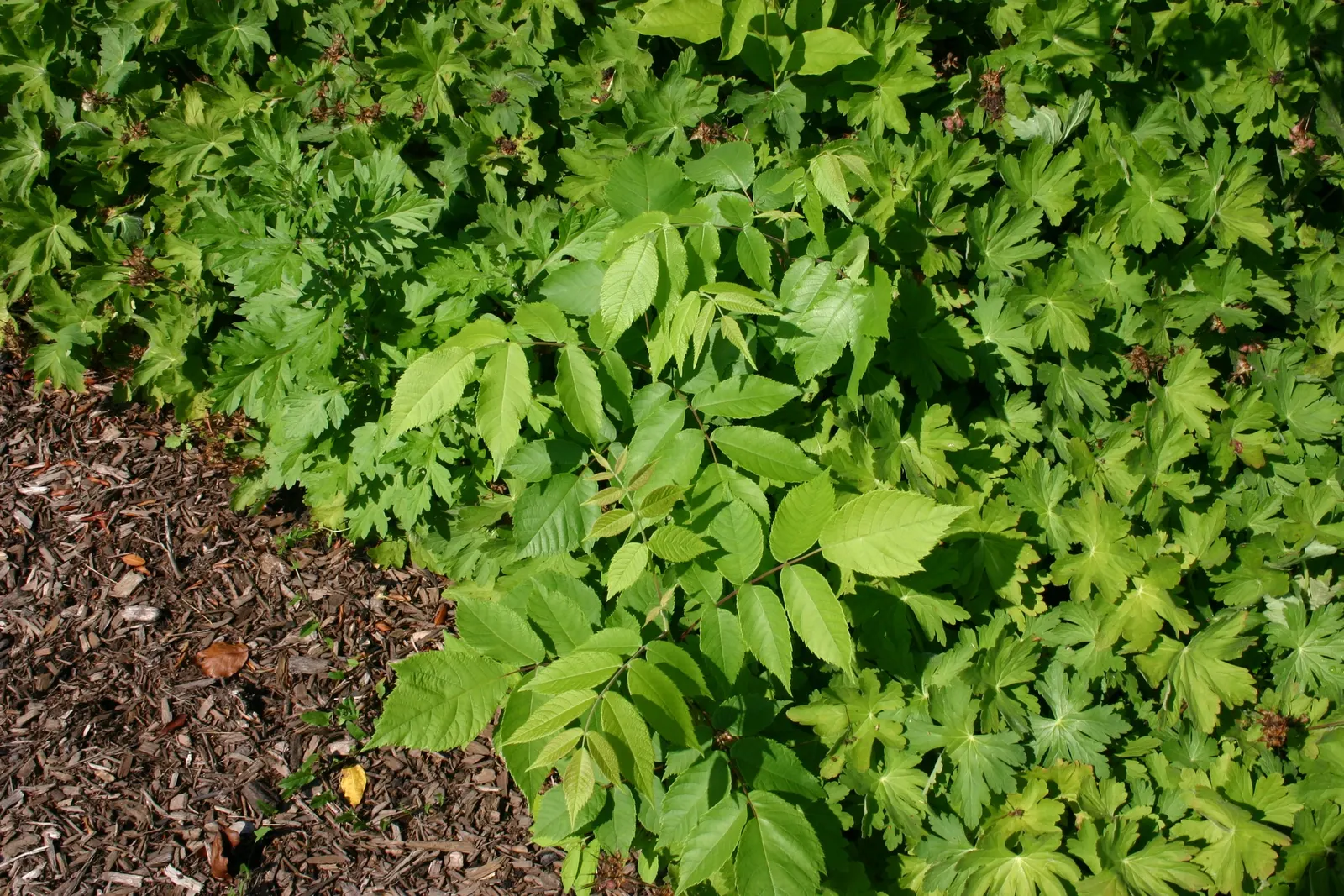
Black Walnut (Juglans Nigra) — The tree's foliage consists of compound leaves that grow up to 24 inches long; it serves as a grand specimen in any landscape
Black Walnut (Juglans Nigra) — It flourishes in deep, fertile, well-drained soils with a pH of slightly acidic to neutral; ridged bark and compound foliage
Black Walnut (Juglans Nigra) — fleshy husk and falls to the ground in autumn; the tree's foliage consists of compound leaves that grow up to 24 inches long
Black Walnut (Juglans Nigra) — providing autumnal interest.<br><br>The tree's fruit; is a stately deciduous tree that is highly prized for both its handsome
Black Walnut (Juglans Nigra) — the leaves turn a vibrant yellow; is a valuable deciduous hardwood tree
Black Walnut (Juglans Nigra) — each composed of 15 to 23 leaflets; the leaves turn a vibrant yellow
Black Walnut (Juglans Nigra) — Please note, the nuts and debris can be quite messy and may require cleanup from walkways and mowed areas; so initial placement
Black Walnut (Juglans Nigra) — is a valuable deciduous hardwood tree; preferring well-drained soil and full sun, image 47
Black Walnut (Juglans Nigra) — with a spread of 50-75 ft; when designing with the Black Walnut, image 48
Black Walnut (Juglans Nigra) — so initial placement is crucial for the designed landscape; a substance that is toxic to some plants
Black Walnut (Juglans Nigra) — tree for full; please note, the nuts and debris can be quite messy and may require cleanup from walkways and mowed areas
Black Walnut (Juglans Nigra) — the Black Walnut can be challenging to transplant; produces edible nuts encased in thick husks, maturing in autumn

Related plants