Skip to content

Bloodleaf

Iresine Herbstii

Design with this plant

Overview

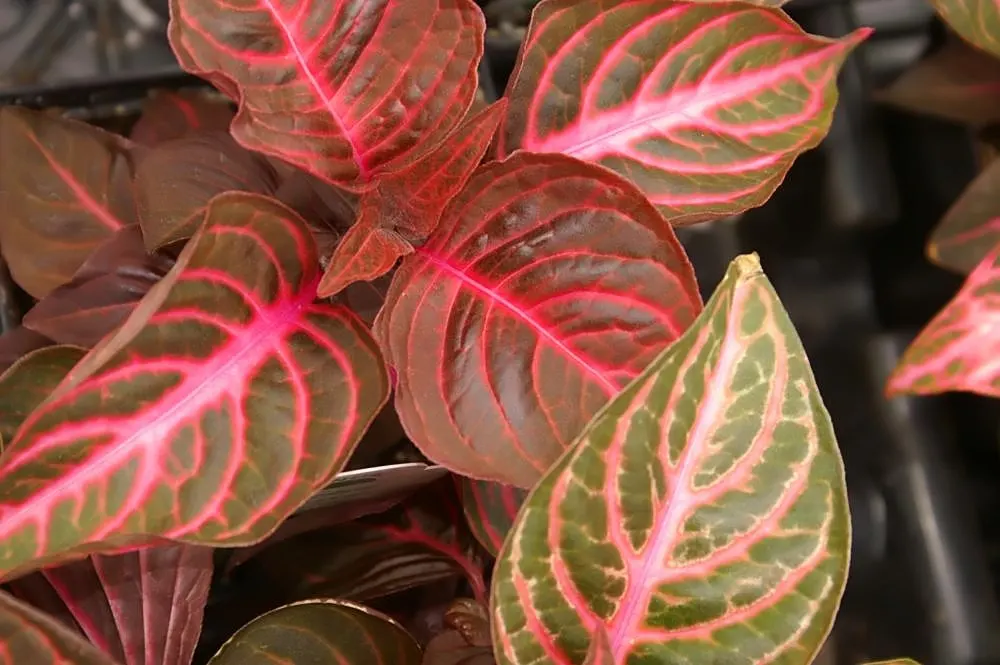
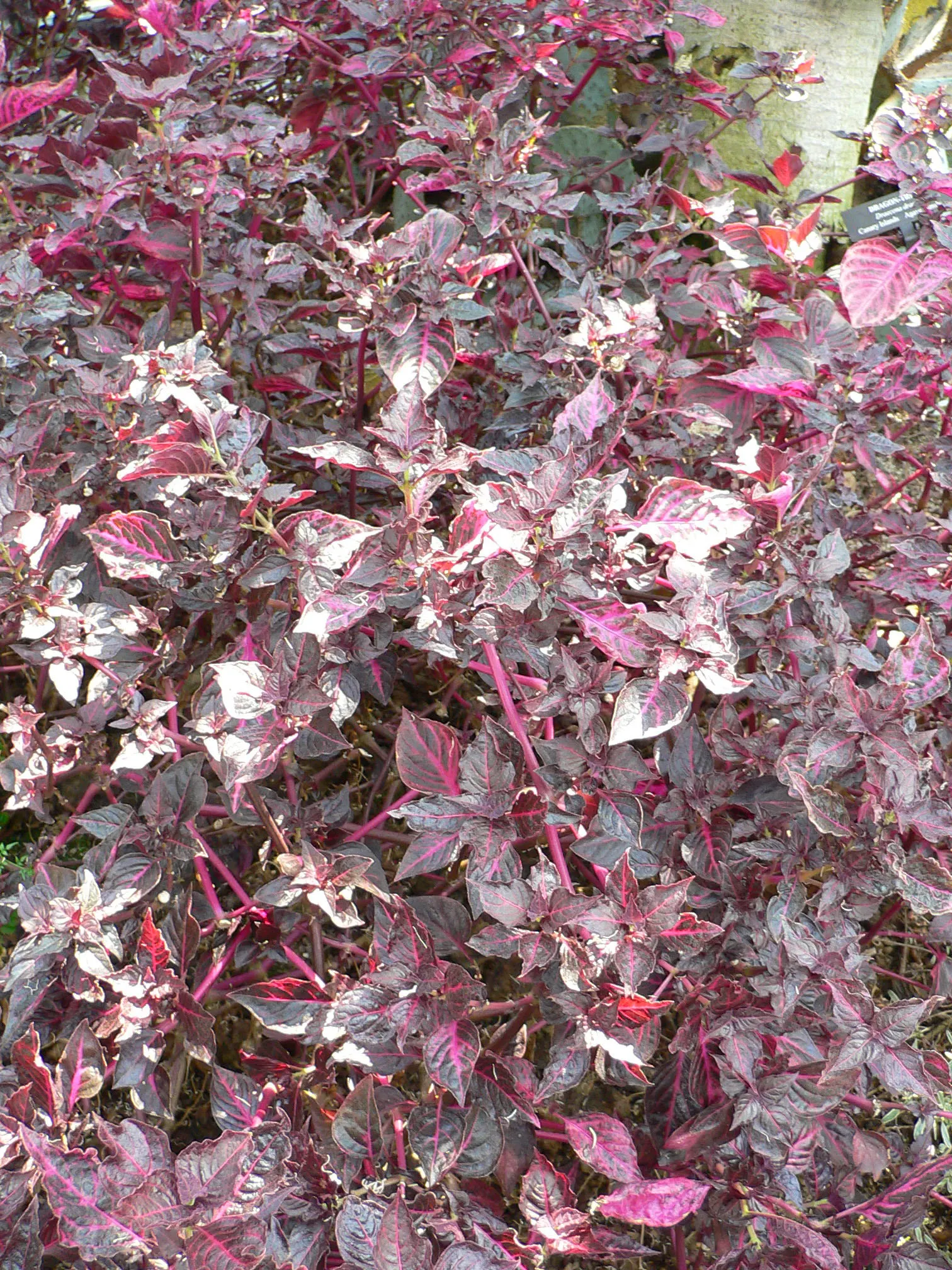
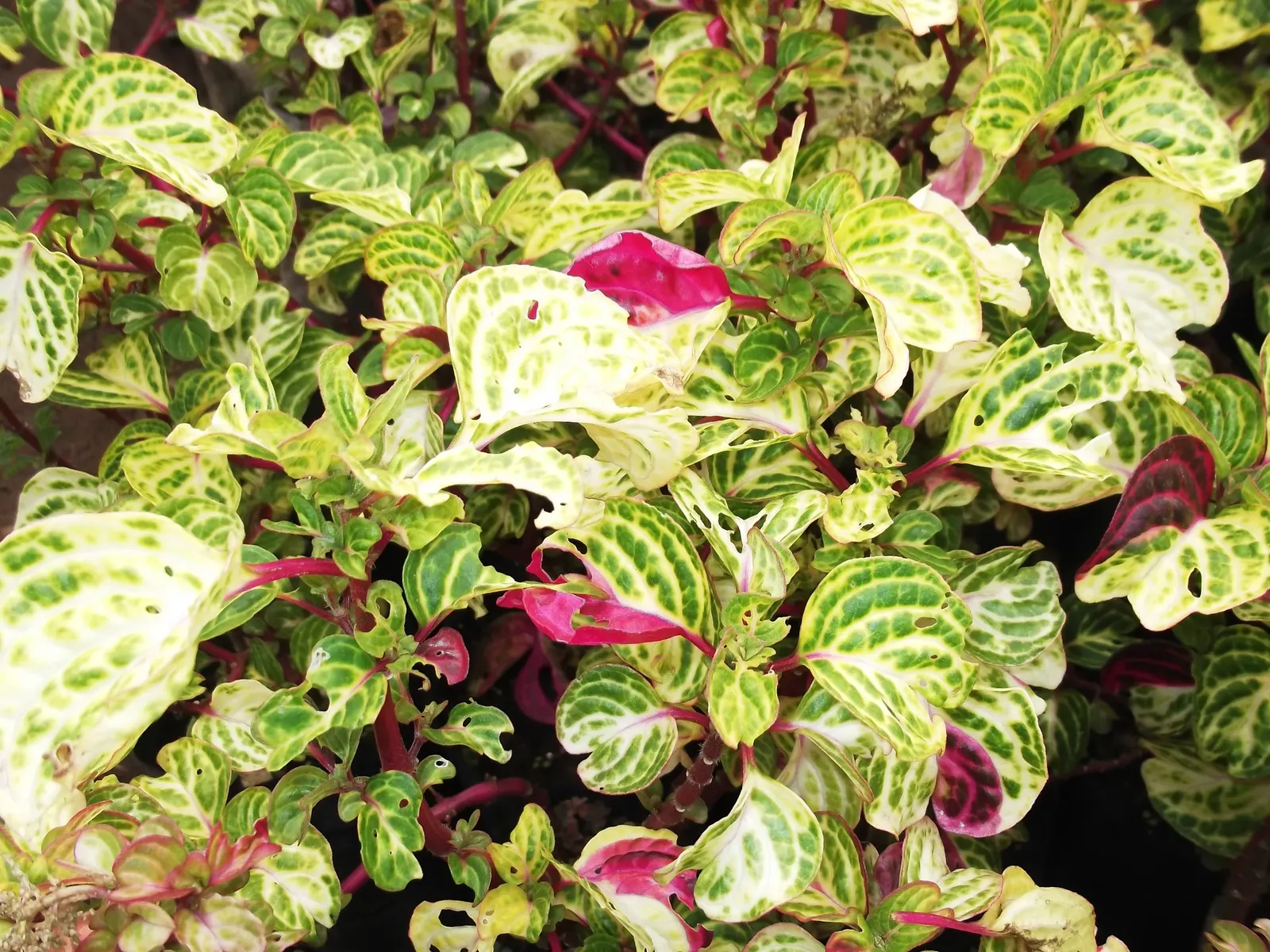
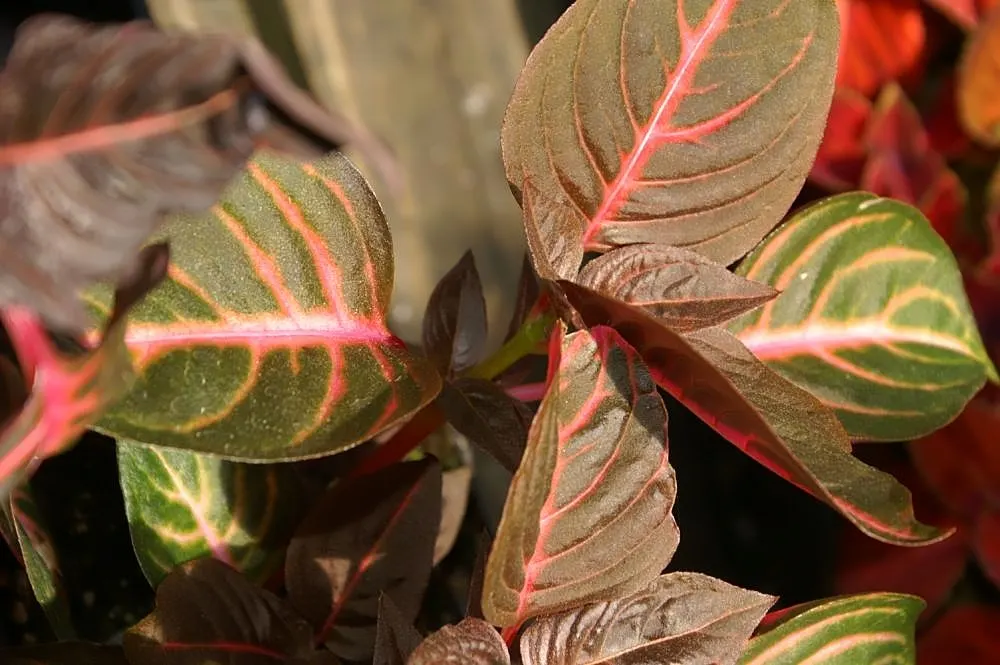
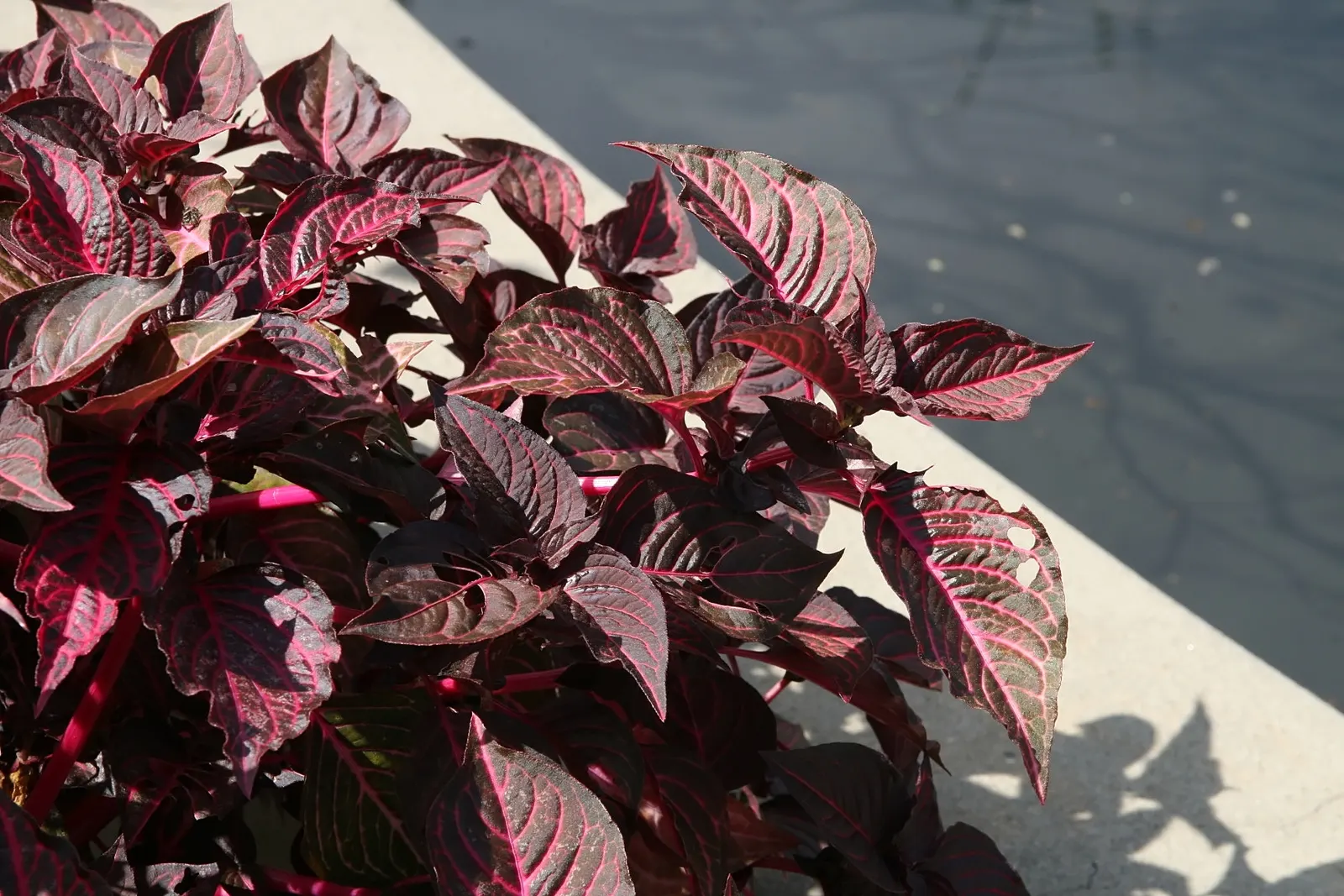
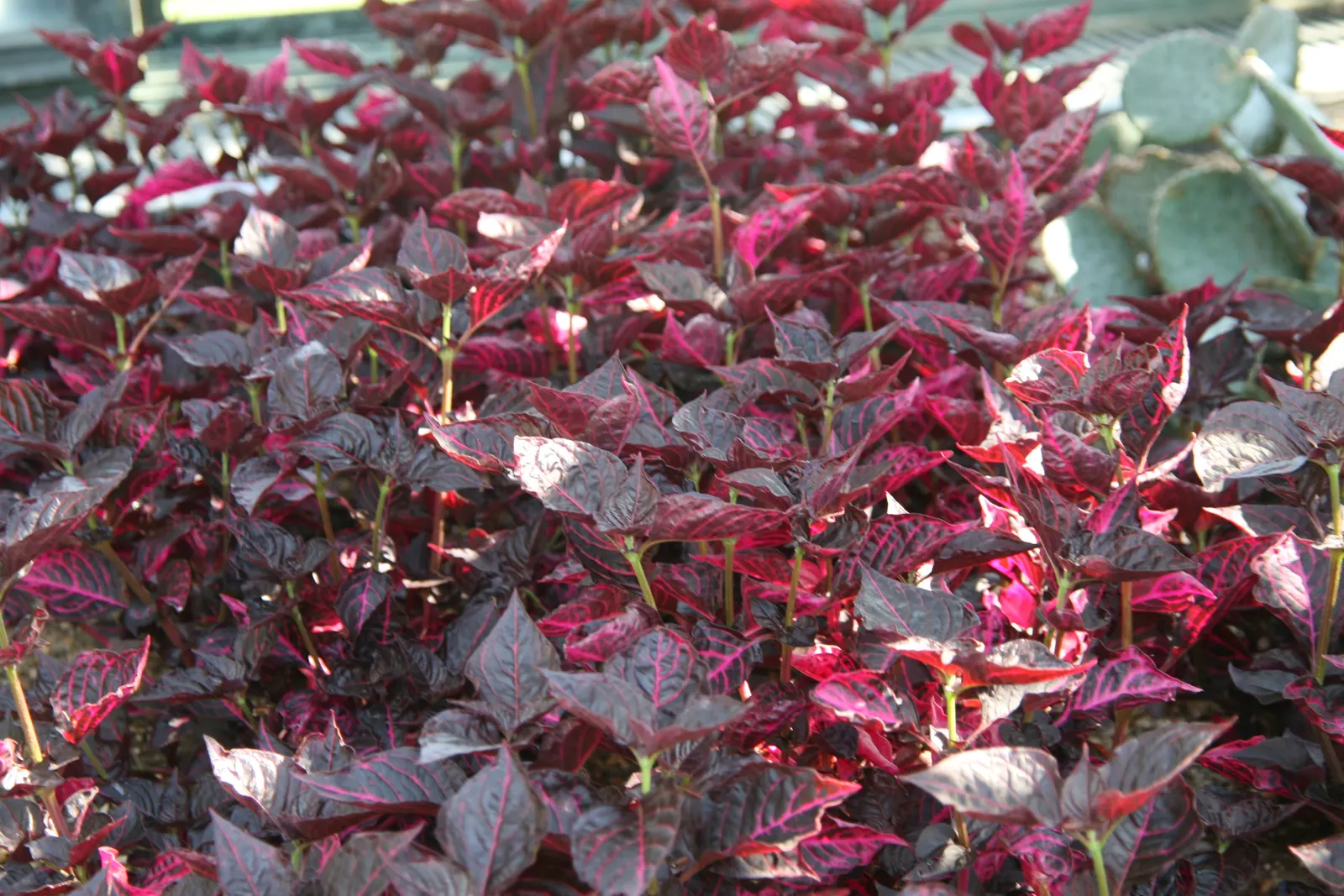
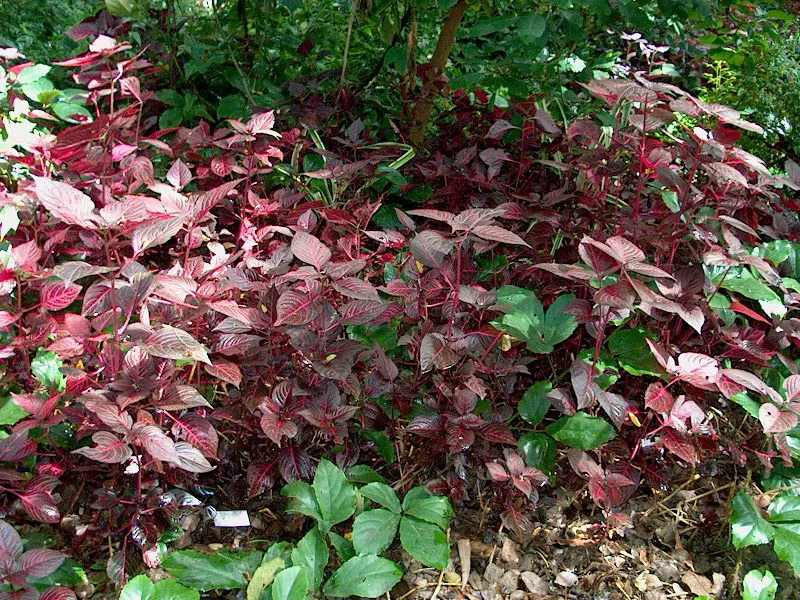
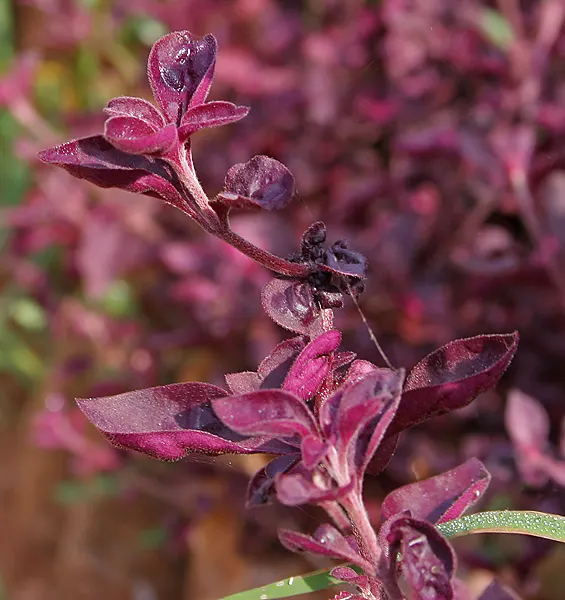
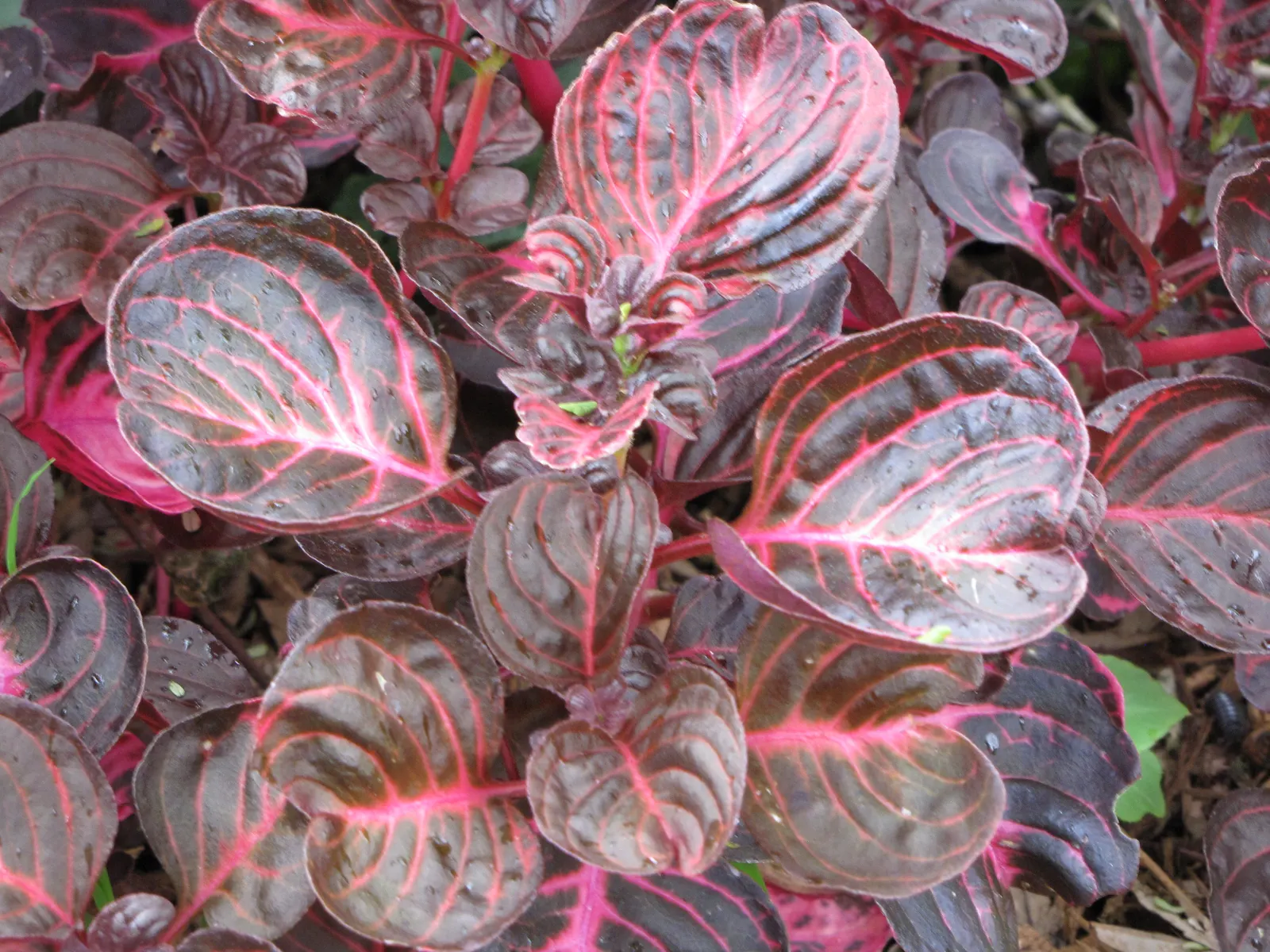
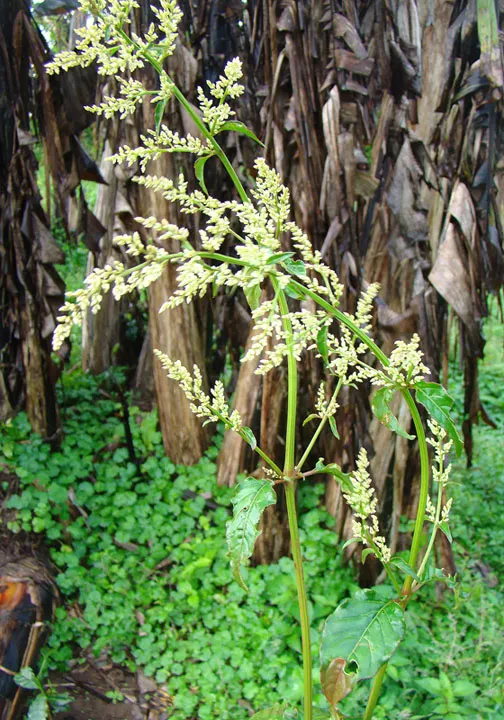
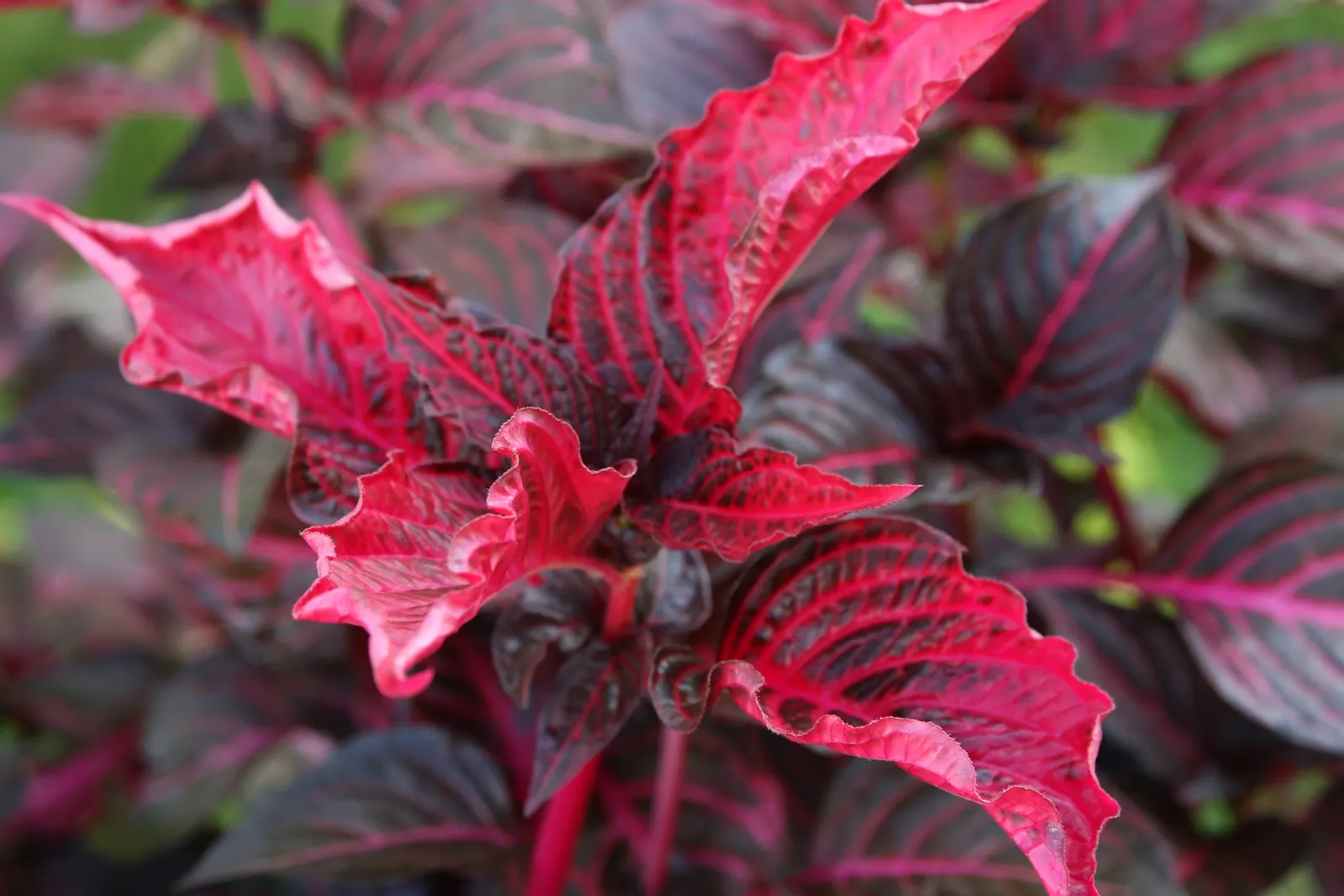
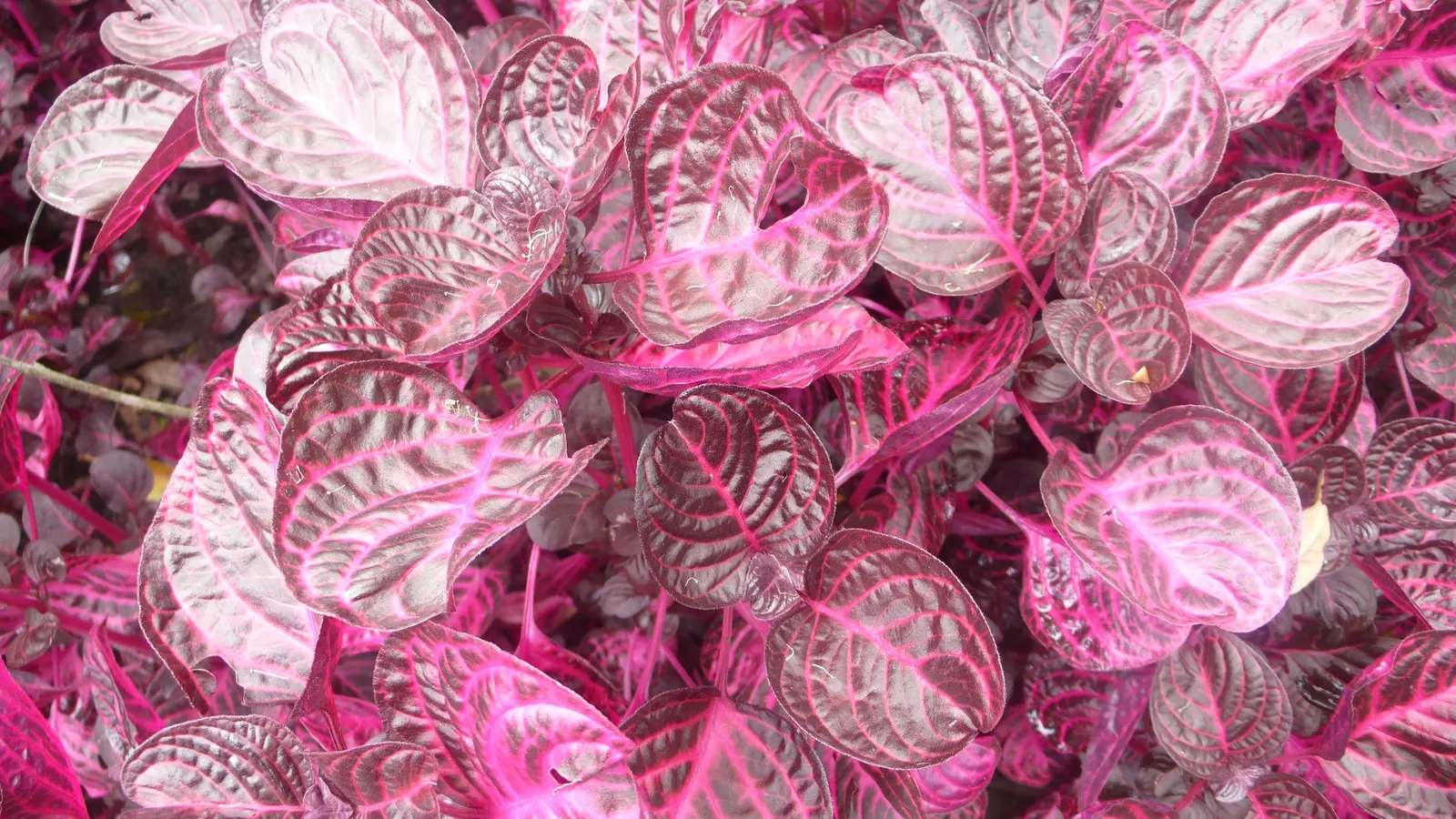
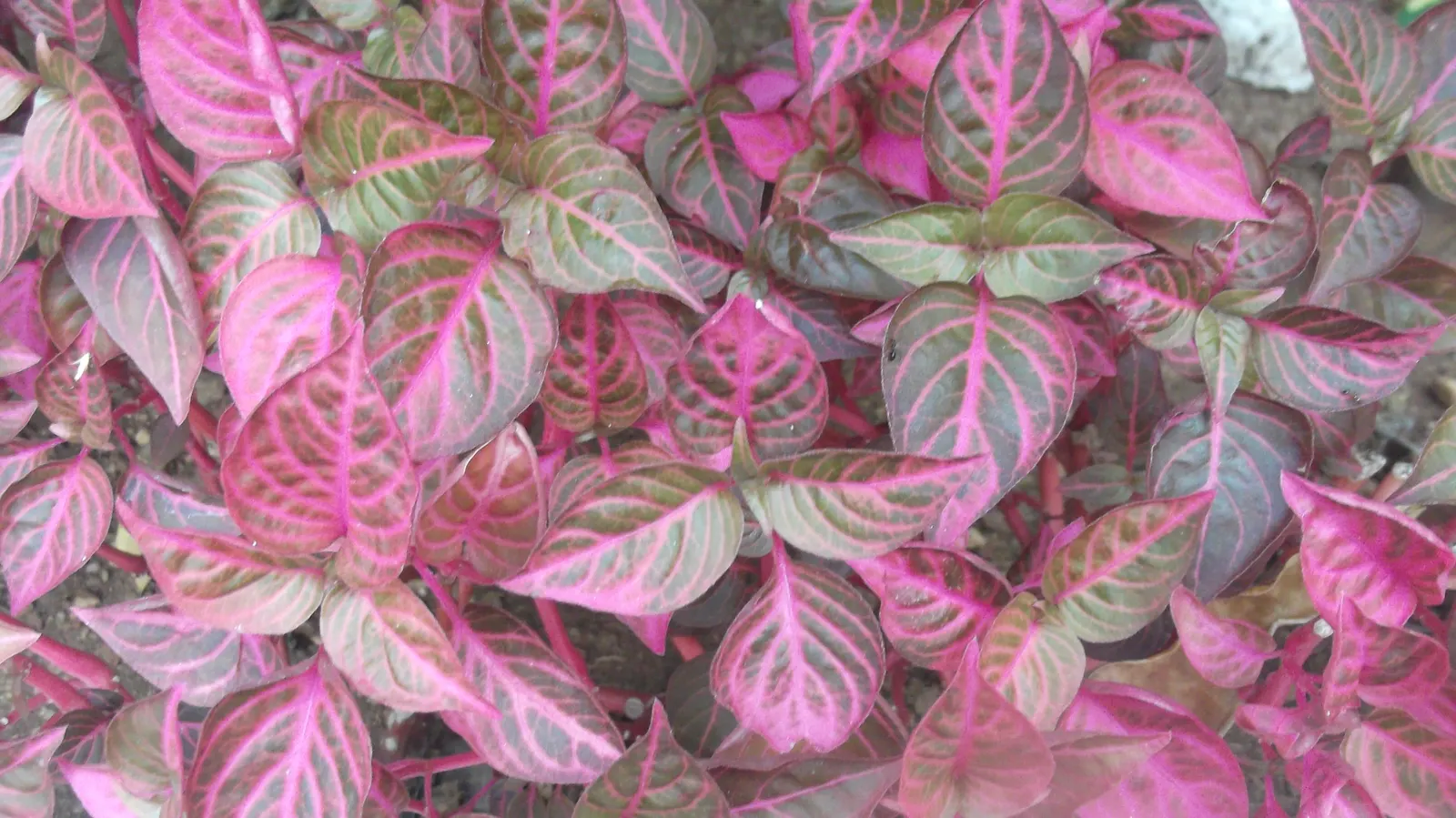
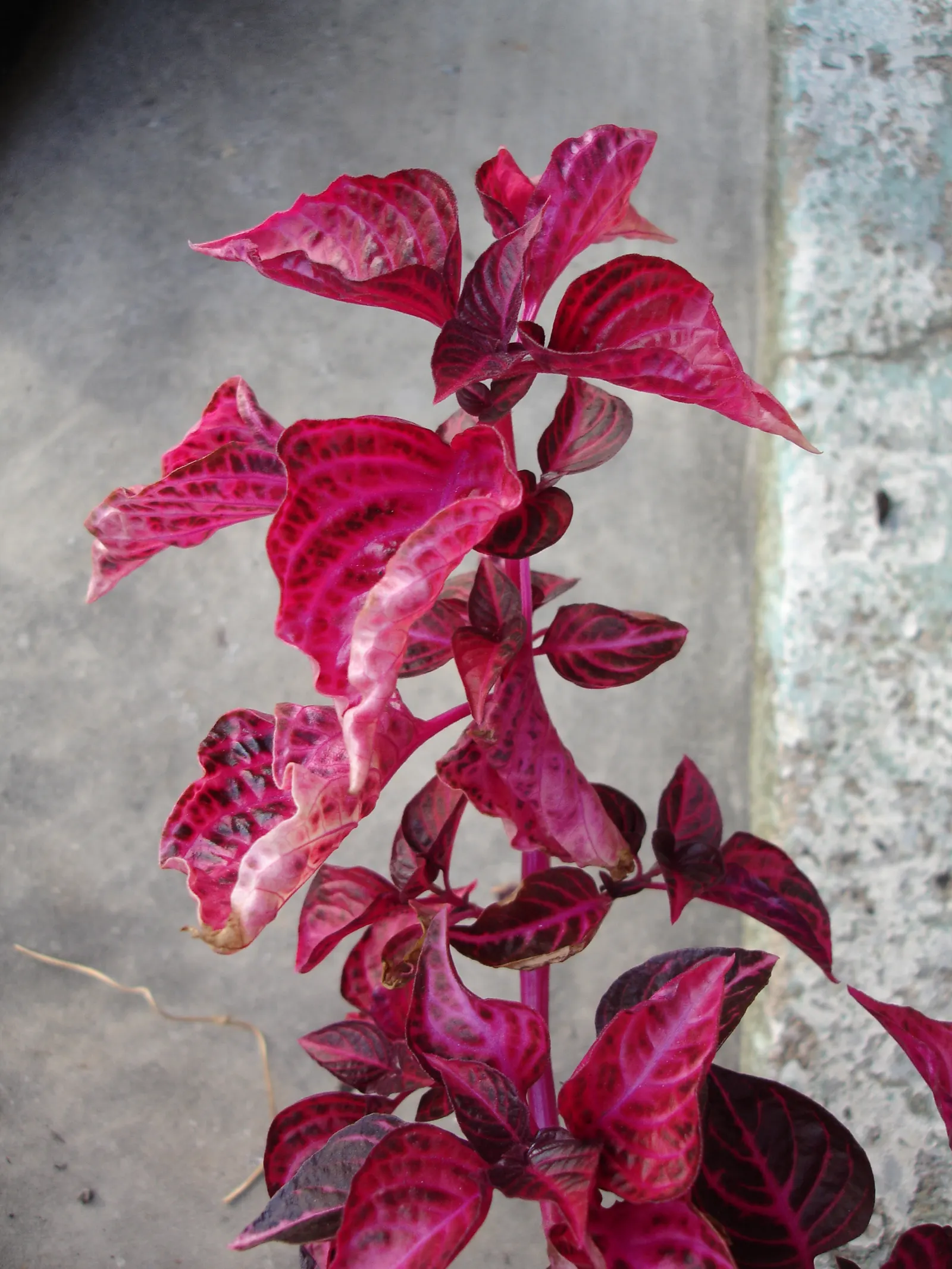
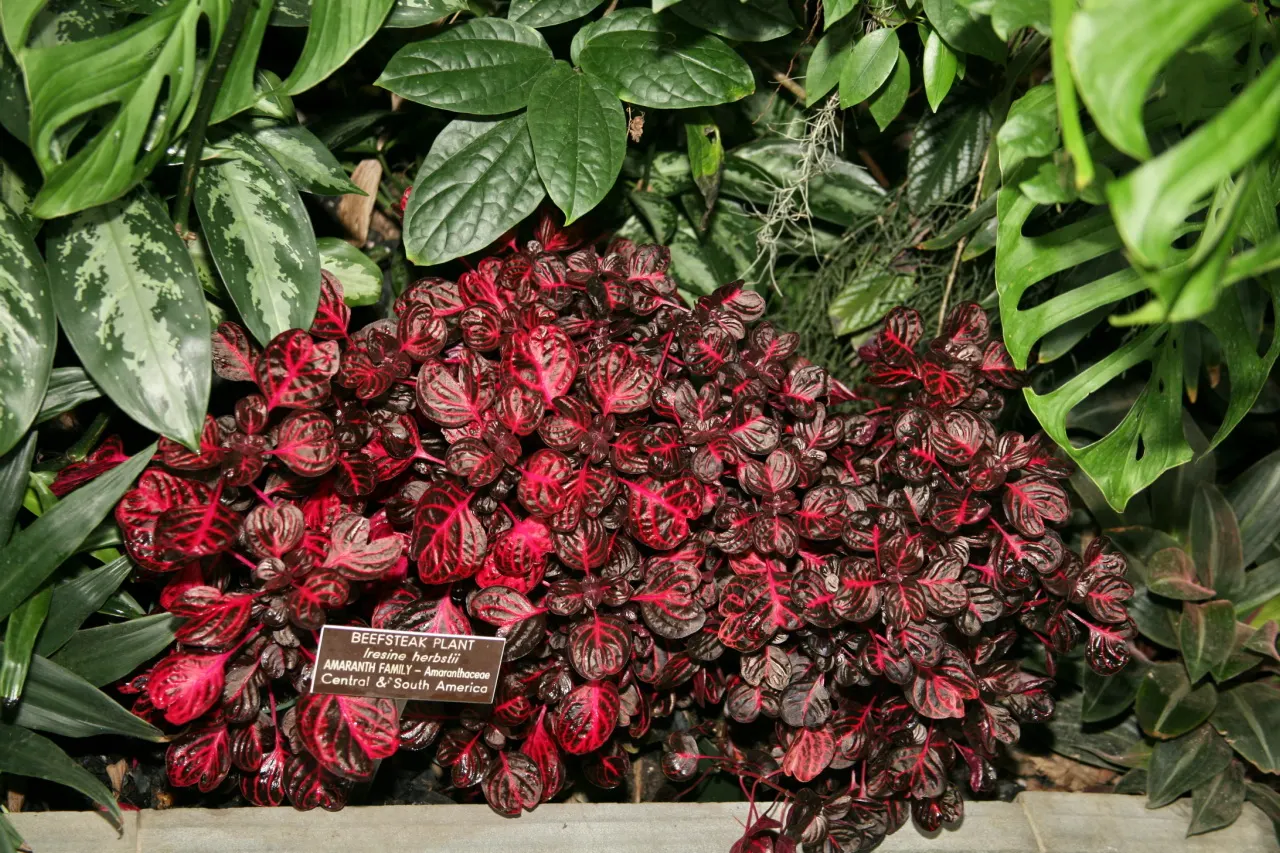
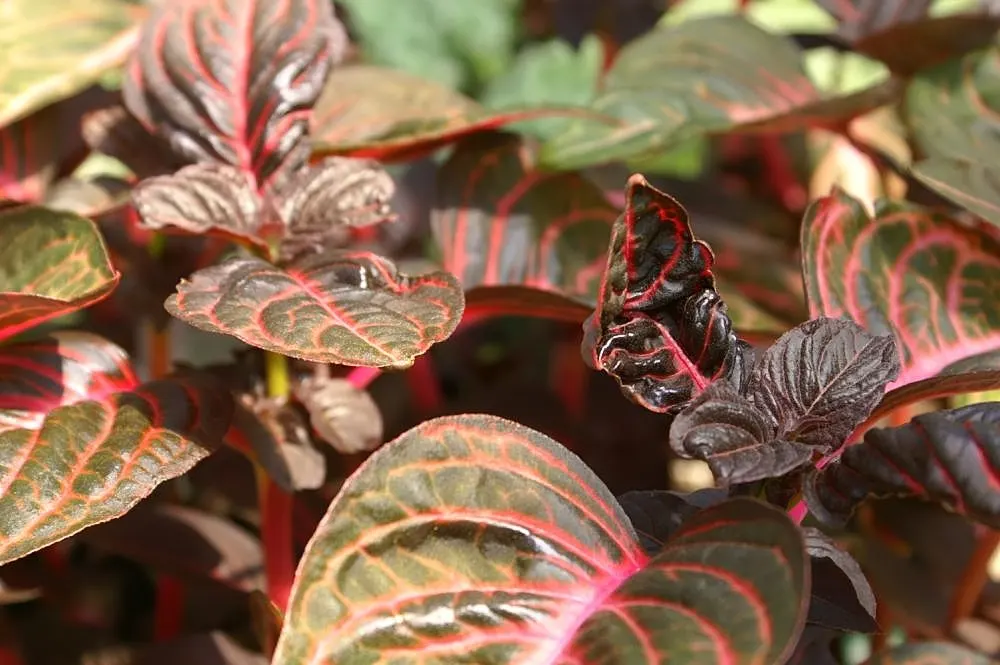
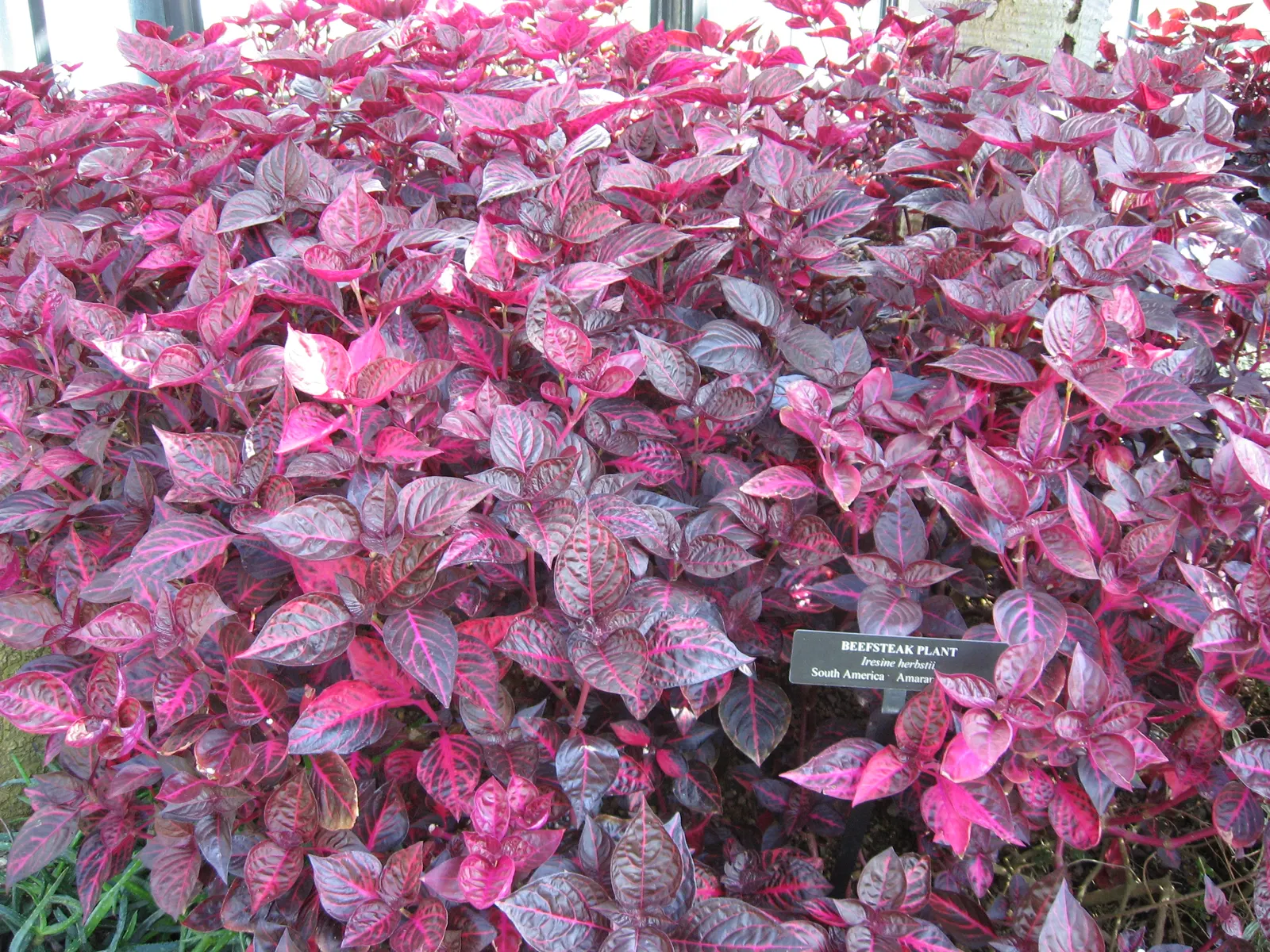
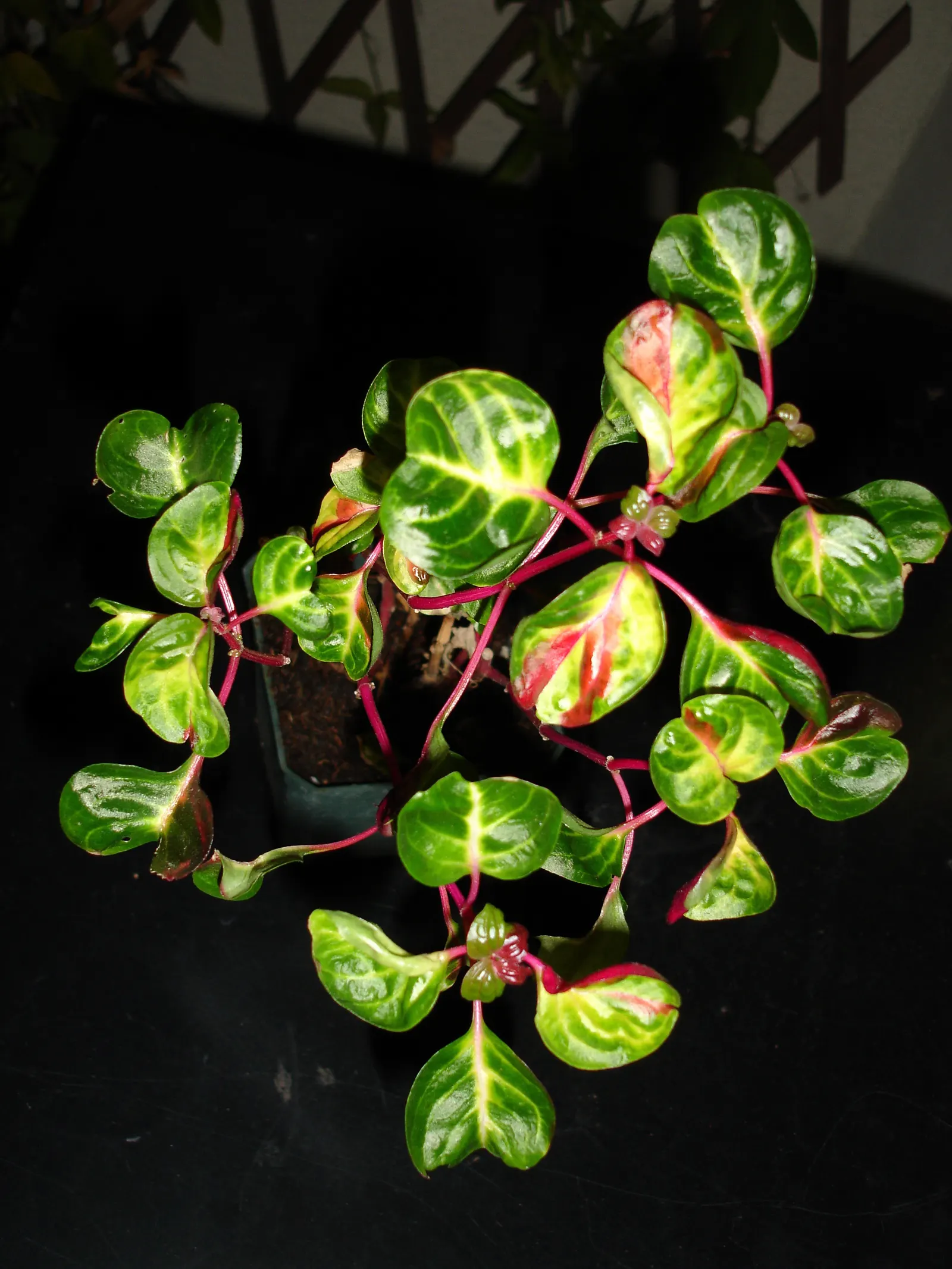
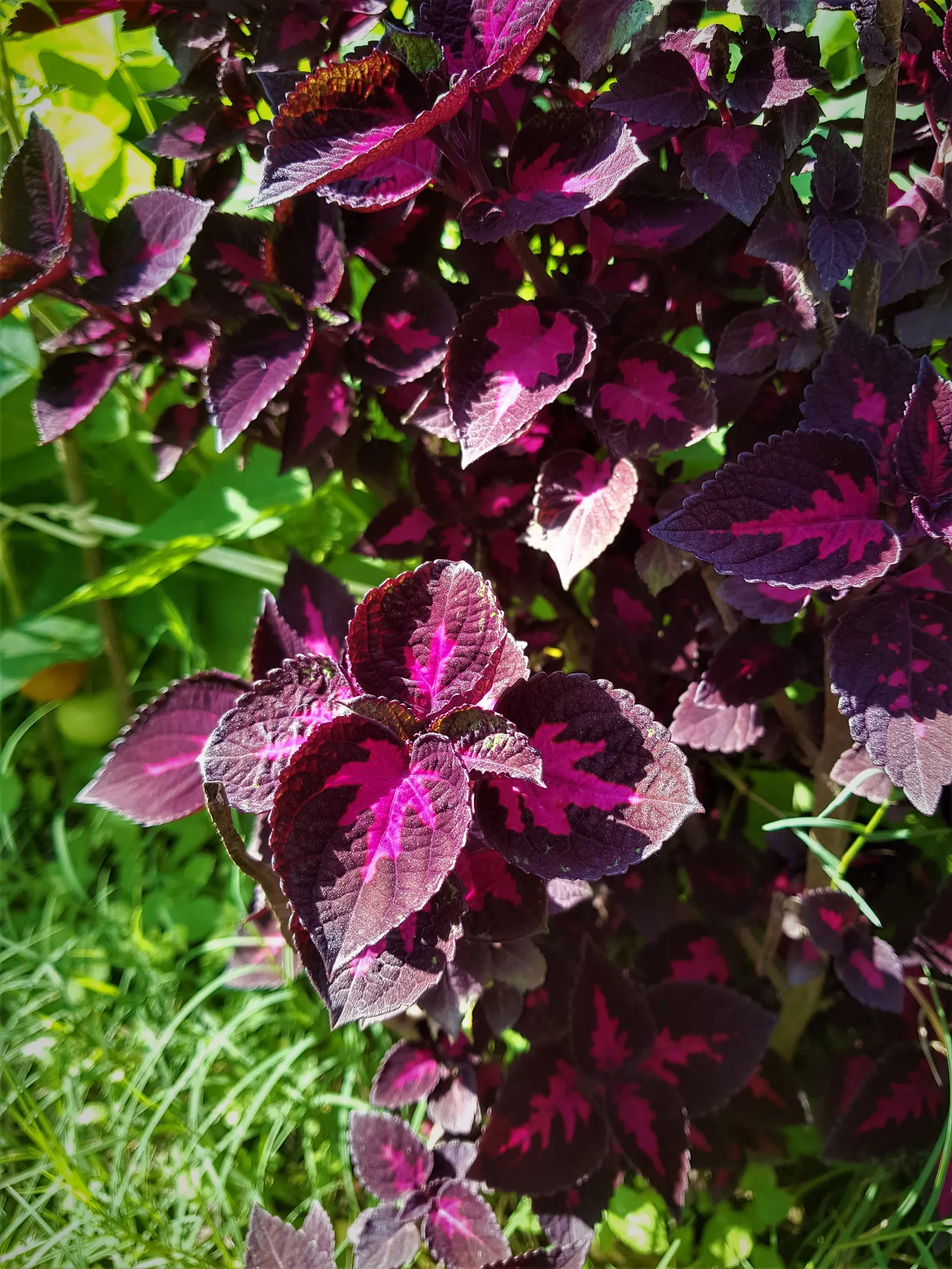
Bloodleaf (Iresine herbstii) is a vivid perennial, cherished for its striking red to purple foliage. Thriving in USDA zones 10-11, it flourishes in full sun to partial shade, reaching a compact height of 12-18 inches, with a similar spread. Perfect for adding a splash of color to borders or containers, it requires well-drained soil and regular watering. Bloodleaf performs best with consistent moisture and can be used as a striking accent plant.
Sun Full, HalfWater MediumZones 10–11Type Perennial
Bloodleaf (Iresine Herbstii) — Bloodleaf performs best with consistent moisture and can be used as a striking accent plant; the Bloodleaf stands about 12 to 18

Culture

Sun
Full, Half
Water
Medium
USDA zones
10–11

Shape & size

Classification

Type
Perennial
Family
Amaranthaceae

See full data, regional cultivation notes, and design tools. Build a client presentation around this plant.

Start your 14-day trial

Photos (107)

Bloodleaf (Iresine Herbstii) — Bloodleaf performs best with consistent moisture and can be used as a striking accent plant; the Bloodleaf stands, image 61
Bloodleaf (Iresine Herbstii) — regular watering to keep the soil evenly moist - without being waterlogged - is crucial; it flourishes in full sun to partial
Bloodleaf (Iresine Herbstii) — to juxtapose hues and textures.<br><br>For prolonged vibrancy, image 50
Bloodleaf (Iresine Herbstii) — shrubby form can provide a dramatic display when paired with other ornamentals that offer lighter foliage; the optimal growing
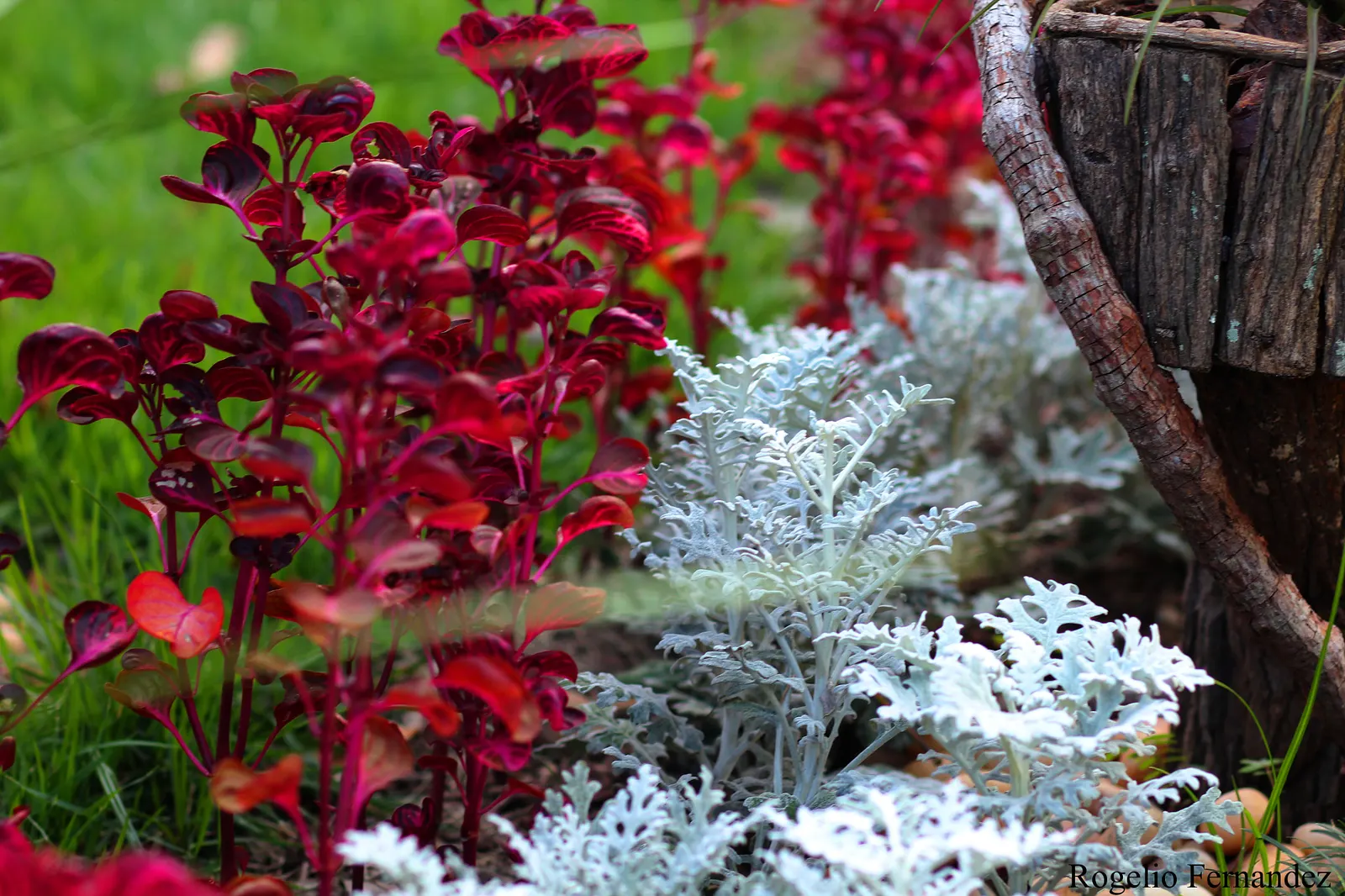
Bloodleaf (Iresine Herbstii) — the Bloodleaf is celebrated for its arresting foliage; making it an ideal selection for mid-ground textural contrast in garden
Bloodleaf (Iresine Herbstii) — Perfect for adding a splash of color to borders or containers
Bloodleaf (Iresine Herbstii) — Introducing the striking Iresine herbstii
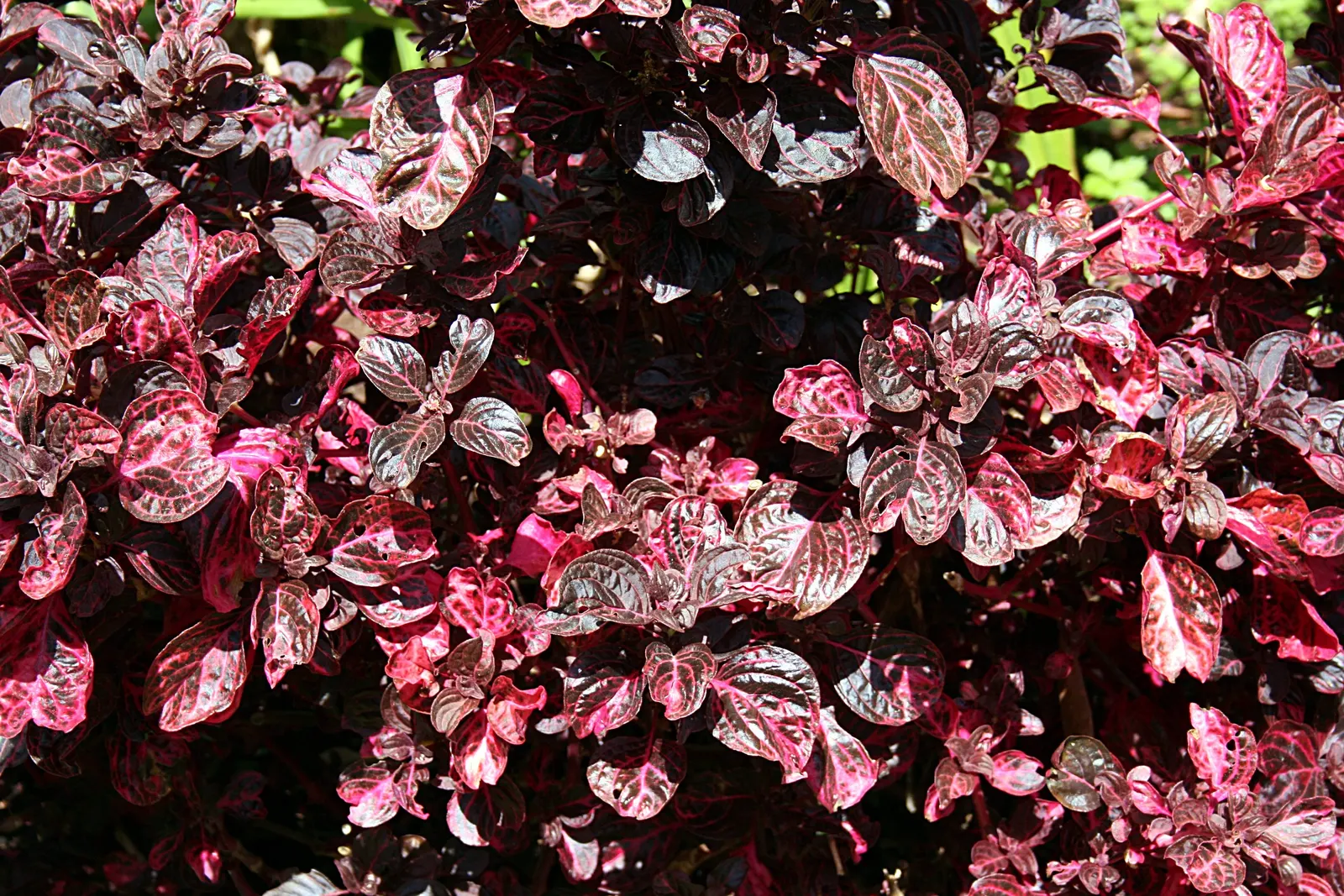
Bloodleaf (Iresine Herbstii) — which showcases an intense palette of deep reds to burgundy
Bloodleaf (Iresine Herbstii) — Perfect for adding a splash of color to borders or containers, image 59
Bloodleaf (Iresine Herbstii) — or it may be cultivated as an annual in cooler regions; given its tropical nature
Bloodleaf (Iresine Herbstii) — commonly known as Bloodleaf; it requires well-drained soil and regular watering, image 90
Bloodleaf (Iresine Herbstii) — depending on light exposure; bloodleaf performs best with consistent moisture and can be used as a striking accent, image 67
Bloodleaf (Iresine Herbstii) — it requires well-drained soil and regular watering; which showcases an intense palette of deep reds to burgundy, image 60
Bloodleaf (Iresine Herbstii) — commonly known as Bloodleaf; it requires well-drained soil and regular watering
Bloodleaf (Iresine Herbstii) — Feed it every two weeks with a balanced, water-soluble fertilizer during the growing season for robust growth
Bloodleaf (Iresine Herbstii) — shrubby form can provide a dramatic display when paired with other ornamentals that offer lighter foliage; the, image 76
Bloodleaf (Iresine Herbstii) — Bloodleaf (Iresine herbstii) is a vivid perennial, cherished for its striking red to purple foliage; reaching a compact height
Bloodleaf (Iresine Herbstii) — to juxtapose hues and textures.<br><br>For prolonged vibrancy
Bloodleaf (Iresine Herbstii) — regular watering to keep the soil evenly moist - without being waterlogged - is crucial; it flourishes in full sun, image 78
Bloodleaf (Iresine Herbstii) — <br><br>Iresine herbstii thrives in USDA hardiness zones 10-11
Bloodleaf (Iresine Herbstii) — Bloodleaf performs best with consistent moisture and can be used as a striking accent plant
Bloodleaf (Iresine Herbstii) — making it an ideal selection for mid-ground textural contrast in garden compositions
Bloodleaf (Iresine Herbstii) — Introducing the striking Iresine herbstii; drawing eyes with its bold color and luxuriant presence
Bloodleaf (Iresine Herbstii) — Bloodleaf (Iresine herbstii) is a vivid perennial, cherished for its striking red to purple foliage; reaching a, image 55
Photographs by 12 contributors

Related plants