
Desert Lavender
Hyptis Emoryi
Overview
Desert Lavender (Hyptis emoryi) is an aromatic evergreen shrub native to the arid Southwest. It thrives in full sun and well-drained soils, reaching a height of 3 to 5 feet with an equal spread. Its silvery foliage and spikes of purple flowers, blooming mainly from February to November, attract pollinators. Requires minimal water once established, perfect for xeriscaping or as an accent plant in water-conservative landscapes. Hardy to 15°F.
Sun FullWater LowZones 8–11Type ShrubClimate Arid, Subtropical
Culture
- Sun
- Full
- Water
- Low
- USDA zones
- 8–11
Shape & size
Classification
- Type
- Shrub
- Family
- Lamiaceae
- Climate
- Arid, Subtropical
See full data, regional cultivation notes, and design tools. Build a client presentation around this plant.
Start your 14-day trialPhotos (42)
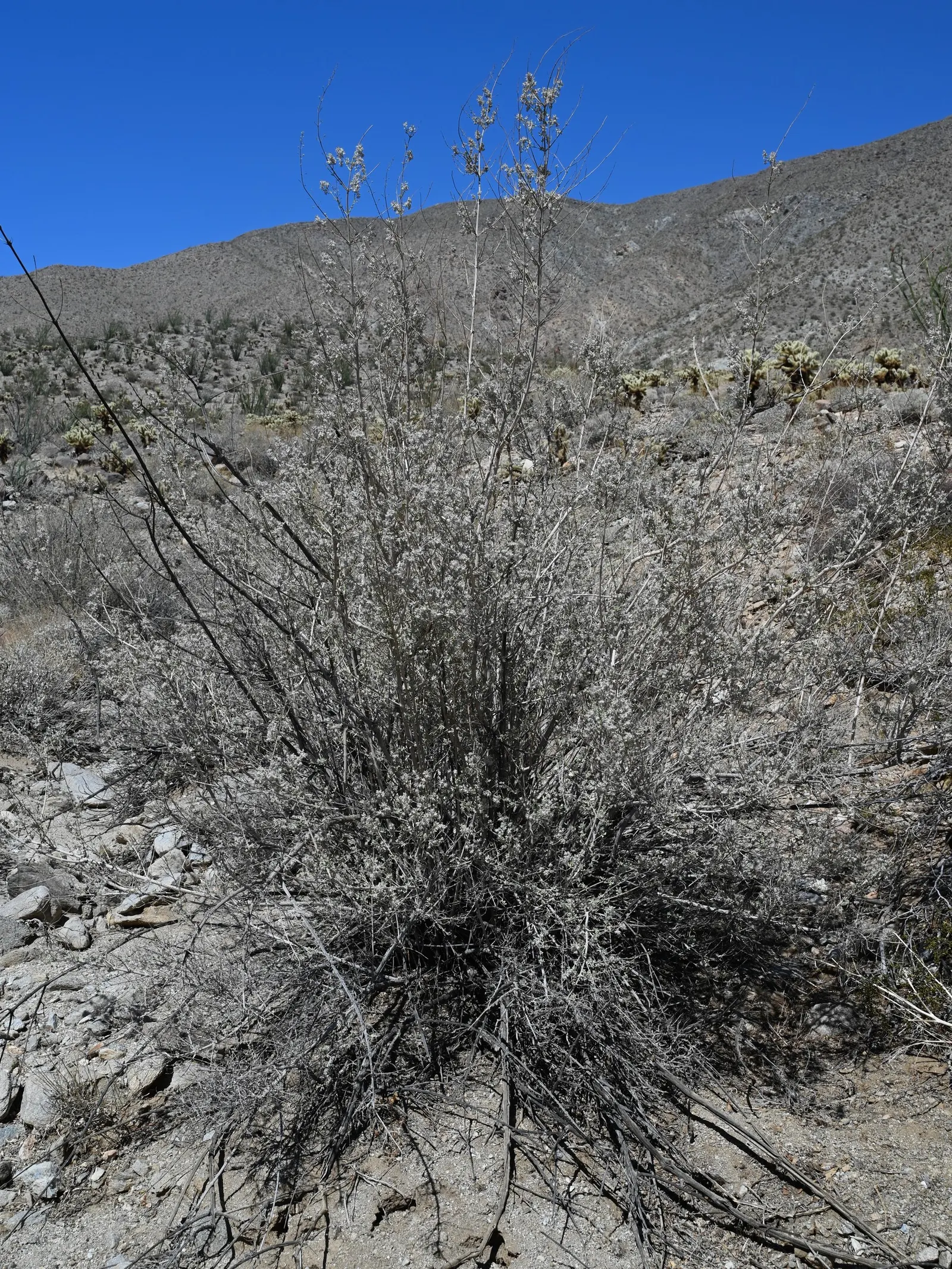
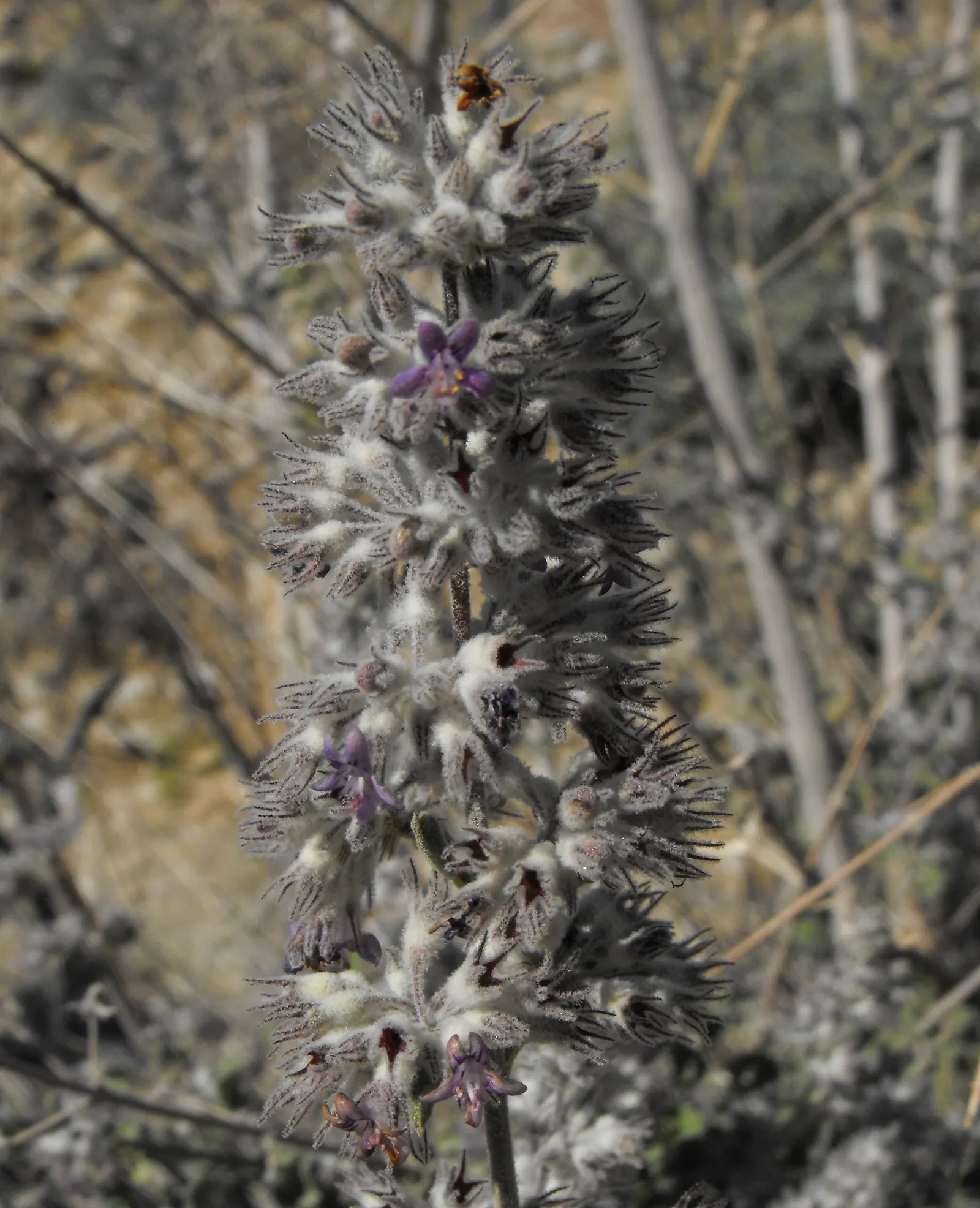


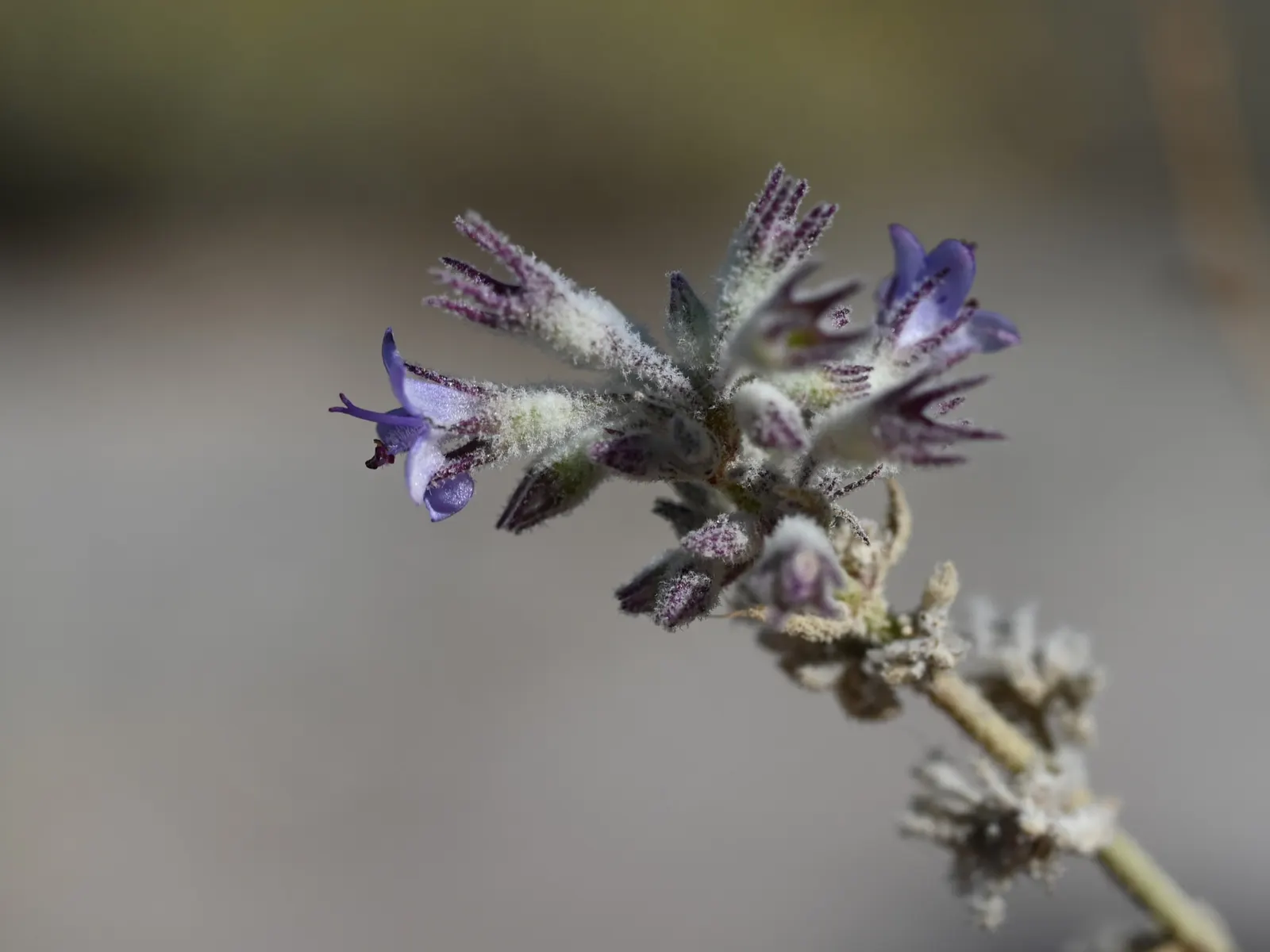
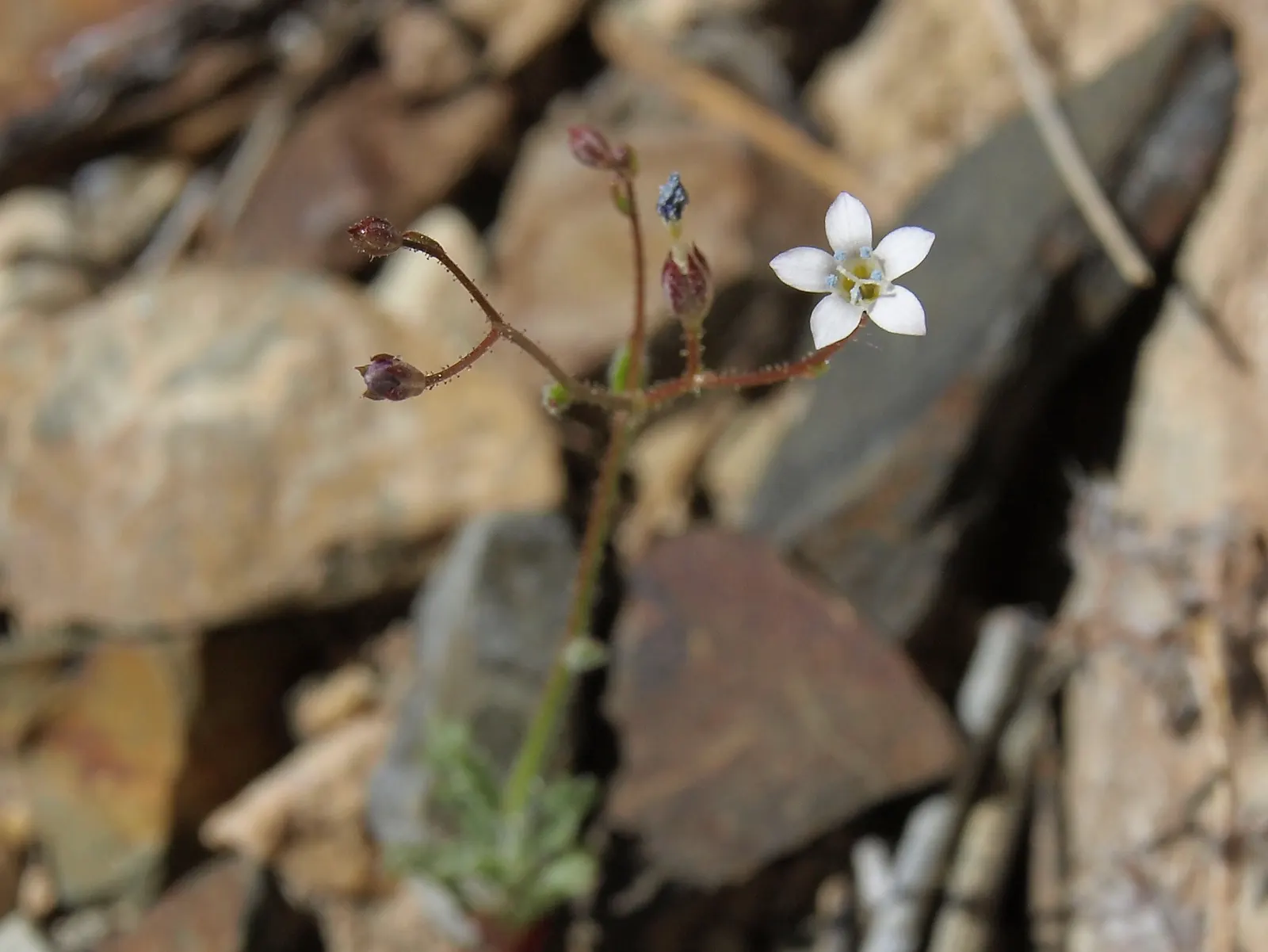
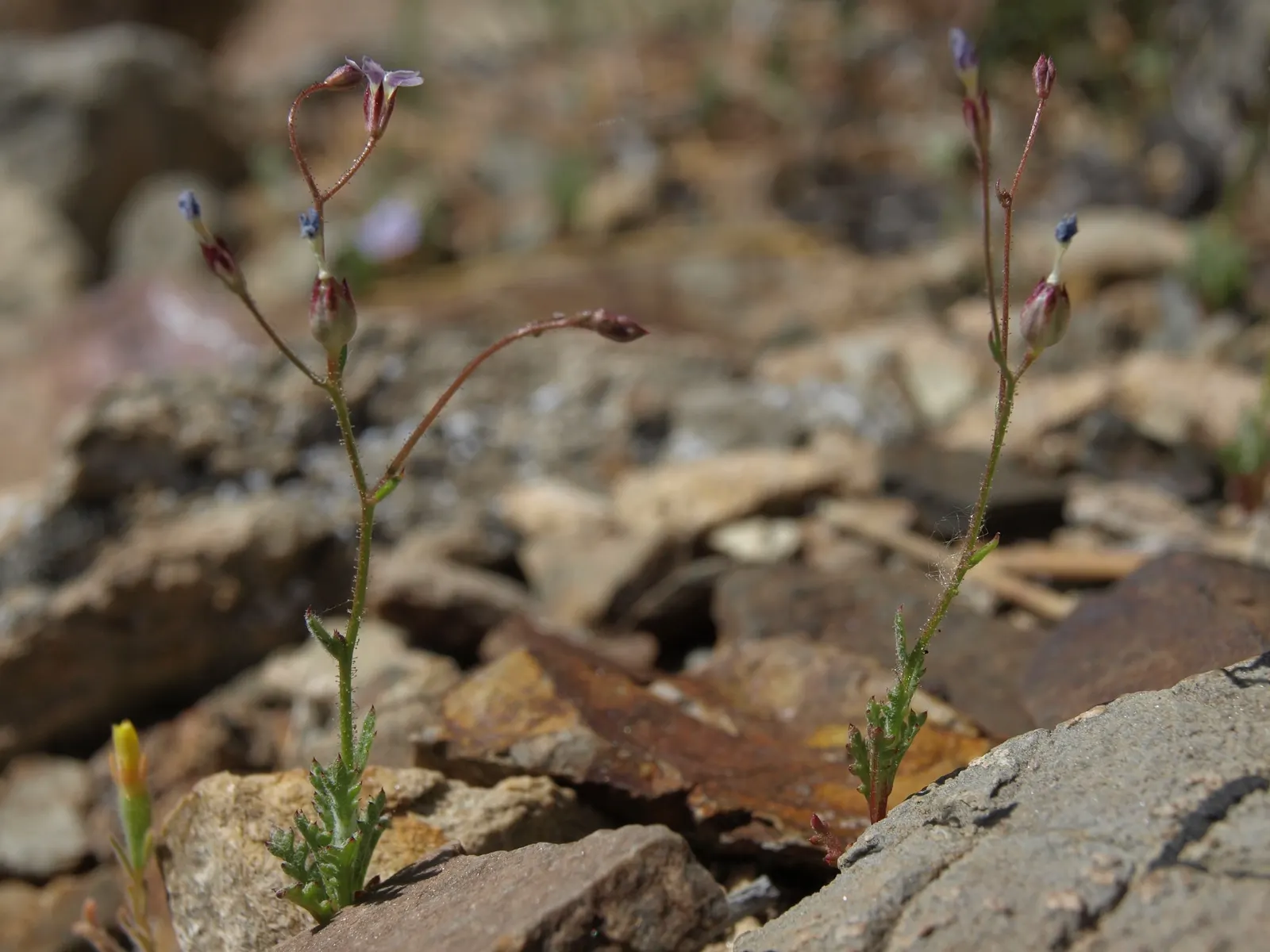
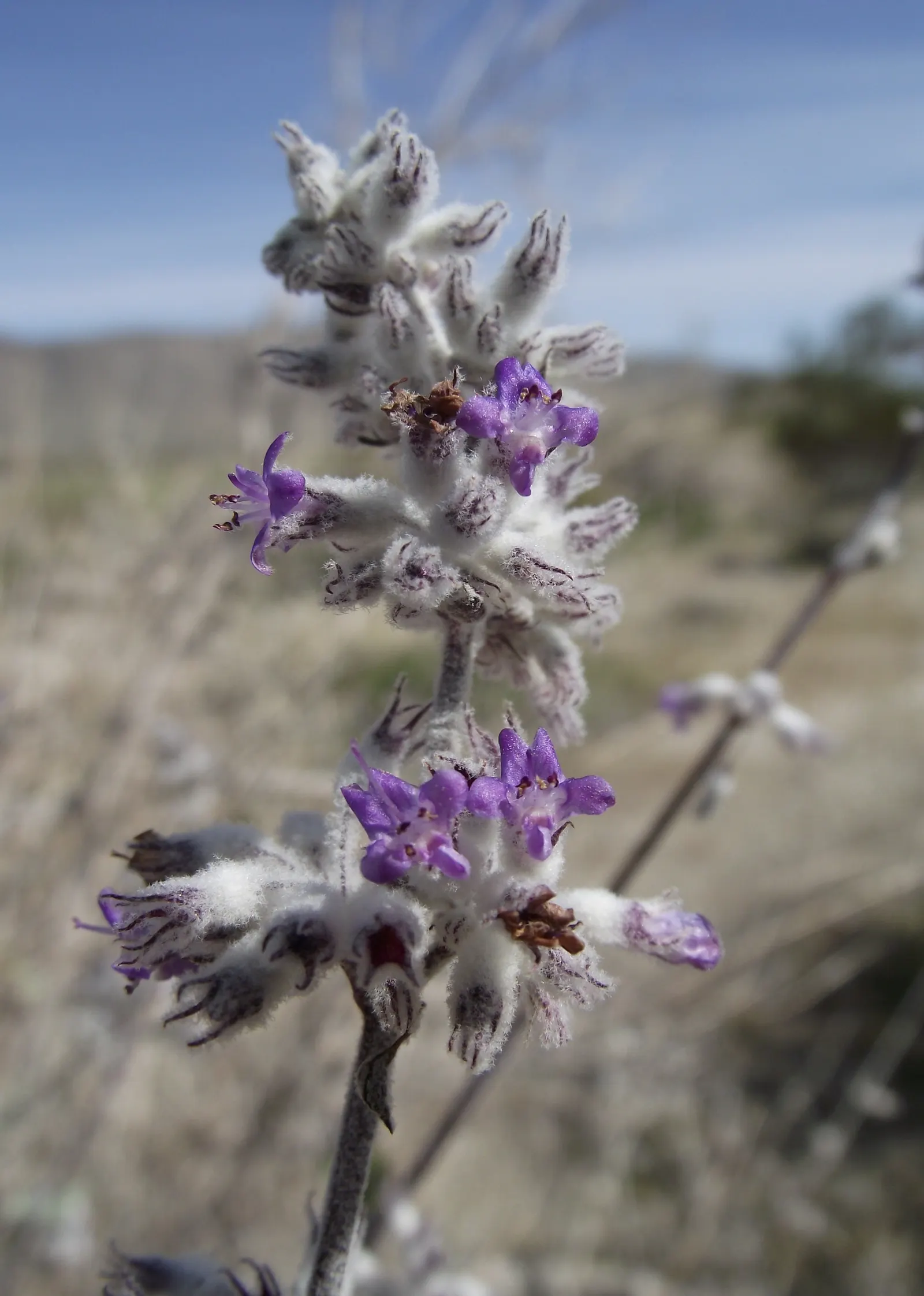
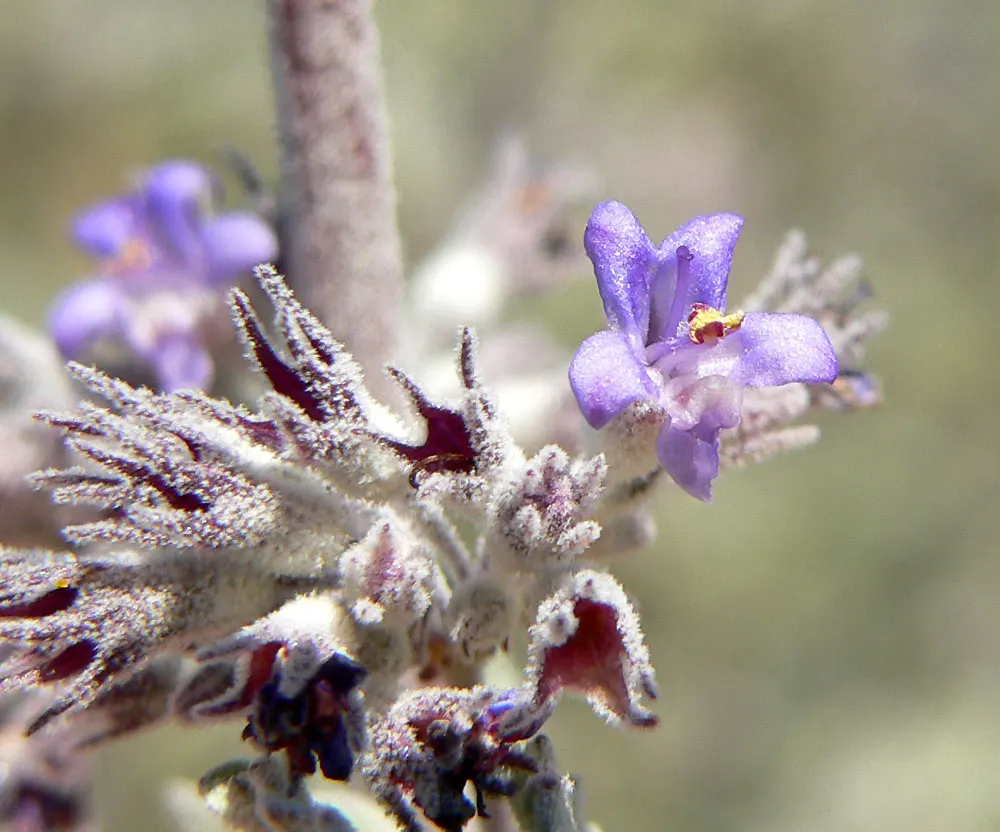
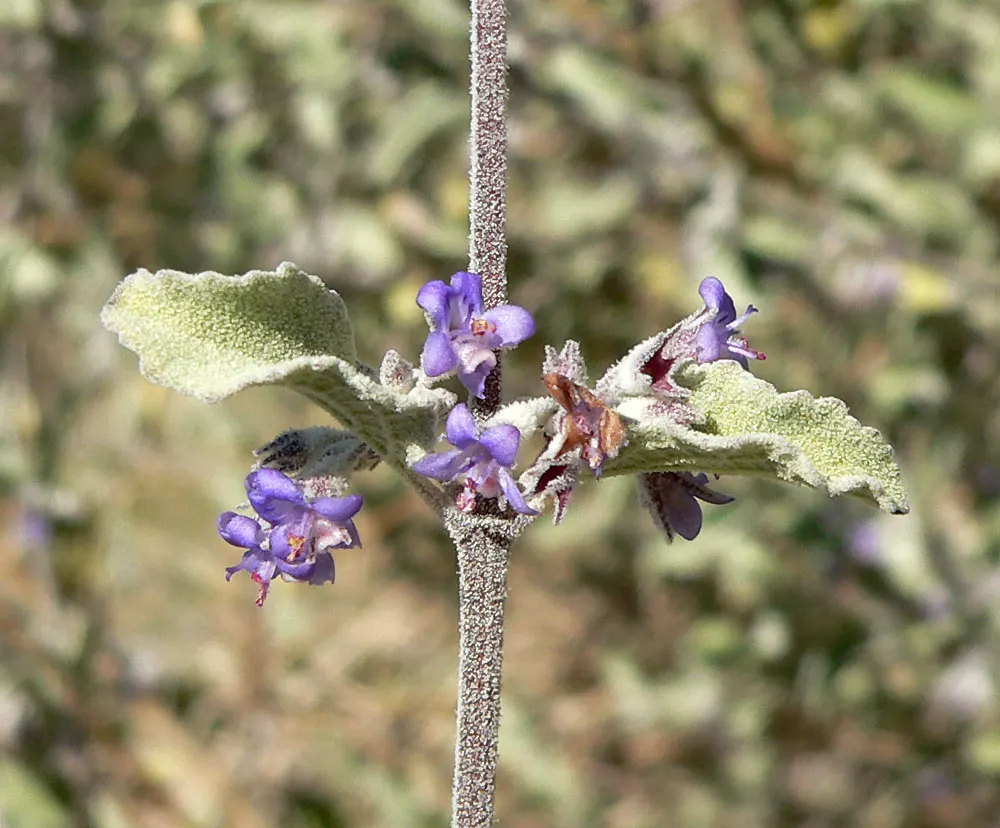
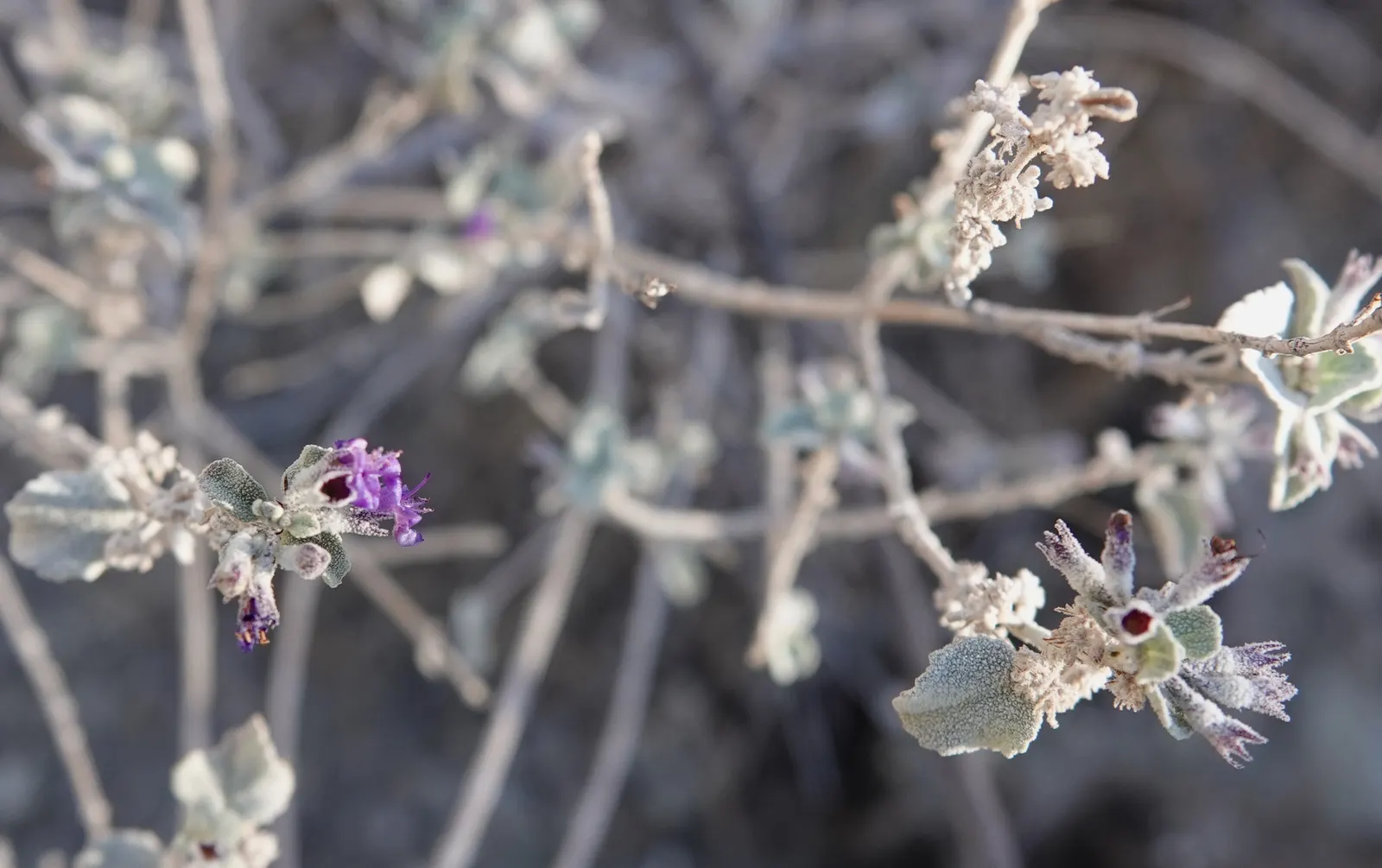
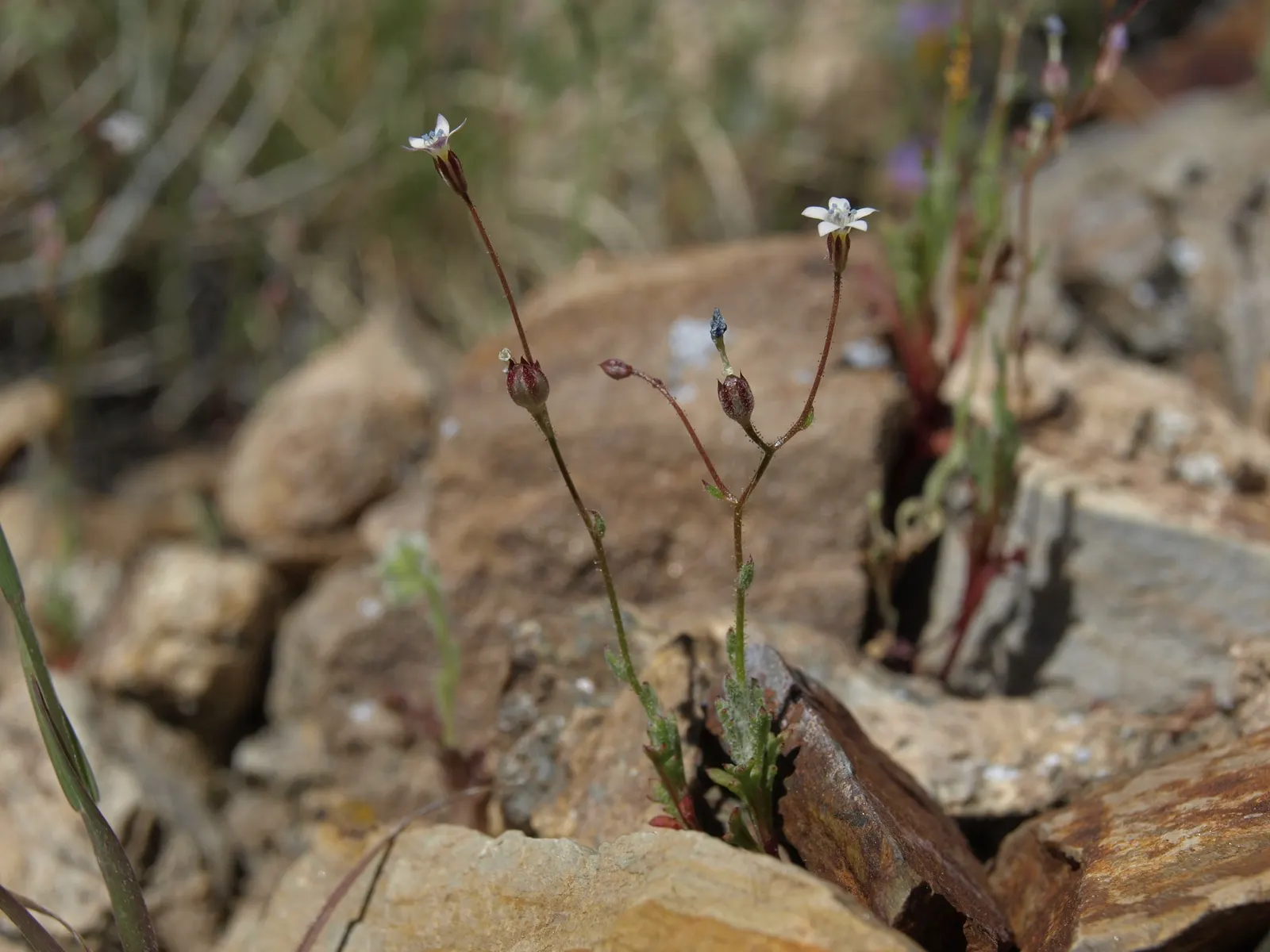
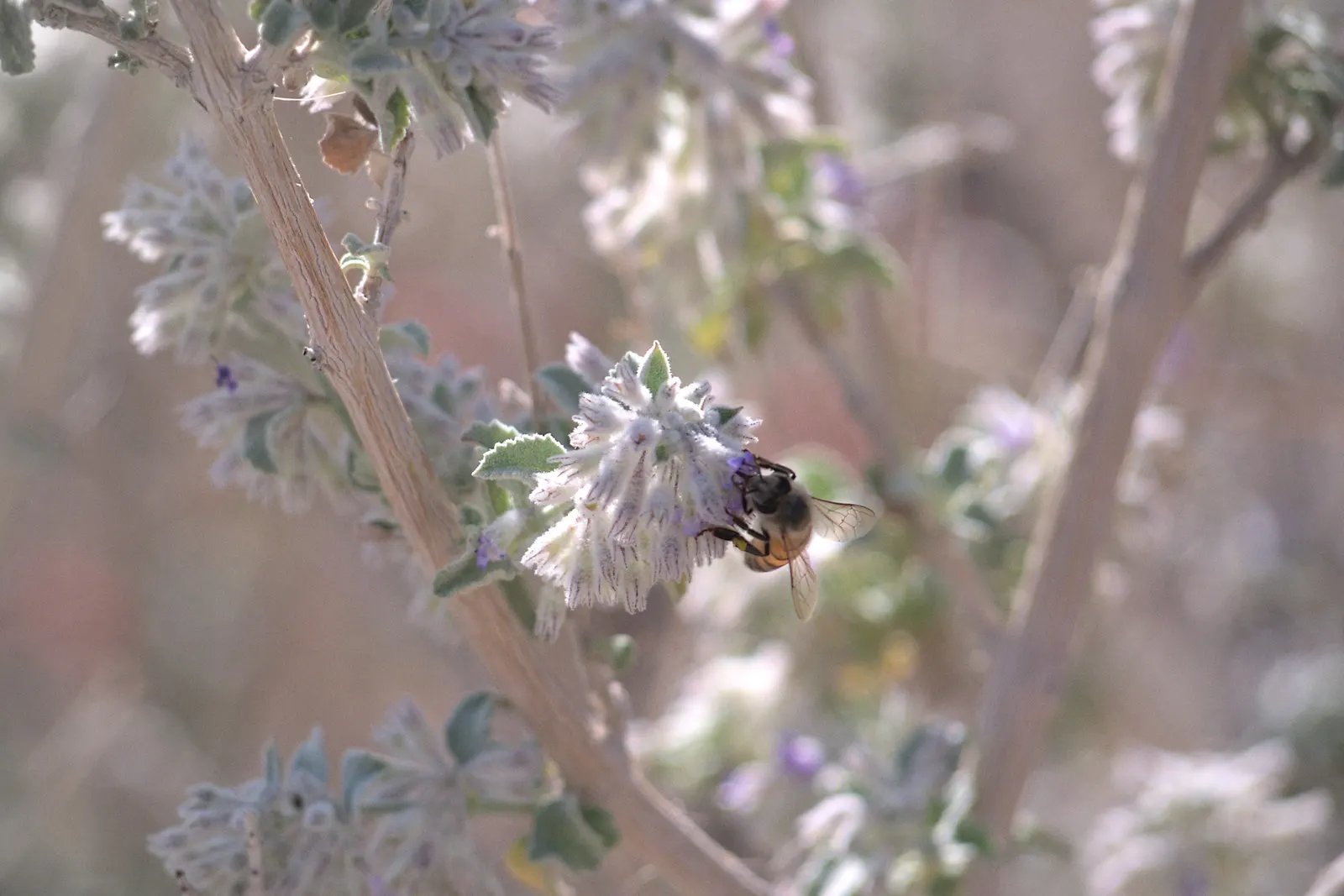
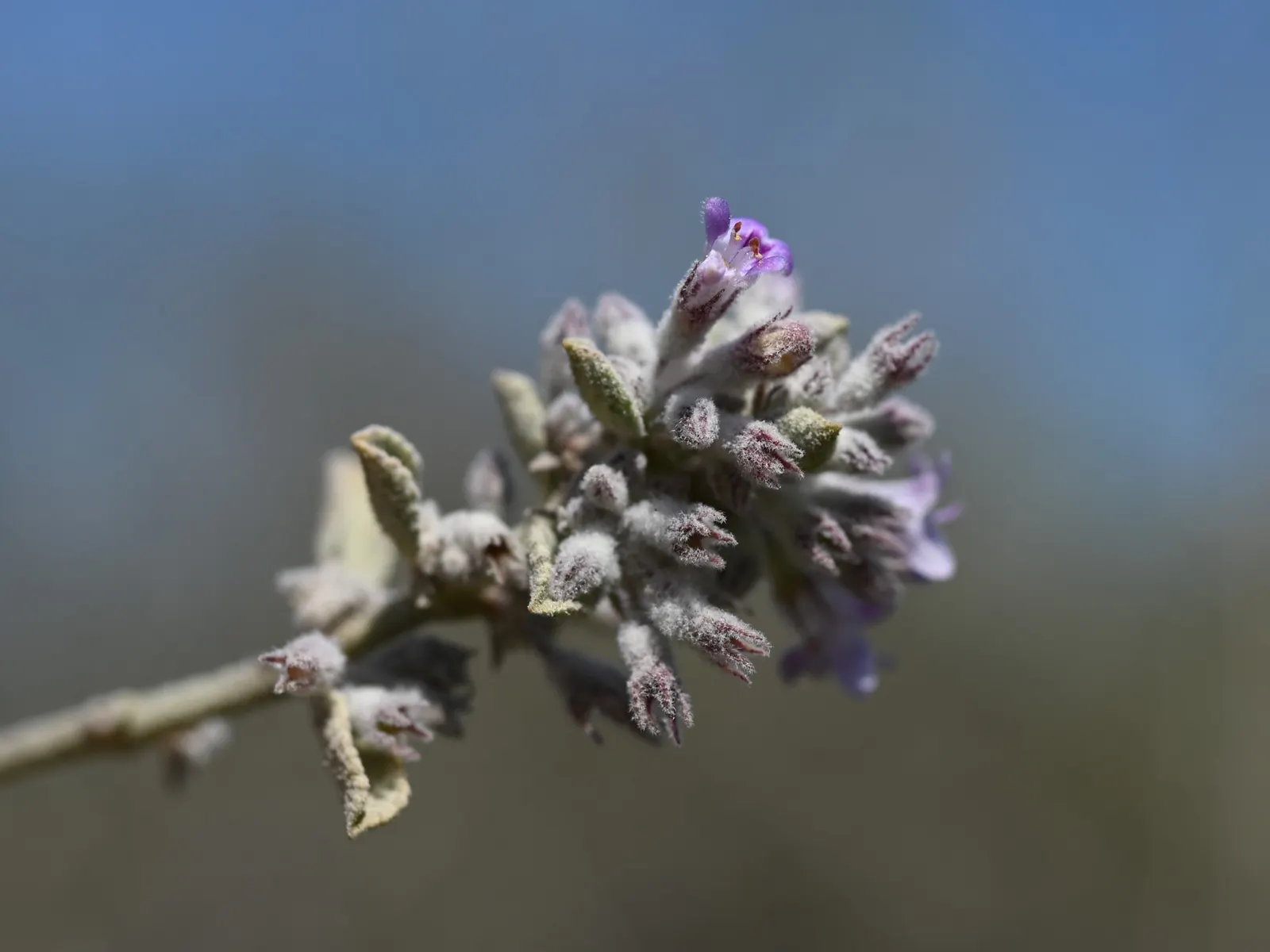
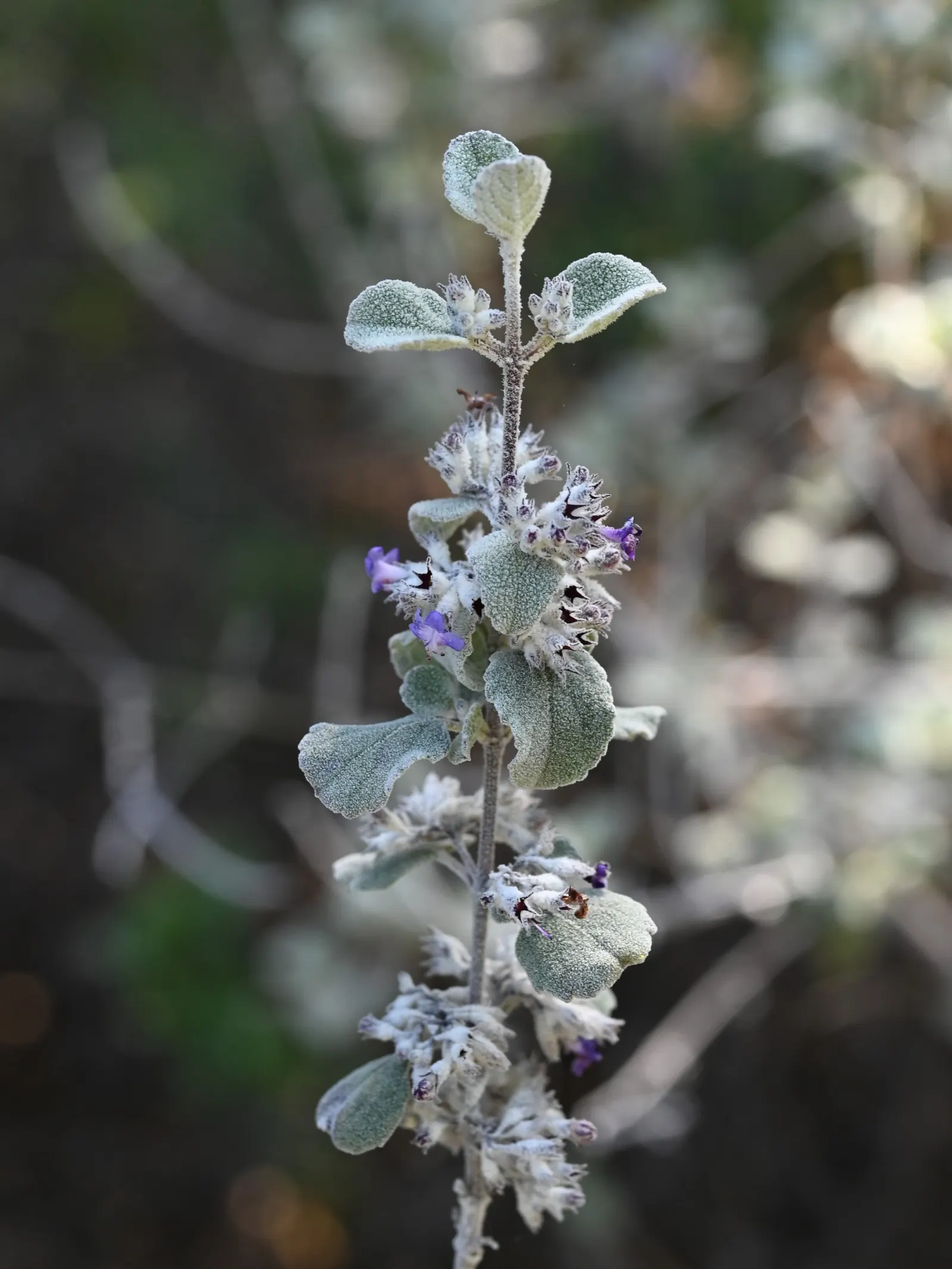
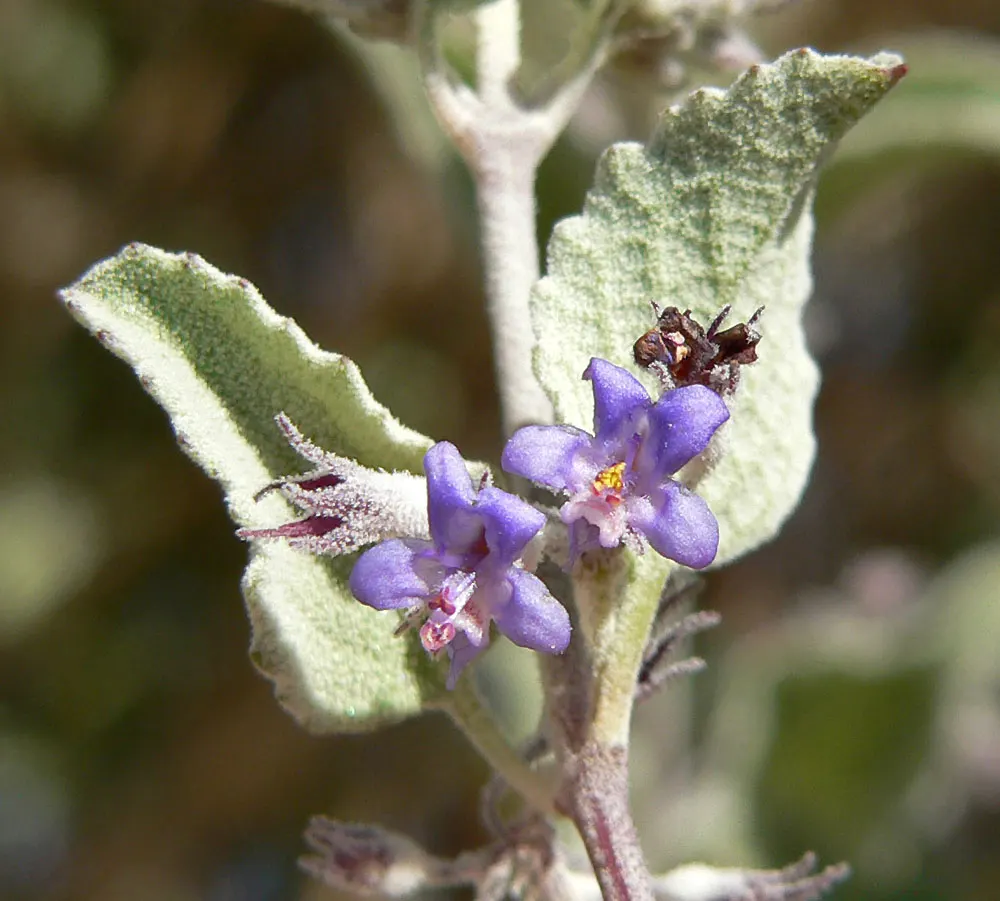
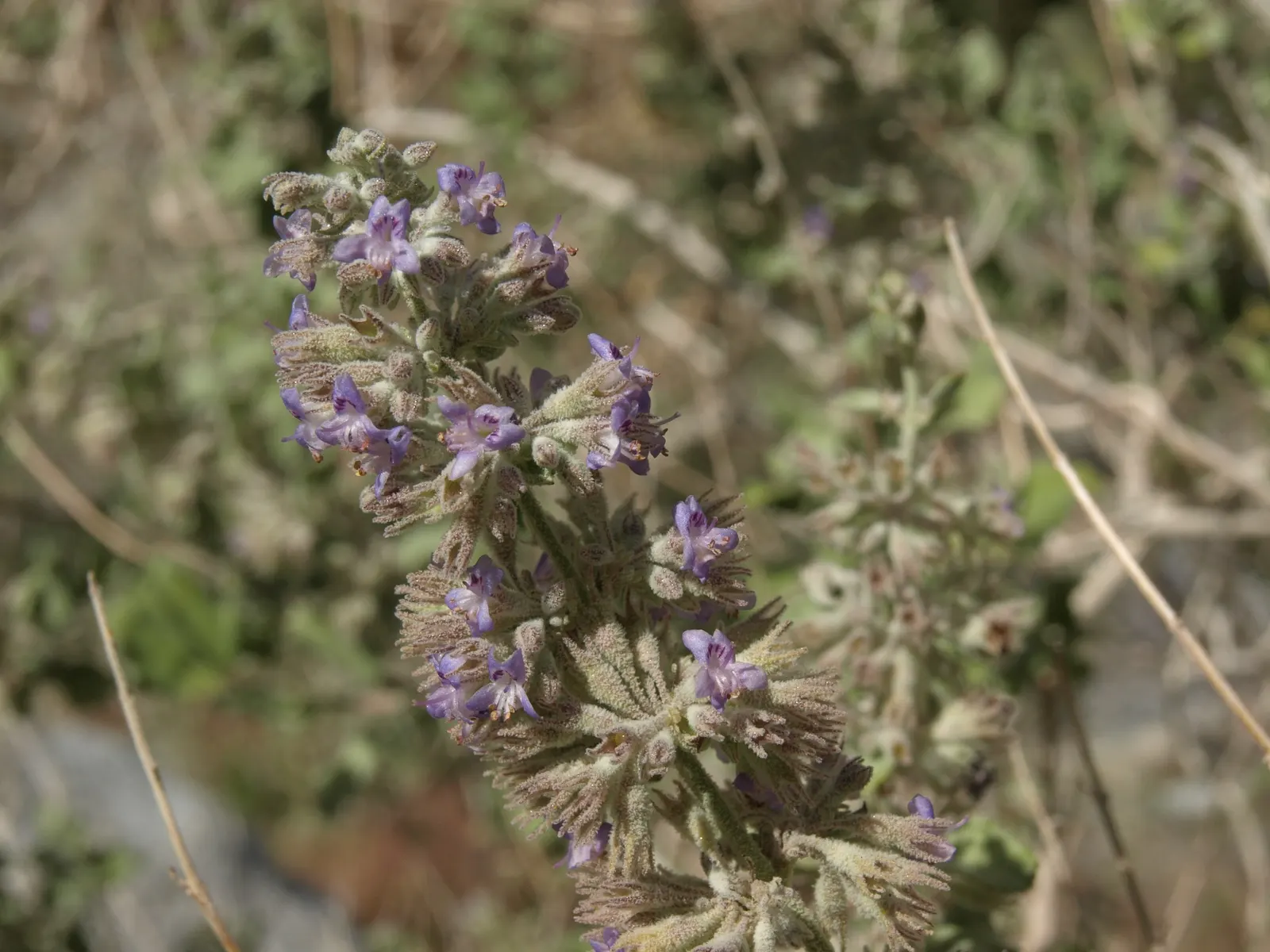
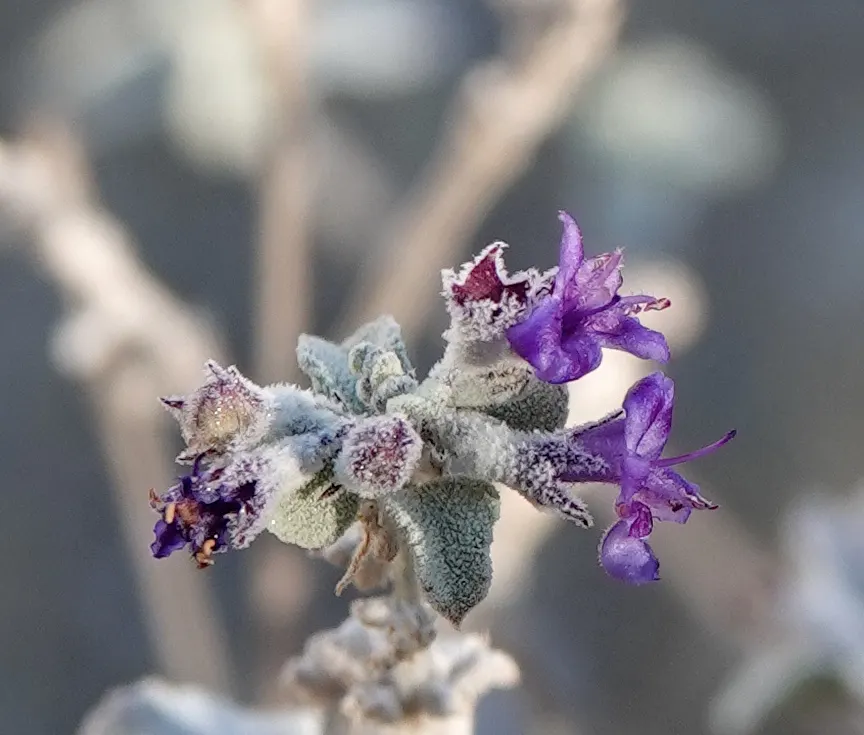

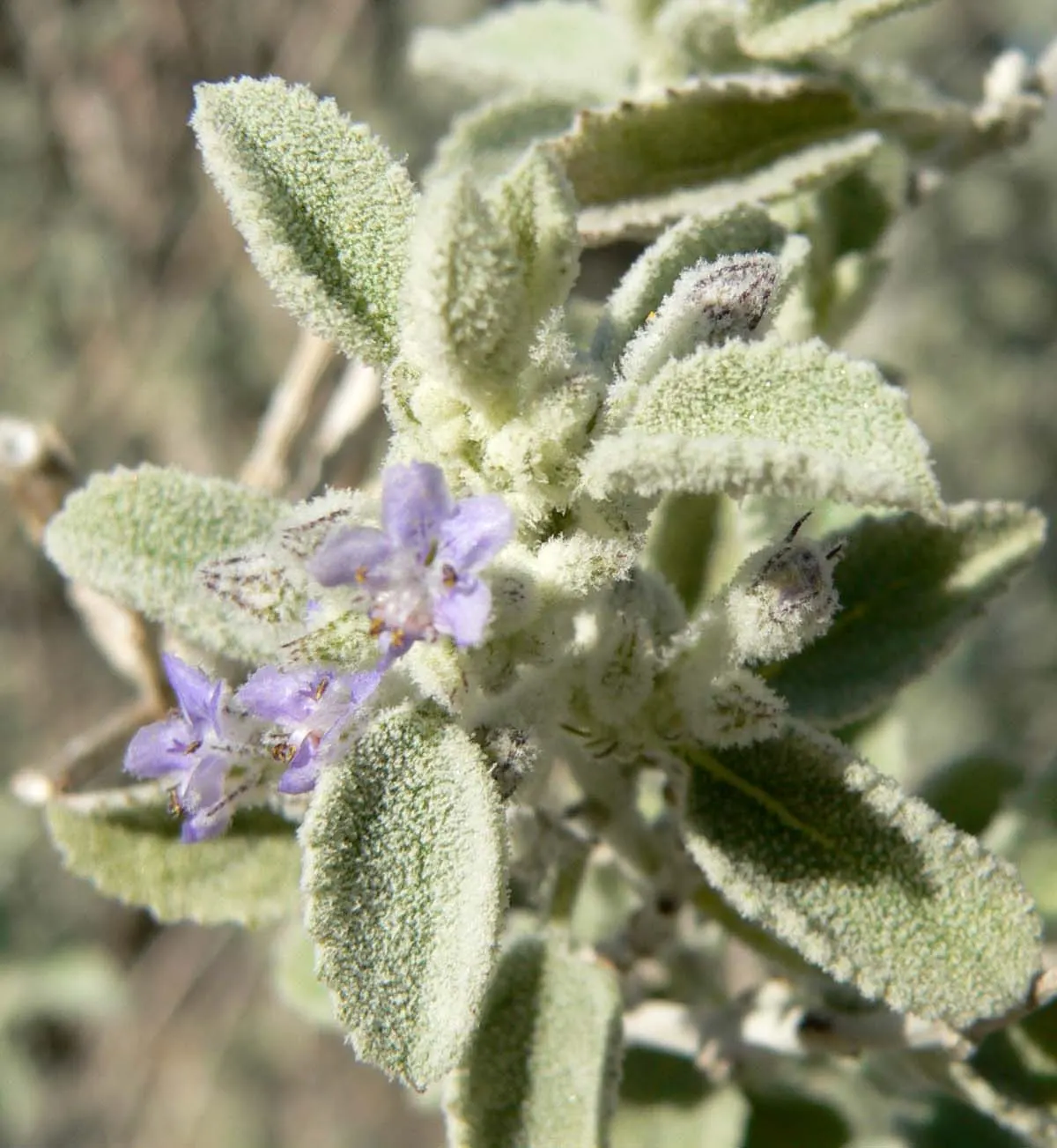
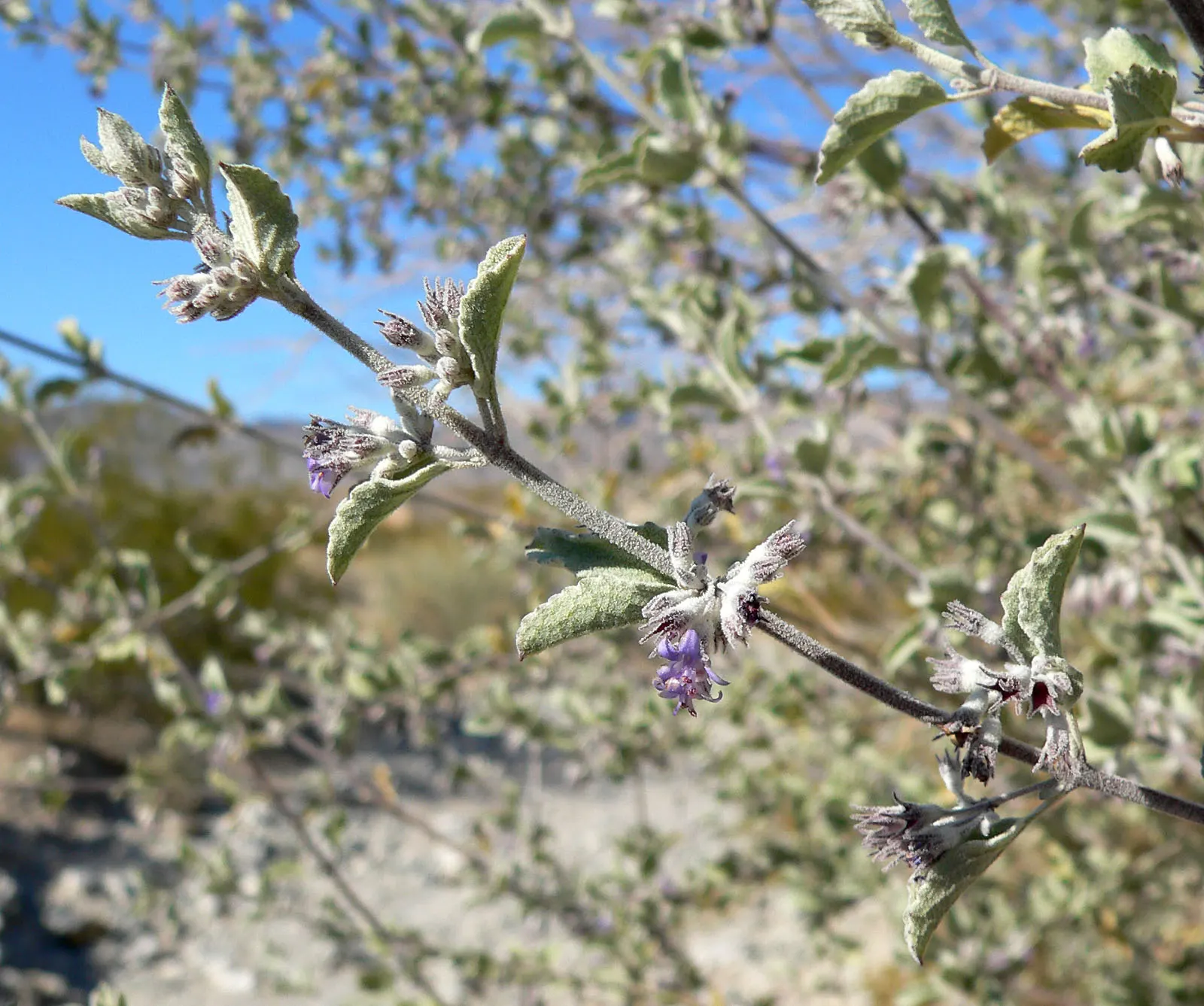
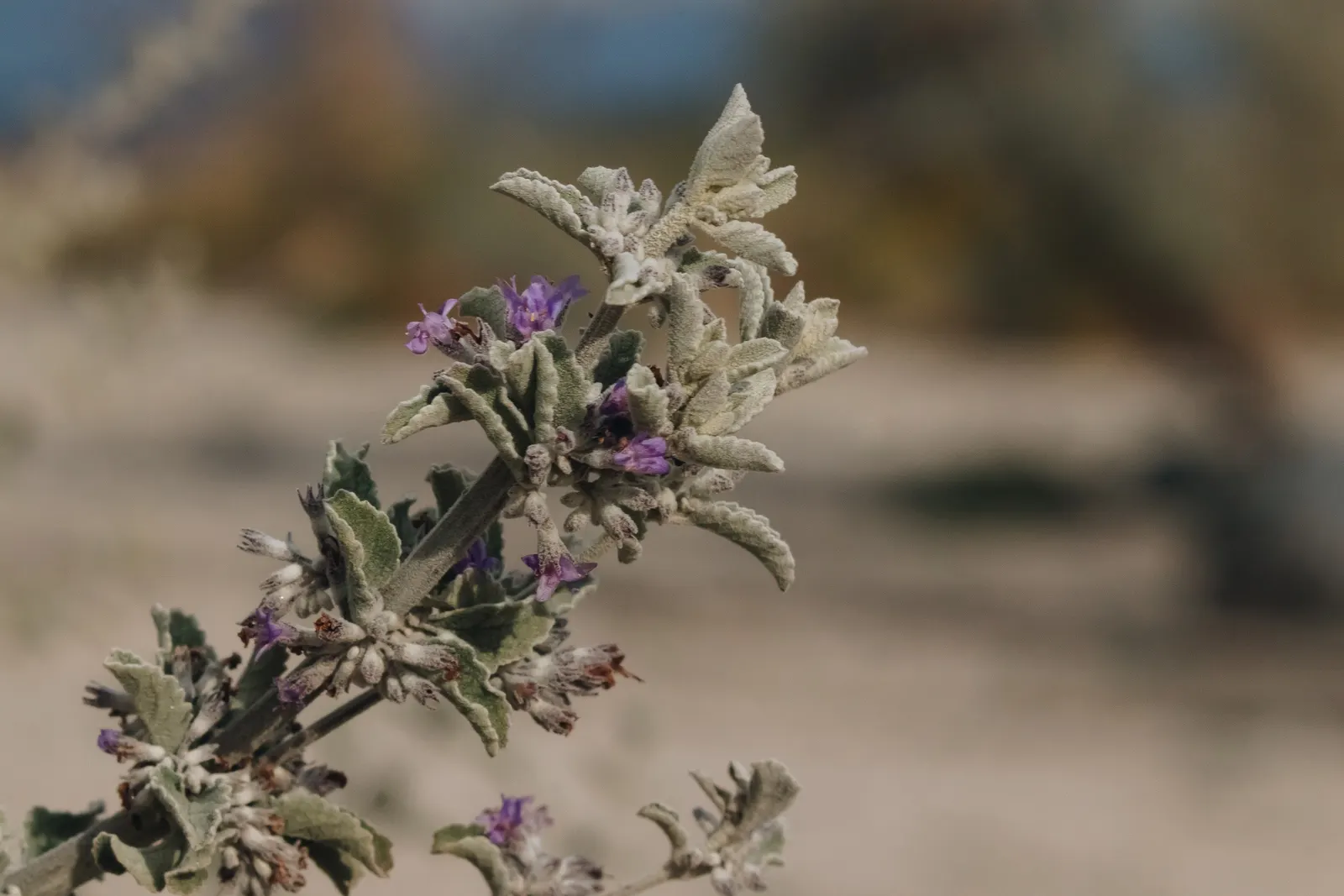
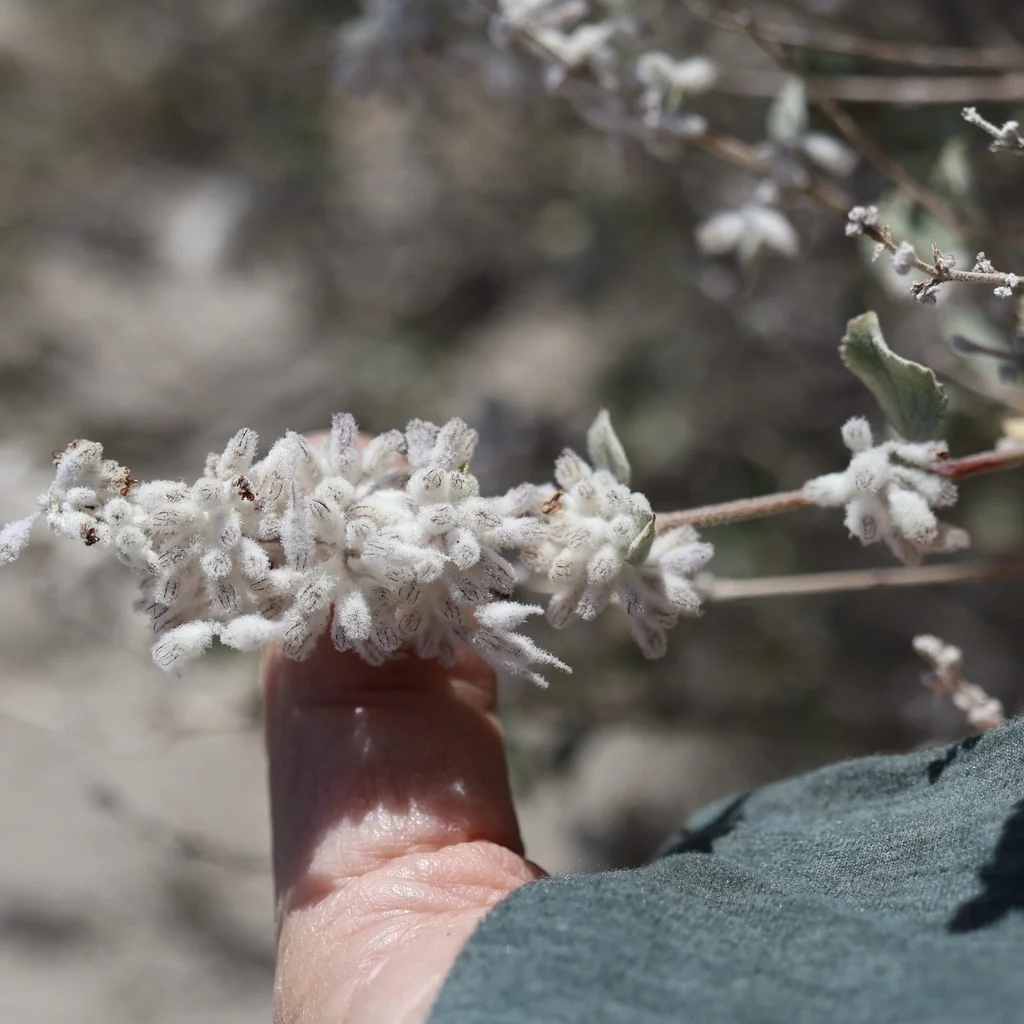
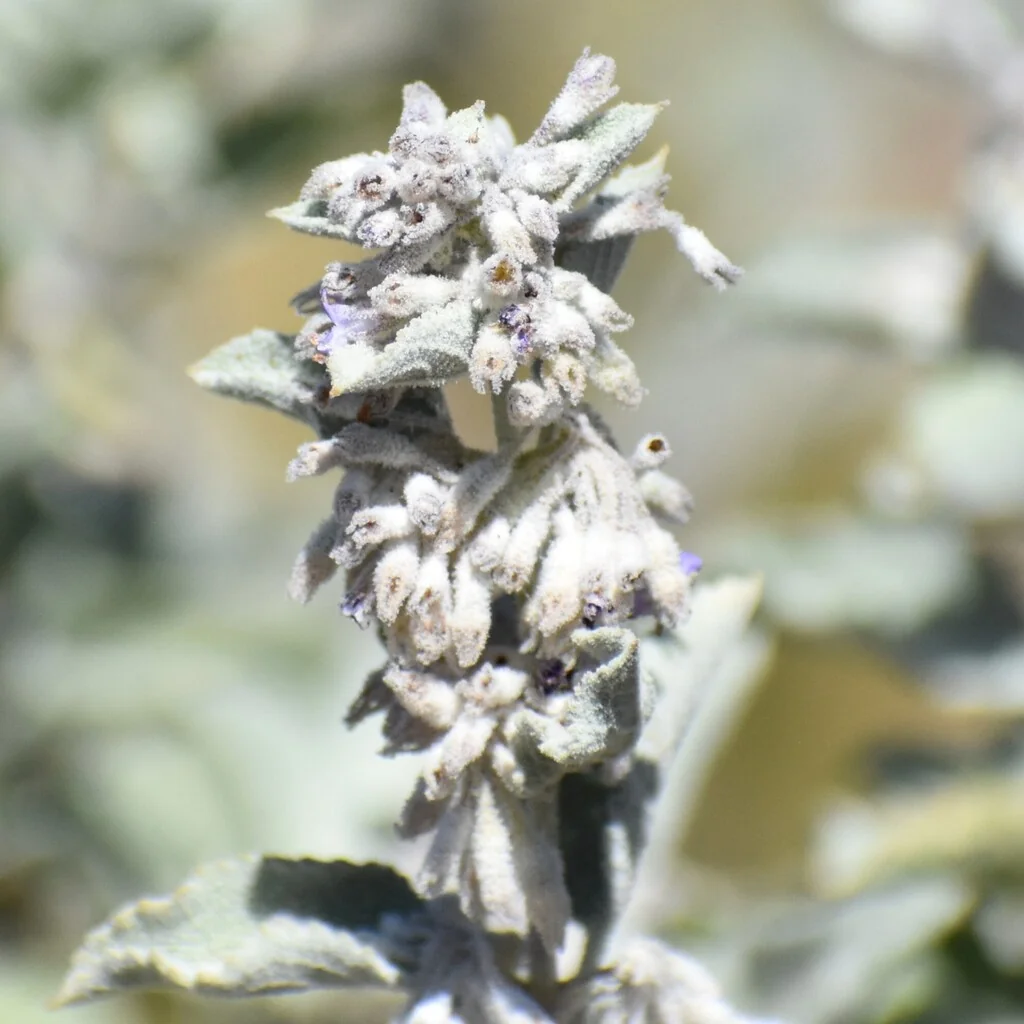
Photographs by 7 contributors
- Krzysztof Ziarnek, Kenraiz, CC BY-SA 4.0 · source
- manzanita dictionary from Los Angeles, CA, CC BY-SA 2.0 · source
- Stan Shebs, CC BY-SA 3.0 · source
- Jim Morefield from Nevada, USA, CC BY-SA 2.0 · source
- desertnaturalist, CC BY 4.0 · source
- ZombiUwU, CC BY-SA 4.0 · source
- Unknown photographer, CC BY-SA 3.0 · source
Related plants
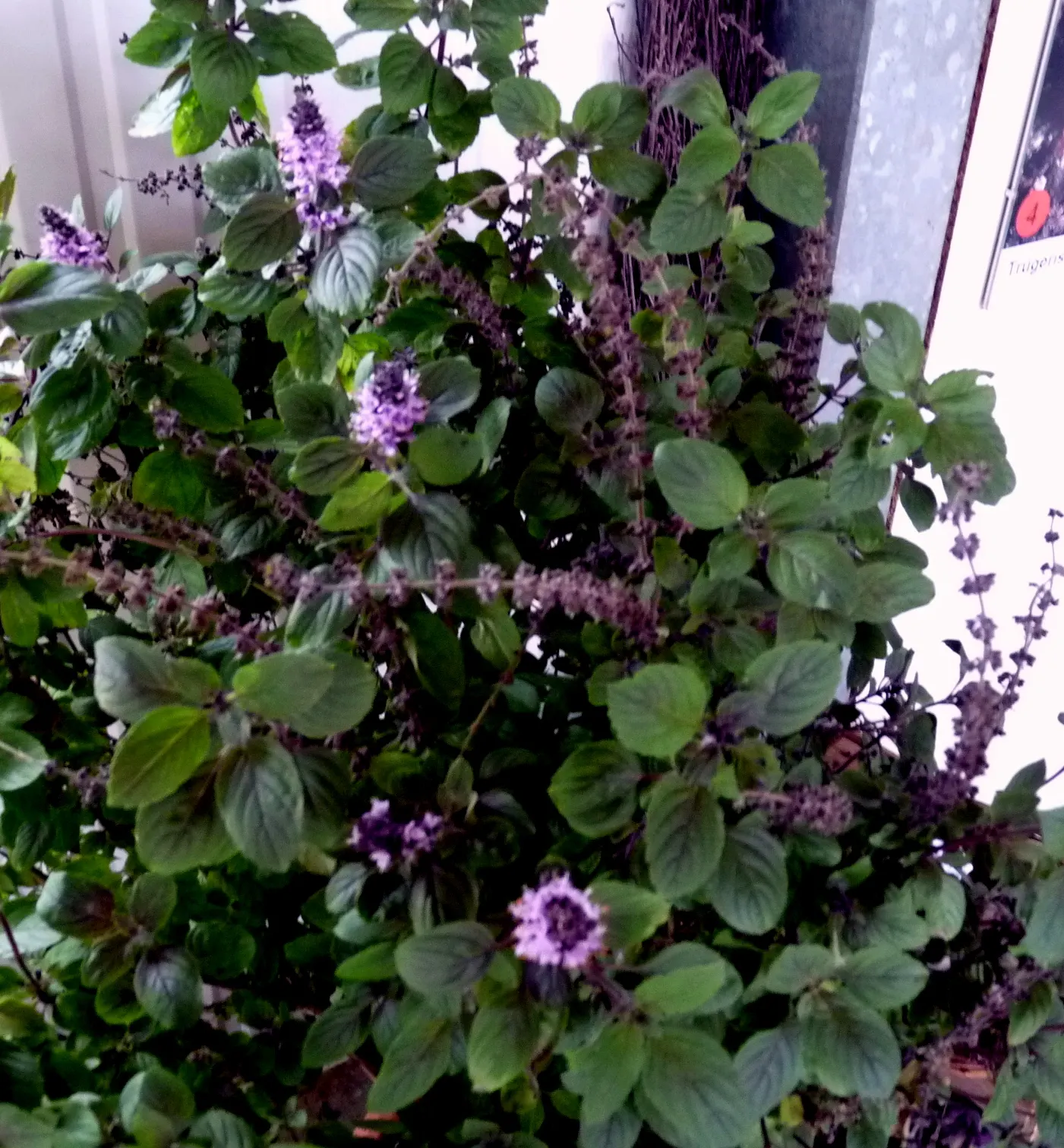
Herb
African Blue Basil
Ocimum Basilicum 'African Blue'
FullUSDA 8–10
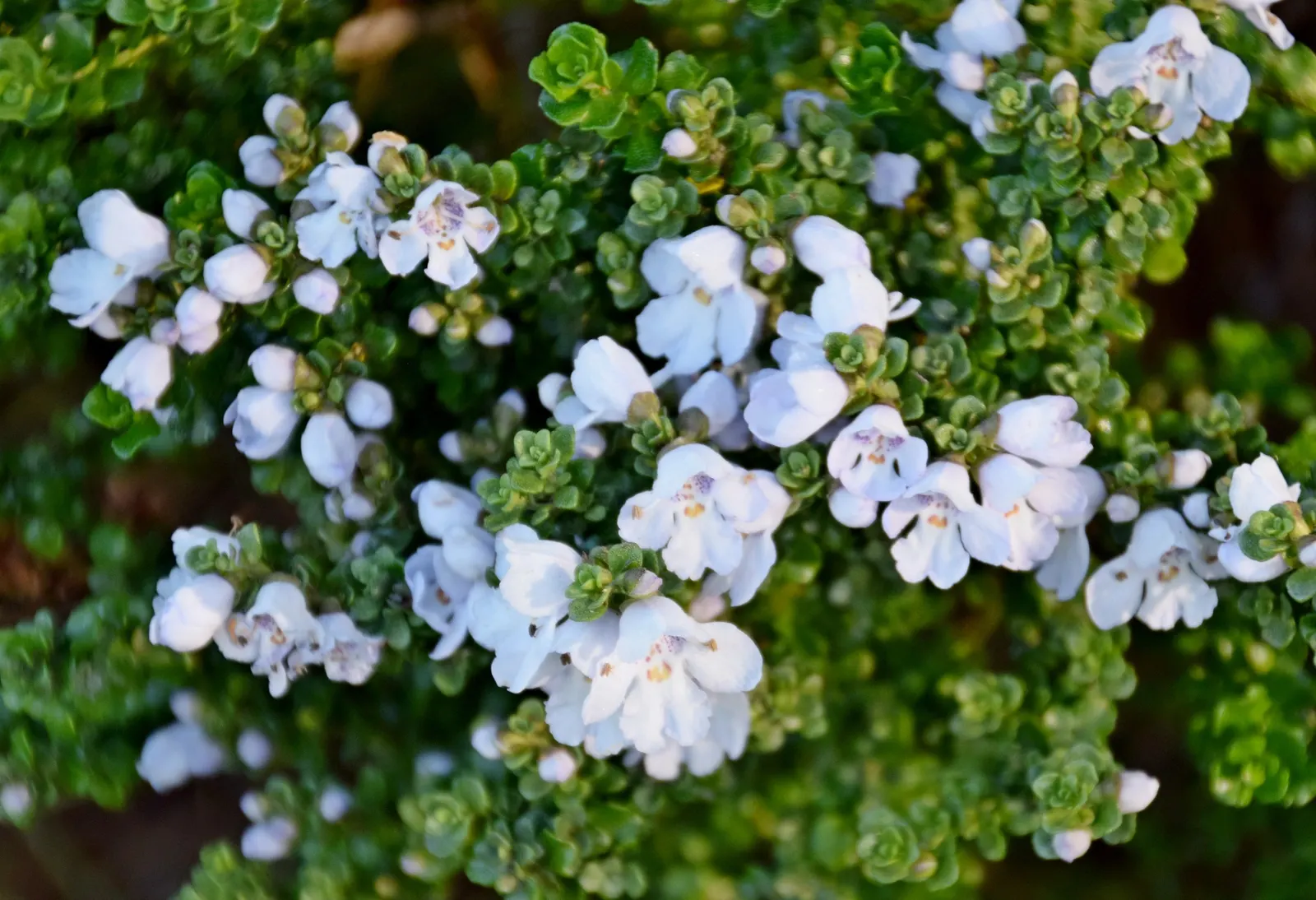
Shrub
Alpine Mint Bush
Prostanthera Cuneata
FullUSDA 8–10
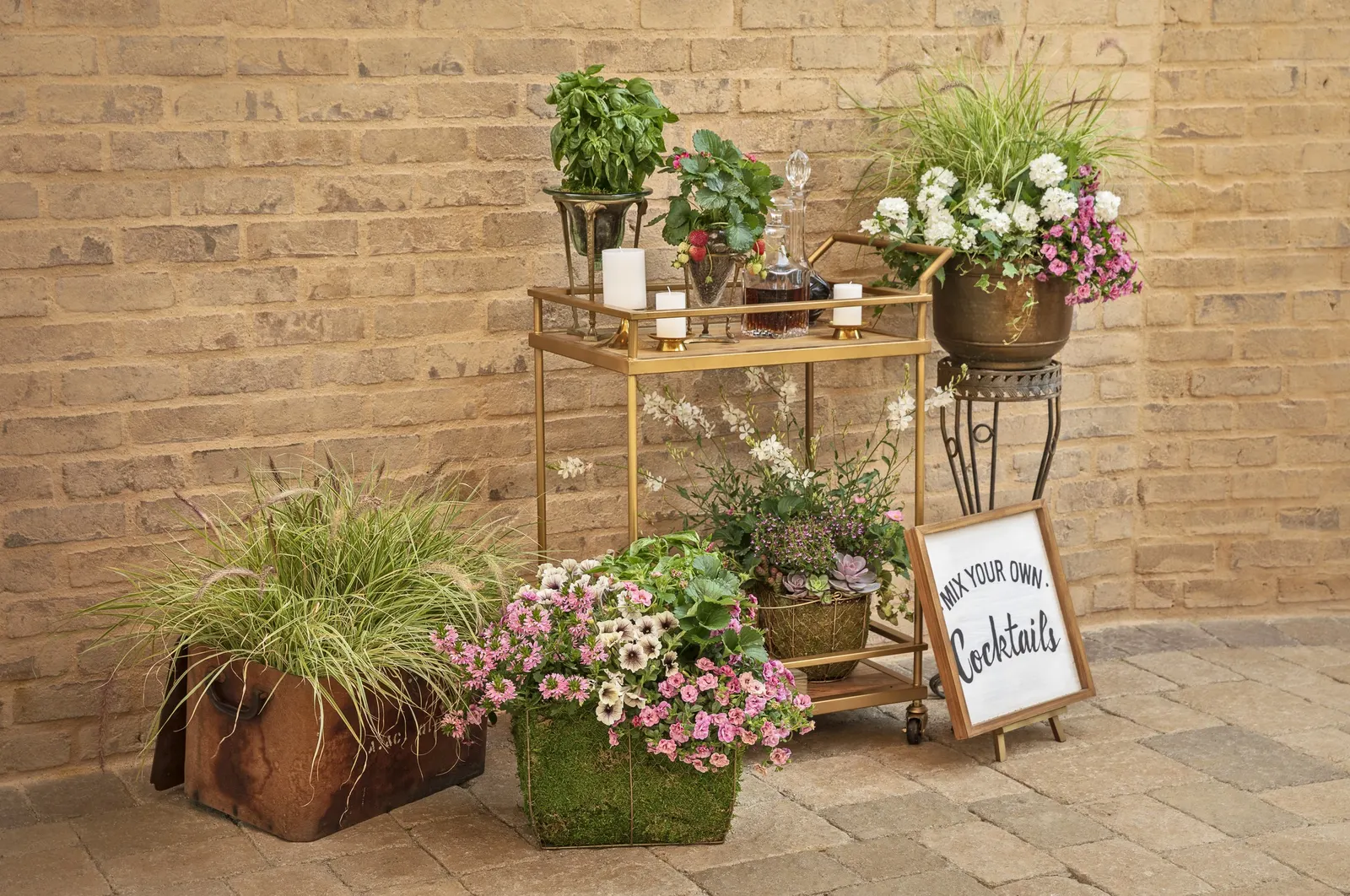
Amazel Basil® Sweet Italian Basil
Ocimum basilicum
Full
Perennial
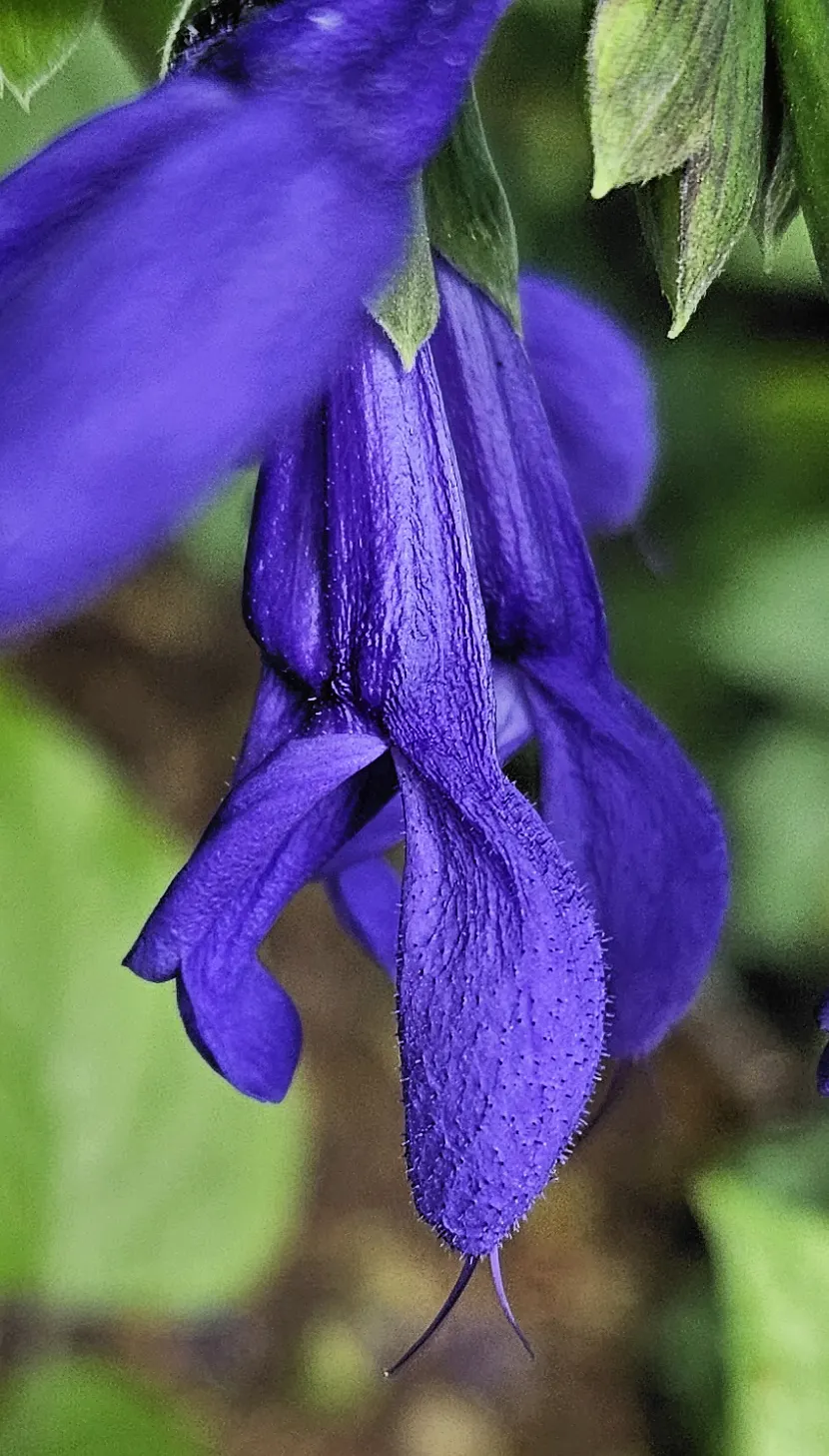
Anise- Scented Sage
Salvia Guaranitica
FullUSDA 9–10
Ground cover
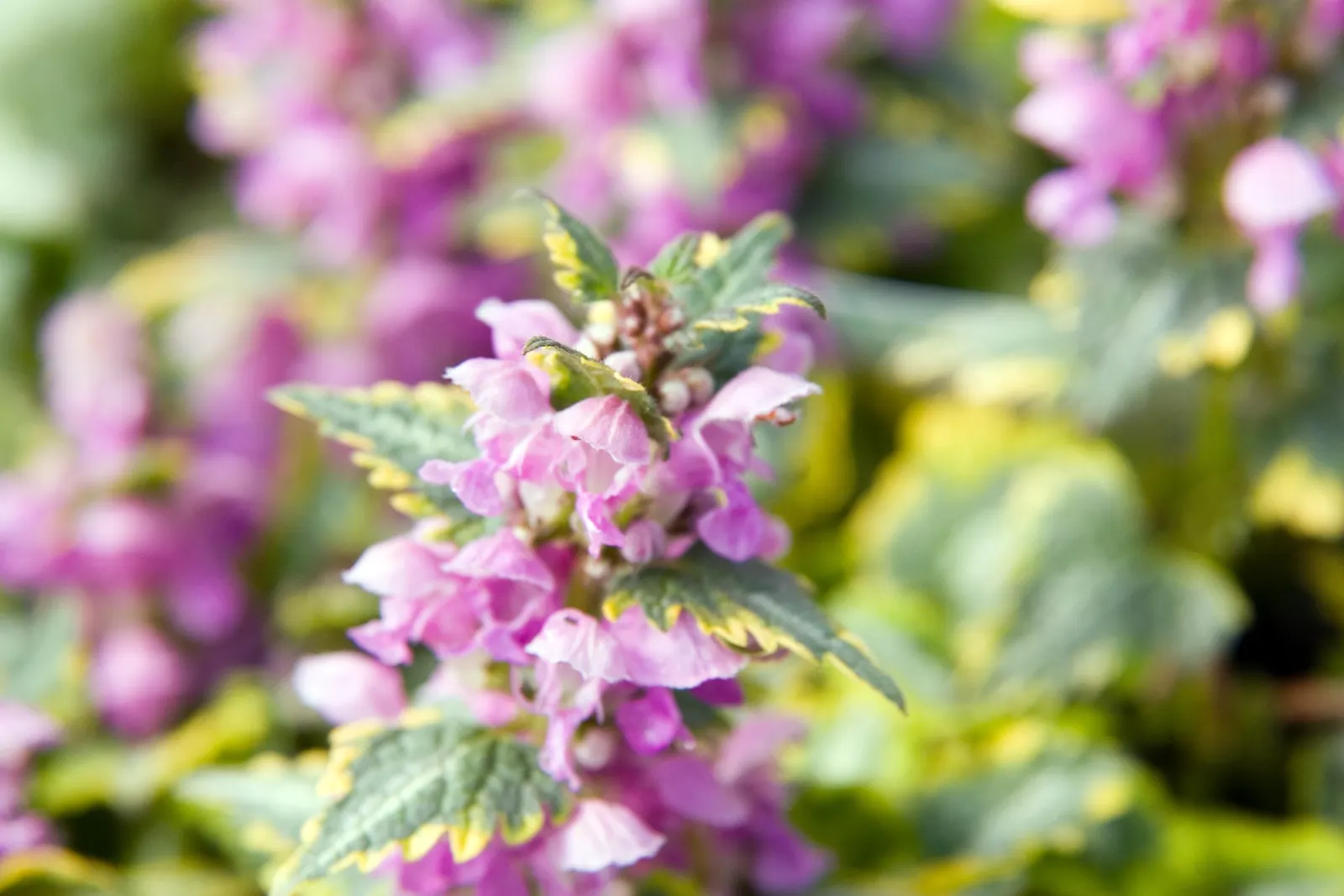
Anne Greenway Dead Nettle
Lamium Maculatum 'Anne Greenway'
HalfUSDA 3–8
Annual
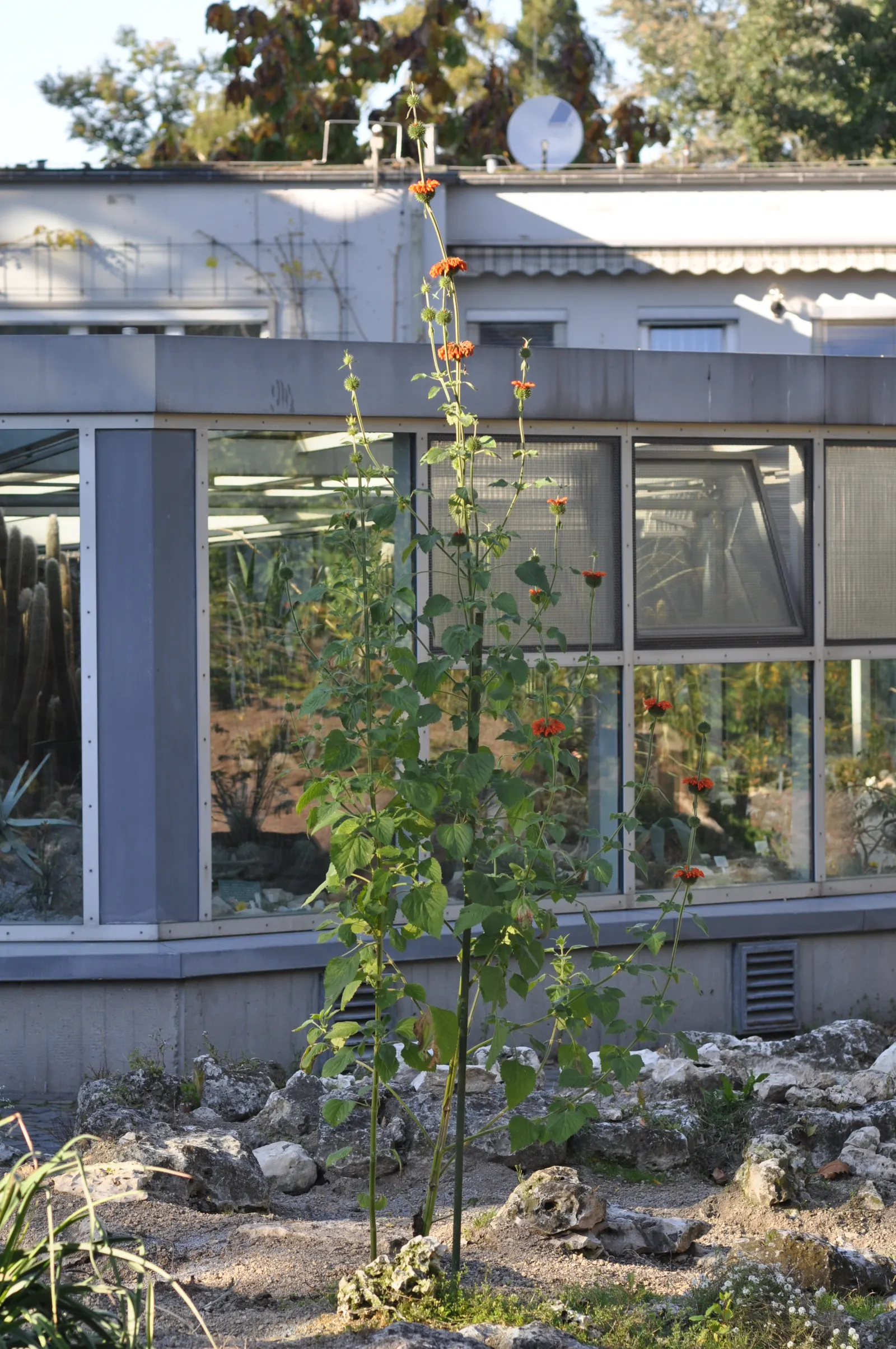
Annual Lion's Ear
Leonotis Nepetifolia
FullUSDA 8–10