Skip to content

Hops

Humulus Lupulus

Design with this plant

Overview

Humulus lupulus, commonly known as hops, is a vigorous perennial vine treasured in brewing for its cone-like flowers. Cultivated varieties can reach 15-25 feet in height, thriving in well-drained soil with full sun to partial shade. This dioecious plant, with separate male and female plants, requires strong support. Its deep green, lobed leaves add a lush backdrop, while late summer blooms appeal to craft beer enthusiasts. Zones 3-8.

Sun FullWater MediumZones 3–8
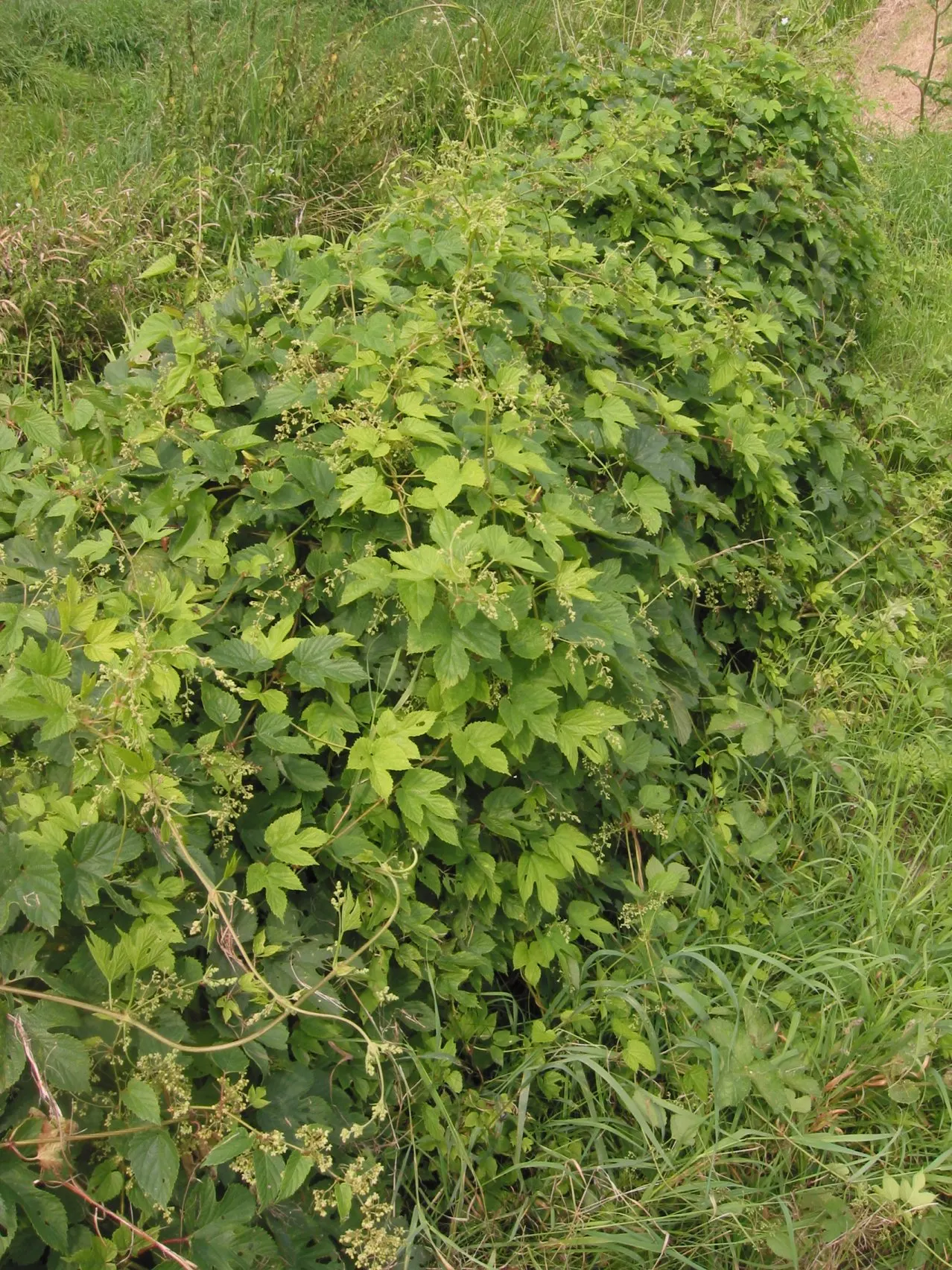
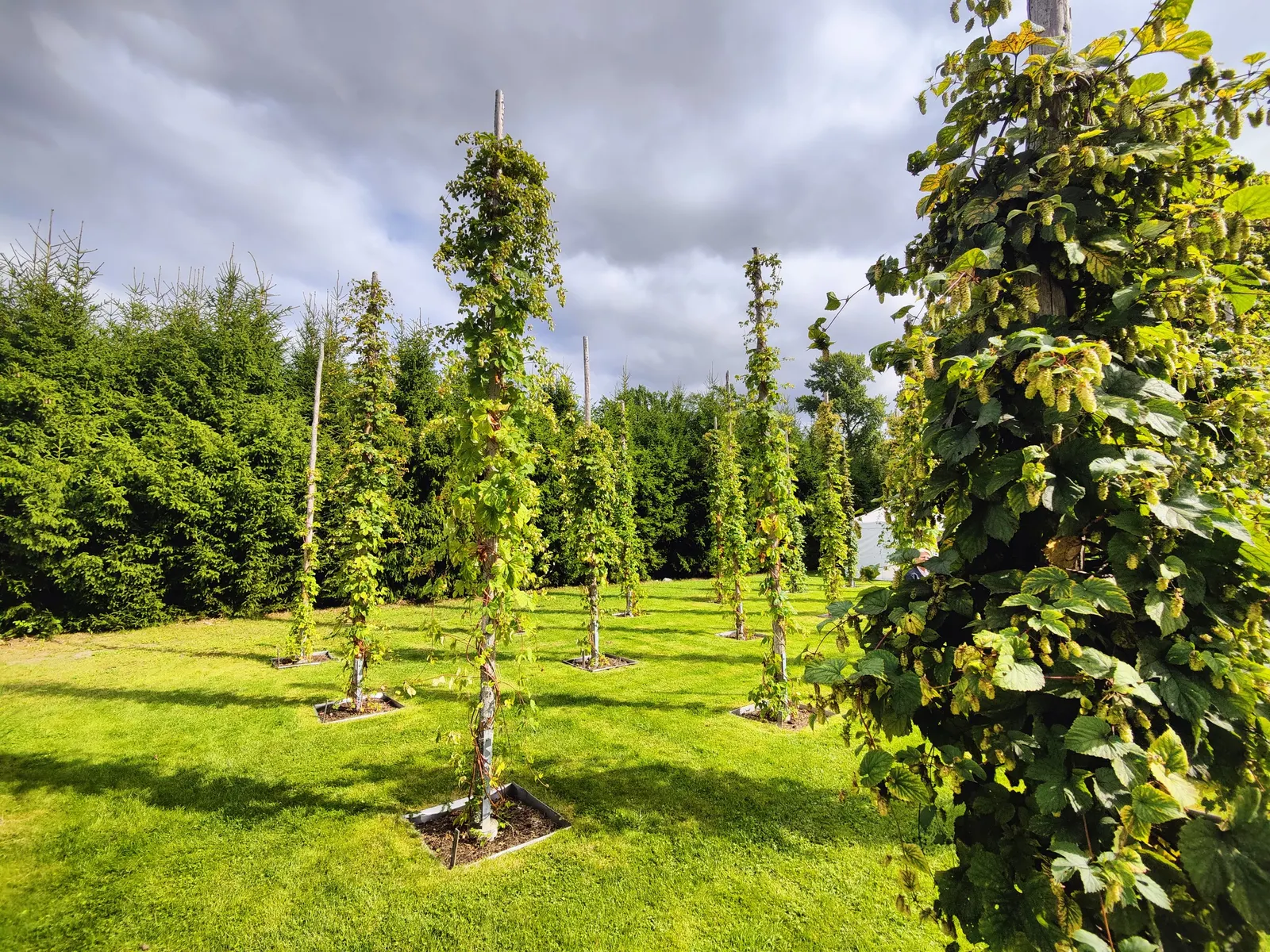
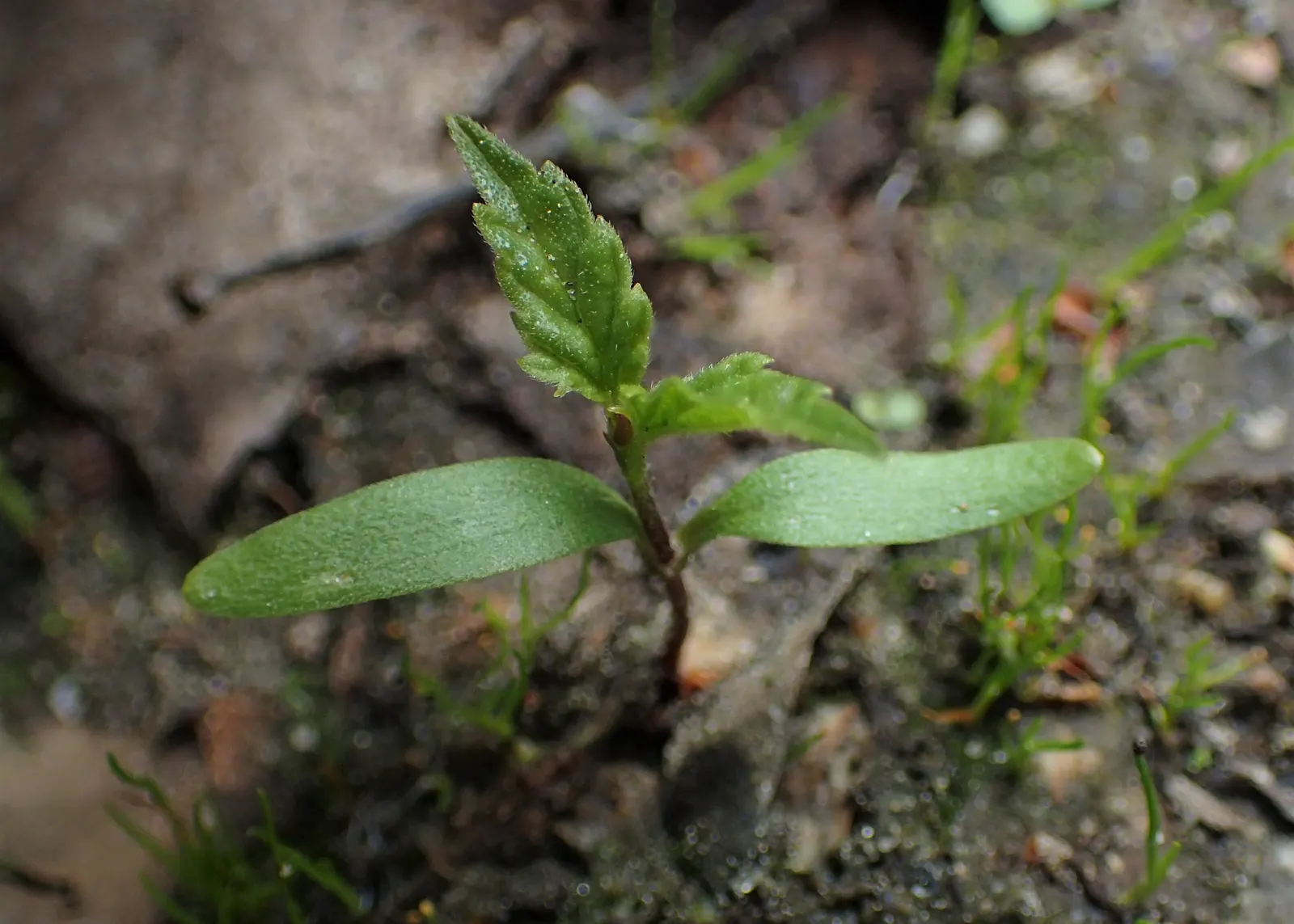
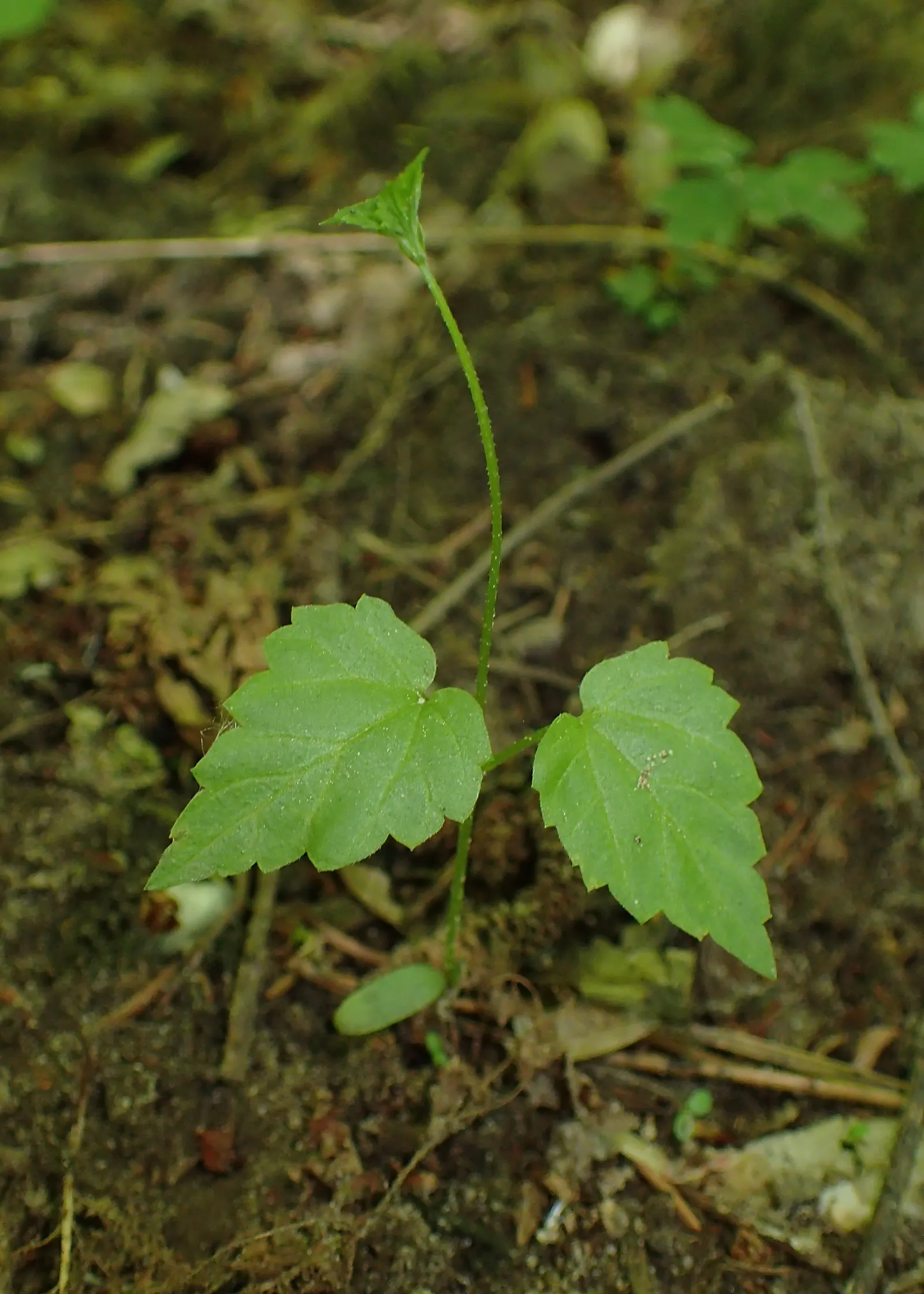
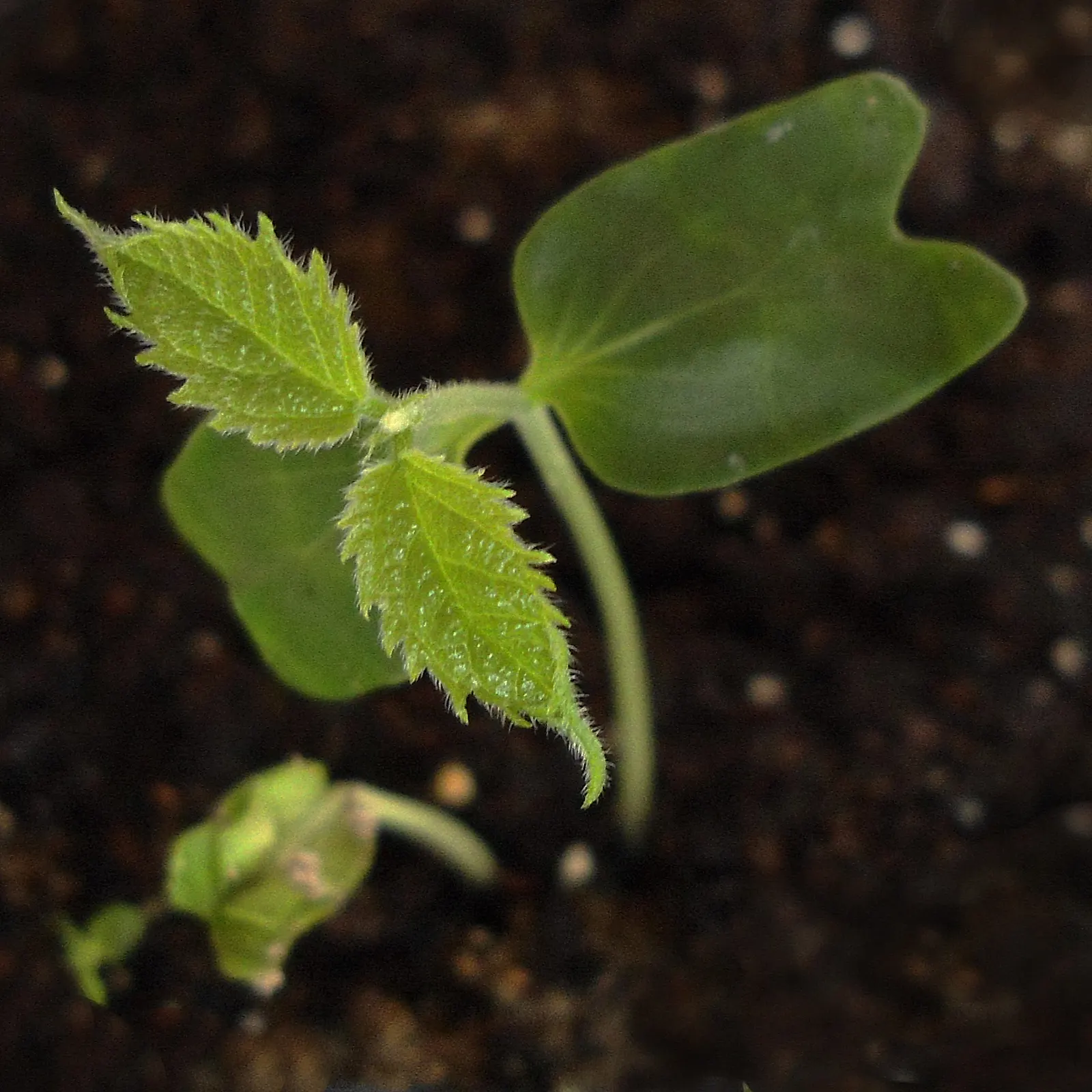
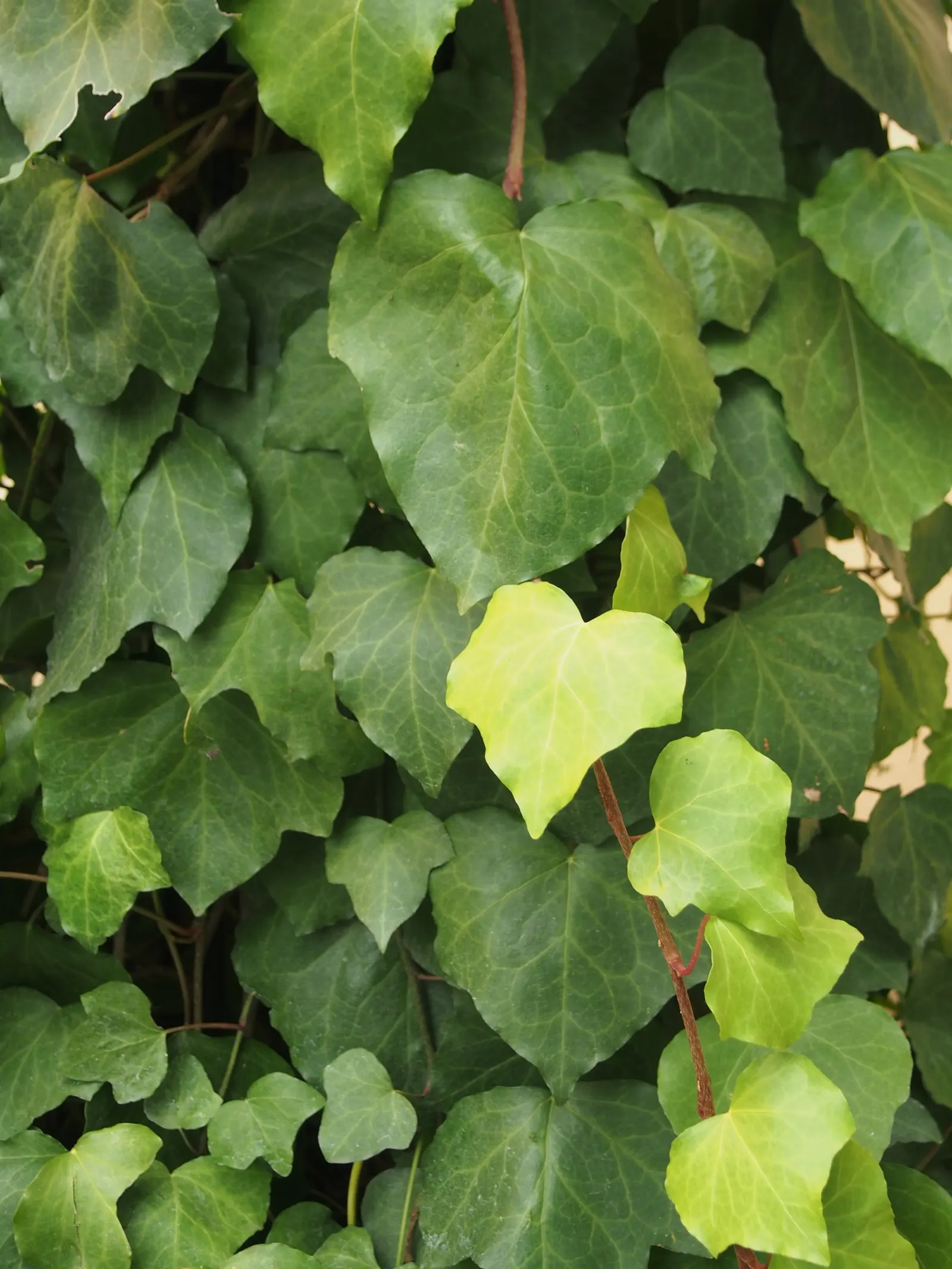
Hops (Humulus Lupulus) — Cultivated varieties can reach 15-25 feet in height

Culture

Sun
Full
Water
Medium
USDA zones
3–8

Shape & size

Classification

Family
Cannabaceae

See full data, regional cultivation notes, full-resolution photos, and design tools. Build a client presentation around this plant.

Start your 14-day trial

Photos (90)

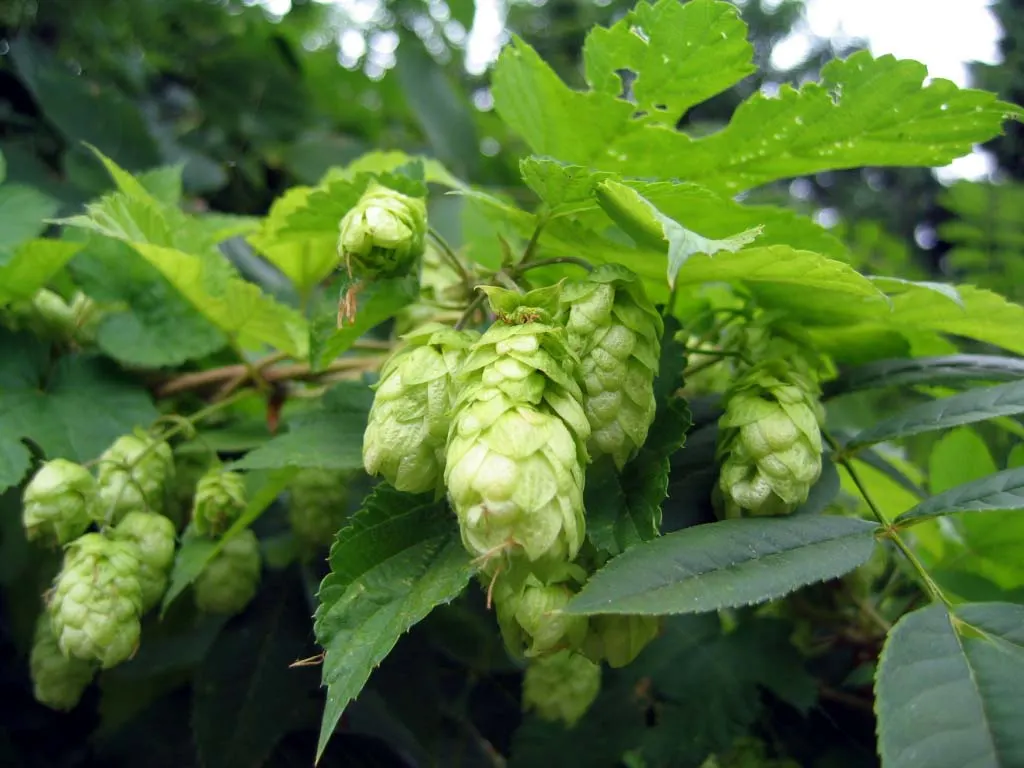
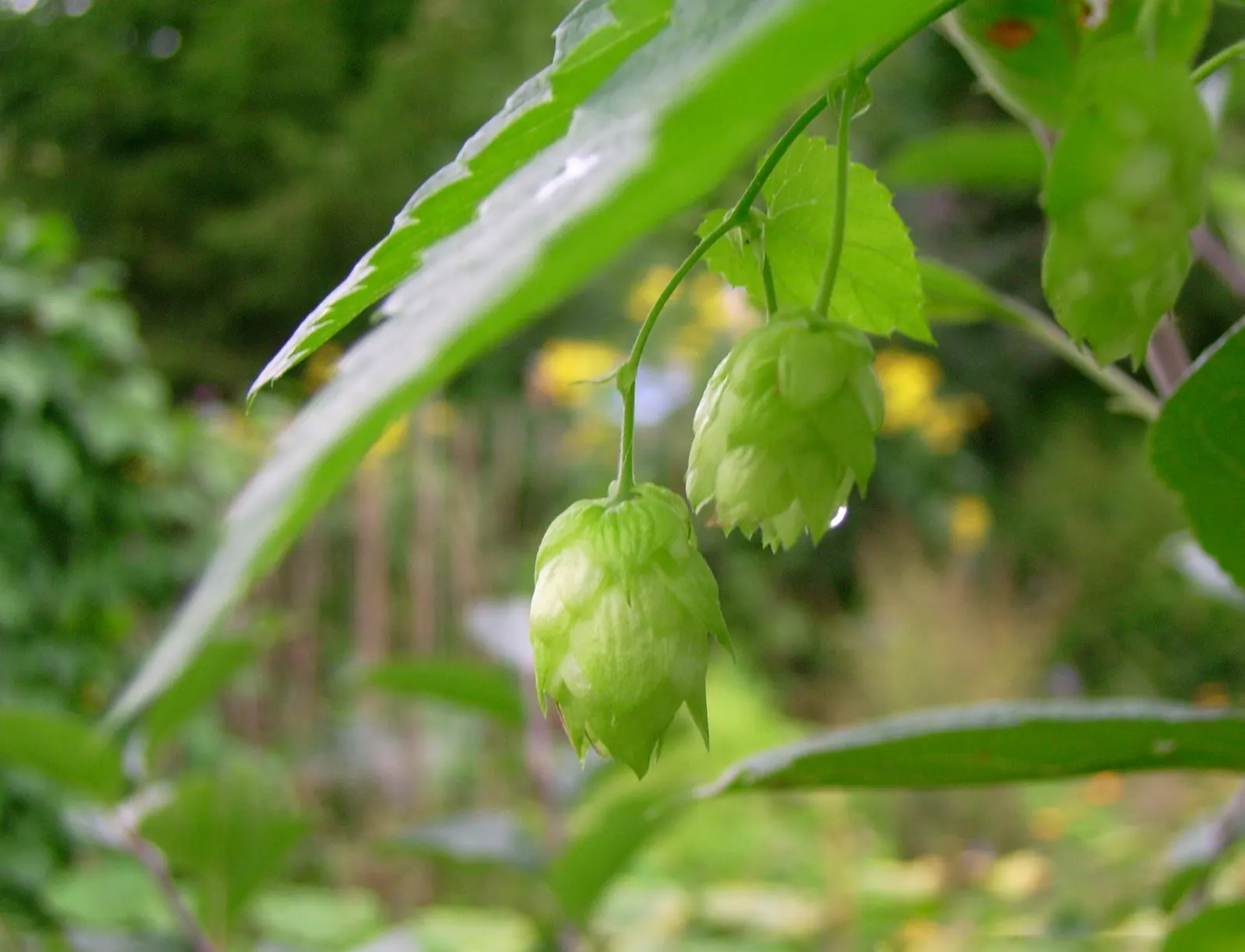
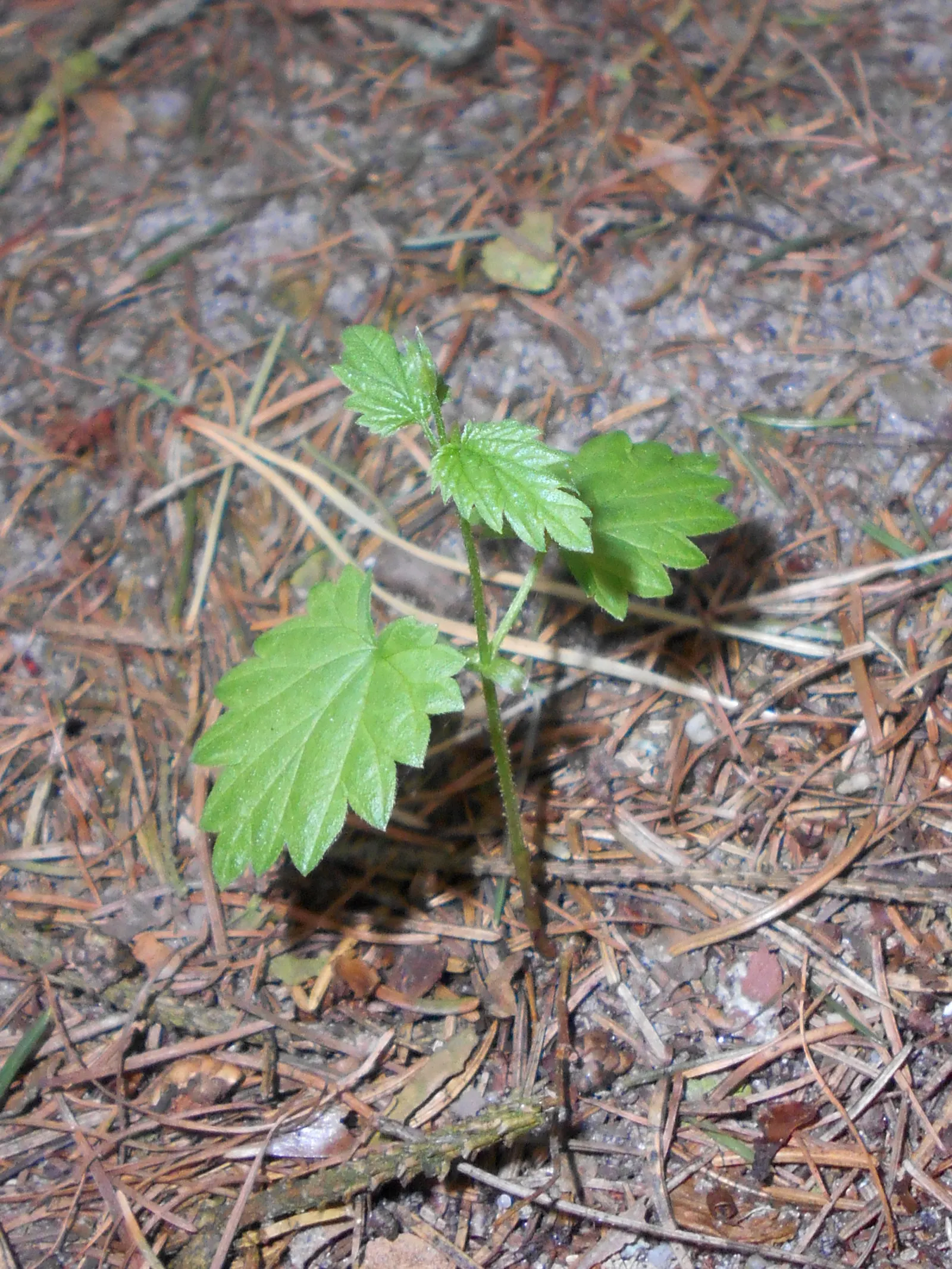
Hops (Humulus Lupulus) — is a vigorous perennial vine treasured in brewing for its cone-like flowers; this dioecious plant, with separate male and female
Hops (Humulus Lupulus) — Cultivated varieties can reach 15-25 feet in height; which are the female inflorescences of the species
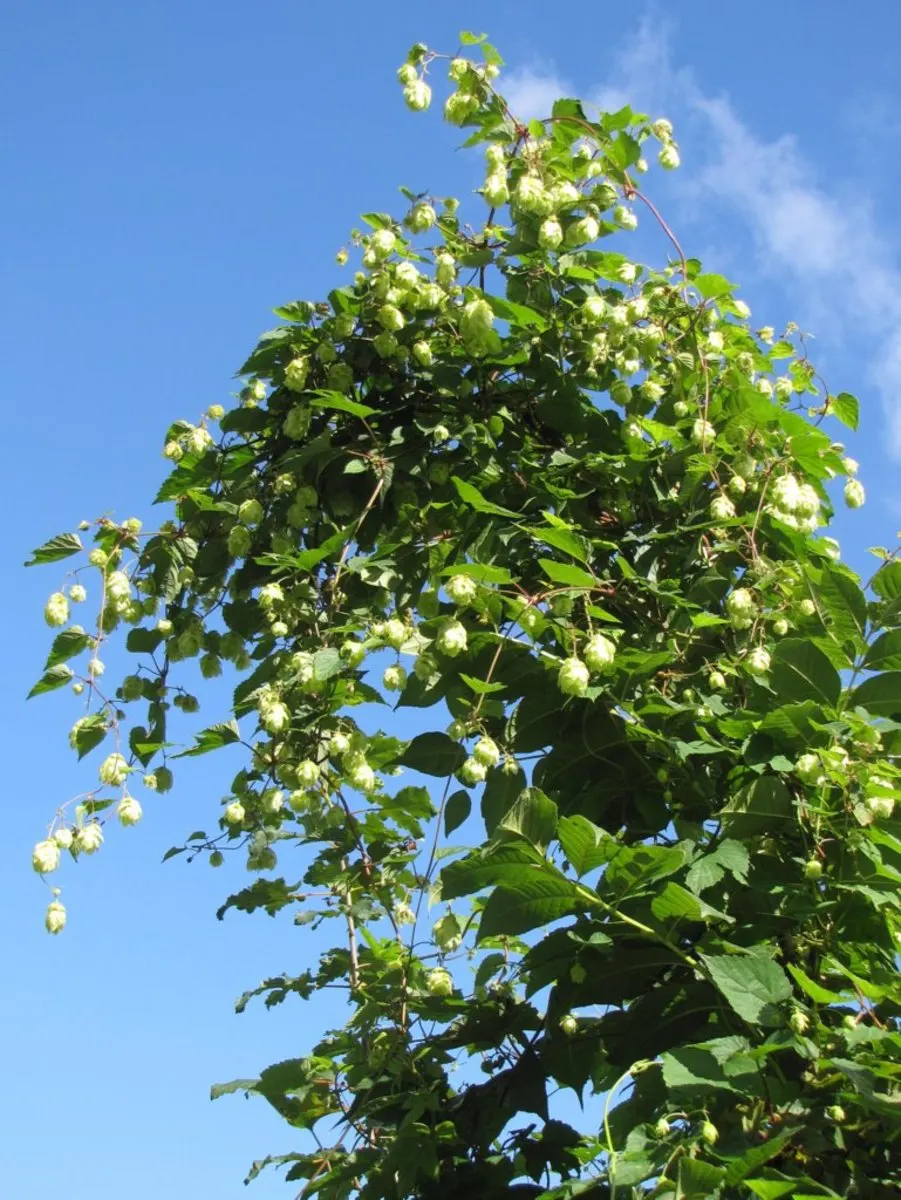
Hops (Humulus Lupulus) — vine with green blooms
Hops (Humulus Lupulus) — Its deep green, lobed leaves add a lush backdrop, while late summer blooms appeal to craft beer enthusiasts; native to the Northern
Hops (Humulus Lupulus) — This dioecious plant, with separate male and female plants, requires strong support; is a vigorous perennial vine treasured in brewing
Hops (Humulus Lupulus) — while also offering ornamental appeal in landscape designs; green flowers in the garden
Hops (Humulus Lupulus) — Native to the Northern Hemisphere; its deep green, lobed leaves add a lush backdrop, while late summer blooms appeal to craft beer
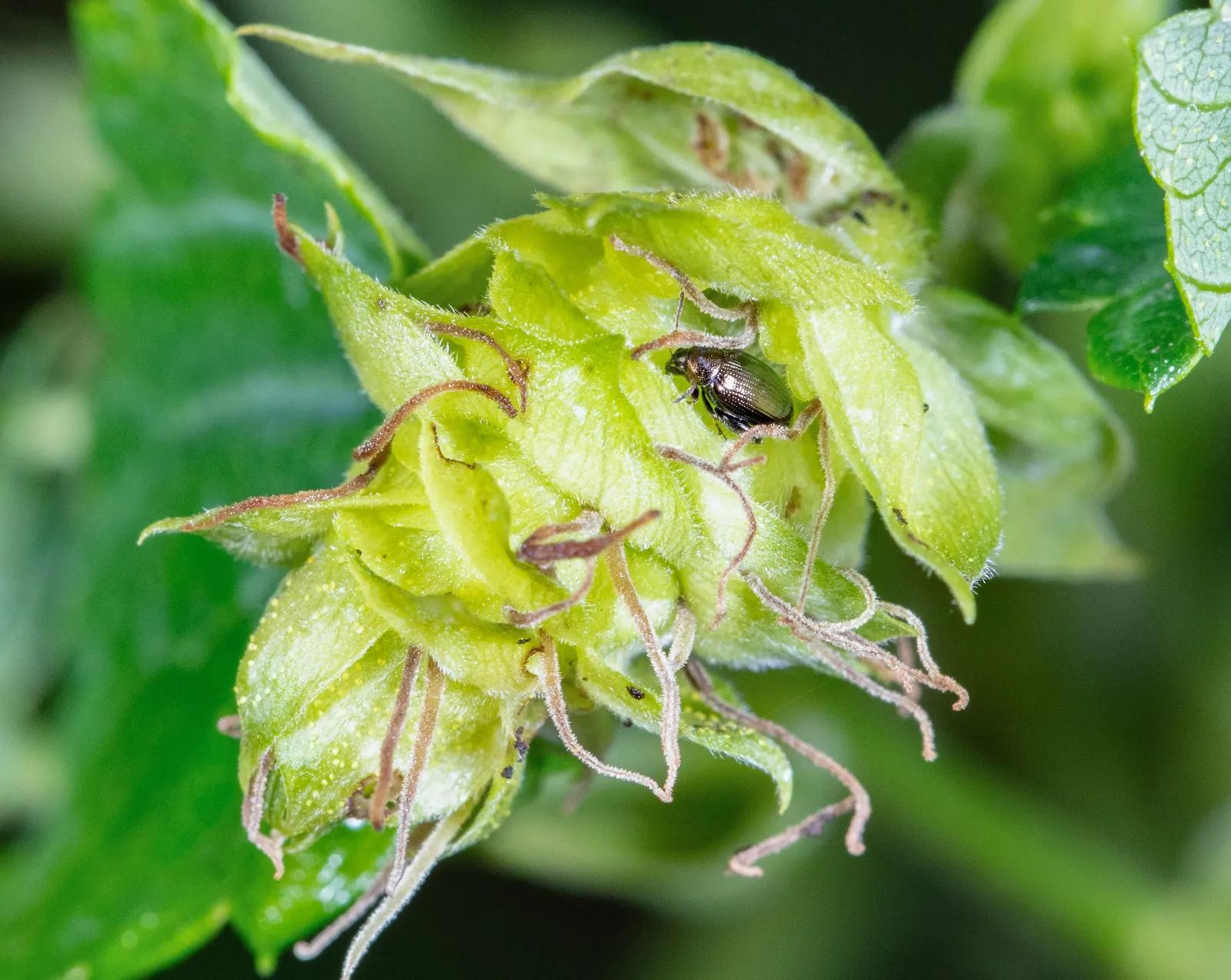
Hops (Humulus Lupulus) — is a hardy perennial plant that plays a pivotal role in the brewing industry; these glands produce an array of essential oils and
Hops (Humulus Lupulus) — hops are characterized by their climbing; these green to pale yellow cones
Hops (Humulus Lupulus) — which are technically termed bines and can reach lengths of 15 to 25 feet annually; <br><br>When incorporating Humulus lupulus into
Hops (Humulus Lupulus) — which are the female inflorescences of the species; cultivated varieties can reach 15-25 feet in height
Hops (Humulus Lupulus) — usually around 1 to 3 inches long; which are integral to imparting flavor and stability to beer.<br><br>For optimal growth
Hops (Humulus Lupulus) — aromatic fragrance and are composed of numerous scales that encase the lupulin glands; vine with green blooms
Hops (Humulus Lupulus) — These green to pale yellow cones; hops are characterized by their climbing
Hops (Humulus Lupulus) — green flowers in the garden; while also offering ornamental appeal in landscape designs
Hops (Humulus Lupulus) — <br><br>When incorporating Humulus lupulus into garden designs, provide ample space for their expansive habit; which are technically
Hops (Humulus Lupulus) — Including hops can bring vertical interest to the space; hops demand well-drained soil with a pH ranging from 6.0 to 7.5
Hops (Humulus Lupulus) — as well as attract pollinators with their aromatic flowers; vine for full
Hops (Humulus Lupulus) — These glands produce an array of essential oils and bitter acids; is a hardy perennial plant that plays a pivotal role in the brewing
Hops (Humulus Lupulus) — and they prefer full sun exposure to maximize their vigorous growth tendency; thriving in well-drained soil with full sun to partial
Hops (Humulus Lupulus) — hops demand well-drained soil with a pH ranging from 6.0 to 7.5; including hops can bring vertical interest to the space
Hops (Humulus Lupulus) — which are integral to imparting flavor and stability to beer.<br><br>For optimal growth; usually around 1 to 3 inches long
Hops (Humulus Lupulus) — vine with green blooms; aromatic fragrance and are composed of numerous scales that encase the lupulin glands
Hops (Humulus Lupulus) — vine for full; as well as attract pollinators with their aromatic flowers

Related plants