
European Hackberry
Celtis Australis
Overview
The European Hackberry, or Celtis australis, is a deciduous tree growing to a height of 65-100 feet with a spread of 40-50 feet at maturity. Characterized by its rough, gray bark and lush, lance-shaped green leaves, it yields small, purple, edible berries in late summer. Tolerant of urban conditions, it offers dappled shade and grows in hardiness zones 6-9, preferring full sun and well-drained soils.
Sun Full, HalfWater Low, Very LowZones 8–9Type TreeClimate Temperate
Culture
- Sun
- Full, Half
- Water
- Low, Very Low
- USDA zones
- 8–9
Shape & size
Classification
- Type
- Tree
- Family
- Cannabaceae
- Climate
- Temperate
See full data, regional cultivation notes, and design tools. Build a client presentation around this plant.
Start your 14-day trialPhotos (75)
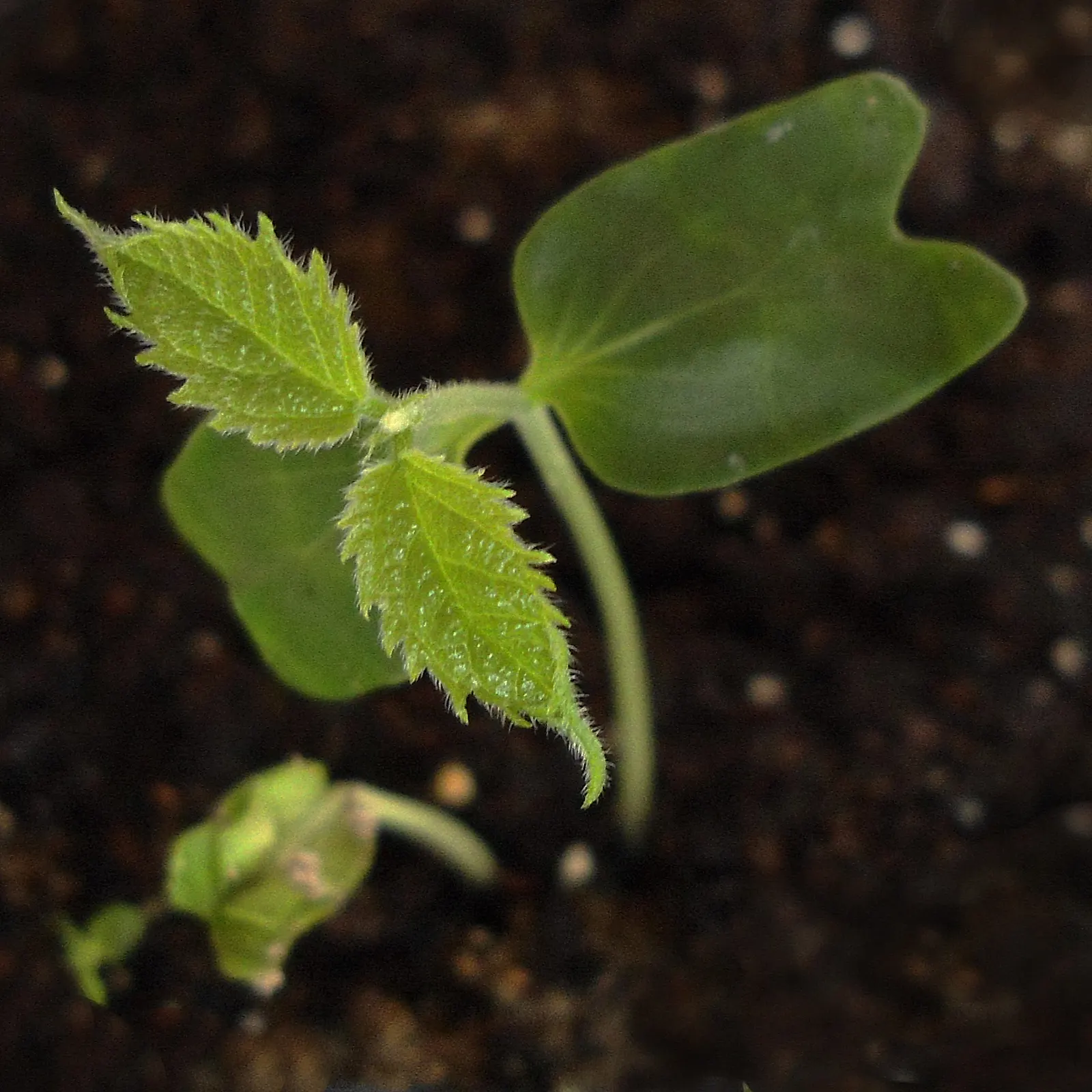


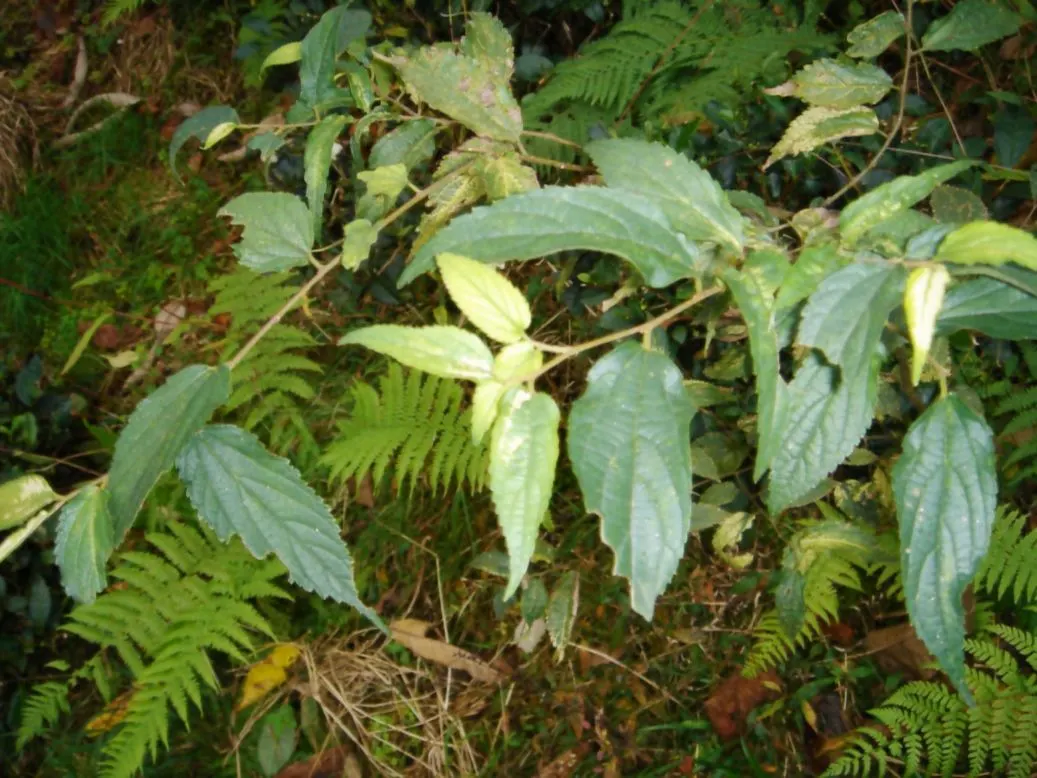
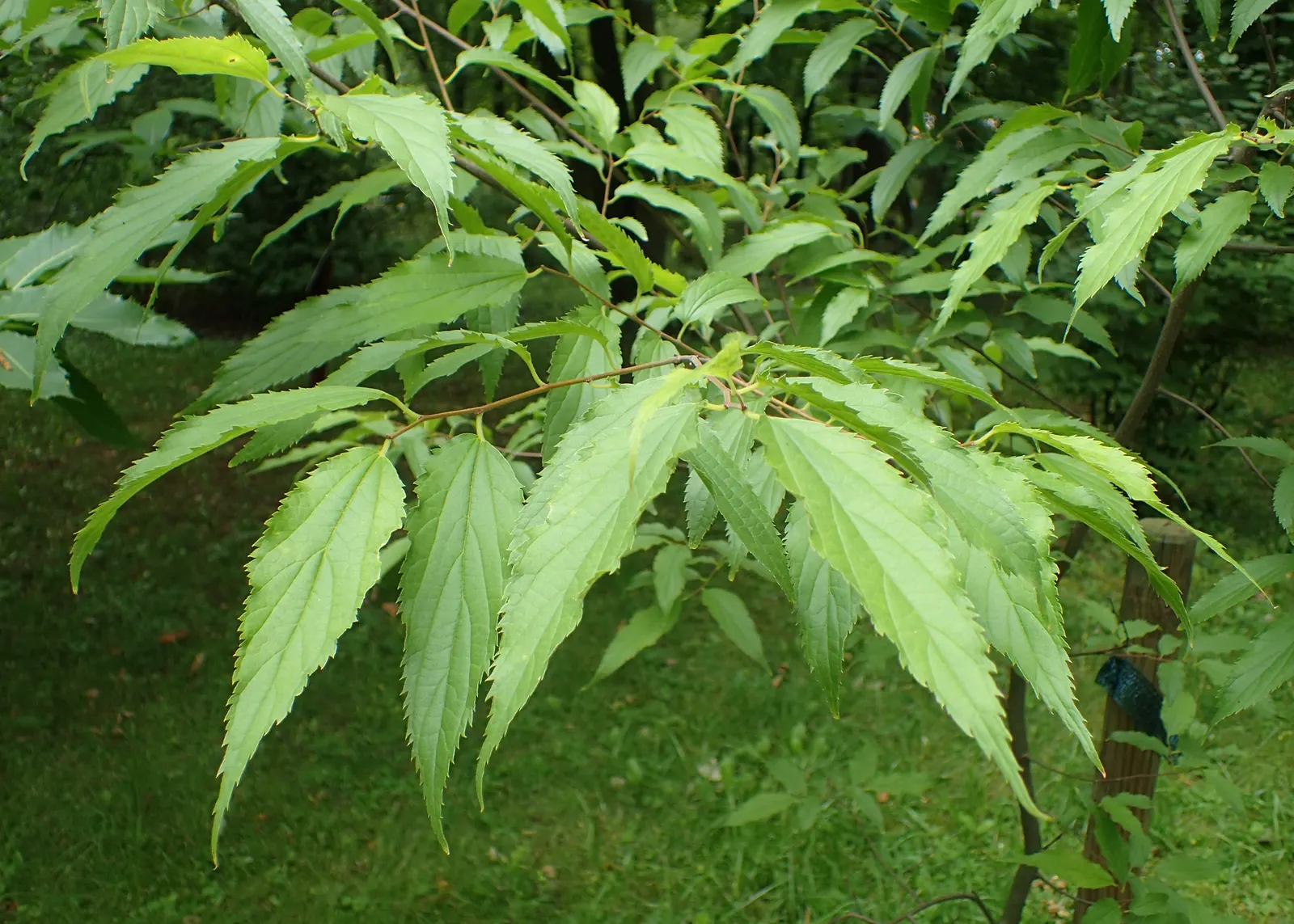
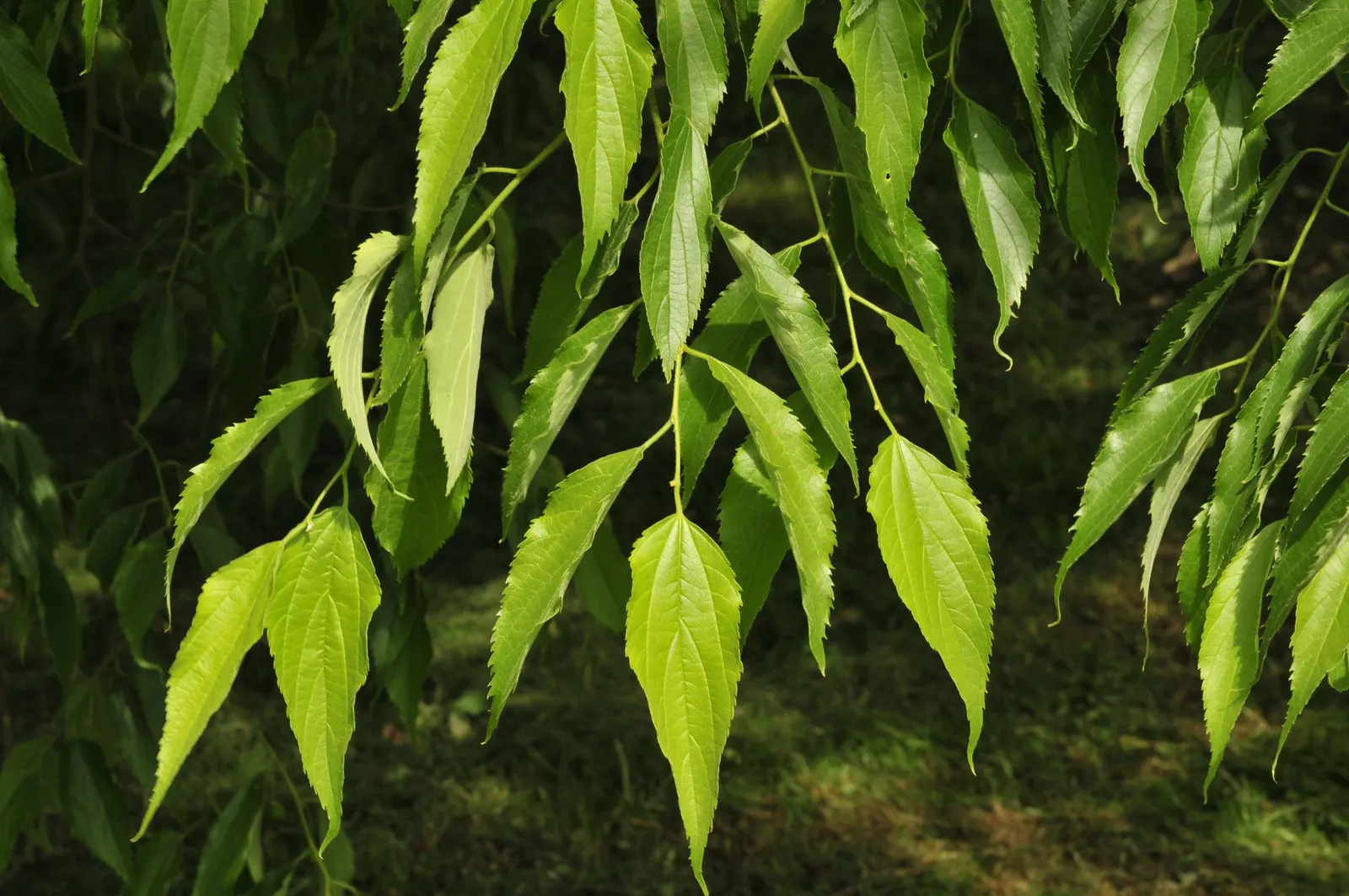

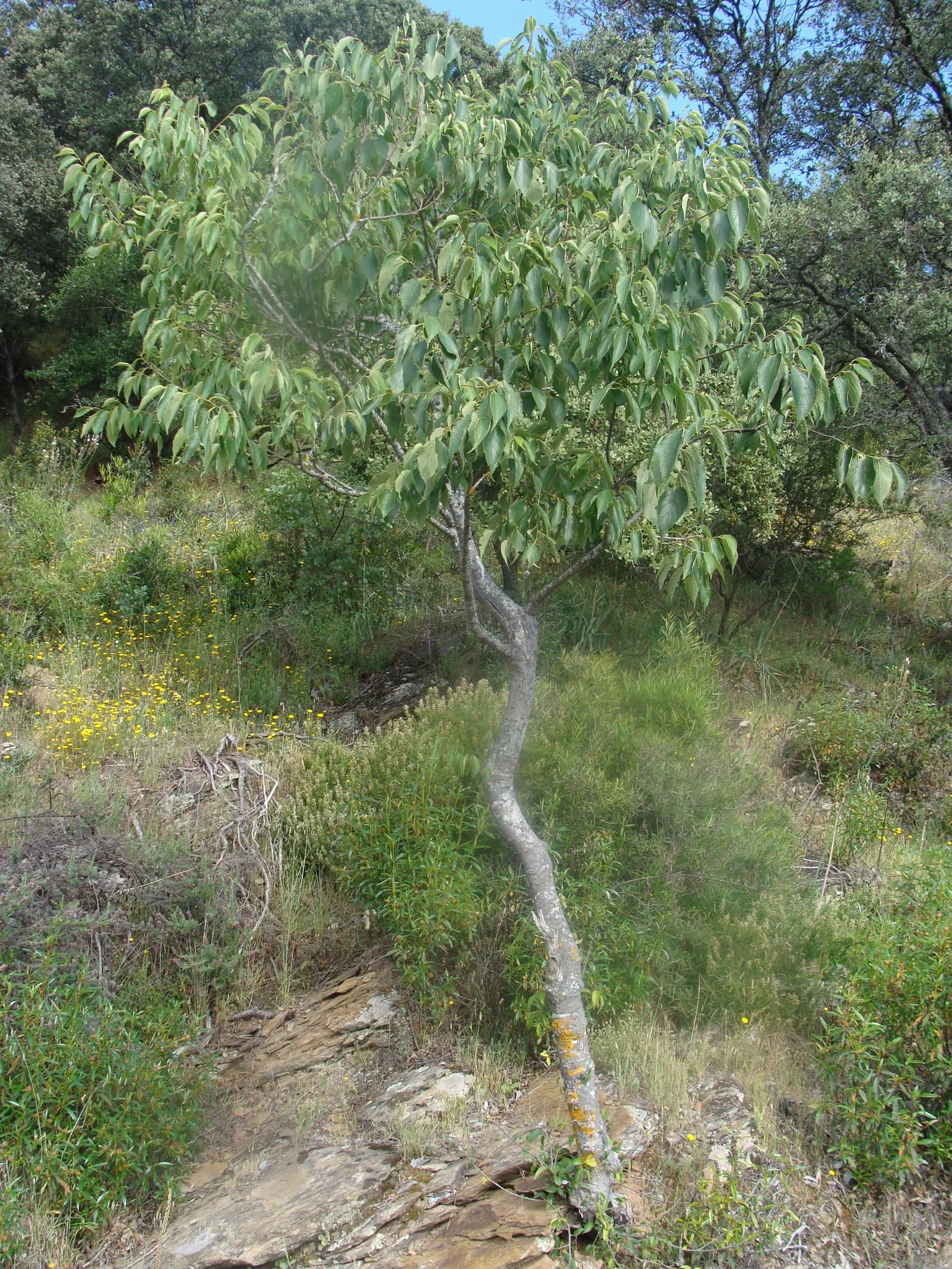
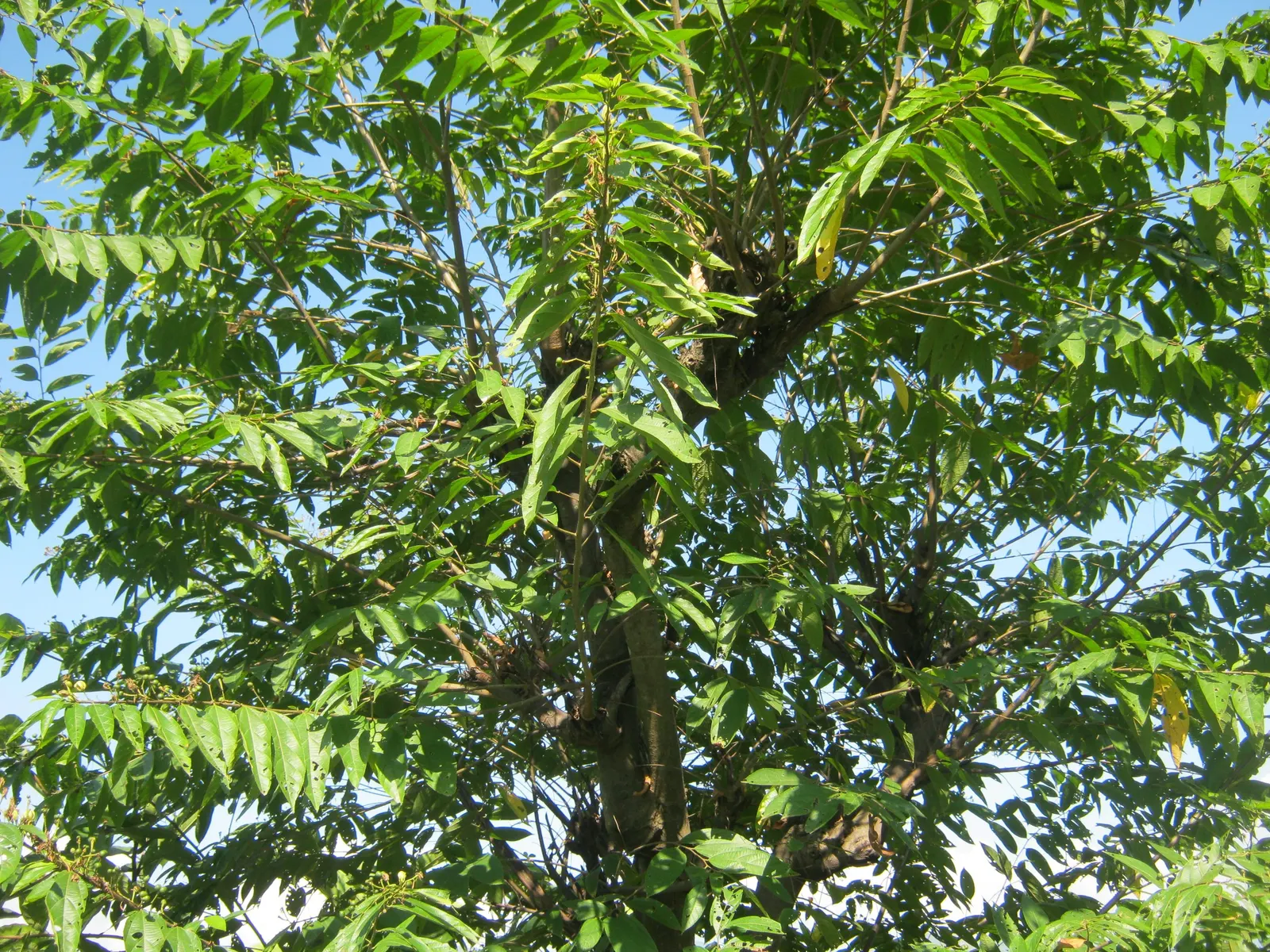
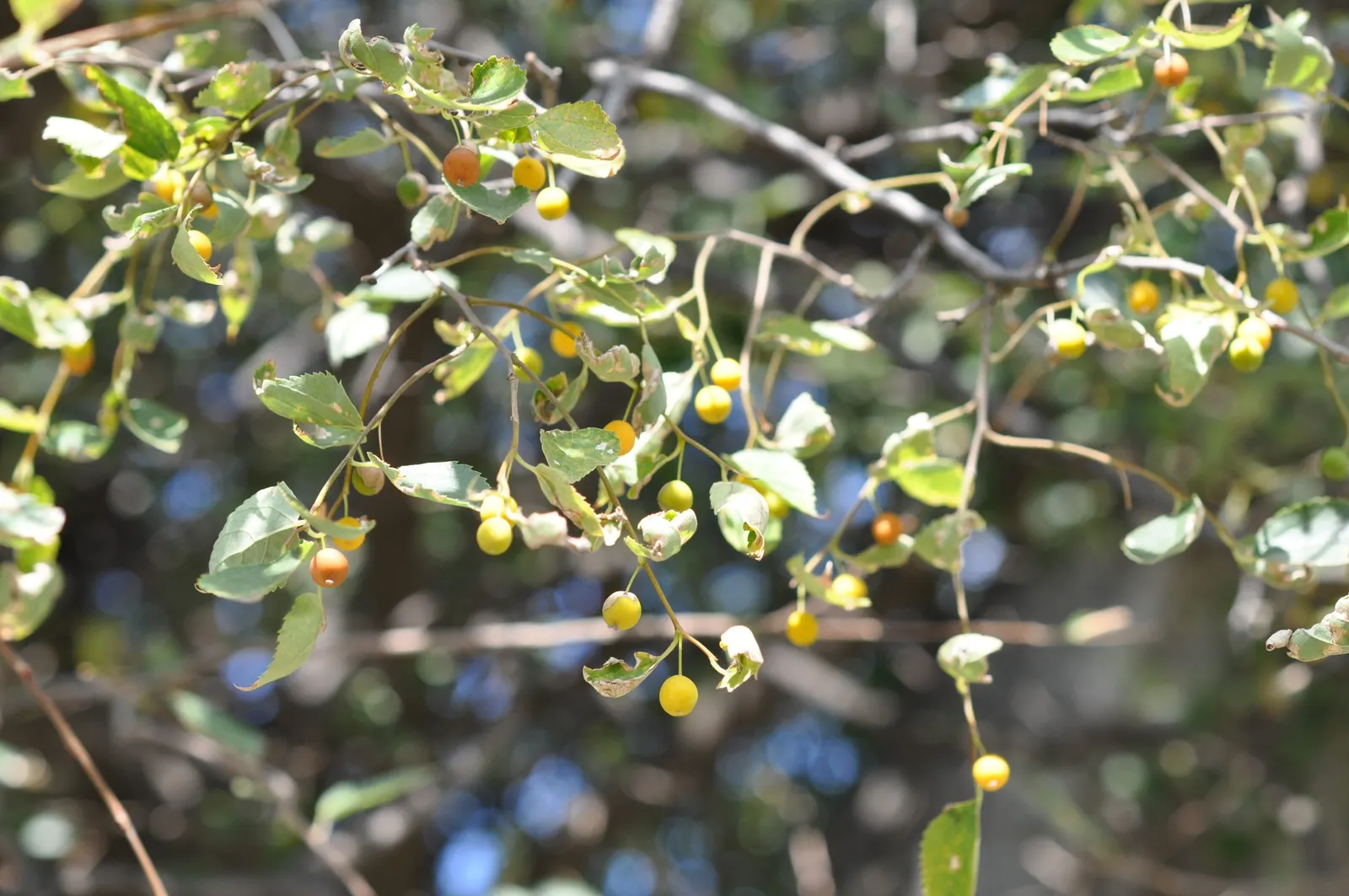

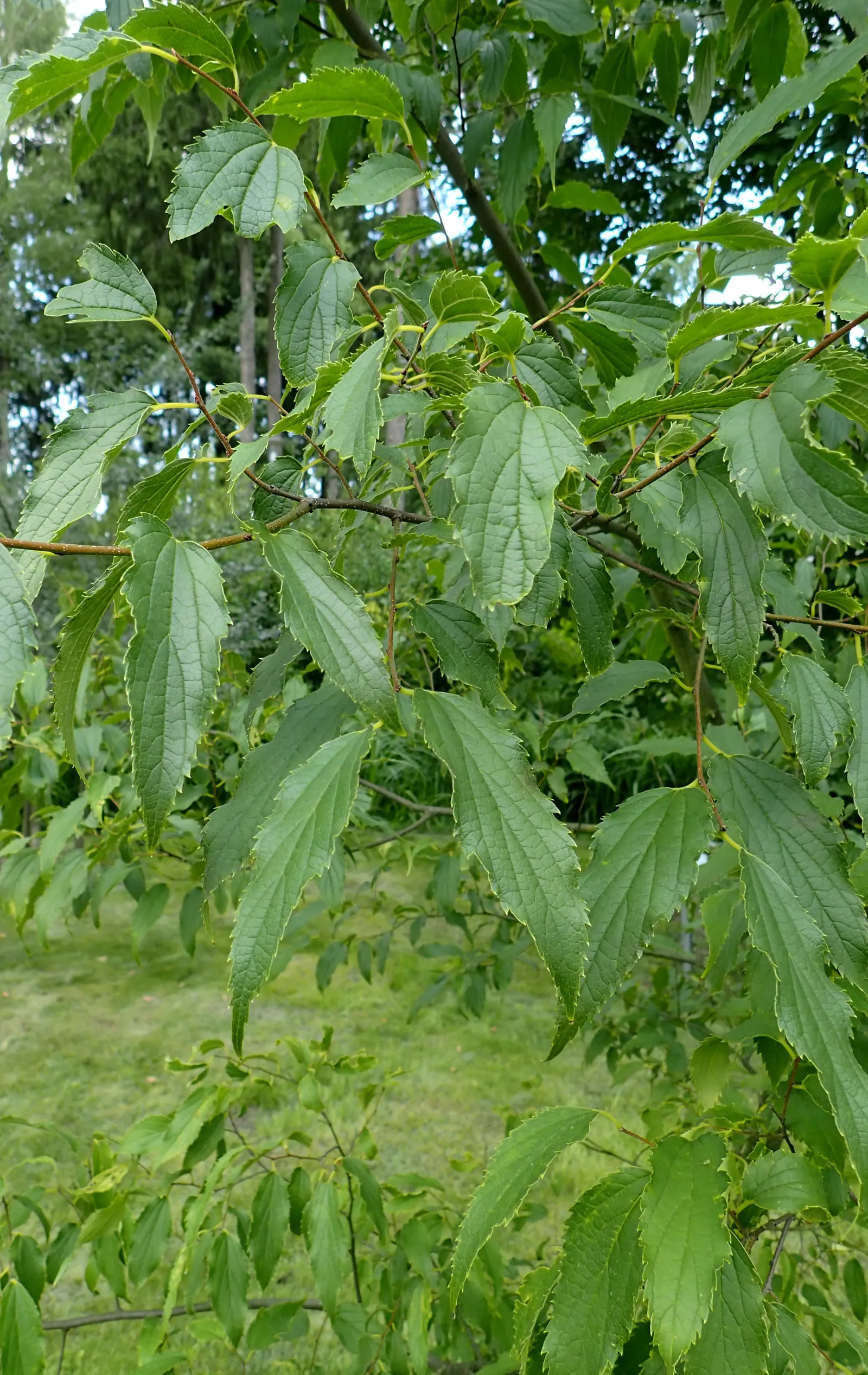
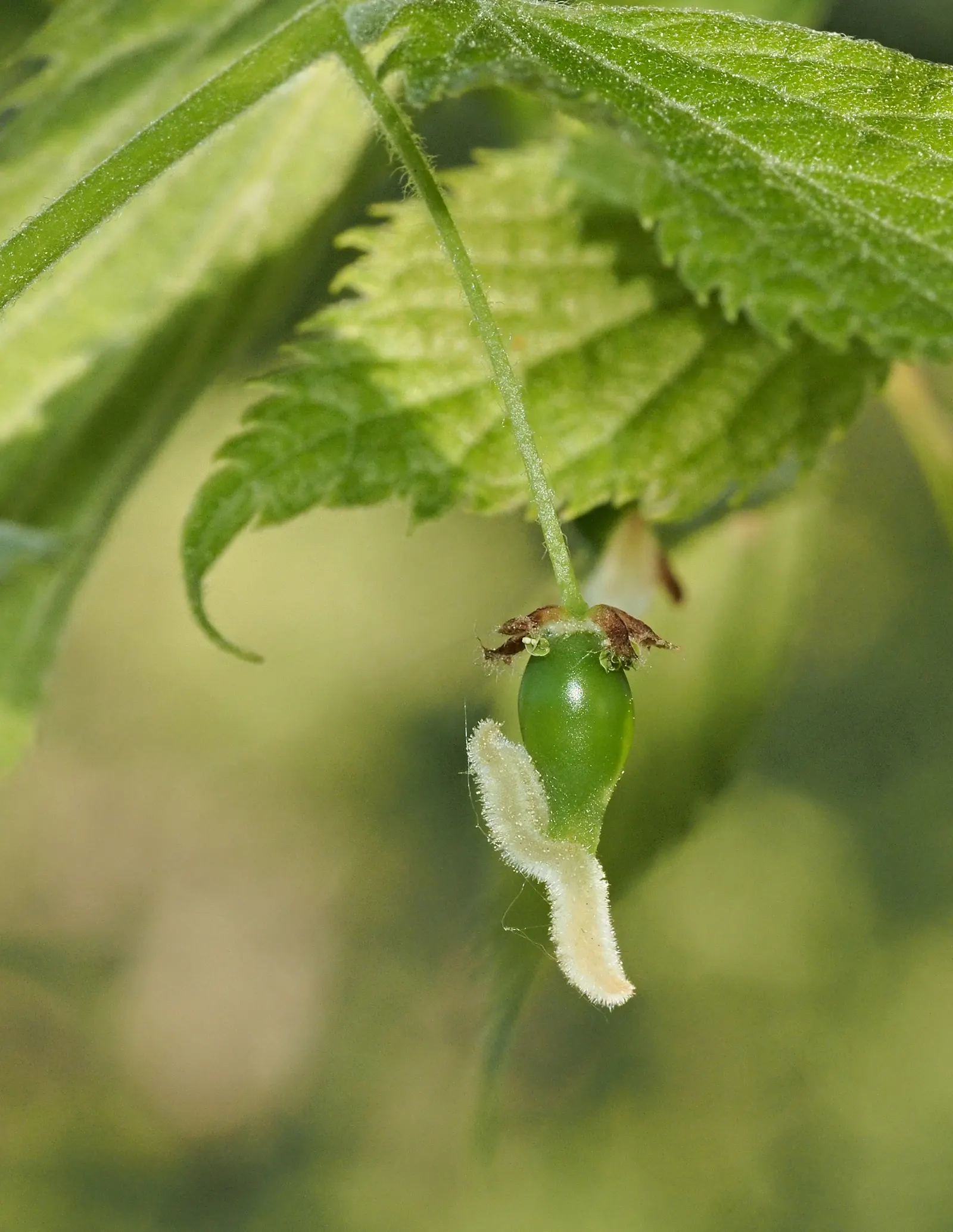
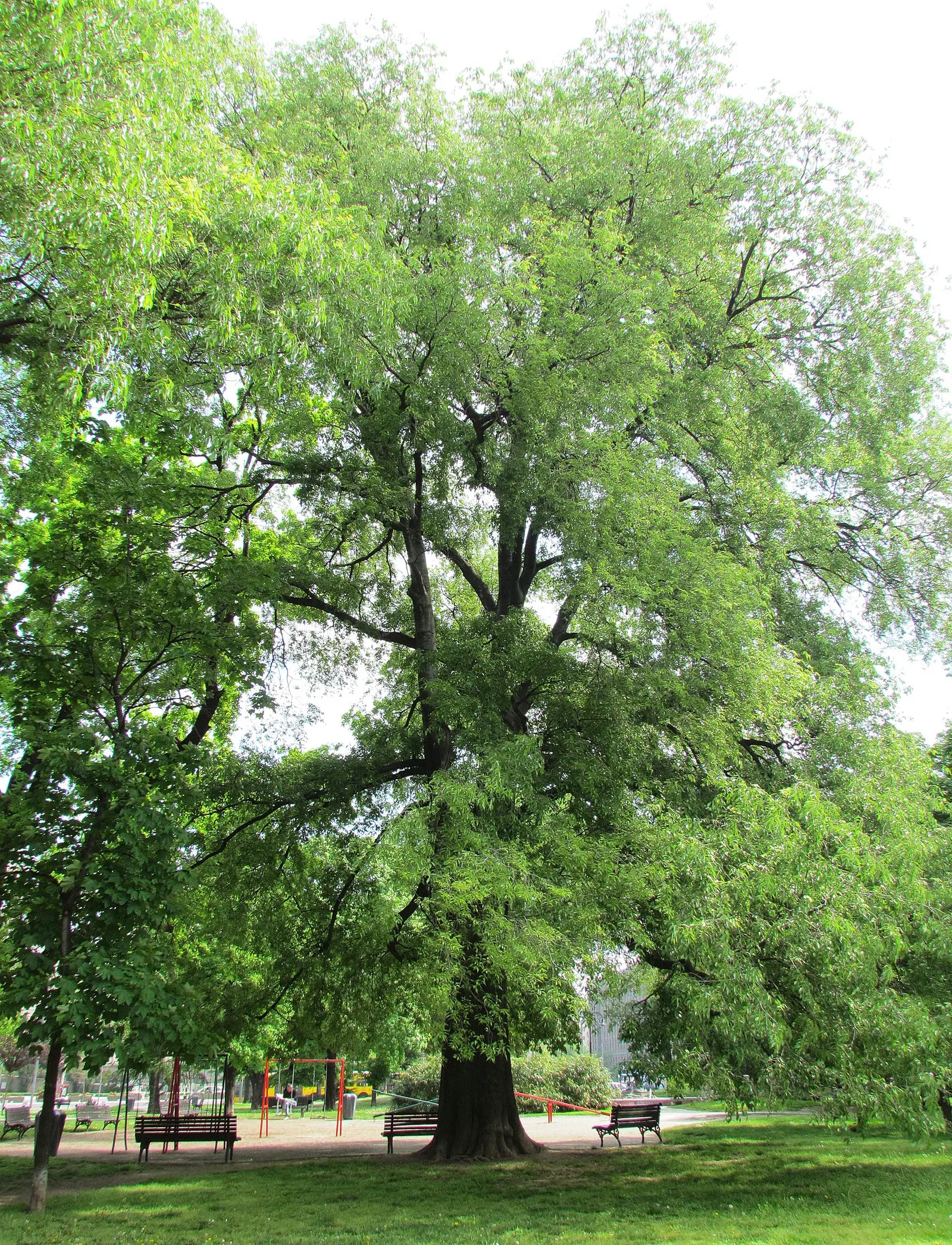
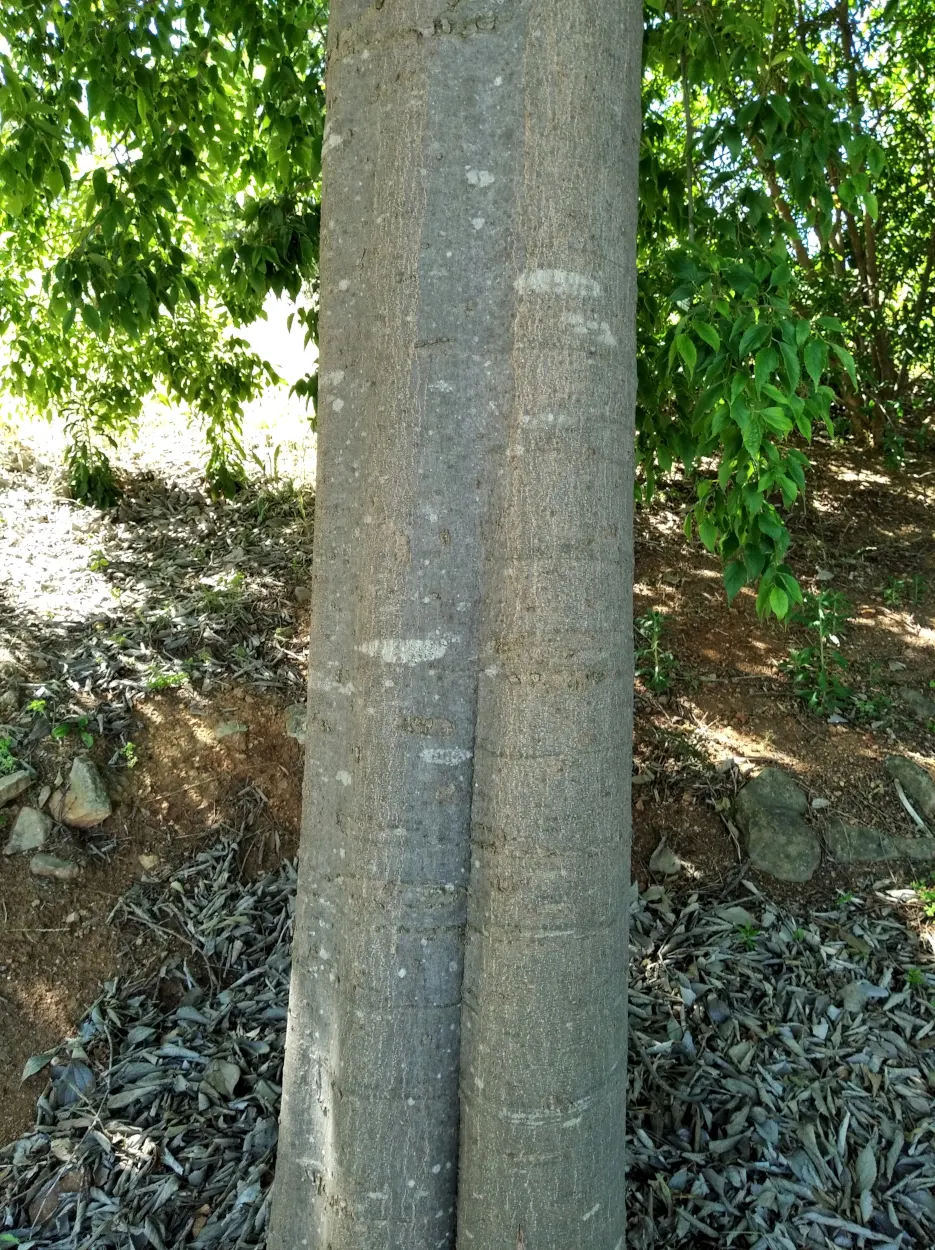
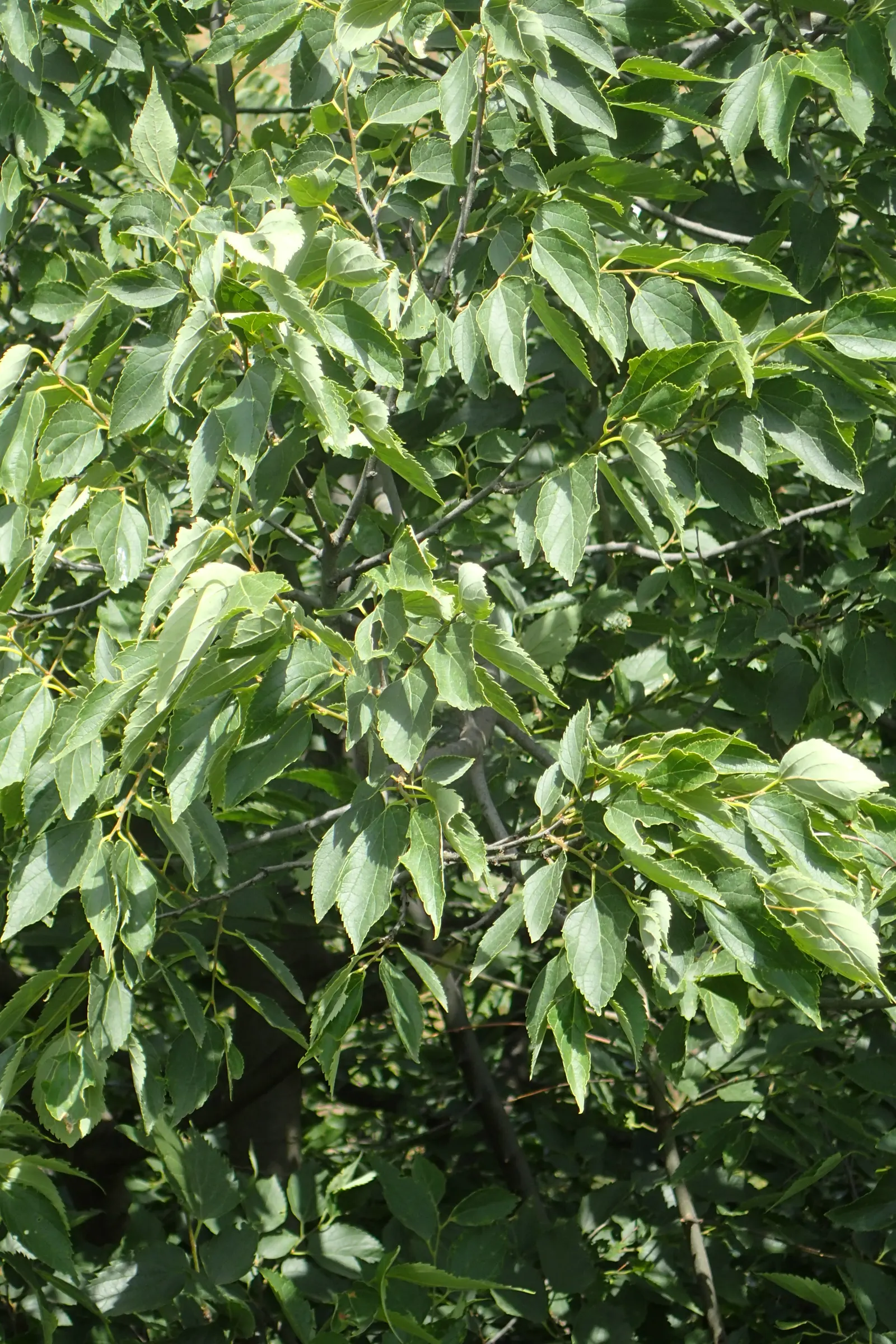
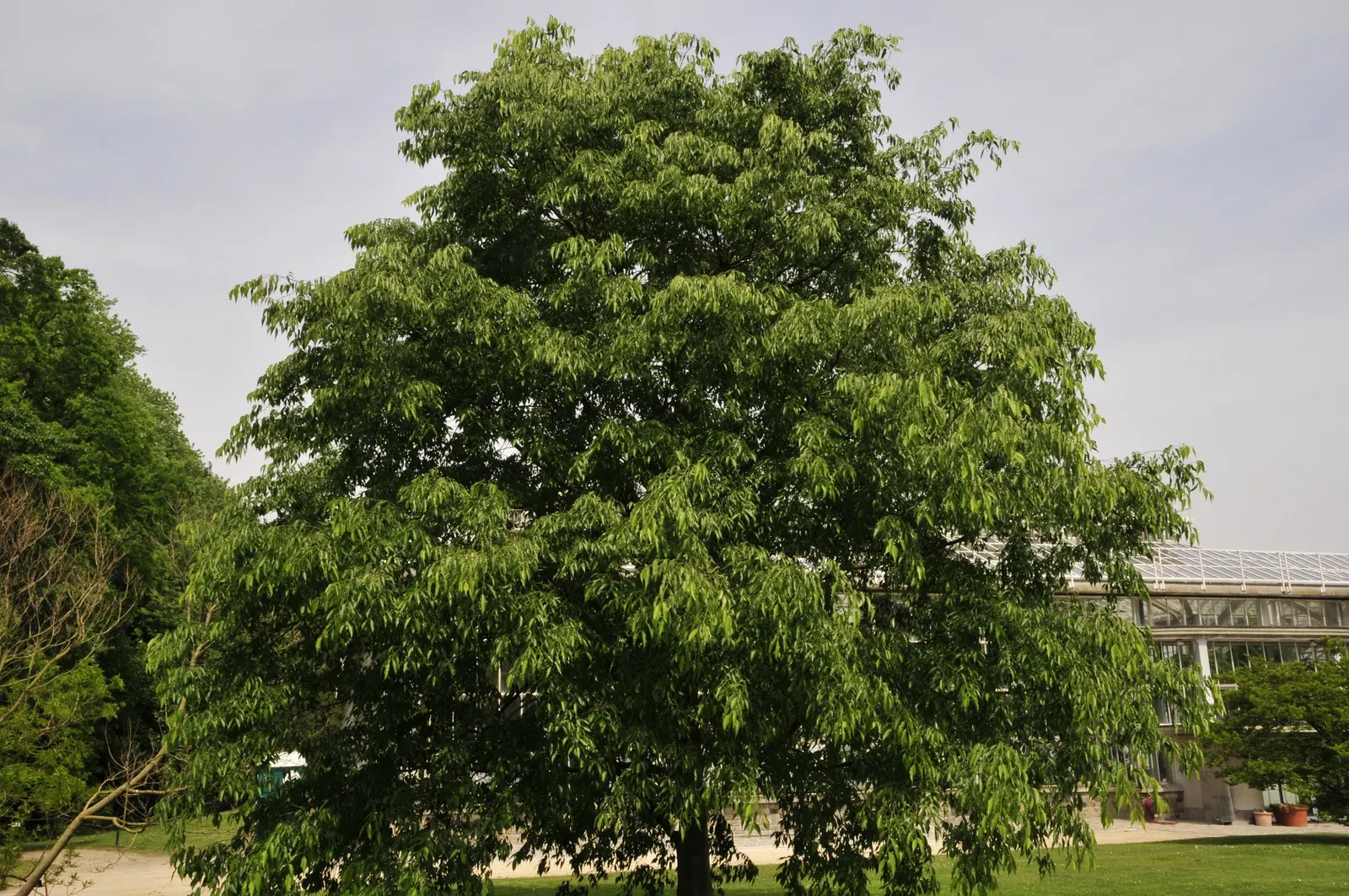


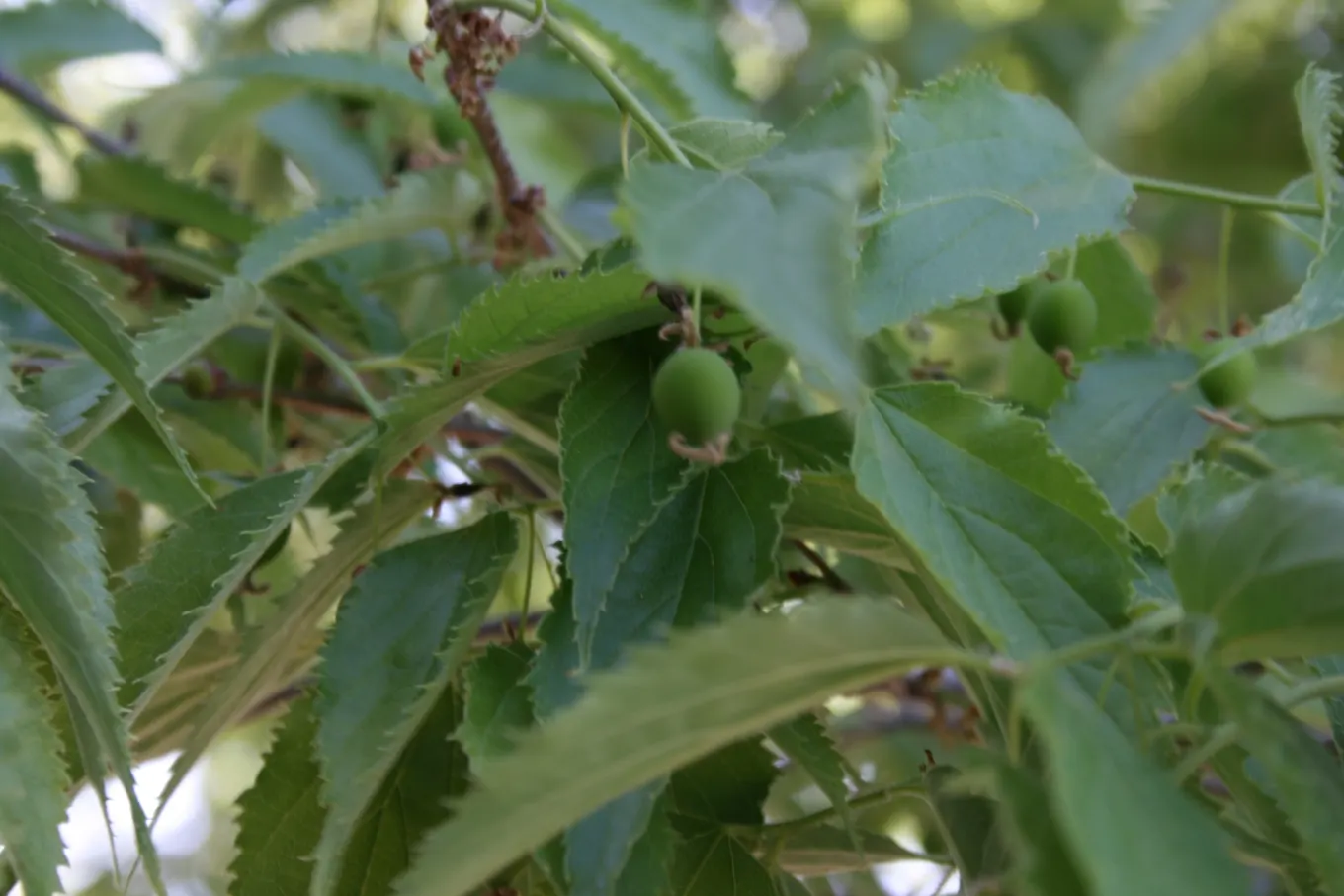
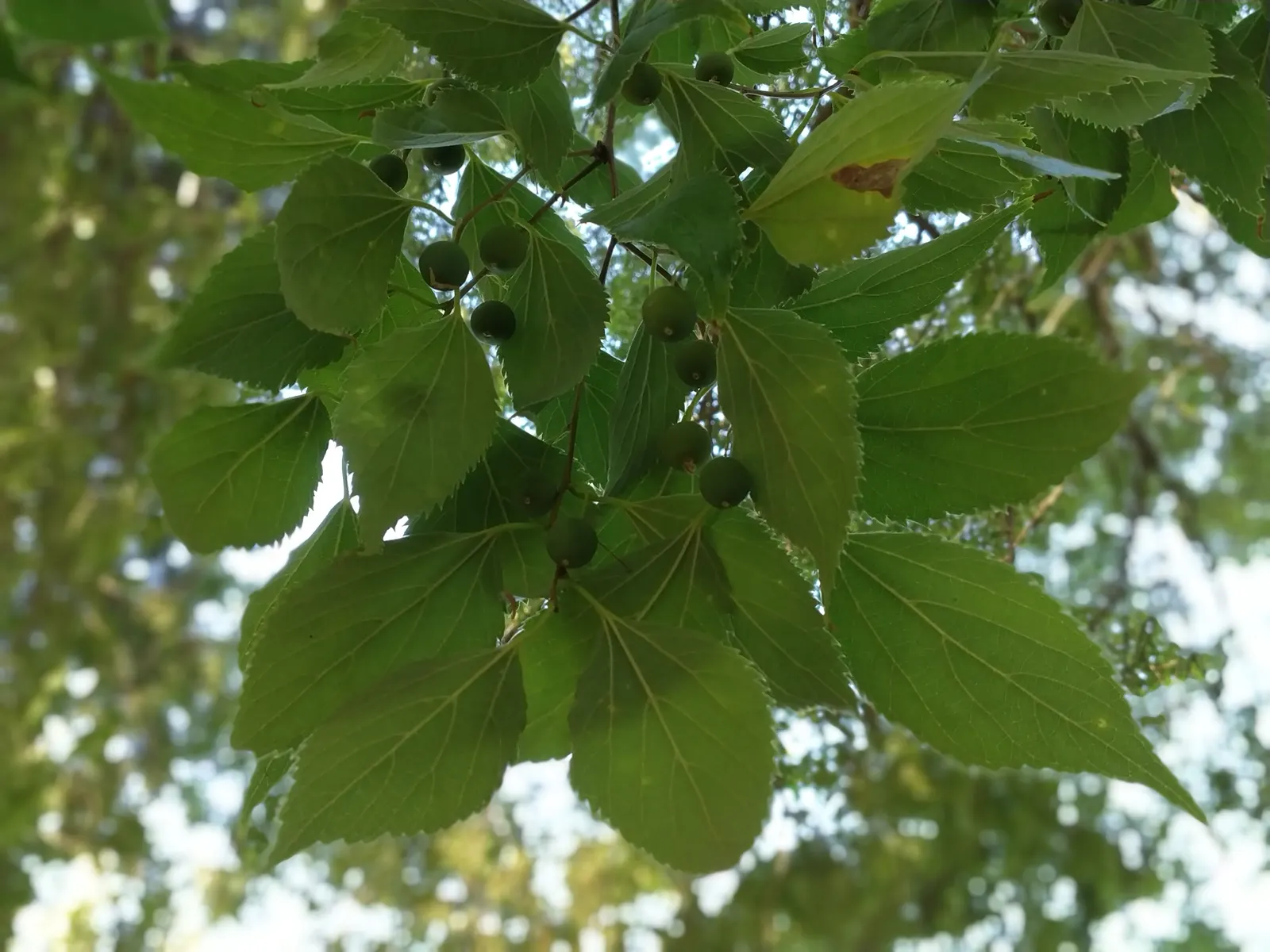
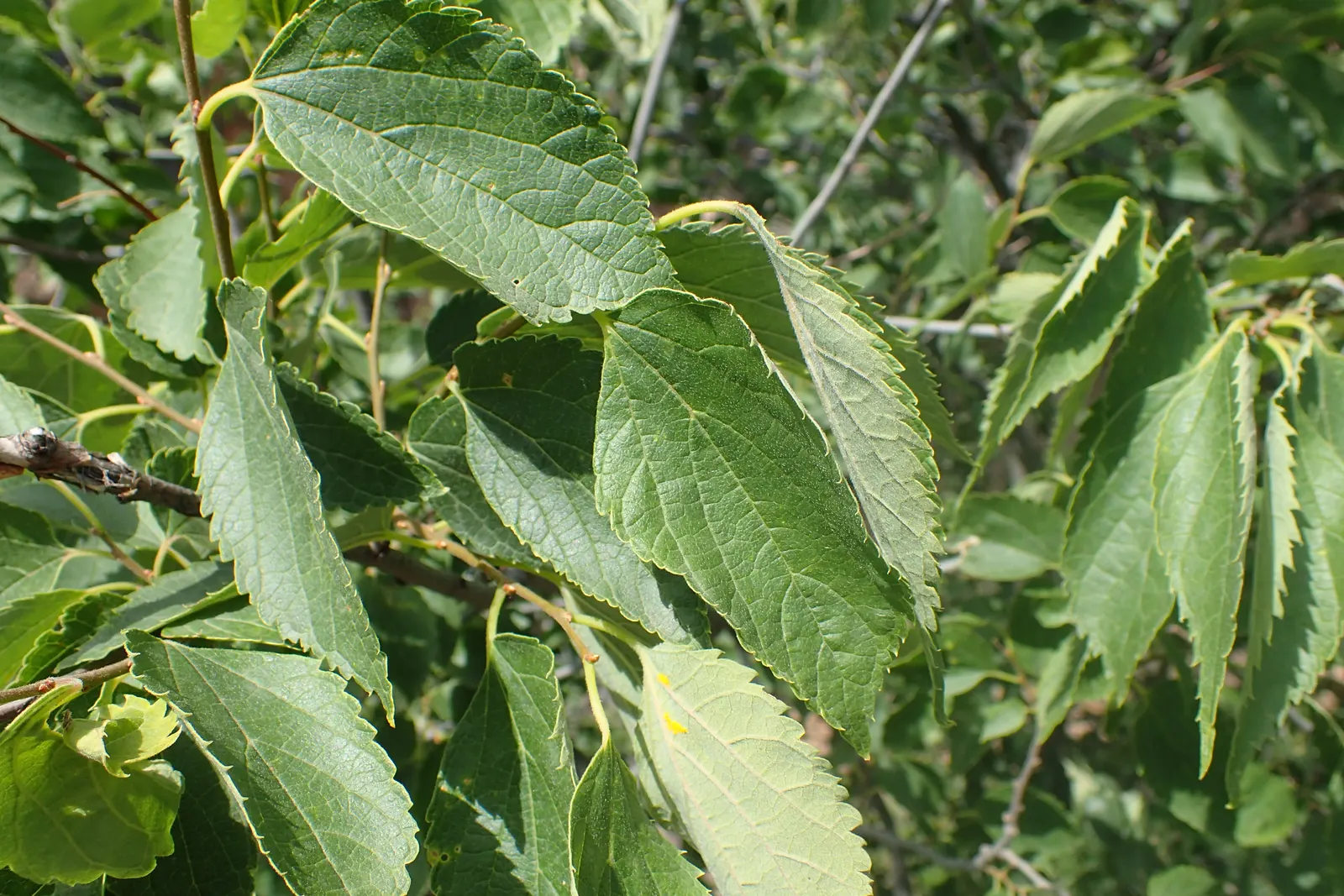
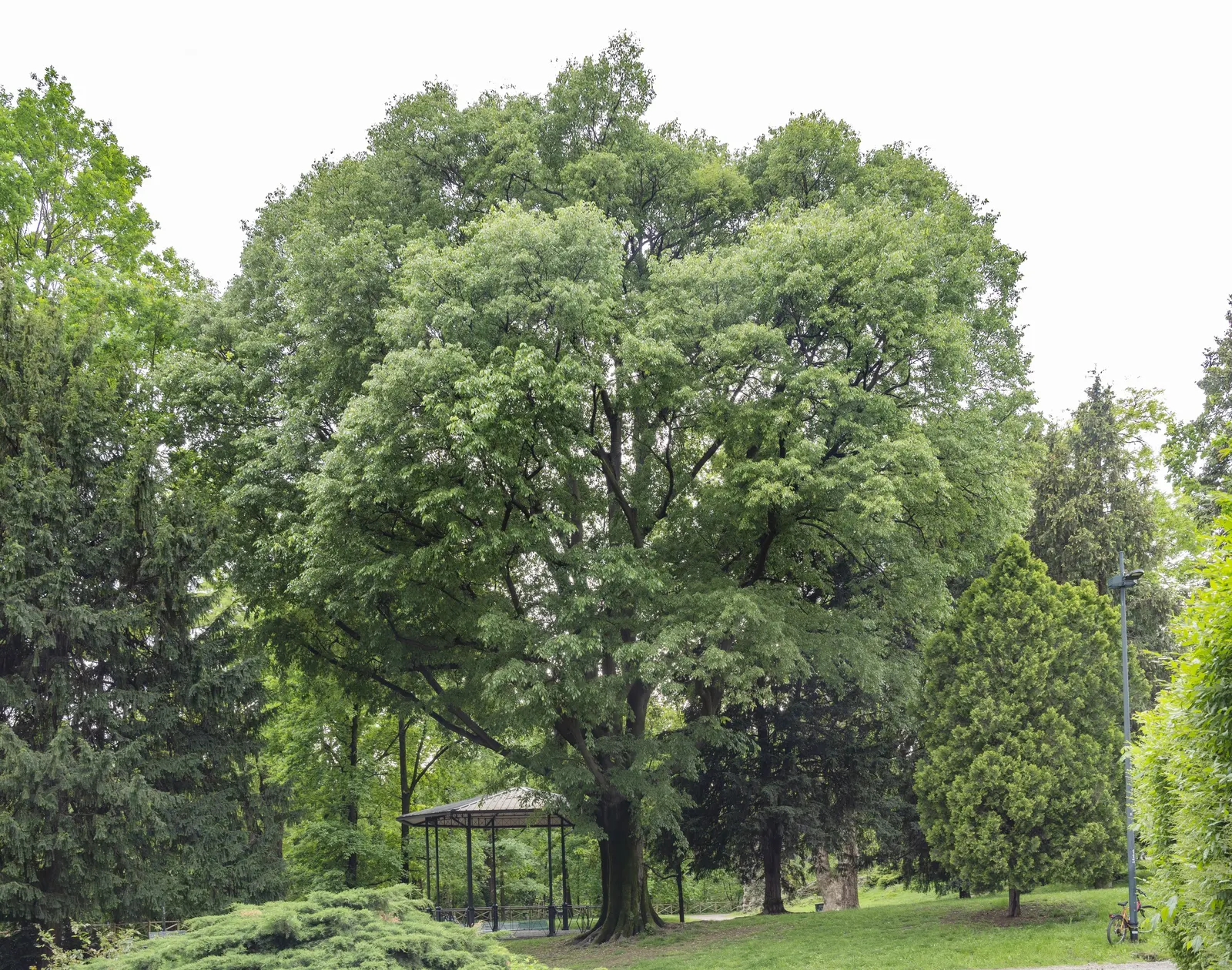
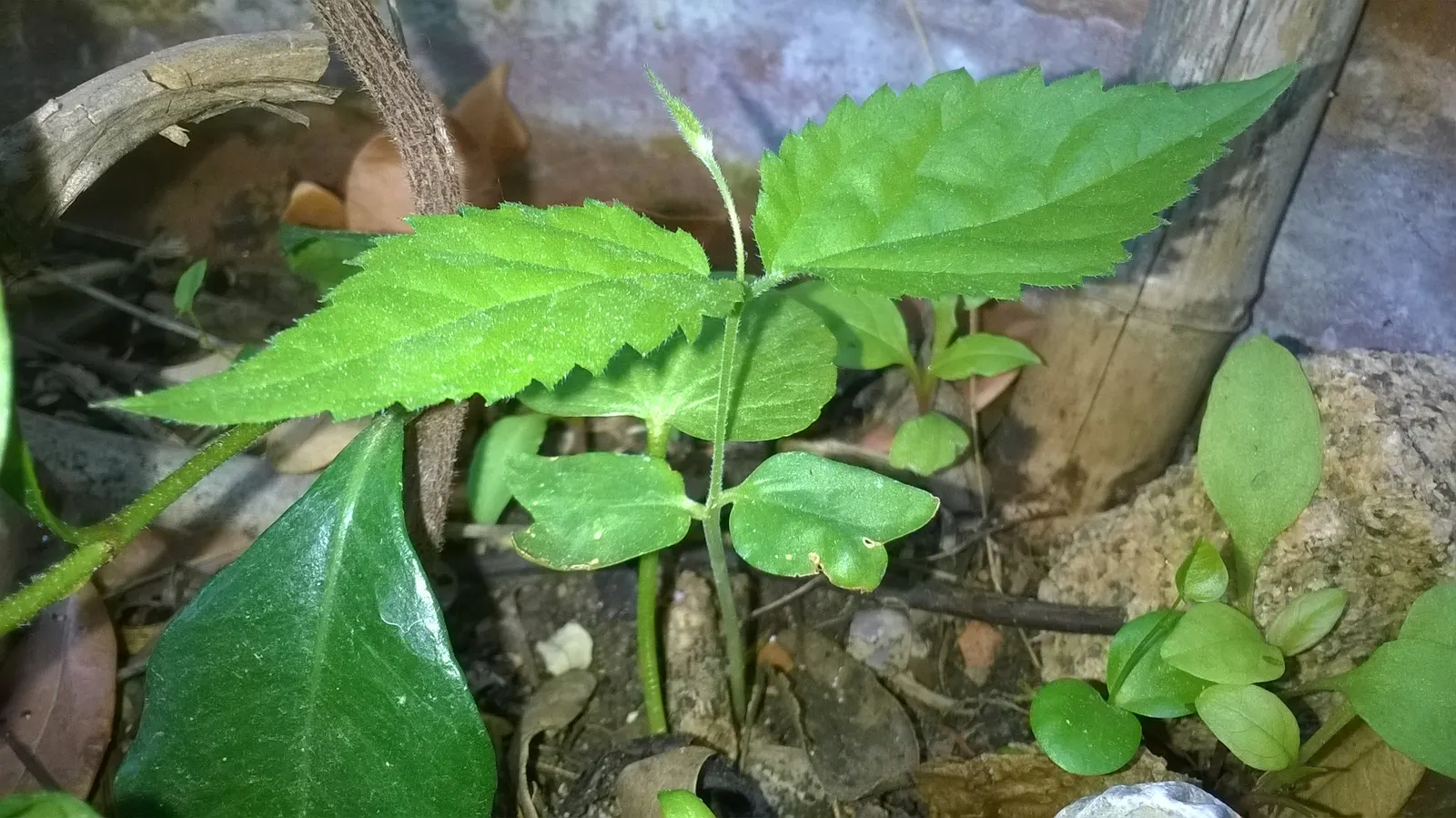
Photographs by 15 contributors
- Димитър Найденов / Dimìtar Nàydenov, CC BY-SA 3.0 · source
- Luis Fernández García, CC BY-SA 4.0 · source
- Júlio Reis, CC BY-SA 3.0 · source
- Krzysztof Ziarnek, Kenraiz, CC BY-SA 4.0 · source
- Fernando Losada Rodríguez, CC BY-SA 4.0 · source
- Krish Dulal, CC BY-SA 3.0 · source
- Lazaregagnidze, CC BY-SA 3.0 · source
- Meneerke bloem, CC BY-SA 3.0 · source
- Gmihail at sr.wikipedia, CC BY-SA 3.0 rs · source
- Consultaplantas, CC BY-SA 4.0 · source
- Eiku, CC BY 4.0 · source
- Sten Porse, CC BY-SA 3.0 · source
- Rohit Naniwadekar, CC BY-SA 4.0 · source
- Sordelli, CC BY-SA 4.0 · source
- Eiku, CC BY-SA 4.0 · source
Related plants
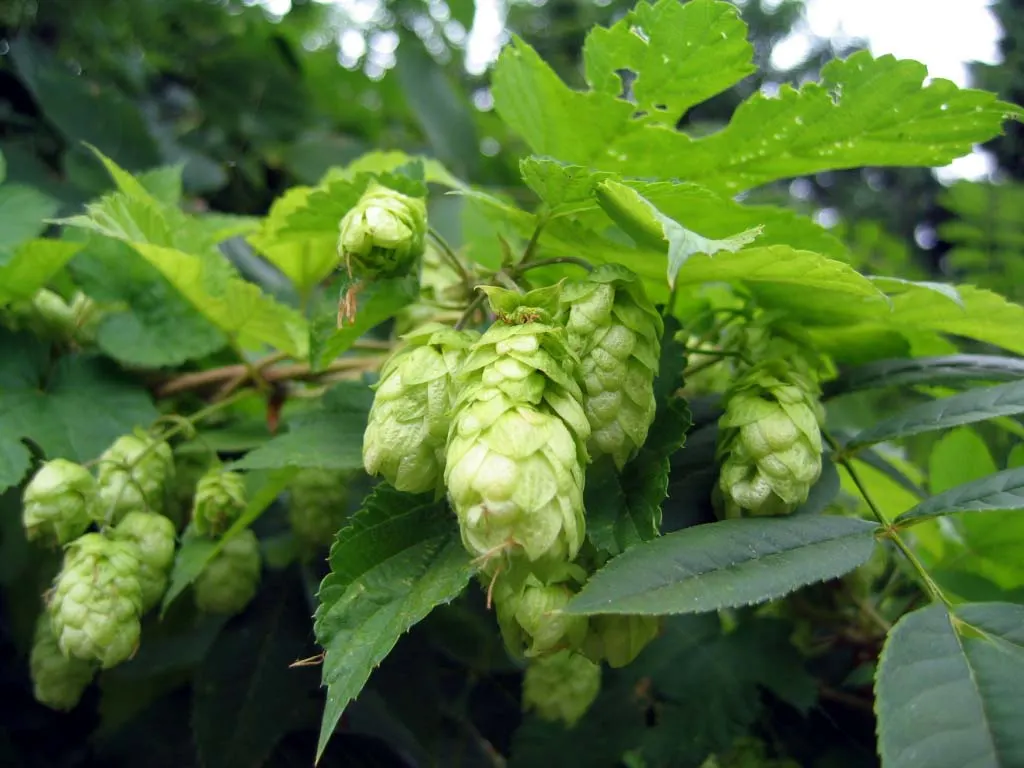
Vine
Hops
Humulus Lupulus
FullUSDA 3–8
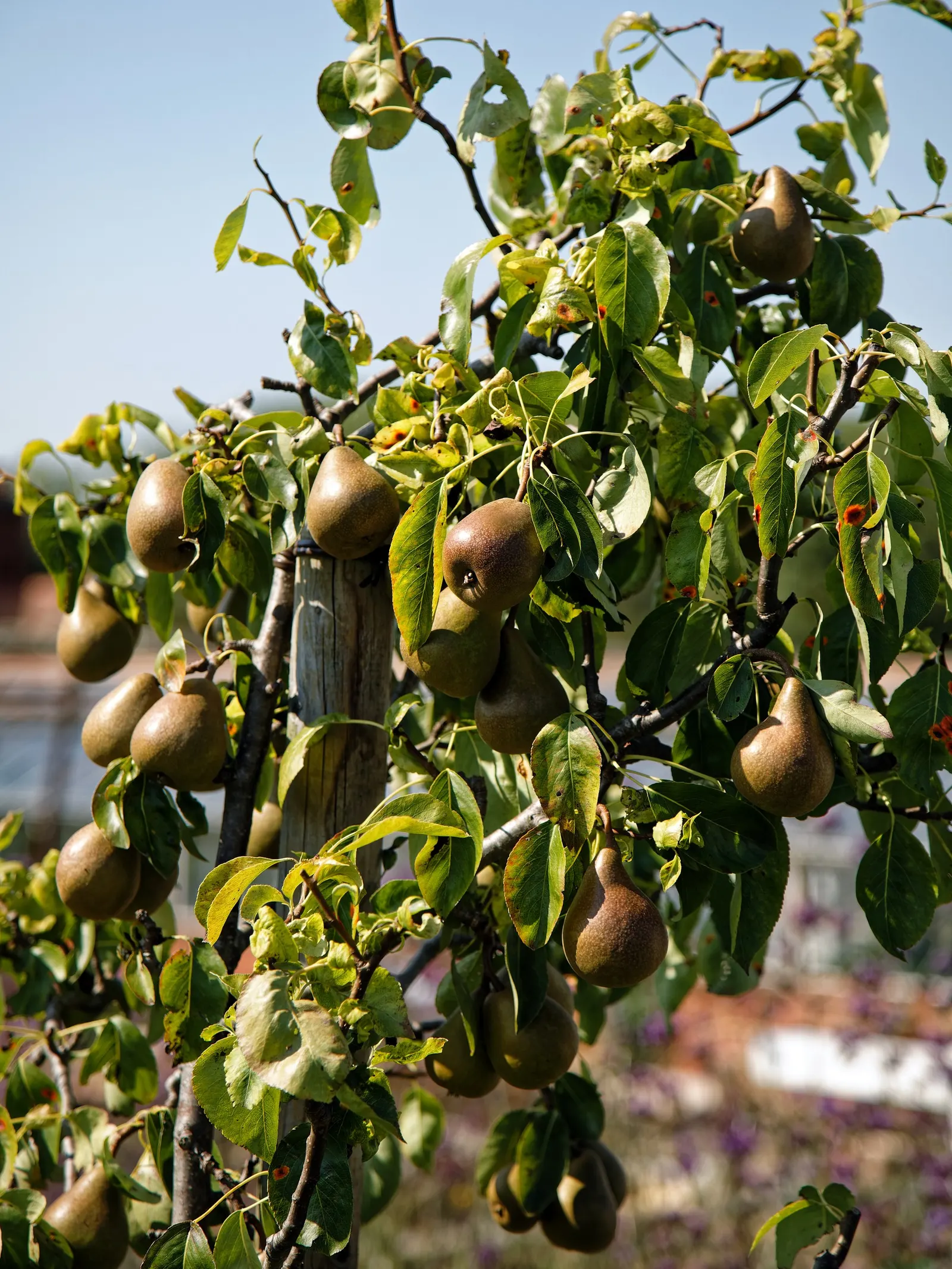
Tree
20Th Century Pear
Pyrus Pyrifolia 'Nijisseiki'
FullUSDA 4–8
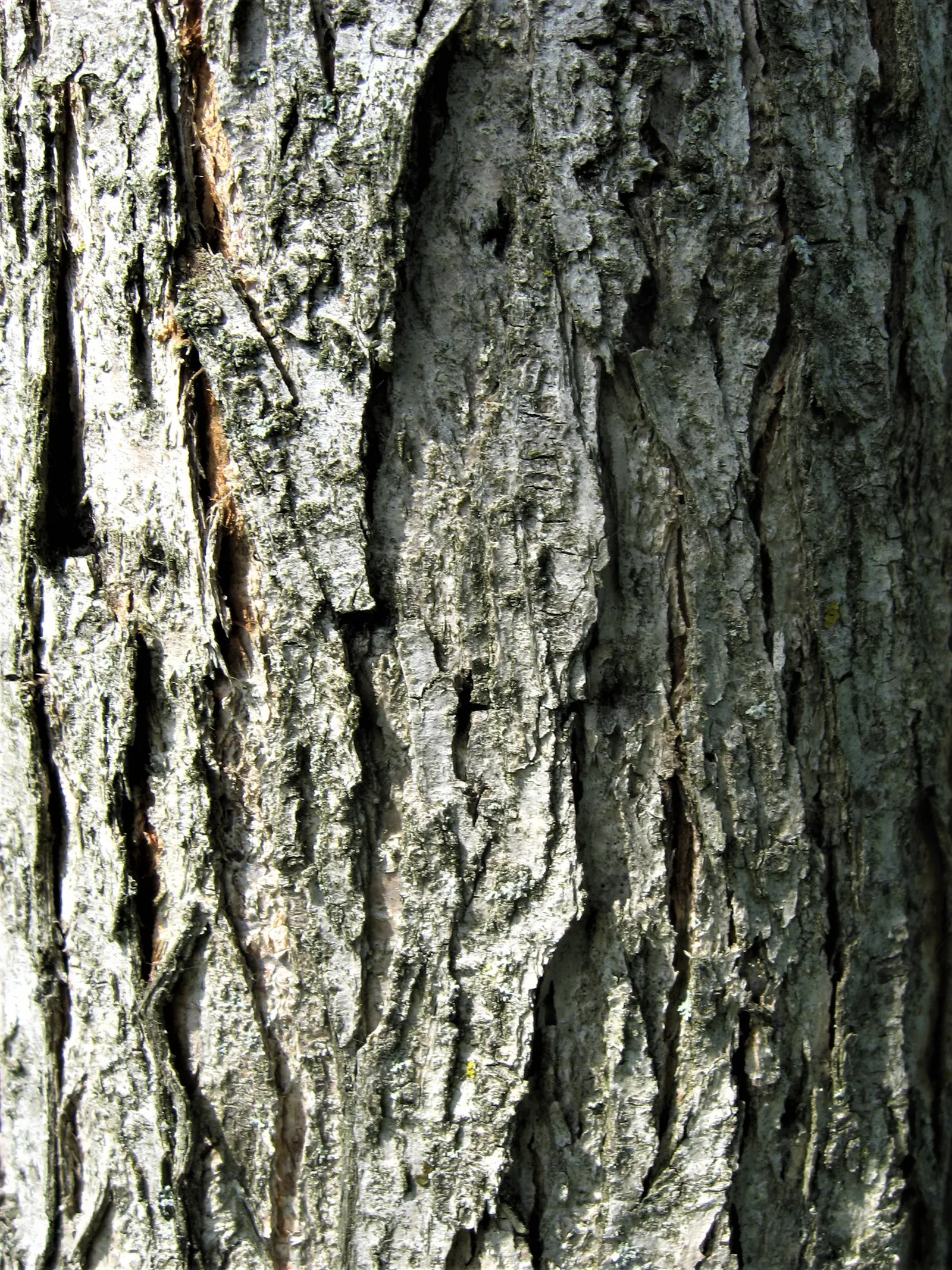
Tree
Accolade Elm
Ulmus 'Morton' Accolade™
FullUSDA 4–9
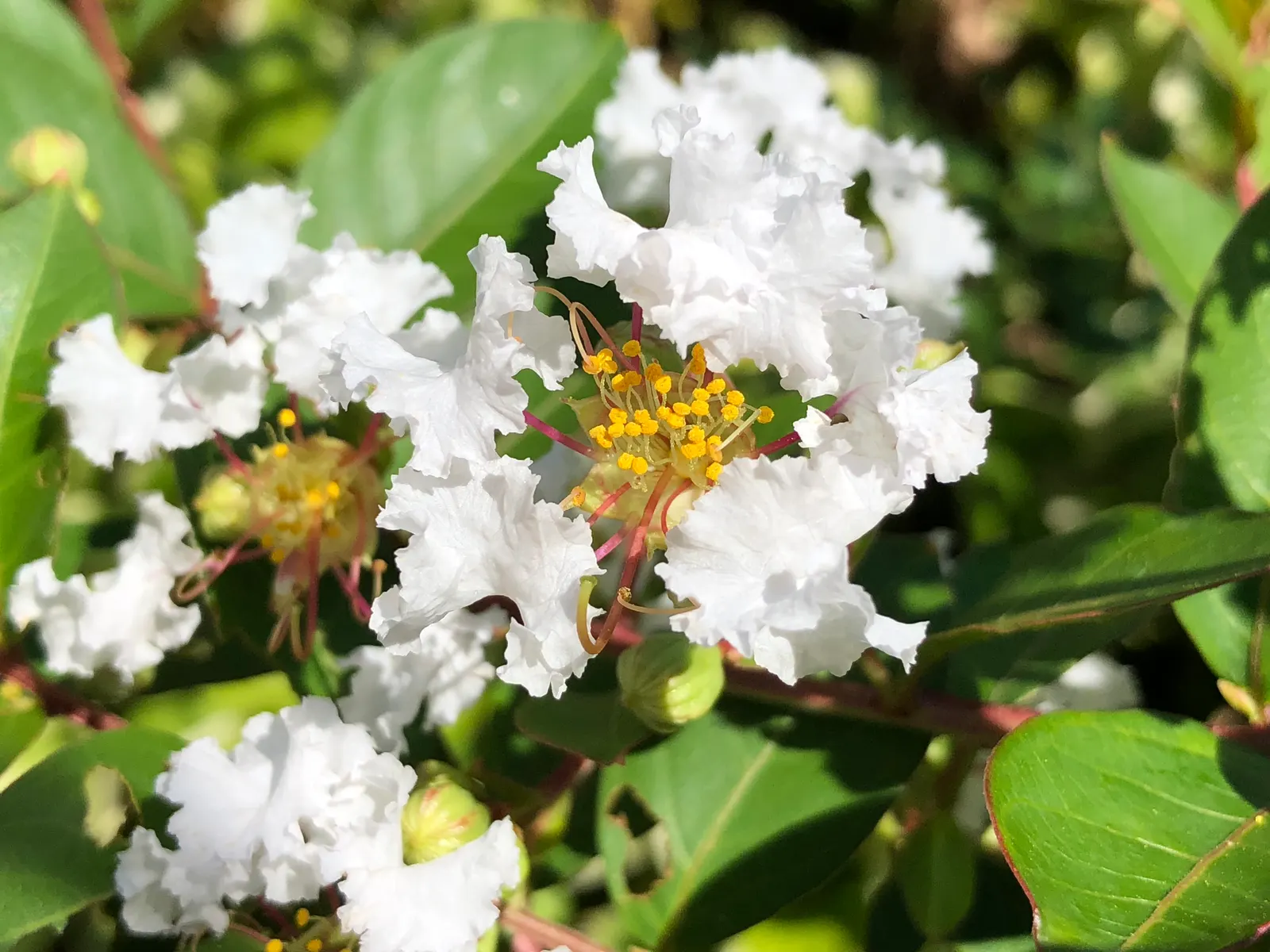
Tree
Acoma Crape Myrtle
Lagerstroemia Indica 'Acoma'
FullUSDA 6–9
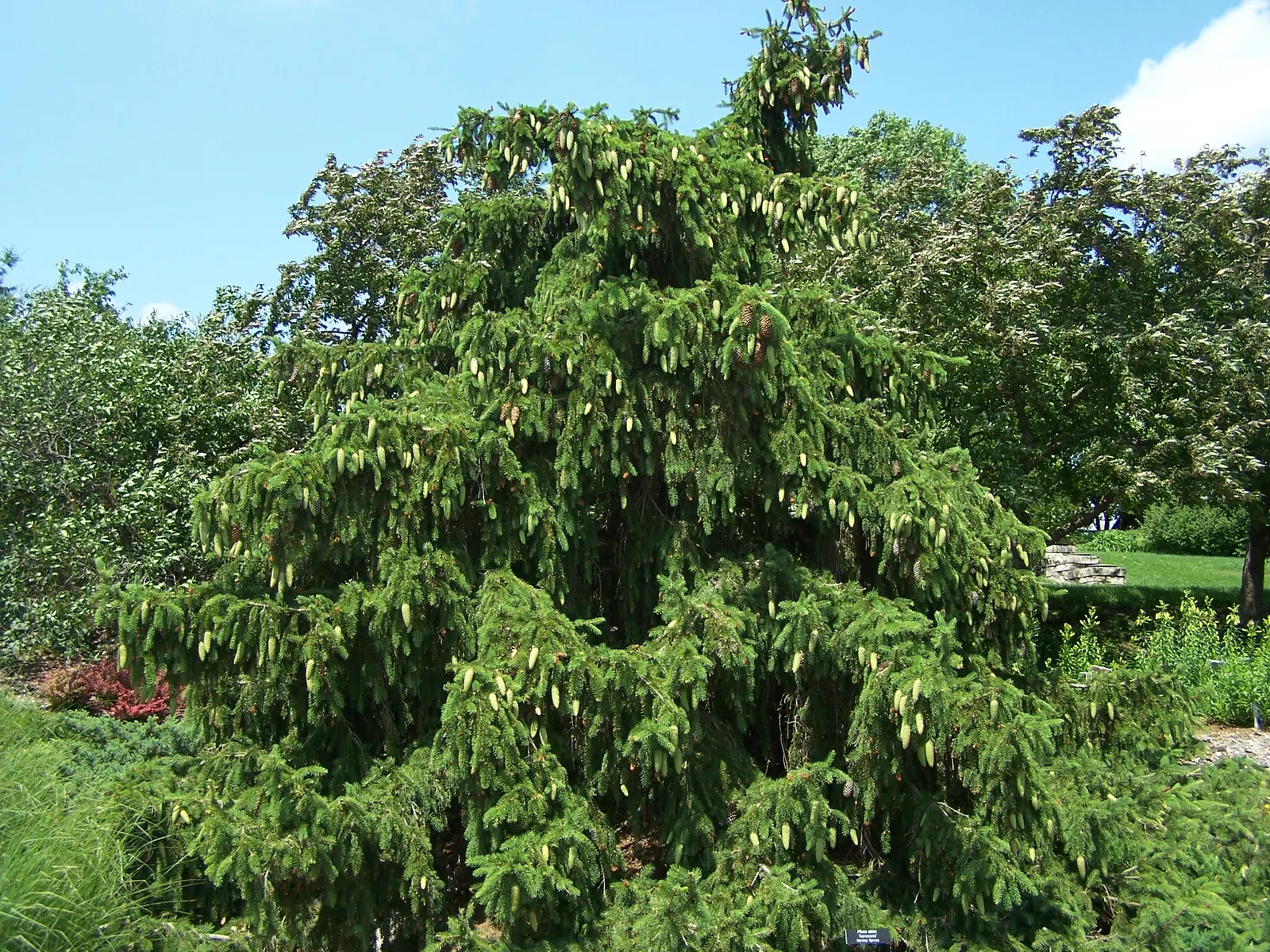
Conifer
Acrocona Dwarf Spruce
Picea Abies 'Acrocona'
FullUSDA 4–7
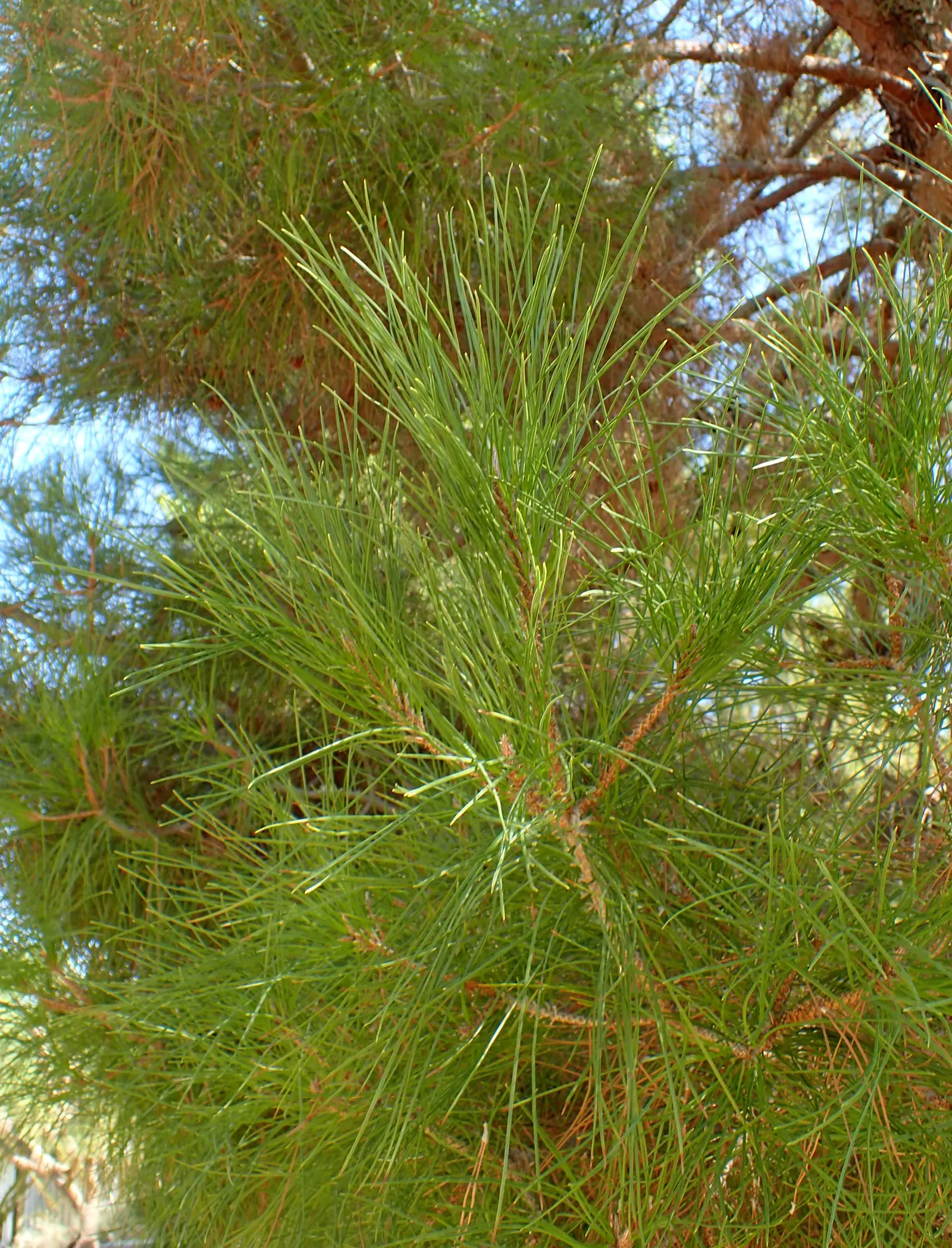
Conifer
Afghan Pine
Pinus Eldarica
FullUSDA 7–10