Skip to content

European Beech

Fagus Sylvatica

Design with this plant

Overview

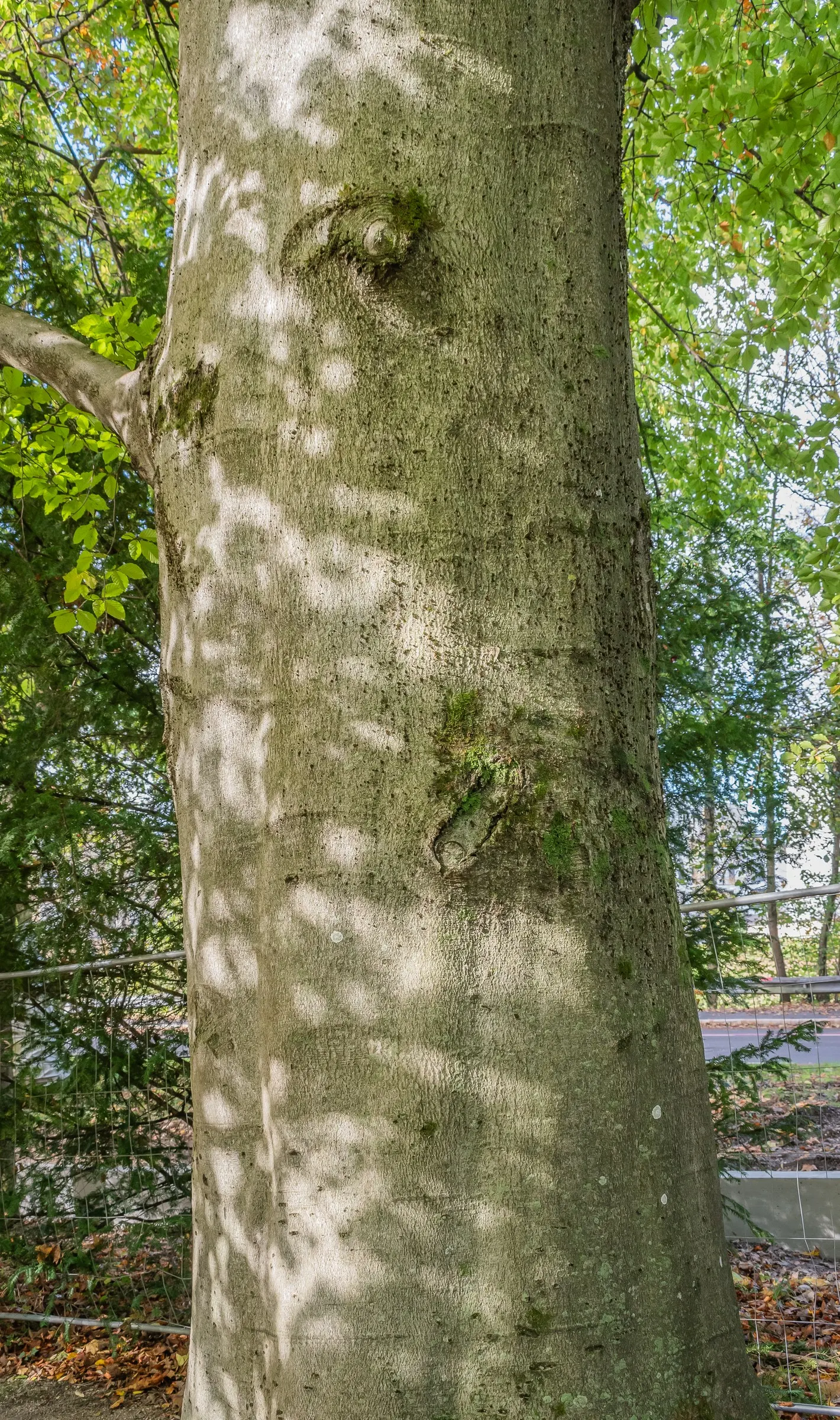
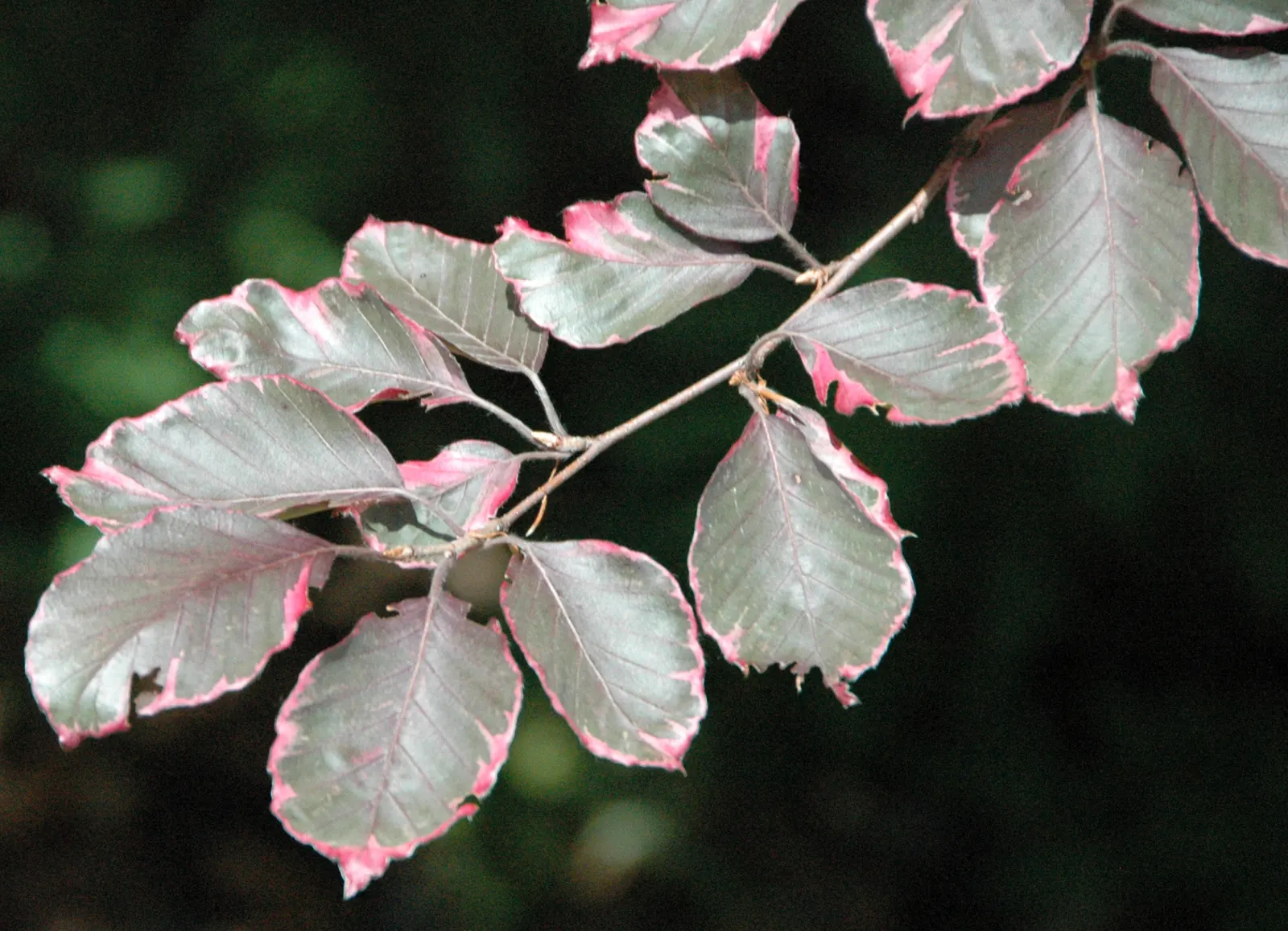
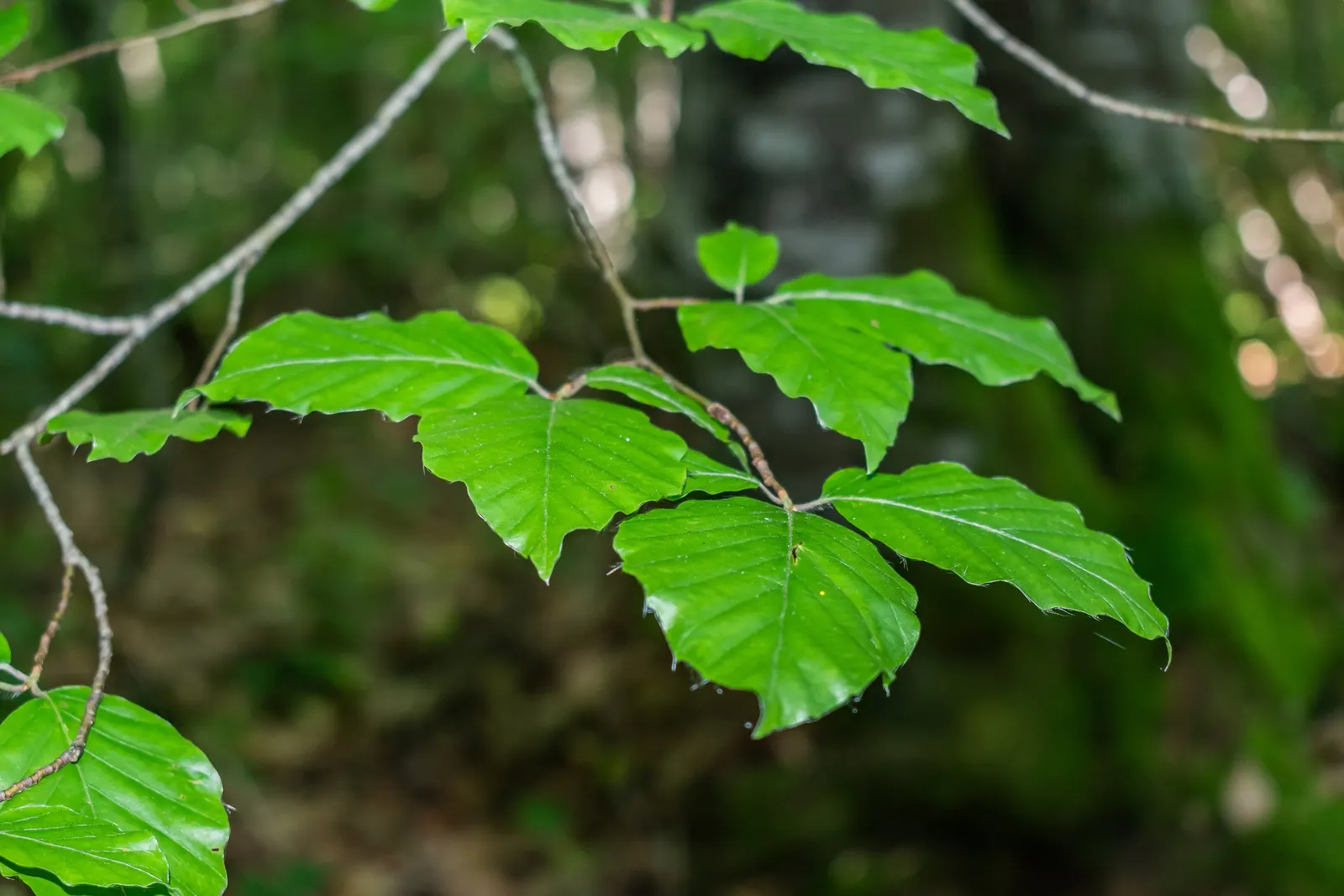
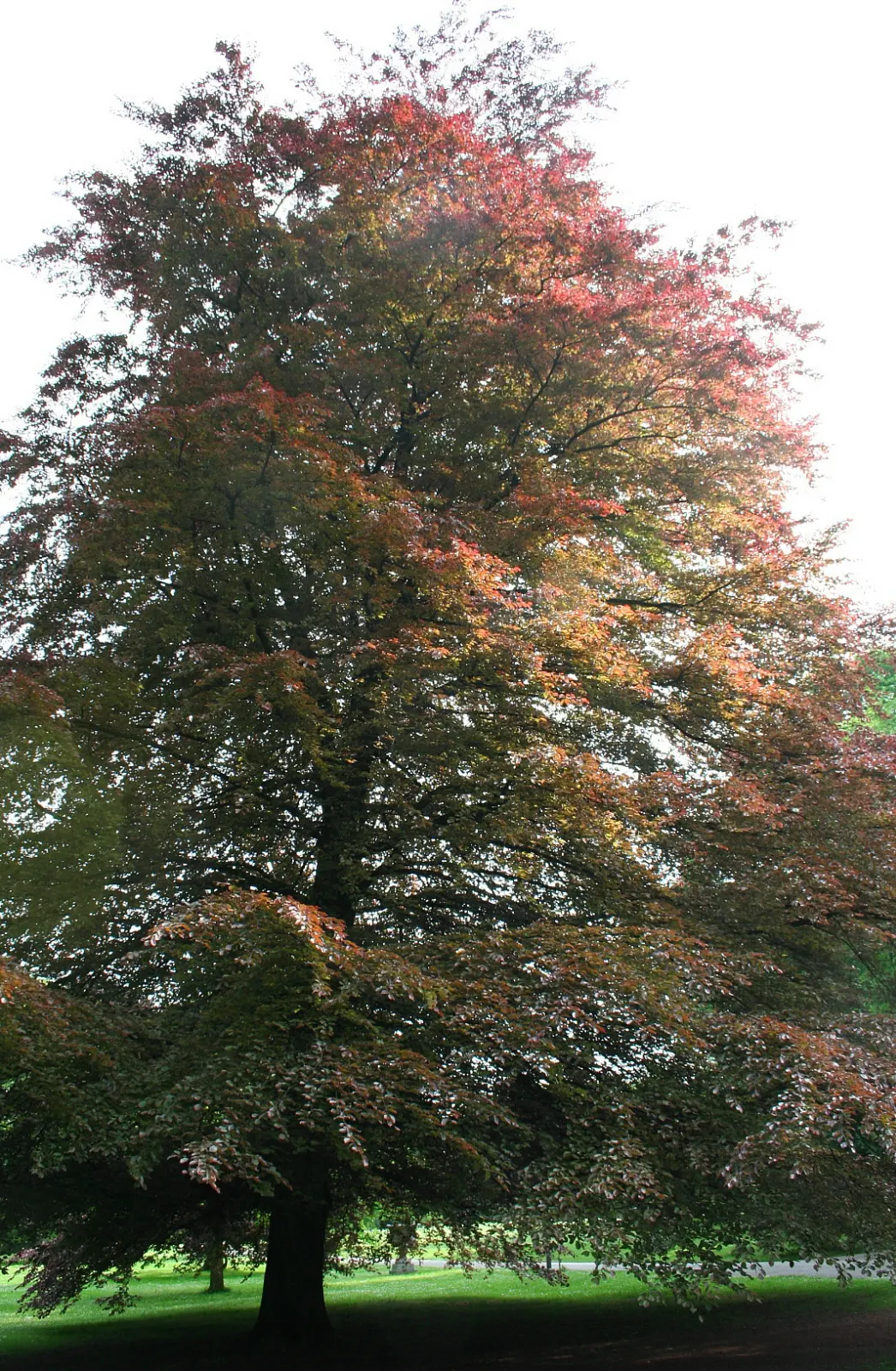
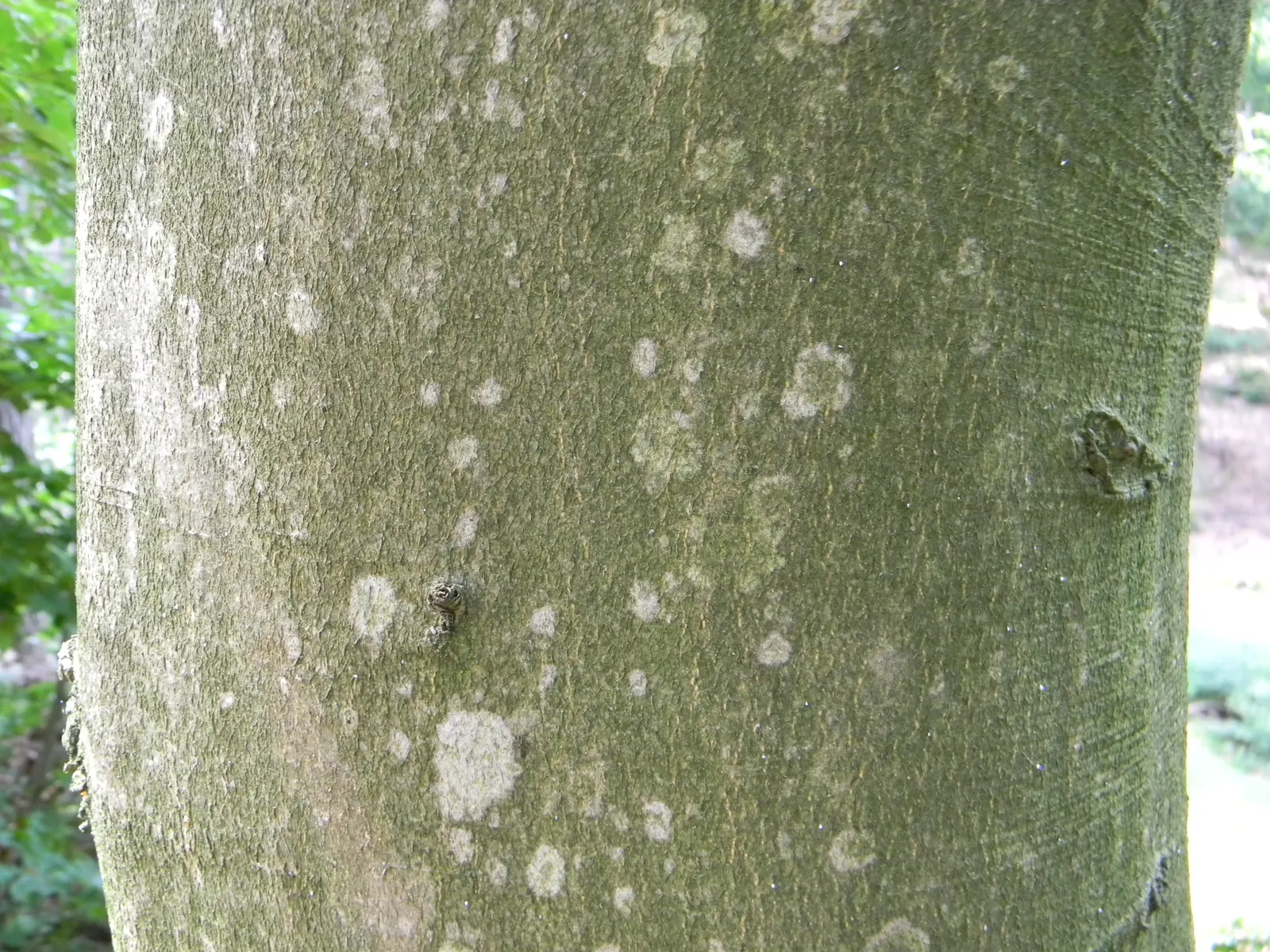
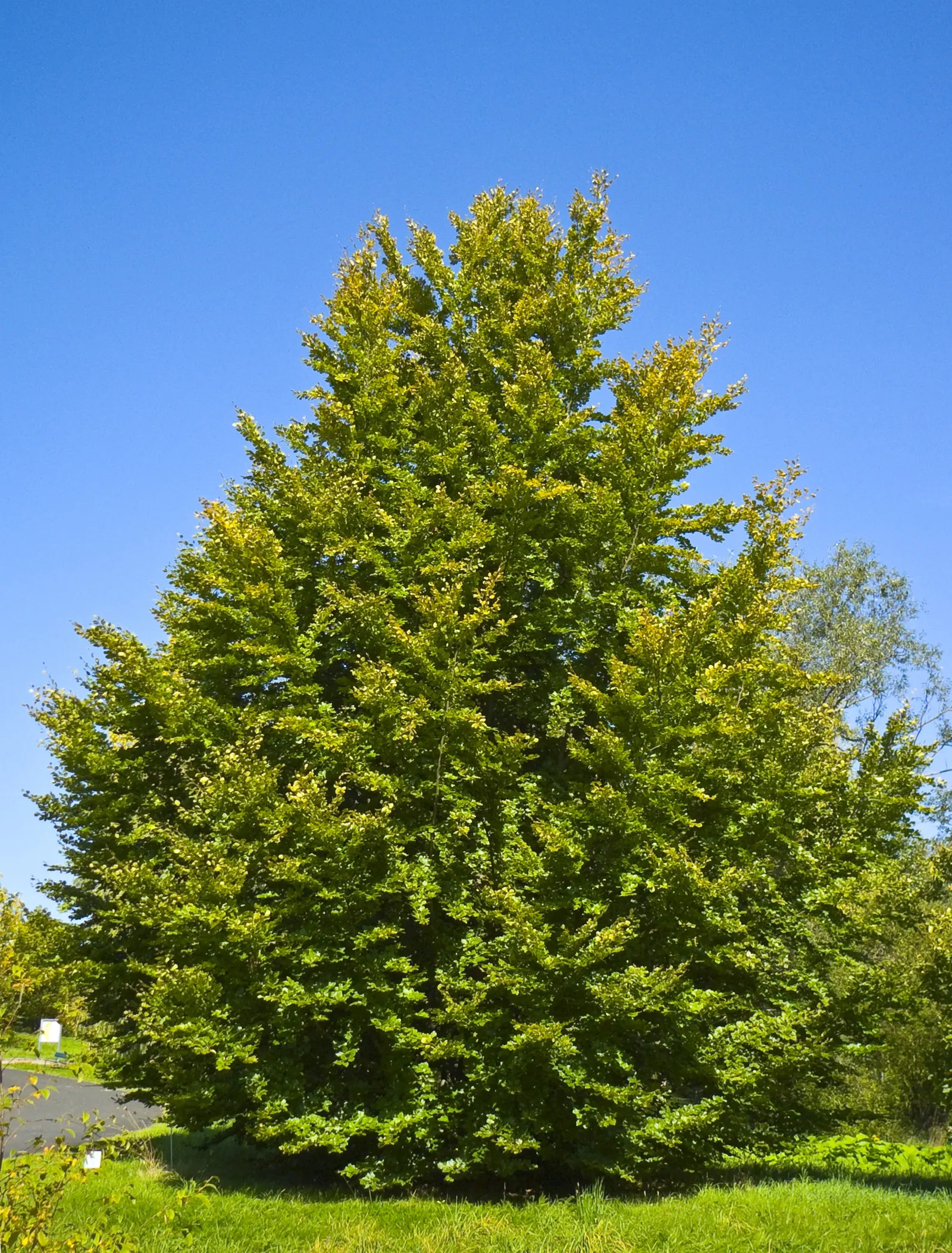
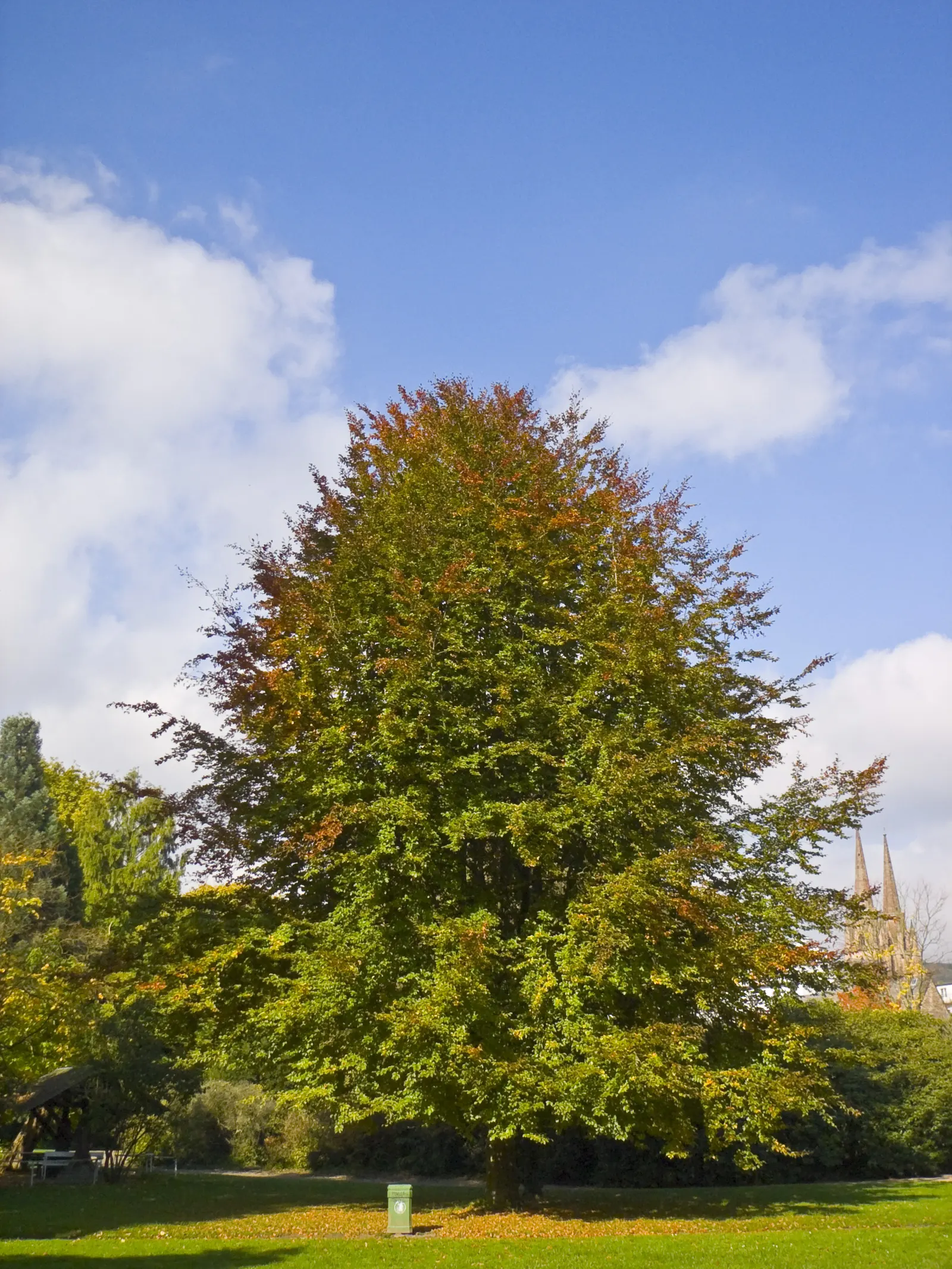
The European Beech (Fagus sylvatica) is a majestic, deciduous tree, appreciated for its smooth, gray bark, and lush, ovate leaves that turn a rich copper in autumn. Reaching up to 60 feet tall with a canopy spread of 35-45 feet, it creates dense shade. Hardy in USDA zones 4-7, it thrives in well-drained soil and full sun to part shade. A stately choice for large spaces and avenues.

Sun Full, HalfWater Extra in Summer, MediumZones 4–7Type Tree
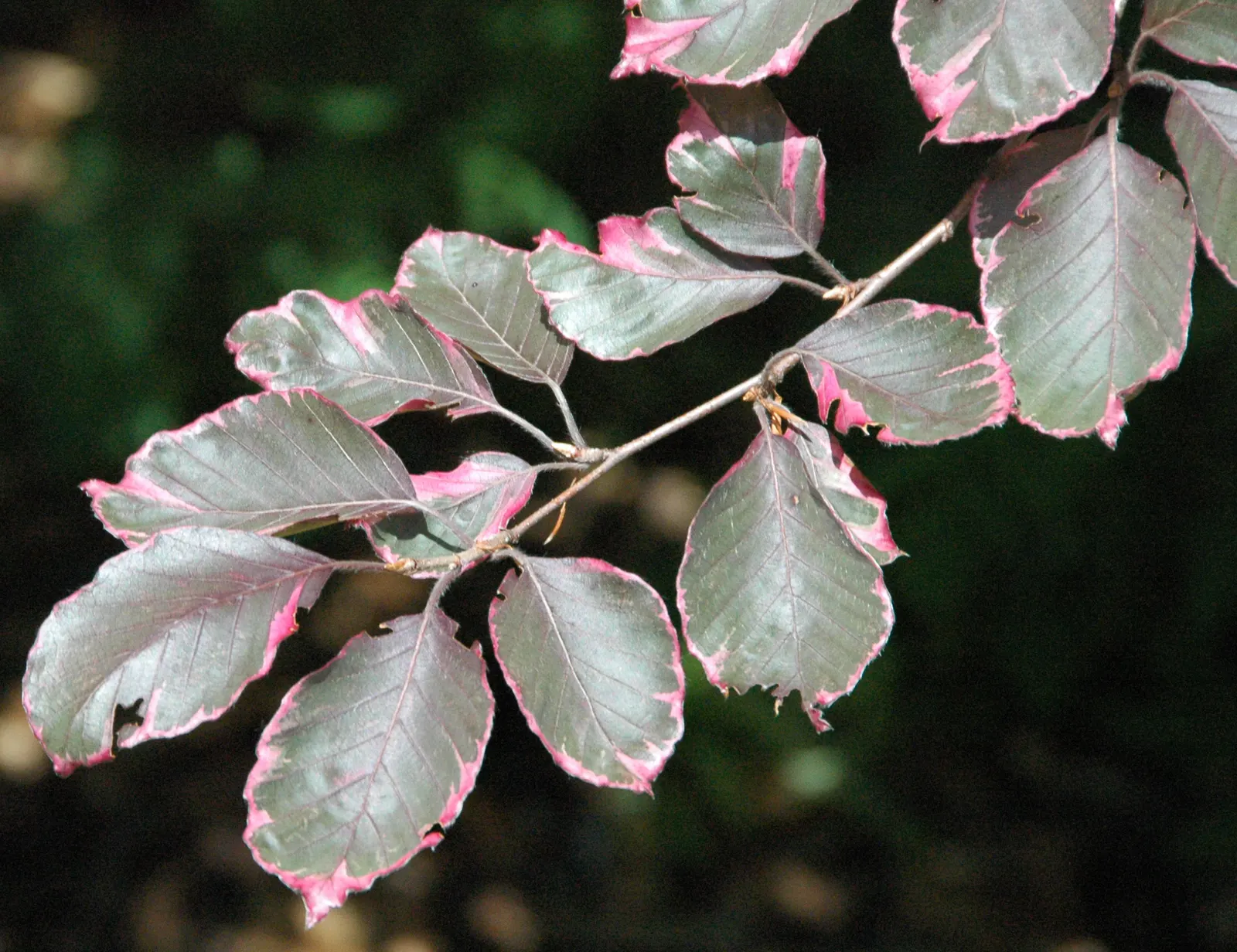
European Beech (Fagus Sylvatica) — year-round elegance for any landscape setting; the European Beech thrives in well-drained, fertile soil and prefers full sun

Culture

Sun
Full, Half
Water
Extra in Summer, Medium
USDA zones
4–7

Shape & size

Classification

Type
Tree
Family
Fagaceae

See full data, regional cultivation notes, and design tools. Build a client presentation around this plant.

Start your 14-day trial

Photos (101)
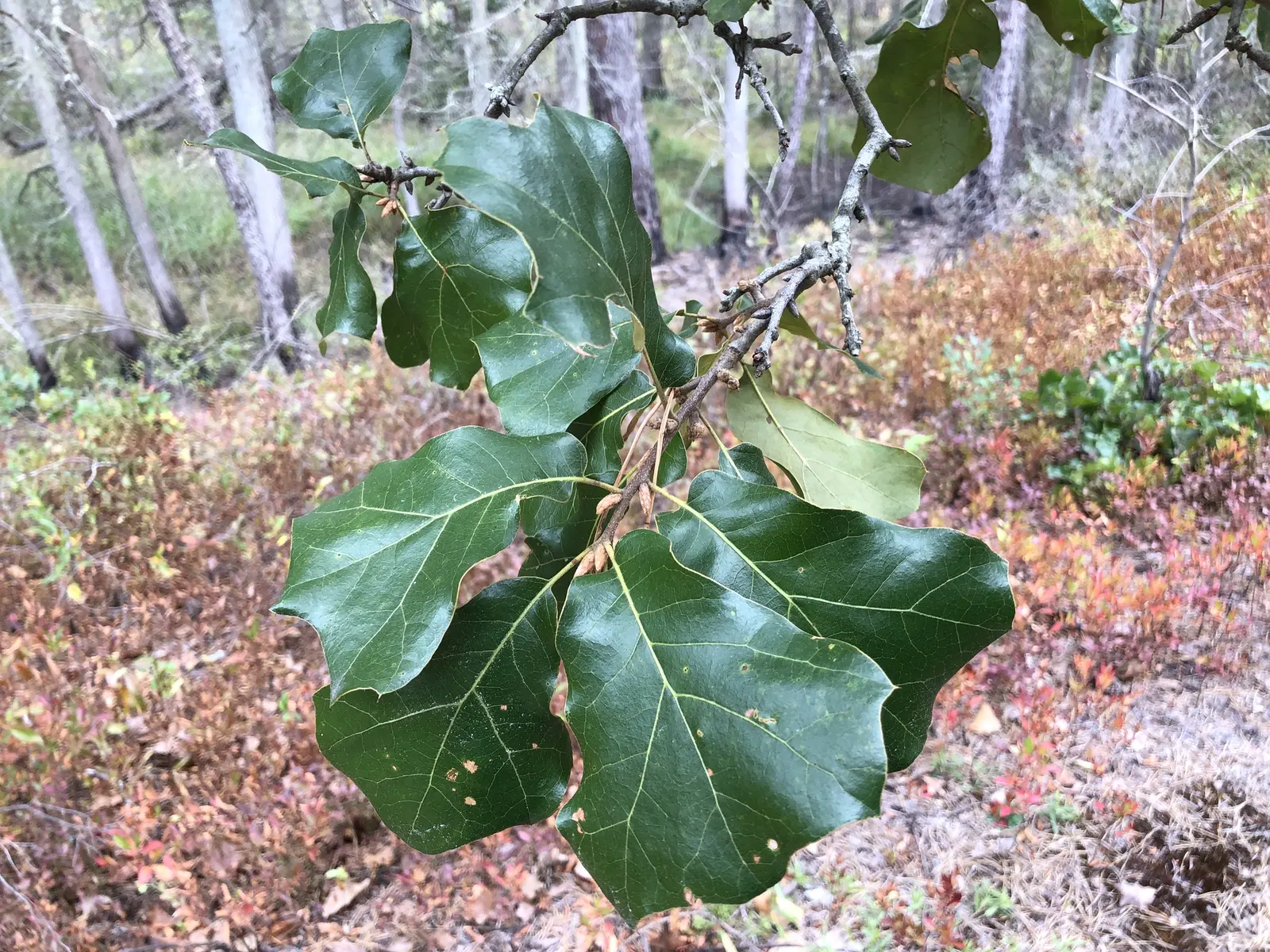
European Beech (Fagus Sylvatica) — but its grandeur and seasonal variations guarantee a dignified; highly sought after in landscape designs for its, image 73
European Beech (Fagus Sylvatica) — tree for full or half; the tree provides minimal ecological benefit as its dense canopy can inhibit the growth of
European Beech (Fagus Sylvatica) — Hardy in USDA zones 4-7, it thrives in well-drained soil and full sun to part shade; the European Beech (Fagus sylvatica)
European Beech (Fagus Sylvatica) — tree for full or half; the tree provides minimal ecological benefit as its dense canopy can inhibit the growth of, image 75
European Beech (Fagus Sylvatica) — allowing it to provide substantial shade; but it is important to ensure it has adequate space to grow both above and below
European Beech (Fagus Sylvatica) — Hardy in USDA zones 4-7, it thrives in well-drained soil and full sun to part shade; the European Beech (Fagus, image 55
European Beech (Fagus Sylvatica) — with a spread of about 35 to 45 feet, image 38
European Beech (Fagus Sylvatica) — which matures to a deep emerald through the summer months
European Beech (Fagus Sylvatica) — With the arrival of autumn
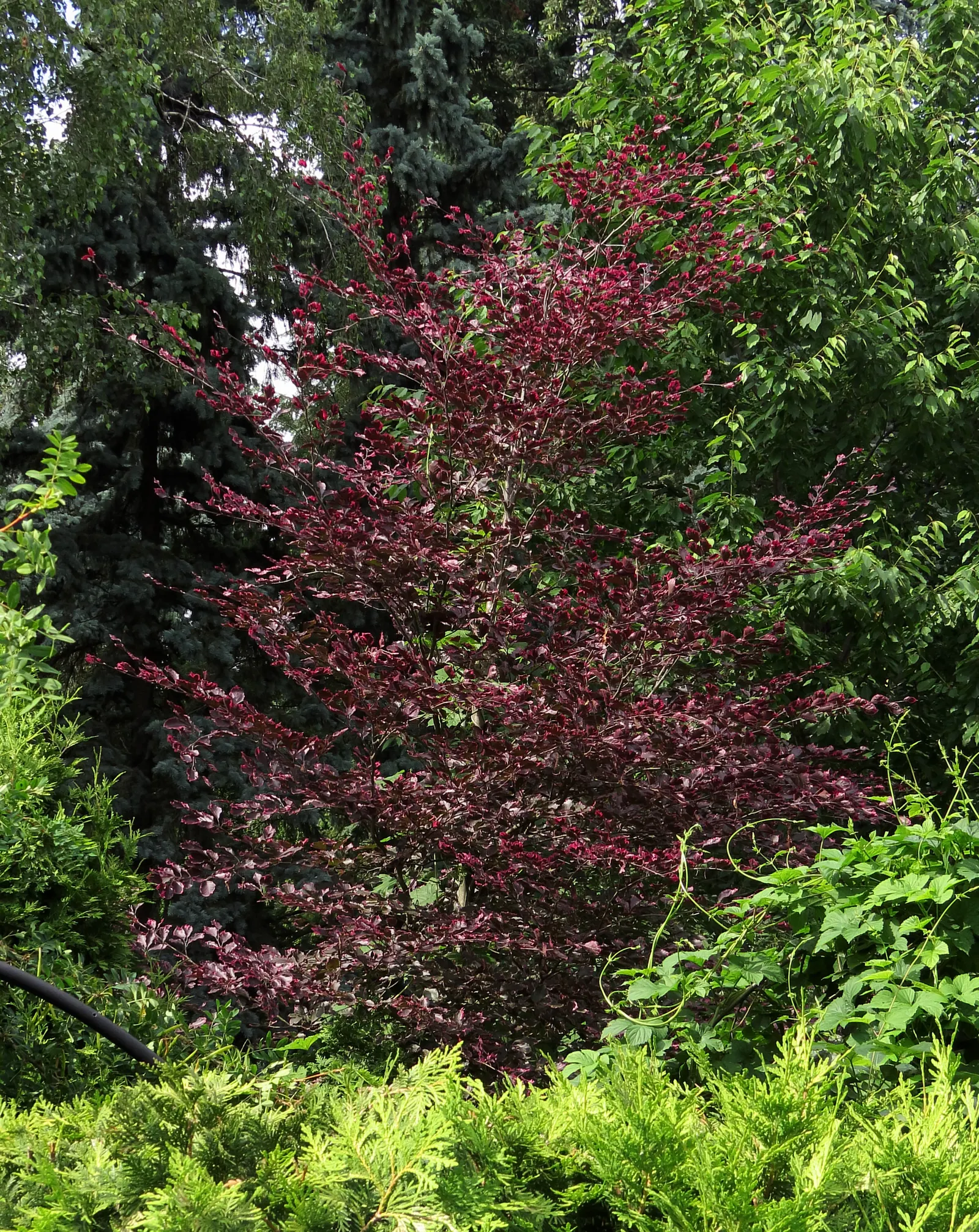
European Beech (Fagus Sylvatica) — Reaching up to 60 feet tall with a canopy spread of 35-45 feet, it creates dense shade; tree for full or half, image 54
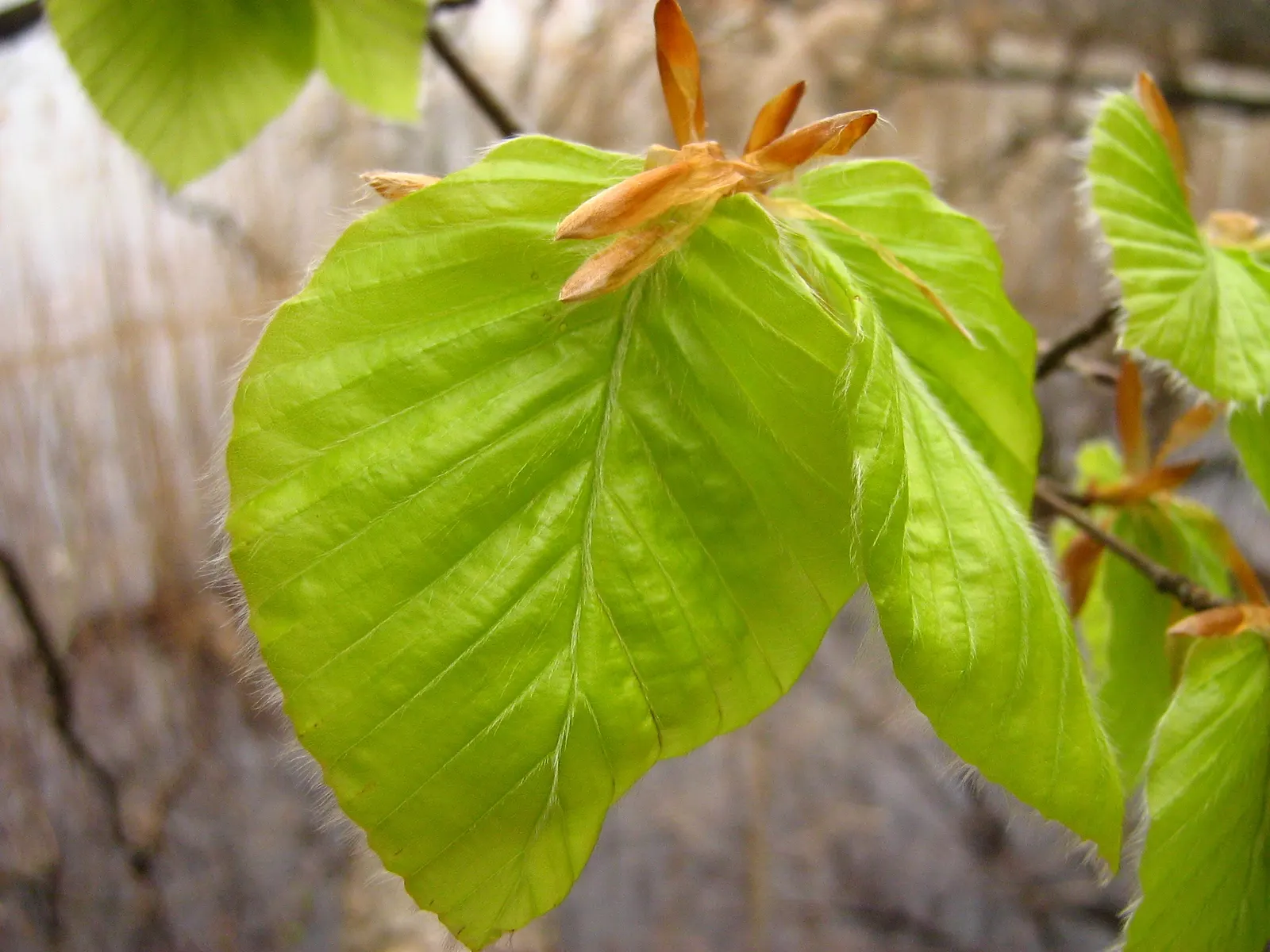
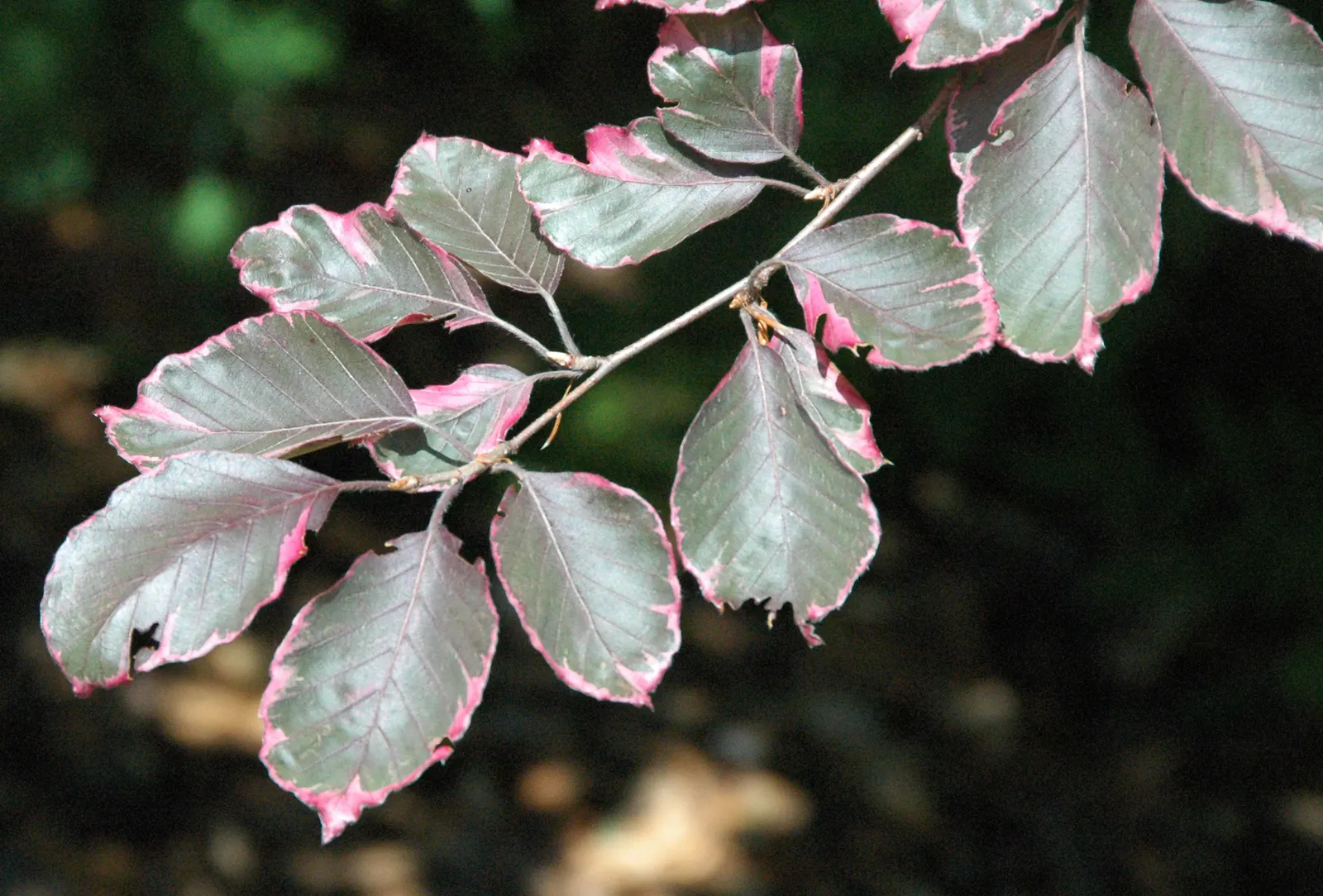
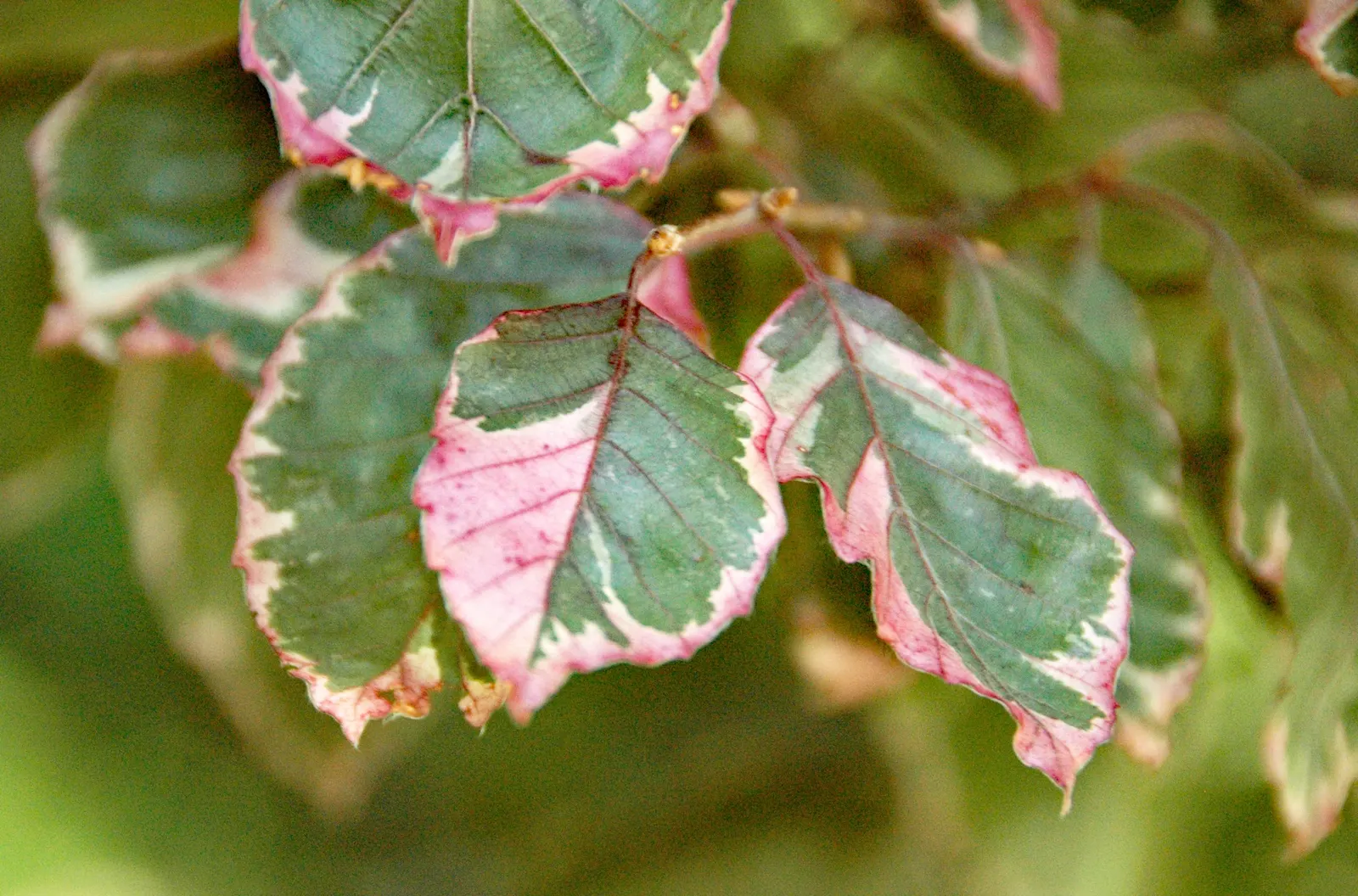
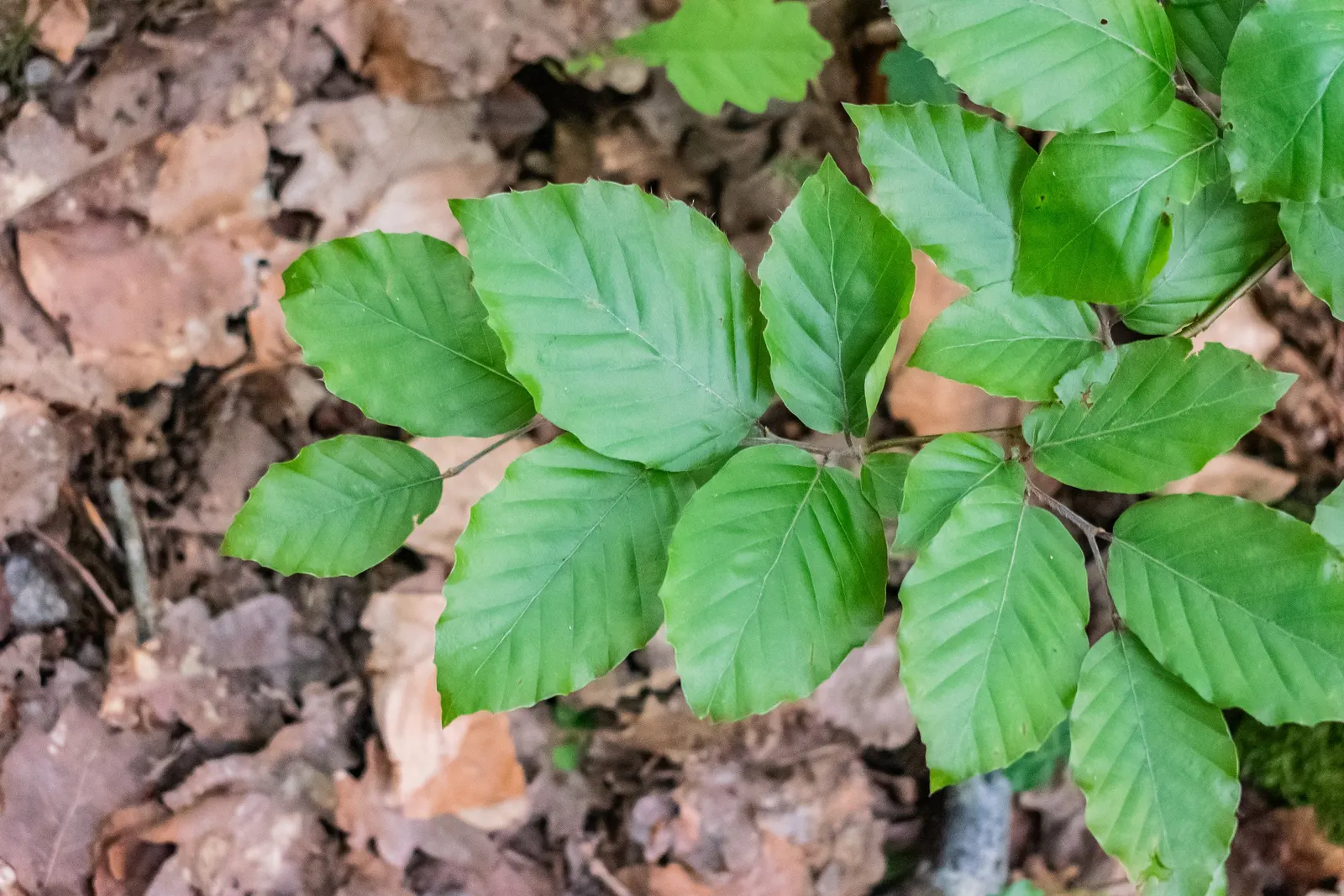
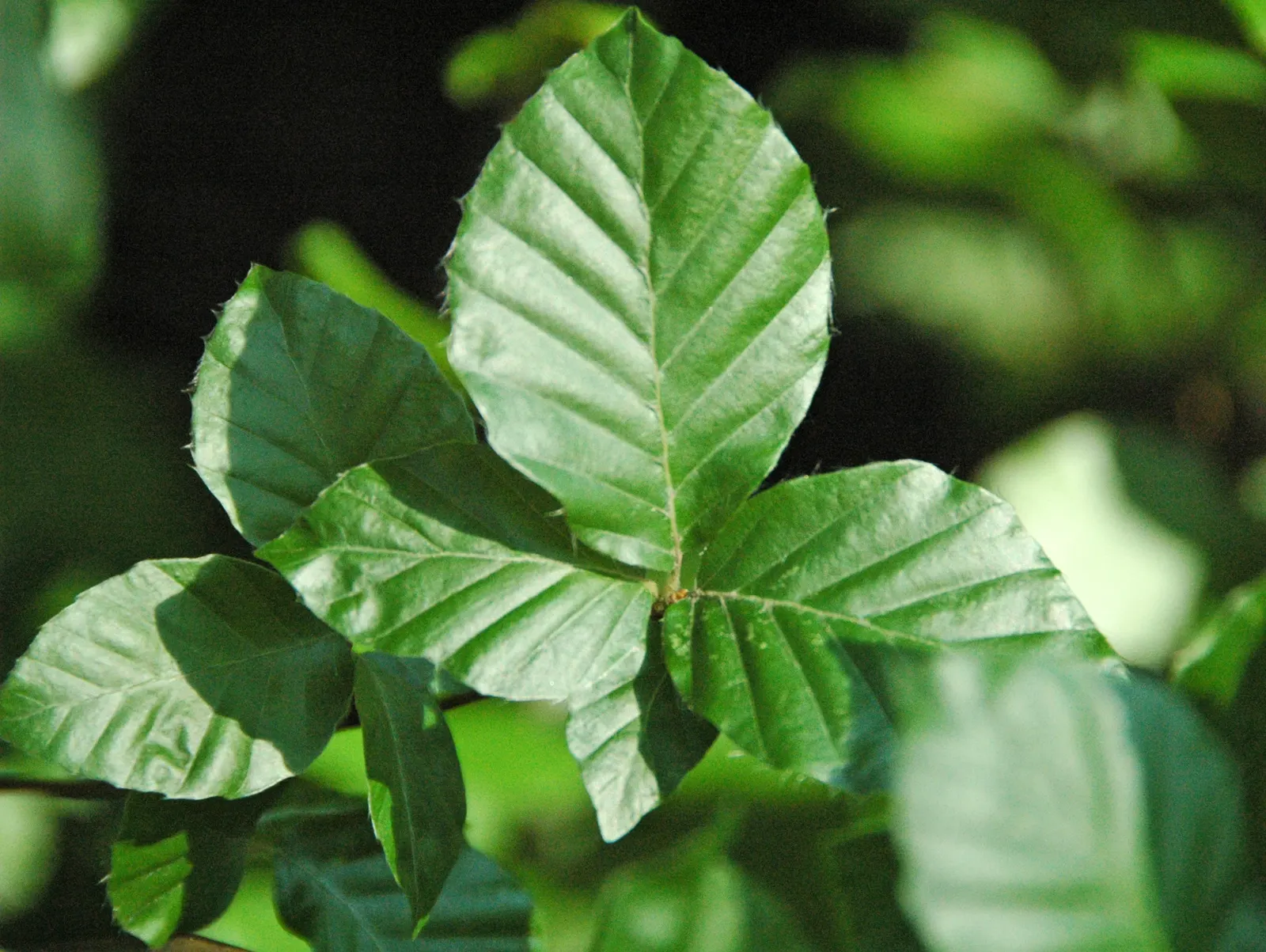
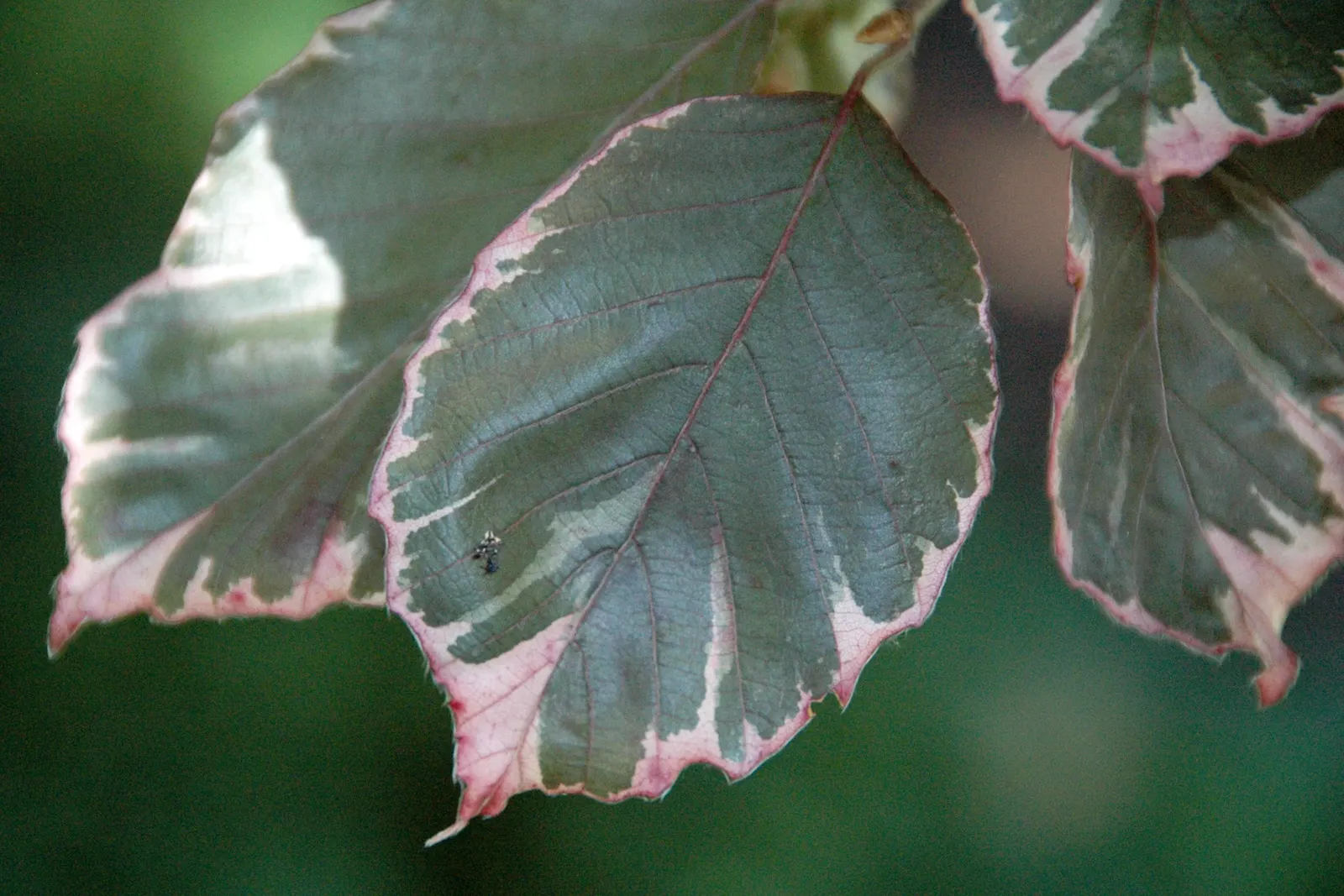
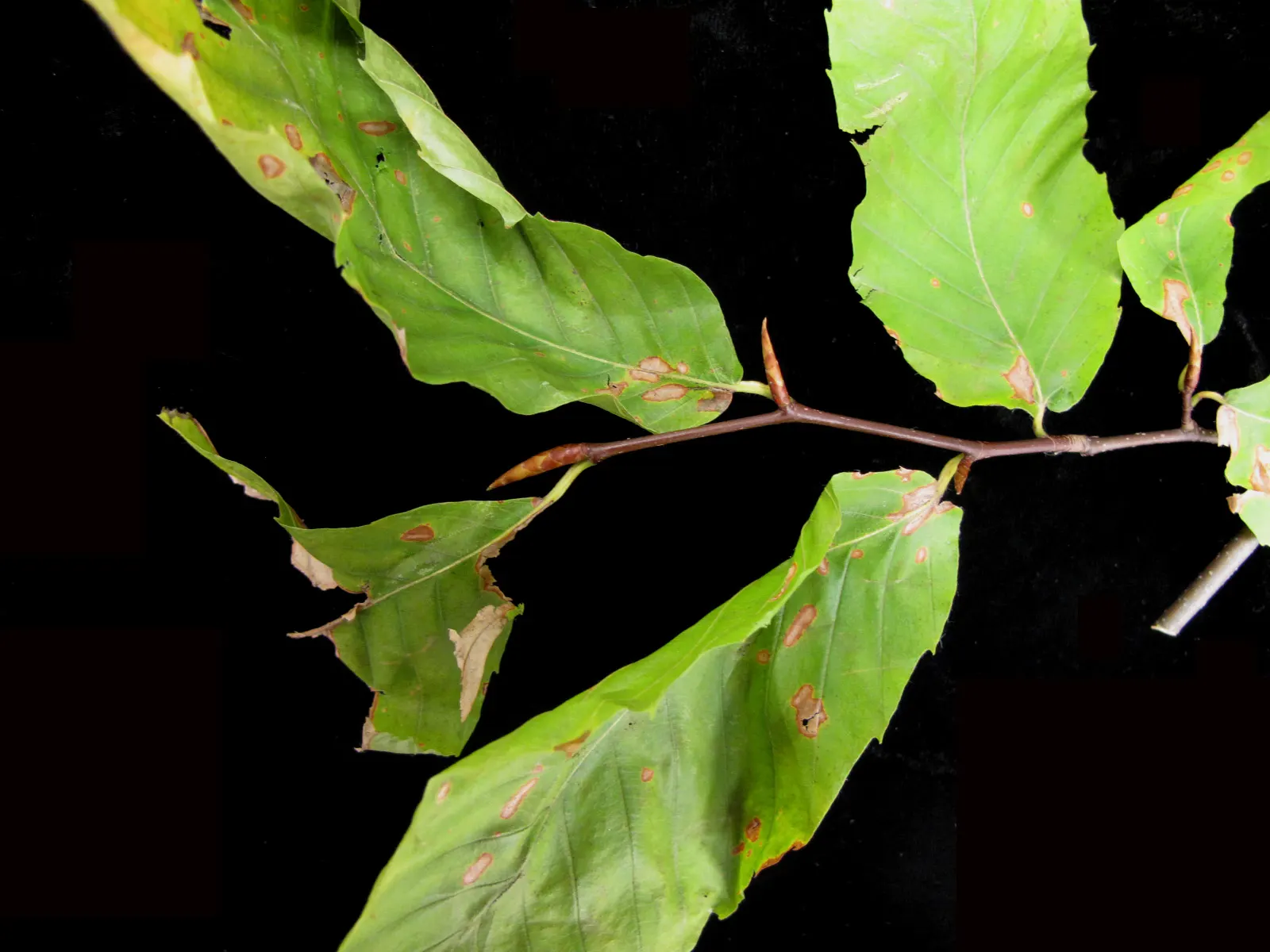
European Beech (Fagus Sylvatica) — silvery-gray bark and lush; ovate leaves spanning approximately 2 to 4 inches in length
European Beech (Fagus Sylvatica) — tree for full or half
European Beech (Fagus Sylvatica) — but its grandeur and seasonal variations guarantee a dignified; highly sought after in landscape designs for its majestic
European Beech (Fagus Sylvatica) — The European Beech thrives in well-drained, fertile soil and prefers full sun to partial shade; appreciated for, image 65
European Beech (Fagus Sylvatica) — the tree provides minimal ecological benefit as its dense canopy can inhibit the growth of underplanting
European Beech (Fagus Sylvatica) — It has a growth rate considered moderate
European Beech (Fagus Sylvatica) — Reaching up to 60 feet tall with a canopy spread of 35-45 feet, it creates dense shade
European Beech (Fagus Sylvatica) — adding about 12 to 24 inches per year; it has a growth rate considered moderate, image 67
European Beech (Fagus Sylvatica) — as its root system is quite extensive; the European Beech requires minimal maintenance once established
European Beech (Fagus Sylvatica) — A stately choice for large spaces and avenues; allowing it to provide substantial shade, image 56
European Beech (Fagus Sylvatica) — the tree provides minimal ecological benefit as its dense canopy can inhibit the growth of underplanting; the European Beech
European Beech (Fagus Sylvatica) — which should be taken into consideration during the planning phases.<br><br>For the longevity of its life
European Beech (Fagus Sylvatica) — With the arrival of autumn; a stately choice for large spaces and avenues
European Beech (Fagus Sylvatica) — silvery-gray bark and lush; ovate leaves spanning approximately 2 to 4 inches in length, image 59
Photographs by 7 contributors

Related plants