Skip to content

American Beech

Fagus grandifolia

Design with this plant

Overview

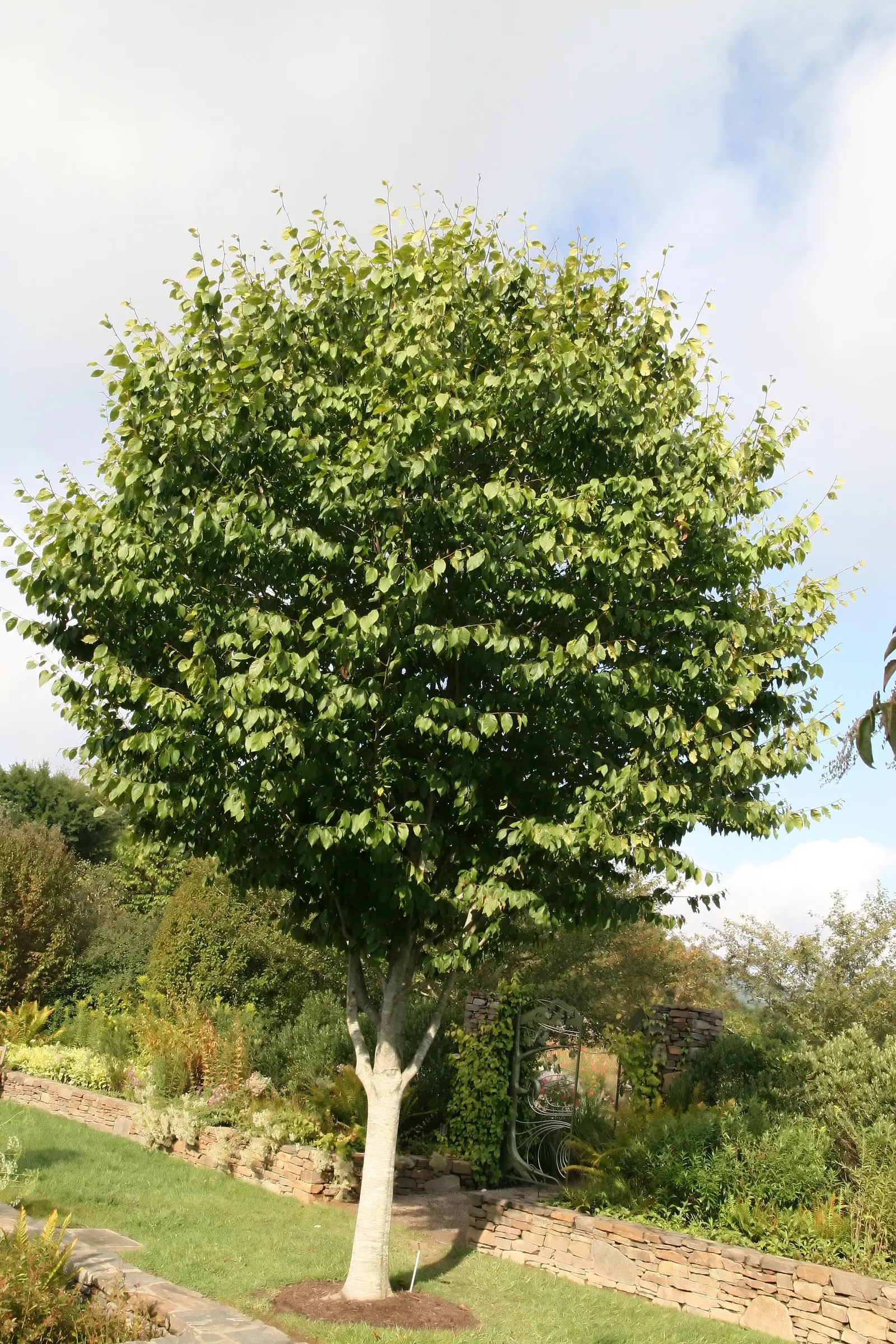
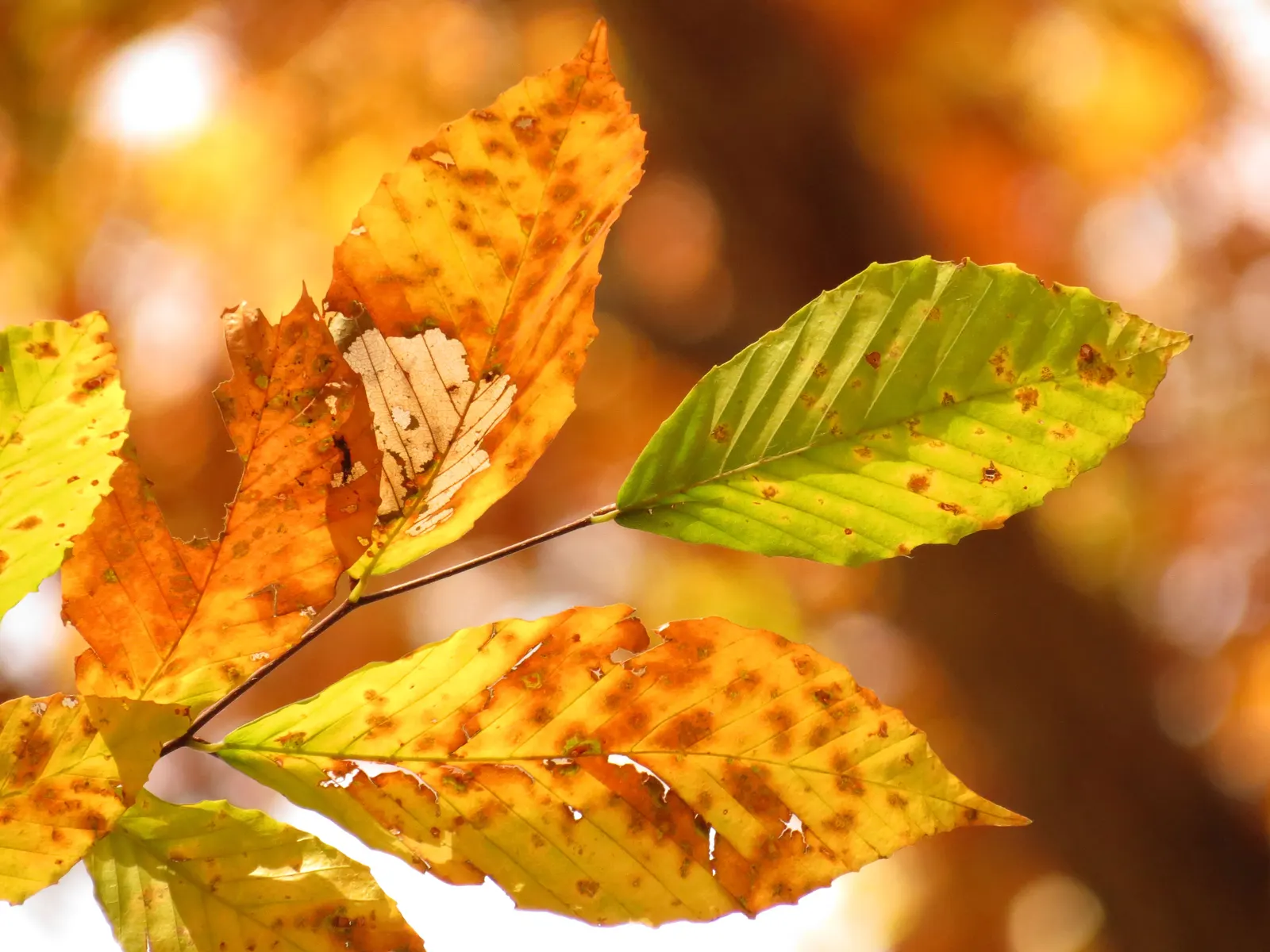
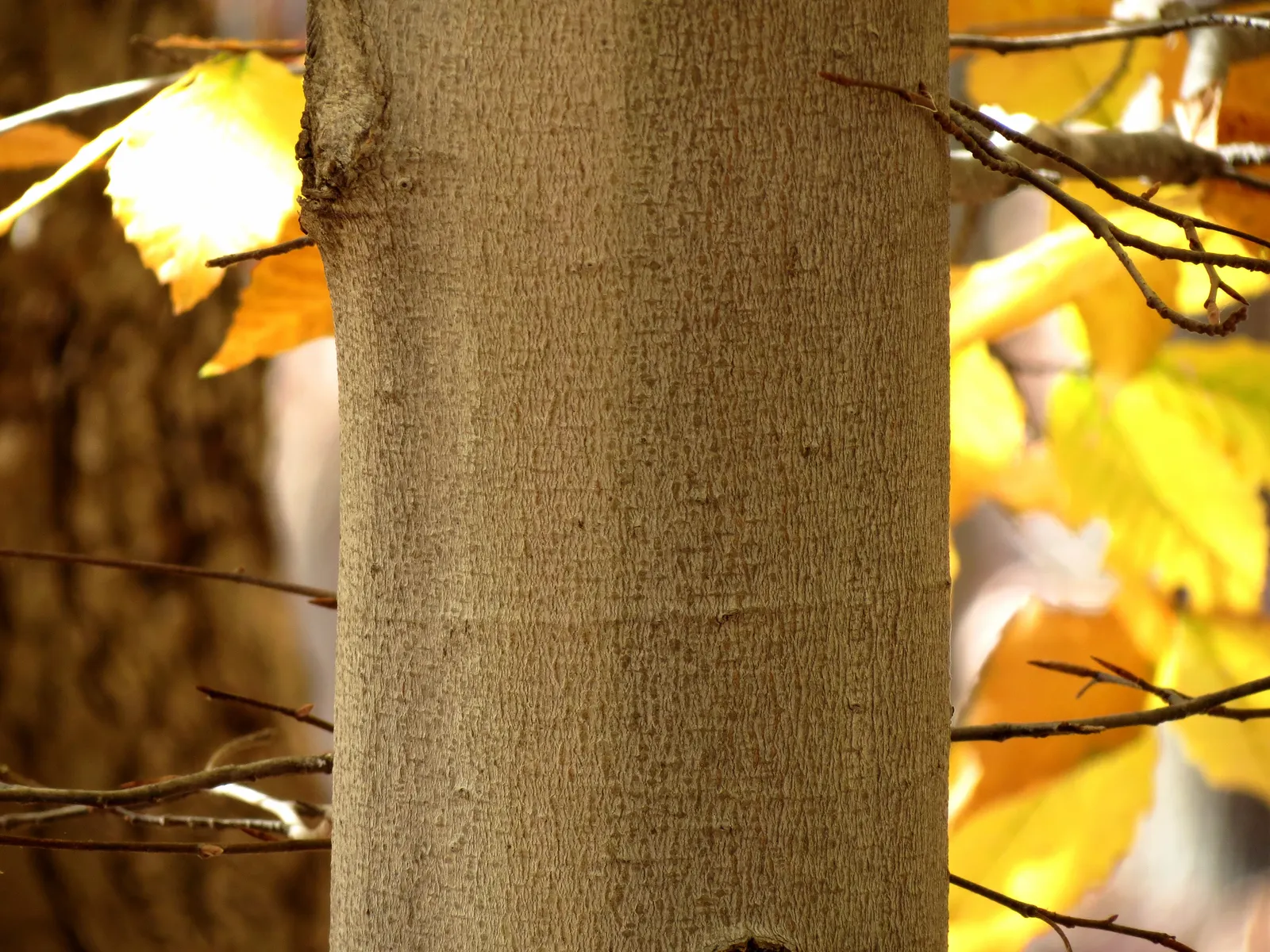
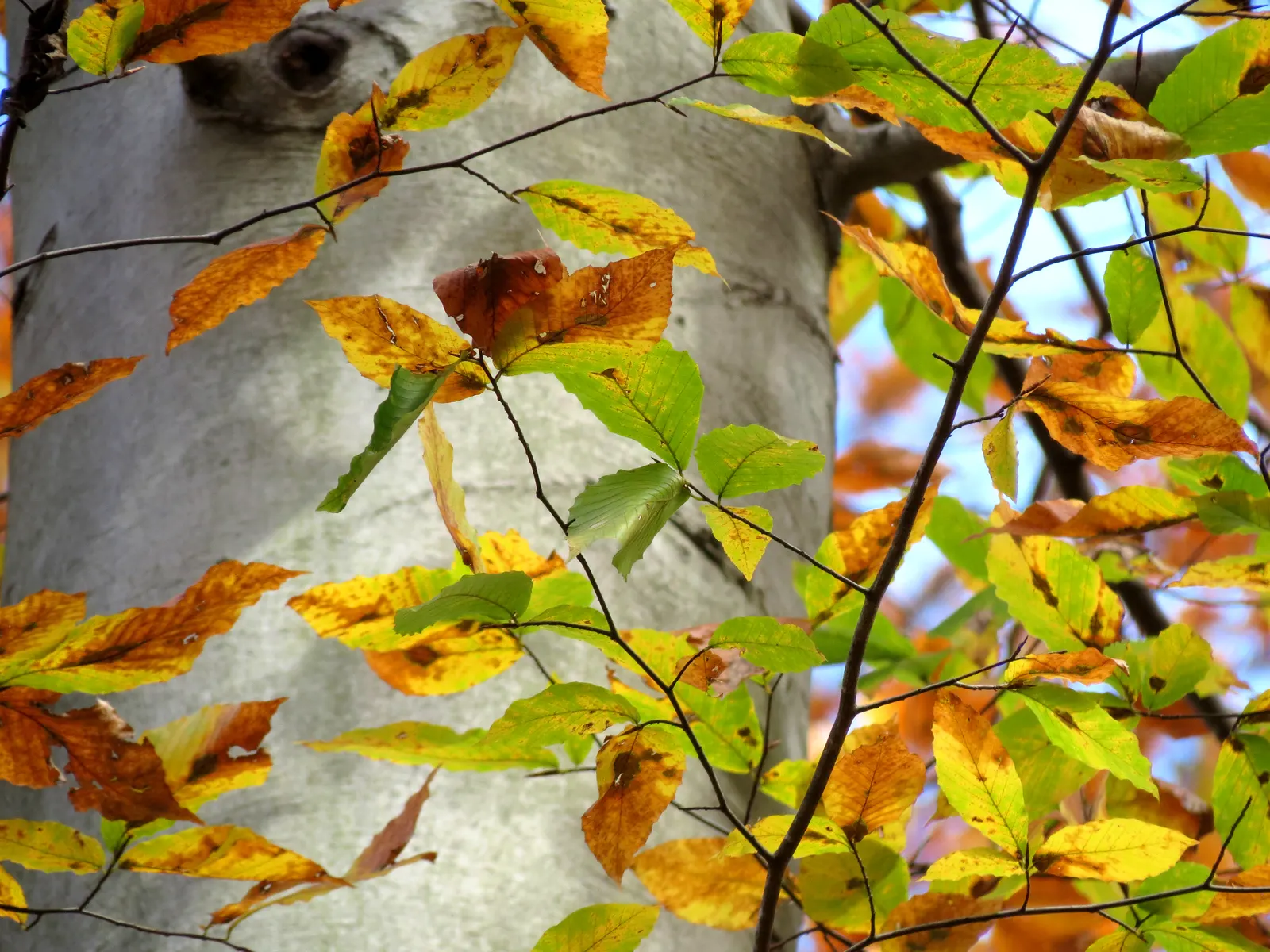
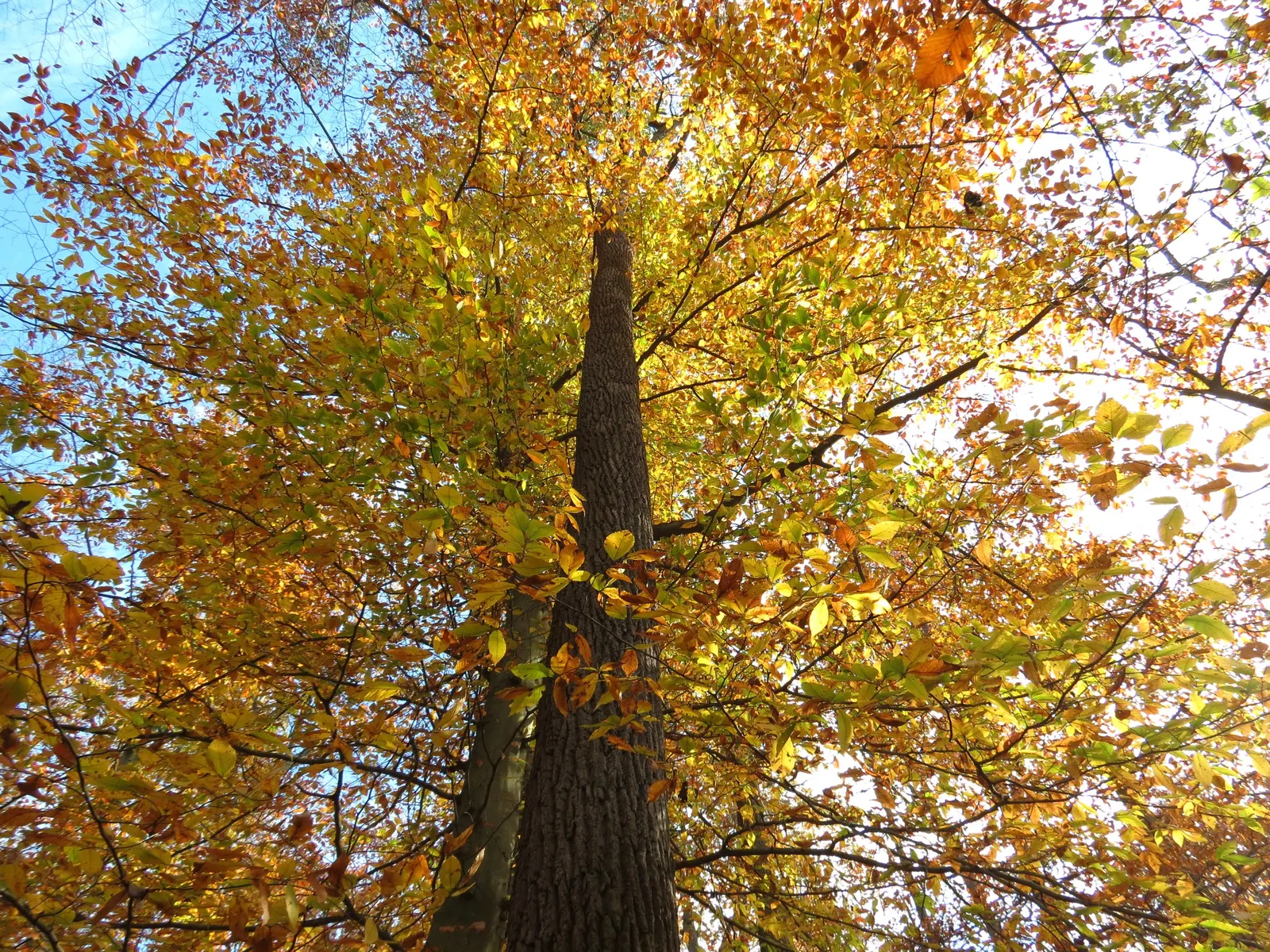
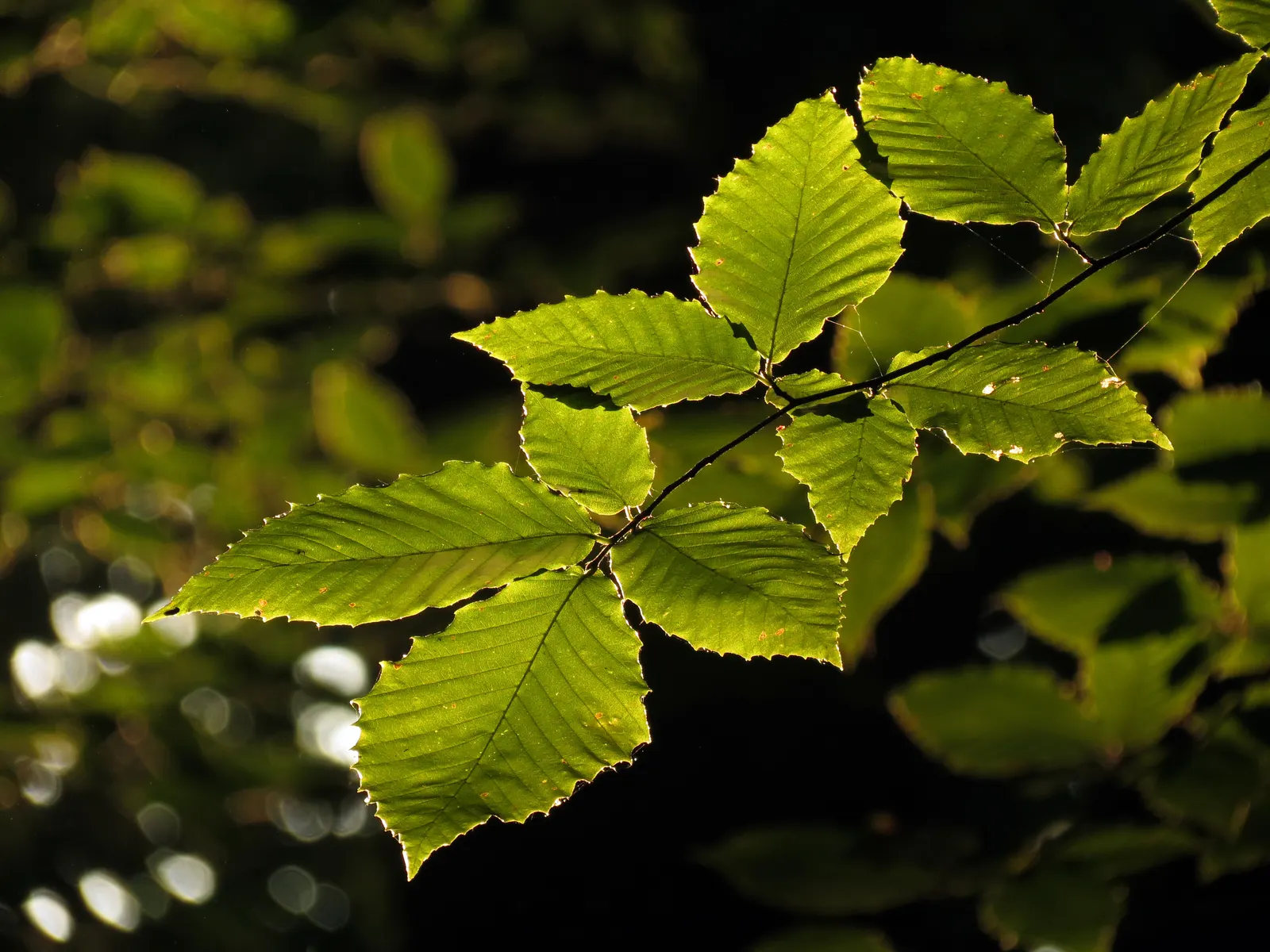
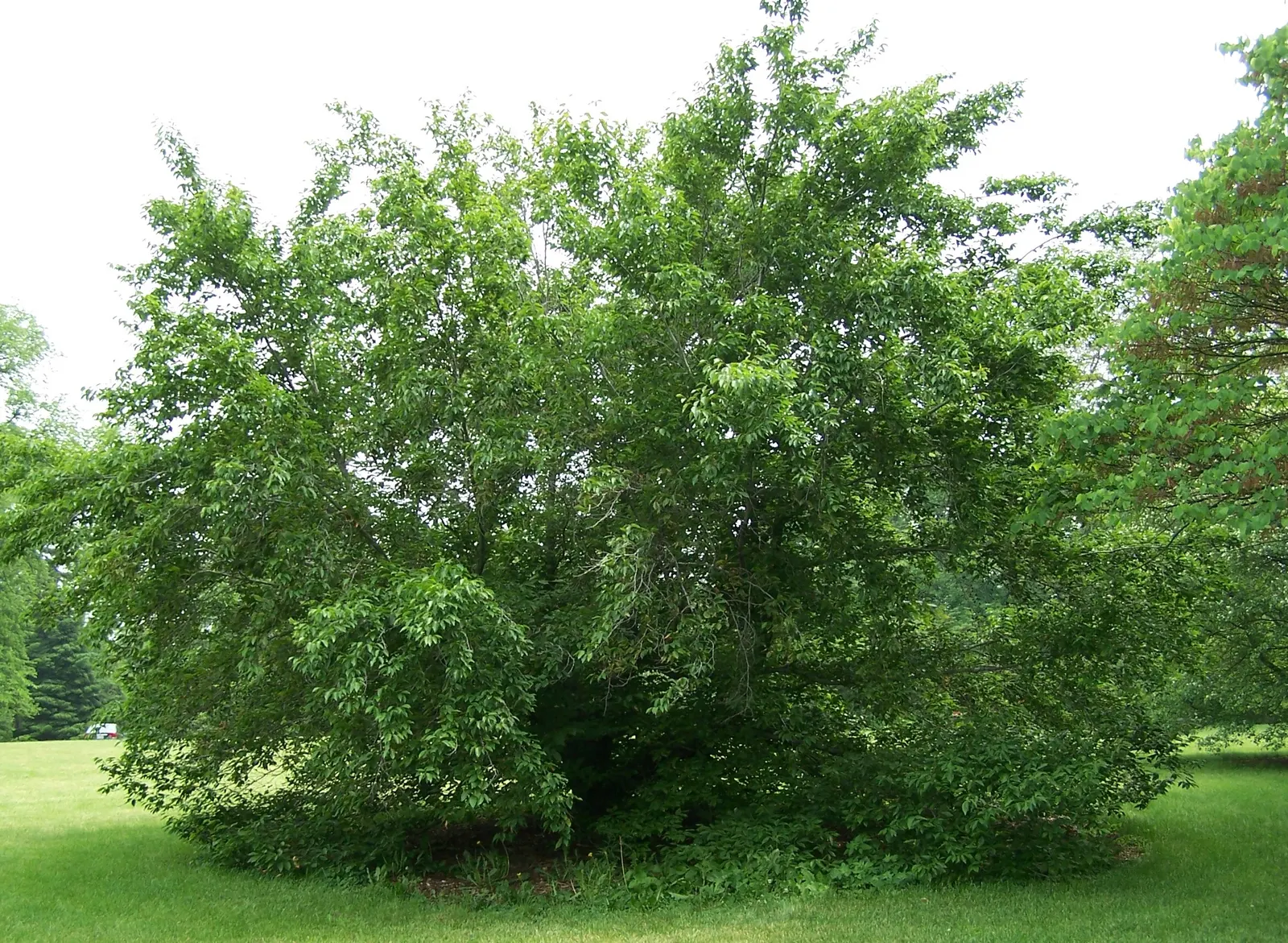
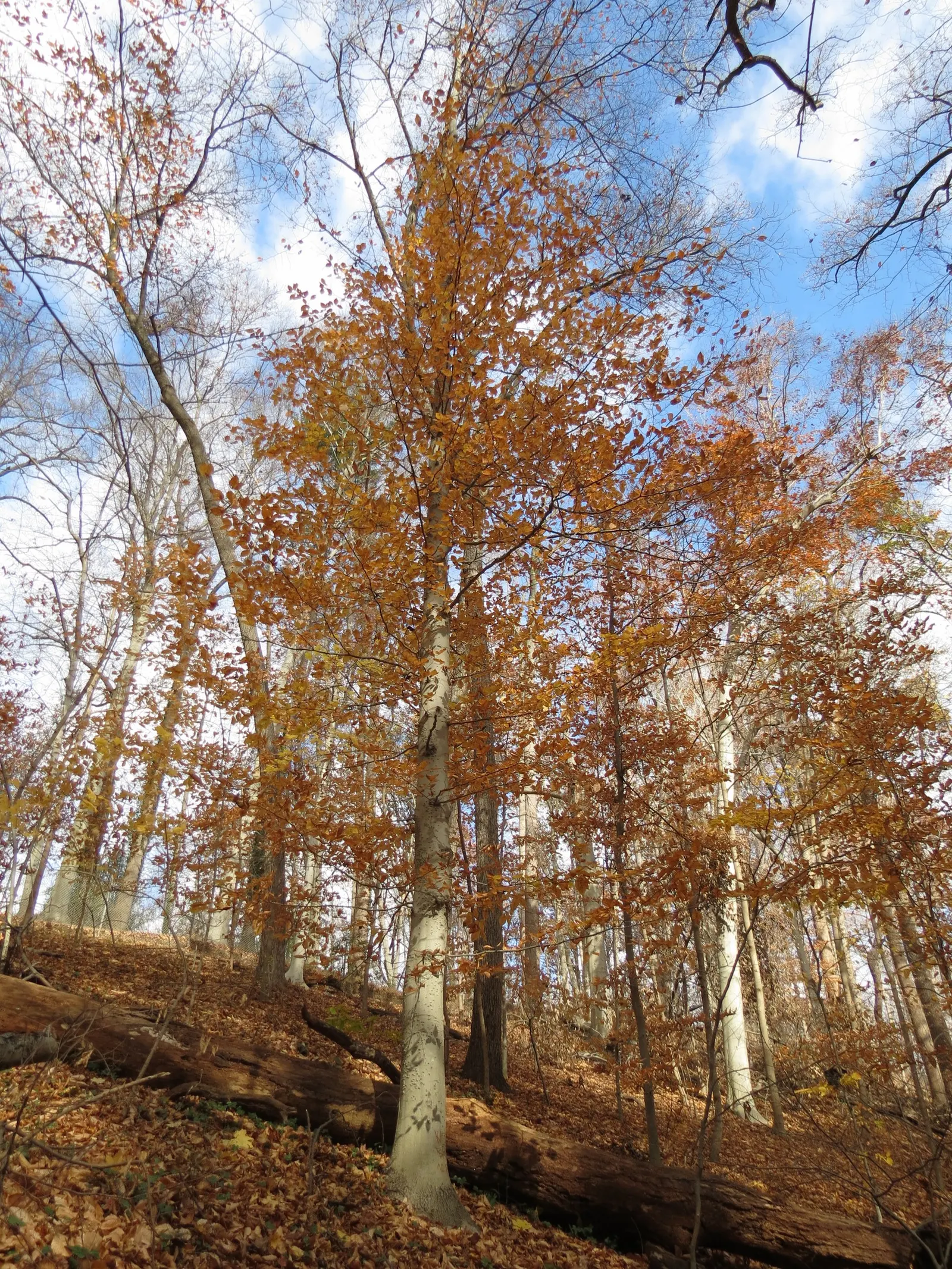
The American Beech (Fagus grandifolia) is a majestic shade tree, valued for its smooth, gray bark and lush, broad canopy. Mature trees stand up to 80 feet with a spread of 60 feet, offering dense foliage of elliptical leaves that turn golden bronze in fall. Prefers well-drained, acidic soil and full sun to partial shade. Zone 3-9 hardy, it's a slow-growing, long-lived choice adding stately elegance to expansive landscapes.

Sun Full, HalfWater Extra in Summer, MediumZones 4–7Type Tree
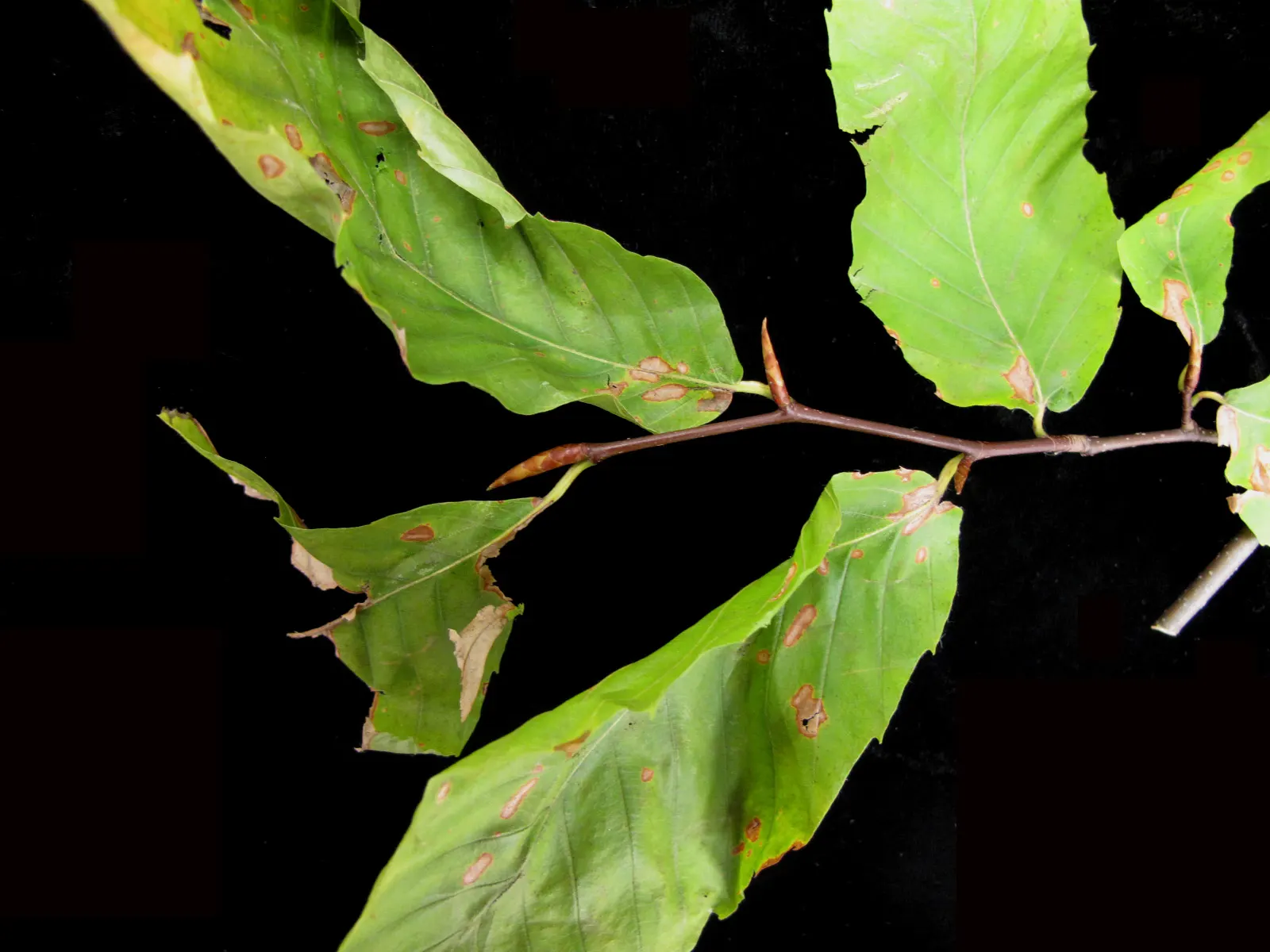
American Beech (Fagus grandifolia) — offering dense foliage of elliptical leaves that turn golden bronze in fall; acidic soils.<br><br>When, image 78

Culture

Sun
Full, Half
Water
Extra in Summer, Medium
USDA zones
4–7

Shape & size

Mature height
50–80 Ft.
Mature width
40–80 Ft.

Classification

Type
Tree
Family
Fagaceae

See full data, regional cultivation notes, and design tools. Build a client presentation around this plant.

Start your 14-day trial

Photos (114)

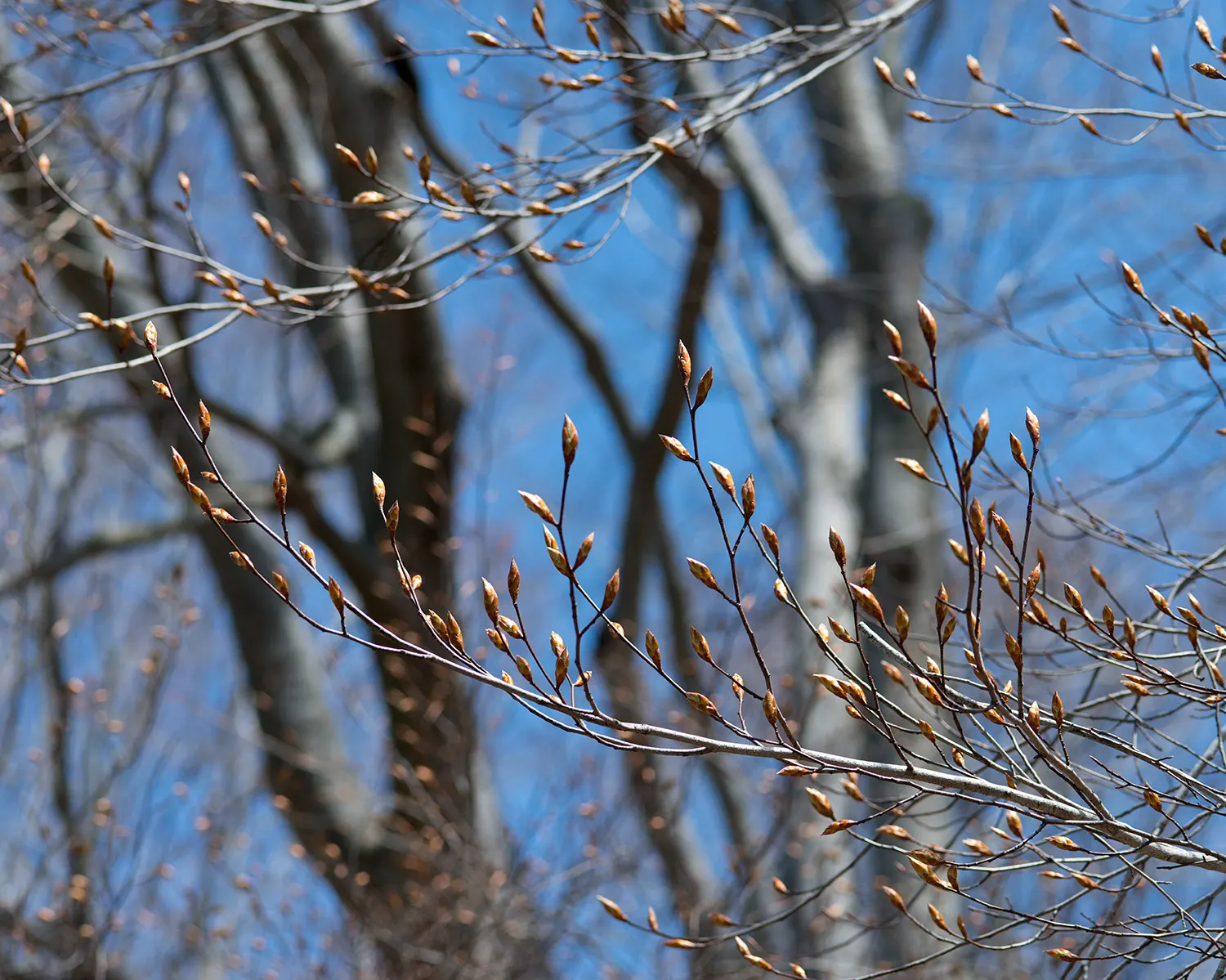
American Beech (Fagus grandifolia) — making it ideal for spacious areas or as a solitary specimen tree; lustrous green leaves that turn a striking, image 70
American Beech (Fagus grandifolia) — The American Beech (Fagus grandifolia) is a majestic shade tree
American Beech (Fagus grandifolia) — as the dense foliage permits very little sunlight to penetrate; the American Beech (Fagus grandifolia) is a majestic shade
American Beech (Fagus grandifolia) — is a magnificent forest tree renowned for both its grand stature and its elegant; components under or near the canopy
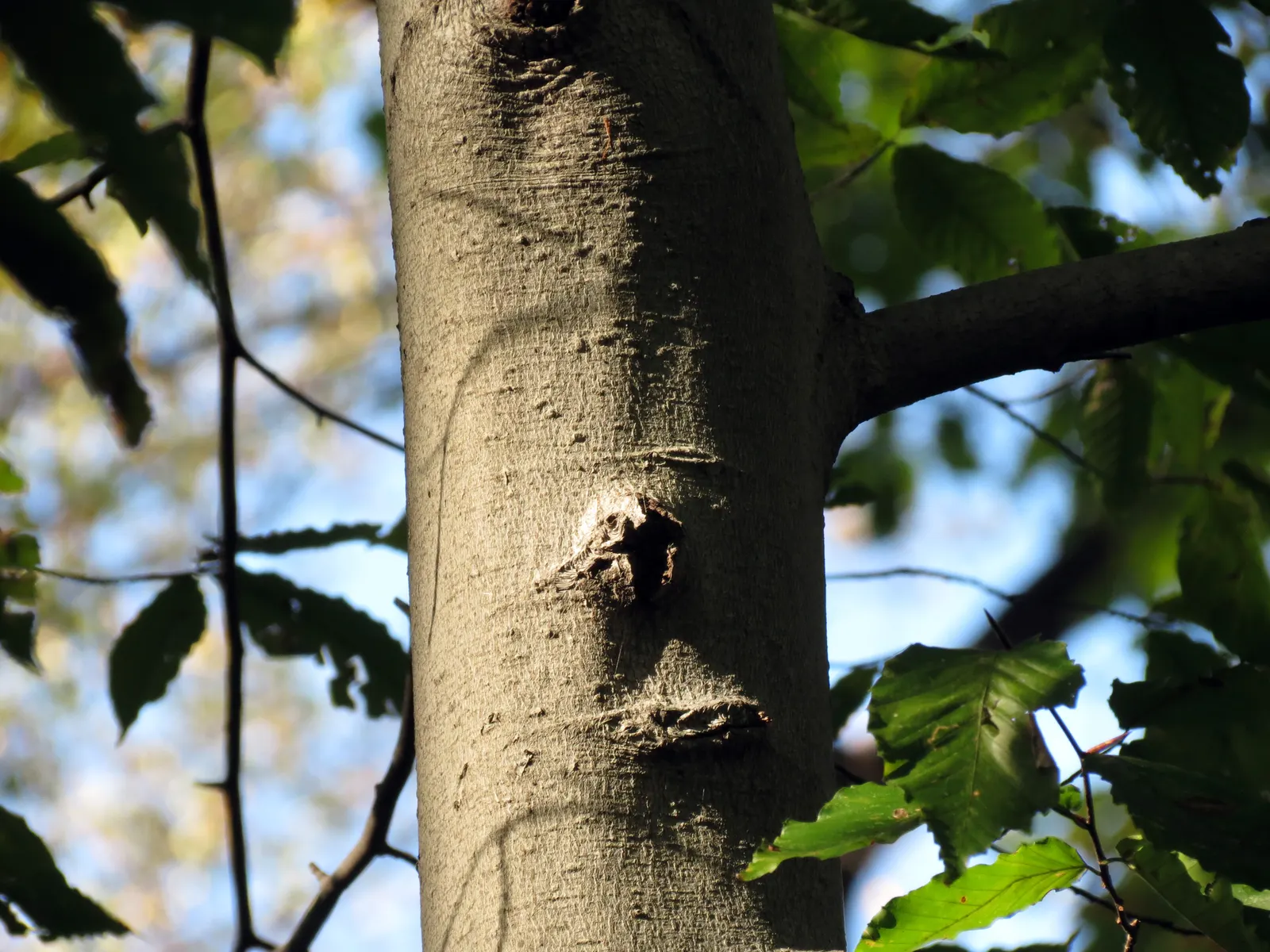
American Beech (Fagus grandifolia) — Mature trees stand up to 80 feet with a spread of 60 feet; notably, this tree exhibits a massive, straight, image 77
American Beech (Fagus grandifolia) — It is a slow-growing hardwood, image 38
American Beech (Fagus grandifolia) — It is a slow-growing hardwood, image 63
American Beech (Fagus grandifolia) — thus requiring patience but rewarding with longevity
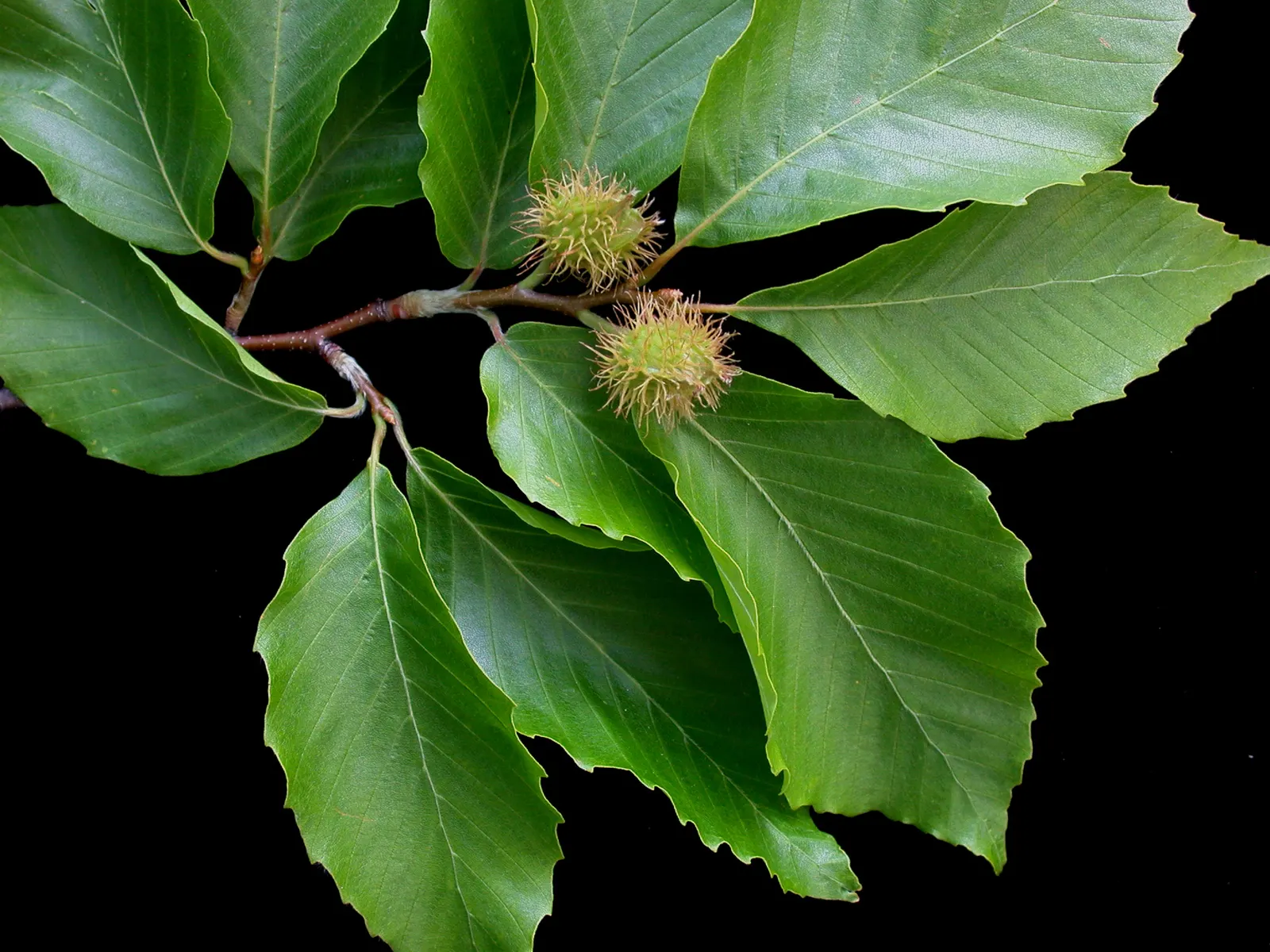
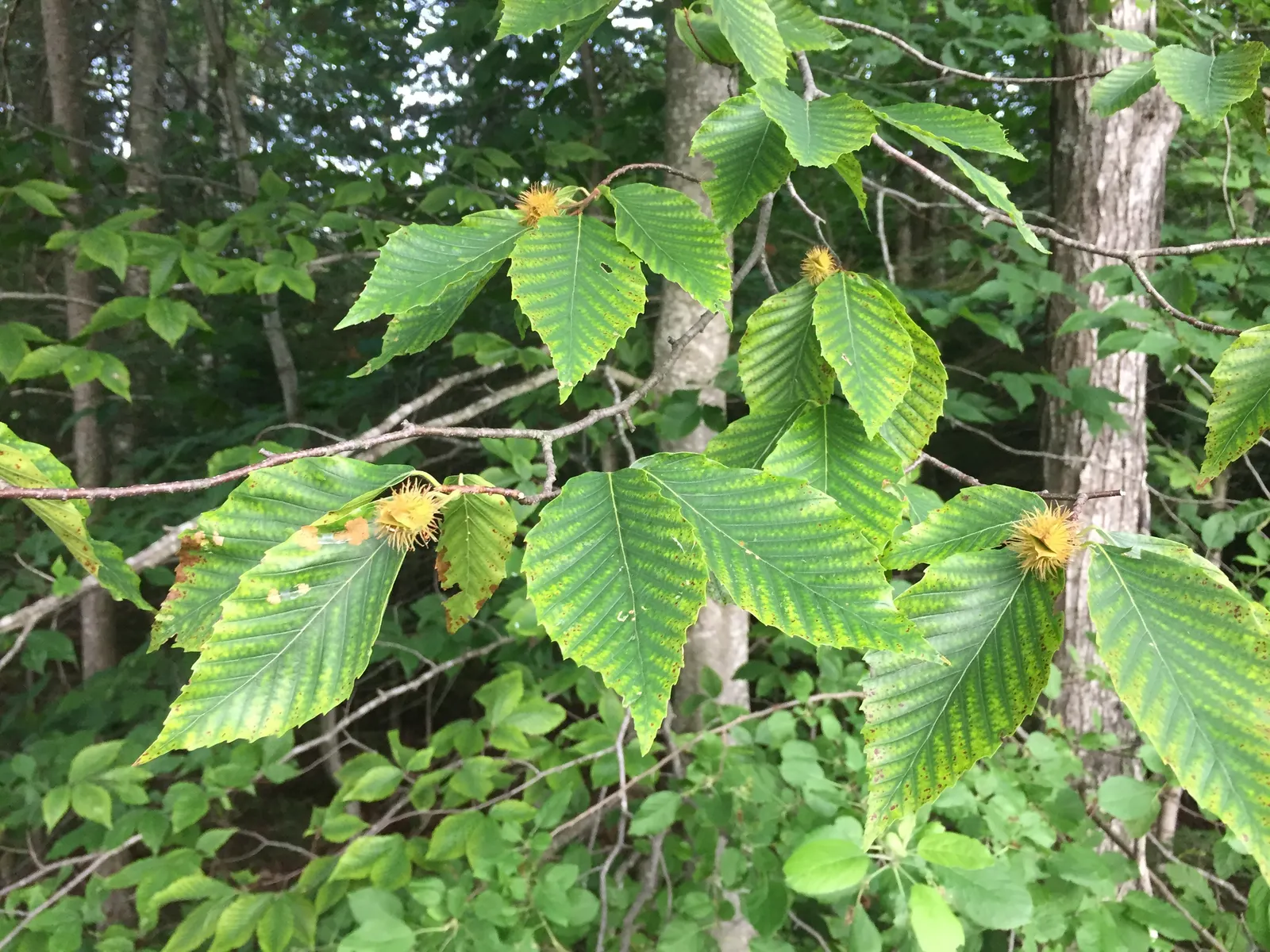
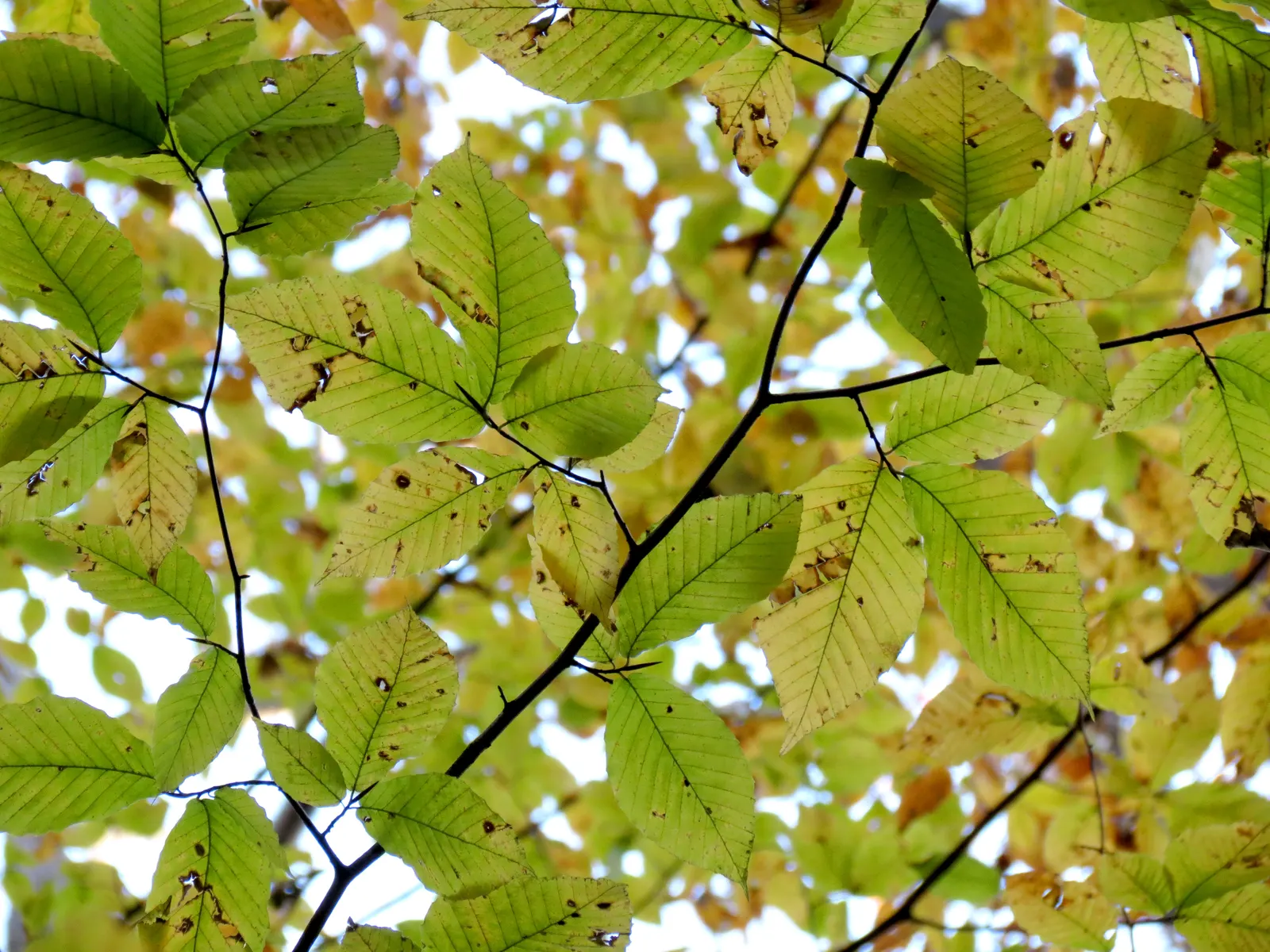
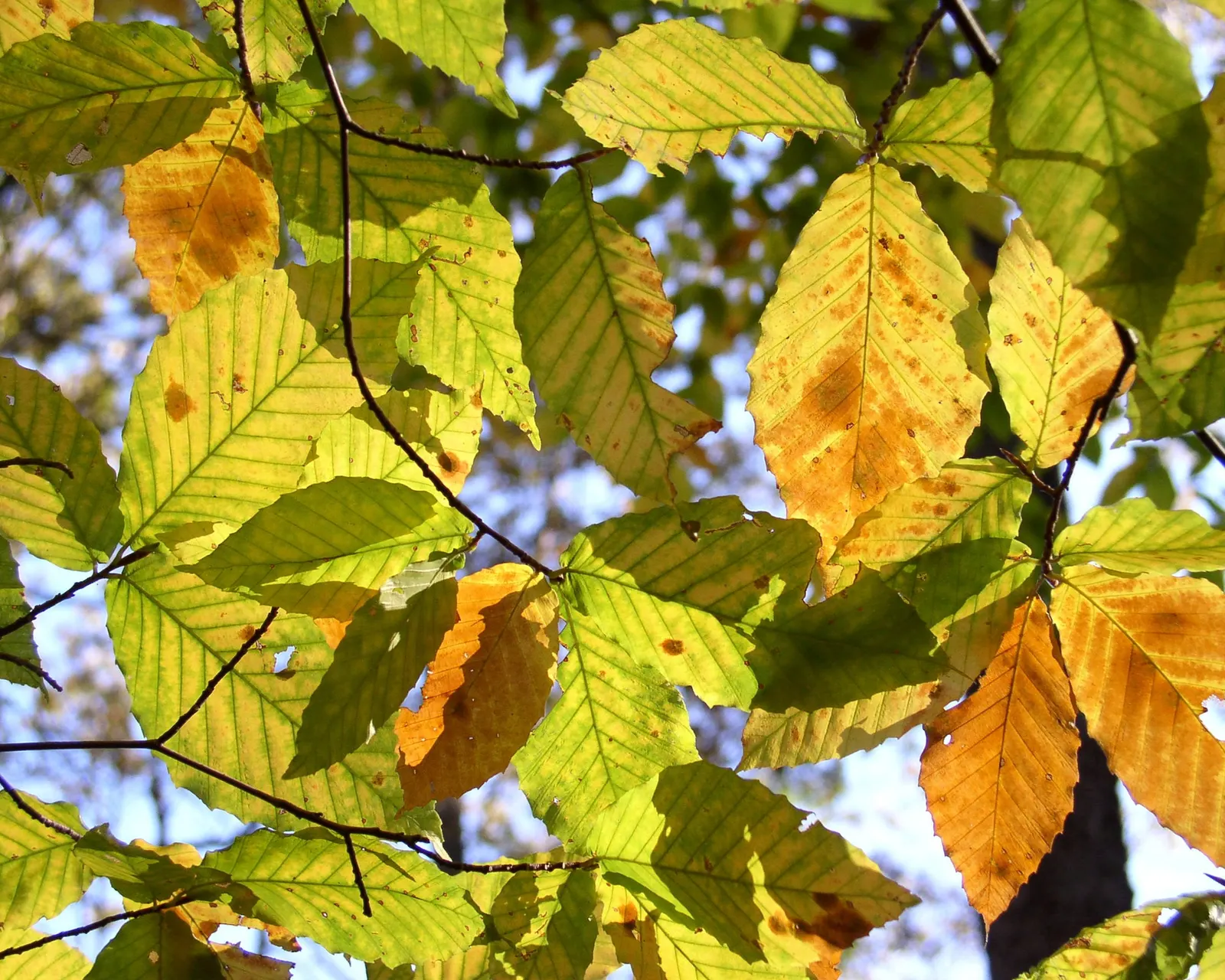
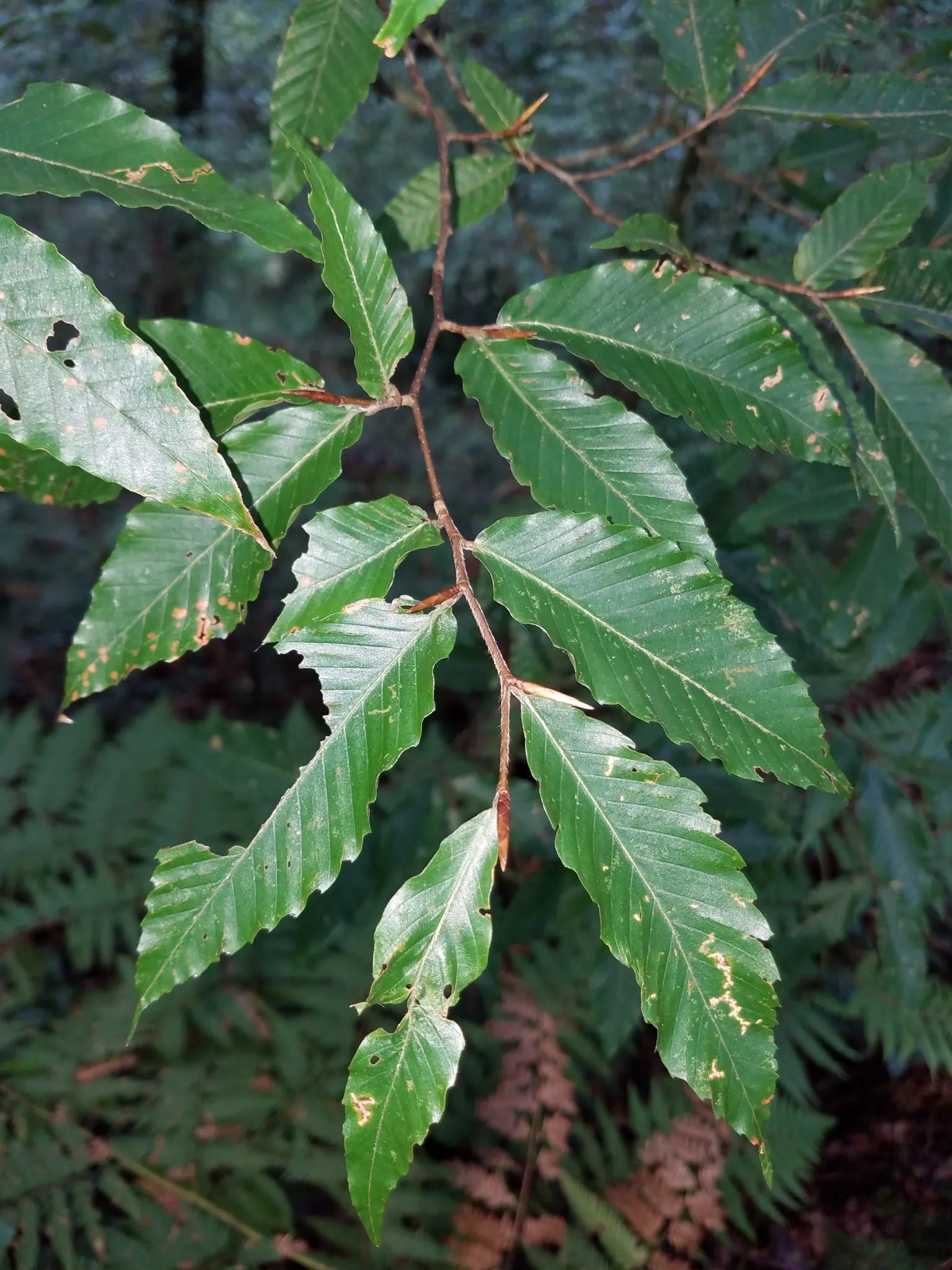
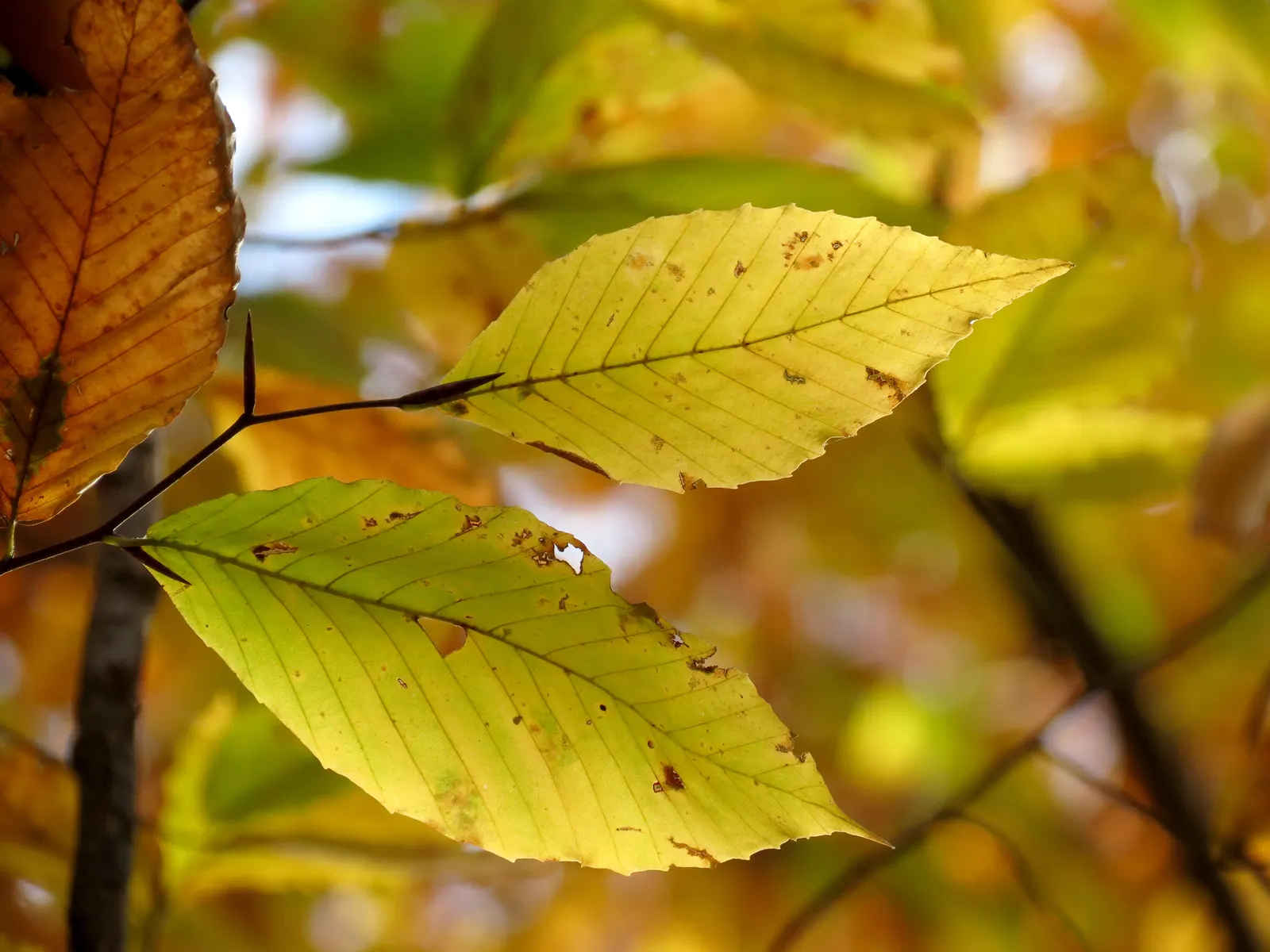
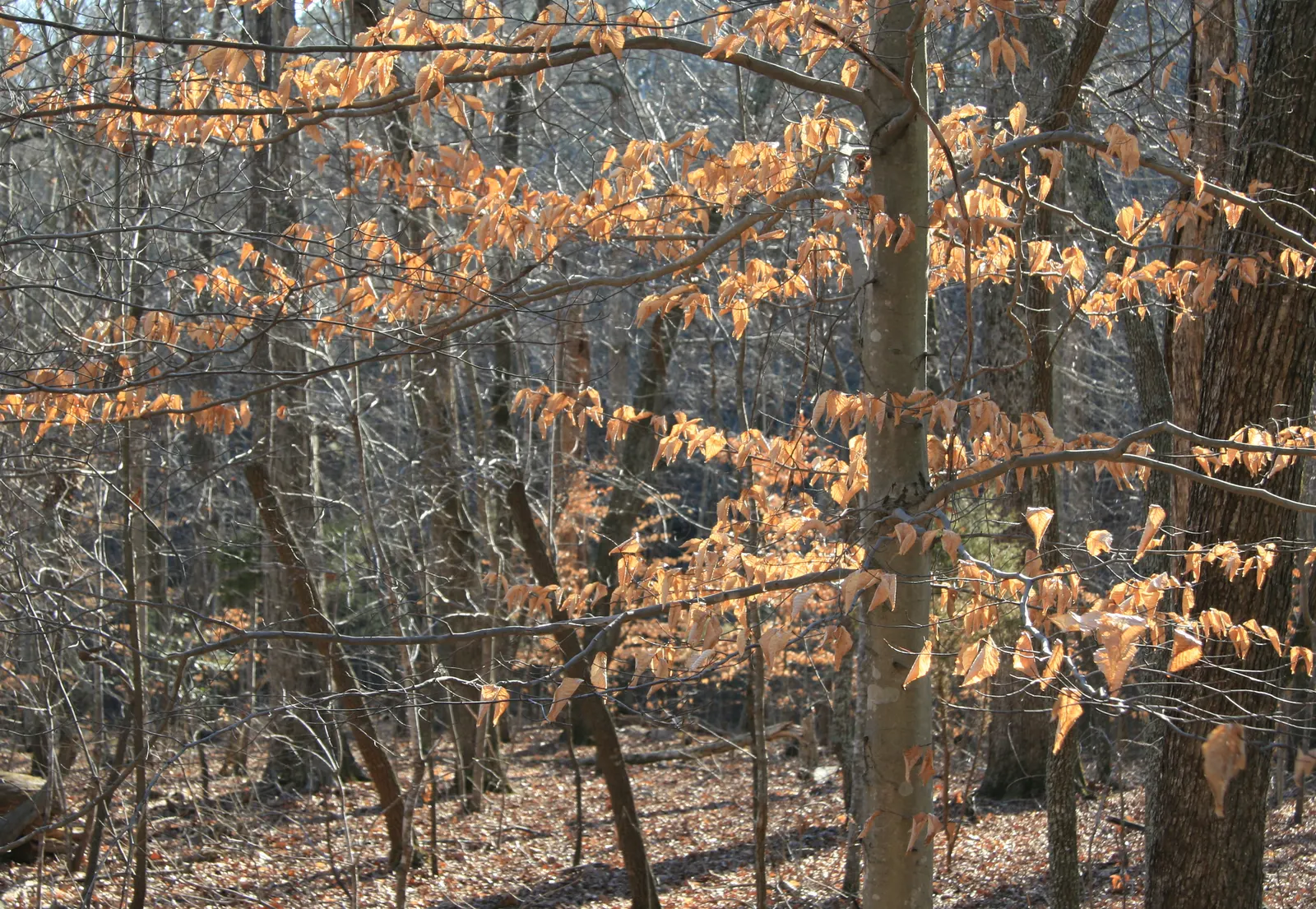
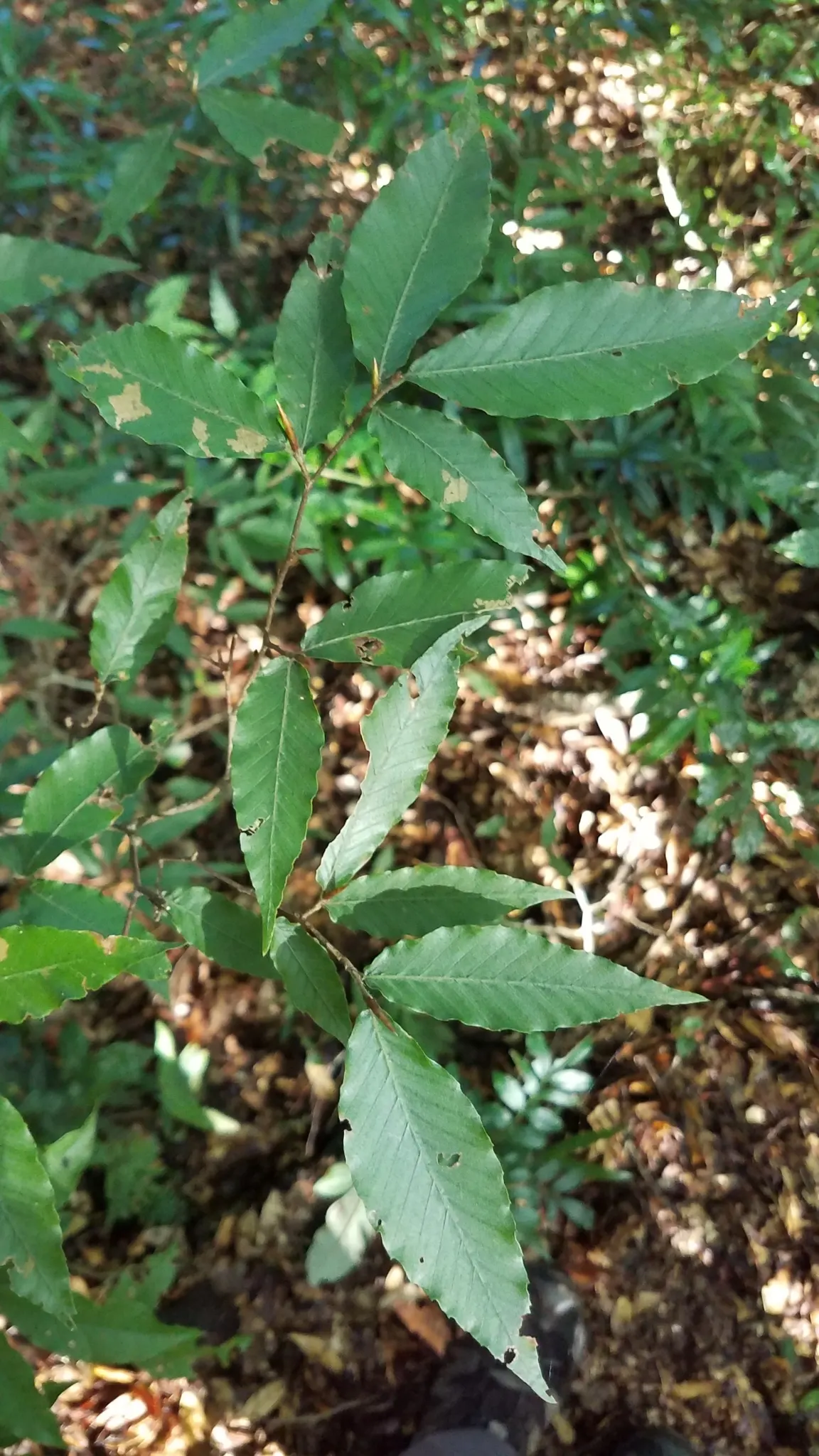
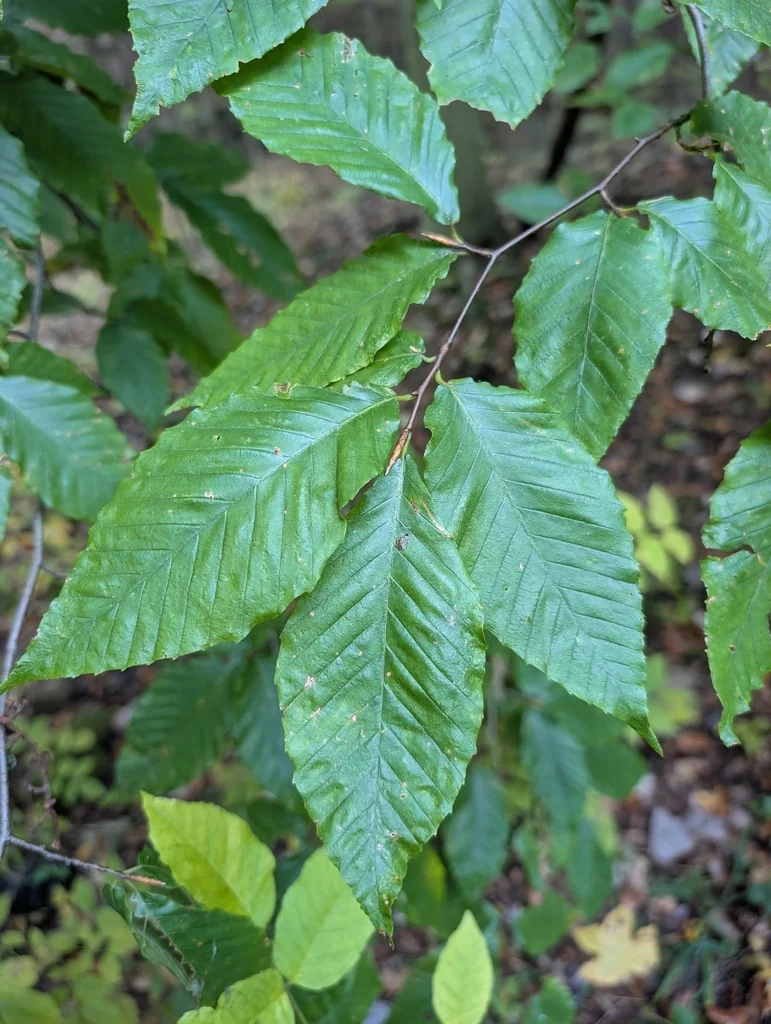
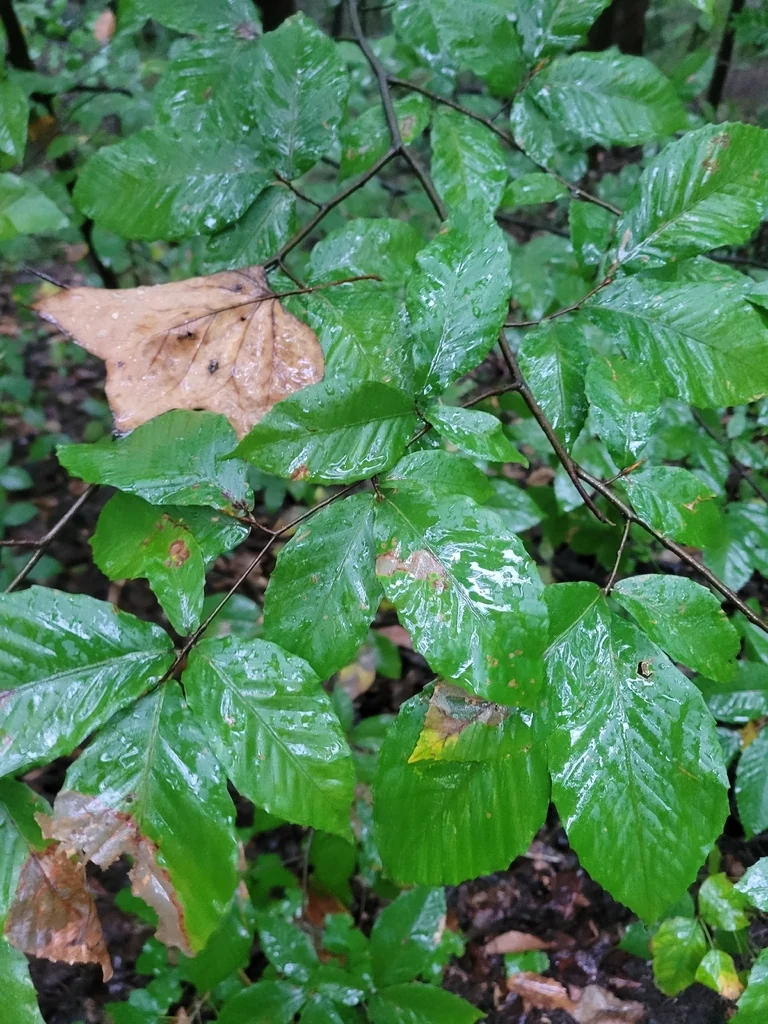
American Beech (Fagus grandifolia) — offering dense foliage of elliptical leaves that turn golden bronze in fall
American Beech (Fagus grandifolia) — so care should be taken not to disrupt these roots with vigorous gardening activities; thus requiring patience, image 74
American Beech (Fagus grandifolia) — offering dense foliage of elliptical leaves that turn golden bronze in fall; acidic soils.<br><br>When, image 53
American Beech (Fagus grandifolia) — adding less than a foot of growth annually
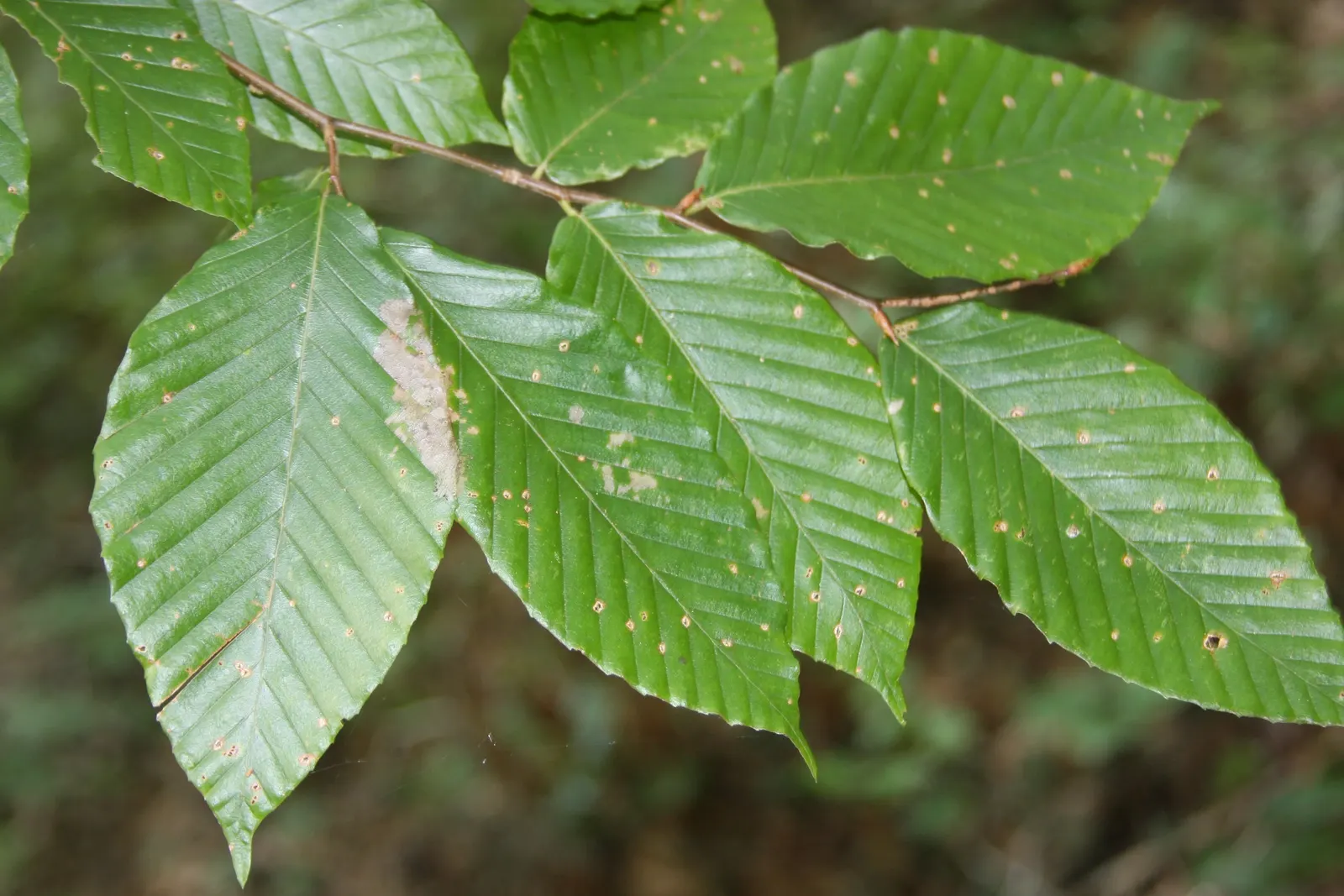
American Beech (Fagus grandifolia) — lustrous green leaves that turn a striking copper in the fall before winter's dormancy; with its botanical, image 87
American Beech (Fagus grandifolia) — acidic soils.<br><br>When integrating the American Beech into landscape designs; the beech maintains a shallow root system
American Beech (Fagus grandifolia) — adding less than a foot of growth annually; making it ideal for spacious areas or as a solitary specimen tree, image 89
American Beech (Fagus grandifolia) — lustrous green leaves that turn a striking copper in the fall before winter's dormancy; with its botanical name Fagus
American Beech (Fagus grandifolia) — tree for full or half; as the dense foliage permits very little sunlight to penetrate, image 75
American Beech (Fagus grandifolia) — casting a dense shade beneath; displaying adaptability yet preferring well-drained
American Beech (Fagus grandifolia) — Mature trees stand up to 80 feet with a spread of 60 feet; notably, this tree exhibits a massive, straight, image 52
American Beech (Fagus grandifolia) — displaying adaptability yet preferring well-drained; it is hardy from USDA zones 4 through 9
American Beech (Fagus grandifolia) — Components under or near the canopy should tolerate shade; one should account for its extensive root system, image 71
American Beech (Fagus grandifolia) — thus requiring patience but rewarding with longevity; mature trees stand up to 80 feet with a spread of 60 feet
Fagus grandifolia
Fagus grandifolia
Photographs by 8 contributors

Related plants