Skip to content

Martin's Spurge

Euphorbia X Martinii

Design with this plant

Overview

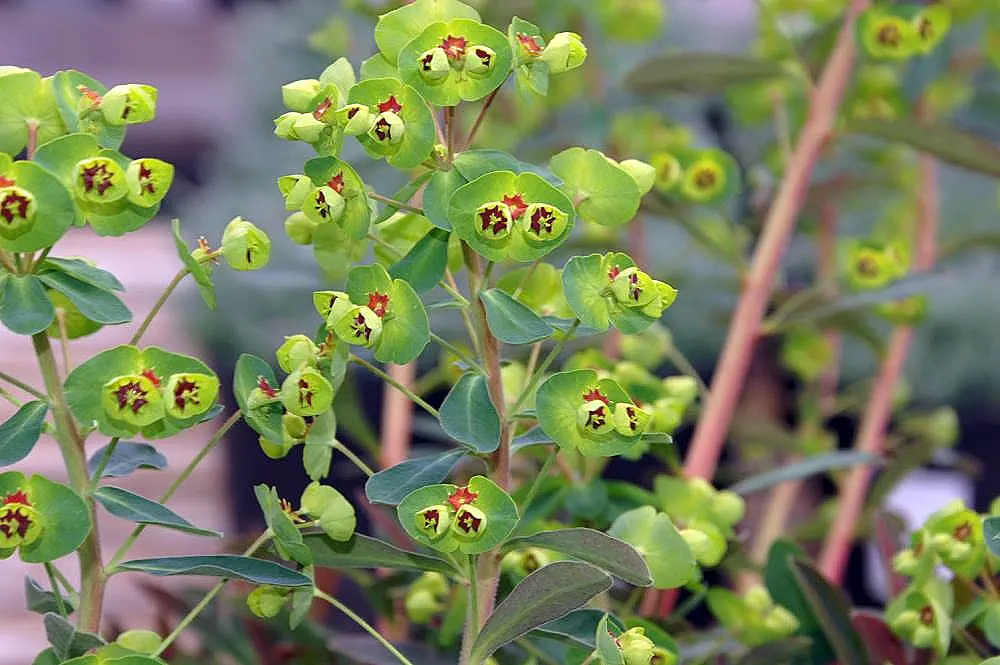
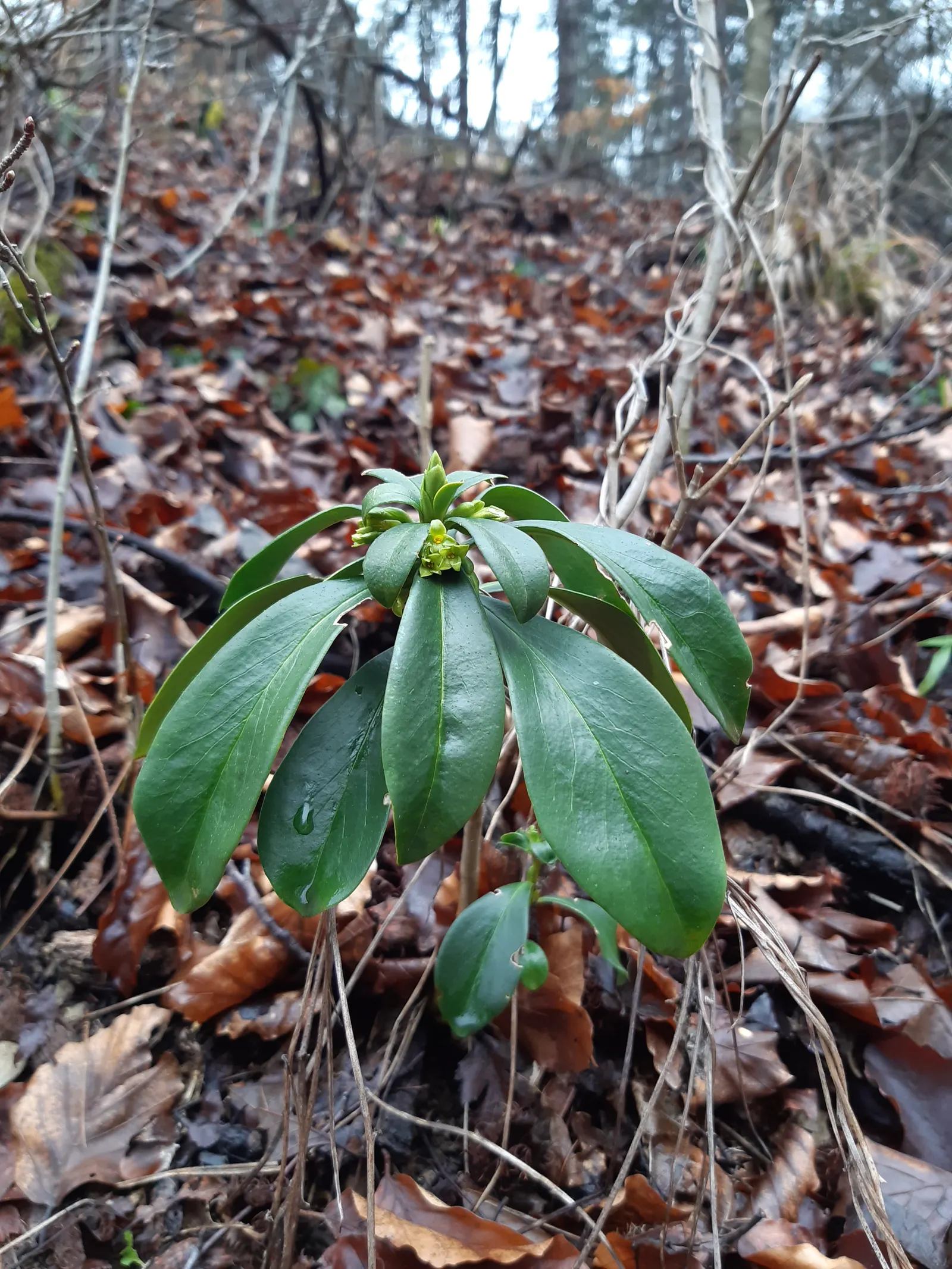
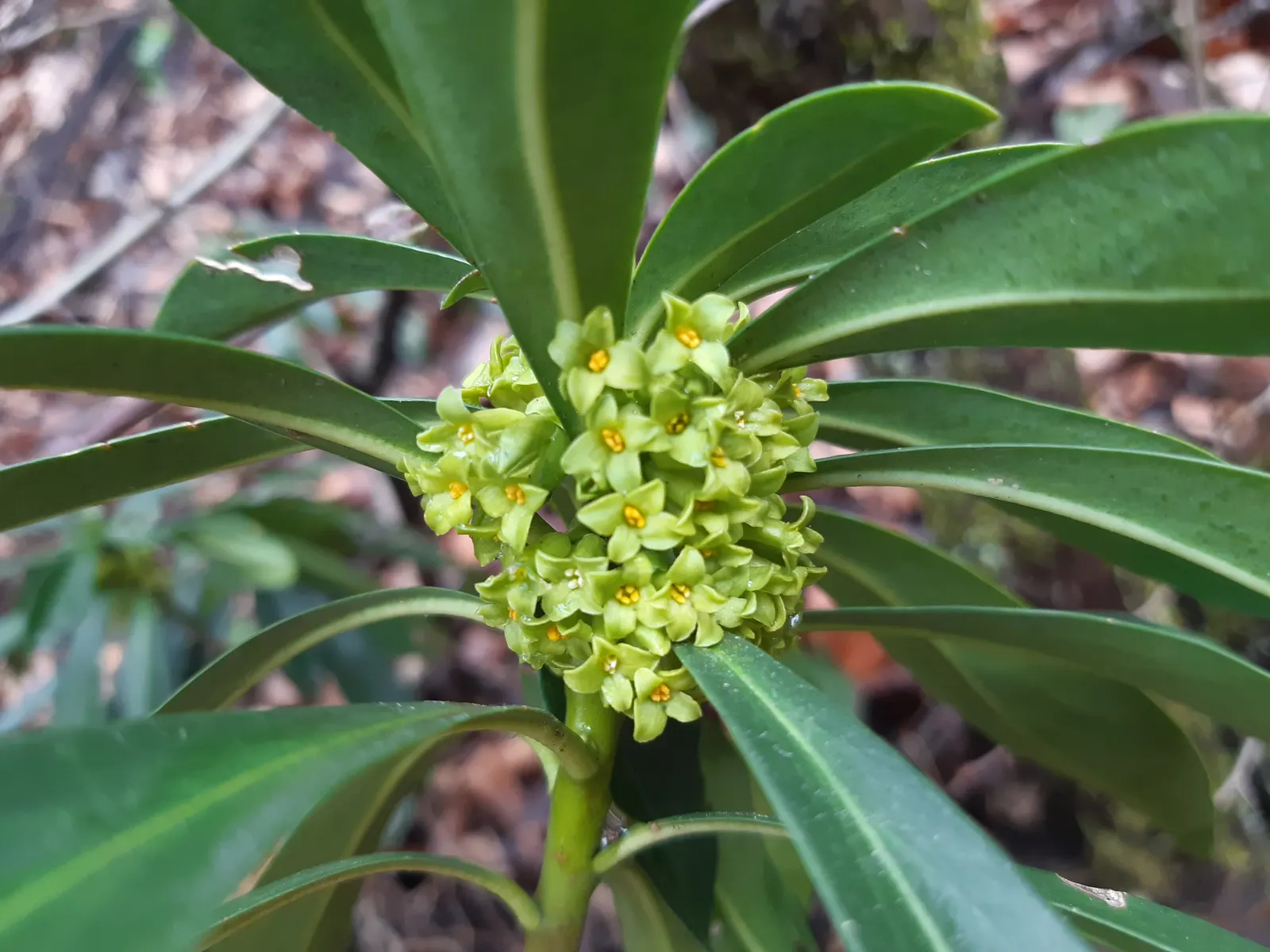
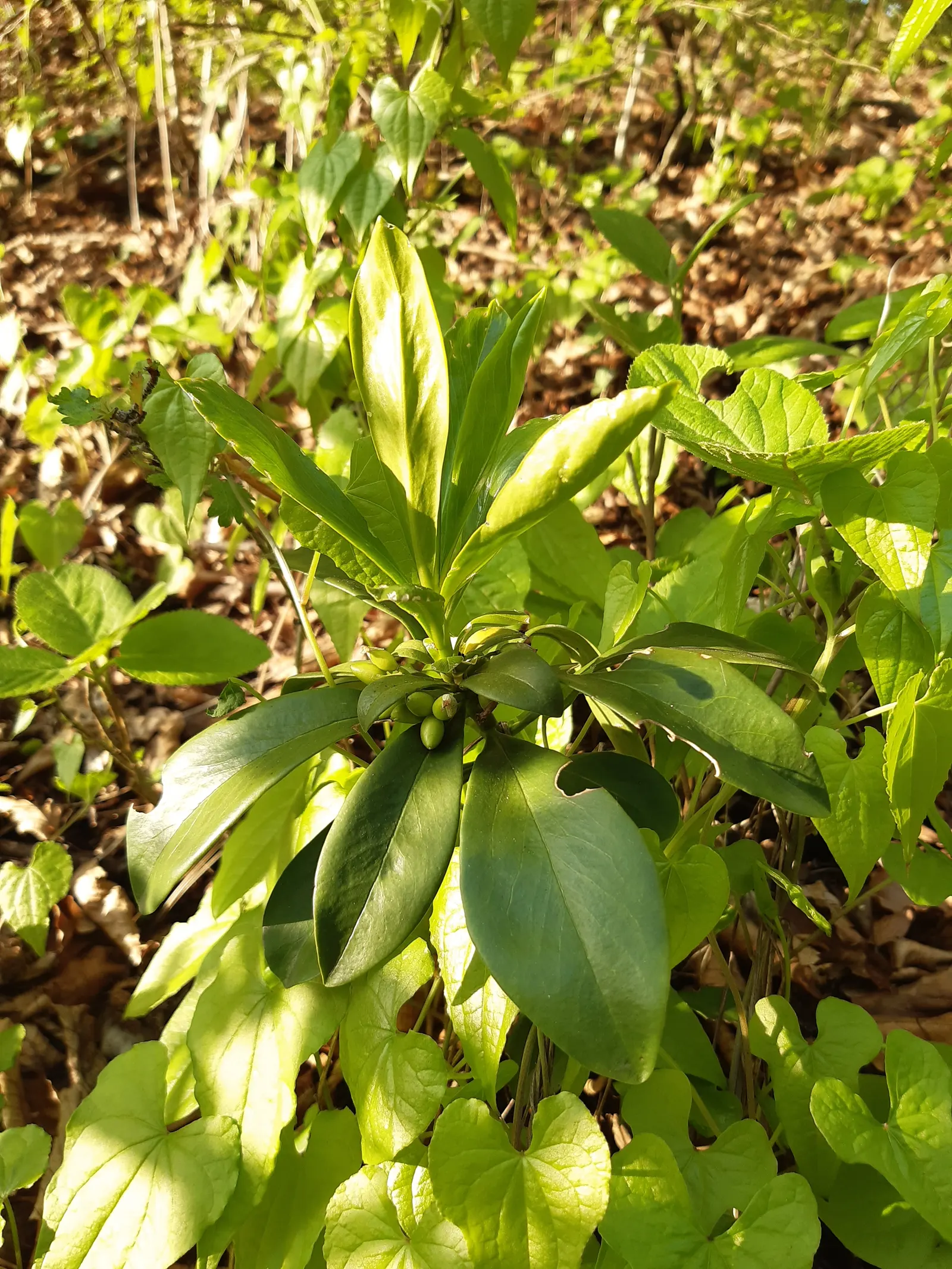
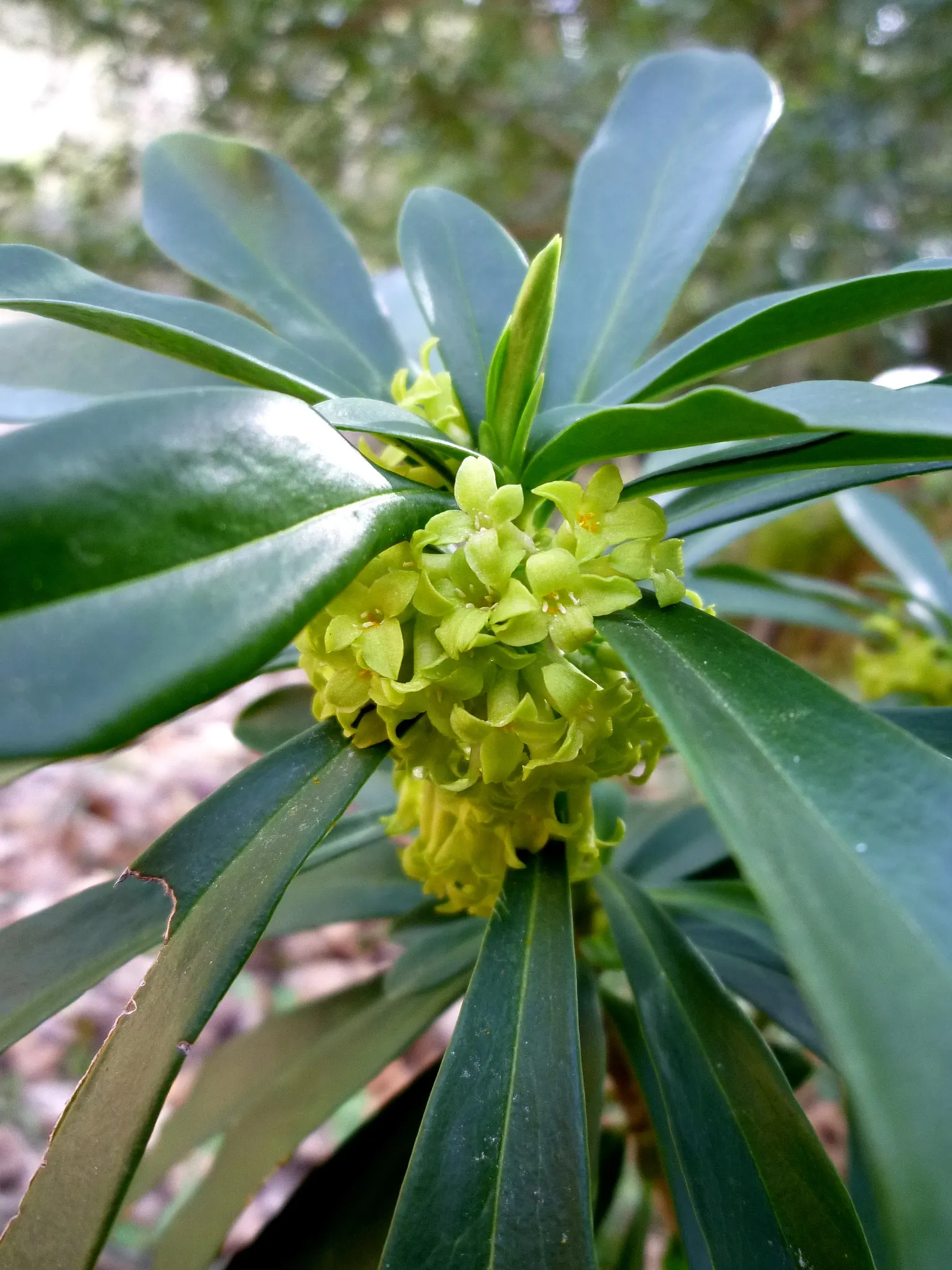
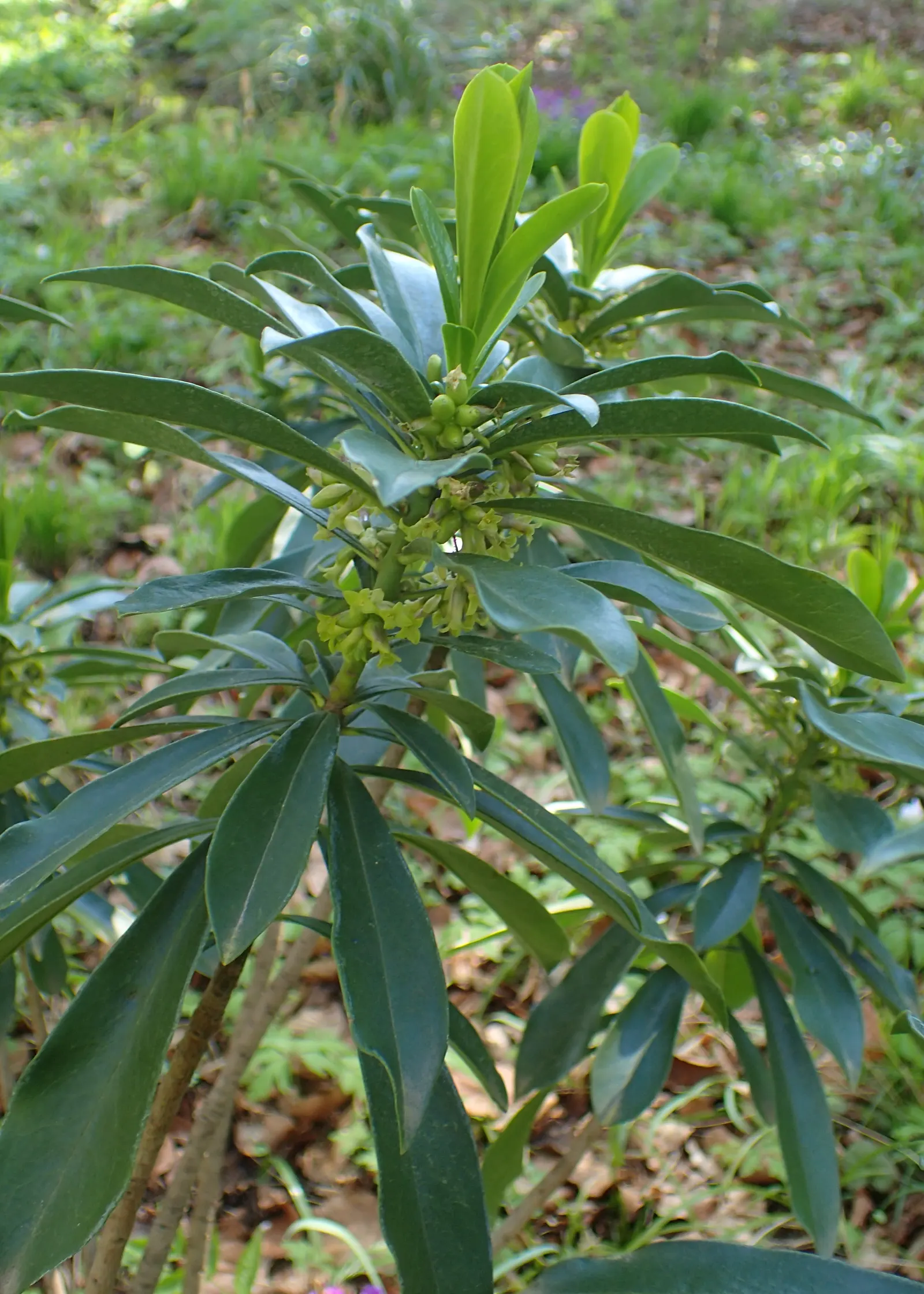
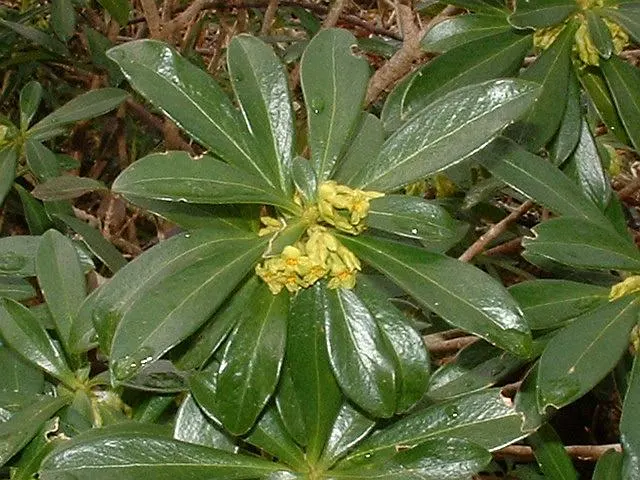
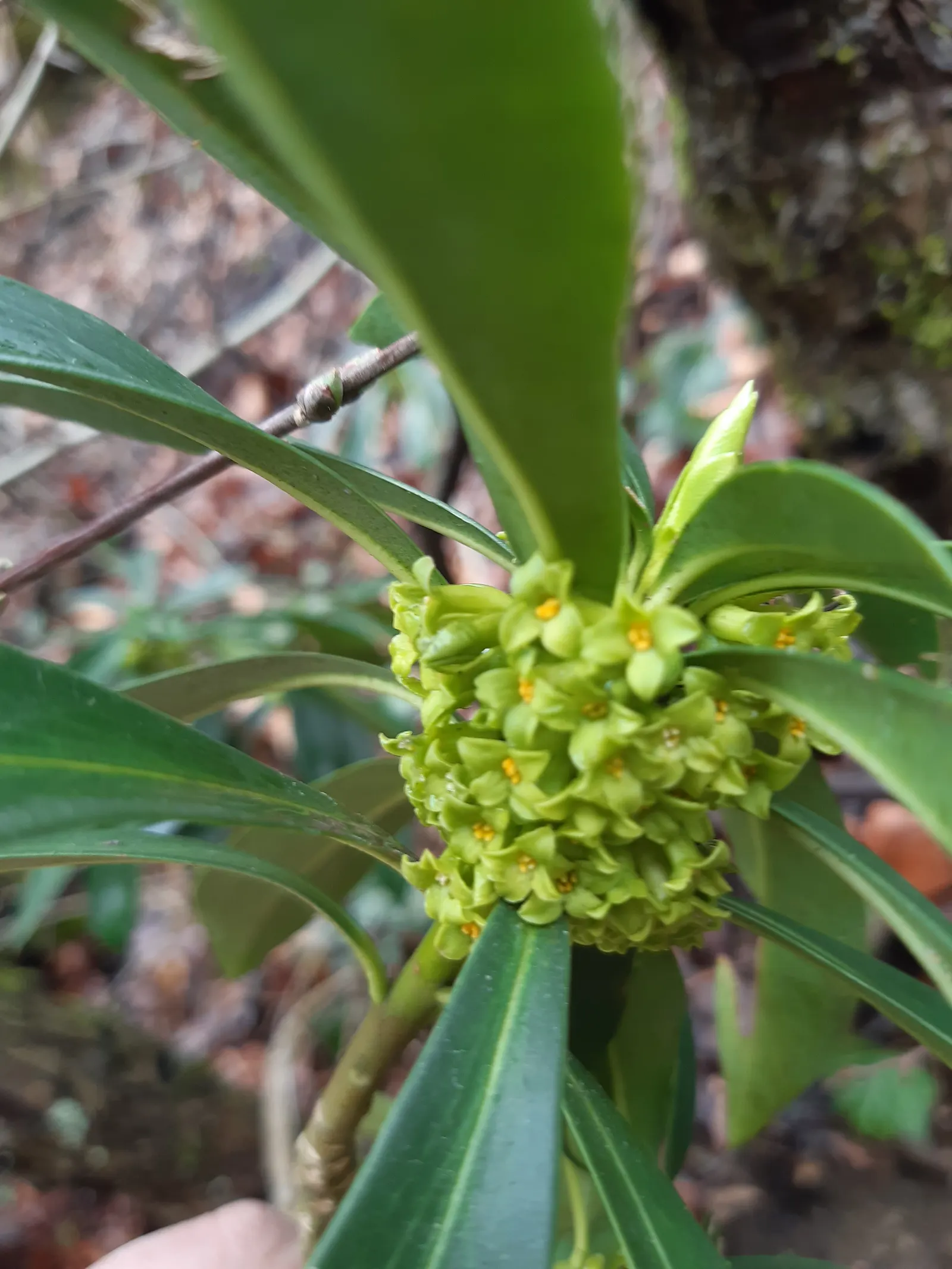
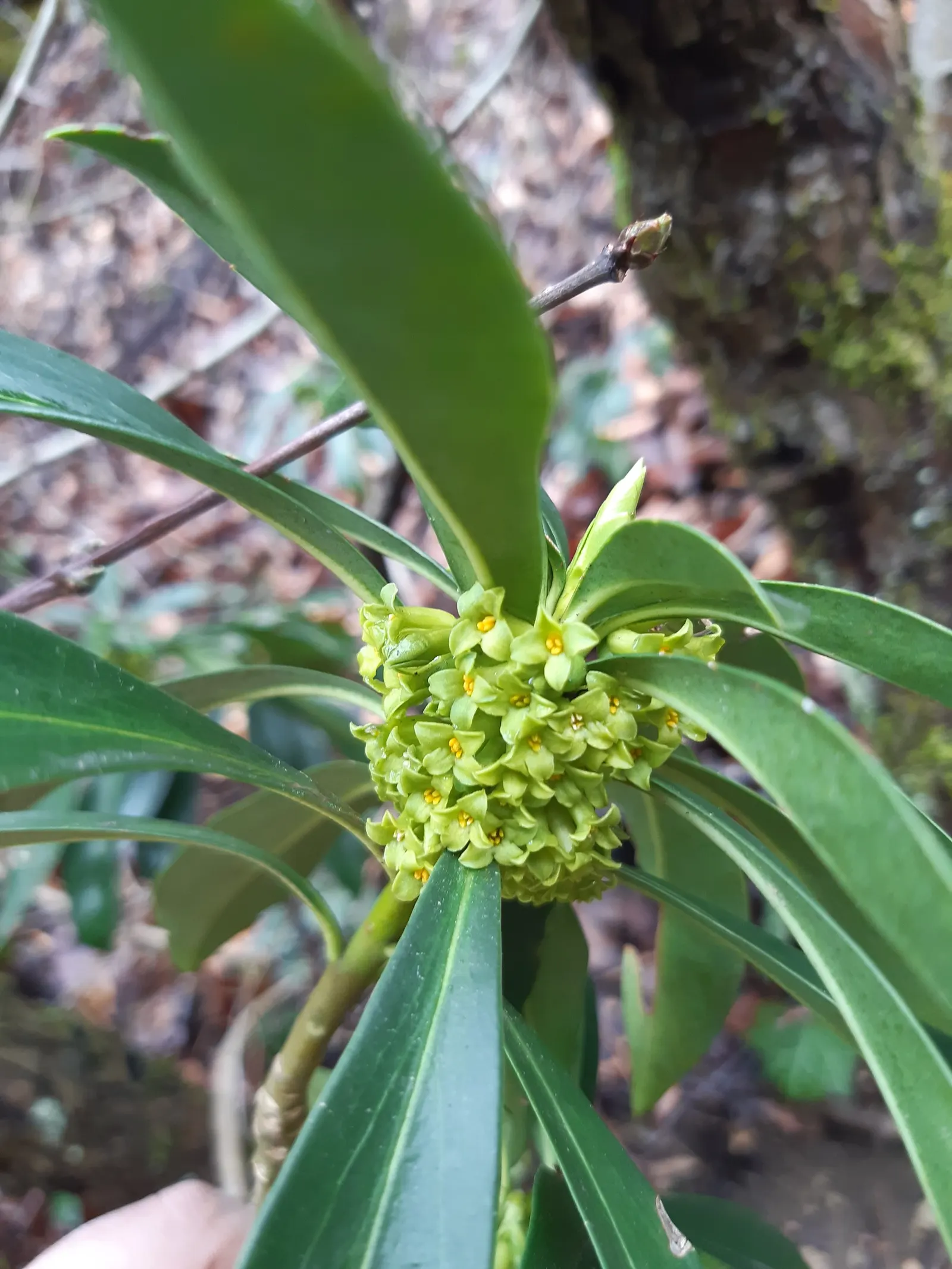
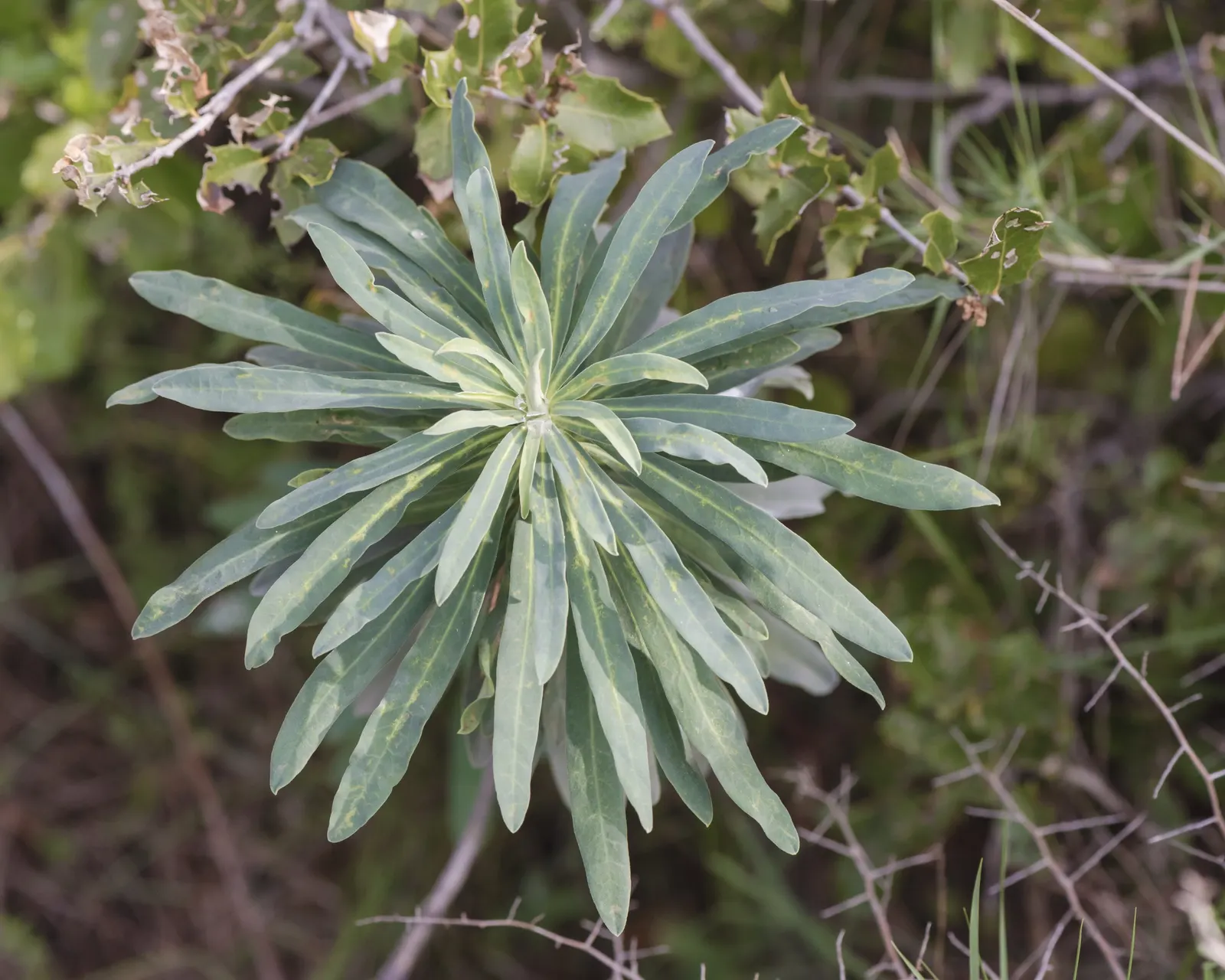
Euphorbia x martinii, or Martin's Spurge, is an evergreen perennial boasting a compact form at 1-2 feet high and wide. Its distinctive foliage, with blue-green leaves, provides year-round interest. Spring through summer, it features chartreuse flower bracts, adding a vibrant contrast. Thriving in zones 7-9, it prefers full sun to partial shade and well-drained soil. Caution: sap is irritating to skin and eyes. Deer-resistant and drought-tolerant.

Sun Full, HalfWater MediumZones 5–9Type PerennialClimate Mediterranean
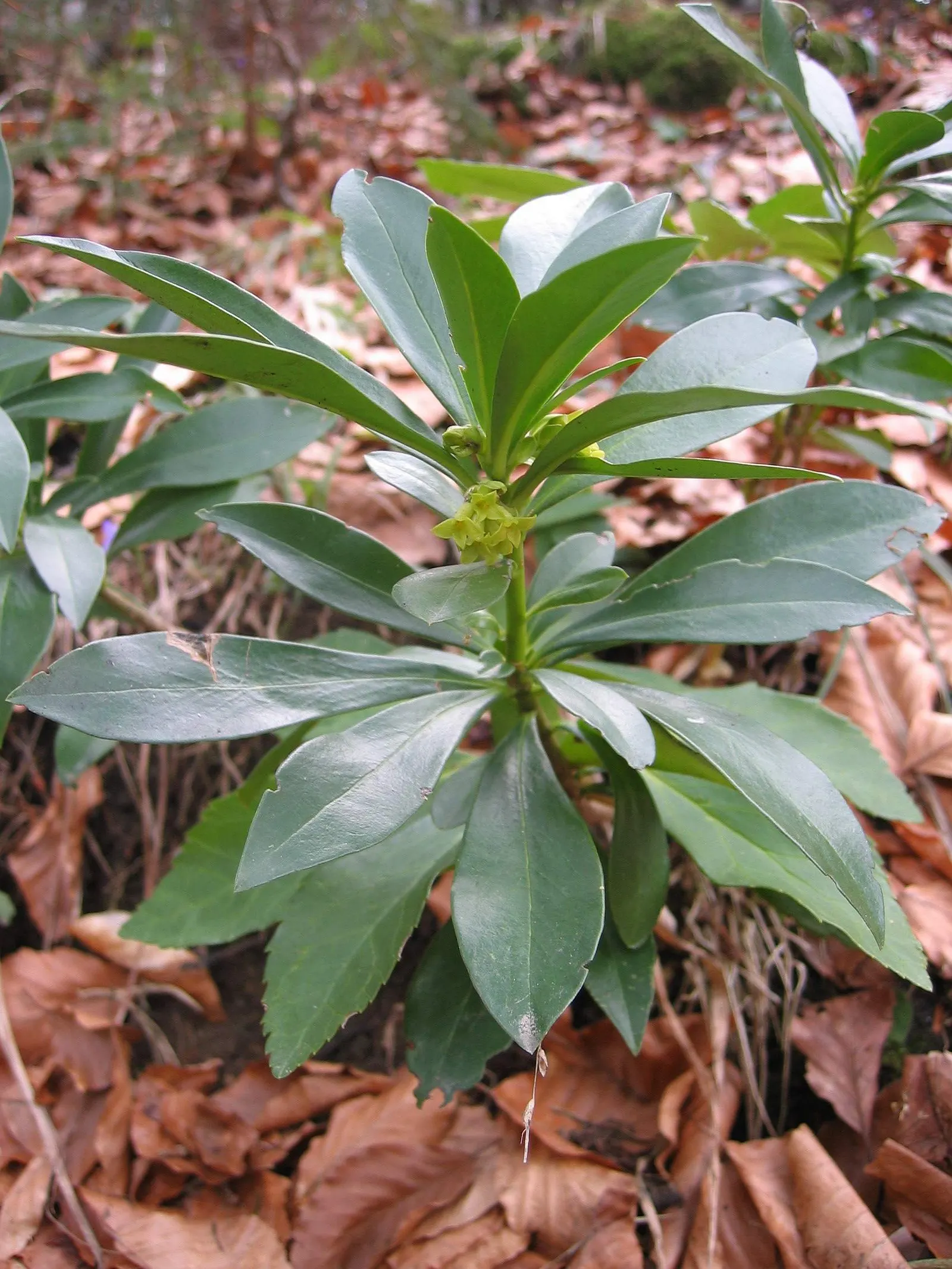
Martin's Spurge (Euphorbia X Martinii) — Thriving in zones 7-9, it prefers full sun to partial shade and well-drained soil

Culture

Sun
Full, Half
Water
Medium
USDA zones
5–9

Shape & size

Classification

Type
Perennial
Family
Euphorbiaceae
Climate
Mediterranean

See full data, regional cultivation notes, and design tools. Build a client presentation around this plant.

Start your 14-day trial

Photos (56)

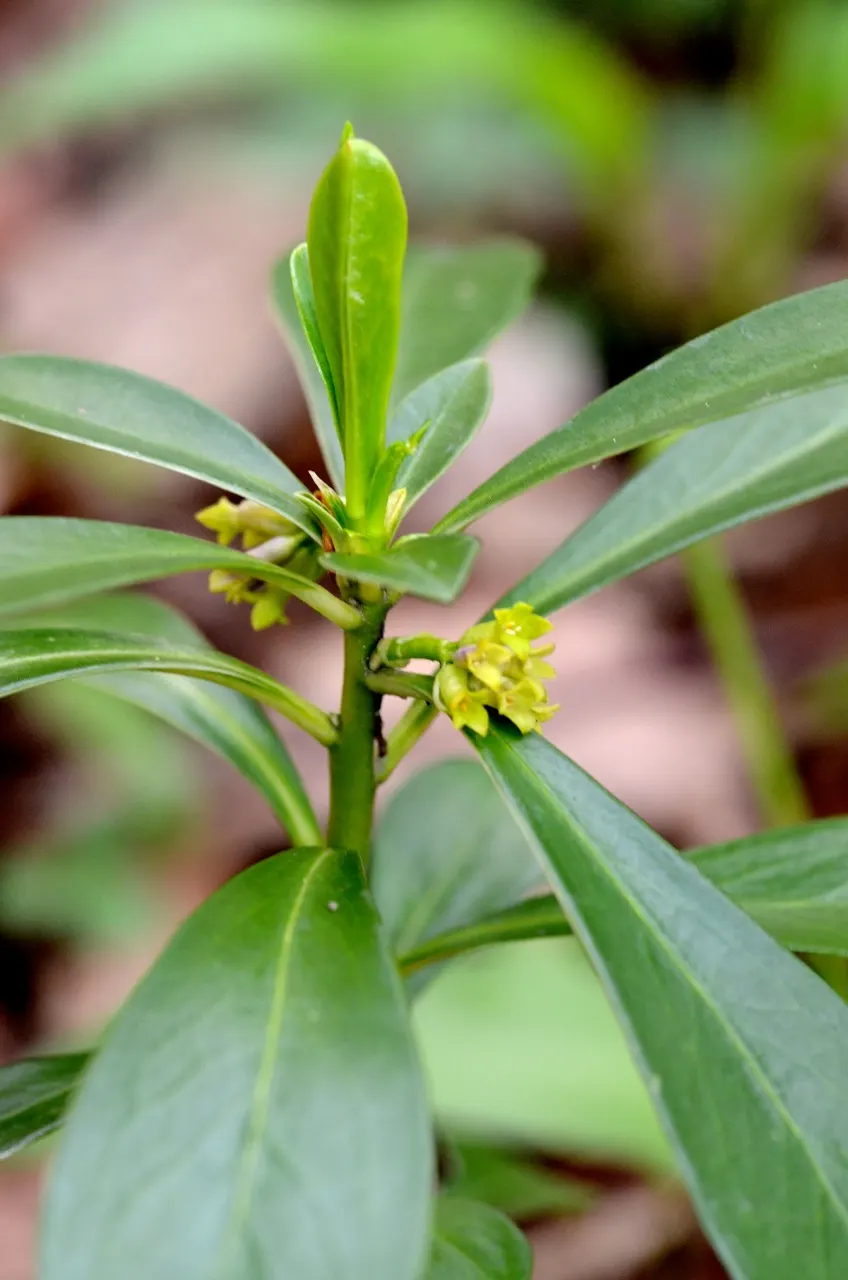
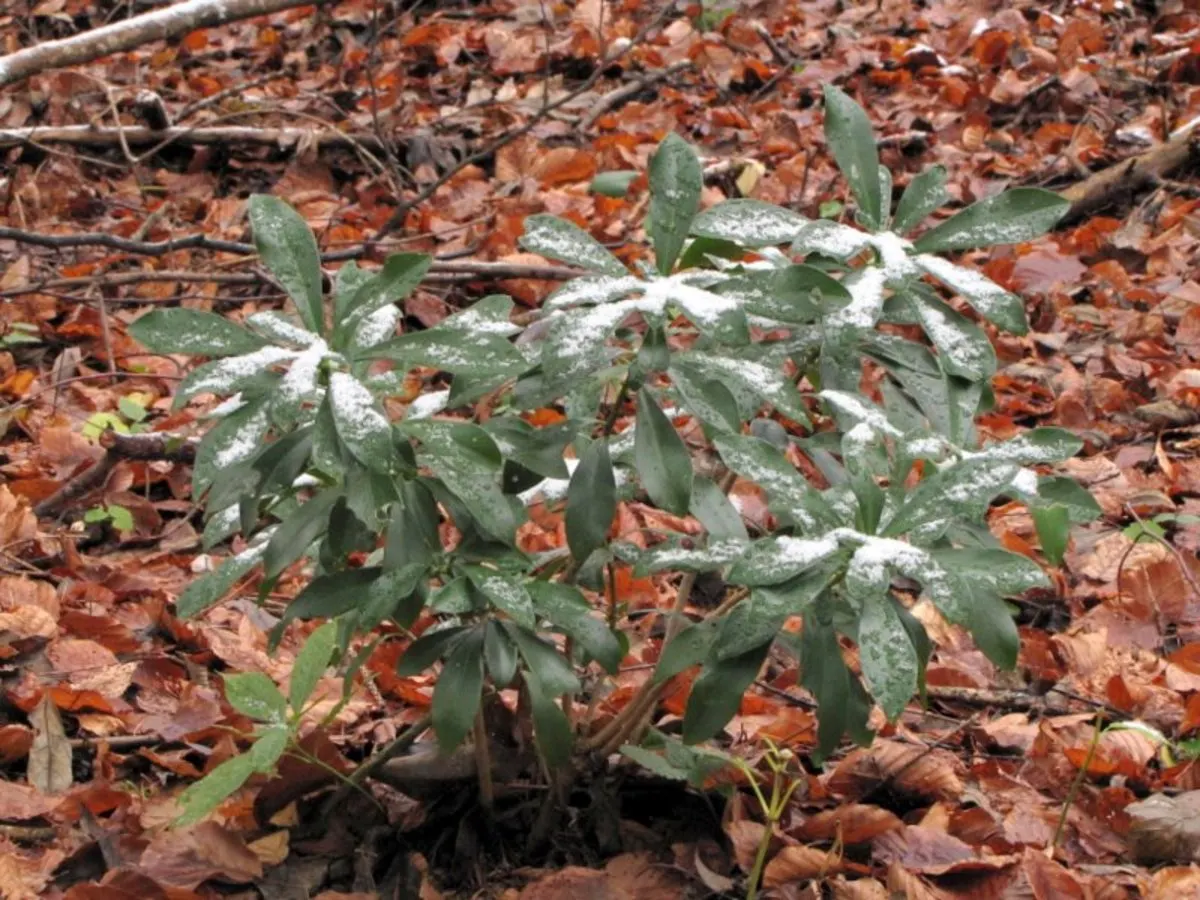
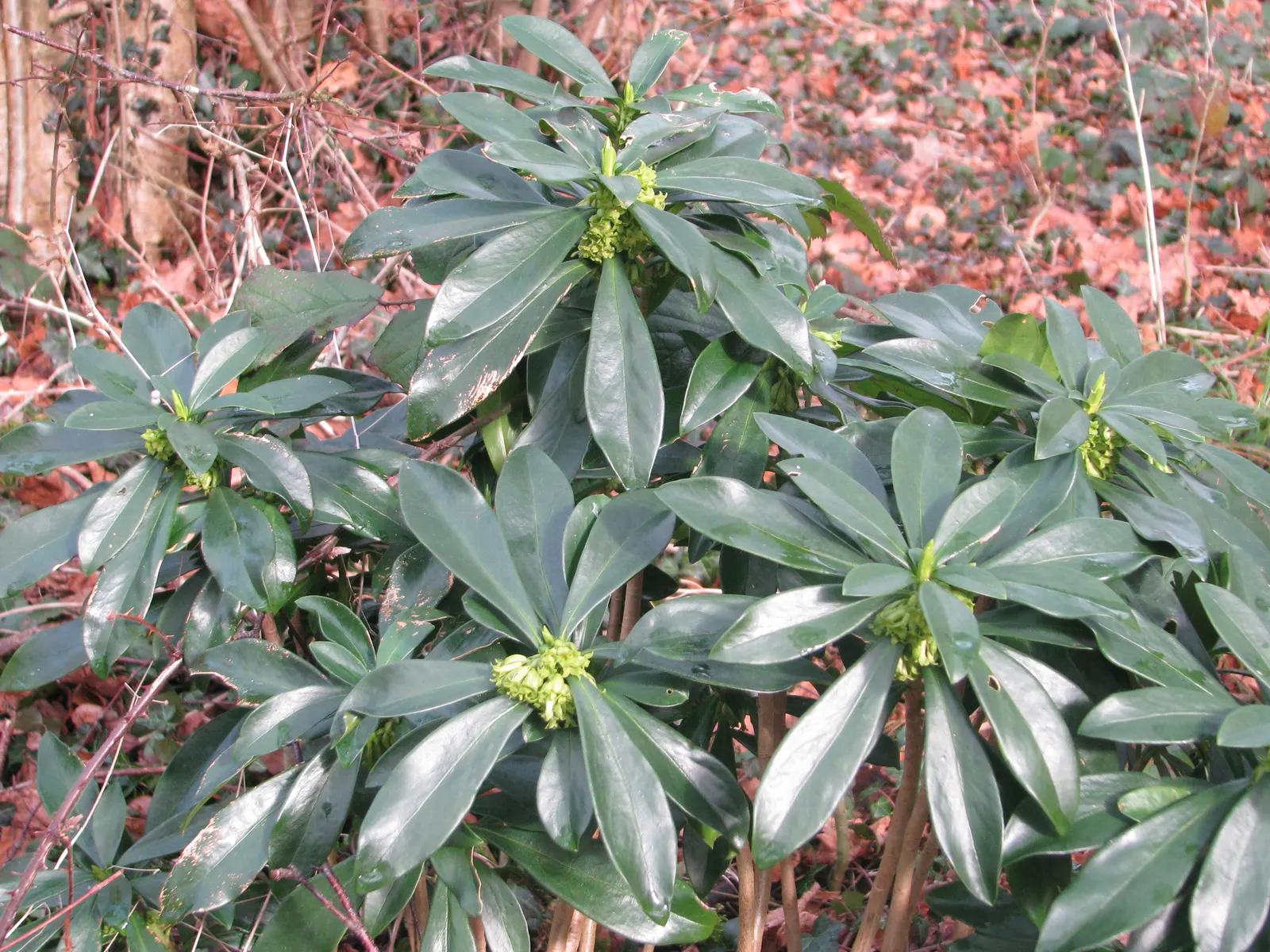
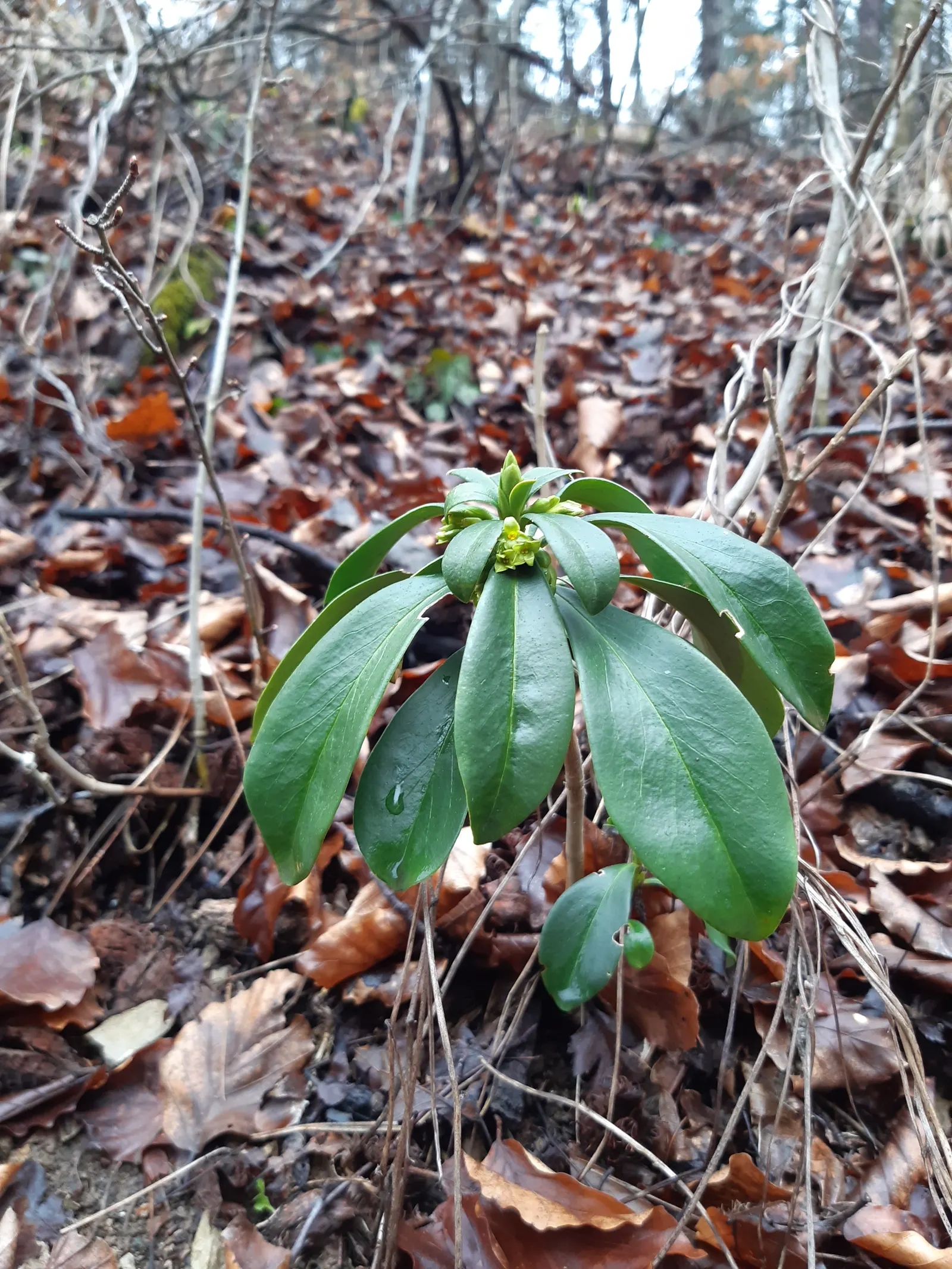
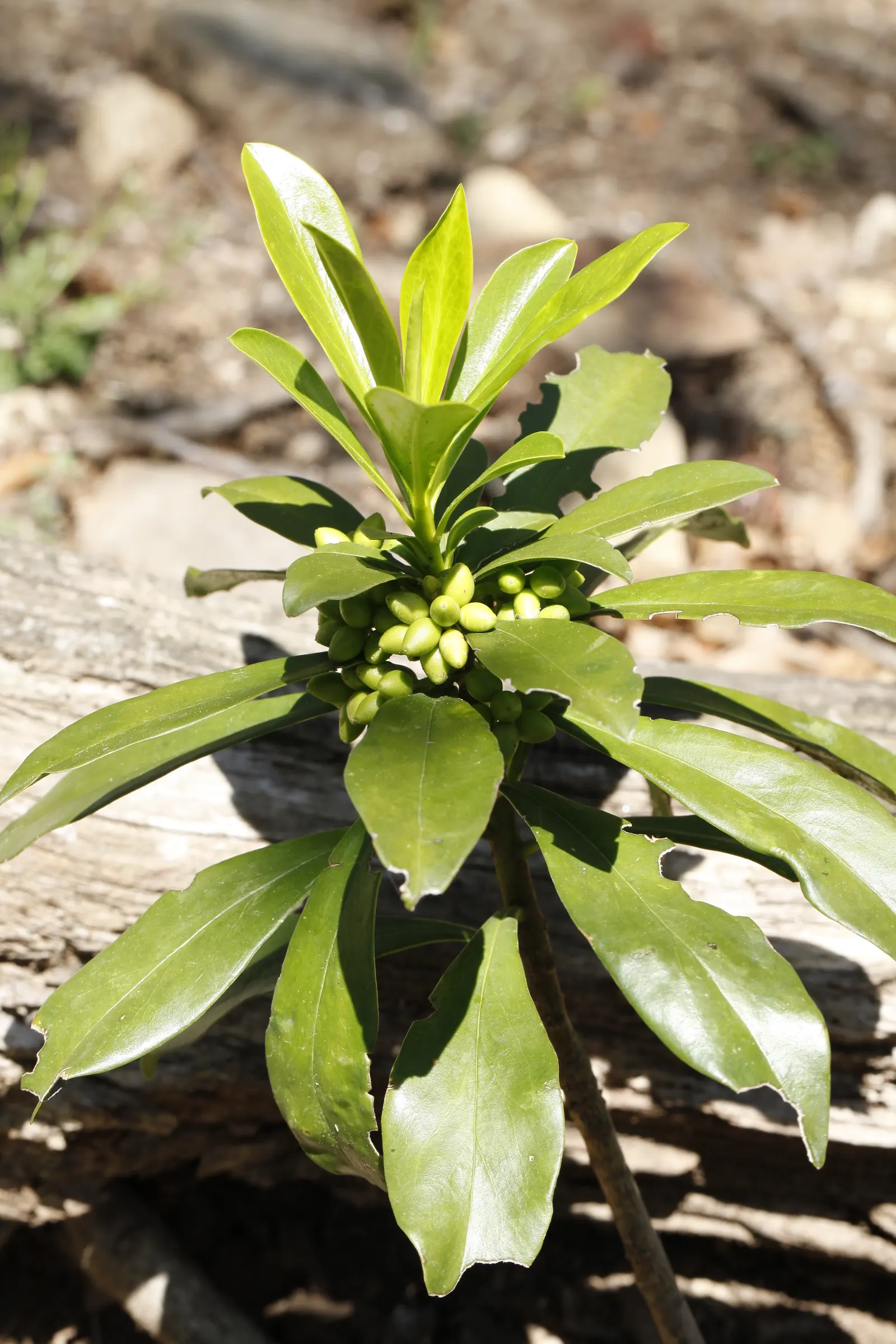
Martin's Spurge (Euphorbia X Martinii) — Its robust nature allows it to withstand poor soil conditions and coastal environments; spring through summer, it
Martin's Spurge (Euphorbia X Martinii) — Euphorbia amygdaloides and Euphorbia characias; commonly known as Martin's Spurge
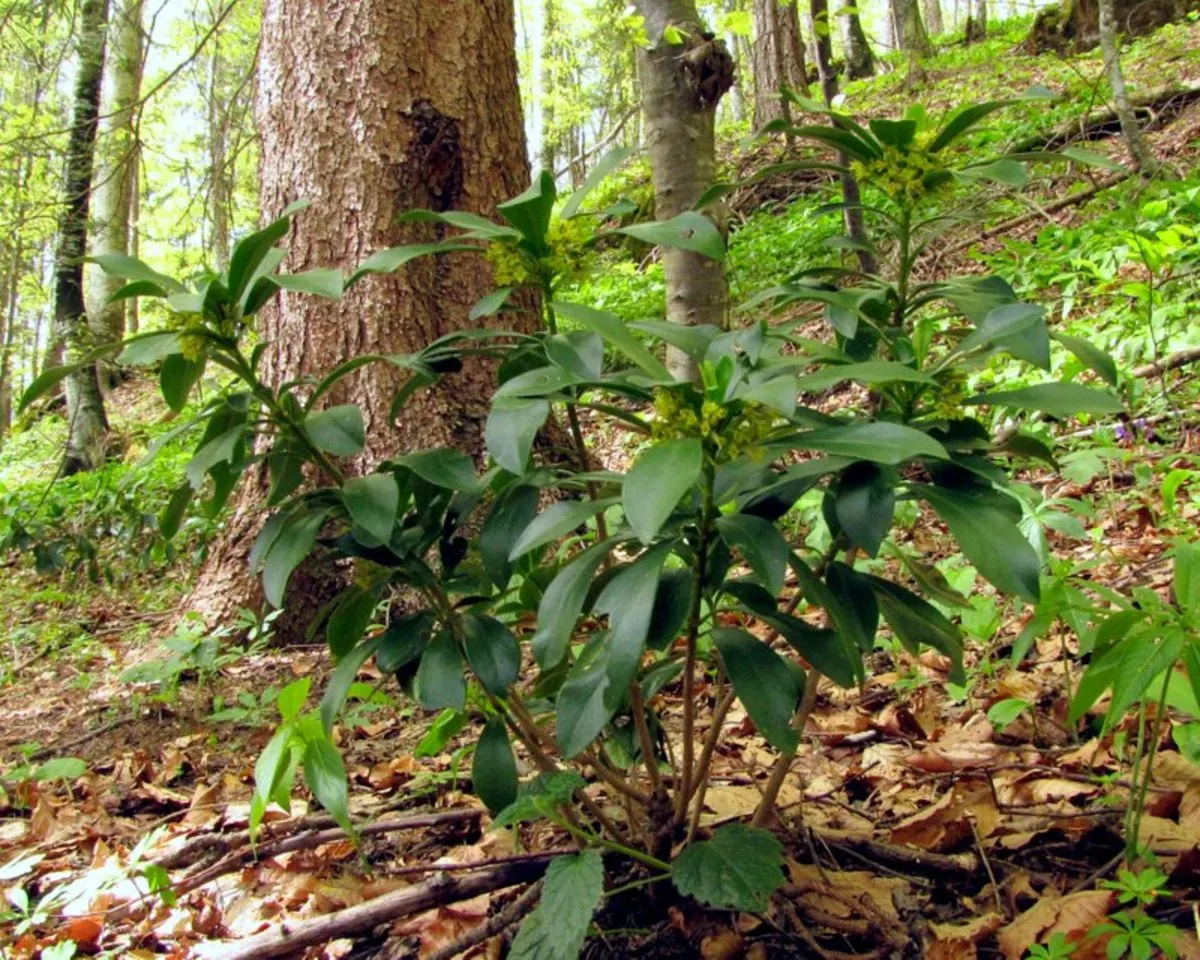
Martin's Spurge (Euphorbia X Martinii) — which can cause skin irritation.<br><br>In landscape designs
Martin's Spurge (Euphorbia X Martinii) — Gaining popularity in landscape design
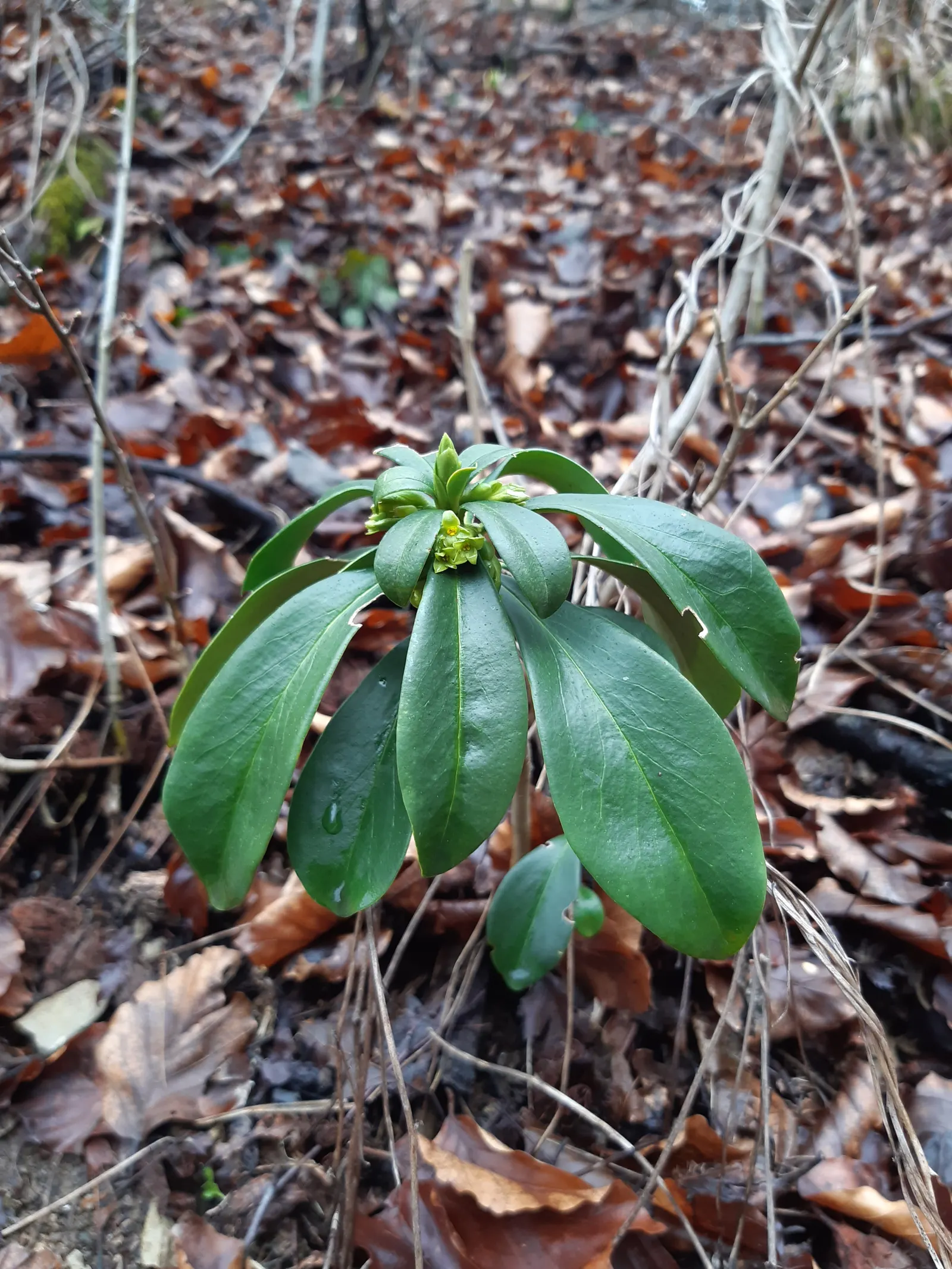
Martin's Spurge (Euphorbia X Martinii) — from rock gardens to perennial borders; perennial with green and multi-colored and red and yellow blooms
Martin's Spurge (Euphorbia X Martinii) — Caution: sap is irritating to skin and eyes; its distinctive foliage, with blue-green leaves, provides year-round
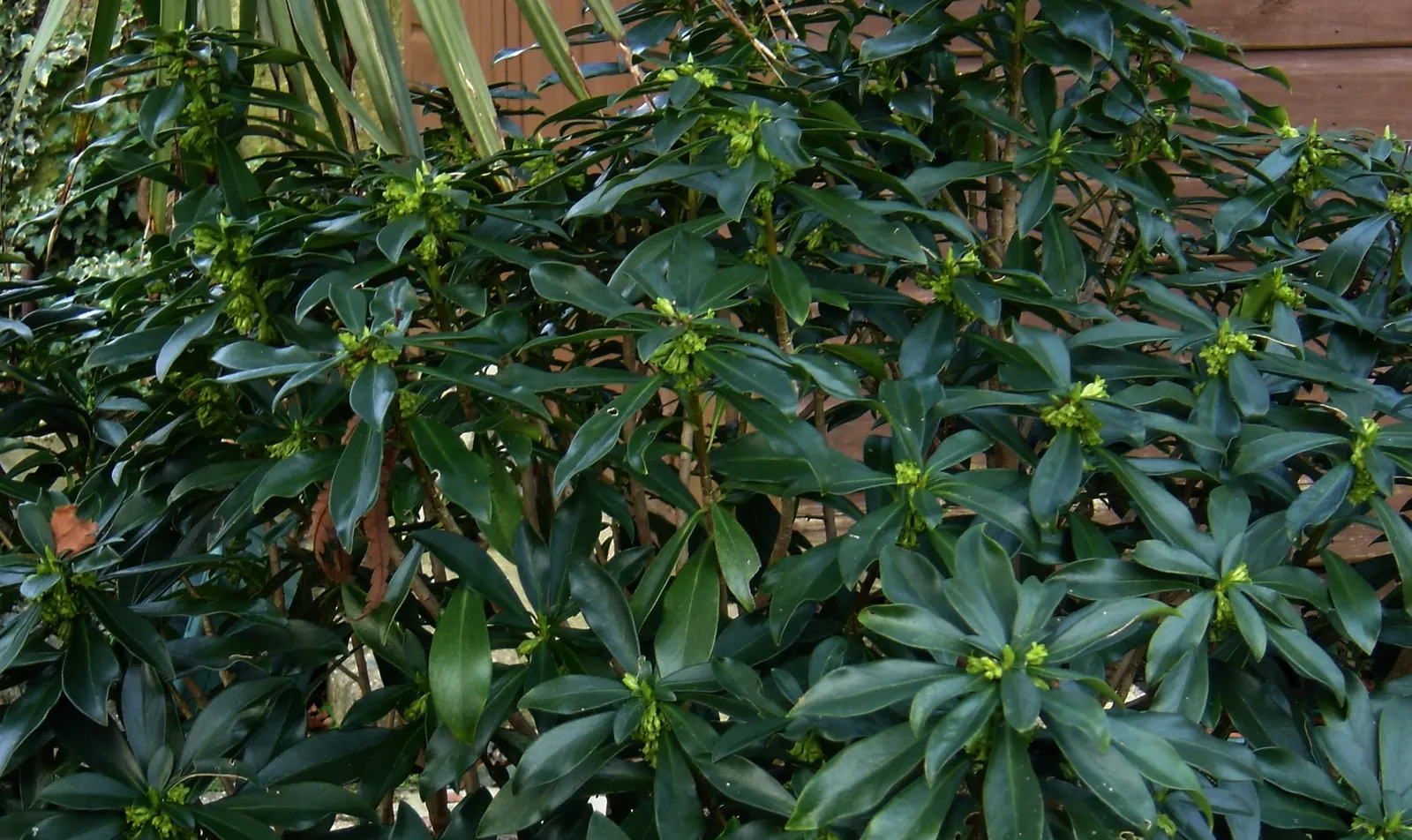
Martin's Spurge (Euphorbia X Martinii) — it reaches a mature height of roughly 1.5 to 2 feet with a similar spread
Martin's Spurge (Euphorbia X Martinii) — perennial with green and multi-colored and red and yellow blooms
Martin's Spurge (Euphorbia X Martinii) — It's also compatible with a variety of garden themes; while wearing gloves is recommended due to its toxic
Martin's Spurge (Euphorbia X Martinii) — This hybrid plant exhibits characteristics of both parent species
Martin's Spurge (Euphorbia X Martinii) — enhancing the garden's visual intrigue through the changing seasons
Martin's Spurge (Euphorbia X Martinii) — periodic trimming of spent flowers can prolong its attractive appearance; euphorbia x martinii presents as a textural
Martin's Spurge (Euphorbia X Martinii) — is an evergreen perennial boasting a compact form at 1-2 feet high and wide
Martin's Spurge (Euphorbia X Martinii) — bushy silhouette well-suited to mid-border plantings or as an accent piece.<br><br>Featuring narrow; green and
Martin's Spurge (Euphorbia X Martinii) — from rock gardens to perennial borders
Martin's Spurge (Euphorbia X Martinii) — Thriving in zones 7-9, it prefers full sun to partial shade and well-drained soil; it's also compatible with a variety
Martin's Spurge (Euphorbia X Martinii) — this drought-tolerant euphorbia thrives in full sun to partial shade and prefers well-drained soils; from rock gardens
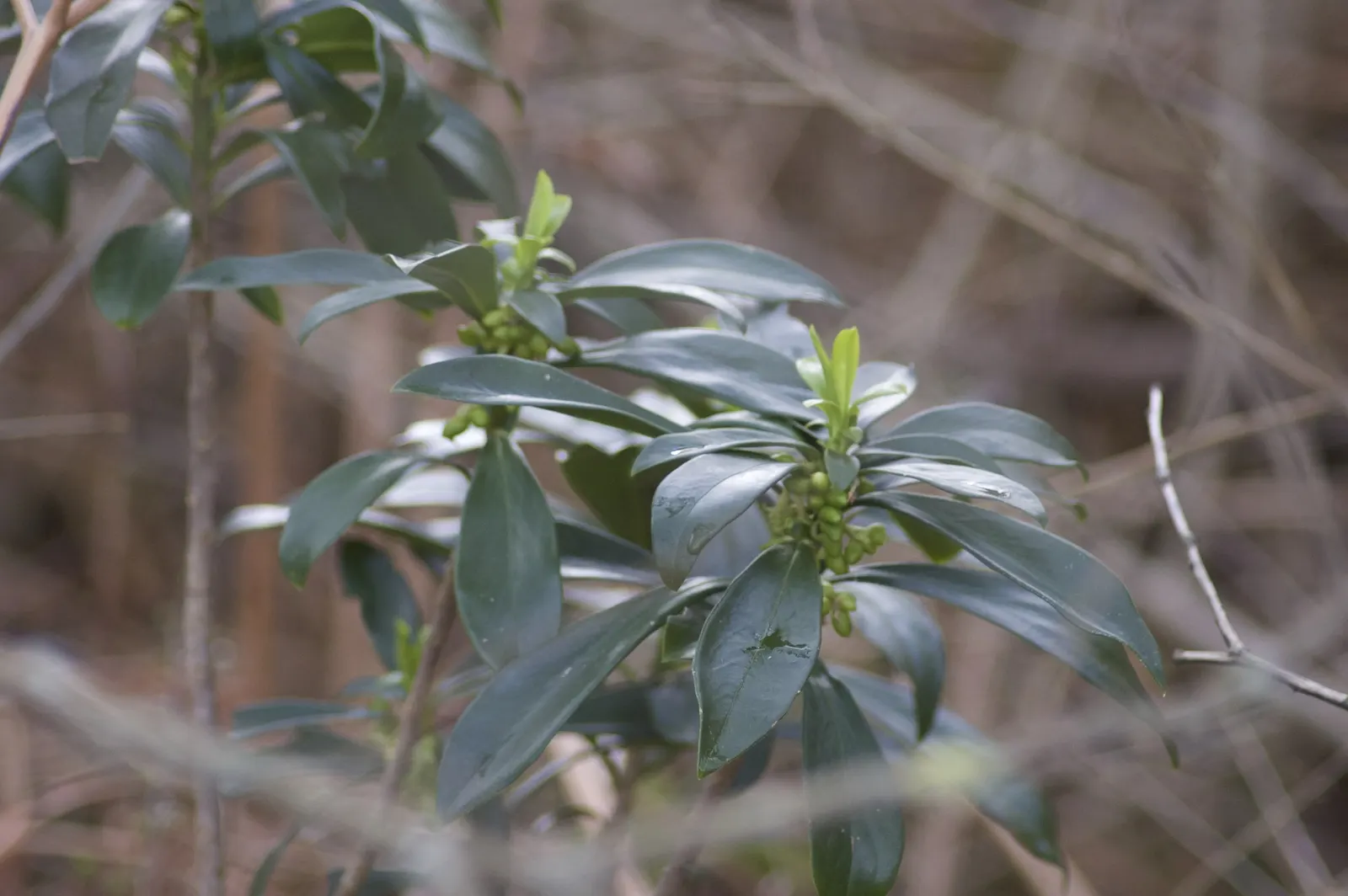
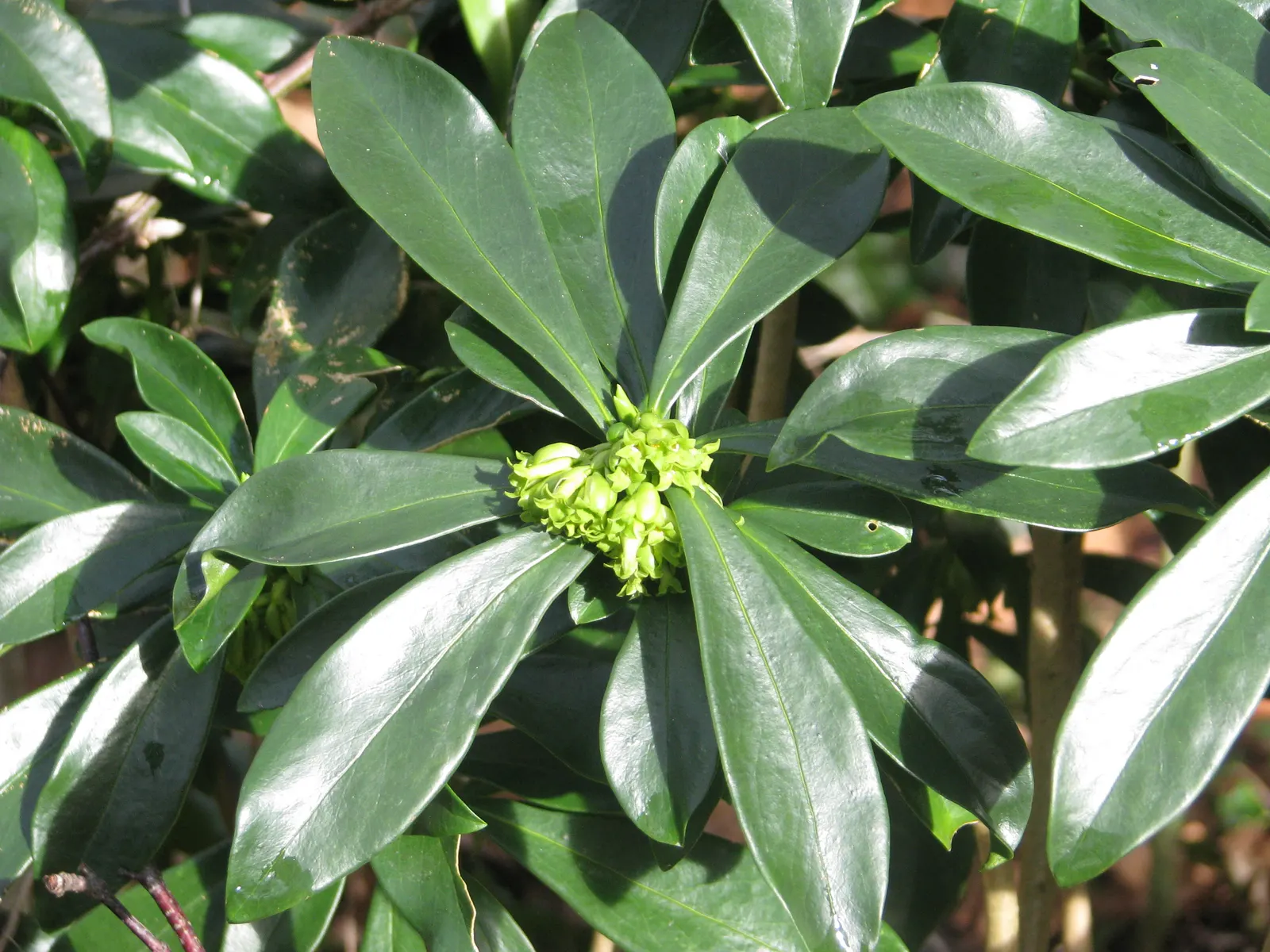
Martin's Spurge (Euphorbia X Martinii) — Its distinctive foliage, with blue-green leaves, provides year-round interest
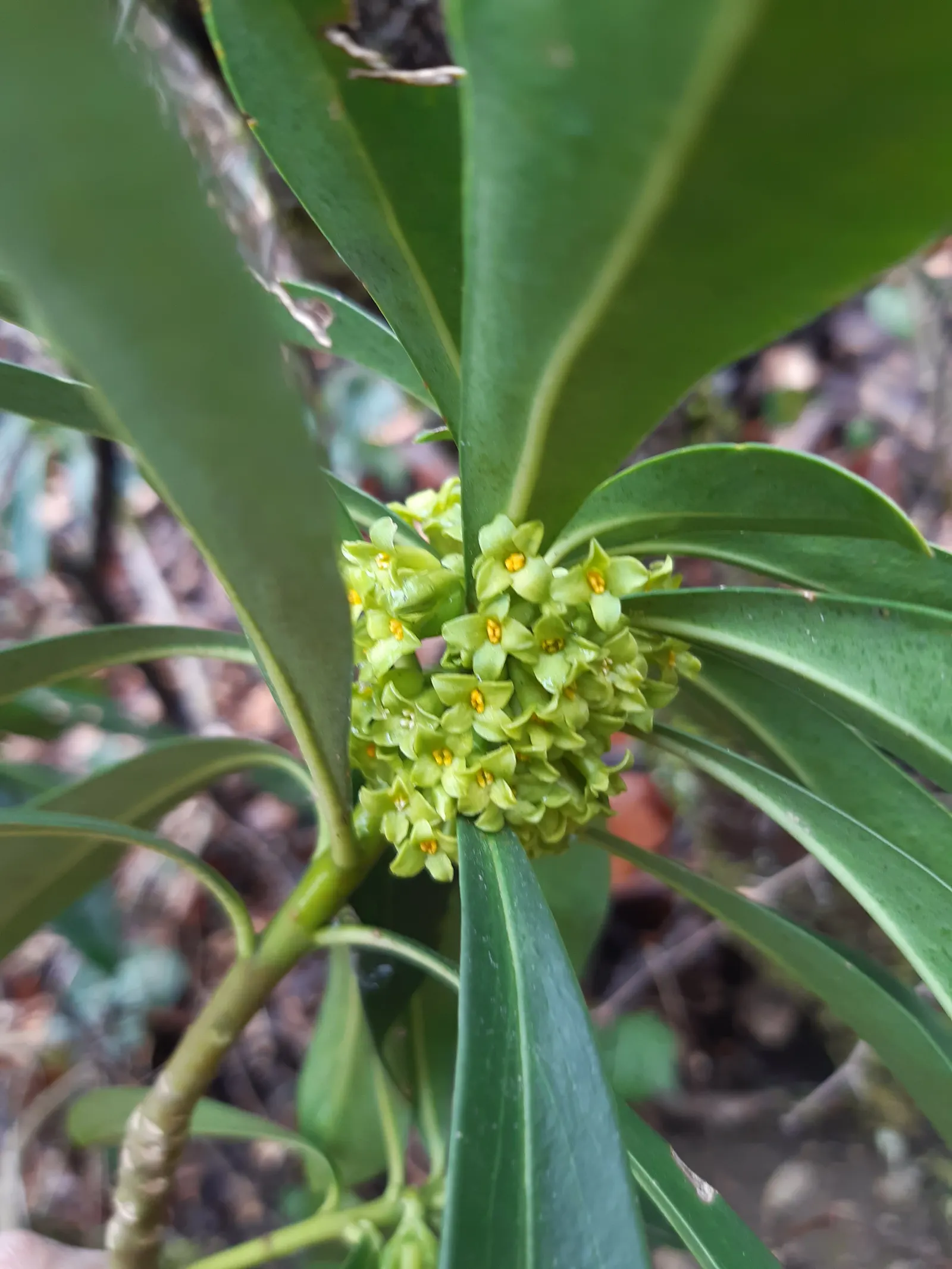
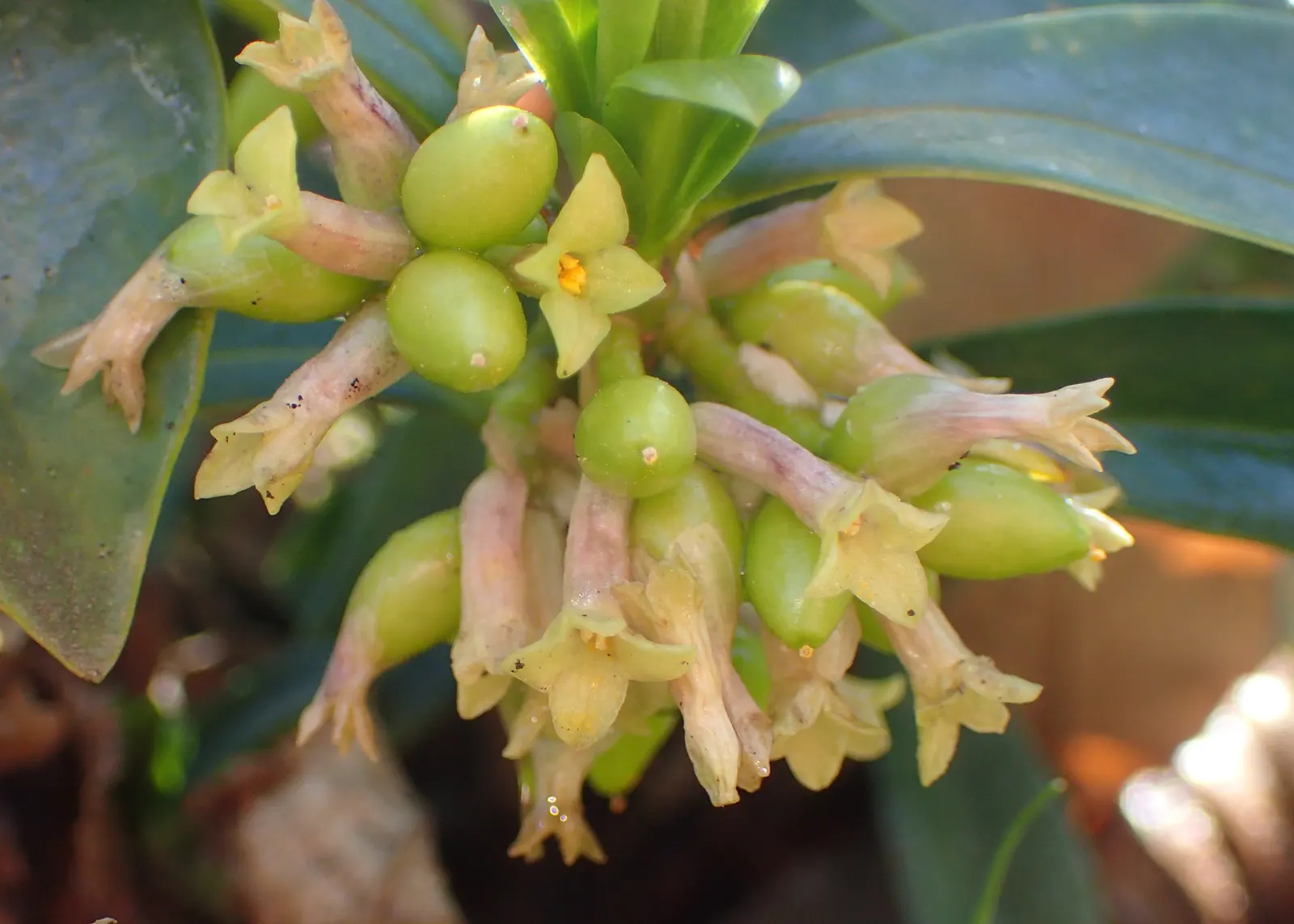
Martin's Spurge (Euphorbia X Martinii) — Martin's Spurge provides a sturdy backdrop for its distinct flowers
Martin's Spurge (Euphorbia X Martinii) — An added benefit is its evergreen nature
Martin's Spurge (Euphorbia X Martinii) — Martin's Spurge provides a sturdy backdrop for its distinct flowers; caution: sap is irritating to skin and eyes
Martin's Spurge (Euphorbia X Martinii) — providing year-round interest.<br><br>For maintenance; this drought-tolerant euphorbia thrives in full sun to partial
Martin's Spurge (Euphorbia X Martinii) — Spring through summer, it features chartreuse flower bracts, adding a vibrant contrast
Martin's Spurge (Euphorbia X Martinii) — periodic trimming of spent flowers can prolong its attractive appearance
Photographs by 13 contributors

Related plants