Skip to content

Pencil Tree

Euphorbia Tirucalli

Design with this plant

Overview

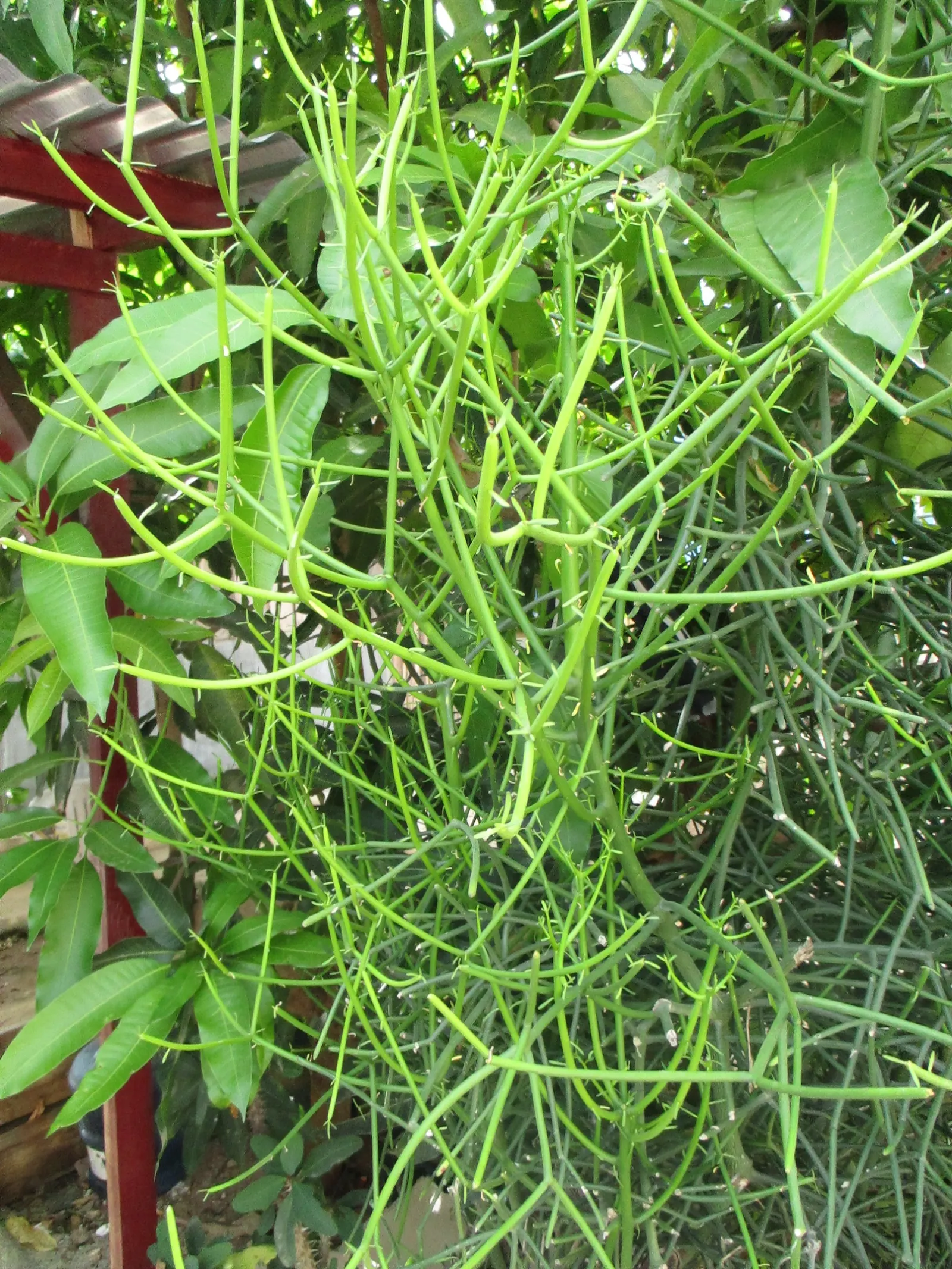
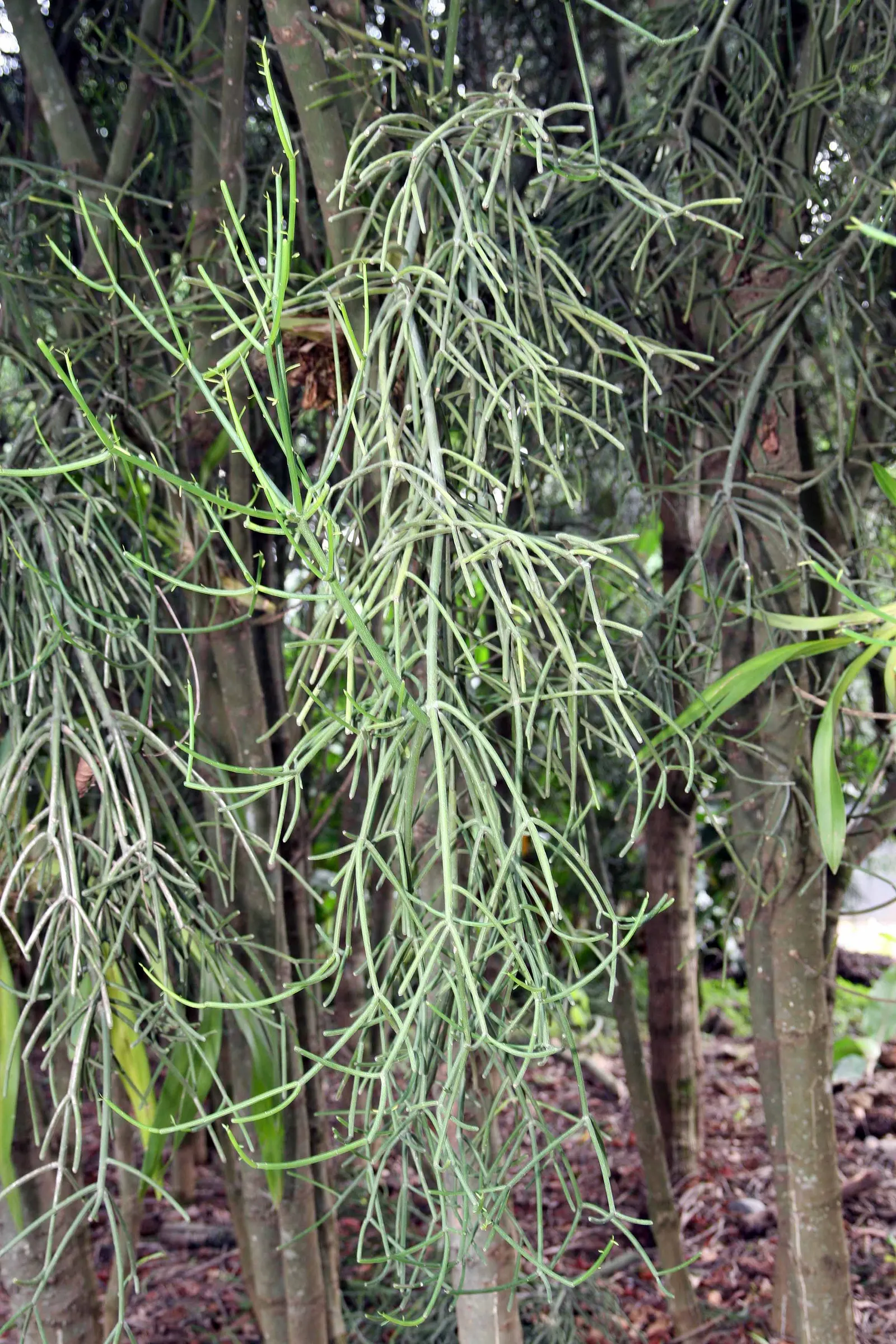
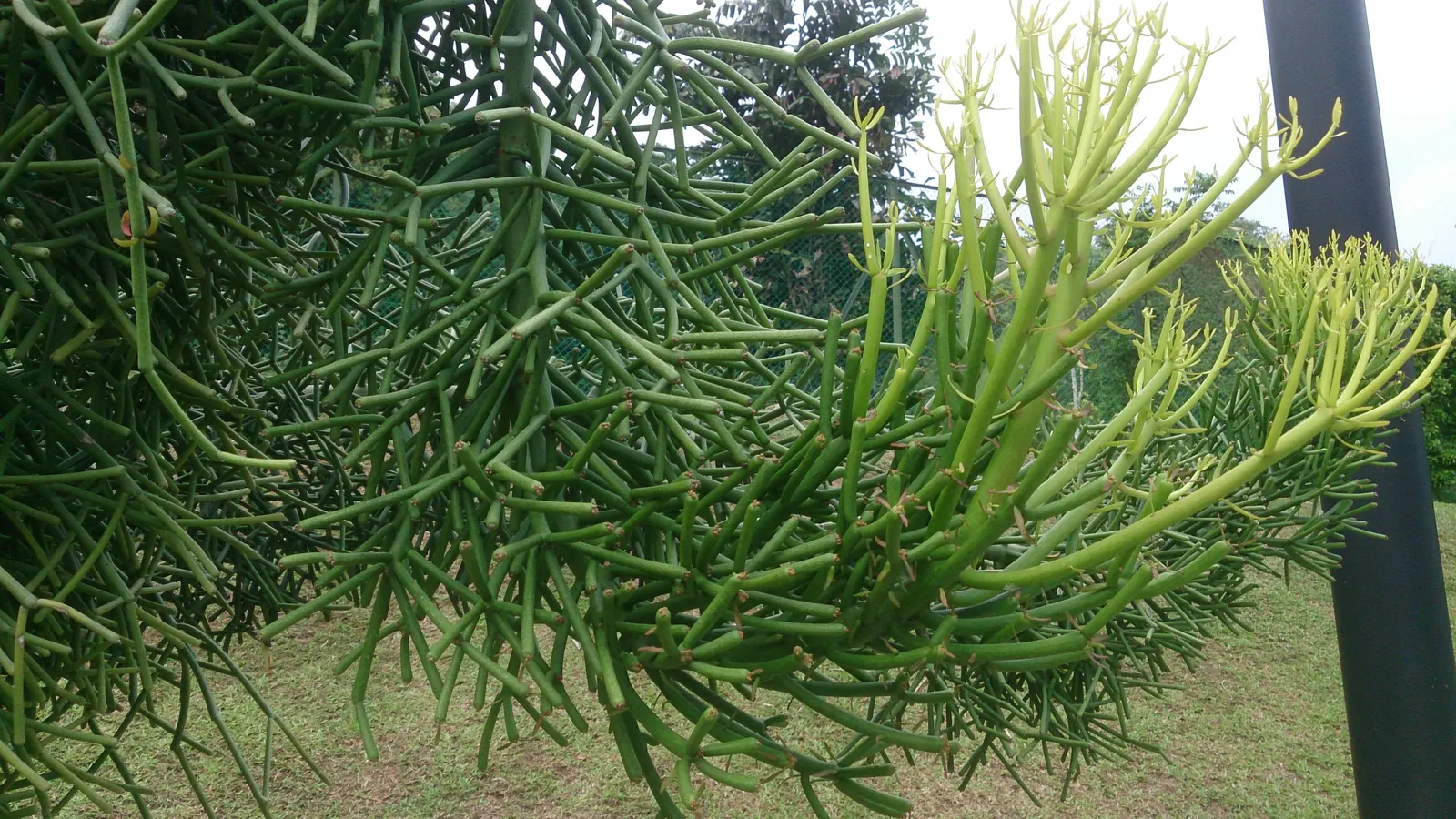
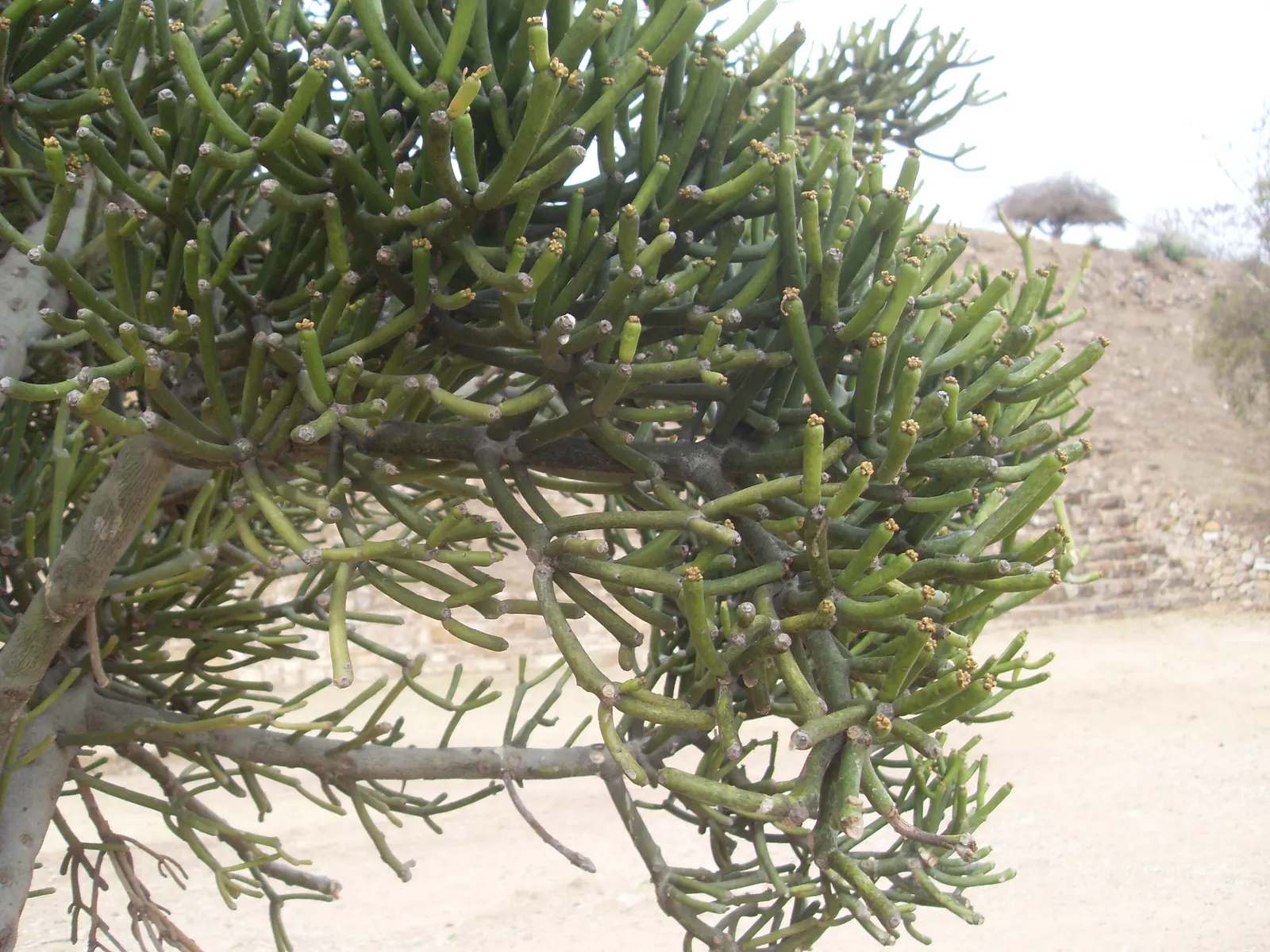
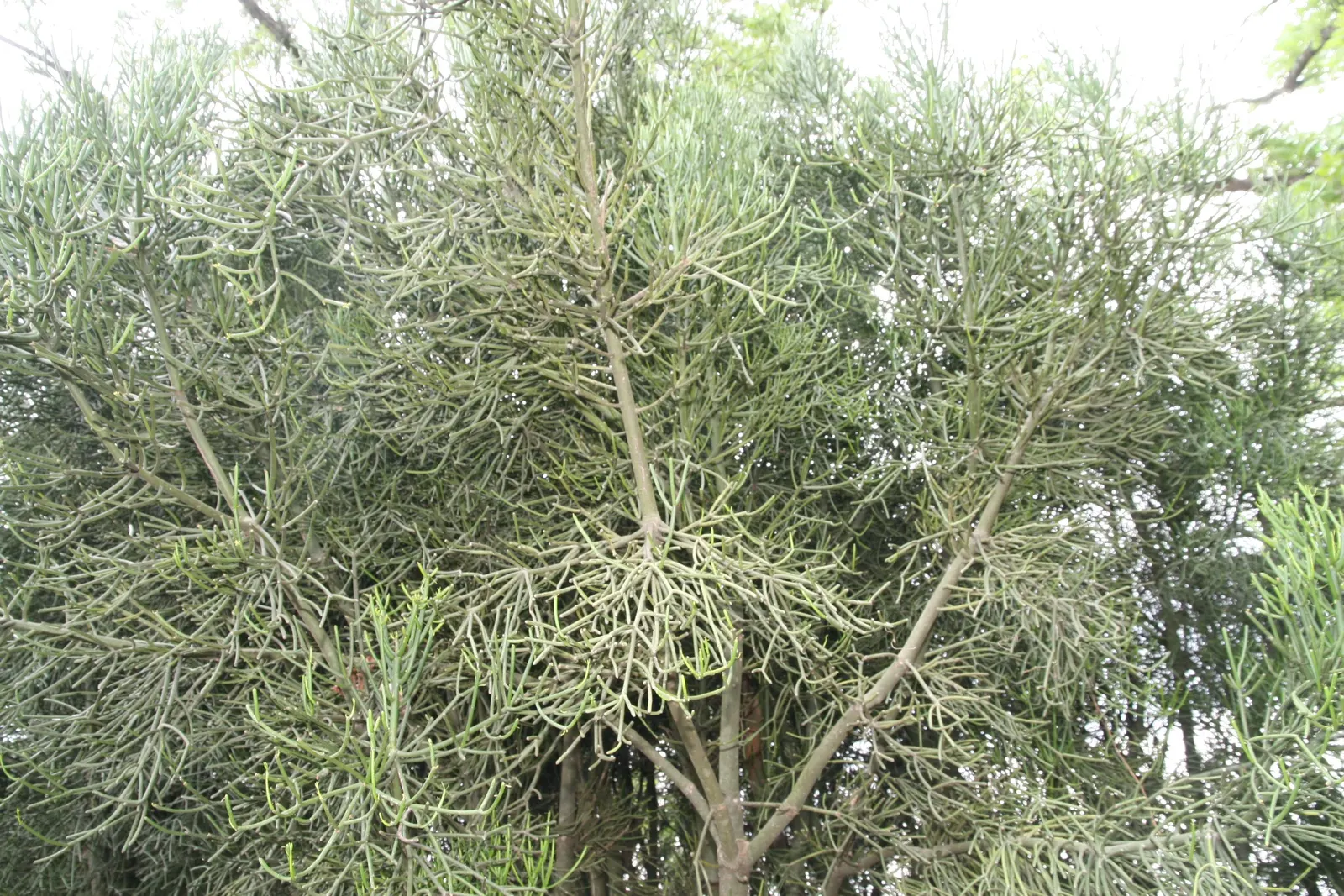
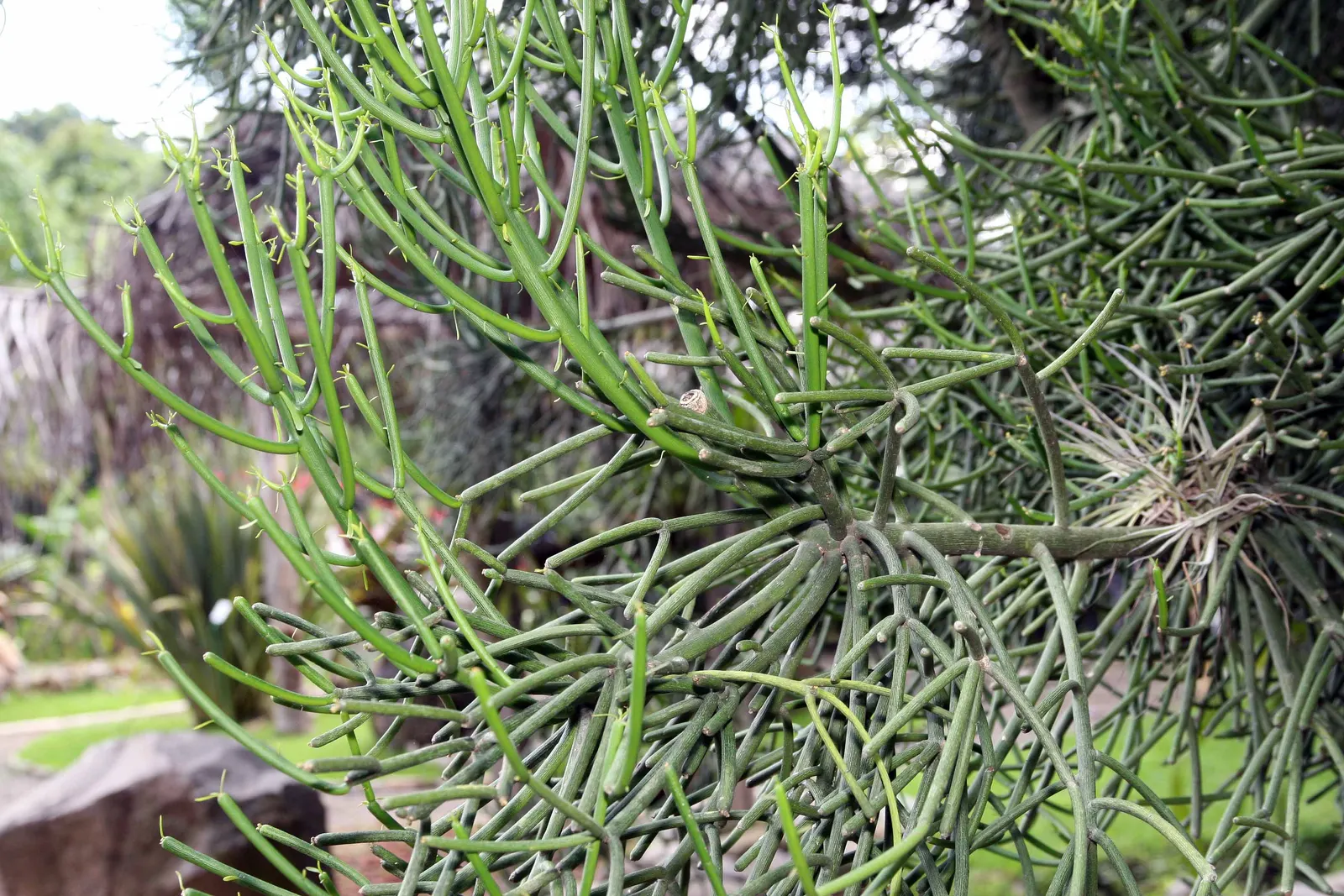
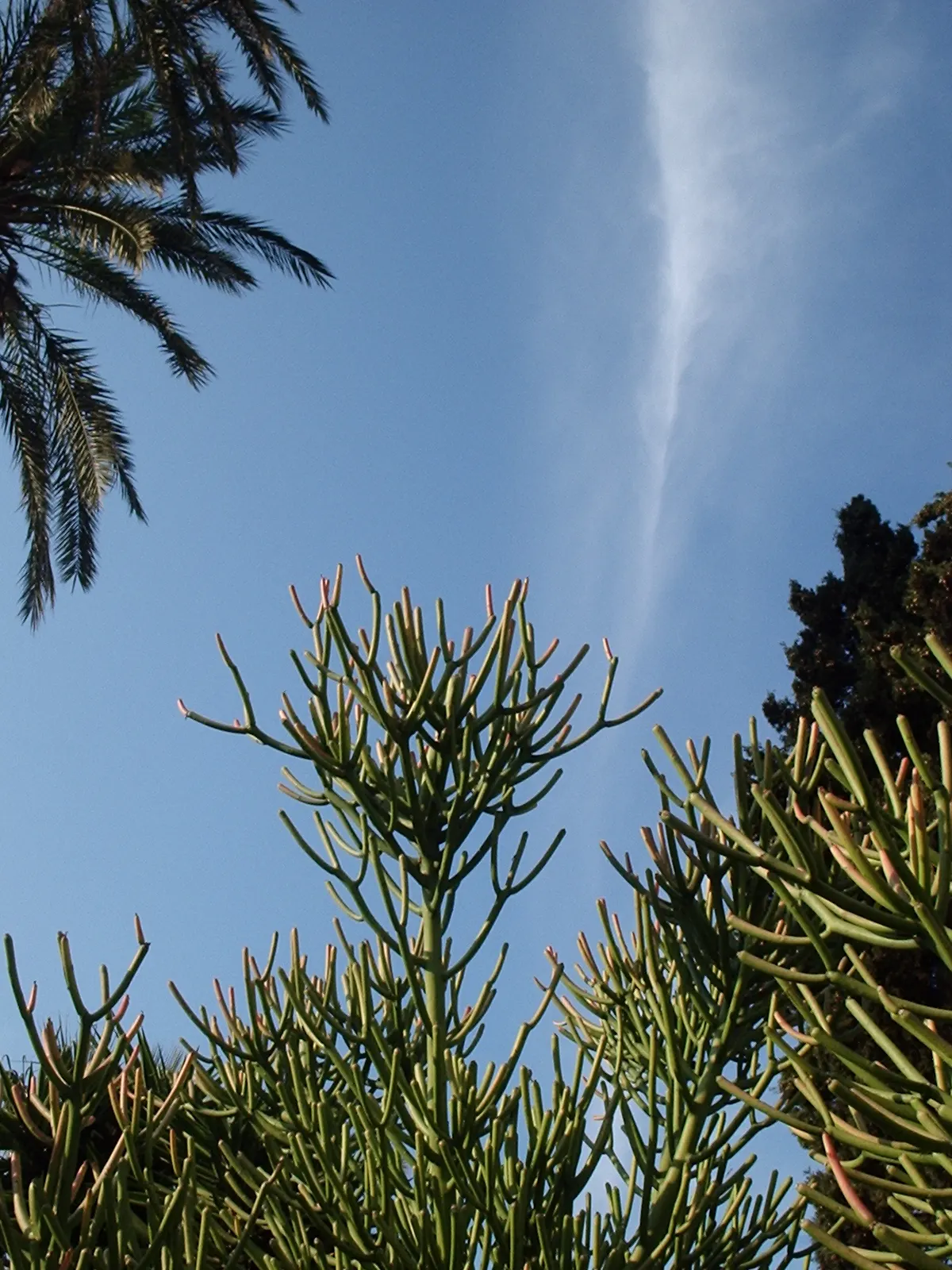
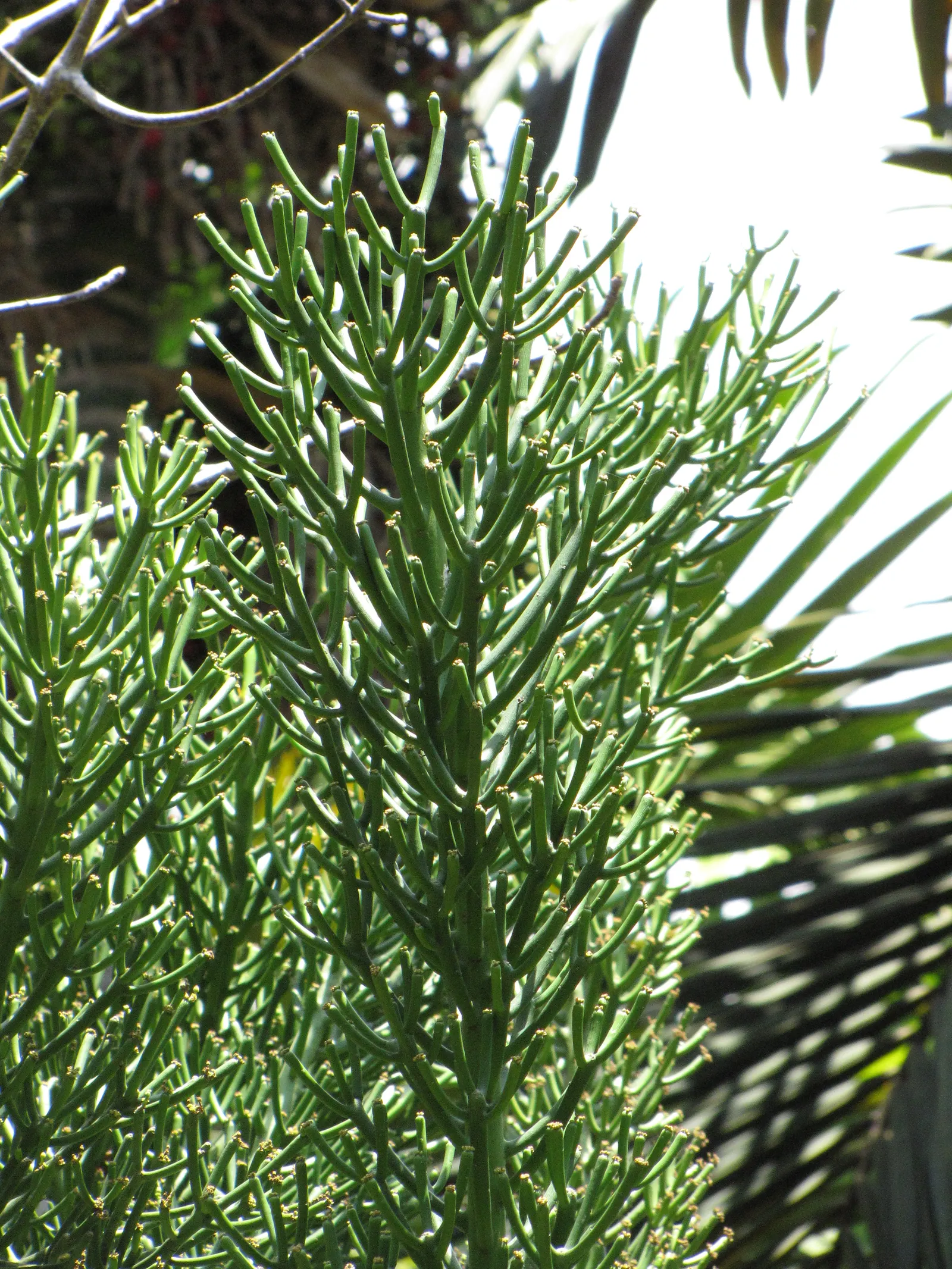
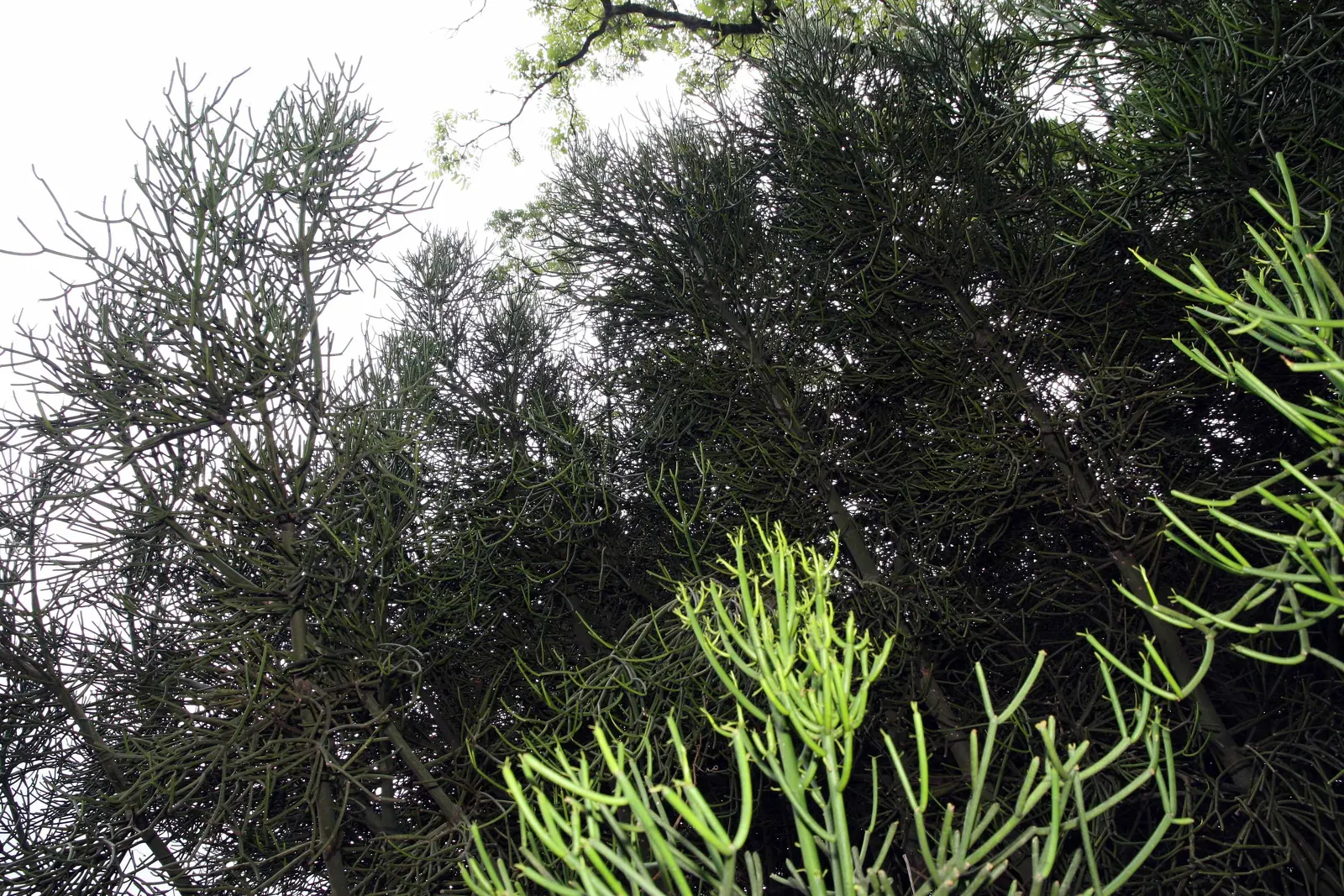
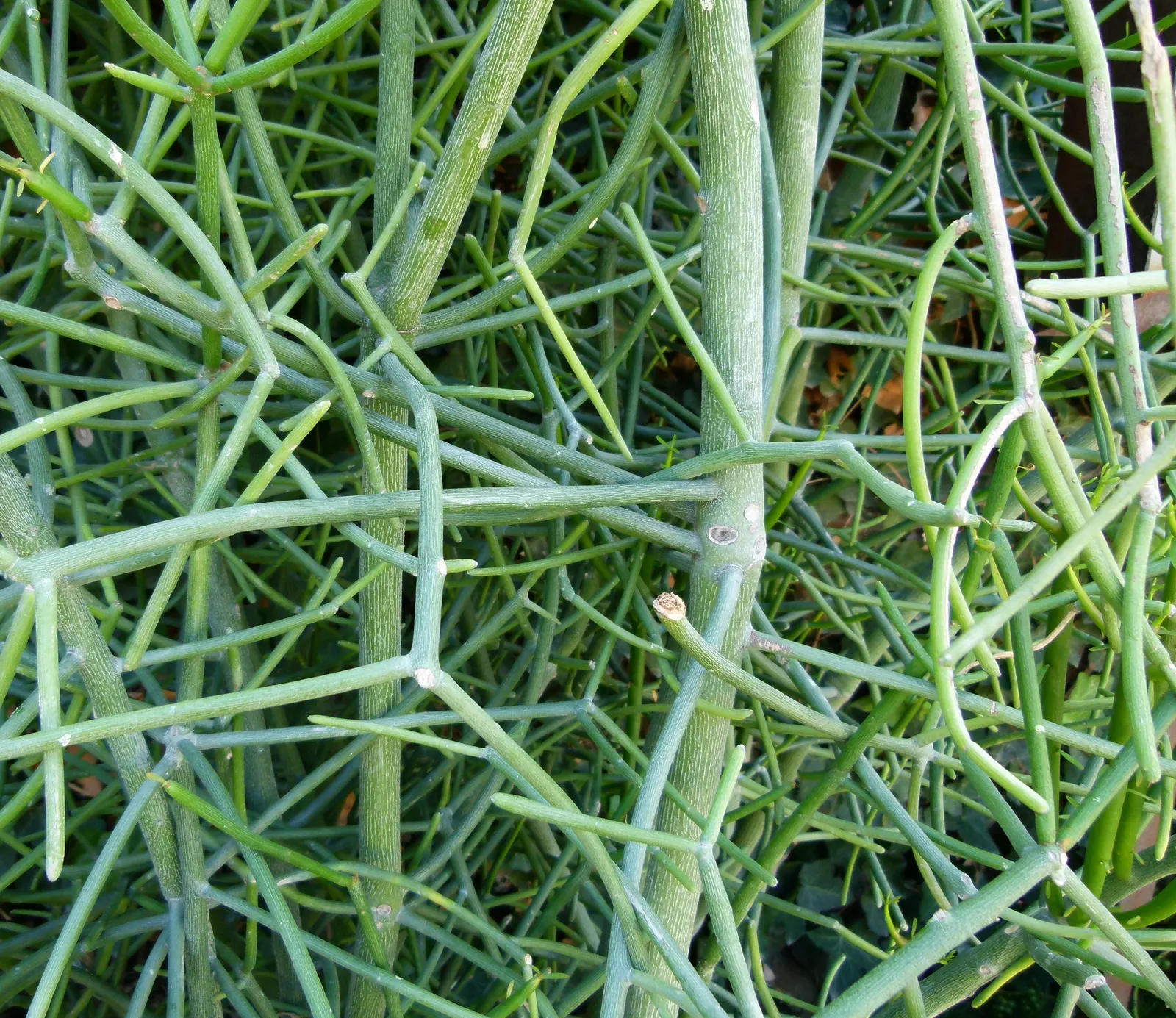
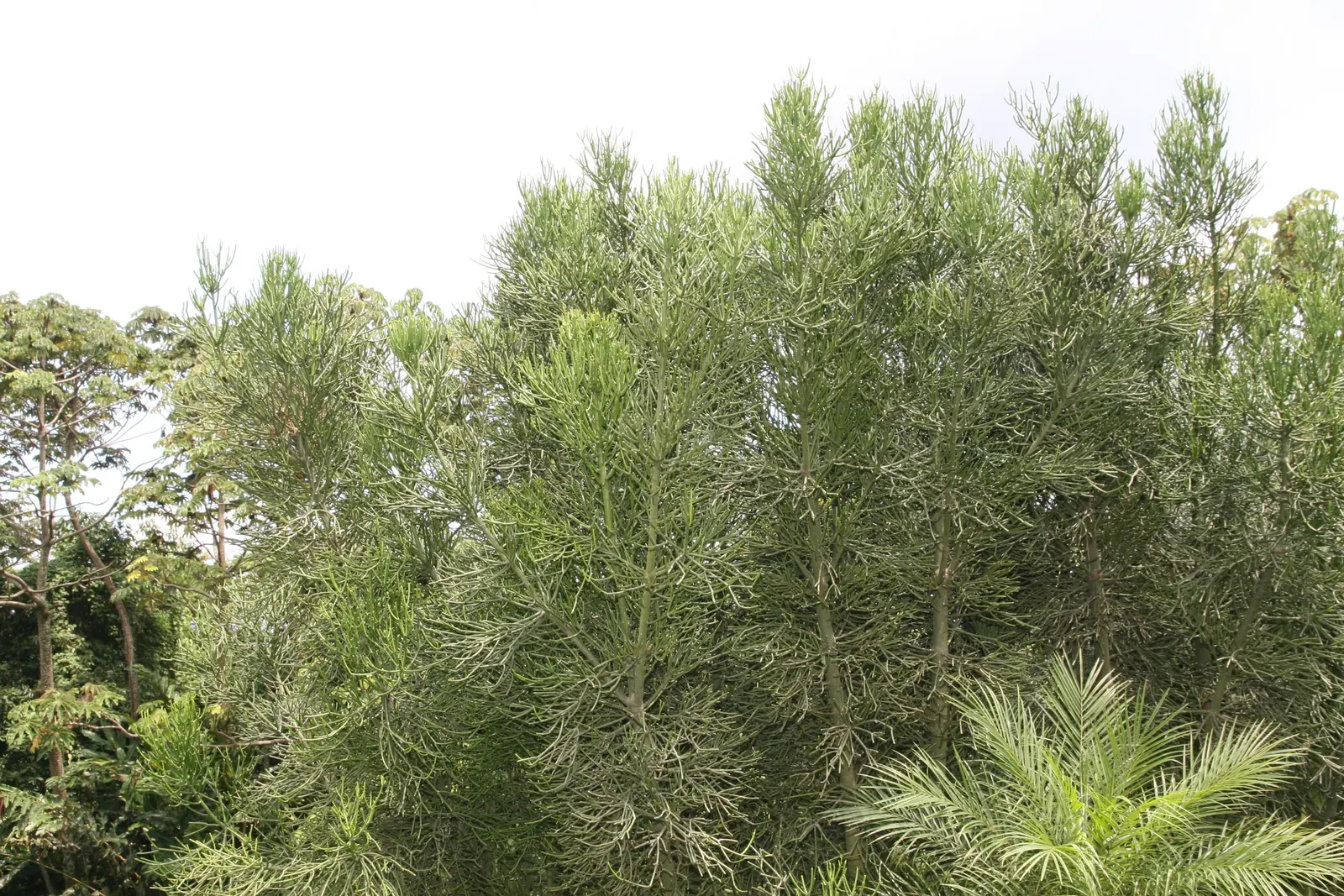
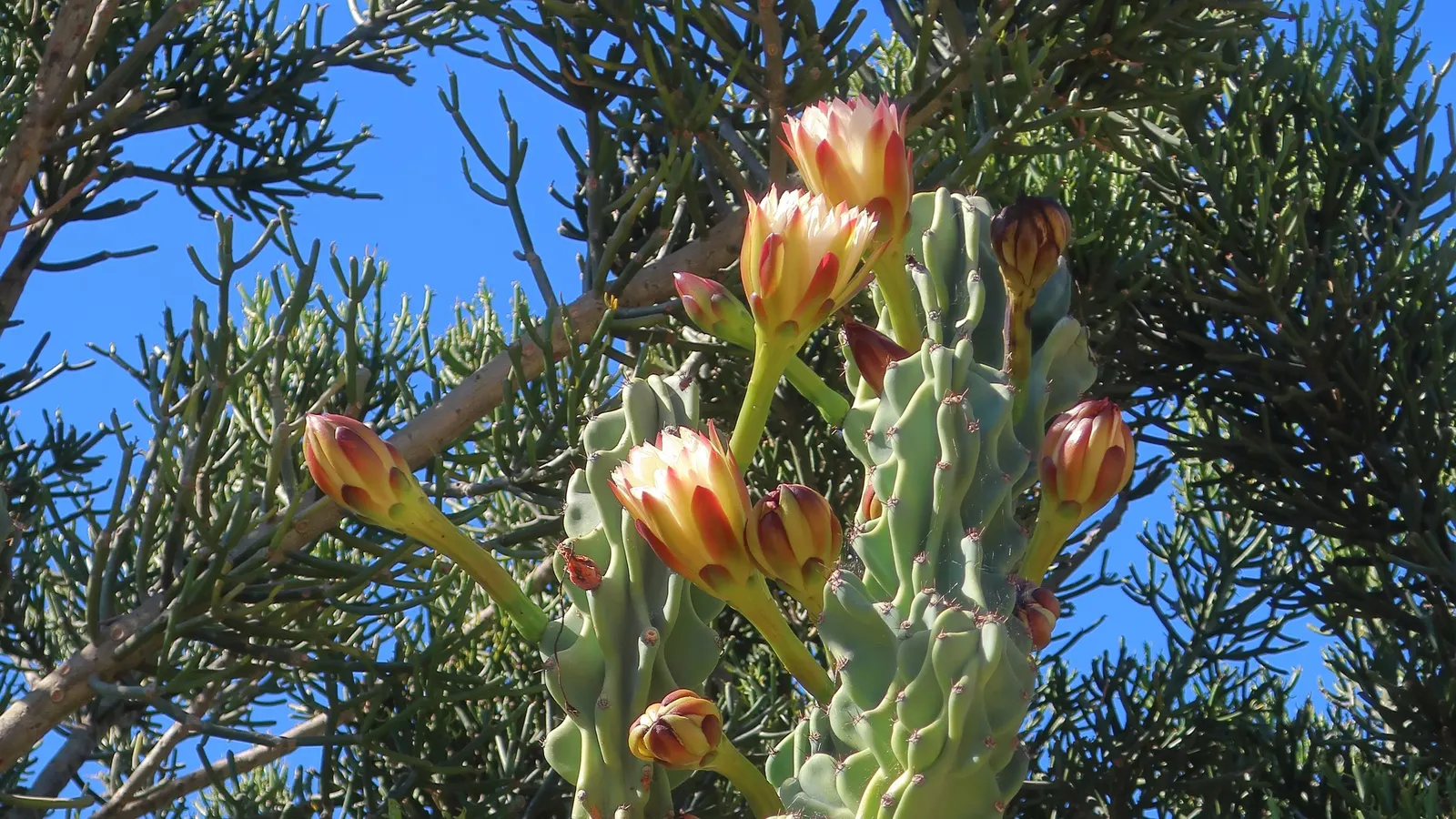
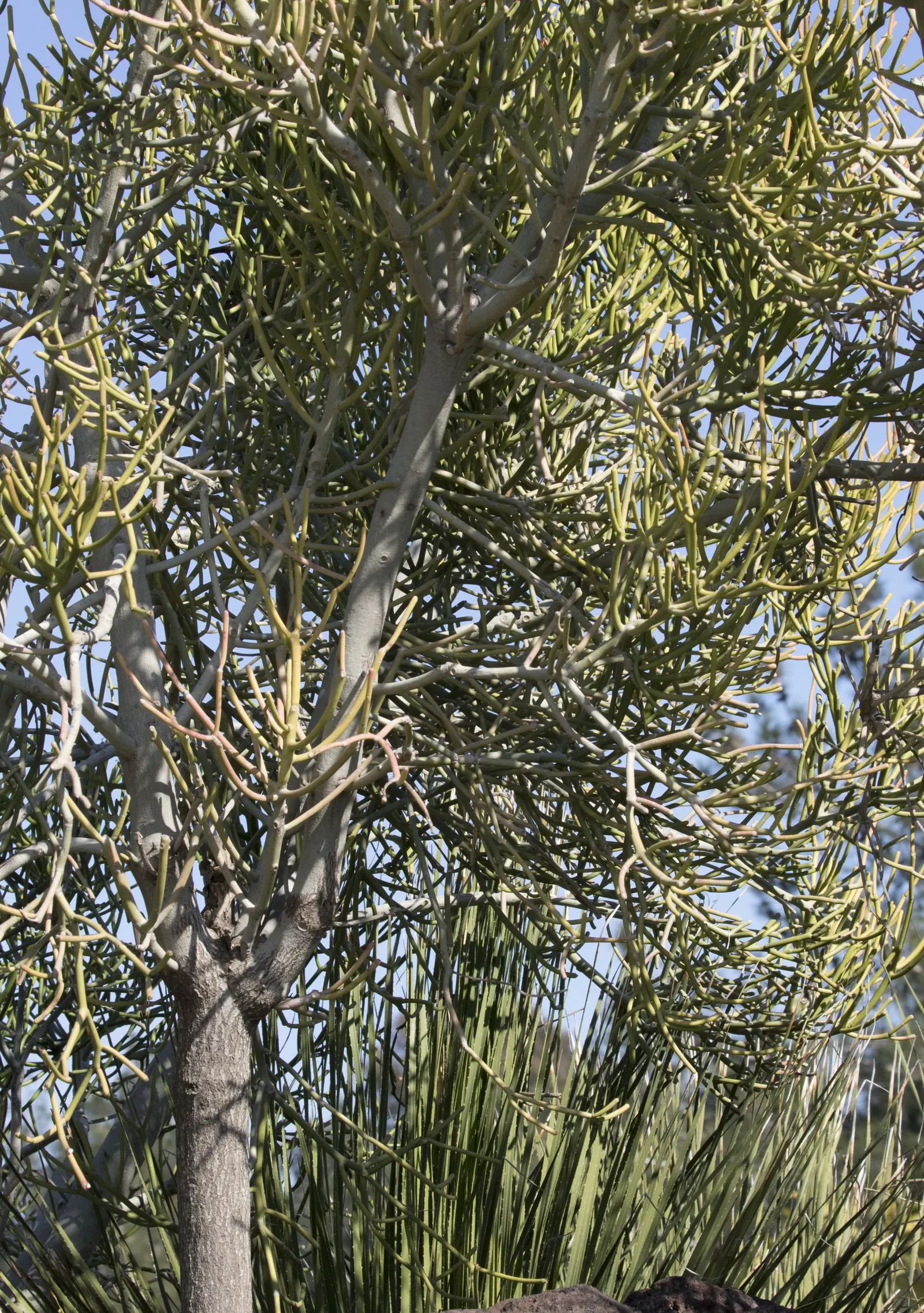
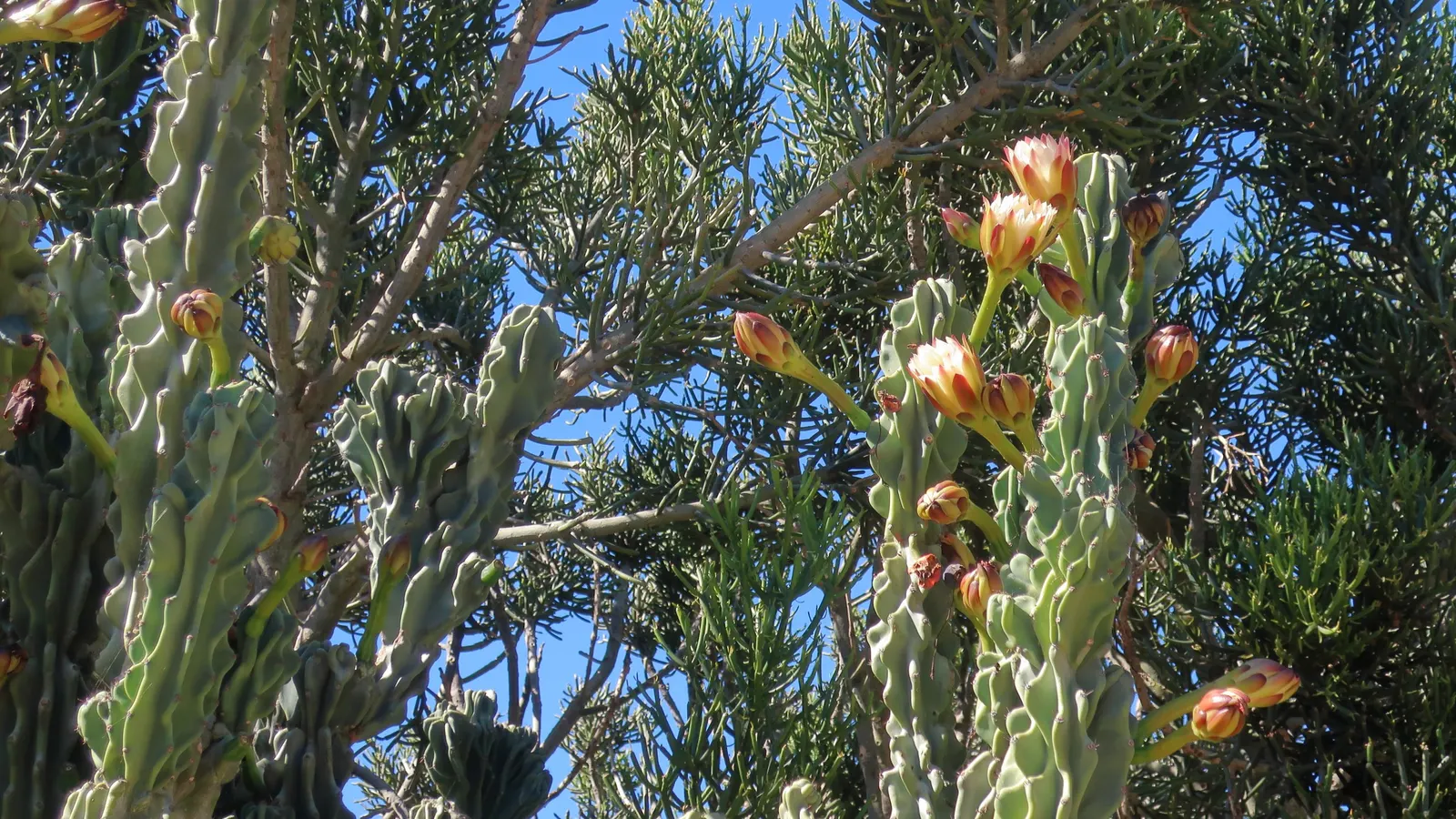
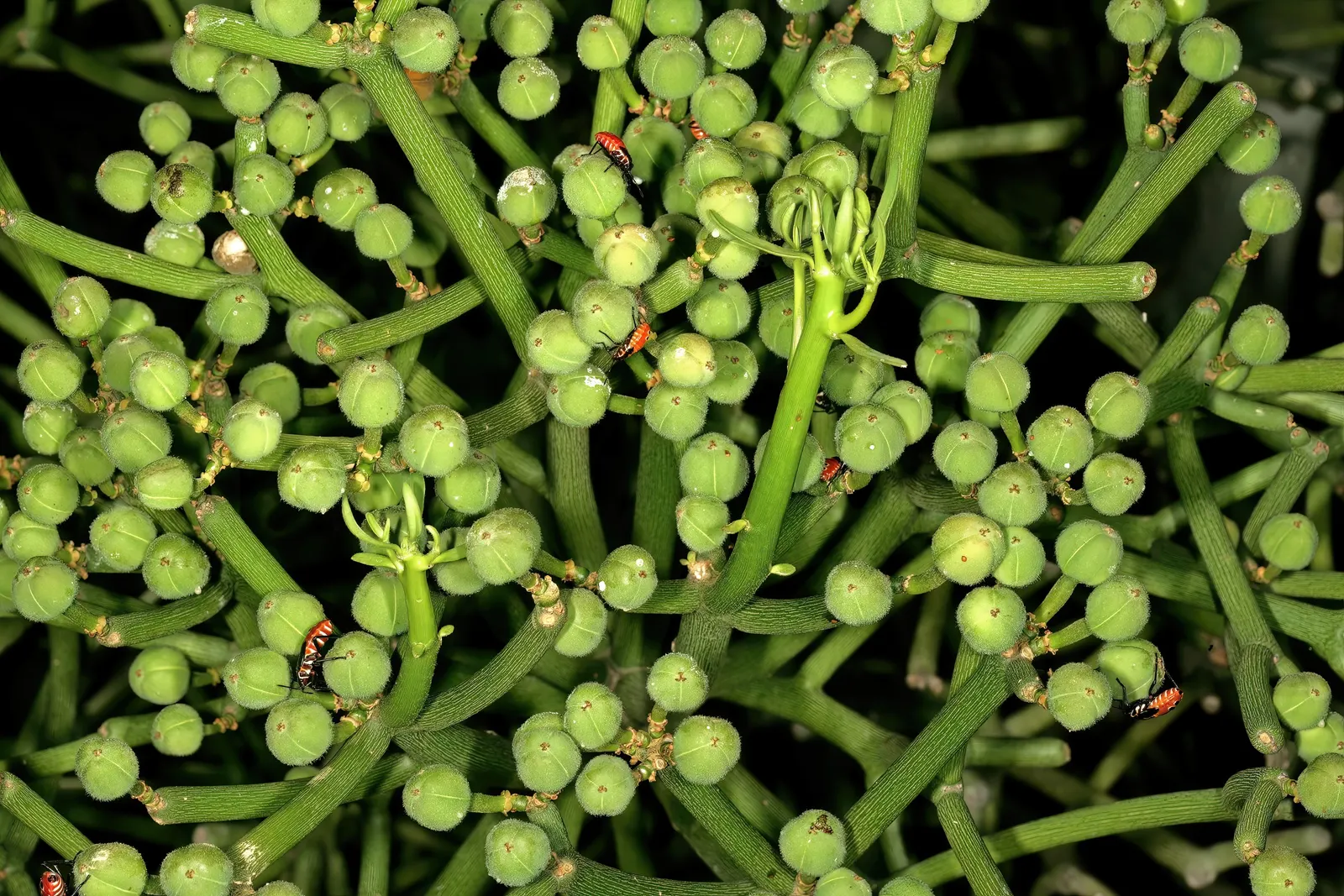
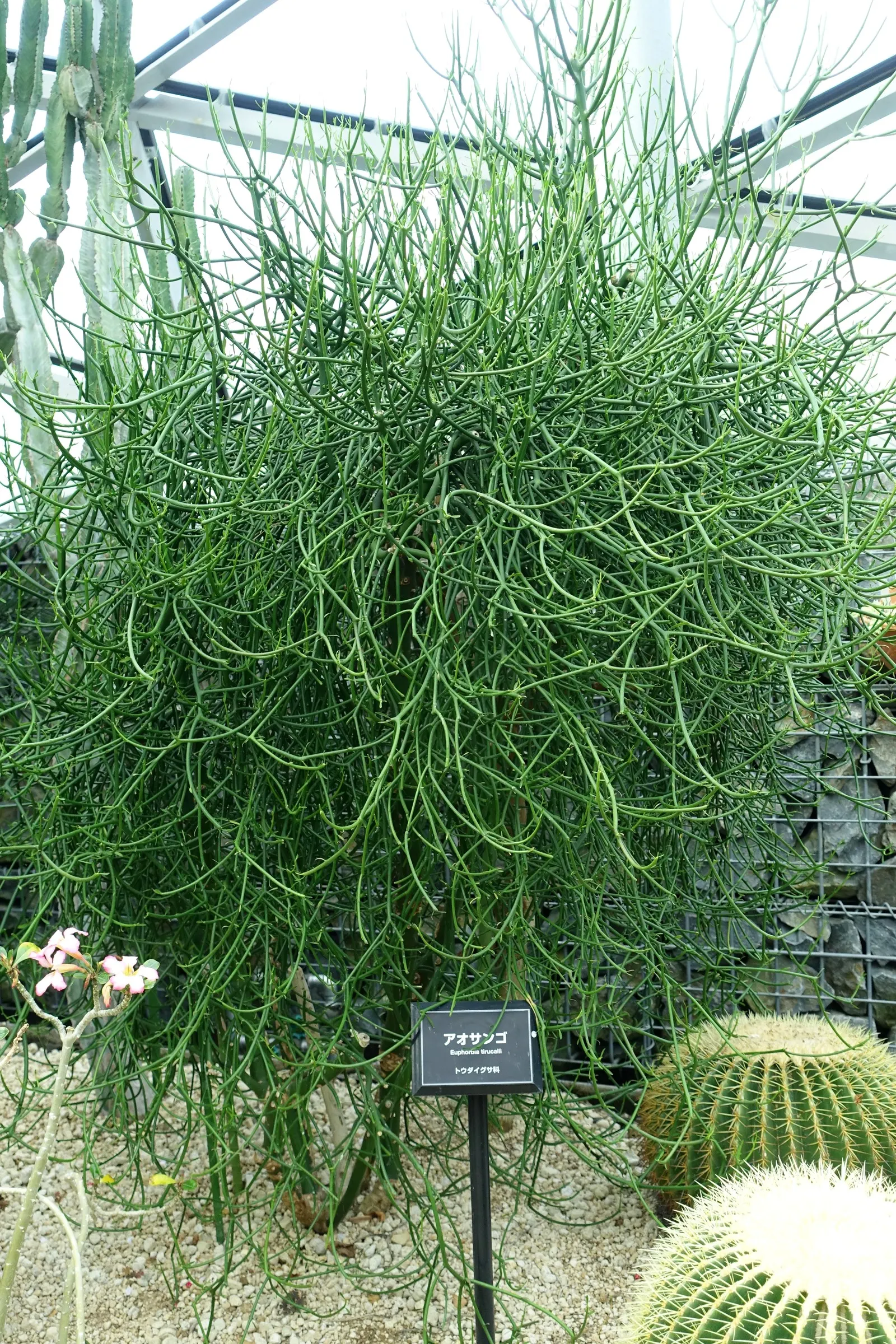
The Euphorbia tirucalli, commonly known as Pencil Tree, is a striking succulent reaching up to 6-30 feet tall. Its slender, green cylindrical branches resemble pencils, thus its name. Drought-tolerant and sun-loving, this plant thrives in USDA zones 10-11. When handling, caution is advised as its milky sap can be irritating to skin and eyes. Adds architectural interest to xeriscapes with minimal maintenance.

Sun FullWater Very LowZones 8–10Type Shrub, Succulent, Tree

Culture

Sun
Full
Water
Very Low
USDA zones
8–10

Shape & size

Classification

Type
Shrub, Succulent, Tree
Family
Euphorbiaceae

See full data, regional cultivation notes, and design tools. Build a client presentation around this plant.

Start your 14-day trial

Photos (136)

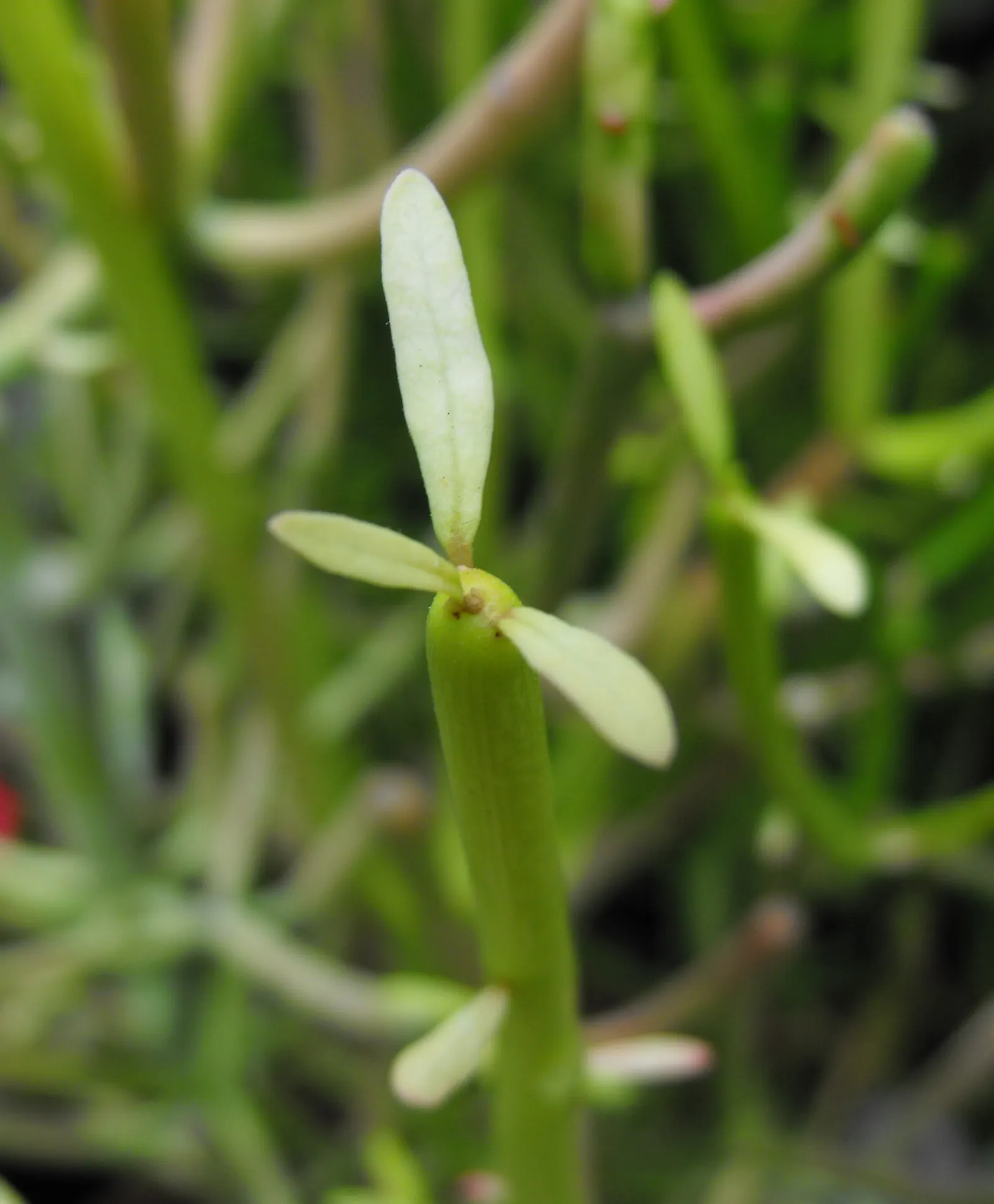
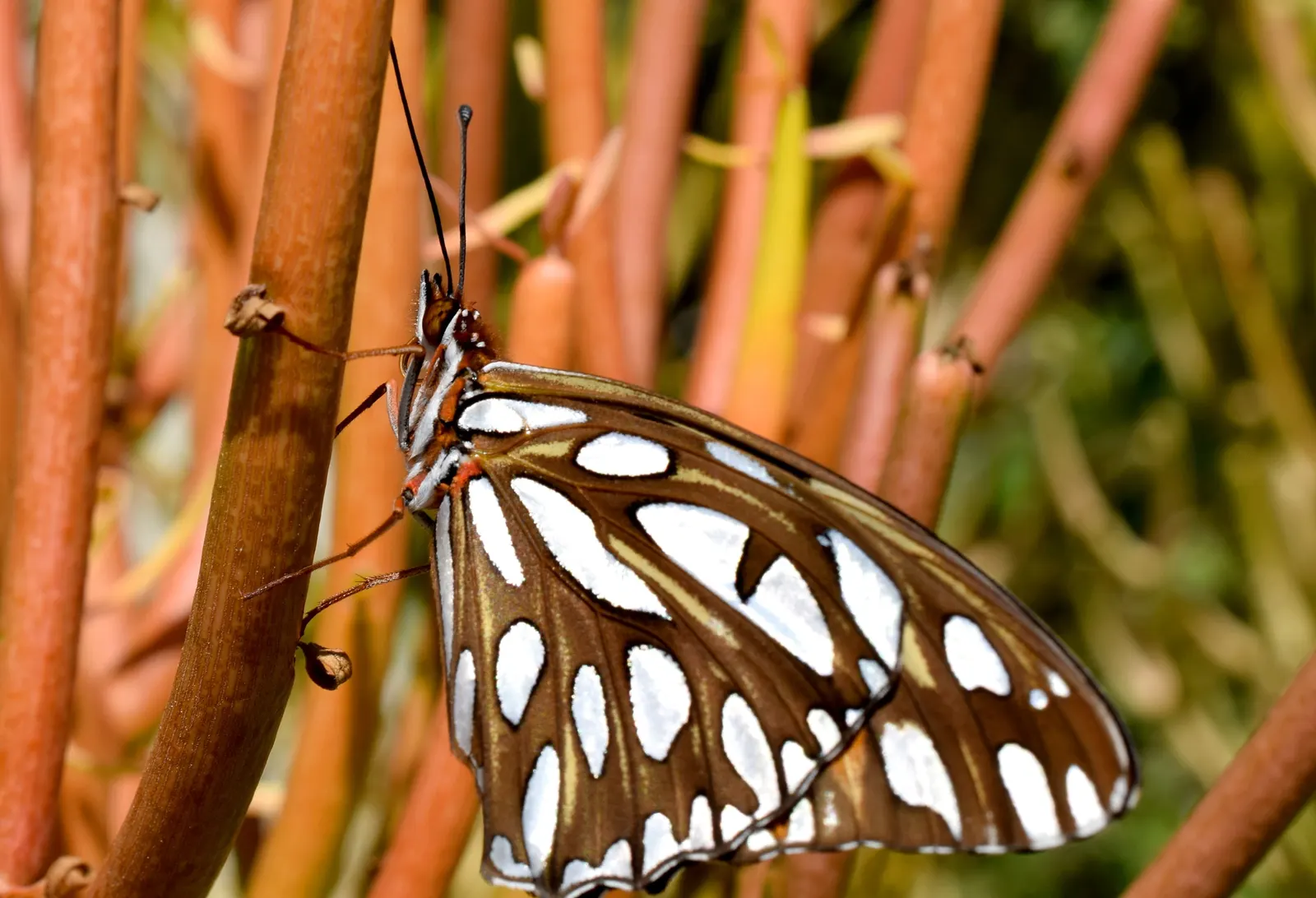
Pencil Tree (Euphorbia Tirucalli) — Native to semi-arid tropical climates; offering flexibility within your design scheme, image 98
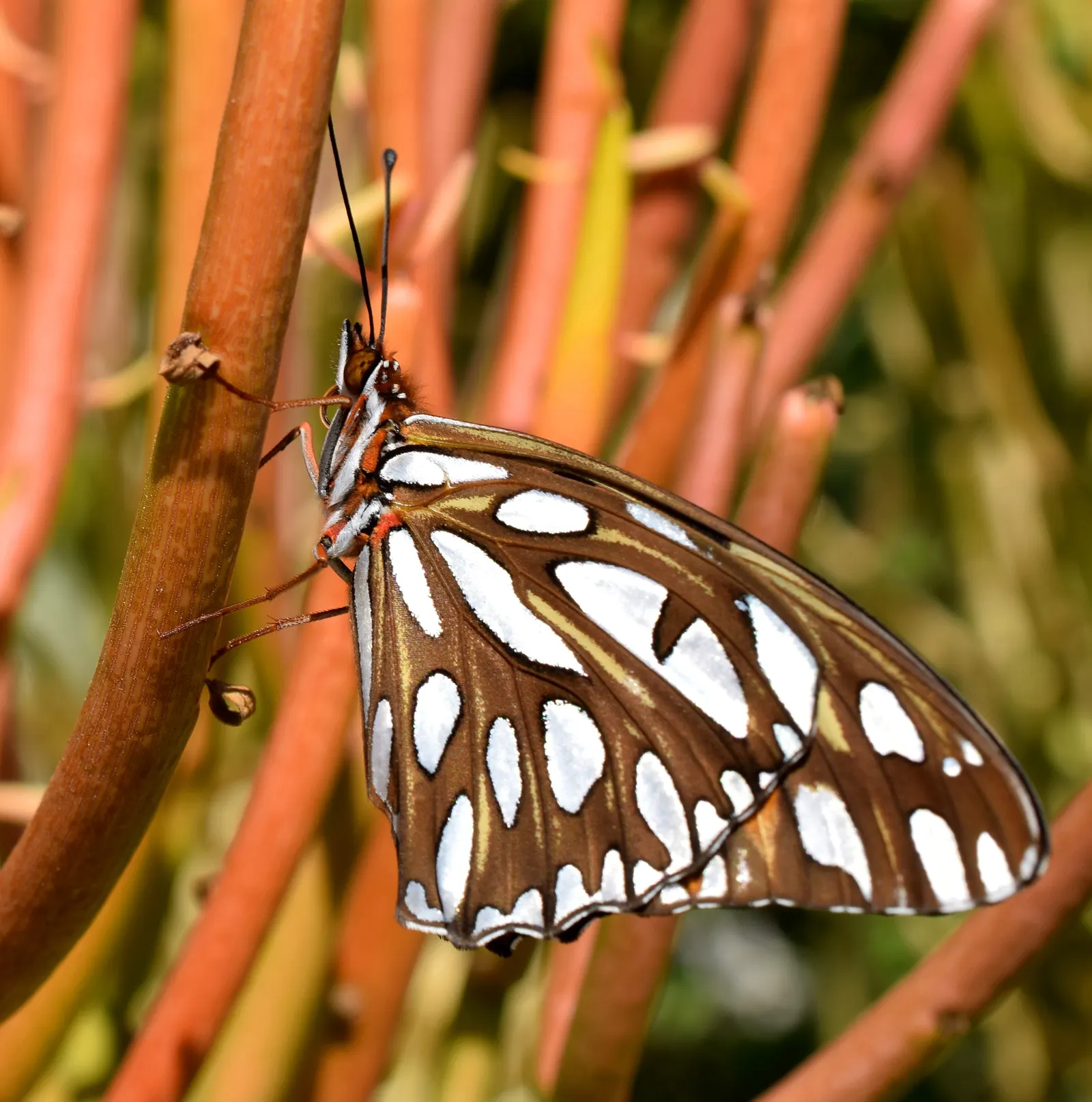
Pencil Tree (Euphorbia Tirucalli) — shrub / succulent / tree for full
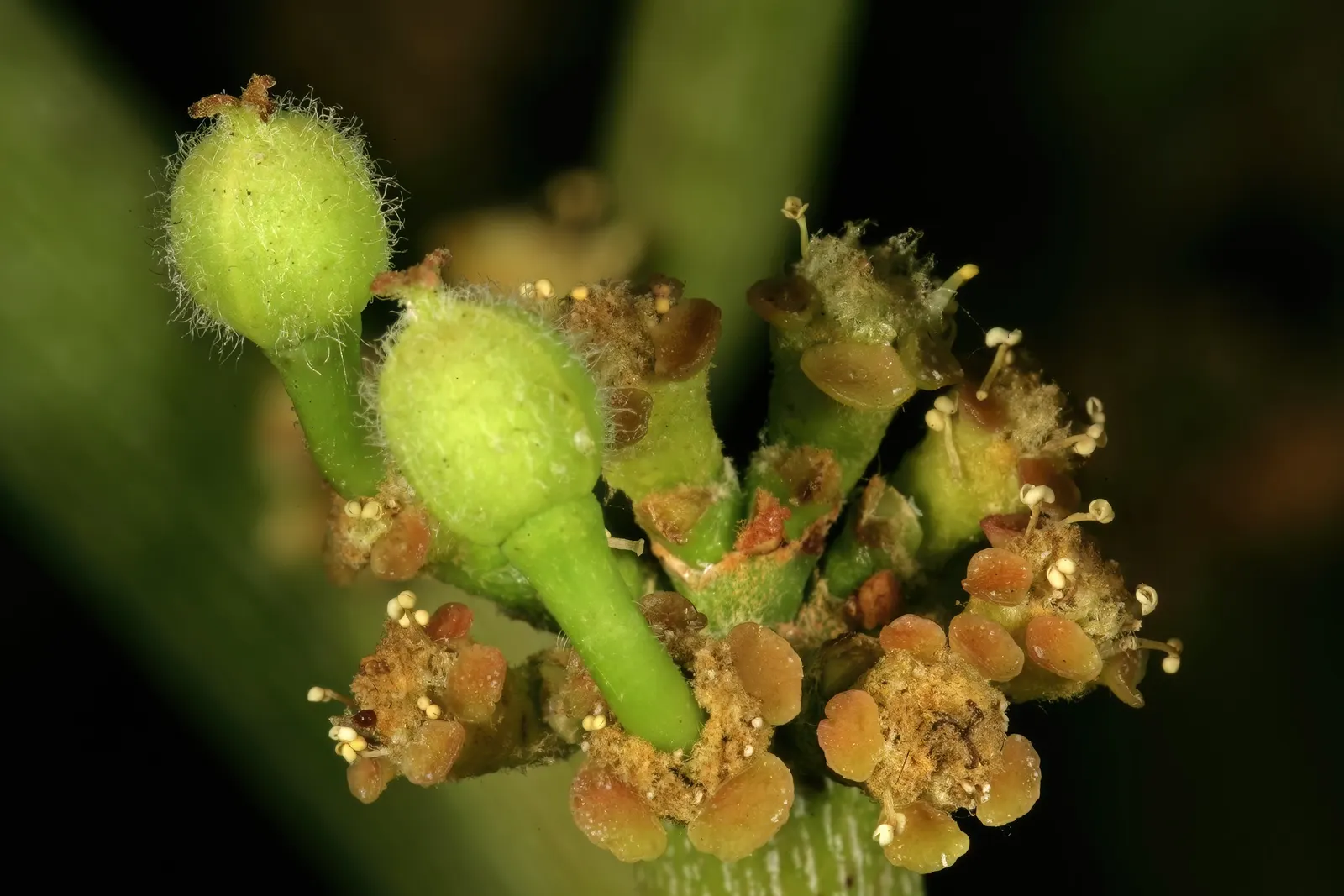
Pencil Tree (Euphorbia Tirucalli) — The Pencil Tree prefers a full sun exposure, which enhances the photosynthetic process in its slender stalks, image 49
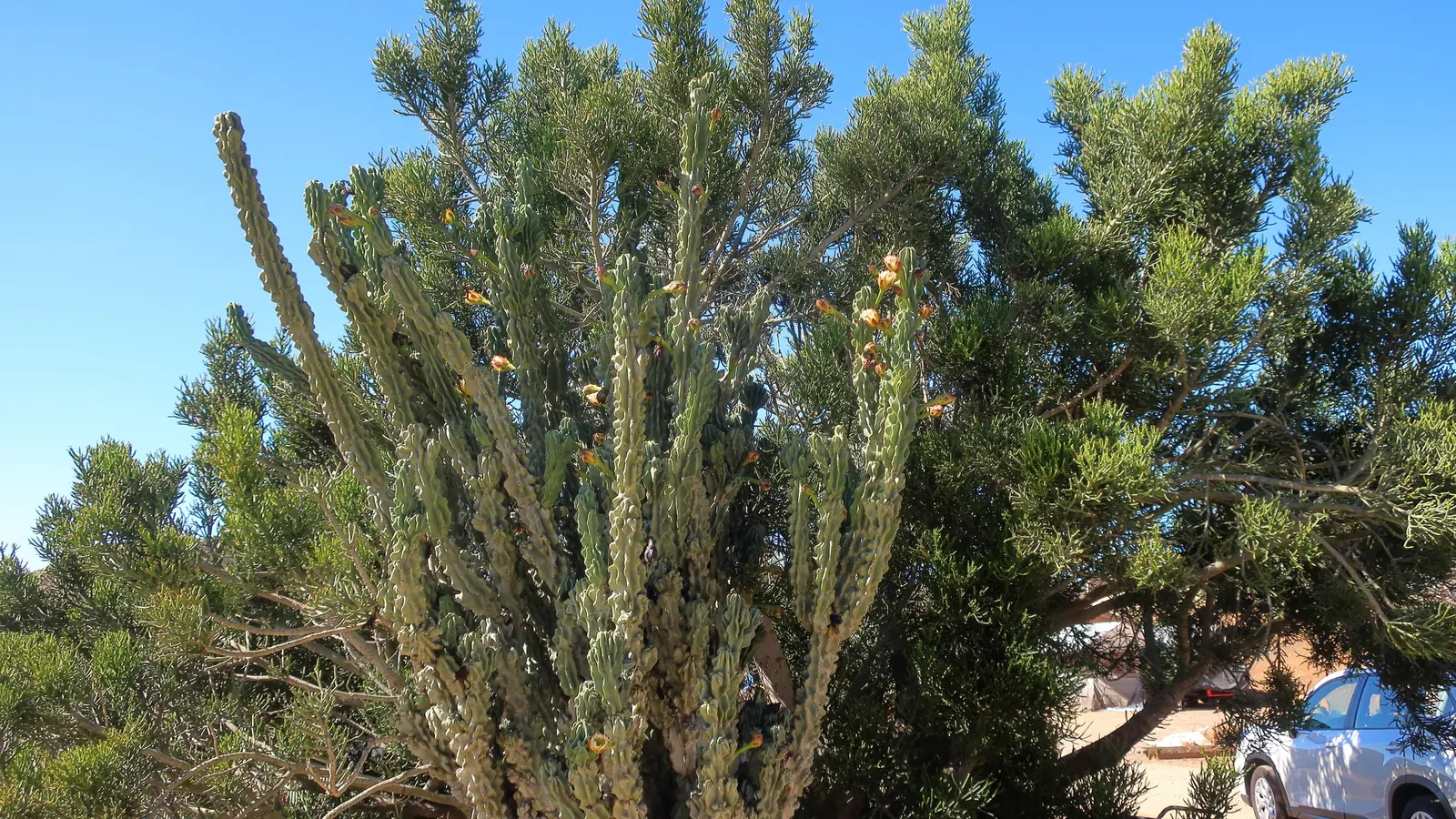
Pencil Tree (Euphorbia Tirucalli) — The Euphorbia tirucalli, commonly known as Pencil Tree, is a striking succulent reaching up to 6-30 feet tall, image 55
Pencil Tree (Euphorbia Tirucalli) — this succulent is characterized by its smooth; commonly referred to as the Pencil Tree or Milk Bush, image 45
Pencil Tree (Euphorbia Tirucalli) — the Pencil Tree offers an exotic look with minimal upkeep; dry regions as it thrives in USDA Hardiness Zones 9 to 11
Pencil Tree (Euphorbia Tirucalli) — offering flexibility within your design scheme; native to semi-arid tropical climates
Pencil Tree (Euphorbia Tirucalli) — The Euphorbia tirucalli, commonly known as Pencil Tree, is a striking succulent reaching up to 6-30 feet tall
Pencil Tree (Euphorbia Tirucalli) — Native to semi-arid tropical climates; offering flexibility within your design scheme
Pencil Tree (Euphorbia Tirucalli) — When handling, caution is advised as its milky sap can be irritating to skin and eyes; architecturally unique, image 58
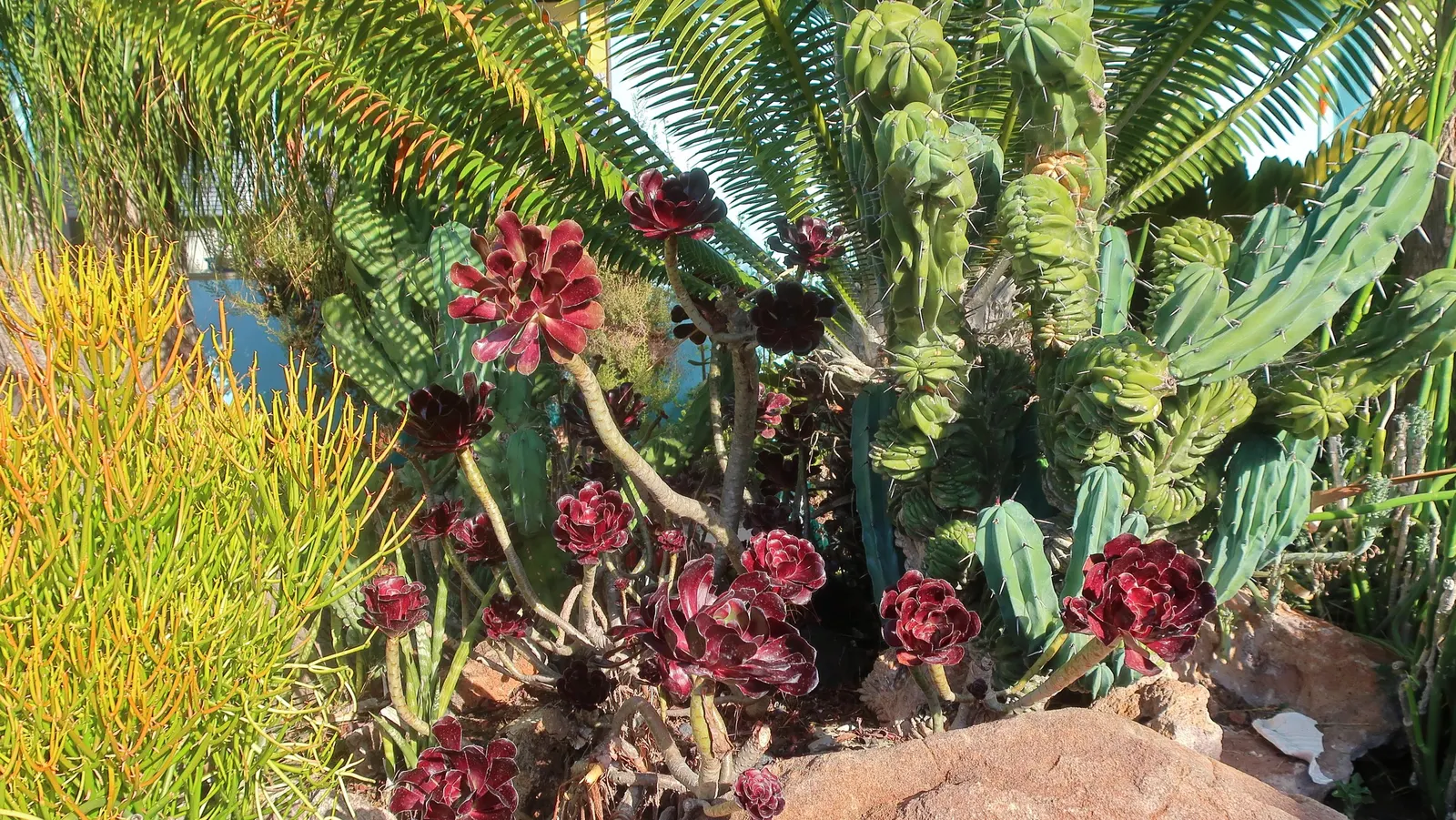
Pencil Tree (Euphorbia Tirucalli) — Adds architectural interest to xeriscapes with minimal maintenance; its tolerance for drought makes it a sustainable choice
Pencil Tree (Euphorbia Tirucalli) — the Pencil Tree offers an exotic look with minimal upkeep; dry regions as it thrives in USDA Hardiness Zones 9, image 51
Pencil Tree (Euphorbia Tirucalli) — dry regions as it thrives in USDA Hardiness Zones 9 to 11
Pencil Tree (Euphorbia Tirucalli) — commonly referred to as the Pencil Tree or Milk Bush; drought-tolerant and sun-loving, this plant thrives in, image 114
Pencil Tree (Euphorbia Tirucalli) — offering flexibility within your design scheme; native to semi-arid tropical climates, image 53
Pencil Tree (Euphorbia Tirucalli) — it's crucial to recognize the suitability of this plant for warm; its slender, green cylindrical branches, image 101
Pencil Tree (Euphorbia Tirucalli) — this succulent is characterized by its smooth; commonly referred to as the Pencil Tree or Milk Bush, image 63
Pencil Tree (Euphorbia Tirucalli) — architecturally unique element in any landscape design; pencil-like branches that grow with a vibrant green hue, image 61
Pencil Tree (Euphorbia Tirucalli) — shrub / succulent / tree for full; the Pencil Tree offers an exotic look with minimal upkeep, image 90
Pencil Tree (Euphorbia Tirucalli) — pencil-like branches that grow with a vibrant green hue; the Pencil Tree prefers a full sun exposure, which, image 64
Pencil Tree (Euphorbia Tirucalli) — Native to semi-arid tropical climates
Pencil Tree (Euphorbia Tirucalli) — The Pencil Tree prefers a full sun exposure, which enhances the photosynthetic process in its slender stalks, image 67
Pencil Tree (Euphorbia Tirucalli) — architecturally unique element in any landscape design; pencil-like branches that grow with a vibrant green hue, image 115
Pencil Tree (Euphorbia Tirucalli) — Adds architectural interest to xeriscapes with minimal maintenance; its tolerance for drought makes it a, image 41
Photographs by 7 contributors

Related plants