Skip to content

Moroccan Mound

Euphorbia Resinifera

Design with this plant

Overview

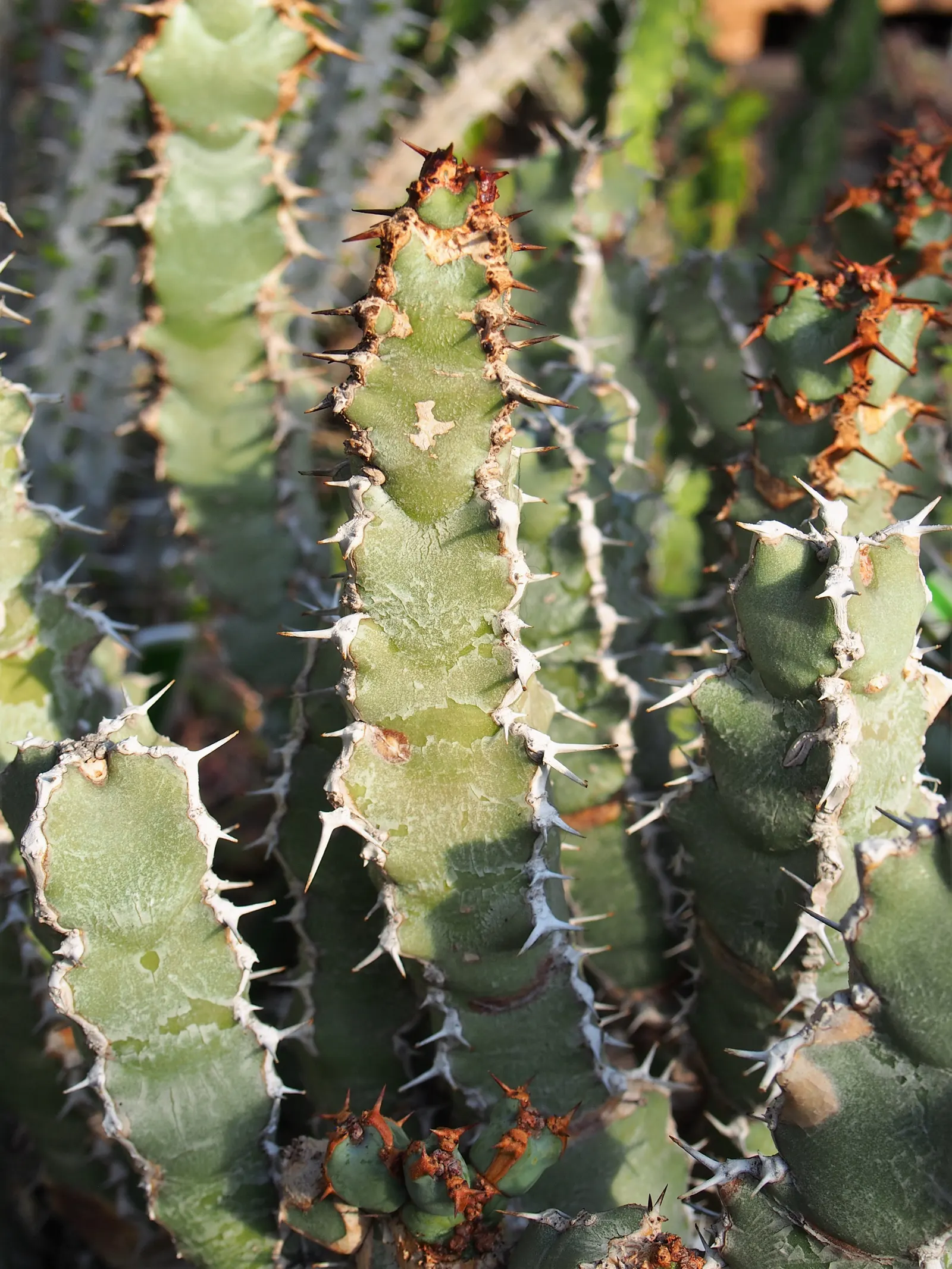
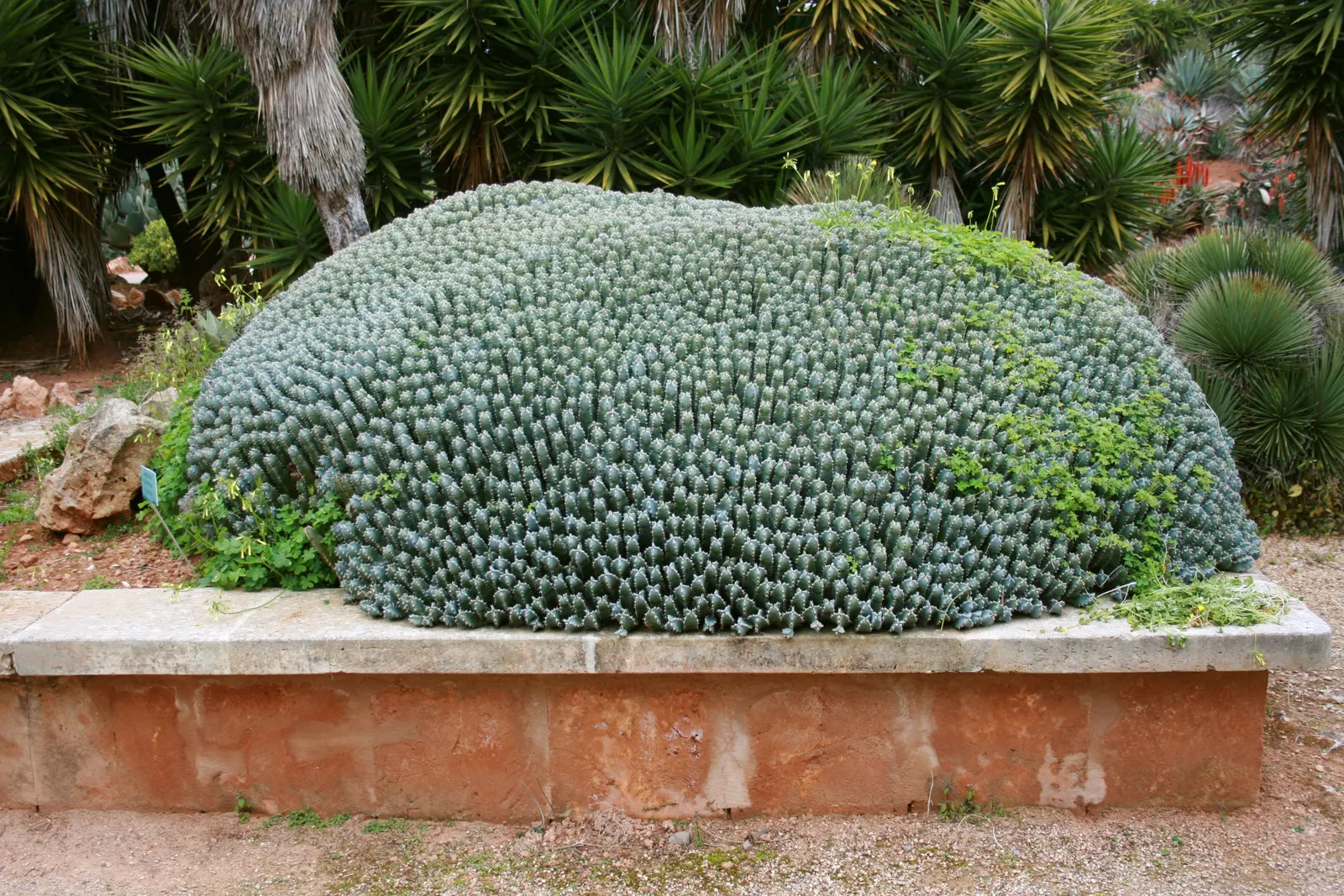
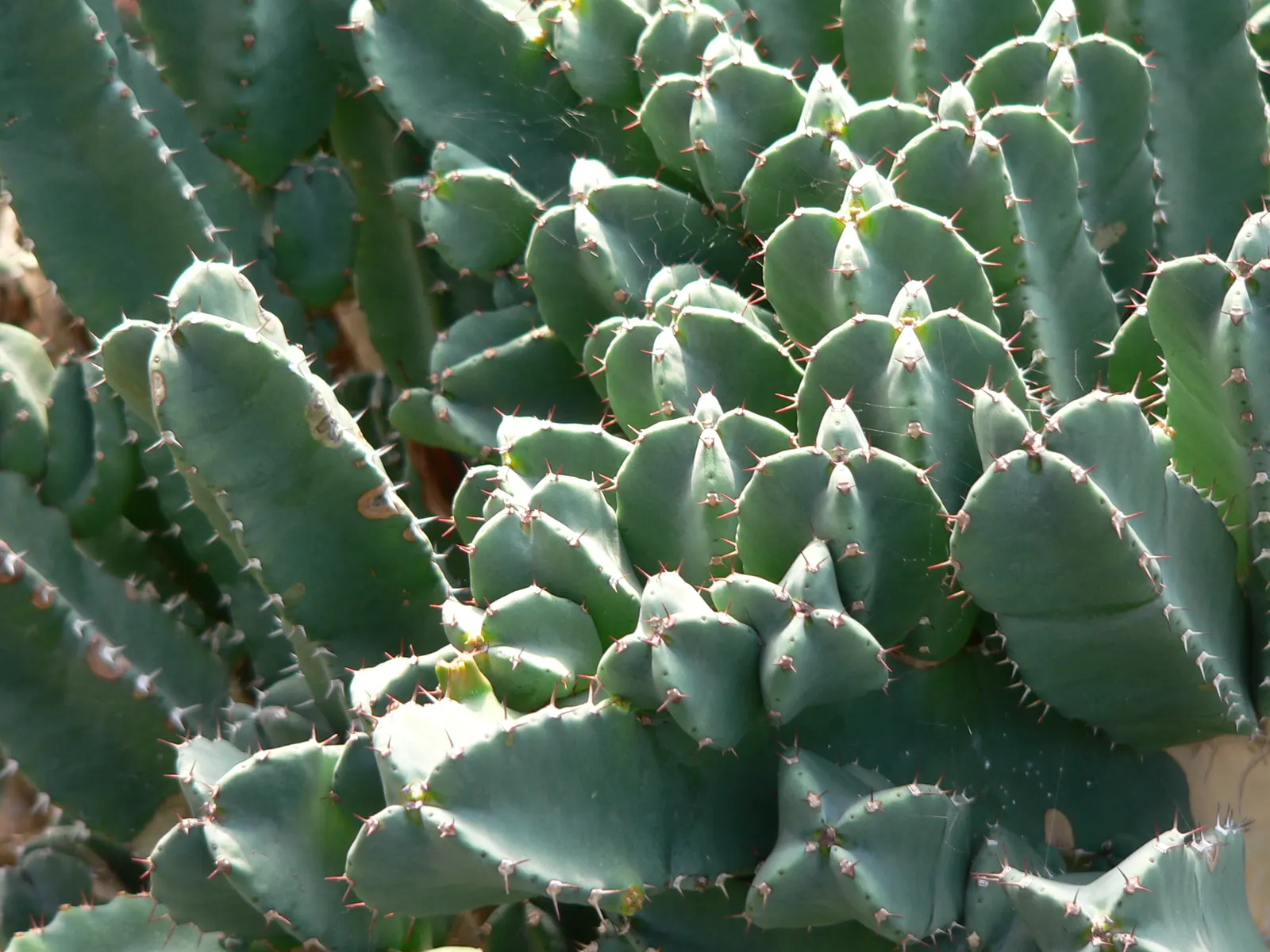
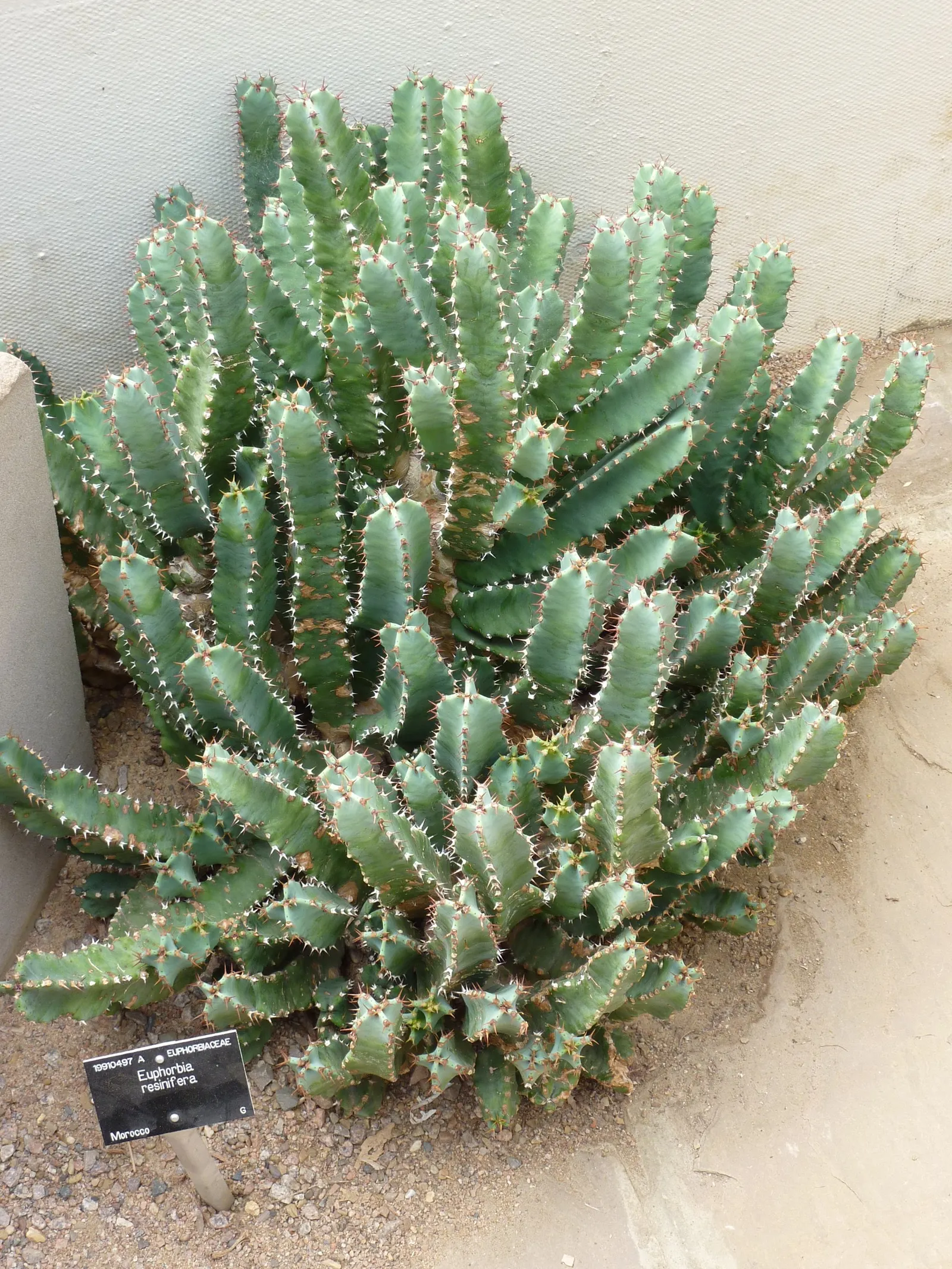
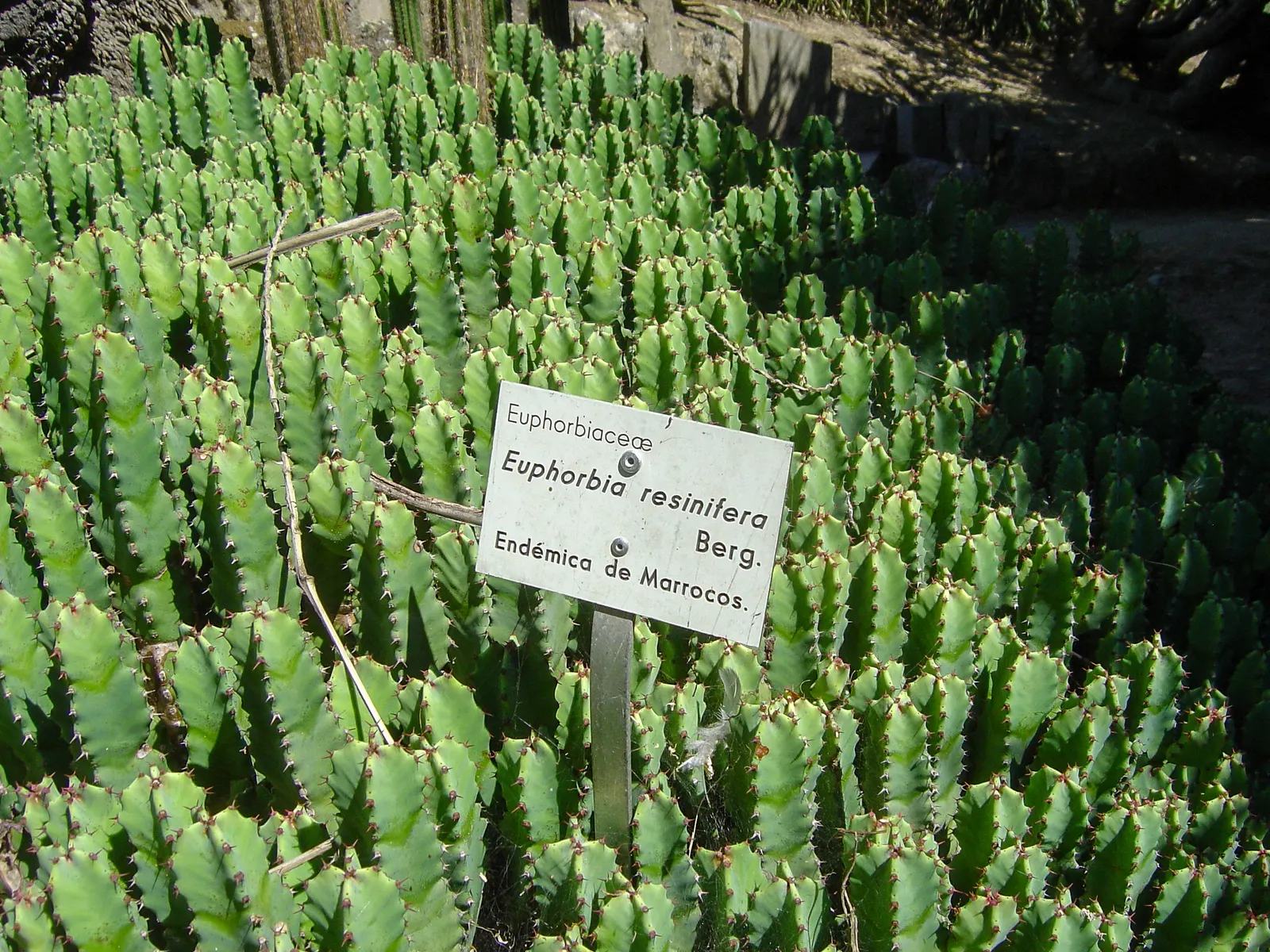
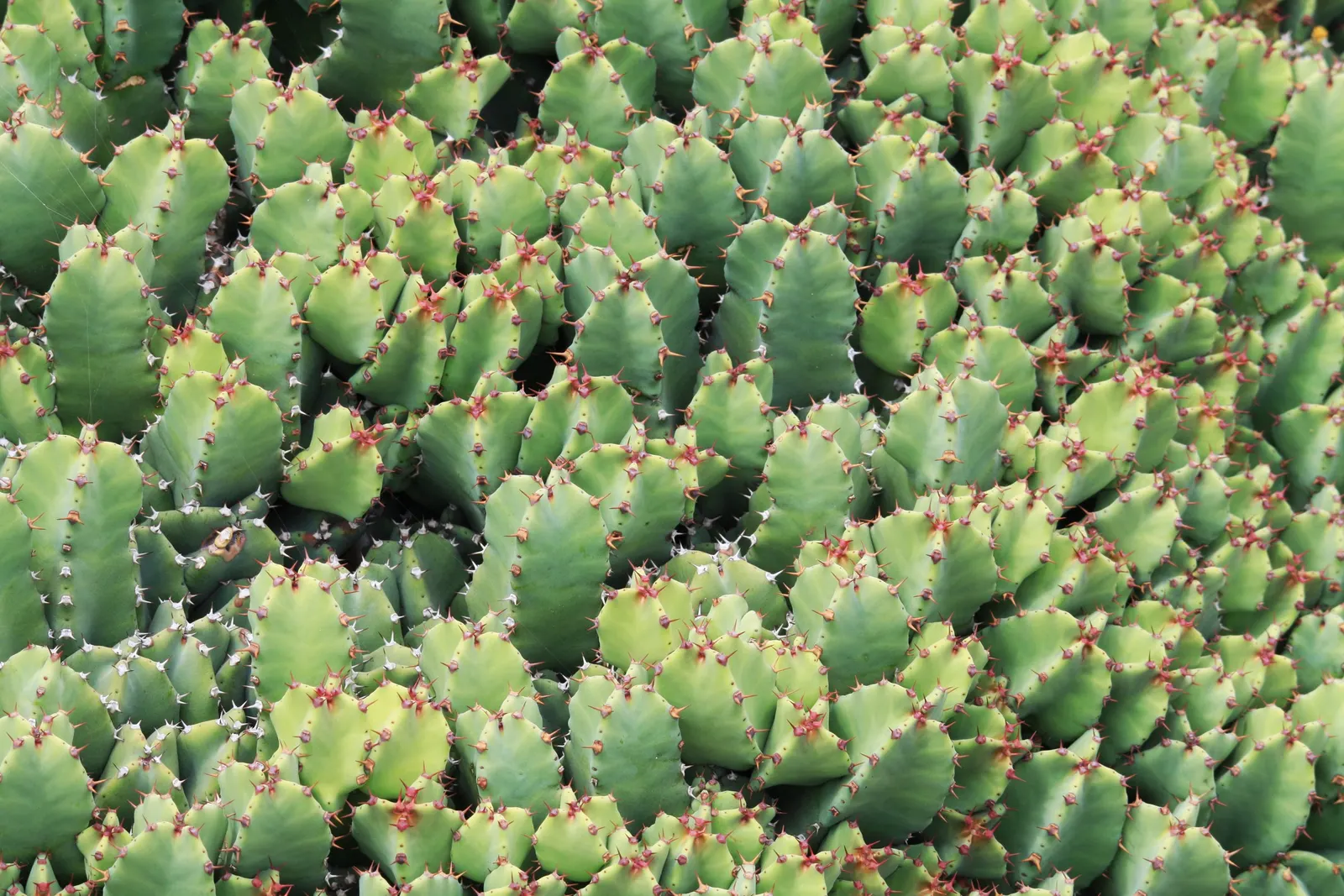
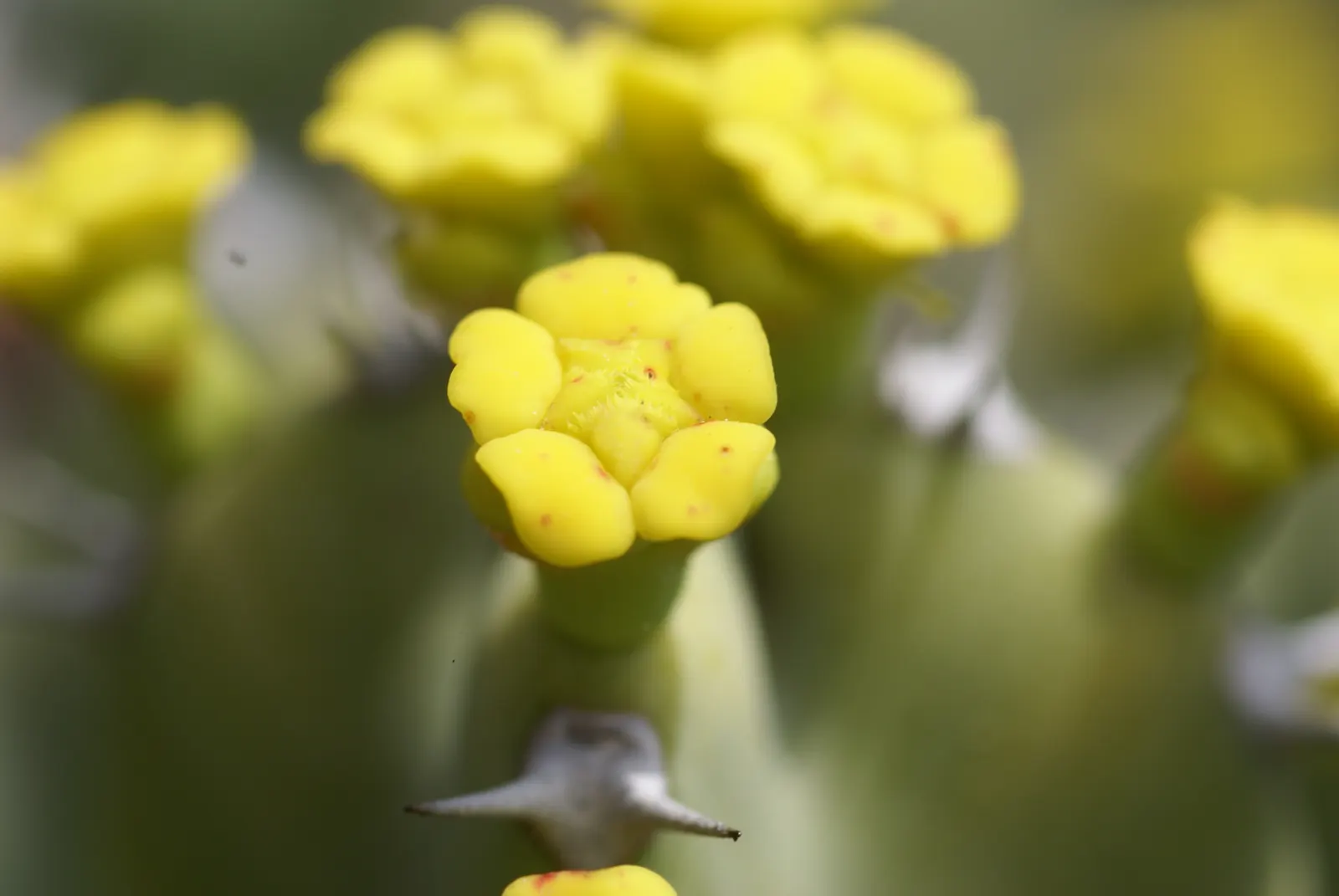
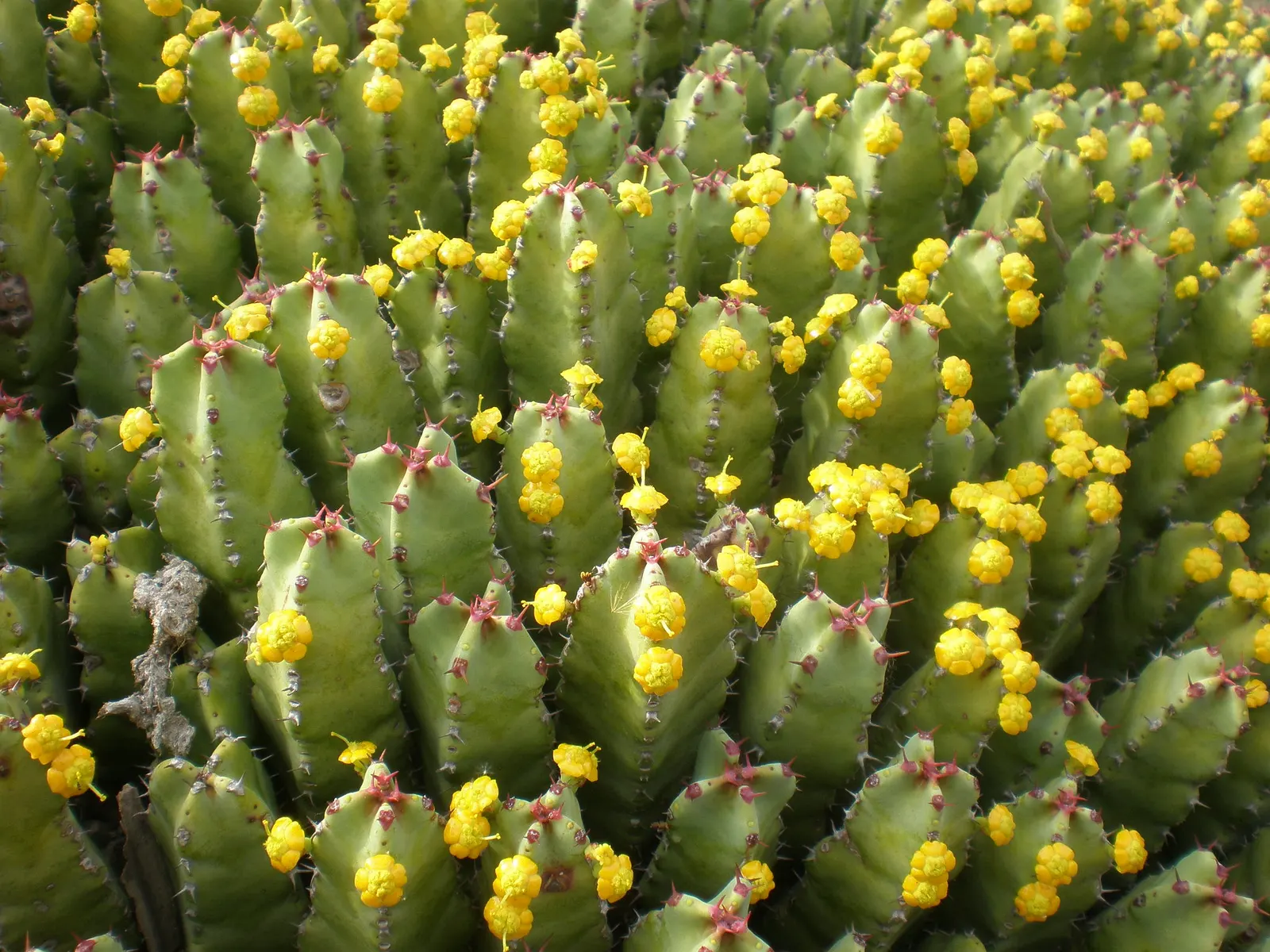
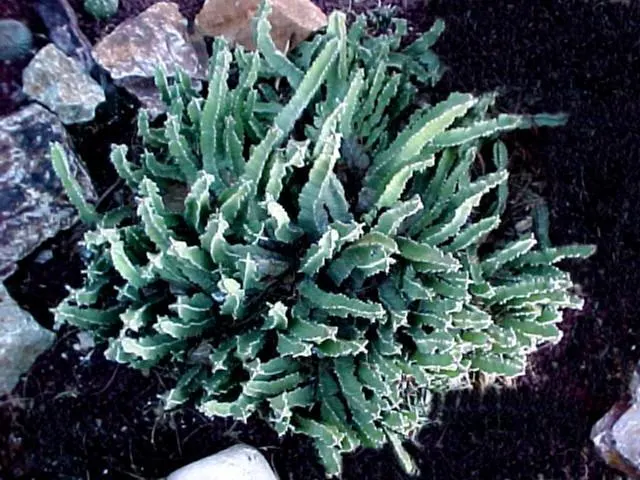
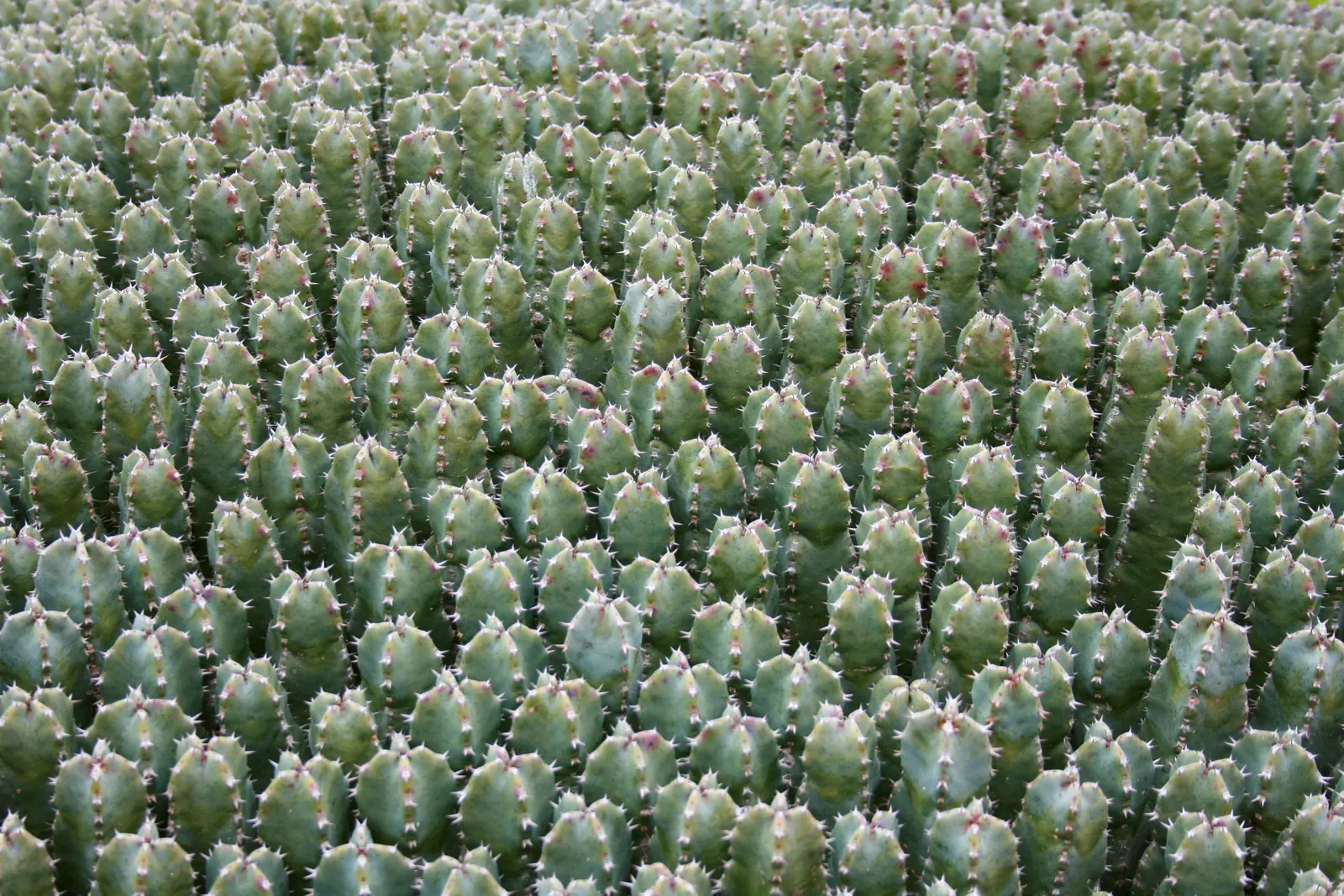
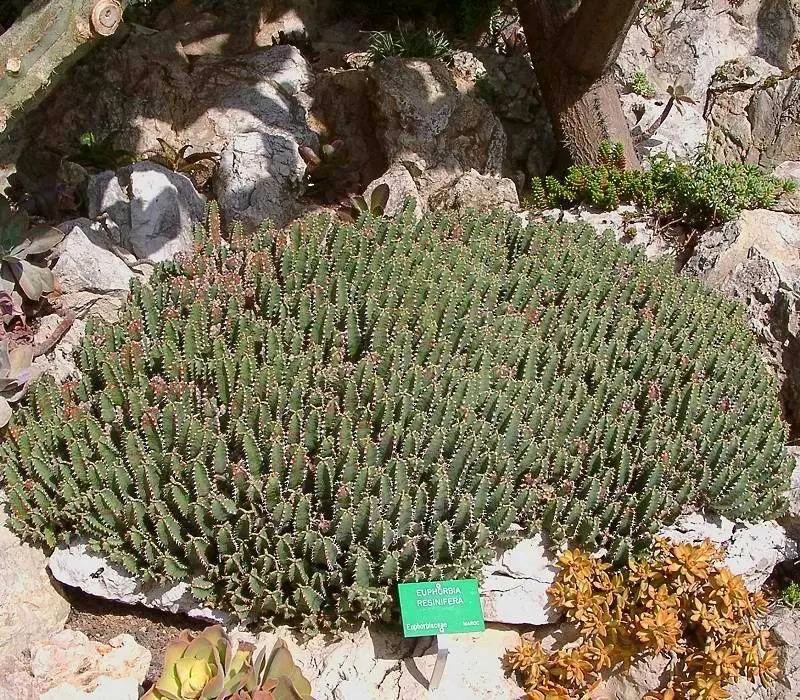
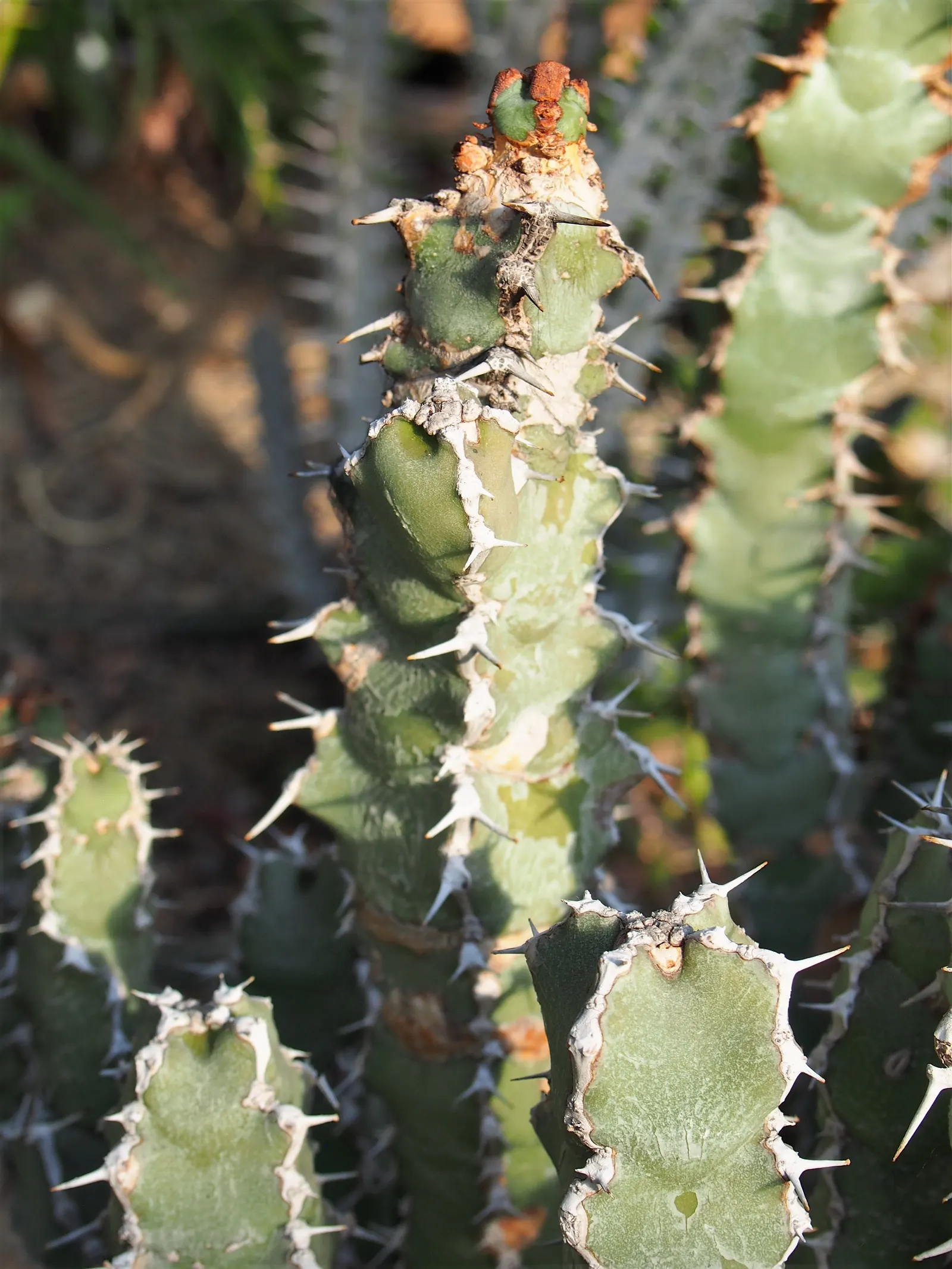
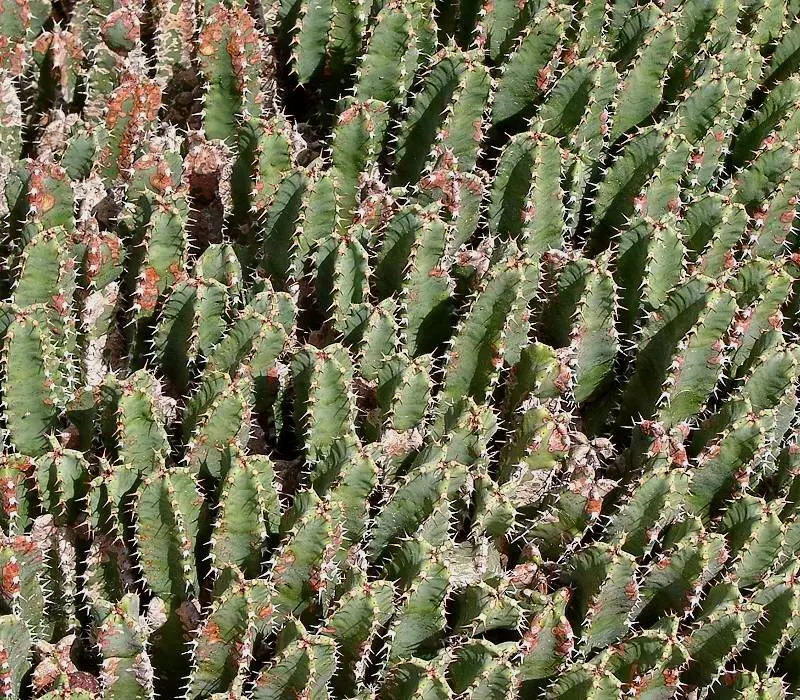
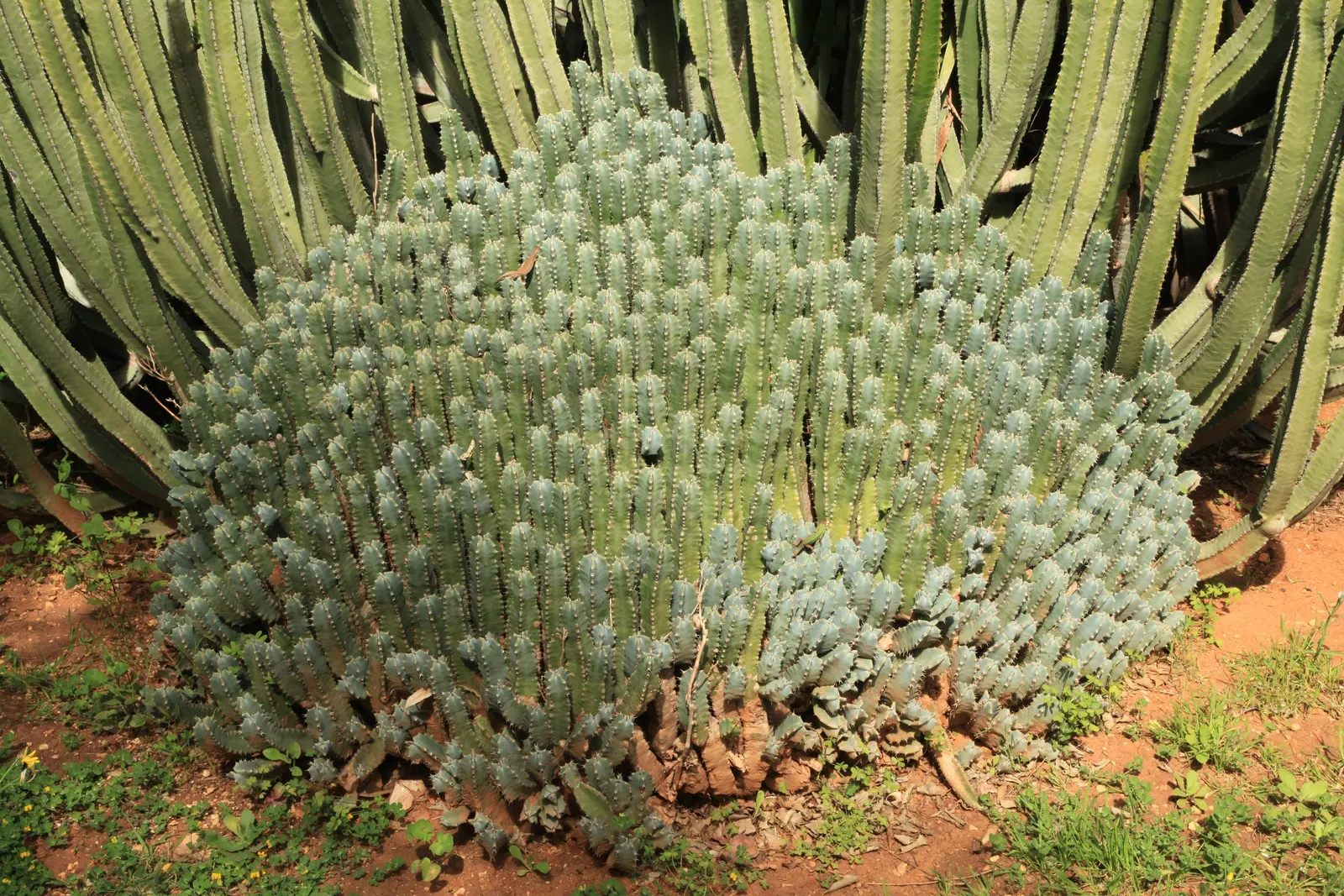
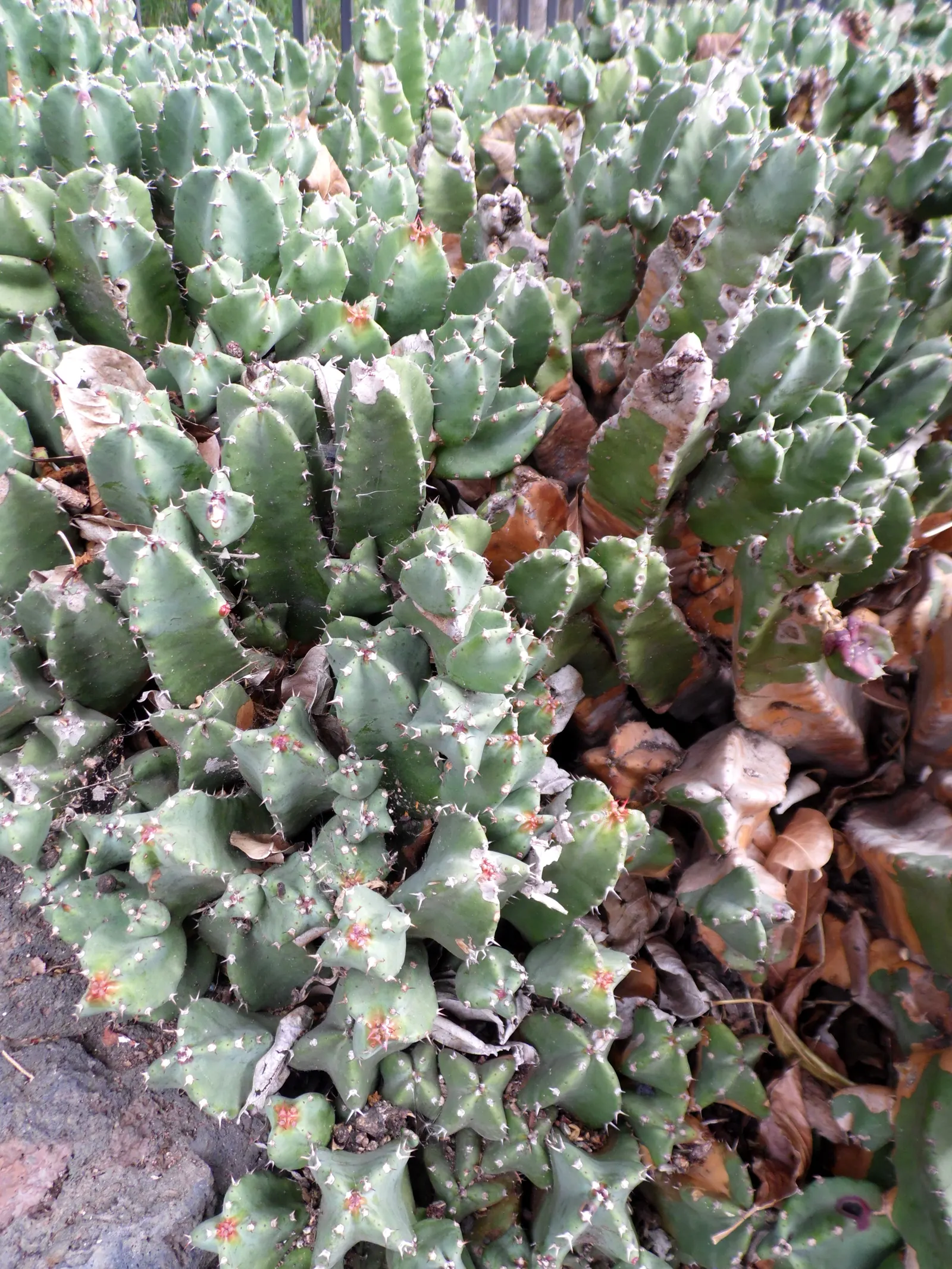
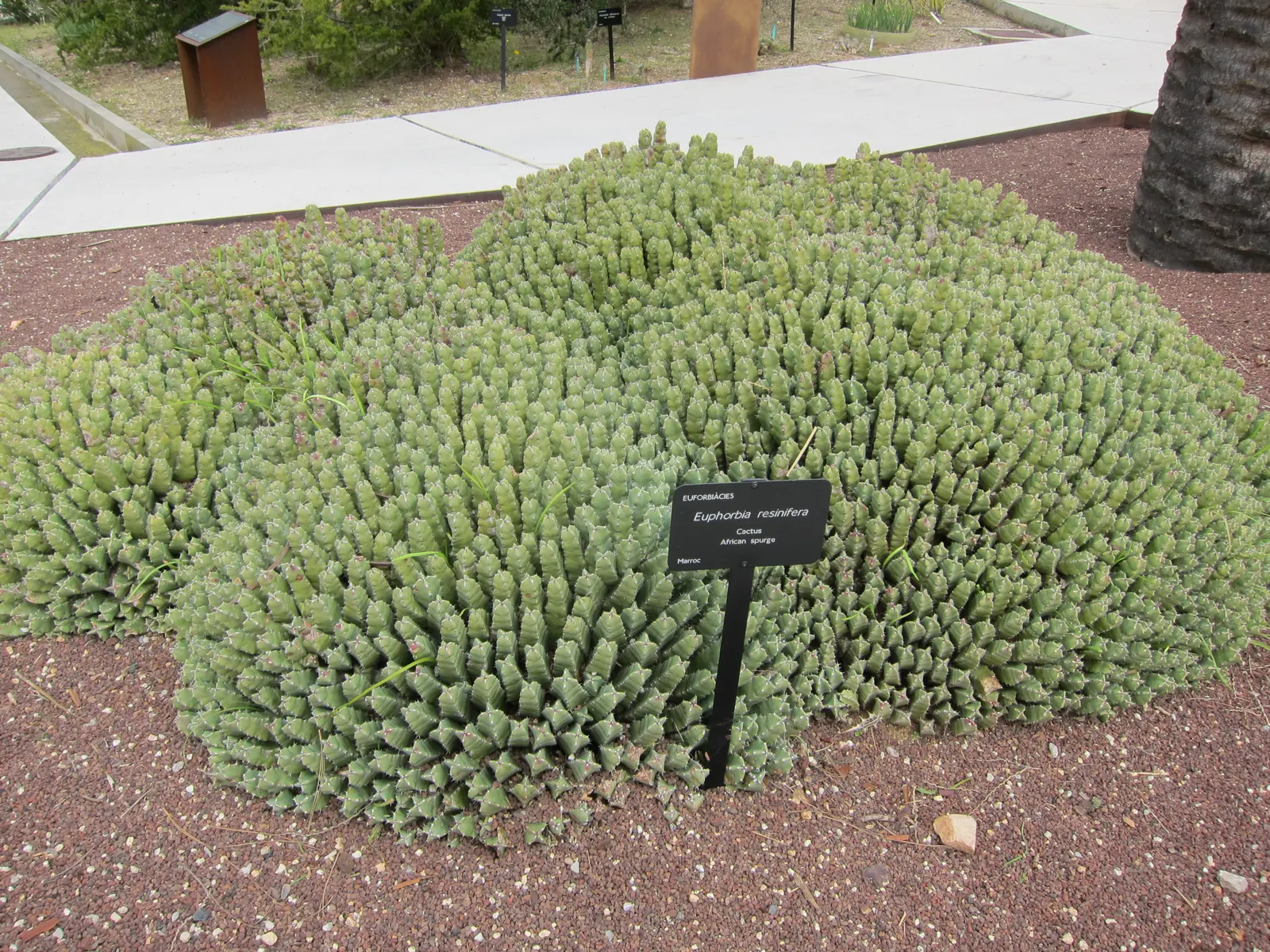
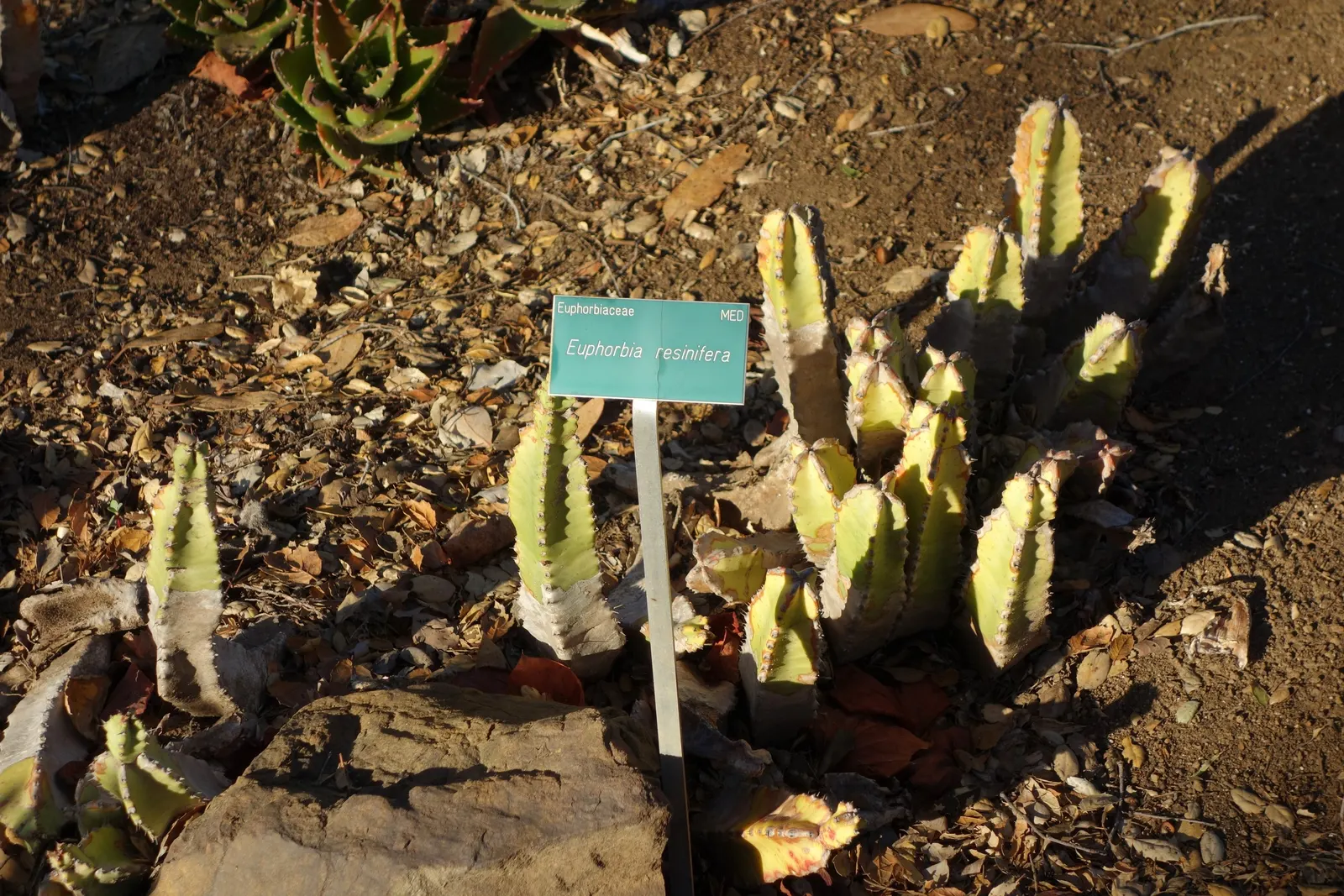
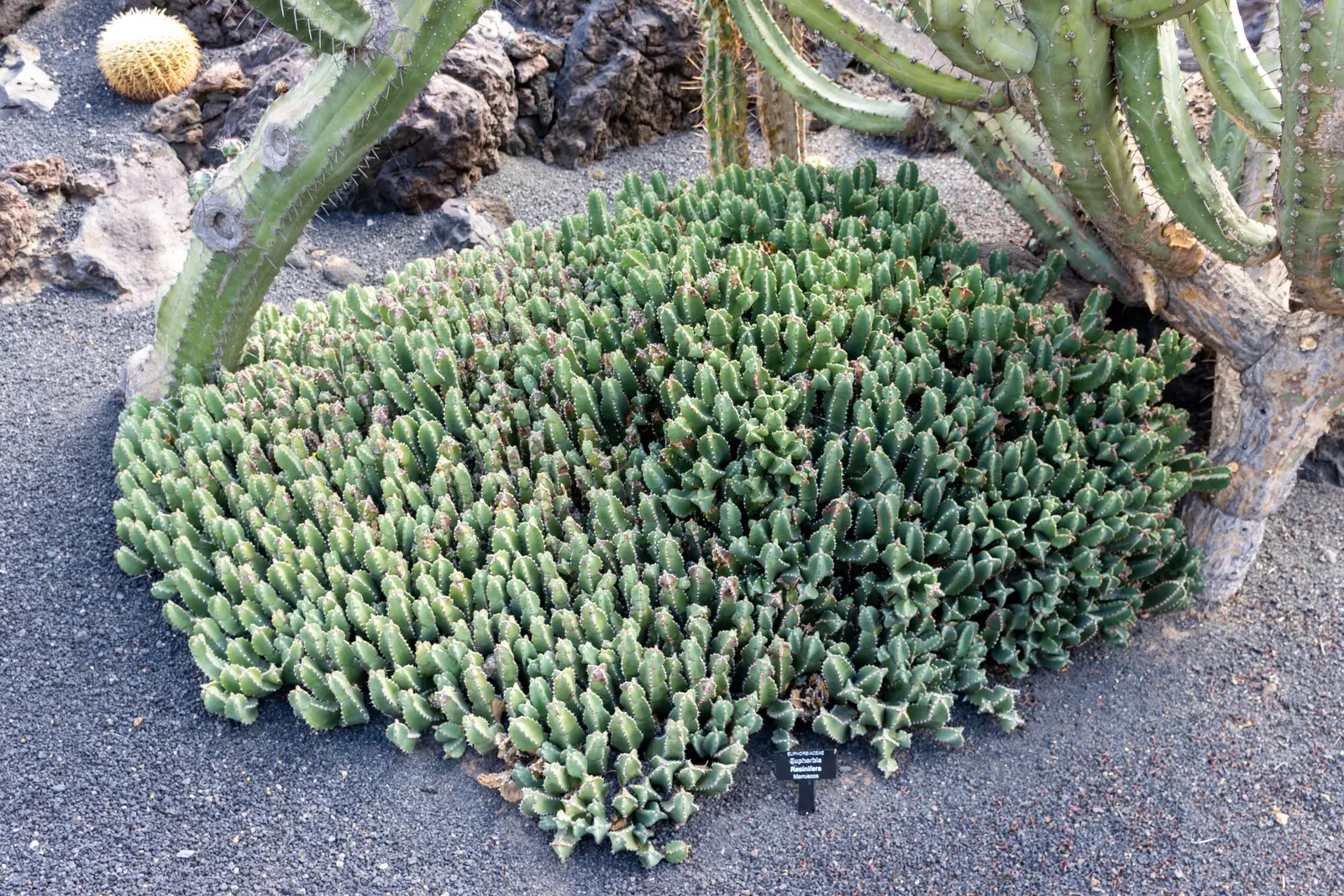
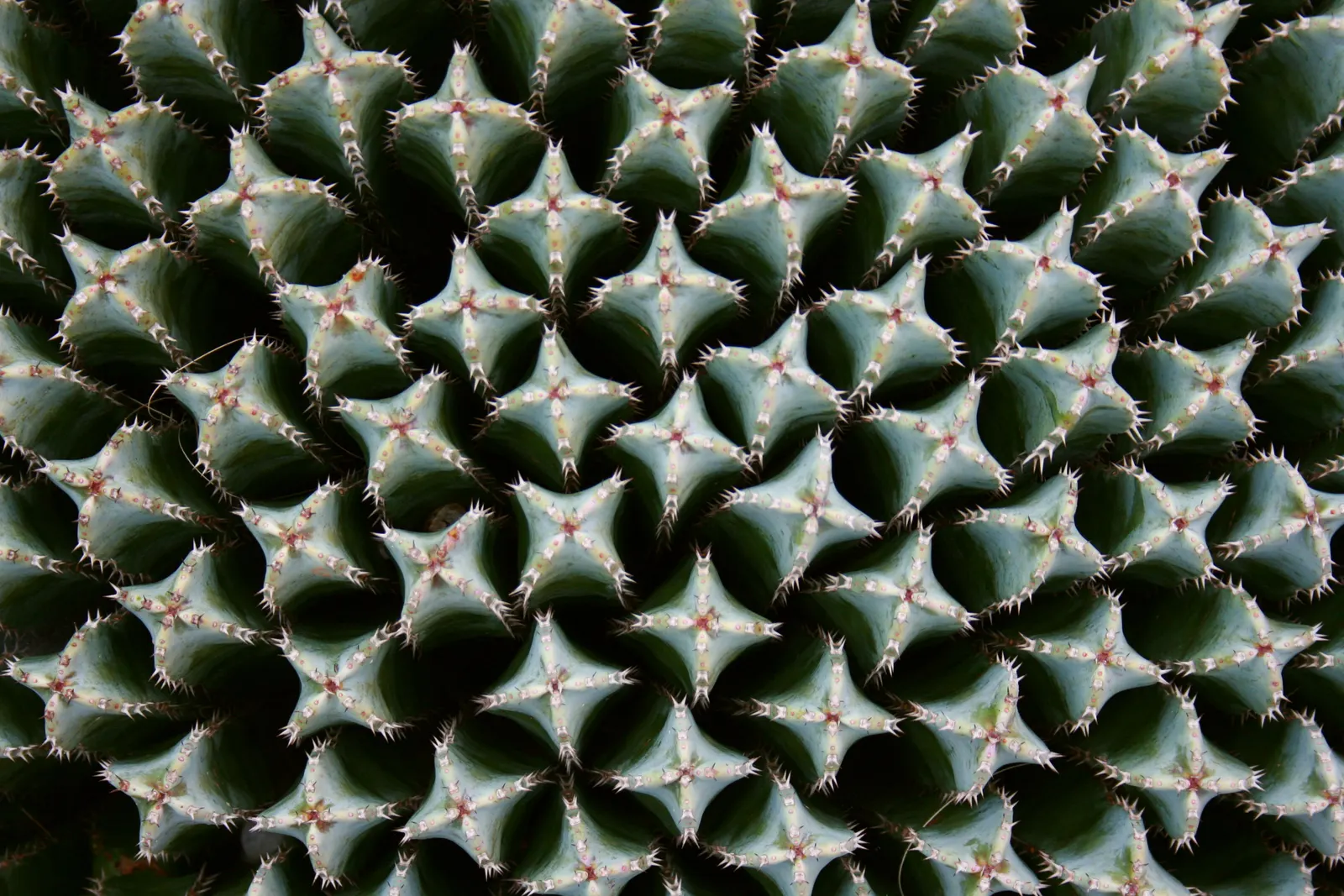
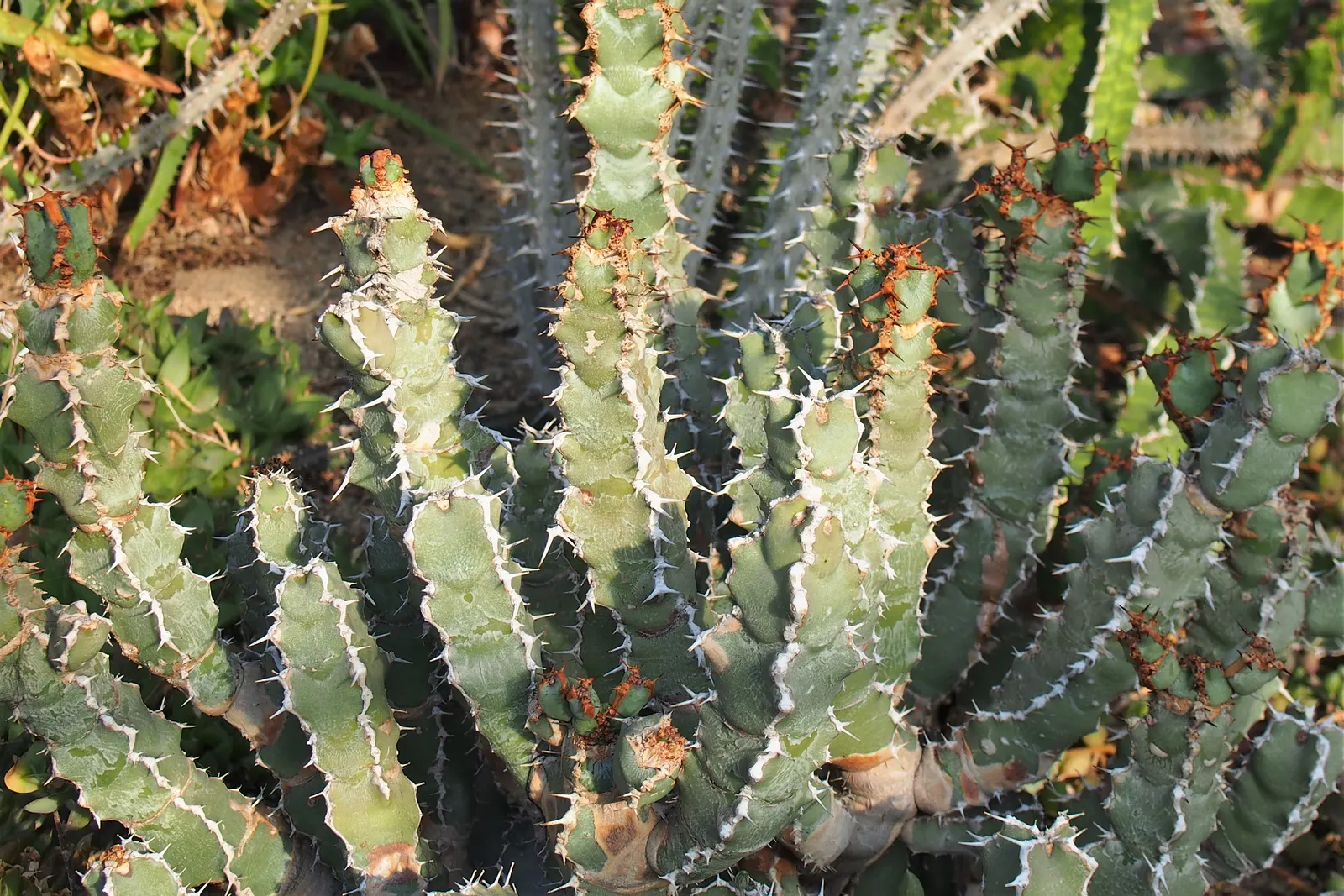
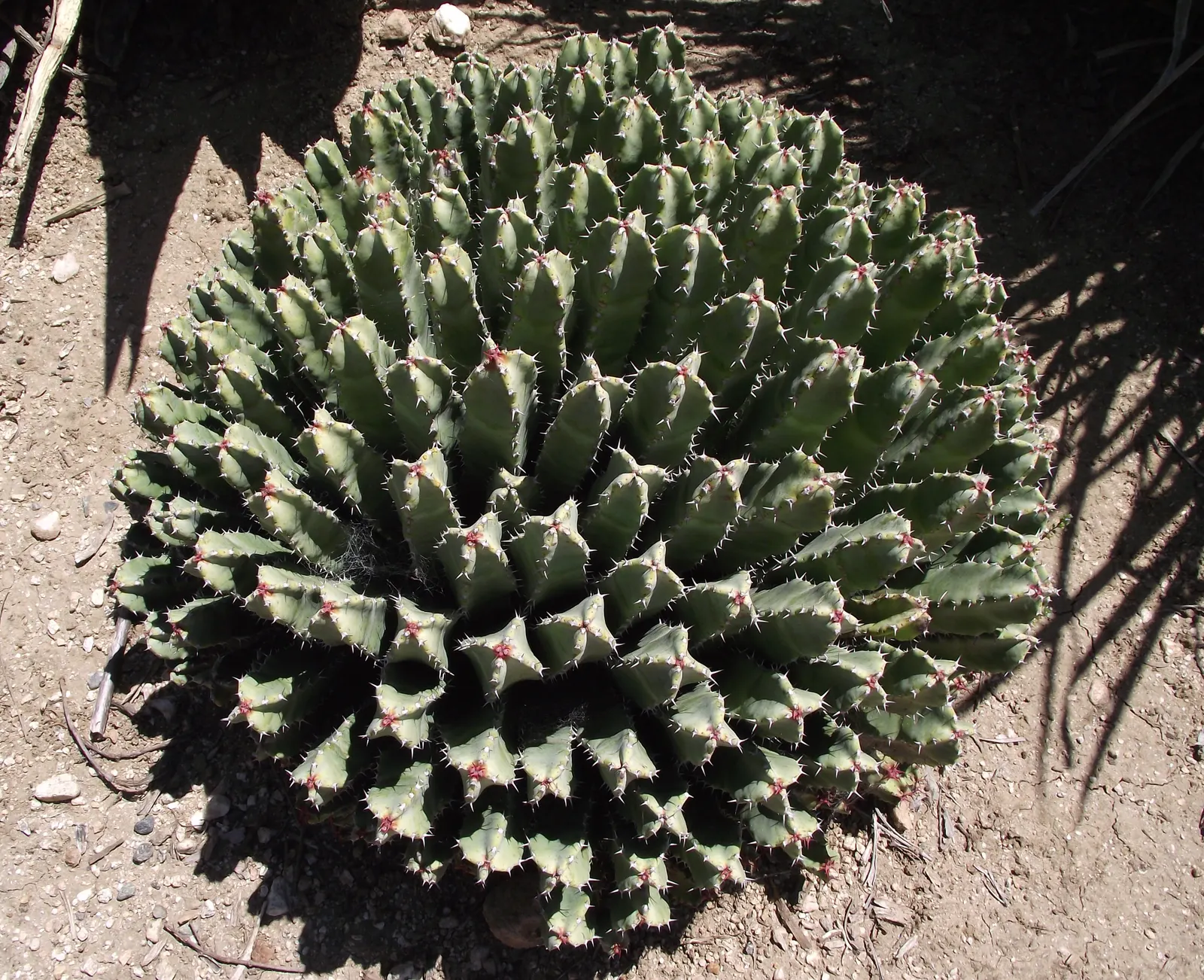
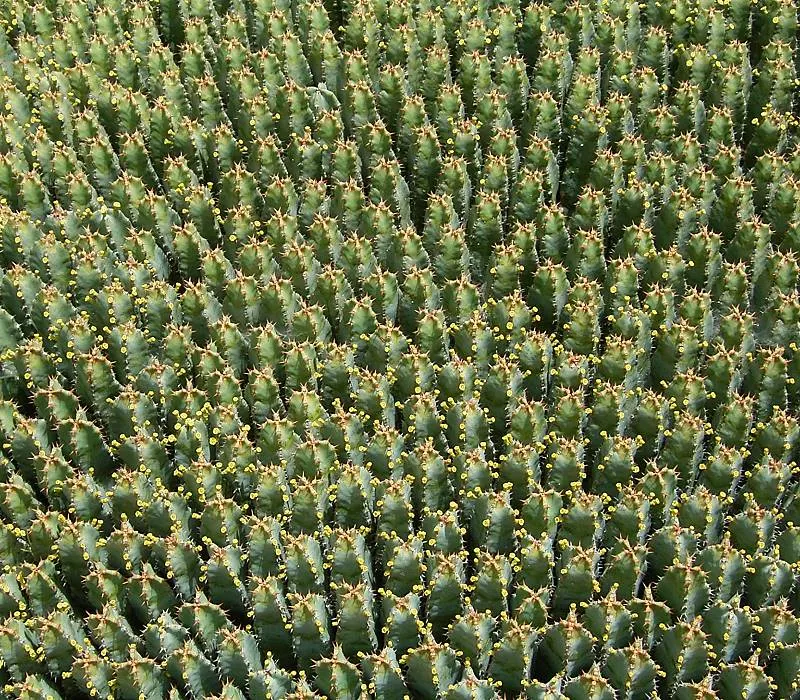
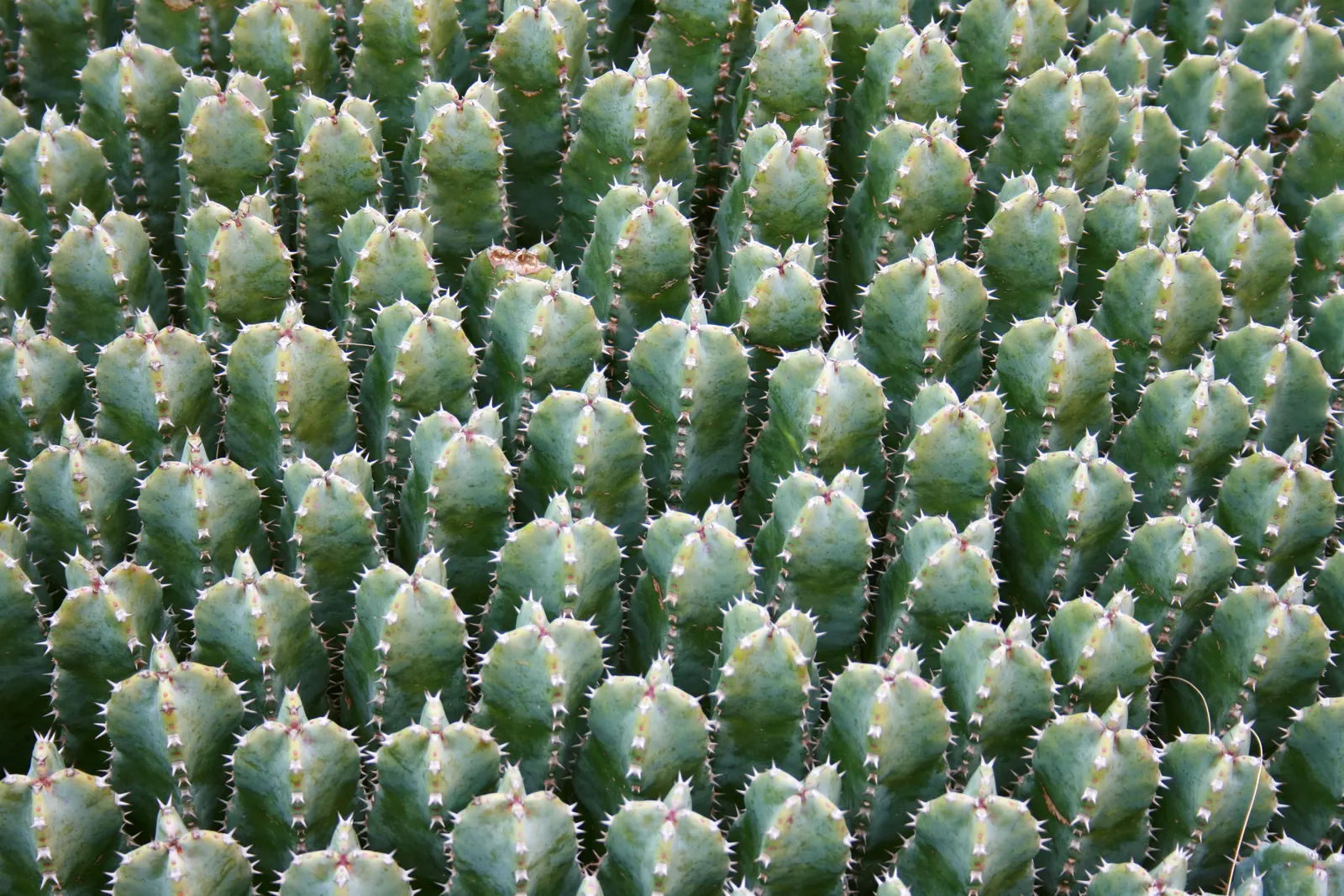
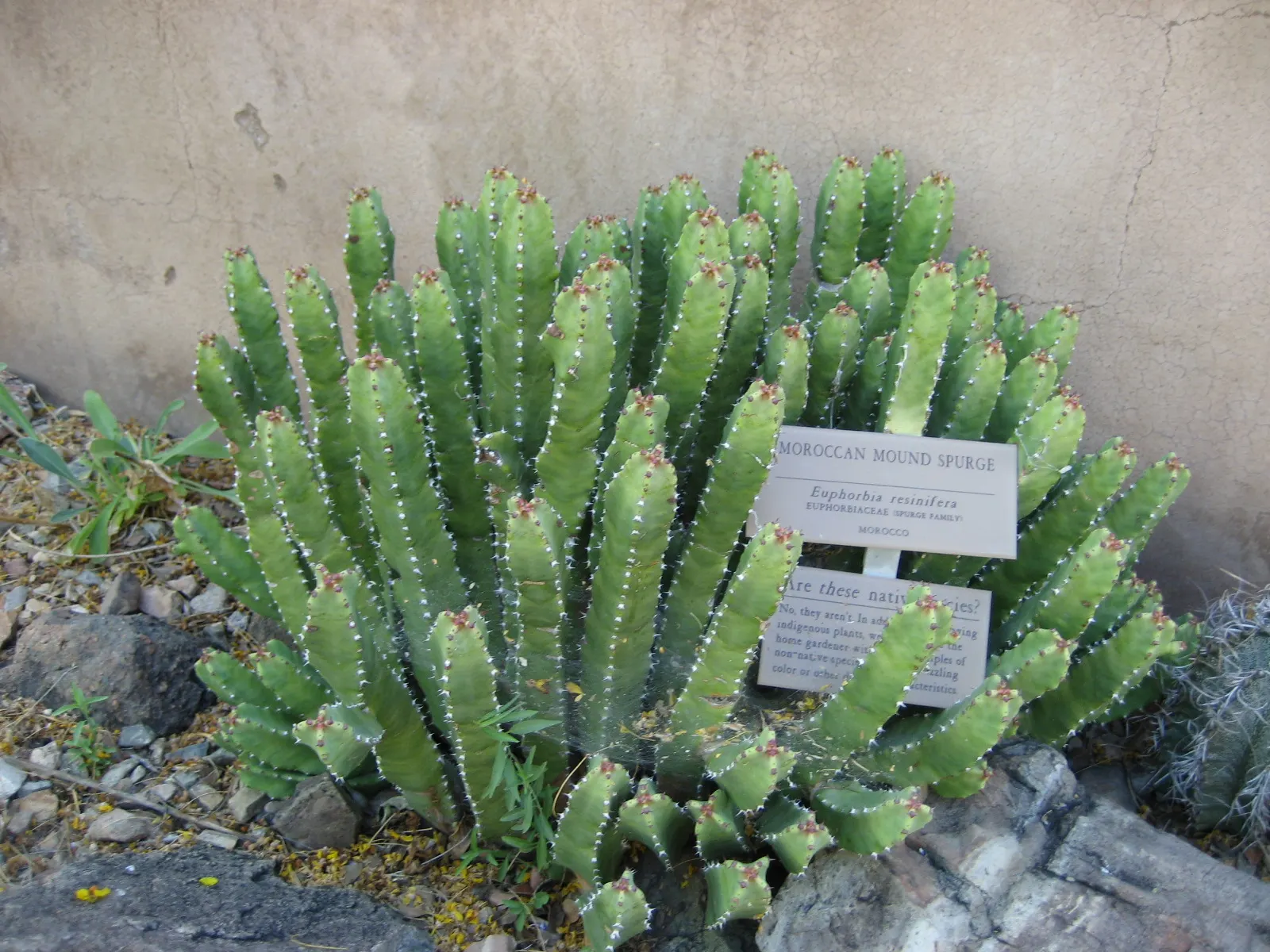
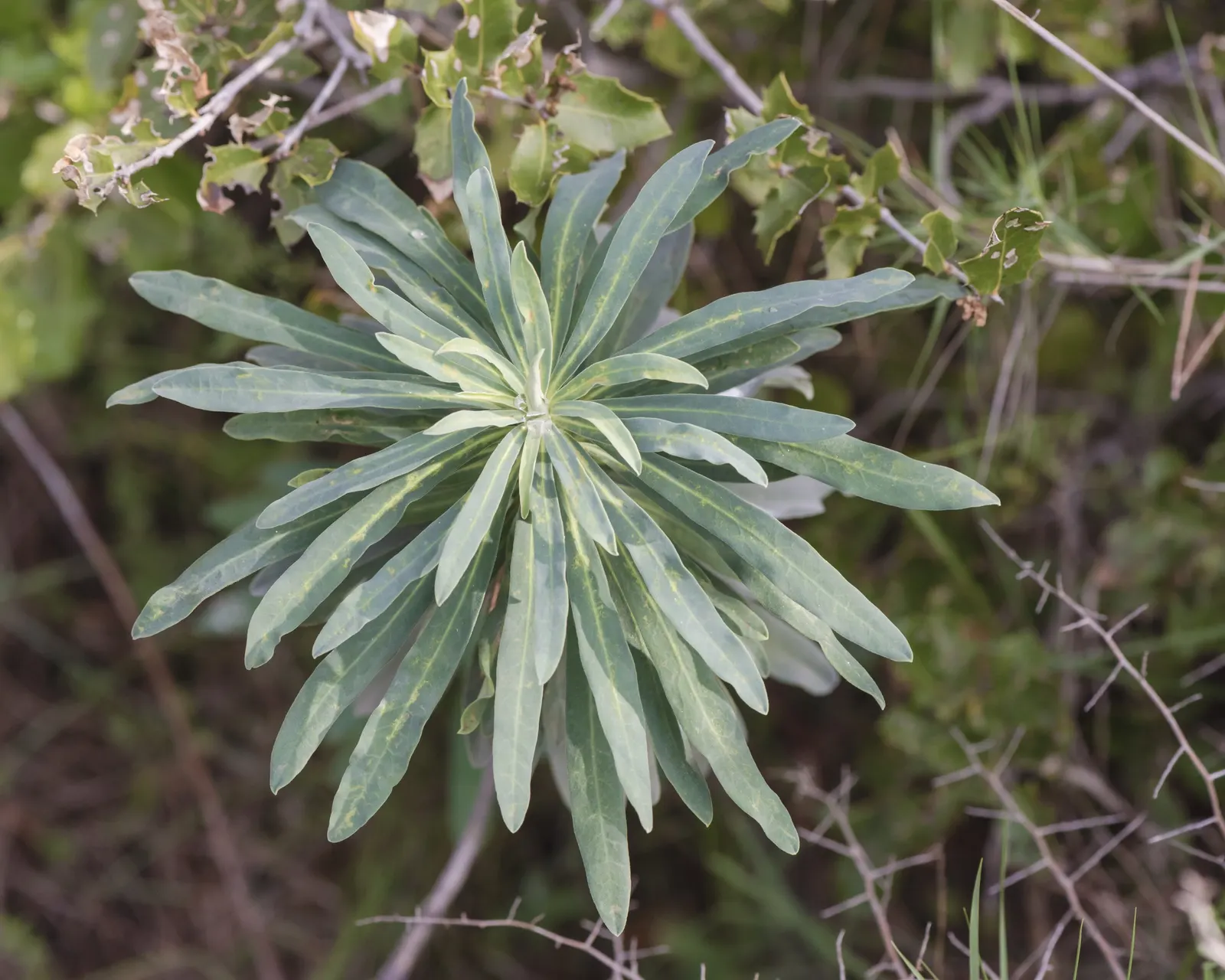
The Euphorbia resinifera, or Moroccan Mound, is a hardy, succulent shrub reaching up to 24 inches tall and wide. Its four-sided, spine-adorned stems form dense, segmented mounds. This drought-tolerant plant prospers in full sun and well-drained soil, bearing small yellow cyathia in spring. Handle with care, as its milky sap can irritate skin. Ideal for rock gardens or as a striking architectural accent in arid landscapes. Zones 9-11.

Sun Full, HalfWater Low, Very LowZones 9–11Type Succulent

Culture

Sun
Full, Half
Water
Low, Very Low
USDA zones
9–11

Shape & size

Classification

Type
Succulent
Family
Euphorbiaceae

See full data, regional cultivation notes, and design tools. Build a client presentation around this plant.

Start your 14-day trial

Photos (53)

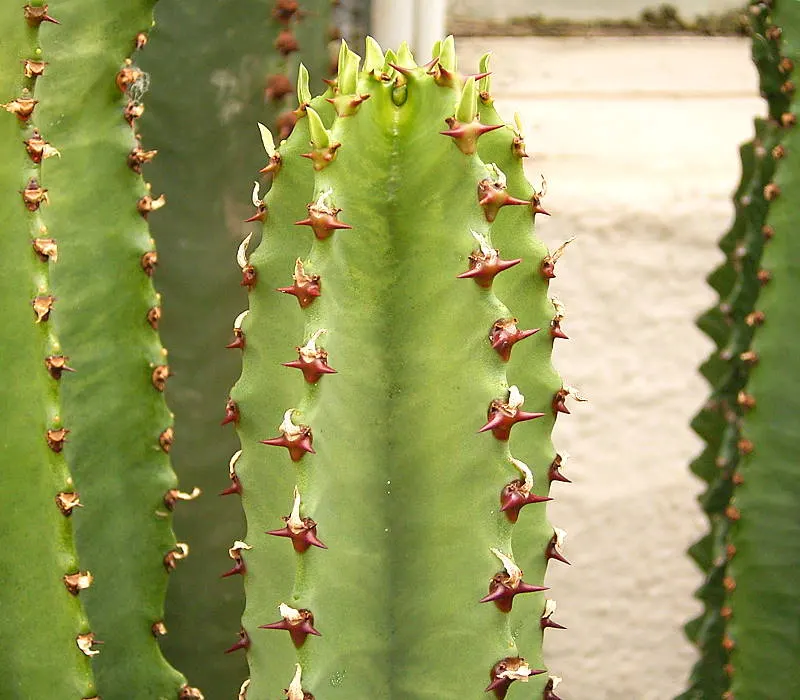
Moroccan Mound (Euphorbia Resinifera) — Its four-sided, spine-adorned stems form dense, segmented mounds; sharp spines that can be around 0.25, image 48
Moroccan Mound (Euphorbia Resinifera) — typically reaching heights of about 18 to 24 inches and spreading up to 36 inches wide; yet the main appeal lies in its
Moroccan Mound (Euphorbia Resinifera) — caution should be exercised when handling or placing in areas with heavy foot traffic
Moroccan Mound (Euphorbia Resinifera) — They serve as excellent focal points, particularly when paired with other drought-tolerant plants
Moroccan Mound (Euphorbia Resinifera) — succulent shrub reaching up to 24 inches tall and wide
Moroccan Mound (Euphorbia Resinifera) — Handle with care, as its milky sap can irritate skin; its four-sided, spine-adorned stems form dense, segmented mounds
Moroccan Mound (Euphorbia Resinifera) — its water storage capabilities allow it to thrive in hot, image 35
Moroccan Mound (Euphorbia Resinifera) — sharp spines that can be around 0.25 inches long; ideal for rock gardens or as a striking architectural accent in arid
Moroccan Mound (Euphorbia Resinifera) — architectural beauty to the landscape; commonly referred to as Moroccan Mound
Moroccan Mound (Euphorbia Resinifera) — evergreen succulent that originates from the slopes of the Atlas Mountains in Morocco; succulent for full or half
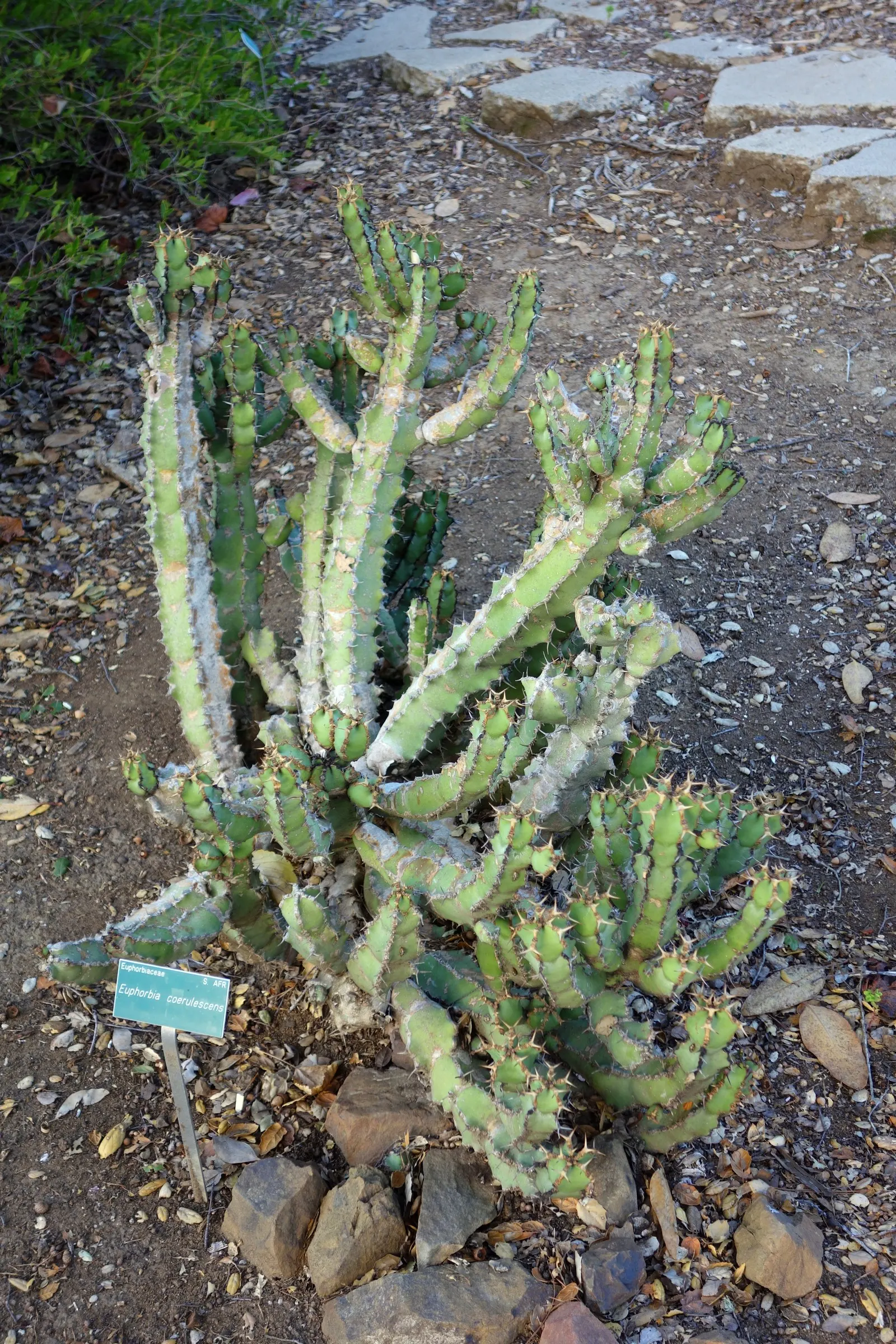
Moroccan Mound (Euphorbia Resinifera) — perennial plant forms a natural mound
Moroccan Mound (Euphorbia Resinifera) — succulent for full or half; introducing a touch of exotic
Moroccan Mound (Euphorbia Resinifera) — This drought-tolerant plant prospers in full sun and well-drained soil, bearing small yellow cyathia in spring
Moroccan Mound (Euphorbia Resinifera) — Maintenance is minimal, making it a practical choice for a low-care garden
Moroccan Mound (Euphorbia Resinifera) — yet the main appeal lies in its year-round structural form; this drought-tolerant plant prospers in full sun and
Moroccan Mound (Euphorbia Resinifera) — They serve as excellent focal points, particularly when paired with other drought-tolerant plants; perennial plant
Moroccan Mound (Euphorbia Resinifera) — introducing a touch of exotic; maintenance is minimal, making it a practical choice for a low-care garden
Moroccan Mound (Euphorbia Resinifera) — commonly referred to as Moroccan Mound; especially where pets and children may come into contact with it.<br><br>In
Moroccan Mound (Euphorbia Resinifera) — yet the main appeal lies in its year-round structural form
Moroccan Mound (Euphorbia Resinifera) — succulent shrub reaching up to 24 inches tall and wide; handle with care, as its milky sap can irritate skin, image 47
Moroccan Mound (Euphorbia Resinifera) — Maintenance is minimal, making it a practical choice for a low-care garden; preferring full sun exposure and
Moroccan Mound (Euphorbia Resinifera) — architectural beauty to the landscape
Moroccan Mound (Euphorbia Resinifera) — perennial plant forms a natural mound; evergreen succulent that originates from the slopes of the Atlas Mountains in
Moroccan Mound (Euphorbia Resinifera) — This drought-tolerant plant prospers in full sun and well-drained soil, bearing small yellow cyathia in, image 49
Photographs by 13 contributors

Related plants