Skip to content

Cushion Spurge

Euphorbia Polychroma

Design with this plant

Overview

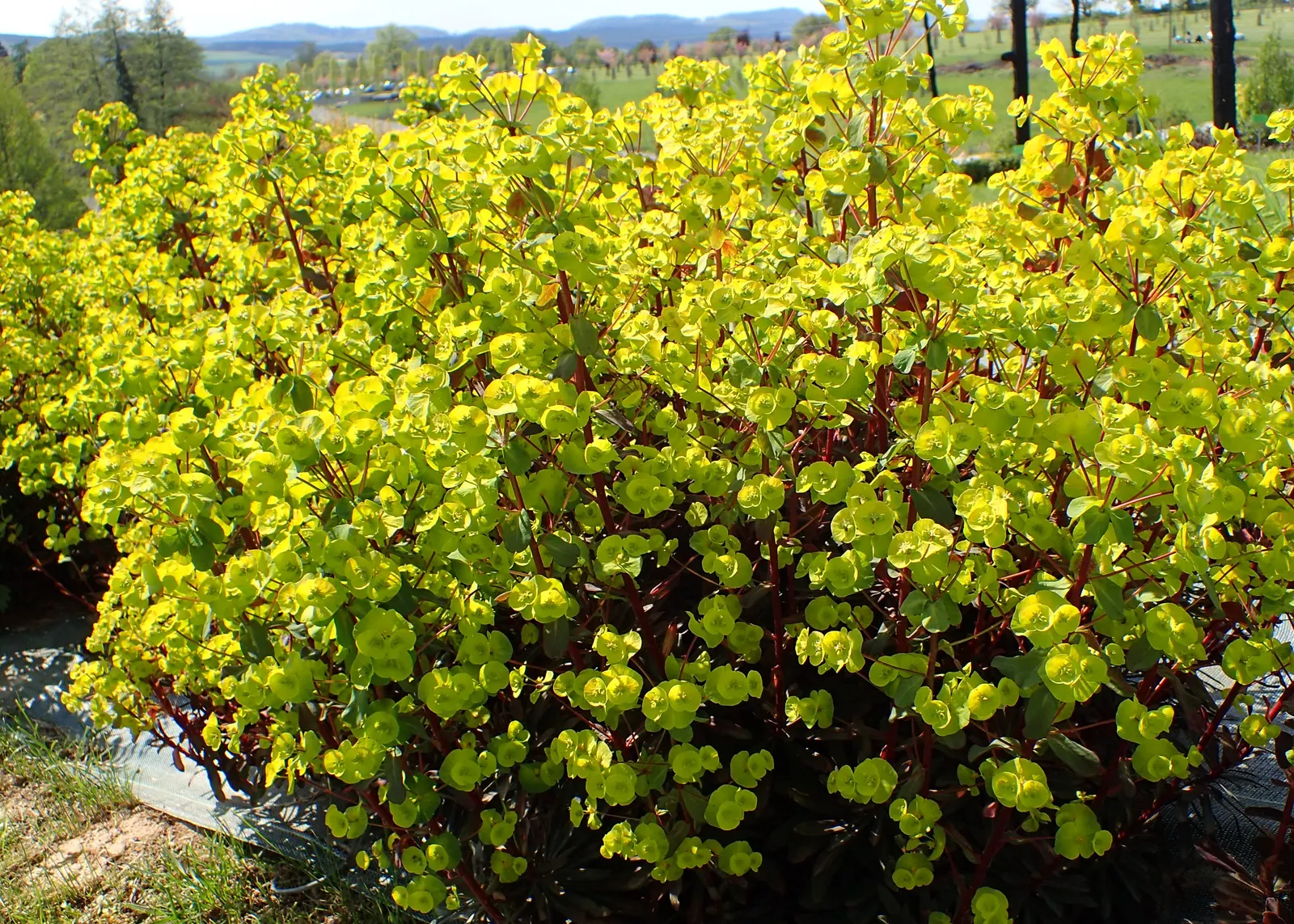
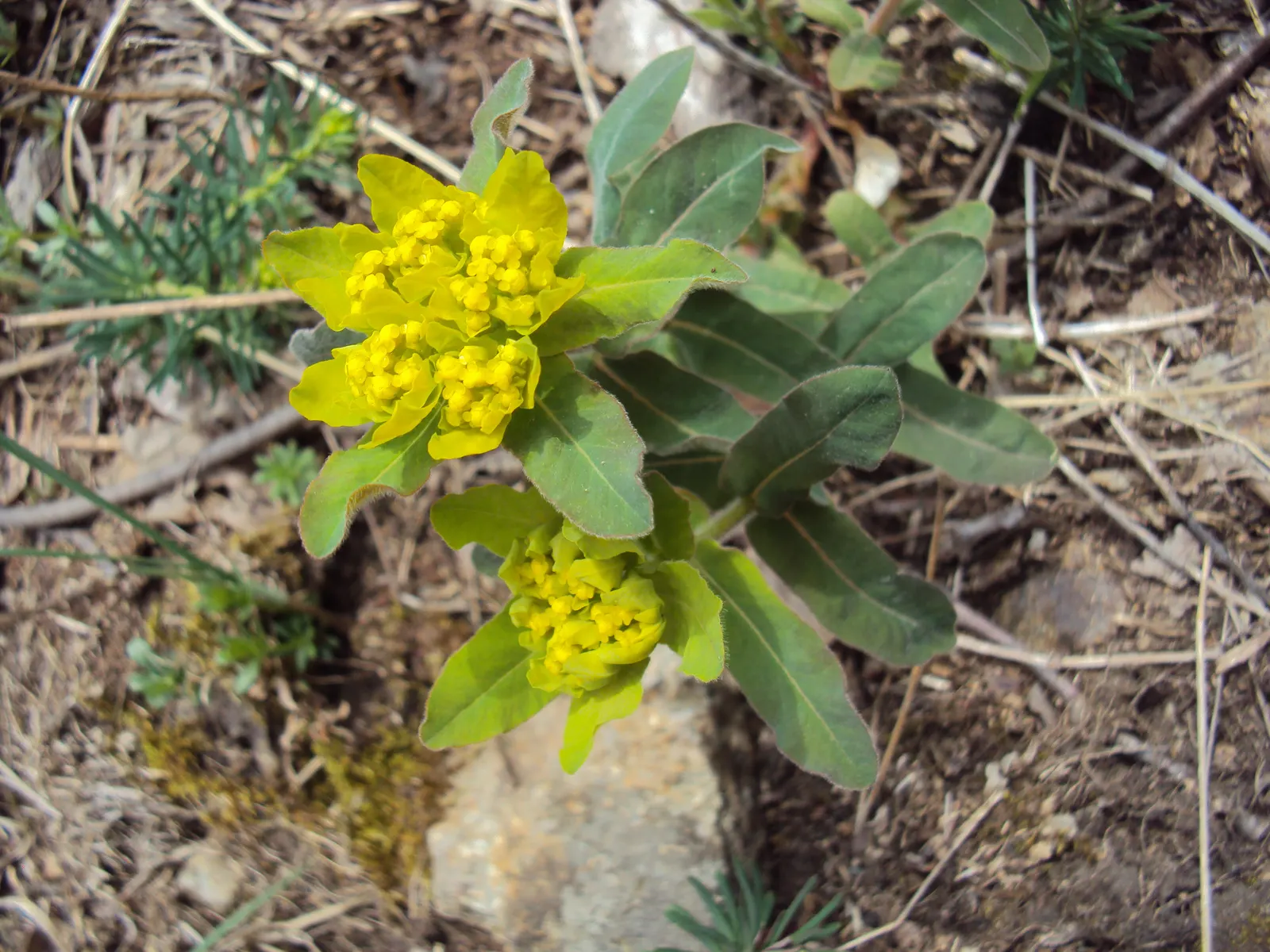
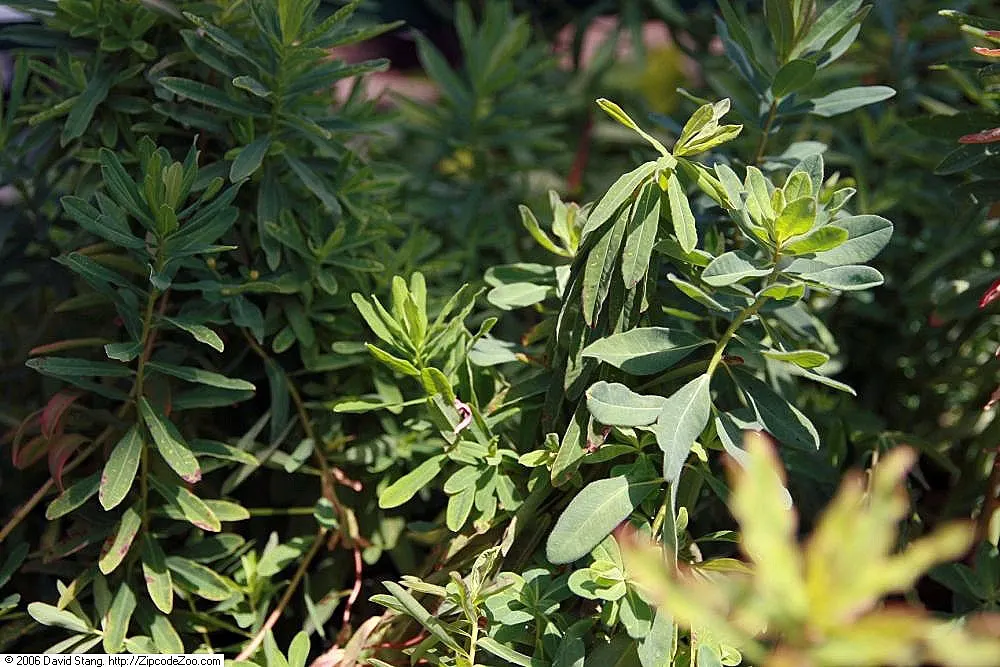
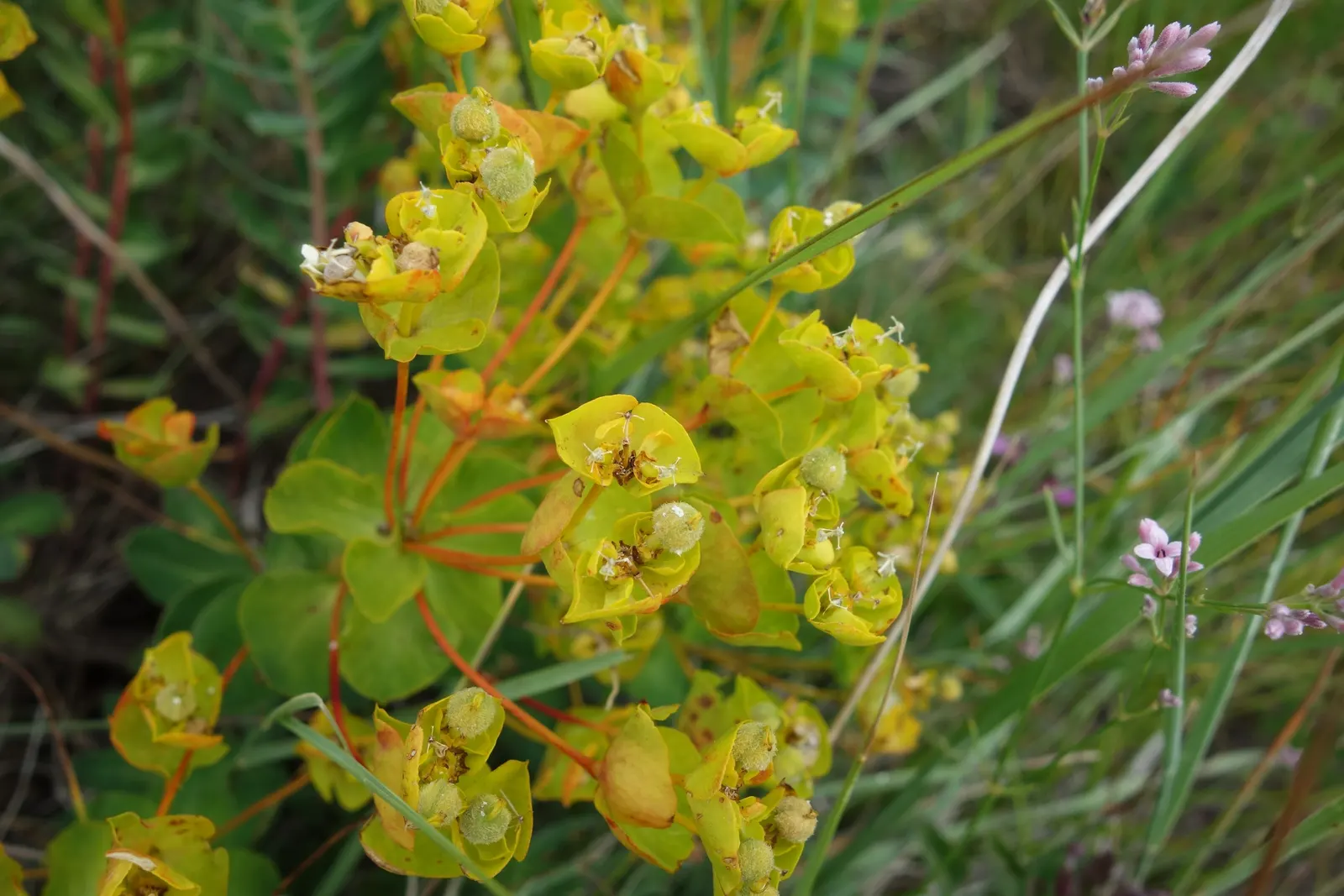
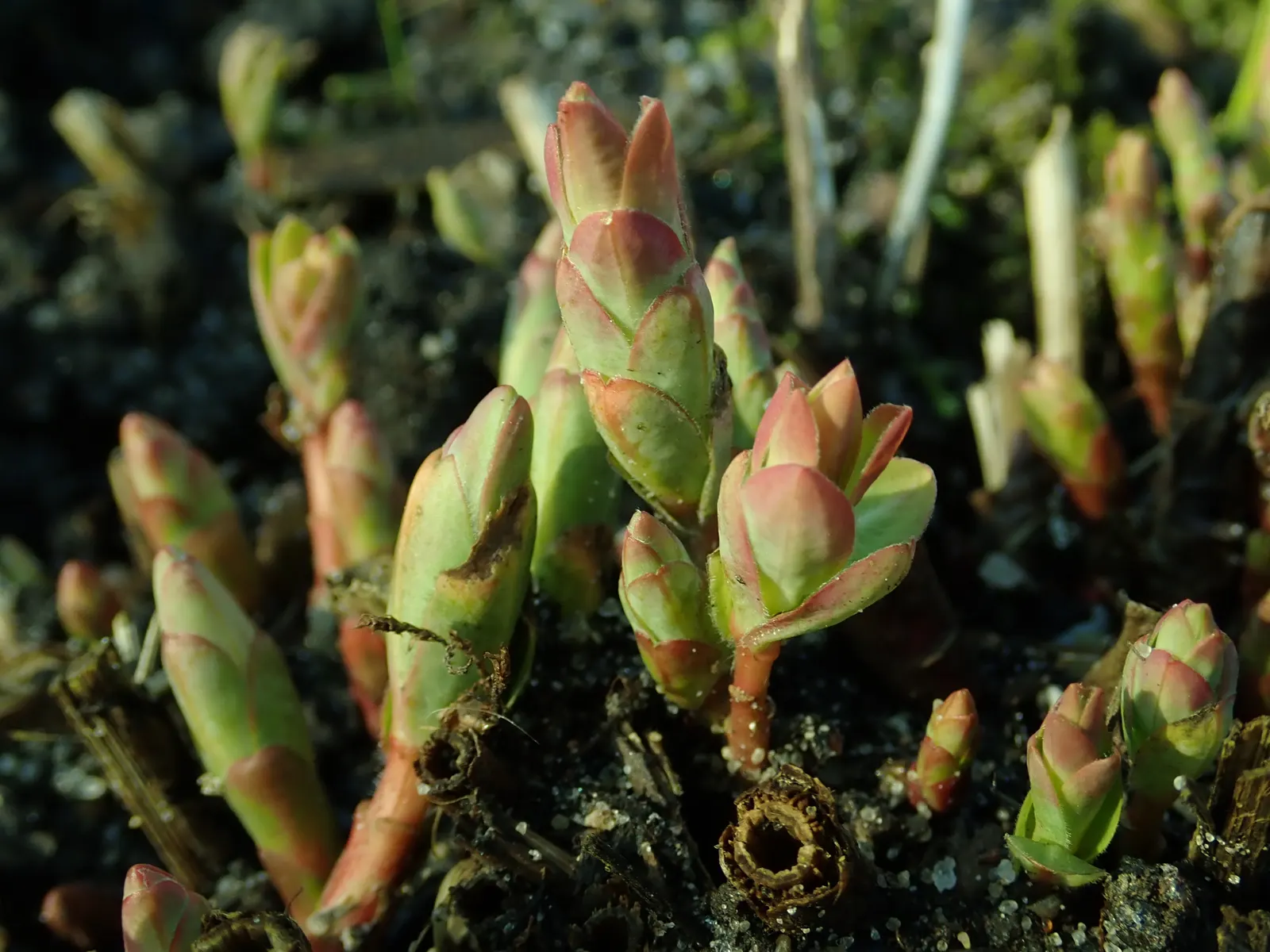
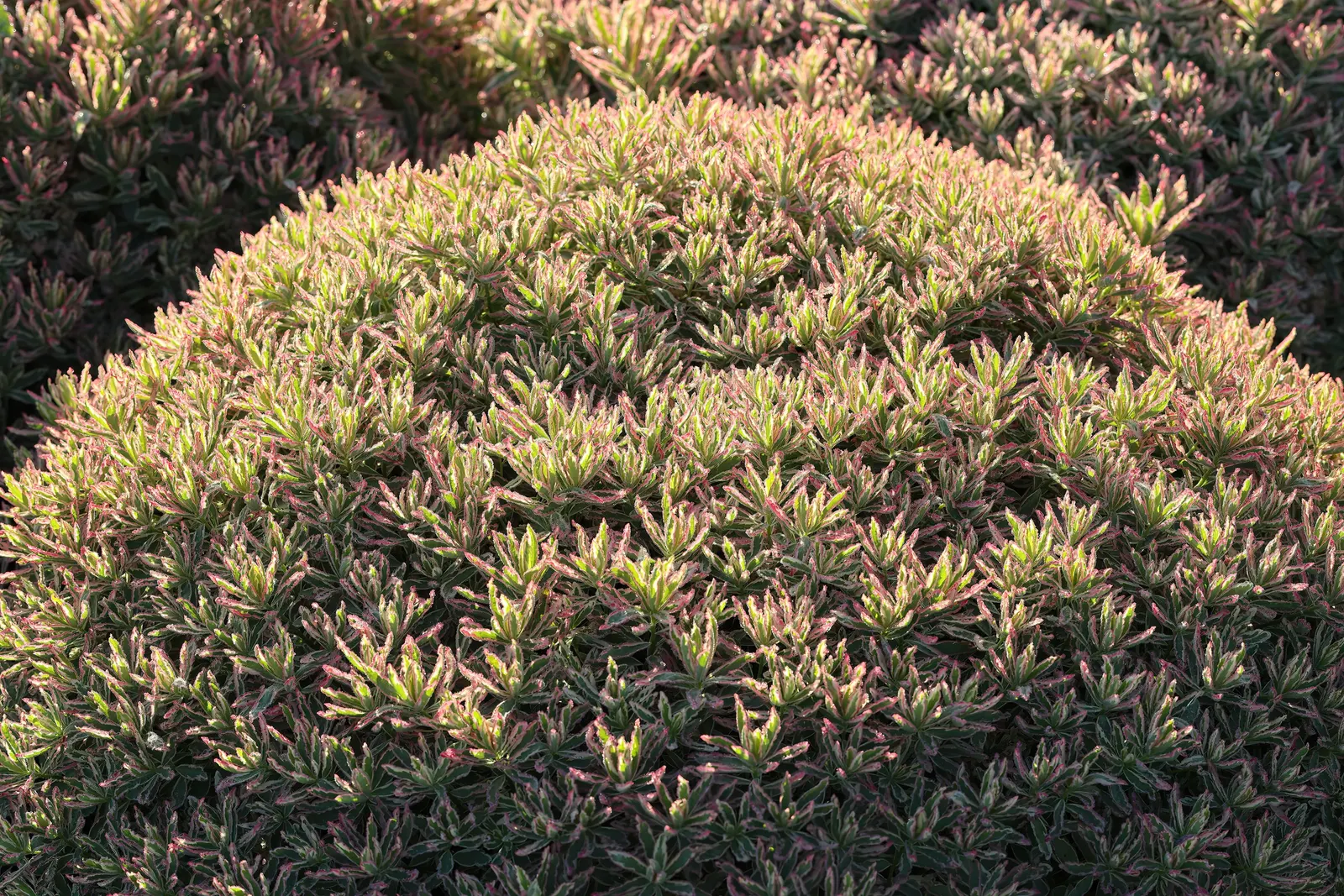
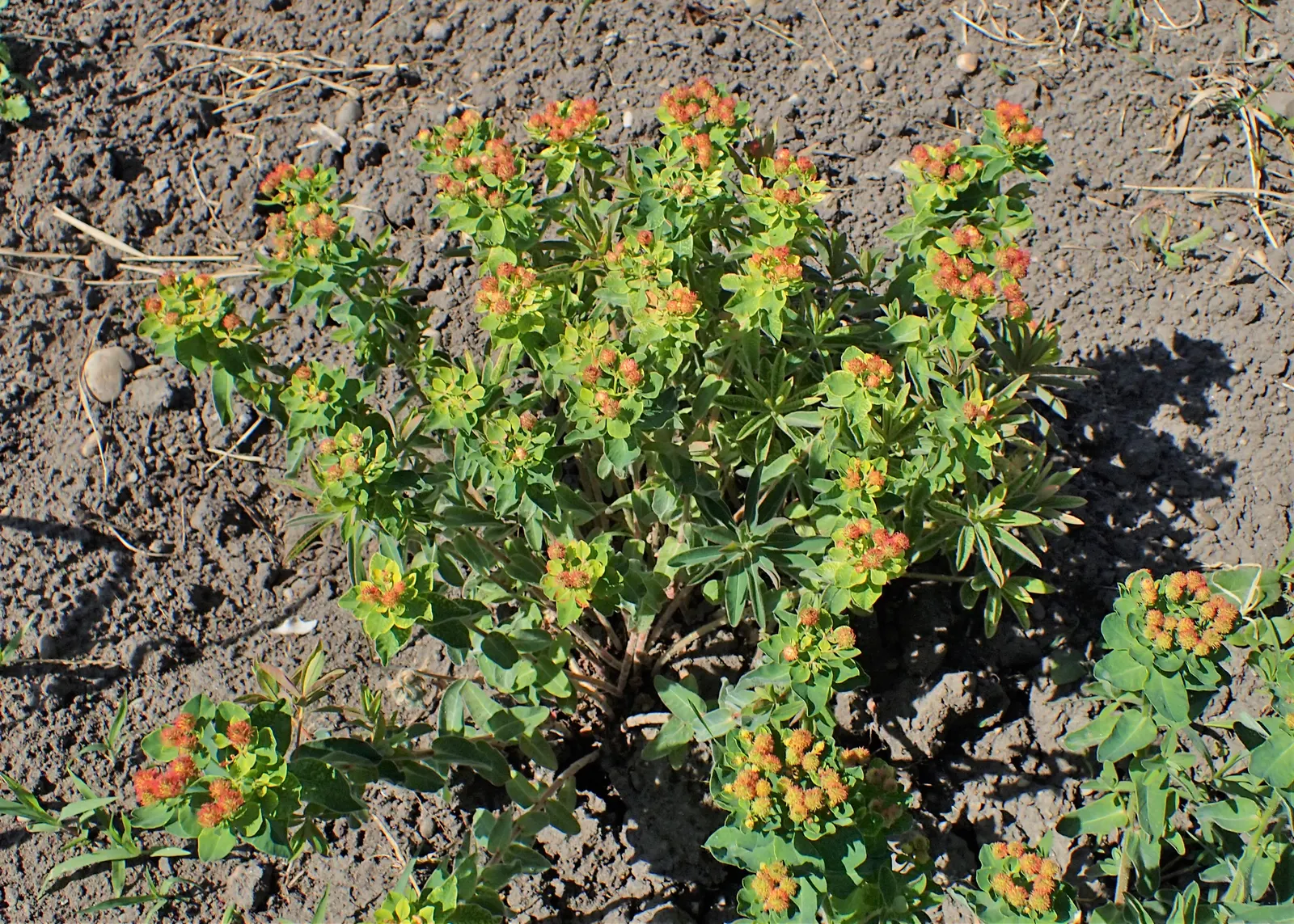
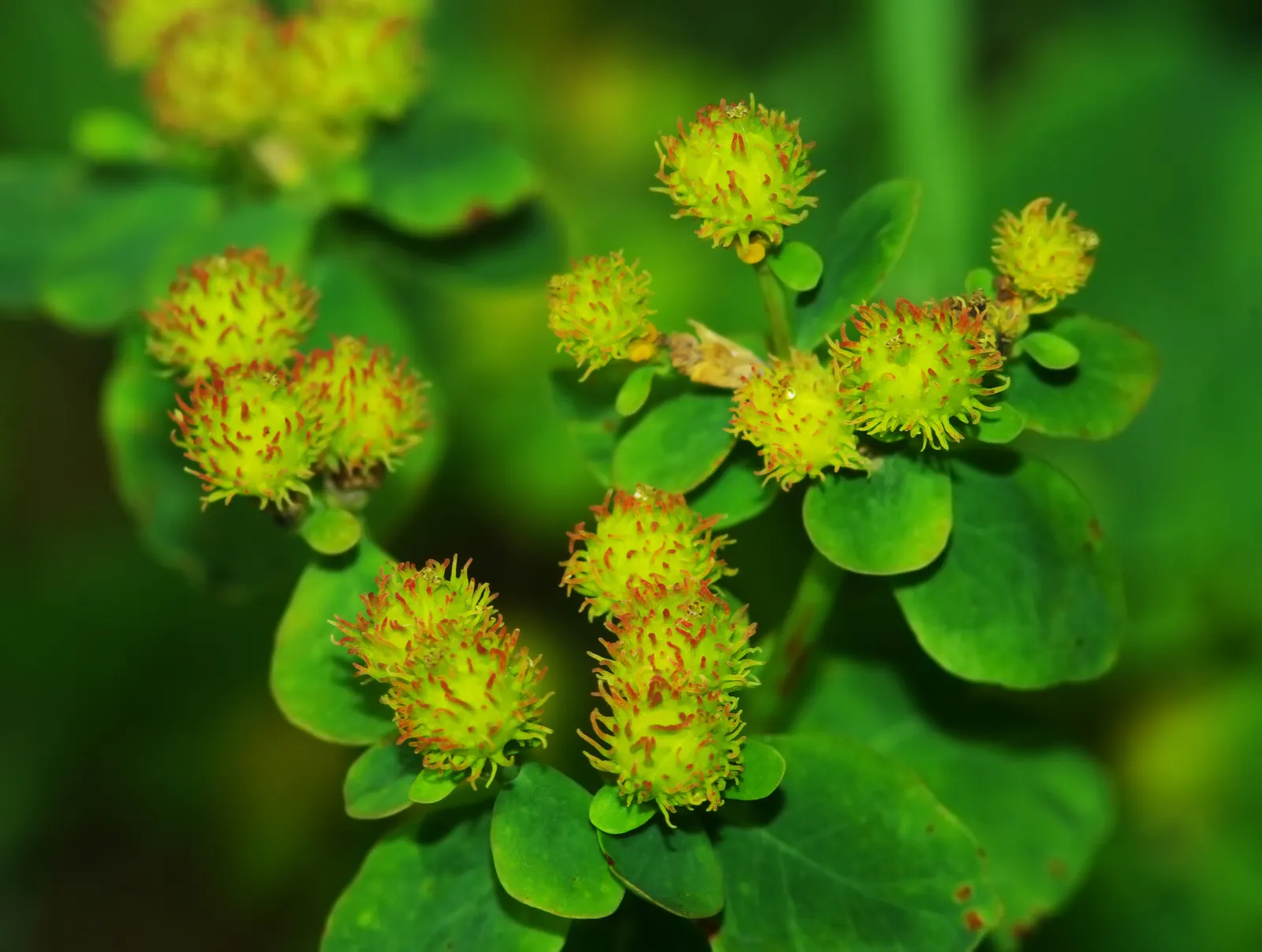
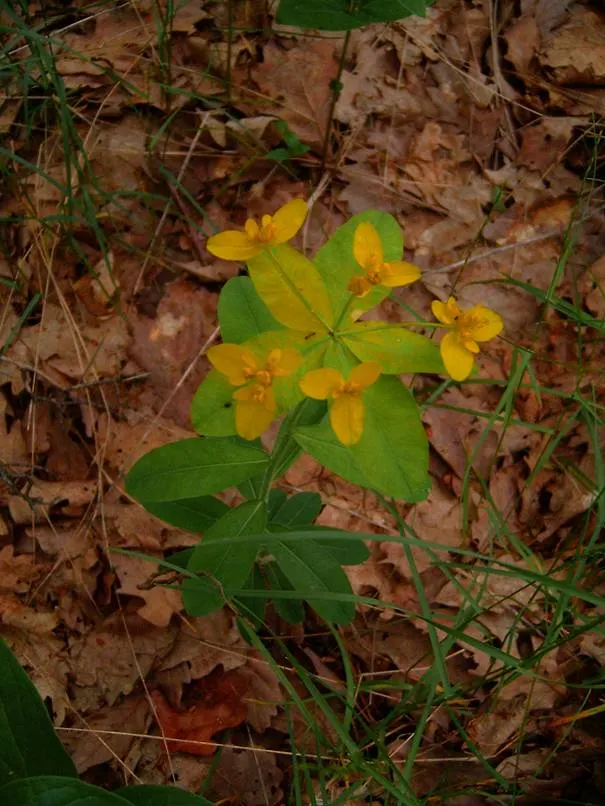
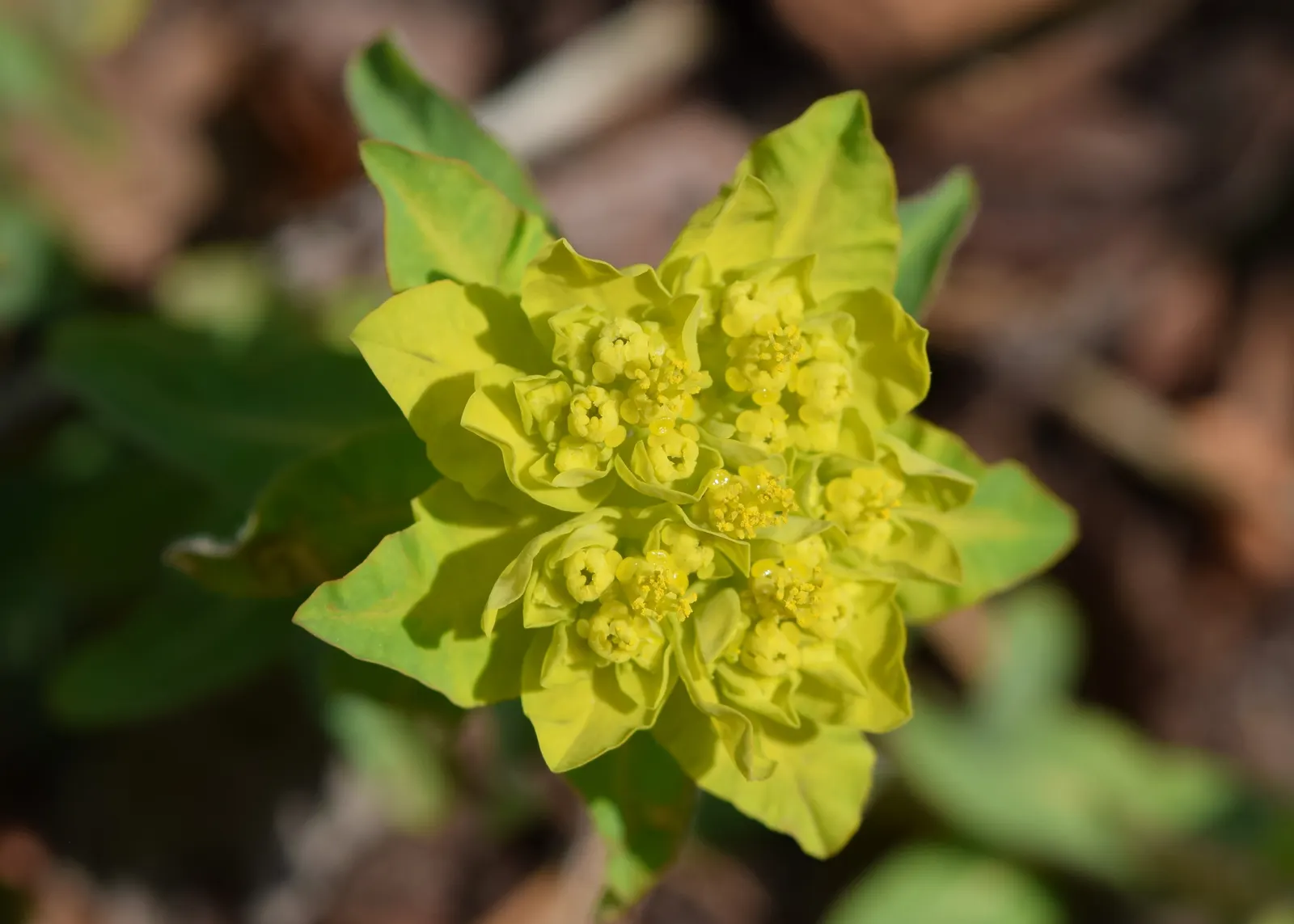
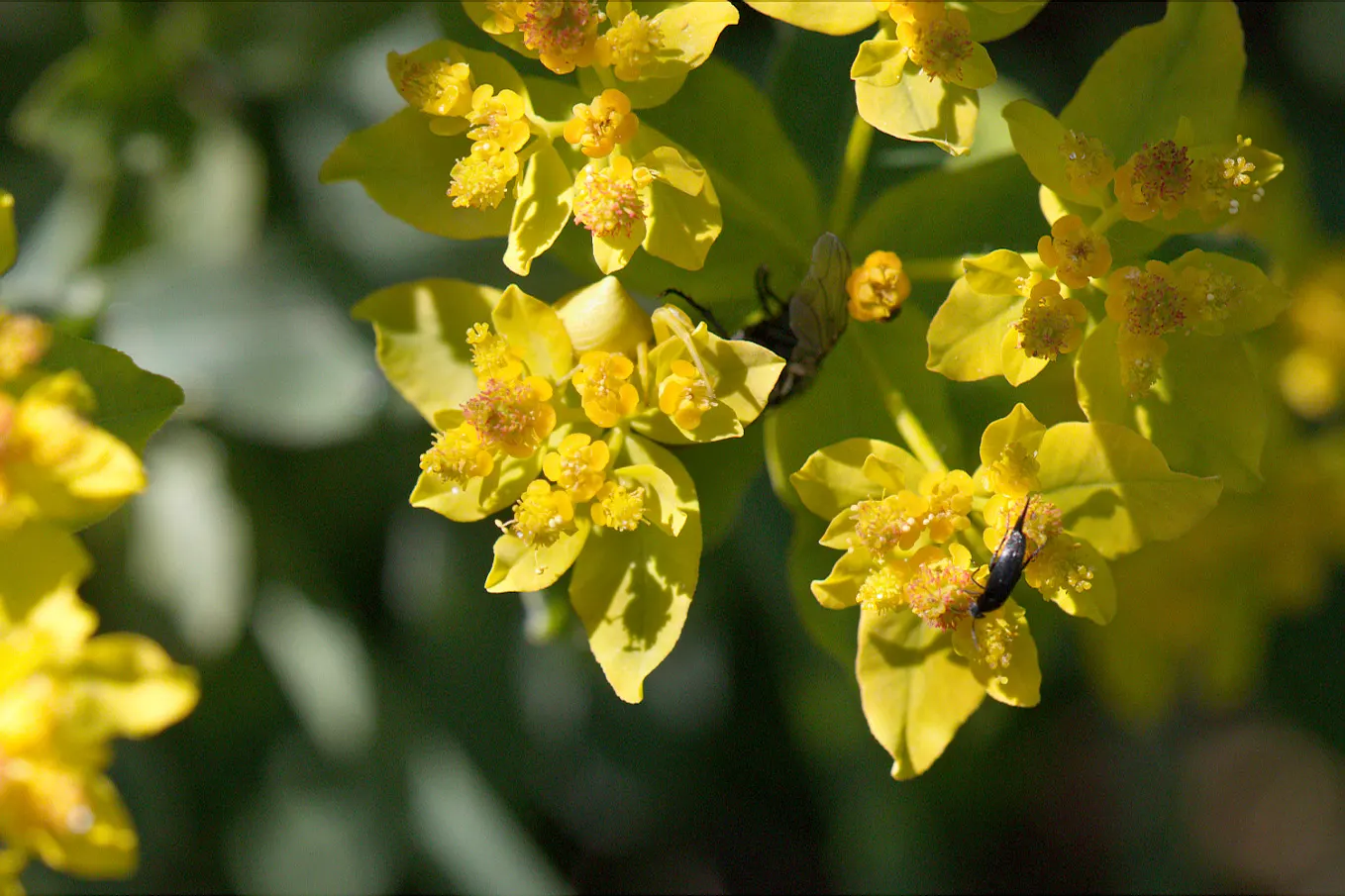
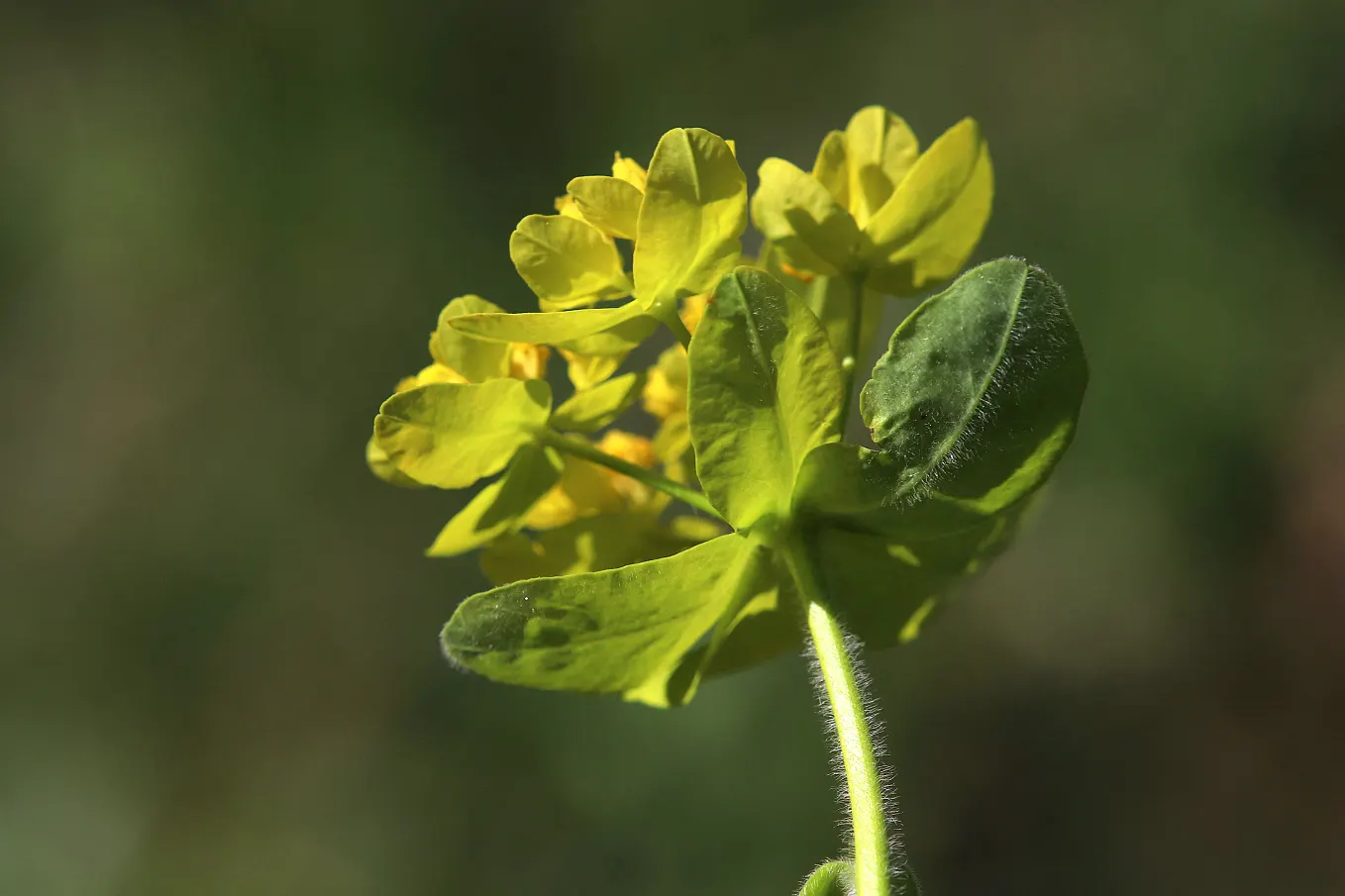
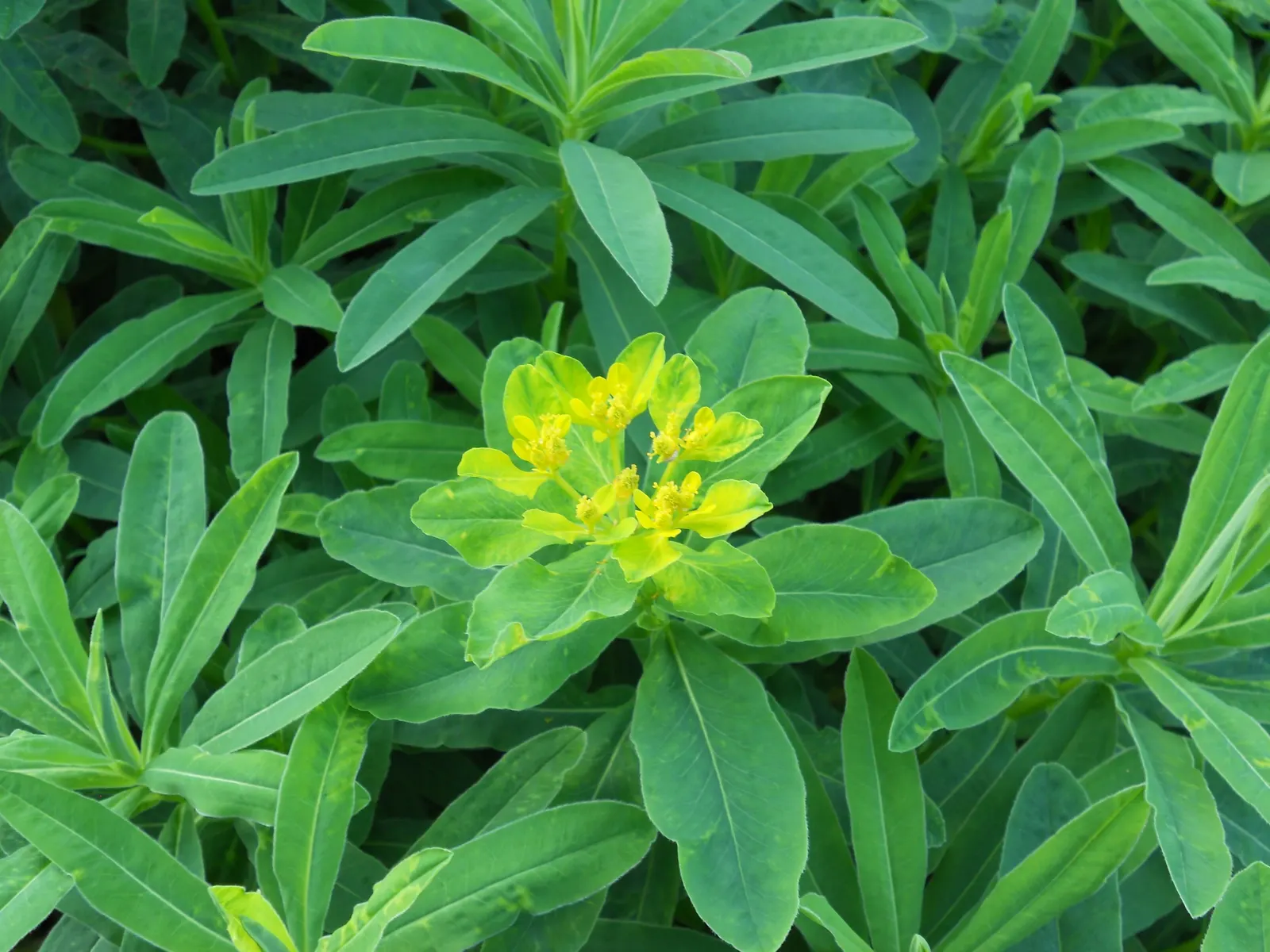
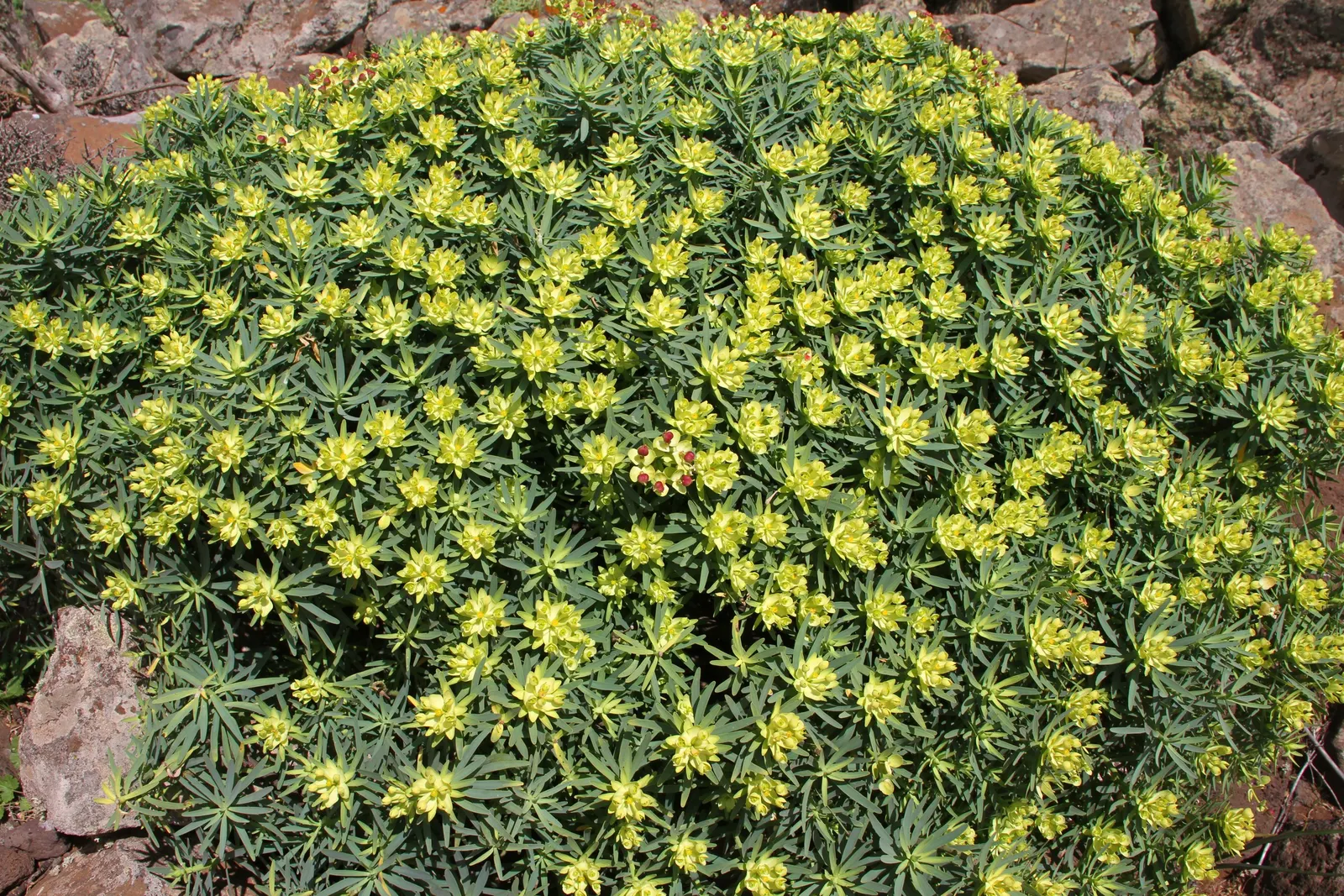
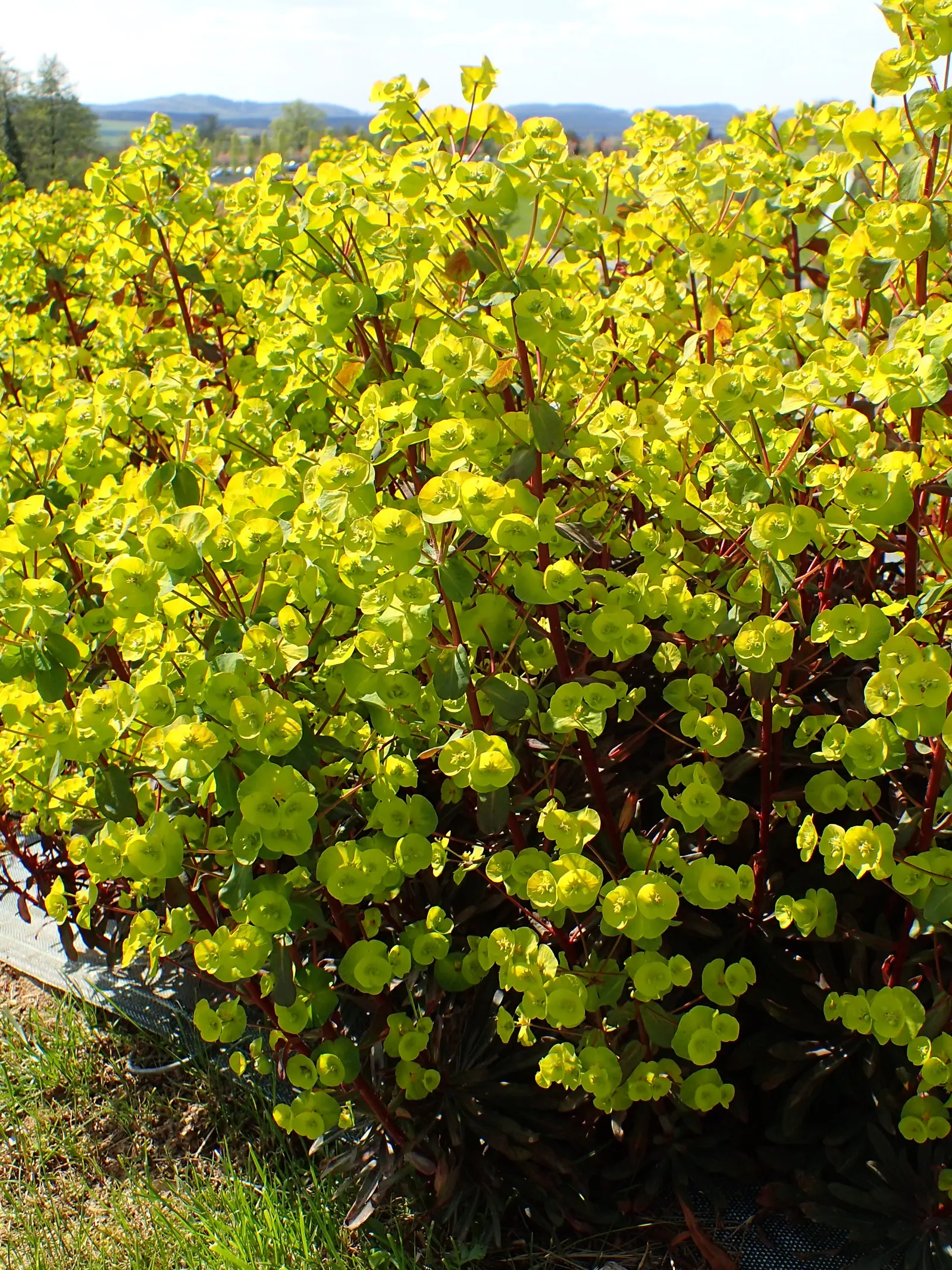
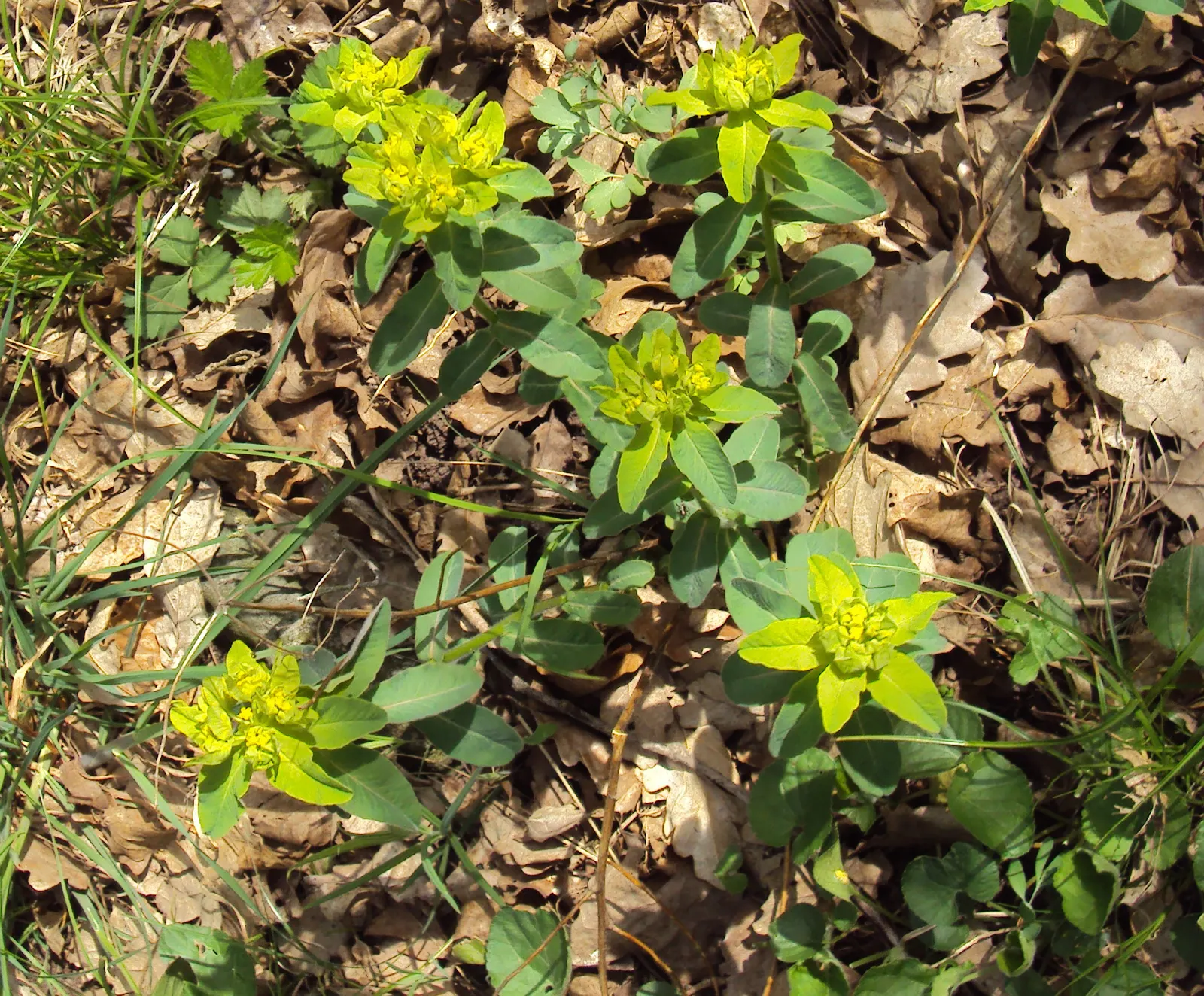
Cushion Spurge (Euphorbia polychroma) \nThis hardy, low-maintenance perennial boasts vibrant, chartreuse-yellow bracts in spring, atop a compact, mounded form. Thriving in full sun to part shade, it spans 12-18 inches high with an equal spread. Ideal for borders or rock gardens, its foliage turns red in fall, providing year-round interest. Caution: sap may irritate skin. USDA zones 4-8, with excellent drought tolerance once established.

Sun Full, HalfWater MediumZones 4–8Type PerennialClimate Mediterranean
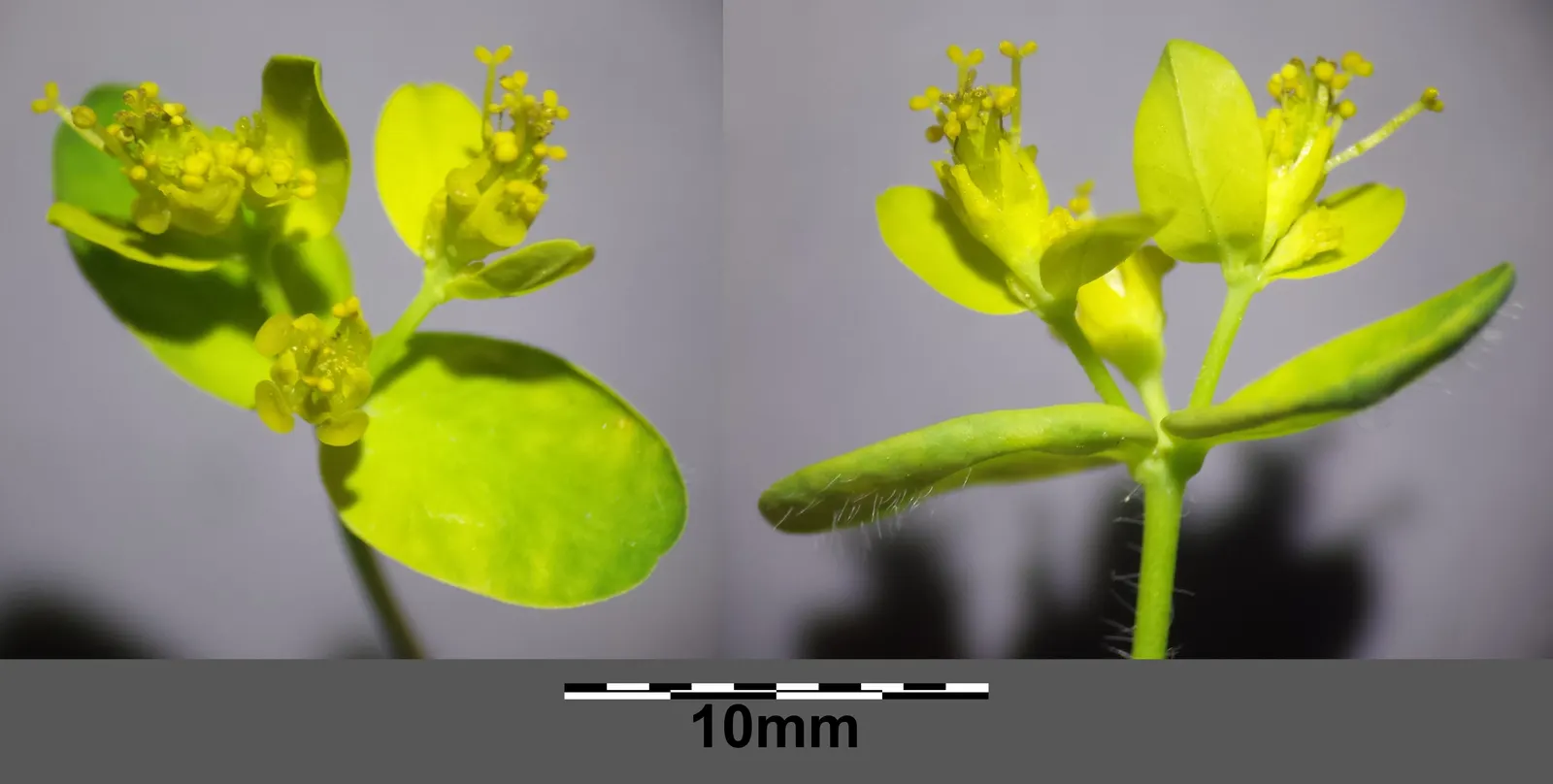
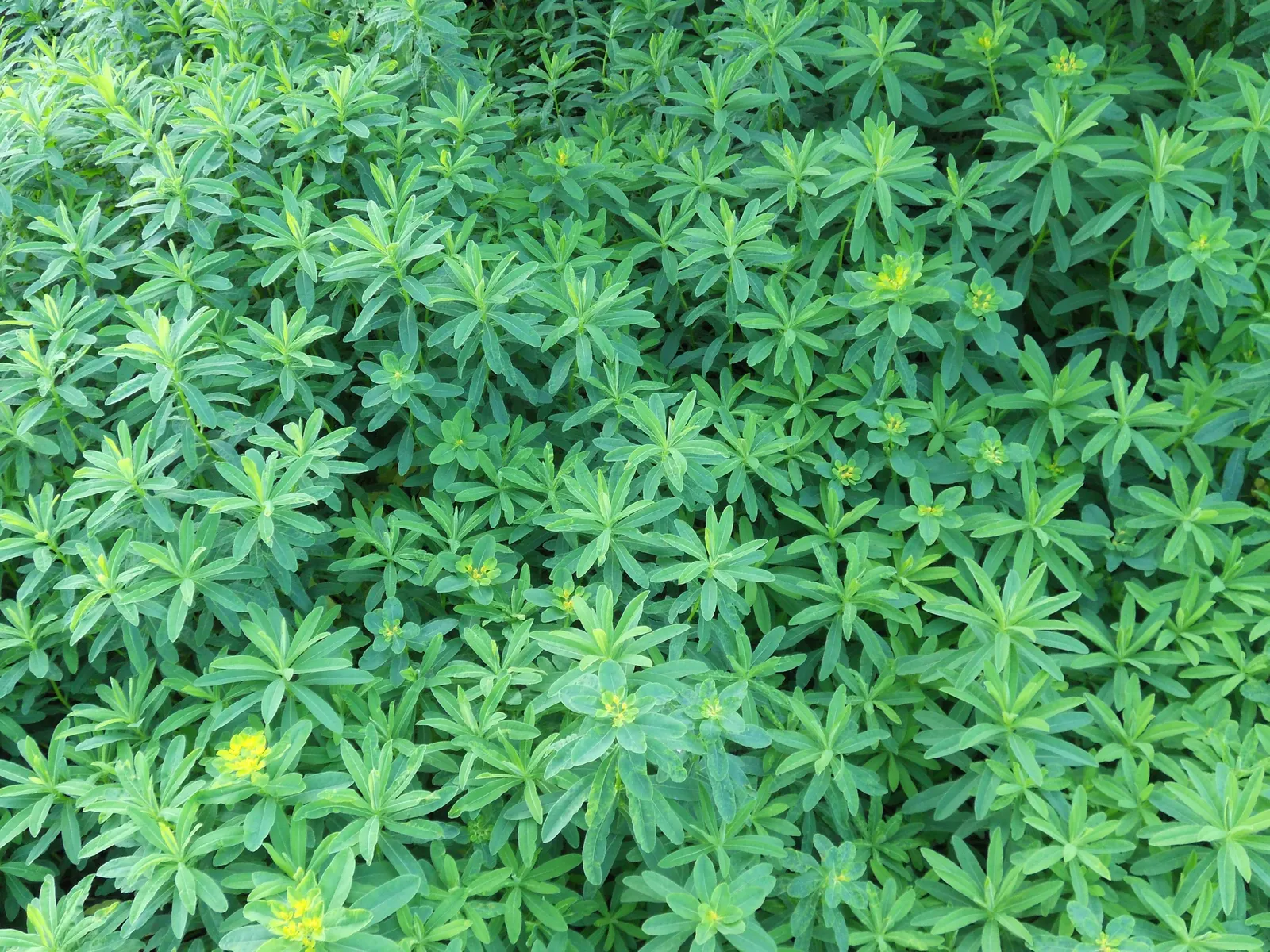
Cushion Spurge (Euphorbia Polychroma) — It is also drought-tolerant once established; perennial with yellow blooms, image 79

Culture

Sun
Full, Half
Water
Medium
USDA zones
4–8

Shape & size

Mature height
1–1.5 Ft.
Mature width
1.5–2 Ft.

Classification

Type
Perennial
Family
Euphorbiaceae
Climate
Mediterranean

See full data, regional cultivation notes, and design tools. Build a client presentation around this plant.

Start your 14-day trial

Photos (144)

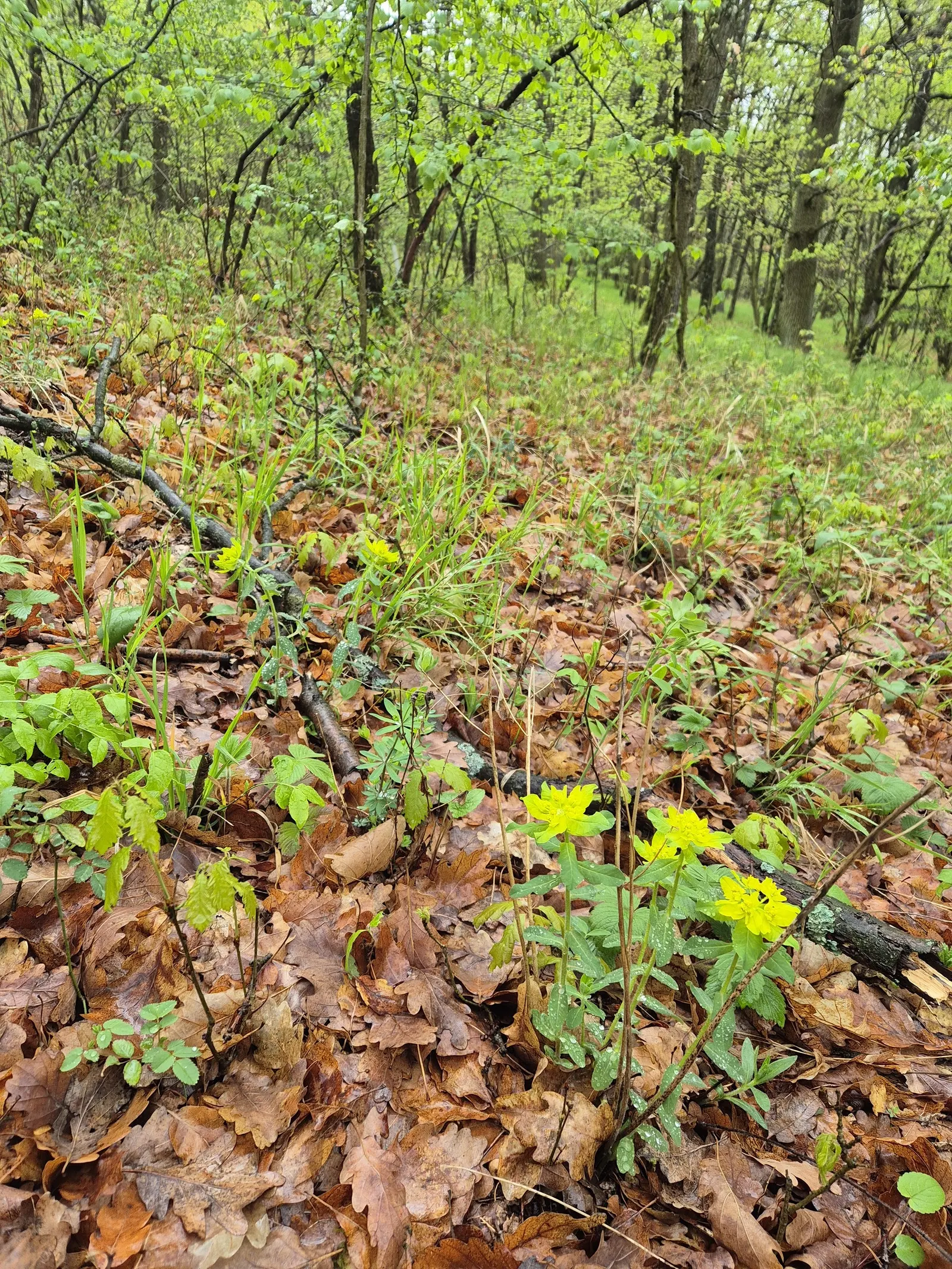
Cushion Spurge (Euphorbia Polychroma) — plant Cushion Spurge approximately 15 to 18 inches apart; the Cushion Spurge thrives in full sun to partial, image 111
Cushion Spurge (Euphorbia Polychroma) — adding yet another layer of interest in the fall.<br><br>Hardy in USDA zones 4 through 8; usually around April or May
Cushion Spurge (Euphorbia Polychroma) — offering an extended display of color; perennial for full or half, image 104
Cushion Spurge (Euphorbia Polychroma) — This resilient plant is known for its appealing
Cushion Spurge (Euphorbia Polychroma) — Caution: sap may irritate skin; thriving in full sun to part shade, it spans 12-18 inches high with an, image 121
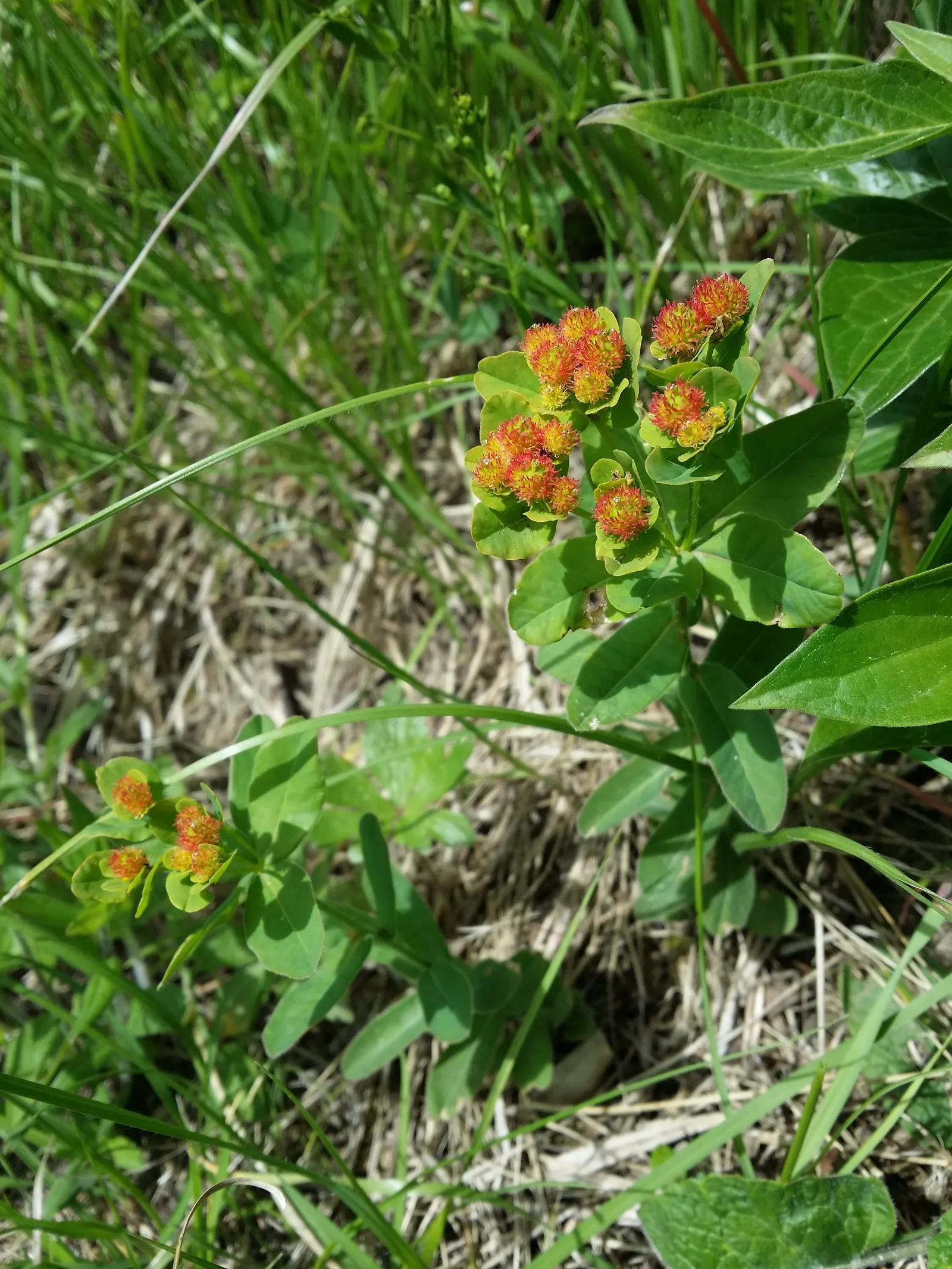
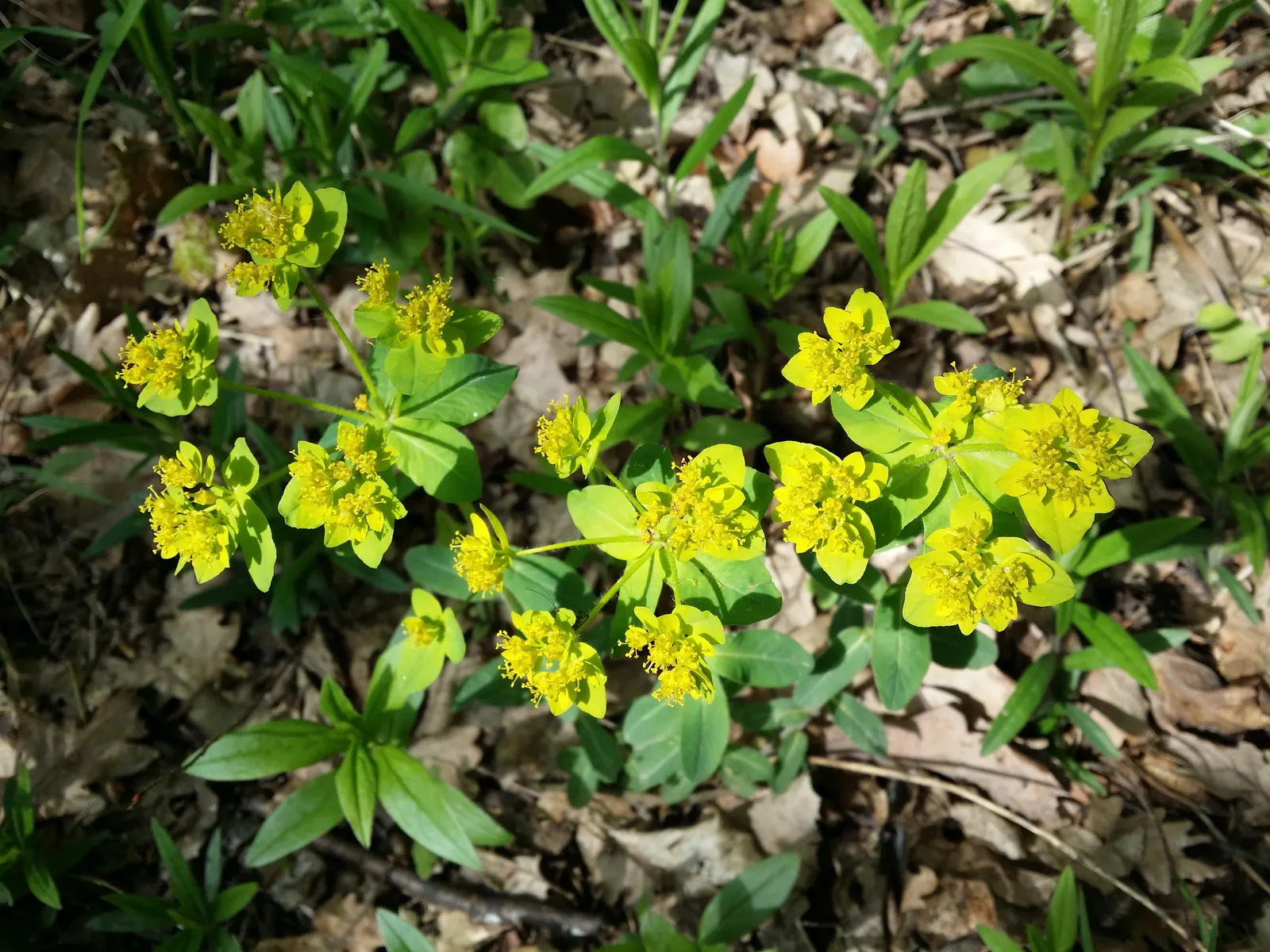
Cushion Spurge (Euphorbia Polychroma) — yellow flowers in the garden; bract-surrounded yellow flowers, image 114
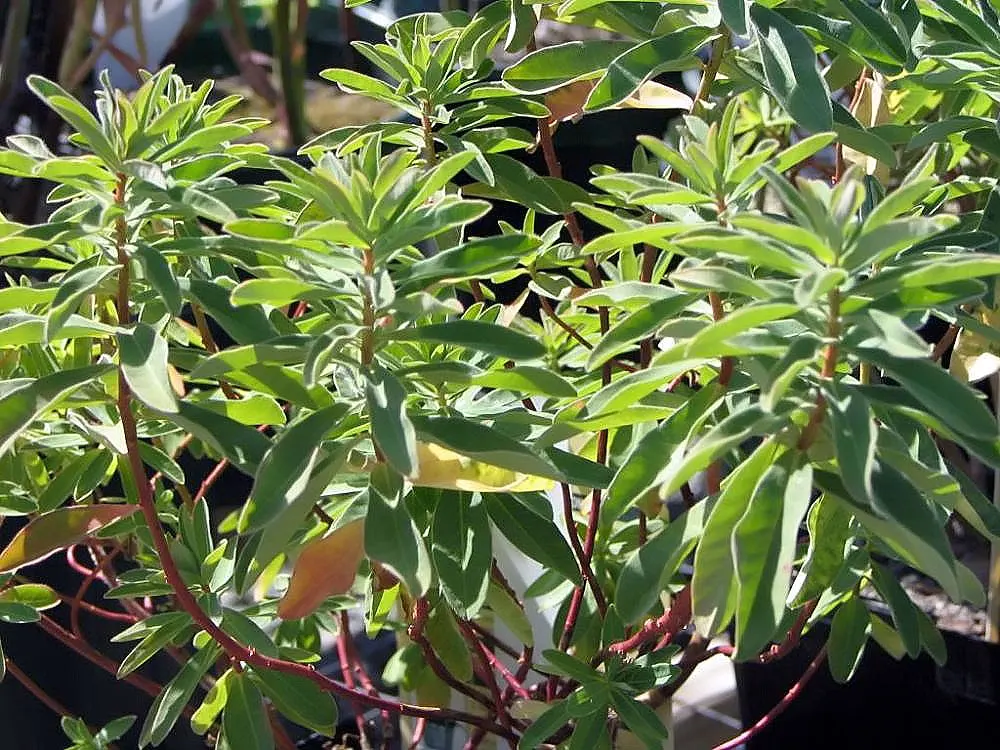
Cushion Spurge (Euphorbia Polychroma) — Ideal for borders or rock gardens, its foliage turns red in fall, providing year-round interest; allowing for each
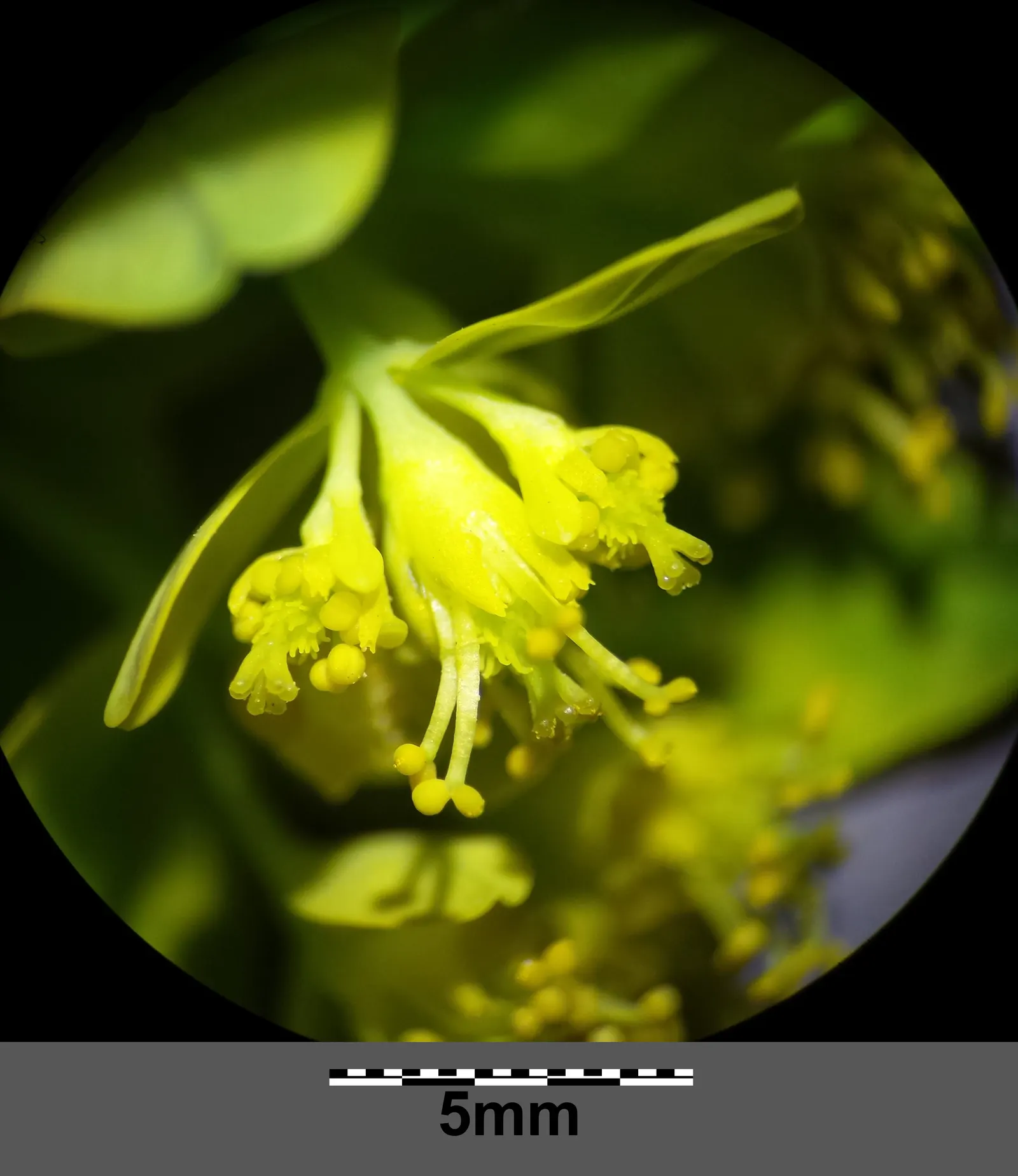
Cushion Spurge (Euphorbia Polychroma) — often mistaken for petals
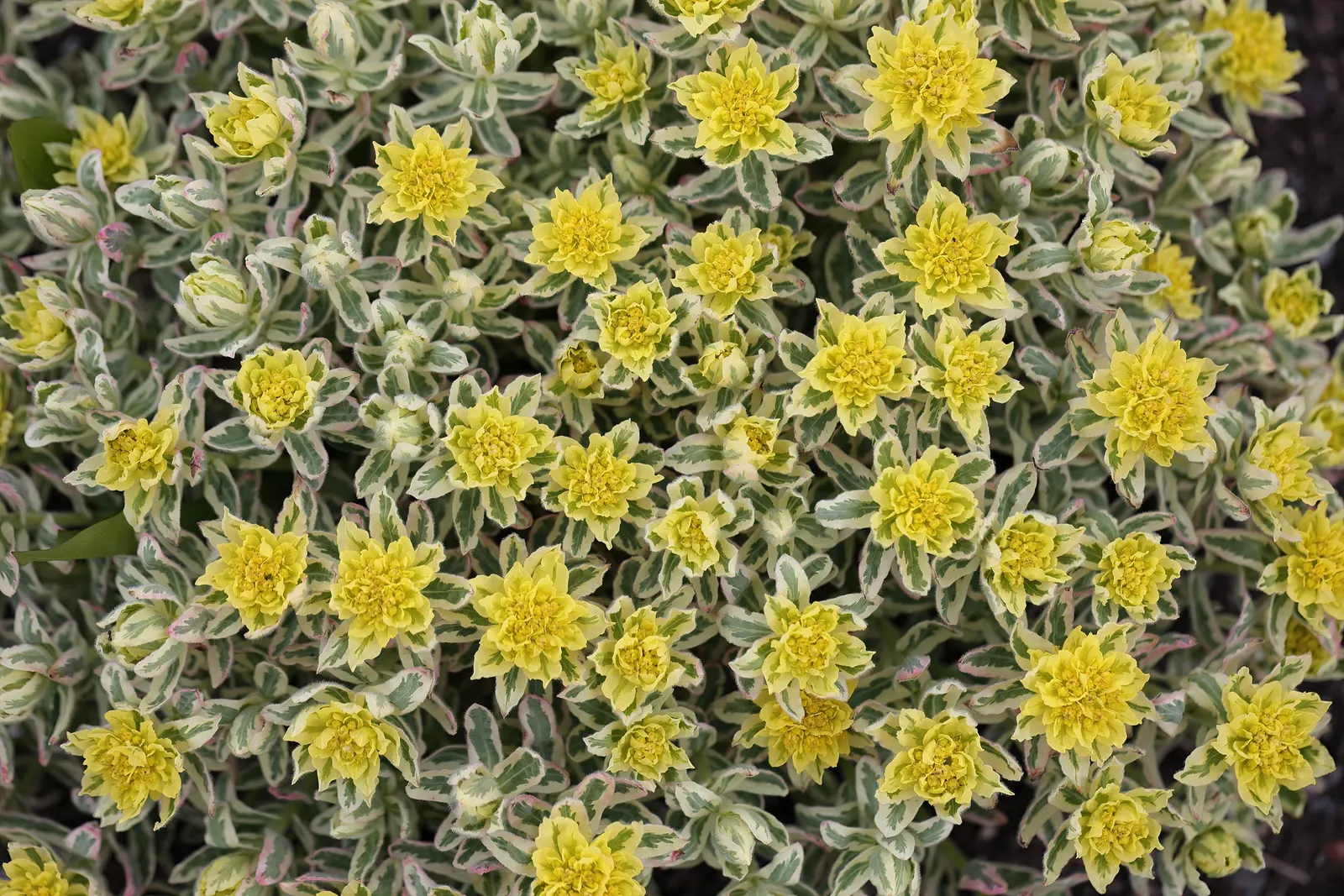
Cushion Spurge (Euphorbia Polychroma) — chartreuse-yellow bracts in spring; forming a perfect backdrop for its showy, image 118
Cushion Spurge (Euphorbia Polychroma) — yellow flowers in the garden
Cushion Spurge (Euphorbia Polychroma) — USDA zones 4-8, with excellent drought tolerance once established; creating a cushion appearance, image 122
Cushion Spurge (Euphorbia Polychroma) — adding yet another layer of interest in the fall.<br><br>Hardy in USDA zones 4 through 8; usually around, image 106
Cushion Spurge (Euphorbia Polychroma) — can retain their brightness for several weeks; as the milky sap it exudes when cut or broken can be an irritant to the
Cushion Spurge (Euphorbia Polychroma) — allowing for each plant's full growth potential; yellow flowers in the garden
Cushion Spurge (Euphorbia Polychroma) — chartreuse-yellow bracts in spring
Cushion Spurge (Euphorbia Polychroma) — scientifically known as Euphorbia polychroma; offering an extended display of color, image 123
Cushion Spurge (Euphorbia Polychroma) — With its vibrant seasonal hues and ease of care; caution: sap may irritate skin, image 84
Cushion Spurge (Euphorbia Polychroma) — Ideal for borders or rock gardens, its foliage turns red in fall, providing year-round interest; allowing, image 62
Cushion Spurge (Euphorbia Polychroma) — With its vibrant seasonal hues and ease of care; caution: sap may irritate skin
Cushion Spurge (Euphorbia Polychroma) — is an eye-catching perennial that can provide a lively burst of color to any garden design; plant Cushion, image 95
Cushion Spurge (Euphorbia Polychroma) — yellow flowers in the garden; bract-surrounded yellow flowers
Cushion Spurge (Euphorbia Polychroma) — forming a perfect backdrop for its showy; can retain their brightness for several weeks
Cushion Spurge (Euphorbia Polychroma) — USDA zones 4-8, with excellent drought tolerance once established; creating a cushion appearance
Cushion Spurge (Euphorbia Polychroma) — as the milky sap it exudes when cut or broken can be an irritant to the skin; uSDA zones 4-8, with, image 80
Photographs by 12 contributors

Related plants