Skip to content

Medusa's Head

Euphorbia Flanaganii

Design with this plant

Overview

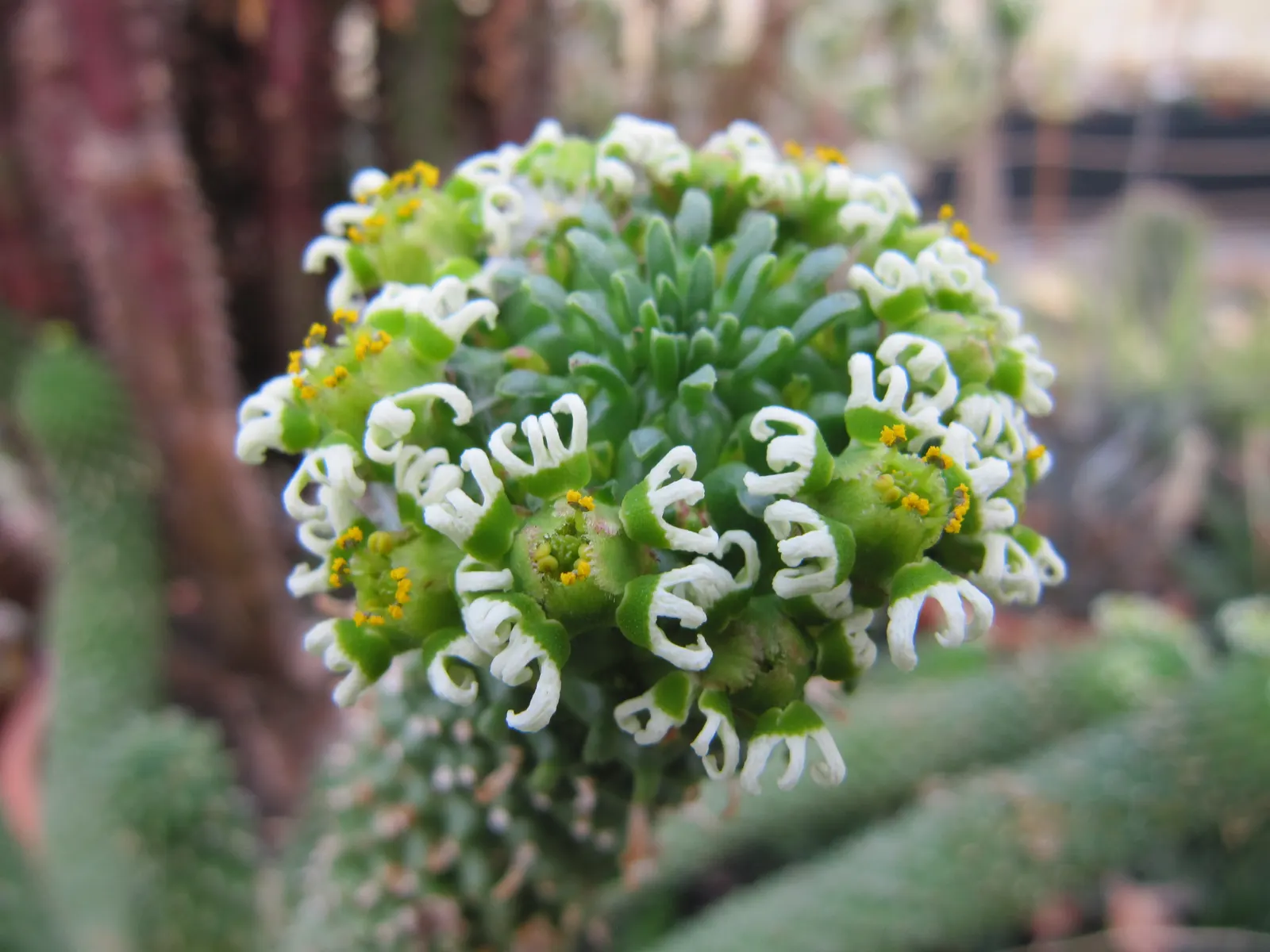
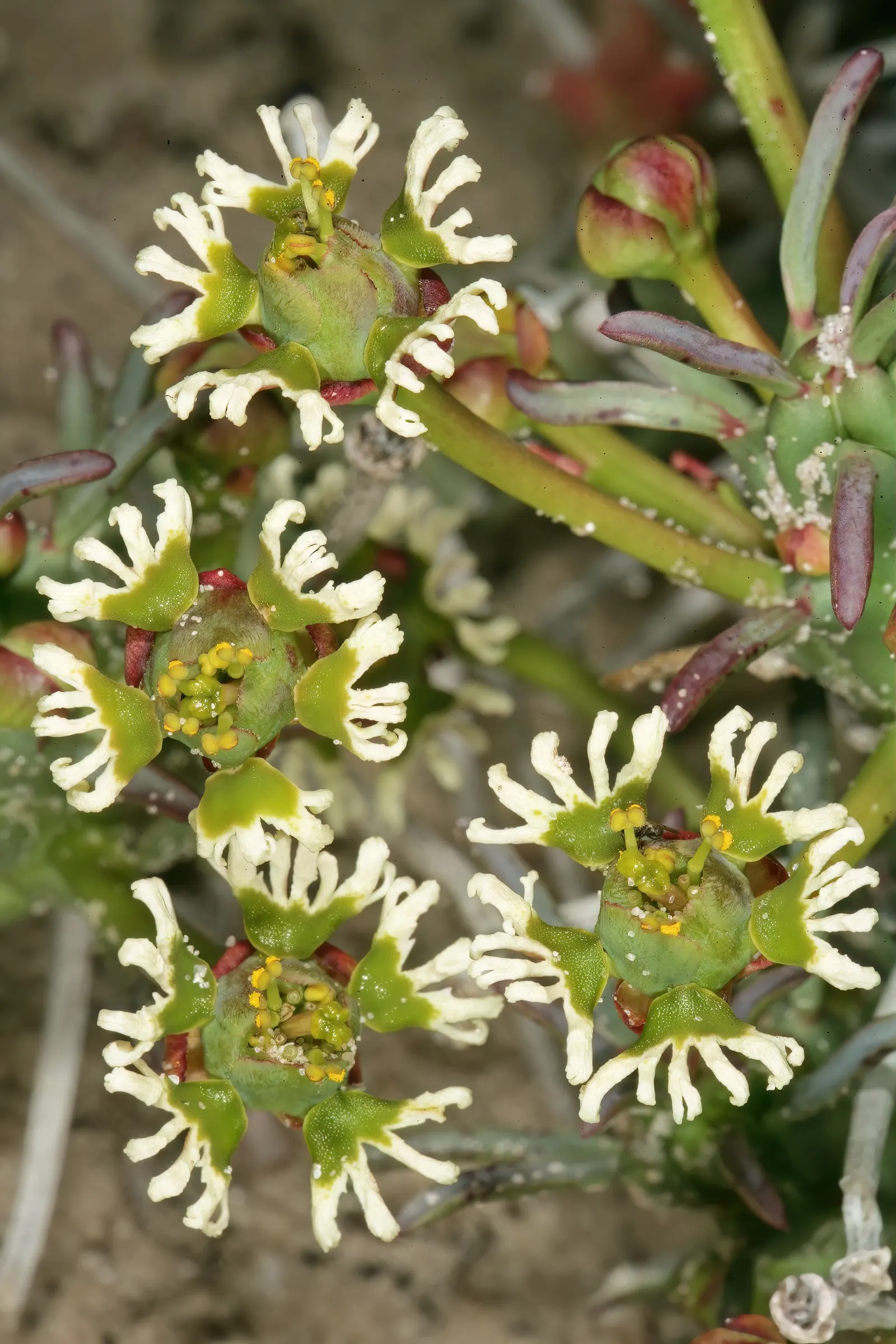
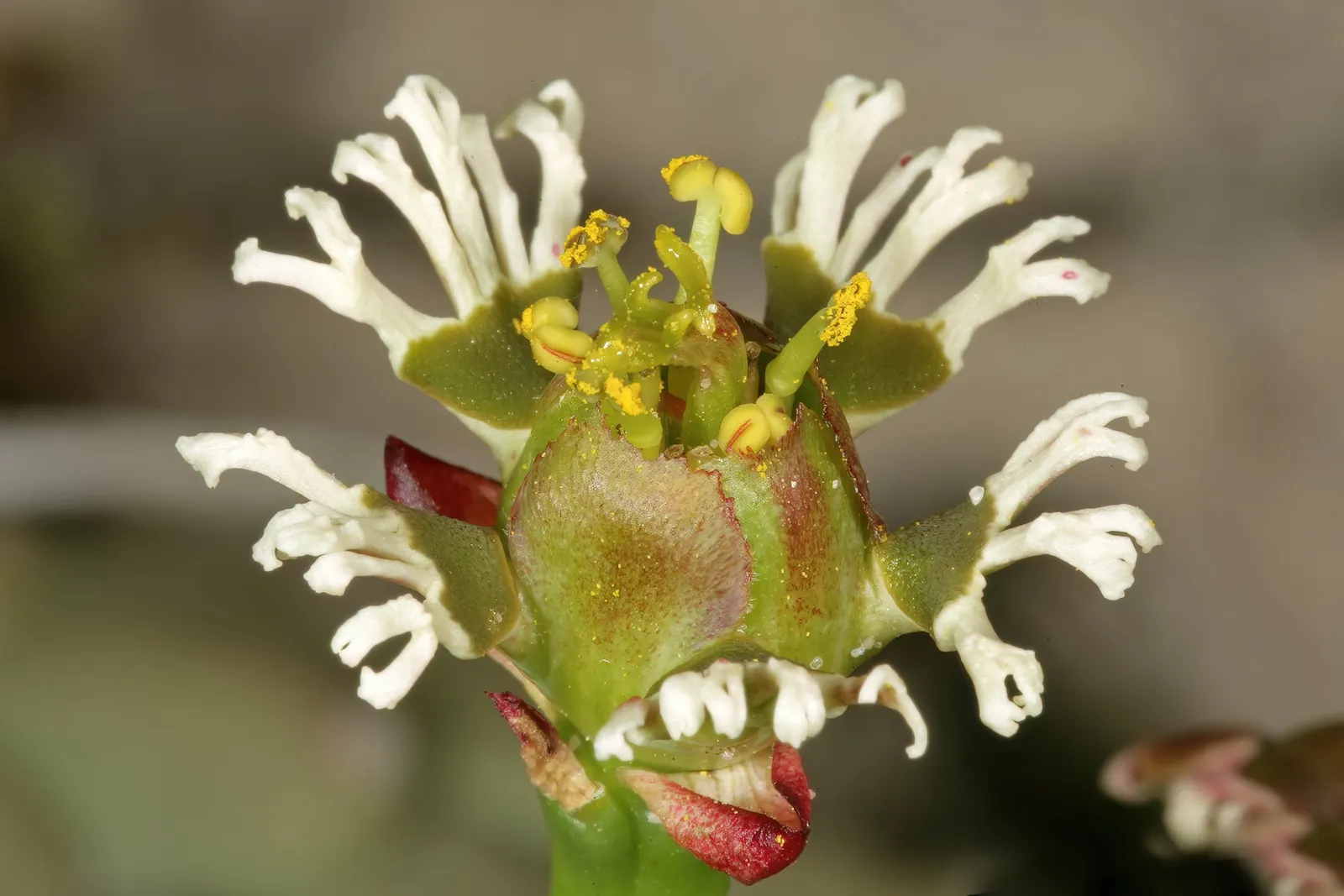
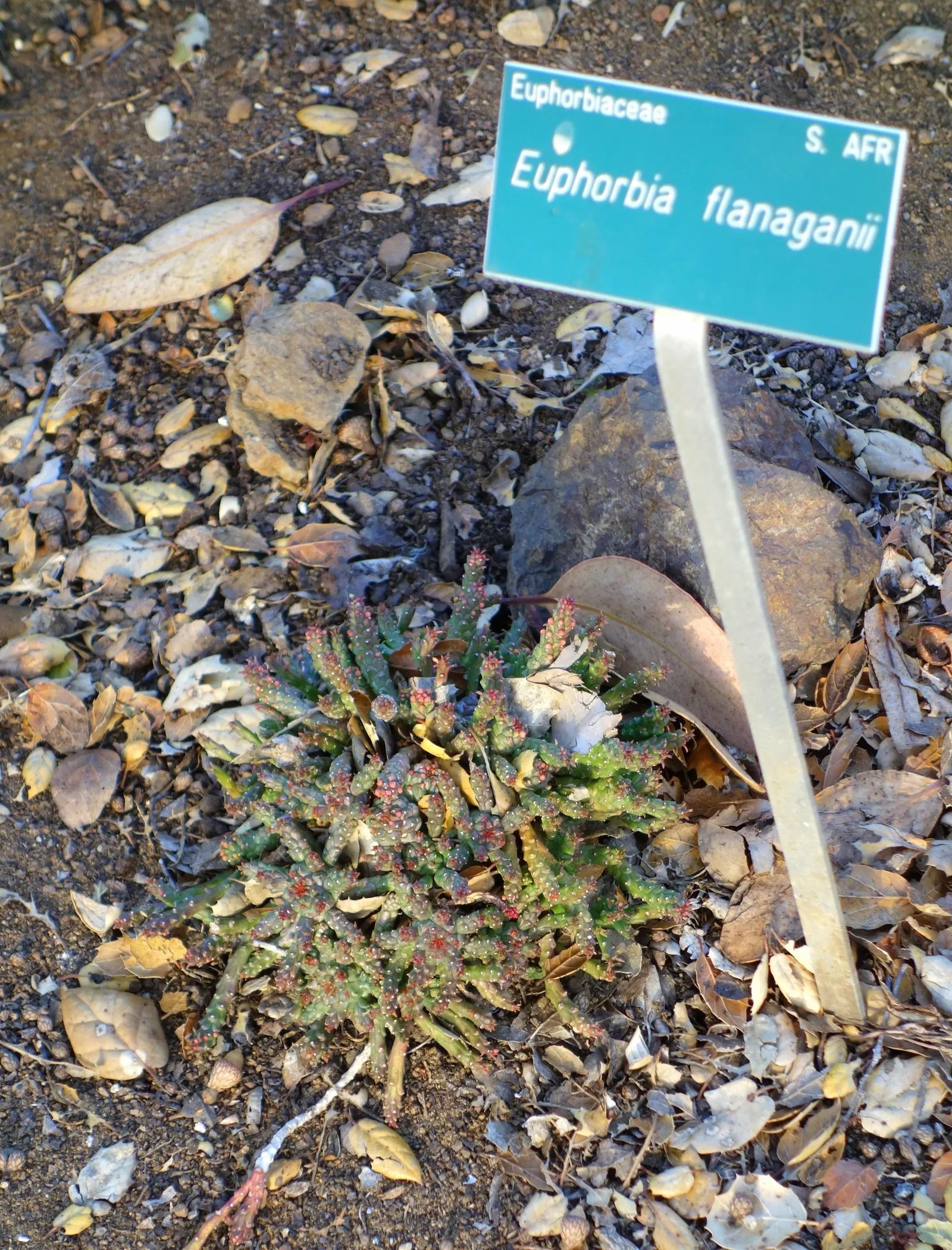
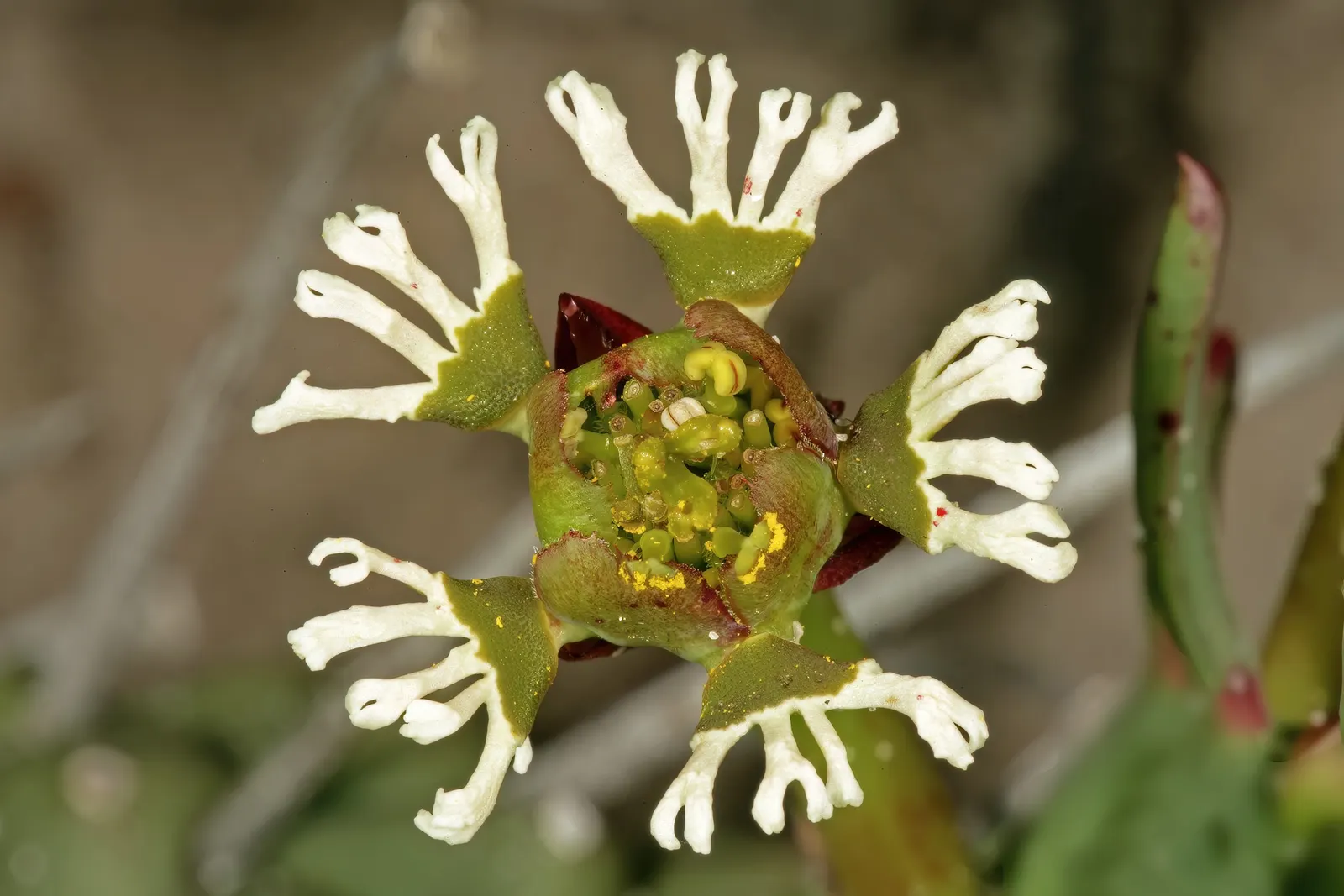
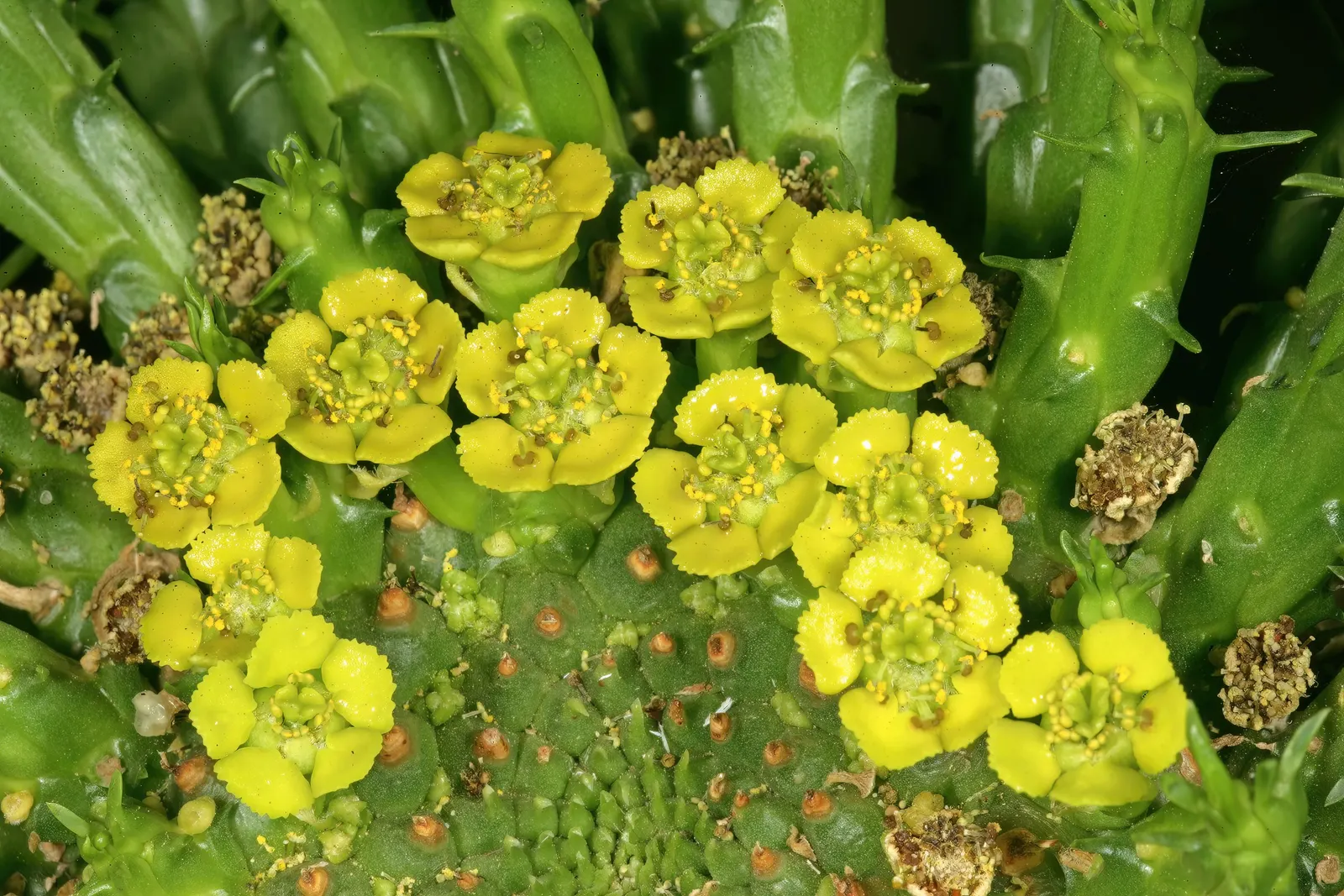
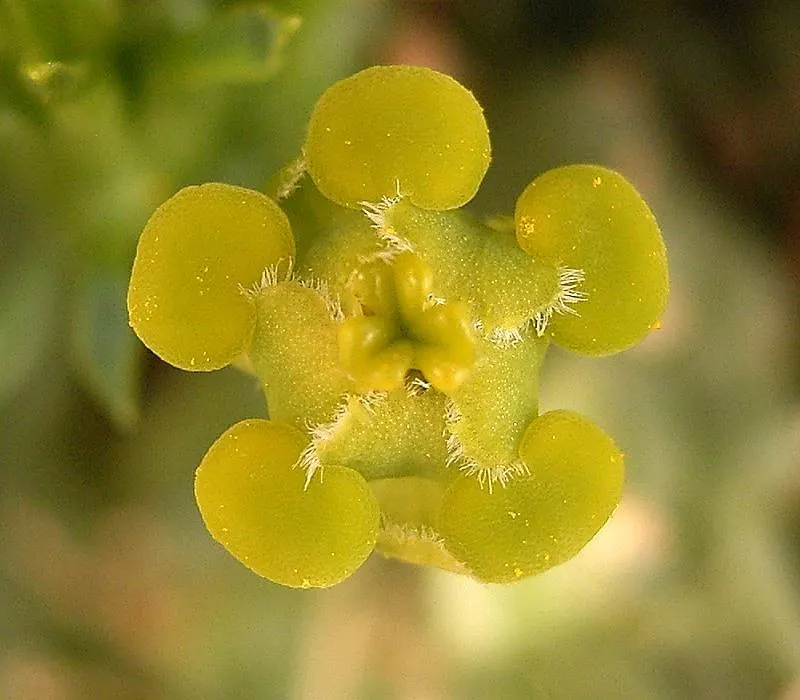
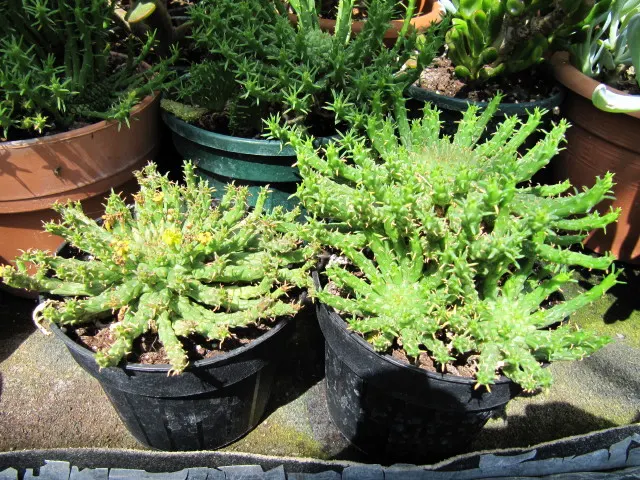
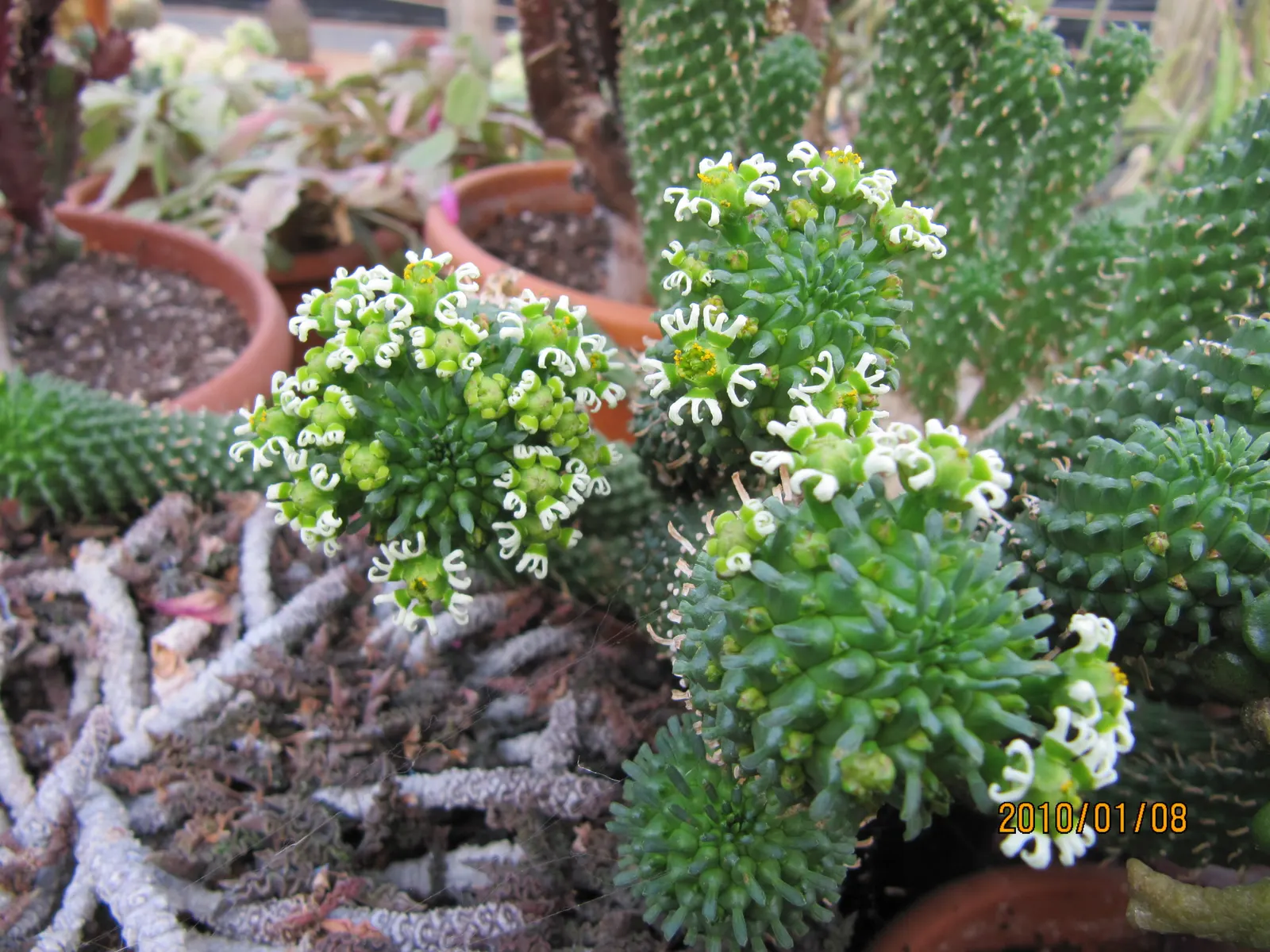
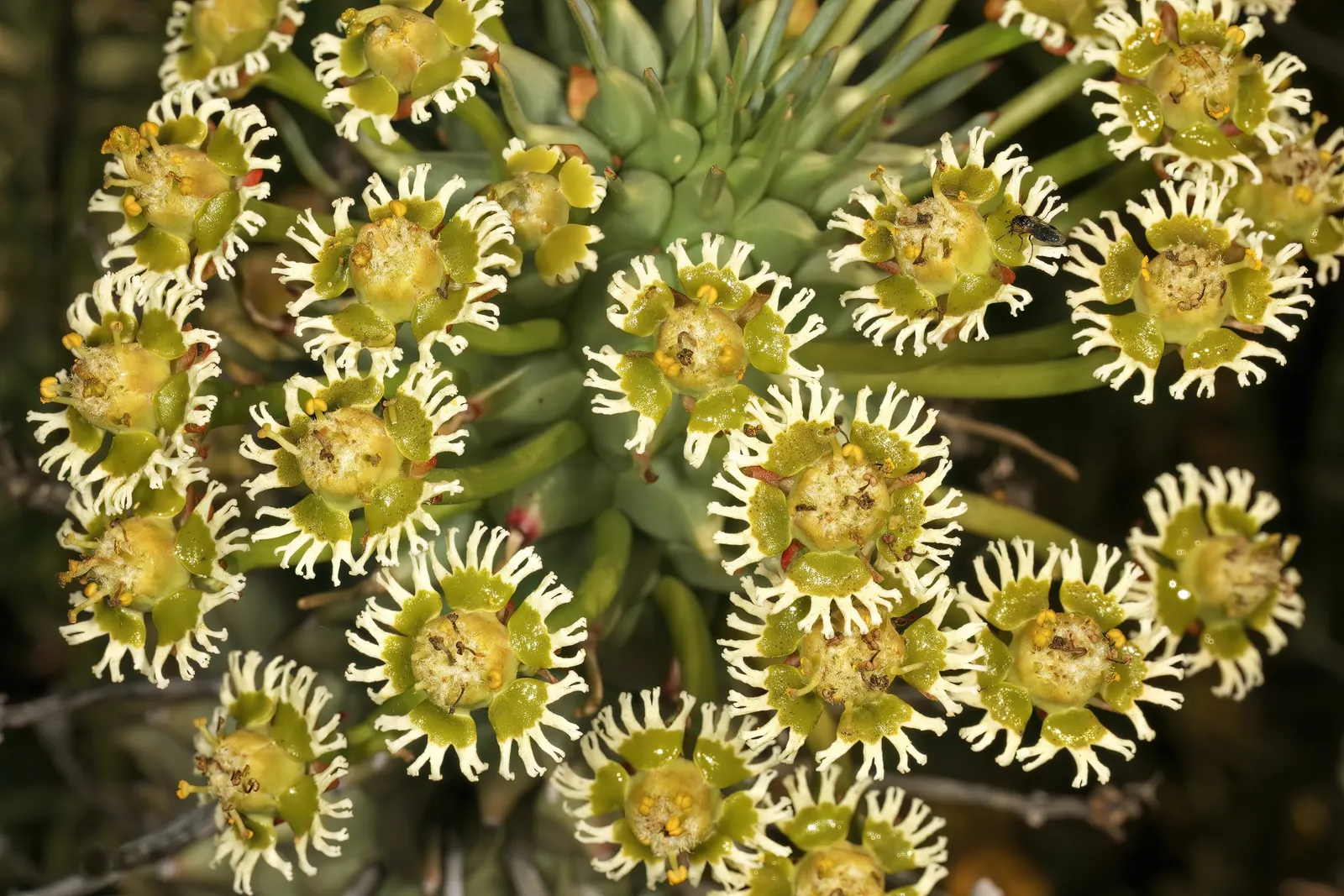
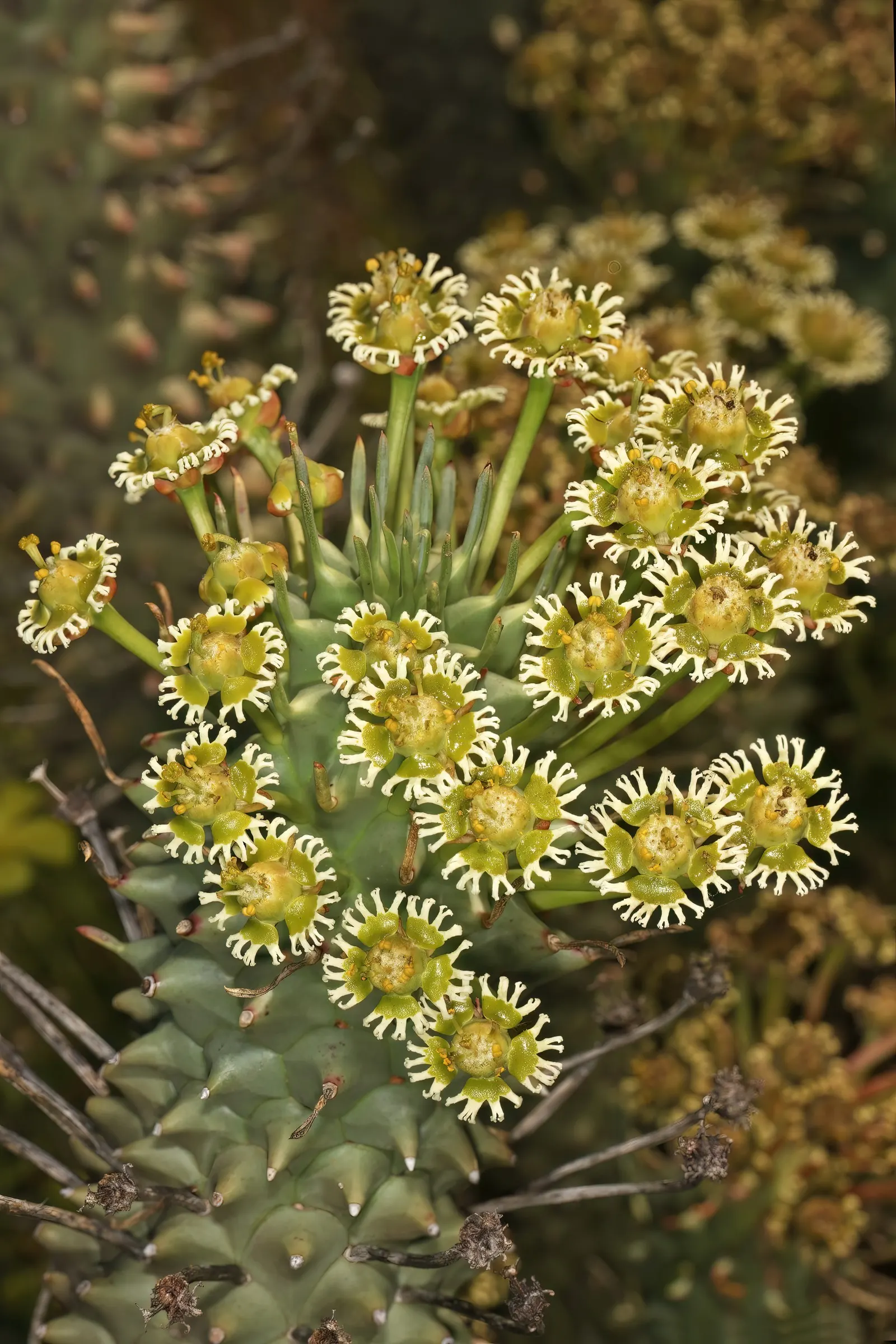
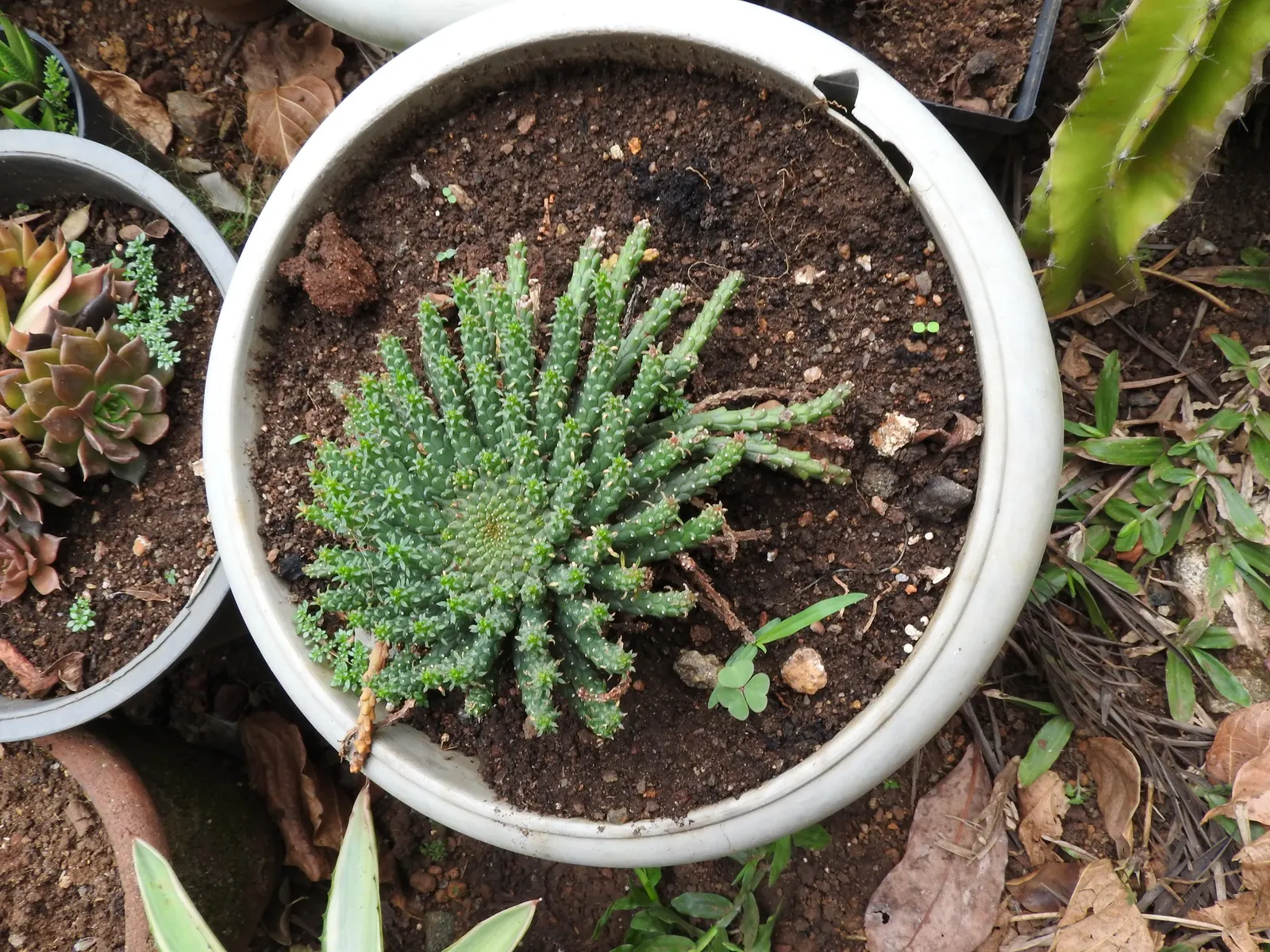
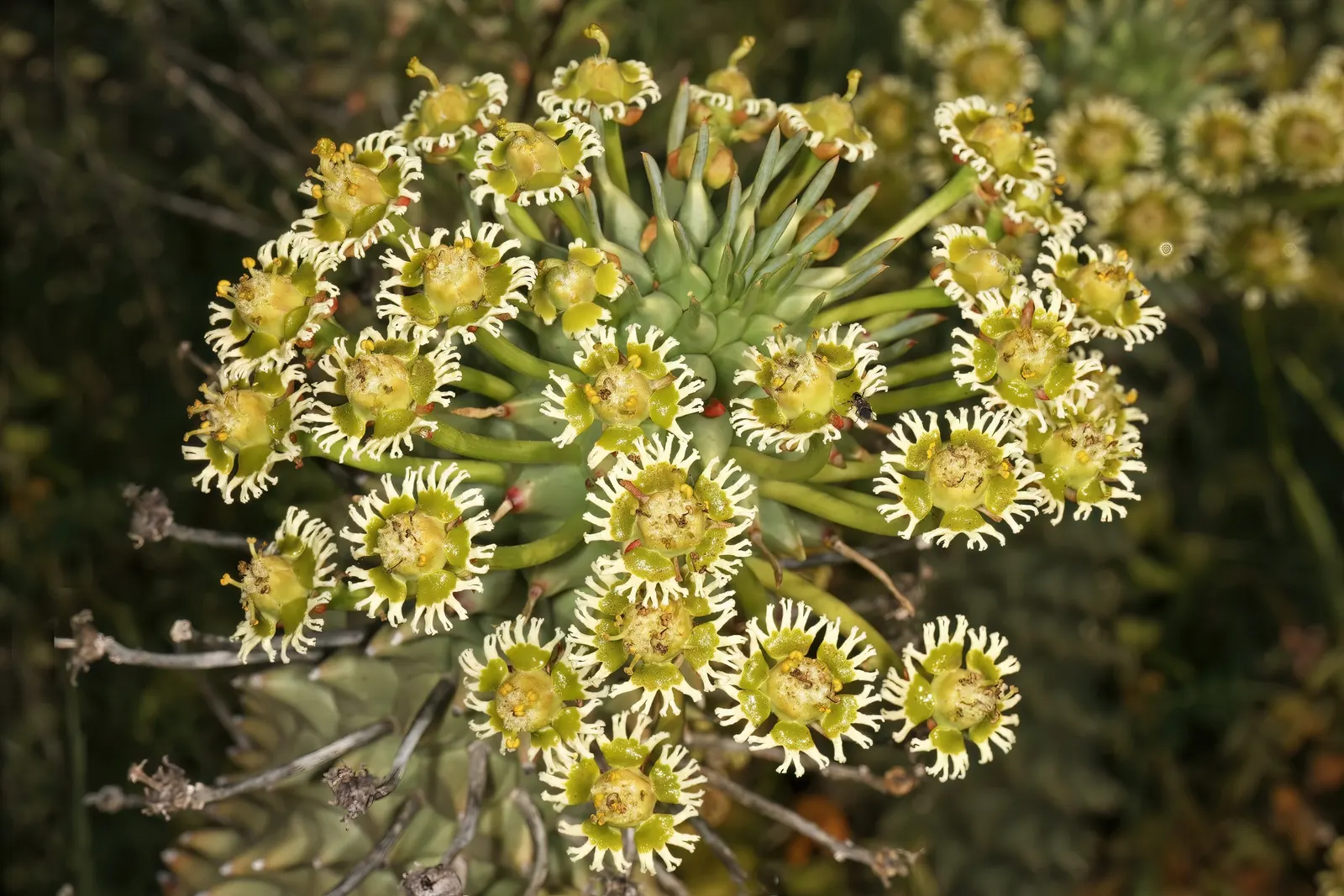
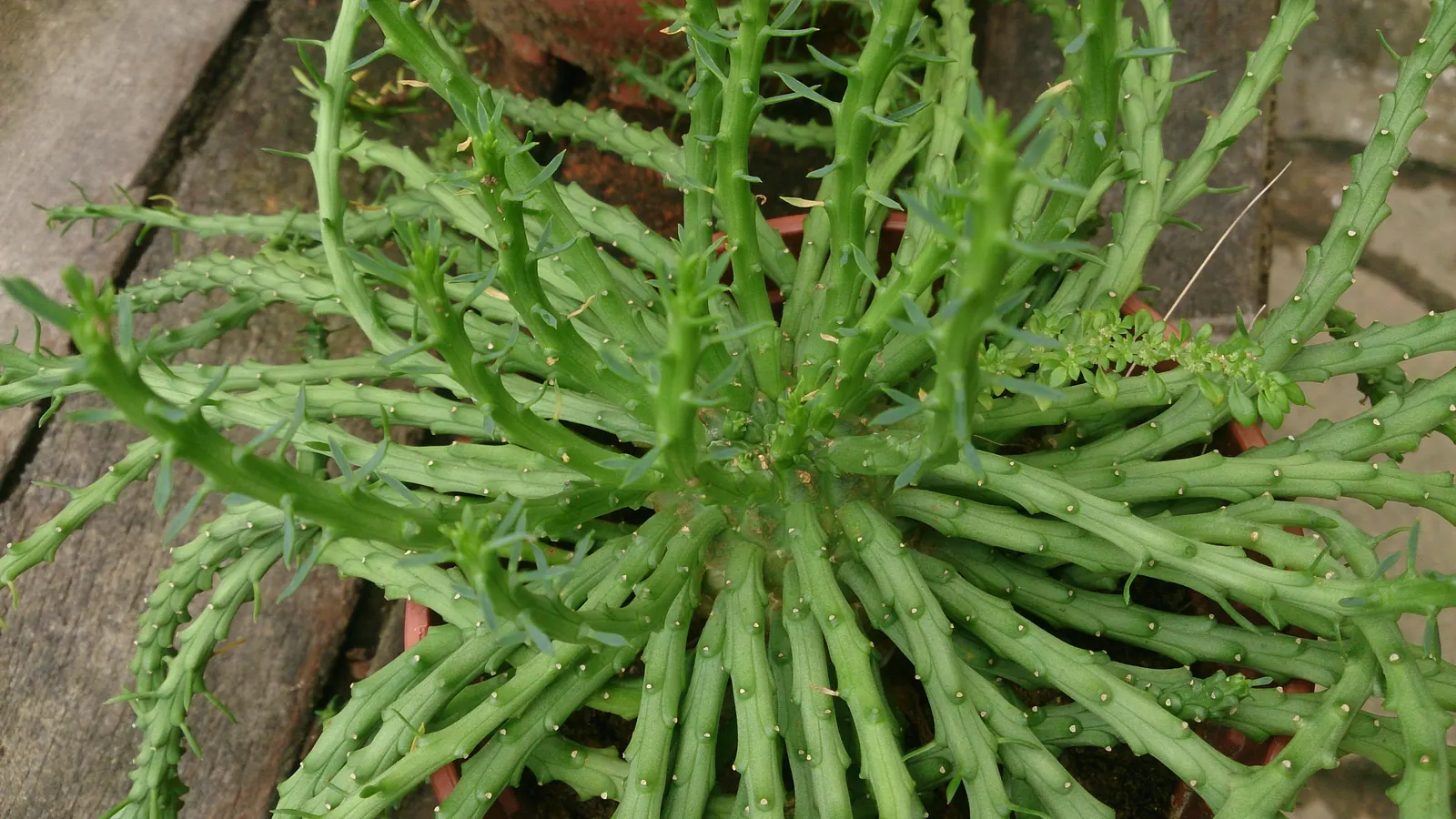
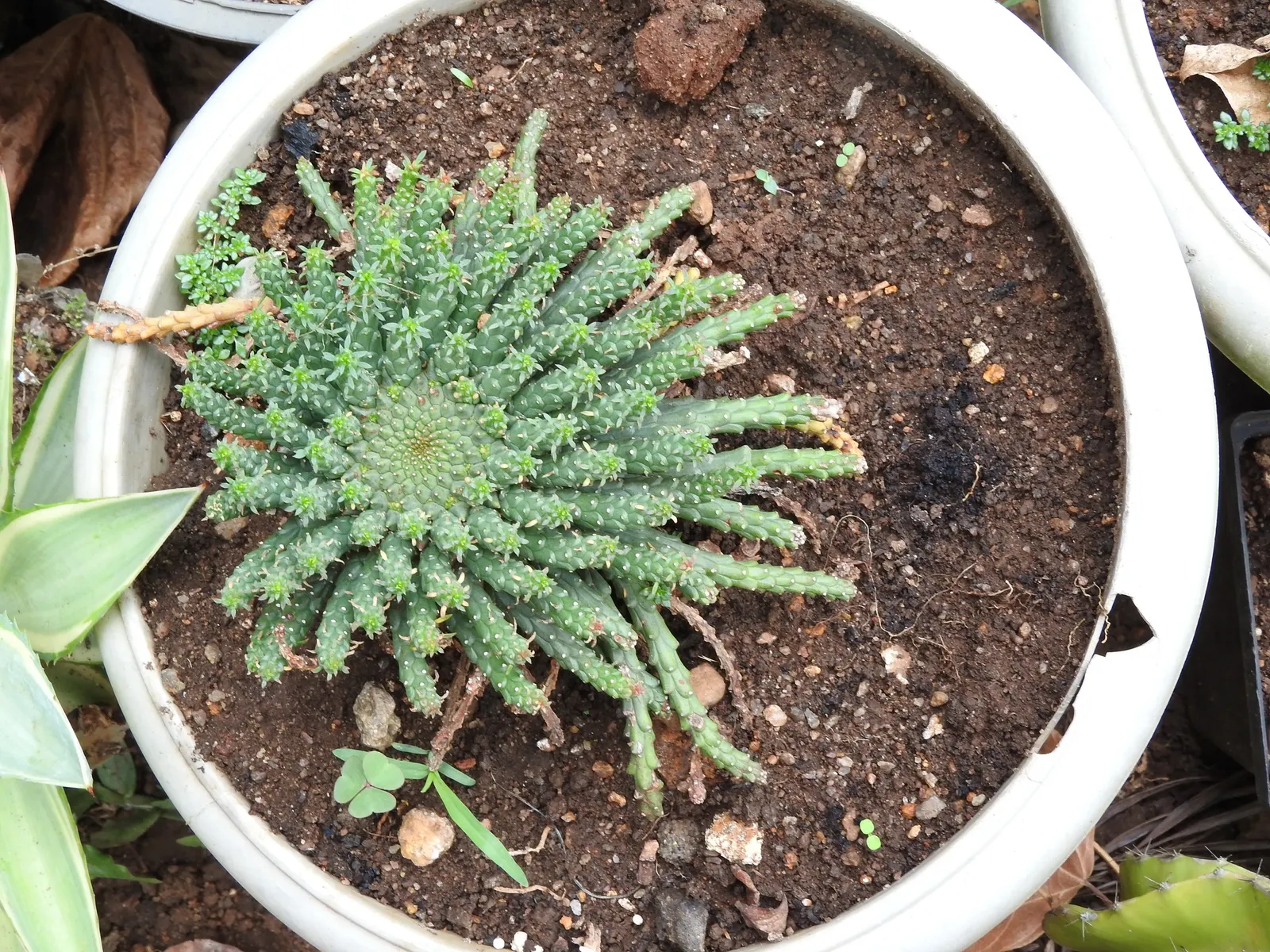
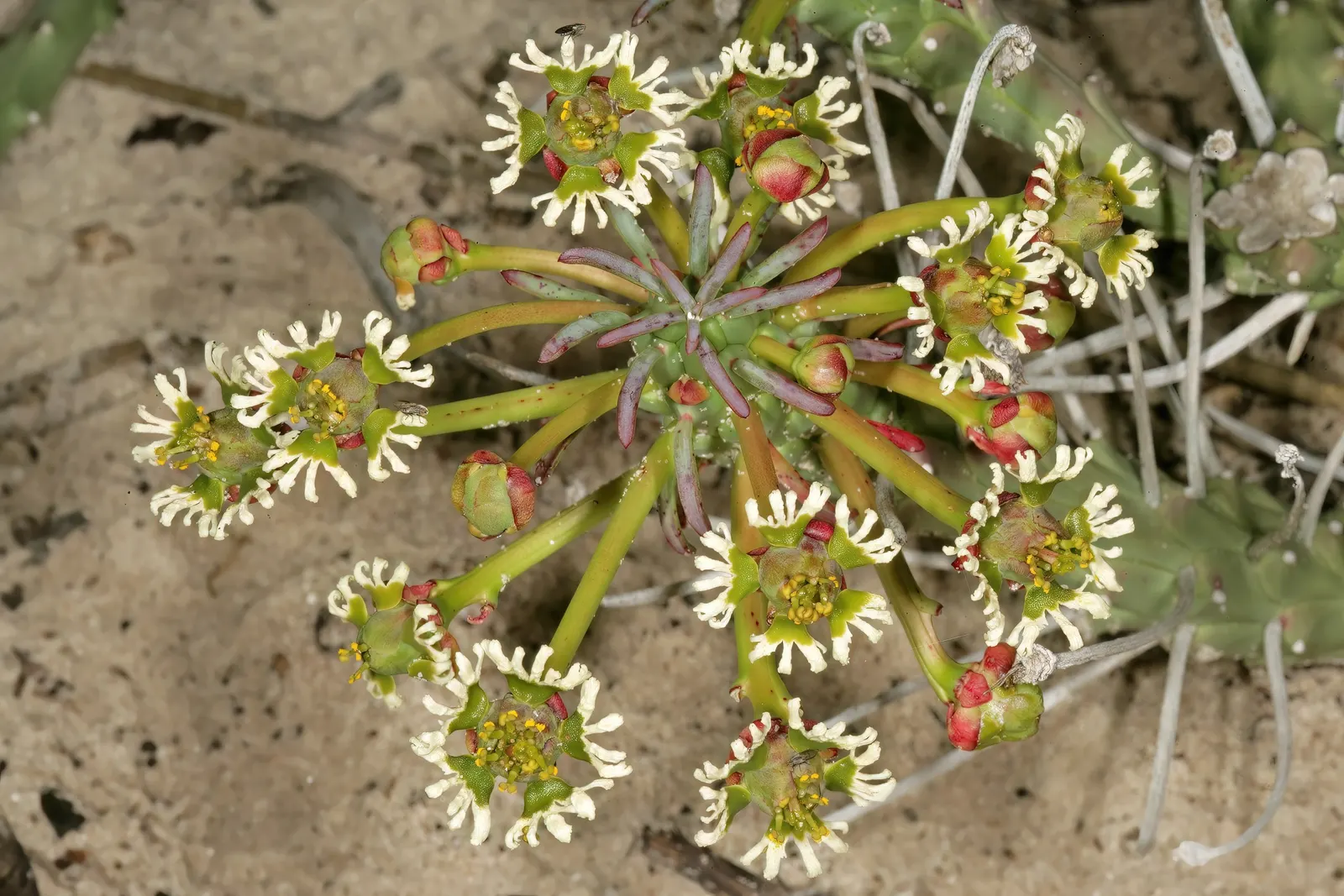
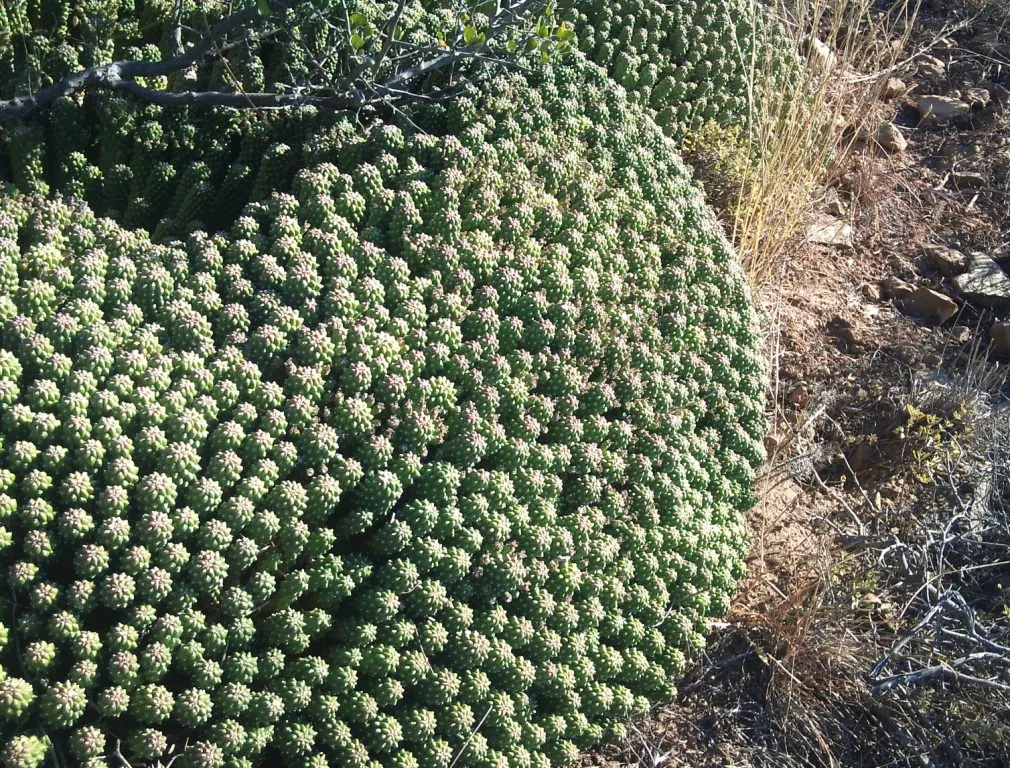
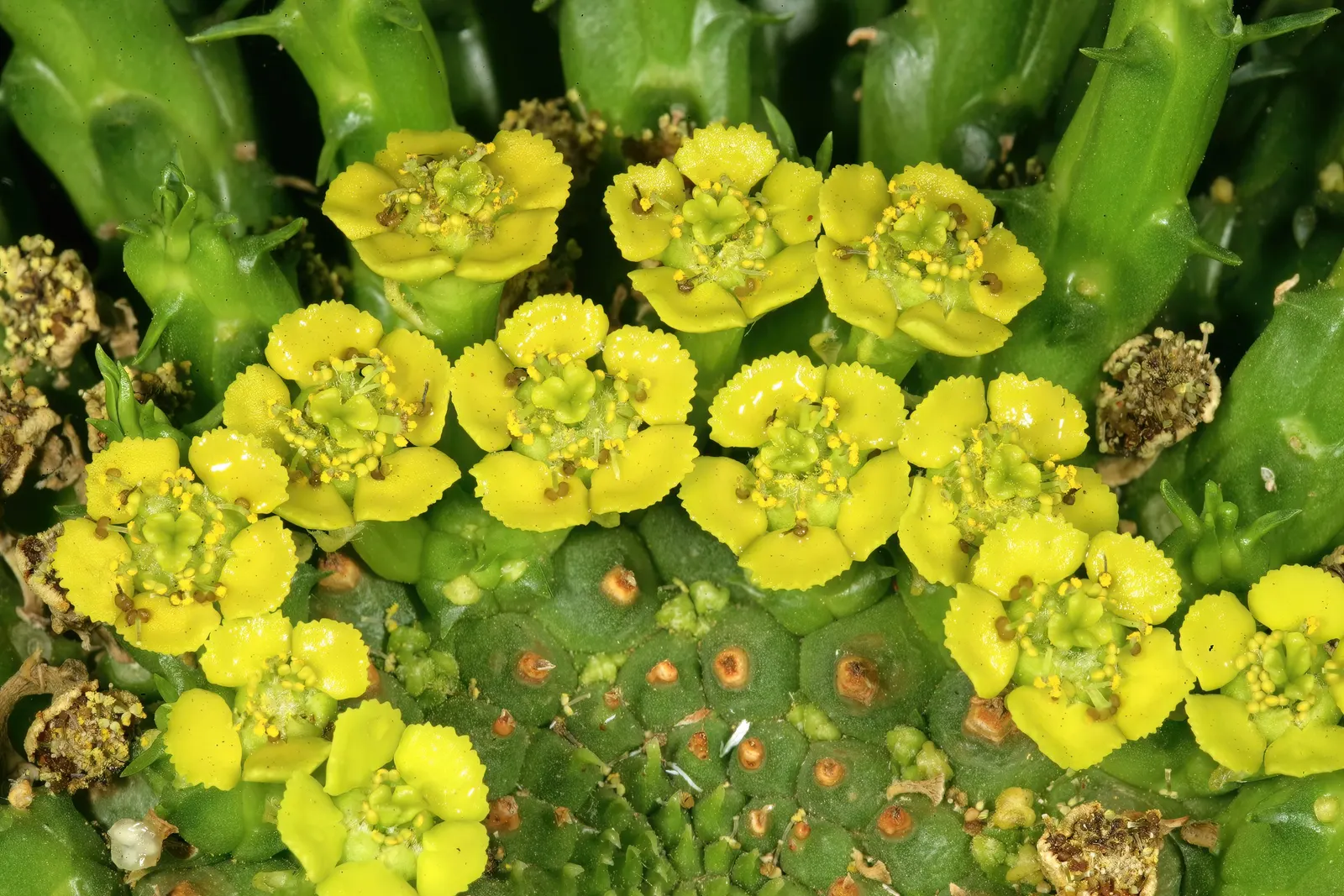
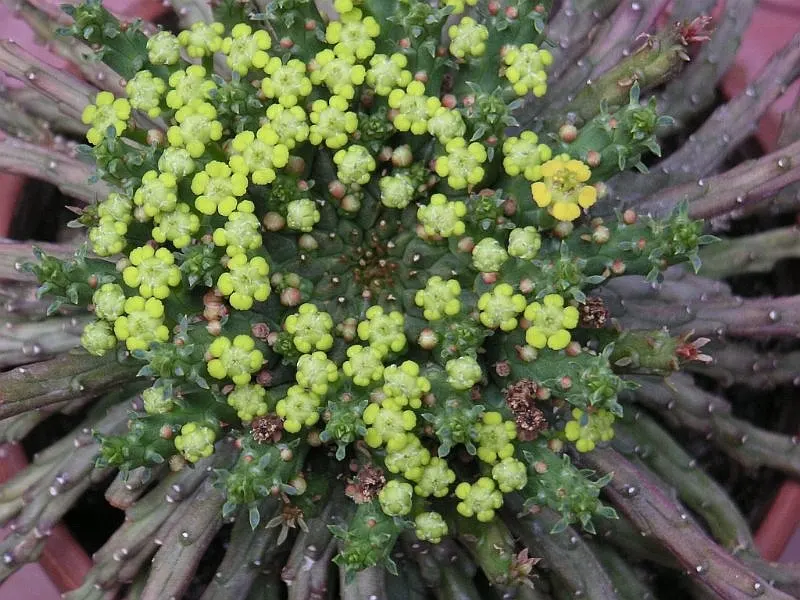
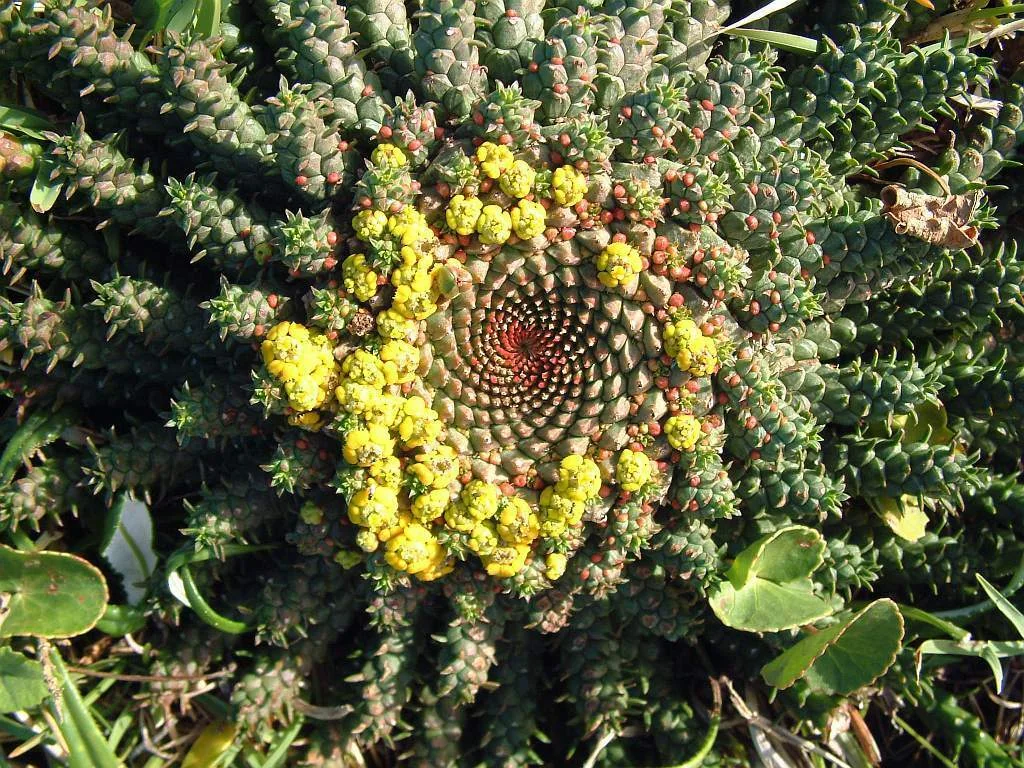
Euphorbia flanaganii, commonly known as Medusa's Head, is a unique evergreen succulent. Its fleshy, serpentine stems radiate from a central caudex, resembling the mythological Gorgon's hair, and can reach up to 12 inches across. Small, yellowish-green cyathia flowers appear in spring. Thriving in USDA zones 9-11, it requires well-drained soil with full to partial sun exposure. Handle with care, as its sap can be irritating to skin.

Sun HalfWater LowZones 10–11
Medusa's Head (Euphorbia Flanaganii) — It requires a well-draining soil medium to prevent root rot and prefers sparse watering; it is vital to note that the

Culture

Sun
Half
Water
Low
USDA zones
10–11

Shape & size

Classification

Family
Euphorbiaceae

See full data, regional cultivation notes, full-resolution photos, and design tools. Build a client presentation around this plant.

Start your 14-day trial

Photos (71)

Medusa's Head (Euphorbia Flanaganii) — and can reach up to 12 inches across; with its striking form and ease of care
Medusa's Head (Euphorbia Flanaganii) — Small, yellowish-green cyathia flowers appear in spring; resembling the mythological Gorgon's hair
Medusa's Head (Euphorbia Flanaganii) — Thriving in USDA zones 9-11, it requires well-drained soil with full to partial sun exposure; typically 2 to 4 inches in
Medusa's Head (Euphorbia Flanaganii) — and can reach up to 12 inches across; with its striking form and ease of care, image 62
Medusa's Head (Euphorbia Flanaganii) — Handle with care, as its sap can be irritating to skin; making it well-suited for xeriscaping or low-water gardens
Medusa's Head (Euphorbia Flanaganii) — intriguingly nicknamed Medusa's Head; and it should be placed away from high-traffic areas
Medusa's Head (Euphorbia Flanaganii) — This perennial plant features a central; serpentine stems radiate from a central caudex
Medusa's Head (Euphorbia Flanaganii) — typically 2 to 4 inches in diameter; this perennial plant features a central
Medusa's Head (Euphorbia Flanaganii) — from which numerous slender; it requires a well-draining soil medium to prevent root rot and prefers sparse watering
Medusa's Head (Euphorbia Flanaganii) — green arms radiate outward; so gloves should be worn when handling it
Medusa's Head (Euphorbia Flanaganii) — reaching lengths of up to 18 inches; euphorbia flanaganii, commonly known as Medusa's Head, is a unique evergreen
Medusa's Head (Euphorbia Flanaganii) — Medusa's Head is optimally suited for USDA hardiness zones 9 to 11; intriguingly nicknamed Medusa's Head
Medusa's Head (Euphorbia Flanaganii) — thriving best in full sun to partial shade, image 44
Medusa's Head (Euphorbia Flanaganii) — it may produce small greenish-yellow flowers at the tips of its arms; handle with care, as its sap can be irritating to
Medusa's Head (Euphorbia Flanaganii) — consider its drought tolerance and sculptural form; medusa's Head is optimally suited for USDA hardiness zones 9 to 11
Medusa's Head (Euphorbia Flanaganii) — It is perfect for rock gardens; or as an individual focal point in a minimalist composition
Medusa's Head (Euphorbia Flanaganii) — resembling the mythological Gorgon's hair; it may produce small greenish-yellow flowers at the tips of its, image 61
Medusa's Head (Euphorbia Flanaganii) — or as an individual focal point in a minimalist composition; succulent with yellow blooms
Medusa's Head (Euphorbia Flanaganii) — It is vital to note that the plant's sap is toxic and can cause skin irritation; thriving in USDA zones 9-11, it
Medusa's Head (Euphorbia Flanaganii) — from which numerous slender; it requires a well-draining soil medium to prevent root rot and prefers sparse, image 69
Medusa's Head (Euphorbia Flanaganii) — green arms radiate outward; so gloves should be worn when handling it, image 70
Medusa's Head (Euphorbia Flanaganii) — reaching lengths of up to 18 inches; euphorbia flanaganii, commonly known as Medusa's Head, is a unique, image 71
Medusa's Head (Euphorbia Flanaganii) — typically 2 to 4 inches in diameter; this perennial plant features a central, image 68

Related plants