Skip to content

Diamond Snow® Euphorbia

Euphorbia

Design with this plant

Overview

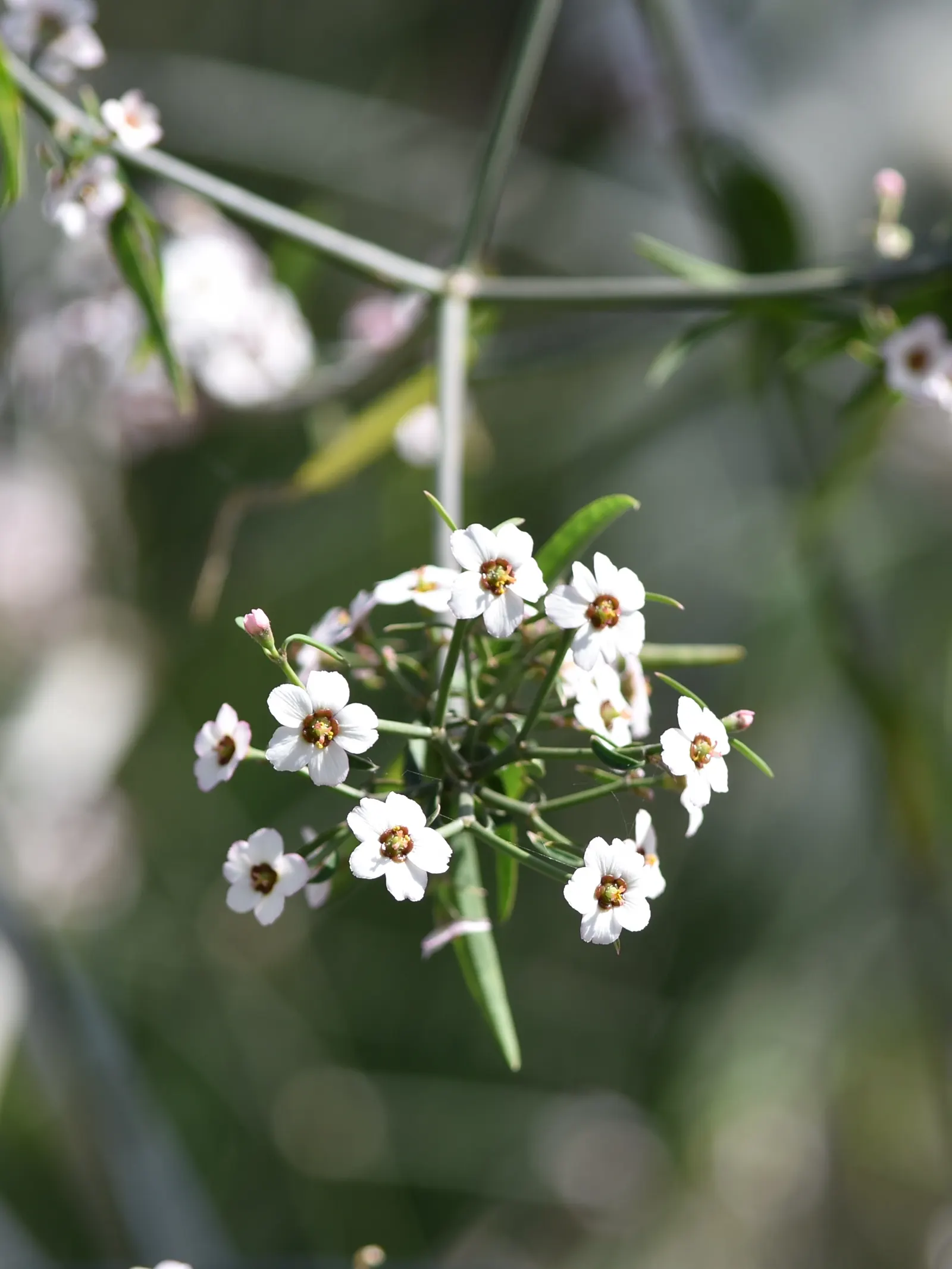
The Euphorbia Diamond Snow® is a compact Proven Winners® annual with airy clouds of tiny white flowers over fresh green foliage. It forms a tidy mound 12-18 inches tall and wide, blooming from planting to frost. Grow in part sun to sun with average, well-drained soil and moderate water; it is heat tolerant, self-cleaning, and excellent in containers or mass plantings. Hardy in USDA Zones 10a-11b.

Water Medium
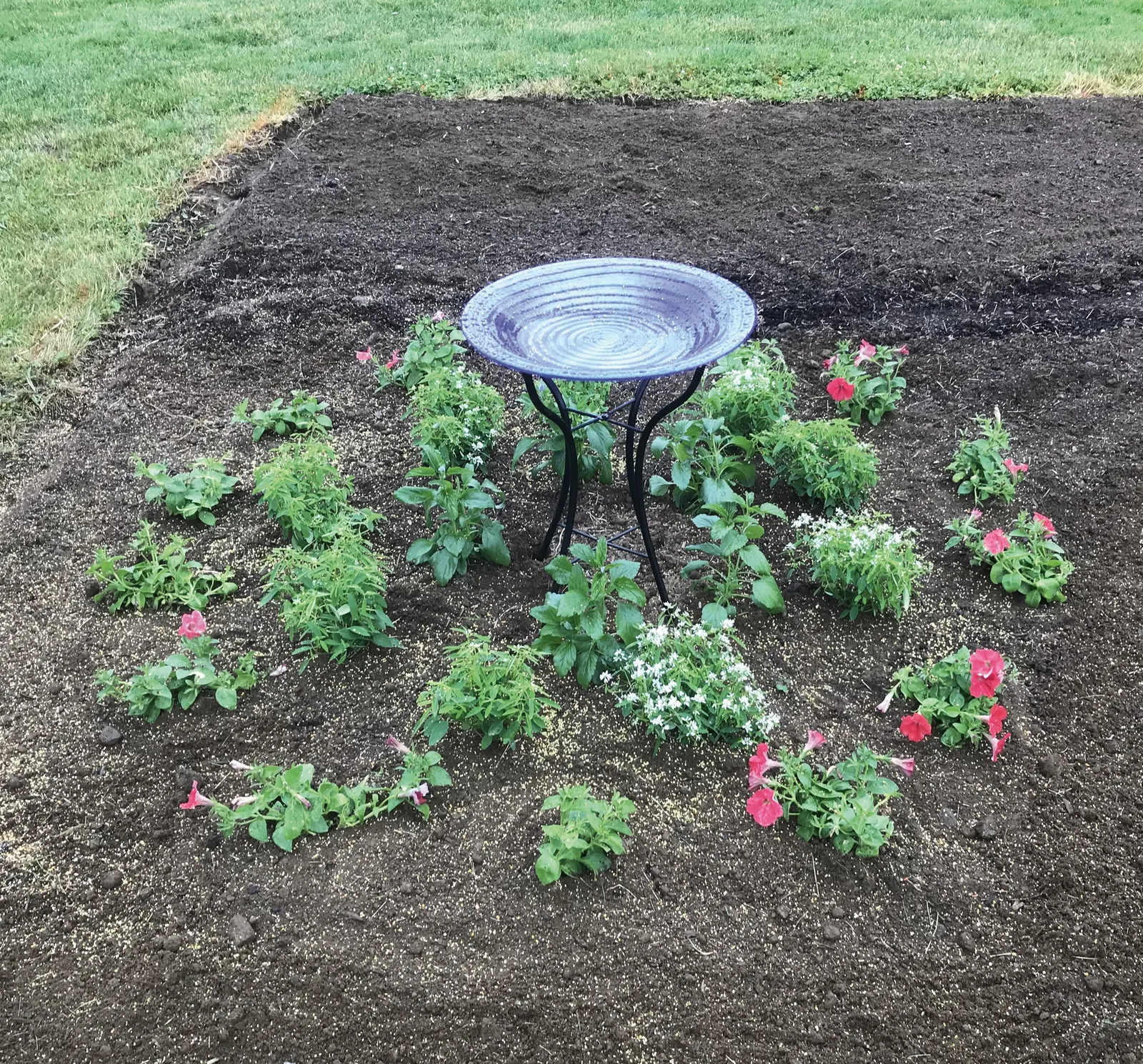
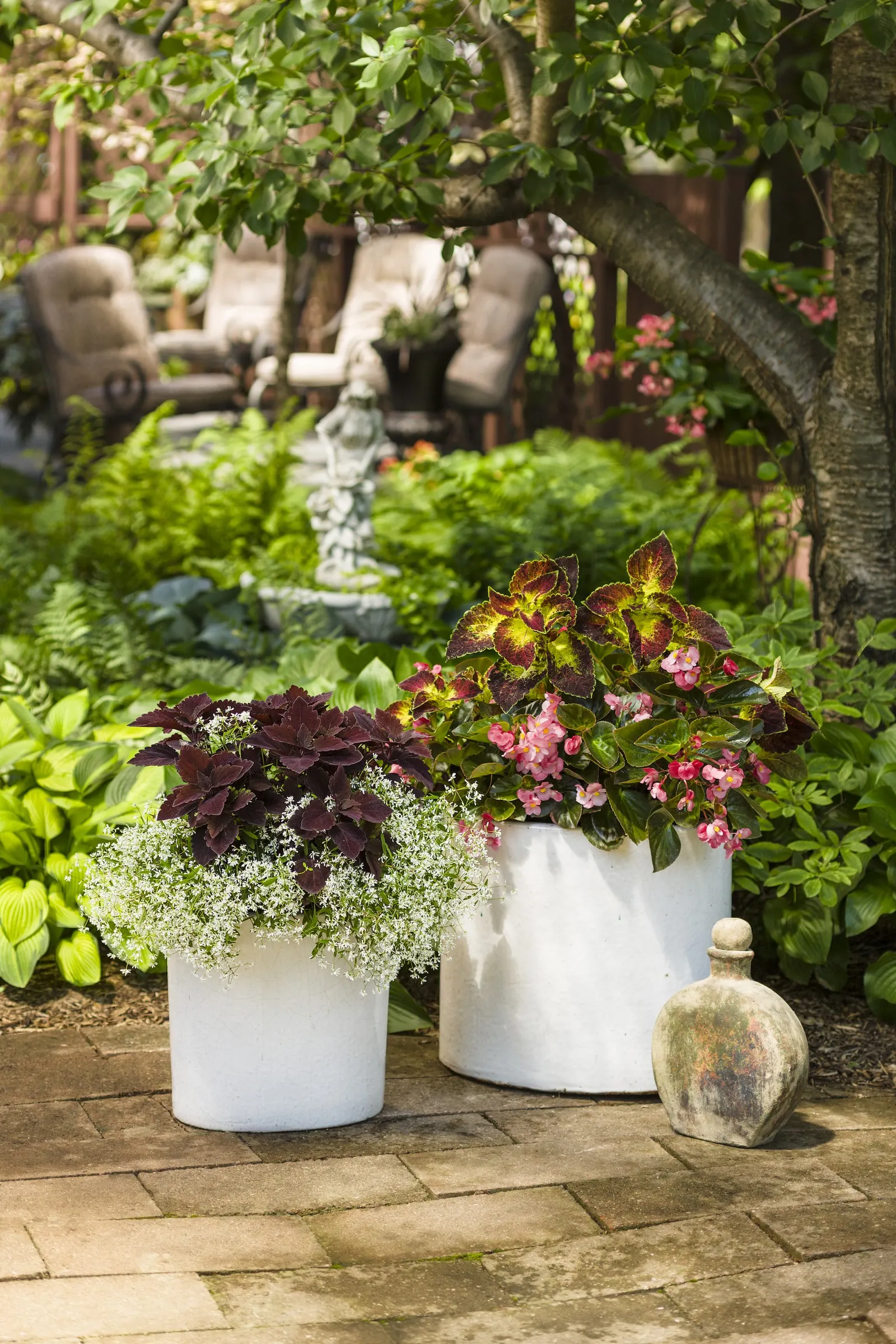
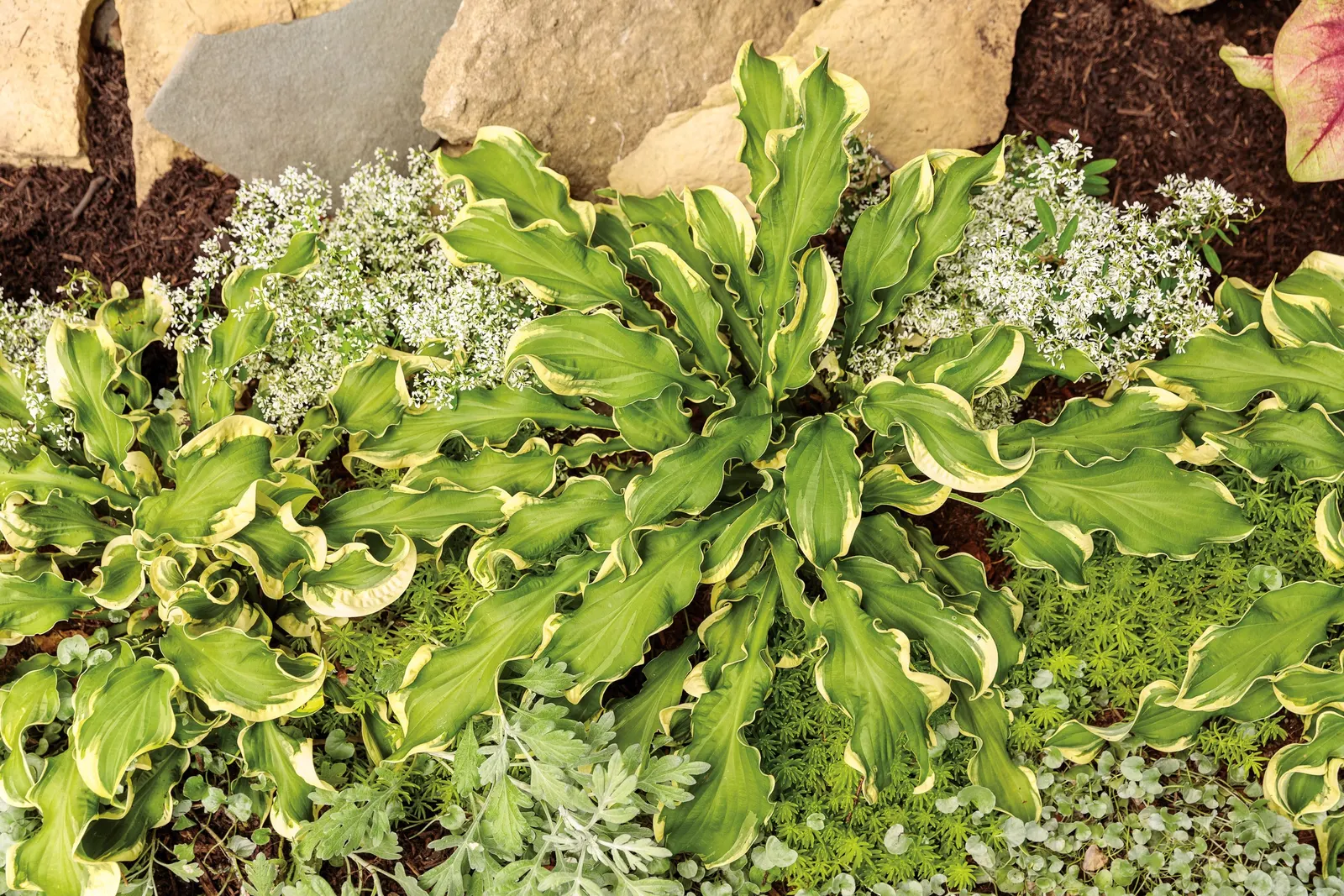
Diamond Snow® Euphorbia — It forms a tidy mound 12-18 inches tall and wide, blooming from planting to frost

Culture

Water
Medium

Shape & size

Mature height
1–1.5 Ft.
Mature width
1–1.5 Ft.

Classification

Family
Euphorbiaceae

See full data, regional cultivation notes, full-resolution photos, and design tools. Build a client presentation around this plant.

Start your 14-day trial

Photos (129)

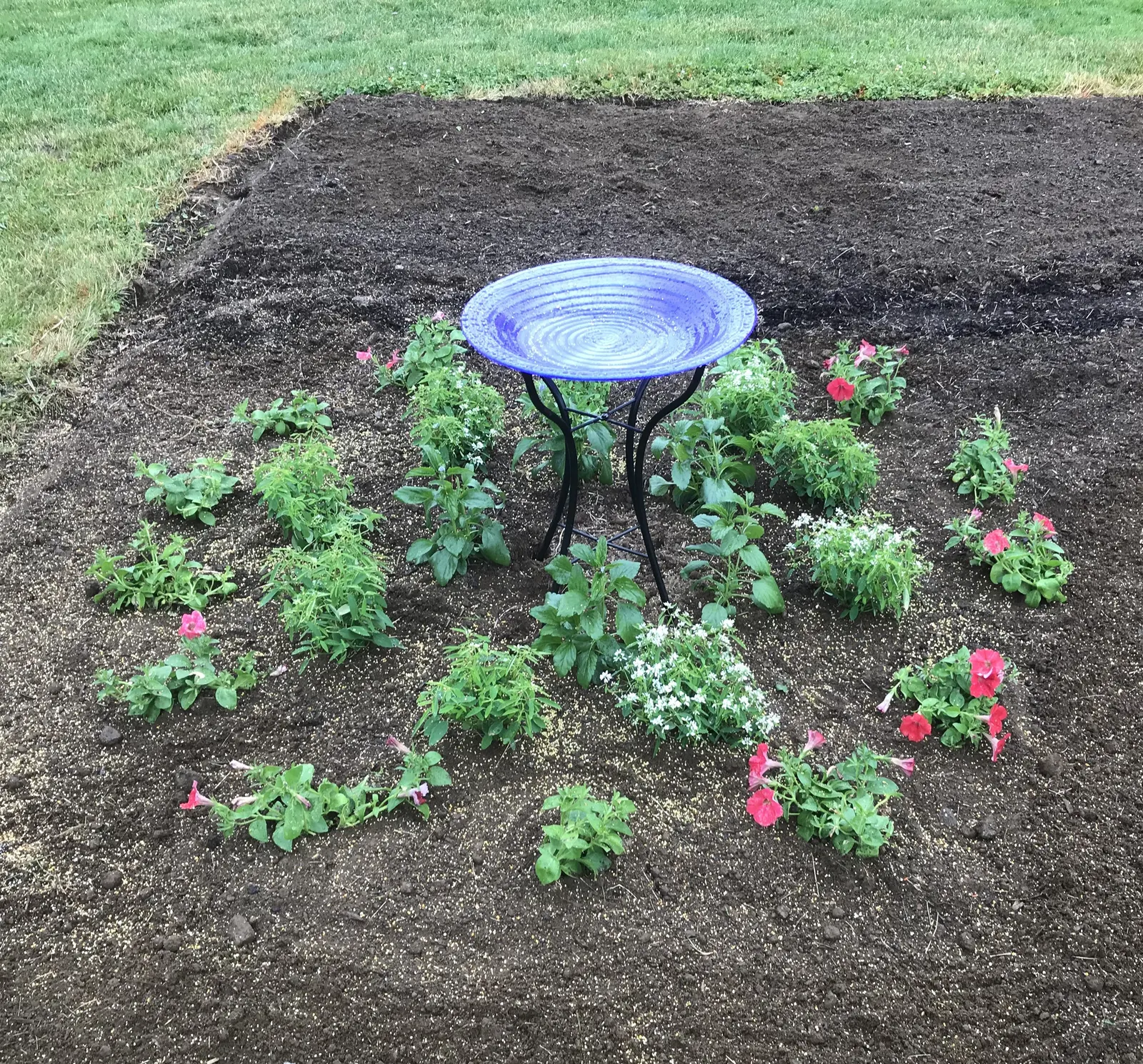
Diamond Snow® Euphorbia — well-drained soil with average moisture; the plant maintains a clean
Diamond Snow® Euphorbia — Gardeners frequently note its steady performance through summer heat and fluctuating conditions; the Euphorbia Diamond Snow®
Diamond Snow® Euphorbia — but is most often grown as a long-blooming annual in temperate gardens; cloud-like texture that ties bolder colors together with ease
Diamond Snow® Euphorbia — and trimming is optional if a tighter shape is desired; frothy presence in the garden—delicate in appearance
Diamond Snow® Euphorbia — Its maintenance needs are refreshingly minimal; it does not require deadheading; well-drained soil and moderate water; it is heat
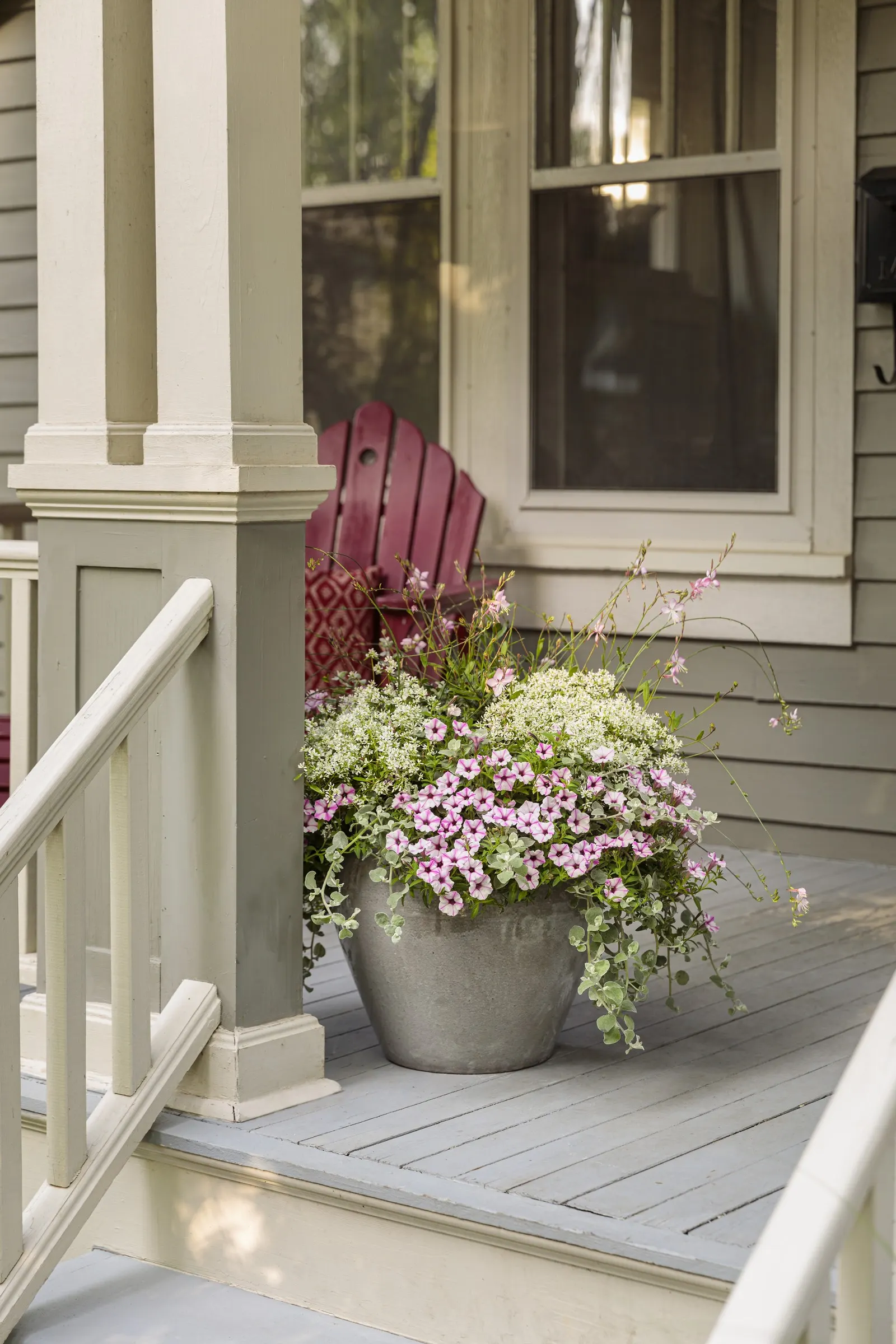
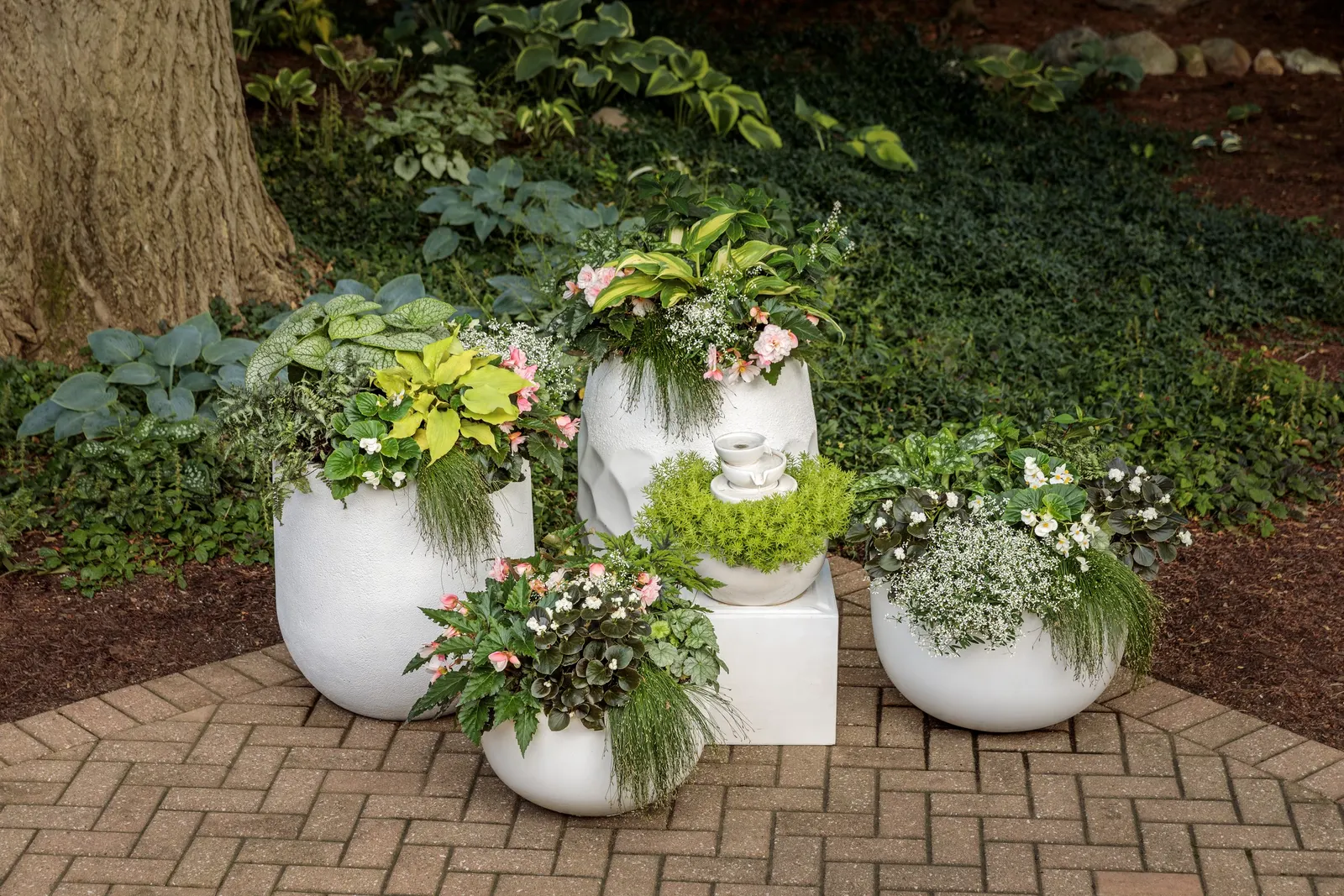
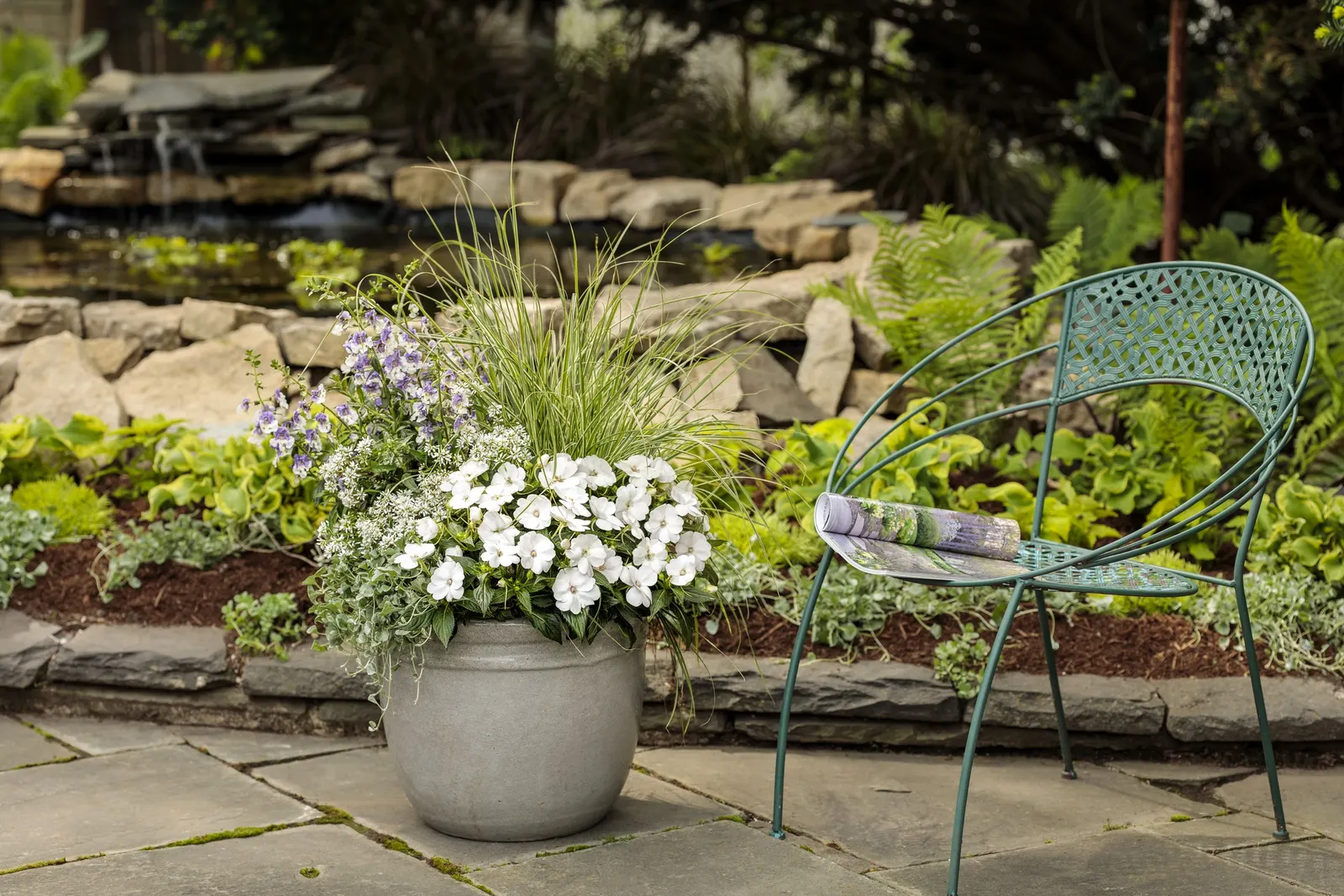
Diamond Snow® Euphorbia — though container plantings benefit from regular watering and light feeding to sustain their lush; diamond Snow® is a graceful filler
Diamond Snow® Euphorbia — it shows excellent heat and drought tolerance; well-drained soil with average moisture
Diamond Snow® Euphorbia — cut stems may release a milky latex sap; hardy in USDA Zones 10a to 11b
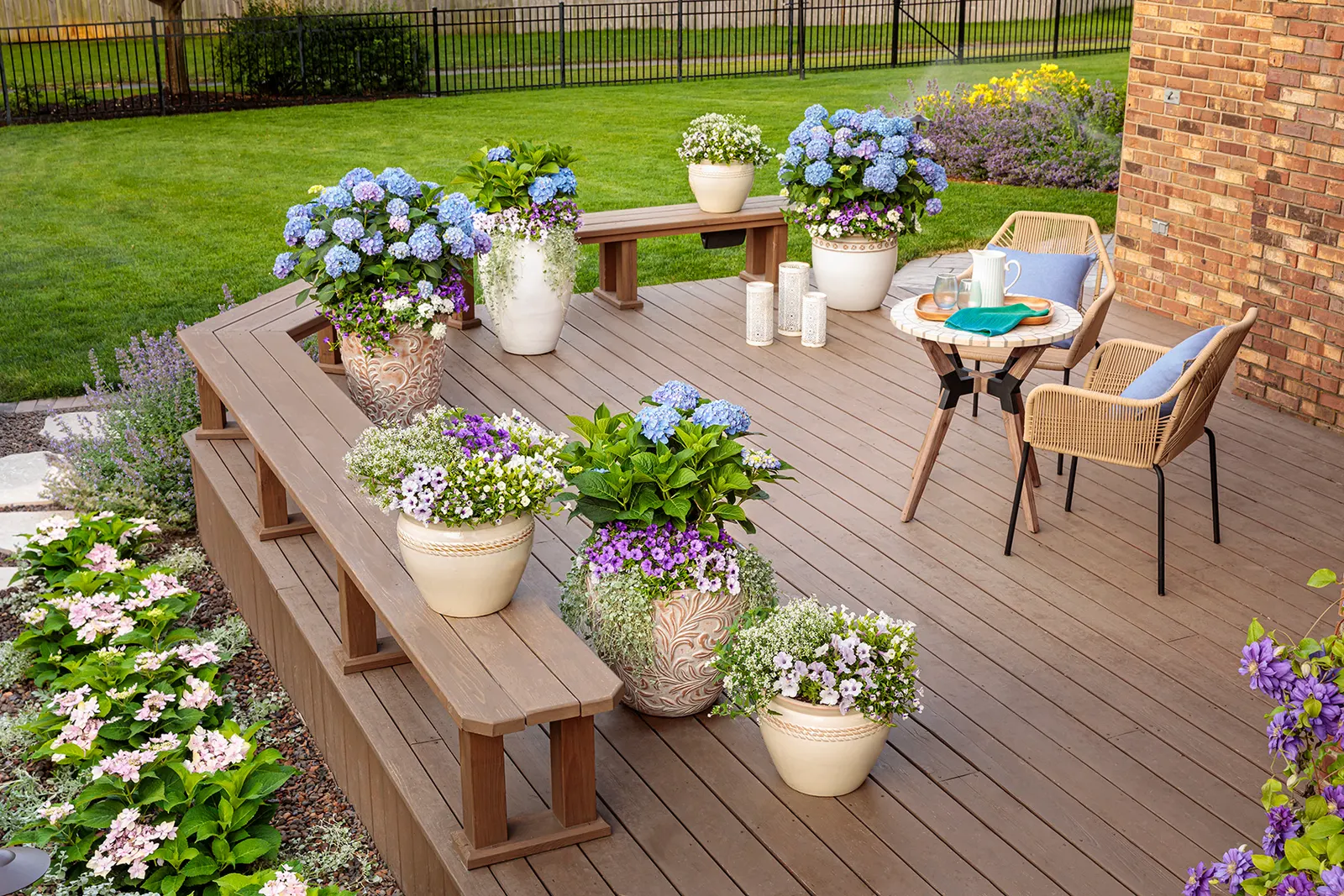
Diamond Snow® Euphorbia — Diamond Snow® is a graceful filler for mixed containers; white flowers in the garden
Diamond Snow® Euphorbia — so sensitive gardeners should handle with care.<br><br>In design; and trimming is optional if a tighter shape is desired
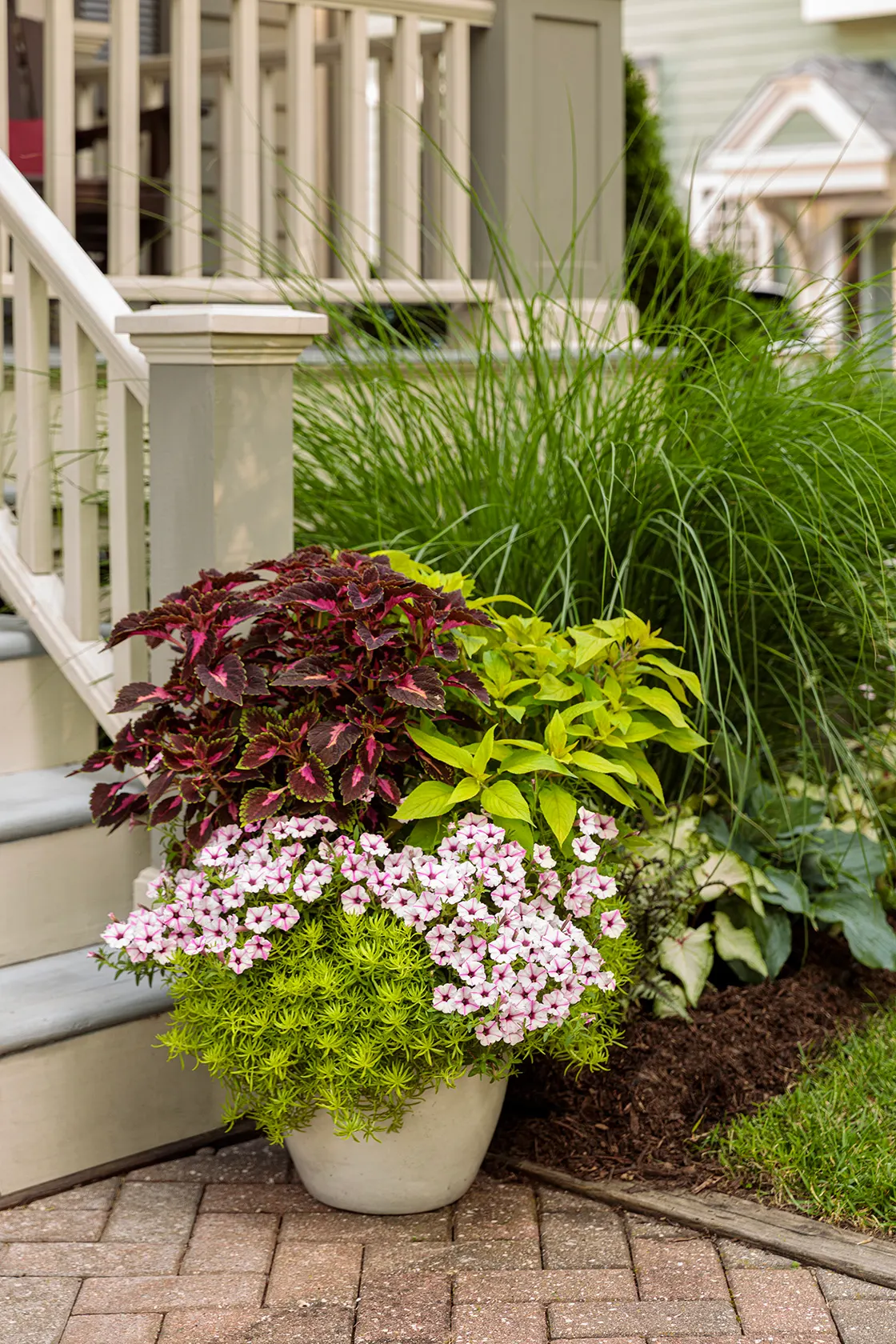
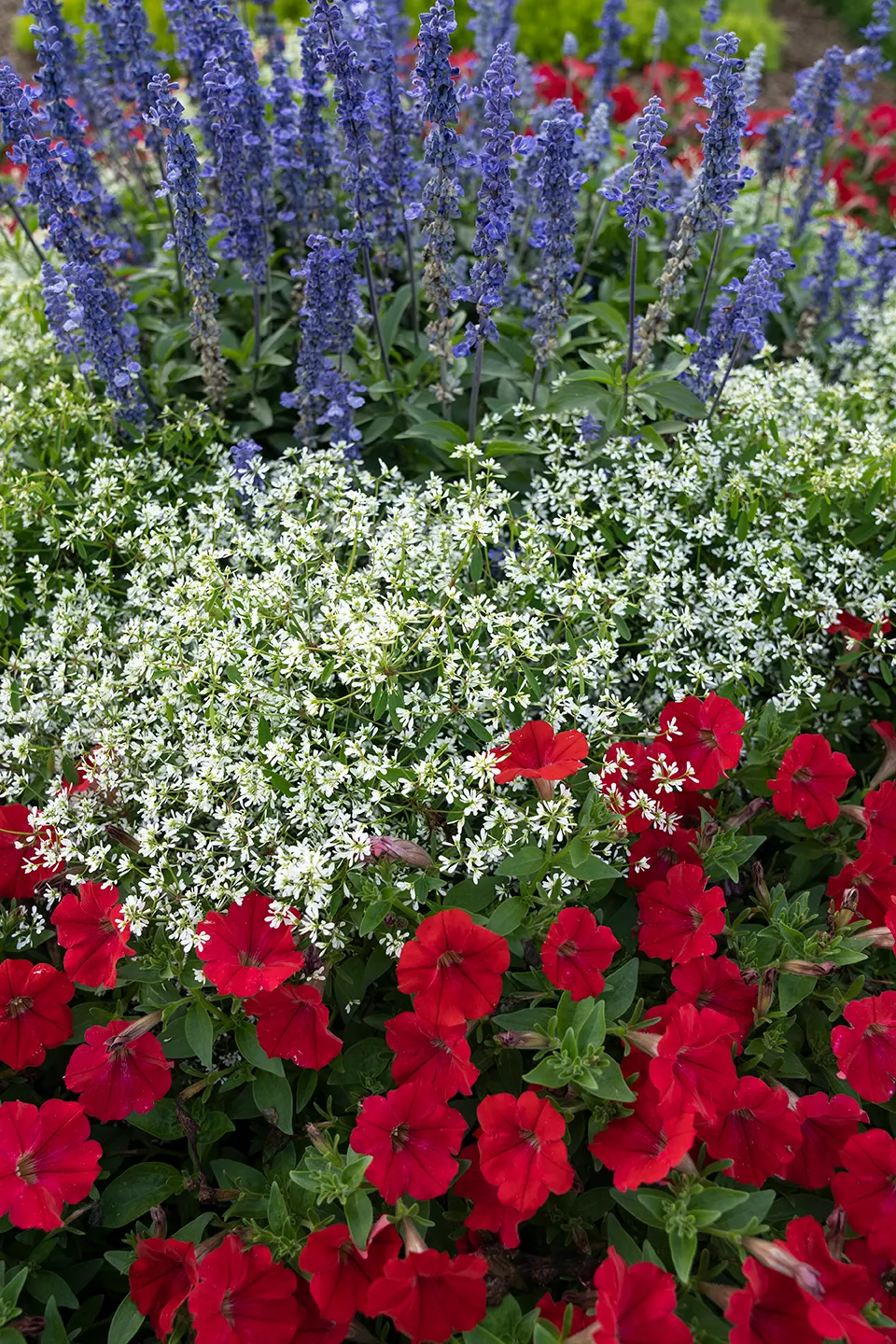
Diamond Snow® Euphorbia — where its white blooms weave beautifully among vivid annuals such as vinca; commonly referred to as Diamond Snow® Euphorbia
Diamond Snow® Euphorbia — It forms a tidy mound 12-18 inches tall and wide, blooming from planting to frost; and excellent in containers or mass, image 63
Diamond Snow® Euphorbia — cloud-like texture that ties bolder colors together with ease; it shows excellent heat and drought tolerance
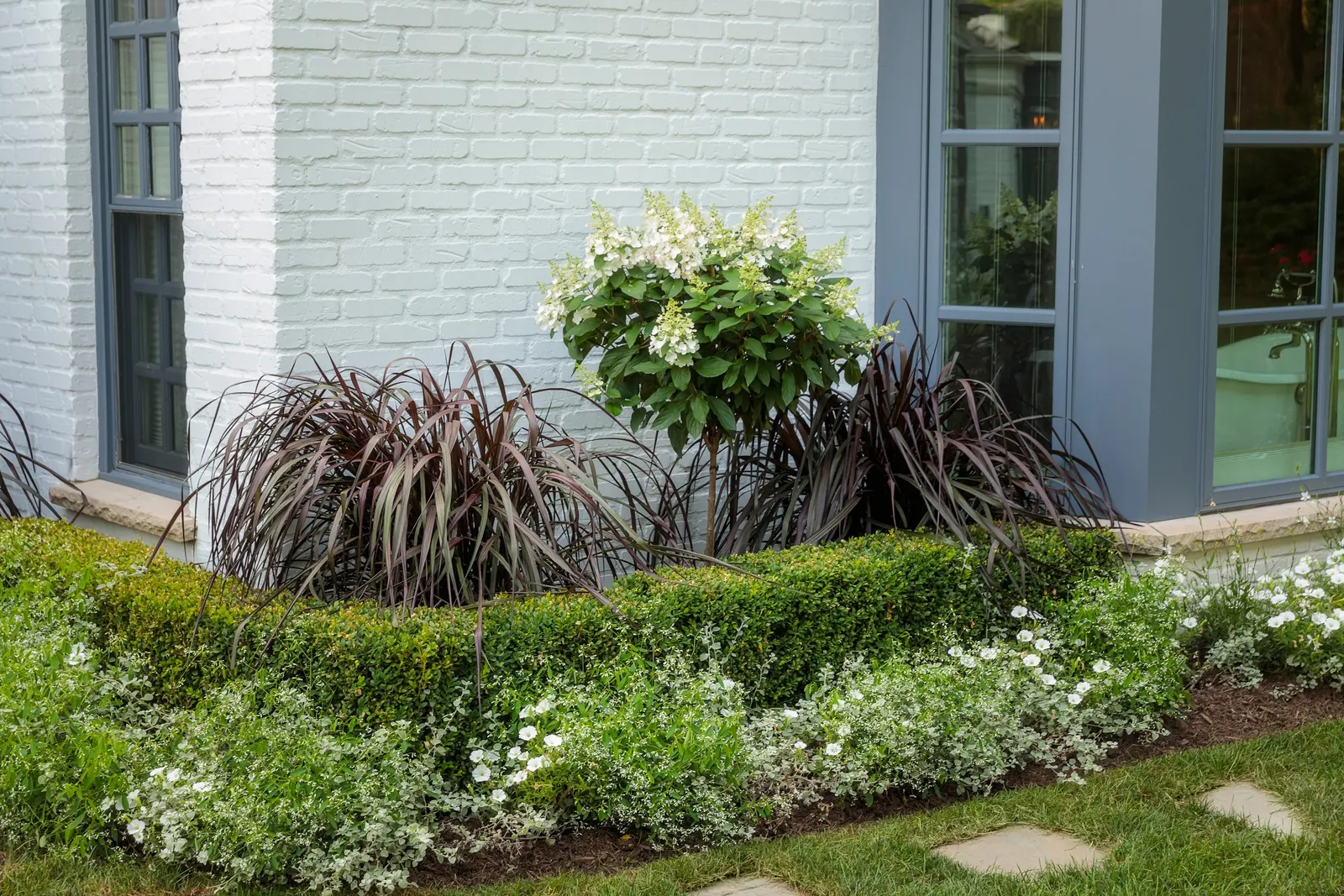
Diamond Snow® Euphorbia — It is equally effective in beds and mass plantings; with no deadheading required
Diamond Snow® Euphorbia — white flowers in the garden; where its white blooms weave beautifully among vivid annuals such as vinca
Diamond Snow® Euphorbia — airy annual from the Proven Winners® collection; though container plantings benefit from regular watering and light, image 70
Diamond Snow® Euphorbia — well-drained soil and moderate water; it is heat tolerant; but is most often grown as a long-blooming annual in temperate, image 65
Diamond Snow® Euphorbia — and excellent in containers or mass plantings; cut stems may release a milky latex sap, image 66
Diamond Snow® Euphorbia — The Euphorbia Diamond Snow®; airy annual from the Proven Winners® collection, image 68
Diamond Snow® Euphorbia — Hardy in USDA Zones 10a-11b; it forms a tidy mound 12-18 inches tall and wide, blooming from planting to frost, image 67
Diamond Snow® Euphorbia — Grow in part sun to sun with average; yet notably robust in performance, image 64
Diamond Snow® Euphorbia — commonly referred to as Diamond Snow® Euphorbia; diamond Snow® forms a tidy dome that reads beautifully both up close and, image 69
Diamond Snow® Euphorbia — frothy presence in the garden—delicate in appearance; hardy in USDA Zones 10a-11b, image 72
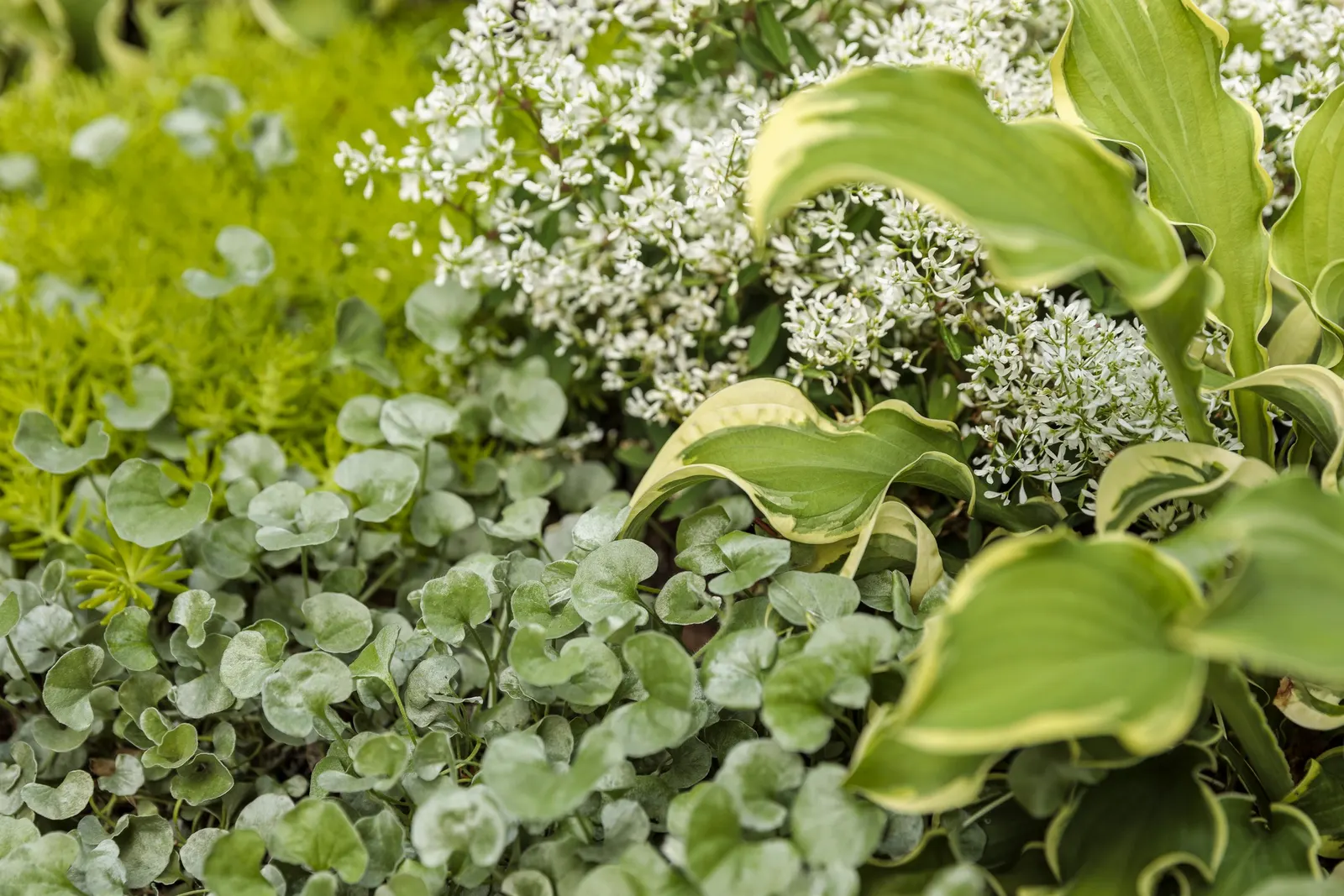
Diamond Snow® Euphorbia — prized for its dense clouds of tiny white blooms held over fresh green foliage; it is equally effective in beds and mass, image 71

Related plants