Skip to content

Surinam Cherry

Eugenia Uniflora

Design with this plant

Overview

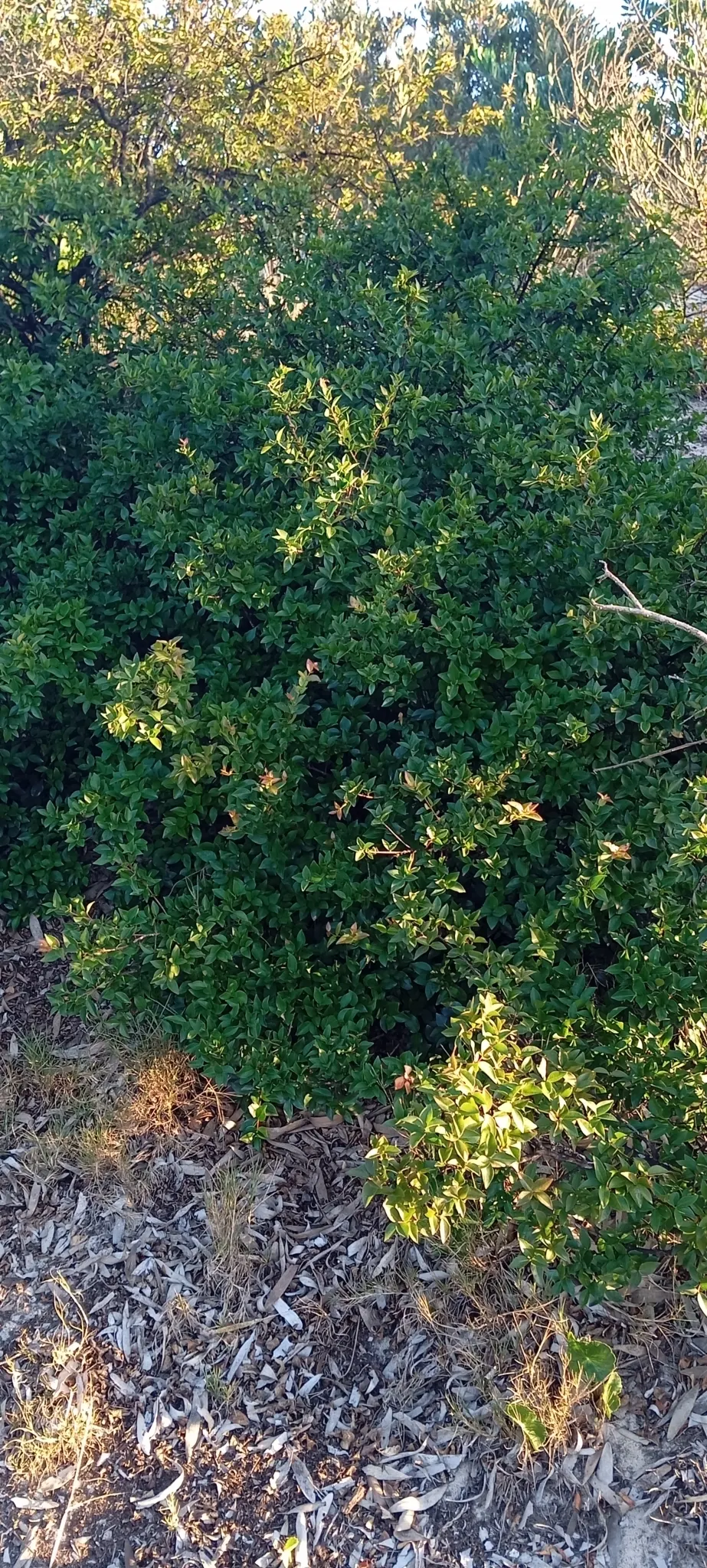
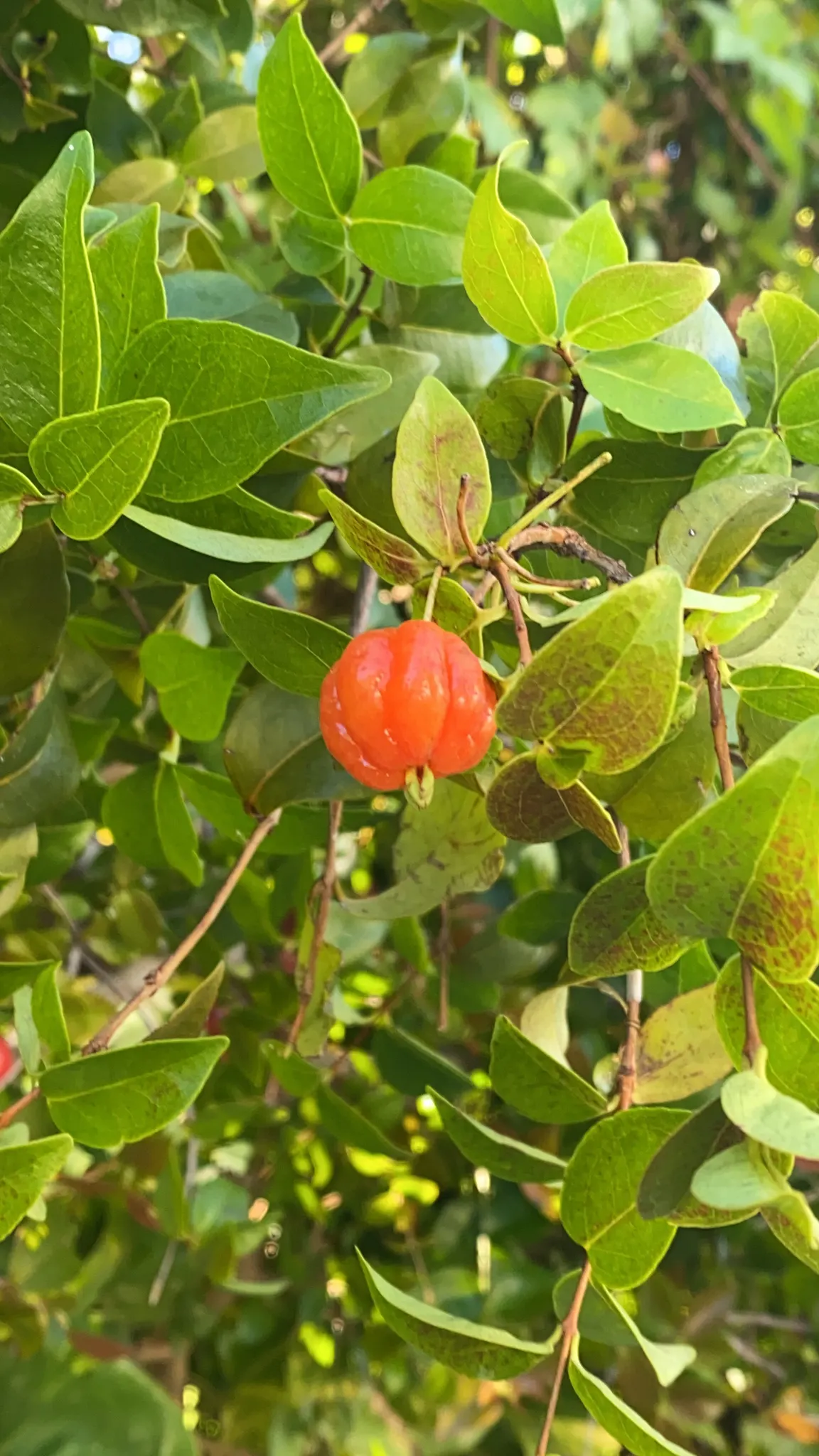
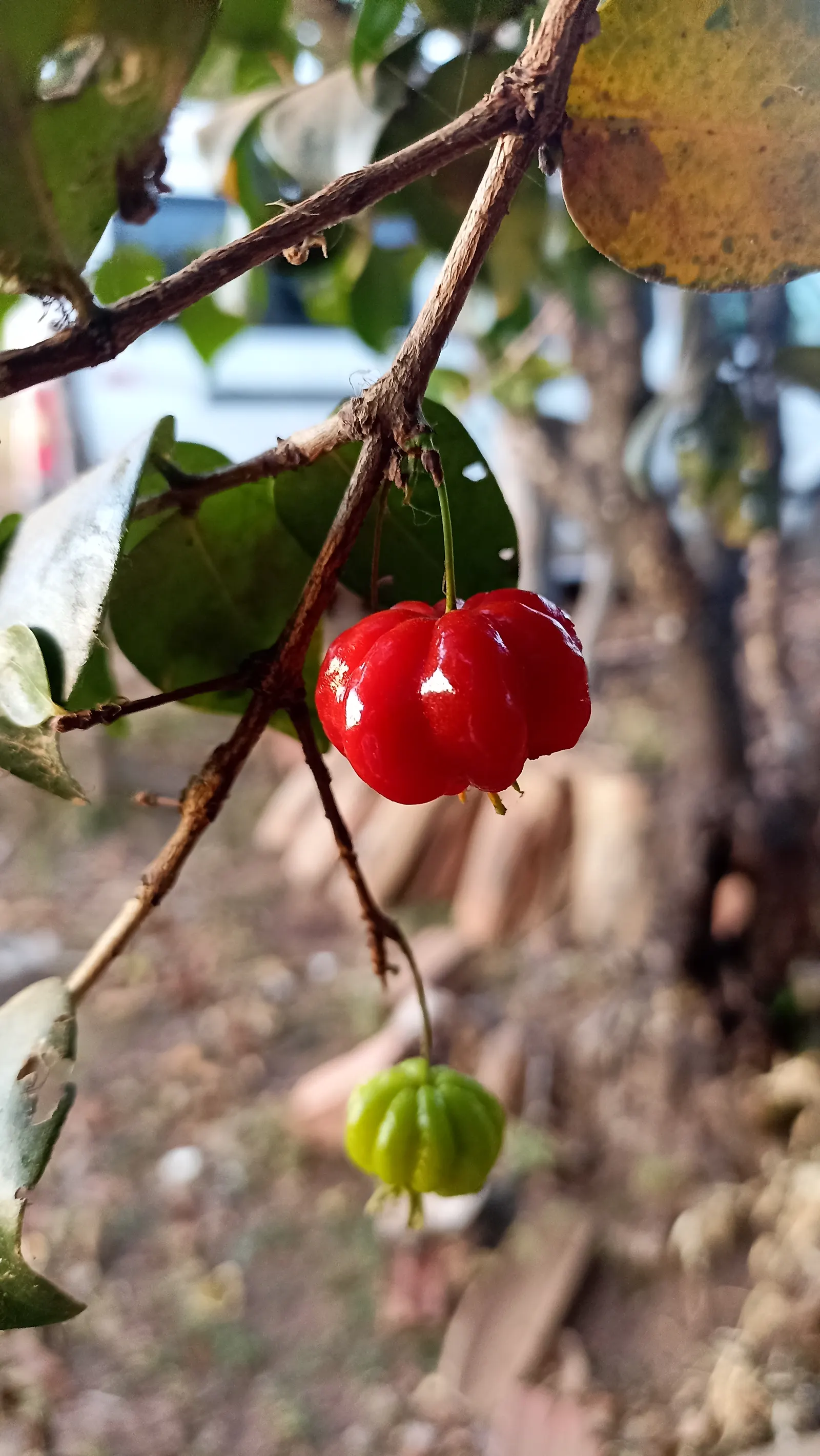
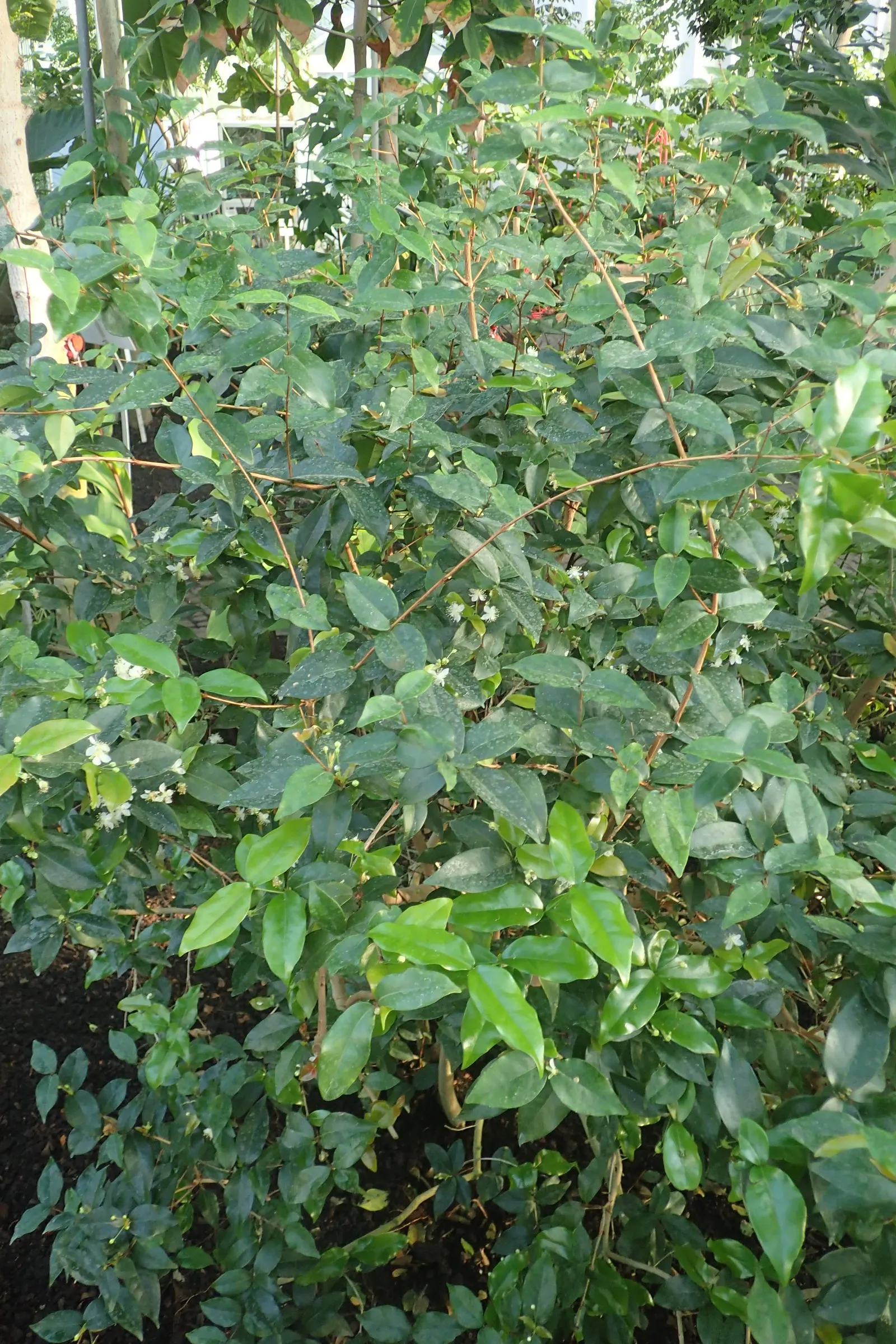
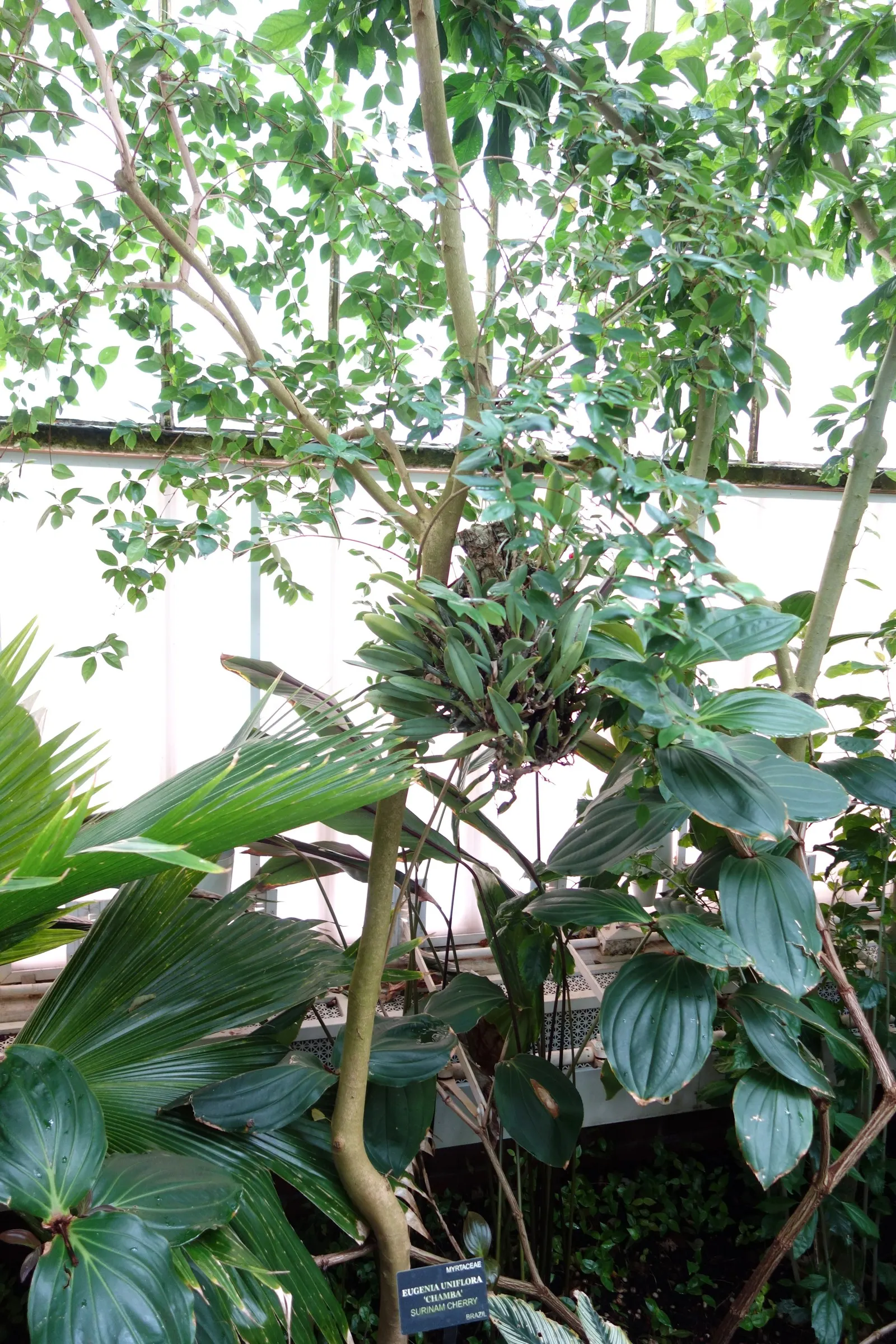
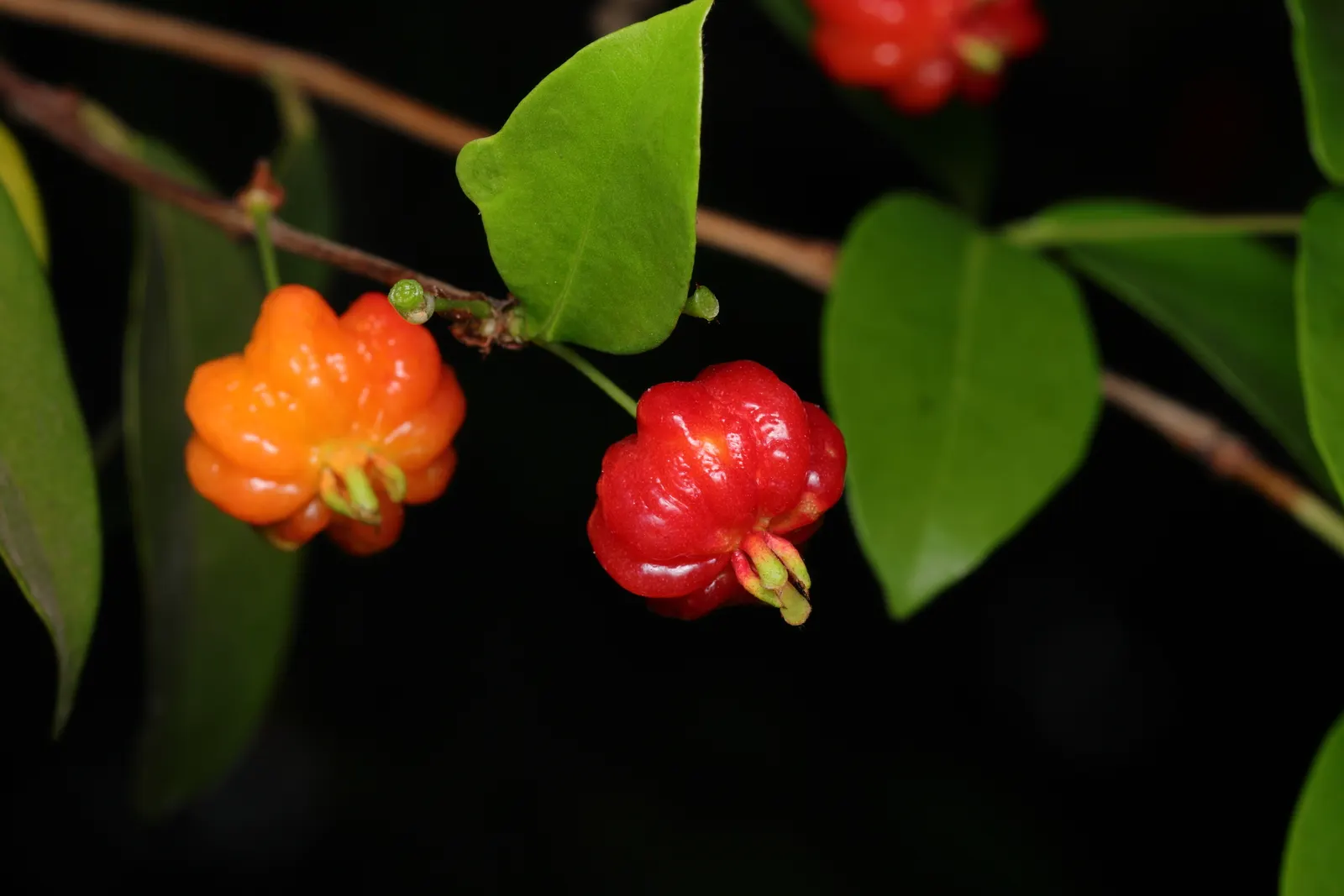
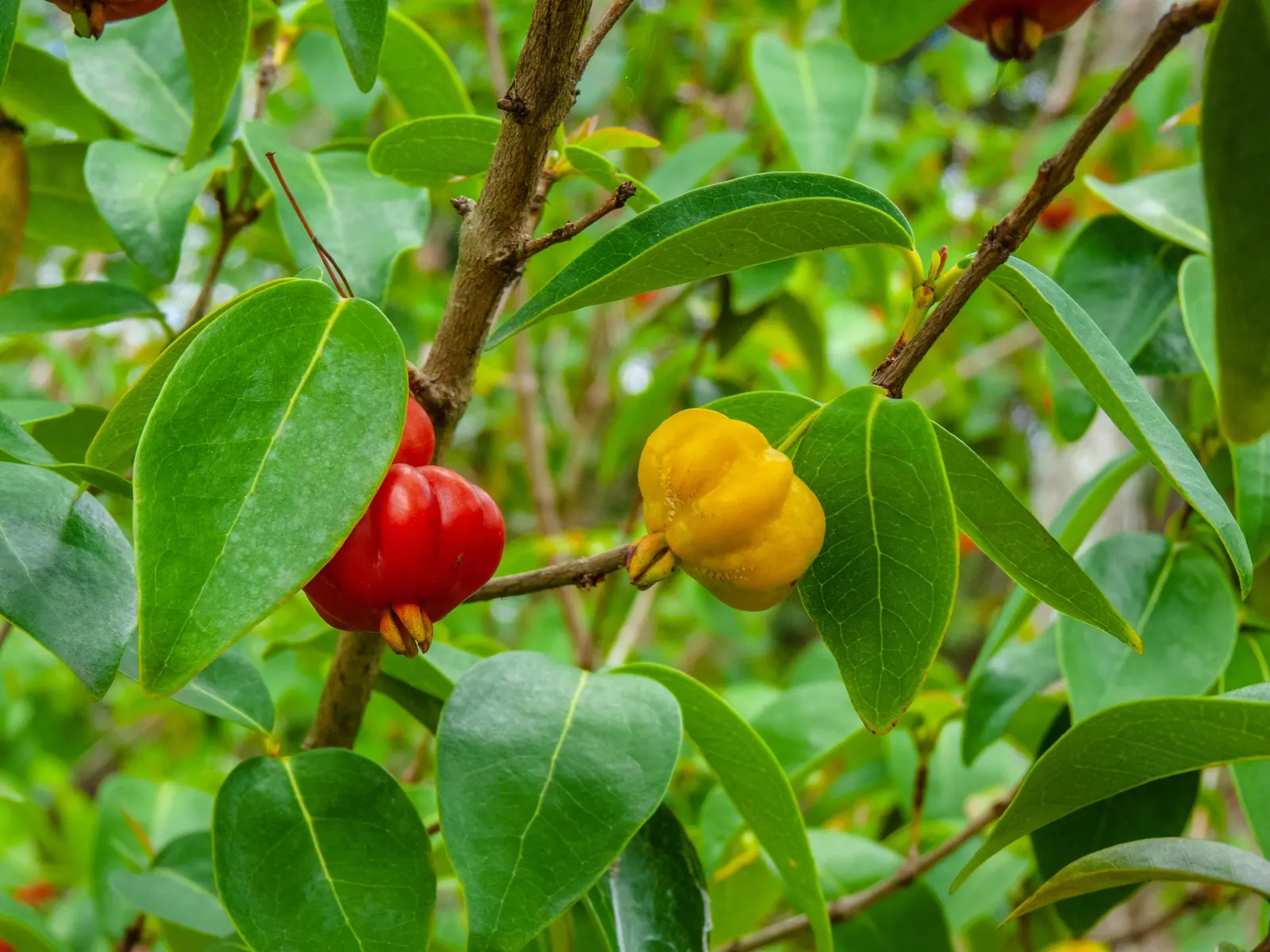
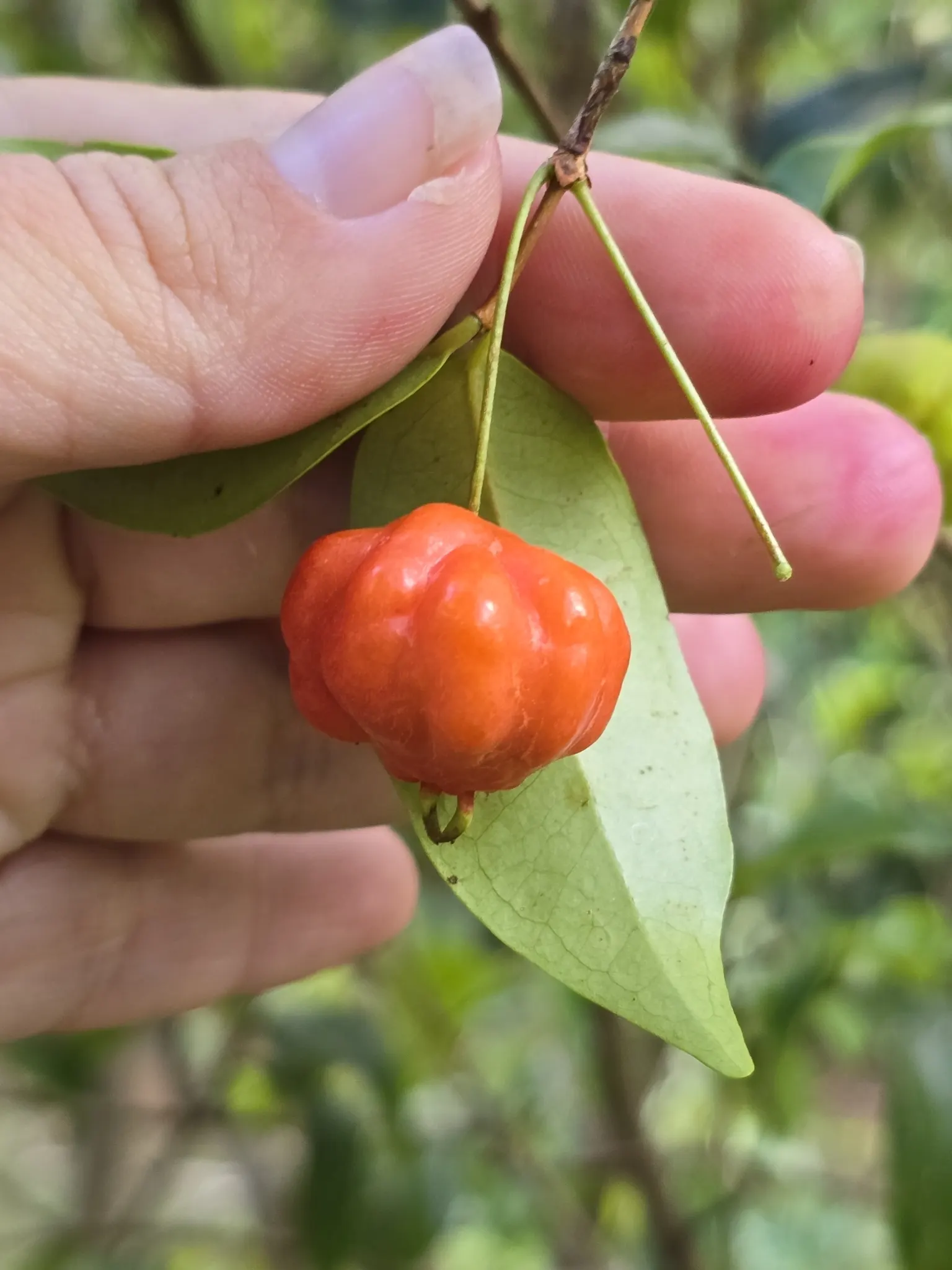
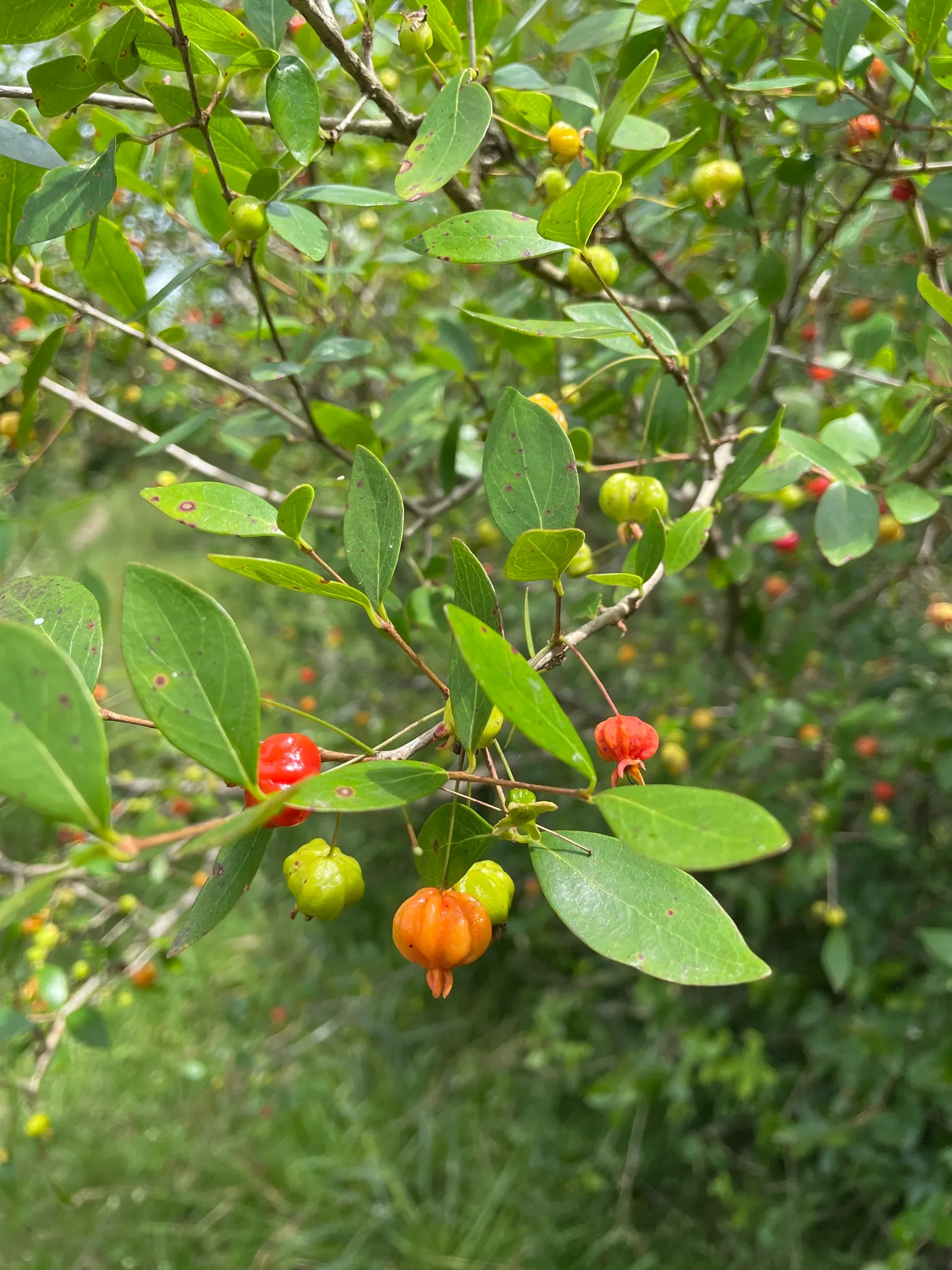
Surinam Cherry (Eugenia uniflora) is an evergreen shrub known for its lush, glossy leaves and ribbed, pumpkin-shaped fruits. It thrives in full sun to partial shade, reaching 8 to 15 feet high and wide. Ideal for hedges or screens, it requires well-drained soil. The bright red to black cherries are edible, with a unique sweet-tart flavor, and blossom in spring. Hardy to zone 9, it's also attractive to birds.

Sun Full, HalfWater MediumZones 9–11Type Shrub, TreeClimate Mediterranean

Culture

Sun
Full, Half
Water
Medium
USDA zones
9–11

Shape & size

Mature height
15–25 Ft.

Classification

Type
Shrub, Tree
Family
Myrtaceae
Climate
Mediterranean

See full data, regional cultivation notes, and design tools. Build a client presentation around this plant.

Start your 14-day trial

Photos (145)

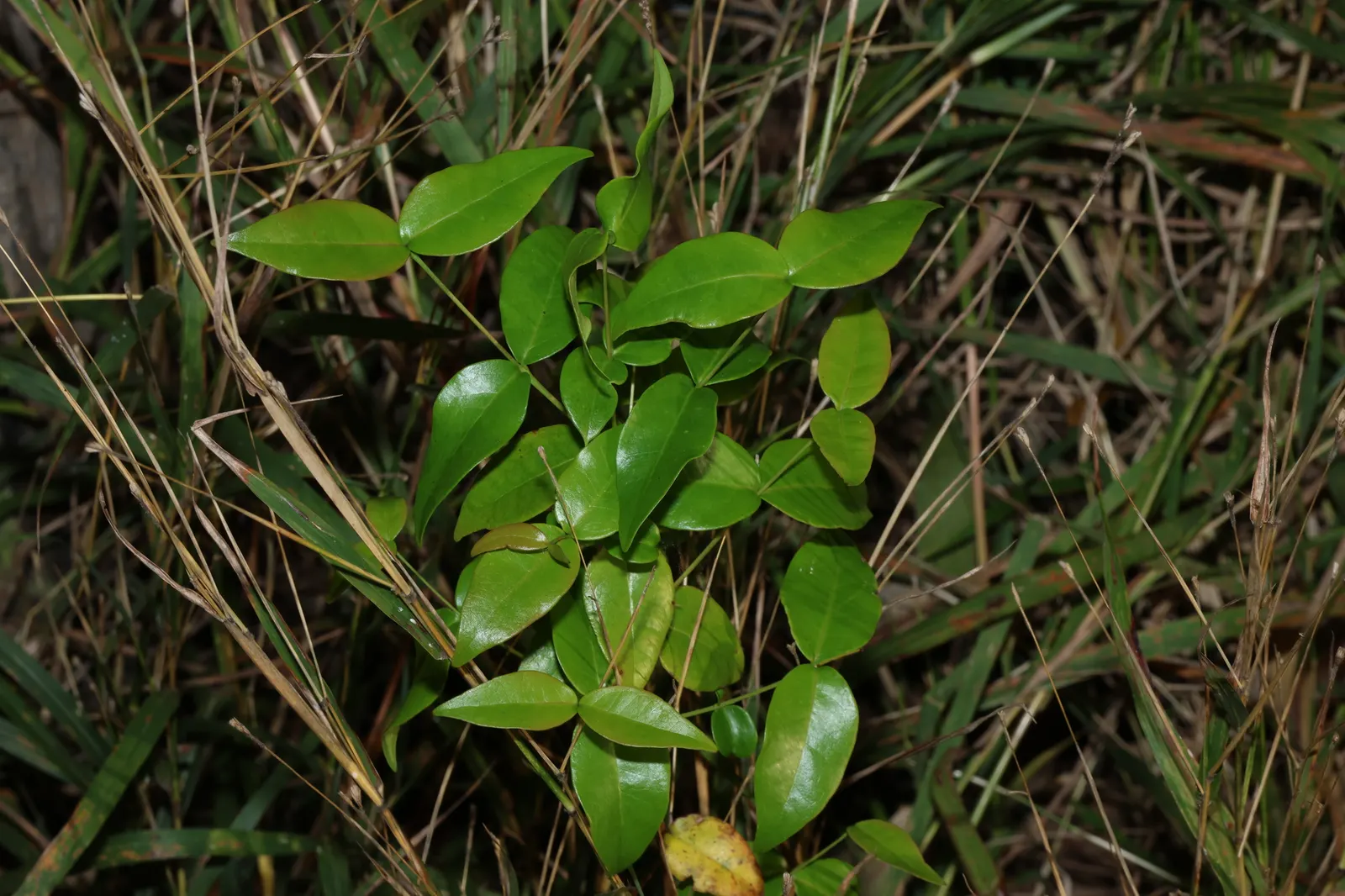
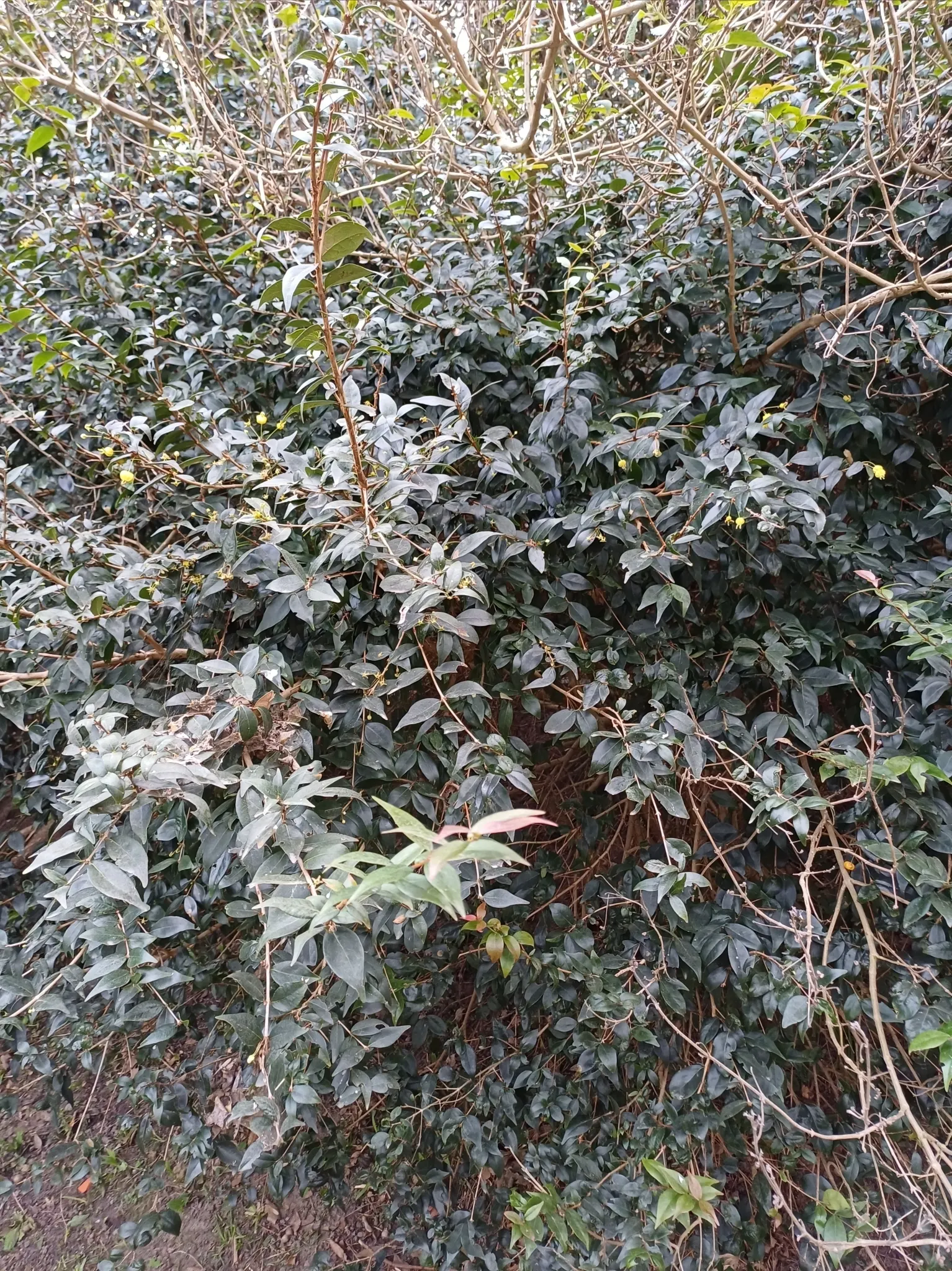
Surinam Cherry (Eugenia Uniflora) — or depending on conditions; this small to medium-sized evergreen shrub, image 68
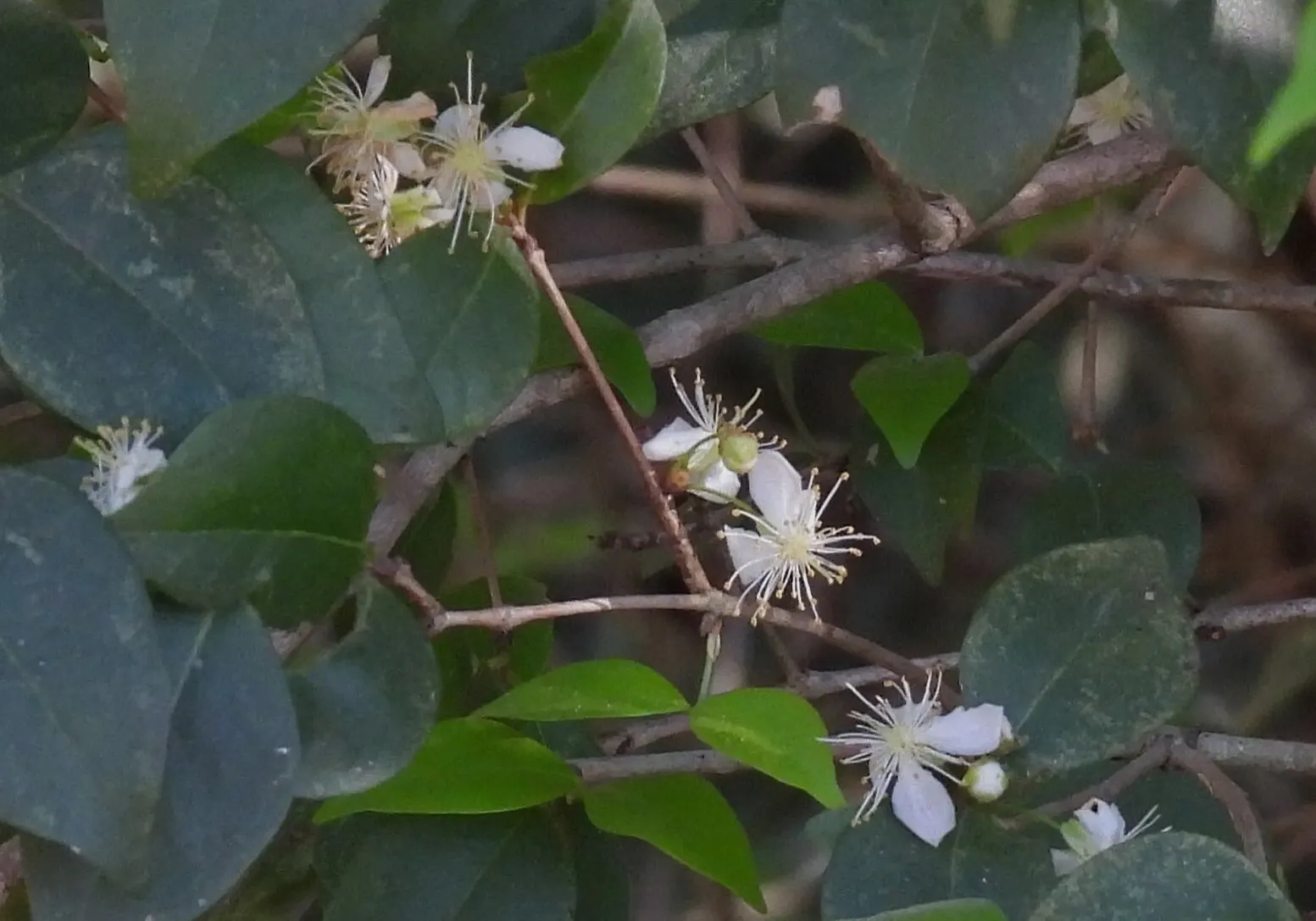
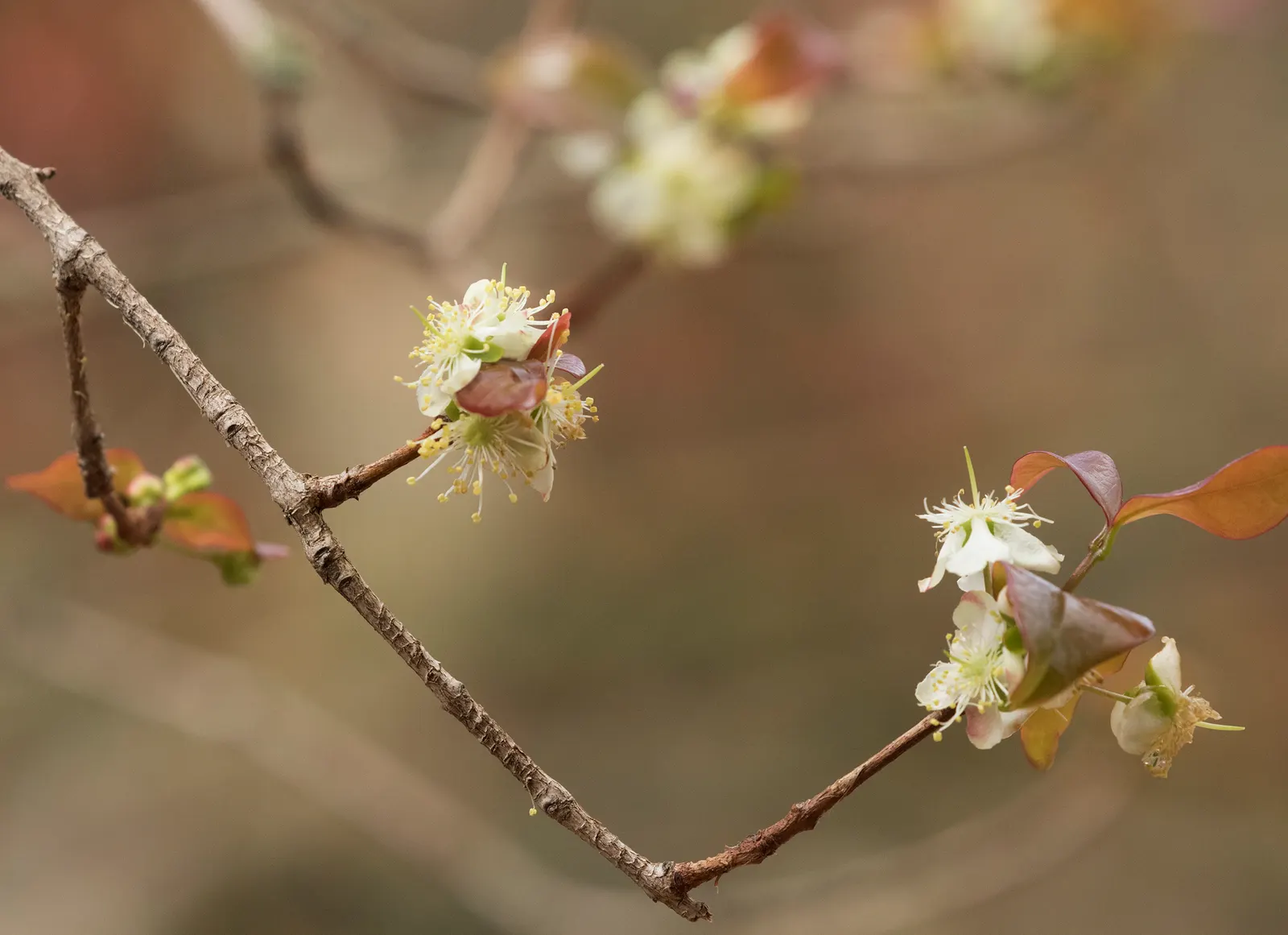
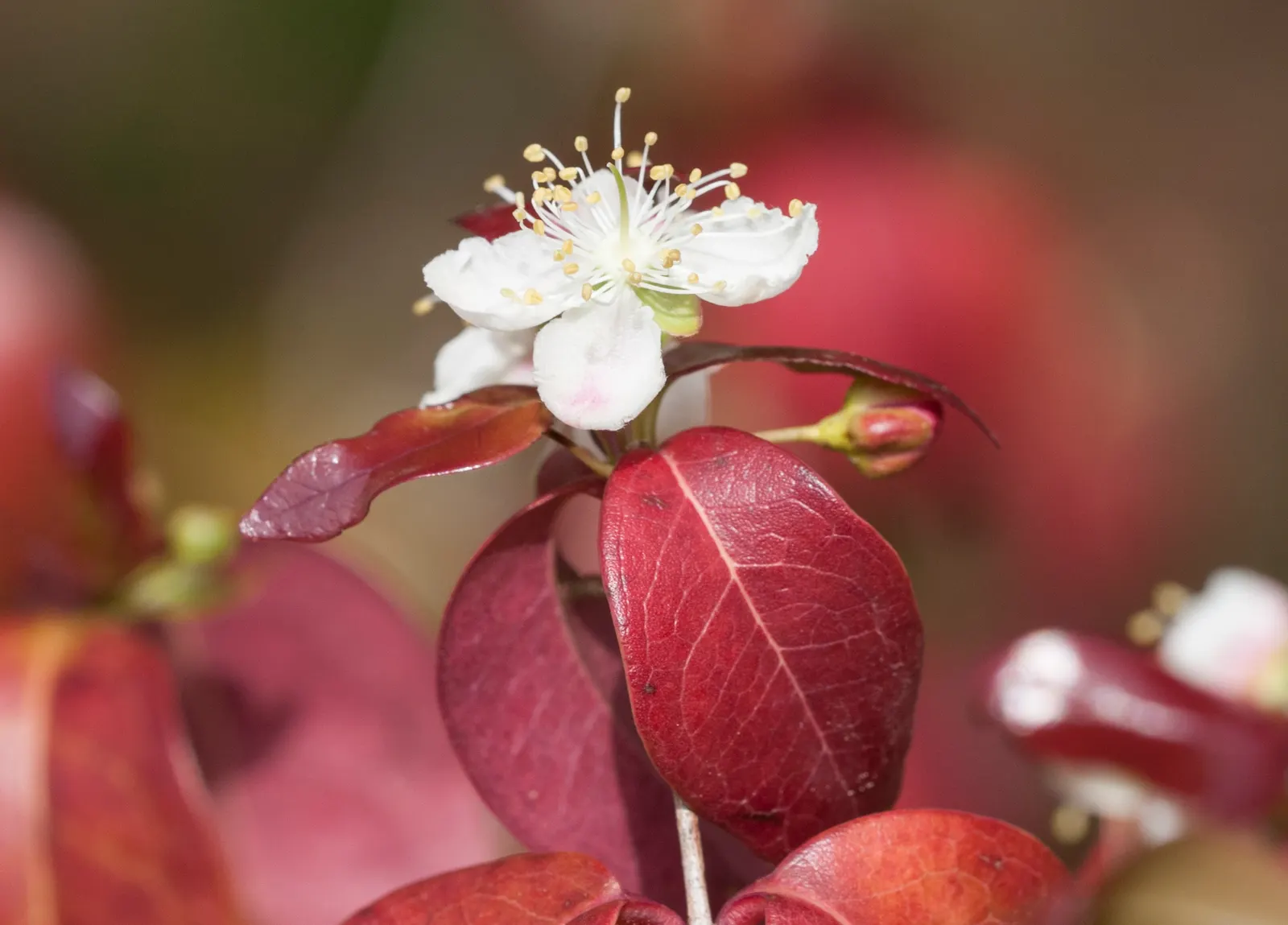
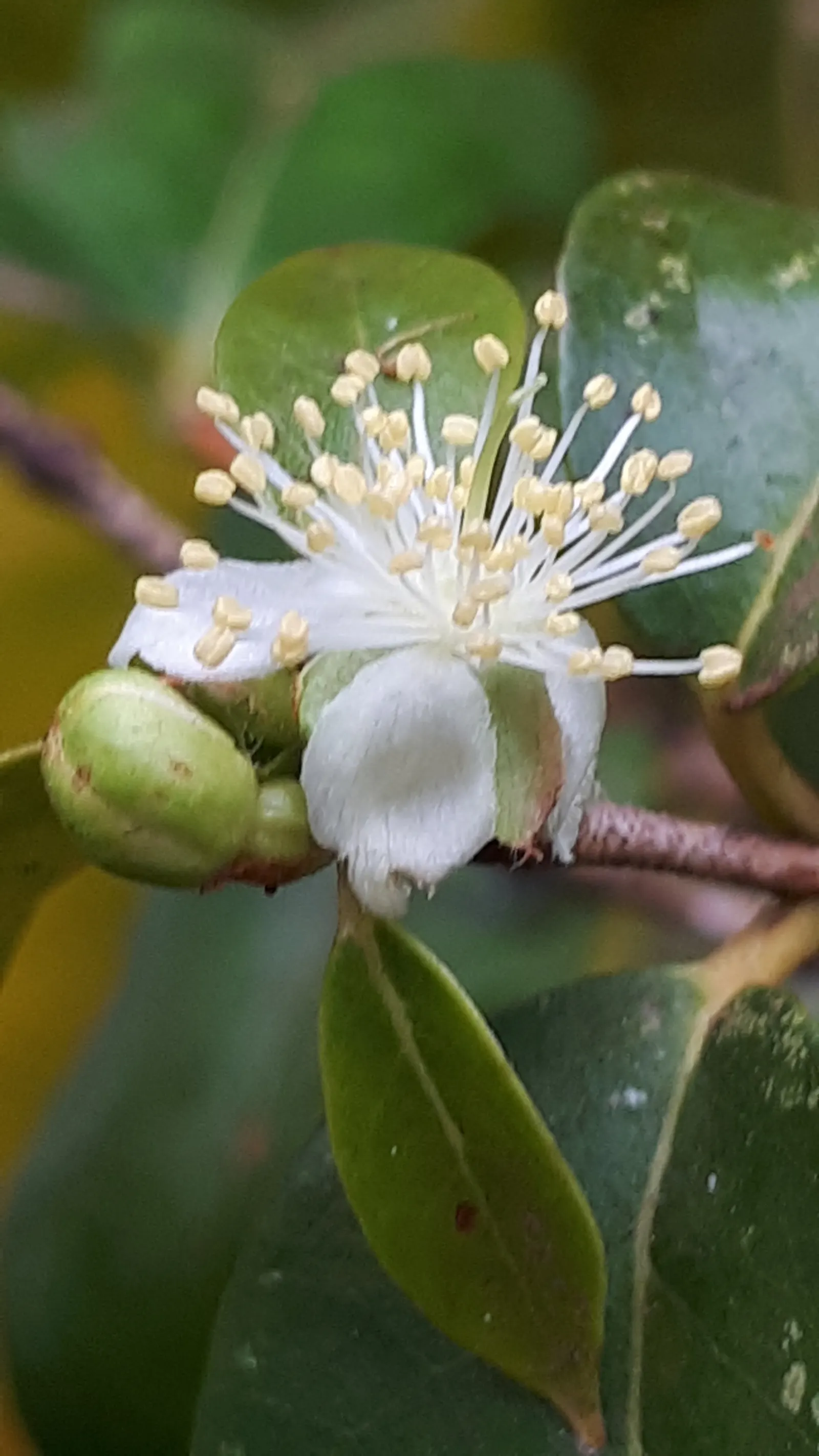
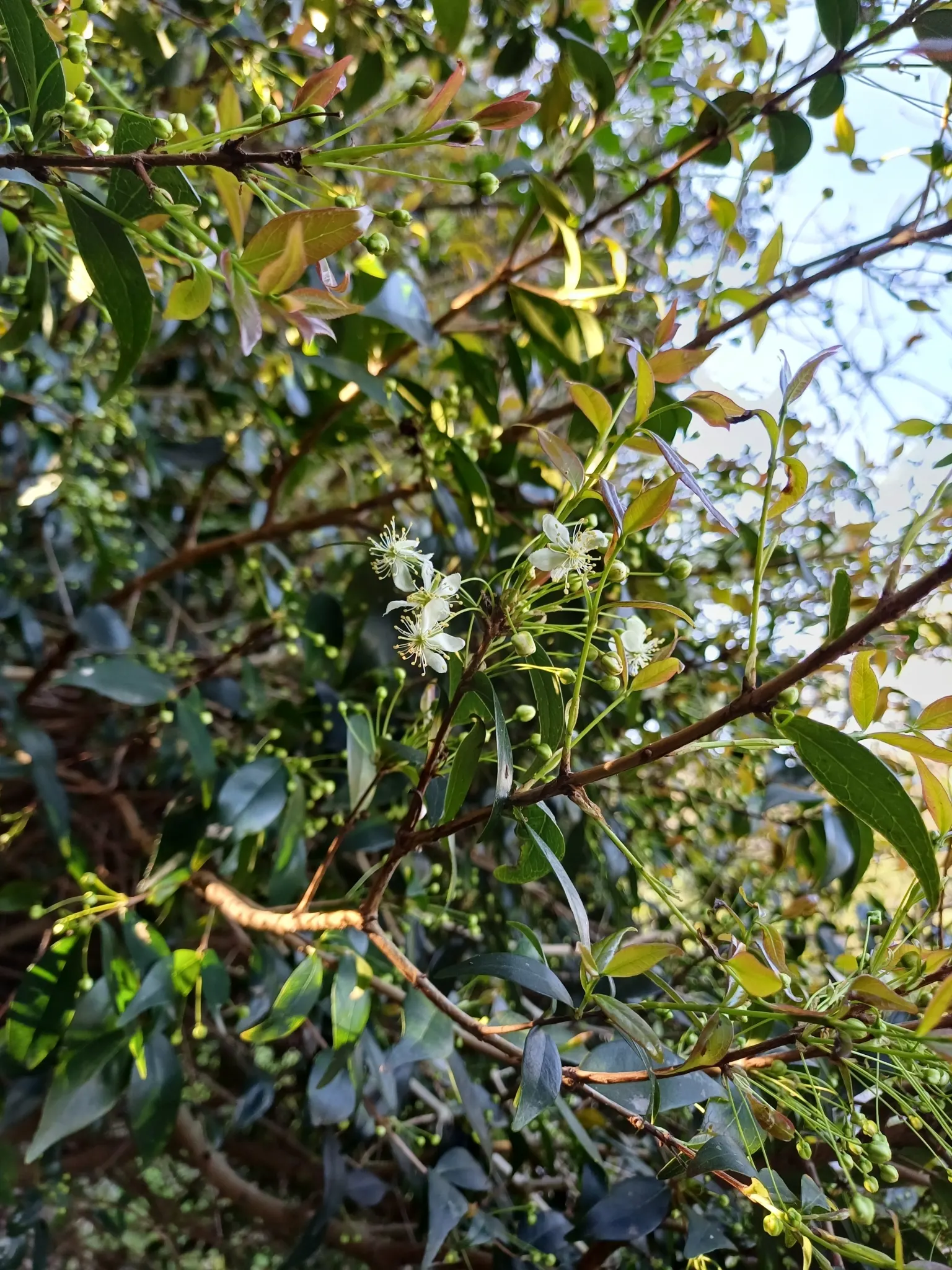
Surinam Cherry (Eugenia Uniflora) — shrub / tree with yellow blooms; or a stand-alone ornamental specimen.<br><br>The plant's showy white flowers appear in
Surinam Cherry (Eugenia Uniflora) — hence care should be taken if households include small children or pets
Surinam Cherry (Eugenia Uniflora) — it's essential to note that the seeds are considered toxic if ingested
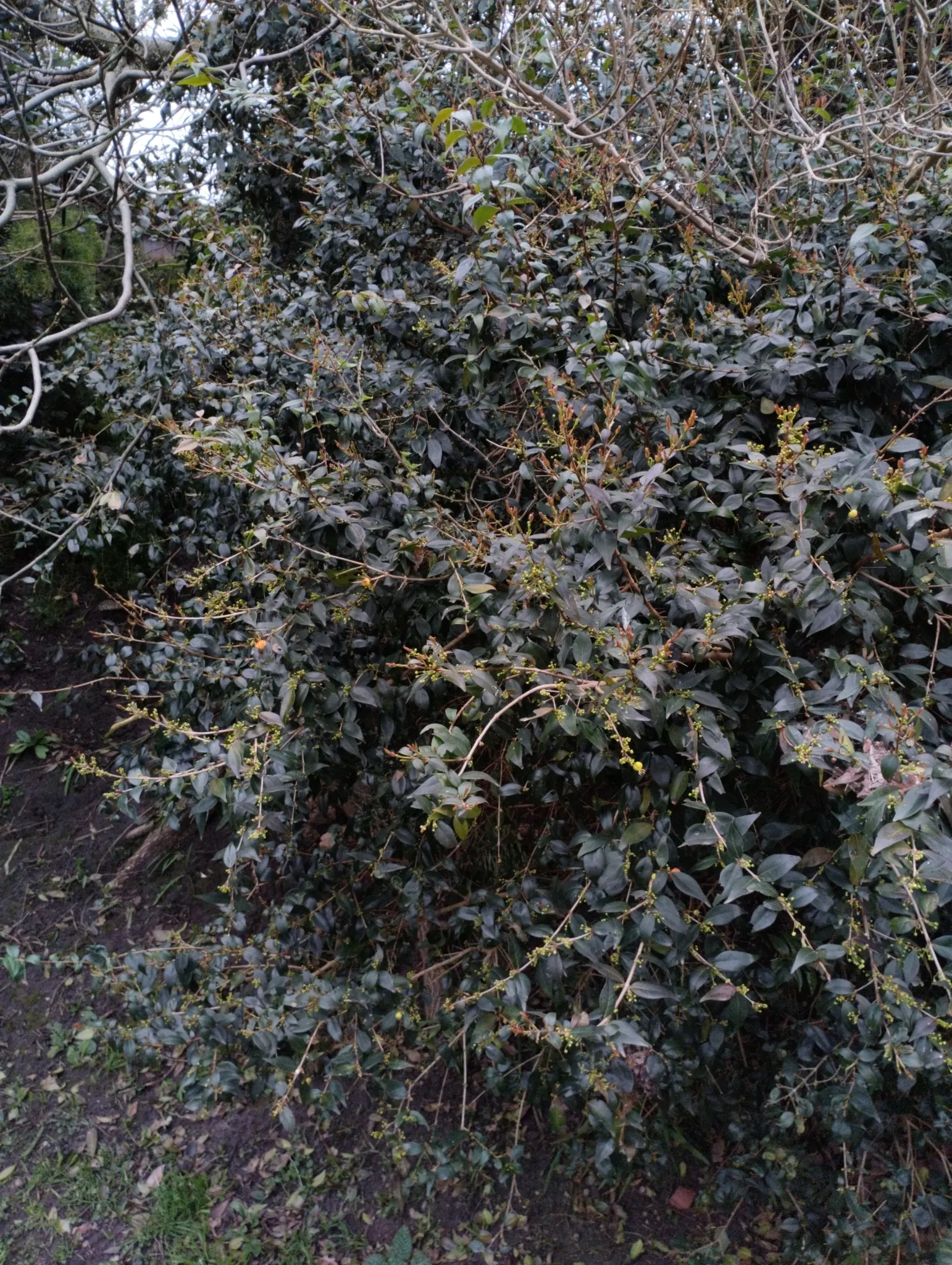
Surinam Cherry (Eugenia Uniflora) — Ideal for hedges or screens, it requires well-drained soil; offering versatility in design whether as a hedge
Surinam Cherry (Eugenia Uniflora) — These blooms give way to a profusion of cherries that ripen typically from late spring to early summer; shrub /, image 108
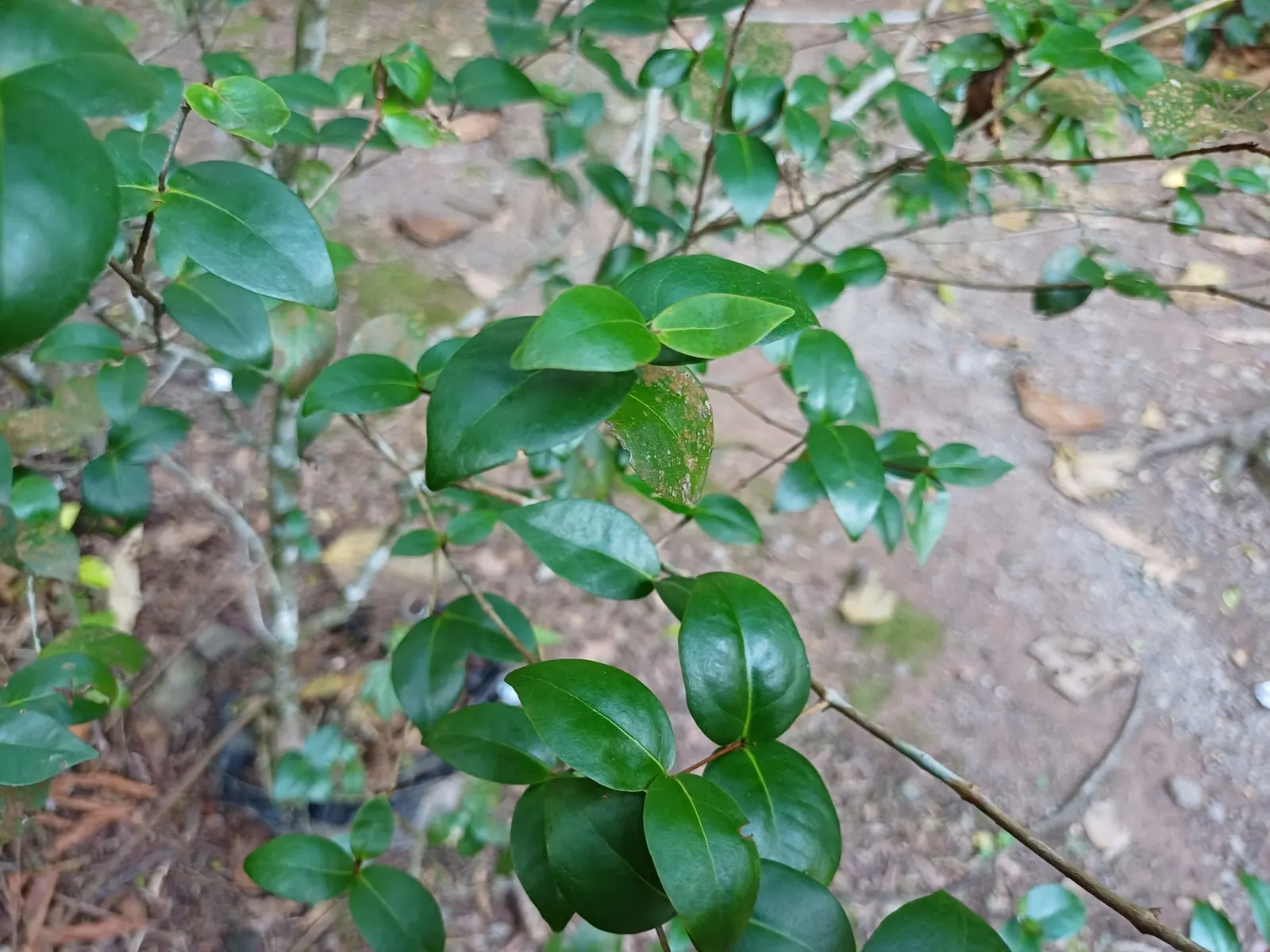
Surinam Cherry (Eugenia Uniflora) — this small to medium-sized evergreen shrub
Surinam Cherry (Eugenia Uniflora) — it's essential to note that the seeds are considered toxic if ingested; planting in a location with full sun to, image 110
Surinam Cherry (Eugenia Uniflora) — making it a low-maintenance choice for a fruitful garden element; hardy to zone 9, it's also attractive to birds
Surinam Cherry (Eugenia Uniflora) — This species is also known for its fast-growing nature and resilience against pests and diseases; yellow, image 83
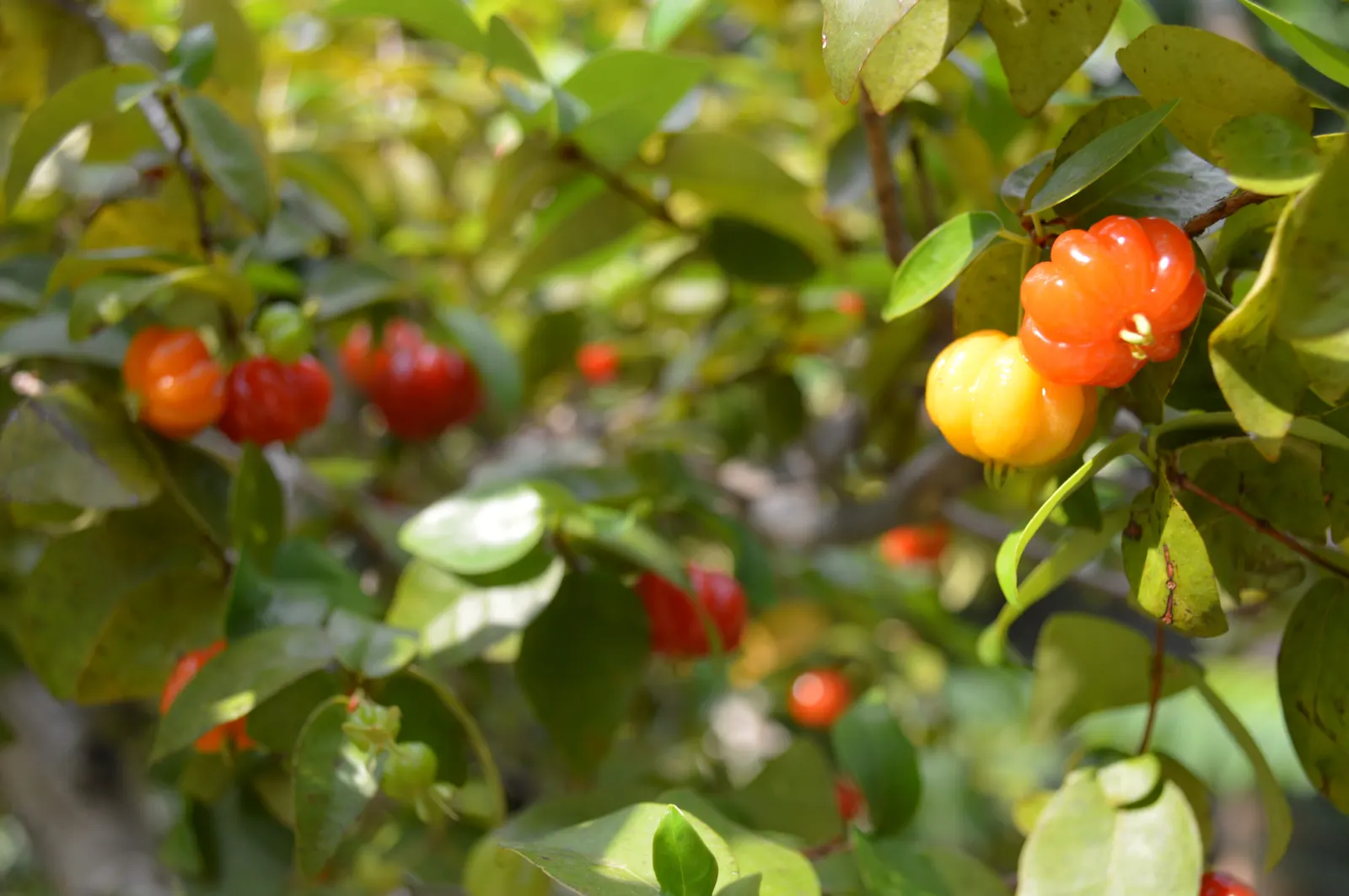
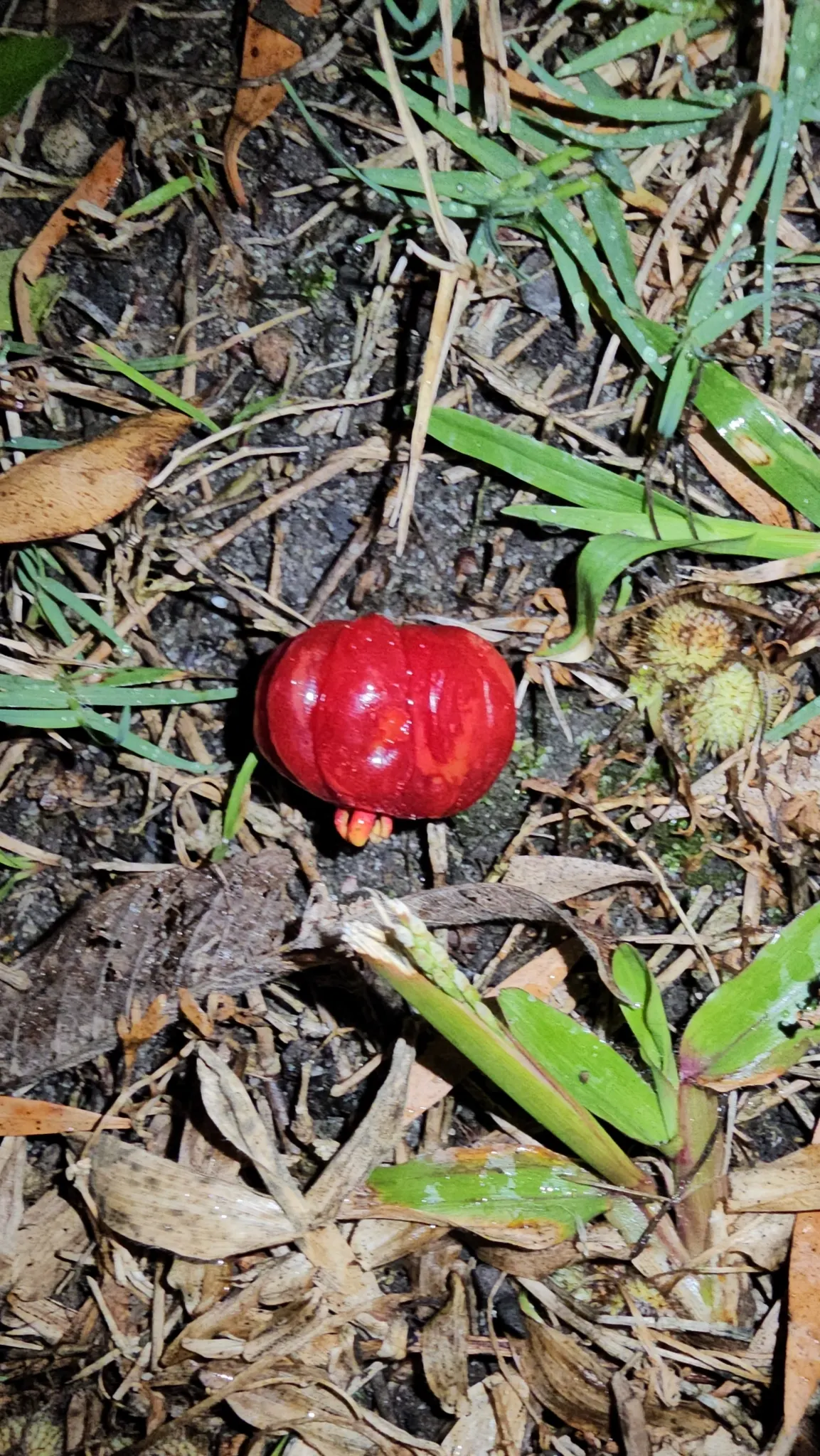
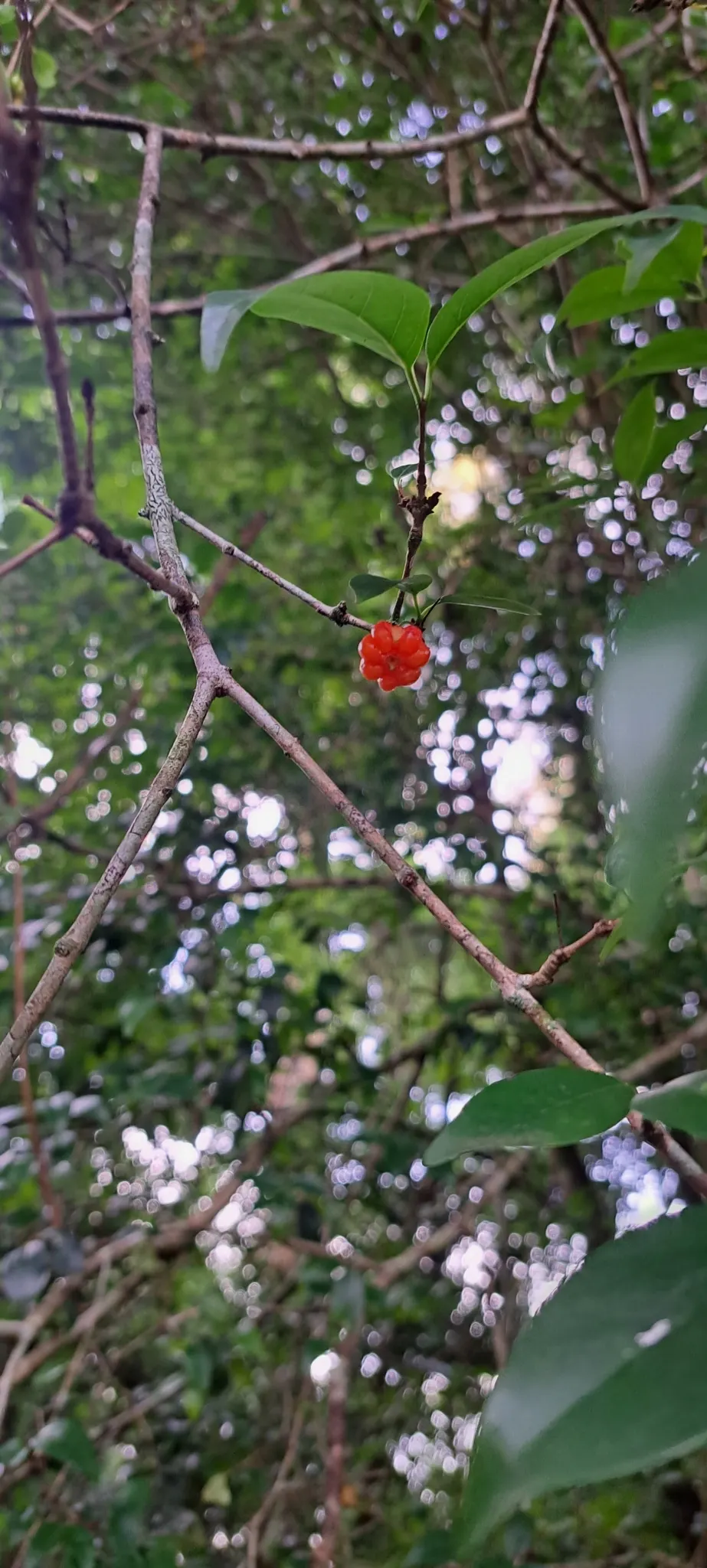
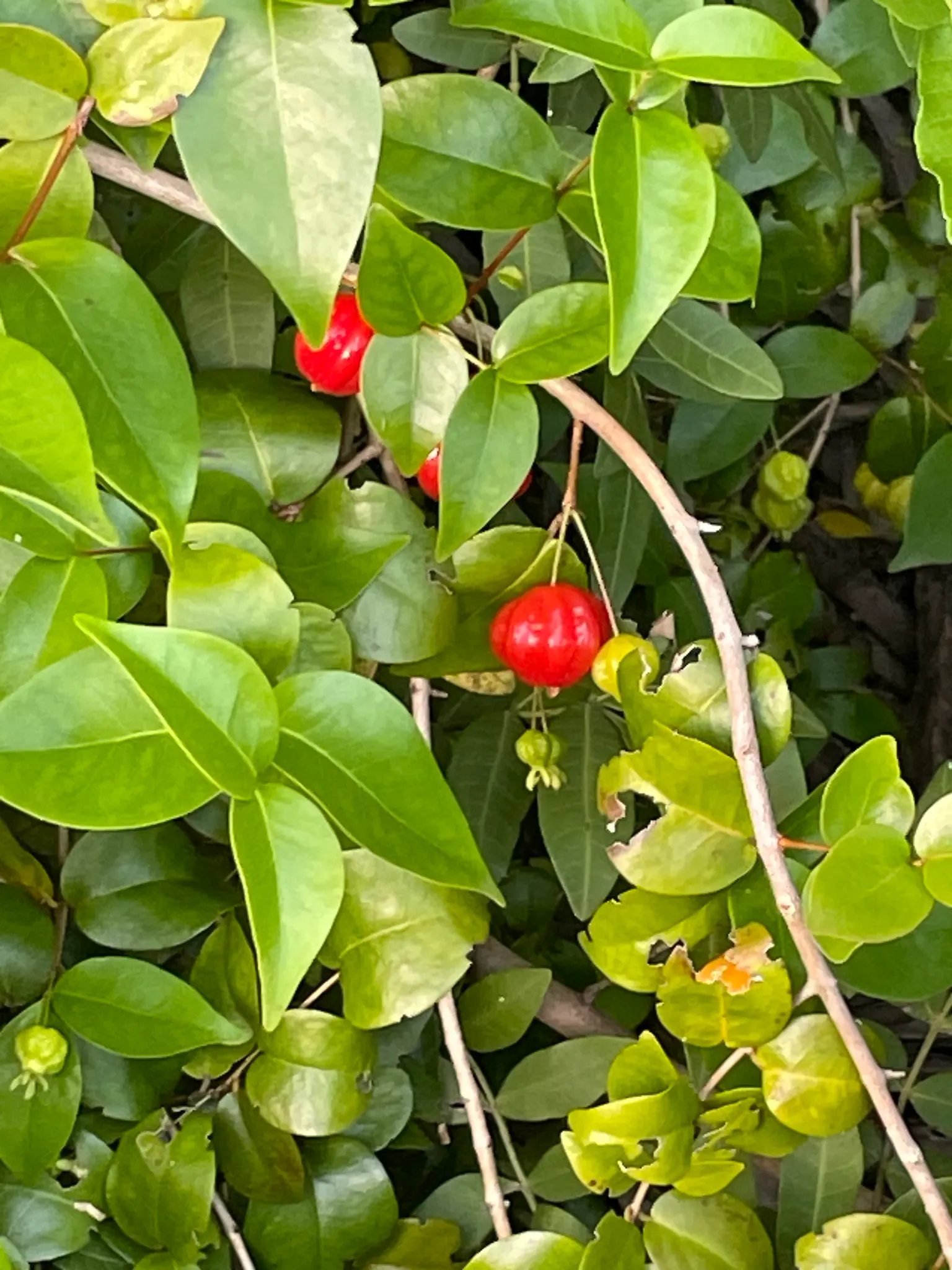
Surinam Cherry (Eugenia Uniflora) — pumpkin-shaped red to black cherries; which can be pruned annually to maintain a desired shape and size, image 94
Surinam Cherry (Eugenia Uniflora) — hence care should be taken if households include small children or pets; providing a stark contrast to the dark, image 82
Surinam Cherry (Eugenia Uniflora) — Its growth habit is erect with multiple stems; the fruits can be eaten fresh or used in jellies and jams, image 103
Surinam Cherry (Eugenia Uniflora) — making it a low-maintenance choice for a fruitful garden element; hardy to zone 9, it's also attractive to birds, image 84
Surinam Cherry (Eugenia Uniflora) — which can be pruned annually to maintain a desired shape and size; shrub / tree for full or half
Surinam Cherry (Eugenia Uniflora) — or depending on conditions; this small to medium-sized evergreen shrub, image 97
Surinam Cherry (Eugenia Uniflora) — A member of the Myrtaceae family; hence care should be taken if households include small children or pets, image 124
Surinam Cherry (Eugenia Uniflora) — being hardy in USDA zones 9 to 11
Surinam Cherry (Eugenia Uniflora) — Its growth habit is erect with multiple stems
Surinam Cherry (Eugenia Uniflora) — The bright red to black cherries are edible, with a unique sweet-tart flavor, and blossom in spring
Surinam Cherry (Eugenia Uniflora) — it's essential to note that the seeds are considered toxic if ingested; planting in a location with full sun to, image 81
Surinam Cherry (Eugenia Uniflora) — offering versatility in design whether as a hedge; pumpkin-shaped red to black cherries
Surinam Cherry (Eugenia Uniflora) — it's essential to note that the seeds are considered toxic if ingested; planting in a location with full sun to partial
Surinam Cherry (Eugenia Uniflora) — It thrives in well-draining soil with moderate moisture and appreciates a warm climate; a member of the, image 72
Photographs by 17 contributors

Related plants