Skip to content

Blue Or False Sea Holly

Eryngium Planum

Design with this plant

Overview

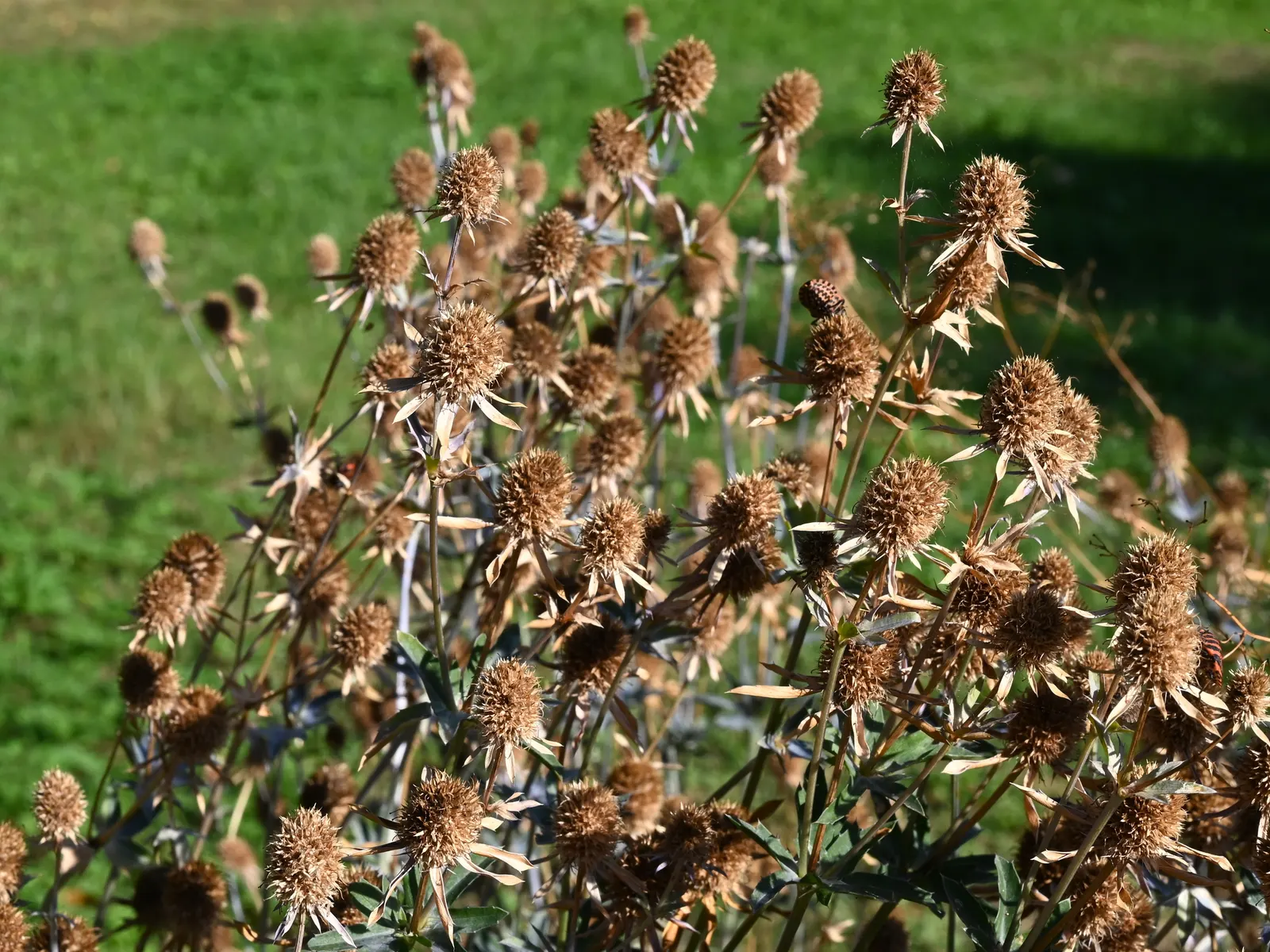
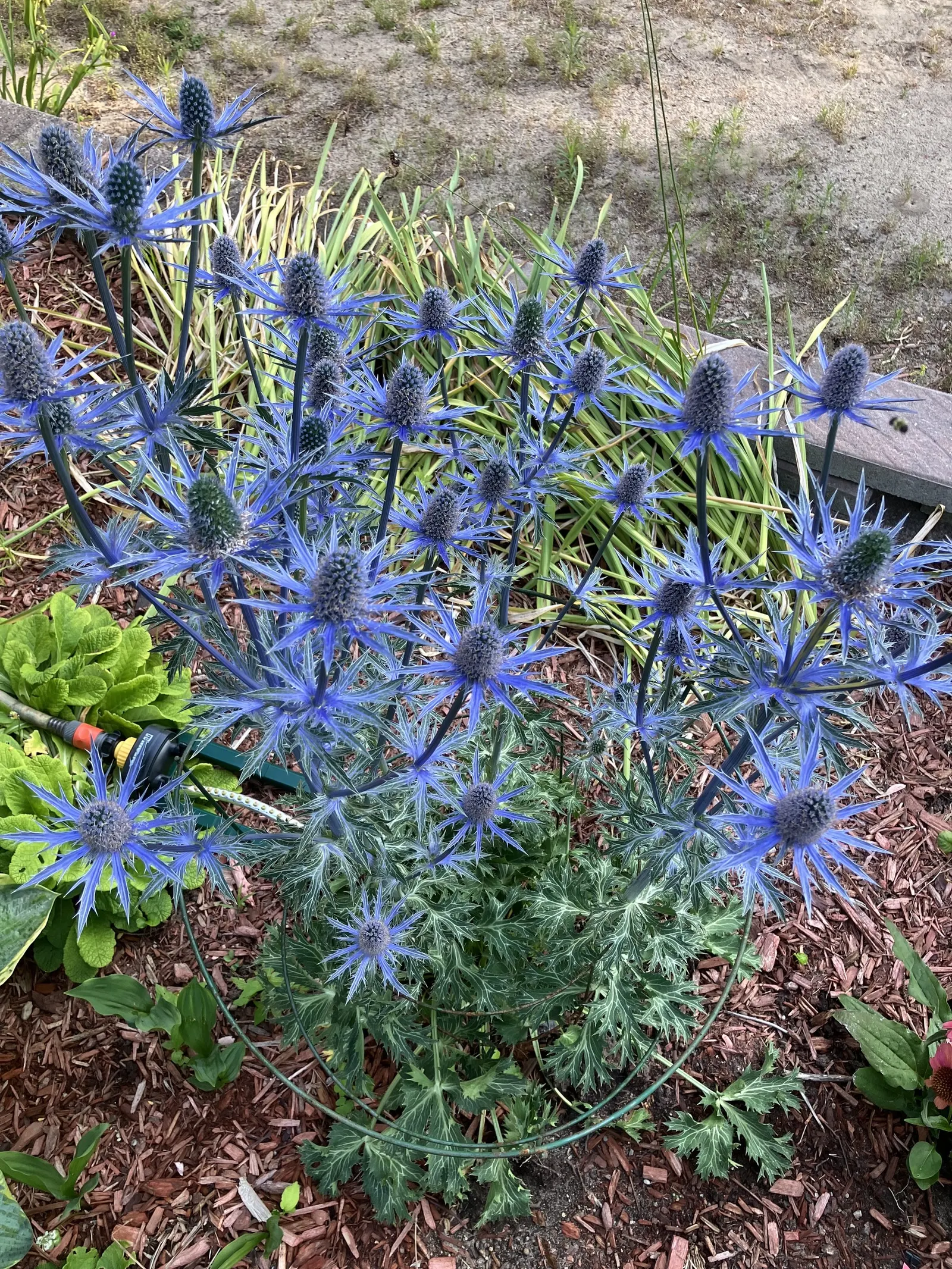
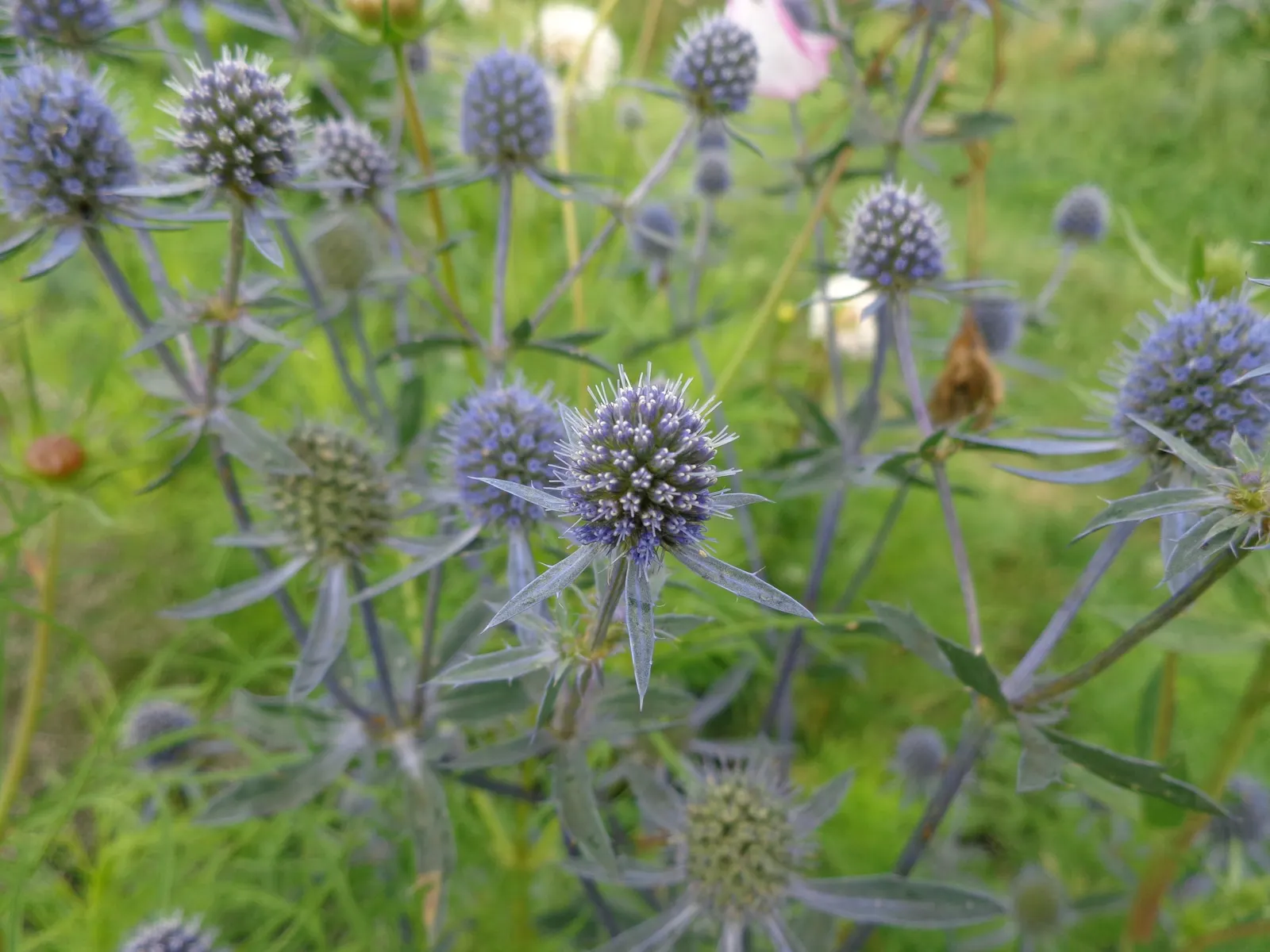
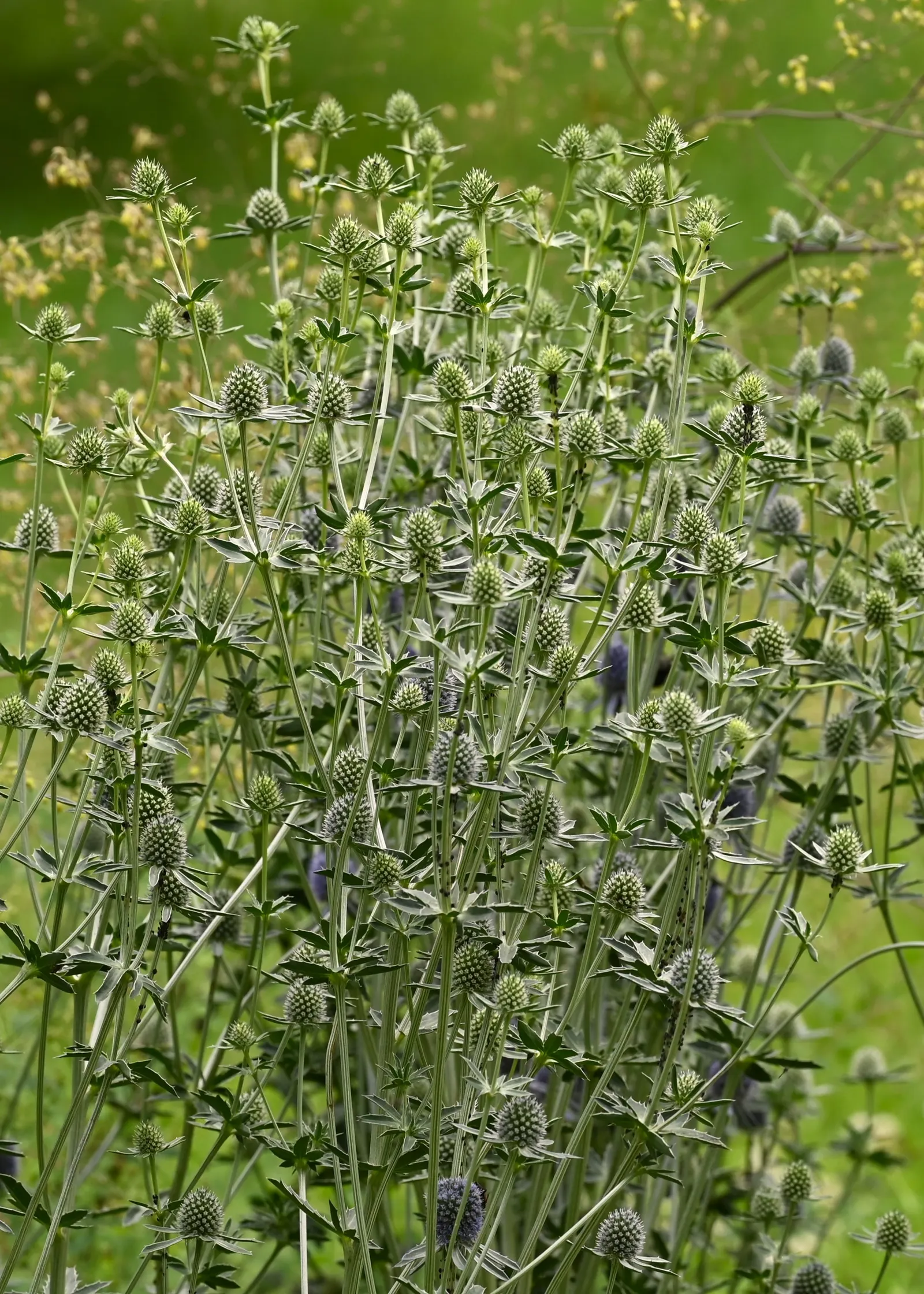
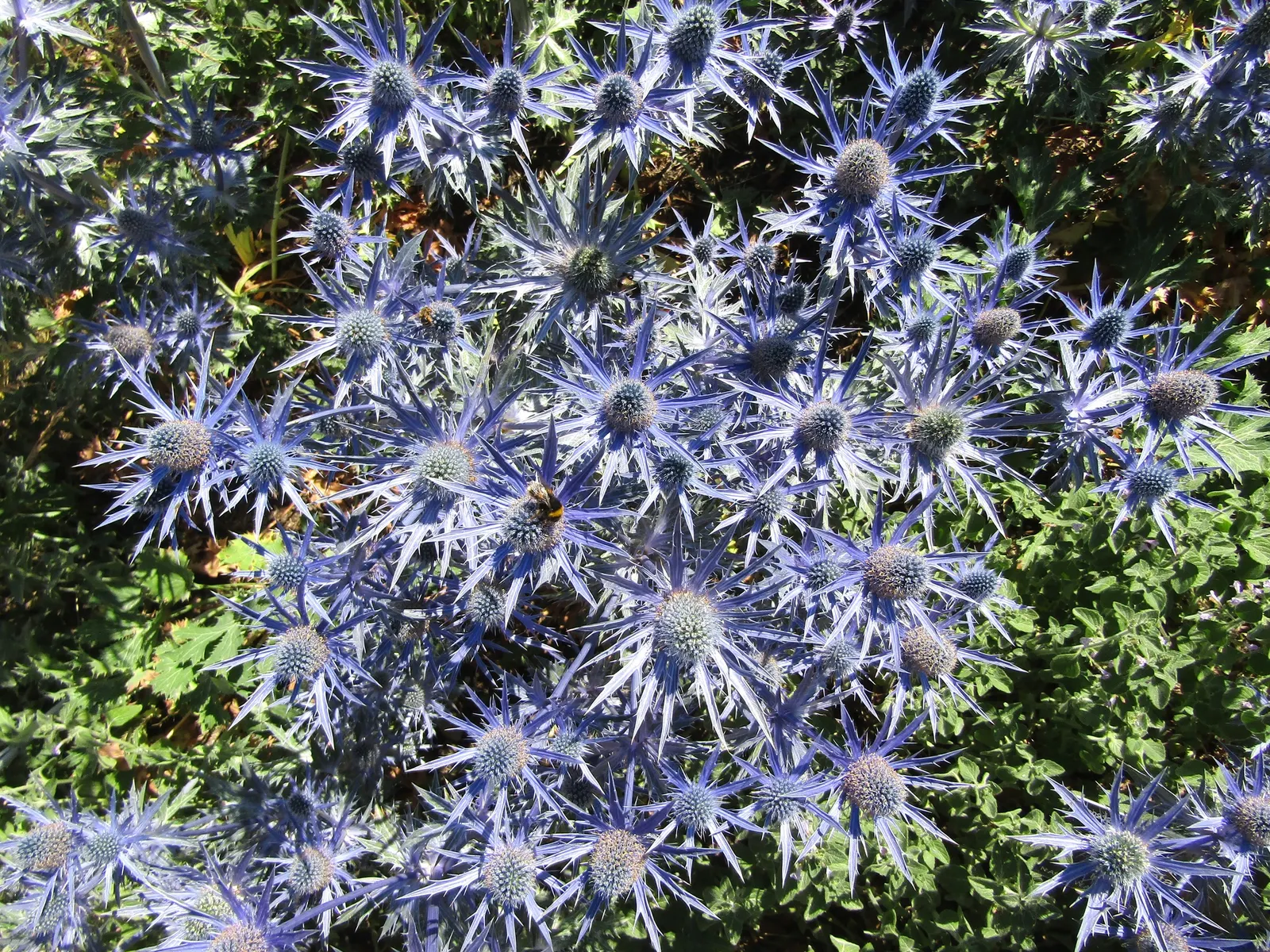
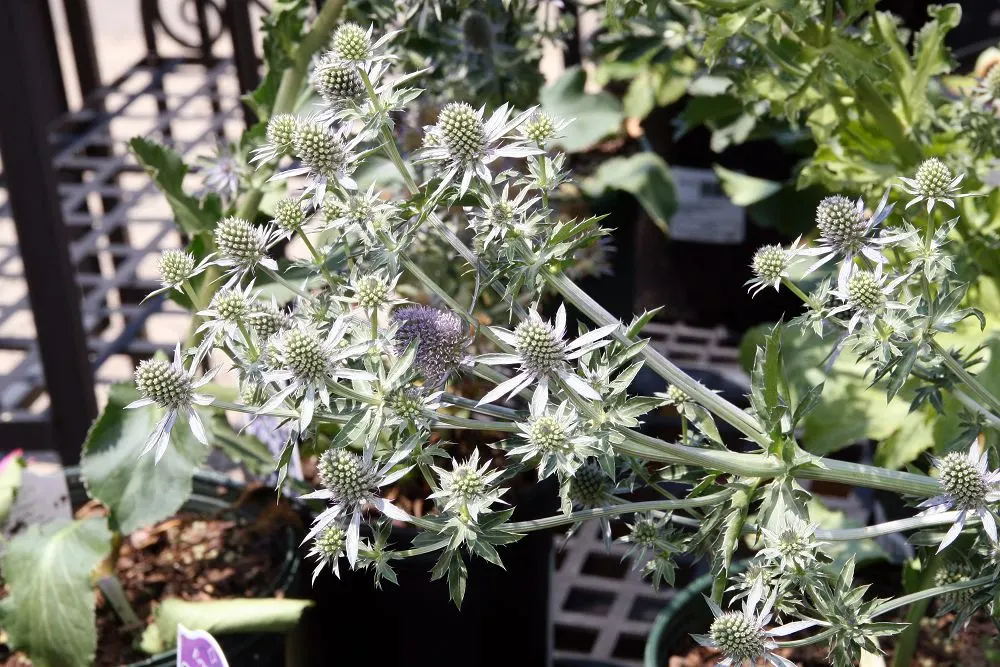
Eryngium planum, commonly known as Blue Sea Holly, is a striking perennial bearing a unique metallic blue hue. Ideal for zones 4-9, it reaches 2 to 3 feet in height and spans 1 to 1.5 feet wide. This drought-tolerant plant thrives in full sun and well-drained soil, producing thistle-like blooms from mid to late summer. Its texture and color add distinct contrast to any garden composition.

Sun FullWater LowZones 2–9Type PerennialClimate Temperate
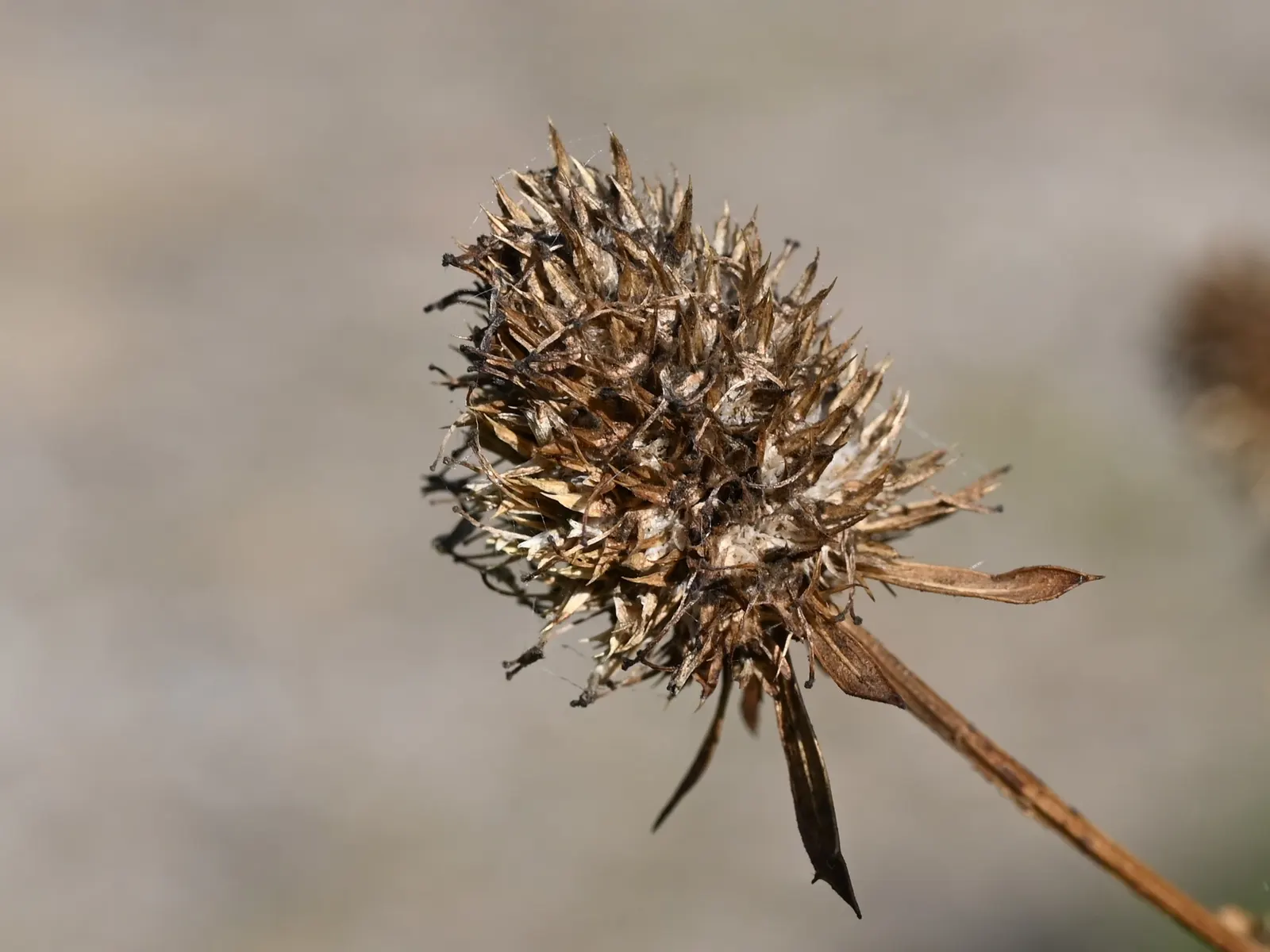
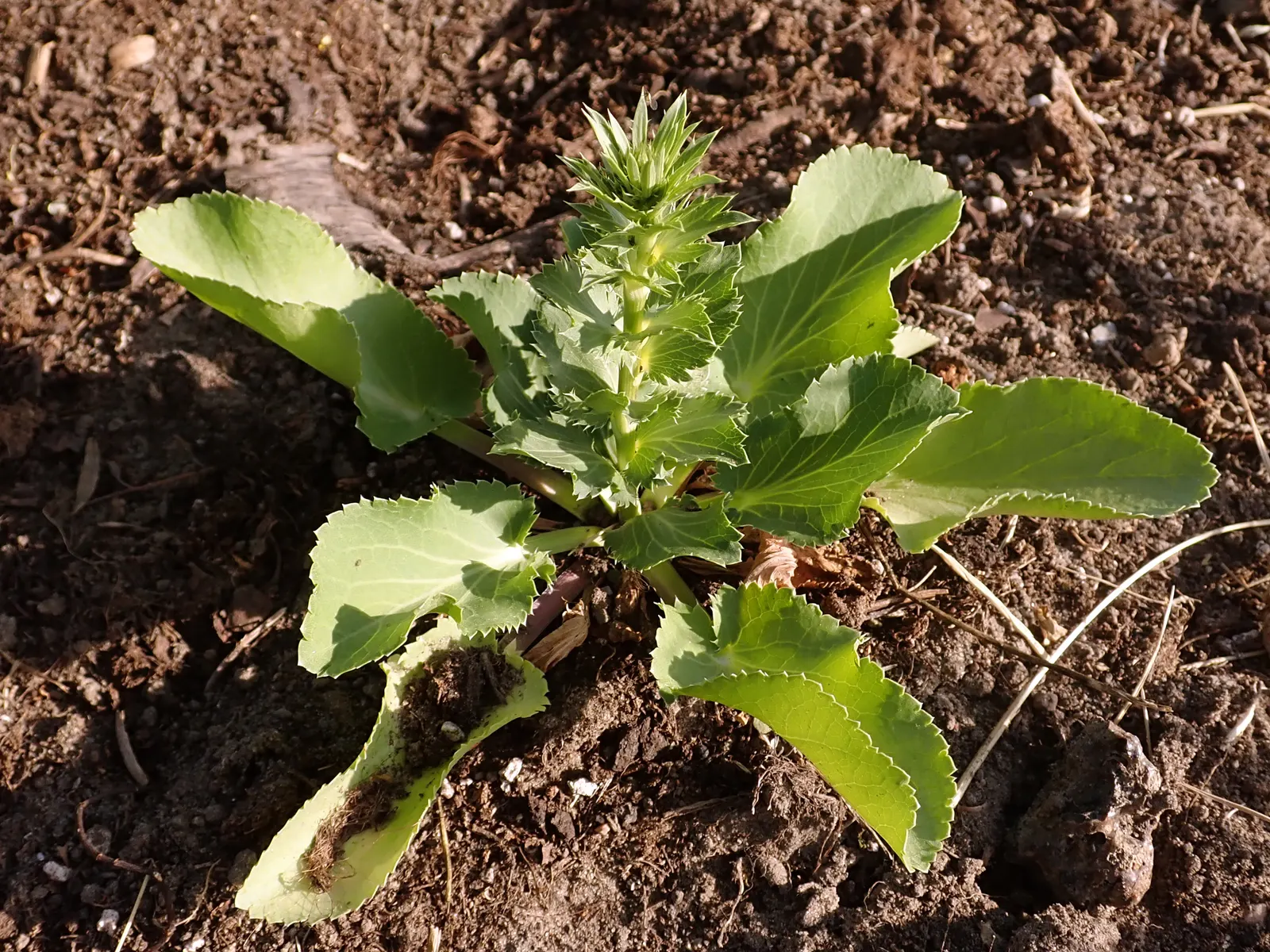
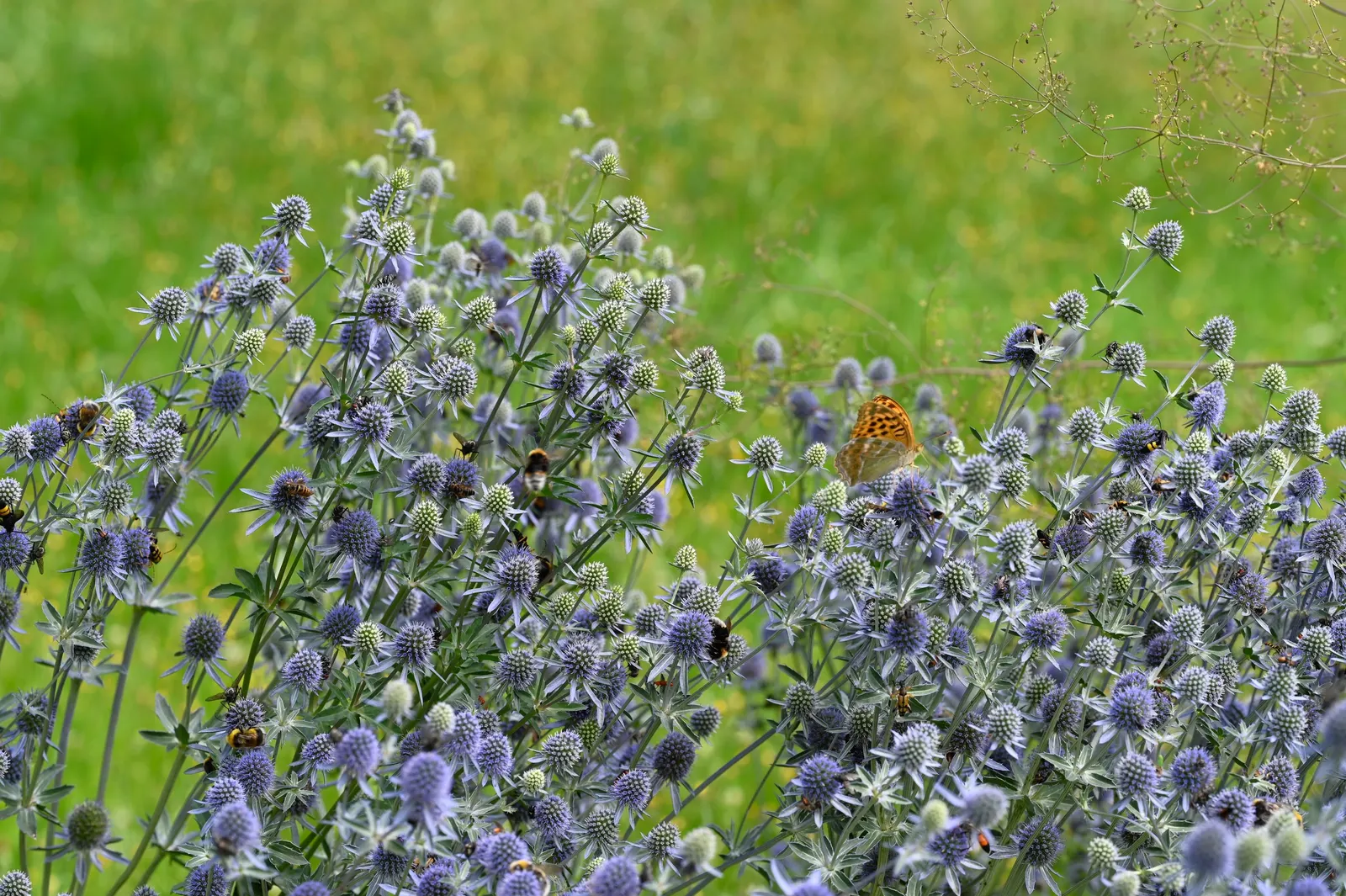
Blue Or False Sea Holly (Eryngium Planum) — This drought-tolerant plant thrives in full sun and well-drained soil; including bees and butterflies

Culture

Sun
Full
Water
Low
USDA zones
2–9

Shape & size

Mature height
2–3 Ft.
Mature width
1–2 Ft.

Classification

Type
Perennial
Family
Apiaceae (Umbelliferae)
Climate
Temperate

See full data, regional cultivation notes, and design tools. Build a client presentation around this plant.

Start your 14-day trial

Photos (85)

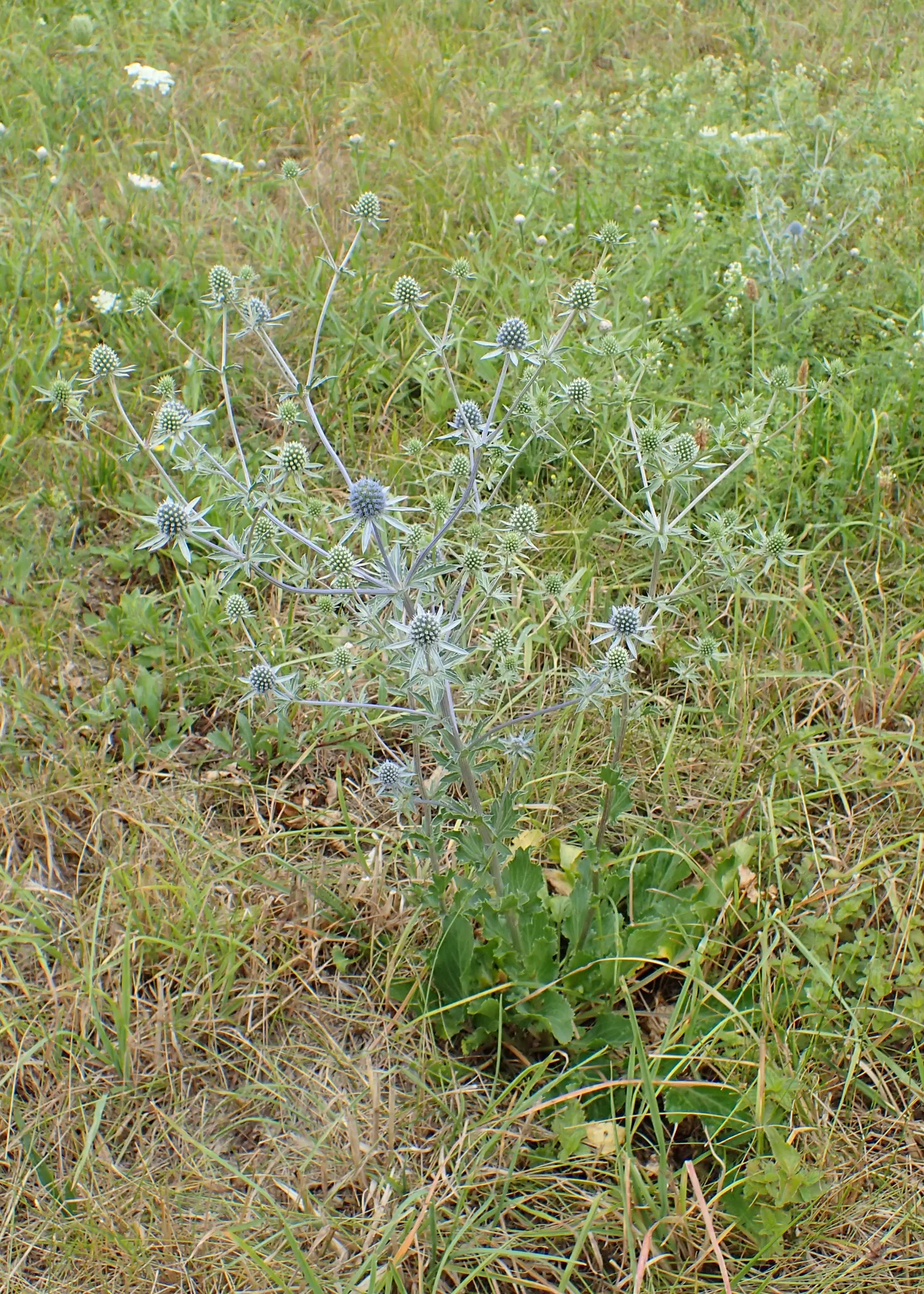
Blue Or False Sea Holly (Eryngium Planum) — Ideal for zones 4-9, it reaches 2 to 3 feet in height and spans 1 to 1.5 feet wide
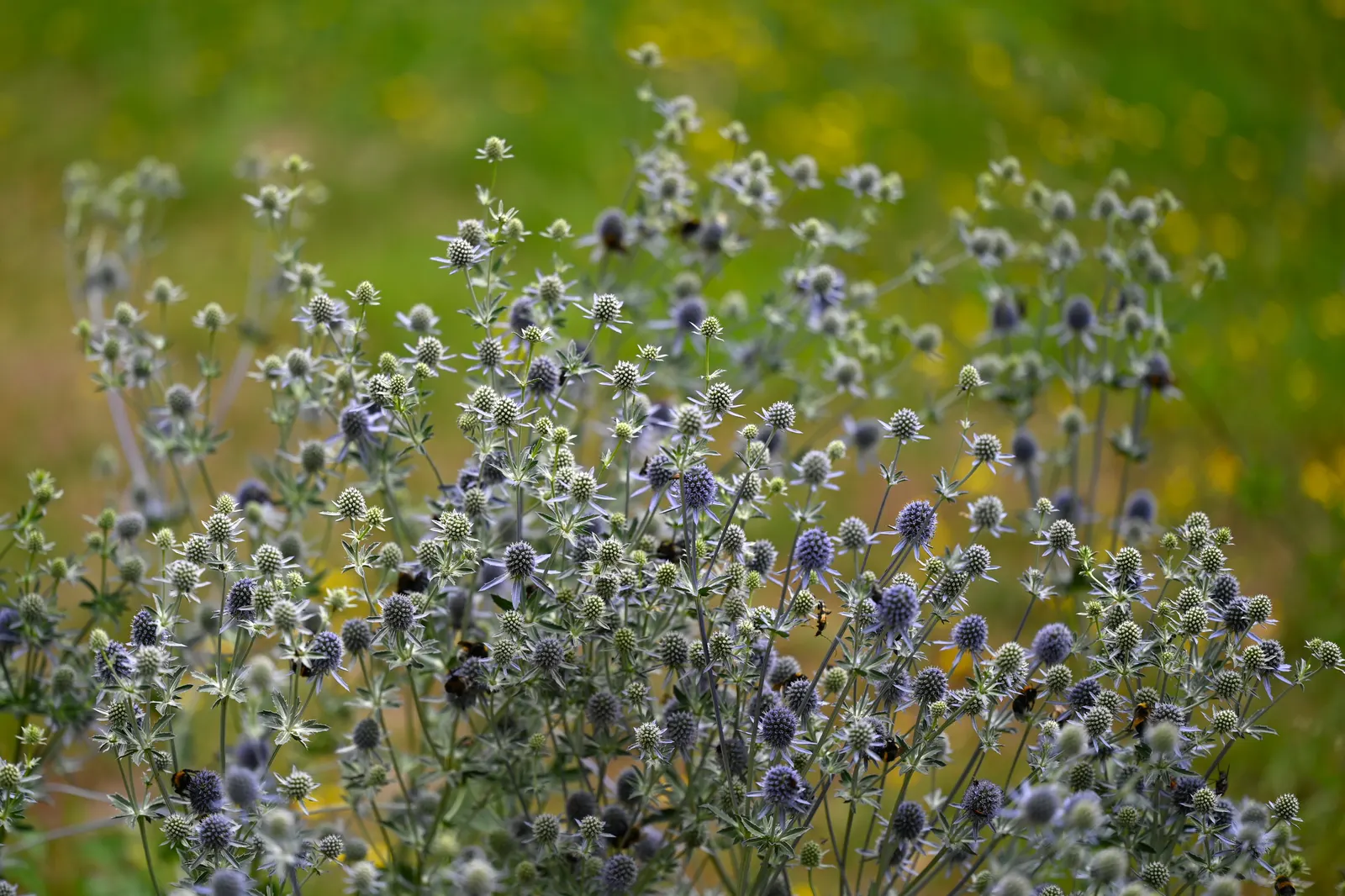
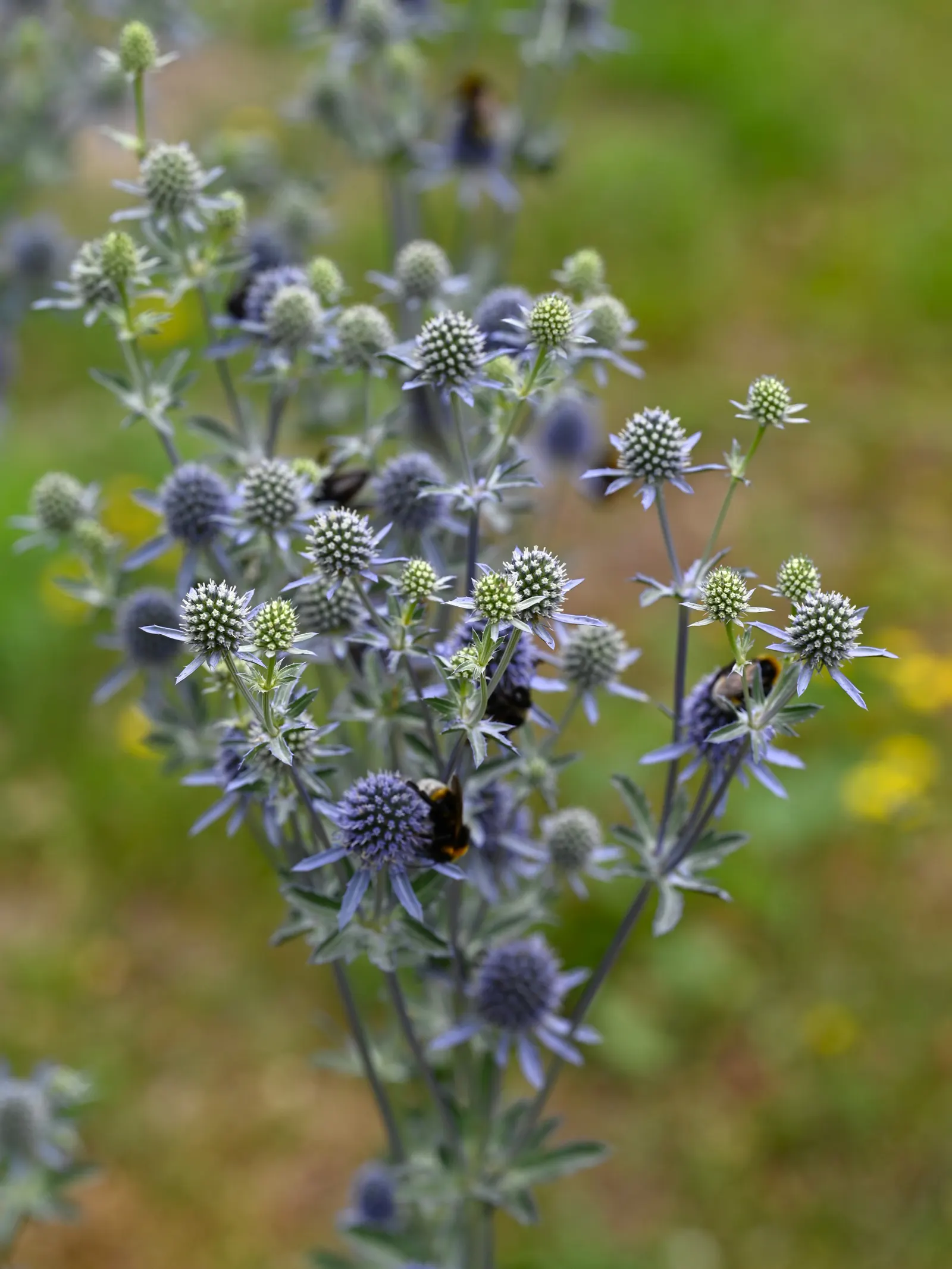
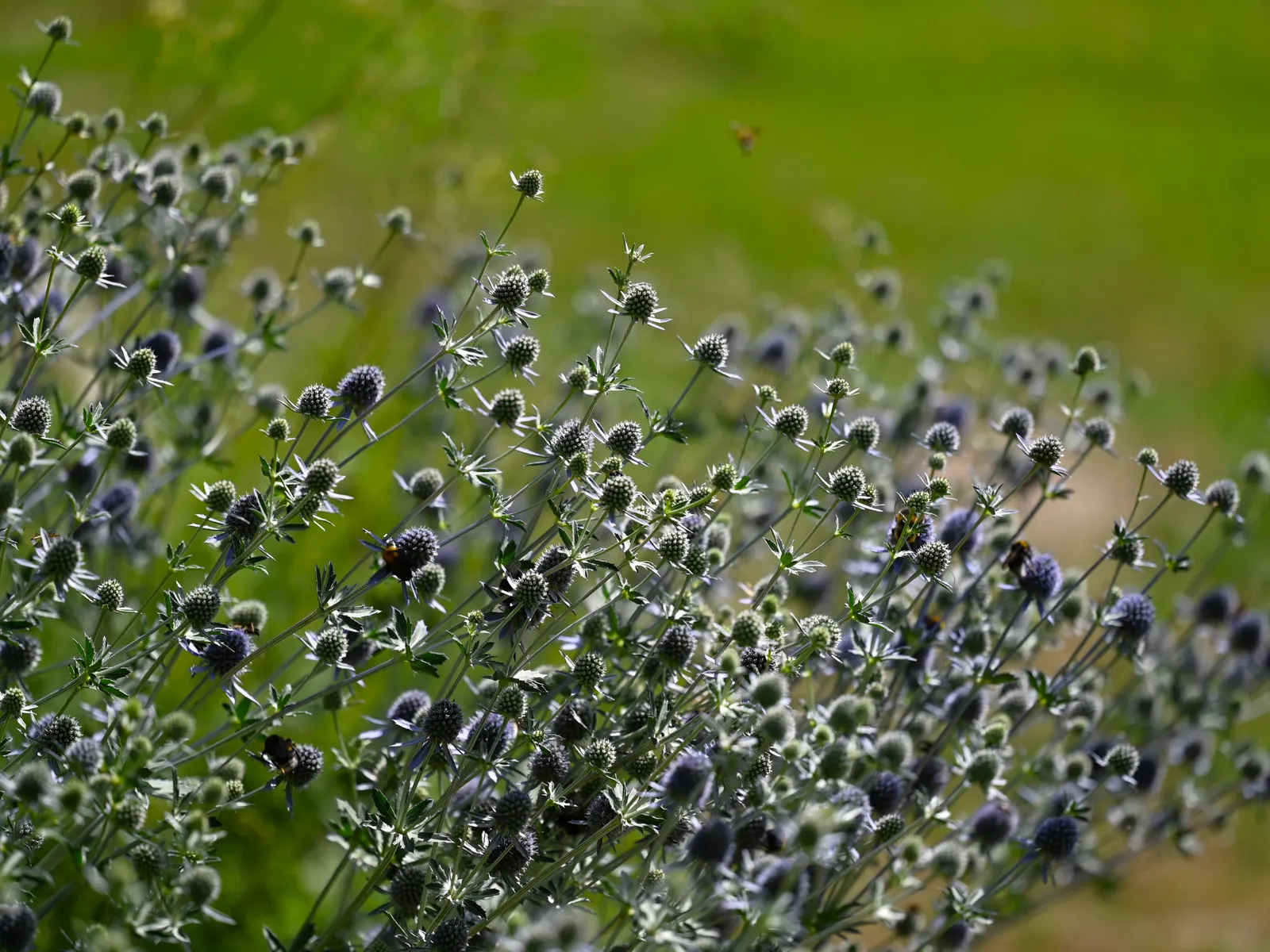
Blue Or False Sea Holly (Eryngium Planum) — and its nectar-rich flowers attract a plethora of pollinators; or as a striking focal point
Blue Or False Sea Holly (Eryngium Planum) — and its nectar-rich flowers attract a plethora of pollinators; or as a striking focal point, image 65
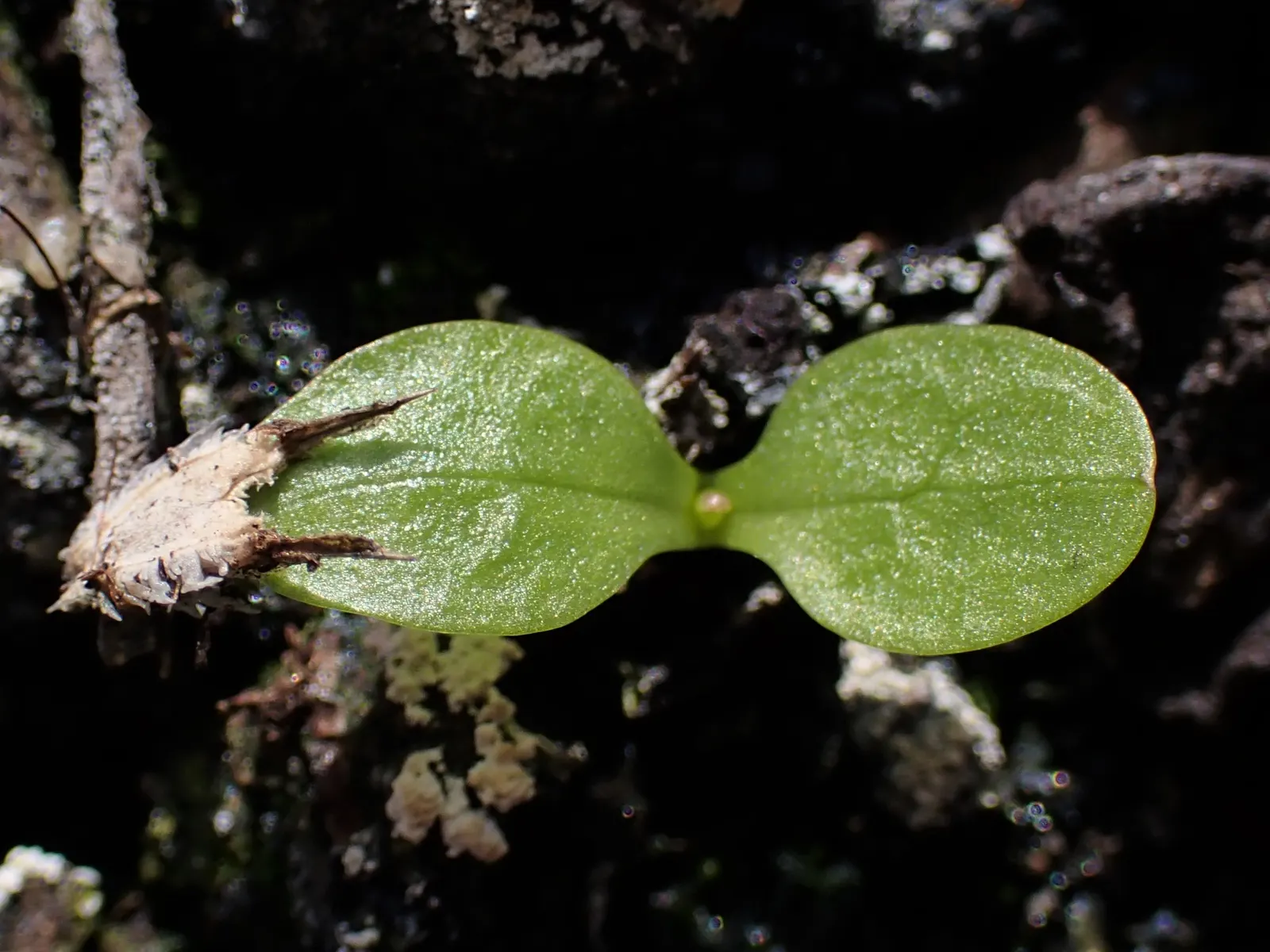
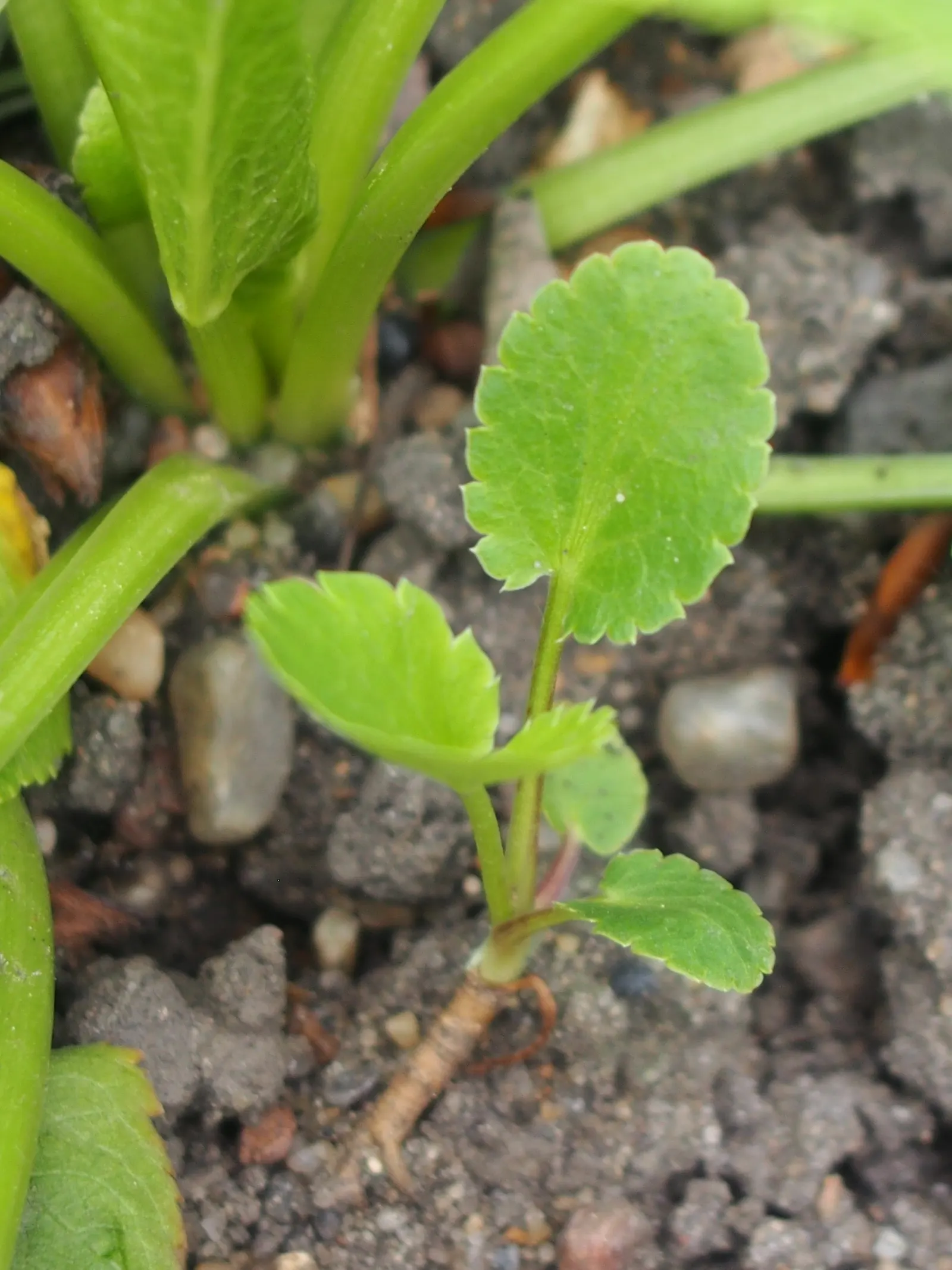
Blue Or False Sea Holly (Eryngium Planum) — scientifically known as Eryngium planum; the plant's deep taproot system can make it resilient but also challenging
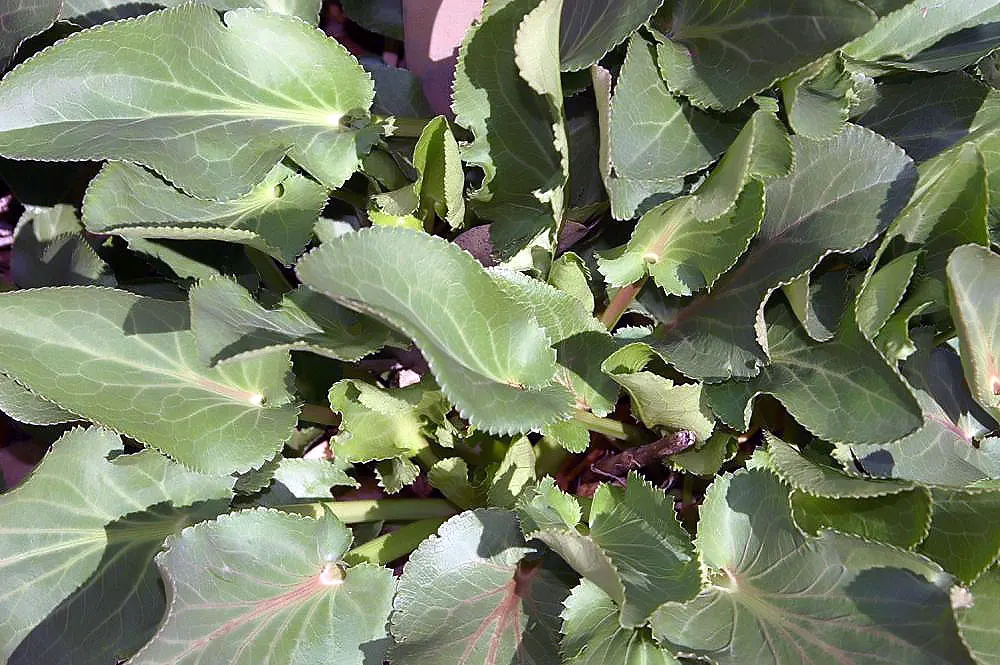
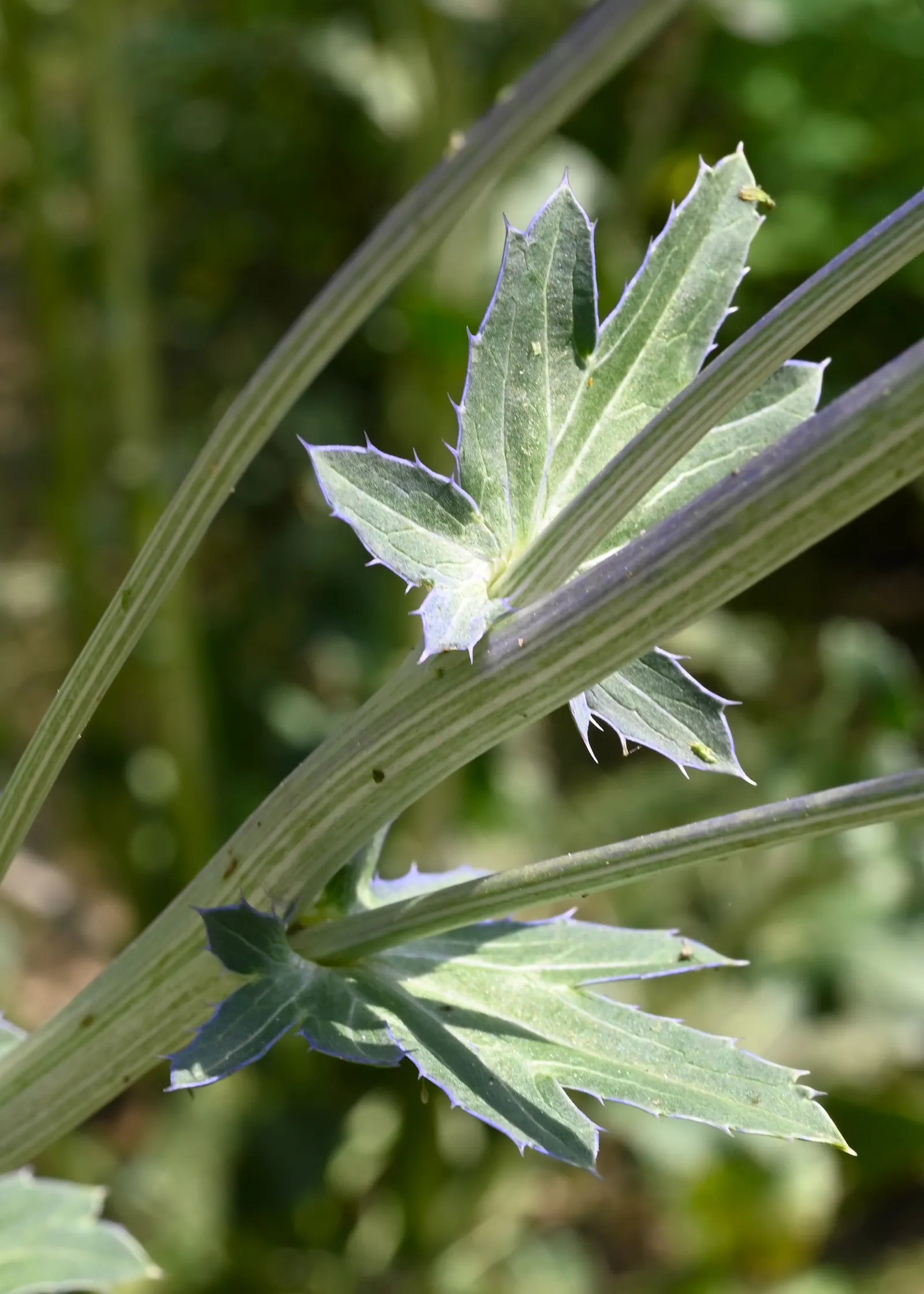
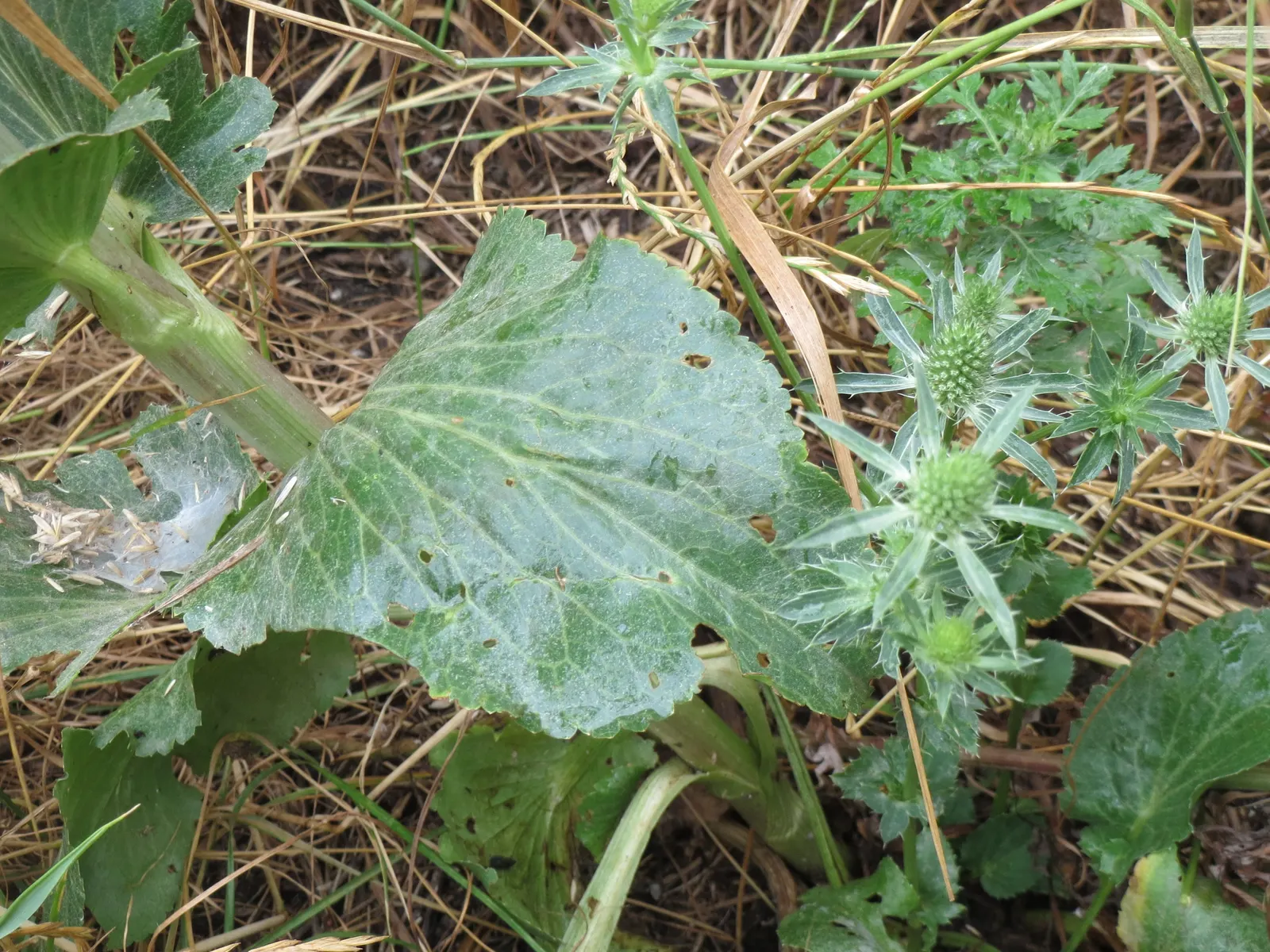
Blue Or False Sea Holly (Eryngium Planum) — while its spiny foliage deters deer
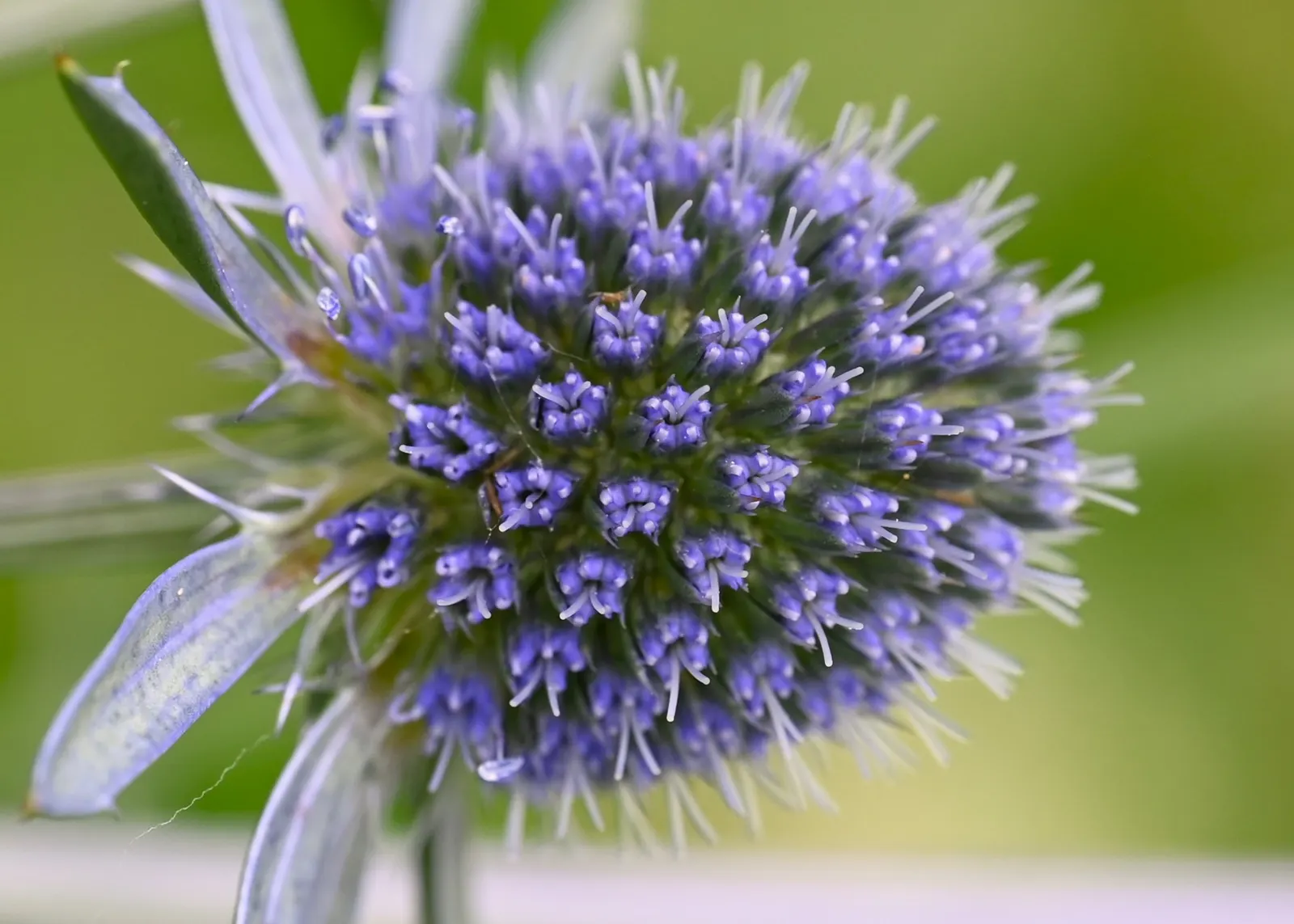
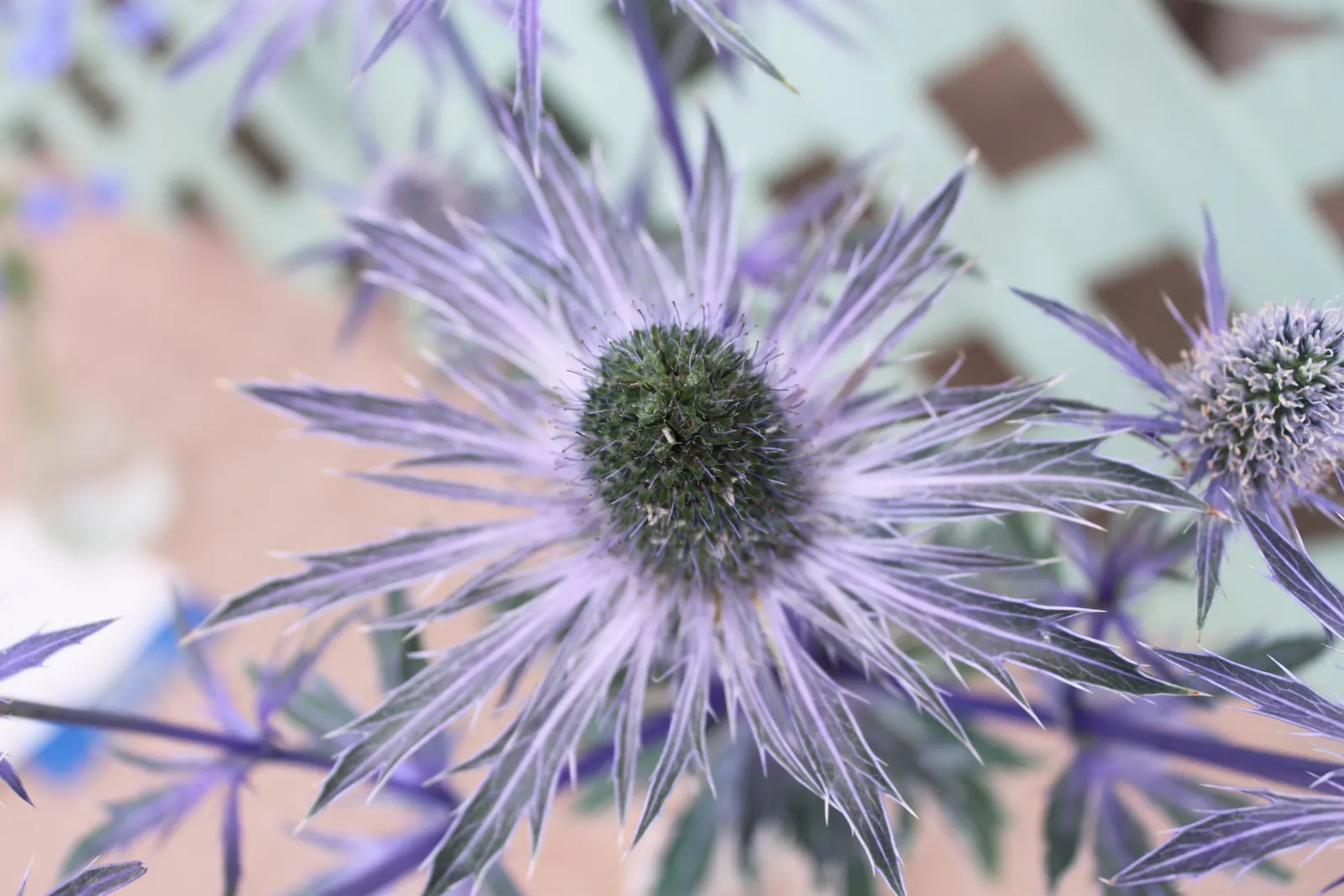
Blue Or False Sea Holly (Eryngium Planum) — which are surrounded by spiky; while its spiny foliage deters deer
Blue Or False Sea Holly (Eryngium Planum) — while its spiny foliage deters deer; which are surrounded by spiky
Blue Or False Sea Holly (Eryngium Planum) — It prefers full sun exposure and flourishes in well-drained soil; intense blue to violet flowers
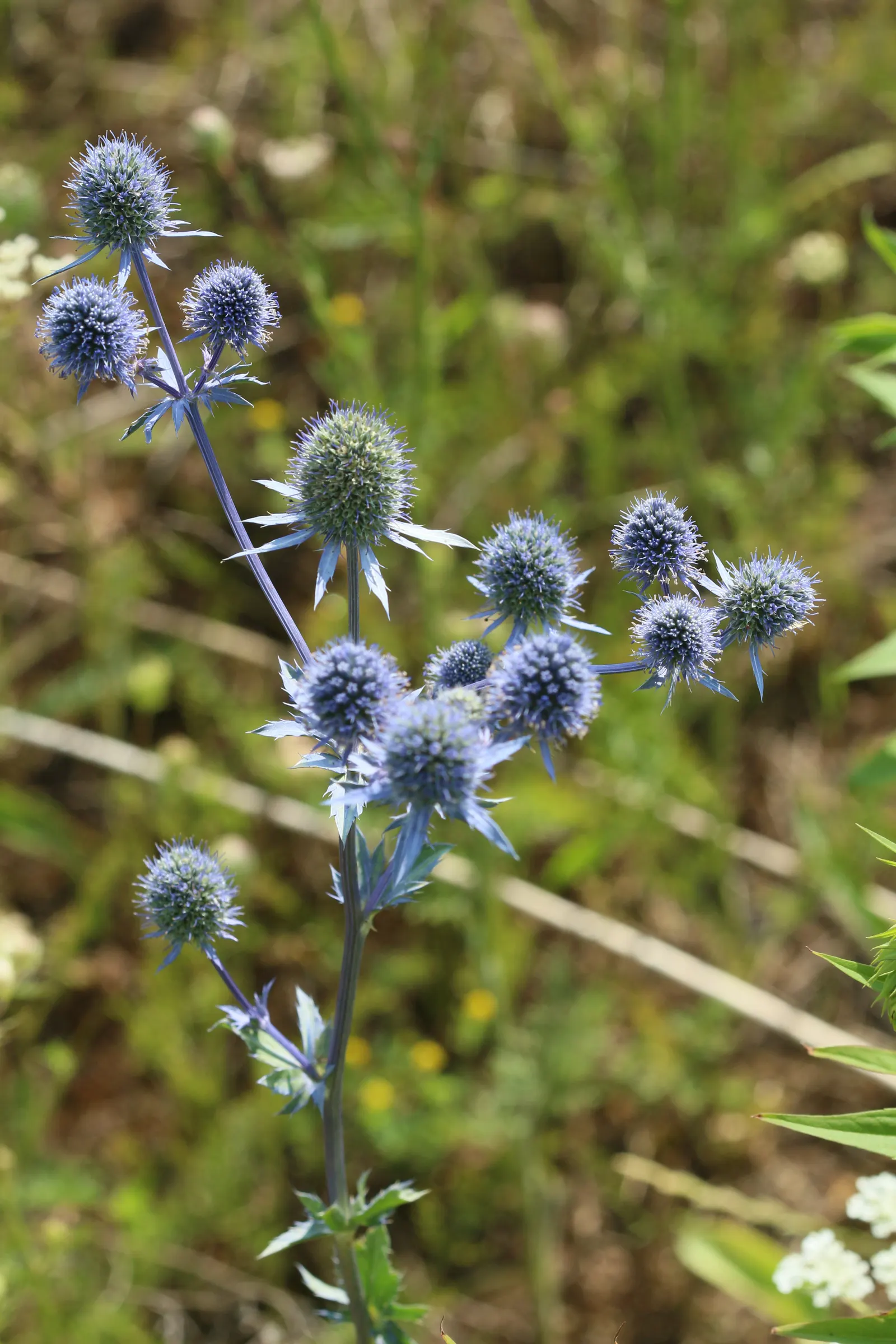
Blue Or False Sea Holly (Eryngium Planum) — is a striking perennial that offers a unique texture and color to any landscape design; blue flowers in the garden
Blue Or False Sea Holly (Eryngium Planum) — The plant's deep taproot system can make it resilient but also challenging to transplant; scientifically known as
Blue Or False Sea Holly (Eryngium Planum) — blue flowers in the garden
Blue Or False Sea Holly (Eryngium Planum) — making it a suitable candidate for xeriscaping
Blue Or False Sea Holly (Eryngium Planum) — including bees and butterflies; this drought-tolerant plant thrives in full sun and well-drained soil
Blue Or False Sea Holly (Eryngium Planum) — Its texture and color add distinct contrast to any garden composition; this hardy plant is, image 53
Blue Or False Sea Holly (Eryngium Planum) — Eryngium planum, commonly known as Blue Sea Holly, is a striking perennial bearing a unique metallic, image 49
Blue Or False Sea Holly (Eryngium Planum) — so selecting the right location initially is important.<br><br>Blooming occurs from early to late summer, image 64
Blue Or False Sea Holly (Eryngium Planum) — producing thistle-like blooms from mid to late summer
Blue Or False Sea Holly (Eryngium Planum) — making it a suitable candidate for xeriscaping; perennial with blue blooms, image 62
Blue Or False Sea Holly (Eryngium Planum) — thriving in USDA Hardiness Zones 5 to 9; ideal for zones 4-9, it reaches 2 to 3 feet in height and spans 1 to 1.5
Blue Or False Sea Holly (Eryngium Planum) — perennial with blue blooms; making it a suitable candidate for xeriscaping
Blue Or False Sea Holly (Eryngium Planum) — tolerating drought conditions once established; so selecting the right location initially is, image 61
Blue Or False Sea Holly (Eryngium Planum) — perennial with blue blooms
Blue Or False Sea Holly (Eryngium Planum) — It prefers full sun exposure and flourishes in well-drained soil
Blue Or False Sea Holly (Eryngium Planum) — perennial for full; eryngium planum offers architectural interest and a metallic shimmer
Photographs by 8 contributors

Related plants