Skip to content

Loquat

Eriobotrya Japonica

Design with this plant

Overview

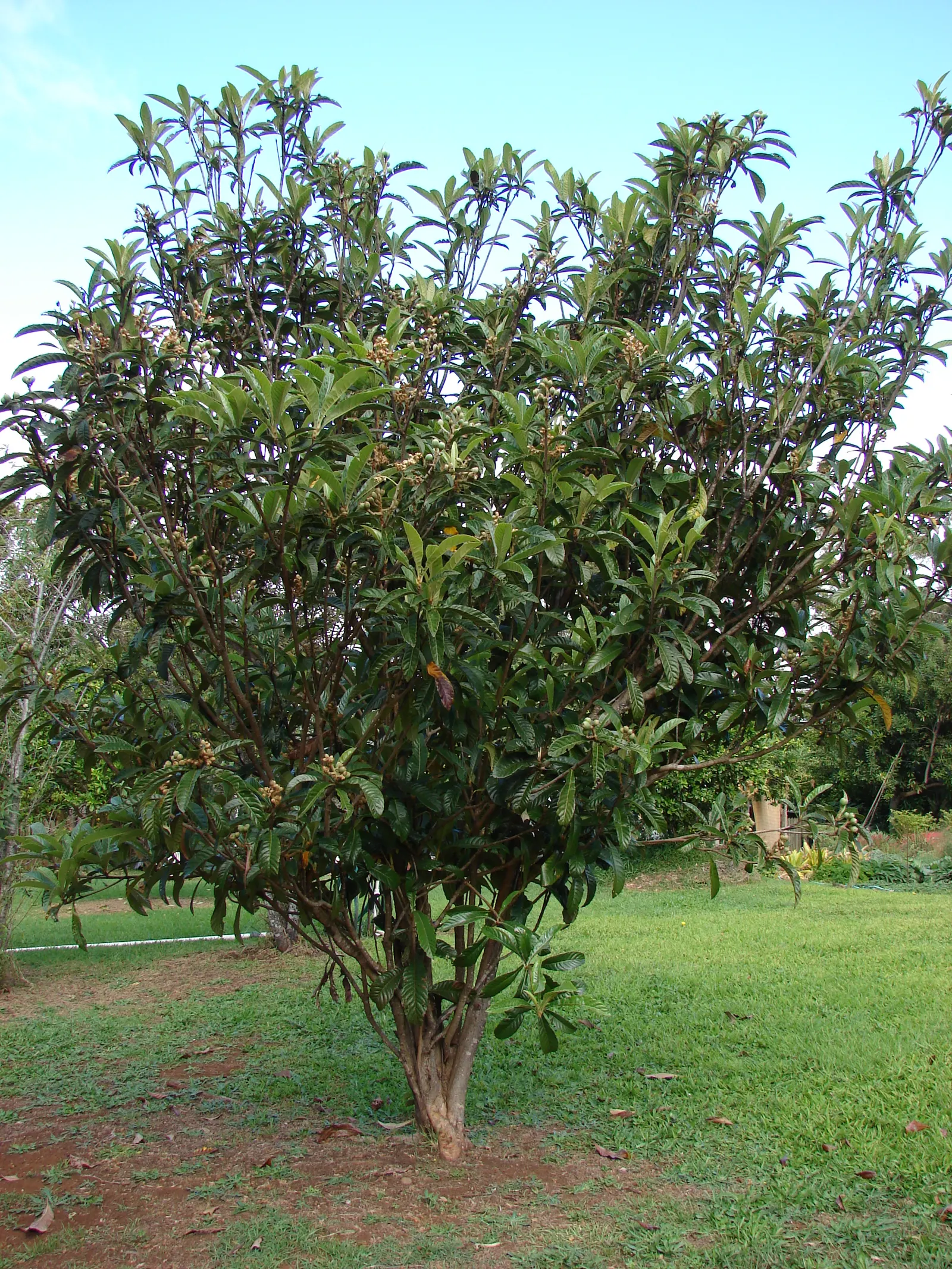
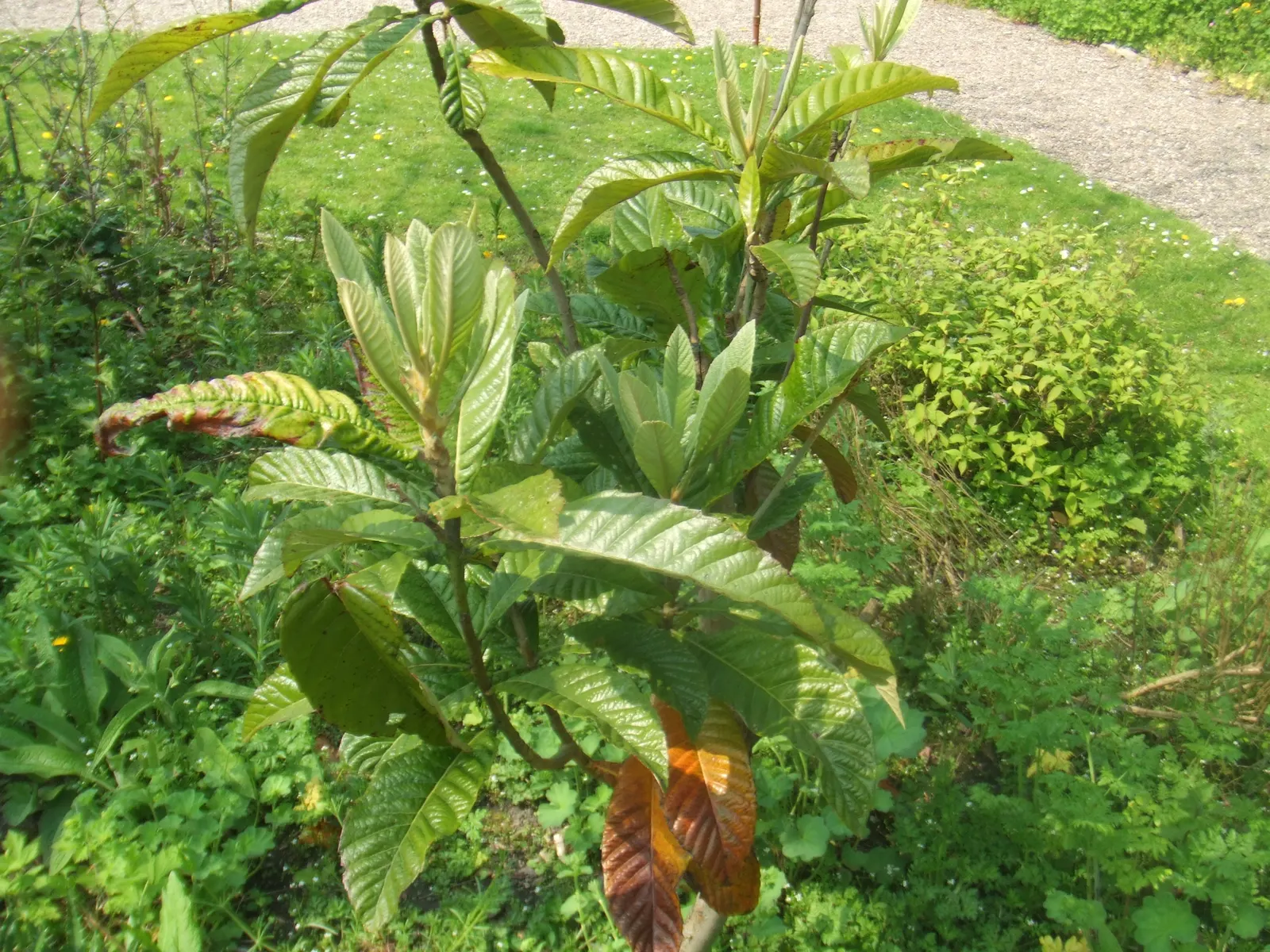
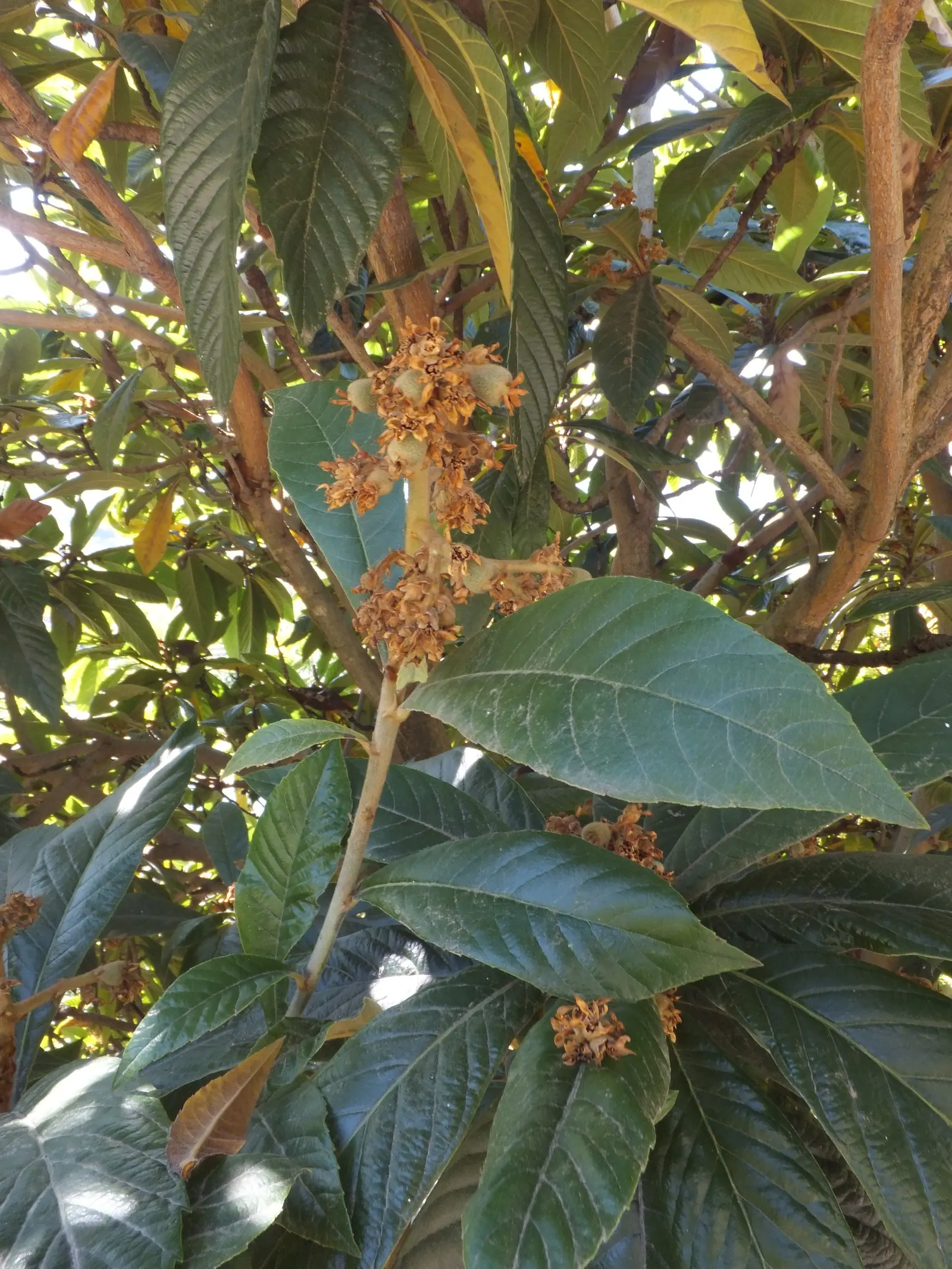
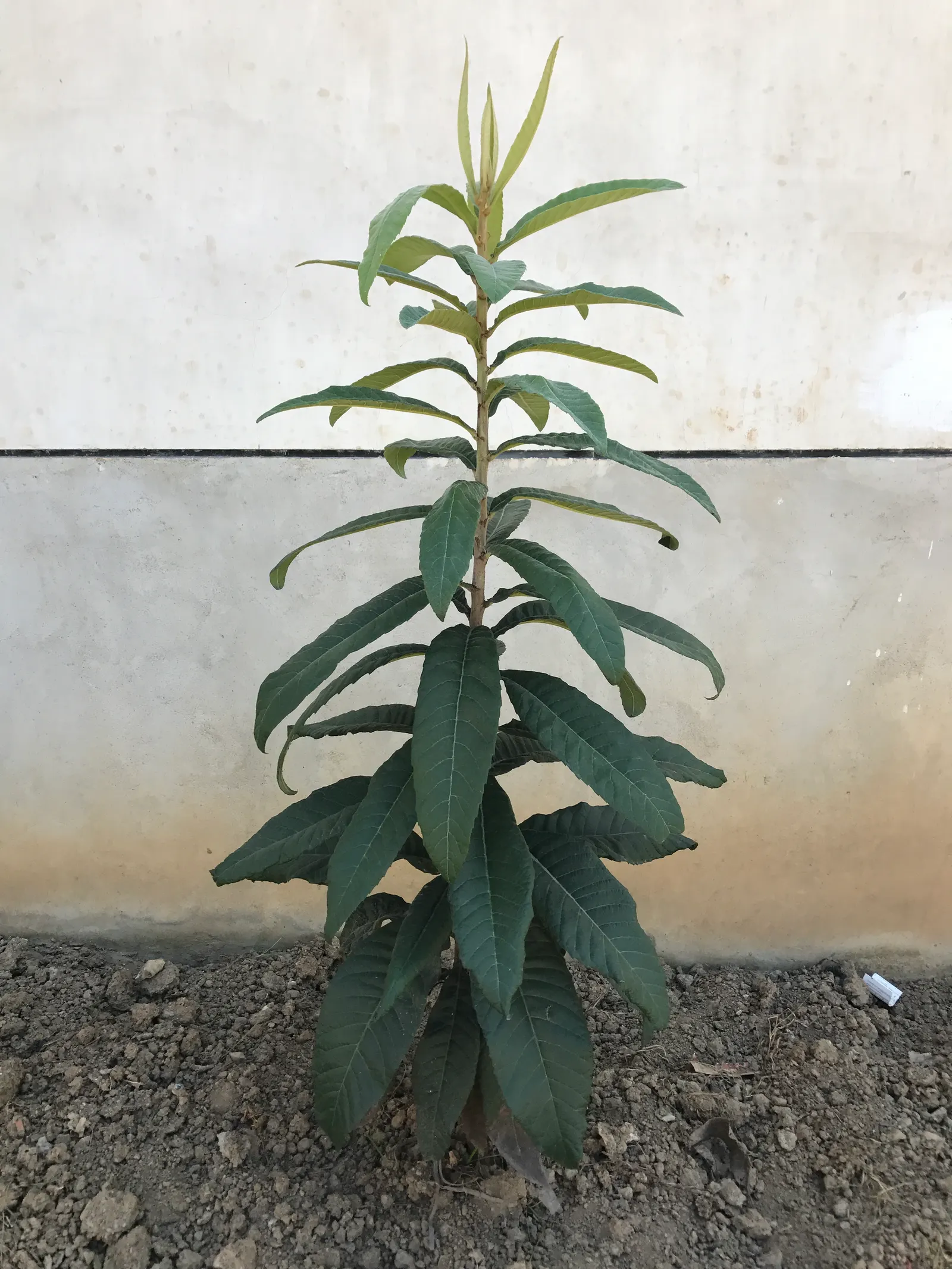
The Loquat (Eriobotrya japonica) is an evergreen shrub/tree native to southeastern China. Grown for its attractive foliage and sweet, tangy fruit, it typically reaches 10-30 feet tall and wide. Its large, leathery leaves are dark green on top and downy white underneath. Fragrant white blooms appear in fall, with fruit ripening in late winter to spring. Loquats require well-drained soil and full sun to partial shade. USDA zones 8-10.

Sun Full, HalfWater LowZones 8–10Climate Subtropical
Loquat (Eriobotrya Japonica) — The Loquat (Eriobotrya japonica) is an evergreen shrub/tree native to southeastern China

Culture

Sun
Full, Half
Water
Low
USDA zones
8–10

Shape & size

Mature height
10–25 Ft.
Mature width
10–25 Ft.

Classification

Family
Rosaceae
Climate
Subtropical

See full data, regional cultivation notes, full-resolution photos, and design tools. Build a client presentation around this plant.

Start your 14-day trial

Photos (125)

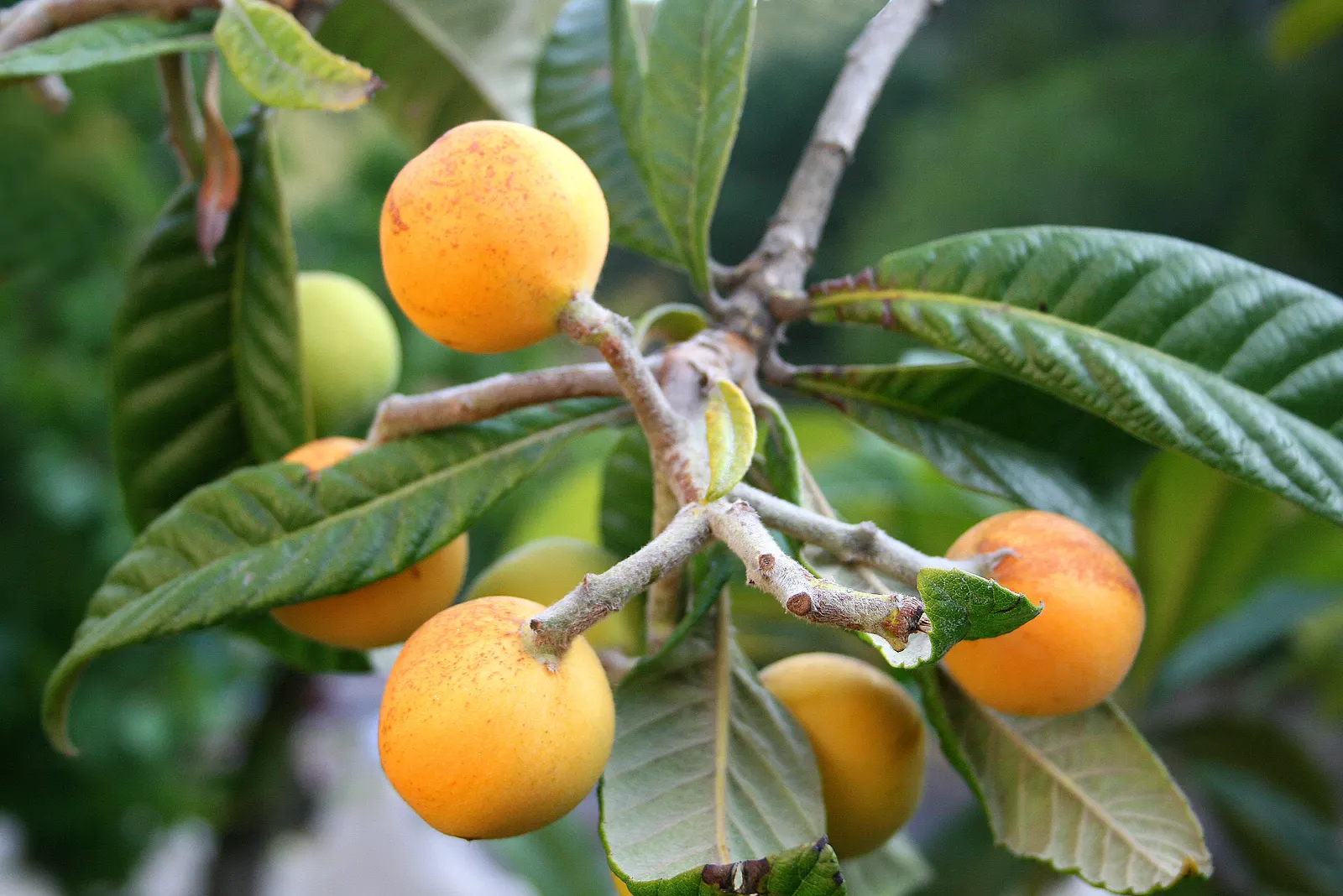
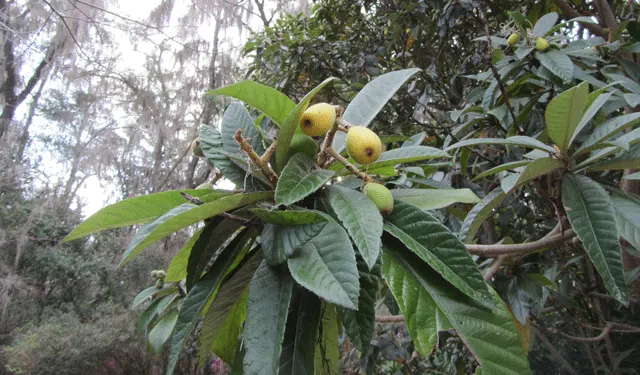
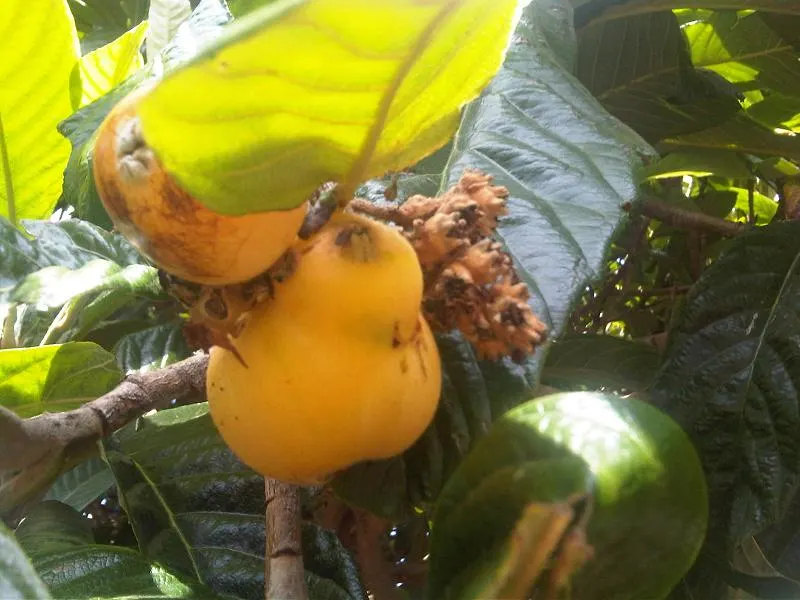
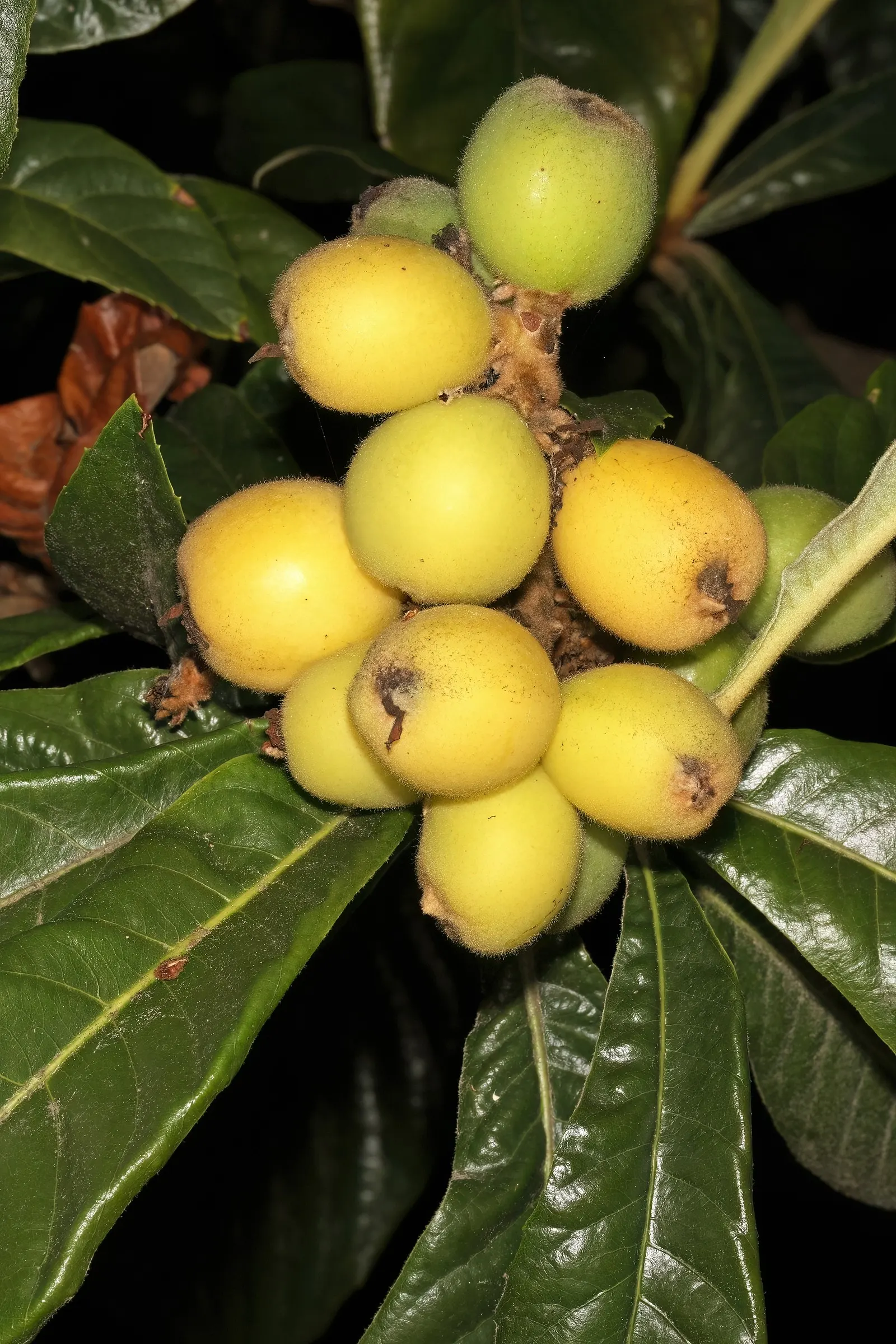
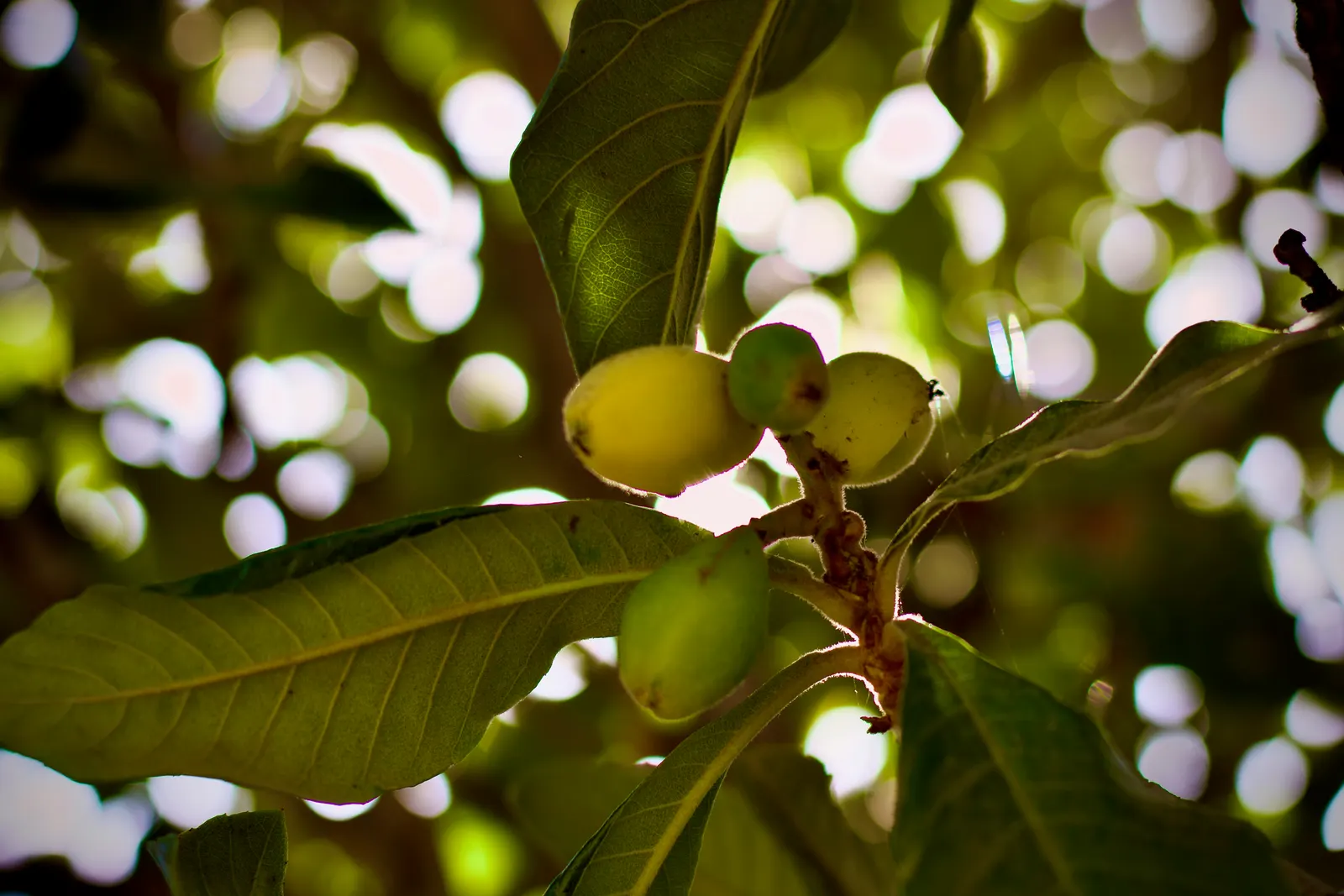
Loquat (Eriobotrya Japonica) — around 1 to 2 inches in diameter; the taste is a unique blend of sweetness and tartness
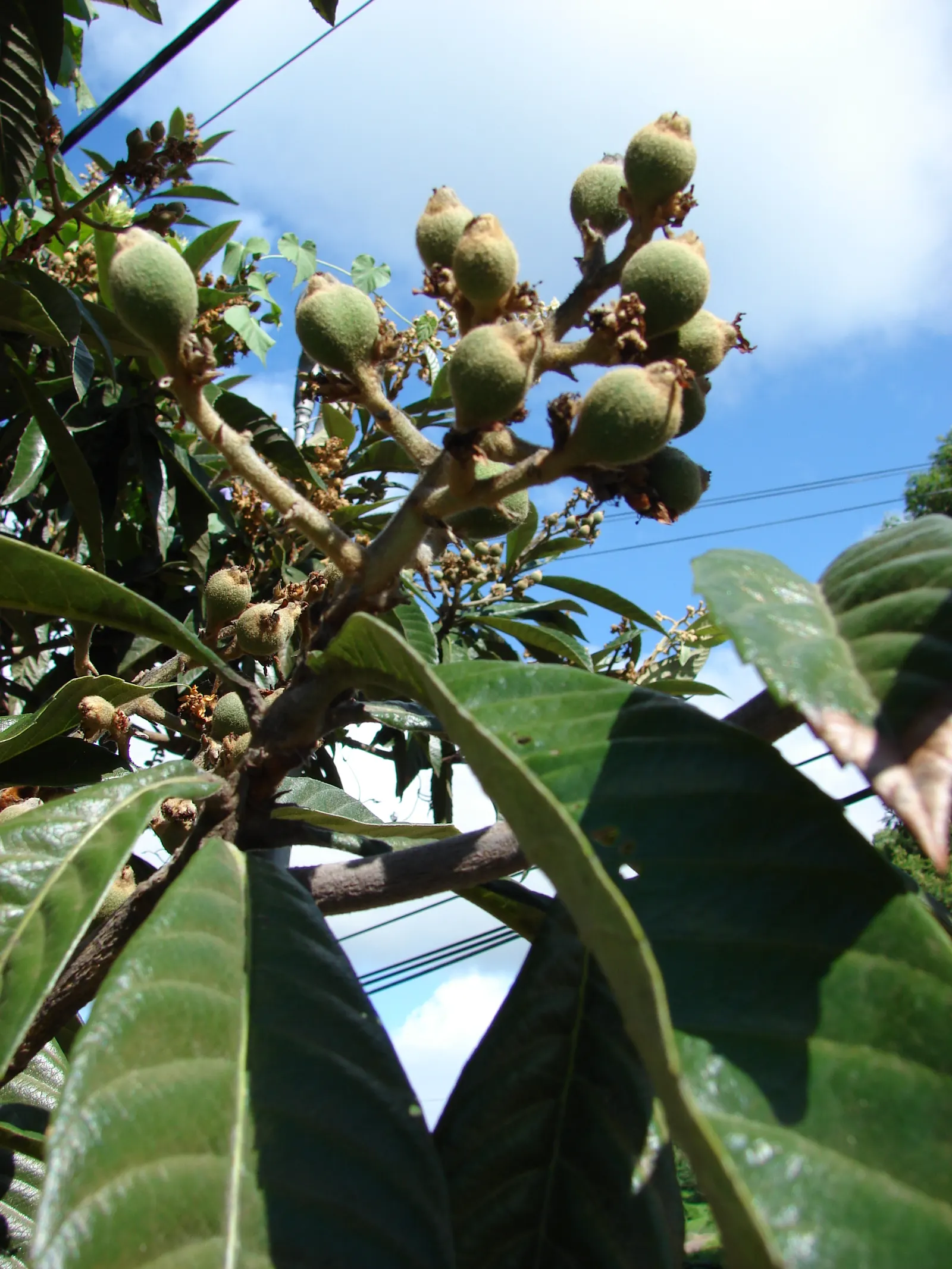
Loquat (Eriobotrya Japonica) — have a smooth or slightly fuzzy skin; due to its fruit and attractive foliage
Loquat (Eriobotrya Japonica) — The taste is a unique blend of sweetness and tartness; as a member of the Rosaceae family
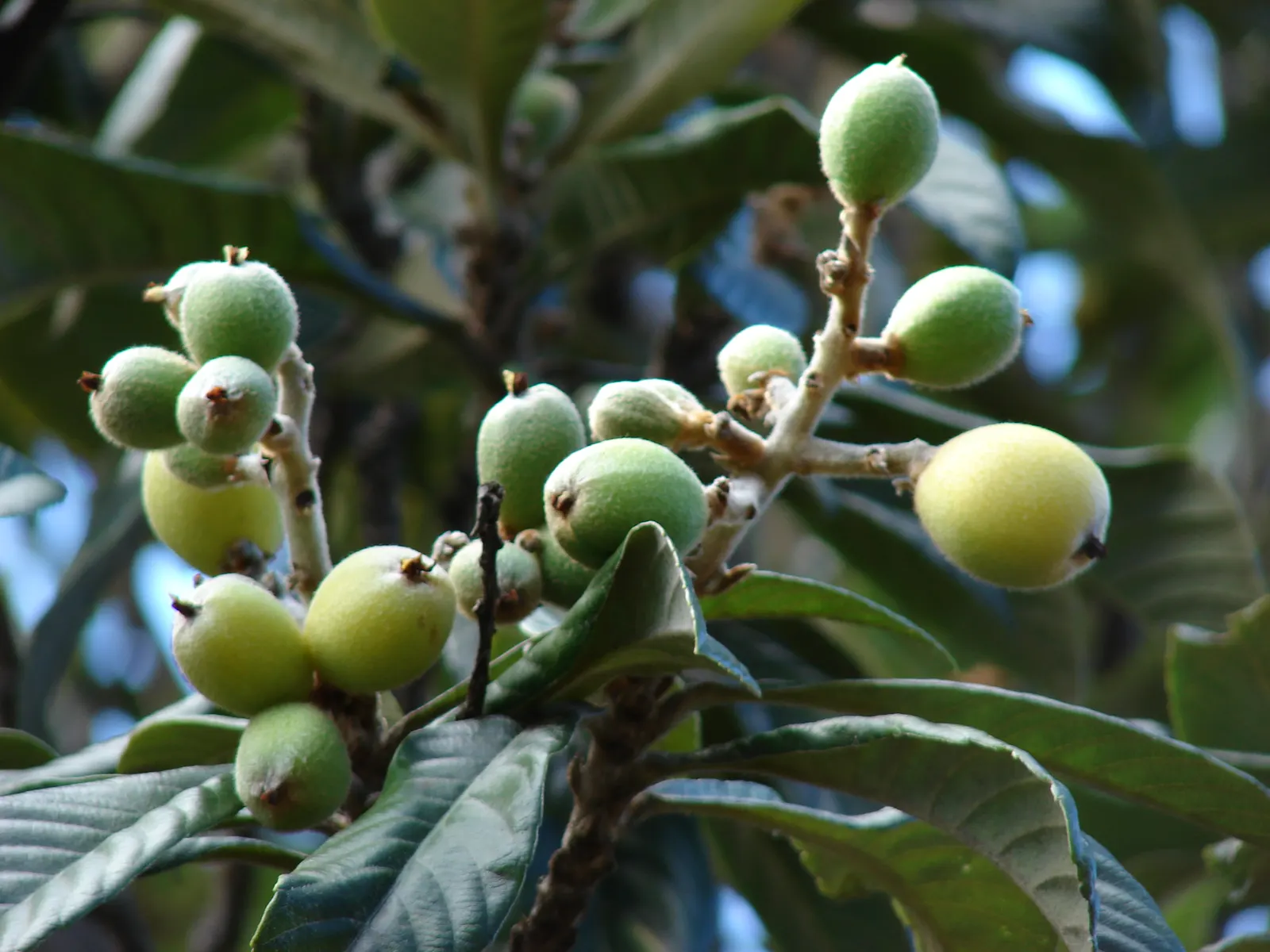
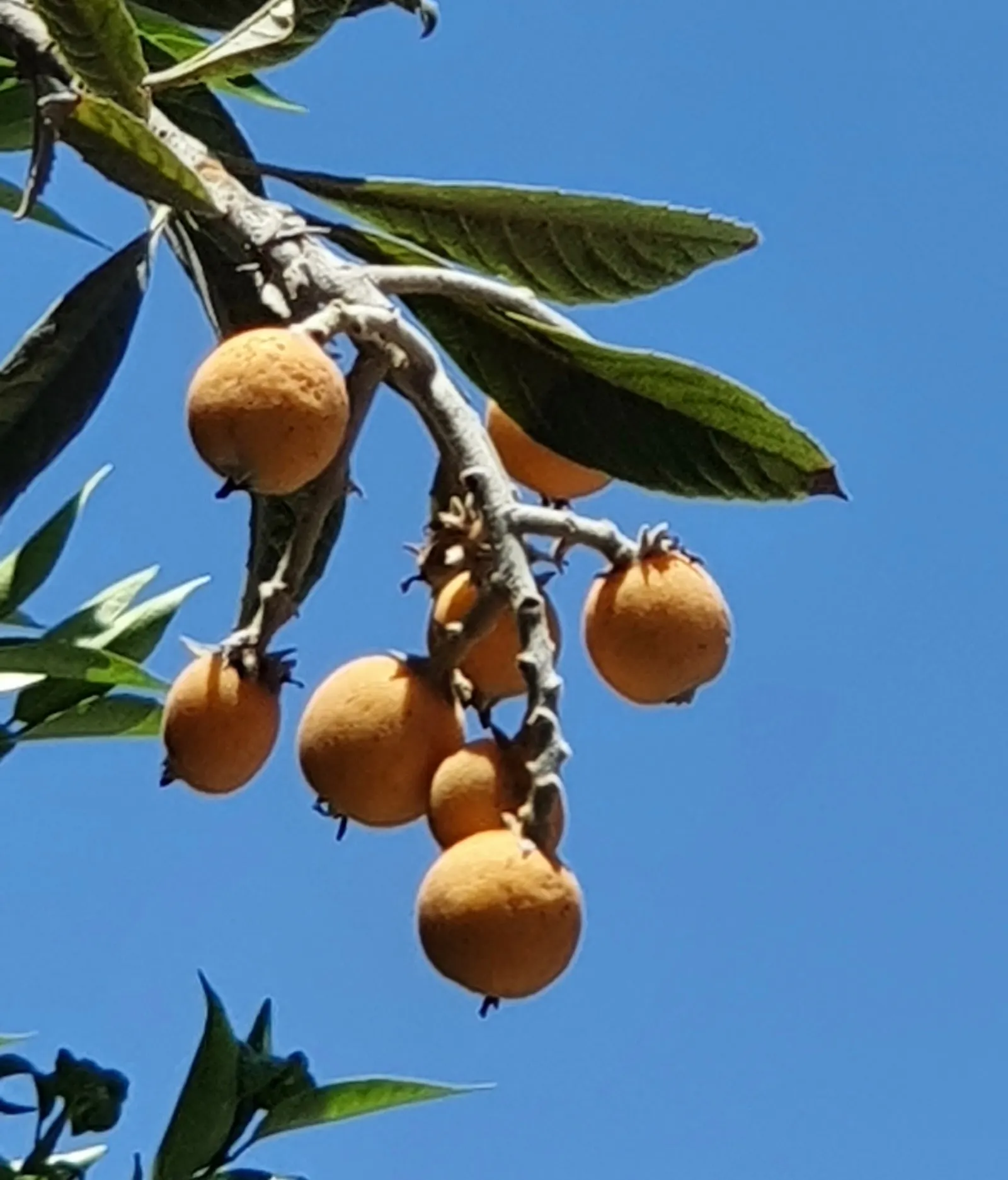
Loquat (Eriobotrya Japonica) — transitioning from green to yellow or orange when ripe; grown for its attractive foliage and sweet, tangy fruit, it typically
Loquat (Eriobotrya Japonica) — often compared to a mixture of peach; which are then followed by the fruit.<br><br>Loquat fruits
Loquat (Eriobotrya Japonica) — and mild mango.<br><br>Loquats prefer full sun to partial shade and are tolerant of different soil types; though well-draining
Loquat (Eriobotrya Japonica) — though well-draining soil is ideal; white flowers in the garden
Loquat (Eriobotrya Japonica) — Once established, they are notably drought-tolerant, making them a practical choice for many landscapes; loquats require
Loquat (Eriobotrya Japonica) — the Loquat can tolerate temperatures down to about 10&deg;F; the leaves are a standout feature
Loquat (Eriobotrya Japonica) — yet it is the late frosts that sometimes threaten the fruit set; transitioning from green to yellow or orange when ripe
Loquat (Eriobotrya Japonica) — Due to its fruit and attractive foliage; yet it is the late frosts that sometimes threaten the fruit set
Loquat (Eriobotrya Japonica) — the Loquat serves well as both an ornamental feature and a practical; the Loquat (Eriobotrya japonica) is an evergreen
Loquat (Eriobotrya Japonica) — fruit-bearing tree for one's garden; offering both aesthetic appeal and edible fruit
Loquat (Eriobotrya Japonica) — tree with white blooms; and mild mango.<br><br>Loquats prefer full sun to partial shade and are tolerant of different soil types
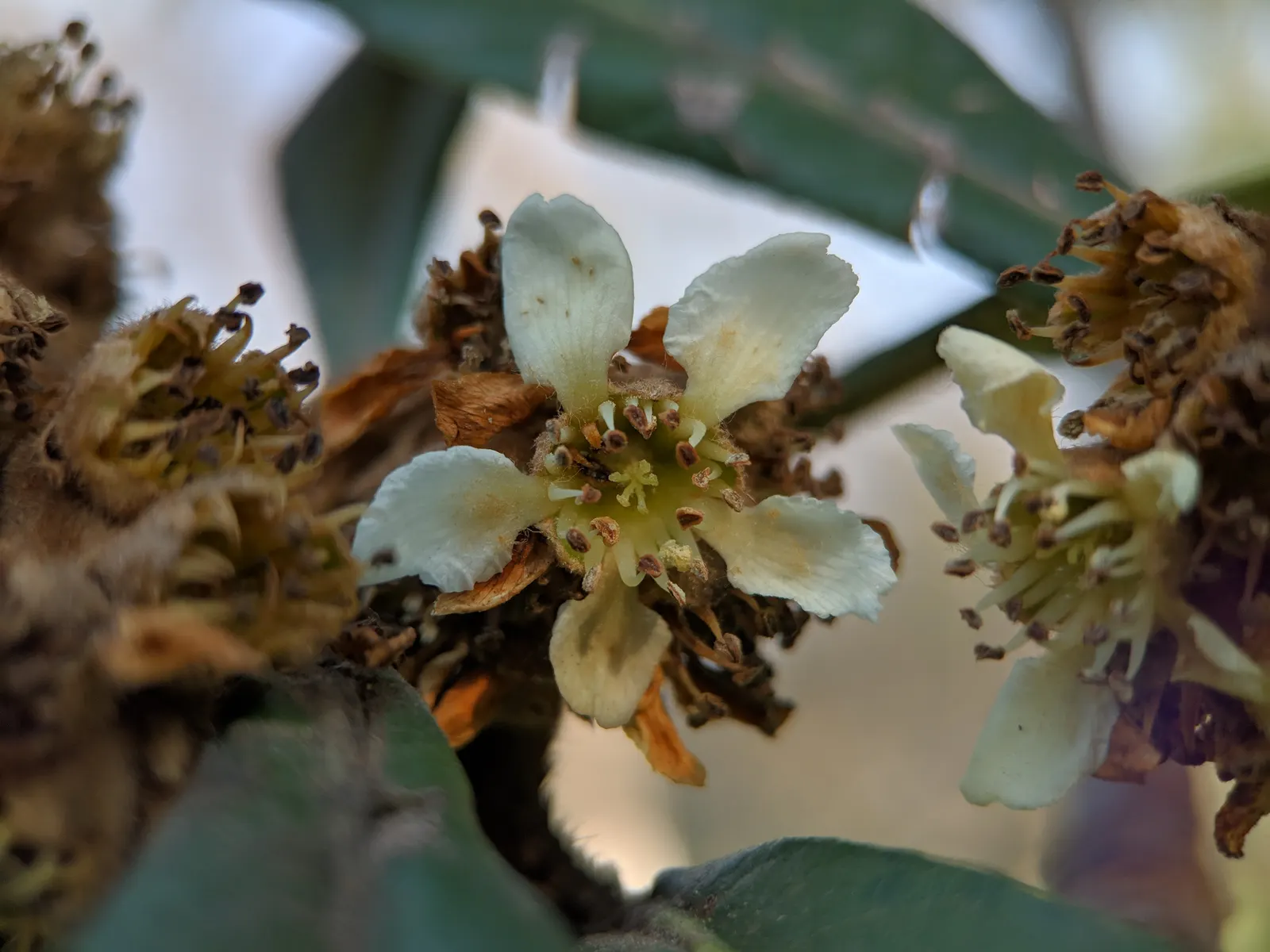
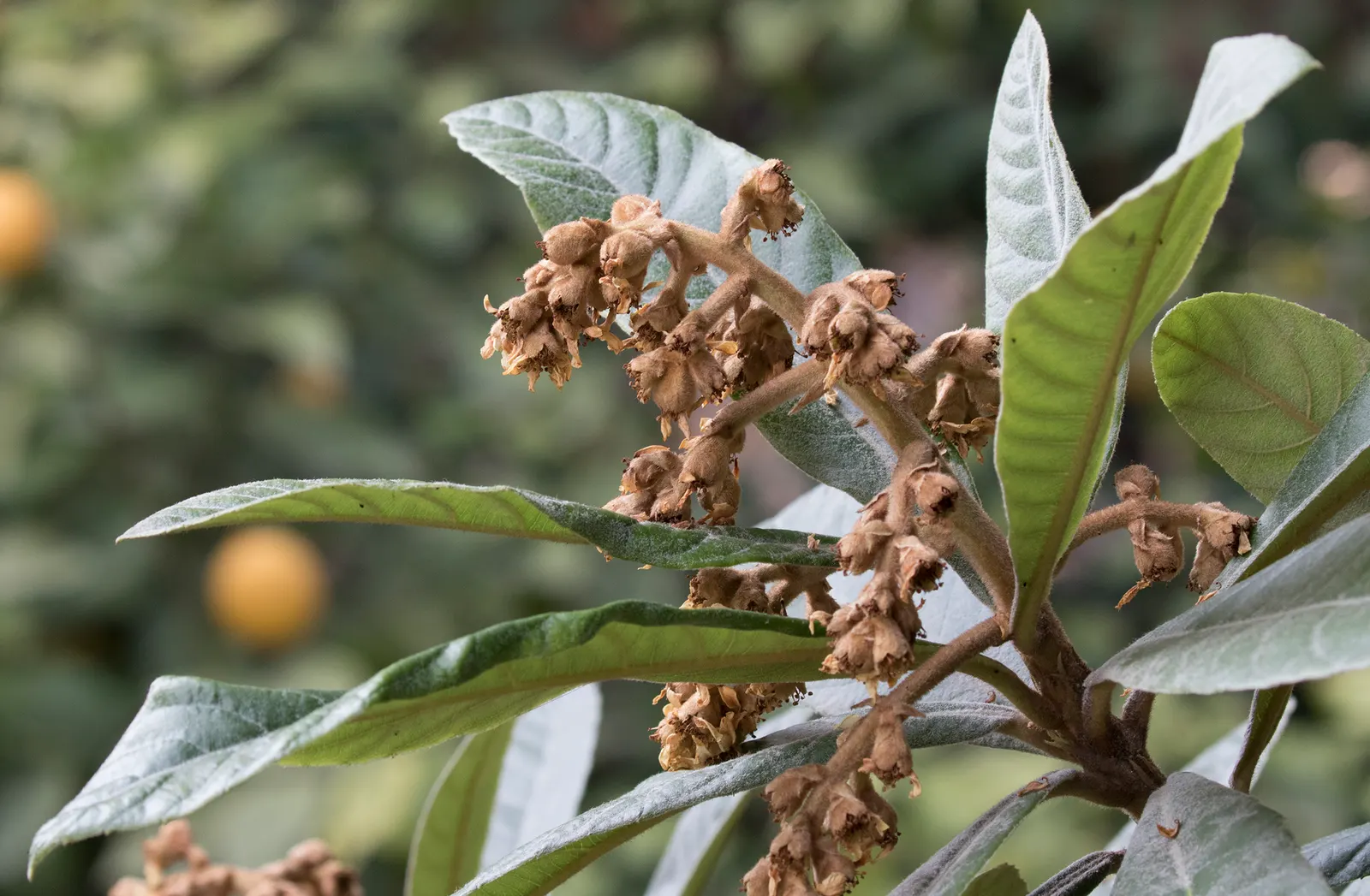
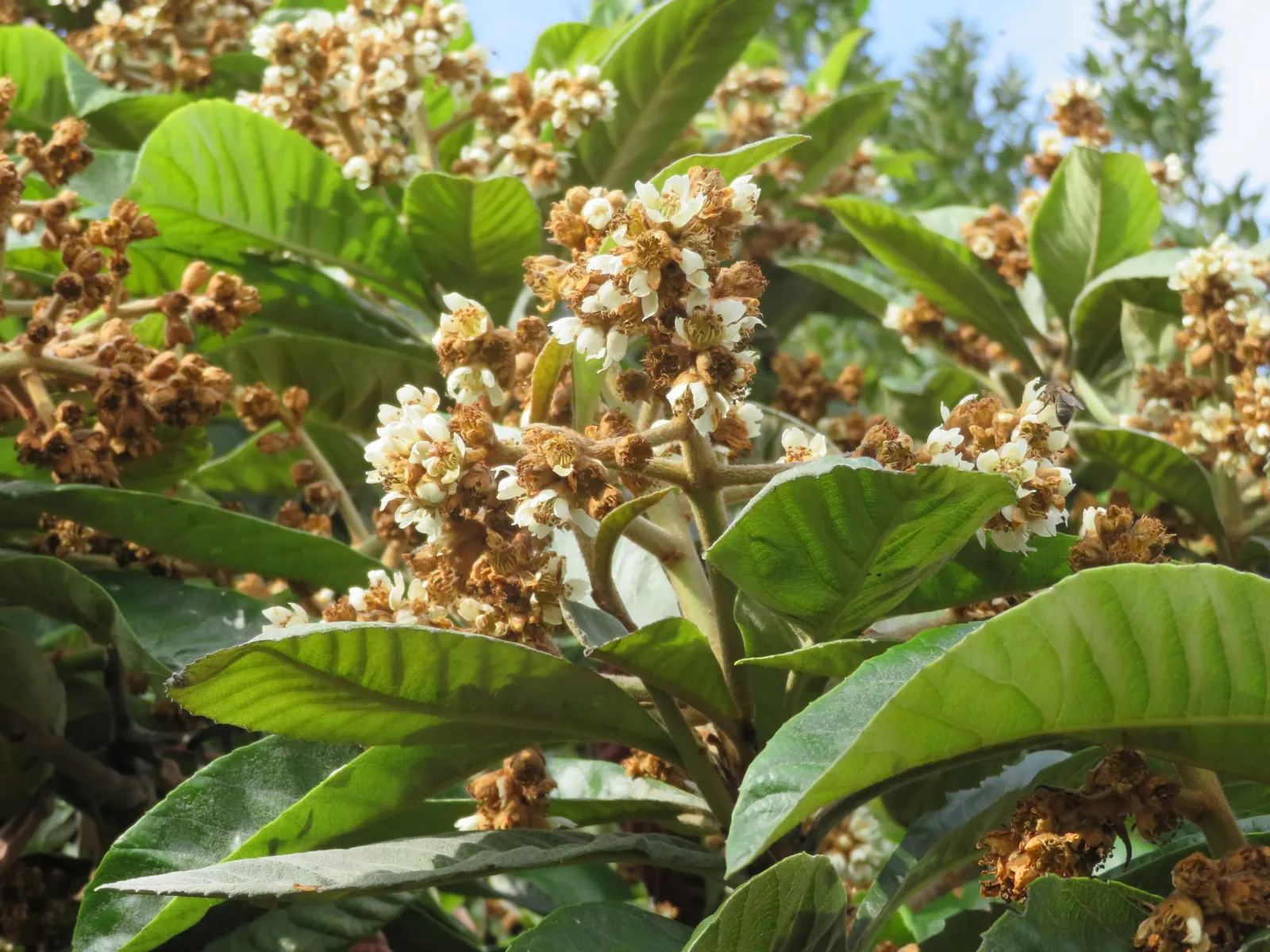
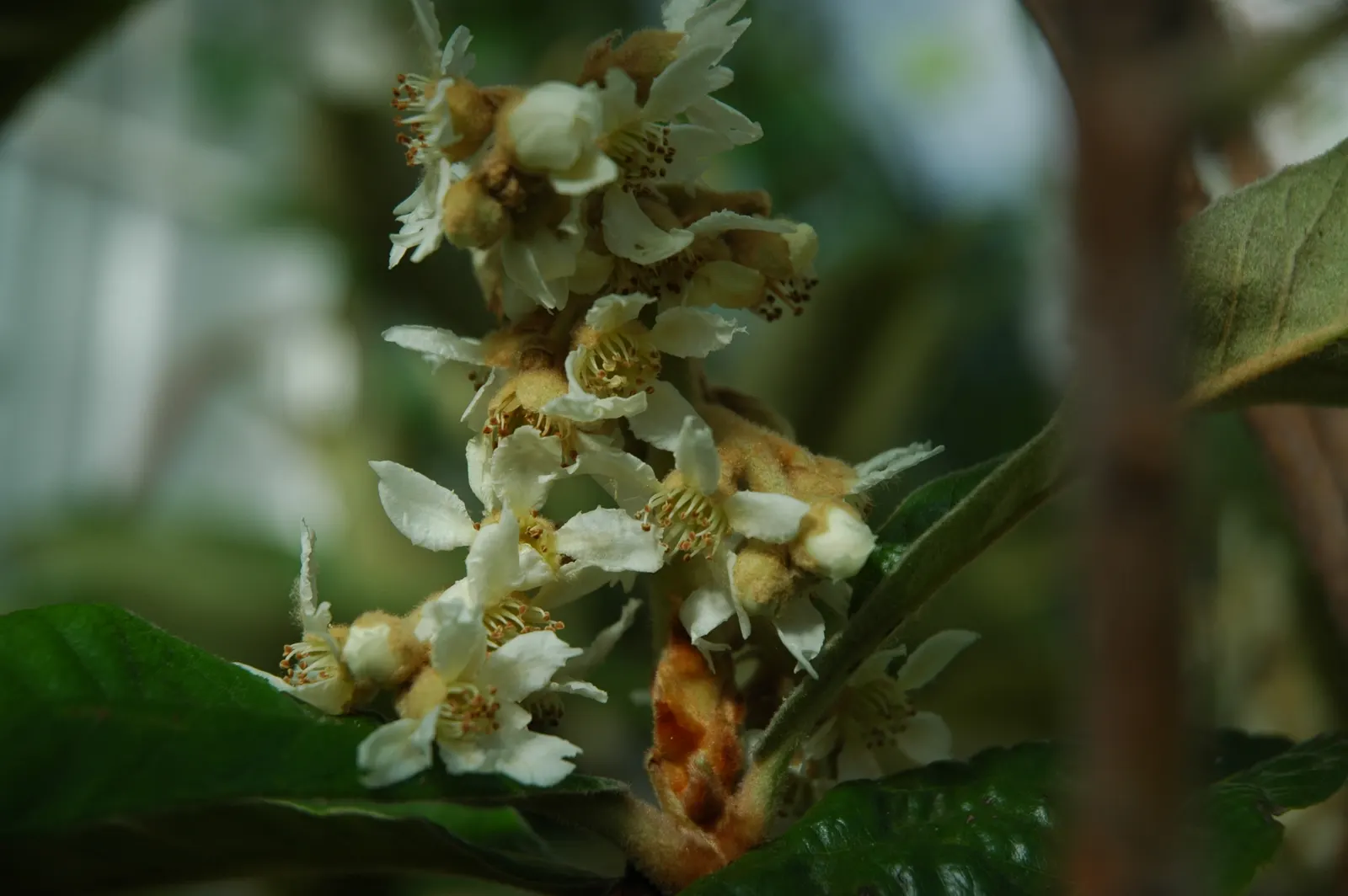
Loquat (Eriobotrya Japonica) — white flowers in the garden; the tree produces fragrant white flowers in clusters
Loquat (Eriobotrya Japonica) — tree for full or half; fruit-bearing tree for one's garden
Loquat (Eriobotrya Japonica) — The Loquat (Eriobotrya japonica) is an evergreen shrub/tree native to southeastern China; fragrant white blooms, image 65
Loquat (Eriobotrya Japonica) — Grown for its attractive foliage and sweet, tangy fruit, it typically reaches 10-30 feet tall and wide; showcasing a, image 66
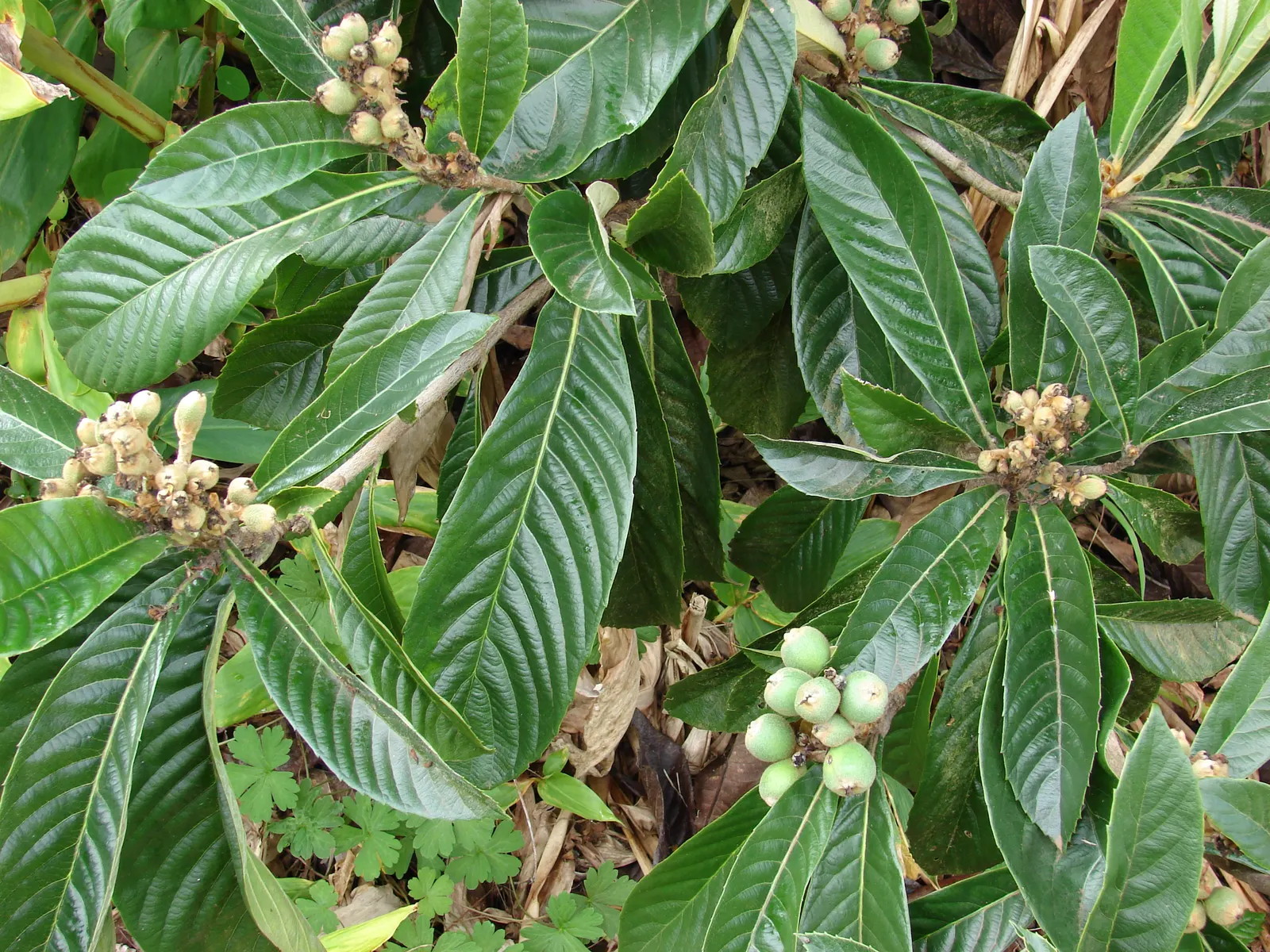
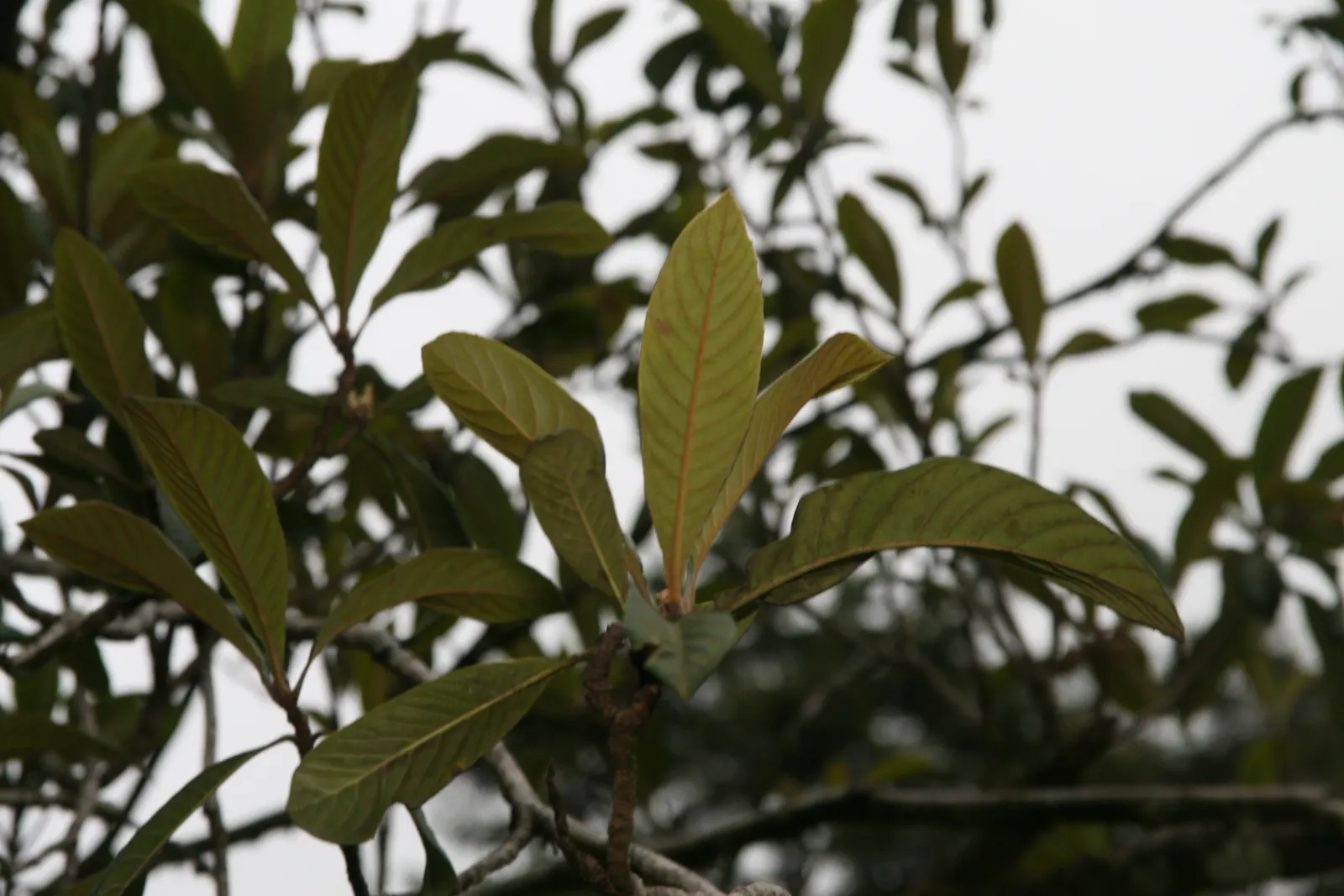
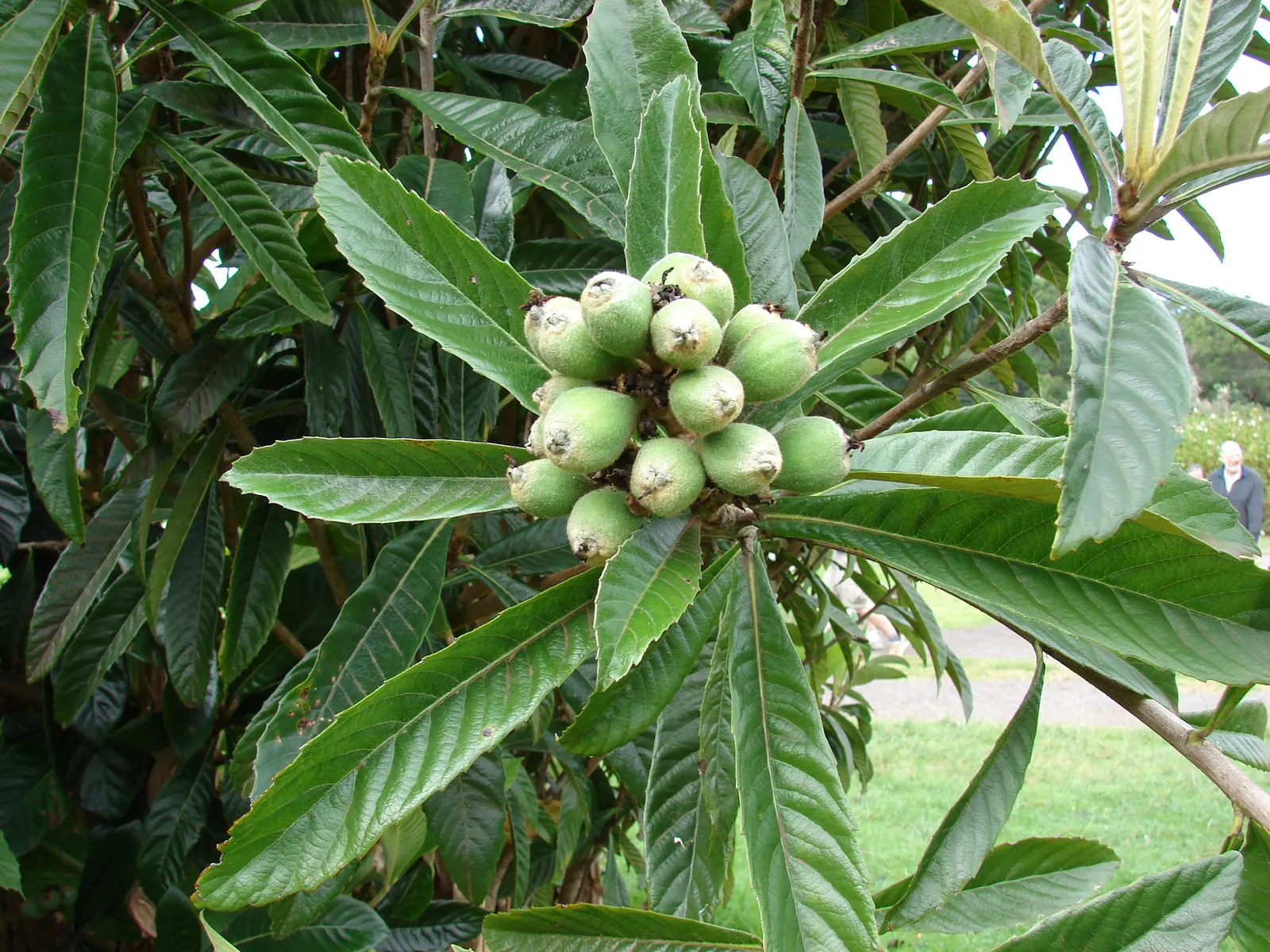
Loquat (Eriobotrya Japonica) — Its large, leathery leaves are dark green on top and downy white underneath; have a smooth or slightly fuzzy skin, image 67
Loquat (Eriobotrya Japonica) — Fragrant white blooms appear in fall, with fruit ripening in late winter to spring; the Loquat can tolerate, image 68
Loquat (Eriobotrya Japonica) — Loquats require well-drained soil and full sun to partial shade; tree for full or half, image 69
Loquat (Eriobotrya Japonica) — scientifically known as Eriobotrya japonica; is a valued addition to the landscape, image 70
Loquat (Eriobotrya Japonica) — is a valued addition to the landscape; measuring up to 12 inches long, image 71
Loquat (Eriobotrya Japonica) — offering both aesthetic appeal and edible fruit; often compared to a mixture of peach, image 72

Related plants