Skip to content

Easter Lily Cactus

Echinopsis Hybrid

Design with this plant

Overview

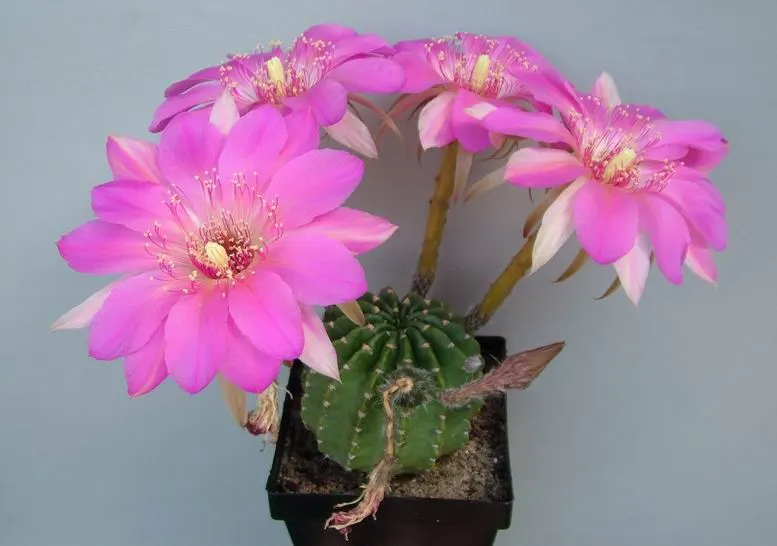
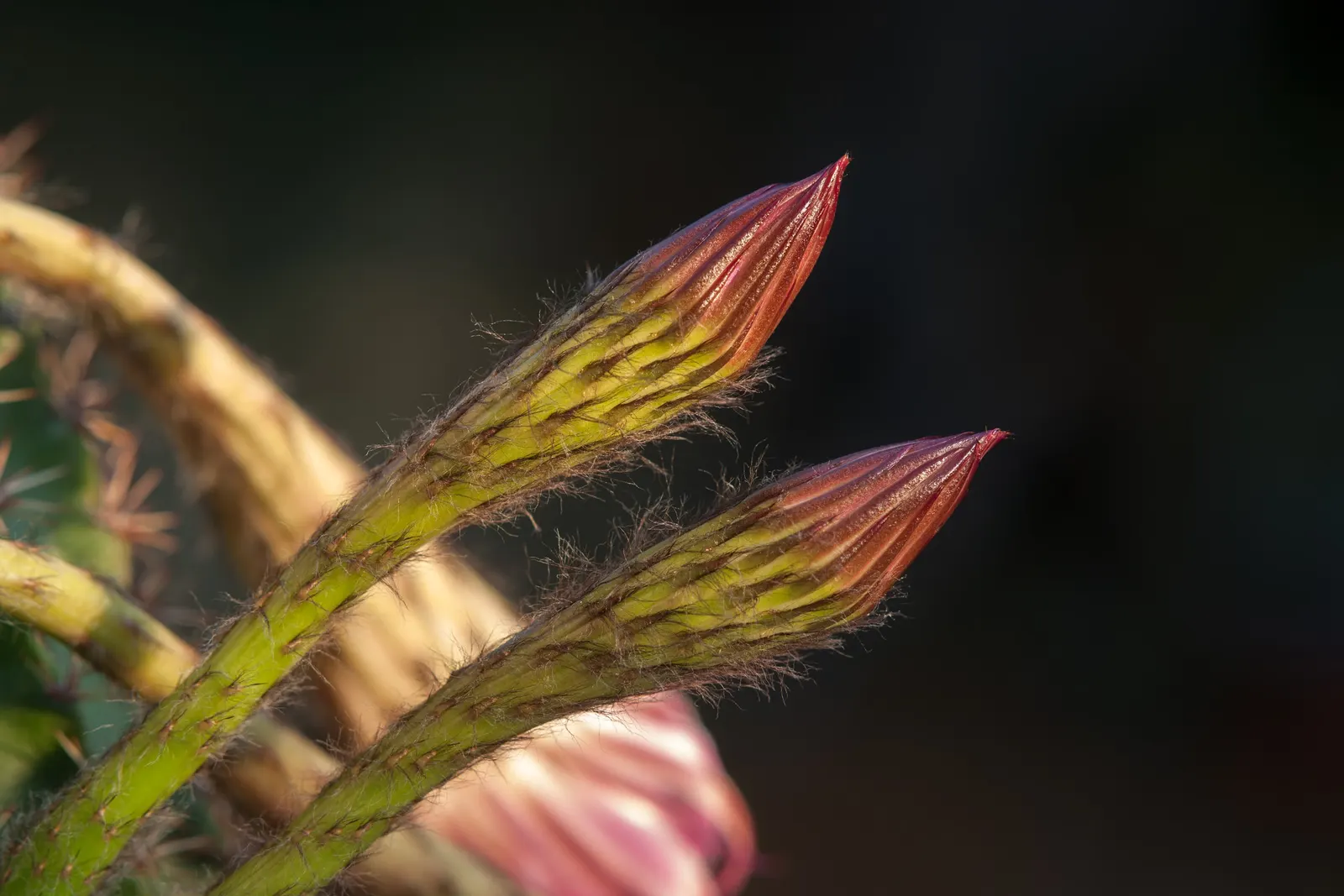
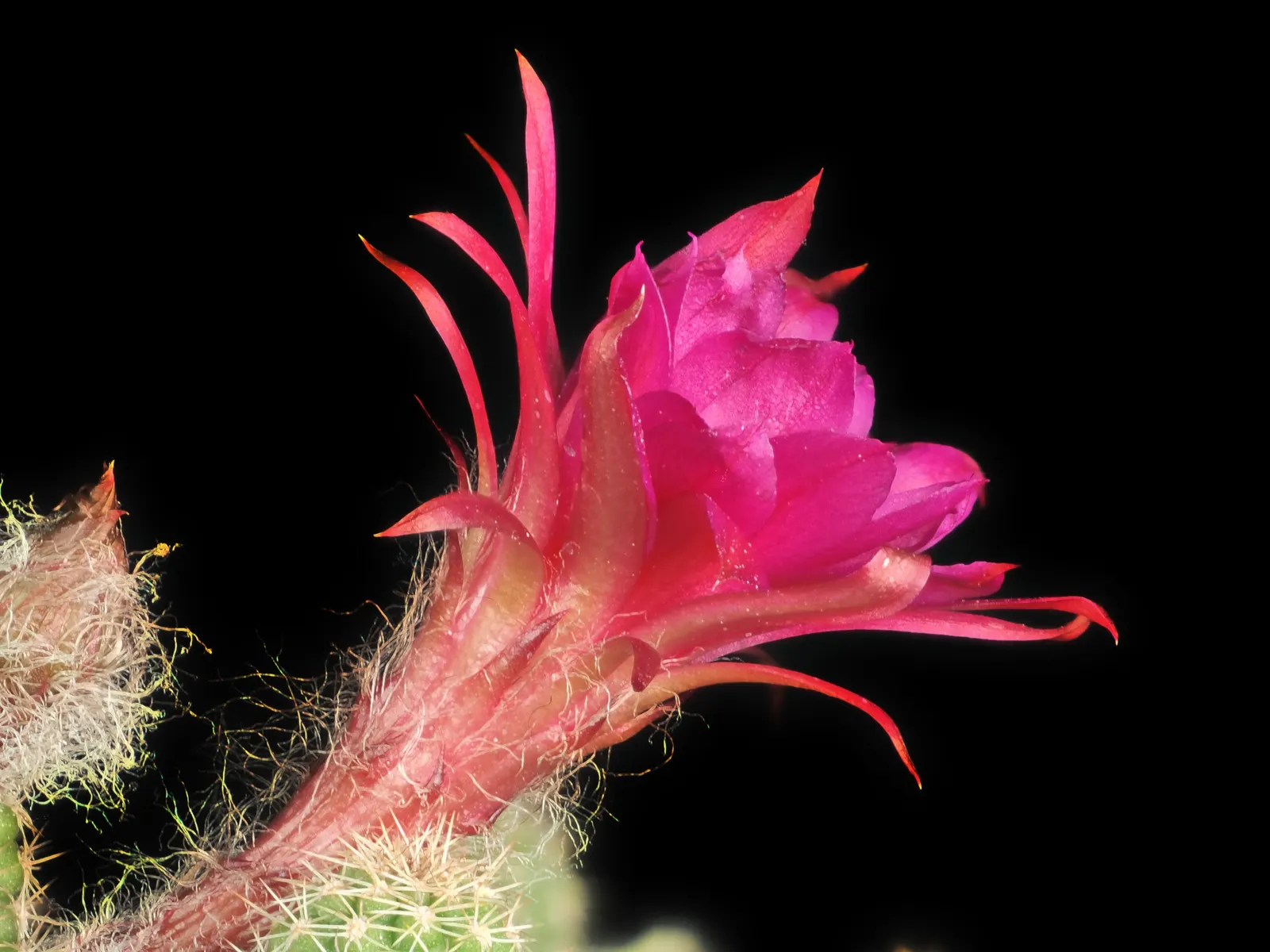
The Easter Lily Cactus (Echinopsis hybrid) is a prized perennial for arid landscapes. Recognized by large, fragrant, funnel-shaped flowers blooming in spring to summer, often nocturnal, these cacti feature globular to cylindrical green stems reaching up to 3 feet in height. They require full sun, minimal water, and thrive in well-draining soil. Hardy in USDA zones 8-11, they create stunning visuals with low maintenance needs, ideal for xeriscaping or rock gardens.

Sun Full, HalfWater Low, MediumZones 9–10Type CactusClimate Arid
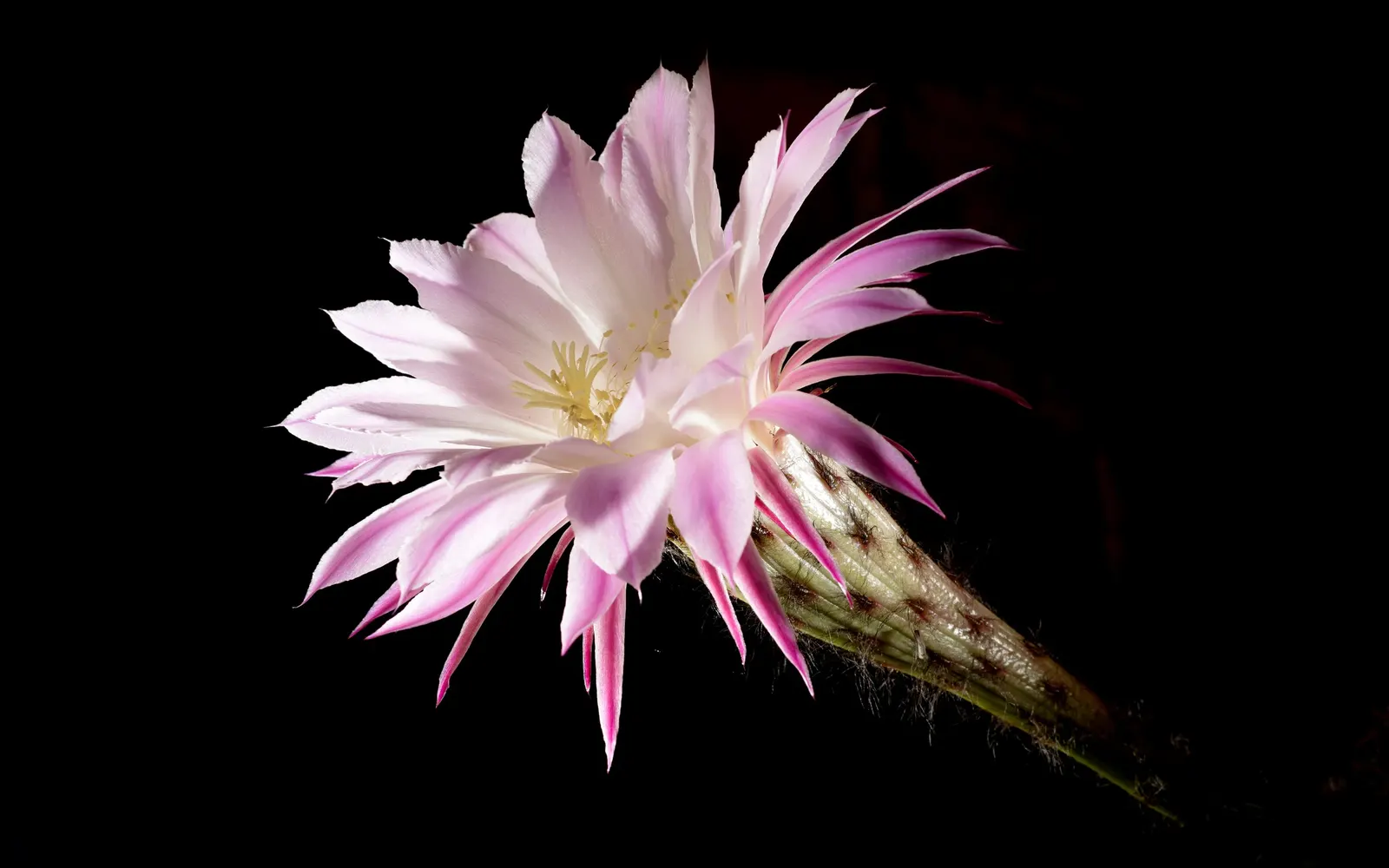
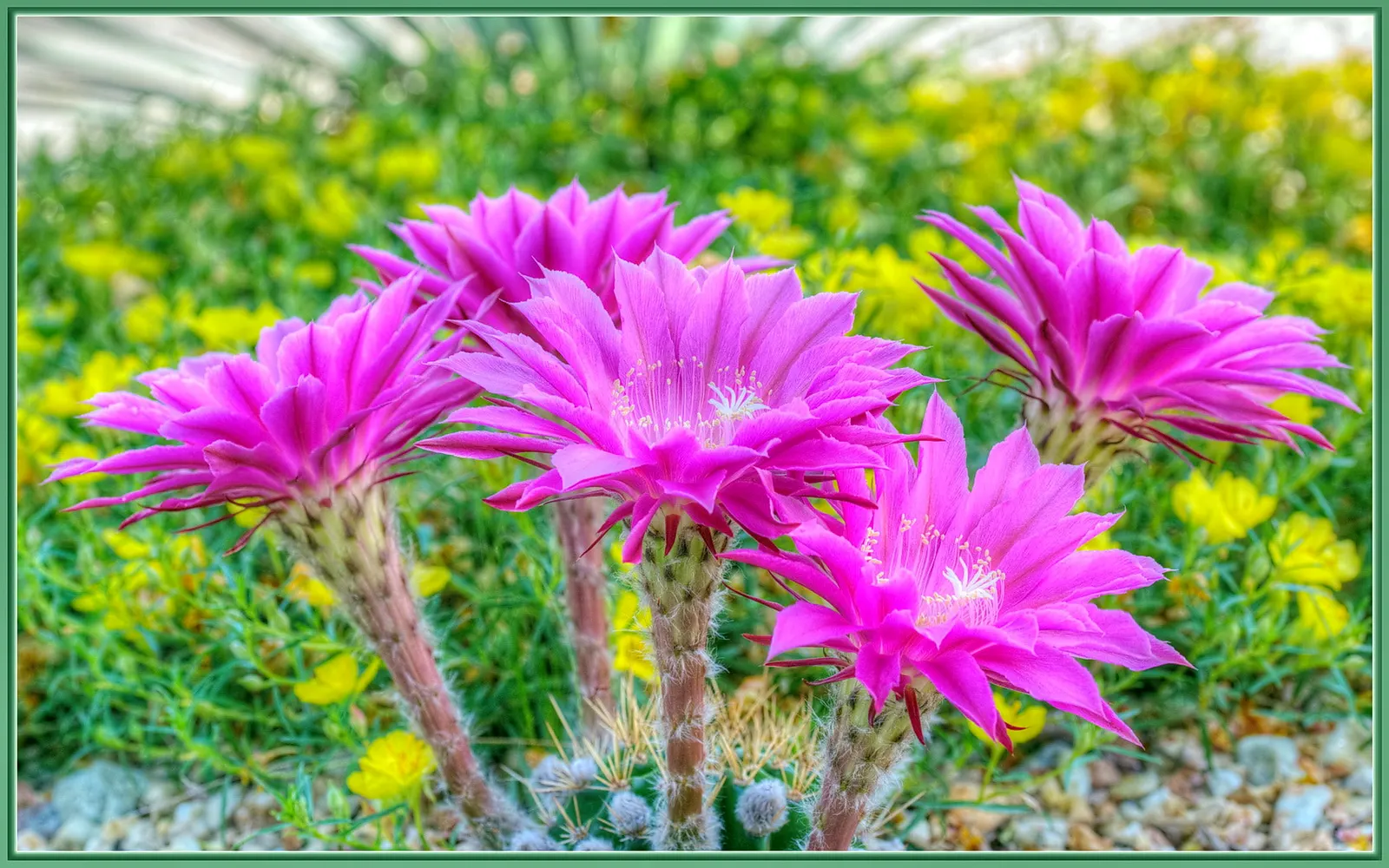
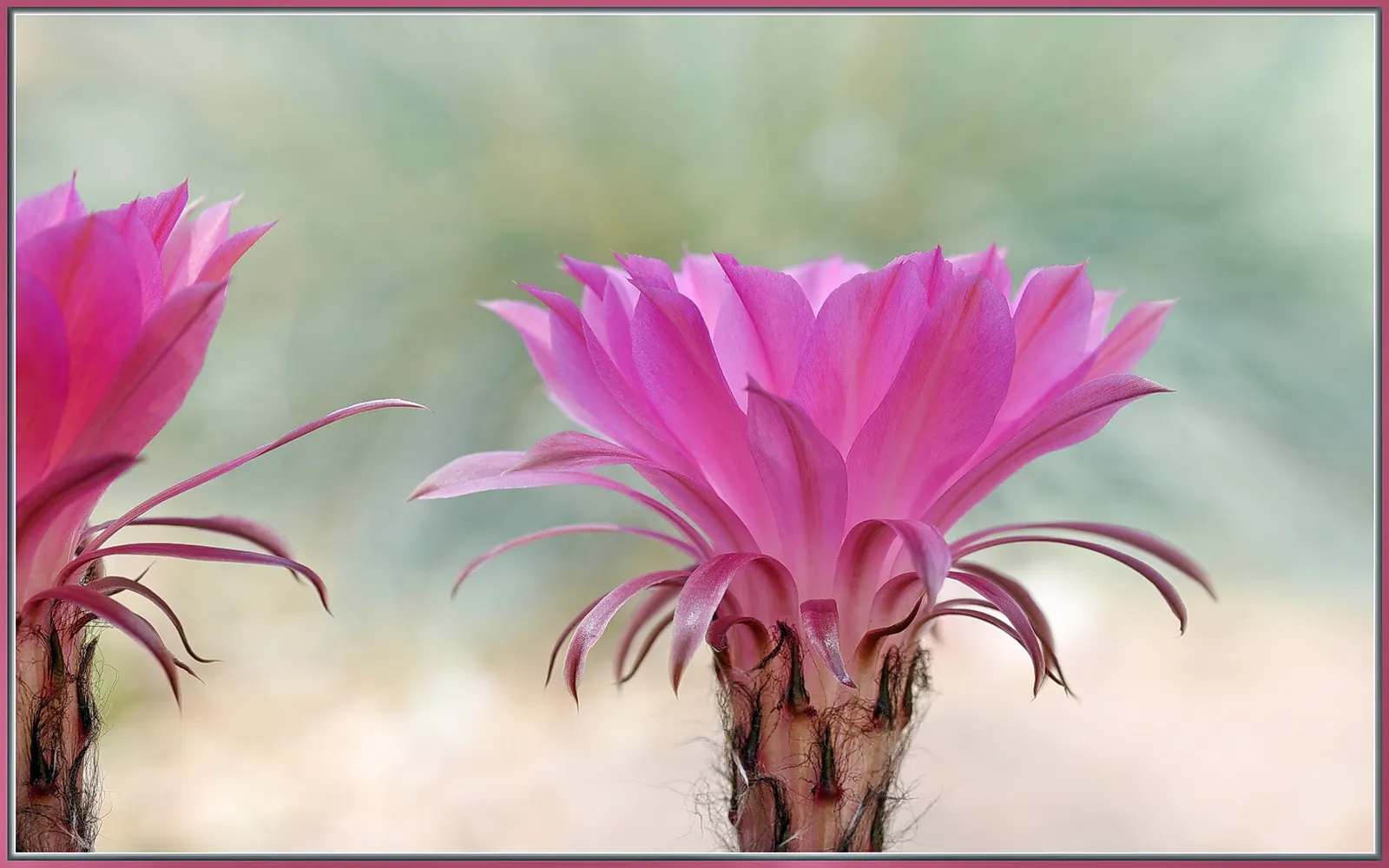
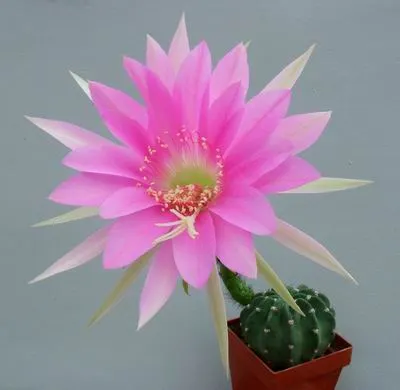
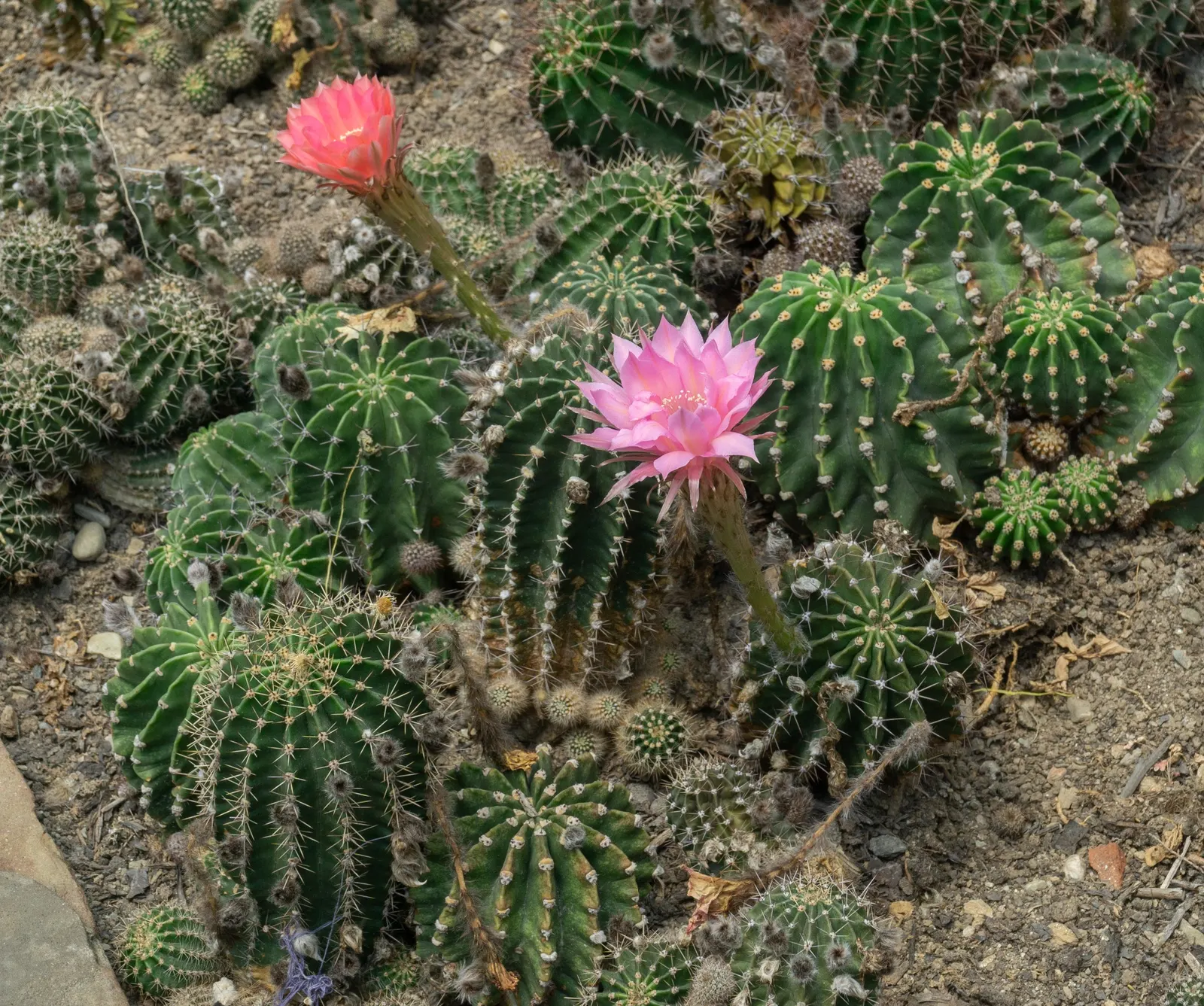
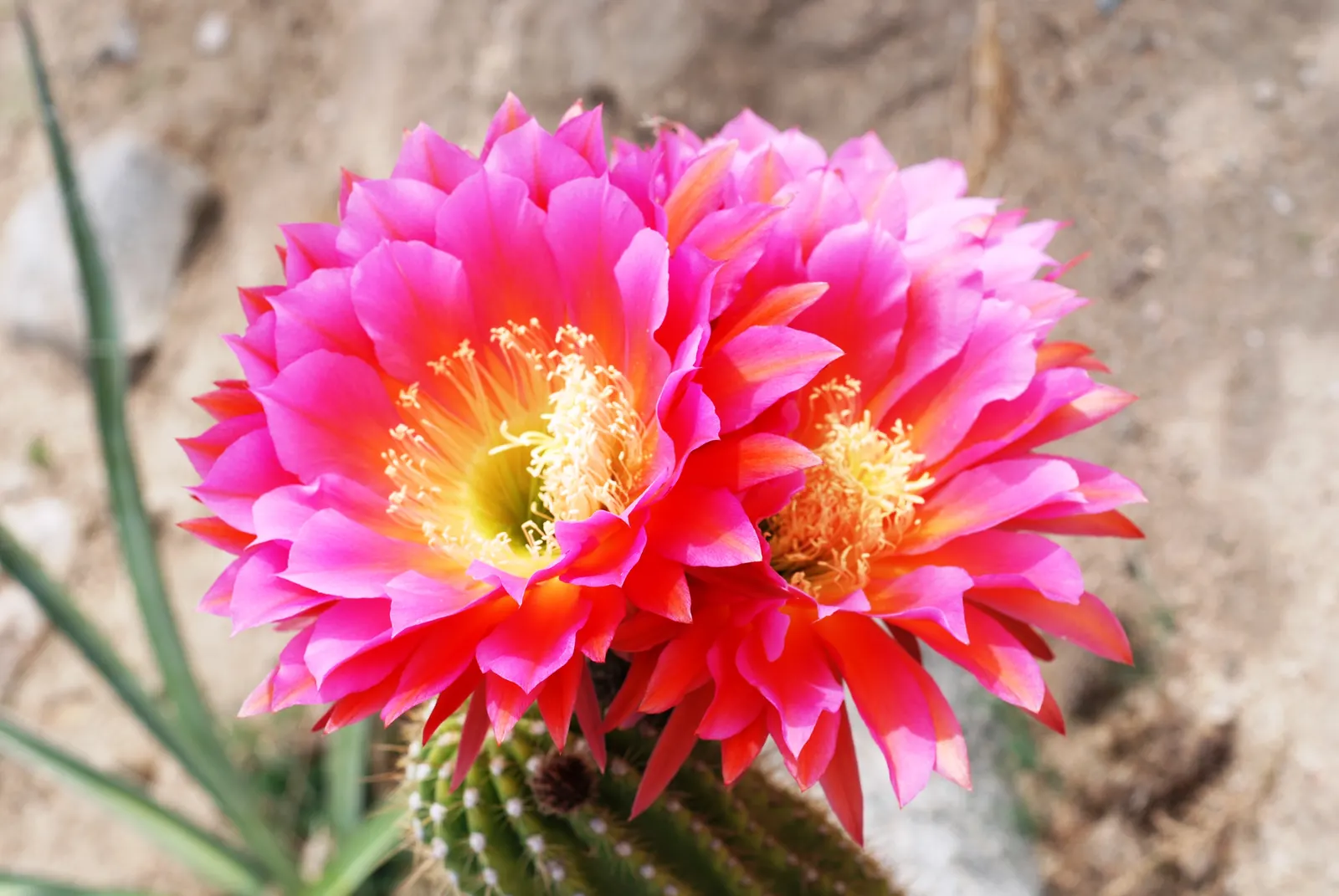
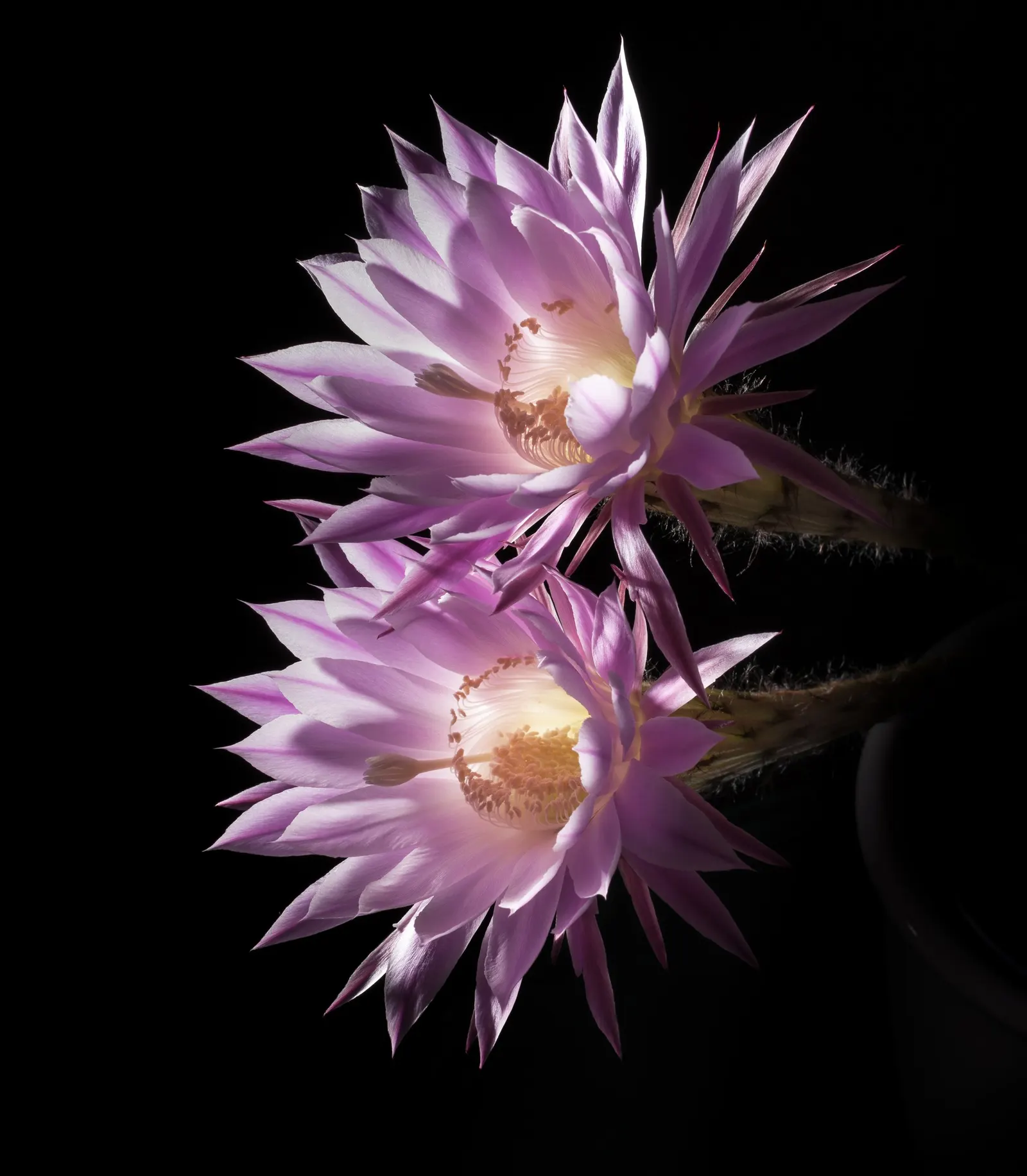
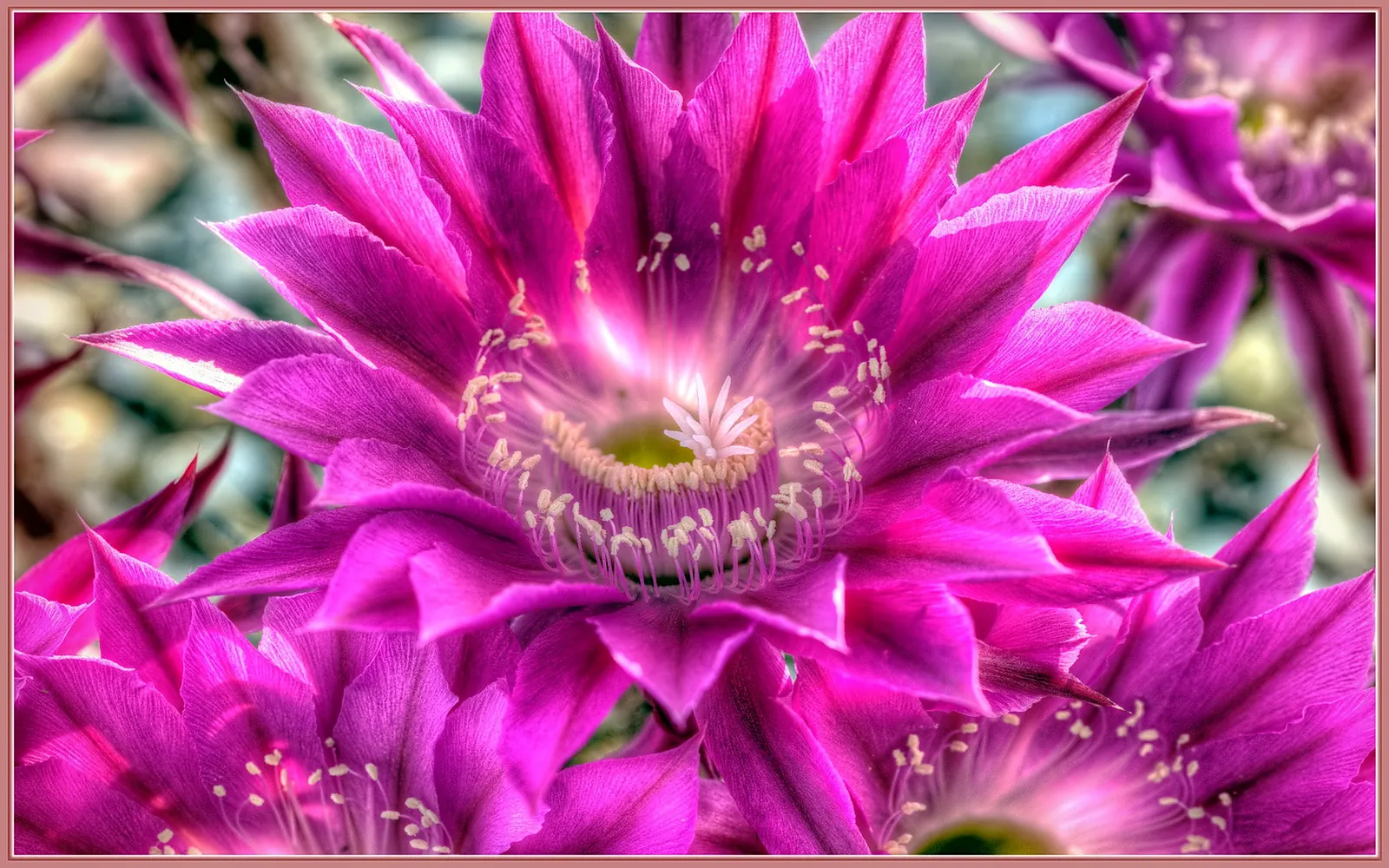
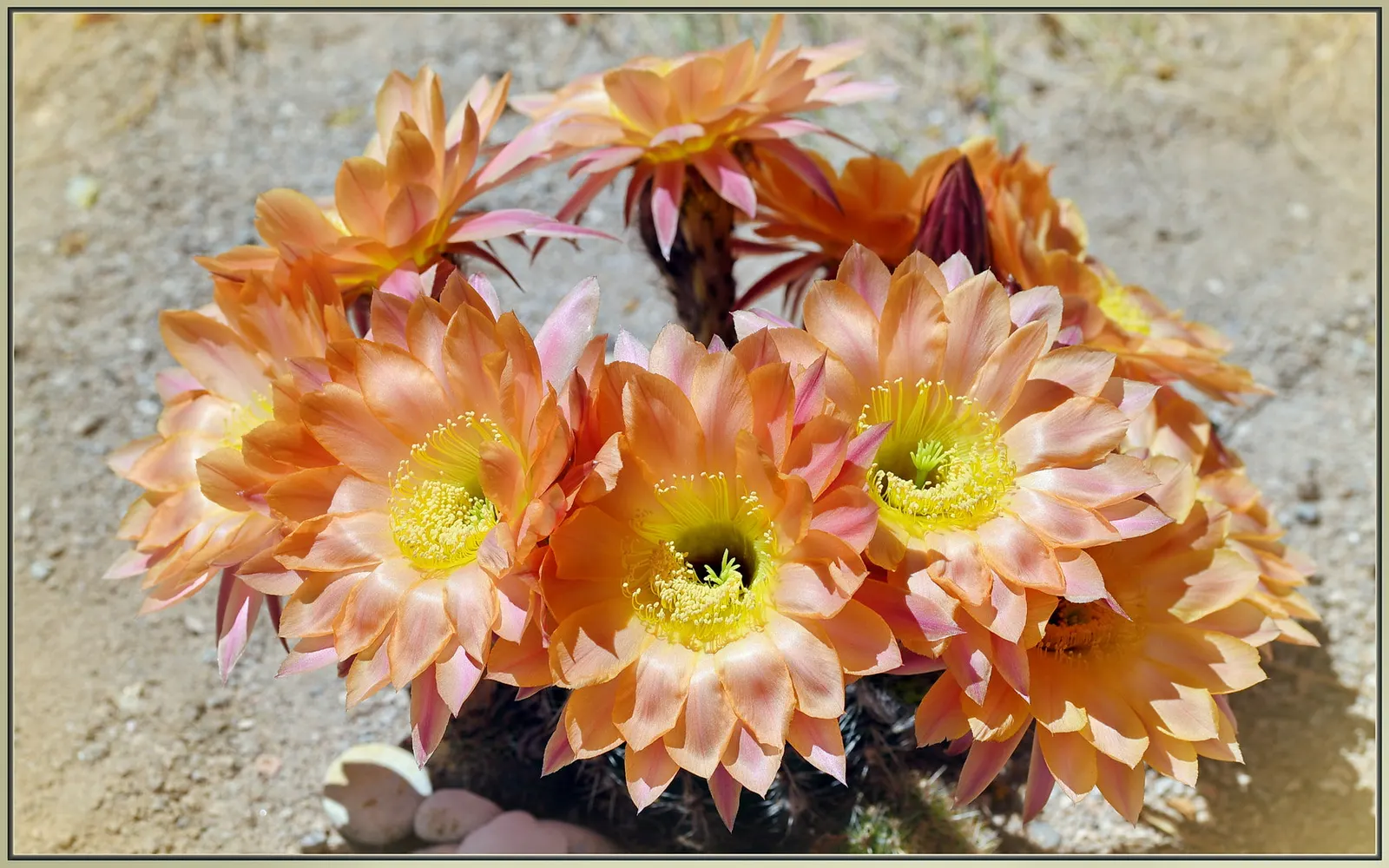
Easter Lily Cactus (Echinopsis Hybrid) — cactus with lavender and orange and pink and red and yellow blooms; these cacti require well-draining soil

Culture

Sun
Full, Half
Water
Low, Medium
USDA zones
9–10

Shape & size

Classification

Type
Cactus
Family
Cactaceae
Climate
Arid

See full data, regional cultivation notes, and design tools. Build a client presentation around this plant.

Start your 14-day trial

Photos (94)

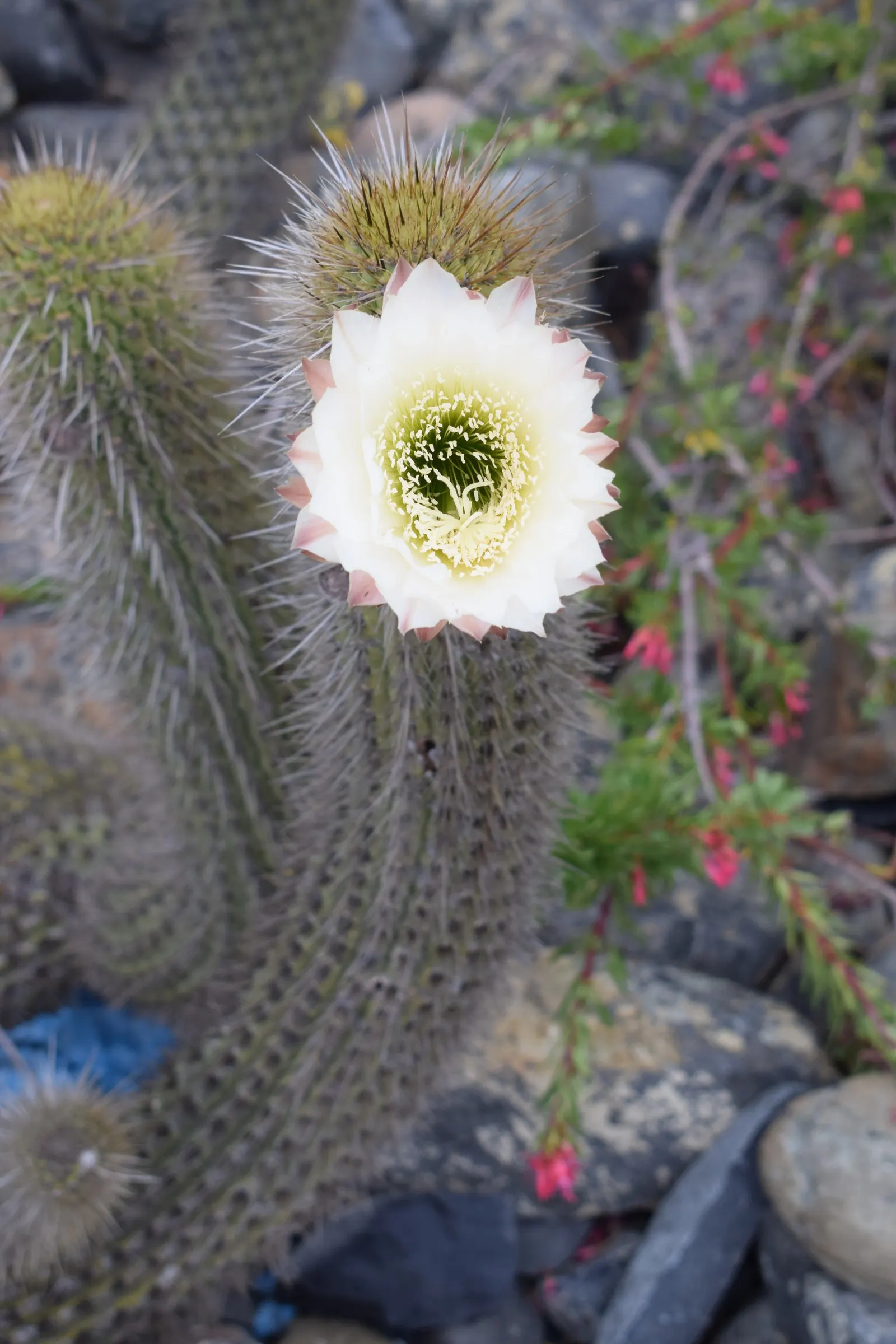
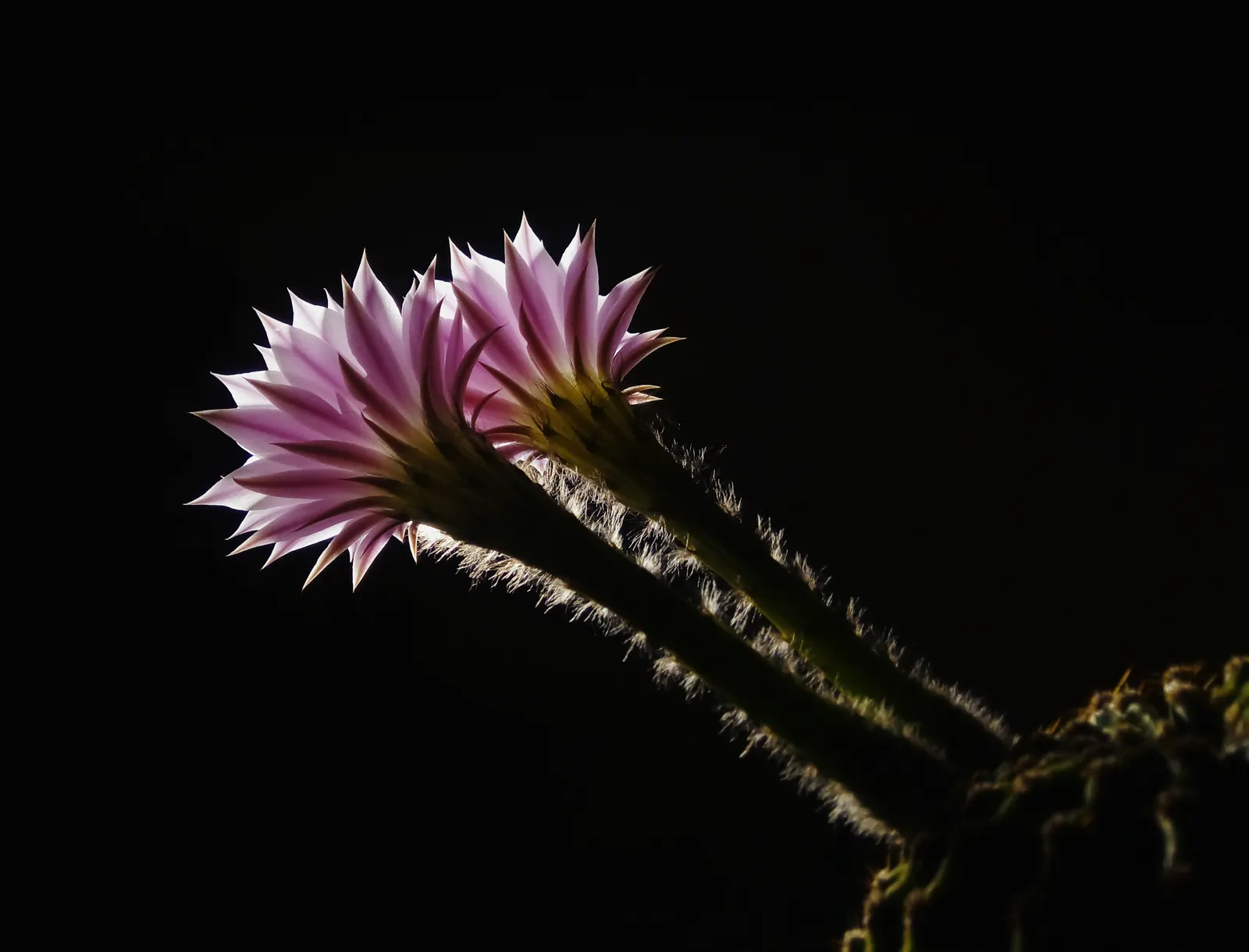
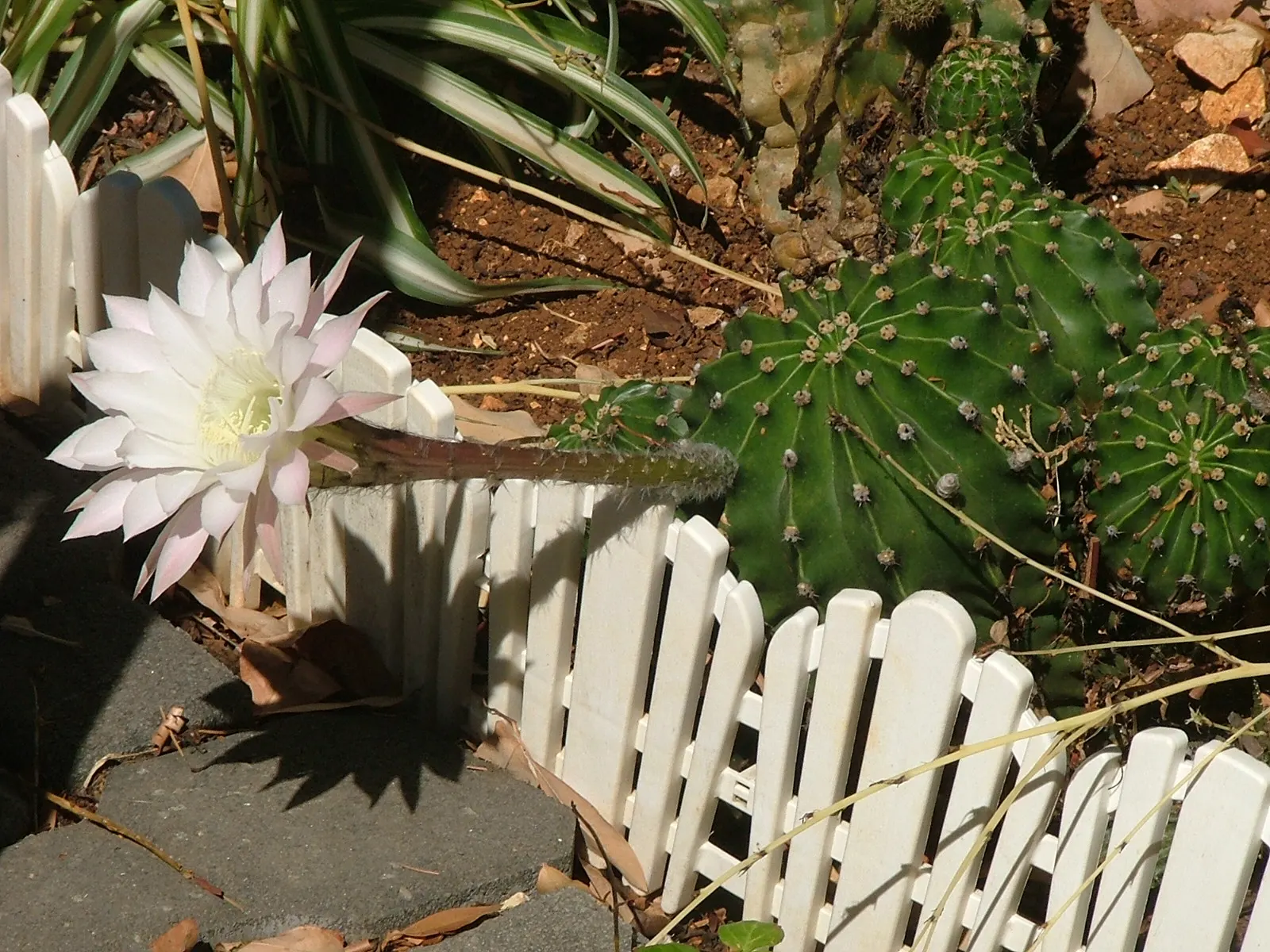
Easter Lily Cactus (Echinopsis Hybrid) — The Easter Lily Cactus is hardy down to around 20°F; they require full sun, minimal water, and thrive, image 77
Easter Lily Cactus (Echinopsis Hybrid) — ideal for adding a touch of the exotic to any landscape; bringing a yearly spectacle of floral beauty to the warmer
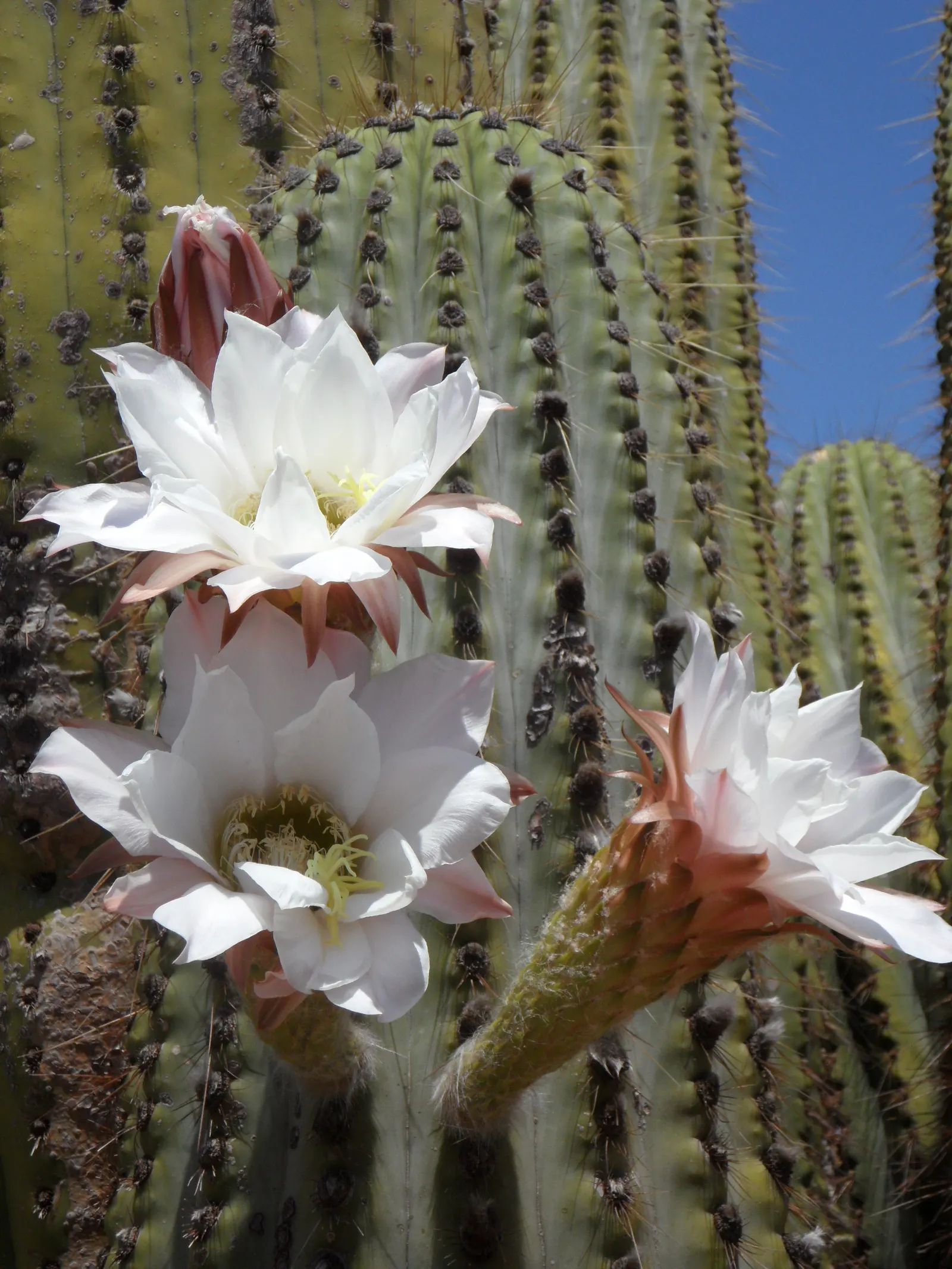
Easter Lily Cactus (Echinopsis Hybrid) — The Easter Lily Cactus (Echinopsis hybrid) is a prized perennial for arid landscapes
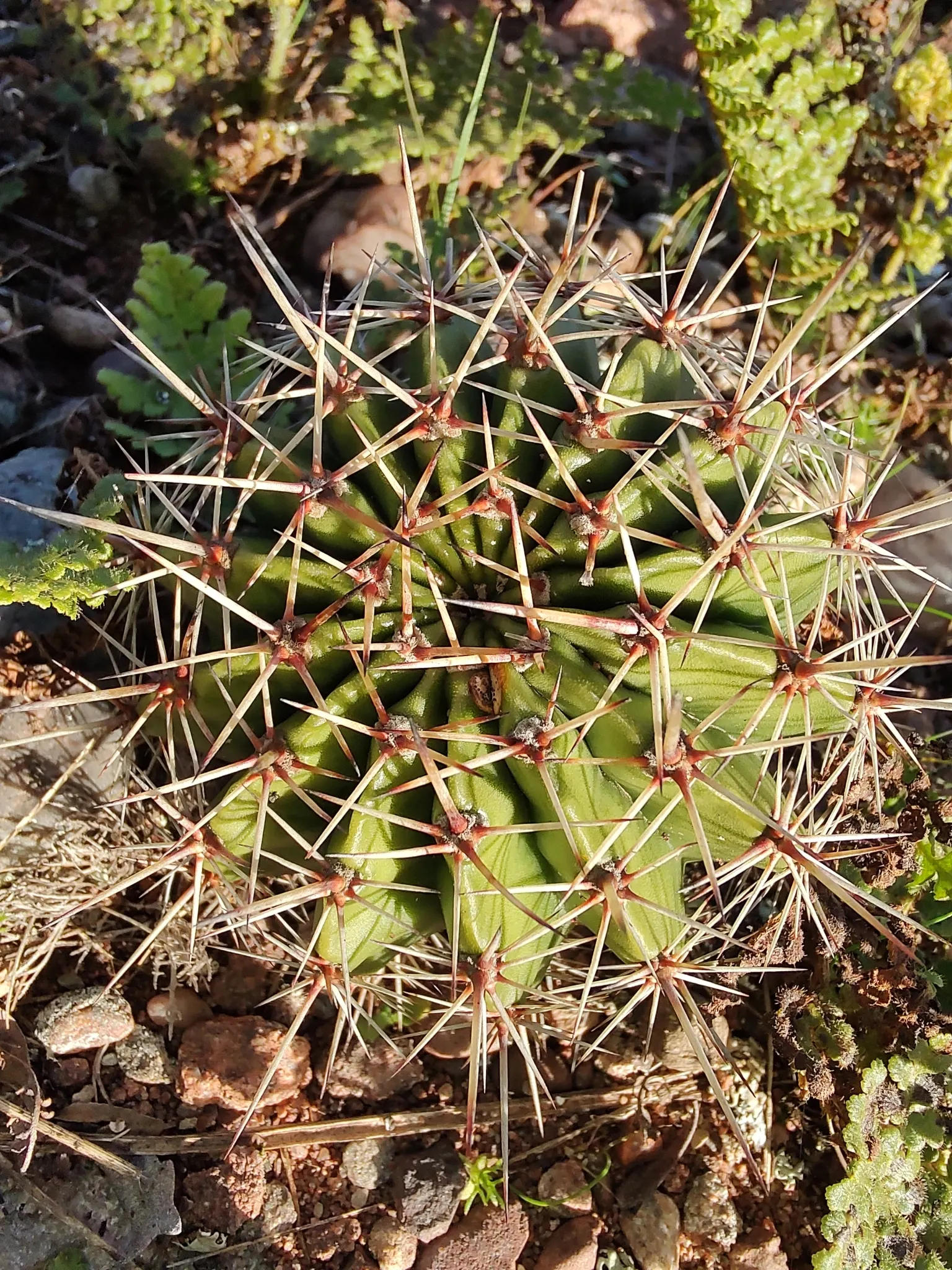
Easter Lily Cactus (Echinopsis Hybrid) — these cacti feature globular to cylindrical green stems reaching up to 3 feet in height
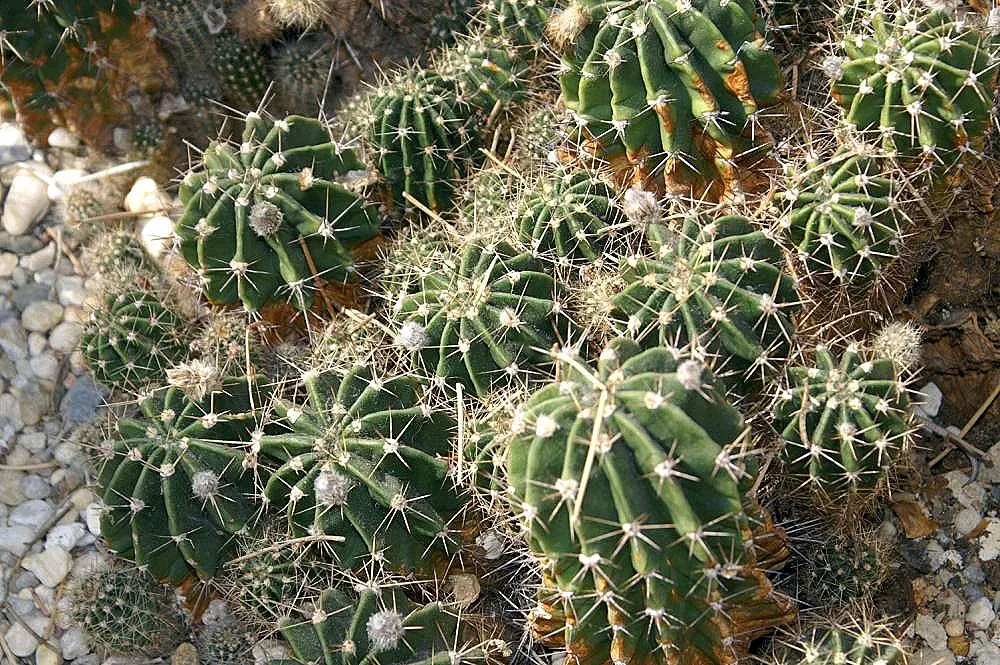
Easter Lily Cactus (Echinopsis Hybrid) — These cacti require well-draining soil
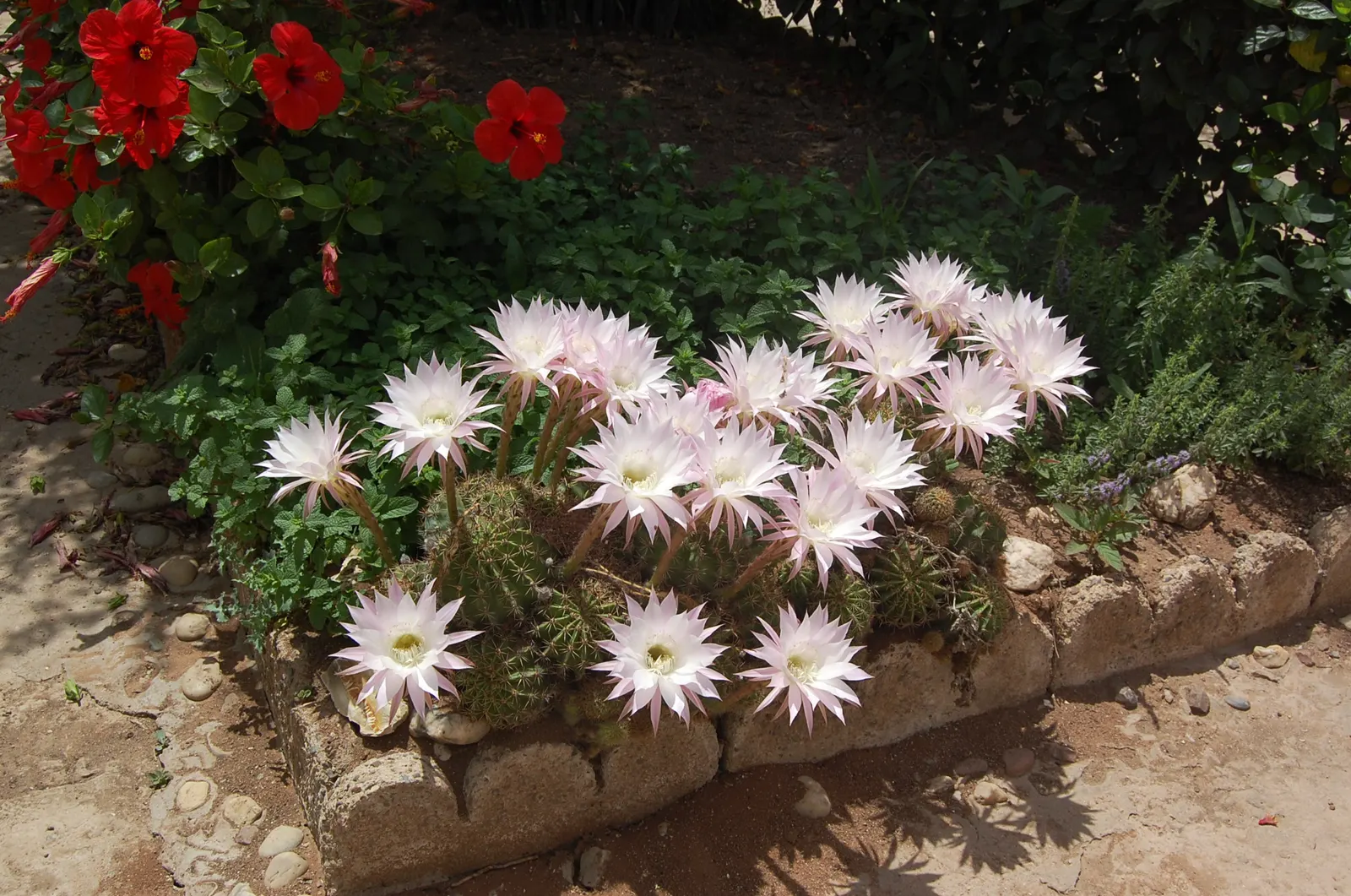
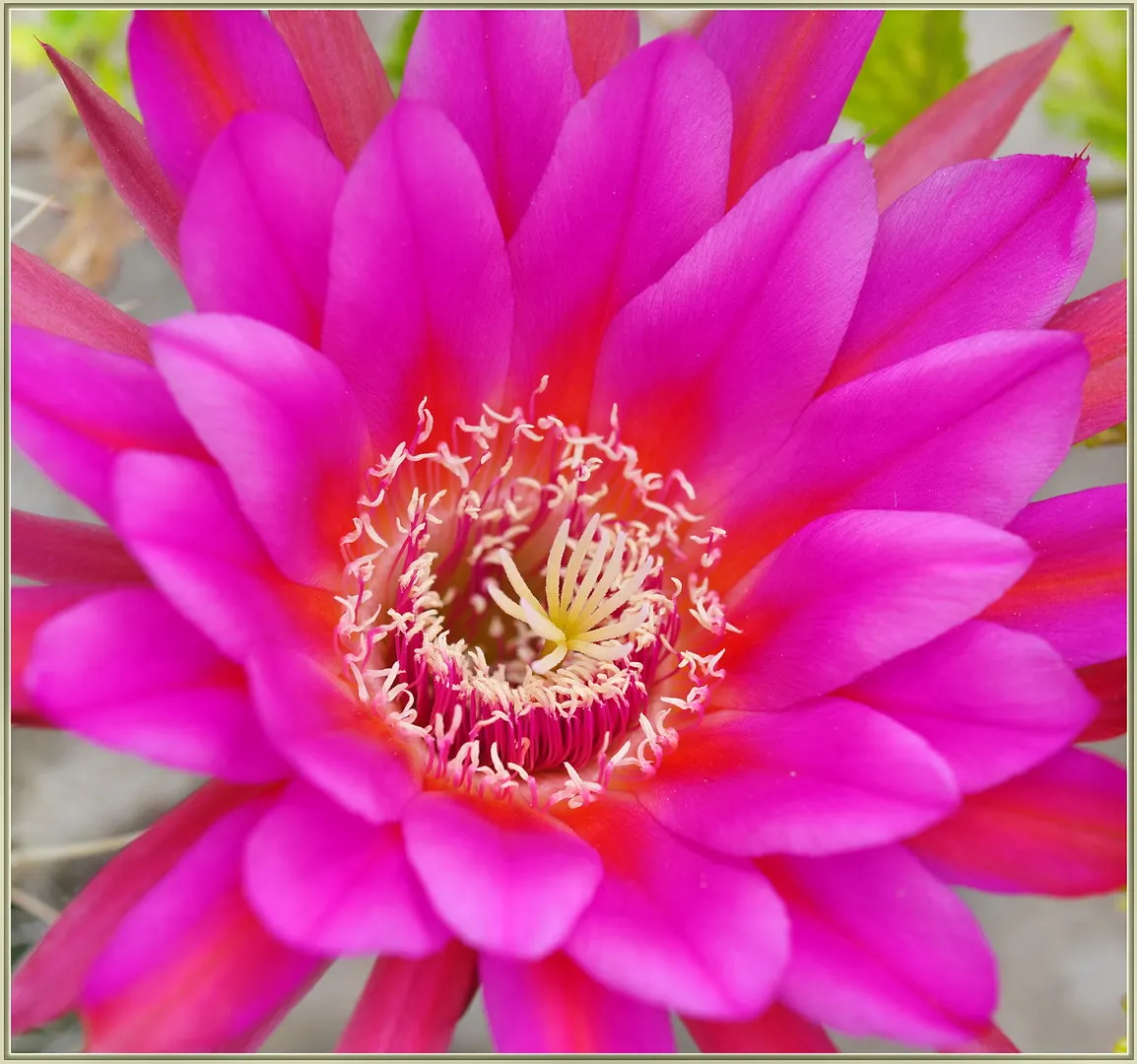
Easter Lily Cactus (Echinopsis Hybrid) — Each blossom can reach up to 6 to 8 inches in diameter
Easter Lily Cactus (Echinopsis Hybrid) — wherein the soil is allowed to completely dry out between waterings; these cacti require well-draining soil
Easter Lily Cactus (Echinopsis Hybrid) — Each blossom can reach up to 6 to 8 inches in diameter; these cacti require well-draining soil, image 67
Easter Lily Cactus (Echinopsis Hybrid) — An intriguing feature of this cactus is its remarkably showy flowers that bloom brilliantly; they require, image 65
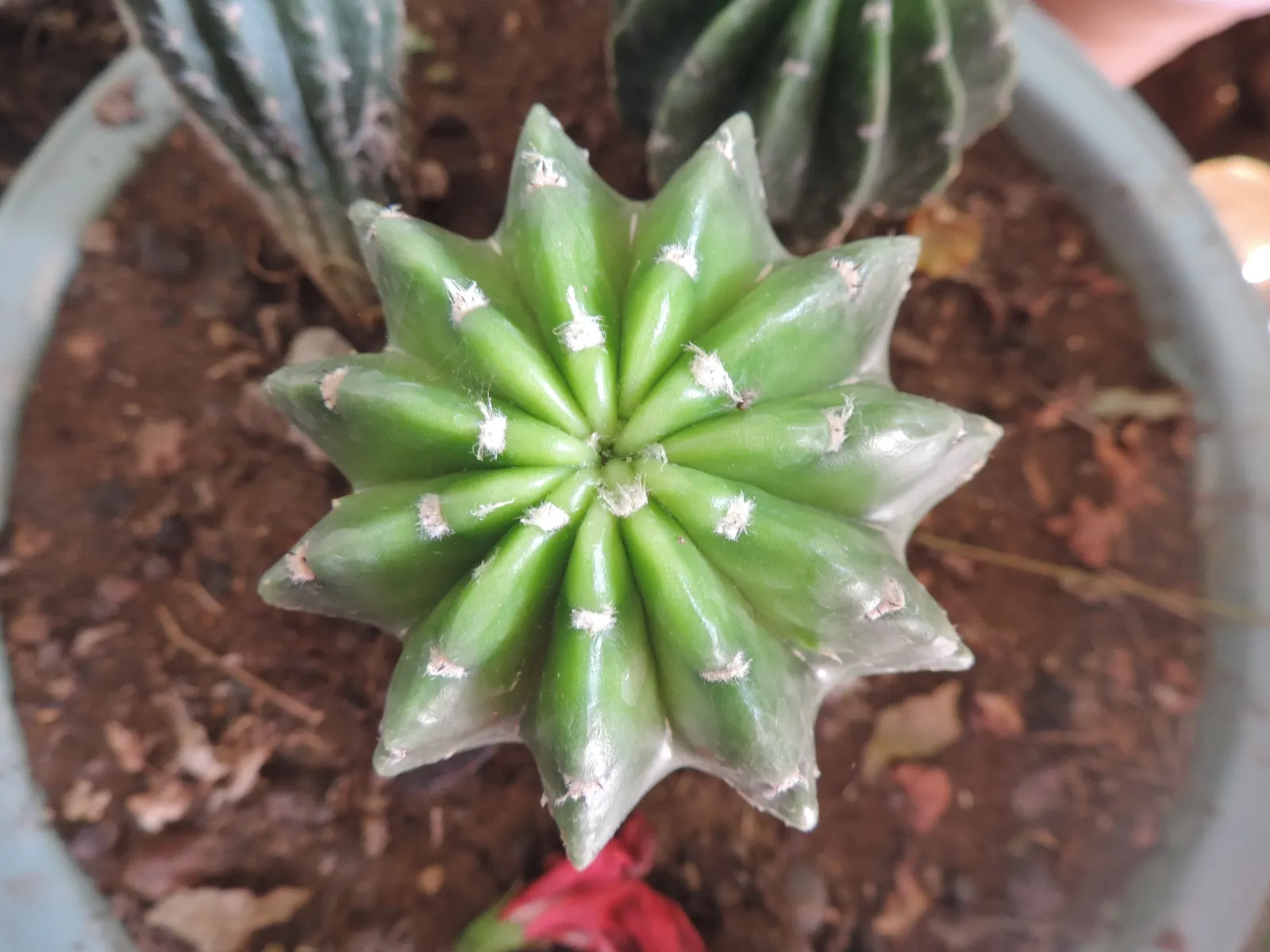
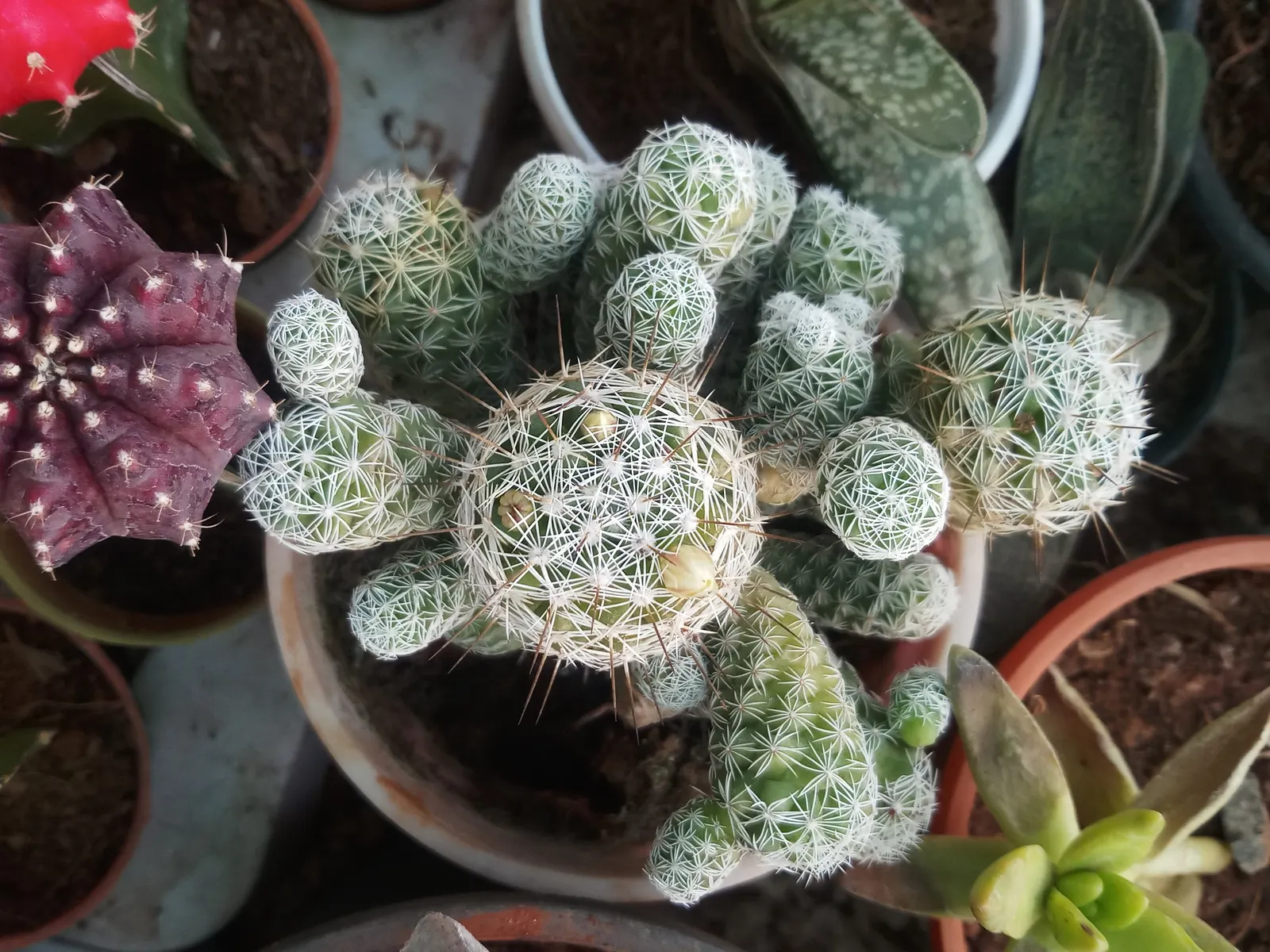
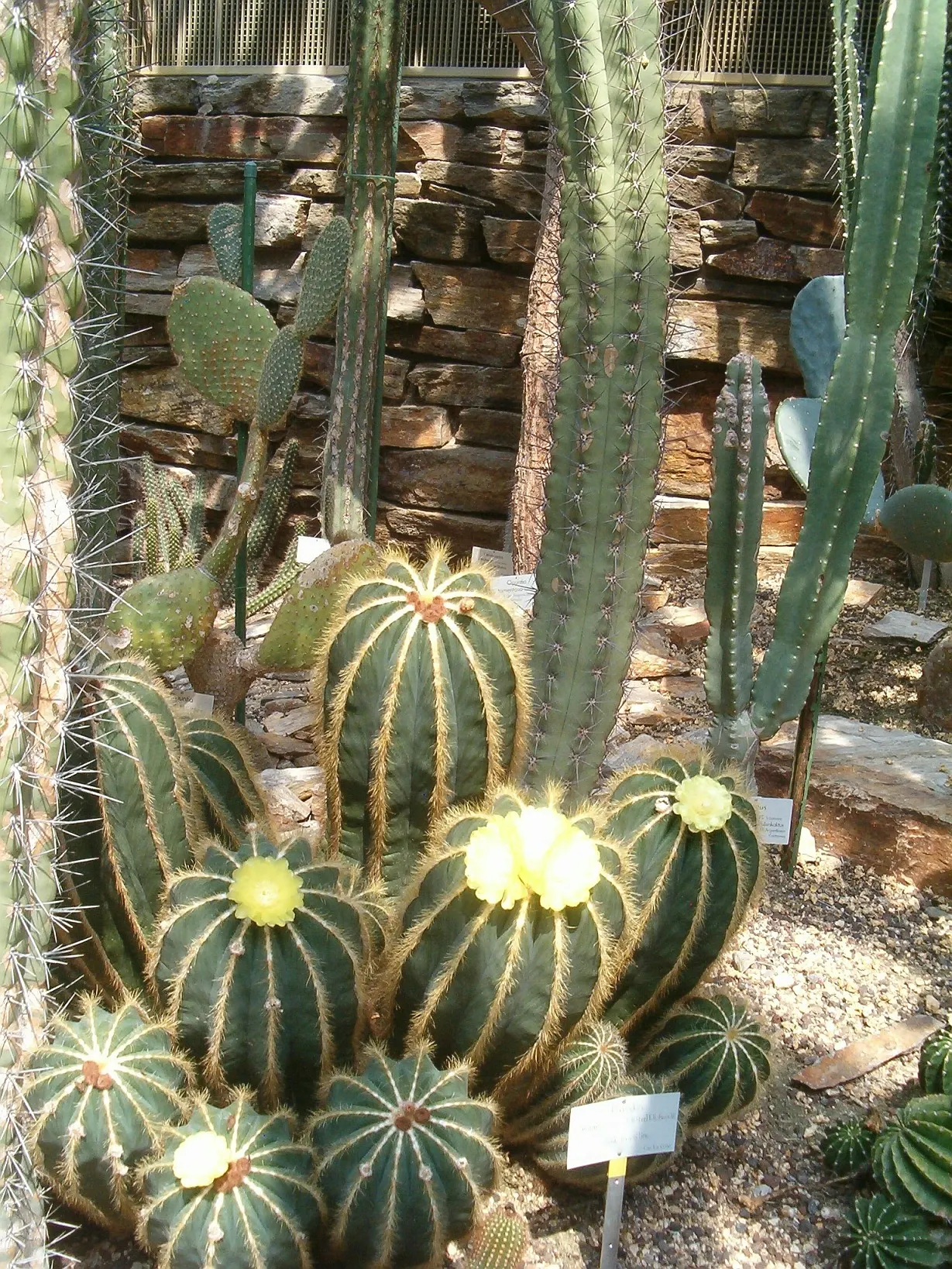
Easter Lily Cactus (Echinopsis Hybrid) — Easter Lily Cacti are generally globular to columnar in shape; these cacti require well-draining soil
Easter Lily Cactus (Echinopsis Hybrid) — typically during spring or early summer; each blossom can reach up to 6 to 8 inches in diameter, image 94
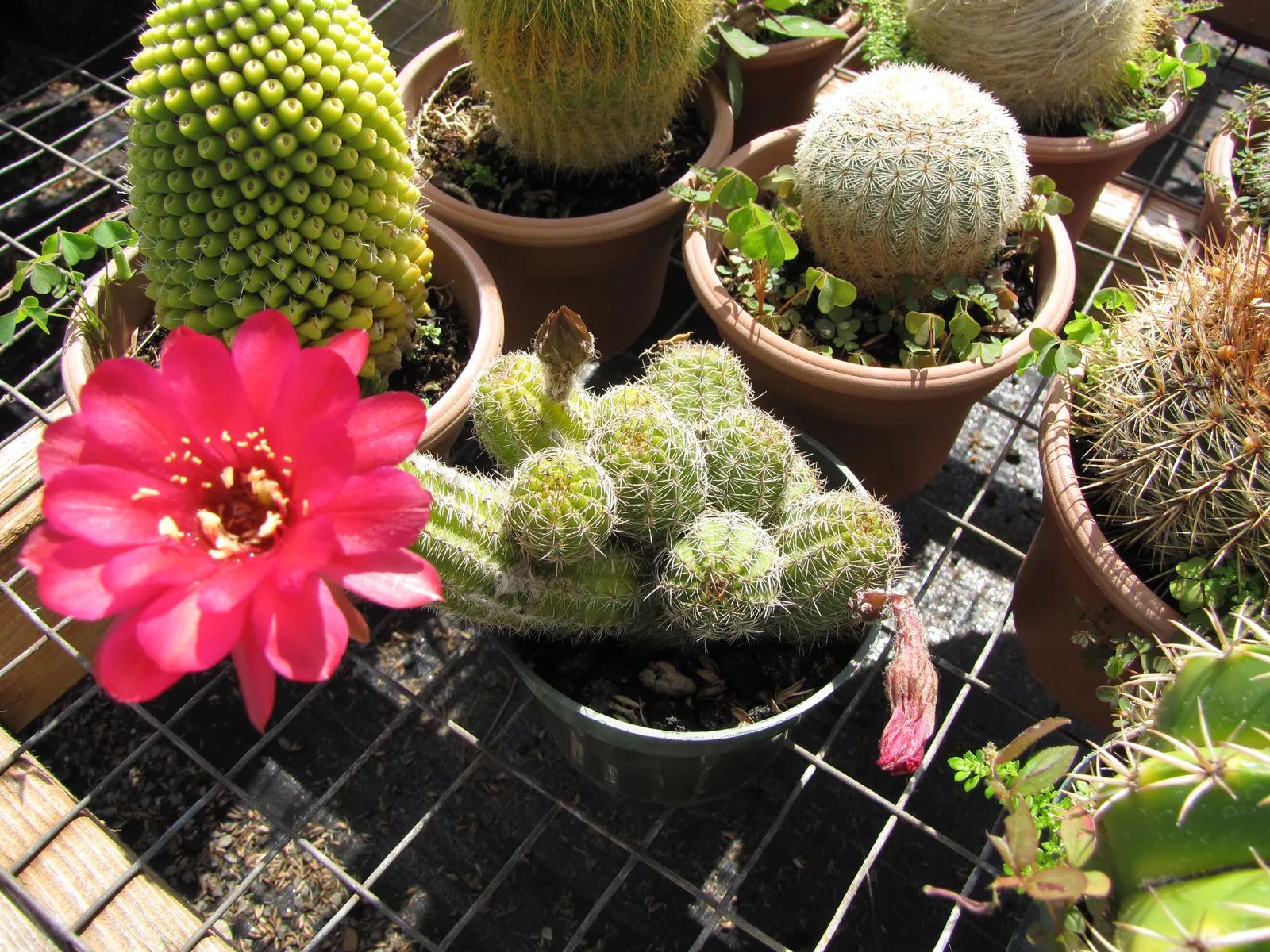
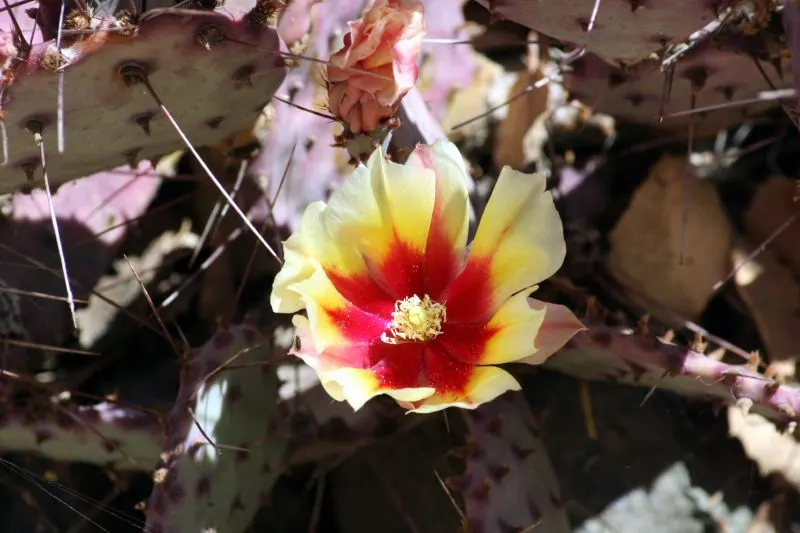
Easter Lily Cactus (Echinopsis Hybrid) — cactus with lavender and orange and pink and red and yellow blooms
Easter Lily Cactus (Echinopsis Hybrid) — lavender and orange and pink and red and yellow flowers in the garden; each blossom can reach up to 6 to 8, image 82
Easter Lily Cactus (Echinopsis Hybrid) — but it should be protected from frost to avoid damage.<br><br>For clients seeking a dazzling
Easter Lily Cactus (Echinopsis Hybrid) — presents itself as a striking and particularly hardy specimen; these cacti require well-draining soil, image 91
Easter Lily Cactus (Echinopsis Hybrid) — but it should be protected from frost to avoid damage.<br><br>For clients seeking a dazzling; each blossom can reach
Easter Lily Cactus (Echinopsis Hybrid) — they create stunning visuals with low maintenance needs; they require full sun, minimal water, and thrive, image 61
Easter Lily Cactus (Echinopsis Hybrid) — These cacti require well-draining soil; each blossom can reach up to 6 to 8 inches in diameter
Easter Lily Cactus (Echinopsis Hybrid) — typically during spring or early summer; each blossom can reach up to 6 to 8 inches in diameter
Easter Lily Cactus (Echinopsis Hybrid) — They exhibit a rapid growth rate in optimal conditions; bringing a yearly spectacle of floral beauty to, image 72
Easter Lily Cactus (Echinopsis Hybrid) — An intriguing feature of this cactus is its remarkably showy flowers that bloom brilliantly; they require full sun
Easter Lily Cactus (Echinopsis Hybrid) — bringing a yearly spectacle of floral beauty to the warmer month landscapes
Photographs by 16 contributors

Related plants