Skip to content

Sweet Williams

Dianthus Barbatus

Design with this plant

Overview

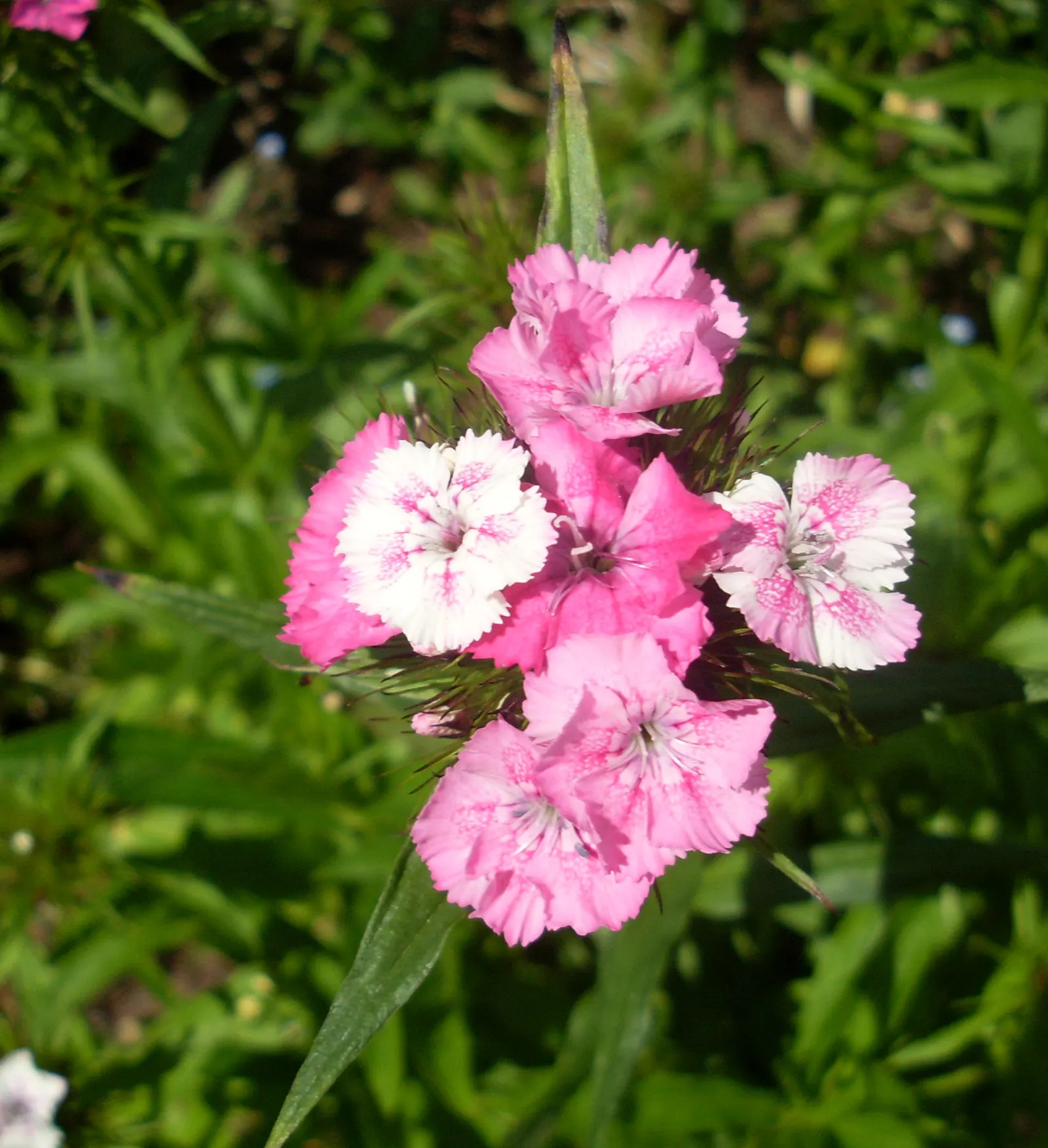
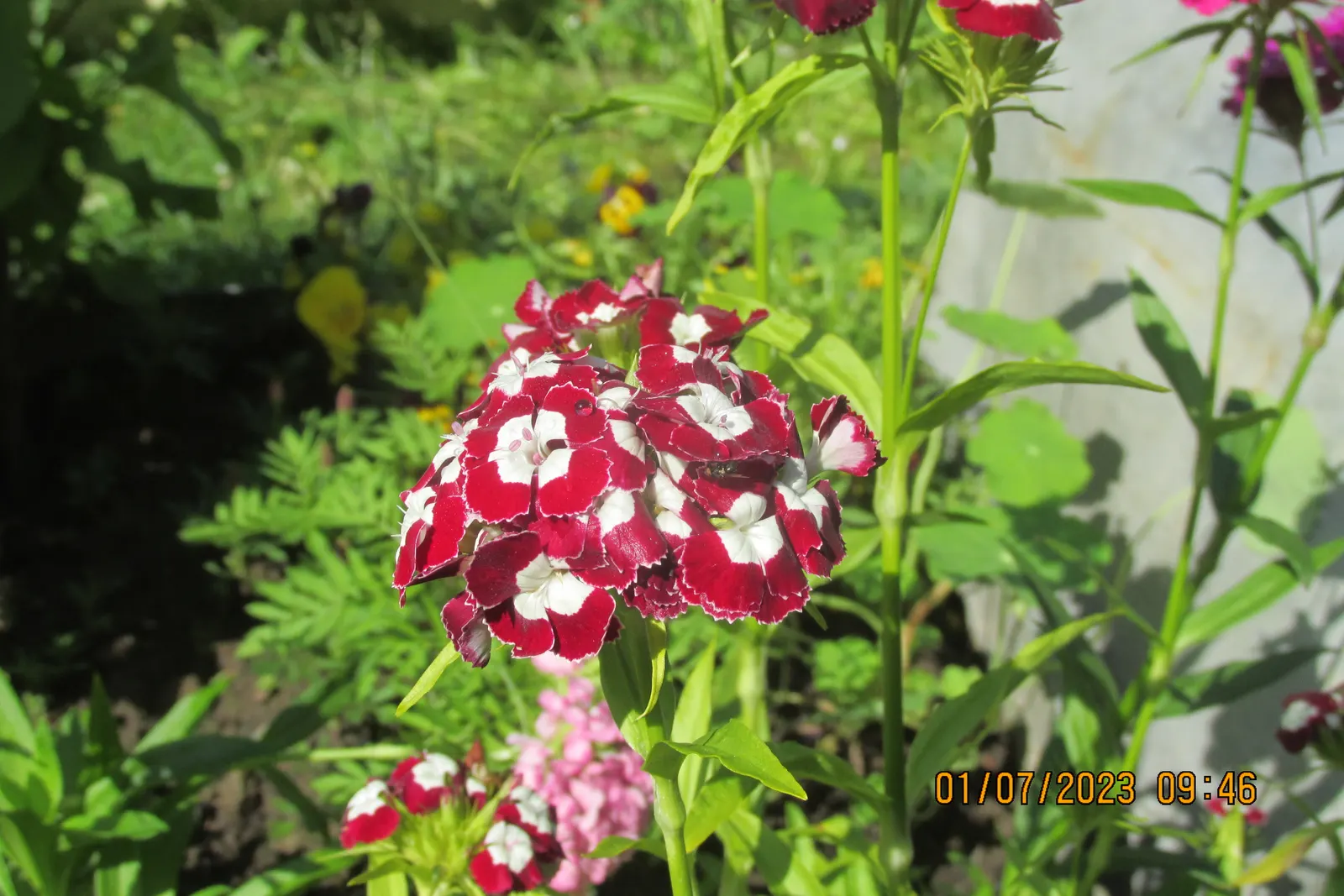
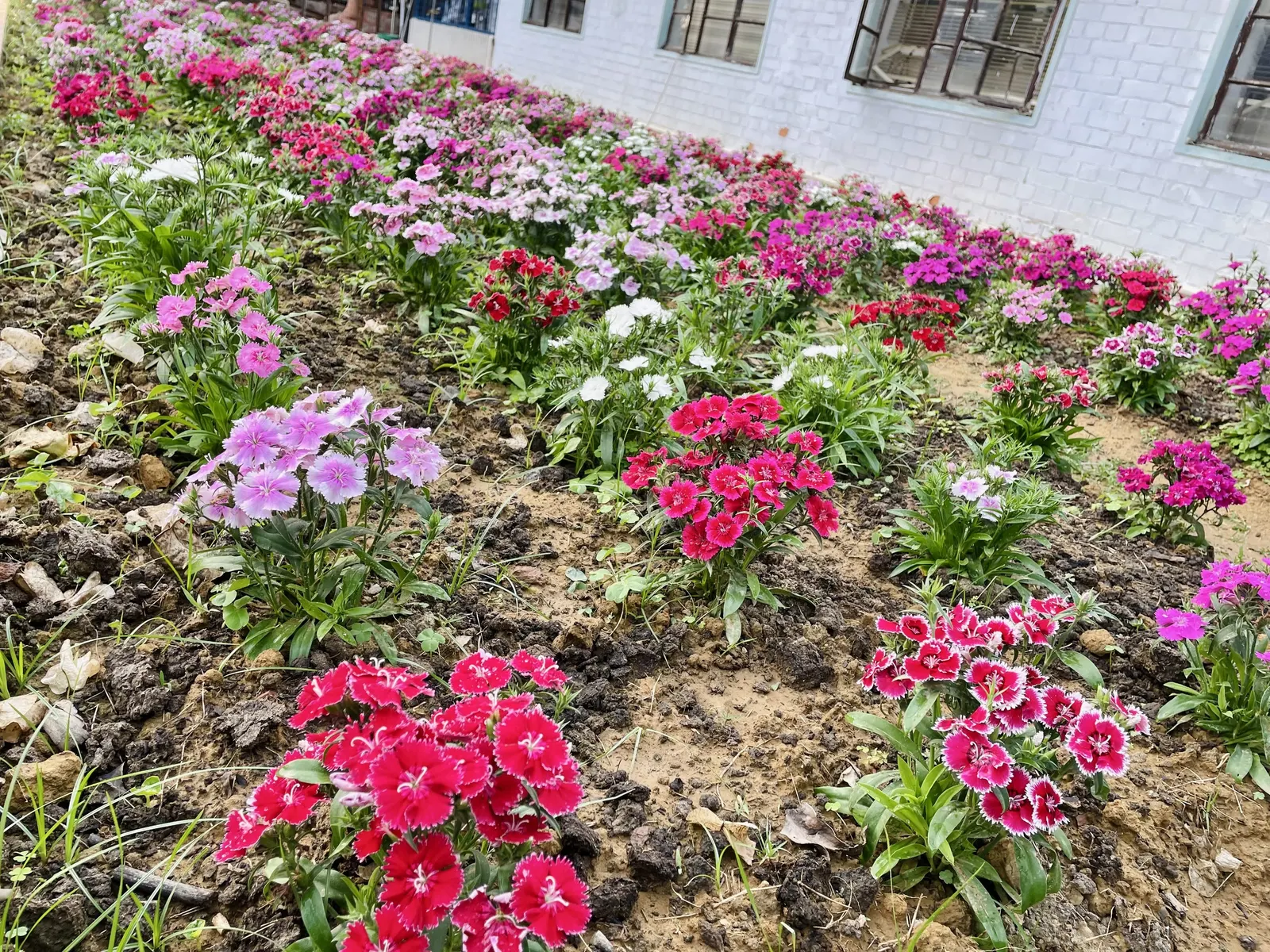
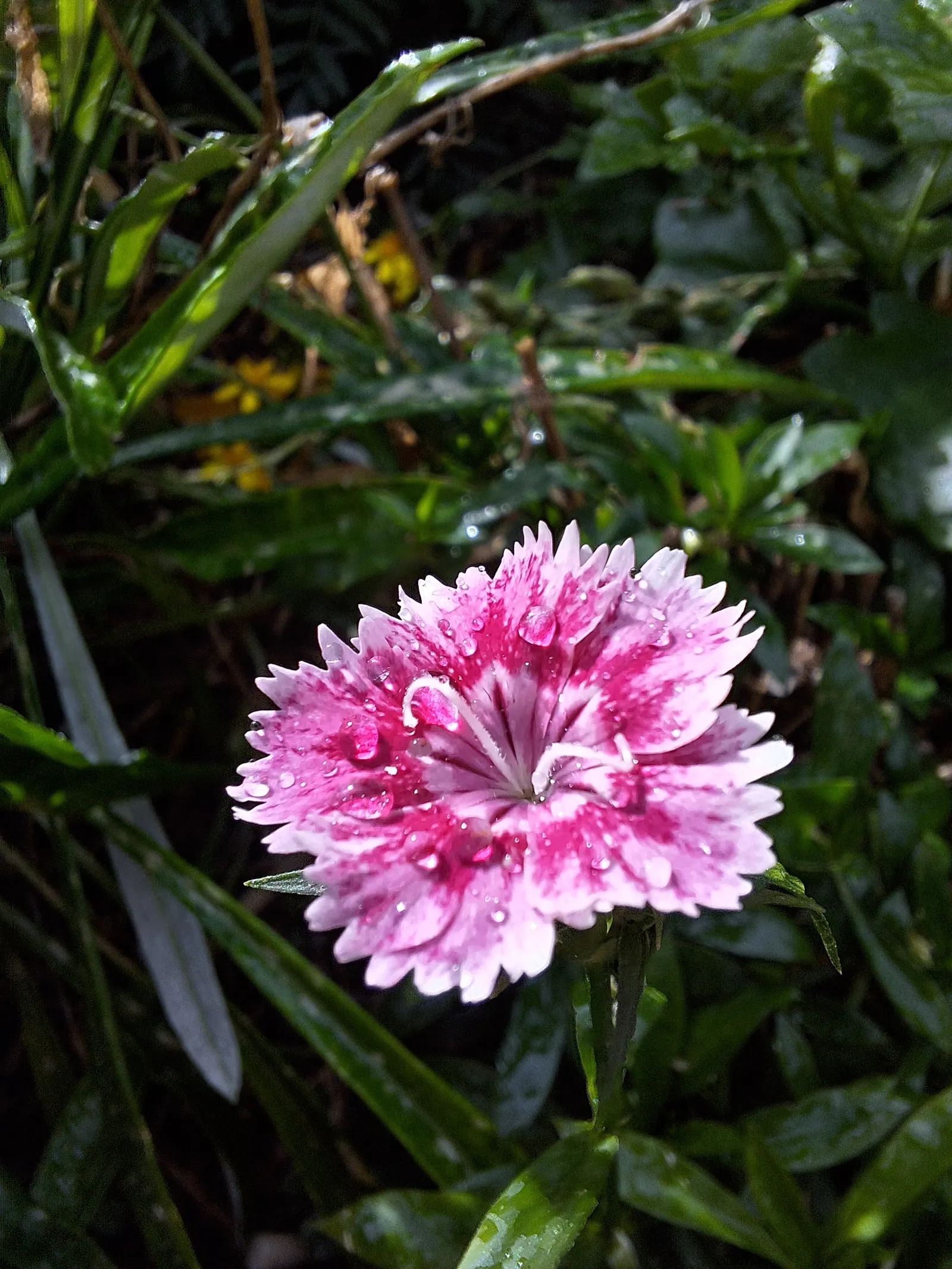
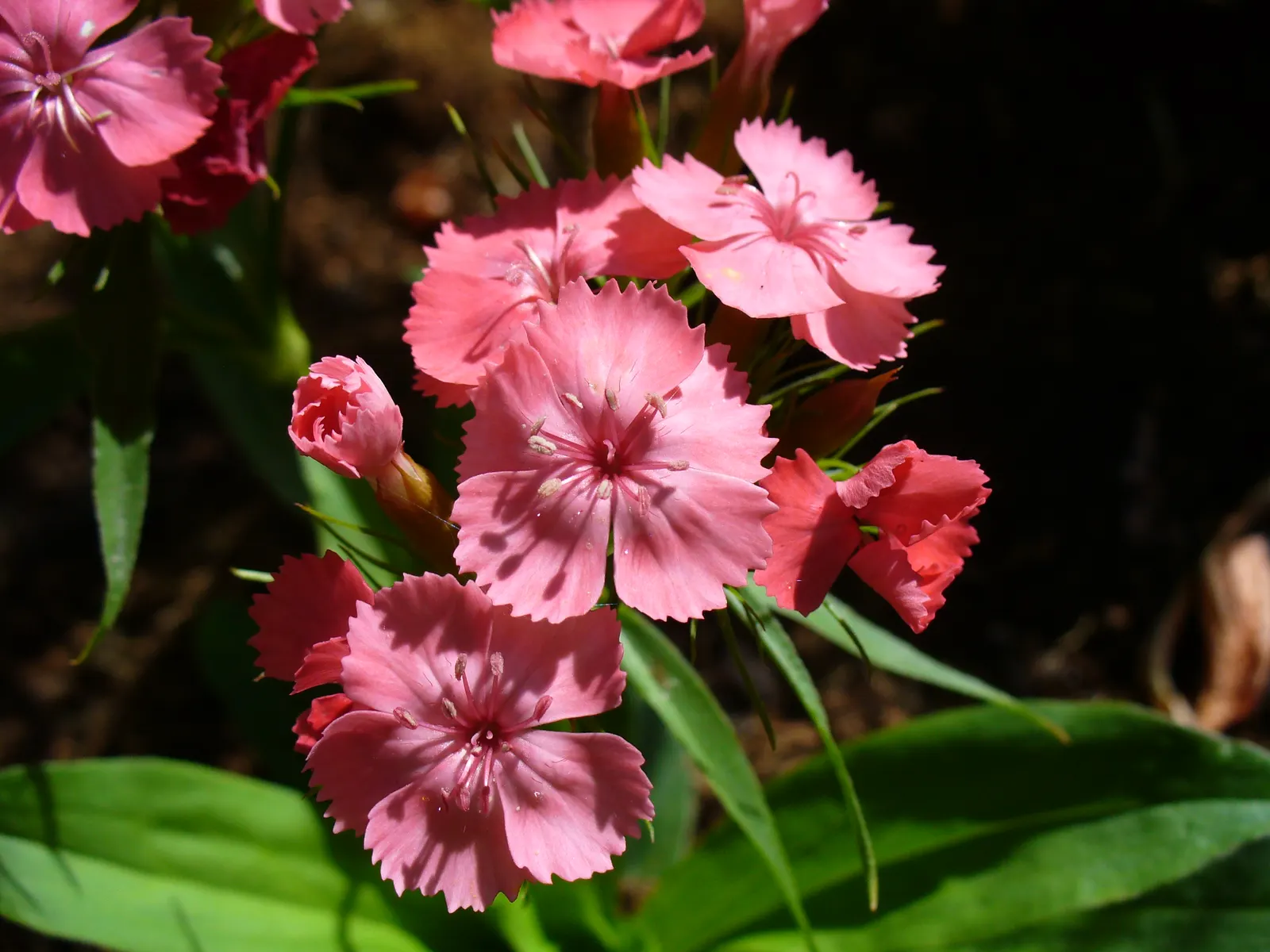
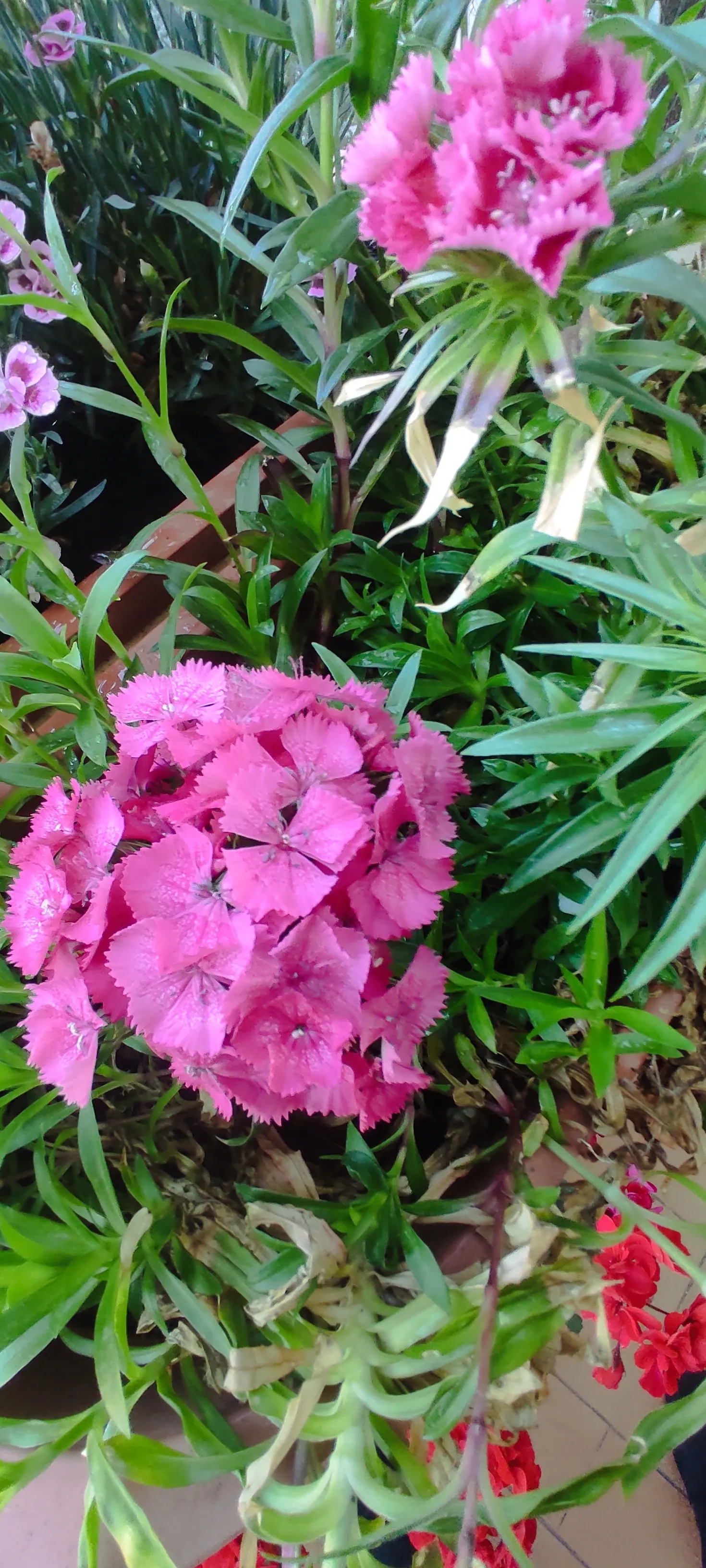
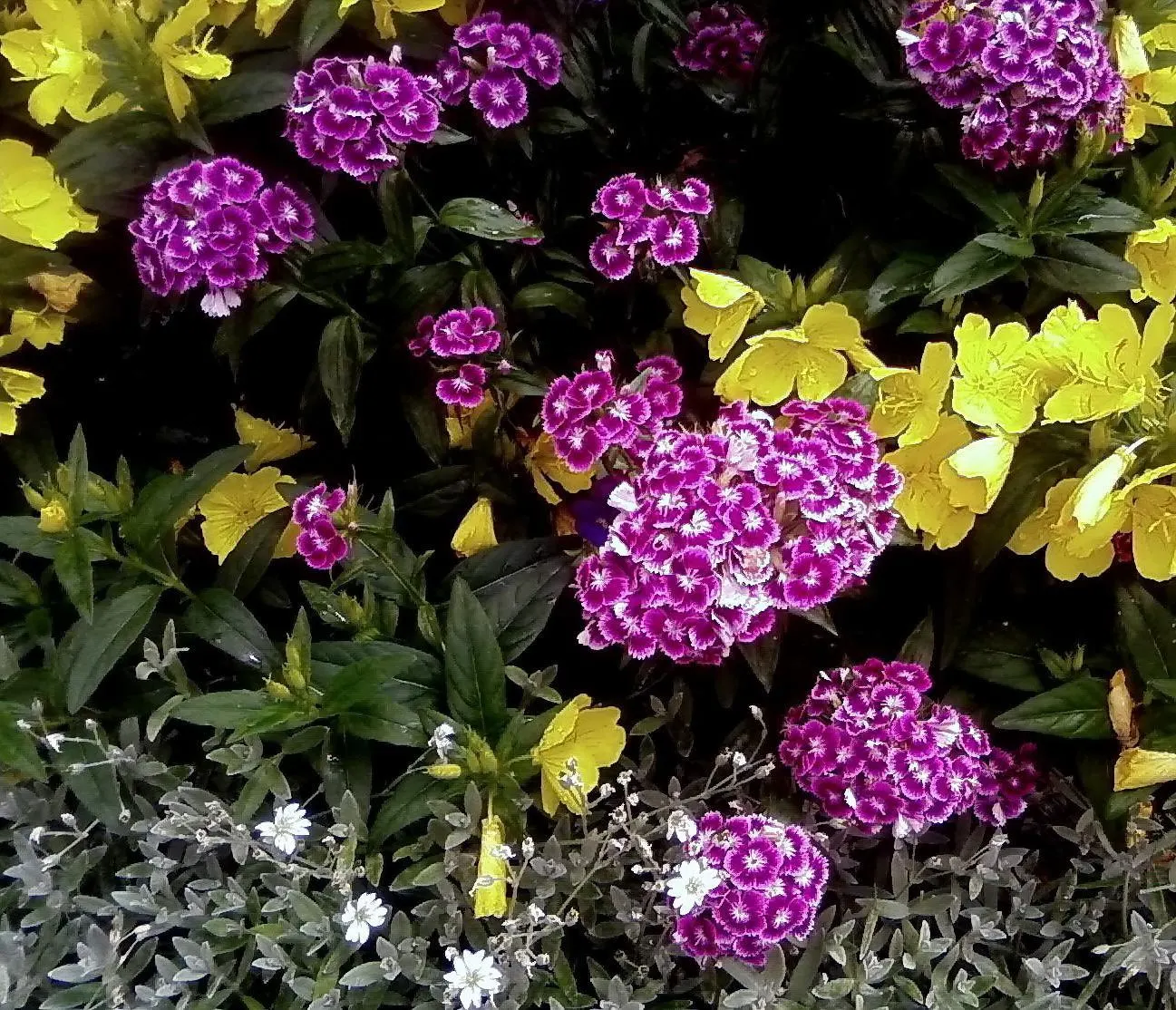
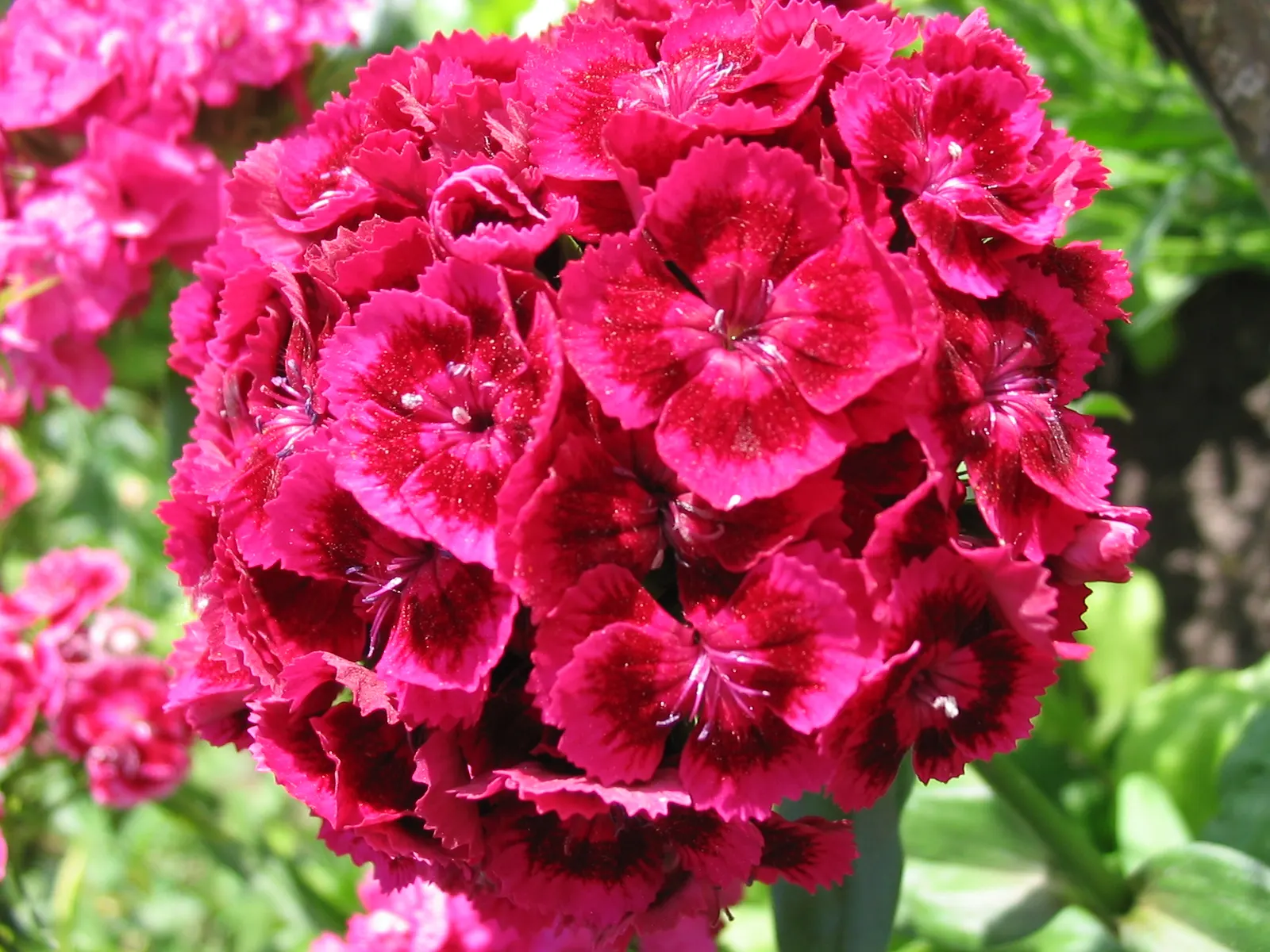
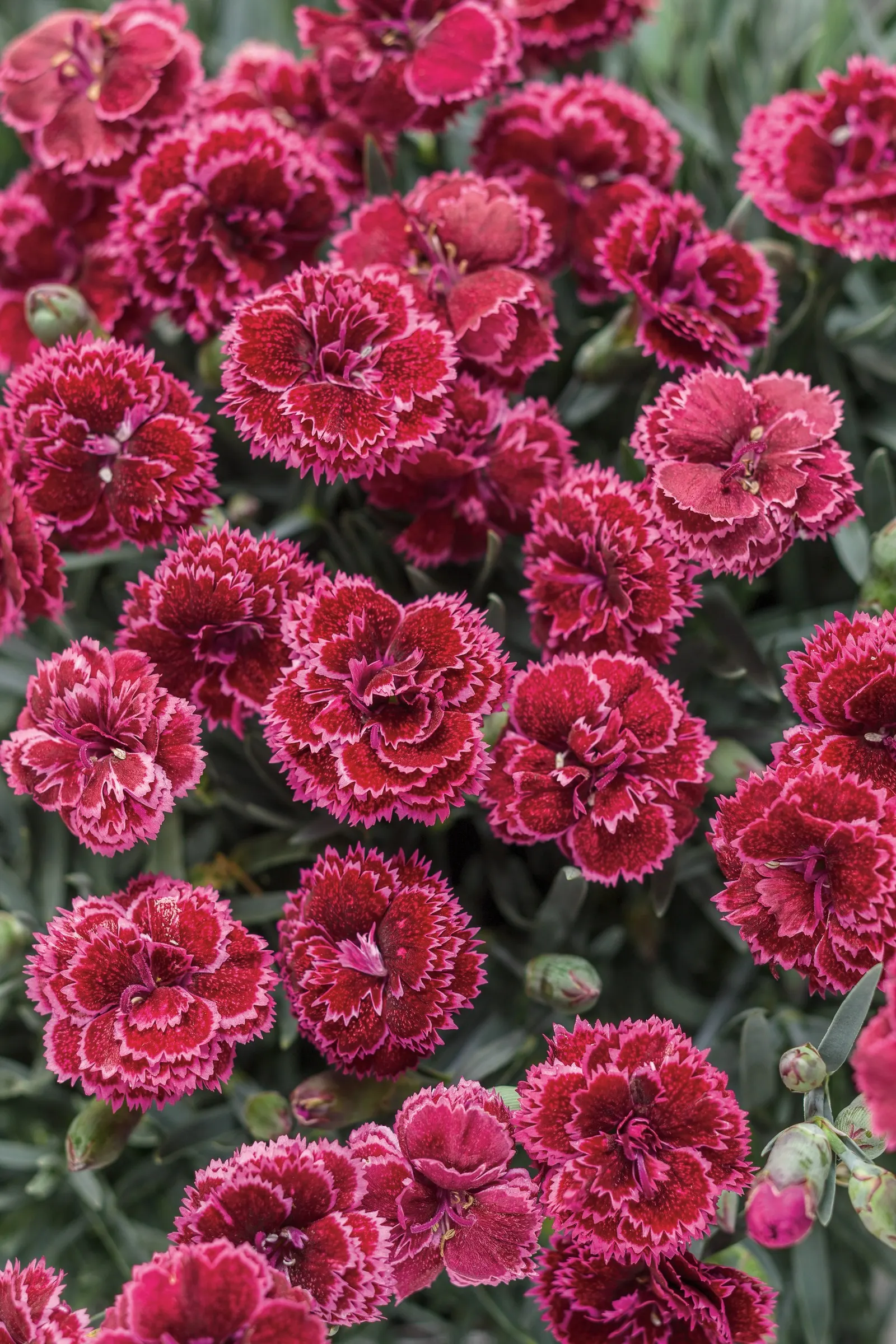
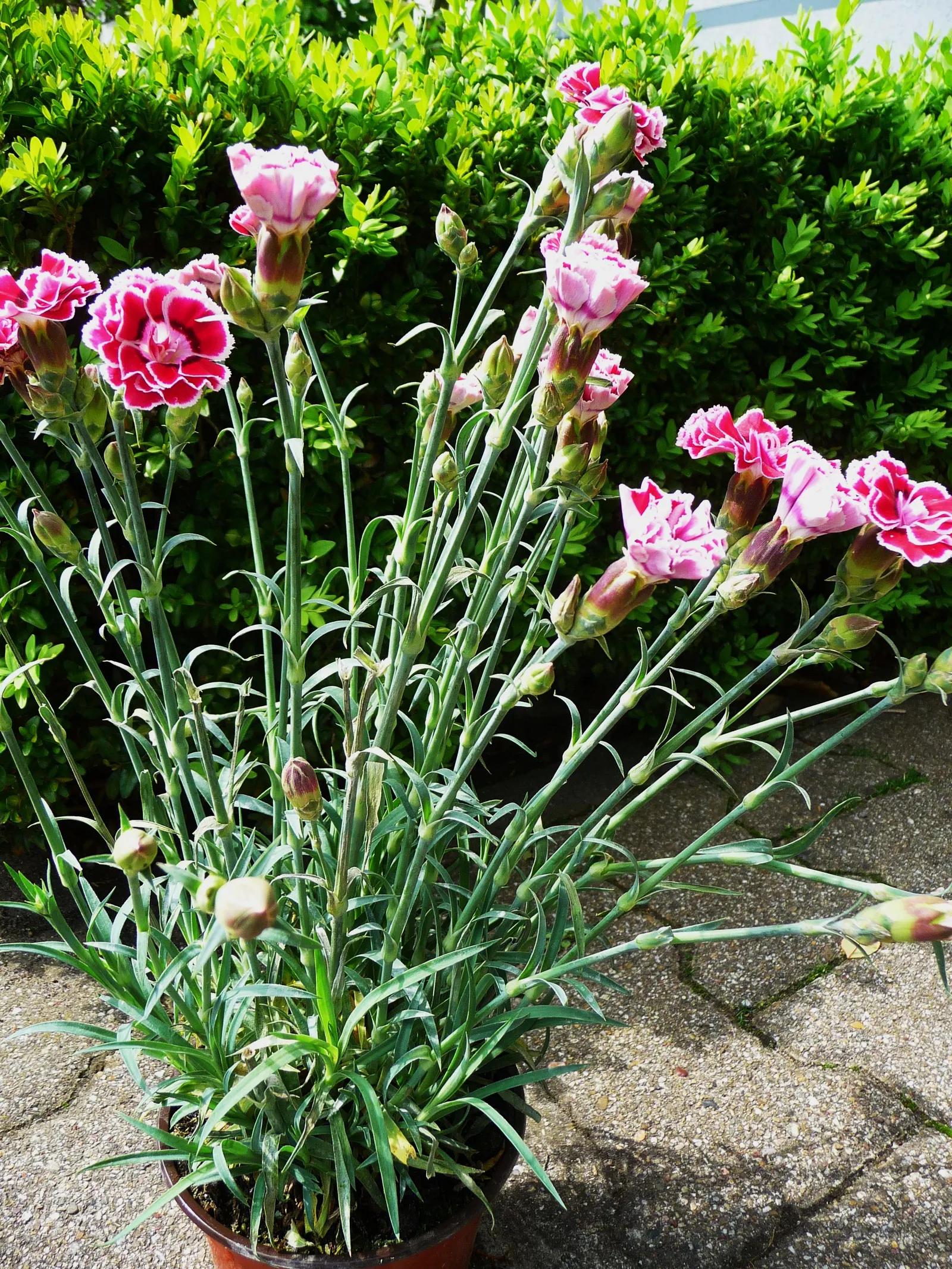
Sweet William (Dianthus barbatus) is a vibrant perennial that boasts dense clusters of fragrant flowers. Blossoms appear in a spectrum from white to deep red with a height of 0.5-2.5 feet. Prefers full sun to partial shade and thrives in well-drained soil. Its low-maintenance and long blooming period, from late spring to early summer, make it ideal for borders, beds, and as a cut flower in arrangements. Hardy in zones 3-9.

Sun Full, HalfWater MediumZones 6–10Type BiennialClimate Mediterranean
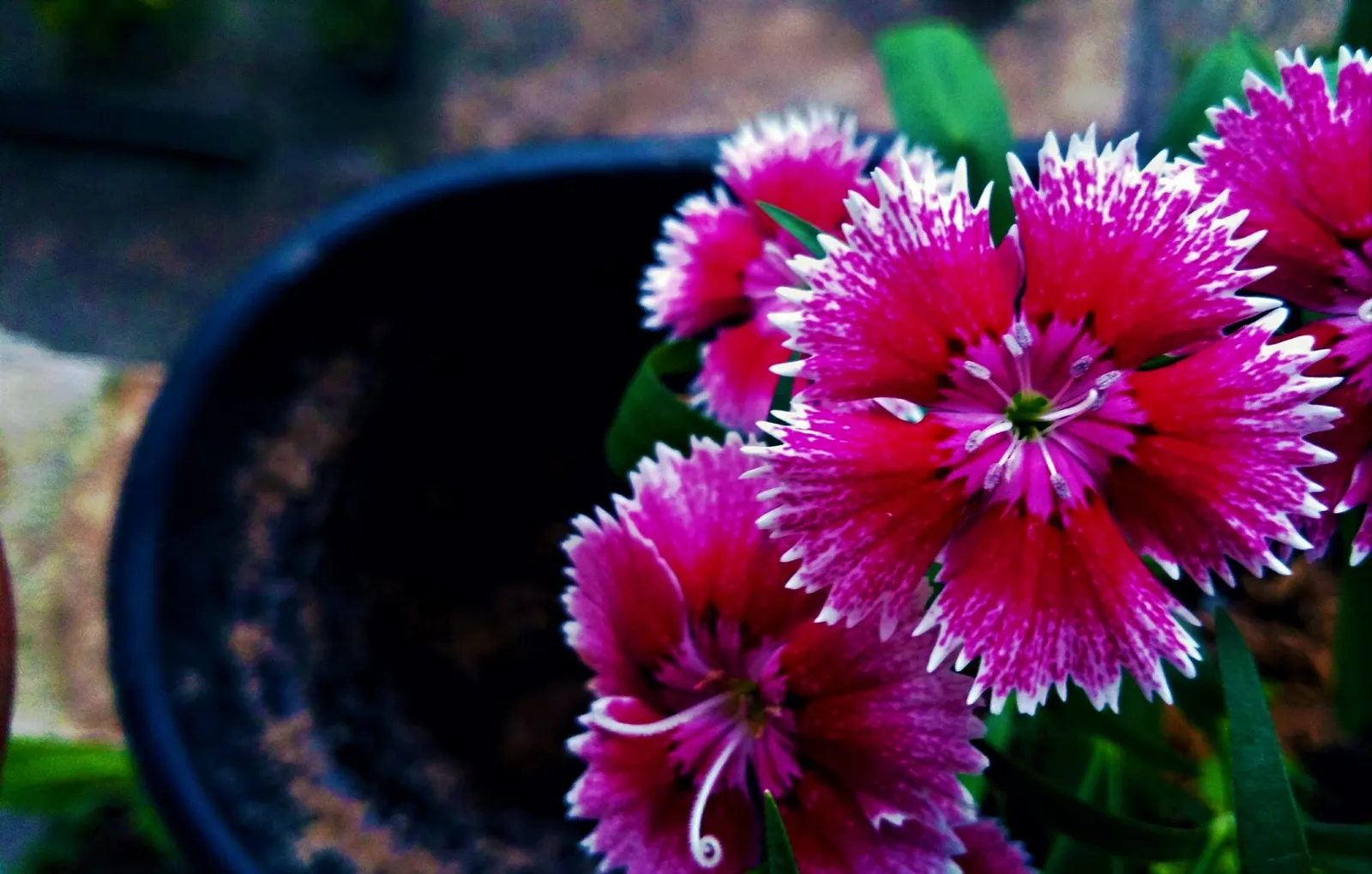
Sweet Williams (Dianthus Barbatus) — it is known for its prolific blooming and ease of care; they are excellent choices for borders, image 67

Culture

Sun
Full, Half
Water
Medium
USDA zones
6–10

Shape & size

Classification

Type
Biennial
Family
Caryophyllaceae
Climate
Mediterranean

See full data, regional cultivation notes, and design tools. Build a client presentation around this plant.

Start your 14-day trial

Photos (159)

Sweet Williams (Dianthus Barbatus) — Hardy in USDA zones 3 to 9; its low-maintenance and long blooming period, image 73
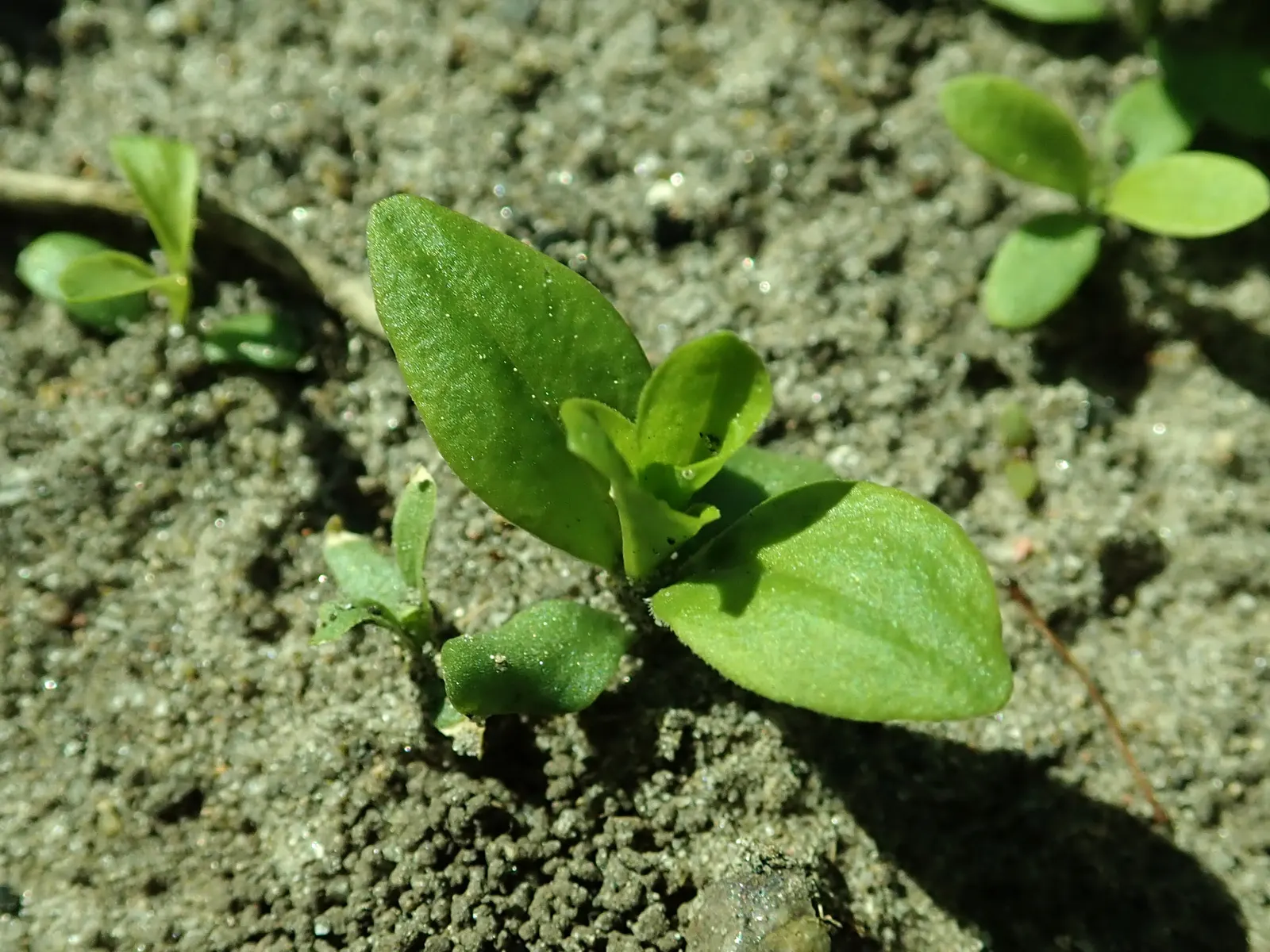
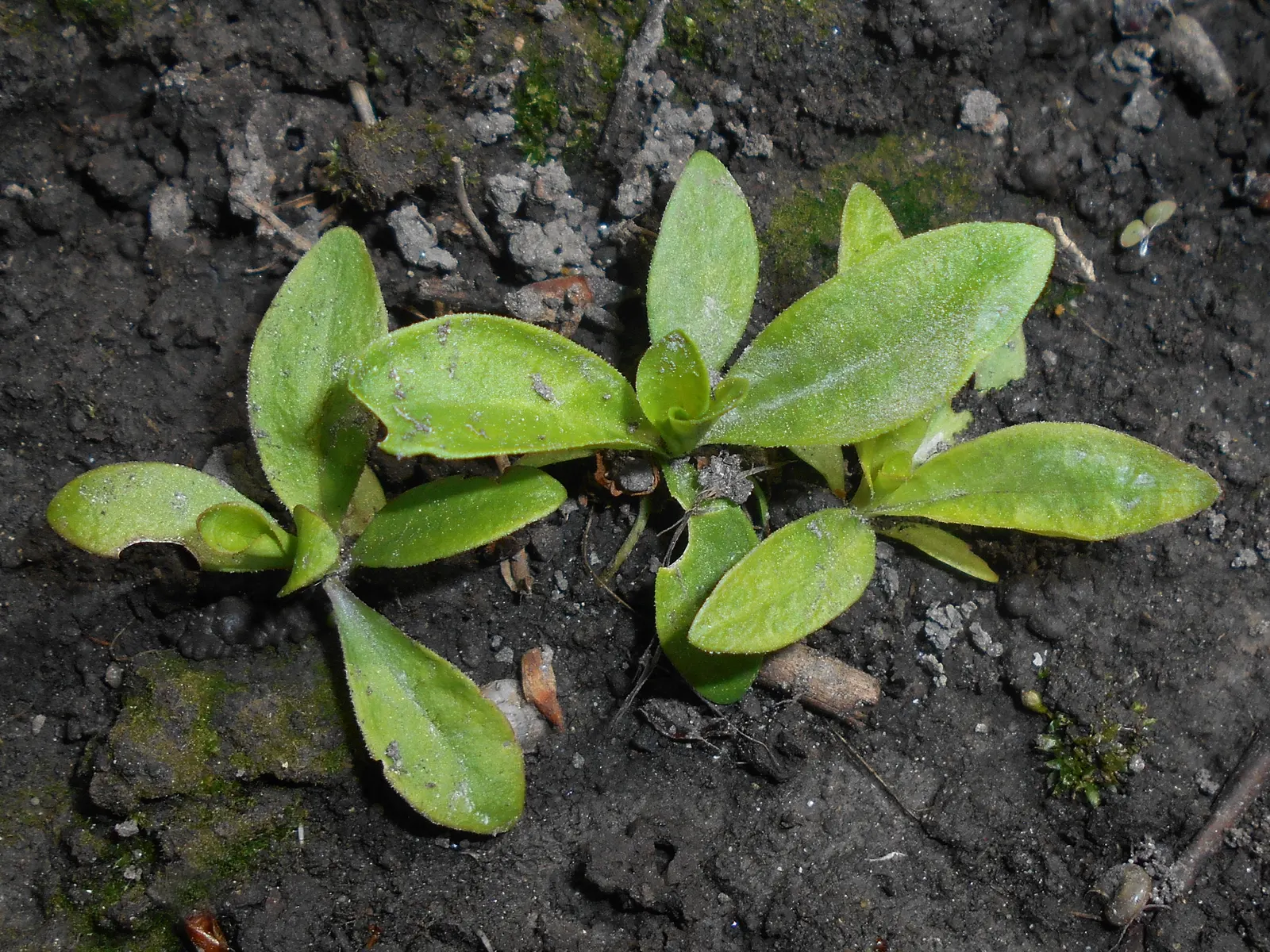
Sweet Williams (Dianthus Barbatus) — The lance-shaped leaves are a bright green; its low-maintenance and long blooming period, image 97
Sweet Williams (Dianthus Barbatus) — Sweet William (Dianthus barbatus) is a cherished perennial that brings vibrant color and a sweet; will keep Sweet William
Sweet Williams (Dianthus Barbatus) — consider its ability to provide eye-catching color and pleasing fragrance along pathways; its low-maintenance, image 105
Sweet Williams (Dianthus Barbatus) — Sweet William (Dianthus barbatus) is a cherished perennial that brings vibrant color and a sweet; will keep, image 64
Sweet Williams (Dianthus Barbatus) — and as a cut flower in arrangements; they are excellent choices for borders, image 119
Sweet Williams (Dianthus Barbatus) — especially during dry spells; will keep Sweet William looking its best
Sweet Williams (Dianthus Barbatus) — fertile soil and thrive in full sunlight but can tolerate partial shade; will keep Sweet William looking its, image 72
Sweet Williams (Dianthus Barbatus) — or as a part of a mixed perennial bed; it is known for its prolific blooming and ease of care, image 106
Sweet Williams (Dianthus Barbatus) — Blossoms appear in a spectrum from white to deep red with a height of 0.5-2.5 feet; it is known for its, image 58
Sweet Williams (Dianthus Barbatus) — Its low-maintenance and long blooming period
Sweet Williams (Dianthus Barbatus) — or as a part of a mixed perennial bed; it is known for its prolific blooming and ease of care
Sweet Williams (Dianthus Barbatus) — Sweet William (Dianthus barbatus) is a vibrant perennial that boasts dense clusters of fragrant flowers; its, image 57
Sweet Williams (Dianthus Barbatus) — and as a cut flower in arrangements; they are excellent choices for borders, image 91
Sweet Williams (Dianthus Barbatus) — Blossoms appear in a spectrum from white to deep red with a height of 0.5-2.5 feet
Sweet Williams (Dianthus Barbatus) — it is known for its prolific blooming and ease of care
Sweet Williams (Dianthus Barbatus) — Sweet William (Dianthus barbatus) is a vibrant perennial that boasts dense clusters of fragrant flowers; its, image 113
Sweet Williams (Dianthus Barbatus) — Sweet William (Dianthus barbatus) is a cherished perennial that brings vibrant color and a sweet; will keep, image 120
Sweet Williams (Dianthus Barbatus) — biennial for full or half; will keep Sweet William looking its best, image 112
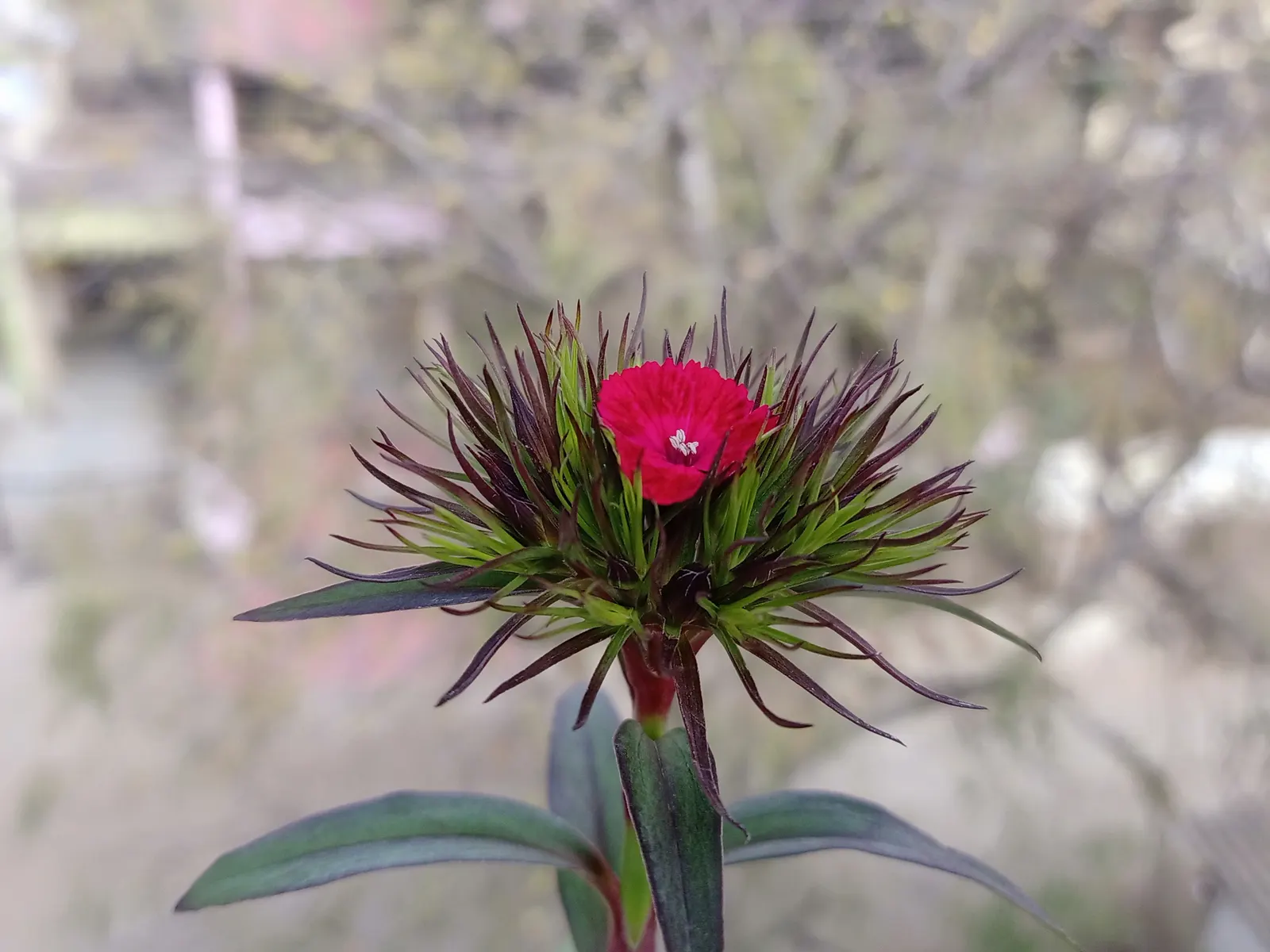
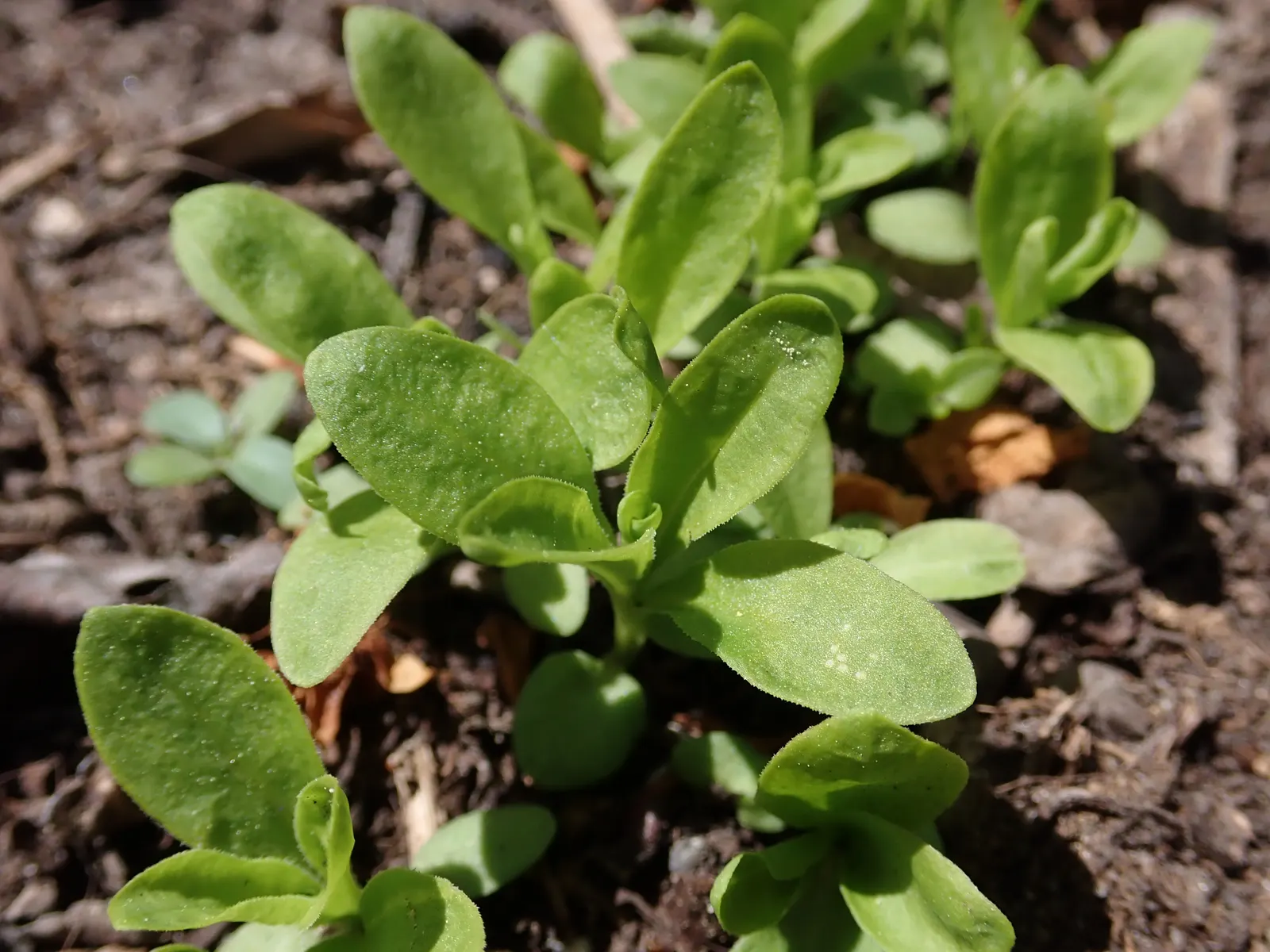
Sweet Williams (Dianthus Barbatus) — The lance-shaped leaves are a bright green
Sweet Williams (Dianthus Barbatus) — they are beloved by pollinators; will keep Sweet William looking its best, image 76
Sweet Williams (Dianthus Barbatus) — The lance-shaped leaves are a bright green; its low-maintenance and long blooming period, image 125
Sweet Williams (Dianthus Barbatus) — make it ideal for borders; it is known for its prolific blooming and ease of care, image 118
Sweet Williams (Dianthus Barbatus) — they are beloved by pollinators; will keep Sweet William looking its best, image 132
Photographs by 7 contributors

Related plants