Skip to content

Sweet Williams

Dianthus Barbatus

Design with this plant

Overview

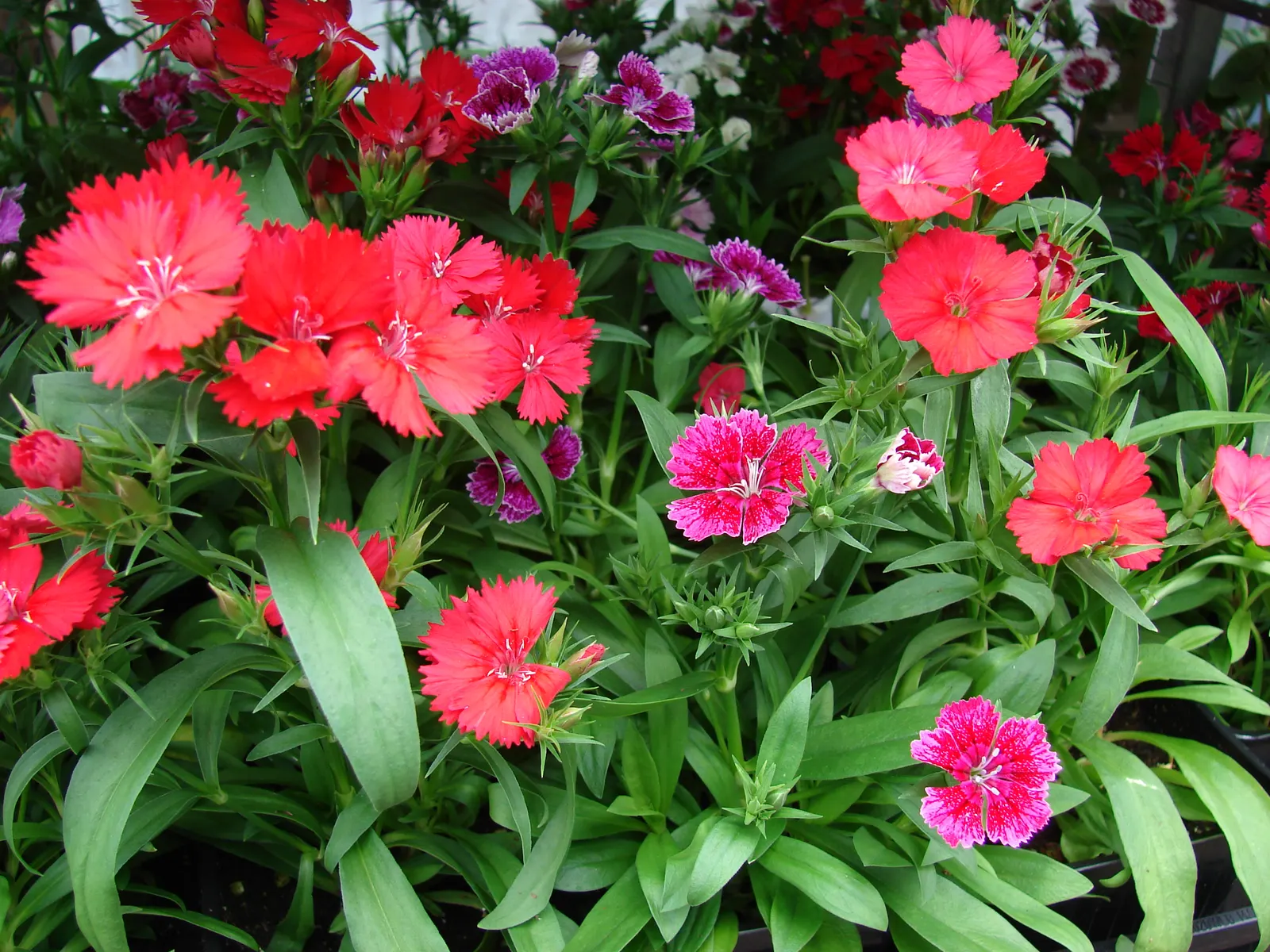
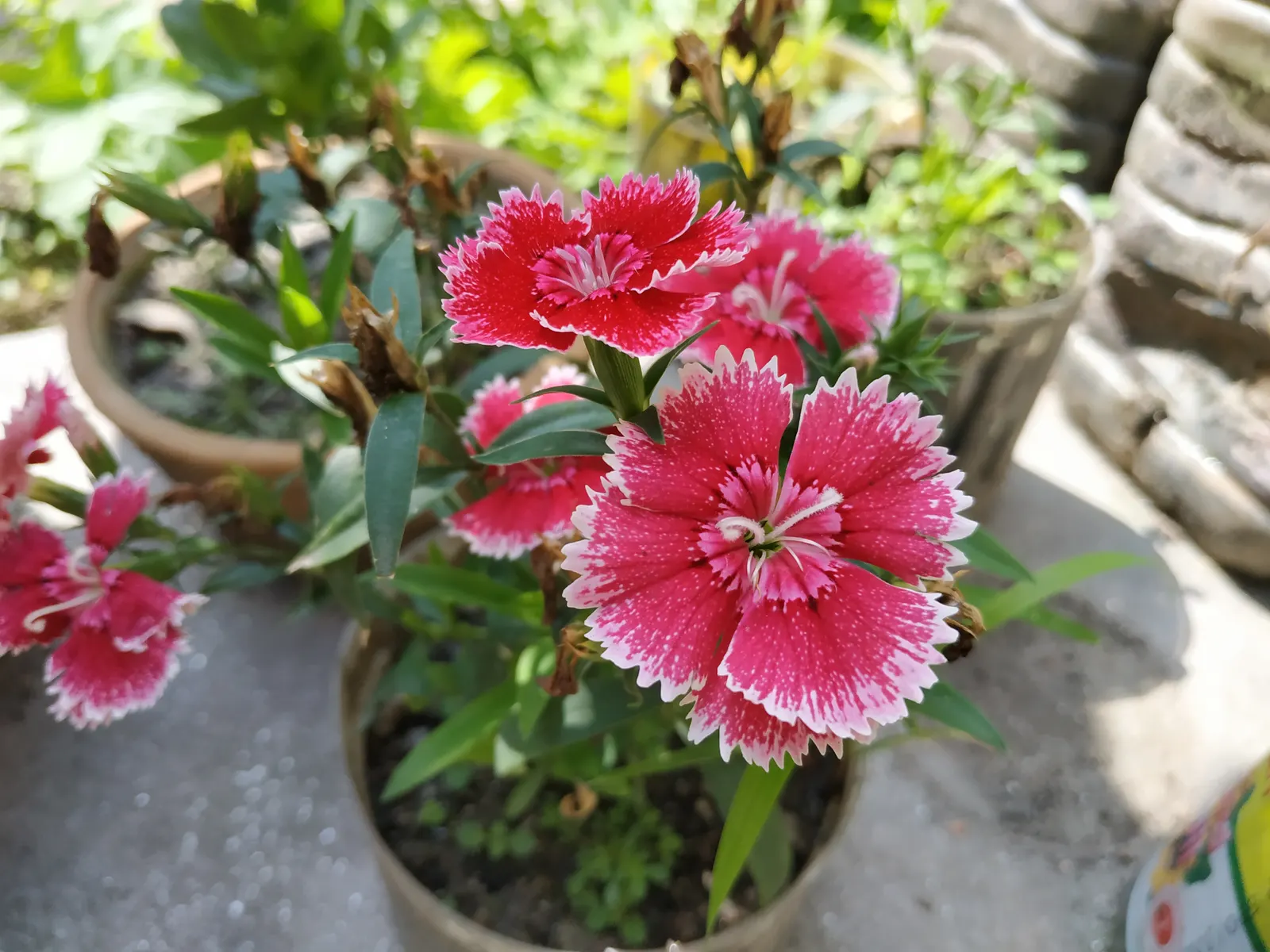
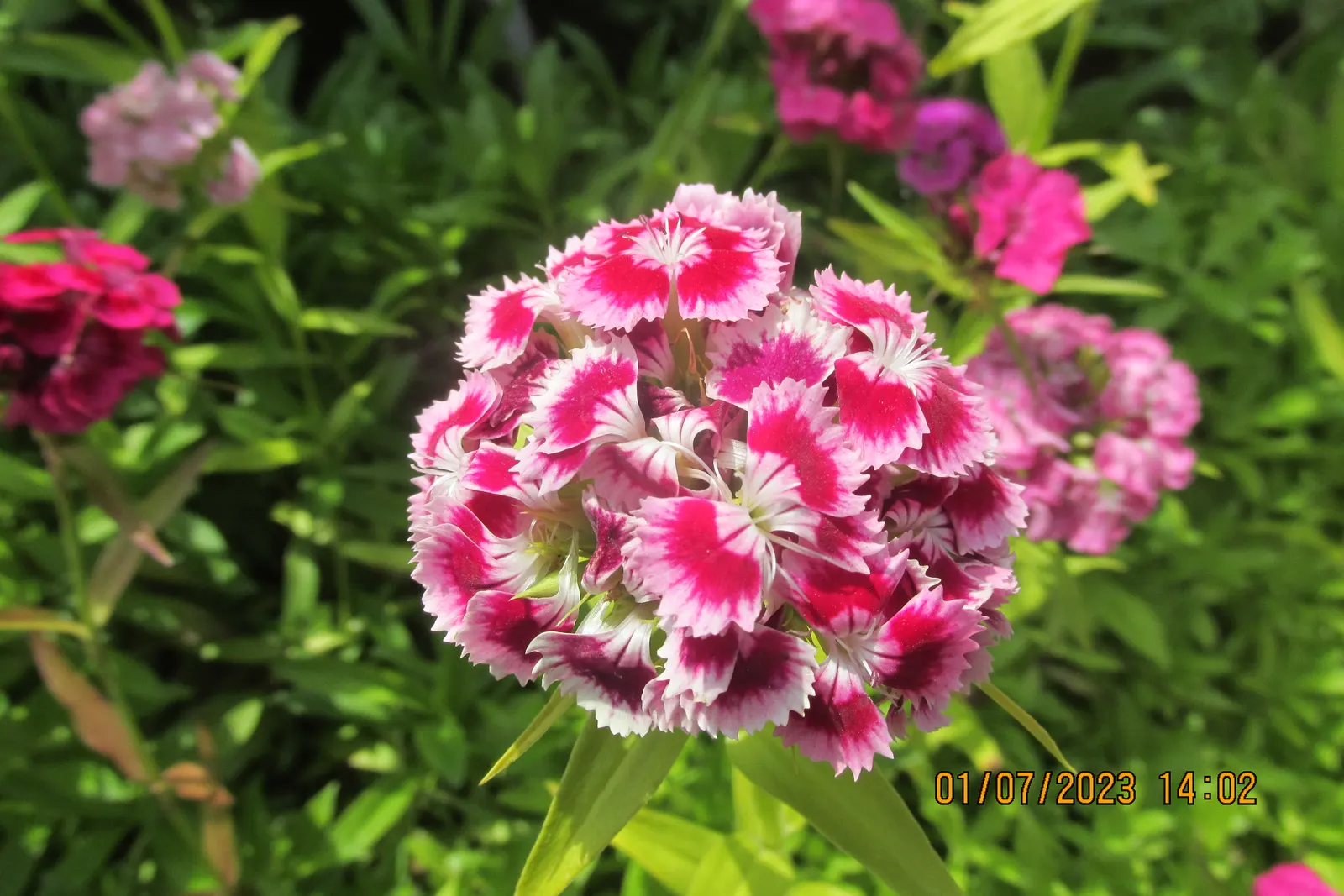
Sweet William (Dianthus barbatus) is a vibrant perennial that boasts dense clusters of fragrant flowers. Blossoms appear in a spectrum from white to deep red with a height of 0.5-2.5 feet. Prefers full sun to partial shade and thrives in well-drained soil. Its low-maintenance and long blooming period, from late spring to early summer, make it ideal for borders, beds, and as a cut flower in arrangements. Hardy in zones 3-9.

Sun Full, HalfWater MediumZones 6–10Type BiennialClimate Mediterranean
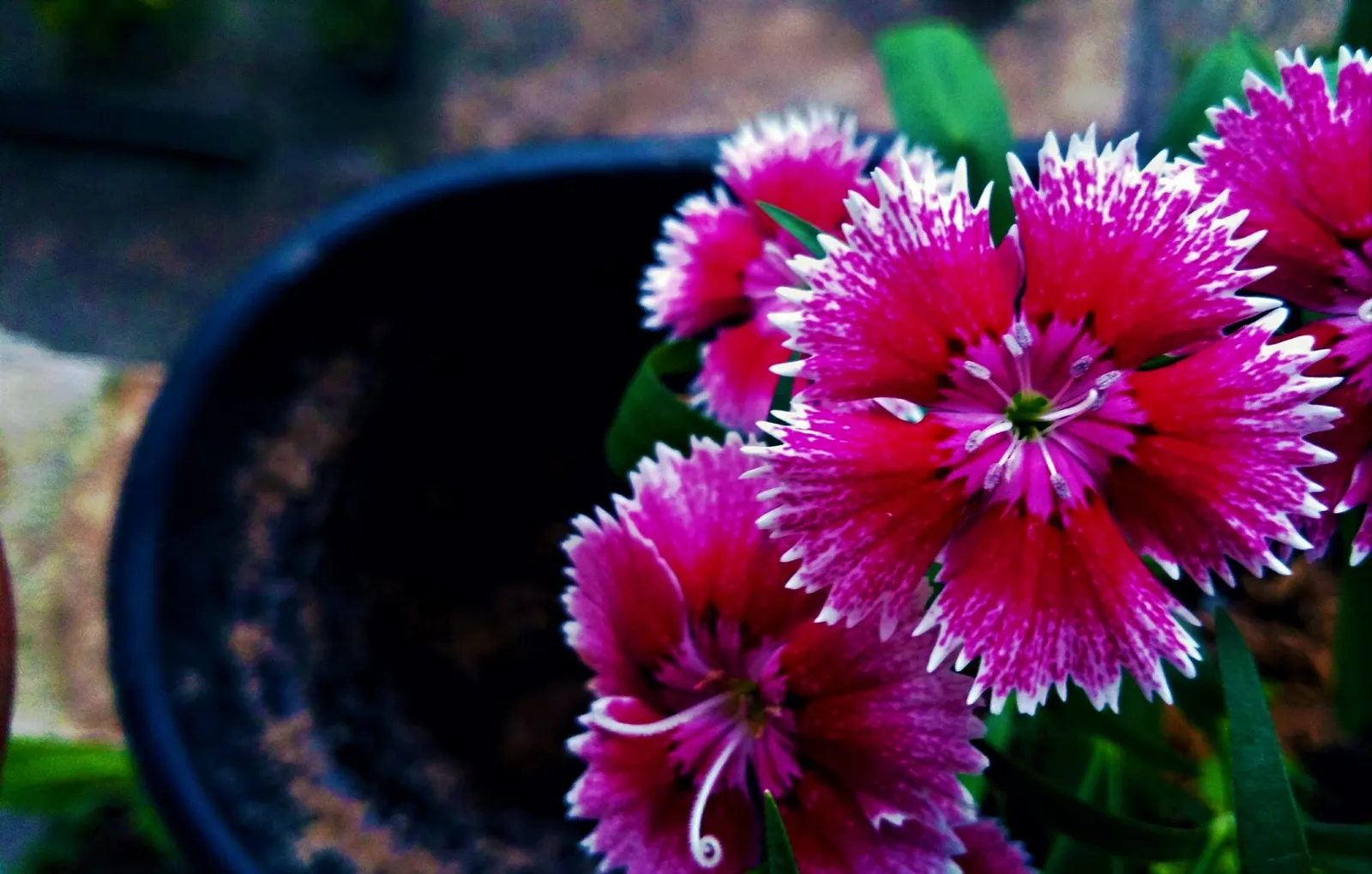
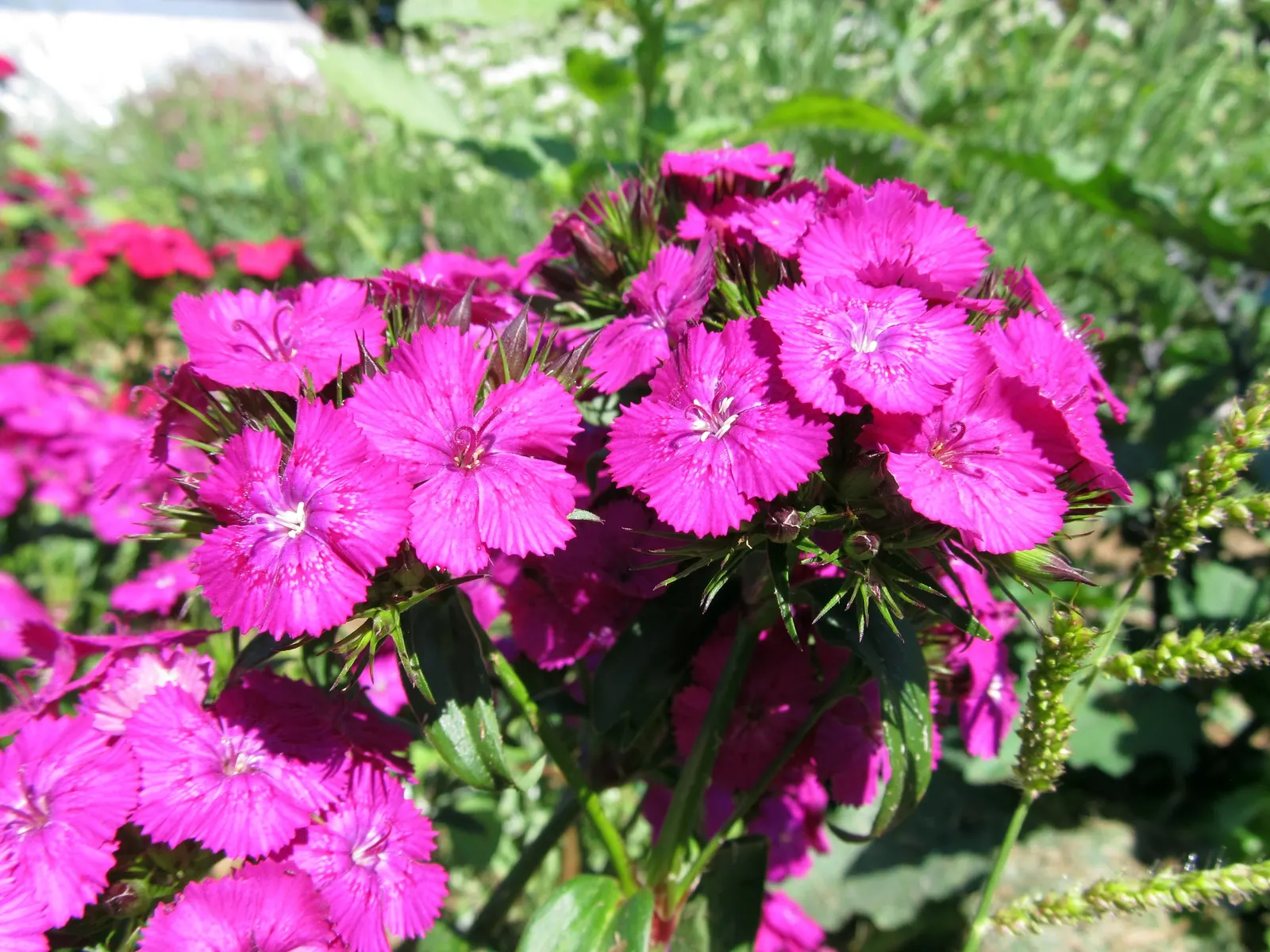
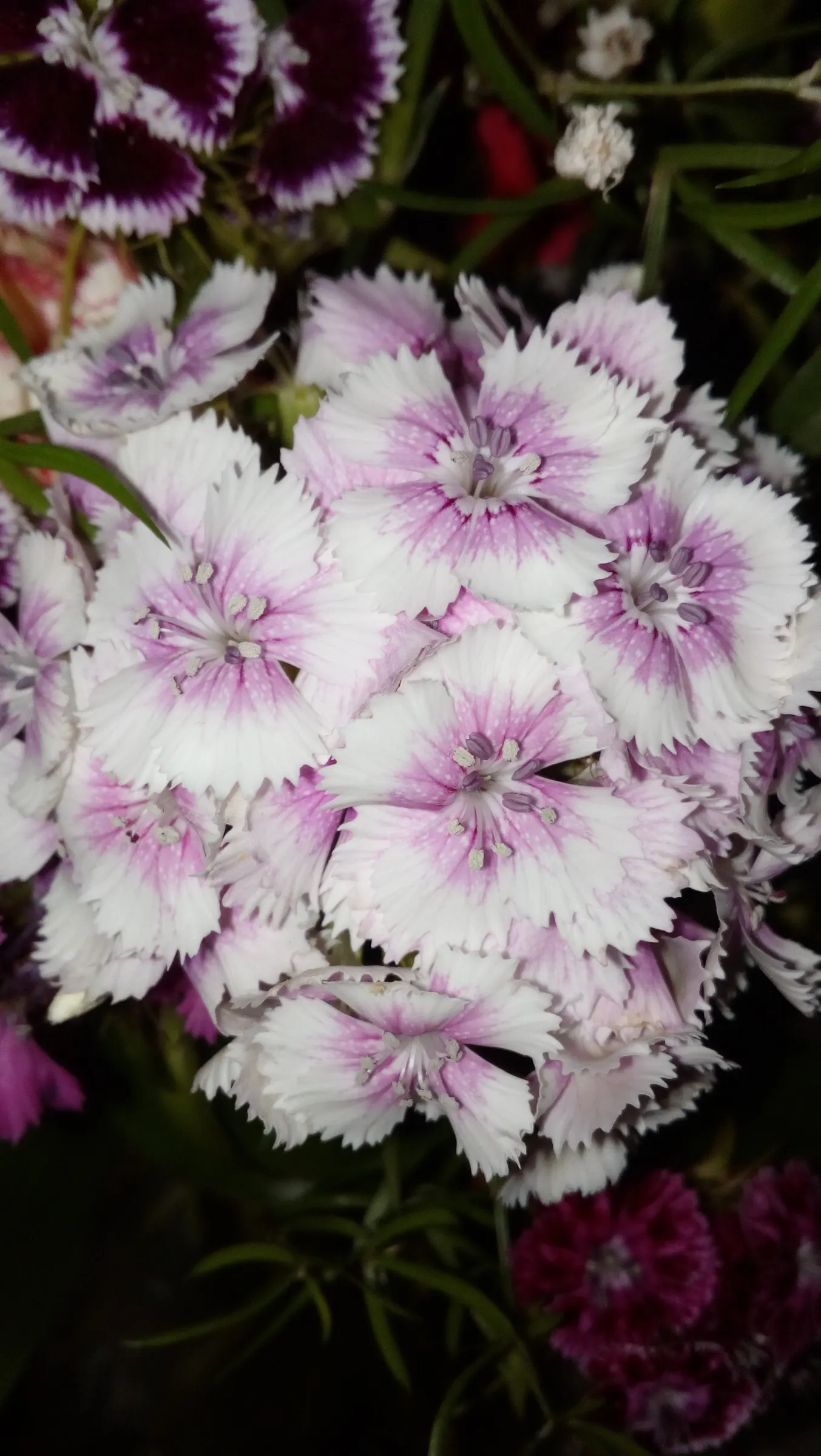
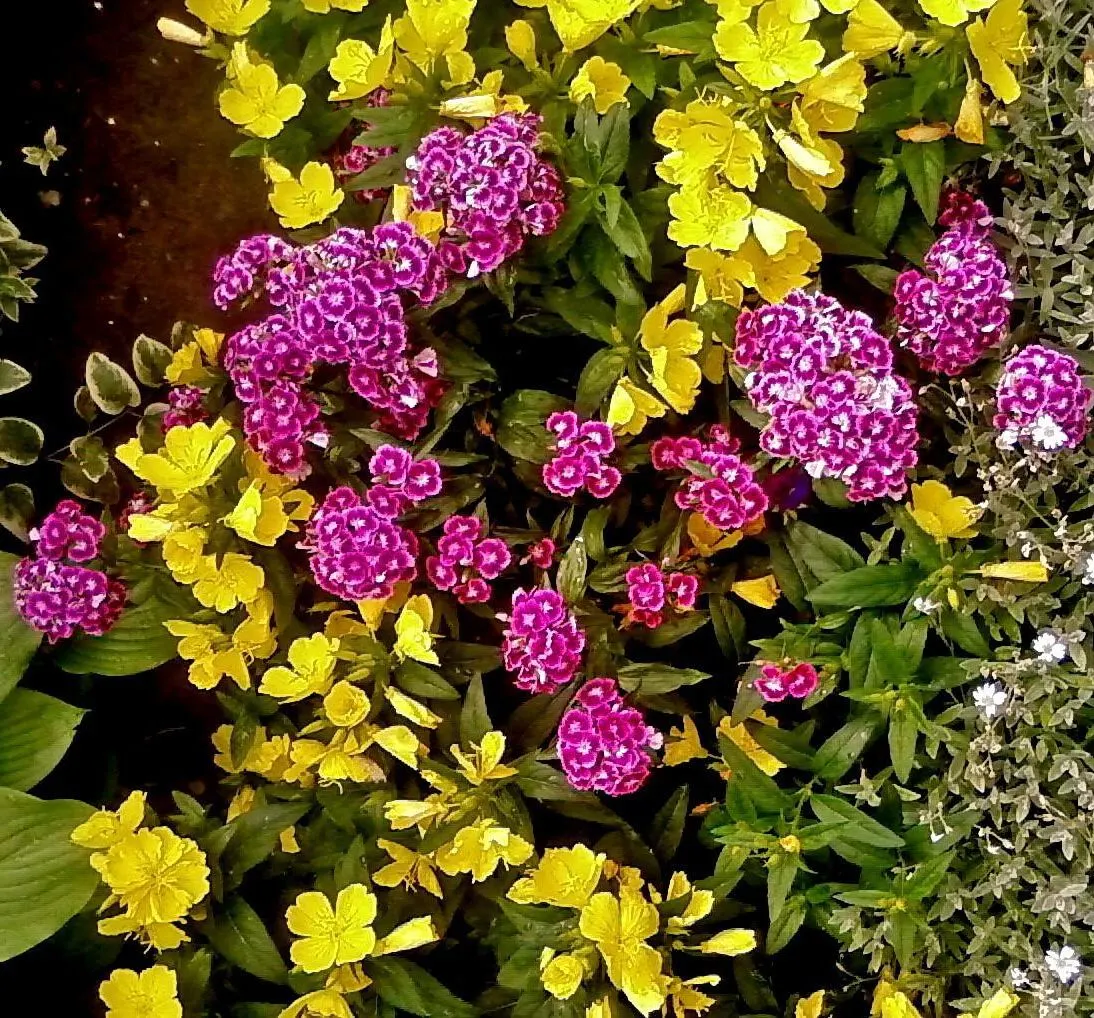
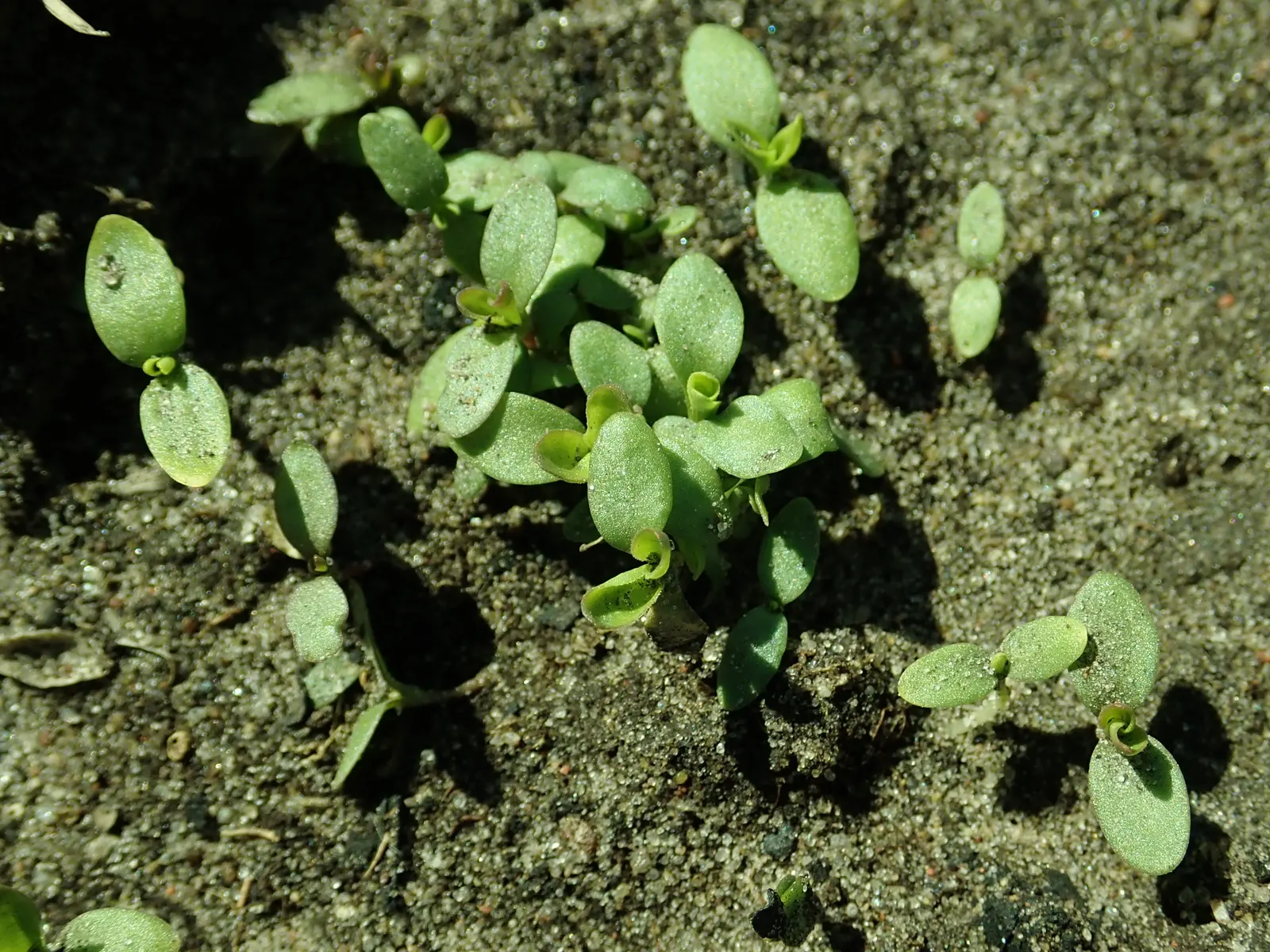
Sweet Williams (Dianthus Barbatus) — it is known for its prolific blooming and ease of care; they are excellent choices for borders, image 67

Culture

Sun
Full, Half
Water
Medium
USDA zones
6–10

Shape & size

Classification

Type
Biennial
Family
Caryophyllaceae
Climate
Mediterranean

See full data, regional cultivation notes, and design tools. Build a client presentation around this plant.

Start your 14-day trial

Photos (159)

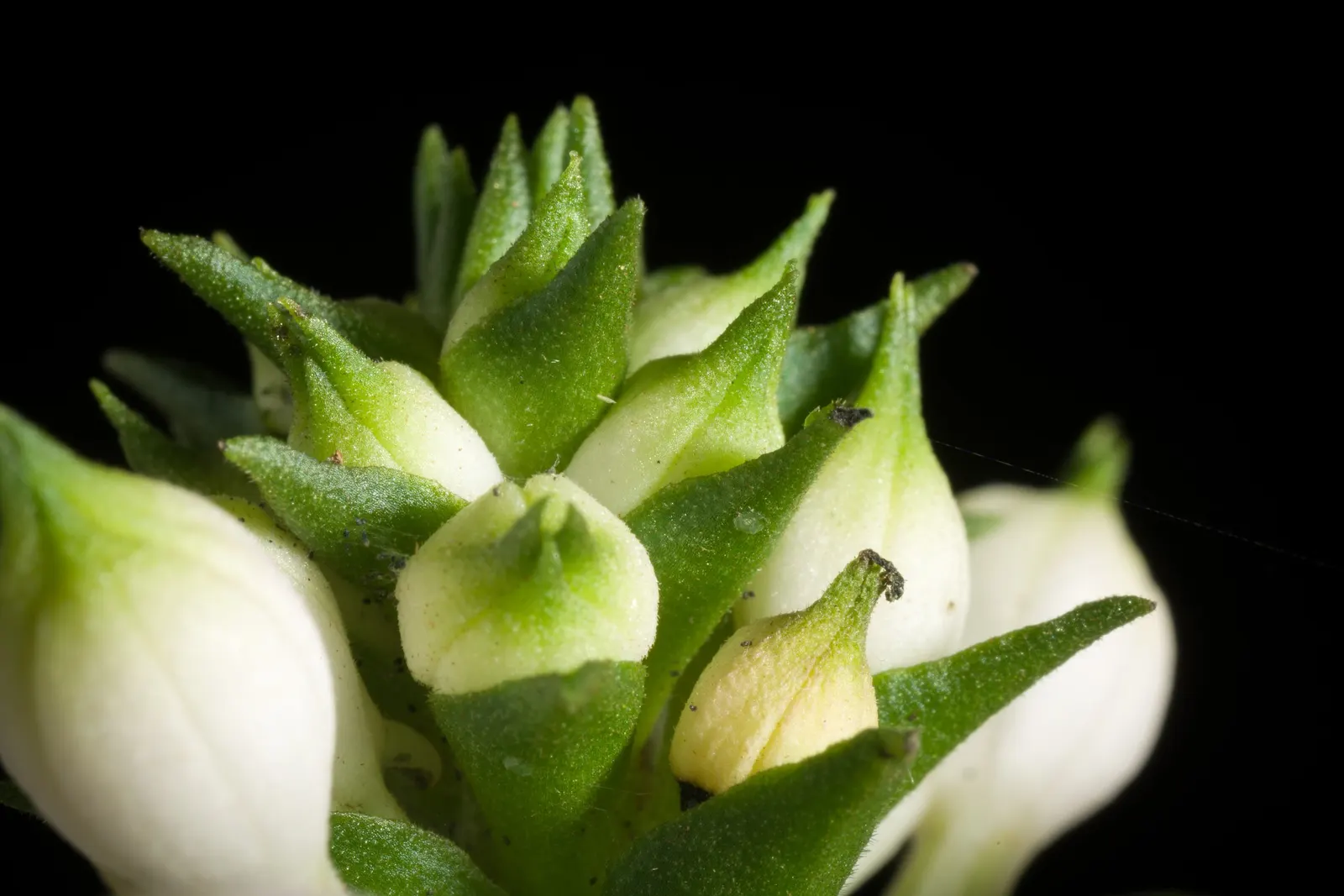
Sweet Williams (Dianthus Barbatus) — Its low-maintenance and long blooming period; will keep Sweet William looking its best, image 88
Sweet Williams (Dianthus Barbatus) — they are excellent choices for borders; it is known for its prolific blooming and ease of care, image 130
Sweet Williams (Dianthus Barbatus) — Its upright form can also bring structure to the design; they are excellent choices for borders, image 79
Sweet Williams (Dianthus Barbatus) — make it ideal for borders; it is known for its prolific blooming and ease of care
Sweet Williams (Dianthus Barbatus) — spicy fragrance to the landscape; its low-maintenance and long blooming period
Sweet Williams (Dianthus Barbatus) — creating a lush mound of foliage and blooms
Sweet Williams (Dianthus Barbatus) — fertile soil and thrive in full sunlight but can tolerate partial shade
Sweet Williams (Dianthus Barbatus) — from late spring to early summer; its low-maintenance and long blooming period, image 117
Sweet Williams (Dianthus Barbatus) — or as a part of a mixed perennial bed; it is known for its prolific blooming and ease of care, image 78
Sweet Williams (Dianthus Barbatus) — it is known for its prolific blooming and ease of care; they are excellent choices for borders
Sweet Williams (Dianthus Barbatus) — creating a striking backdrop for the clusters of small flowers; it is known for its prolific blooming and ease, image 98
Sweet Williams (Dianthus Barbatus) — will keep Sweet William looking its best; its low-maintenance and long blooming period, image 109
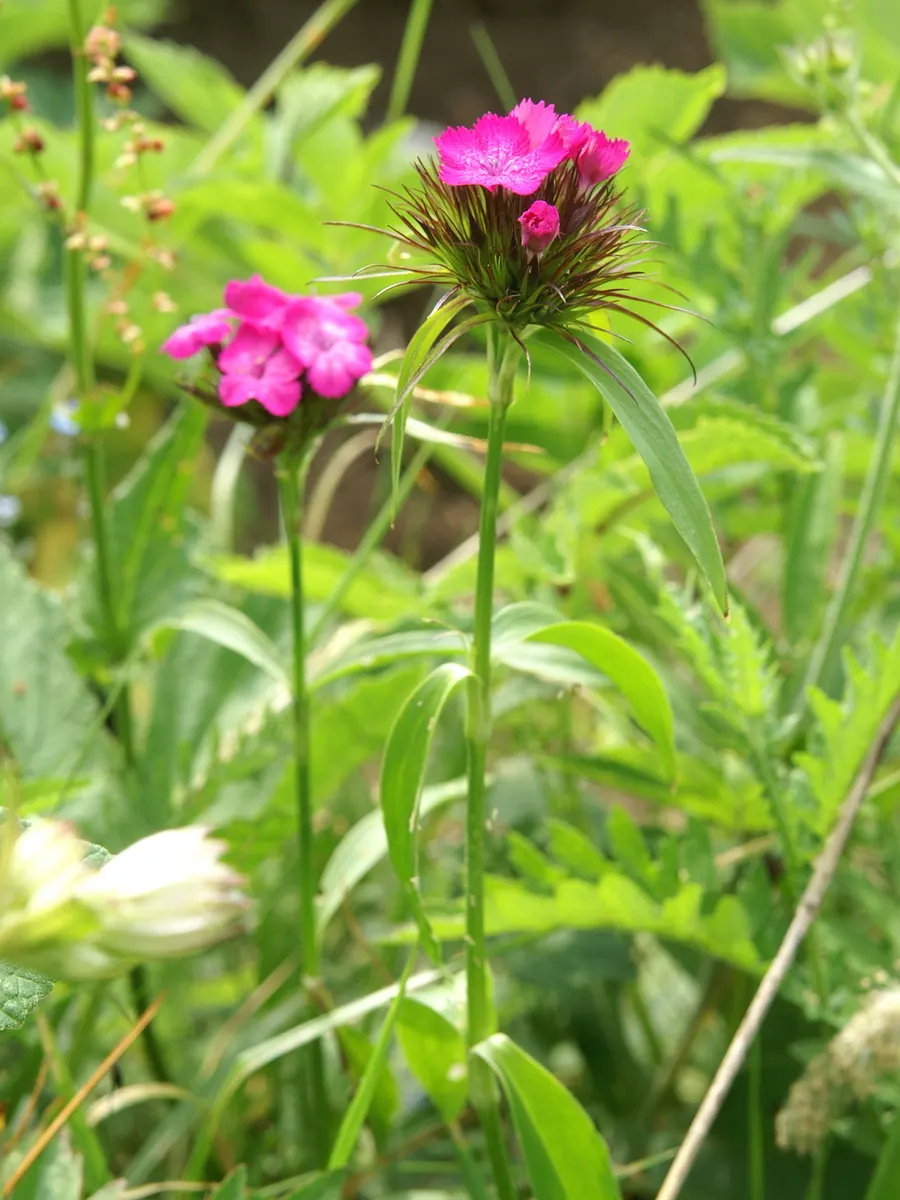
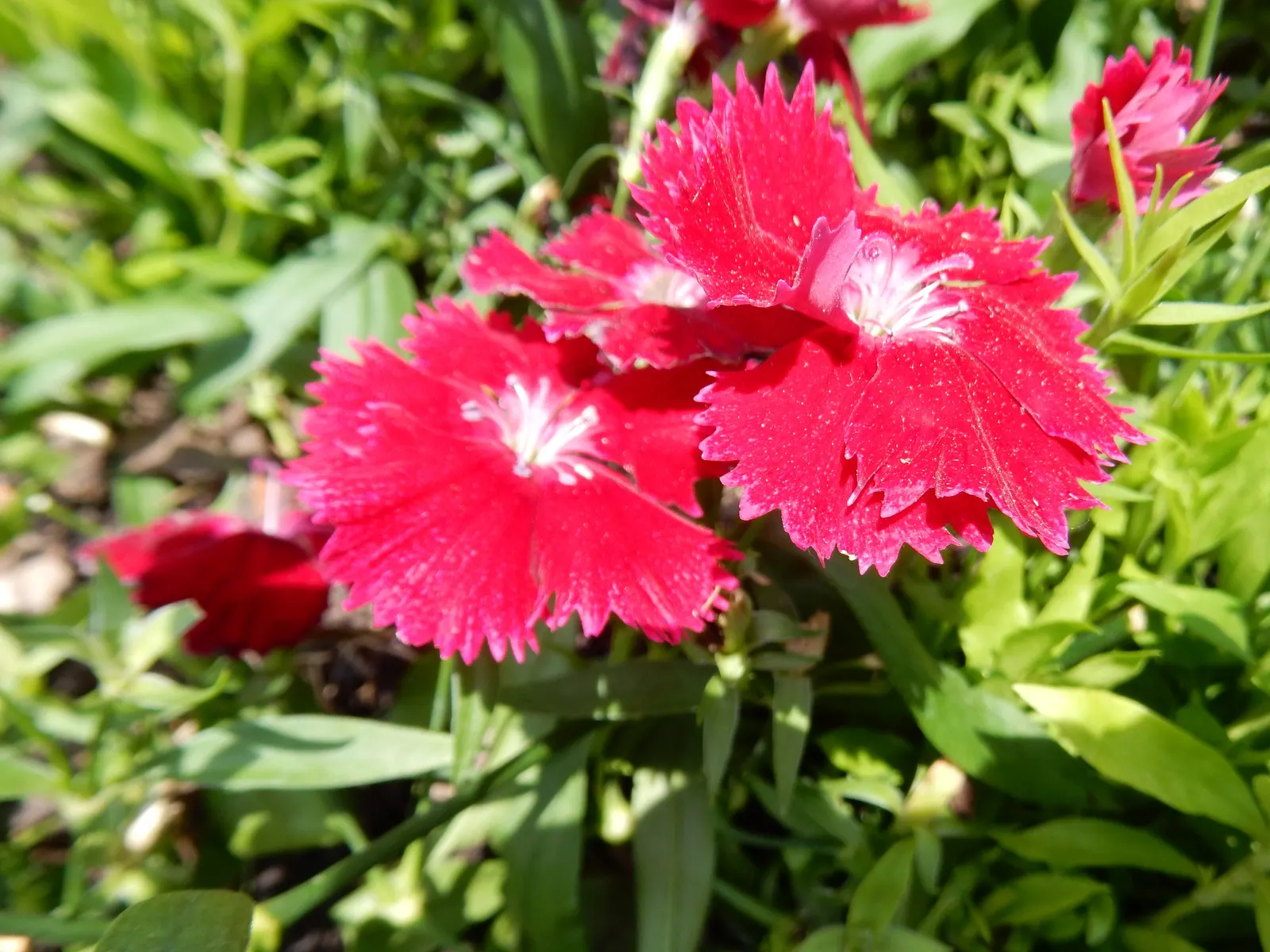
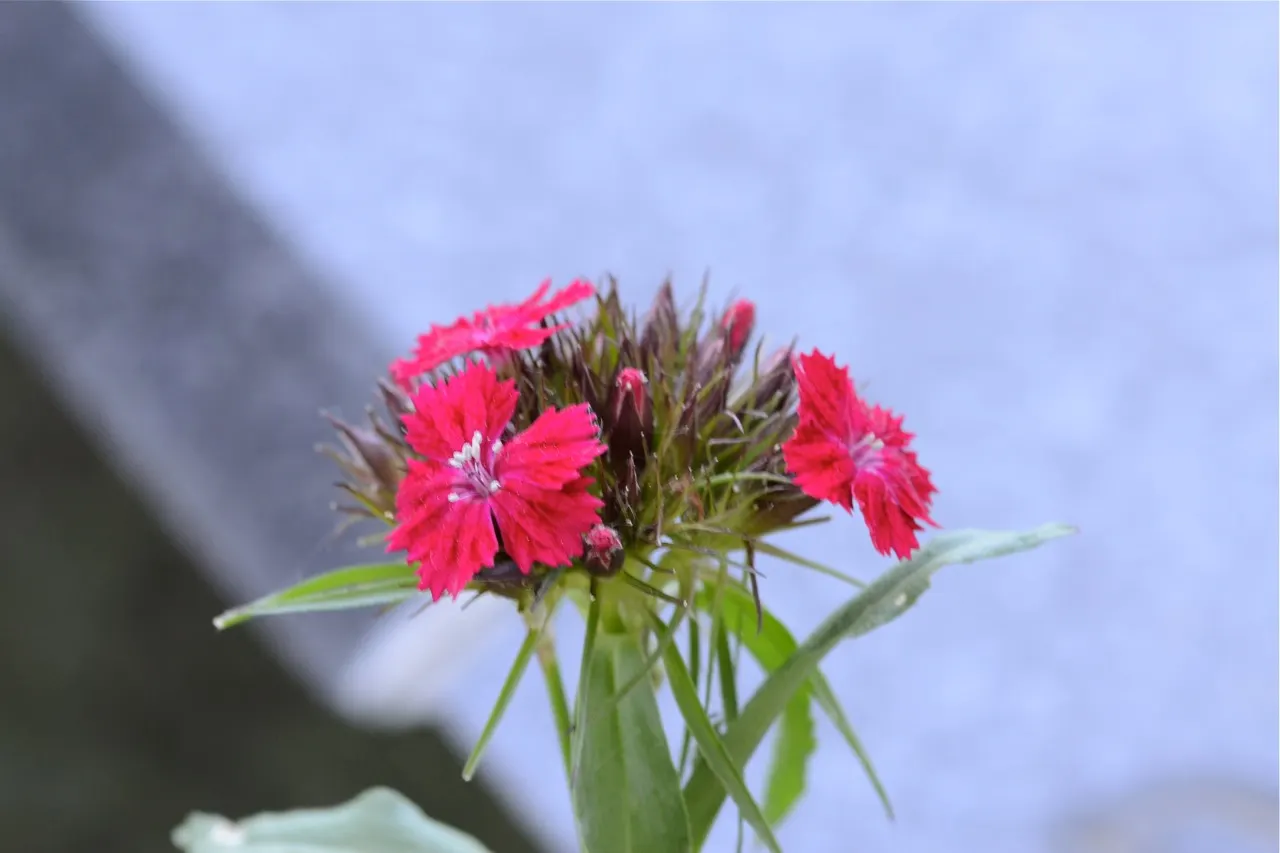
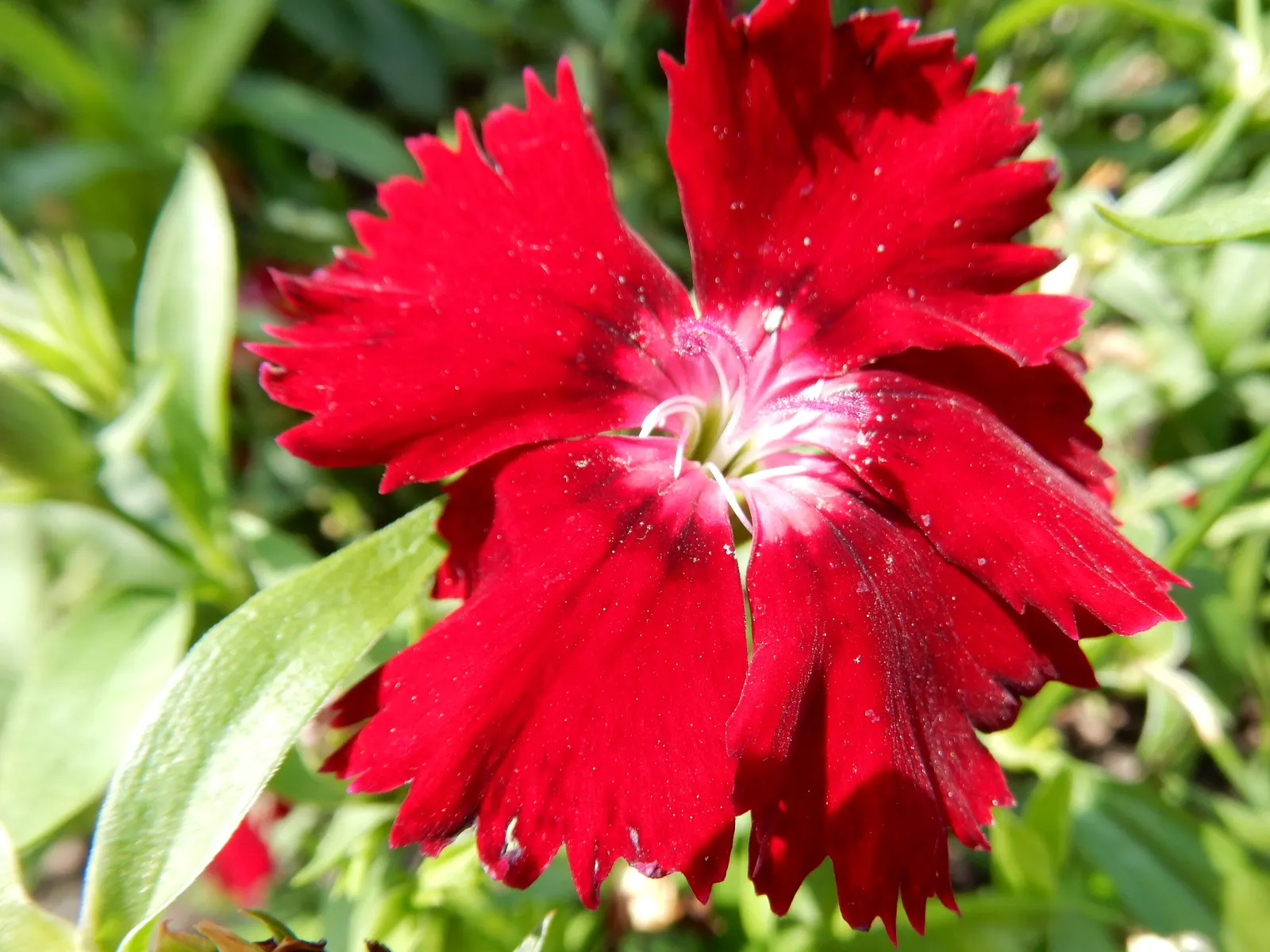
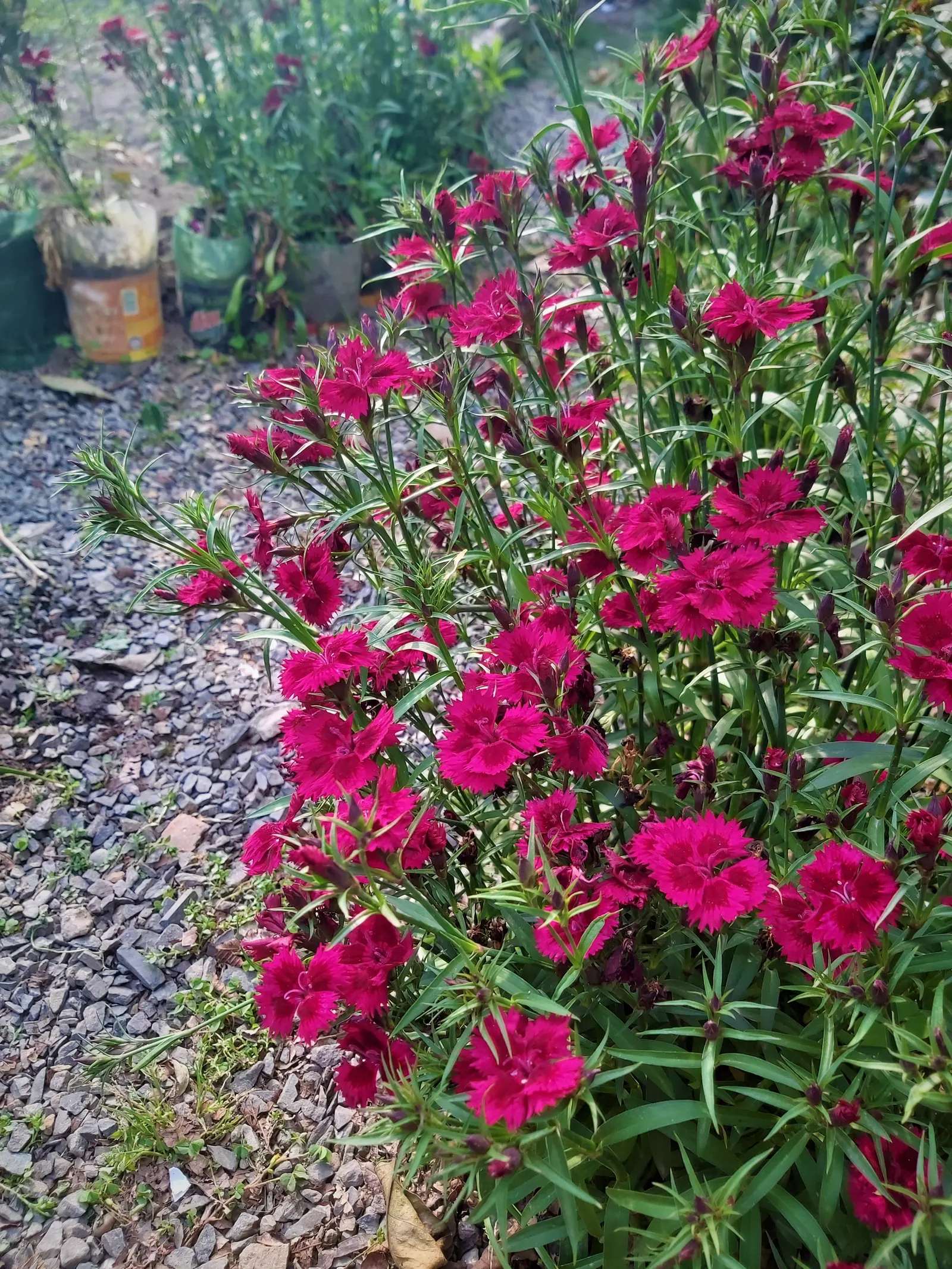
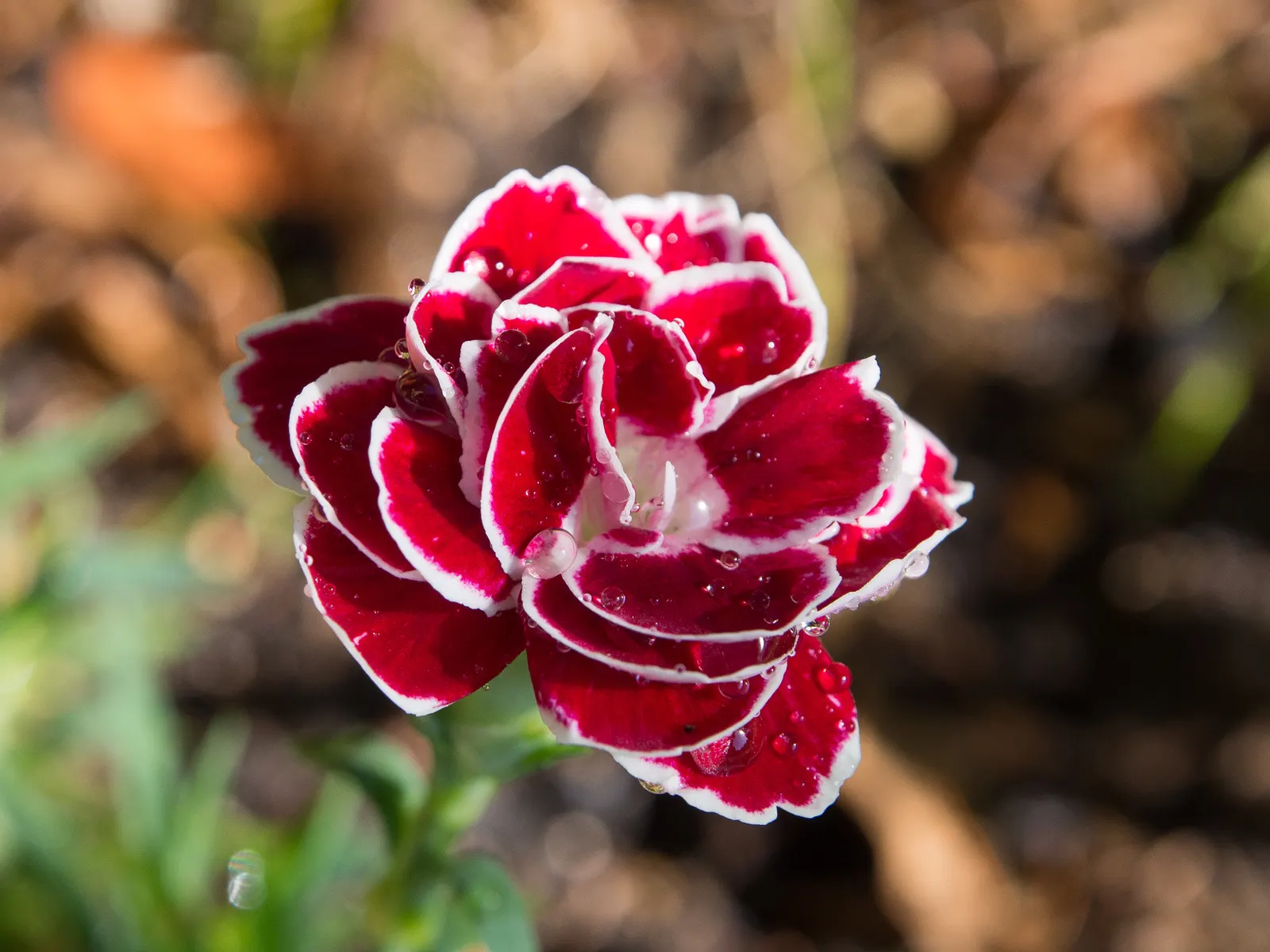
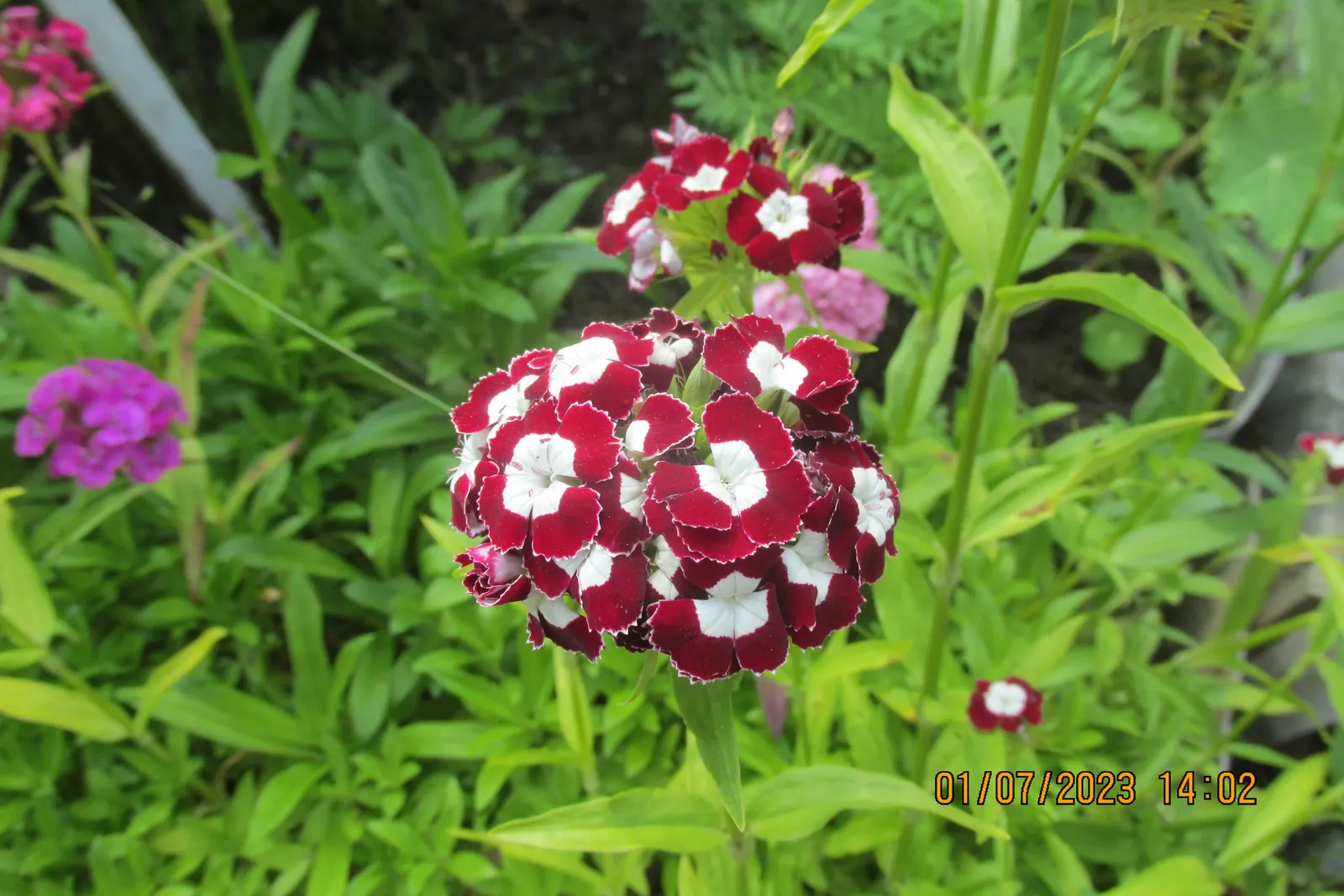
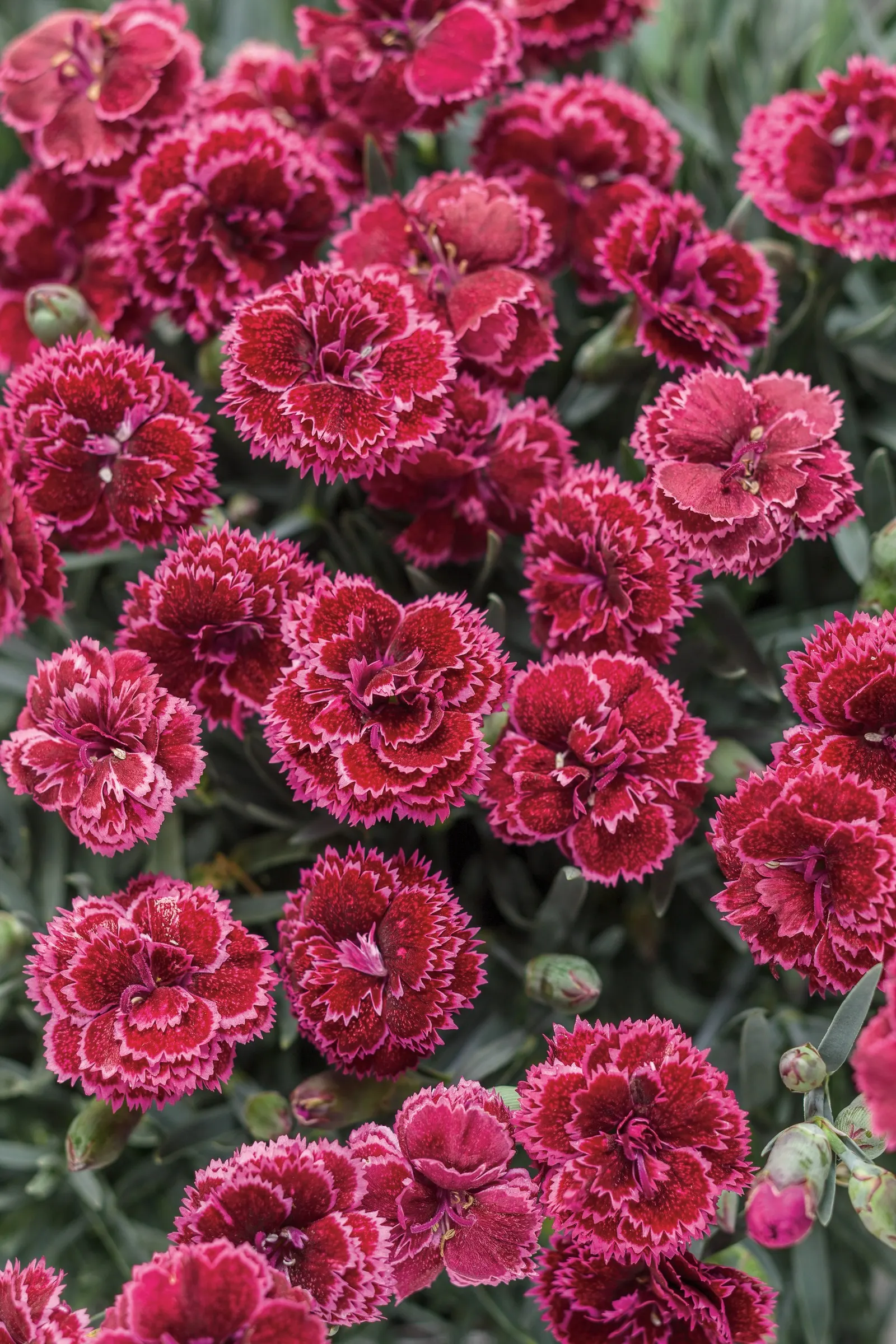
Sweet Williams (Dianthus Barbatus) — which come in an array of colors including red
Sweet Williams (Dianthus Barbatus) — spicy fragrance to the landscape; its low-maintenance and long blooming period, image 93
Sweet Williams (Dianthus Barbatus) — biennial for full or half; will keep Sweet William looking its best, image 84
Sweet Williams (Dianthus Barbatus) — Its upright form can also bring structure to the design; they are excellent choices for borders, image 135
Sweet Williams (Dianthus Barbatus) — creating a lush mound of foliage and blooms; will keep Sweet William looking its best, image 68
Sweet Williams (Dianthus Barbatus) — which come in an array of colors including red; they are excellent choices for borders
Sweet Williams (Dianthus Barbatus) — Prefers full sun to partial shade and thrives in well-drained soil
Sweet Williams (Dianthus Barbatus) — especially during dry spells; will keep Sweet William looking its best, image 108
Sweet Williams (Dianthus Barbatus) — will keep Sweet William looking its best; its low-maintenance and long blooming period, image 81
Sweet Williams (Dianthus Barbatus) — fertile soil and thrive in full sunlight but can tolerate partial shade; will keep Sweet William looking its best
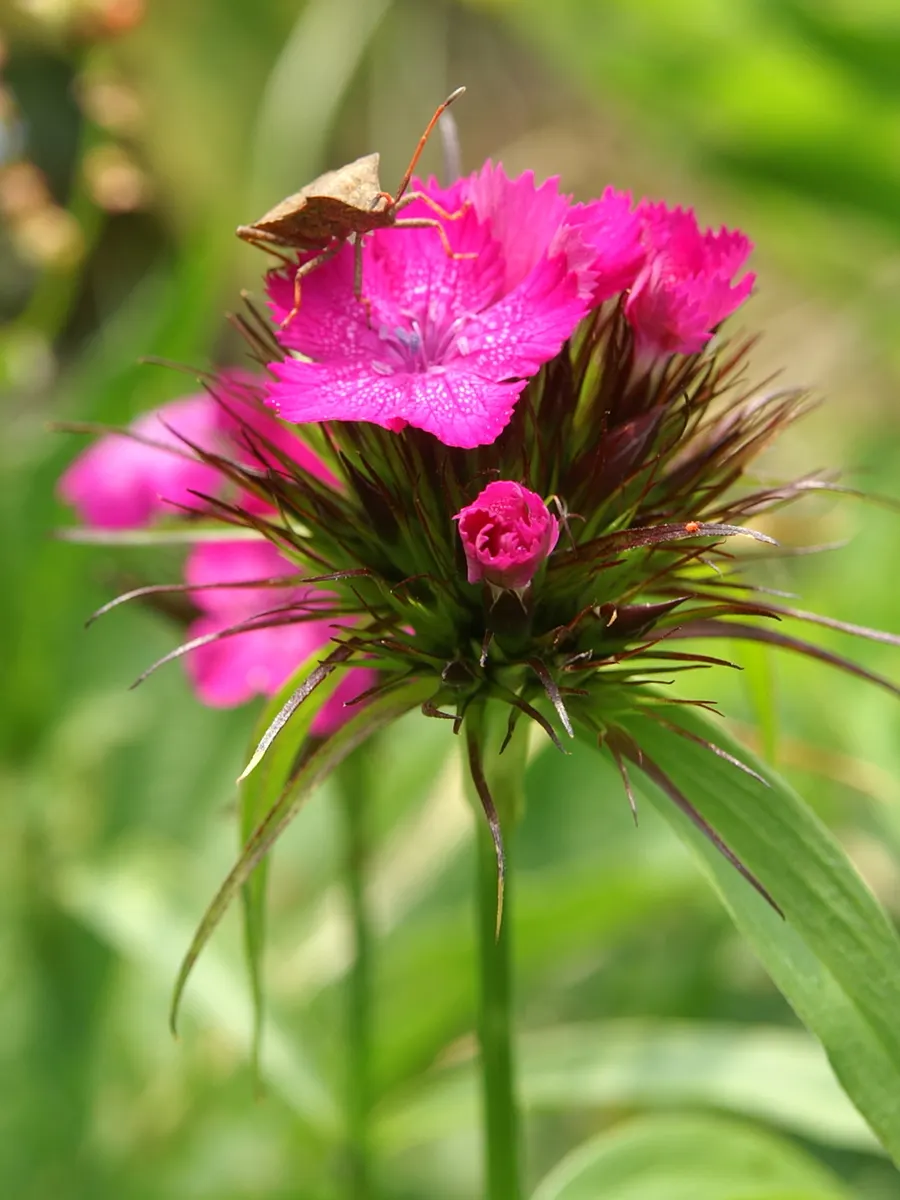
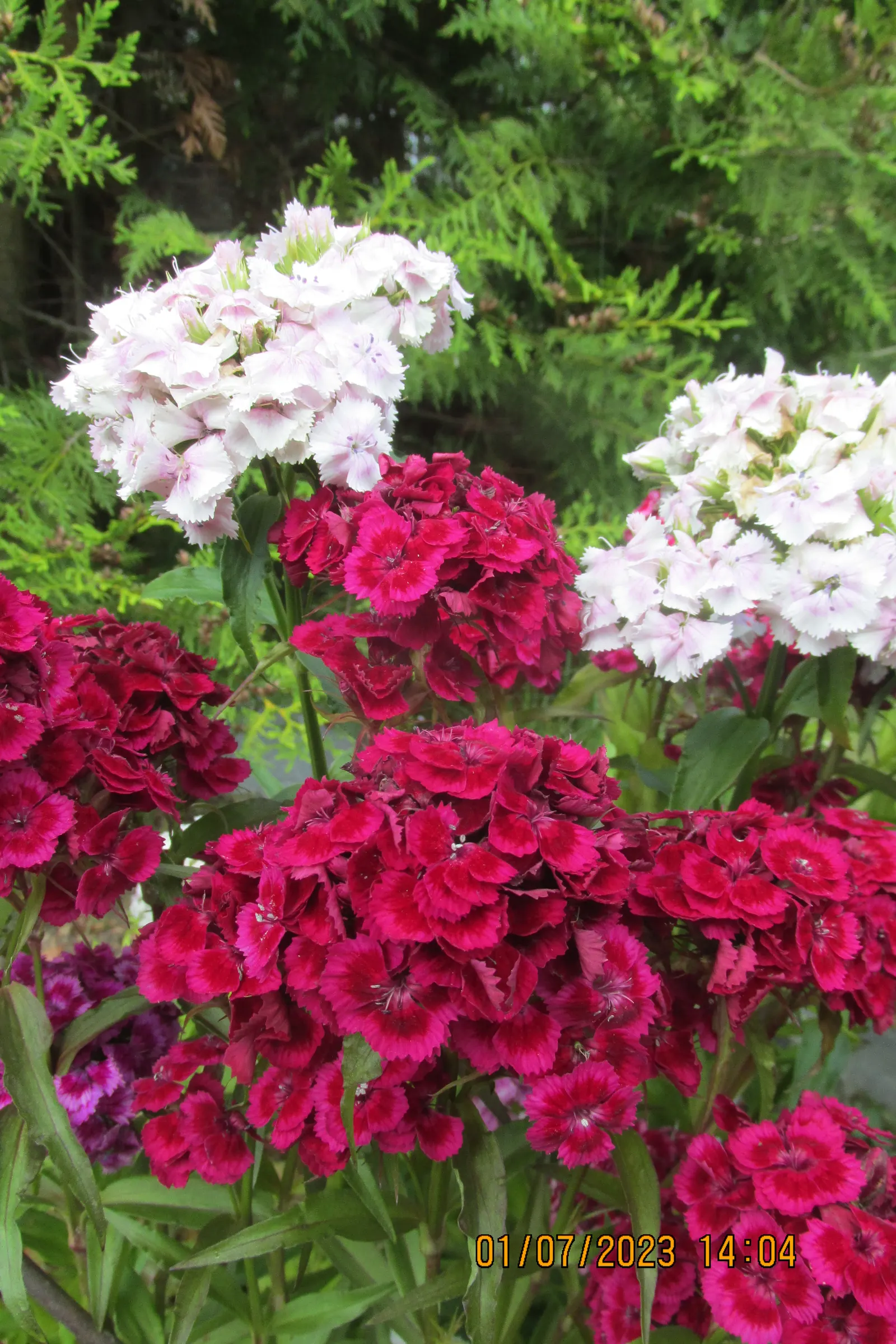
Sweet Williams (Dianthus Barbatus) — they are beloved by pollinators
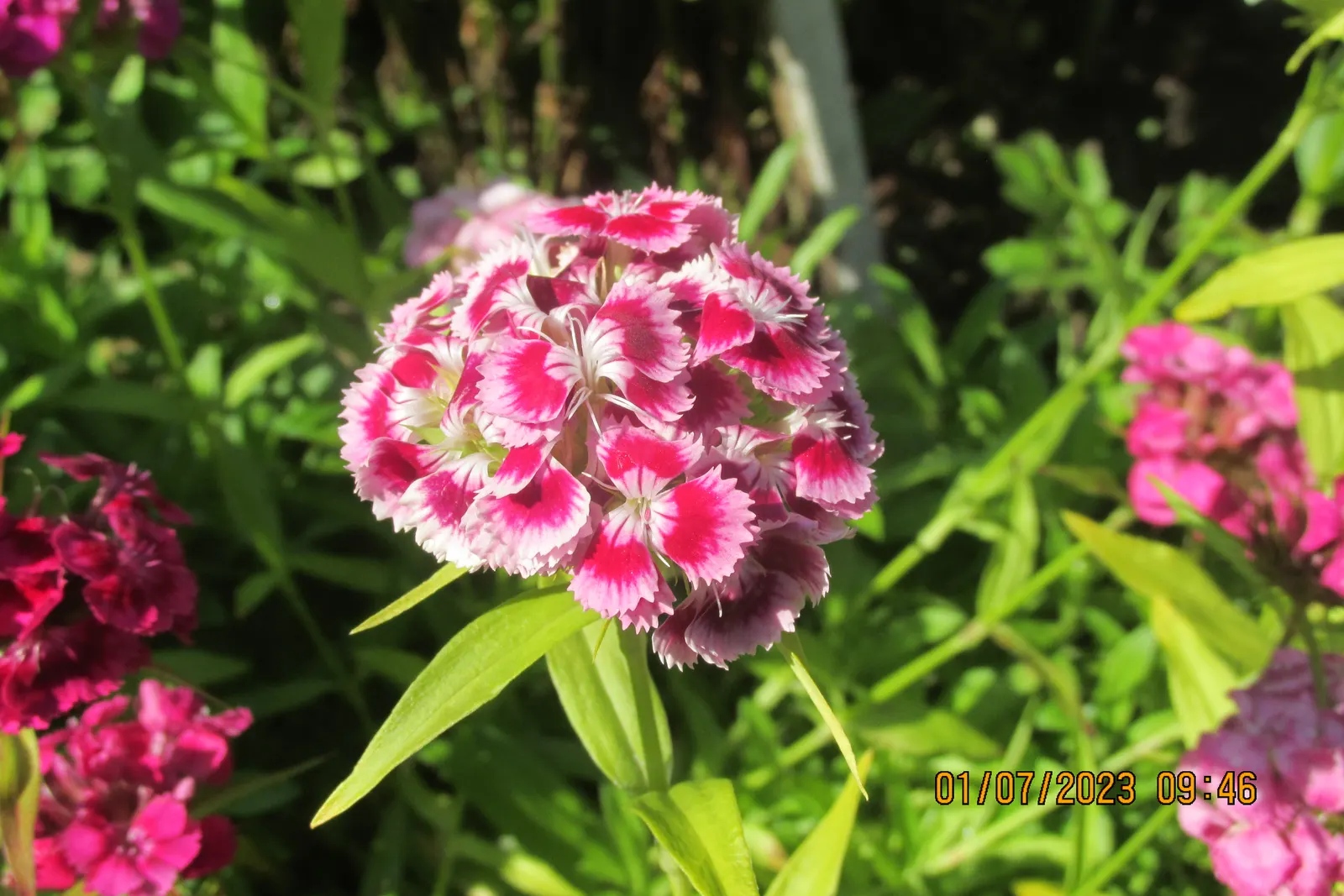
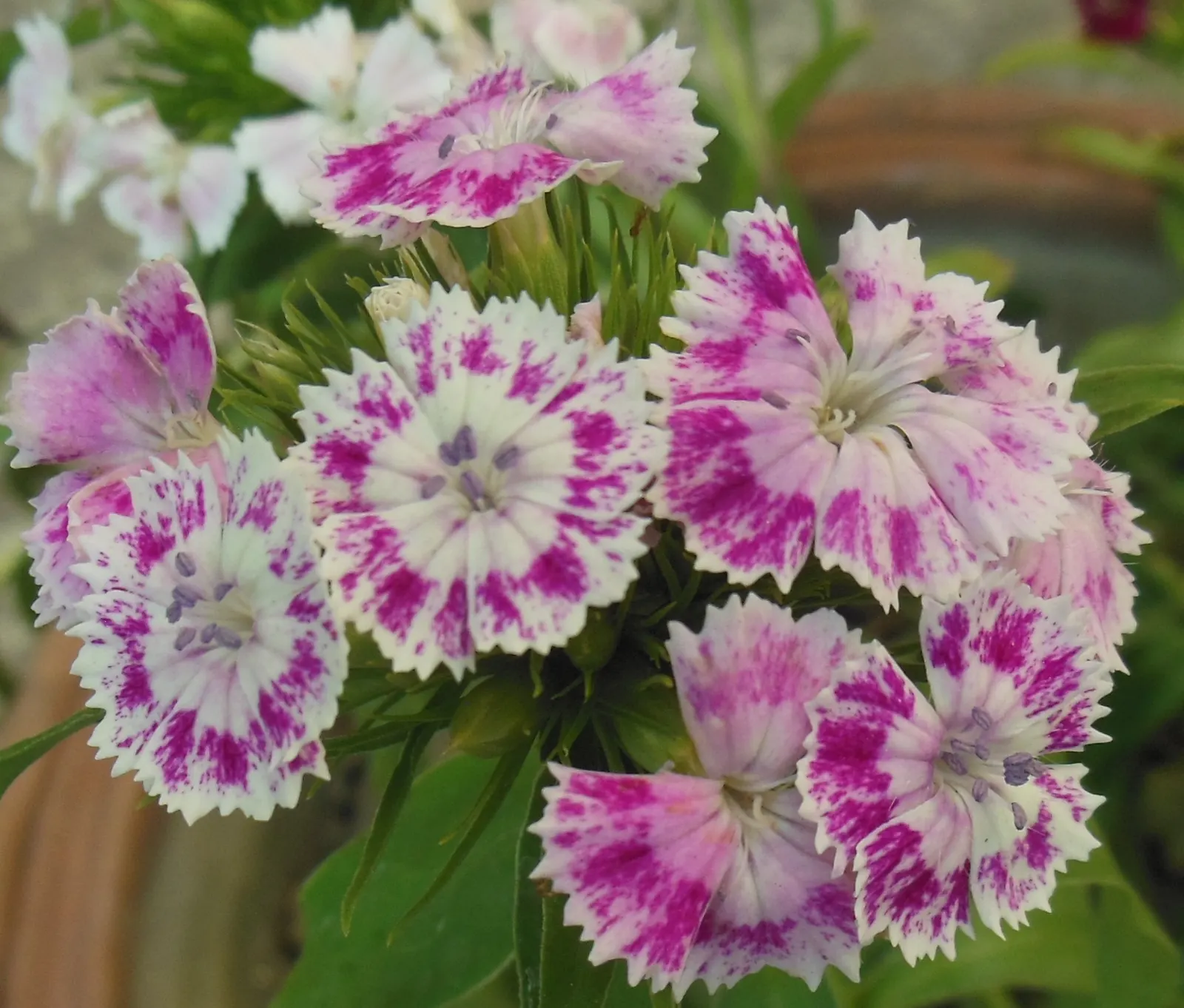
Sweet Williams (Dianthus Barbatus) — biennial with multi-colored and pink and red and white blooms
Photographs by 13 contributors

Related plants