Skip to content

Carrot

Daucus Carota

Design with this plant

Overview

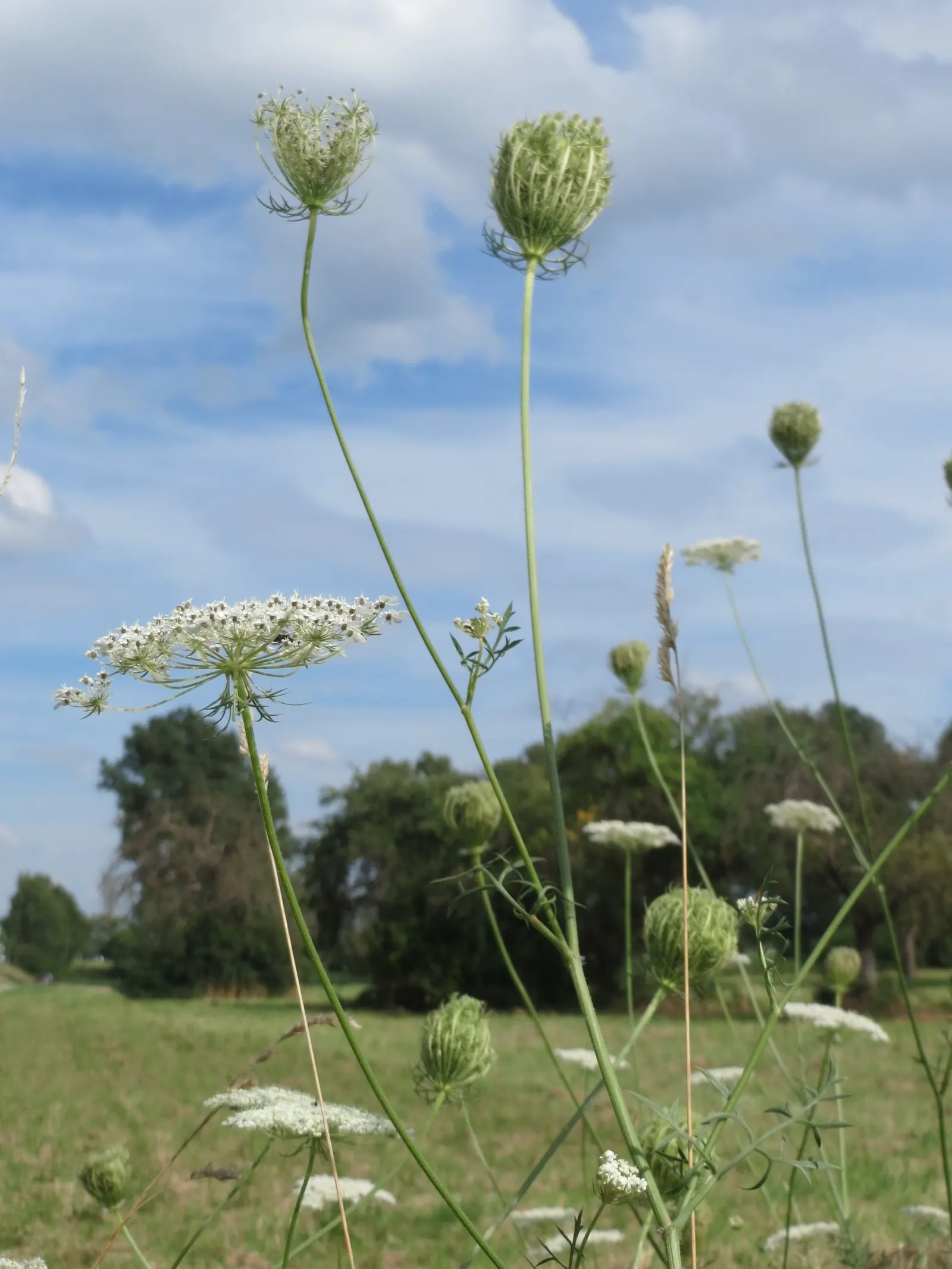
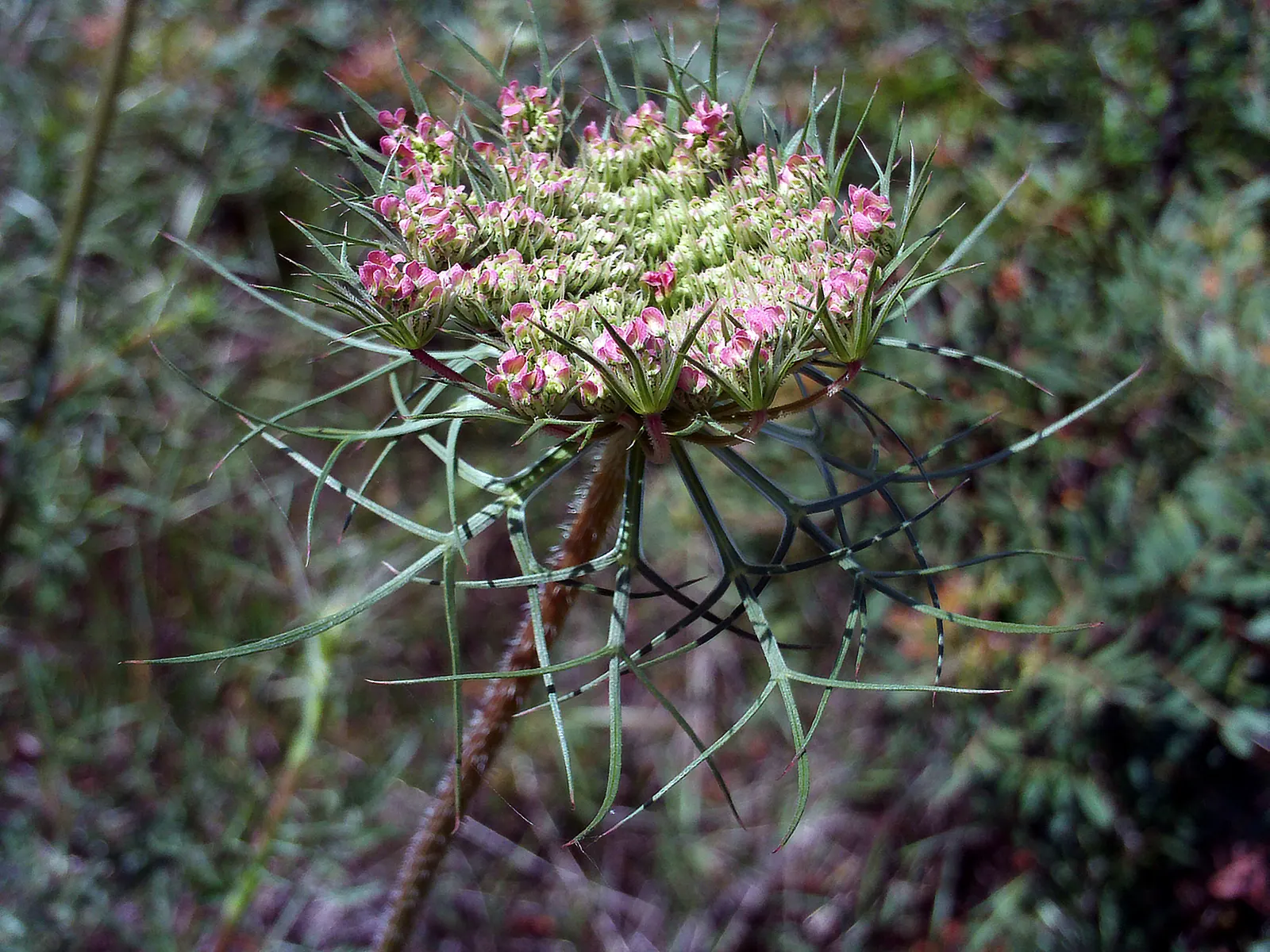
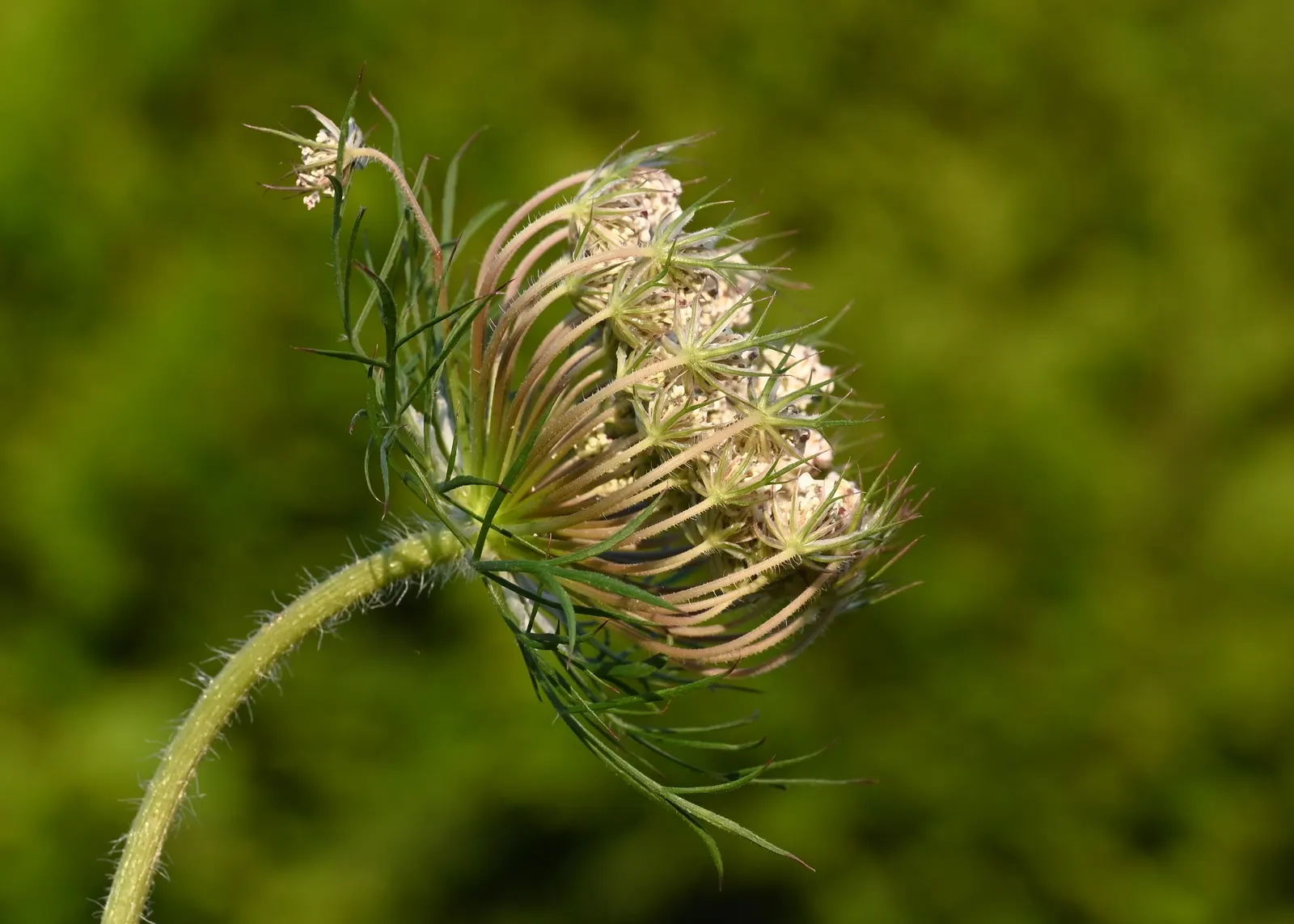
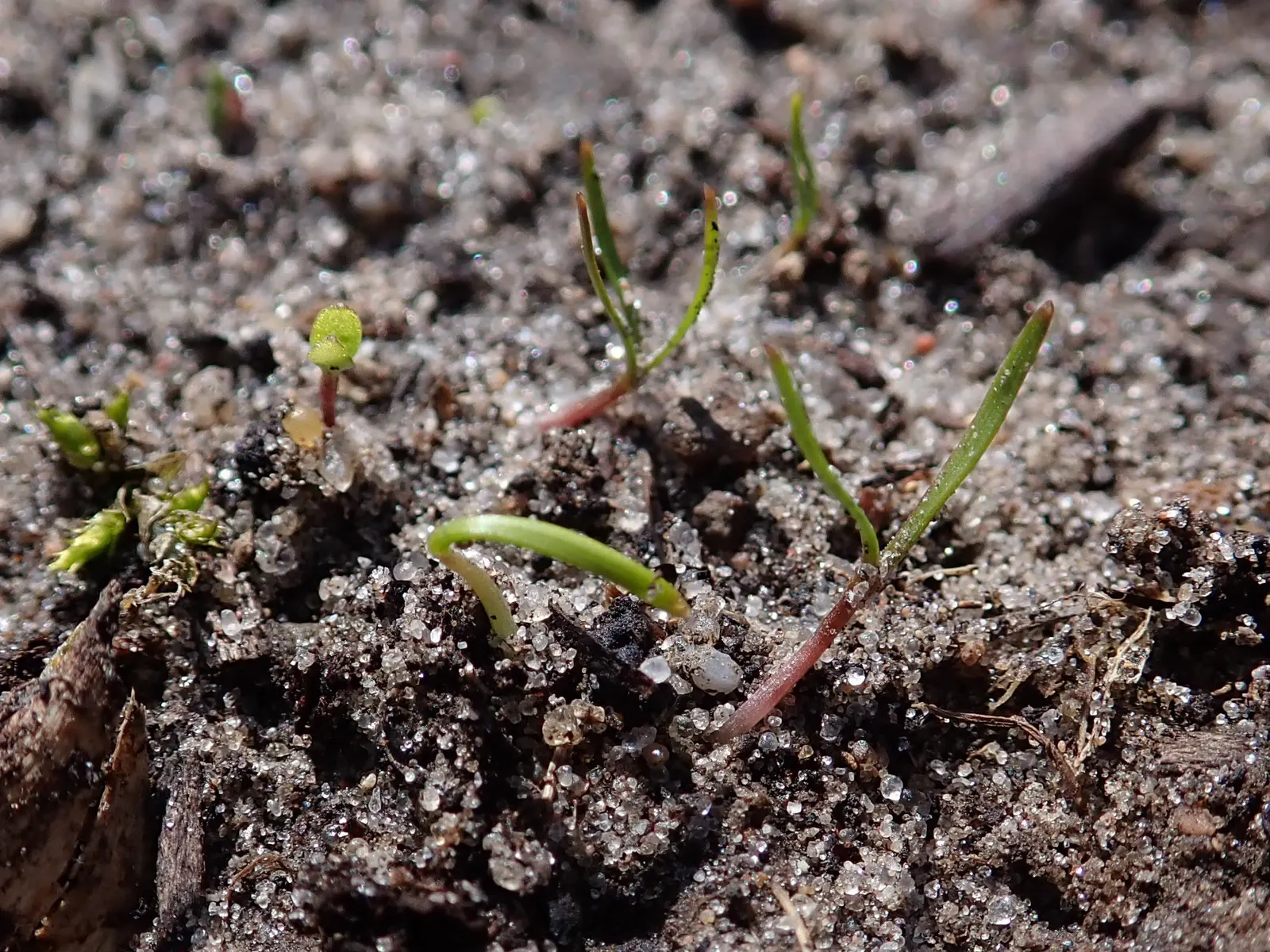
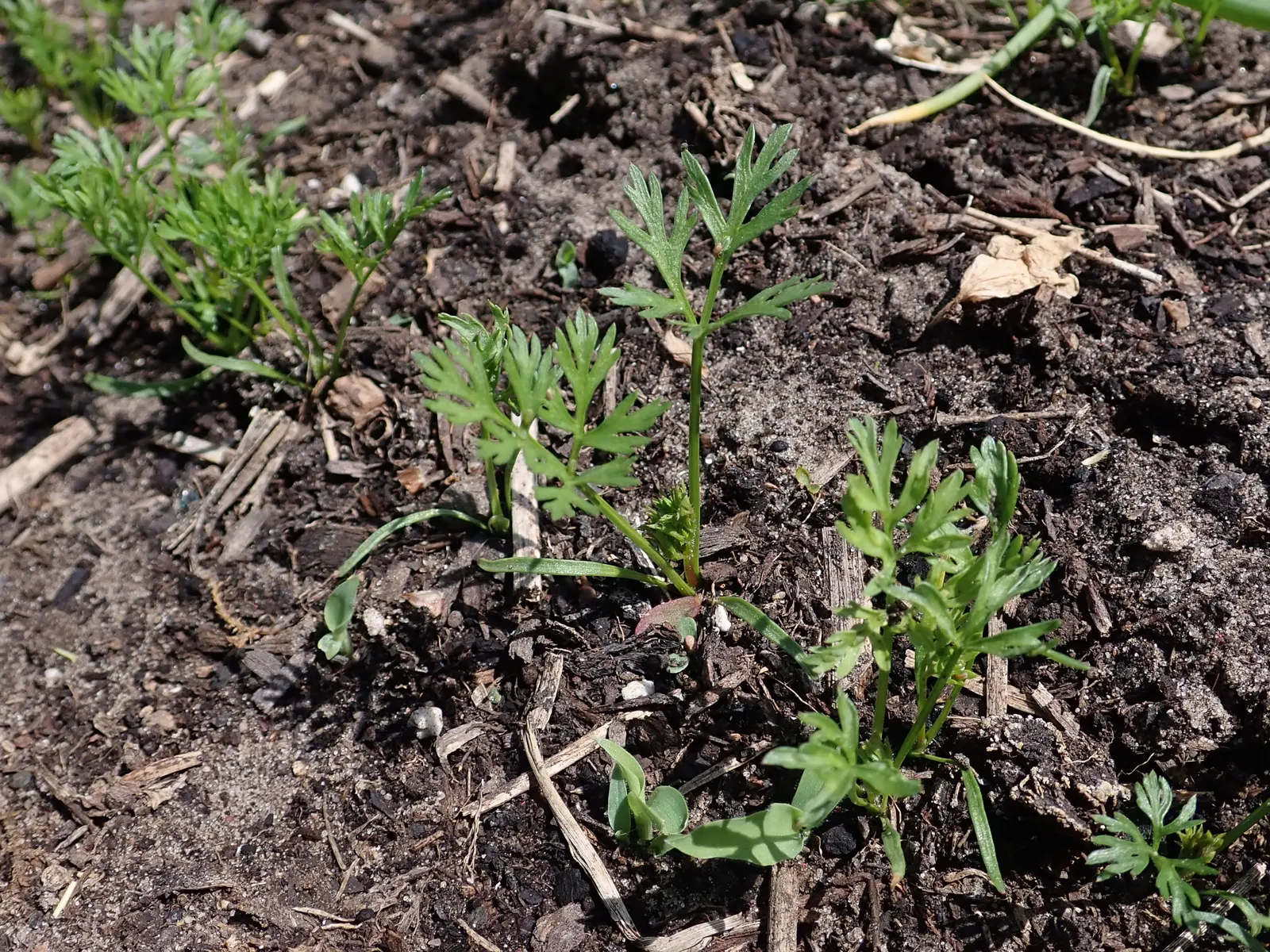
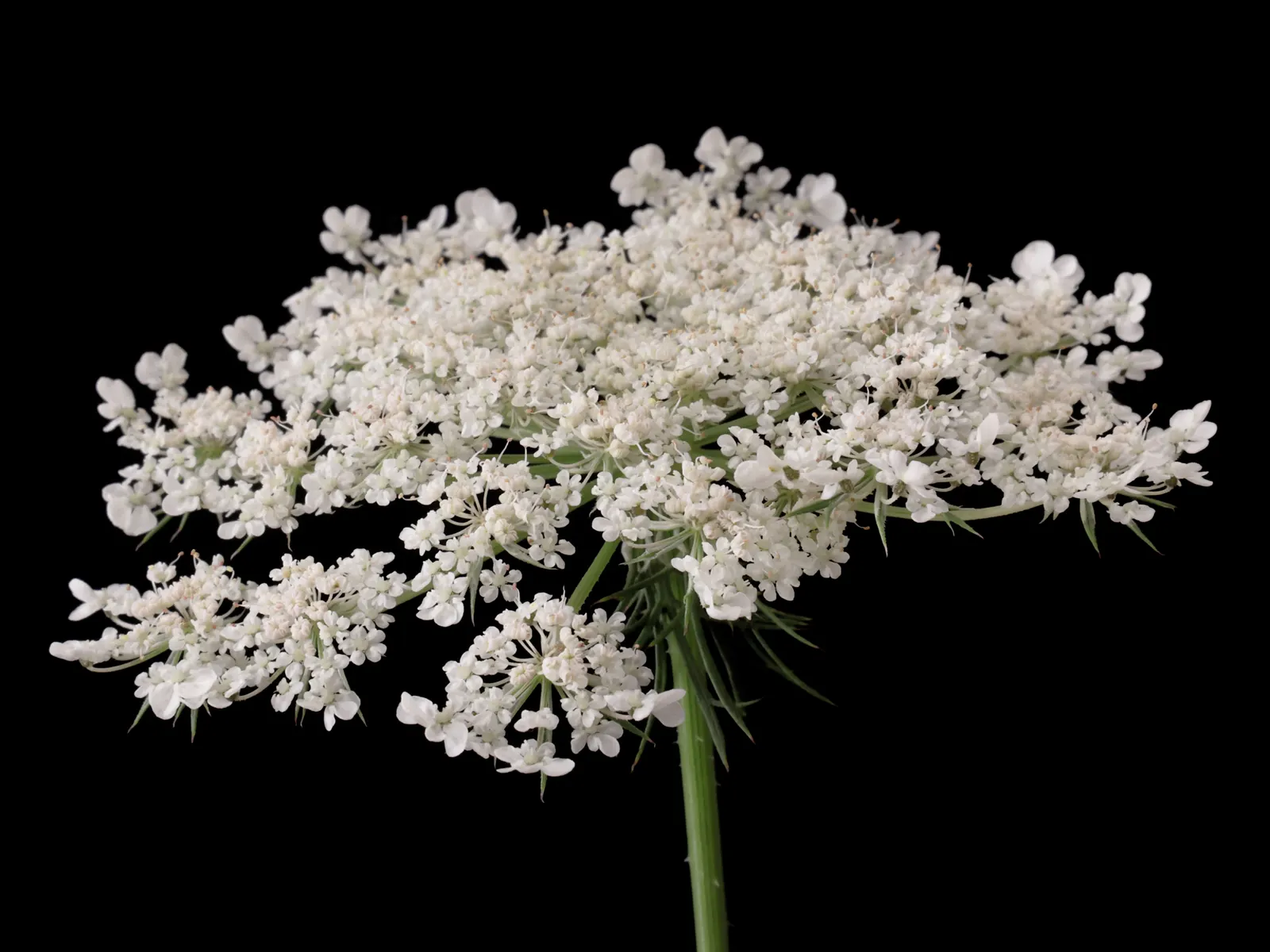
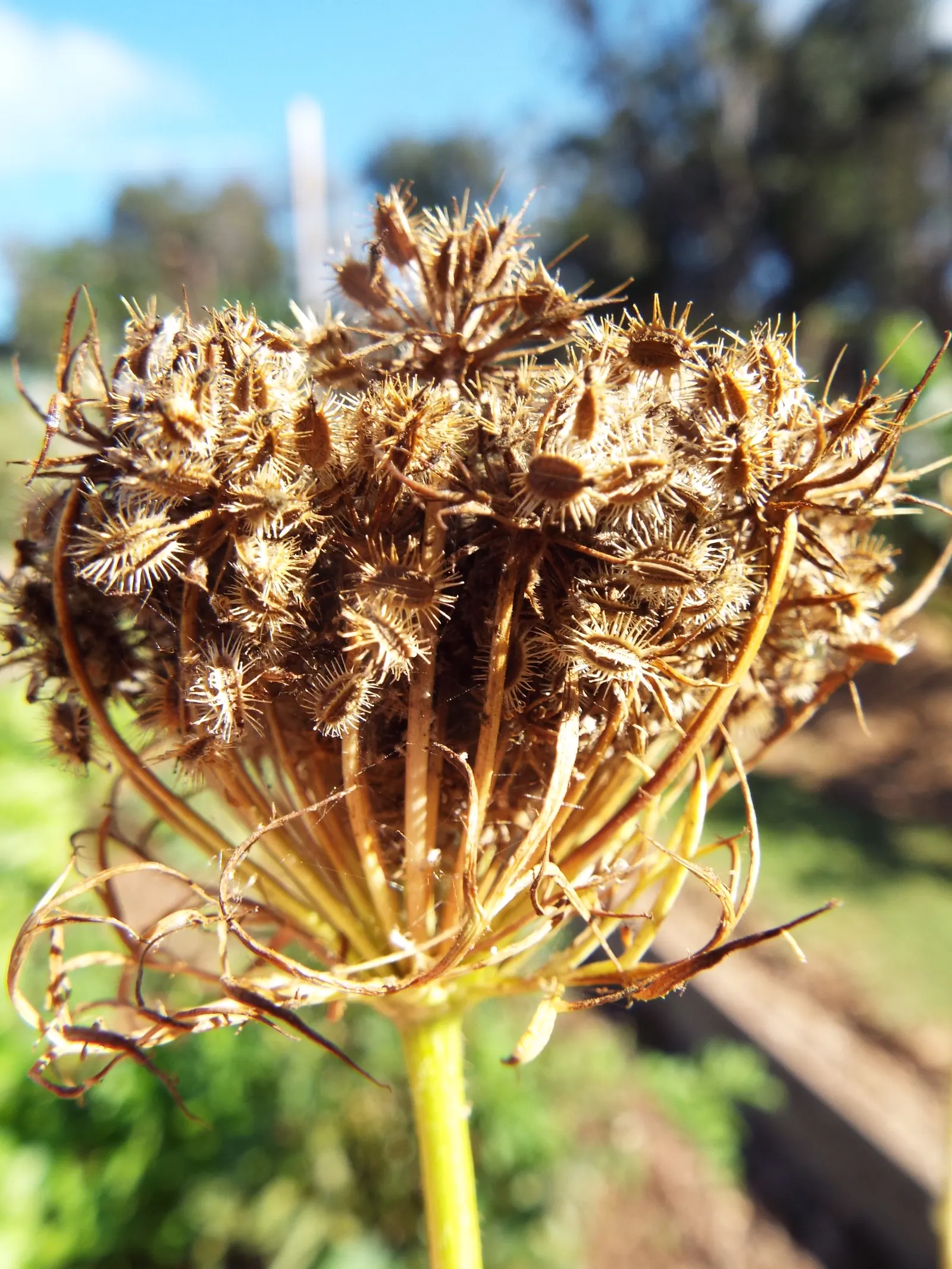
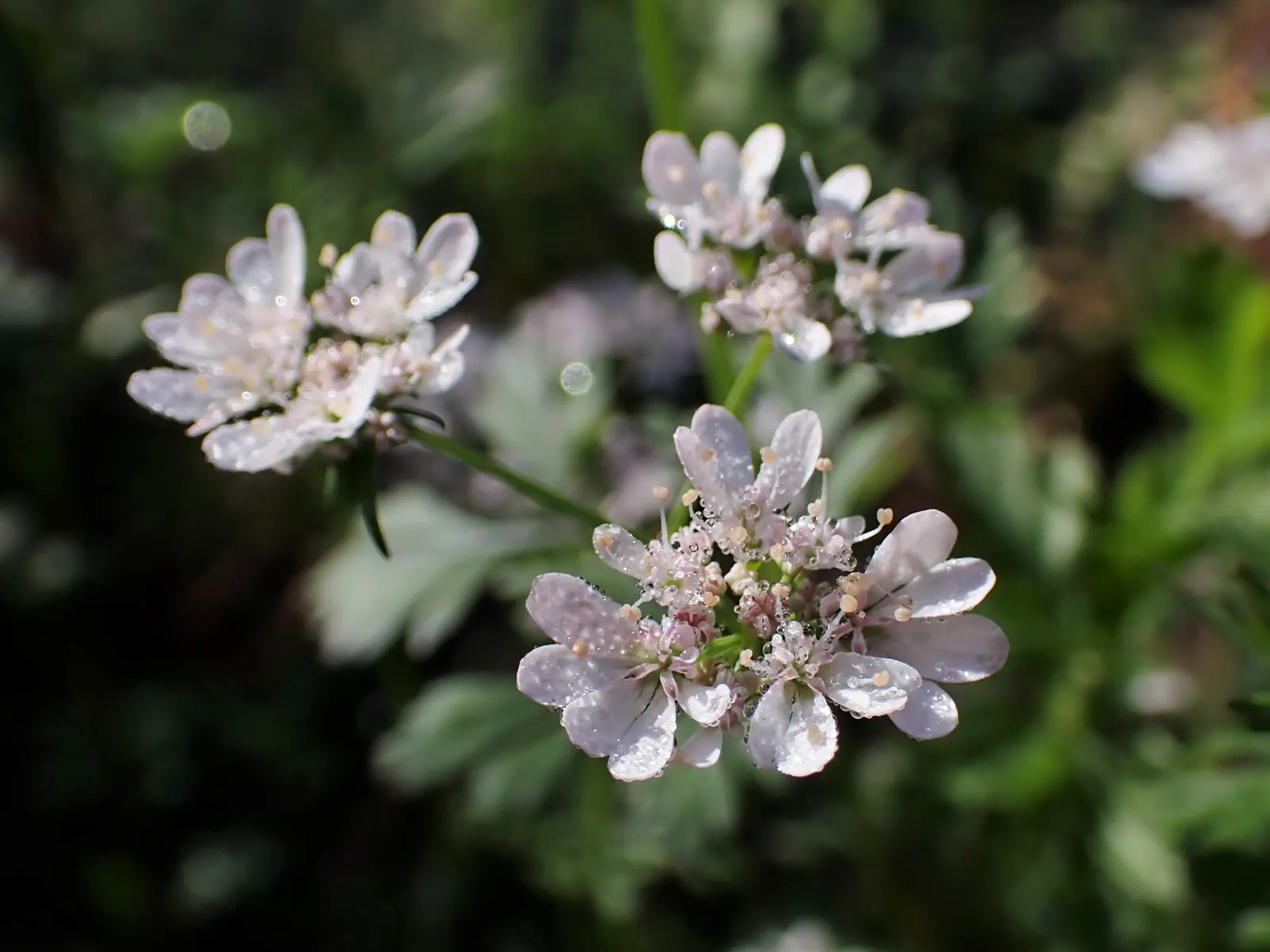
The carrot, Daucus carota, is a biennial plant commonly grown as an annual for its tapering orange root, rich in beta-carotene. The feathery foliage reaches 12 inches high, while the roots can grow up to 3 inches wide and 10 inches long, depending on the variety. Prefers full sun and well-drained soil. Carrots also produce umbel flowers in their second year, adding a subtle, lacy aesthetic to gardens.

Sun FullWater MediumZones 1–11
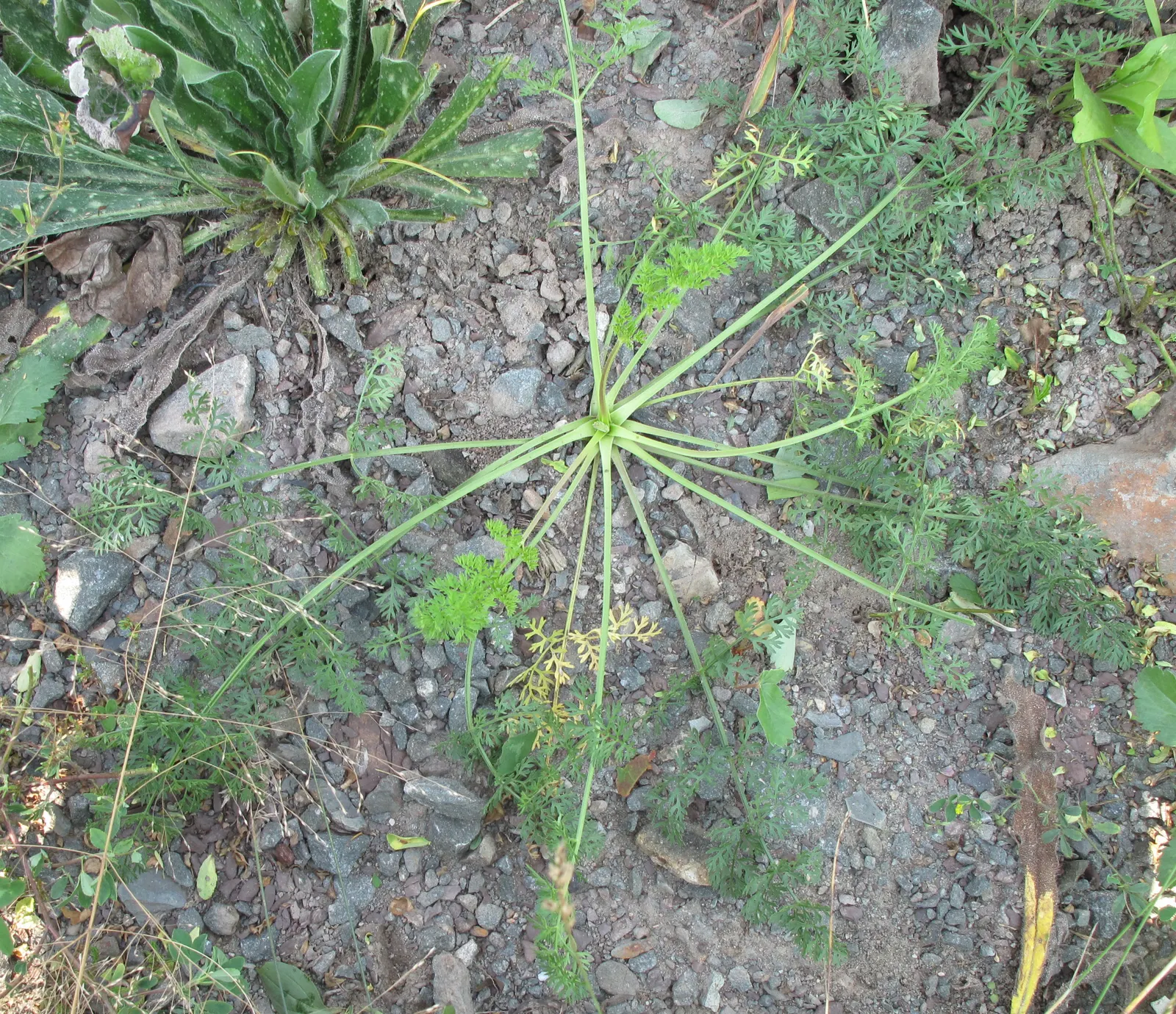
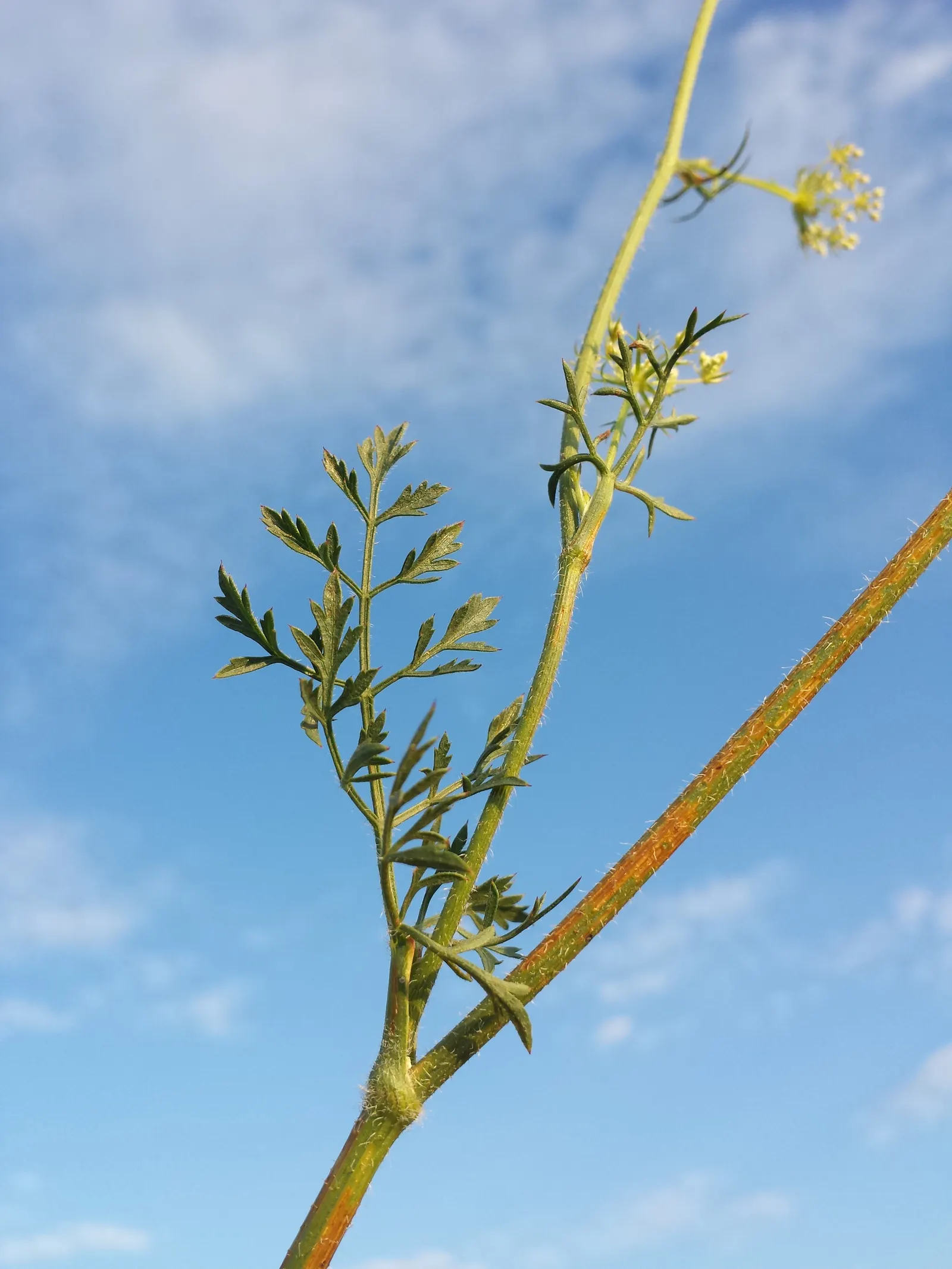
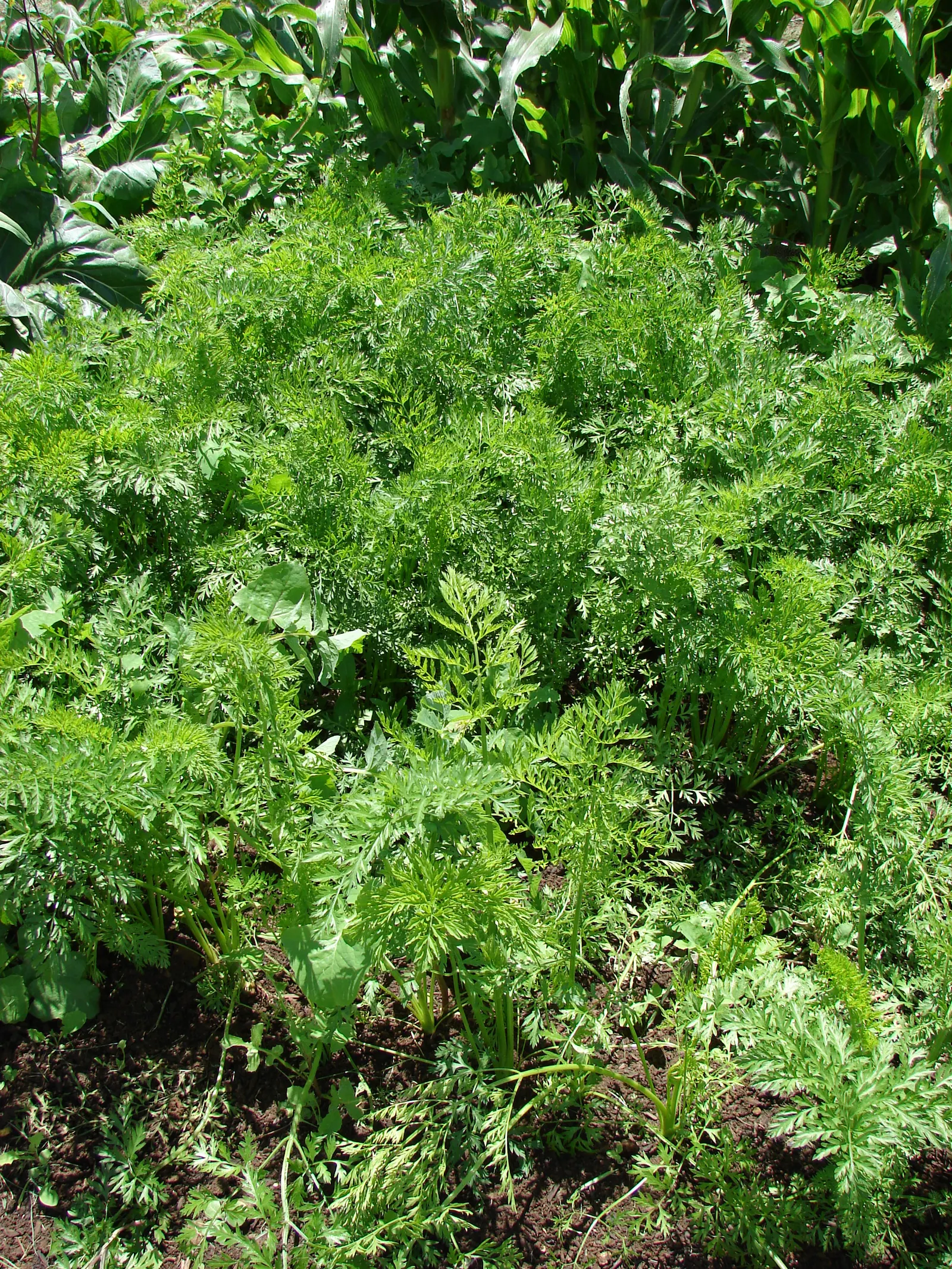
Carrot (Daucus Carota) — The feathery foliage reaches 12 inches high

Culture

Sun
Full
Water
Medium
USDA zones
1–11

Shape & size

Classification

Family
Apiaceae (Umbelliferae)

See full data, regional cultivation notes, full-resolution photos, and design tools. Build a client presentation around this plant.

Start your 14-day trial

Photos (166)

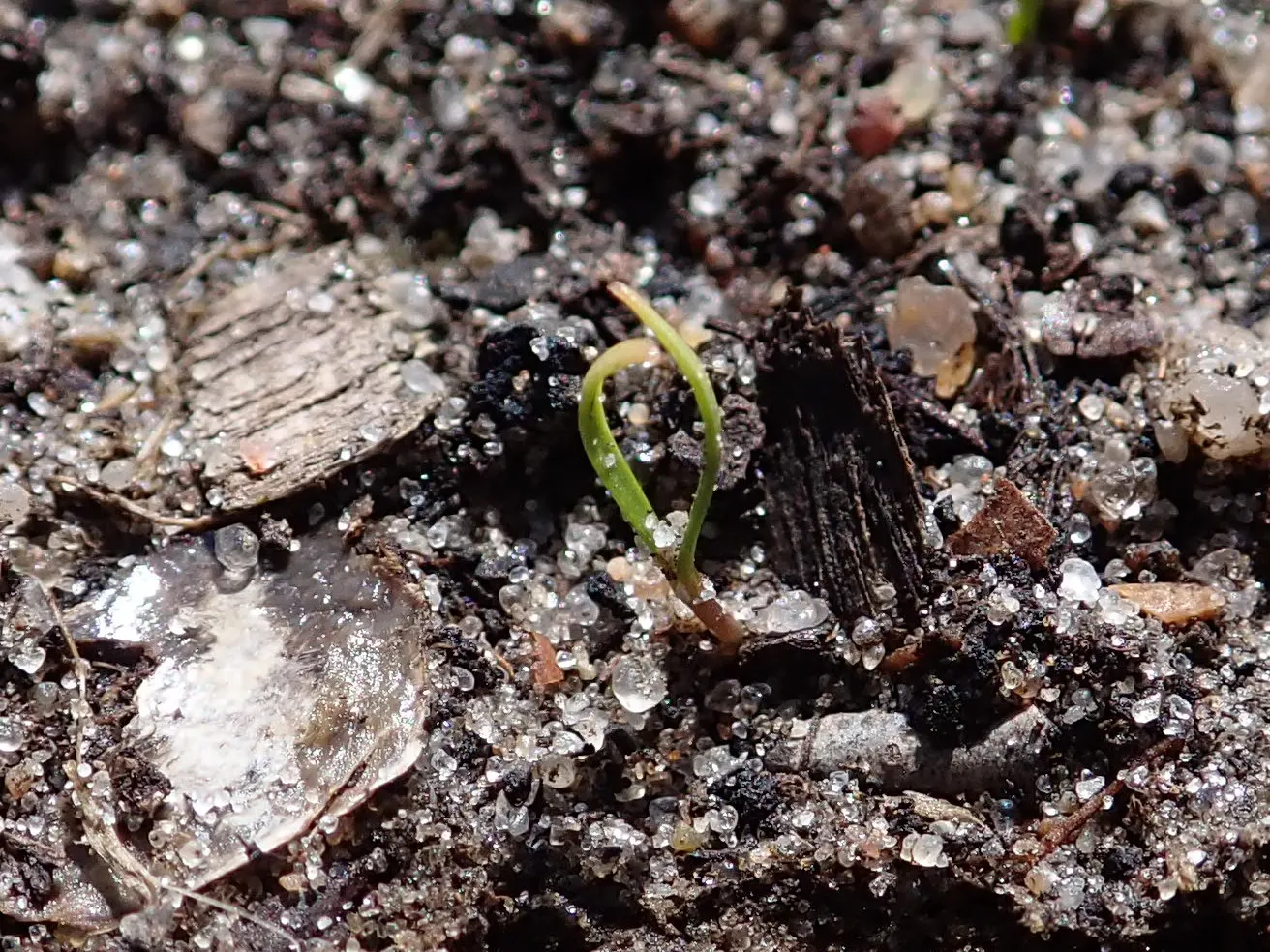
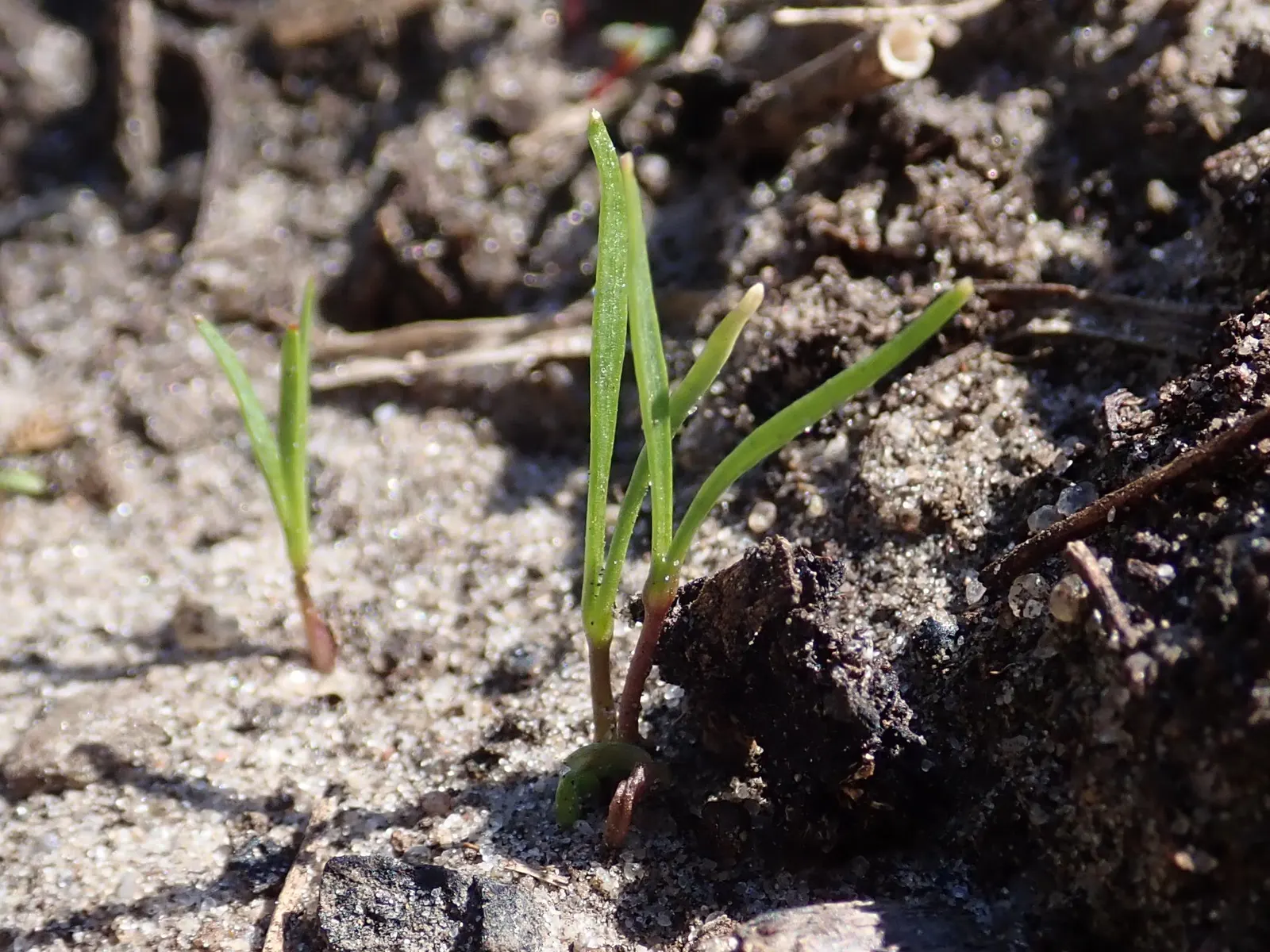
Carrot (Daucus Carota) — and light mulching help maintain even soil moisture and temperature
Carrot (Daucus Carota) — while the roots can grow up to 3 inches wide and 10 inches long; it is essential to provide well-draining soil with a deep
Carrot (Daucus Carota) — ideally with a pH between 6.0 and 6.8.<br><br>Carrots thrive in full sun
Carrot (Daucus Carota) — they are best planted in early spring and can also endure a fall planting for a late harvest
Carrot (Daucus Carota) — which may result in longer maturation times
Carrot (Daucus Carota) — but can tolerate partial shade
Carrot (Daucus Carota) — adding a spectrum of interest to any garden design; ideally with a pH between 6.0 and 6.8.<br><br>Carrots thrive in full sun
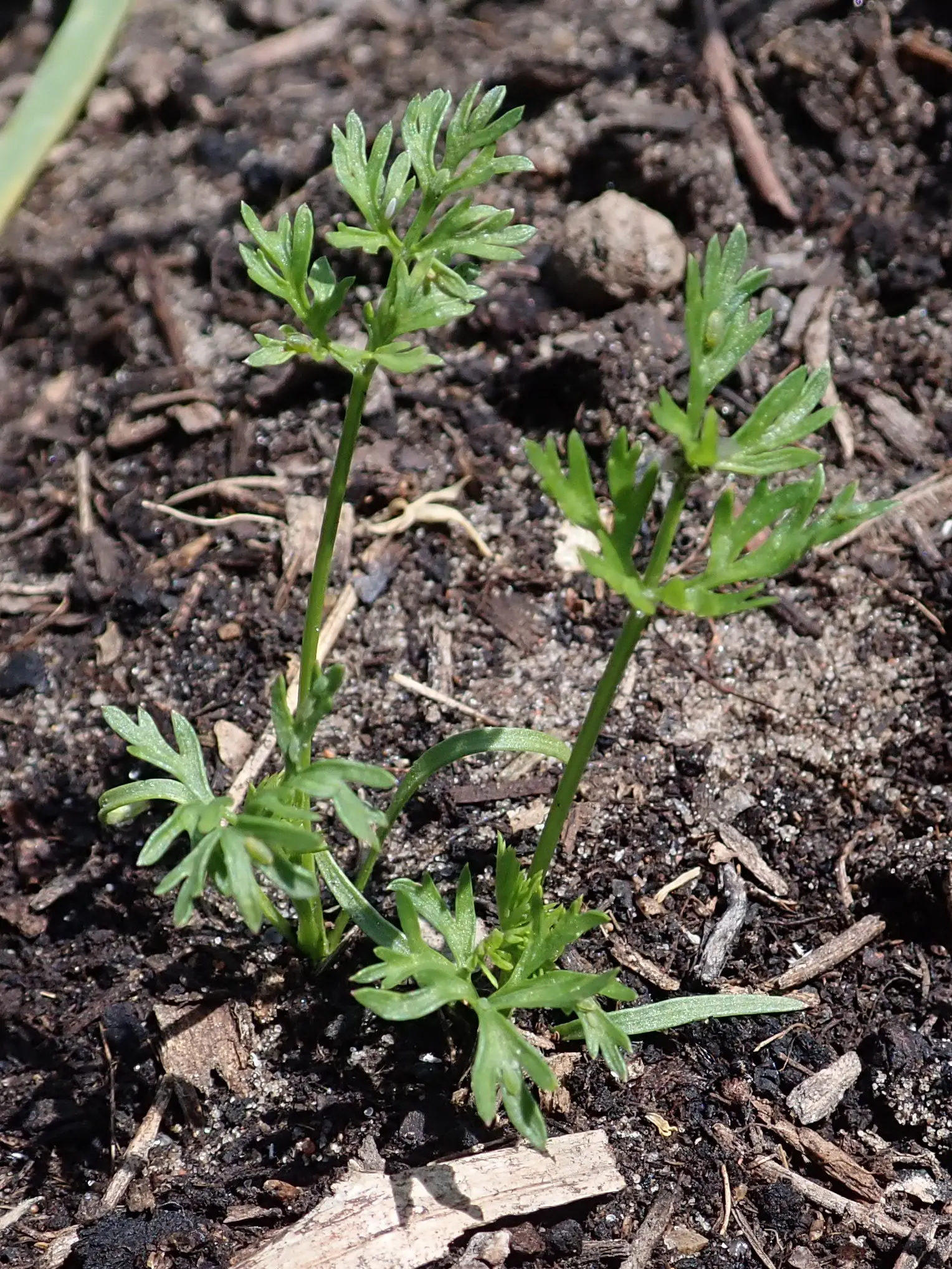
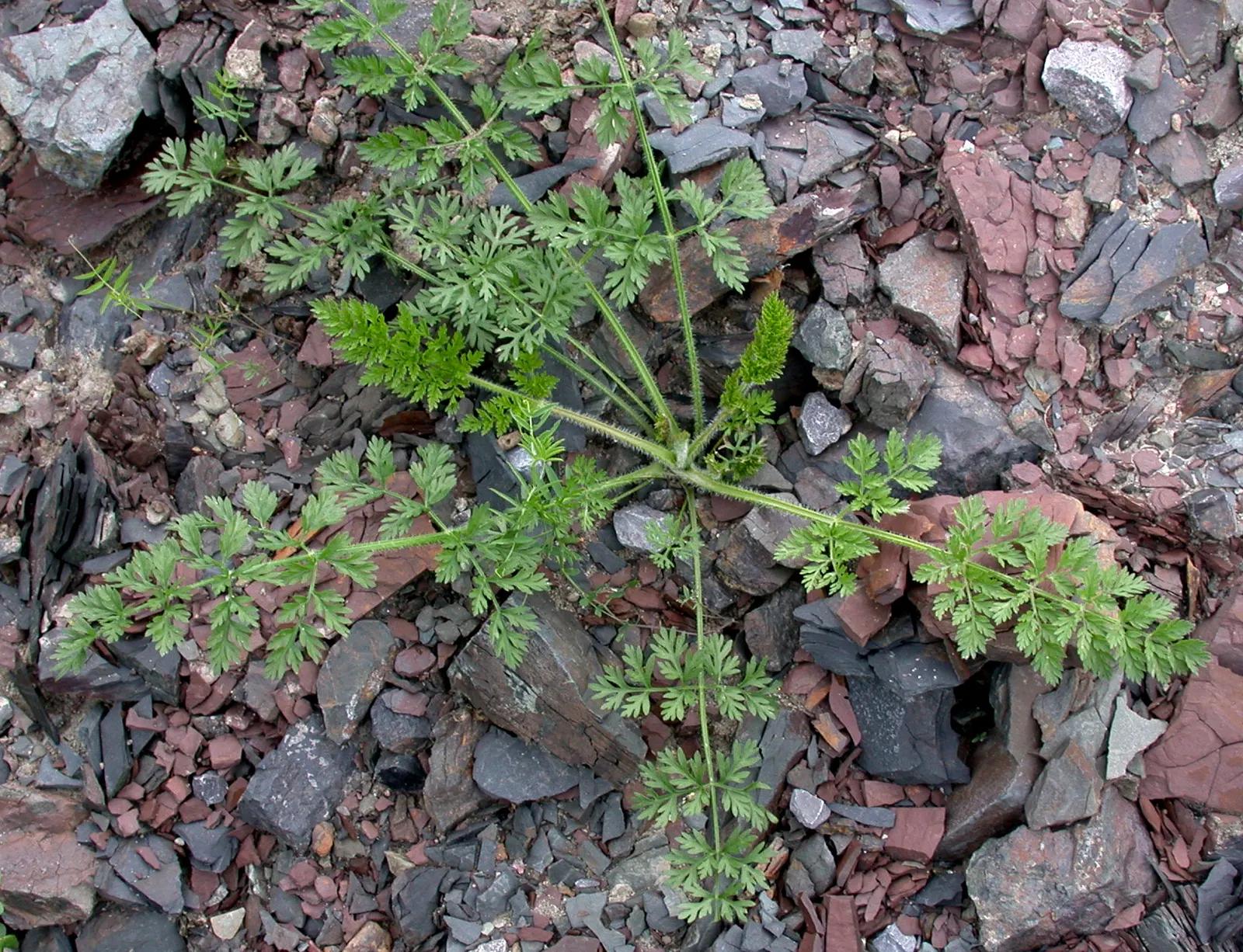
Carrot (Daucus Carota) — feathery leaves emanating from a rosette; is a versatile and hardy biennial plant
Carrot (Daucus Carota) — commonly known as the carrot; the foliage reaches heights of about 12 inches
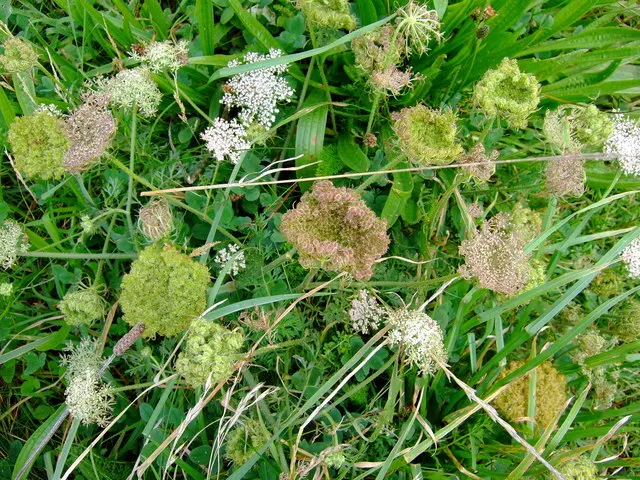
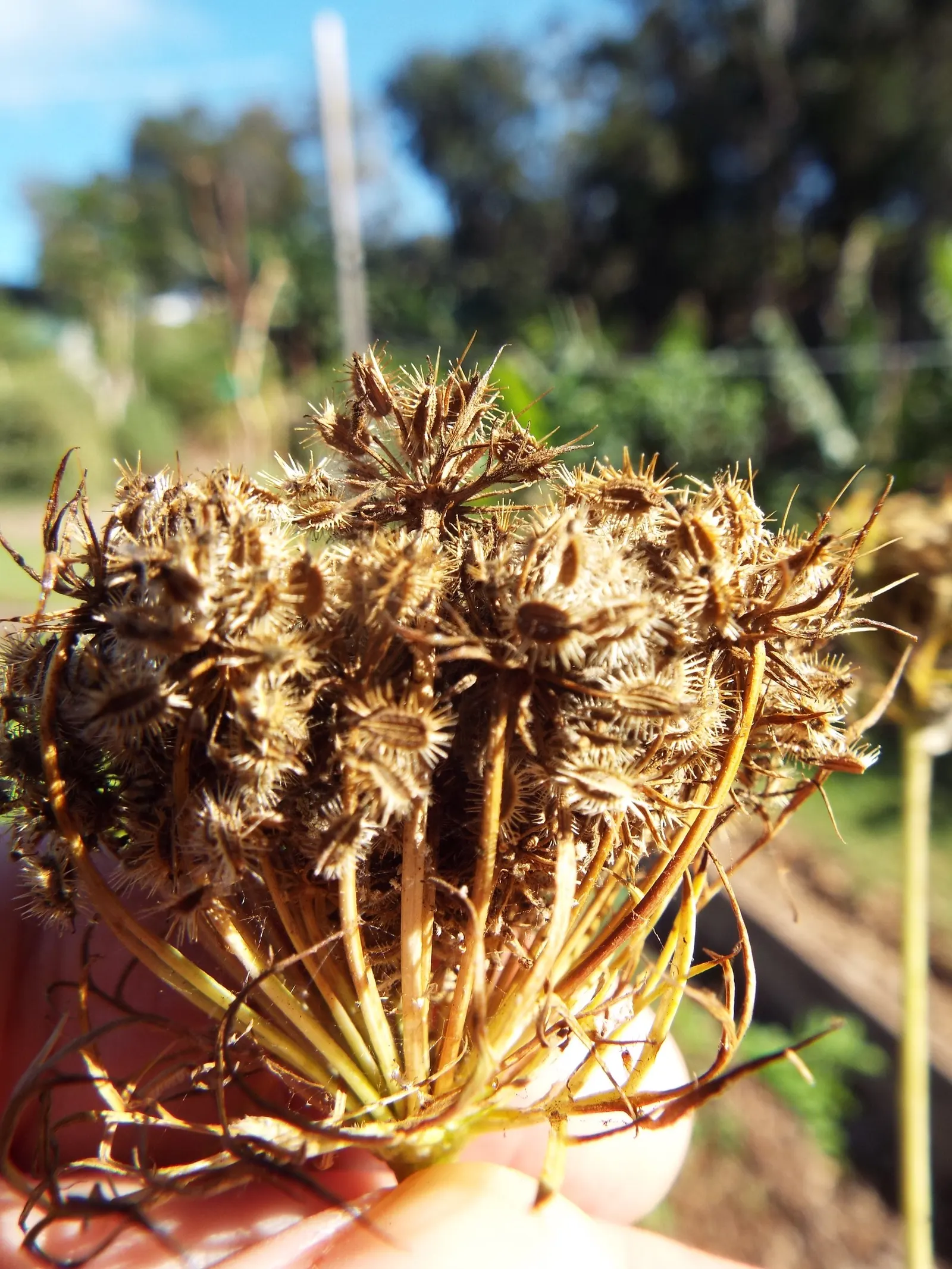
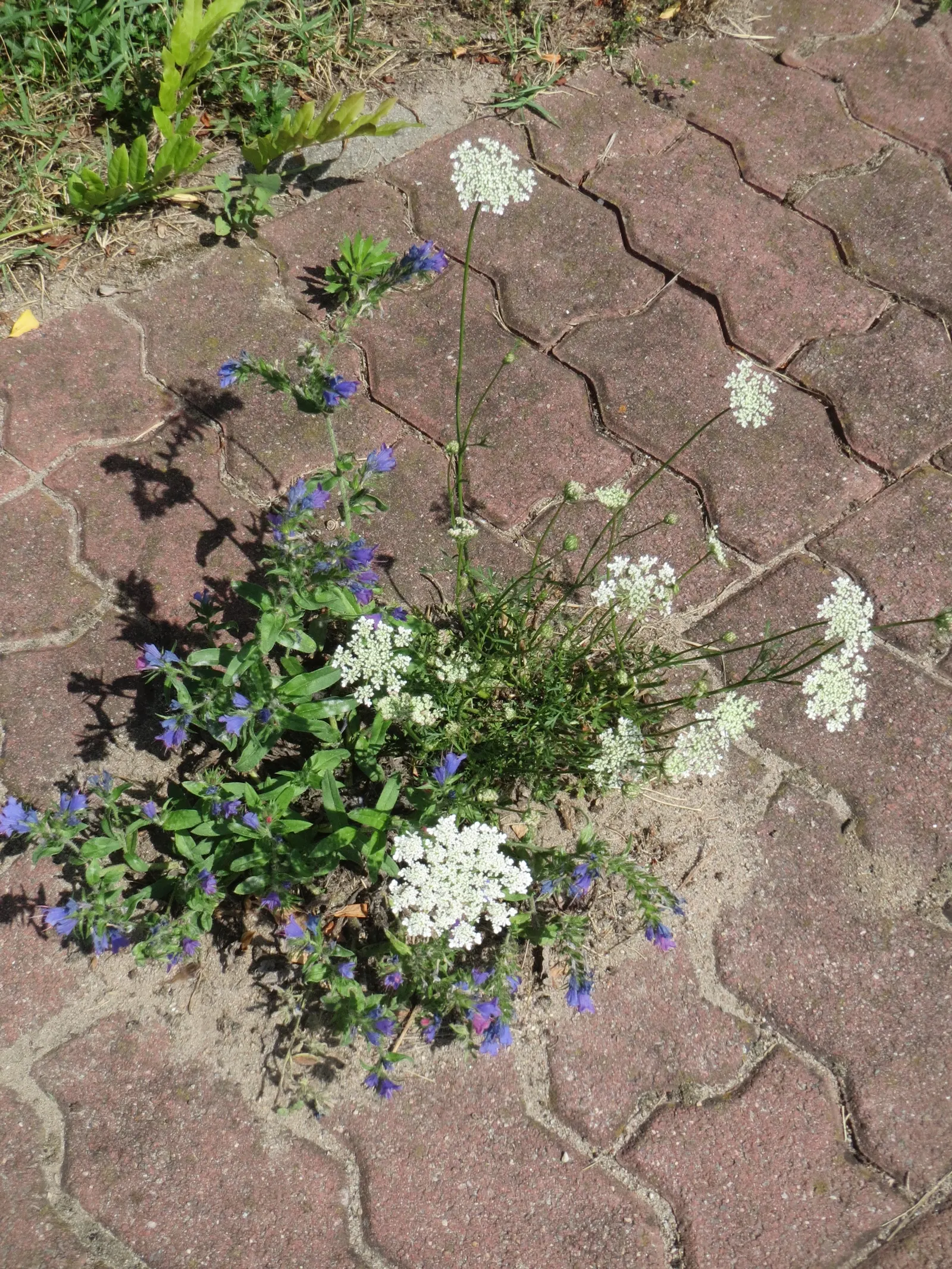
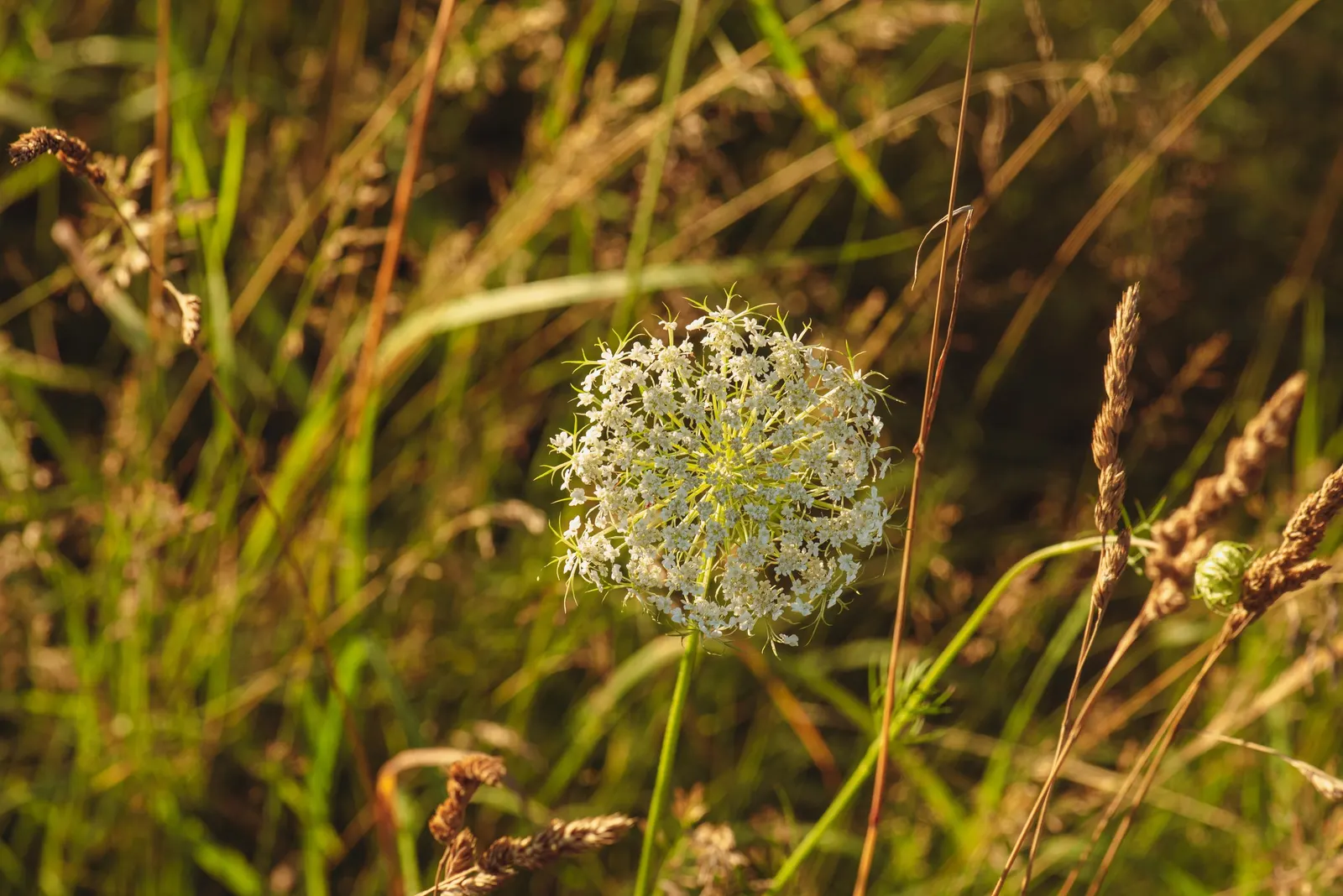
Carrot (Daucus Carota) — Carrots also produce umbel flowers in their second year, adding a subtle, lacy aesthetic to gardens, image 32
Carrot (Daucus Carota) — Prefers full sun and well-drained soil; and light mulching help maintain even soil moisture and temperature
Carrot (Daucus Carota) — though cultivars also exhibit purple; feathery leaves emanating from a rosette
Carrot (Daucus Carota) — the foliage reaches heights of about 12 inches; vegetable for full
Carrot (Daucus Carota) — Carrots are famed for their vibrant orange color; commonly known as the carrot
Carrot (Daucus Carota) — often grown as an annual in home gardens for its edible taproots; critical for uninterrupted root development
Carrot (Daucus Carota) — is a versatile and hardy biennial plant; loose structure to accommodate their growth
Carrot (Daucus Carota) — creating texture amidst other garden greens.<br><br>The taproots vary in size, image 41
Carrot (Daucus Carota) — requiring at least 6 to 8 hours of direct sunlight daily; carrots are famed for their vibrant orange color
Carrot (Daucus Carota) — but can tolerate partial shade; and can reach lengths of up to 12 to 14 inches
Carrot (Daucus Carota) — it is essential to provide well-draining soil with a deep; generally falling within 2 to 3 inches in diameter
Carrot (Daucus Carota) — generally falling within 2 to 3 inches in diameter; requiring at least 6 to 8 hours of direct sunlight daily
Carrot (Daucus Carota) — When designing for carrots; often grown as an annual in home gardens for its edible taproots
Carrot (Daucus Carota) — ideally with a pH between 6.0 and 6.8.<br><br>Carrots thrive in full sun; the feathery foliage reaches 12 inches high
Carrot (Daucus Carota) — and can reach lengths of up to 12 to 14 inches; is a biennial plant commonly grown as an annual for its tapering orange root

Related plants