Skip to content

February Daphne

Daphne Mezereum

Design with this plant

Overview

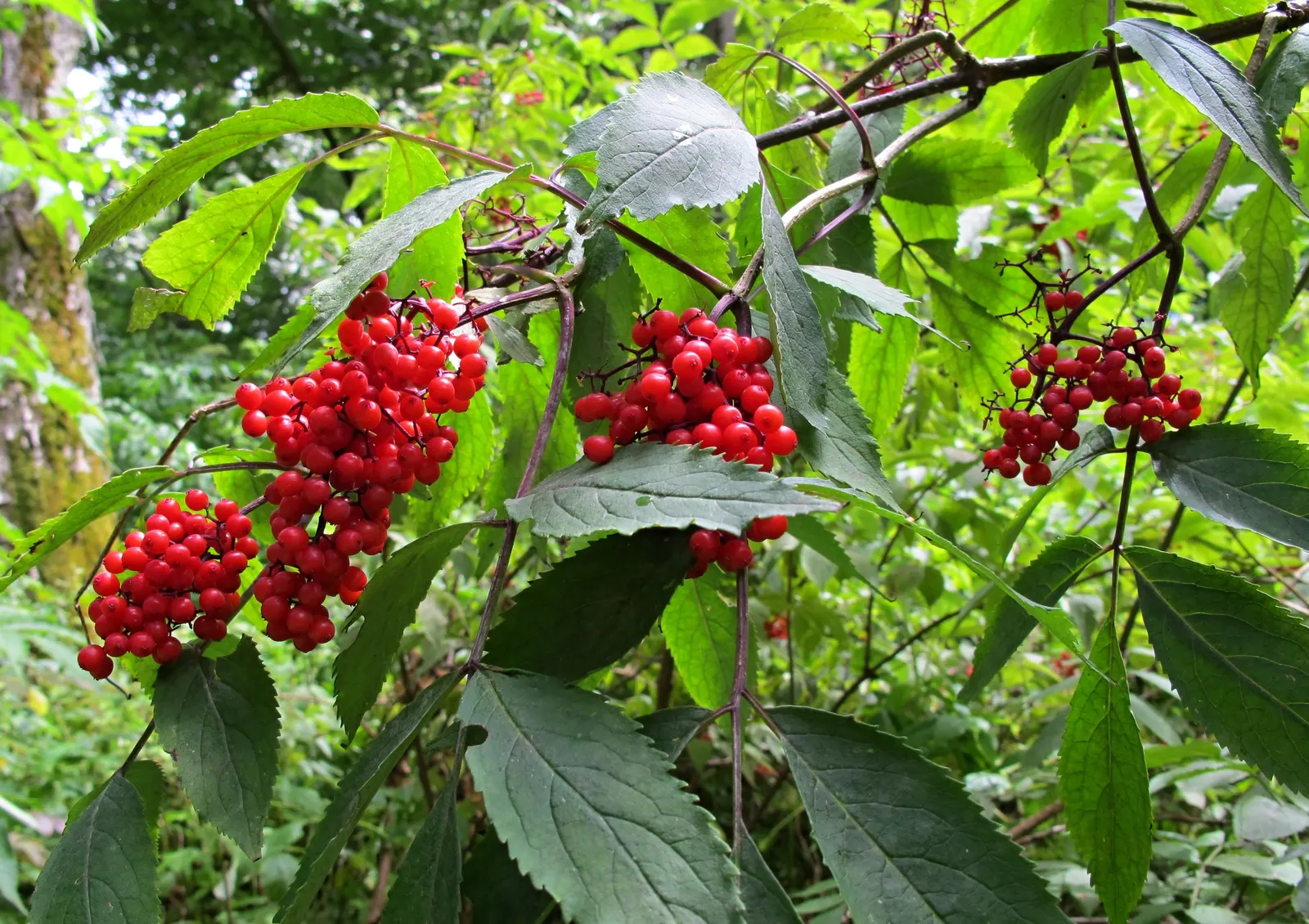
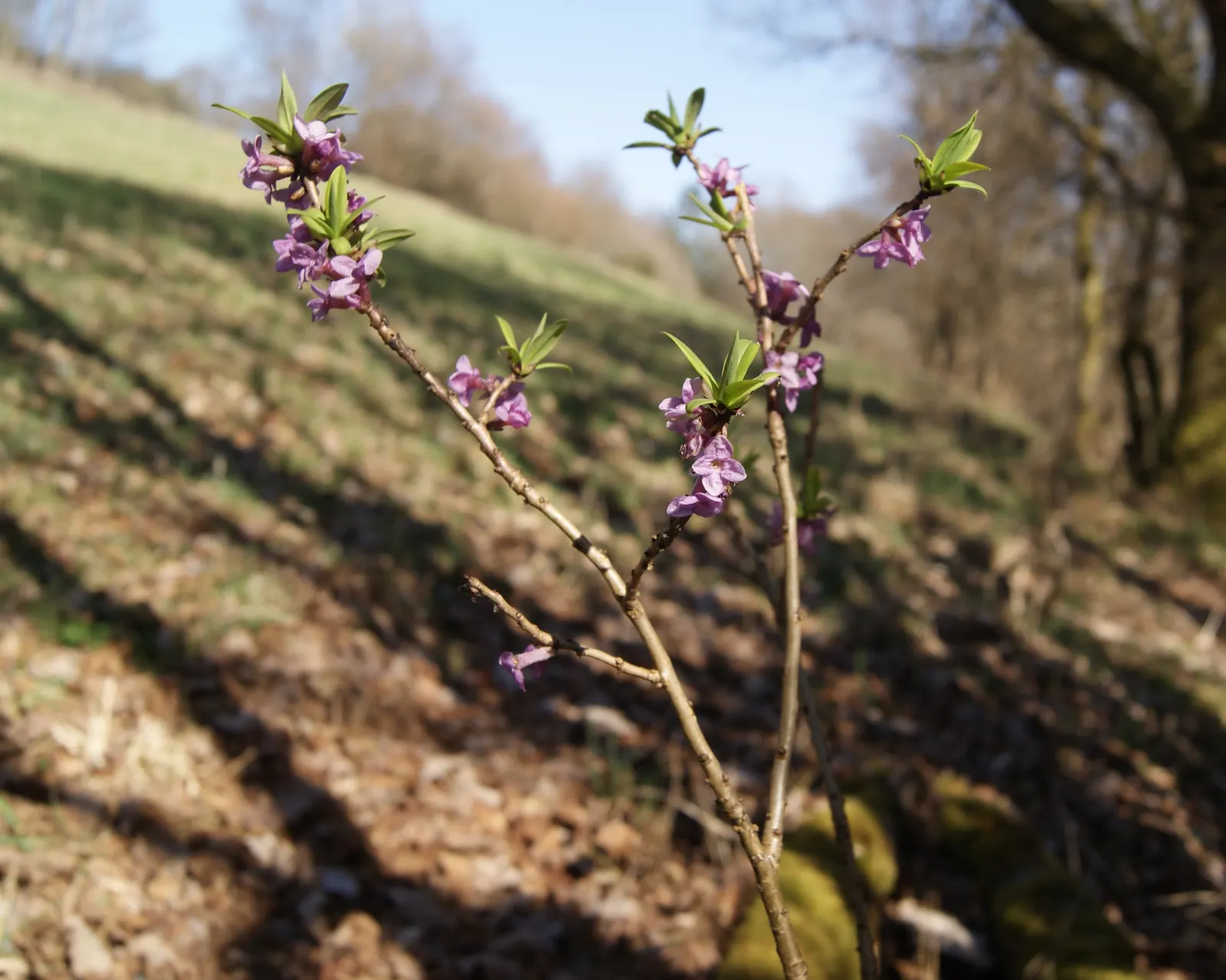
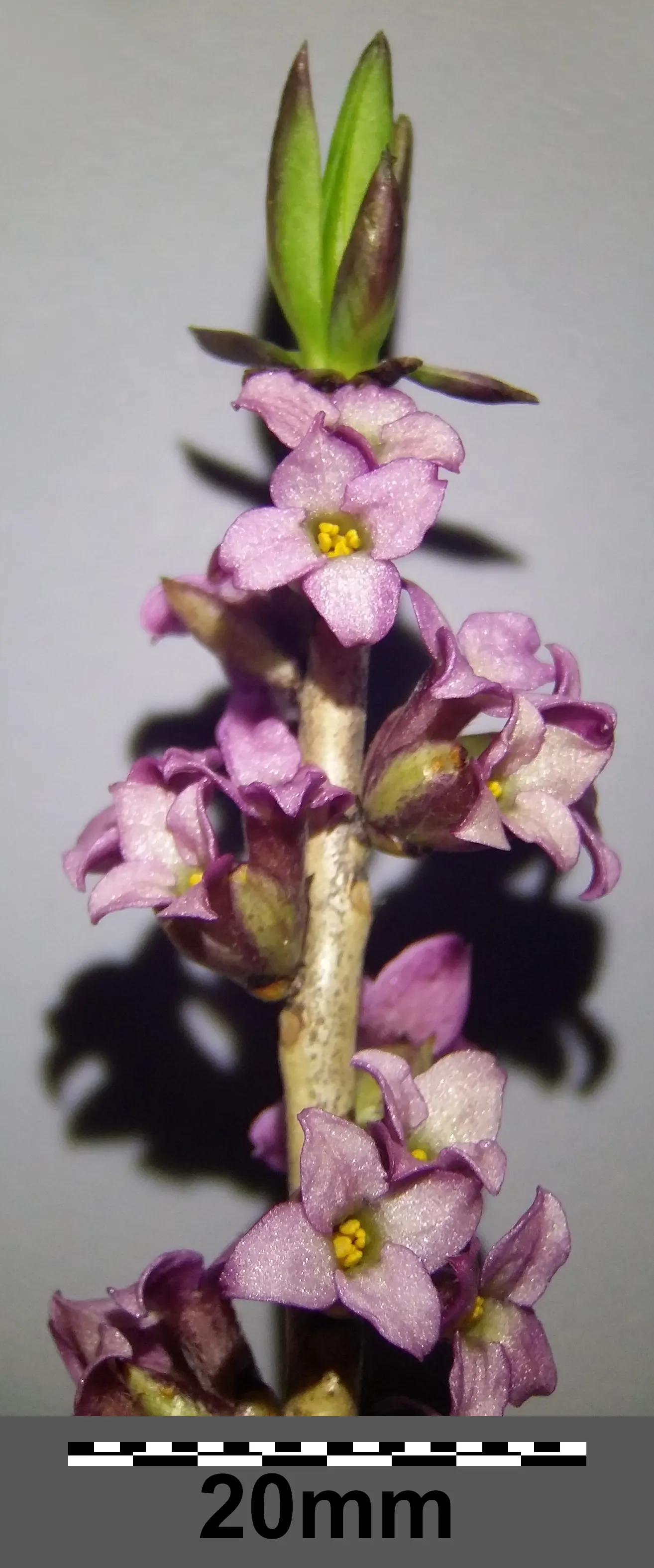
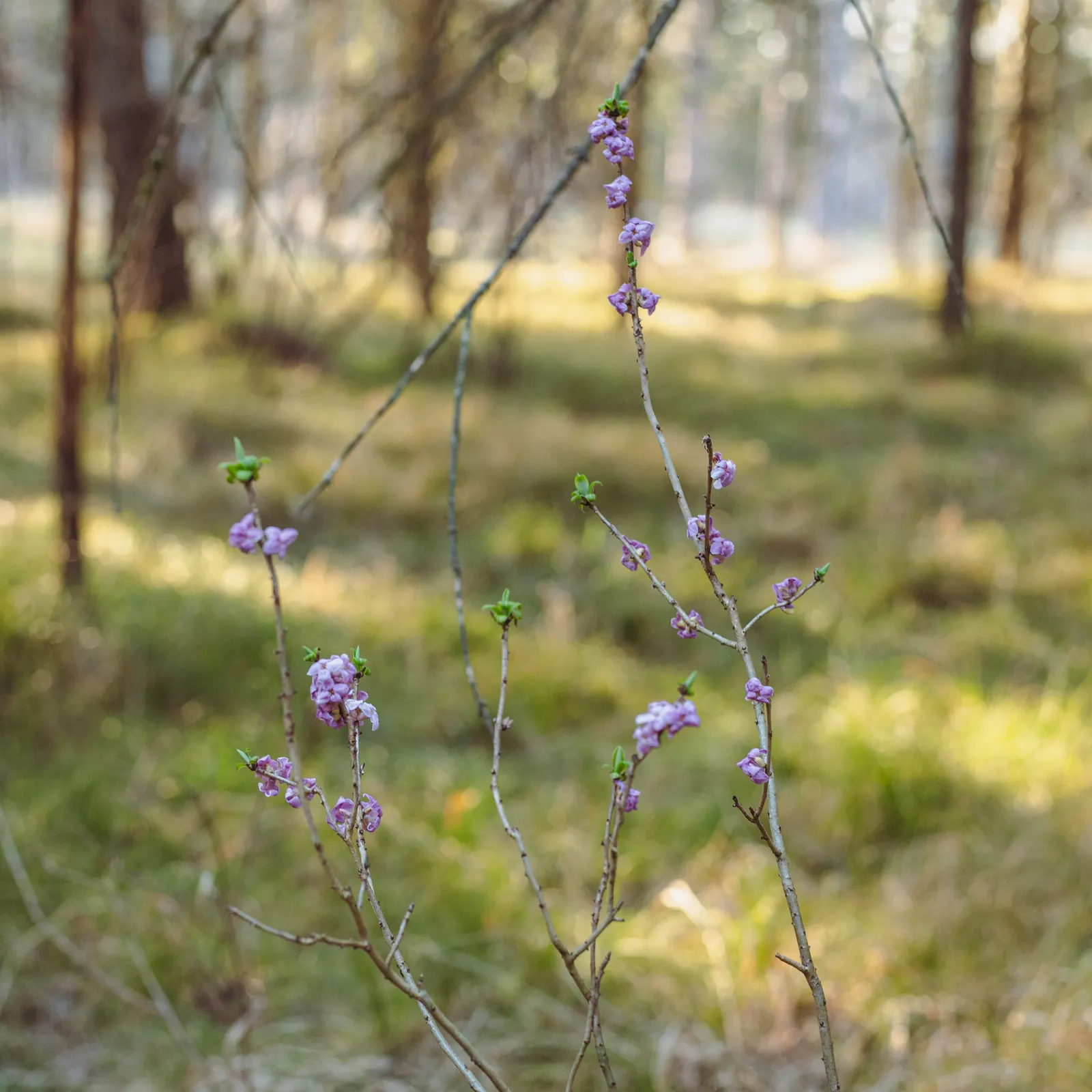
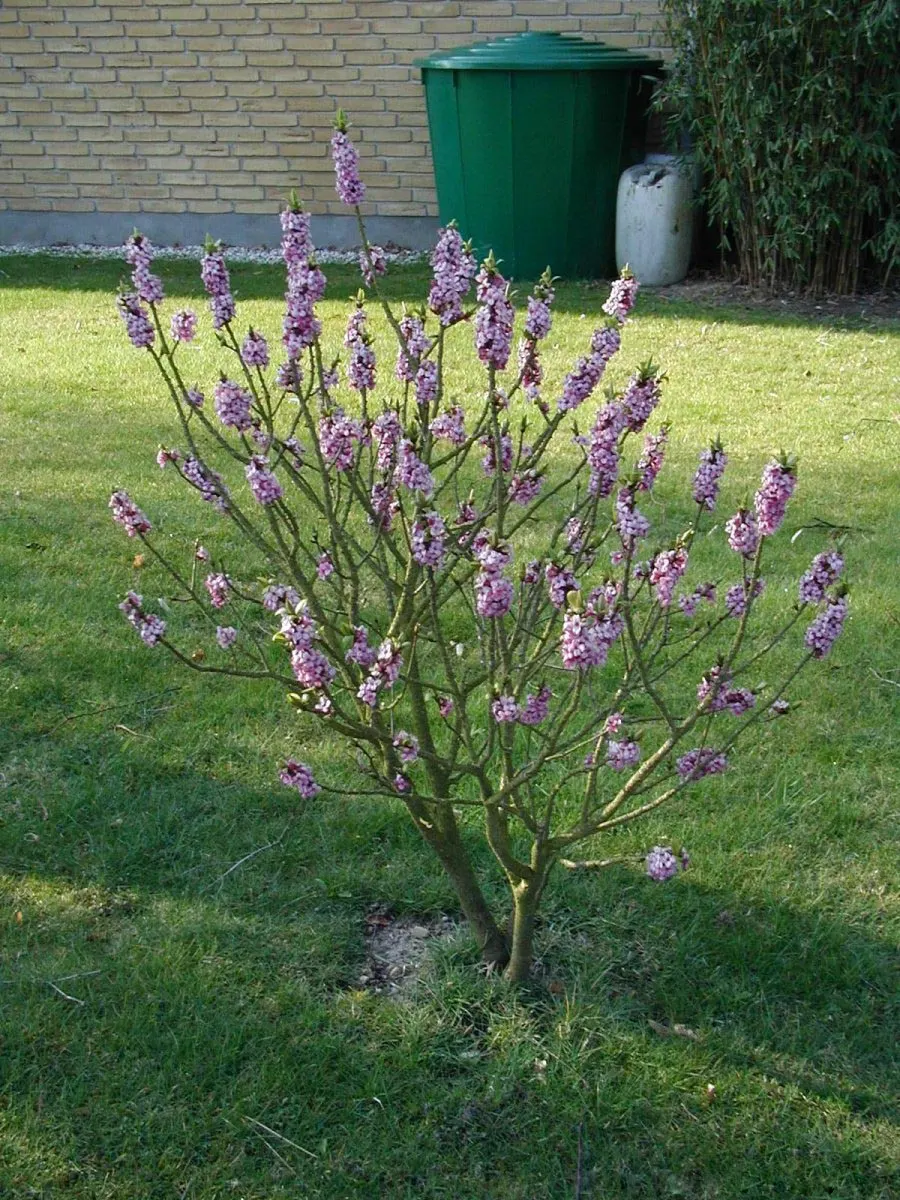
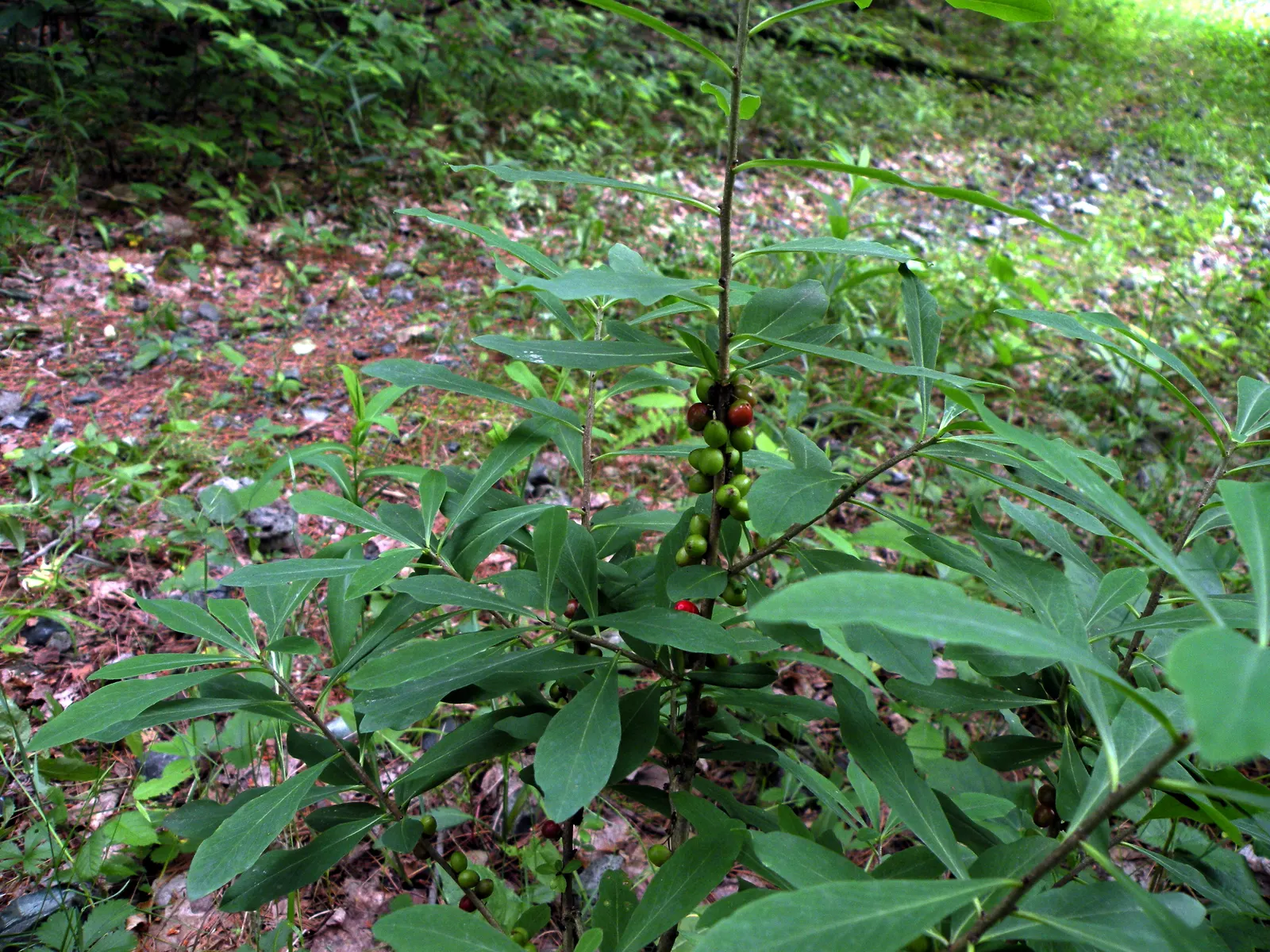
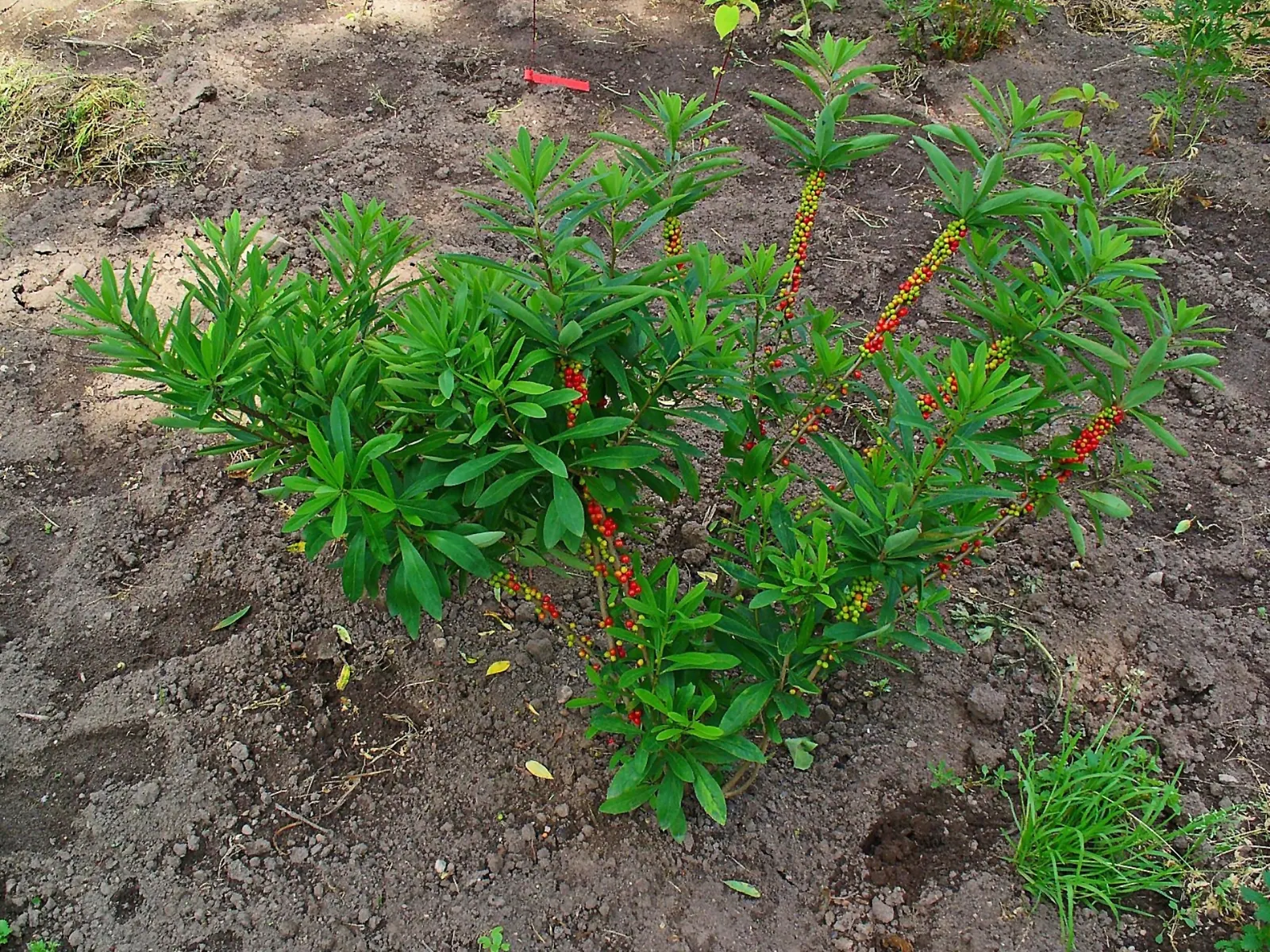
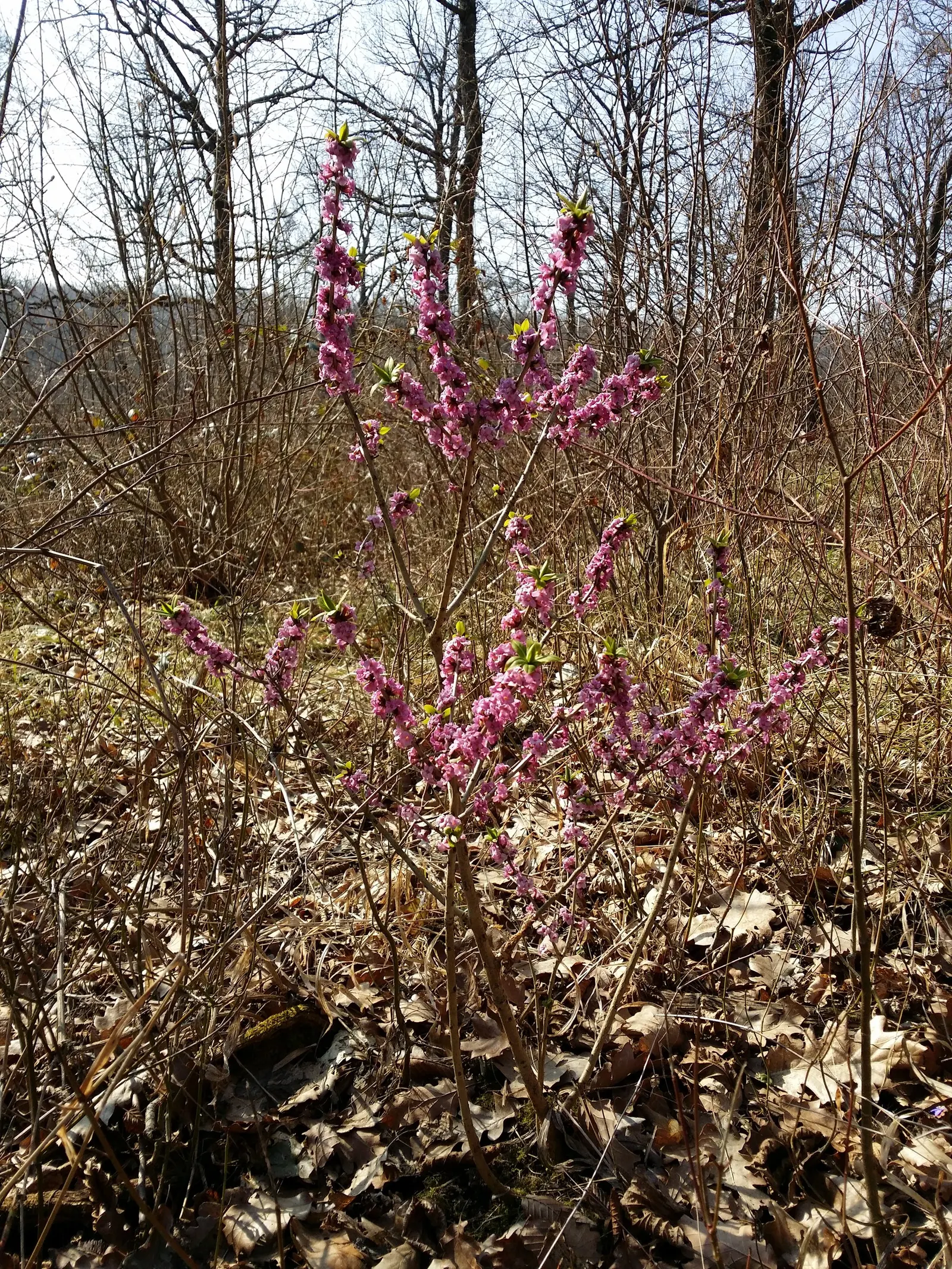
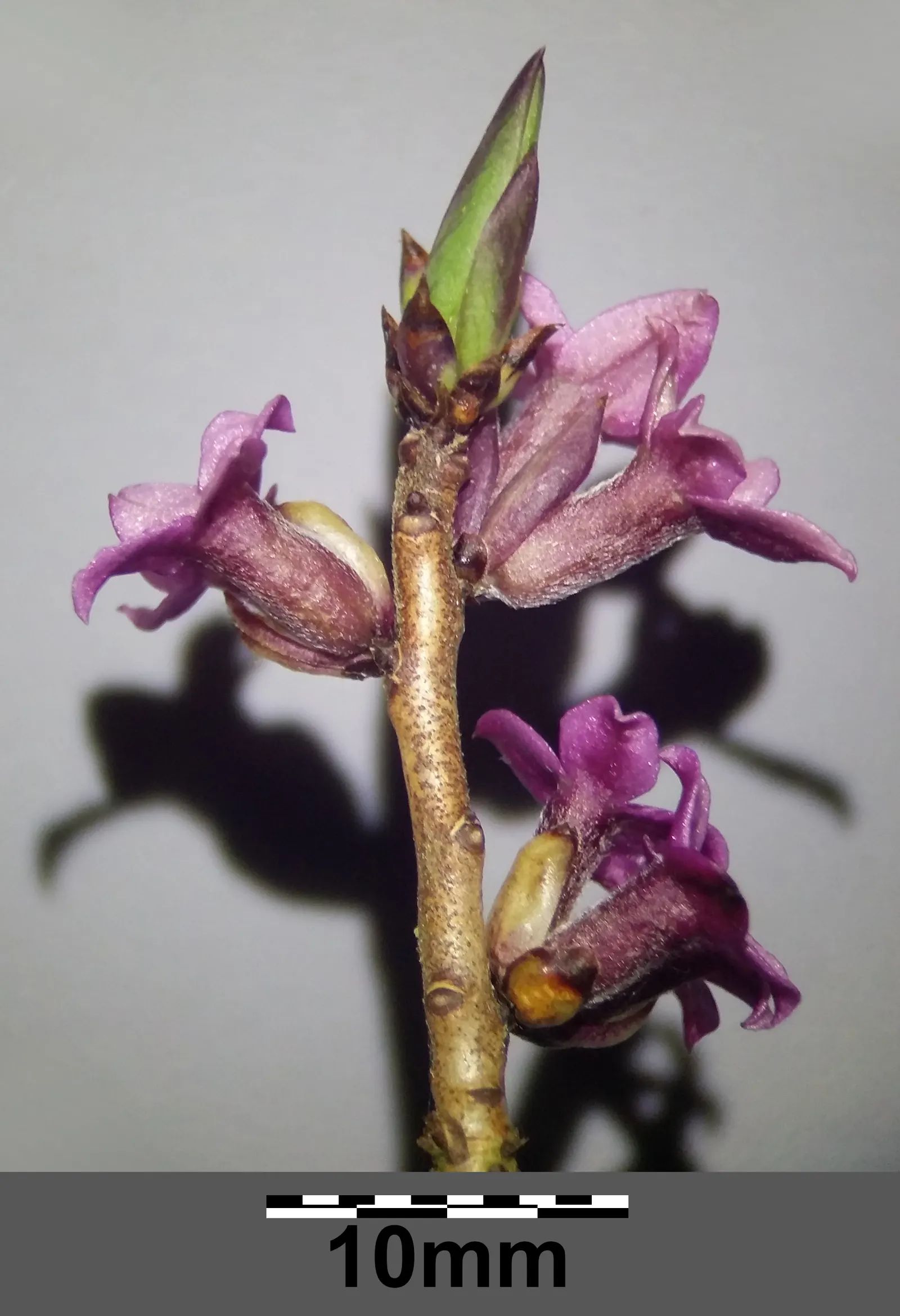
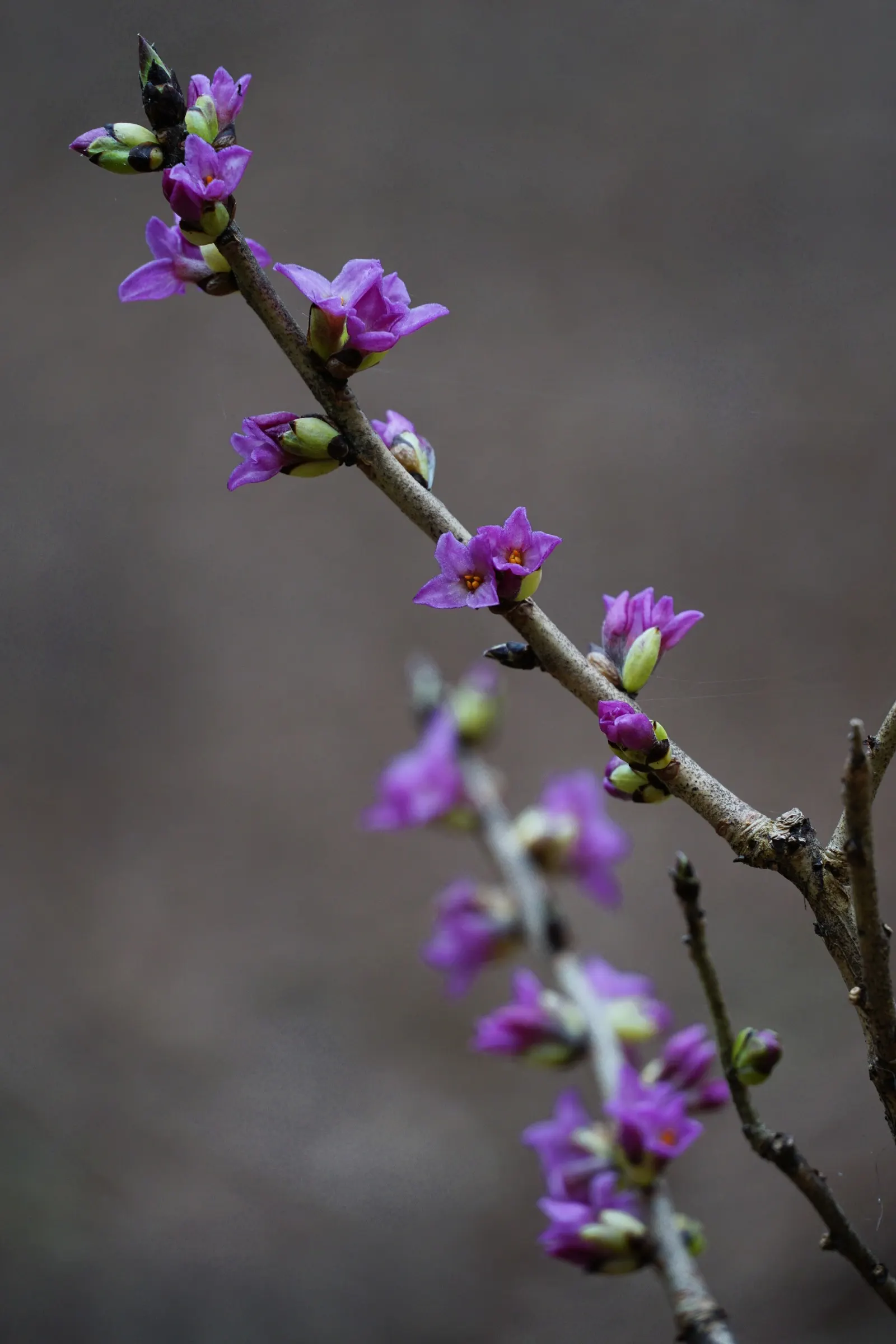
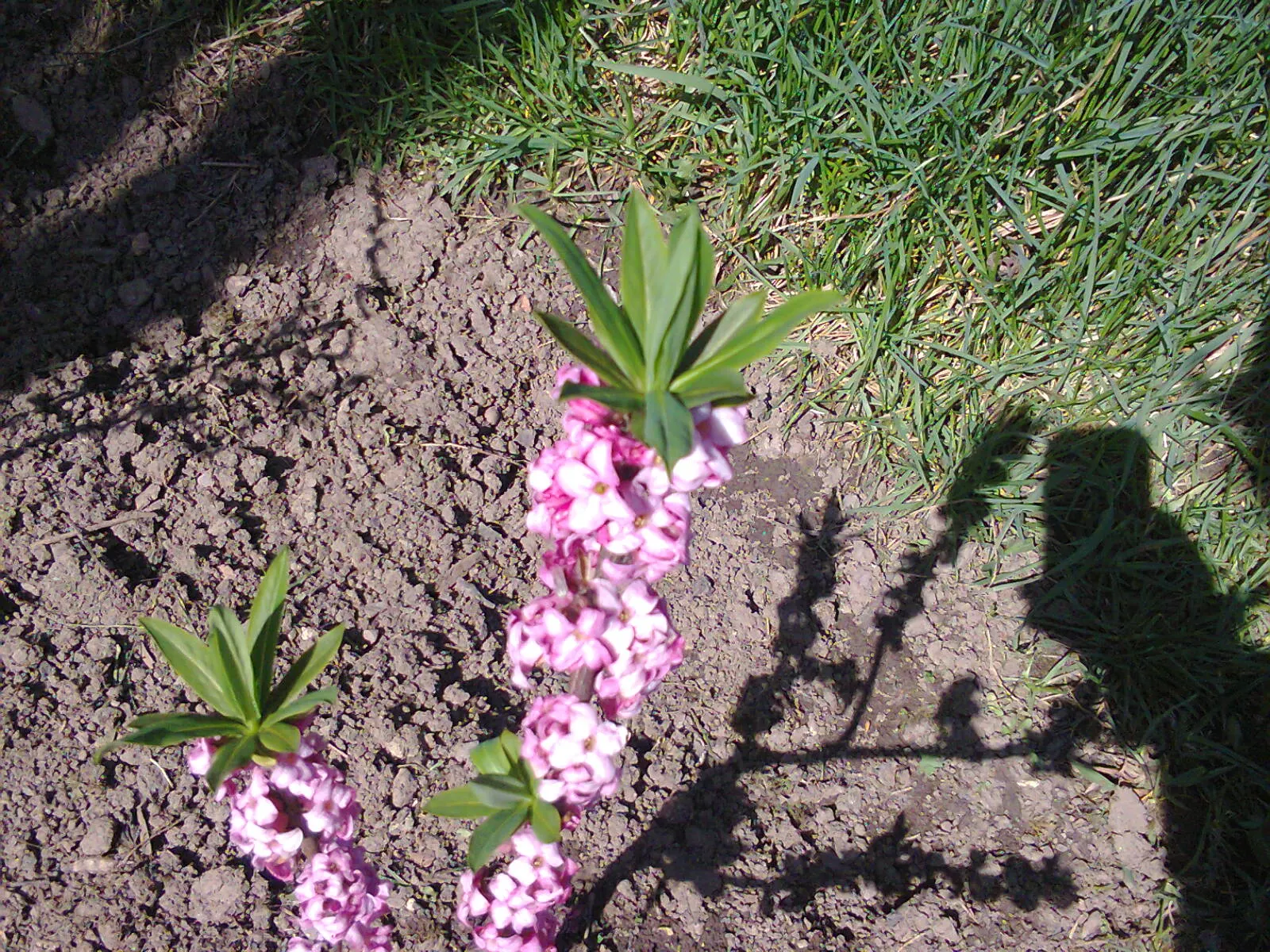
February Daphne (Daphne mezereum), a deciduous shrub, blossoms early spring before leaf emergence, displaying fragrant, pink to purple blooms. Reaching up to 4ft in height and spread, it thrives in partial shade with well-drained soil. Caution: all parts are toxic upon ingestion. Post-bloom, it bears red berries, attractive yet poisonous. Ideal for accentuating woodland gardens or shaded borders. Hardiness zones 4-7, optimal in moderate climates.

Sun HalfWater Extra in Summer, MediumZones 8–10
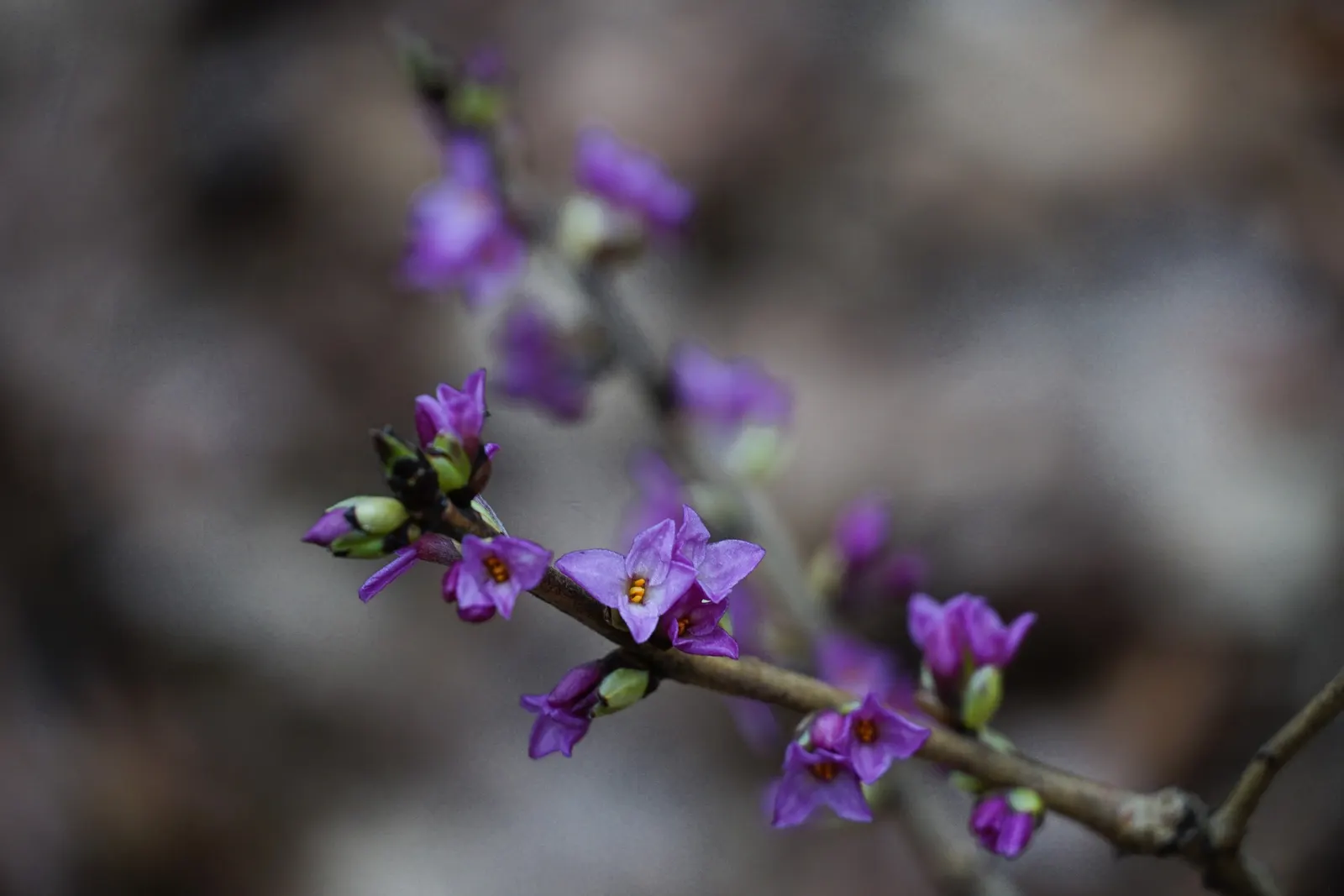
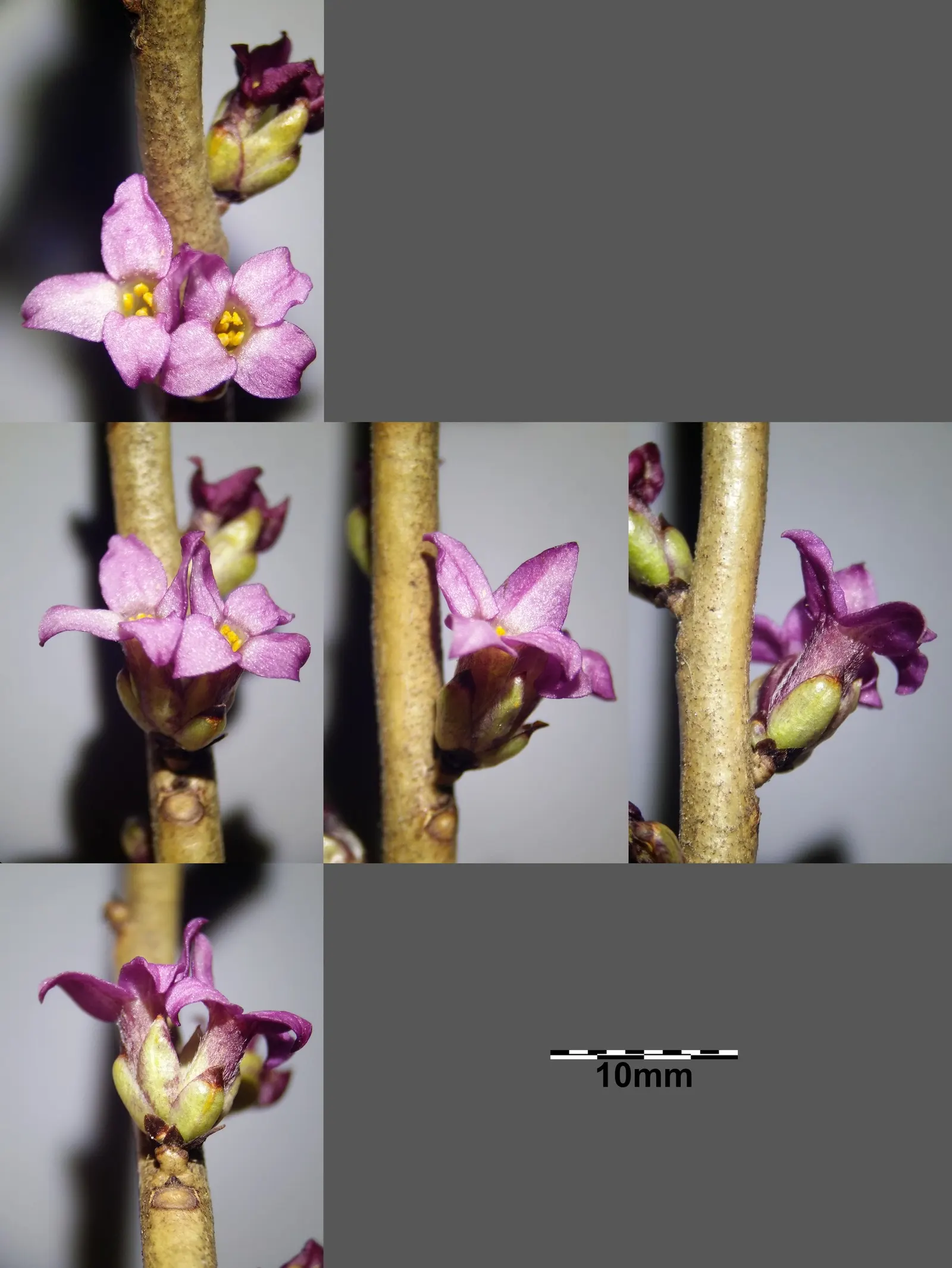
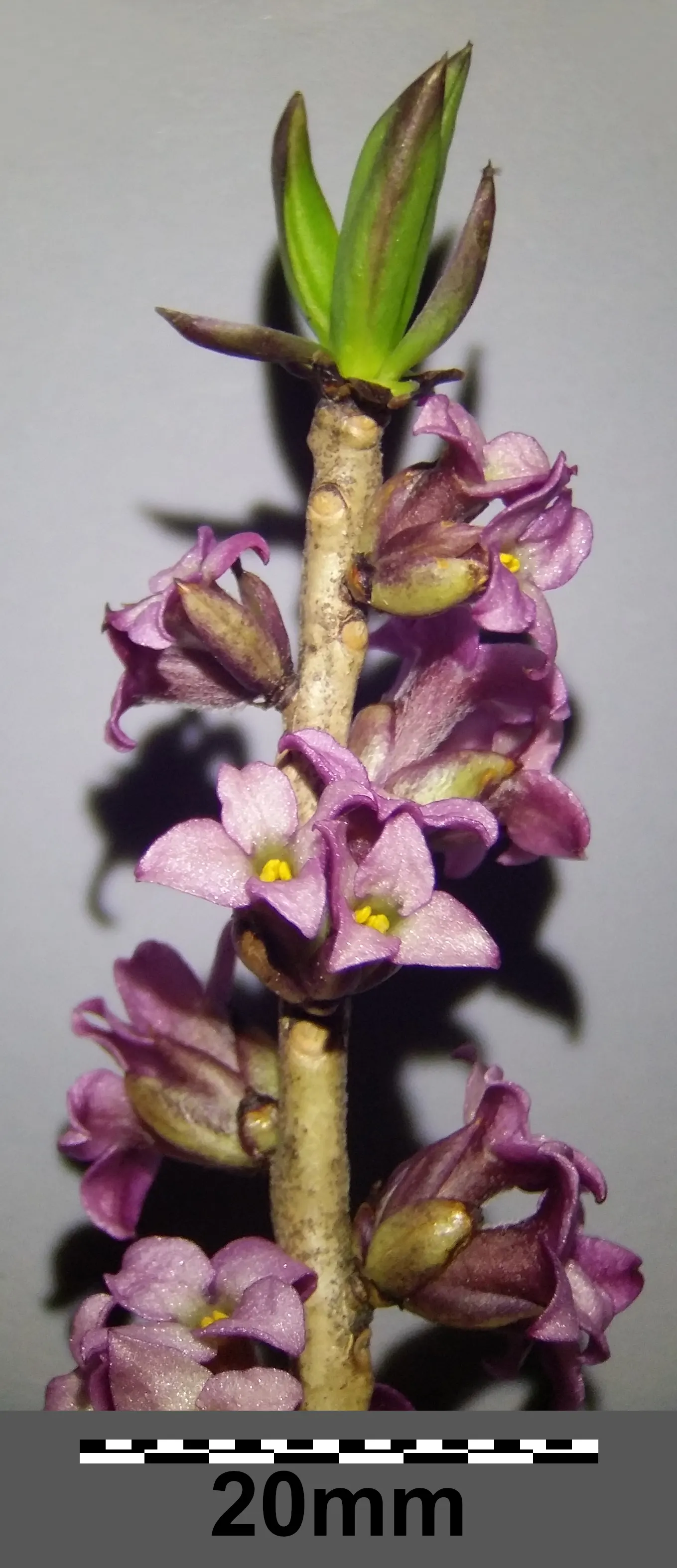
February Daphne (Daphne Mezereum) — blossoms early spring before leaf emergence

Culture

Sun
Half
Water
Extra in Summer, Medium
USDA zones
8–10

Shape & size

Classification

Family
Thymelaeaceae

See full data, regional cultivation notes, full-resolution photos, and design tools. Build a client presentation around this plant.

Start your 14-day trial

Photos (104)

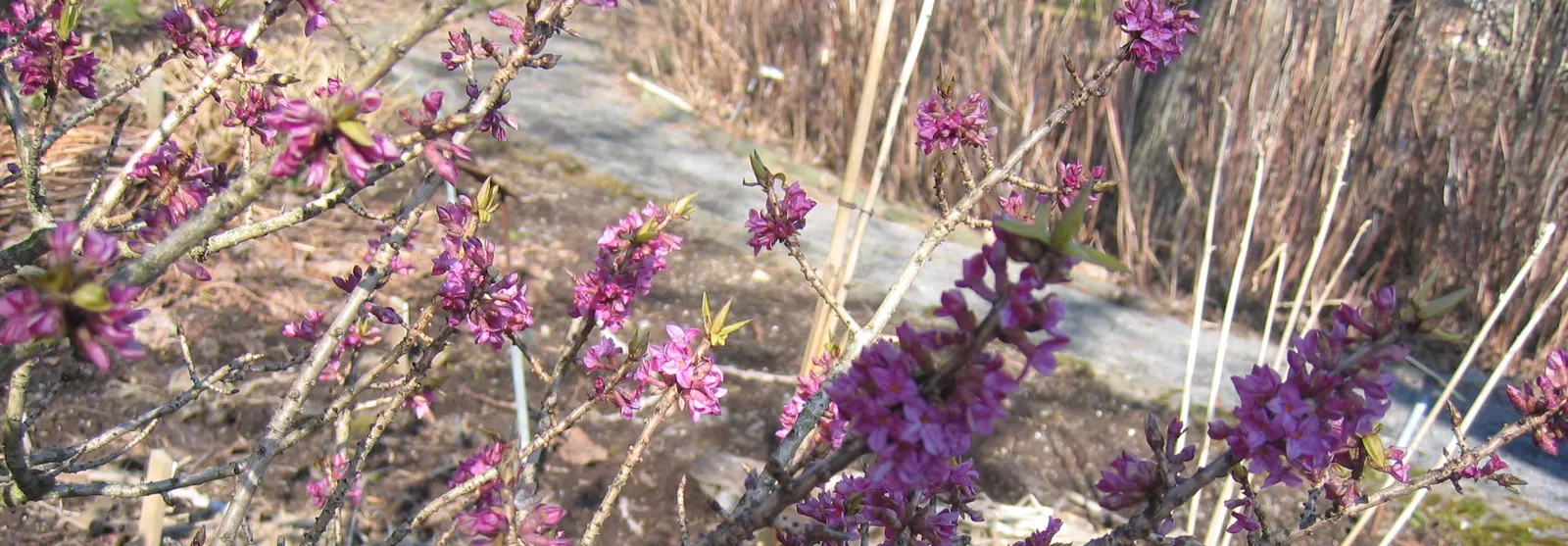
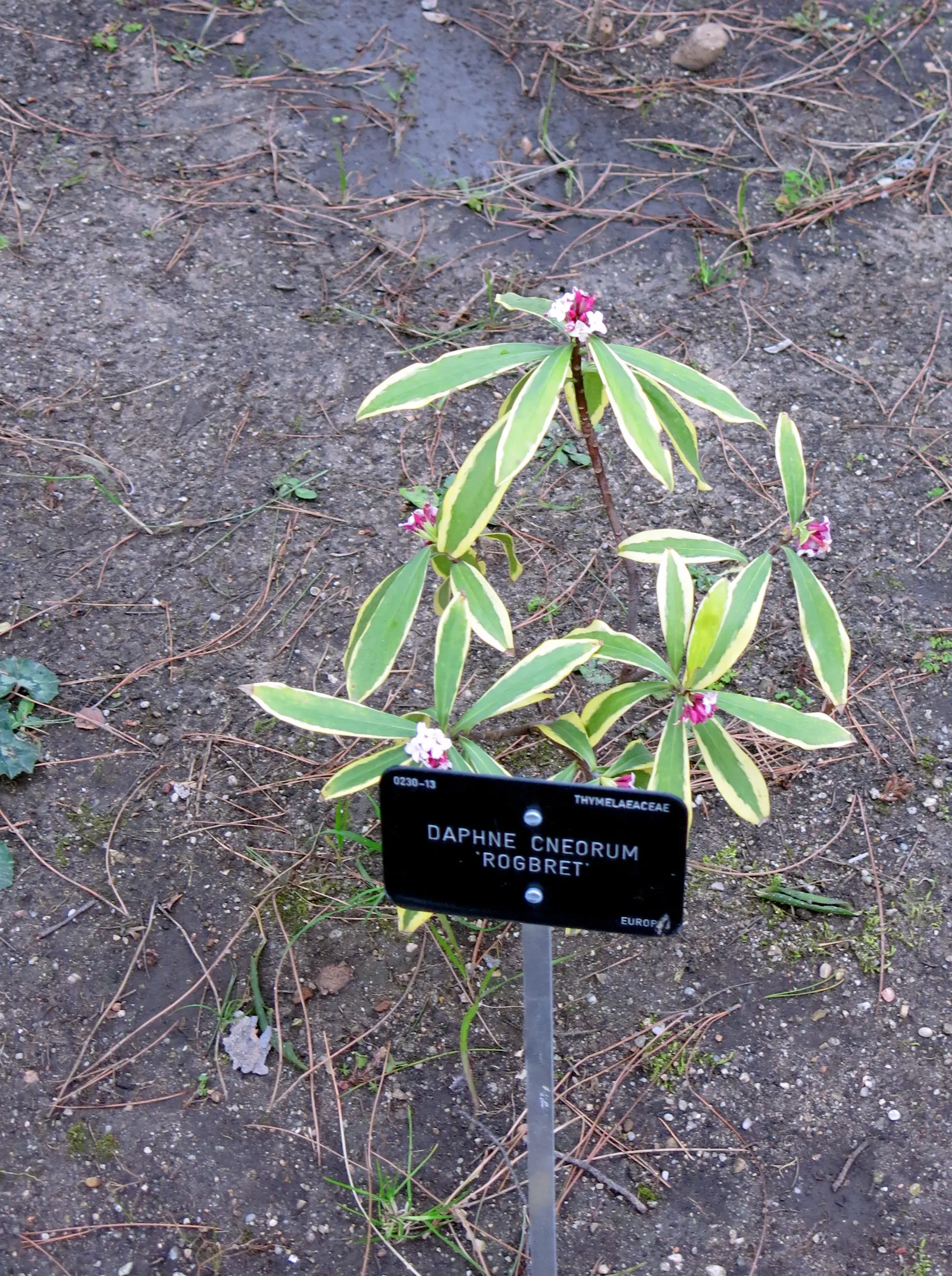
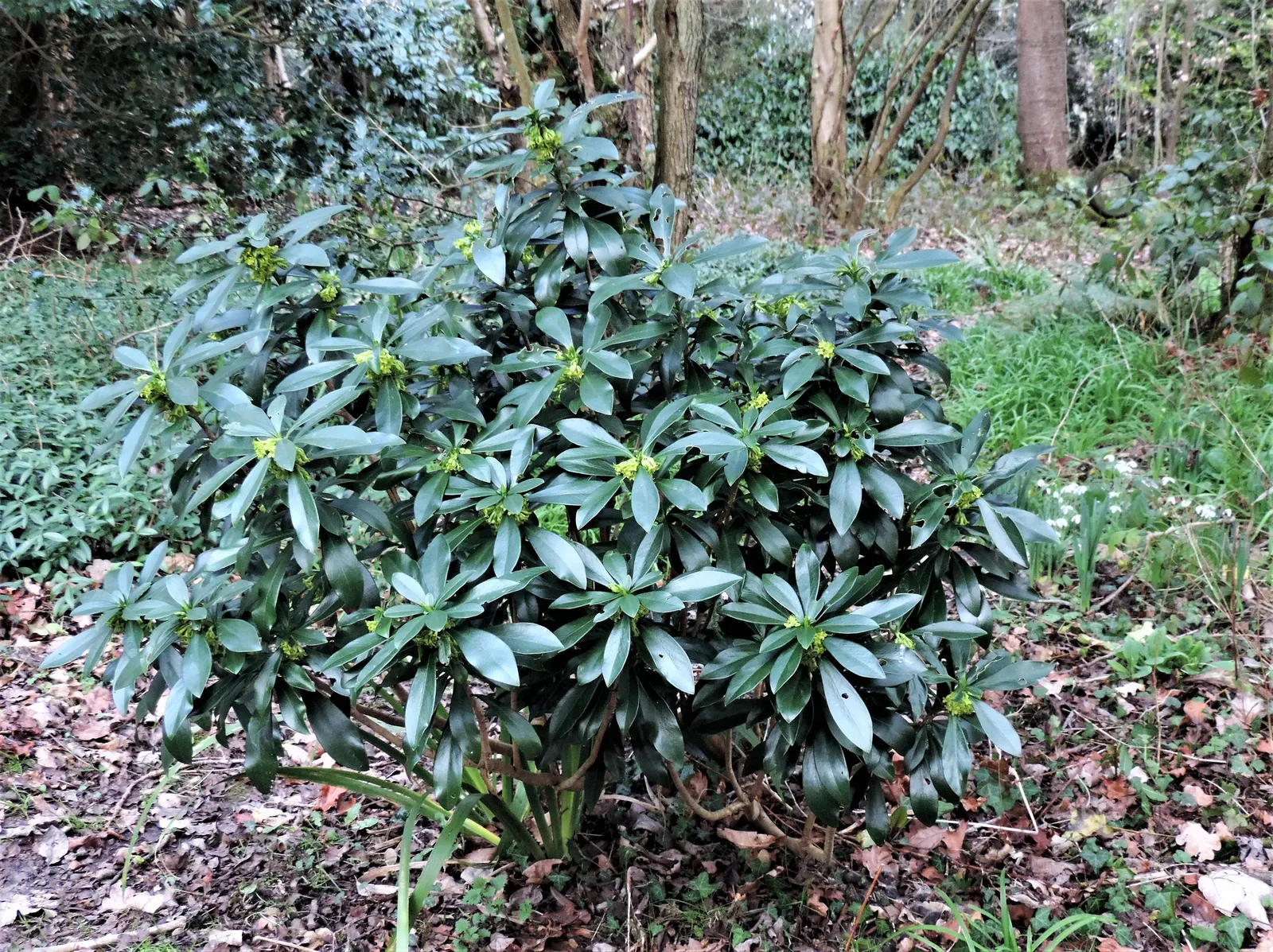
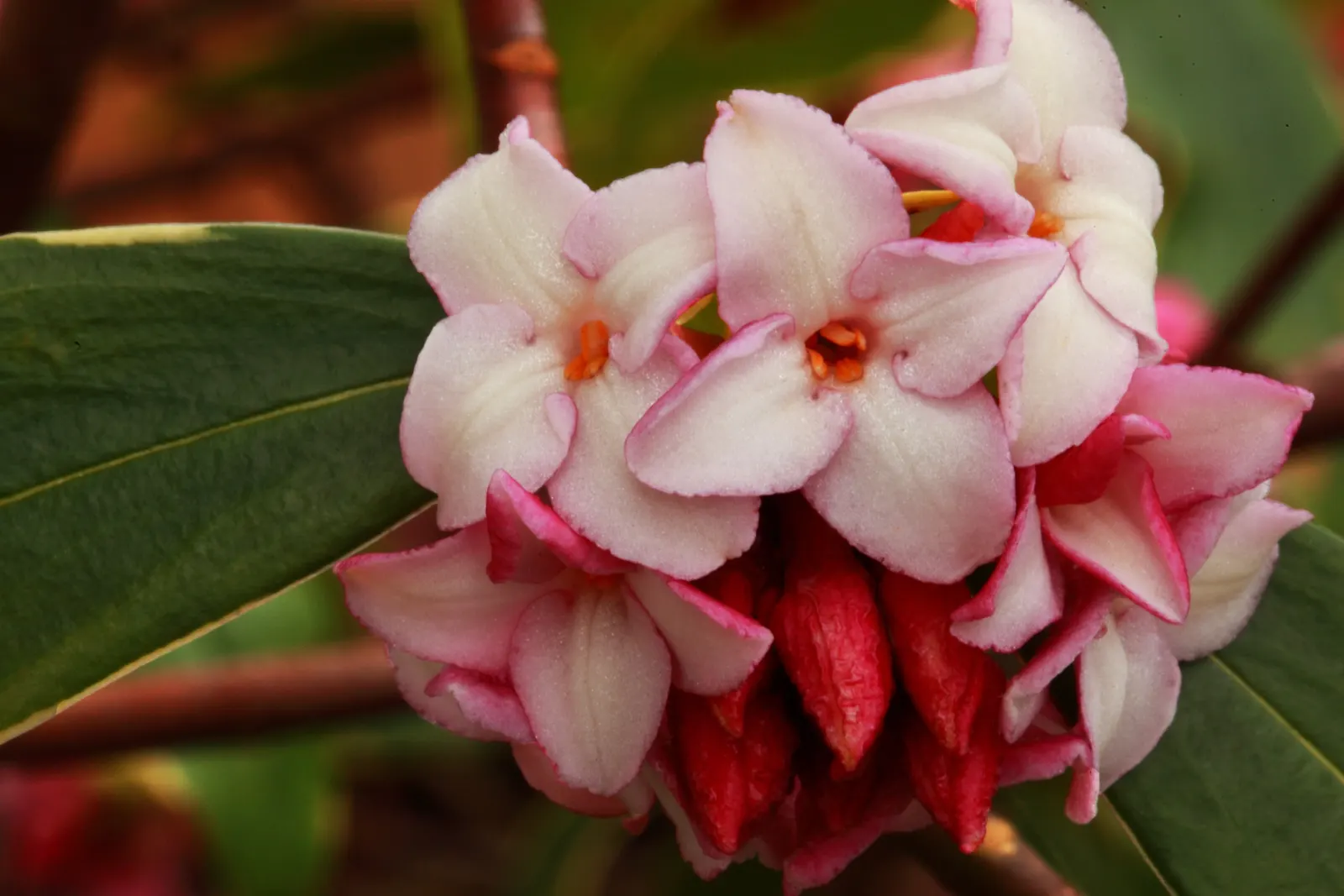
February Daphne (Daphne Mezereum) — shrub with pink blooms; bright red berries.<br><br>For optimum growth
February Daphne (Daphne Mezereum) — consider its use as a specimen plant or in a mixed shrub border for early seasonal interest; hardiness zones 4-7, optimal
February Daphne (Daphne Mezereum) — it's also ideal for planting near patios and walkways where its scent can be appreciated; measuring up to 3 inches long
February Daphne (Daphne Mezereum) — shrub for half; so it should be situated away from areas frequented by pets and children
February Daphne (Daphne Mezereum) — Reaching up to 4ft in height and spread, it thrives in partial shade with well-drained soil; it should be, image 55
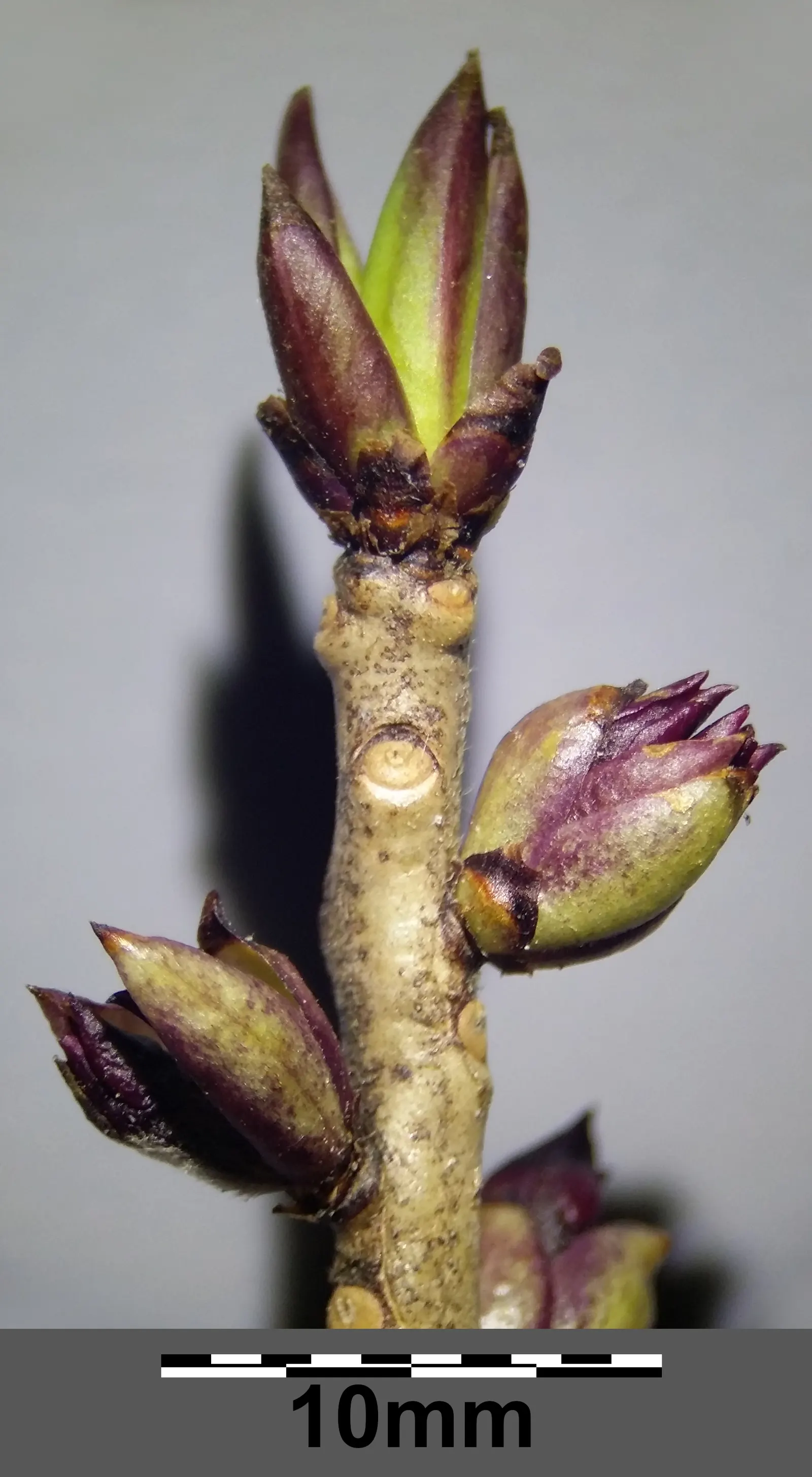
February Daphne (Daphne Mezereum) — February Daphne (Daphne mezereum); caution: all parts are toxic upon ingestion, image 53
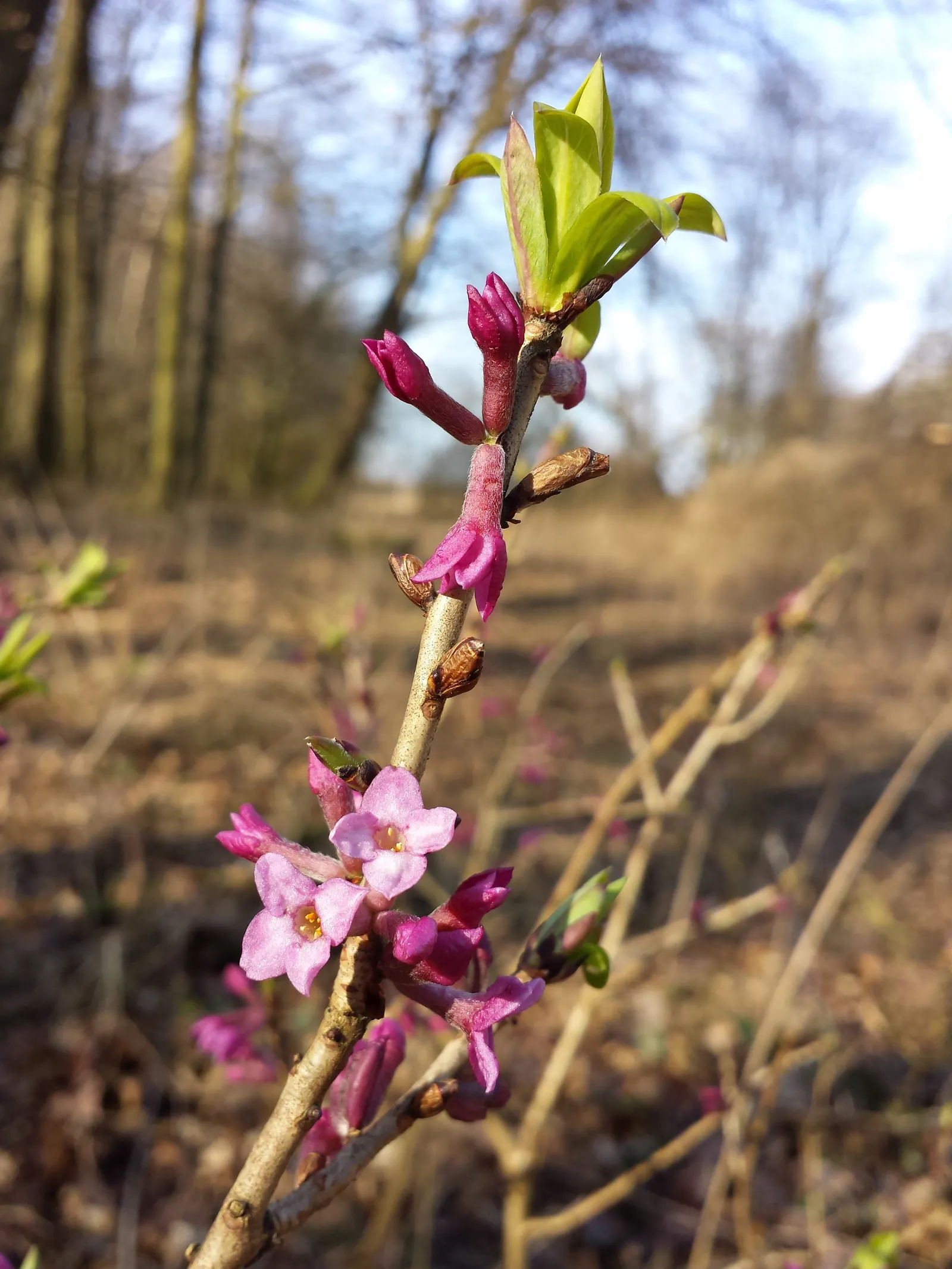
February Daphne (Daphne Mezereum) — blossoms early spring before leaf emergence; which emerge in late winter to early spring, image 54
February Daphne (Daphne Mezereum) — Ideal for accentuating woodland gardens or shaded borders; this delightful floral display is followed by the, image 58
February Daphne (Daphne Mezereum) — Caution: all parts are toxic upon ingestion; shrub with pink blooms, image 56
February Daphne (Daphne Mezereum) — Post-bloom, it bears red berries, attractive yet poisonous; ideal for accentuating woodland gardens or shaded, image 57
February Daphne (Daphne Mezereum) — botanically known as Daphne mezereum; february Daphne (Daphne mezereum), image 60
February Daphne (Daphne Mezereum) — which emerge in late winter to early spring; caution is advised due to its toxic nature, image 63
February Daphne (Daphne Mezereum) — Hardiness zones 4-7, optimal in moderate climates; consider its use as a specimen plant or in a mixed shrub, image 59
February Daphne (Daphne Mezereum) — This delightful floral display is followed by the appearance of its foliage; <br><br>A standout feature of, image 65
February Daphne (Daphne Mezereum) — is a deciduous shrub prized for its early bloom and richly fragrant flowers; botanically known as Daphne, image 61
February Daphne (Daphne Mezereum) — often before the leaves unfurl; reaching up to 4ft in height and spread, it thrives in partial shade with, image 64
February Daphne (Daphne Mezereum) — <br><br>A standout feature of Daphne mezereum is its profusion of pink to light purple flowers; the plant bears, image 62
February Daphne (Daphne Mezereum) — measuring up to 3 inches long; february Daphne prefers well-drained loamy soil with a slightly acidic to, image 66
February Daphne (Daphne Mezereum) — consider its use as a specimen plant or in a mixed shrub border for early seasonal interest; hardiness zones, image 72
February Daphne (Daphne Mezereum) — Moderate watering is necessary; shrub for half, image 71
February Daphne (Daphne Mezereum) — bright red berries.<br><br>For optimum growth; post-bloom, it bears red berries, attractive yet poisonous, image 68
February Daphne (Daphne Mezereum) — the plant bears attractive; pink flowers in the garden, image 67
February Daphne (Daphne Mezereum) — It should be positioned in partial shade to full sun, bearing in mind that too much heat can be detrimental, image 70
February Daphne (Daphne Mezereum) — February Daphne prefers well-drained loamy soil with a slightly acidic to neutral pH; often before the leaves, image 69

Related plants