
Spurge Laurel
Daphne Laureola
Overview
Spurge Laurel (Daphne laureola) is an evergreen shrub, growing to 3-4 feet high with a similar spread. Prized for its glossy green leaves and fragrant, greenish-yellow flowers blooming in late winter to early spring, this plant thrives in part to full shade. Caution: all parts are toxic if ingested; skin contact may cause irritation. Suitable for understory settings and shaded areas in USDA zones 7-9.
Sun HalfWater Extra in Summer, MediumZones 8–10Type Shrub
Culture
- Sun
- Half
- Water
- Extra in Summer, Medium
- USDA zones
- 8–10
Shape & size
- Mature height
- 1–2 Ft.
- Mature width
- 2–3 Ft.
Classification
- Type
- Shrub
- Family
- Thymelaeaceae
See full data, regional cultivation notes, and design tools. Build a client presentation around this plant.
Start your 14-day trialPhotos (26)
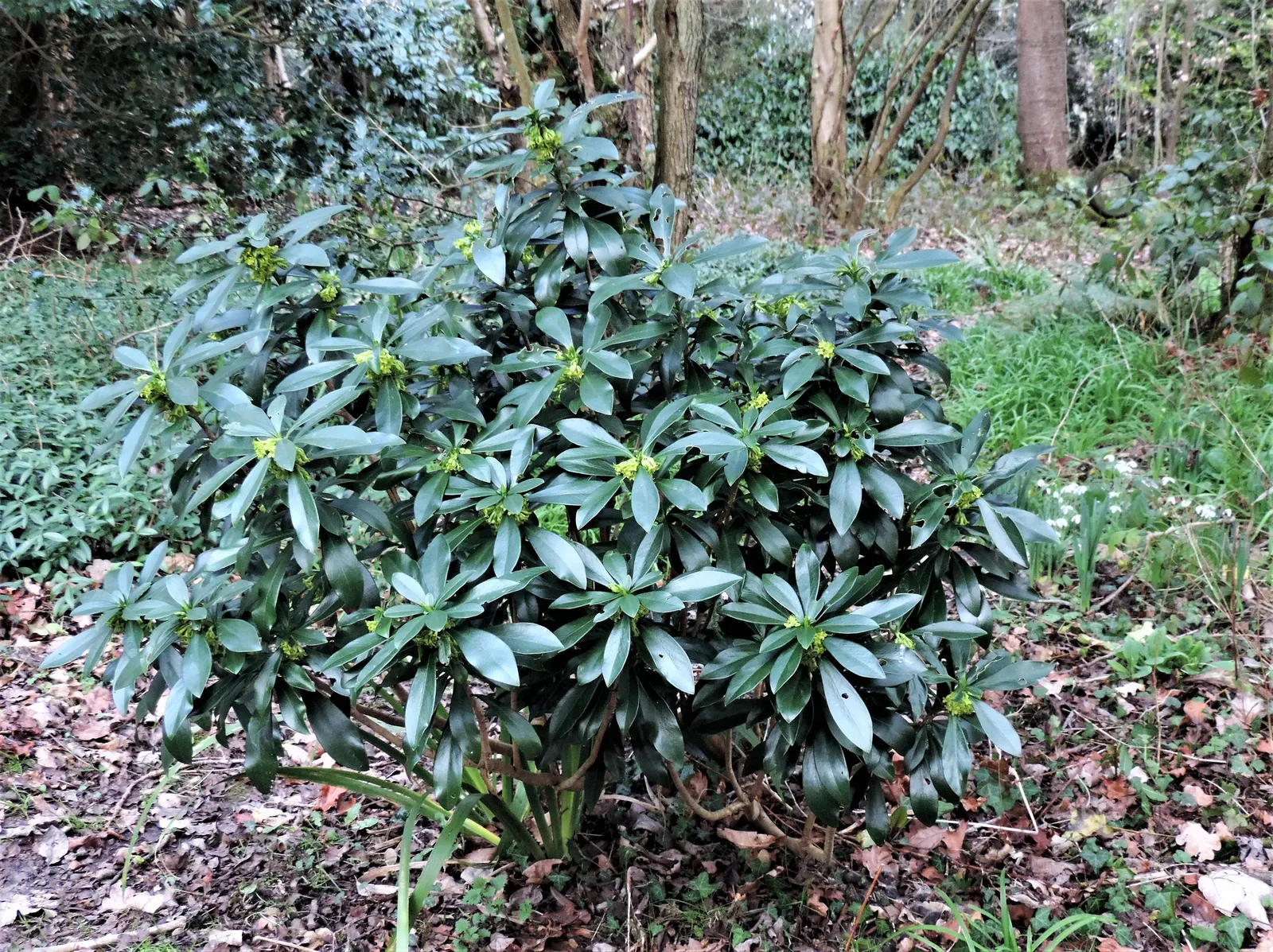


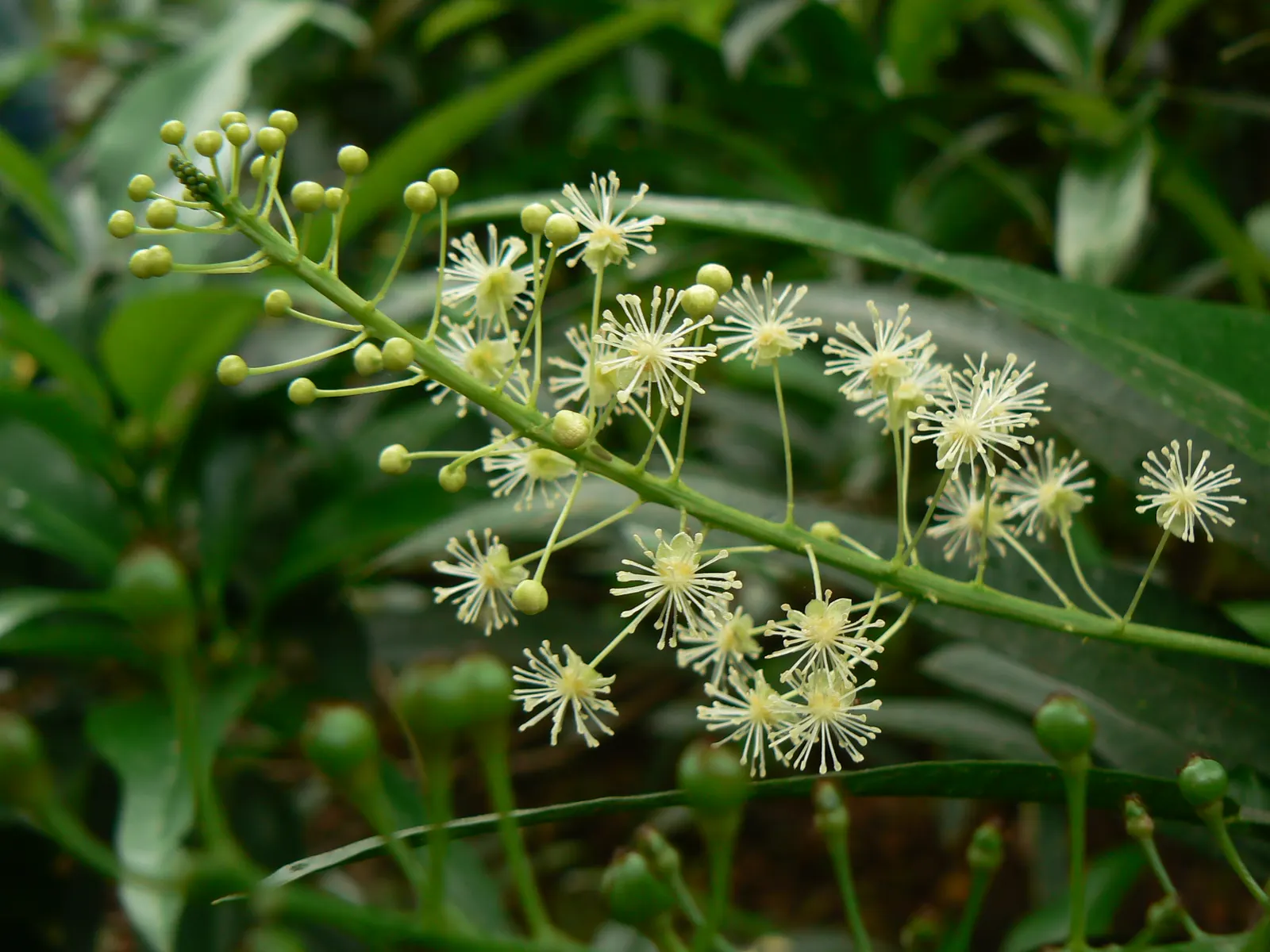
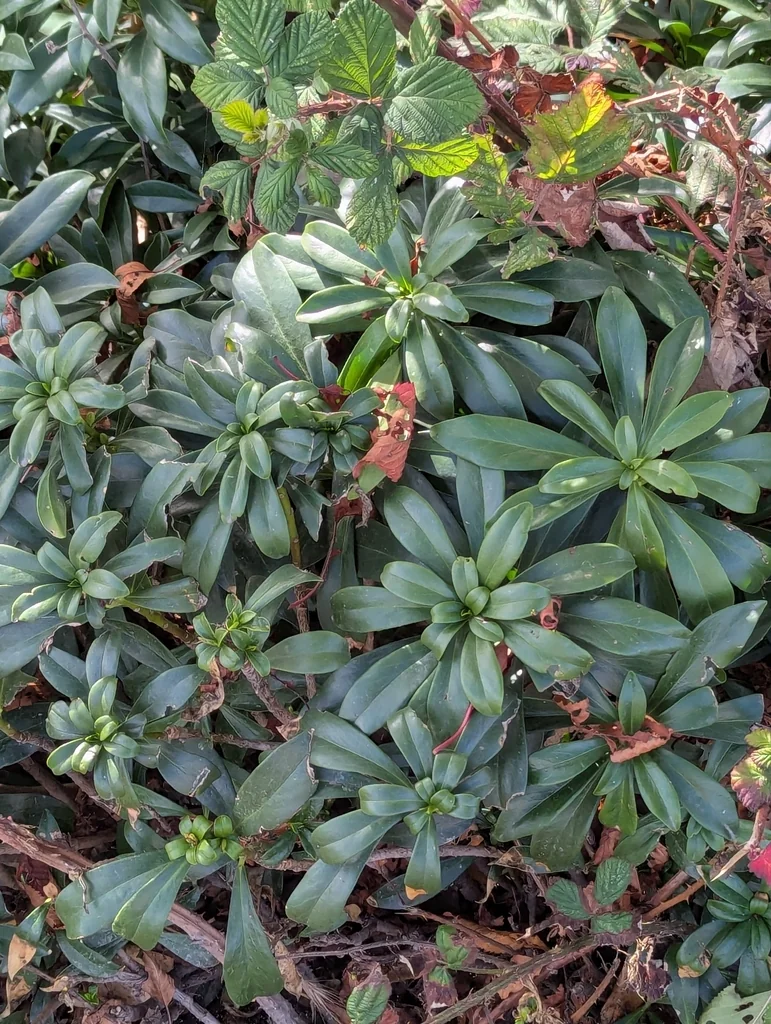
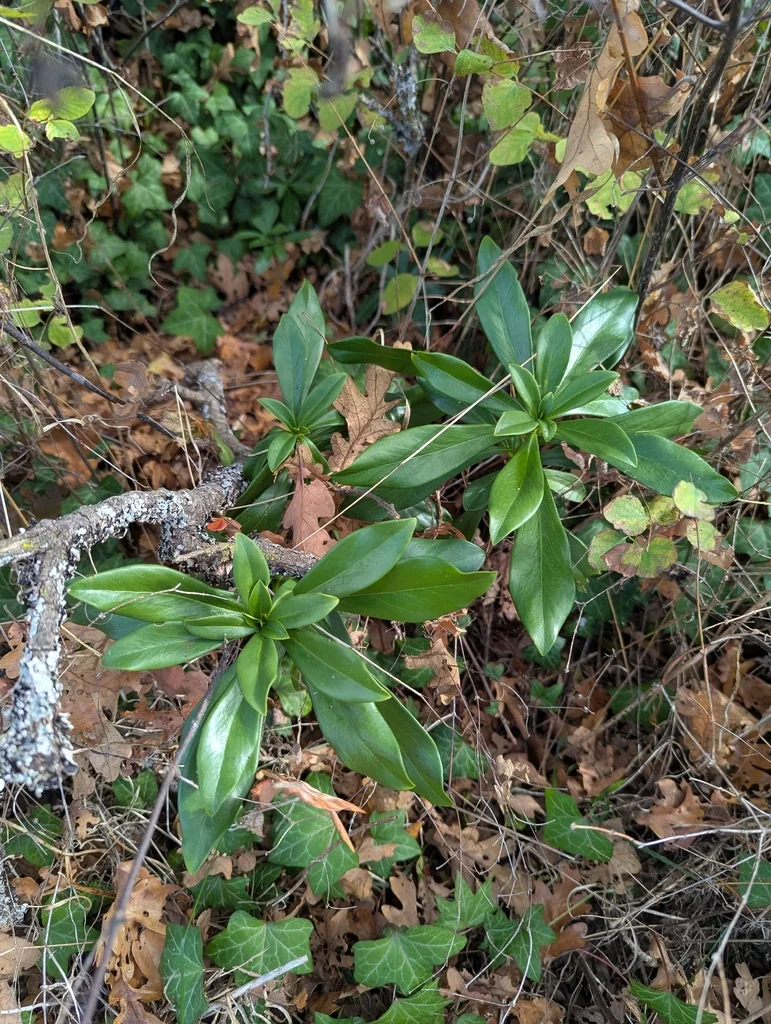
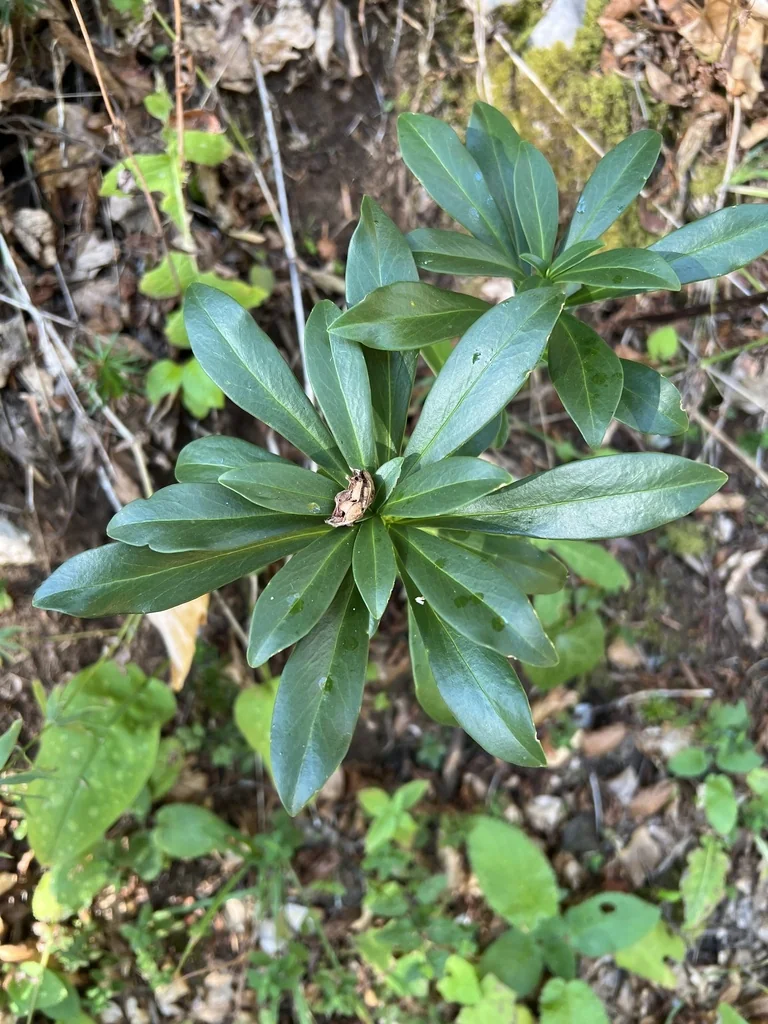
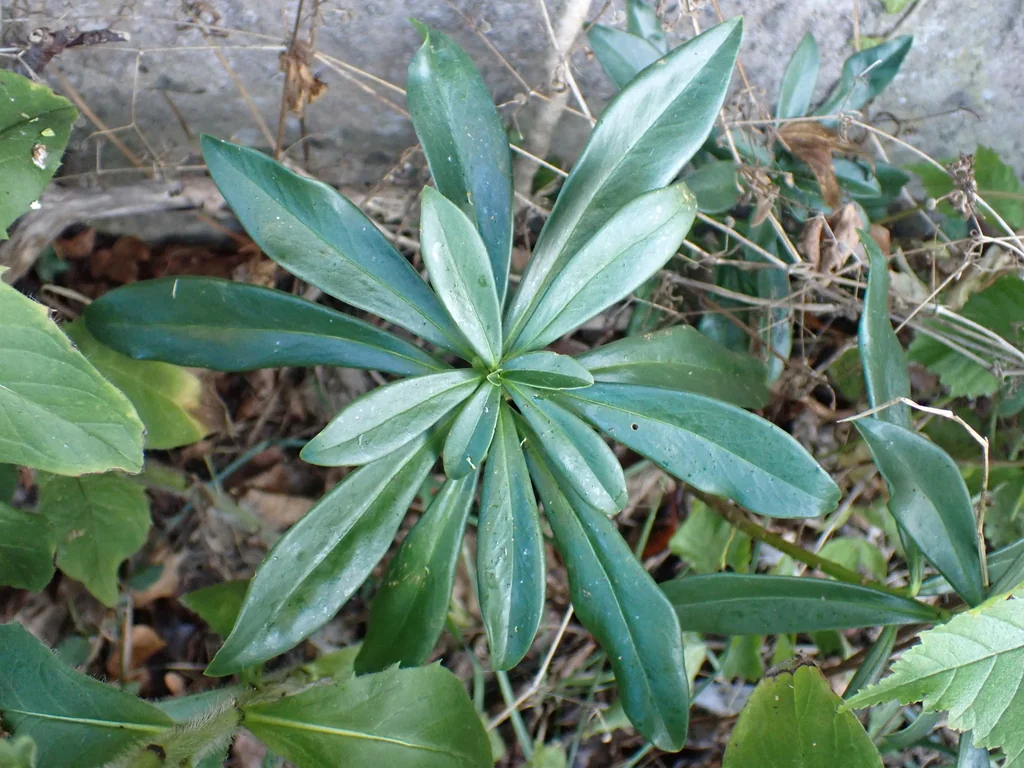
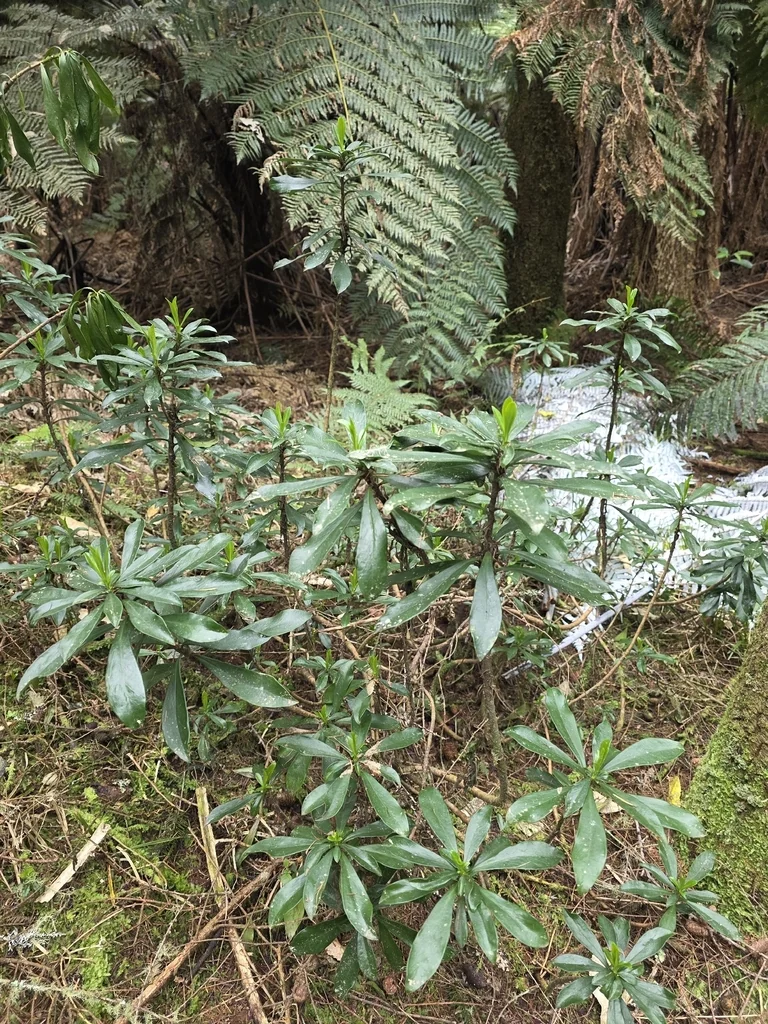

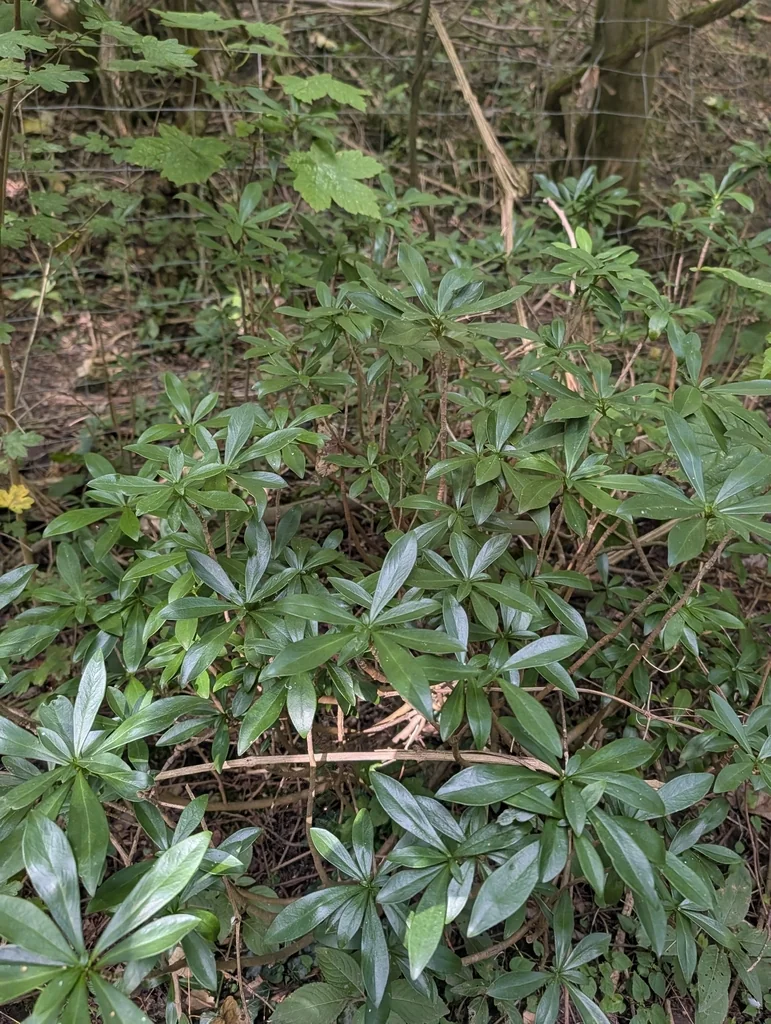

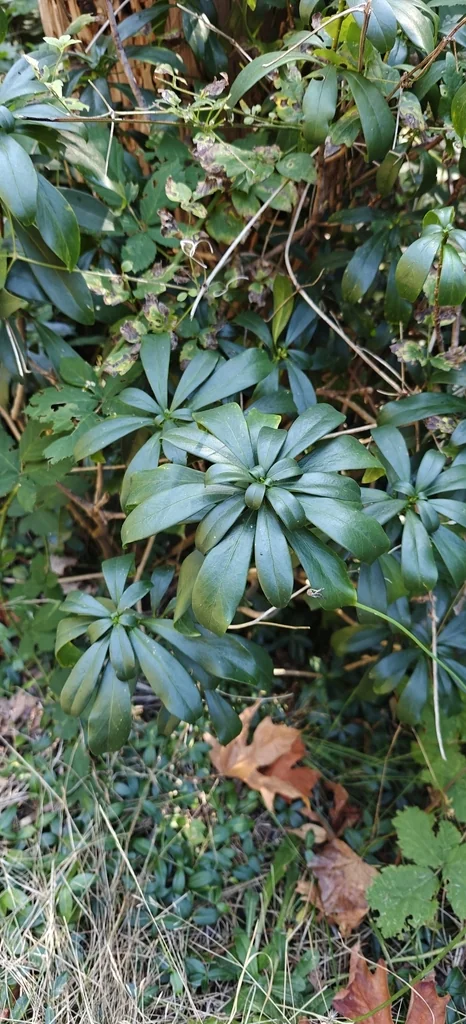
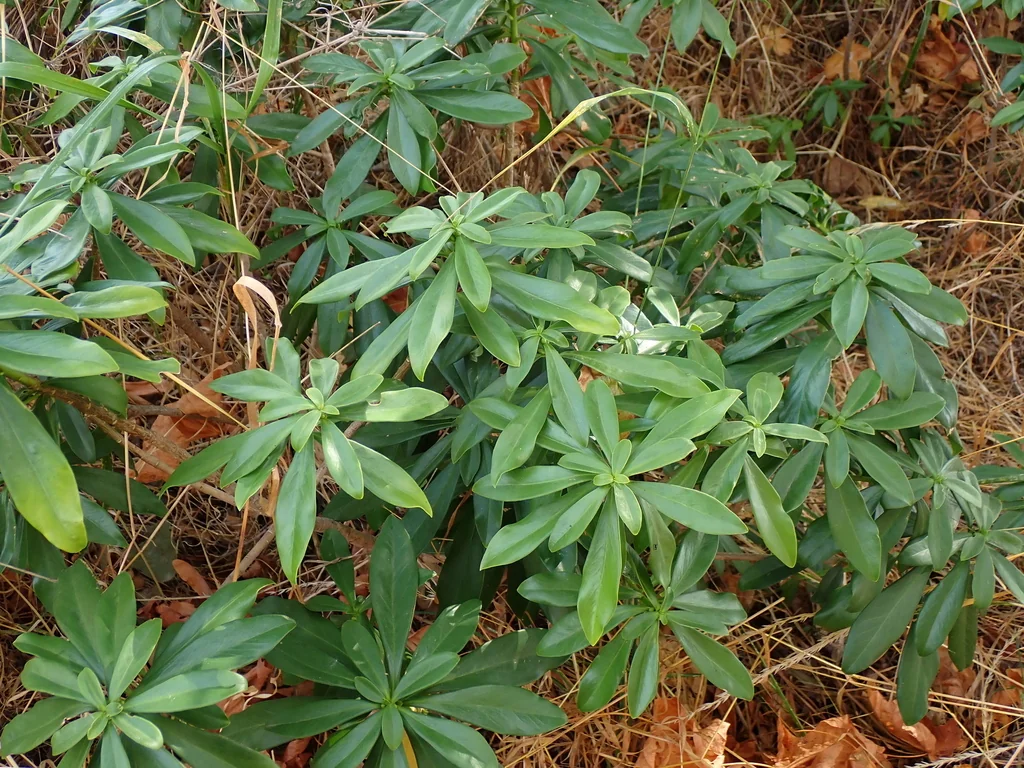
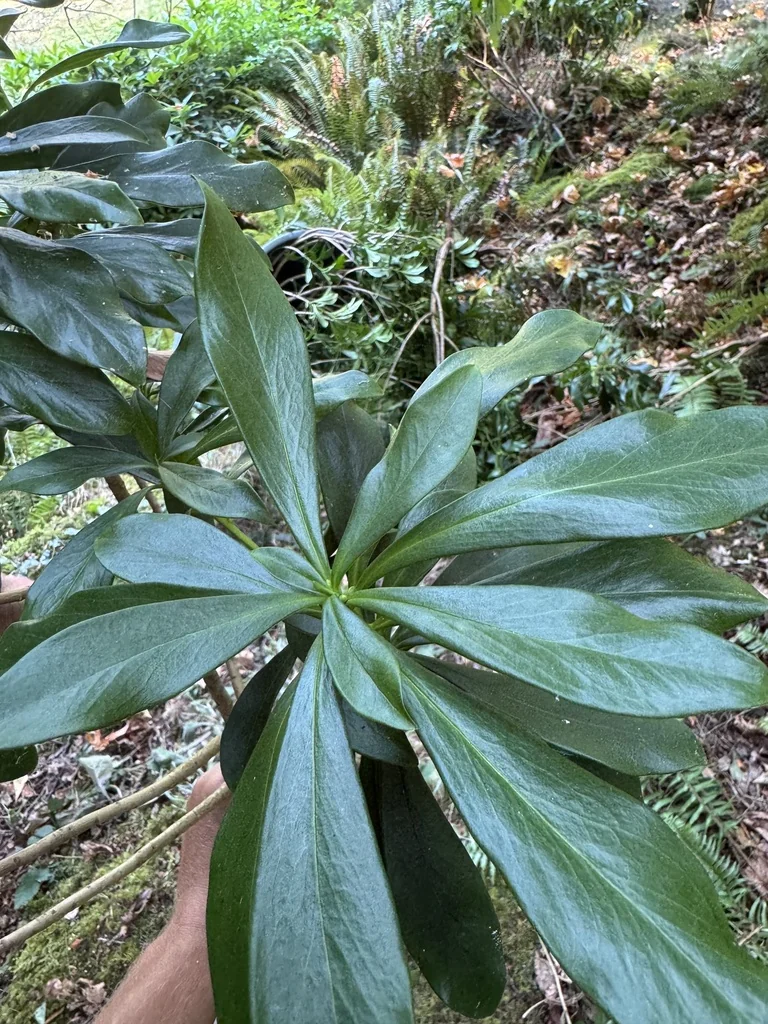

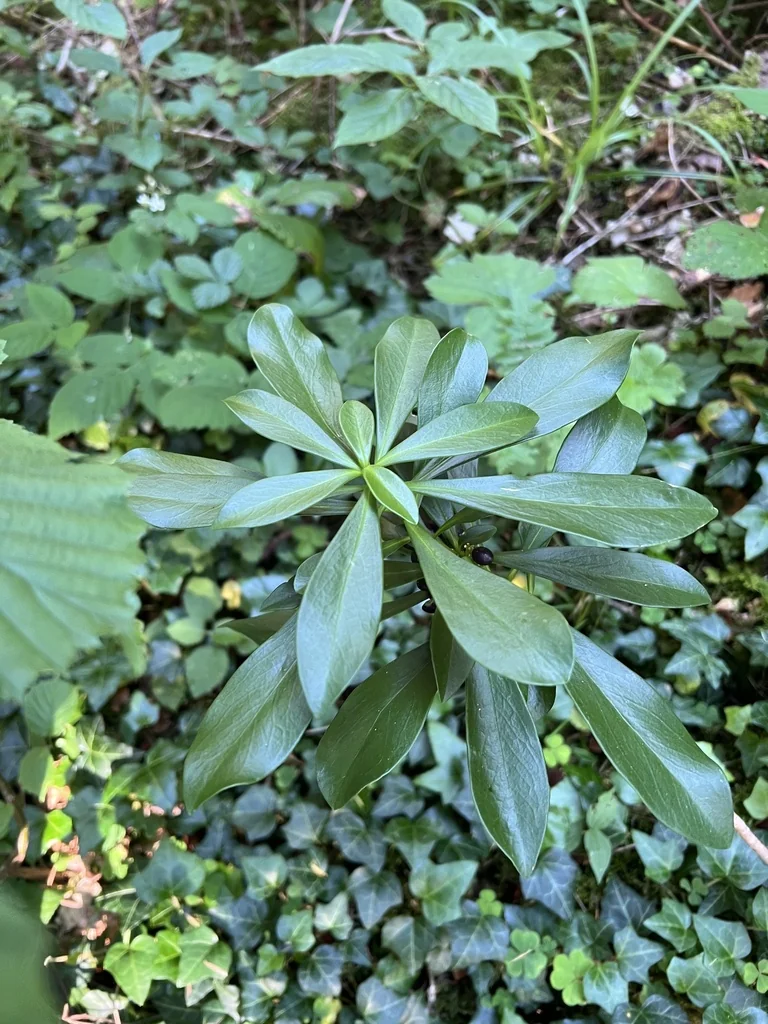
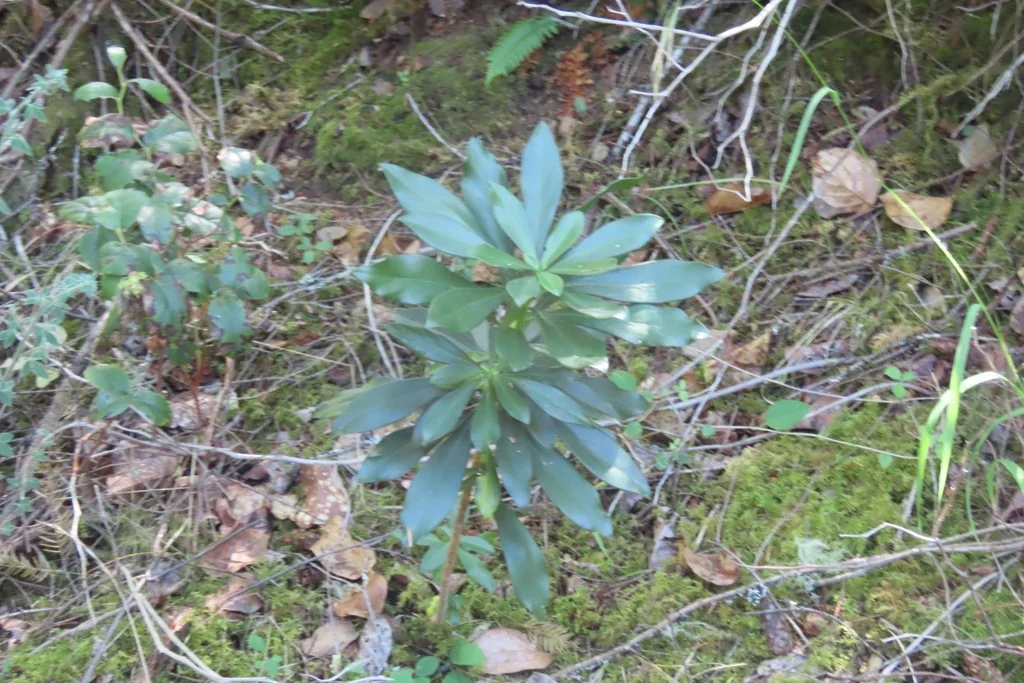
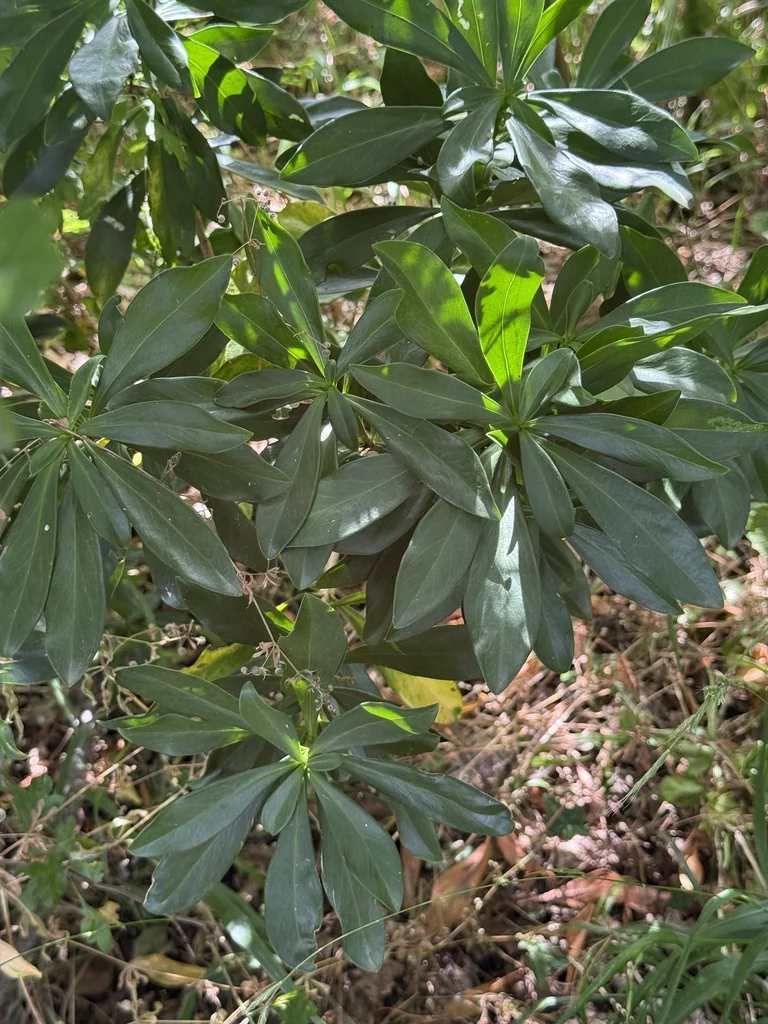
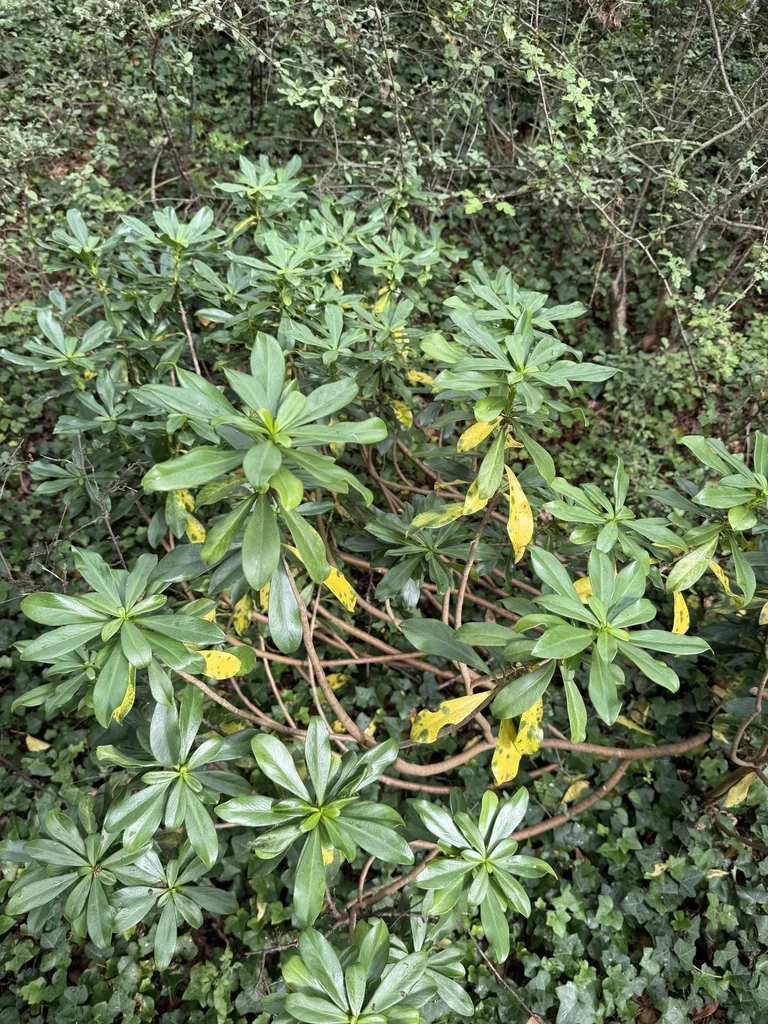

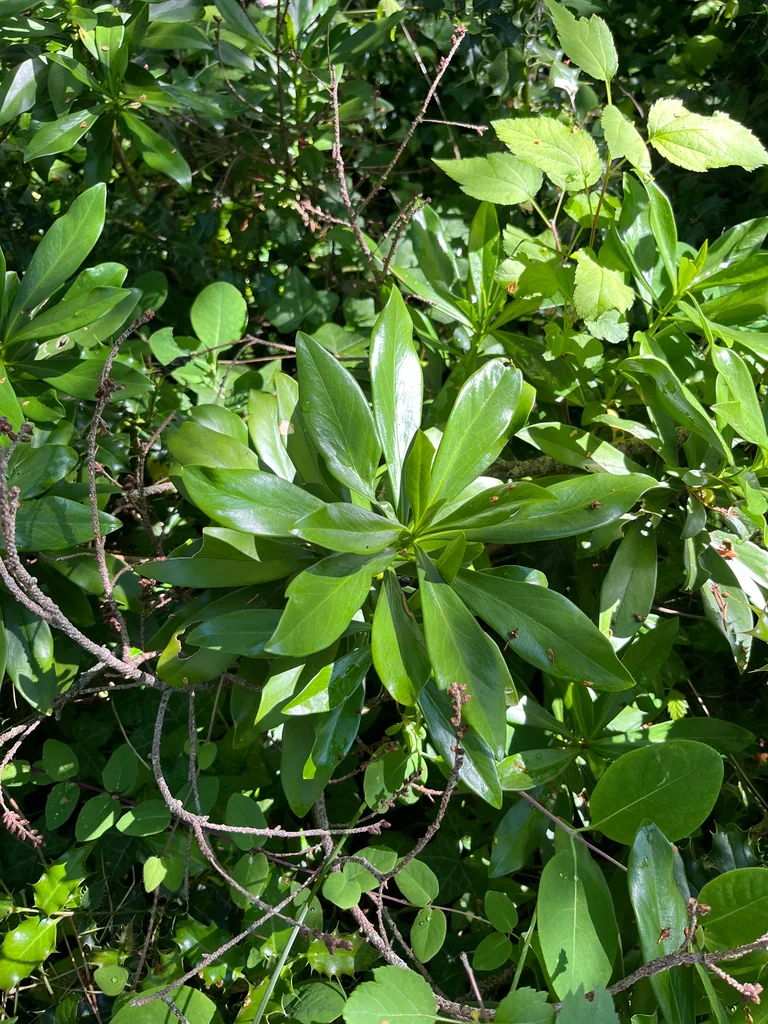
Photographs by 2 contributors
- Patrick Roper, CC BY-SA 2.0 · source
- Dinesh Valke from Thane, India, CC BY-SA 2.0 · source
Related plants
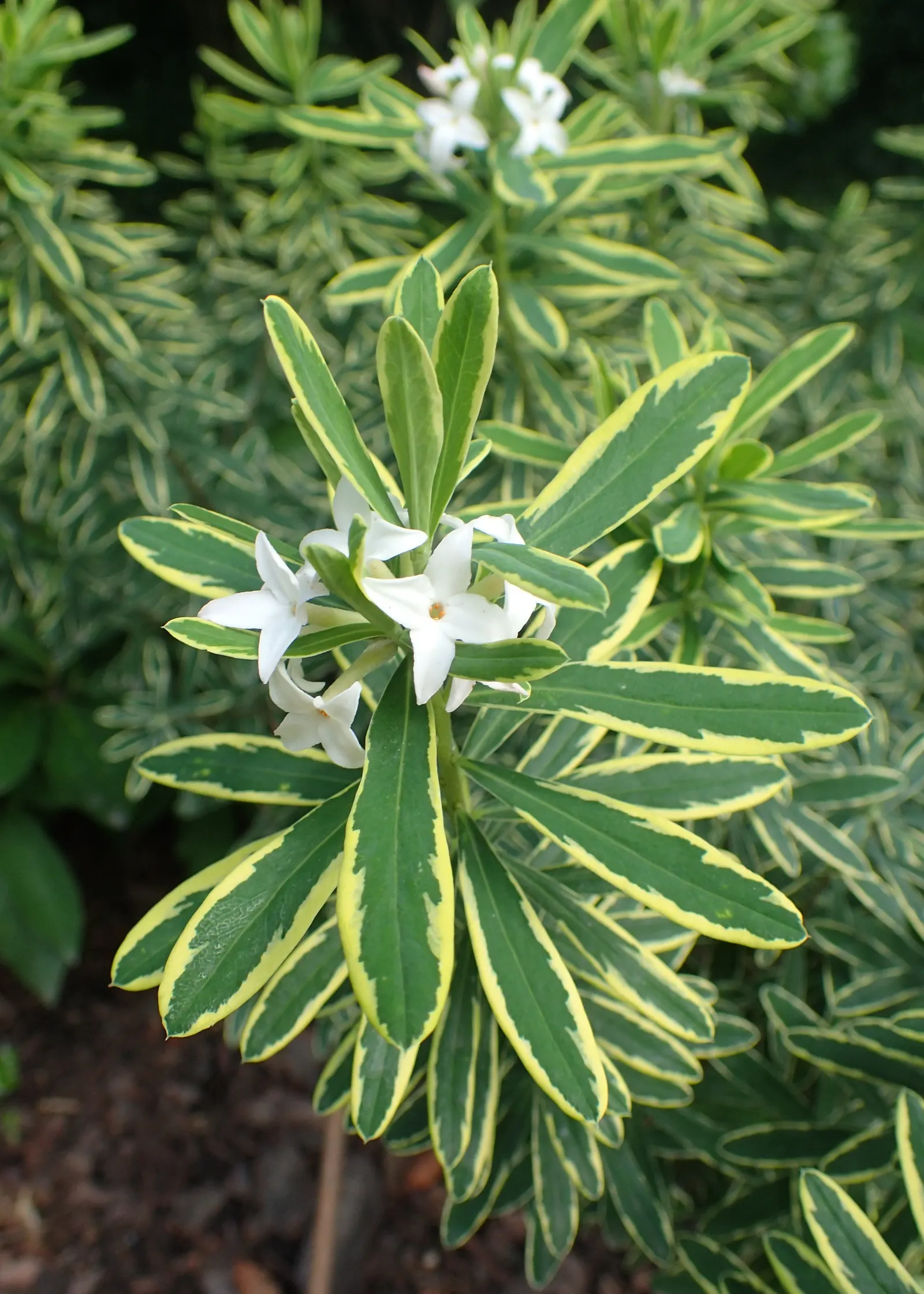
Shrub
Daphne
Daphne X Burkwoodii
HalfUSDA 8–10
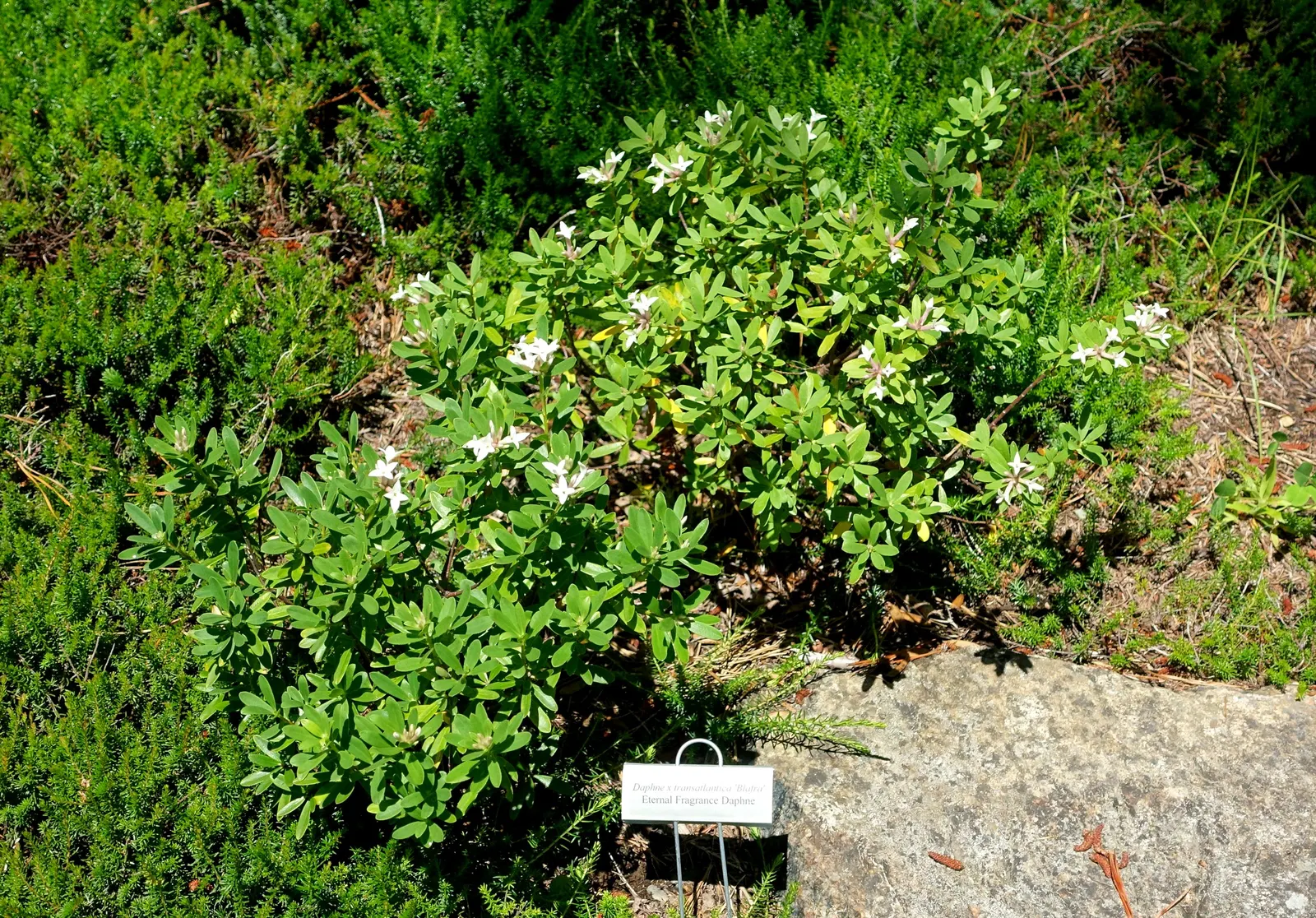
Shrub
Eternal Fragrance Daphne
Daphne X Transatlantica 'Blafra'
HalfUSDA 5–9
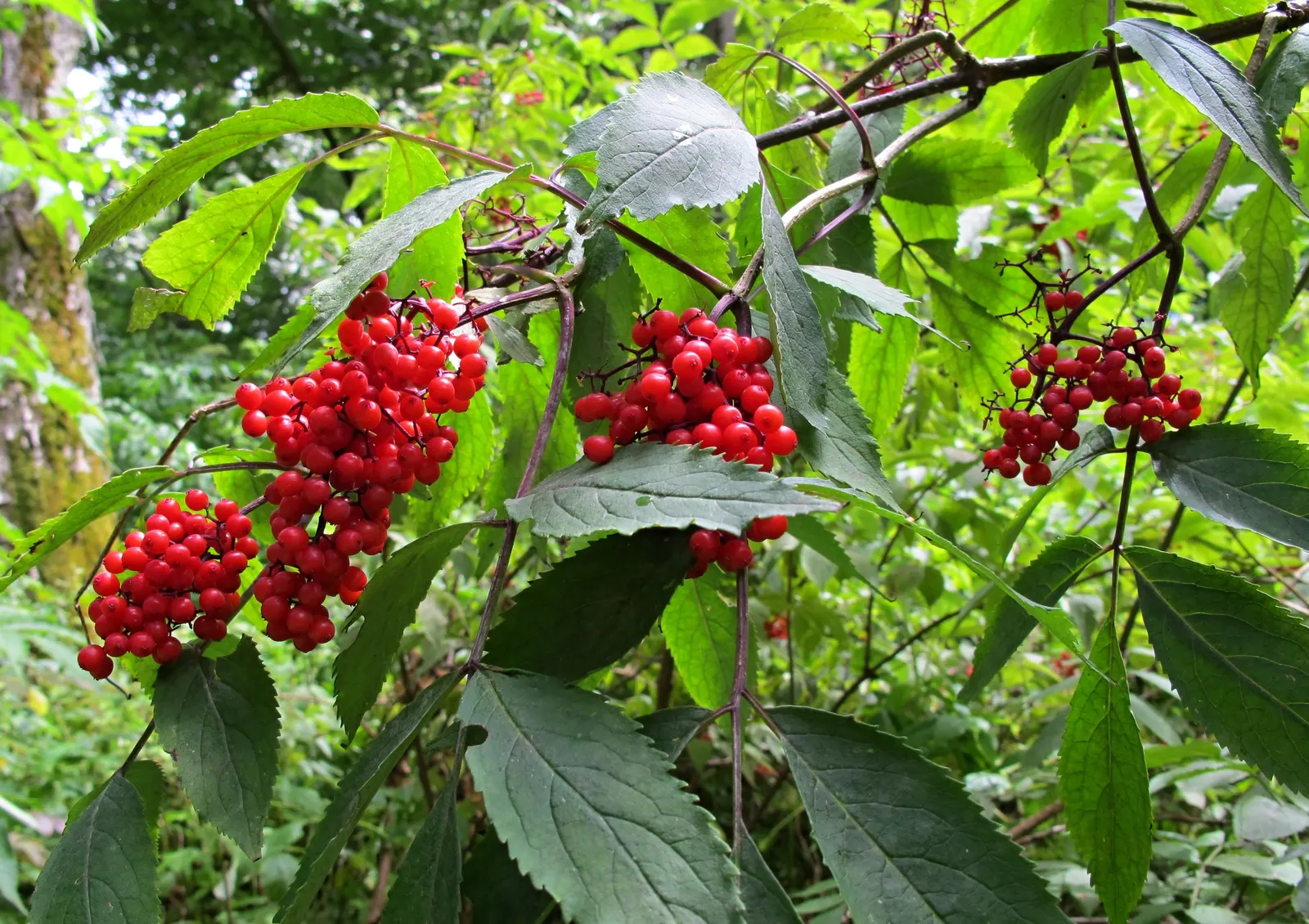
Shrub
February Daphne
Daphne Mezereum
HalfUSDA 8–10
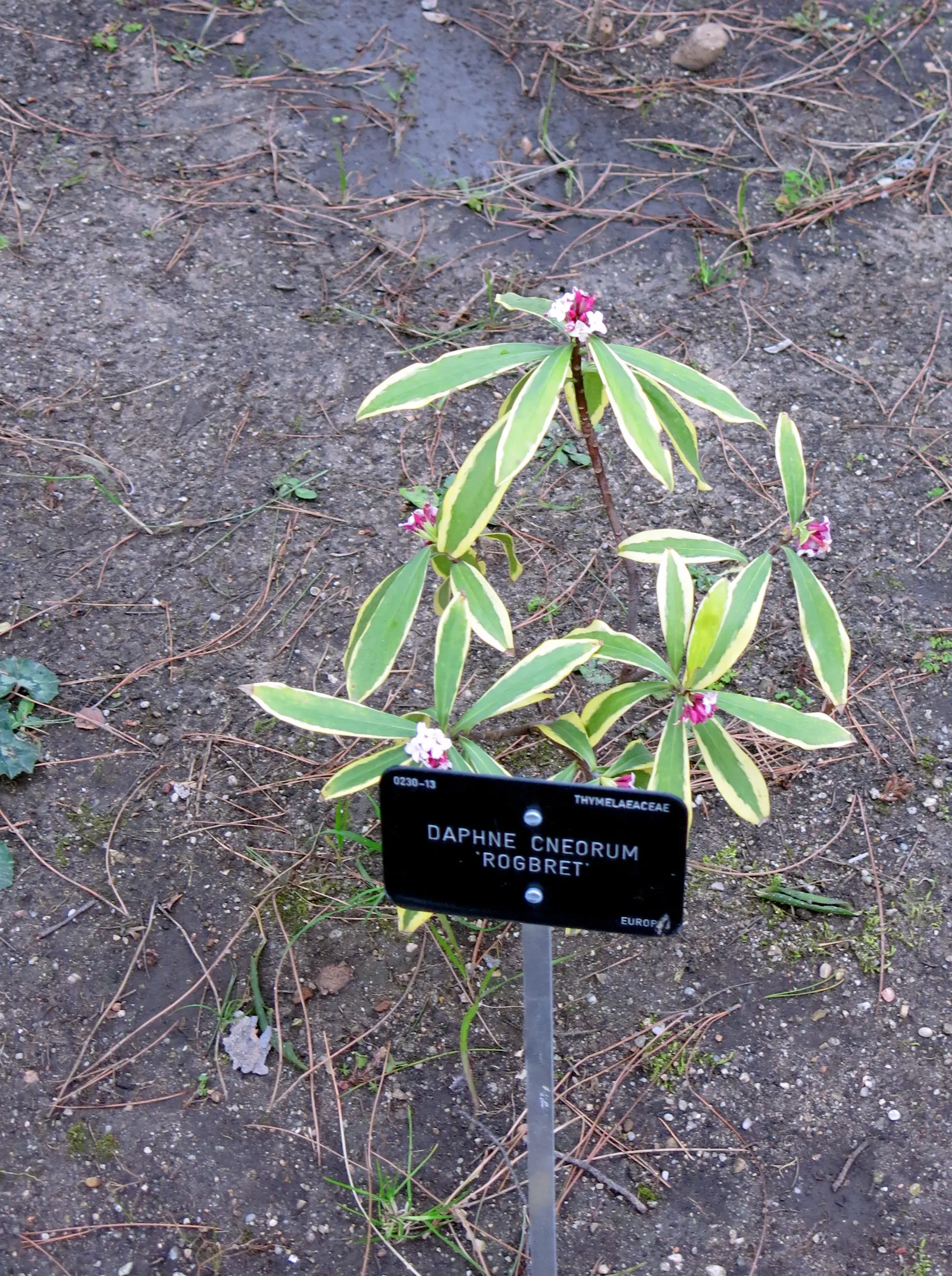
Ground cover
Garland Daphne
Daphne Cneorum
HalfUSDA 5–9
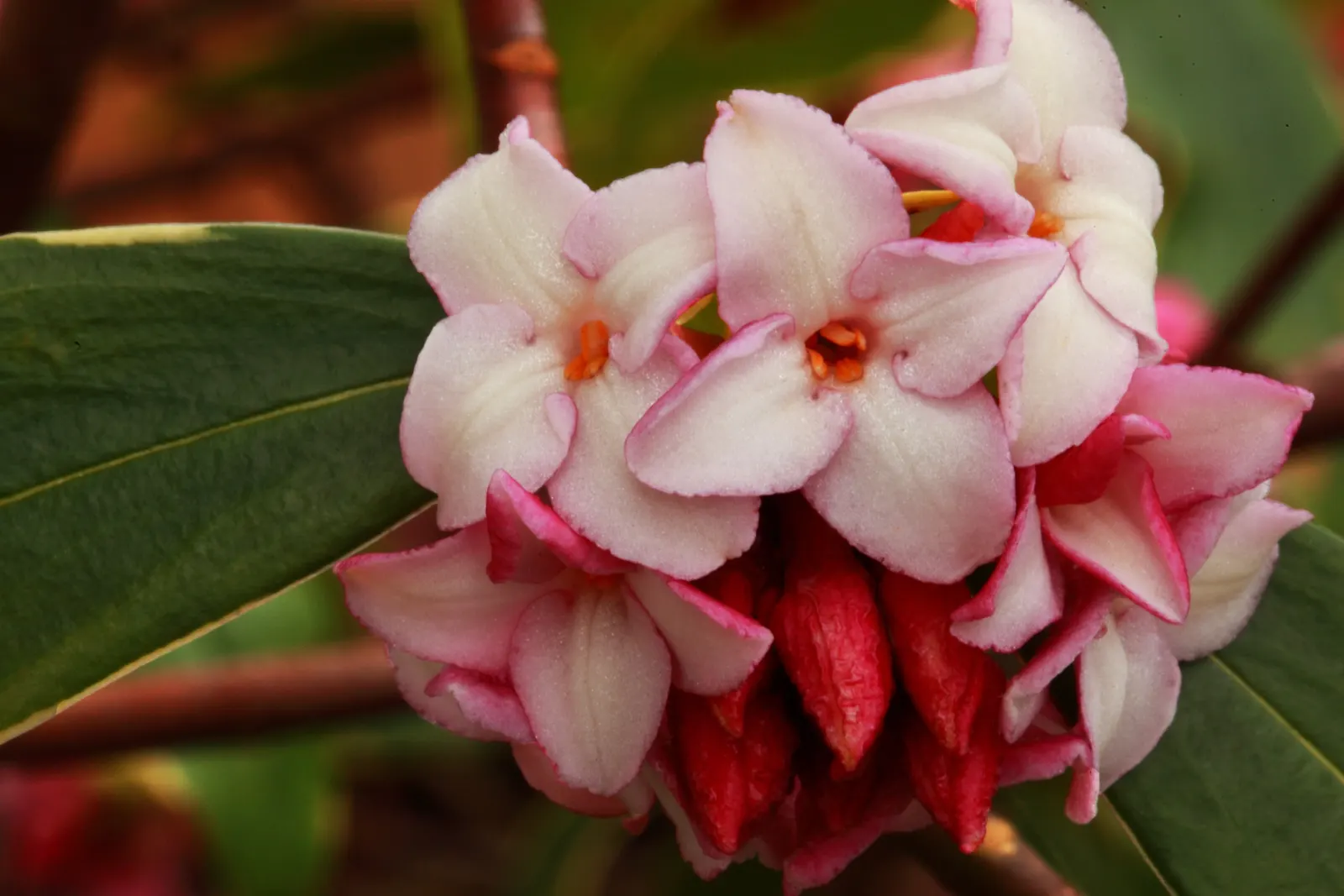
Shrub
Winter Daphne
Daphne Odora
HalfUSDA 8–10
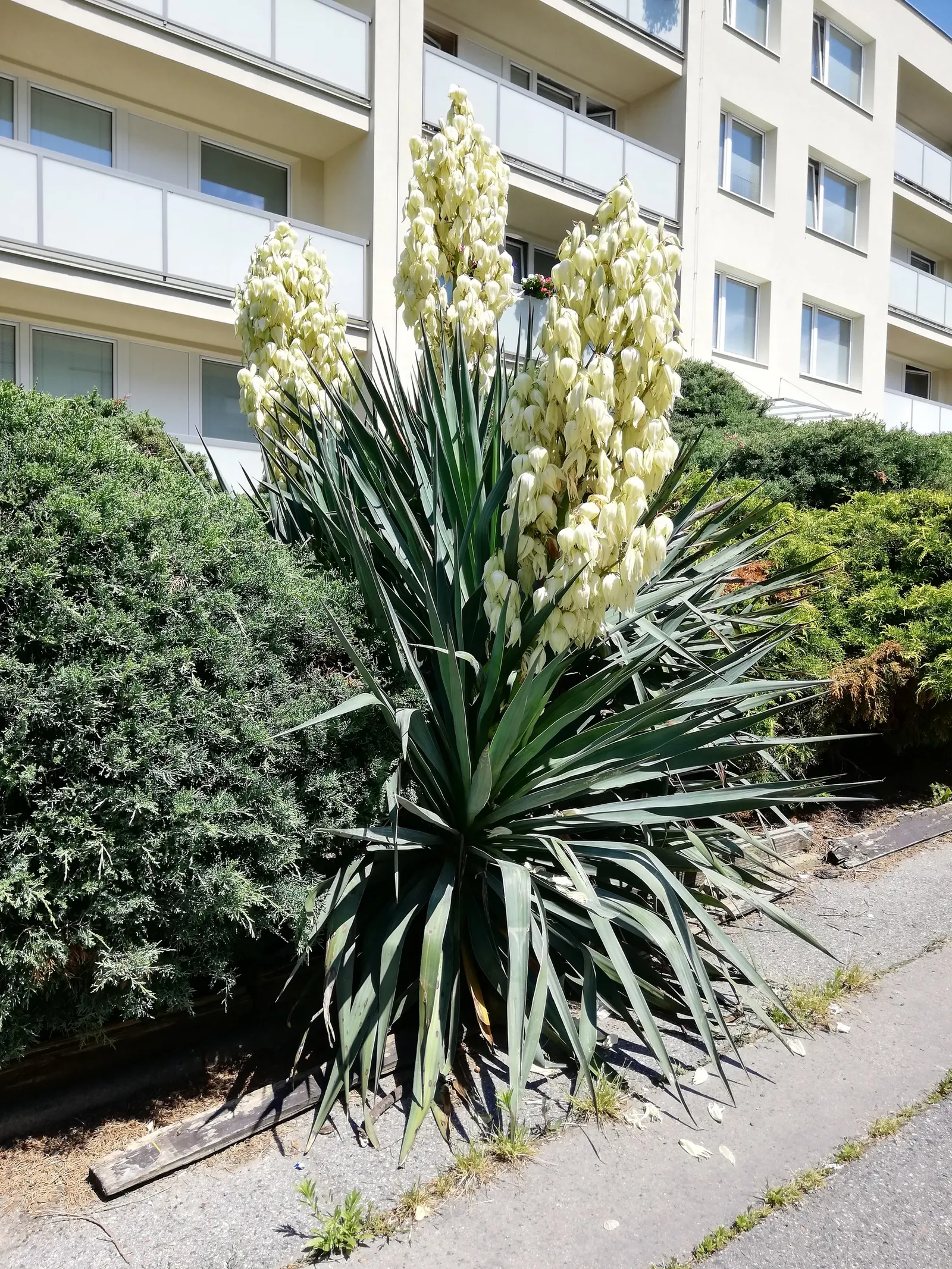
Shrub
Adam's Needle
Yucca Filamentosa
FullUSDA 10–10