Skip to content

Lipstick Palm

Cyrtostachys Renda

Design with this plant

Overview

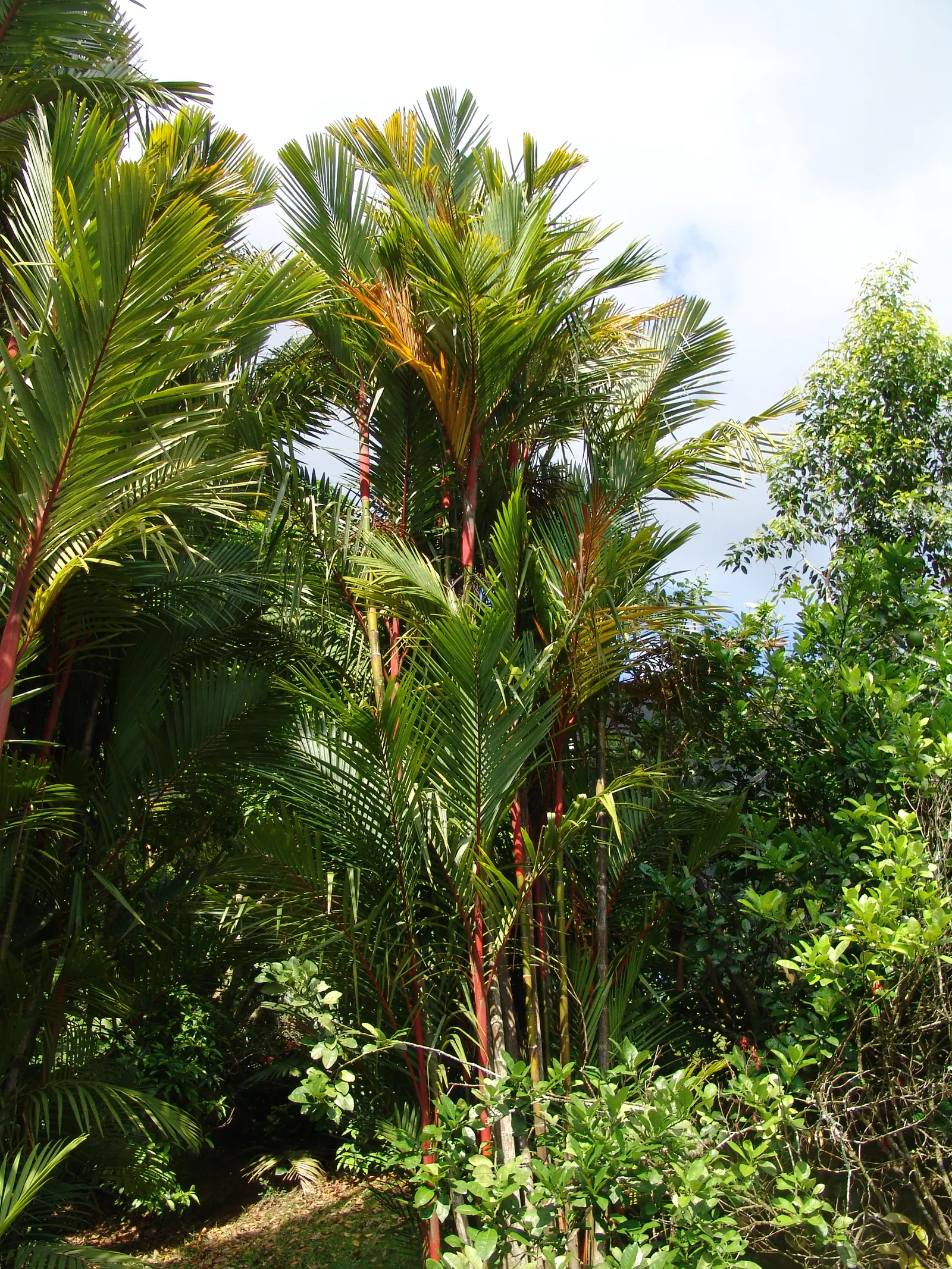
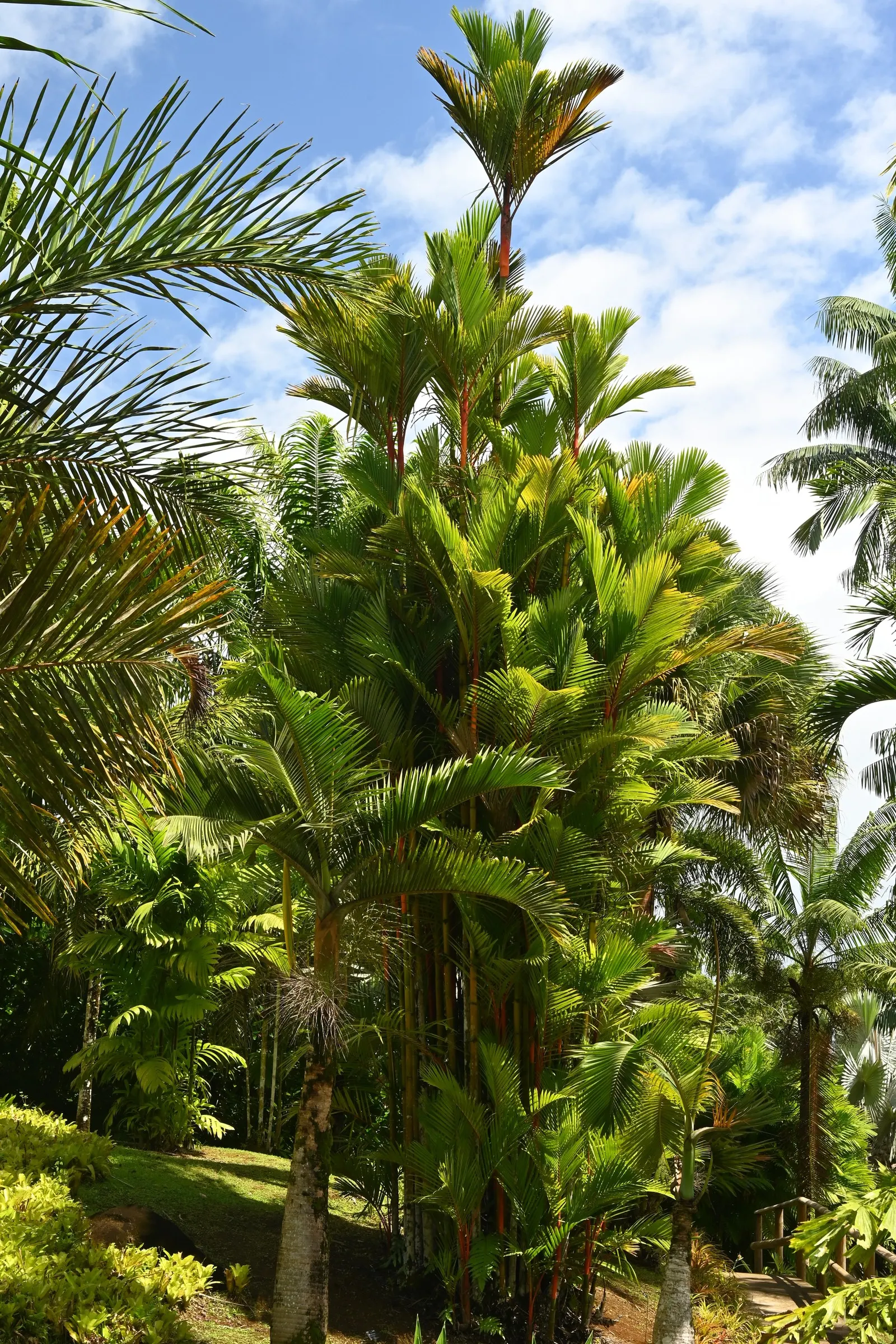
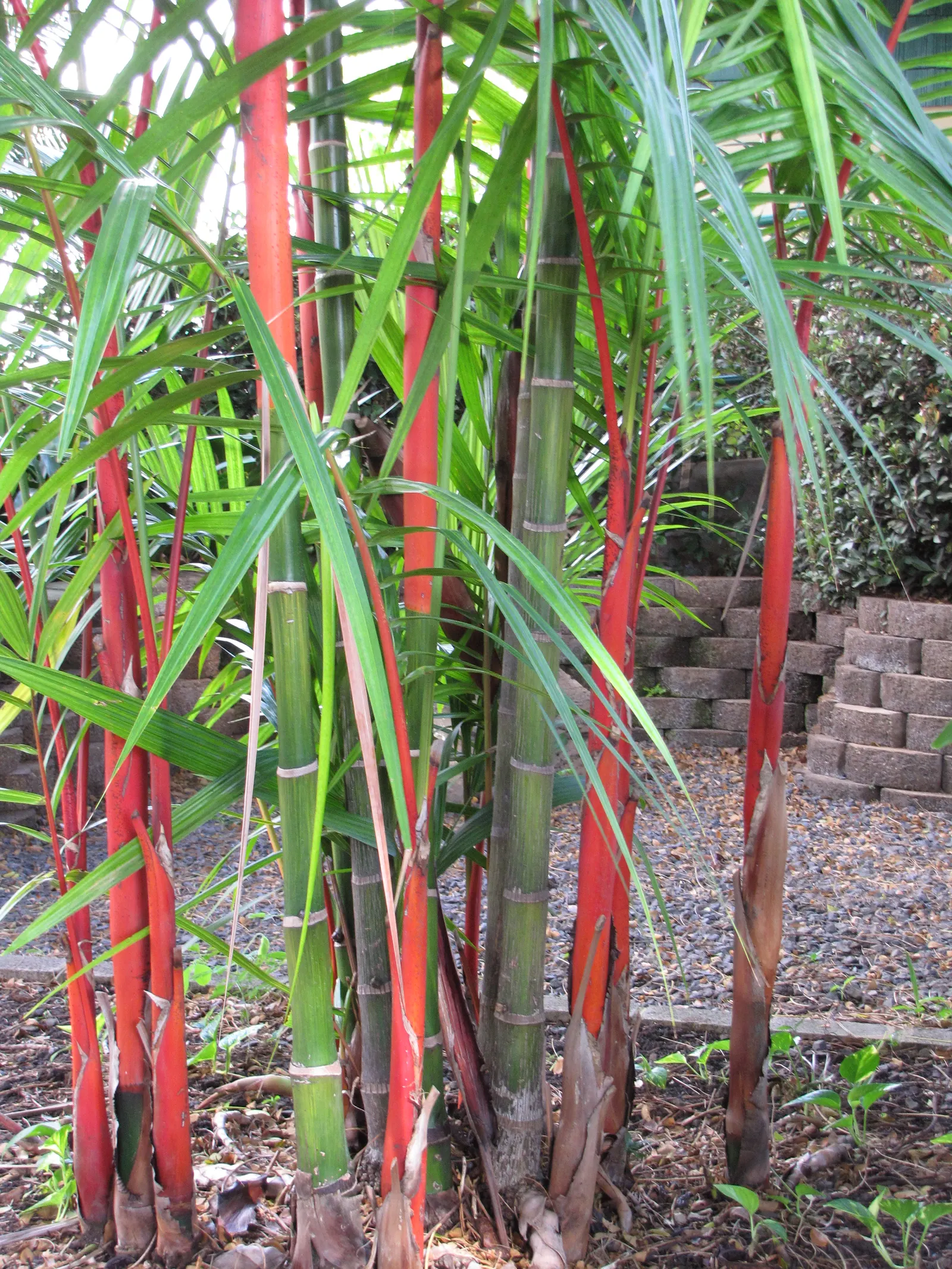
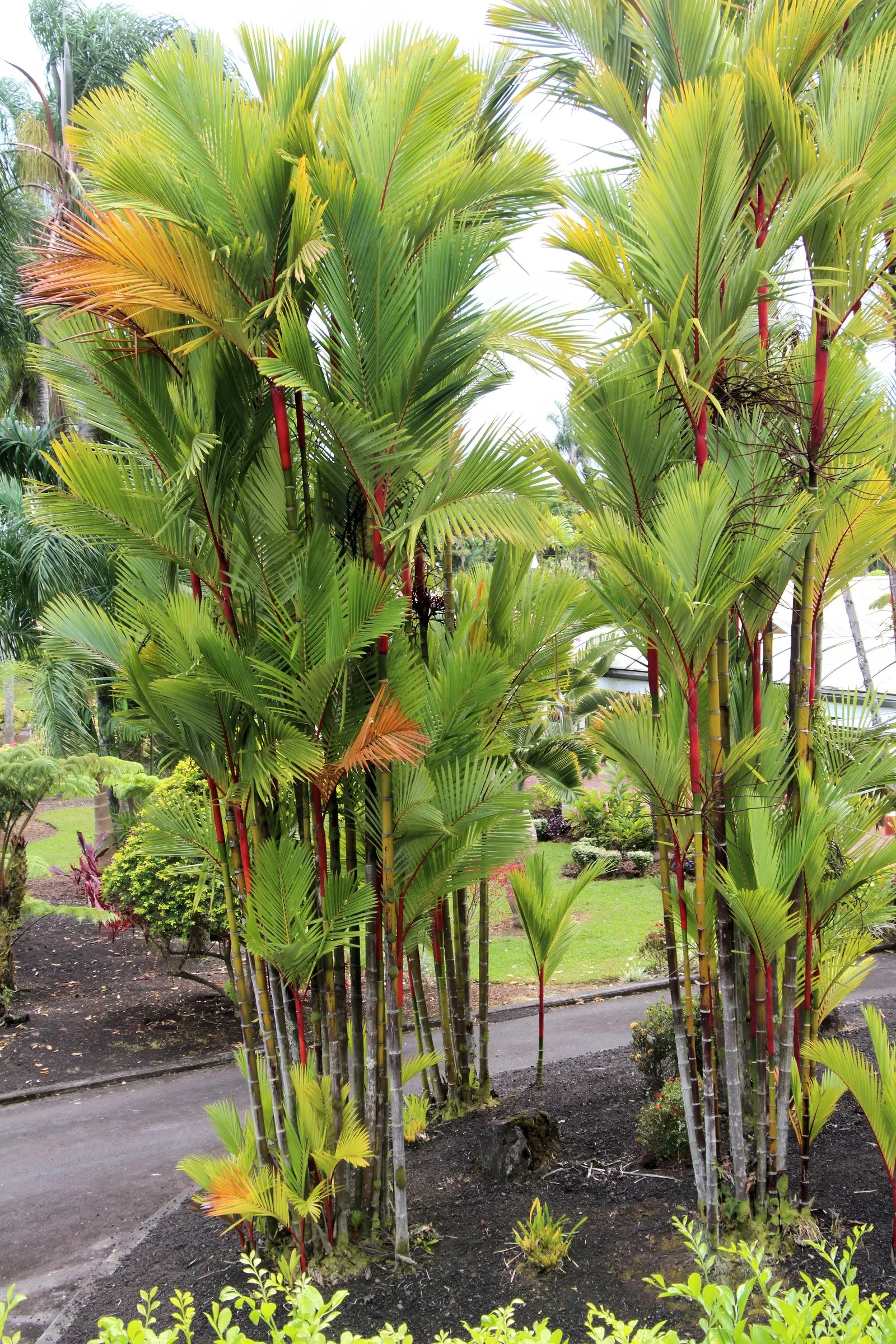
The Lipstick Palm, Cyrtostachys renda, boasts vibrant red stalks, a stunning accent in tropical landscapes. Thriving in zones 11-12, it prefers full sun to partial shade and ample moisture. Mature height reaches 16-23 feet with a 6-10 foot spread. Requires well-drained soil. Not frost-tolerant. Ideal for creating a colorful, exotic ambiance. An exquisite specimen plant, it's also an effective privacy screen when planted in clusters.

Sun Full, HalfWater HighZones 10–11Type PalmClimate Subtropical
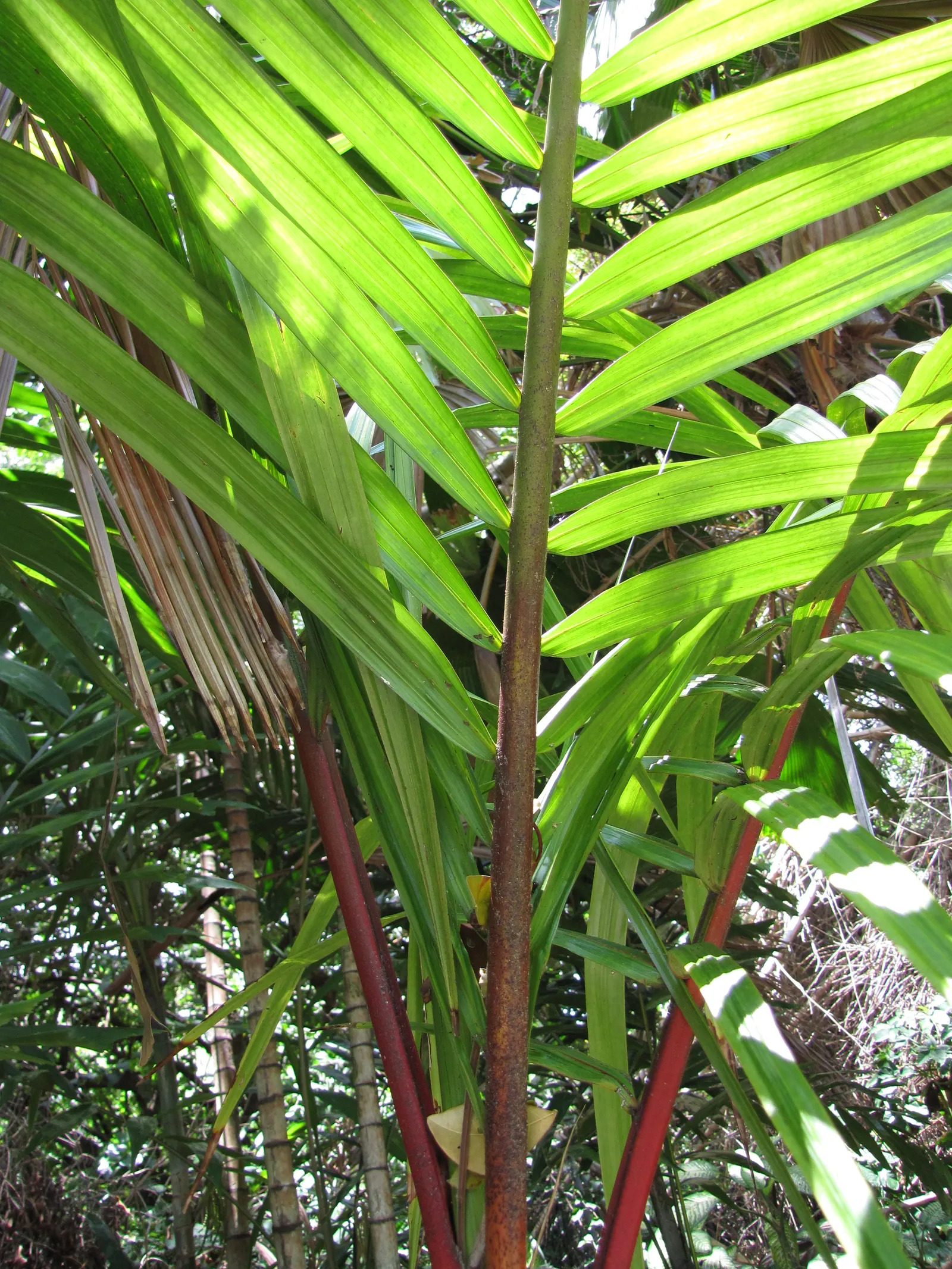
Lipstick Palm (Cyrtostachys Renda) — ensuring it is provided with ample space to grow; full to partial sunlight is ideal for this palm

Culture

Sun
Full, Half
Water
High
USDA zones
10–11

Shape & size

Mature height
15–50 Ft.
Mature width
6–12 Ft.

Classification

Type
Palm
Family
Musaceae
Climate
Subtropical

See full data, regional cultivation notes, and design tools. Build a client presentation around this plant.

Start your 14-day trial

Photos (88)

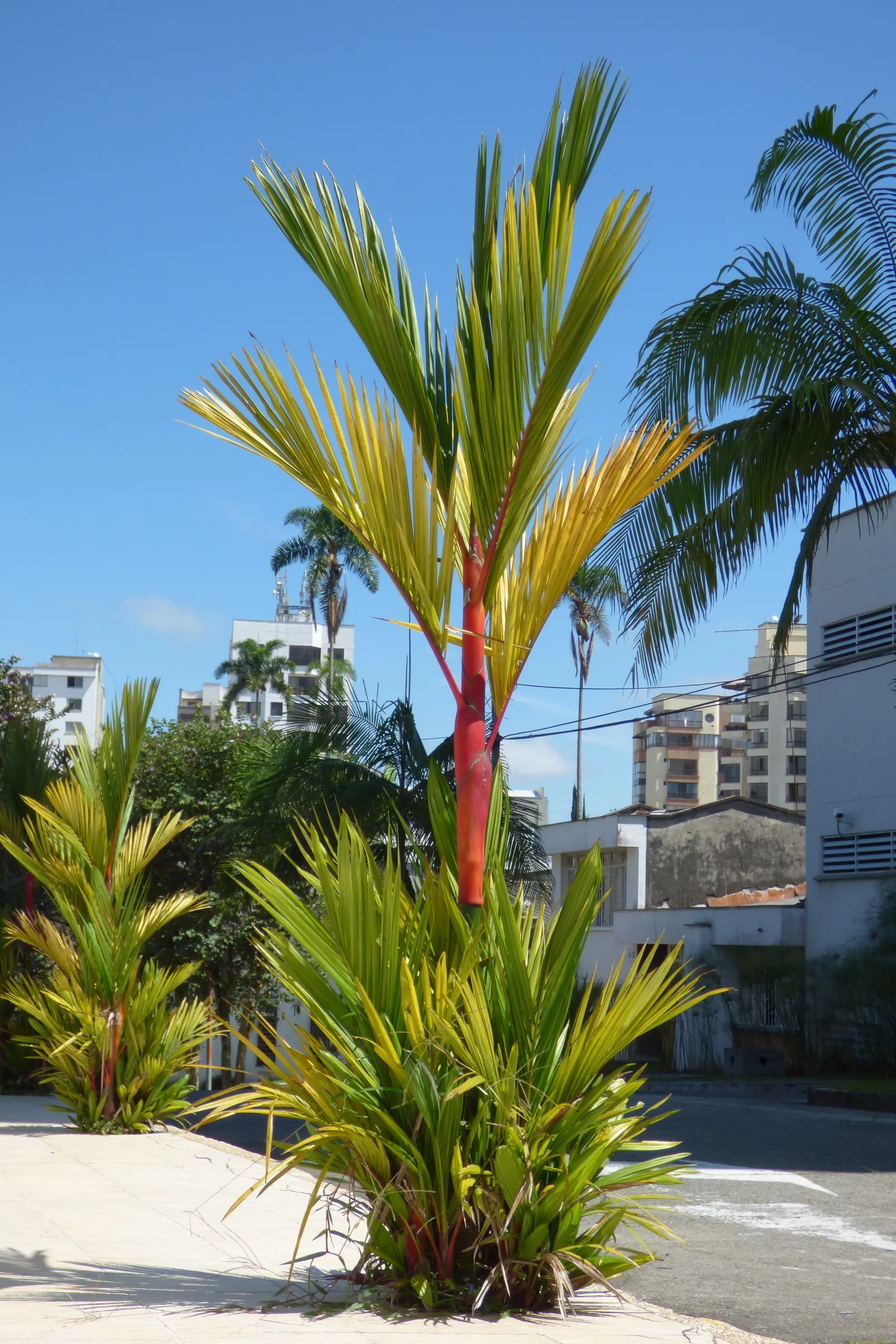
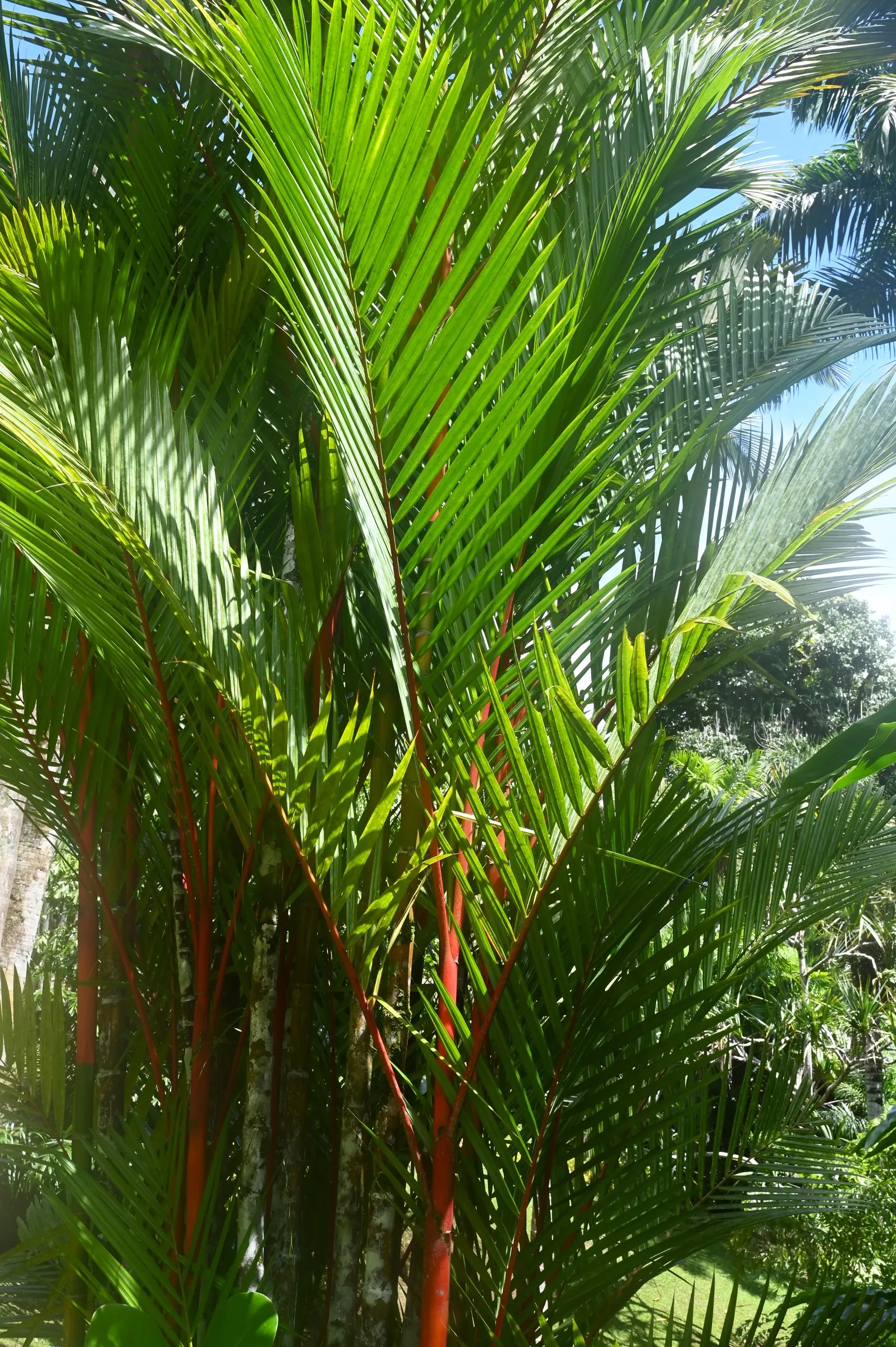
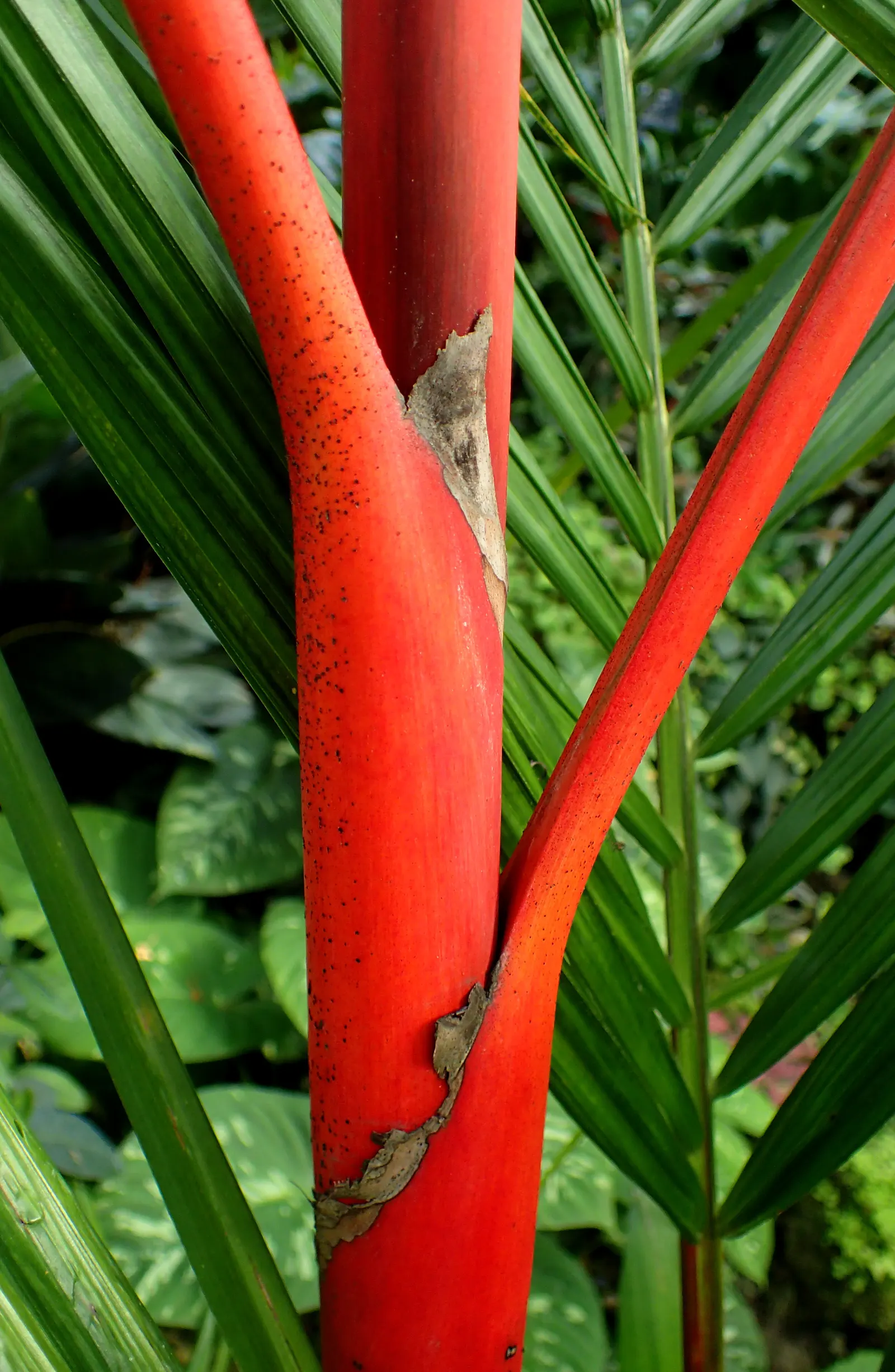
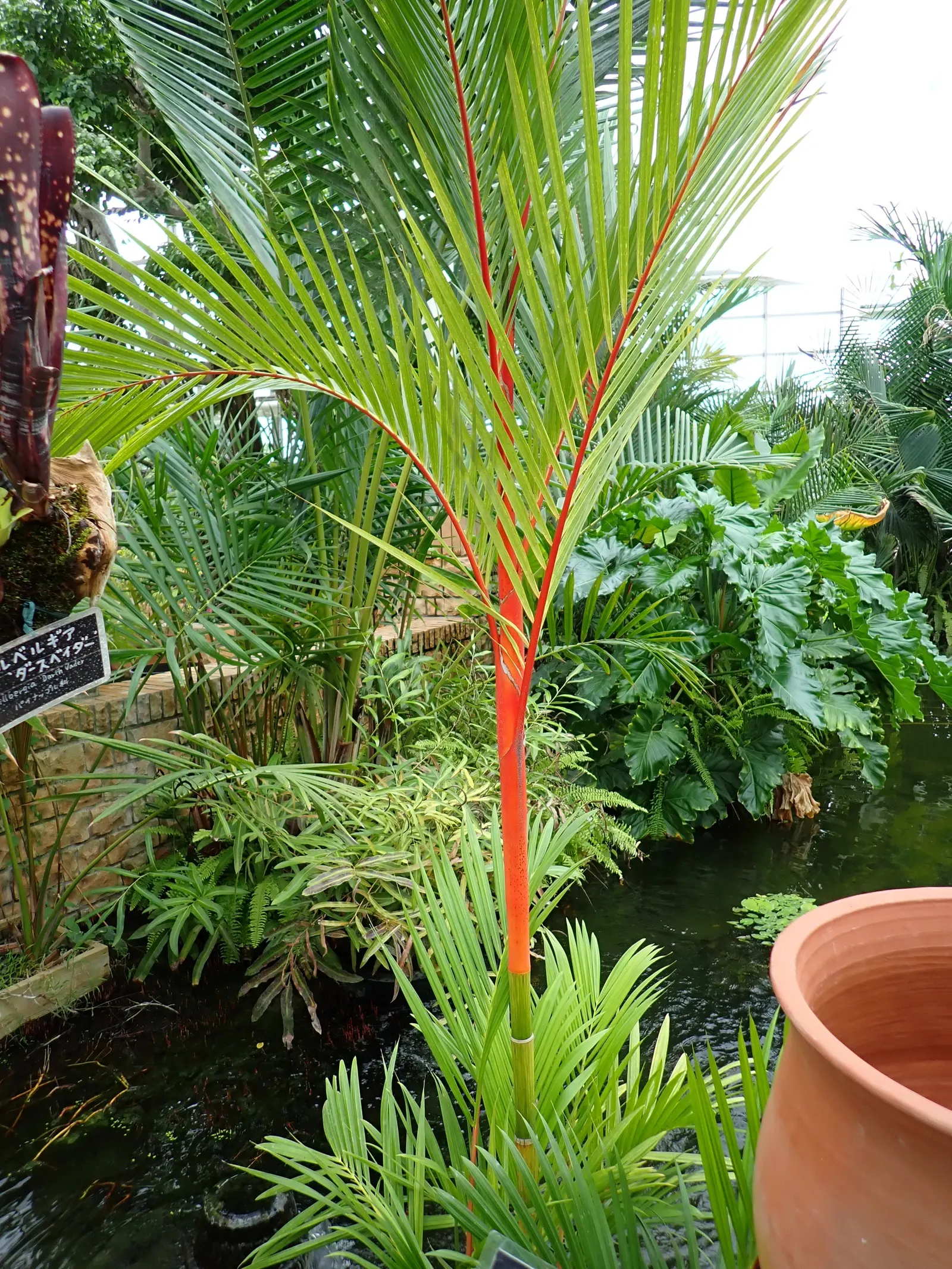
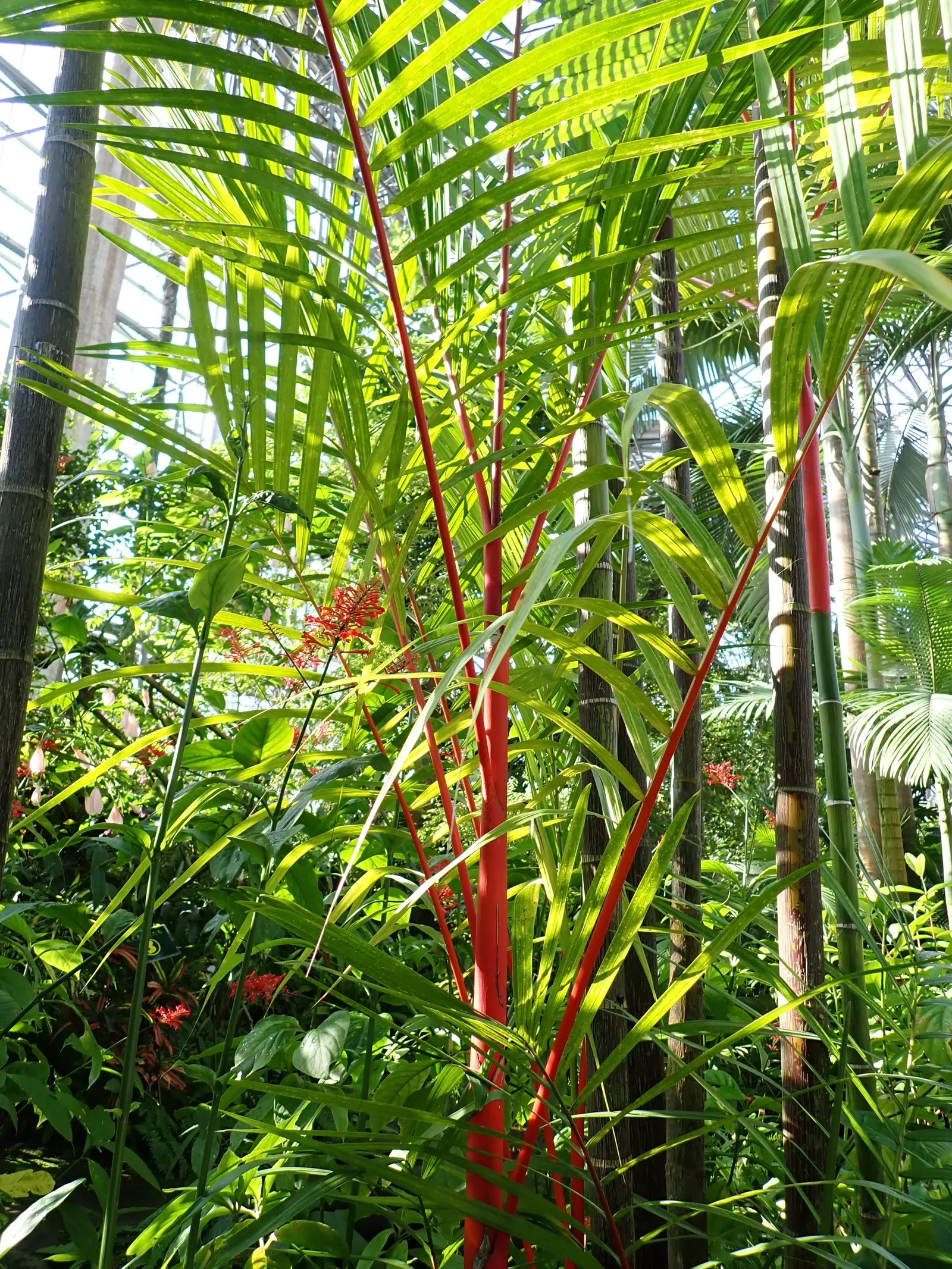
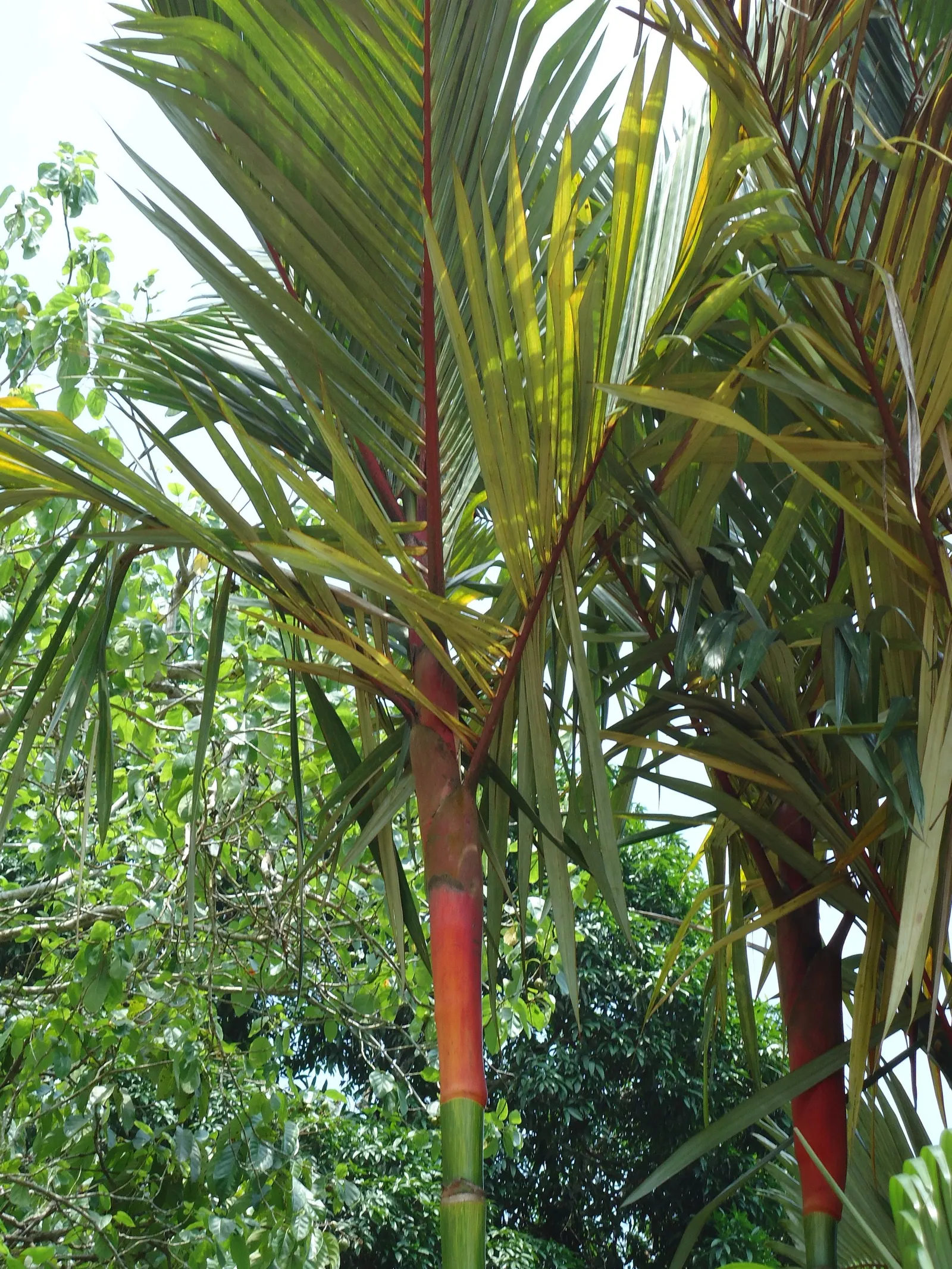
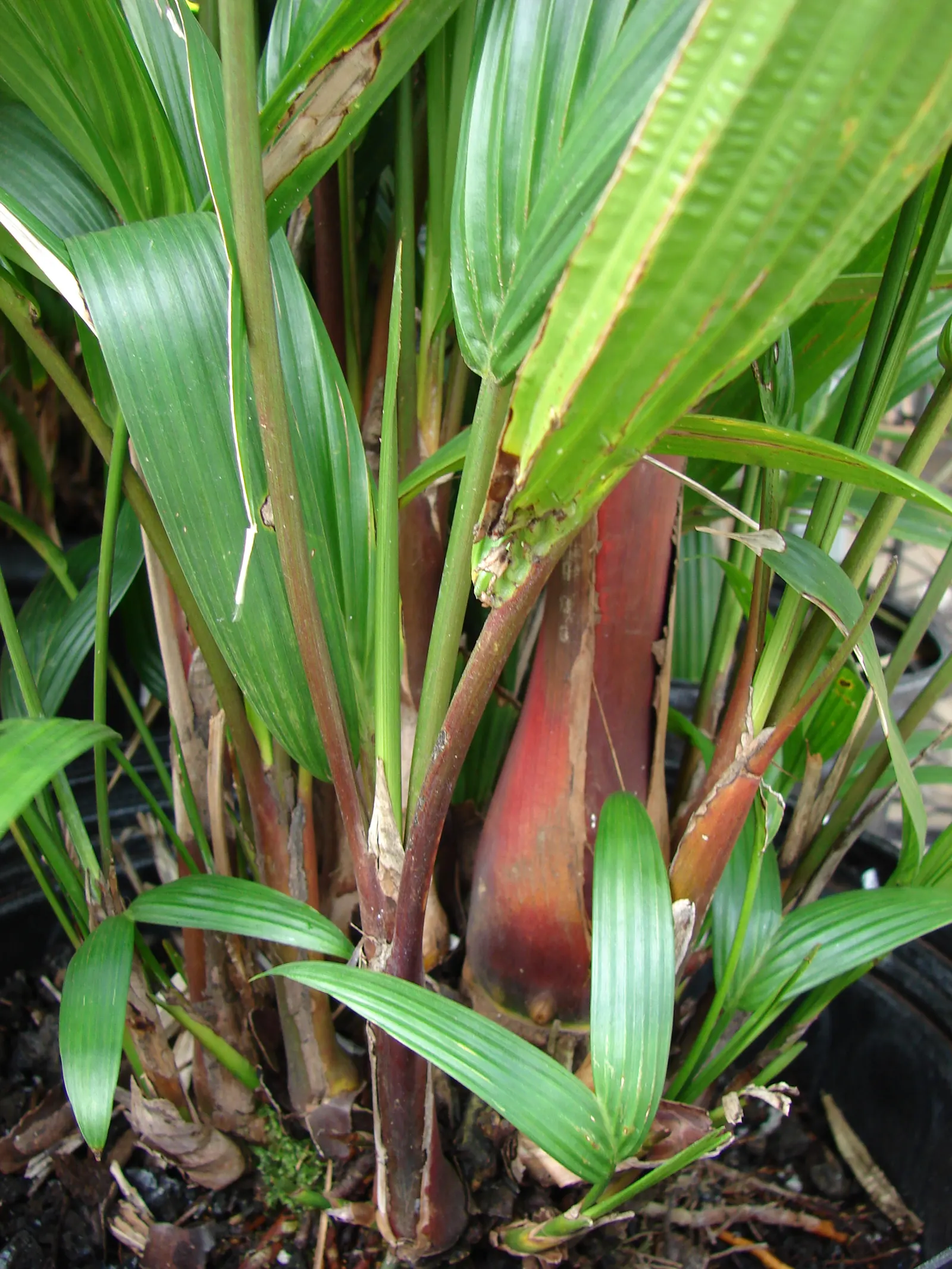
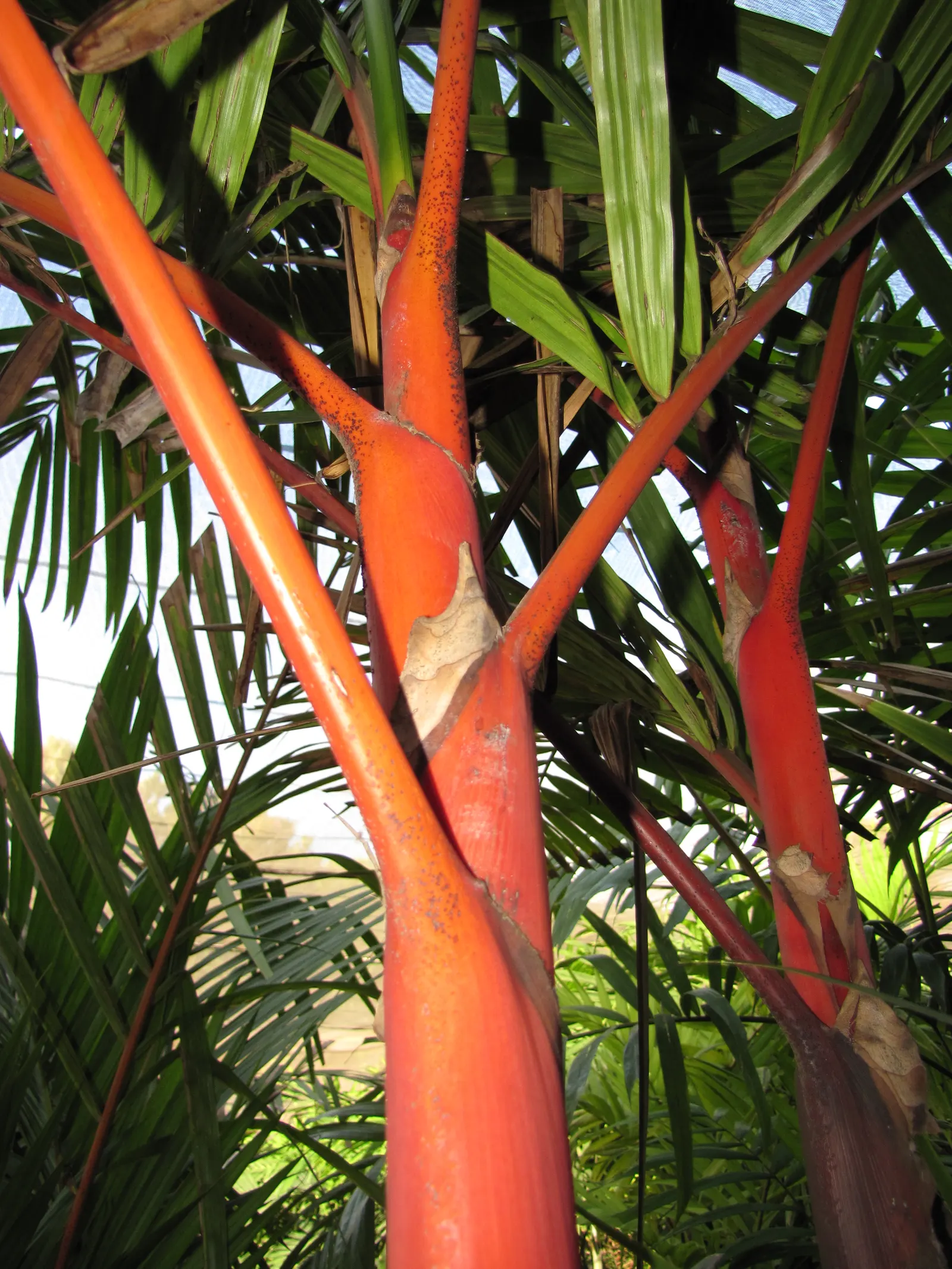
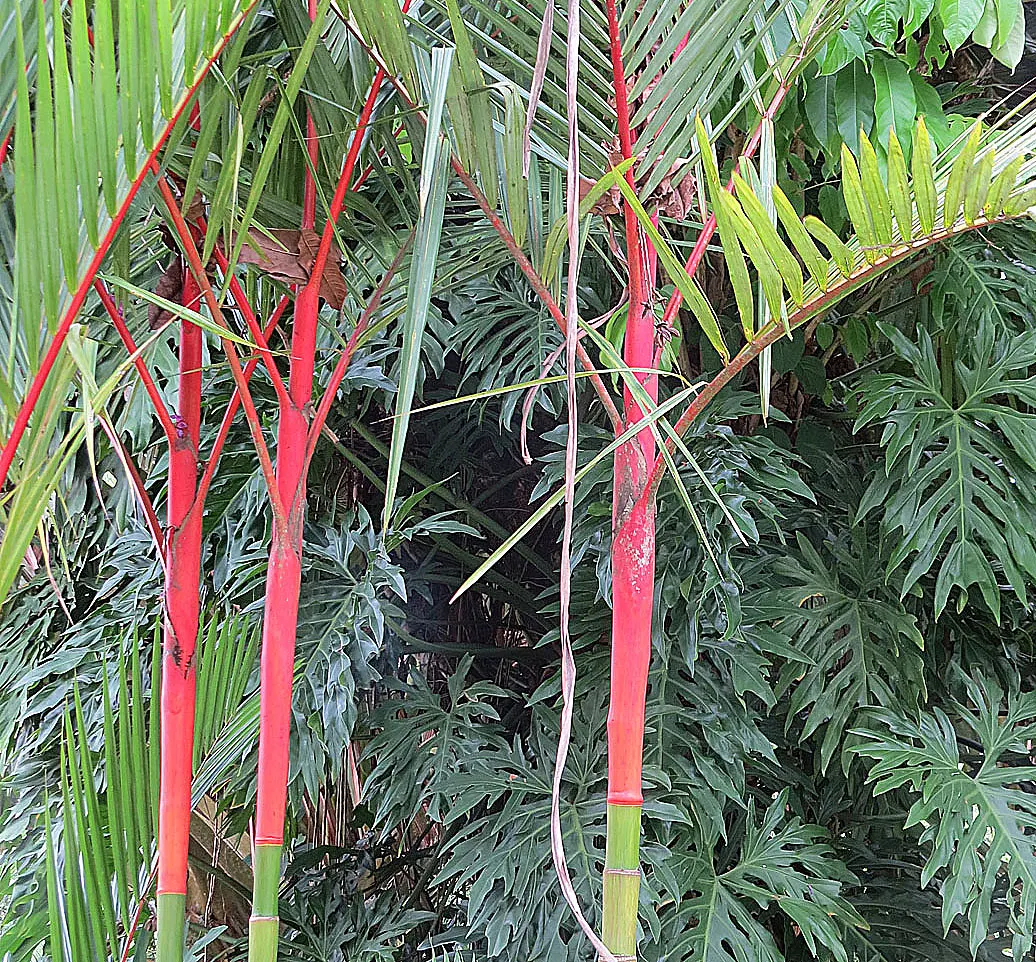
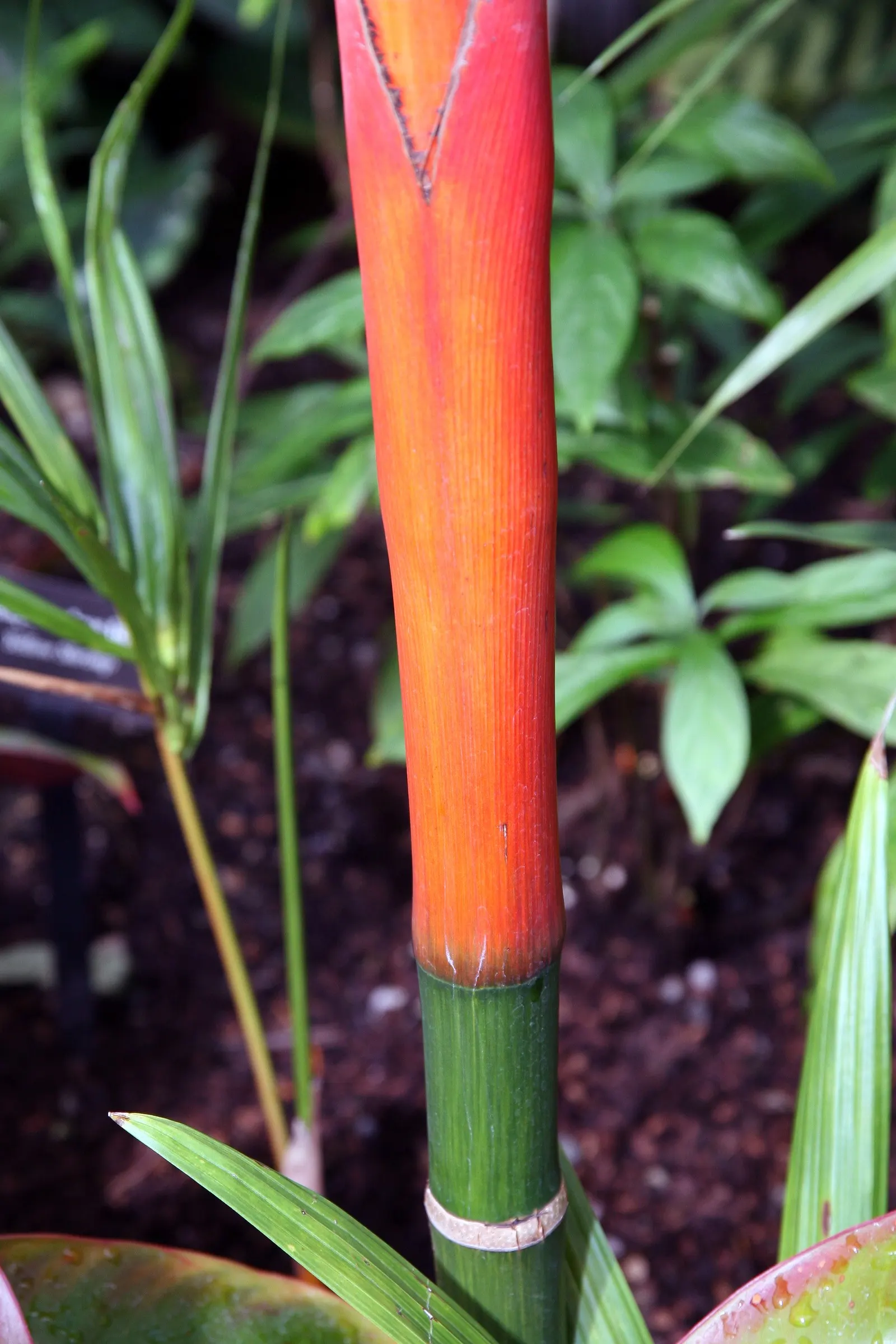
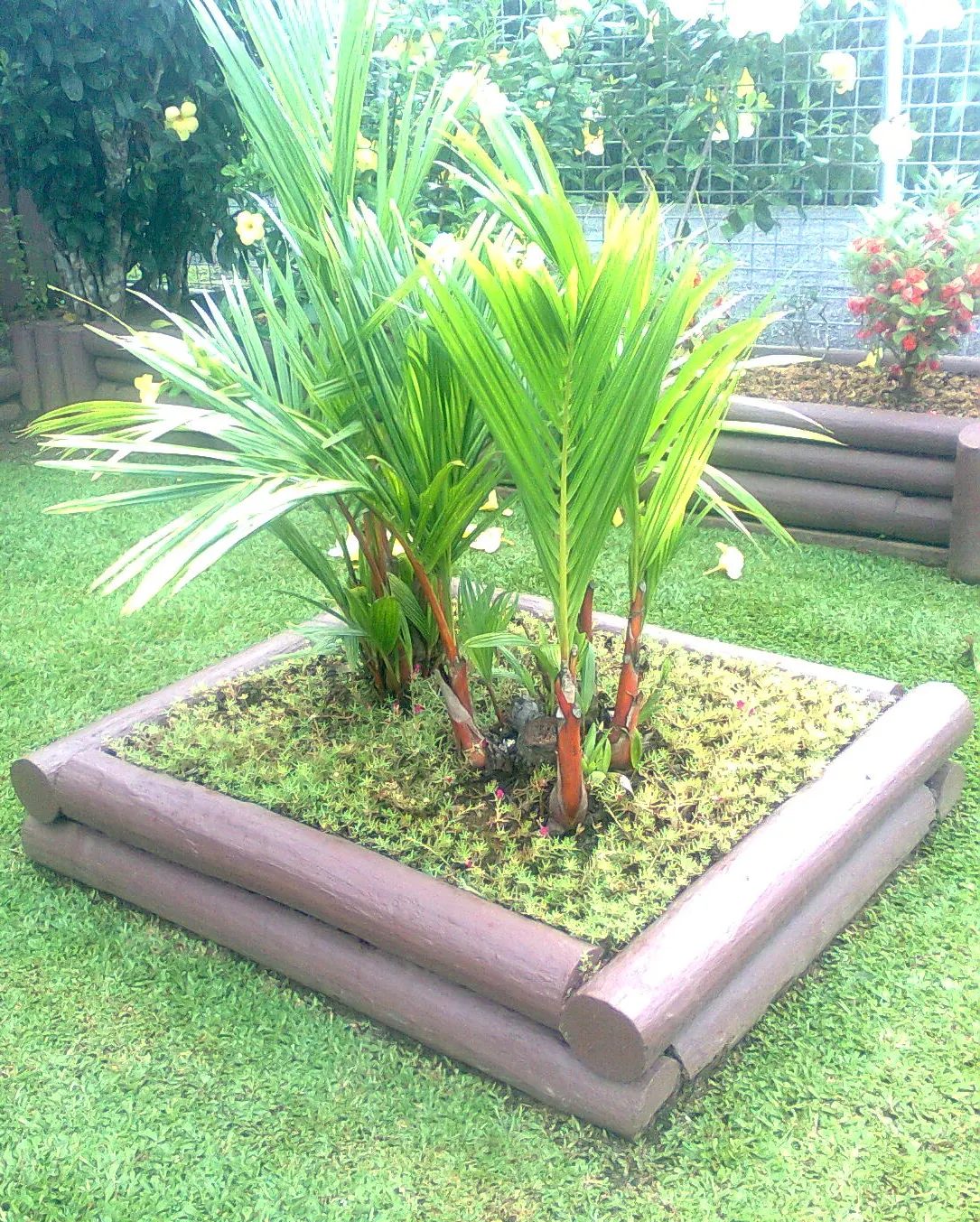
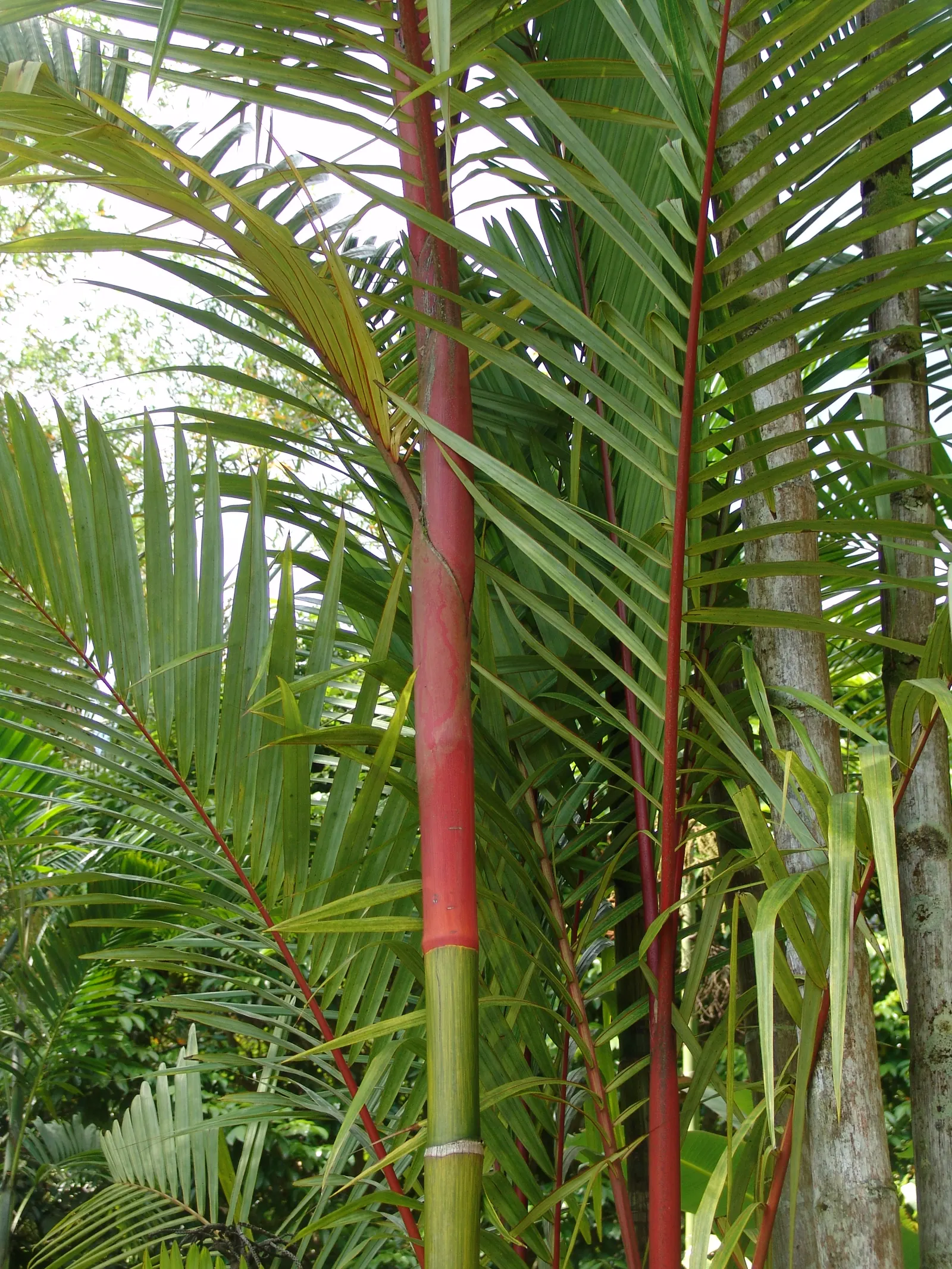
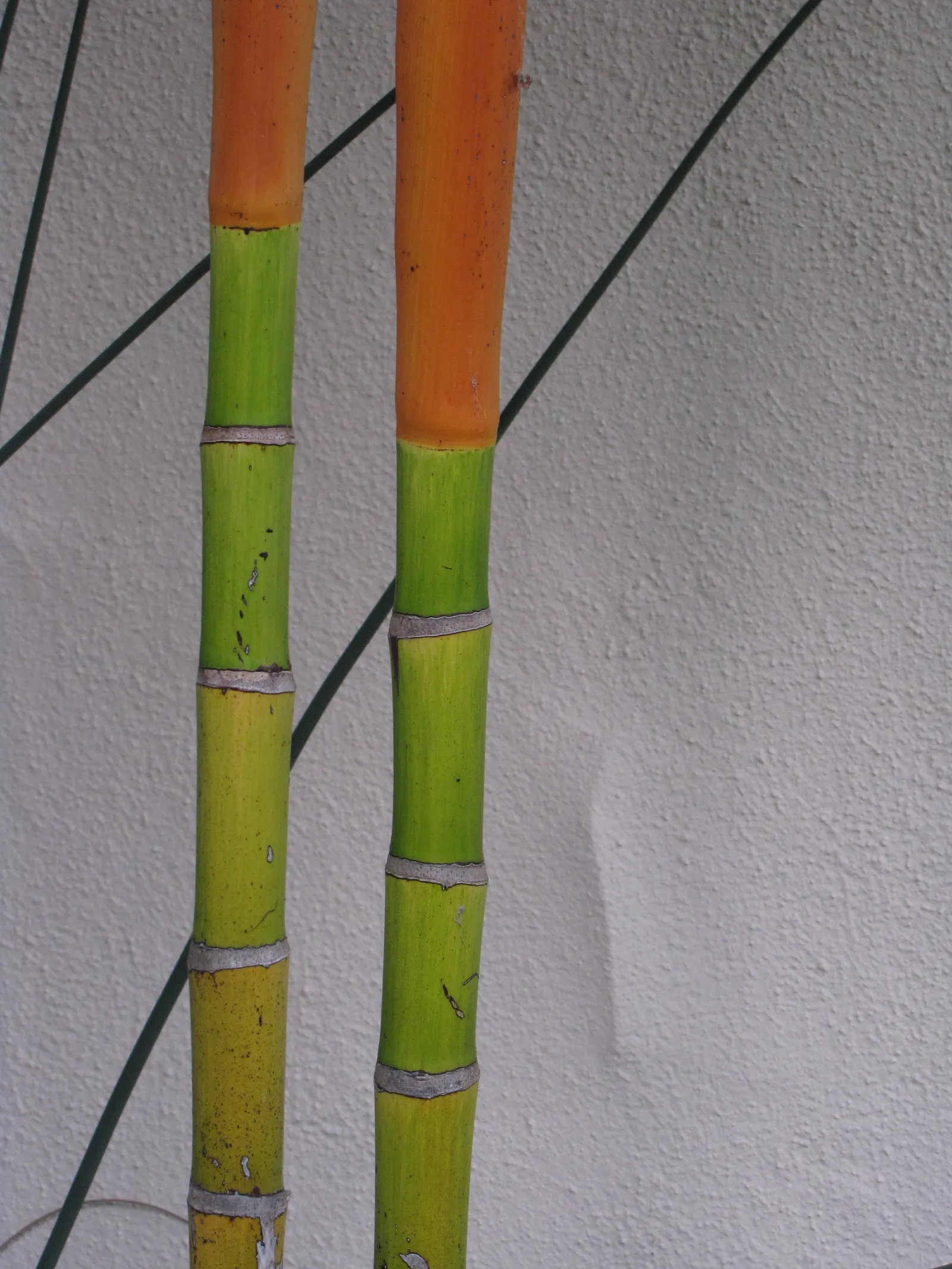
Lipstick Palm (Cyrtostachys Renda) — This palm is renowned for its brilliant red to magenta petioles and crown shafts; which offer a vivid contrast, image 84
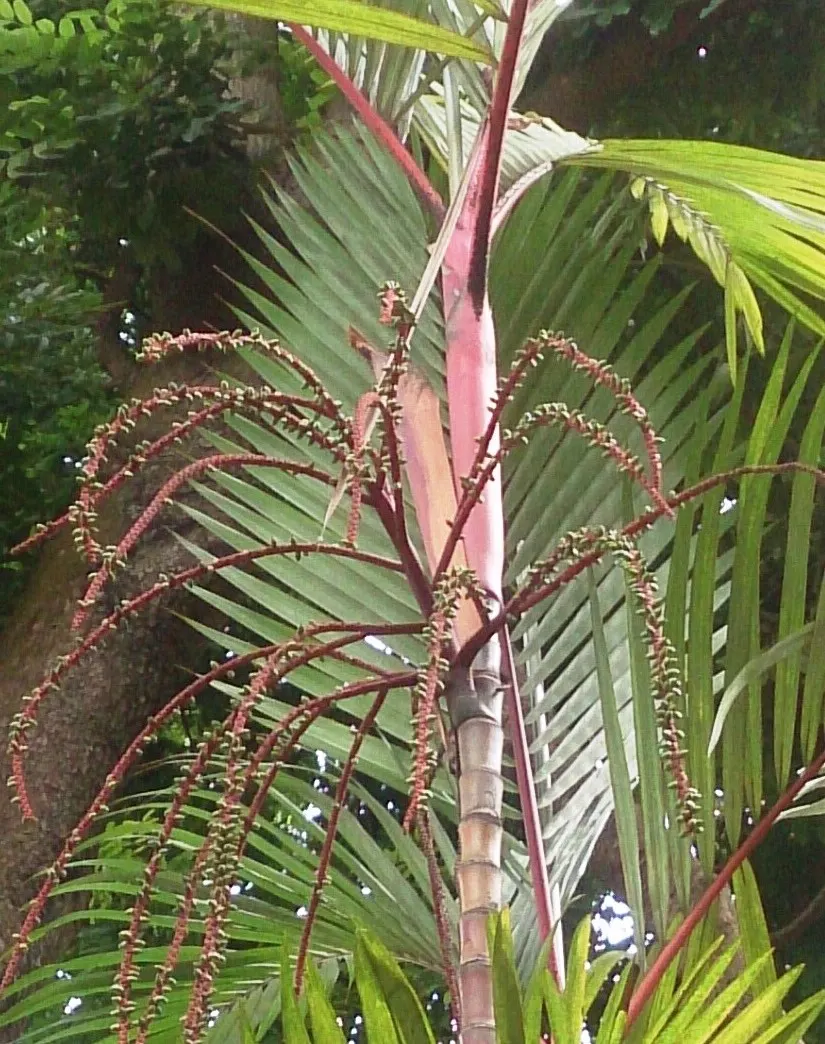
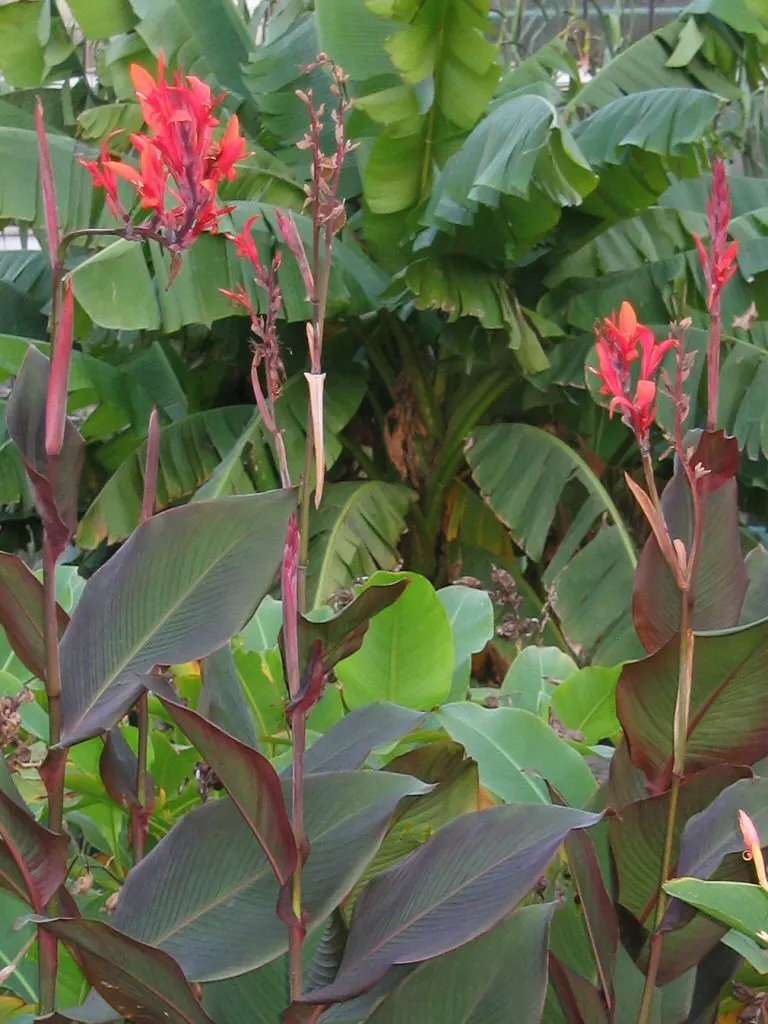
Lipstick Palm (Cyrtostachys Renda) — red flowers in the garden
Lipstick Palm (Cyrtostachys Renda) — Ideal for creating a colorful, exotic ambiance; commonly known as the Lipstick Palm or Sealing Wax Palm
Lipstick Palm (Cyrtostachys Renda) — Thriving in zones 11-12, it prefers full sun to partial shade and ample moisture; each reaching a length of 2 to 3 feet
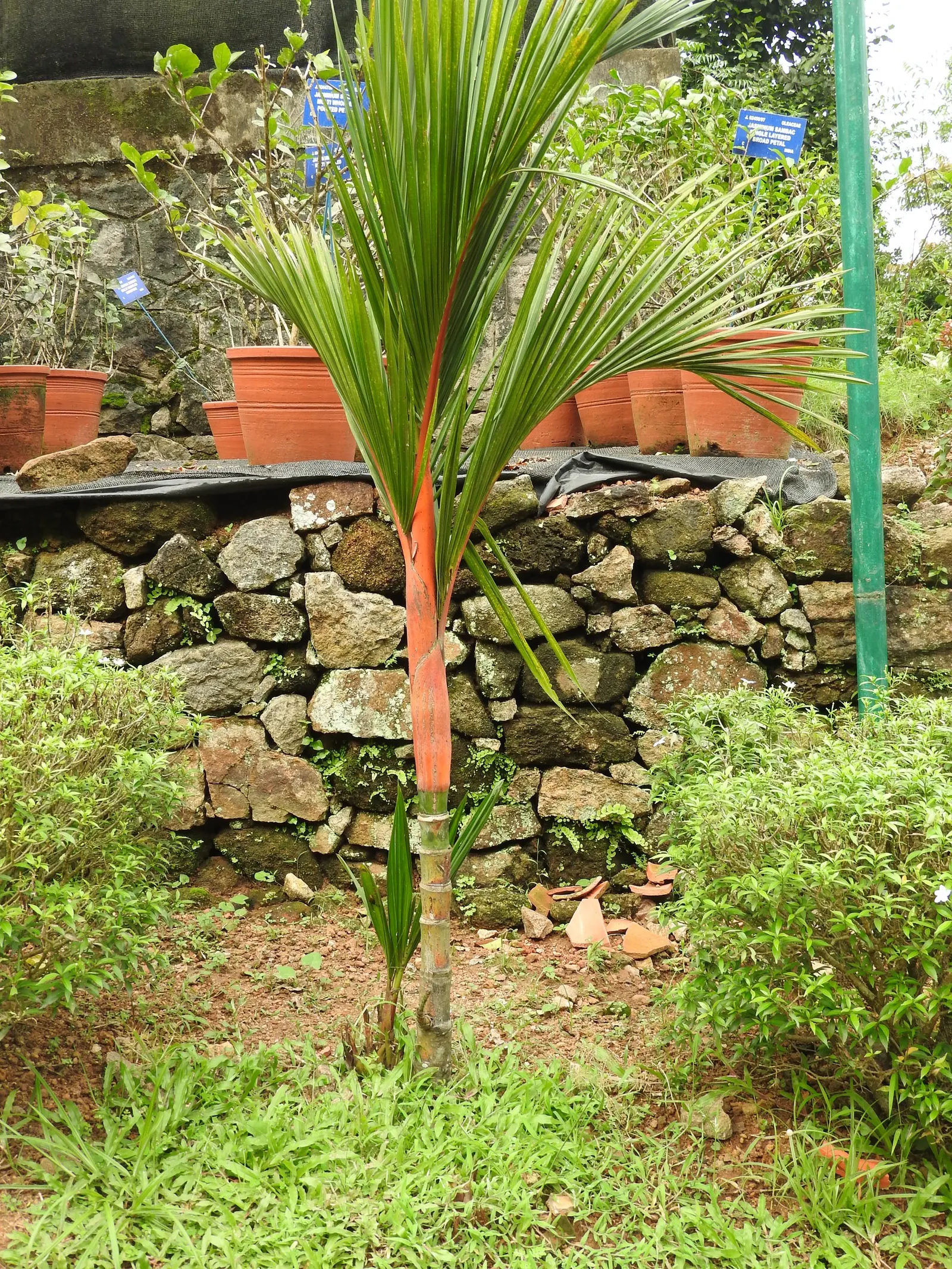
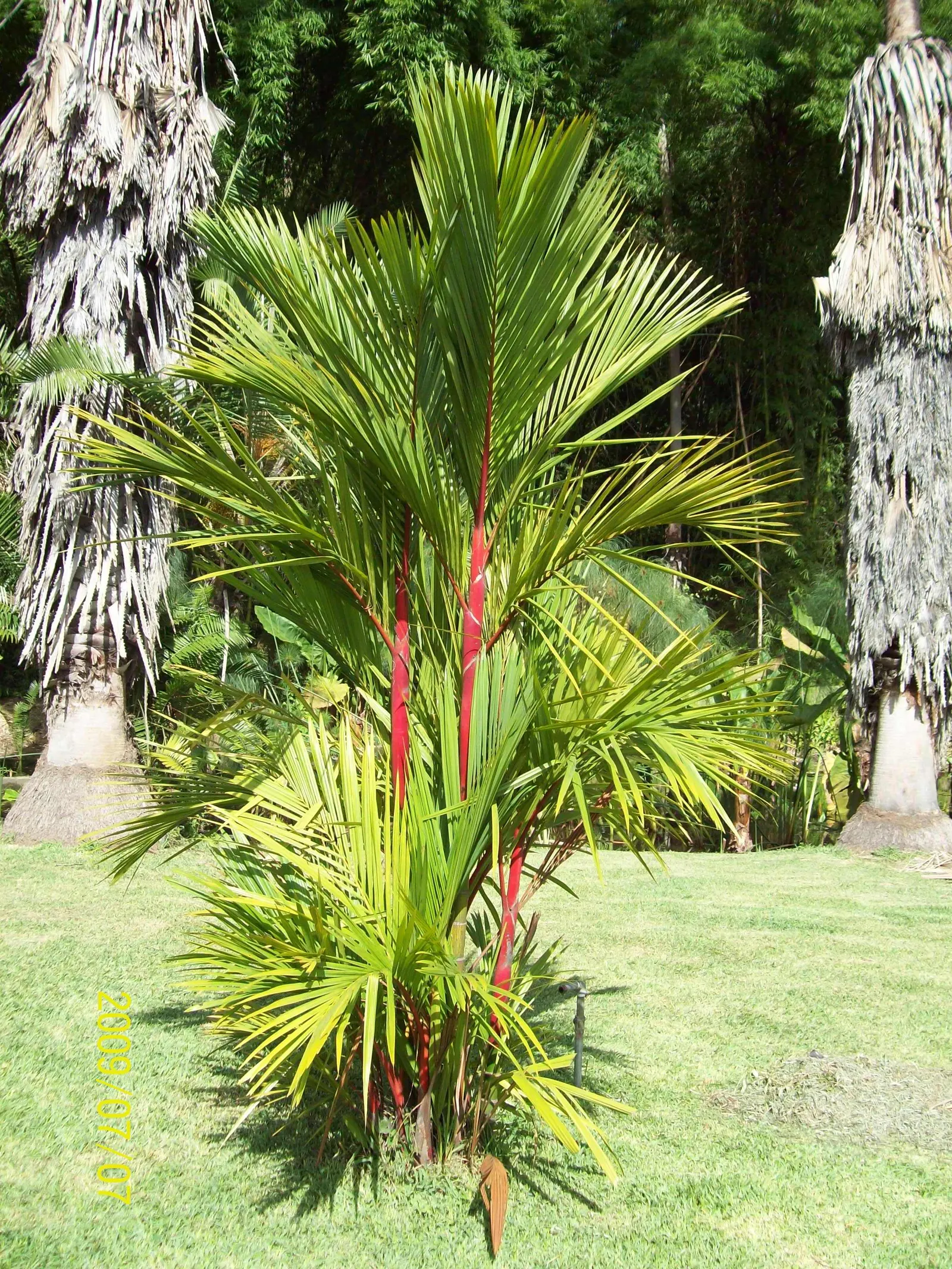
Lipstick Palm (Cyrtostachys Renda) — is a distinctive tropical plant that serves as an eye-catching addition to any garden; mature height reaches 16-23 feet
Lipstick Palm (Cyrtostachys Renda) — Mature height reaches 16-23 feet with a 6-10 foot spread
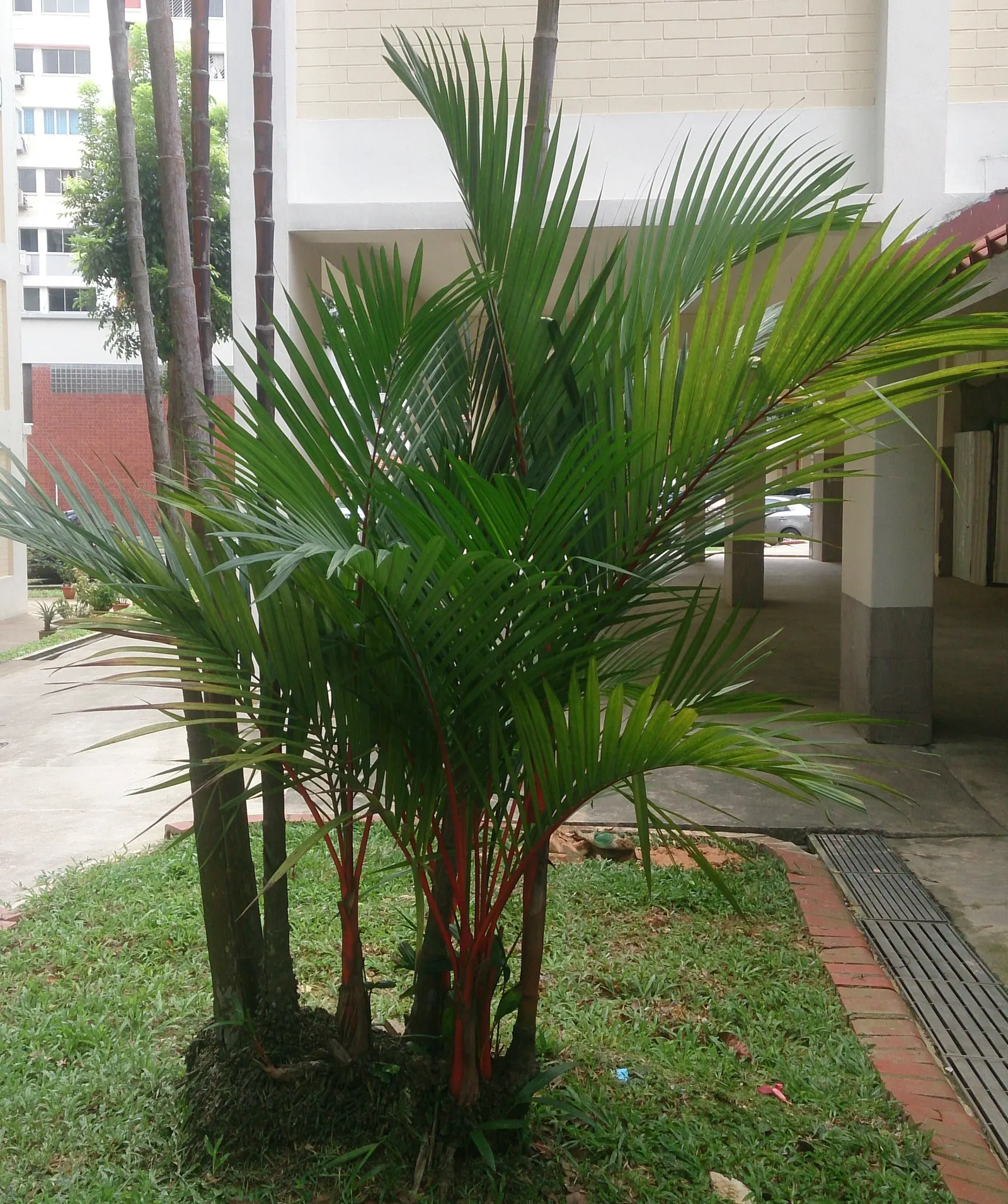
Lipstick Palm (Cyrtostachys Renda) — making it well-suited for focal points in landscape designs; with a spread of 5 to 10 feet, image 67
Lipstick Palm (Cyrtostachys Renda) — which offer a vivid contrast to the lush green pinnate fronds; making it well-suited for focal points in, image 60
Lipstick Palm (Cyrtostachys Renda) — red flowers in the garden; is a distinctive tropical plant that serves as an eye-catching addition to any, image 73
Lipstick Palm (Cyrtostachys Renda) — and protection from cold snaps
Lipstick Palm (Cyrtostachys Renda) — Thriving in zones 11-12, it prefers full sun to partial shade and ample moisture; each reaching a length of 2, image 52
Lipstick Palm (Cyrtostachys Renda) — palm with red blooms; cyrtostachys renda can achieve heights of up to 20 to 25 feet tall
Lipstick Palm (Cyrtostachys Renda) — Ideal for creating a colorful, exotic ambiance
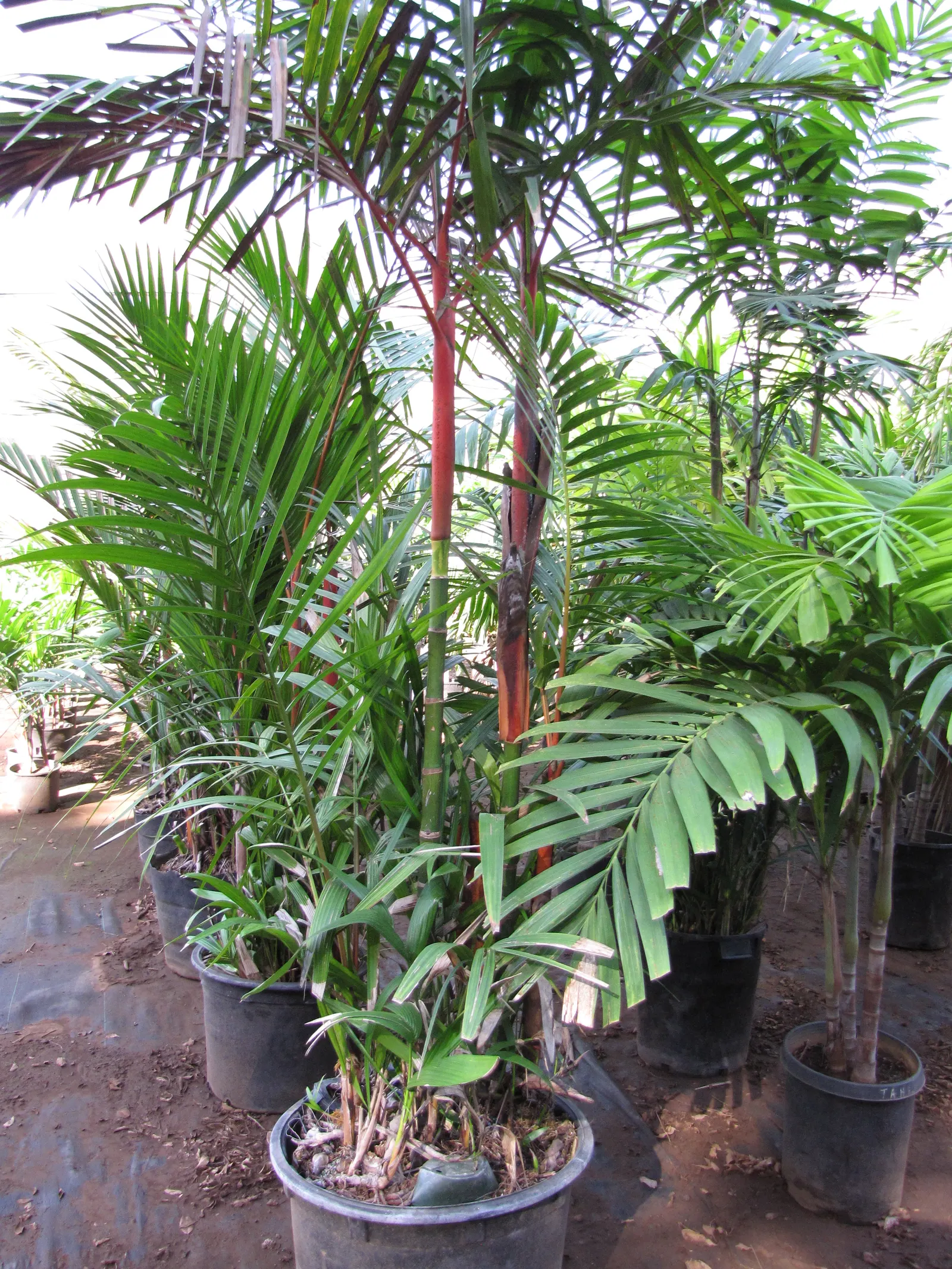
Lipstick Palm (Cyrtostachys Renda) — ensuring it is provided with ample space to grow; full to partial sunlight is ideal for this palm, image 71
Lipstick Palm (Cyrtostachys Renda) — commonly known as the Lipstick Palm or Sealing Wax Palm
Lipstick Palm (Cyrtostachys Renda) — with a spread of 5 to 10 feet; this palm is renowned for its brilliant red to magenta petioles and crown shafts
Lipstick Palm (Cyrtostachys Renda) — Thriving in zones 11-12, it prefers full sun to partial shade and ample moisture; each reaching a length of 2, image 77
Lipstick Palm (Cyrtostachys Renda) — is a distinctive tropical plant that serves as an eye-catching addition to any garden
Lipstick Palm (Cyrtostachys Renda) — Mature height reaches 16-23 feet with a 6-10 foot spread; its clustering nature allows it to form a dense screen if
Lipstick Palm (Cyrtostachys Renda) — palm for full or half; and protection from cold snaps
Lipstick Palm (Cyrtostachys Renda) — Full to partial sunlight is ideal for this palm; ideal for creating a colorful, exotic ambiance, image 69
Lipstick Palm (Cyrtostachys Renda) — the Lipstick Palm thrives in USDA zones 11 and above, image 38
Lipstick Palm (Cyrtostachys Renda) — An exquisite specimen plant, it's also an effective privacy screen when planted in clusters
Lipstick Palm (Cyrtostachys Renda) — making it well-suited for focal points in landscape designs
Photographs by 13 contributors

Related plants