Skip to content

Sago Palm

Cycas Revoluta

Design with this plant

Overview

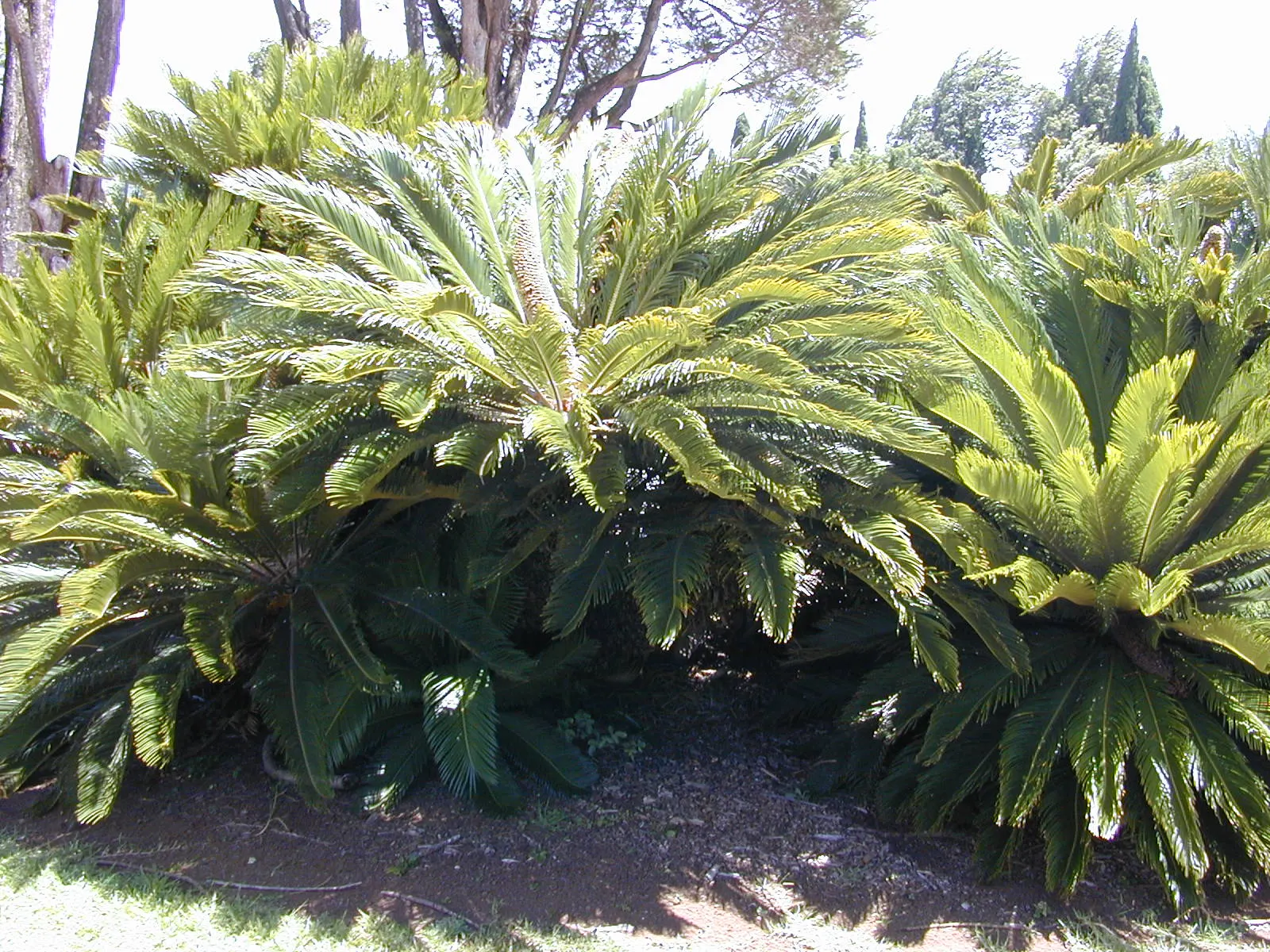
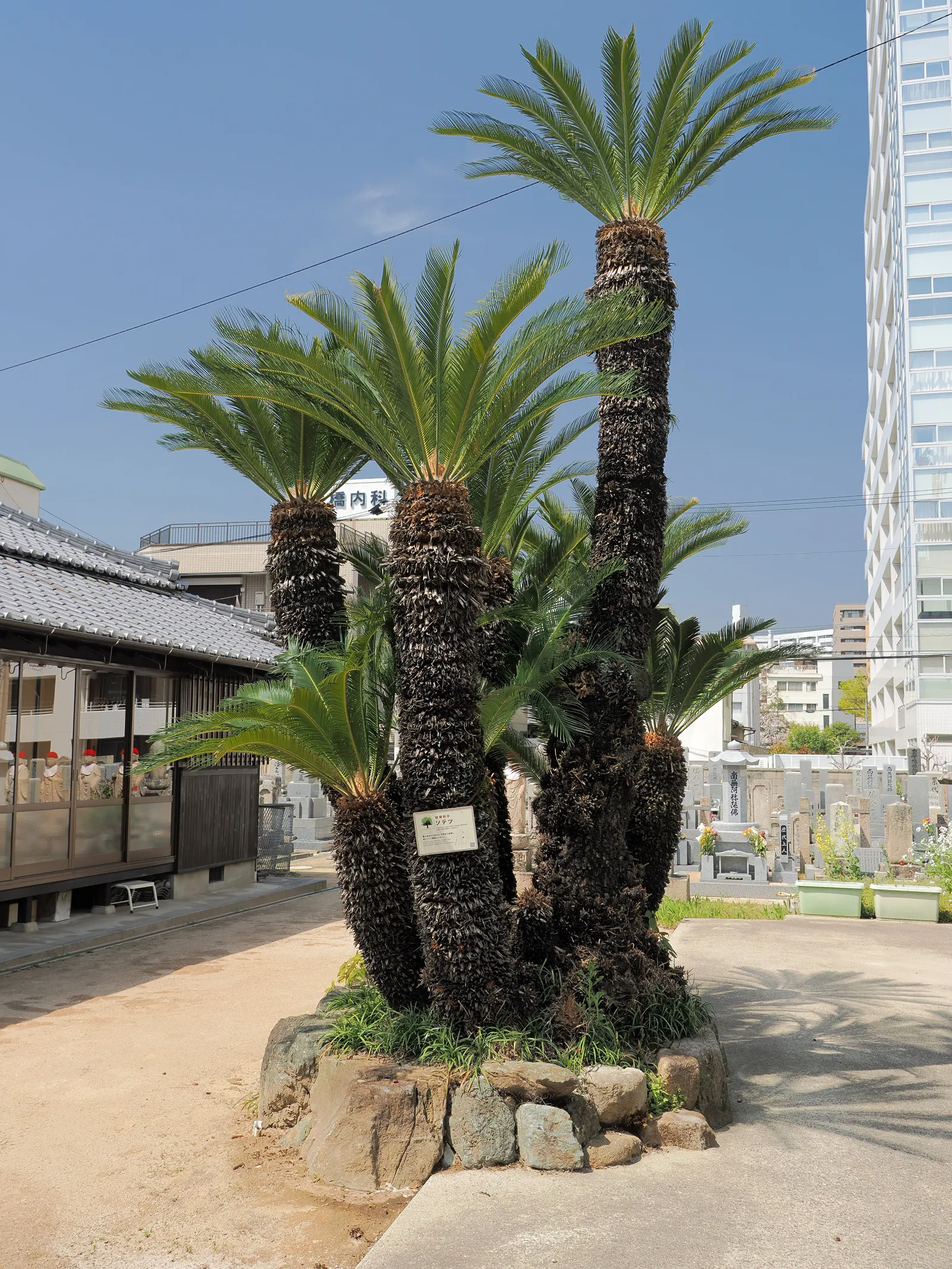
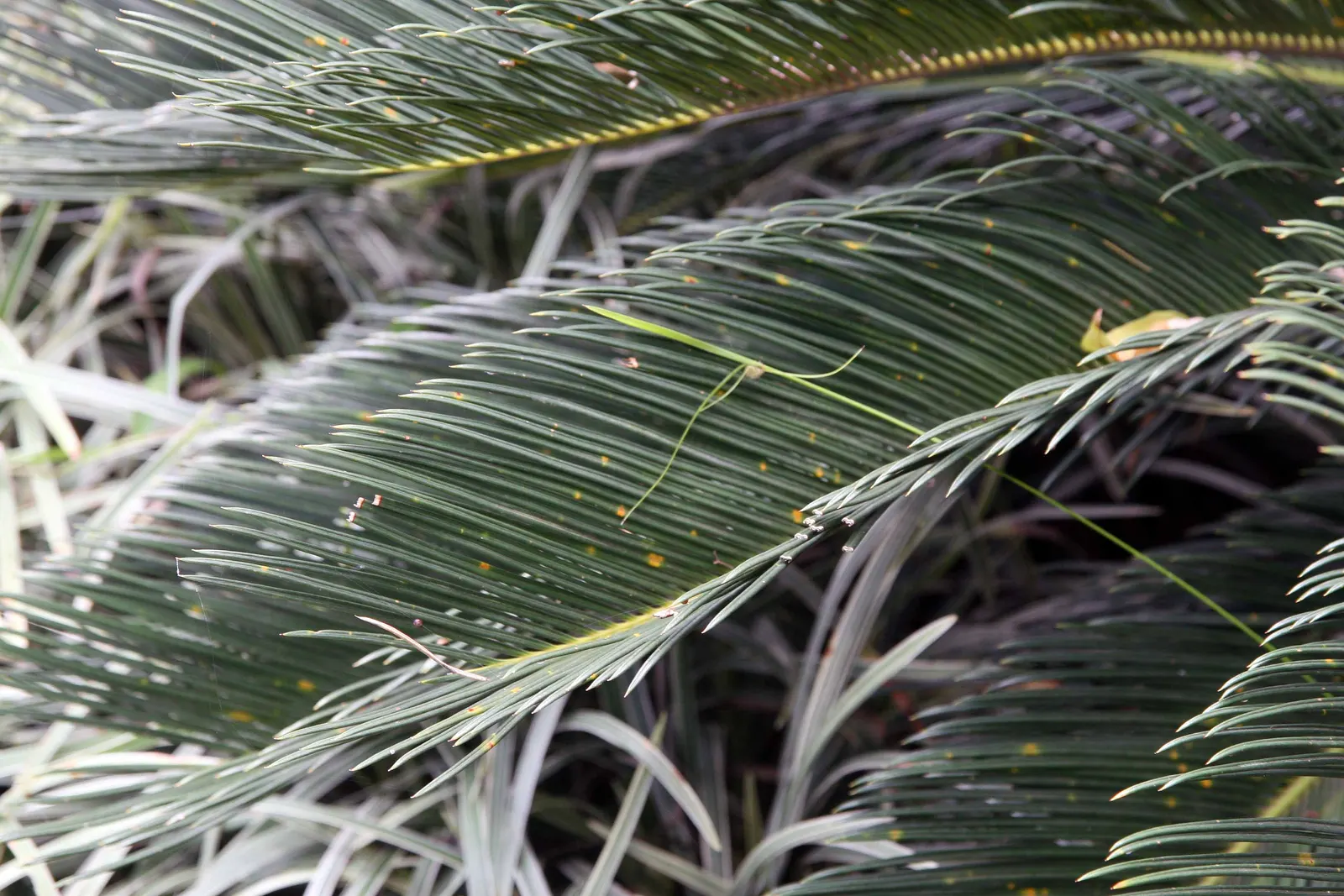
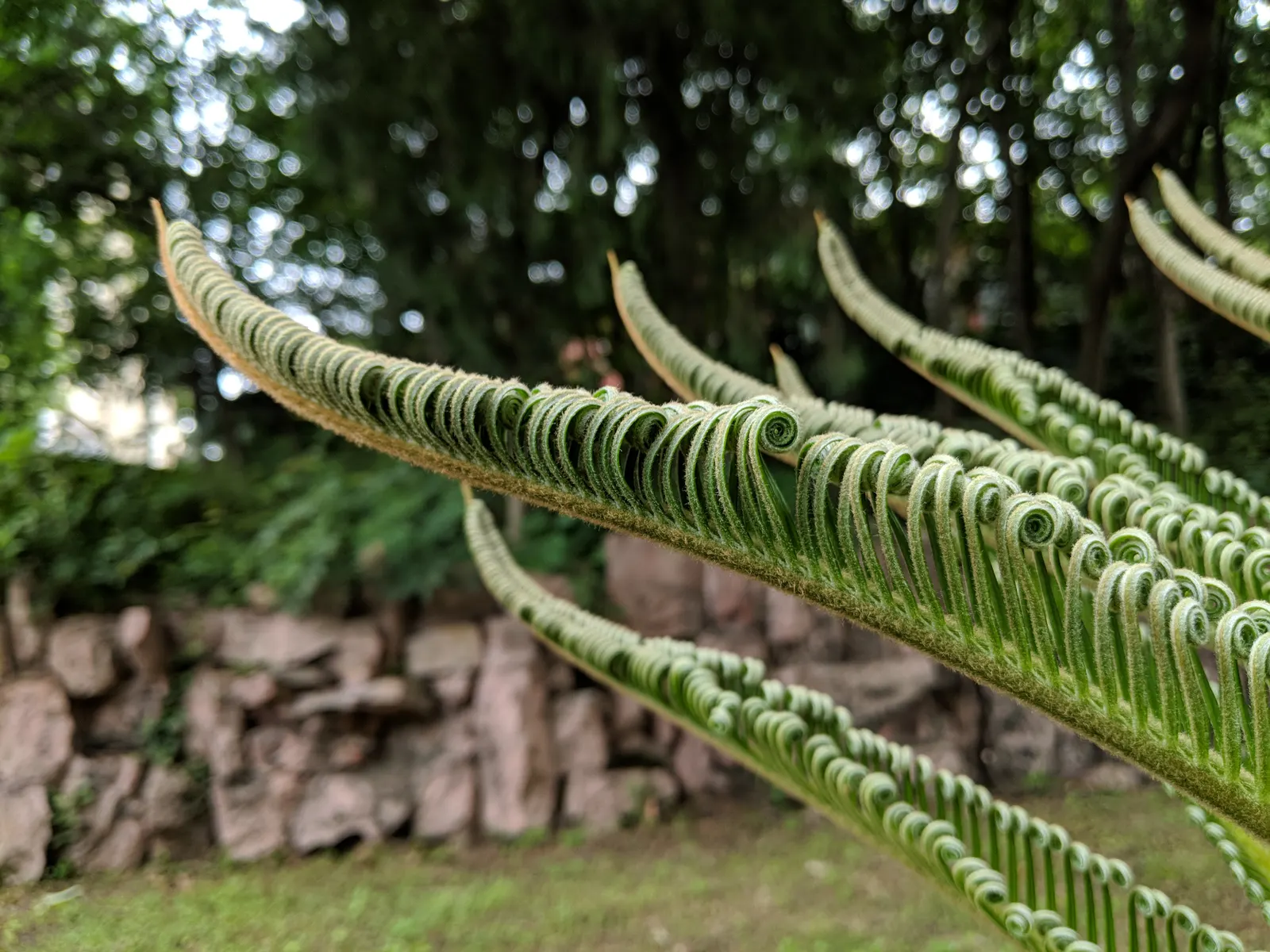
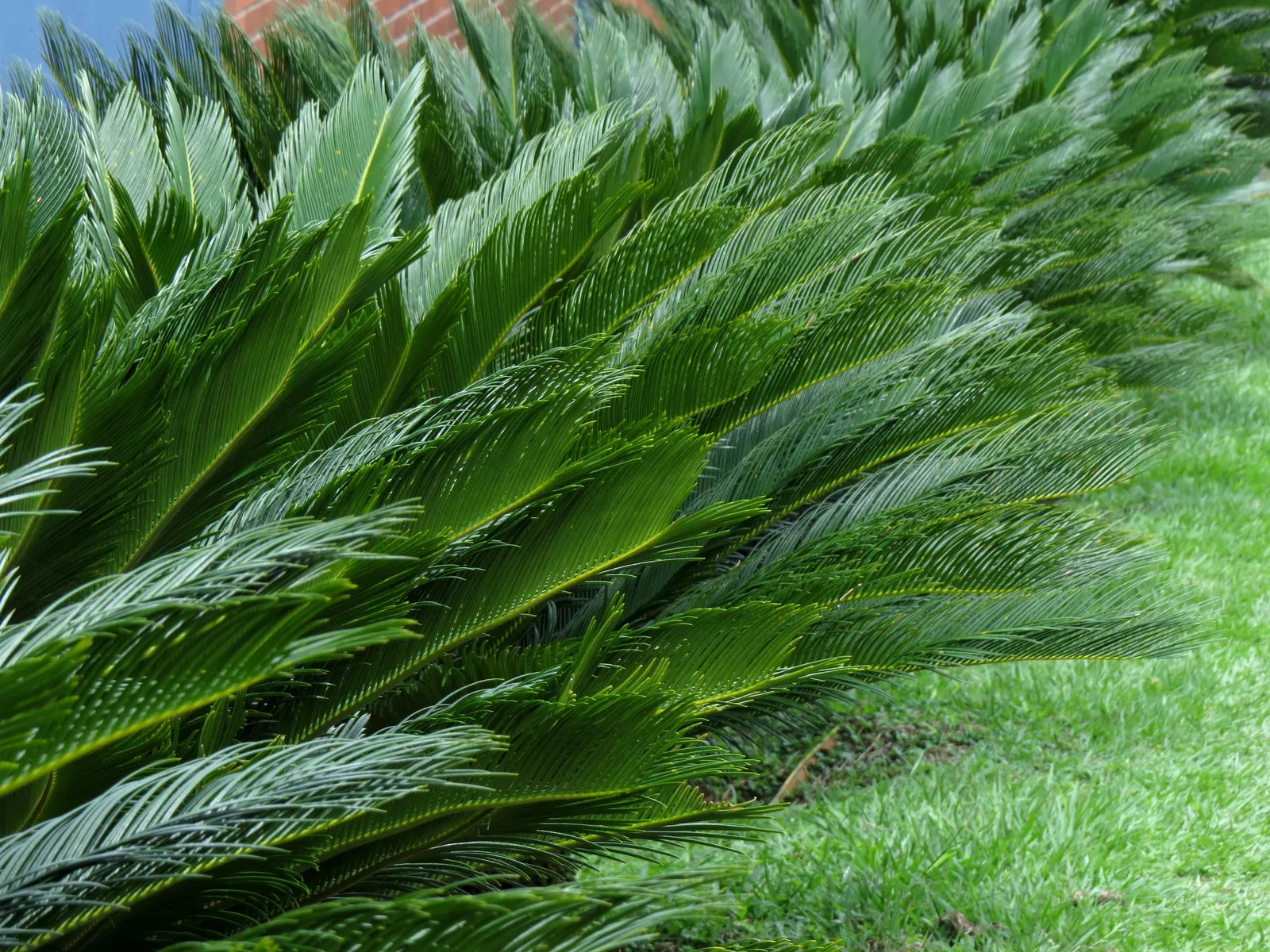
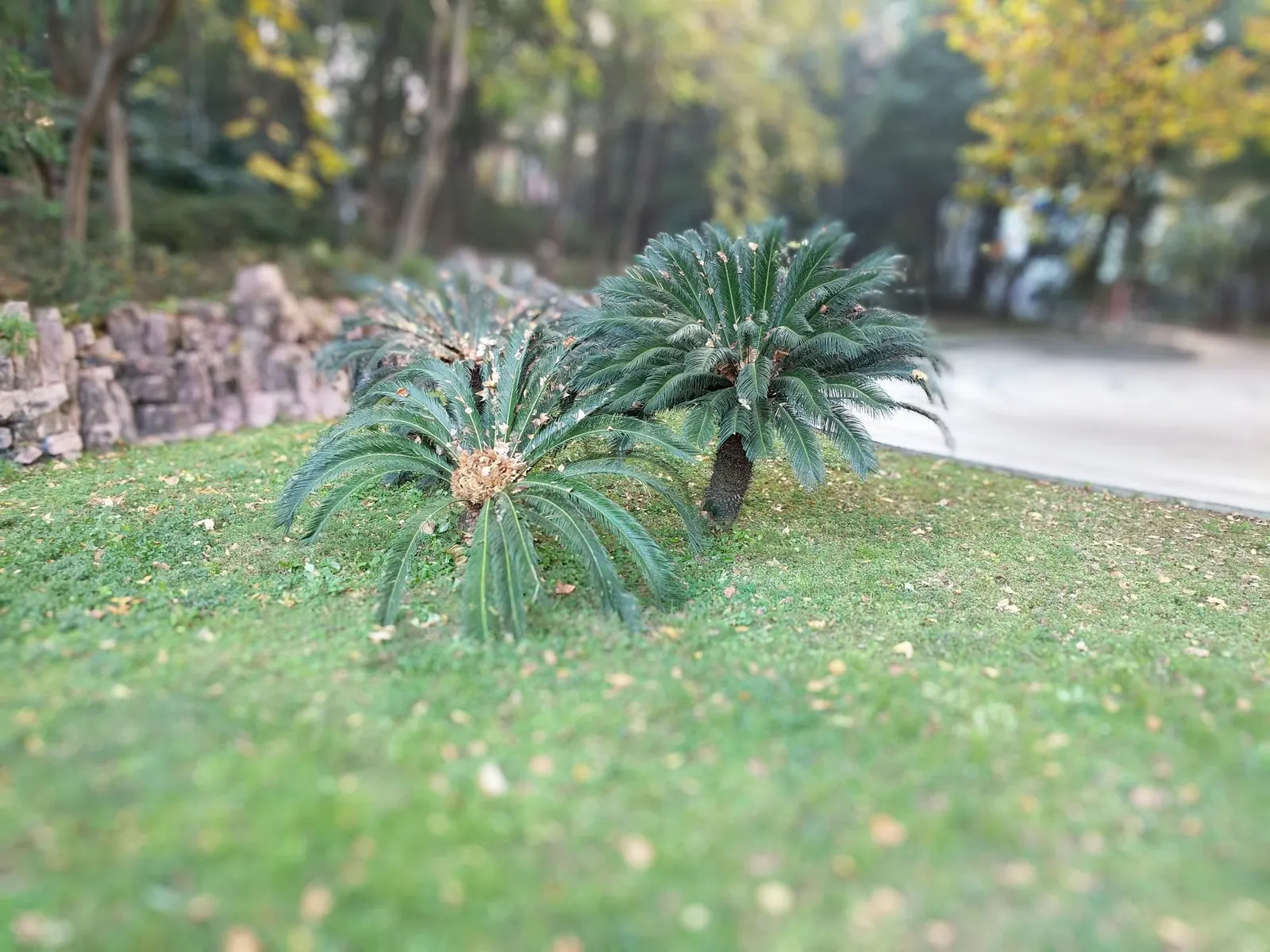
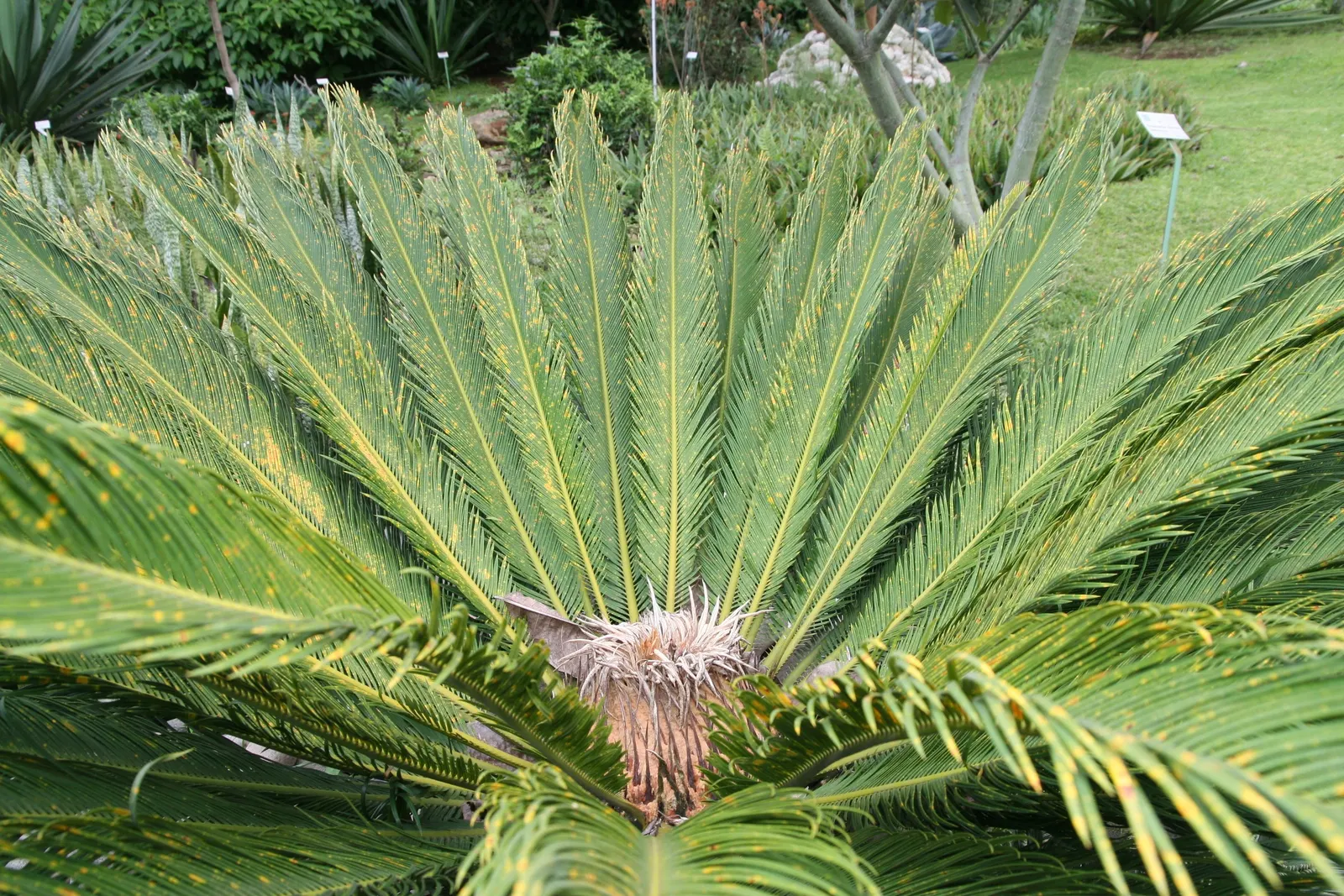
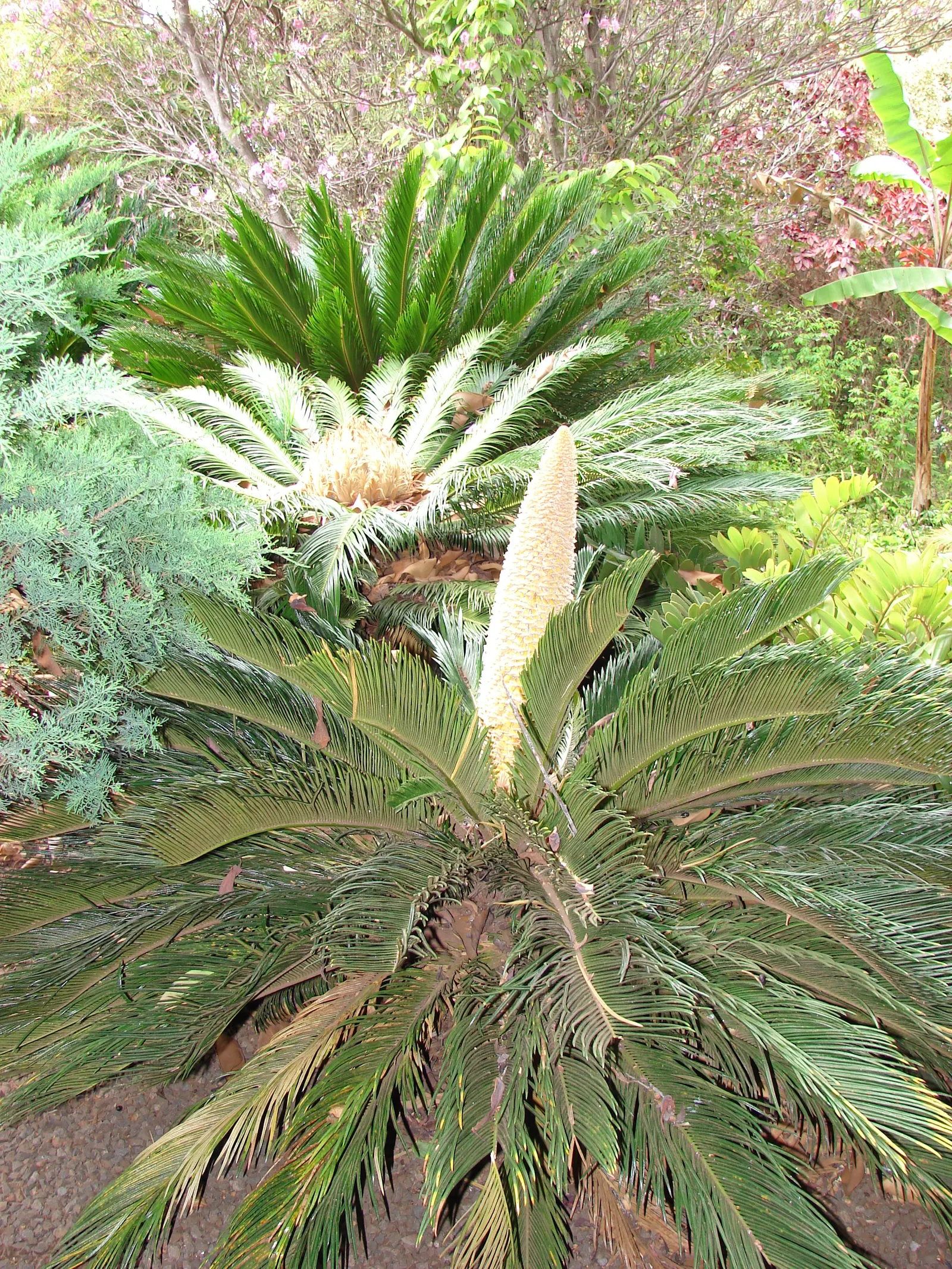
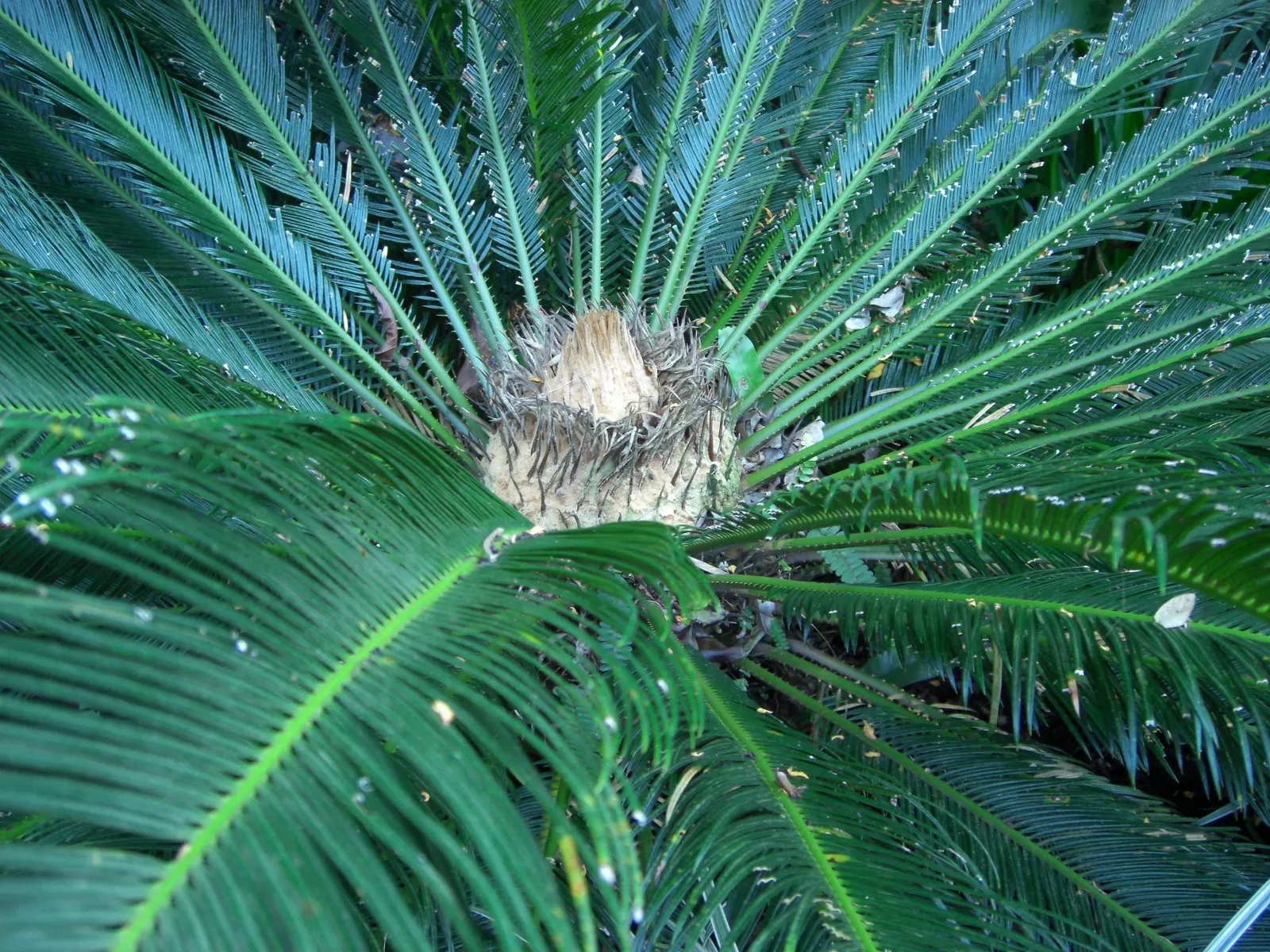
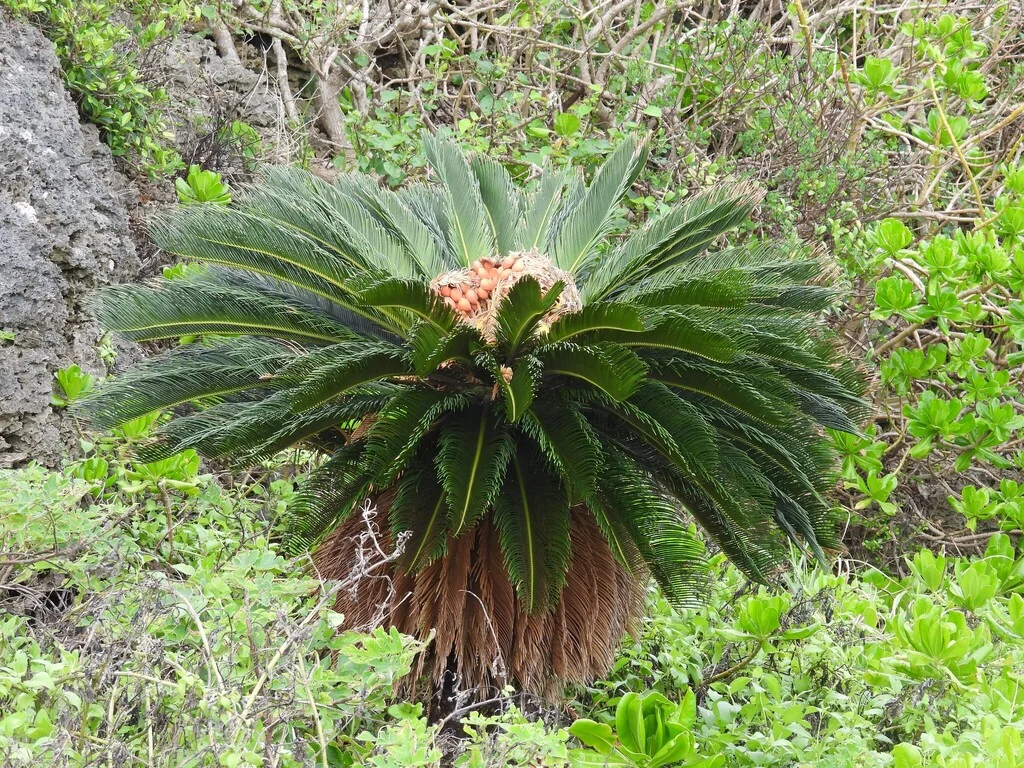
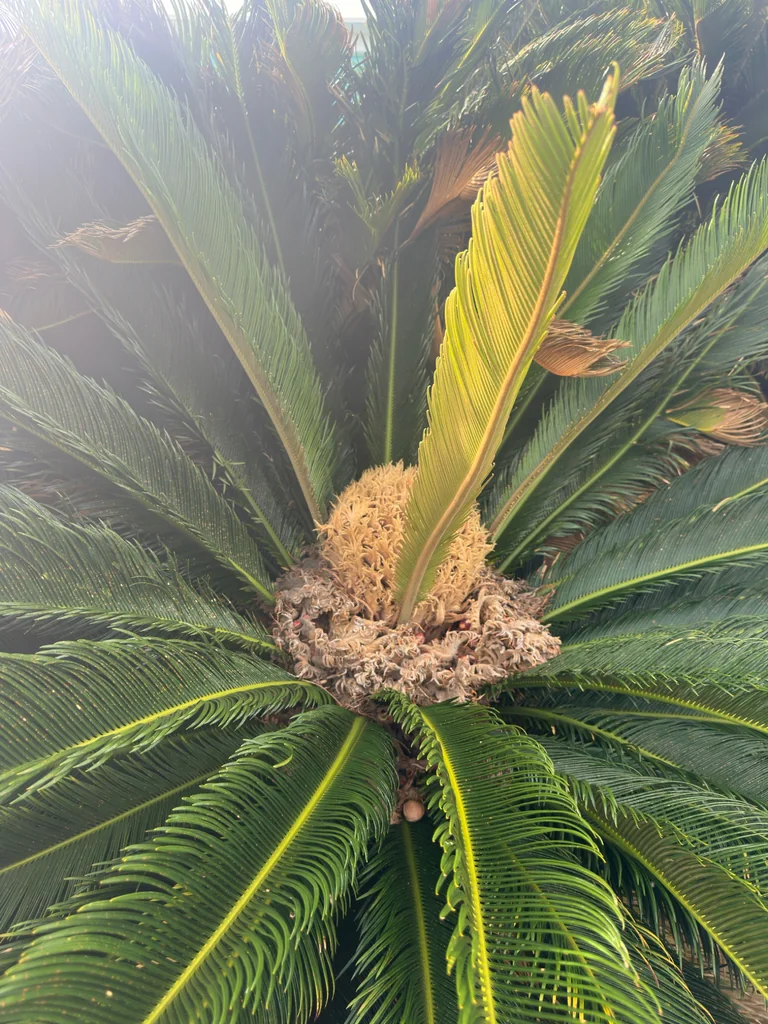
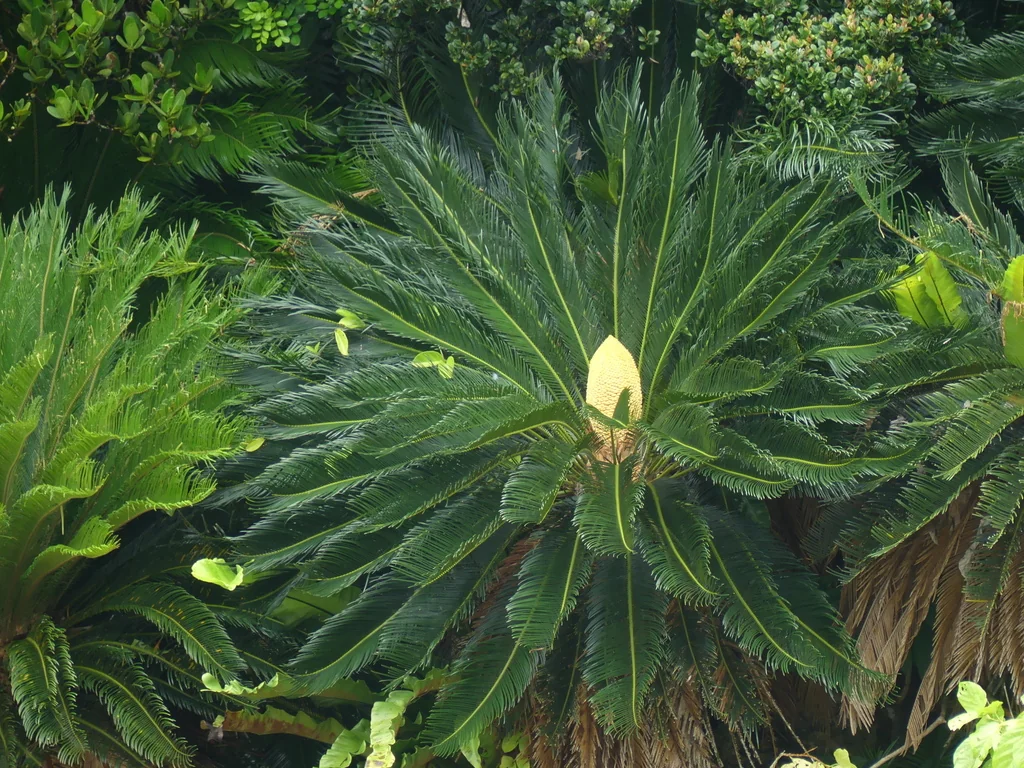
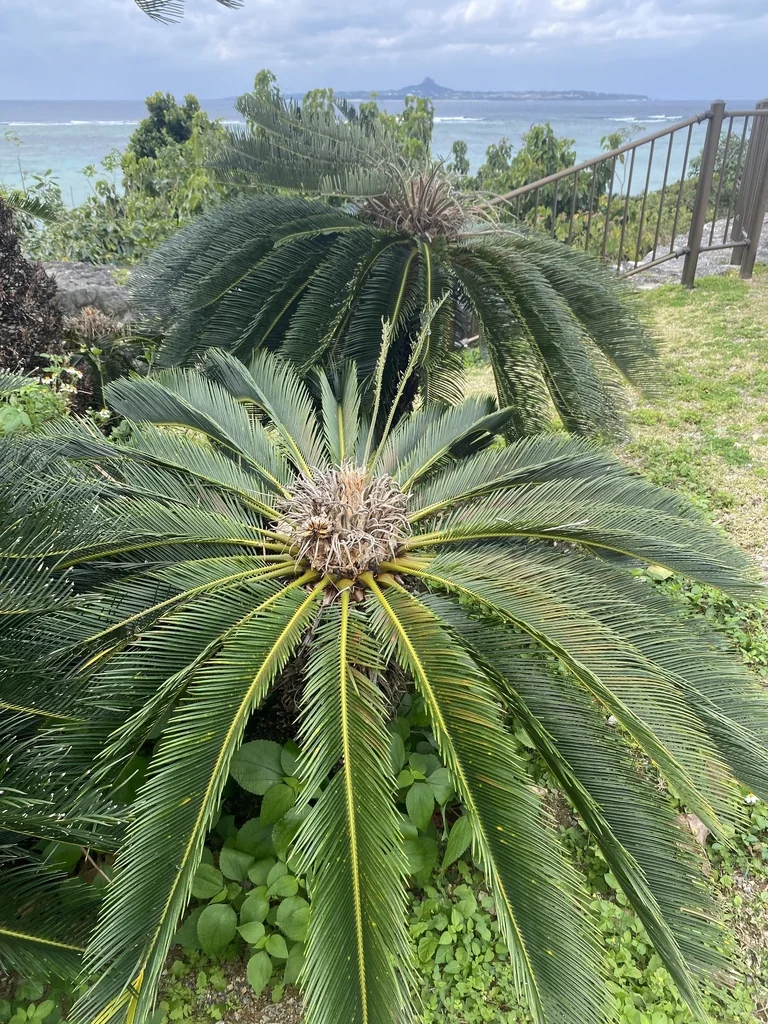
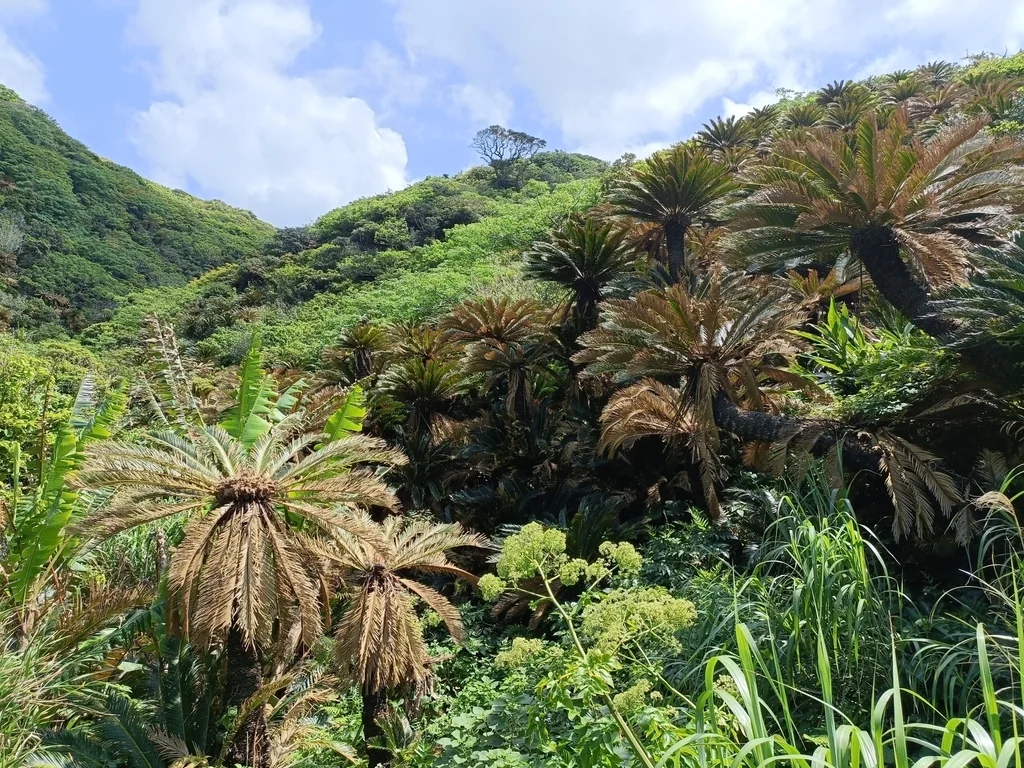
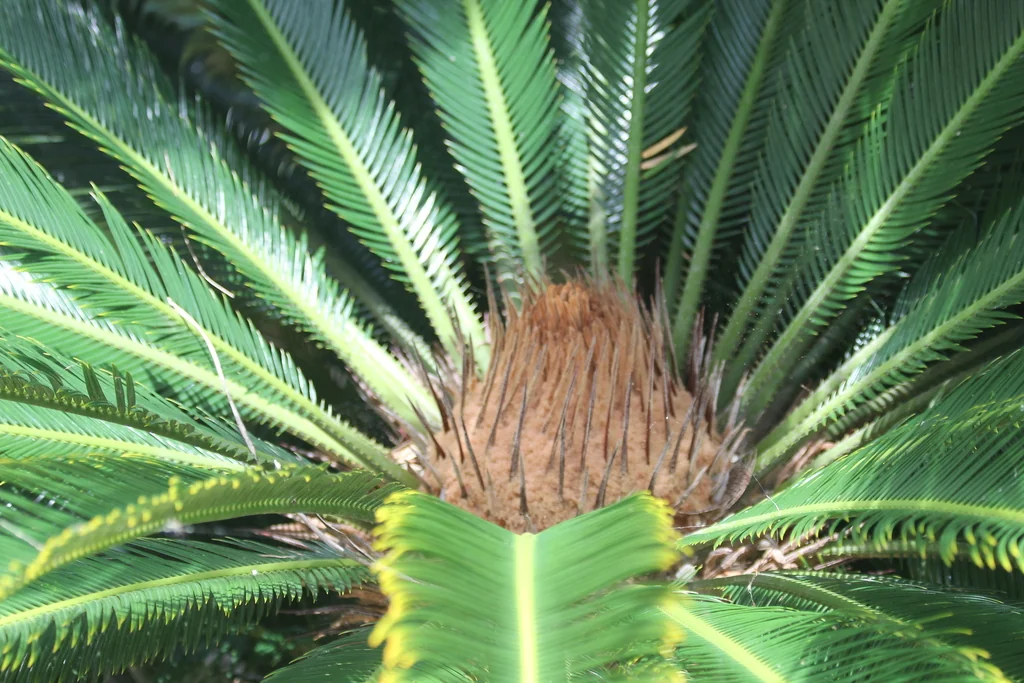
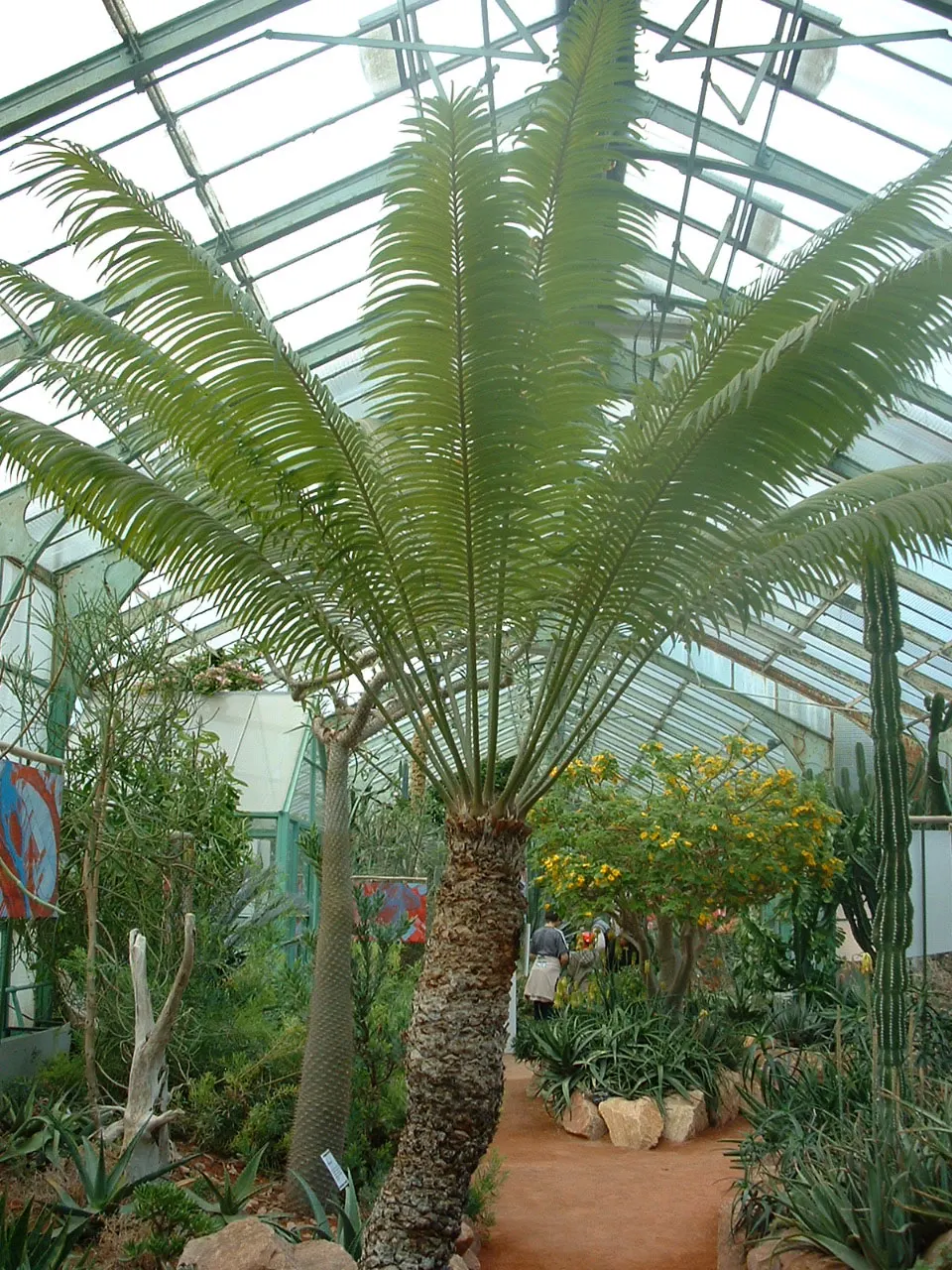
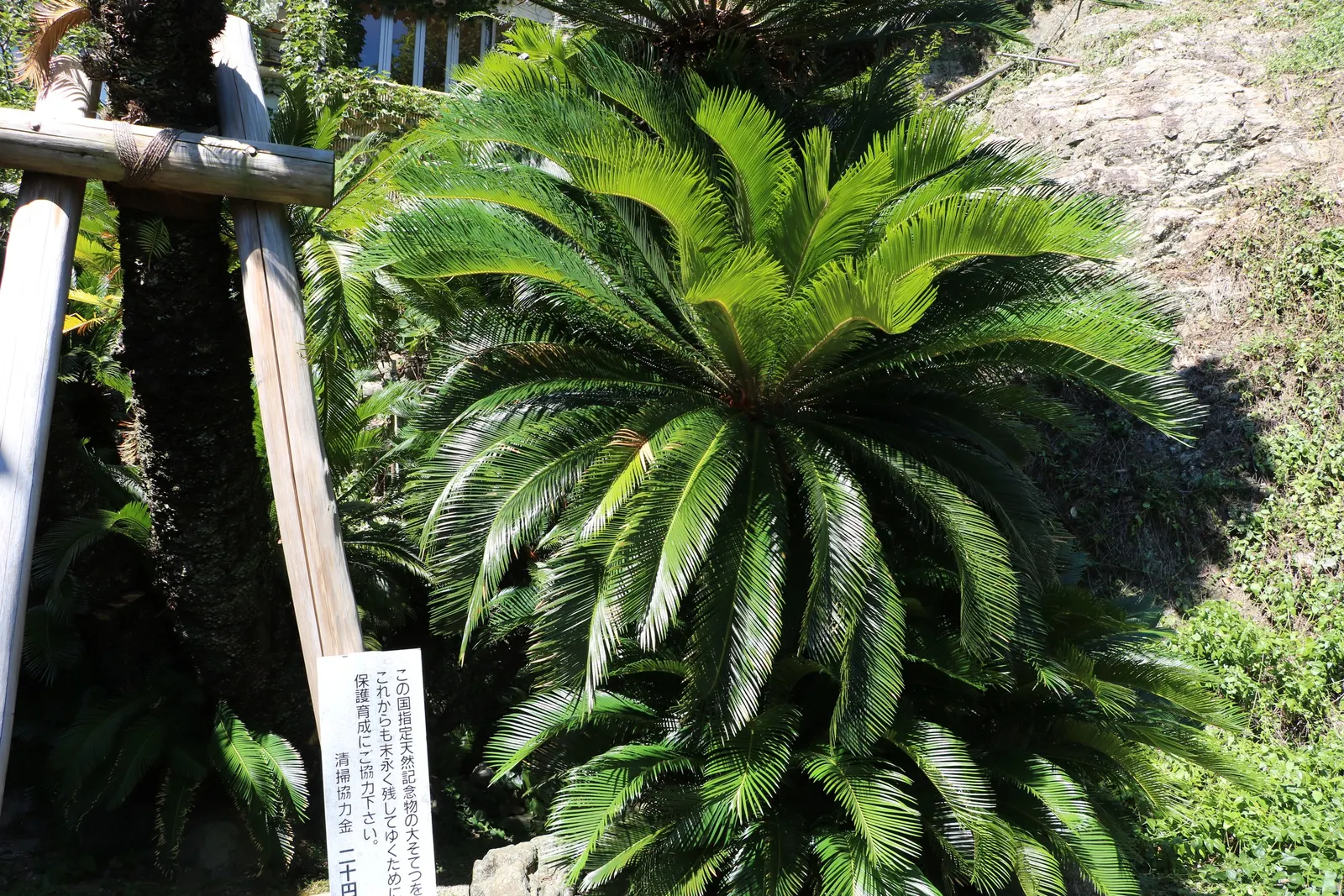
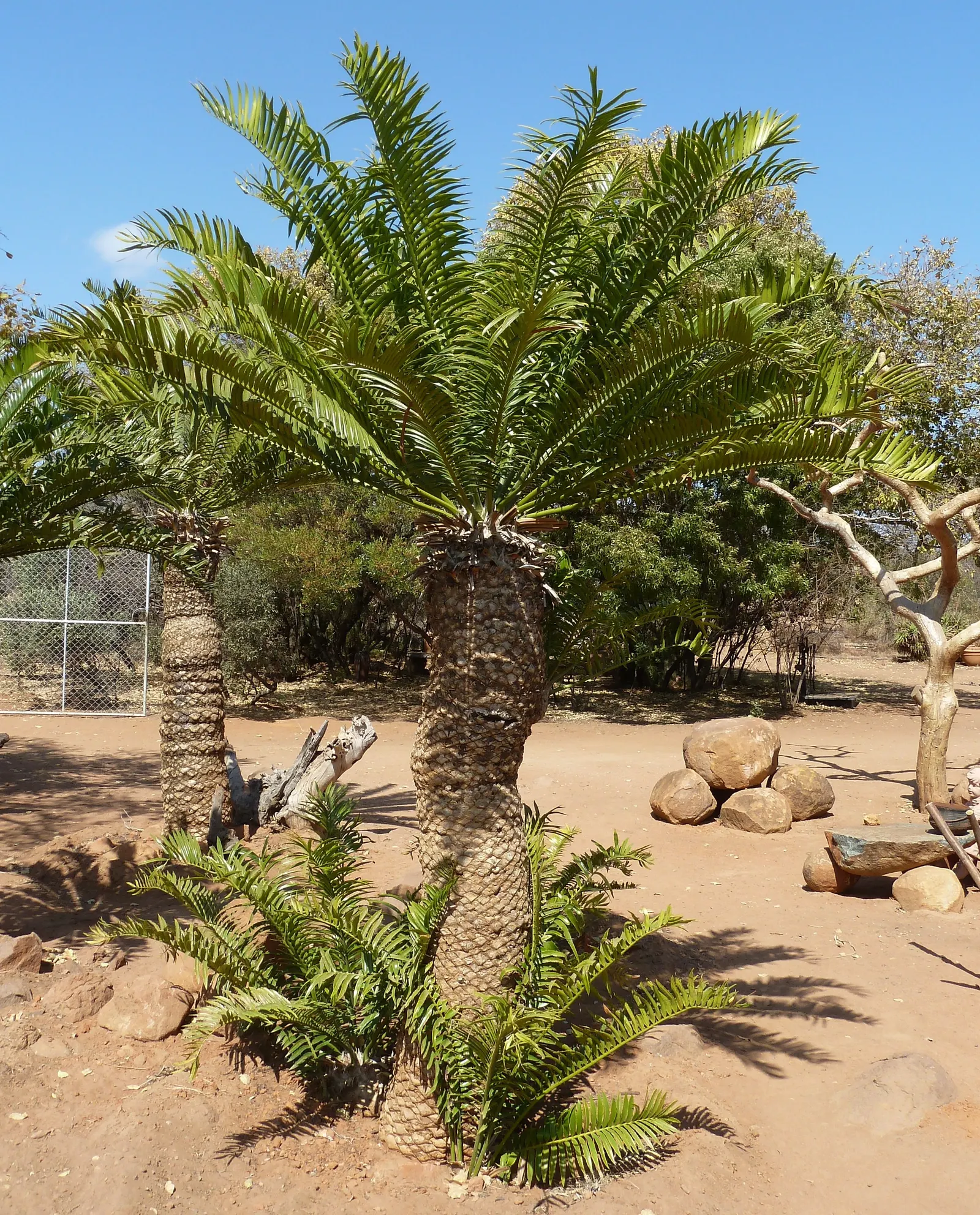
The Sago Palm, or Cycas revoluta, is an ancient, slow-growing plant that adds an exotic touch to landscapes. Featuring a stout trunk and a rosette of dark green, pinnate leaves up to 3 feet long, it resembles a palm. Hardy in USDA zones 9-11, it thrives in well-drained soil and full to partial sun. Drought tolerant once established, it reaches 2-10 feet in height and spread, requiring minimal care. Ideal for focal points.

Sun Full, HalfWater Extra in Summer, LowZones 8–11Type PalmClimate Subtropical
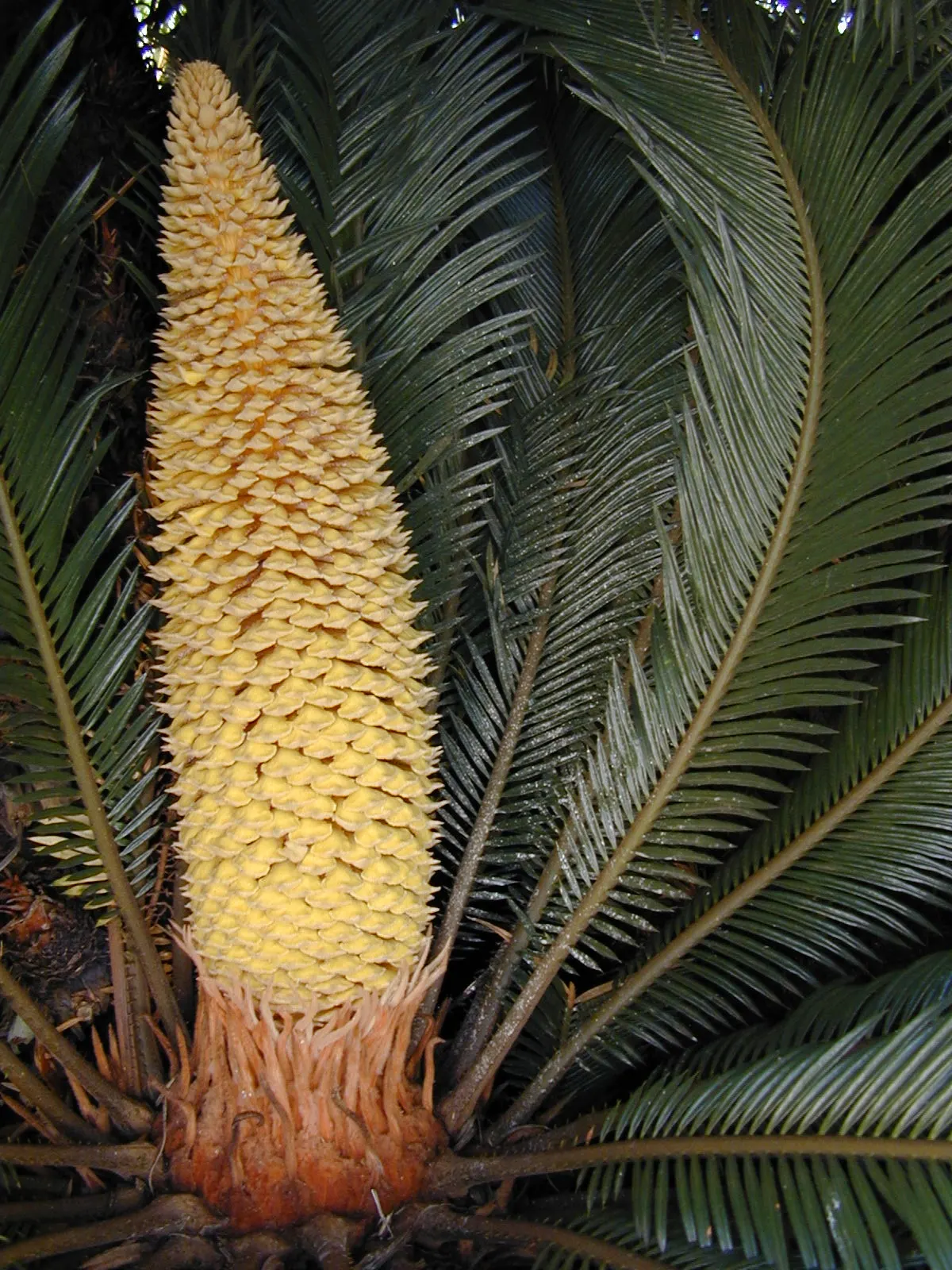
Sago Palm (Cycas Revoluta) — but it is particularly important to avoid overwatering to prevent root rot; it's important to note that the leaflets, image 59

Culture

Sun
Full, Half
Water
Extra in Summer, Low
USDA zones
8–11

Shape & size

Classification

Type
Palm
Family
Cycadaceae
Climate
Subtropical

See full data, regional cultivation notes, and design tools. Build a client presentation around this plant.

Start your 14-day trial

Photos (154)

Sago Palm (Cycas Revoluta) — is a distinctive and ancient plant species that adds an exotic and tropical flair to any landscape design; palm for, image 53
Sago Palm (Cycas Revoluta) — The Sago Palm, or Cycas revoluta, is an ancient, slow-growing plant that adds an exotic touch to landscapes; drought, image 33
Sago Palm (Cycas Revoluta) — It's well-suited to USDA hardiness zones 9 through 11 and thrives in full sun to partial shade
Sago Palm (Cycas Revoluta) — The Sago Palm, or Cycas revoluta, is an ancient, slow-growing plant that adds an exotic touch to landscapes; drought, image 129
Sago Palm (Cycas Revoluta) — This slow-growing plant features a stout trunk and a symmetrical rosette of dark green; is a distinctive and ancient, image 56
Sago Palm (Cycas Revoluta) — Drought tolerant once established, it reaches 2-10 feet in height and spread, requiring minimal care; each frond, image 100
Sago Palm (Cycas Revoluta) — but it is particularly important to avoid overwatering to prevent root rot; it's important to note that the leaflets, image 43
Sago Palm (Cycas Revoluta) — Featuring a stout trunk and a rosette of dark green, pinnate leaves up to 3 feet long, it resembles a palm; but it is, image 98
Sago Palm (Cycas Revoluta) — Hardy in USDA zones 9-11, it thrives in well-drained soil and full to partial sun; featuring a stout trunk and a, image 51
Sago Palm (Cycas Revoluta) — This slow-growing plant features a stout trunk and a symmetrical rosette of dark green; is a distinctive and ancient, image 120
Sago Palm (Cycas Revoluta) — it is not a true palm but a cycad; cycas revoluta can eventually grow taller (up to 10 feet) under optimal conditions, image 38
Sago Palm (Cycas Revoluta) — each frond typically ranging from 20 to 60 inches long; it's well-suited to USDA hardiness zones 9 through 11 and thrives in full
Sago Palm (Cycas Revoluta) — all parts of the Sago Palm are highly toxic if ingested; so caution should be exercised if pets or small children are, image 110
Sago Palm (Cycas Revoluta) — palm for full or half; while it can withstand some drought conditions once established
Cycas Revoluta
Cycas Revoluta
Cycas Revoluta
Cycas Revoluta
Cycas Revoluta
Cycas Revoluta
Cycas Revoluta
Cycas Revoluta
Cycas Revoluta
Cycas Revoluta
Photographs by 6 contributors

Related plants