Skip to content

Sago Palm

Cycas Revoluta

Design with this plant

Overview

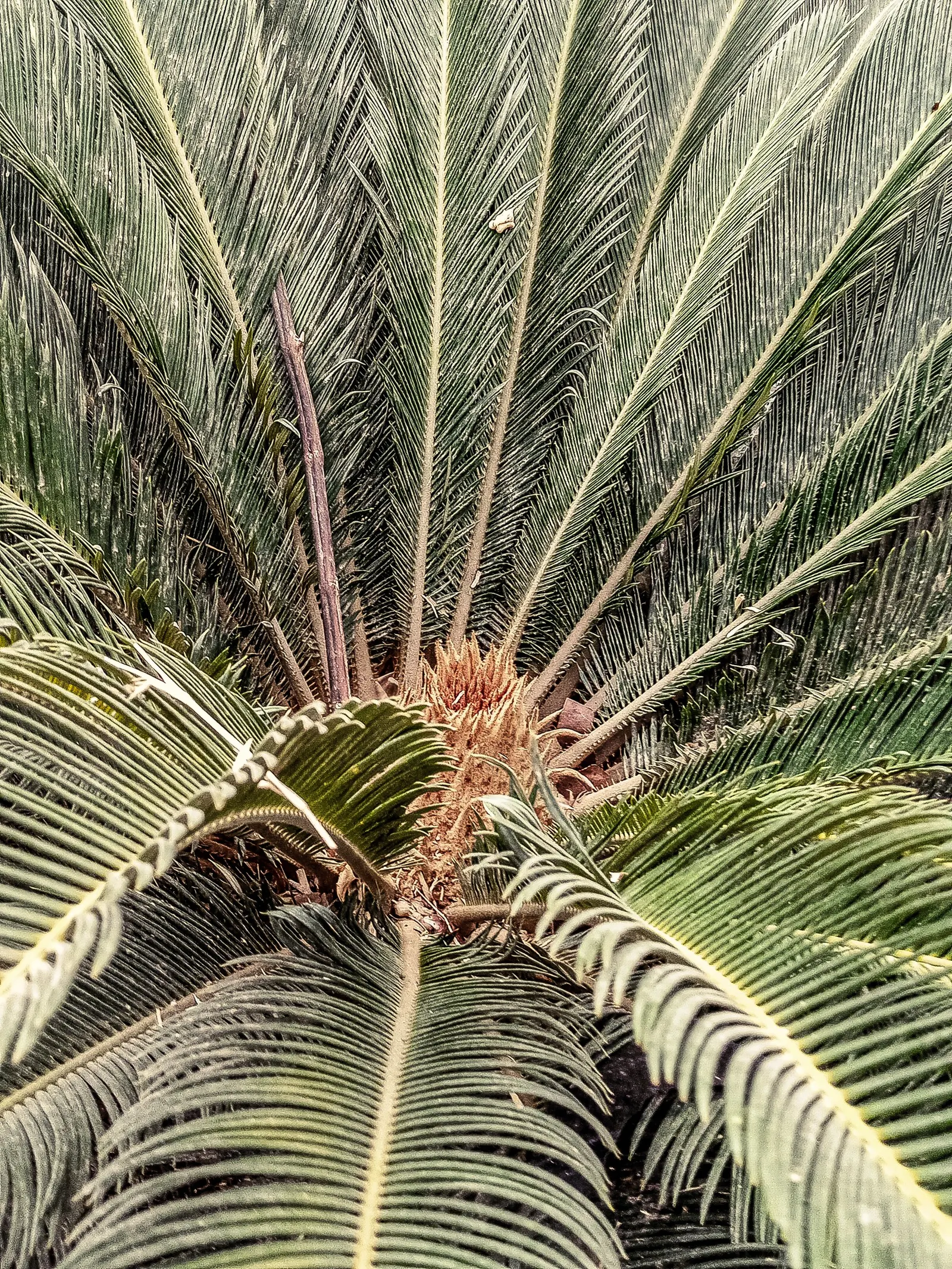
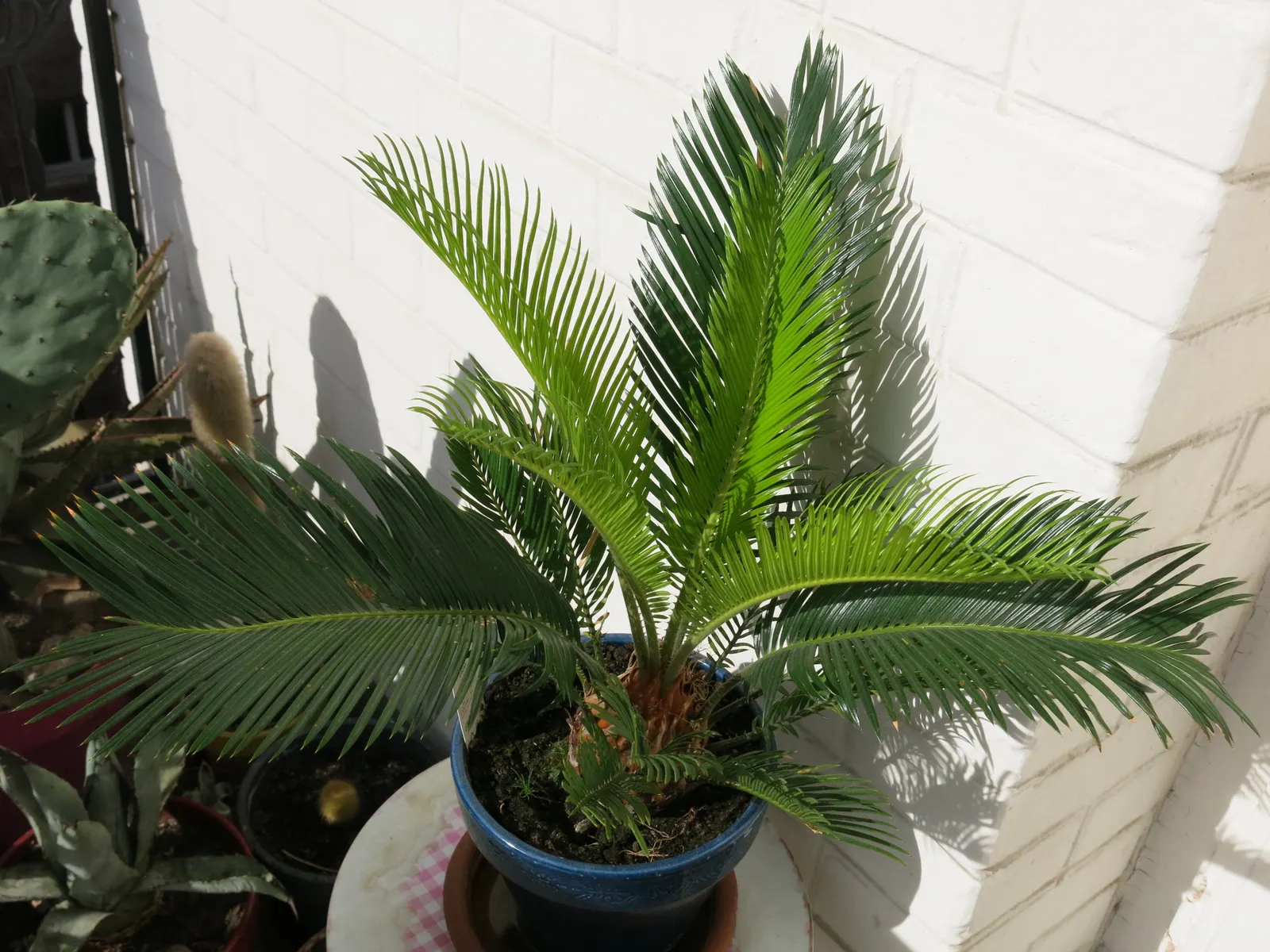
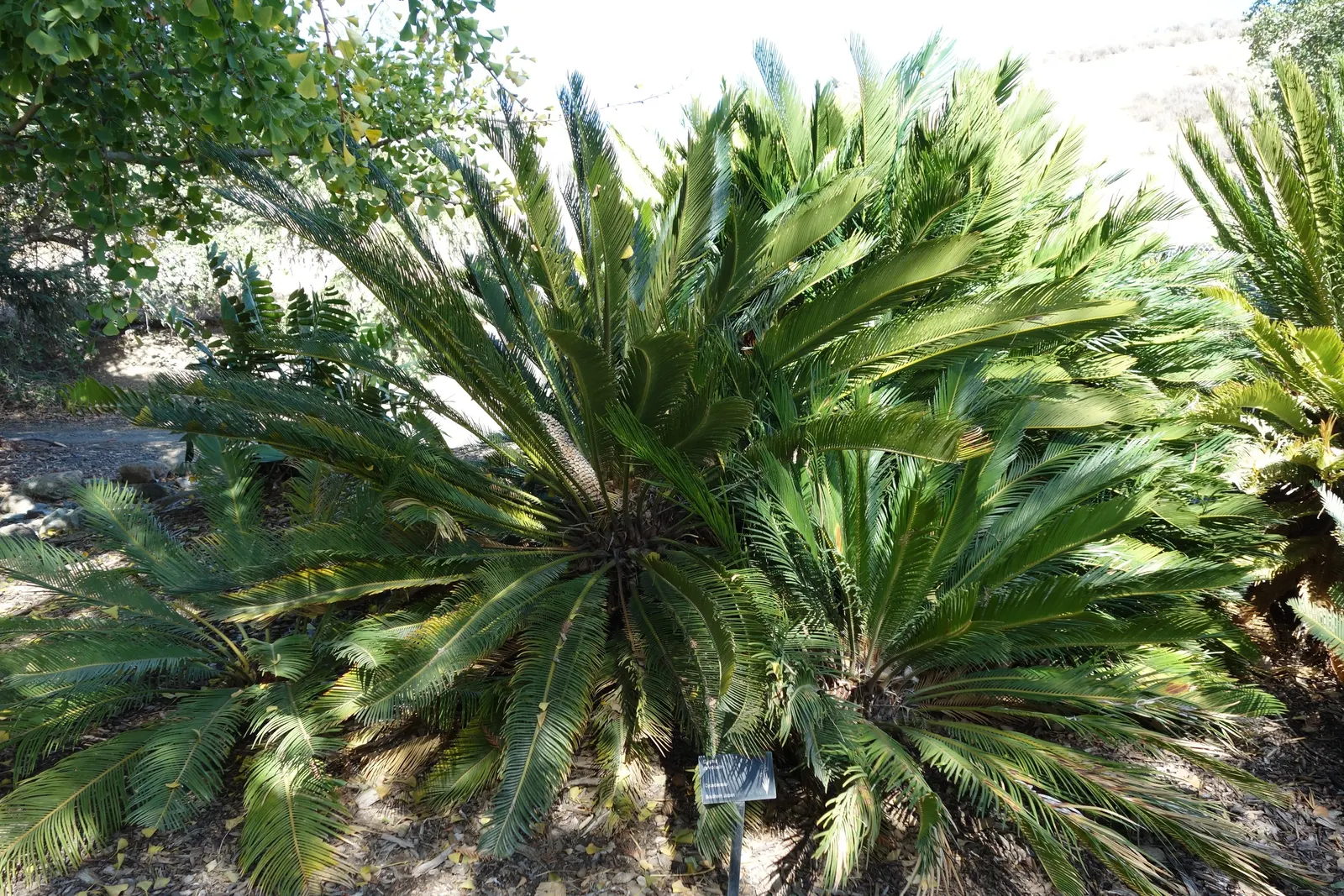
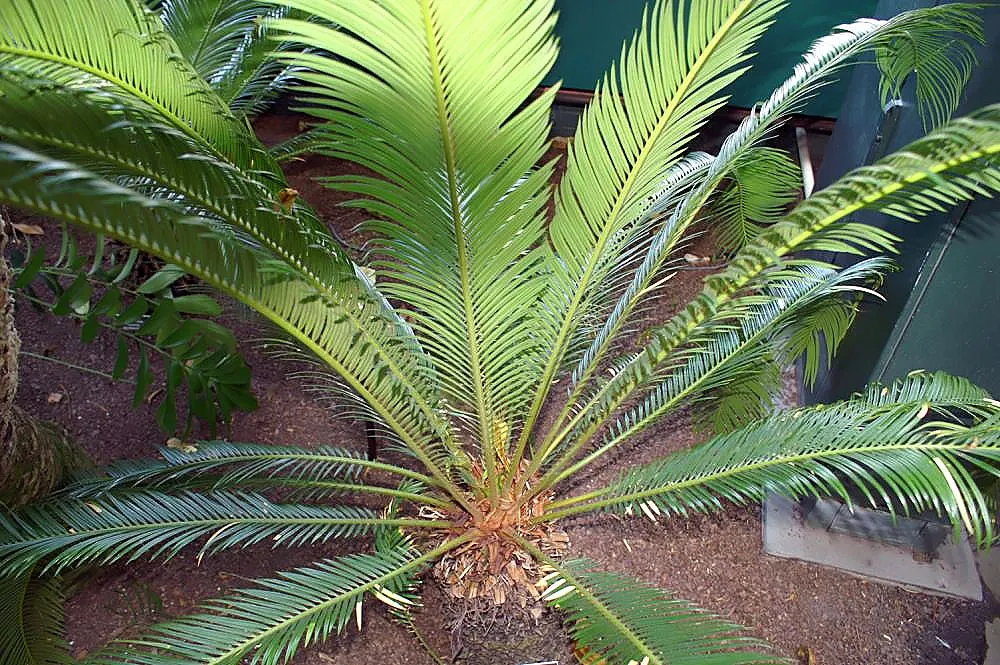
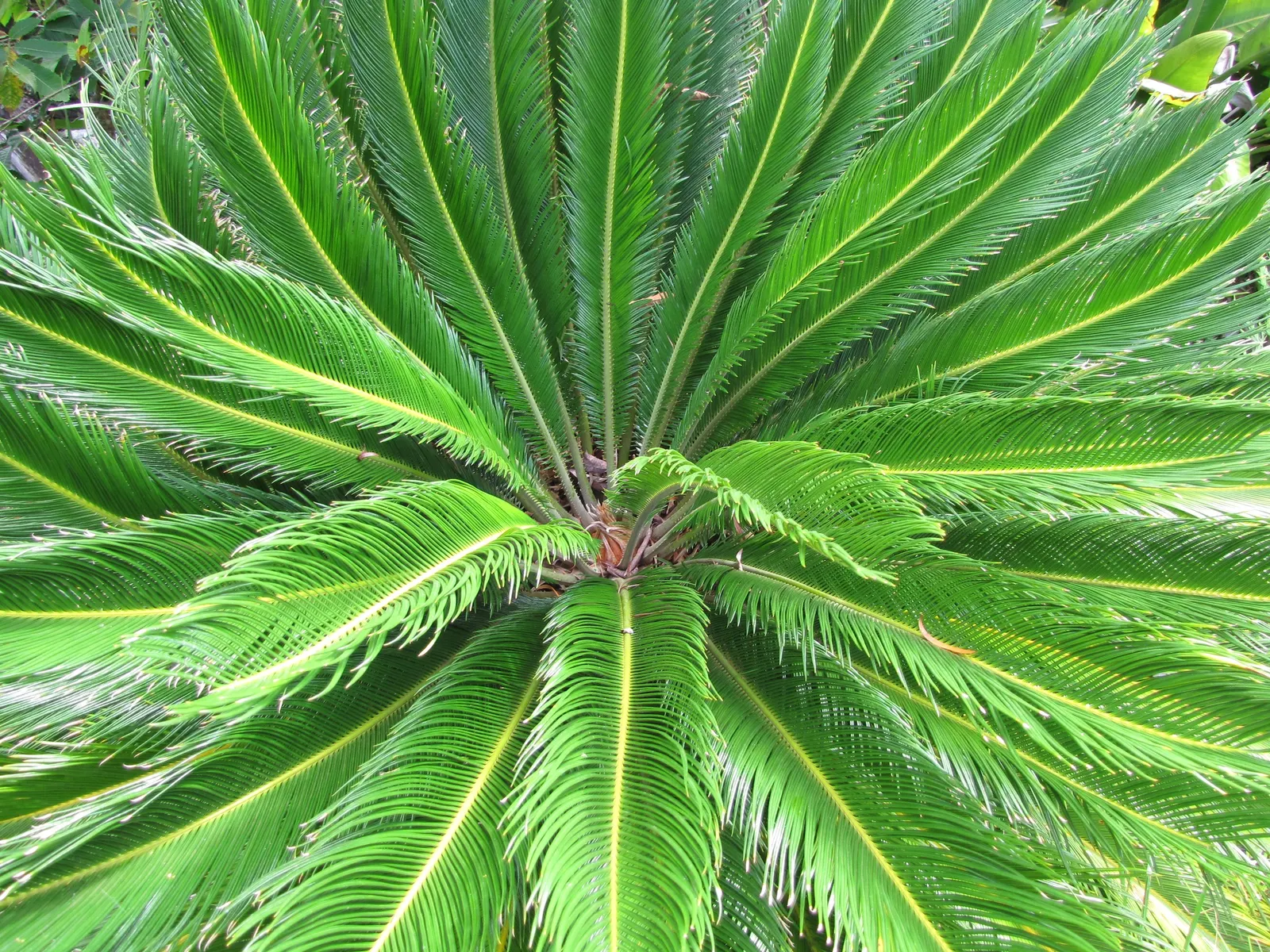
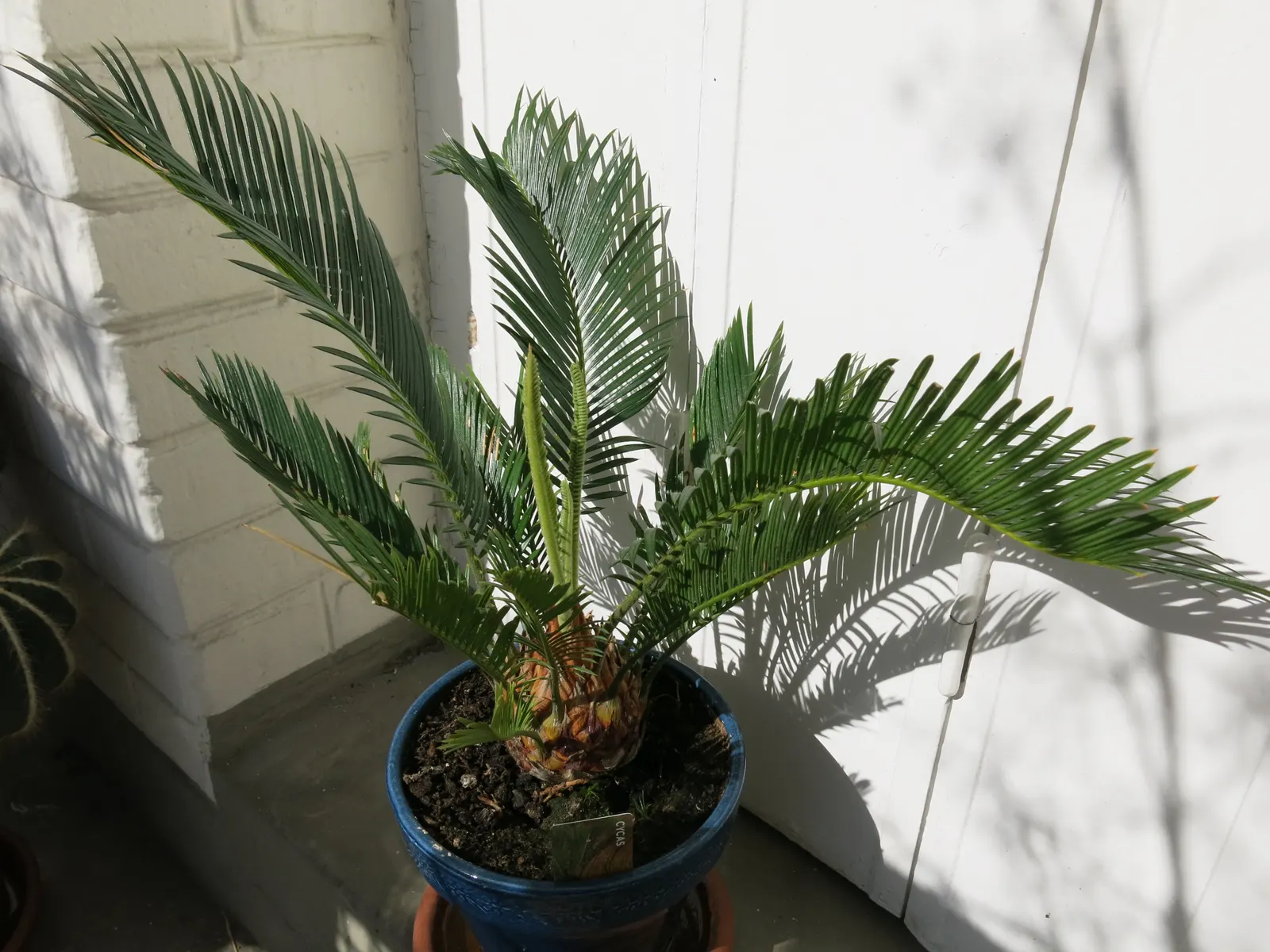
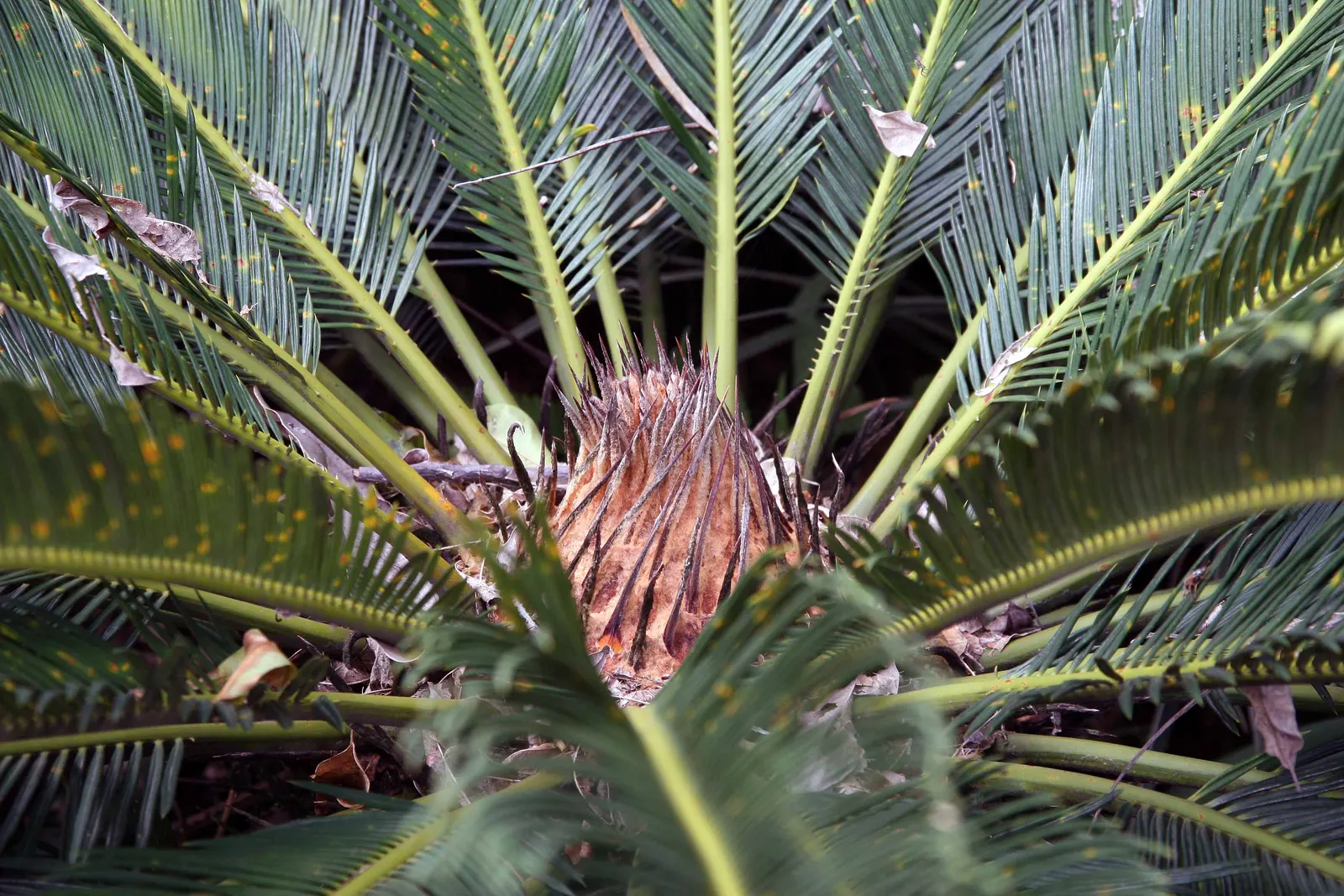
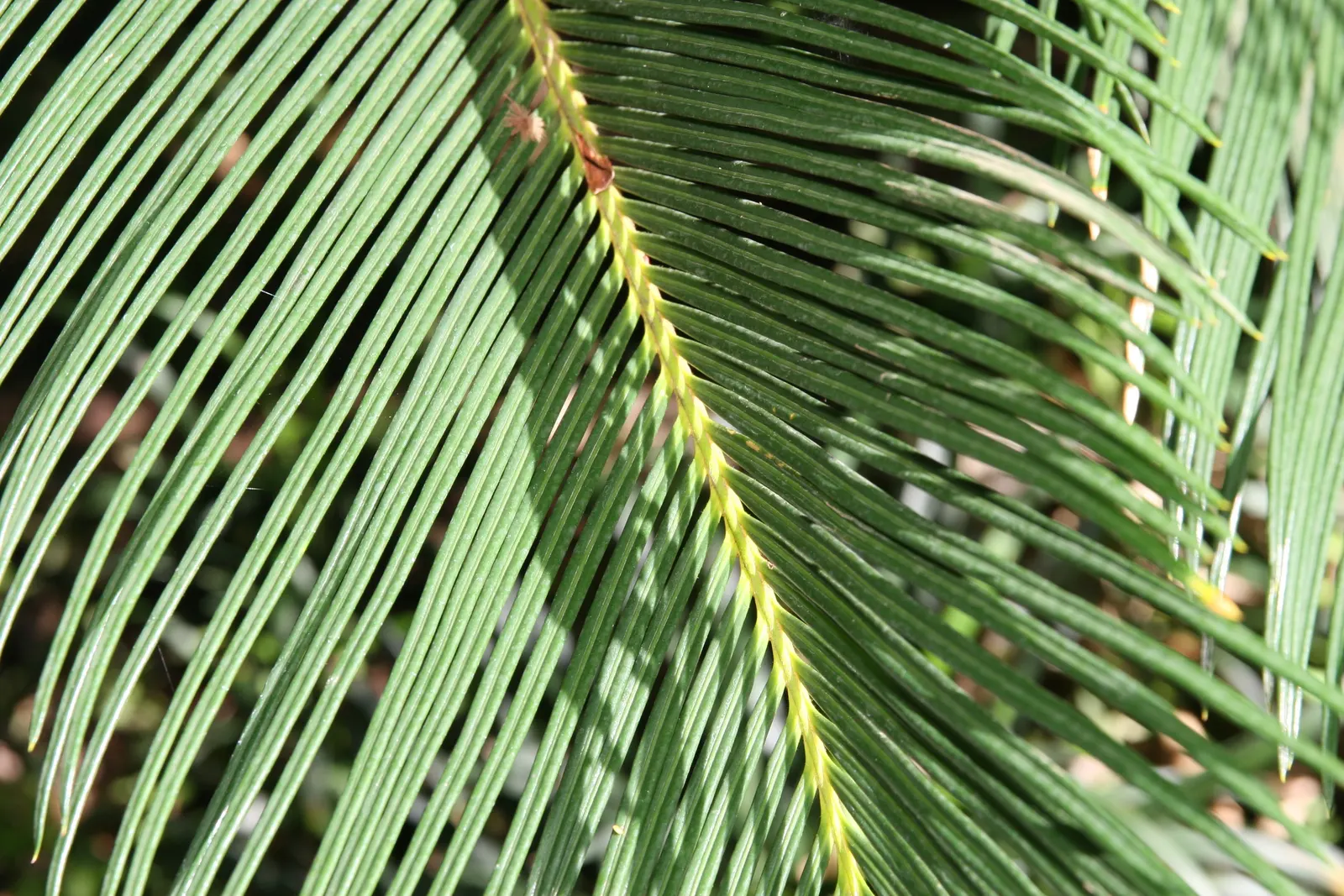
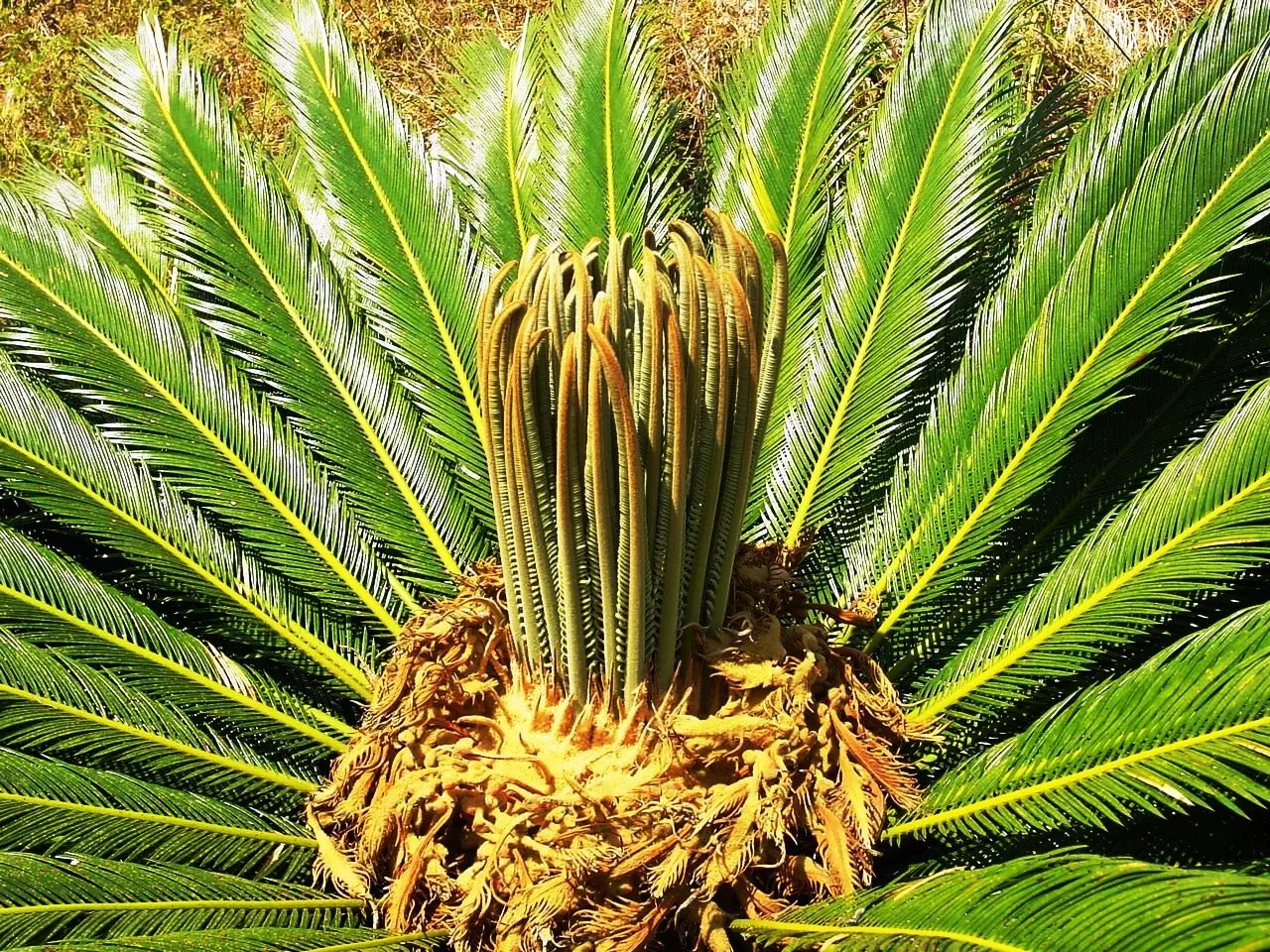
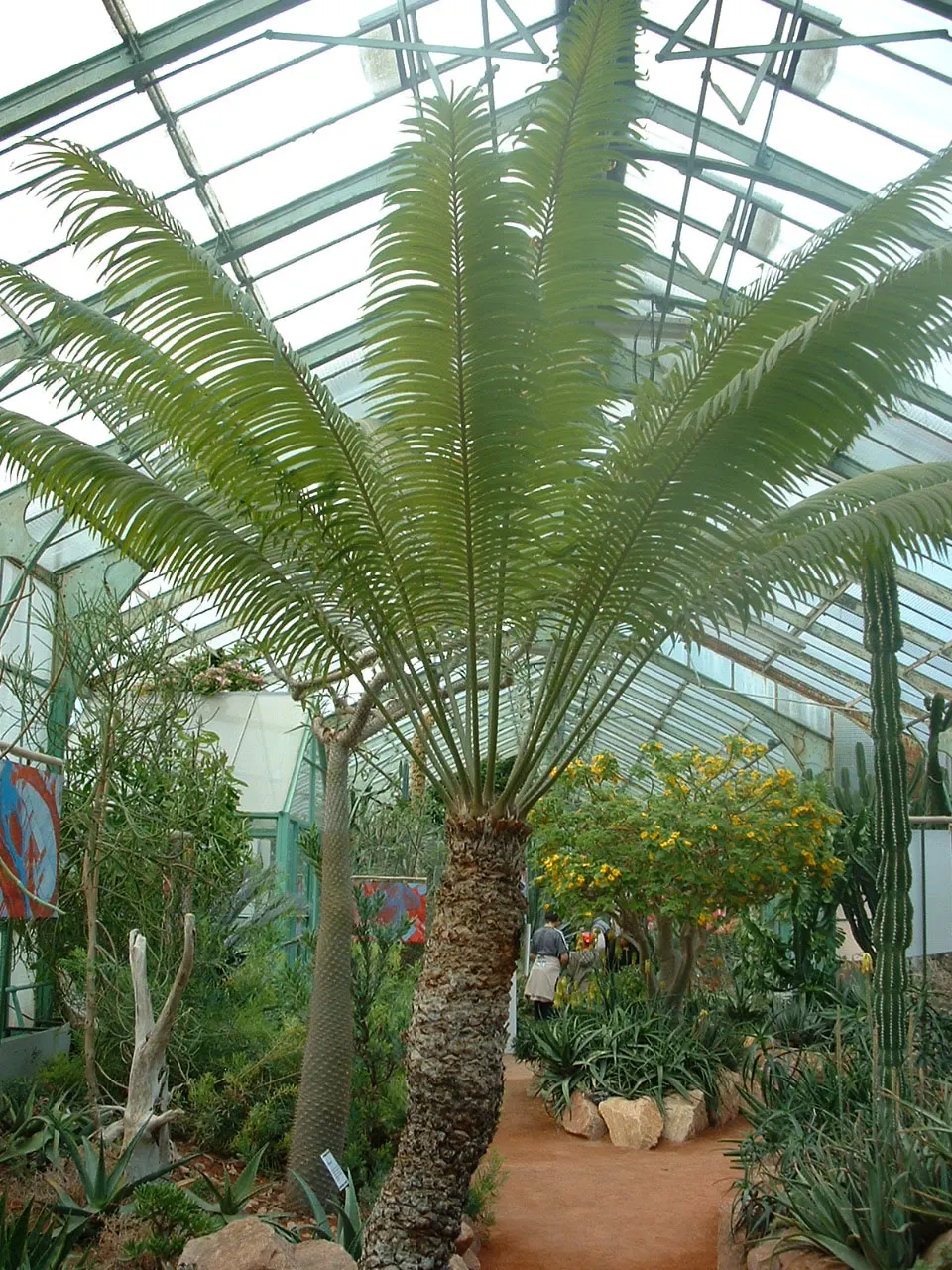
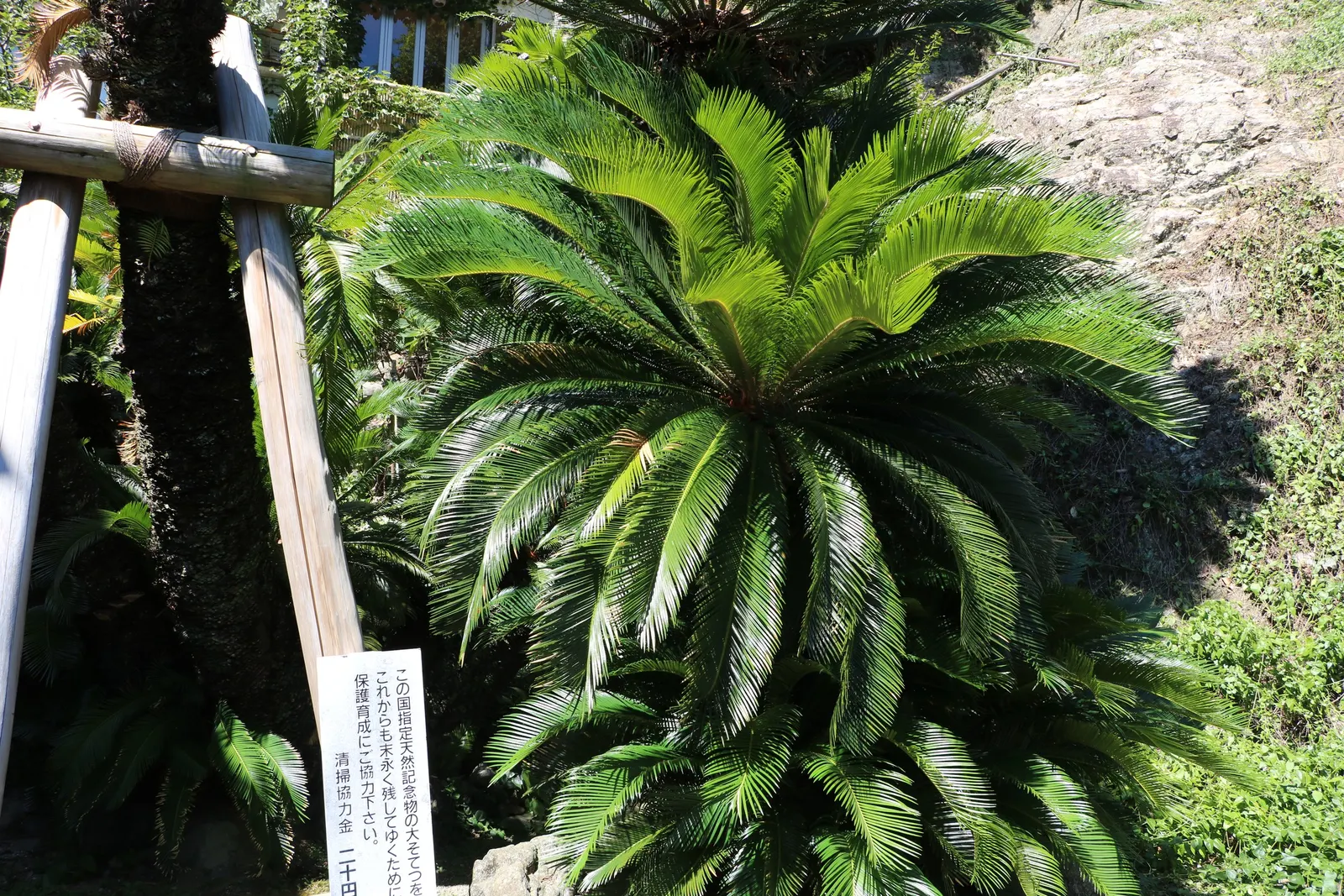
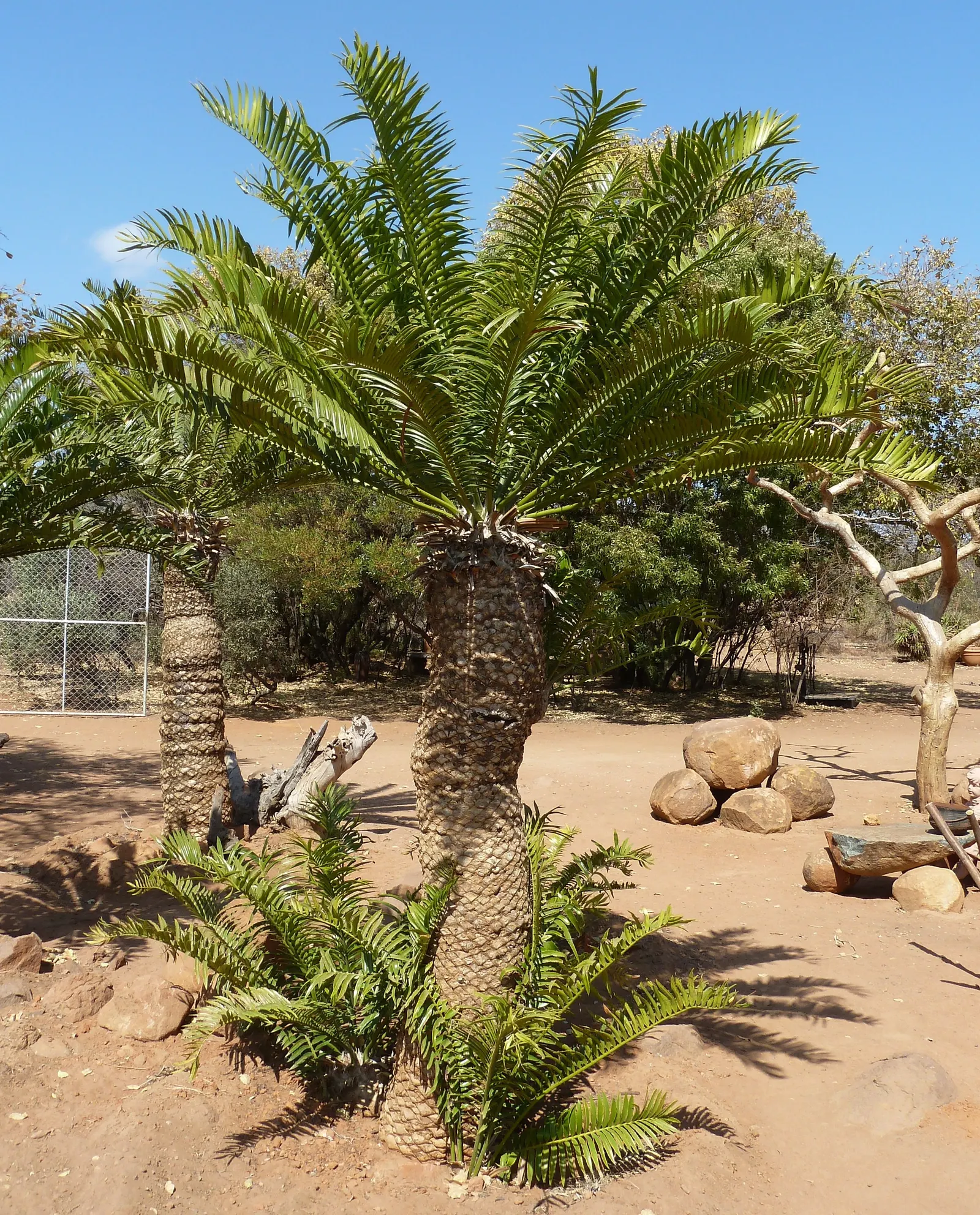
The Sago Palm, or Cycas revoluta, is an ancient, slow-growing plant that adds an exotic touch to landscapes. Featuring a stout trunk and a rosette of dark green, pinnate leaves up to 3 feet long, it resembles a palm. Hardy in USDA zones 9-11, it thrives in well-drained soil and full to partial sun. Drought tolerant once established, it reaches 2-10 feet in height and spread, requiring minimal care. Ideal for focal points.

Sun Full, HalfWater Extra in Summer, LowZones 8–11Climate Subtropical
Sago Palm (Cycas Revoluta) — The Sago Palm, or Cycas revoluta, is an ancient, slow-growing plant that adds an exotic touch to landscapes

Culture

Sun
Full, Half
Water
Extra in Summer, Low
USDA zones
8–11

Shape & size

Classification

Family
Cycadaceae
Climate
Subtropical

See full data, regional cultivation notes, full-resolution photos, and design tools. Build a client presentation around this plant.

Start your 14-day trial

Photos (134)

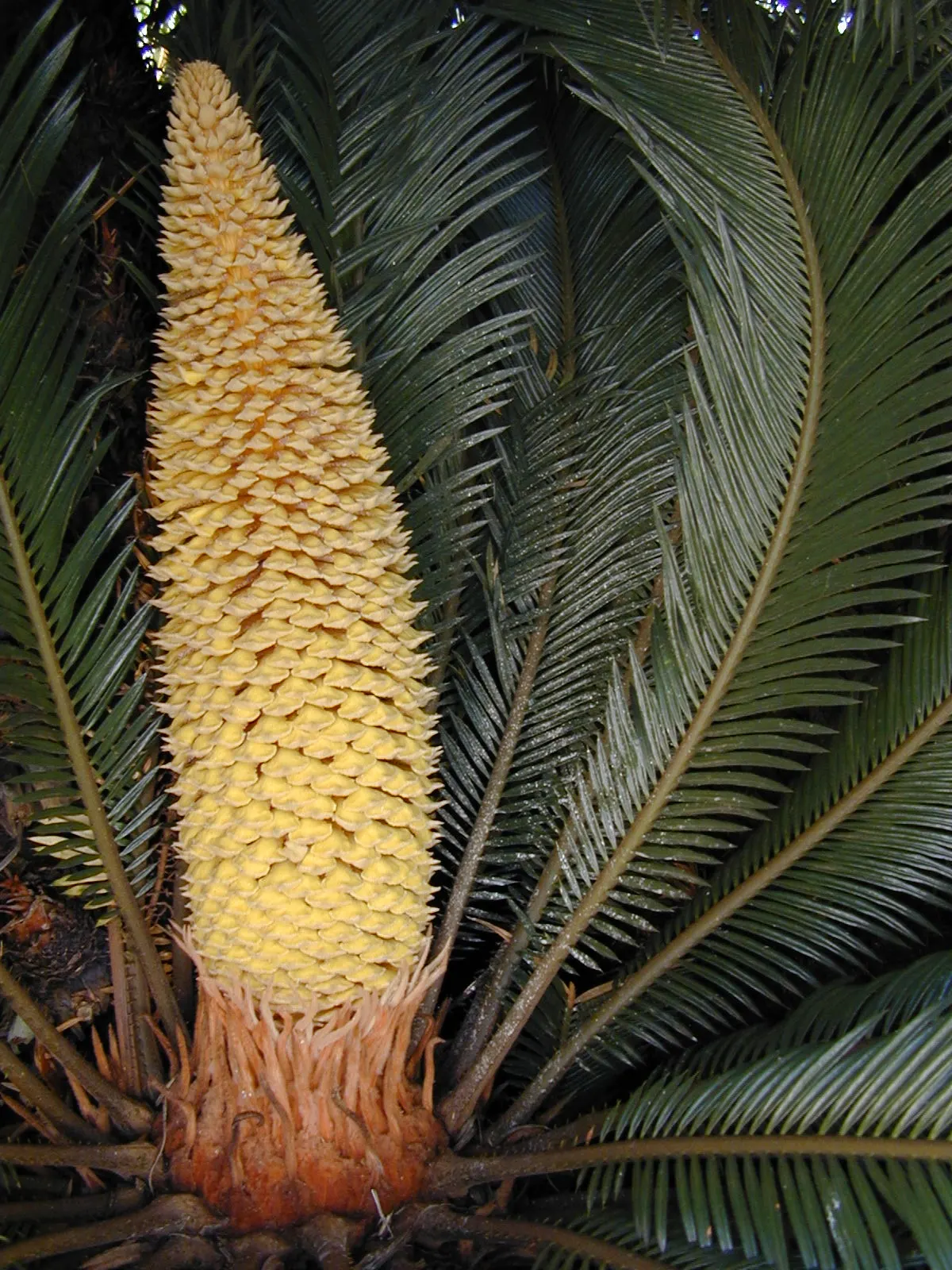
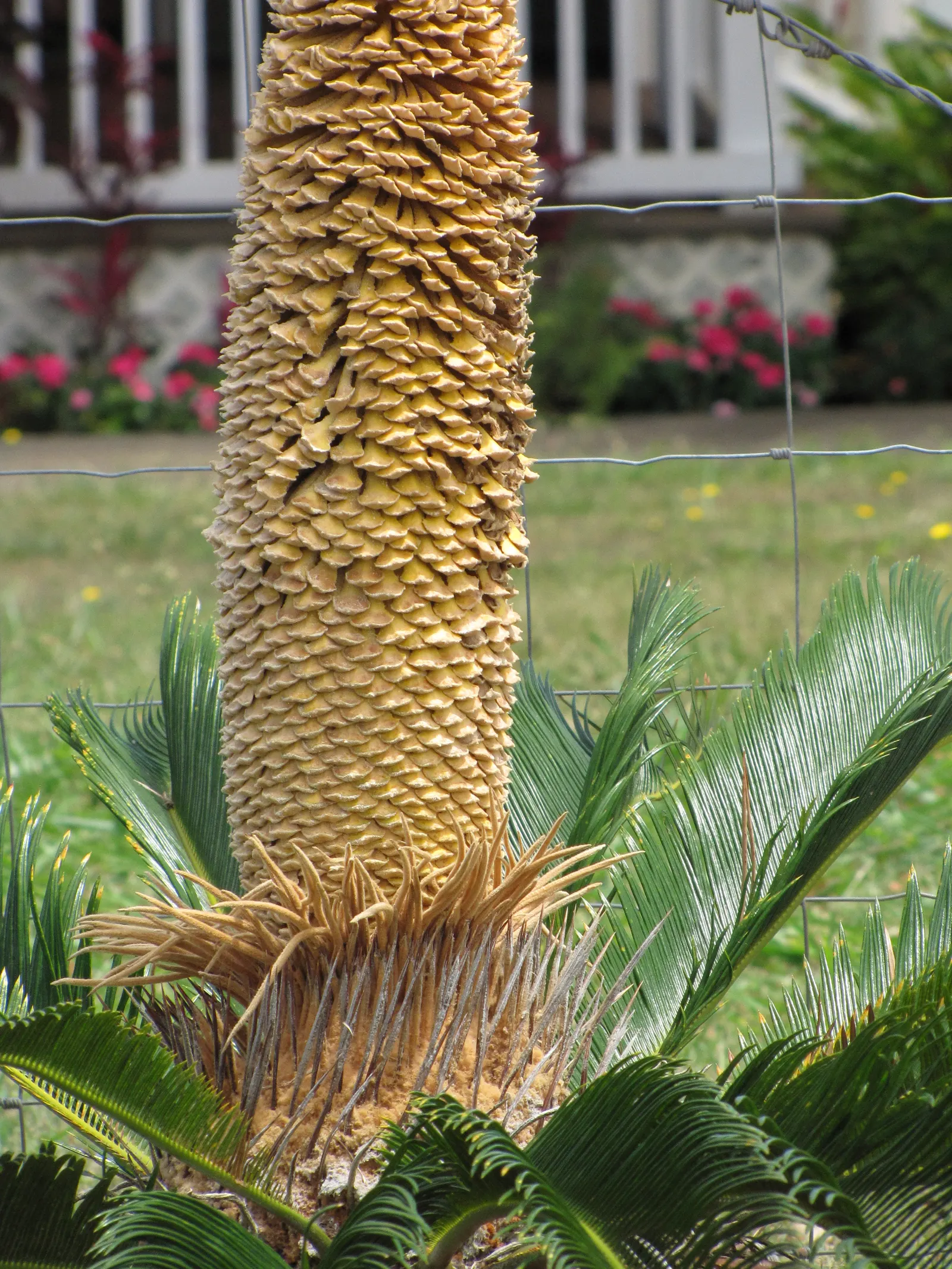
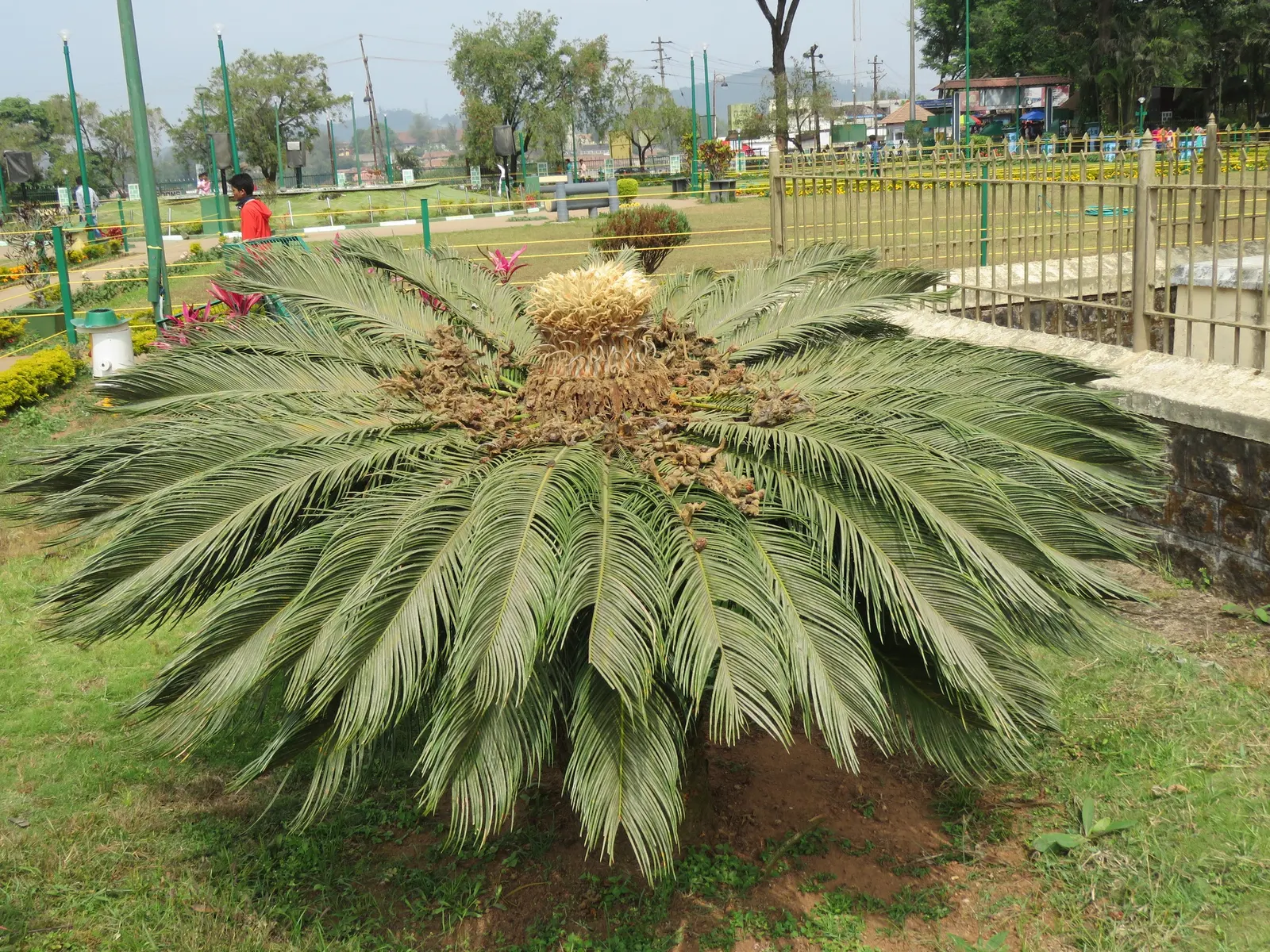
Sago Palm (Cycas Revoluta) — each frond typically ranging from 20 to 60 inches long; it's well-suited to USDA hardiness zones 9 through 11 and thrives in full
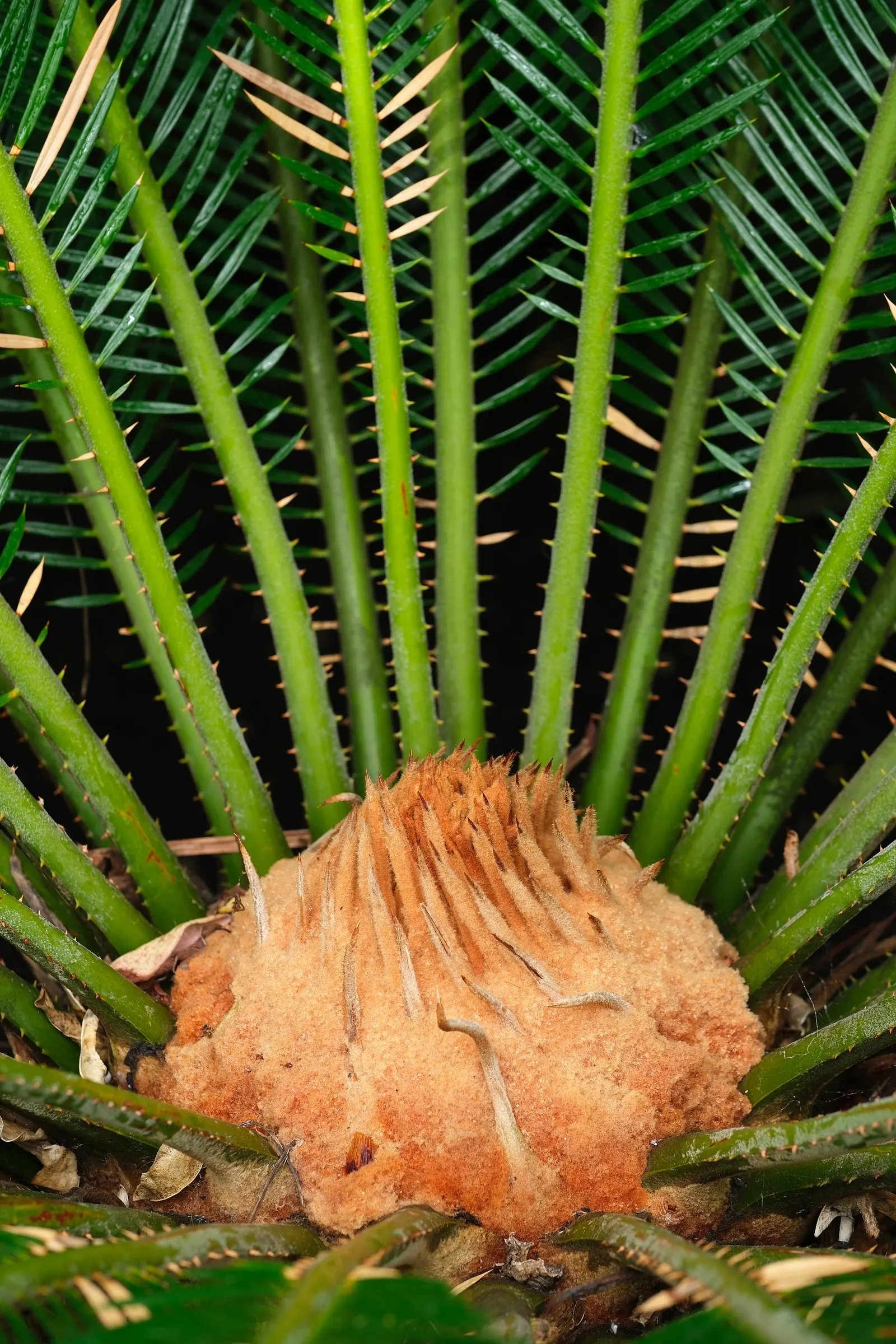
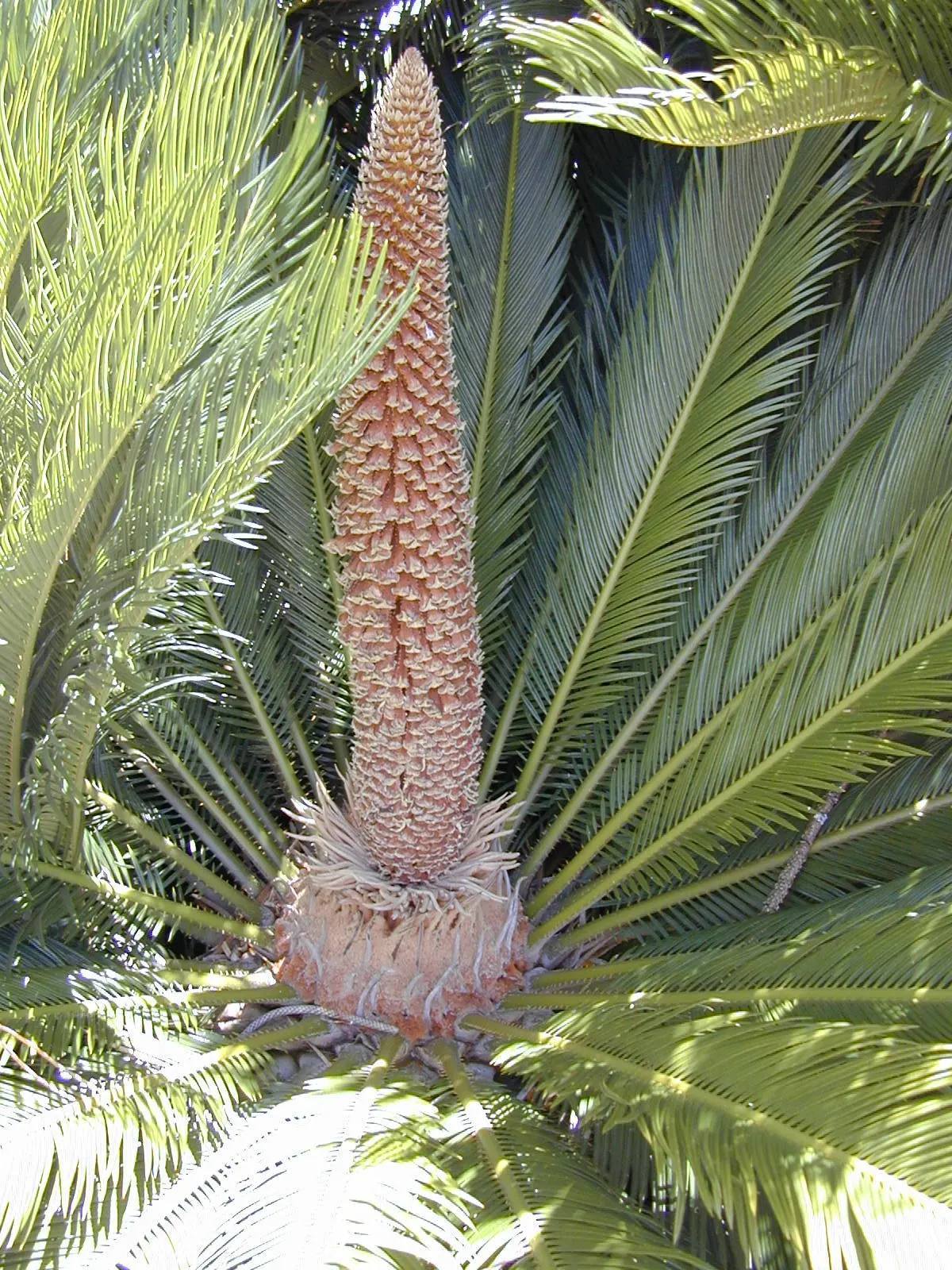
Sago Palm (Cycas Revoluta) — It's important to note that the leaflets are quite stiff and can be sharp; hardy in USDA zones 9-11, it thrives in well-drained
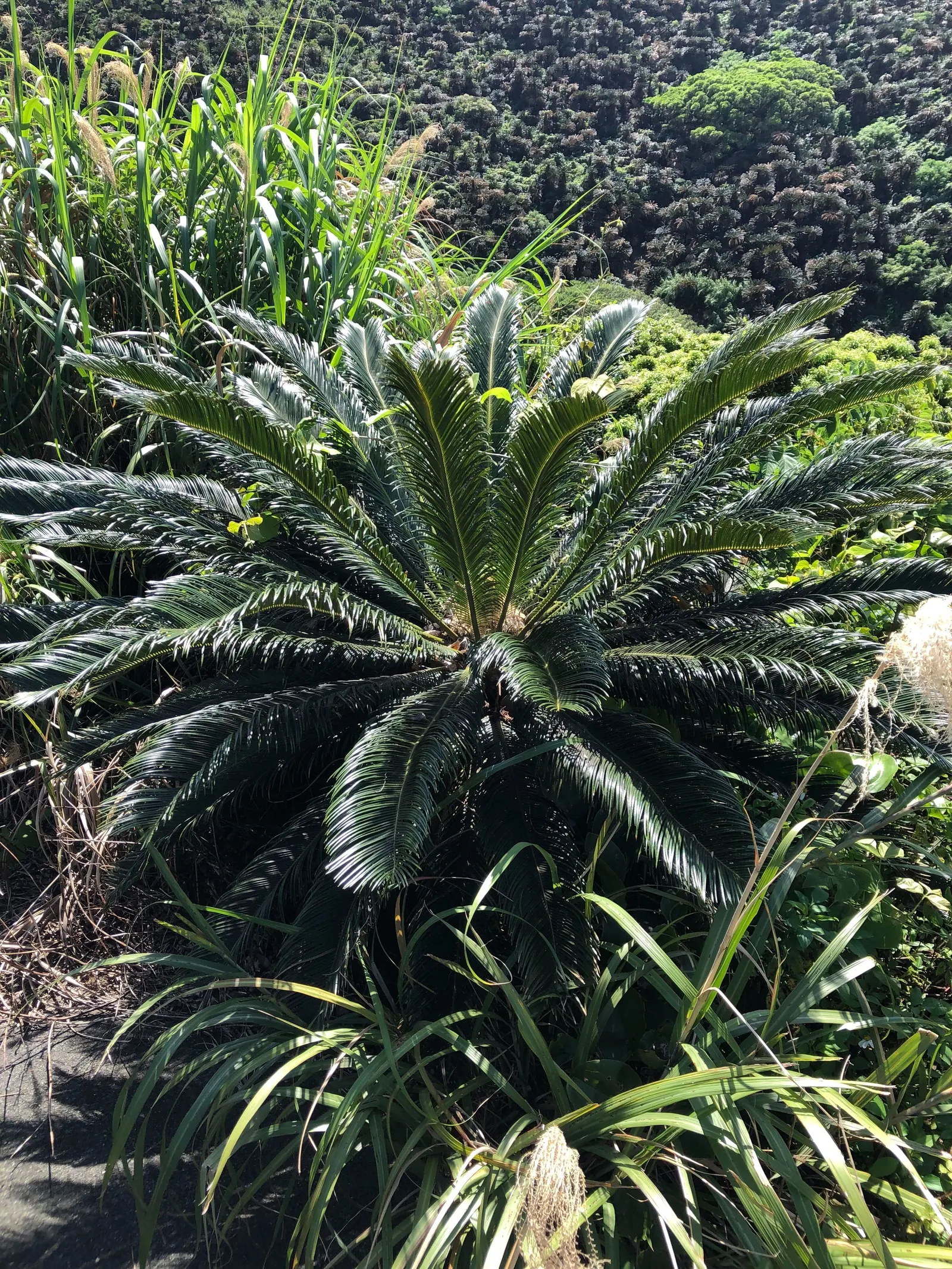
Sago Palm (Cycas Revoluta) — but it is particularly important to avoid overwatering to prevent root rot; it's important to note that the leaflets are quite
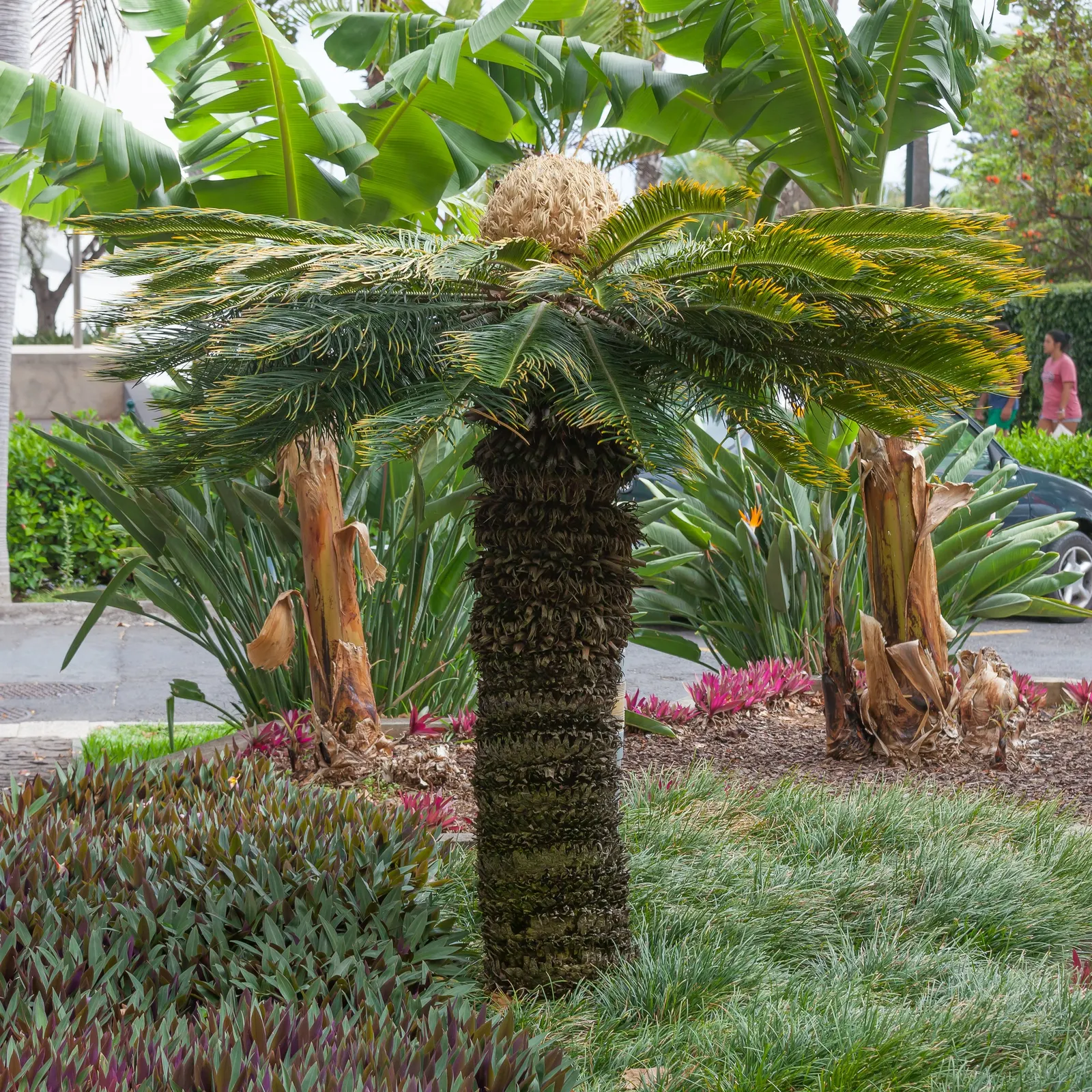
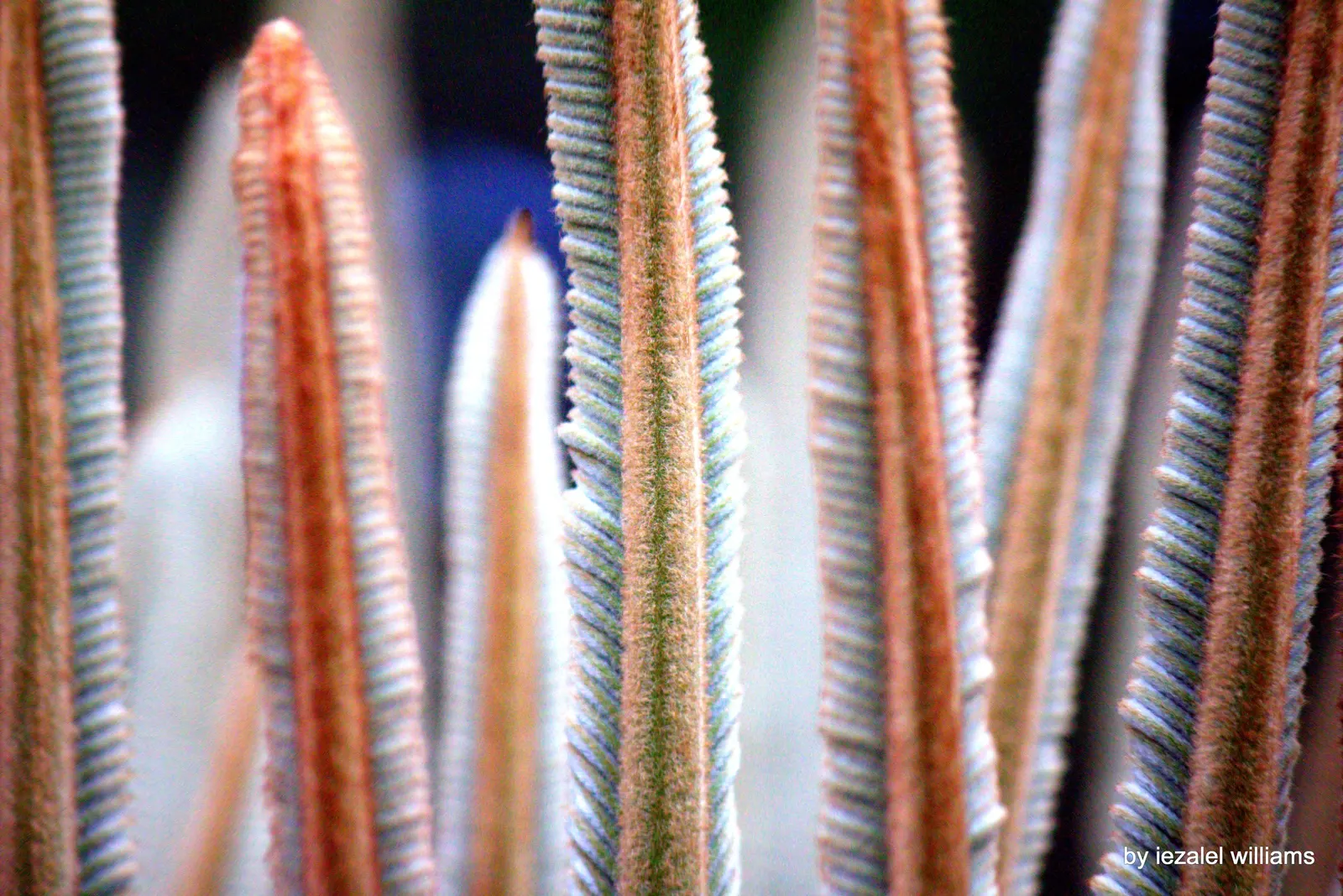
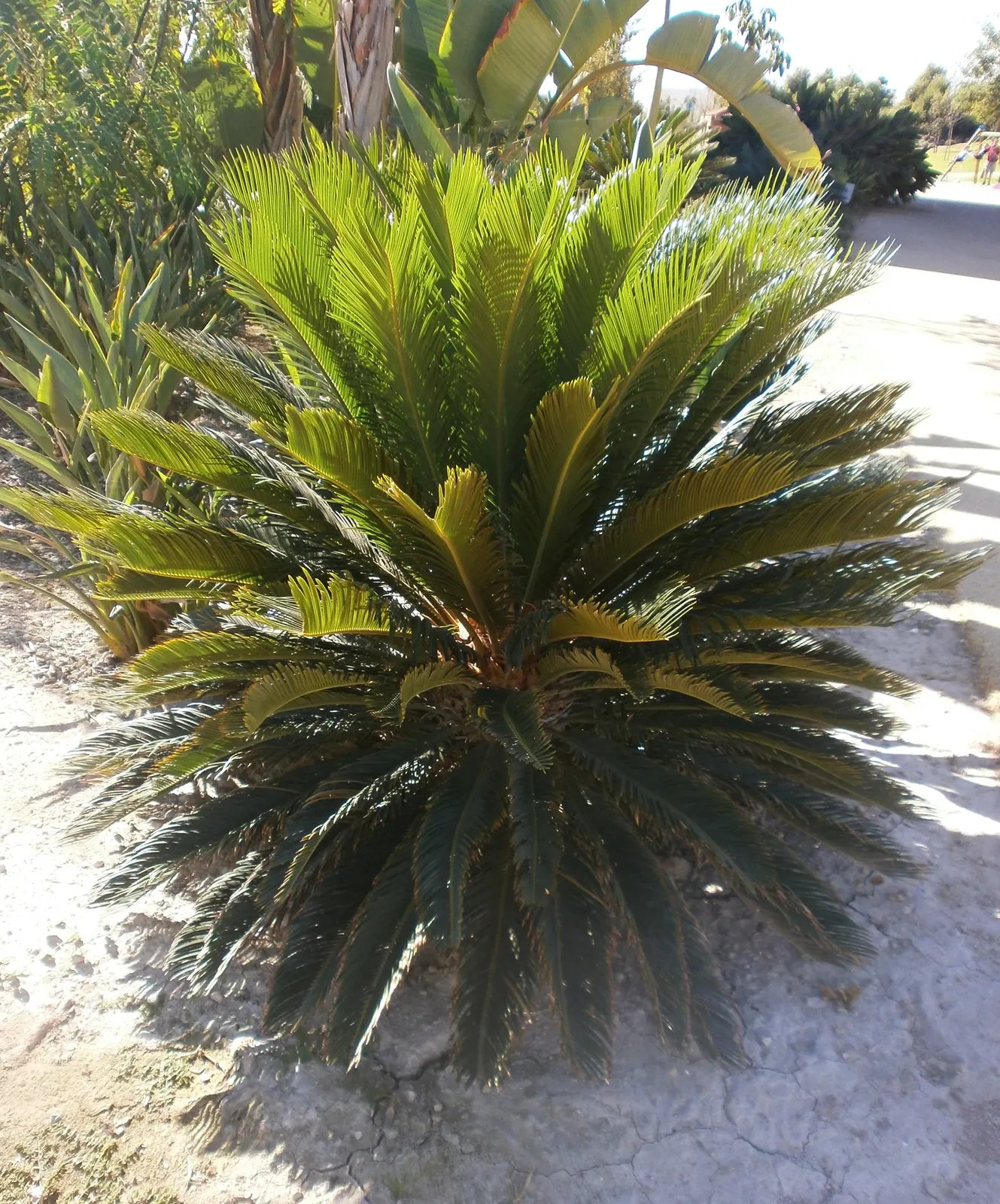
Sago Palm (Cycas Revoluta) — It's well-suited to USDA hardiness zones 9 through 11 and thrives in full sun to partial shade; the Sago Palm, or Cycas revoluta
Sago Palm (Cycas Revoluta) — While it can withstand some drought conditions once established; this slow-growing plant features a stout trunk and a symmetrical
Sago Palm (Cycas Revoluta) — so caution should be exercised if pets or small children are present in the garden; it is not a true palm but a cycad
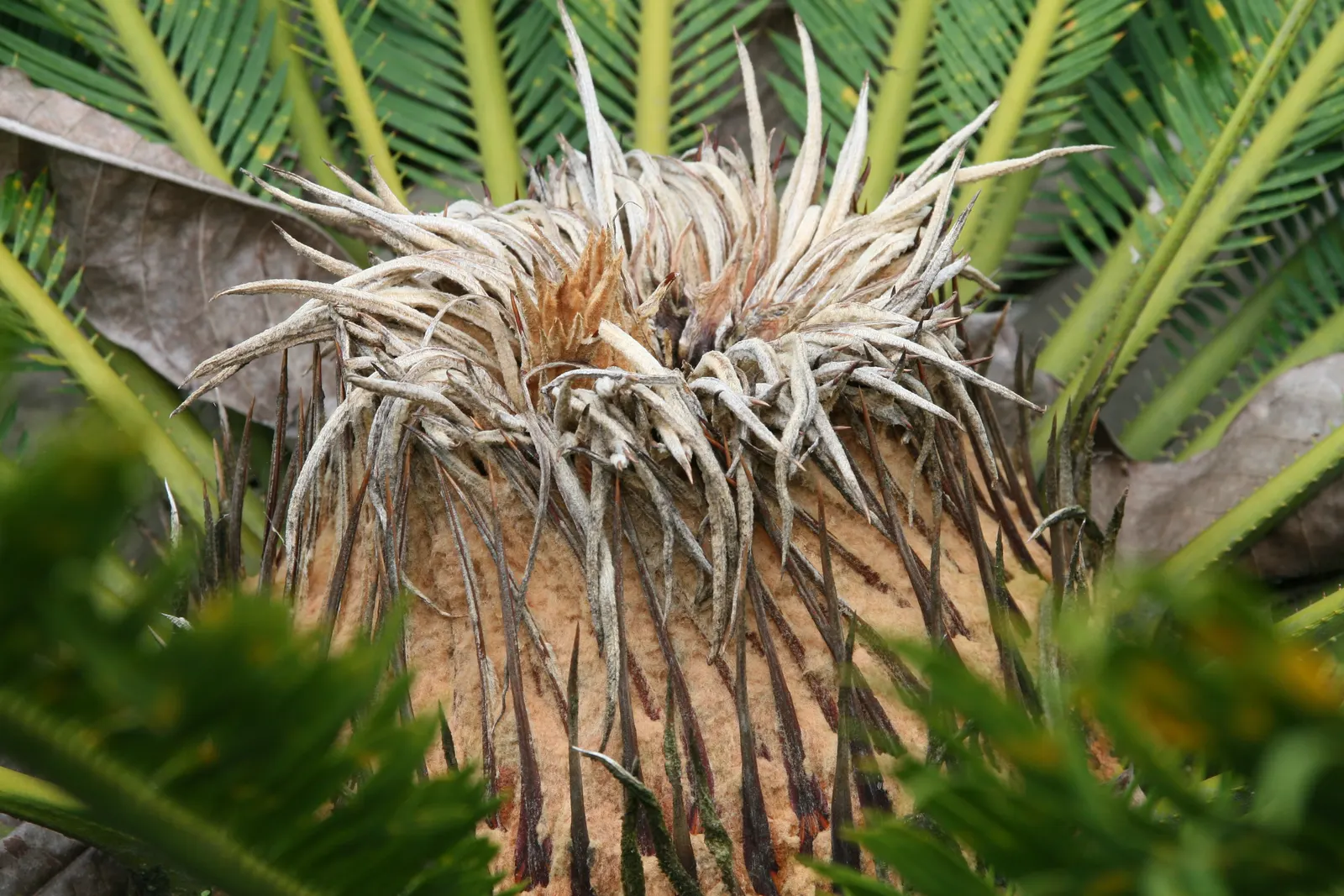
Sago Palm (Cycas Revoluta) — all parts of the Sago Palm are highly toxic if ingested; so caution should be exercised if pets or small children are present in
Sago Palm (Cycas Revoluta) — The Sago Palm, or Cycas revoluta, is an ancient, slow-growing plant that adds an exotic touch to landscapes; drought, image 33
Sago Palm (Cycas Revoluta) — palm for full or half; while it can withstand some drought conditions once established
Sago Palm (Cycas Revoluta) — Featuring a stout trunk and a rosette of dark green, pinnate leaves up to 3 feet long, it resembles a palm; but it is, image 34
Sago Palm (Cycas Revoluta) — Hardy in USDA zones 9-11, it thrives in well-drained soil and full to partial sun; featuring a stout trunk and a, image 35
Sago Palm (Cycas Revoluta) — Drought tolerant once established, it reaches 2-10 feet in height and spread, requiring minimal care; each frond, image 36
Sago Palm (Cycas Revoluta) — it is not a true palm but a cycad; cycas revoluta can eventually grow taller (up to 10 feet) under optimal conditions, image 38
Sago Palm (Cycas Revoluta) — is a distinctive and ancient plant species that adds an exotic and tropical flair to any landscape design; palm for, image 37
Sago Palm (Cycas Revoluta) — Cycas revoluta can eventually grow taller (up to 10 feet) under optimal conditions over many years; all parts of the, image 39
Sago Palm (Cycas Revoluta) — each frond typically ranging from 20 to 60 inches long; it's well-suited to USDA hardiness zones 9 through 11 and, image 41
Sago Palm (Cycas Revoluta) — This slow-growing plant features a stout trunk and a symmetrical rosette of dark green; is a distinctive and ancient, image 40
Sago Palm (Cycas Revoluta) — but it is particularly important to avoid overwatering to prevent root rot; it's important to note that the leaflets, image 43
Sago Palm (Cycas Revoluta) — It's important to note that the leaflets are quite stiff and can be sharp; hardy in USDA zones 9-11, it thrives in, image 42
Sago Palm (Cycas Revoluta) — It's well-suited to USDA hardiness zones 9 through 11 and thrives in full sun to partial shade; the Sago Palm, or, image 44
Sago Palm (Cycas Revoluta) — While it can withstand some drought conditions once established; this slow-growing plant features a stout trunk and a, image 45
Sago Palm (Cycas Revoluta) — so caution should be exercised if pets or small children are present in the garden; it is not a true palm but a cycad, image 47
Sago Palm (Cycas Revoluta) — all parts of the Sago Palm are highly toxic if ingested; so caution should be exercised if pets or small children are, image 46
Sago Palm (Cycas Revoluta) — palm for full or half; while it can withstand some drought conditions once established, image 48

Related plants