Skip to content

Camphor Tree

Cinnamomum Camphora

Design with this plant

Overview

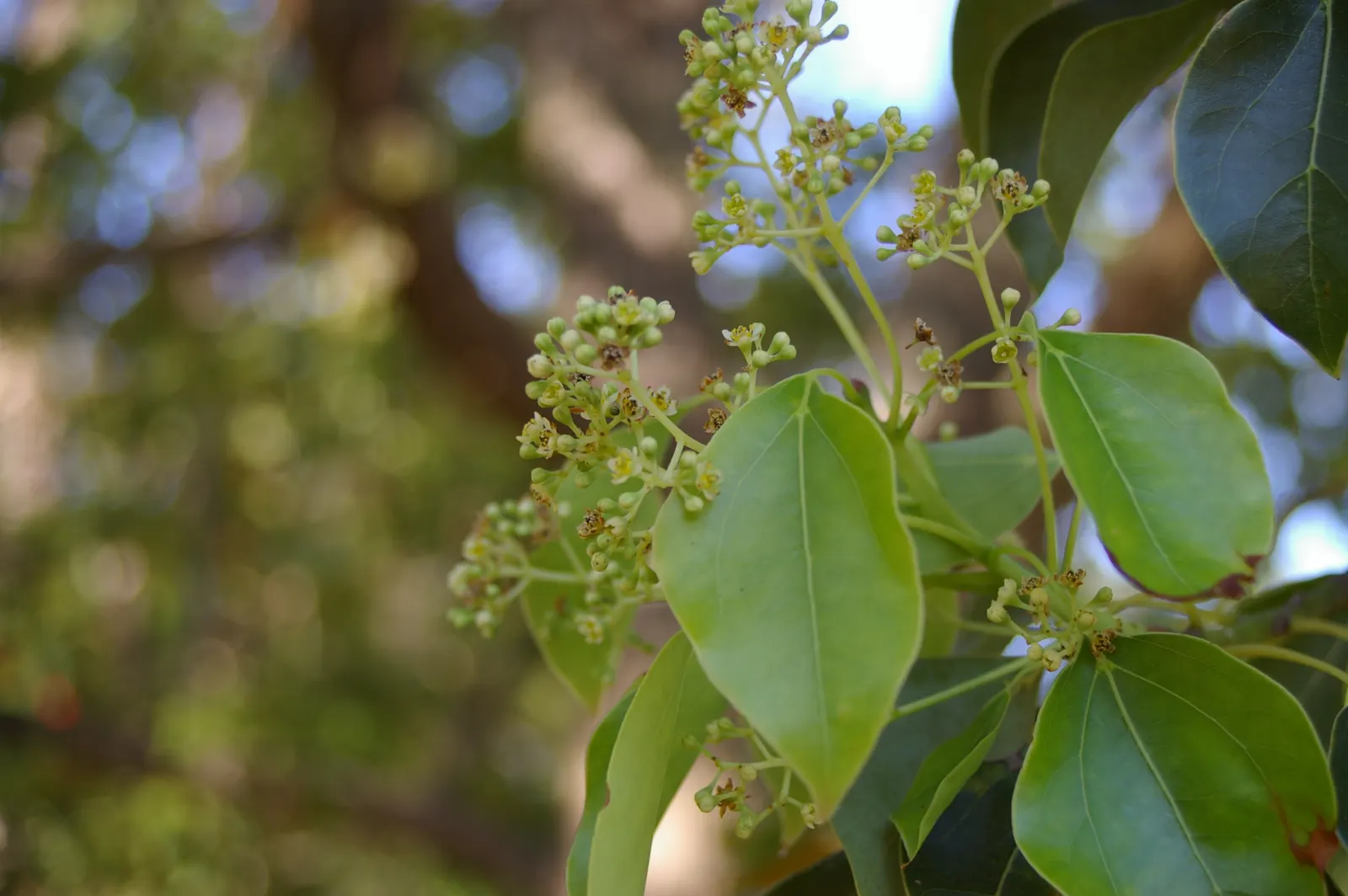
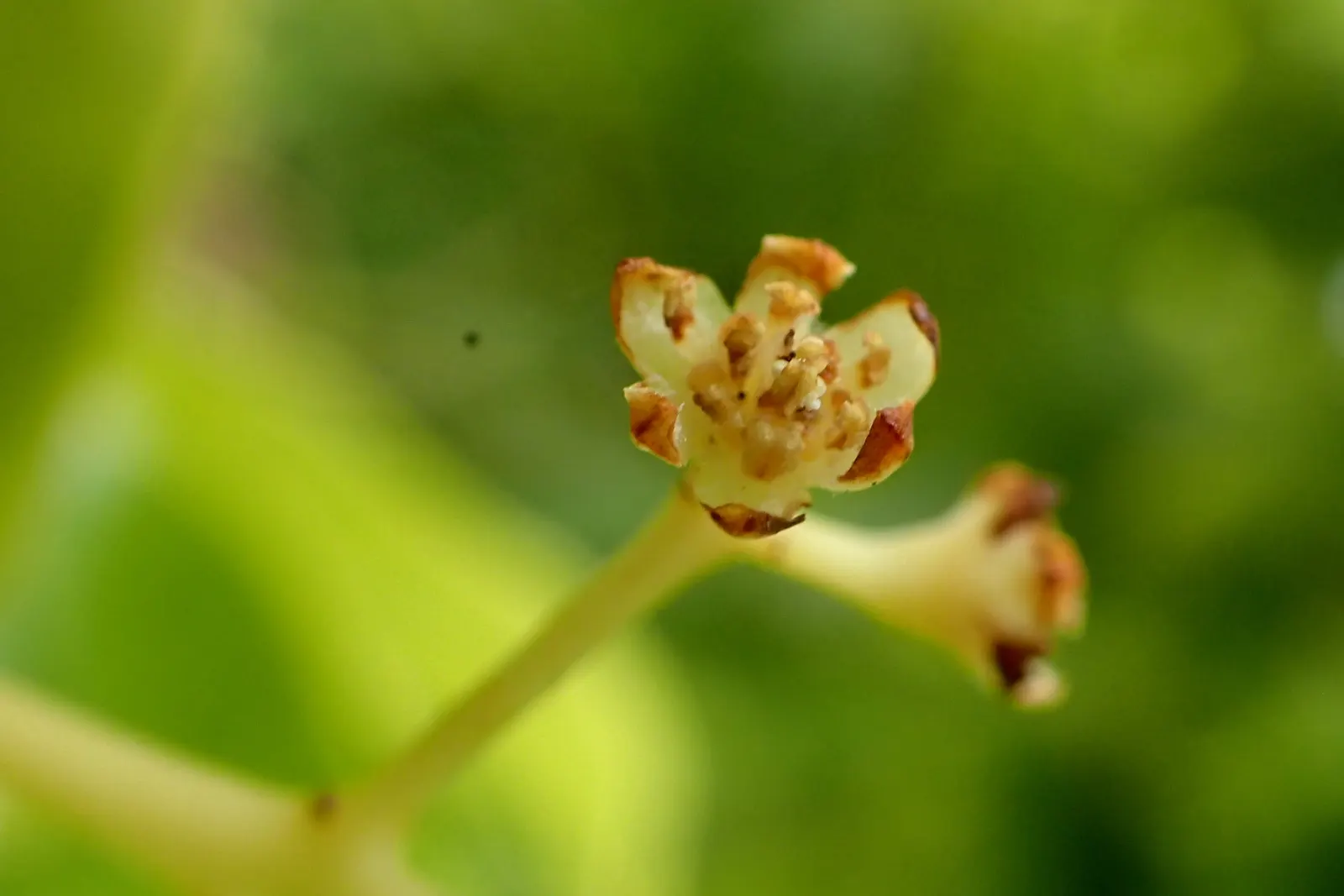
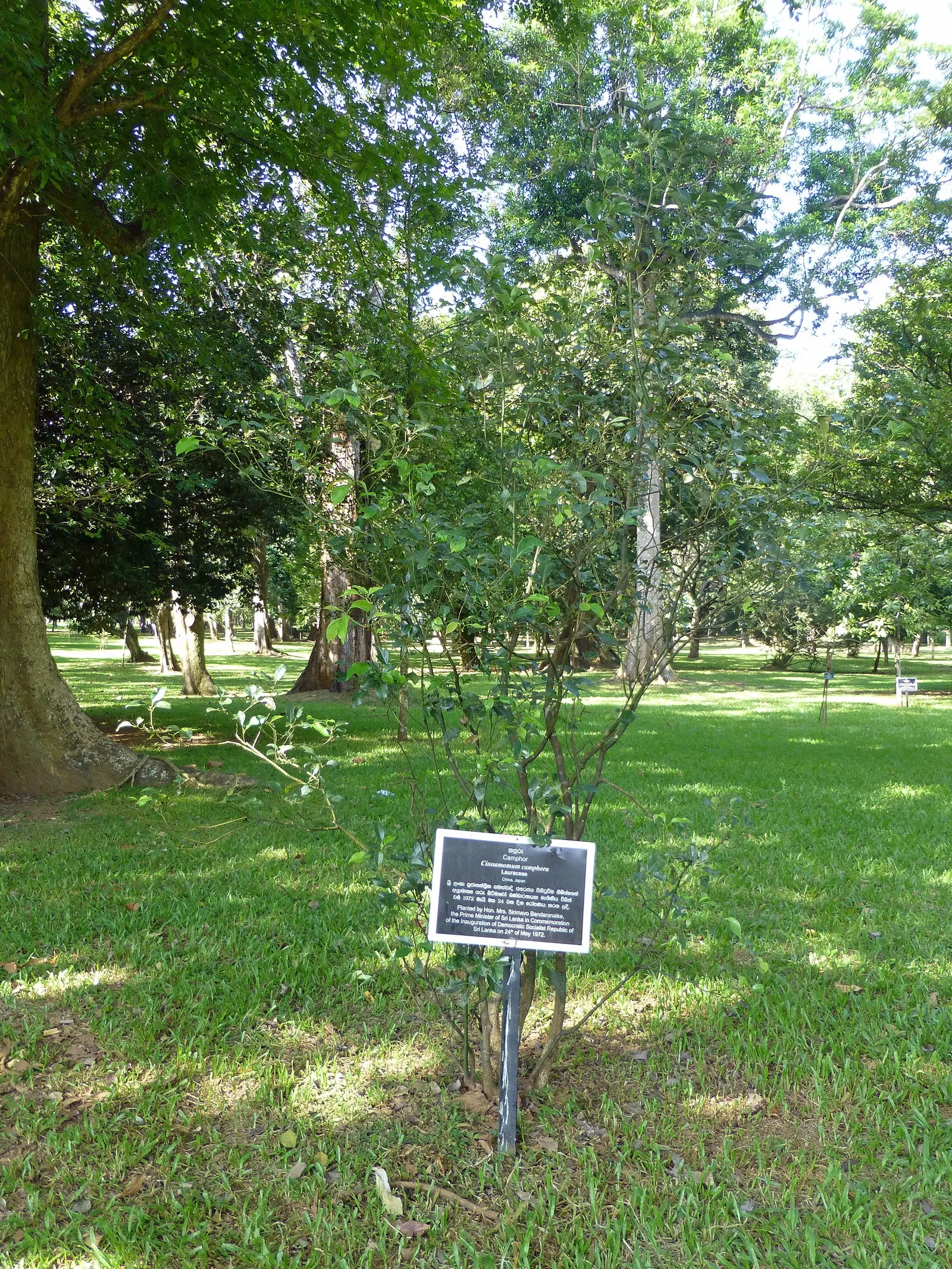
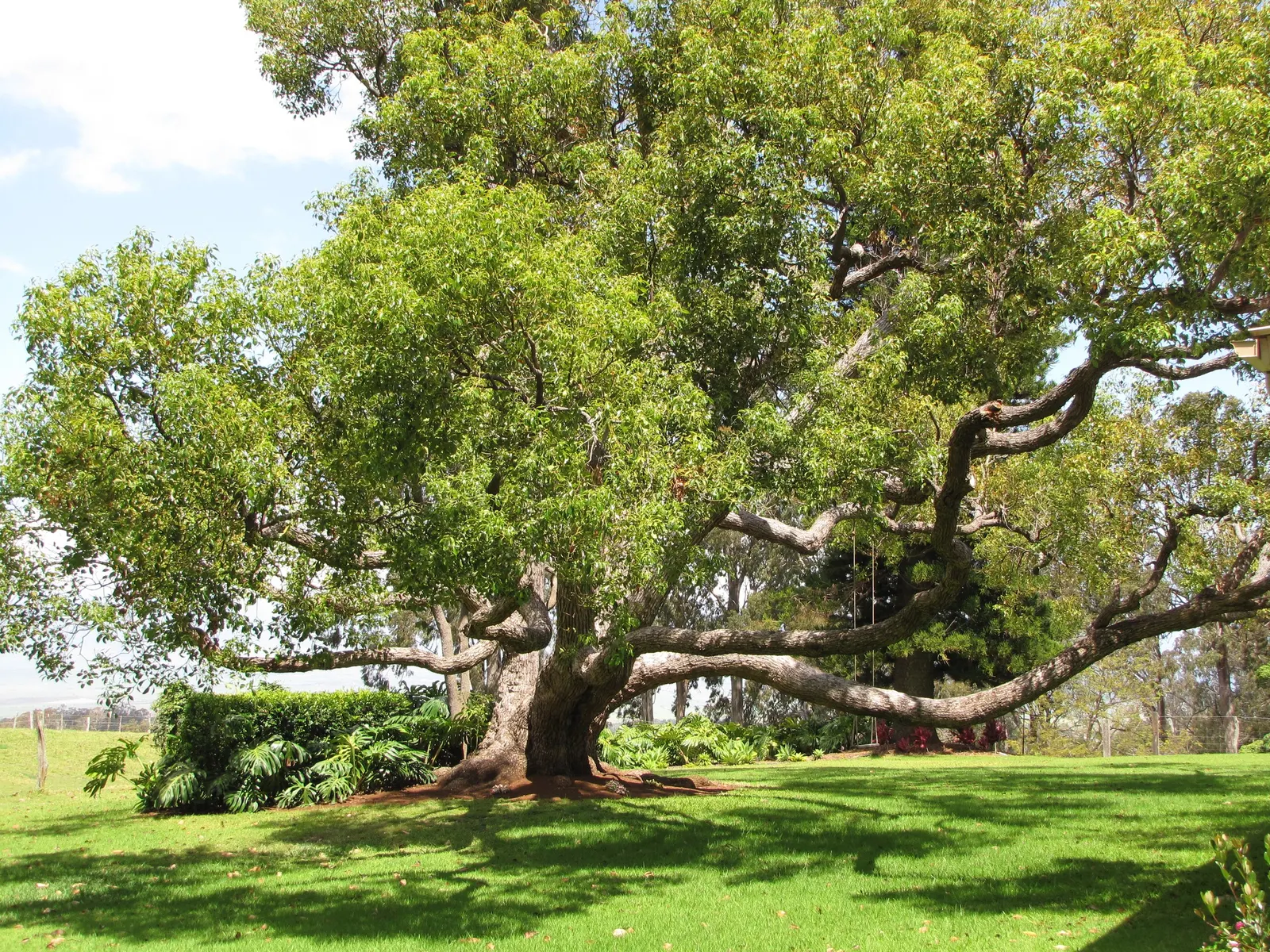
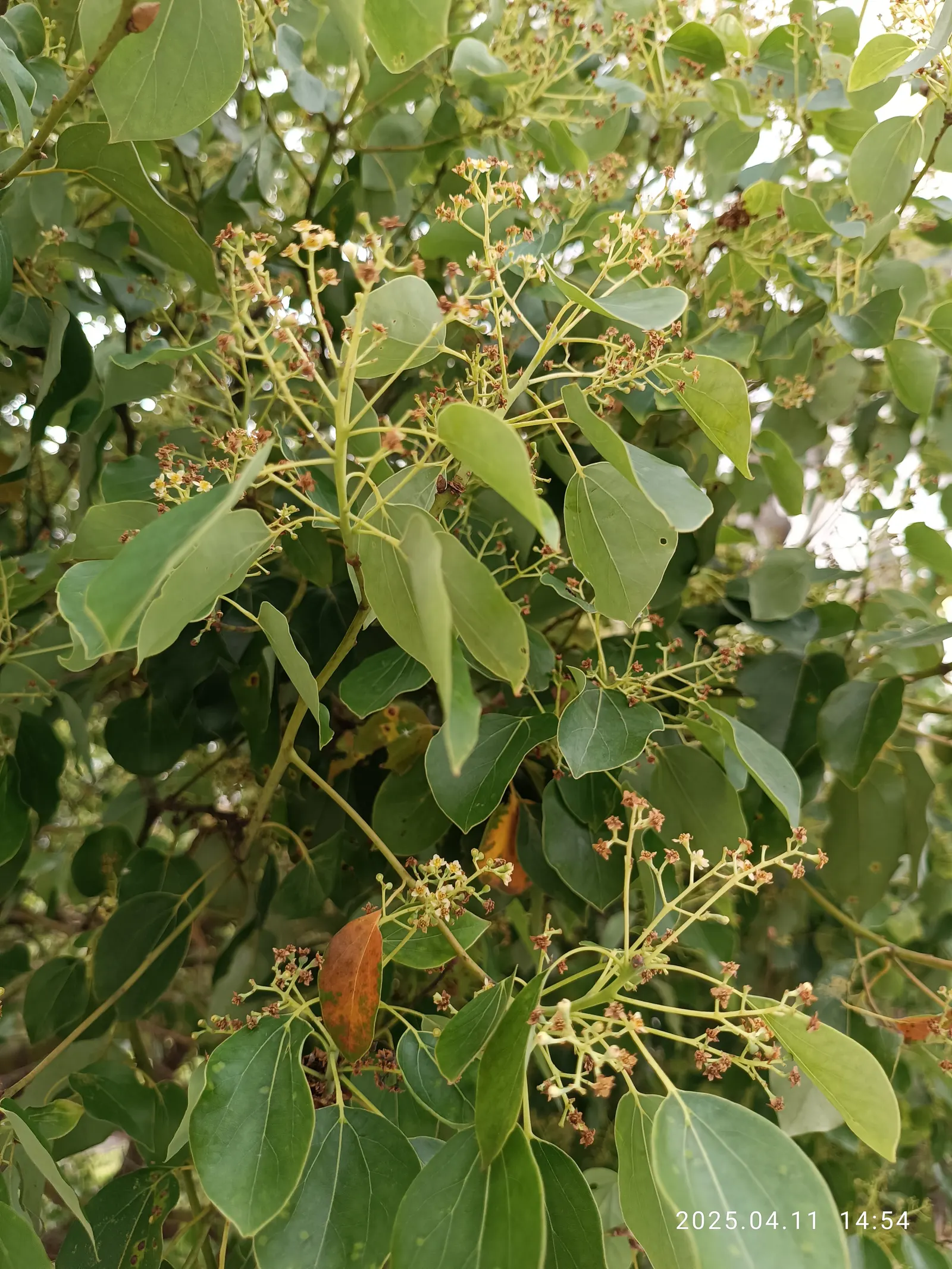
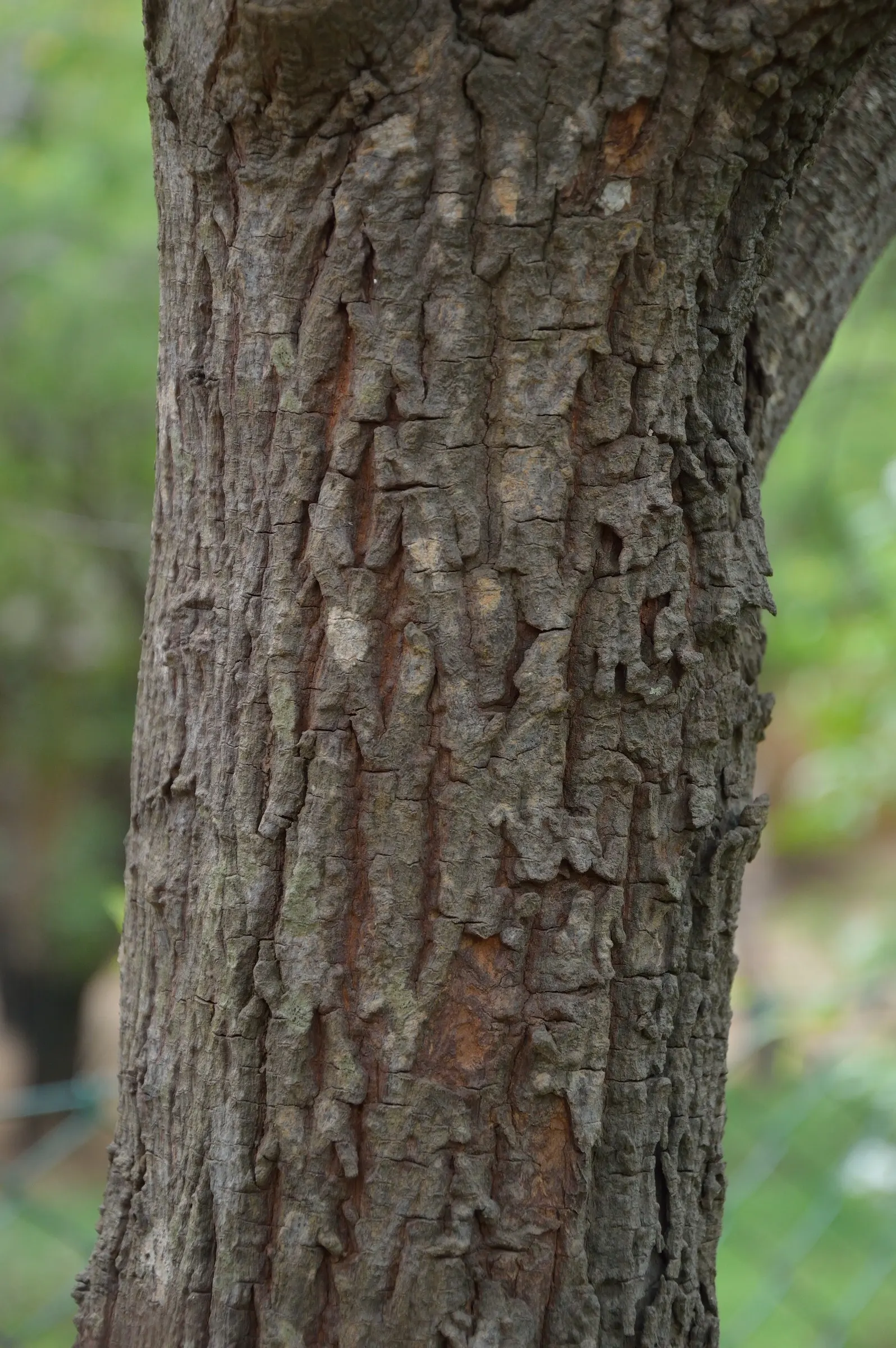
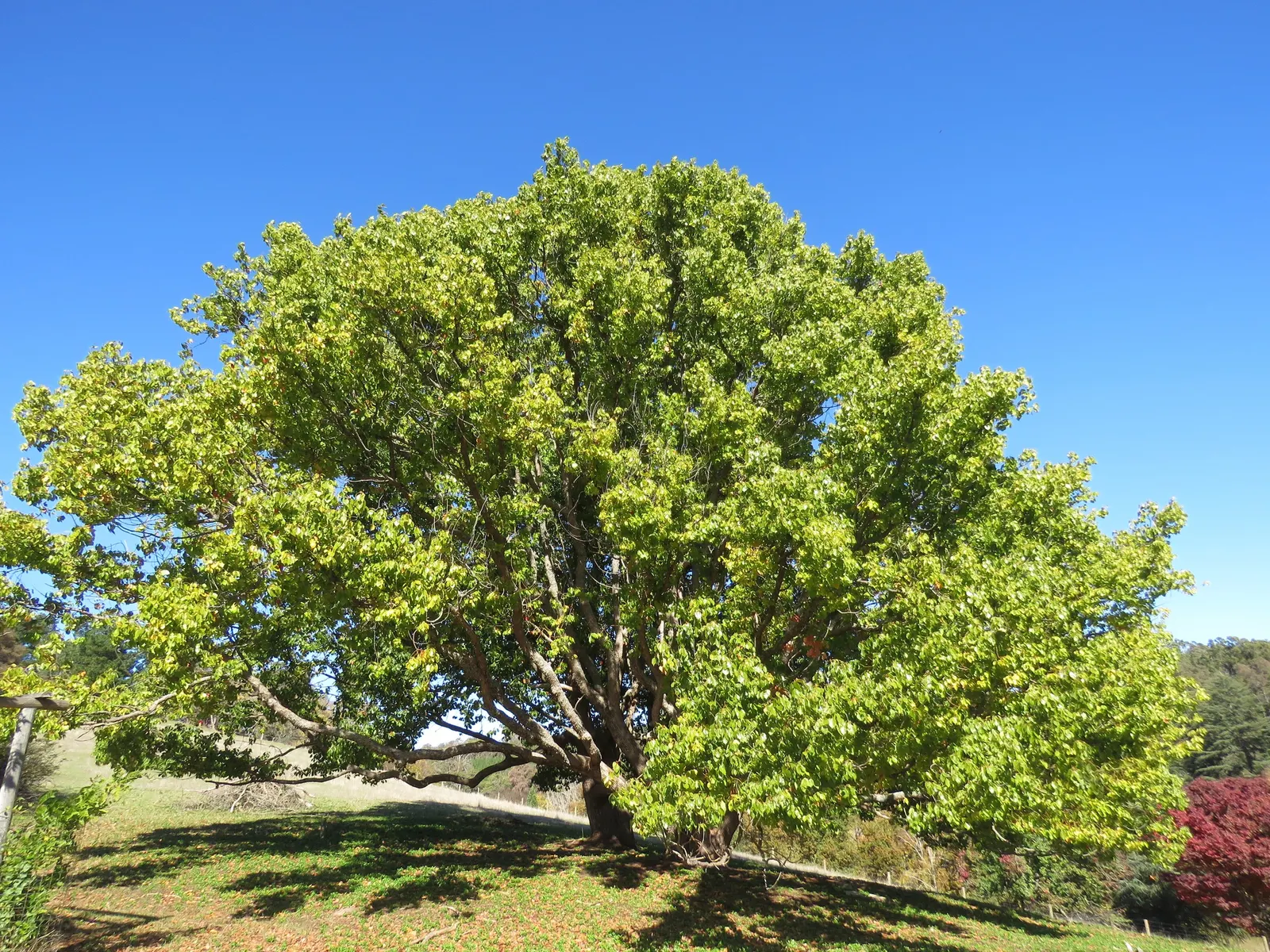
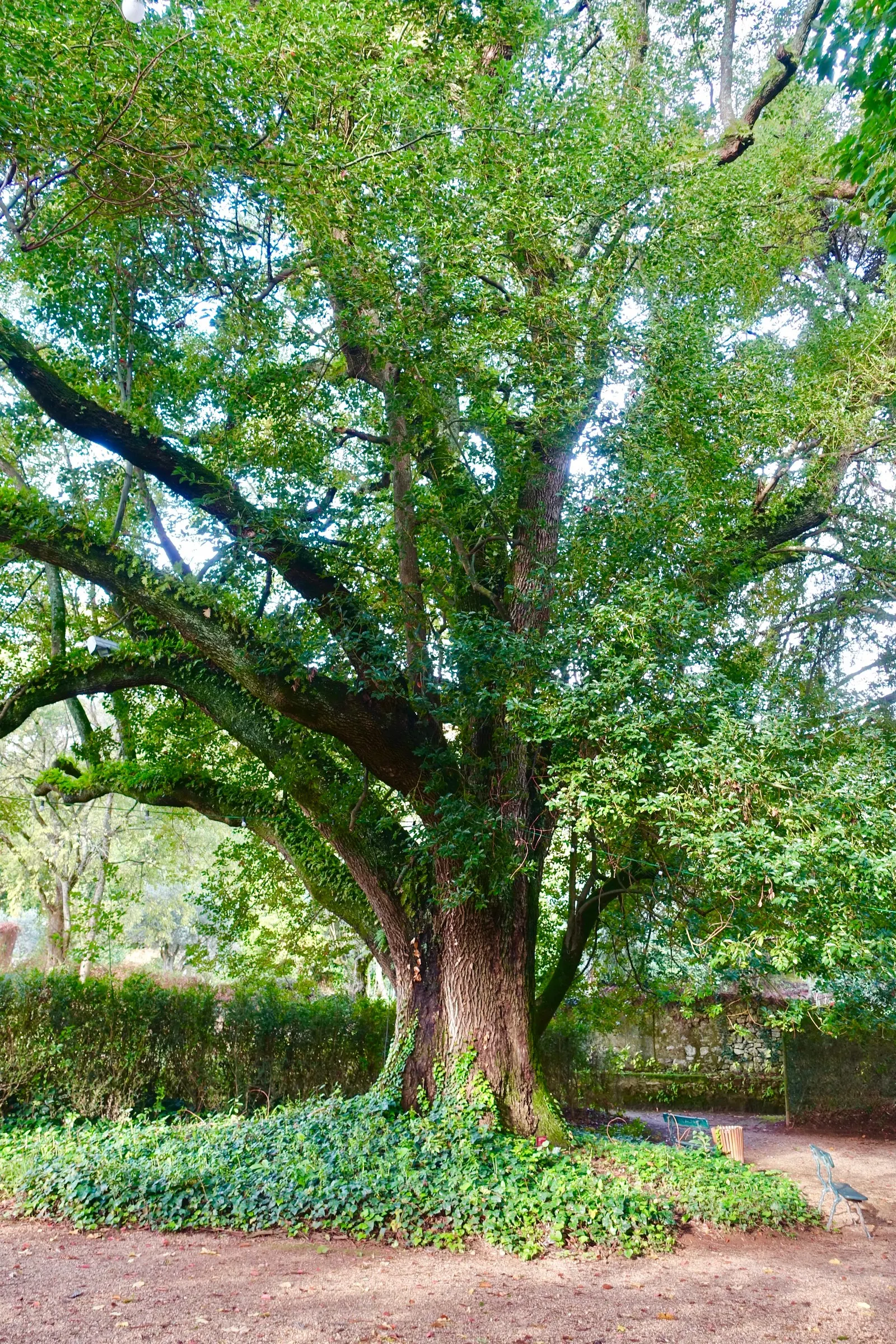
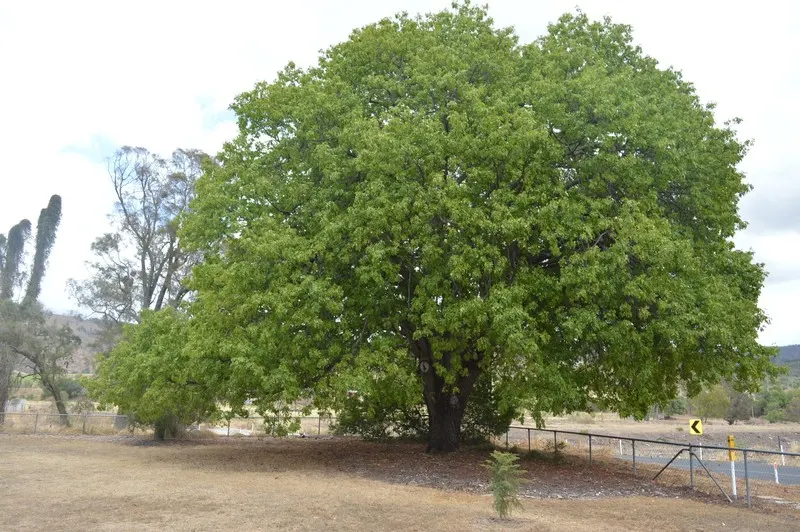
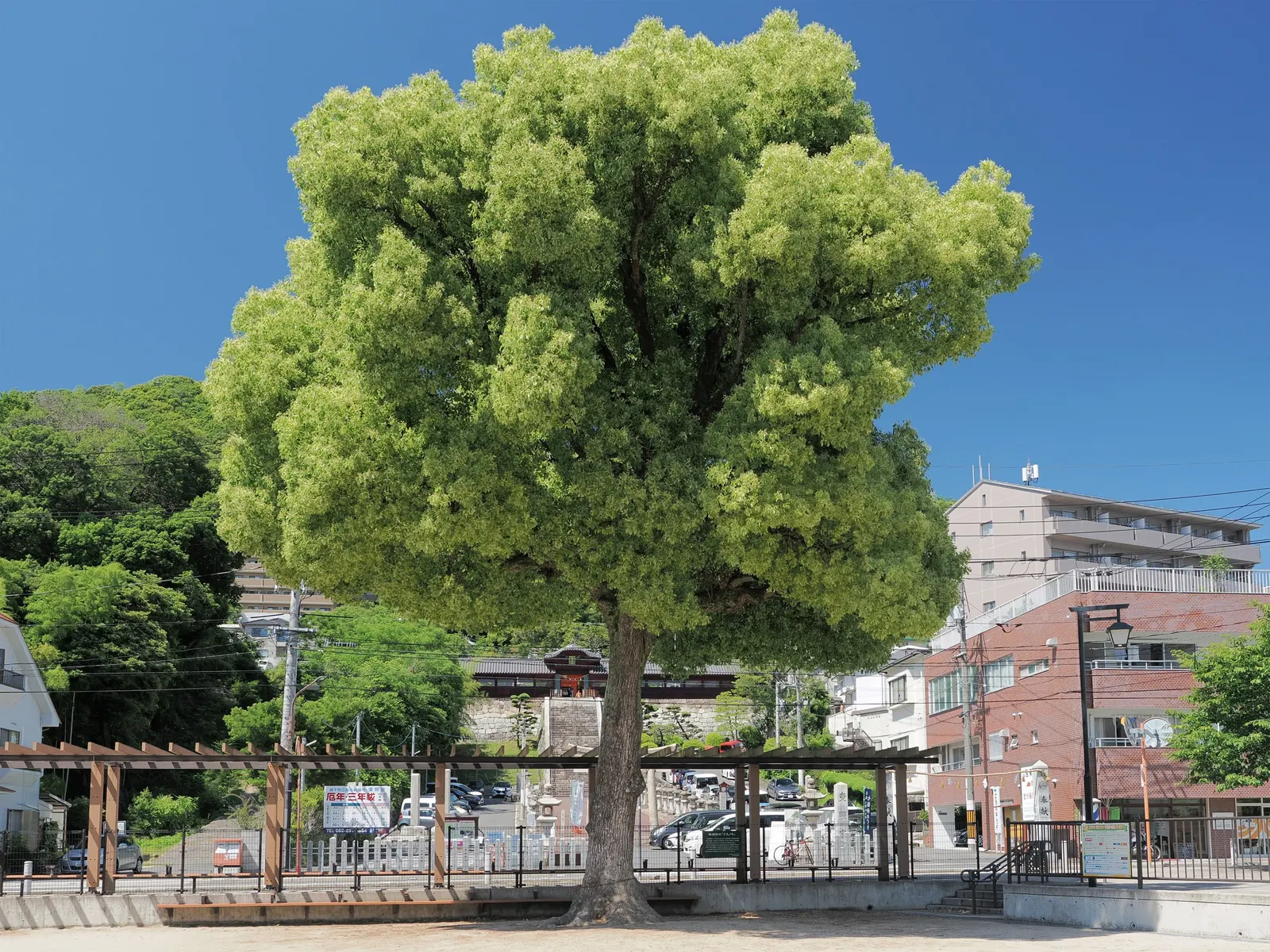
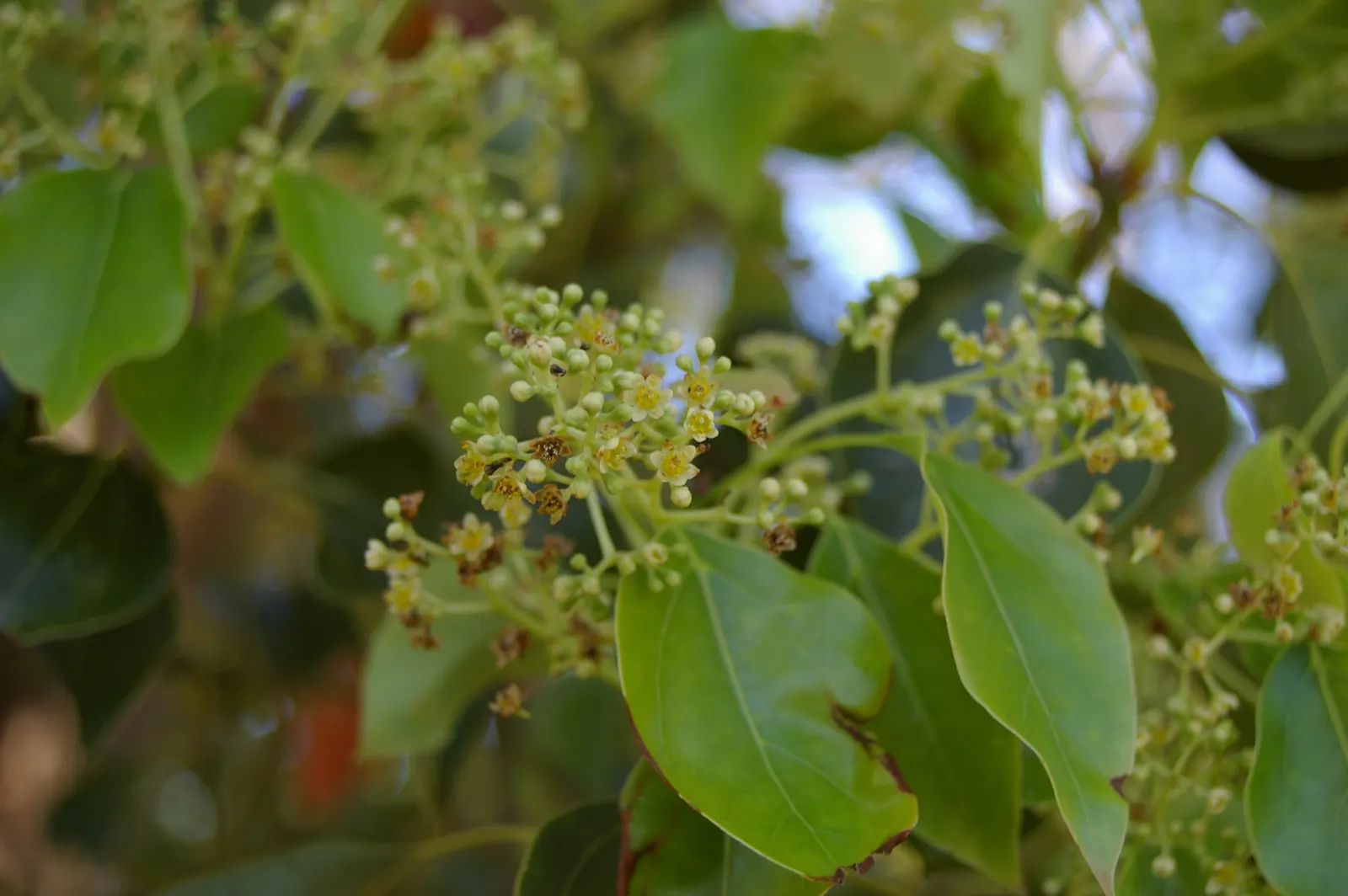
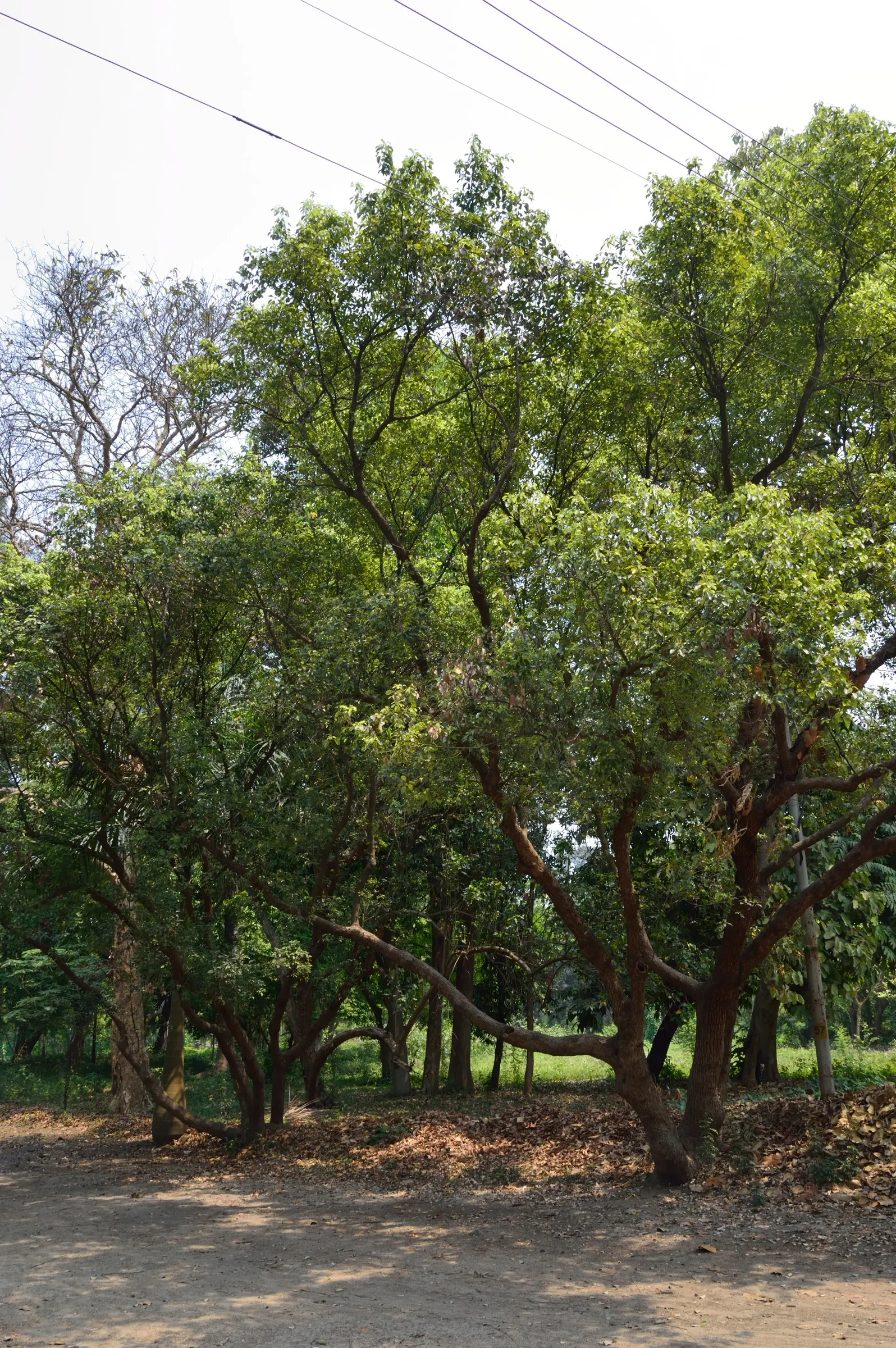
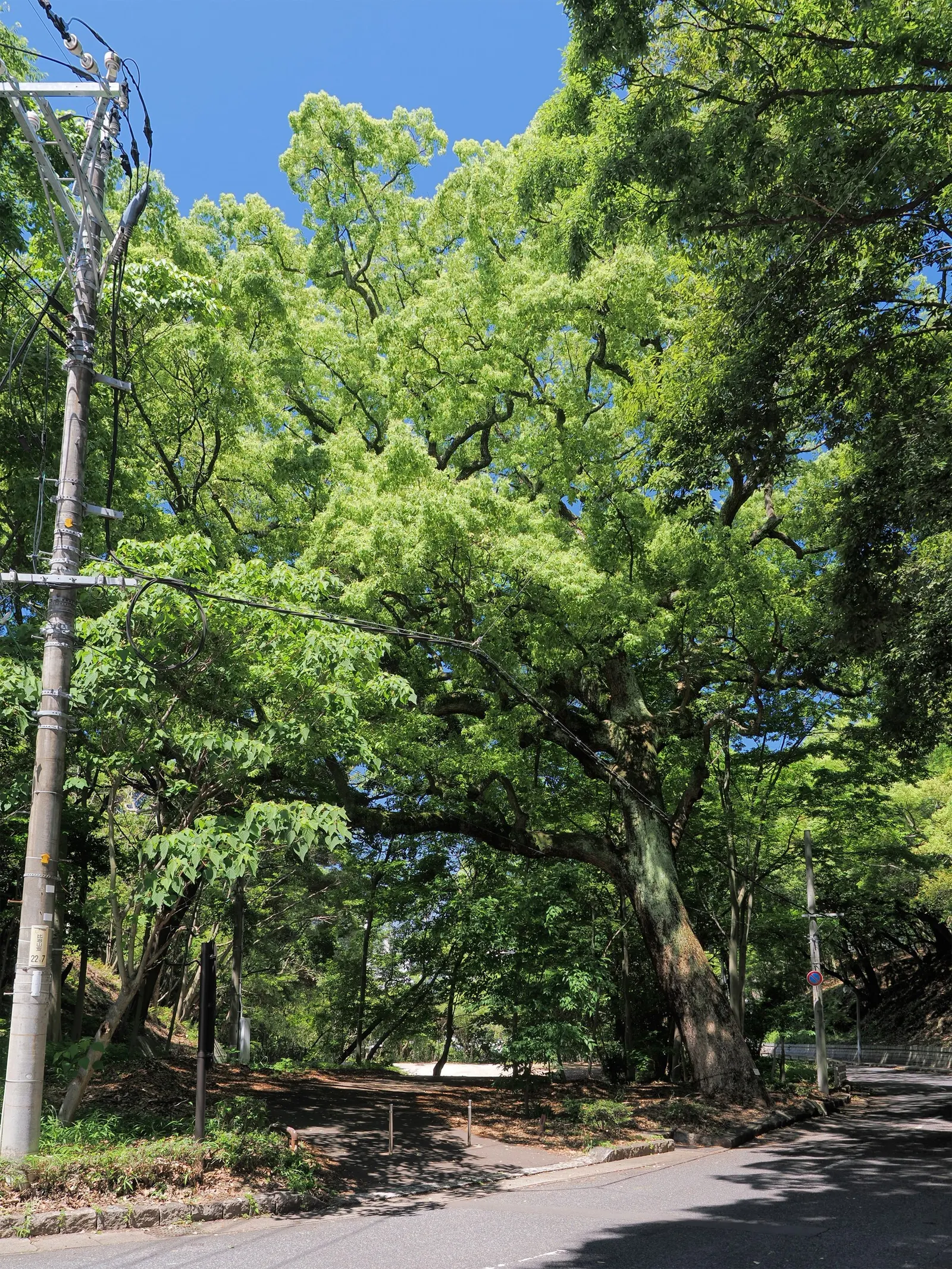
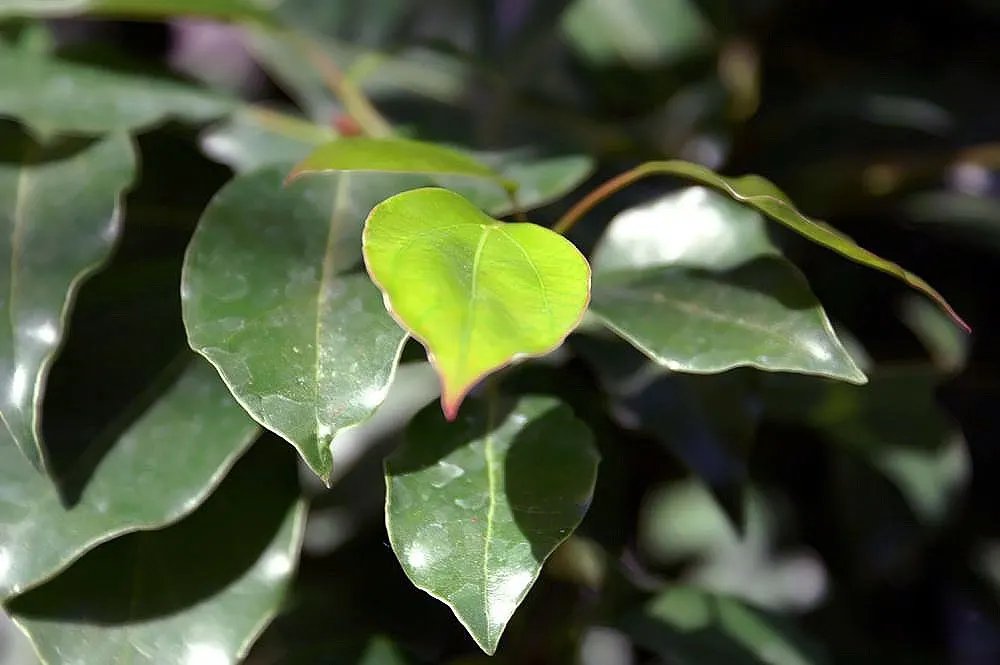
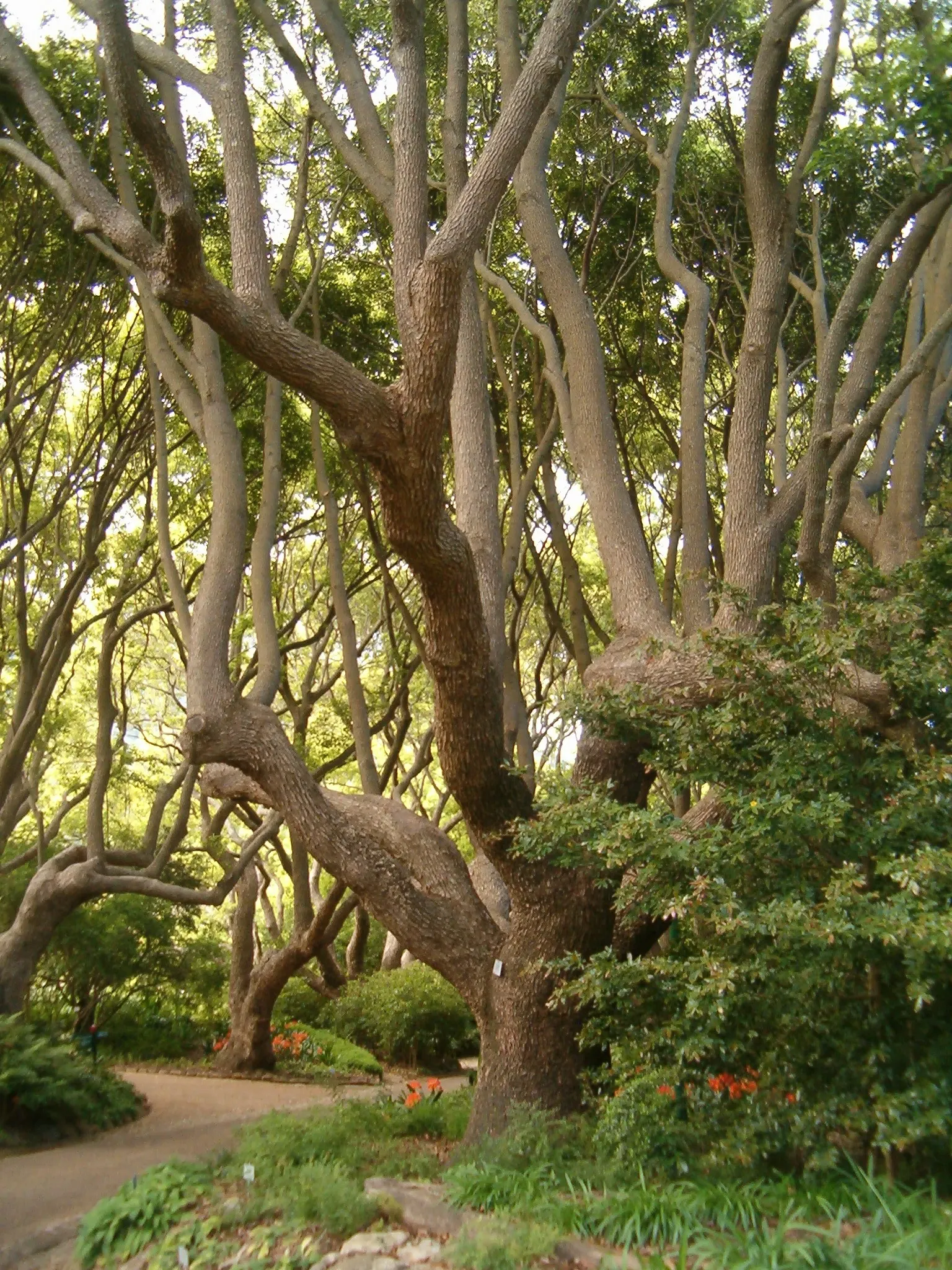
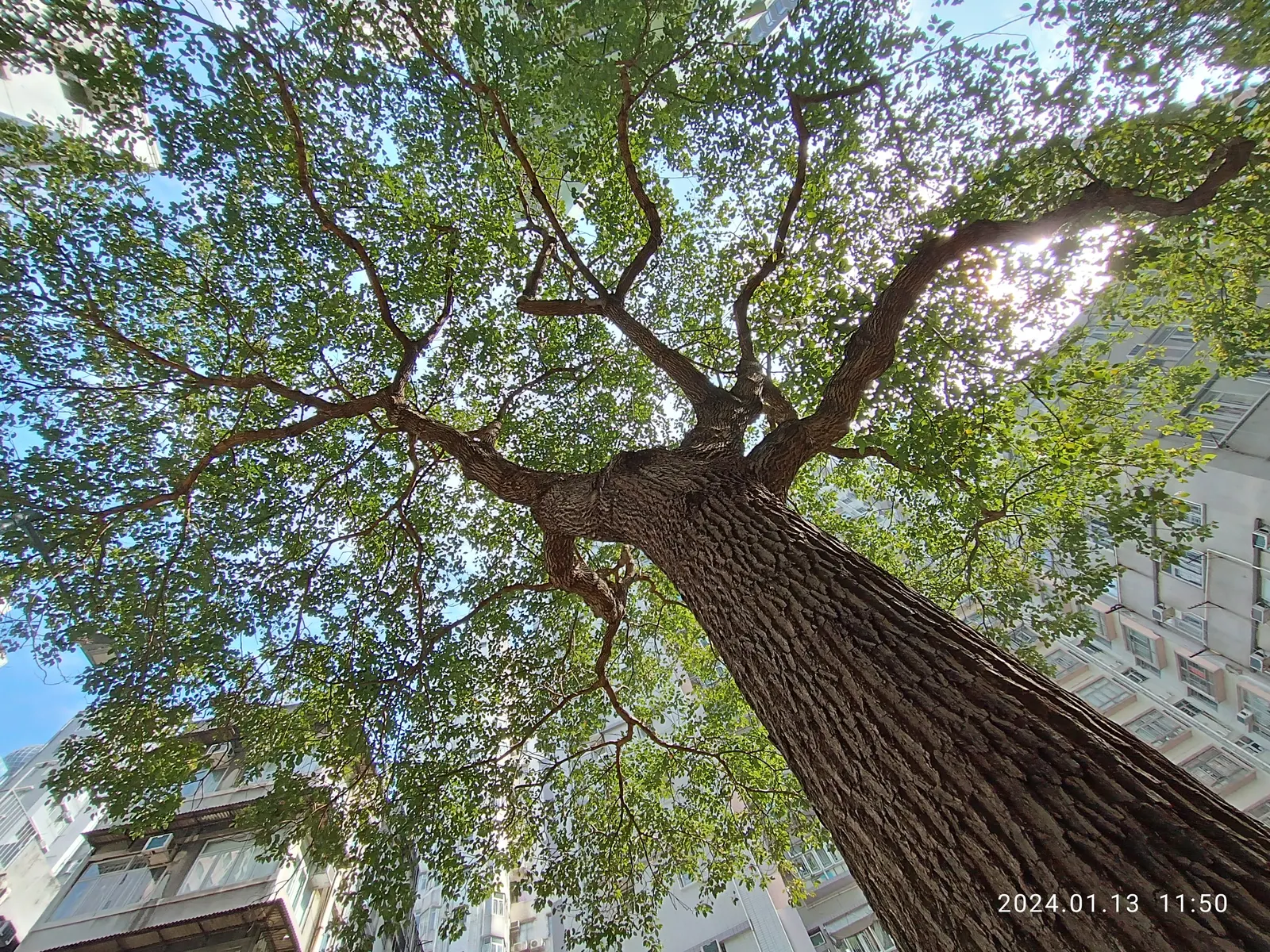
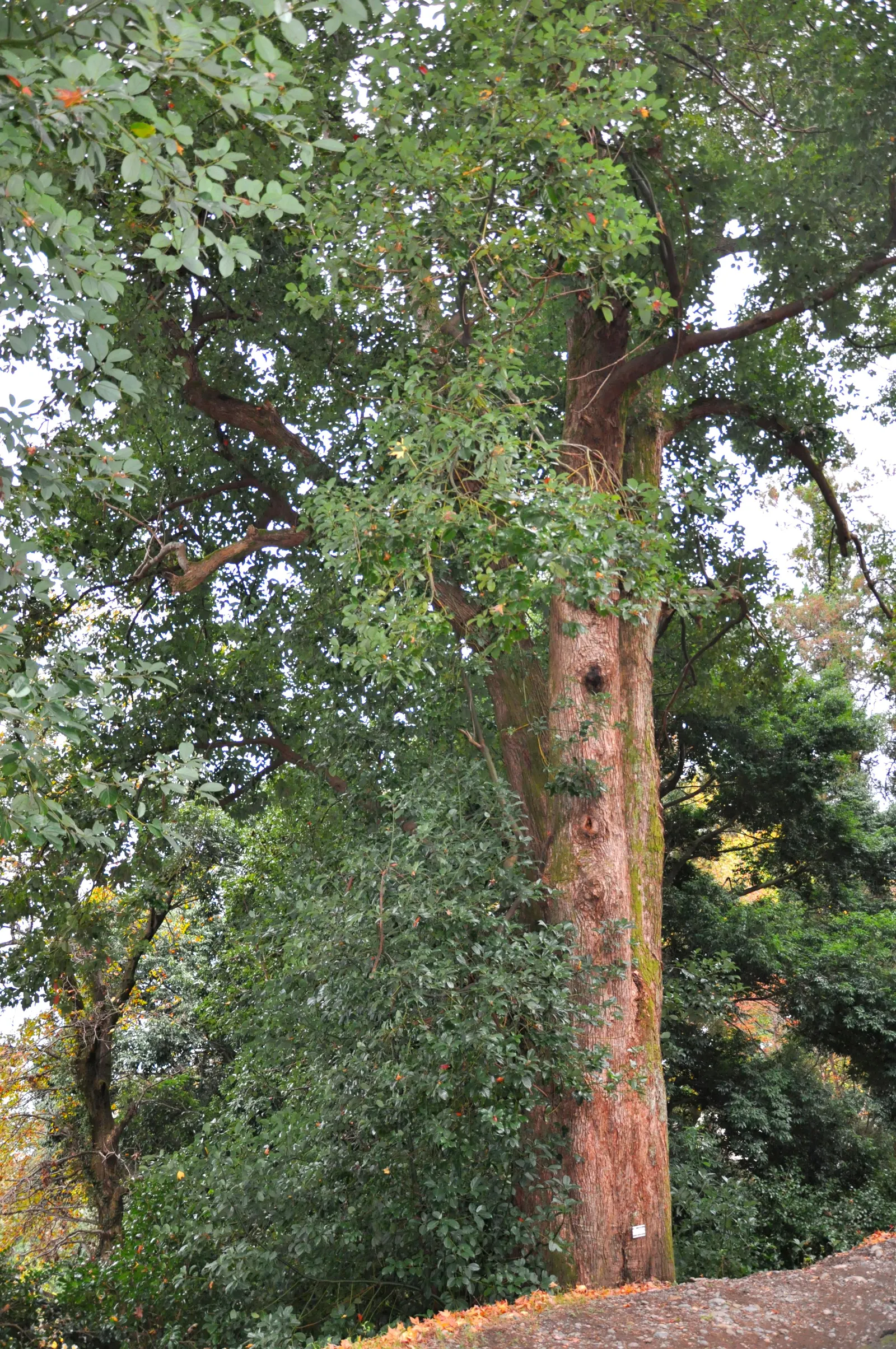
The Camphor Tree (Cinnamomum camphora) is an evergreen renowned for its aromatic foliage. With a mature height of 50-65 feet and a spread of 50-70 feet, it forms a dense, shapely canopy. Tiny yellowish-white flowers bloom in spring, followed by berry-like fruits. Hardy in USDA zones 8-10, it thrives in full sun to partial shade. Note: its invasive roots and large size make it unsuitable for small spaces.

Sun FullWater MediumZones 8–11Type TreeClimate Temperate
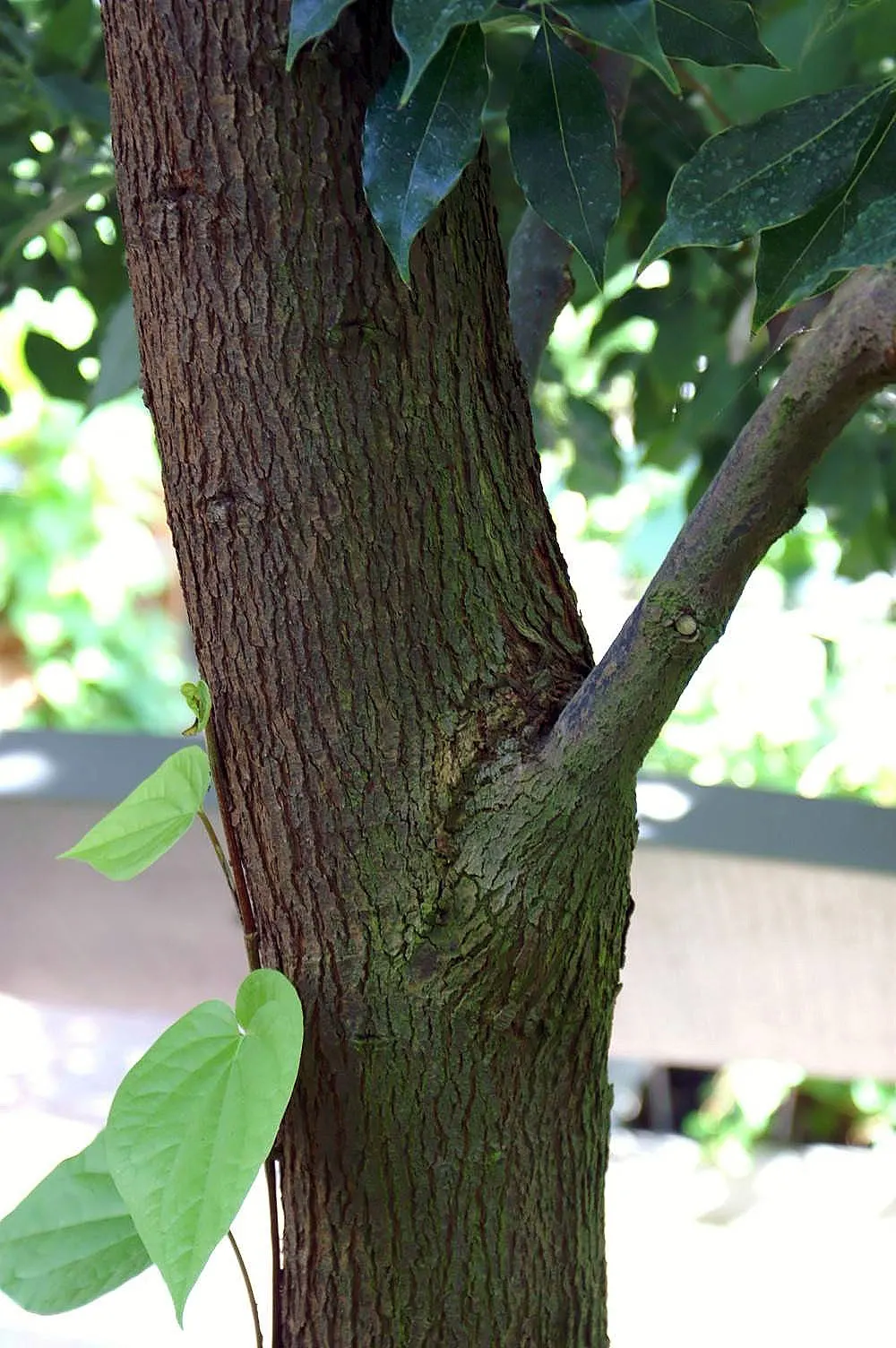
Camphor Tree (Cinnamomum Camphora) — which is both refreshing and therapeutic; hardy in USDA zones 8-10, it thrives in full sun to partial shade, image 76

Culture

Sun
Full
Water
Medium
USDA zones
8–11

Shape & size

Classification

Type
Tree
Family
Lauraceae
Climate
Temperate

See full data, regional cultivation notes, and design tools. Build a client presentation around this plant.

Start your 14-day trial

Photos (105)

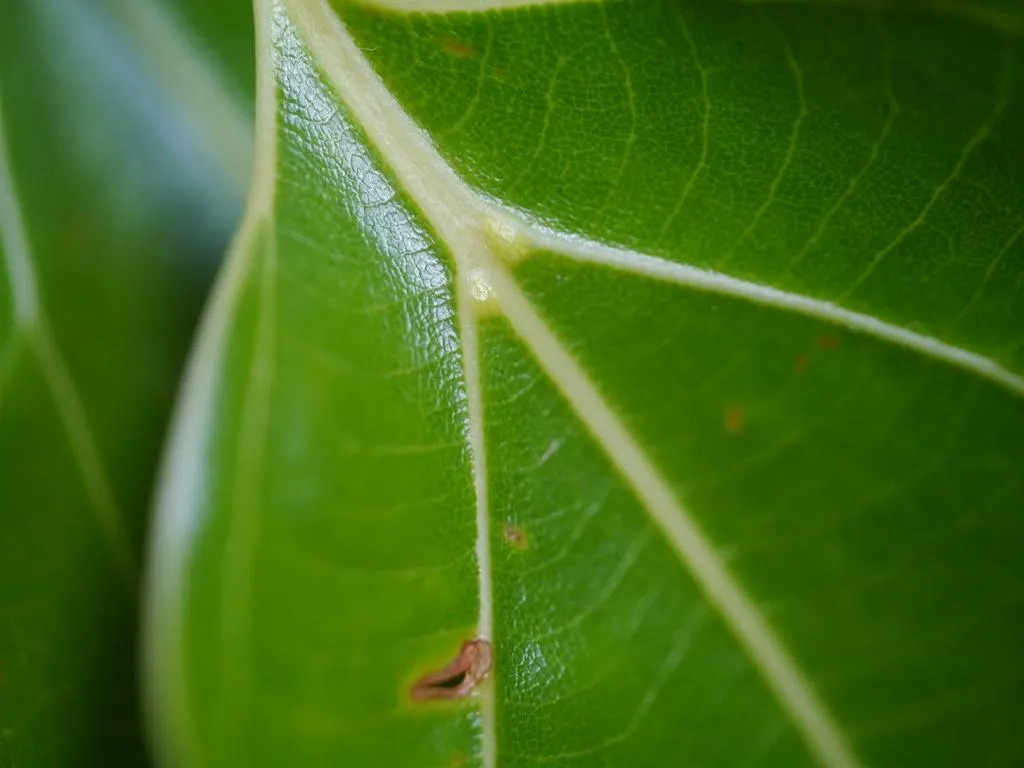
Camphor Tree (Cinnamomum Camphora) — The Camphor Tree (Cinnamomum camphora) is an evergreen renowned for its aromatic foliage; hardy in USDA zones, image 43
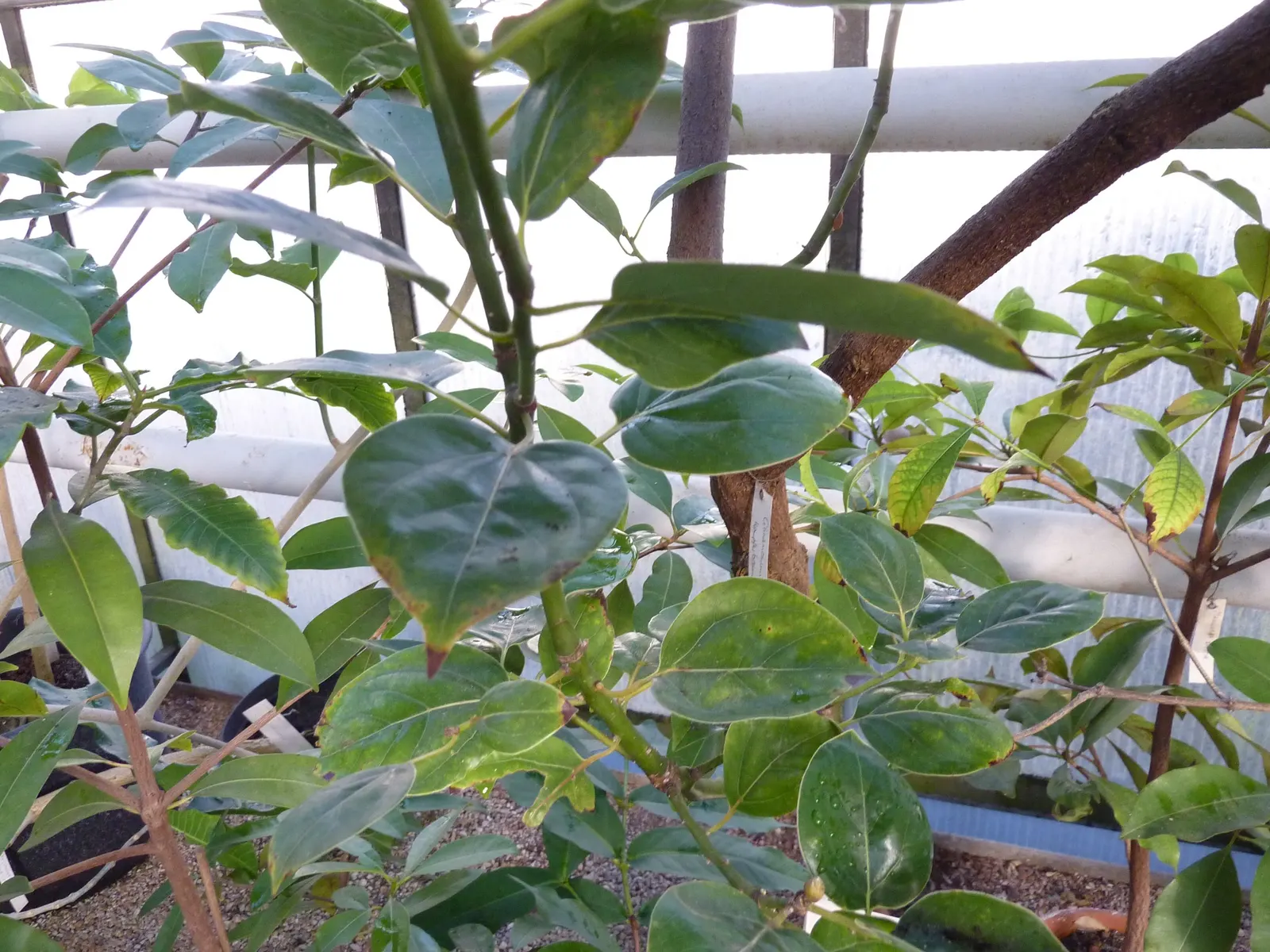
Camphor Tree (Cinnamomum Camphora) — emit the distinctive camphor smell; hardy in USDA zones 8 to 10, image 54
Camphor Tree (Cinnamomum Camphora) — account for its expansive growth when incorporating it into garden designs; hardy in USDA zones 8-10, it, image 52
Camphor Tree (Cinnamomum Camphora) — The Camphor Tree (Cinnamomum camphora) is an evergreen renowned for its aromatic foliage; hardy in USDA zones, image 64
Camphor Tree (Cinnamomum Camphora) — These are followed by black; hardy in USDA zones 8 to 10, image 57
Camphor Tree (Cinnamomum Camphora) — berry-like fruits which are attractive to birds.<br><br>For optimal growth; hardy in USDA zones 8-10, it, image 79
Camphor Tree (Cinnamomum Camphora) — tree for full; hardy in USDA zones 8 to 10, image 84
Camphor Tree (Cinnamomum Camphora) — Also, be aware that the leaves and fruits contain compounds that can be poisonous if ingested; the camphor tree provides
Camphor Tree (Cinnamomum Camphora) — These are followed by black
Camphor Tree (Cinnamomum Camphora) — Hardy in USDA zones 8 to 10, image 39
Camphor Tree (Cinnamomum Camphora) — the camphor tree provides ample shade, image 32
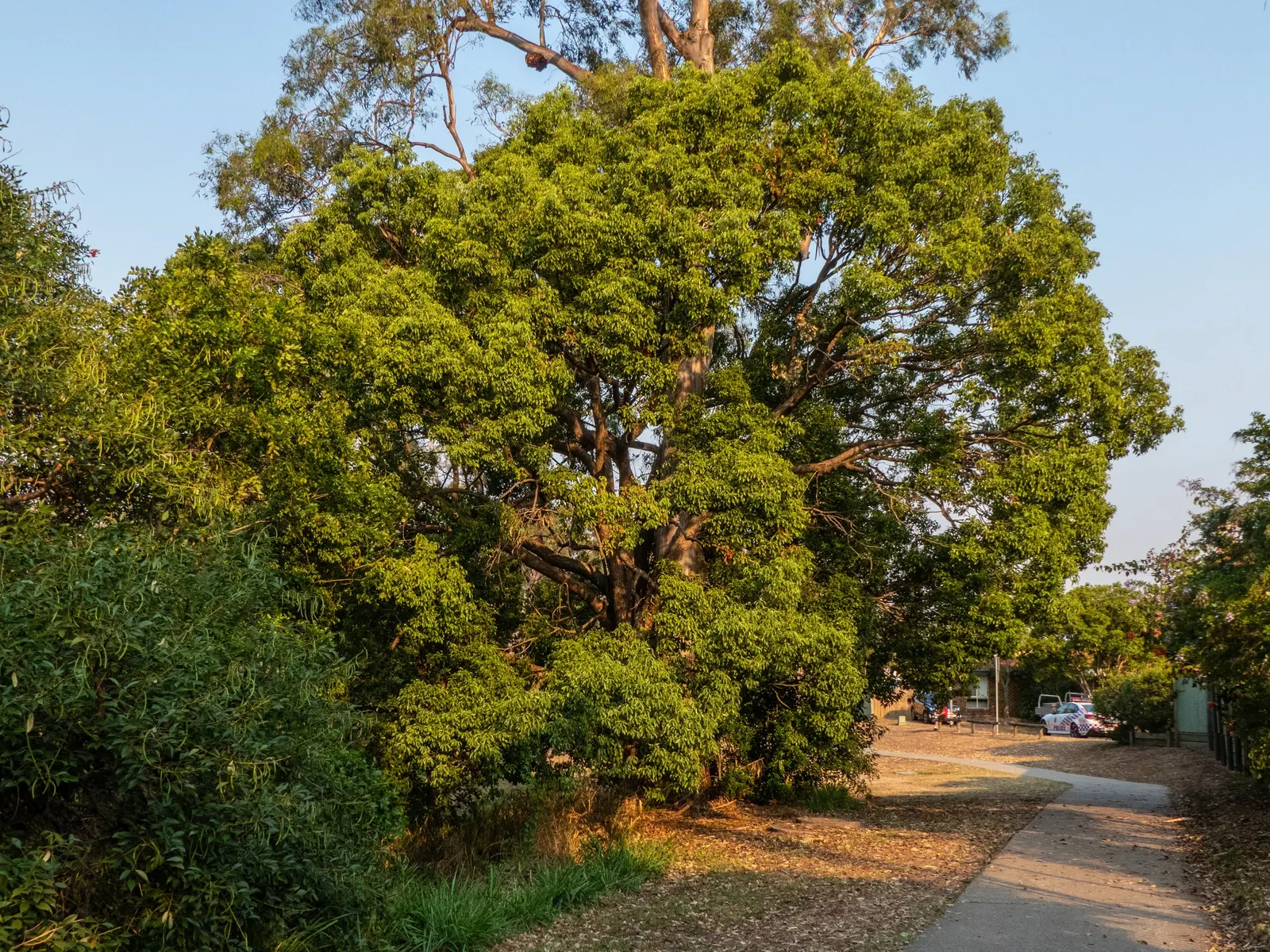
Camphor Tree (Cinnamomum Camphora) — With a mature height of 50-65 feet and a spread of 50-70 feet, it forms a dense, shapely canopy
Camphor Tree (Cinnamomum Camphora) — camphor trees prefer well-draining soils and a location that receives full sunlight to partial shade; the camphor tree
Camphor Tree (Cinnamomum Camphora) — is a stately evergreen noteworthy for its aromatic leaves and striking appearance; hardy in USDA zones 8 to 10, image 69
Camphor Tree (Cinnamomum Camphora) — with a canopy spread just as wide; the camphor tree provides ample shade, image 50
Camphor Tree (Cinnamomum Camphora) — These are followed by black; hardy in USDA zones 8 to 10, image 78
Camphor Tree (Cinnamomum Camphora) — which is both refreshing and therapeutic; hardy in USDA zones 8-10, it thrives in full sun to partial shade, image 55
Camphor Tree (Cinnamomum Camphora) — emit the distinctive camphor smell
Camphor Tree (Cinnamomum Camphora) — Hardy in USDA zones 8-10, it thrives in full sun to partial shade, image 67
Camphor Tree (Cinnamomum Camphora) — tree for full; hardy in USDA zones 8 to 10
Camphor Tree (Cinnamomum Camphora) — Also, be aware that the leaves and fruits contain compounds that can be poisonous if ingested; the camphor, image 83
Camphor Tree (Cinnamomum Camphora) — account for its expansive growth when incorporating it into garden designs; hardy in USDA zones 8-10, it thrives in full
Camphor Tree (Cinnamomum Camphora) — the camphor tree provides ample shade, image 53
Camphor Tree (Cinnamomum Camphora) — Hardy in USDA zones 8-10, it thrives in full sun to partial shade, image 46
Photographs by 13 contributors

Related plants