Skip to content

Western Redbud

Cercis Occidentalis

Design with this plant

Overview

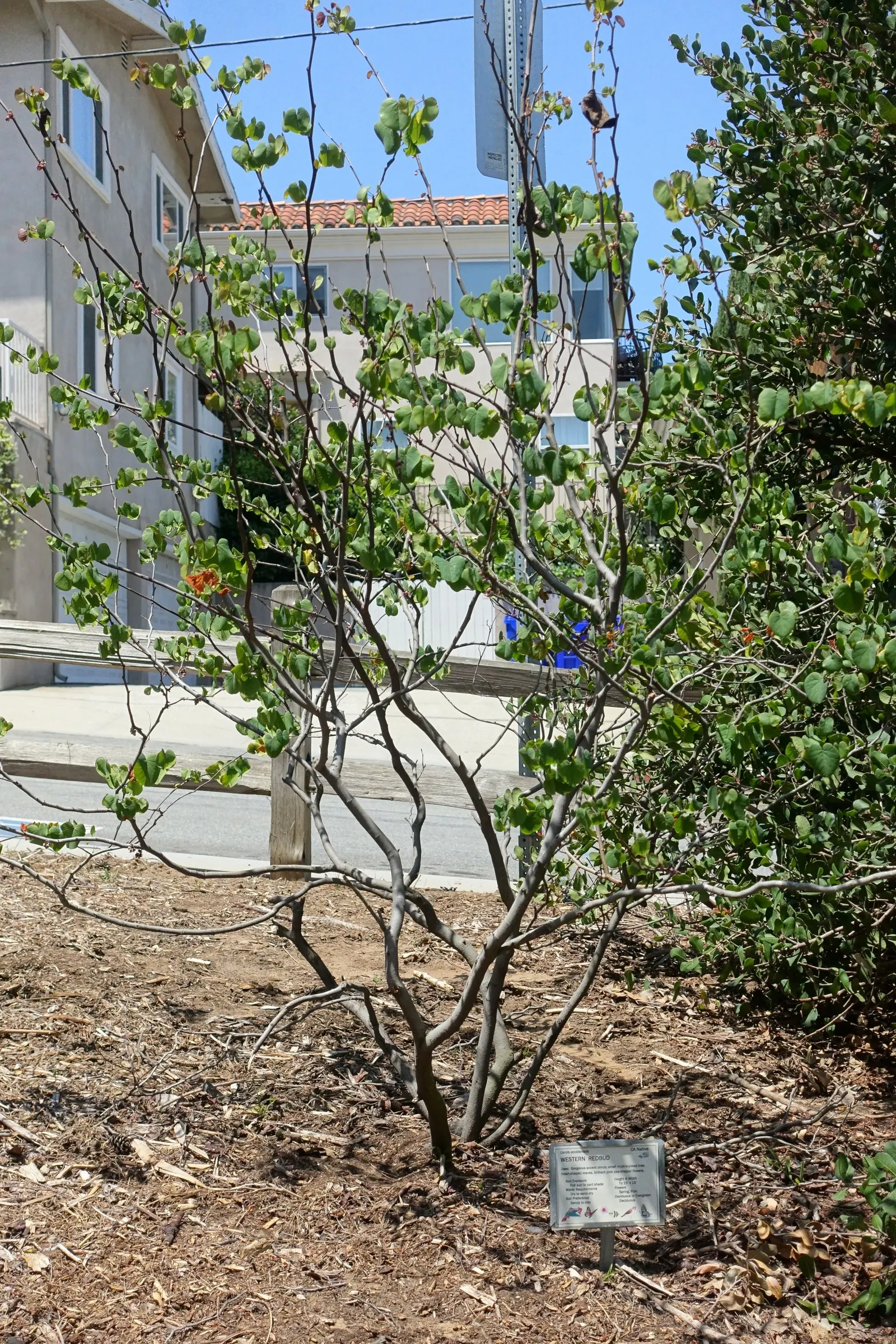
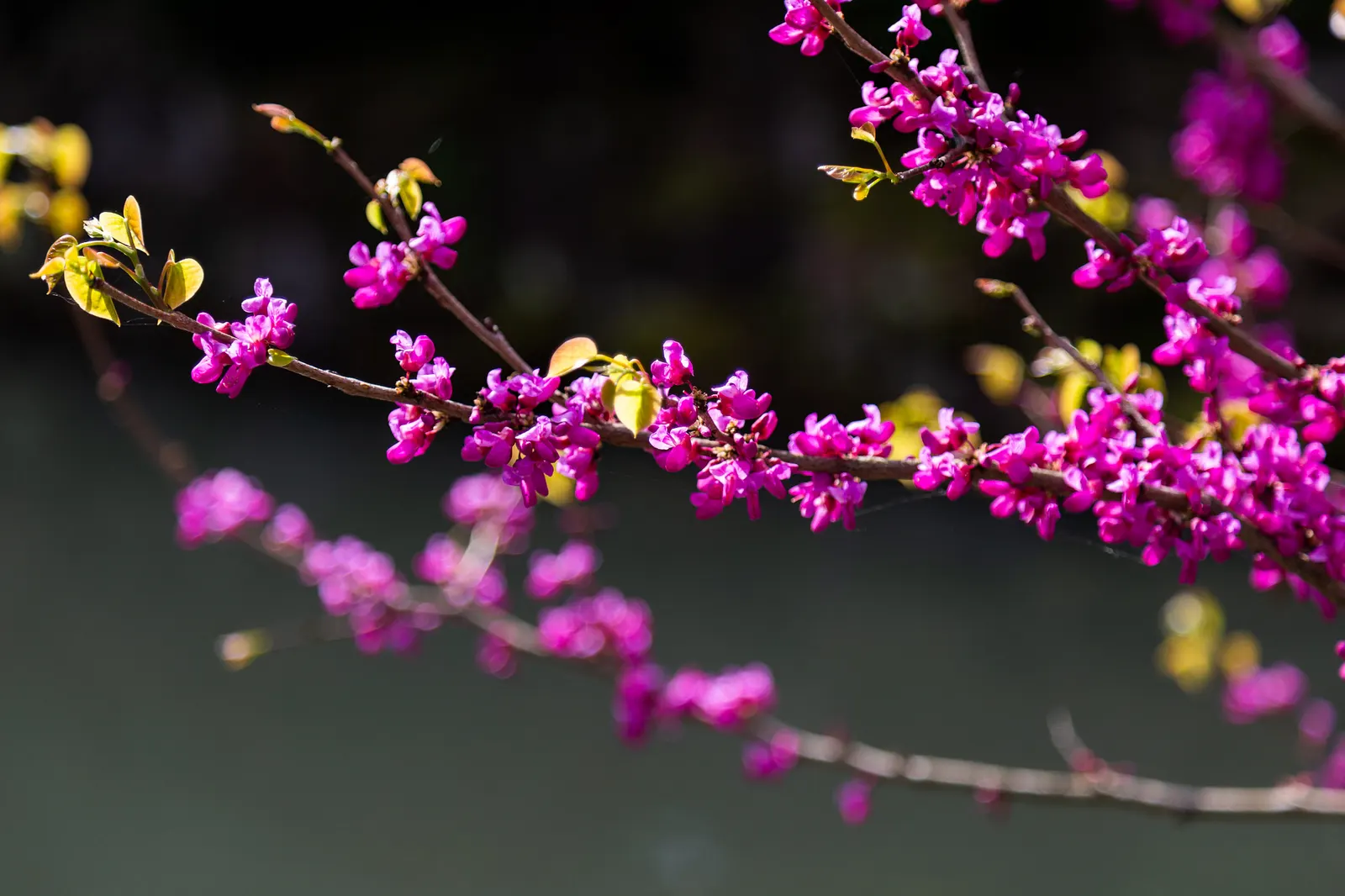
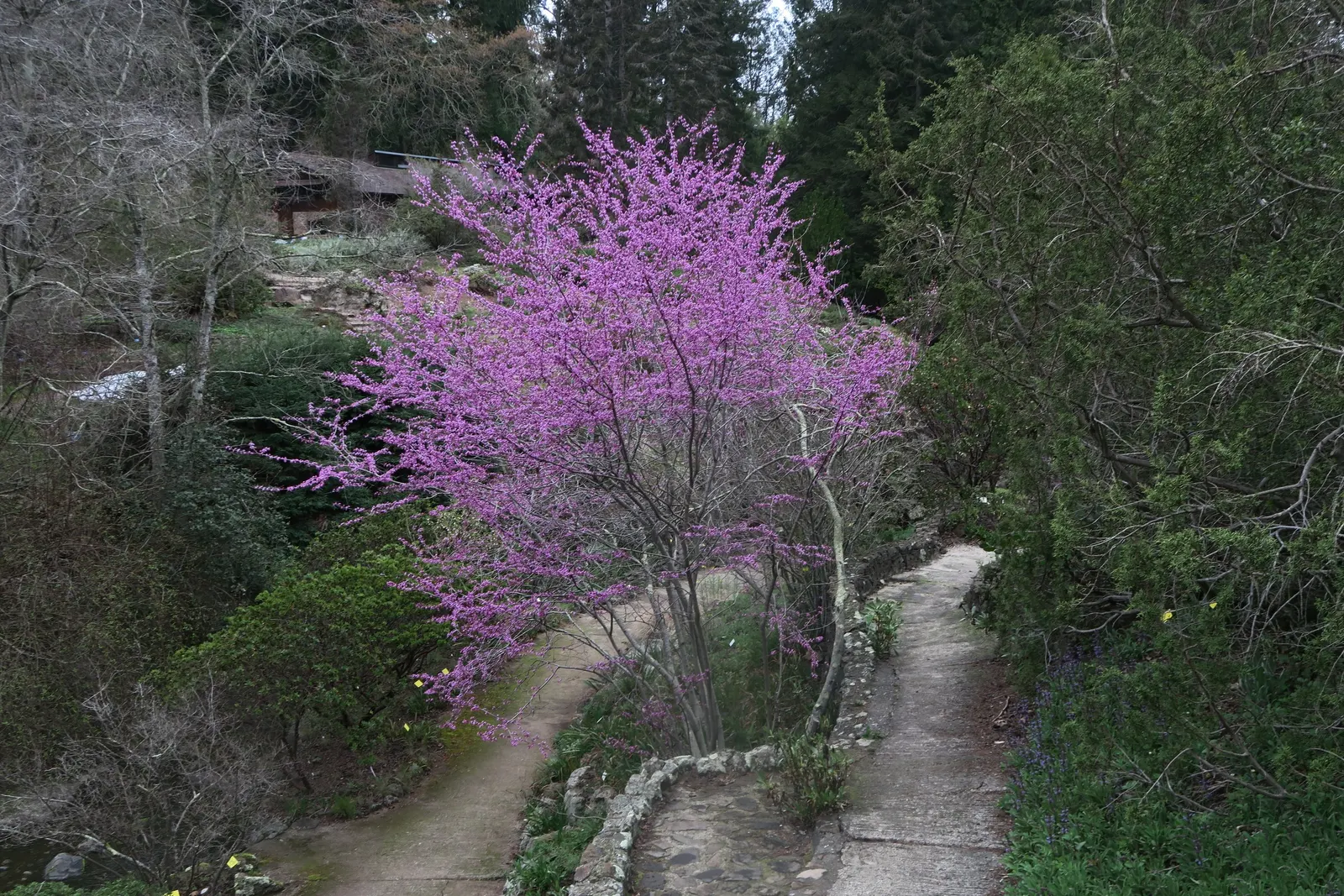
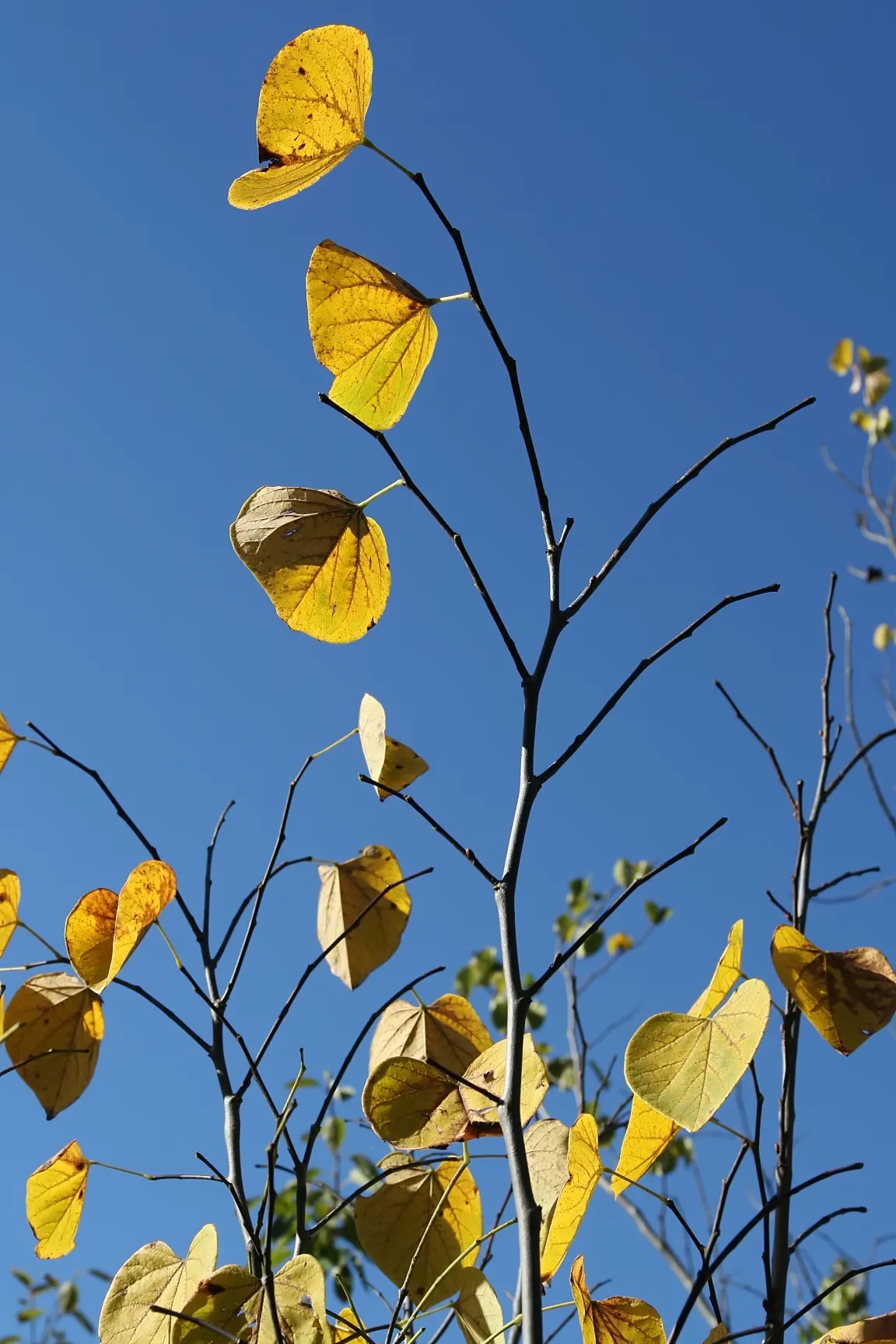
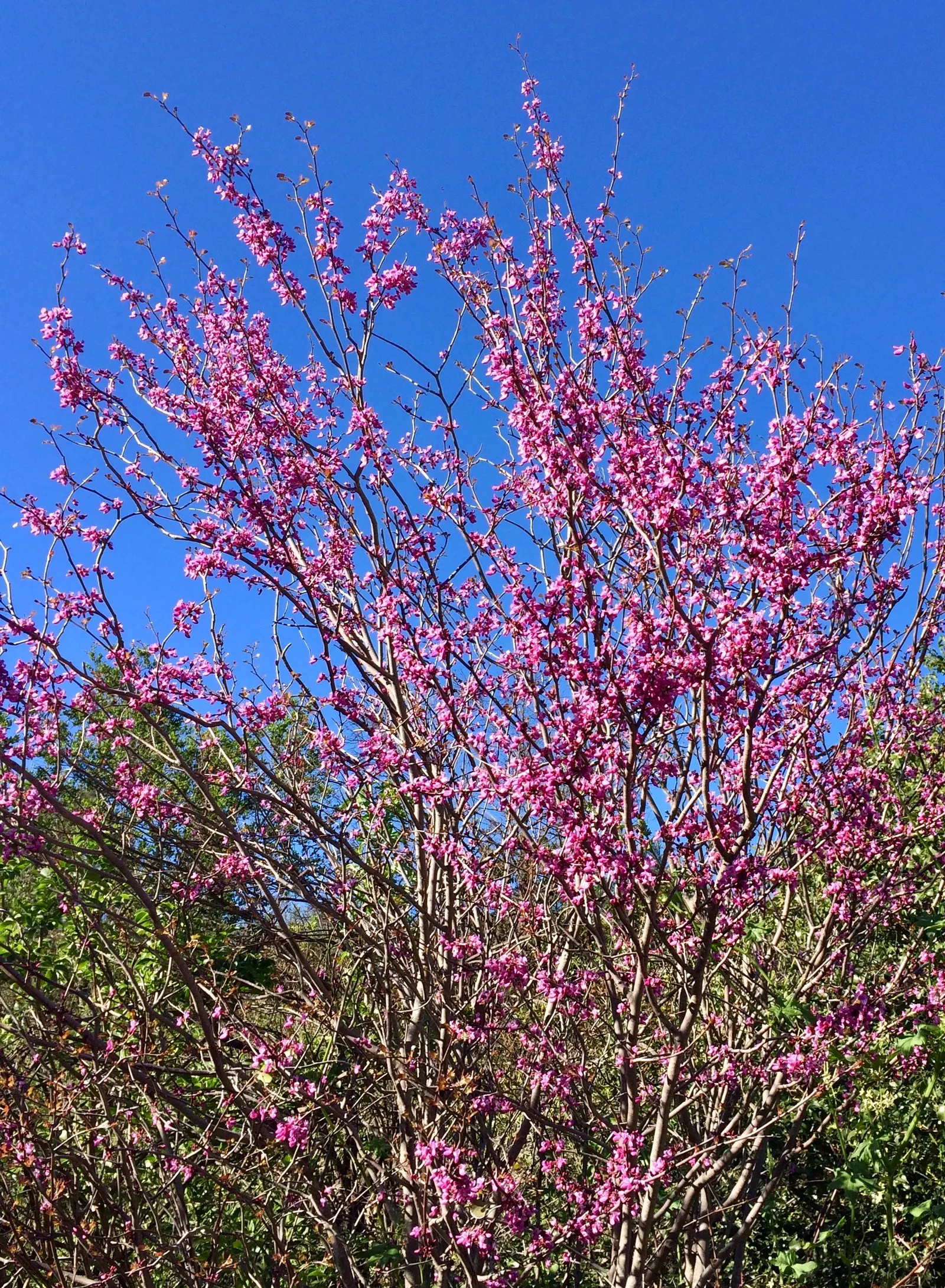
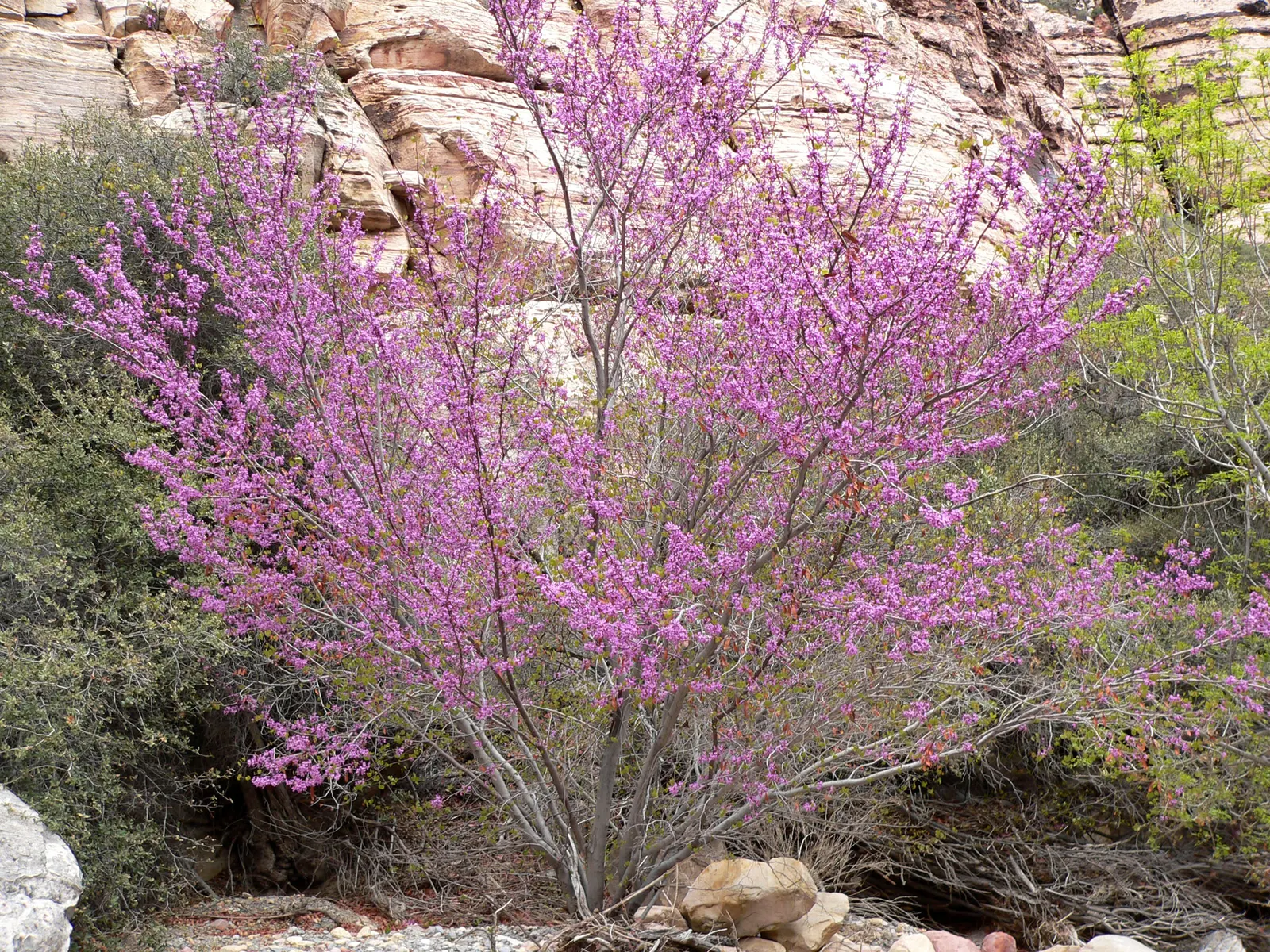
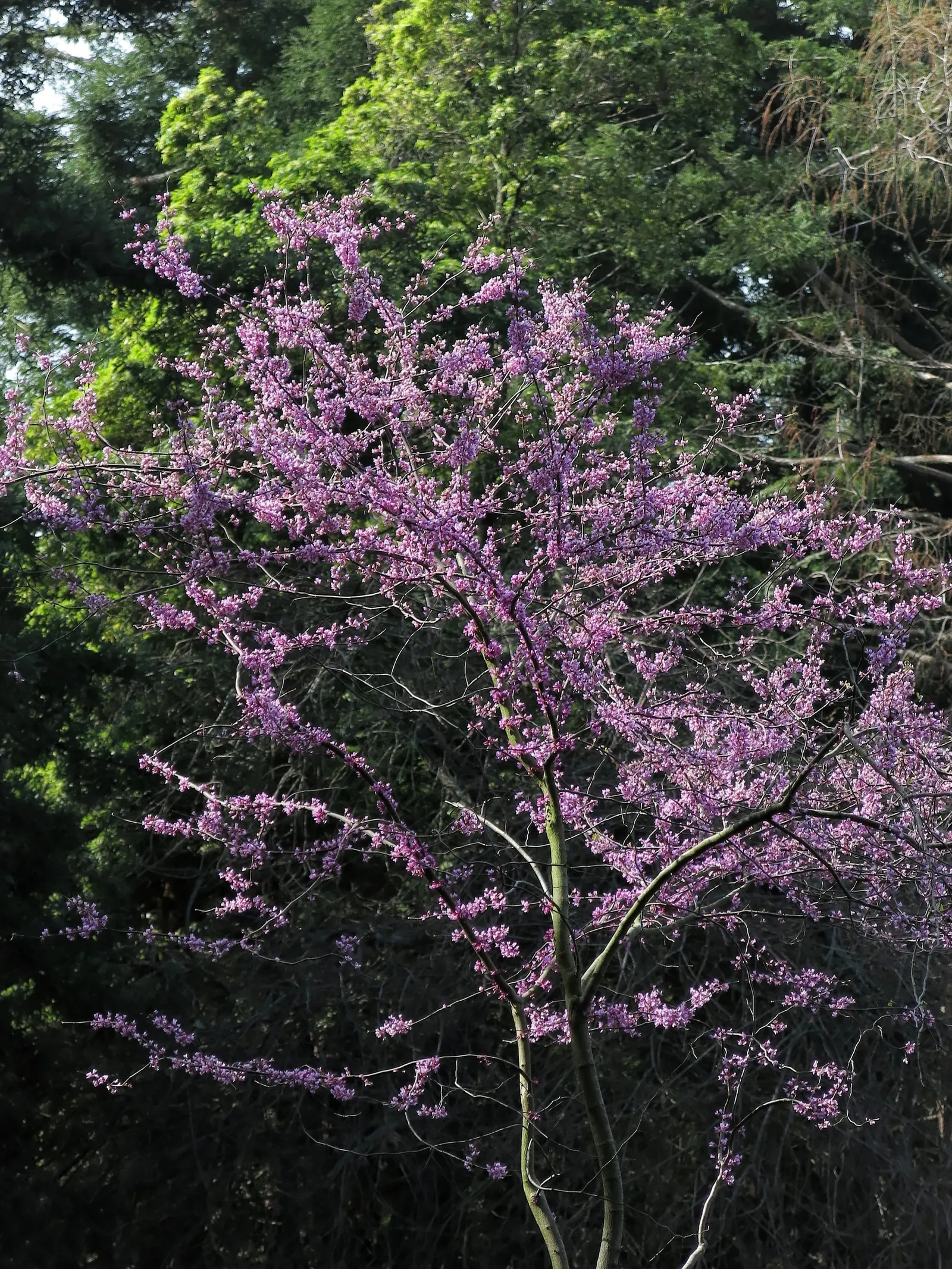
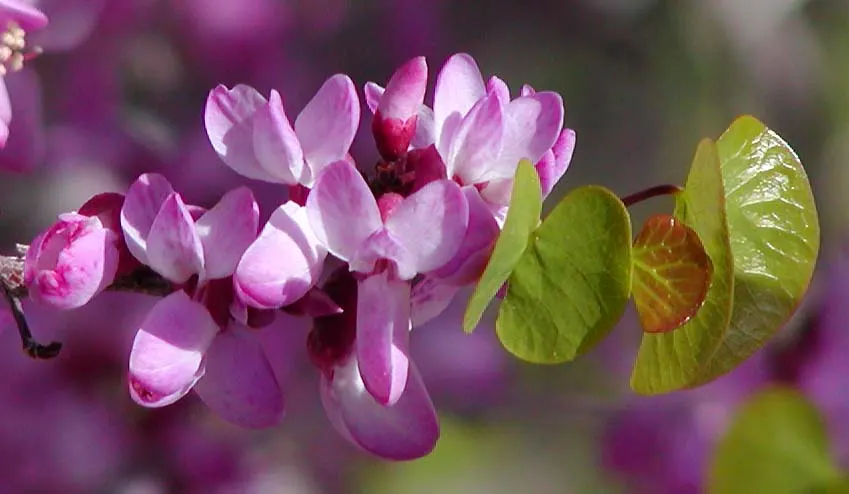
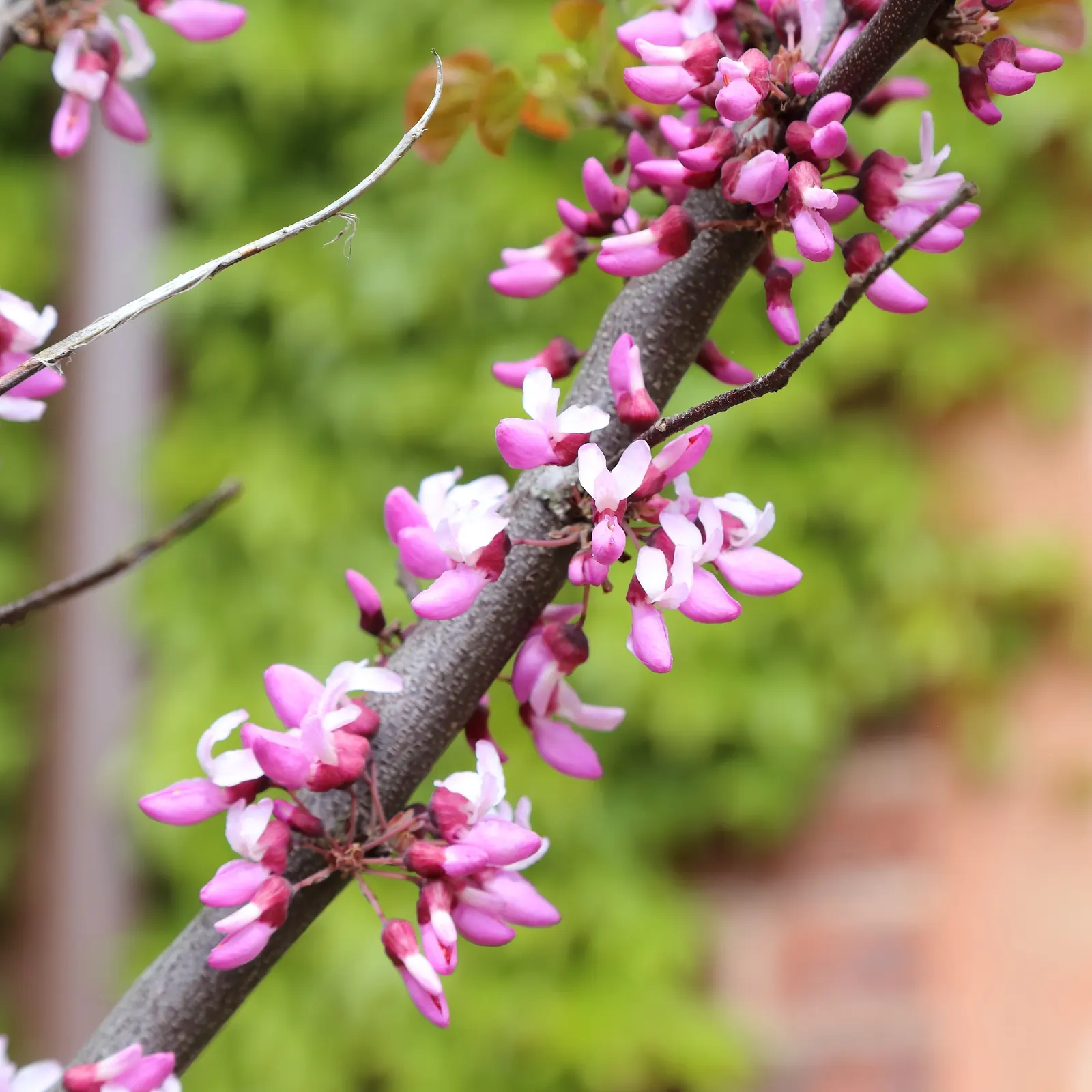
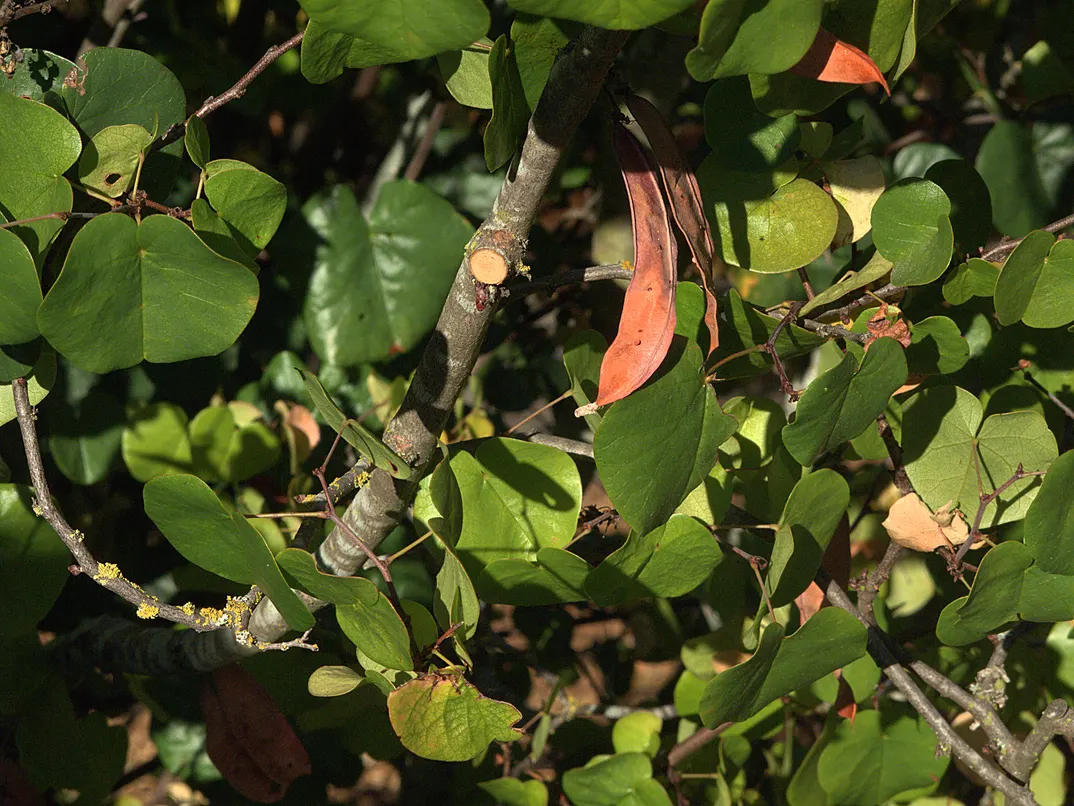
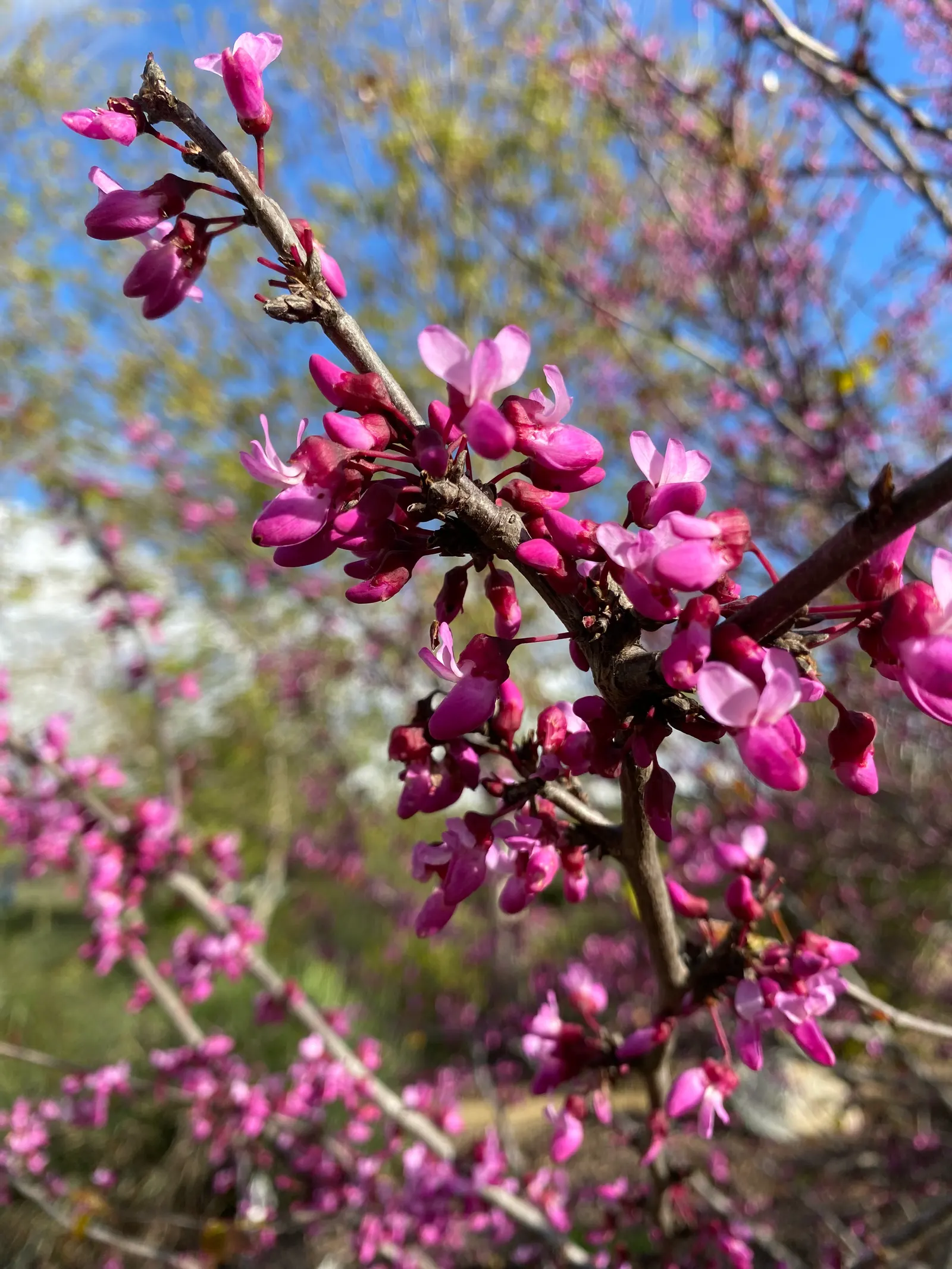
The Western Redbud (Cercis occidentalis) is a vibrant deciduous shrub/small tree, reaching 10-18 ft. tall, notable for its showy magenta blooms in spring. Heart-shaped leaves emerge after flowers, transitioning to green and then yellow in fall. This low-maintenance native prefers full sun to partial shade and adapts well to various soils. Drought-tolerant once established, it provides year-round interest, perfect for accenting California landscapes and attracting pollinators.

Sun Full, HalfWater Very LowZones 5–10Type Shrub, TreeClimate Mediterranean

Culture

Sun
Full, Half
Water
Very Low
USDA zones
5–10

Shape & size

Classification

Type
Shrub, Tree
Family
Leguminosae
Climate
Mediterranean

See full data, regional cultivation notes, and design tools. Build a client presentation around this plant.

Start your 14-day trial

Photos (91)

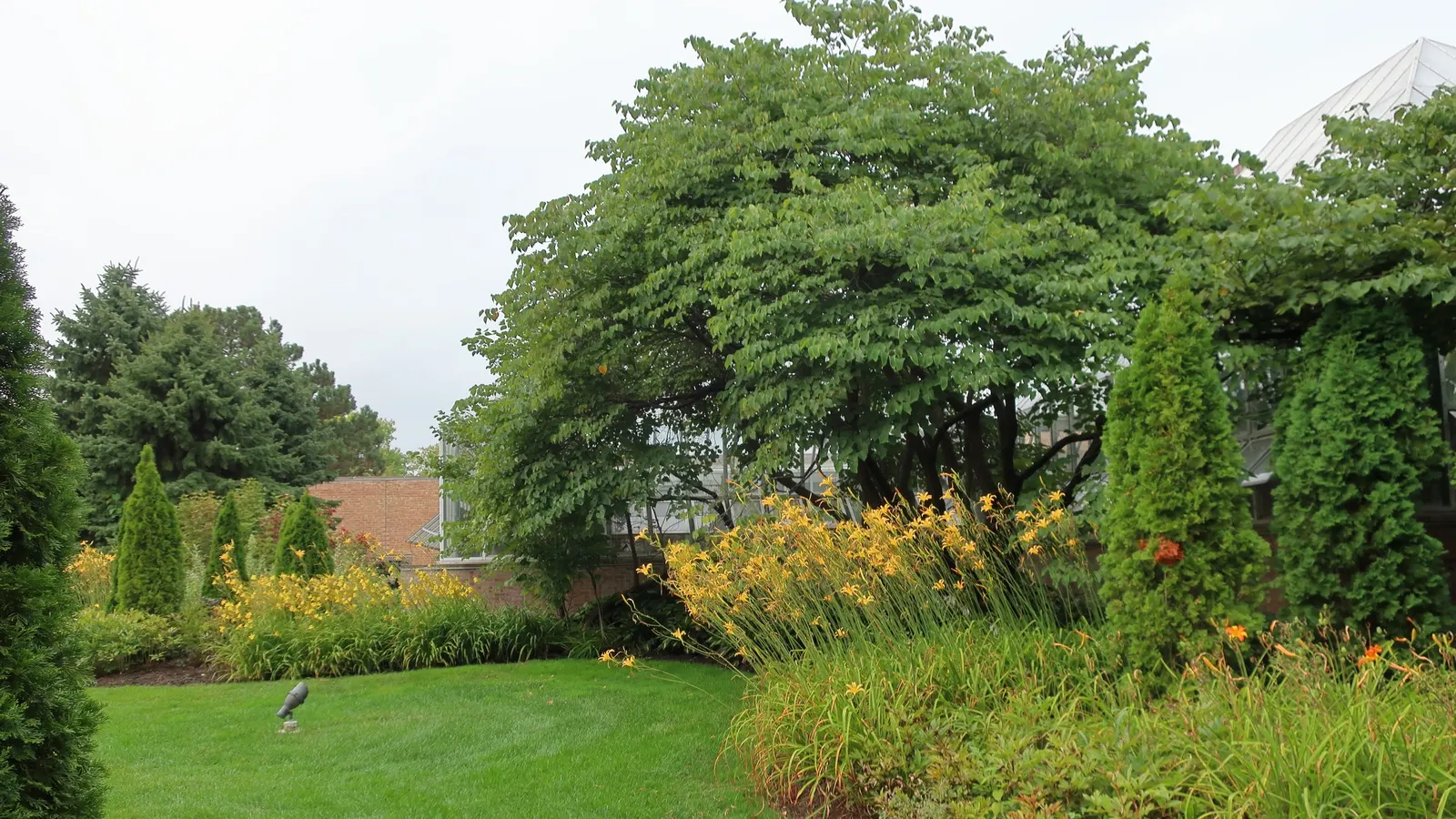
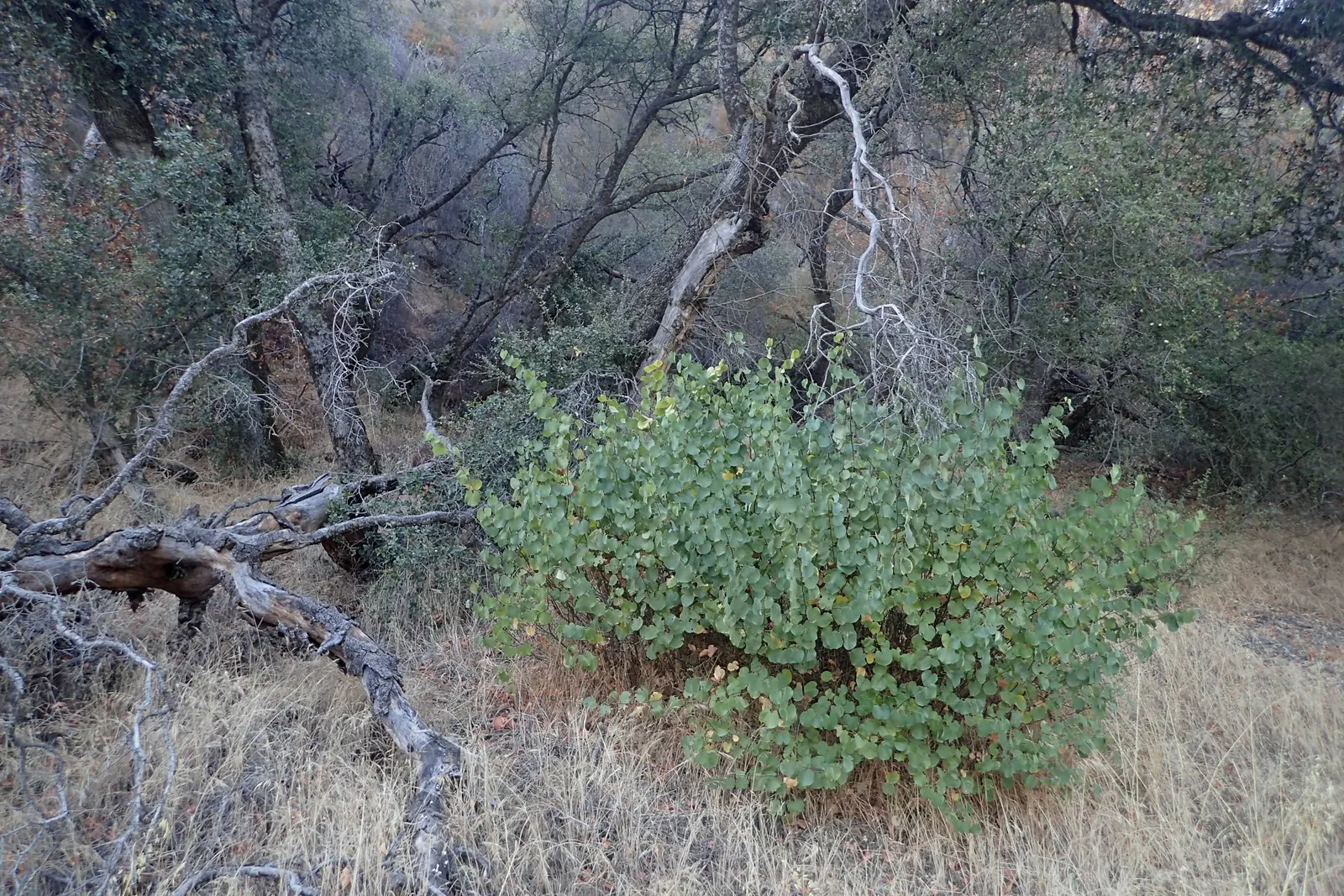
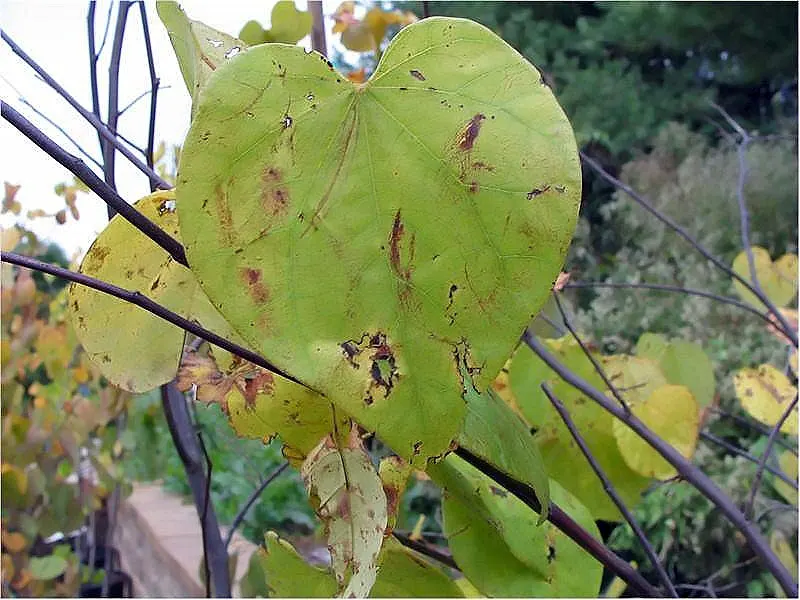
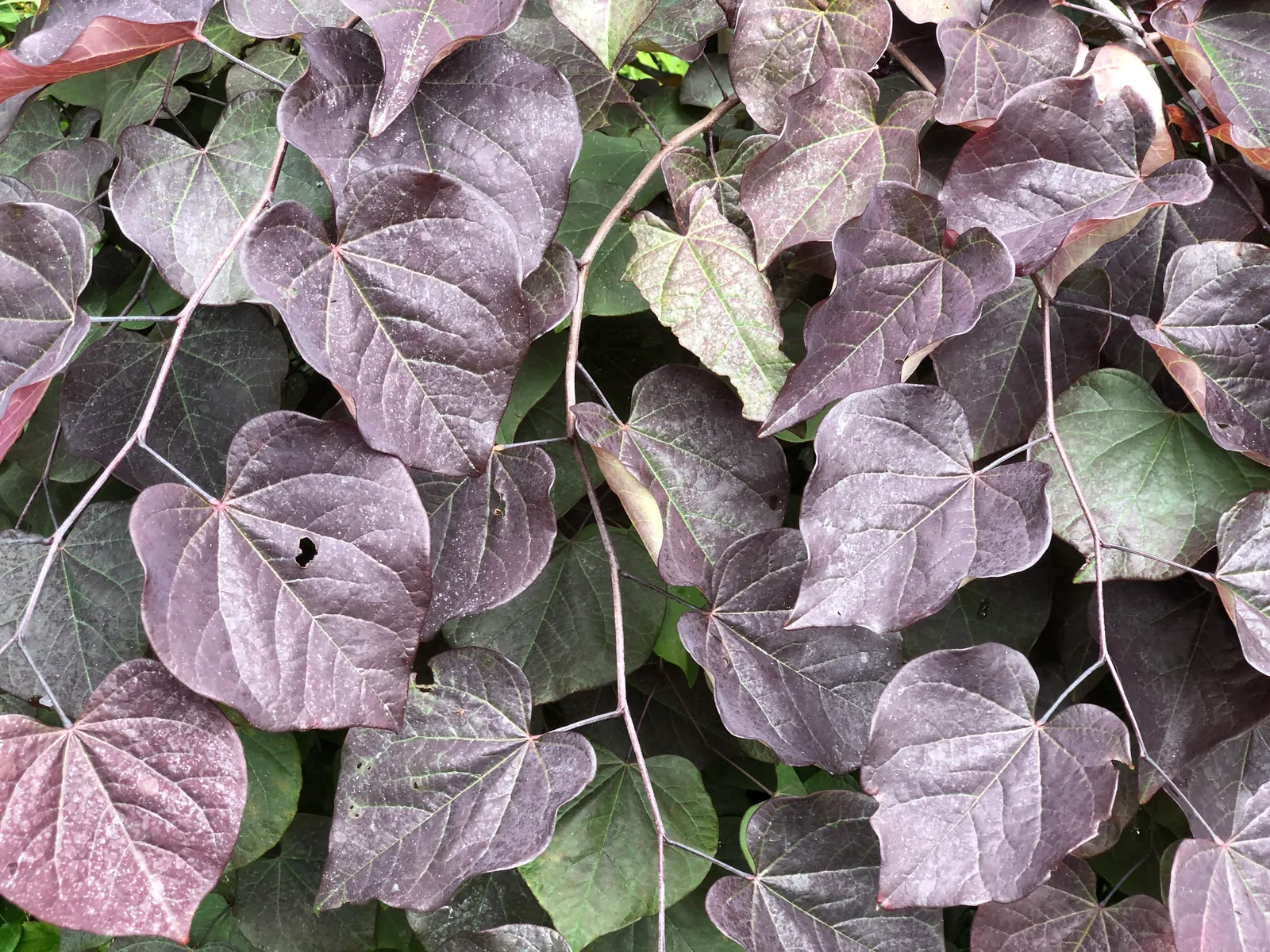
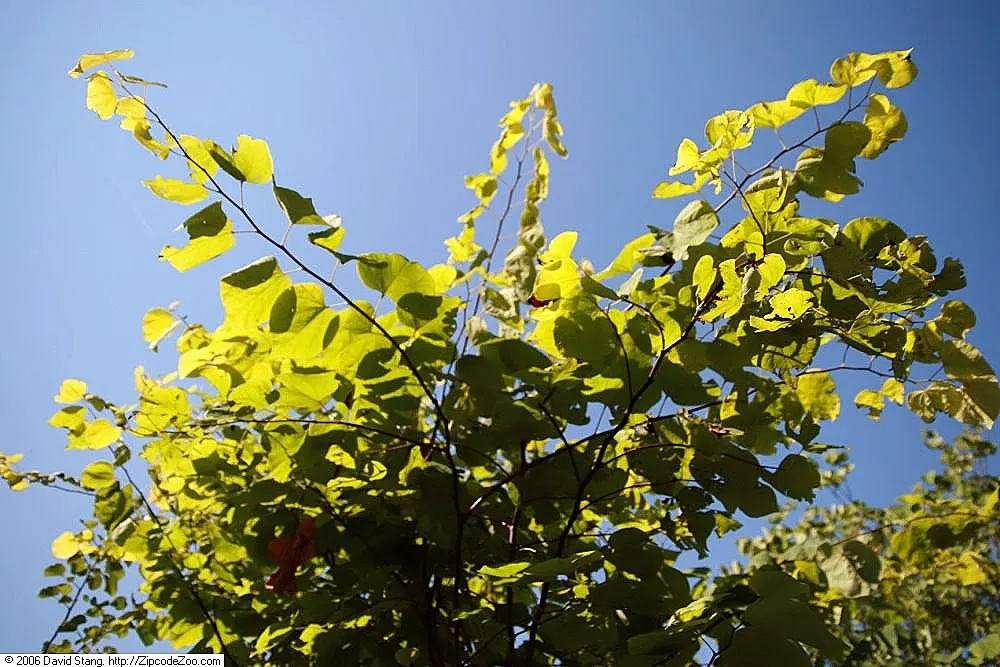
Western Redbud (Cercis Occidentalis) — Heart-shaped leaves emerge after flowers, transitioning to green and then yellow in fall
Western Redbud (Cercis Occidentalis) — Heart-shaped leaves emerge after flowers, transitioning to green and then yellow in fall; from full sun to, image 55
Western Redbud (Cercis Occidentalis) — Regular watering is crucial, particularly in the hotter months; shrub / tree for full or half
Western Redbud (Cercis Occidentalis) — enriching the seasonal palette of your garden.<br><br>For optimal growth; drought-tolerant once established
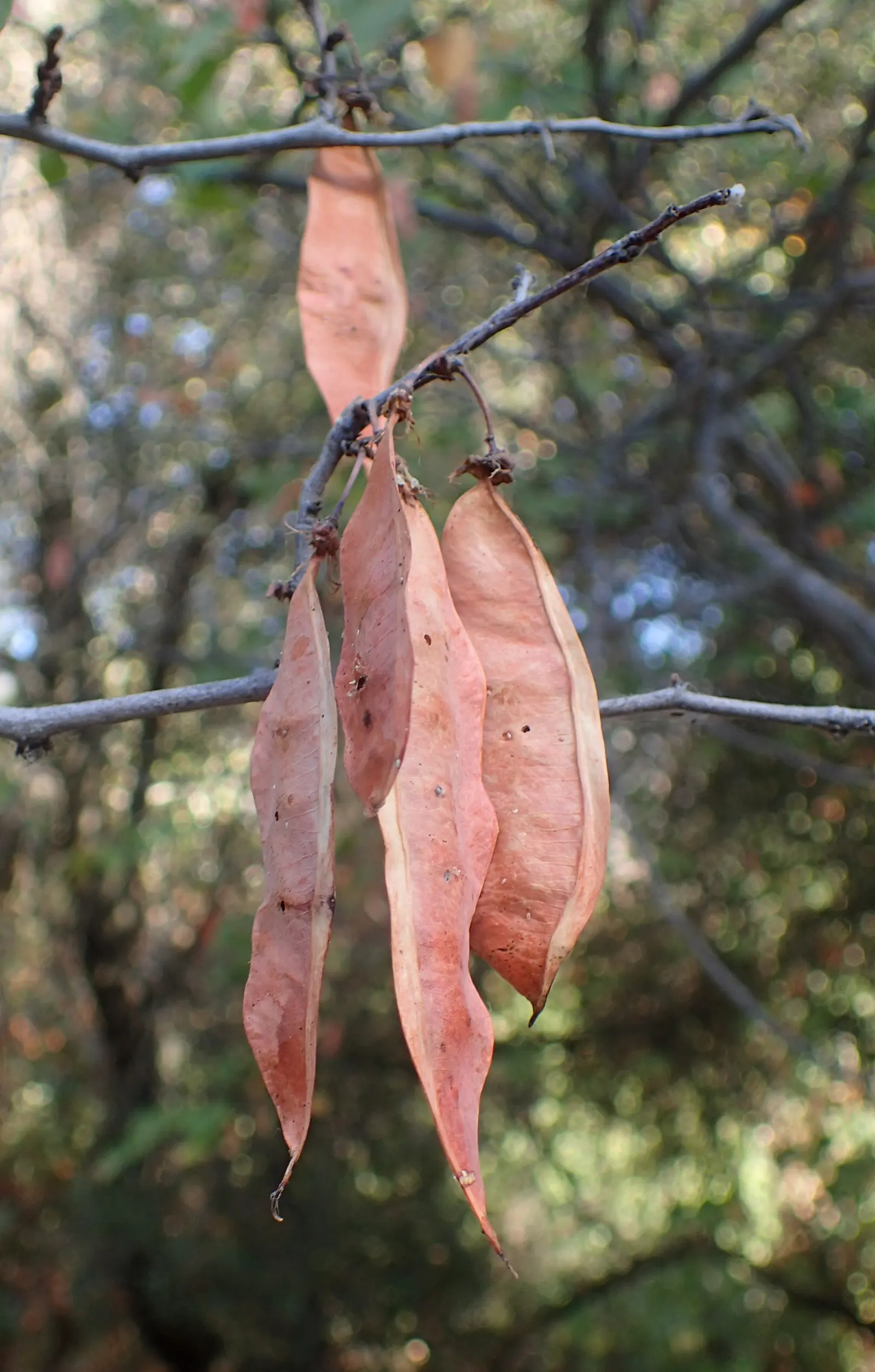
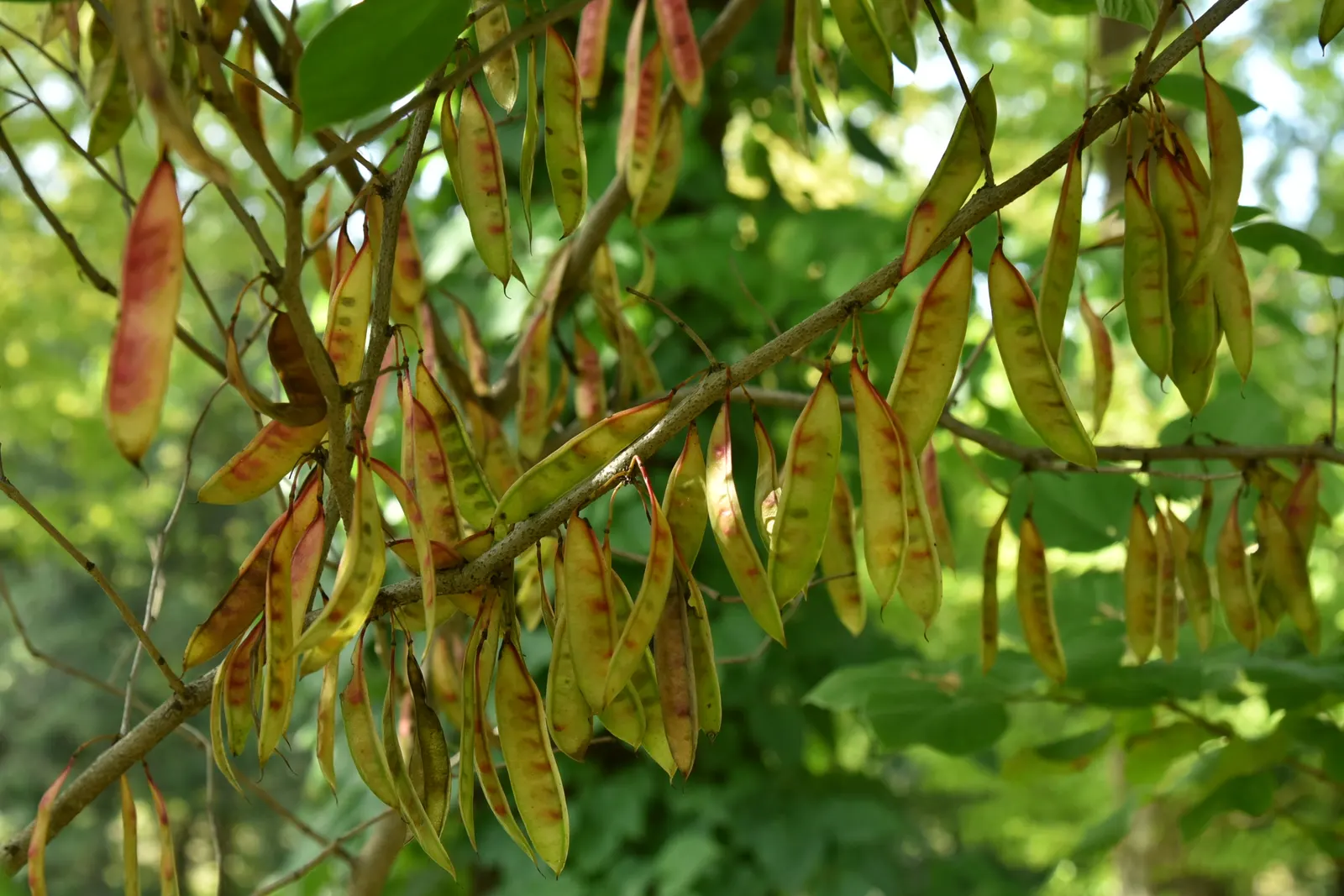
Western Redbud (Cercis Occidentalis) — it provides year-round interest; following the spring spectacle
Western Redbud (Cercis Occidentalis) — Following the spring spectacle
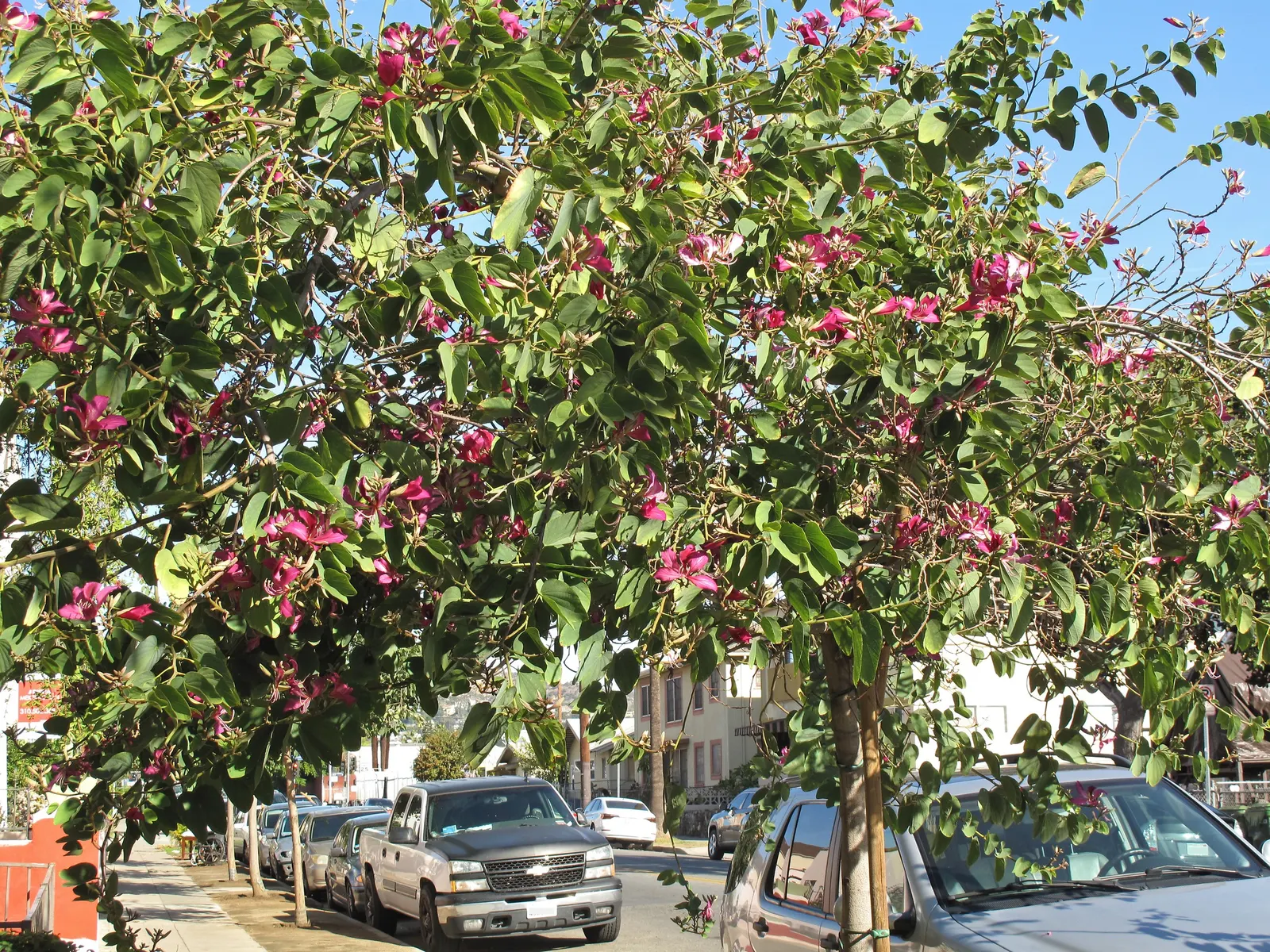
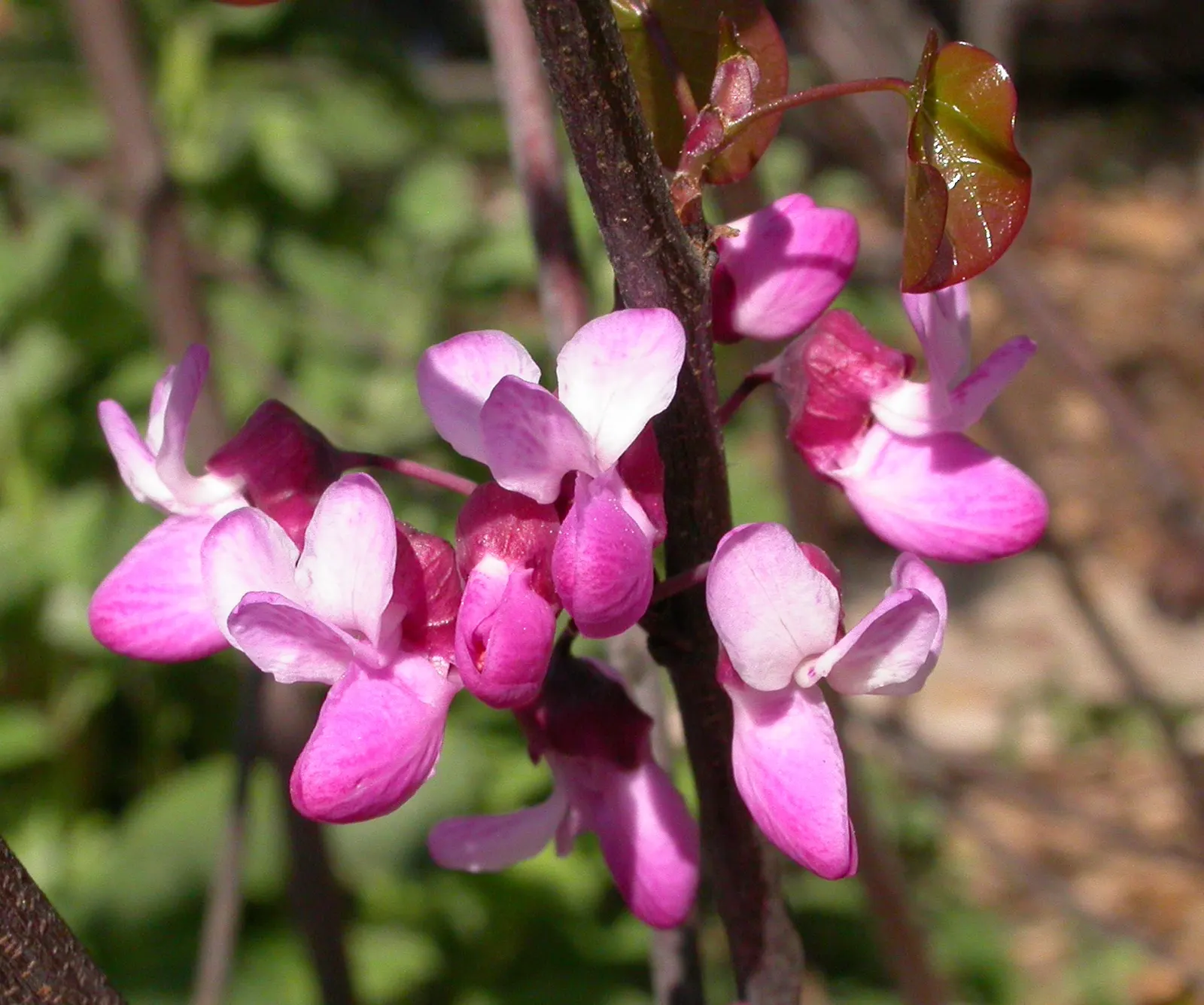
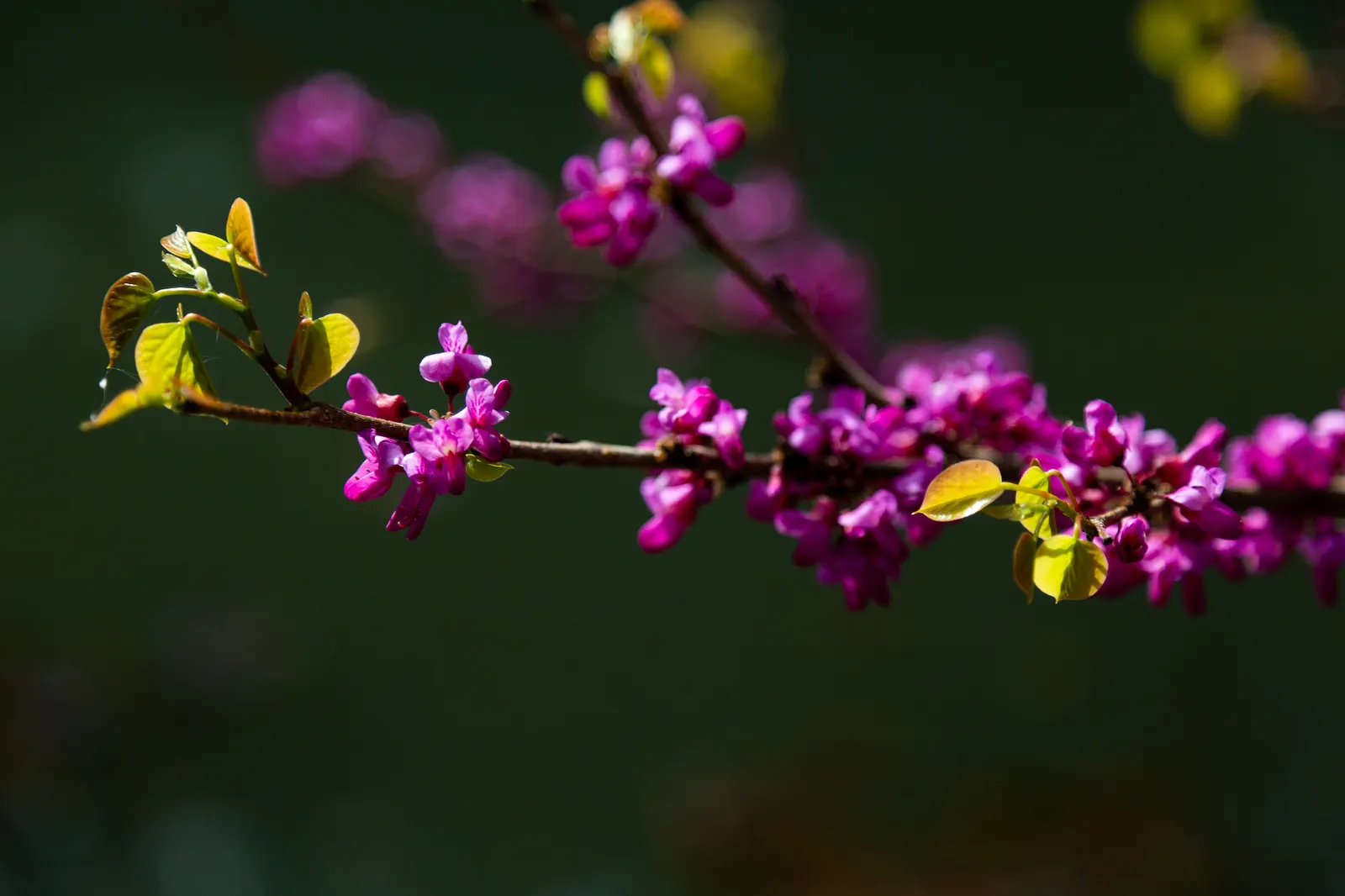
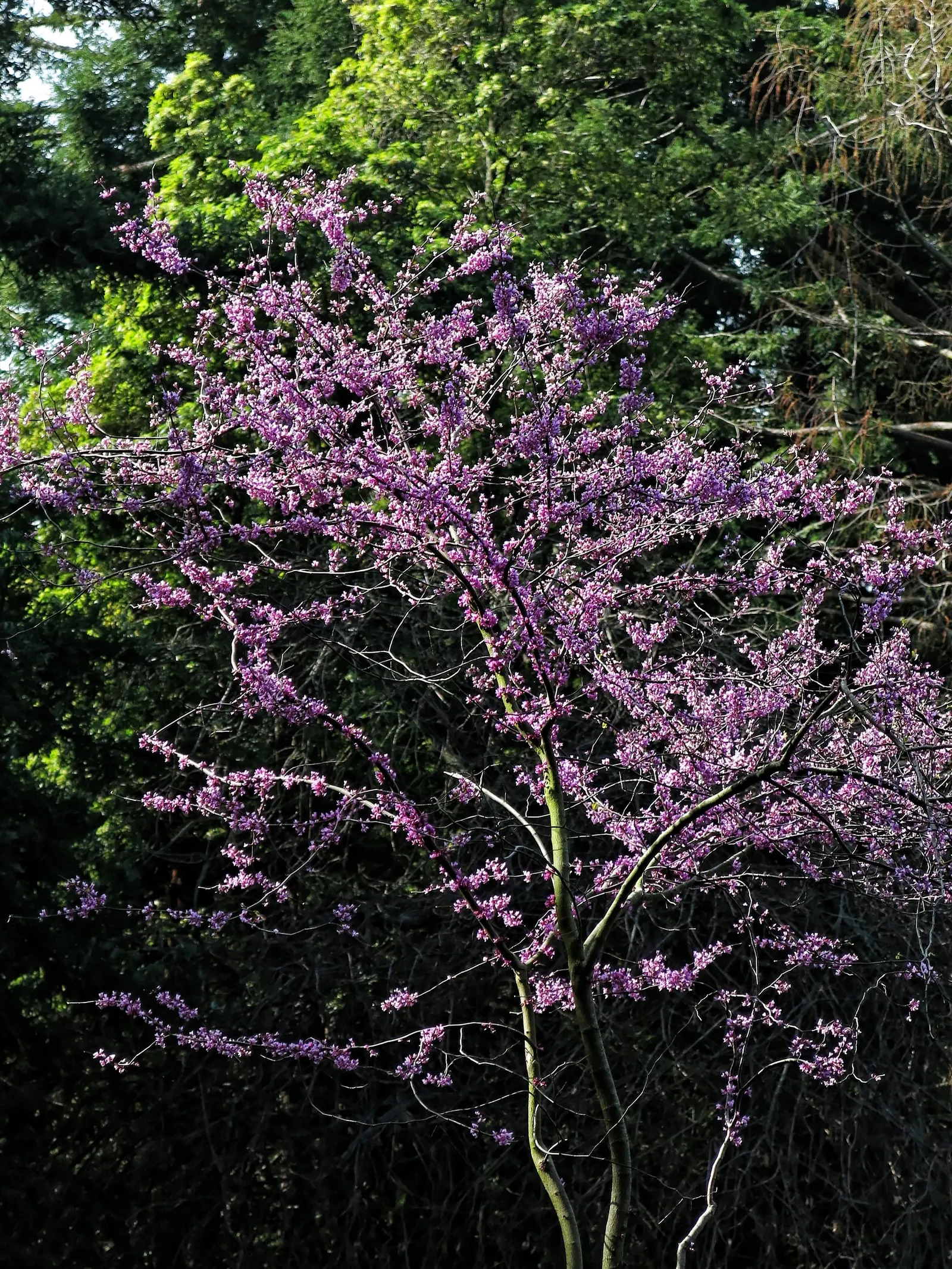
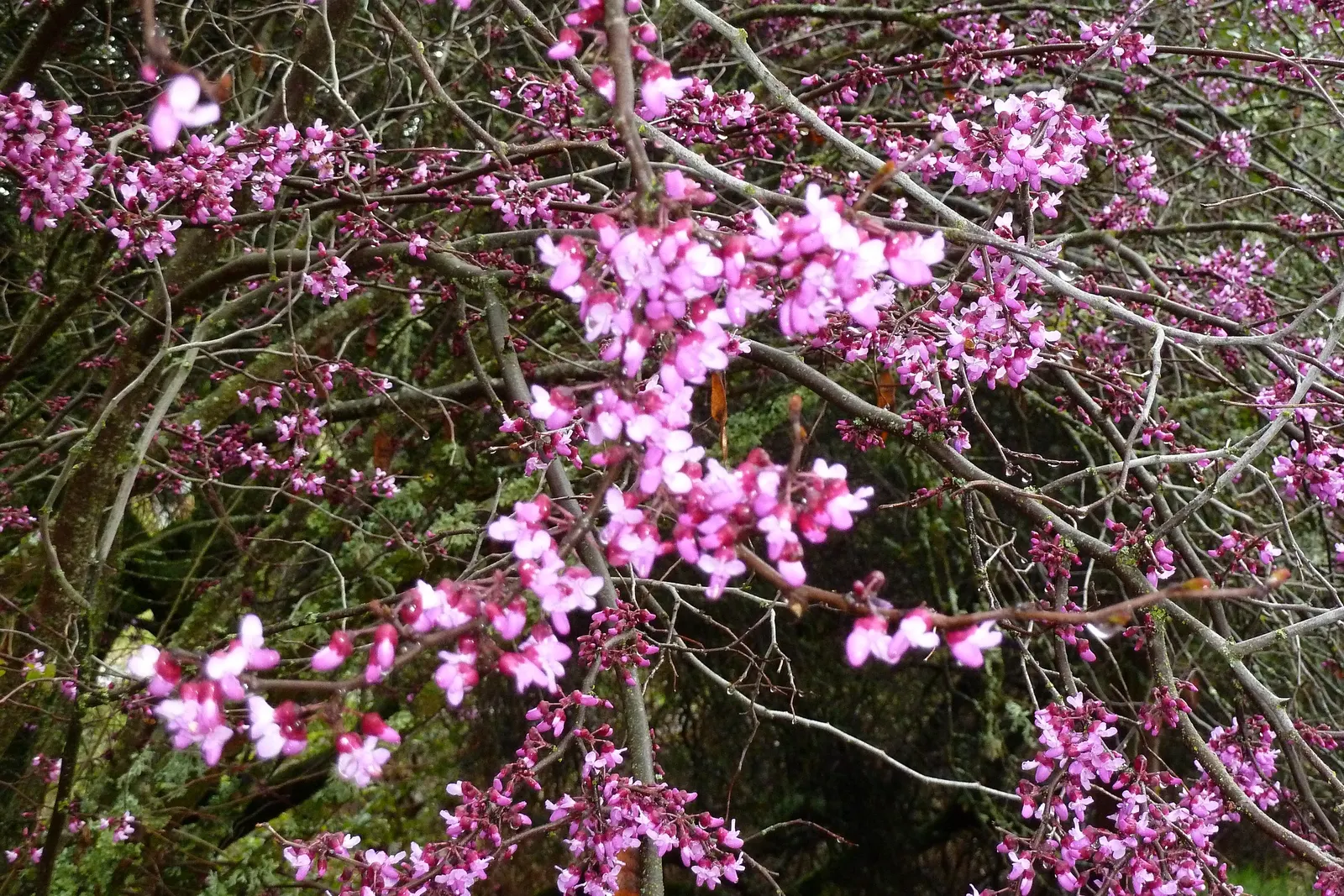
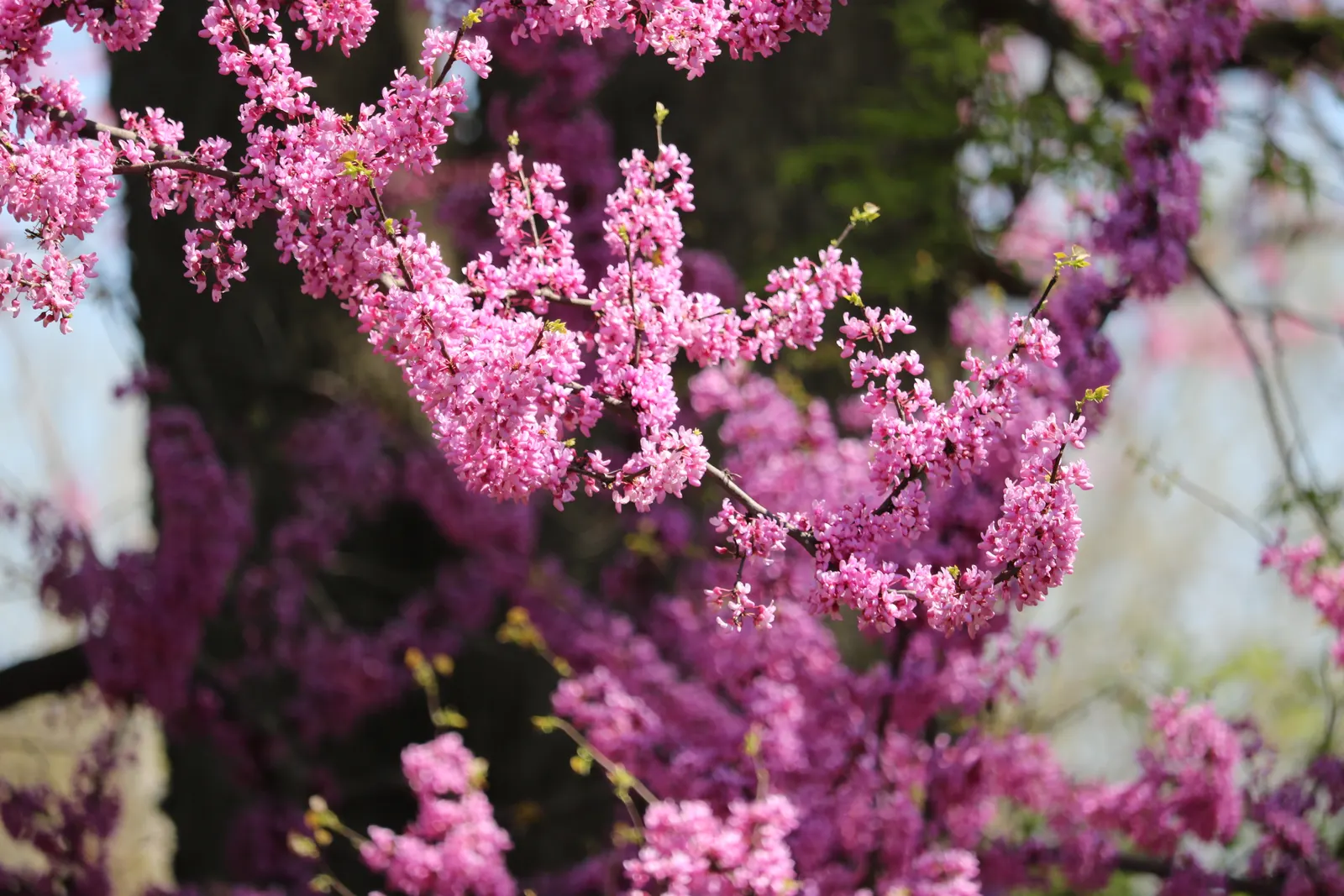
Western Redbud (Cercis Occidentalis) — tall, notable for its showy magenta blooms in spring; the Western Redbud boasts a brilliant display of magenta-pink
Western Redbud (Cercis Occidentalis) — perfect for accenting California landscapes and attracting pollinators; the Western Redbud demonstrates, image 59
Western Redbud (Cercis Occidentalis) — is a vibrant and versatile ornamental tree; the Western Redbud (Cercis occidentalis) is a vibrant deciduous shrub/small
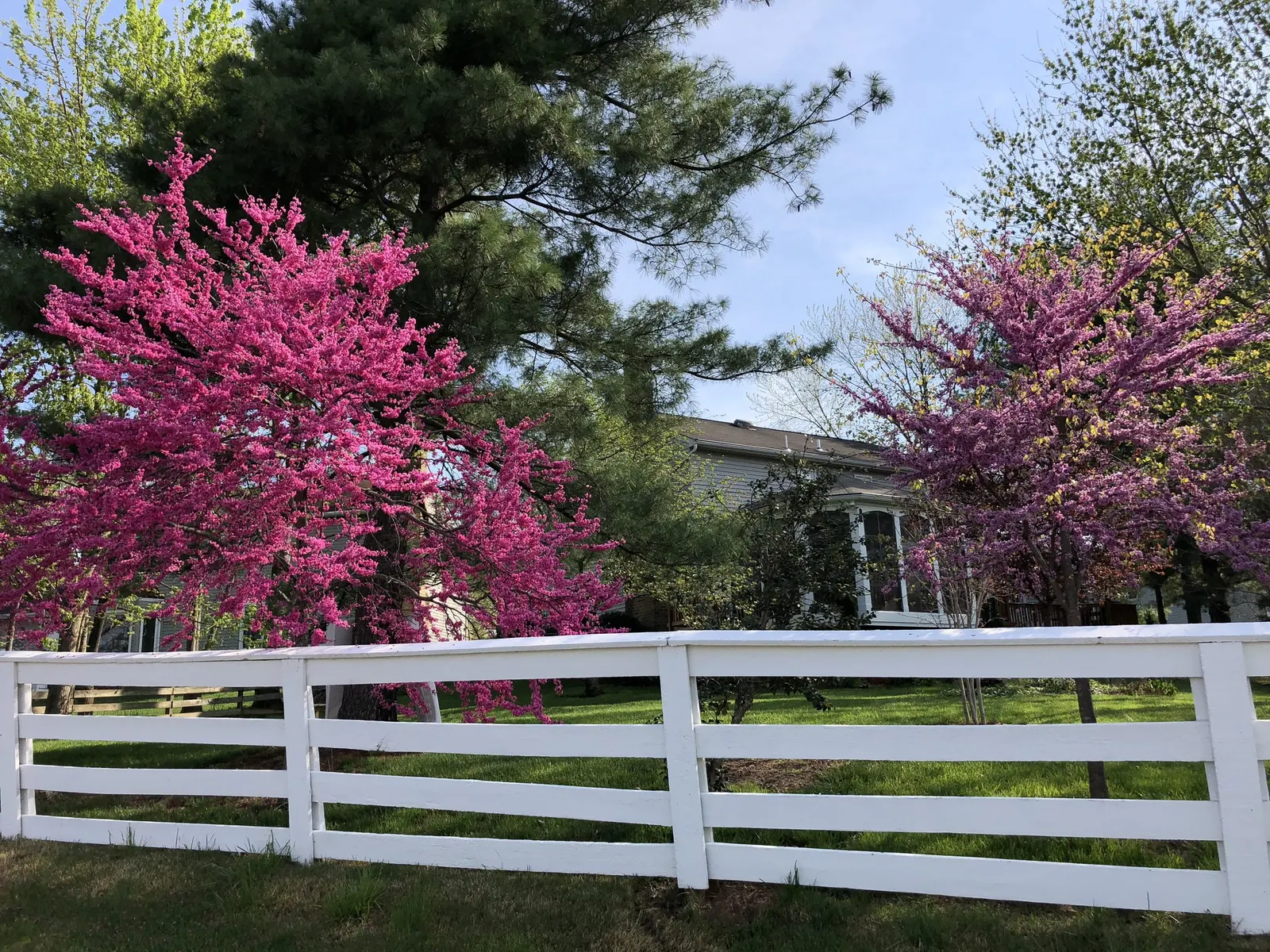
Western Redbud (Cercis Occidentalis) — or serve as a focal point when planted as a solitary specimen
Western Redbud (Cercis Occidentalis) — Regular watering is crucial, particularly in the hotter months; shrub / tree for full or half, image 71
Western Redbud (Cercis Occidentalis) — pink flowers in the garden; perfect for accentuating gardens with its striking springtime bloom
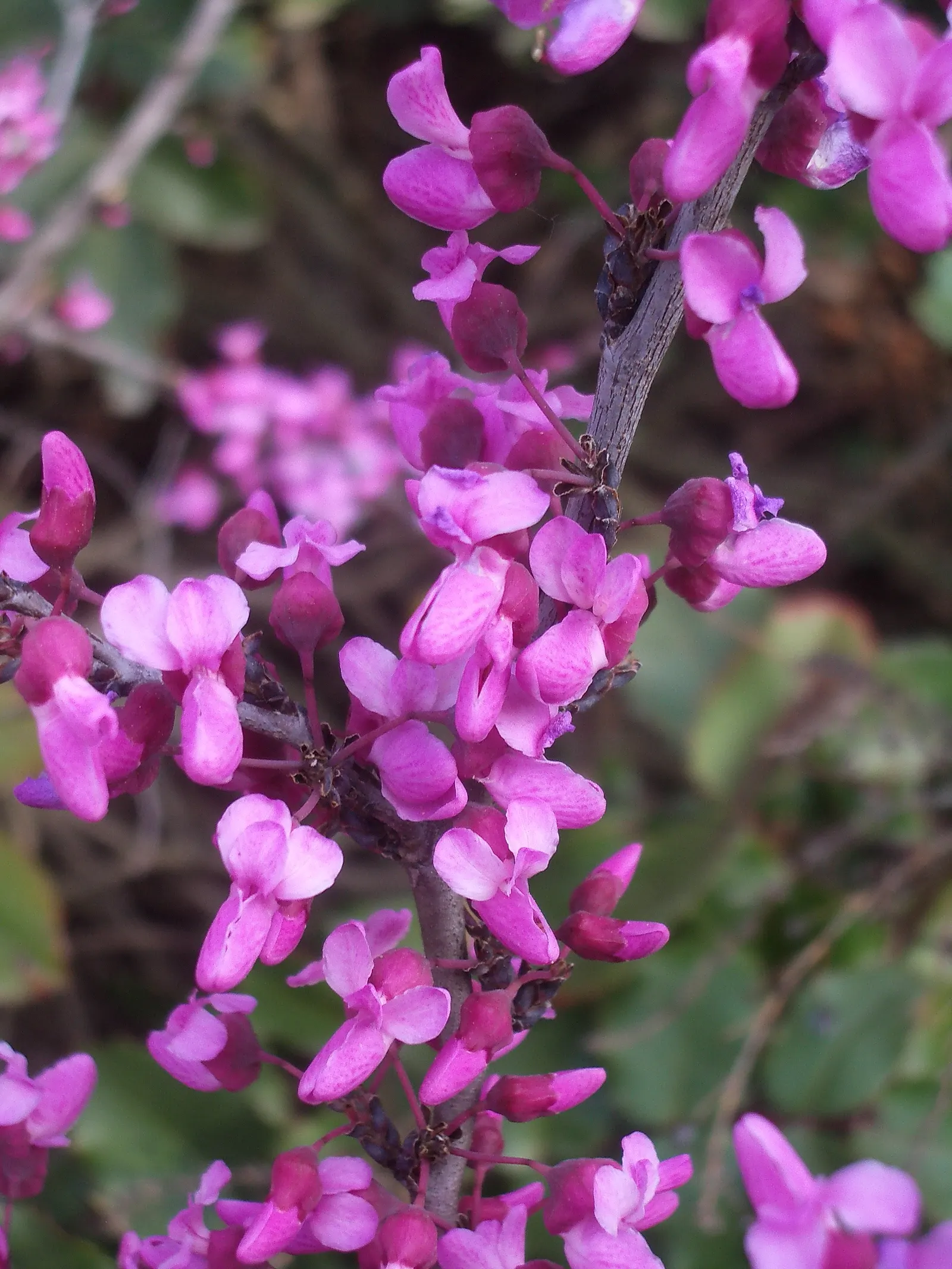
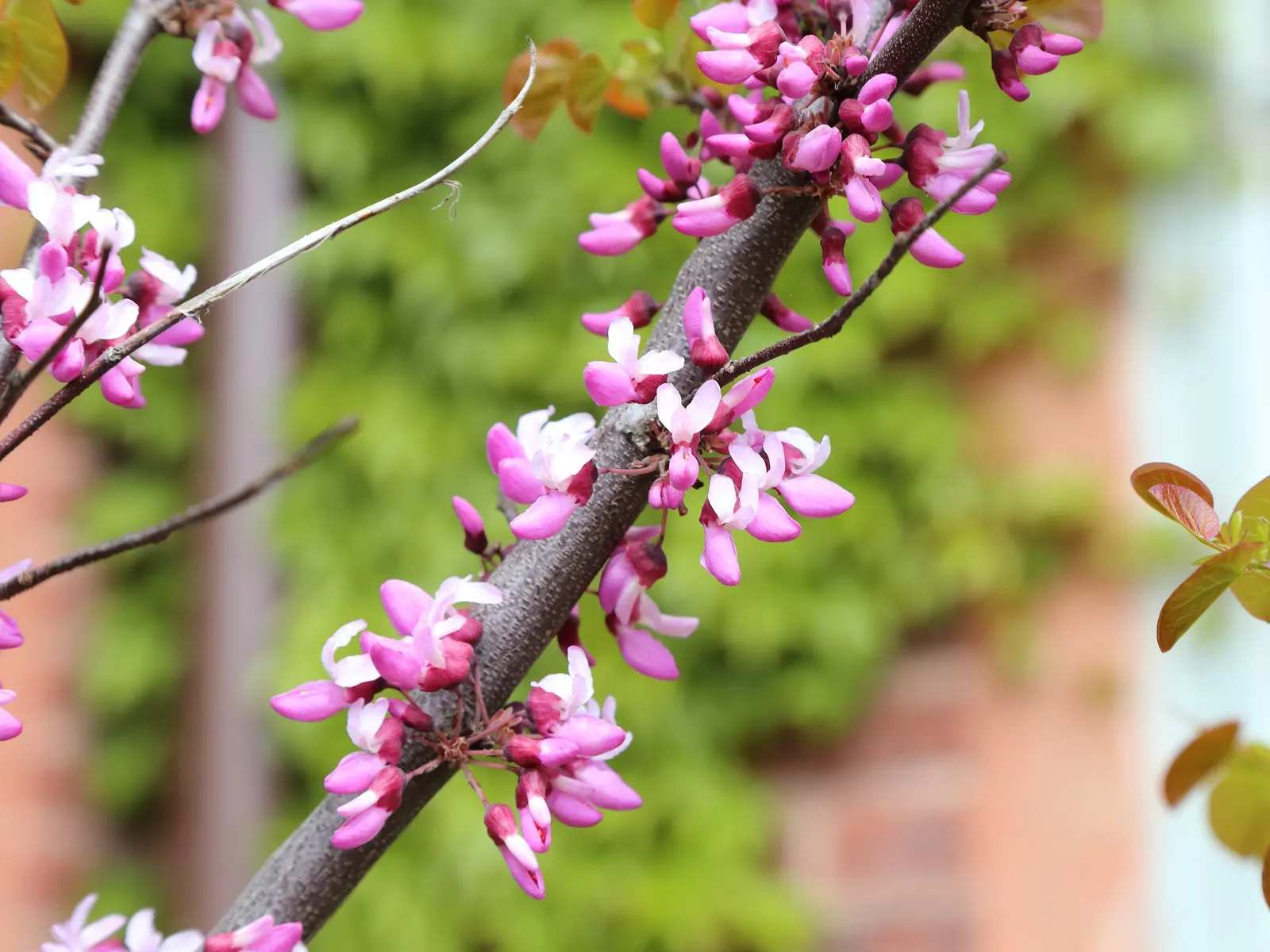
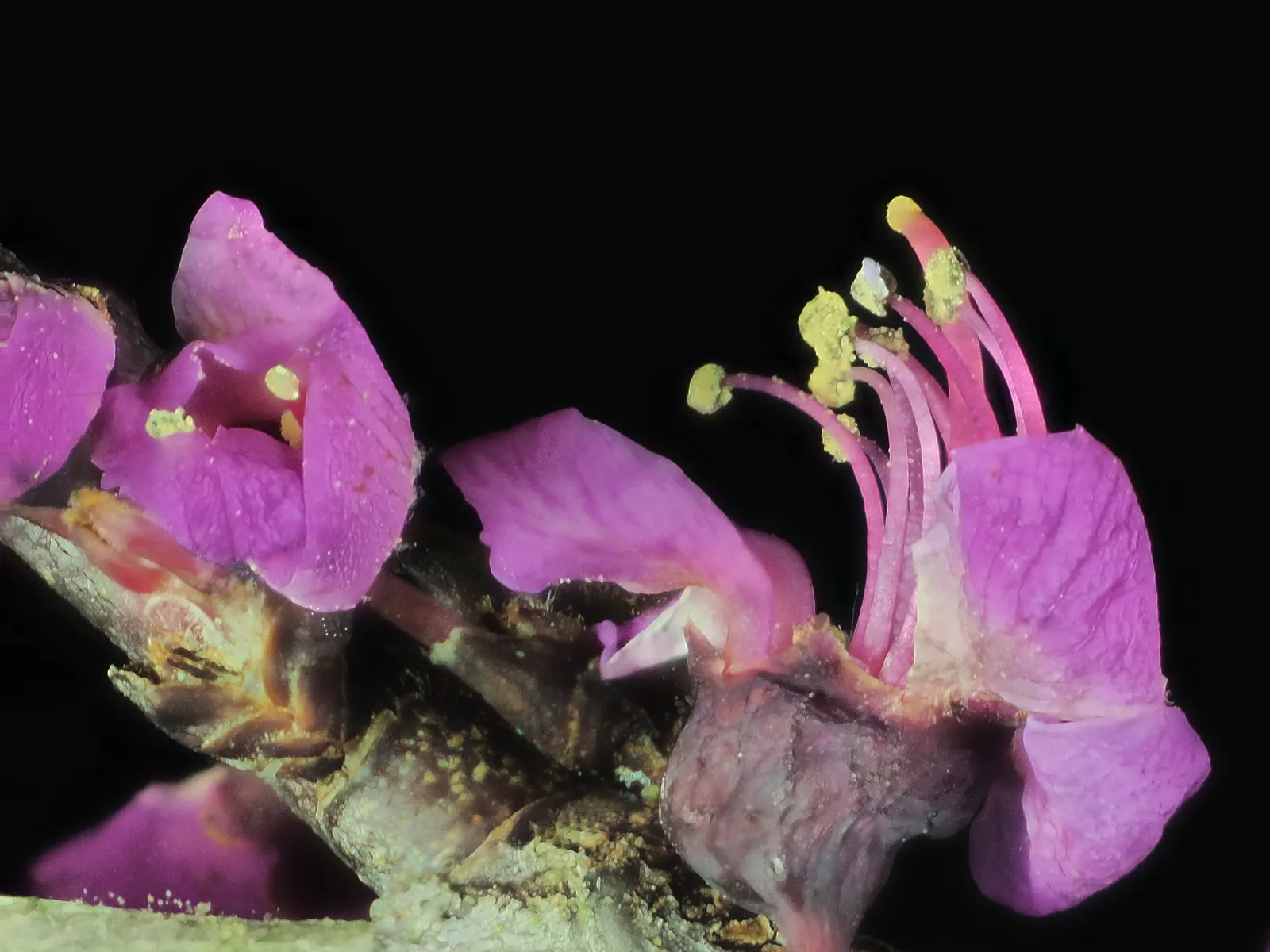
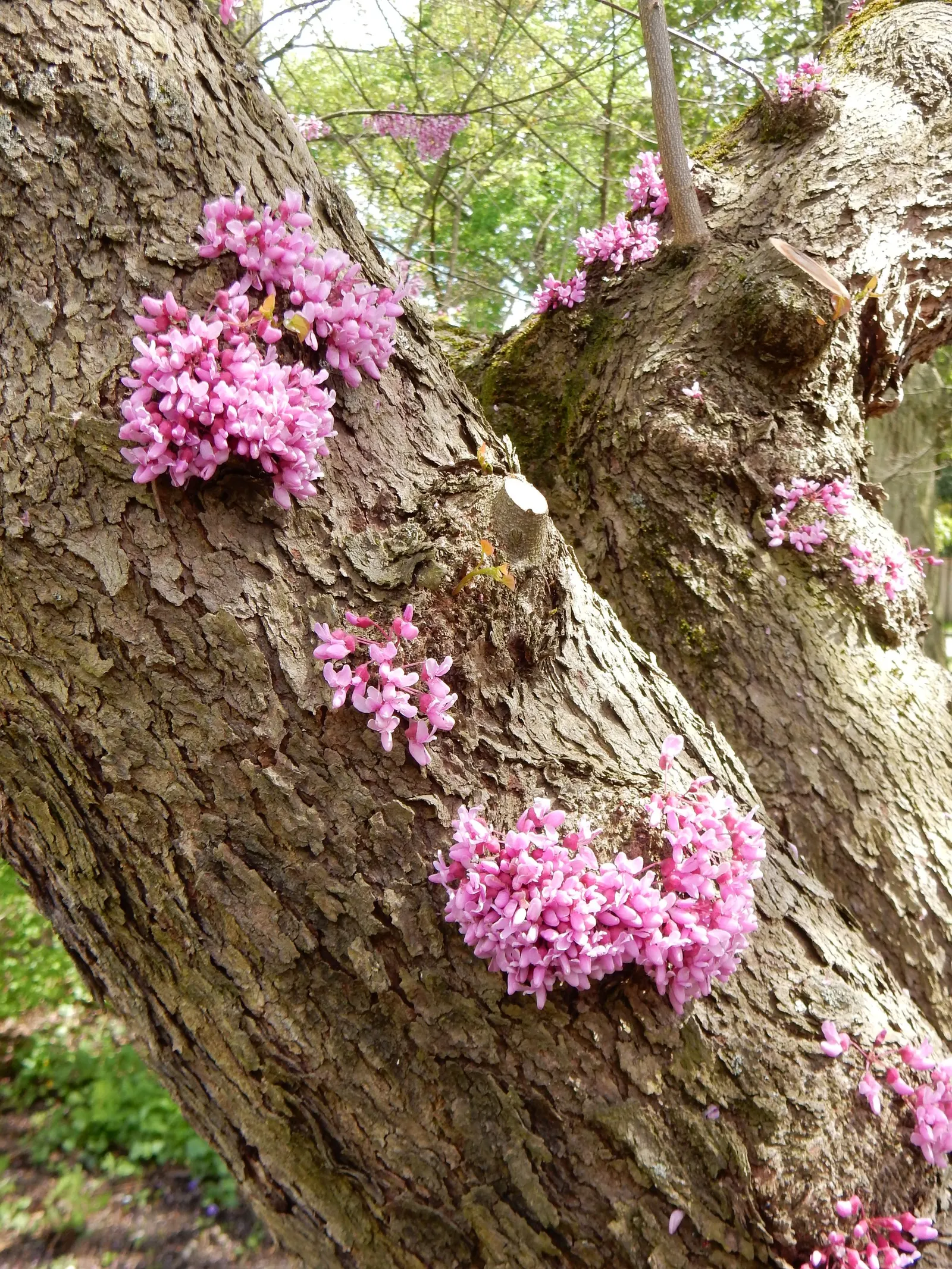
Western Redbud (Cercis Occidentalis) — These blossoms grow directly on the gray branches, enveloping the tree in a cloak of color; heart-shaped leaves emerge
Western Redbud (Cercis Occidentalis) — the Western Redbud demonstrates notable drought tolerance; perfect for accenting California landscapes and attracting
Western Redbud (Cercis Occidentalis) — Regular watering is crucial, particularly in the hotter months
Western Redbud (Cercis Occidentalis) — from full sun to partial shade; regular watering is crucial, particularly in the hotter months, image 70
Western Redbud (Cercis Occidentalis) — Cercis occidentalis prefers well-drained soils and can tolerate various conditions; these blossoms grow directly on the
Western Redbud (Cercis Occidentalis) — it provides year-round interest; following the spring spectacle, image 58
Western Redbud (Cercis Occidentalis) — from full sun to partial shade; regular watering is crucial, particularly in the hotter months
Western Redbud (Cercis Occidentalis) — shrub / tree with pink blooms
Western Redbud (Cercis Occidentalis) — shrub / tree with pink blooms; enriching the seasonal palette of your garden.<br><br>For optimal growth
Western Redbud (Cercis Occidentalis) — the Western Redbud demonstrates notable drought tolerance
Western Redbud (Cercis Occidentalis) — The Western Redbud (Cercis occidentalis) is a vibrant deciduous shrub/small tree, reaching 10-18 ft
Western Redbud (Cercis Occidentalis) — or serve as a focal point when planted as a solitary specimen; the Western Redbud can accentuate entryways
Photographs by 14 contributors

Related plants