Skip to content

Eastern Redbud

Cercis Canadensis

Design with this plant

Overview

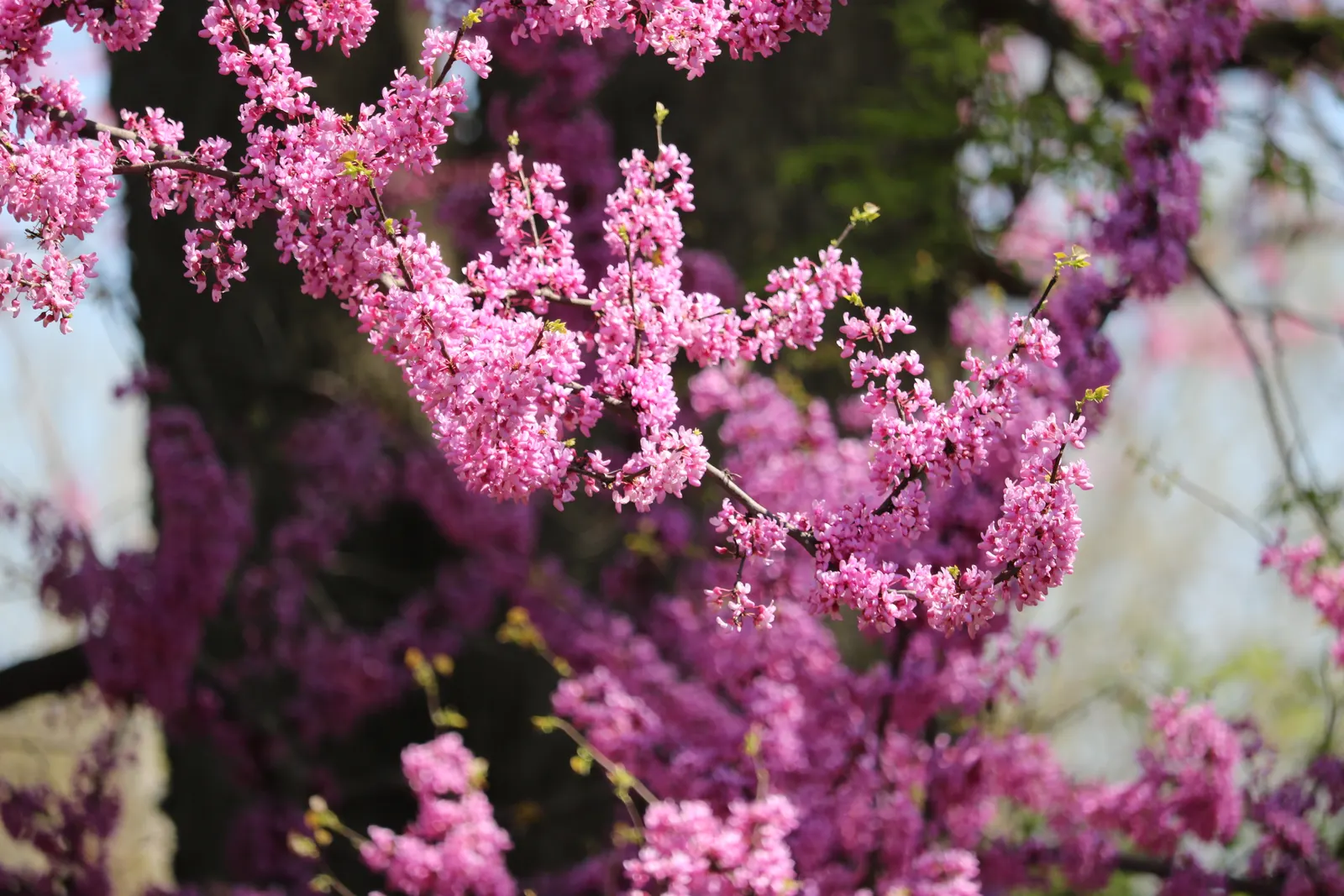
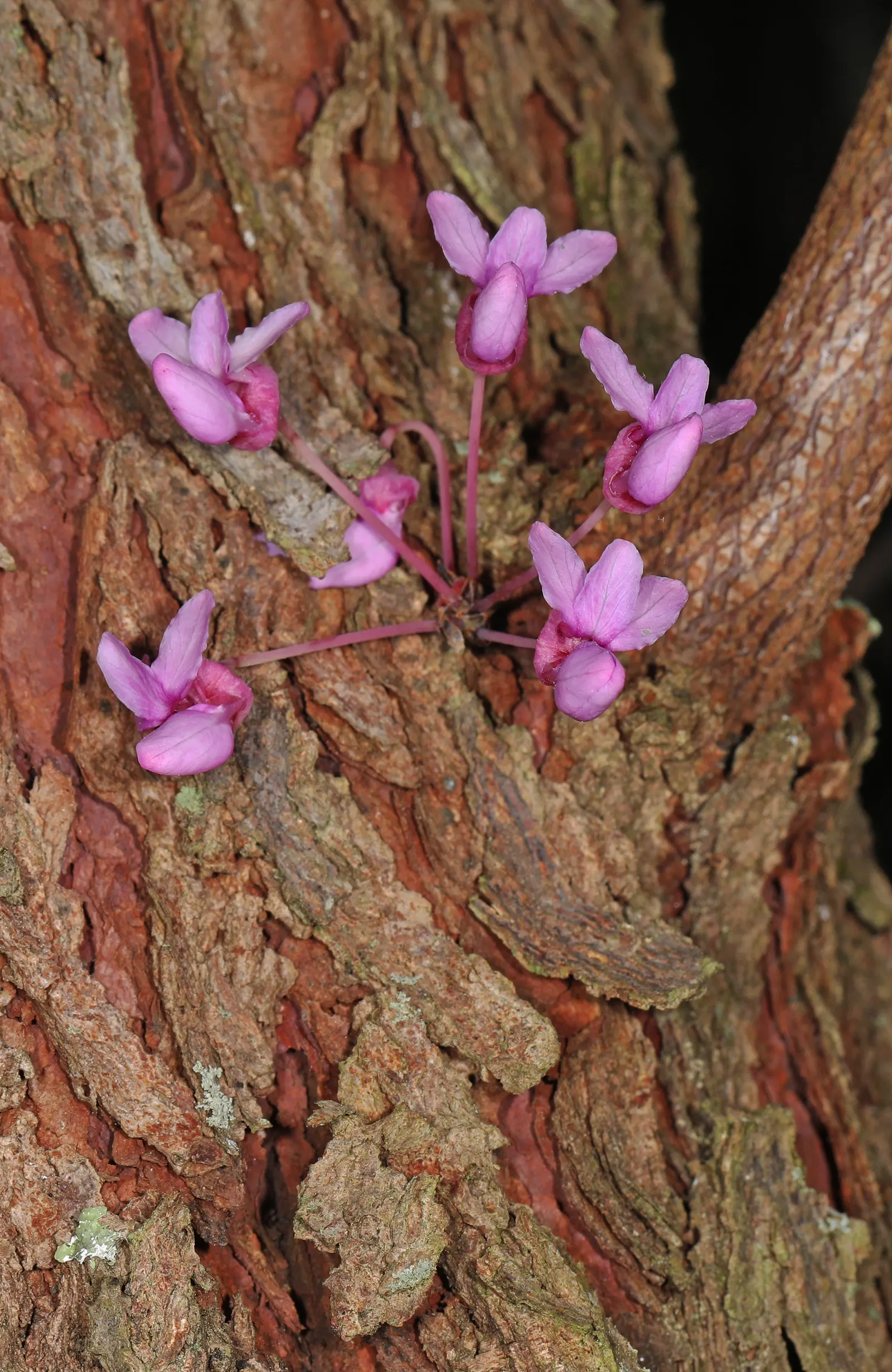
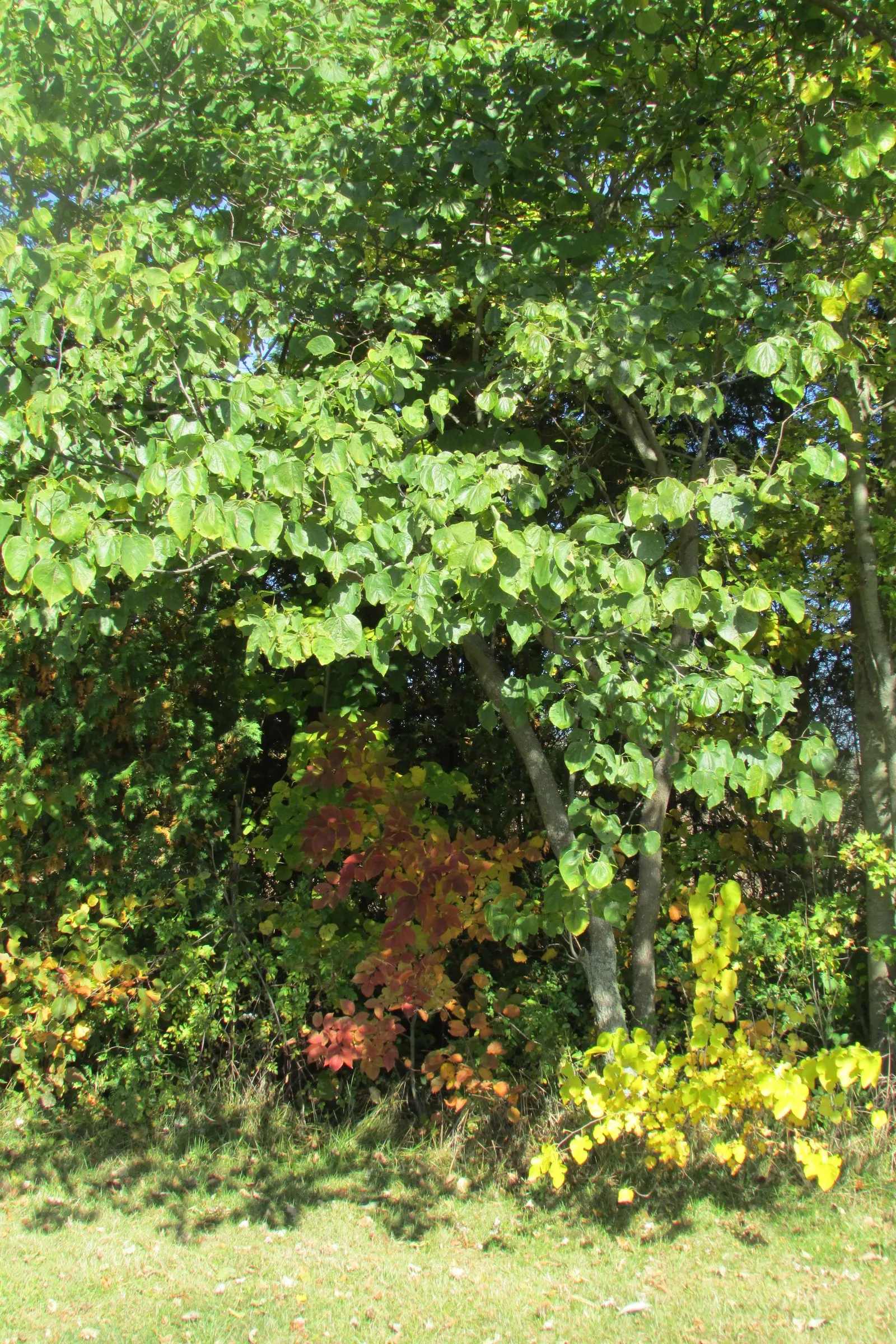
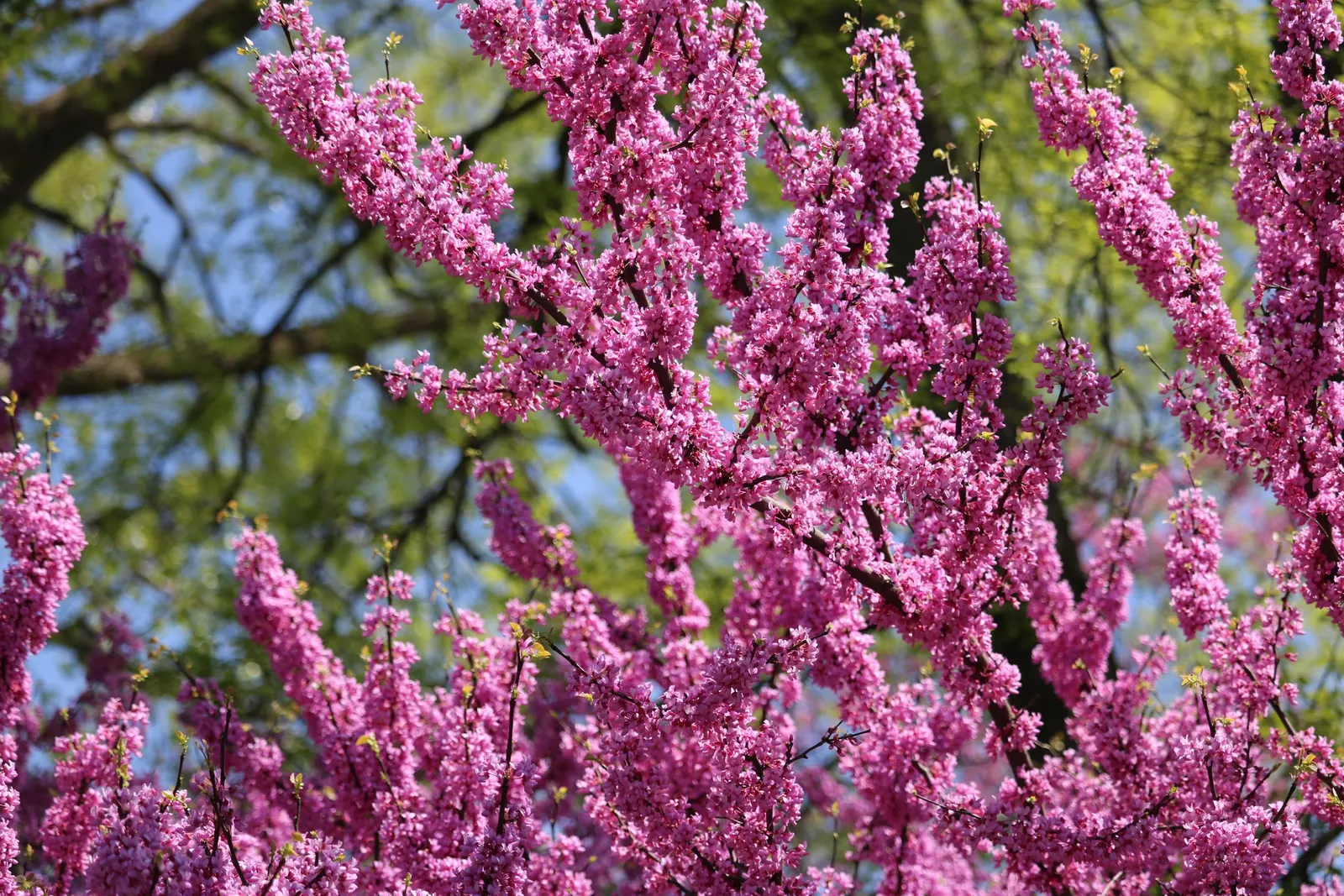
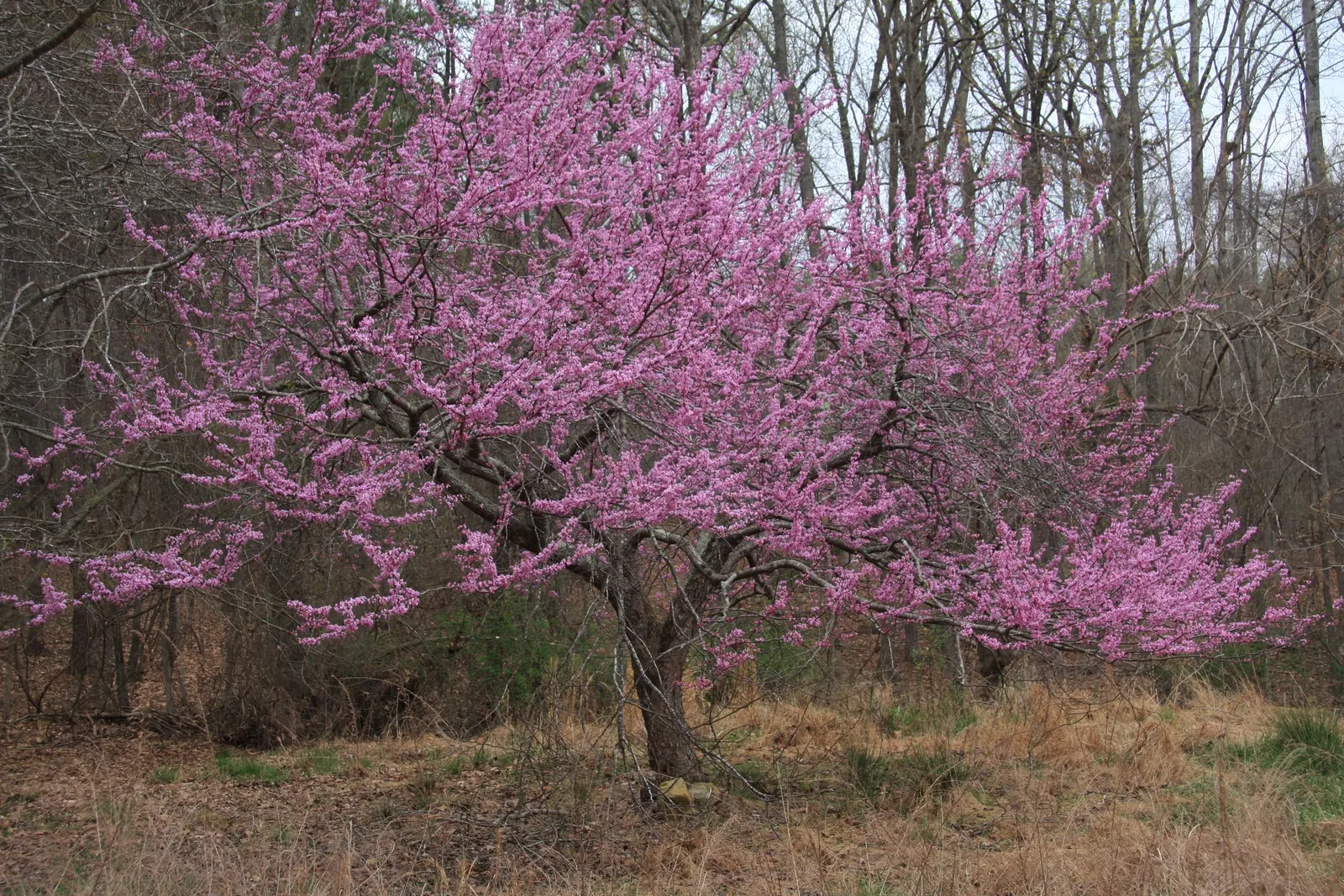
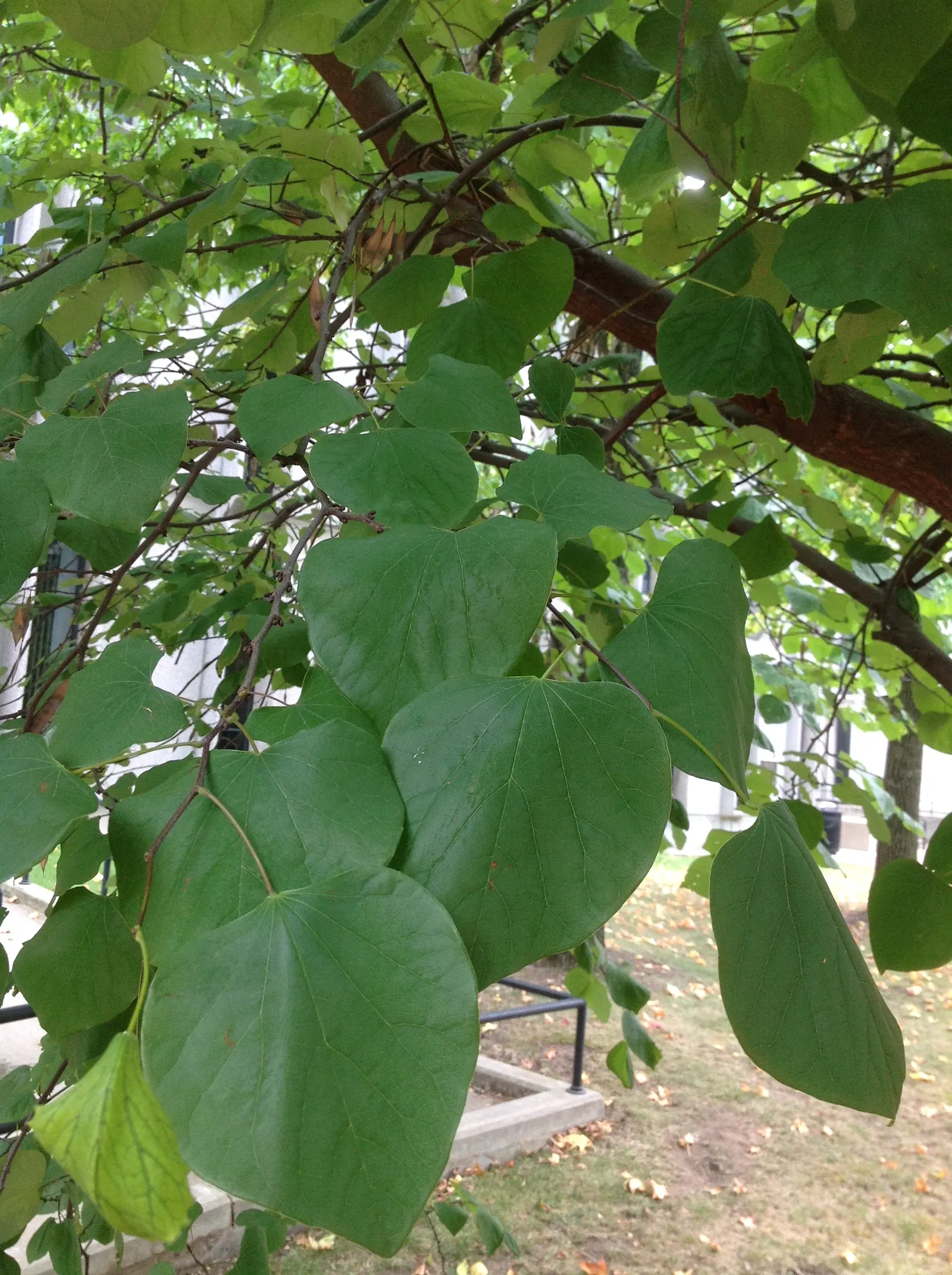
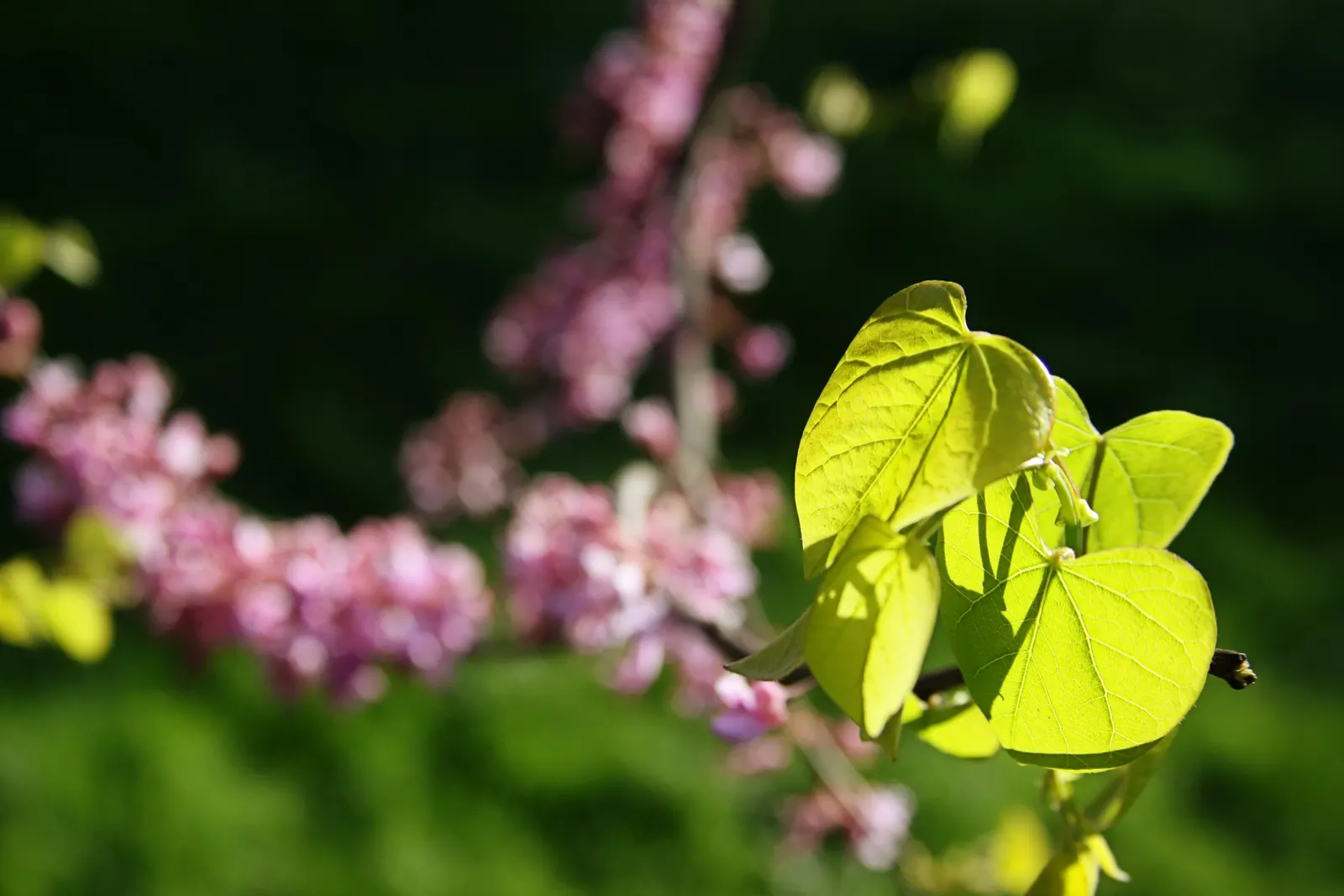
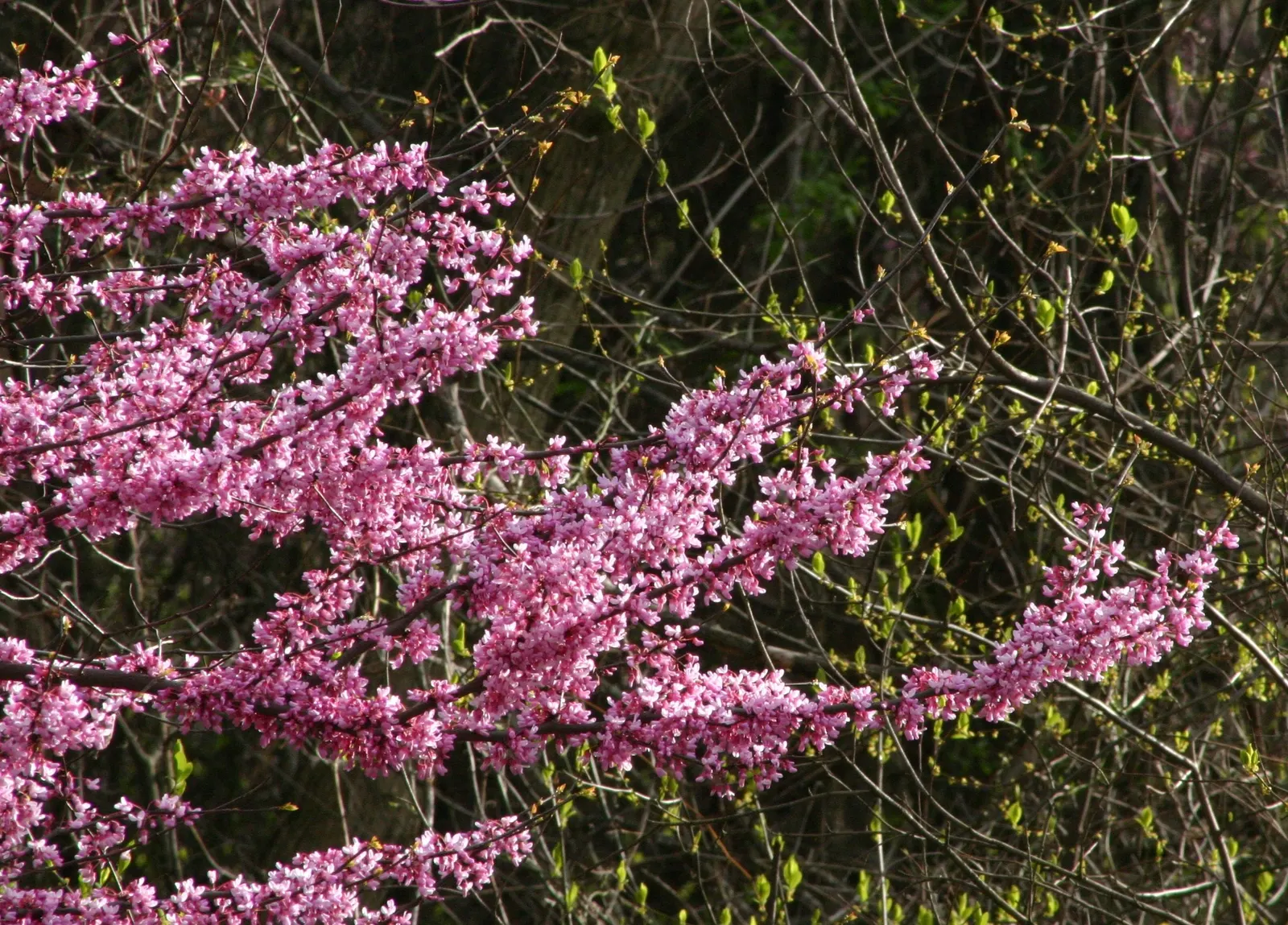
Eastern Redbud (Cercis canadensis) is a striking deciduous tree, native to eastern North America. This ornamental beauty reaches 20-30 ft tall with a similar spread, showcasing a rounded canopy. Known for its vibrant pink to magenta spring blooms, the heart-shaped leaves emerge afterward, transitioning from green to yellow in fall. Hardy in USDA zones 4-9, it thrives in full sun to partial shade and prefers well-drained soils. Ideal for small yards.

Sun Full, Half, ShadeWater MediumZones 4–10Climate Temperate

Culture

Sun
Full, Half, Shade
Water
Medium
USDA zones
4–10

Shape & size

Classification

Family
Leguminosae
Climate
Temperate

See full data, regional cultivation notes, full-resolution photos, and design tools. Build a client presentation around this plant.

Start your 14-day trial

Photos (131)

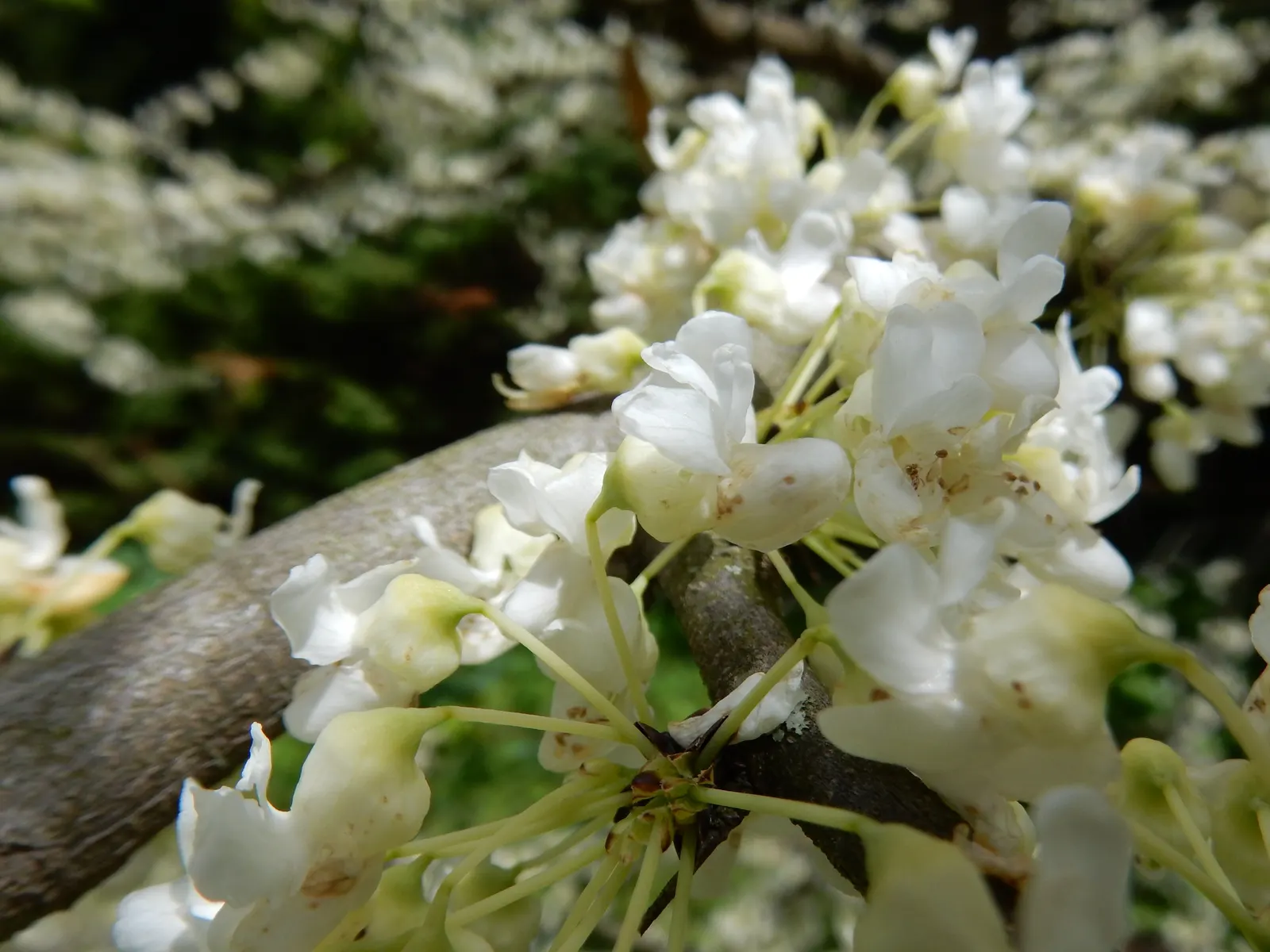
Eastern Redbud (Cercis Canadensis) — Hardy in USDA zones 4-9, it thrives in full sun to partial shade and prefers well-drained soils
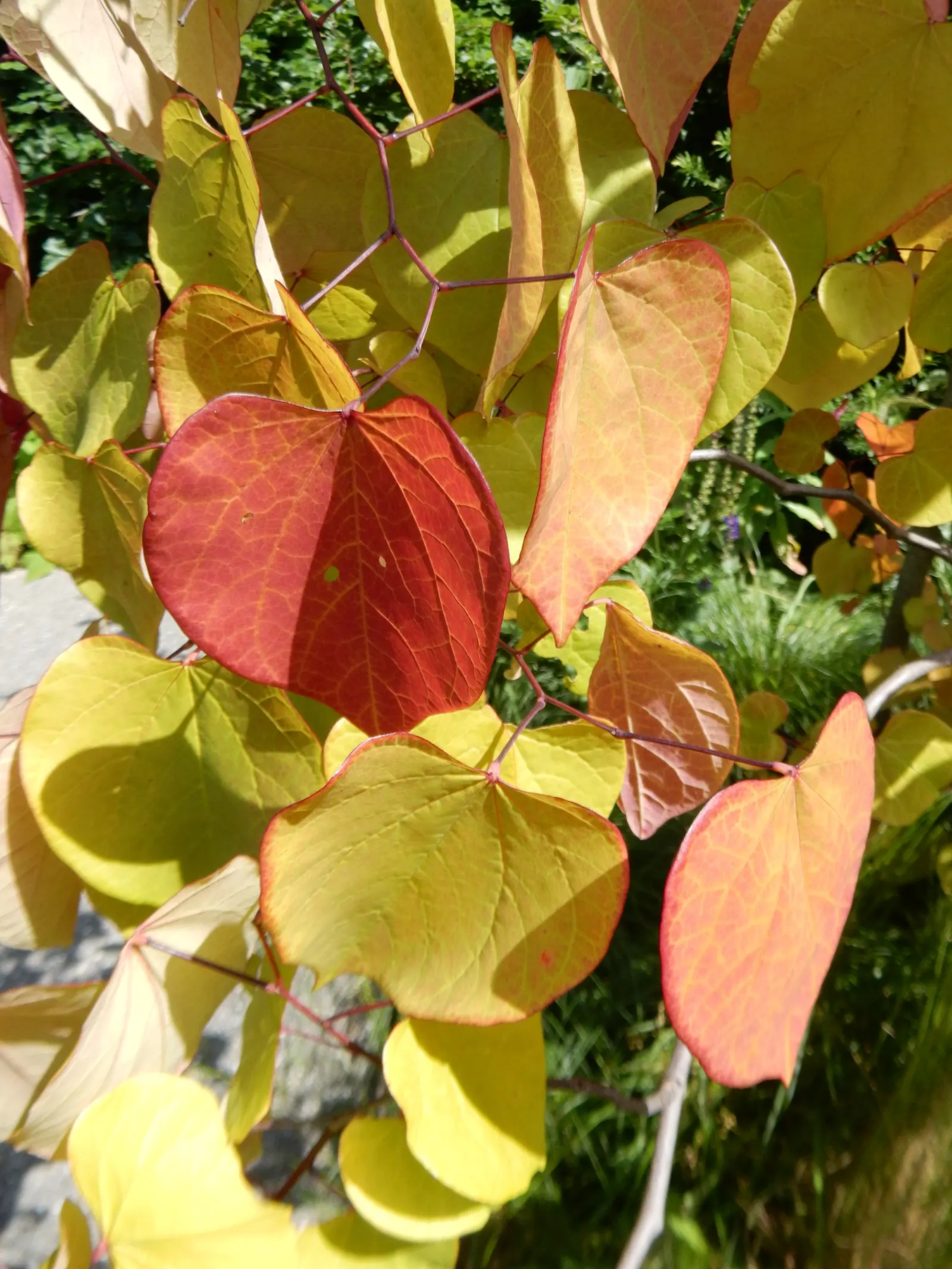
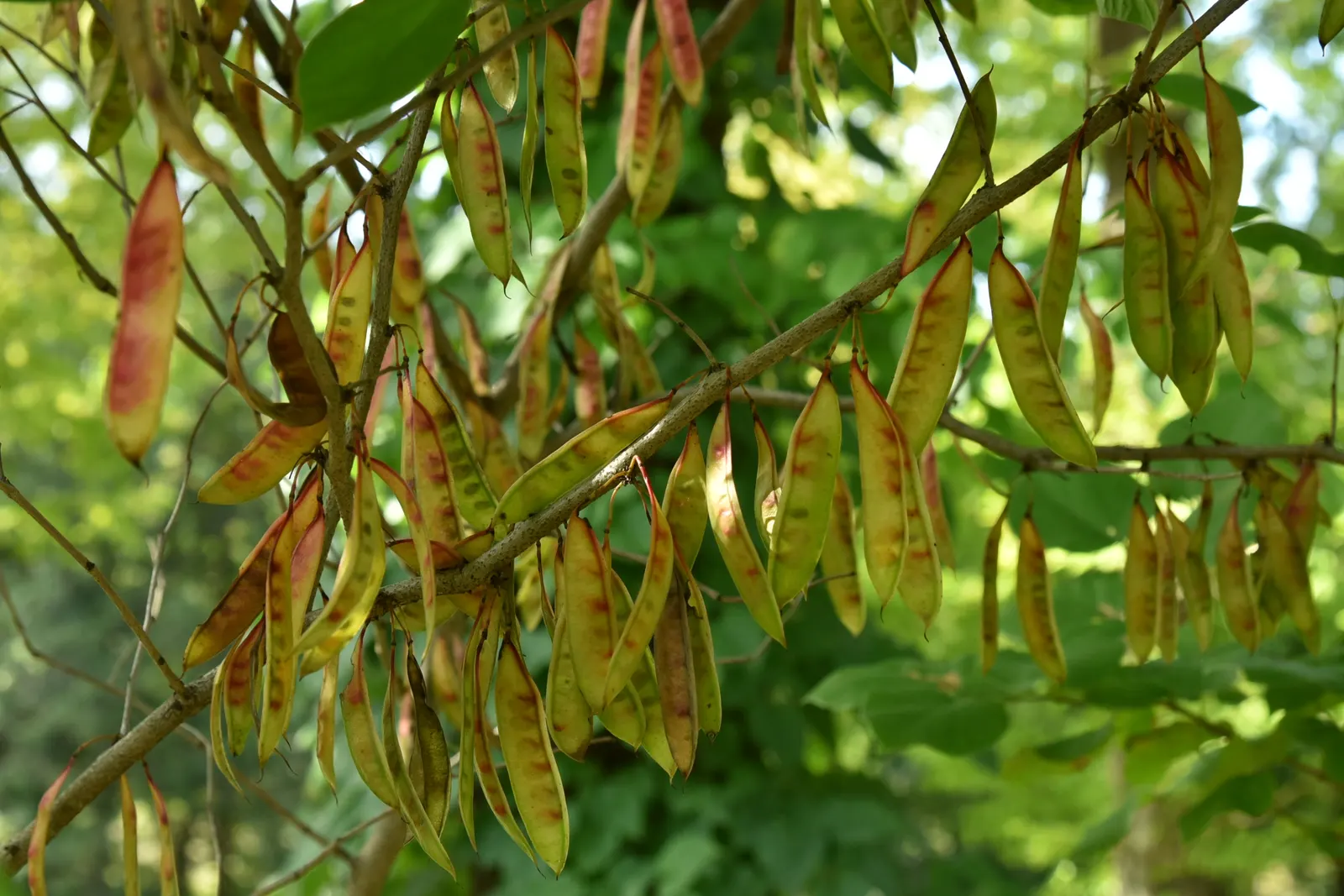
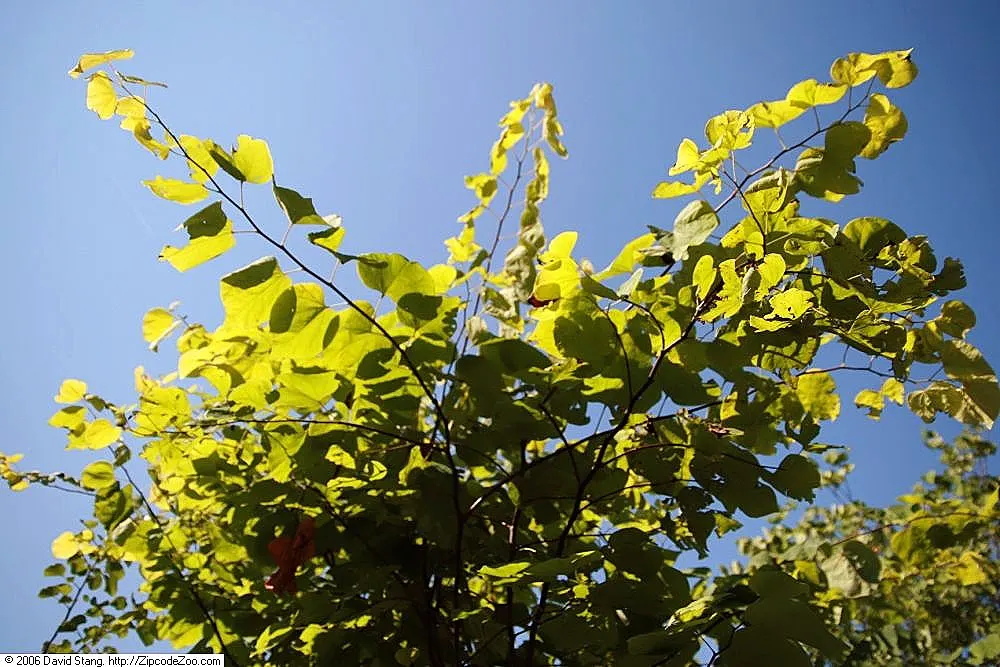
Eastern Redbud (Cercis Canadensis) — transitioning from green to yellow in fall
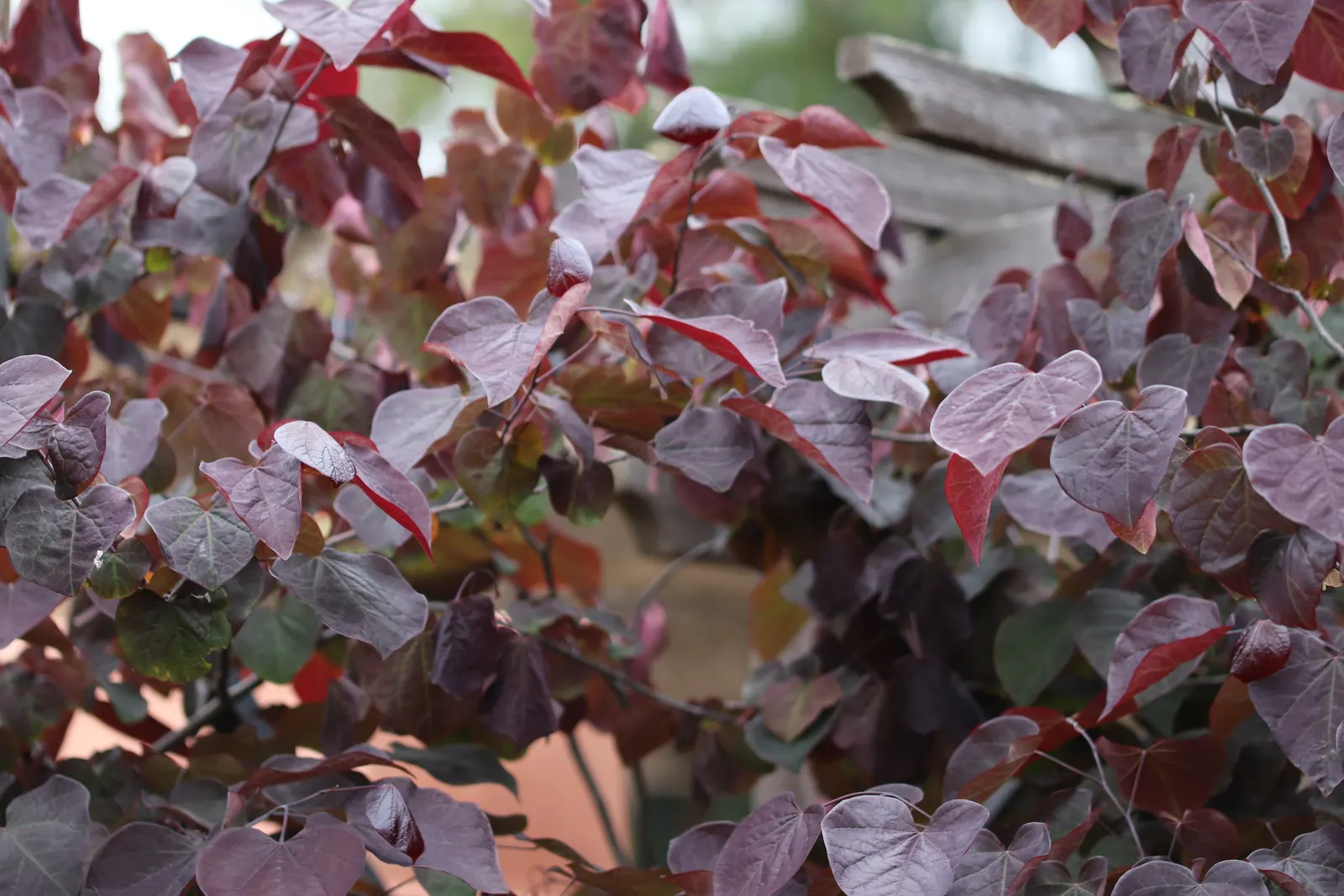
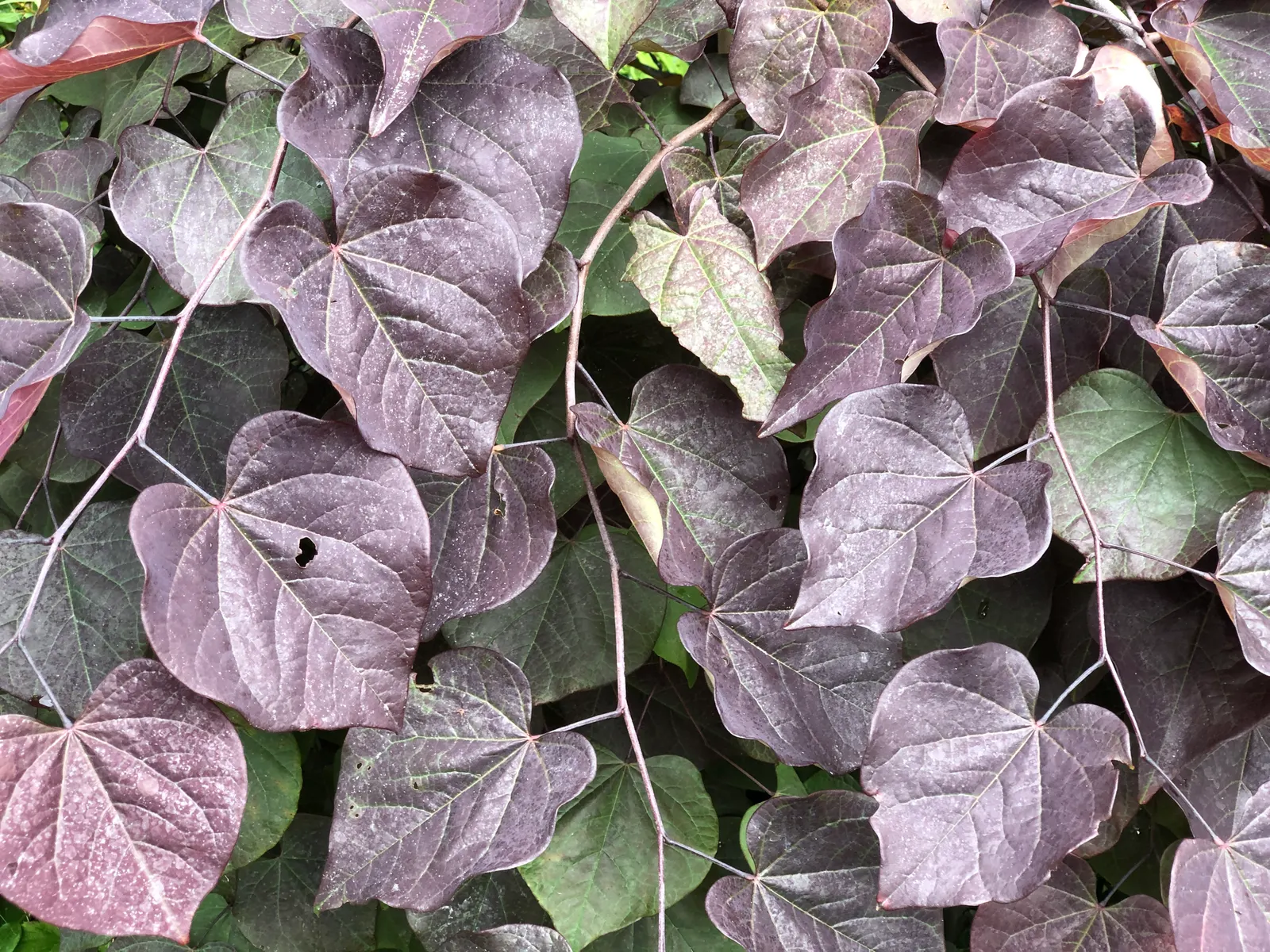
Eastern Redbud (Cercis Canadensis) — the heart-shaped leaves emerge afterward
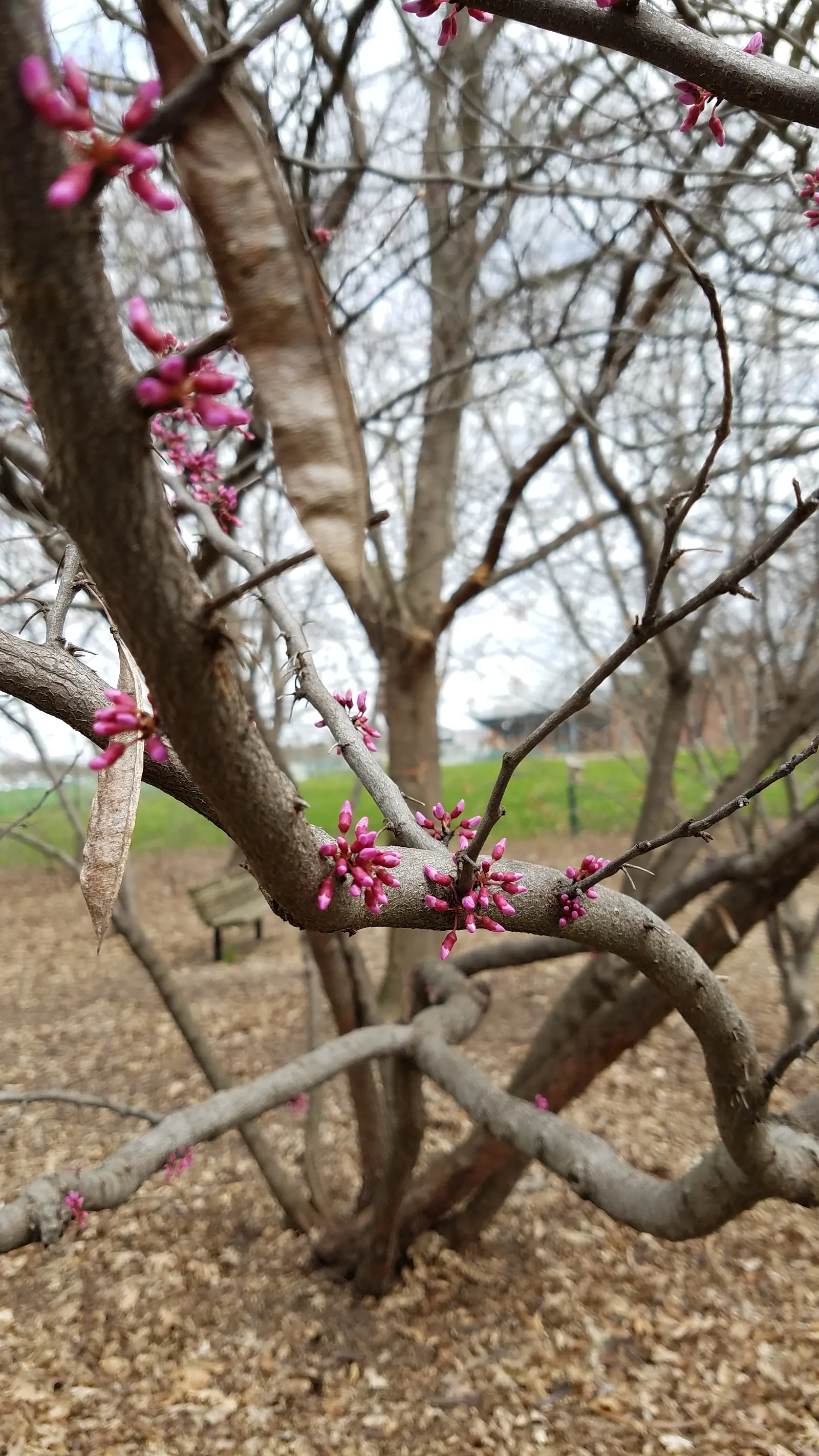
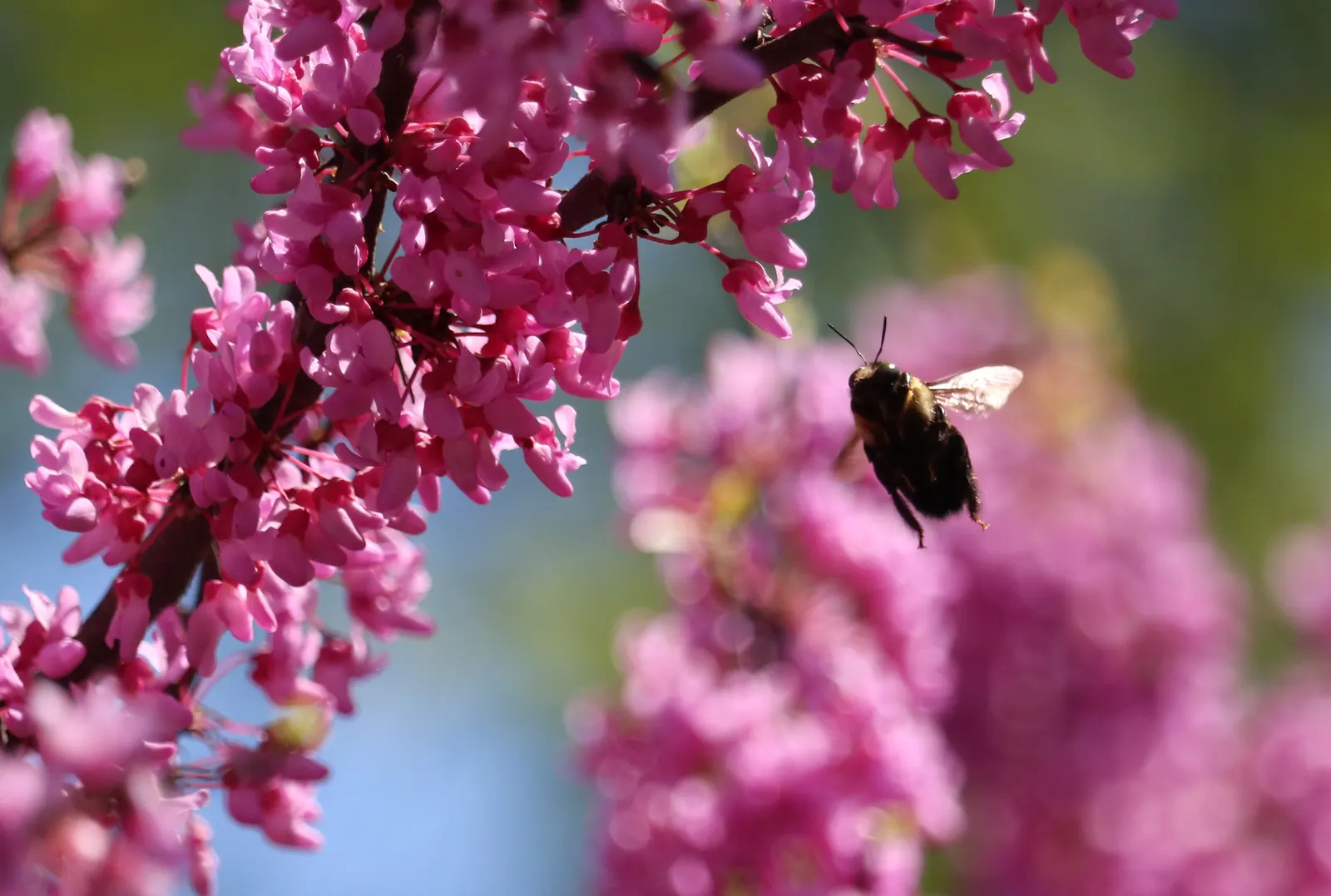
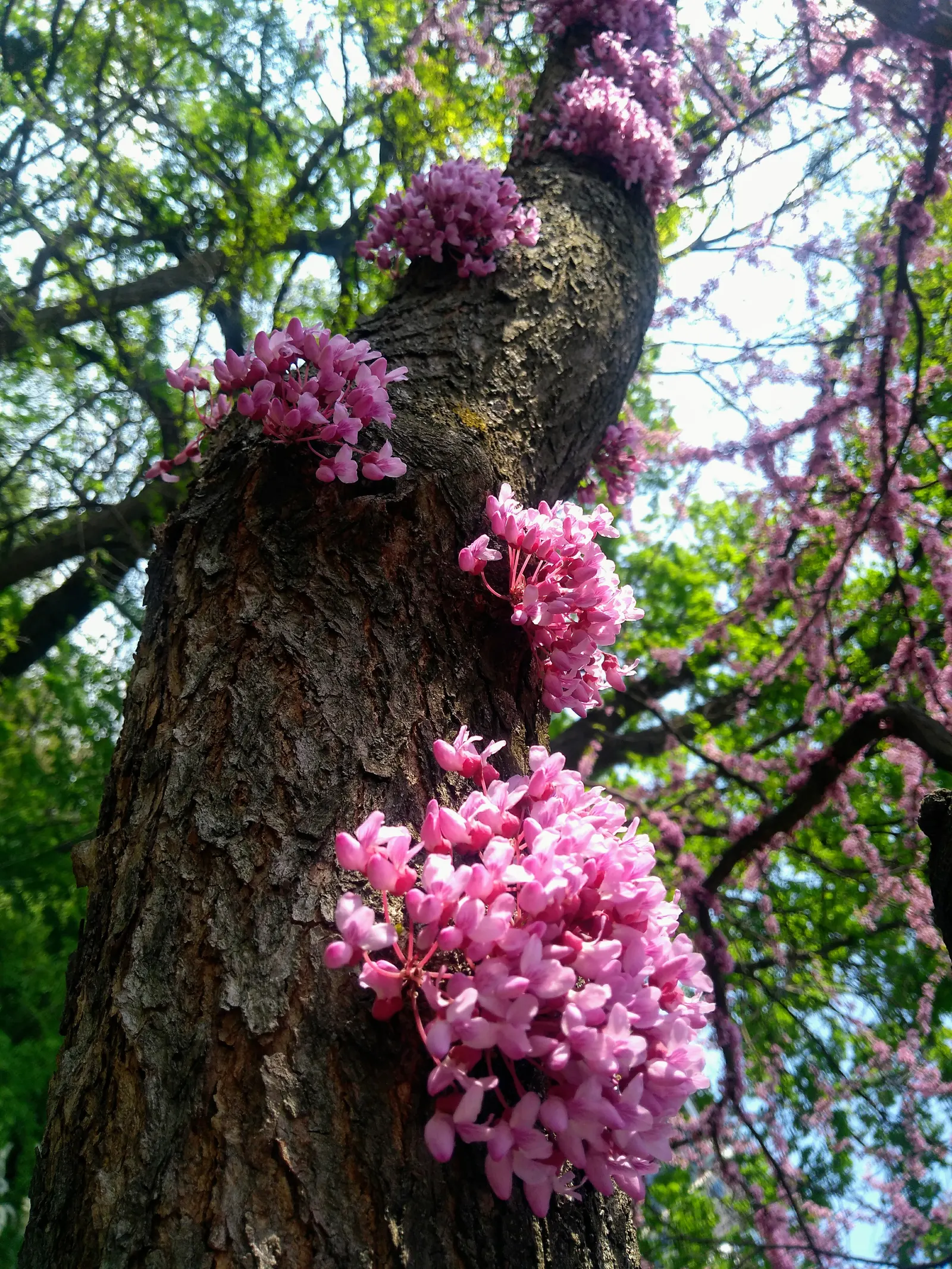
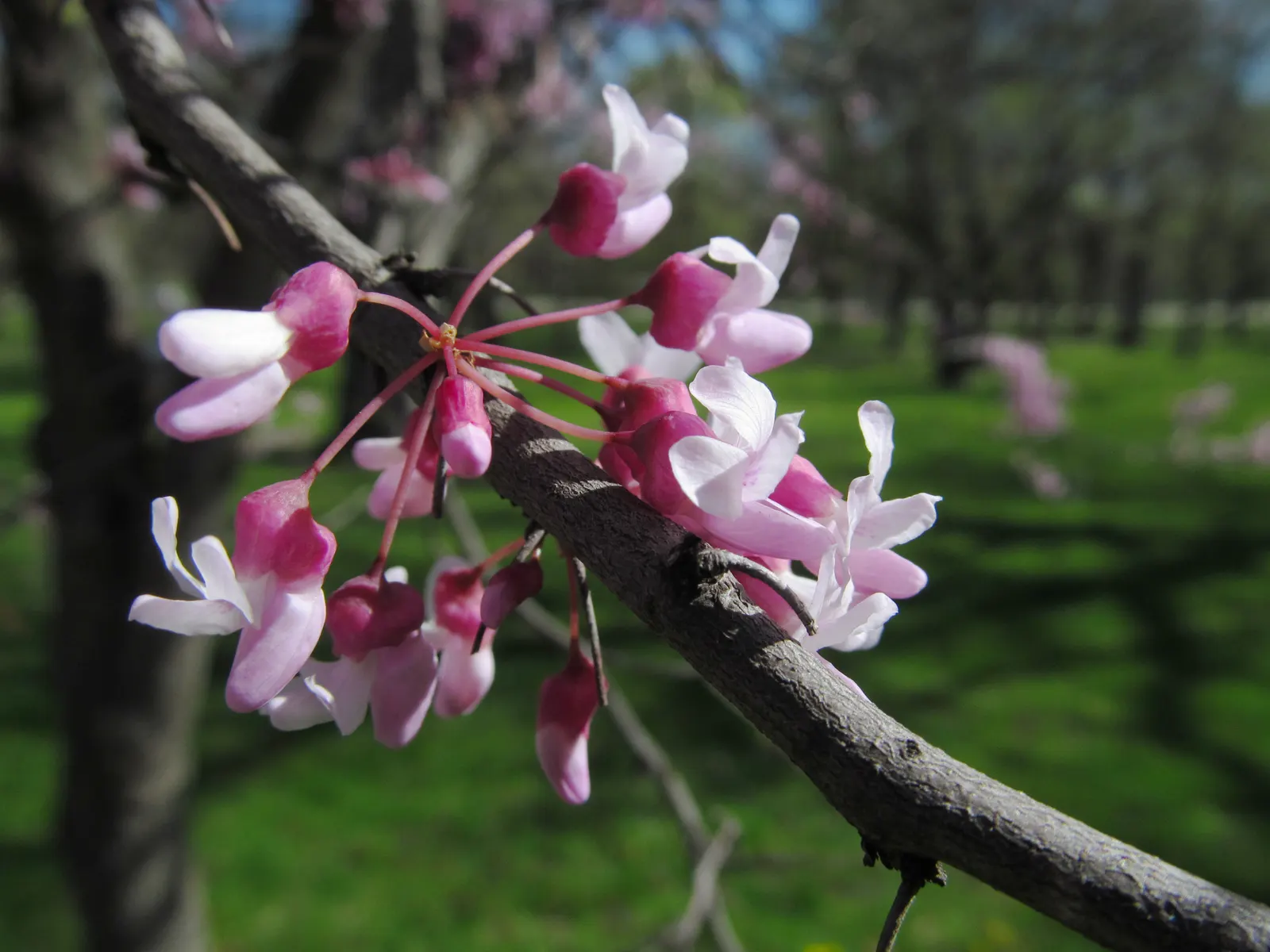
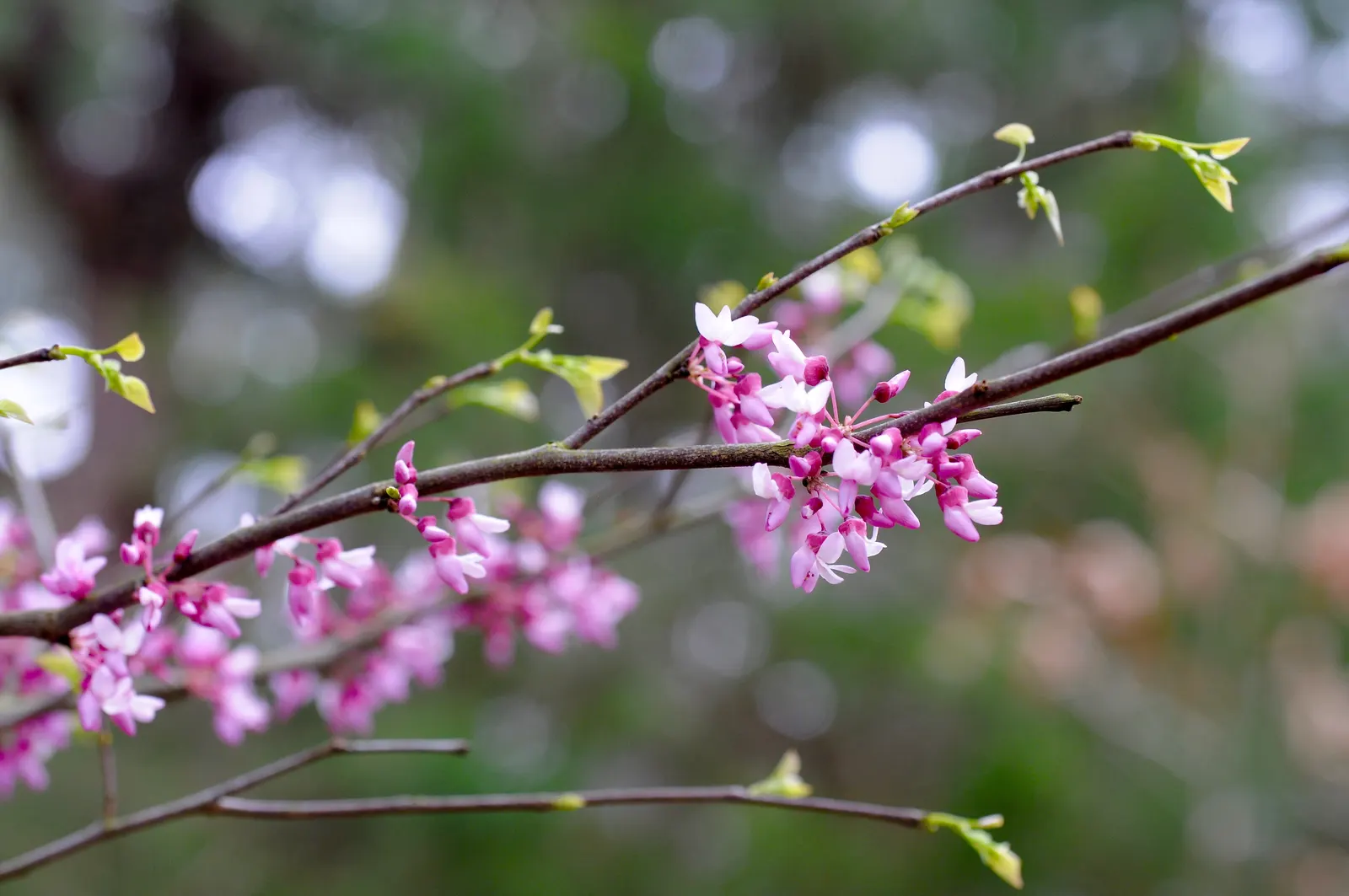
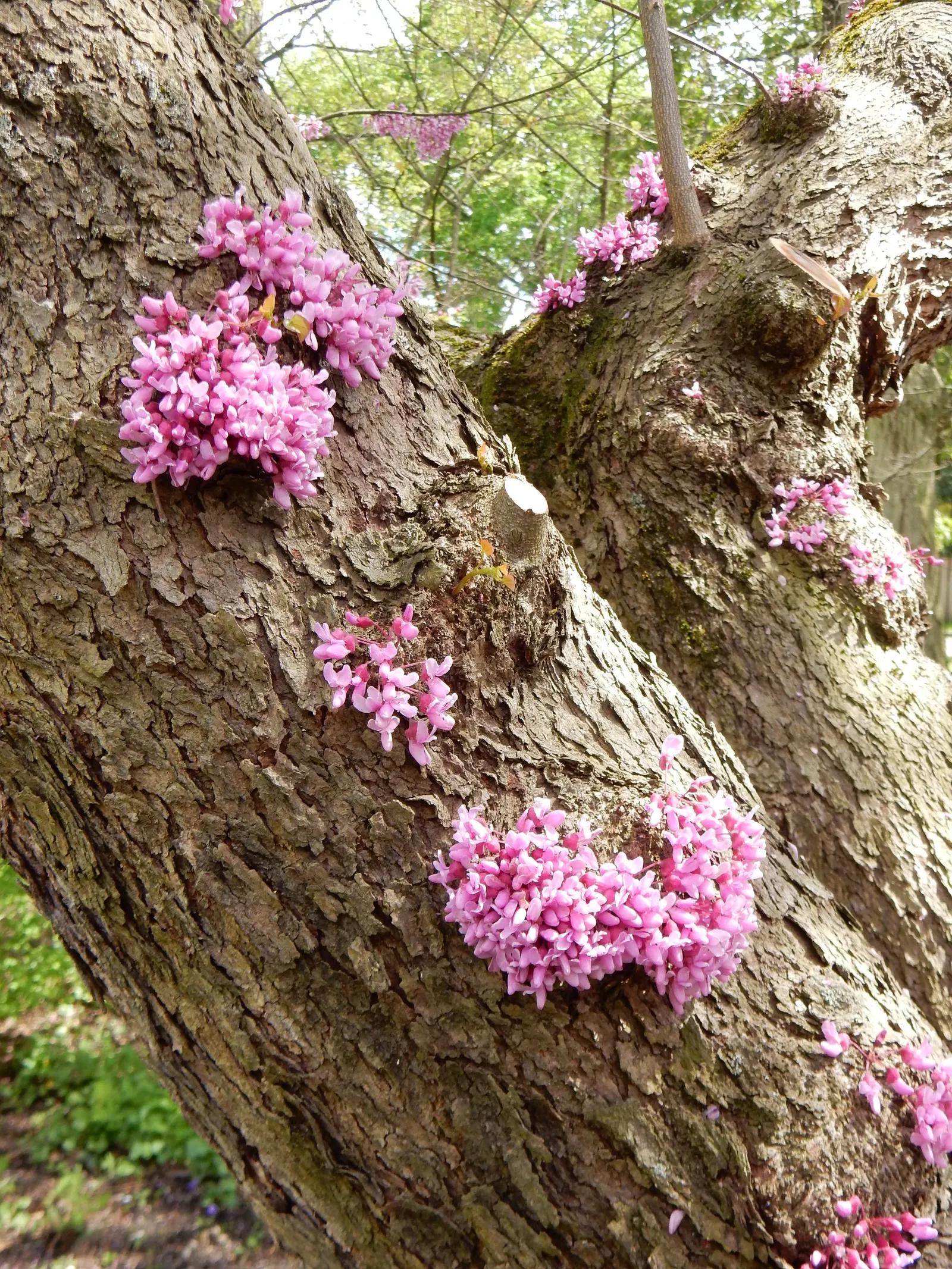
Eastern Redbud (Cercis Canadensis) — Known for its vibrant pink to magenta spring blooms
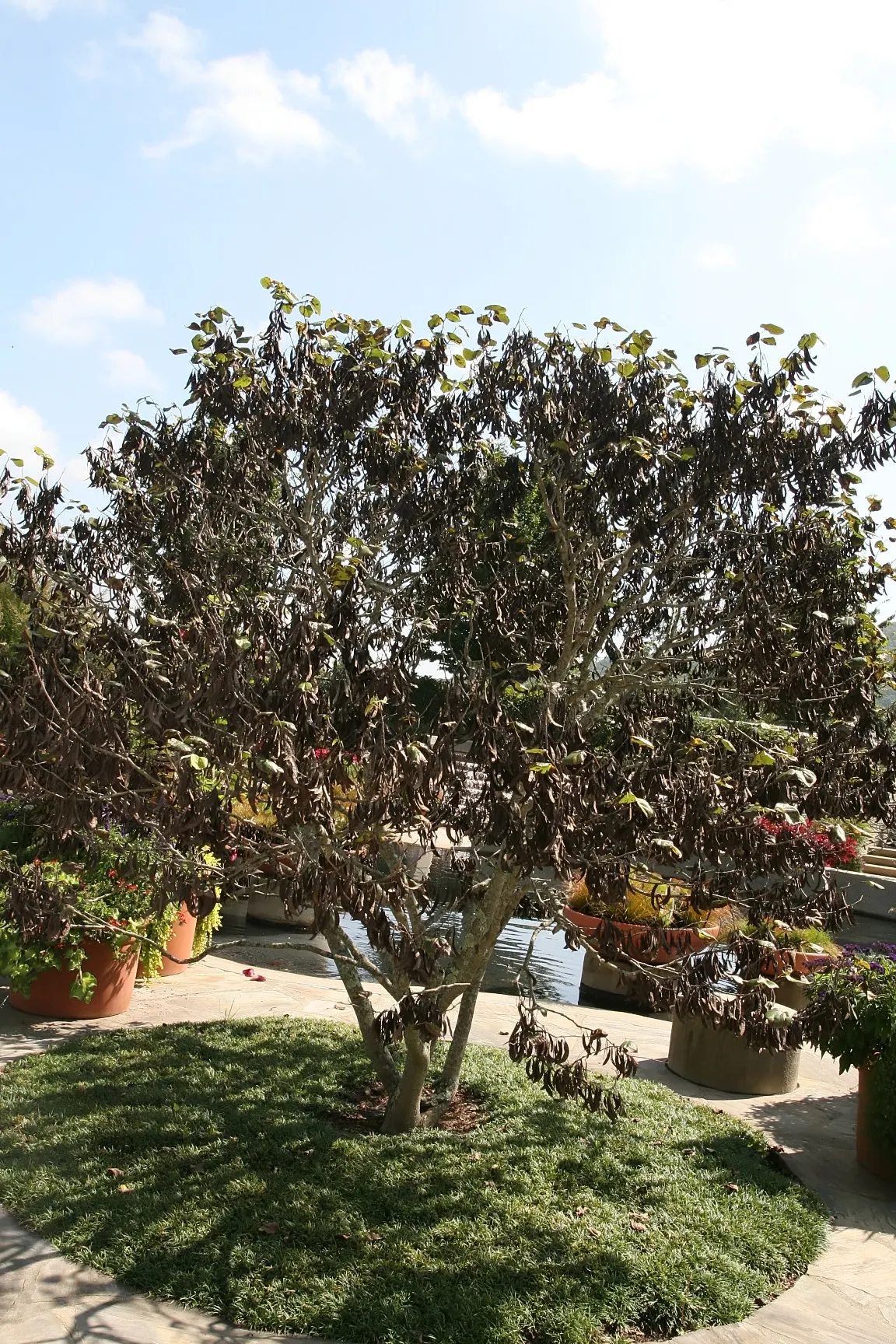
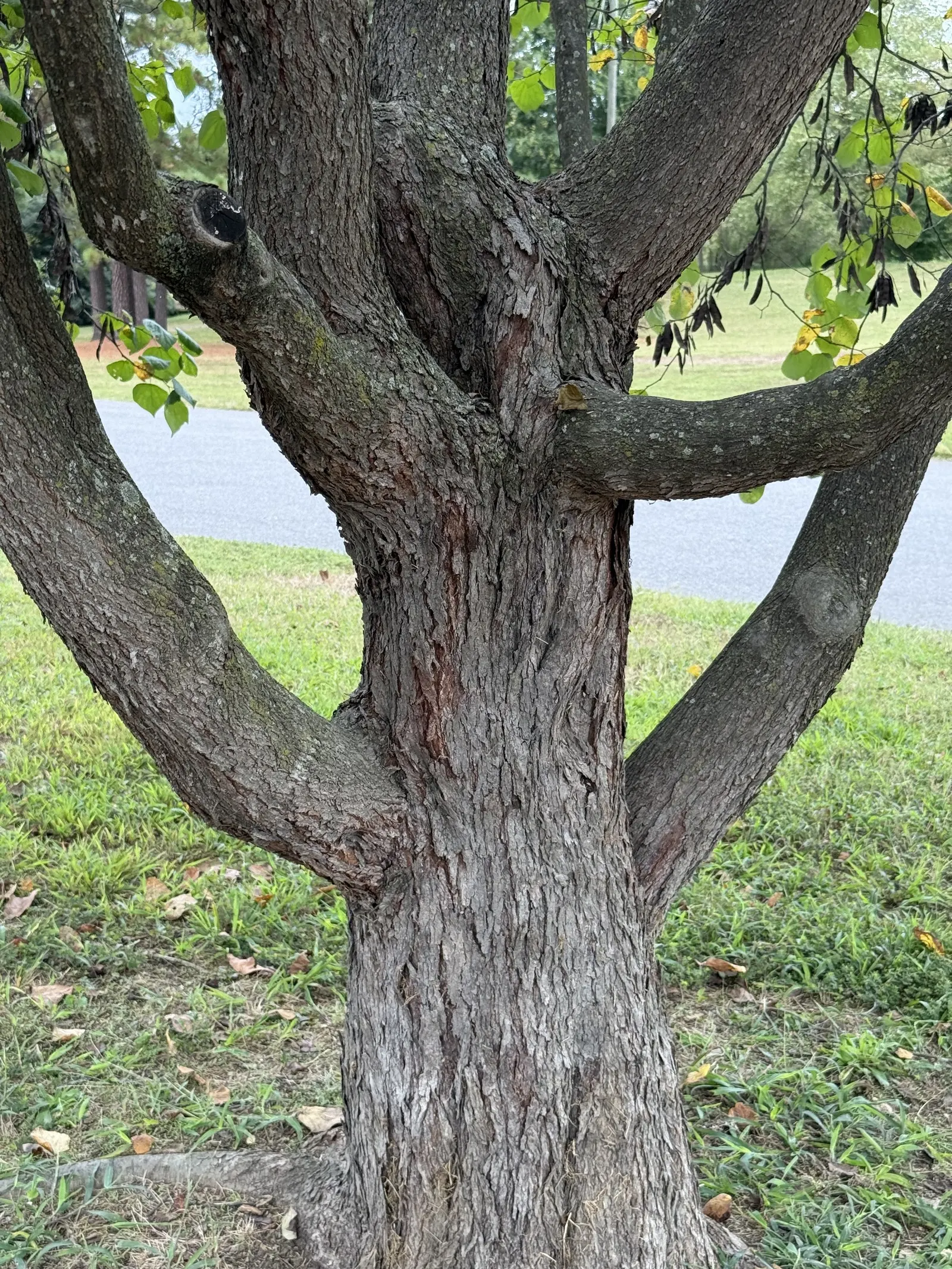
Eastern Redbud (Cercis Canadensis) — This ornamental beauty reaches 20-30 ft tall with a similar spread, showcasing a rounded canopy
Eastern Redbud (Cercis Canadensis) — This ornamental beauty reaches 20-30 ft tall with a similar spread, showcasing a rounded canopy; its, image 59
Eastern Redbud (Cercis Canadensis) — Known for its vibrant pink to magenta spring blooms; shrub / tree with pink and red blooms, image 60
Eastern Redbud (Cercis Canadensis) — the heart-shaped leaves emerge afterward; hardy in USDA zones 4-9, it thrives in full sun to partial shade and, image 61
Eastern Redbud (Cercis Canadensis) — transitioning from green to yellow in fall; adapting to both sunny and partially shaded locations, image 62
Eastern Redbud (Cercis Canadensis) — Hardy in USDA zones 4-9, it thrives in full sun to partial shade and prefers well-drained soils; eastern, image 63
Eastern Redbud (Cercis Canadensis) — this deciduous tree typically reaches a height of 20 to 30 feet with a similar spread, image 29
Eastern Redbud (Cercis Canadensis) — The Eastern Redbud is a celebrated addition to any landscape design; boasting a stunning floral display and, image 64
Eastern Redbud (Cercis Canadensis) — boasting a stunning floral display and year-round interest; with a moderate growth rate, image 65
Eastern Redbud (Cercis Canadensis) — Native to eastern North America; known for its vibrant pink to magenta spring blooms, image 66
Eastern Redbud (Cercis Canadensis) — this deciduous tree typically reaches a height of 20 to 30 feet with a similar spread, image 67
Eastern Redbud (Cercis Canadensis) — Its heart-shaped leaves are a rich green throughout the growing season; pink and red flowers in the garden, image 68
Eastern Redbud (Cercis Canadensis) — enveloping branches in a breathtaking cloak of color; transitioning from green to yellow in fall, image 69
Eastern Redbud (Cercis Canadensis) — adapting to both sunny and partially shaded locations; enveloping branches in a breathtaking cloak of color, image 70
Eastern Redbud (Cercis Canadensis) — Minimal pruning is required to maintain its graceful shape; shrub / tree for full or half or shade, image 71
Eastern Redbud (Cercis Canadensis) — With a moderate growth rate; the Eastern Redbud is a celebrated addition to any landscape design, image 72
Eastern Redbud (Cercis Canadensis) — it is a low-maintenance choice ideal for small yards; minimal pruning is required to maintain its graceful, image 73
Eastern Redbud (Cercis Canadensis) — pink and red flowers in the garden; this ornamental beauty reaches 20-30 ft tall with a similar spread, image 74
Eastern Redbud (Cercis Canadensis) — shrub / tree with pink and red blooms; native to eastern North America, image 75
Eastern Redbud (Cercis Canadensis) — shrub / tree for full or half or shade; it is a low-maintenance choice ideal for small yards, image 76

Related plants