Skip to content

Old Man Cactus

Cephalocereus Senilis

Design with this plant

Overview

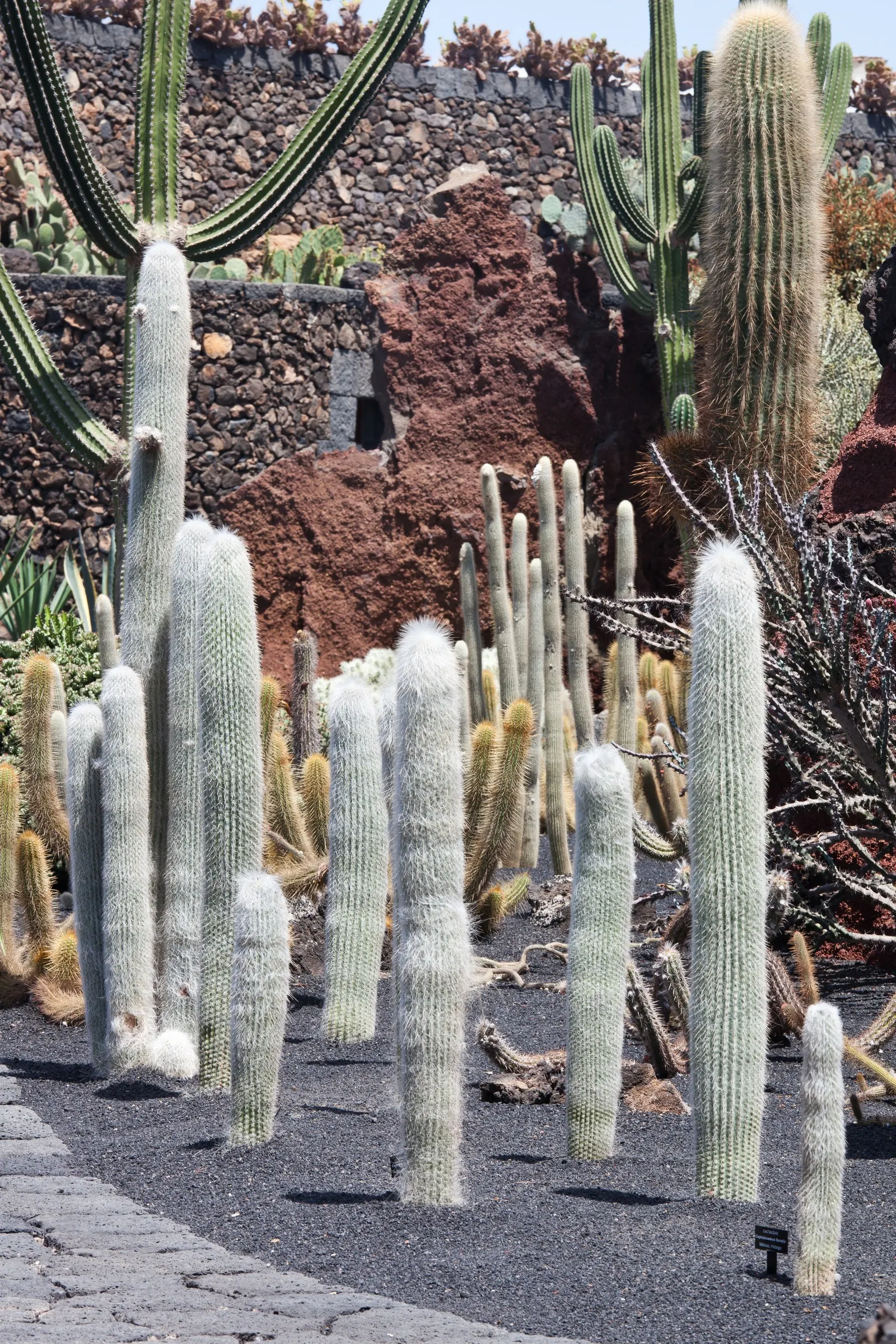
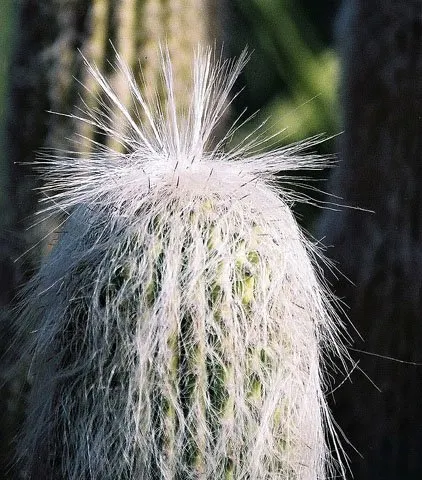
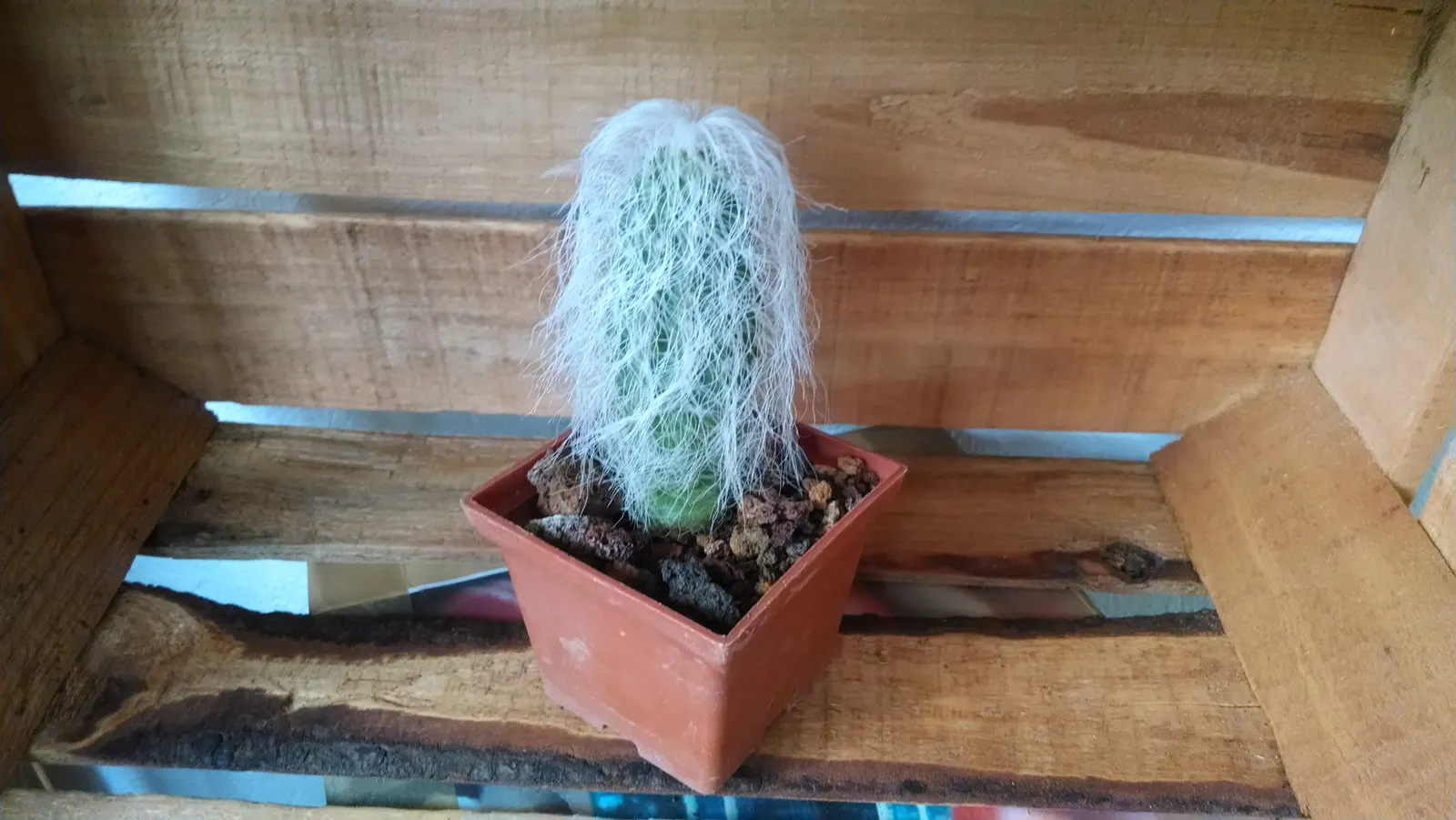
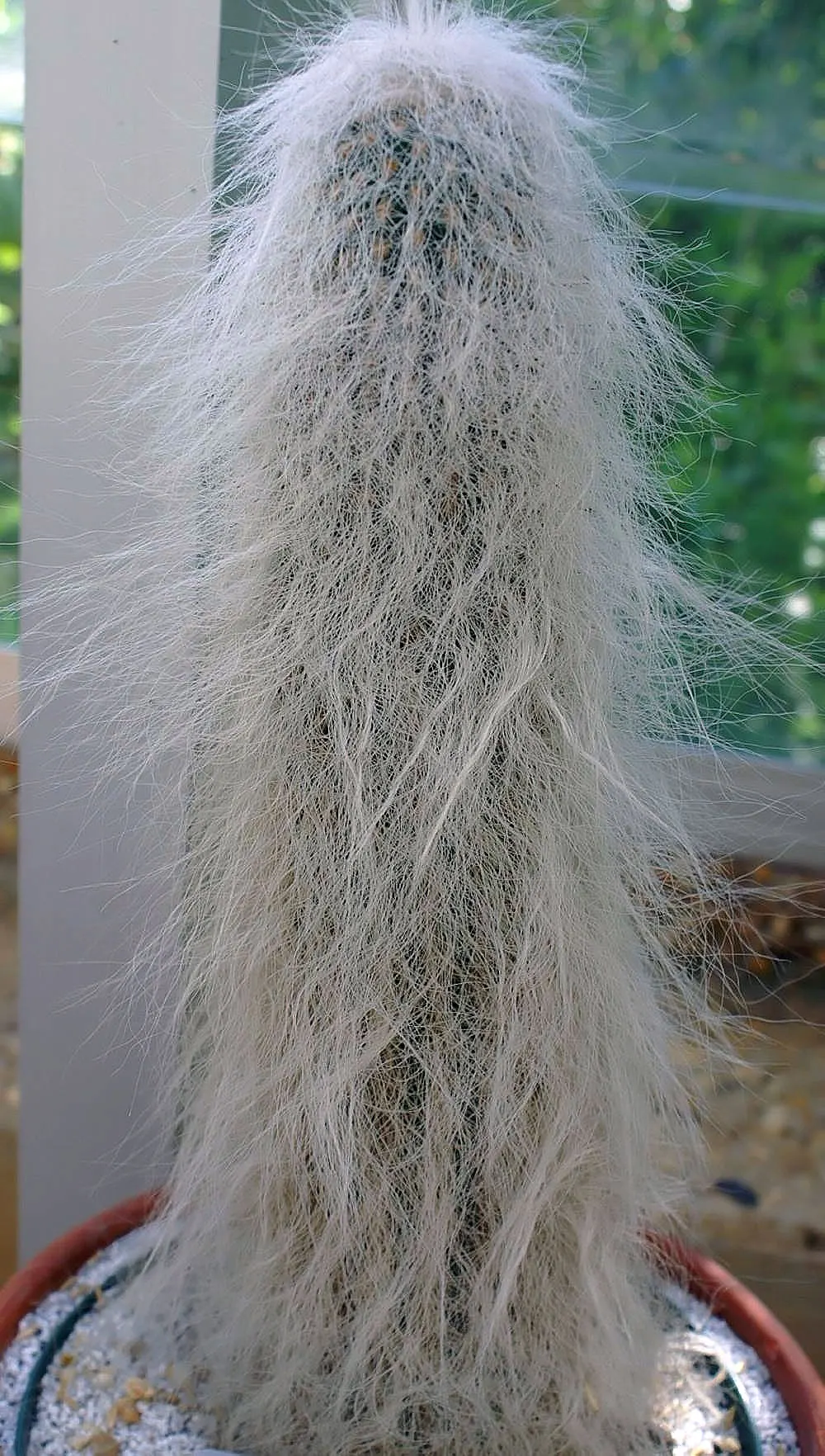
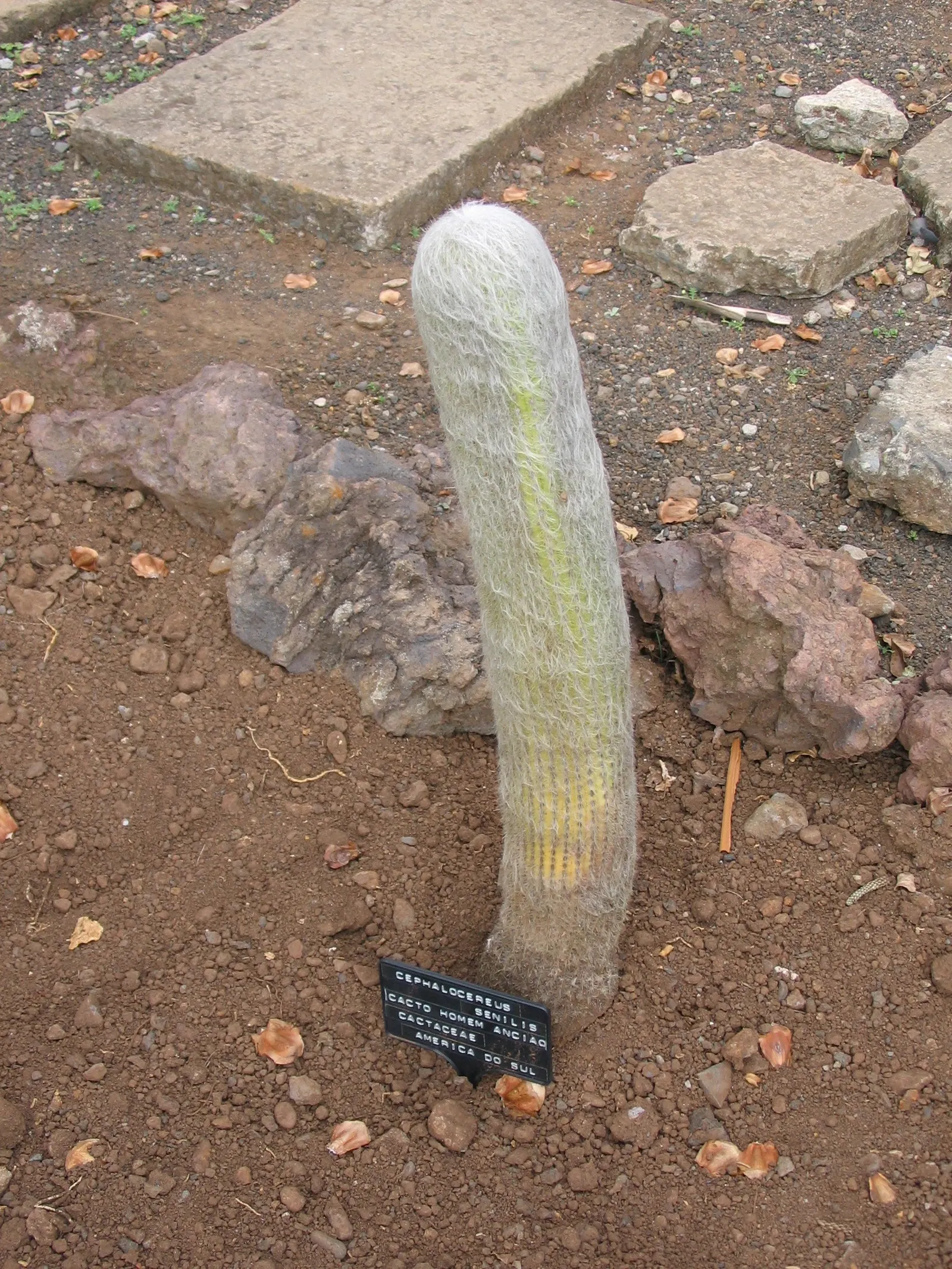
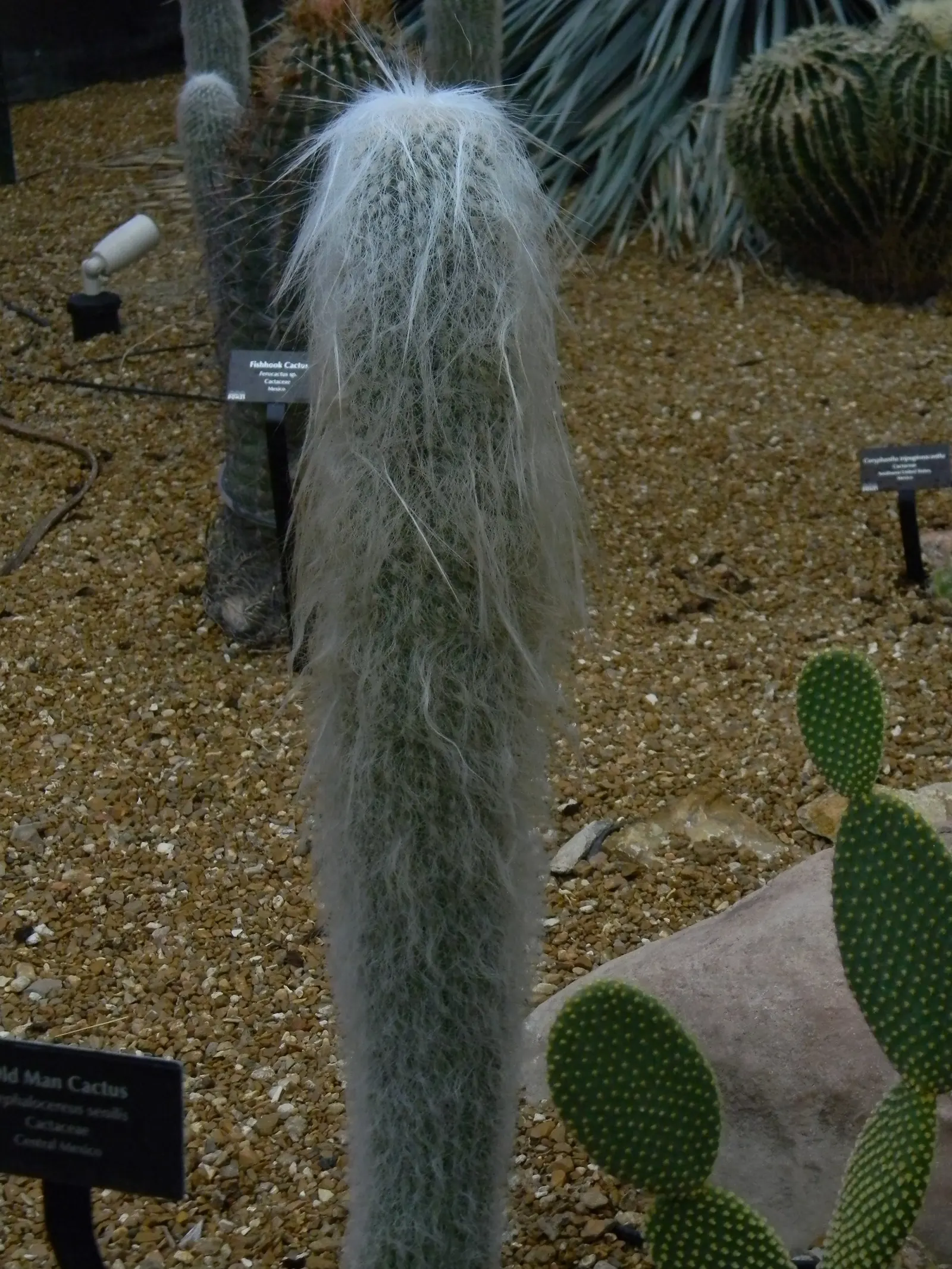
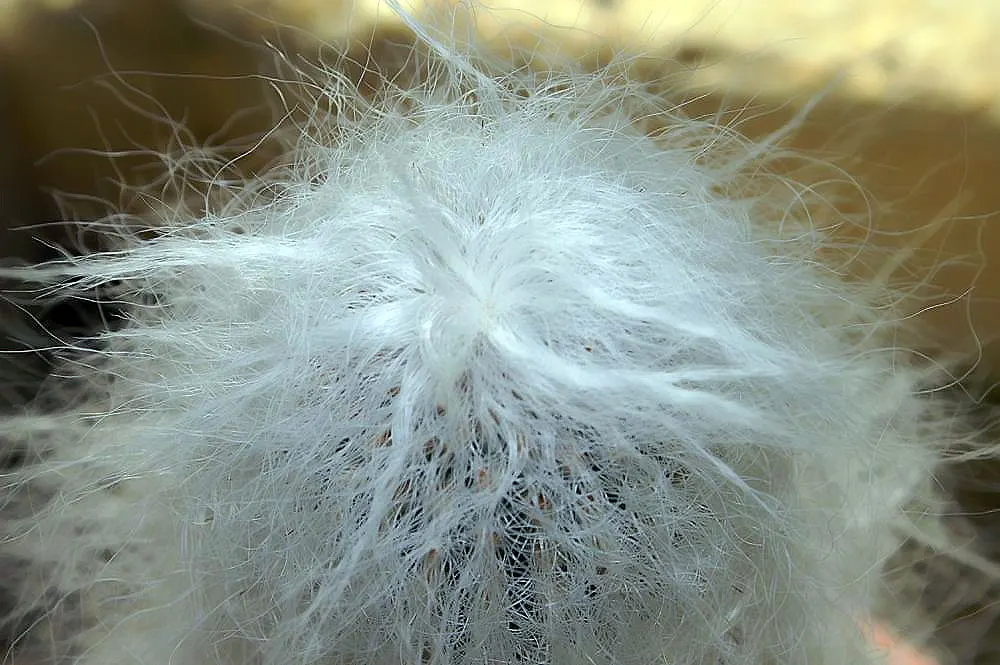
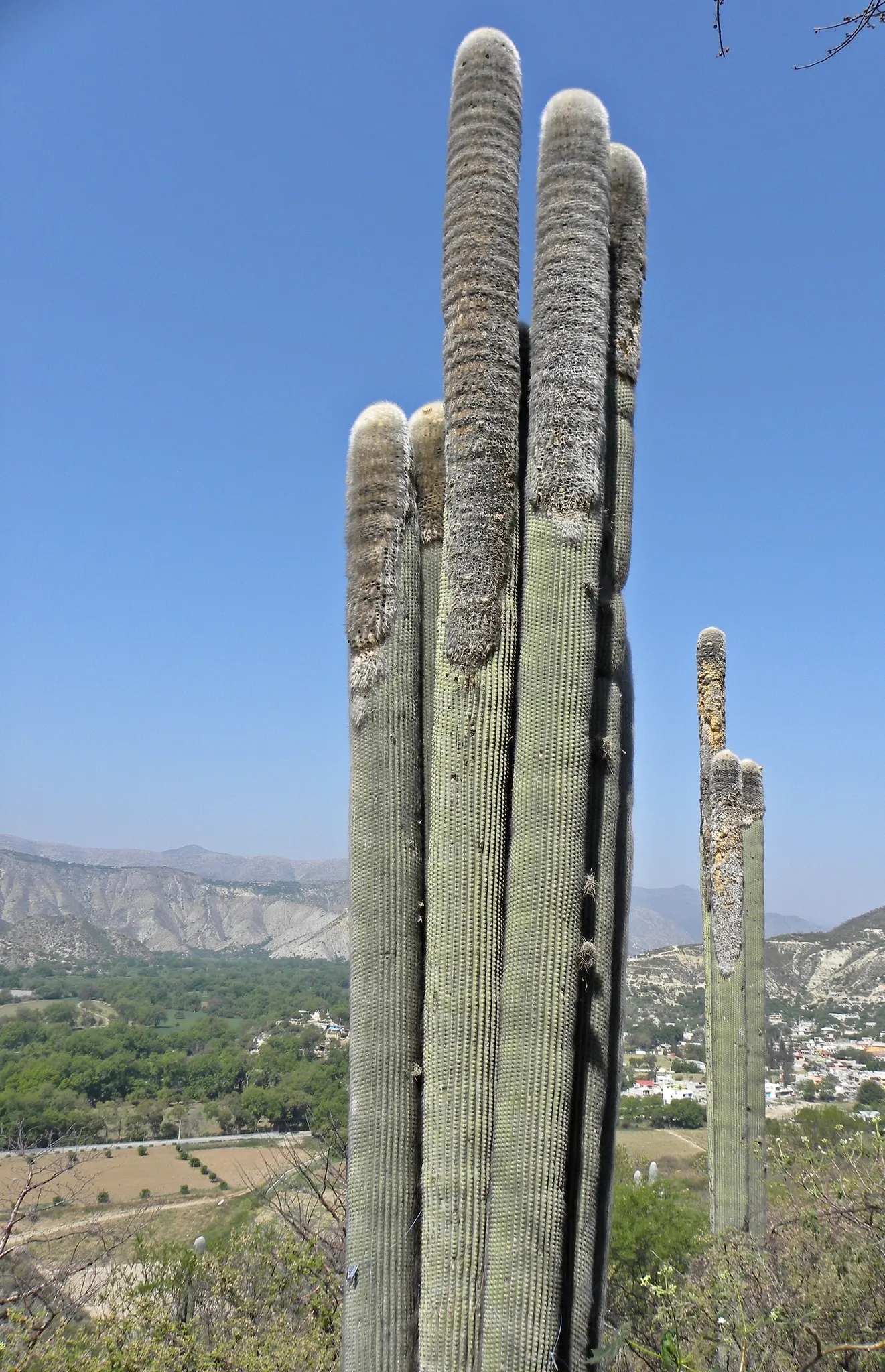
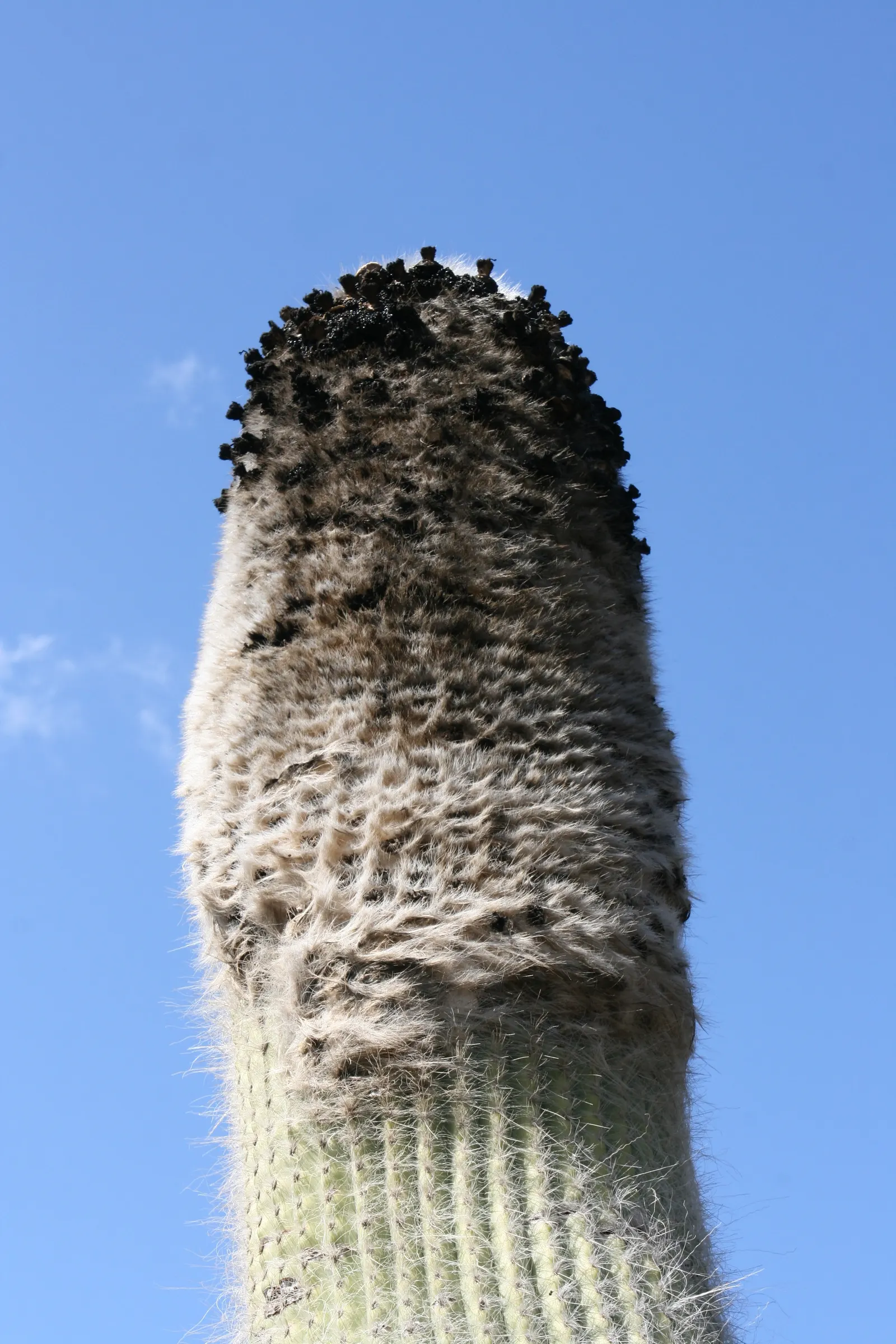
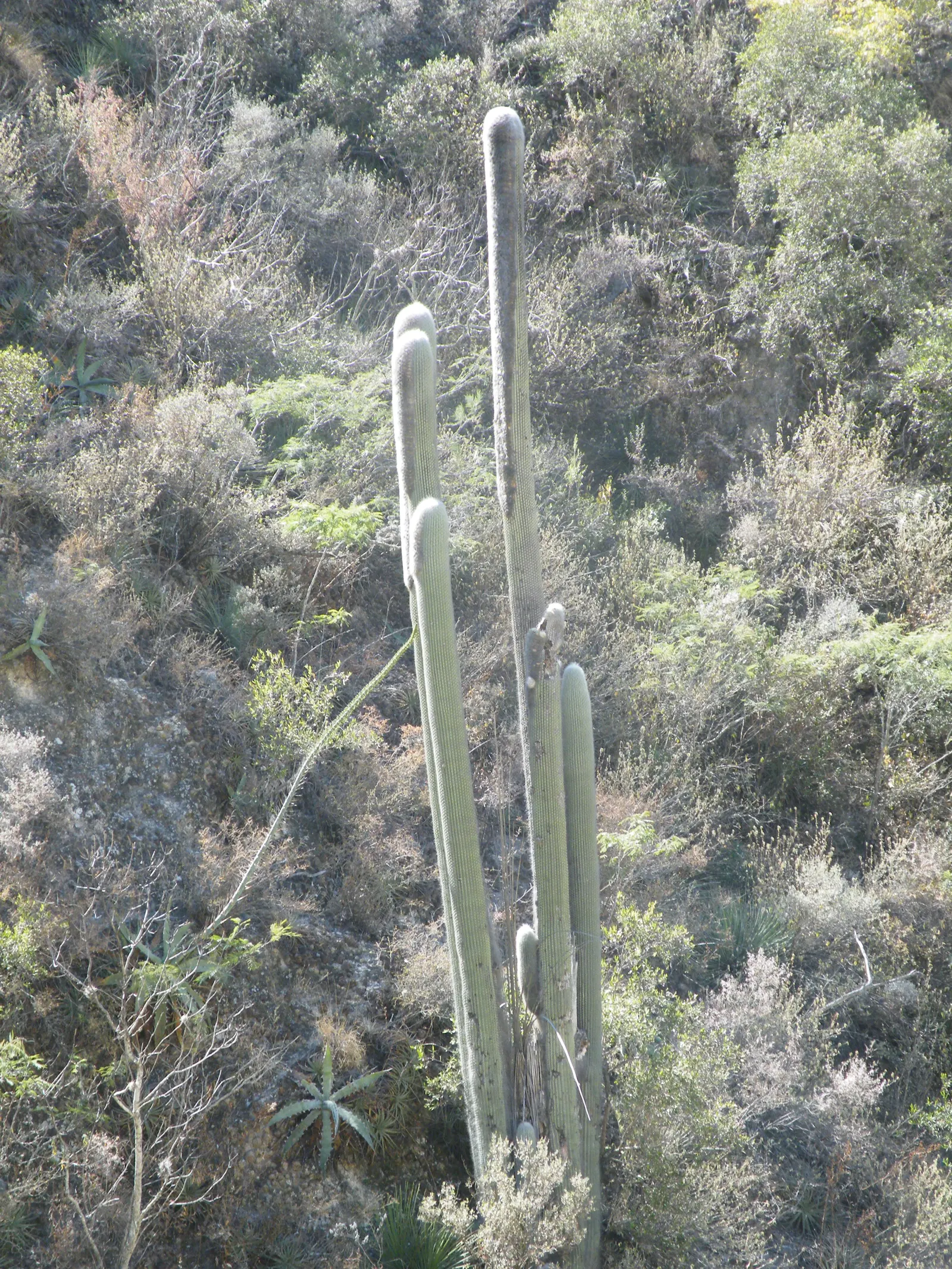
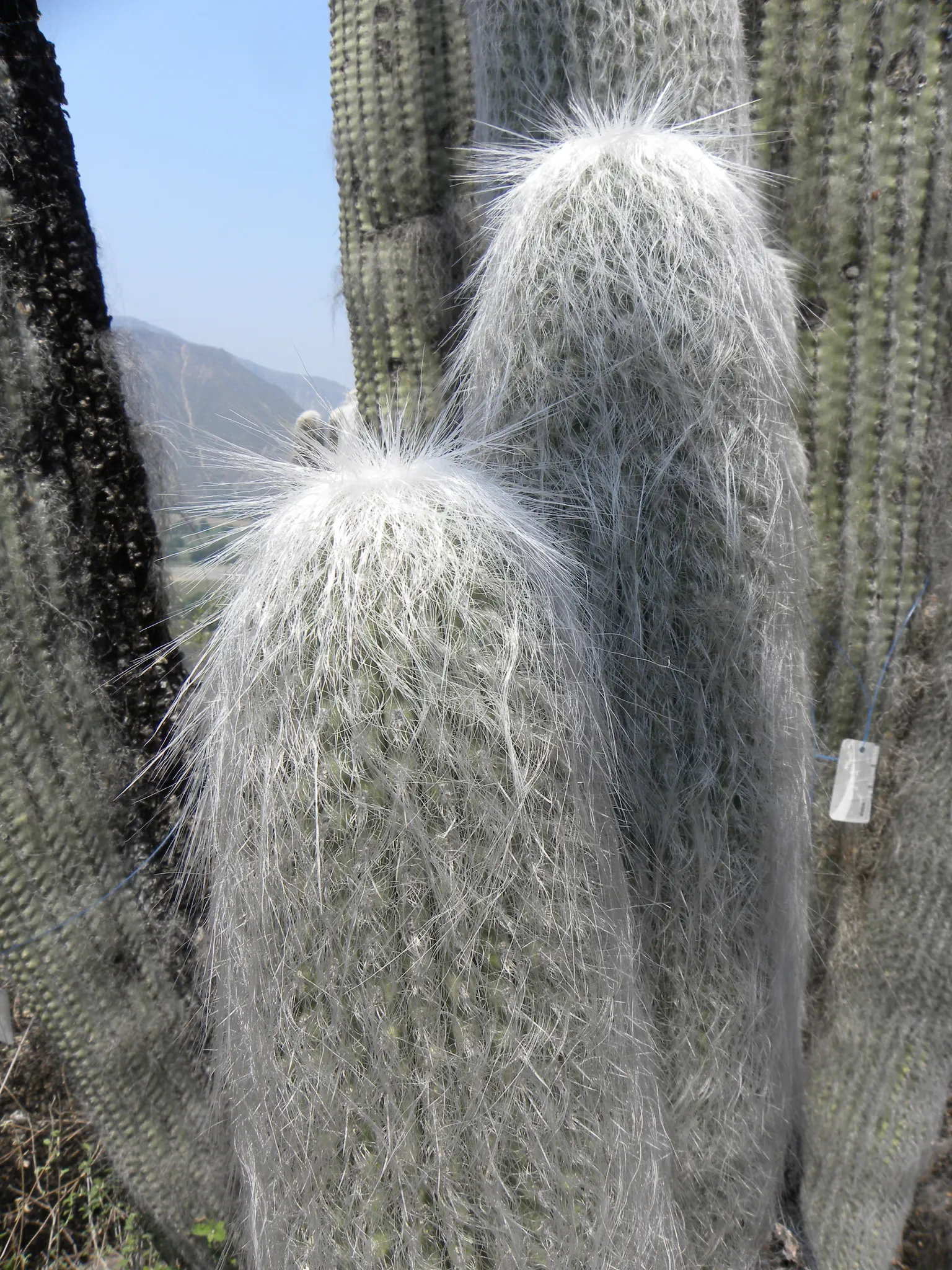
Cephalocereus senilis, commonly known as the Old Man Cactus, boasts striking white, hair-like spines enveloping its columnar body, providing a unique, shaggy appearance. This slow-growing Mexican native can reach up to 15 feet tall but remains slender at 1.5 feet wide. It prefers full sun and well-drained soil. Drought-tolerant and low-maintenance, it adds a touch of whimsy to arid landscapes. Frost-sensitive, ideal in USDA zones 9-11.

Sun FullWater Very LowZones 9–10Type CactusClimate Arid

Culture

Sun
Full
Water
Very Low
USDA zones
9–10

Shape & size

Mature height
2–50 Ft.
Mature width
1–3 Ft.

Classification

Type
Cactus
Family
Cactaceae
Climate
Arid

See full data, regional cultivation notes, and design tools. Build a client presentation around this plant.

Start your 14-day trial

Photos (82)

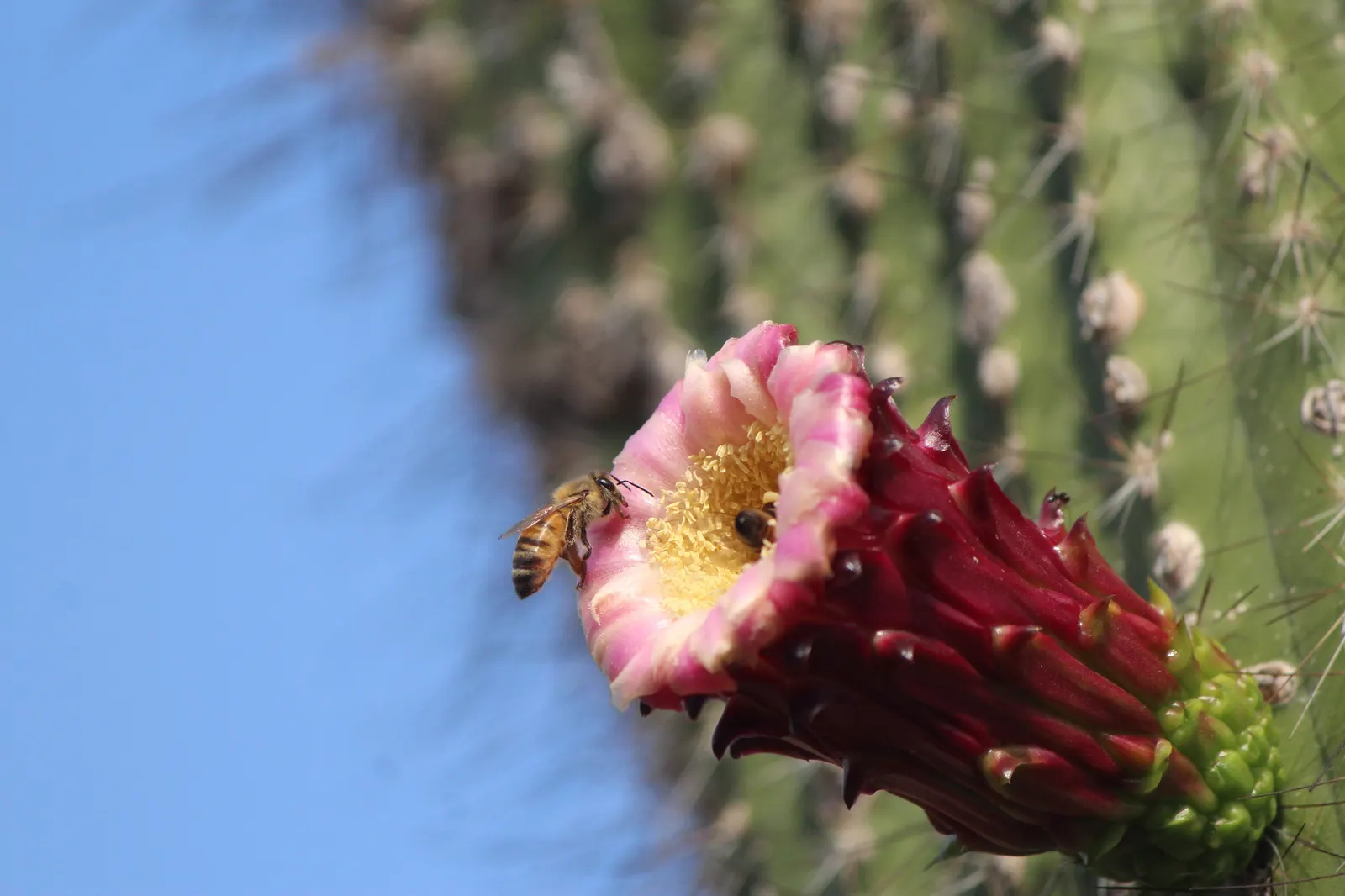
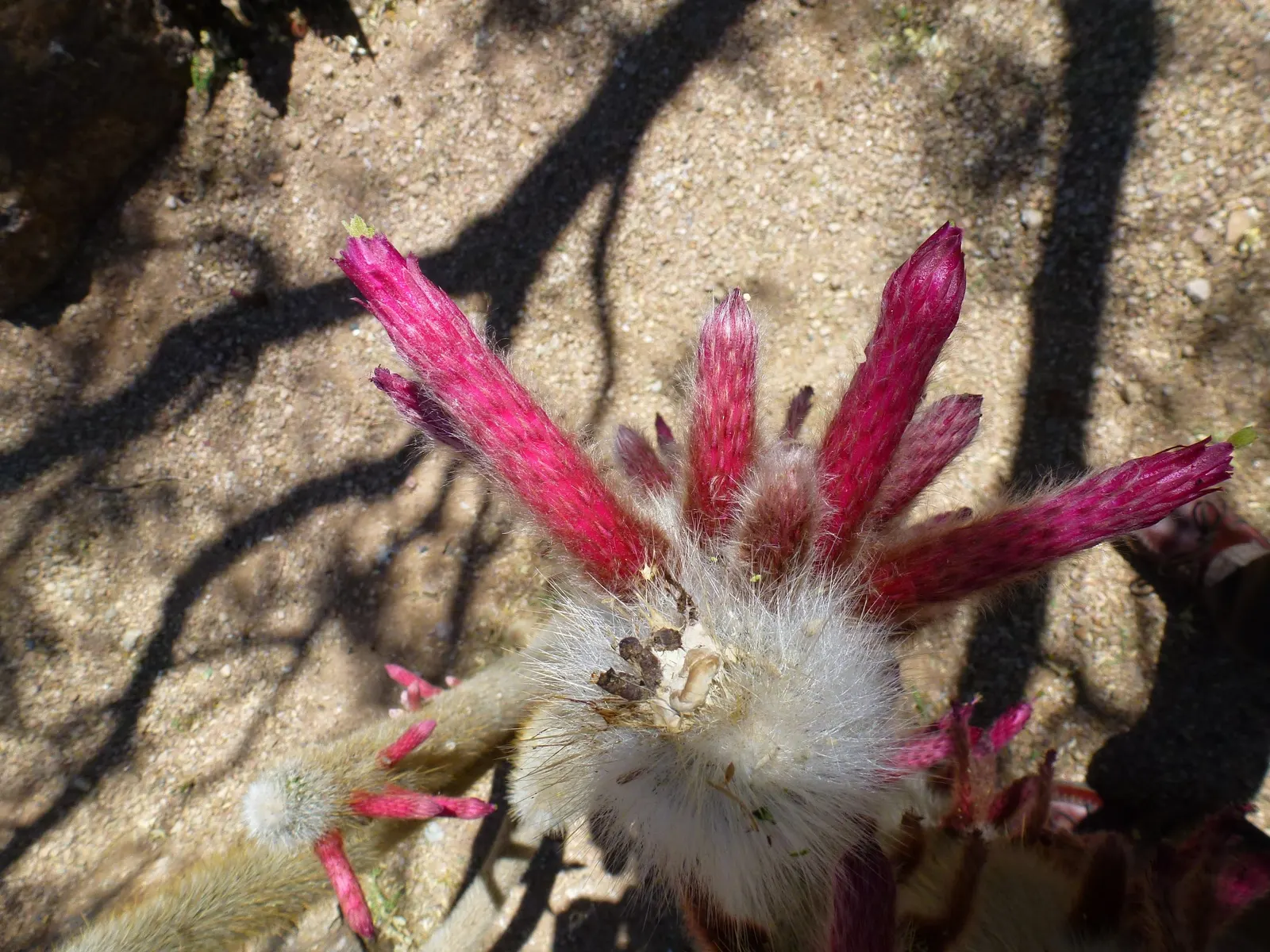
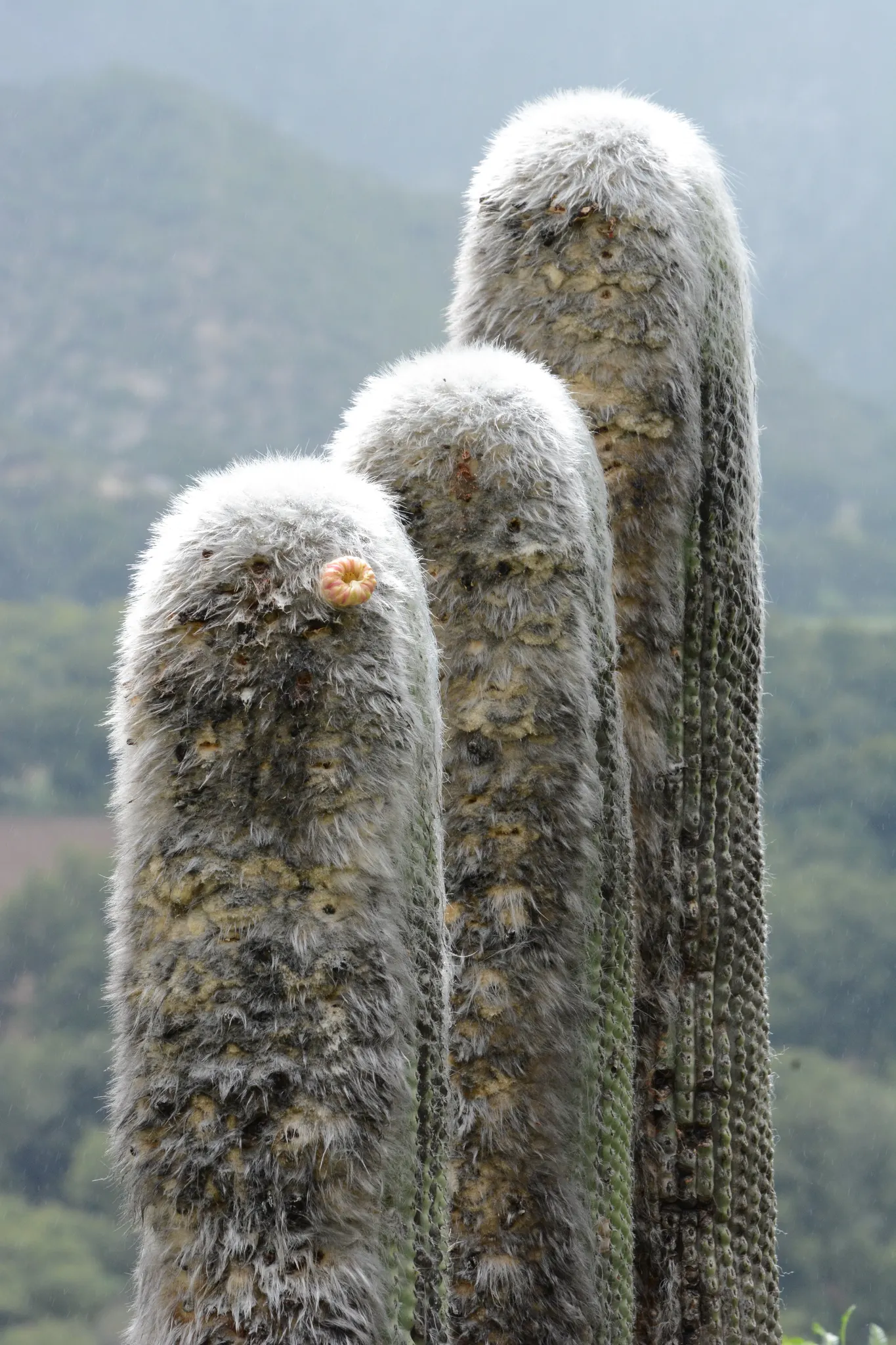
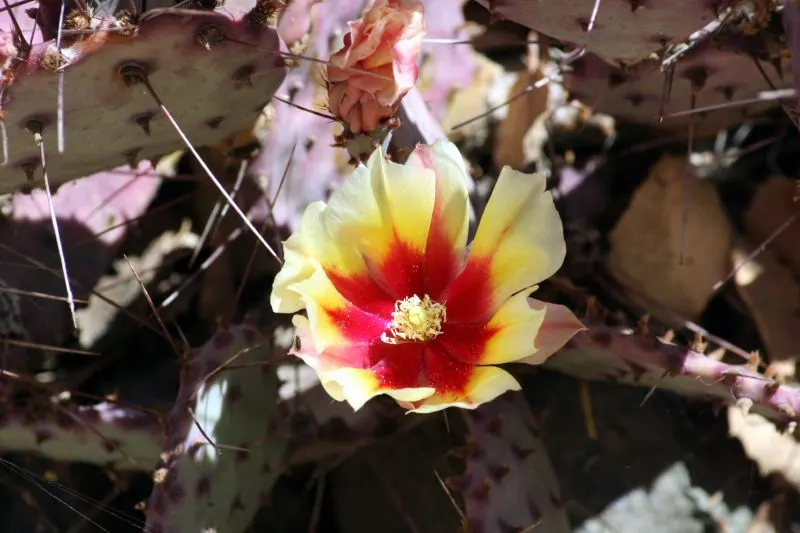
Old Man Cactus (Cephalocereus Senilis) — cactus with pink blooms; overwatering can lead to root rot, a common issue with cacti, image 74
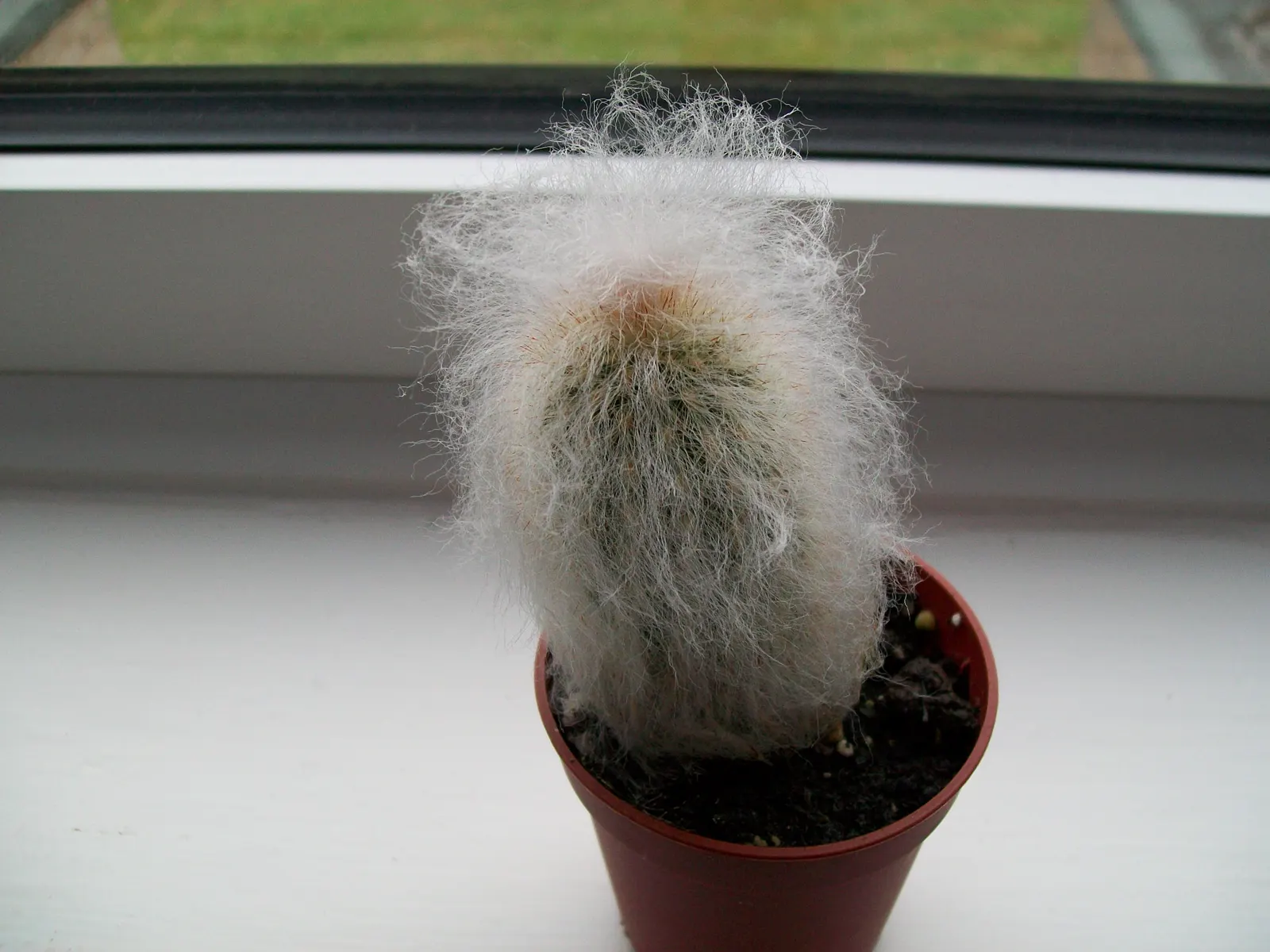
Old Man Cactus (Cephalocereus Senilis) — Drought-tolerant and low-maintenance, it adds a touch of whimsy to arid landscapes
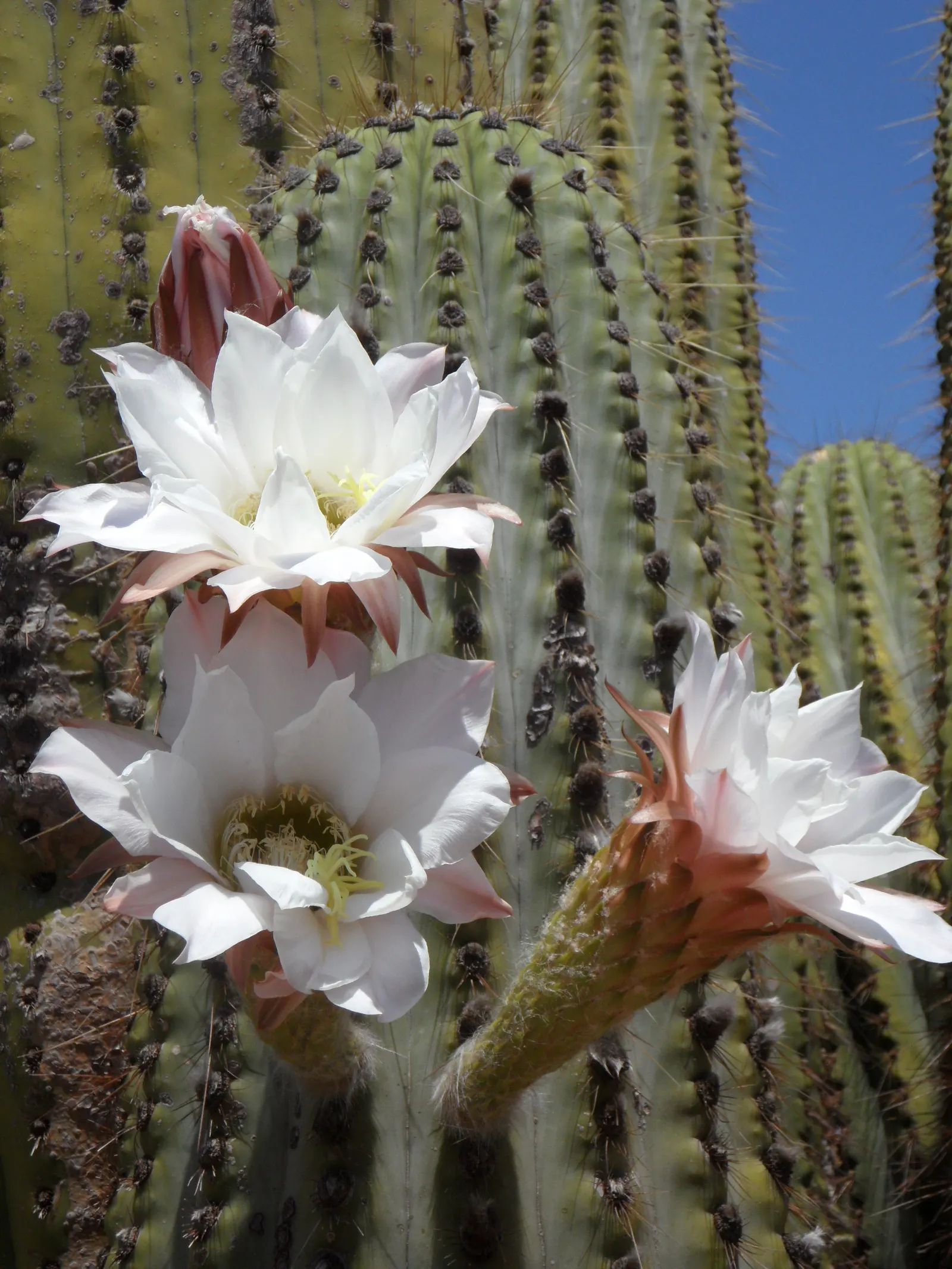
Old Man Cactus (Cephalocereus Senilis) — it may benefit from a cactus-specific fertilizer to encourage vitality.<br><br>Flowering is rare
Old Man Cactus (Cephalocereus Senilis) — It prefers full sun and well-drained soil; cactus for full, image 79
Old Man Cactus (Cephalocereus Senilis) — Considering its eventual height and low maintenance; the Old Man Cactus thrives in well-draining soil and requires
Old Man Cactus (Cephalocereus Senilis) — pink flowers in the garden; hailing from the arid regions of eastern Mexico
Old Man Cactus (Cephalocereus Senilis) — especially in cultivation; pink flowers in the garden, image 68
Old Man Cactus (Cephalocereus Senilis) — especially in cultivation; pink flowers in the garden
Old Man Cactus (Cephalocereus Senilis) — the Old Man Cactus serves as an excellent conversation piece for any garden design; but mature specimens may produce
Old Man Cactus (Cephalocereus Senilis) — the Old Man Cactus serves as an excellent conversation piece for any garden design; but mature specimens, image 71
Old Man Cactus (Cephalocereus Senilis) — is an intriguing columnar cactus that brings a distinctive texture and height to any landscape design; the, image 57
Old Man Cactus (Cephalocereus Senilis) — but mature specimens may produce pink to red blossoms at the crown during late spring or summer
Old Man Cactus (Cephalocereus Senilis) — it may benefit from a cactus-specific fertilizer to encourage vitality.<br><br>Flowering is rare; during, image 67
Old Man Cactus (Cephalocereus Senilis) — pink flowers in the garden
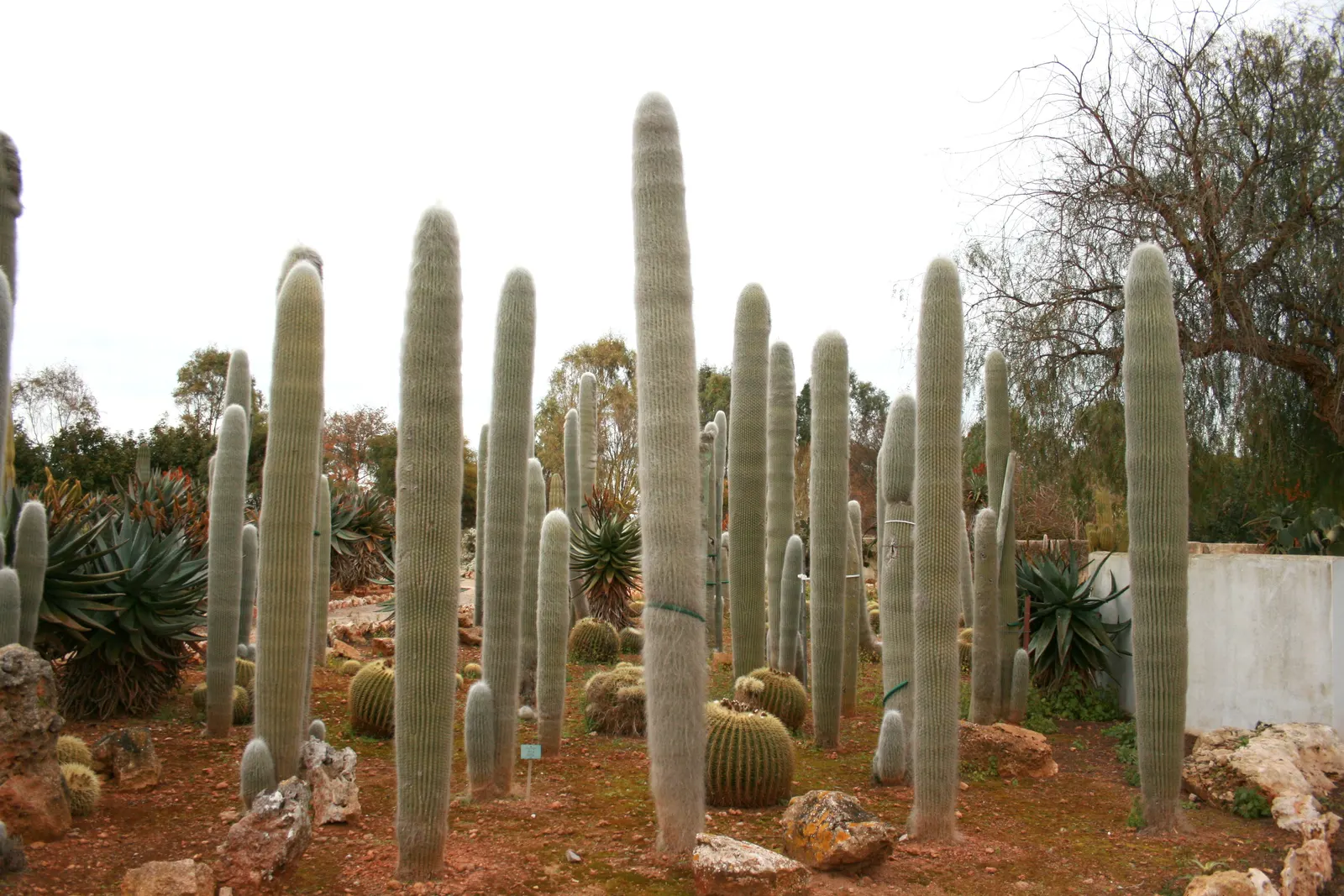
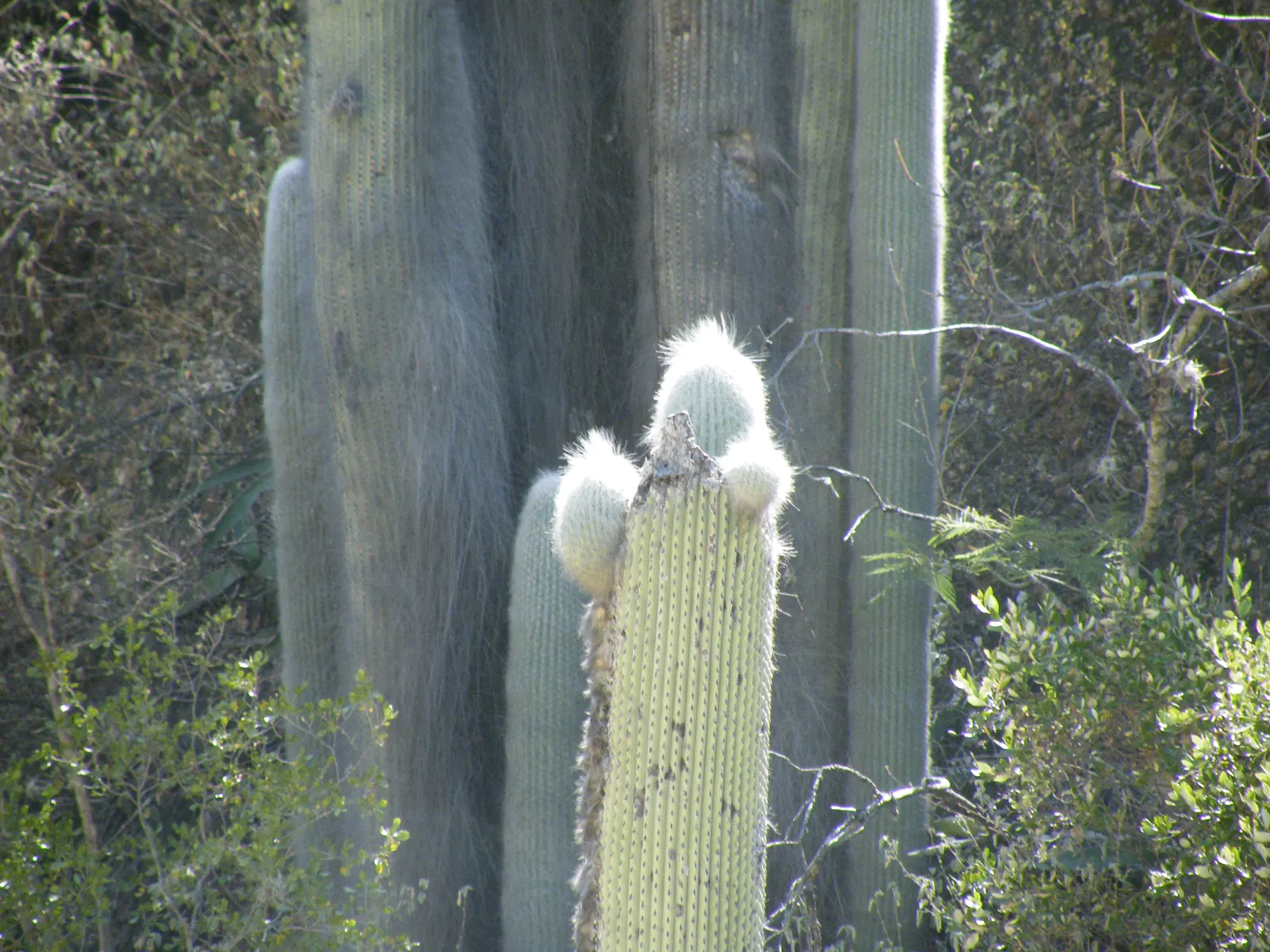
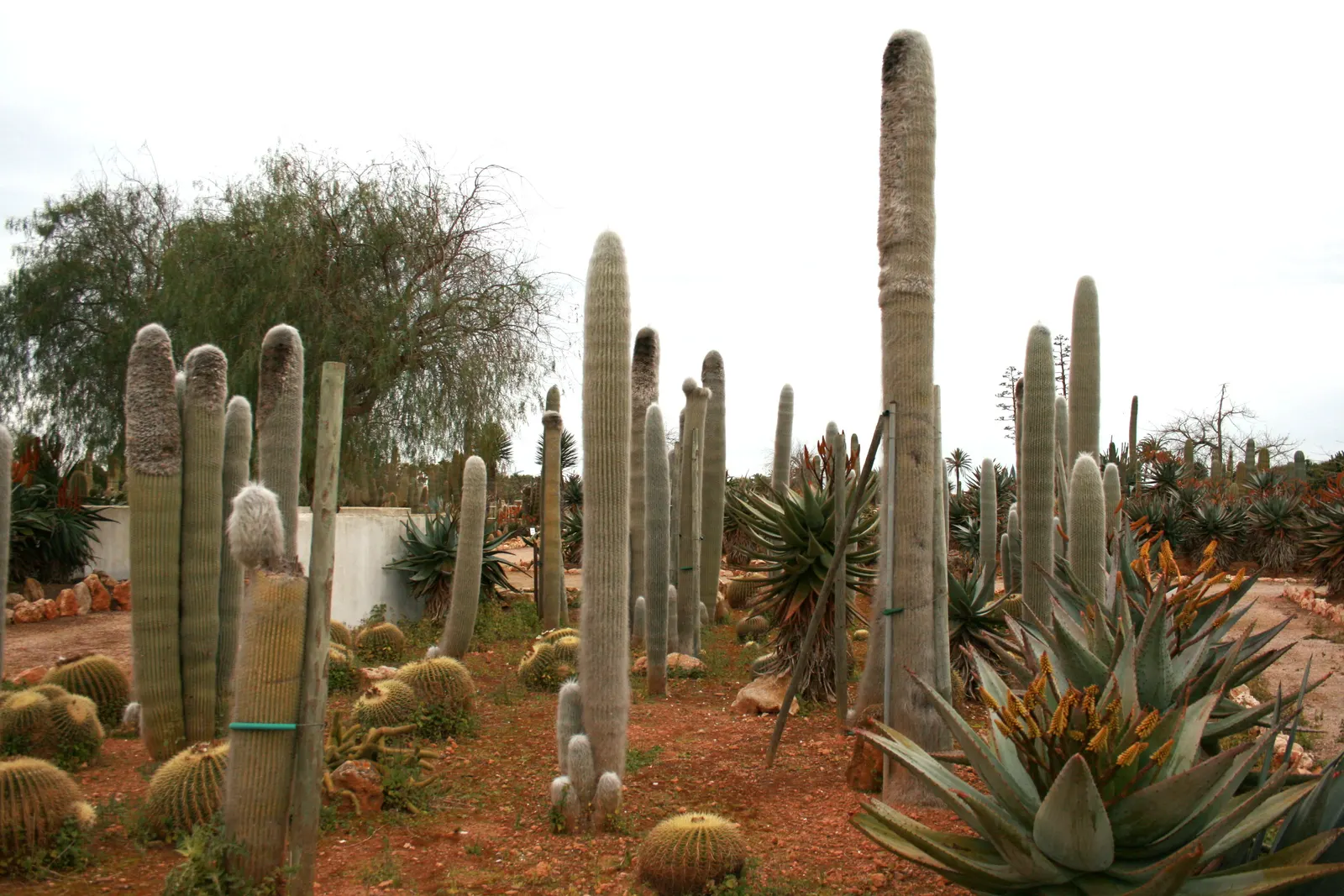
Old Man Cactus (Cephalocereus Senilis) — this slow-growing cactus can reach impressive heights of up to 15 feet
Old Man Cactus (Cephalocereus Senilis) — It prefers full sun and well-drained soil; cactus for full, image 54
Old Man Cactus (Cephalocereus Senilis) — This slow-growing Mexican native can reach up to 15 feet tall but remains slender at 1.5 feet wide
Old Man Cactus (Cephalocereus Senilis) — but mature specimens may produce pink to red blossoms at the crown during late spring or summer; drought-tolerant and
Old Man Cactus (Cephalocereus Senilis) — Drought-tolerant and low-maintenance, it adds a touch of whimsy to arid landscapes; is an intriguing columnar cactus
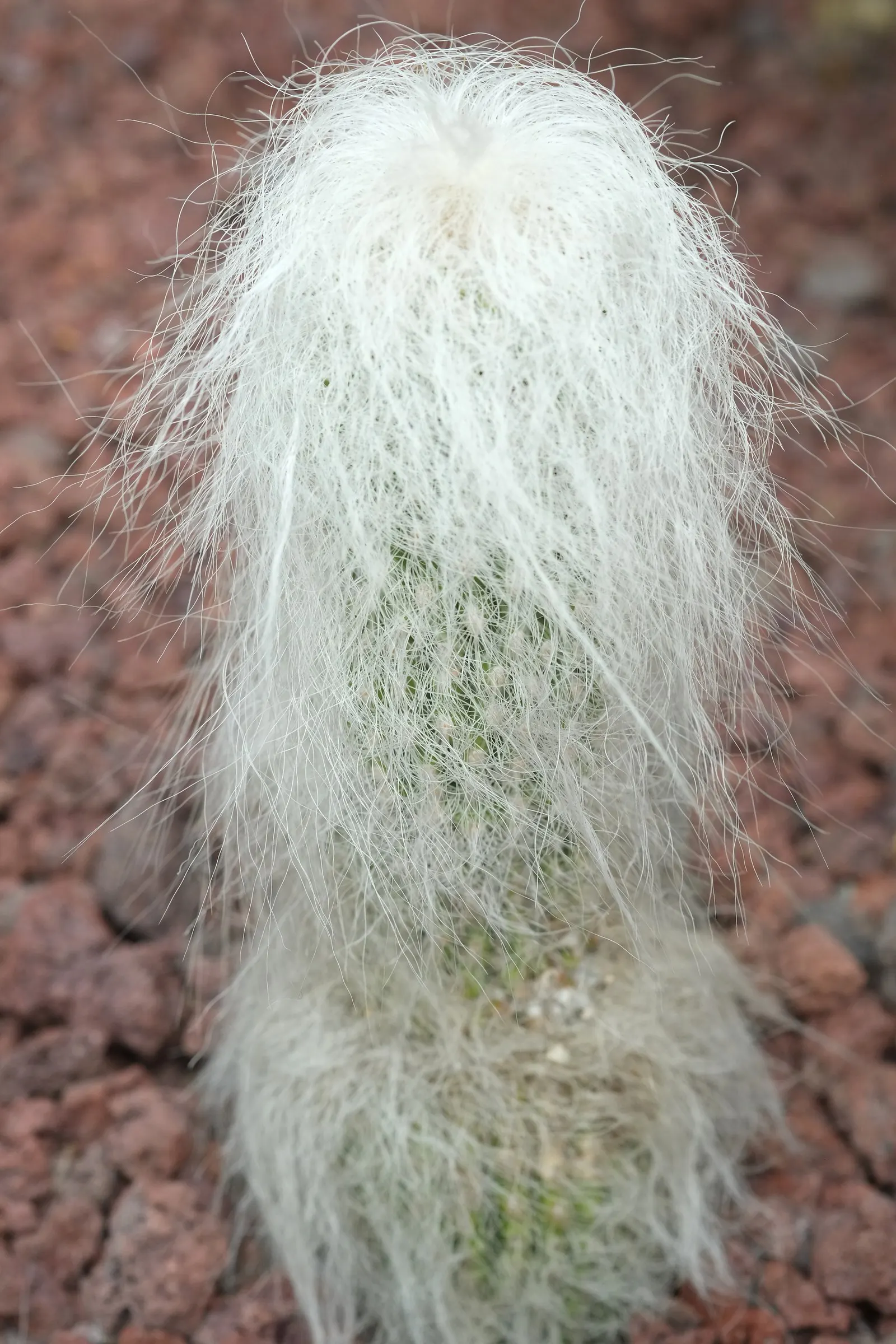
Old Man Cactus (Cephalocereus Senilis) — is an intriguing columnar cactus that brings a distinctive texture and height to any landscape design
Old Man Cactus (Cephalocereus Senilis) — but mature specimens may produce pink to red blossoms at the crown during late spring or summer, image 69
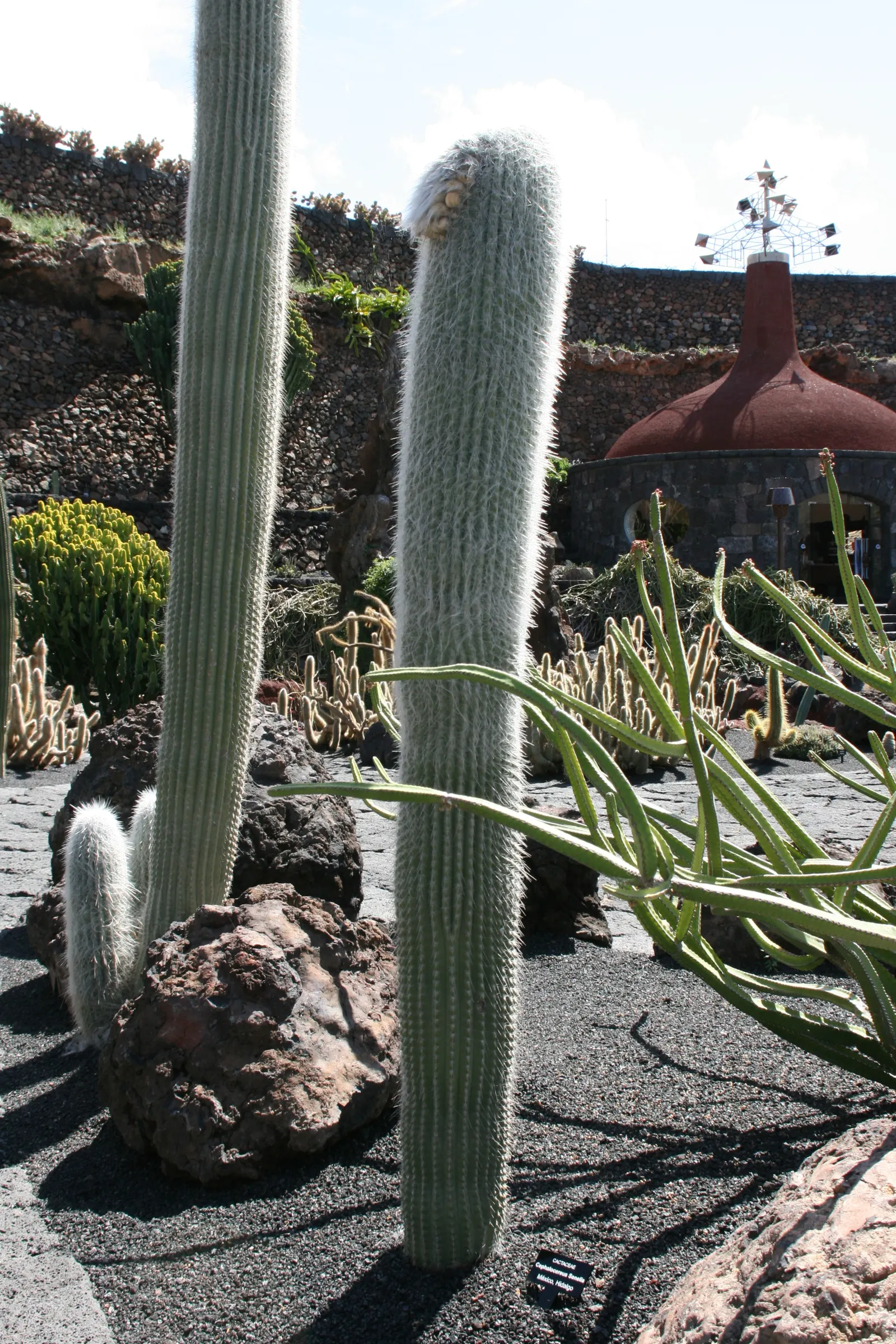
Old Man Cactus (Cephalocereus Senilis) — the Old Man Cactus thrives in well-draining soil and requires full sunlight to maintain its health and vigor
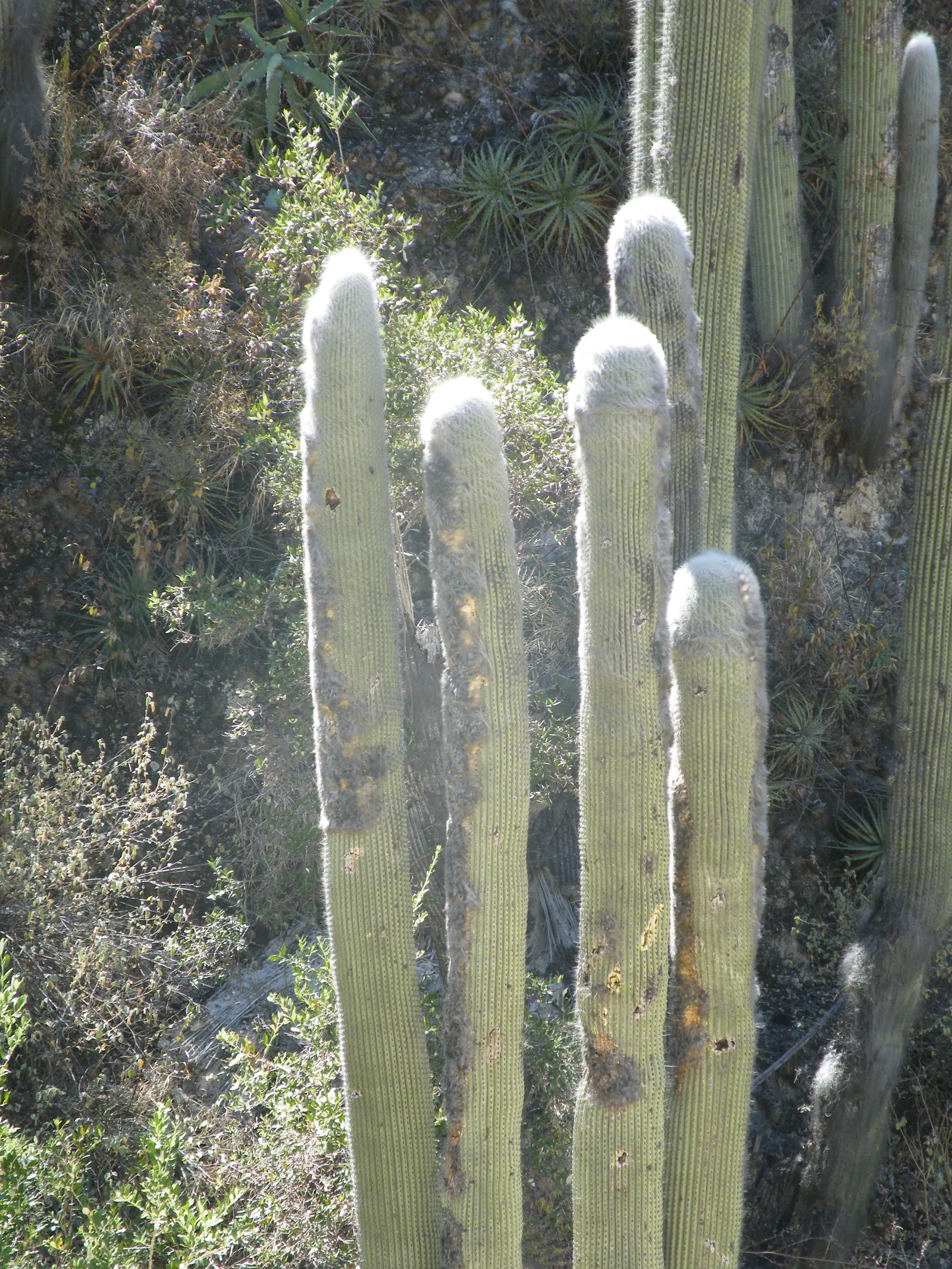
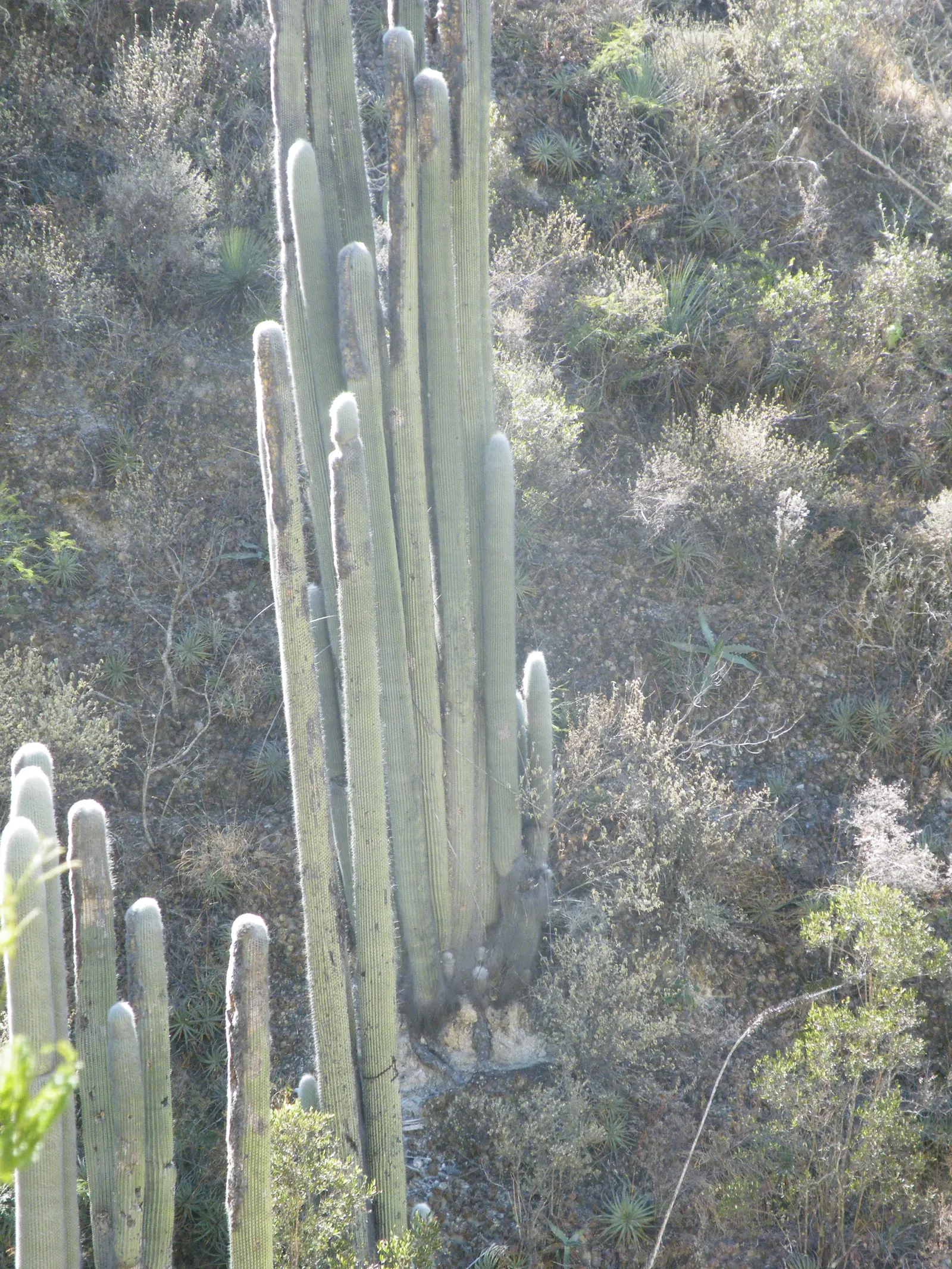
Old Man Cactus (Cephalocereus Senilis) — commonly known as the Old Man Cactus; it prefers full sun and well-drained soil
Old Man Cactus (Cephalocereus Senilis) — demanding a deep but infrequent watering schedule to mimic its natural arid habitat; considering its, image 64
Photographs by 15 contributors

Related plants