Skip to content

Sugar Hackberry

Celtis Laevigata

Design with this plant

Overview

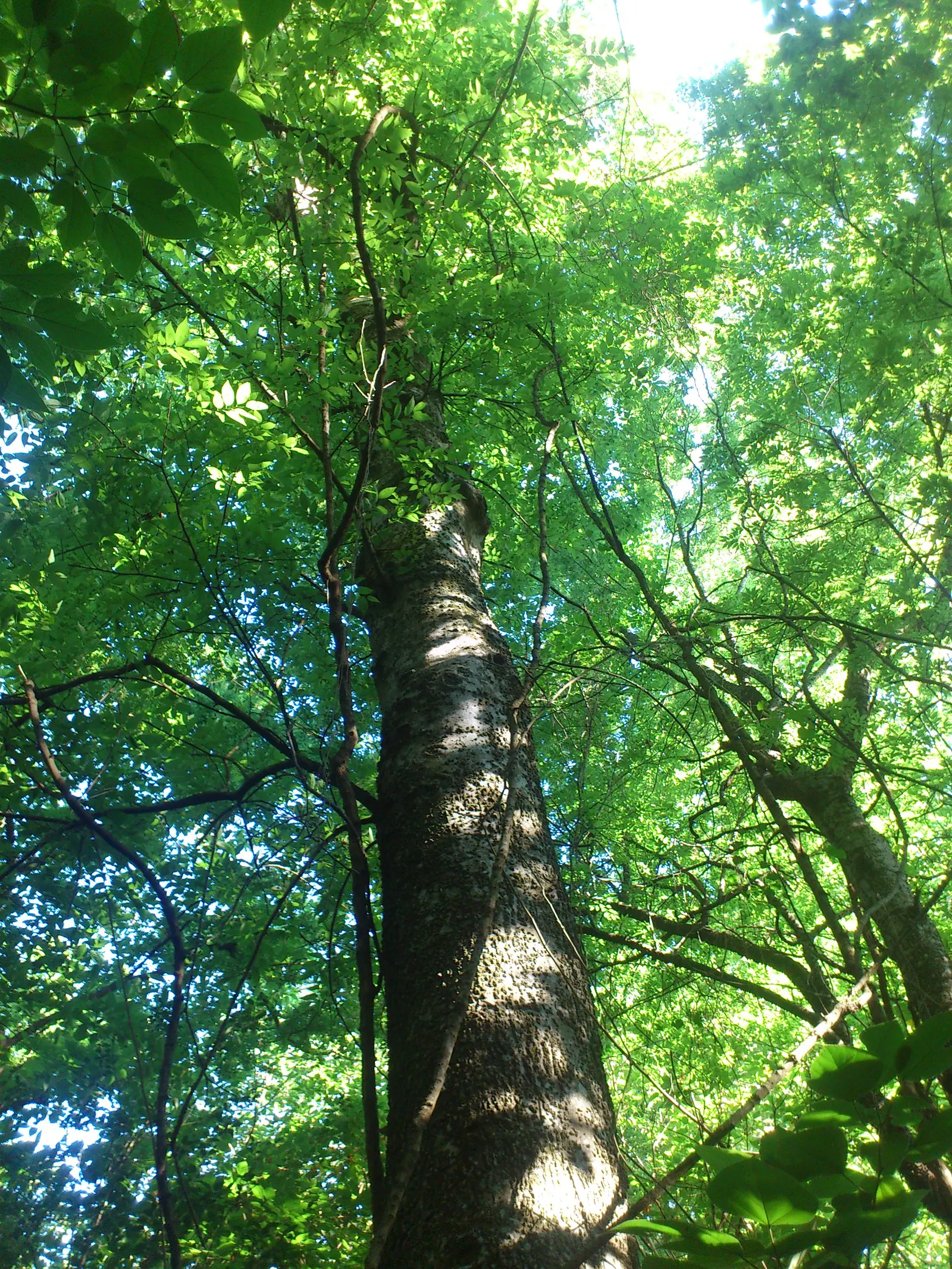
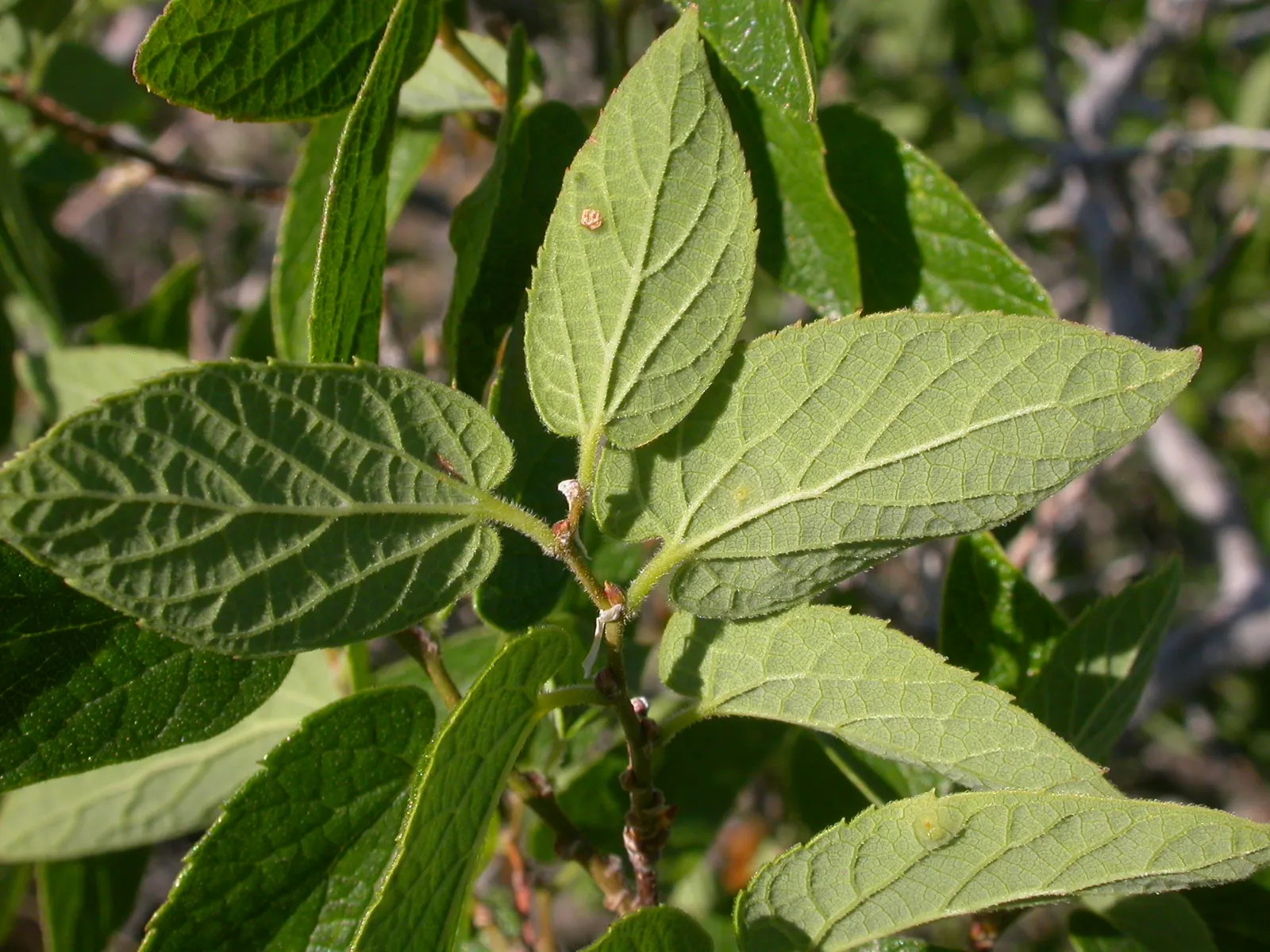
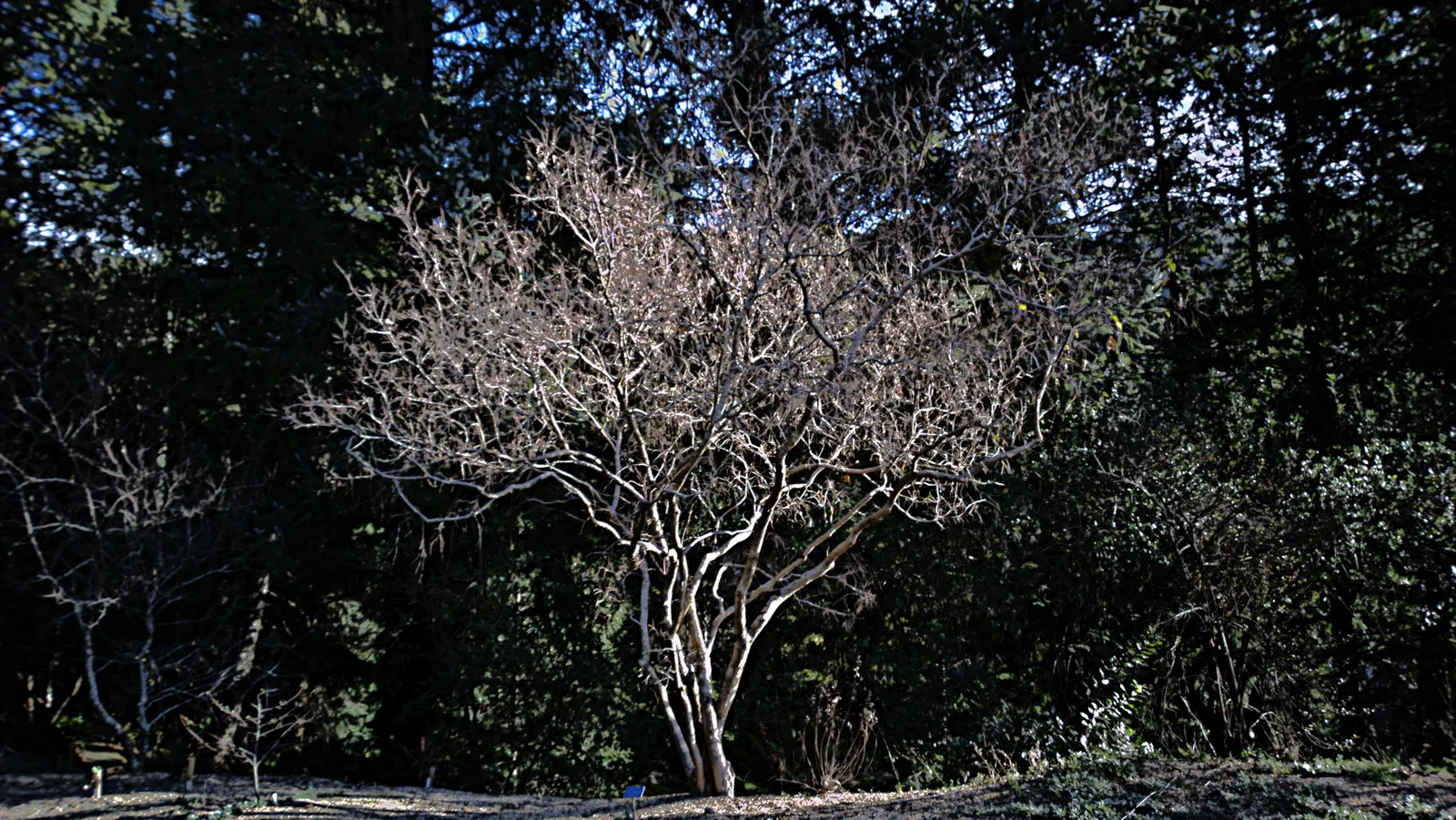
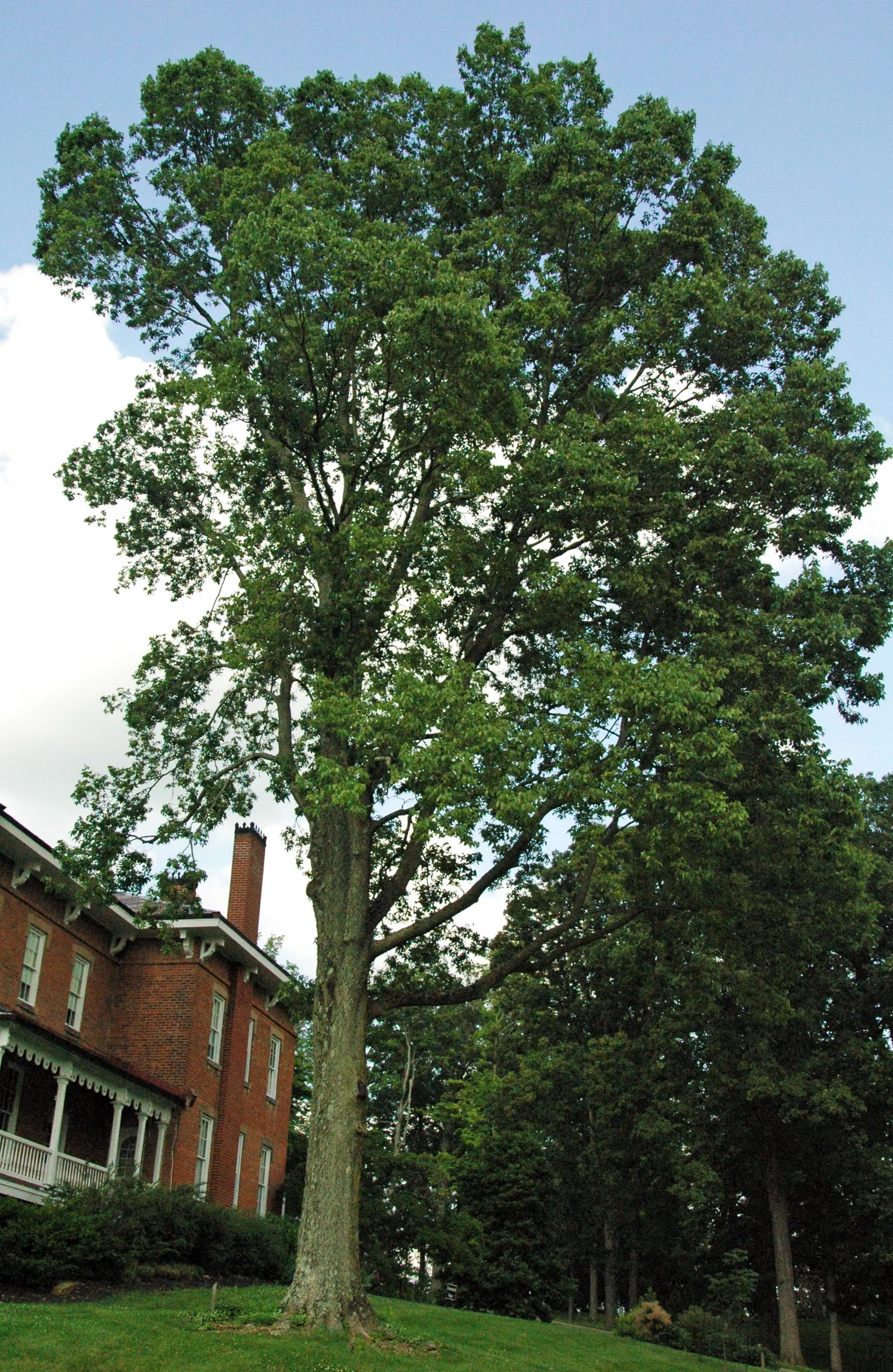
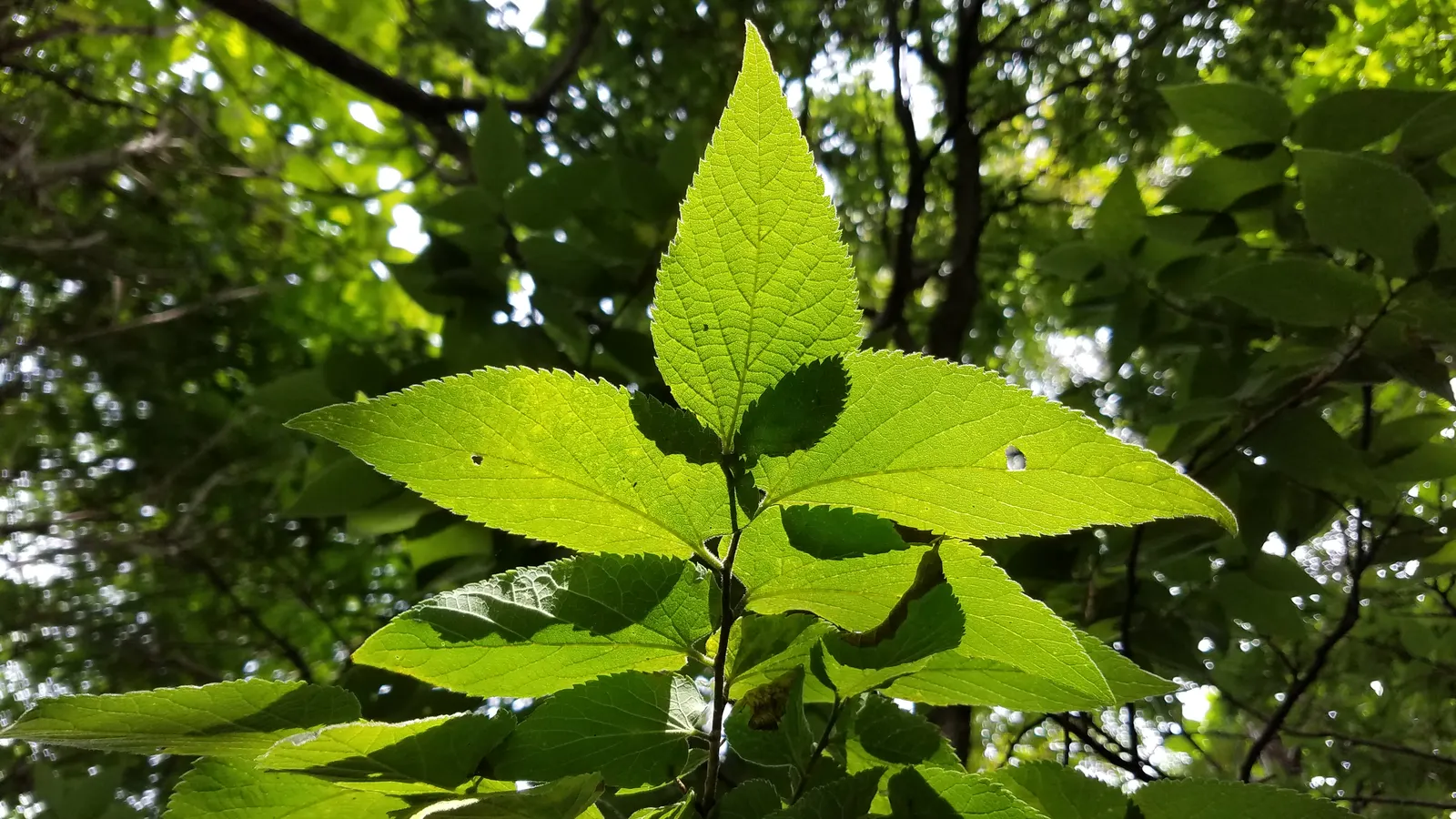
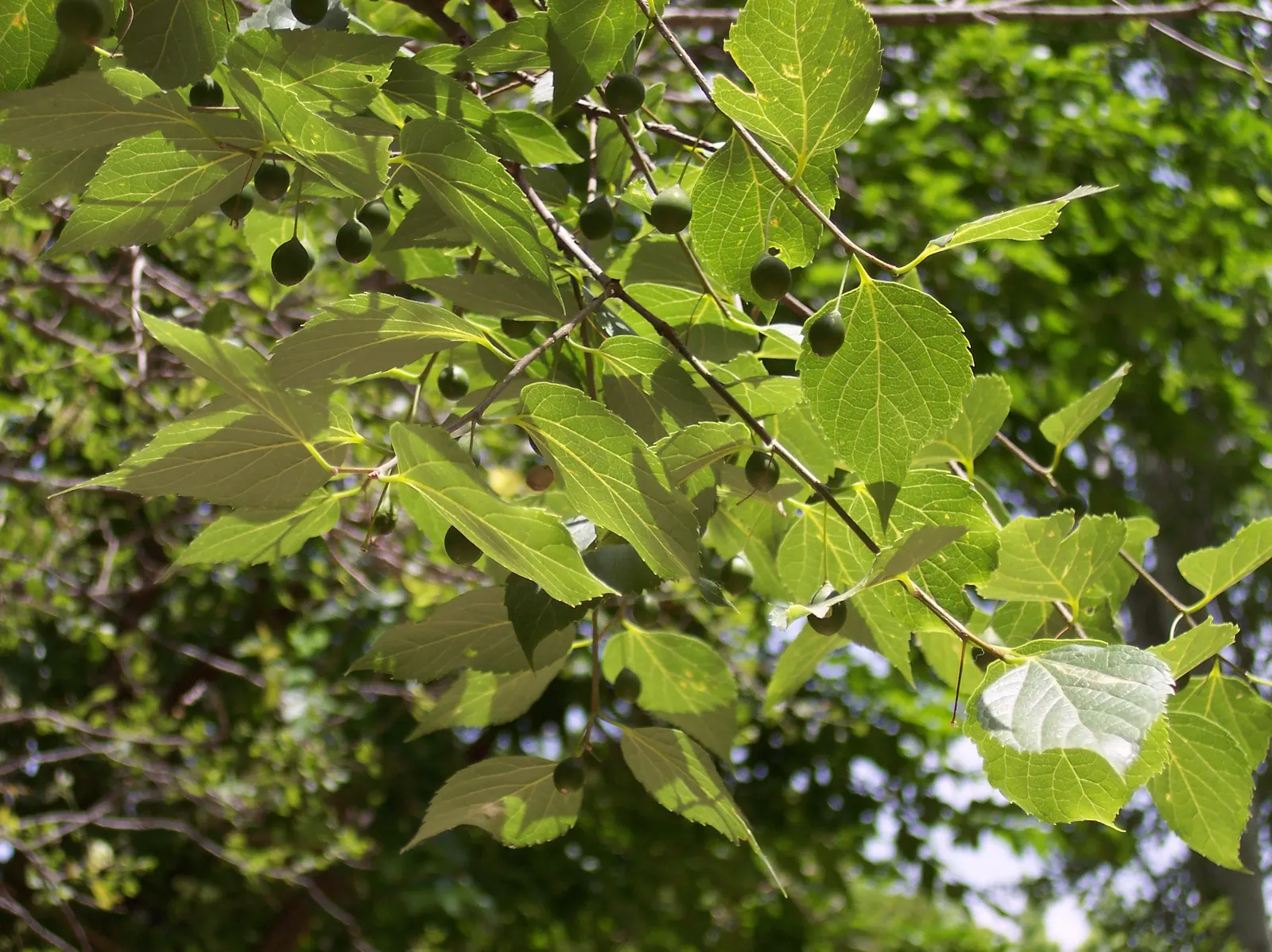
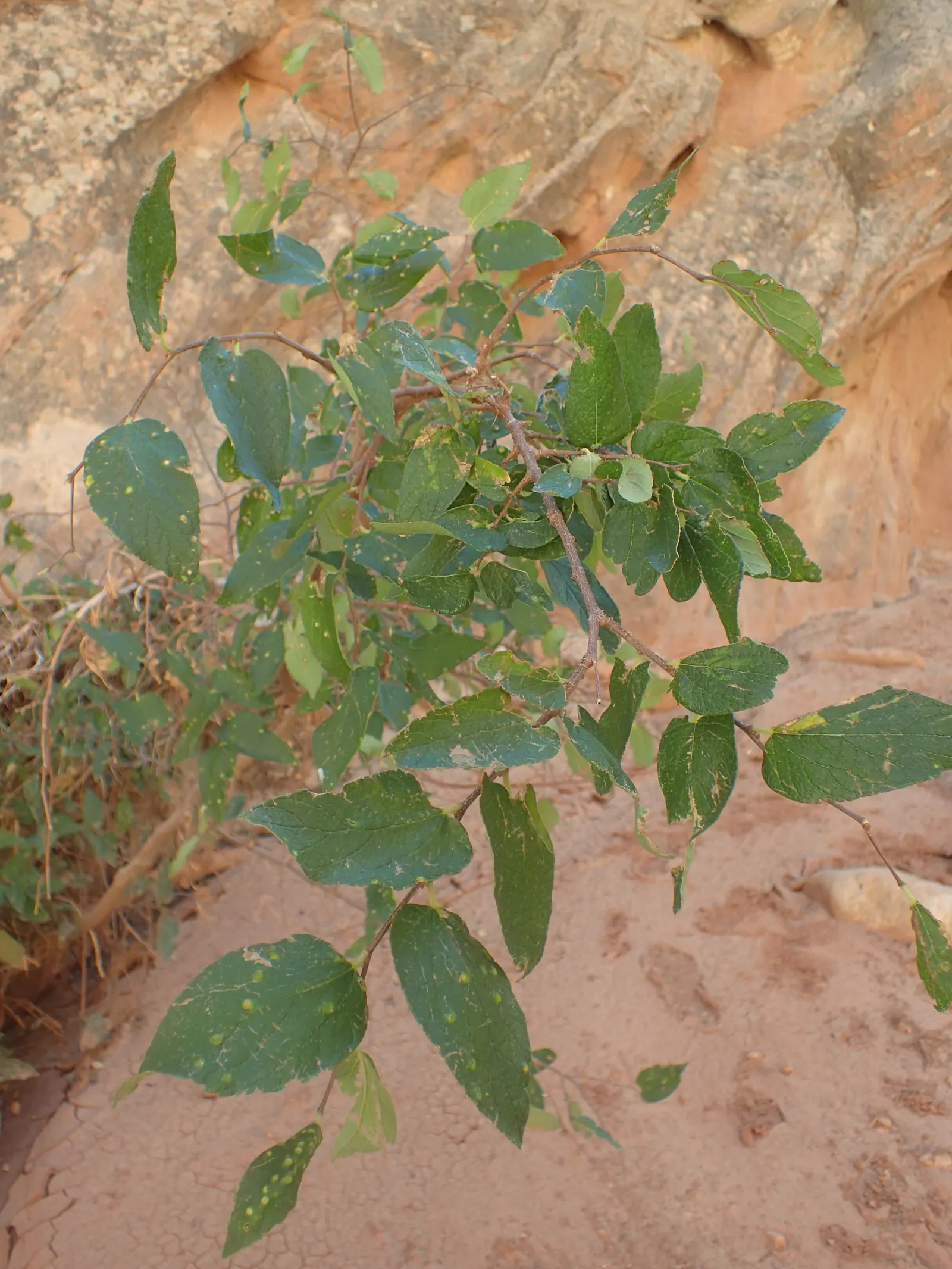
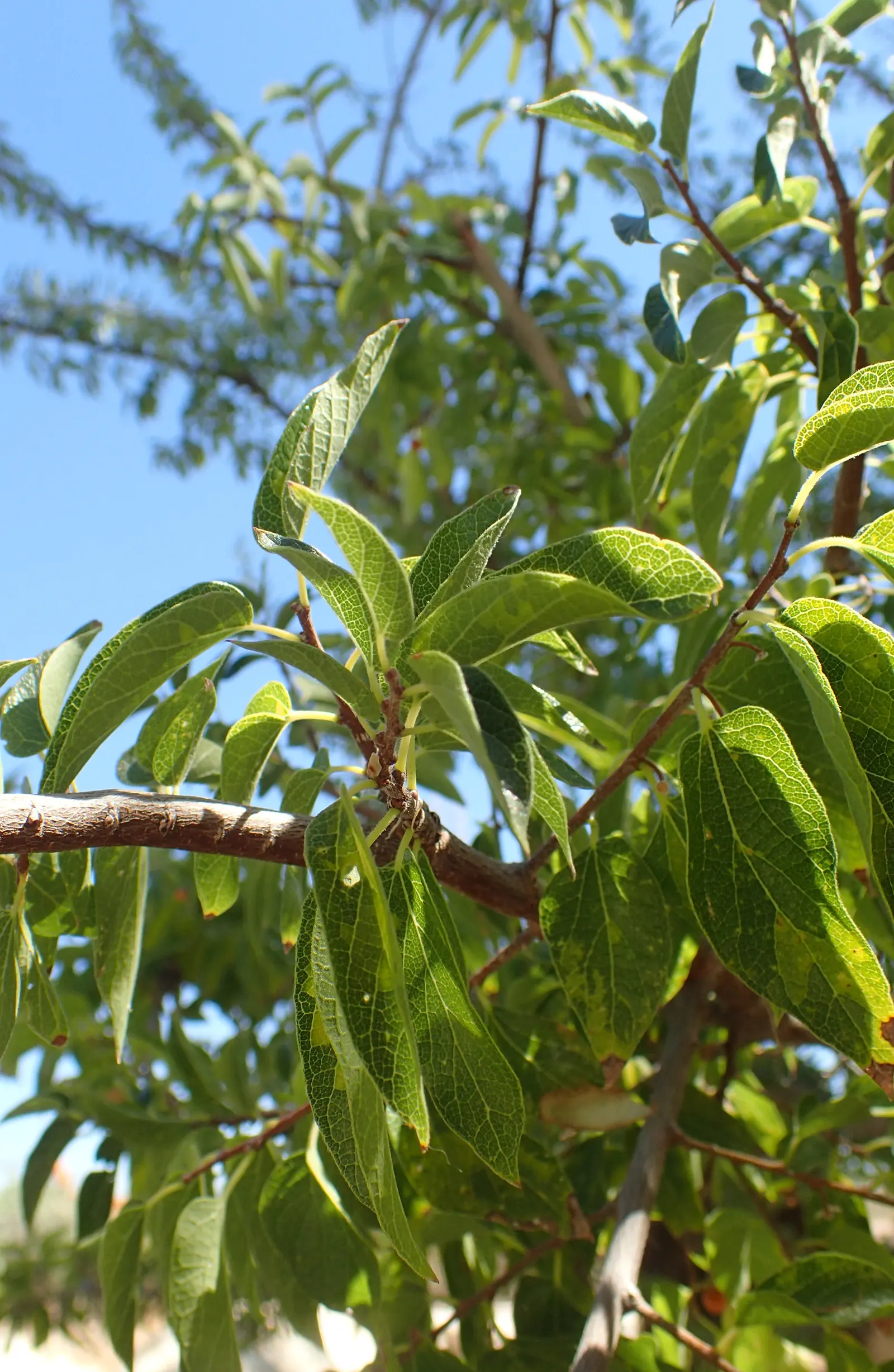
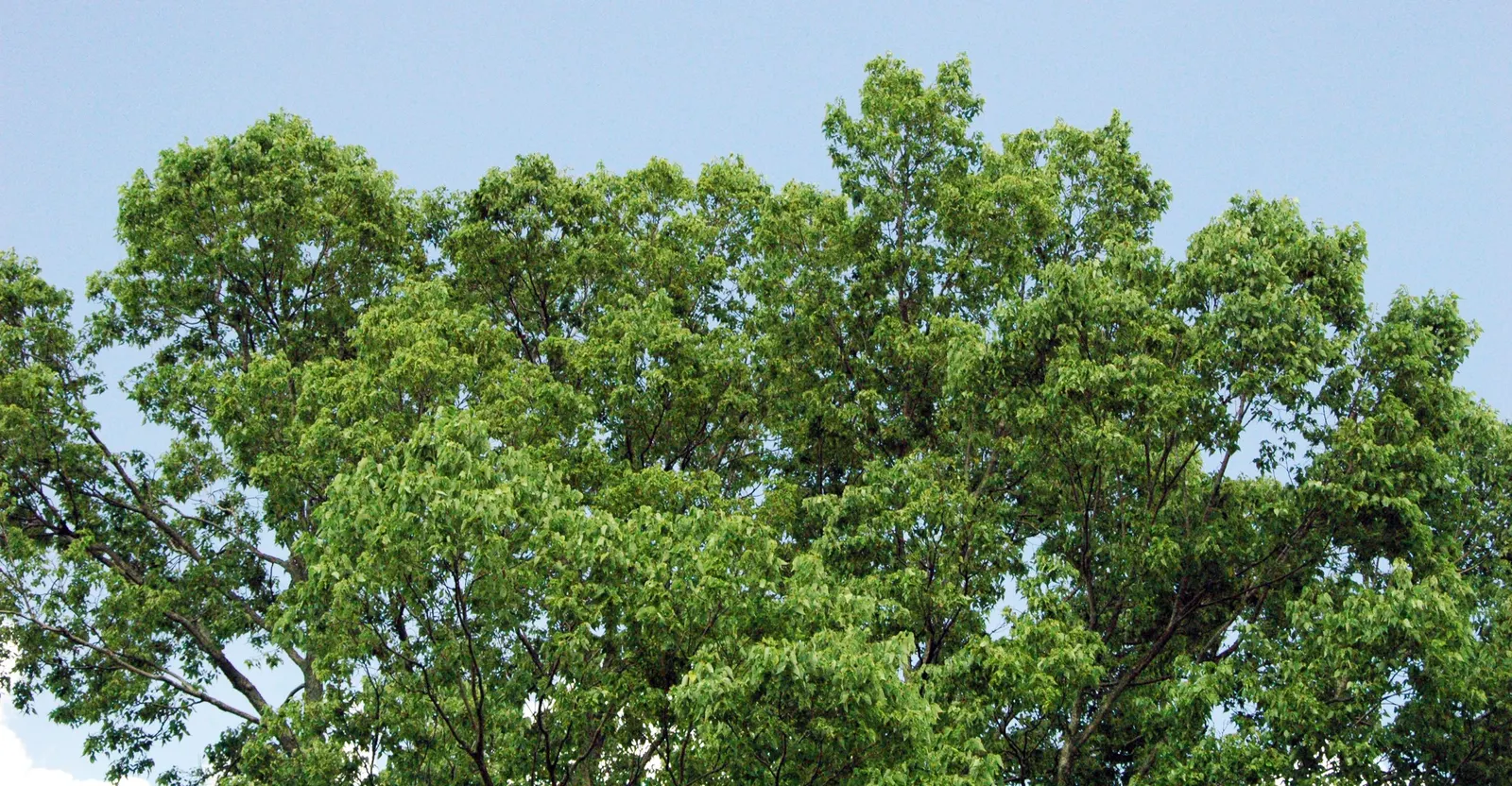
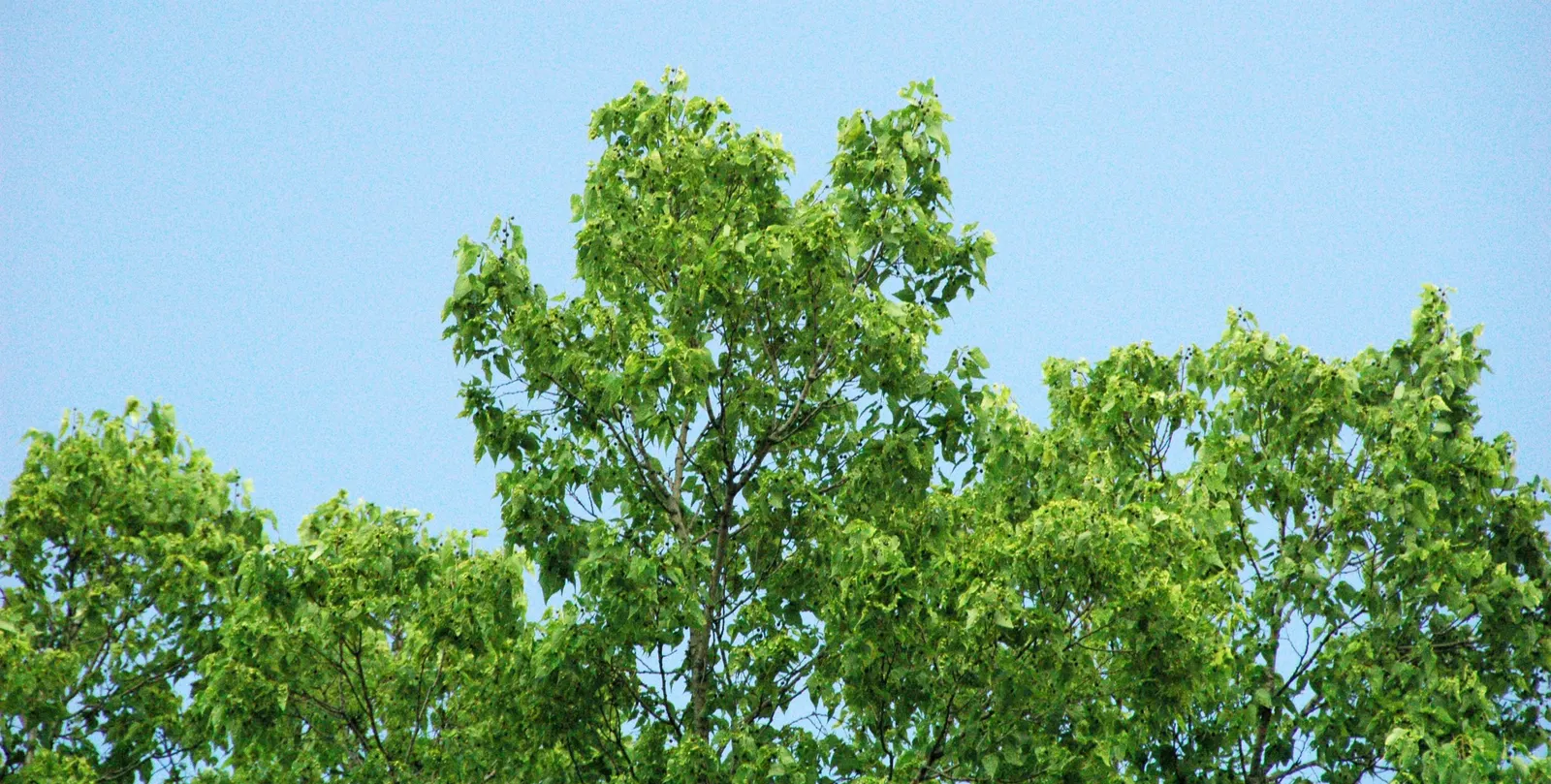
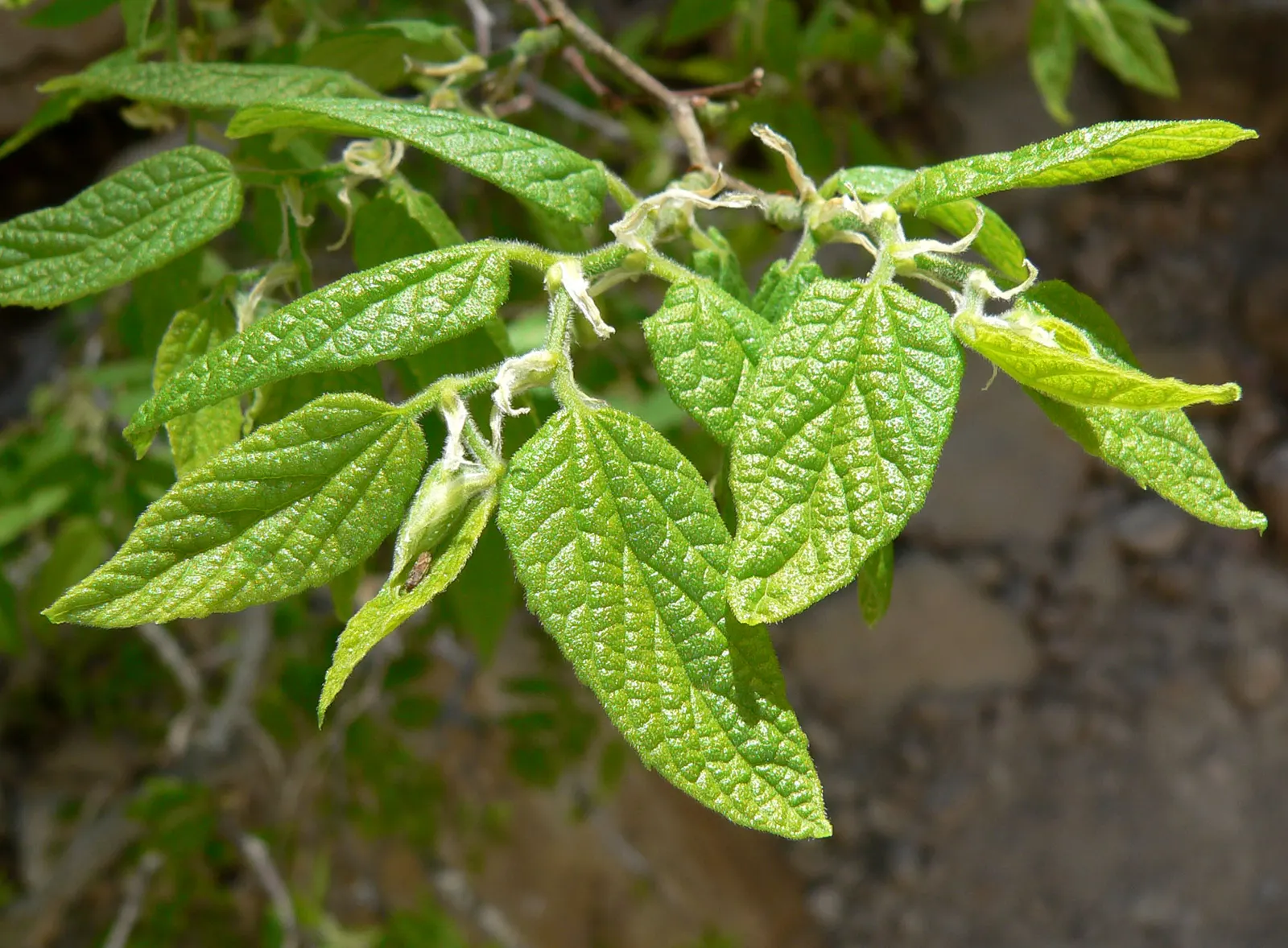
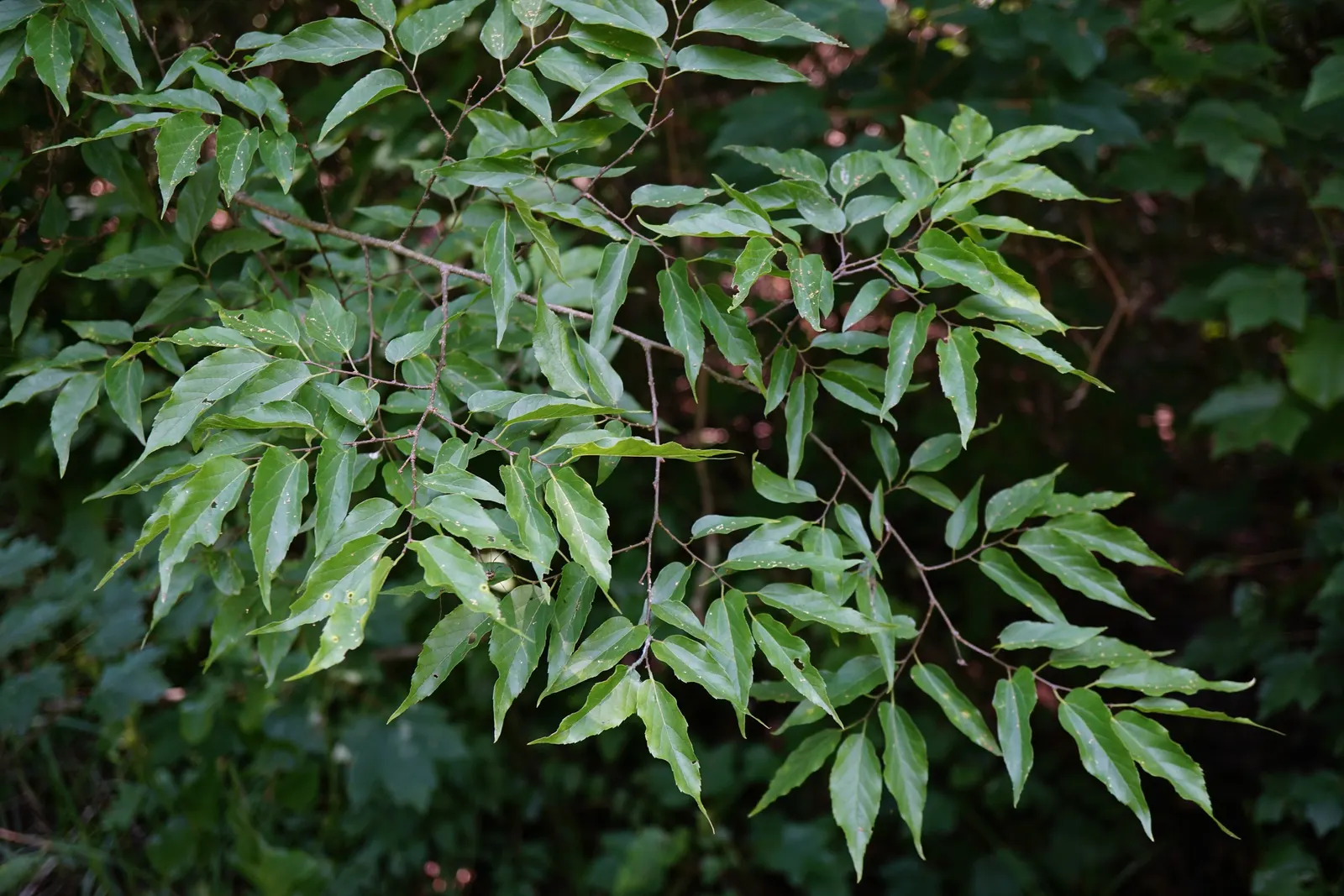
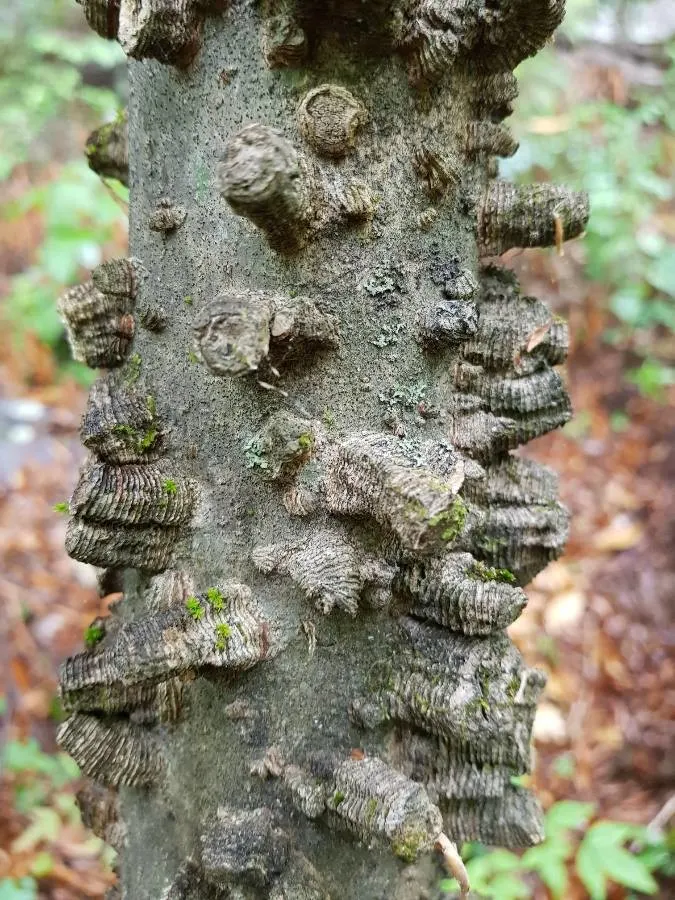
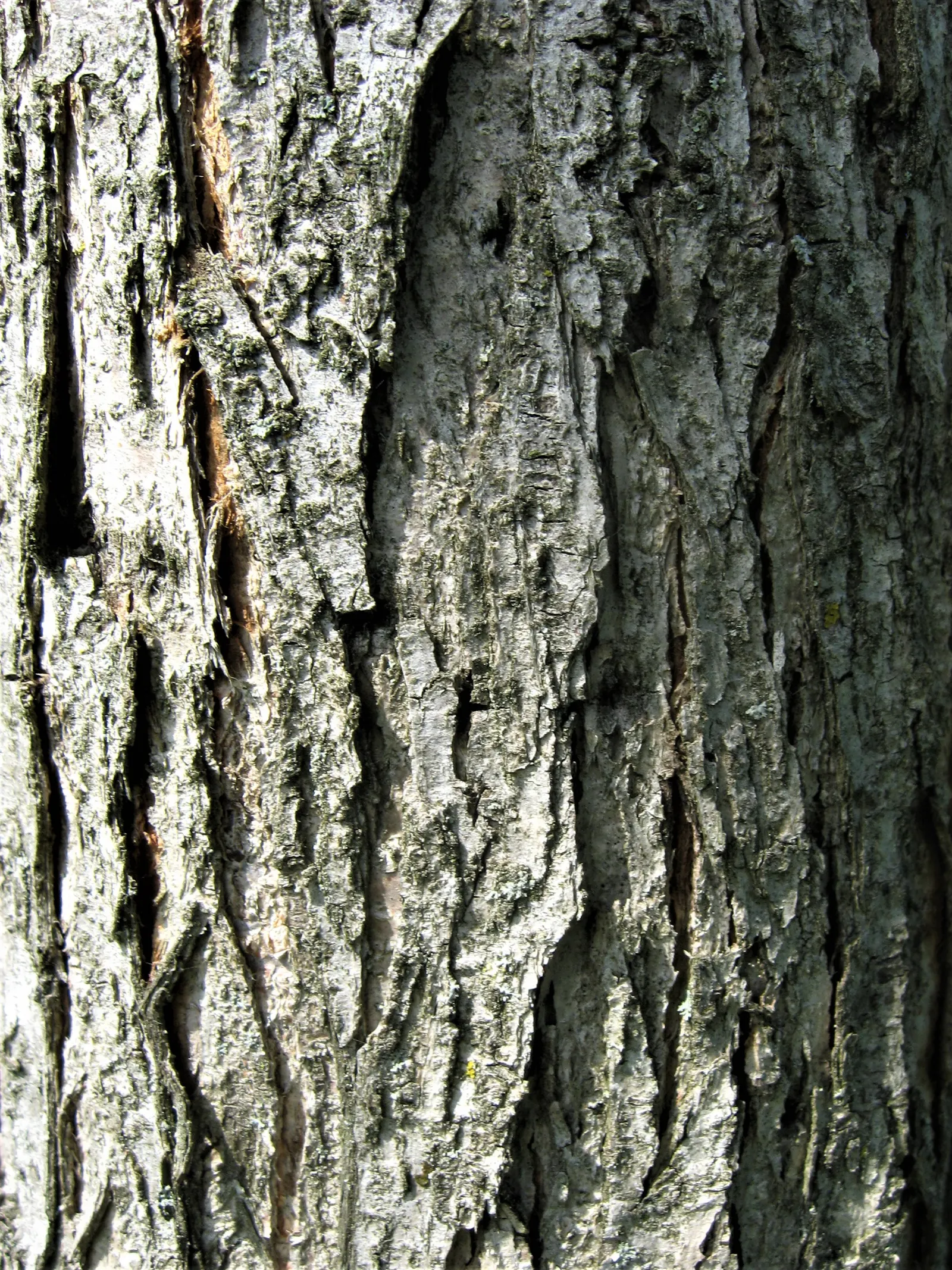
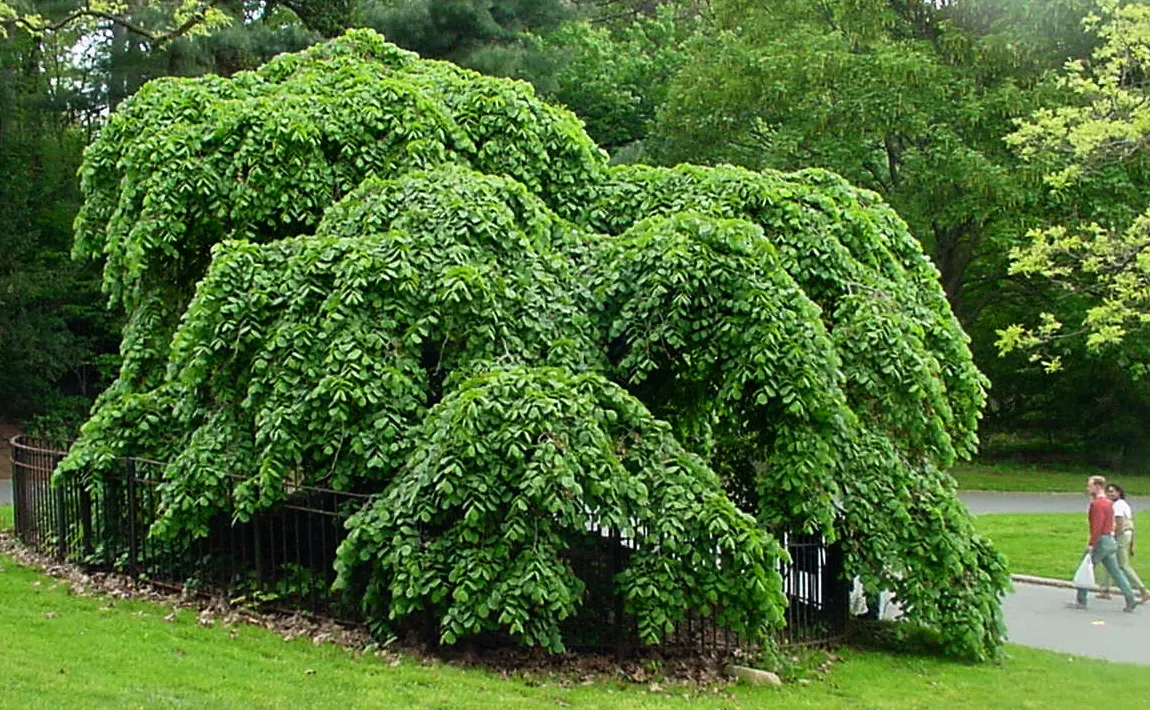
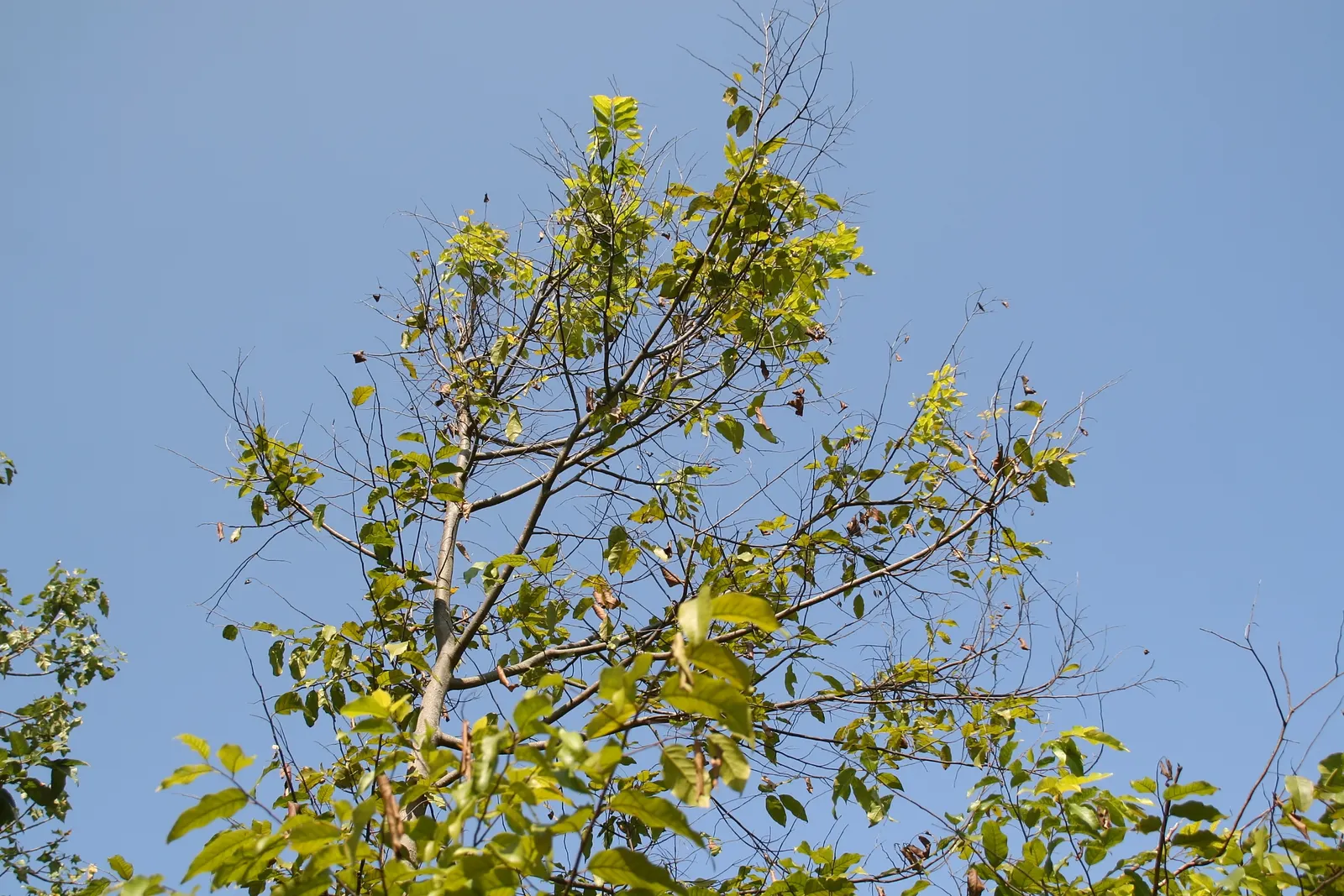
The Sugar Hackberry (Celtis laevigata) is a deciduous tree, reaching heights of 60-80 feet with a spread of 40-60 feet. It has a rounded canopy of ovate, glossy green leaves and a grey, warty bark. This hardy species tolerates a variety of soil types and is drought-resistant once established. Small, sweet berries attract wildlife. It's an excellent shade tree for large spaces in USDA zones 5–9.

Sun FullWater MediumZones 5–11Type TreeClimate Temperate
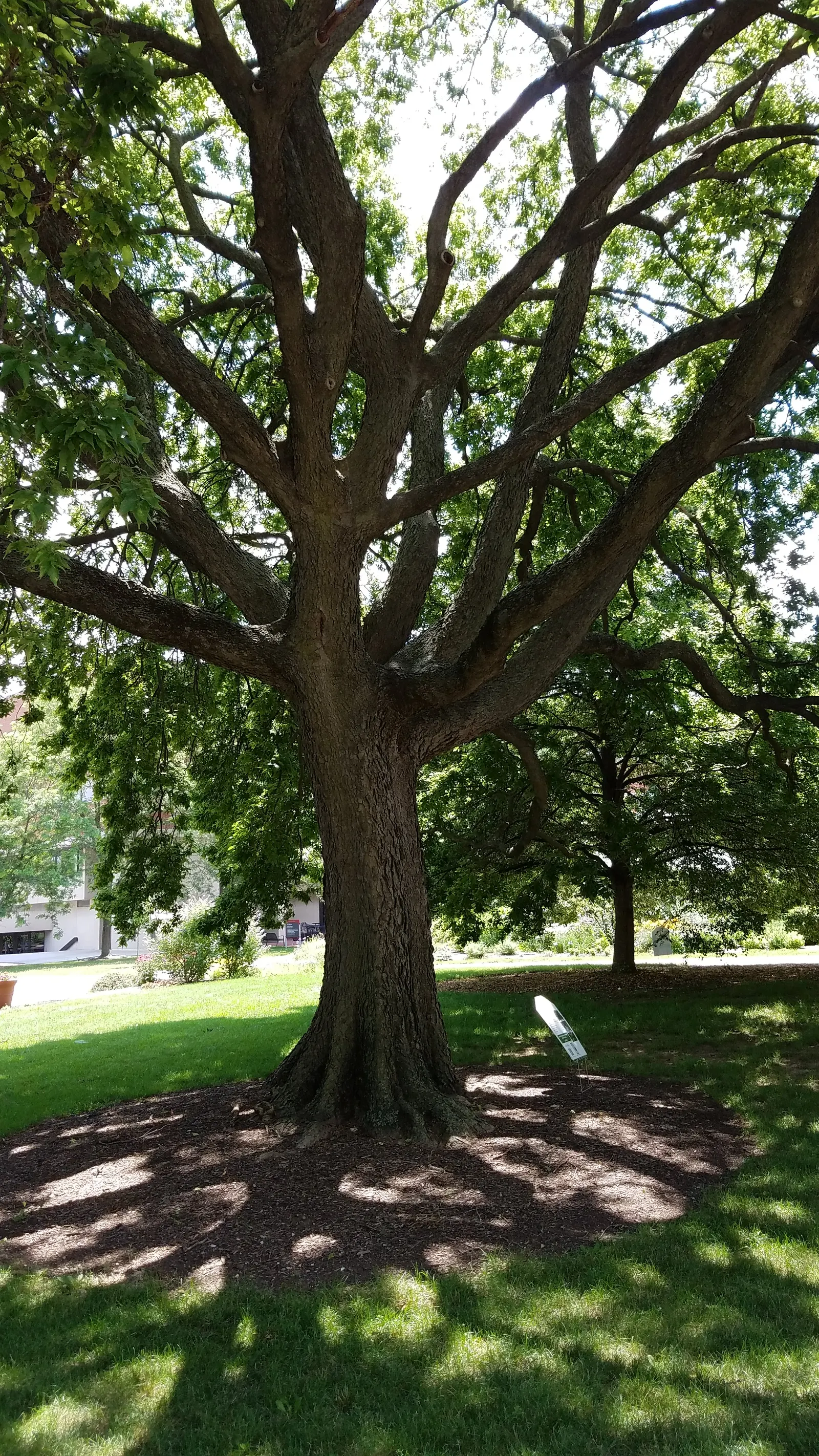
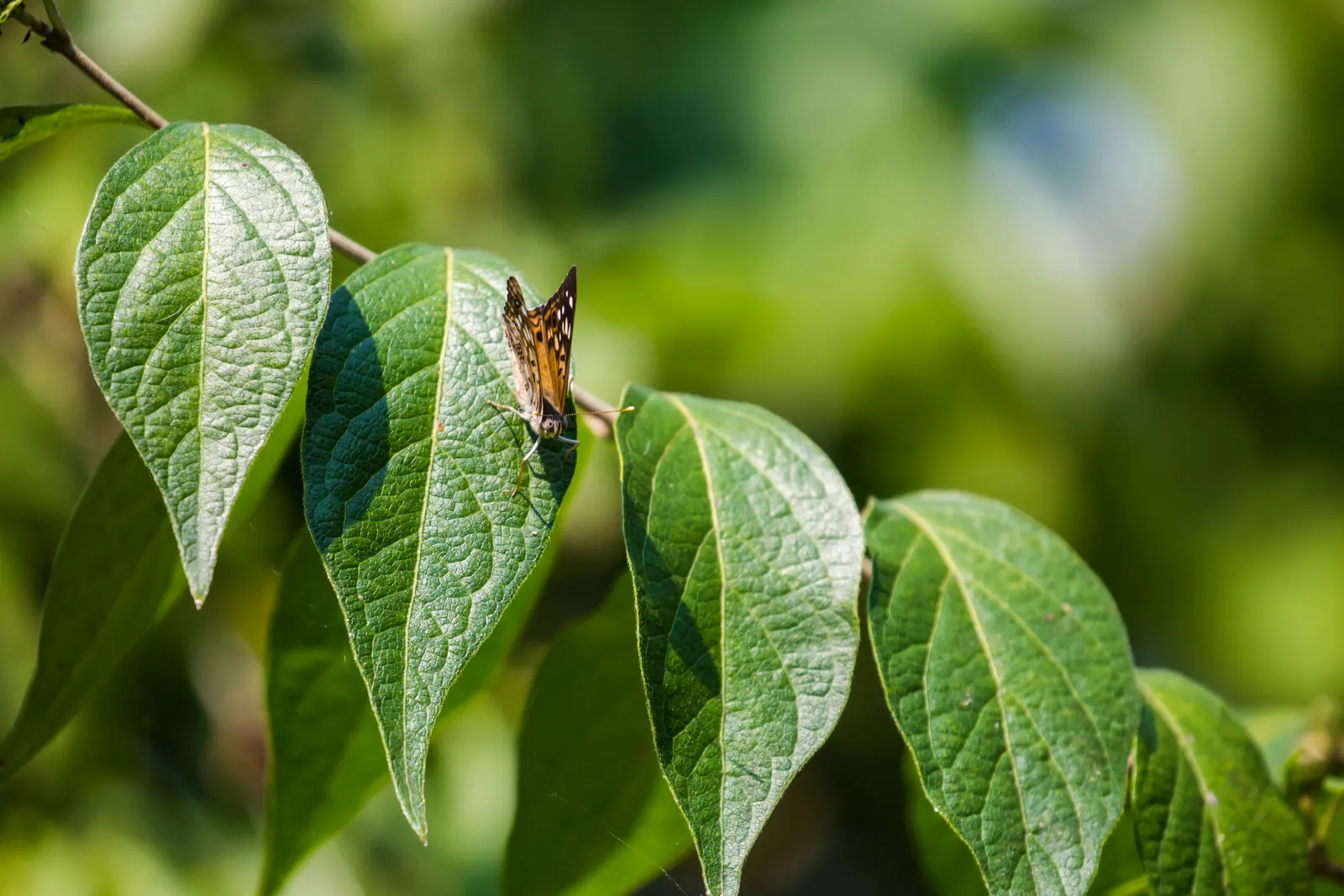
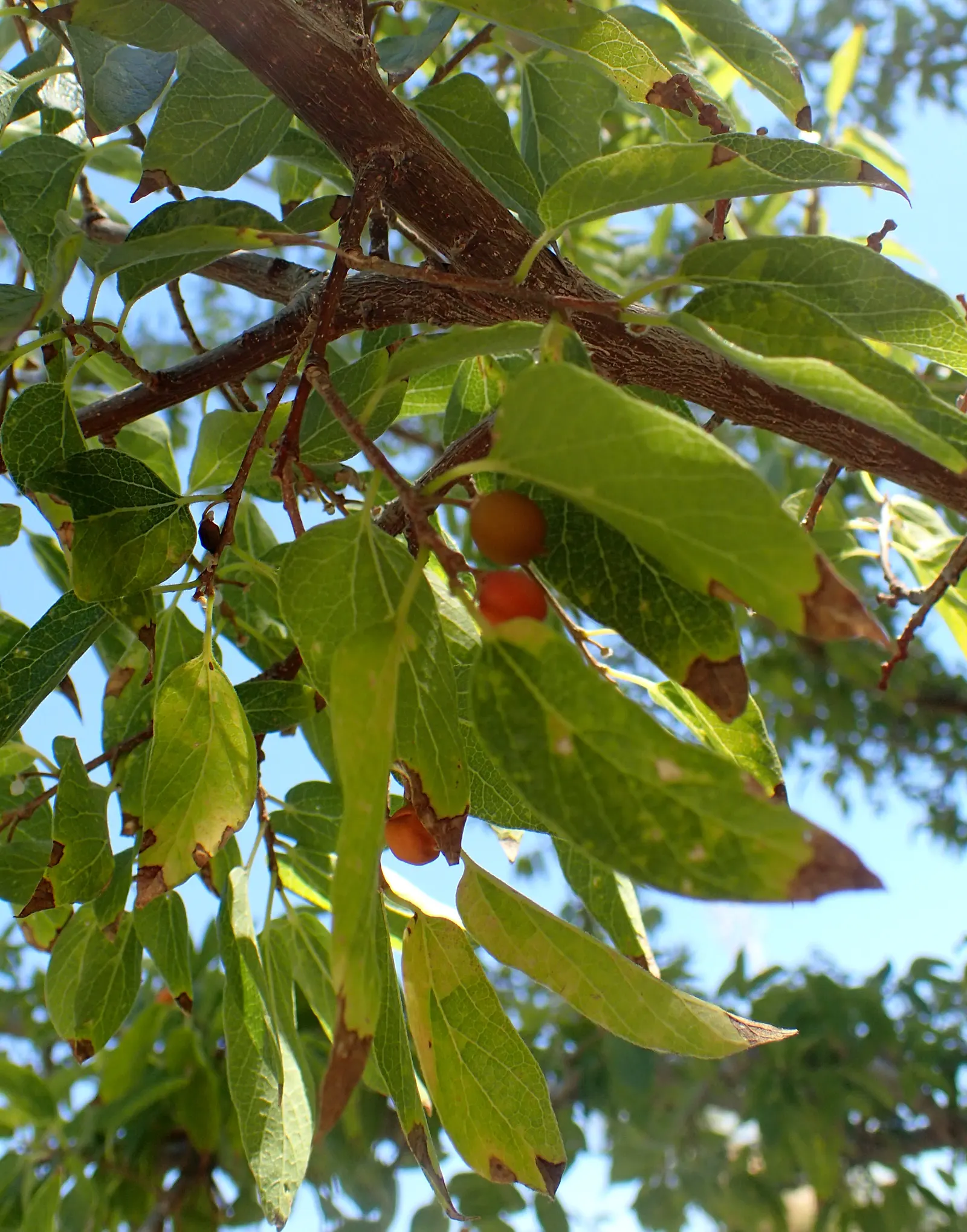
Sugar Hackberry (Celtis Laevigata) — but the orange-red to dark purple berries that follow are a boon for local wildlife

Culture

Sun
Full
Water
Medium
USDA zones
5–11

Shape & size

Mature height
40–60 Ft.
Mature width
35–55 Ft.

Classification

Type
Tree
Family
Ulmaceae
Climate
Temperate

See full data, regional cultivation notes, and design tools. Build a client presentation around this plant.

Start your 14-day trial

Photos (94)

Sugar Hackberry (Celtis Laevigata) — reaching heights of 60-80 feet with a spread of 40-60 feet; this tree is valued for its ability to adapt to a variety of
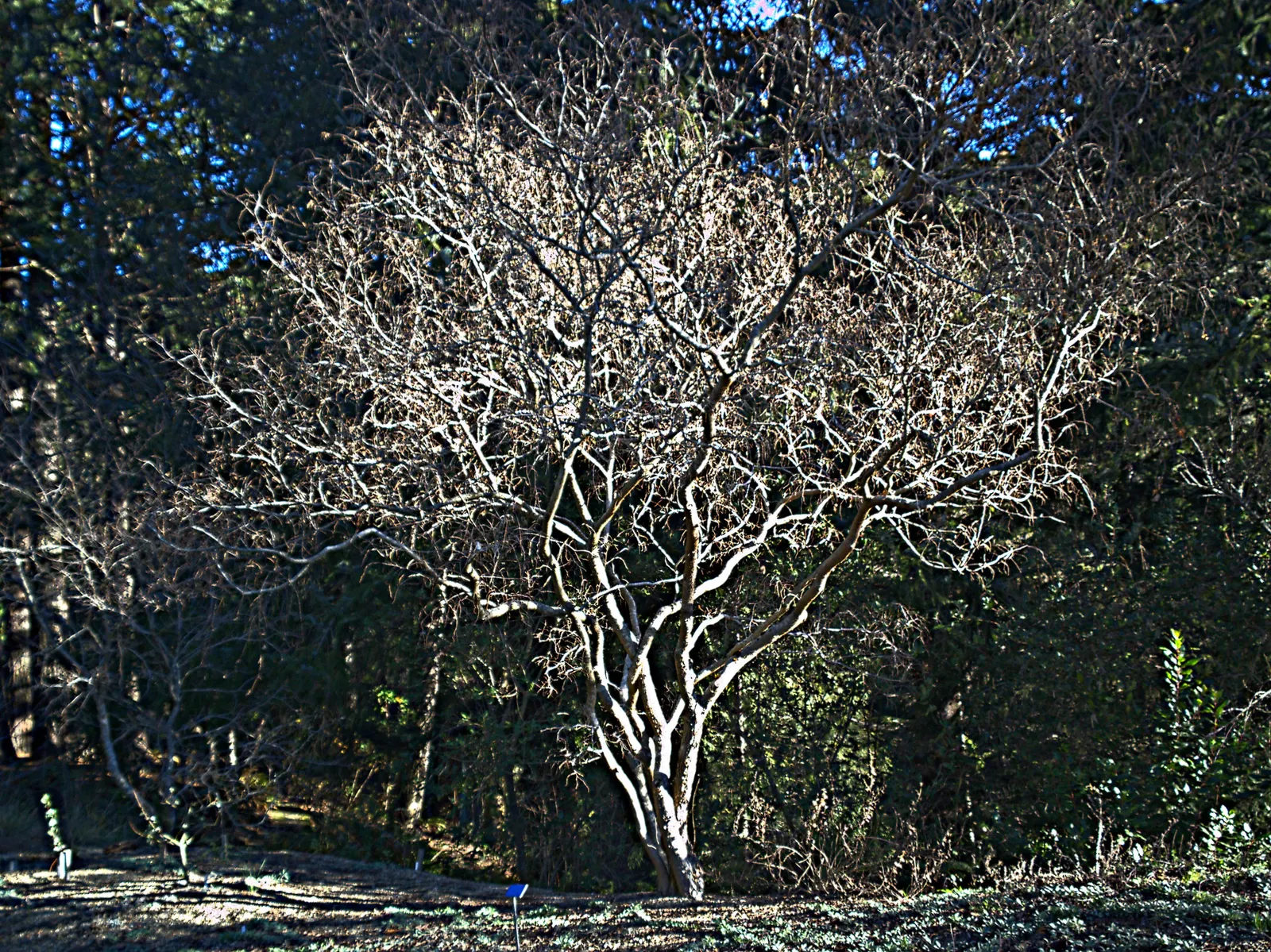
Sugar Hackberry (Celtis Laevigata) — reaching heights of 60-80 feet with a spread of 40-60 feet
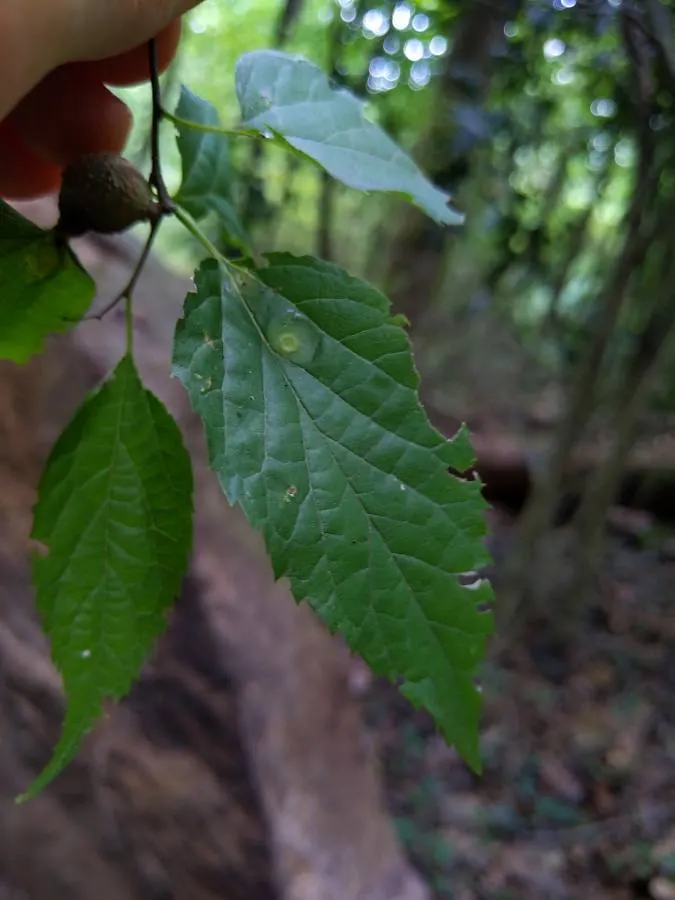
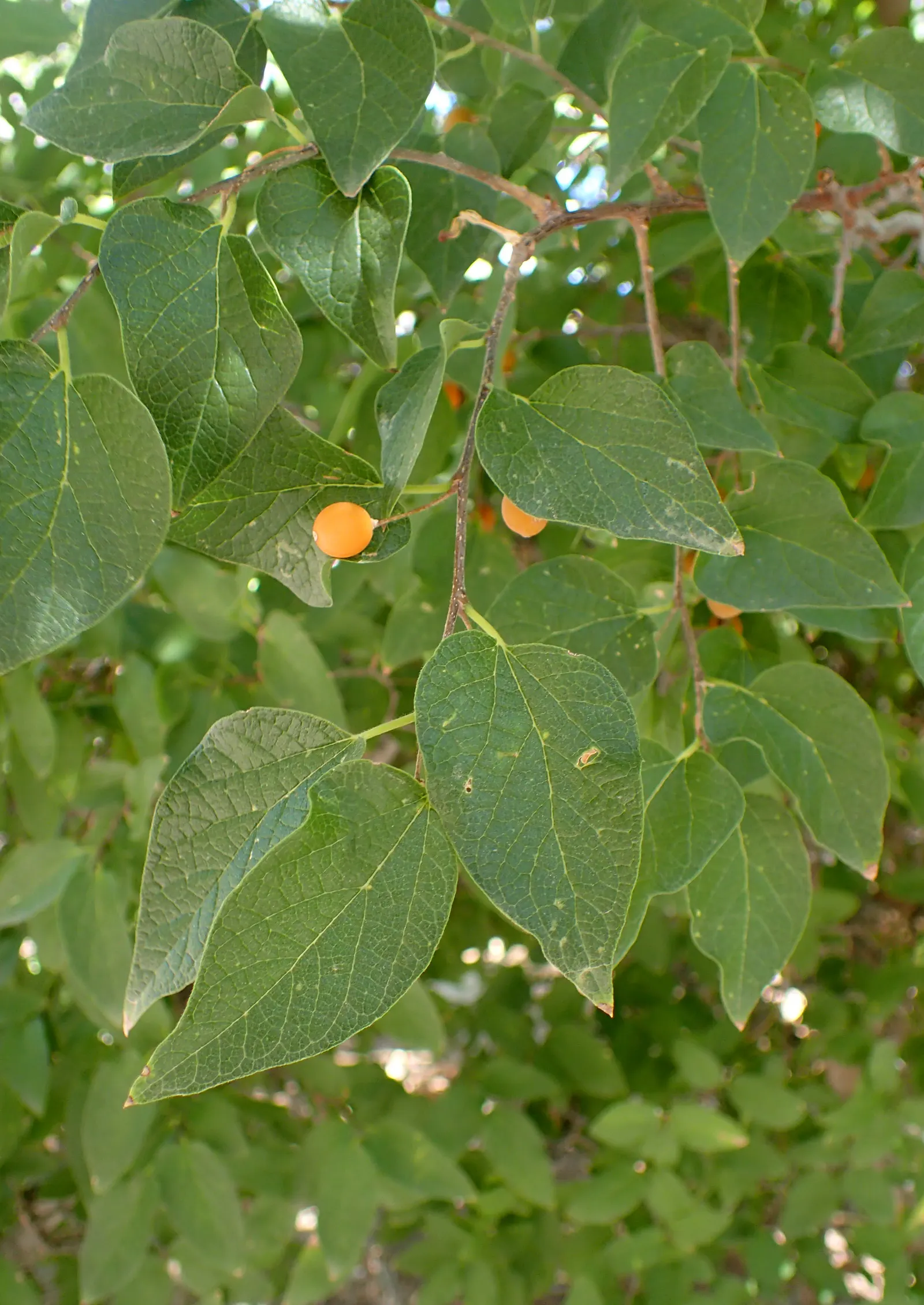
Sugar Hackberry (Celtis Laevigata) — Small, sweet berries attract wildlife
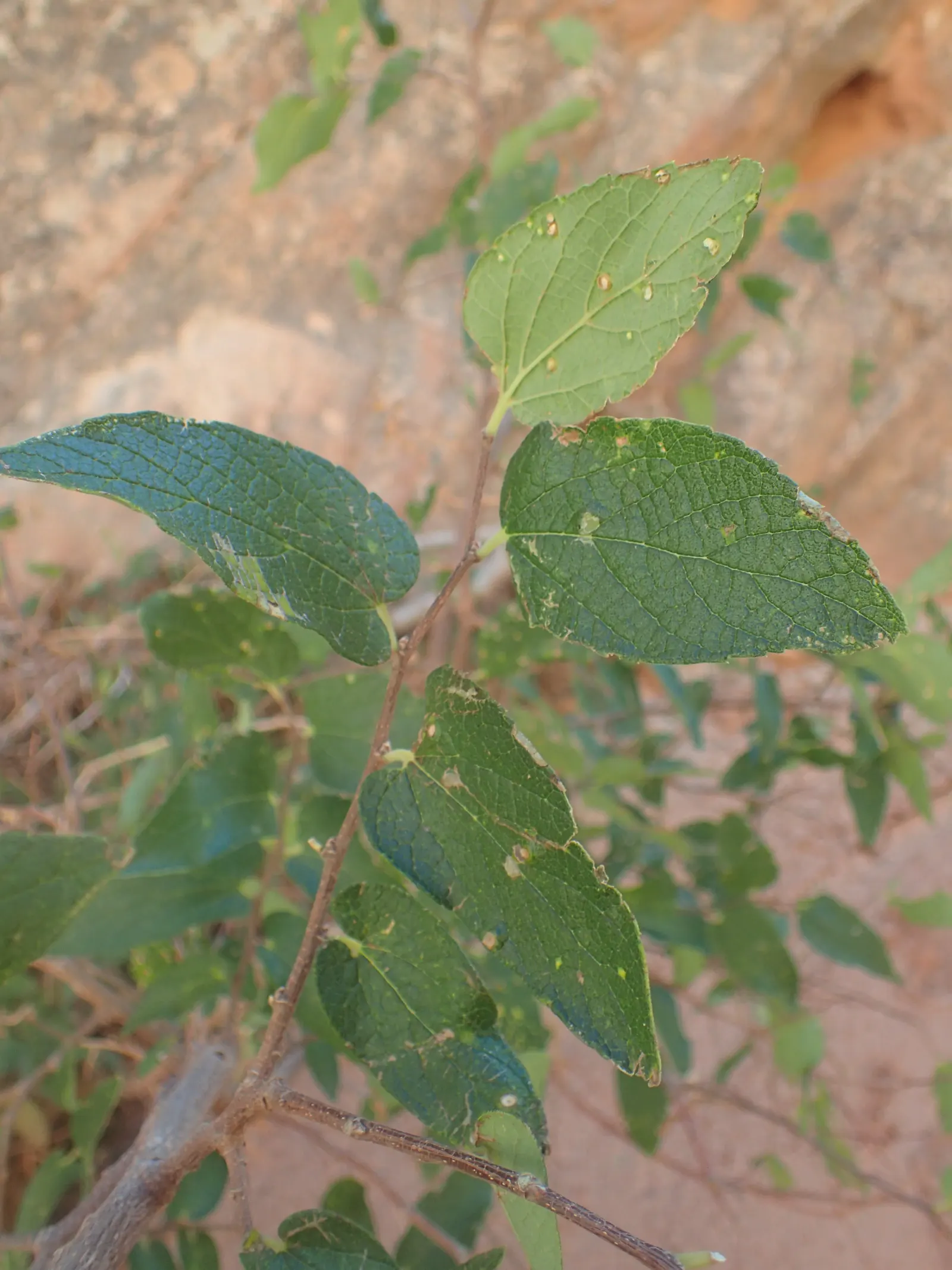
Sugar Hackberry (Celtis Laevigata) — It has a rounded canopy of ovate, glossy green leaves and a grey, warty bark
Sugar Hackberry (Celtis Laevigata) — the Sugar Hackberry is a resilient choice for any landscape design
Sugar Hackberry (Celtis Laevigata) — which provide ample shade in summer months.<br><br>Foliage is a vibrant green
Sugar Hackberry (Celtis Laevigata) — The Sugar Hackberry boasts an elegant; adding a seasonal splash of color to the landscape
Sugar Hackberry (Celtis Laevigata) — The Sugar Hackberry boasts an elegant; adding a seasonal splash of color to the landscape, image 69
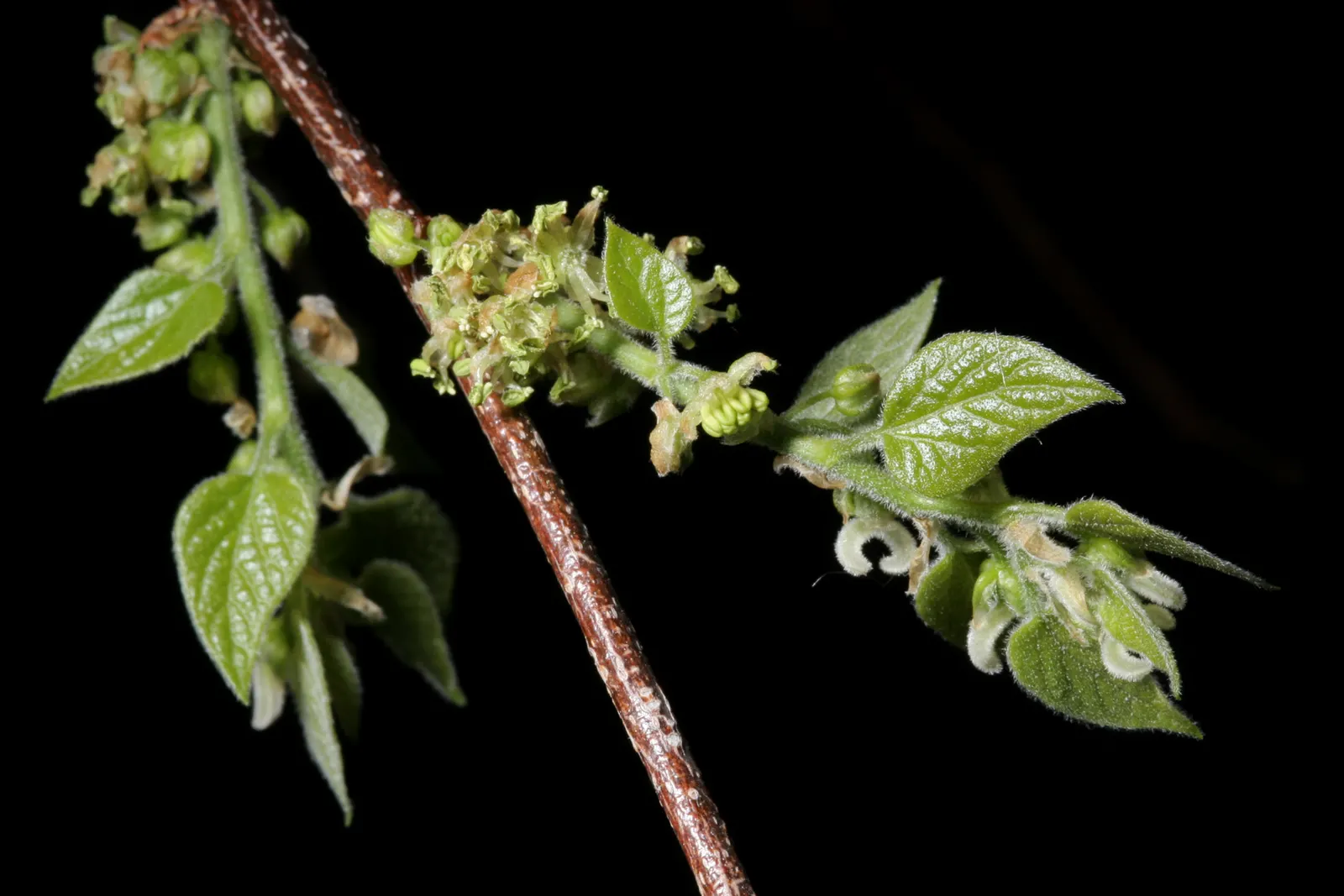
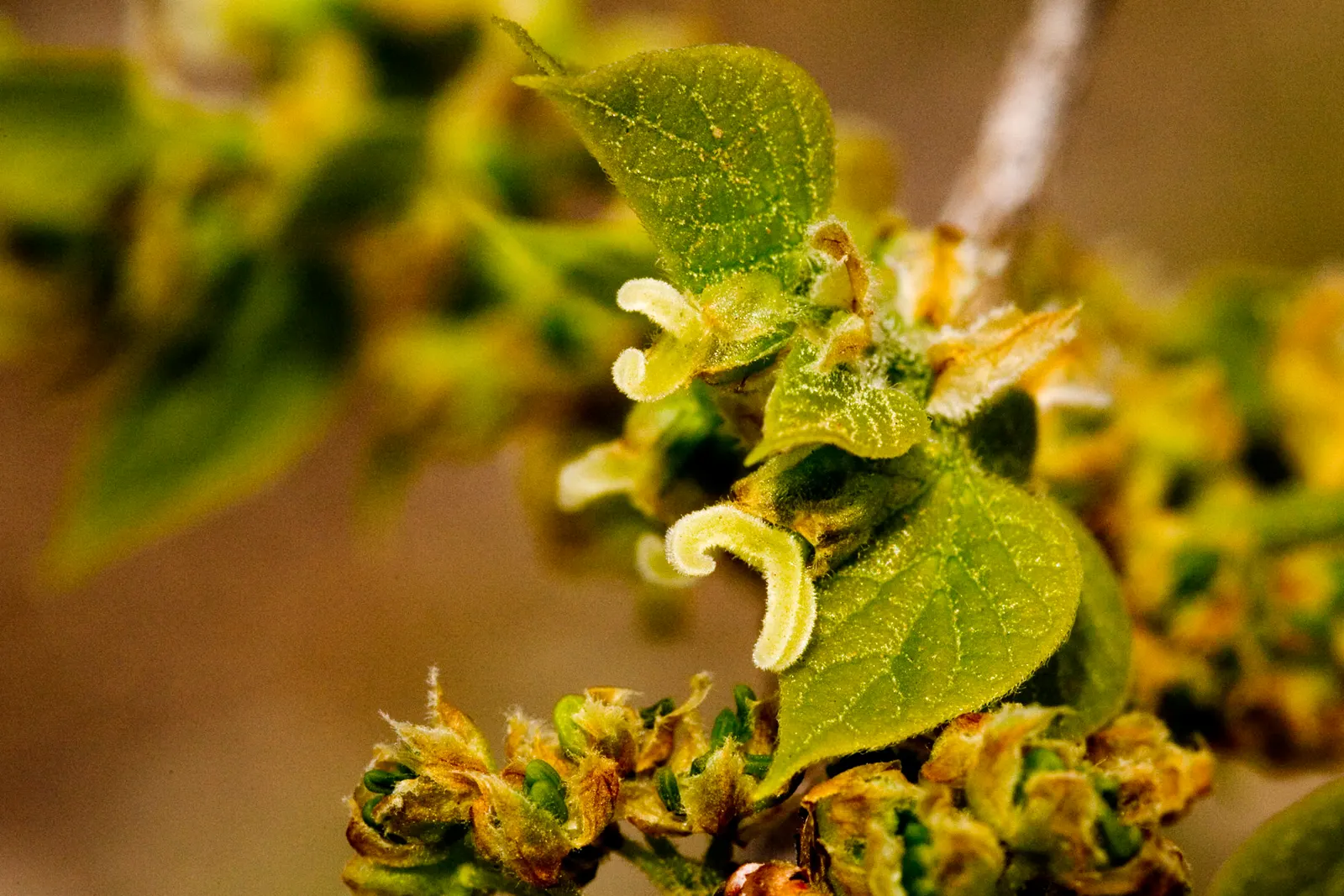
Sugar Hackberry (Celtis Laevigata) — Springtime blooms are inconspicuous; rounded crown with slender
Sugar Hackberry (Celtis Laevigata) — slightly arching branches; deriving its name from the sweet fruit it produces
Sugar Hackberry (Celtis Laevigata) — often maturing to 40 to 60 feet wide
Sugar Hackberry (Celtis Laevigata) — harboring a plethora of birds and small mammals.<br><br>Sturdy and long-lived; it has a rounded canopy of ovate, glossy
Sugar Hackberry (Celtis Laevigata) — It's an excellent shade tree for large spaces in USDA zones 5‚Äì9; it thrives in full sun to partial shade and exhibits
Sugar Hackberry (Celtis Laevigata) — is a deciduous tree native to North America; it's an excellent shade tree for large spaces in USDA zones 5‚Äì9, image 63
Sugar Hackberry (Celtis Laevigata) — rounded crown with slender; the Sugar Hackberry (Celtis laevigata) is a deciduous tree, image 70
Sugar Hackberry (Celtis Laevigata) — offering year-round interest and an inviting habitat for fauna
Sugar Hackberry (Celtis Laevigata) — deriving its name from the sweet fruit it produces
Sugar Hackberry (Celtis Laevigata) — It thrives in full sun to partial shade and exhibits remarkable tolerance to urban pollution; tree for full
Sugar Hackberry (Celtis Laevigata) — Botanical Name: Celtis laevigata<br>Common Name: Sugar Hackberry<br><br>The Sugar Hackberry
Sugar Hackberry (Celtis Laevigata) — this tree is valued for its ability to adapt to a variety of soil conditions; they transform into a vibrant yellow
Sugar Hackberry (Celtis Laevigata) — It has a rounded canopy of ovate, glossy green leaves and a grey, warty bark; which provide ample shade in summer
Sugar Hackberry (Celtis Laevigata) — typically reaching heights of 60 to 80 feet with a canopy spread of equally striking dimensions; botanical Name: Celtis
Sugar Hackberry (Celtis Laevigata) — This hardy species tolerates a variety of soil types and is drought-resistant once established
Sugar Hackberry (Celtis Laevigata) — which provide ample shade in summer months.<br><br>Foliage is a vibrant green; the Sugar Hackberry boasts an, image 72
Photographs by 12 contributors

Related plants