Skip to content

Sugar Hackberry

Celtis Laevigata

Design with this plant

Overview

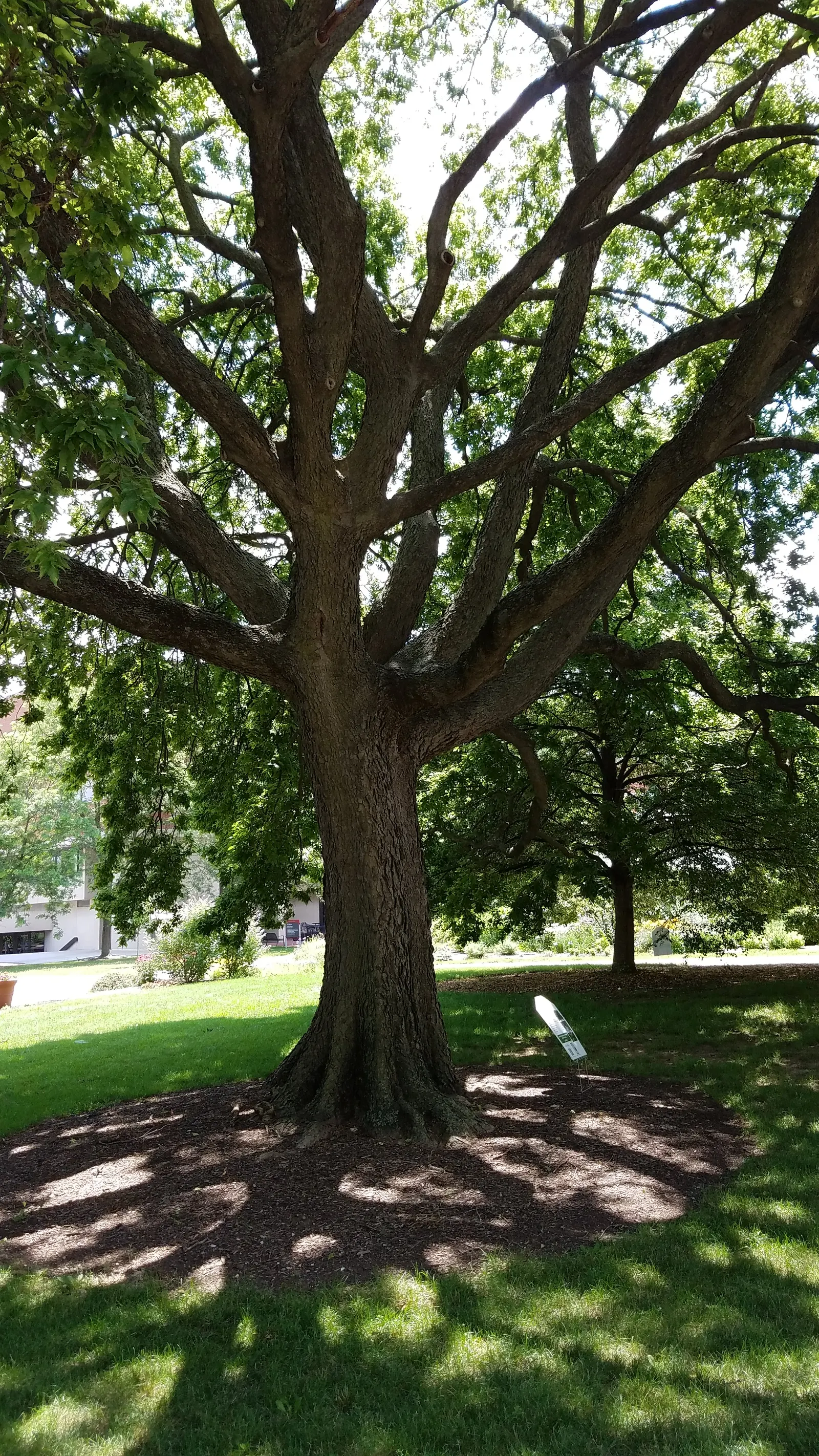
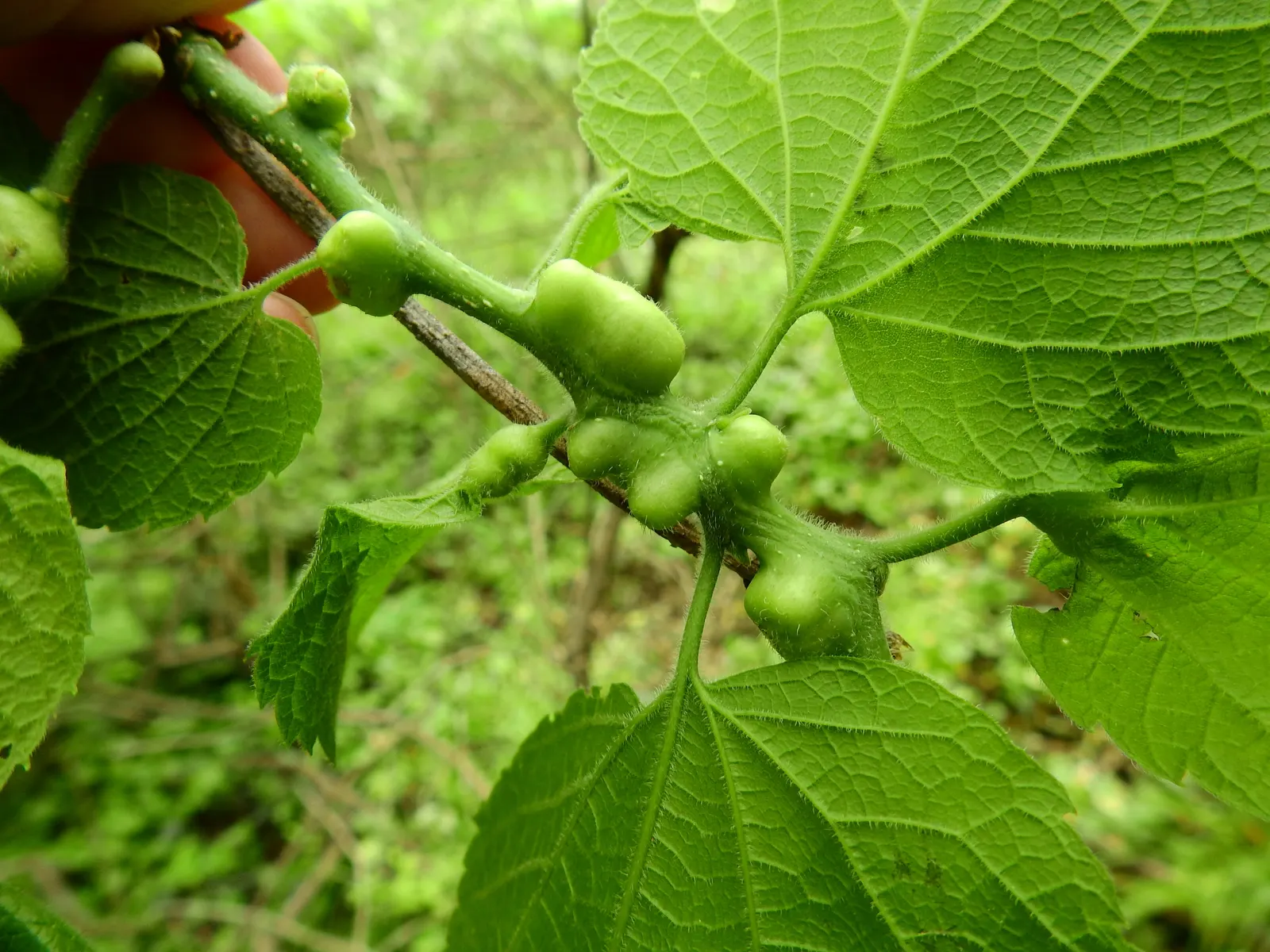
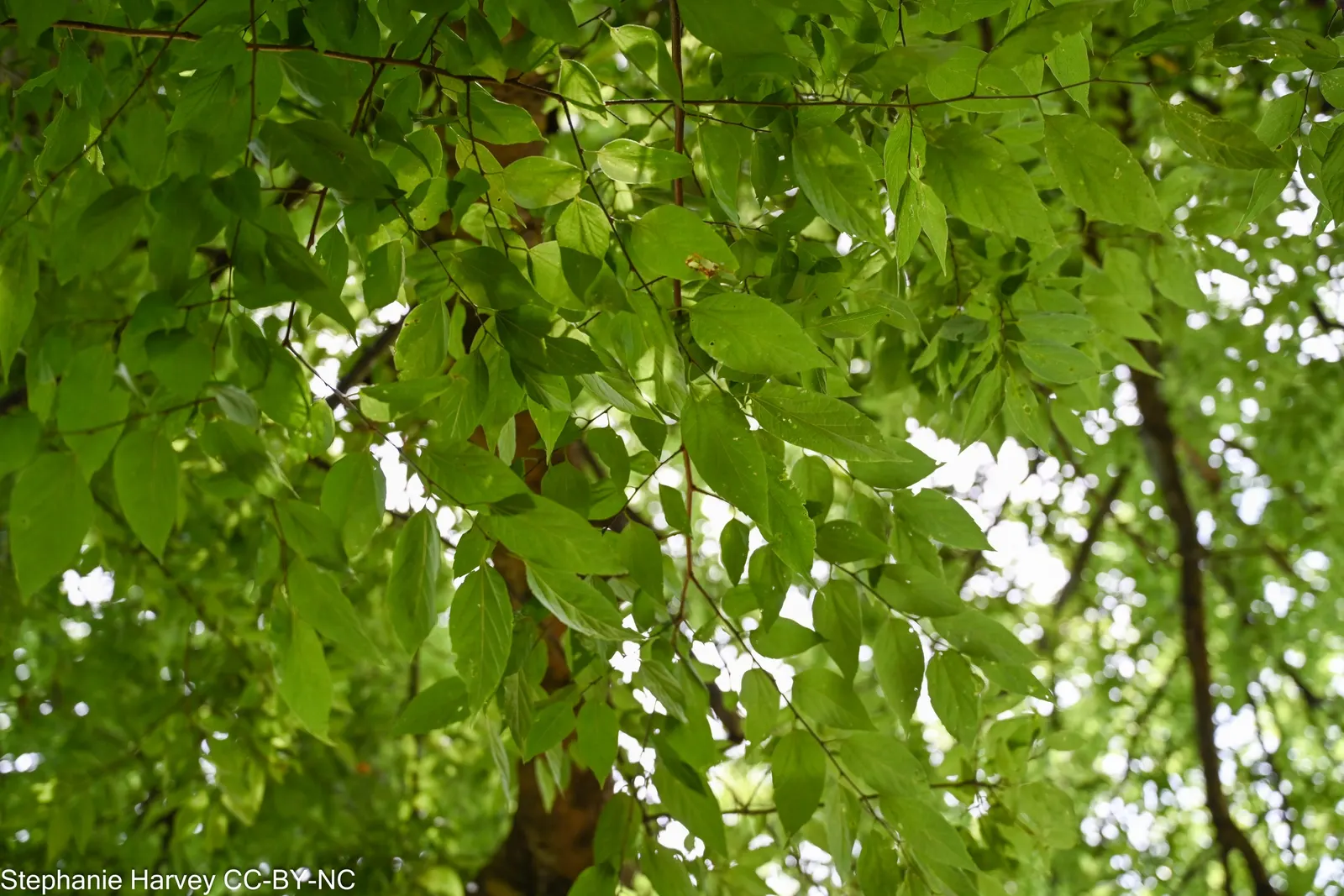
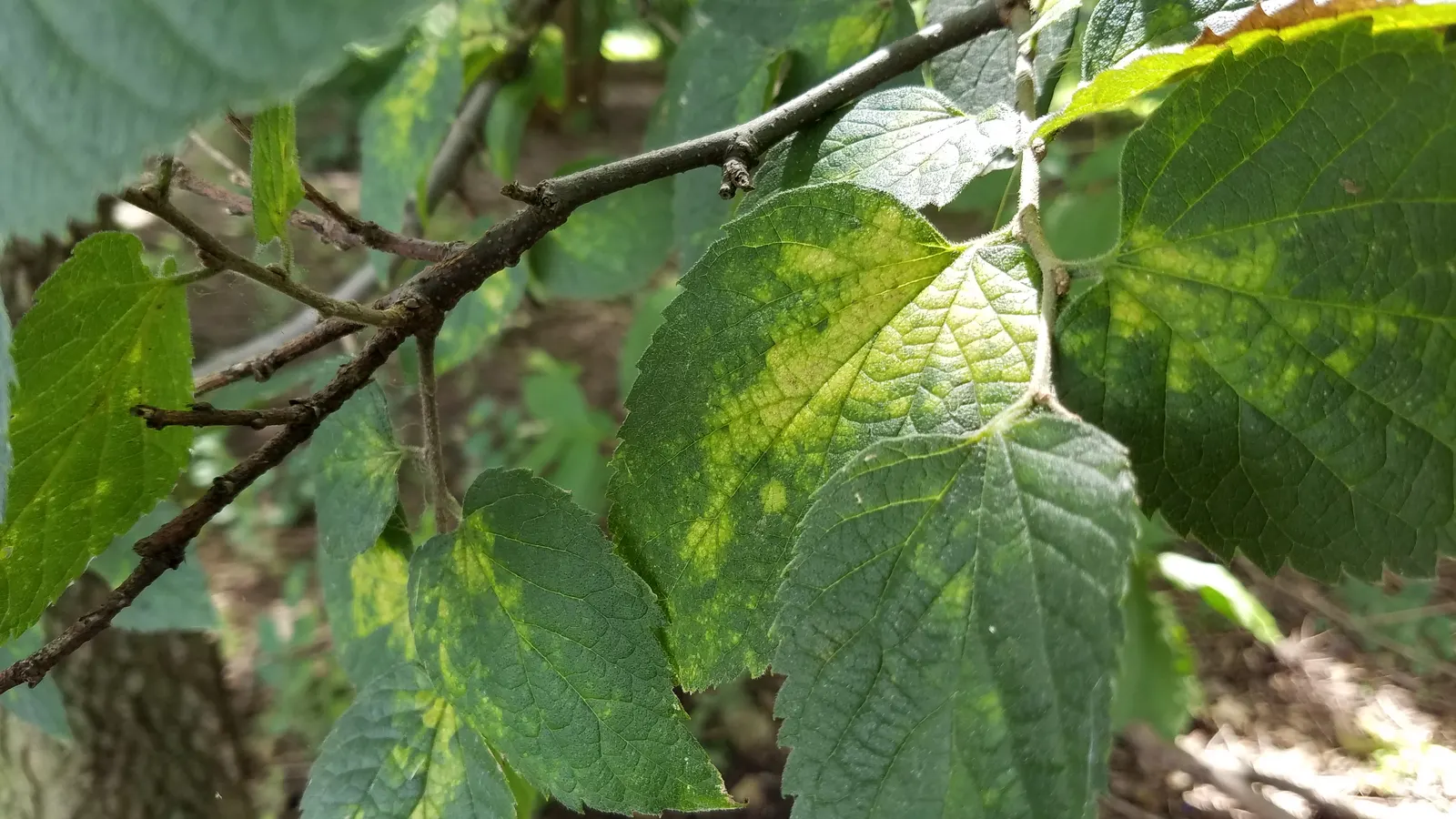
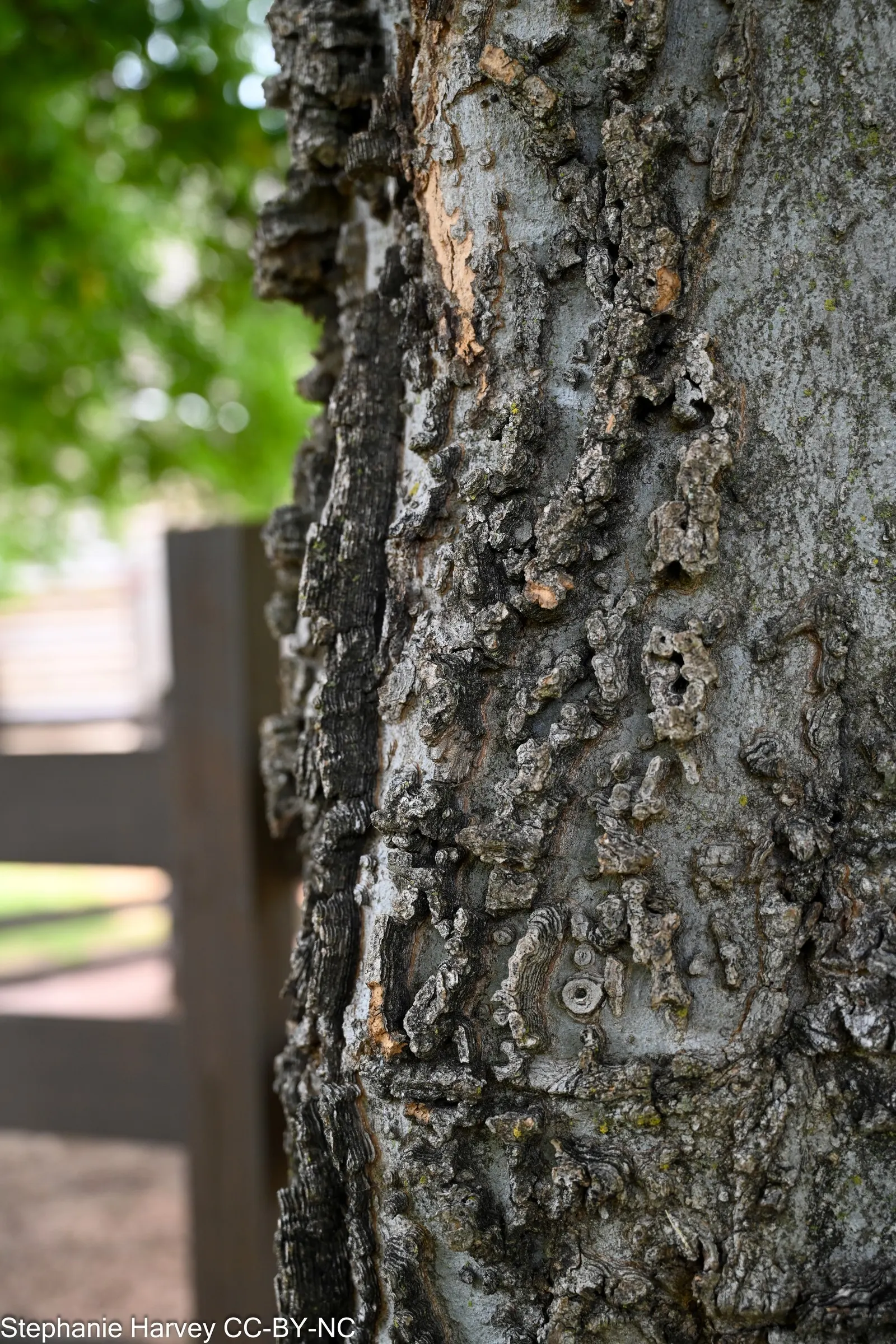
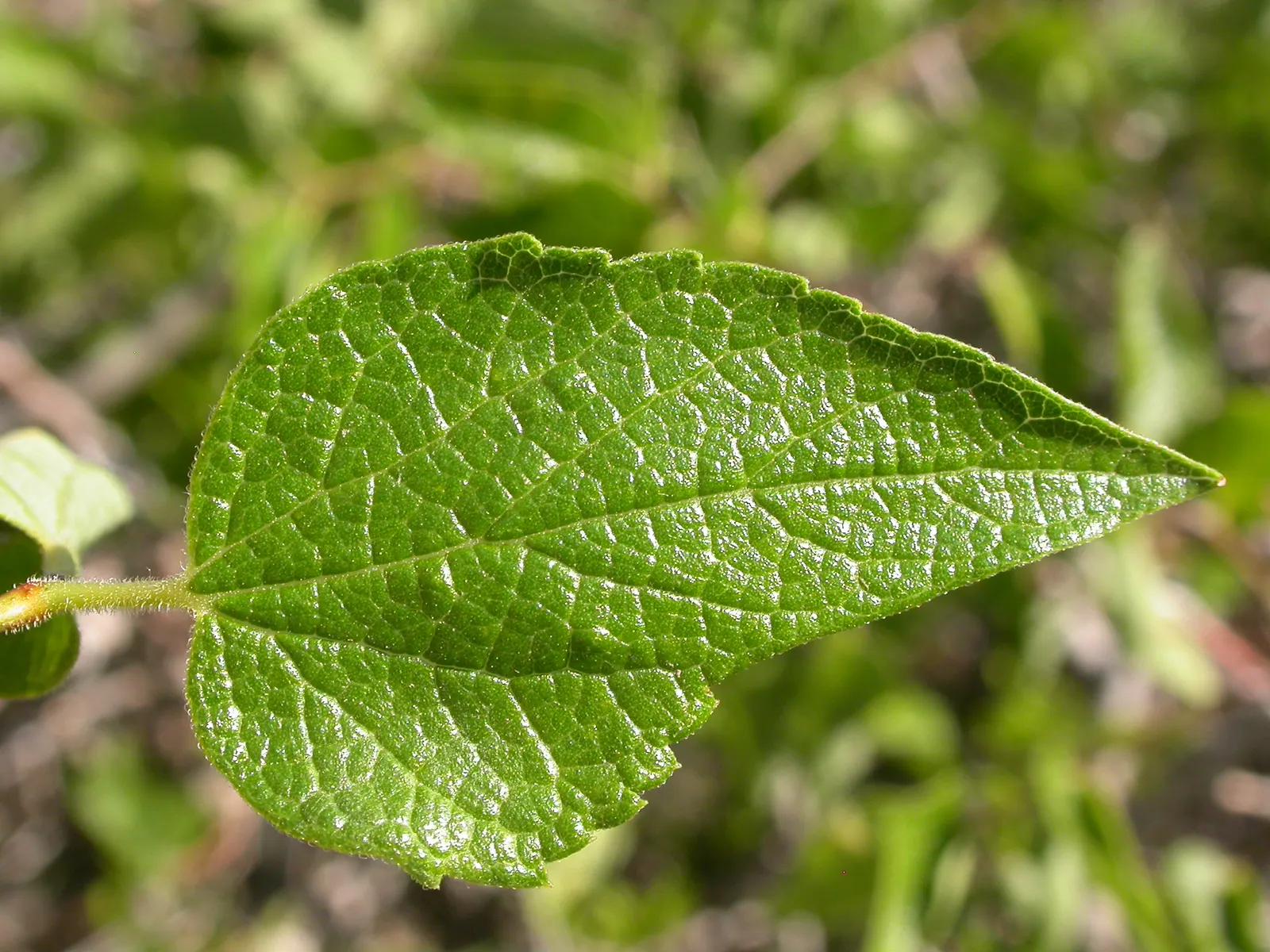
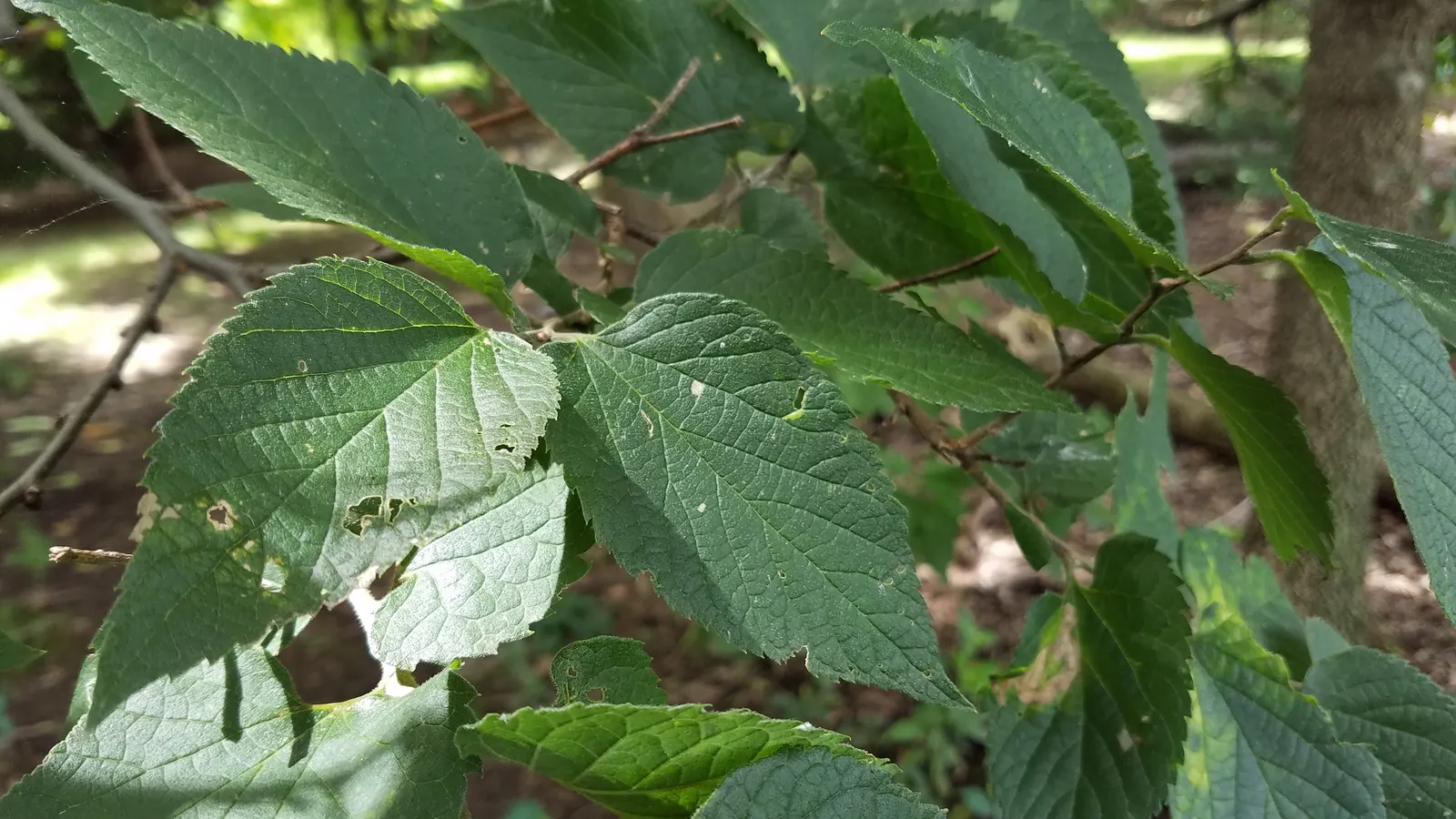
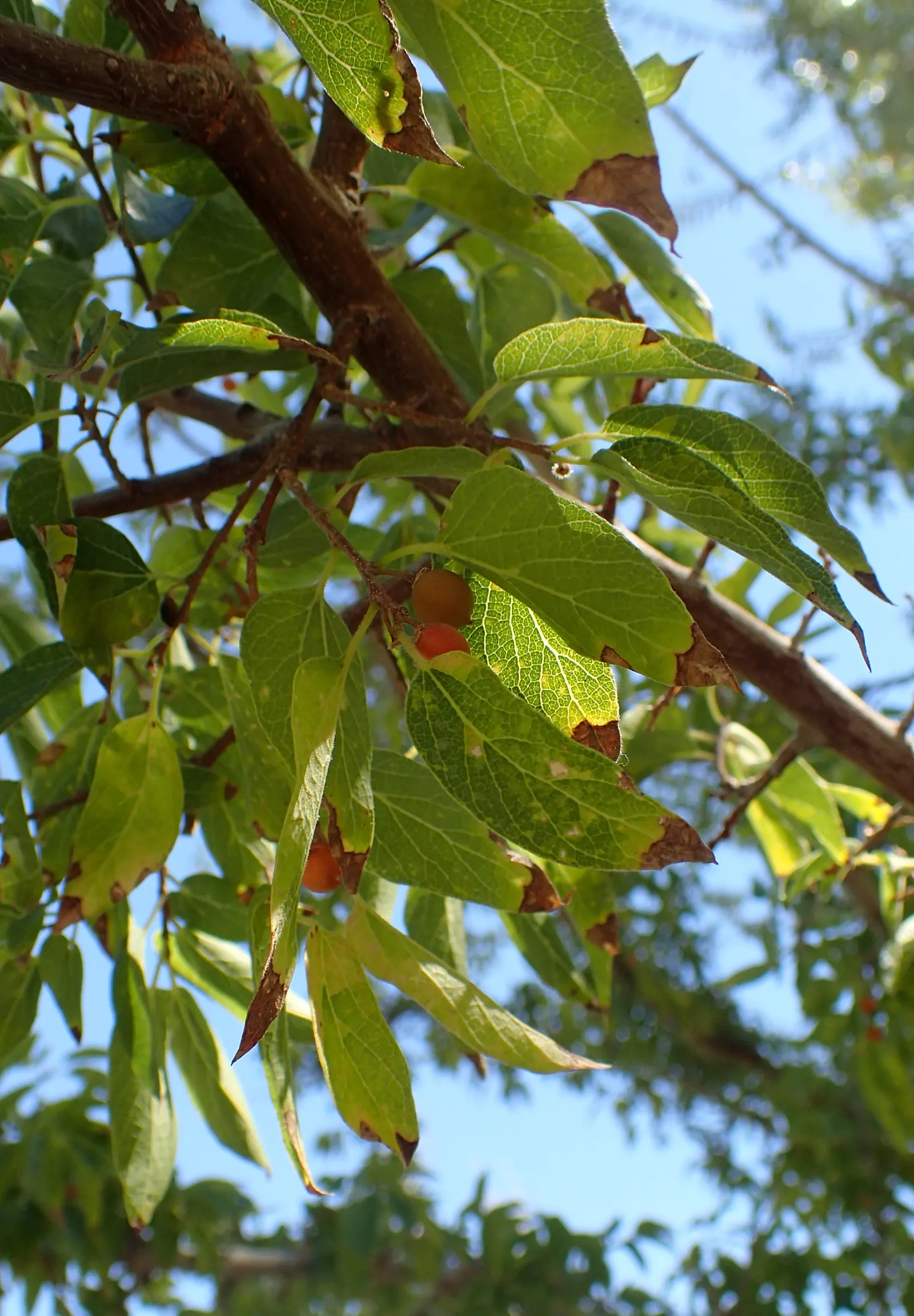
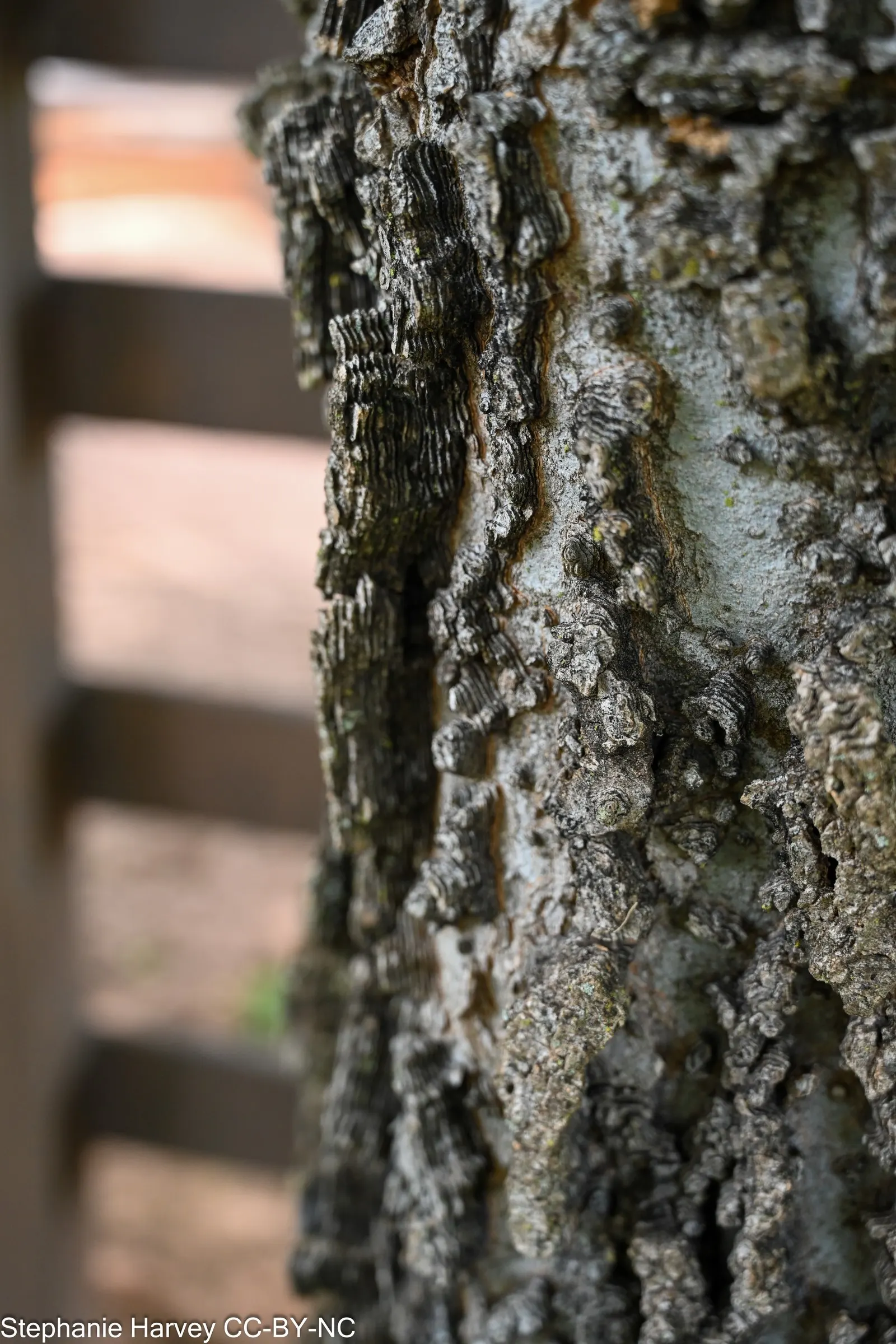
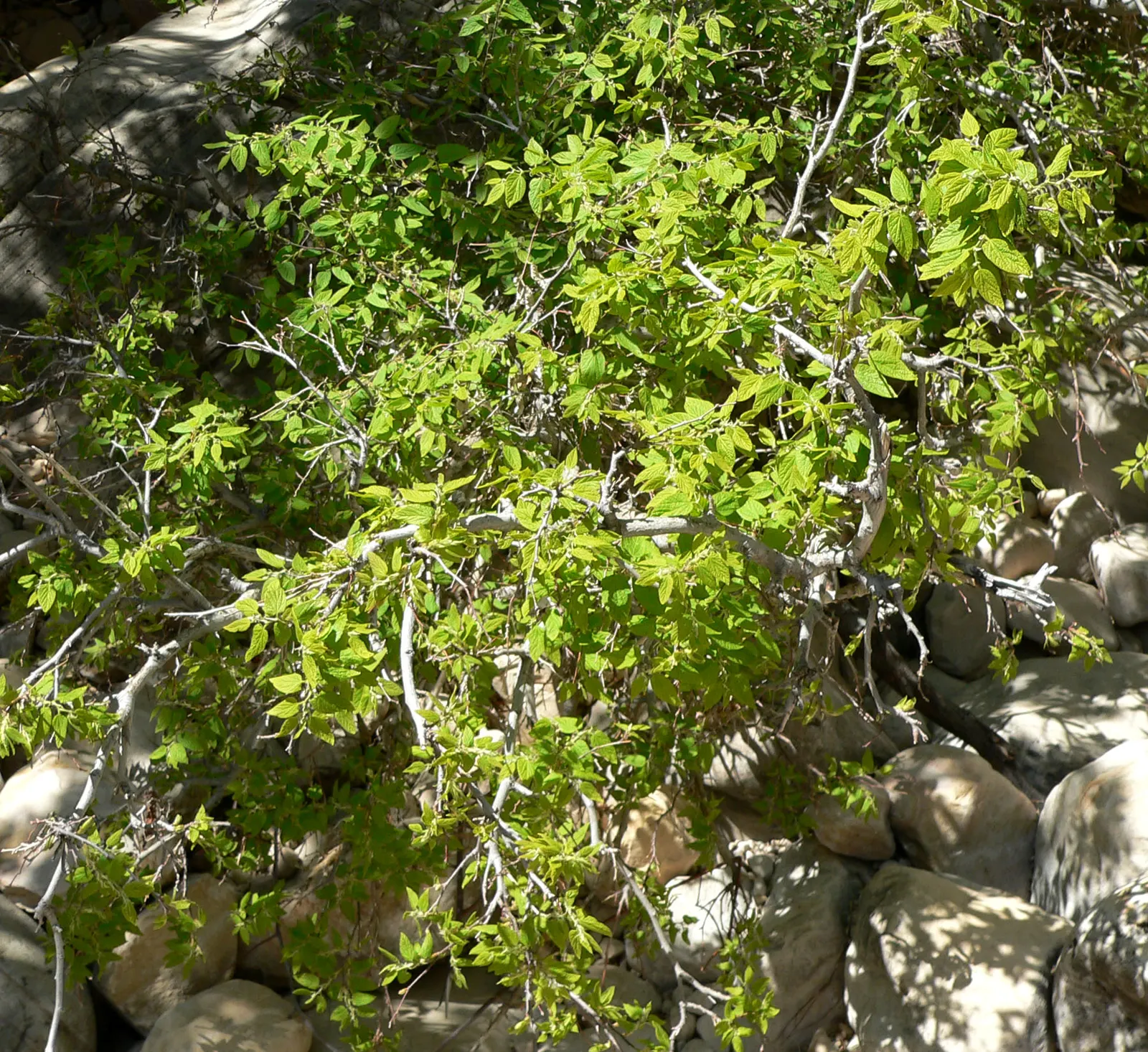
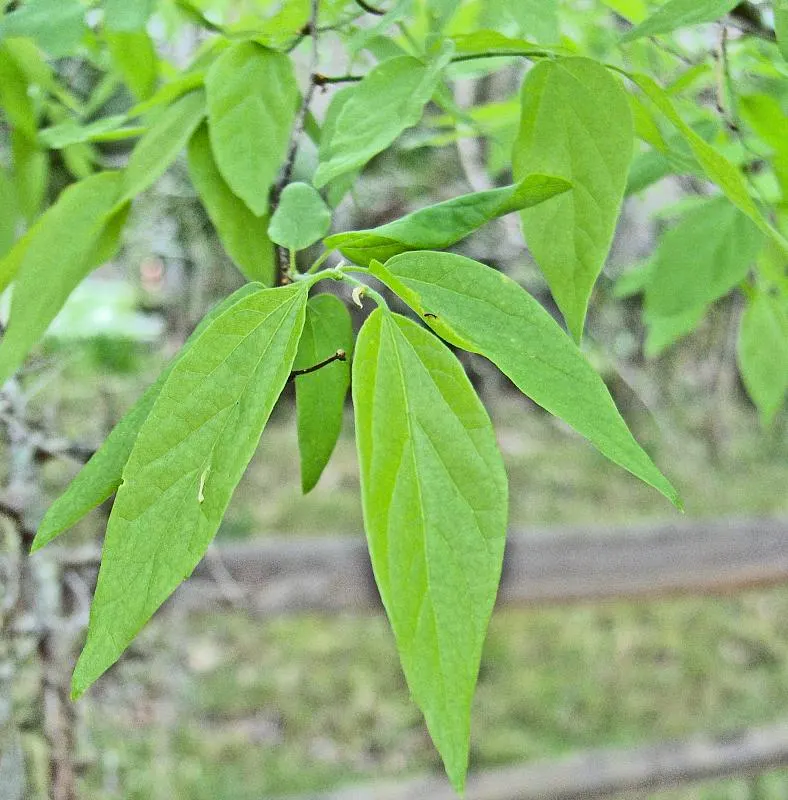
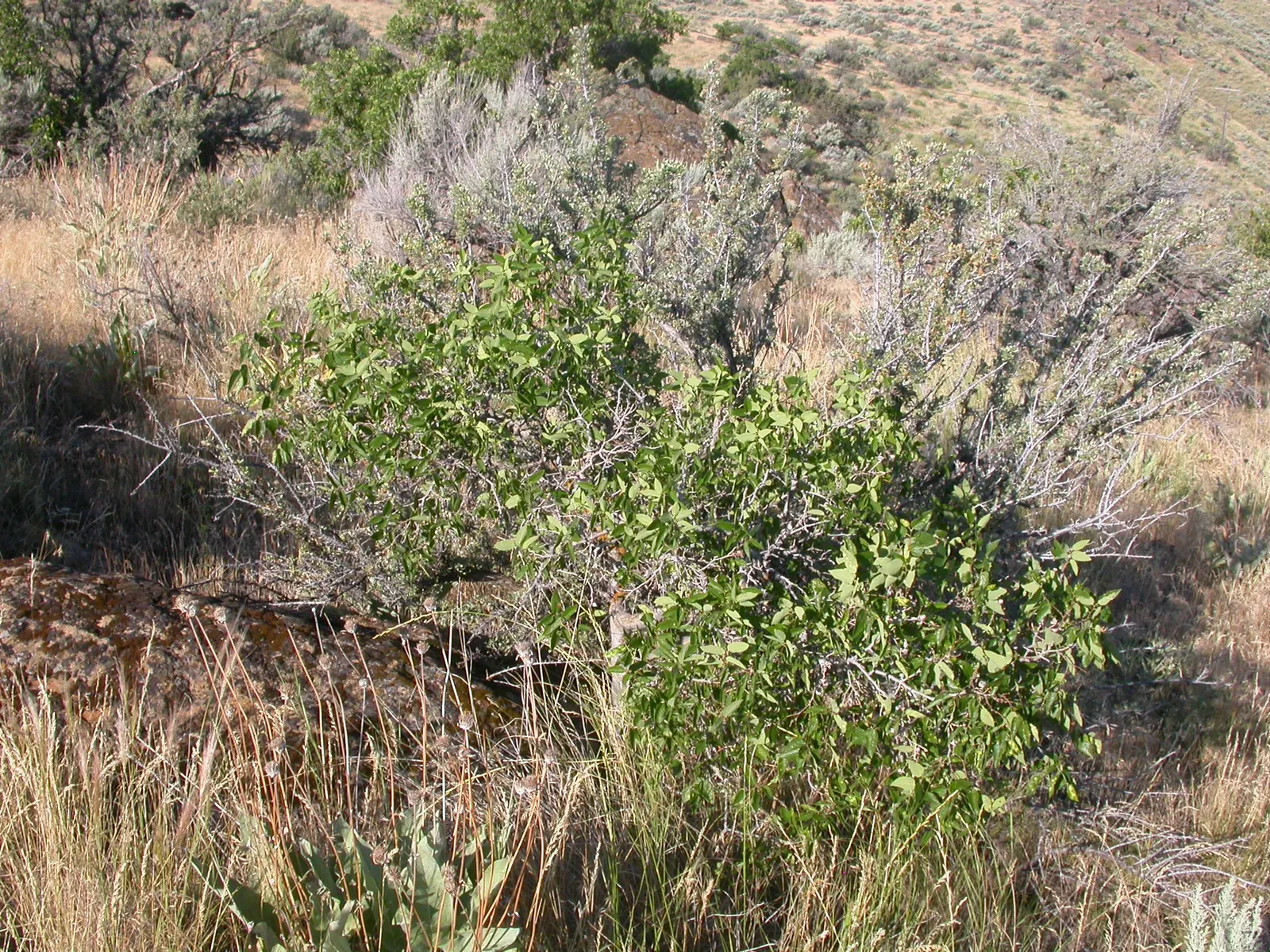
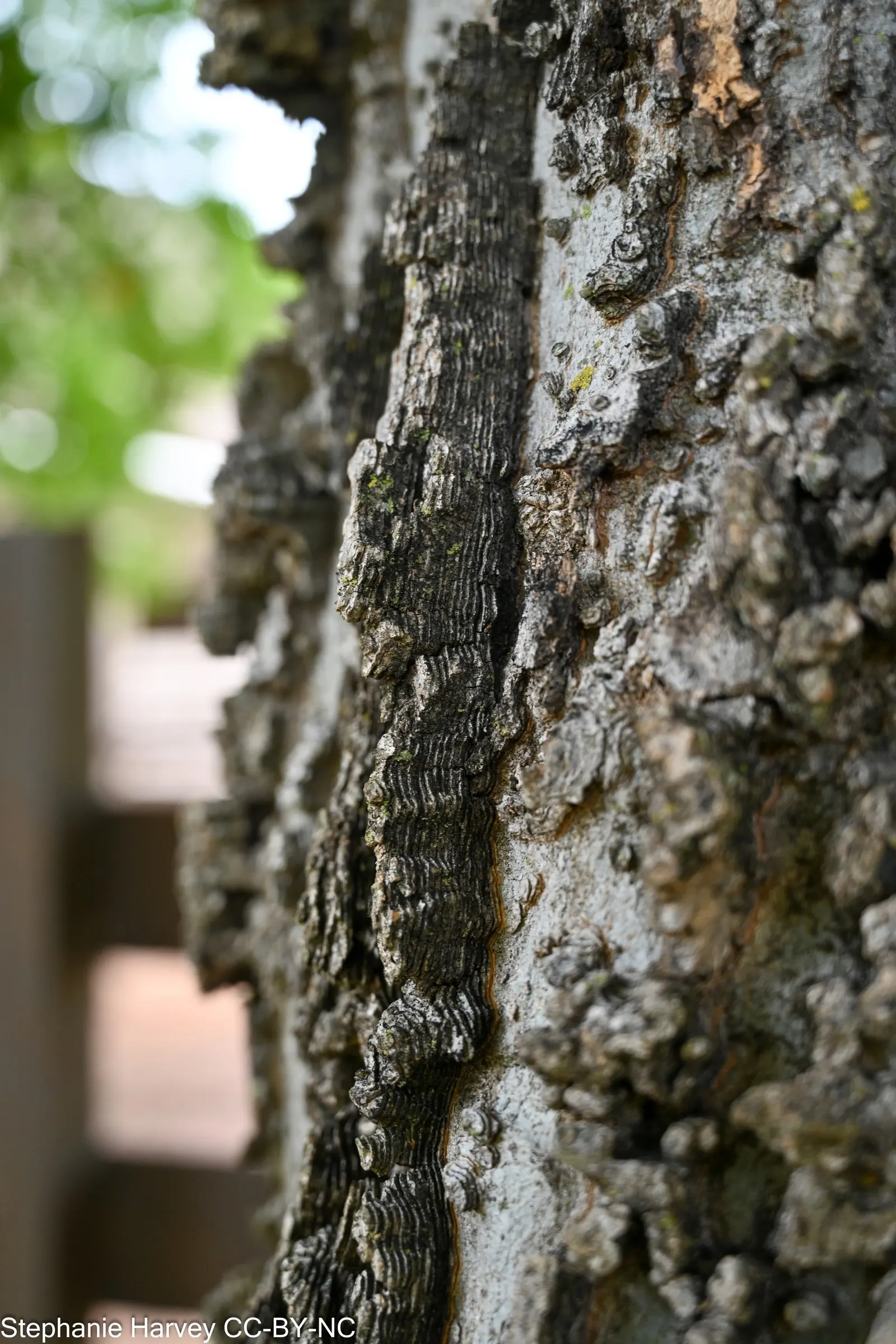
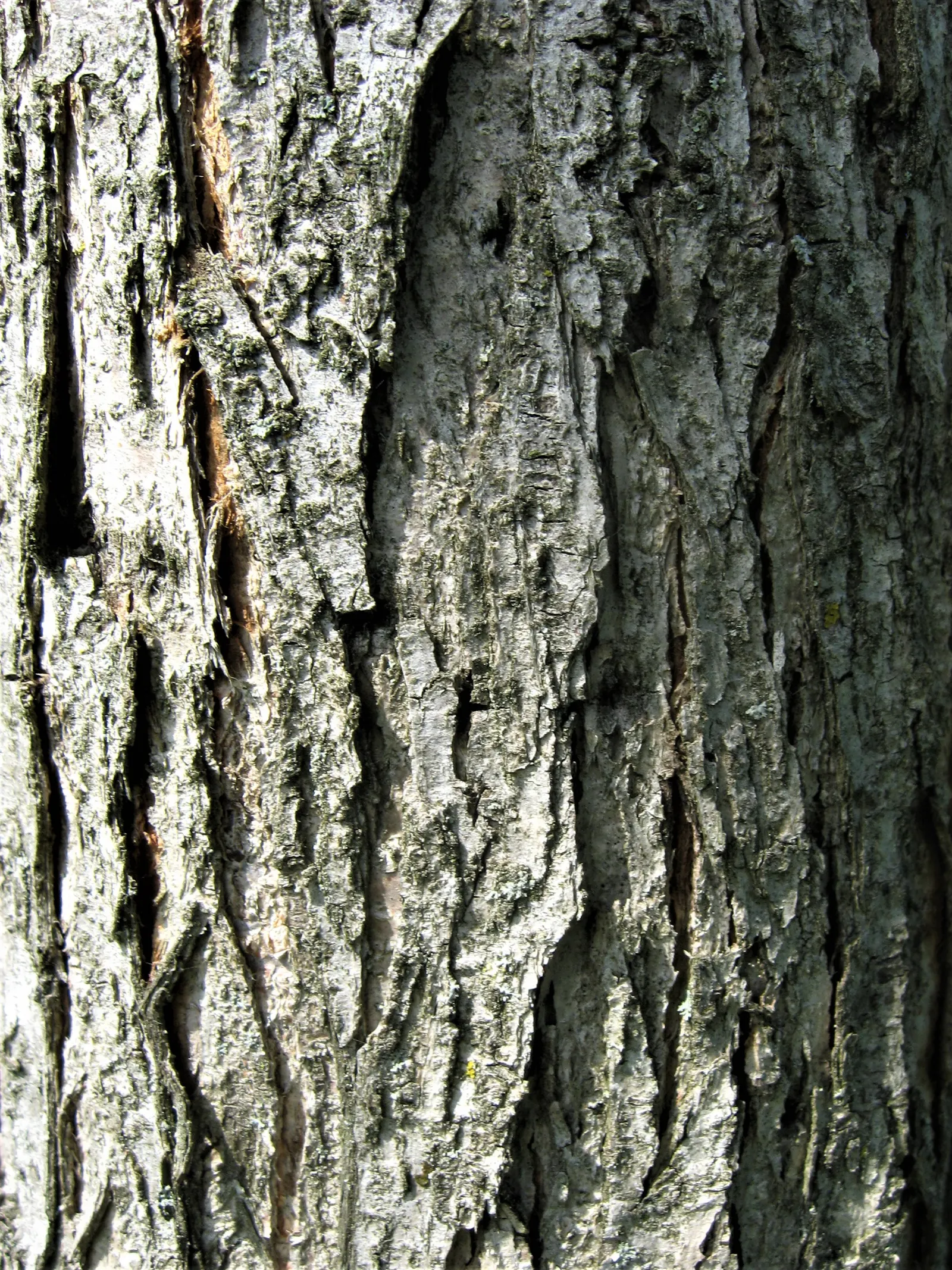
The Sugar Hackberry (Celtis laevigata) is a deciduous tree, reaching heights of 60-80 feet with a spread of 40-60 feet. It has a rounded canopy of ovate, glossy green leaves and a grey, warty bark. This hardy species tolerates a variety of soil types and is drought-resistant once established. Small, sweet berries attract wildlife. It's an excellent shade tree for large spaces in USDA zones 5–9.

Sun FullWater MediumZones 5–11Type TreeClimate Temperate

Culture

Sun
Full
Water
Medium
USDA zones
5–11

Shape & size

Mature height
40–60 Ft.
Mature width
35–55 Ft.

Classification

Type
Tree
Family
Ulmaceae
Climate
Temperate

See full data, regional cultivation notes, and design tools. Build a client presentation around this plant.

Start your 14-day trial

Photos (94)

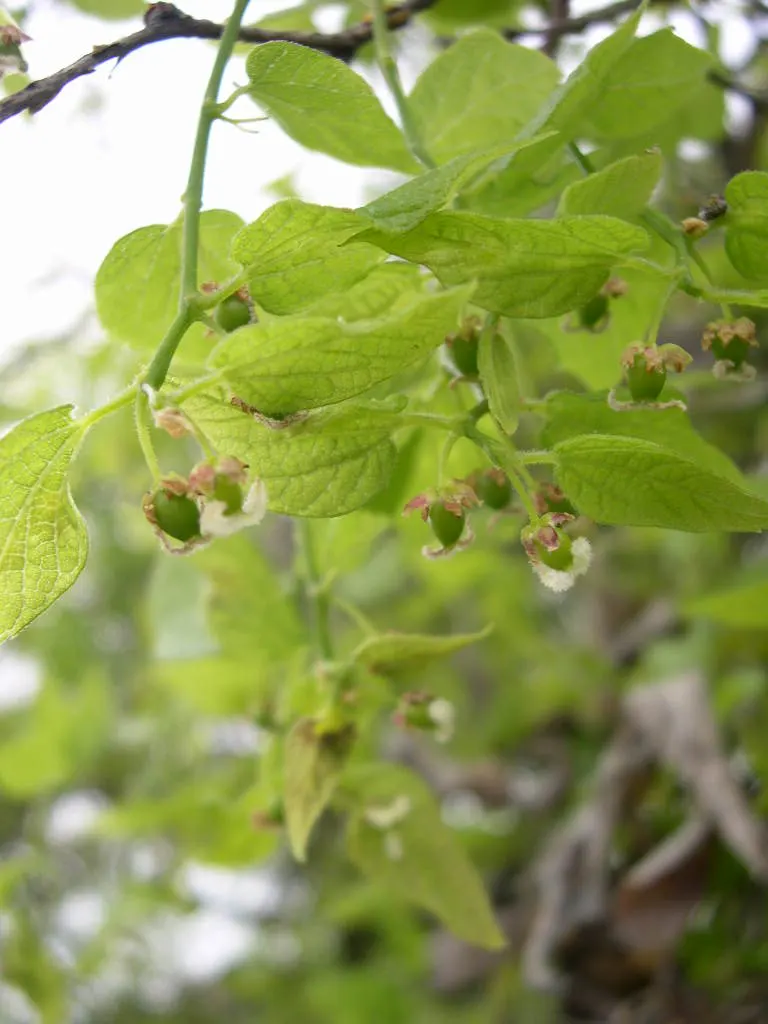
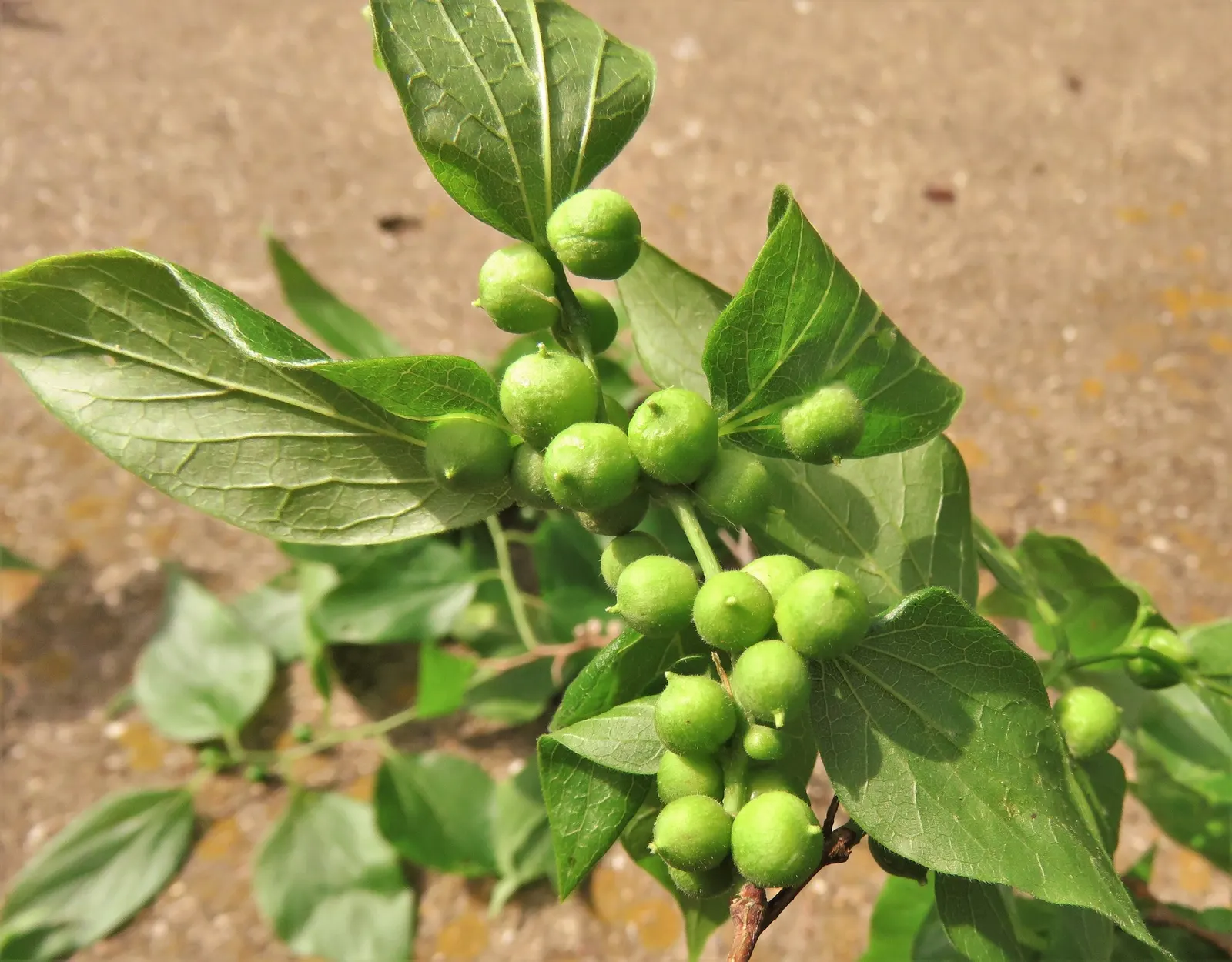
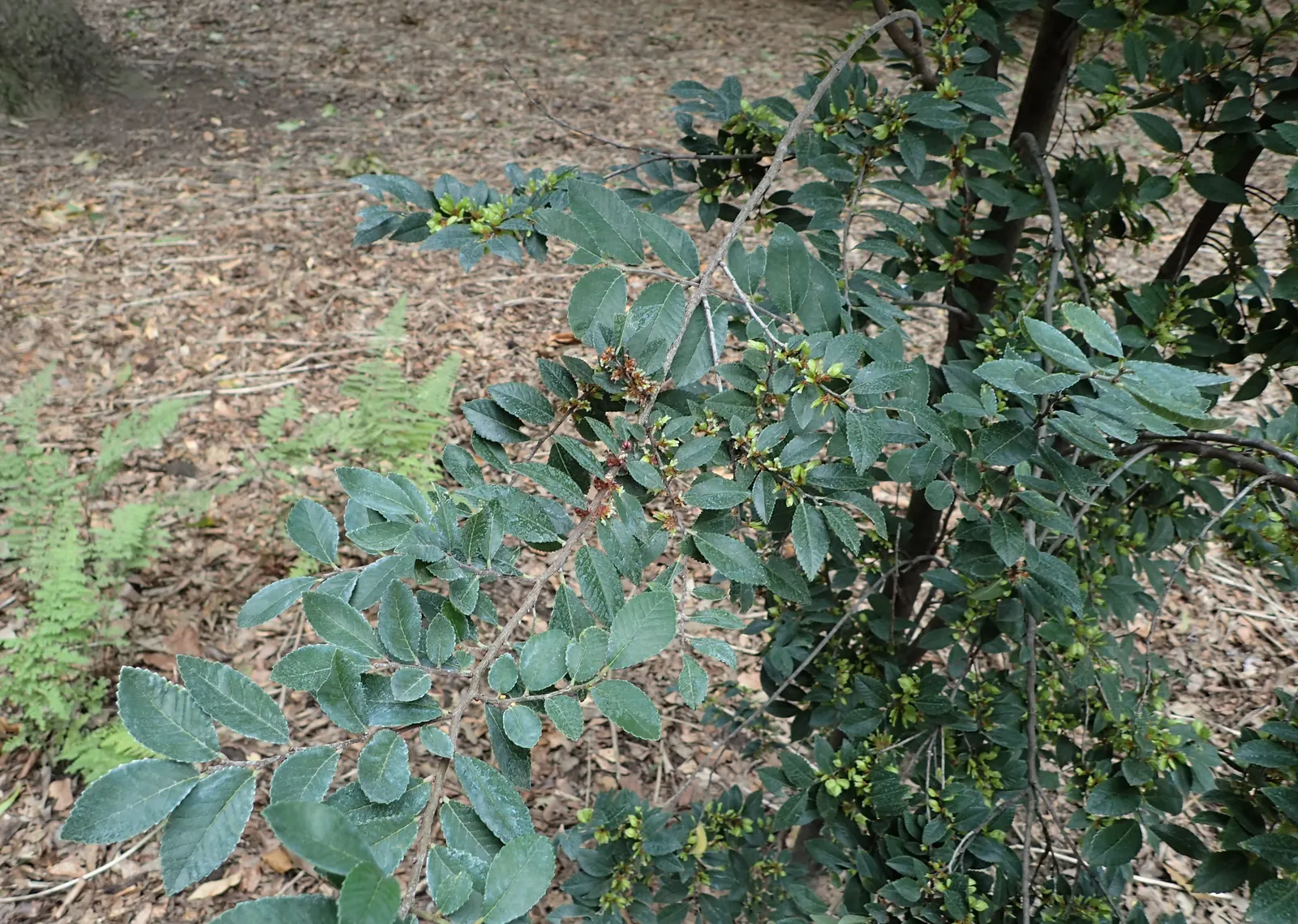
Sugar Hackberry (Celtis Laevigata) — but the orange-red to dark purple berries that follow are a boon for local wildlife
Sugar Hackberry (Celtis Laevigata) — particularly flourishing in the southern United States
Sugar Hackberry (Celtis Laevigata) — Small, sweet berries attract wildlife, image 59
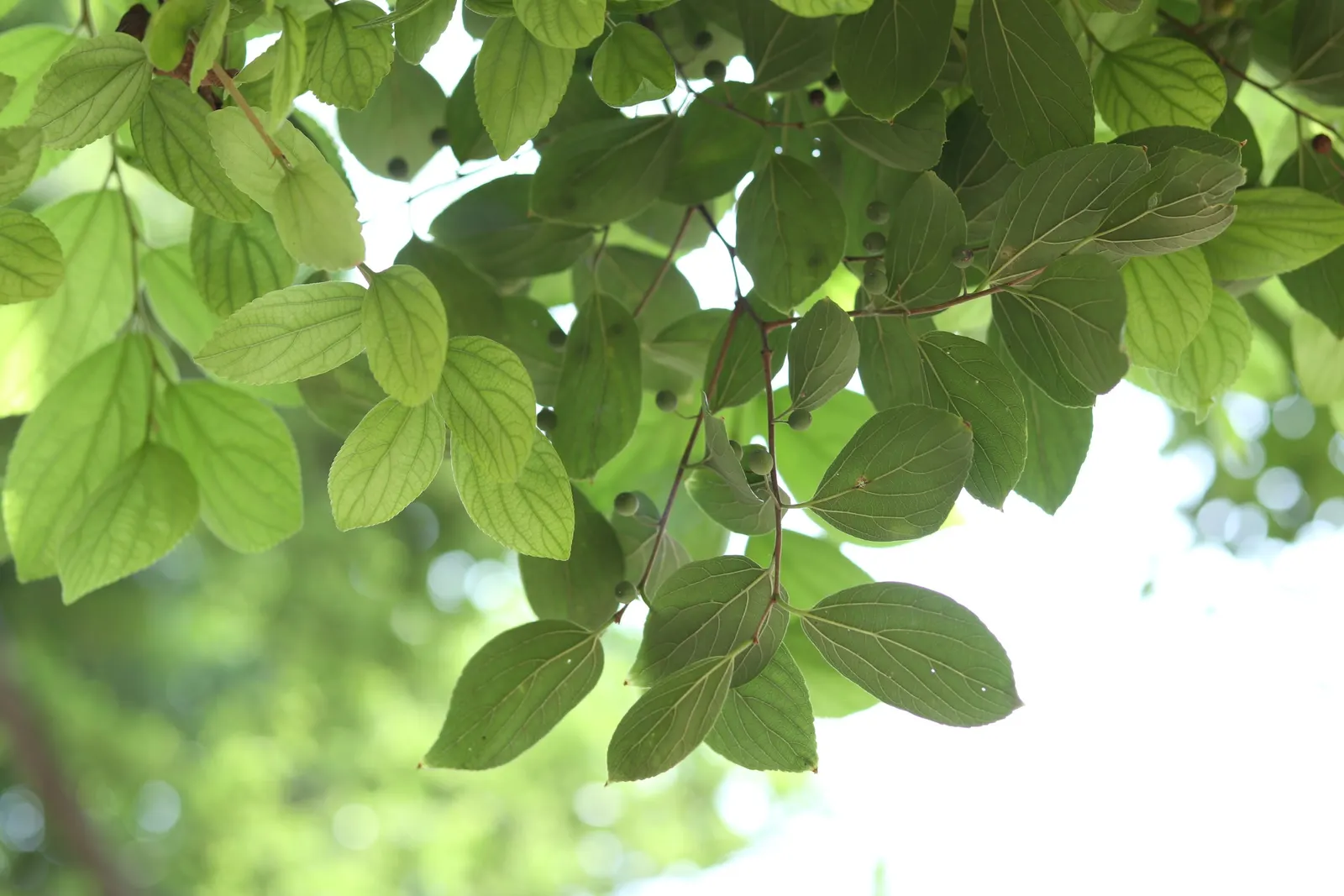
Sugar Hackberry (Celtis Laevigata) — rounded crown with slender
Sugar Hackberry (Celtis Laevigata) — This hardy species tolerates a variety of soil types and is drought-resistant once established; the Sugar, image 58
Sugar Hackberry (Celtis Laevigata) — particularly flourishing in the southern United States; typically reaching heights of 60 to 80 feet with a canopy spread
Sugar Hackberry (Celtis Laevigata) — harboring a plethora of birds and small mammals.<br><br>Sturdy and long-lived
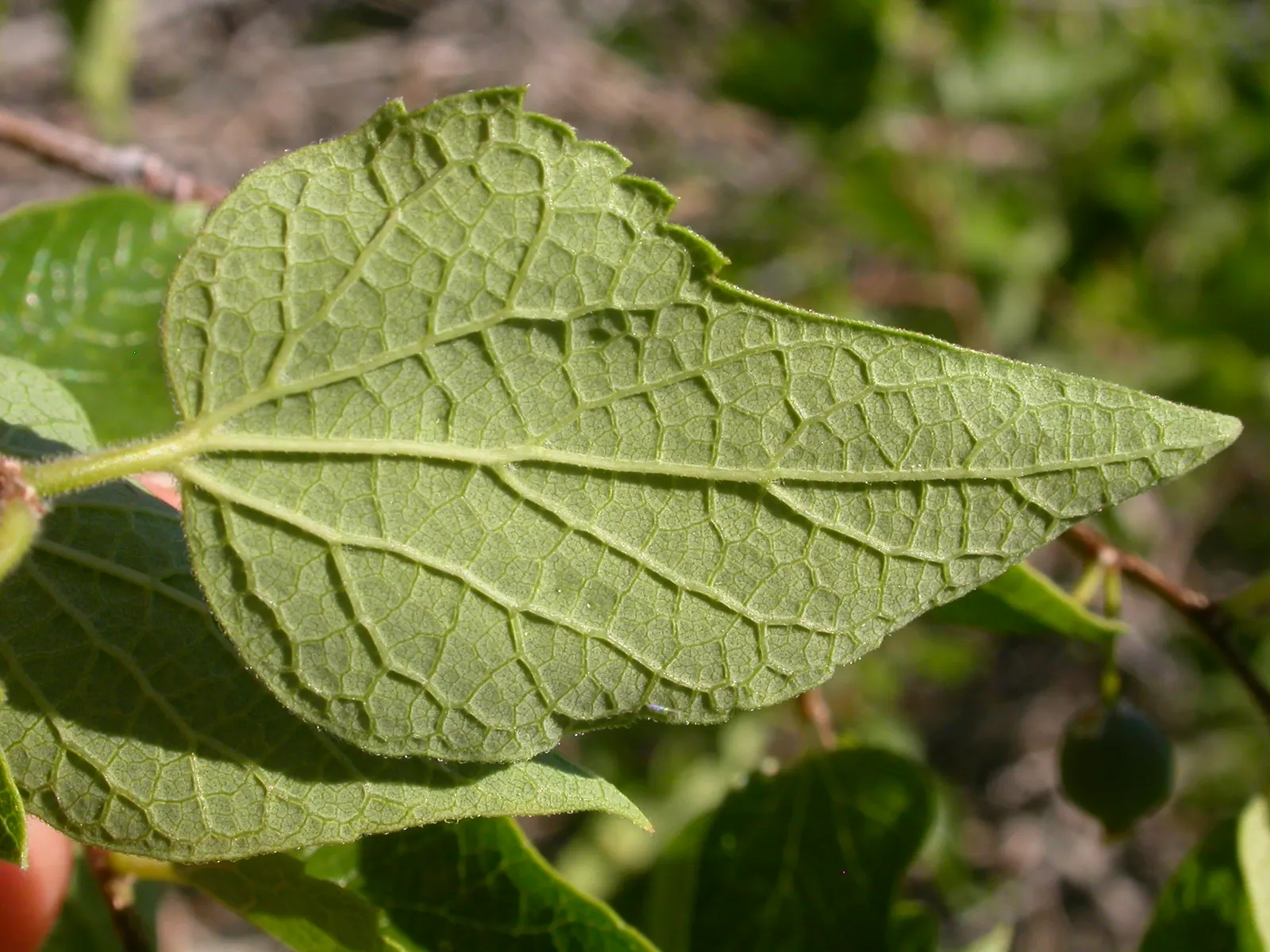
Sugar Hackberry (Celtis Laevigata) — with leaves reaching lengths of 2 to 4 inches
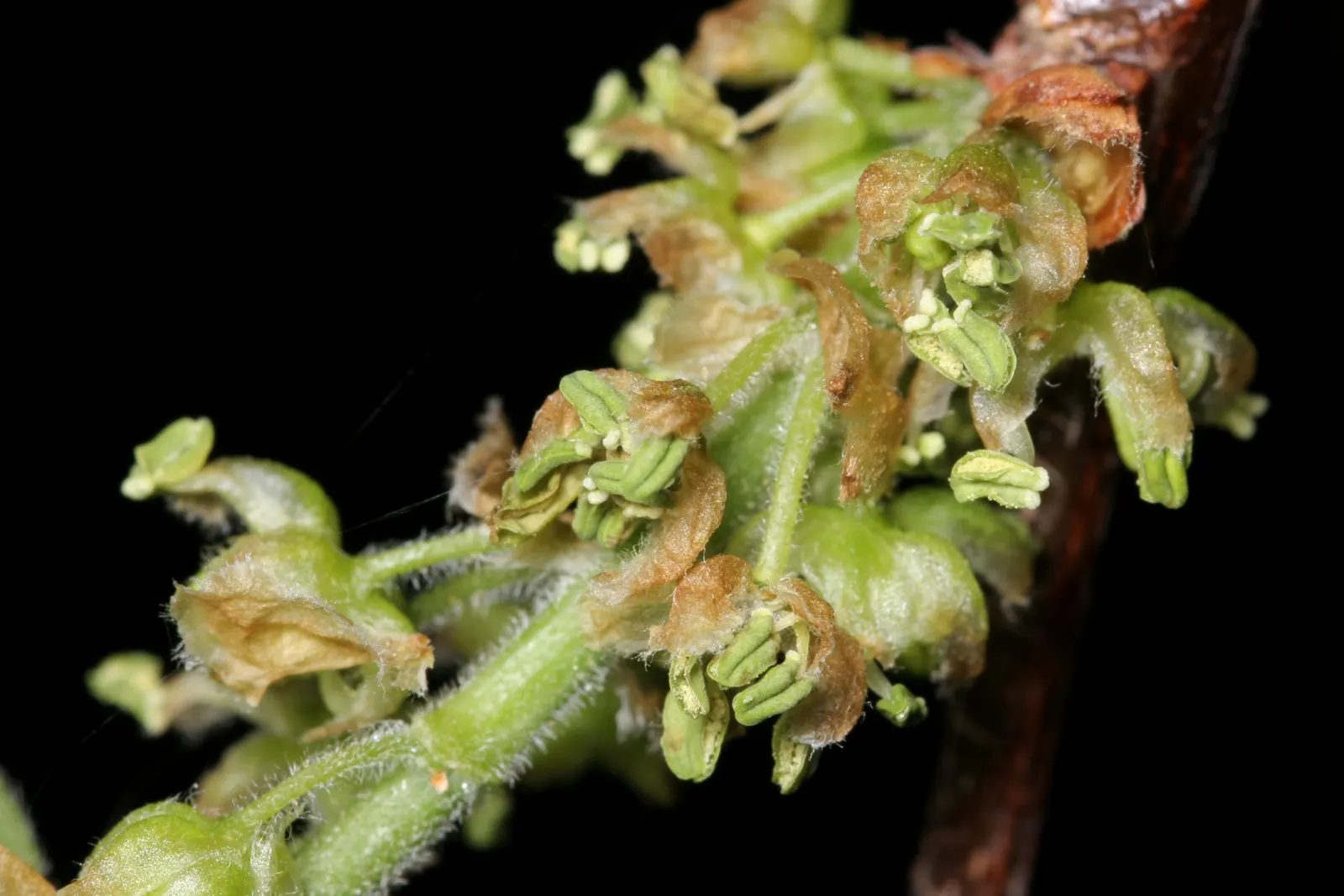
Sugar Hackberry (Celtis Laevigata) — with leaves reaching lengths of 2 to 4 inches; springtime blooms are inconspicuous, image 73
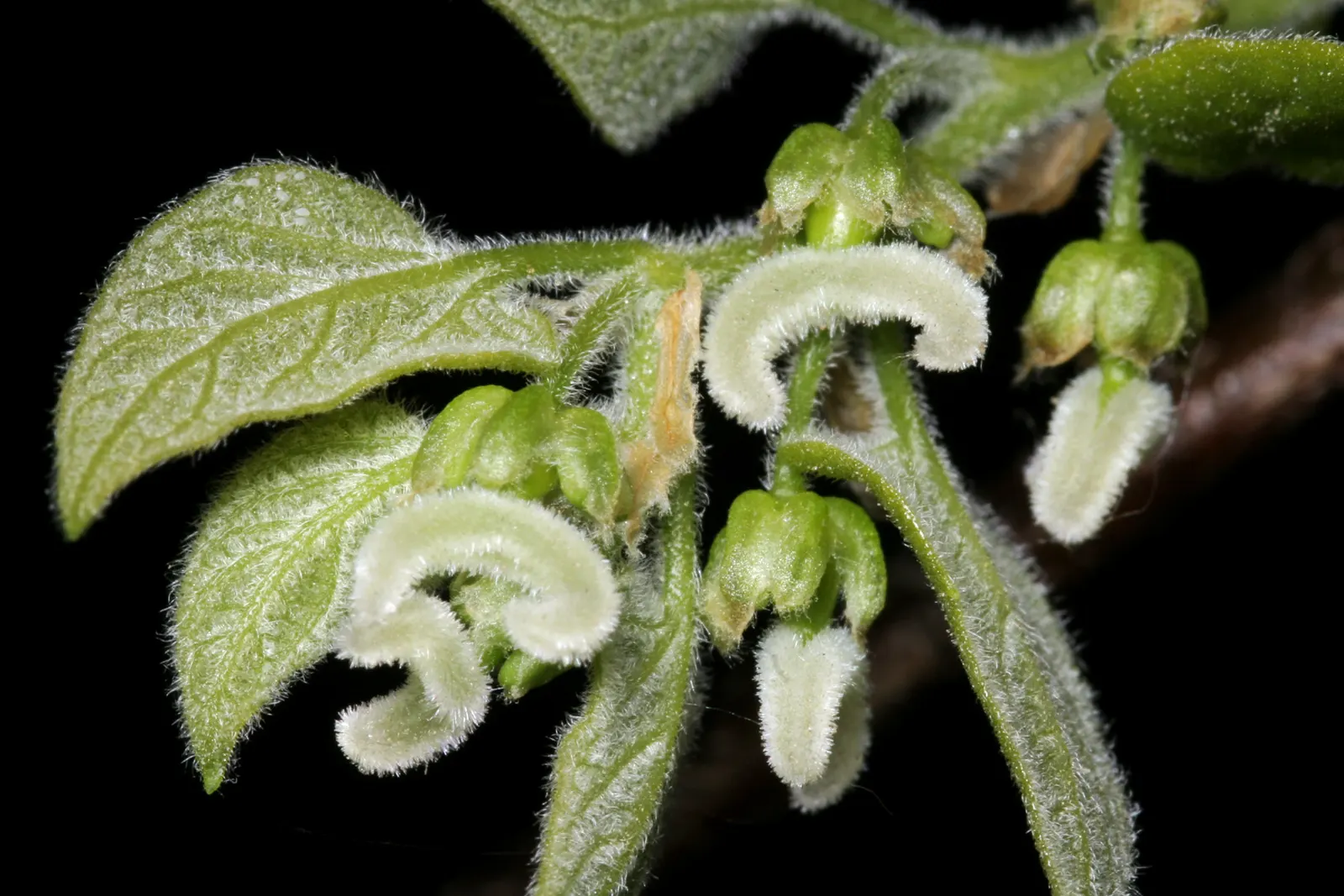
Sugar Hackberry (Celtis Laevigata) — with leaves reaching lengths of 2 to 4 inches; springtime blooms are inconspicuous
Sugar Hackberry (Celtis Laevigata) — reaching heights of 60-80 feet with a spread of 40-60 feet; this tree is valued for its ability to adapt to a, image 56
Sugar Hackberry (Celtis Laevigata) — The Sugar Hackberry boasts an elegant
Sugar Hackberry (Celtis Laevigata) — adding a seasonal splash of color to the landscape; is a deciduous tree native to North America
Sugar Hackberry (Celtis Laevigata) — they transform into a vibrant yellow; reaching heights of 60-80 feet with a spread of 40-60 feet, image 74
Sugar Hackberry (Celtis Laevigata) — This hardy species tolerates a variety of soil types and is drought-resistant once established; the Sugar Hackberry is a
Sugar Hackberry (Celtis Laevigata) — It has a rounded canopy of ovate, glossy green leaves and a grey, warty bark; which provide ample shade in, image 57
Sugar Hackberry (Celtis Laevigata) — The Sugar Hackberry (Celtis laevigata) is a deciduous tree; this hardy species tolerates a variety of soil, image 55
Sugar Hackberry (Celtis Laevigata) — this tree is valued for its ability to adapt to a variety of soil conditions; they transform into a vibrant, image 65
Sugar Hackberry (Celtis Laevigata) — which provide ample shade in summer months.<br><br>Foliage is a vibrant green; the Sugar Hackberry boasts an elegant
Sugar Hackberry (Celtis Laevigata) — this tree is valued for its ability to adapt to a variety of soil conditions
Sugar Hackberry (Celtis Laevigata) — It thrives in full sun to partial shade and exhibits remarkable tolerance to urban pollution
Sugar Hackberry (Celtis Laevigata) — often maturing to 40 to 60 feet wide, image 68
Sugar Hackberry (Celtis Laevigata) — tree for full
Sugar Hackberry (Celtis Laevigata) — It's an excellent shade tree for large spaces in USDA zones 5‚Äì9; it thrives in full sun to partial shade and, image 60
Photographs by 9 contributors

Related plants