Skip to content

Silk Floss Tree

Ceiba Speciosa

Design with this plant

Overview

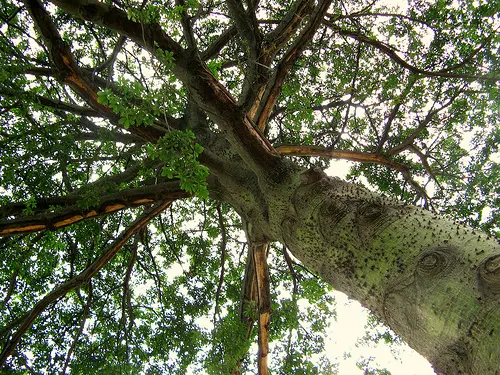
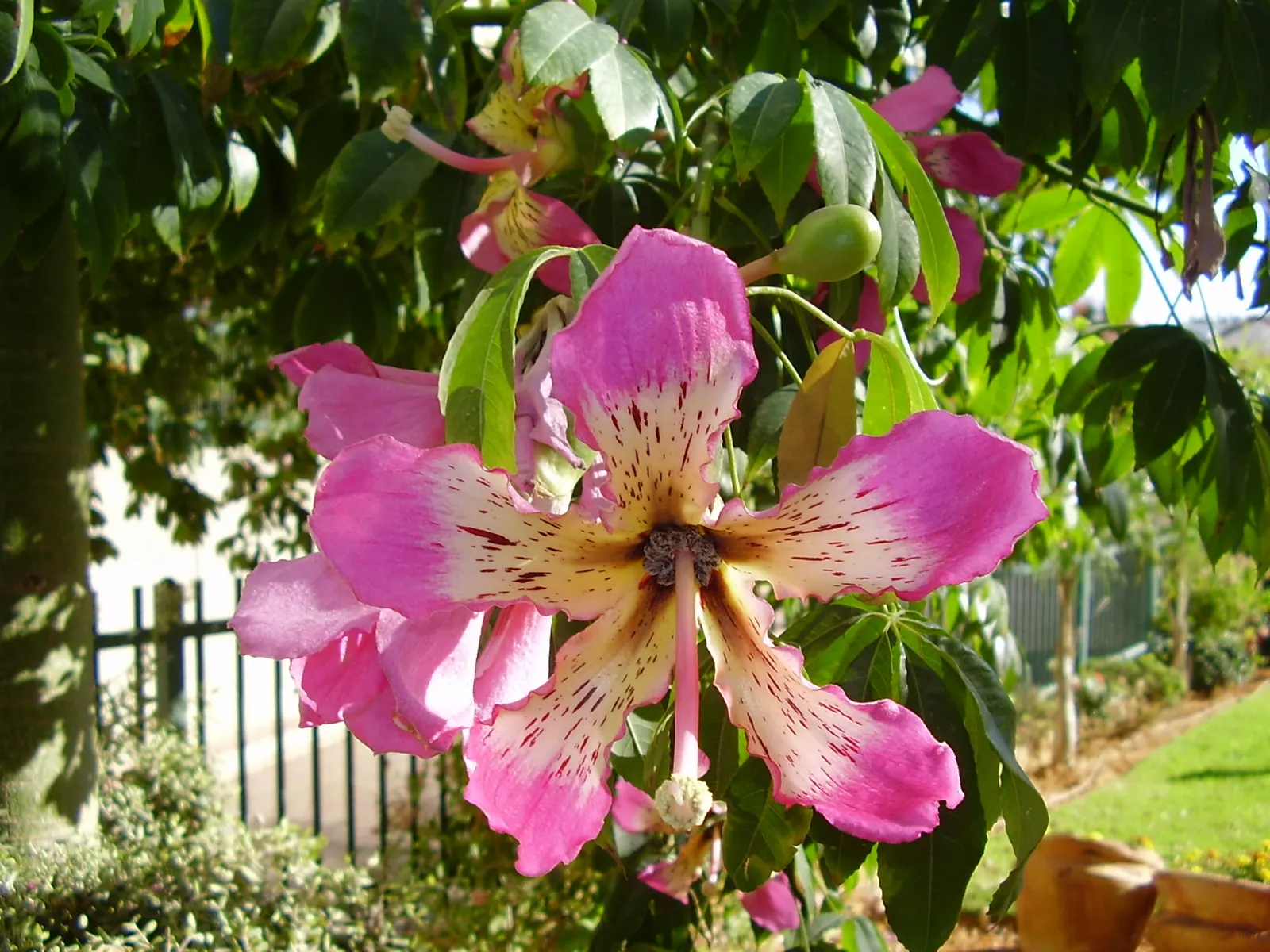
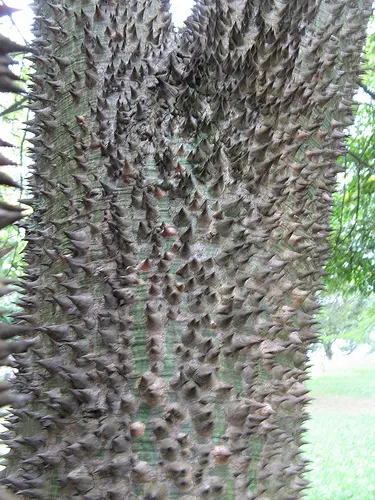
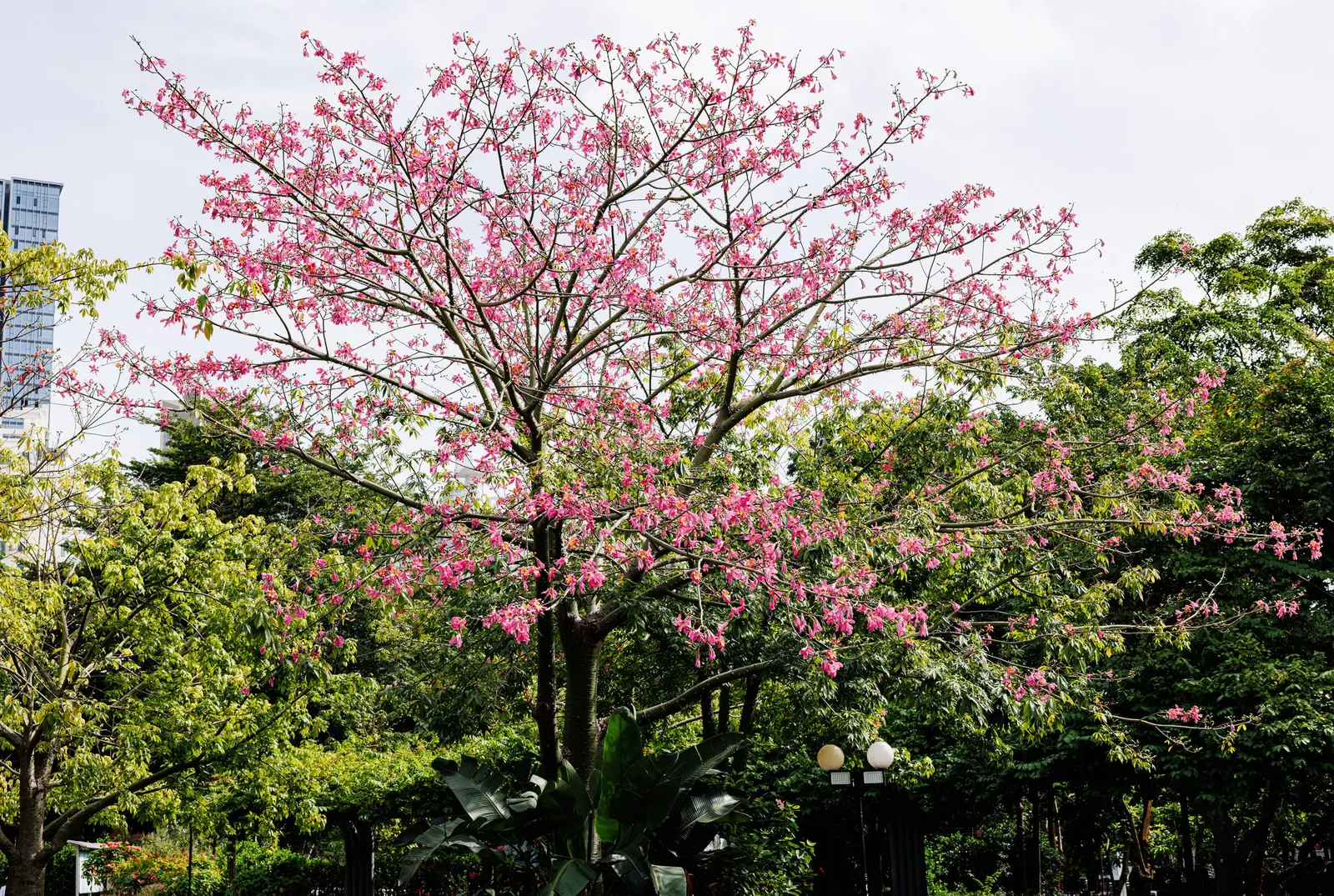
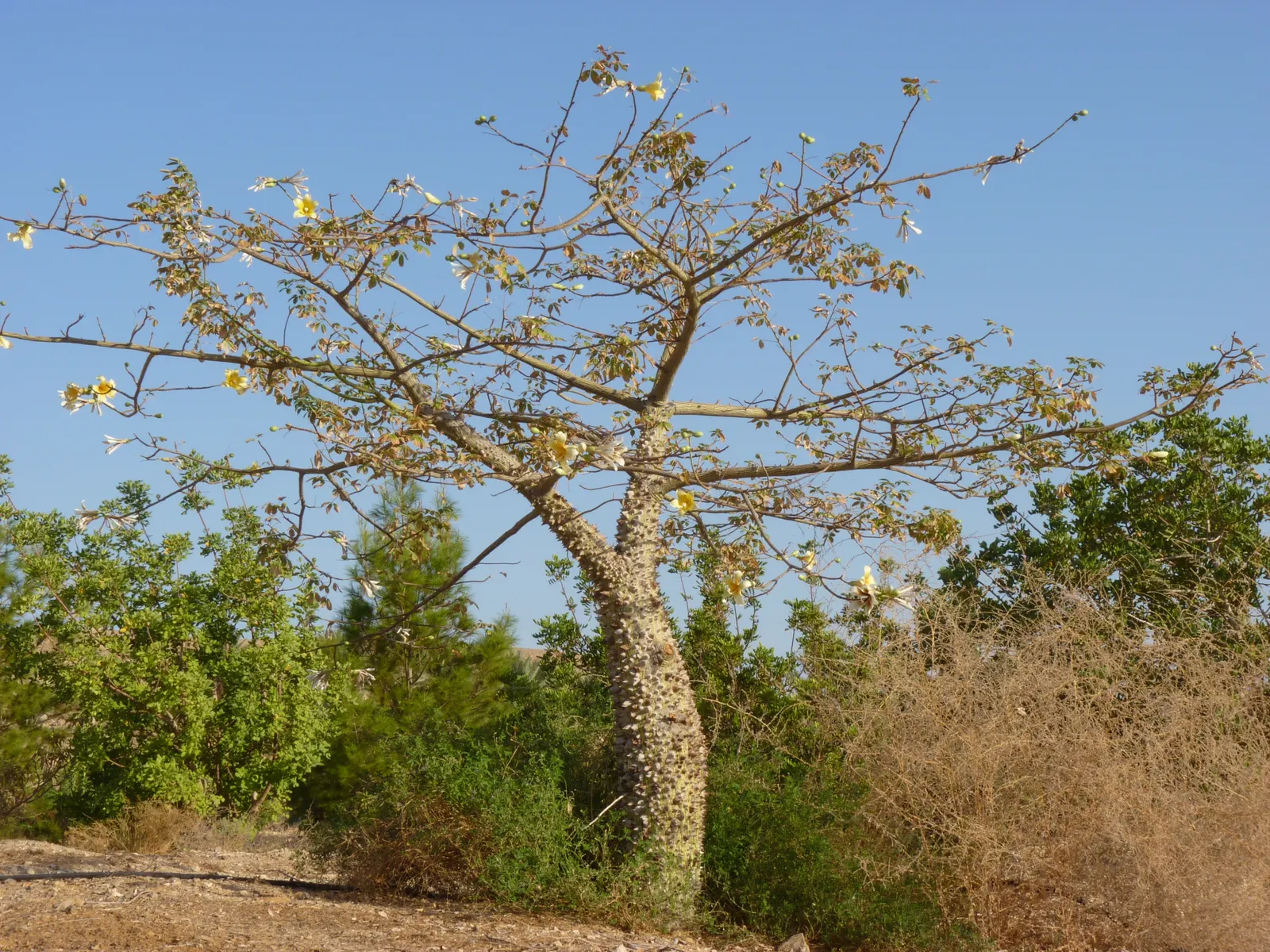
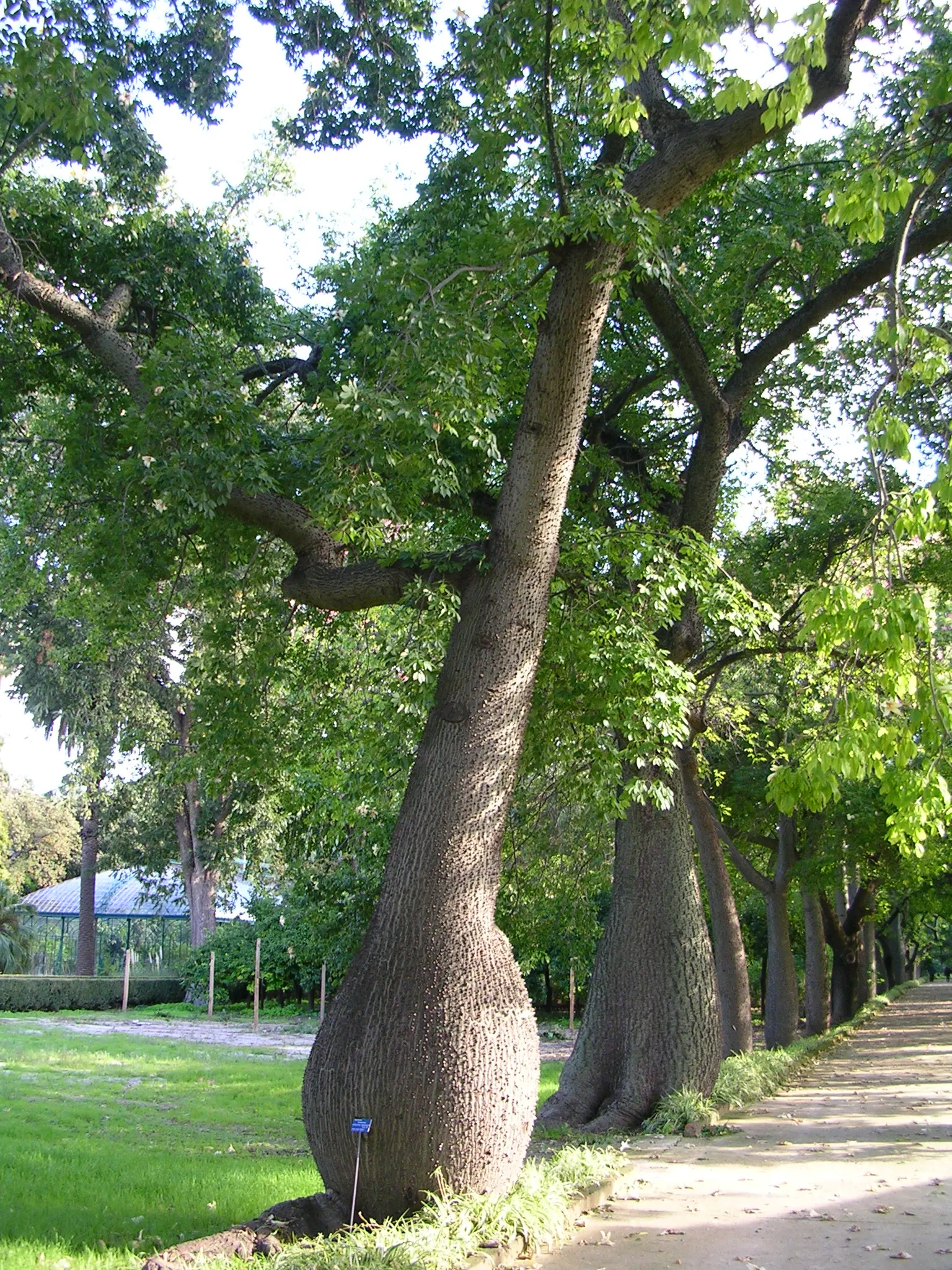
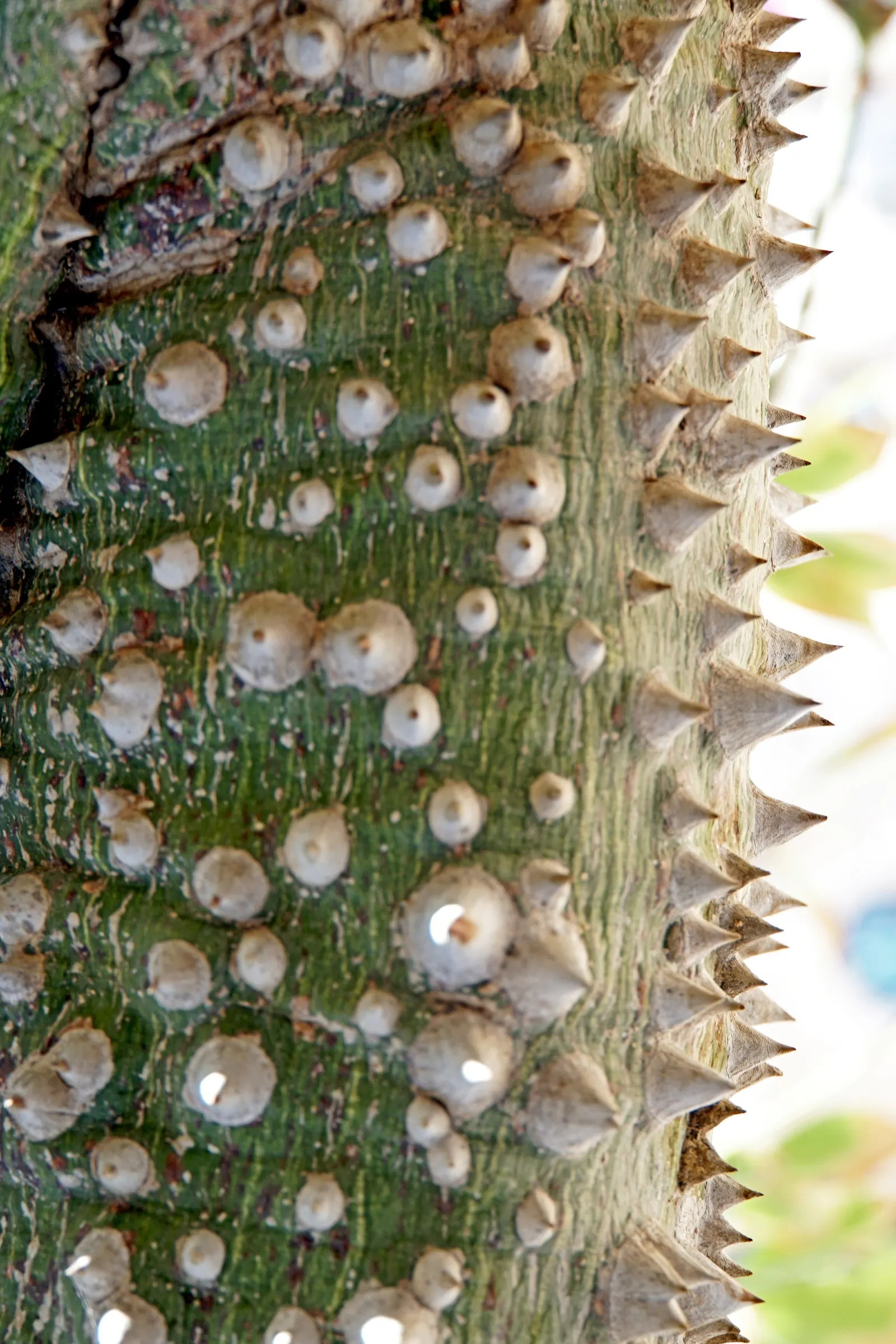
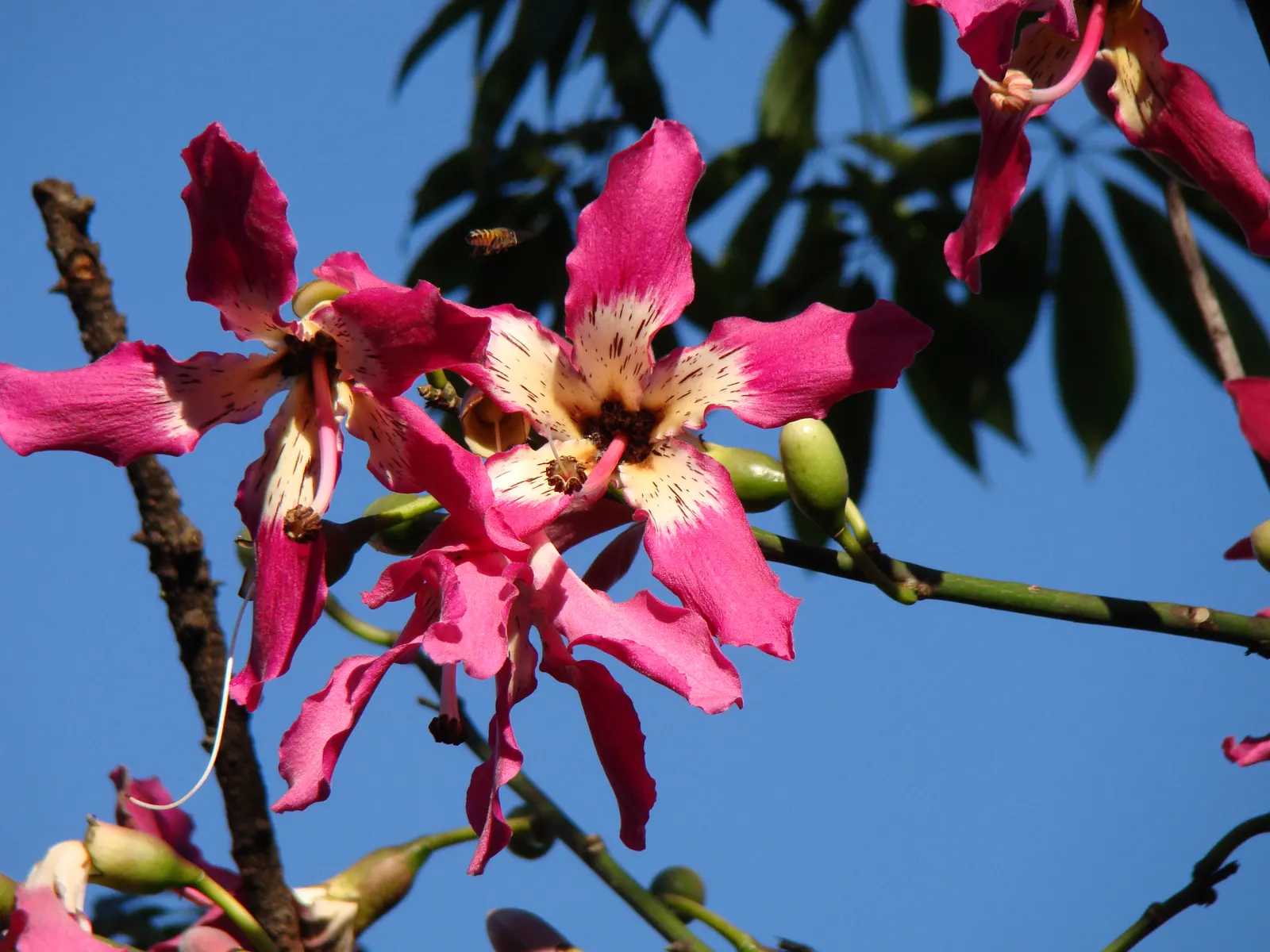
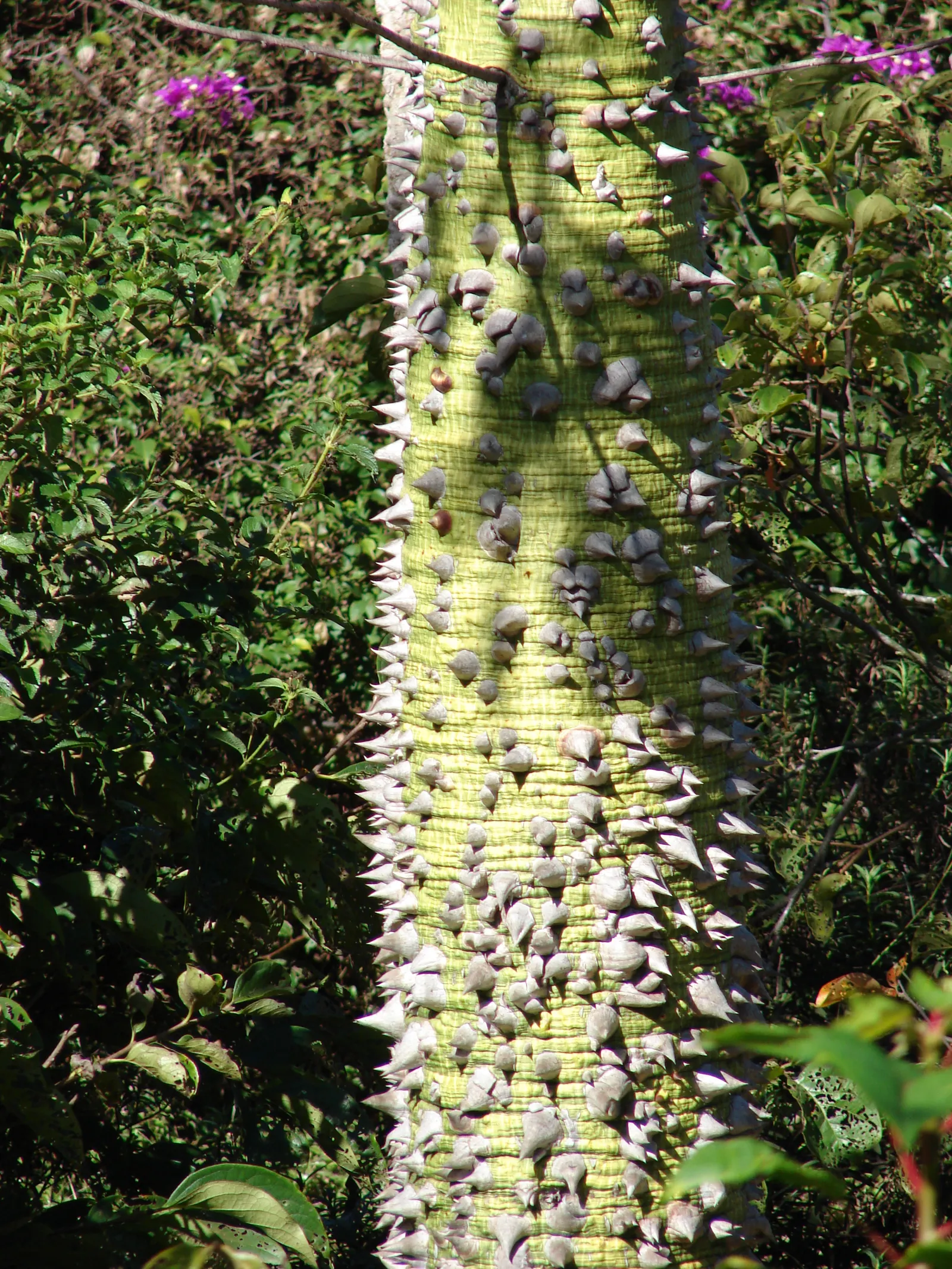
The Silk Floss Tree (Ceiba speciosa), a striking deciduous specimen, reaches heights of 30-60 feet, with a canopy spread of up to 40 feet. Notable for its bottle-shaped trunk covered in thick, conical spines, this South American native blooms with vibrant, orchid-like pink flowers in fall before leaf drop. Hardy in zones 9b-11, it demands full sun and well-drained soil, and is drought-tolerant once established, providing dramatic visual interest in warm climates.

Sun FullWater Low, MediumZones 10–11Type TreeClimate Subtropical
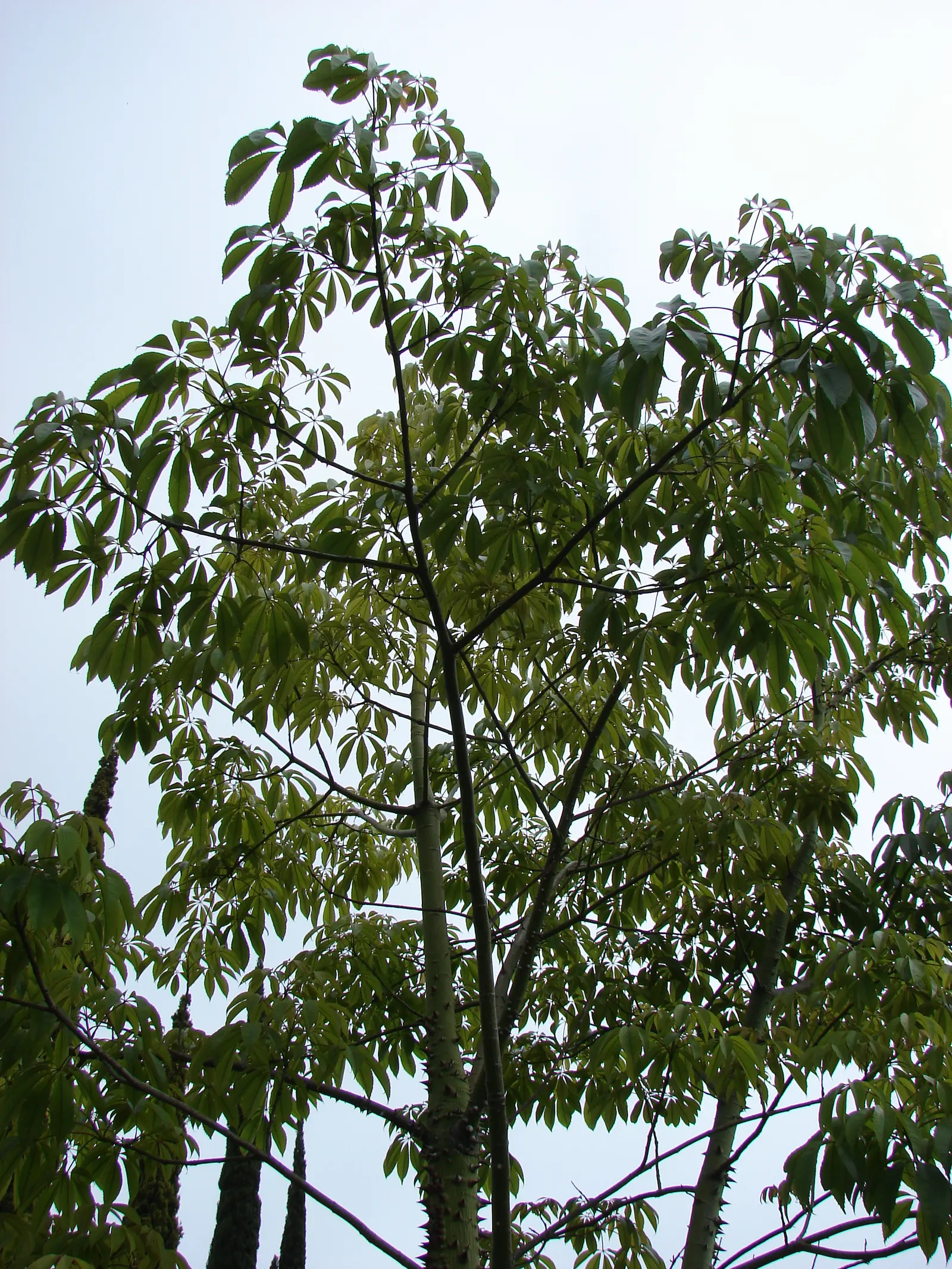
Silk Floss Tree (Ceiba Speciosa) — it commands attention in any landscape design; where it won't interfere with nearby structures

Culture

Sun
Full
Water
Low, Medium
USDA zones
10–11

Shape & size

Mature height
40–60 Ft.
Mature width
20–40 Ft.

Classification

Type
Tree
Family
Malvaceae
Climate
Subtropical

See full data, regional cultivation notes, and design tools. Build a client presentation around this plant.

Start your 14-day trial

Photos (200)

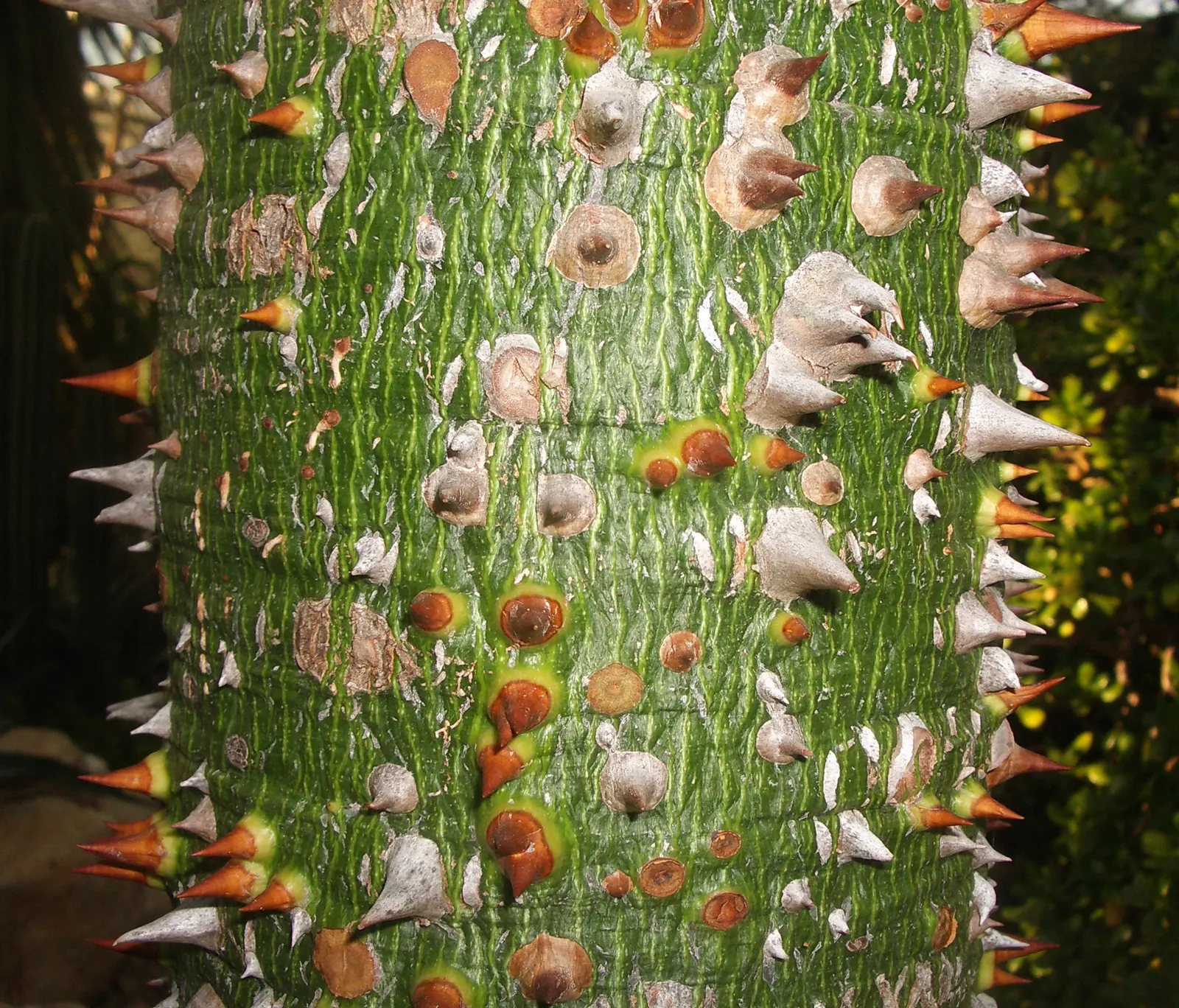
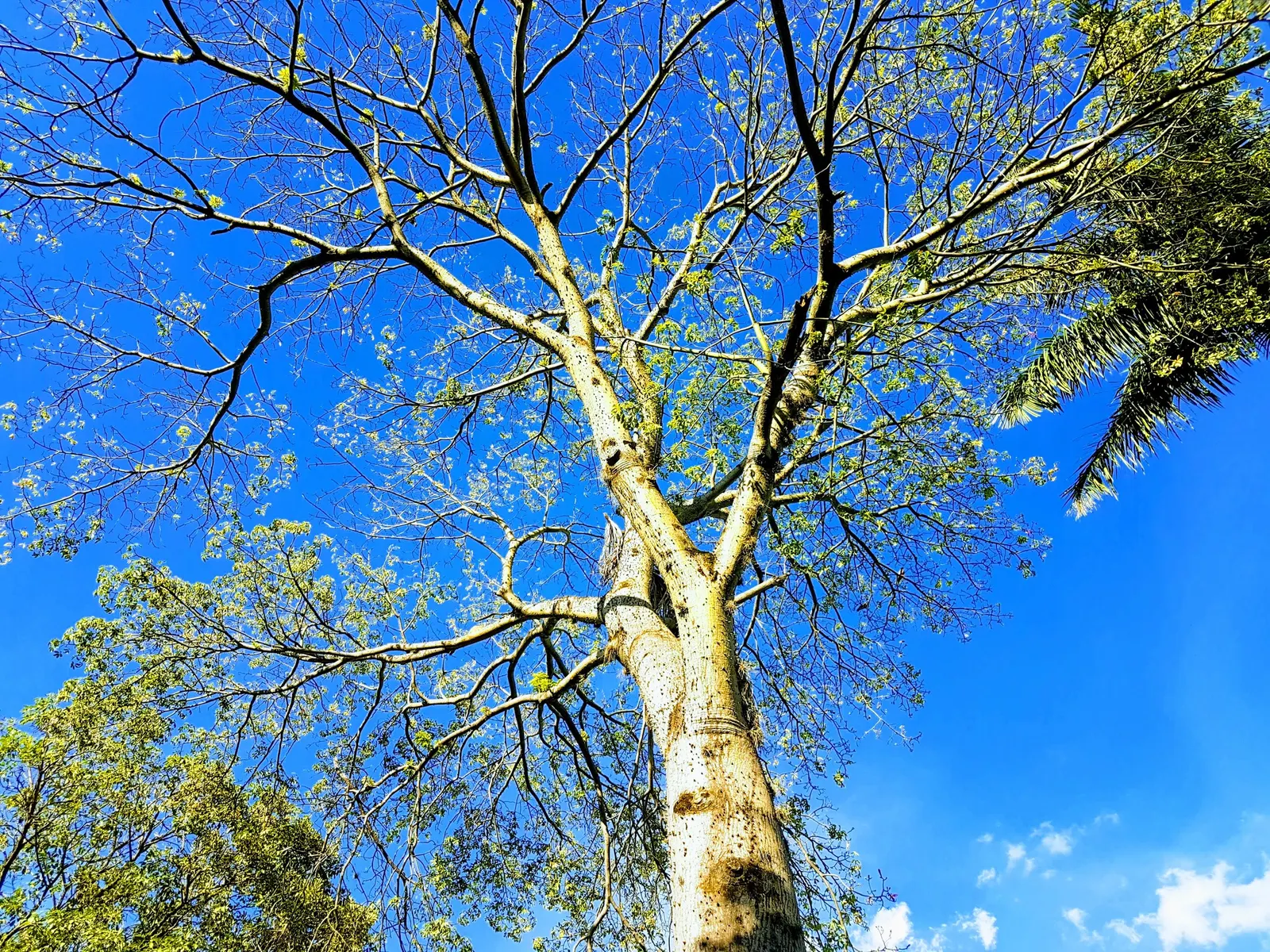
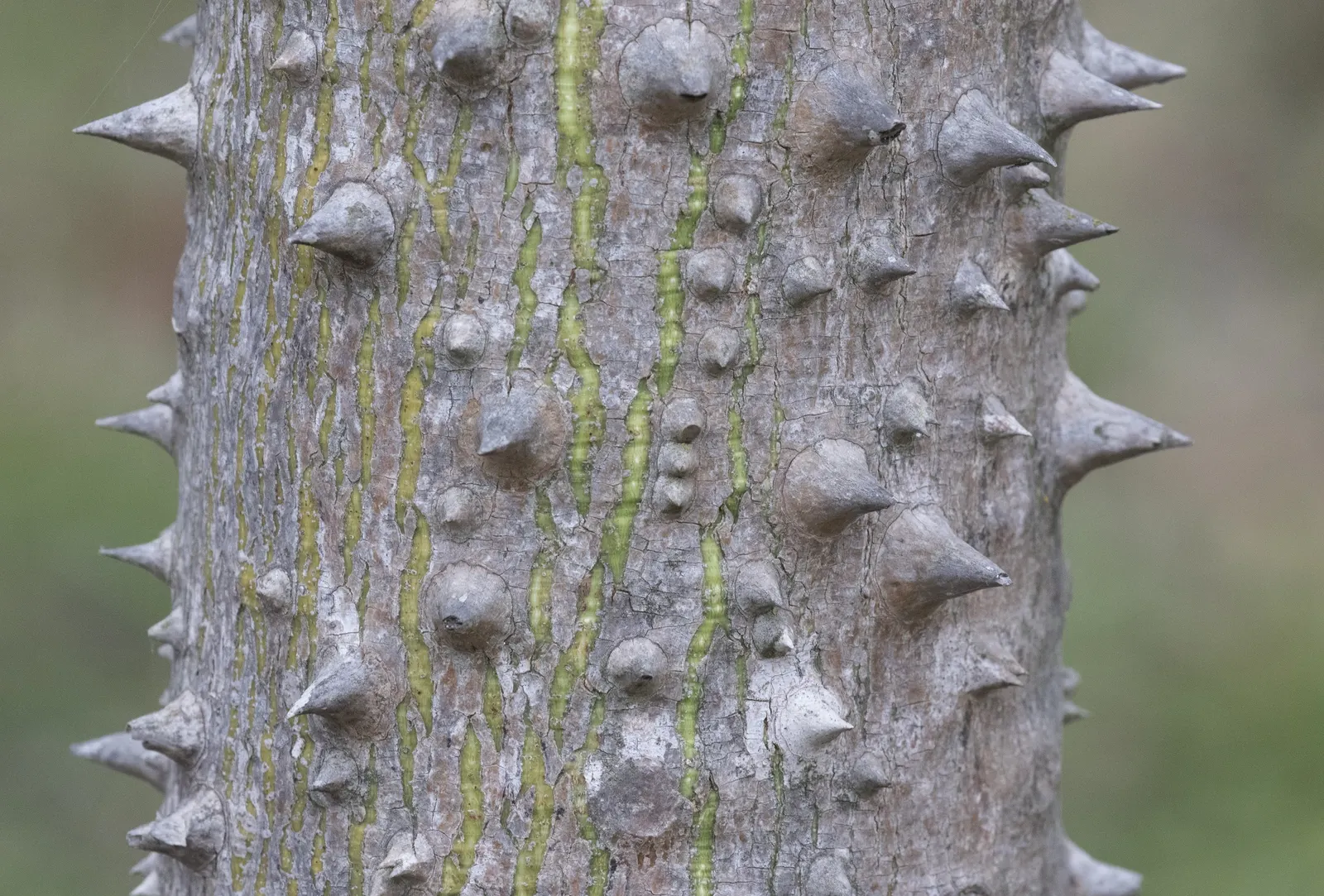
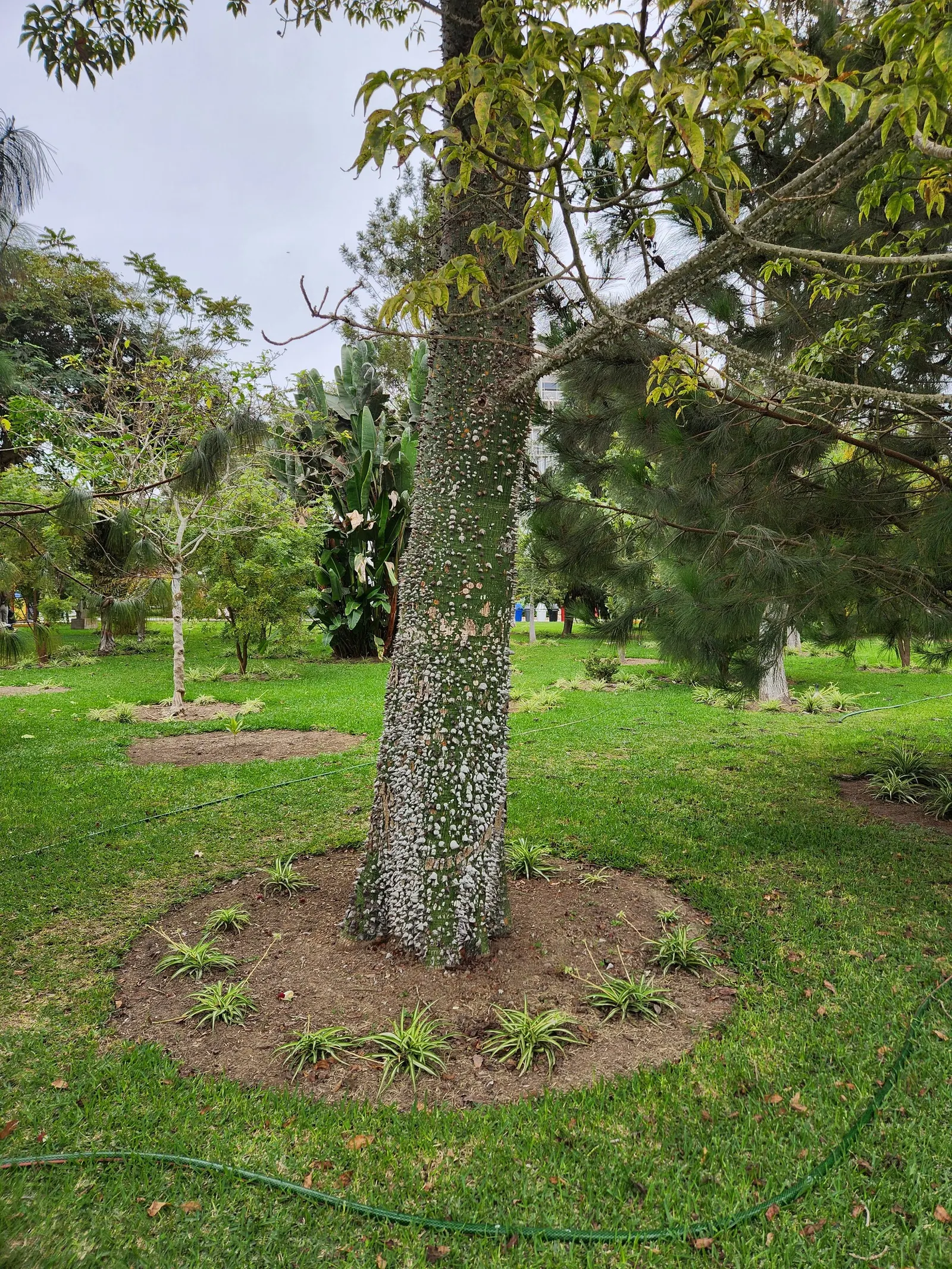
Silk Floss Tree (Ceiba Speciosa) — The tree's trunk is one of its most distinctive features; it is thick and bottle-shaped; reaches heights of, image 81
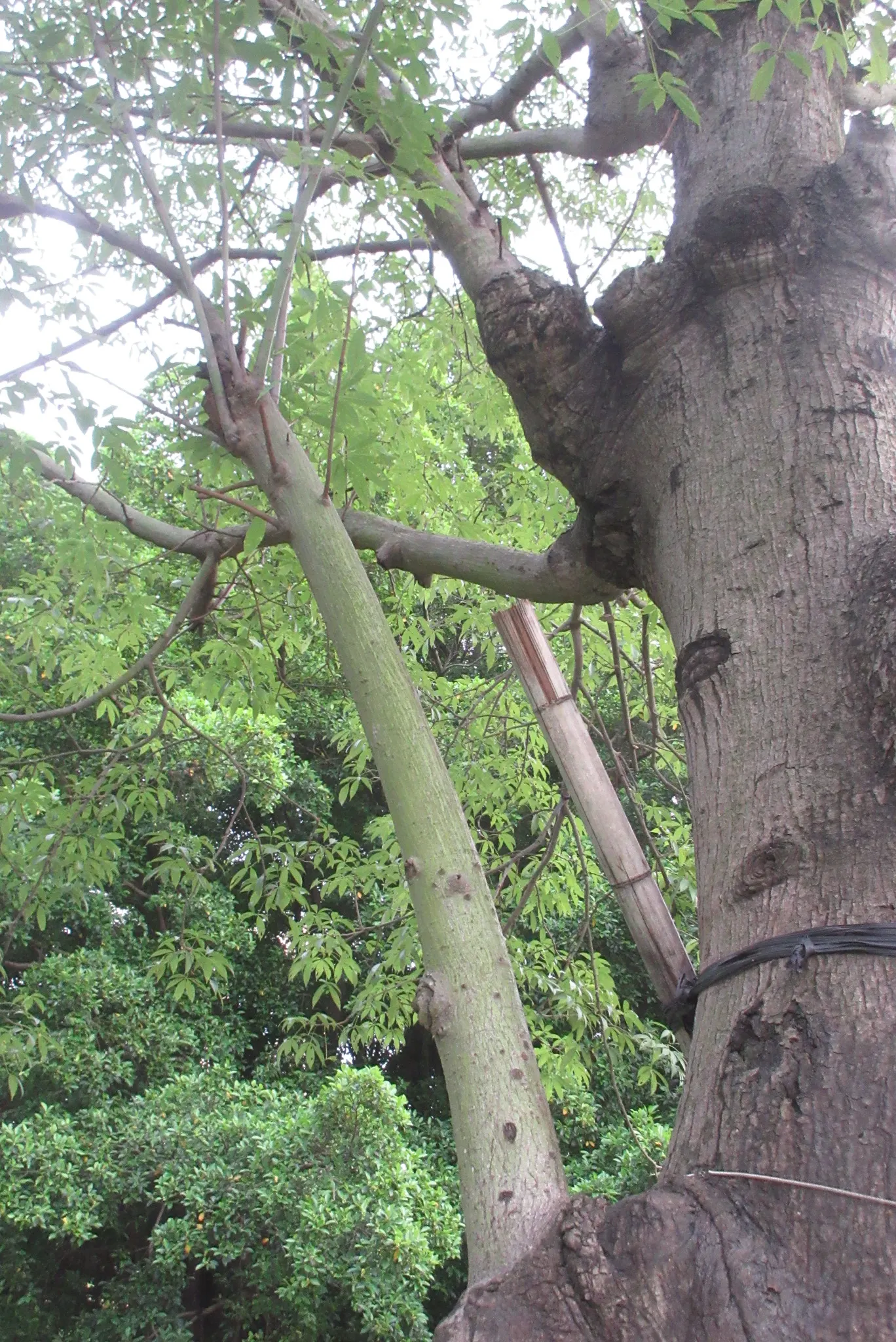
Silk Floss Tree (Ceiba Speciosa) — it commands attention in any landscape design; where it won't interfere with nearby structures, image 80
Silk Floss Tree (Ceiba Speciosa) — With potential heights reaching between 40 to 60 feet and spreading approximately 40 to 60 feet wide; creating an, image 178
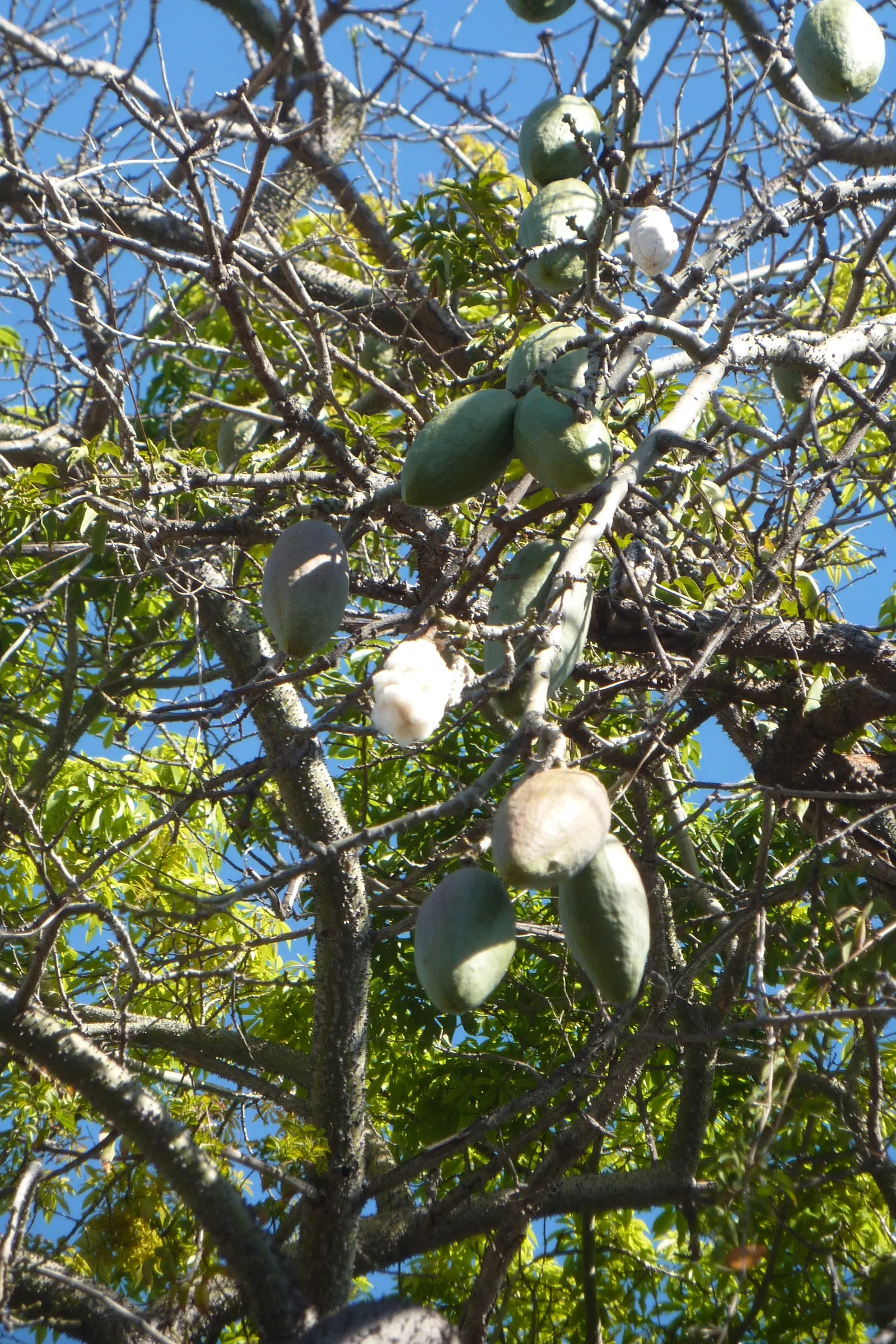
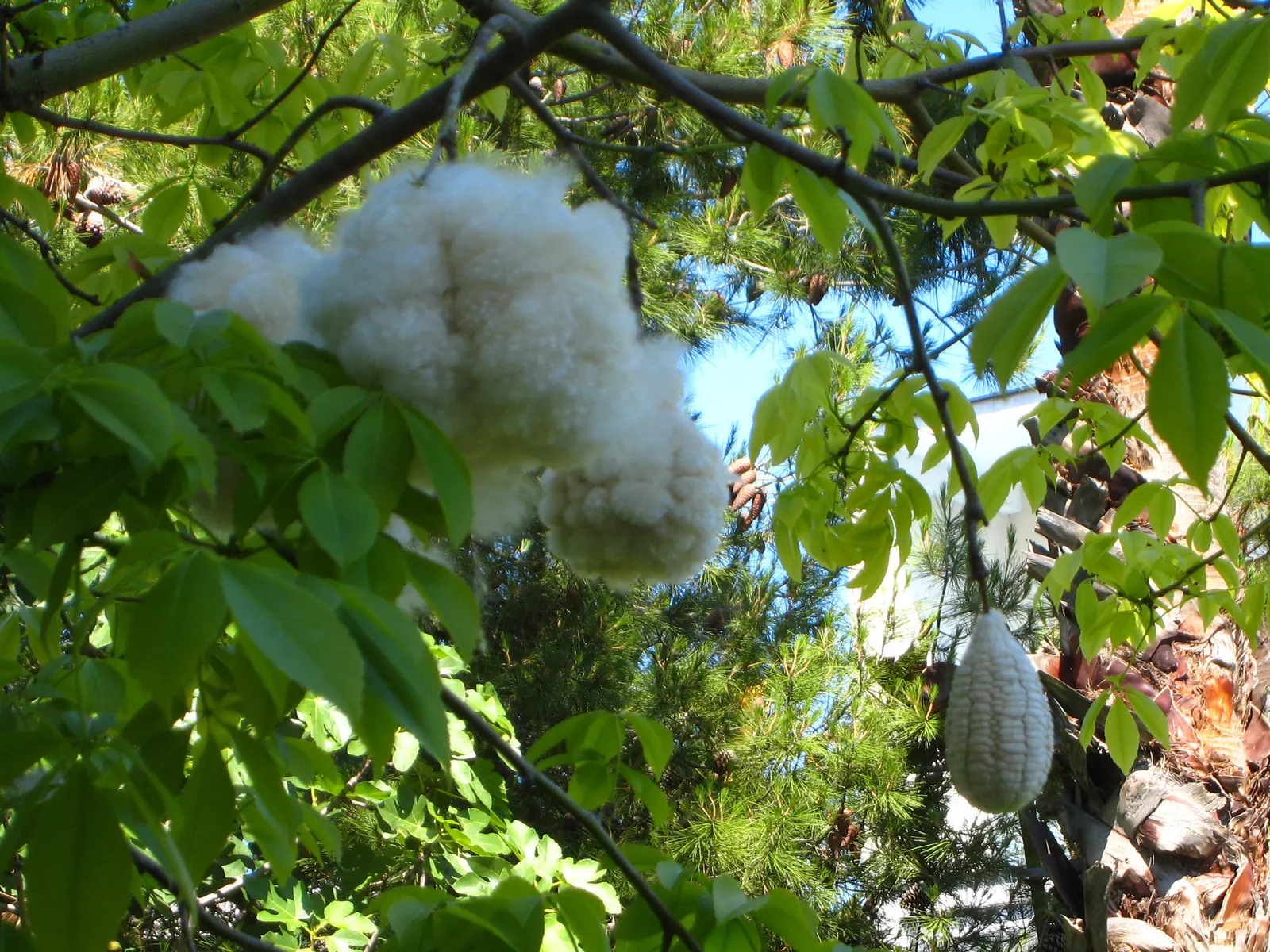
Silk Floss Tree (Ceiba Speciosa) — the tree produces oval pods filled with silky white fibers; it is tolerant of different soil types but prefers, image 155
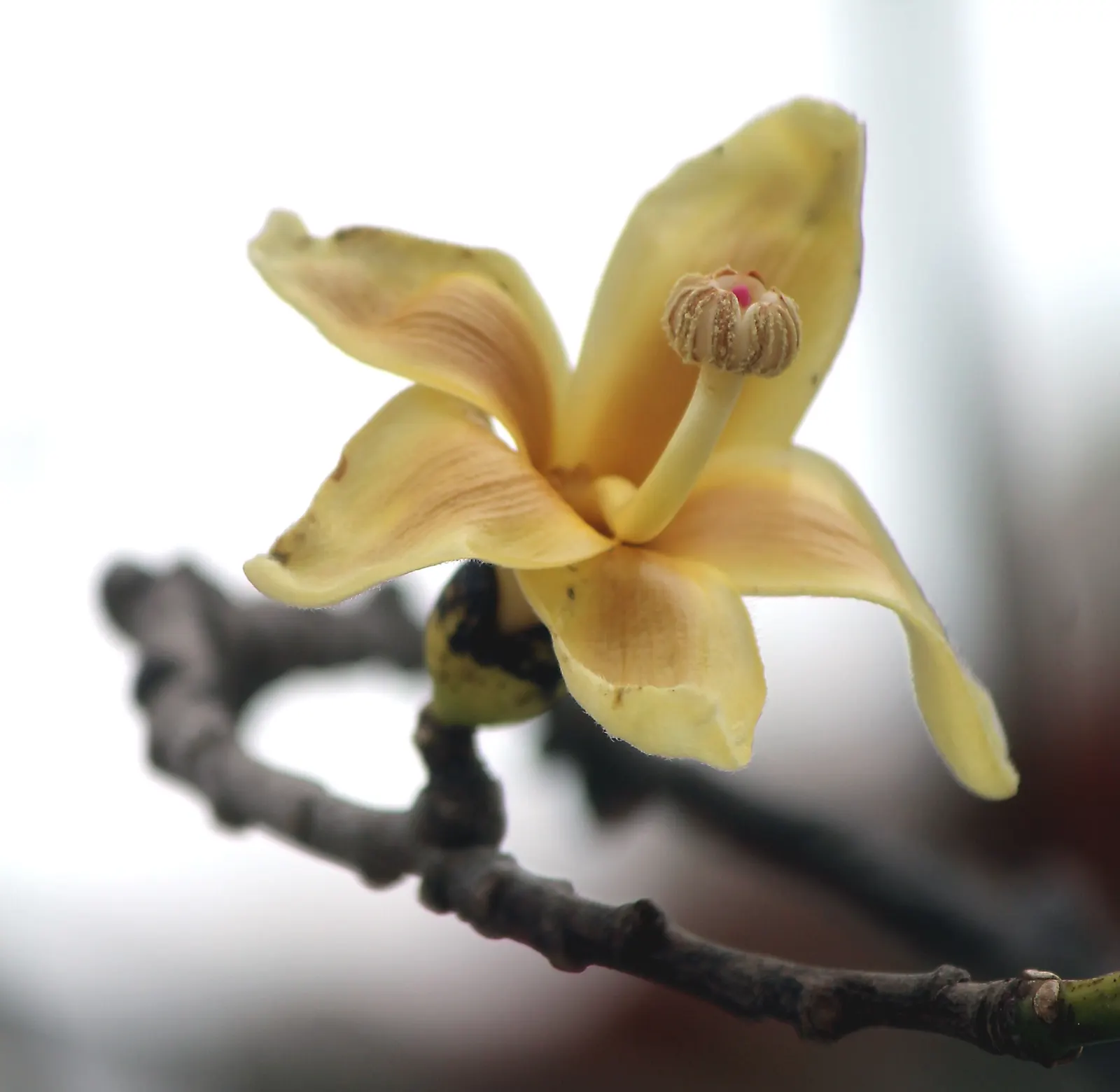
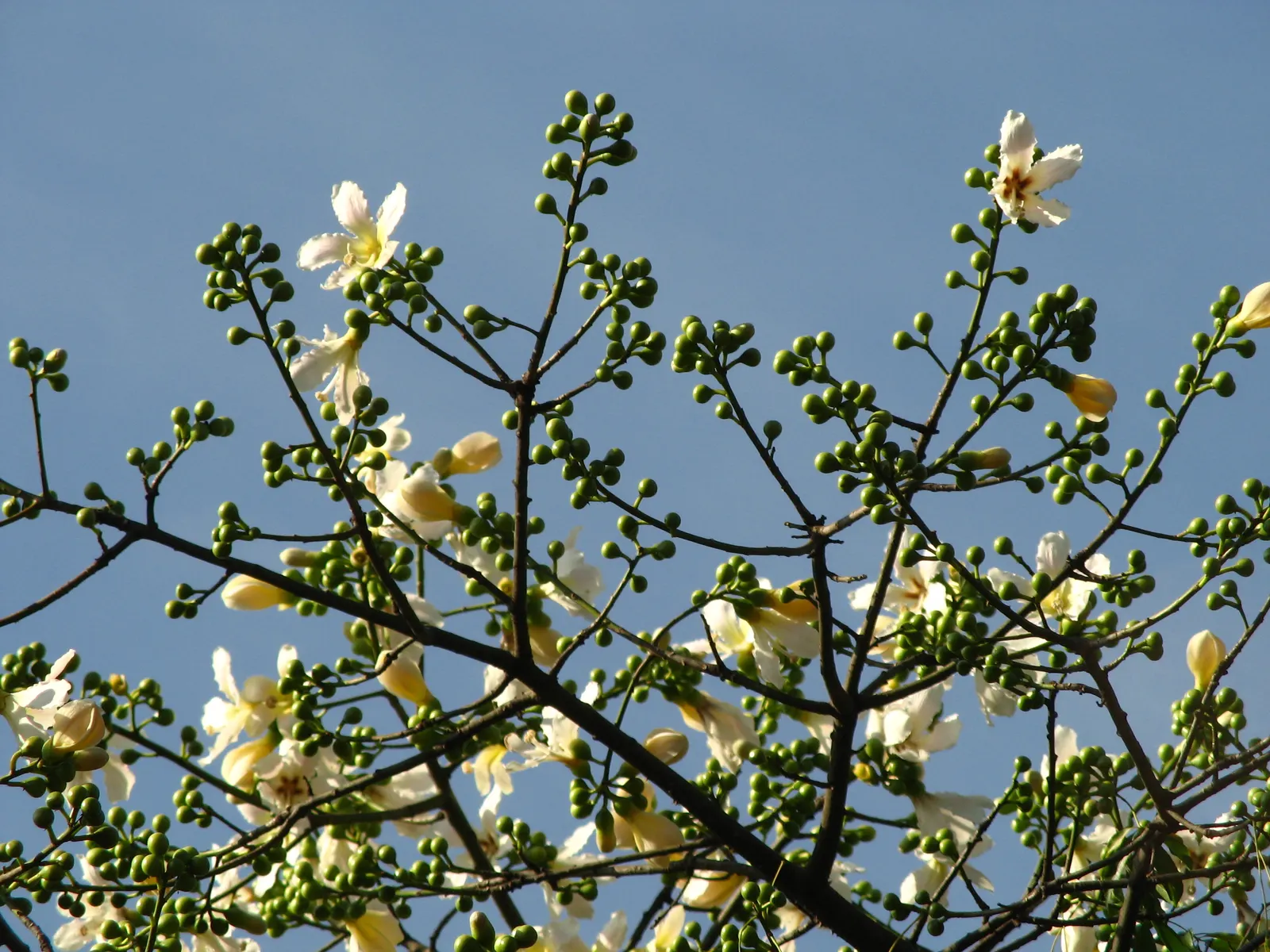
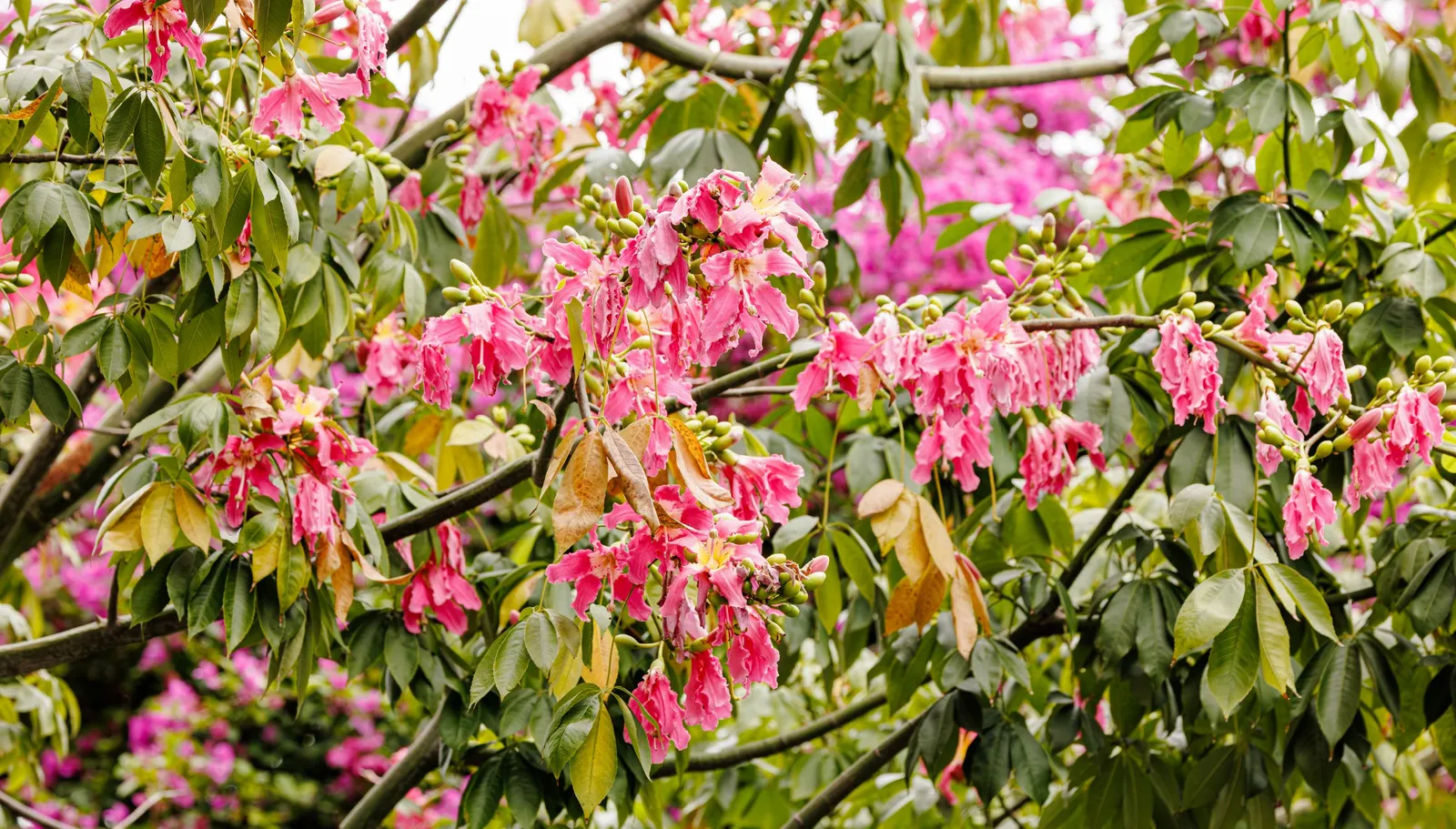
Silk Floss Tree (Ceiba Speciosa) — Each flower measures about 6 inches across, contributing to the tree's visual impact and allure
Silk Floss Tree (Ceiba Speciosa) — a striking deciduous specimen; is a stunning deciduous or semi-evergreen tree, image 101
Silk Floss Tree (Ceiba Speciosa) — it demands full sun and well-drained soil
Silk Floss Tree (Ceiba Speciosa) — with a canopy spread of up to 40 feet; the Silk Floss Tree thrives in full sun exposure and requires, image 103
Silk Floss Tree (Ceiba Speciosa) — reaches heights of 30-60 feet; offering a brilliant display when few other trees are blooming, image 168
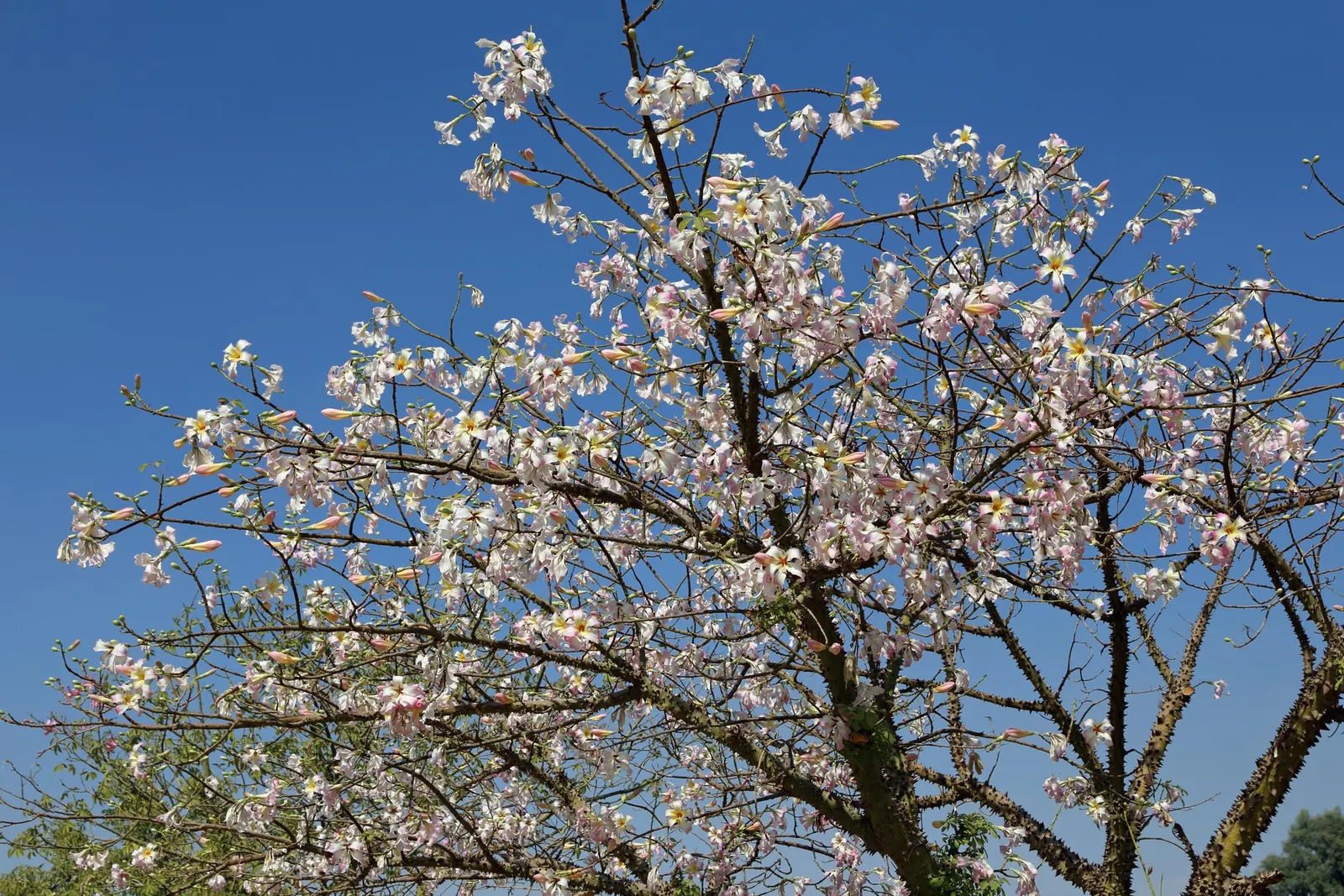
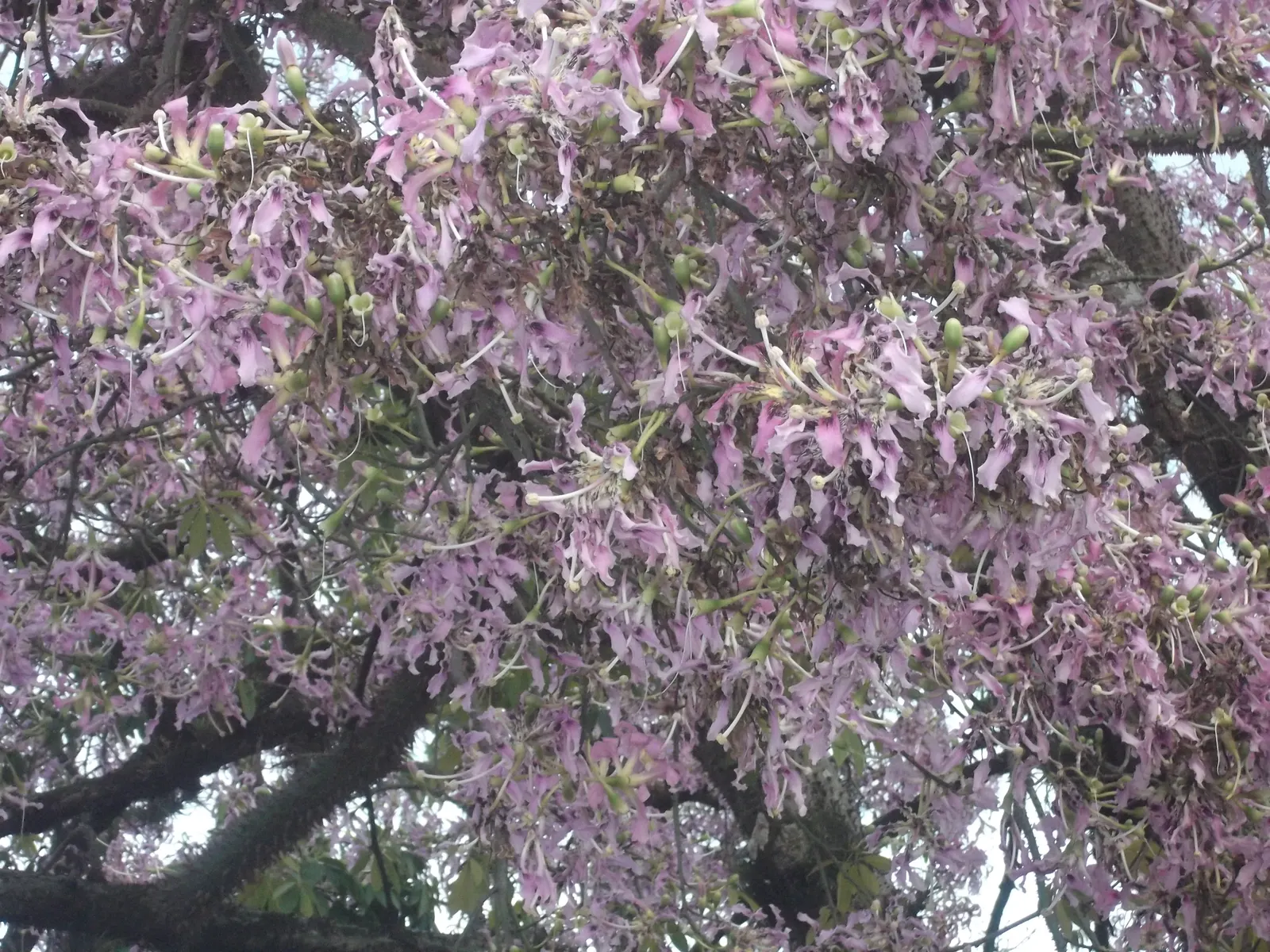
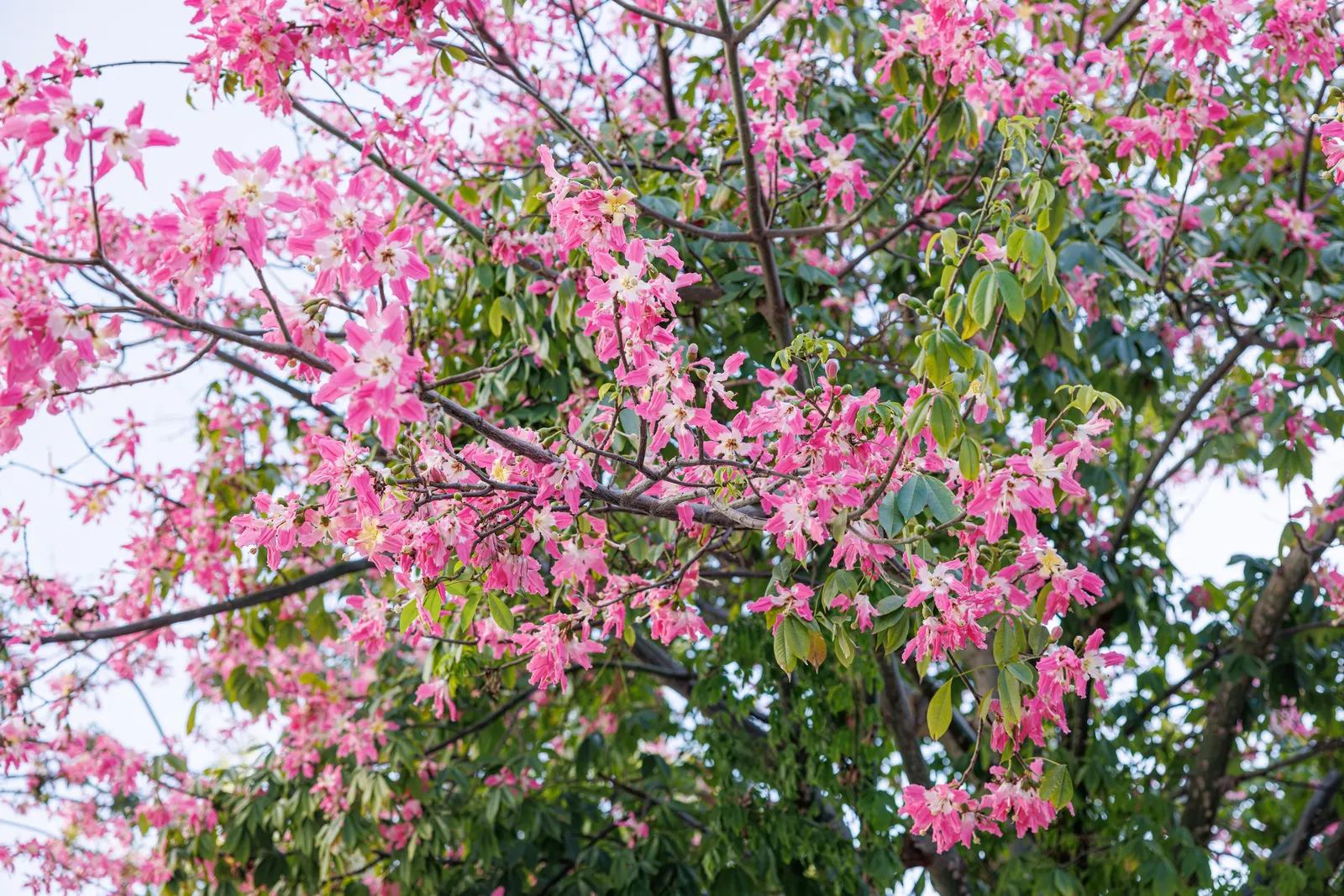
Silk Floss Tree (Ceiba Speciosa) — orchid-like pink flowers in fall before leaf drop, image 105
Silk Floss Tree (Ceiba Speciosa) — tree with pink blooms; the tree produces oval pods filled with silky white fibers
Silk Floss Tree (Ceiba Speciosa) — where it won't interfere with nearby structures; a striking deciduous specimen, image 95
Silk Floss Tree (Ceiba Speciosa) — It is tolerant of different soil types but prefers those that are moderately fertile
Silk Floss Tree (Ceiba Speciosa) — providing dramatic visual interest in warm climates; this tree is suited to USDA Hardiness Zones 9b through 11, image 108
Silk Floss Tree (Ceiba Speciosa) — it demands full sun and well-drained soil; with potential heights reaching between 40 to 60 feet and spreading, image 106
Silk Floss Tree (Ceiba Speciosa) — orchid-like pink flowers in fall before leaf drop, image 72
Silk Floss Tree (Ceiba Speciosa) — with a canopy spread of up to 40 feet; the Silk Floss Tree thrives in full sun exposure and requires, image 70
Silk Floss Tree (Ceiba Speciosa) — Notable for its bottle-shaped trunk covered in thick; tree with pink blooms
Silk Floss Tree (Ceiba Speciosa) — offering a brilliant display when few other trees are blooming; these fibers can create litter when the pods, image 150
Silk Floss Tree (Ceiba Speciosa) — it demands full sun and well-drained soil; with potential heights reaching between 40 to 60 feet and spreading, image 139
Silk Floss Tree (Ceiba Speciosa) — The Silk Floss Tree (Ceiba speciosa); with a canopy spread of up to 40 feet, image 166
Silk Floss Tree (Ceiba Speciosa) — creating an unforgettable sight.<br><br>Following flowering; each flower measures about 6 inches across, image 121
Silk Floss Tree (Ceiba Speciosa) — reaches heights of 30-60 feet
Silk Floss Tree (Ceiba Speciosa) — This tree is suited to USDA Hardiness Zones 9b through 11 and is drought-resistant once established
Photographs by 16 contributors

Related plants