Skip to content

Toddy Palm

Caryota Urens

Design with this plant

Overview

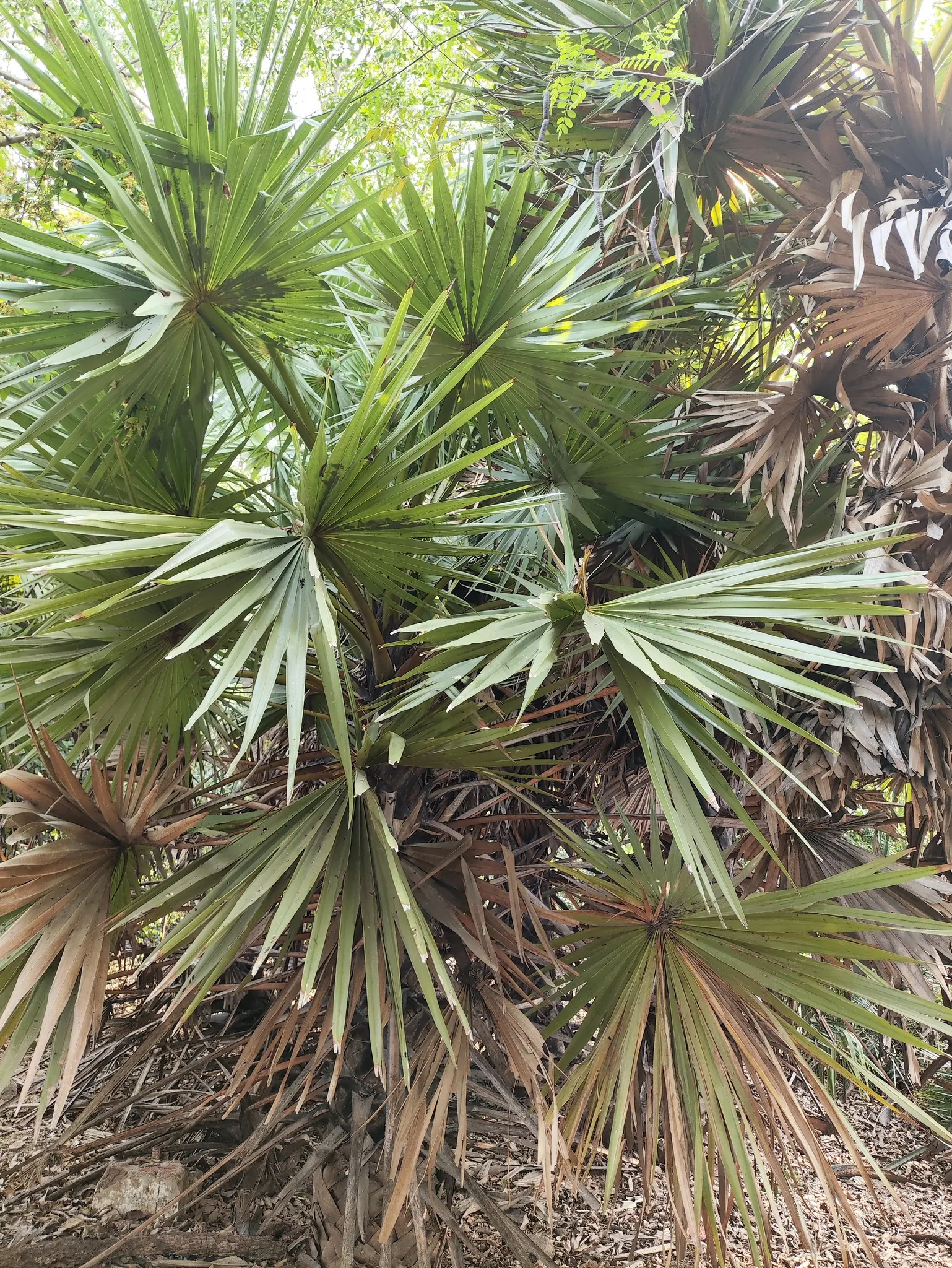
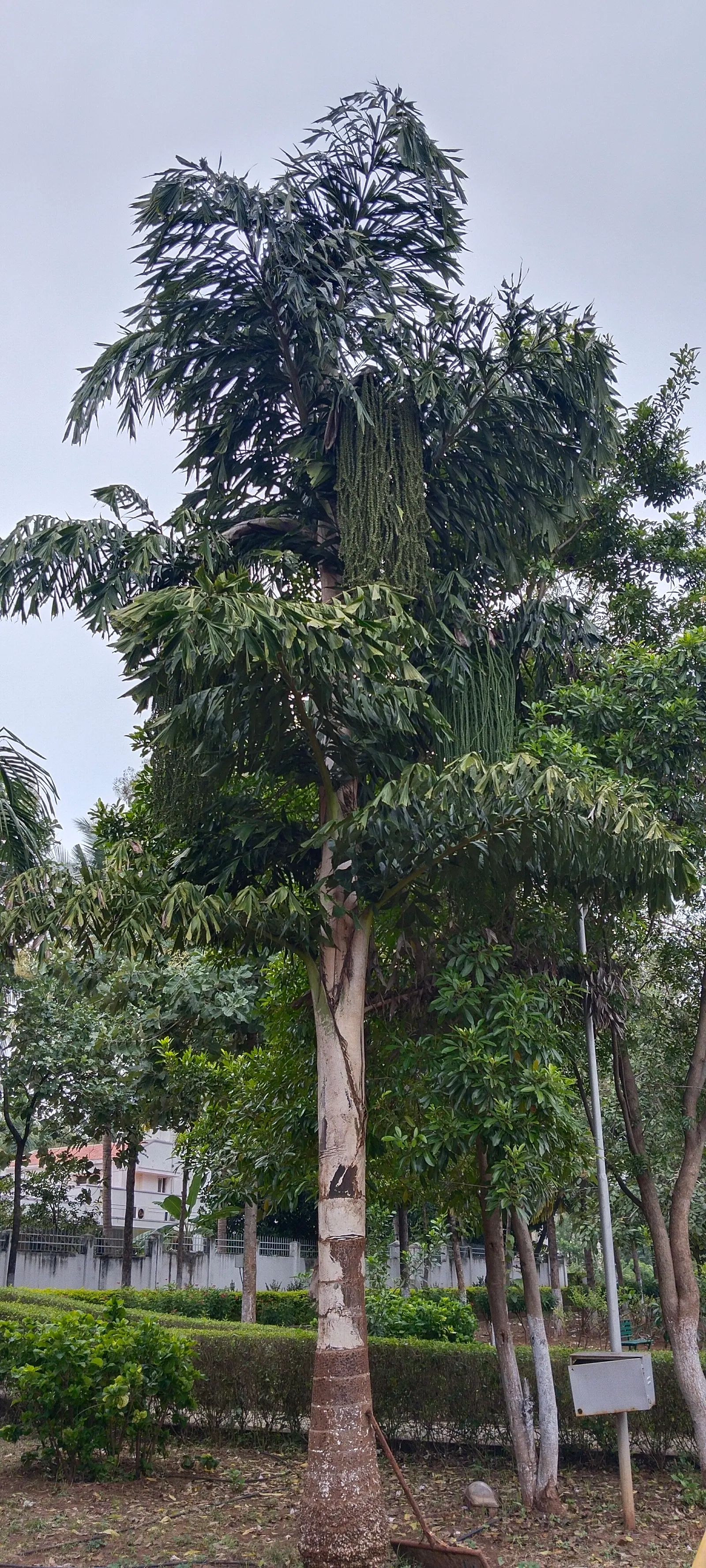
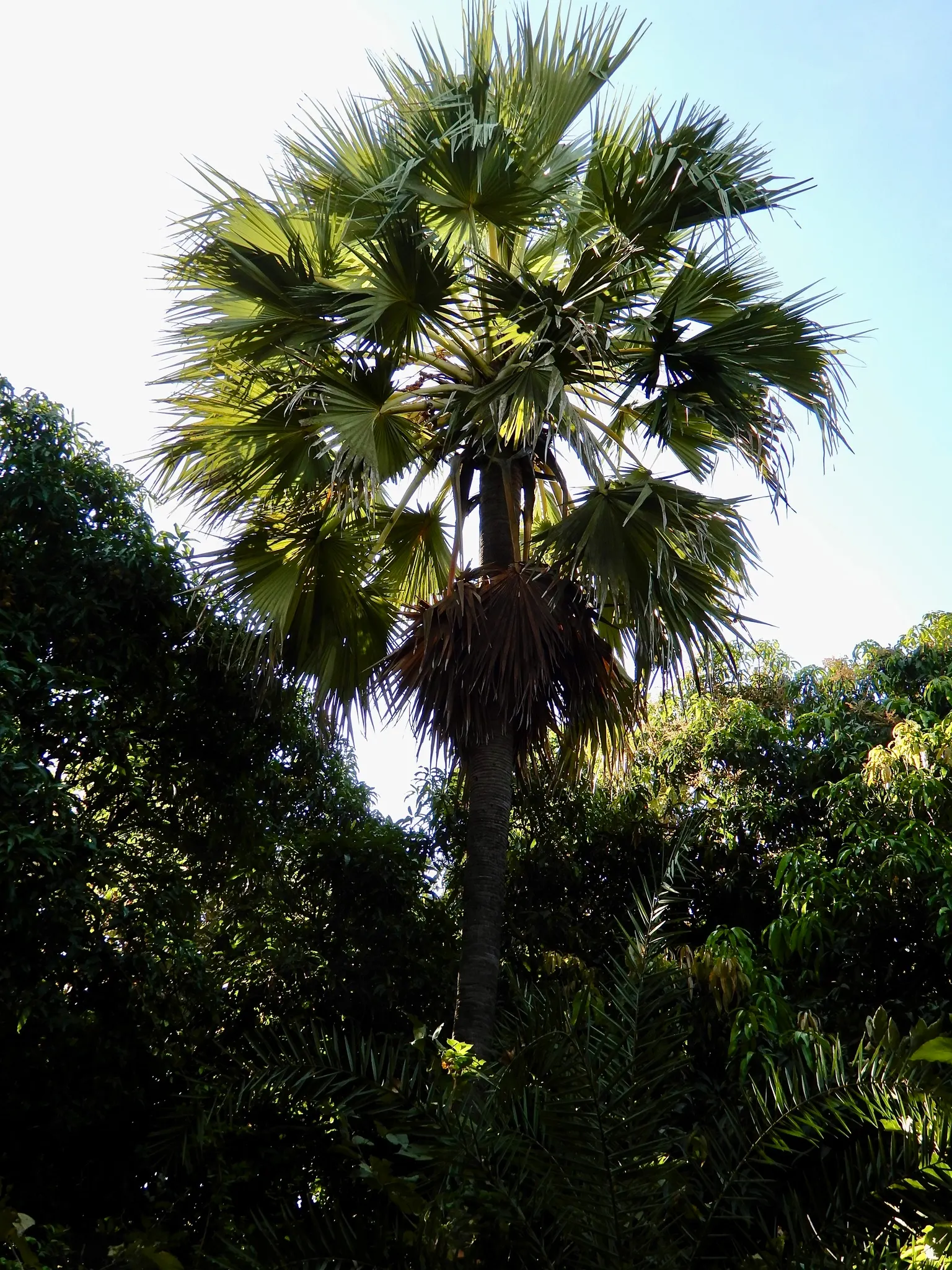
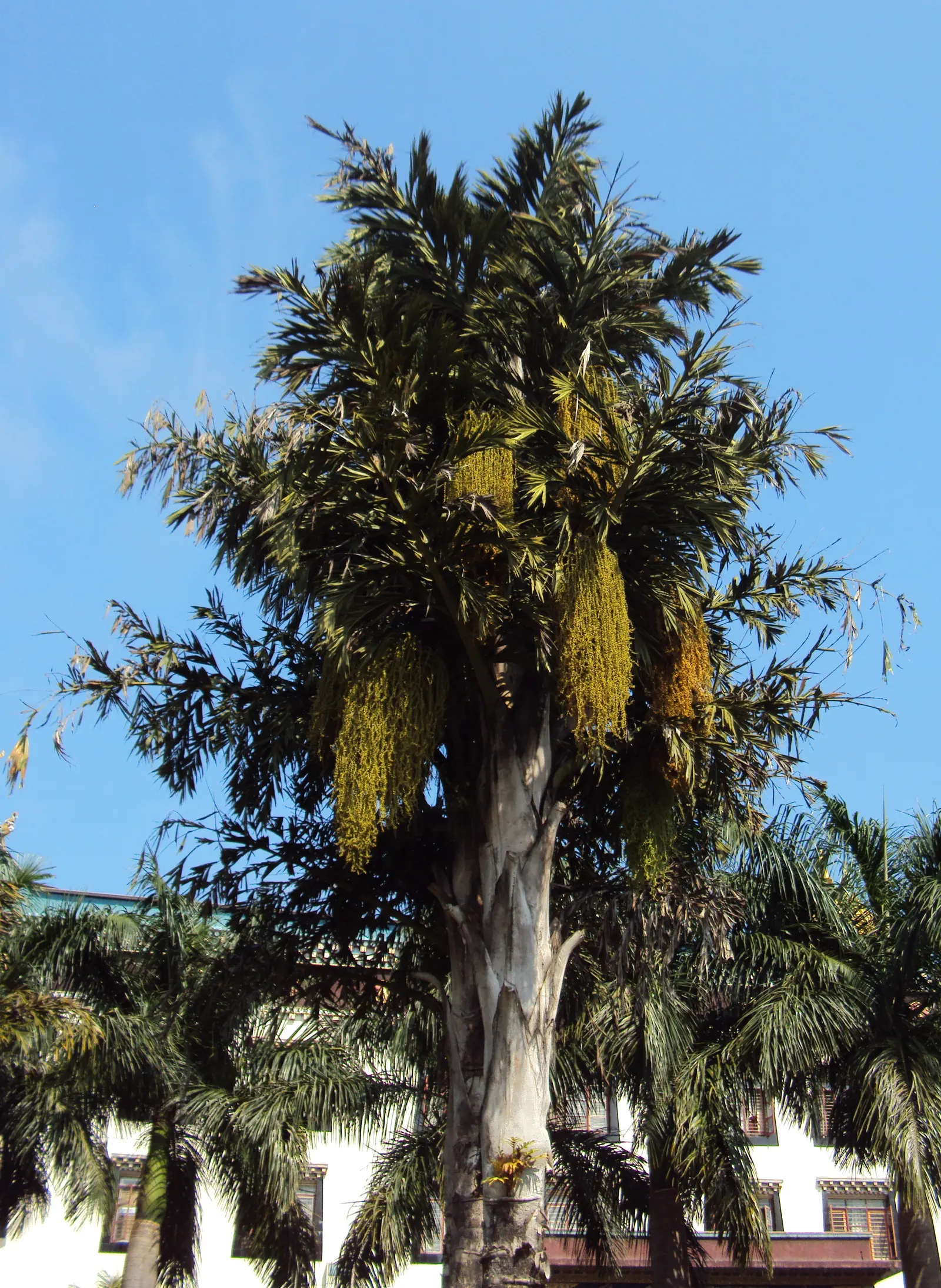
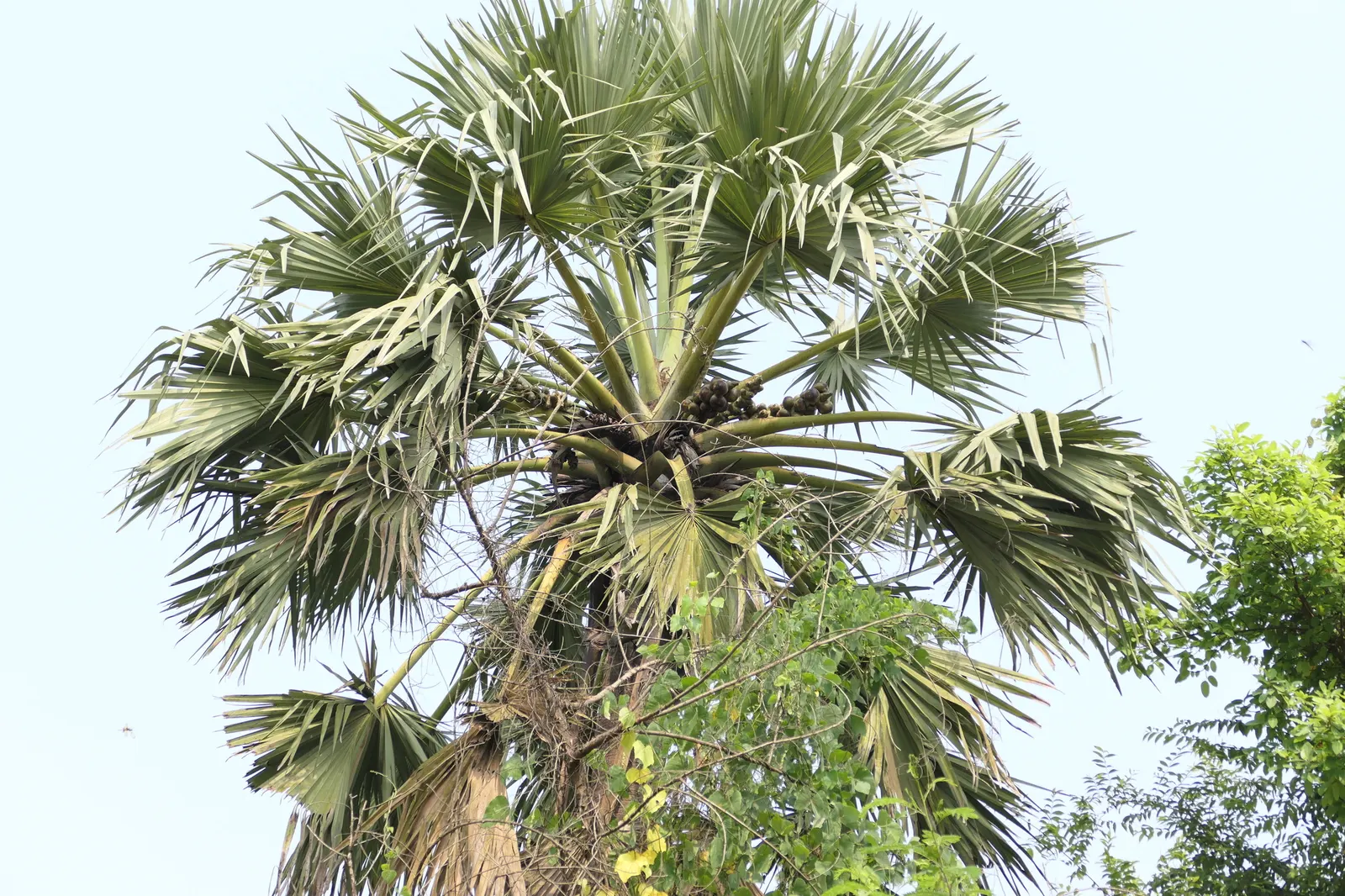
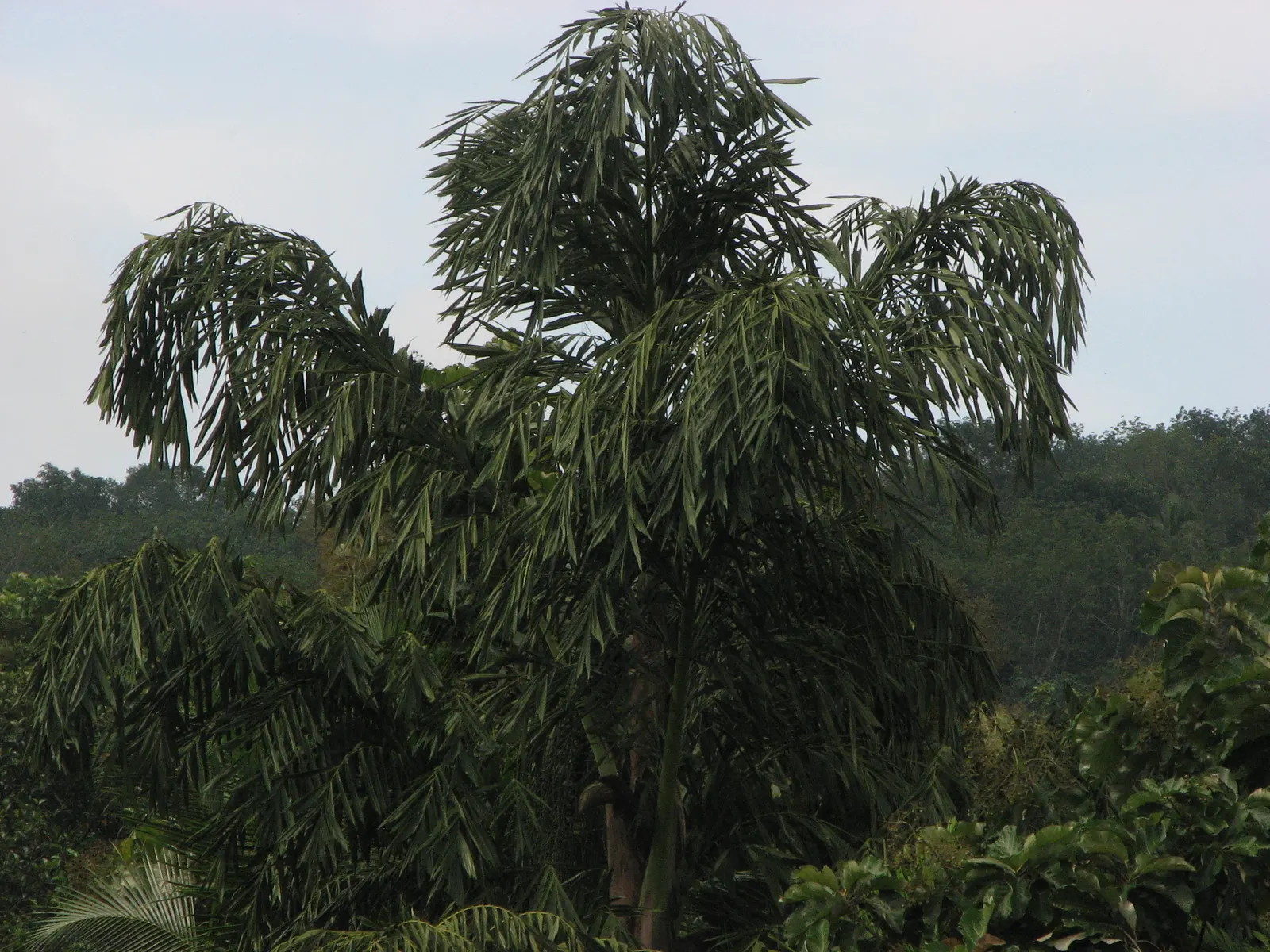
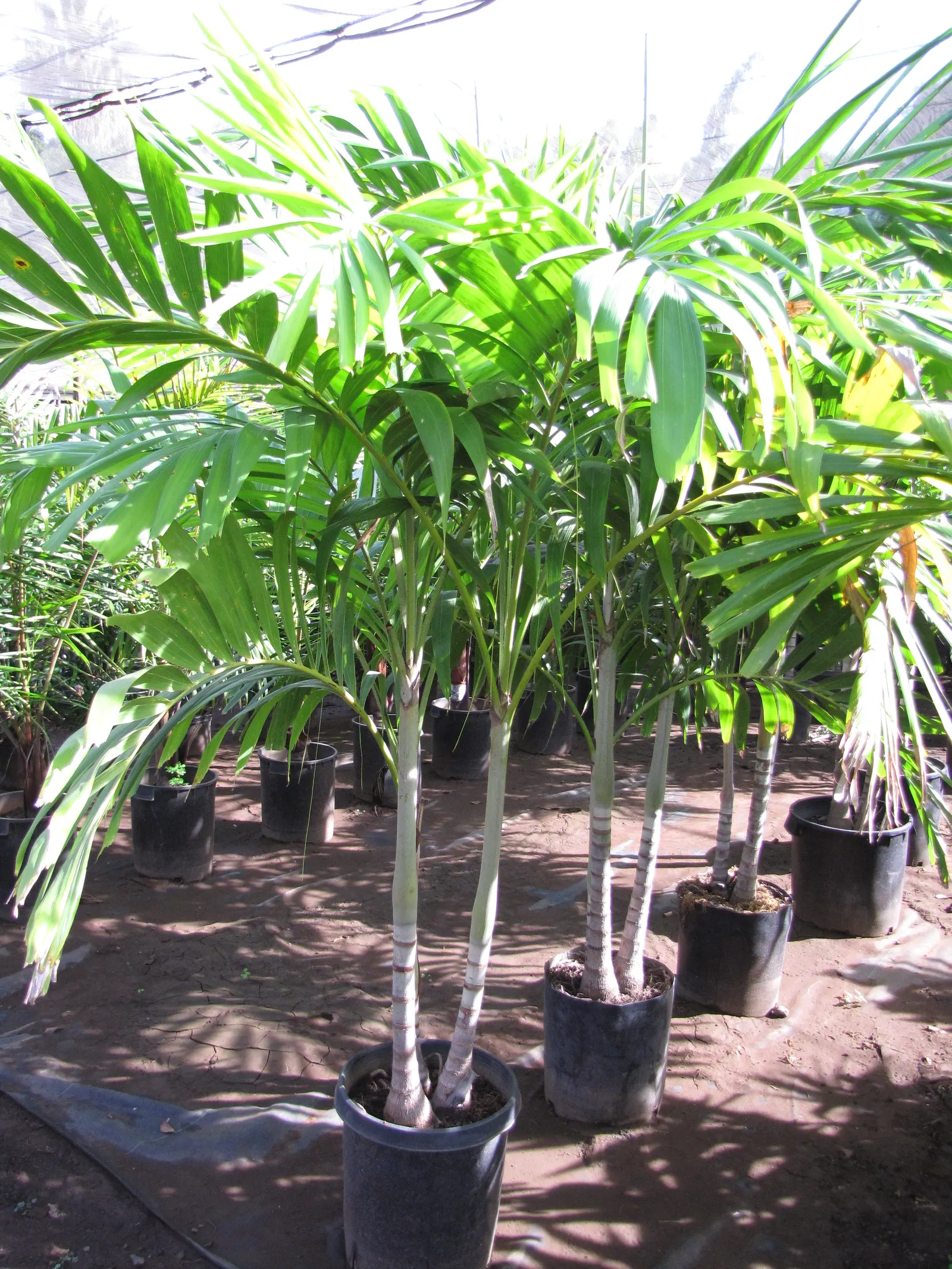
The Toddy Palm (Caryota urens) is a striking addition to landscapes, known for its unique fishtail-like leaves. This fast-growing palm reaches heights of up to 60 feet with a spread of 8-10 feet at maturity. It prefers full sun to partial shade and requires ample space to accommodate its size. Perfect for tropical themes, it yields sap for palm sugar and alcoholic beverages, adding economic as well as aesthetic value.

Sun Full, HalfWater Extra in Summer, HighZones 9–10Climate Subtropical
Toddy Palm (Caryota Urens) — The Toddy Palm (Caryota urens) is a striking addition to landscapes, known for its unique fishtail-like leaves

Culture

Sun
Full, Half
Water
Extra in Summer, High
USDA zones
9–10

Shape & size

Classification

Family
Arecaceae
Climate
Subtropical

See full data, regional cultivation notes, full-resolution photos, and design tools. Build a client presentation around this plant.

Start your 14-day trial

Photos (86)

Toddy Palm (Caryota Urens) — palm with white blooms
Toddy Palm (Caryota Urens) — white flowers in the garden
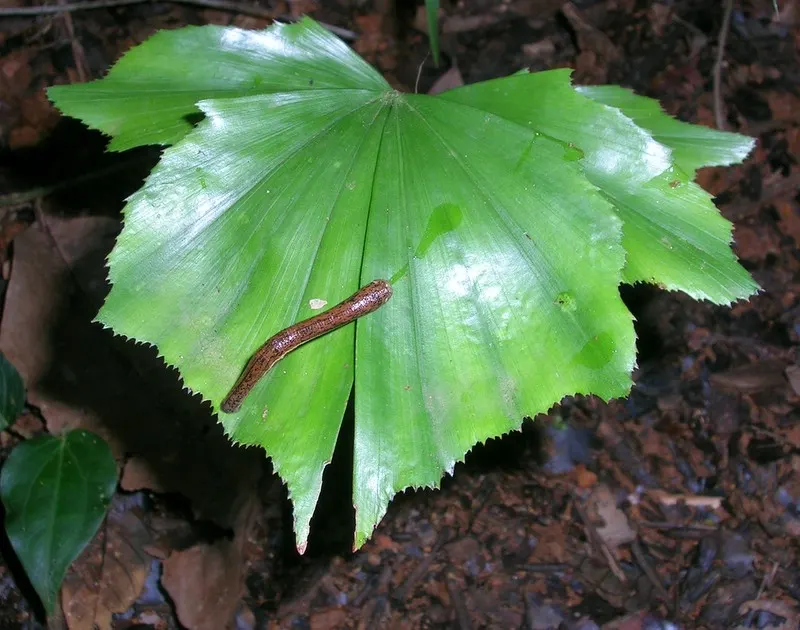
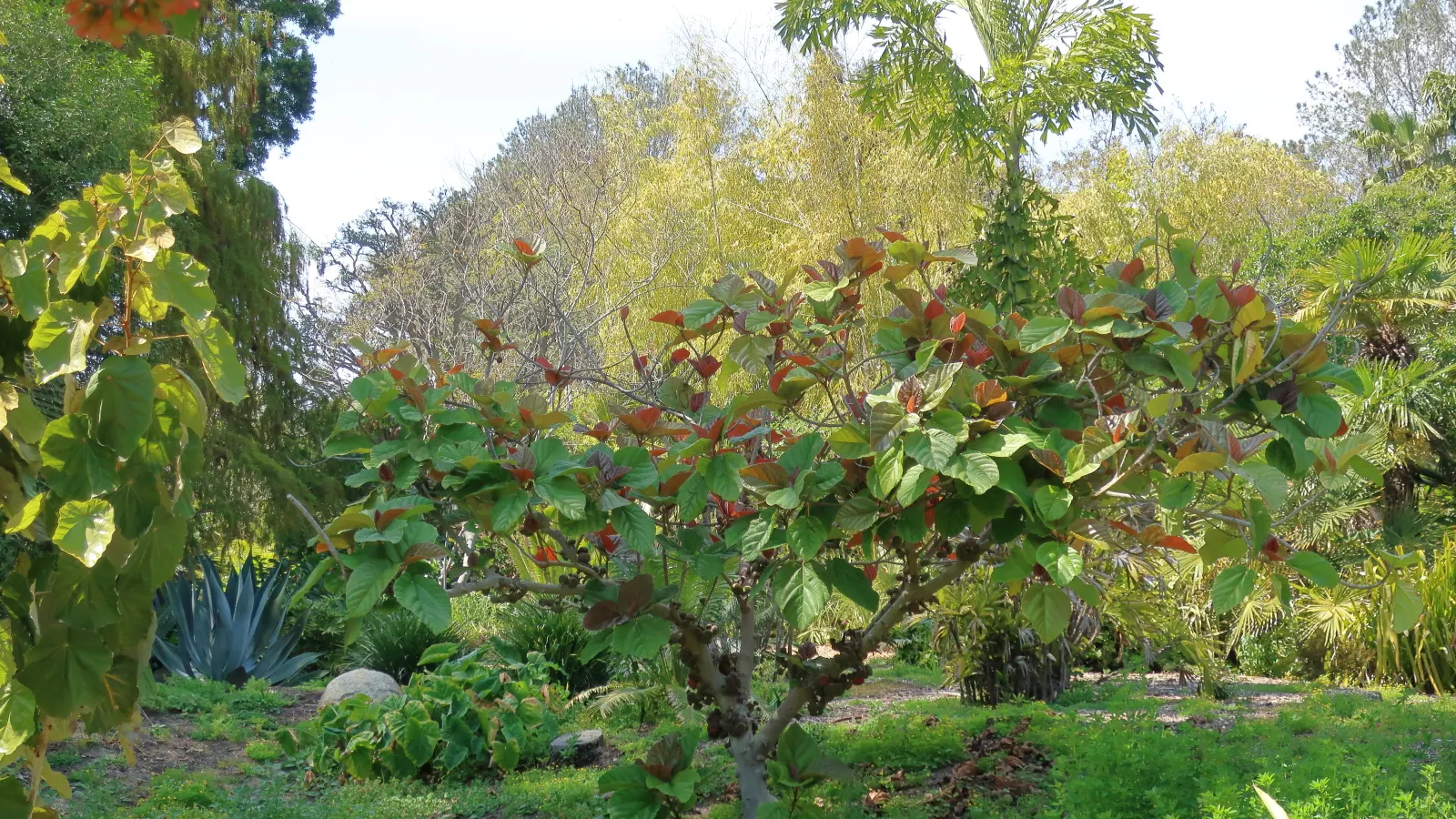
Toddy Palm (Caryota Urens) — The Toddy Palm (Caryota urens) is a striking addition to landscapes, known for its unique fishtail-like leaves; perfect for
Toddy Palm (Caryota Urens) — it yields sap for palm sugar and alcoholic beverages; adding economic as well as aesthetic value
Toddy Palm (Caryota Urens) — Perfect for tropical themes; palm with white blooms
Toddy Palm (Caryota Urens) — It prefers full sun to partial shade and requires ample space to accommodate its size; it is imperative to note that the Toddy
Toddy Palm (Caryota Urens) — This fast-growing palm reaches heights of up to 60 feet with a spread of 8-10 feet at maturity; unlike typical palms with fan or
Toddy Palm (Caryota Urens) — adding economic as well as aesthetic value; which can serve as an excellent focal point in any garden
Toddy Palm (Caryota Urens) — scientifically known as Caryota urens; this heat-loving species requires well-drained soil and once established
Toddy Palm (Caryota Urens) — is a distinctive species of palm native to parts of South Asia and Southeast Asia; the Toddy Palm (Caryota urens) is a striking
Toddy Palm (Caryota Urens) — This palm is characterized by its bipinnate leaves that can extend an impressive 12 to 18 feet in length; is a distinctive species
Toddy Palm (Caryota Urens) — with a spread of 10 to 15 feet; it prefers full sun to partial shade and requires ample space to accommodate its size
Toddy Palm (Caryota Urens) — with leaflets taking on a unique fishtail appearance; lending architectural interest to the landscape.<br><br>In its blooming phase
Toddy Palm (Caryota Urens) — Unlike typical palms with fan or feather leaves; making it suitable for a subtropical-themed landscape with minimal maintenance
Toddy Palm (Caryota Urens) — which can serve as an excellent focal point in any garden; with leaflets taking on a unique fishtail appearance
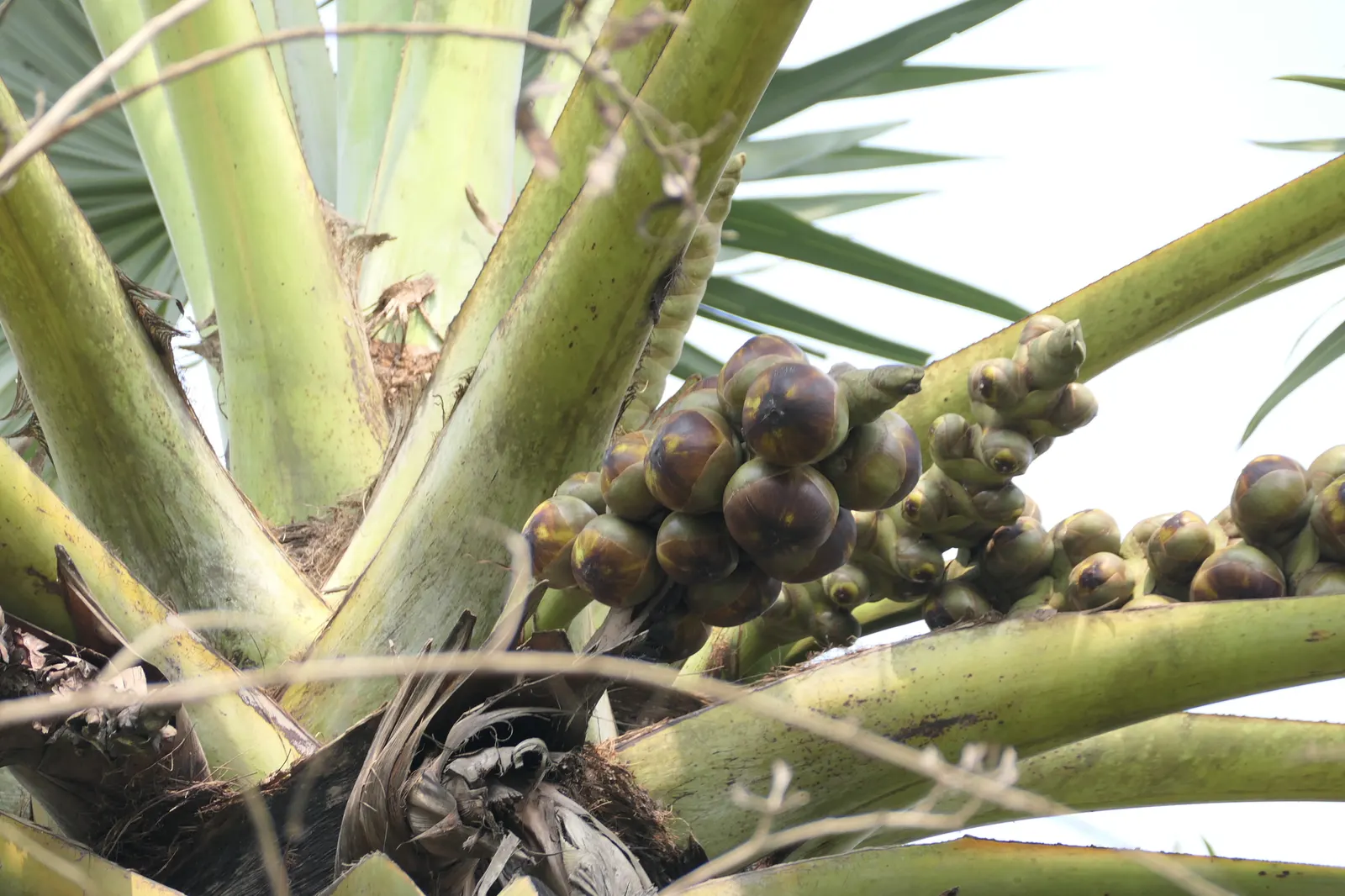
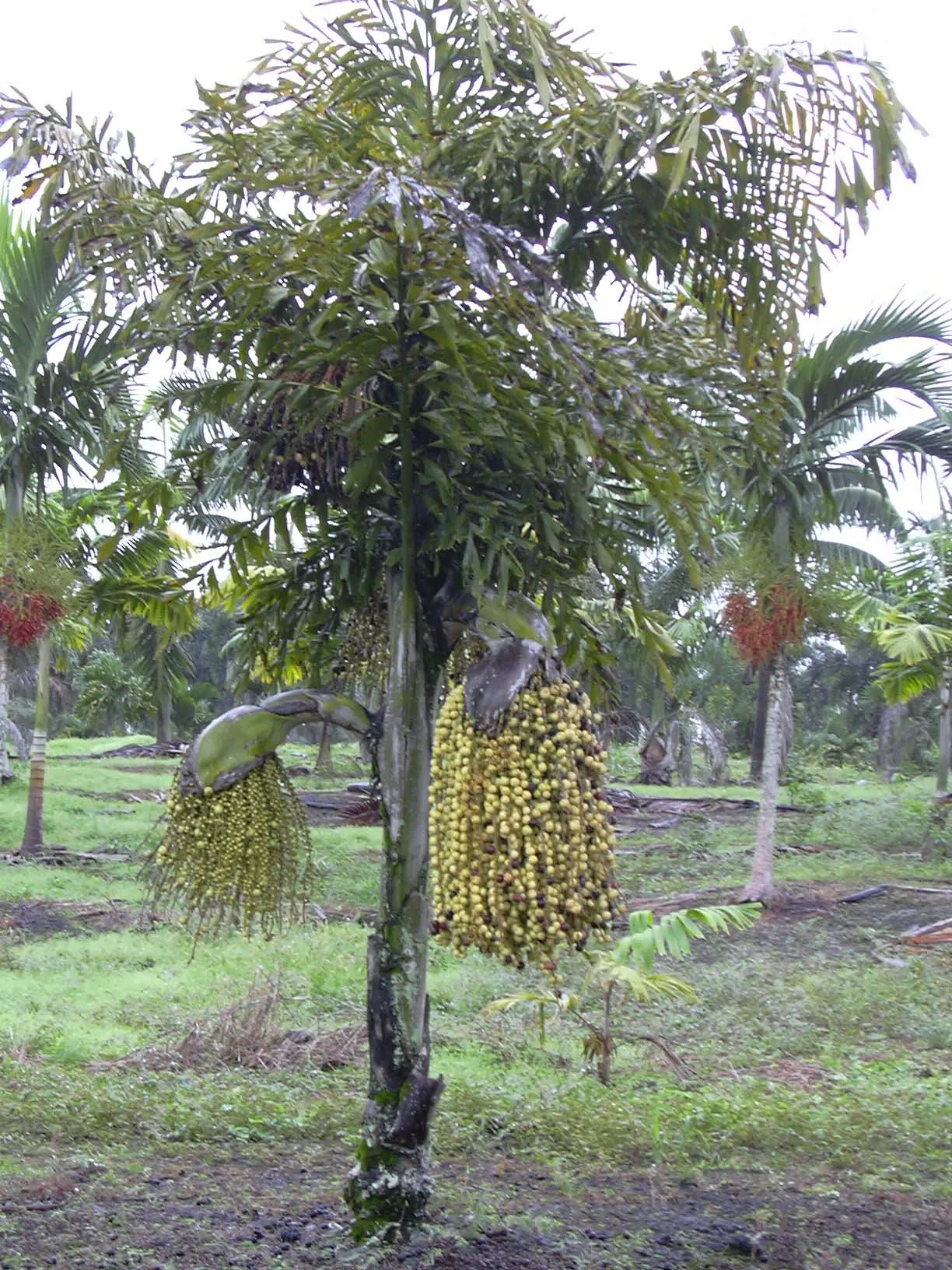
Toddy Palm (Caryota Urens) — solitary trunk that often bulges in the middle; black fruits about one inch in diameter
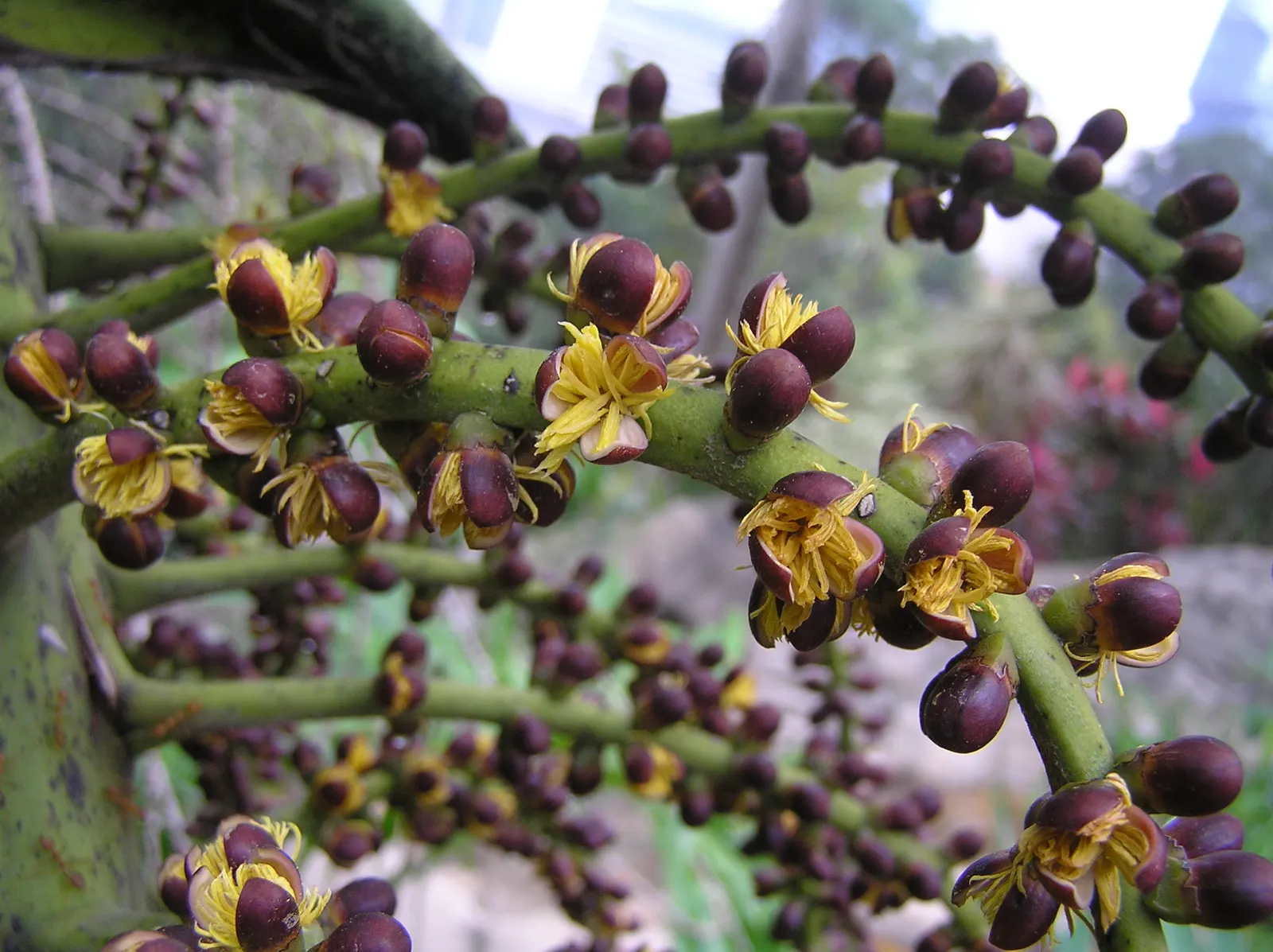
Toddy Palm (Caryota Urens) — lending architectural interest to the landscape.<br><br>In its blooming phase; white flowers in the garden
Toddy Palm (Caryota Urens) — it is imperative to note that the Toddy Palm thrives in USDA Hardiness Zones 10-12; appreciating full sun to partial shade
Toddy Palm (Caryota Urens) — appreciating full sun to partial shade; palm for full or half
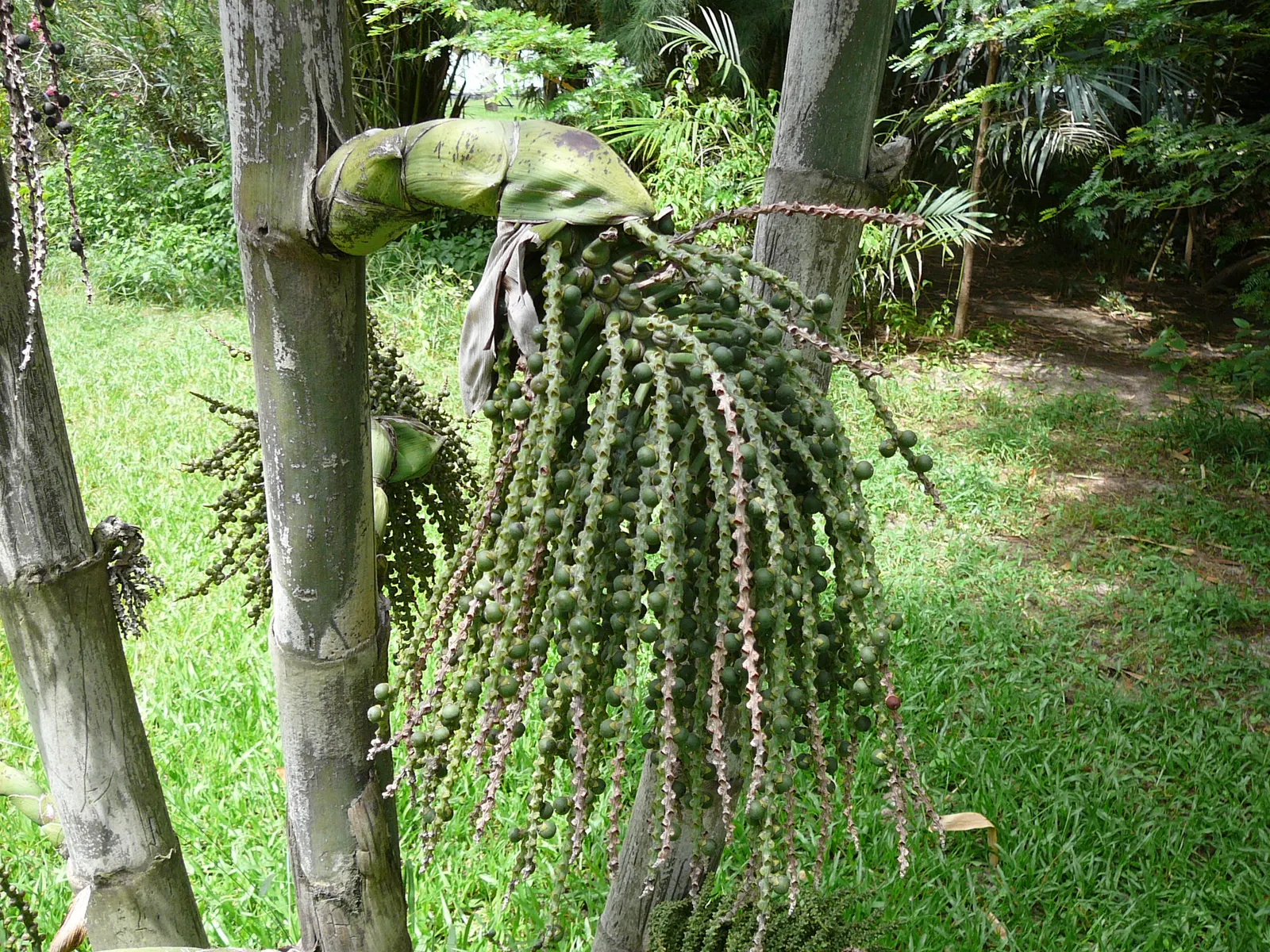
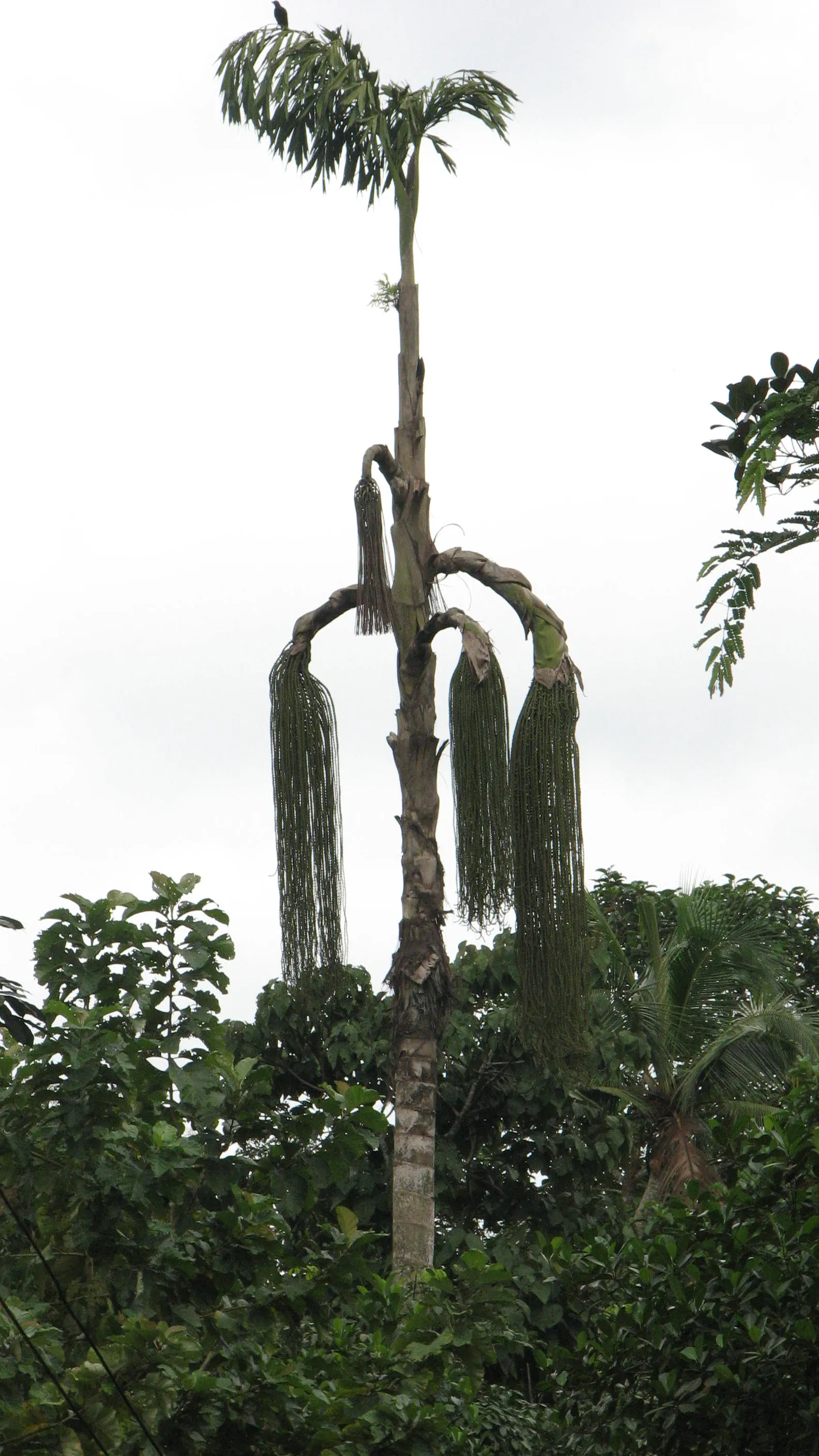
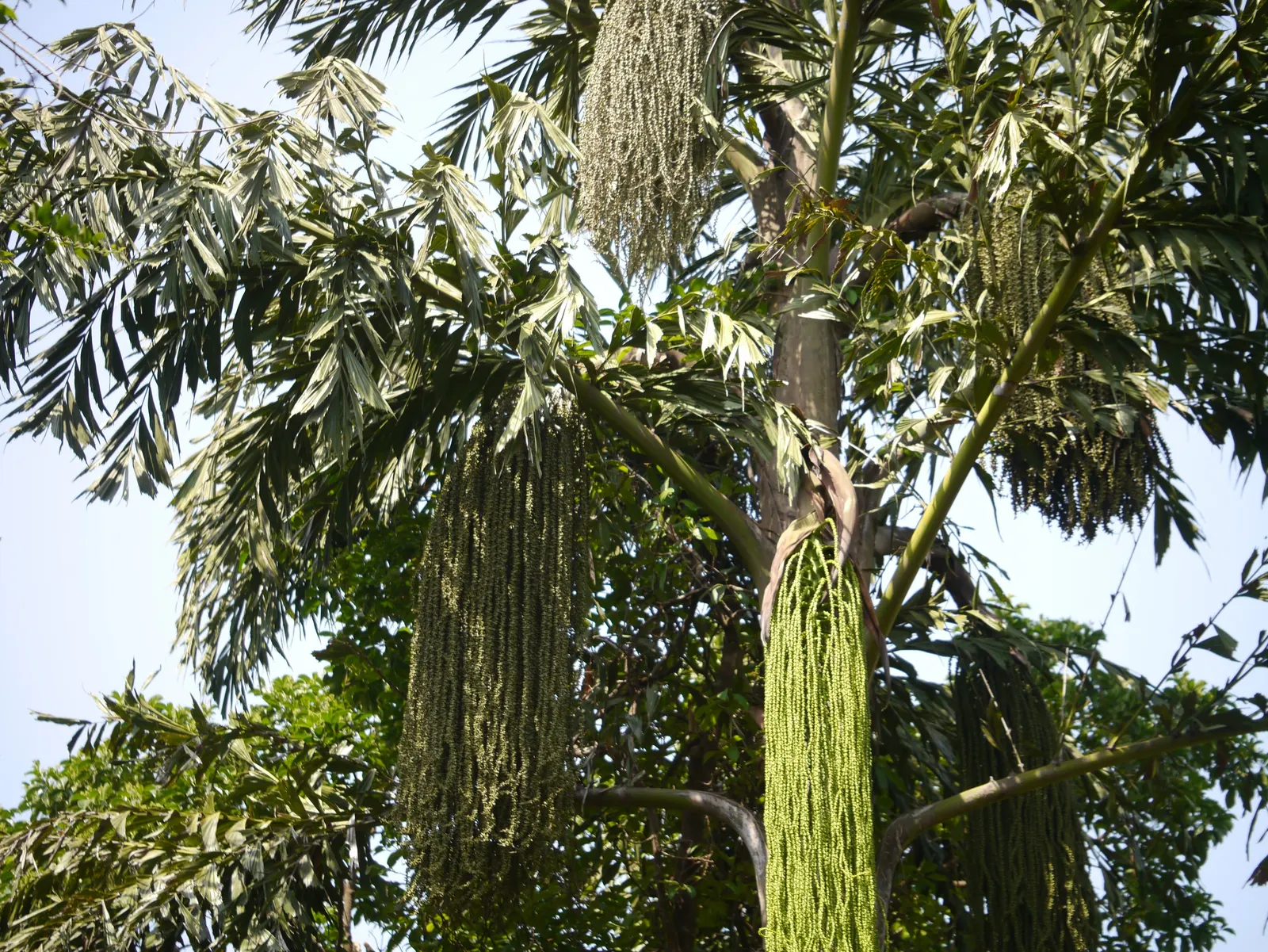
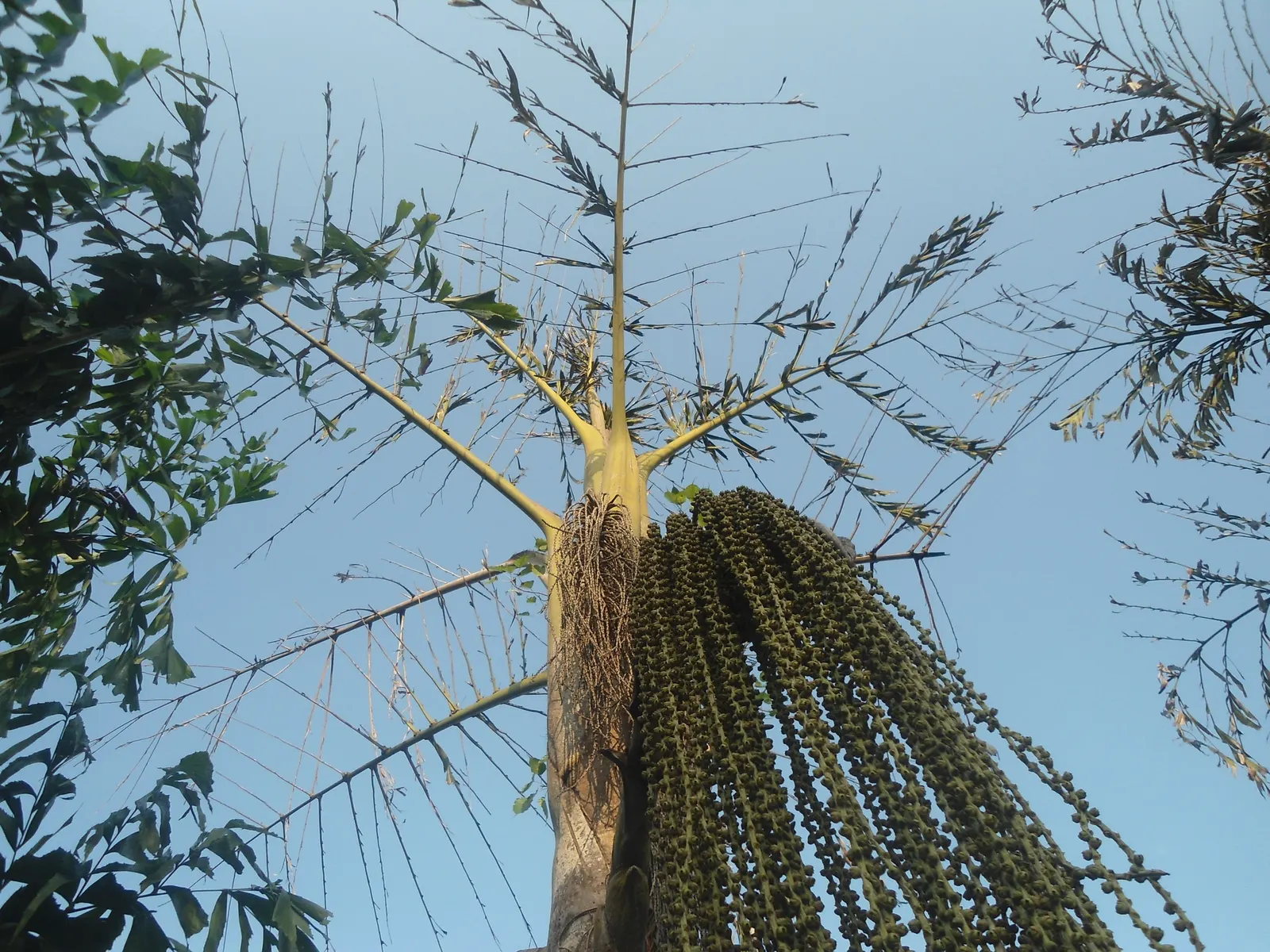
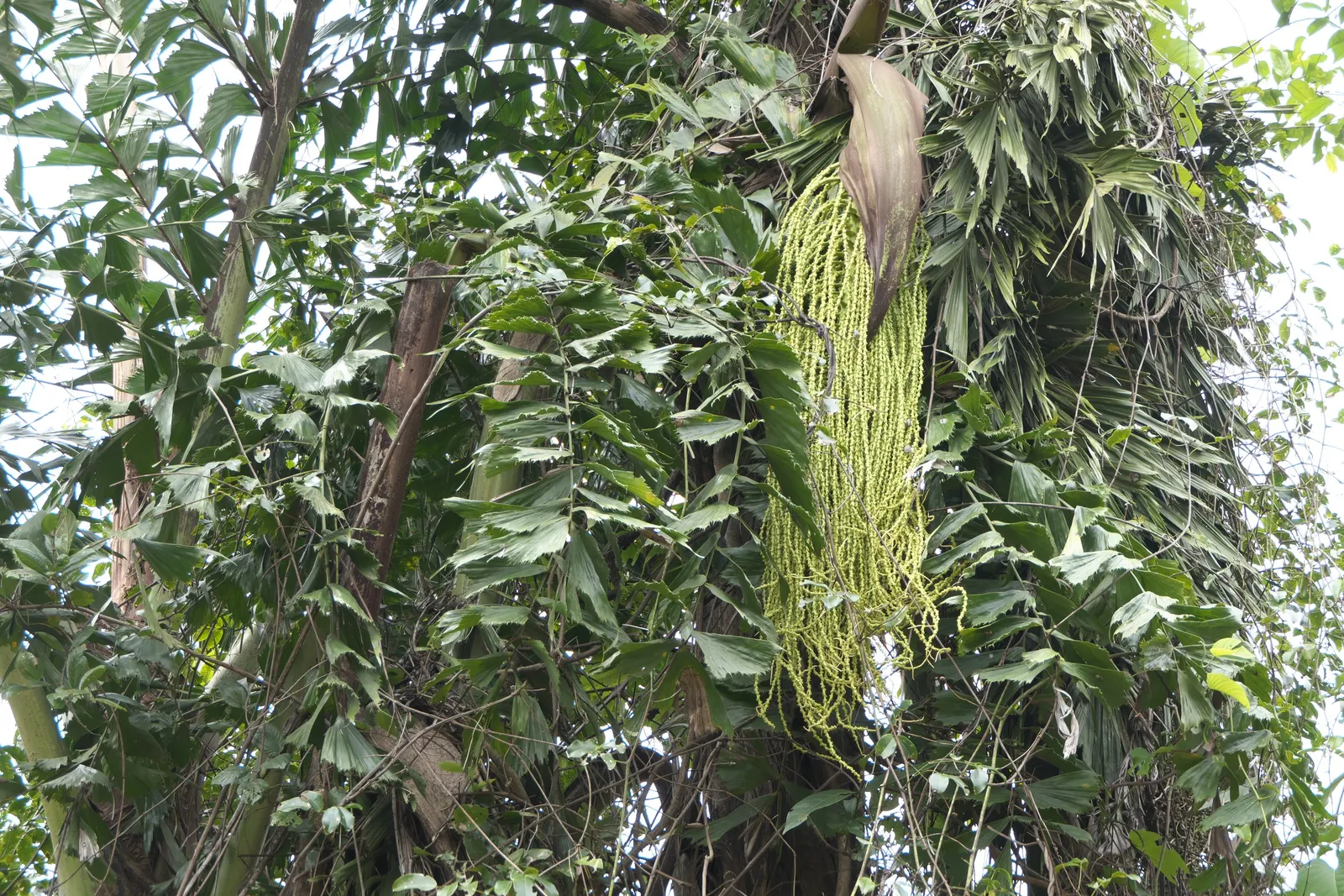
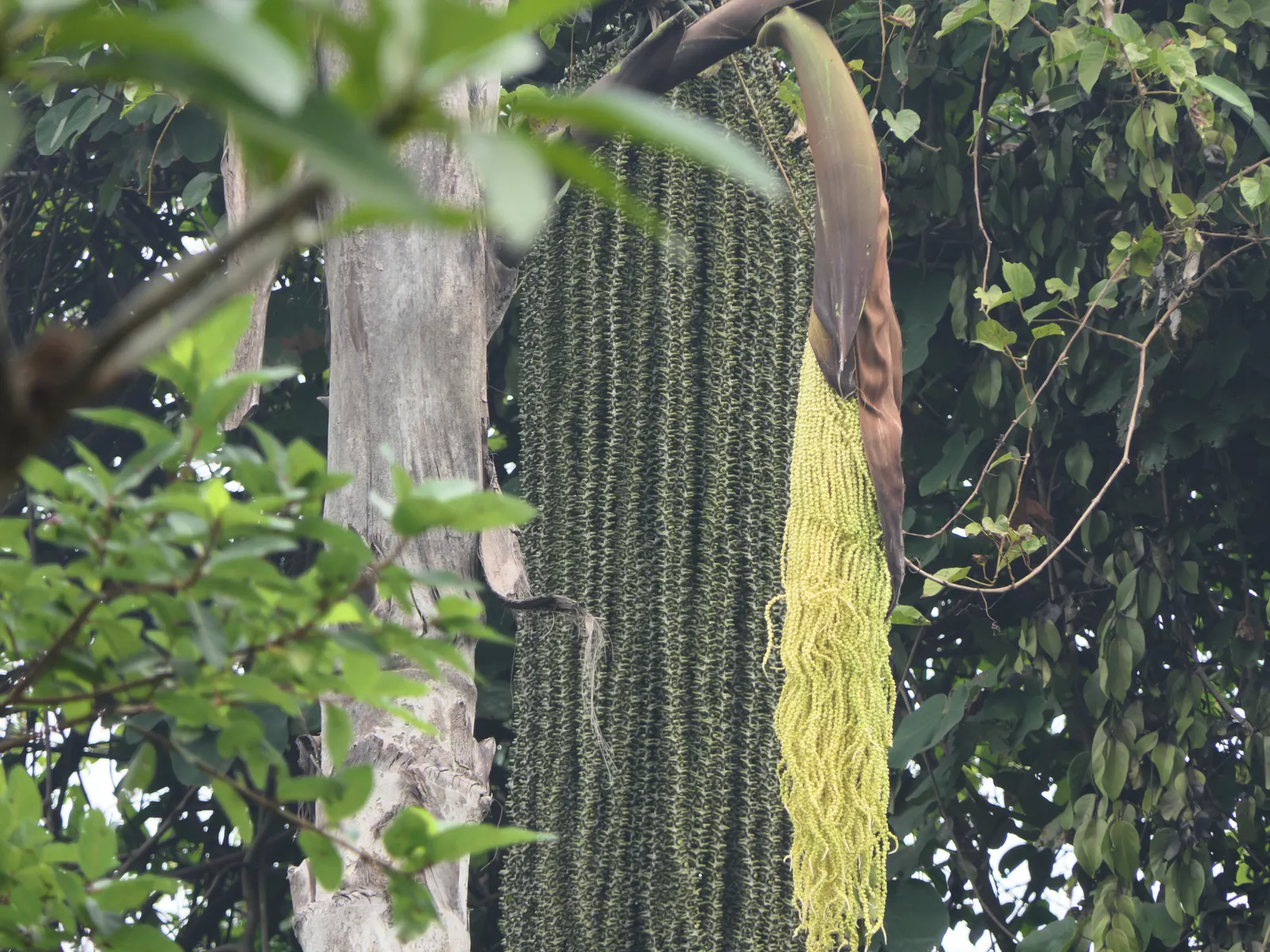
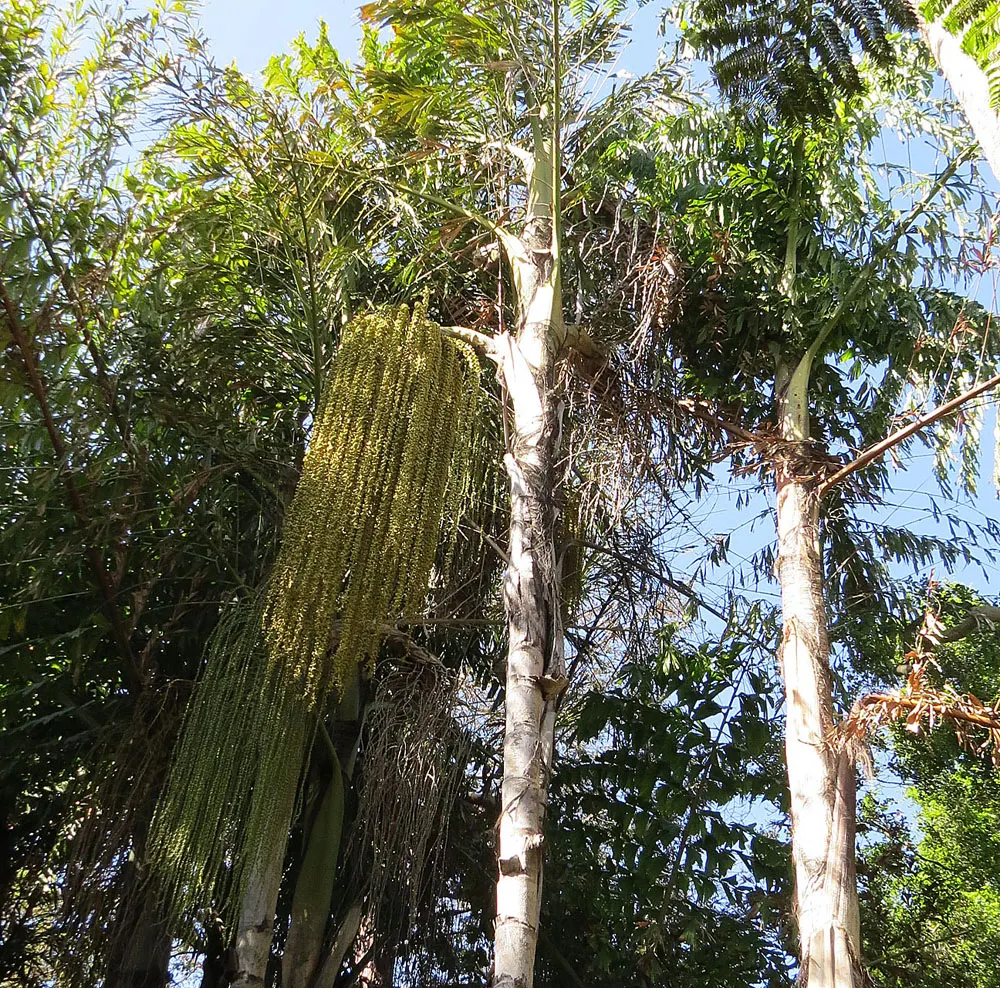
Toddy Palm (Caryota Urens) — hanging flower clusters - inflorescences can stretch up to six feet in length; it yields sap for palm sugar and alcoholic beverages
Toddy Palm (Caryota Urens) — black fruits about one inch in diameter; with a spread of 10 to 15 feet
Toddy Palm (Caryota Urens) — making it suitable for a subtropical-themed landscape with minimal maintenance needs; has moderate drought tolerance
Toddy Palm (Caryota Urens) — has moderate drought tolerance; solitary trunk that often bulges in the middle
Toddy Palm (Caryota Urens) — This heat-loving species requires well-drained soil and once established; scientifically known as Caryota urens

Related plants