Skip to content

Bitternut Hickory

Carya Cordiformis

Design with this plant

Overview

Carya cordiformis, known as Bitternut Hickory, is a towering deciduous tree, reaching heights of 50-80 feet. Its slender, upturned branches bear pinnate leaves, with foliage turning golden yellow in fall. Producing inedible nuts encased in thin husks, this tree thrives in full sun to partial shade and prefers moist, well-drained soils. It's notable for its ridged gray bark and serves as an excellent tall shade or specimen tree in spacious landscapes.

Sun Full, HalfWater Extra in Summer, MediumZones 5–10Climate Temperate
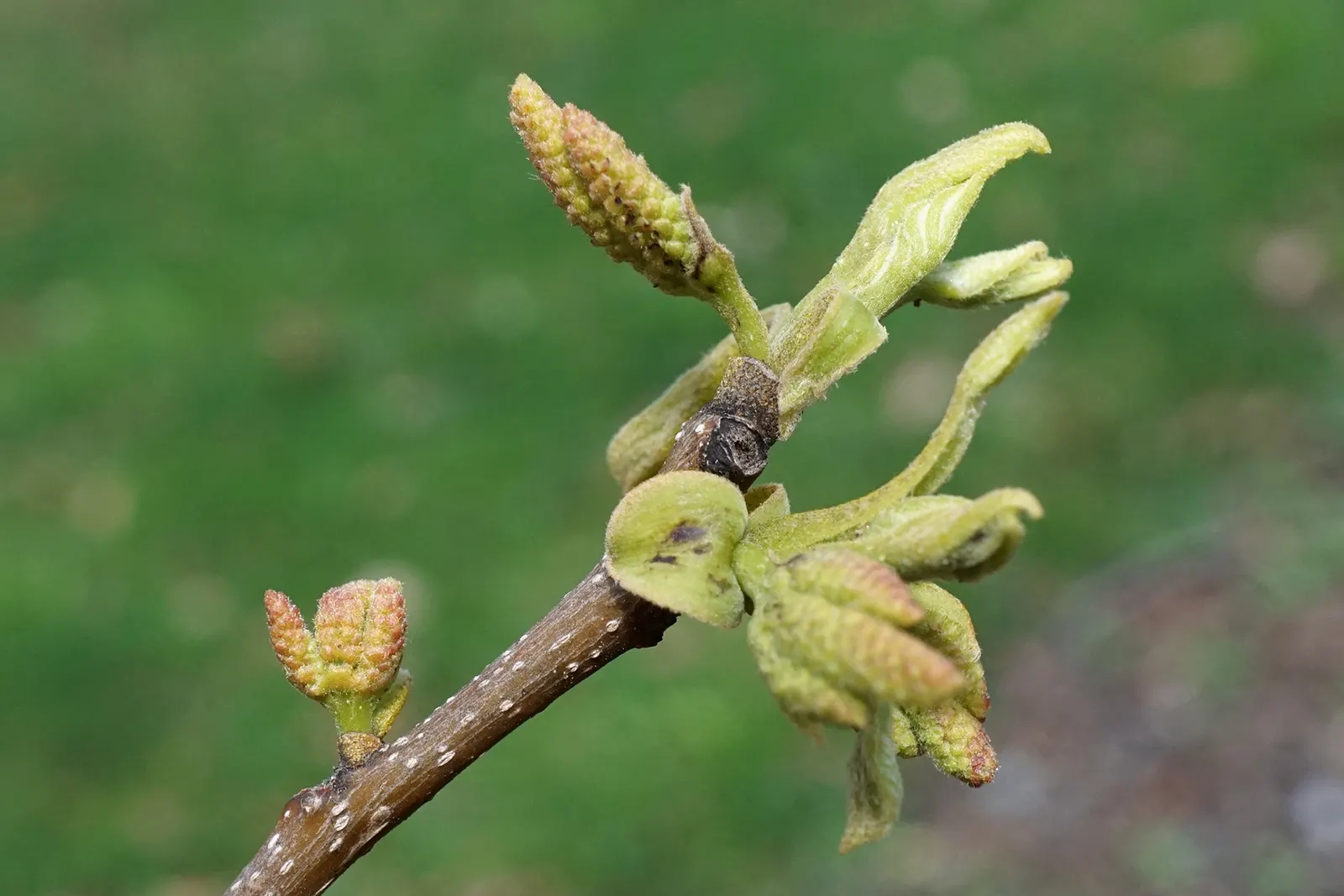
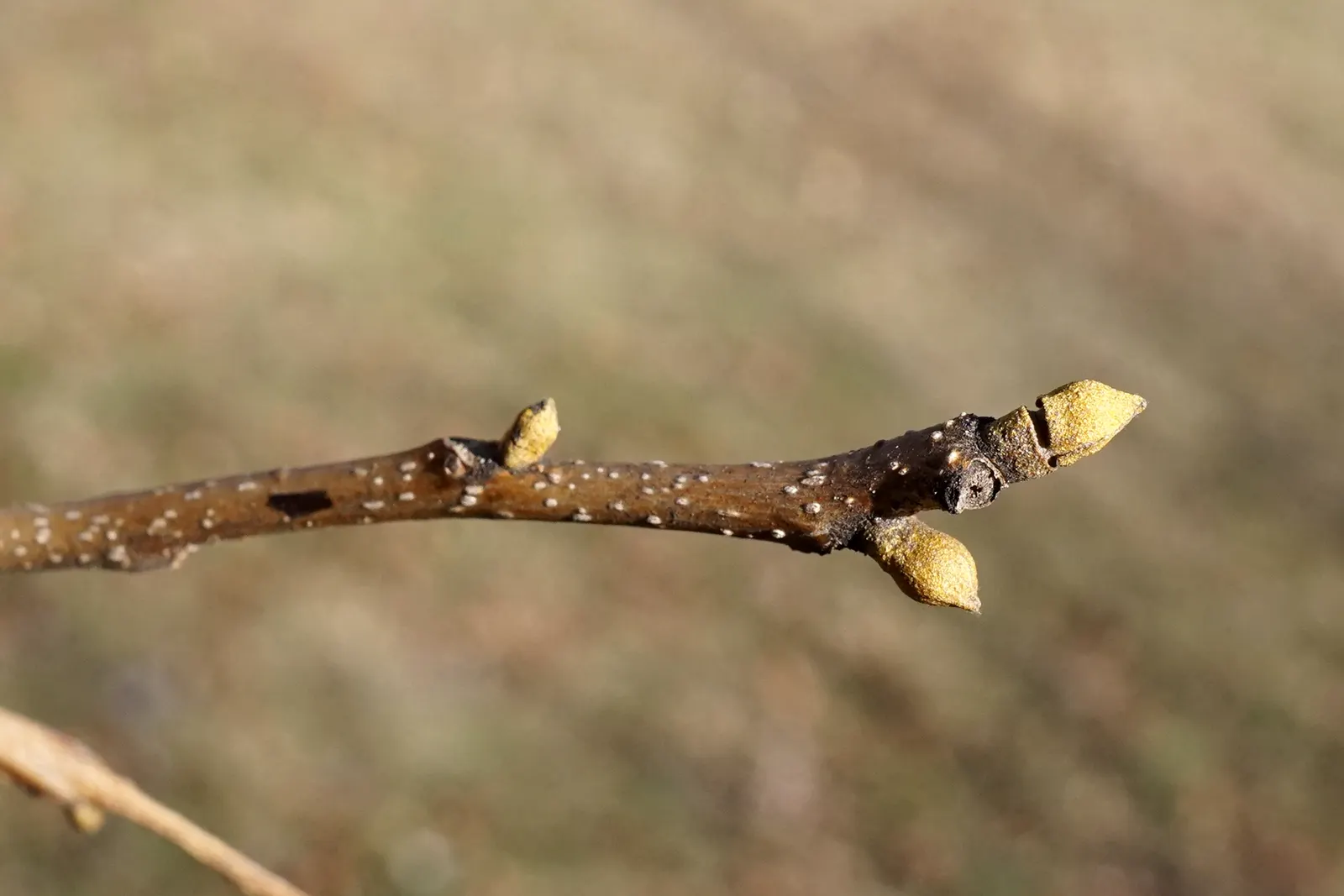
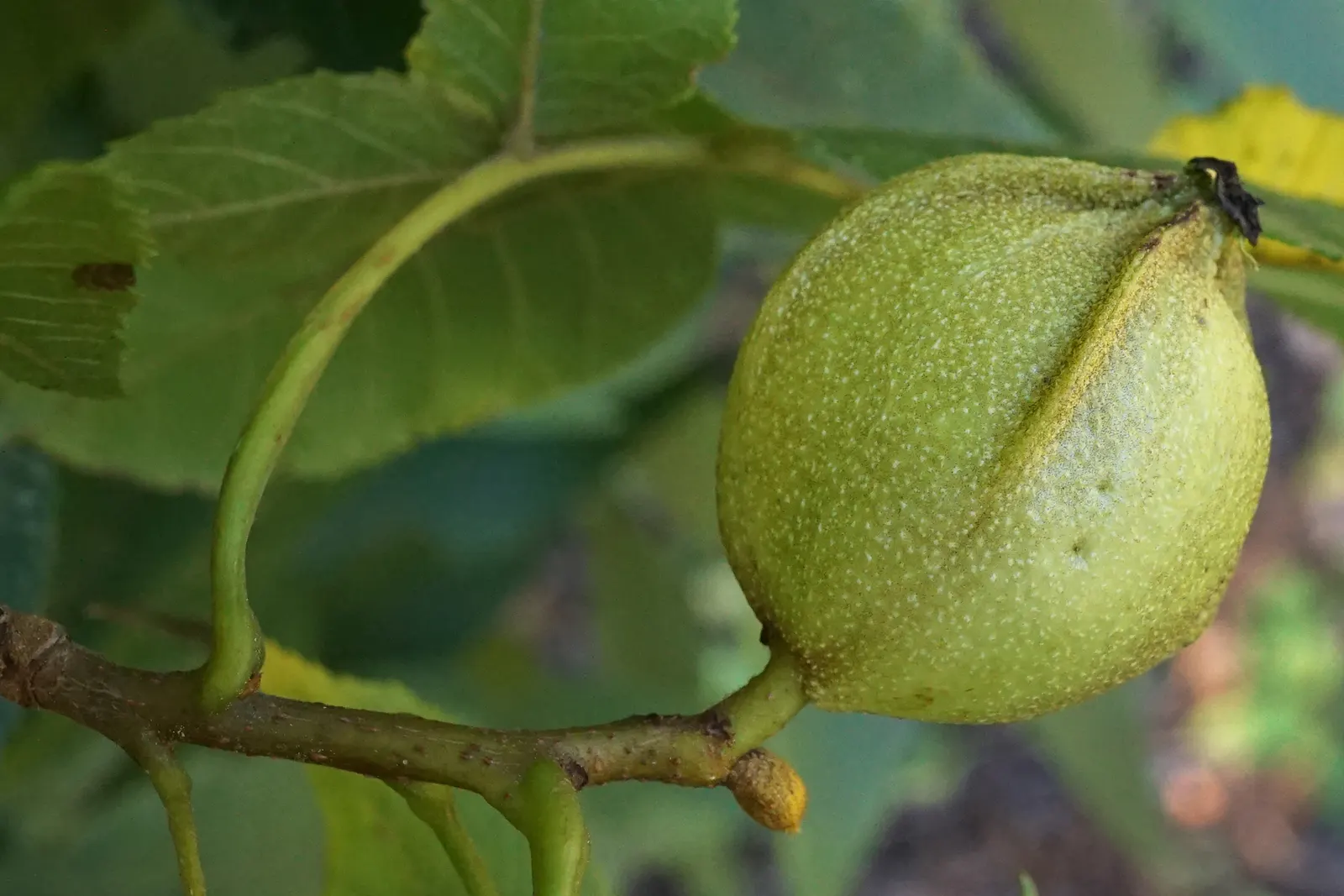
Bitternut Hickory (Carya Cordiformis) — Carya cordiformis, known as Bitternut Hickory, is a towering deciduous tree, reaching heights of 50-80 feet

Culture

Sun
Full, Half
Water
Extra in Summer, Medium
USDA zones
5–10

Shape & size

Classification

Family
Juglandaceae
Climate
Temperate

See full data, regional cultivation notes, full-resolution photos, and design tools. Build a client presentation around this plant.

Start your 14-day trial

Photos (58)

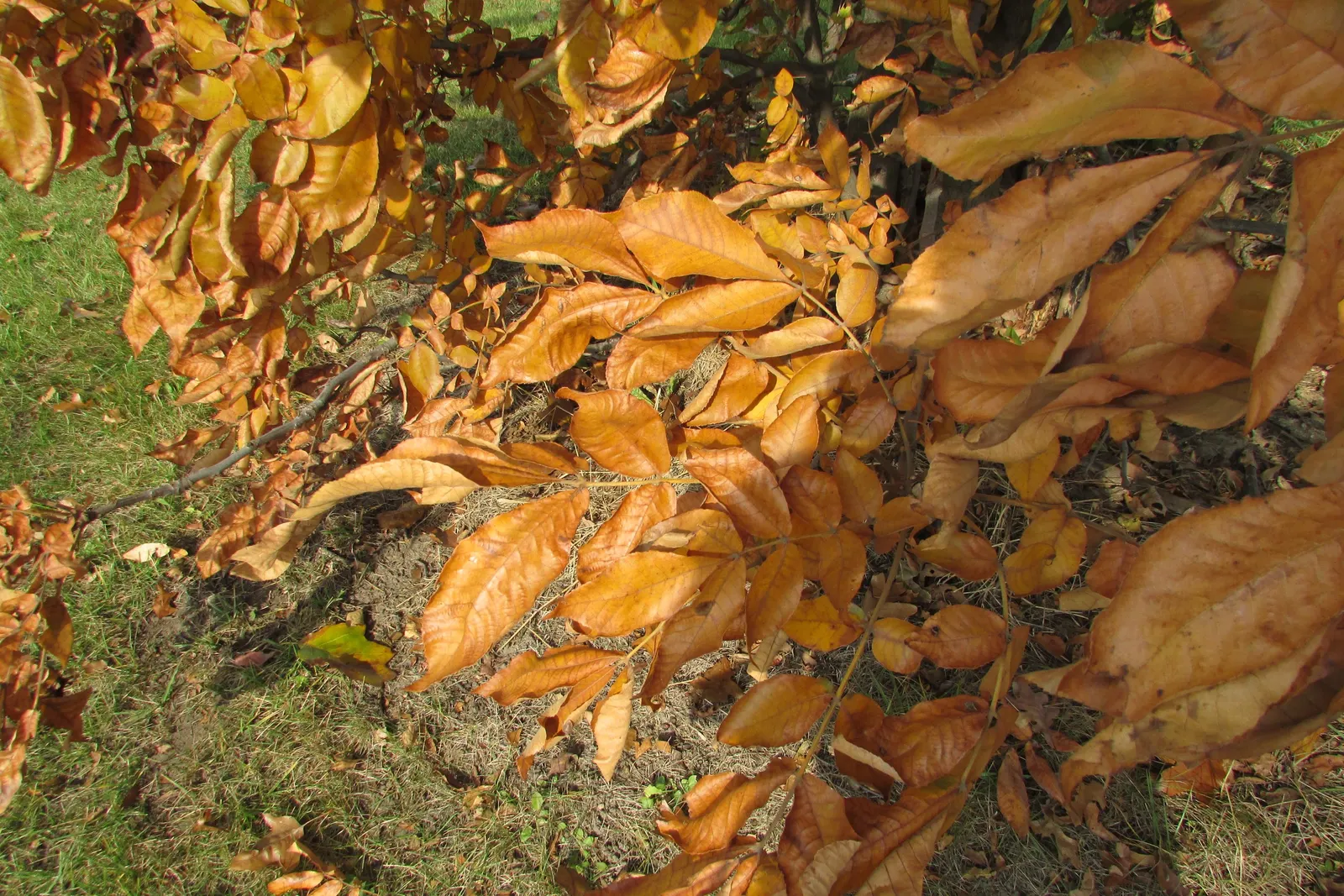
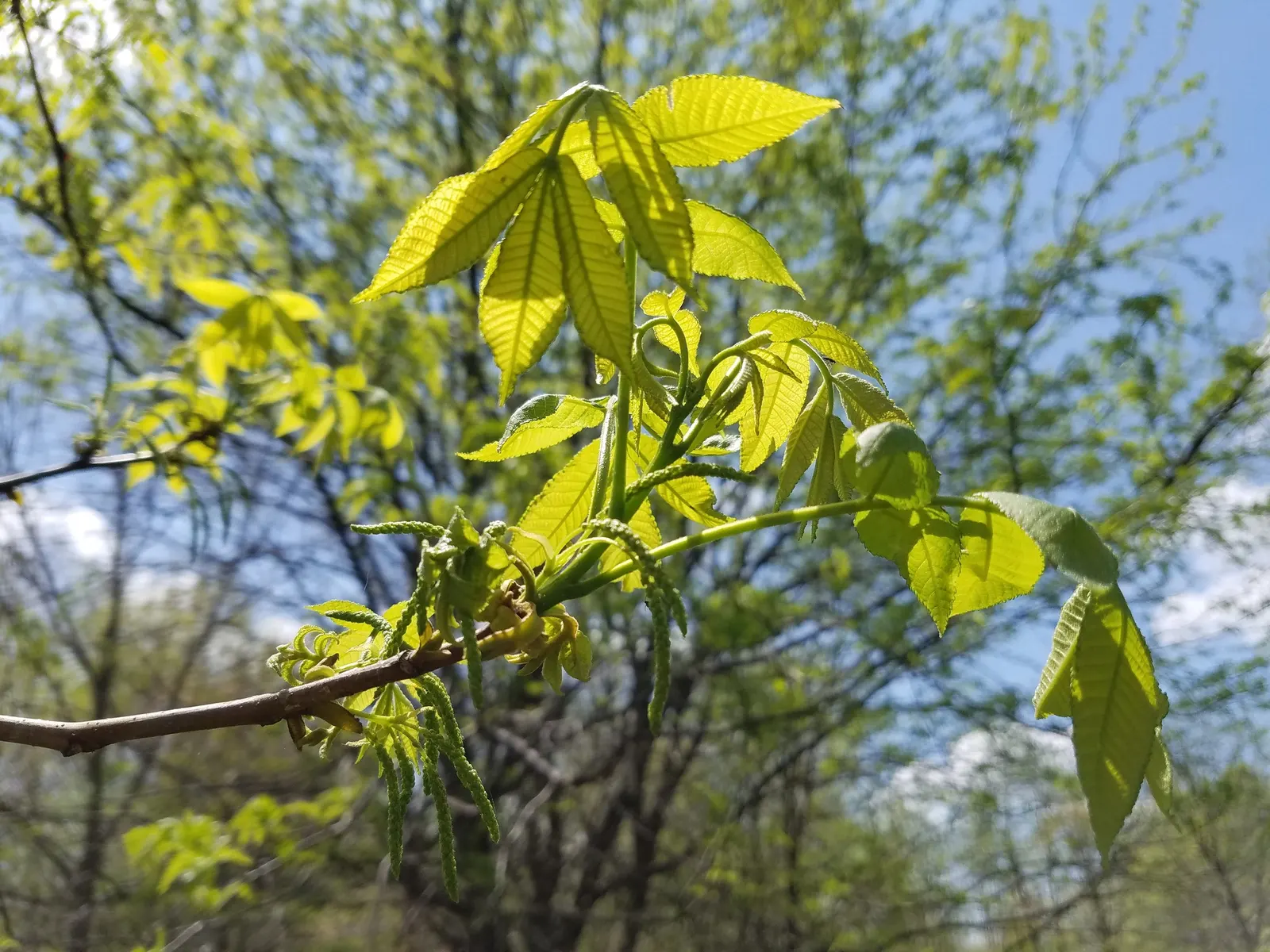
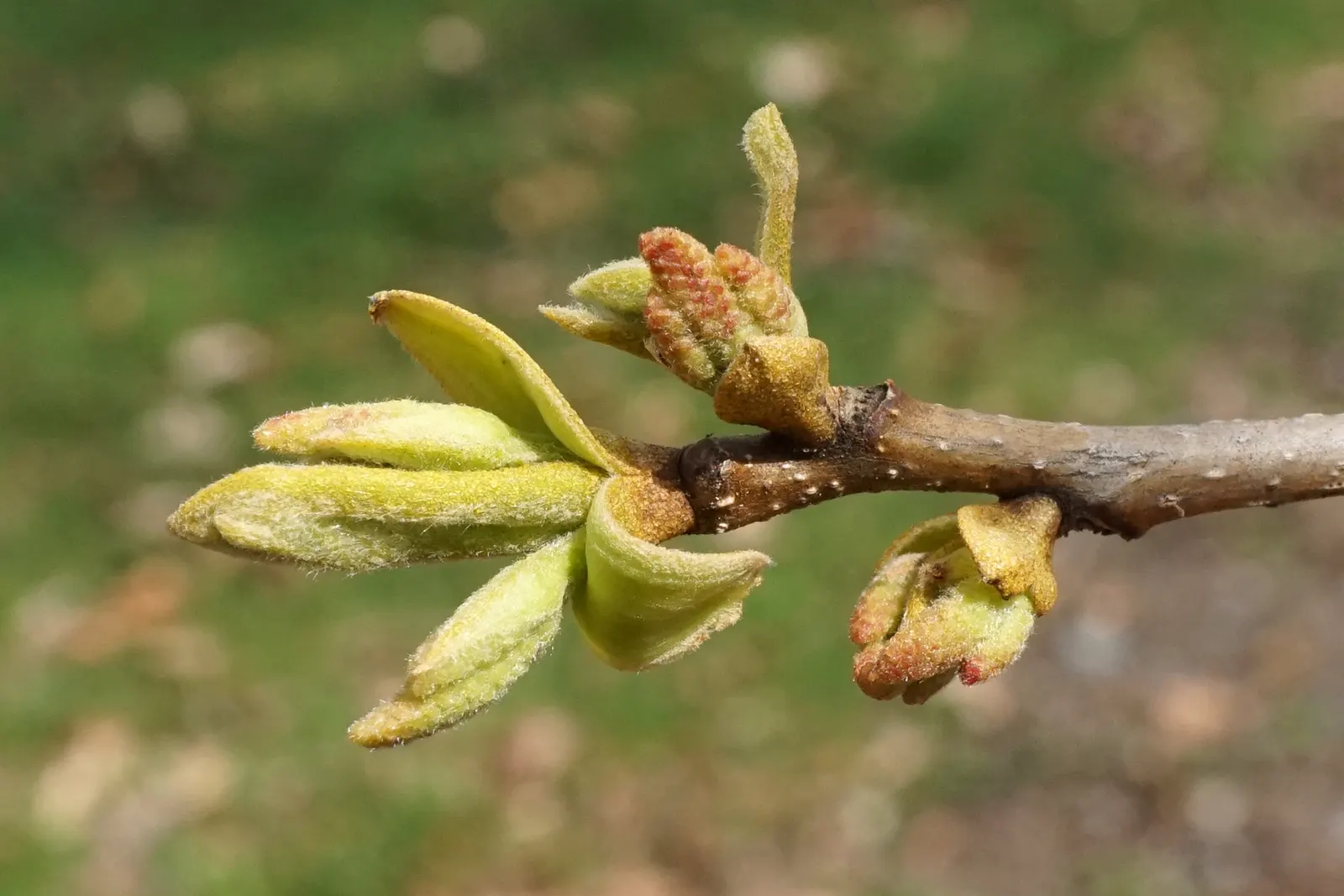
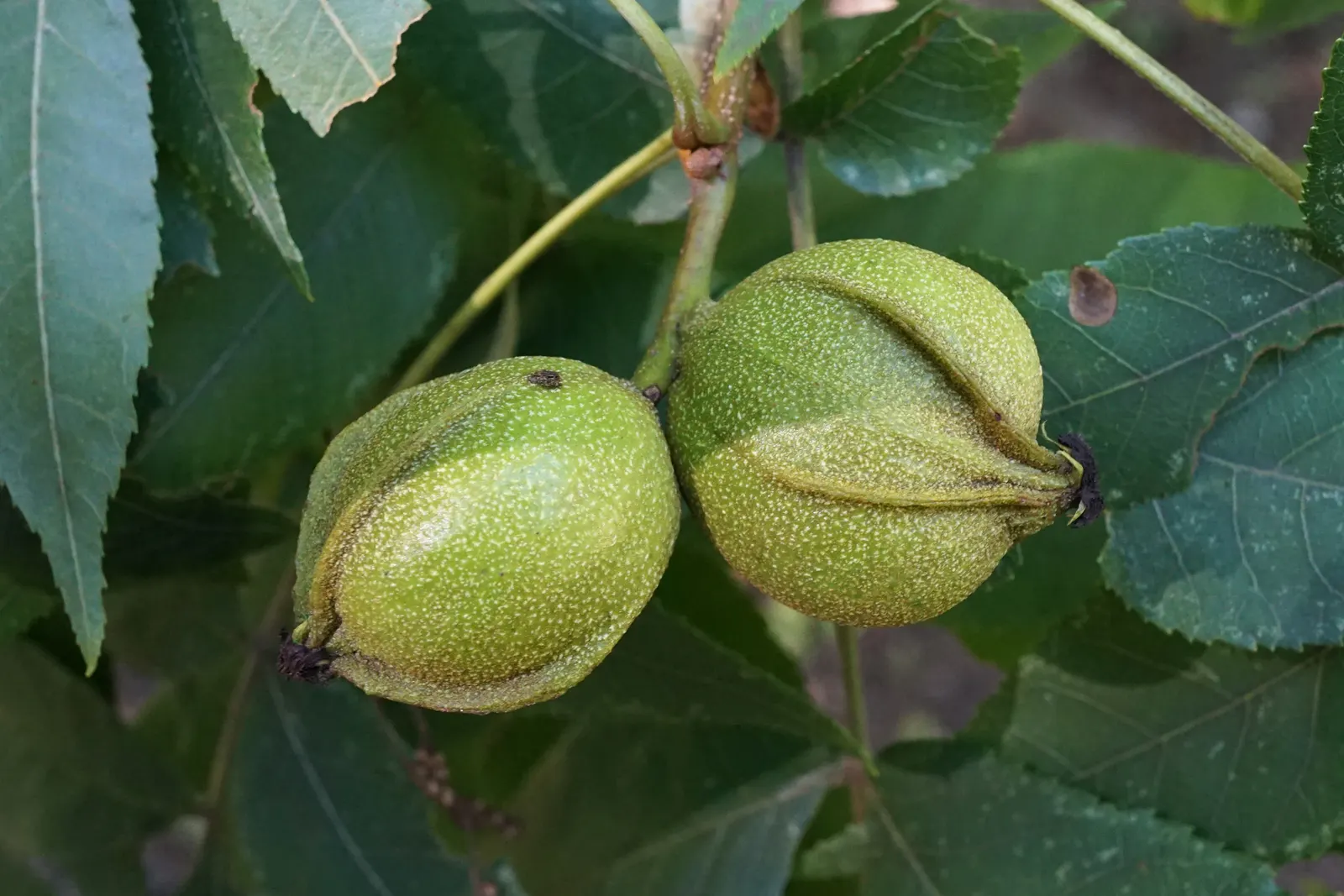
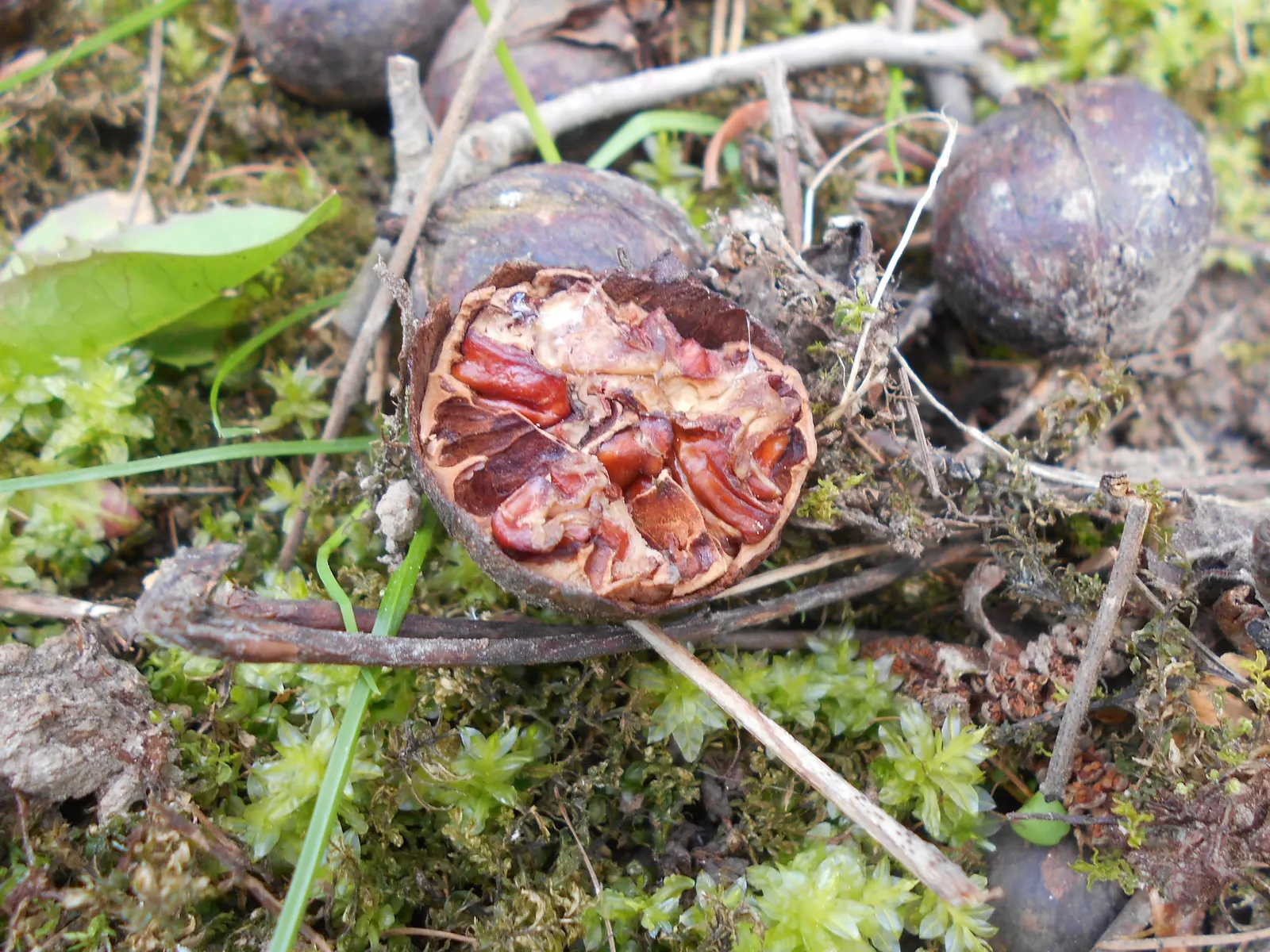
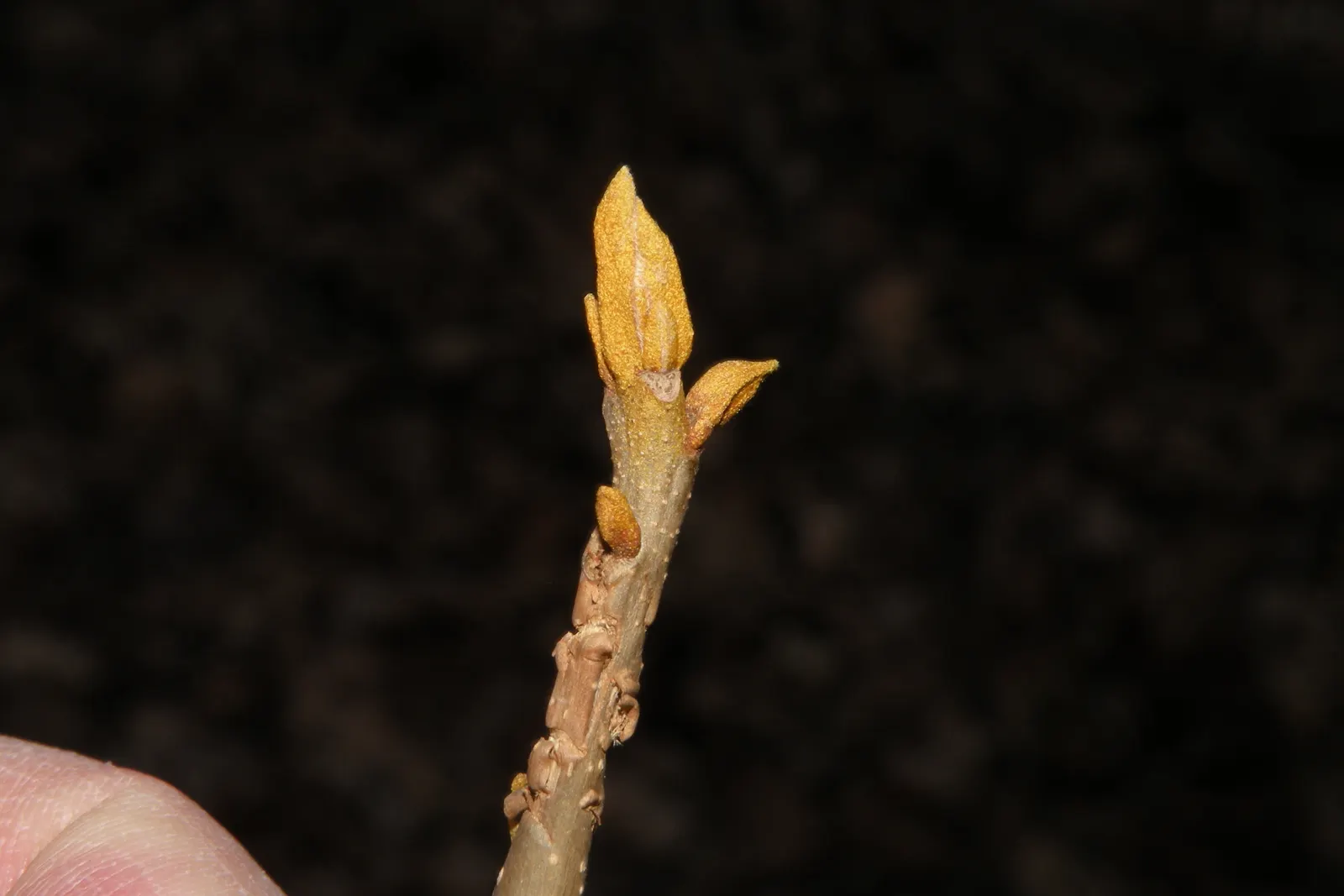
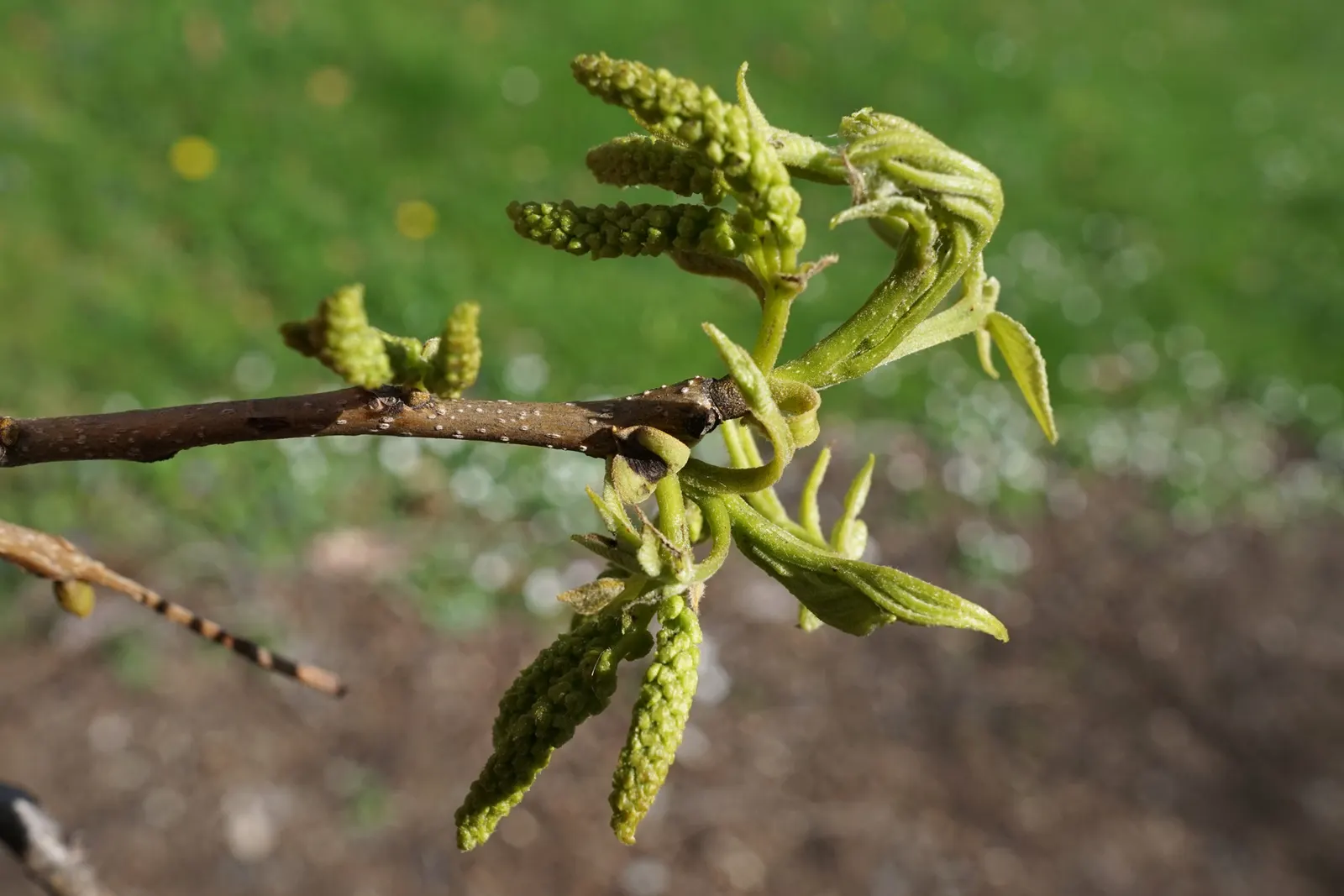
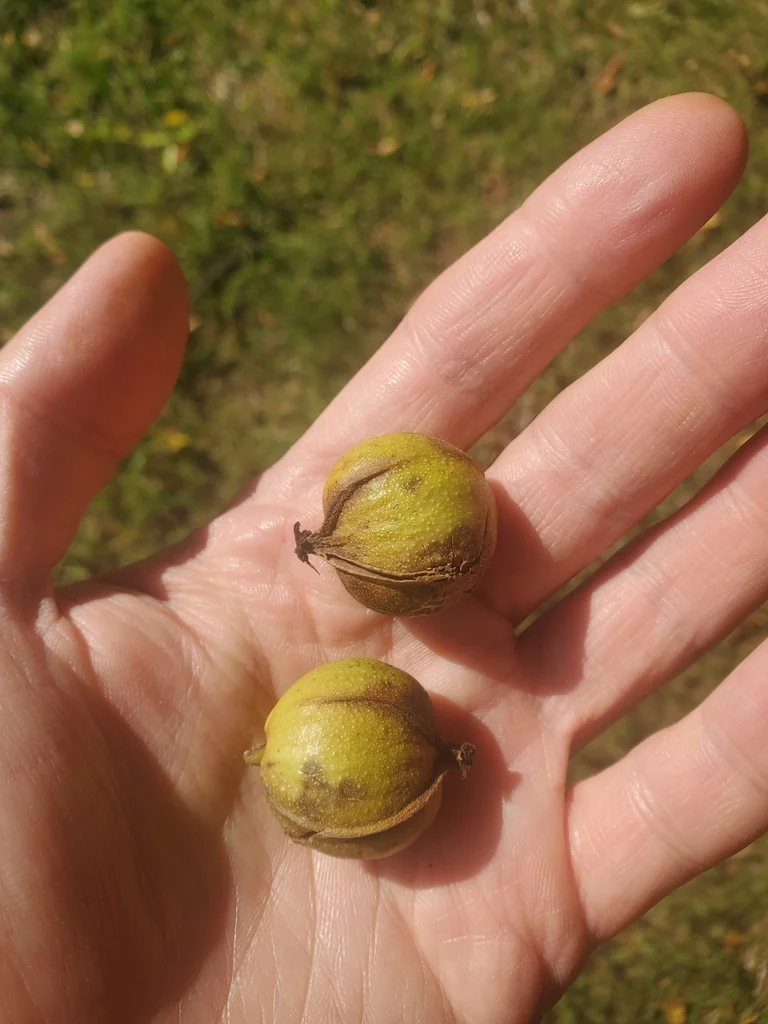
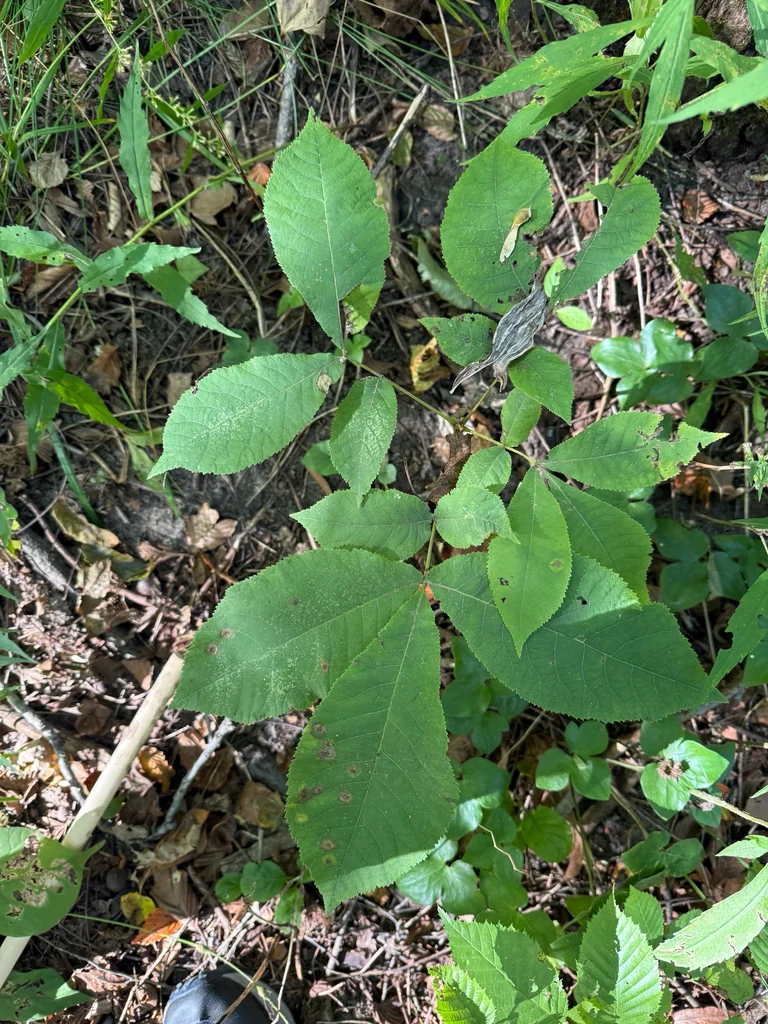
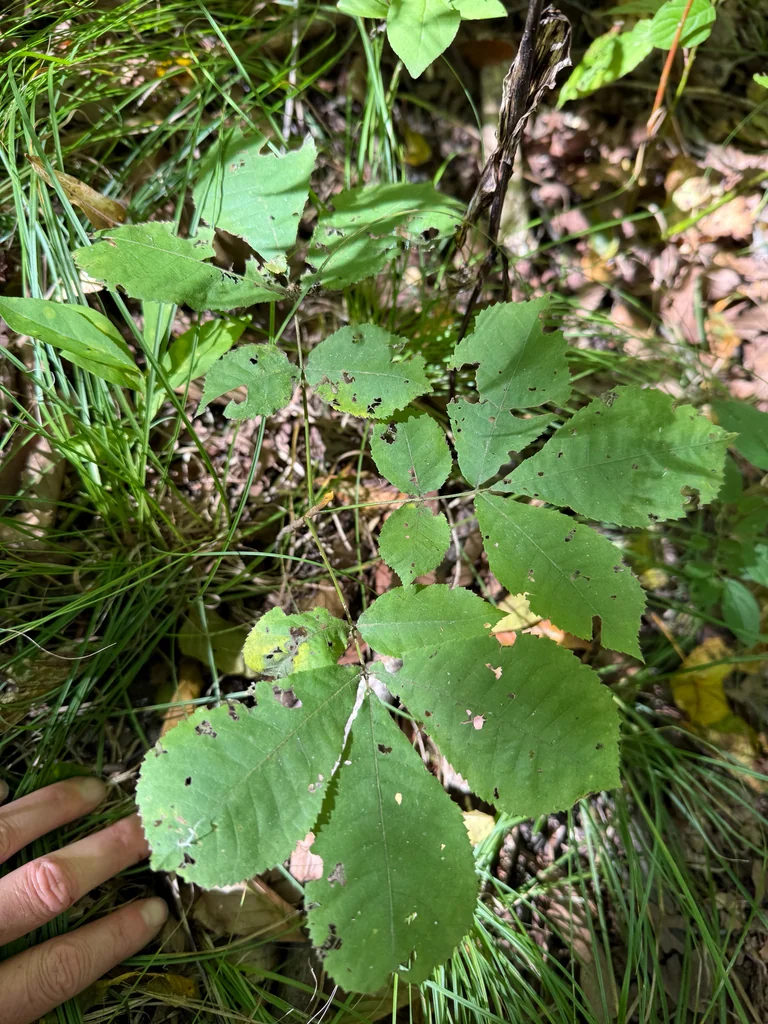
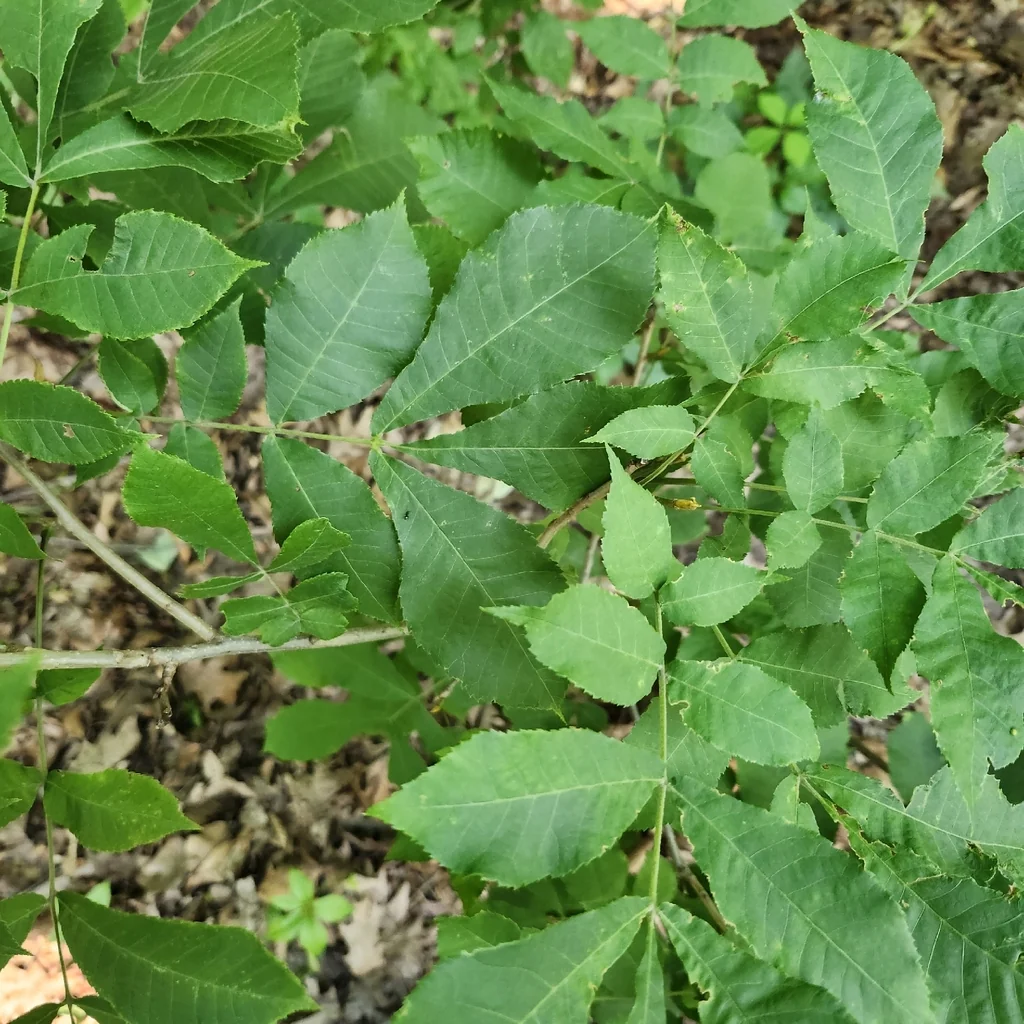
Bitternut Hickory (Carya Cordiformis) — golden-yellow autumn foliage; are a food source for squirrels and other mammals, image 48
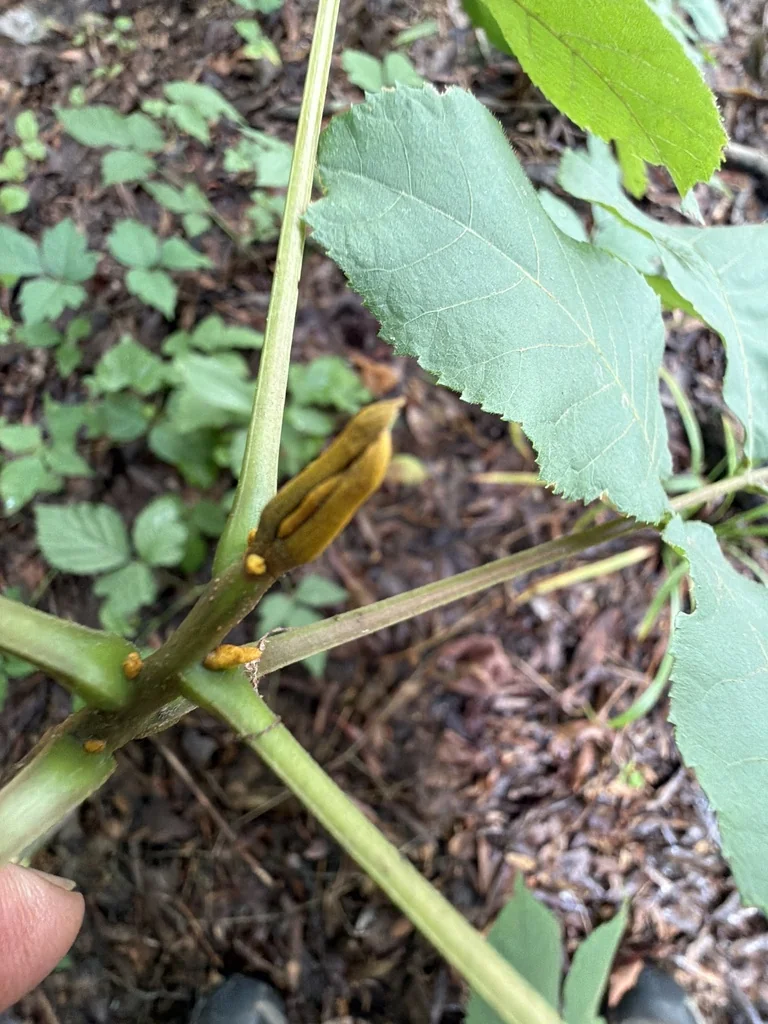
Bitternut Hickory (Carya Cordiformis) — though it thrives in moist; are a food source for squirrels and other mammals, image 51
Bitternut Hickory (Carya Cordiformis) — demonstrating a high tolerance for a variety of soil types and pH levels; and the tree possesses a long, image 50
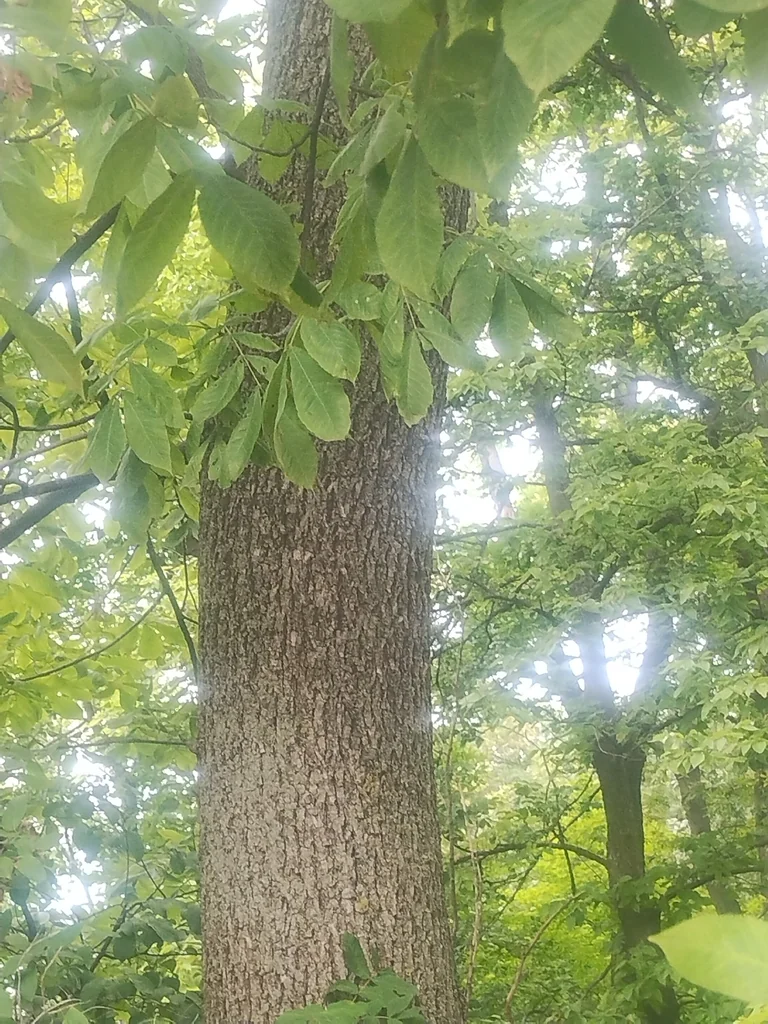
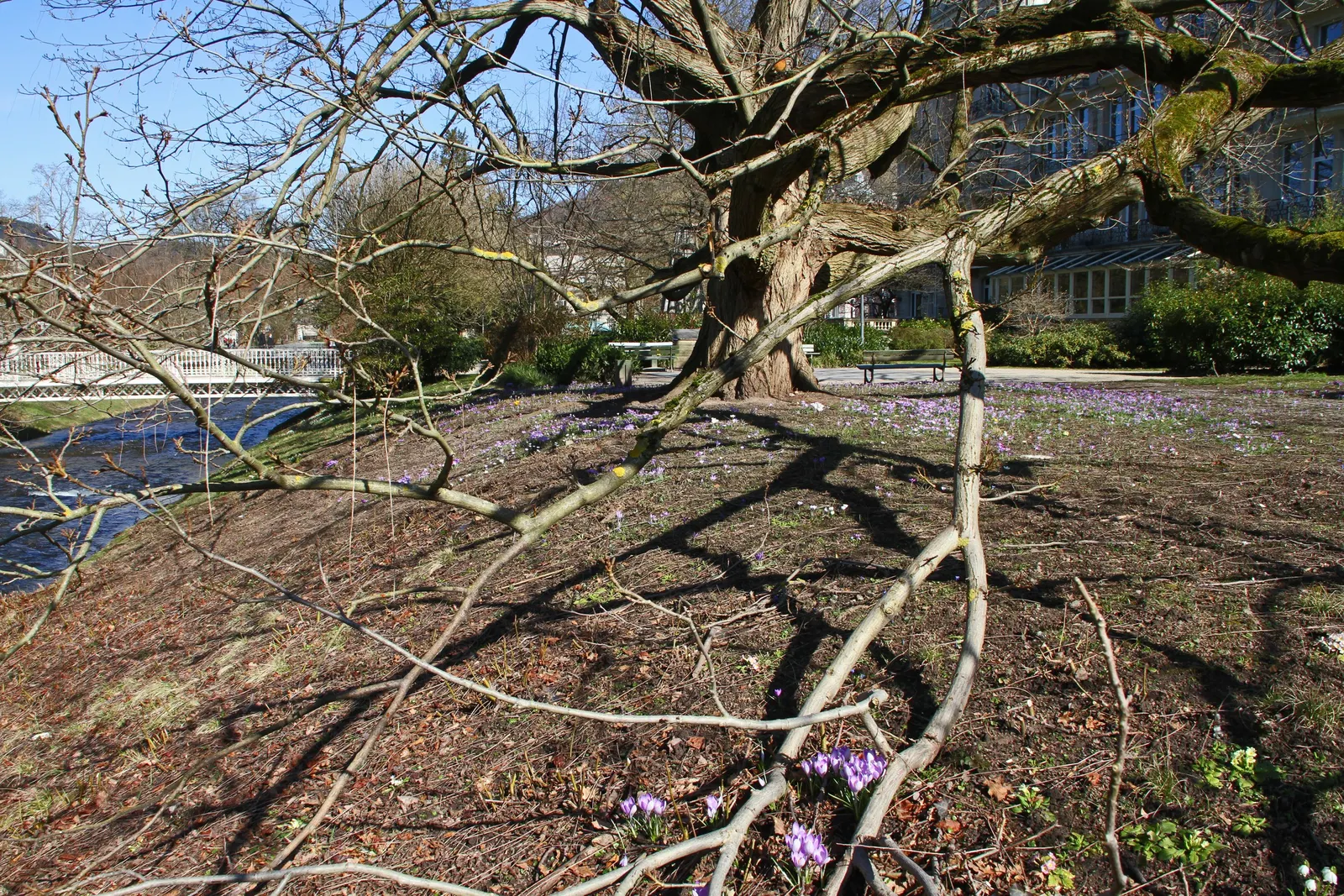
Bitternut Hickory (Carya Cordiformis) — which develops scaly ridges with age; this tree thrives in full sun to partial shade and prefers moist, image 55
Bitternut Hickory (Carya Cordiformis) — which is important to consider when designing a location for planting; are a food source for squirrels and, image 54
Bitternut Hickory (Carya Cordiformis) — and the tree possesses a long taproot, image 53
Bitternut Hickory (Carya Cordiformis) — The Bitternut Hickory's growth rate is moderate; this tree thrives in full sun to partial shade and prefers, image 52
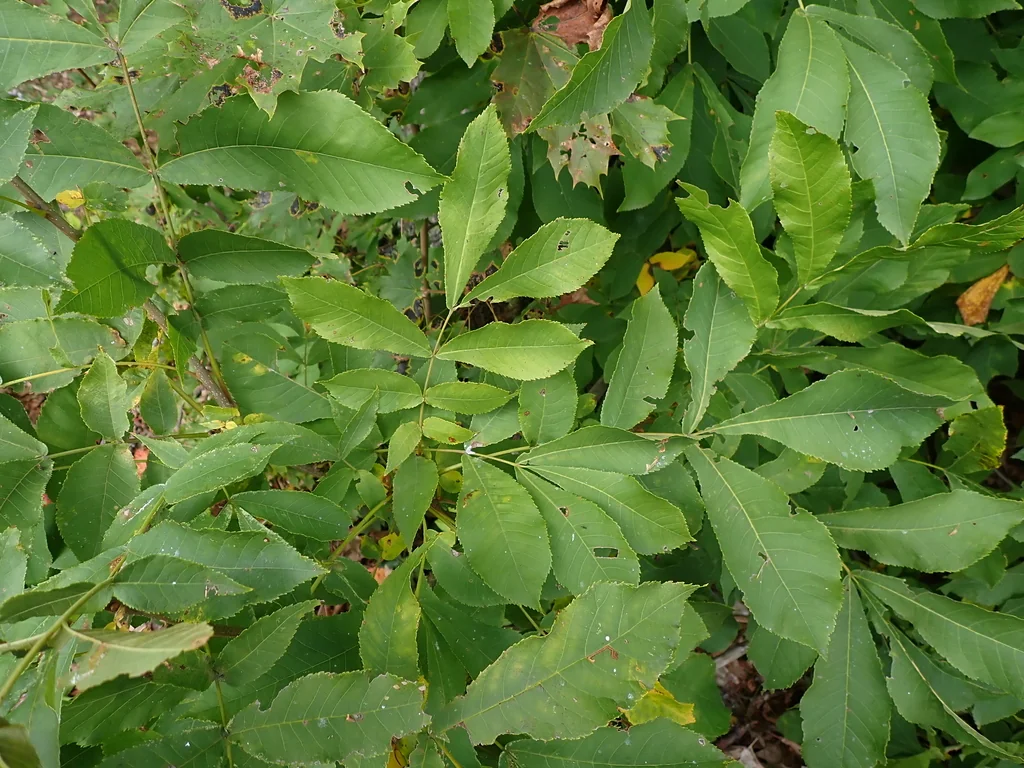
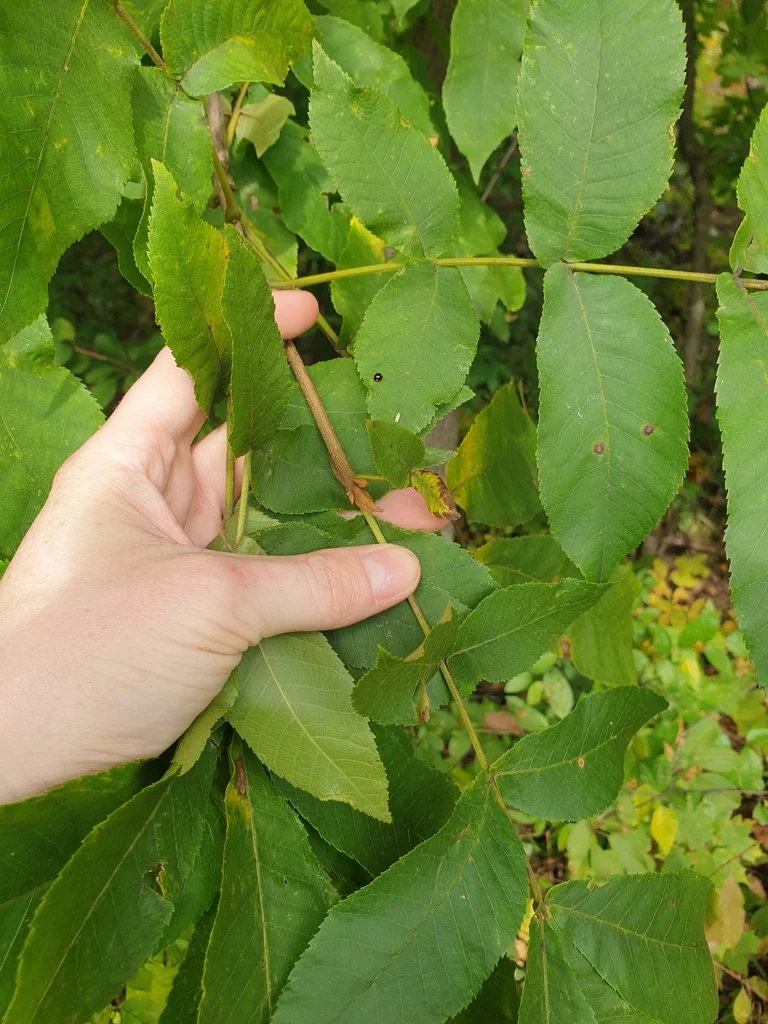
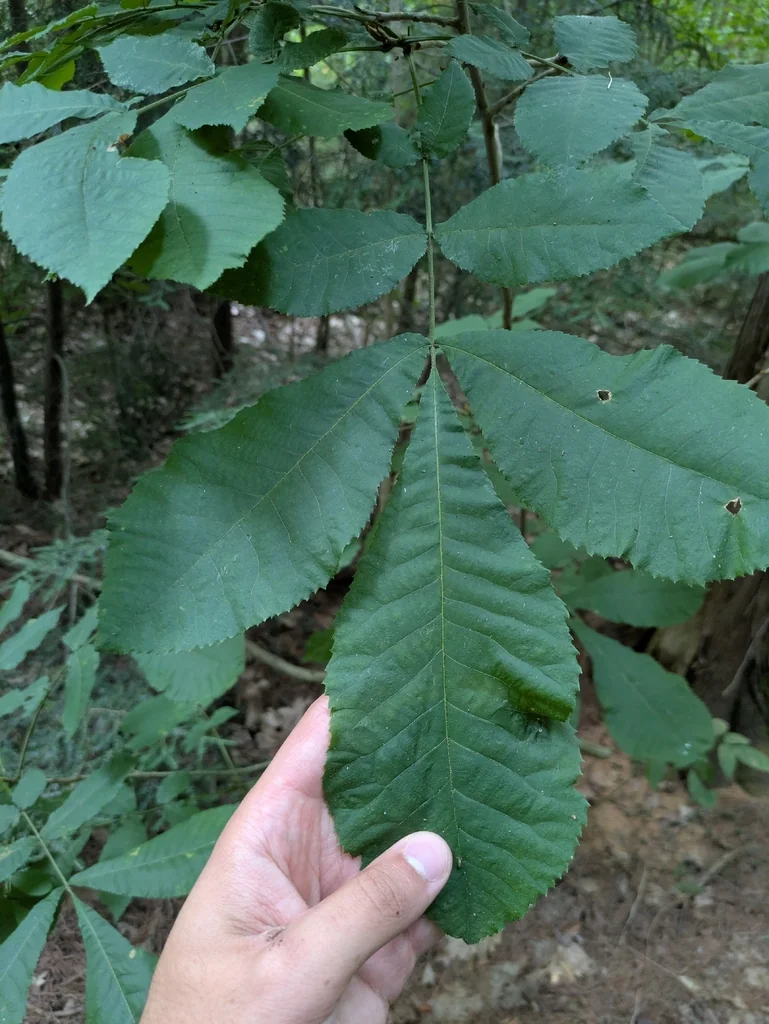
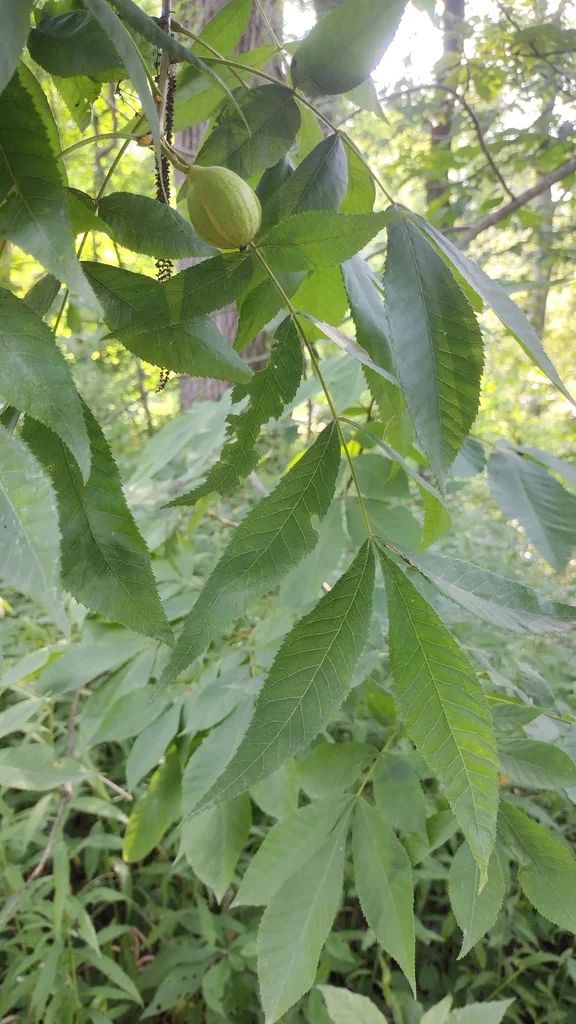
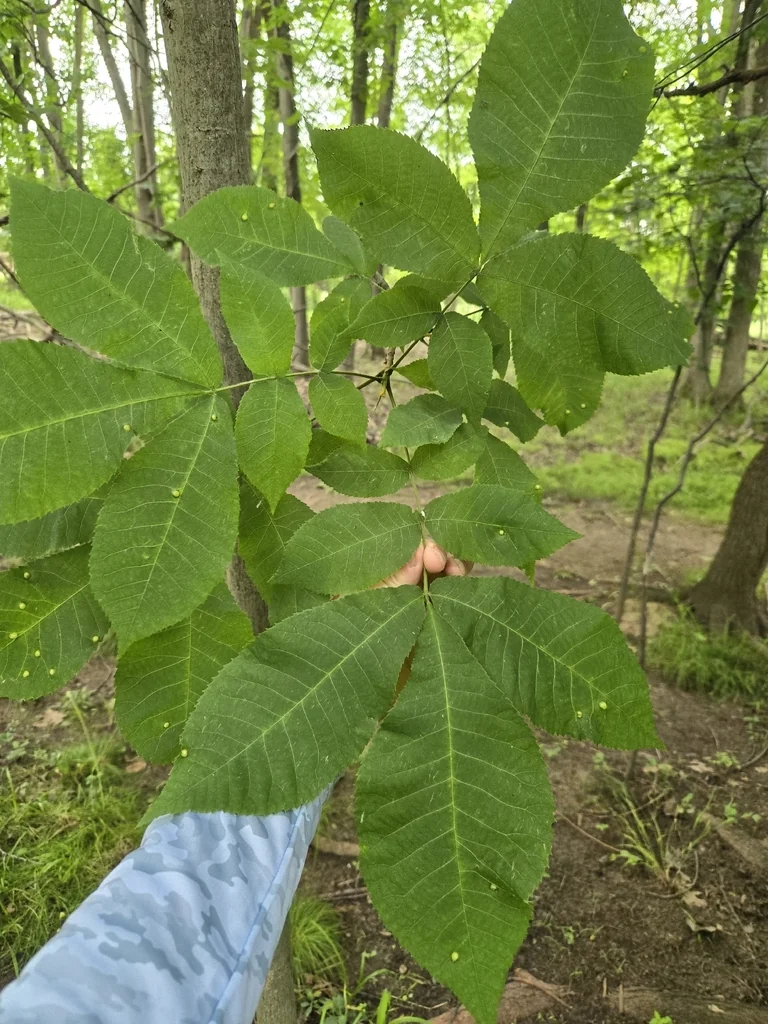
Bitternut Hickory (Carya Cordiformis) — Its leaves are pinnately compound; and the tree possesses a long taproot, image 56
Bitternut Hickory (Carya Cordiformis) — typically with 7 to 11 leaflets; are a food source for squirrels and other mammals, image 57
Bitternut Hickory (Carya Cordiformis) — and turn a brilliant yellow in the fall; this tree thrives in full sun to partial shade and prefers moist, image 58

Related plants