Skip to content

Harebell

Campanula Rotundifolia

Design with this plant

Overview

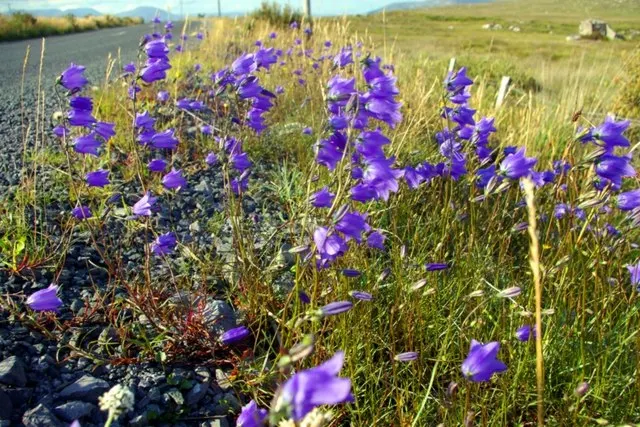
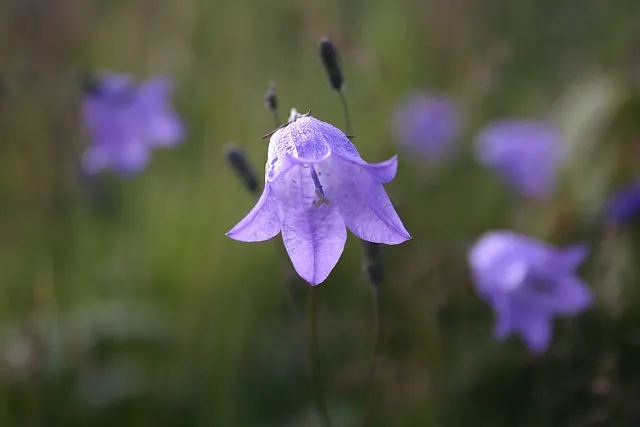
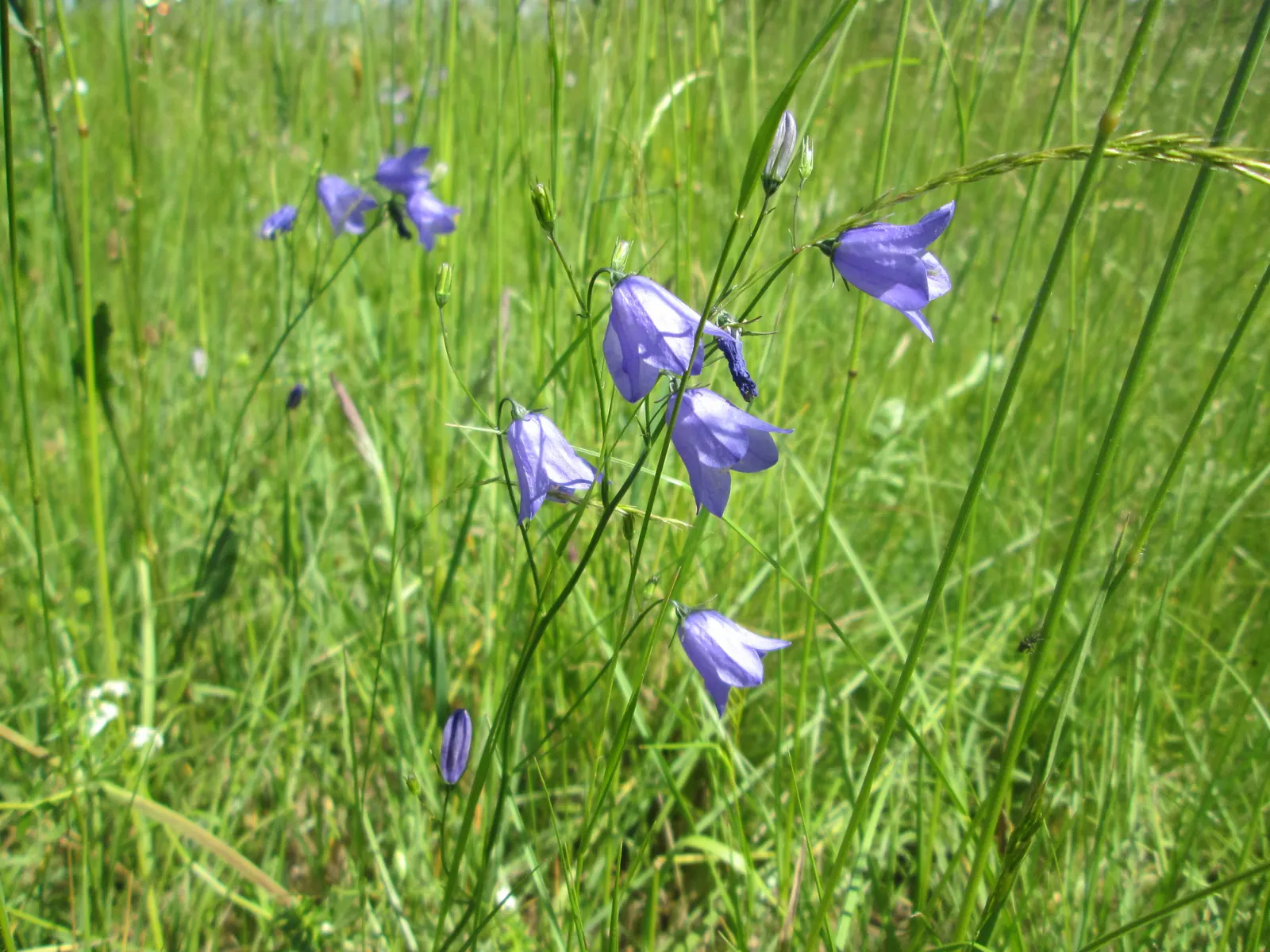
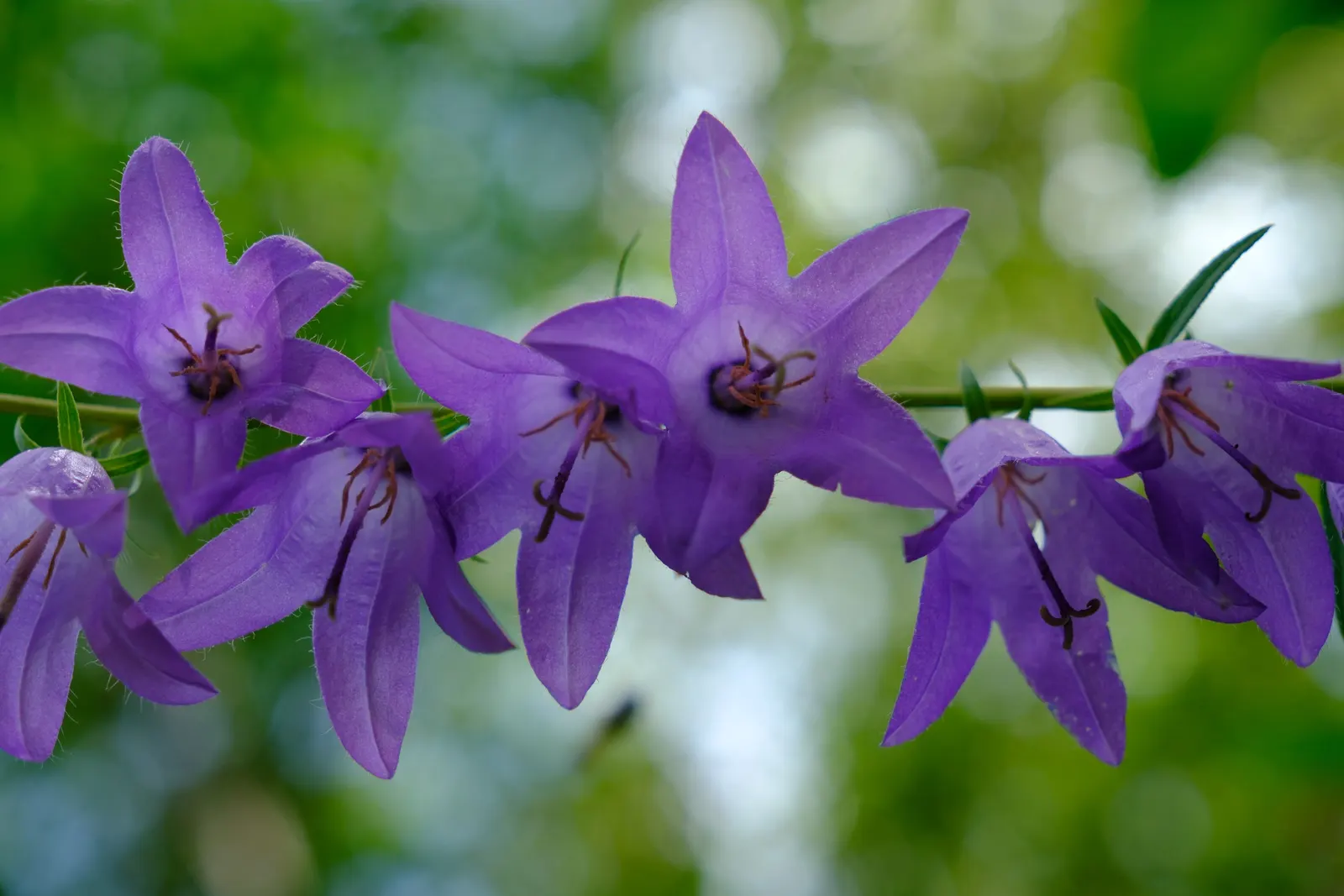
Harebell (Campanula rotundifolia) presents delicate bell-shaped, violet-blue flowers atop slender stems reaching 6 to 20 inches tall. Preferring well-drained soils, this hardy perennial flourishes in USDA zones 3-8 and enjoys full sun to partial shade. Flowering from June to September, it attracts pollinators and adds a wildflower charm to borders or rock gardens. Space 12 to 15 inches apart for a whimsical, low-maintenance display.

Sun HalfWater MediumZones 3–7Type PerennialClimate Temperate
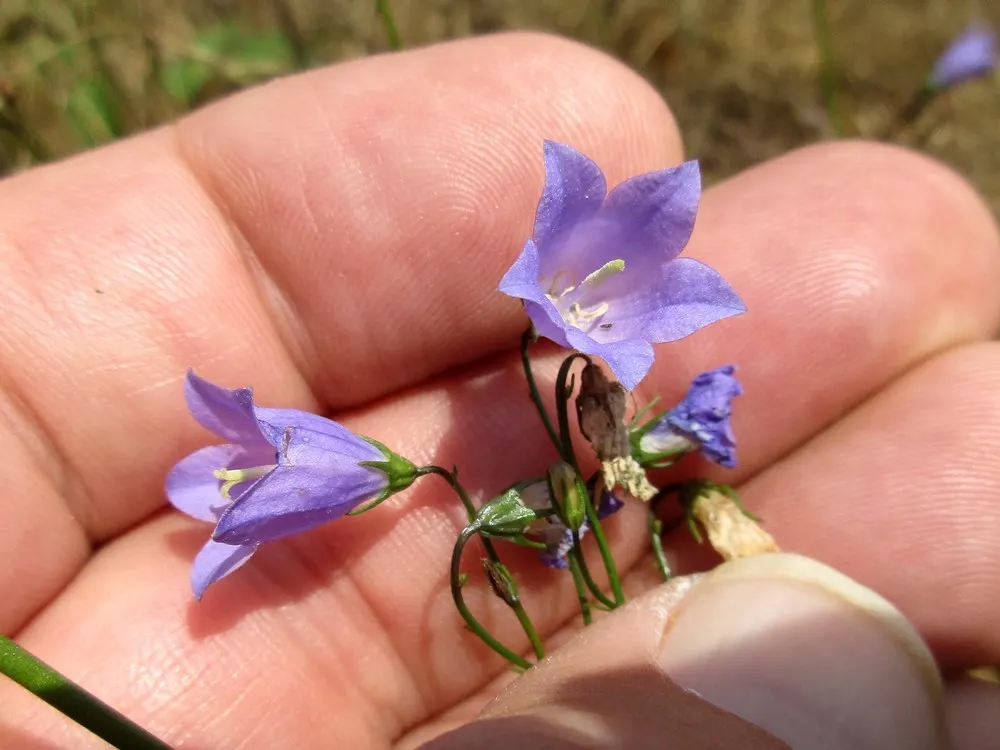
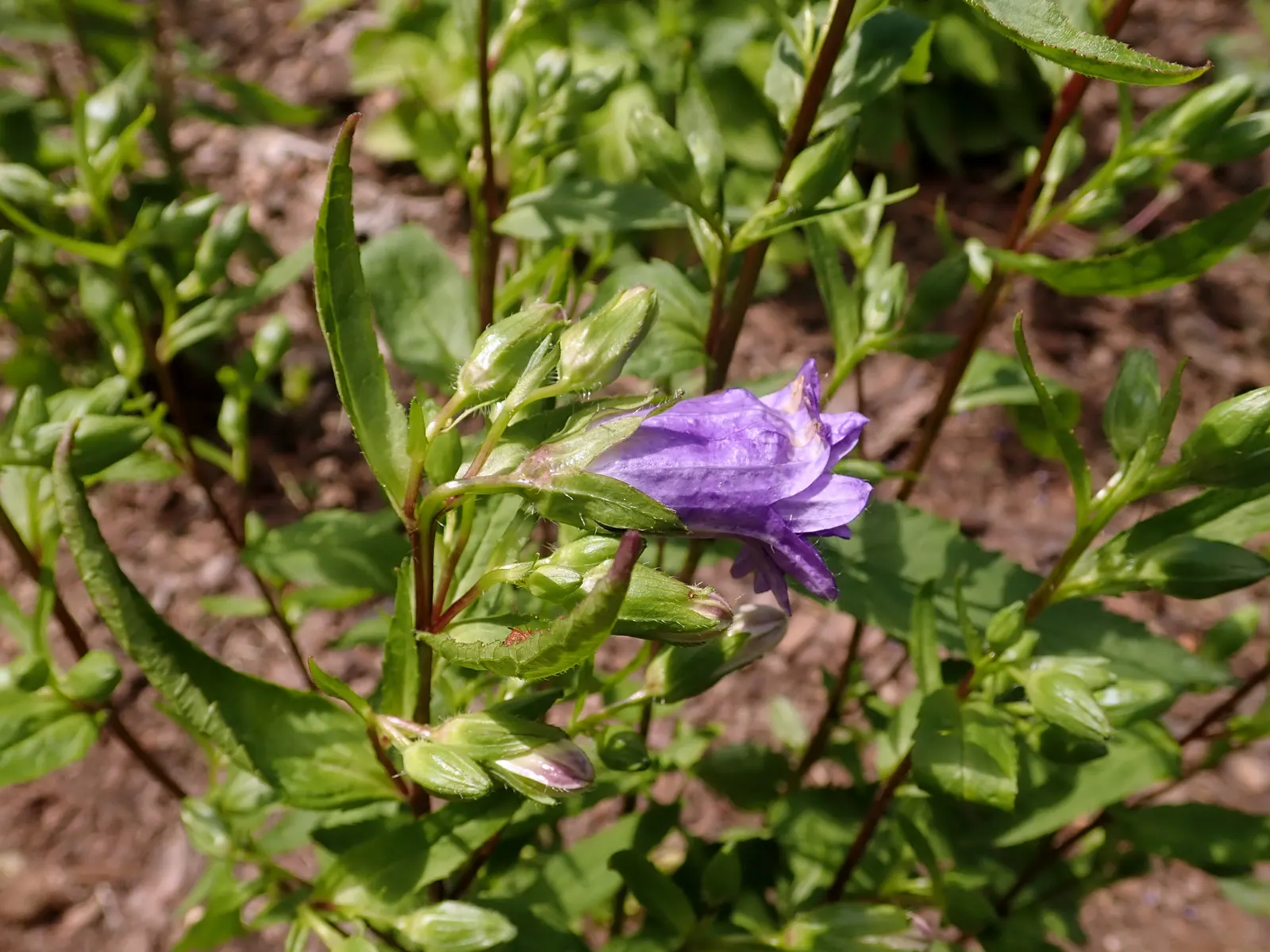
Harebell (Campanula Rotundifolia) — it requires well-drained soil

Culture

Sun
Half
Water
Medium
USDA zones
3–7

Shape & size

Mature width
6–8 Inches

Classification

Type
Perennial
Family
Campanulaceae
Climate
Temperate

See full data, regional cultivation notes, and design tools. Build a client presentation around this plant.

Start your 14-day trial

Photos (129)

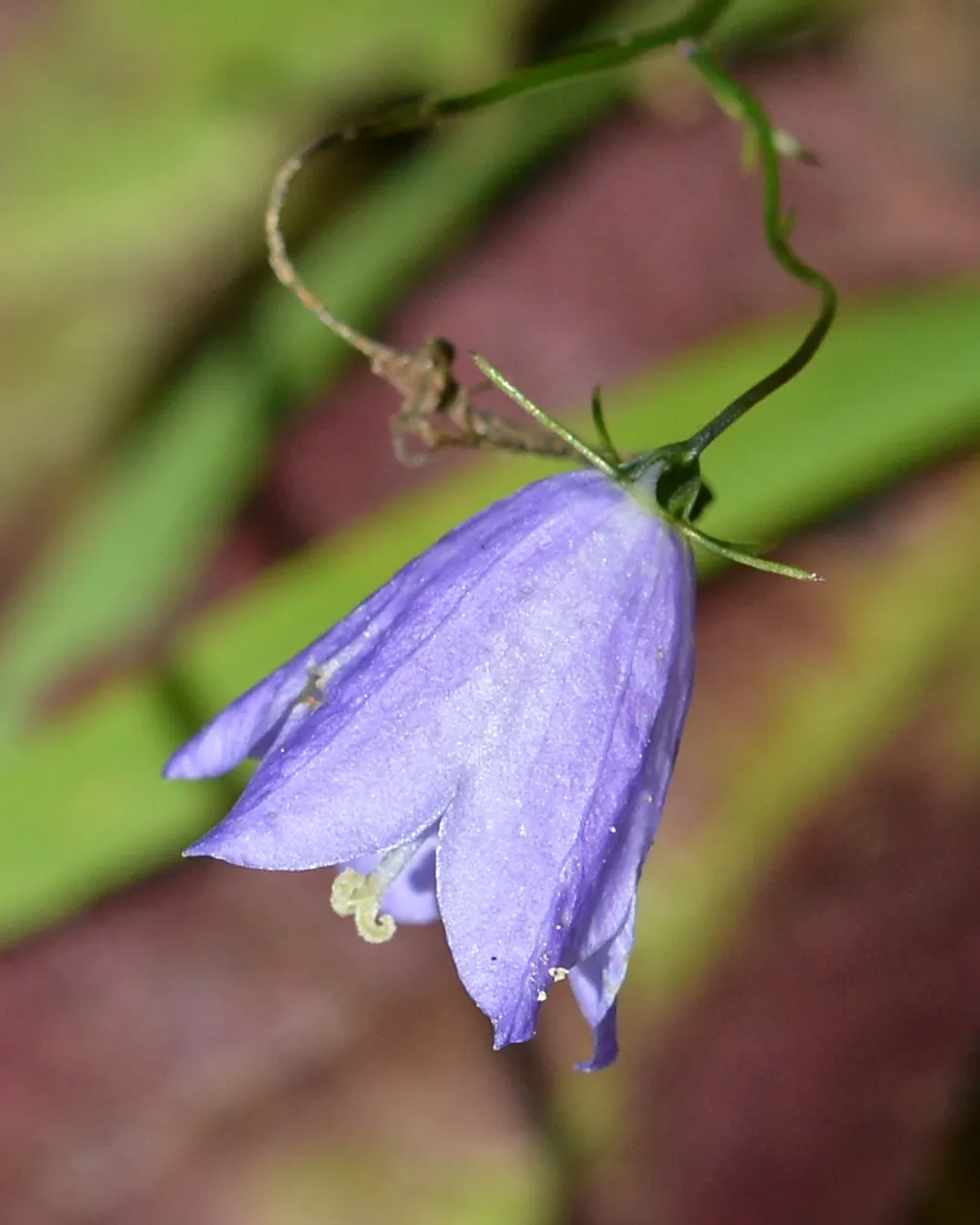
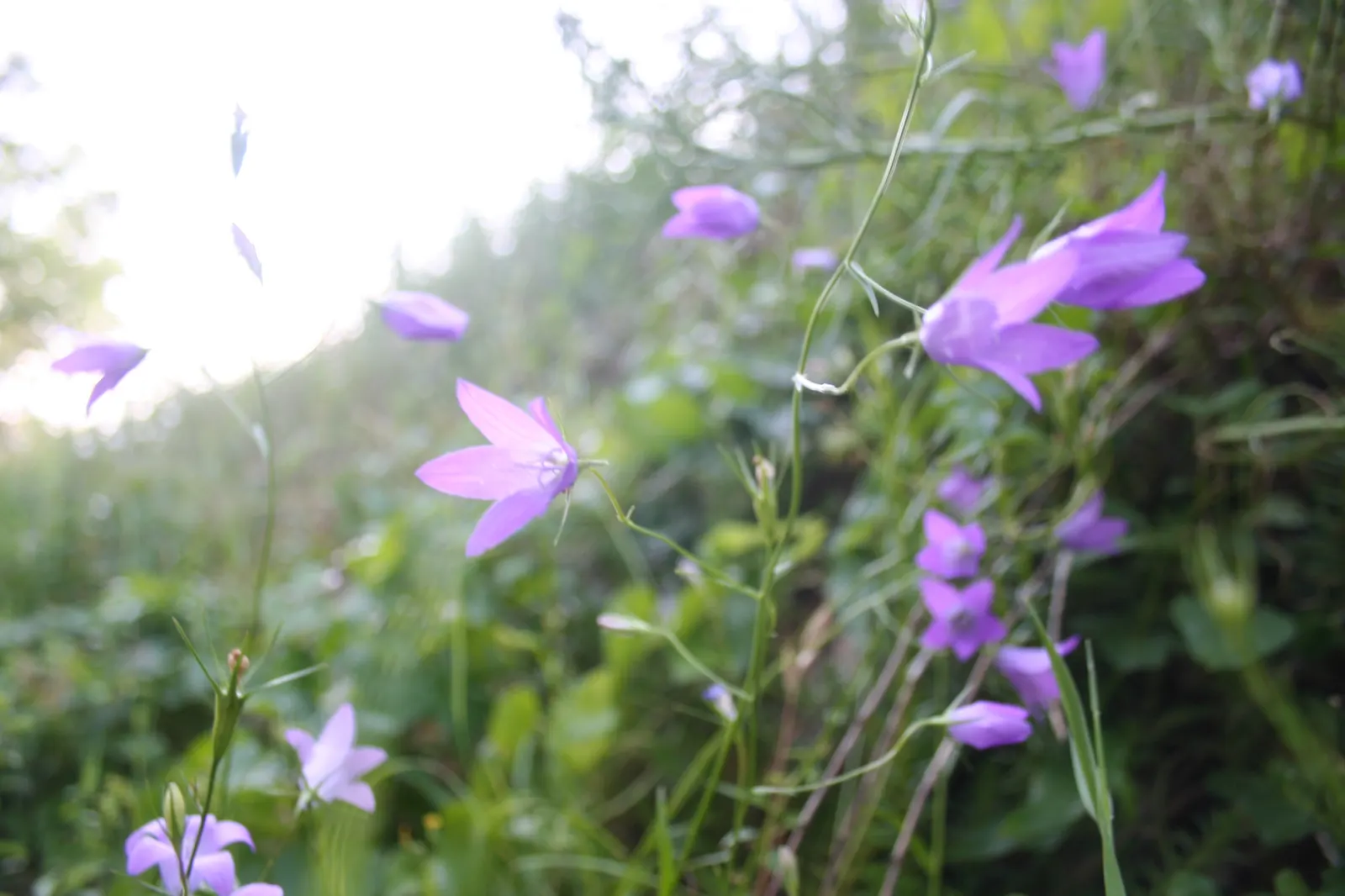
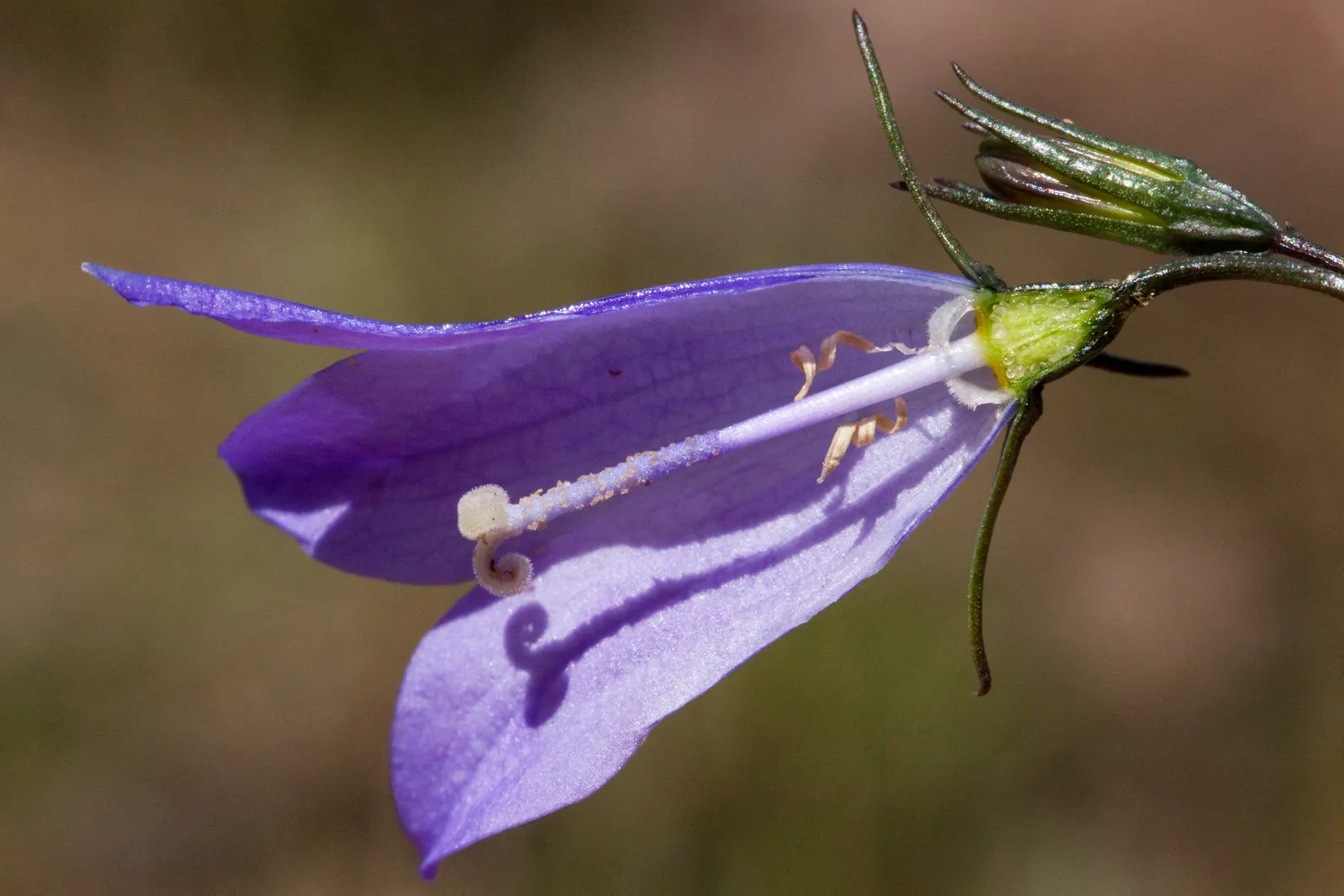
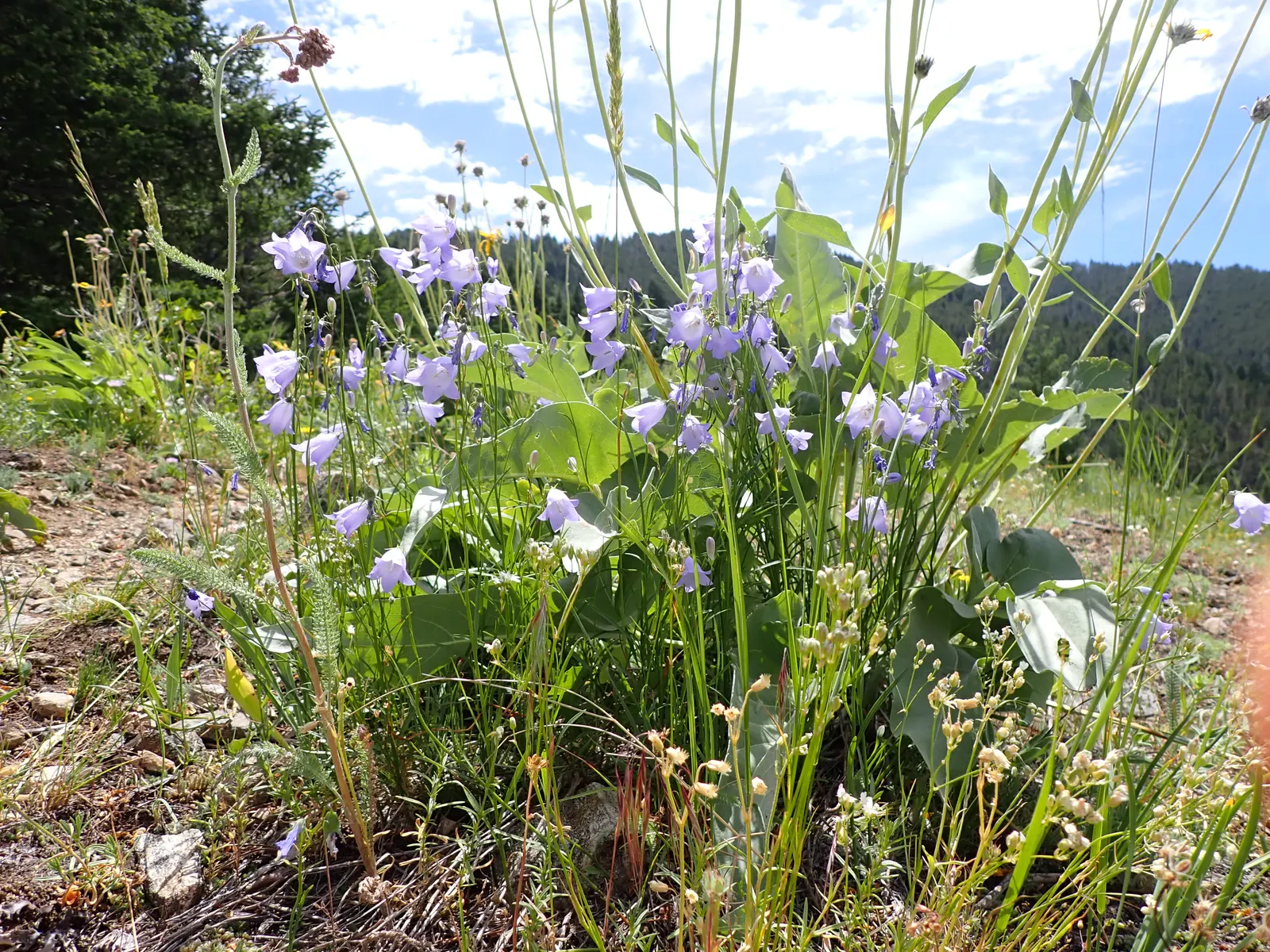
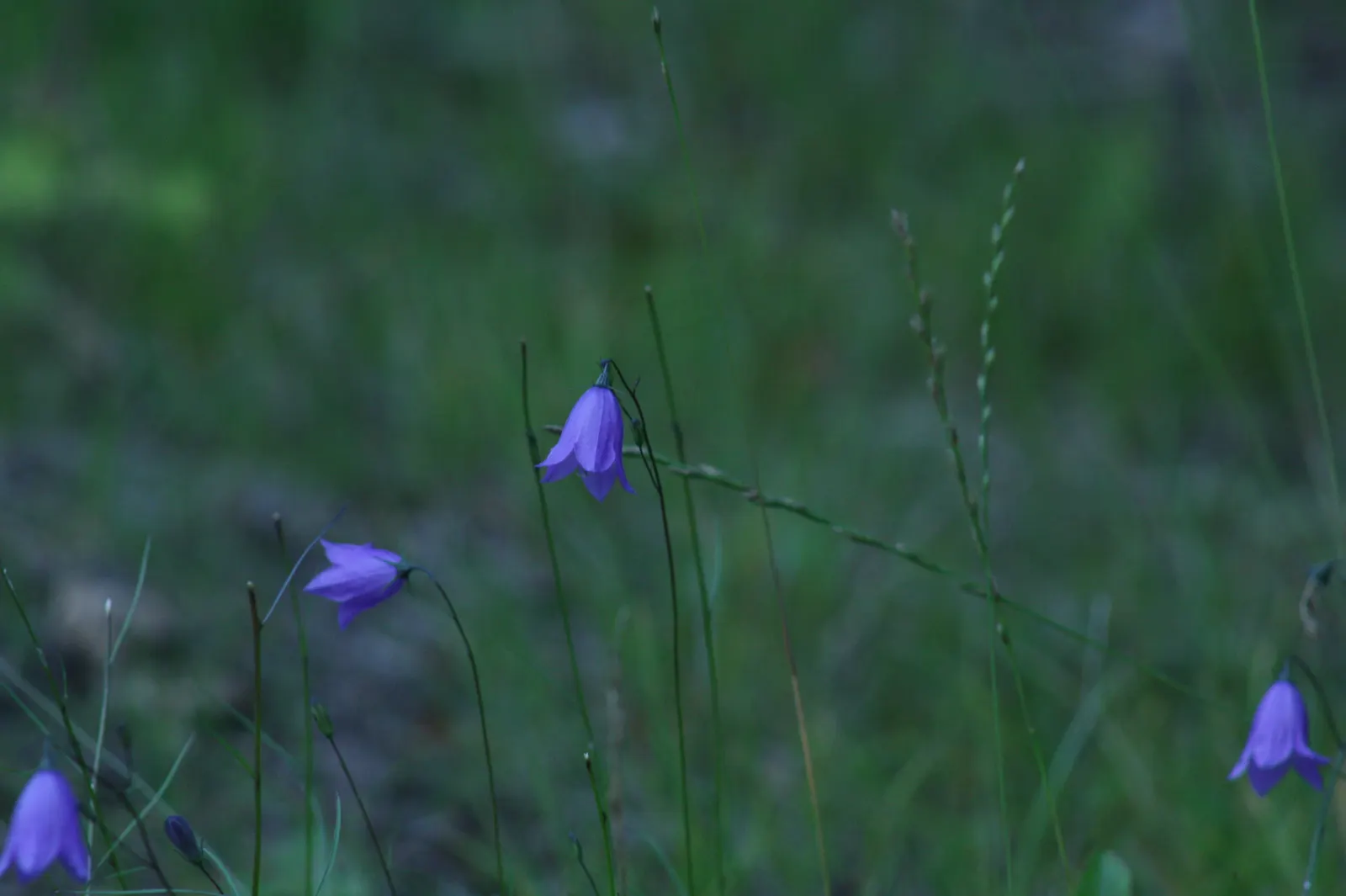
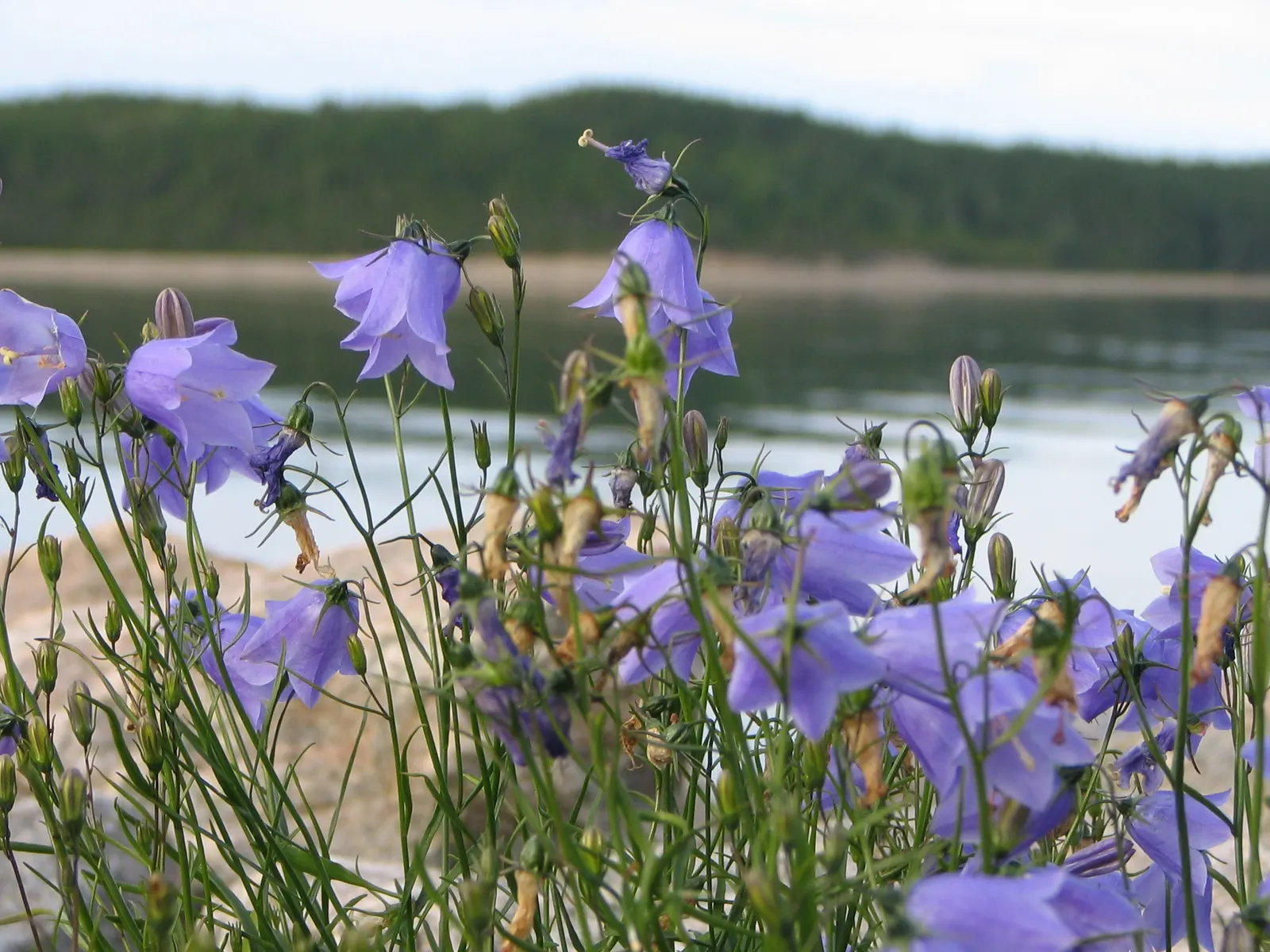
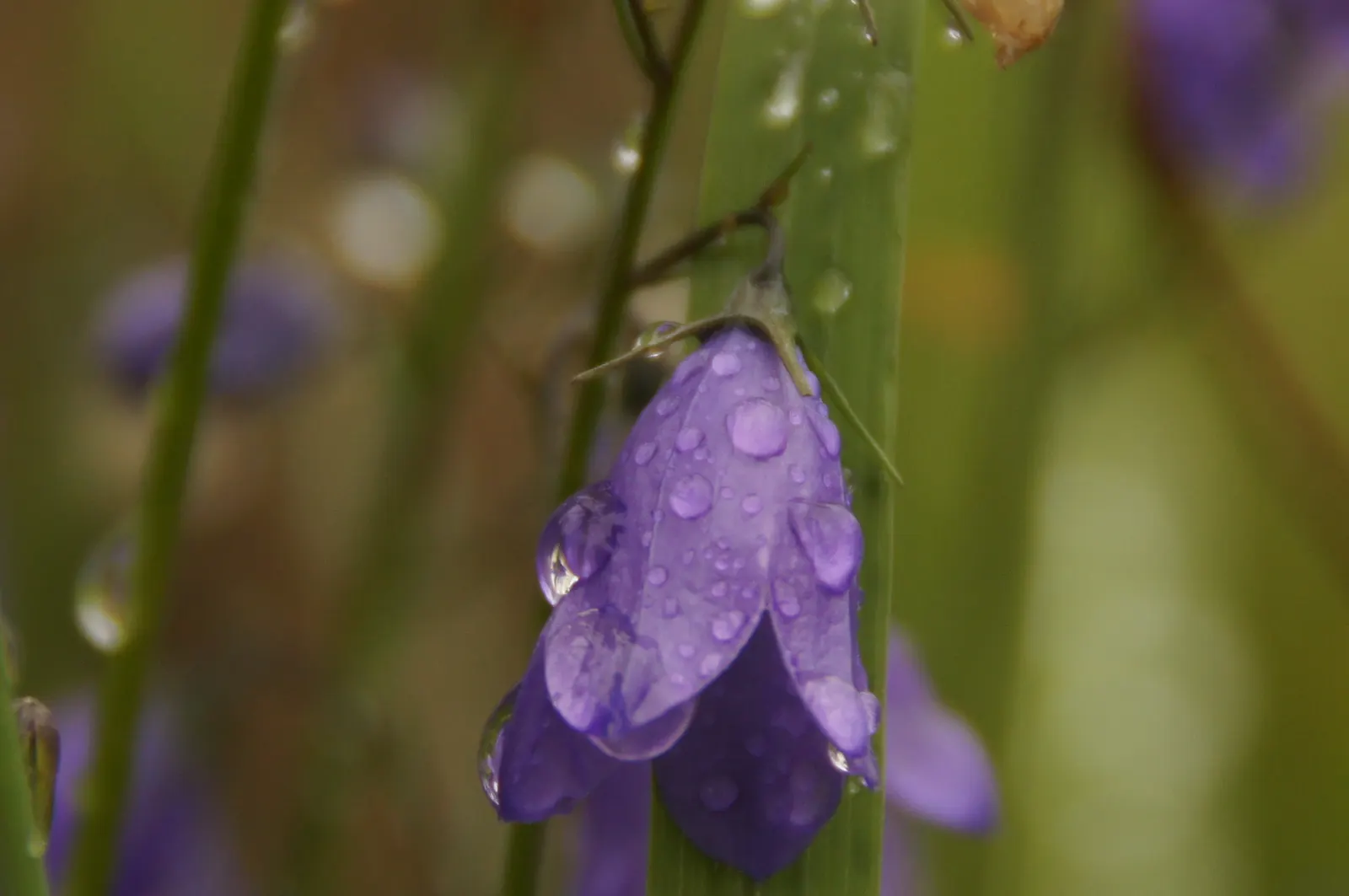
Harebell (Campanula Rotundifolia) — With its simple beauty and resilient nature; perennial with blue blooms, image 86
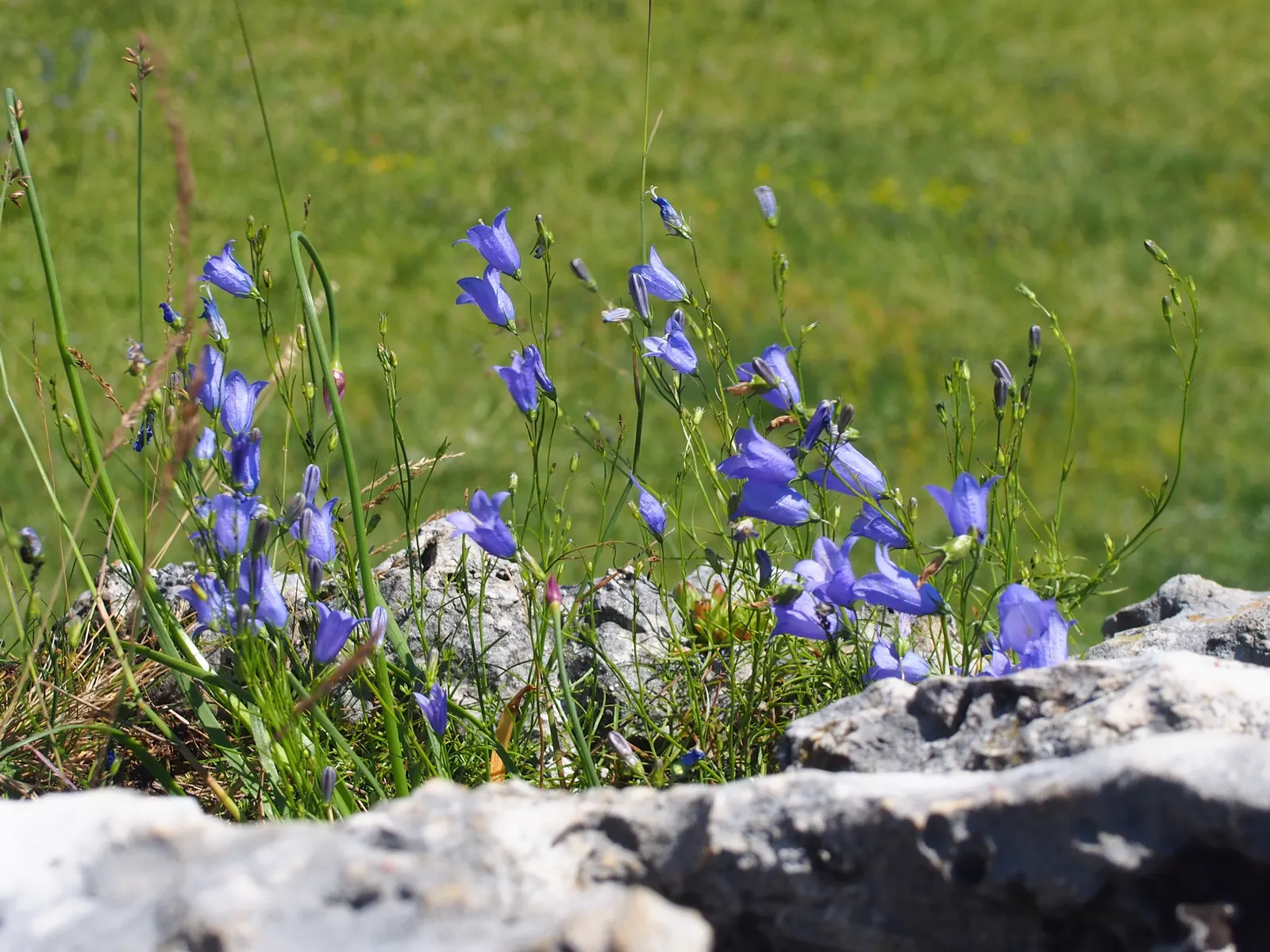
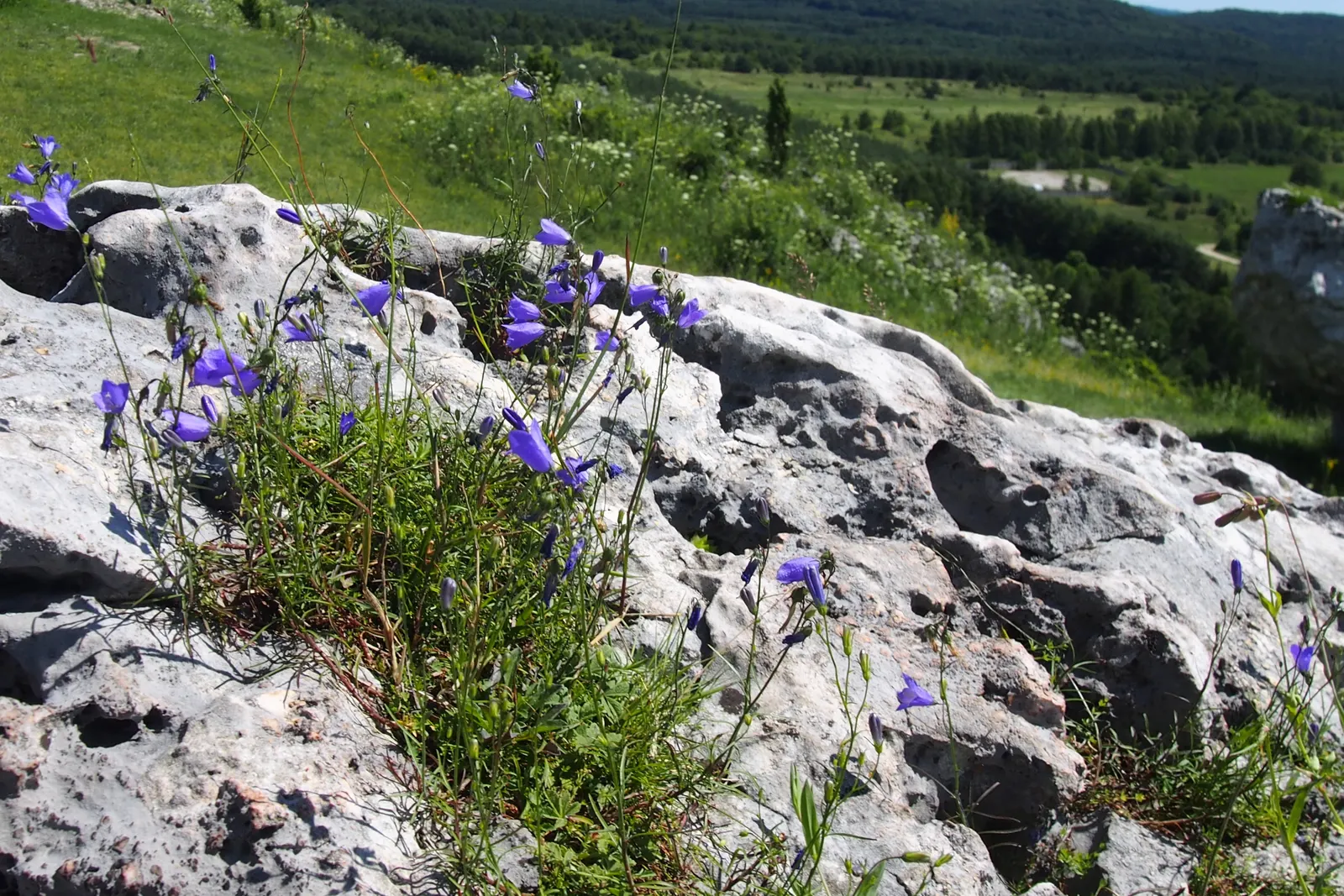
Harebell (Campanula Rotundifolia) — Botanical Name: Campanula rotundifolia<br><br>Common Name: Harebell<br><br>The Harebell; or intersperse it among rocks and
Harebell (Campanula Rotundifolia) — offering a pleasing contrast in form.<br><br>This hardy plant is an excellent choice for naturalistic designs
Harebell (Campanula Rotundifolia) — perennial with blue blooms; the Harebell is also drought-resistant once established, image 89
Harebell (Campanula Rotundifolia) — this hardy perennial flourishes in USDA zones 3-8 and enjoys full sun to partial shade
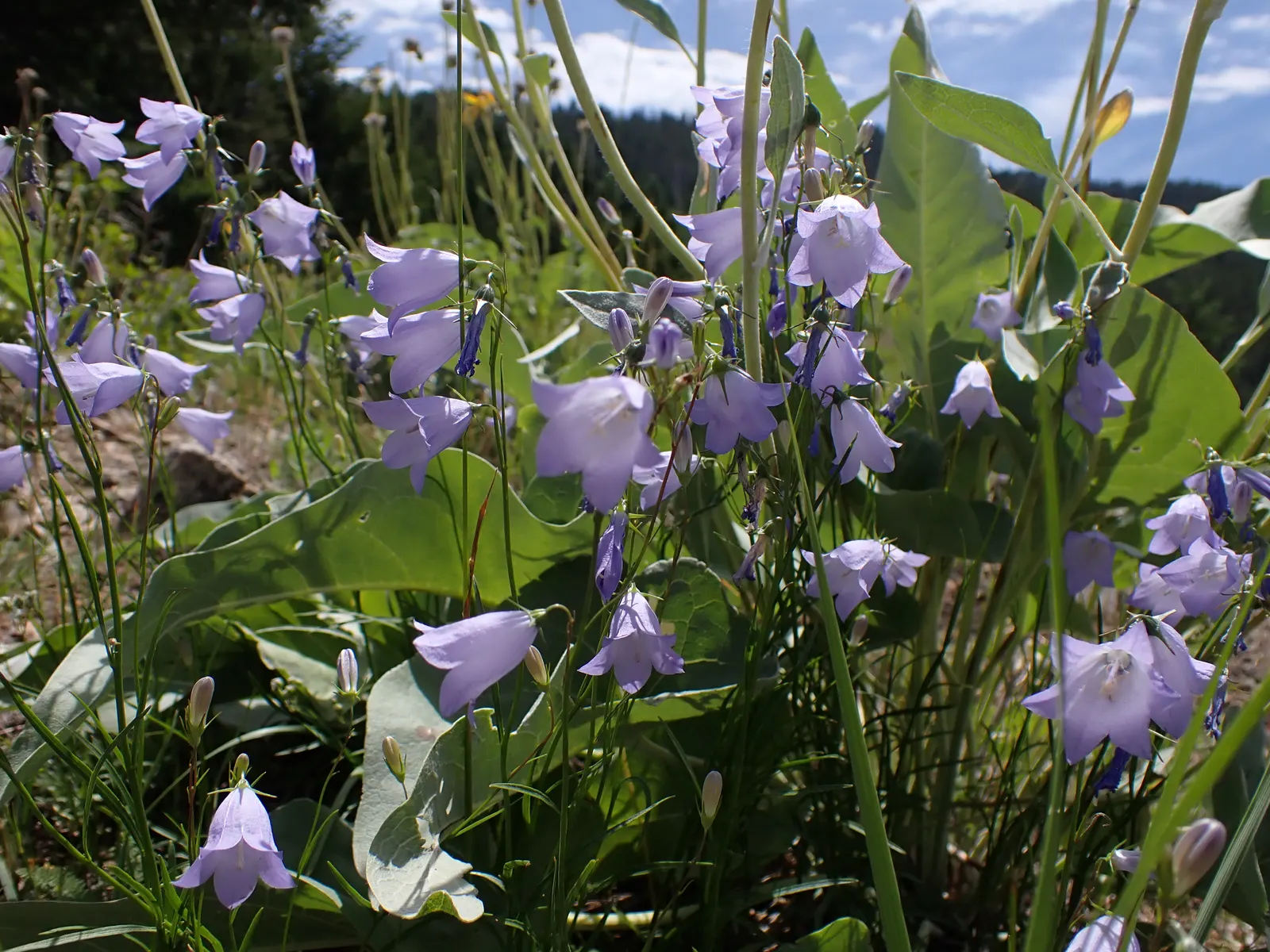
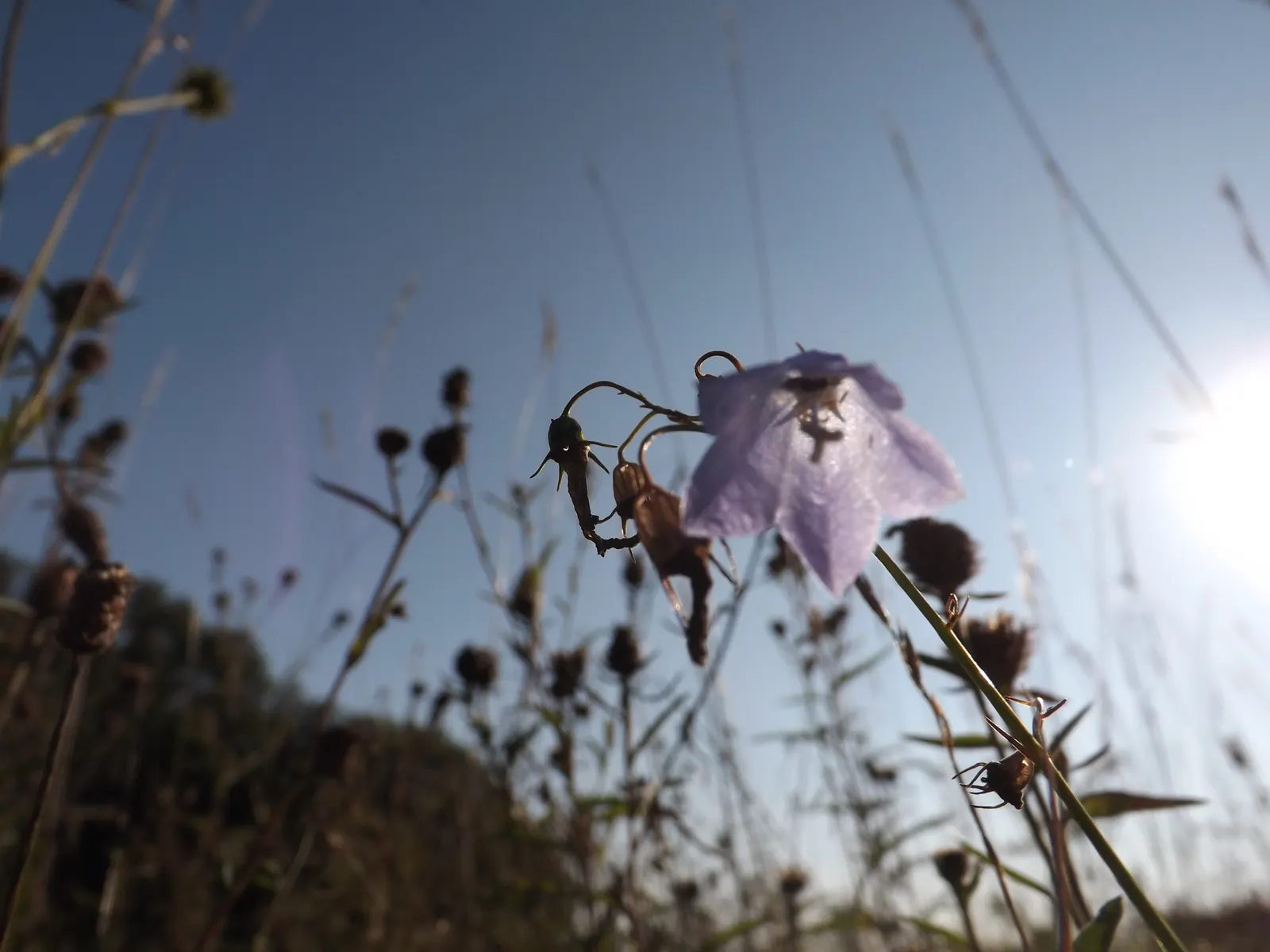
Harebell (Campanula Rotundifolia) — Flowering from June to September; violet-blue flowers atop slender stems reaching 6 to 20 inches tall, image 65
Harebell (Campanula Rotundifolia) — Preferring well-drained soils; it requires well-drained soil
Harebell (Campanula Rotundifolia) — Flowering from June to September; violet-blue flowers atop slender stems reaching 6 to 20 inches tall
Harebell (Campanula Rotundifolia) — scientifically named Campanula rotundifolia; perennial for half, image 69
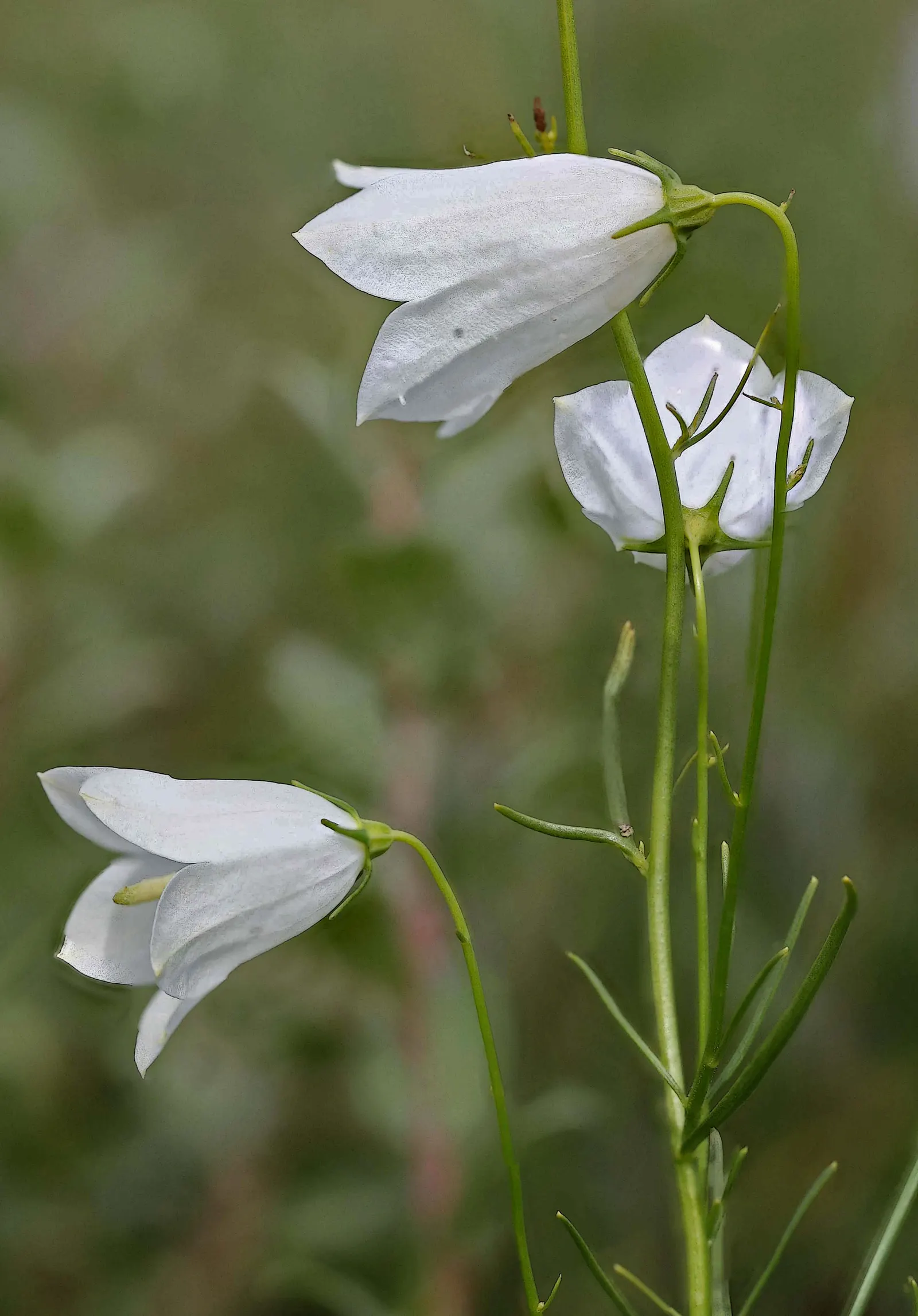
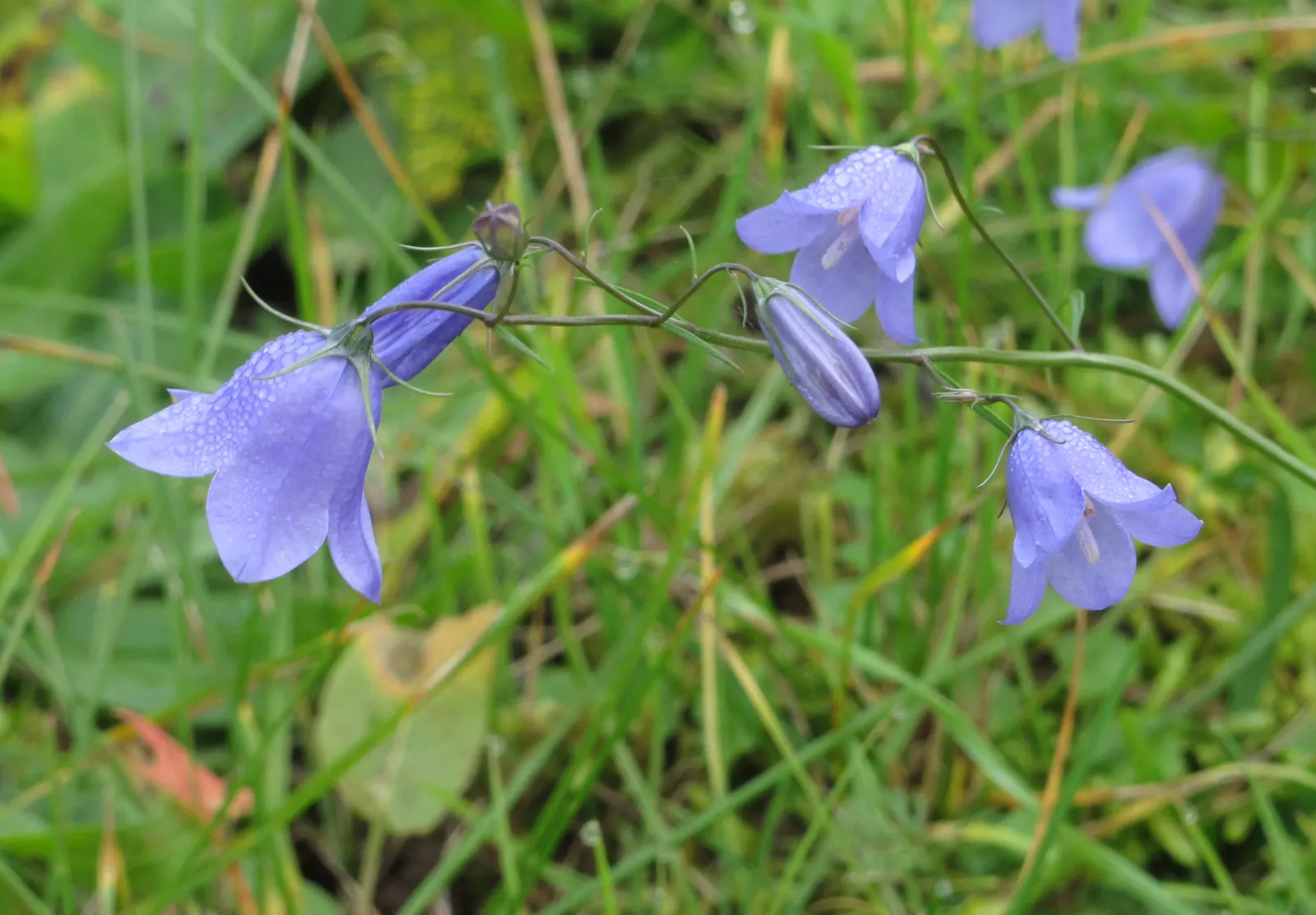
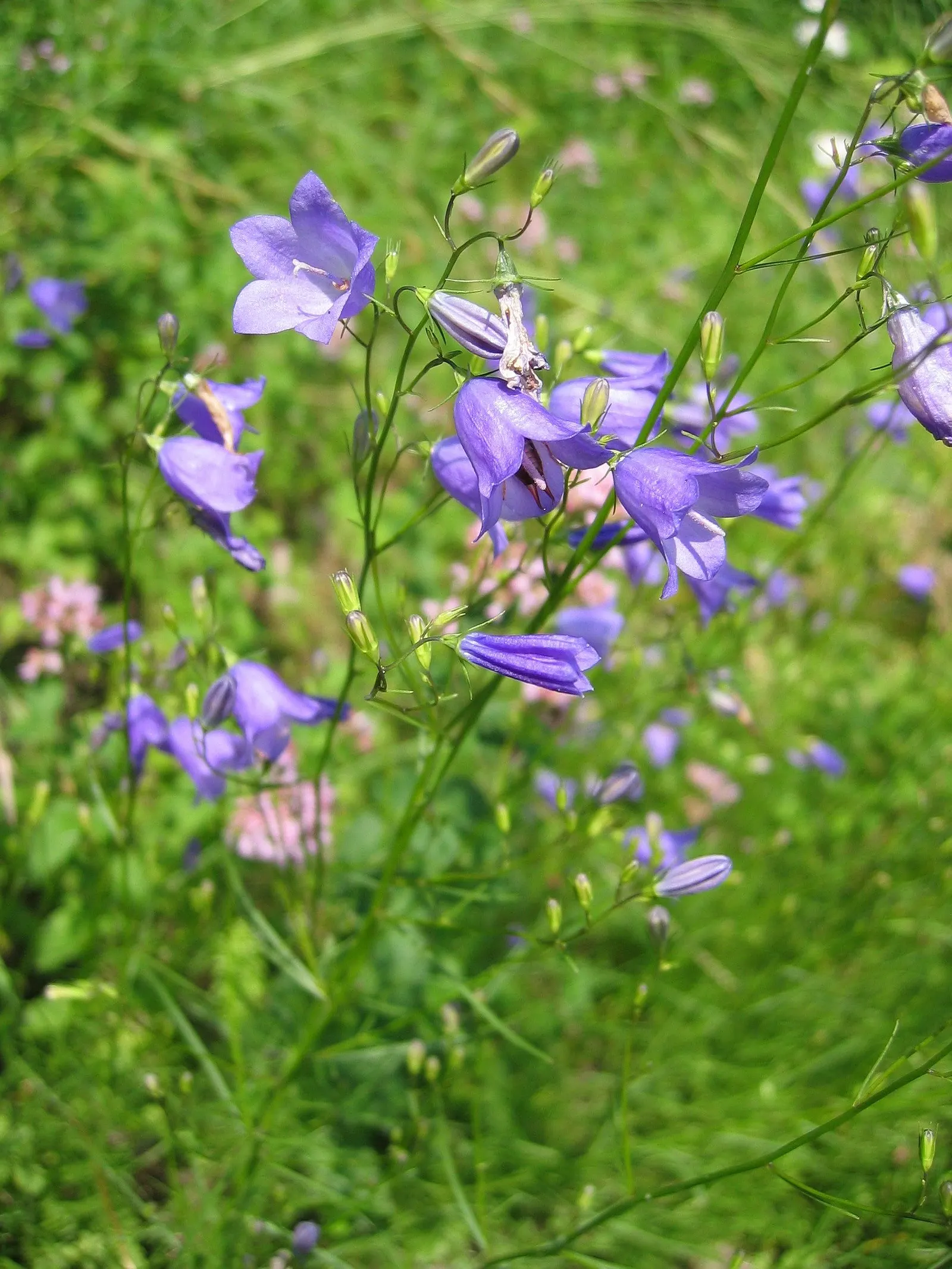
Harebell (Campanula Rotundifolia) — linear leaves that climb up the stem; it boasts delicate bell-shaped, image 75
Harebell (Campanula Rotundifolia) — perennial for half
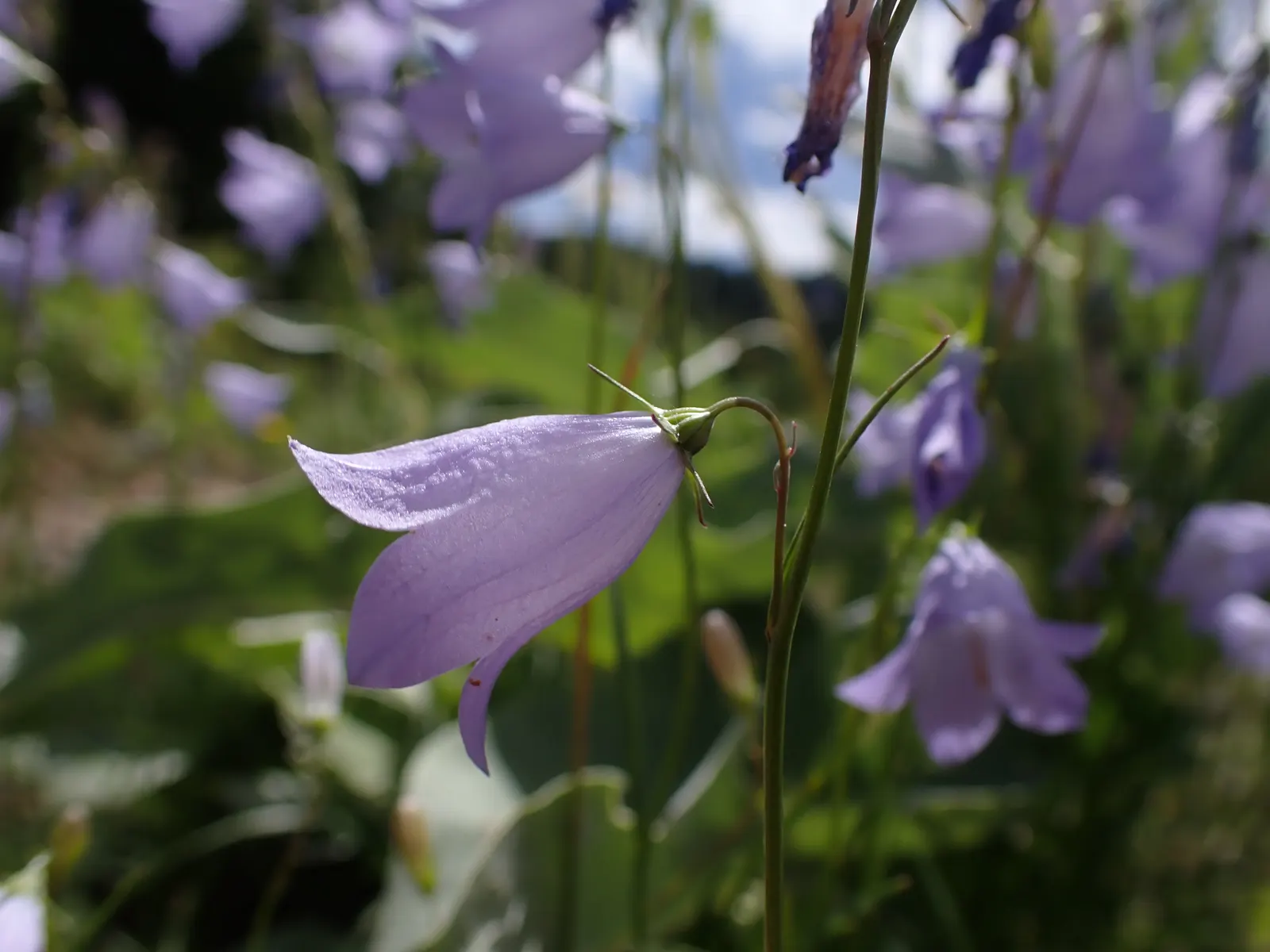
Harebell (Campanula Rotundifolia) — lavender-blue flowers that dangle gracefully atop slender stems reaching heights of about 6 to 18 inches; blue flowers in
Harebell (Campanula Rotundifolia) — violet-blue flowers atop slender stems reaching 6 to 20 inches tall
Harebell (Campanula Rotundifolia) — this hardy perennial flourishes in USDA zones 3-8 and enjoys full sun to partial shade; ensuring they create a delightful
Harebell (Campanula Rotundifolia) — ensuring they create a delightful sea of blue in the landscape; consider planting it in clusters or swathes for, image 85
Harebell (Campanula Rotundifolia) — is a charming perennial that brings a whimsical touch to any landscape design; space 12 to 15 inches apart for, image 70
Harebell (Campanula Rotundifolia) — It thrives in USDA zones 3 through 9, preferring full sun to partial shade; with its simple beauty and resilient nature
Harebell (Campanula Rotundifolia) — linear leaves that climb up the stem; it boasts delicate bell-shaped
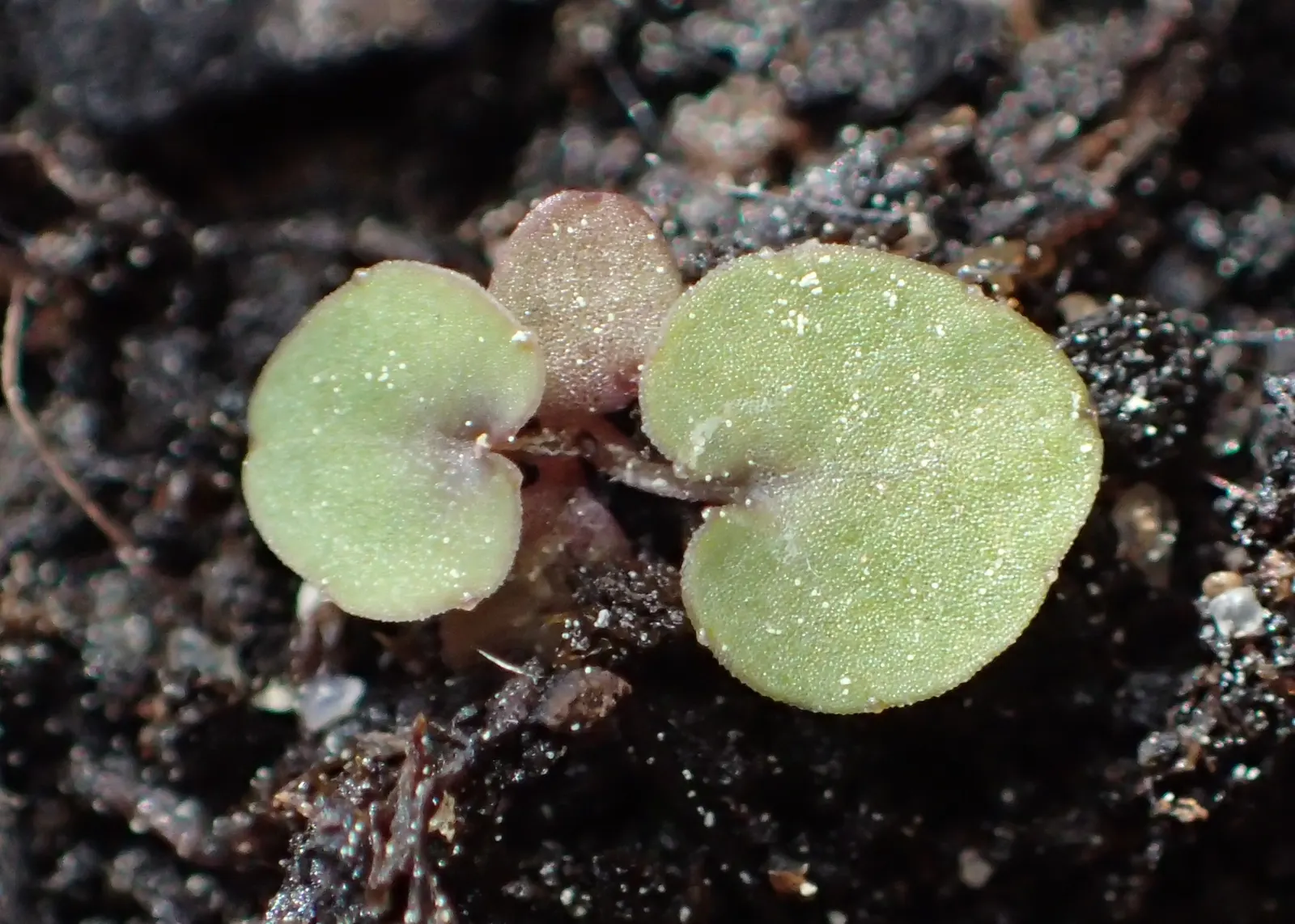
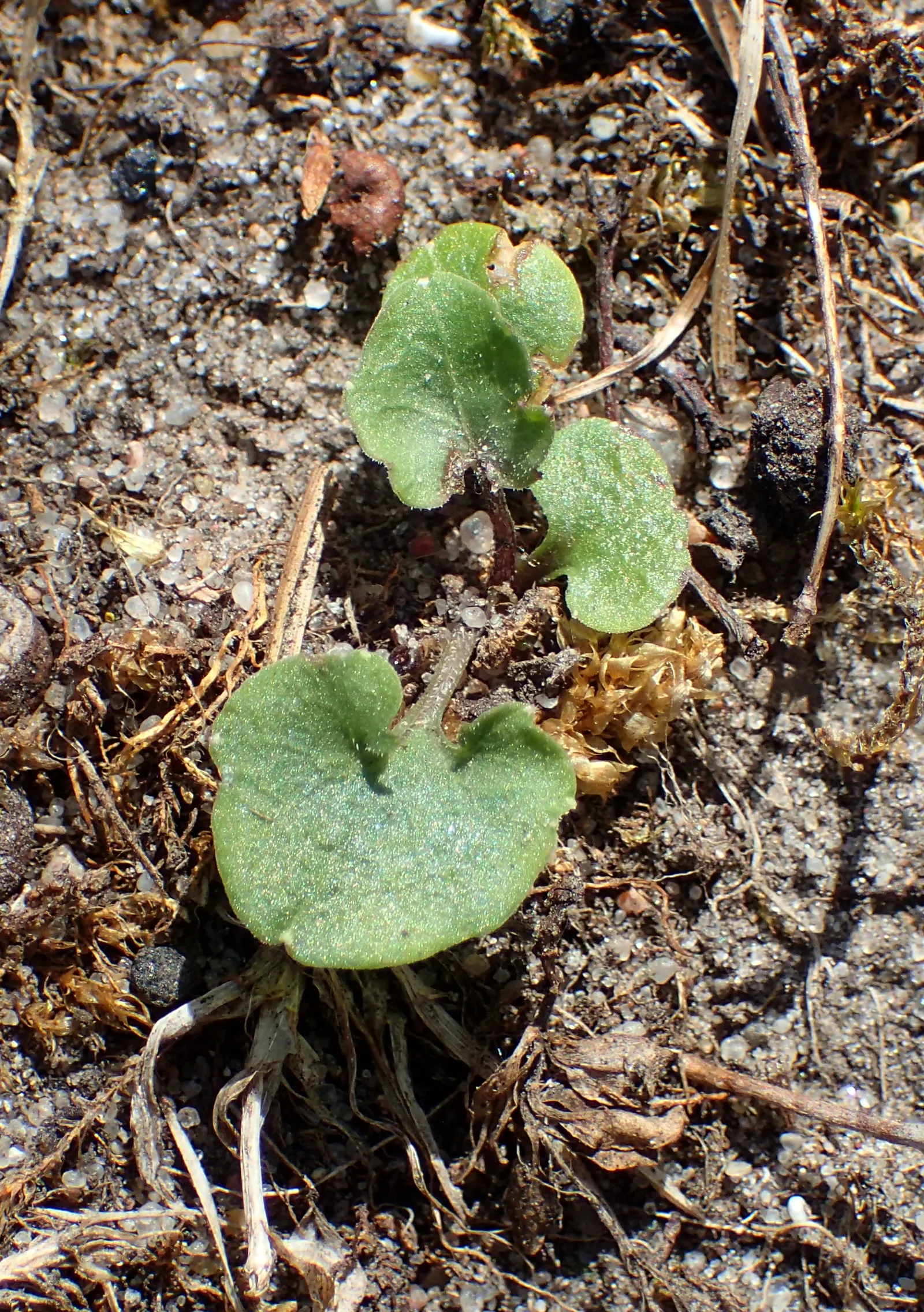
Harebell (Campanula Rotundifolia) — The basal leaves of the Harebell are rounded; flowering from June to September, image 74
Harebell (Campanula Rotundifolia) — attracting a host of pollinators; space individual plants approximately 12 to 15 inches apart to allow for, image 81
Harebell (Campanula Rotundifolia) — Flowering from June to September
Harebell (Campanula Rotundifolia) — It thrives in USDA zones 3 through 9, preferring full sun to partial shade; with its simple beauty and, image 107
Harebell (Campanula Rotundifolia) — ensuring they create a delightful sea of blue in the landscape; consider planting it in clusters or swathes for a
Harebell (Campanula Rotundifolia) — Space 12 to 15 inches apart for a whimsical, low-maintenance display; offering a pleasing contrast in form.<br><br>This
Photographs by 15 contributors

Related plants