Skip to content

Dalmation Bellflower

Campanula Portenschlagiana

Design with this plant

Overview

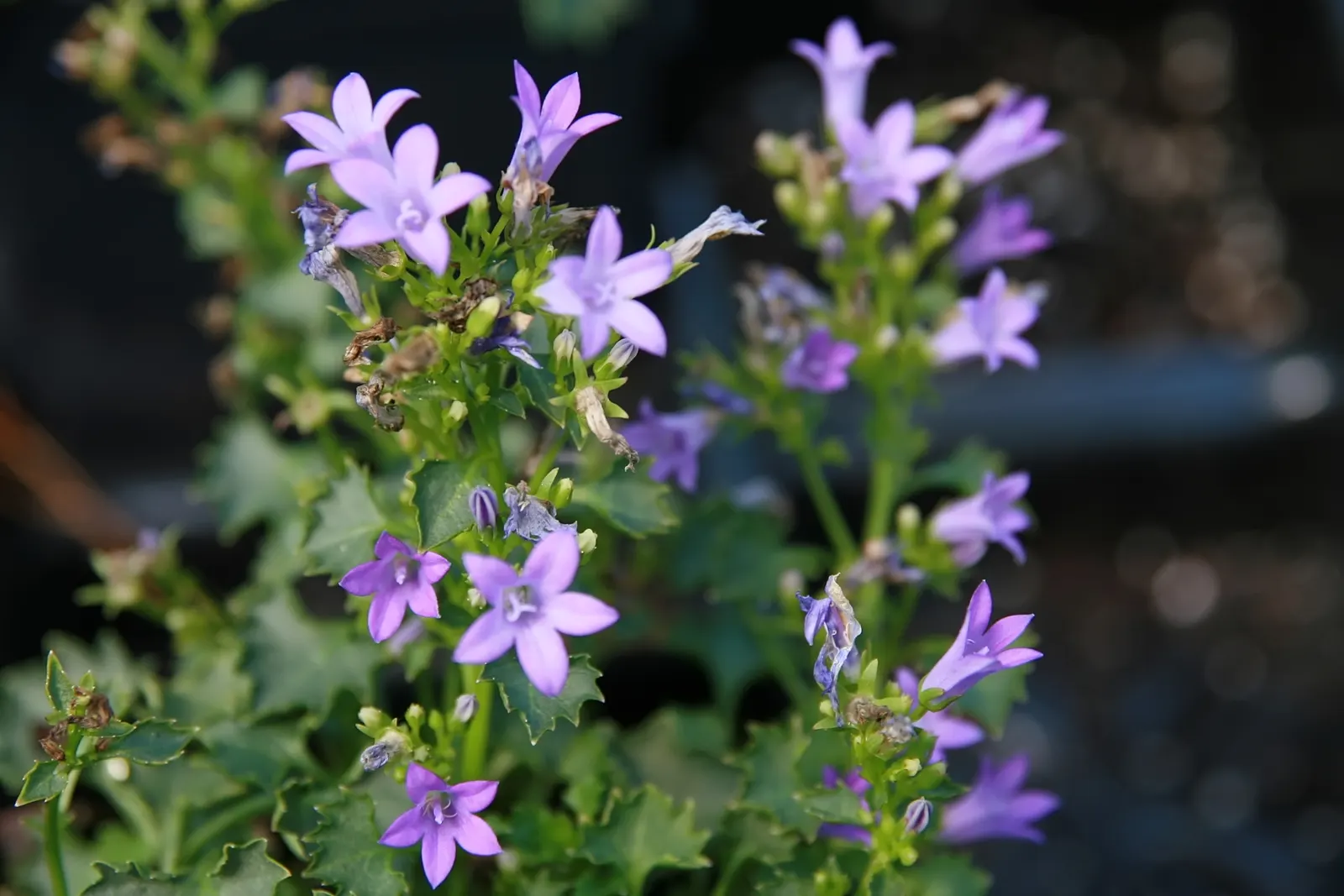
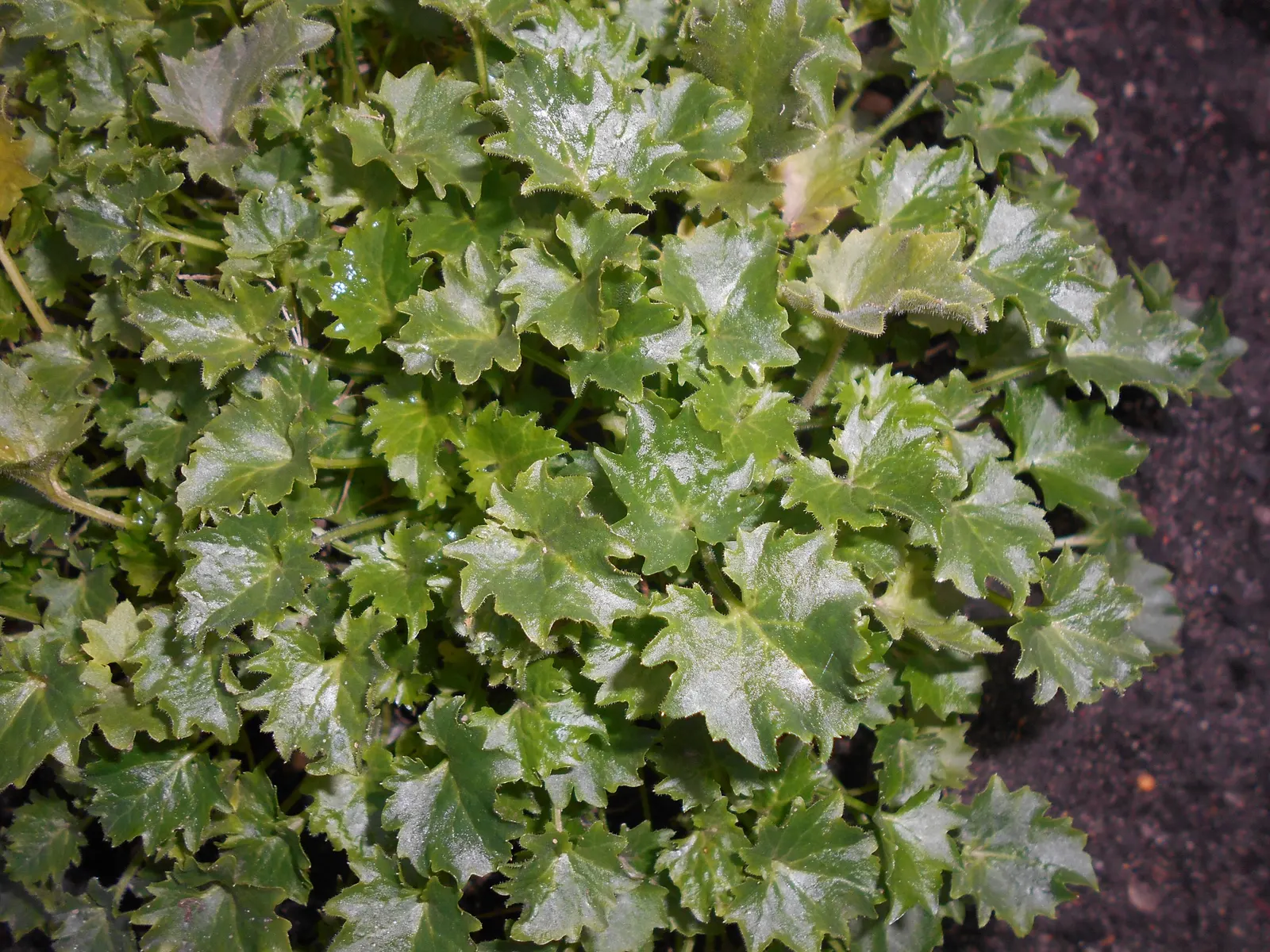
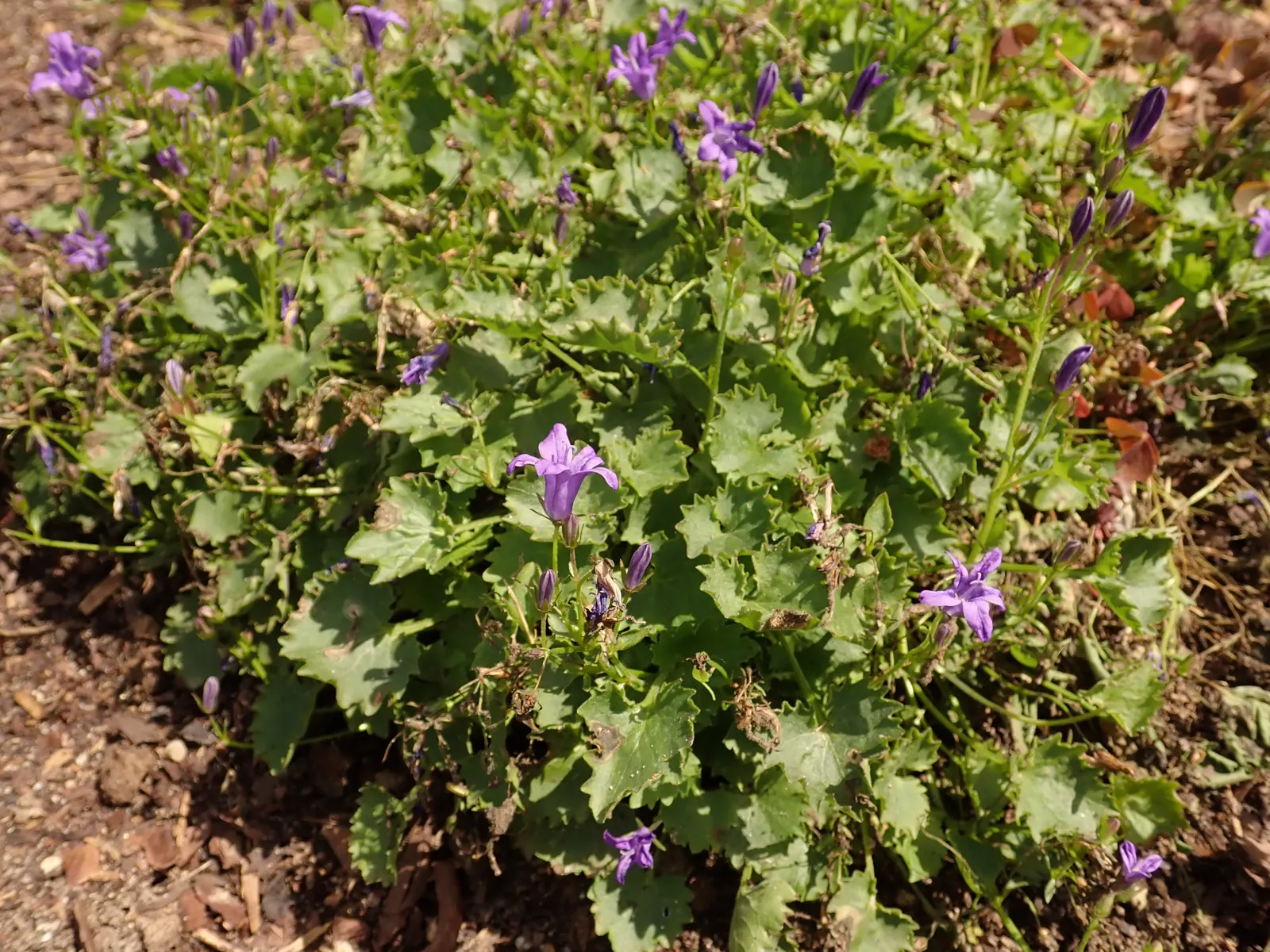
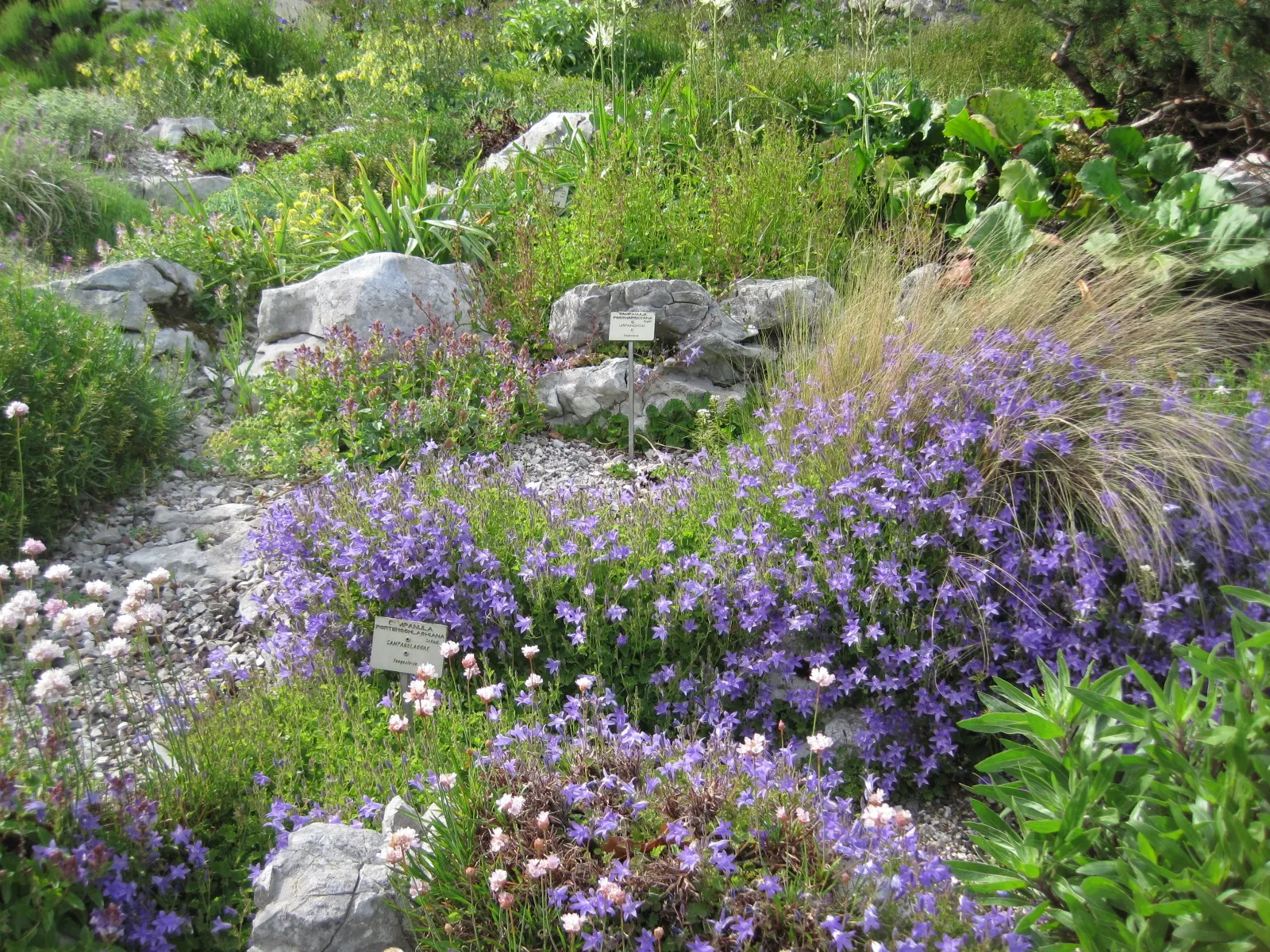
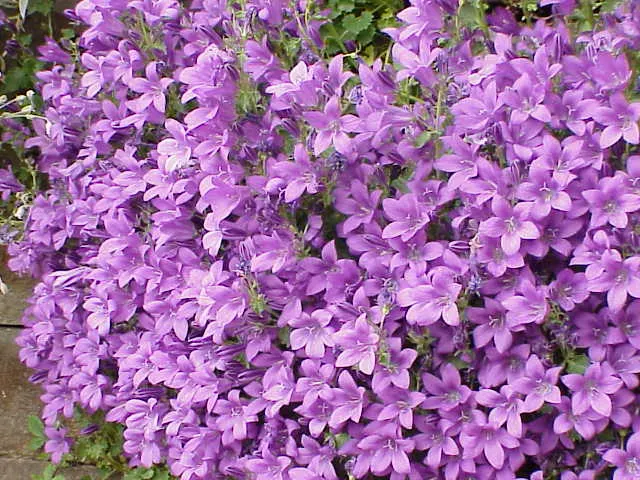
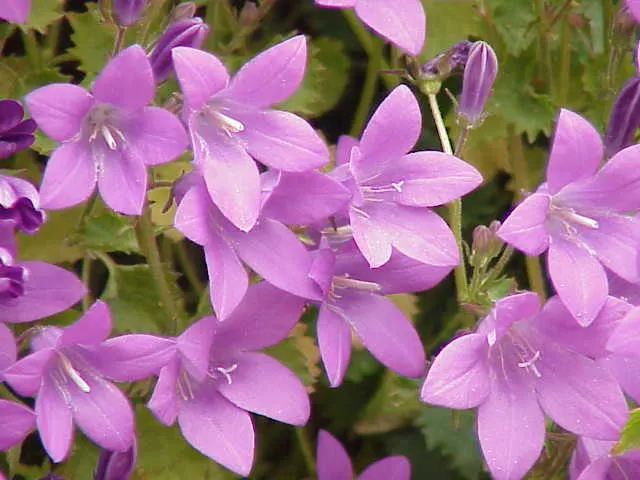
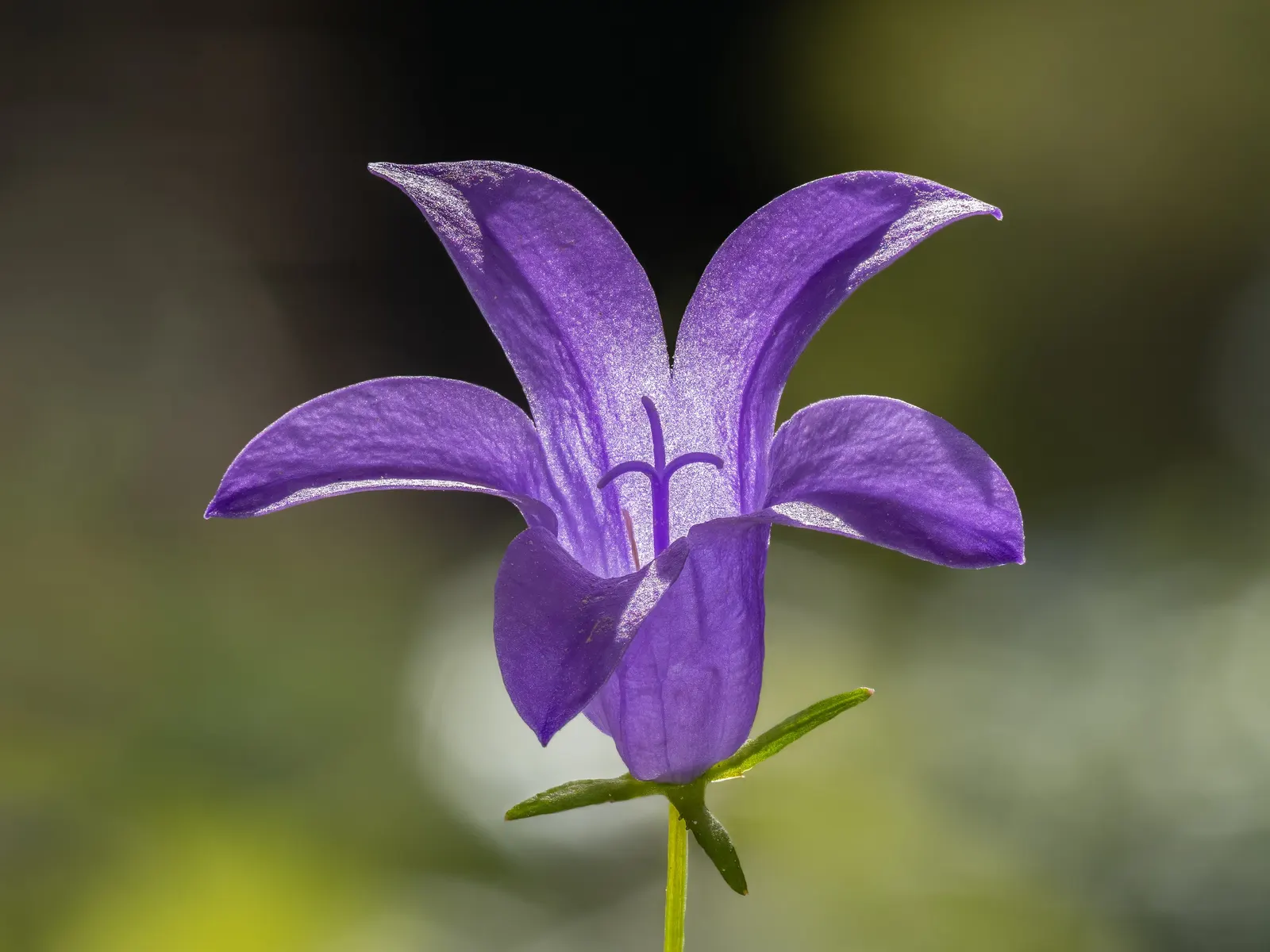
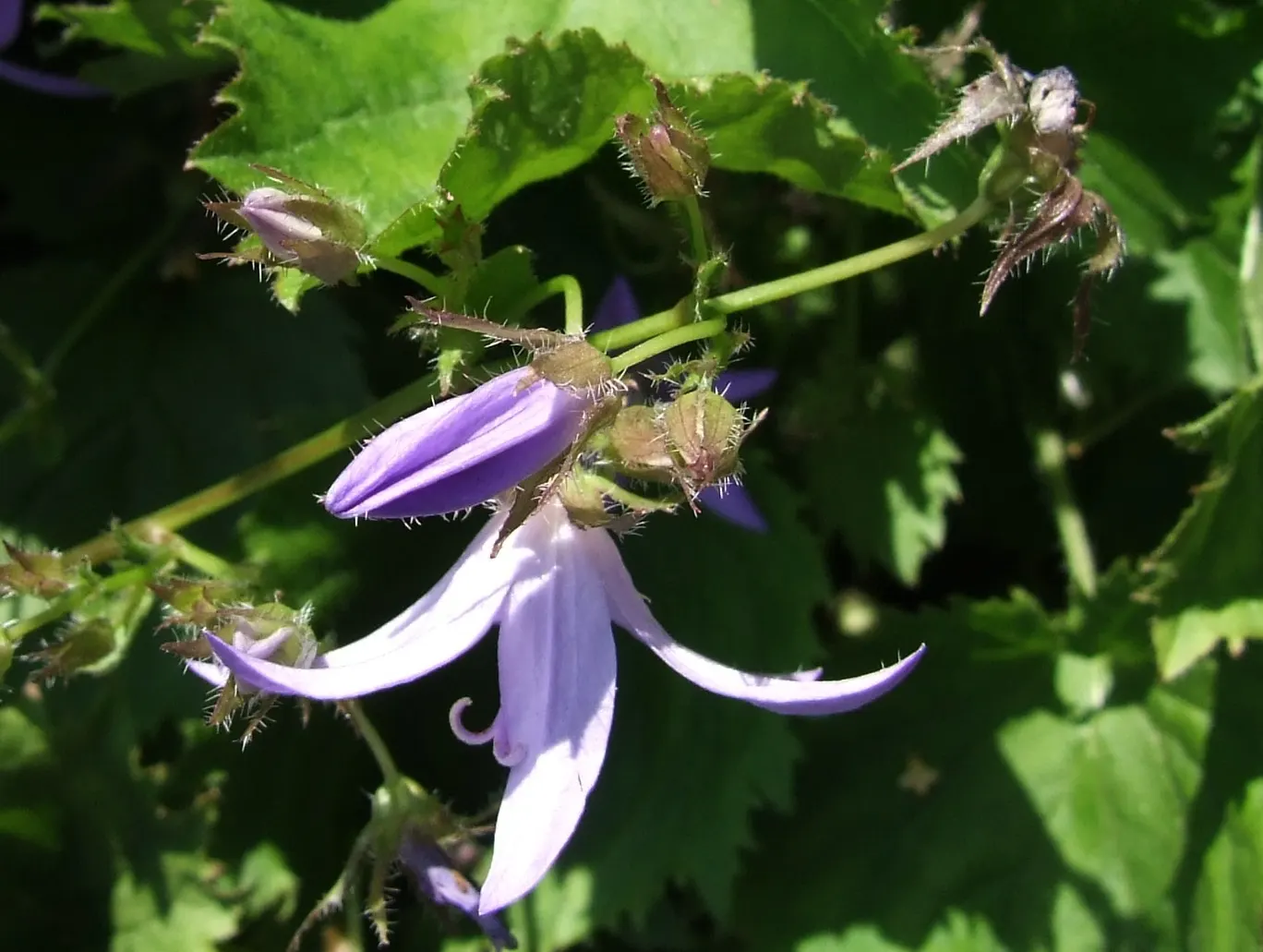
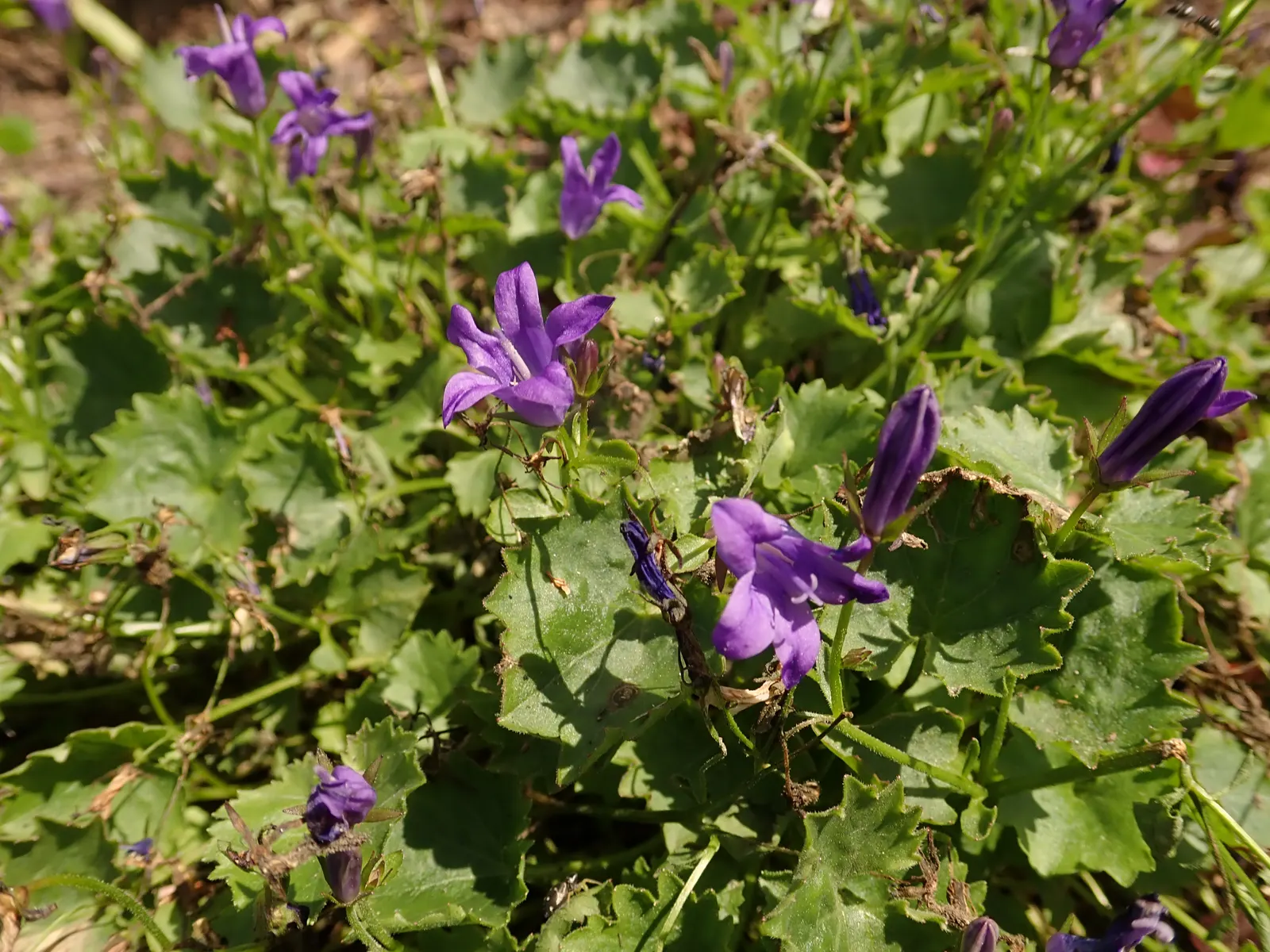
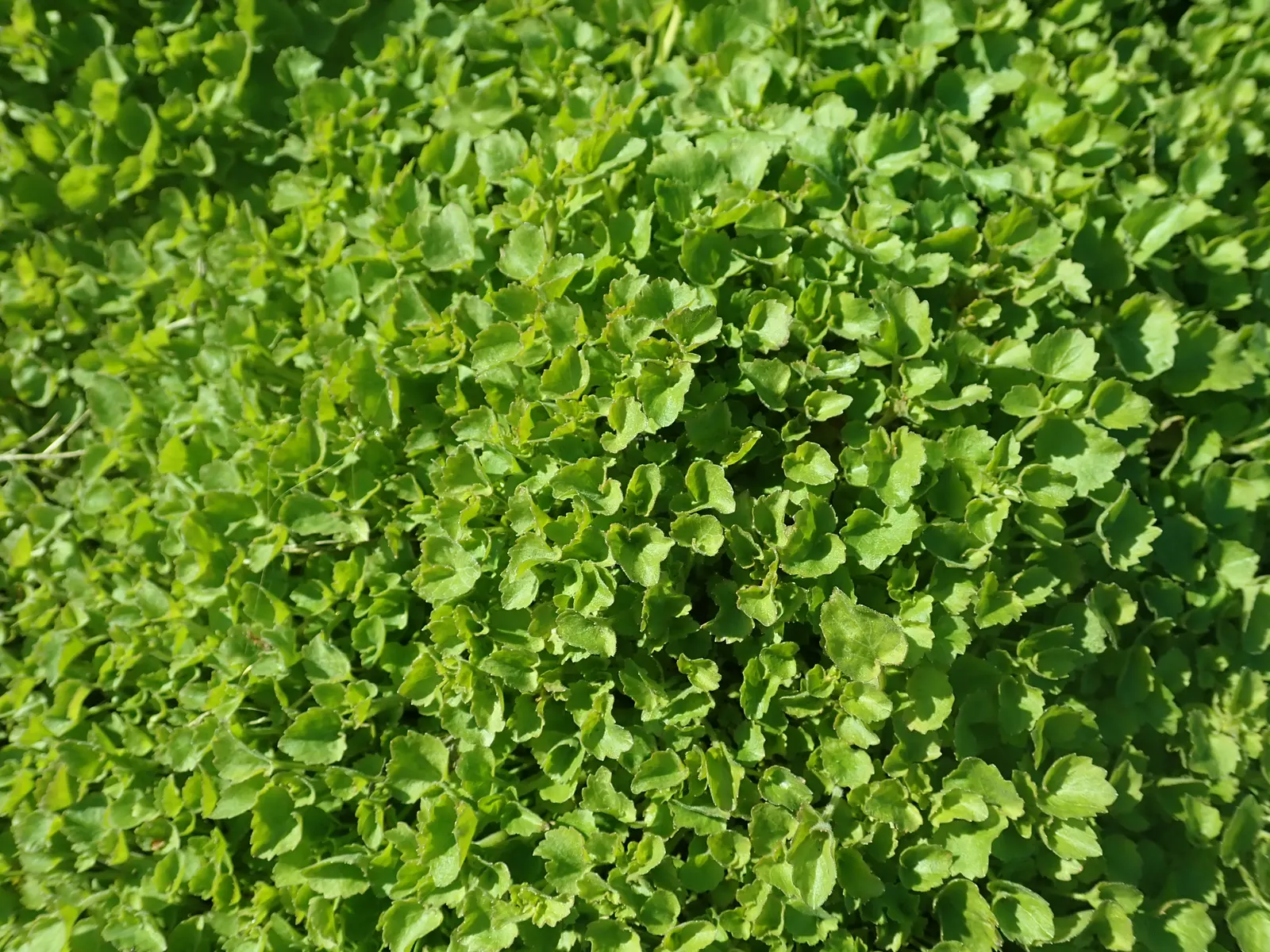
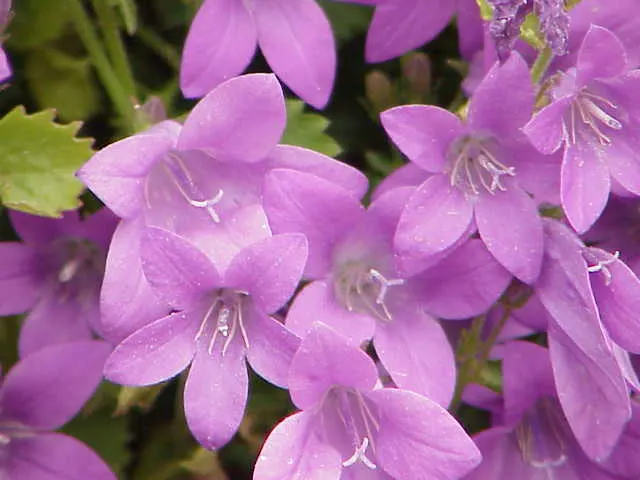
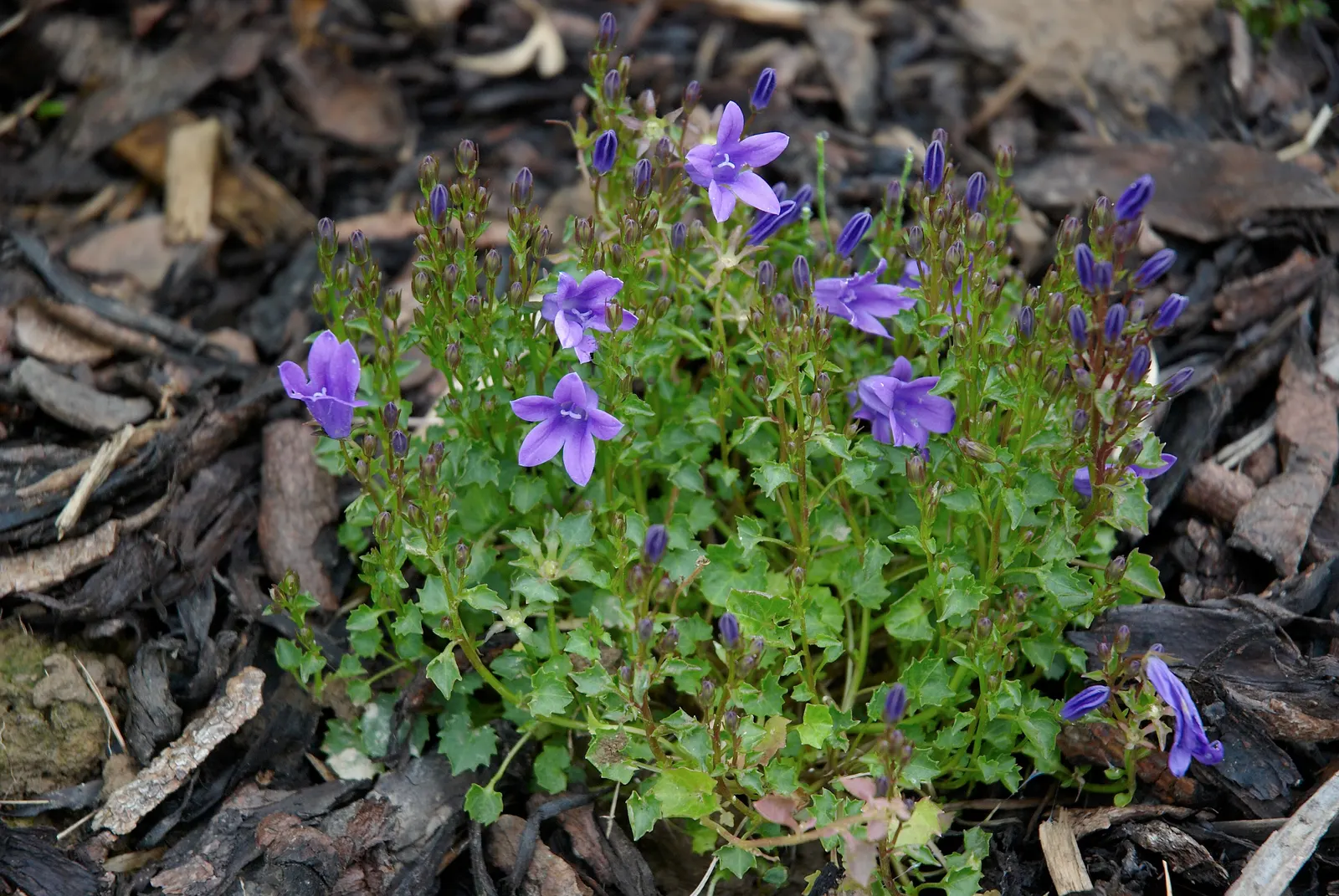
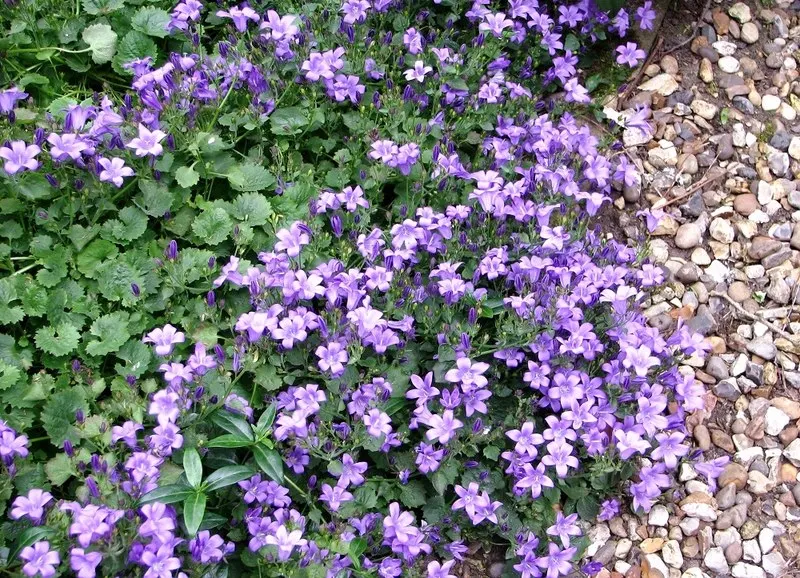
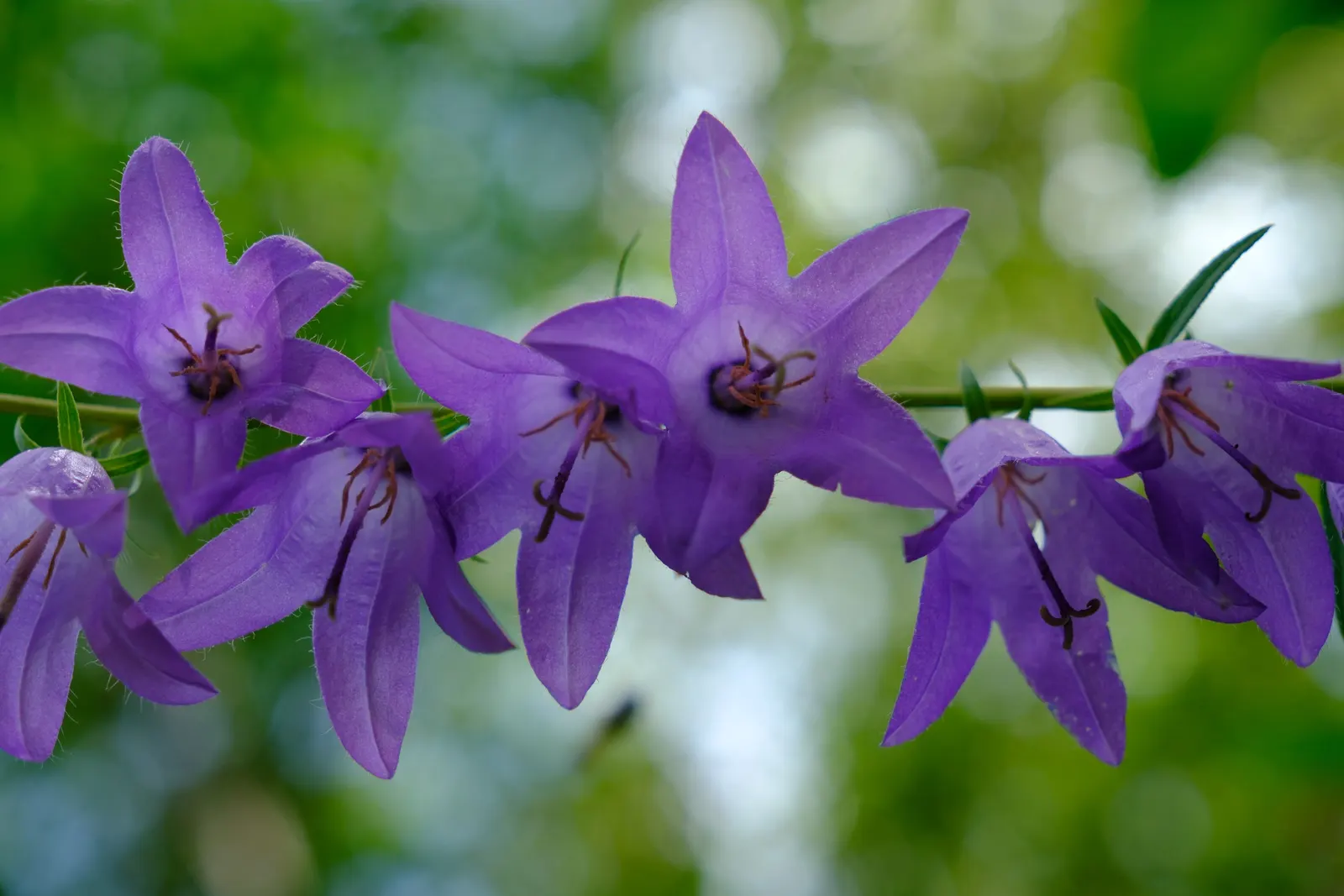
The Dalmation Bellflower (Campanula portenschlagiana) is a perennial ground cover that reaches 6 to 12 inches in height and spreads up to 20 inches wide. Renowned for its violet-blue, bell-shaped flowers, it blooms from late spring to early fall. The heart-shaped foliage remains evergreen in milder climates. It thrives in USDA zones 4-9, prefers partial to full sun, and requires well-drained soil. Ideal for rock gardens and borders.

Sun HalfWater MediumZones 4–9Type Perennial

Culture

Sun
Half
Water
Medium
USDA zones
4–9

Shape & size

Classification

Type
Perennial
Family
Campanulaceae

See full data, regional cultivation notes, and design tools. Build a client presentation around this plant.

Start your 14-day trial

Photos (74)

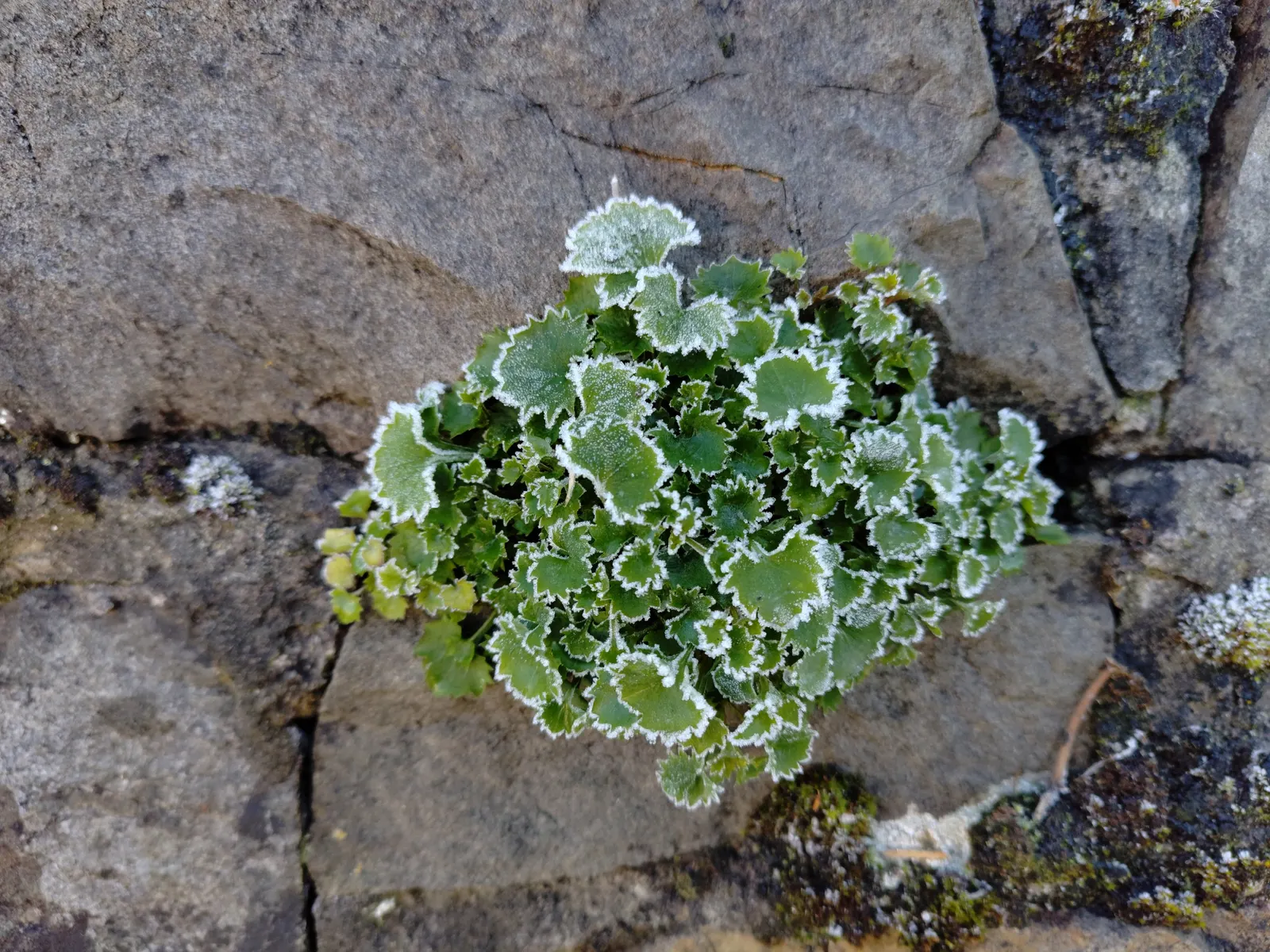
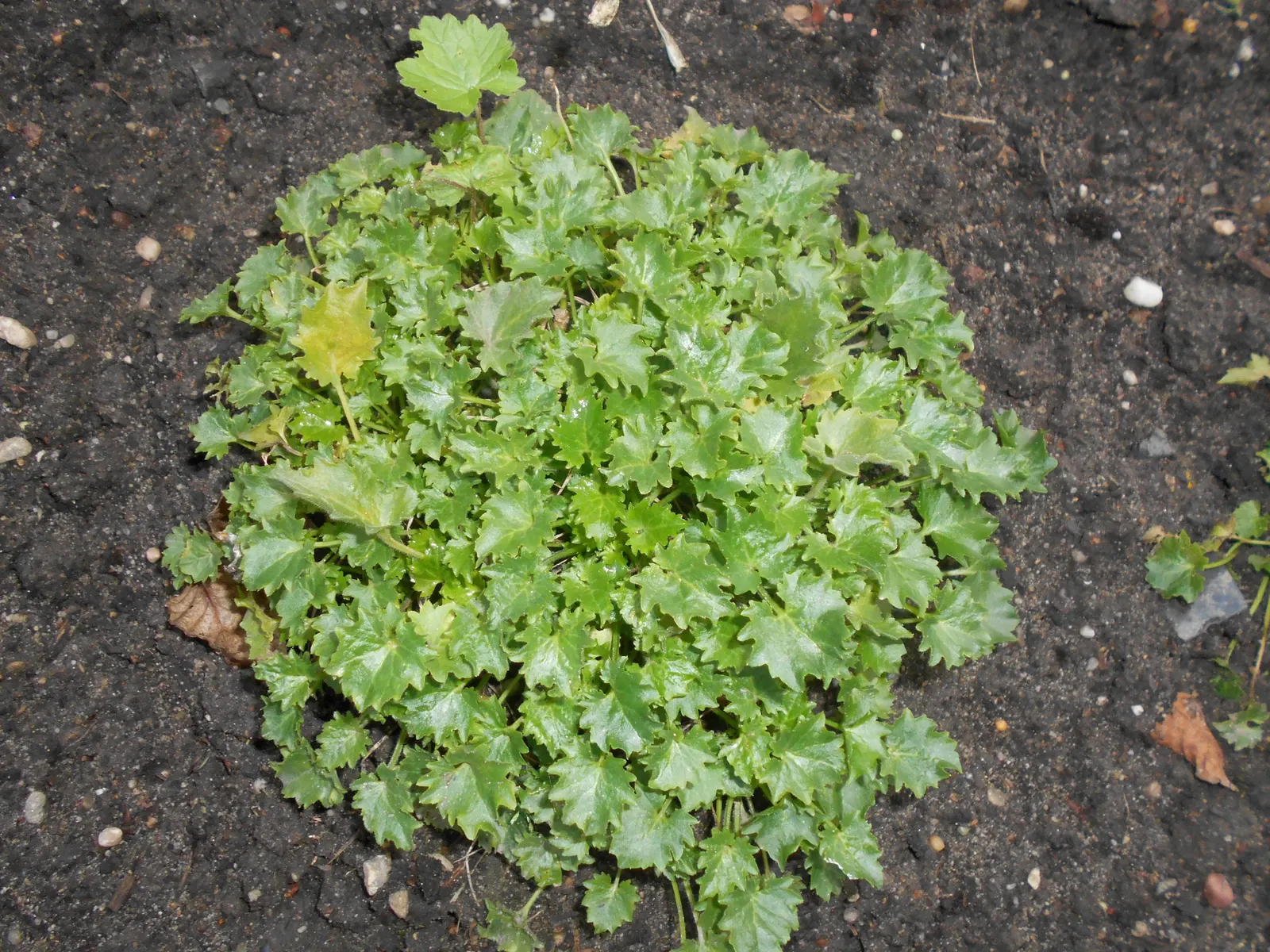
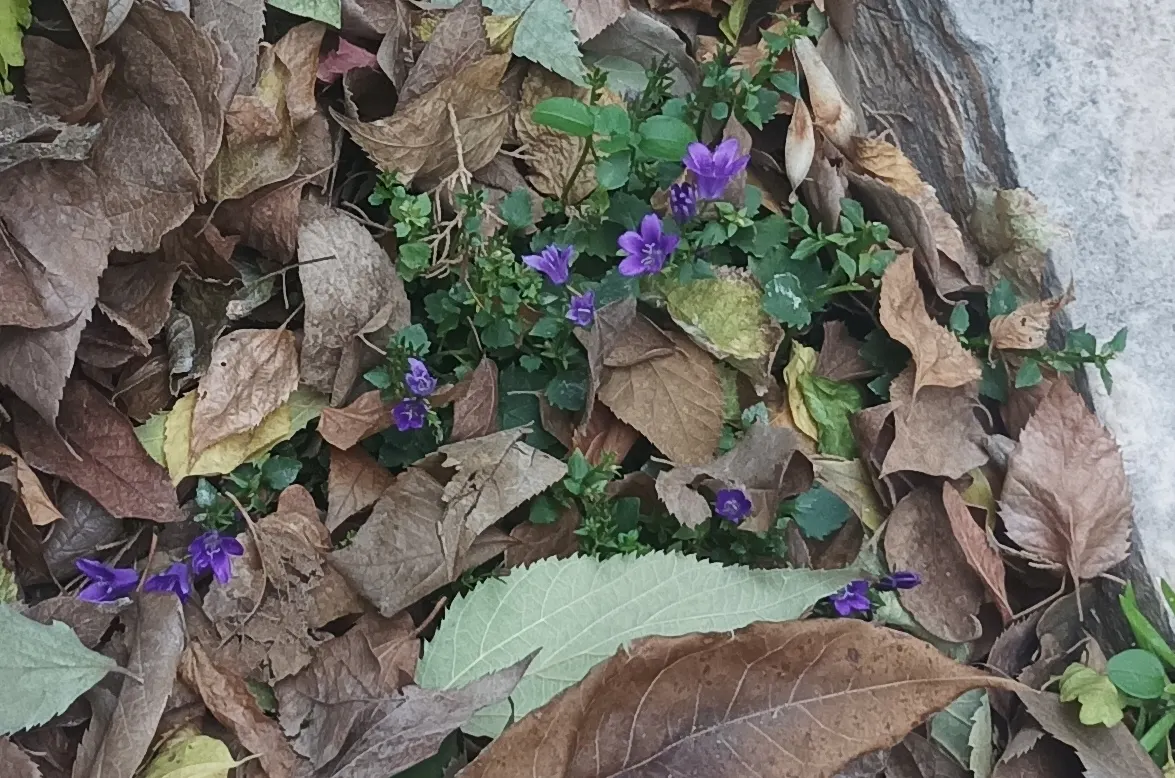
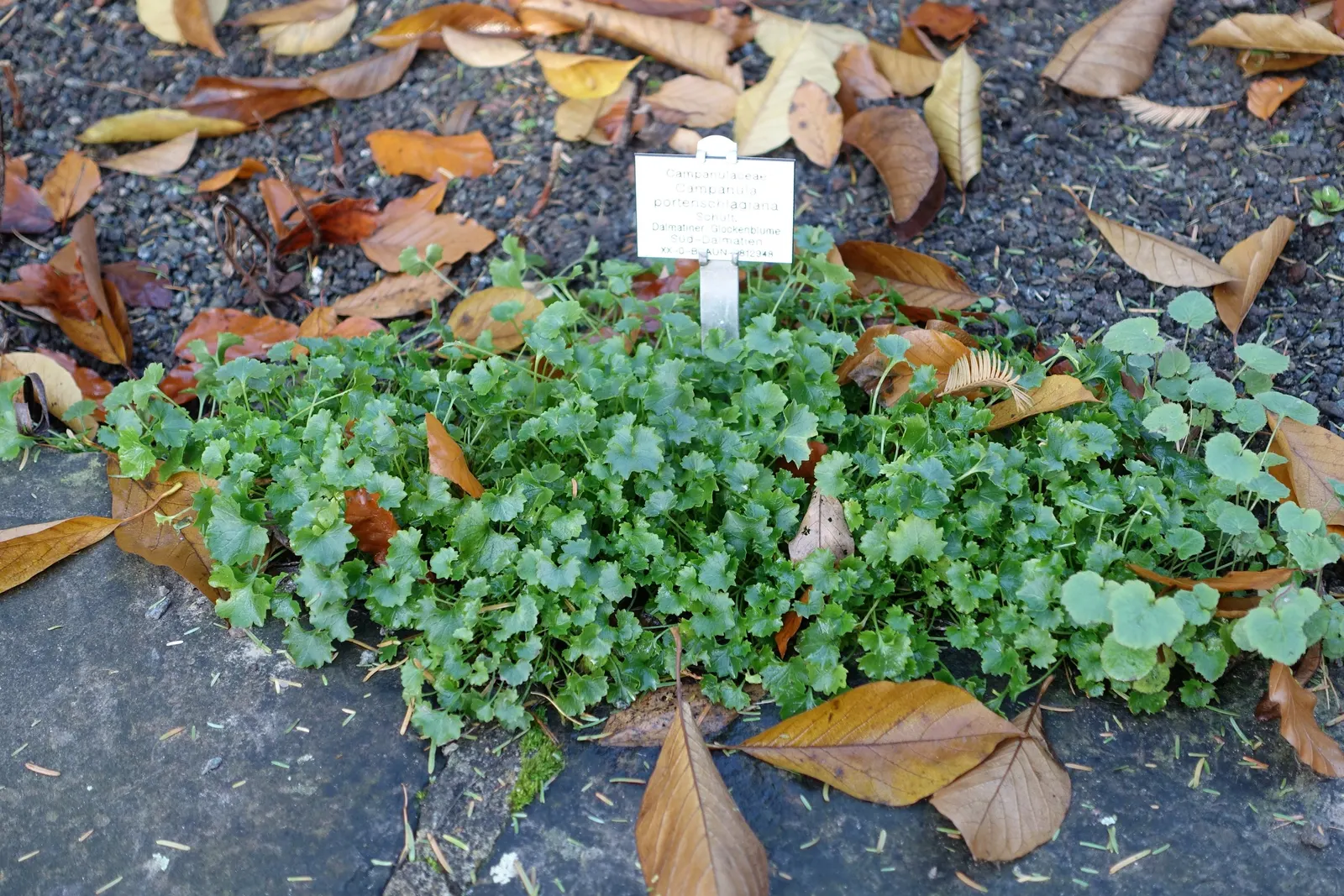
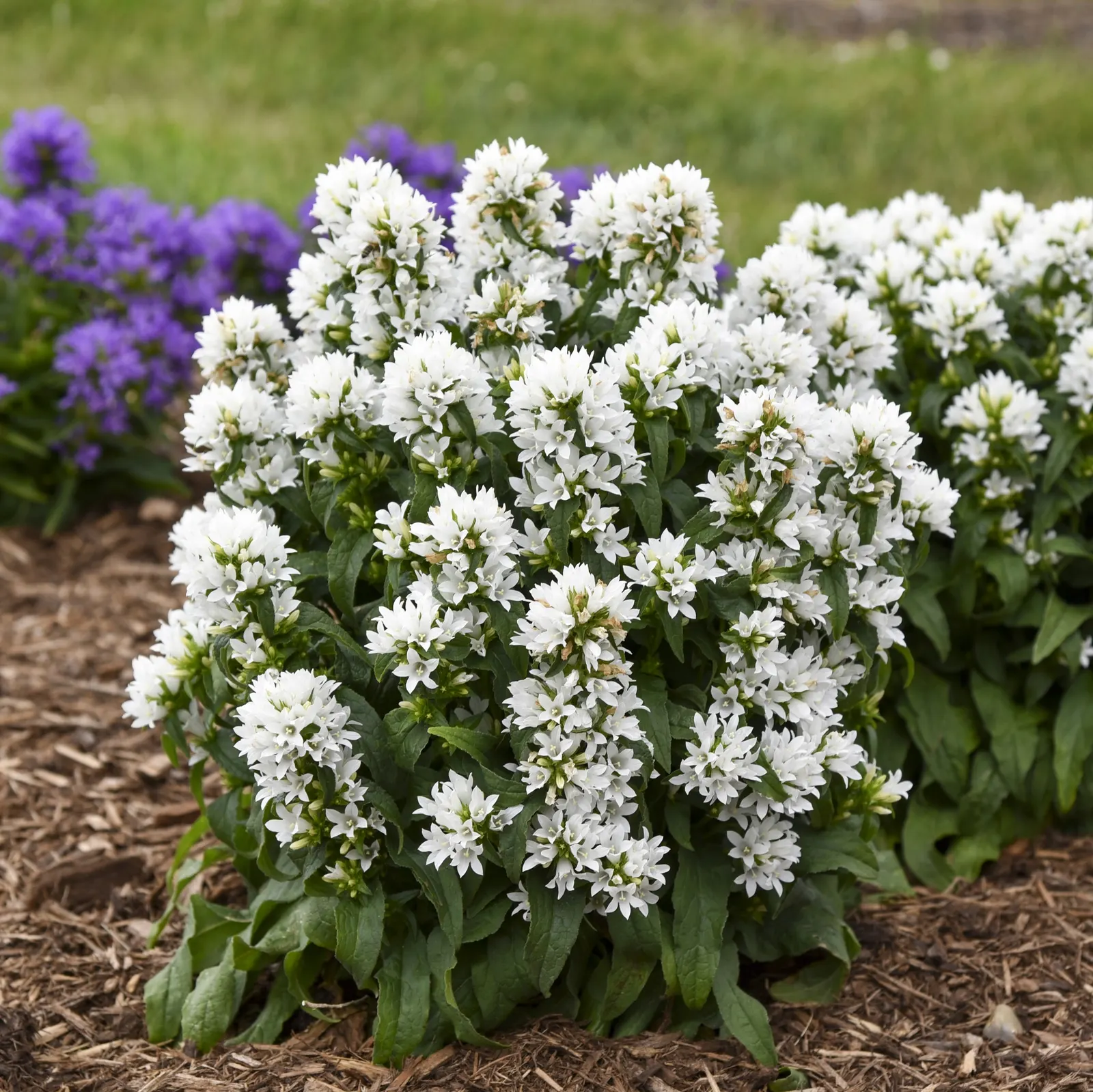
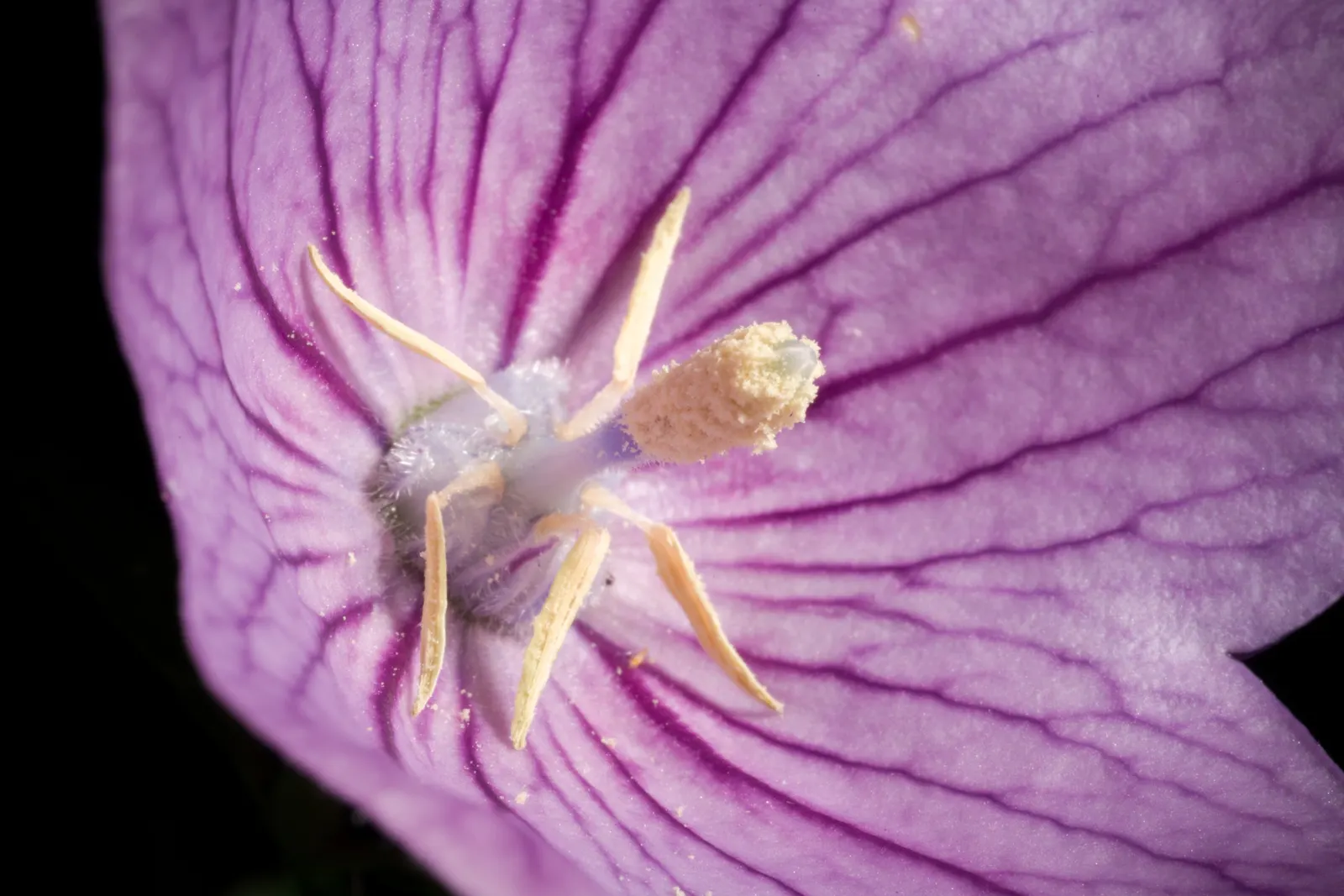
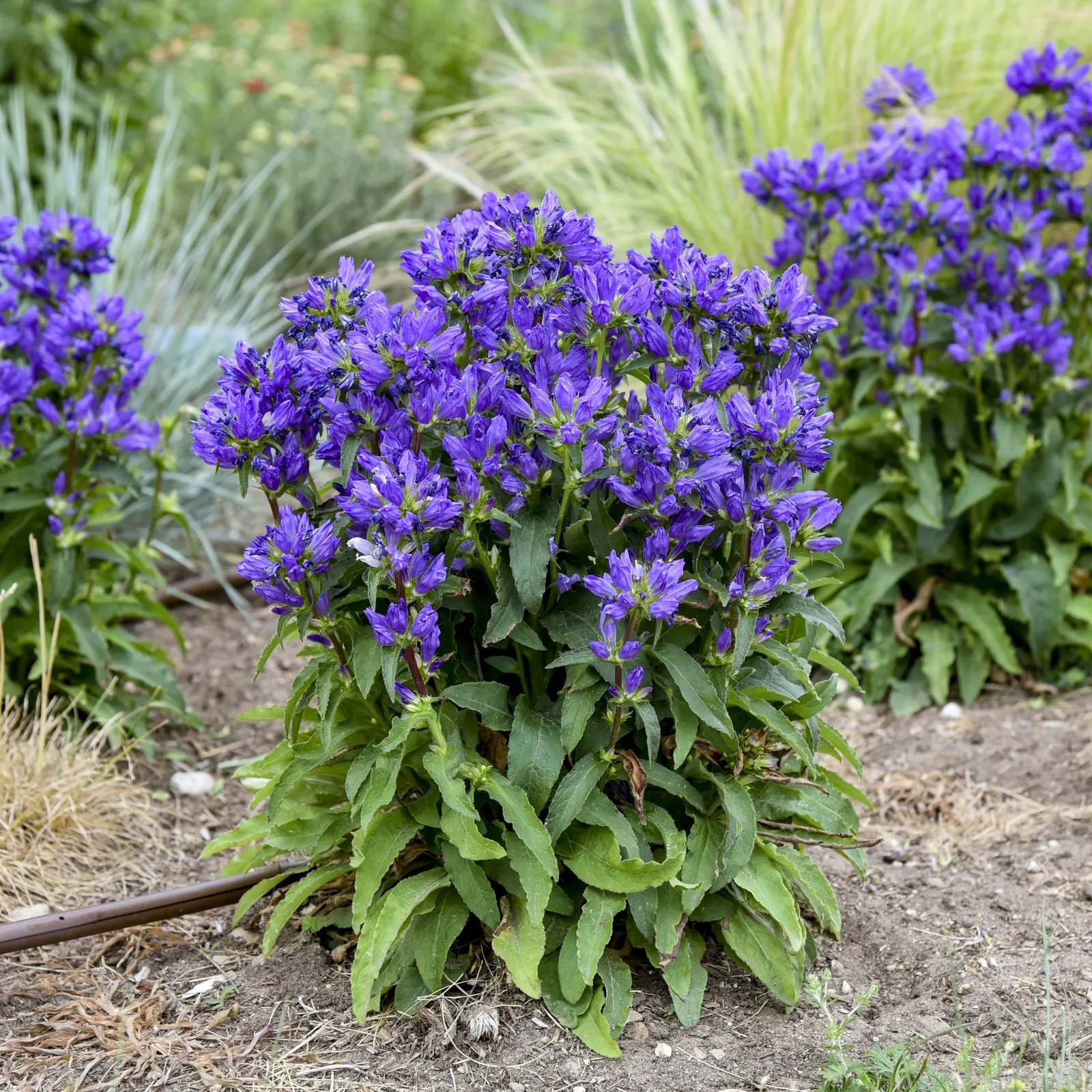
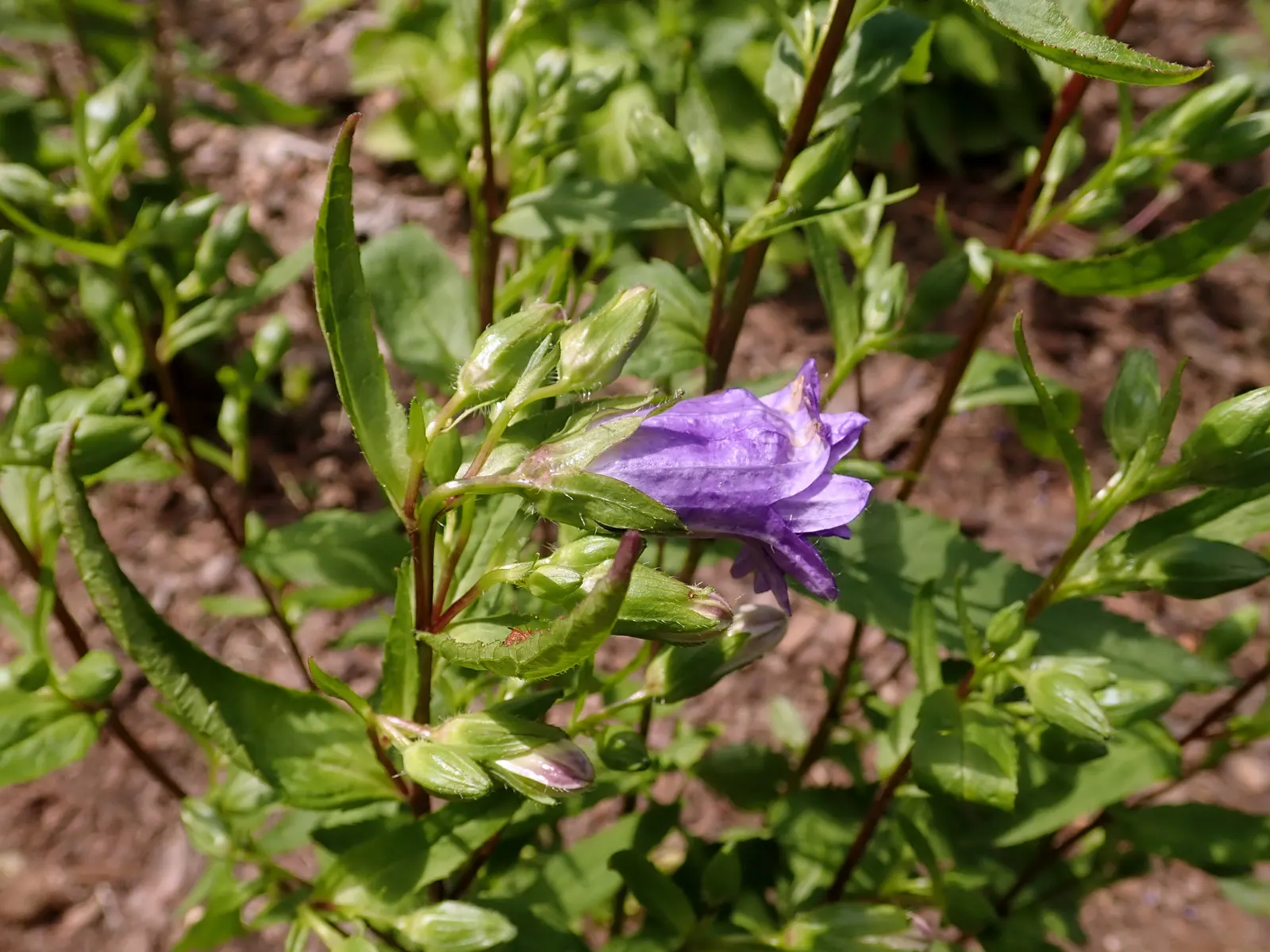
Dalmation Bellflower (Campanula Portenschlagiana) — the Dalmatian Bellflower creates a lush mat of foliage; campanula portenschlagiana prefers well-drained
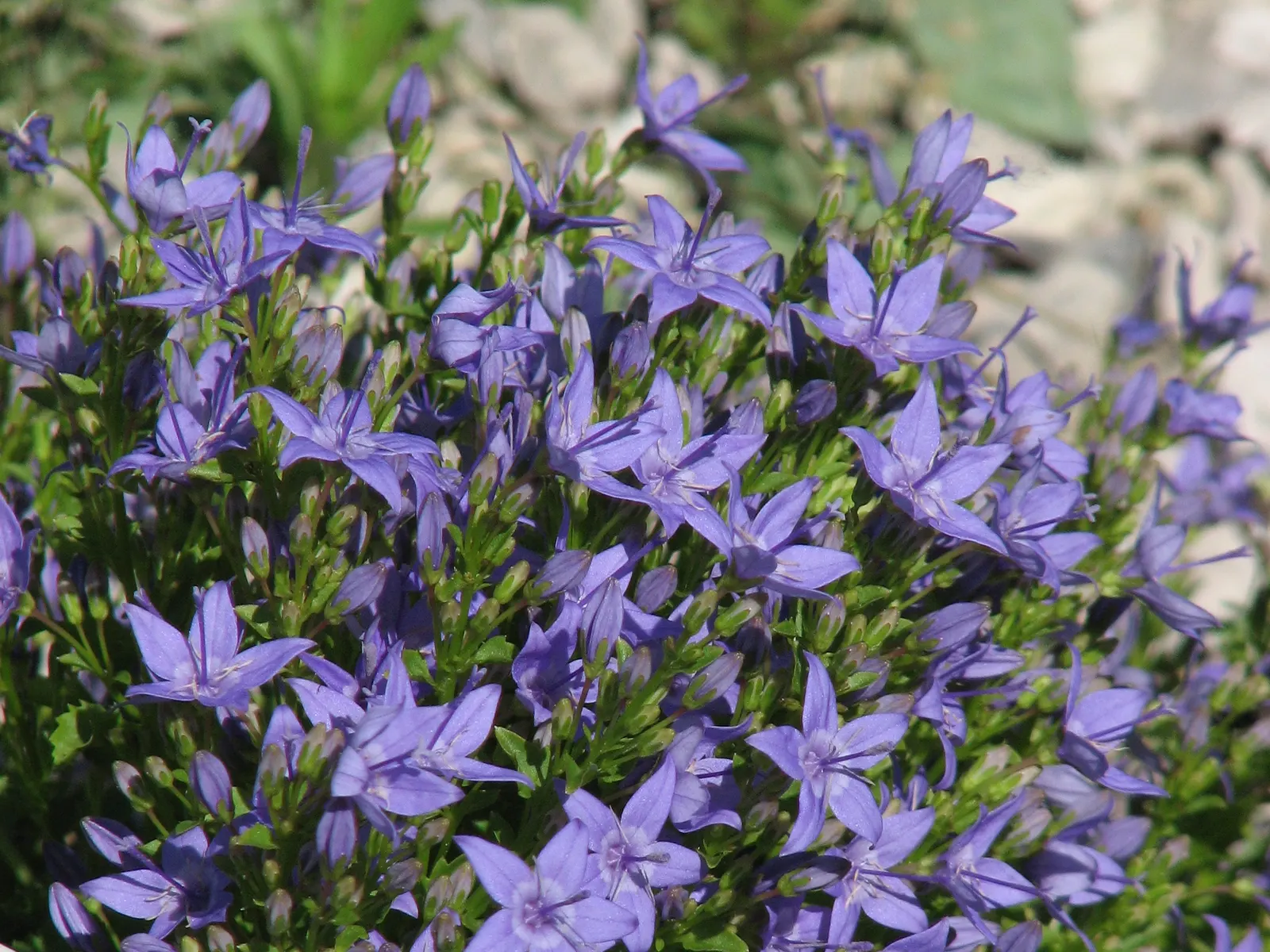
Dalmation Bellflower (Campanula Portenschlagiana) — is a charming perennial that offers a profusion of violet-blue; it's ideal for a variety of landscape
Dalmation Bellflower (Campanula Portenschlagiana) — is a charming perennial that offers a profusion of violet-blue
Dalmation Bellflower (Campanula Portenschlagiana) — This vibrant groundcover is native to the Dalmatian mountains in Croatia; it is generally, image 54
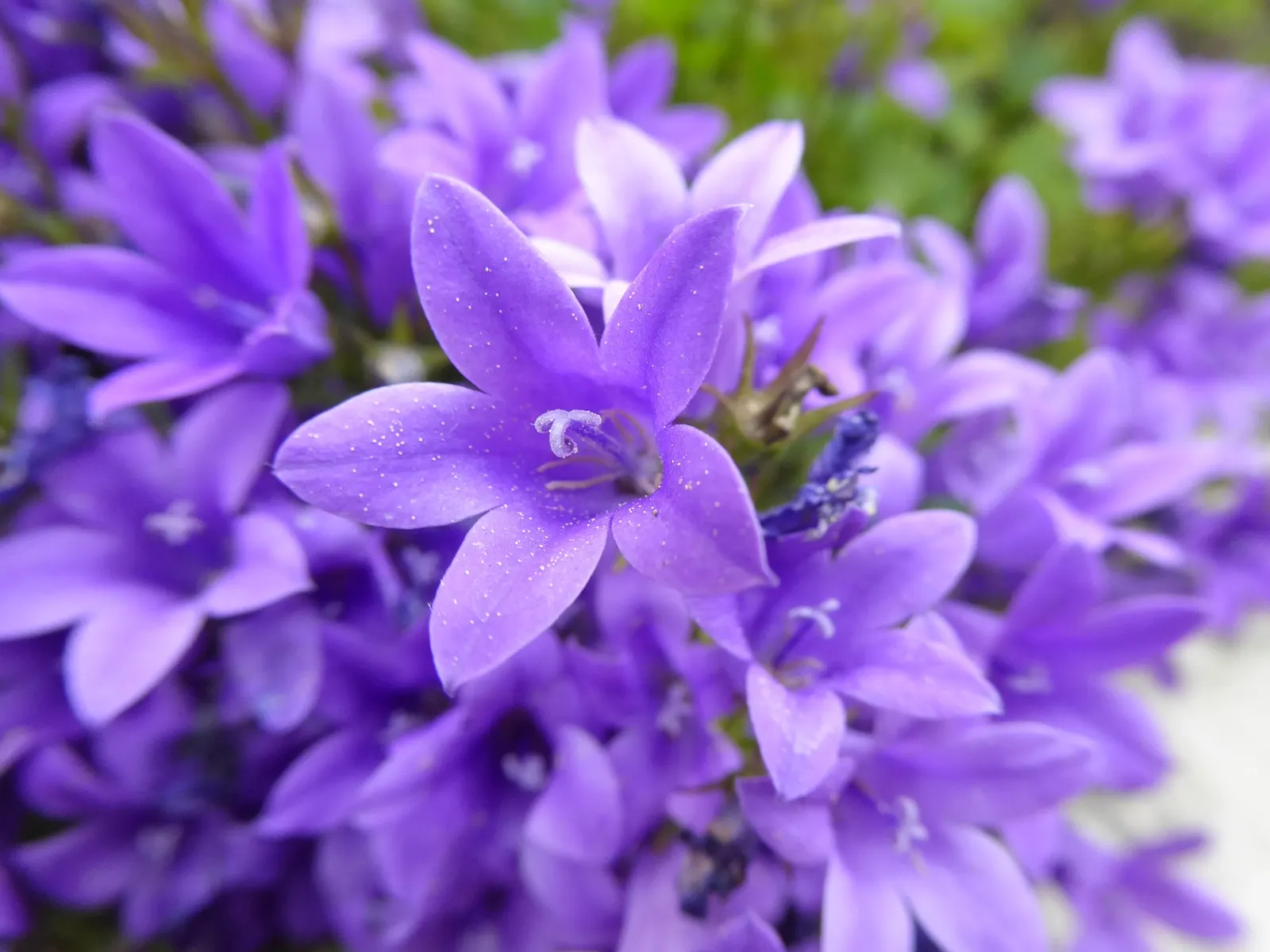
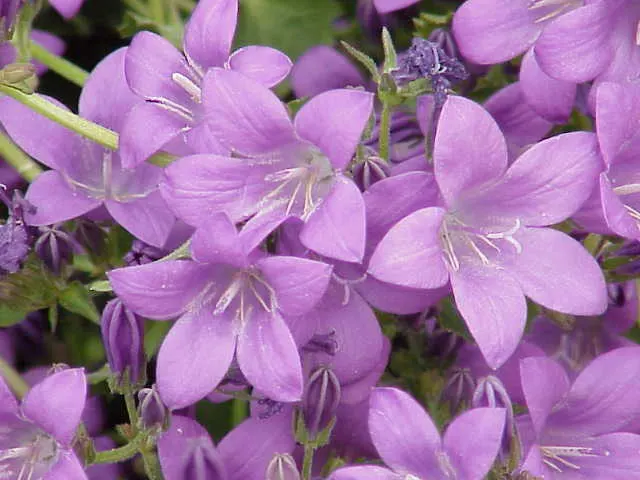
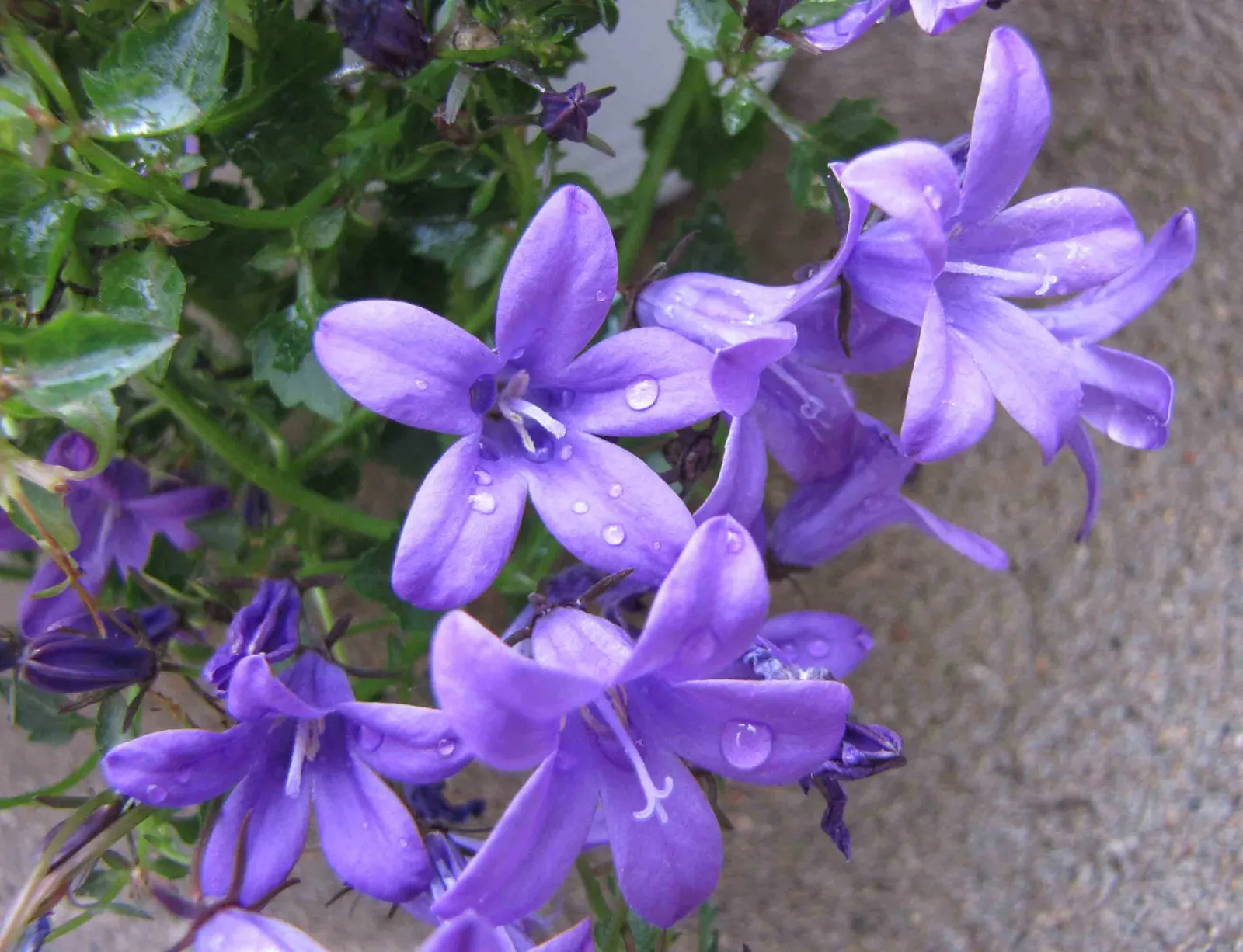
Dalmation Bellflower (Campanula Portenschlagiana) — Renowned for its violet-blue, bell-shaped flowers, it blooms from late spring to early fall, image 49
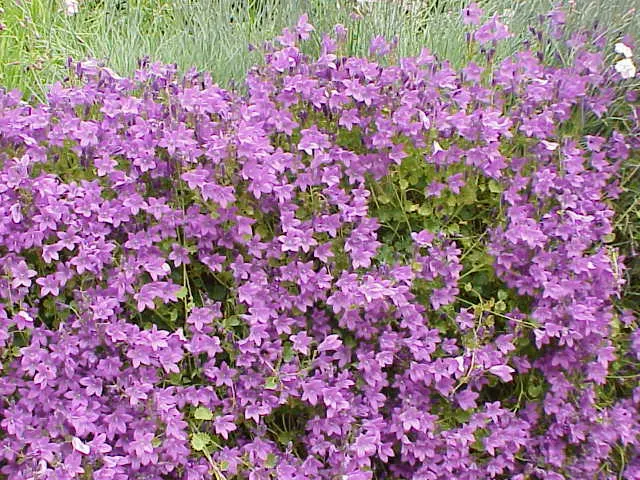
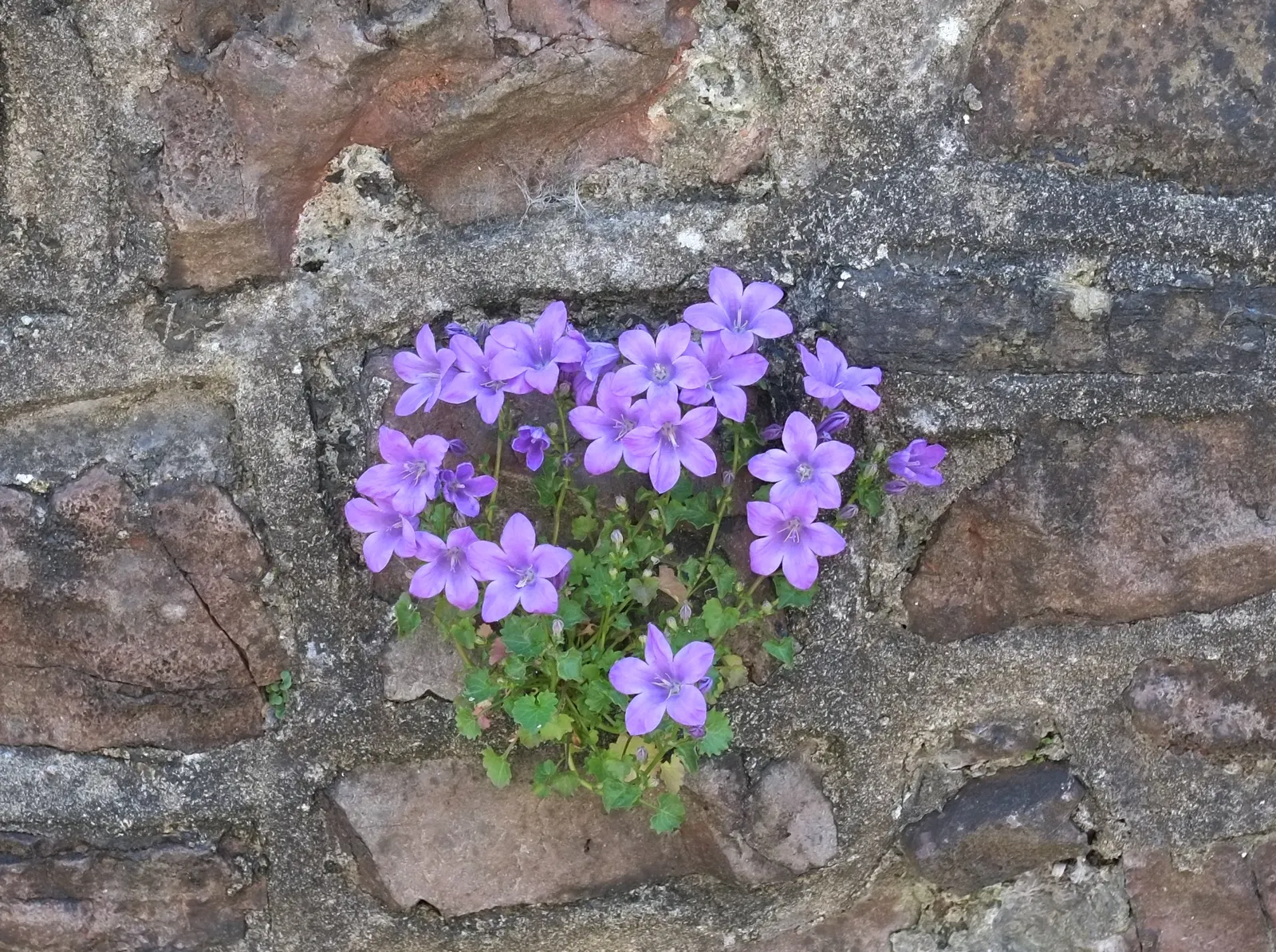
Dalmation Bellflower (Campanula Portenschlagiana) — perennial with purple blooms
Dalmation Bellflower (Campanula Portenschlagiana) — It's ideal for a variety of landscape settings
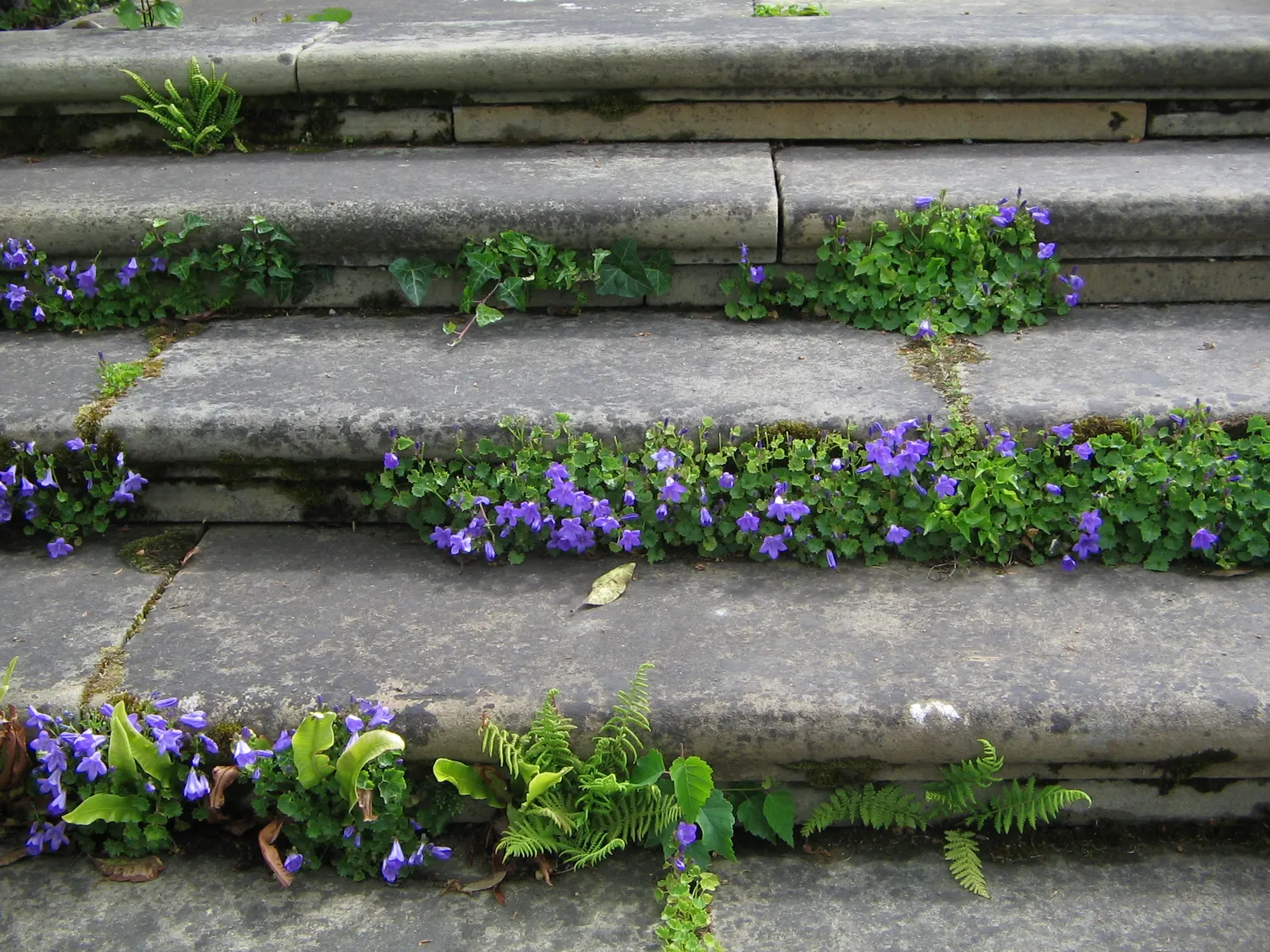
Dalmation Bellflower (Campanula Portenschlagiana) — Ideal for rock gardens and borders; renowned for its violet-blue, bell-shaped flowers, it blooms from late
Dalmation Bellflower (Campanula Portenschlagiana) — forming an attractive backdrop for the continuous blooms from late spring to early fall; inform the client
Dalmation Bellflower (Campanula Portenschlagiana) — The heart-shaped foliage remains evergreen in milder climates; ensuring a long season of visual, image 50
Dalmation Bellflower (Campanula Portenschlagiana) — Renowned for its violet-blue, bell-shaped flowers, it blooms from late spring to early fall; ideal for rock
Dalmation Bellflower (Campanula Portenschlagiana) — making it adaptable to different garden exposures; making it a robust choice for a low-fuss garden
Dalmation Bellflower (Campanula Portenschlagiana) — and it thrives in USDA hardiness zones 4 through 8; purple flowers in the garden
Dalmation Bellflower (Campanula Portenschlagiana) — Campanula portenschlagiana prefers well-drained soil and can grow in full sun to partial shade; the
Dalmation Bellflower (Campanula Portenschlagiana) — natural beauty to their garden
Dalmation Bellflower (Campanula Portenschlagiana) — ensuring a long season of visual interest.<br><br>For best results; the heart-shaped foliage remains
Dalmation Bellflower (Campanula Portenschlagiana) — is a charming perennial that offers a profusion of violet-blue; it's ideal for a variety of, image 53
Dalmation Bellflower (Campanula Portenschlagiana) — It's ideal for a variety of landscape settings; is a charming perennial that offers a profusion of
Dalmation Bellflower (Campanula Portenschlagiana) — Renowned for its violet-blue, bell-shaped flowers, it blooms from late spring to early fall
Dalmation Bellflower (Campanula Portenschlagiana) — Ideal for rock gardens and borders
Dalmation Bellflower (Campanula Portenschlagiana) — With a moderate growth rate
Dalmation Bellflower (Campanula Portenschlagiana) — It thrives in USDA zones 4-9, prefers partial to full sun, and requires well-drained soil, image 51
Dalmation Bellflower (Campanula Portenschlagiana) — This plant is known for its low maintenance requirements - occasional deadheading encourages further
Dalmation Bellflower (Campanula Portenschlagiana) — natural beauty to their garden; perennial for half
Photographs by 14 contributors

Related plants