Skip to content

Danesblood Bellflower

Campanula Glomerata

Design with this plant

Overview

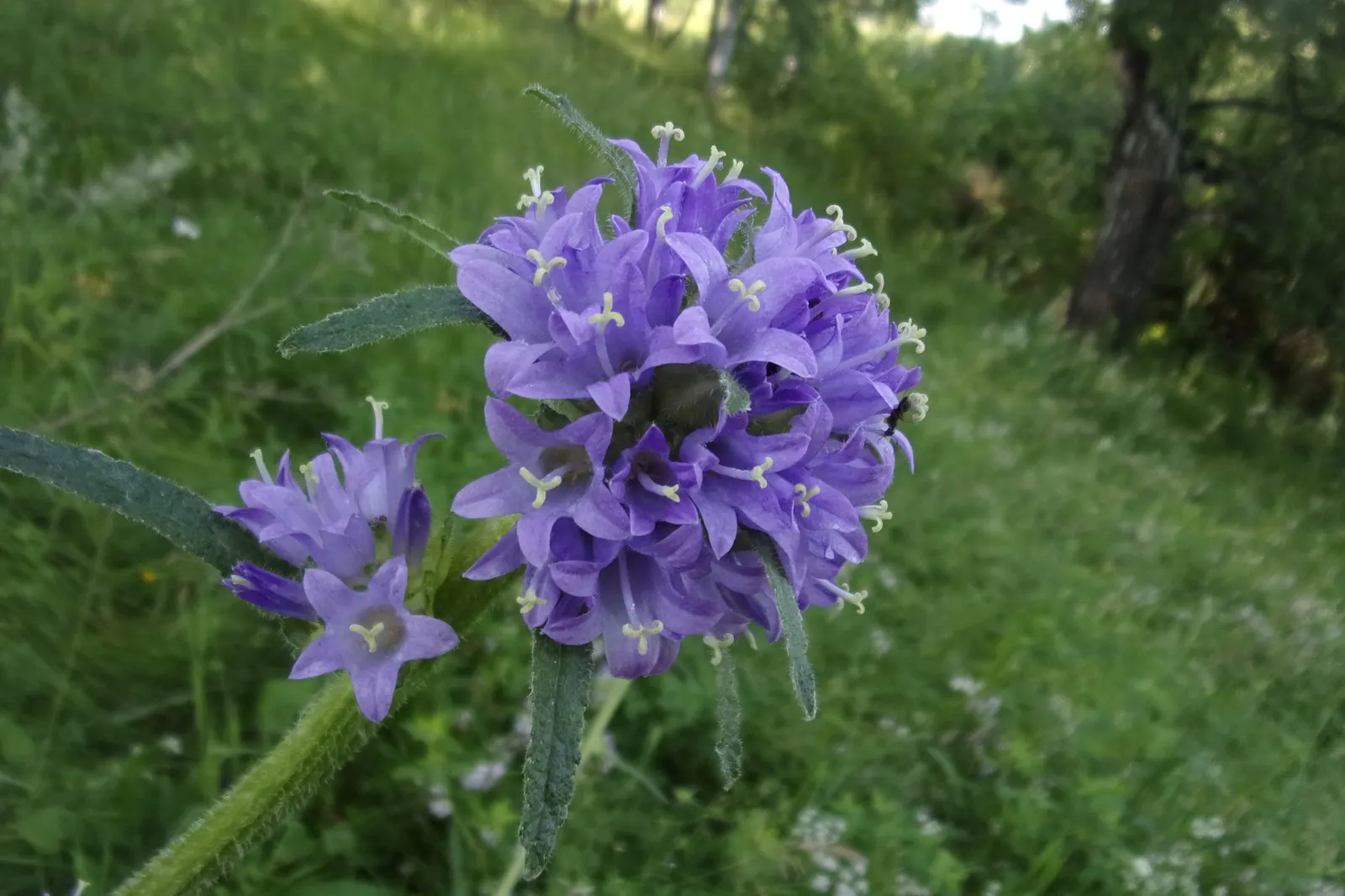
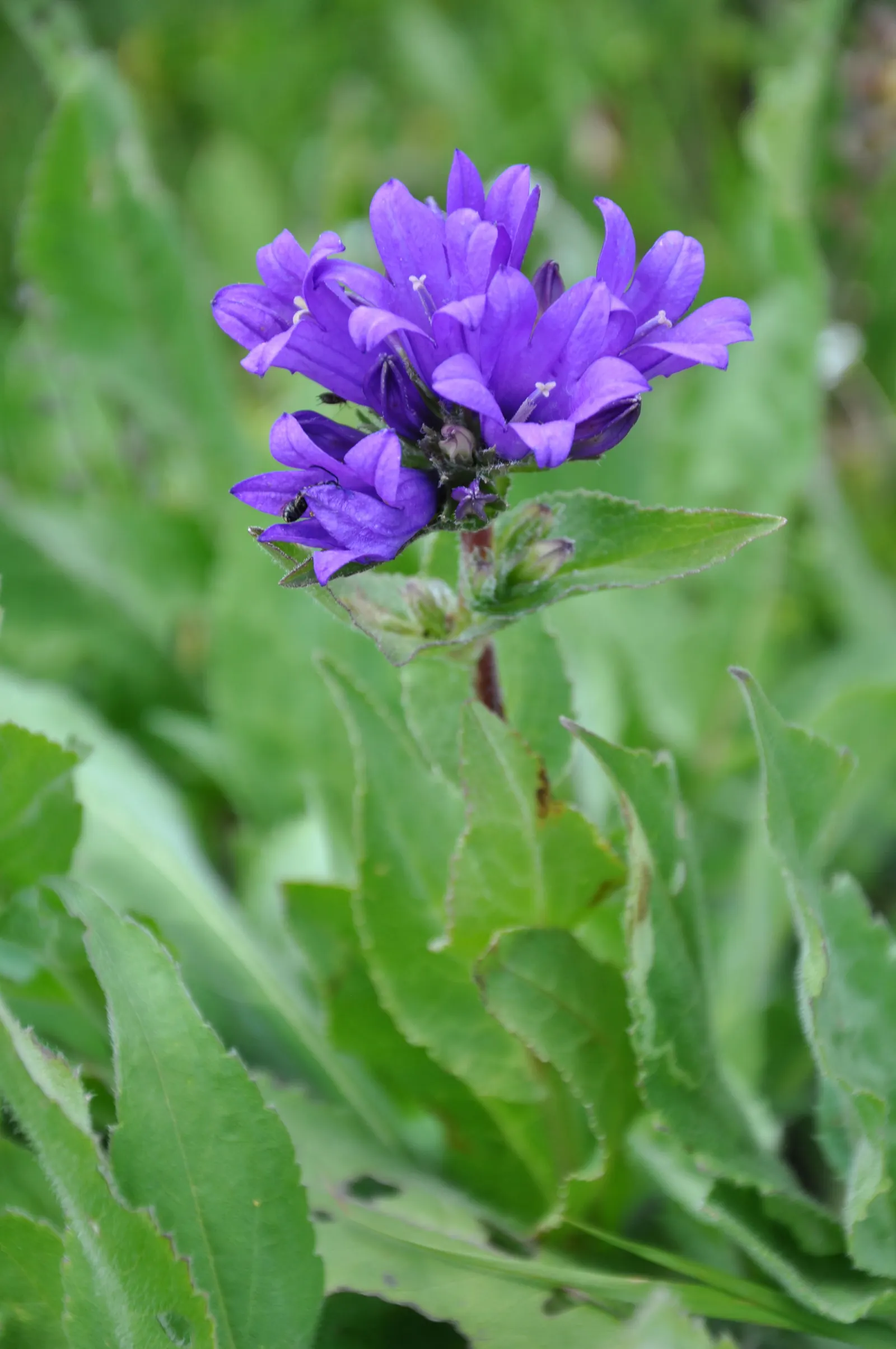
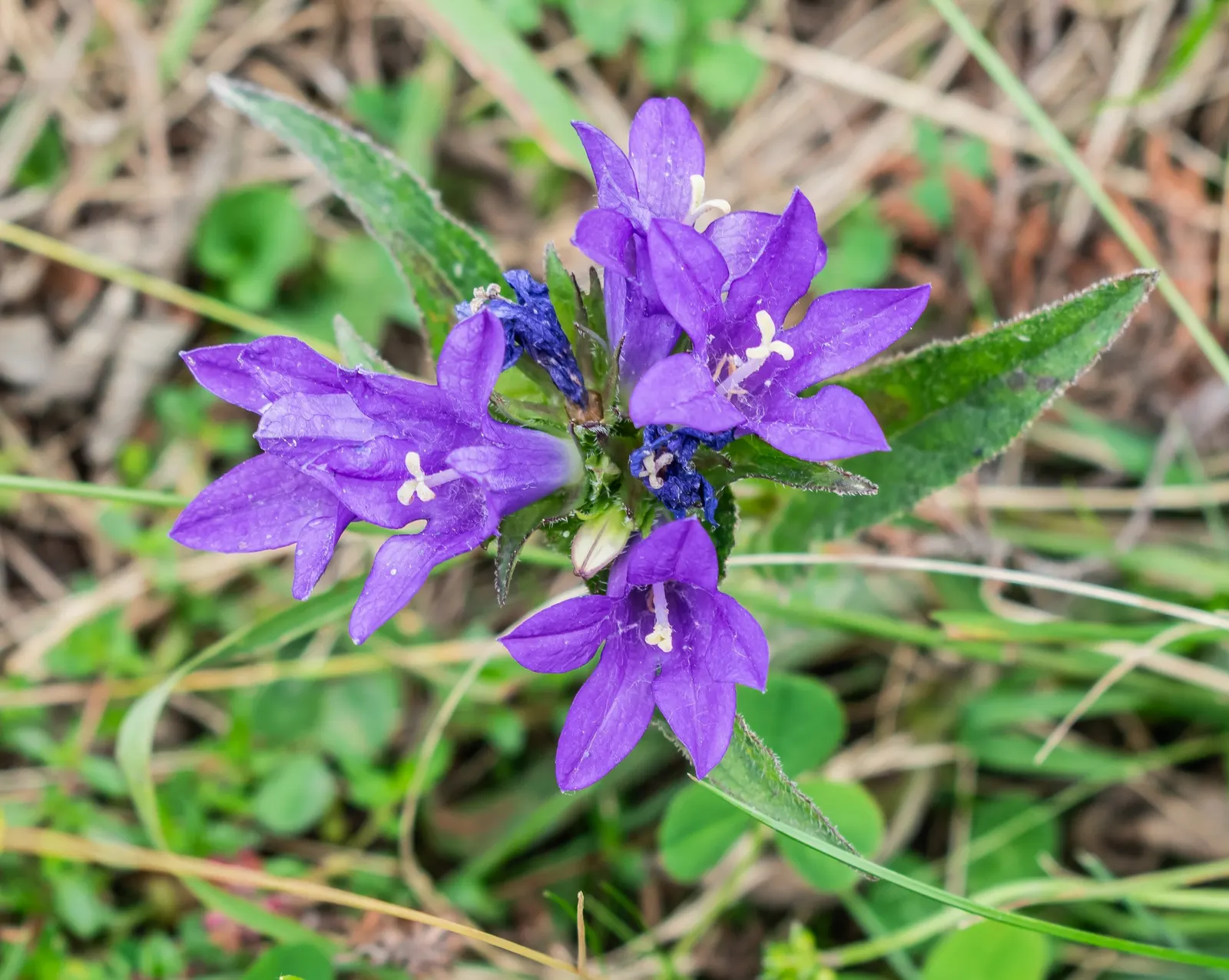
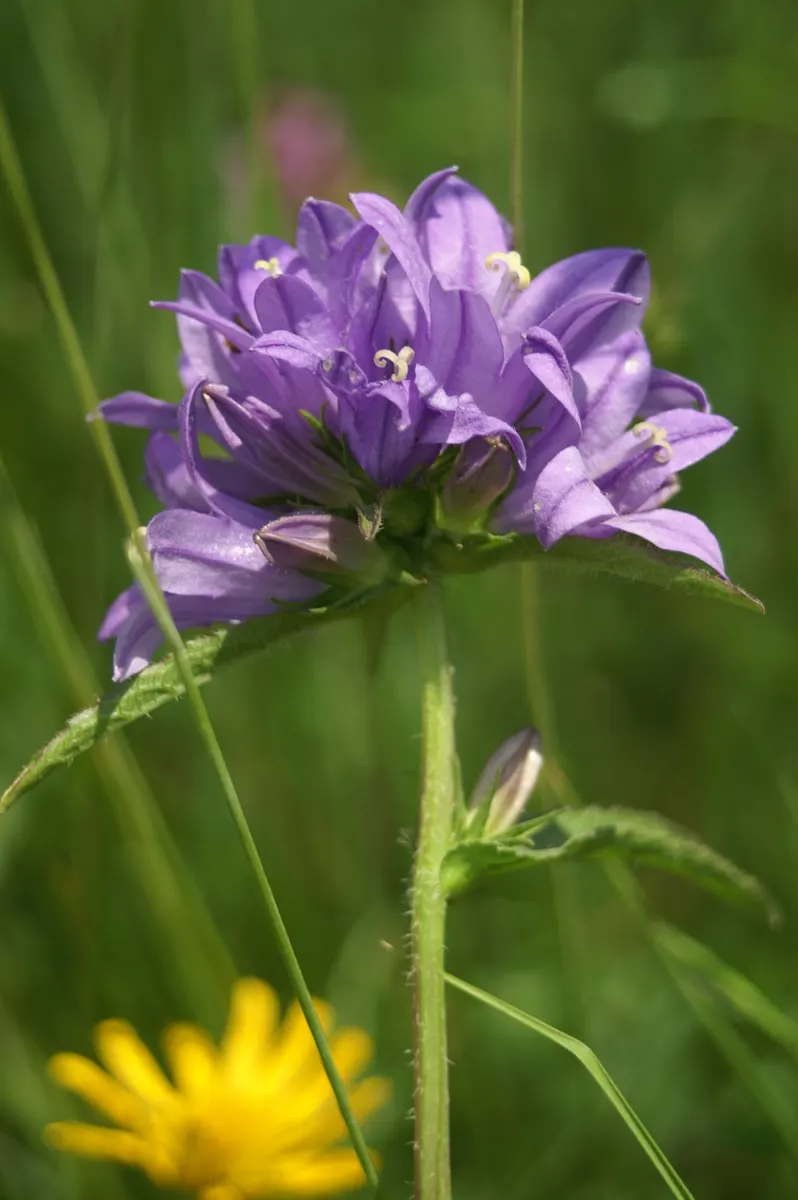
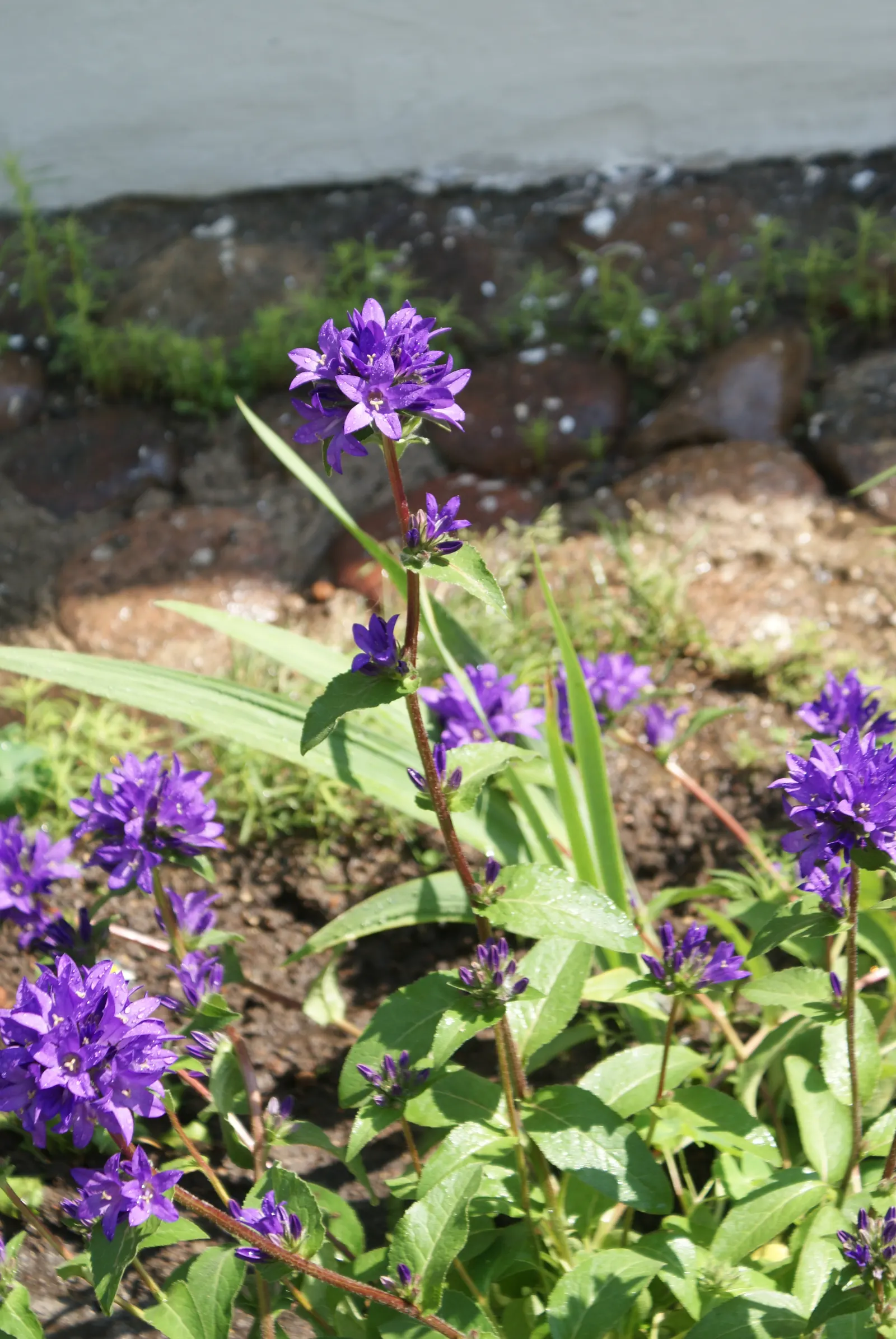
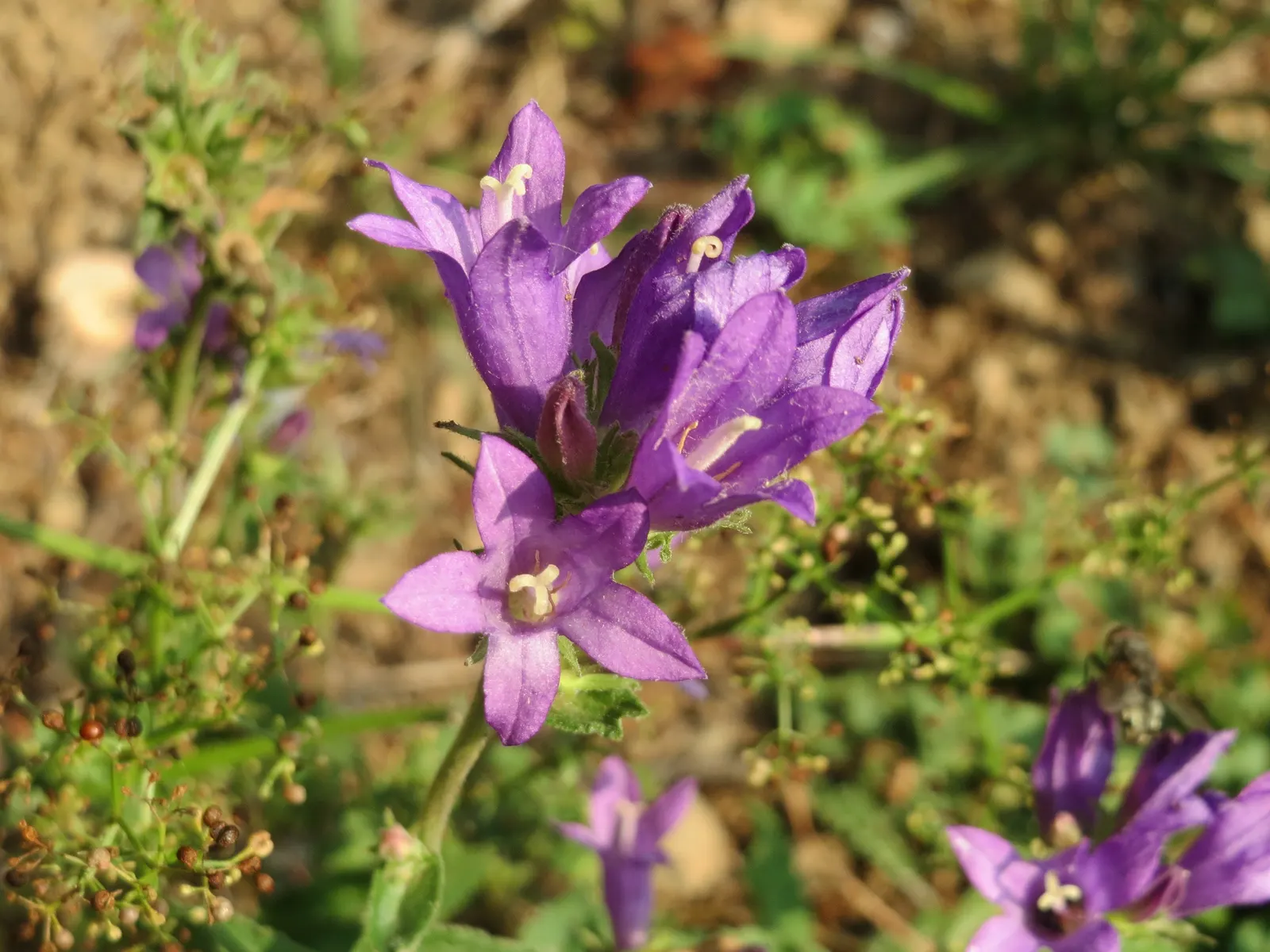
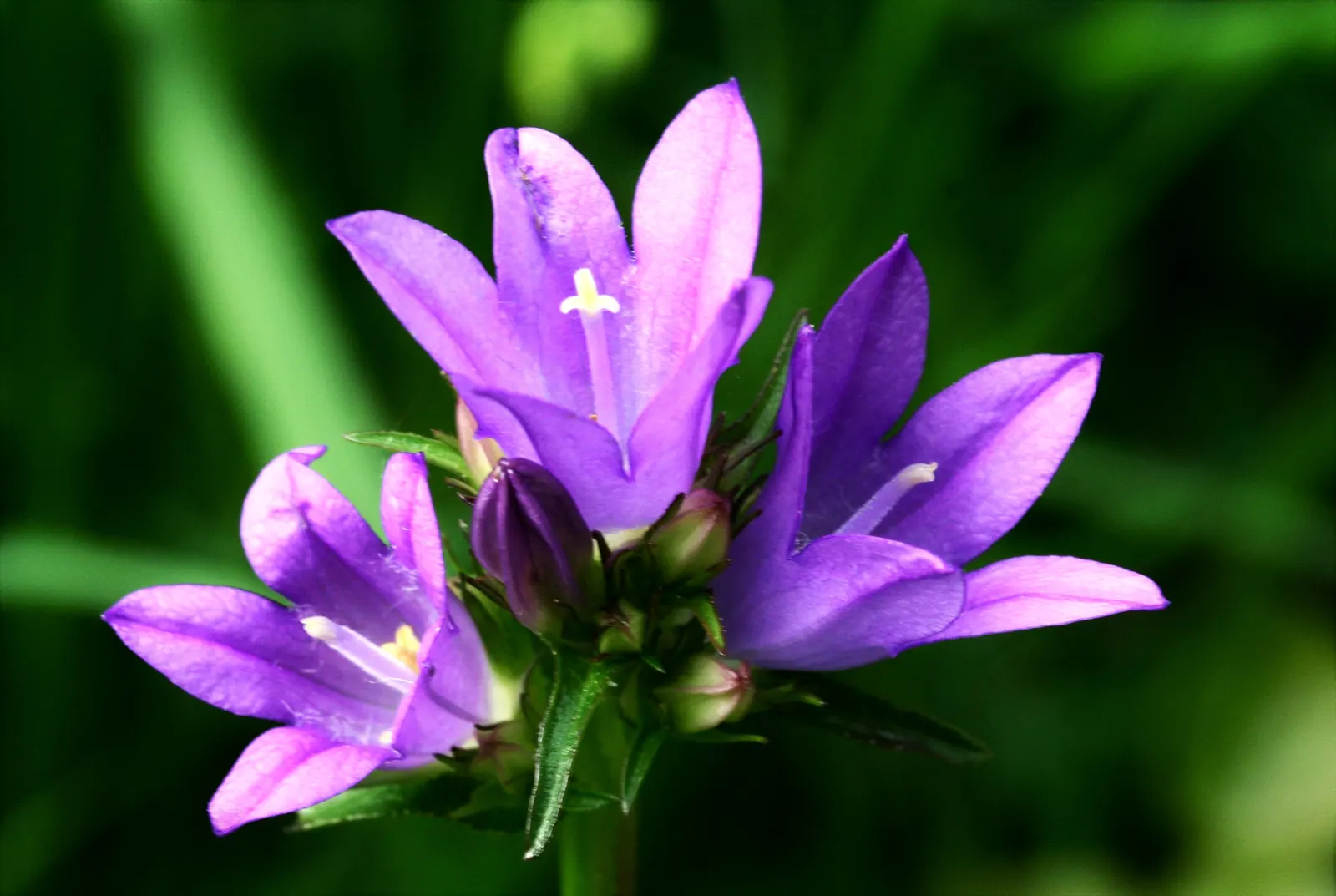
Campanula glomerata, or Danesblood Bellflower, is a perennial with violet-blue, bell-shaped blooms forming dense clusters atop 1-2 ft stems. It thrives in full sun to partial shade in well-drained soil, hardy in USDA zones 3-8. With its midsummer peak, it offers a low-maintenance, clump-forming presence, ideal for borders and cottage gardens. Attracts pollinators while resisting deer, it's perfect for a vibrant, wildlife-friendly landscape.
Sun HalfWater MediumZones 3–7Type PerennialClimate Temperate
Danesblood Bellflower (Campanula Glomerata) — Attracts pollinators while resisting deer, it's perfect for a vibrant, wildlife-friendly landscape; it performs

Culture

Sun
Half
Water
Medium
USDA zones
3–7

Shape & size

Classification

Type
Perennial
Family
Campanulaceae
Climate
Temperate

See full data, regional cultivation notes, and design tools. Build a client presentation around this plant.

Start your 14-day trial

Photos (135)

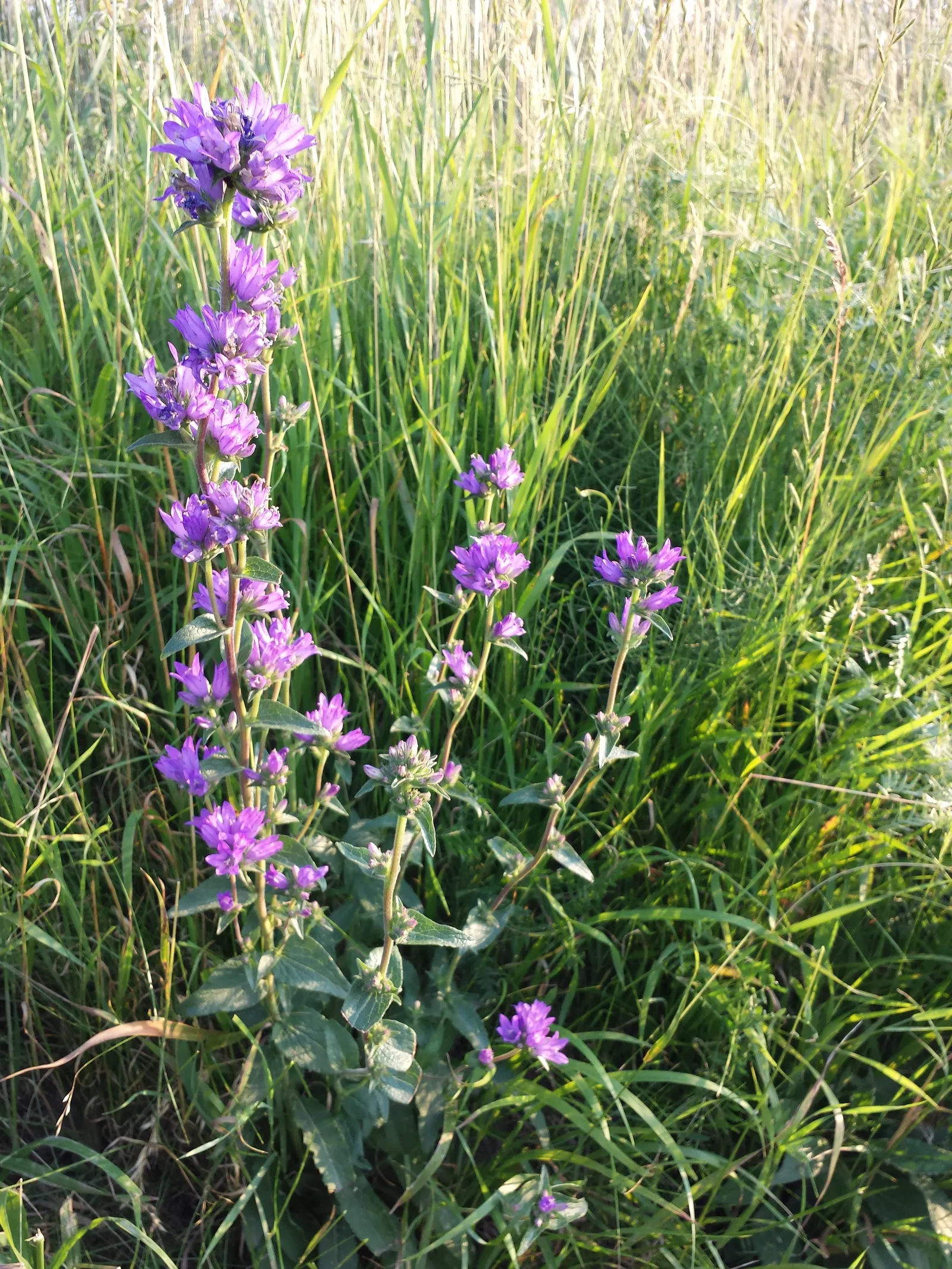
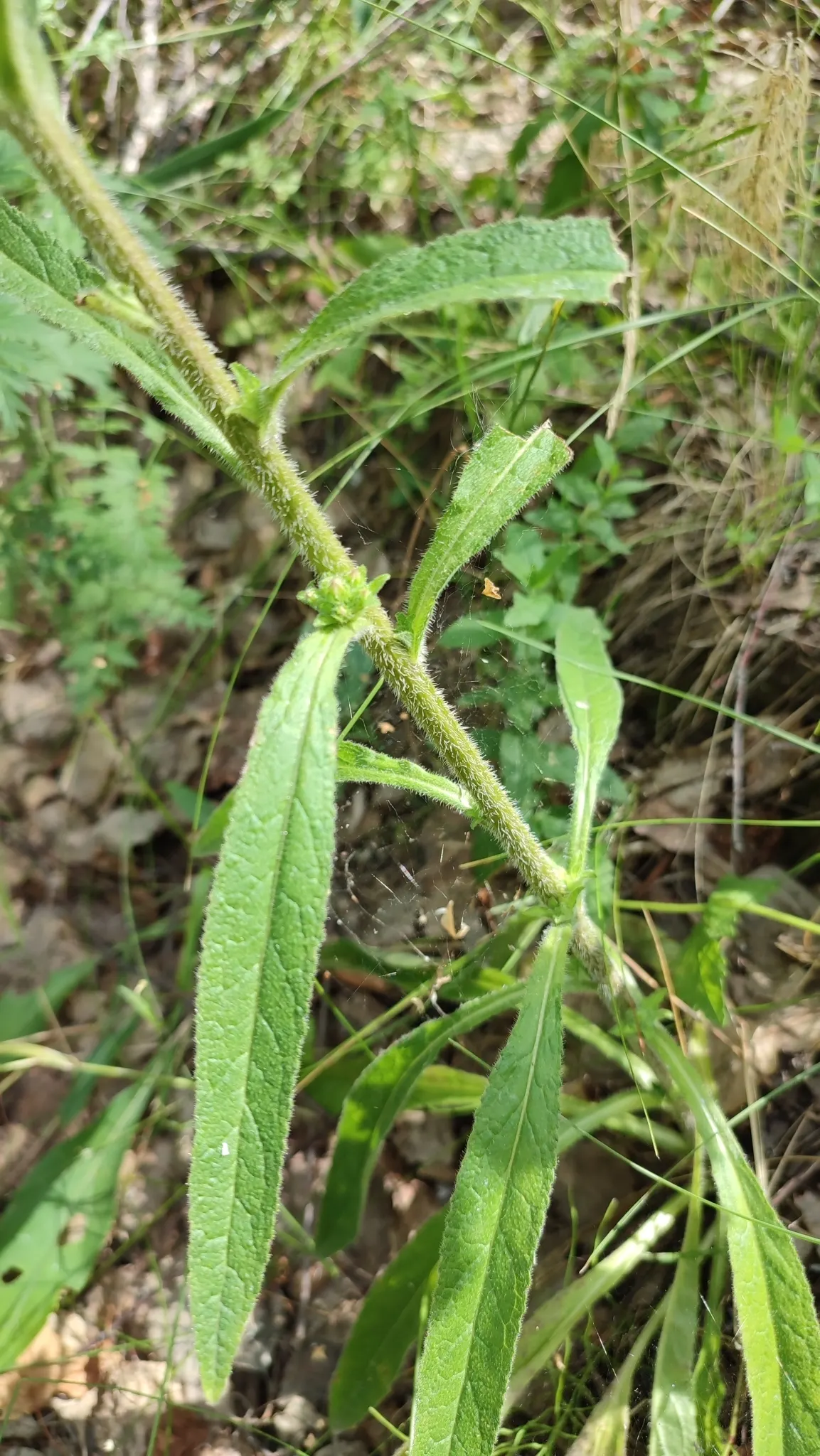
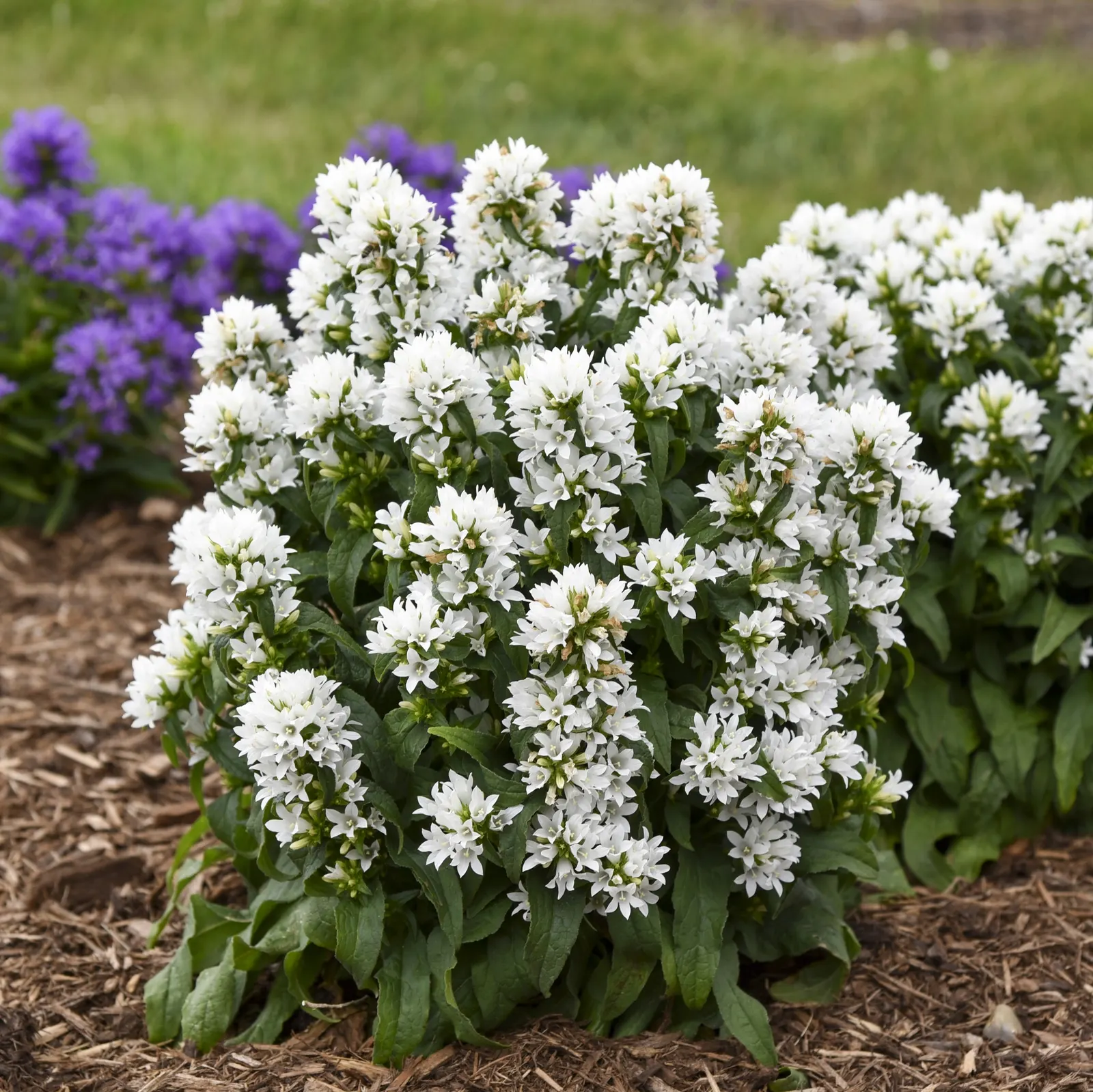
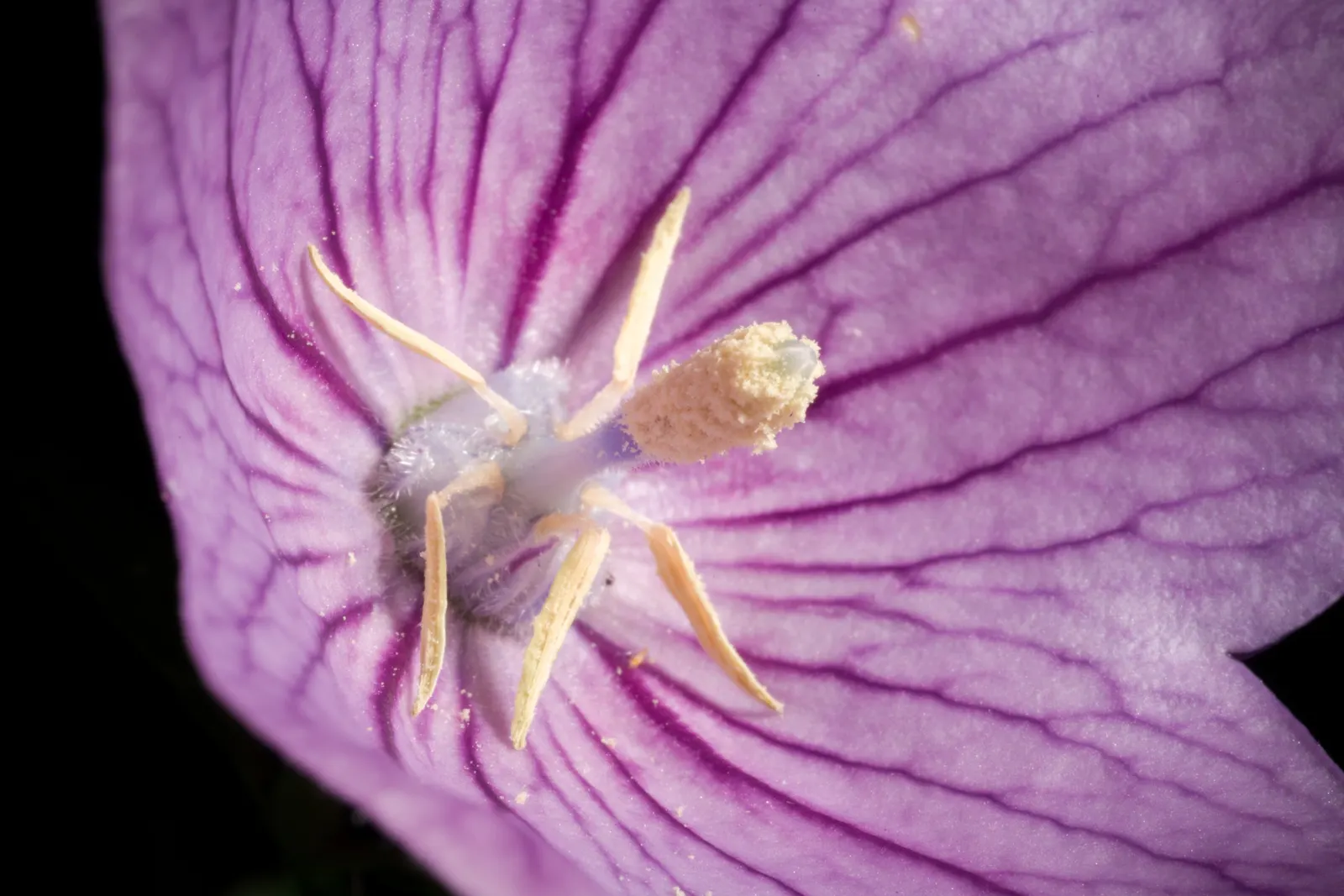
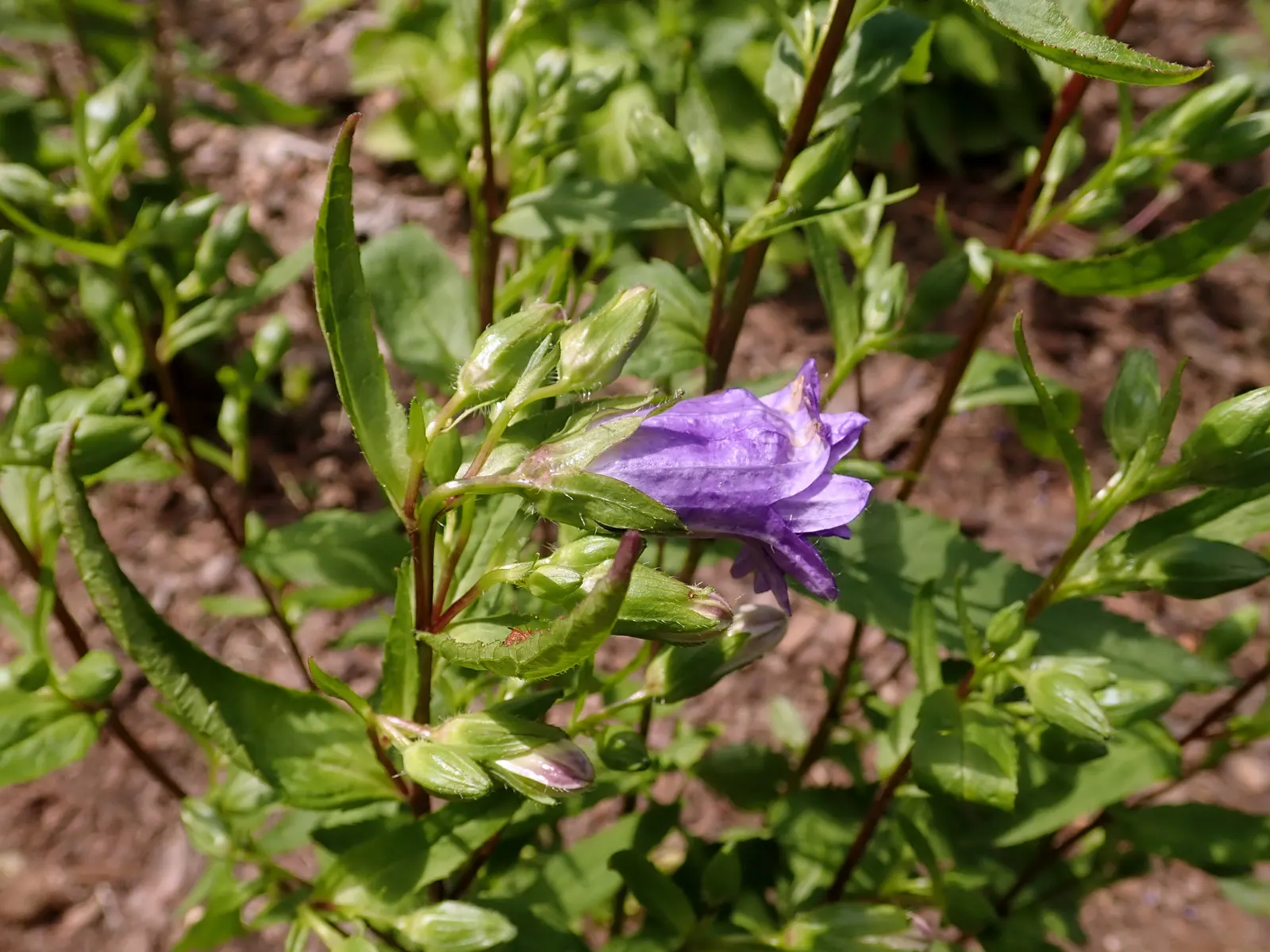
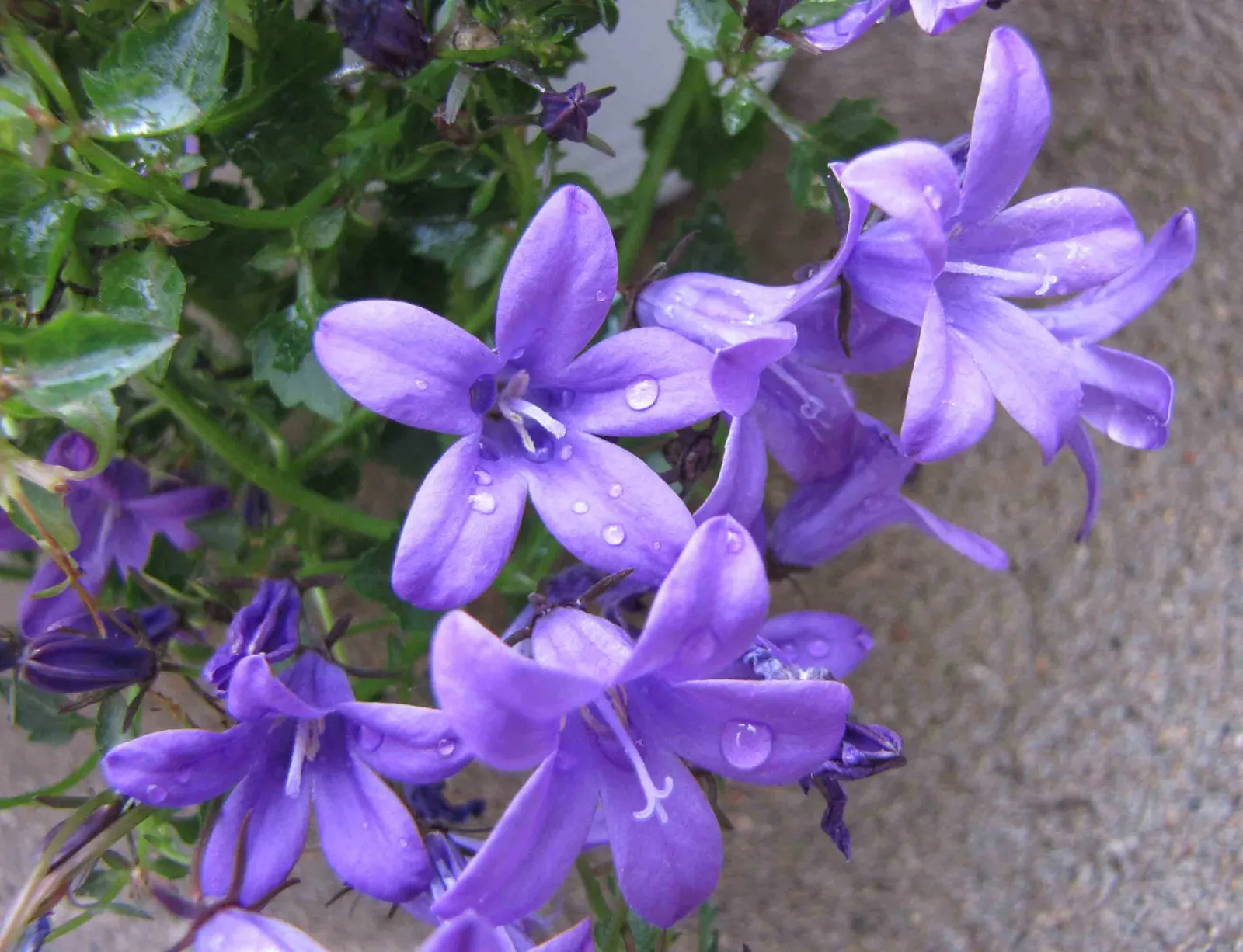
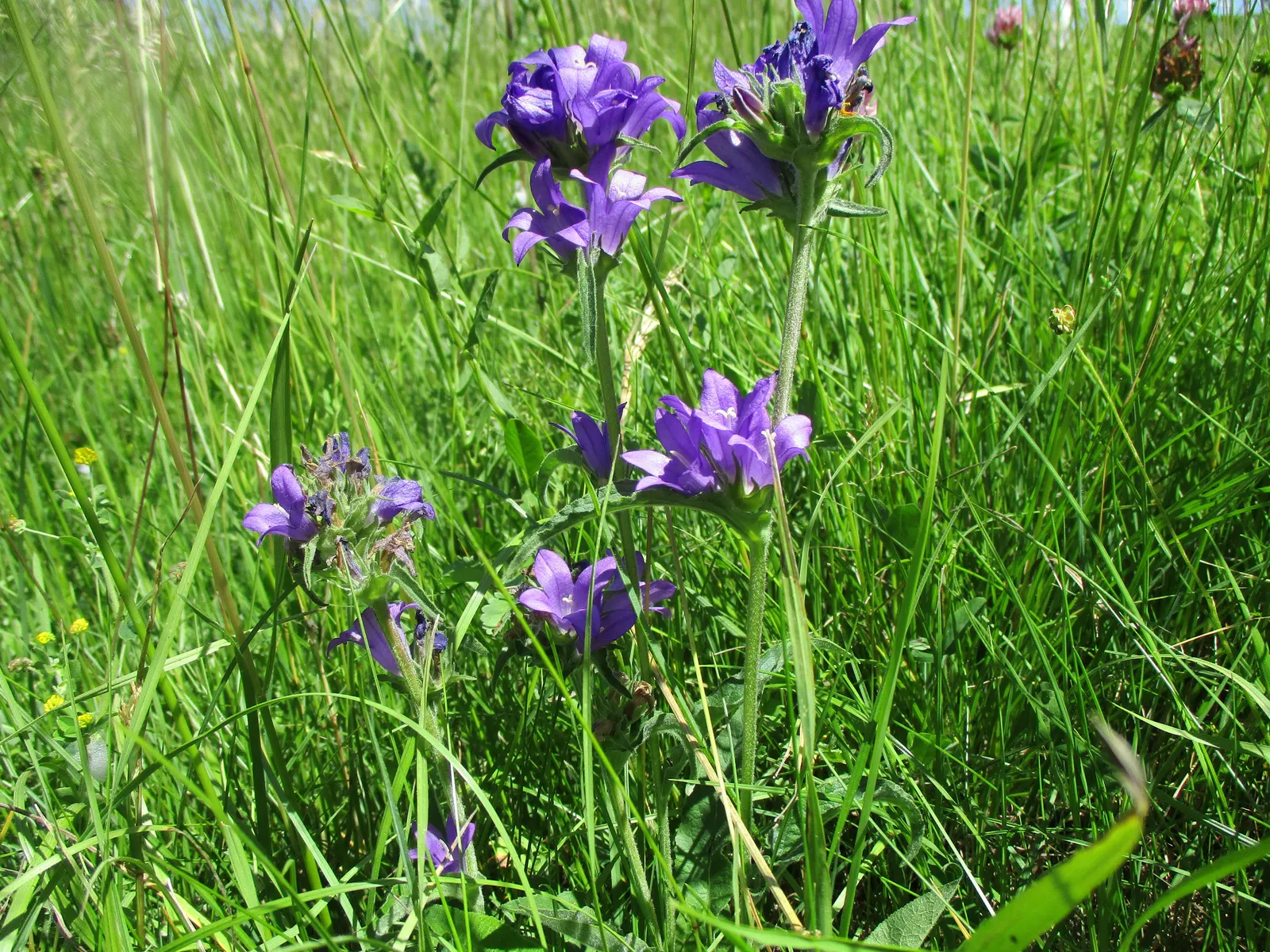
Danesblood Bellflower (Campanula Glomerata) — It performs best in moist, fertile soil but will also manage in drier conditions once established, image 108
Danesblood Bellflower (Campanula Glomerata) — Hardy in USDA zones 3 through 8; blue flowers in the garden, image 79
Danesblood Bellflower (Campanula Glomerata) — or as a massed planting for an impressive groundcover effect
Danesblood Bellflower (Campanula Glomerata) — Attracts pollinators while resisting deer, it's perfect for a vibrant, wildlife-friendly landscape, image 98
Danesblood Bellflower (Campanula Glomerata) — blue flowers in the garden; attracts pollinators while resisting deer, it's perfect for a vibrant, image 113
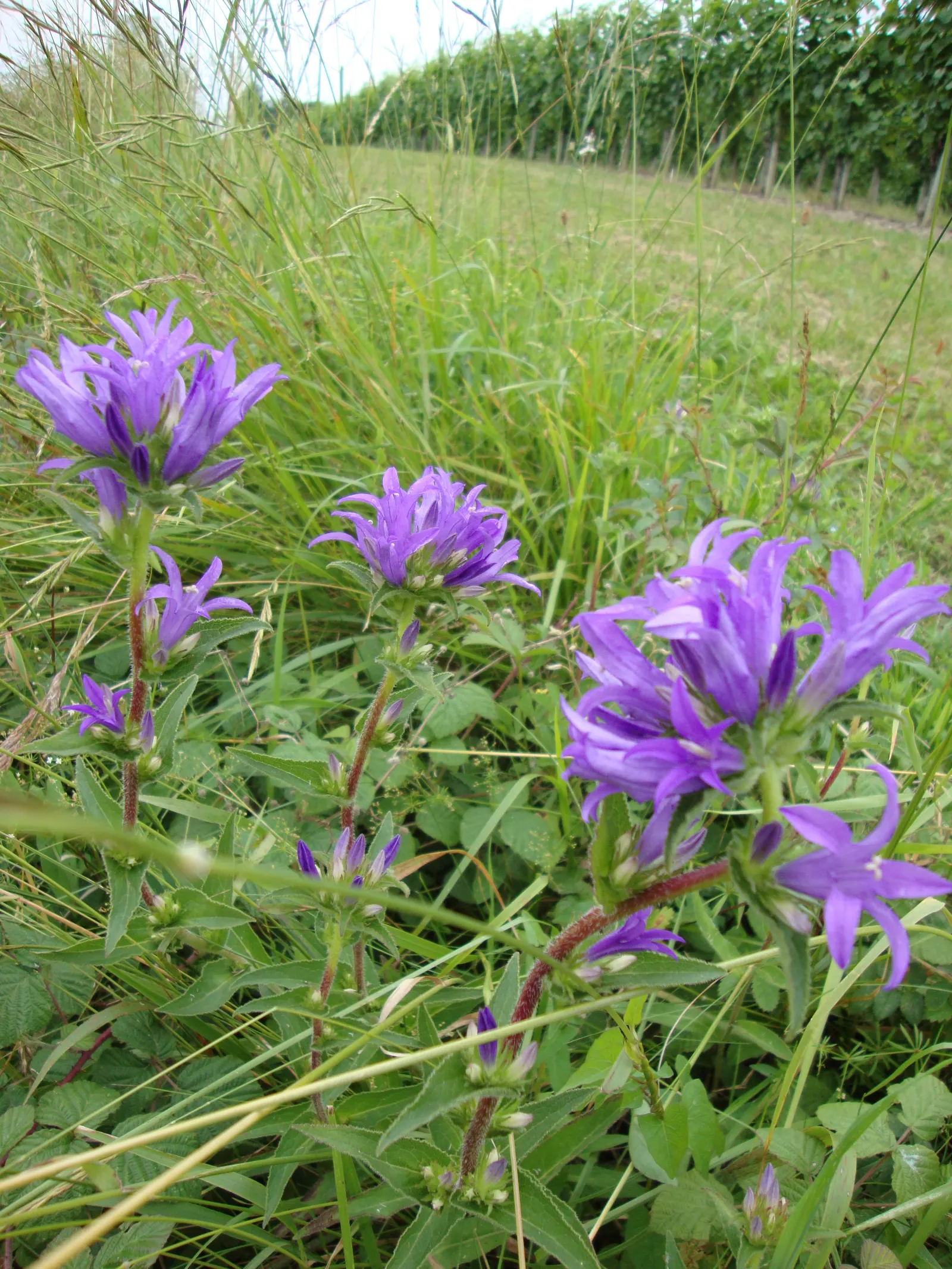
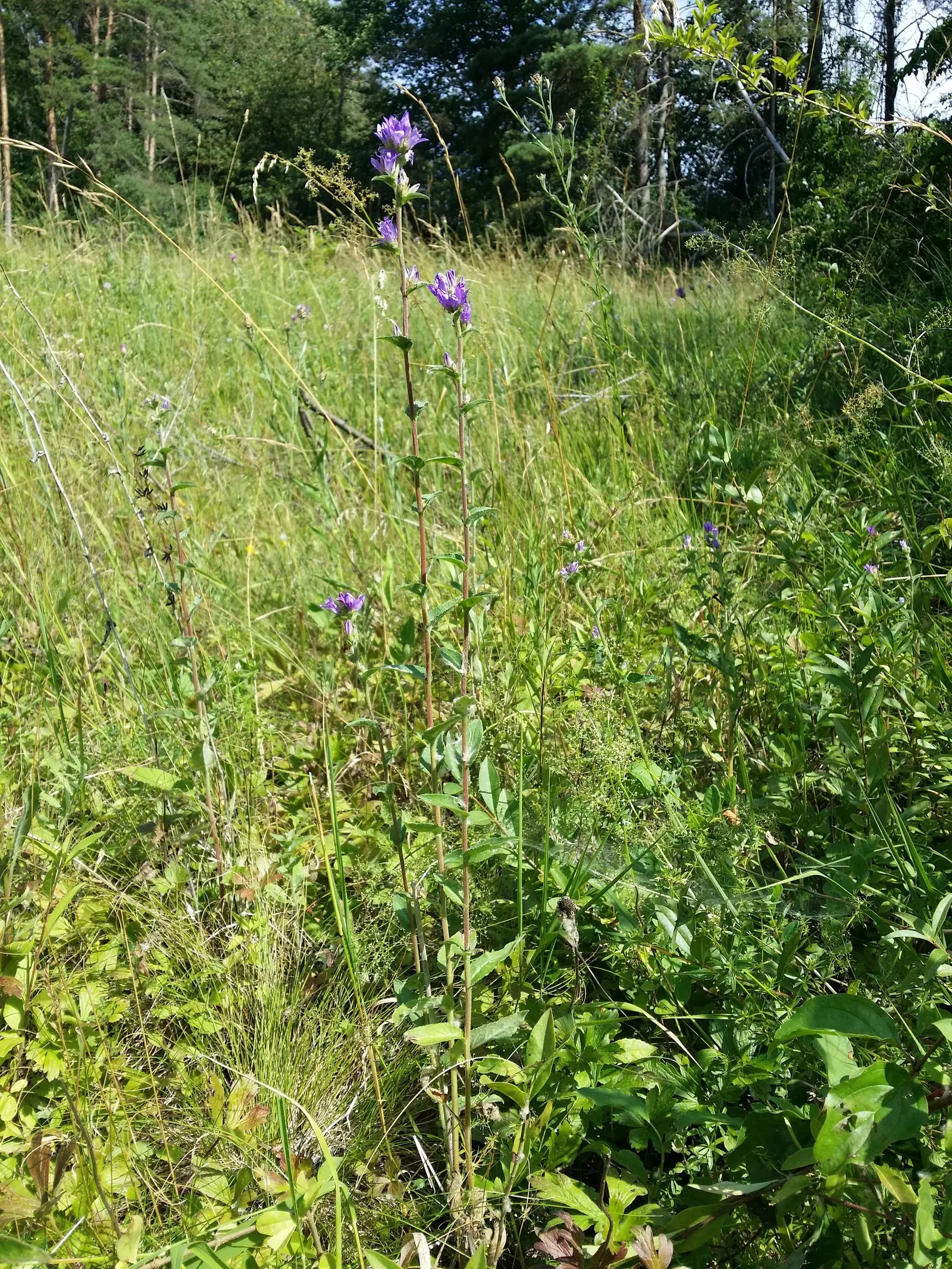
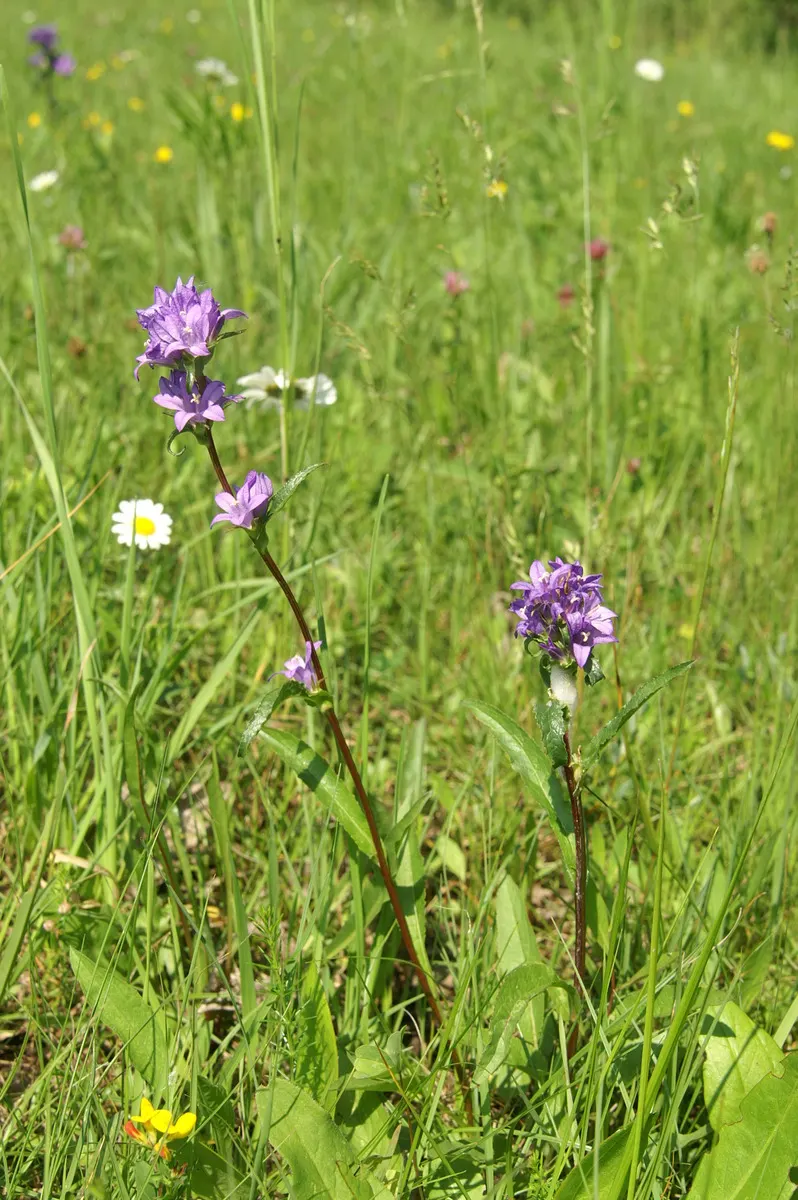
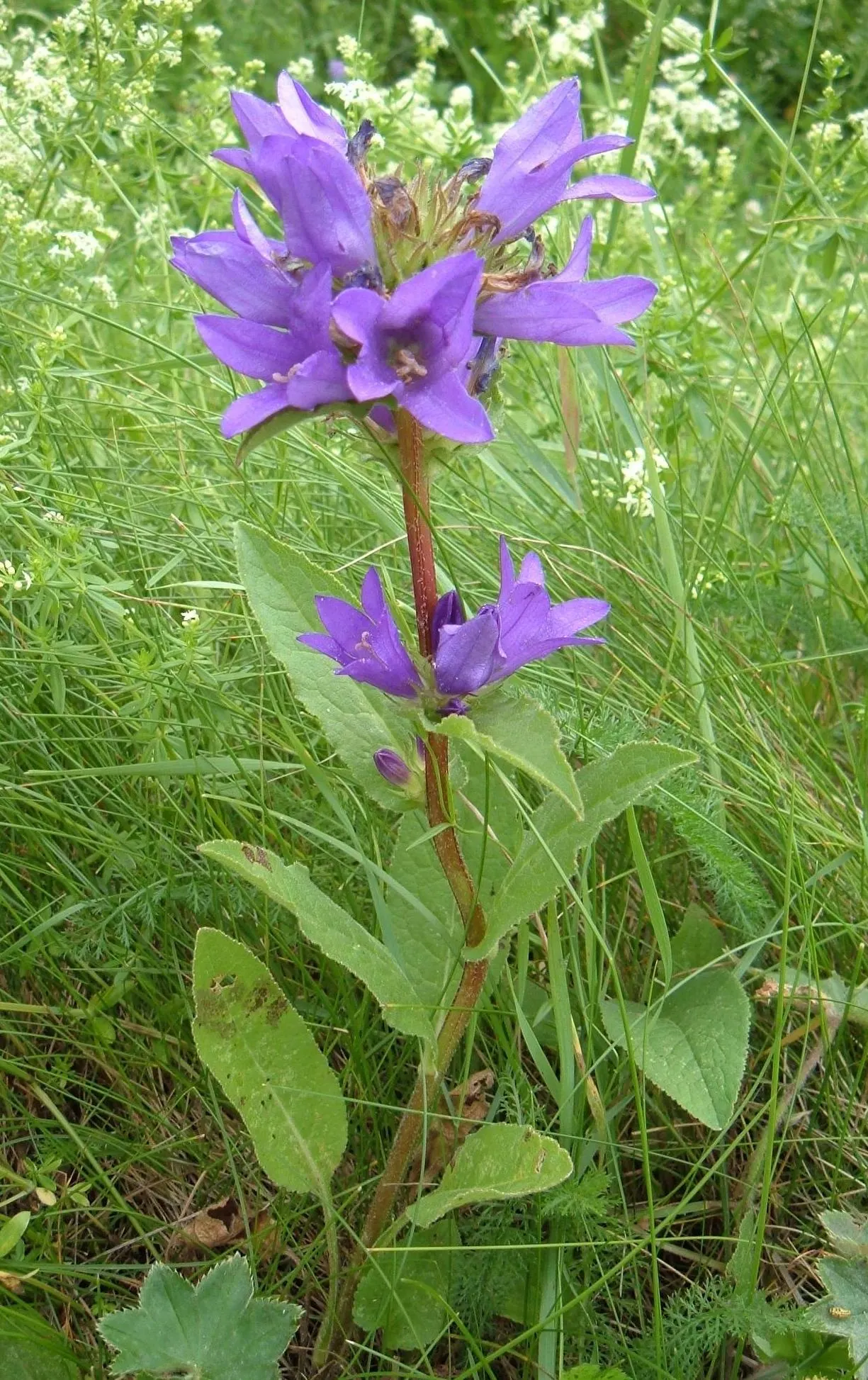
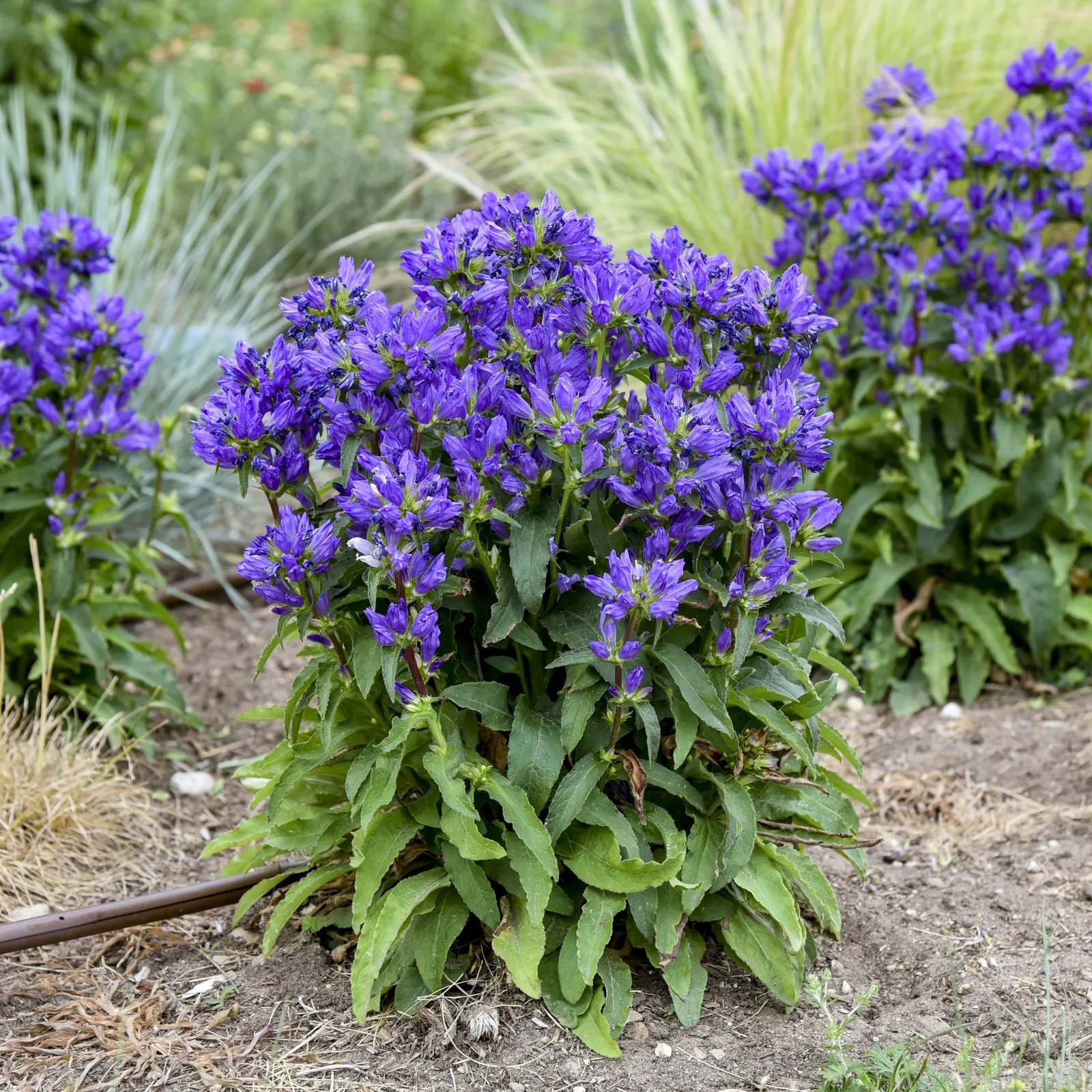
Danesblood Bellflower (Campanula Glomerata) — it offers a low-maintenance; bell-shaped blooms forming dense clusters atop 1-2 ft stems, image 50
Danesblood Bellflower (Campanula Glomerata) — It thrives in full sun to partial shade in well-drained soil, hardy in USDA zones 3-8; but, image 72
Danesblood Bellflower (Campanula Glomerata) — but deadheading will encourage a longer blooming period and prevent excessive self-seeding, image 87
Danesblood Bellflower (Campanula Glomerata) — it offers a low-maintenance
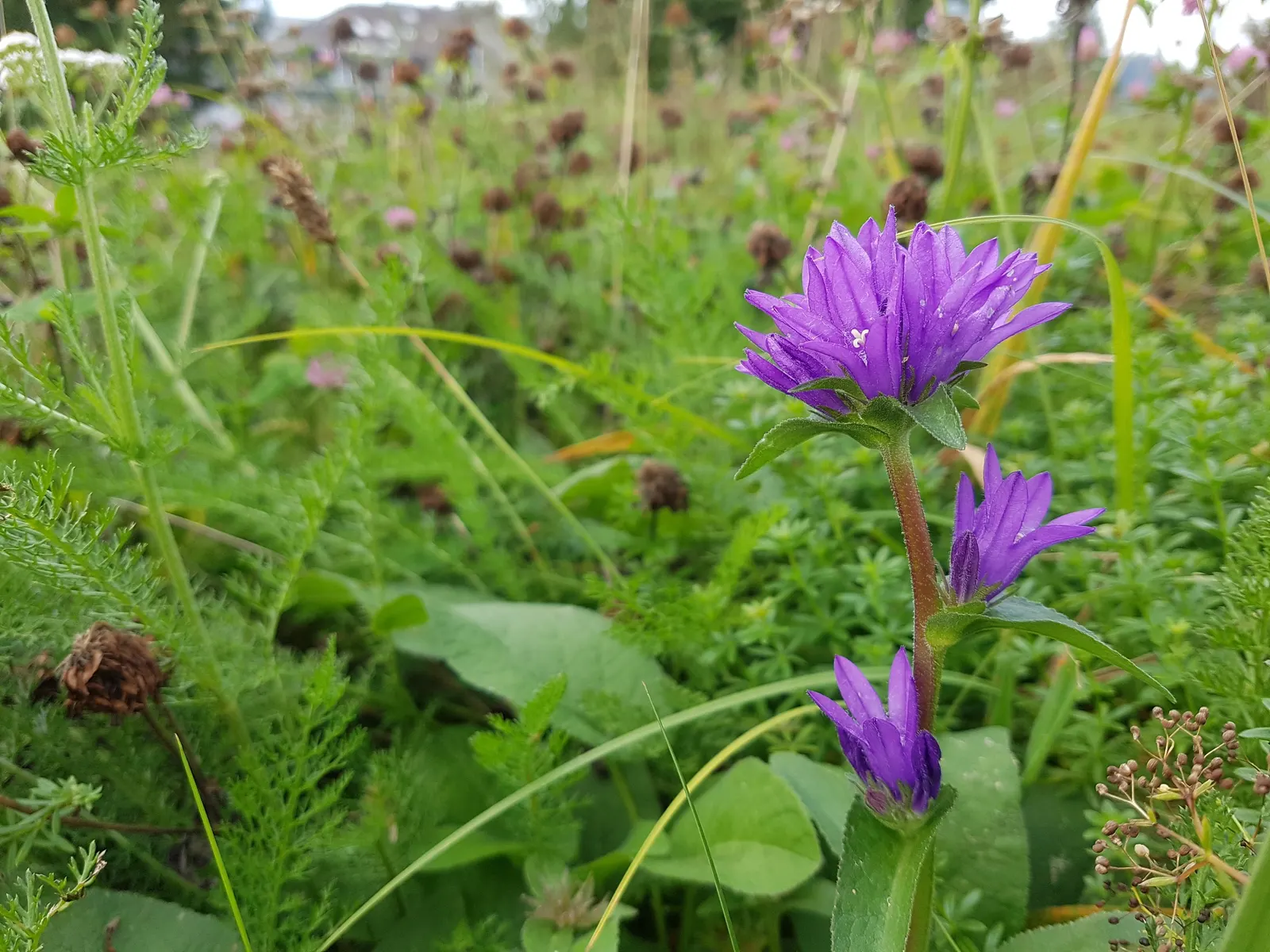
Danesblood Bellflower (Campanula Glomerata) — ideal for borders and cottage gardens
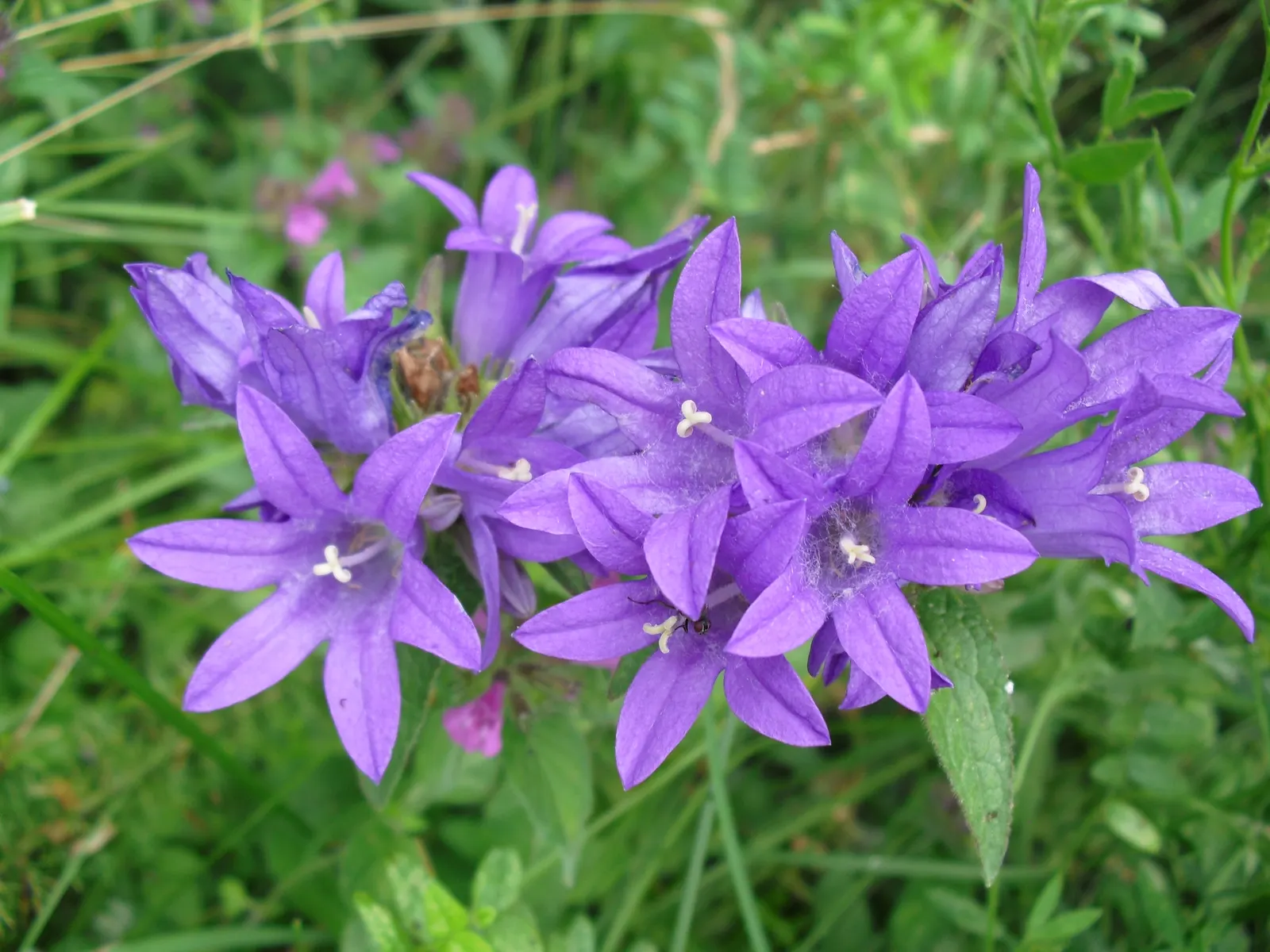
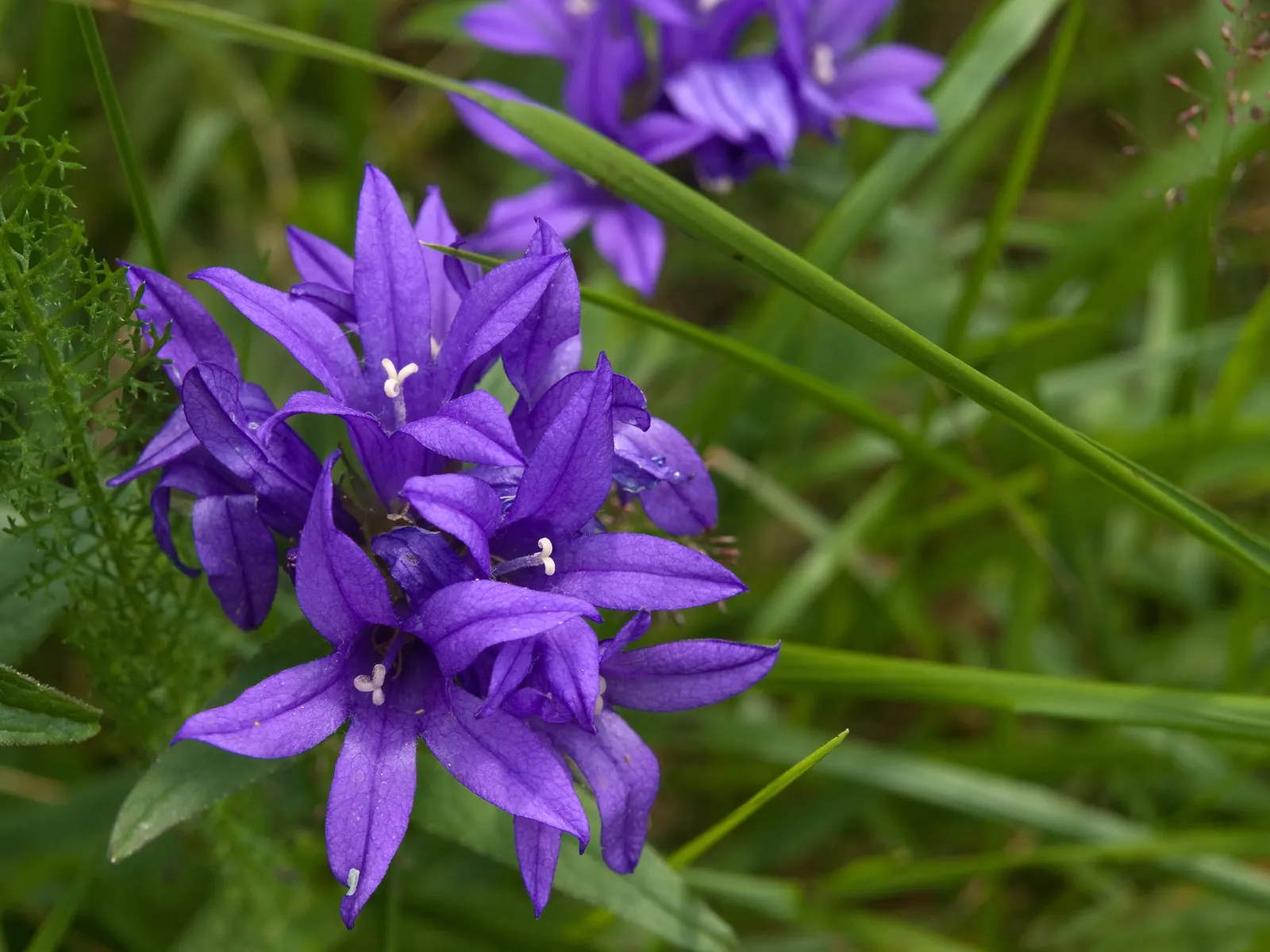
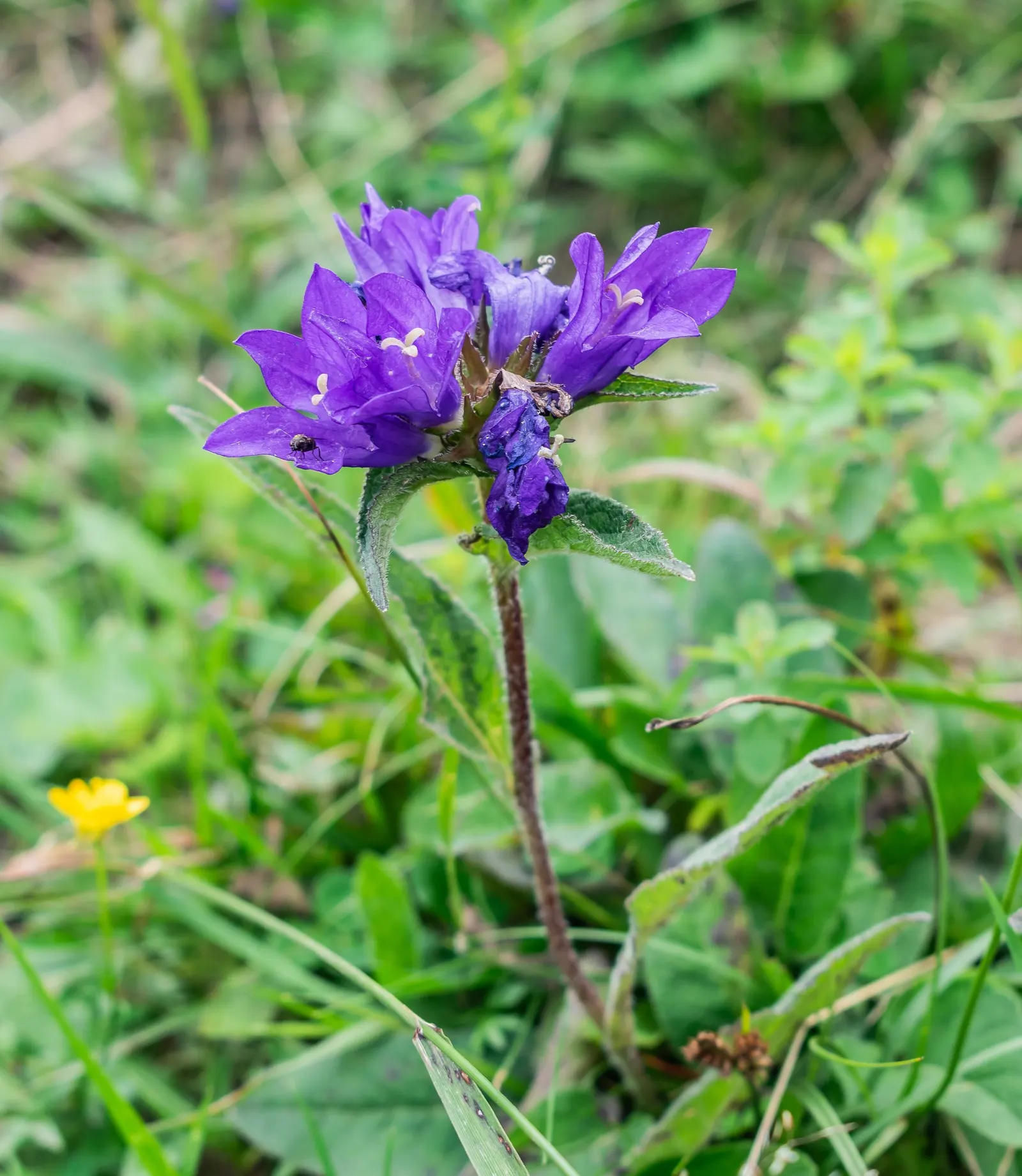
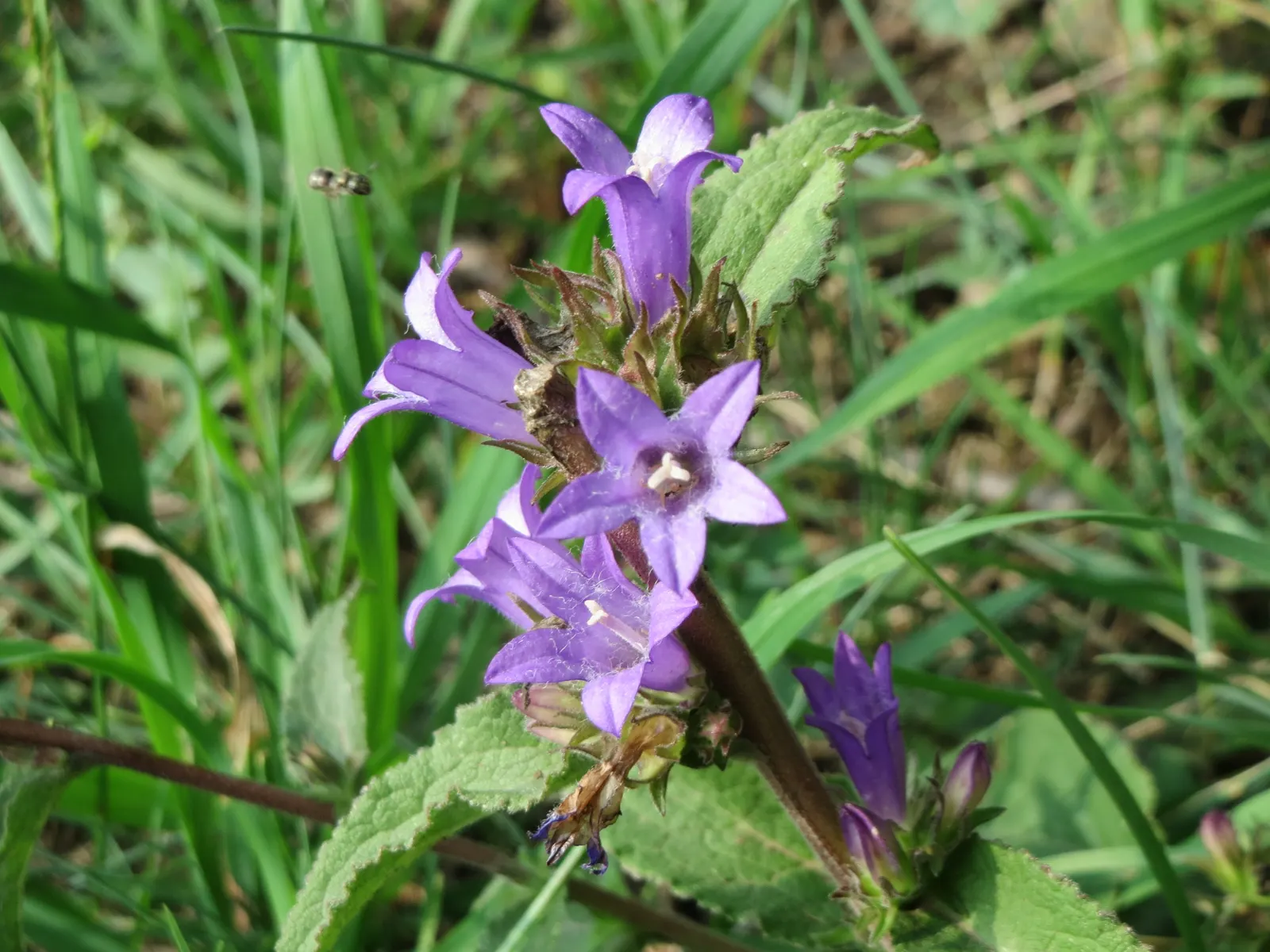
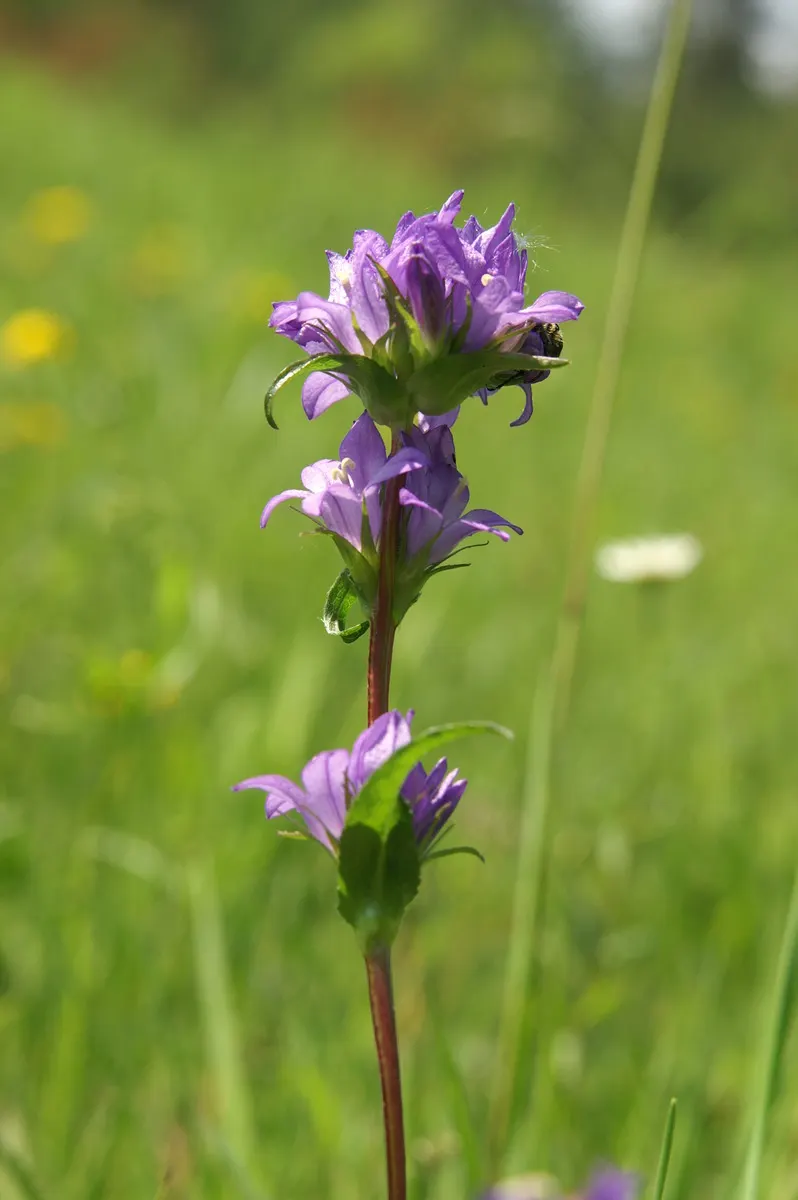
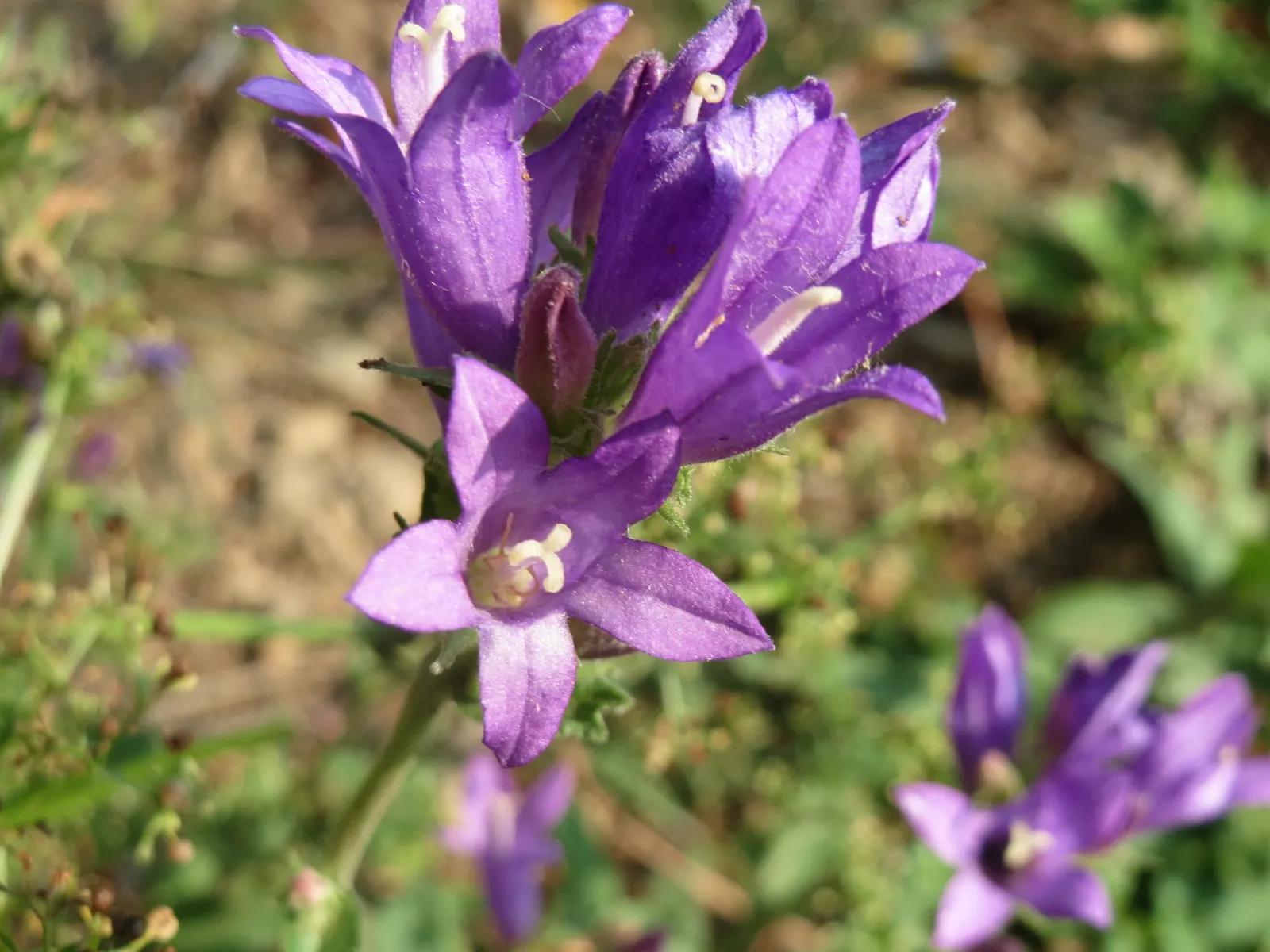
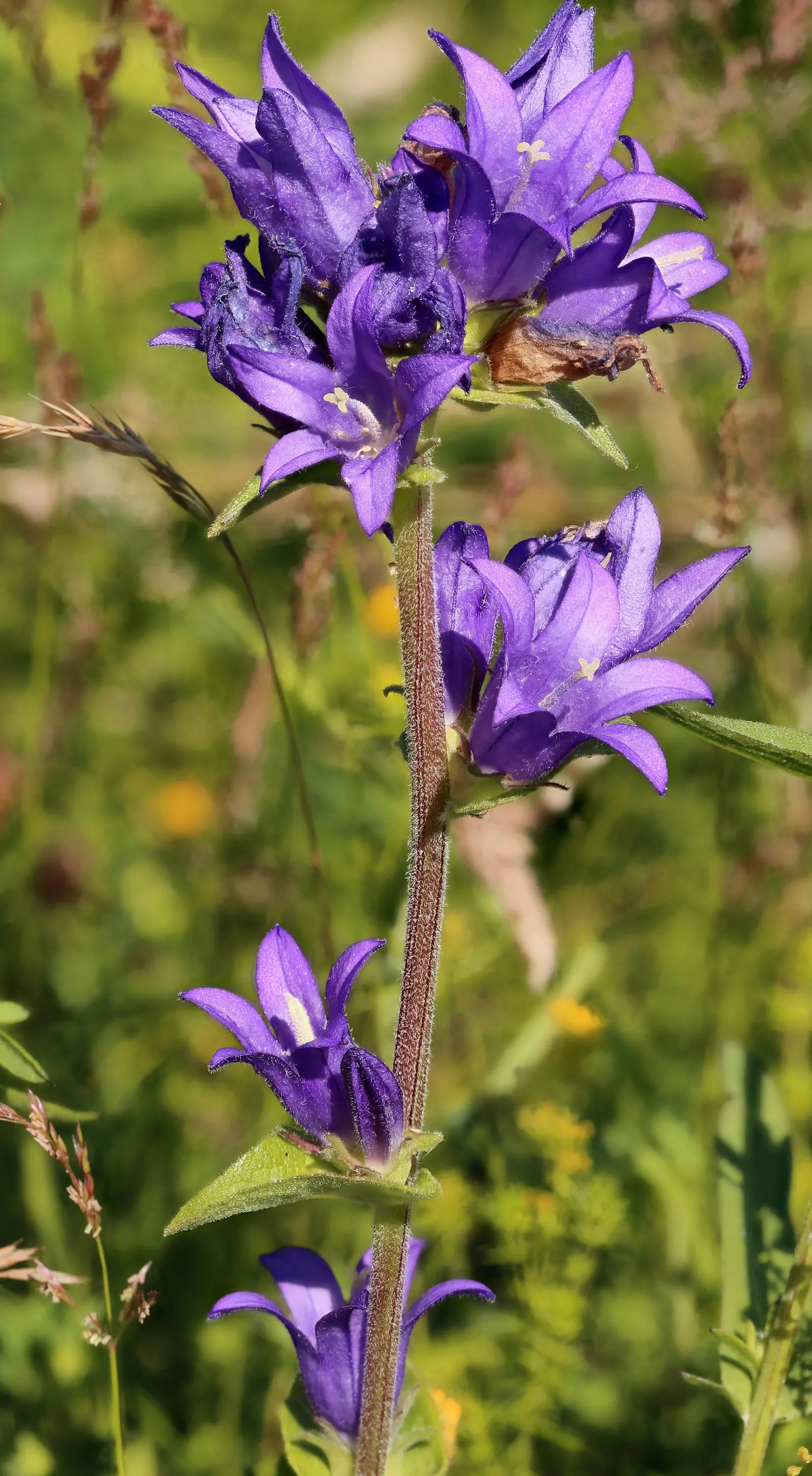
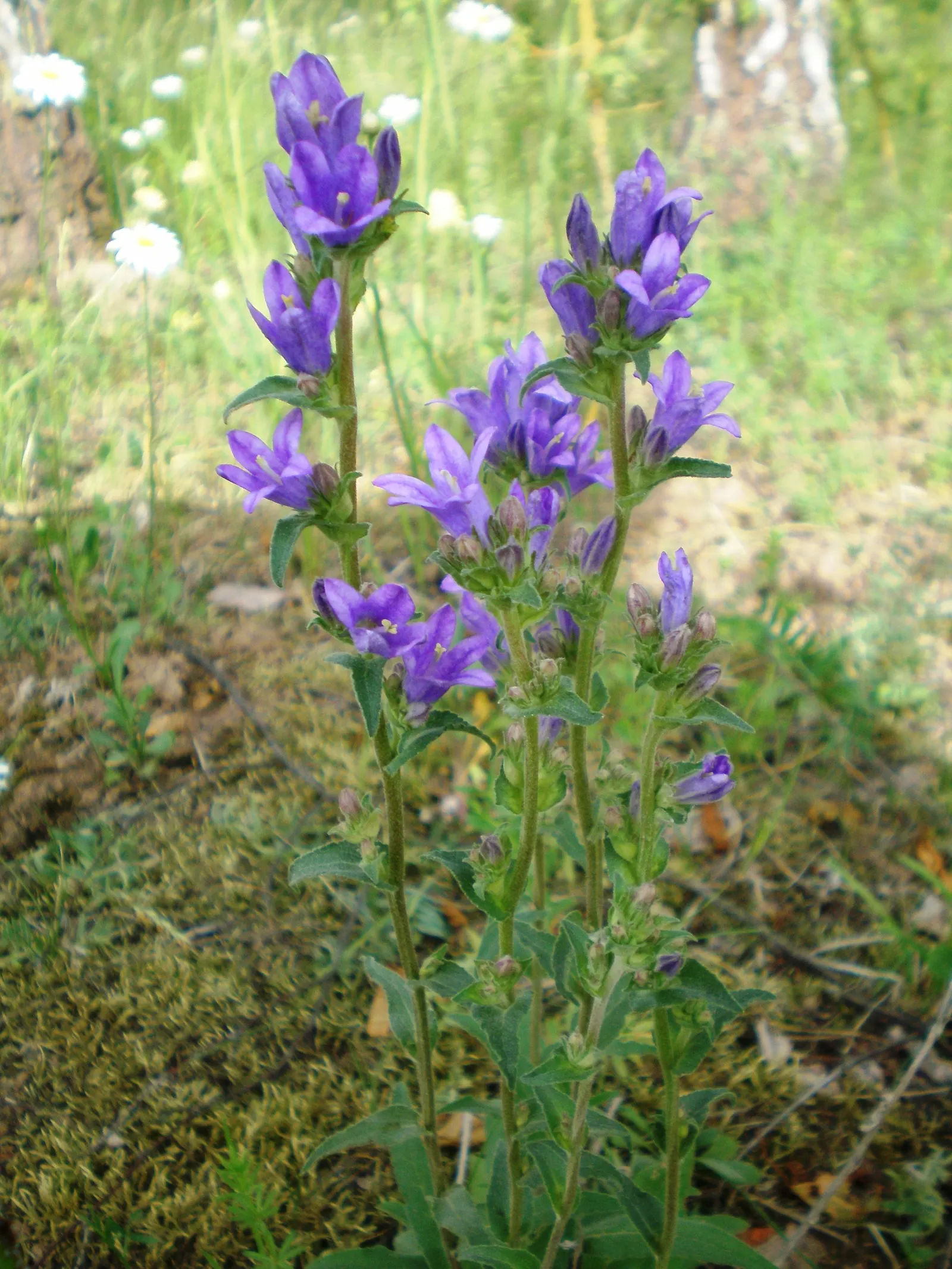
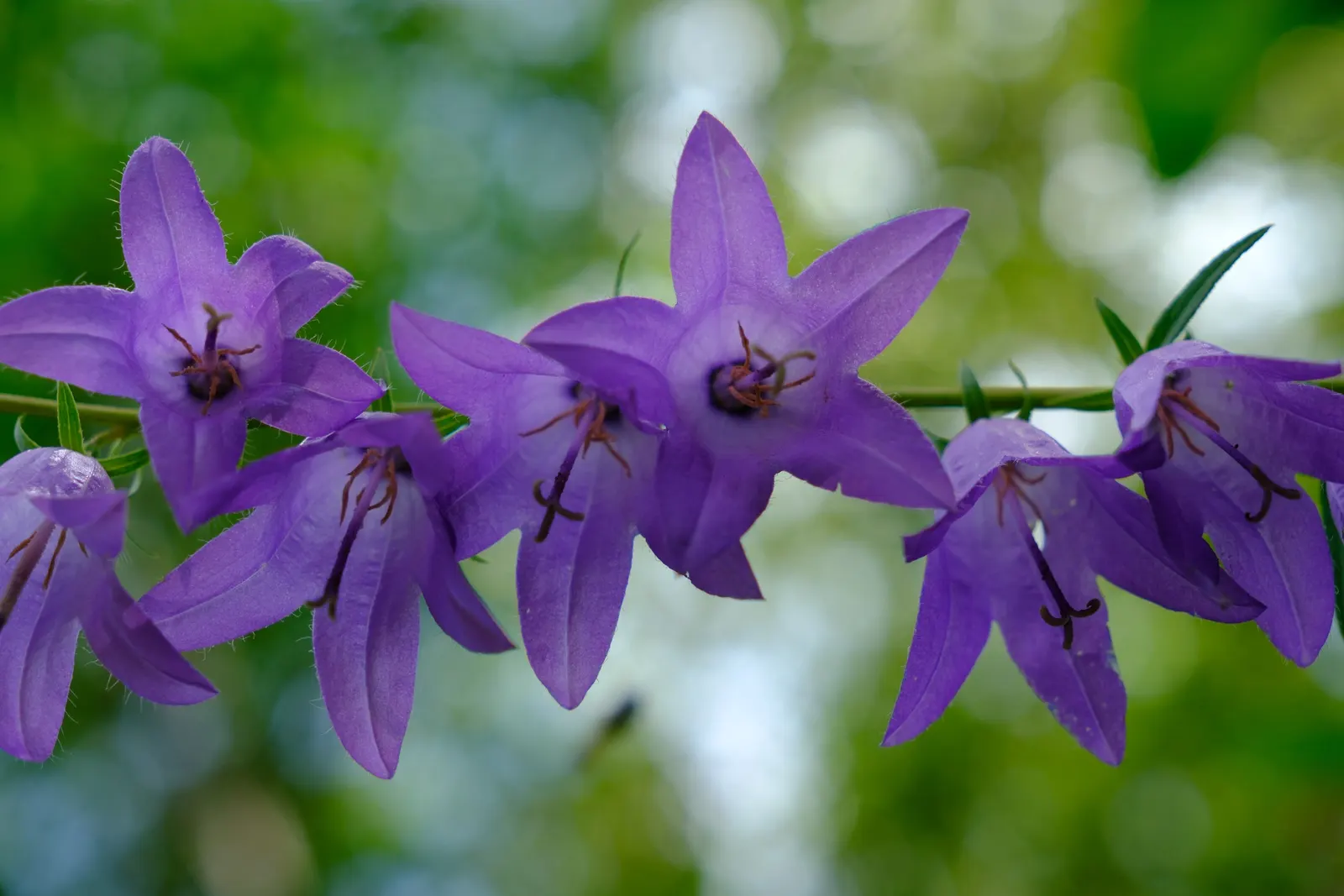
Danesblood Bellflower (Campanula Glomerata) — bell-shaped blooms forming dense clusters atop 1-2 ft stems; violet-blue to purplish flowers
Danesblood Bellflower (Campanula Glomerata) — scientifically known as Campanula glomerata; the Dane's Blood Bellflower, image 77
Danesblood Bellflower (Campanula Glomerata) — but deadheading will encourage a longer blooming period and prevent excessive self-seeding, image 110
Danesblood Bellflower (Campanula Glomerata) — The Dane's Blood Bellflower; perennial for half, image 99
Danesblood Bellflower (Campanula Glomerata) — Hardy in USDA zones 3 through 8; blue flowers in the garden, image 56
Danesblood Bellflower (Campanula Glomerata) — Each bell-shaped flower measures roughly 1 to 1.5 inches in length; this plant's resilience and showy, image 82
Danesblood Bellflower (Campanula Glomerata) — or as a massed planting for an impressive groundcover effect; perennial with blue blooms, image 112
Danesblood Bellflower (Campanula Glomerata) — Attracts pollinators while resisting deer, it's perfect for a vibrant, wildlife-friendly landscape
Danesblood Bellflower (Campanula Glomerata) — or as a massed planting for an impressive groundcover effect; perennial with blue blooms, image 66
Danesblood Bellflower (Campanula Glomerata) — but deadheading will encourage a longer blooming period and prevent excessive self-seeding; scientifically known
Danesblood Bellflower (Campanula Glomerata) — Hardy in USDA zones 3 through 8; blue flowers in the garden, image 102
Danesblood Bellflower (Campanula Glomerata) — perennial with blue blooms; each bell-shaped flower measures roughly 1 to 1.5 inches in length
Danesblood Bellflower (Campanula Glomerata) — Minimal maintenance is required
Danesblood Bellflower (Campanula Glomerata) — It performs best in moist, fertile soil but will also manage in drier conditions once established, image 62
Photographs by 14 contributors

Related plants