Skip to content

Camas

Camassia Quamash

Design with this plant

Overview

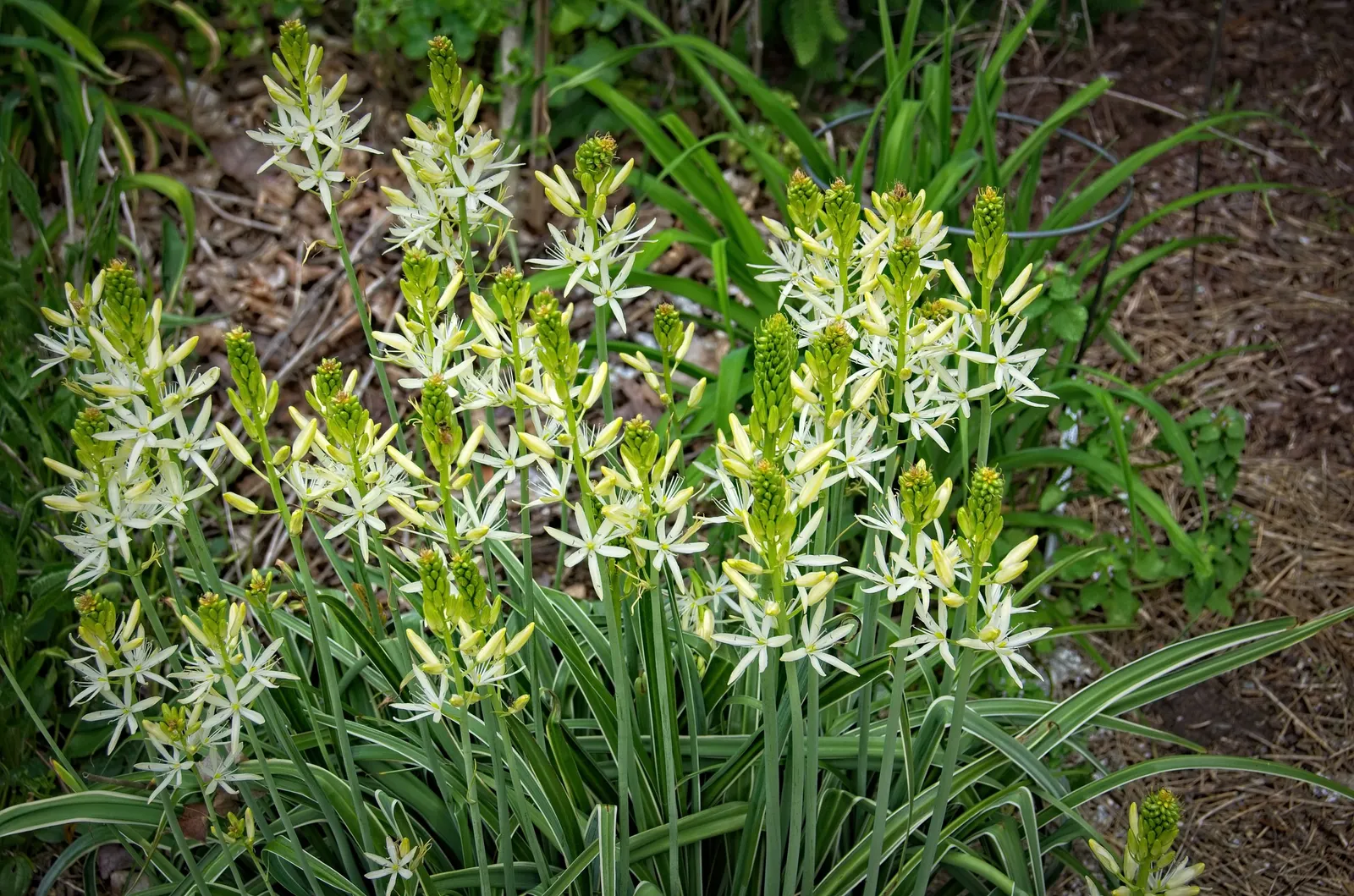
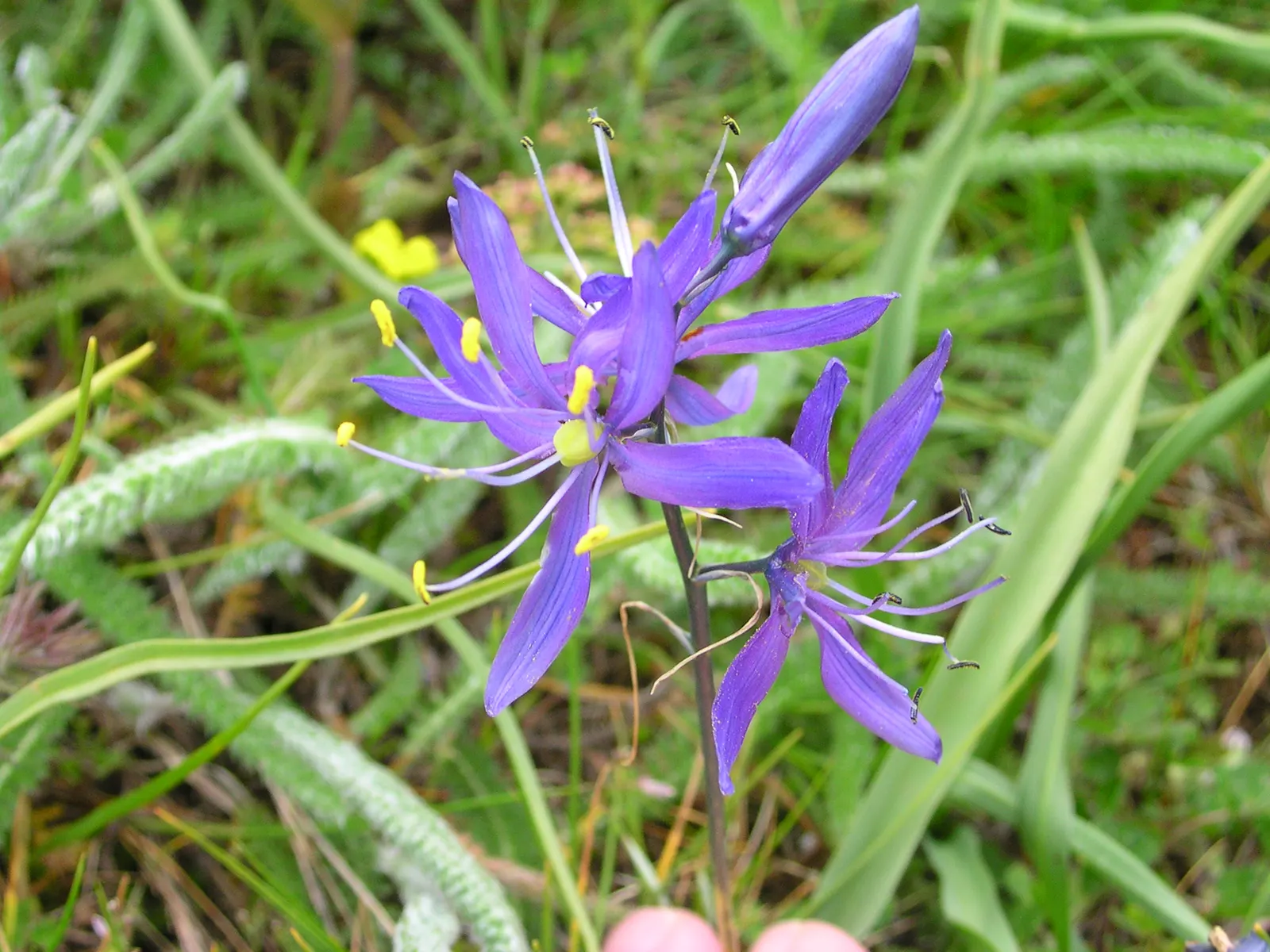
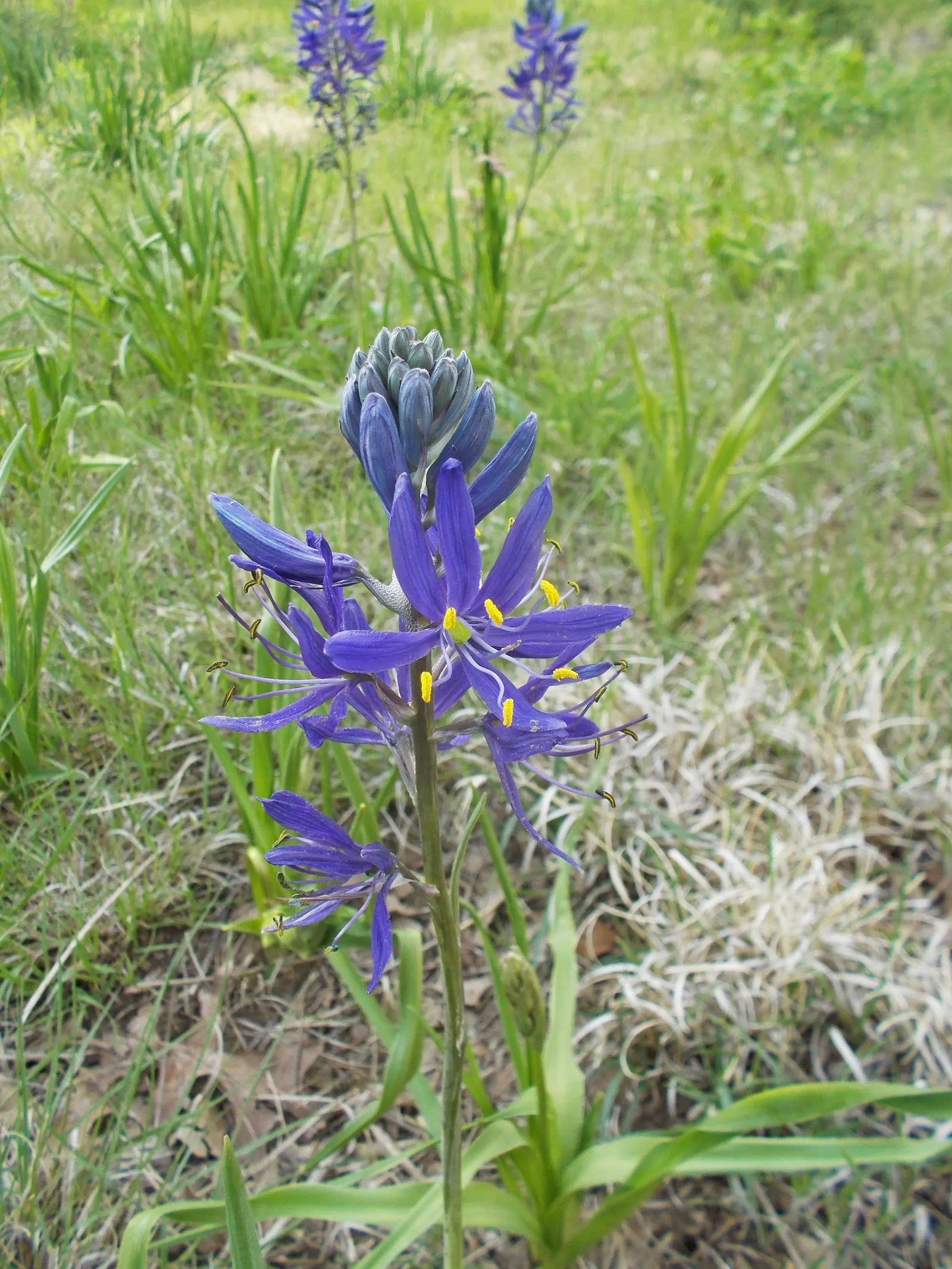
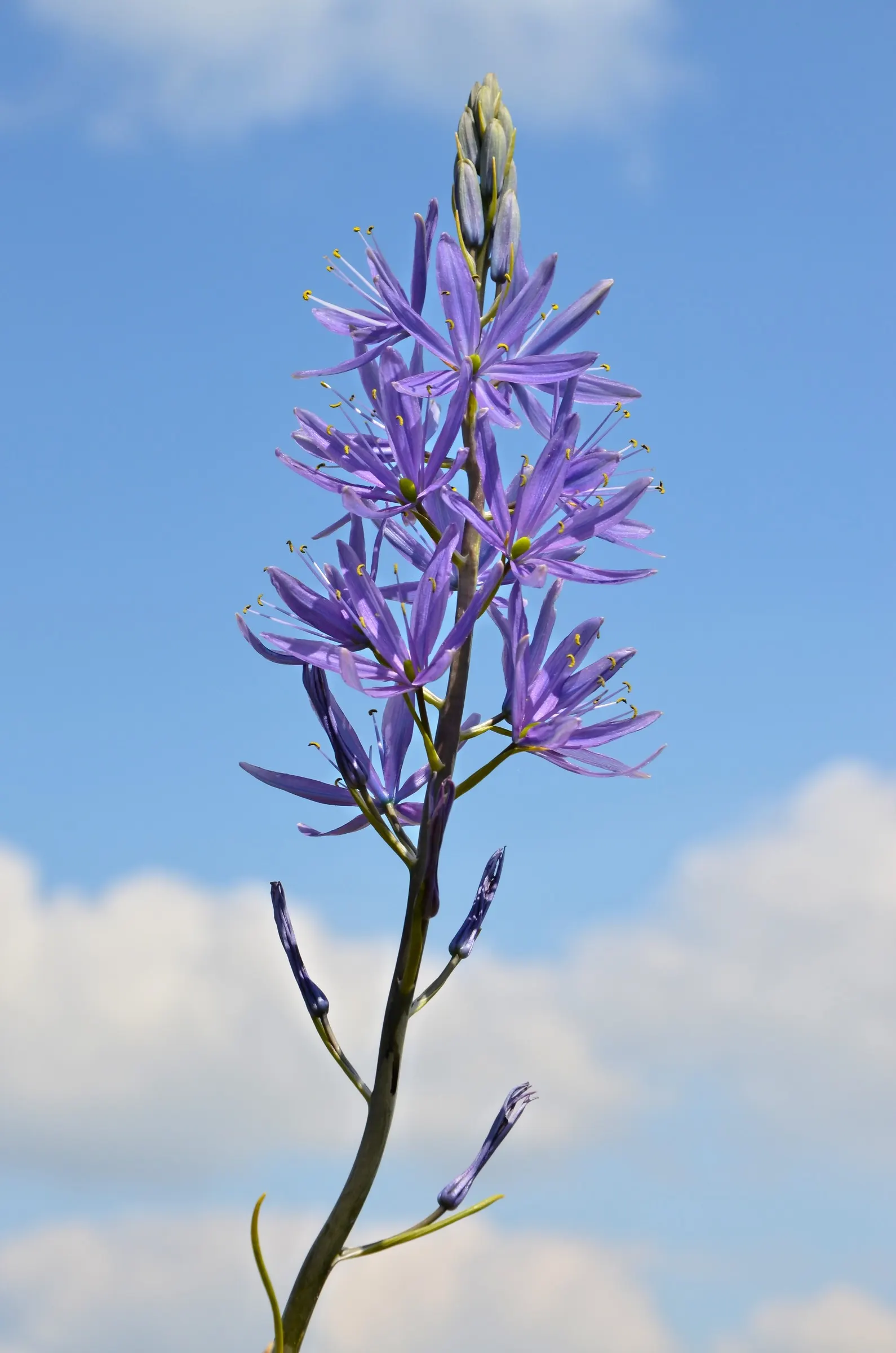
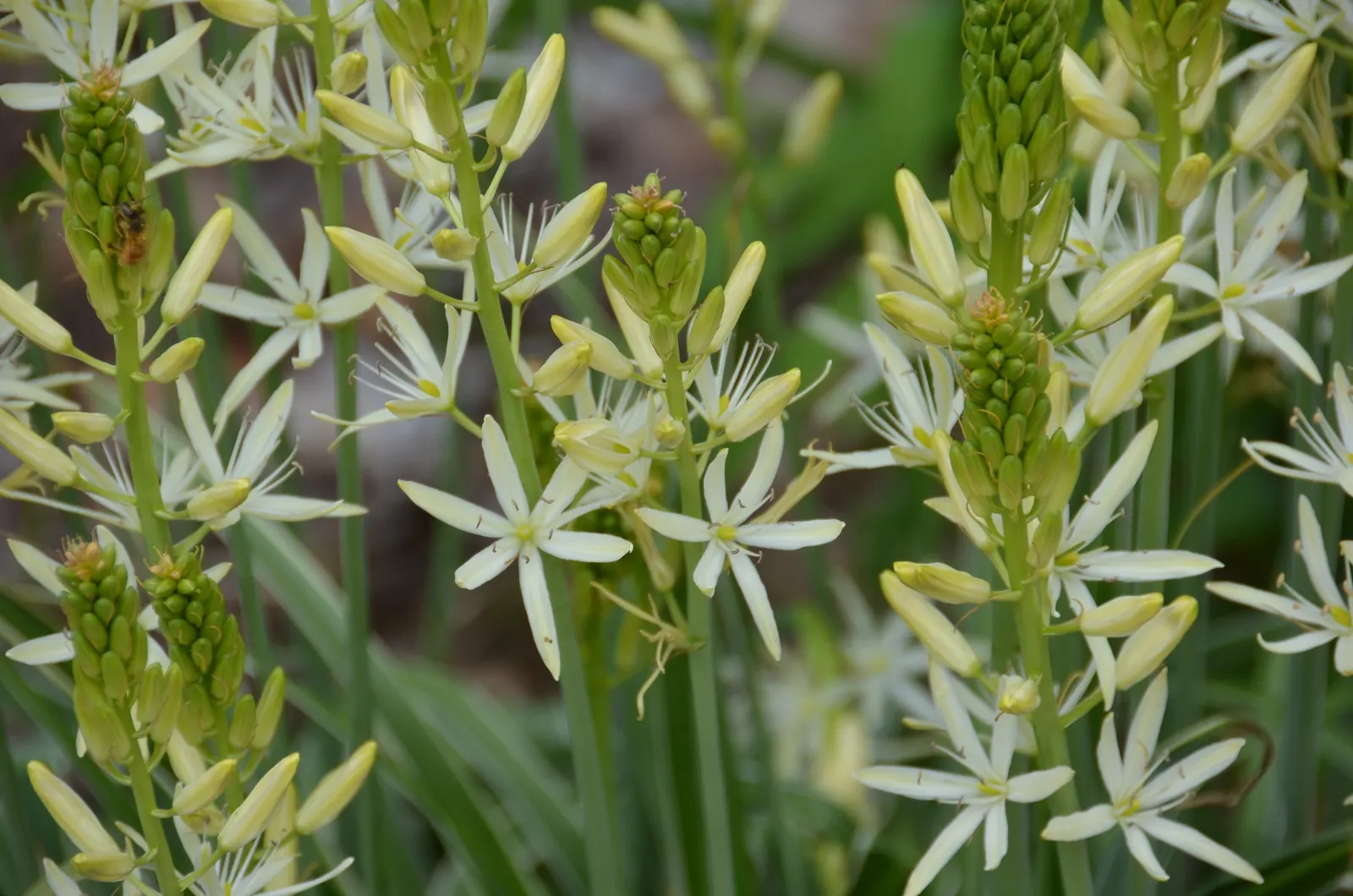
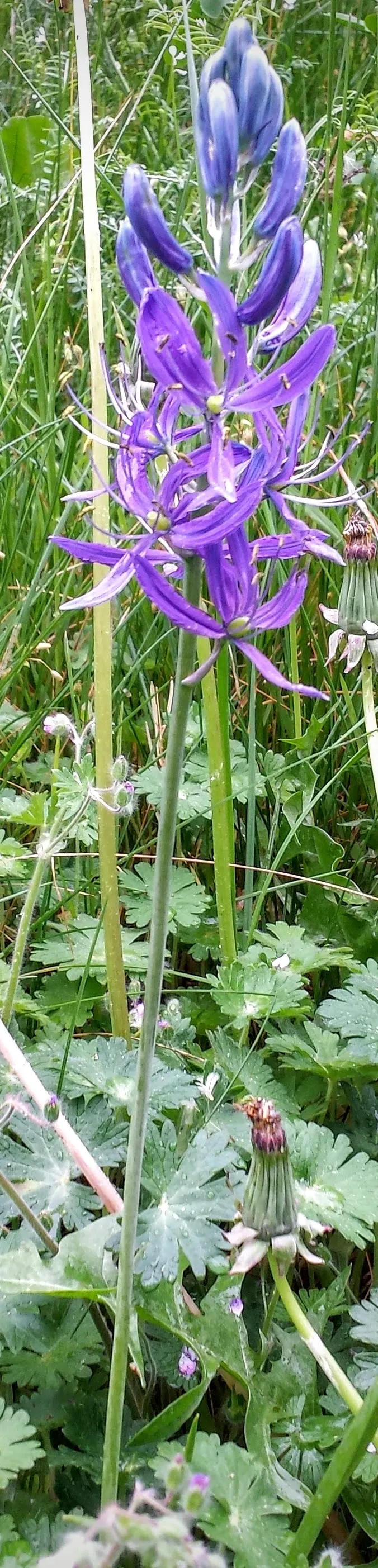
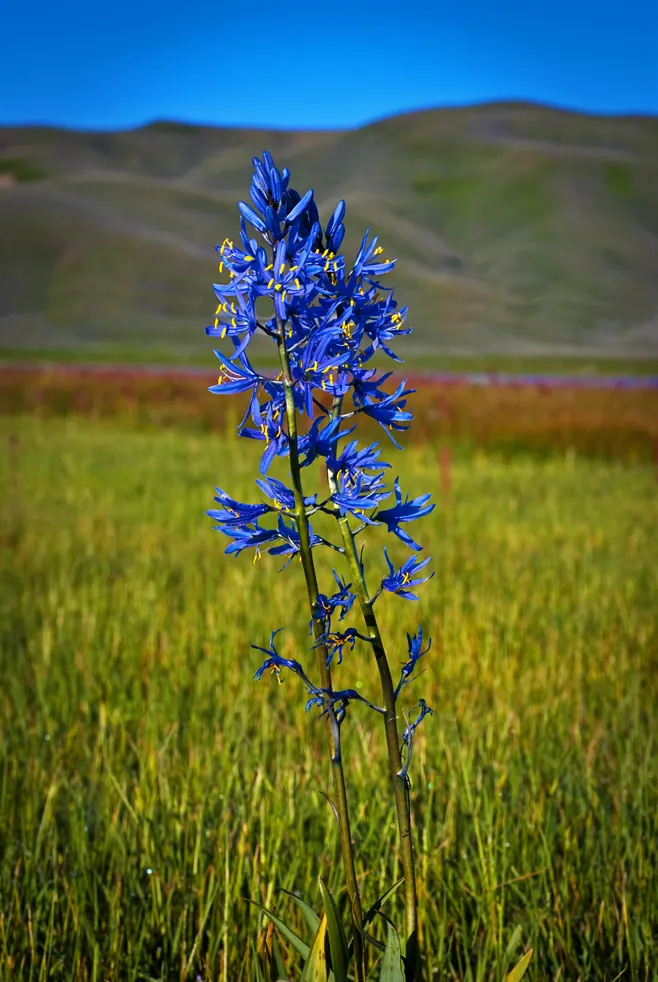
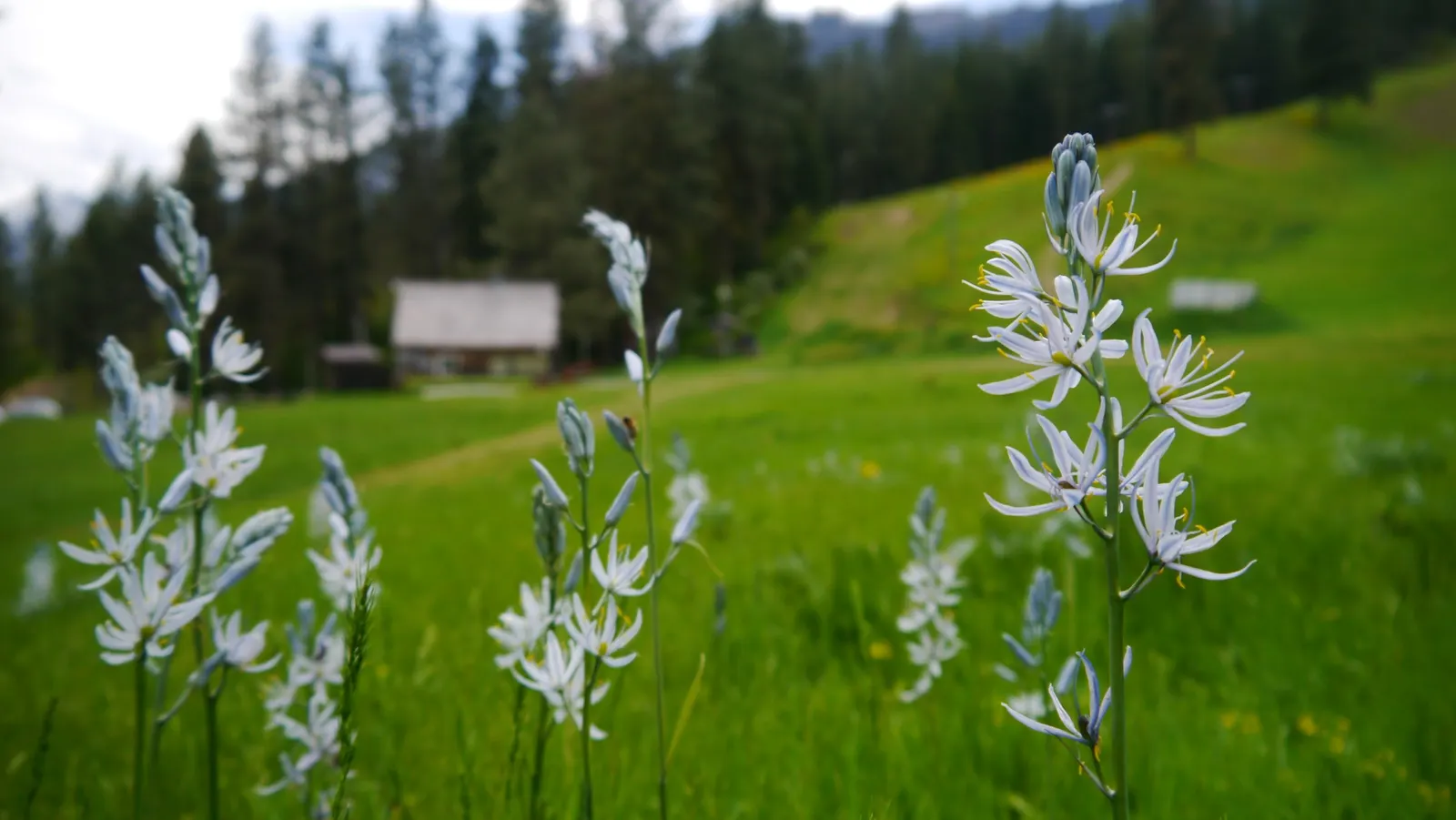
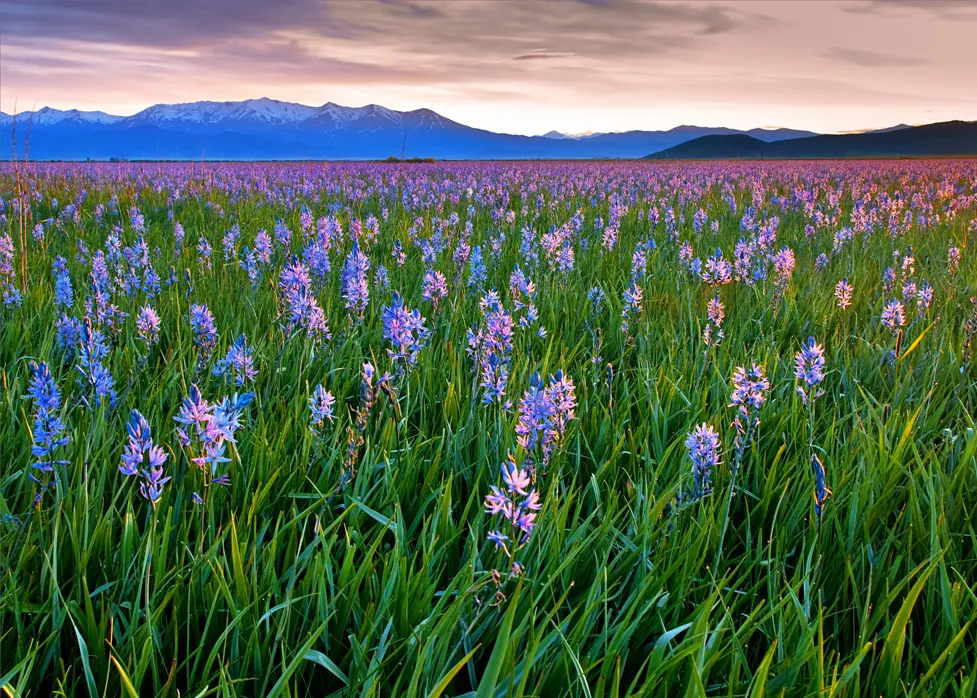
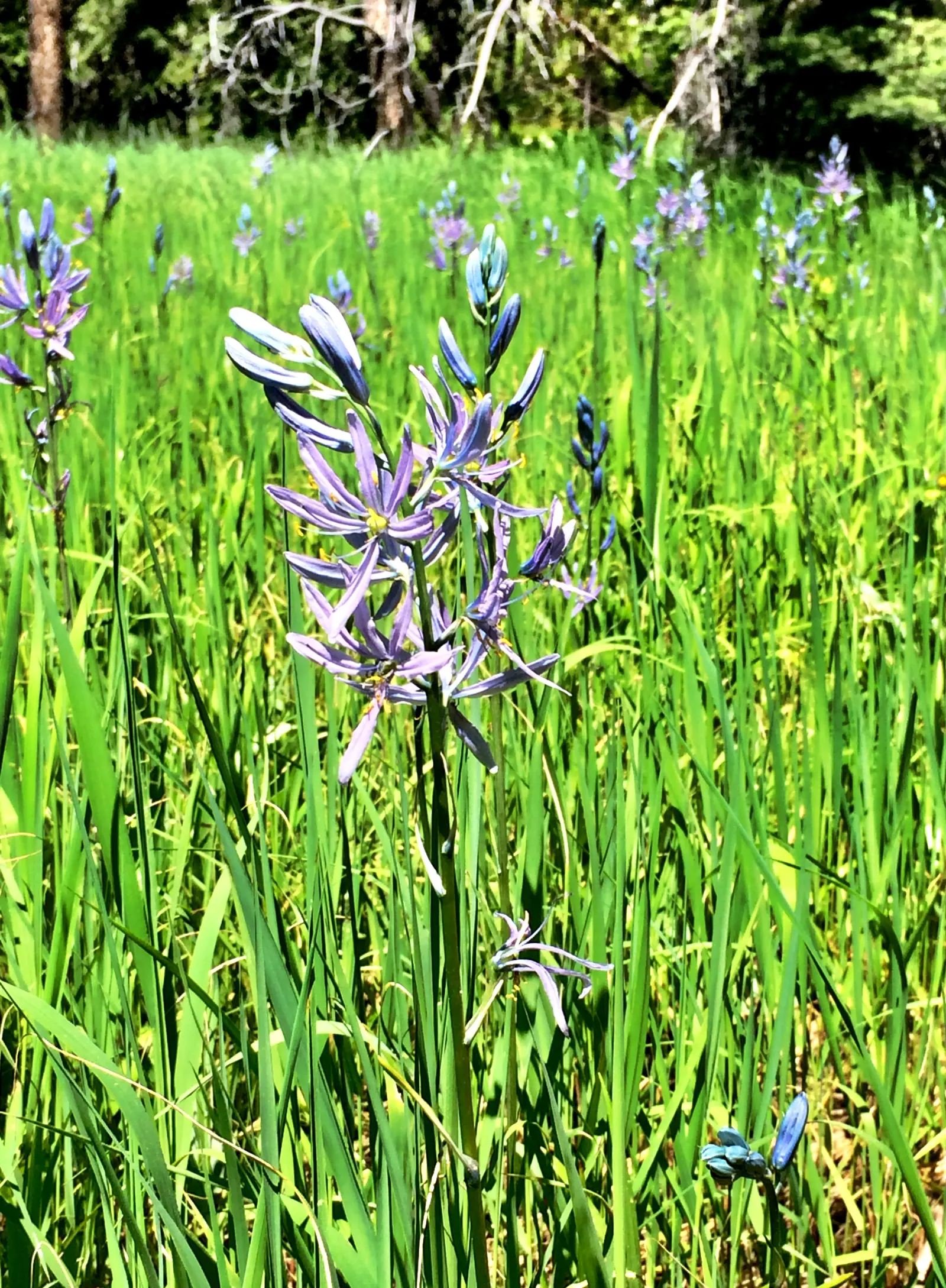
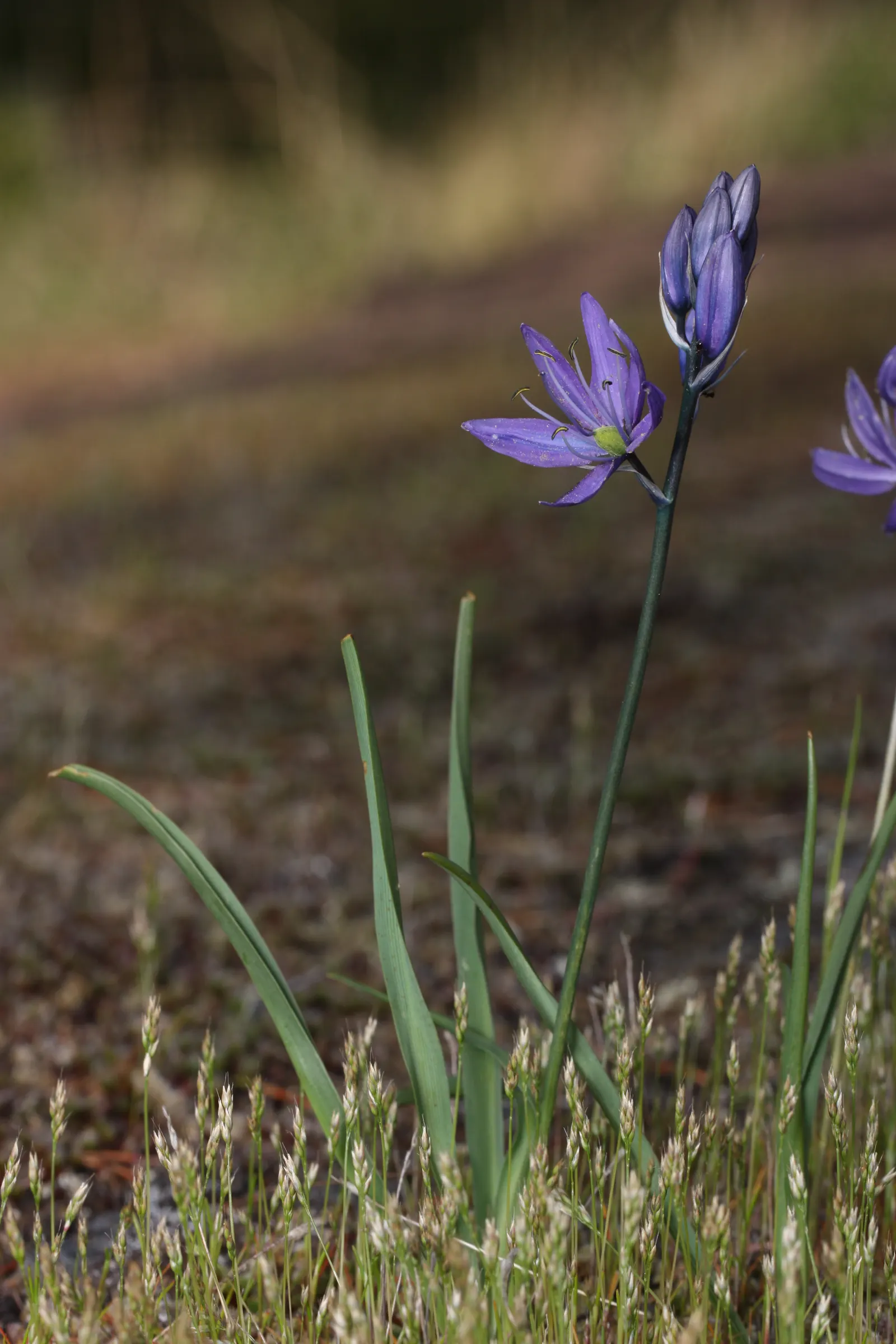
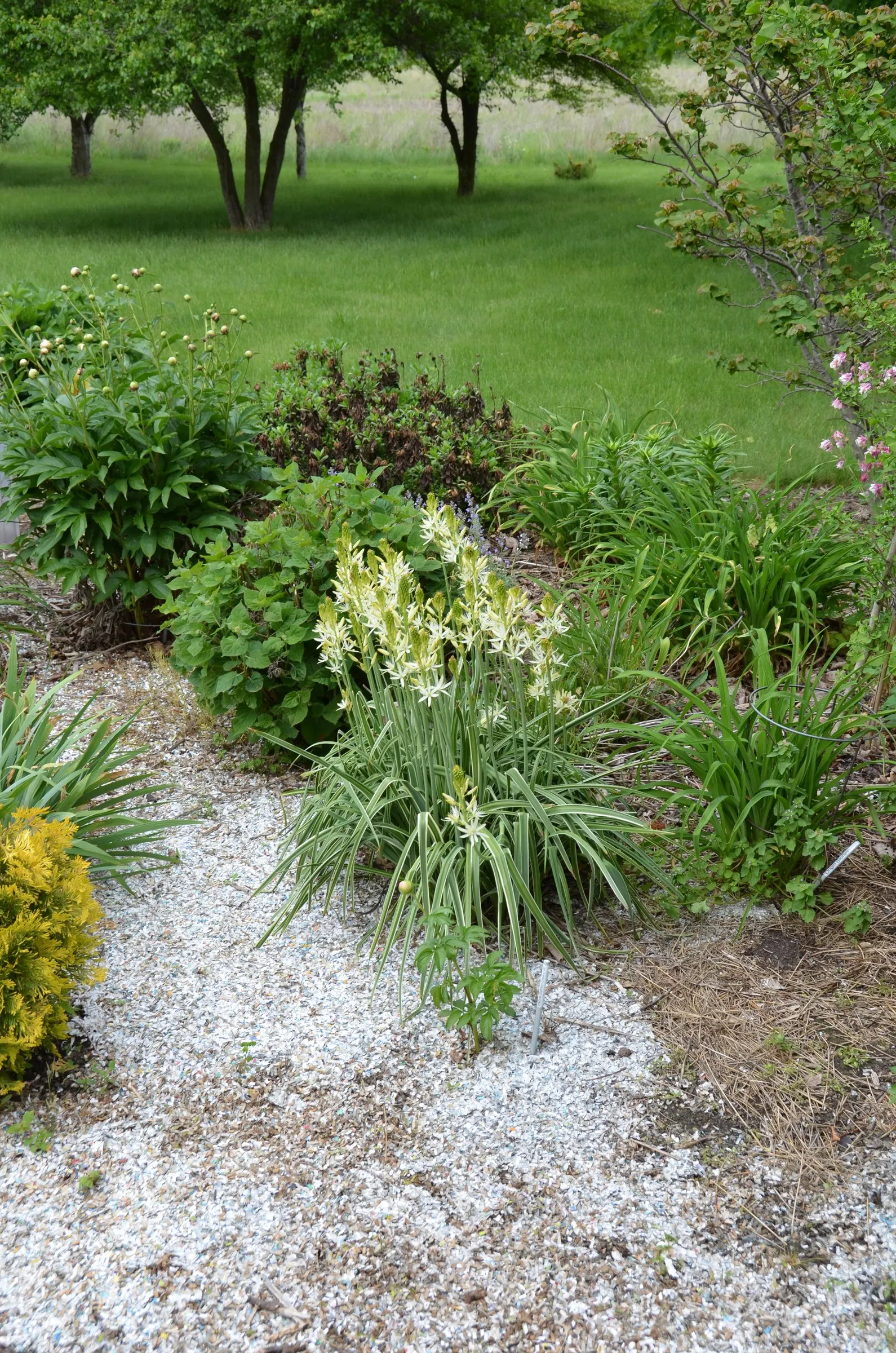
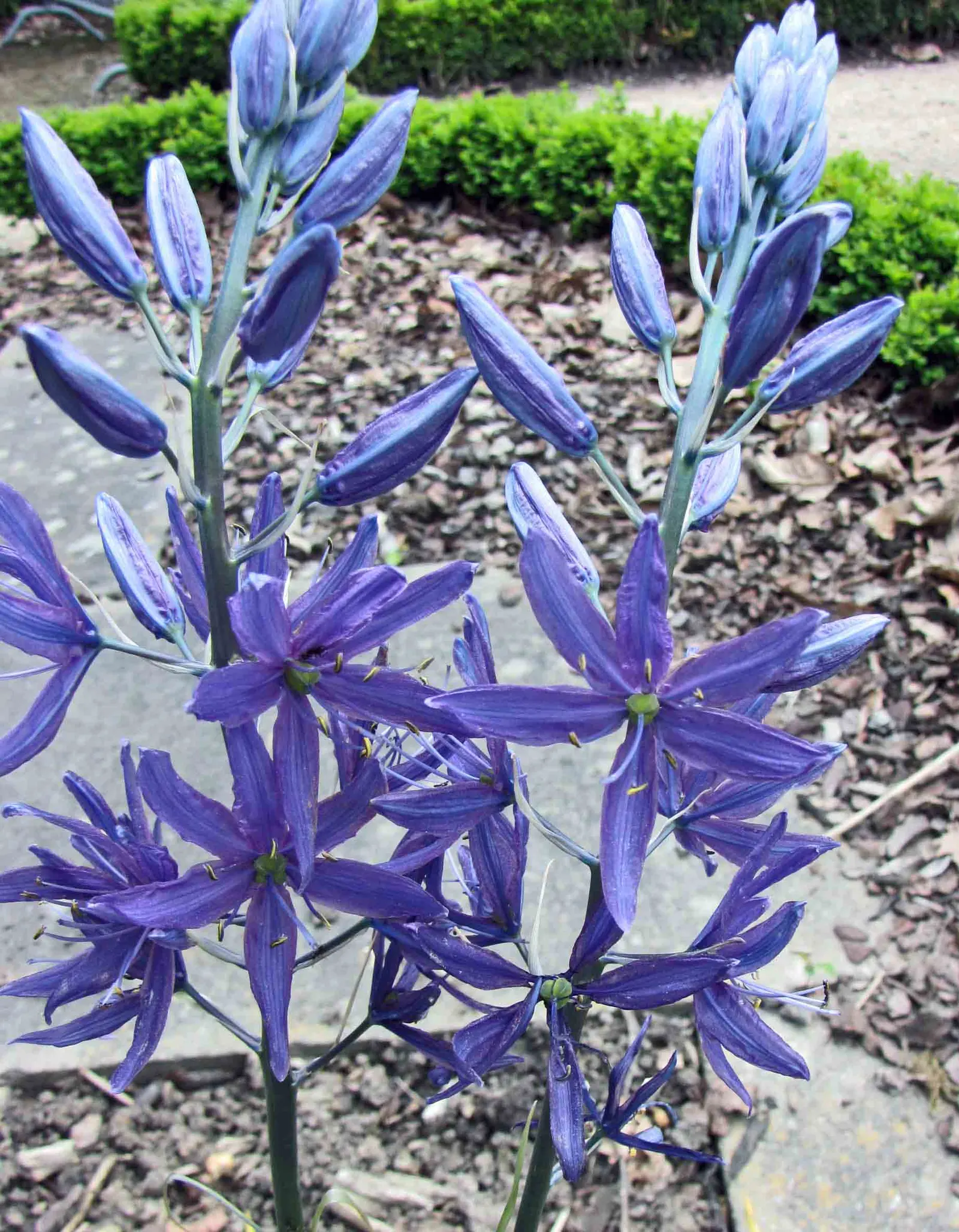
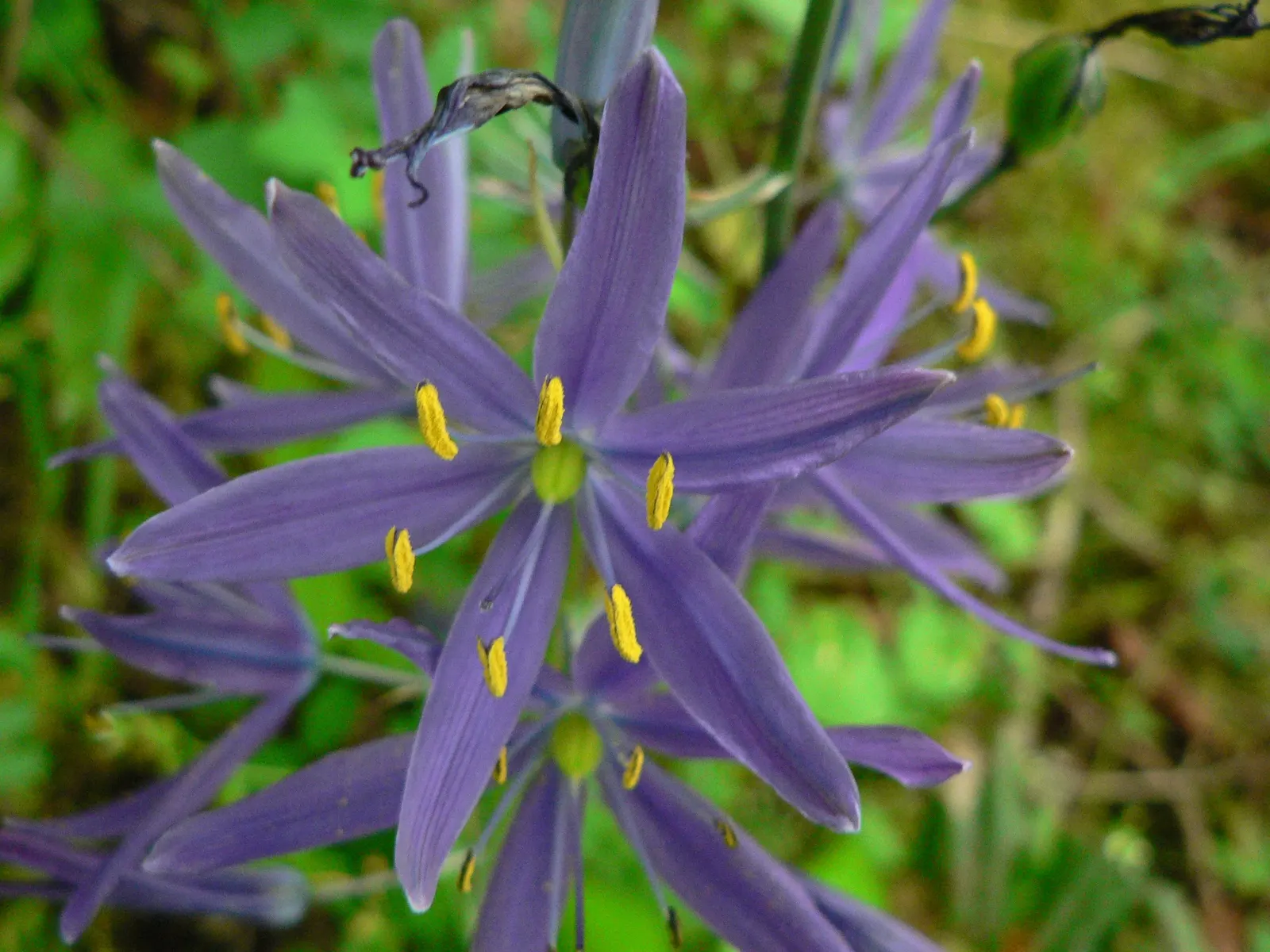
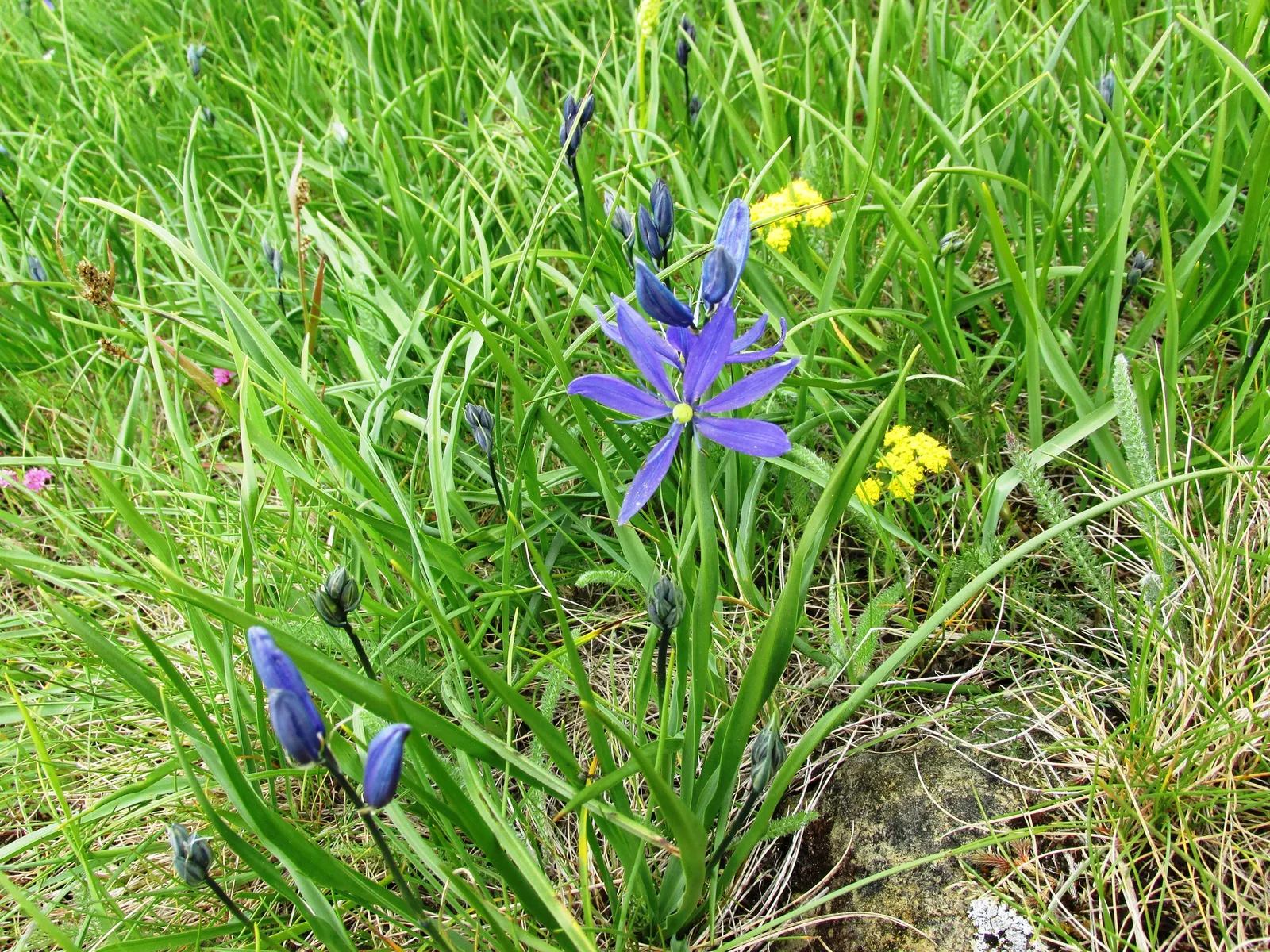
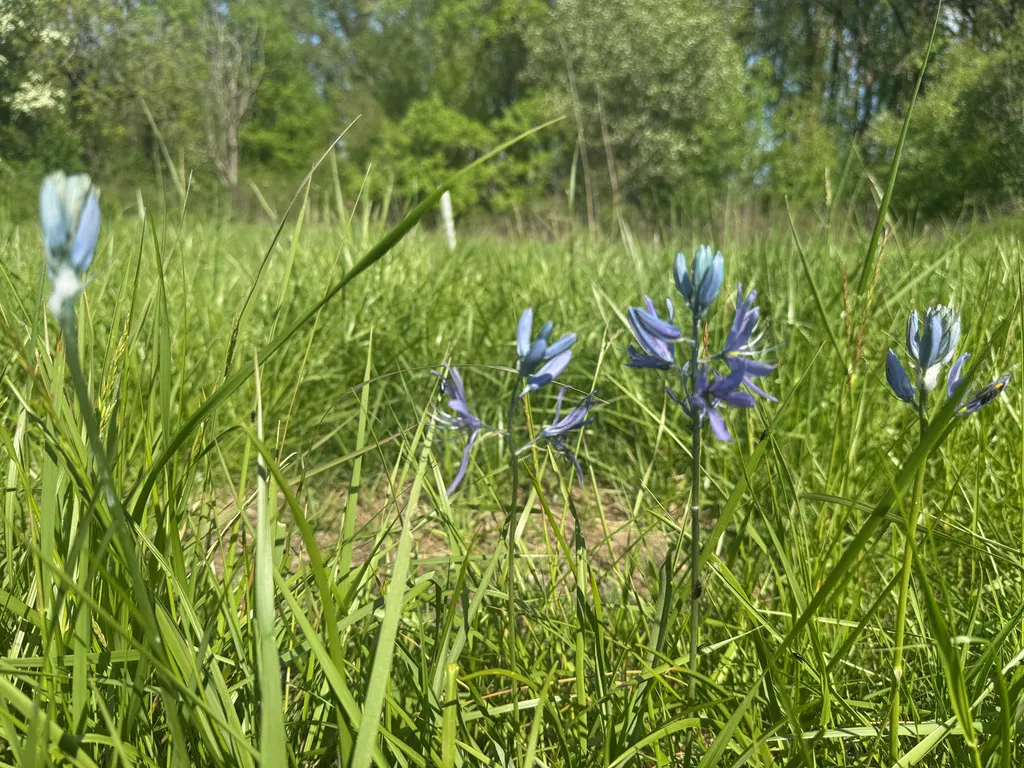
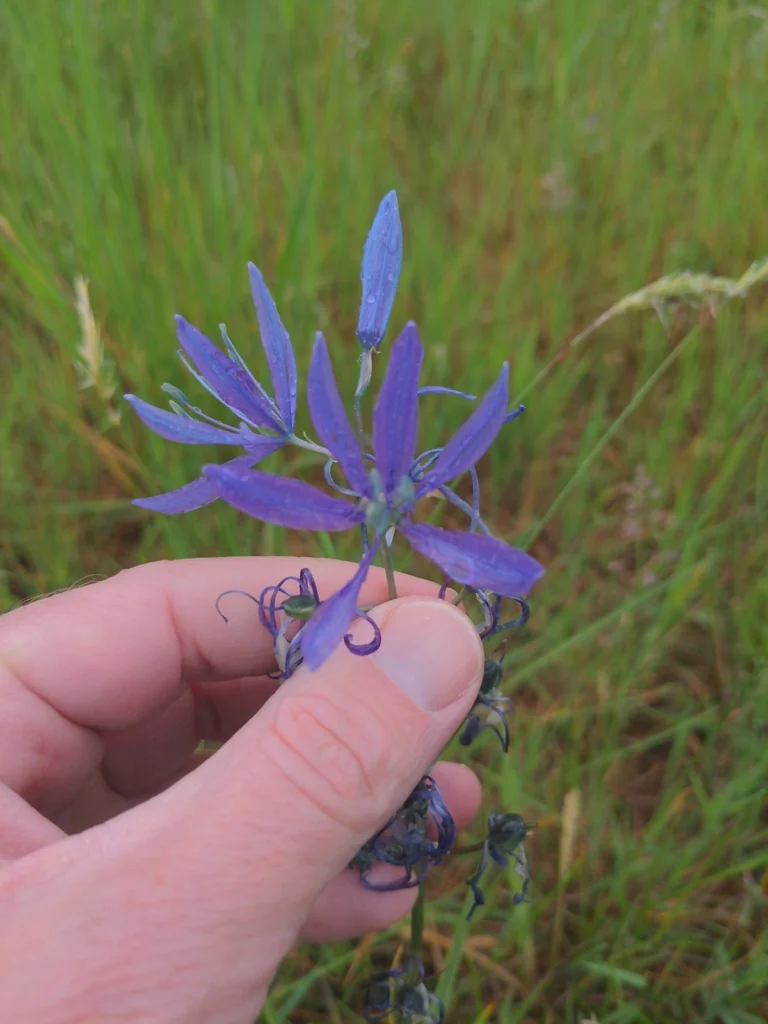
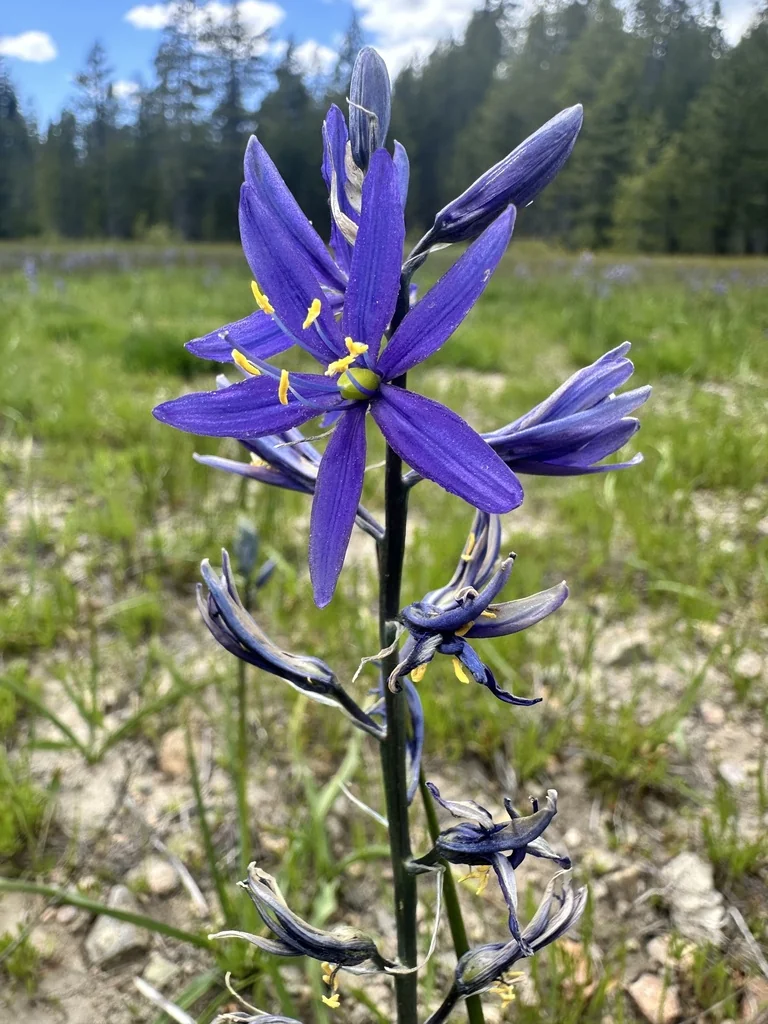
Camassia quamash, commonly known as Camas, is a perennial bulbous plant reaching 1-3 feet in height. It boasts striking star-shaped blue to violet flowers in late spring to early summer. Thriving in USDA zones 4-8, it prefers full sun to partial shade and moist, well-draining soil. Ideal for naturalizing in meadows or as a border accent, Camas is deer-resistant, attracting pollinators with its nectar-rich blooms.

Sun Full, HalfWater MediumZones 6–10
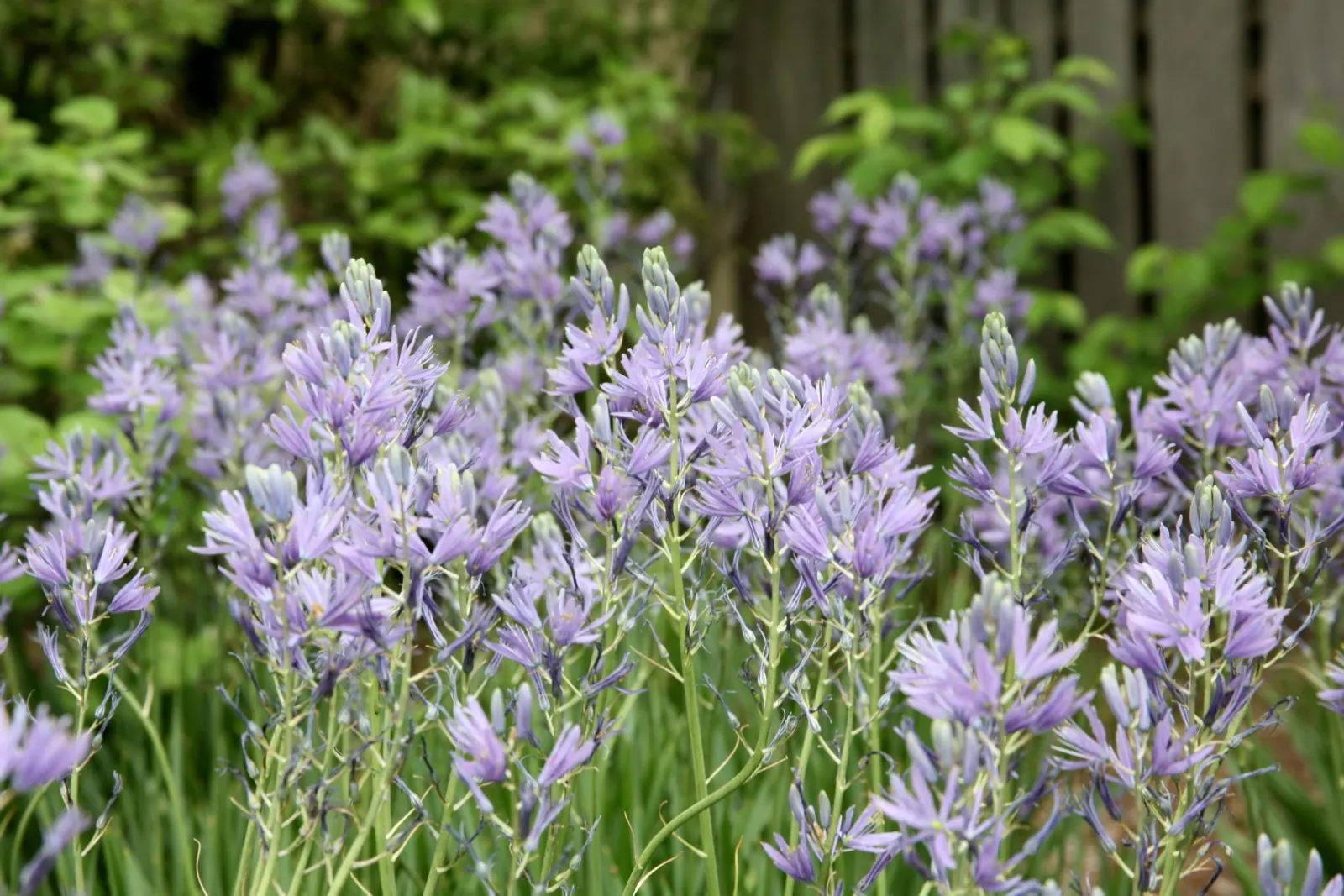
Camas (Camassia Quamash) — Camassia quamash, commonly known as Camas, is a perennial bulbous plant reaching 1-3 feet in height

Culture

Sun
Full, Half
Water
Medium
USDA zones
6–10

Shape & size

Classification

Family
Asparagaceae

See full data, regional cultivation notes, full-resolution photos, and design tools. Build a client presentation around this plant.

Start your 14-day trial

Photos (70)

Camas (Camassia Quamash) — It is also worth noting that Camas has a fairly low maintenance profile; each individual flower is roughly 1 to 1.5 inches in
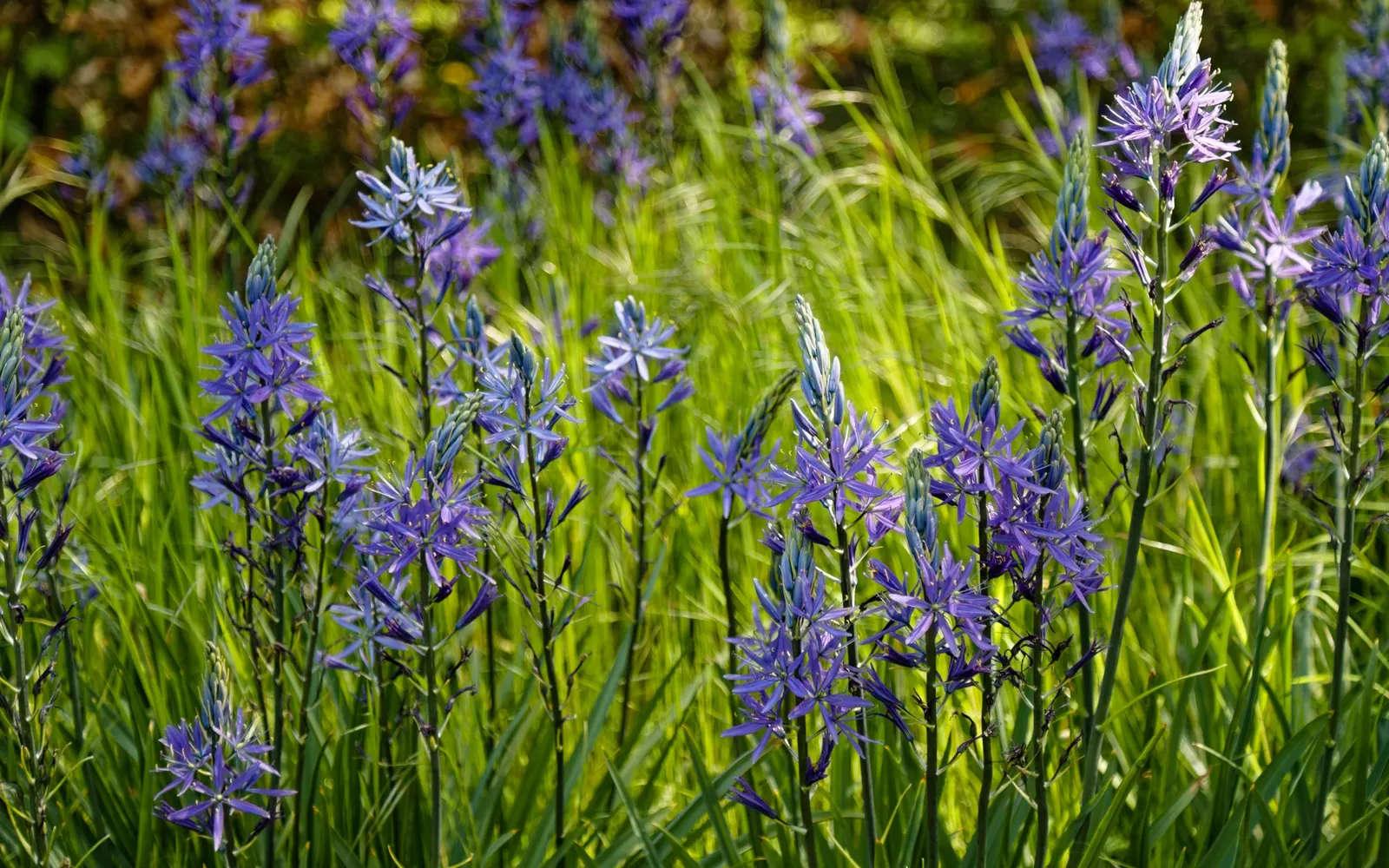
Camas (Camassia Quamash) — blue flowers in the garden; camas presents a striking display of starry-shaped flowers
Camas (Camassia Quamash) — Ideal for naturalizing in meadows or as a border accent; perennial with blue blooms, image 56
Camas (Camassia Quamash) — Thriving in USDA zones 4-8, it prefers full sun to partial shade and moist, well-draining soil; it is particularly, image 55
Camas (Camassia Quamash) — perennial with blue blooms; provide a grass-like textural contrast even when the plant is not in bloom.<br><br>When designing with
Camas (Camassia Quamash) — It boasts striking star-shaped blue to violet flowers in late spring to early summer; these flowers are borne on sturdy, image 54
Camas (Camassia Quamash) — perennial for full or half; rendering it a compelling choice for both aesthetic and practical purposes in a landscape
Camas (Camassia Quamash) — Camassia quamash, commonly known as Camas, is a perennial bulbous plant reaching 1-3 feet in height; ideal for, image 53
Camas (Camassia Quamash) — Camas presents a striking display of starry-shaped flowers; showcasing its adaptability to various temperate climates, image 61
Camas (Camassia Quamash) — This North American native thrives in USDA hardiness zones 4 through 8; adding an element of historical education for, image 59
Camas (Camassia Quamash) — showcasing its adaptability to various temperate climates; camassia quamash, commonly known as Camas, is a perennial, image 60
Camas (Camassia Quamash) — is a bulbous perennial that offers both ecological allure and historical significance; making it an excellent choice for, image 58
Camas (Camassia Quamash) — attracting pollinators with its nectar-rich blooms; is a bulbous perennial that offers both ecological allure and, image 57
Camas (Camassia Quamash) — making it an excellent choice for extending the blooming season in a garden setting; typically in shades of vivid blue or, image 65
Camas (Camassia Quamash) — Each individual flower is roughly 1 to 1.5 inches in diameter; consider its preference for full sun to partial shade, image 66
Camas (Camassia Quamash) — typically in shades of vivid blue or occasionally purplish hues; which can reach up to 24 inches long, image 62
Camas (Camassia Quamash) — upright spikes in late spring to early summer; thriving in USDA zones 4-8, it prefers full sun to partial shade and moist, image 64
Camas (Camassia Quamash) — These flowers are borne on sturdy; requiring minimal care once established, image 63
Camas (Camassia Quamash) — which can reach up to 24 inches long; blue flowers in the garden, image 67
Camas (Camassia Quamash) — provide a grass-like textural contrast even when the plant is not in bloom.<br><br>When designing with Camas; attracting, image 68
Camas (Camassia Quamash) — consider its preference for full sun to partial shade; upright spikes in late spring to early summer, image 69
Camas (Camassia Quamash) — It is particularly suited for borders, wildflower meadows, and water-wise gardens; camas bulbs were once a vital food, image 70

Related plants