Skip to content

Calamint

Calamintha Nepeta

Design with this plant

Overview

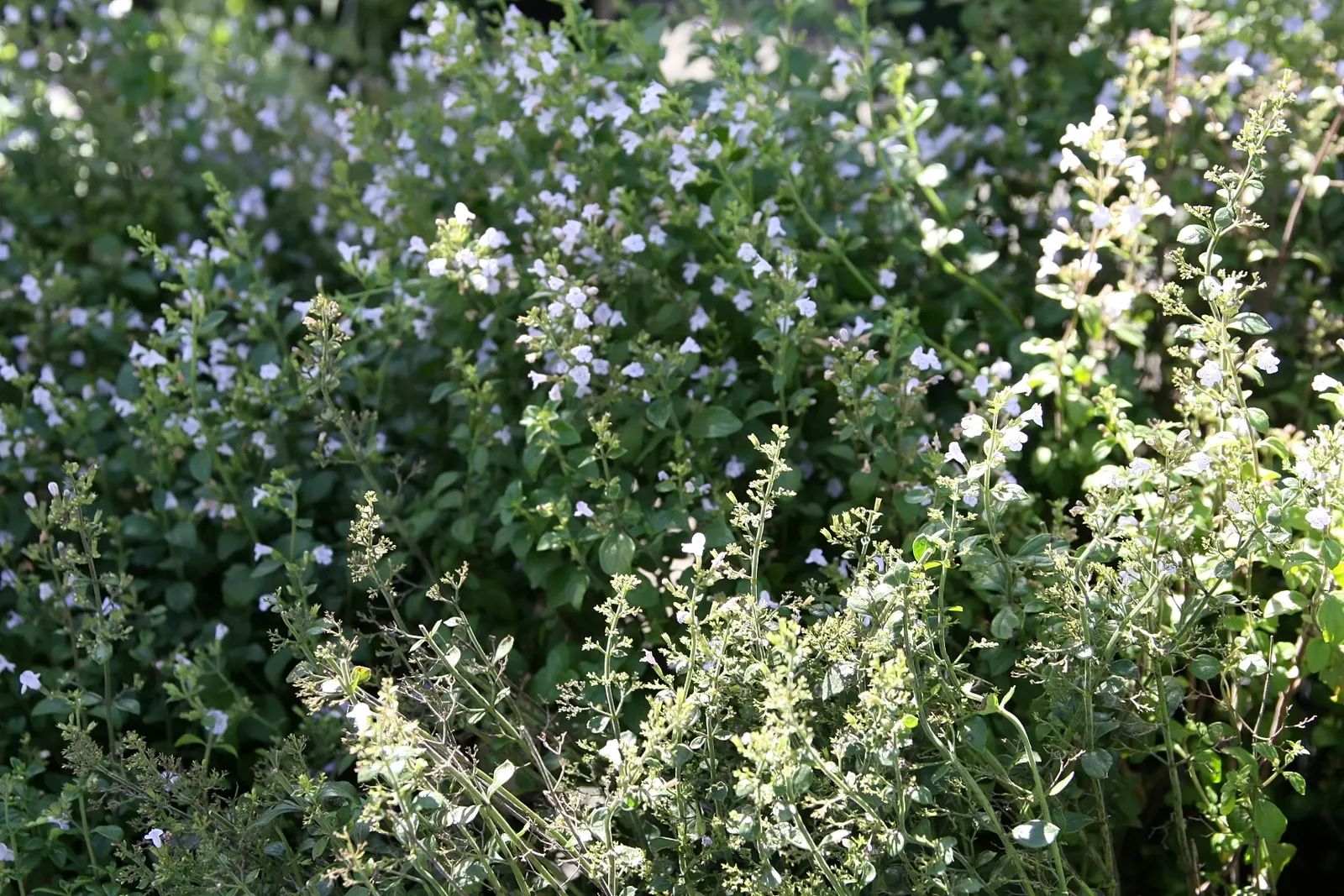
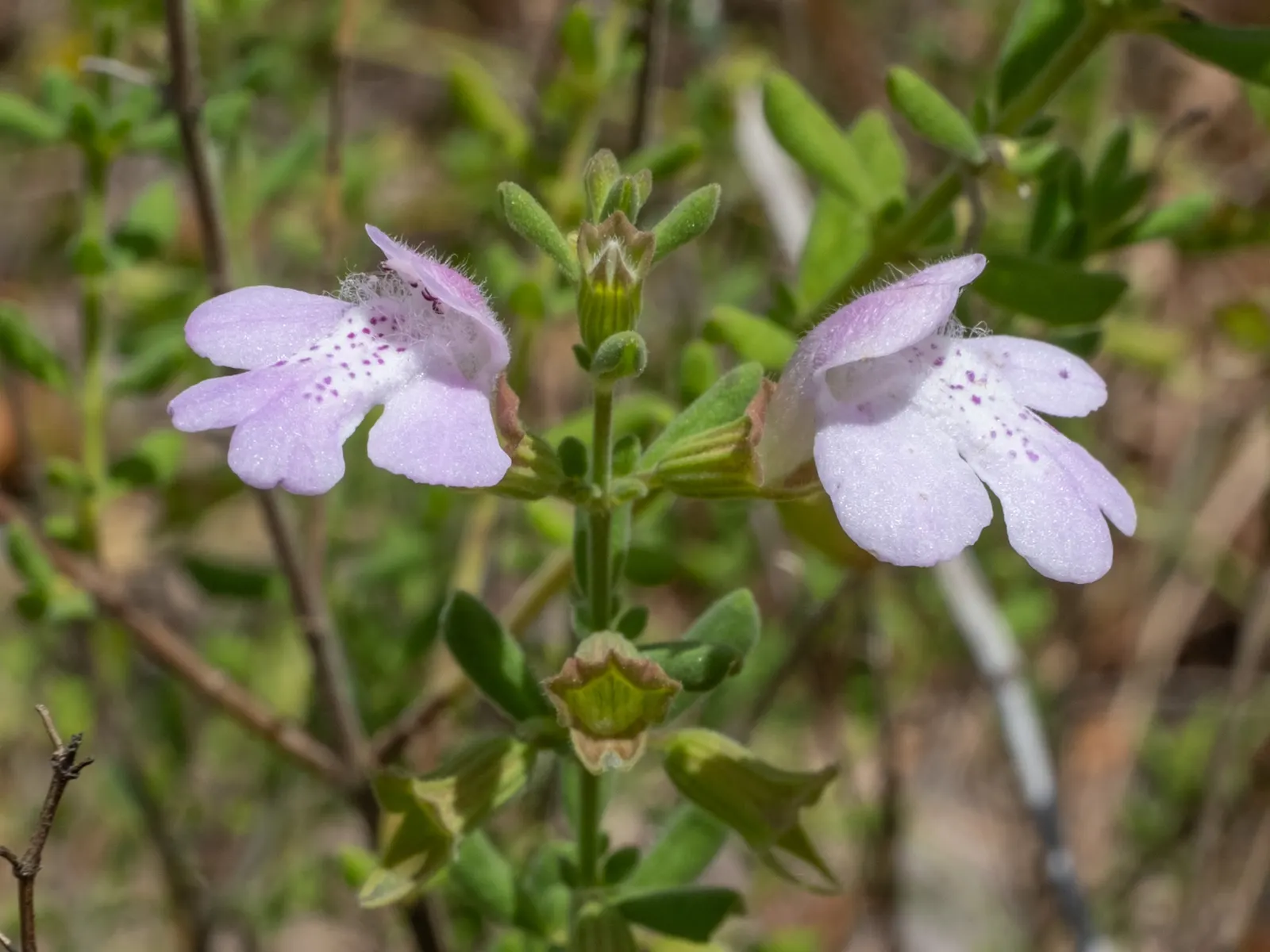
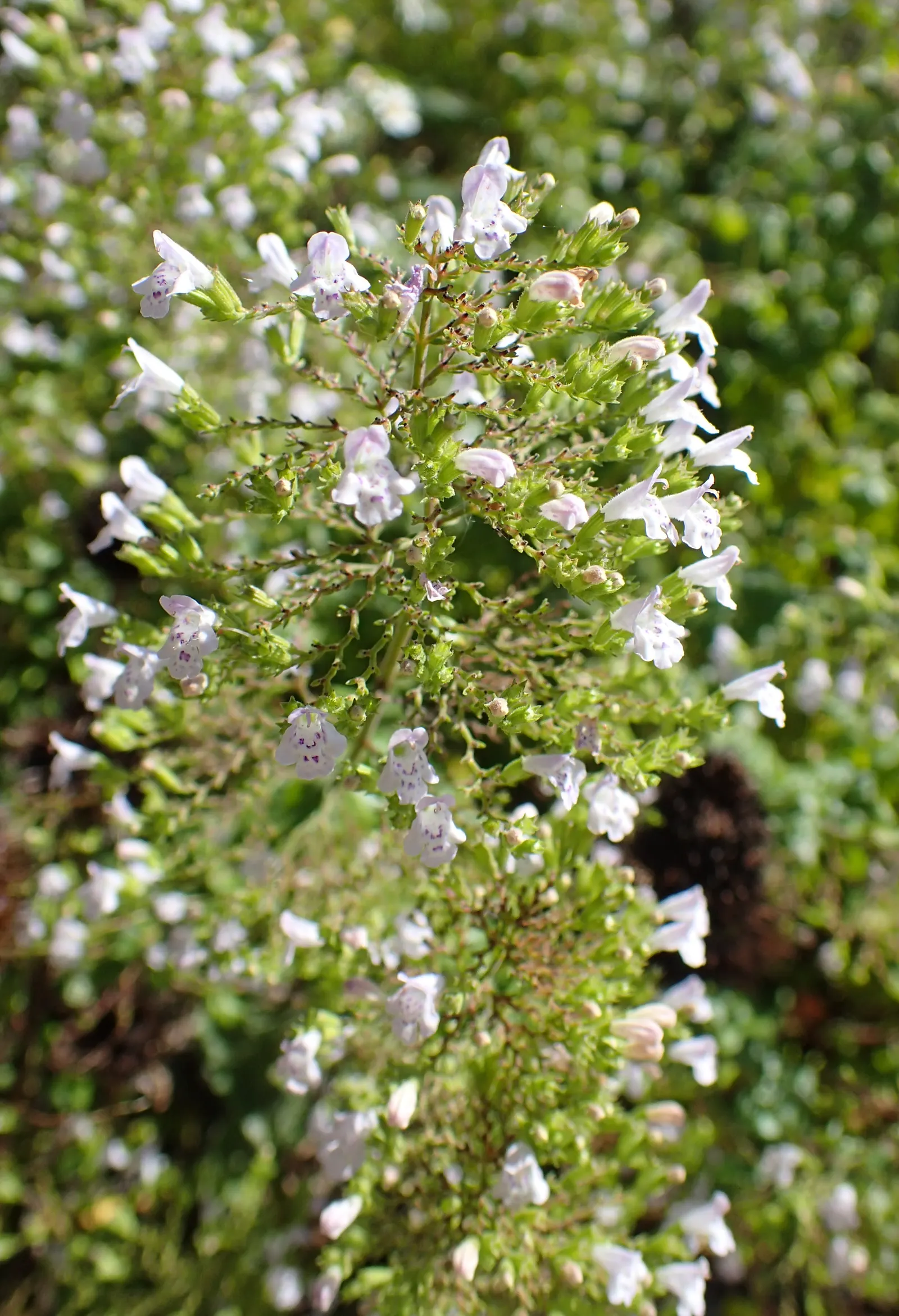
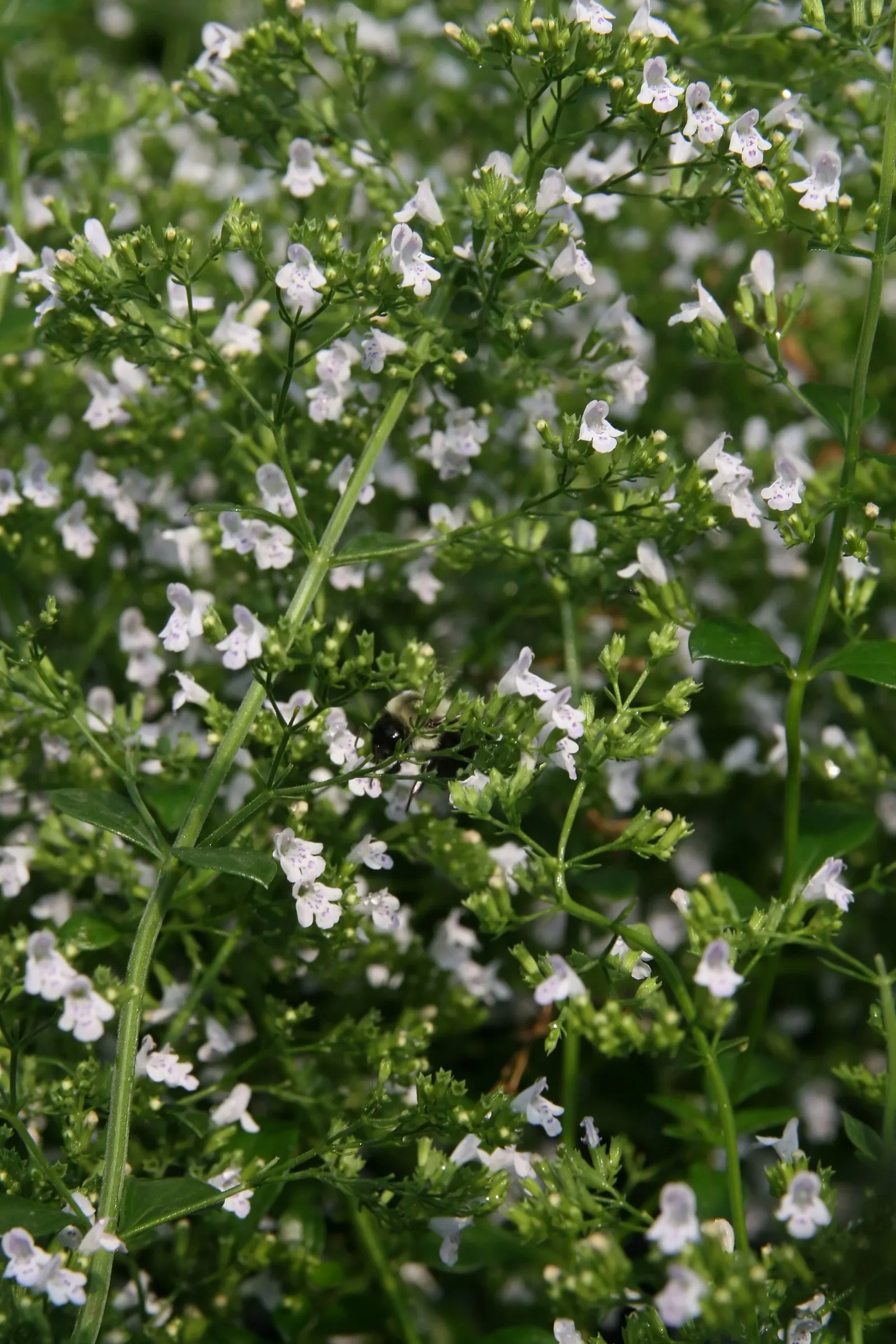
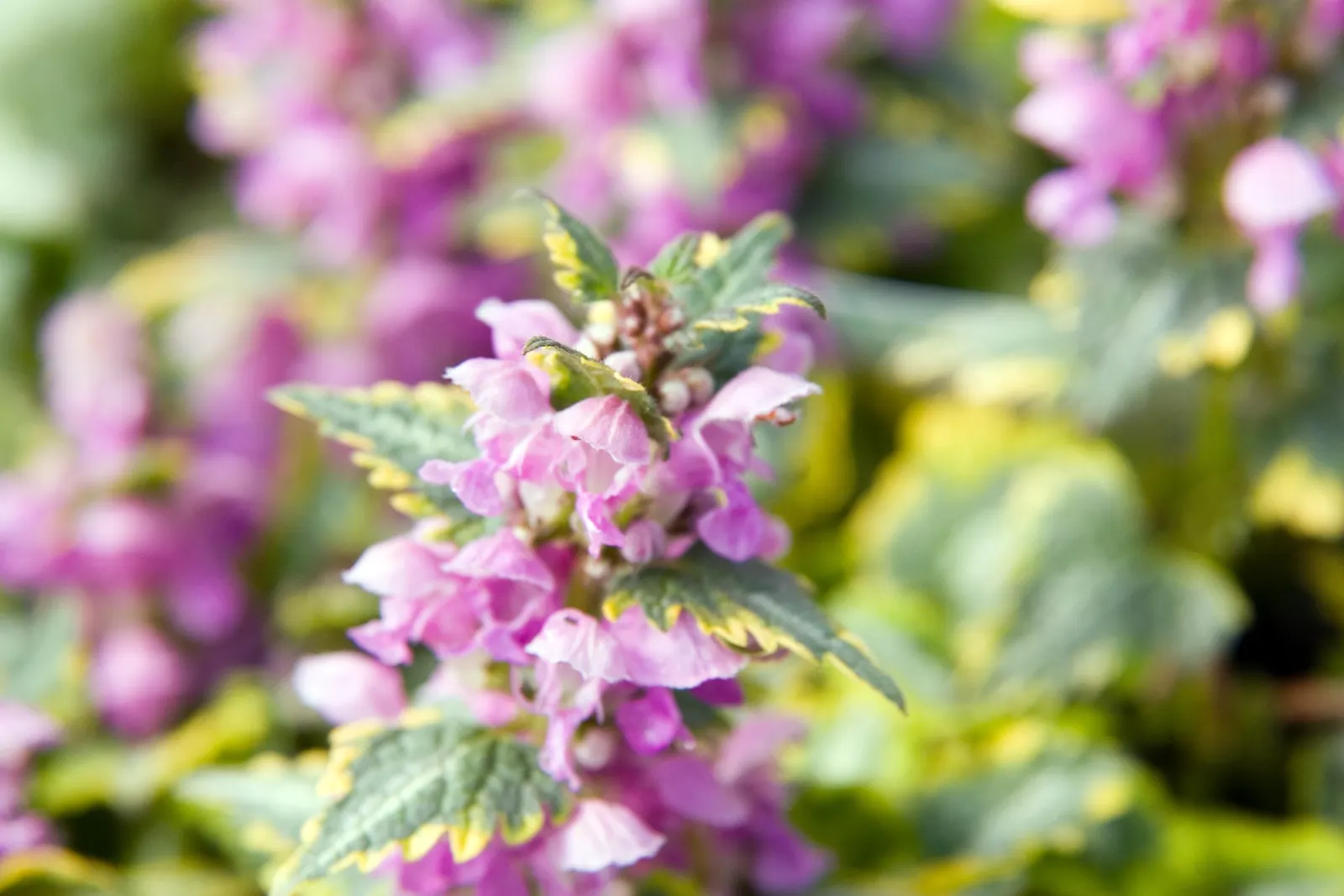
Calamintha nepeta, commonly known as Calamint, is a perennial herb delivering a profusion of delicate, airy, lilac flowers. This bee-friendly plant reaches 12-18 inches tall and spreads up to 18 inches wide. Thriving in USDA zones 5-9, it prefers full sun to part shade and well-draining soil. Calamint's mint-scented foliage offers a fragrant addition to borders and is heat tolerant, requiring minimal care once established.

Sun Full, Half, ShadeWater MediumZones 3–10Climate Mediterranean, Temperate
Calamint (Calamintha Nepeta) — commonly known as Calamint

Culture

Sun
Full, Half, Shade
Water
Medium
USDA zones
3–10

Shape & size

Mature height
12–18 Inches
Mature width
1–2 Ft.

Classification

Family
Lamiaceae
Climate
Mediterranean, Temperate

See full data, regional cultivation notes, full-resolution photos, and design tools. Build a client presentation around this plant.

Start your 14-day trial

Photos (190)

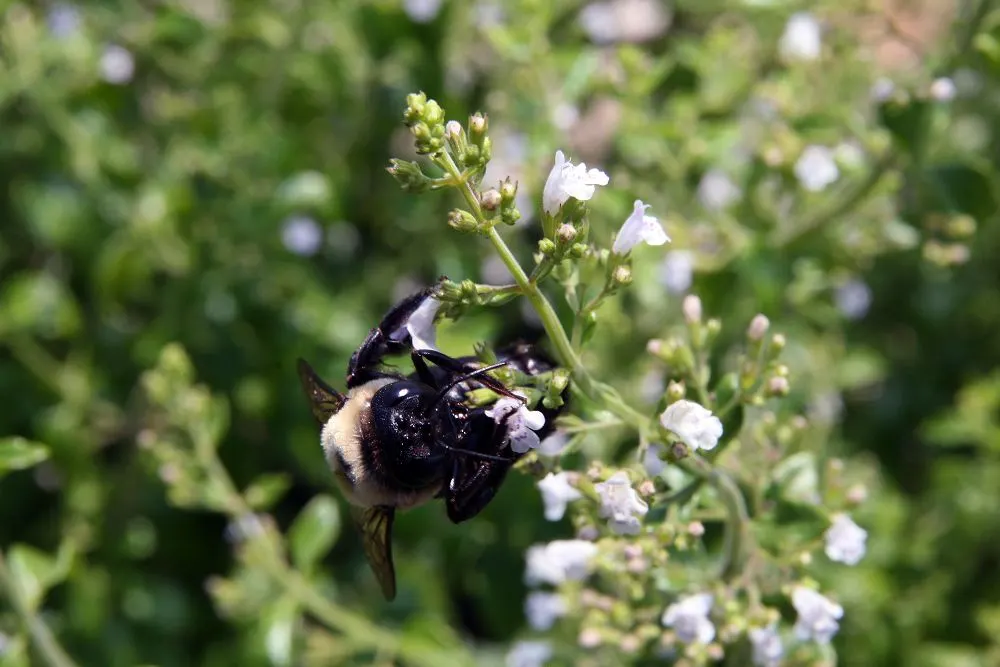
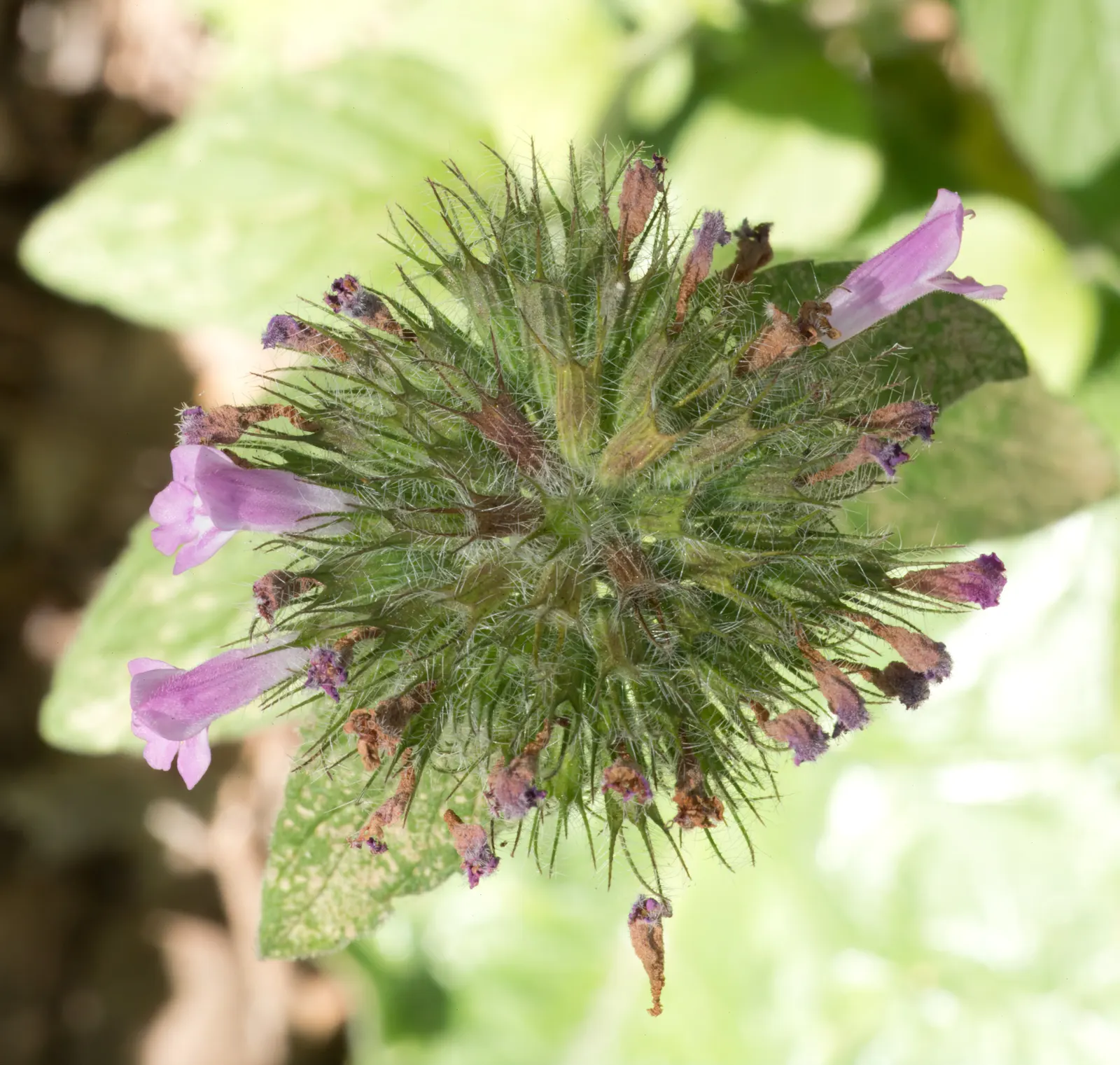
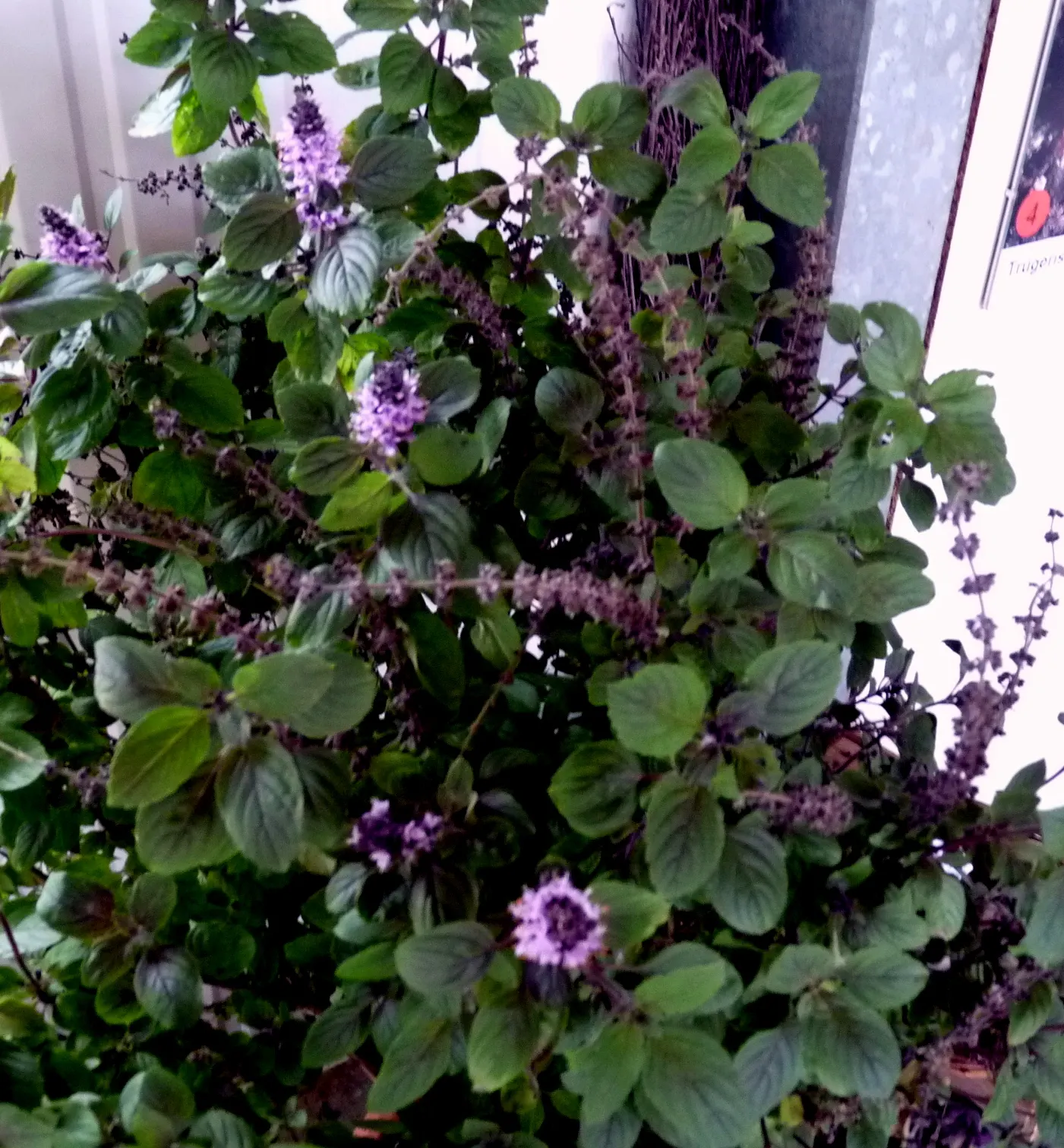
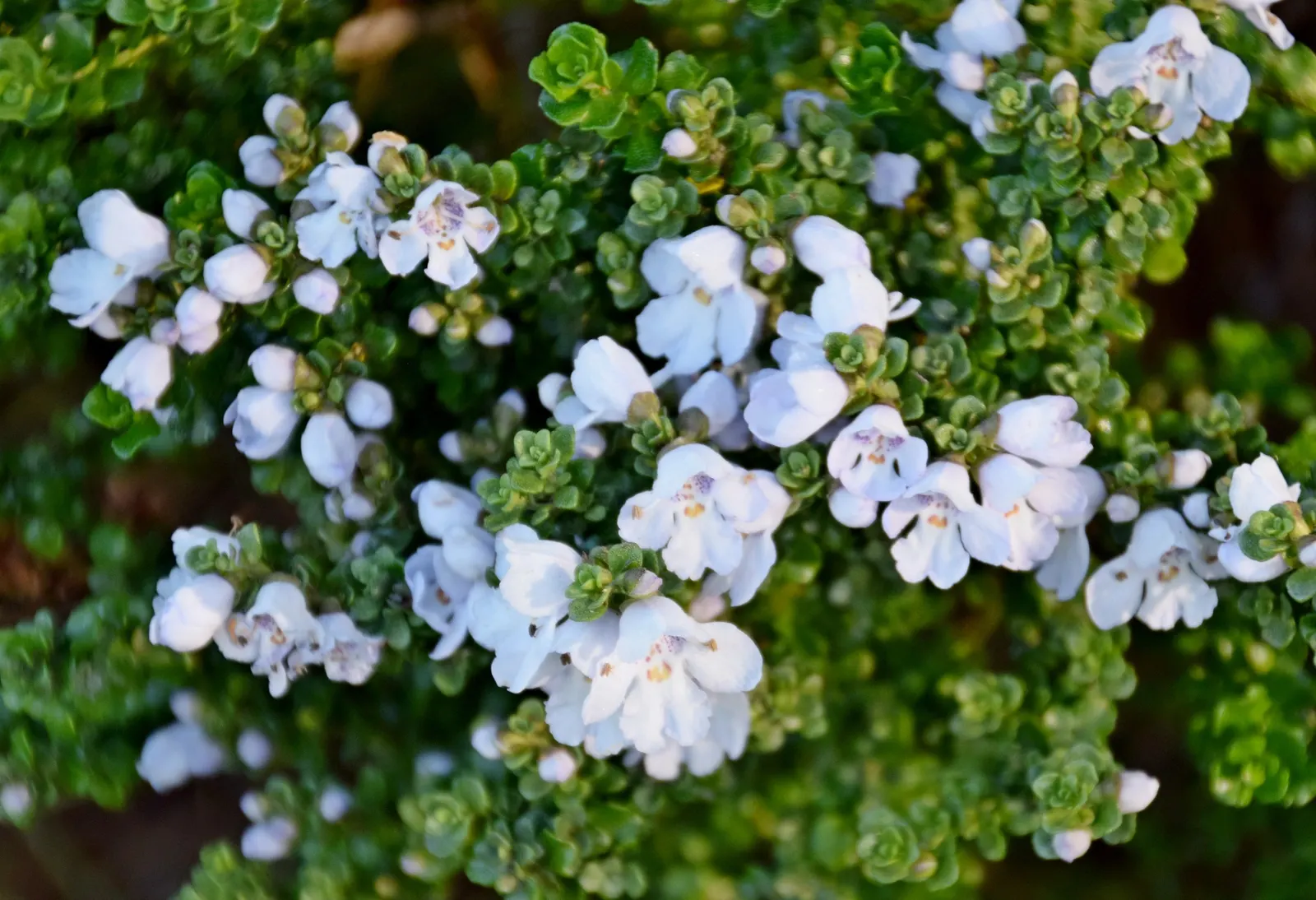
Calamint (Calamintha Nepeta) — Calamint's mint-scented foliage offers a fragrant addition to borders and is heat tolerant; white flowers in the garden
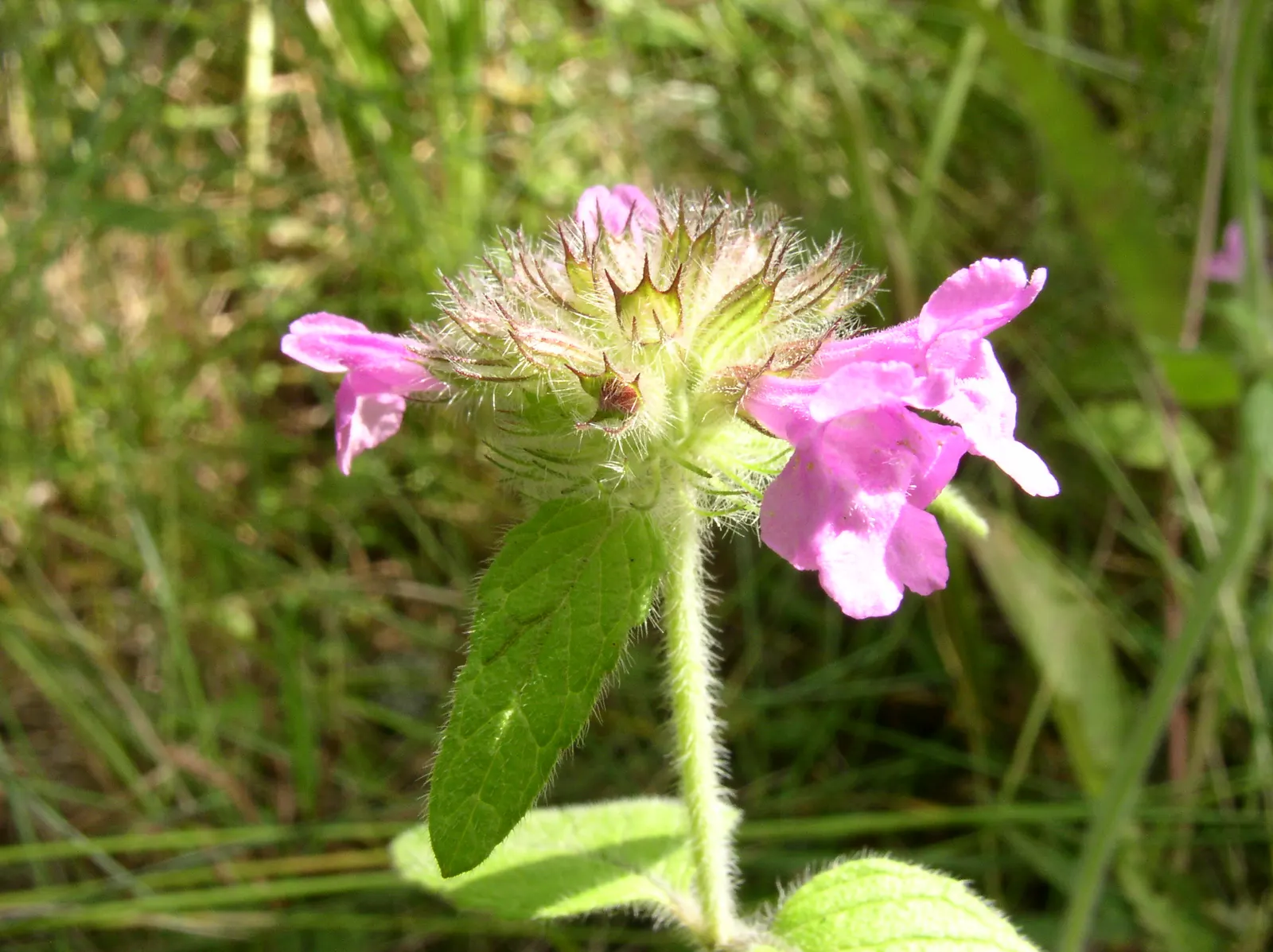
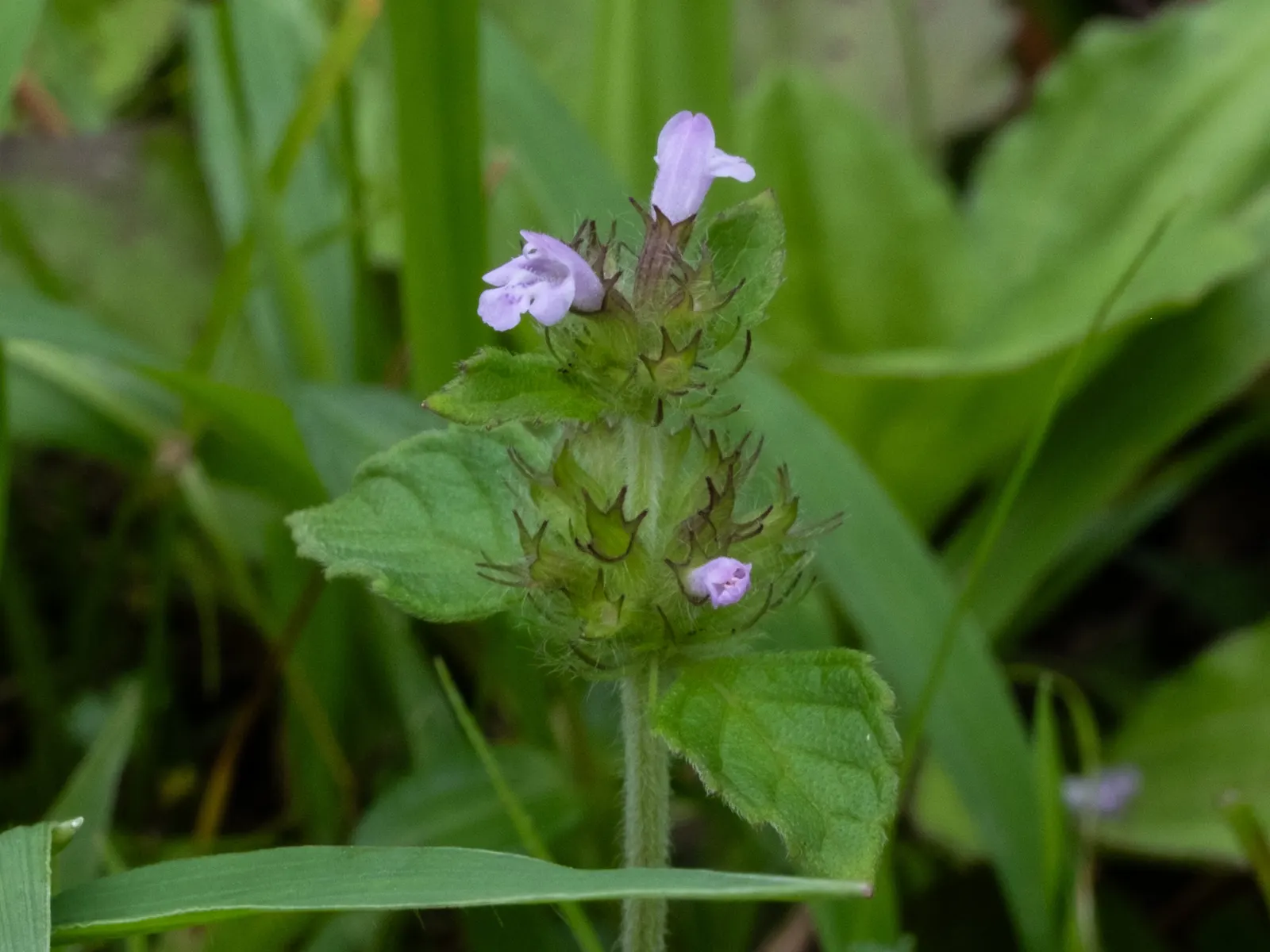
Calamint (Calamintha Nepeta) — delicate lilac to white flowers that bloom profusely from early summer through the late fall; ground cover / perennial with
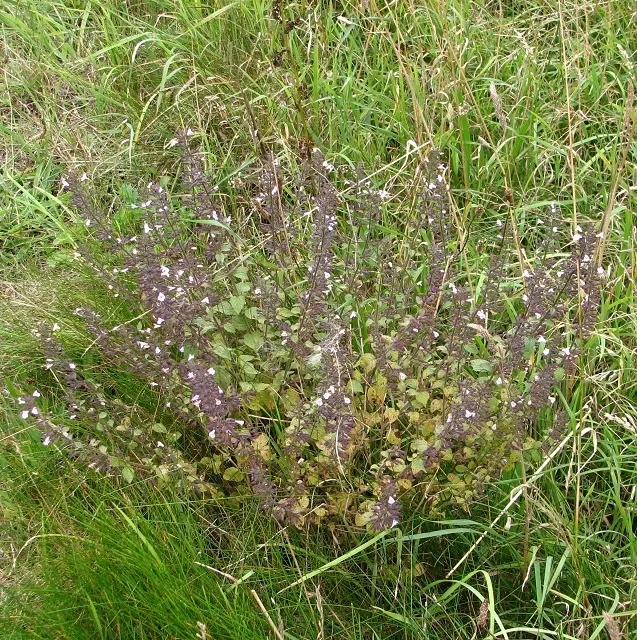
Calamint (Calamintha Nepeta) — ground cover / perennial for full or half or shade
Calamint (Calamintha Nepeta) — commonly known as Calamint; calamint's mint-scented foliage offers a fragrant addition to borders and is heat tolerant
Calamint (Calamintha Nepeta) — This bee-friendly plant reaches 12-18 inches tall and spreads up to 18 inches wide; with a similar spread of up to 18 to 24
Calamint (Calamintha Nepeta) — Thriving in USDA zones 5-9, it prefers full sun to part shade and well-draining soil; and other beneficial insects
Calamint (Calamintha Nepeta) — As a member of the mint family; thereby supporting the local ecosystem
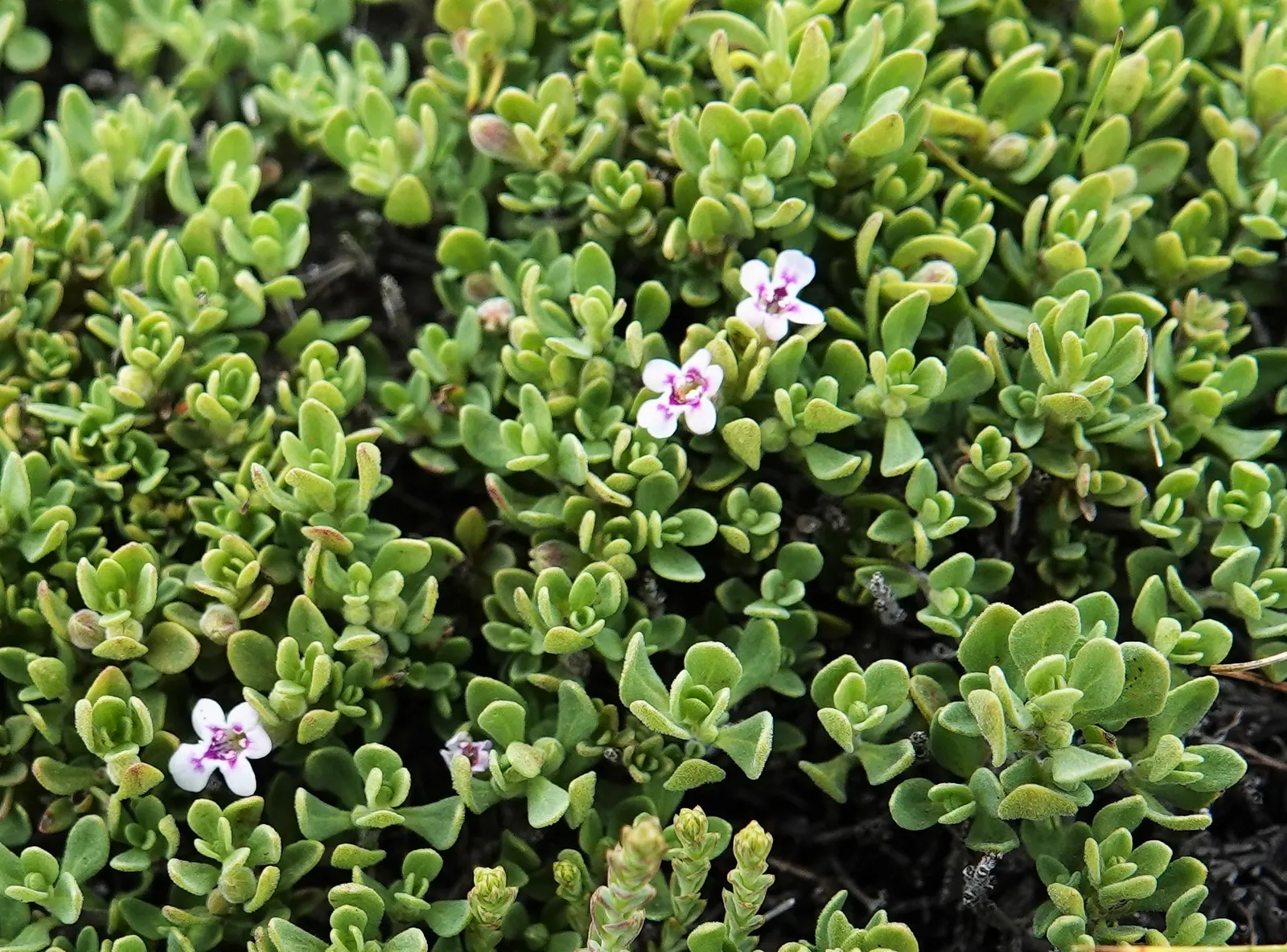
Calamint (Calamintha Nepeta) — commonly known as Lesser Calamint or simply Calamint; creating a low mound of foliage that serves as an excellent groundcover or
Calamint (Calamintha Nepeta) — requiring minimal care once established, image 32
Calamint (Calamintha Nepeta) — white flowers in the garden
Calamint (Calamintha Nepeta) — ground cover / perennial with white blooms
Calamint (Calamintha Nepeta) — creating a low mound of foliage that serves as an excellent groundcover or border frontage; ground cover / perennial for full or
Calamint (Calamintha Nepeta) — with a similar spread of up to 18 to 24 inches; it is also deer-resistant
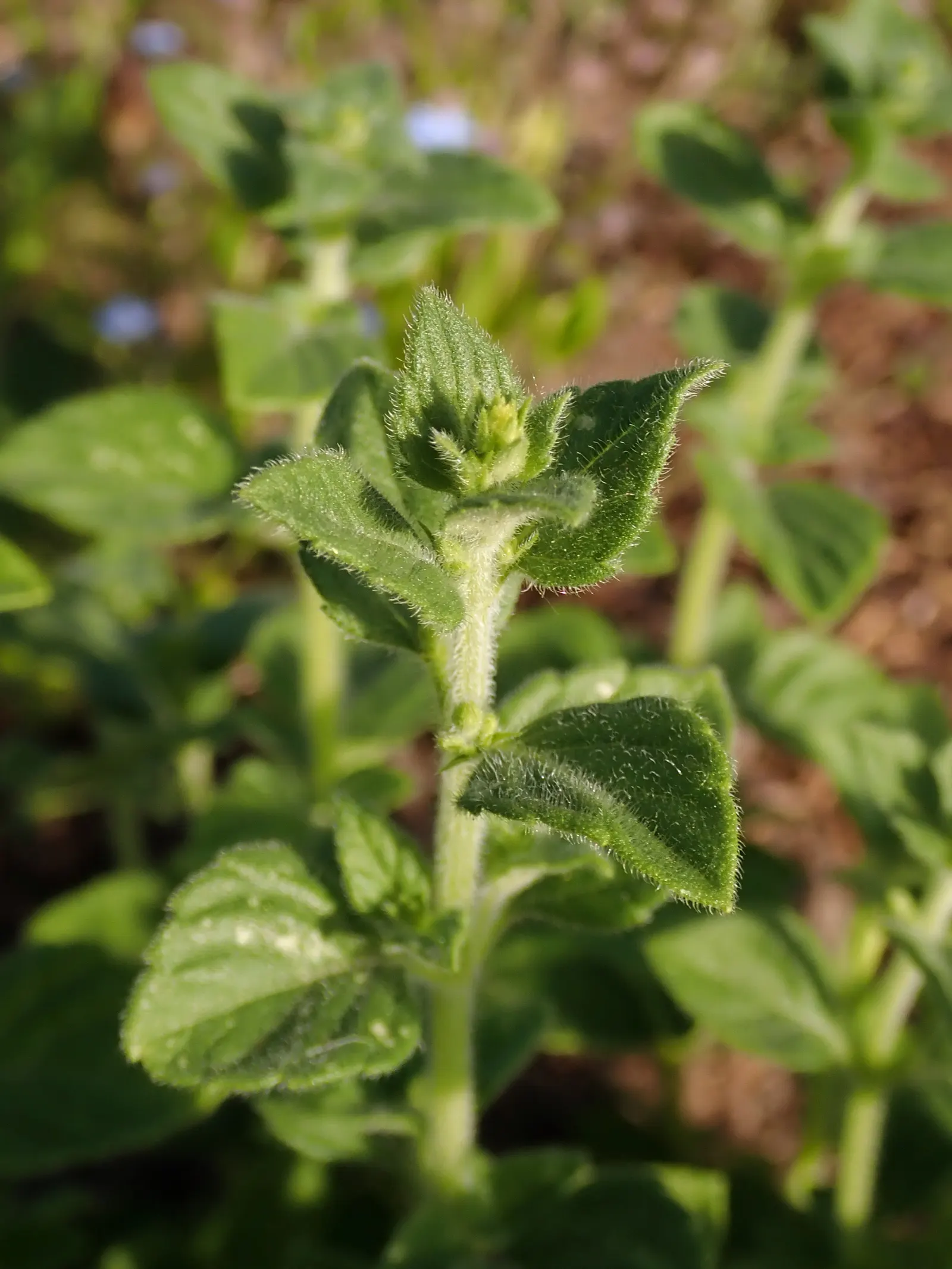
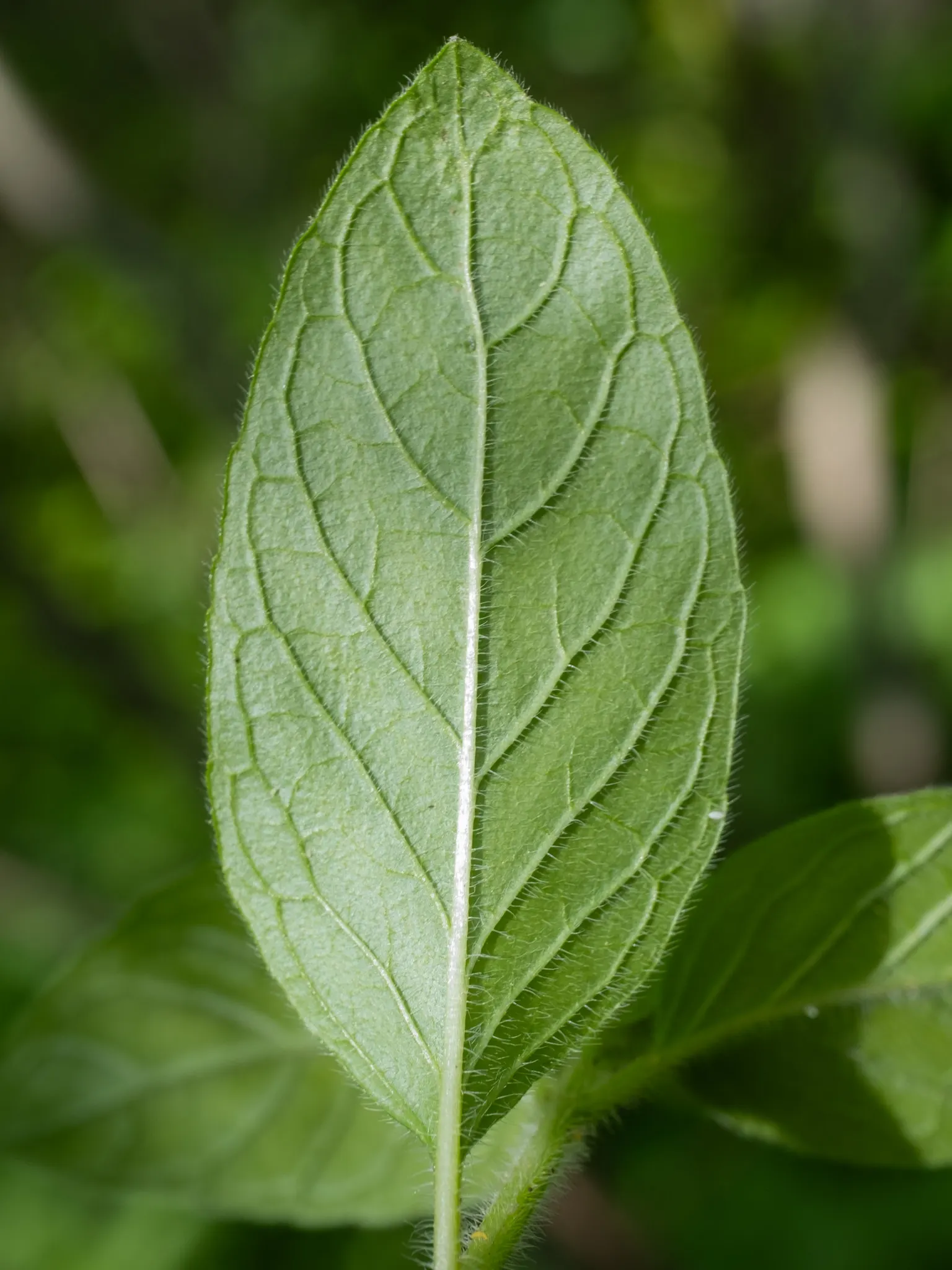
Calamint (Calamintha Nepeta) — minty fragrance.<br><br>The plant typically reaches a mature height of 12 to 18 inches; oval-shaped leaves are a luscious green
Calamint (Calamintha Nepeta) — providing a prolonged display of color and a pleasant; commonly known as Lesser Calamint or simply Calamint
Calamint (Calamintha Nepeta) — It is hardy to USDA zones 5 to 9 and exhibits drought tolerance once established; consider its cascading foliage for edging
Calamint (Calamintha Nepeta) — making it a versatile choice for various garden positions, image 41
Calamint (Calamintha Nepeta) — consider its cascading foliage for edging pathways; providing a prolonged display of color and a pleasant
Calamint (Calamintha Nepeta) — It is also deer-resistant; this bee-friendly plant reaches 12-18 inches tall and spreads up to 18 inches wide
Calamint (Calamintha Nepeta) — thereby supporting the local ecosystem; or as a complement to other flowering perennials and grasses
Calamint (Calamintha Nepeta) — and other beneficial insects; it is hardy to USDA zones 5 to 9 and exhibits drought tolerance once established
Calamint (Calamintha Nepeta) — Calamint is recognized for its pollinator-friendly nature; delicate lilac to white flowers that bloom profusely from early
Calamint (Calamintha Nepeta) — which is beneficial for low-maintenance or water-conscious landscapes.<br><br>Moreover; commonly known as Calamint
Calamint (Calamintha Nepeta) — oval-shaped leaves are a luscious green; as a member of the mint family

Related plants